Worldwide location-image library — 562 scenes across the United Kingdom — AI-generated artistic interpretations
Word of the daynostalgia“a longing for the past”·“The smell of woodsmoke woke a sharp nostalgia.”“The smell of woodsmoke woke a sharp nostalgia.”Day 298 of 365
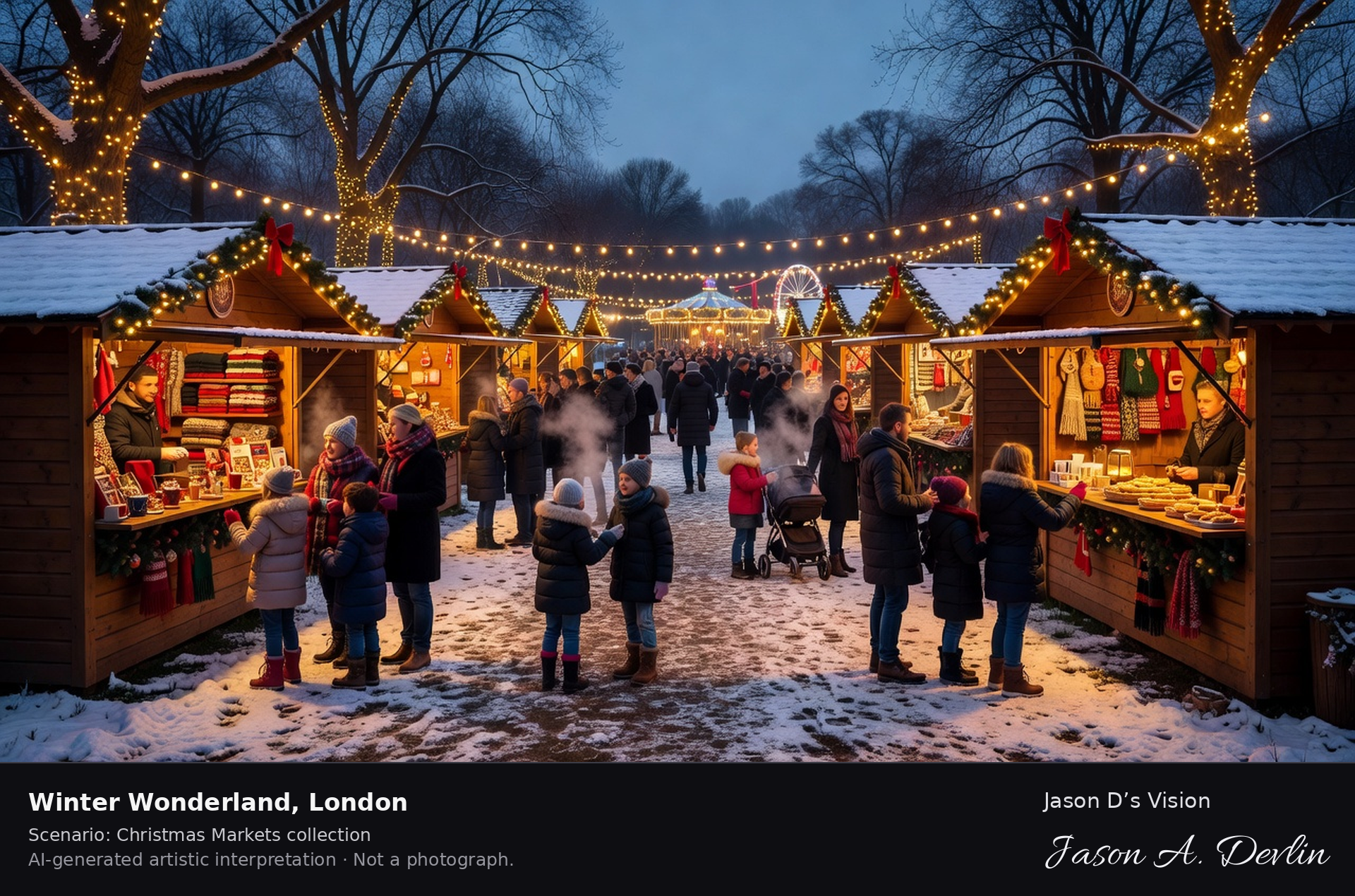
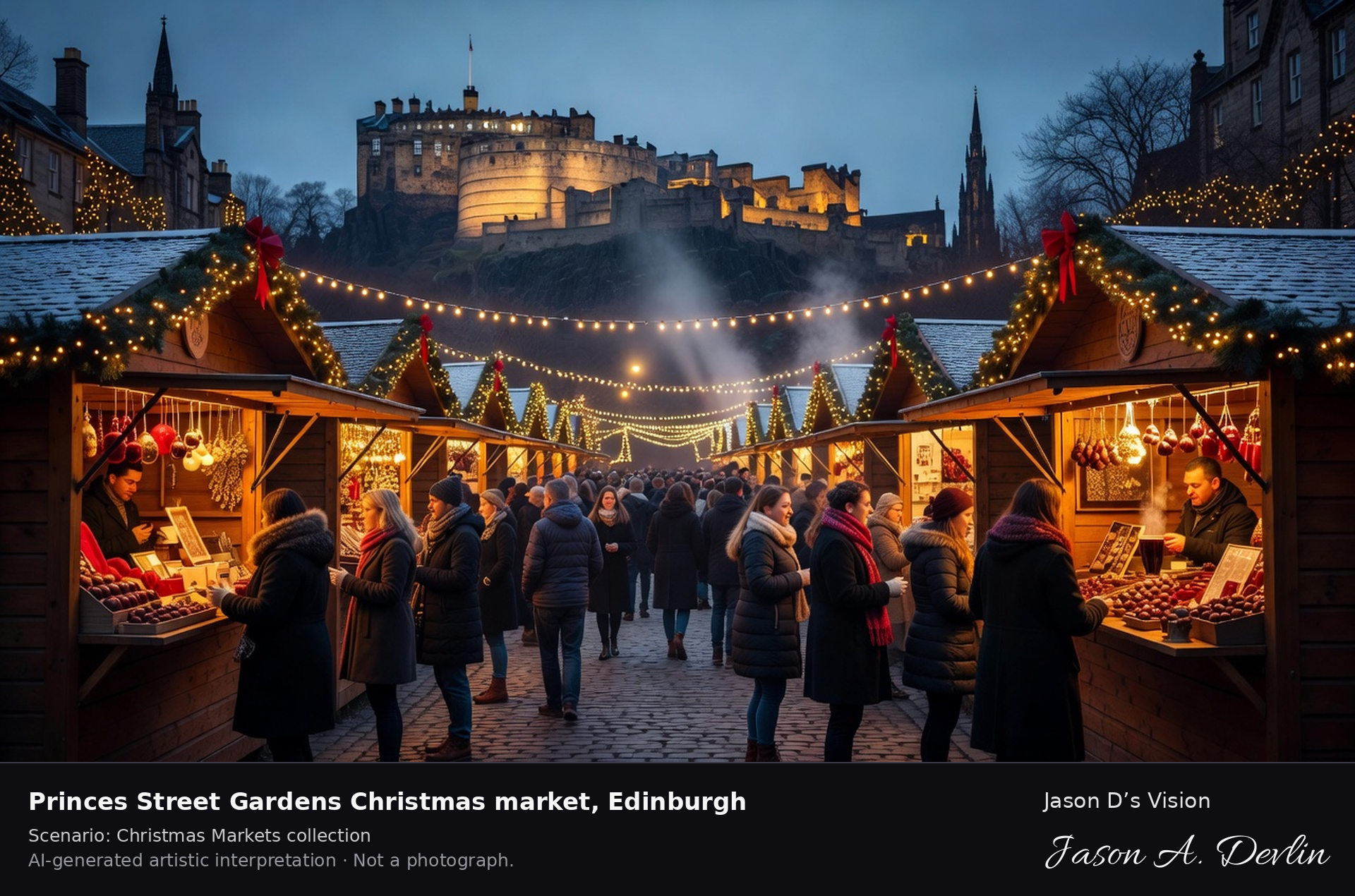
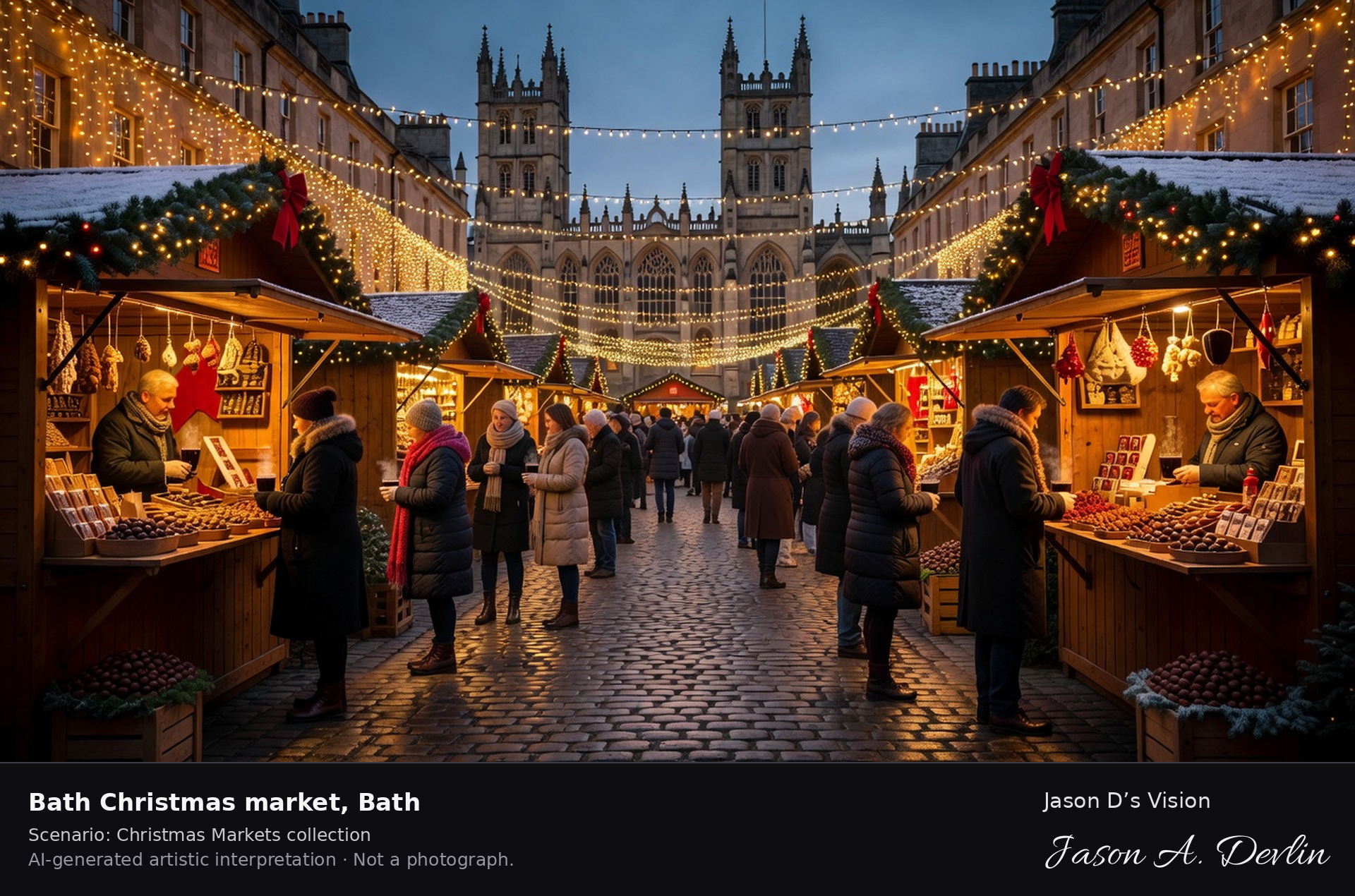
🎄 Christmas Markets
Our special holiday collection — festive market evenings, growing through the season. Tap a card to jump to its full gallery entry.
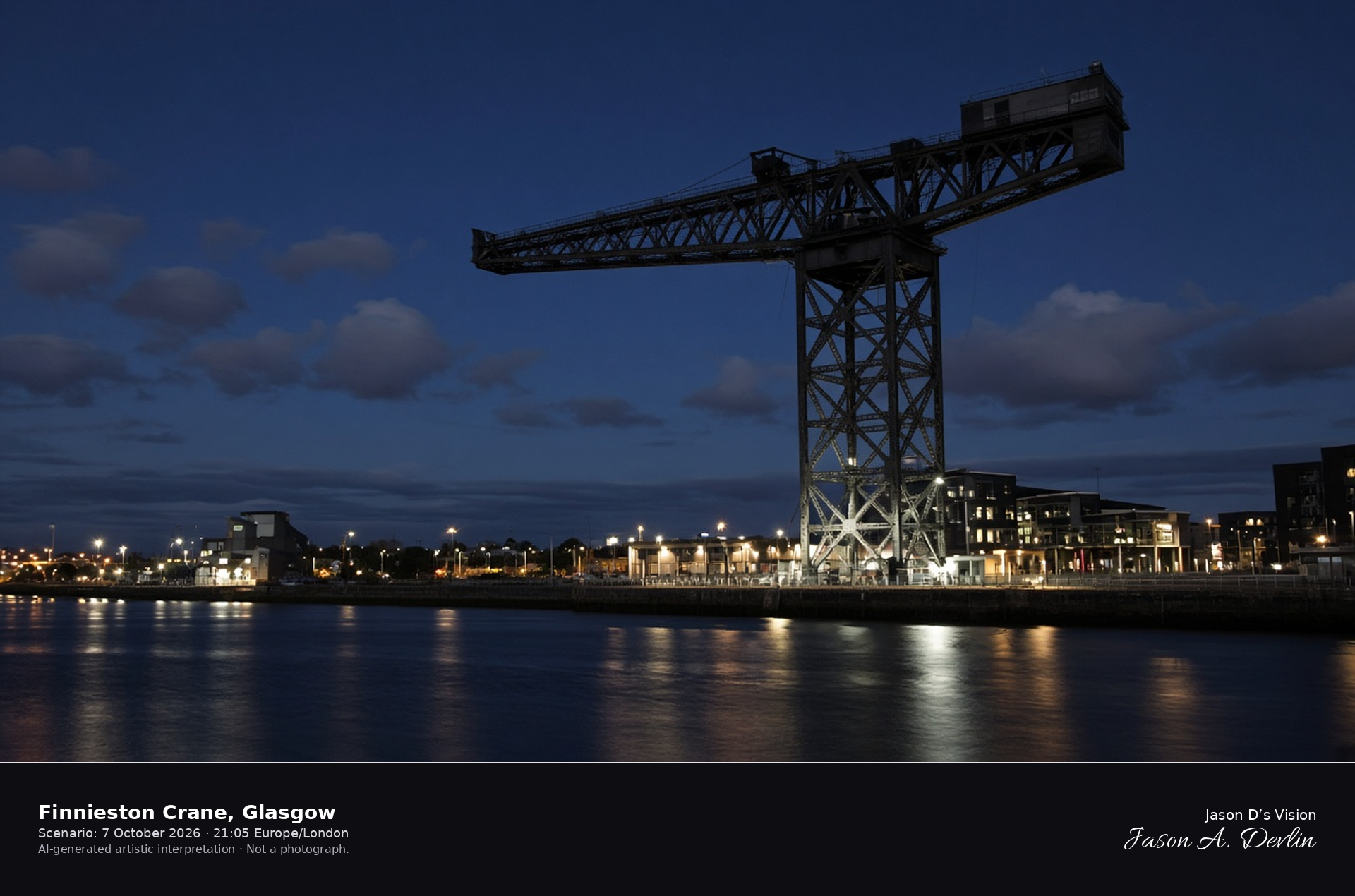
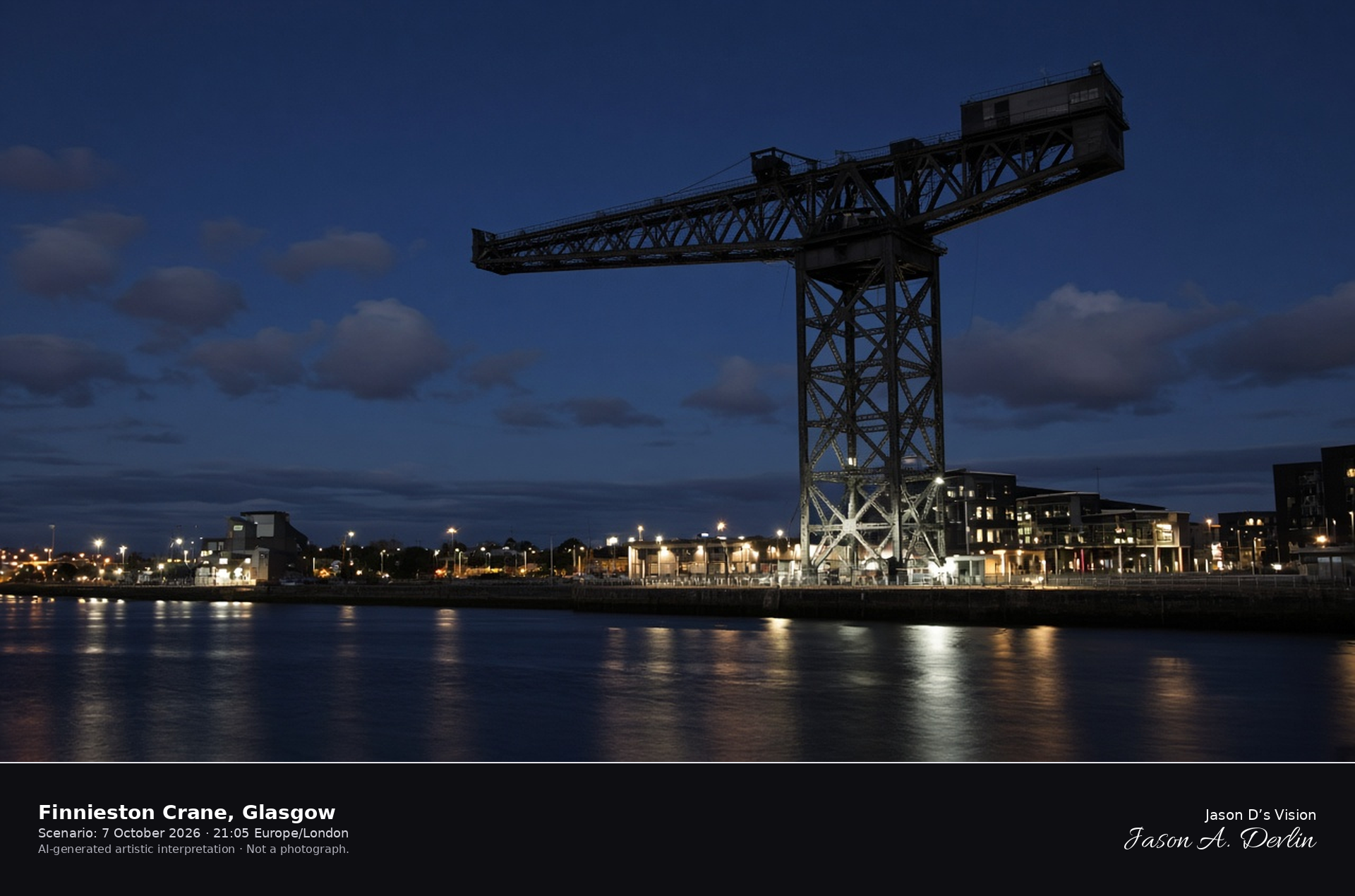
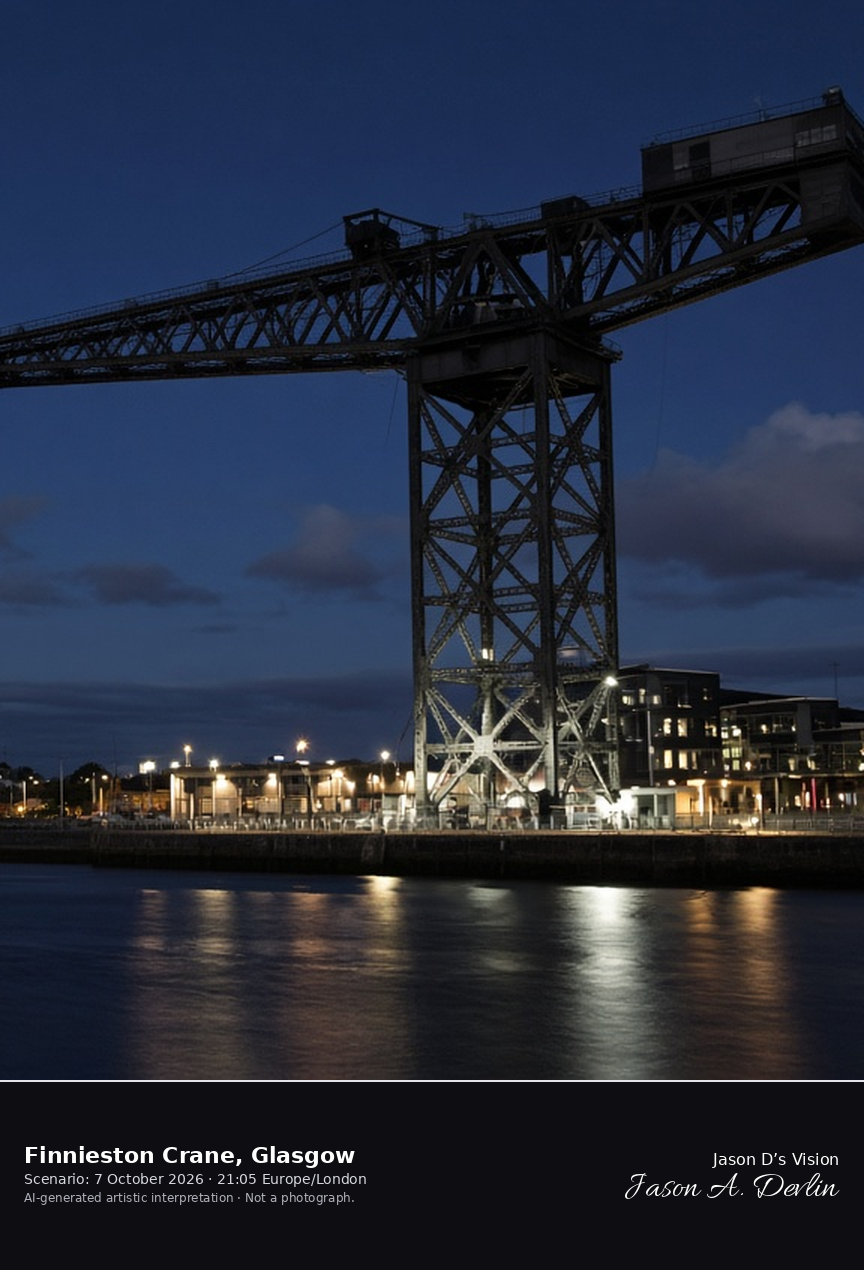
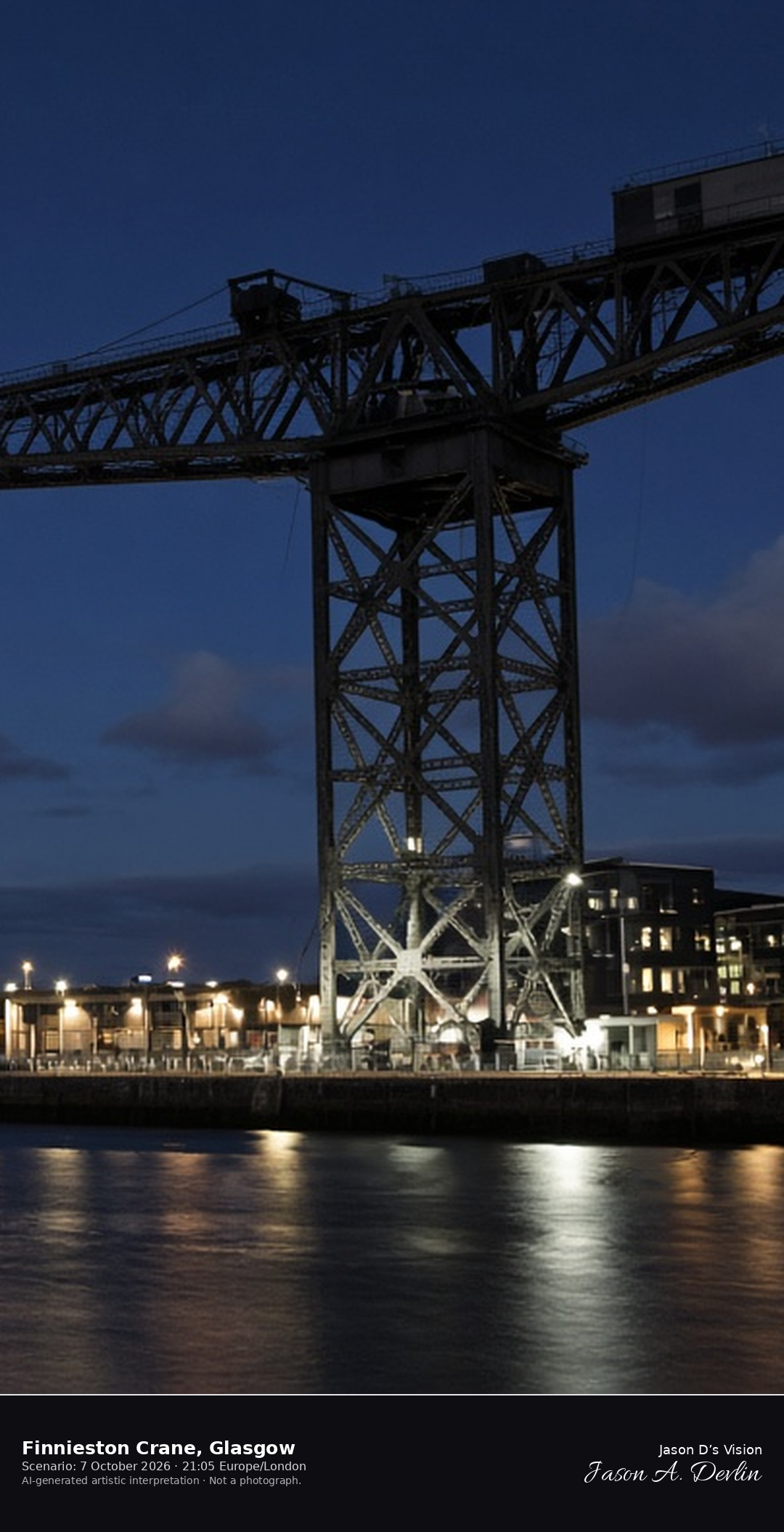
The crane was built in 1931-32 to lift heavy locomotives and boilers onto ships for export. It has not been used since the 1990s but is kept as a symbol of Glasgow's shipbuilding and engineering past.
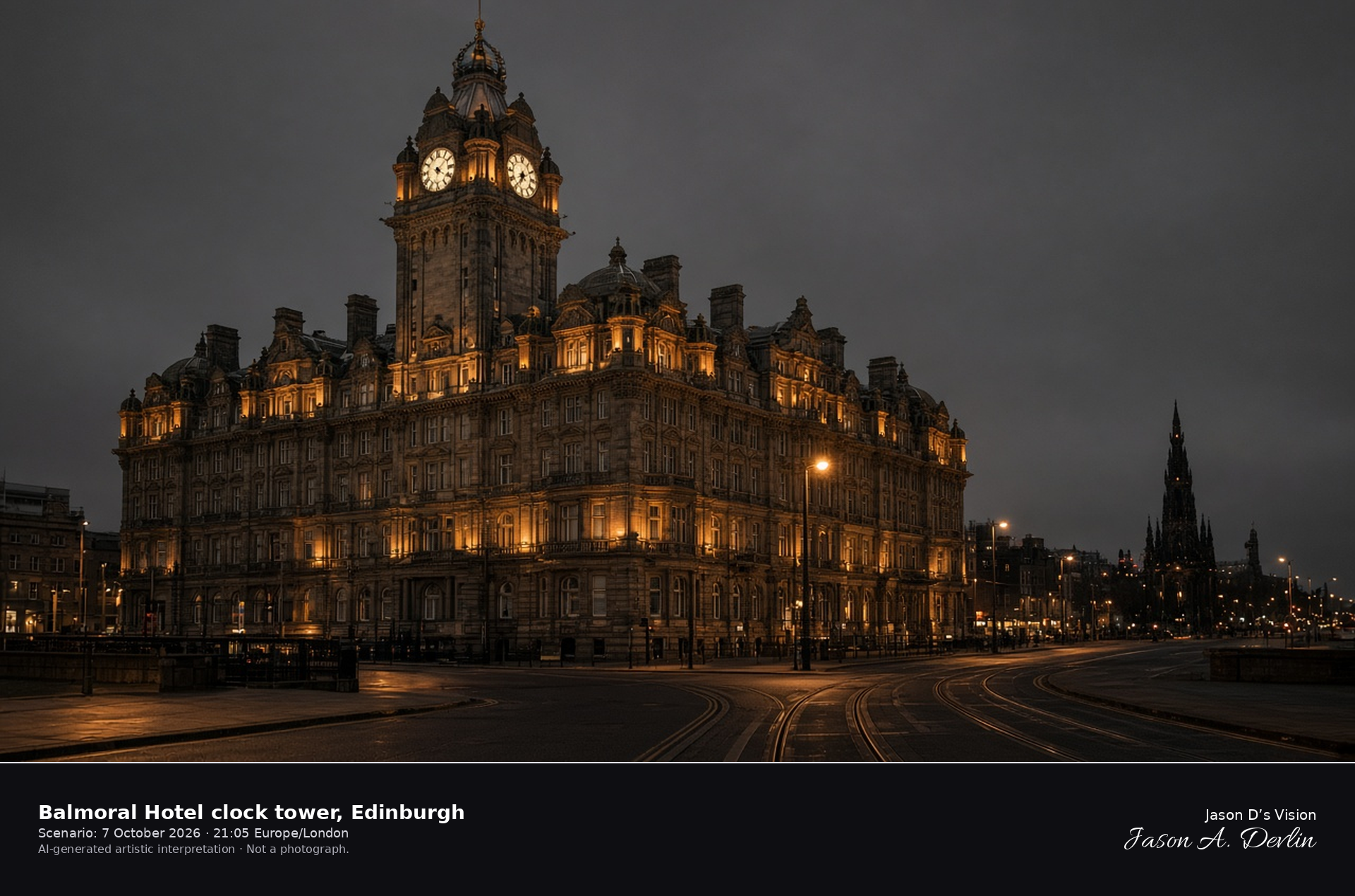
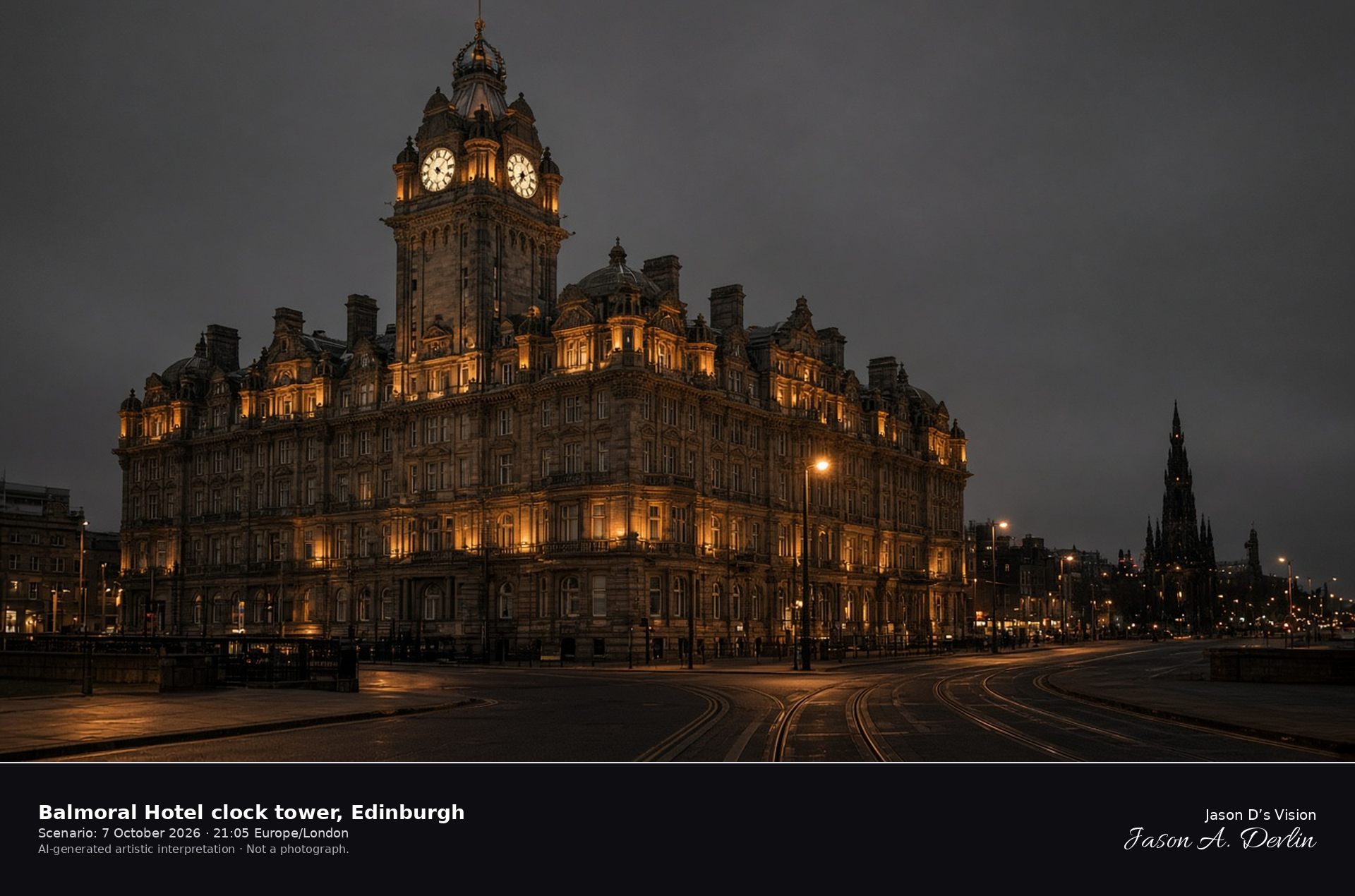
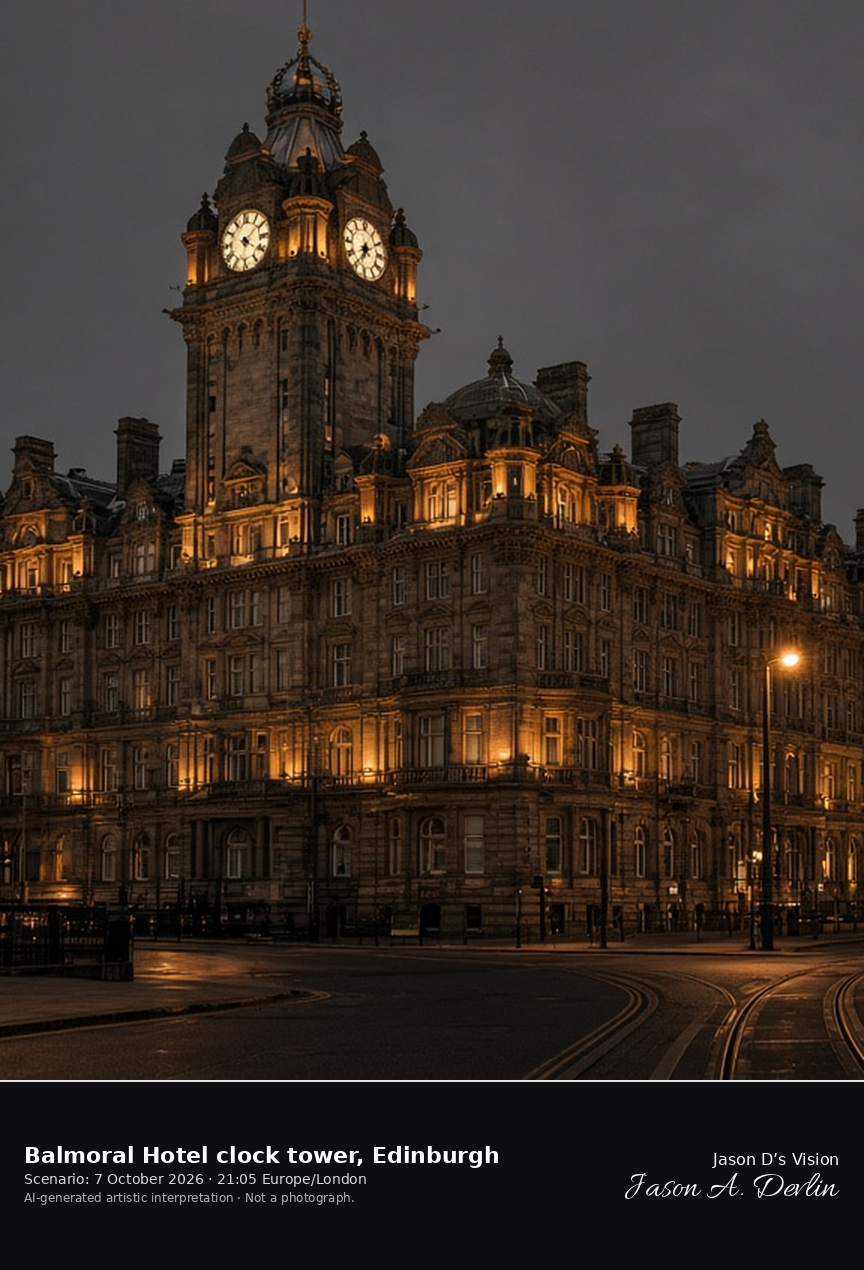
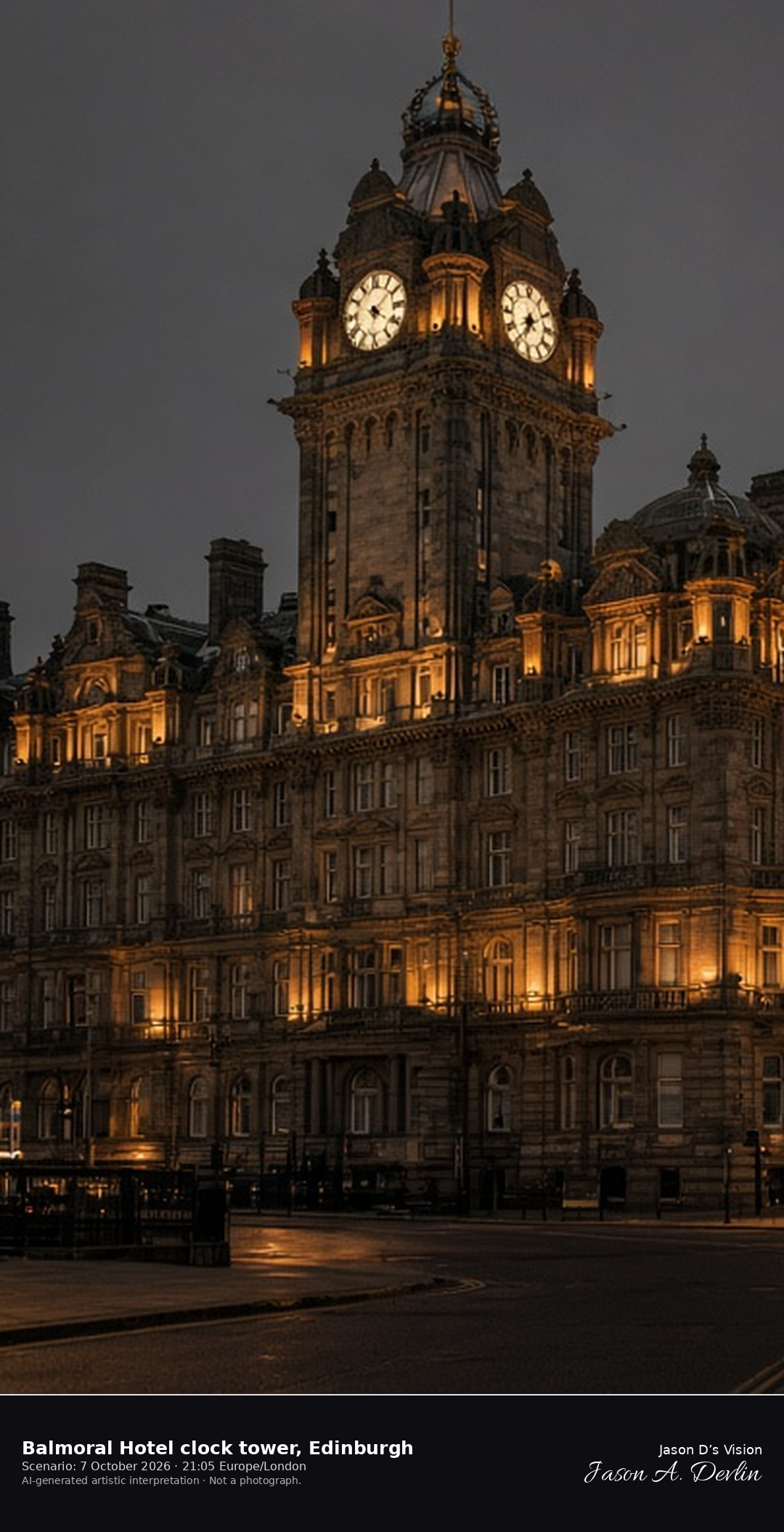
Balmoral Hotel clock tower · AI-generated artistic interpretation
The Balmoral's great clock is traditionally set three minutes fast, a custom the hotel traces to its opening in 1902 to help travellers catch trains at Waverley station below. Only once a year, on Hogmanay, is the clock allowed to tell the true time.
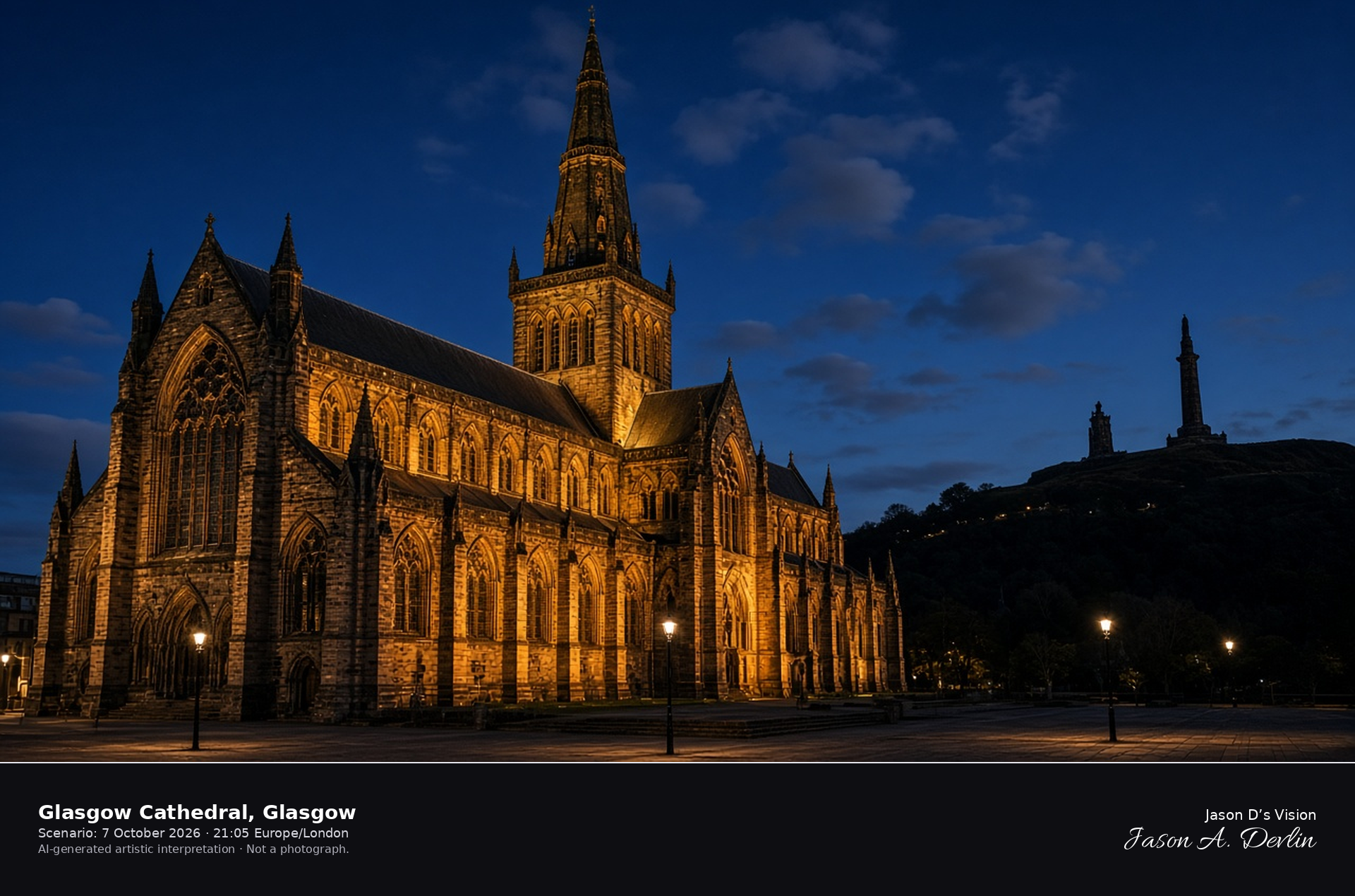
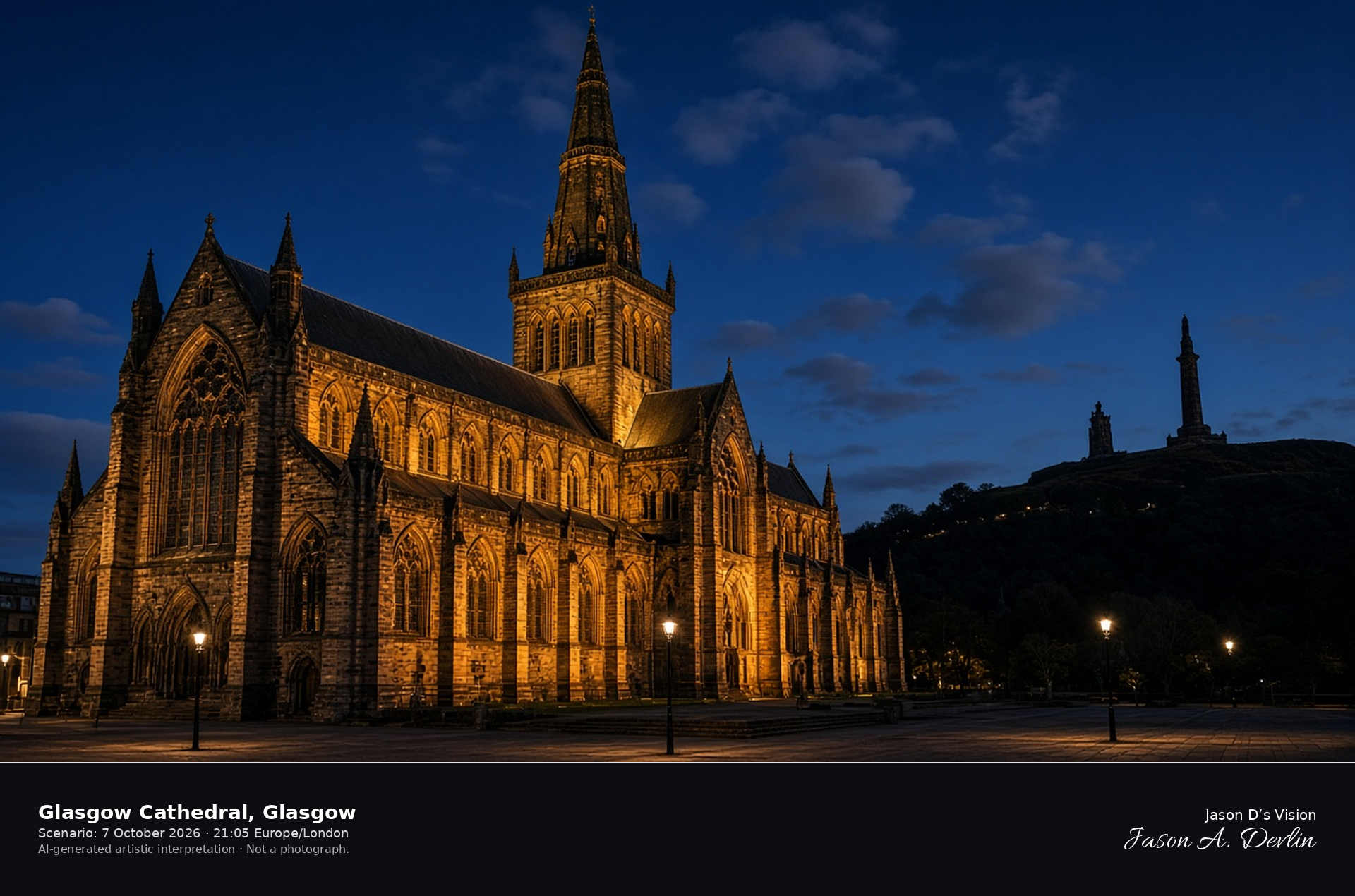
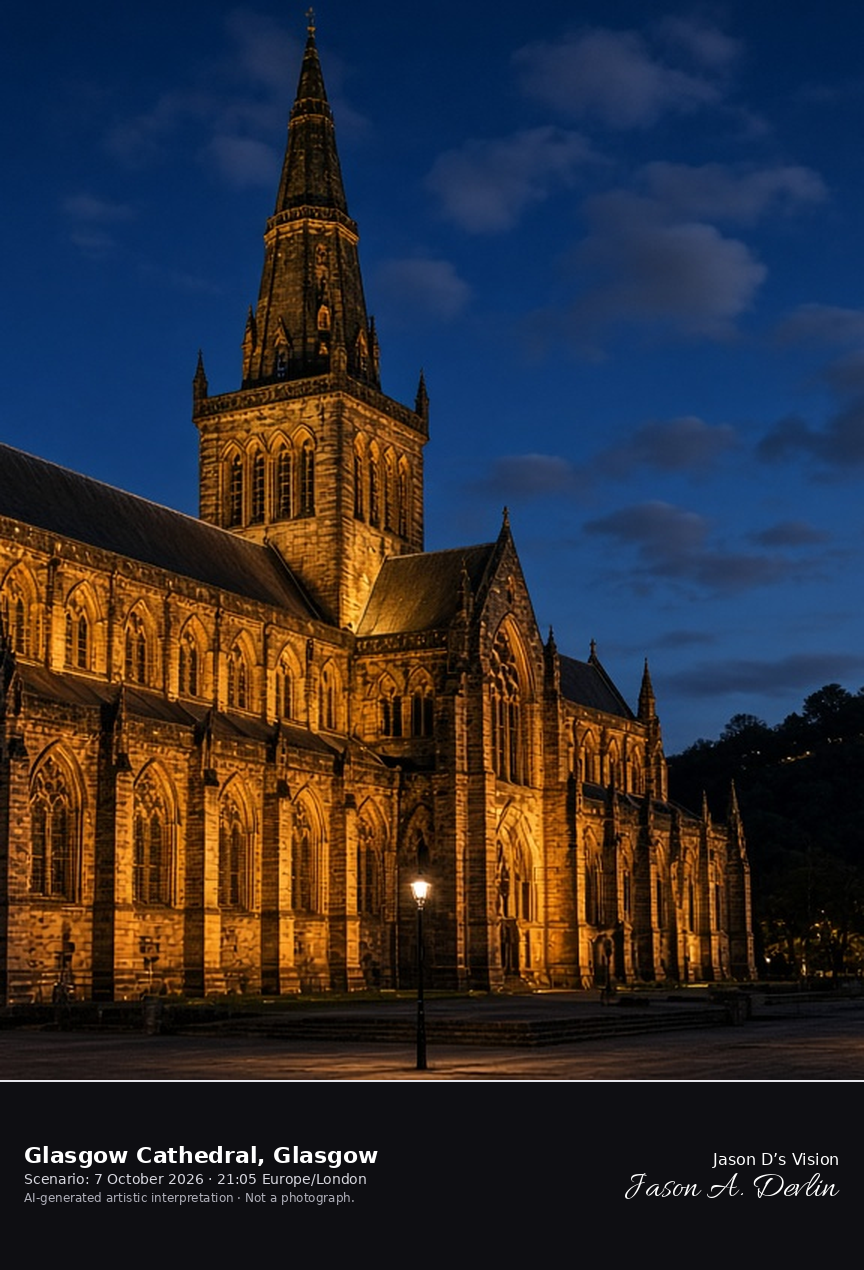
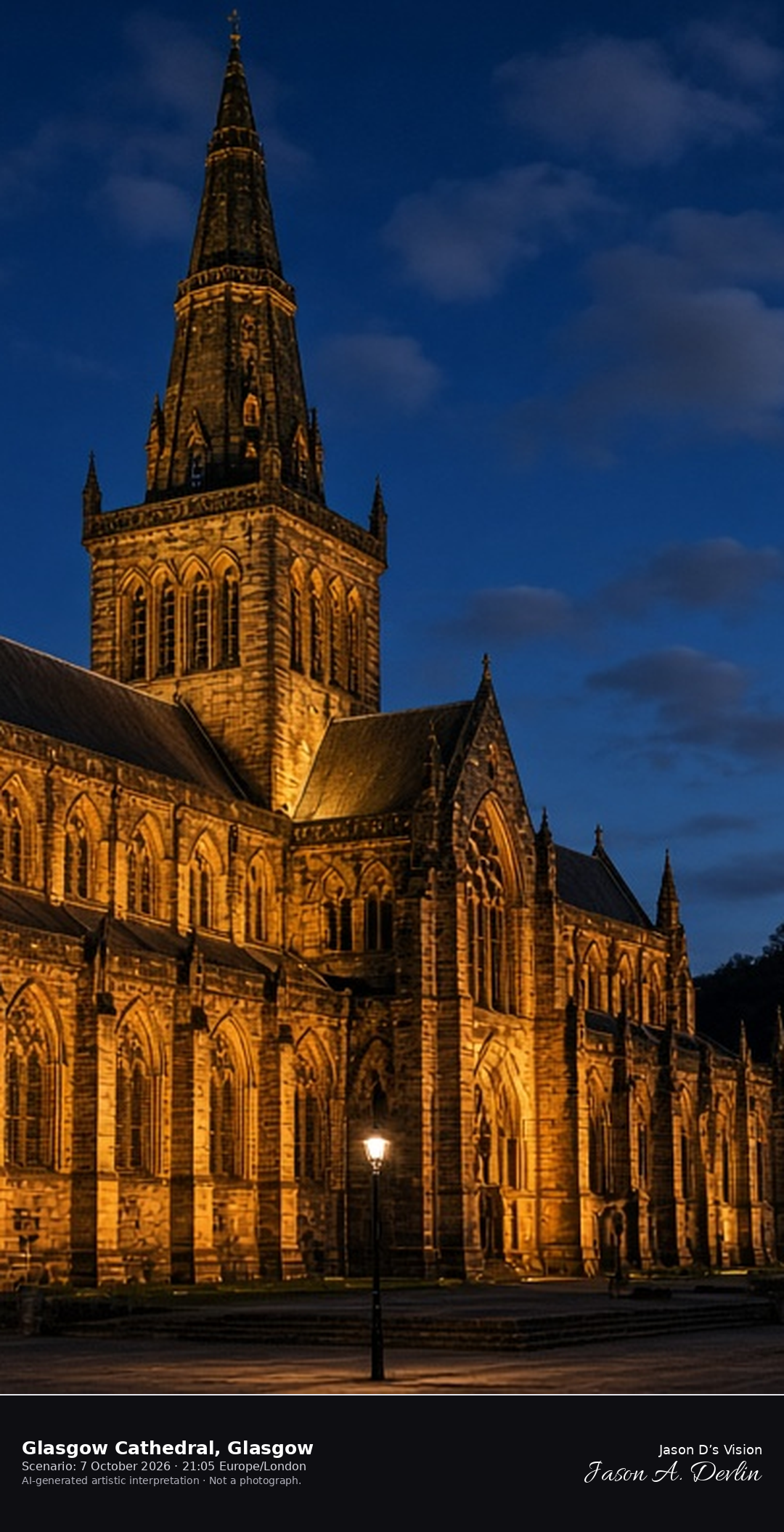
Glasgow Cathedral, also called St Mungo's, is the only medieval cathedral on the Scottish mainland to have survived the Reformation of 1560 almost intact. Most of the building dates from the 13th century.
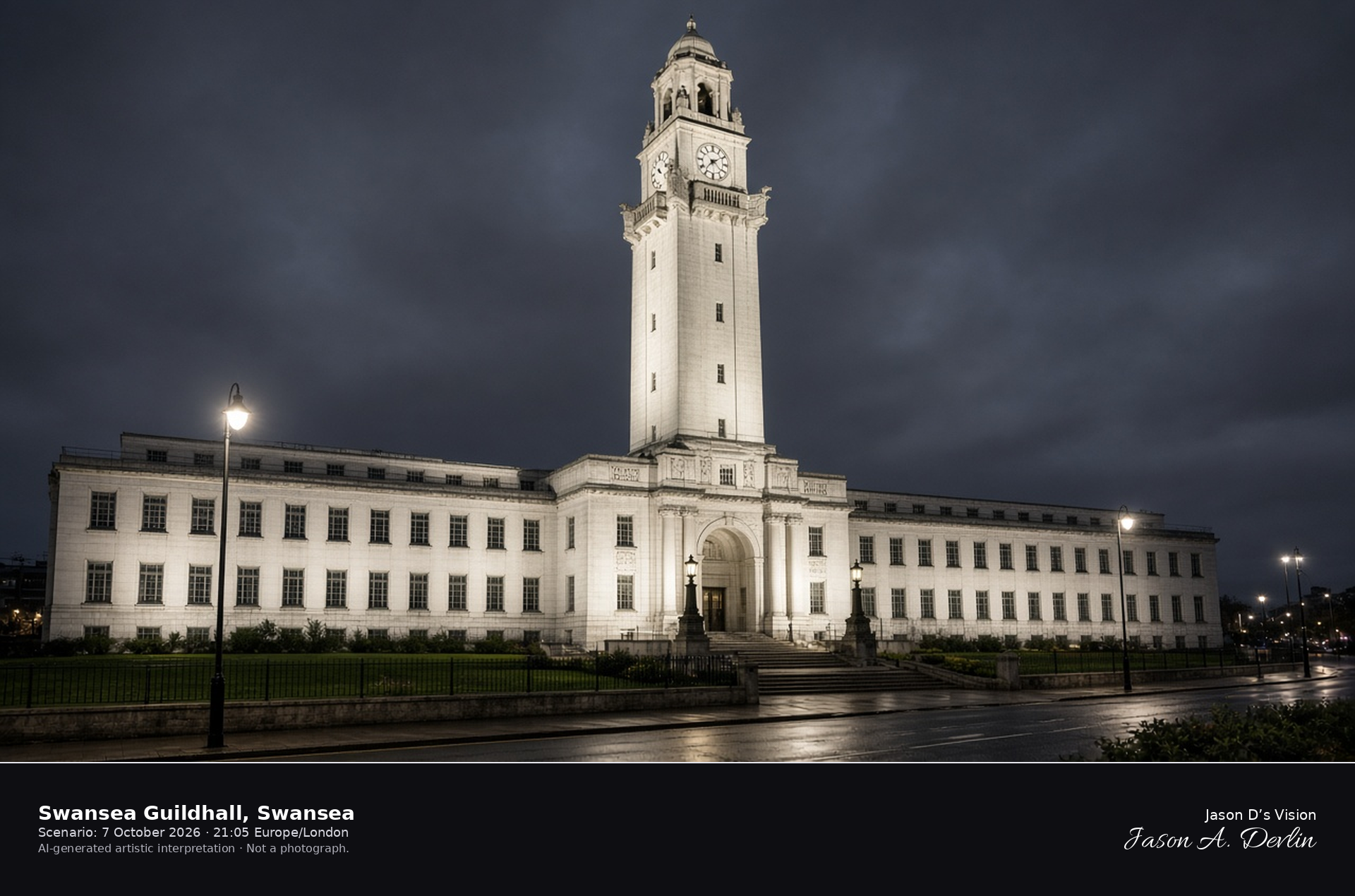
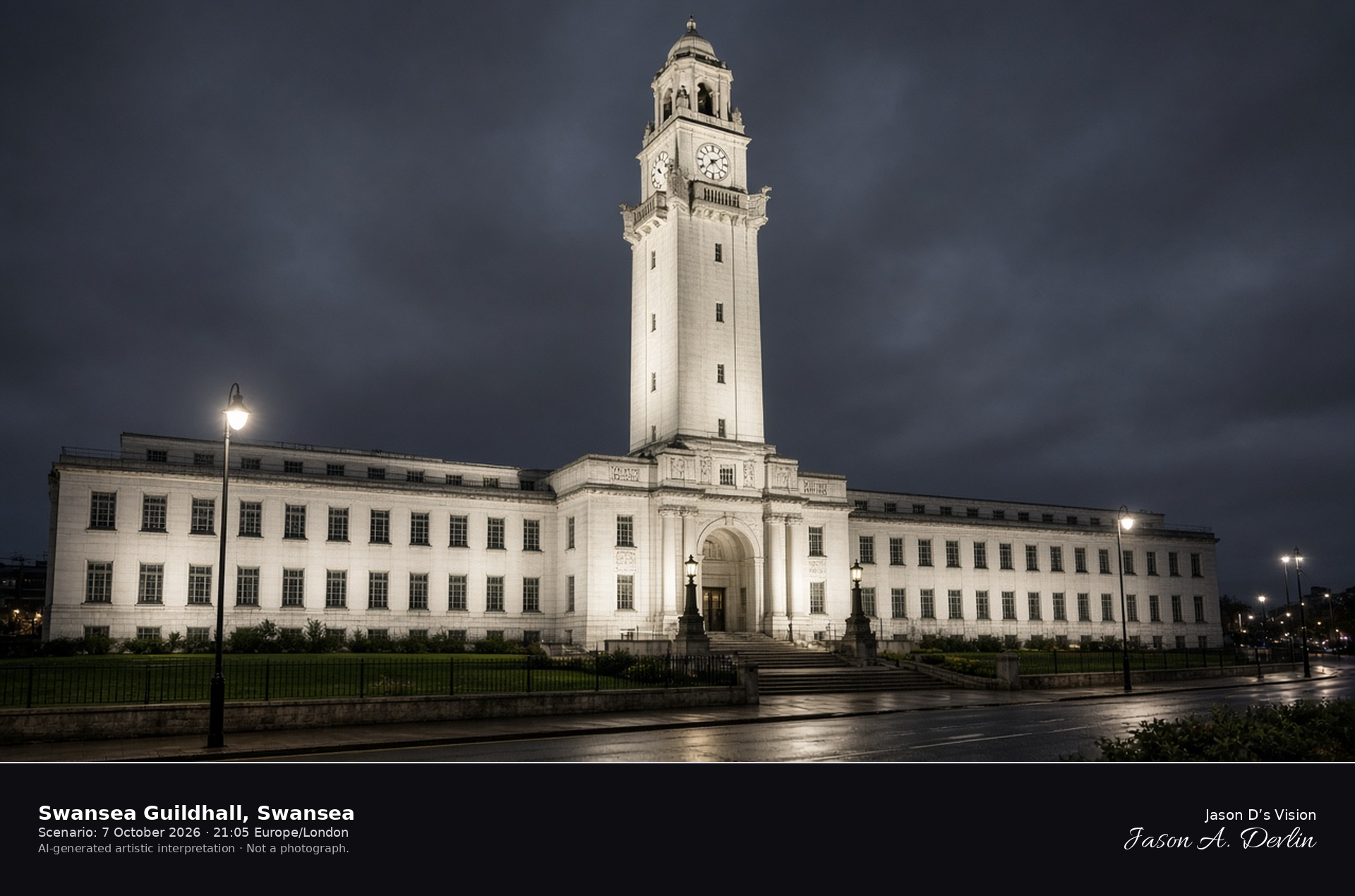
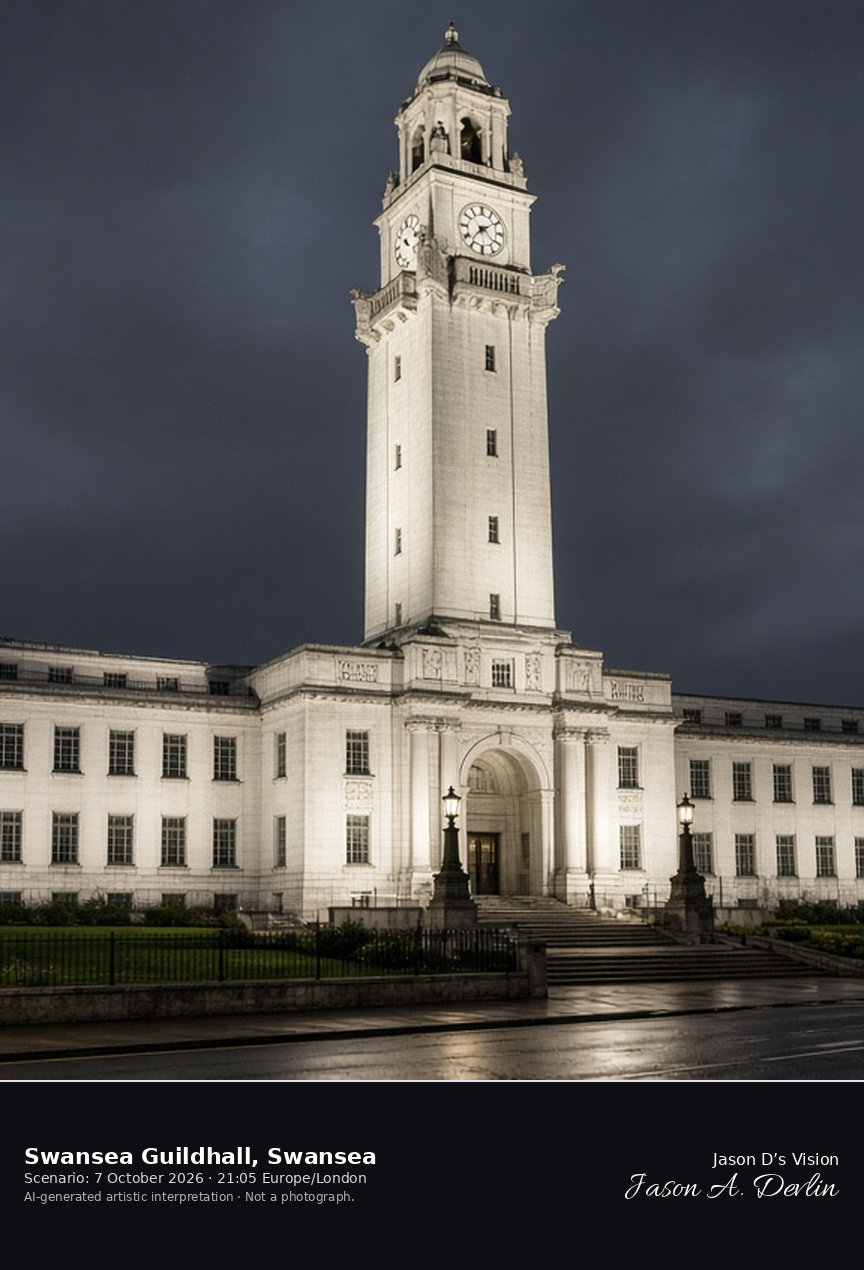
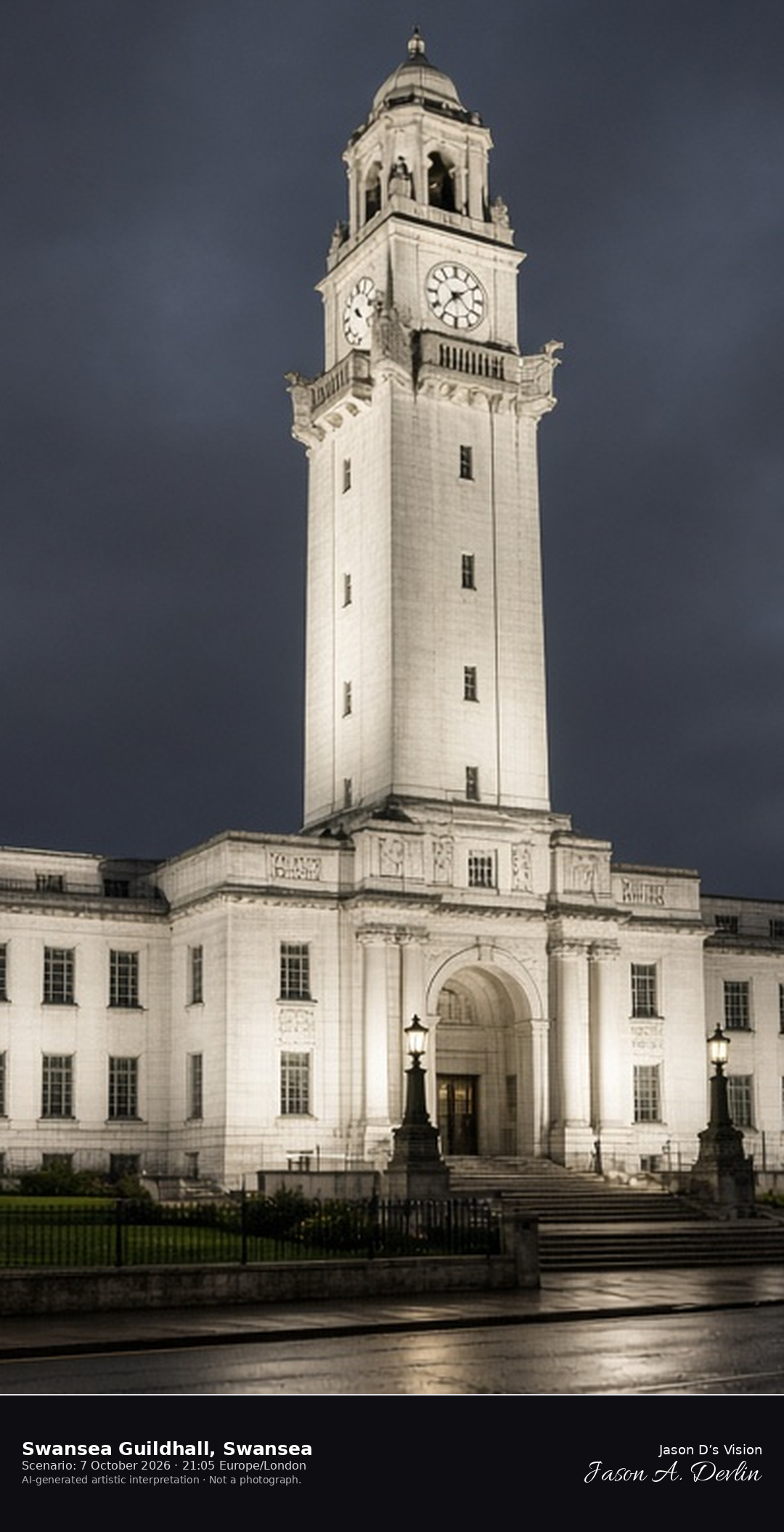
The Guildhall was designed by Percy Thomas and opened in 1934. Stone Viking ship prows jut from its tower, recalling the legend that Swansea was founded by the Viking Sweyn Forkbeard.
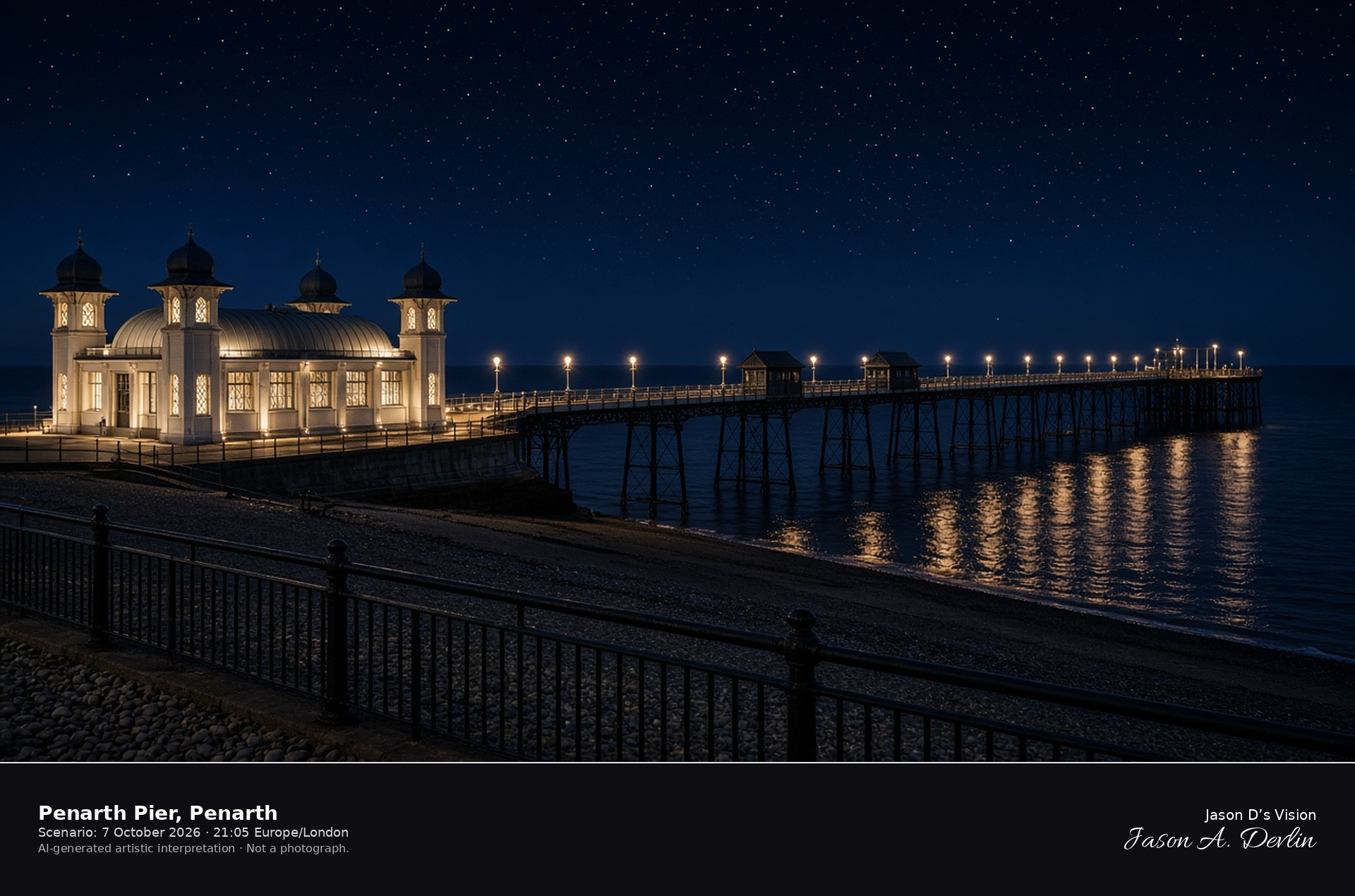
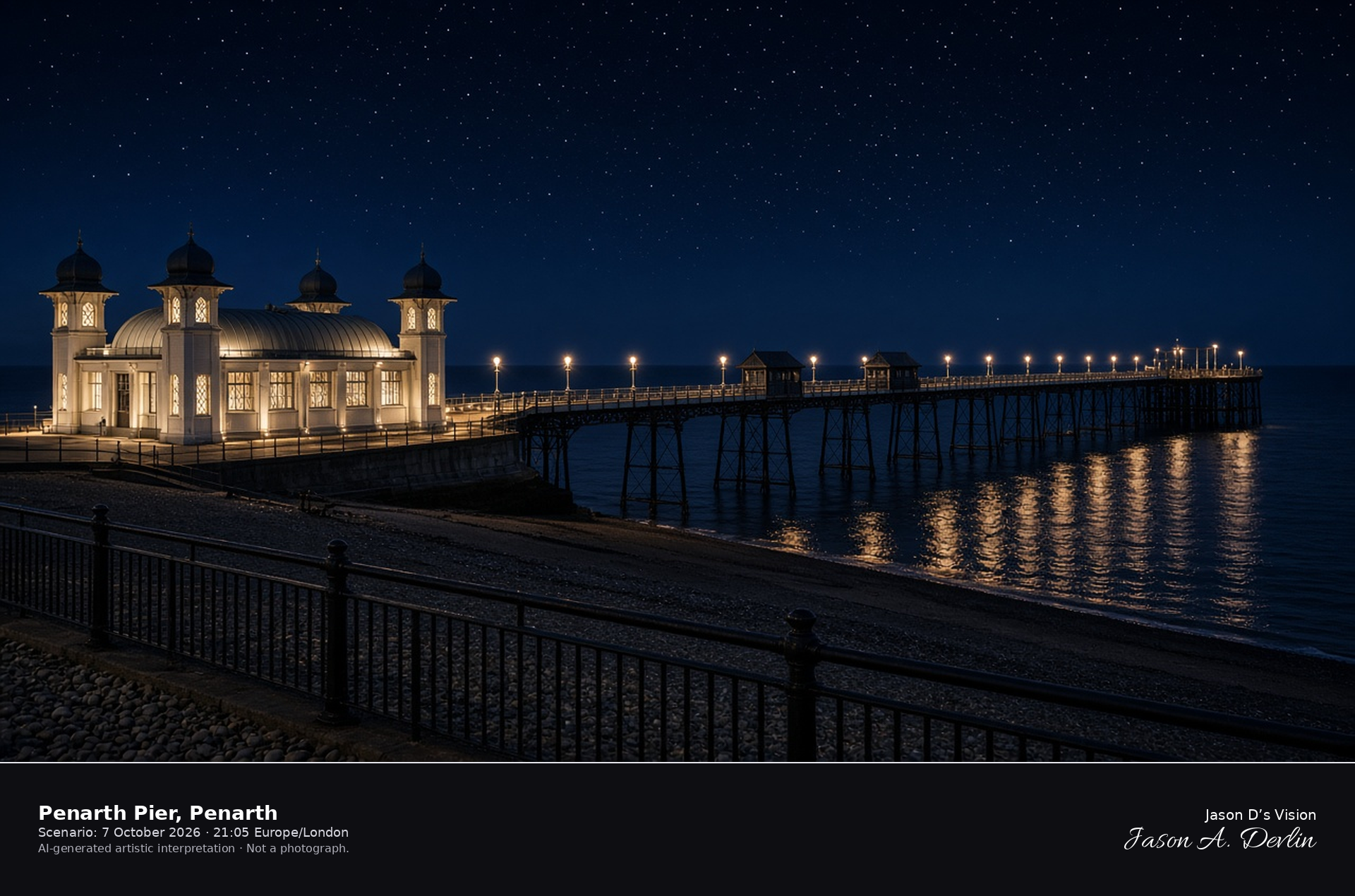
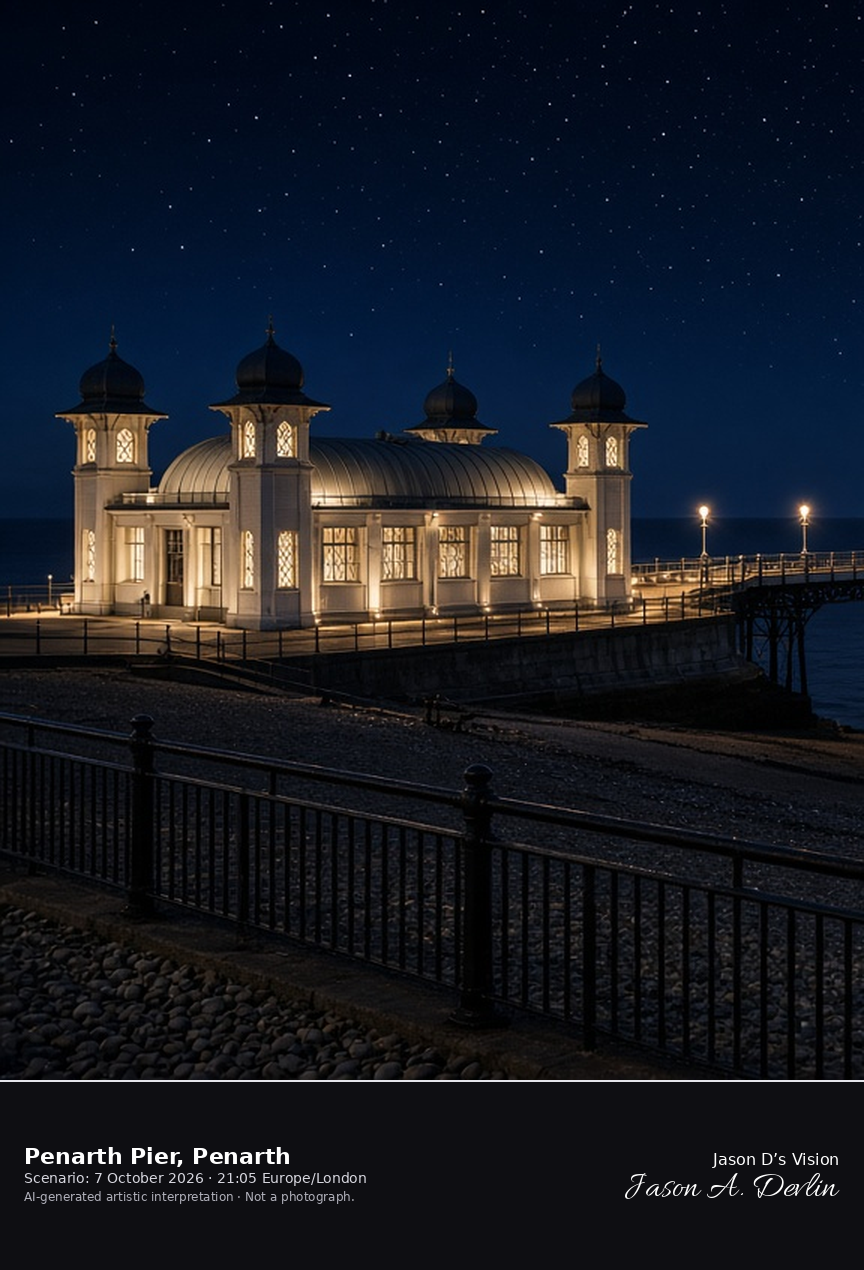
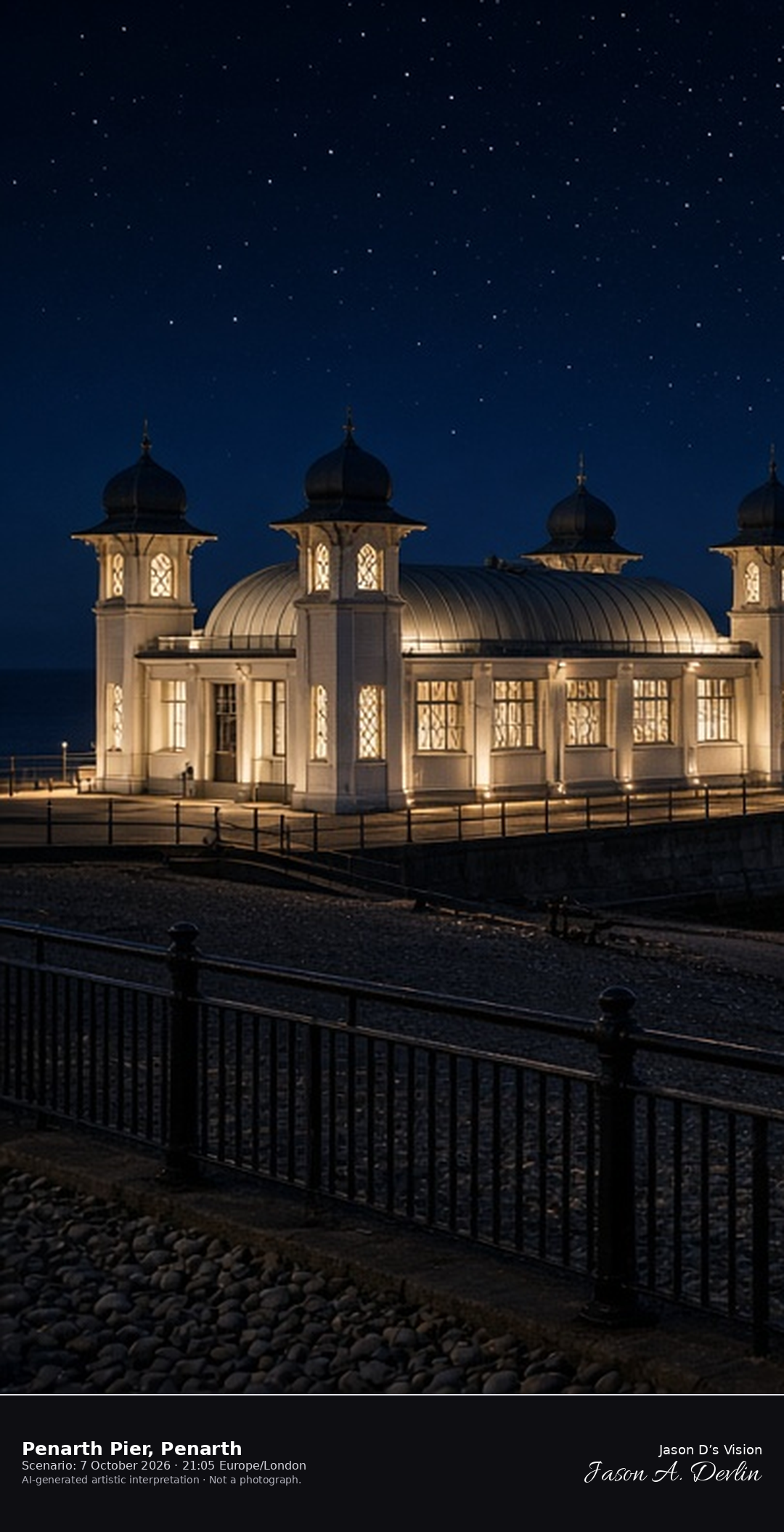
The pier opened in 1895, and the concrete pavilion with its Mughal-style domes was added in 1929. Paddle steamers still call at its landing stage in summer.
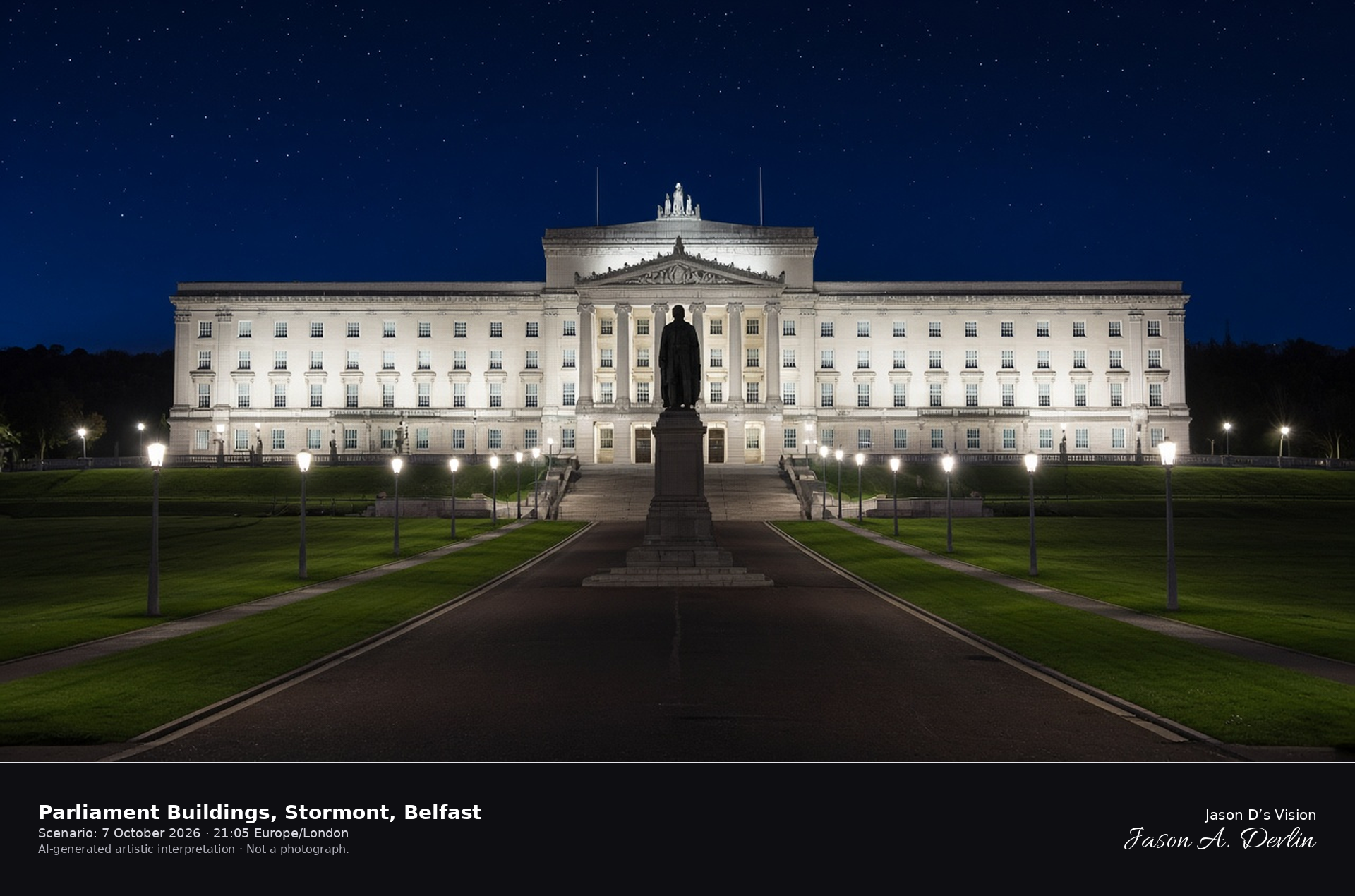
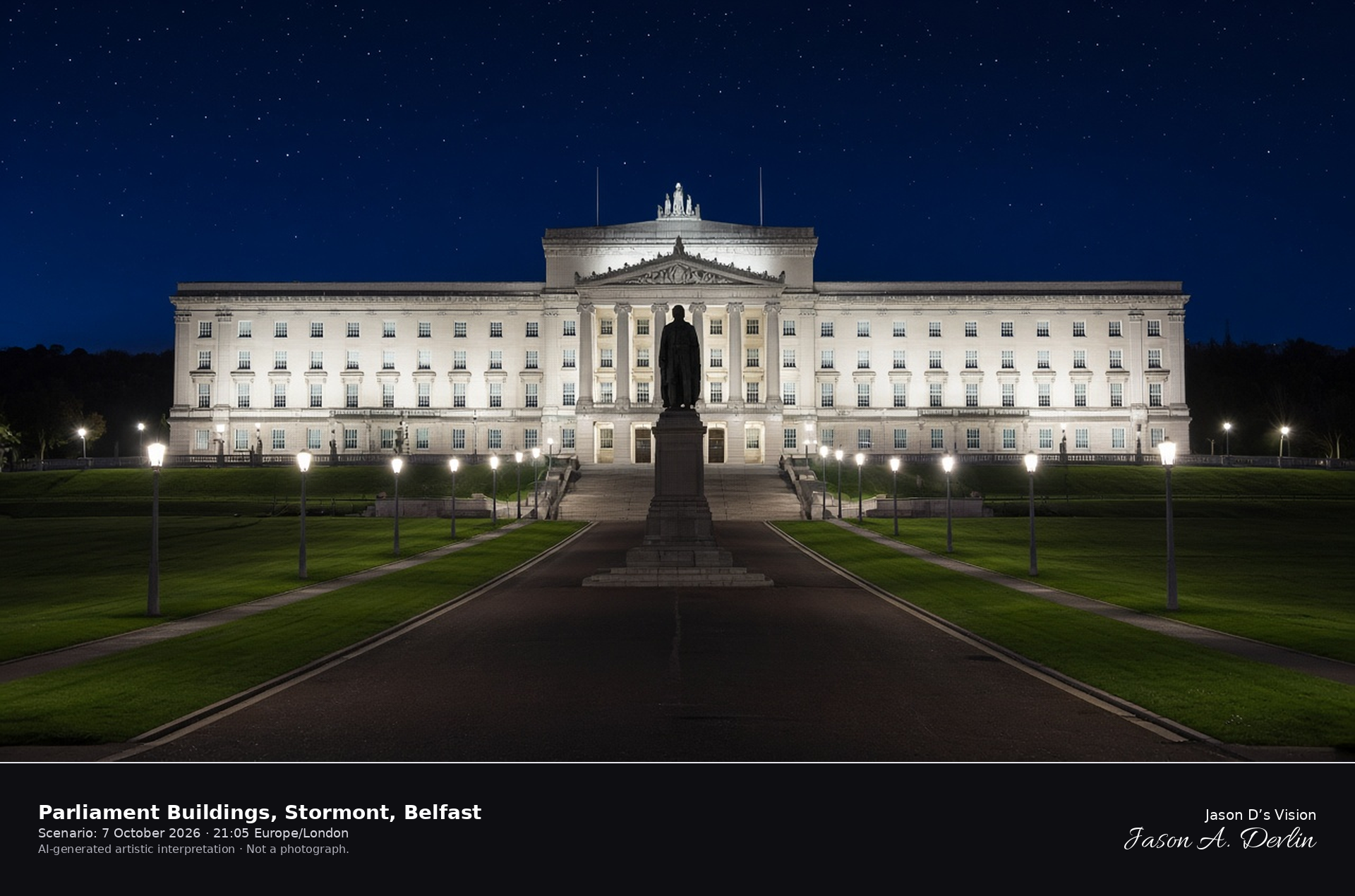
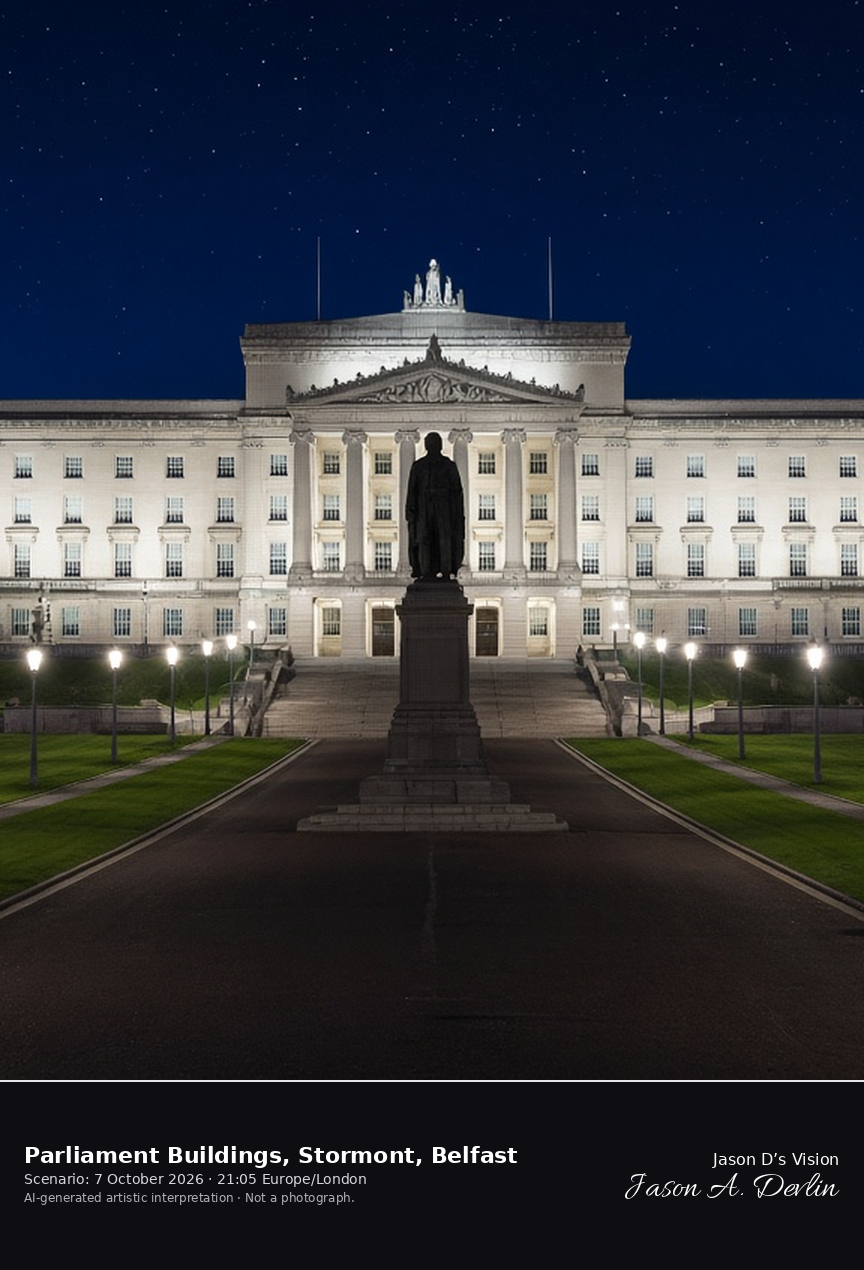
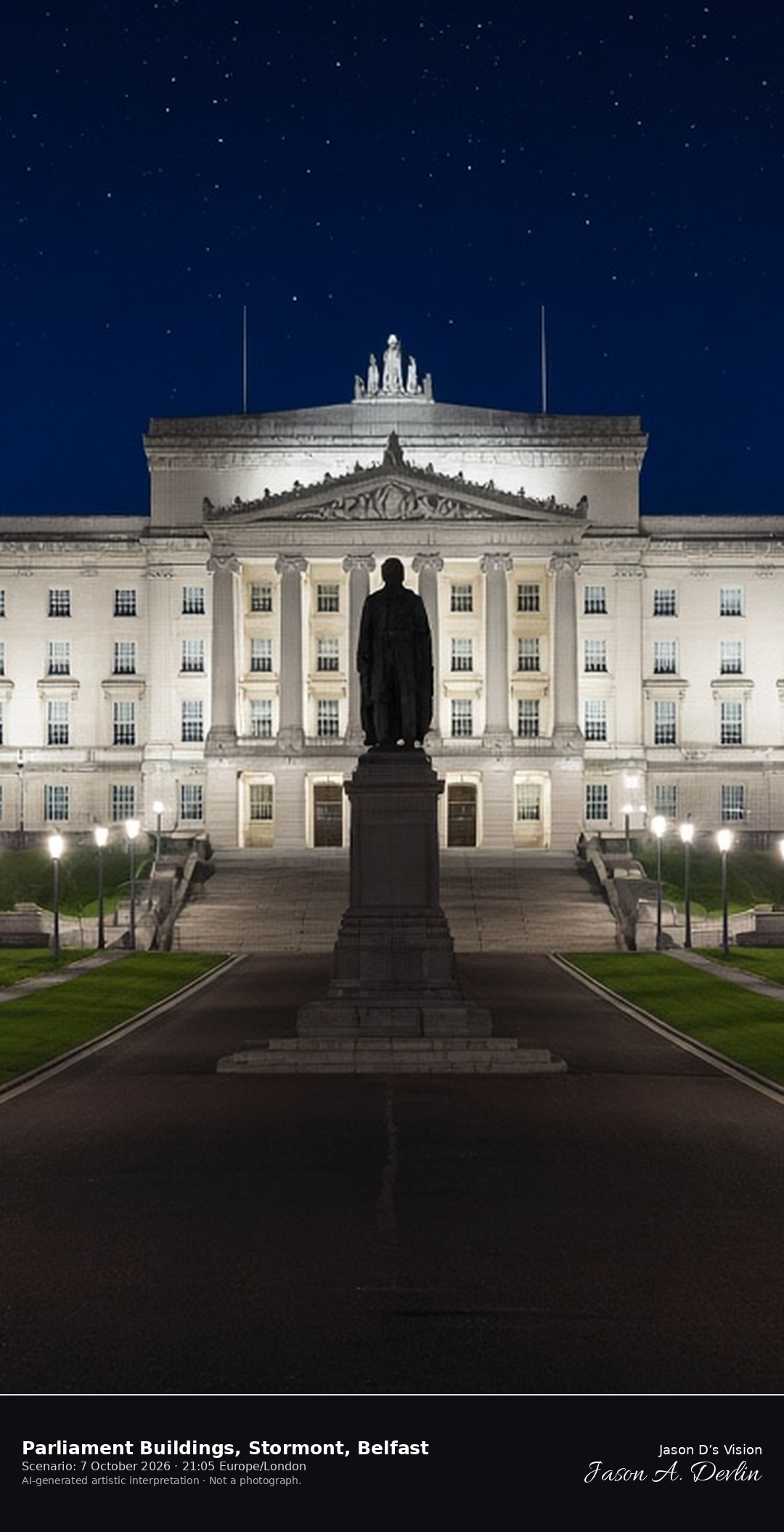
Parliament Buildings opened in 1932 and today houses the Northern Ireland Assembly. The avenue leading up to it is a mile long, one foot for each of the building's 365 feet of width, as local tradition has it.
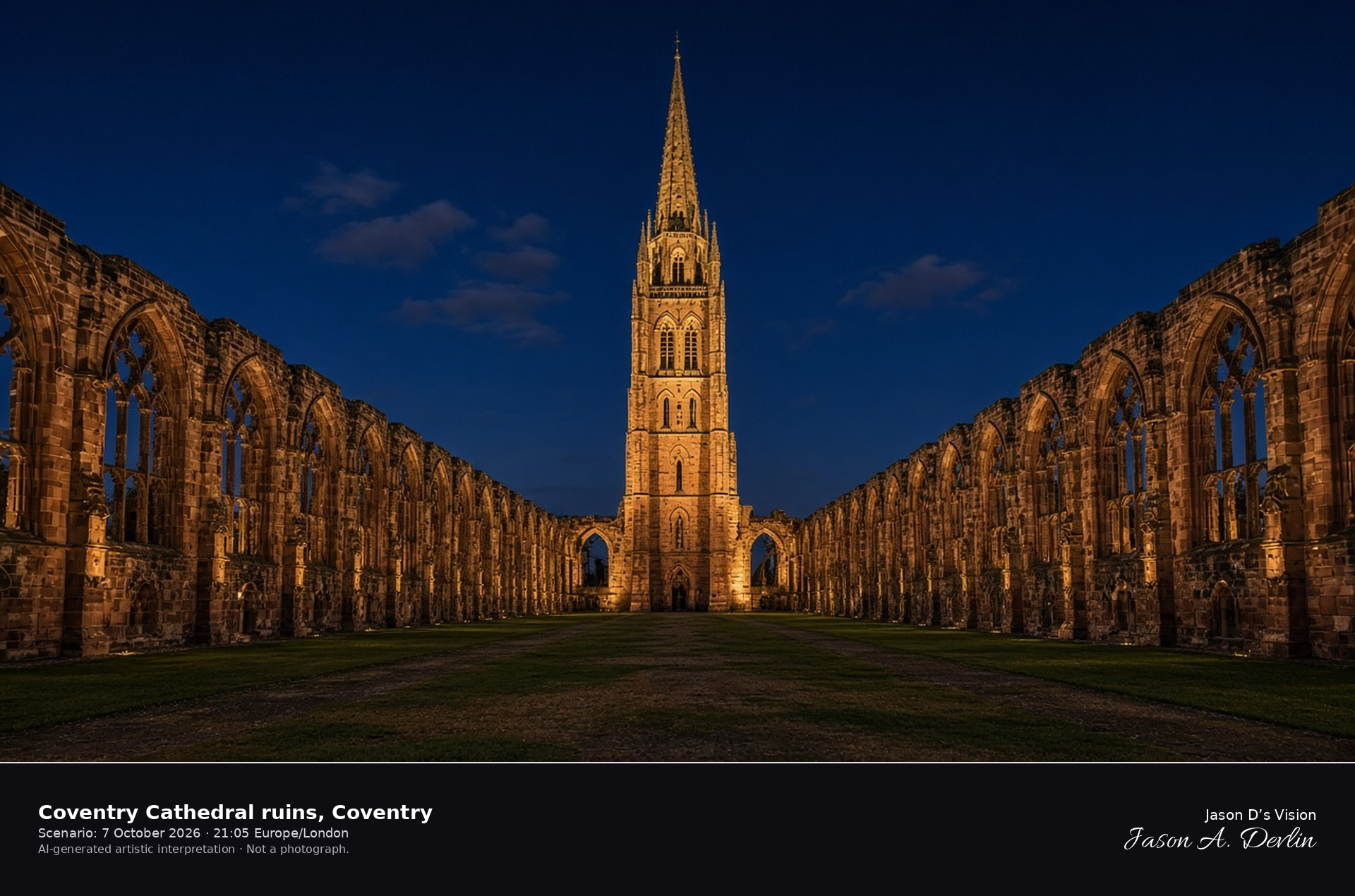
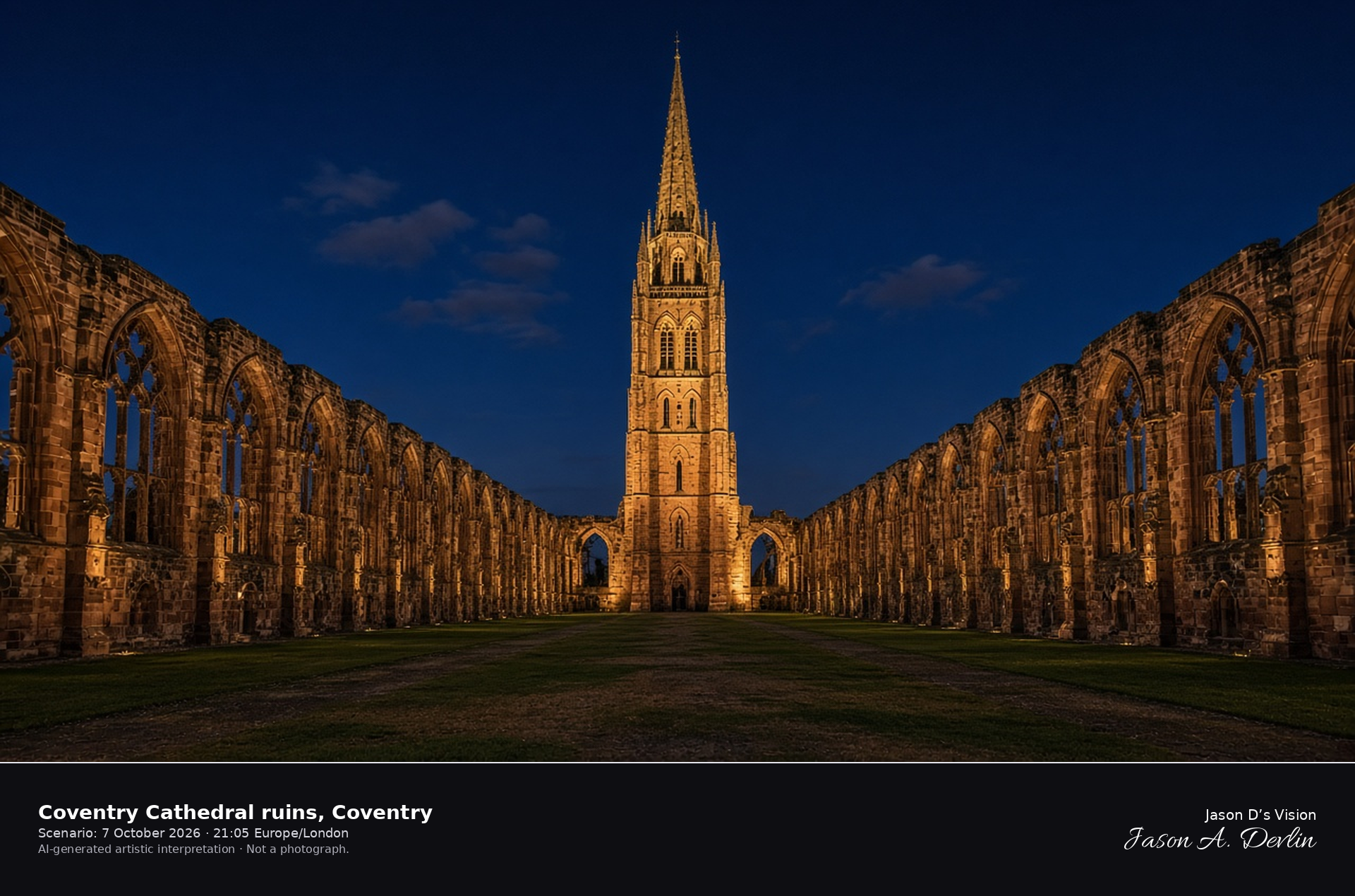
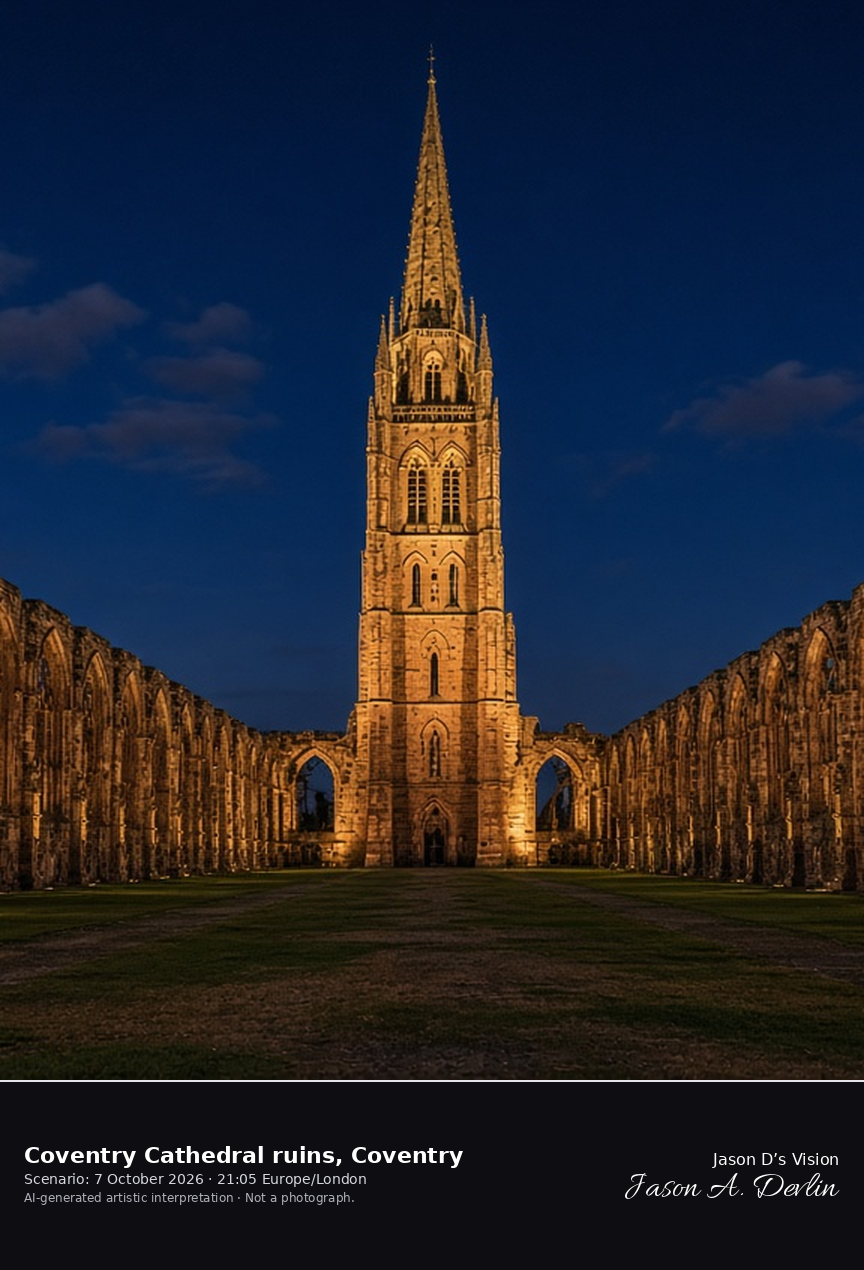
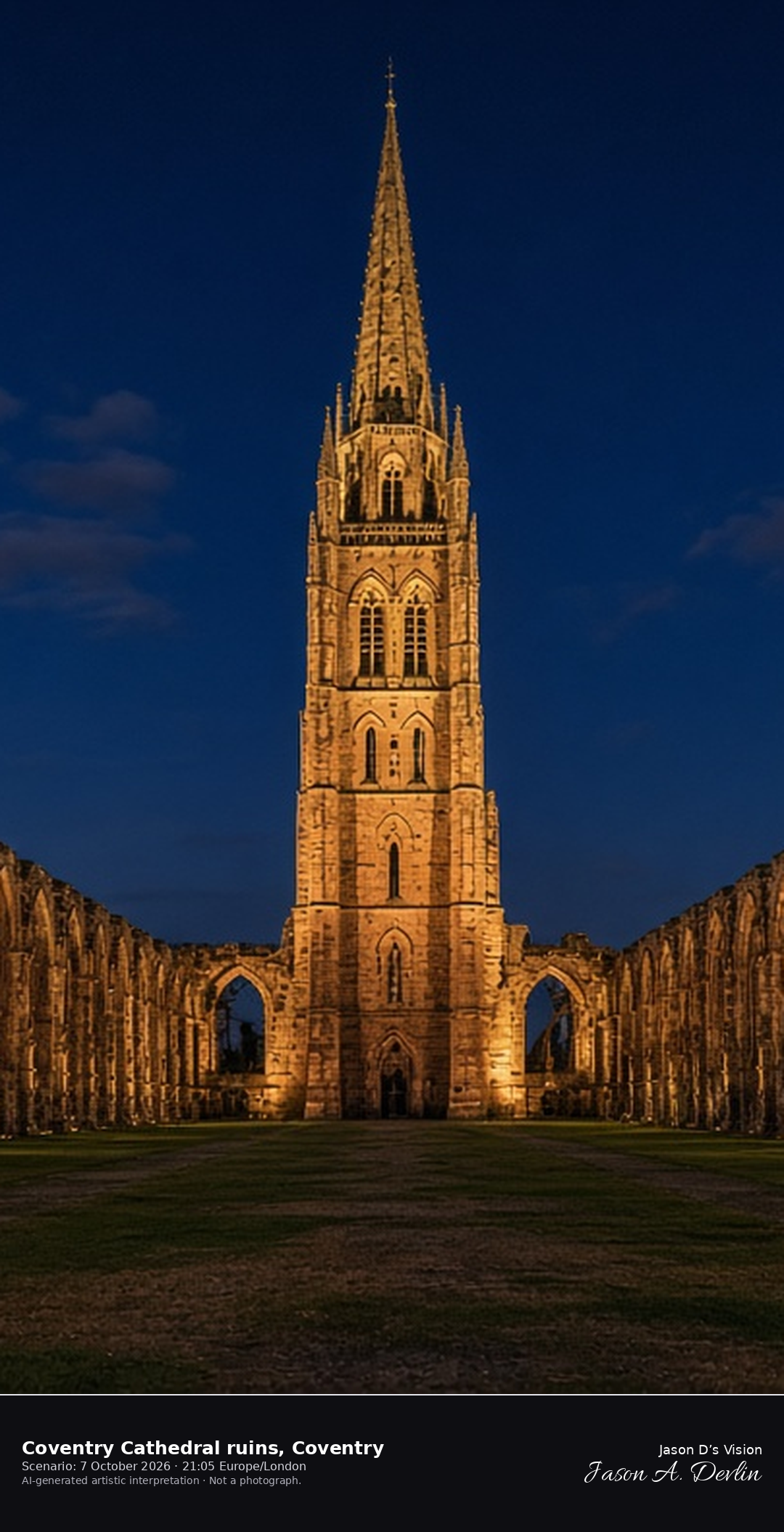
The medieval cathedral of St Michael was destroyed by bombing on 14 November 1940, leaving only the outer walls and the tower. The ruins were kept as a memorial beside the new cathedral, consecrated in 1962.
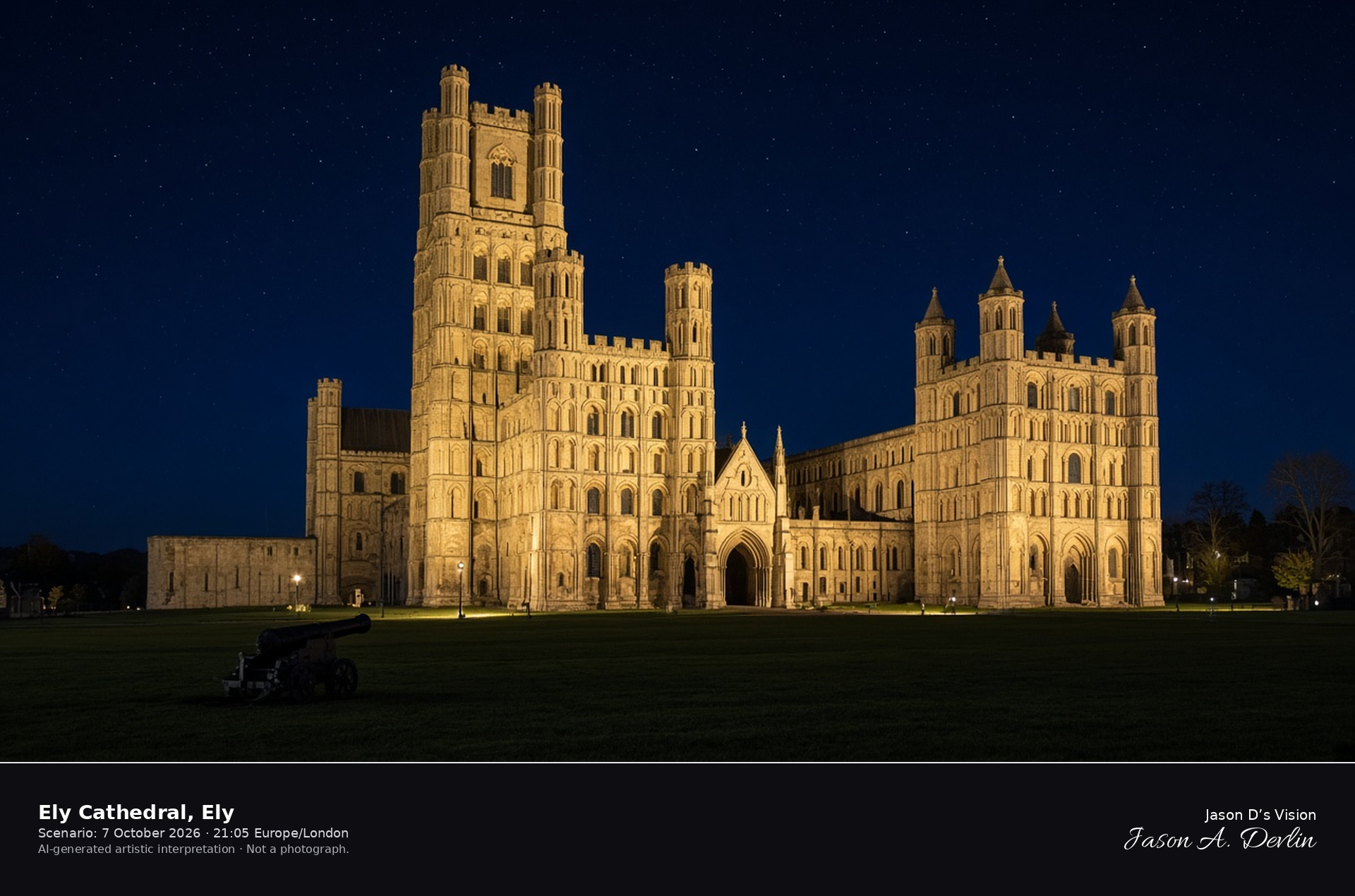
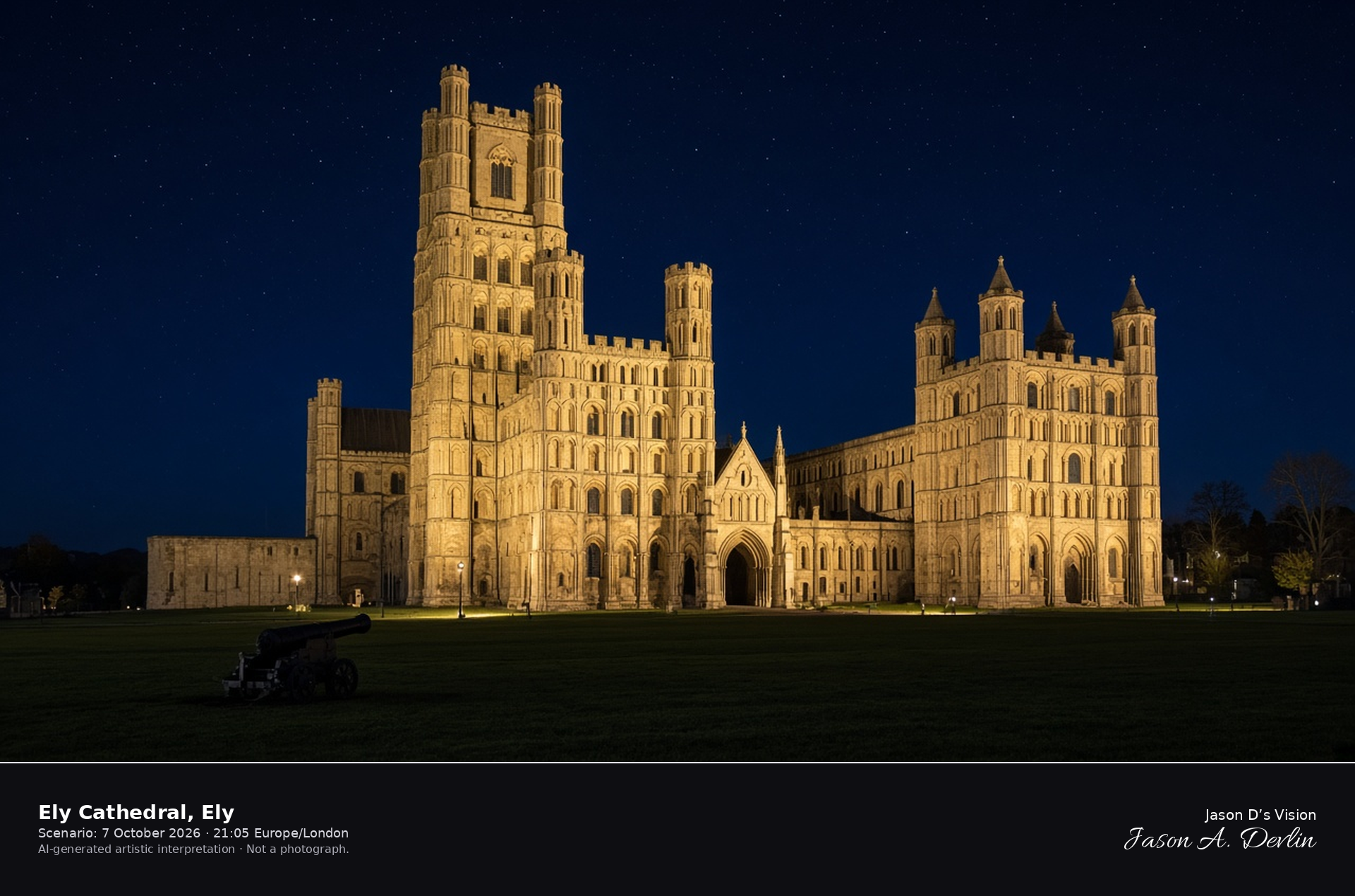
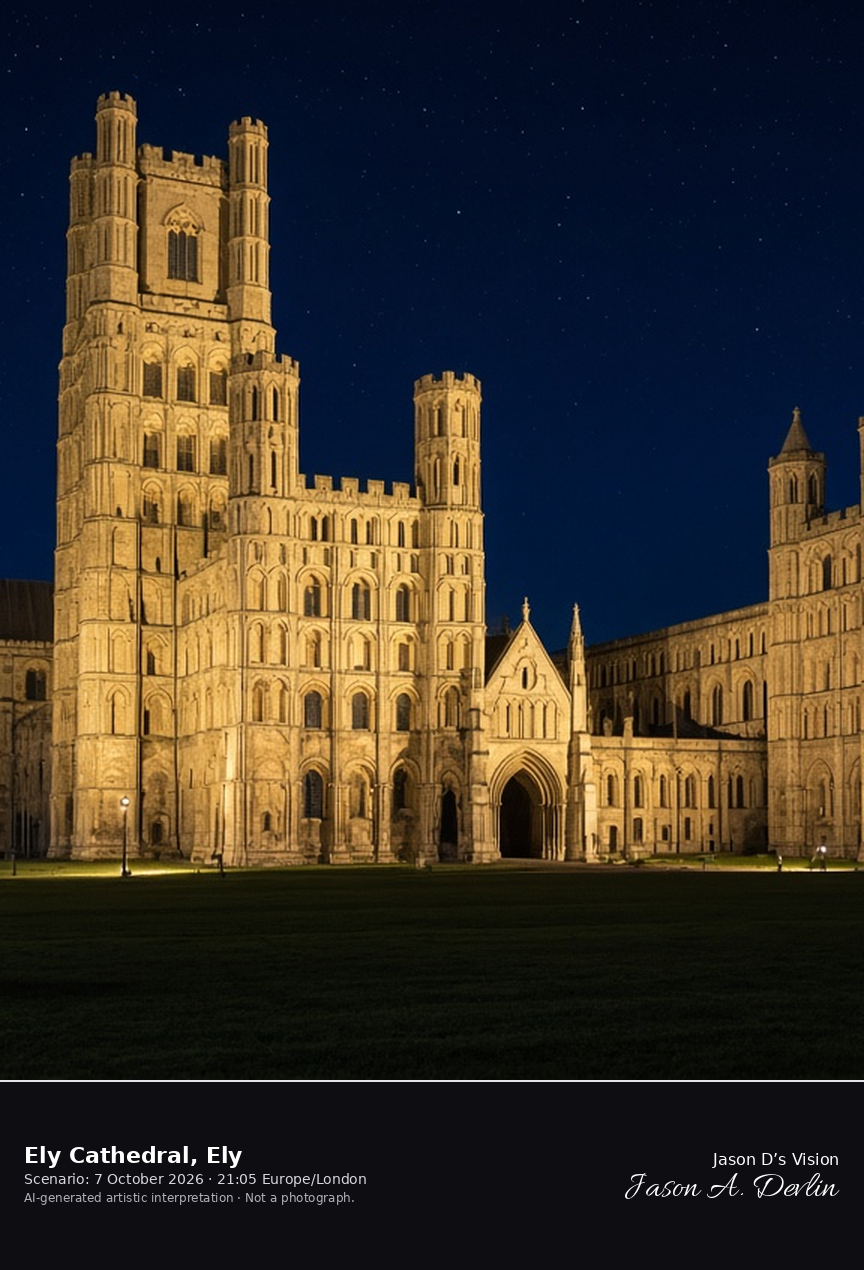
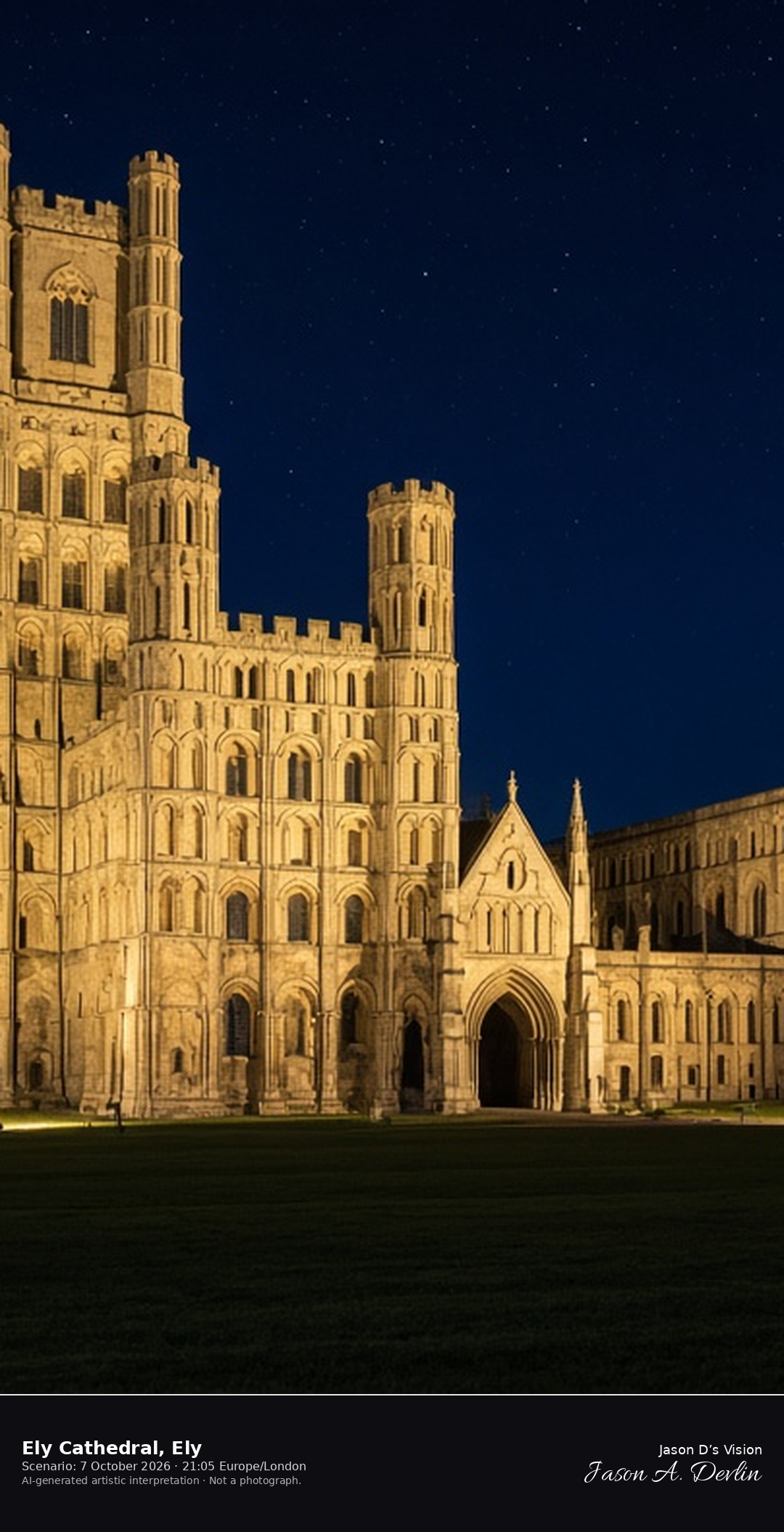
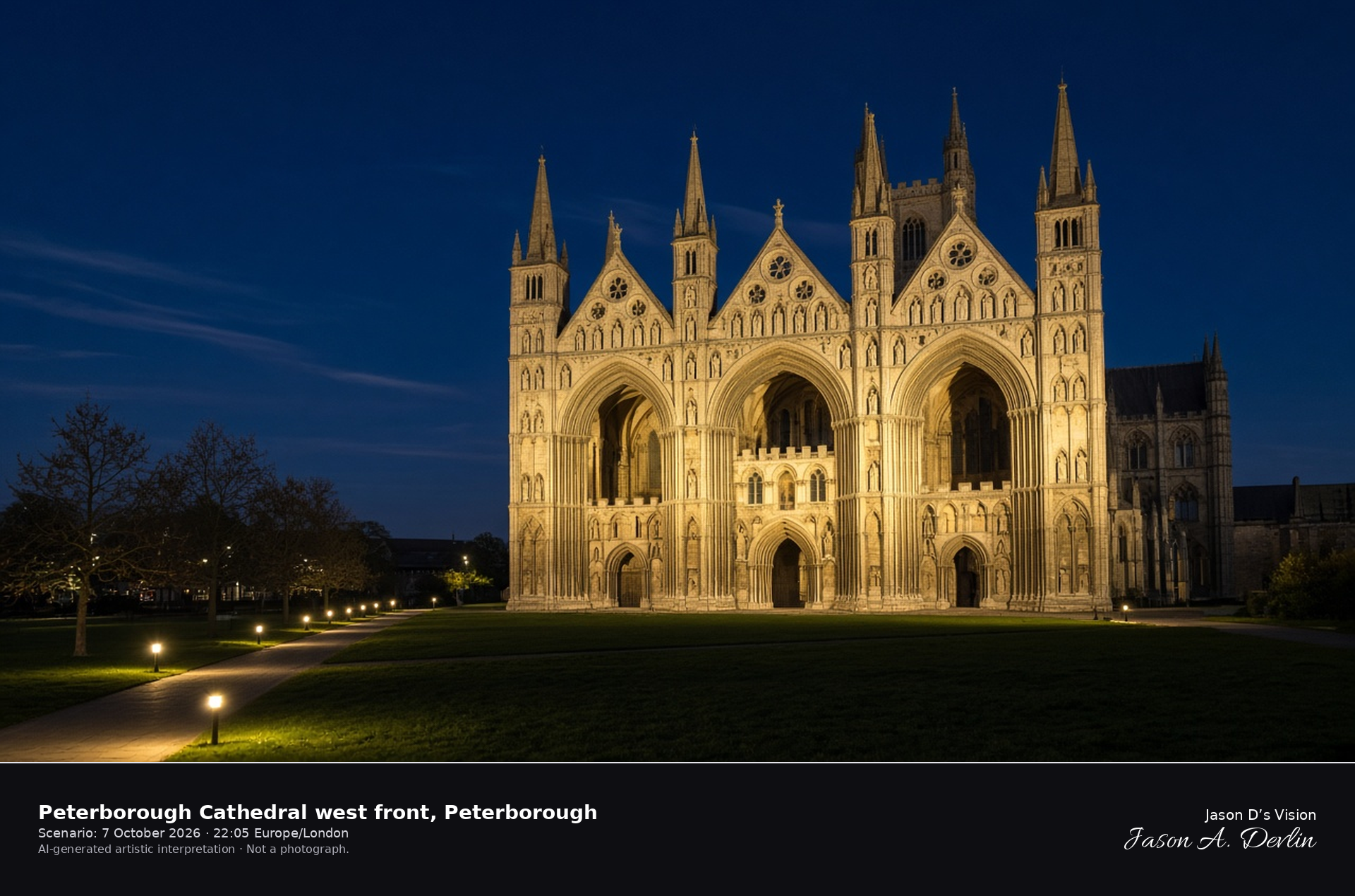
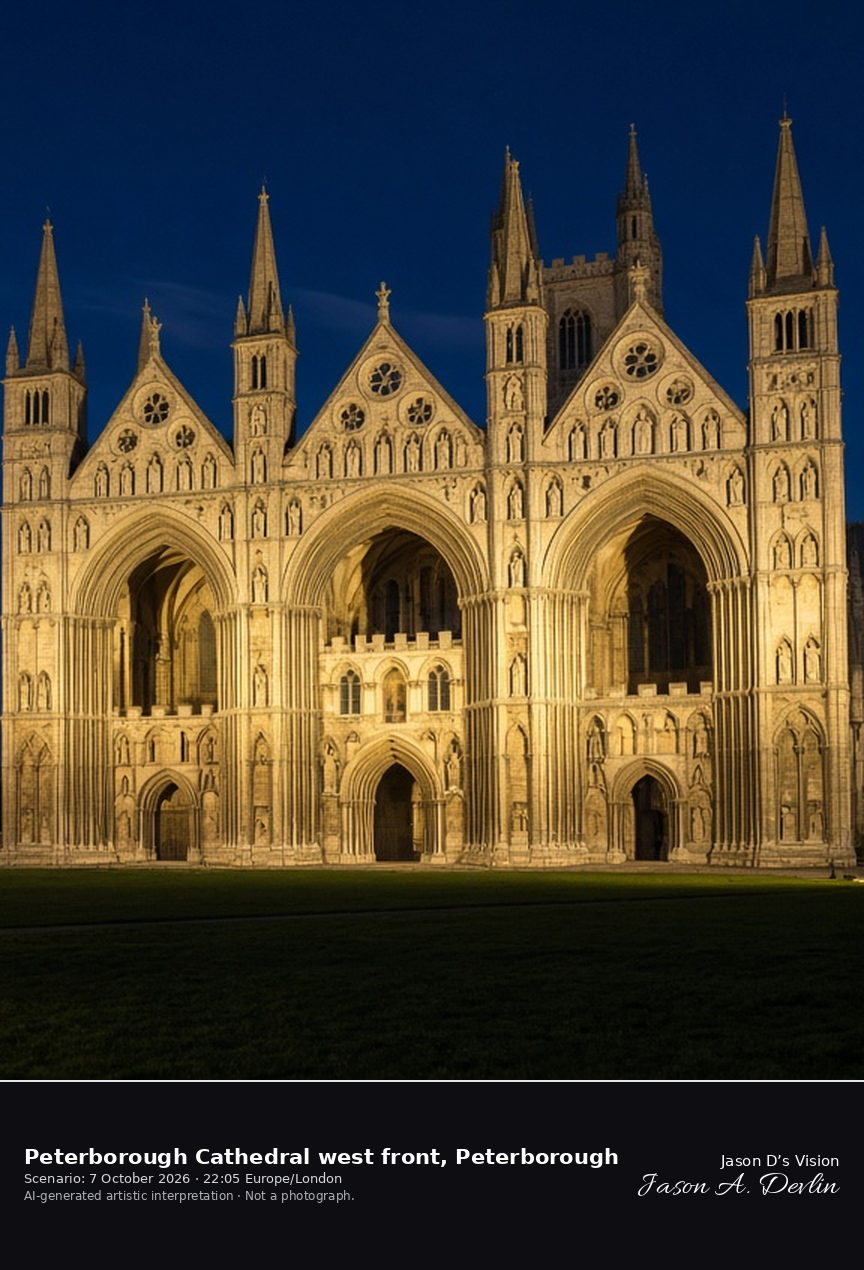
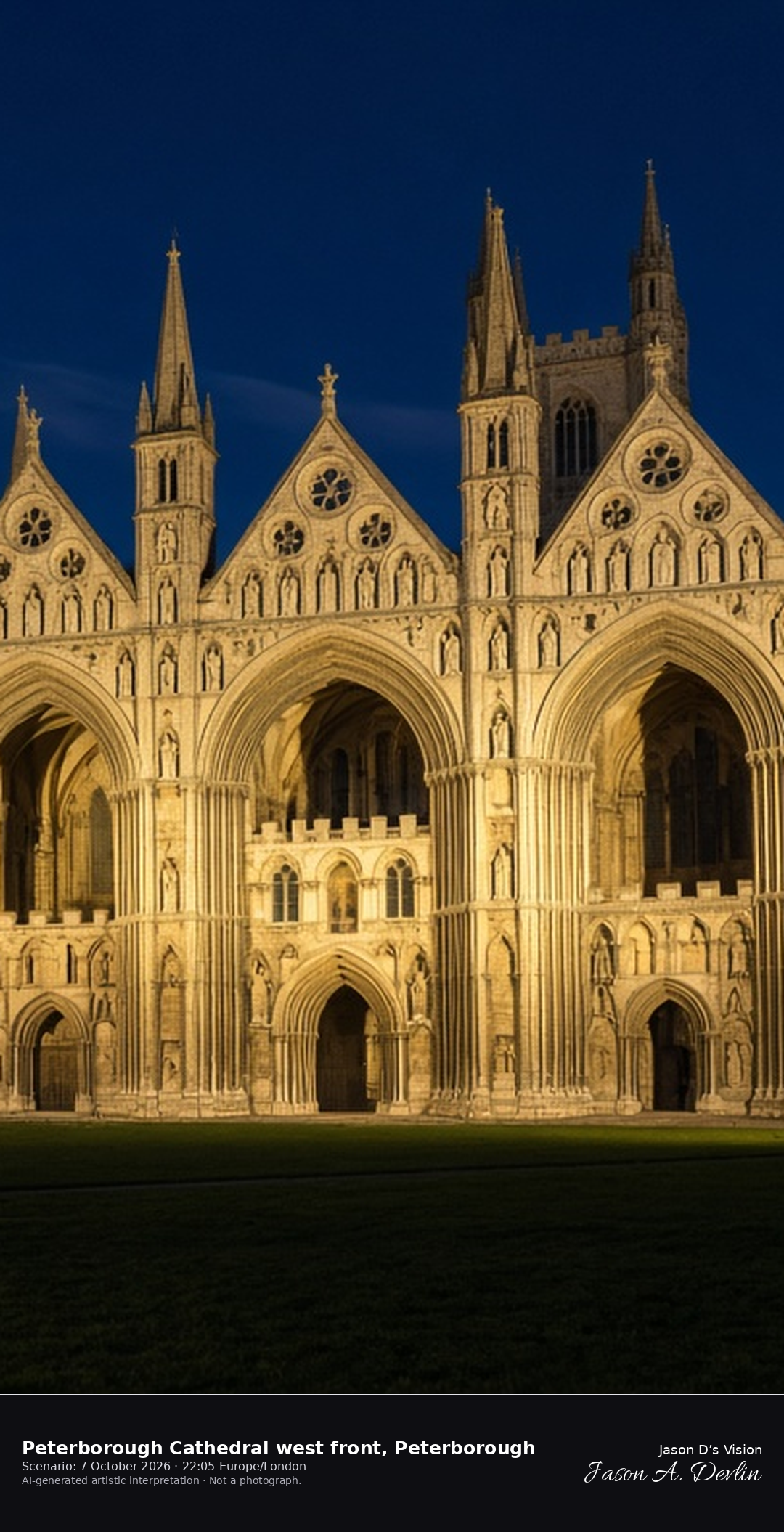
Building began in 1083 on the site of an abbey founded by St Etheldreda in 673. The north-west wing of the west front collapsed in the 15th century and was never rebuilt, which gives the front its lopsided look.
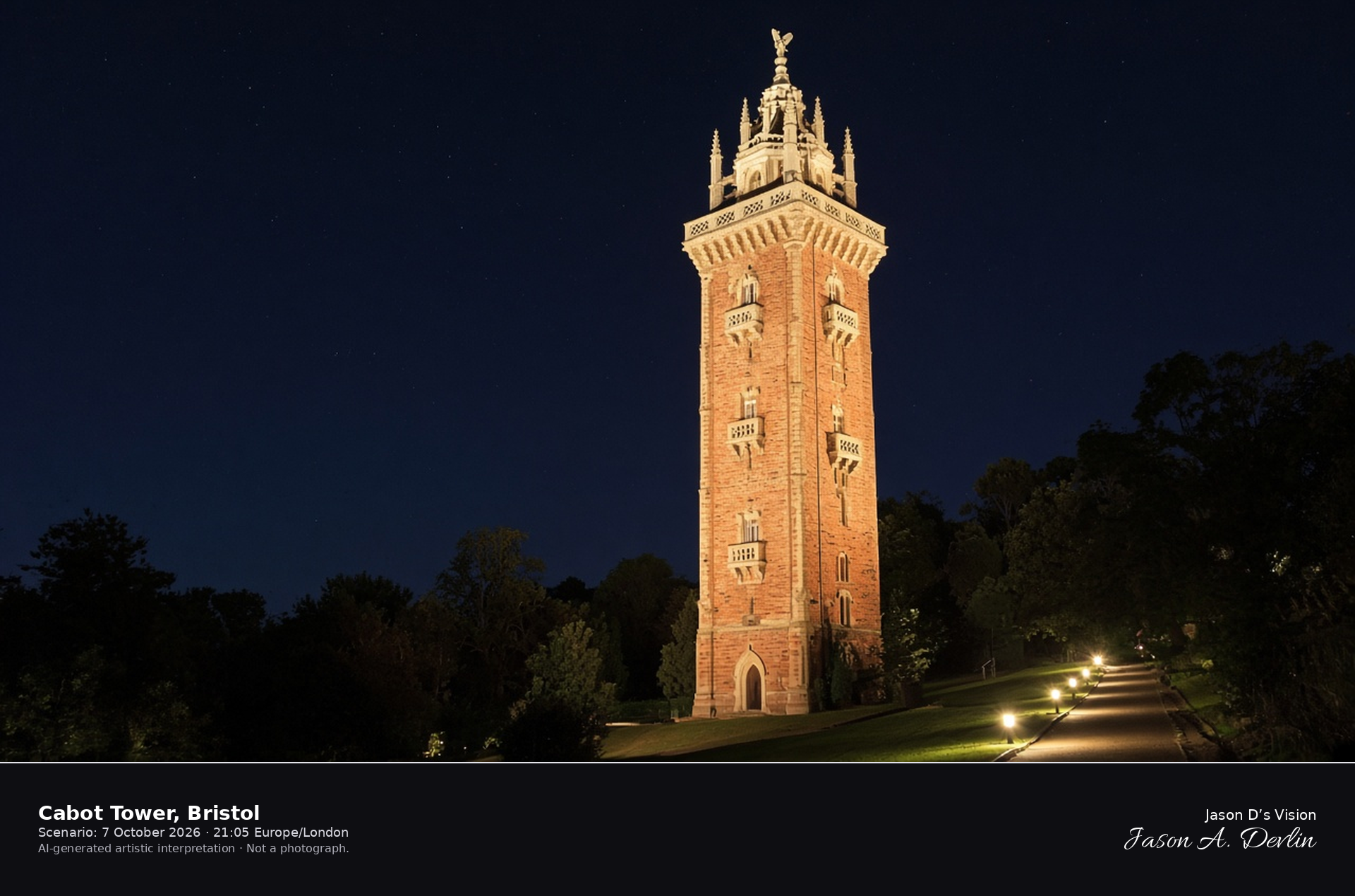
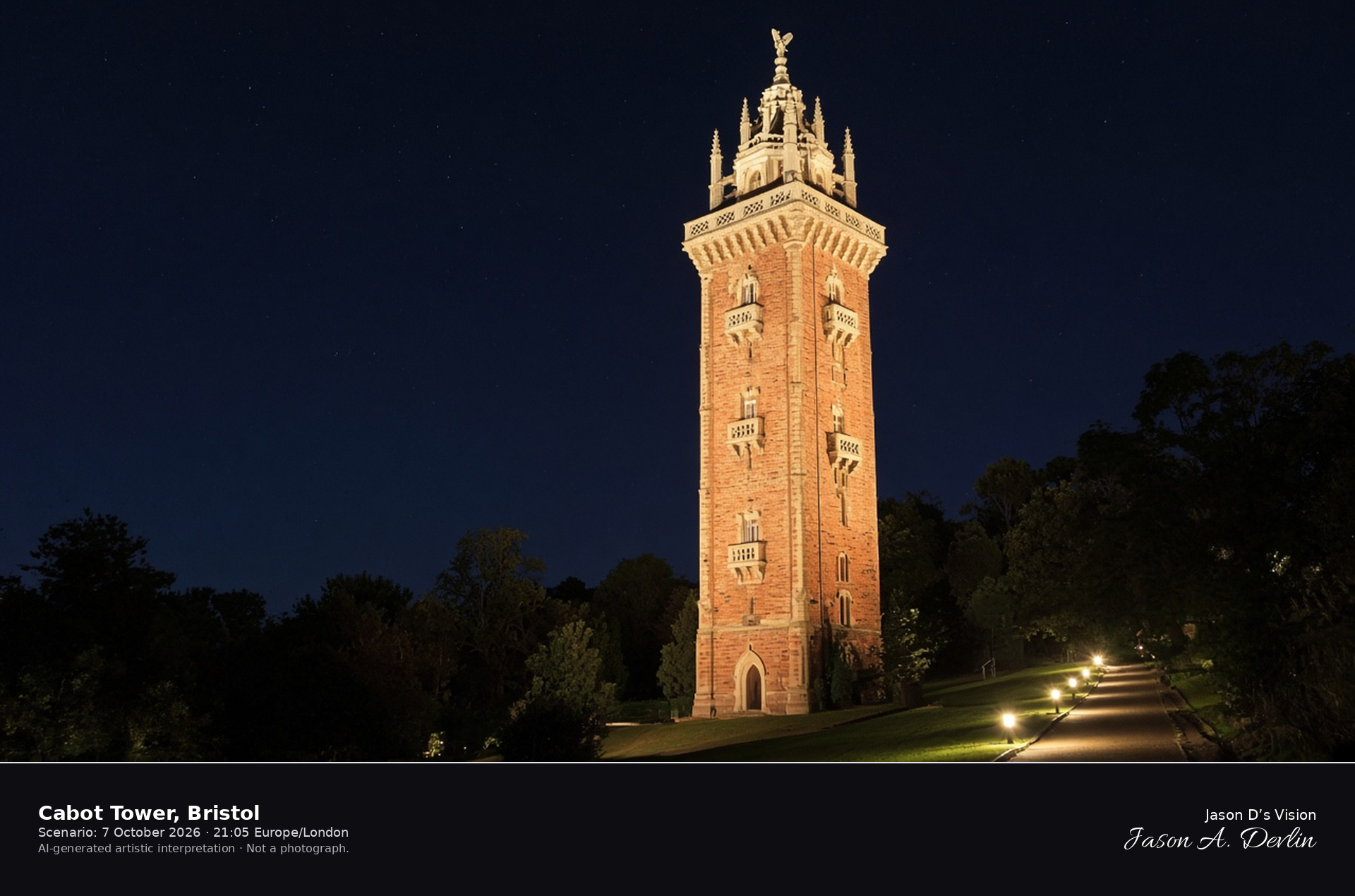
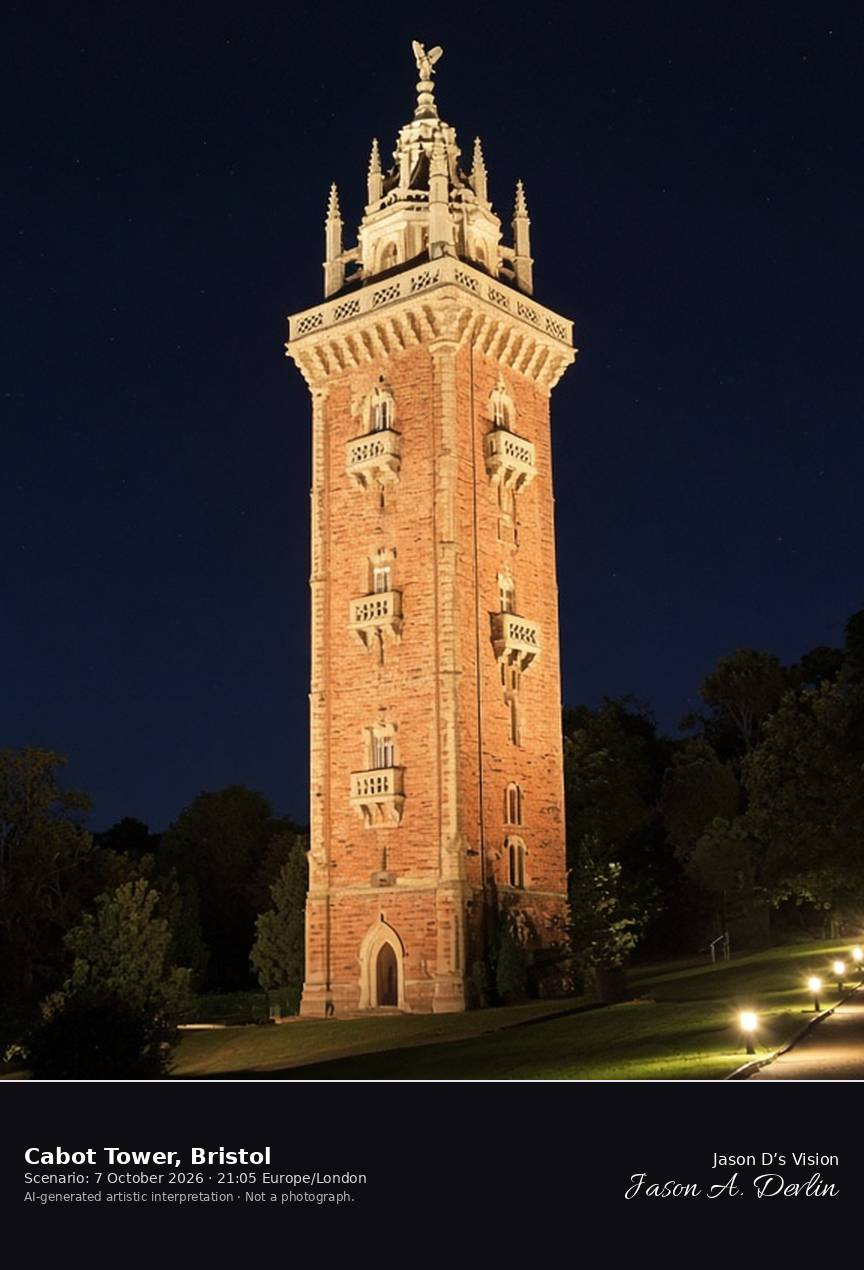
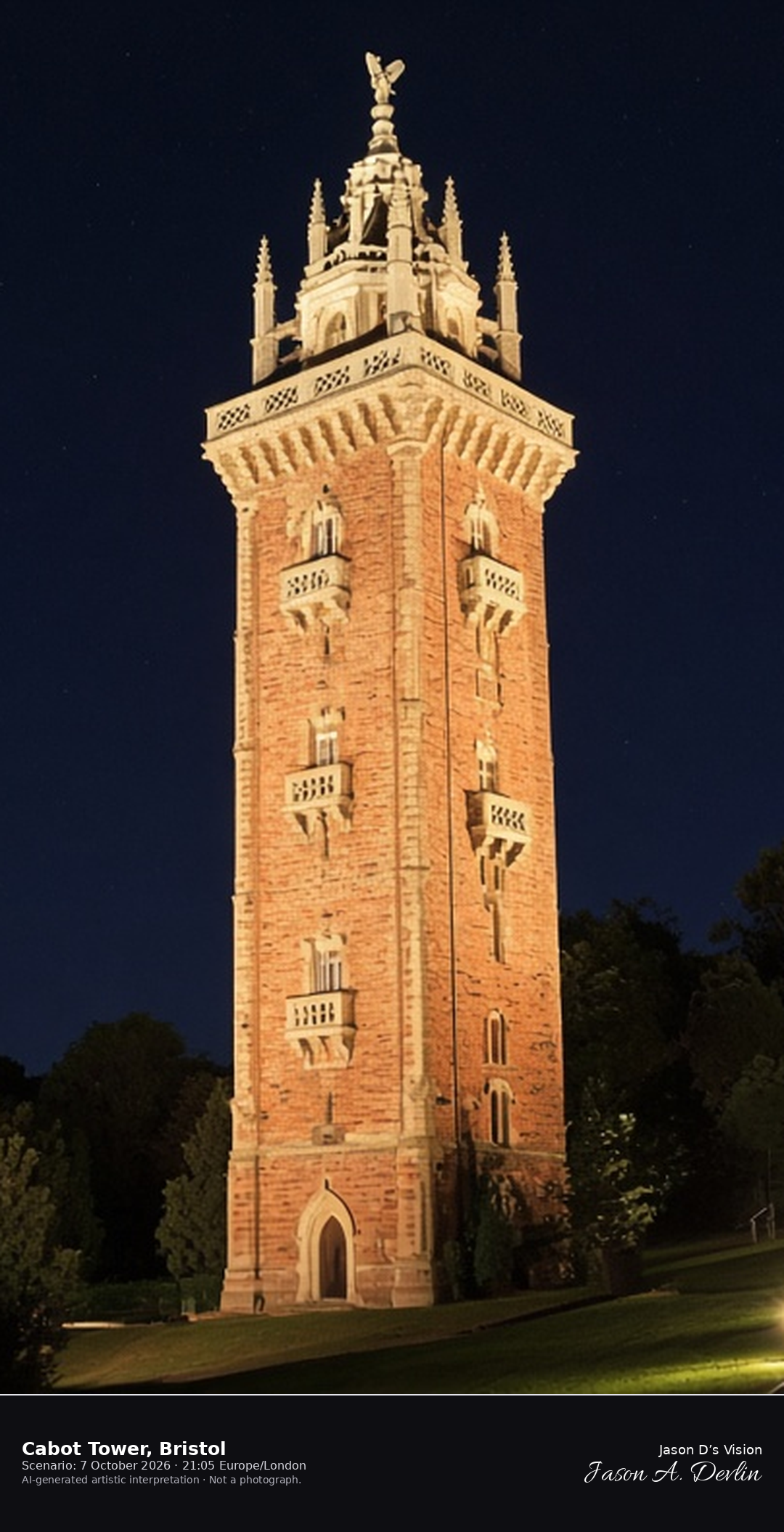
The tower was built in 1897-98 to mark 400 years since John Cabot sailed from Bristol to North America. A winged figure representing Commerce stands at its top.
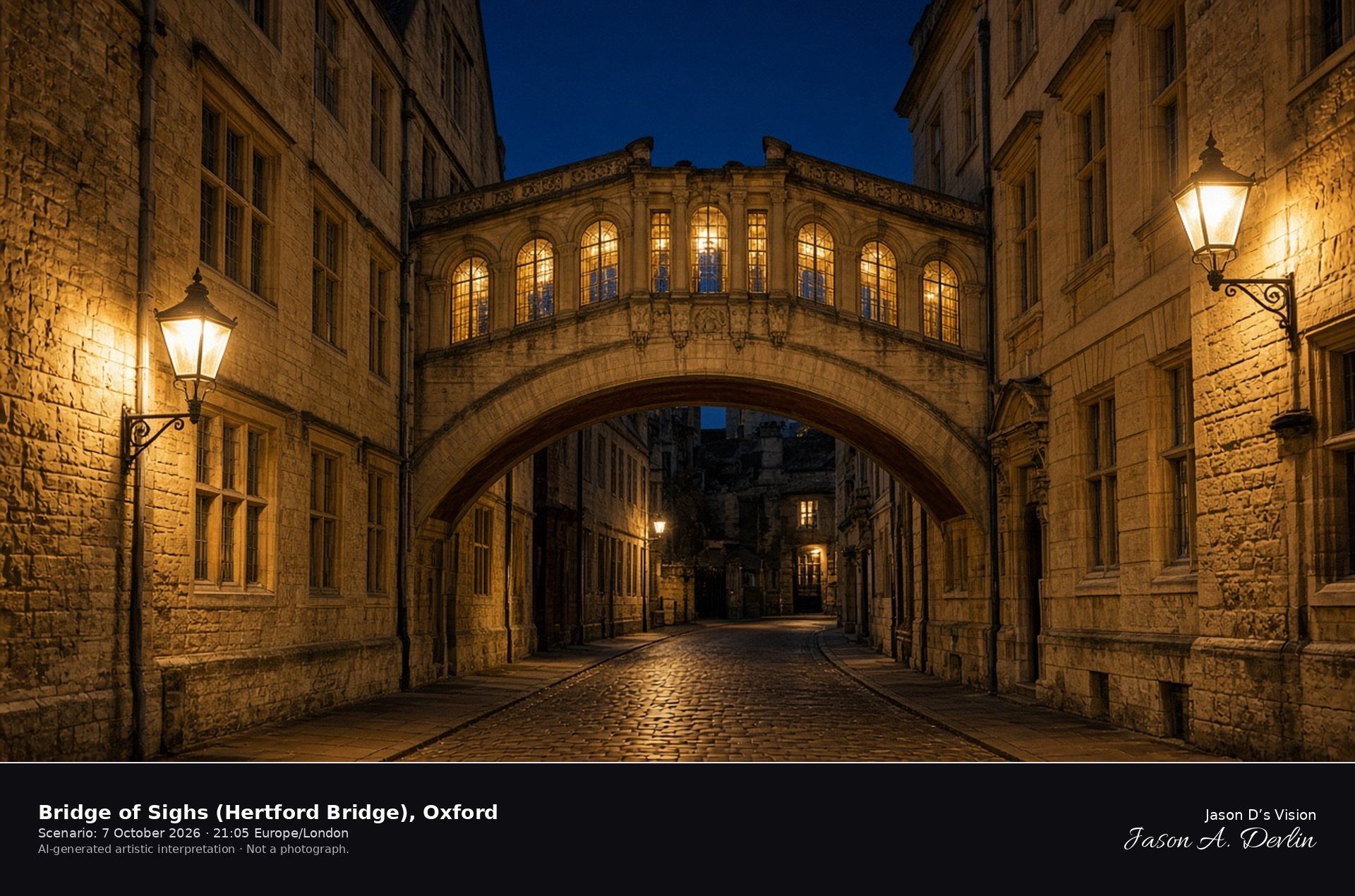
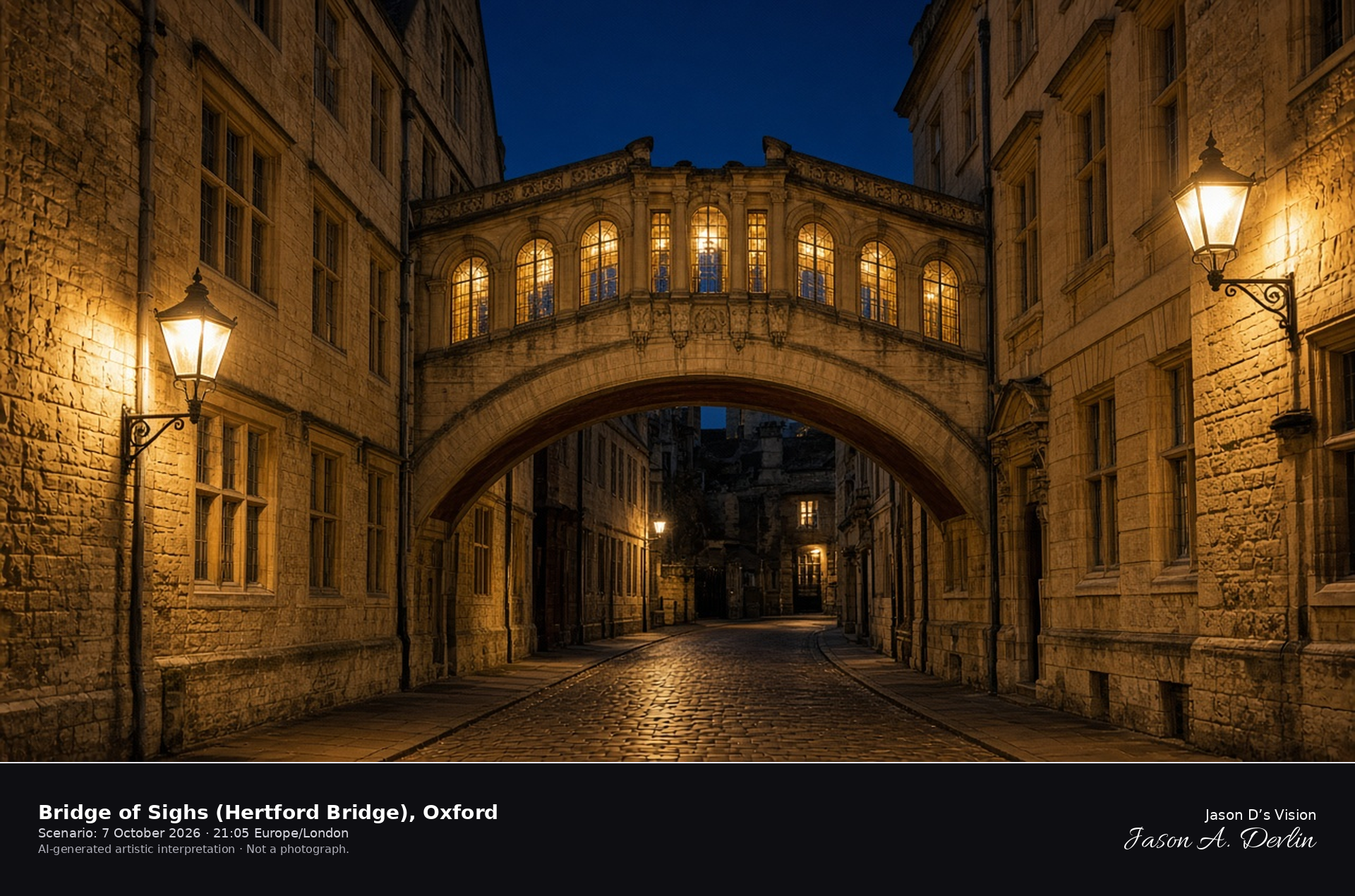
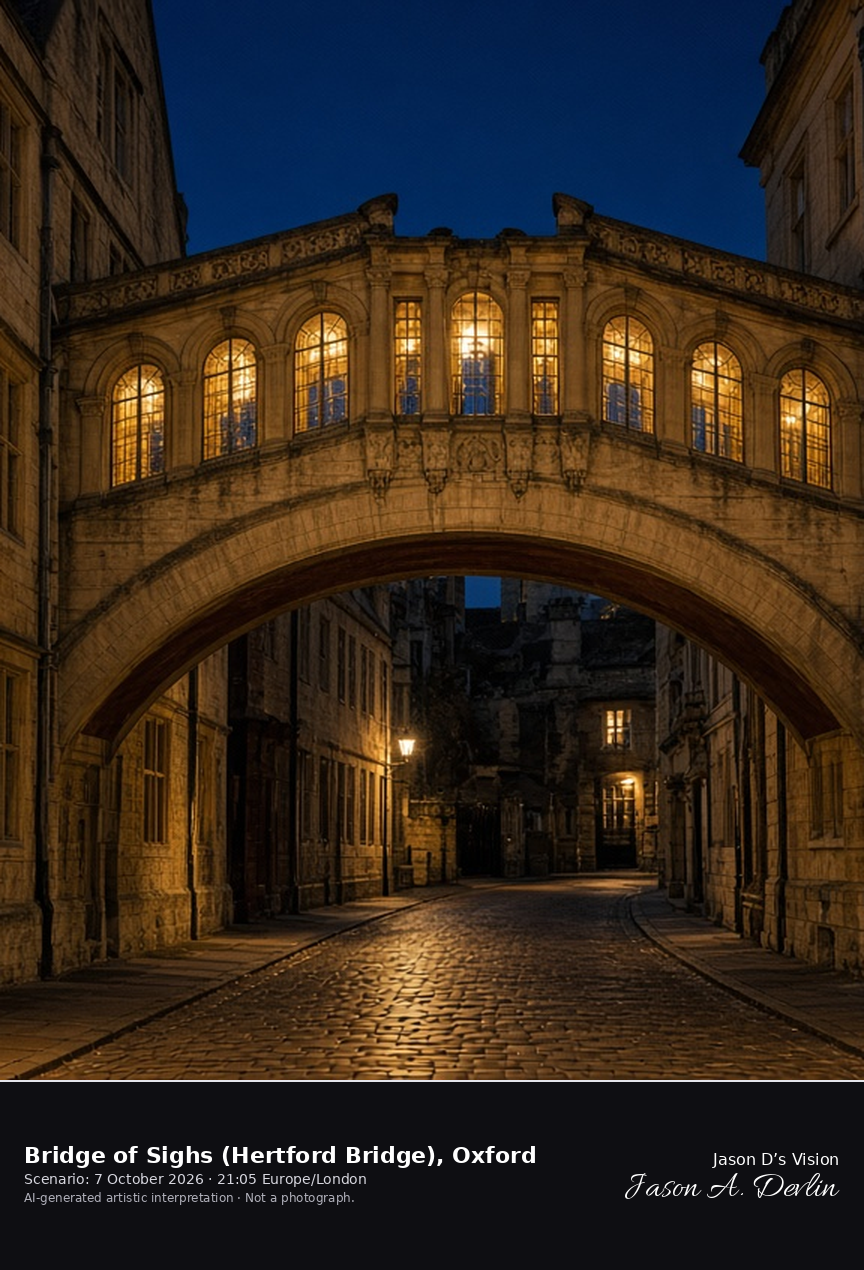
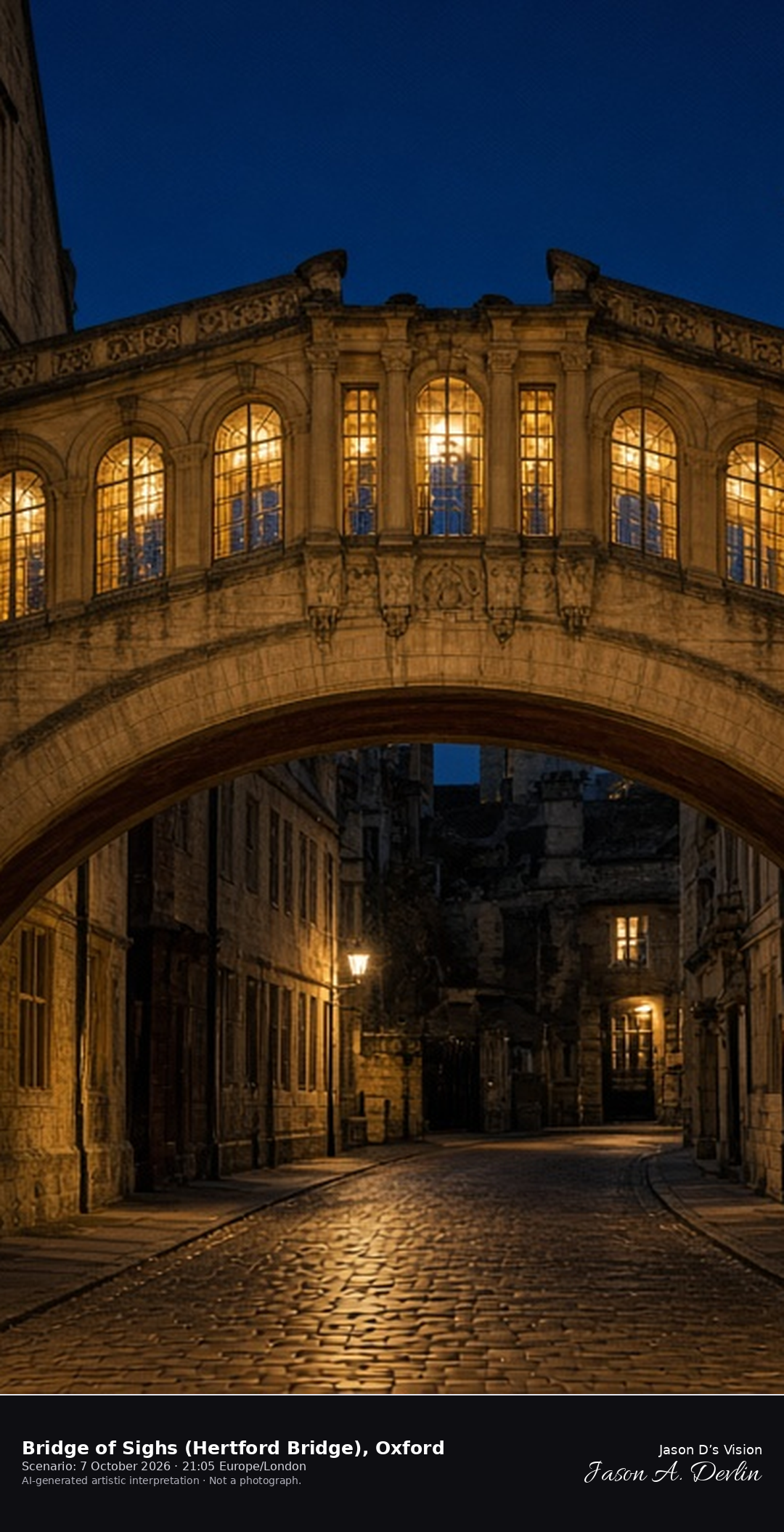
Bridge of Sighs (Hertford Bridge), Oxford · AI-generated artistic interpretation
Hertford Bridge was designed by Thomas Graham Jackson and completed in 1914 to link the college's two quadrangles. Despite its nickname, it looks more like Venice's Rialto Bridge than the Bridge of Sighs.
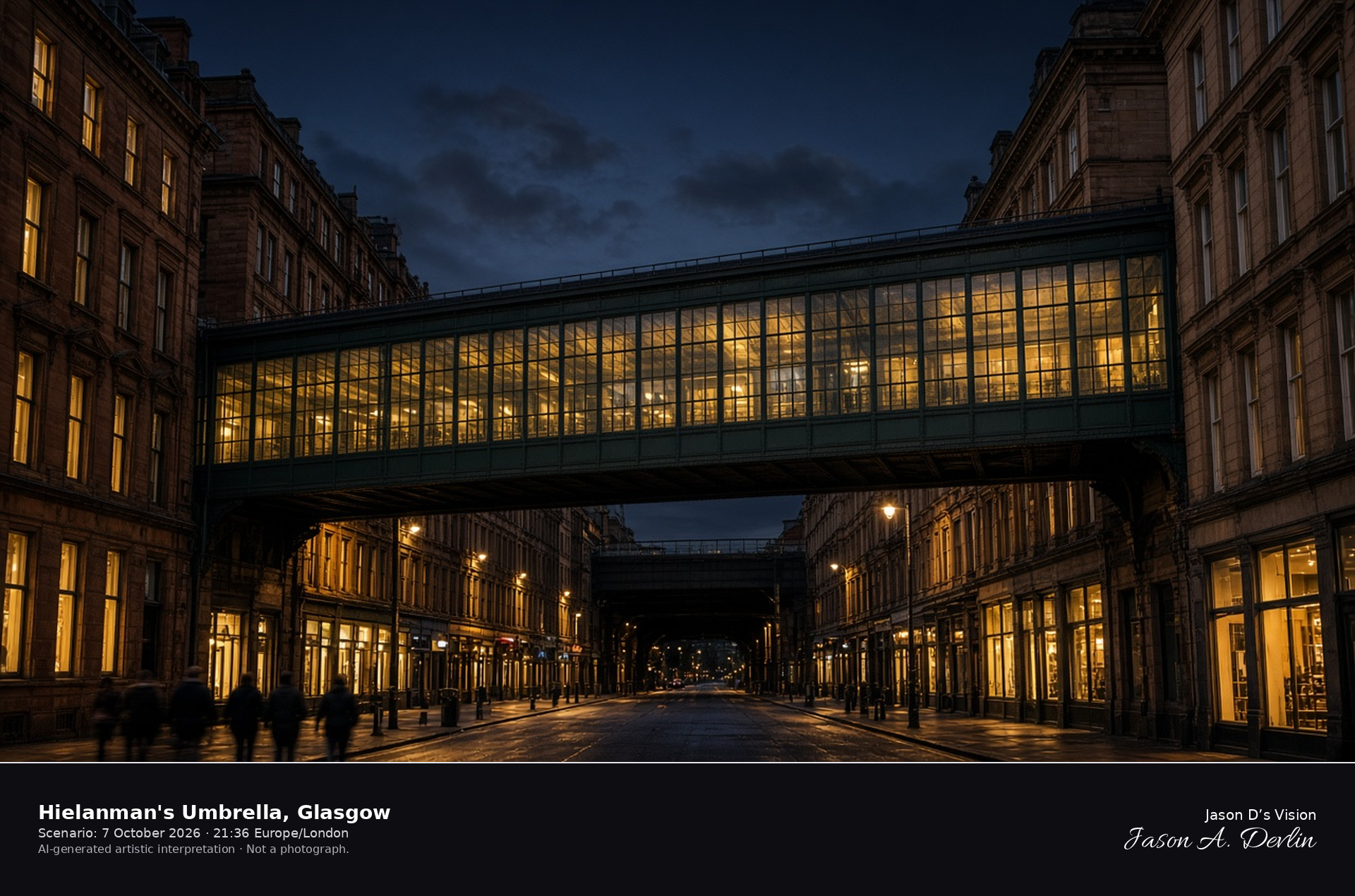
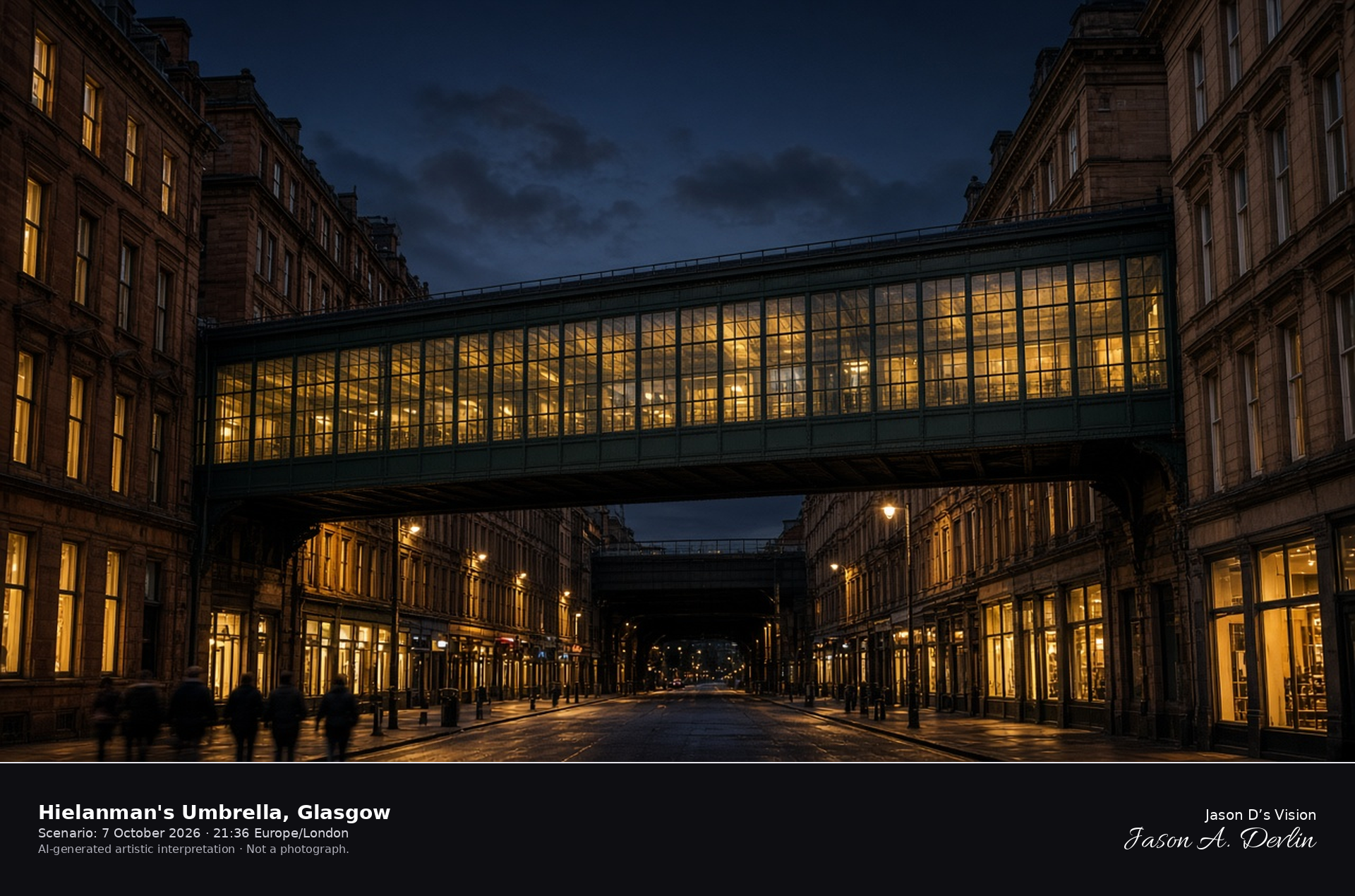
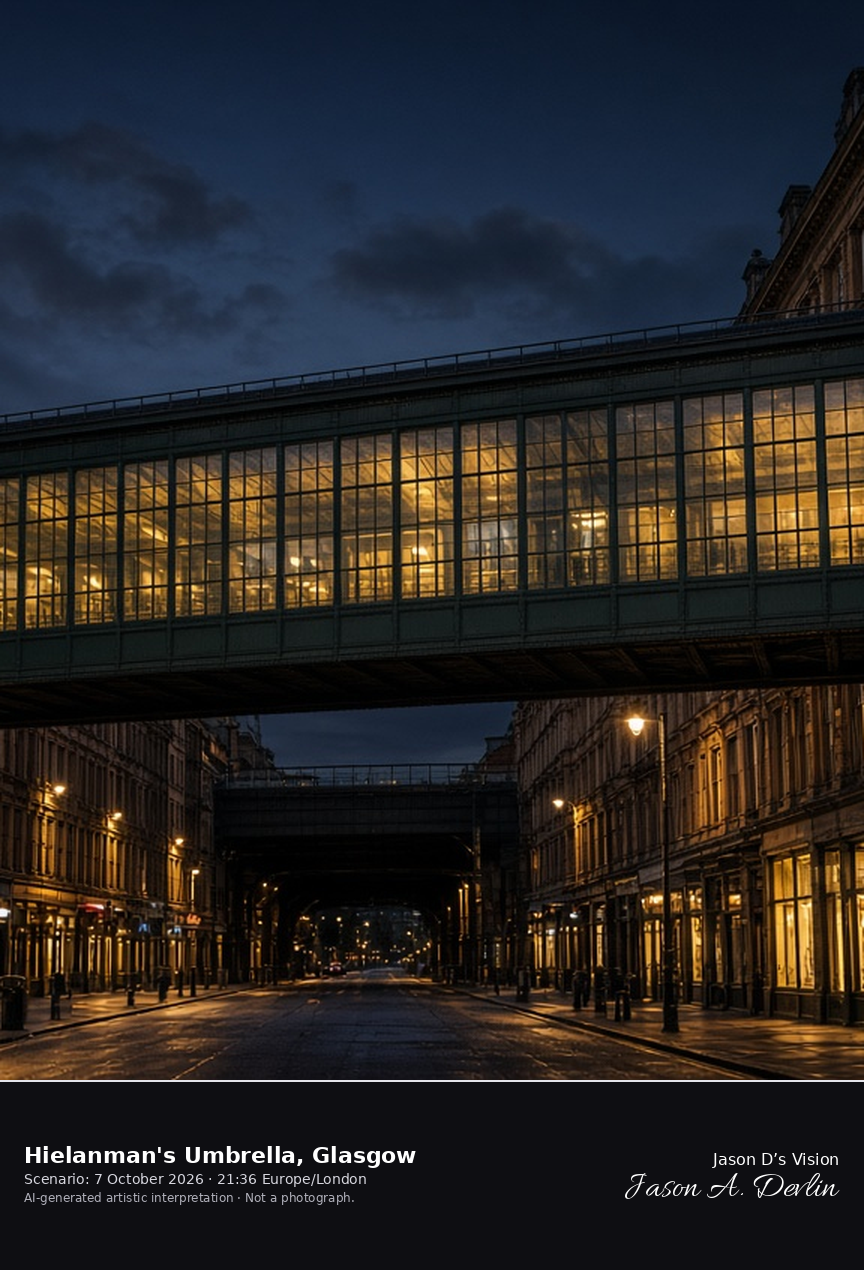
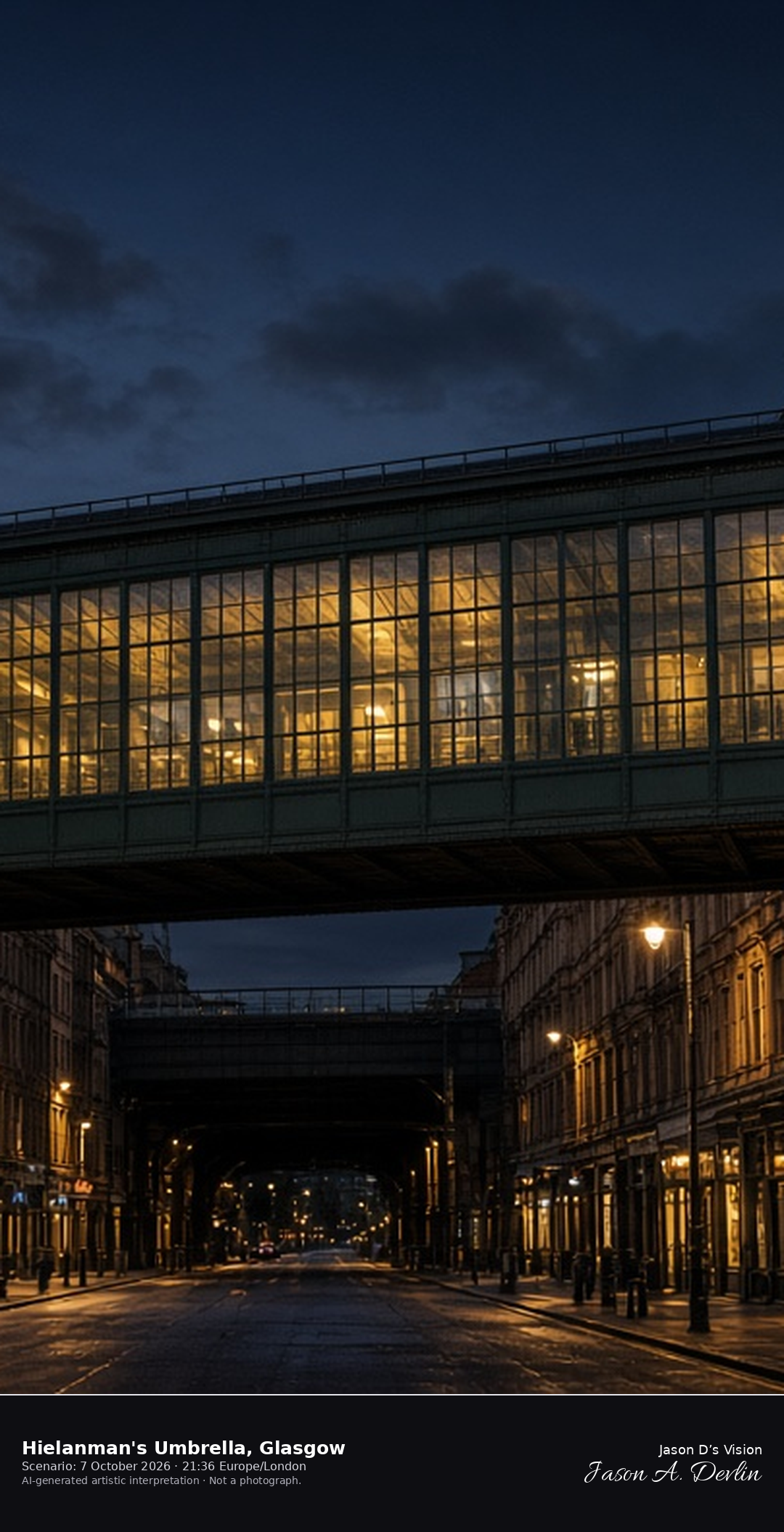
The bridge was built in the 1900s when Central Station was extended over Argyle Street. It got its nickname because Highlanders who moved to Glasgow used to meet in its shelter.
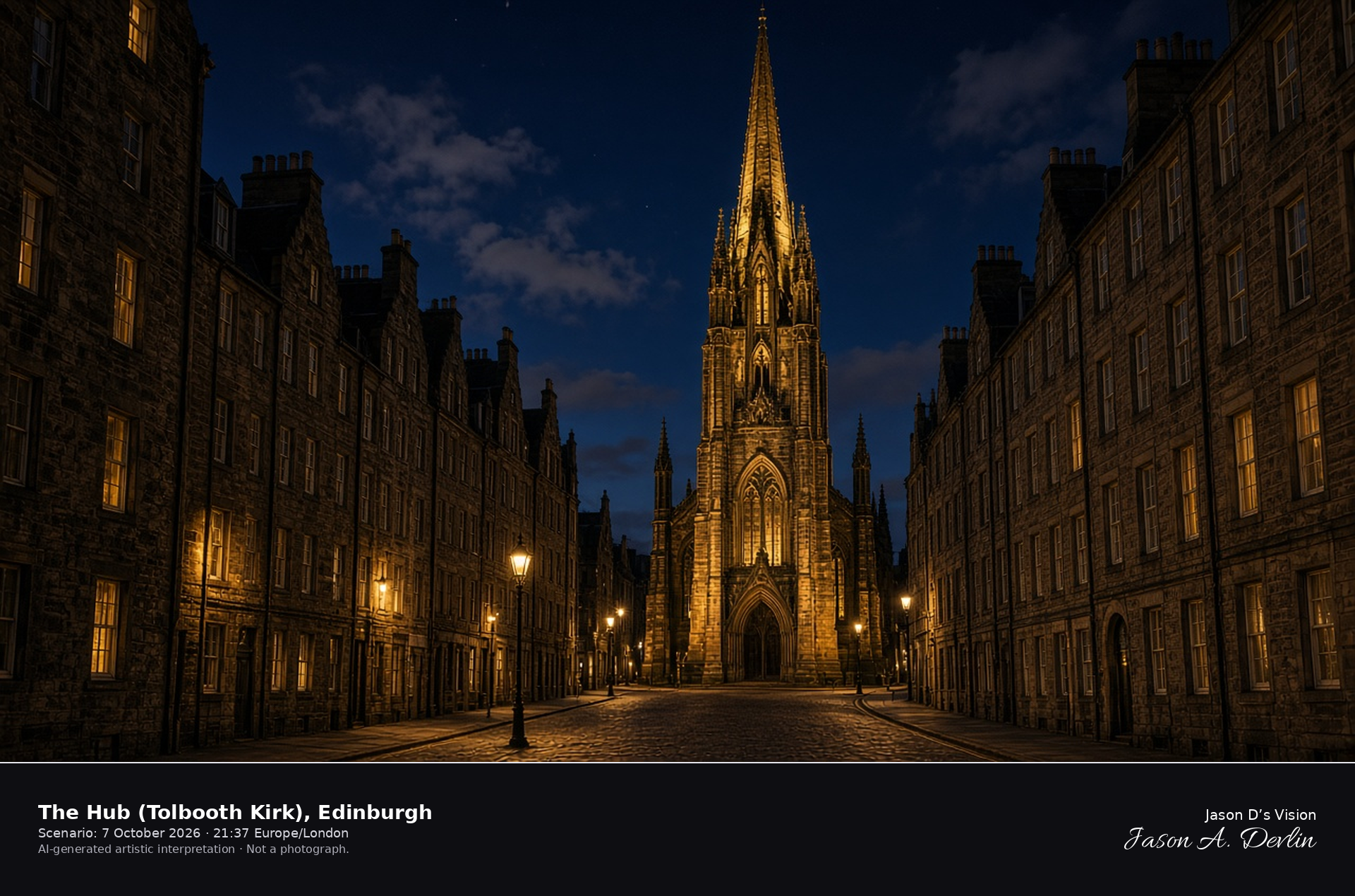
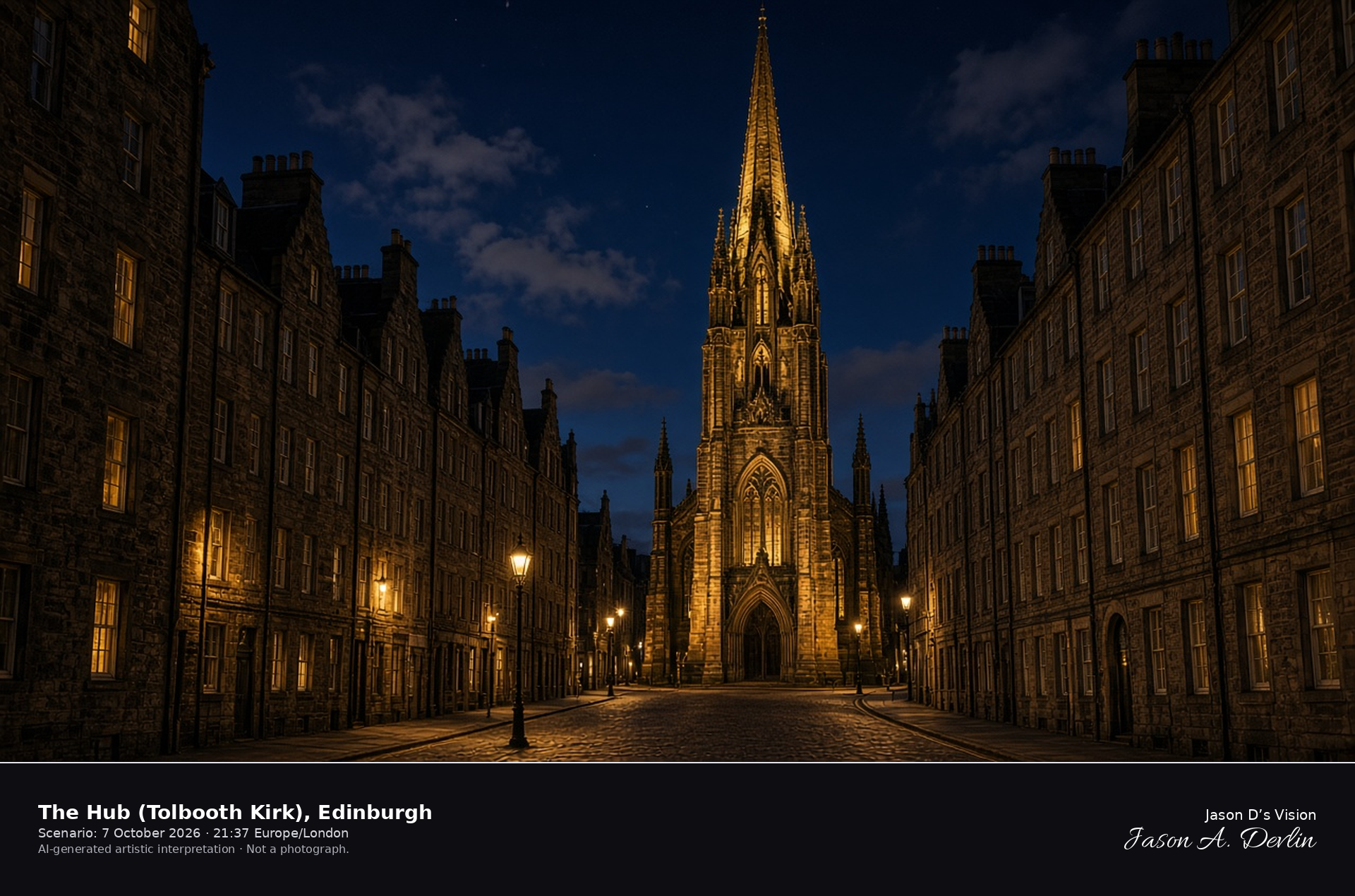
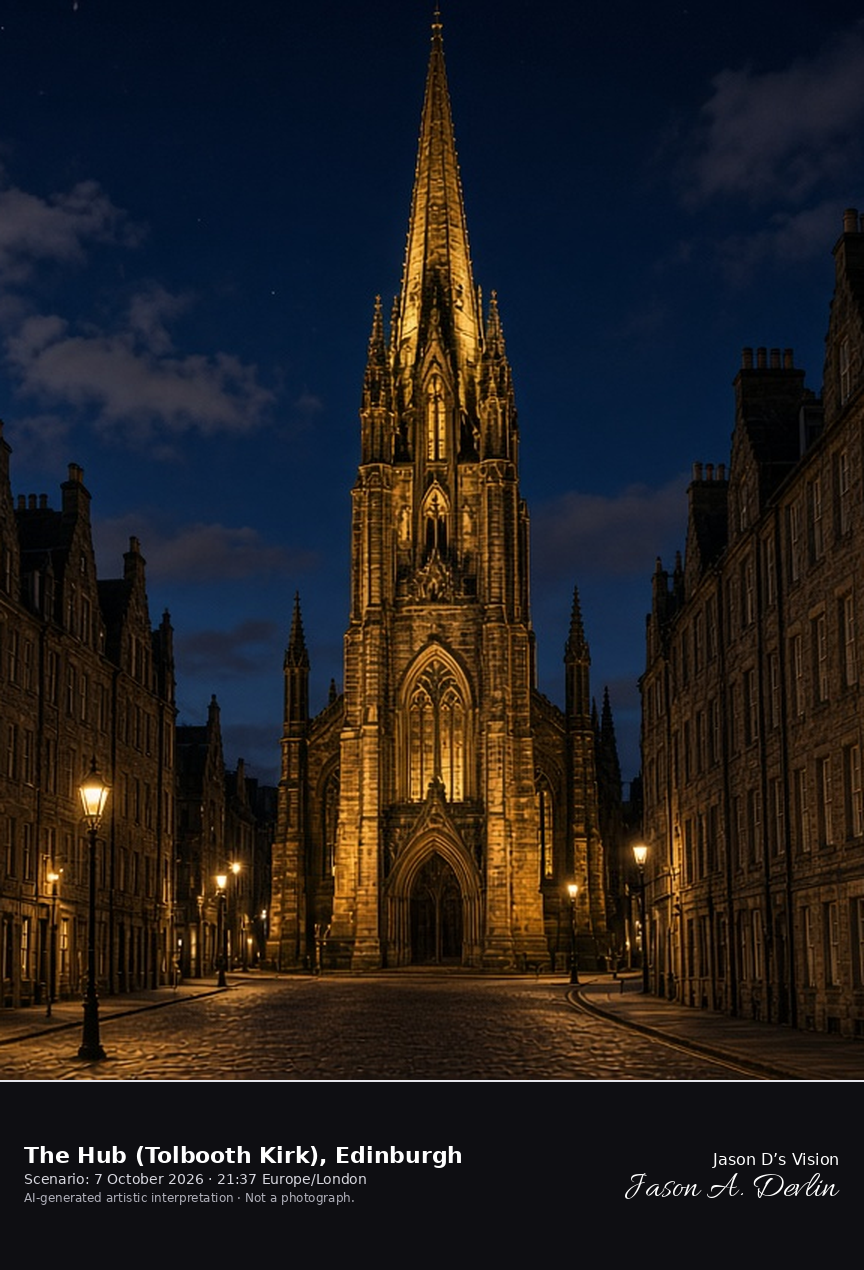
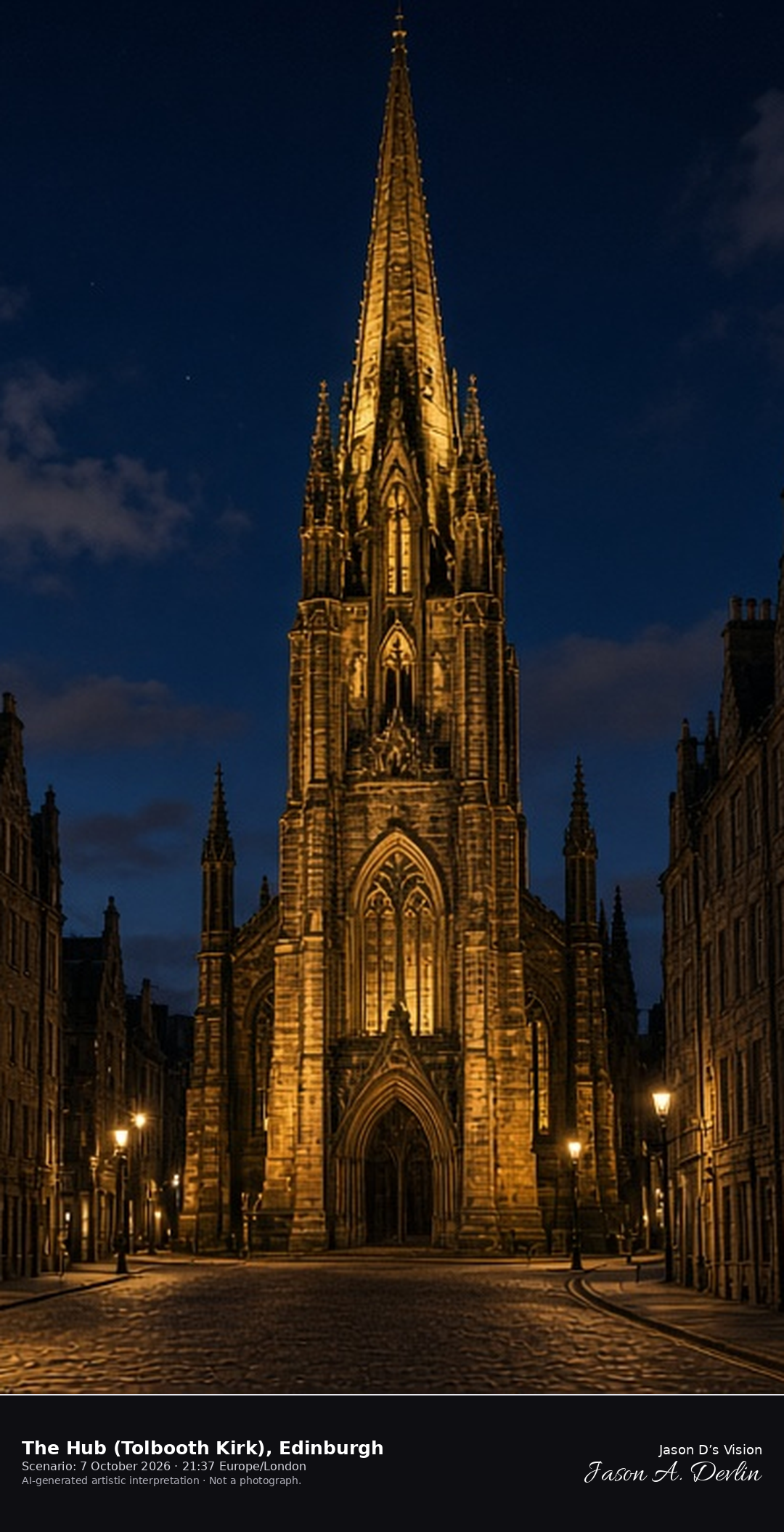
The Hub (Tolbooth Kirk), Edinburgh · AI-generated artistic interpretation
The church was built in 1842-45 to designs by James Gillespie Graham and Augustus Pugin, and its spire is the highest point in central Edinburgh. Since 1999 it has been the headquarters of the Edinburgh International Festival.
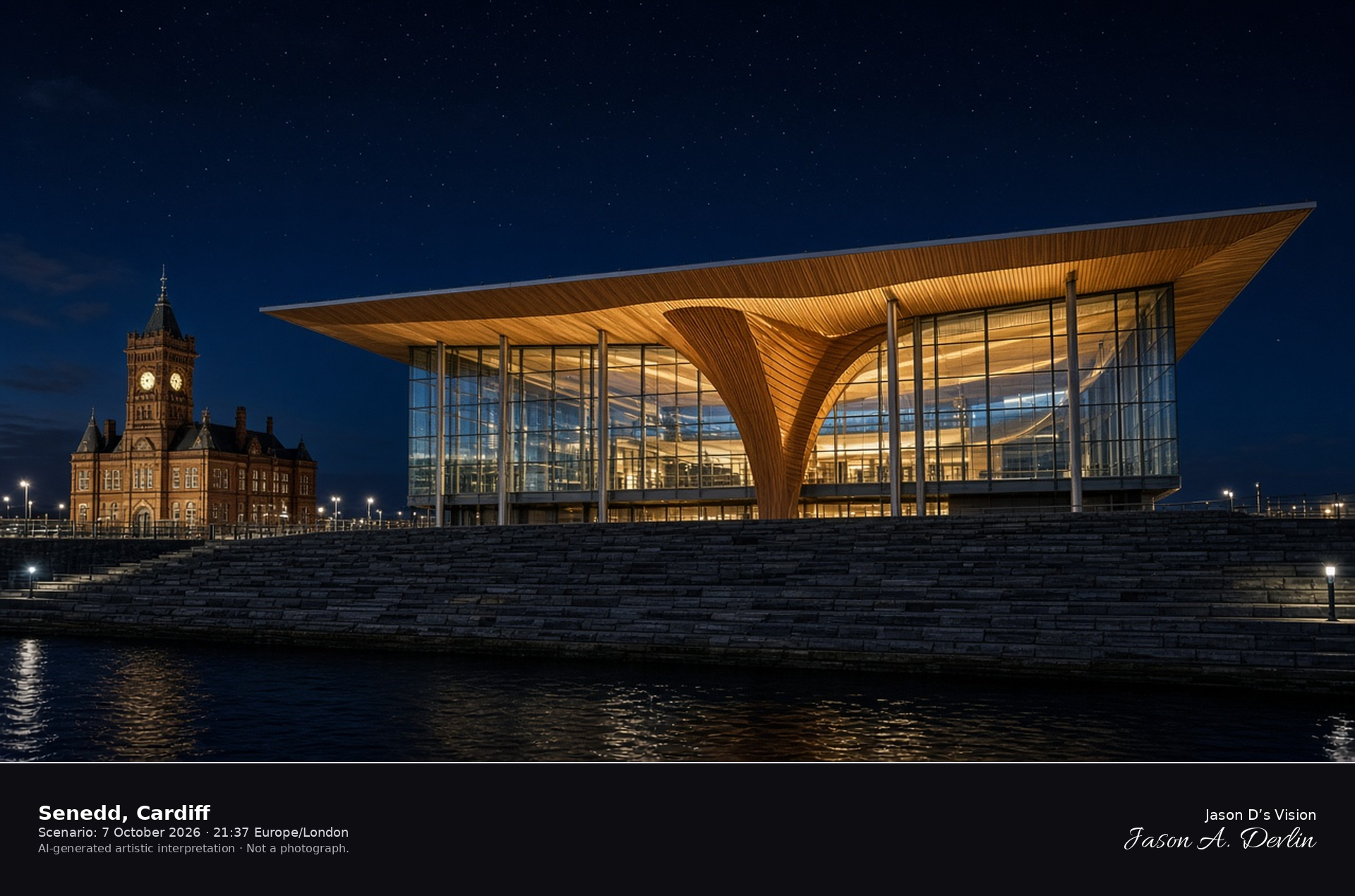
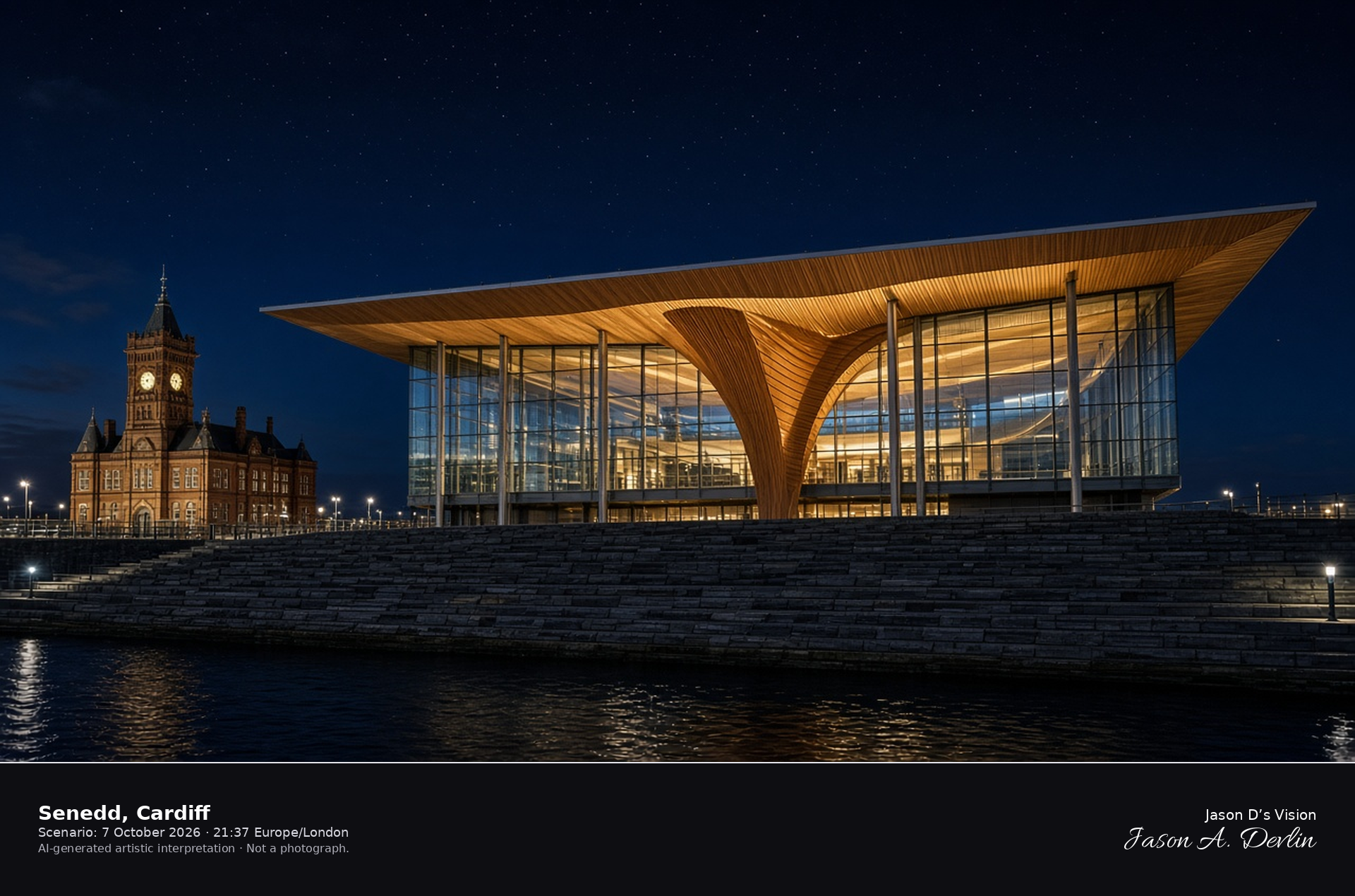
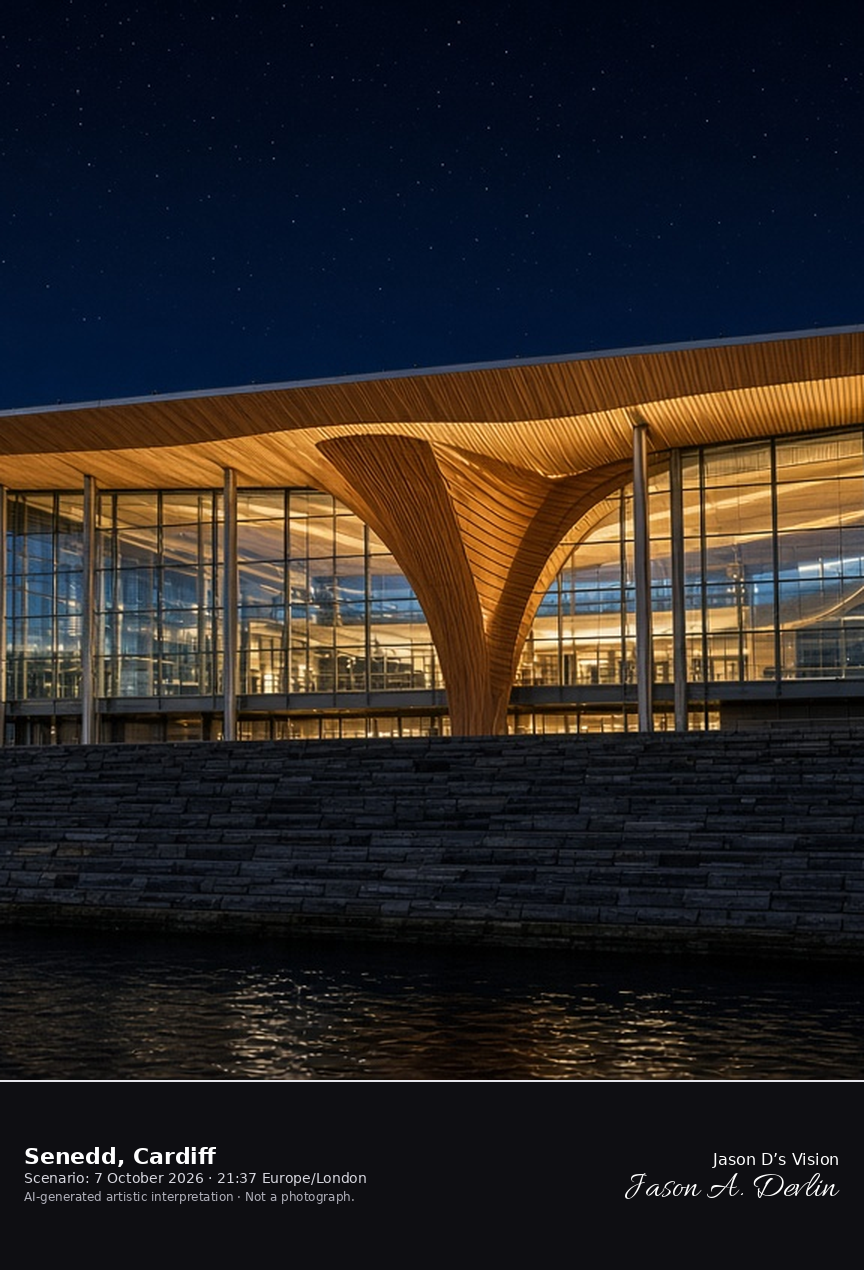
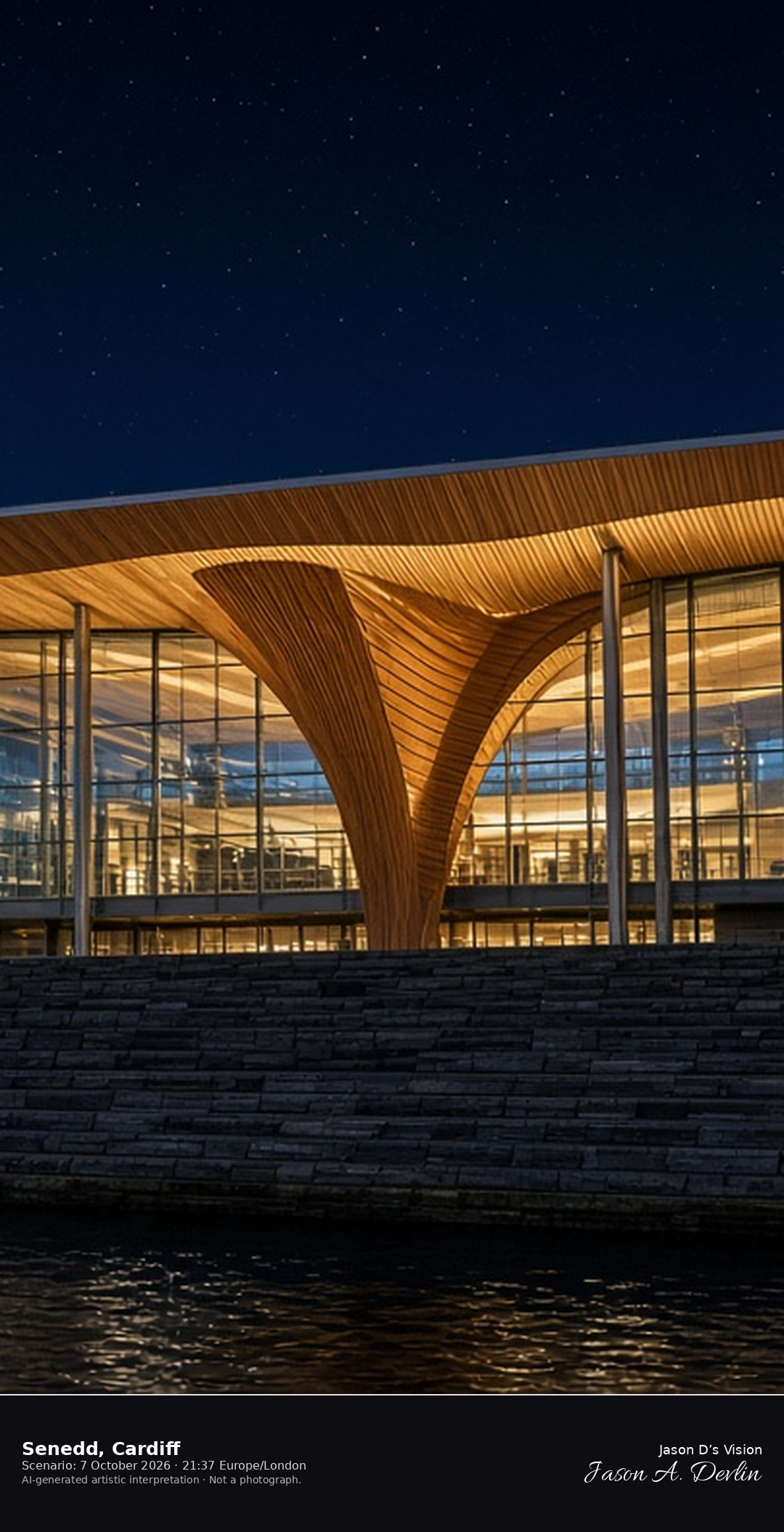
The Senedd, designed by Richard Rogers, opened in 2006 as the home of the Welsh Parliament. Its funnel of red cedar draws daylight and fresh air down into the debating chamber.
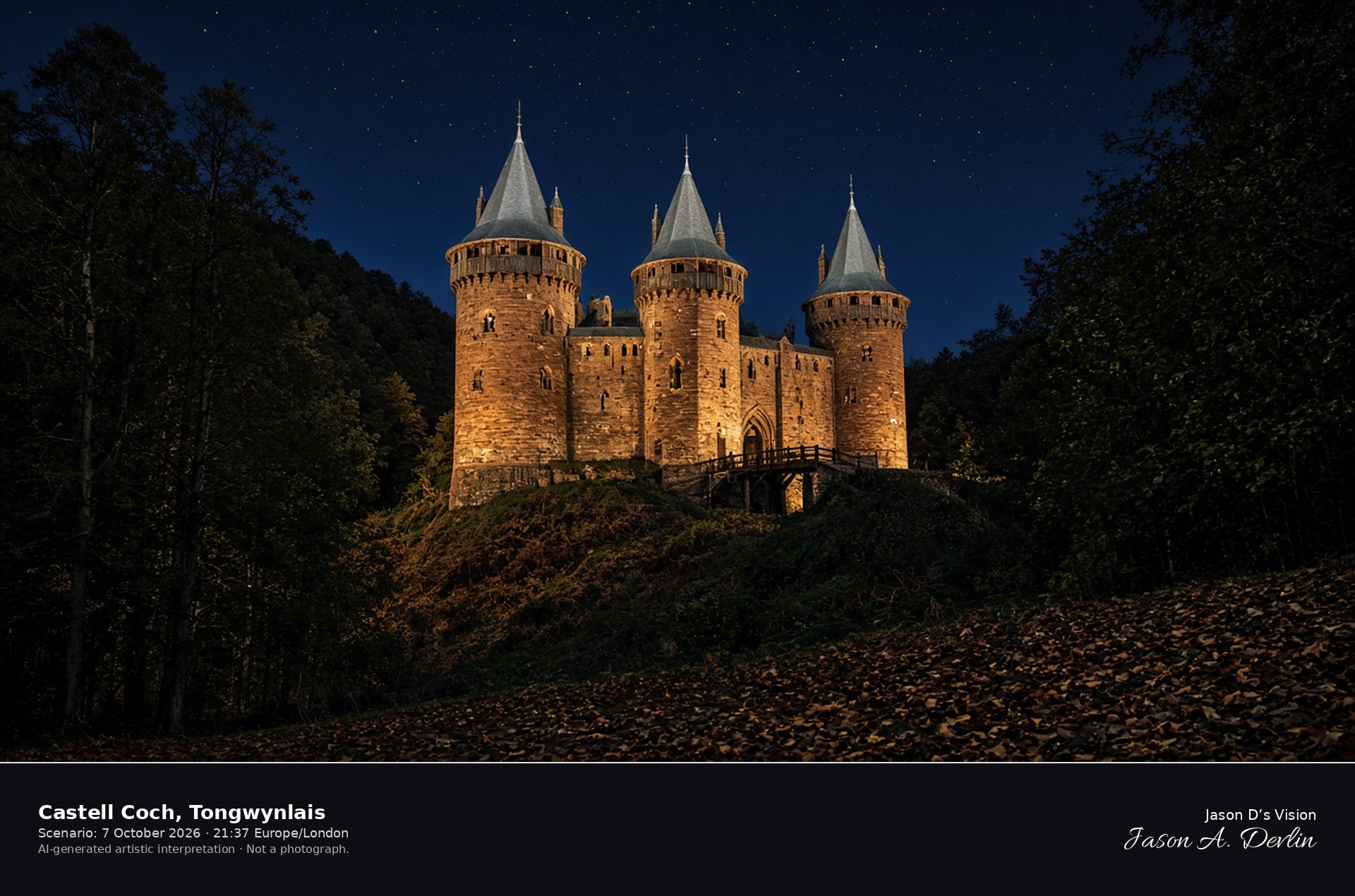
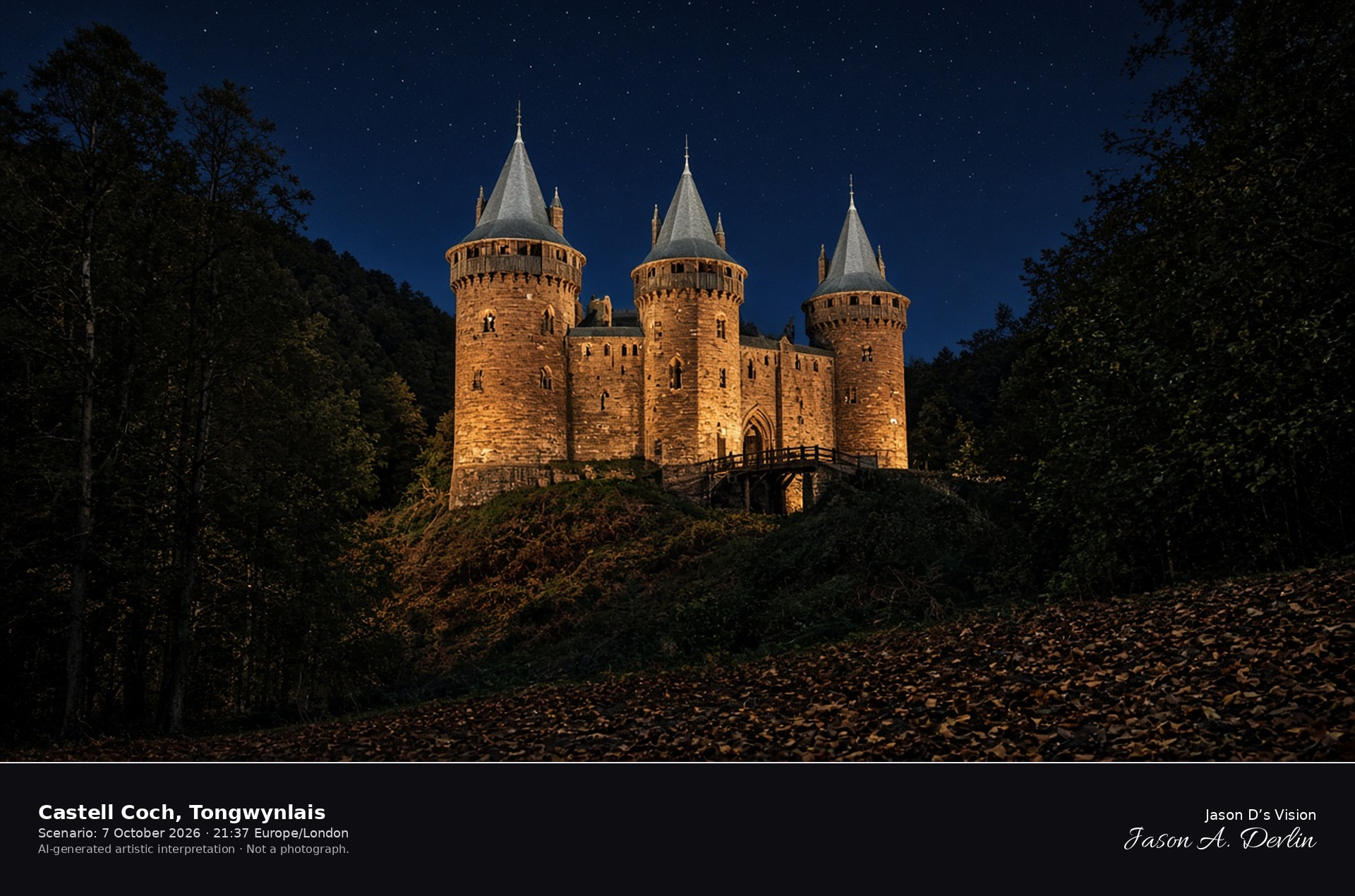
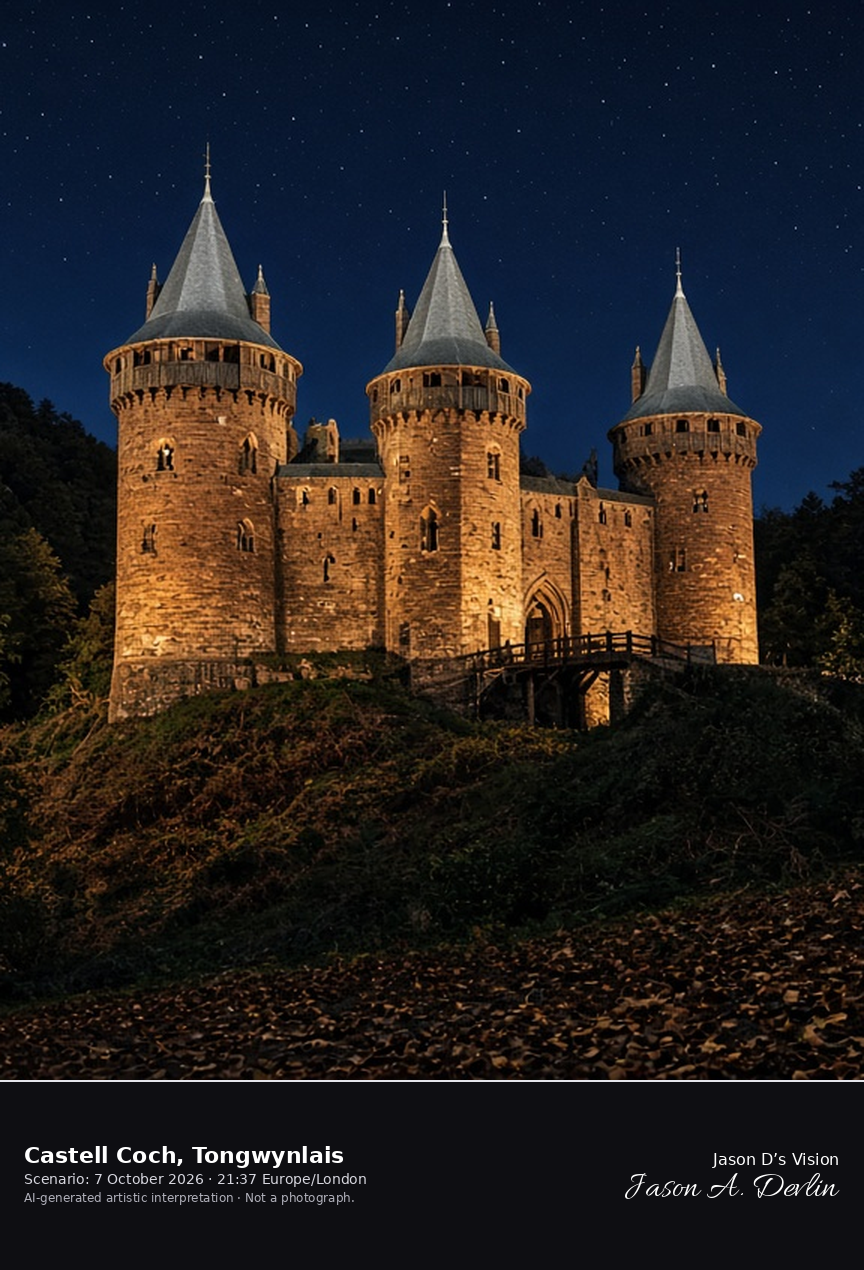
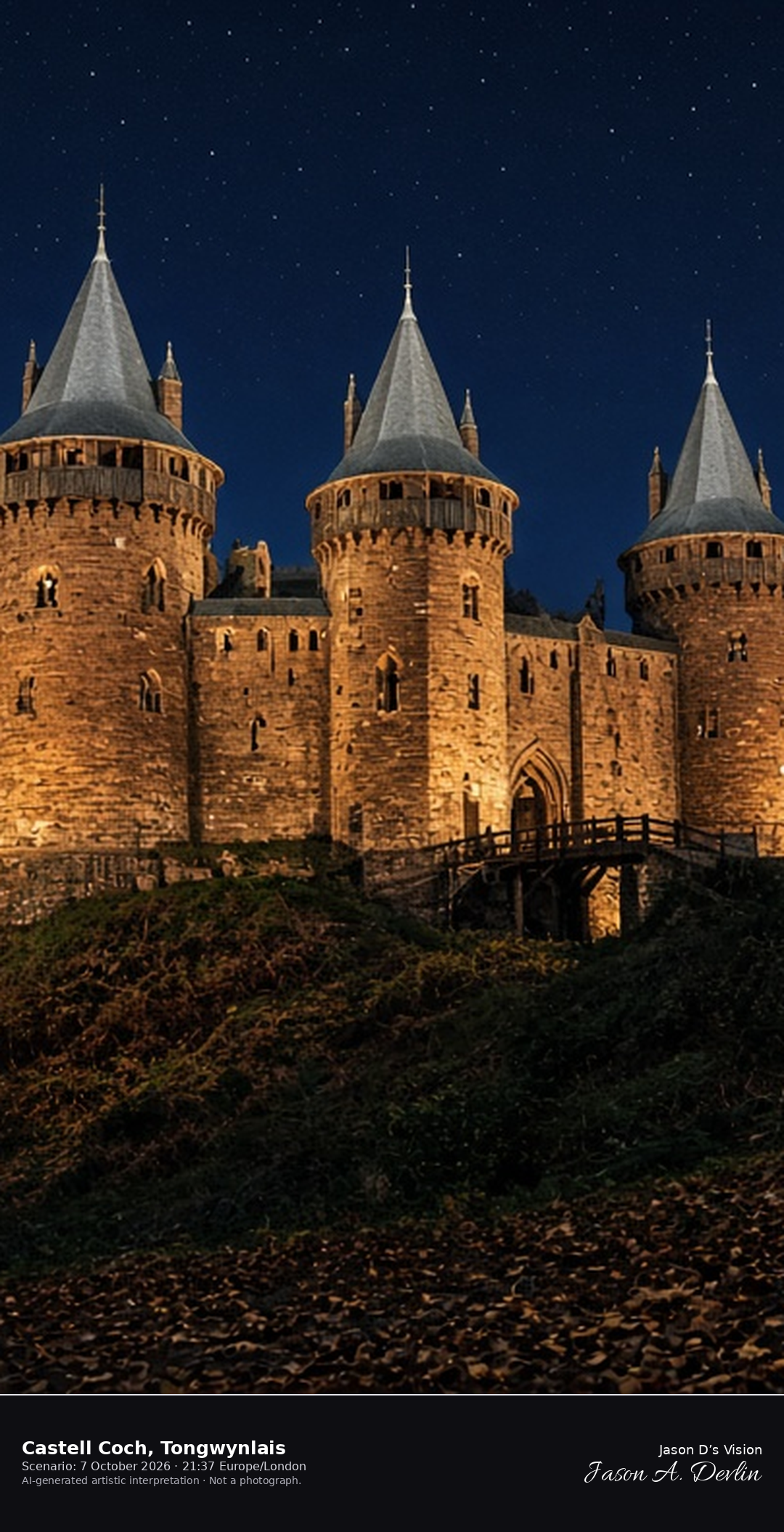
Castell Coch · AI-generated artistic interpretation
Castell Coch — the Red Castle — is the fairy-tale creation that architect William Burges designed for the third Marquess of Bute in the 1870s. Its Victorian towers and interiors rise above the surviving lower walls and foundations of a medieval fortress.
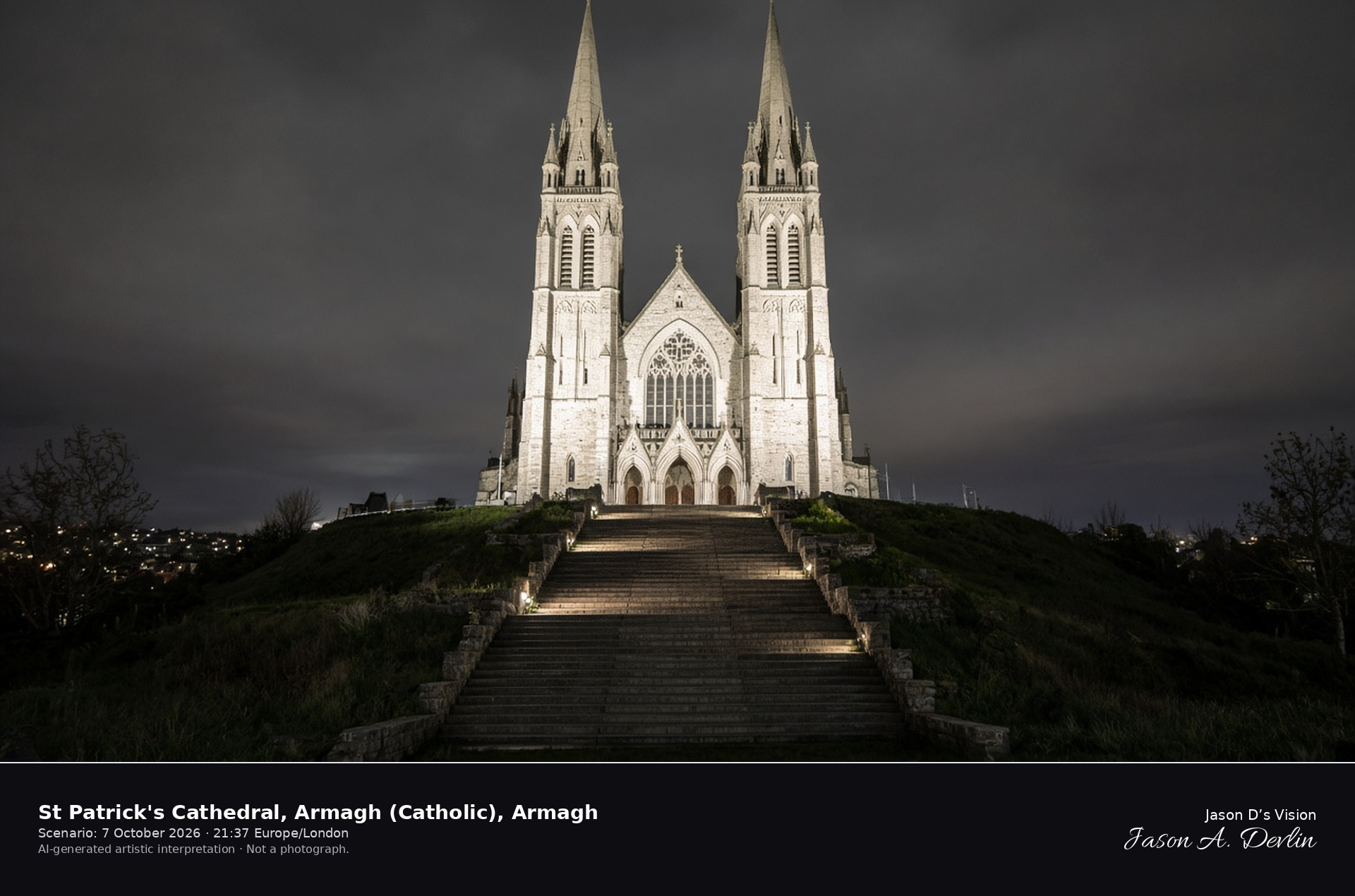
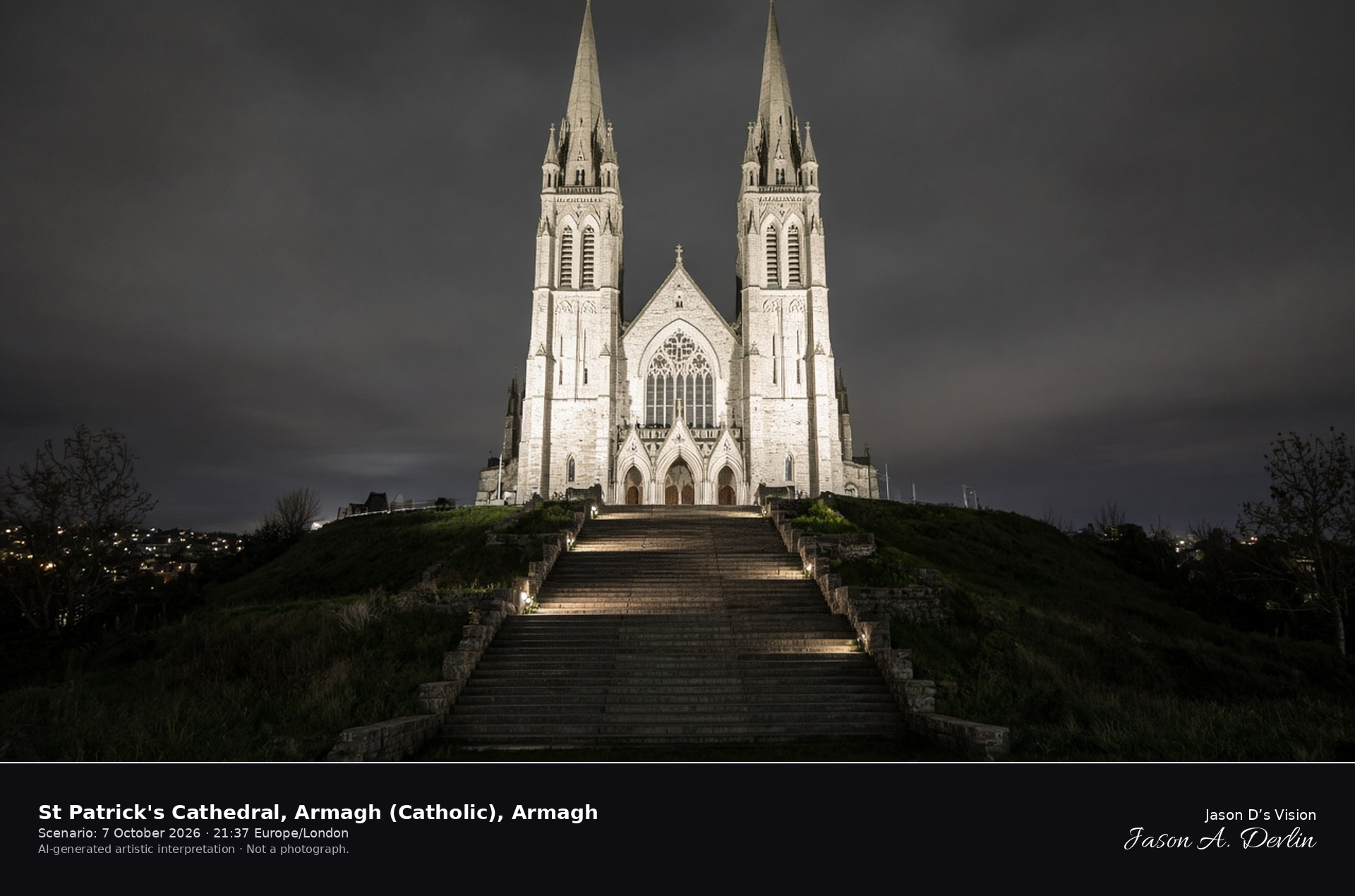
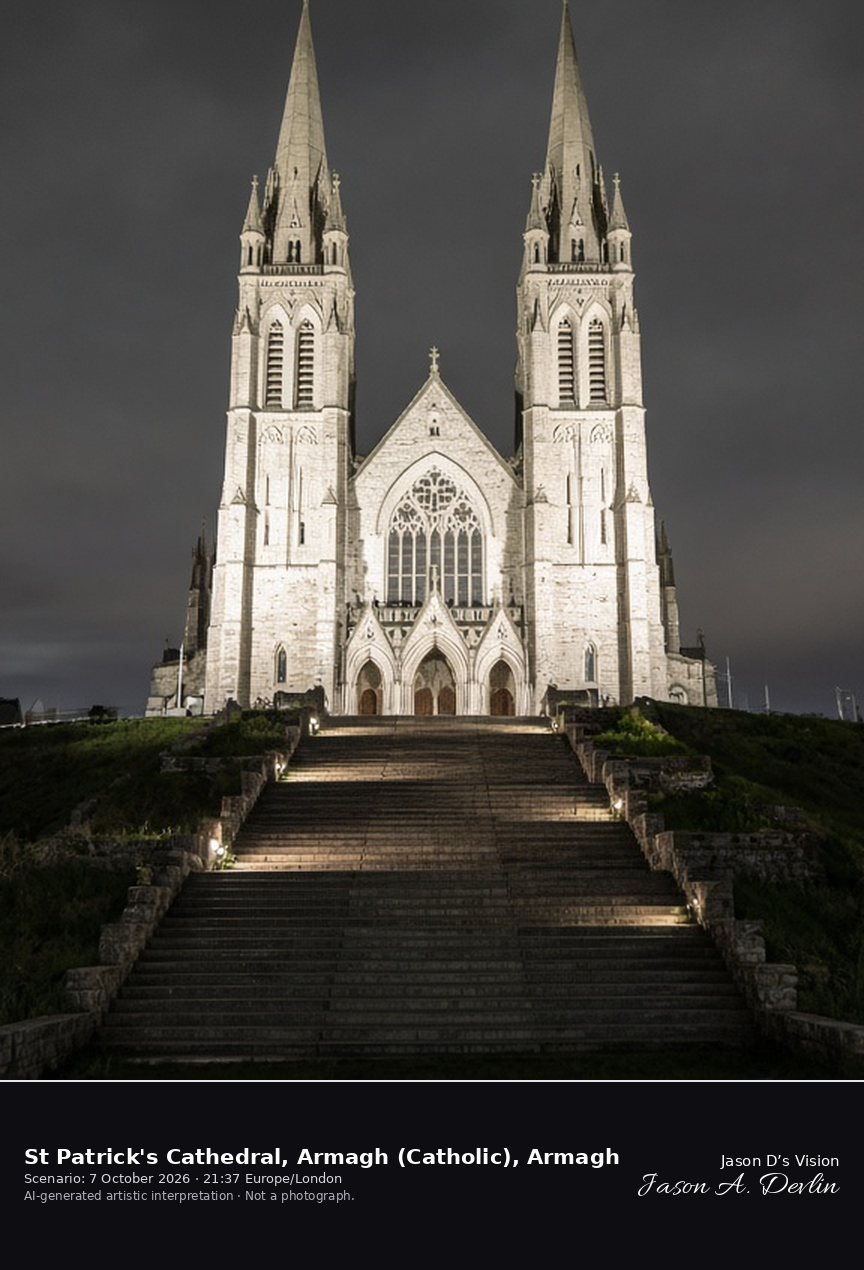
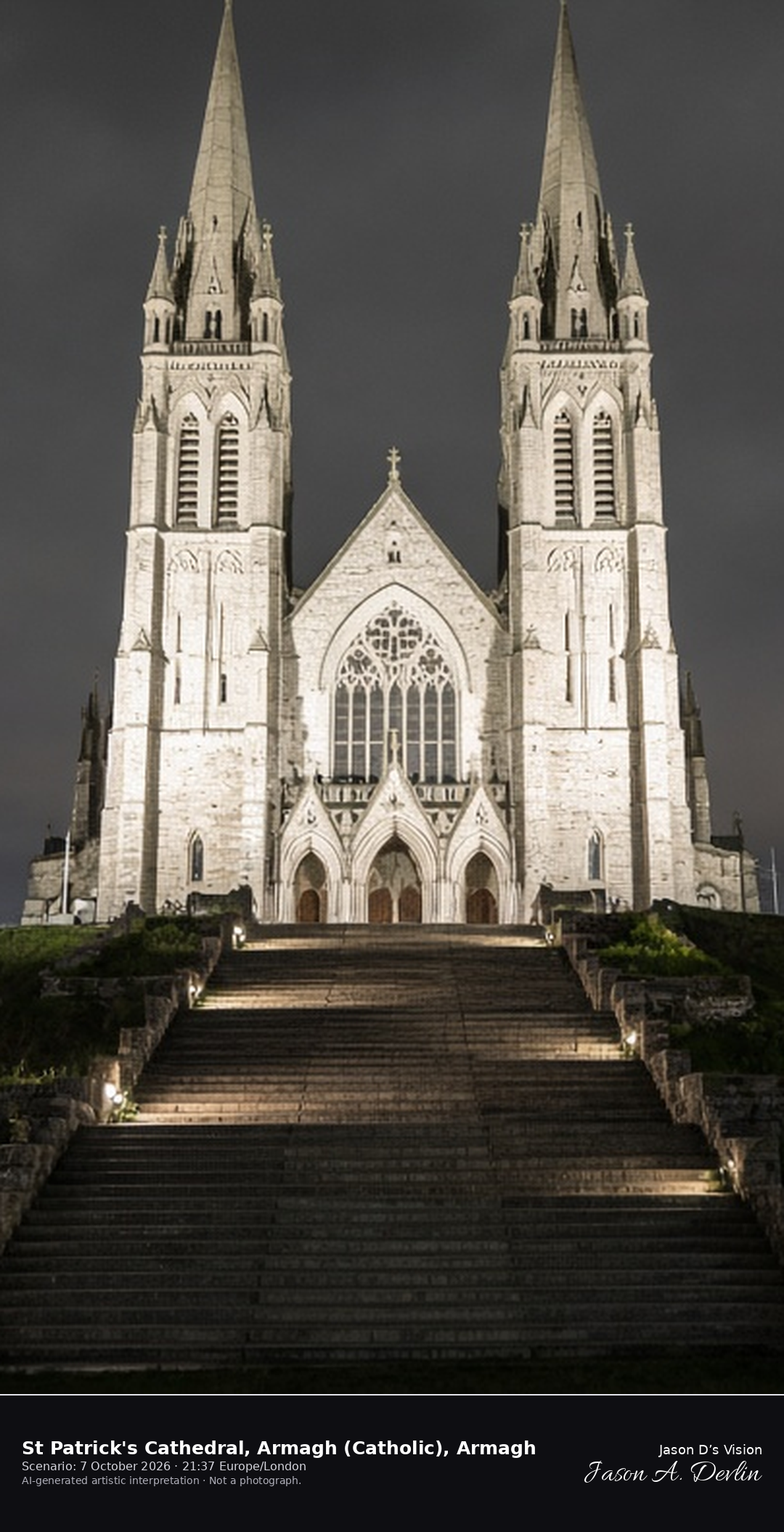
St Patrick's Cathedral, Armagh (Catholic), Armagh · AI-generated artistic interpretation
Building began in 1840, but the Great Famine halted work, and the cathedral was not dedicated until 1873. It is the seat of the Catholic Archbishop of Armagh, Primate of All Ireland.
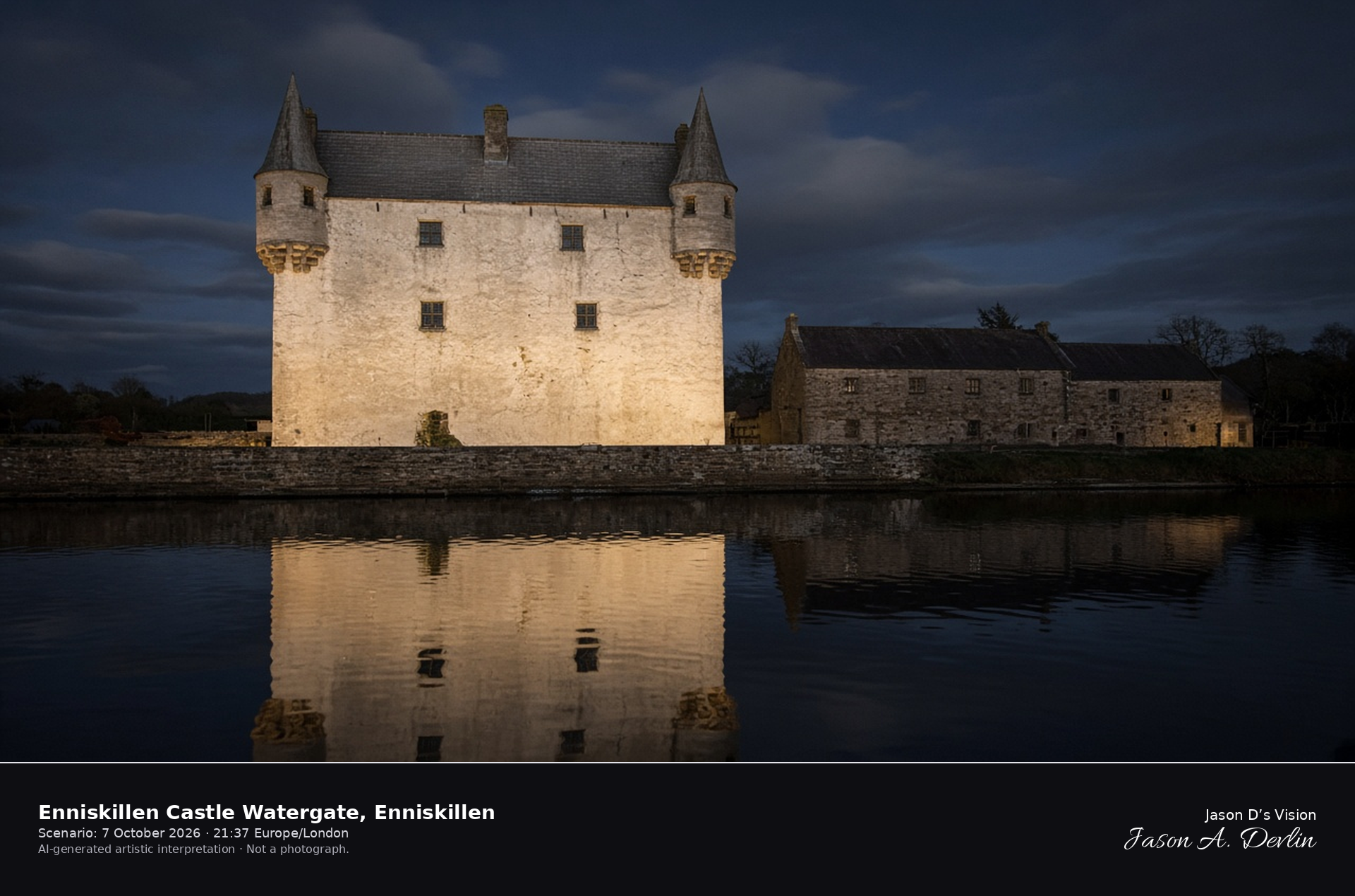
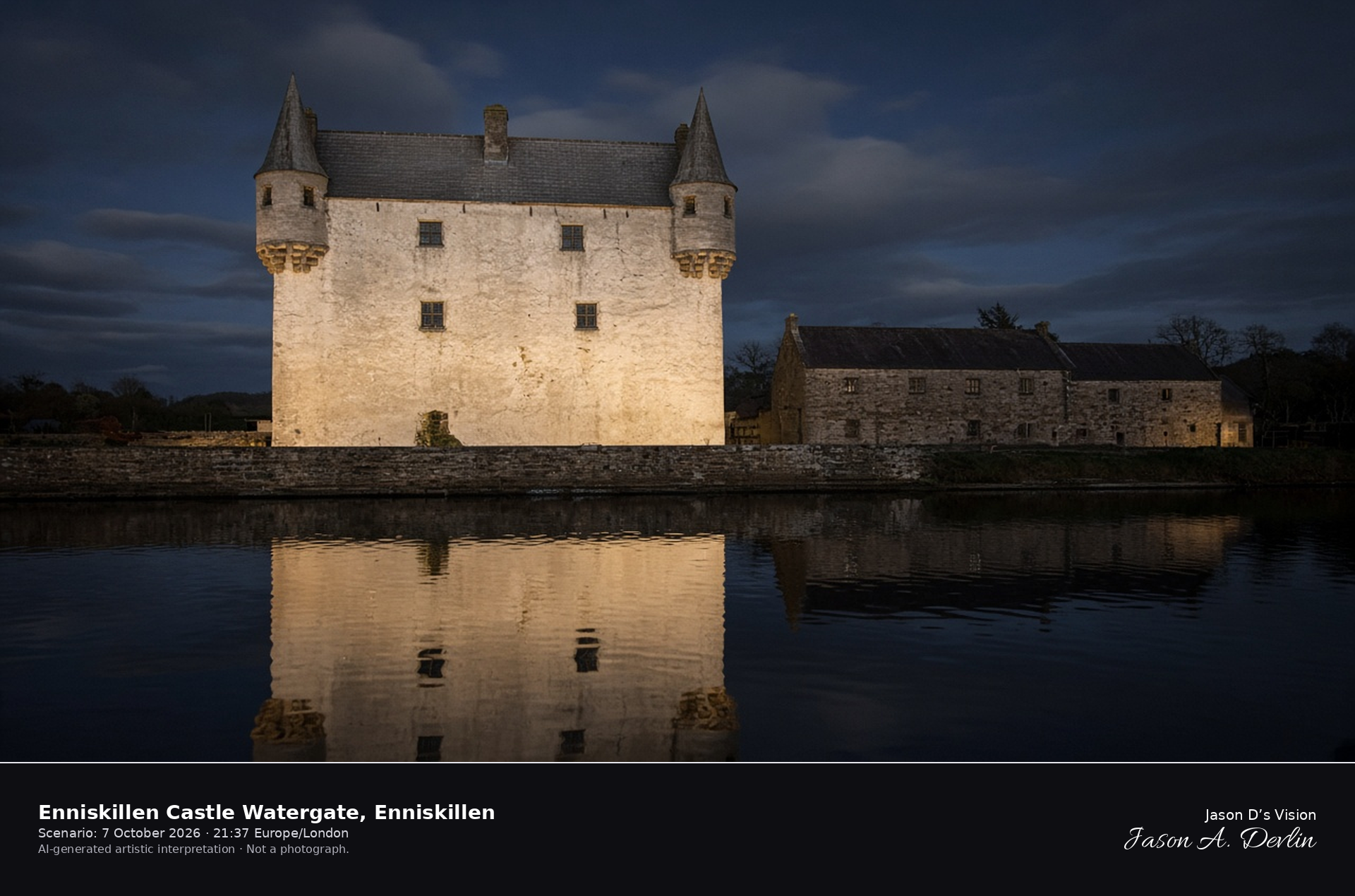
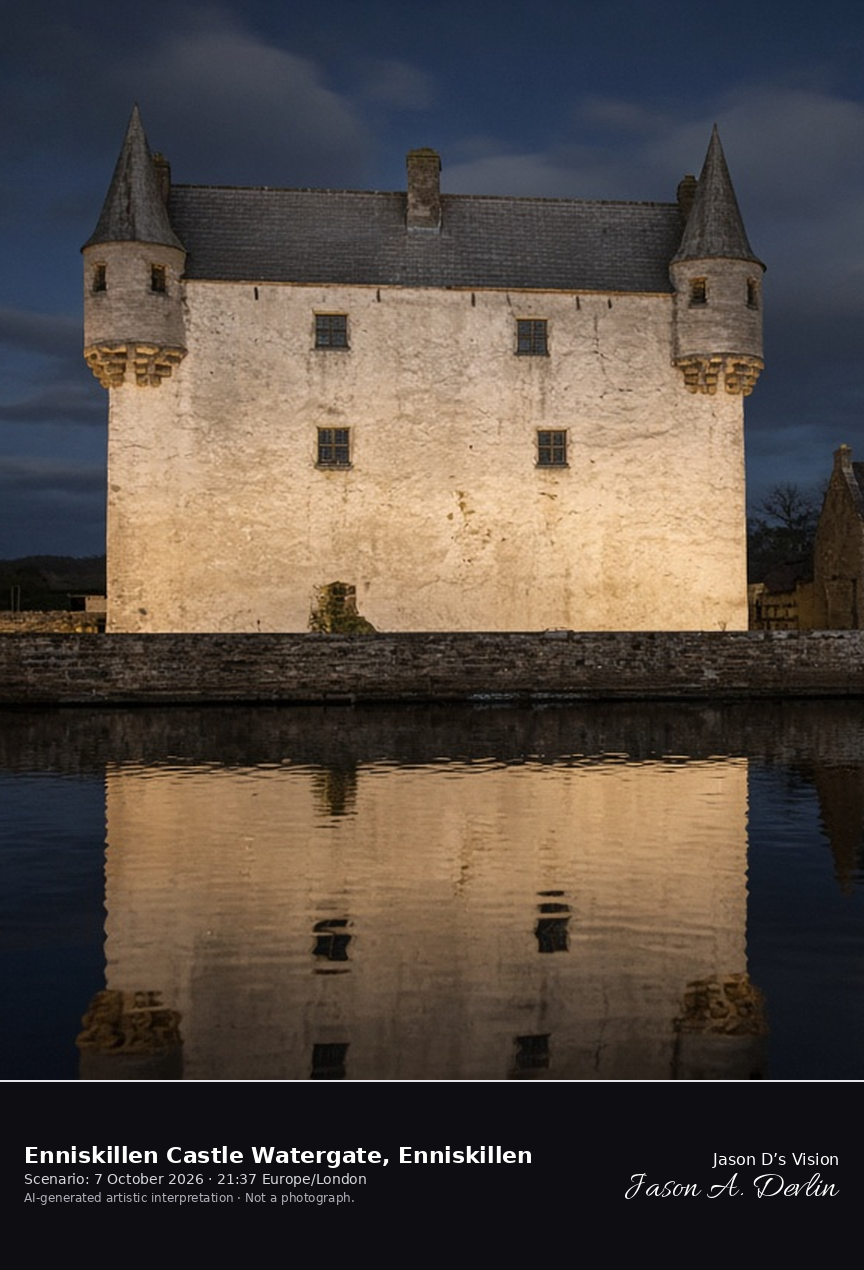
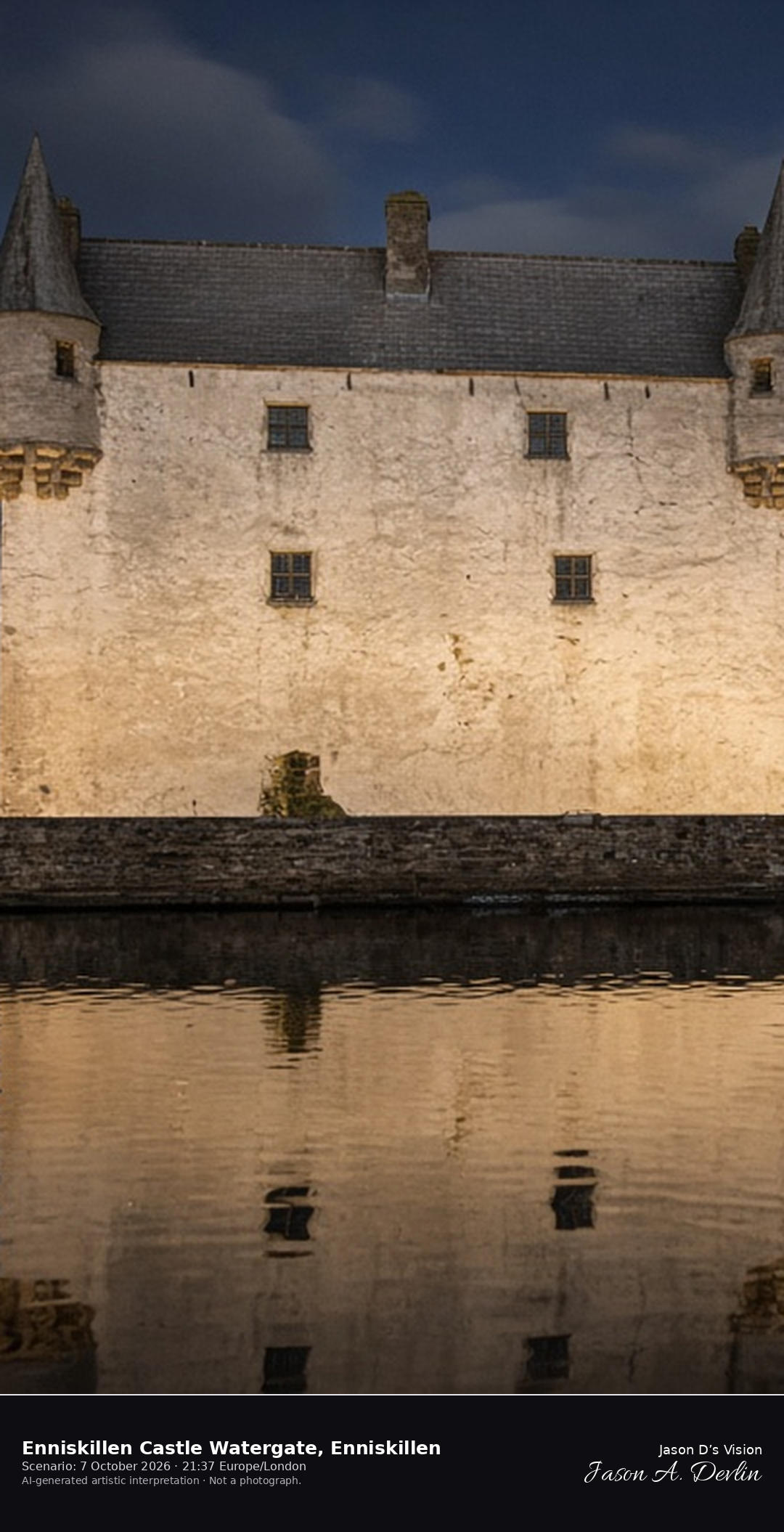
The Watergate was built around 1610 by Sir William Cole, who rebuilt the Maguire chieftains' castle. The castle now houses the Fermanagh County Museum and the Inniskillings Museum.
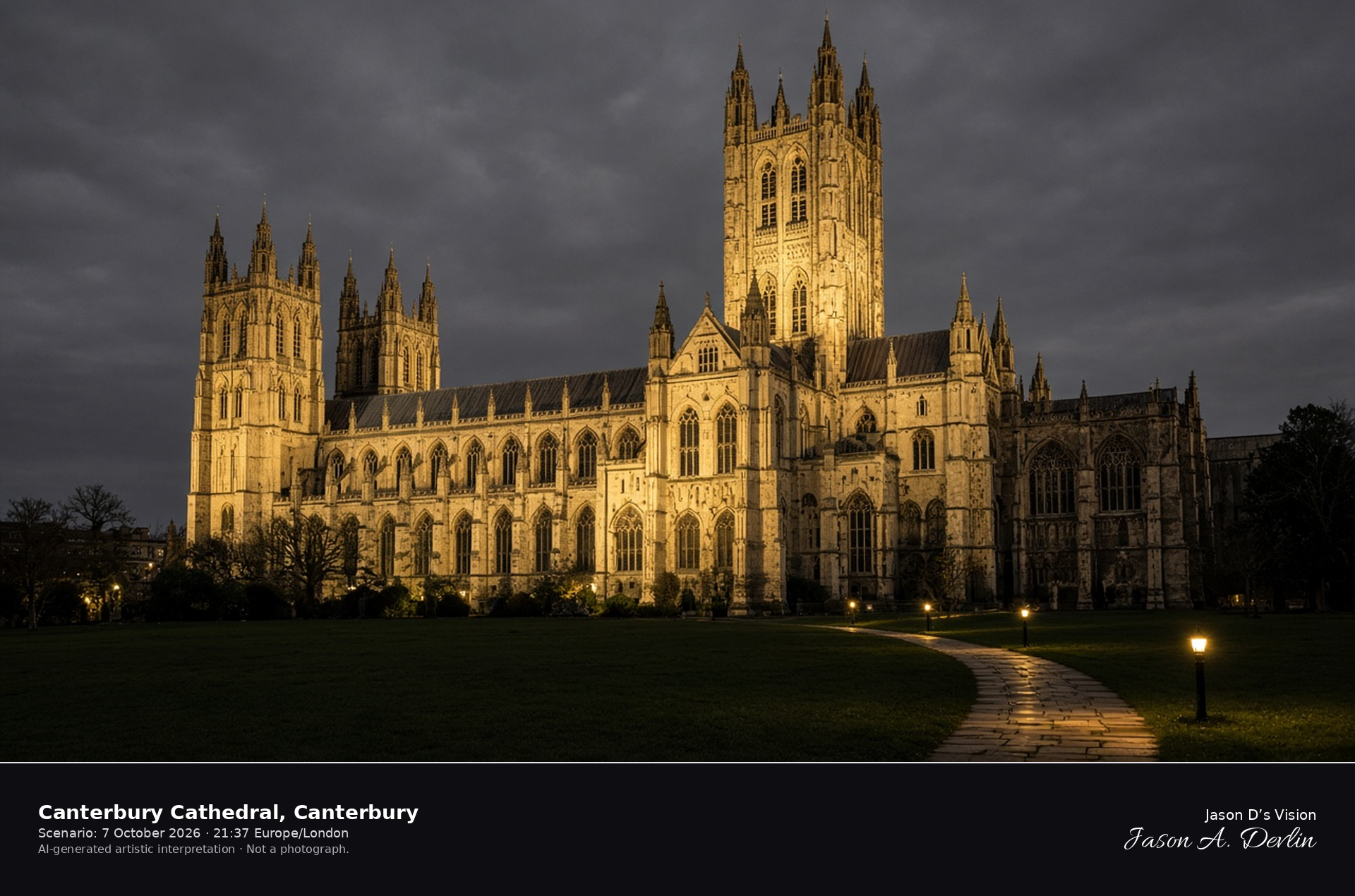
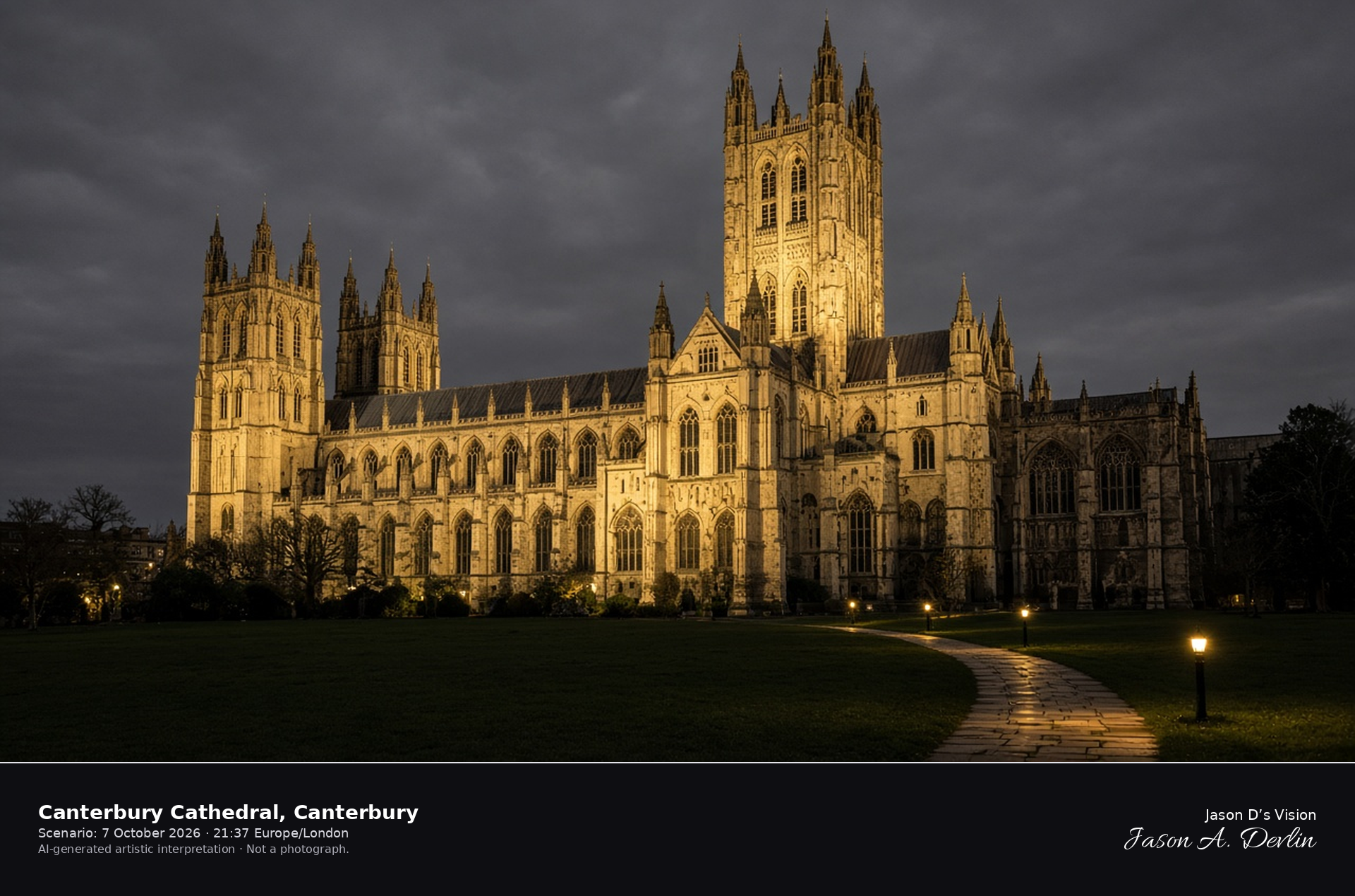
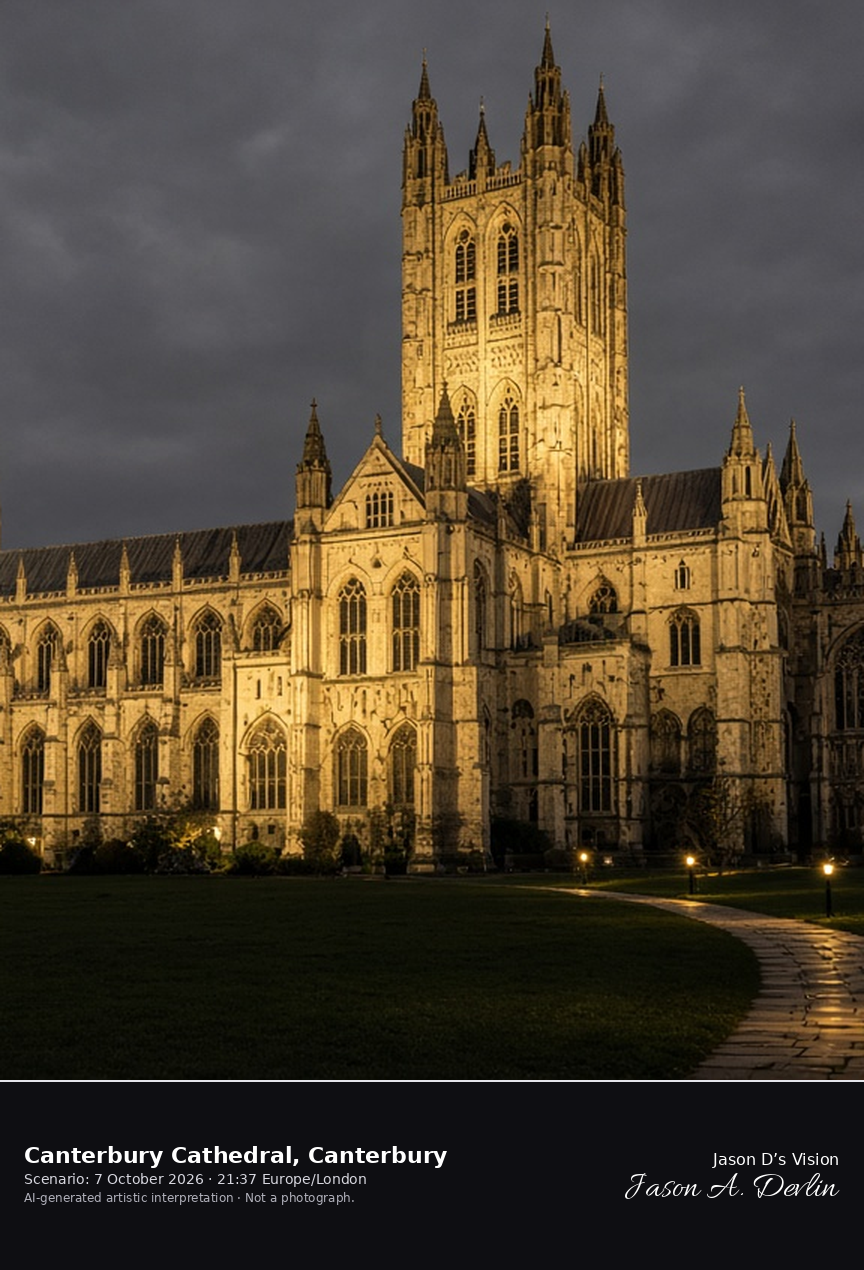
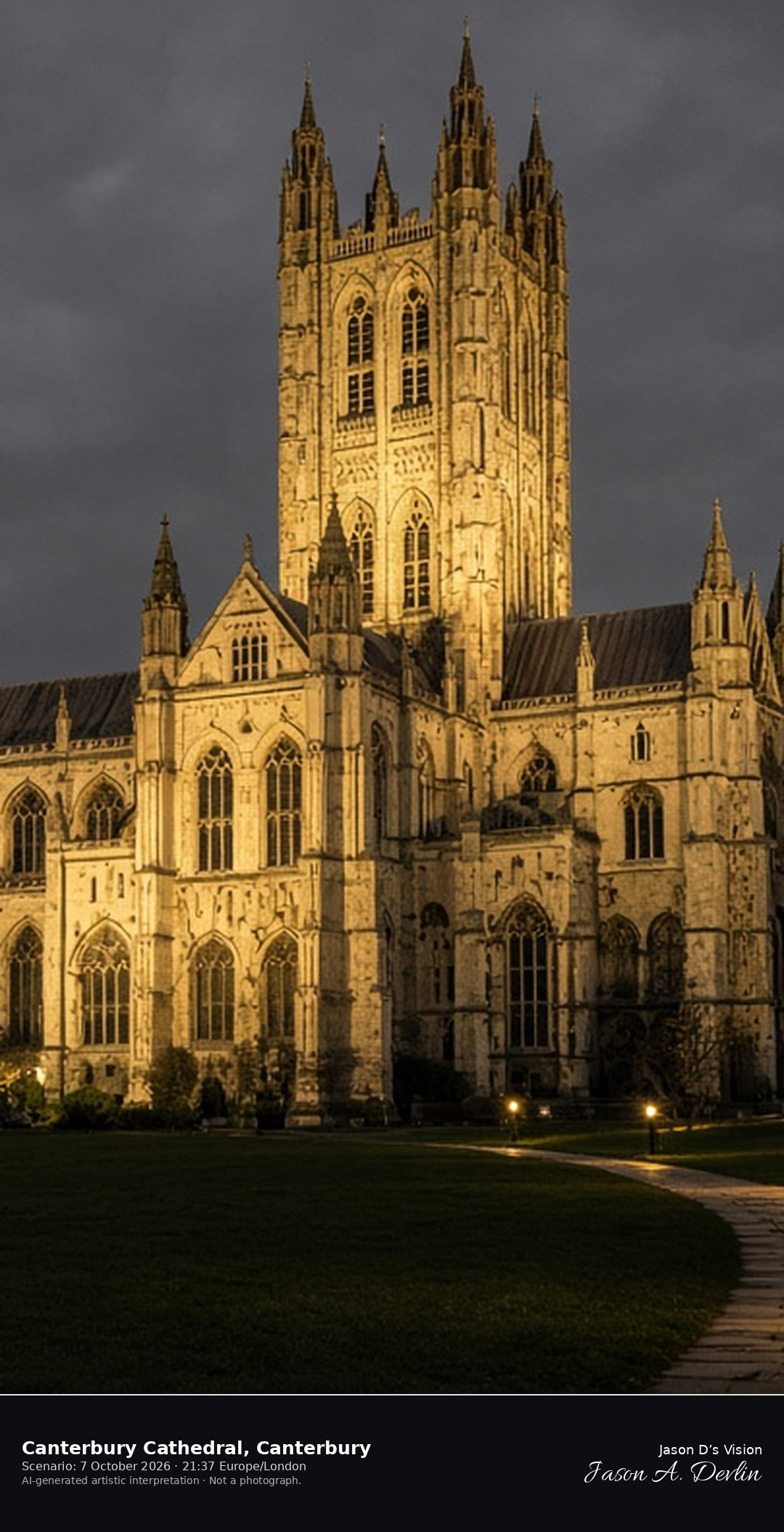
Canterbury Cathedral is the mother church of the Church of England and the seat of the Archbishop of Canterbury. Thomas Becket was murdered inside it in 1170, and it became one of Europe's great pilgrim shrines.
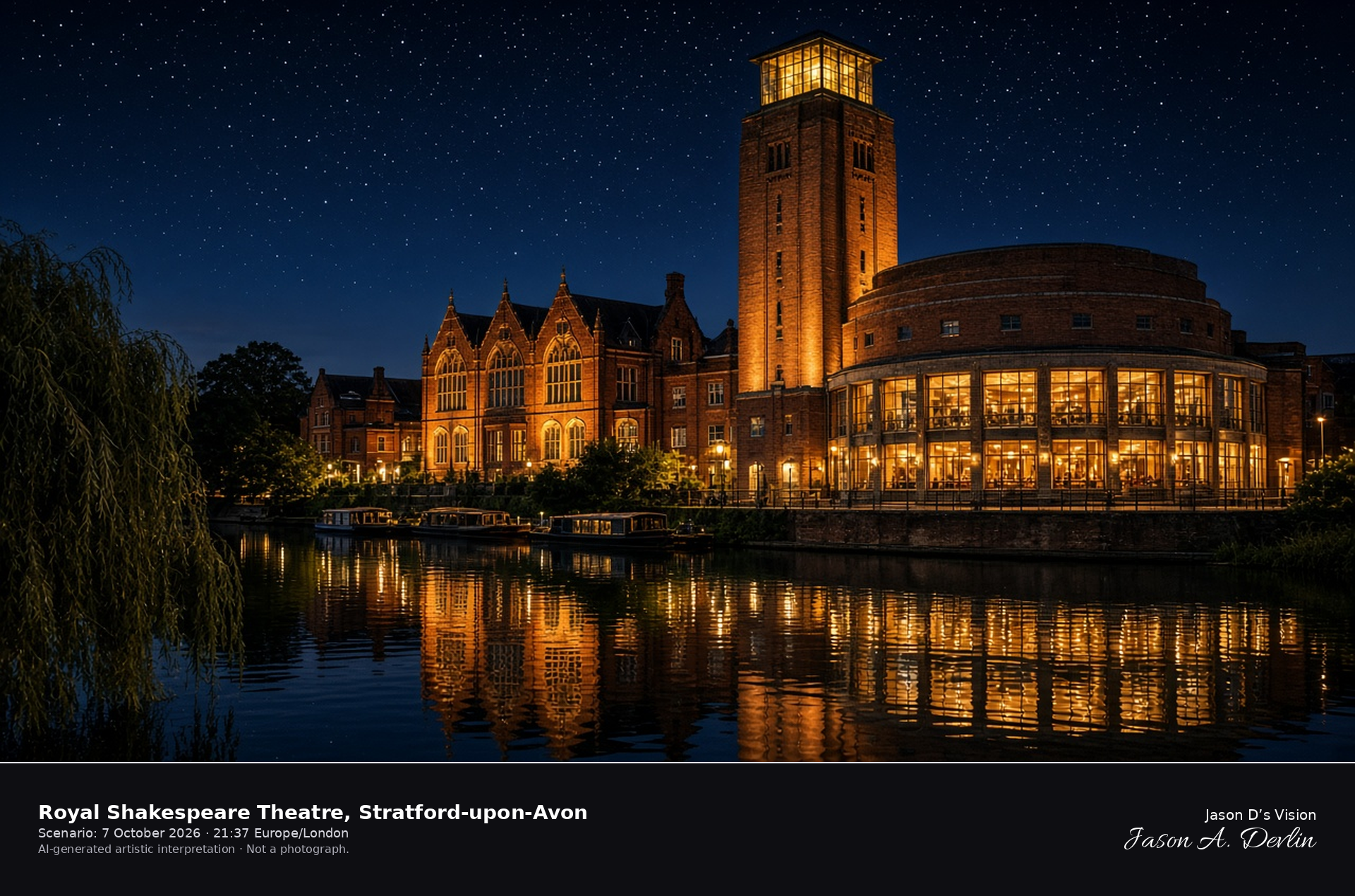
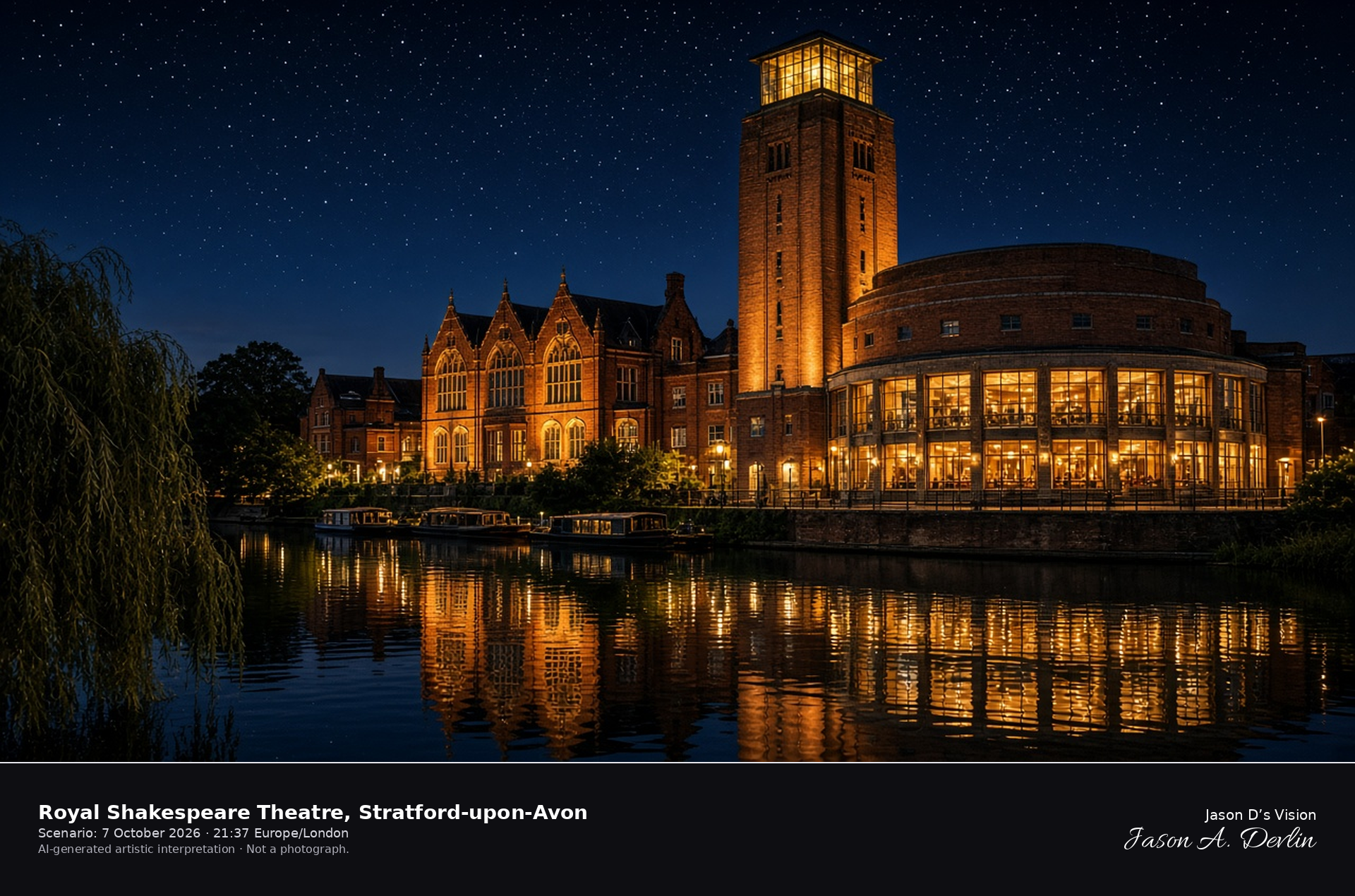
Royal Shakespeare Theatre · AI-generated artistic interpretation
The theatre opened in 1932 to Elisabeth Scott’s pioneering design, beside the remains of the first Shakespeare Memorial Theatre, which had burned six years earlier. Peter Hall founded the Royal Shakespeare Company in 1961, and the rebuilt auditorium now places its audience around three sides of a thrust stage, recalling an Elizabethan playhouse.
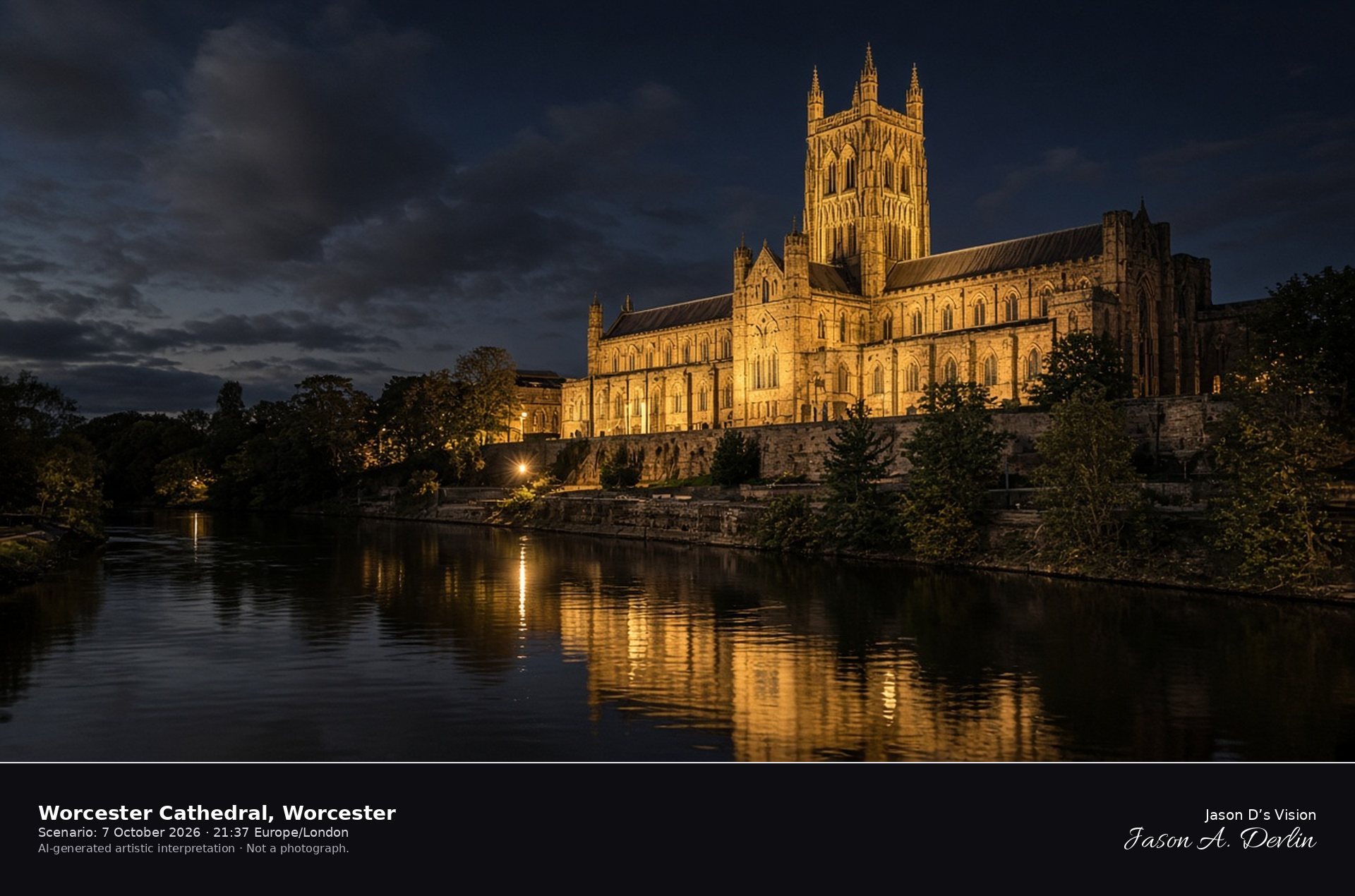
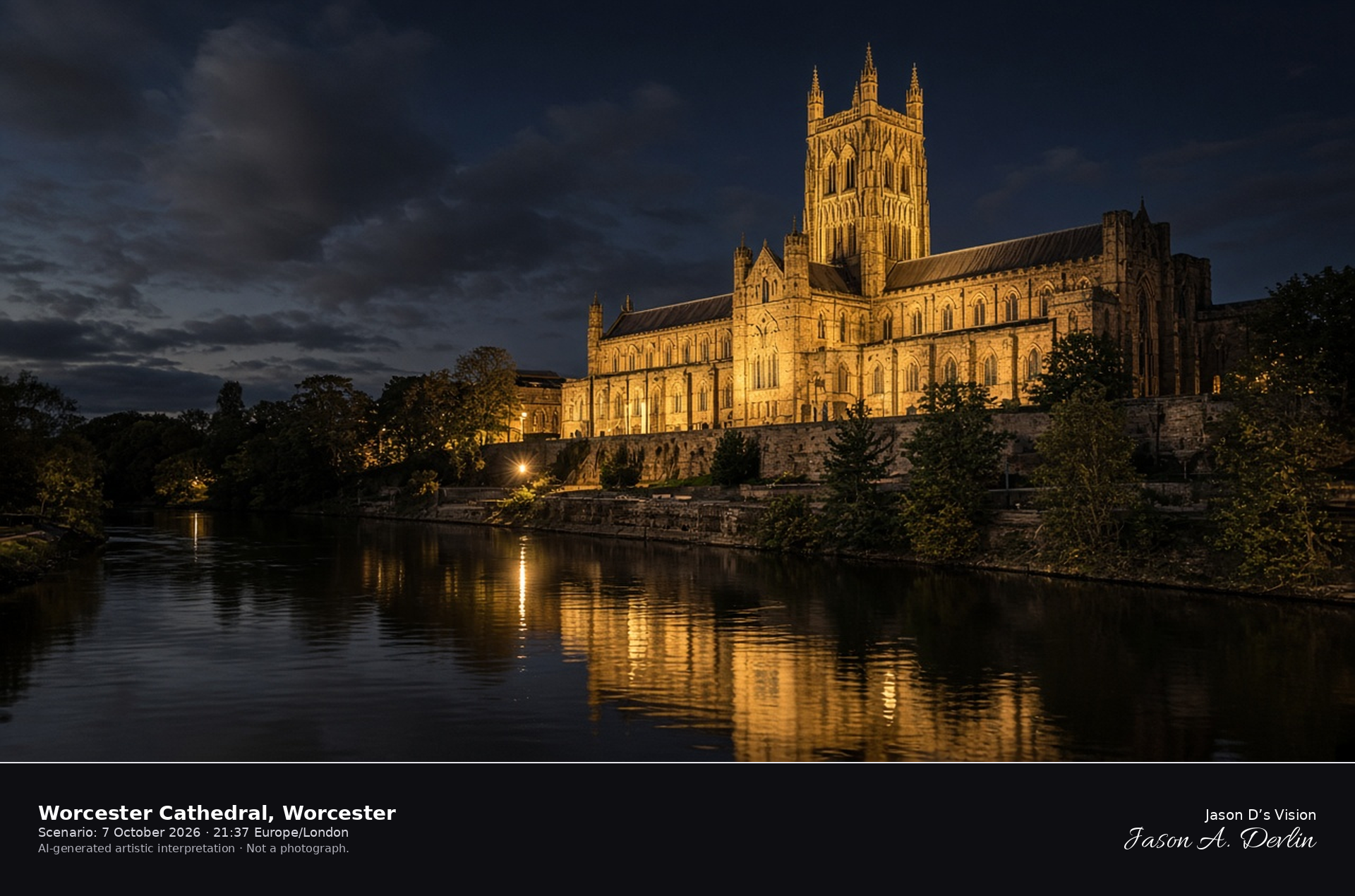
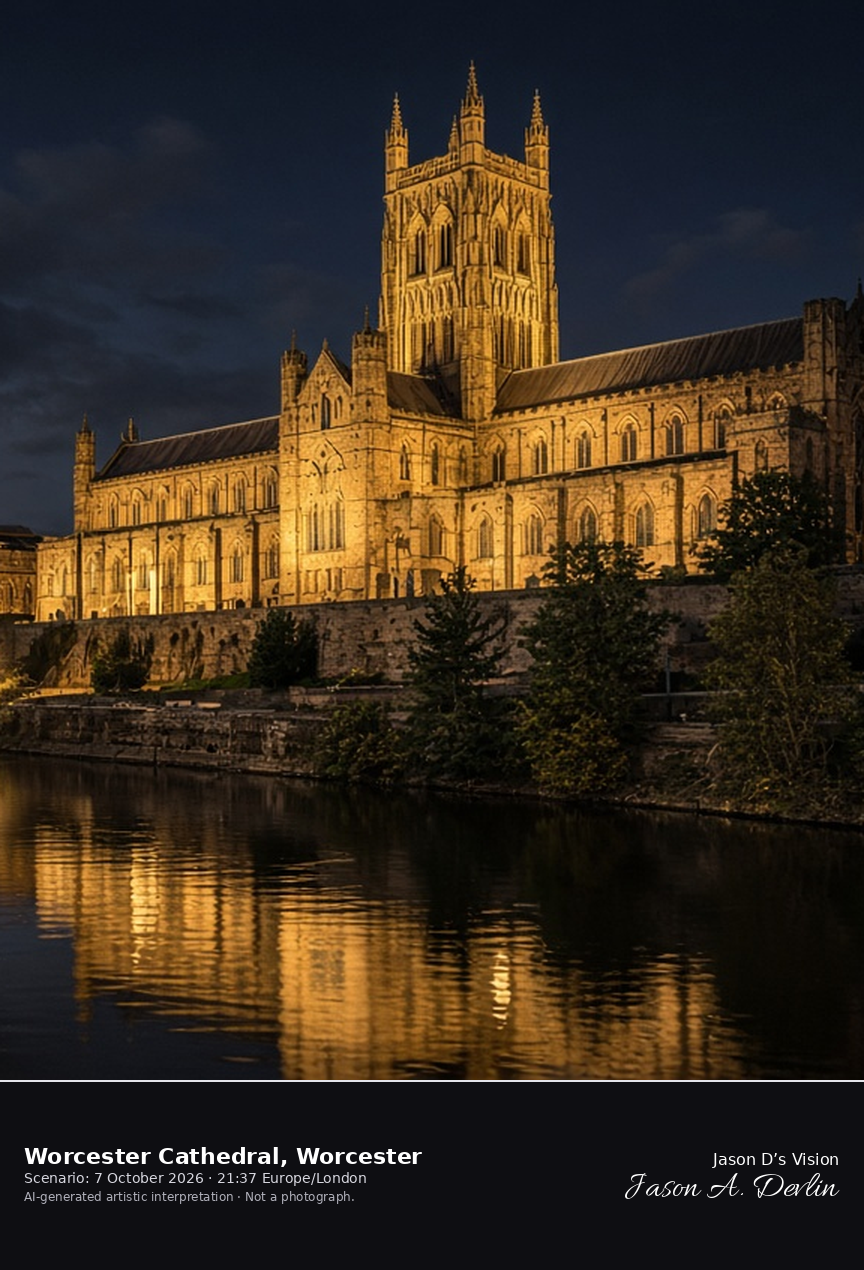
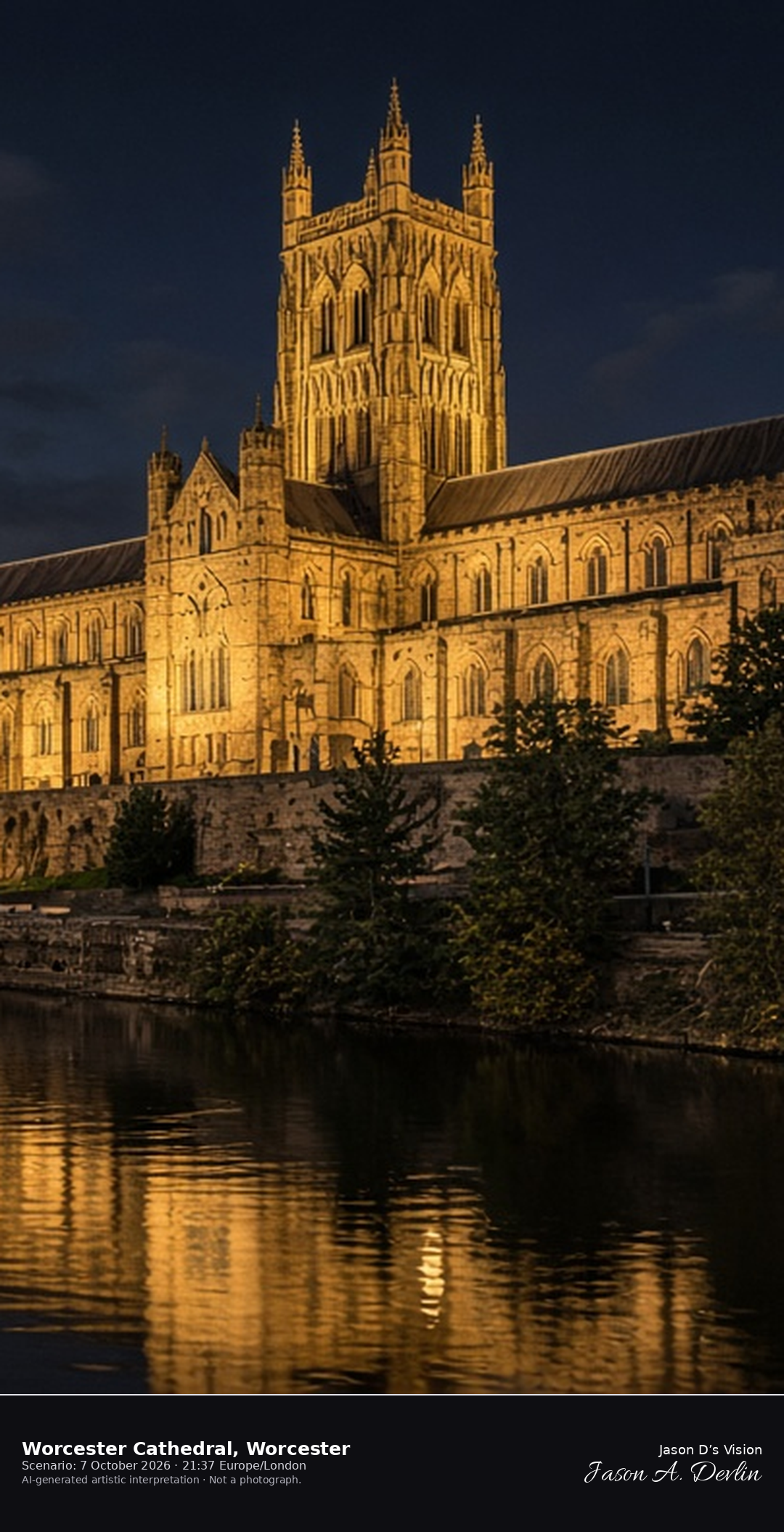
King John lies buried before Worcester's high altar — by his own wish, between two sainted Saxon bishops — and his effigy is the oldest royal effigy in England. From the cathedral tower in 1651, the young Charles the Second is said to have watched the battle unfold in the Battle of Worcester, the last battle of the Civil Wars.
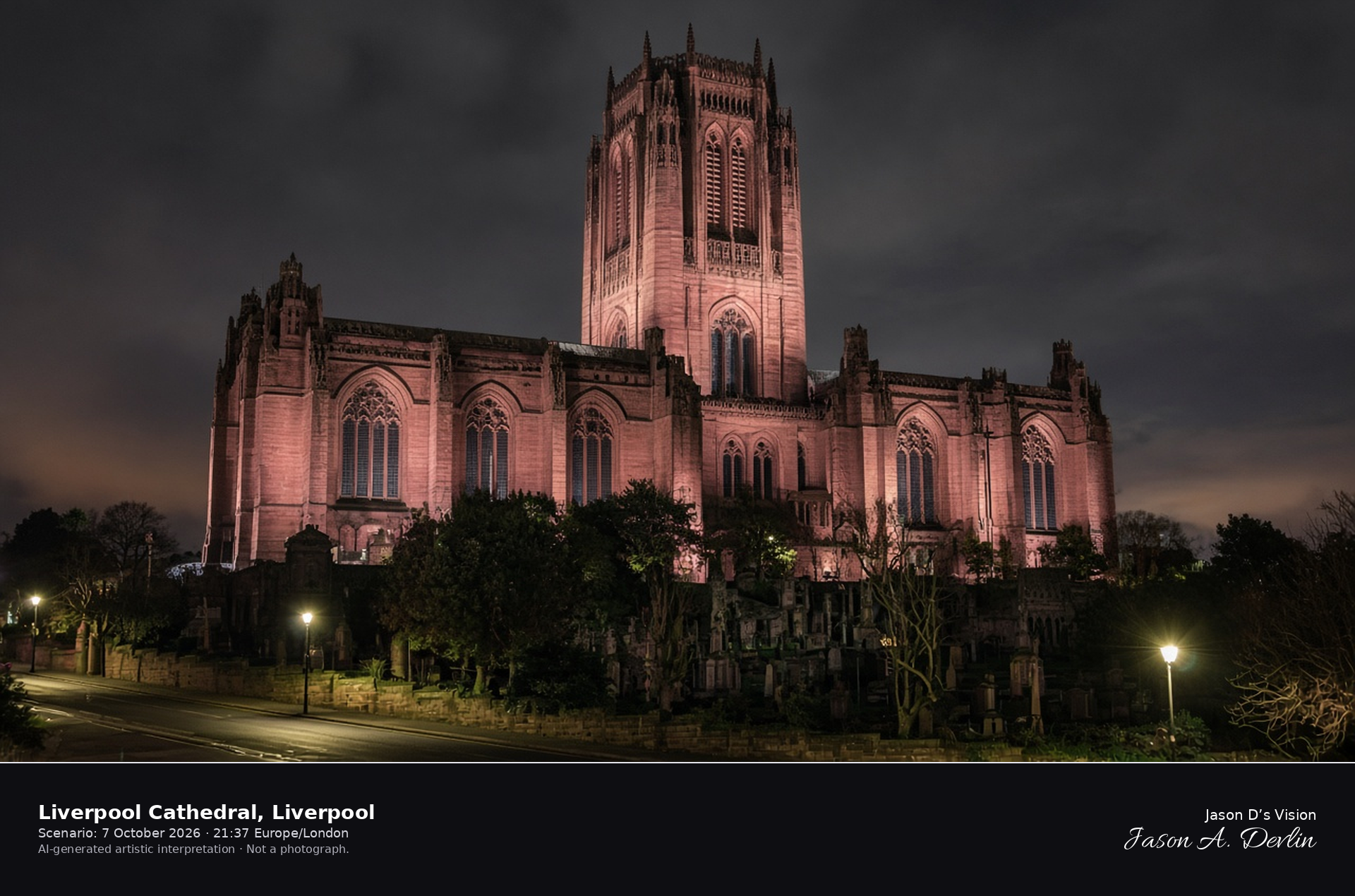
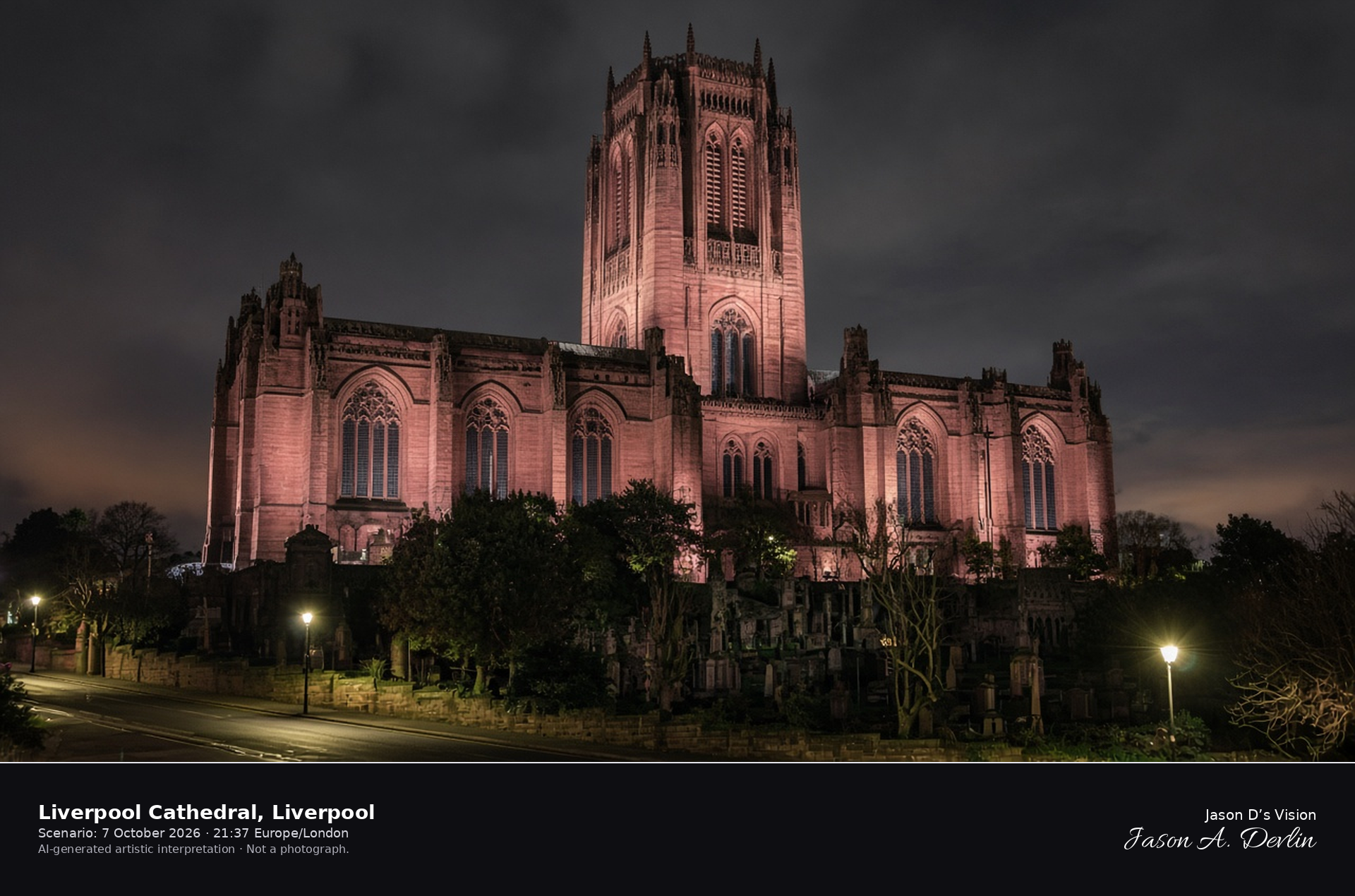
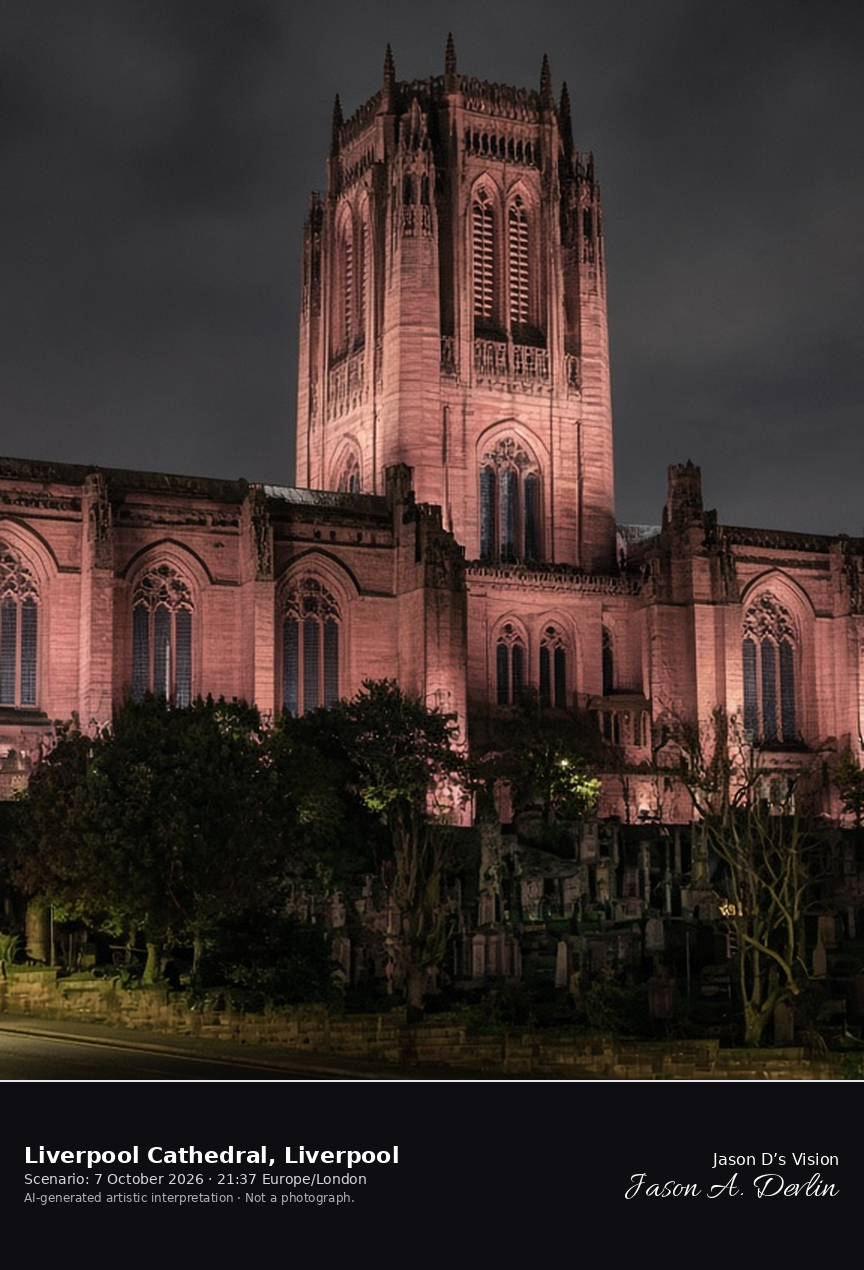
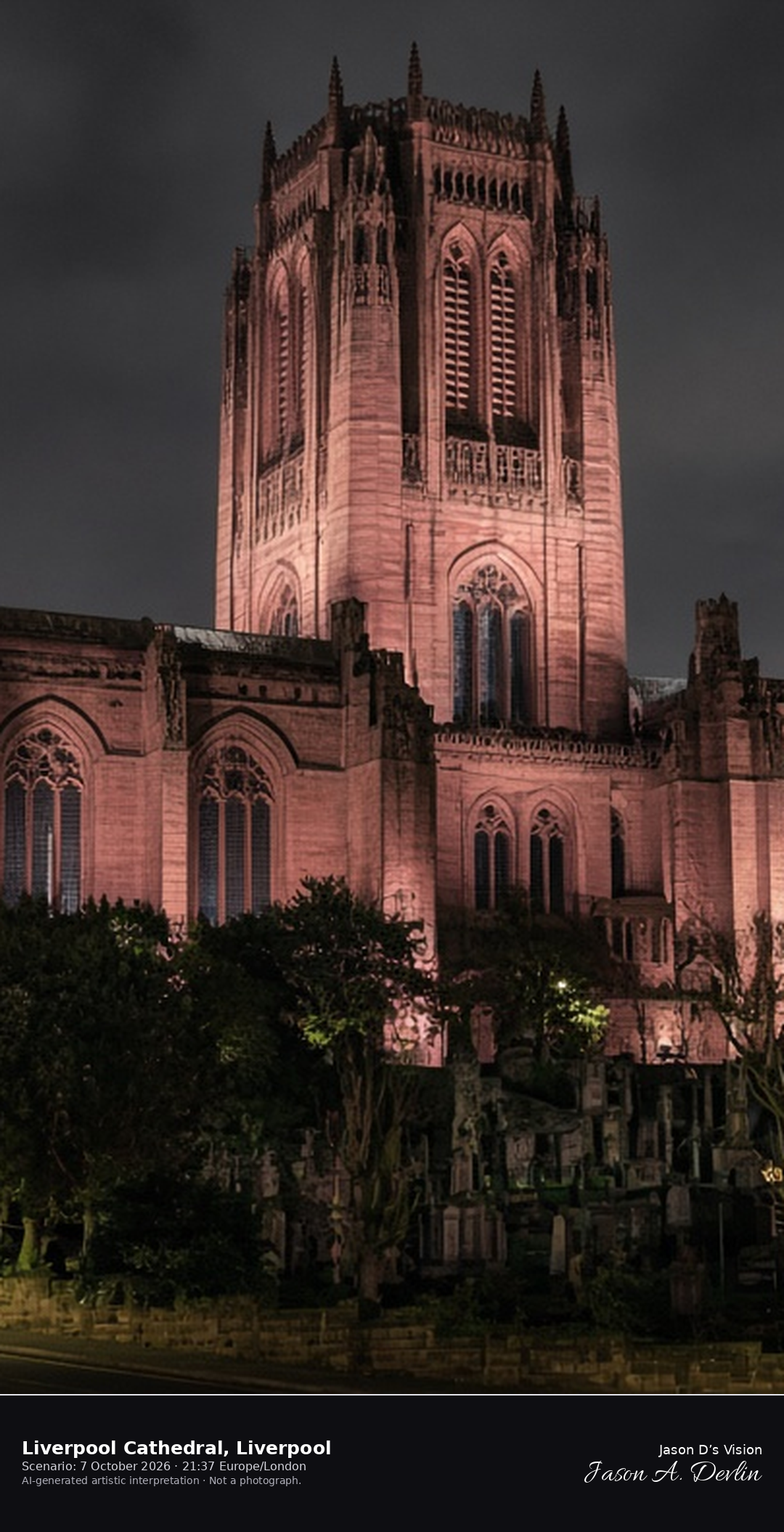
Liverpool Cathedral, Liverpool · AI-generated artistic interpretation
Liverpool Cathedral was designed by Giles Gilbert Scott, who won the competition at 22, and took from 1904 to 1978 to build. It is the largest cathedral in Britain.
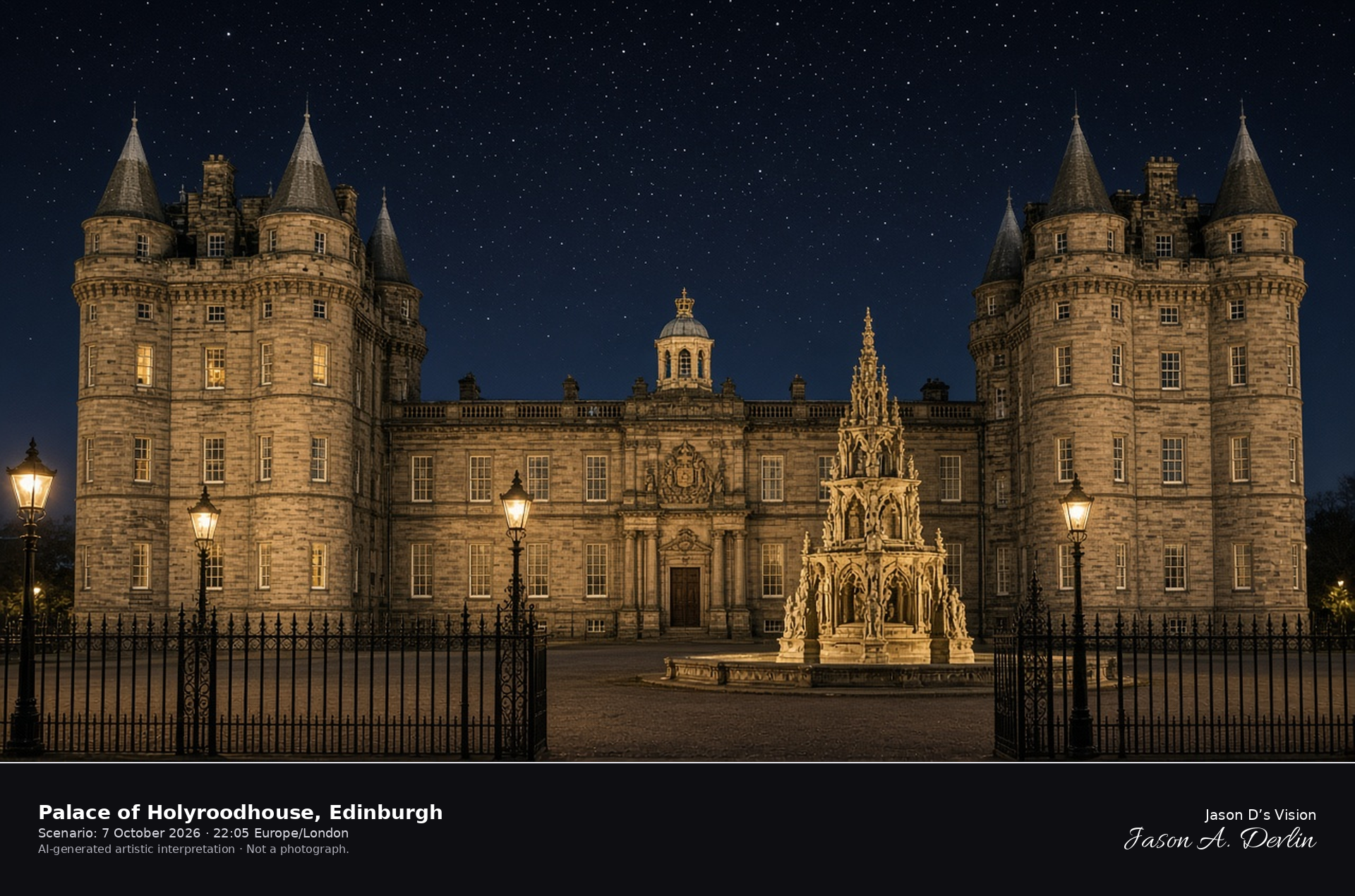
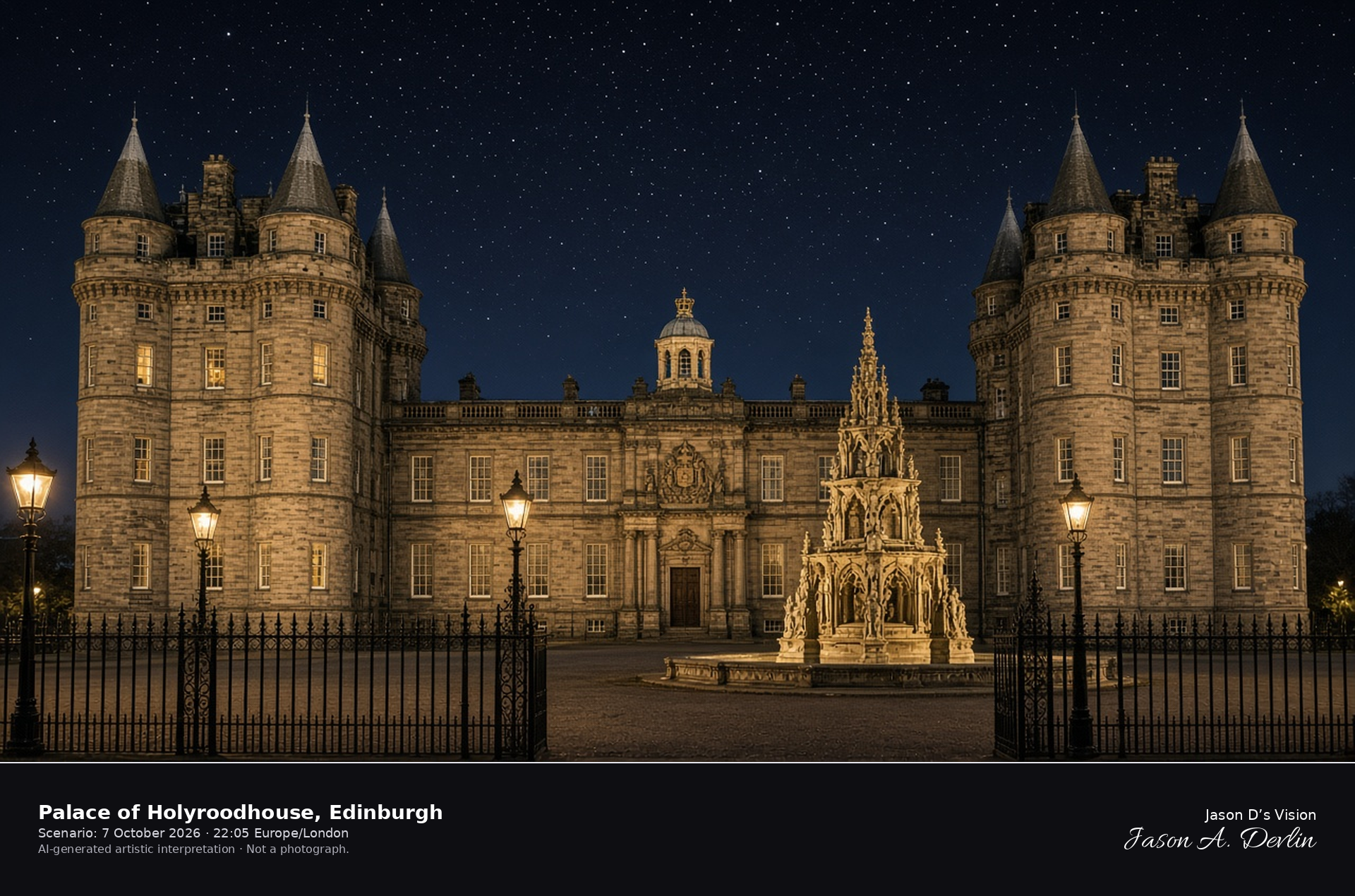
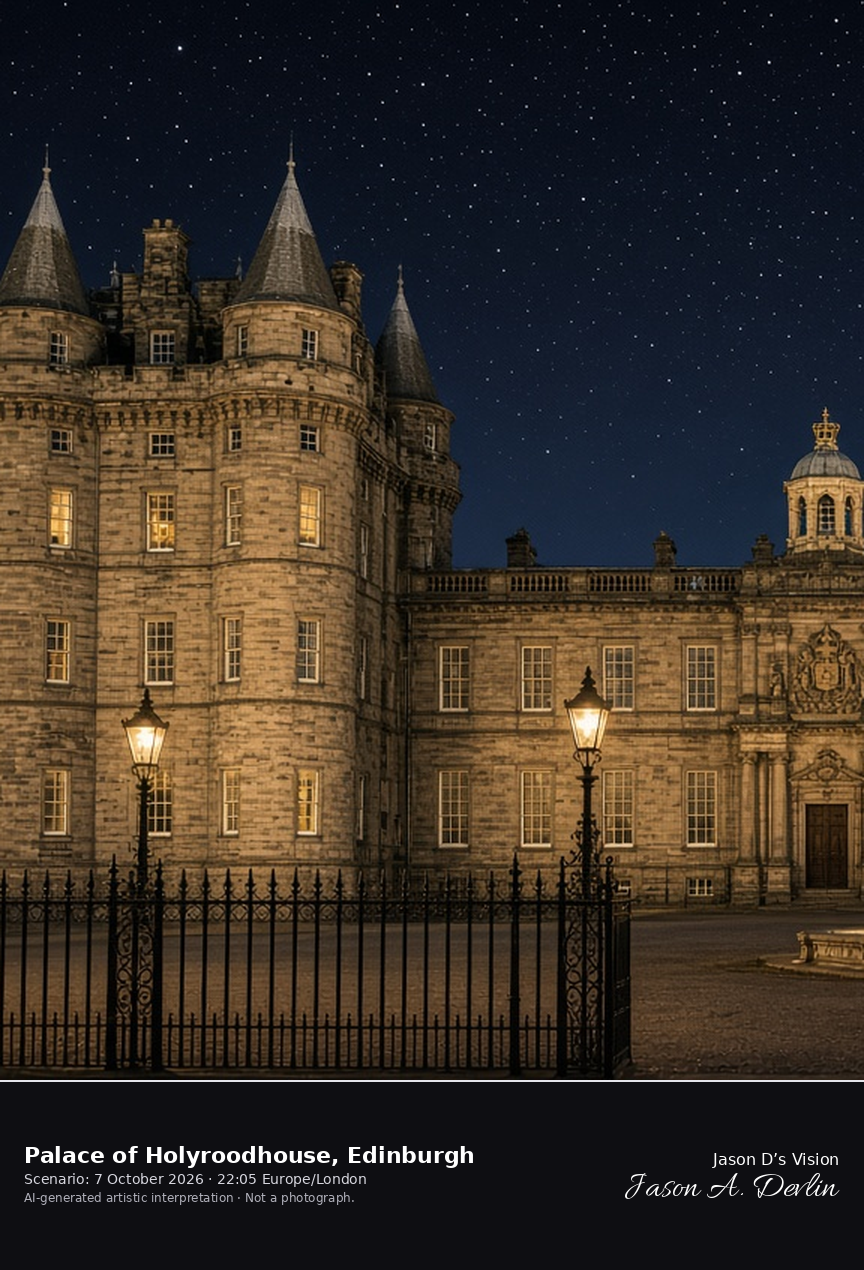
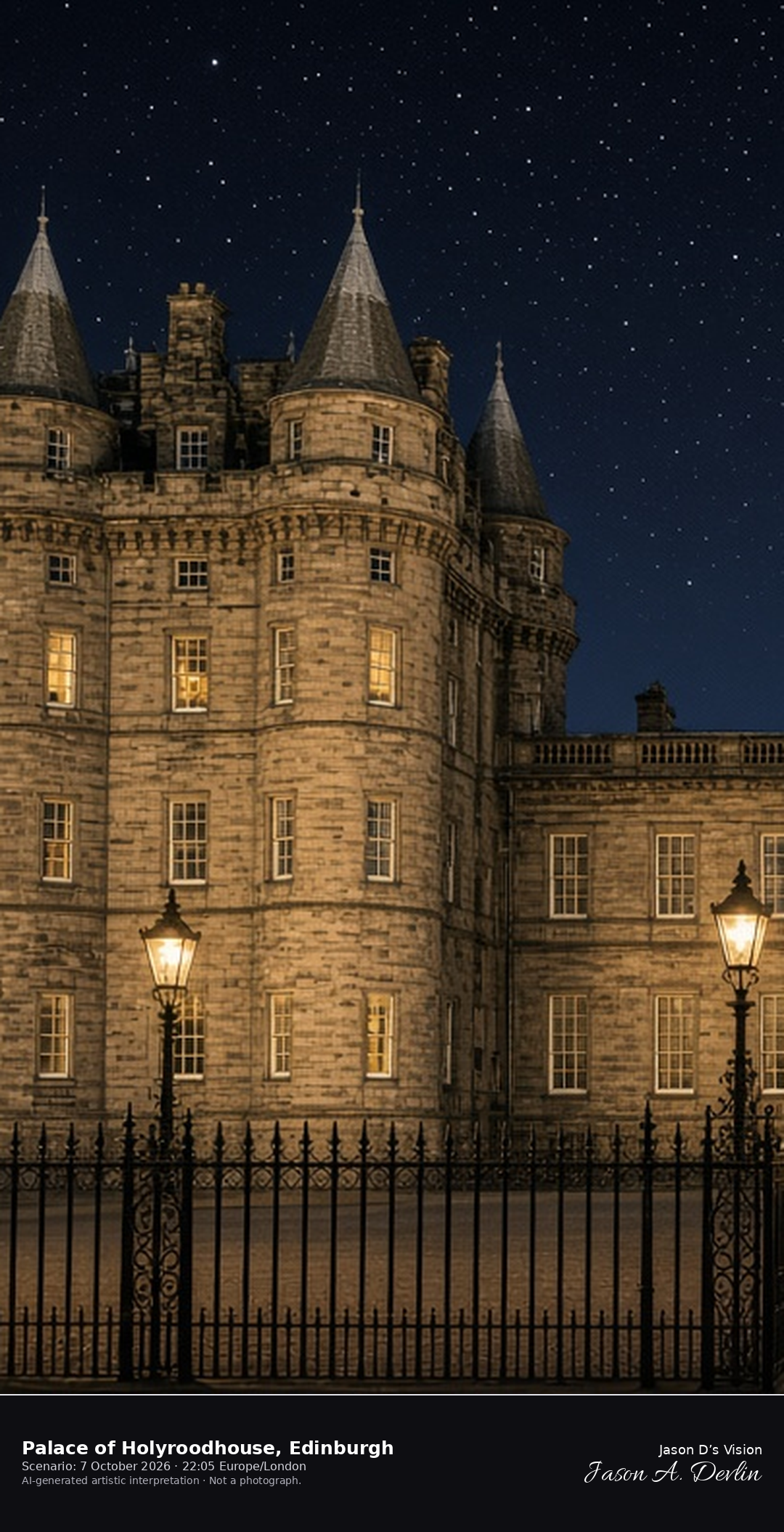
Palace of Holyroodhouse, Edinburgh · AI-generated artistic interpretation
Holyroodhouse is the monarch's official residence in Scotland. Its oldest part, the north-west tower, was built for James V around 1530, and Mary, Queen of Scots lived there.
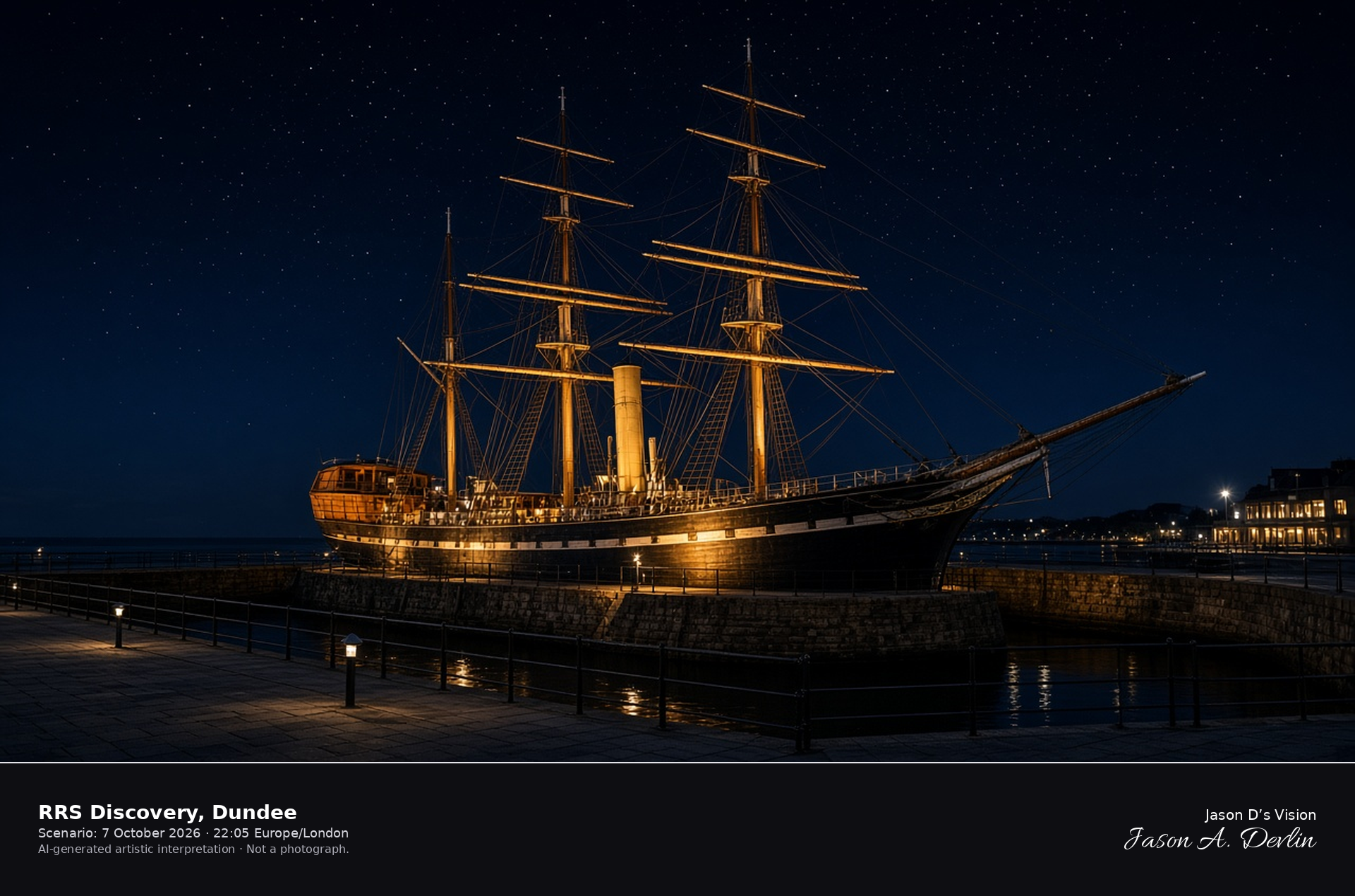
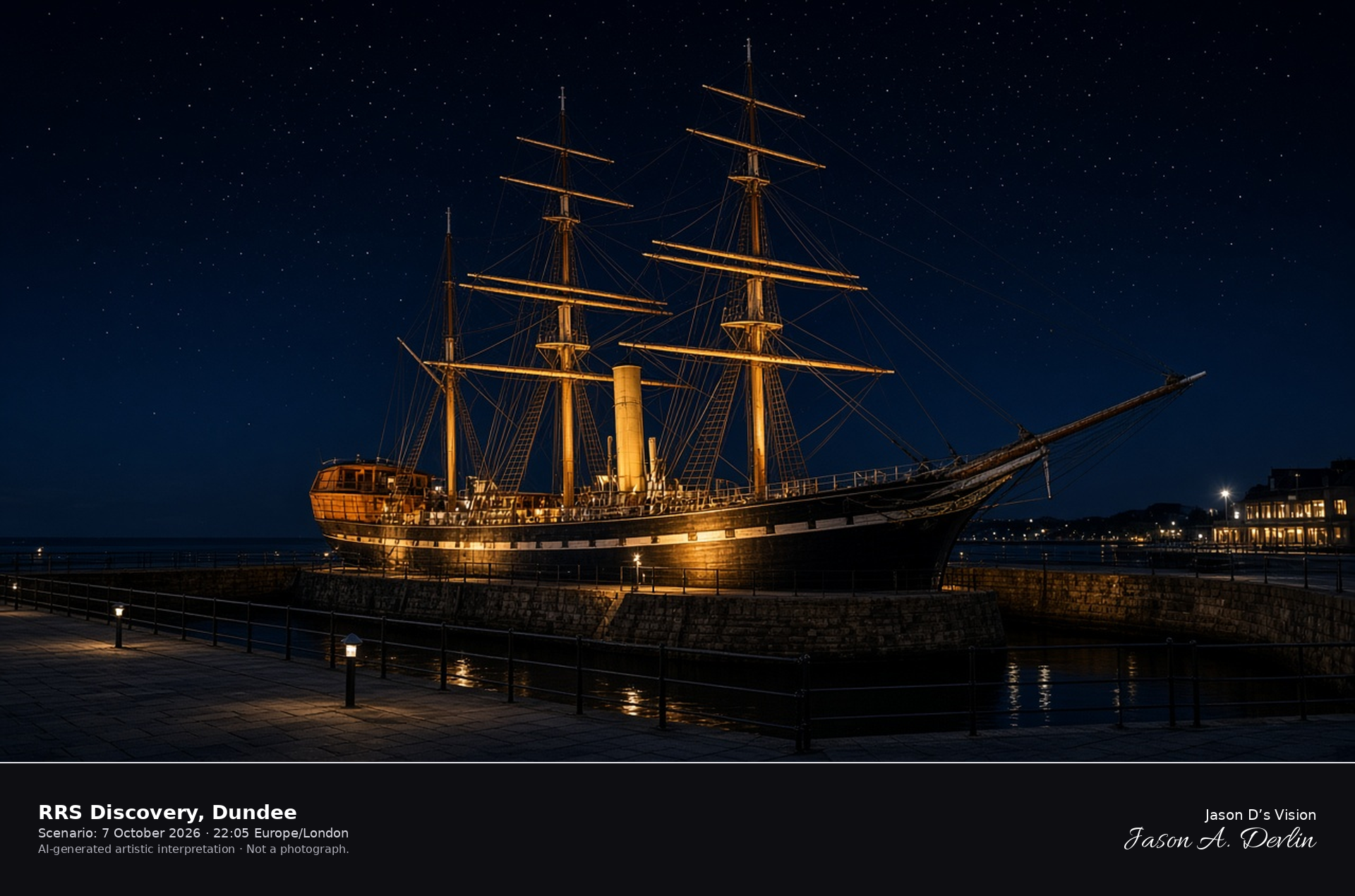
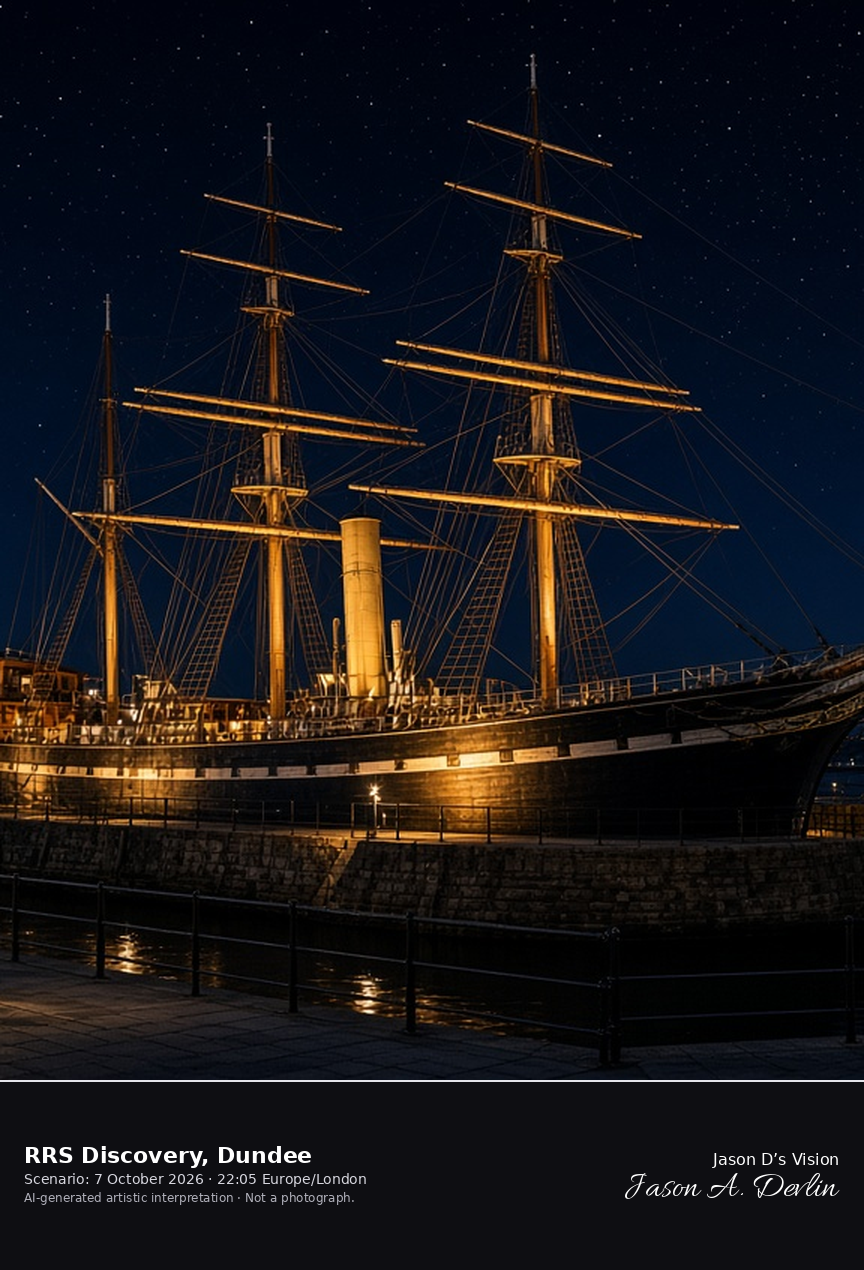
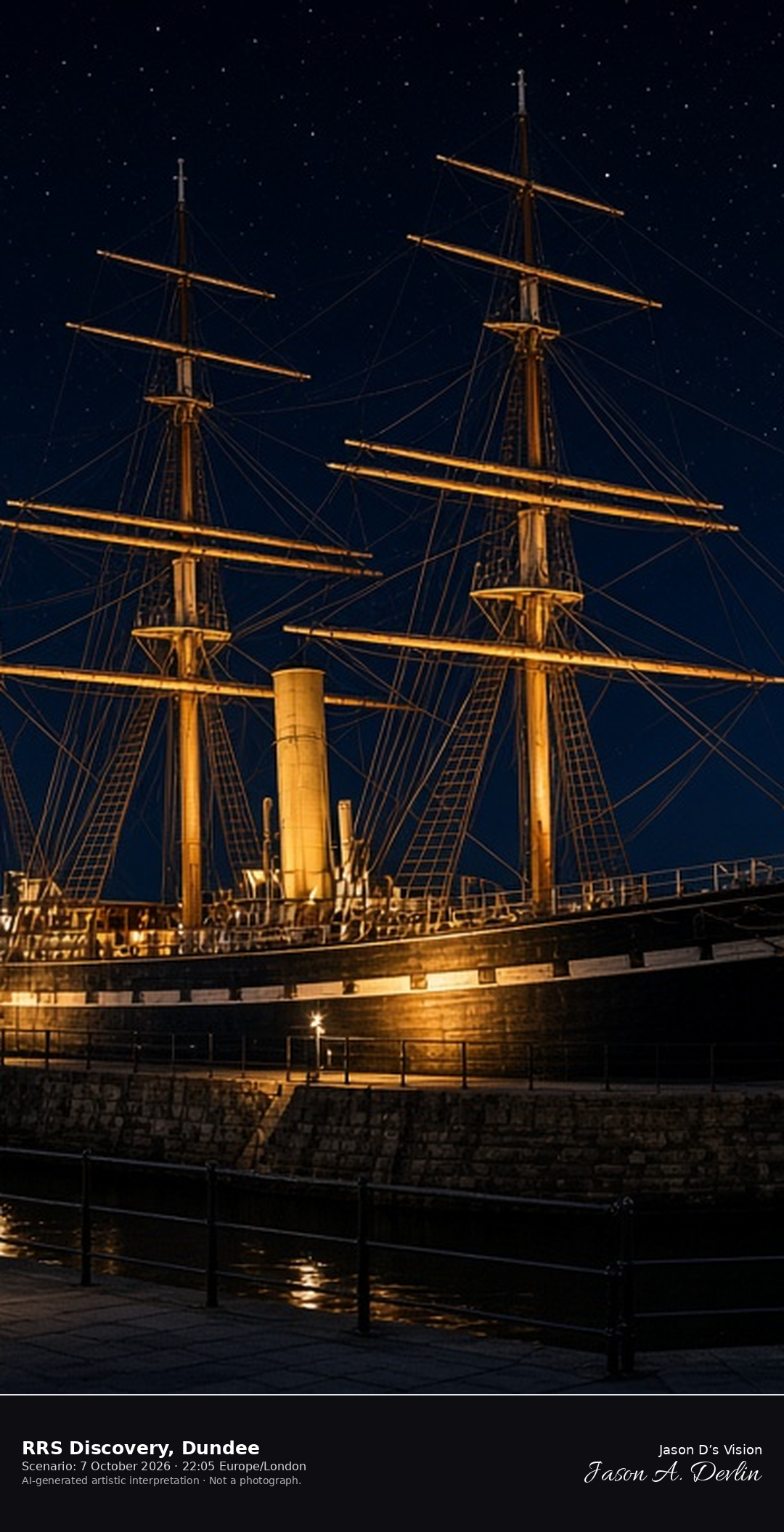
RRS Discovery was built in Dundee in 1901 for Captain Scott’s first Antarctic expedition, one of the last three-masted wooden ships built in Britain. With Scott and Ernest Shackleton among her company, she endured years locked in Antarctic ice; in 1986 she was carried back to her birthplace aboard the transport ship Happy Mariner.
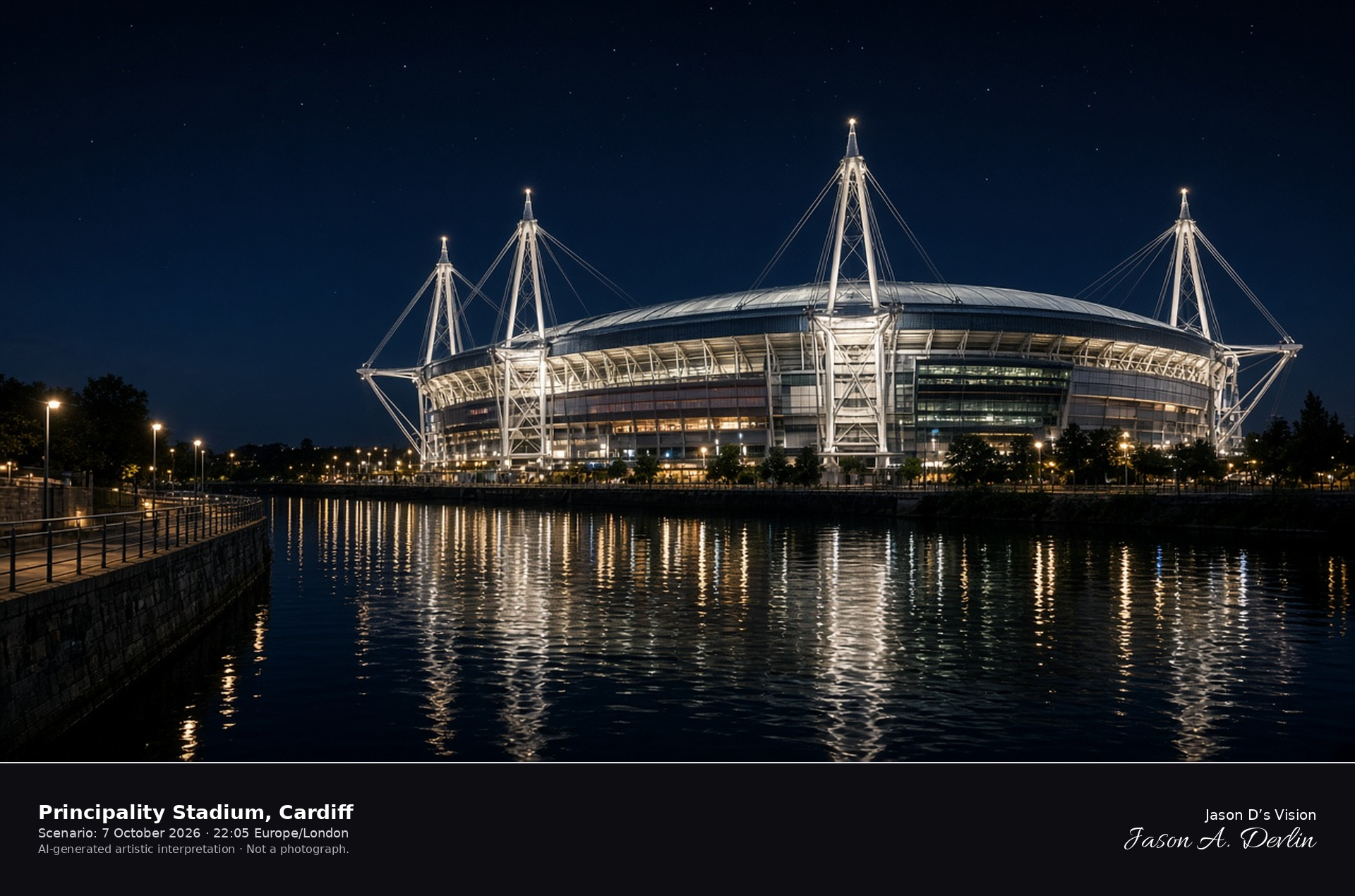
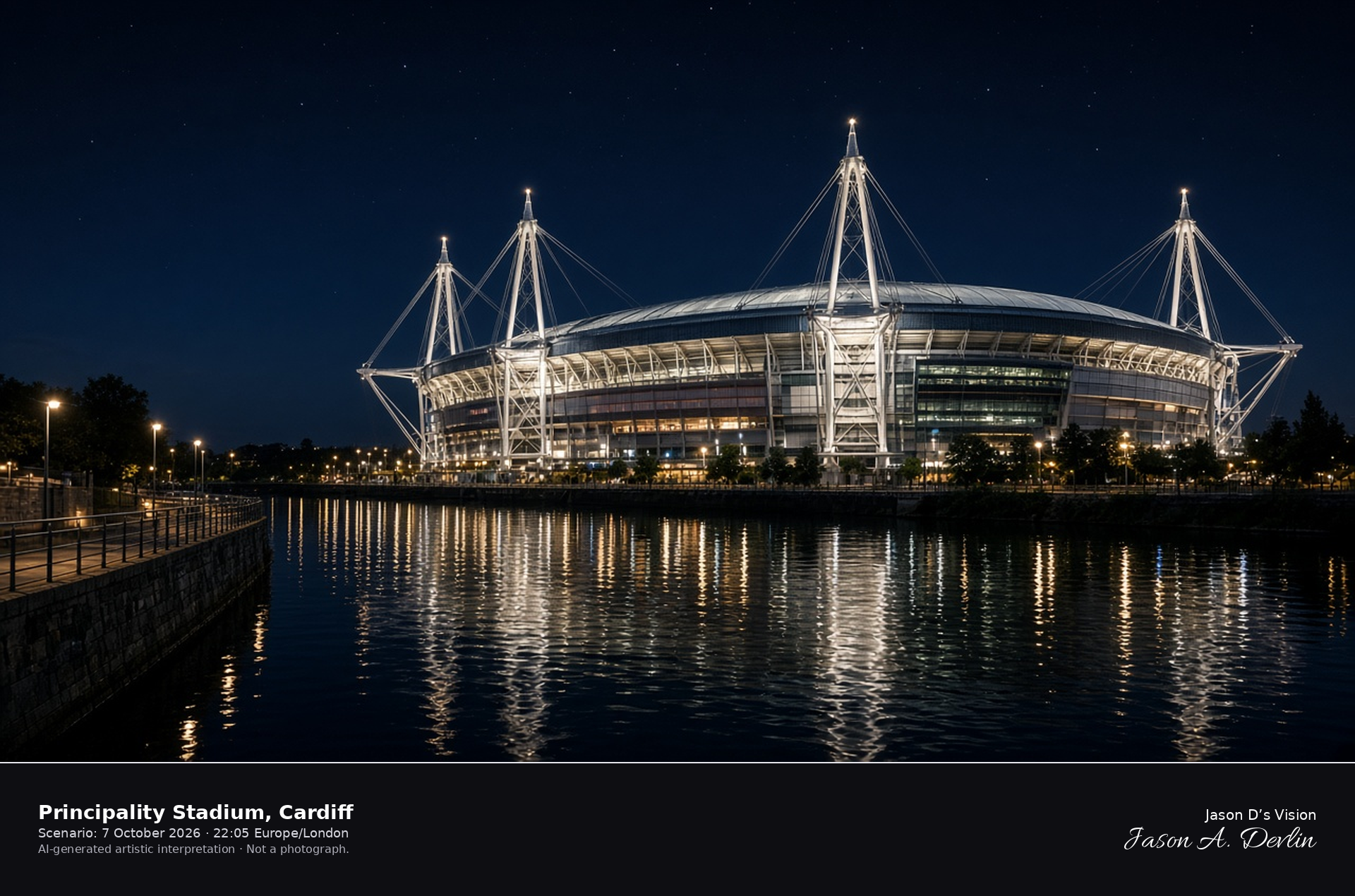
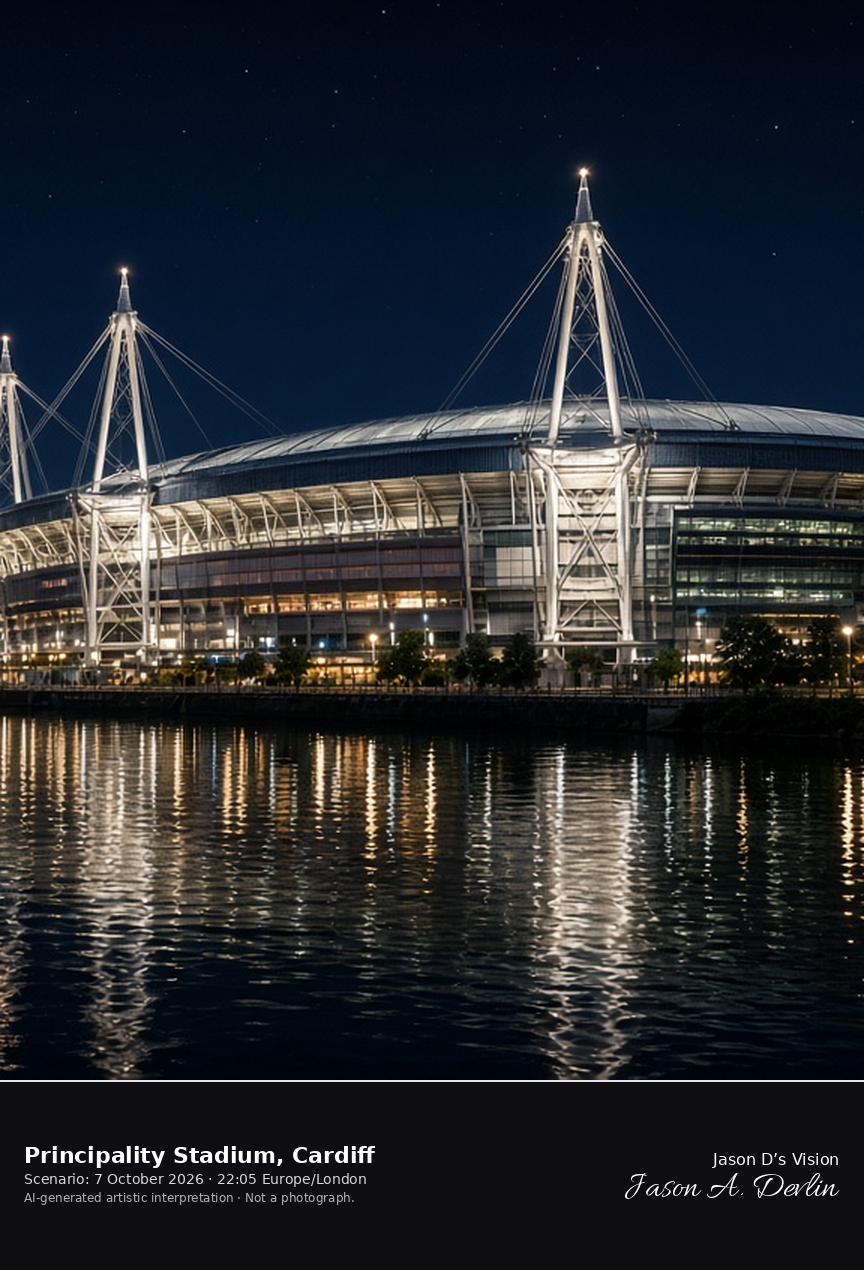
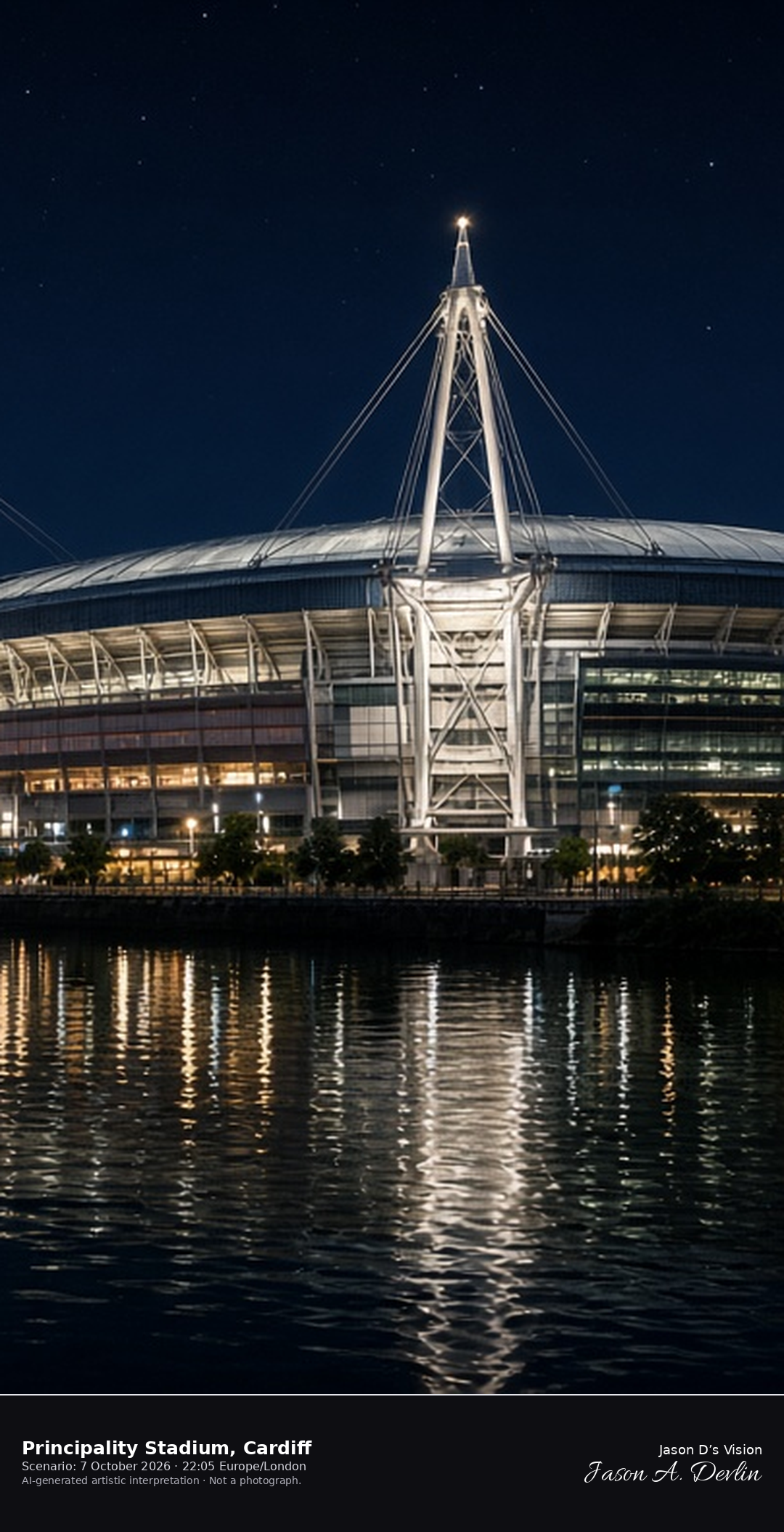
The stadium opened in 1999 as the Millennium Stadium, built for the Rugby World Cup on the storied ground of Cardiff Arms Park. Its roof slides shut over 74,500 seats — the first closing roof at any stadium in Britain — in the roaring heart of the Welsh capital.
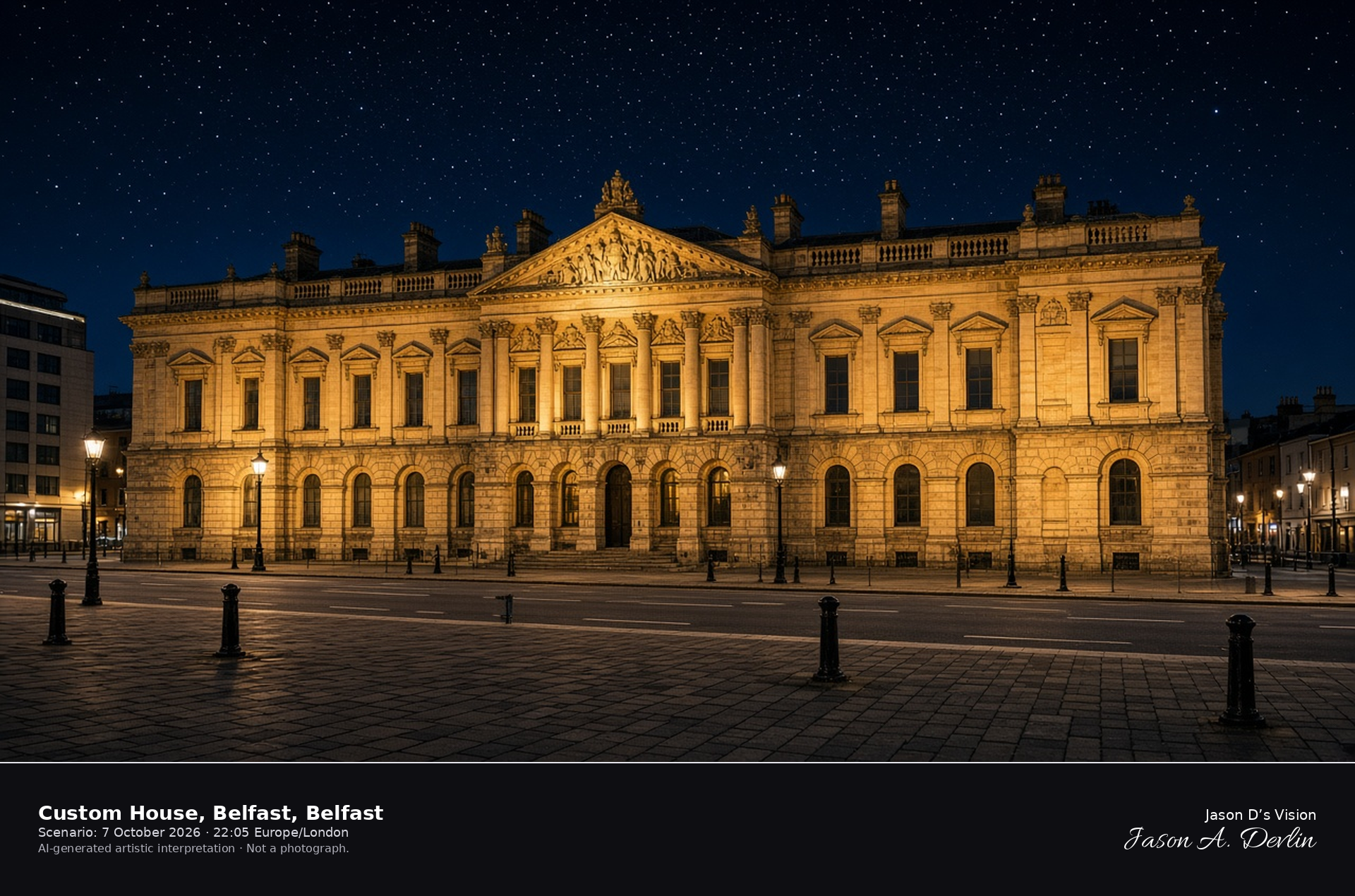
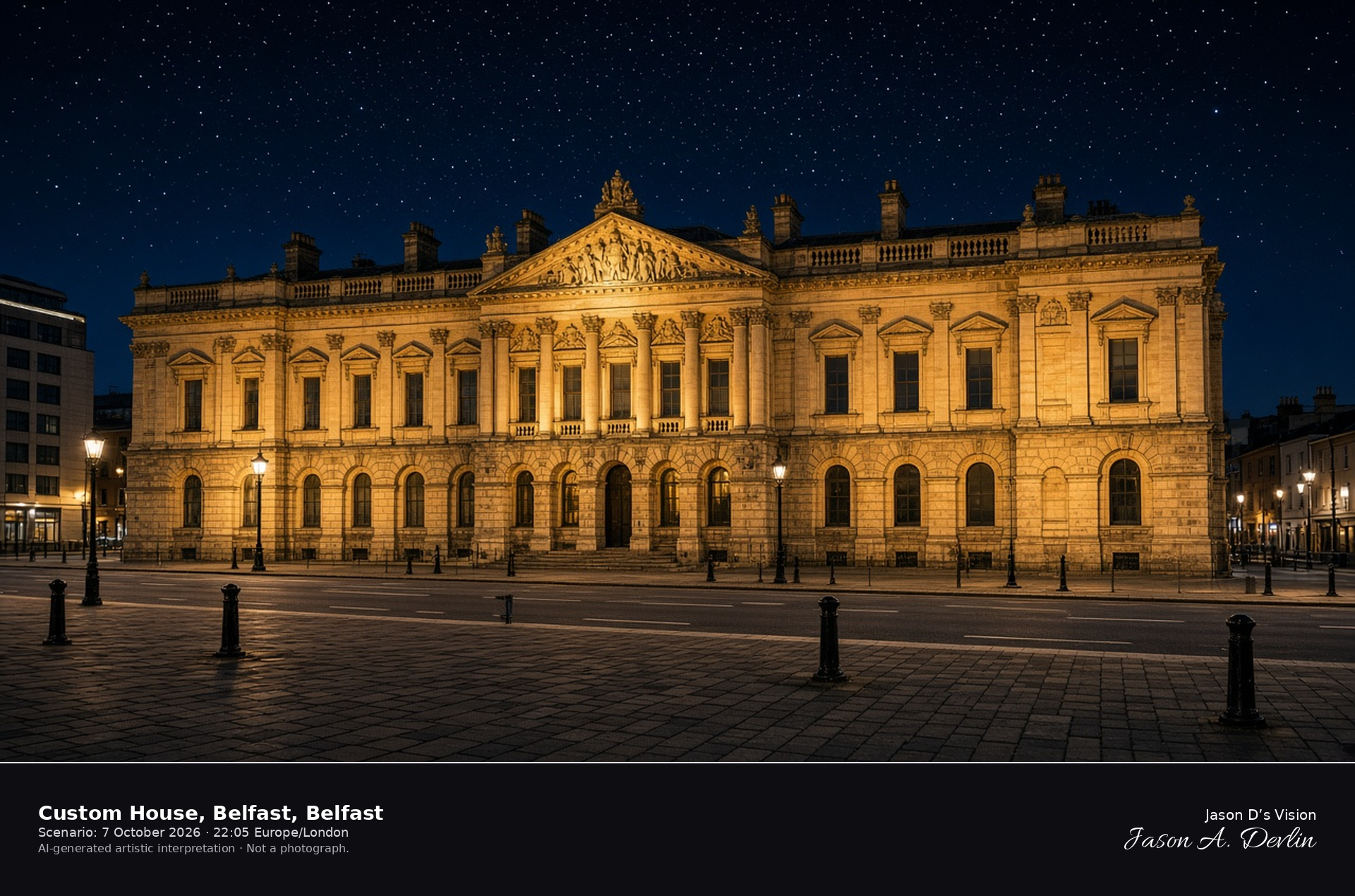
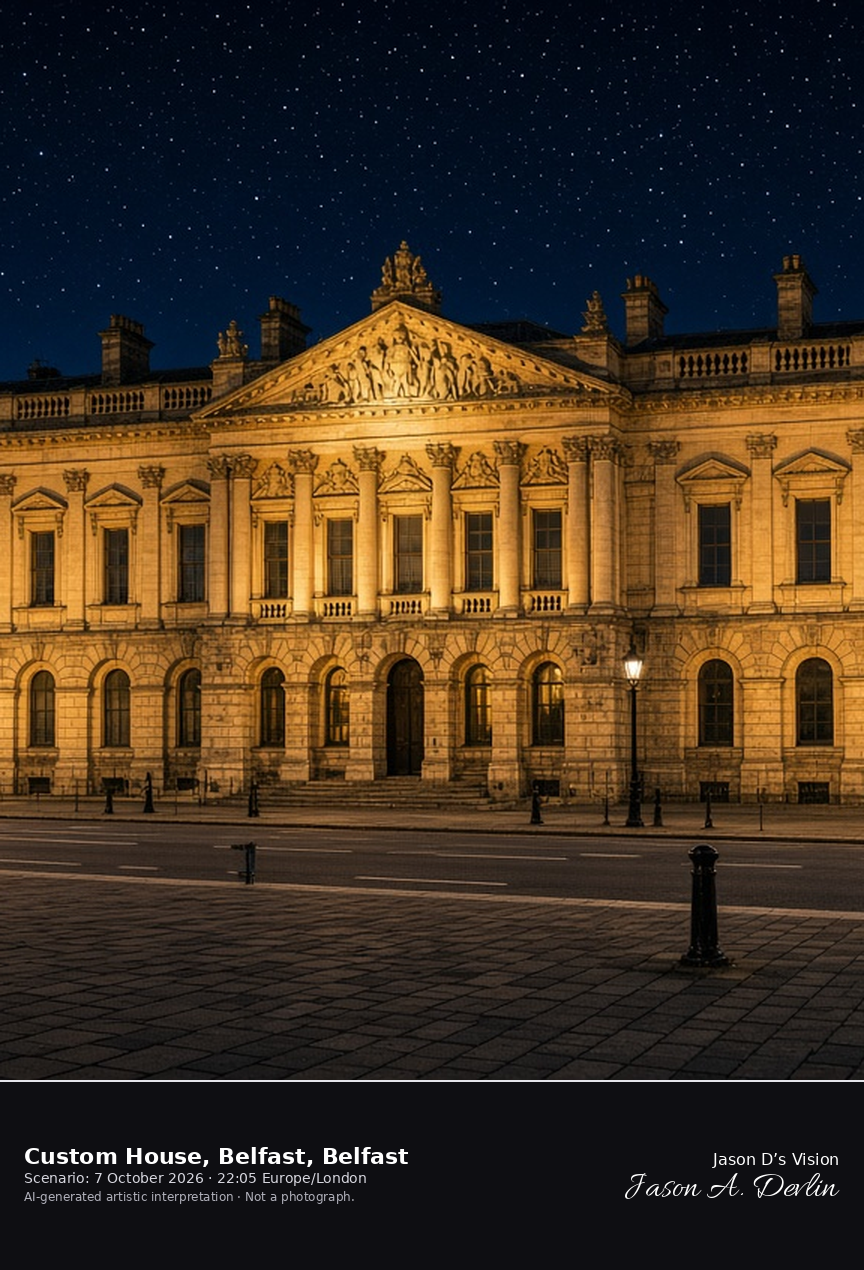
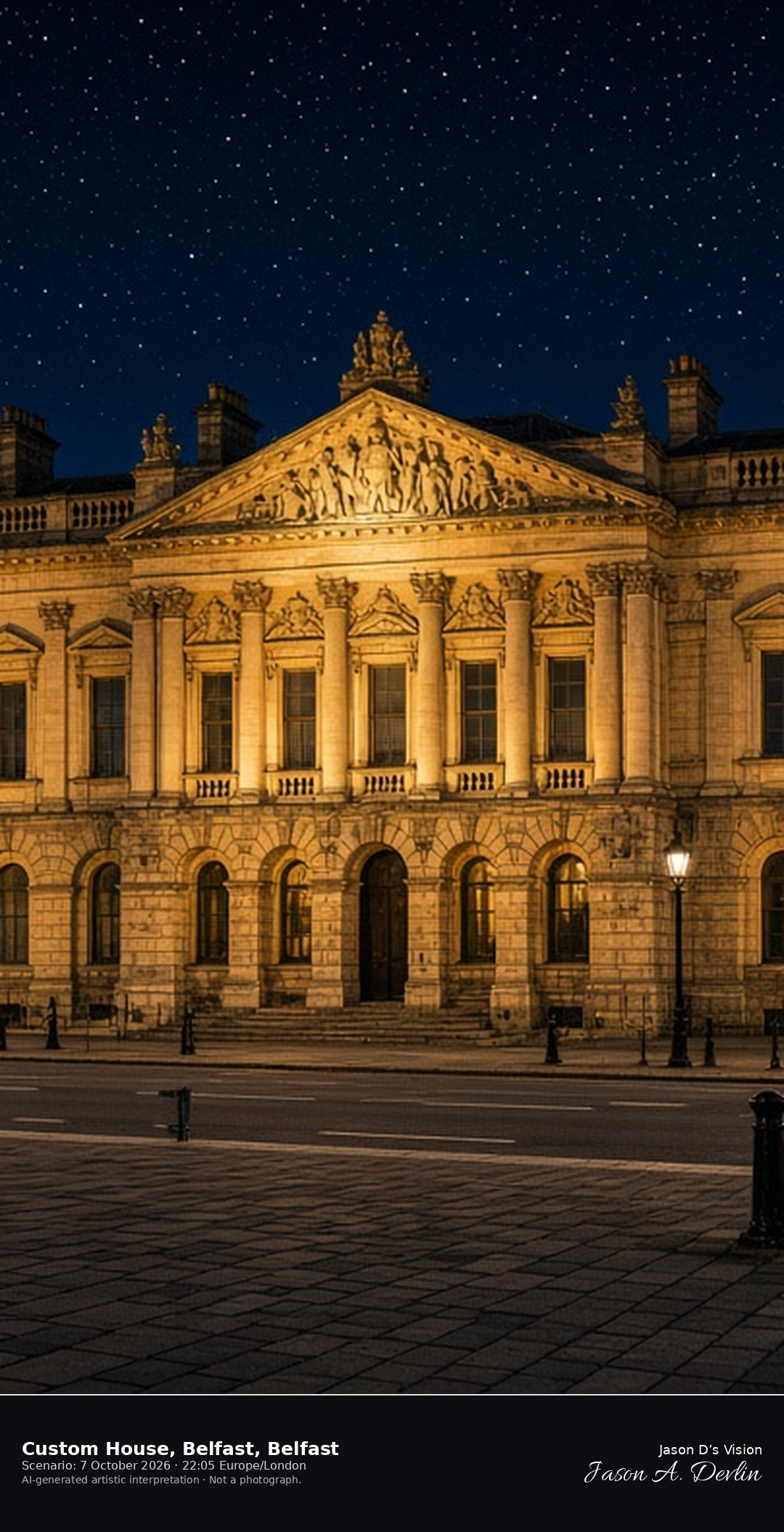
The Custom House was designed by Charles Lanyon and finished in 1857. Its steps on the square side were once Belfast's speakers' corner, where crowds gathered to hear public speeches.
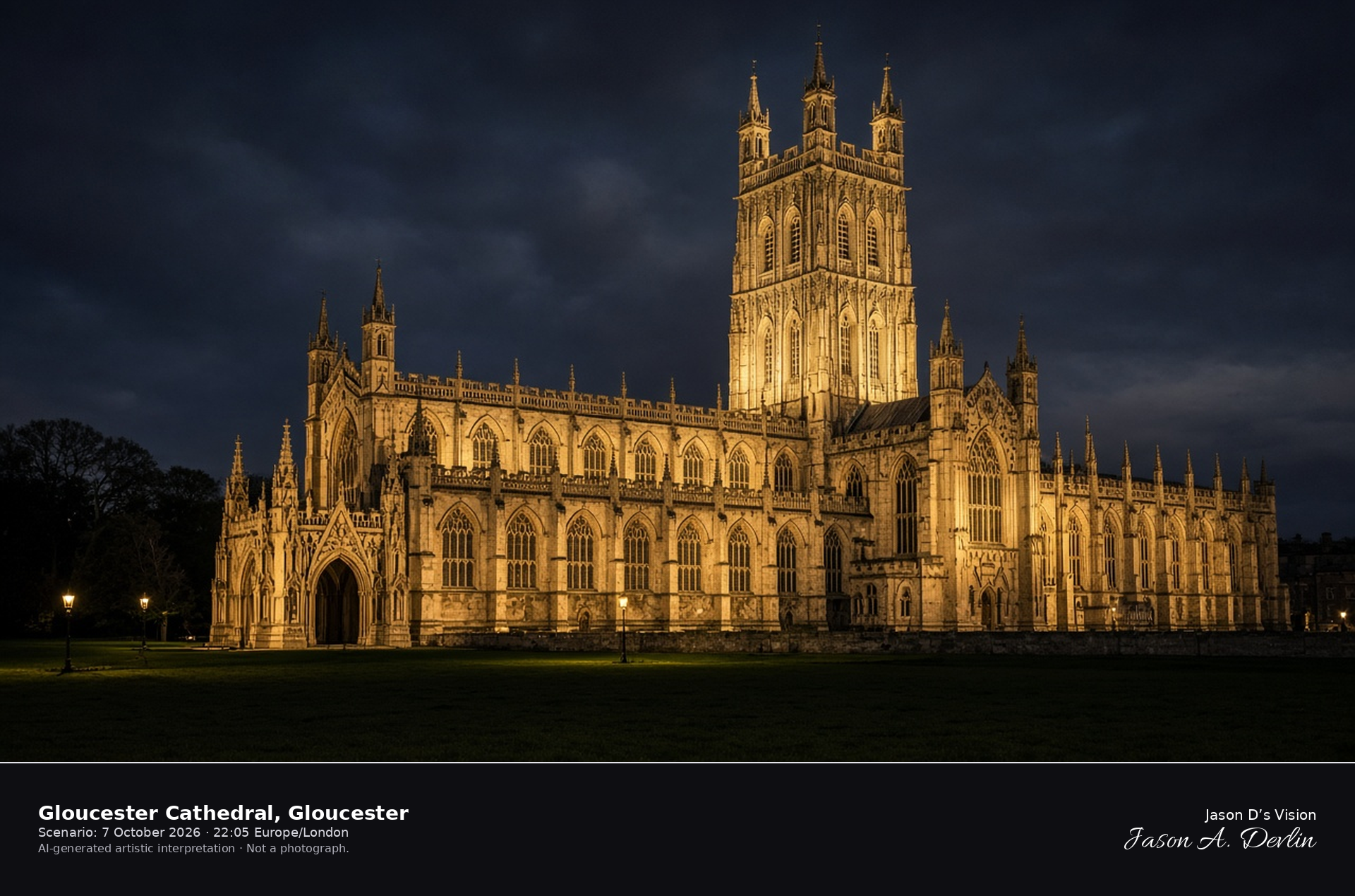
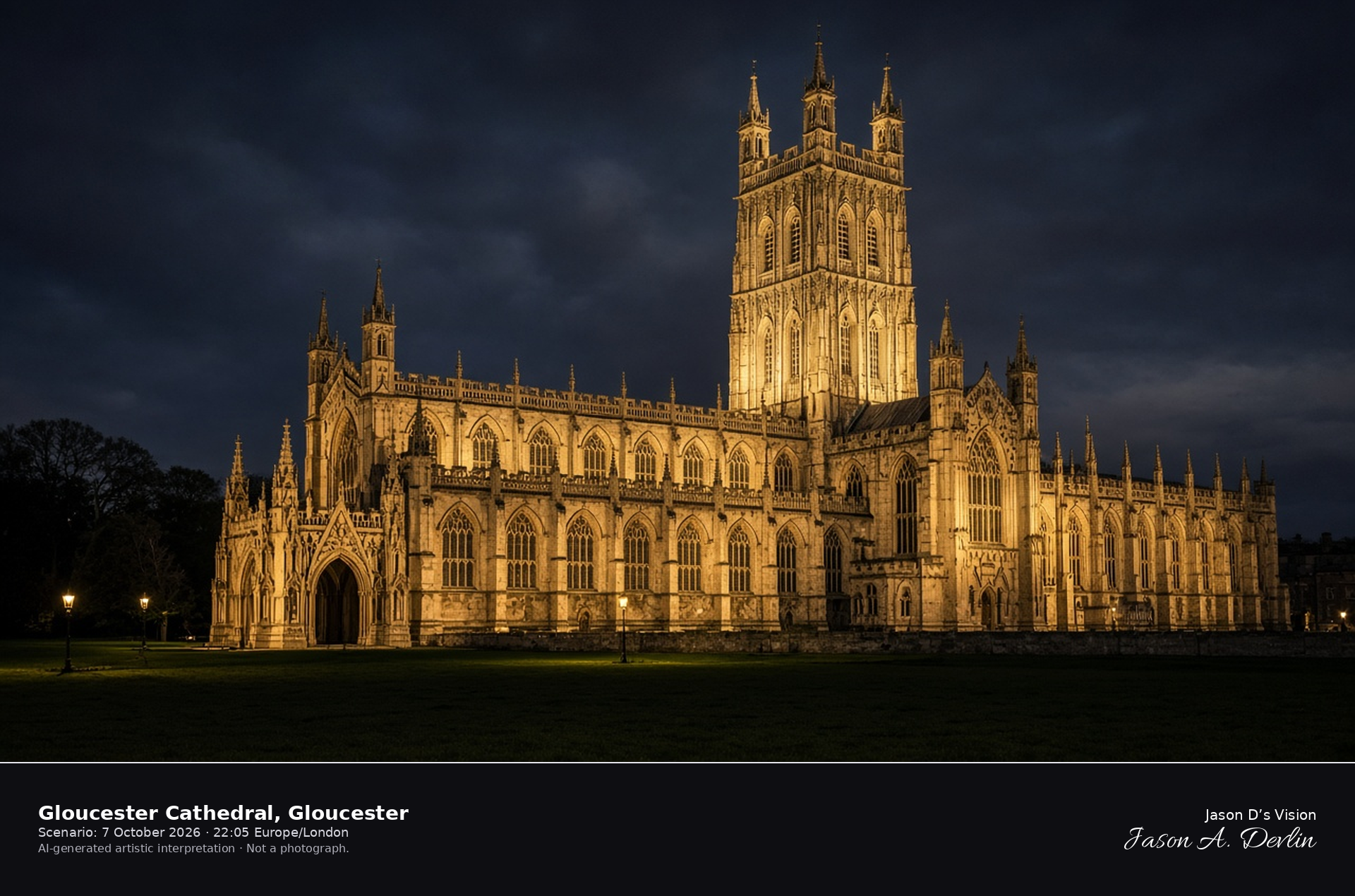
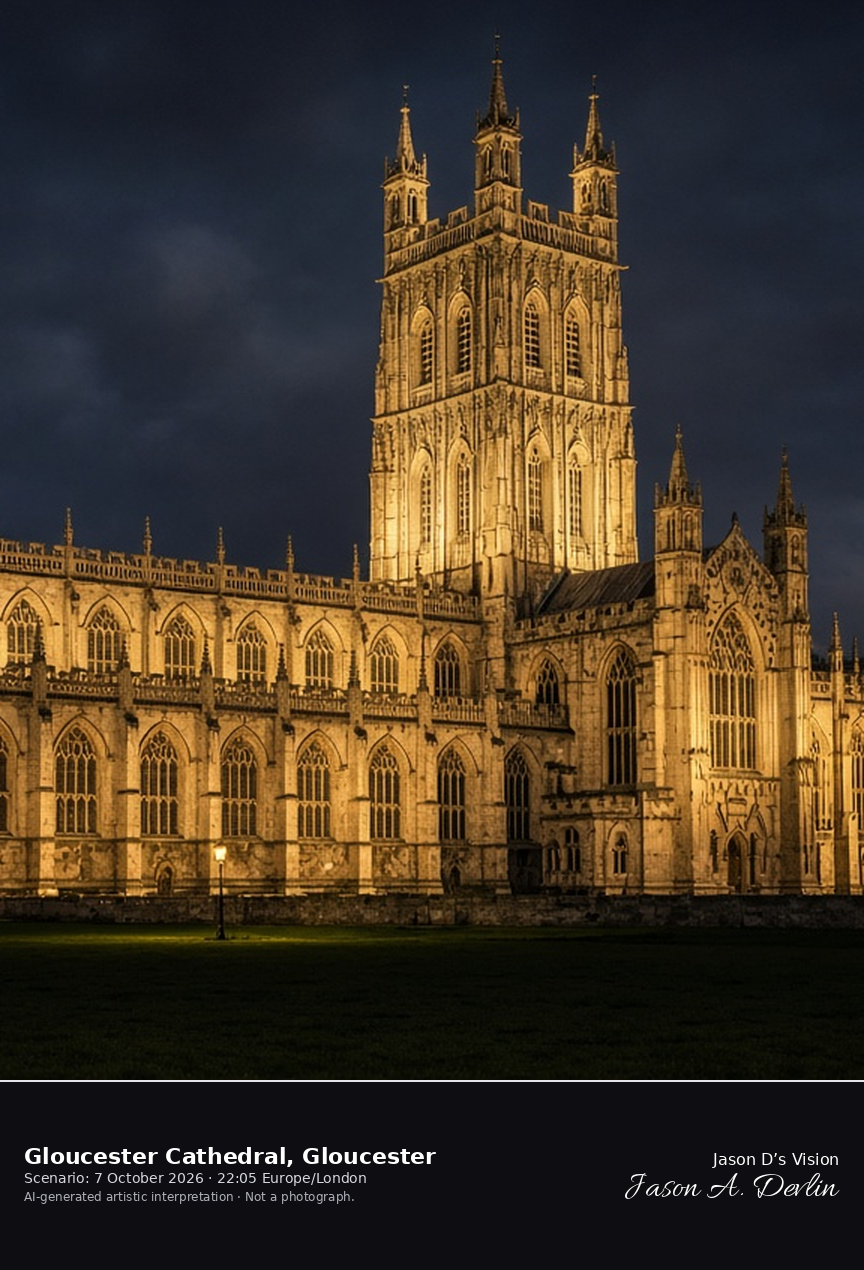
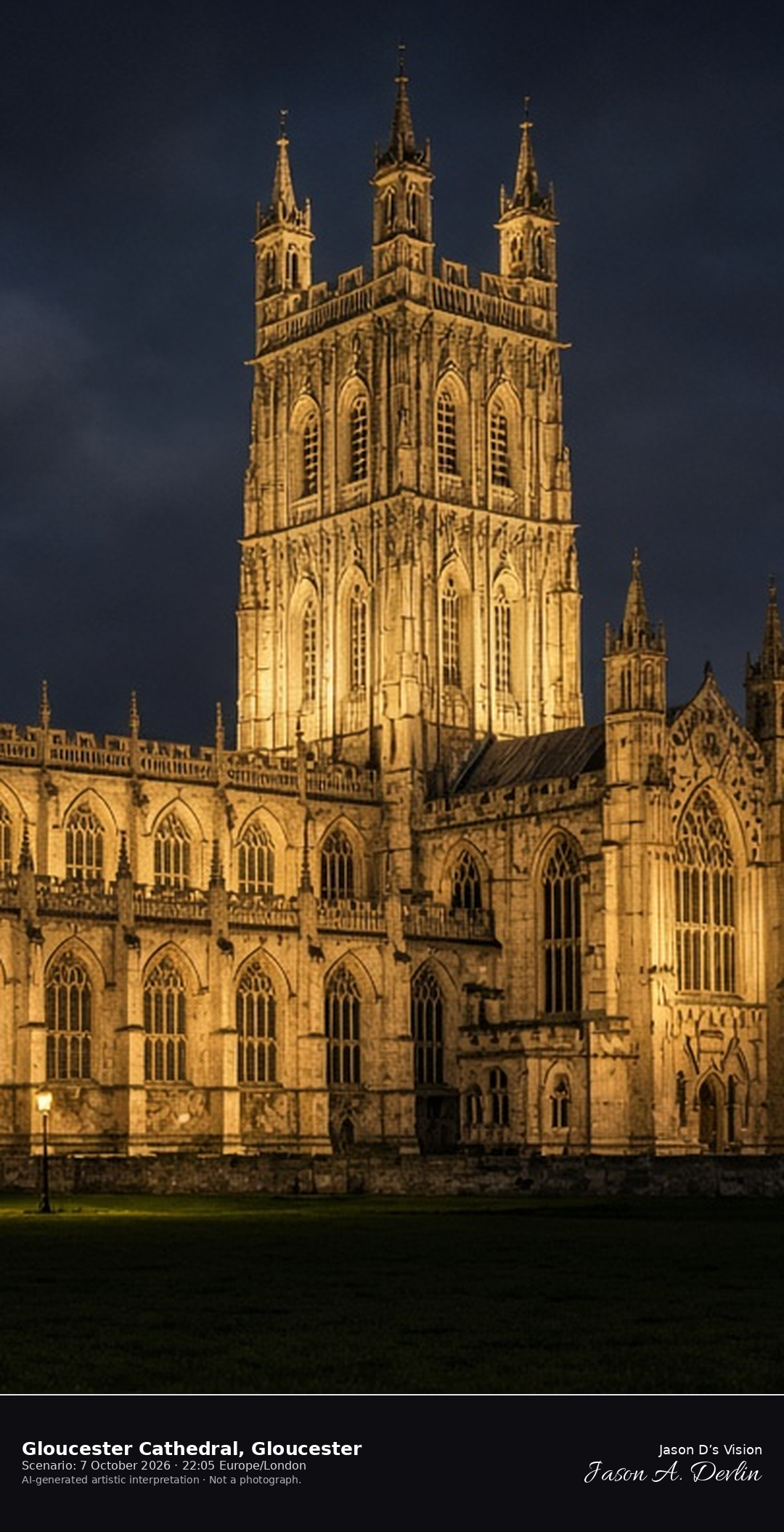
Gloucester Cathedral's 14th-century choir and cloisters are early masterpieces of the Perpendicular Gothic style. Edward II is buried there, and its cloisters were used for scenes in the Harry Potter films.
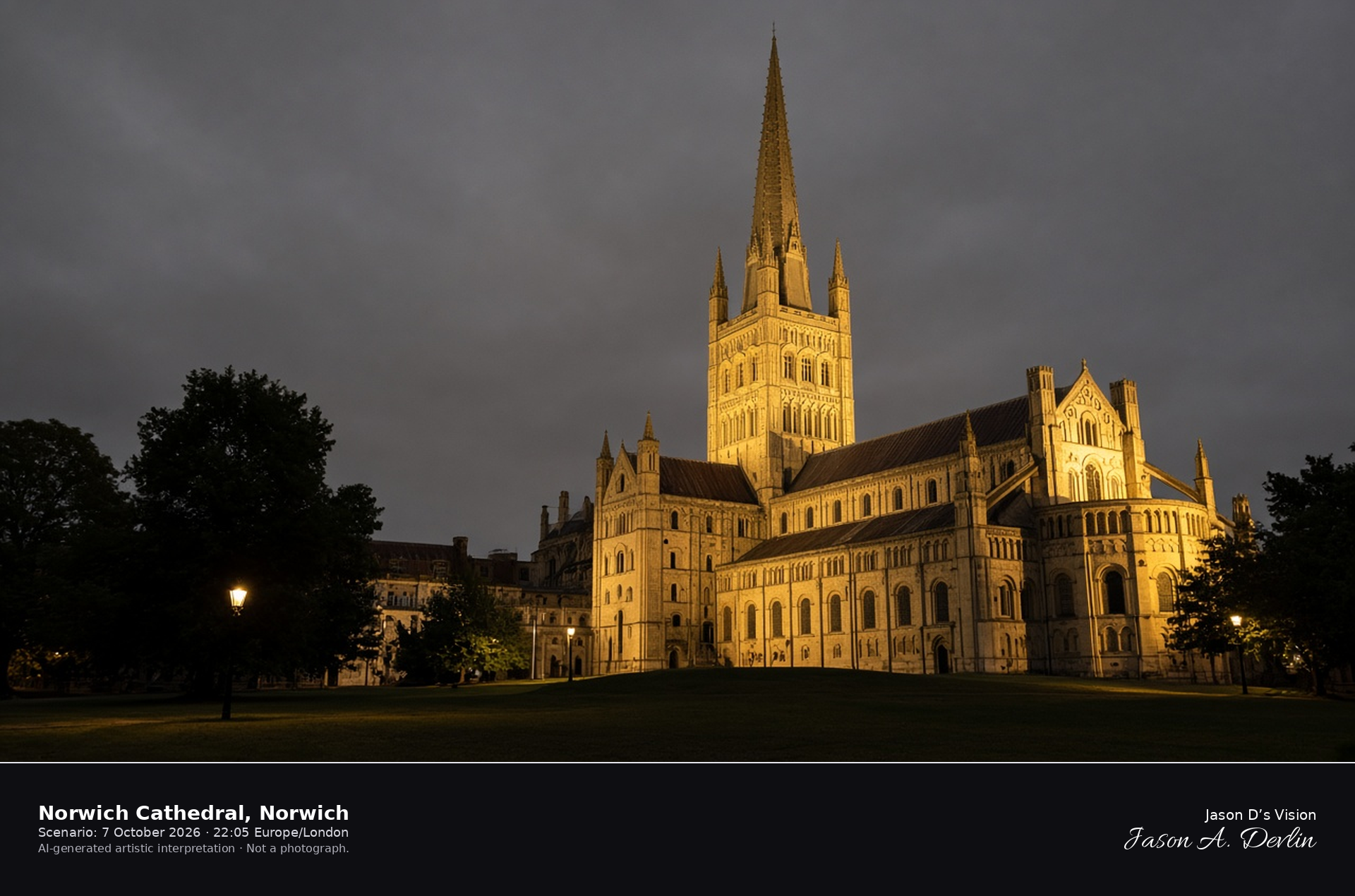
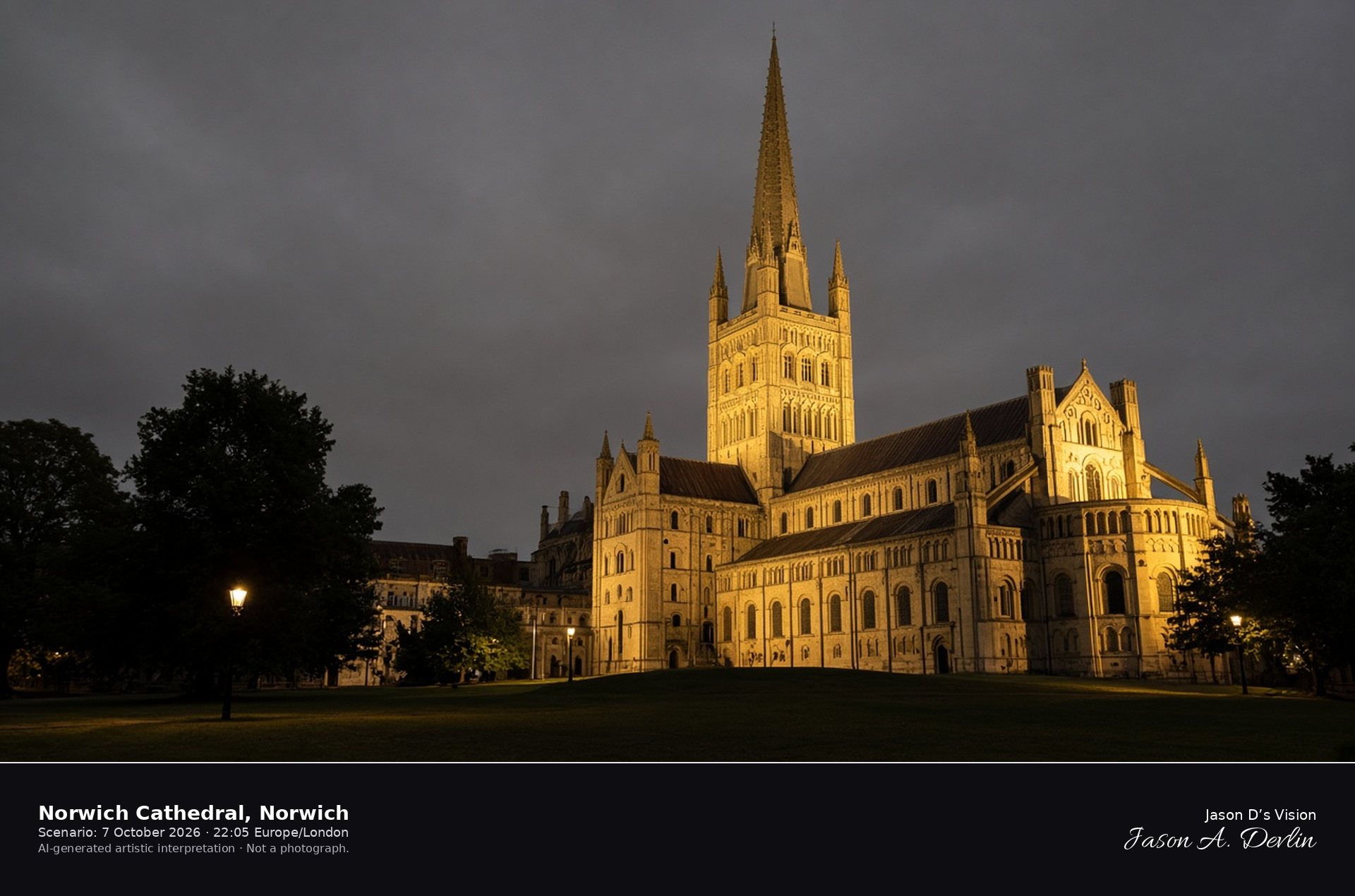
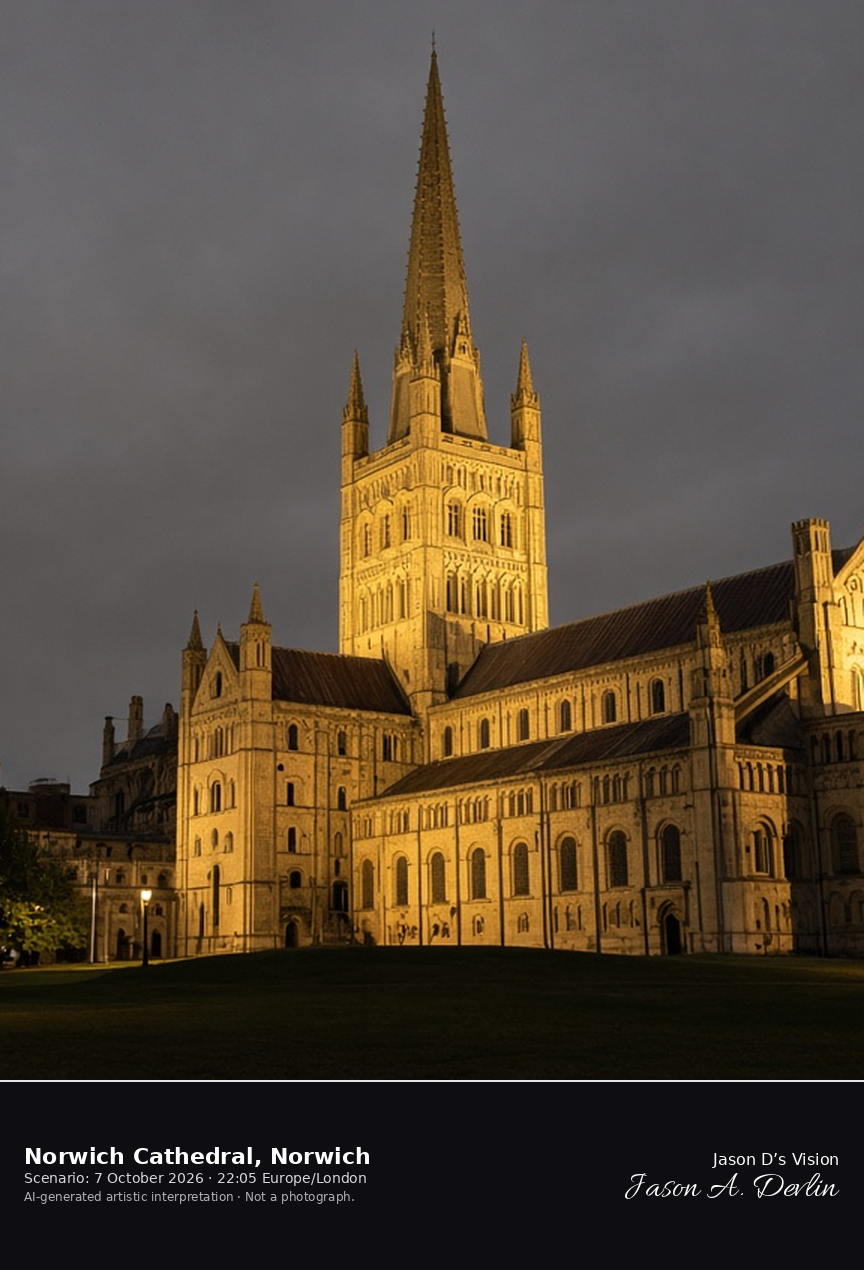
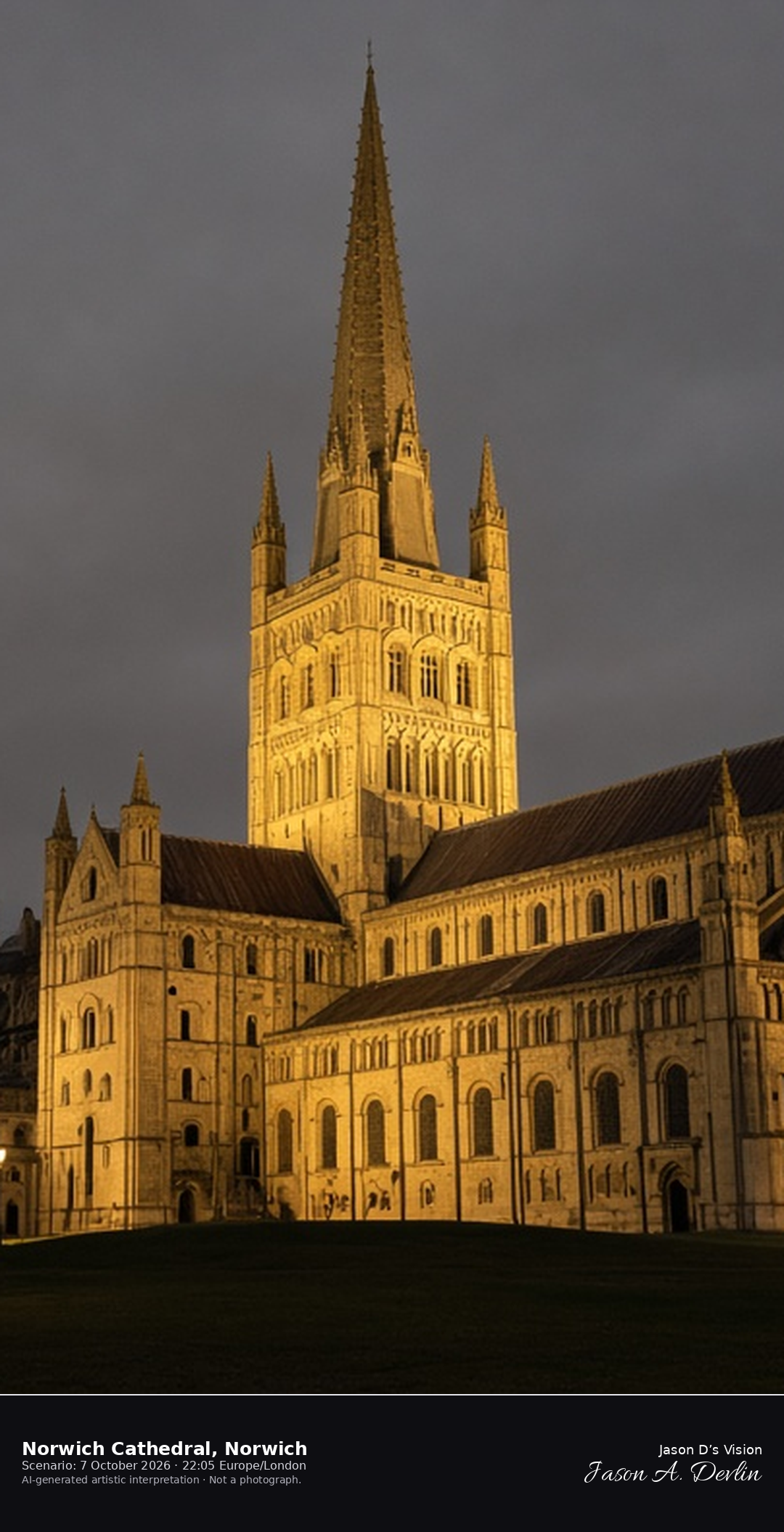
Norwich's spire rises ninety-six metres, the second tallest in England, and its cloisters are the largest monastic cloisters in the country. Across the vaults are more than a thousand carved and painted bosses — Bible stories, green men, and fools — a collection the cathedral describes as the largest of its kind in the world.
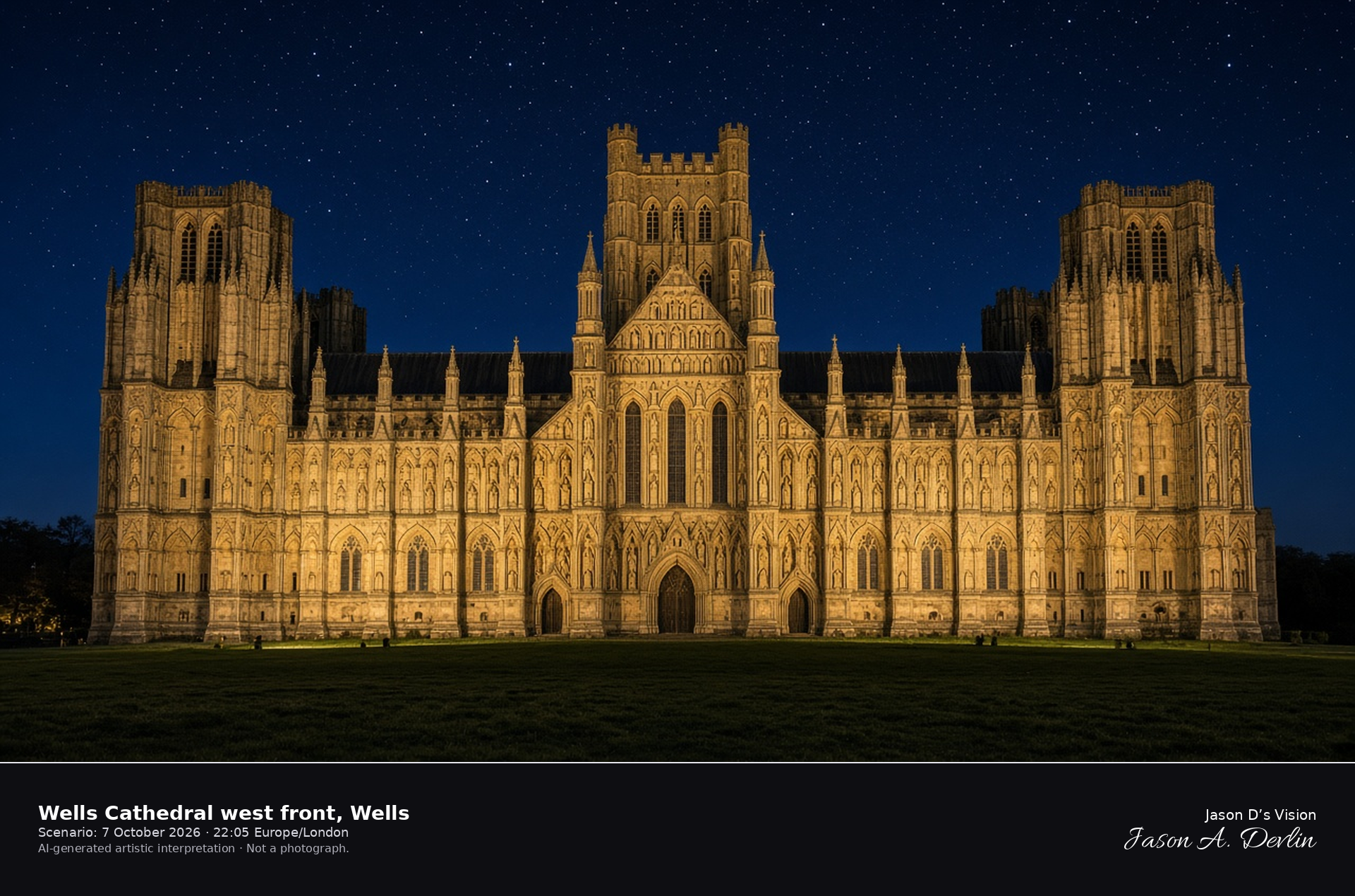
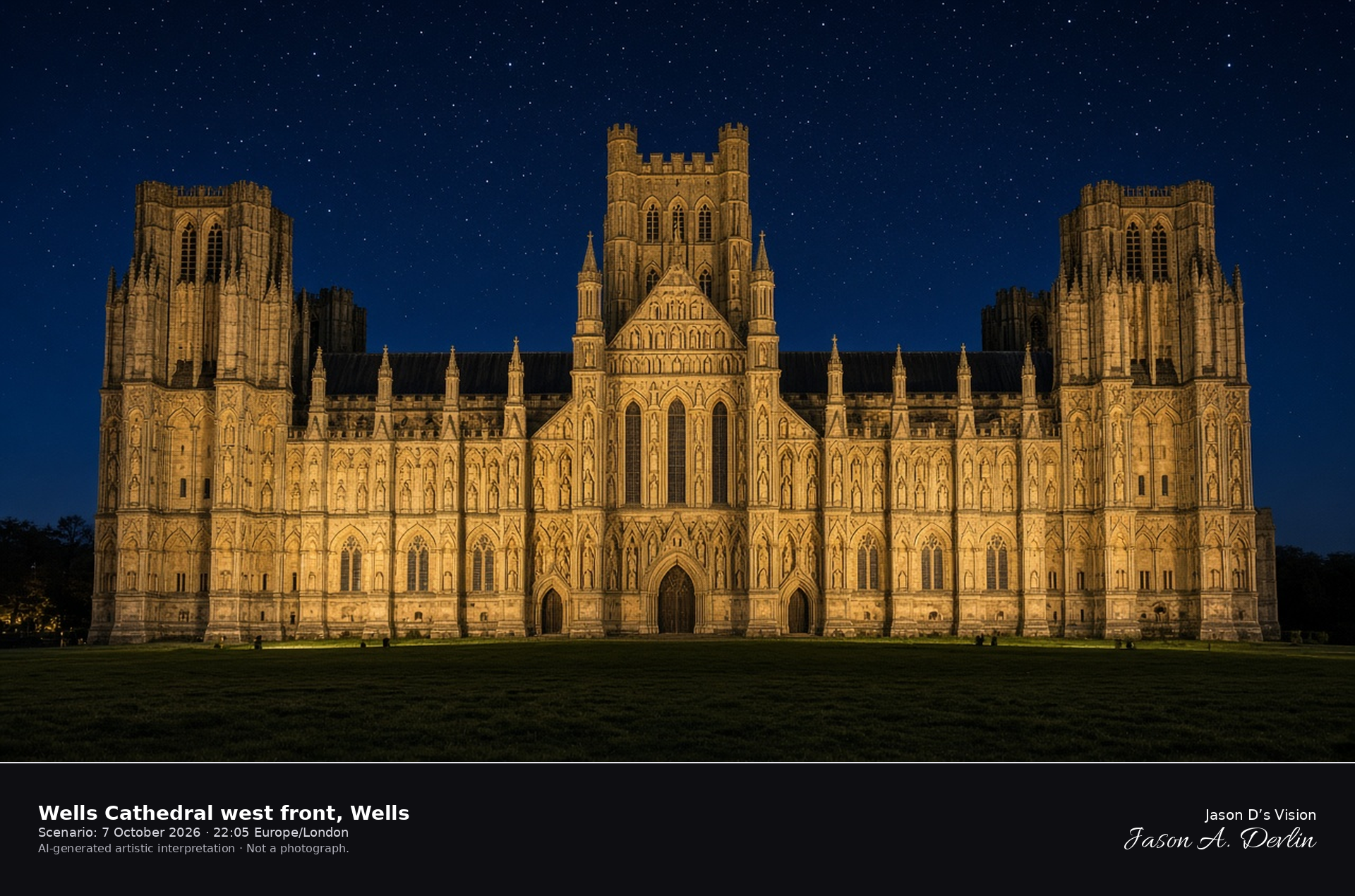
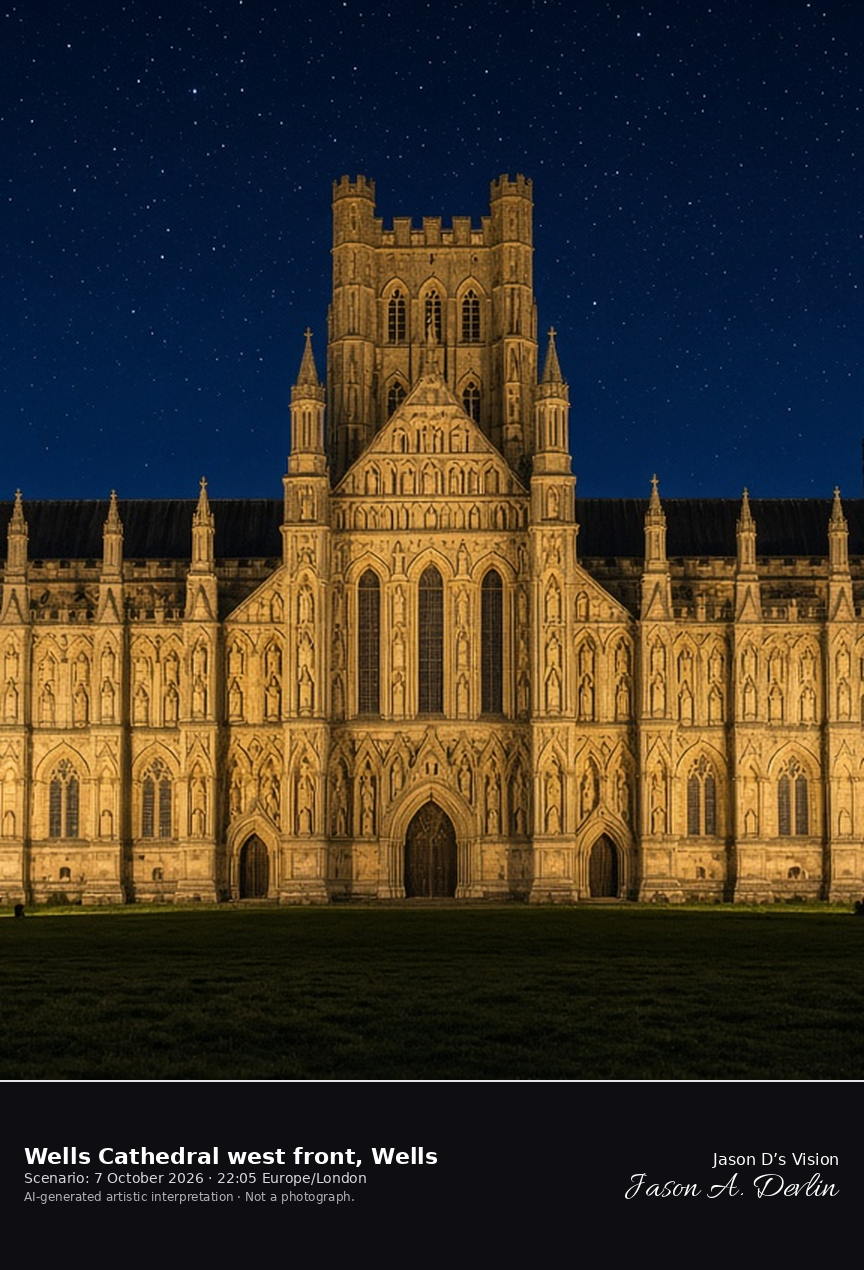
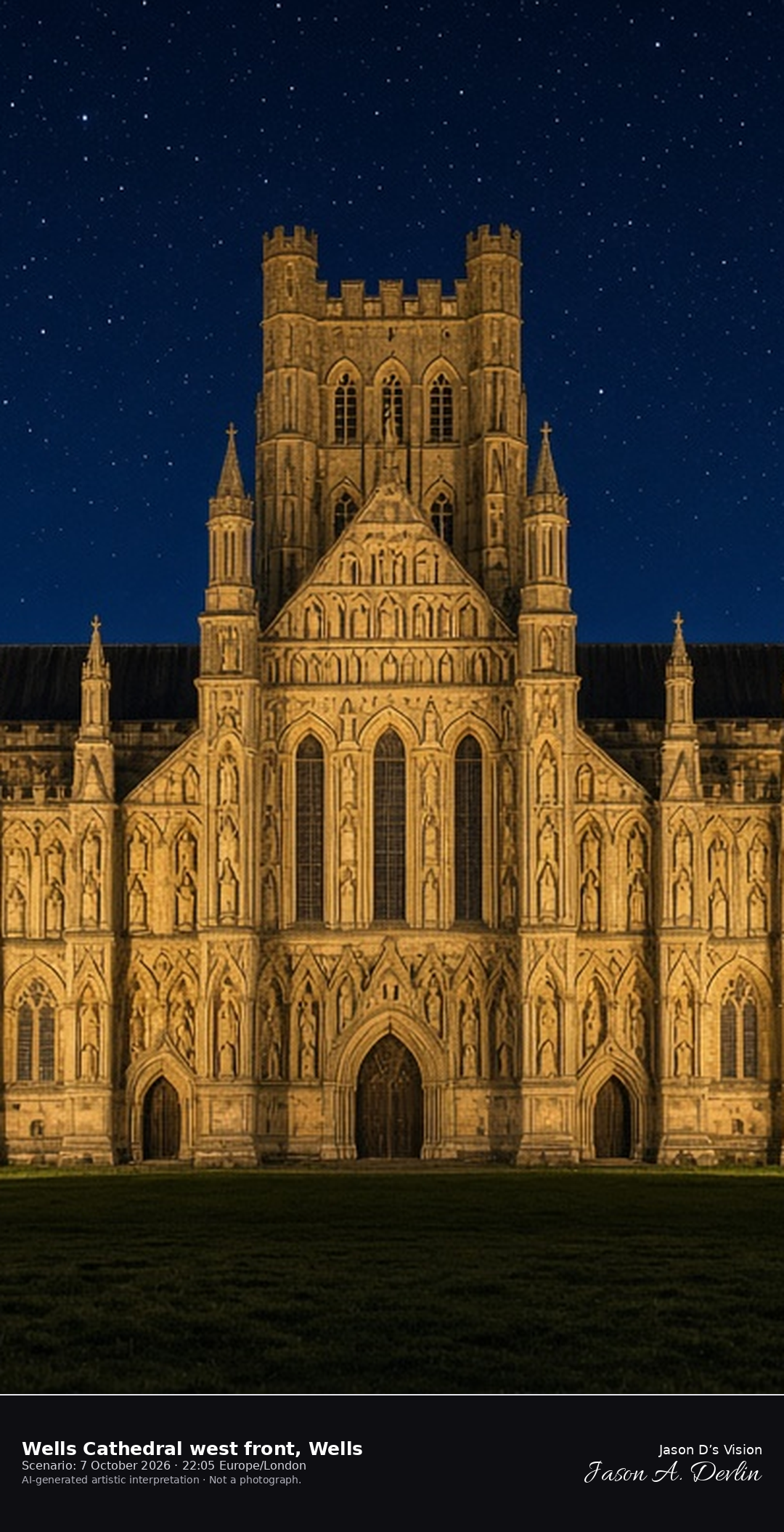
Wells Cathedral west front, Wells · AI-generated artistic interpretation
The west front of Wells Cathedral was built in the 13th century and once held about 400 statues; about 300 survive. Wells is one of England's smallest cities, and the cathedral was the first in England built entirely in the Gothic style.
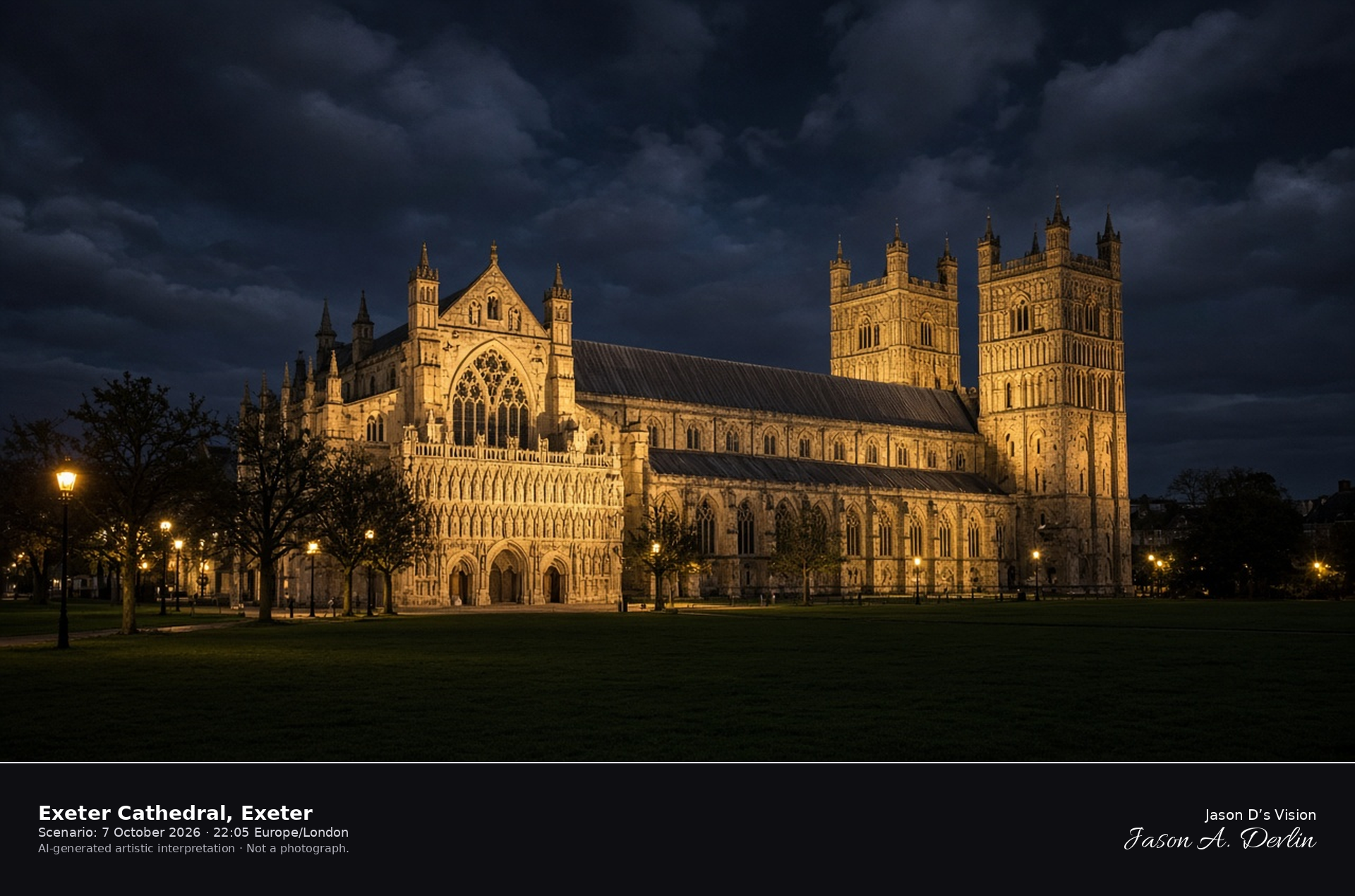
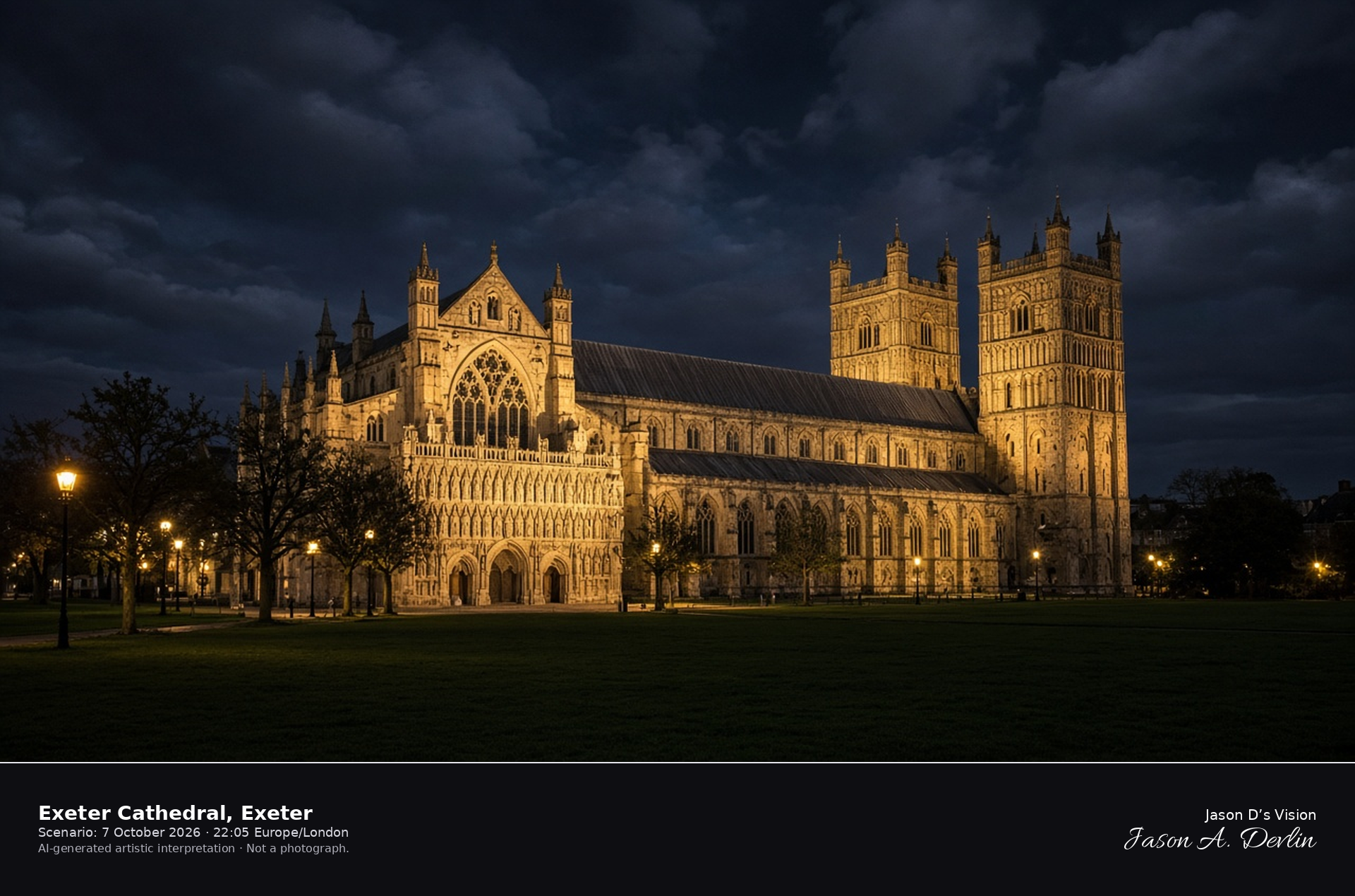
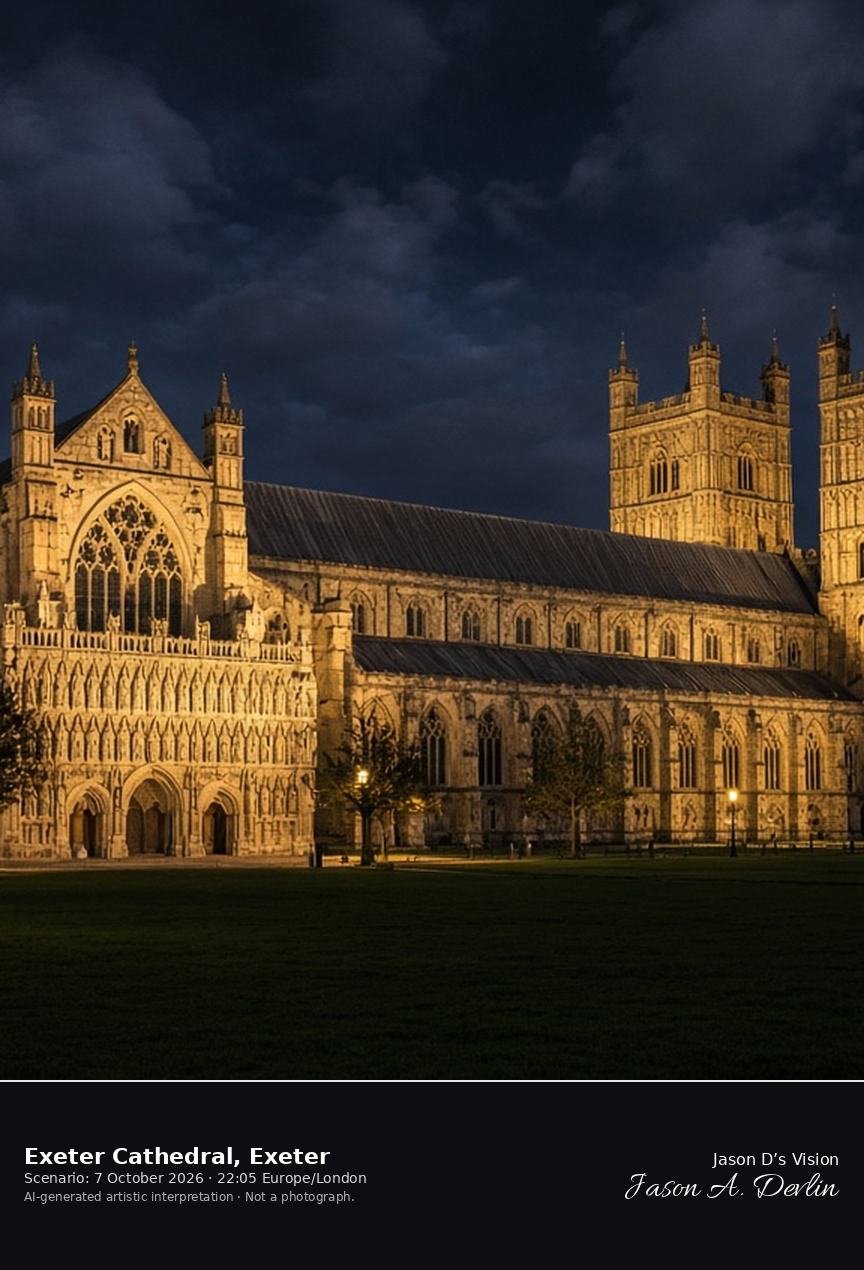
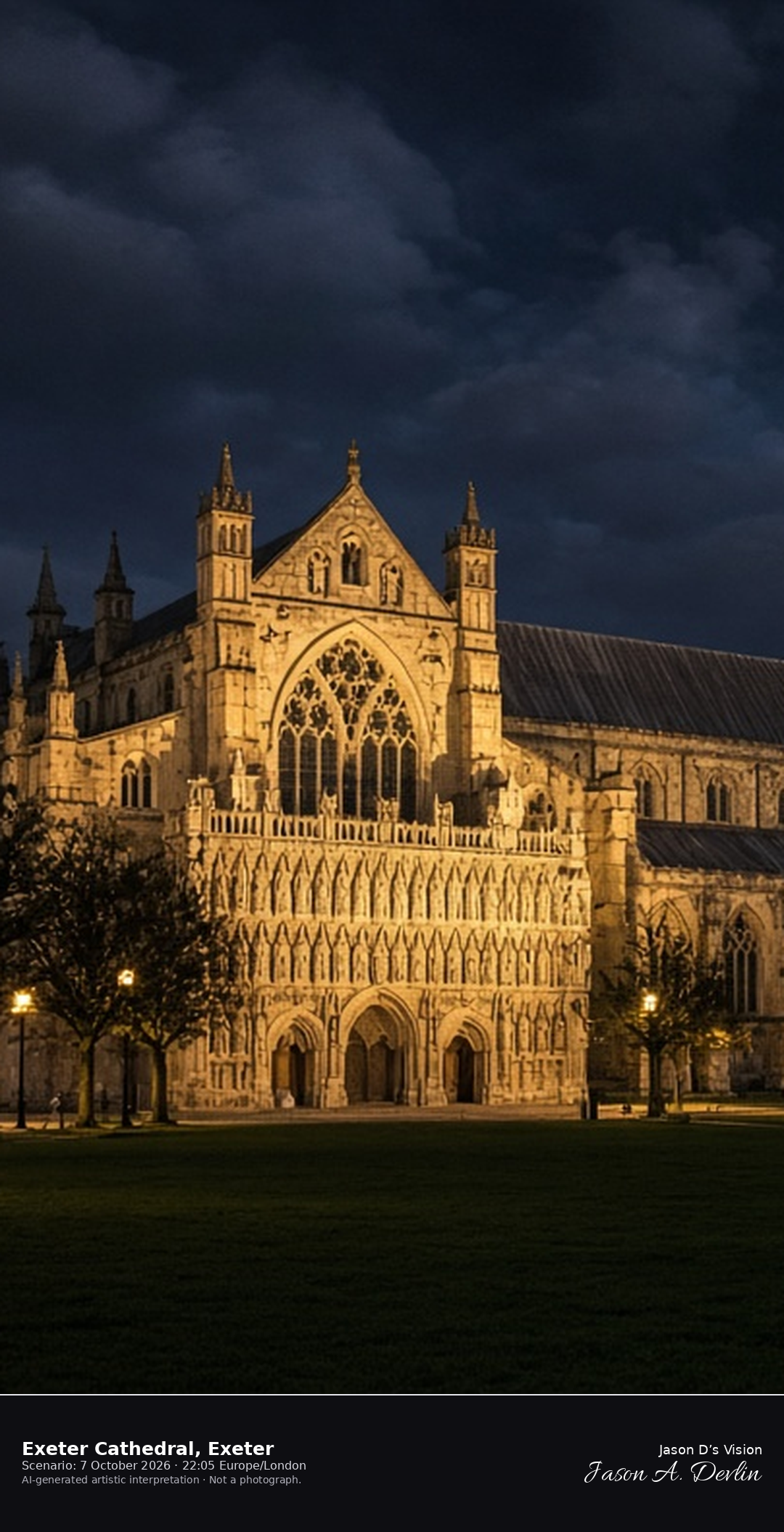
Exeter's great stone vault runs unbroken for nearly a hundred metres over nave and quire, the longest medieval stone vault anywhere in the world. The cathedral library guards the Exeter Book, the tenth-century treasure of Old English poetry, with its riddles, elegies, and songs of exile.
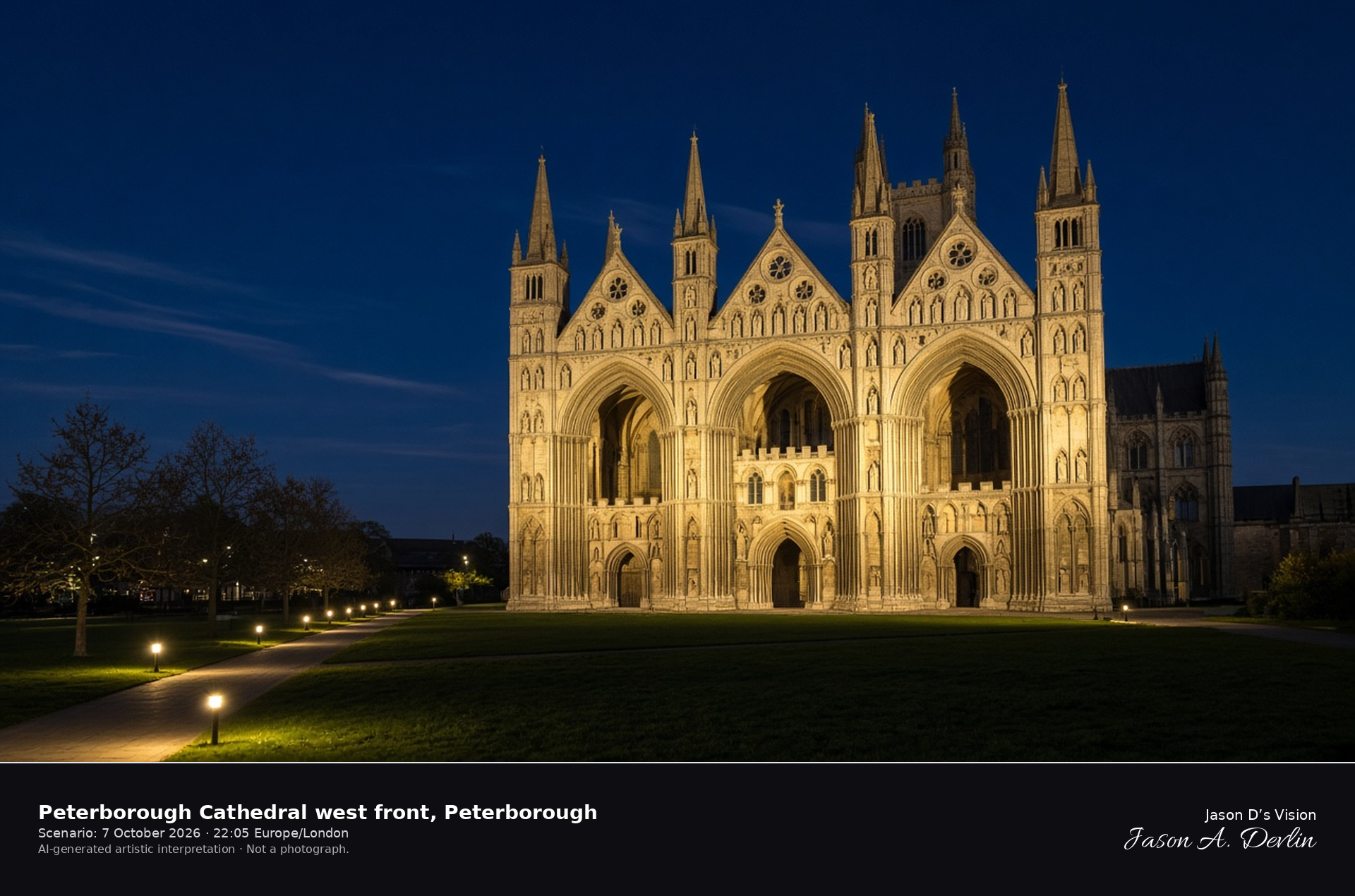
Peterborough Cathedral west front, Peterborough · AI-generated artistic interpretation
Peterborough Cathedral's west front, finished in the 13th century, is unlike any other in Europe. Catherine of Aragon, Henry VIII's first wife, is buried in the cathedral.
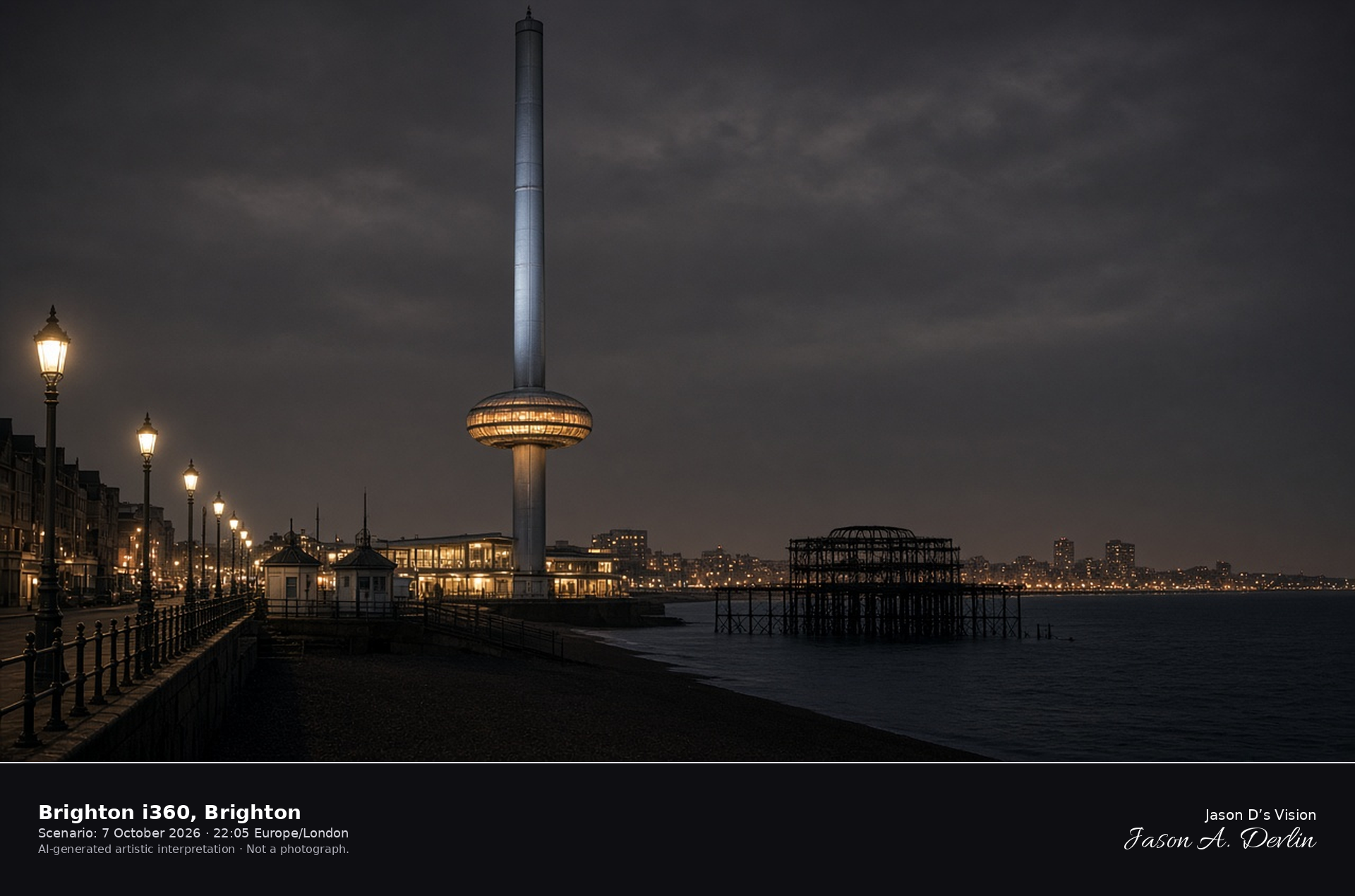
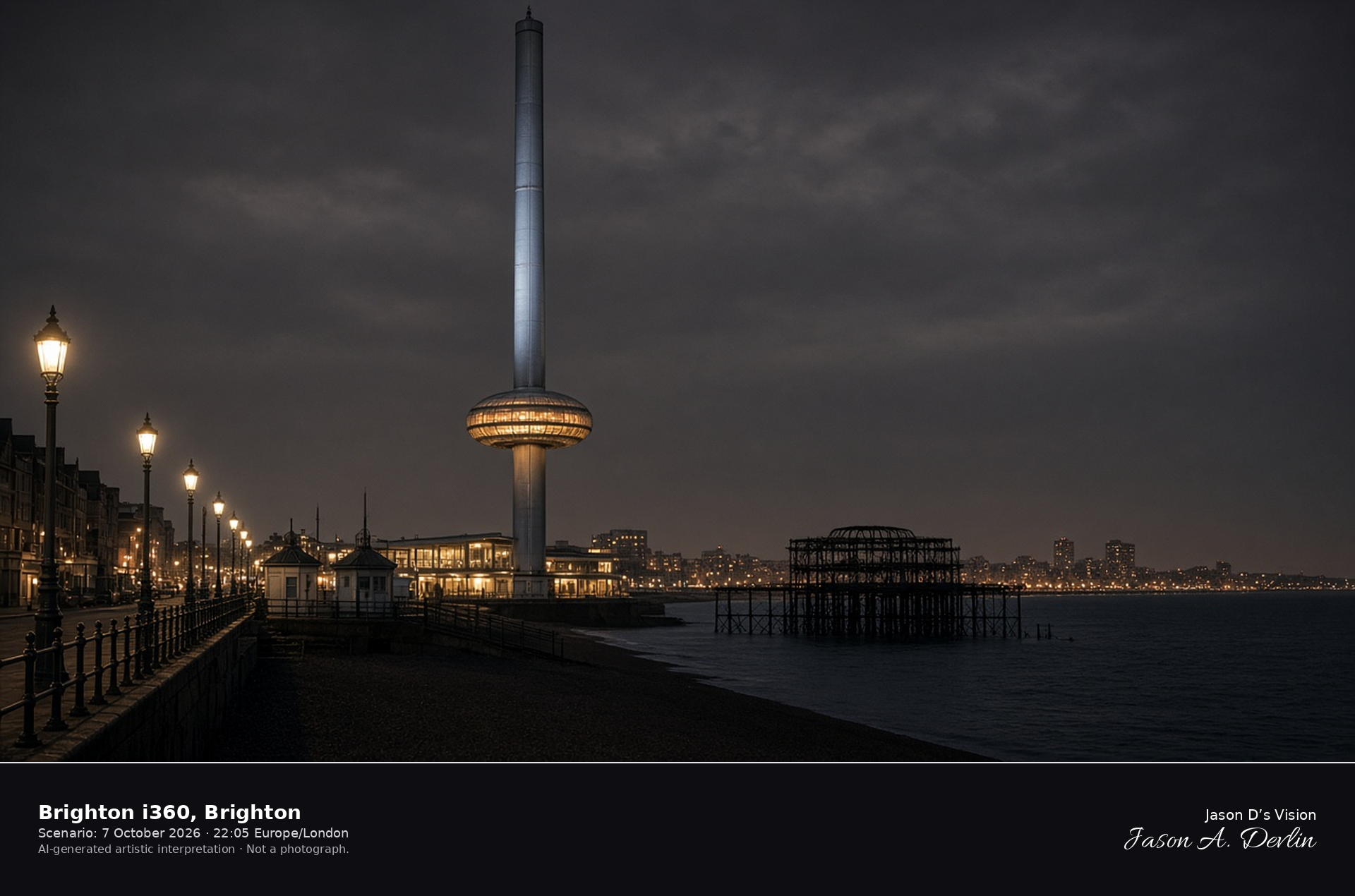
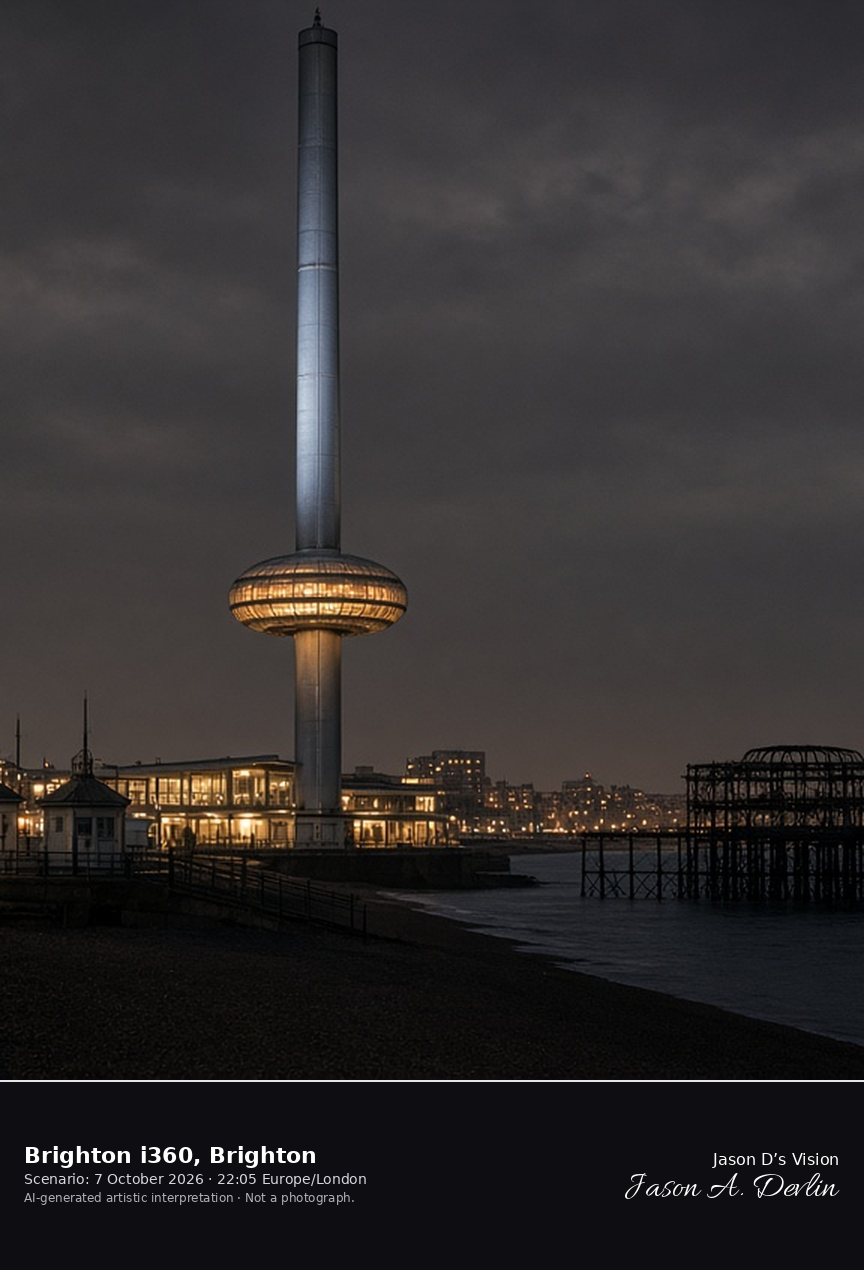
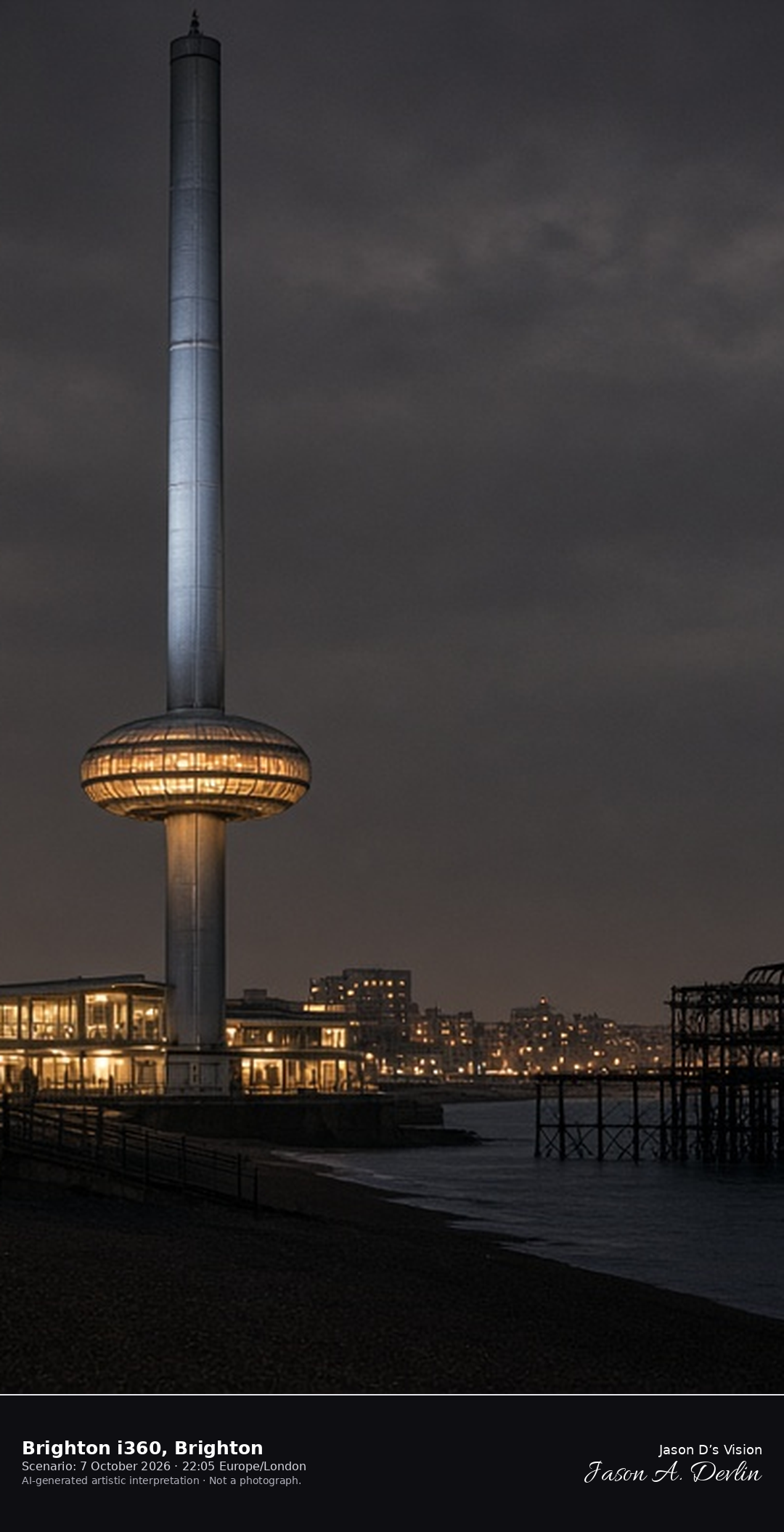
The i360 opened in 2016 and was designed by the architects of the London Eye. It stands at the landward end of the West Pier, which closed in 1975 and was wrecked by storms and fire in 2003.
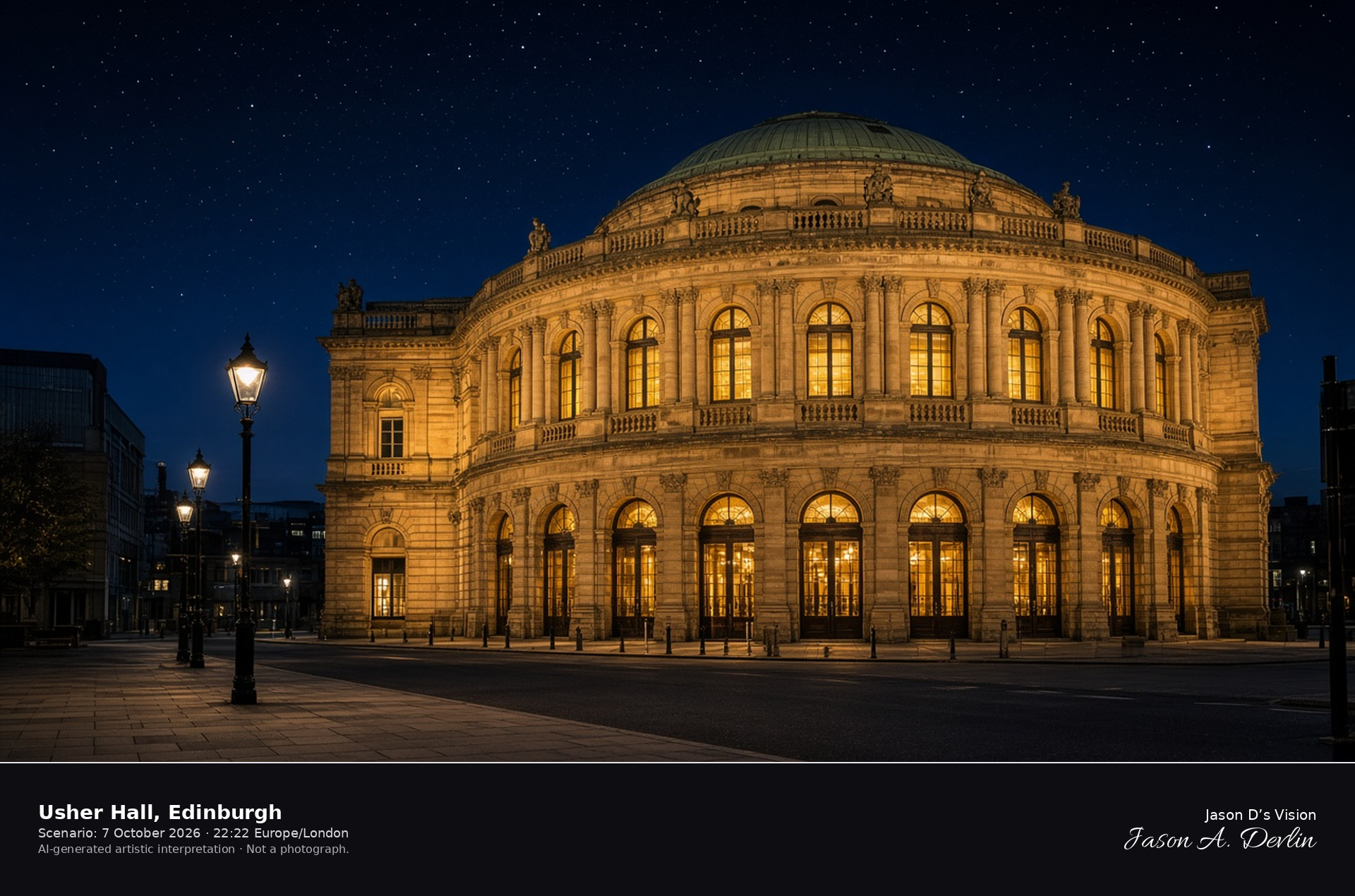
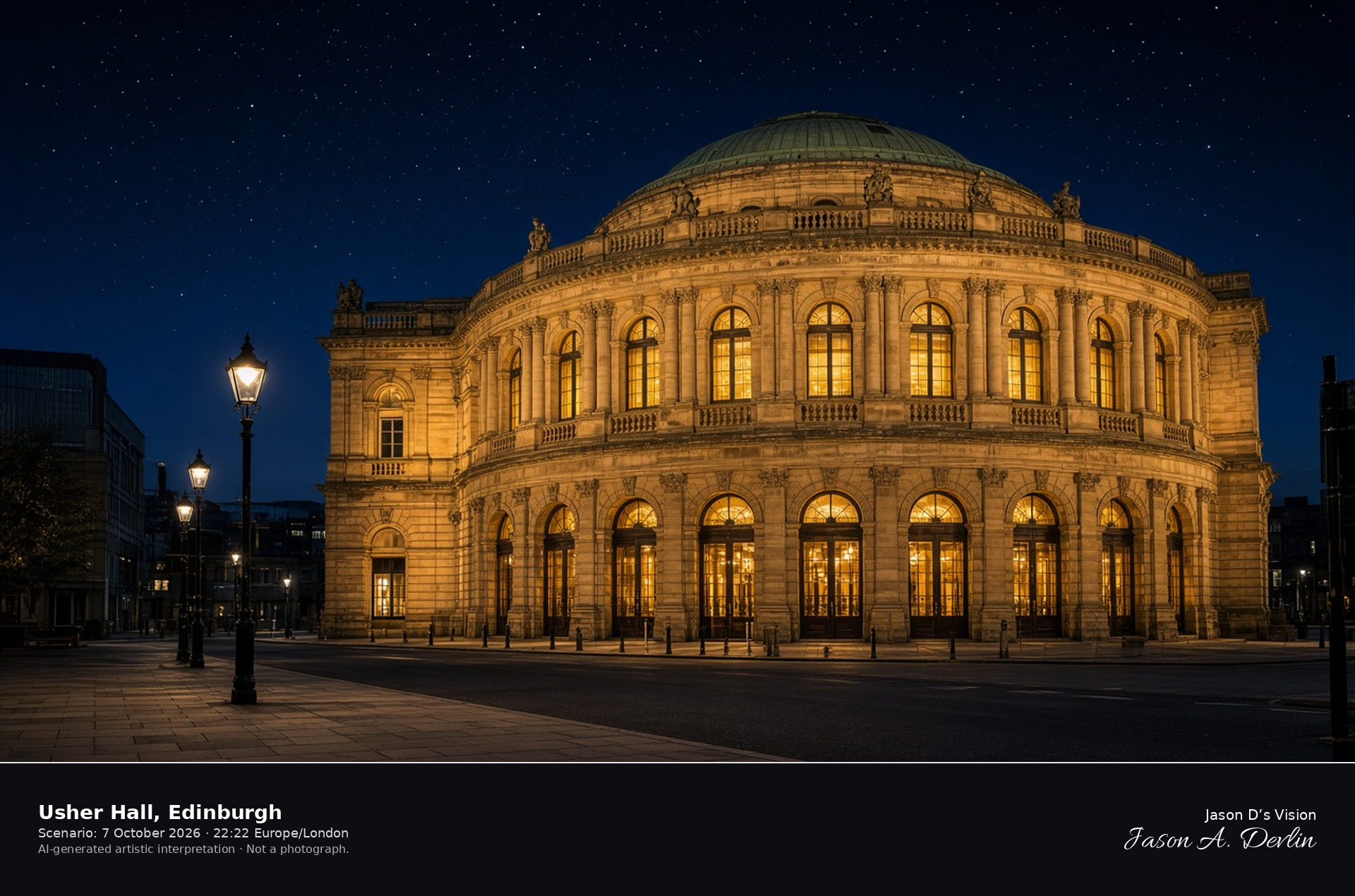
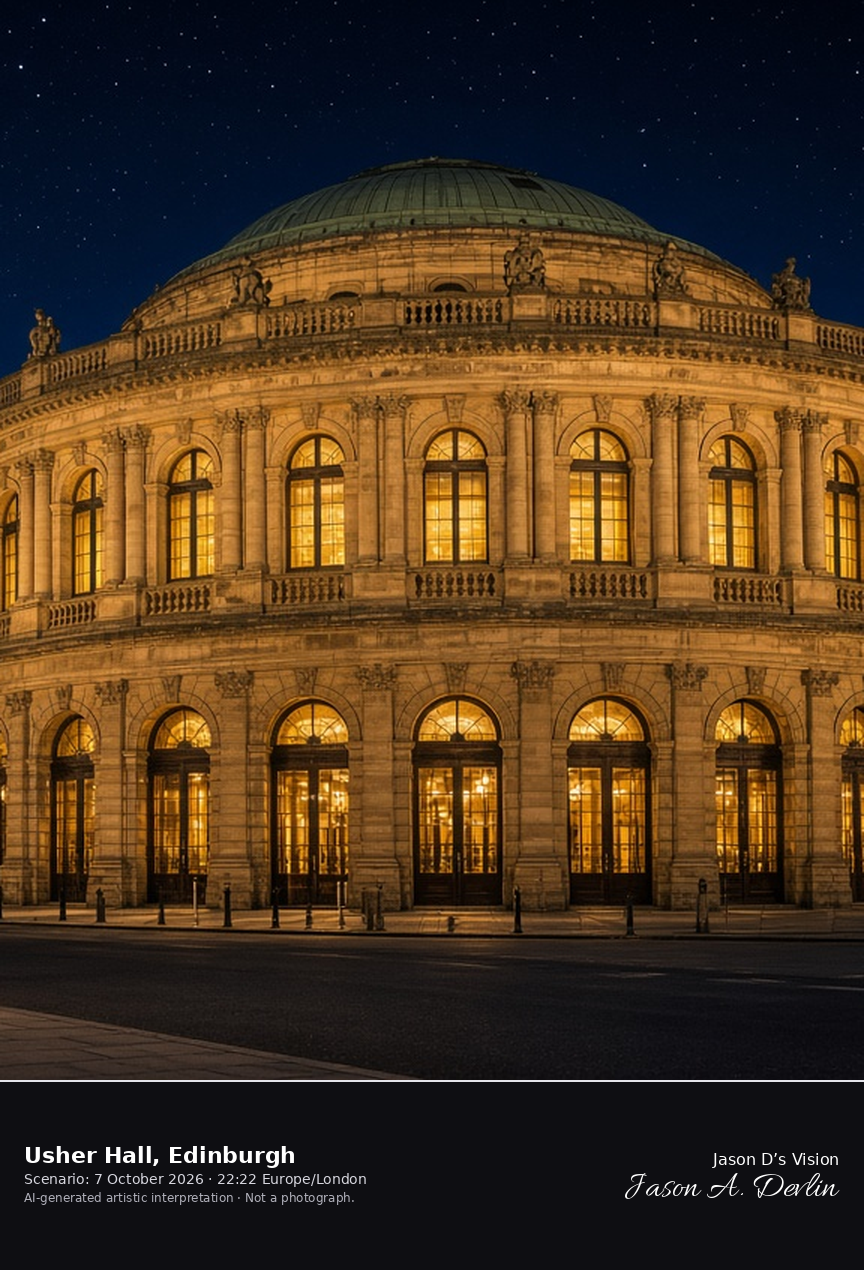
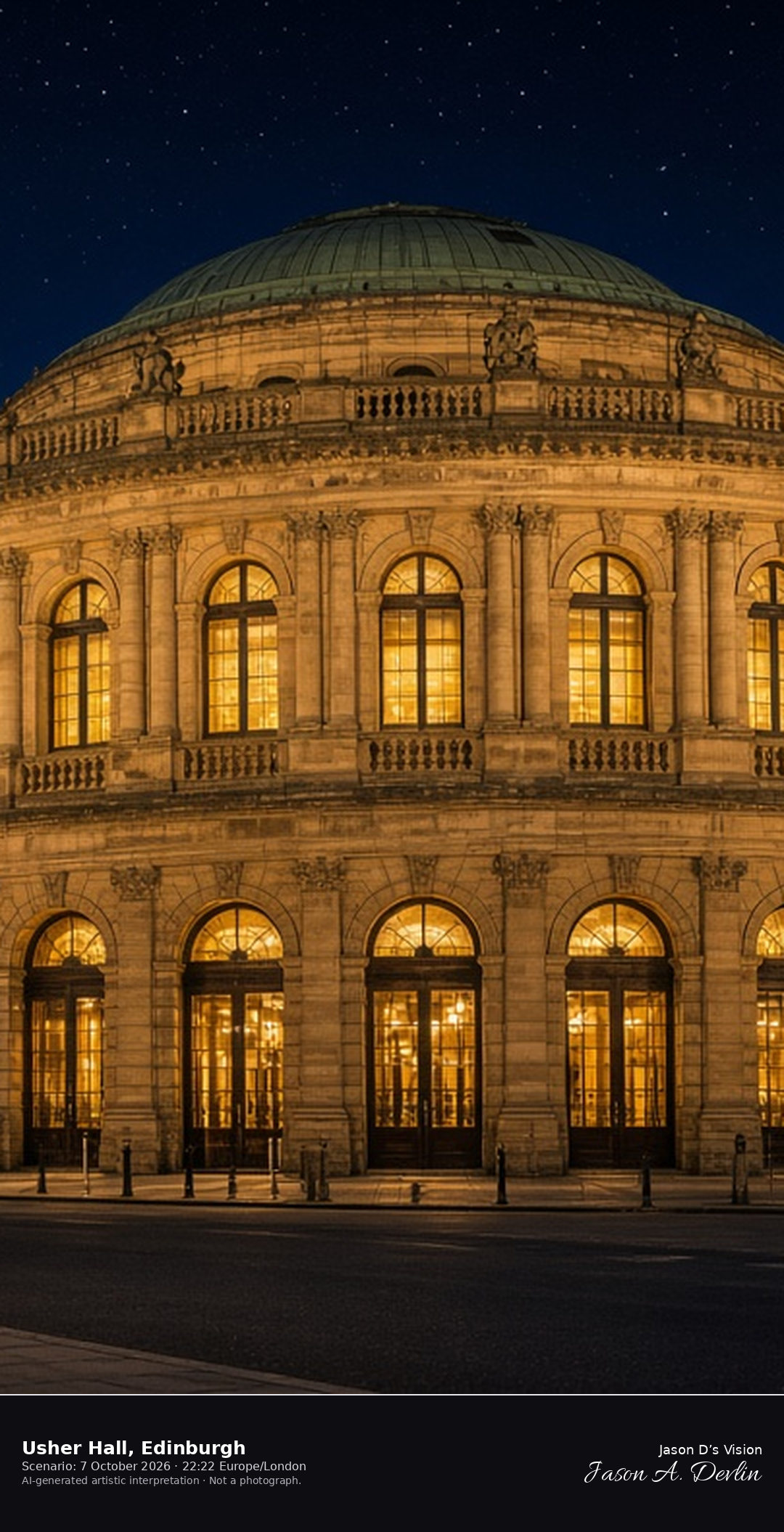
The Usher Hall opened in 1914, paid for by a gift from the brewer Andrew Usher. It is Edinburgh's main concert hall and a major venue of the Edinburgh International Festival.
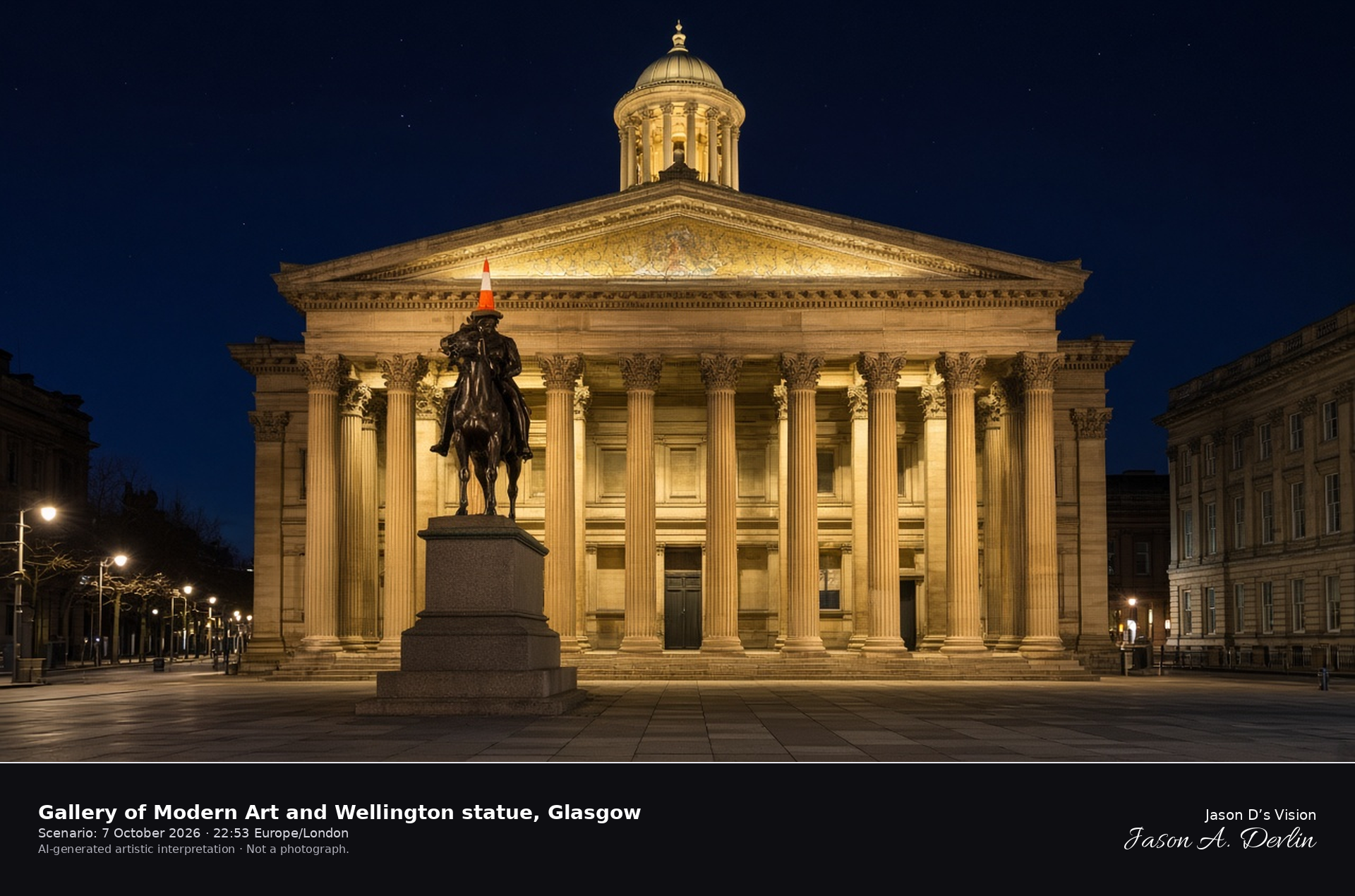
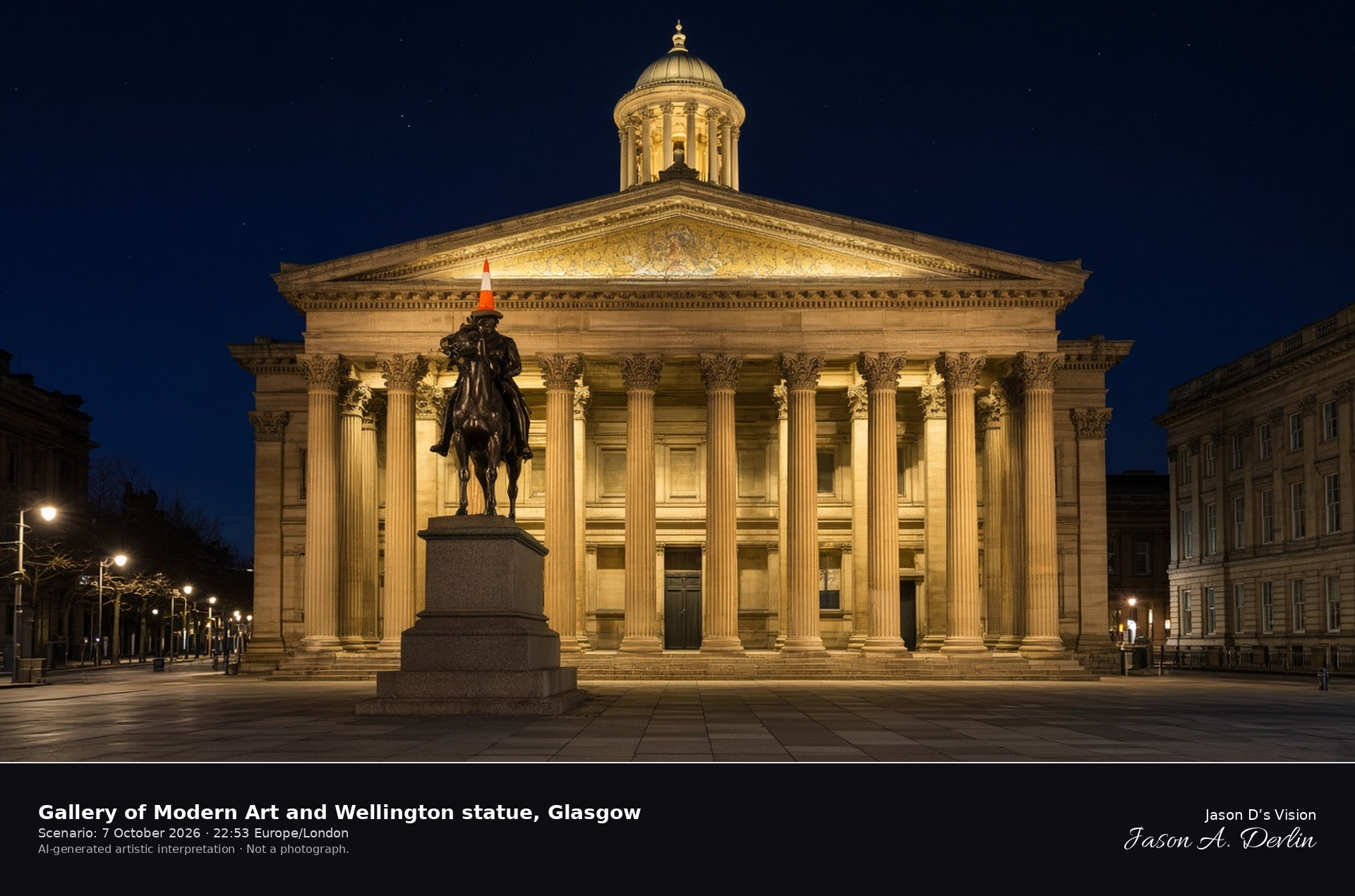
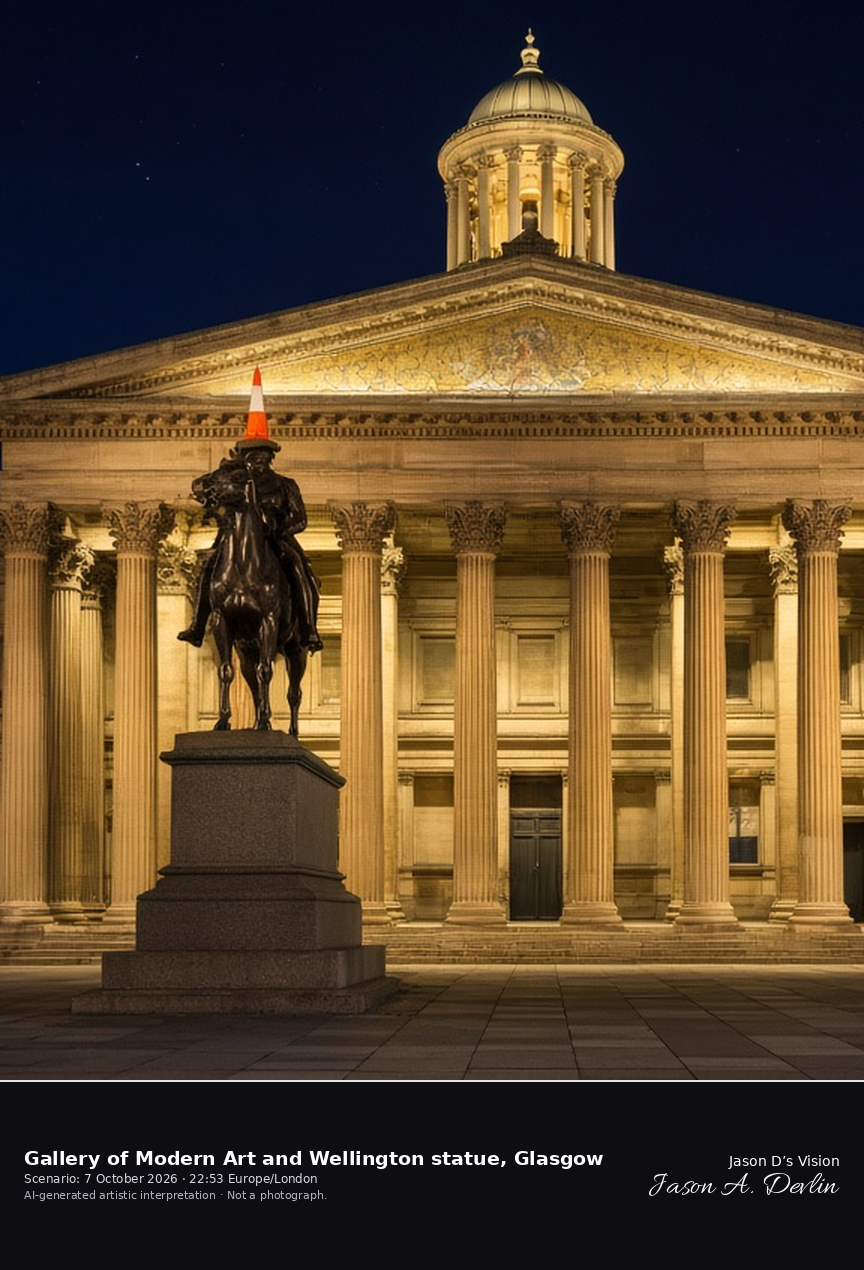
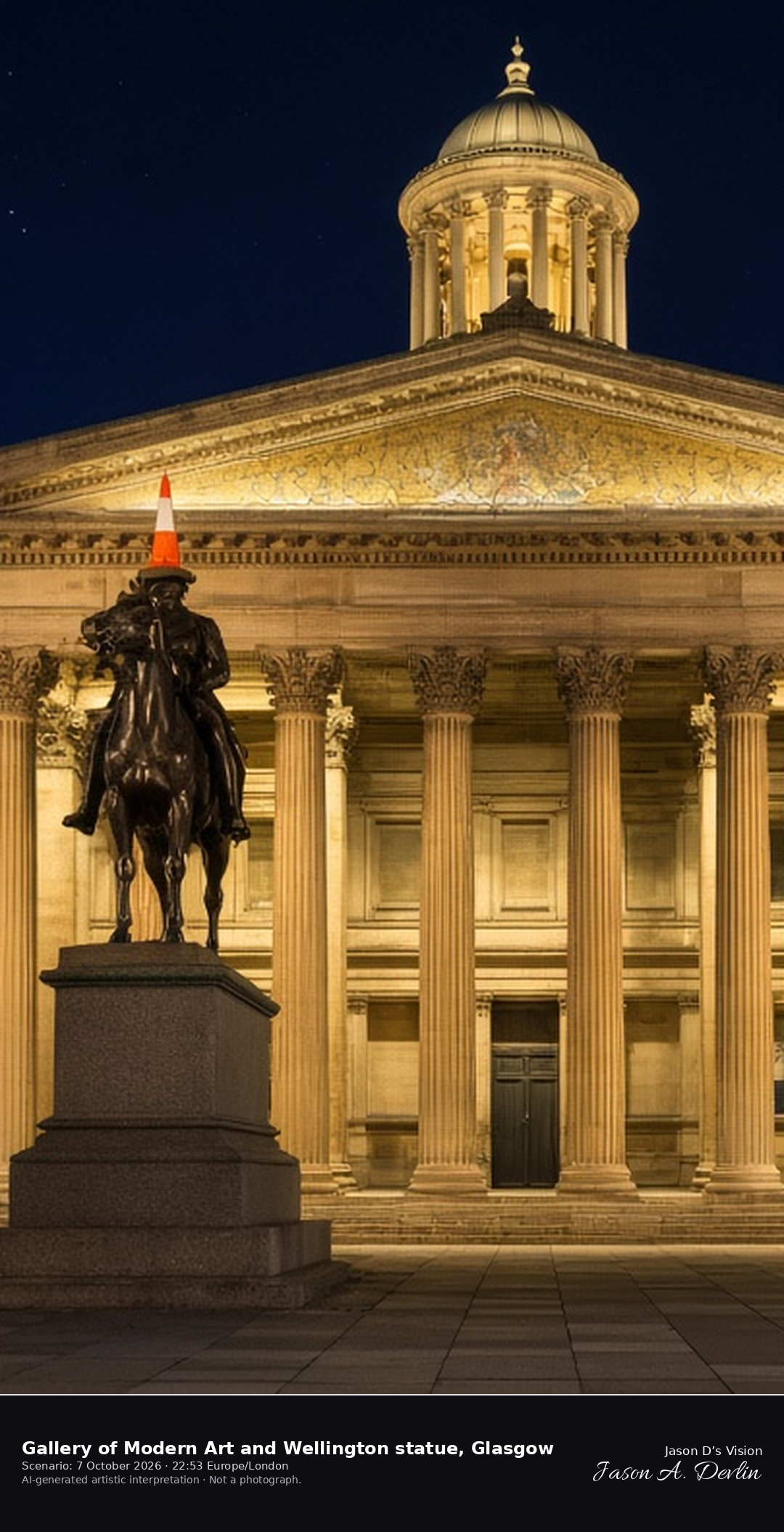
Gallery of Modern Art and Wellington statue, Glasgow
Gallery of Modern Art and Wellington statue · AI-generated artistic interpretation
Outside the Gallery of Modern Art stands the equestrian statue of the Duke of Wellington, famous for the traffic cone often placed on his head — a recurring expression of Glaswegian humour. Behind him, the gallery occupies the former Royal Exchange.
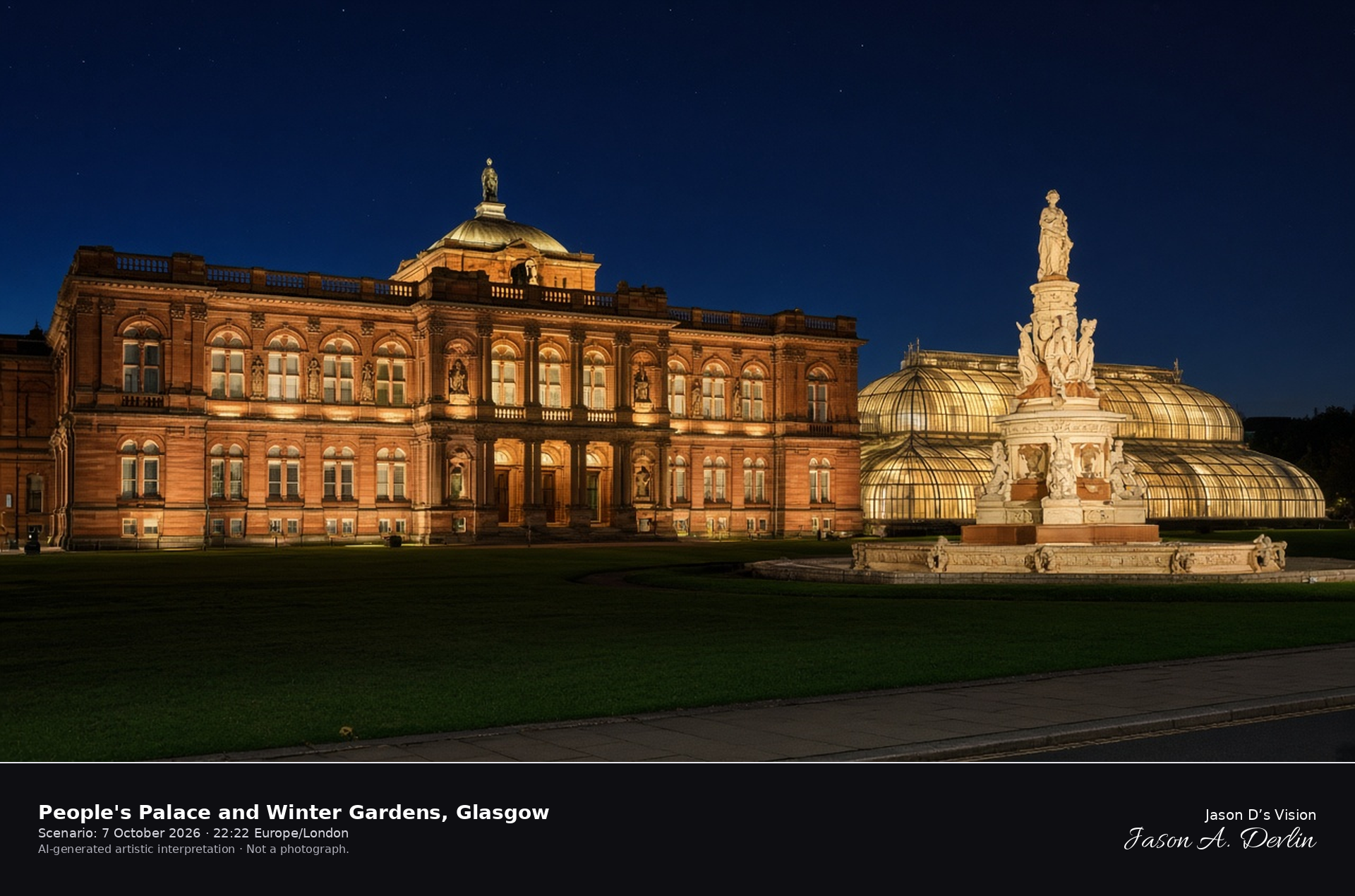
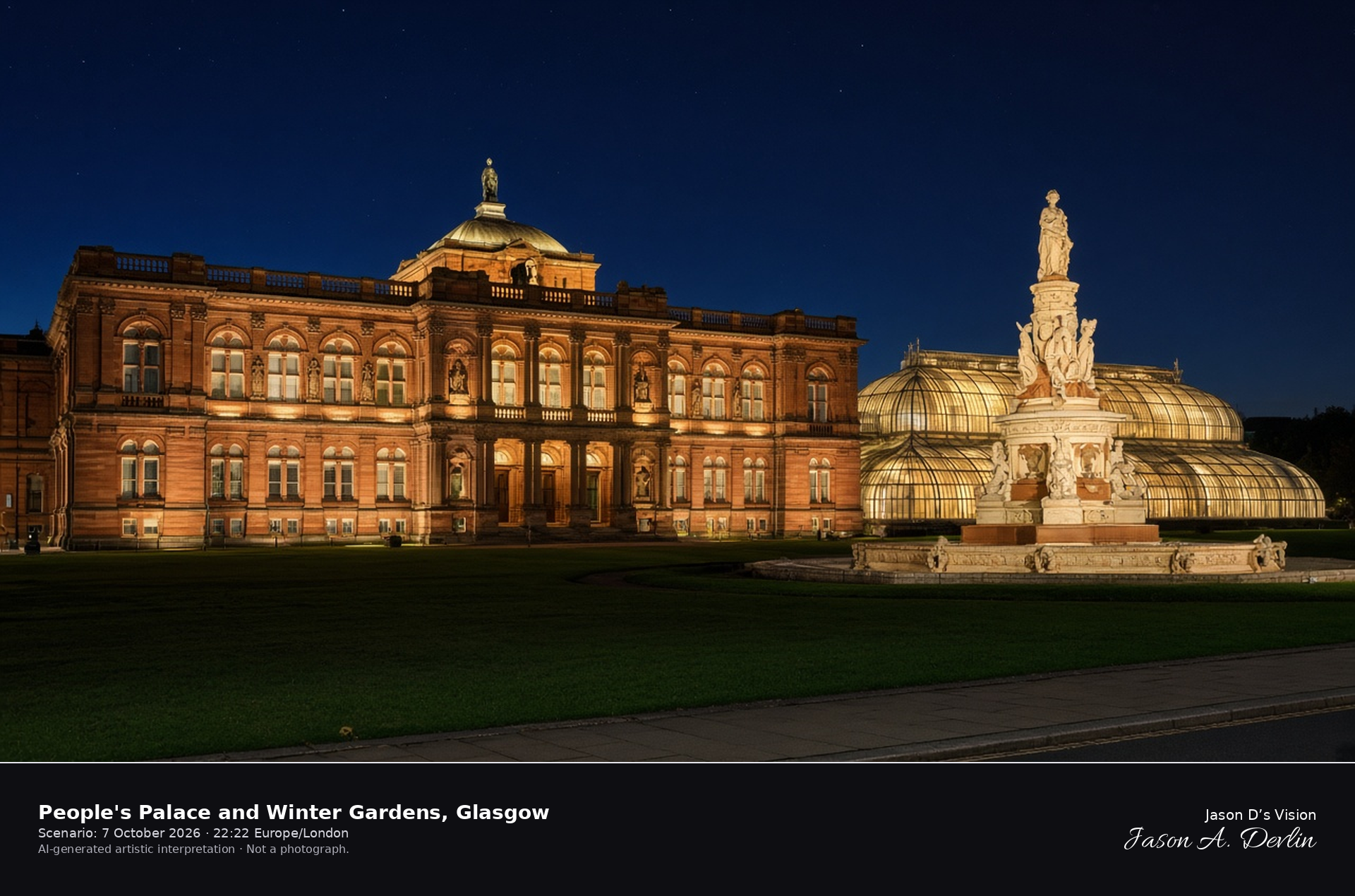
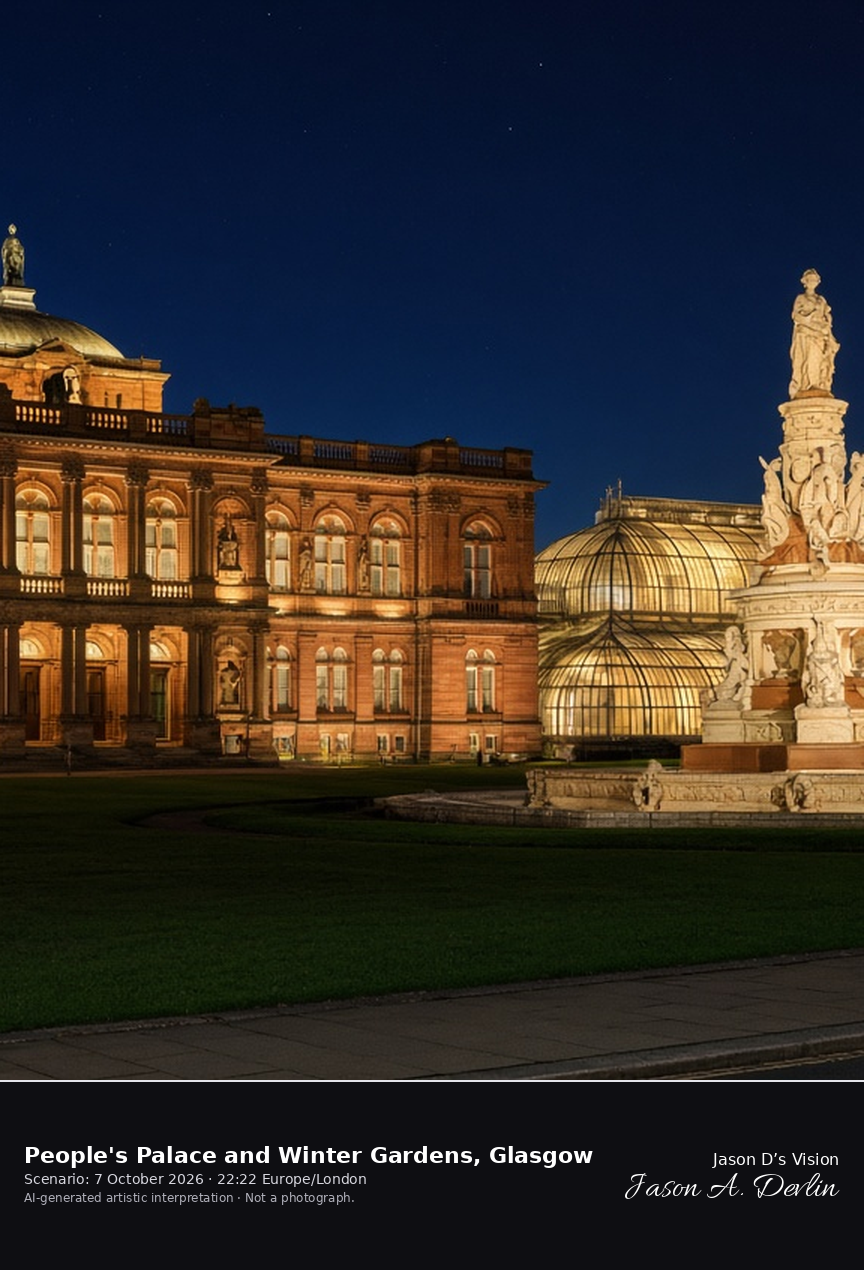
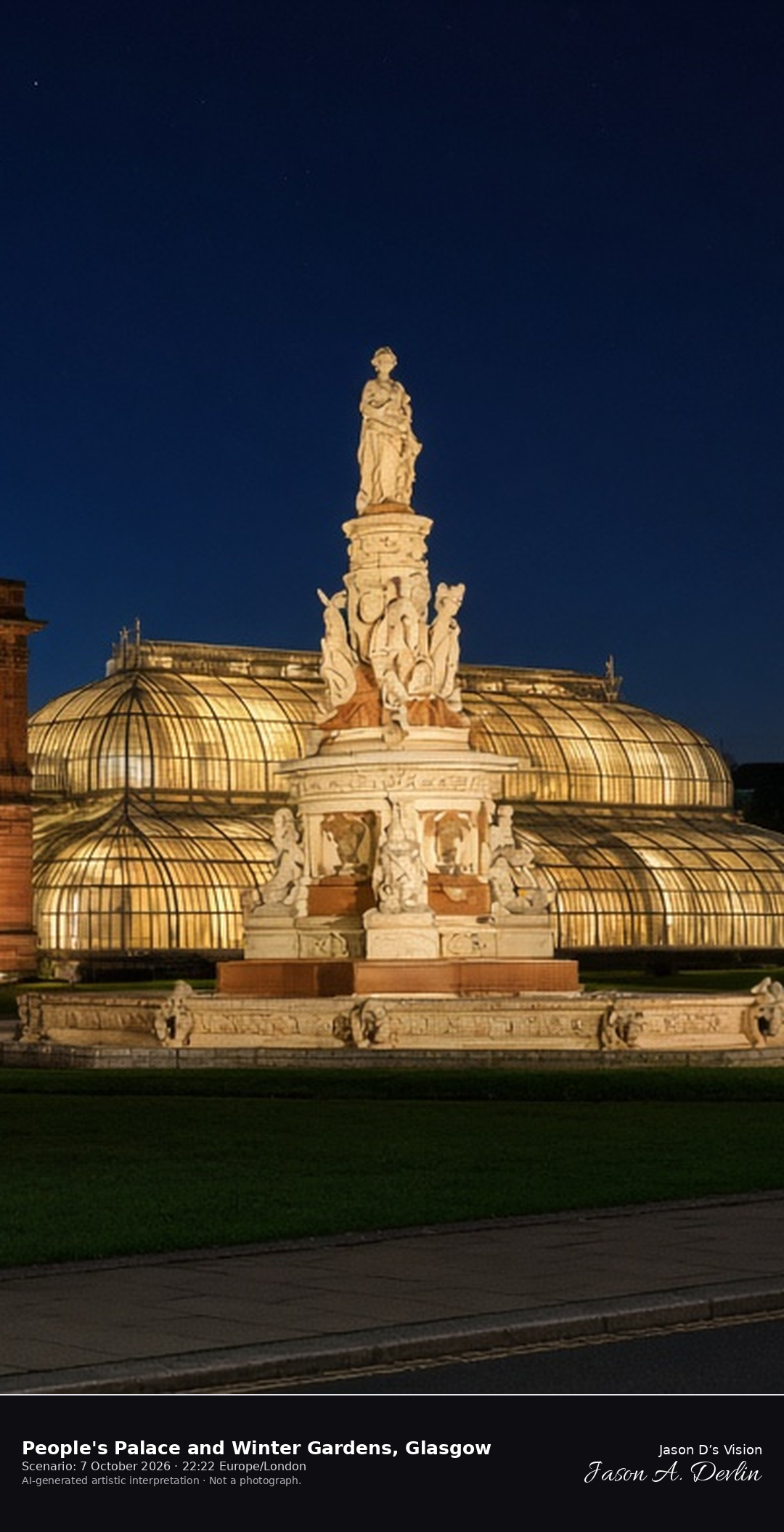
People's Palace and Winter Gardens, Glasgow · AI-generated artistic interpretation
The People's Palace opened in 1898 as a cultural centre for the East End and is now Glasgow's social history museum. The Doulton Fountain, made for the 1888 International Exhibition, is the largest terracotta fountain in the world.
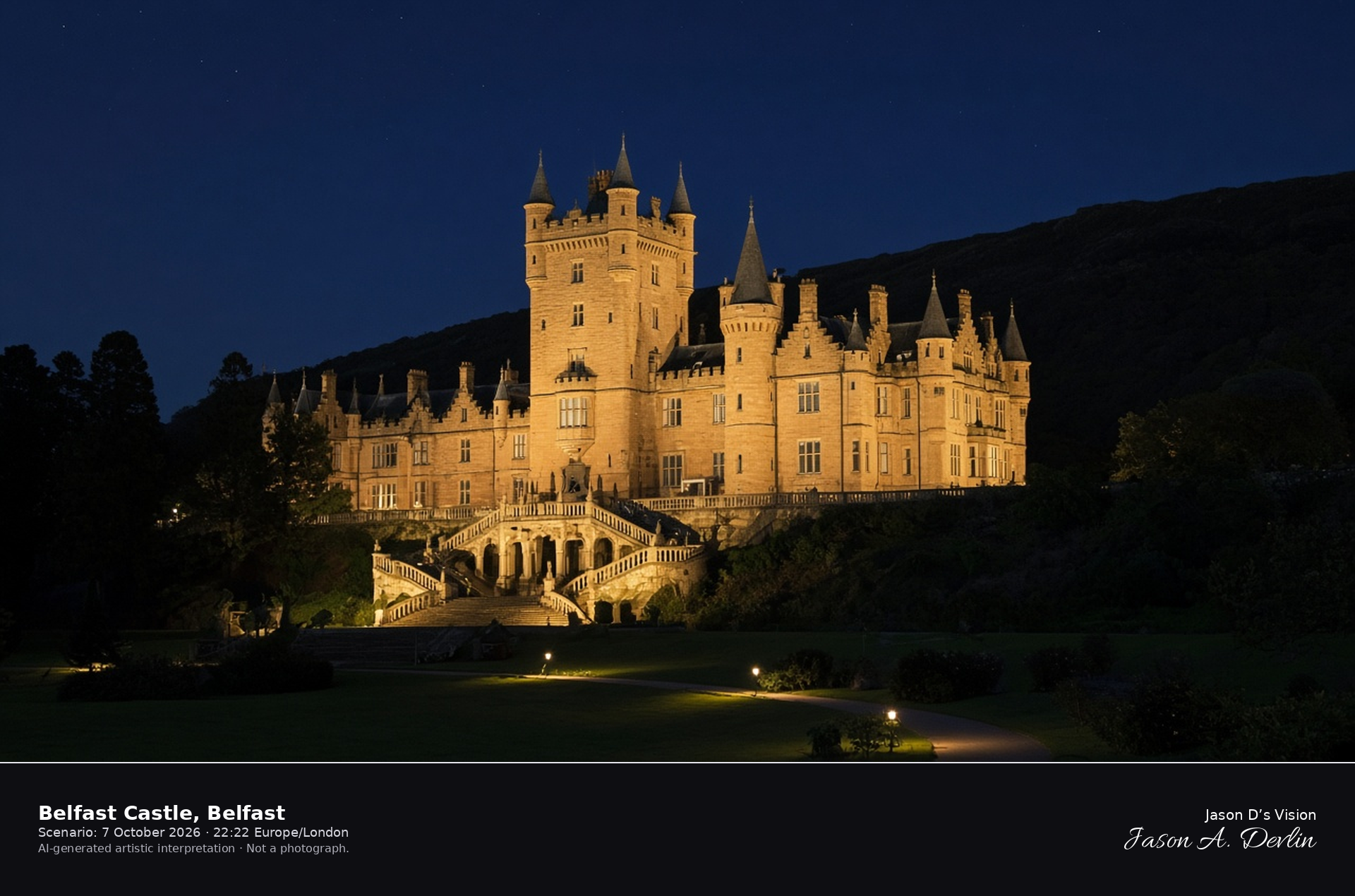
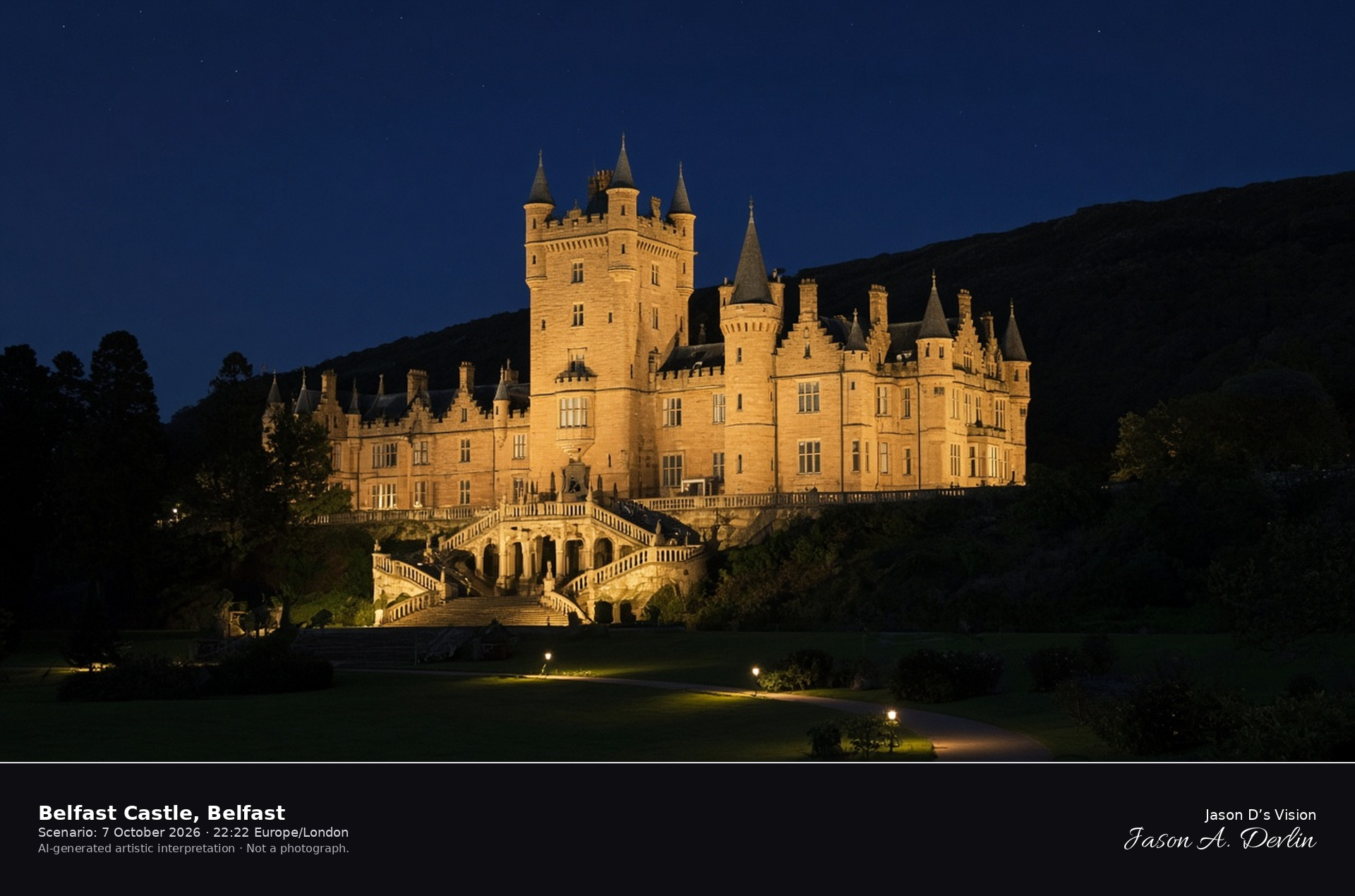
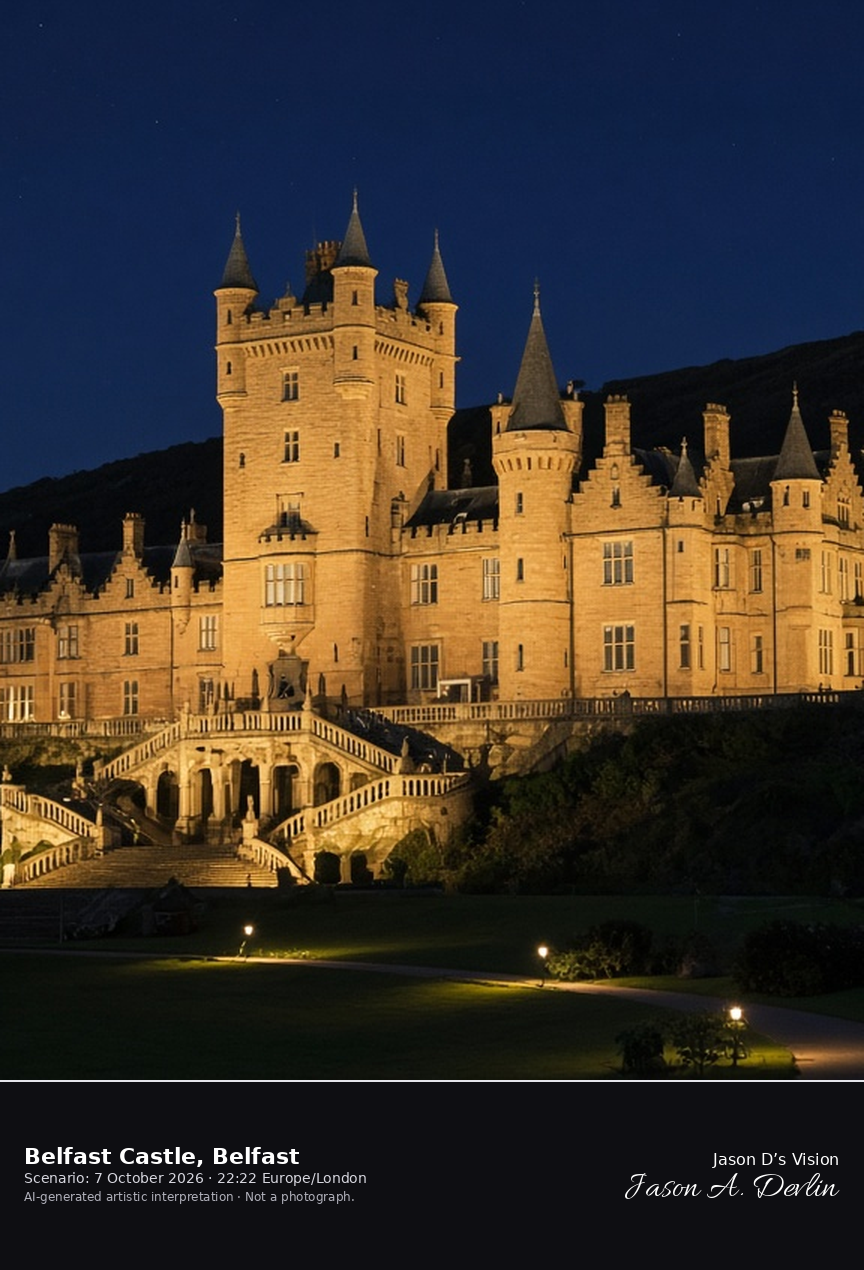
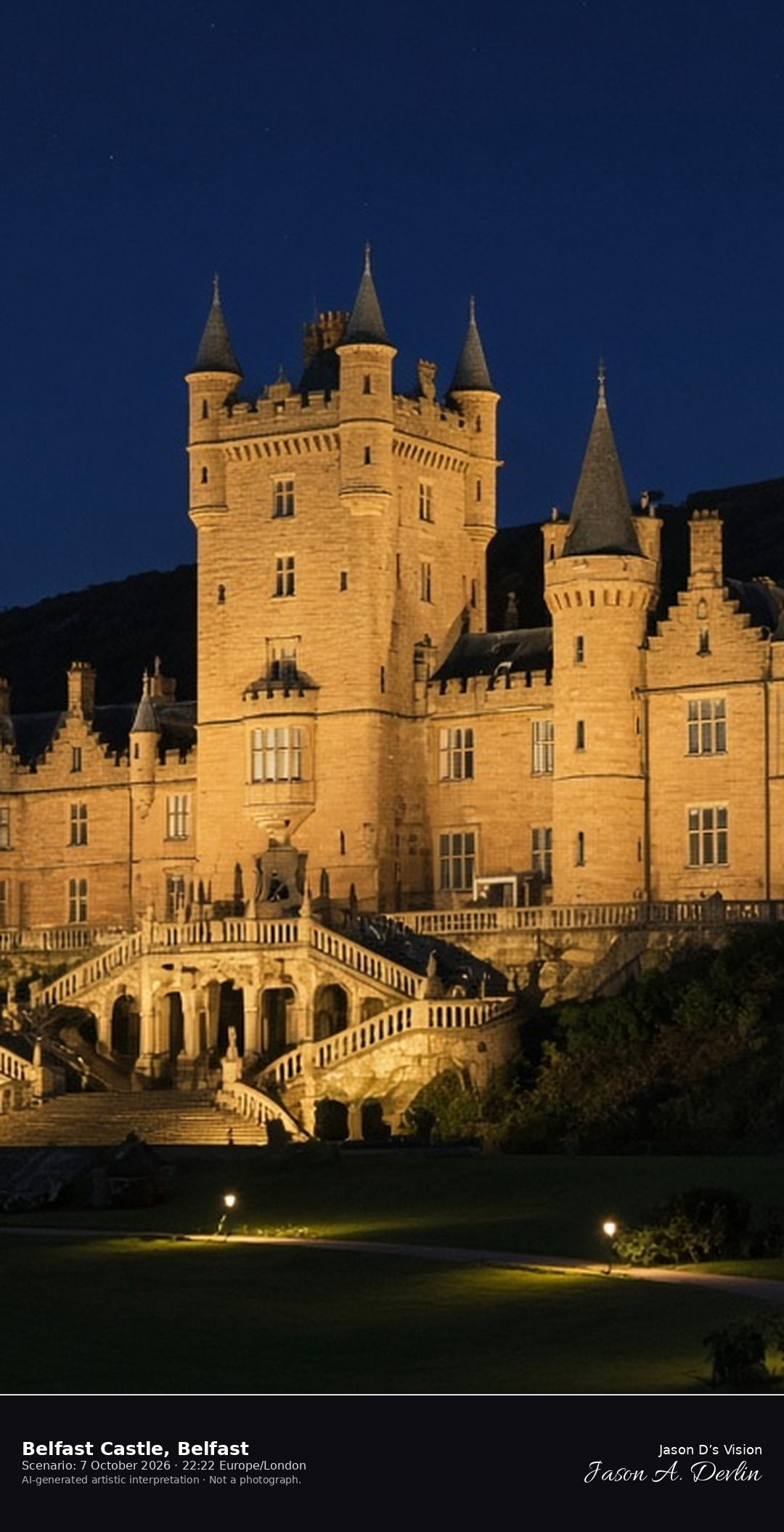
The present Belfast Castle was built between 1867 and 1870 for the 3rd Marquess of Donegall. It was given to the city in 1934 and stands in a country park with views over Belfast Lough.
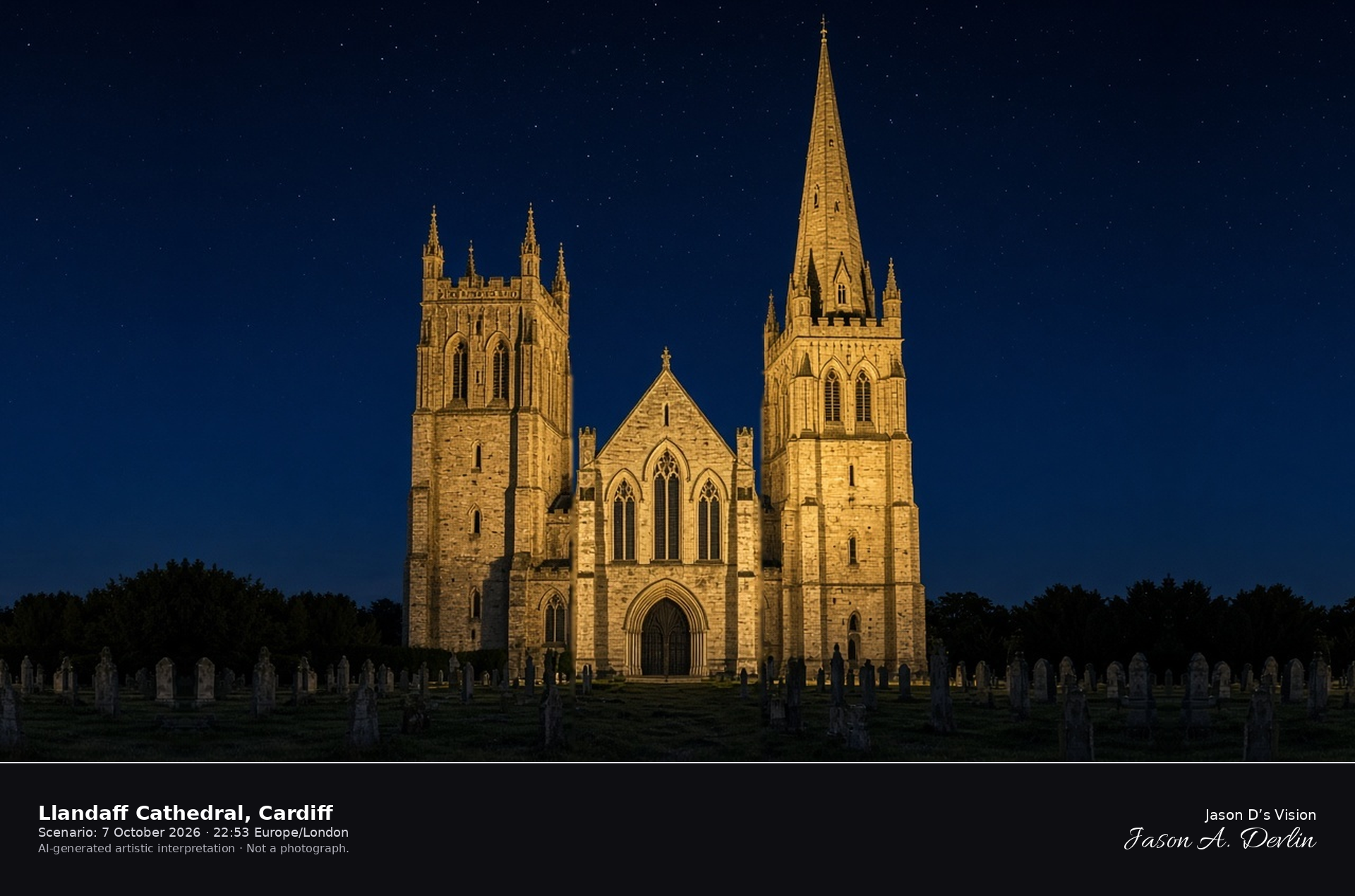
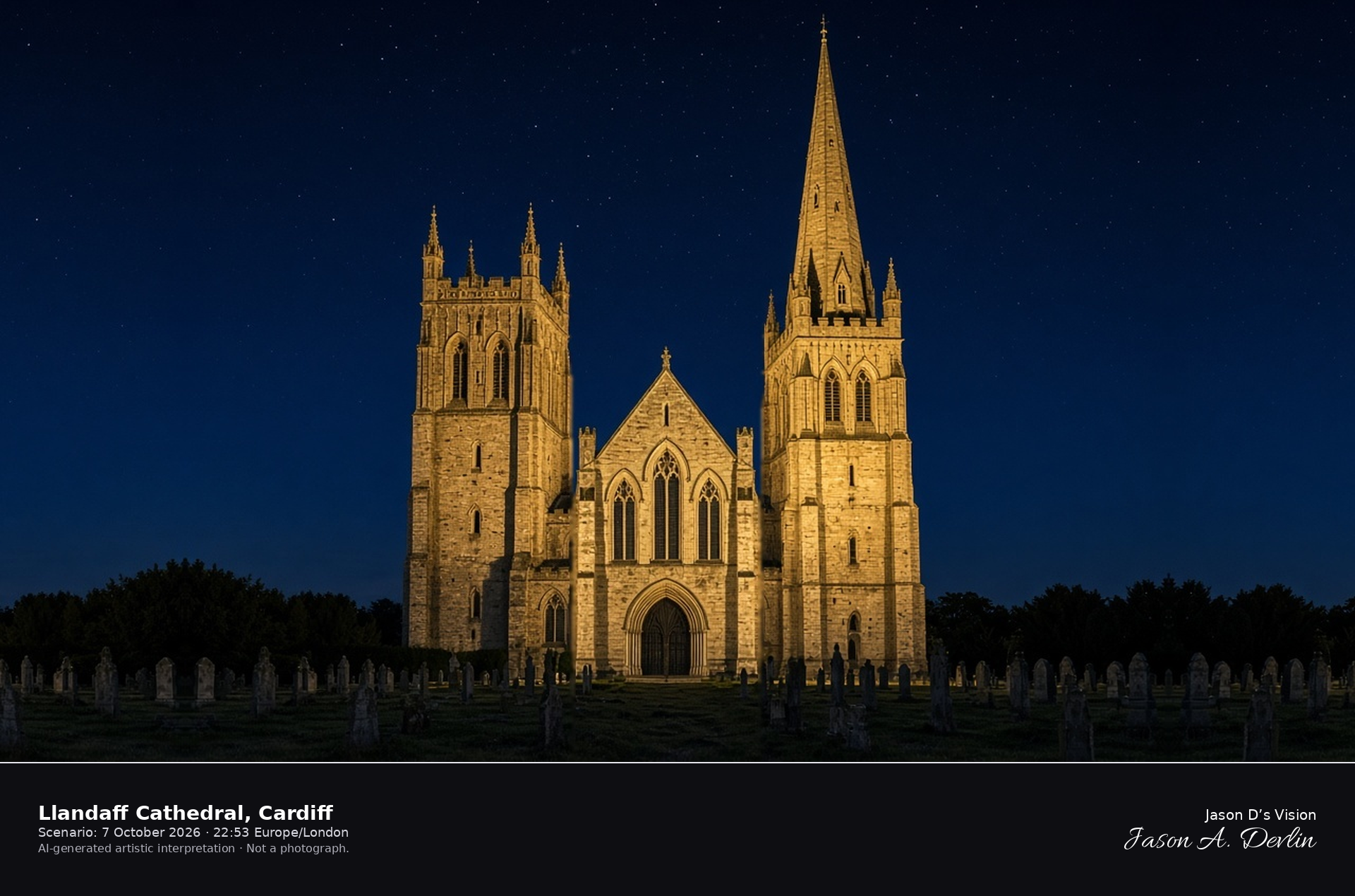
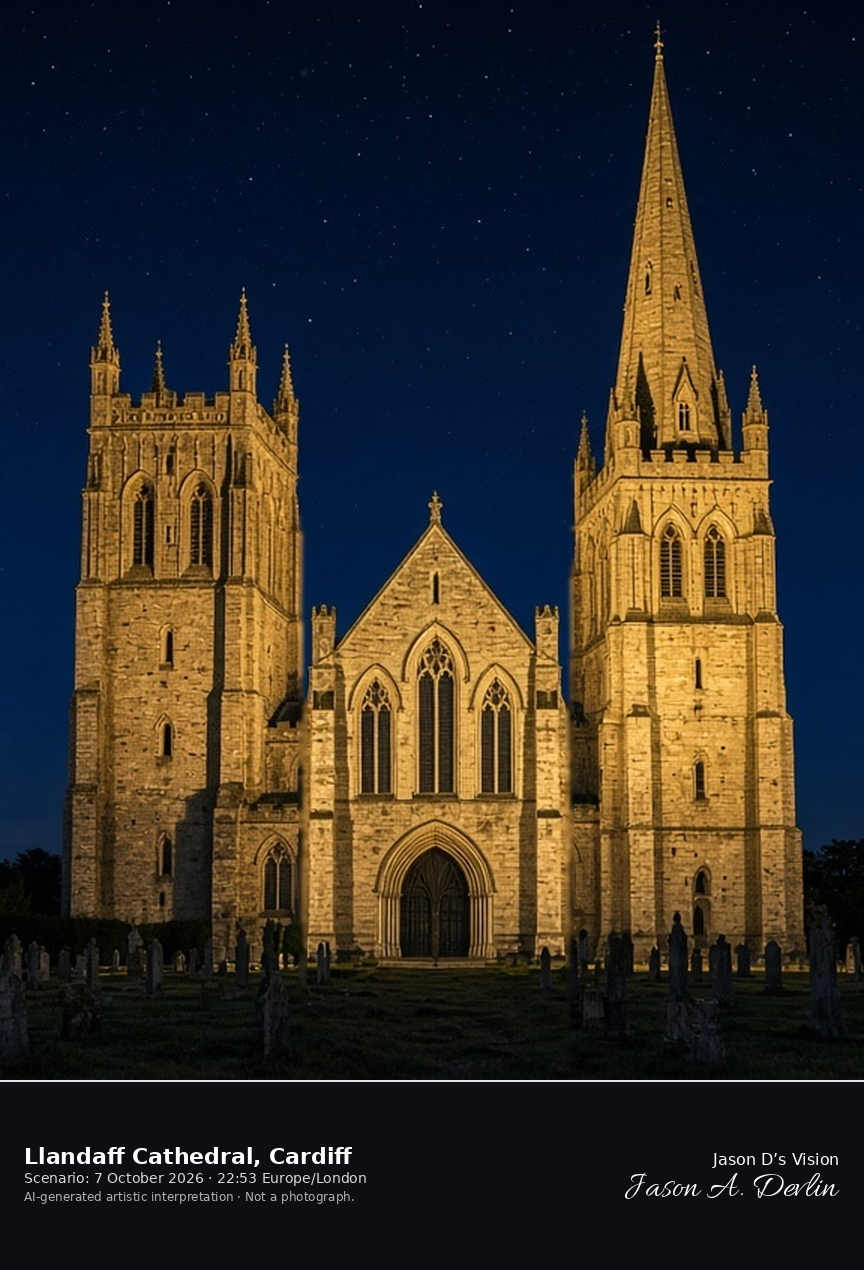
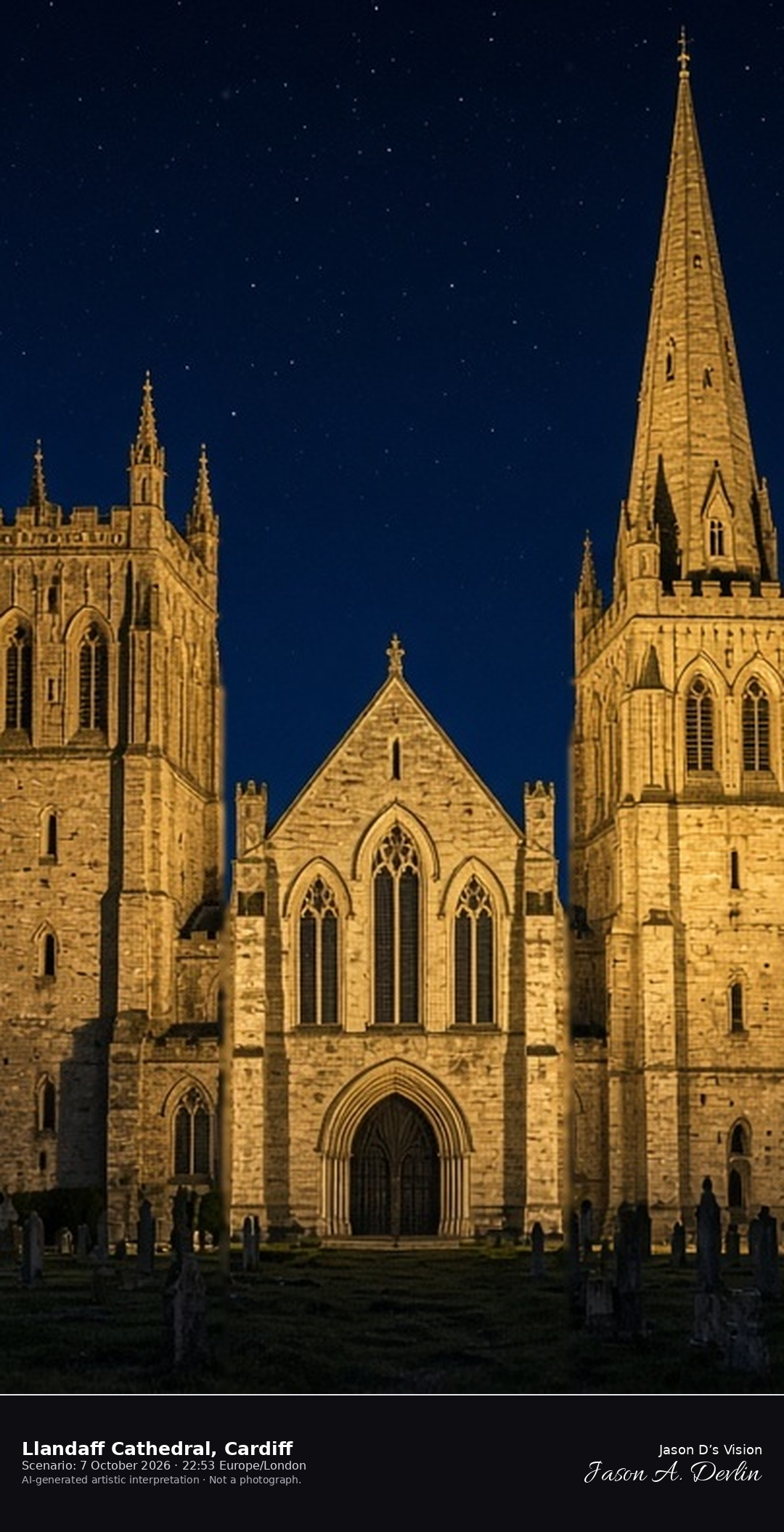
Llandaff Cathedral stands on one of the oldest Christian sites in Britain, with the present building begun around 1120. It was badly damaged by a German landmine in 1941 and restored, gaining Jacob Epstein's Majestas sculpture inside.
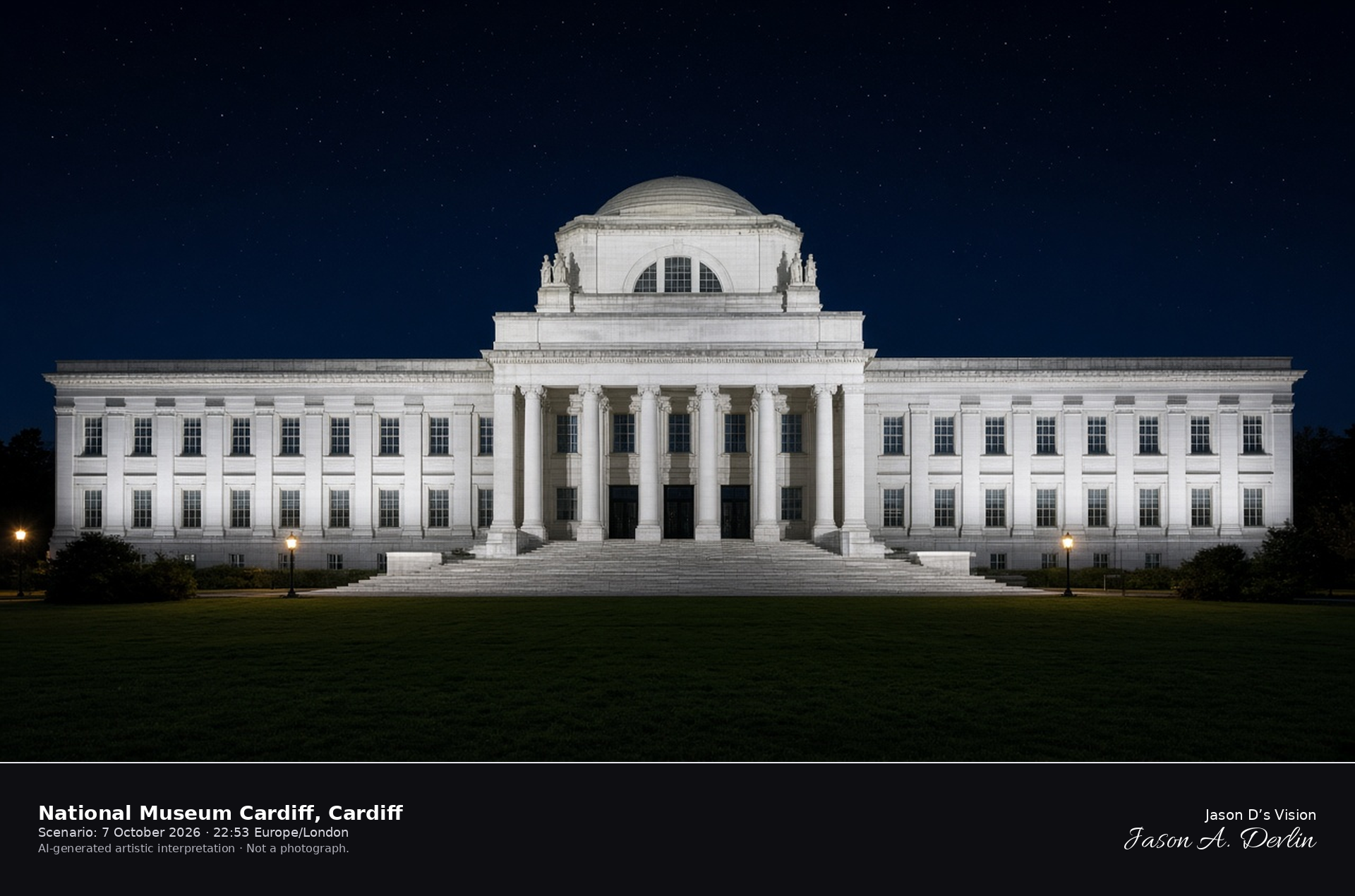
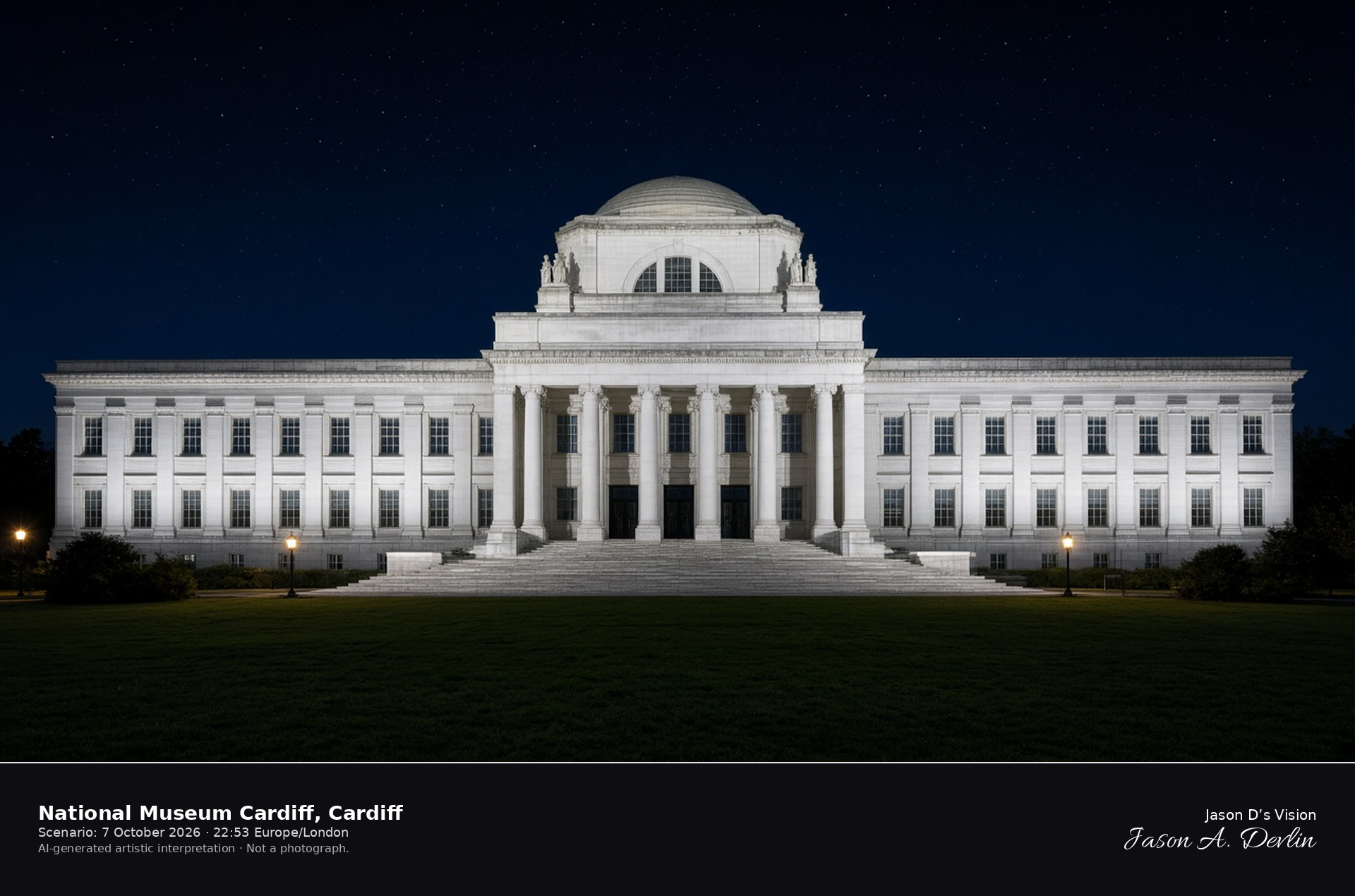
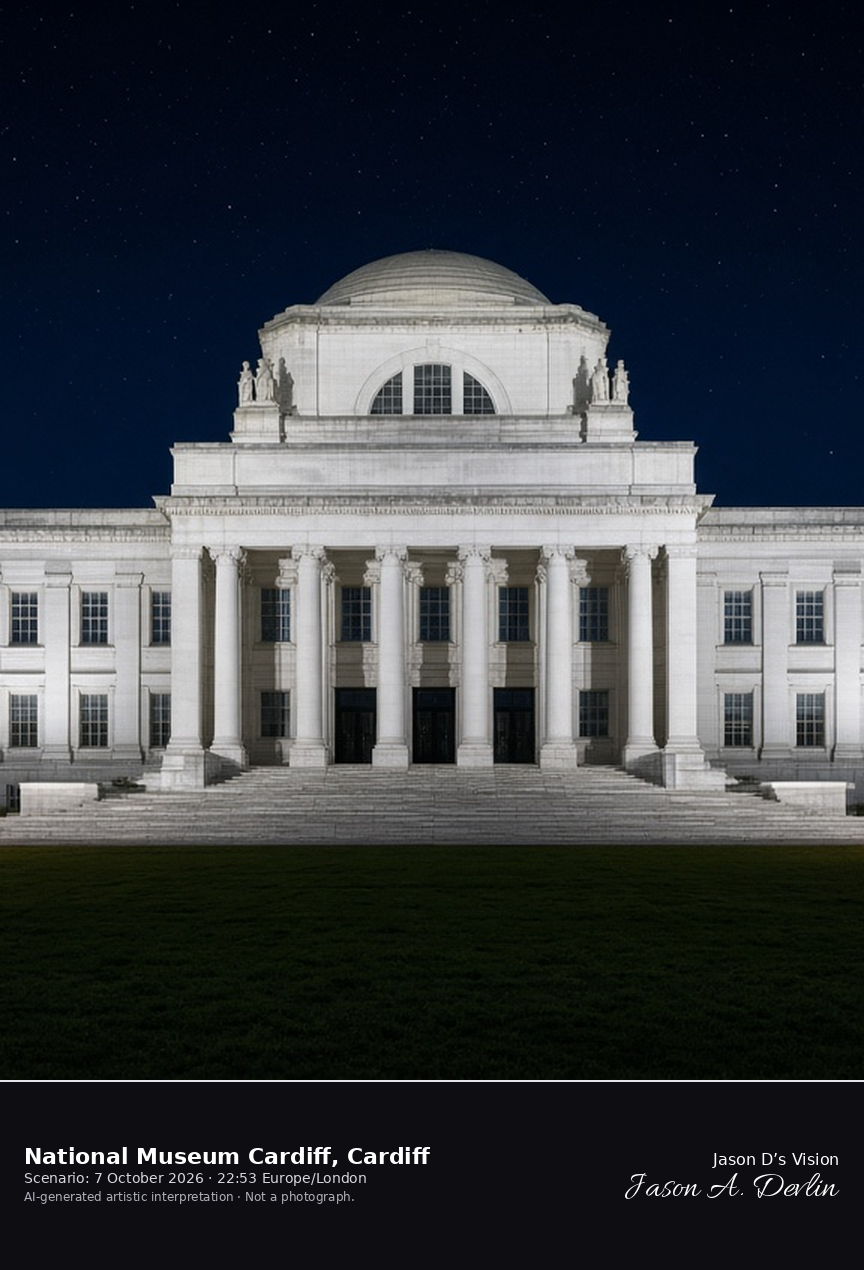
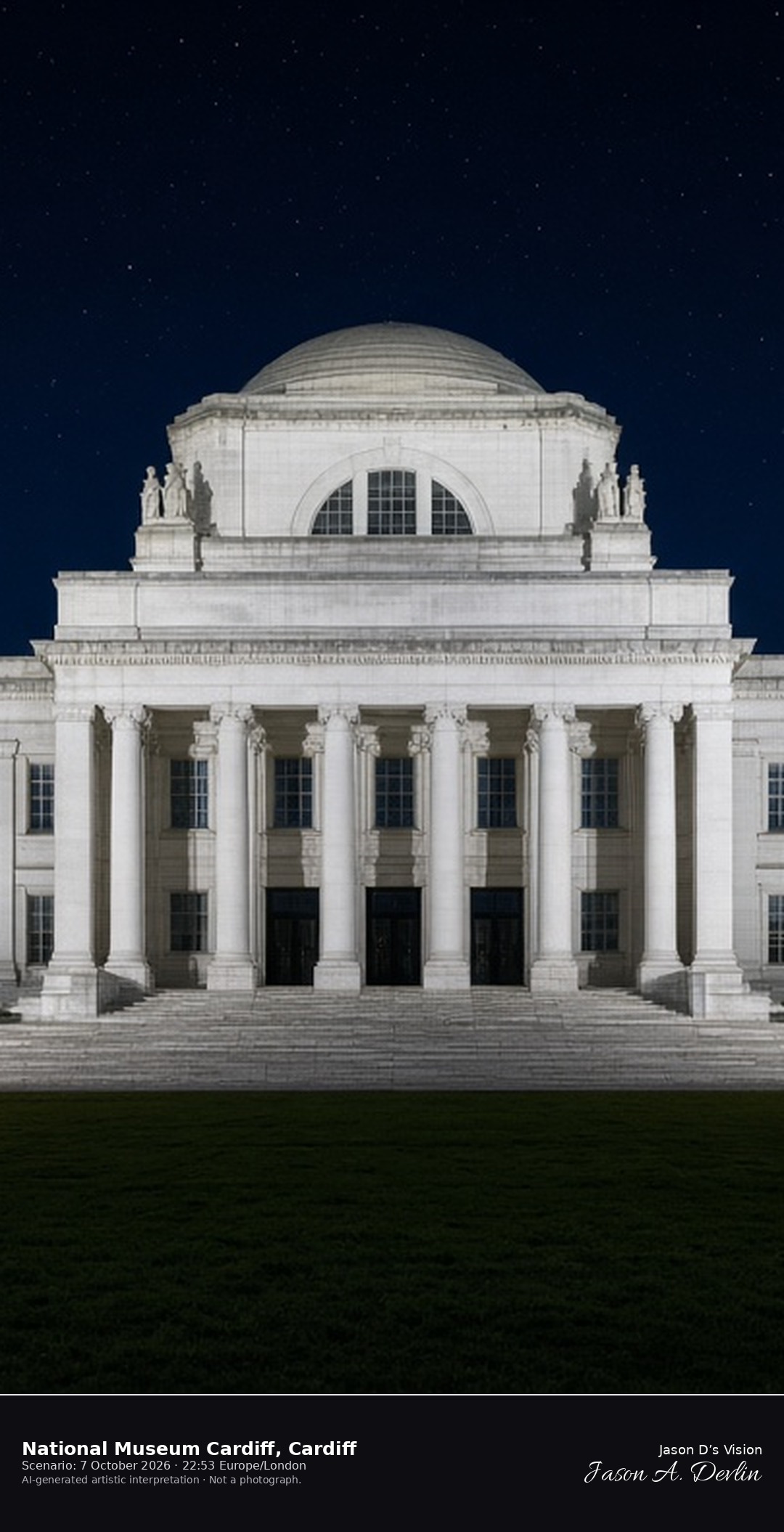
National Museum Cardiff, Cardiff · AI-generated artistic interpretation
The museum opened to the public in 1927 in Cathays Park, Cardiff's Edwardian civic centre. It holds one of Europe's finest collections of Impressionist art, much of it left by the Davies sisters.
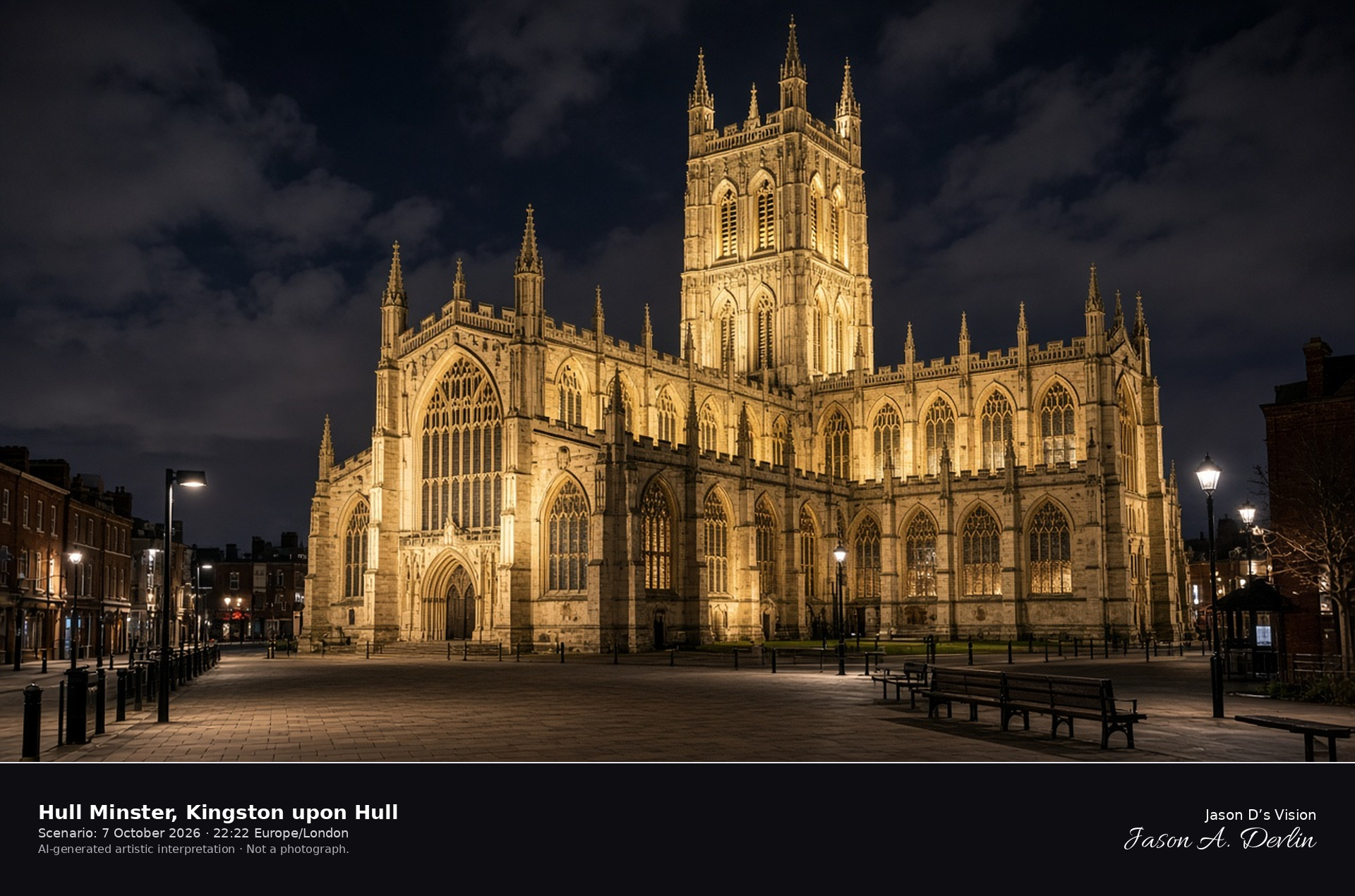
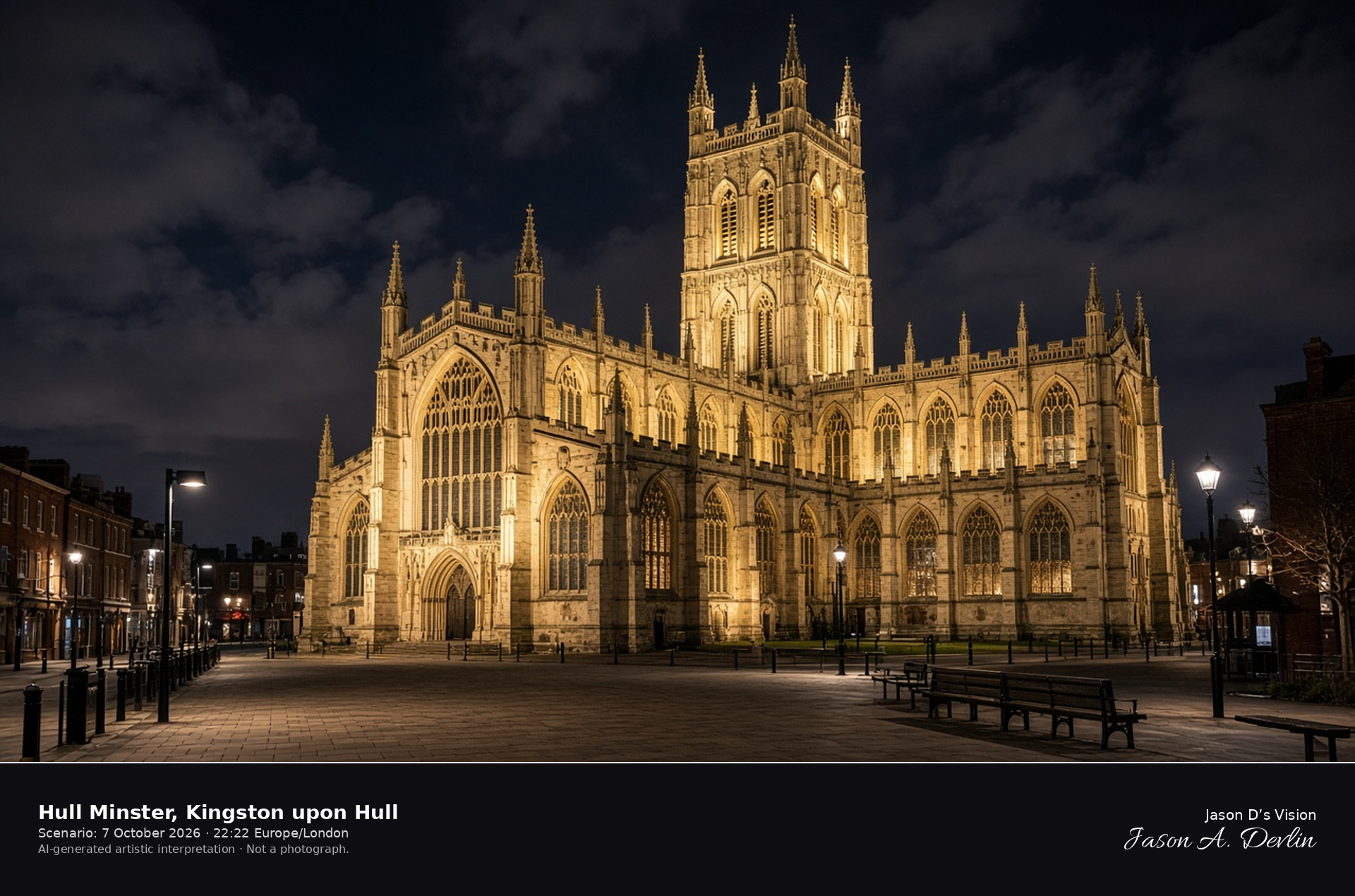
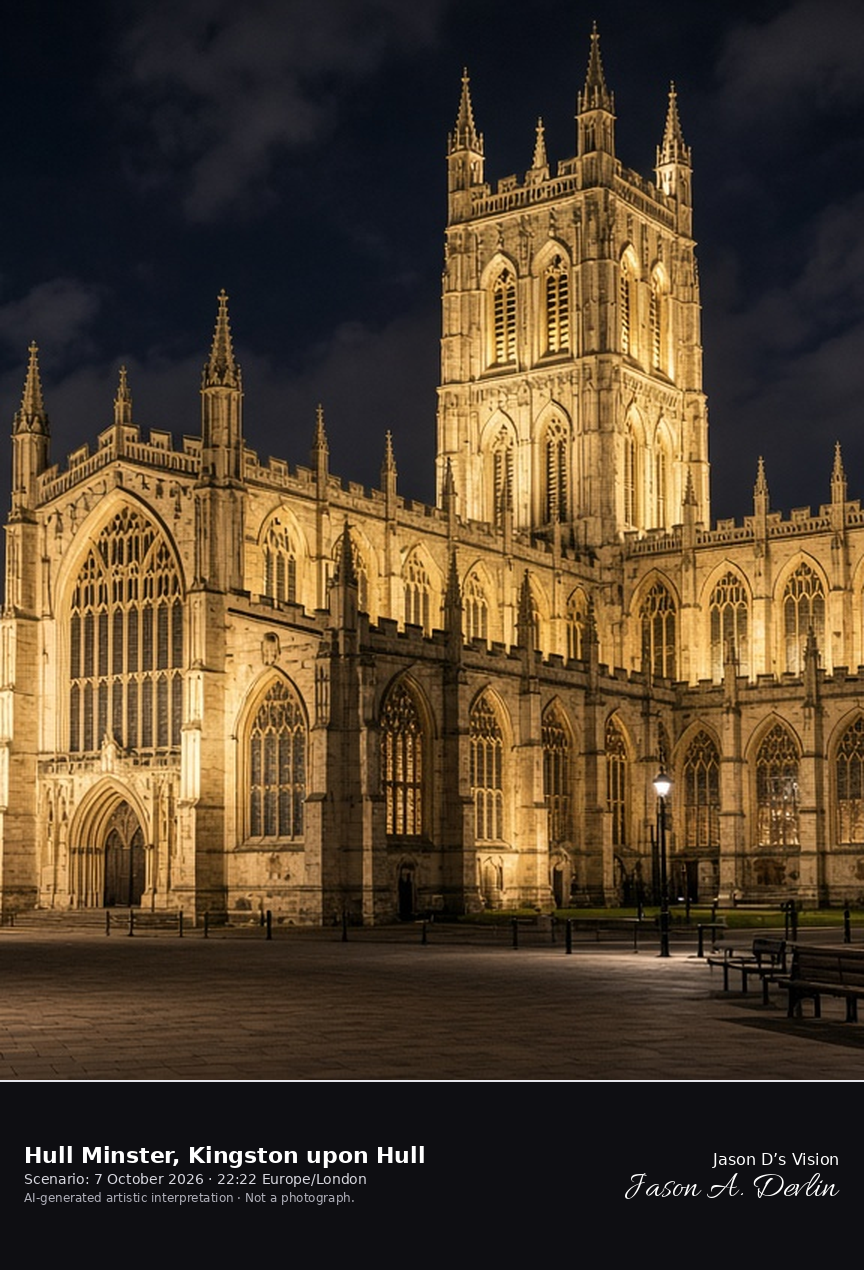
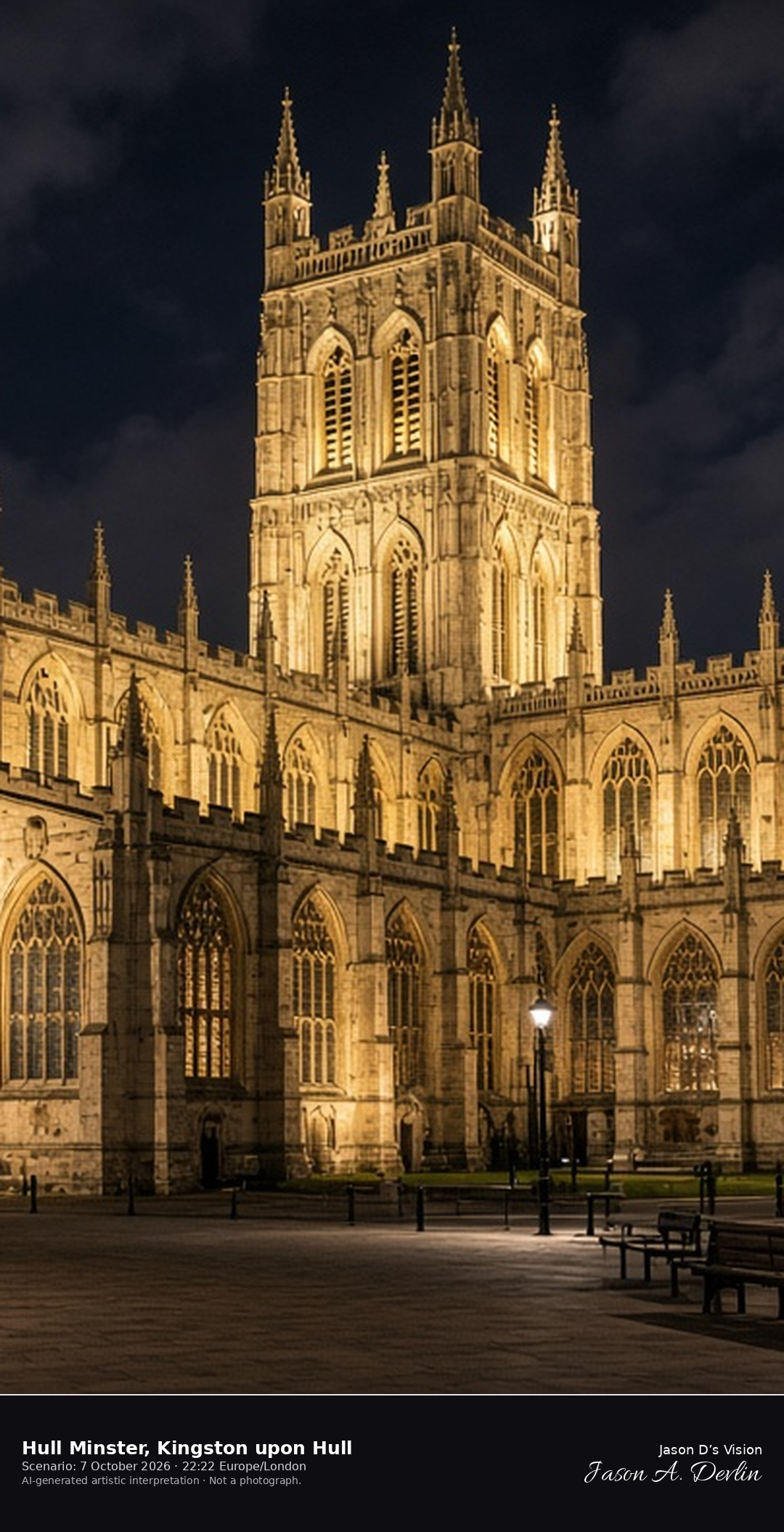
Hull Minster, Kingston upon Hull · AI-generated artistic interpretation
Hull Minster, Holy Trinity Church, dates from around 1300 and is one of the largest parish churches in England. Its transepts are among the earliest major brick buildings in the country, and it became a minster in 2017.
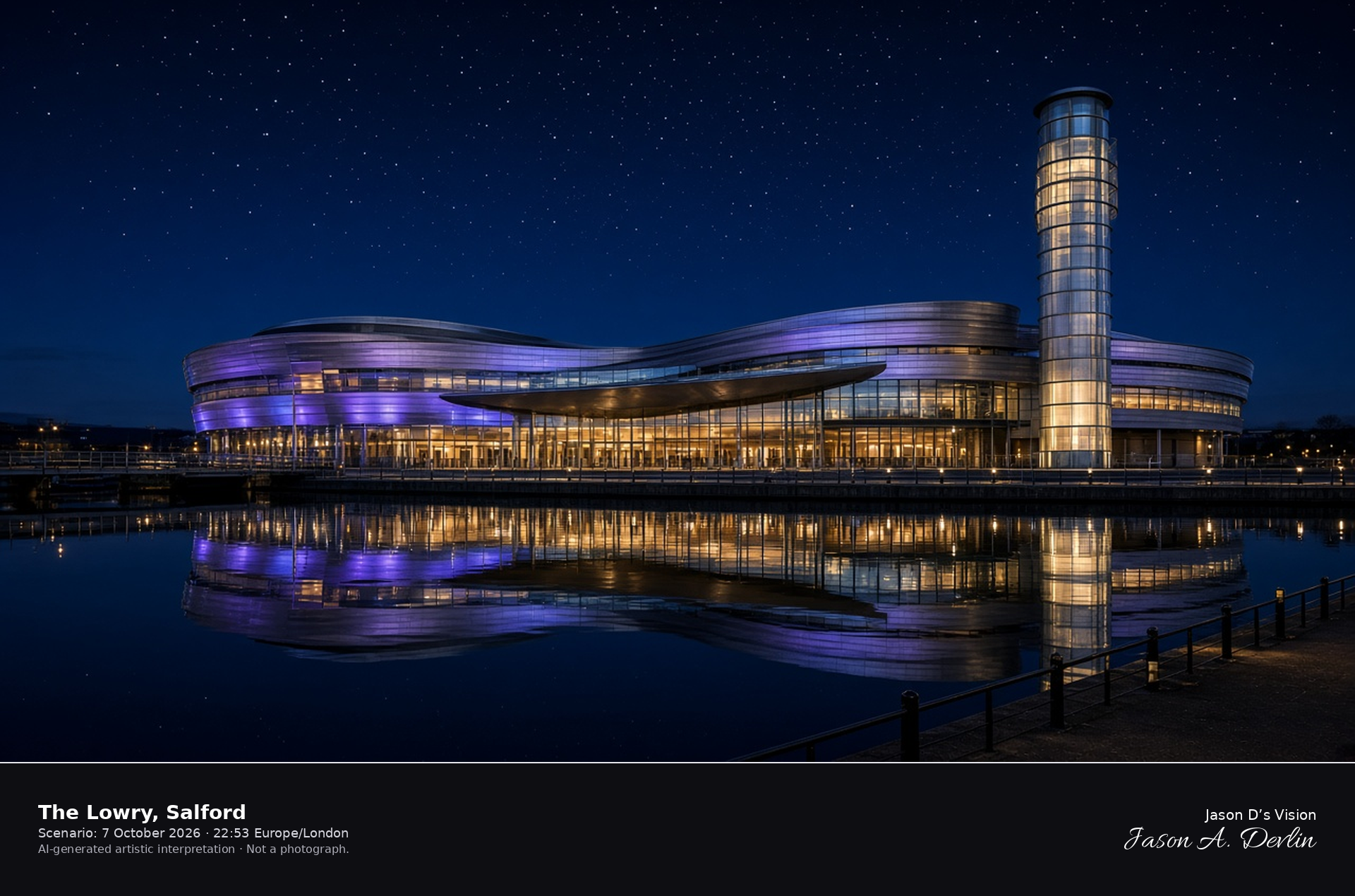
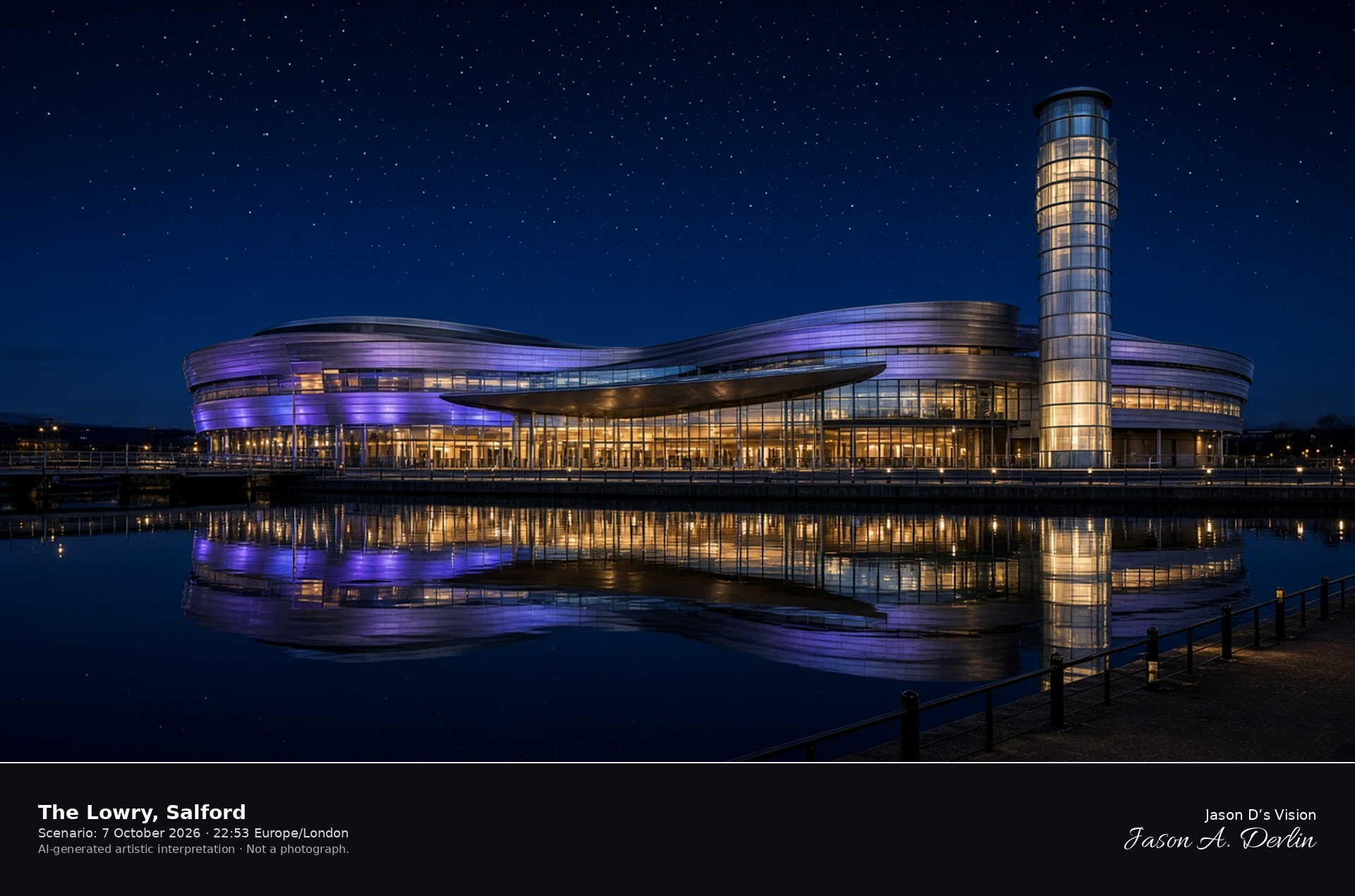
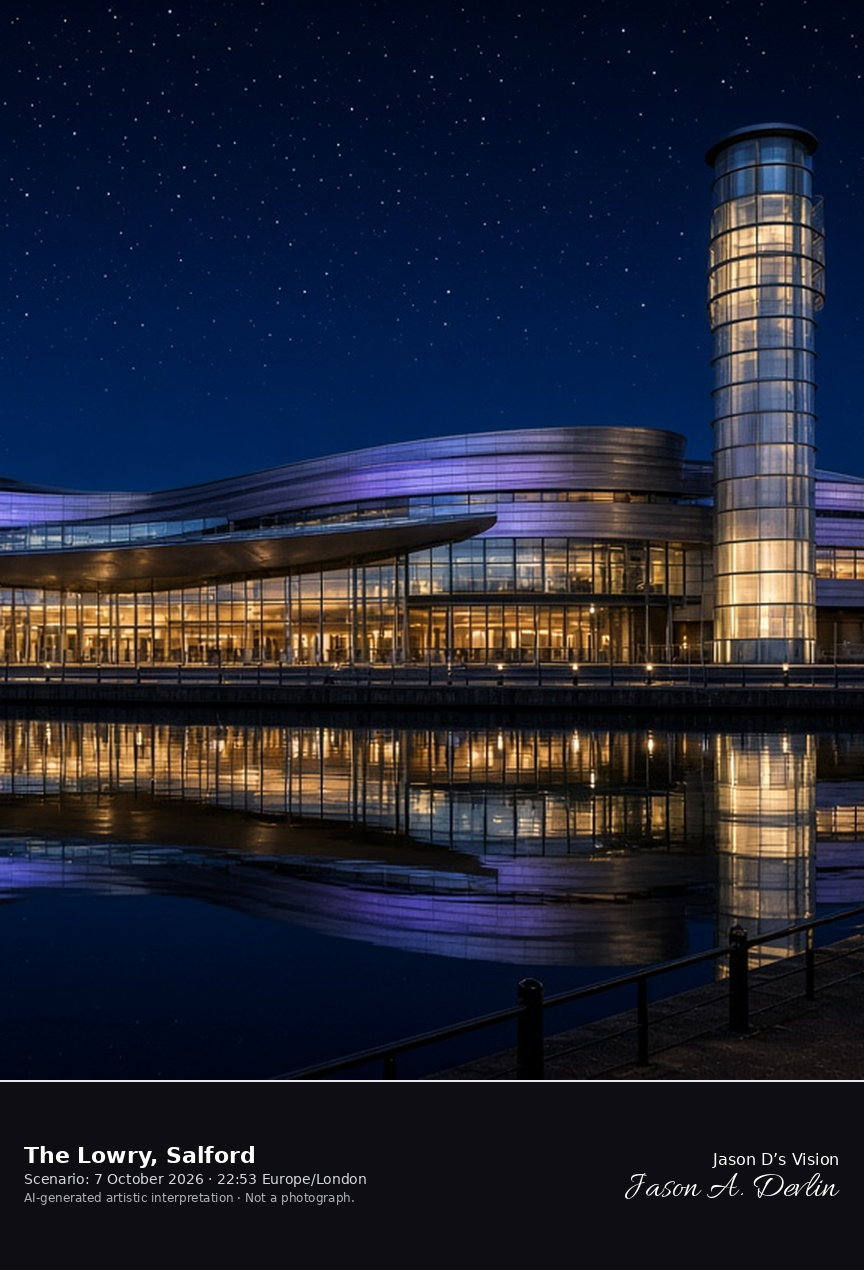
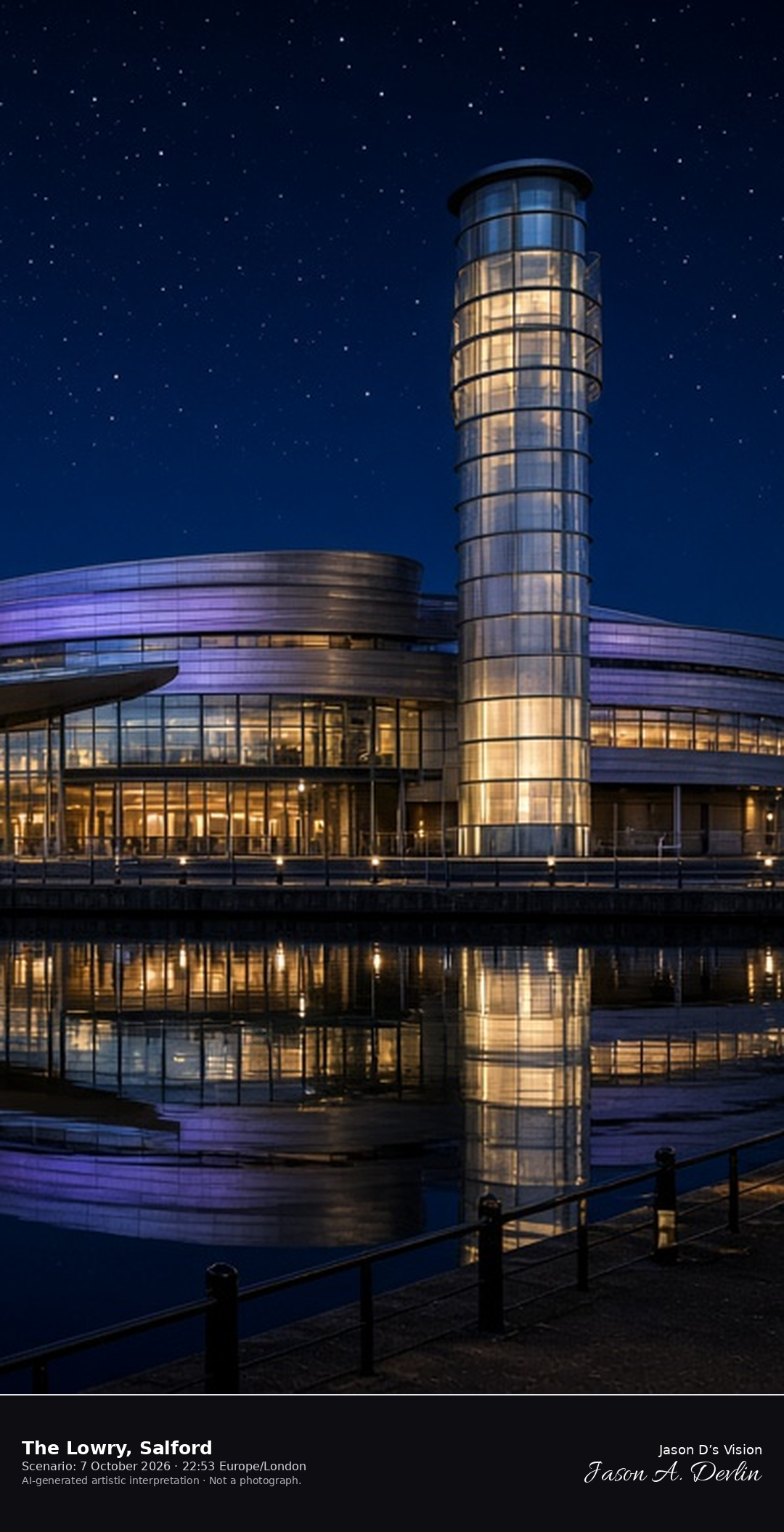
The Lowry, opened in the year 2000 on the reborn Salford Quays, holds the world's largest public collection of work by L. S. Lowry, whose paintings of industrial streets, mills, and football crowds drew on Salford and the surrounding region. Its silver, ship-like building helped the regeneration of the former docks.
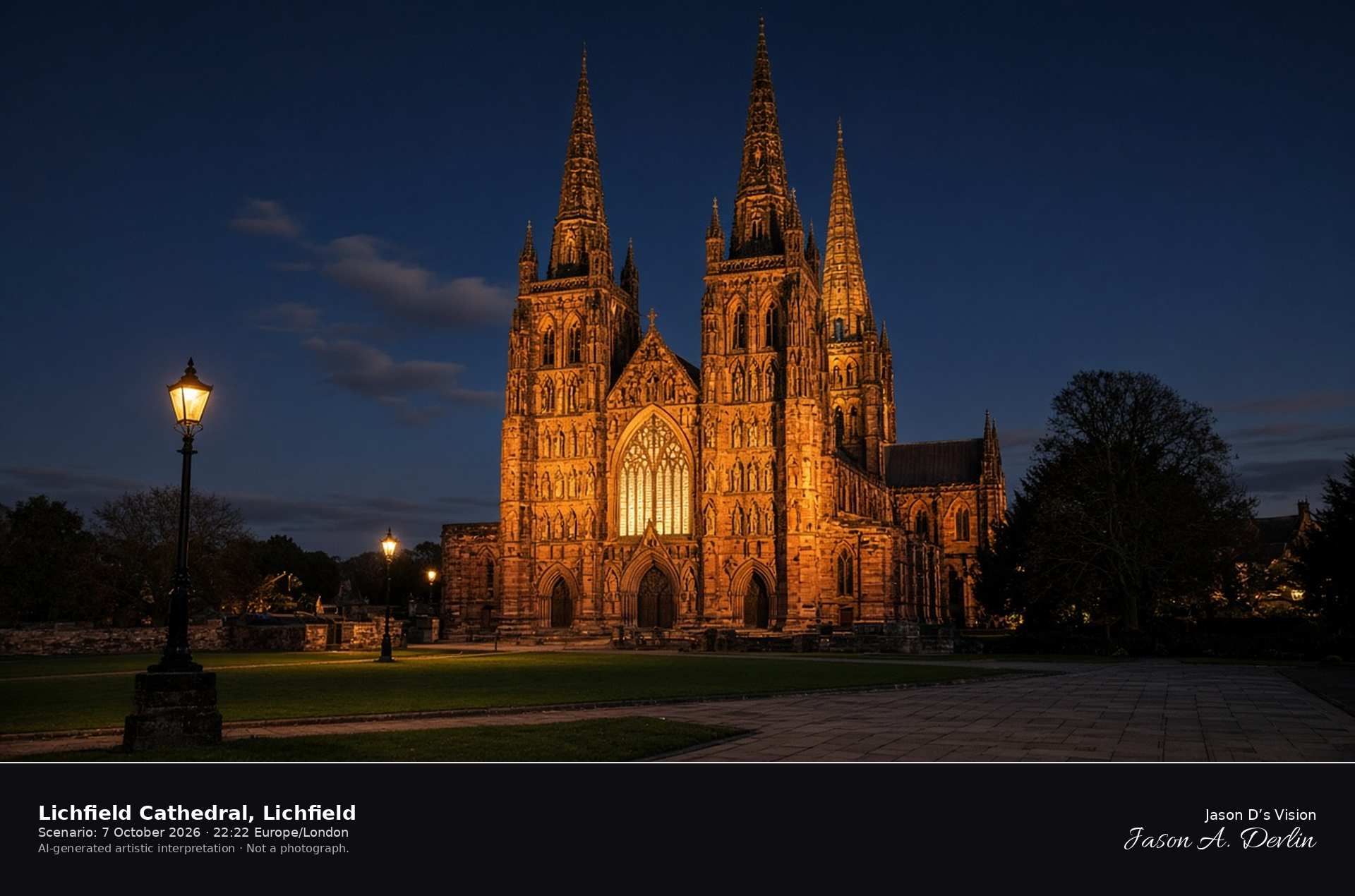
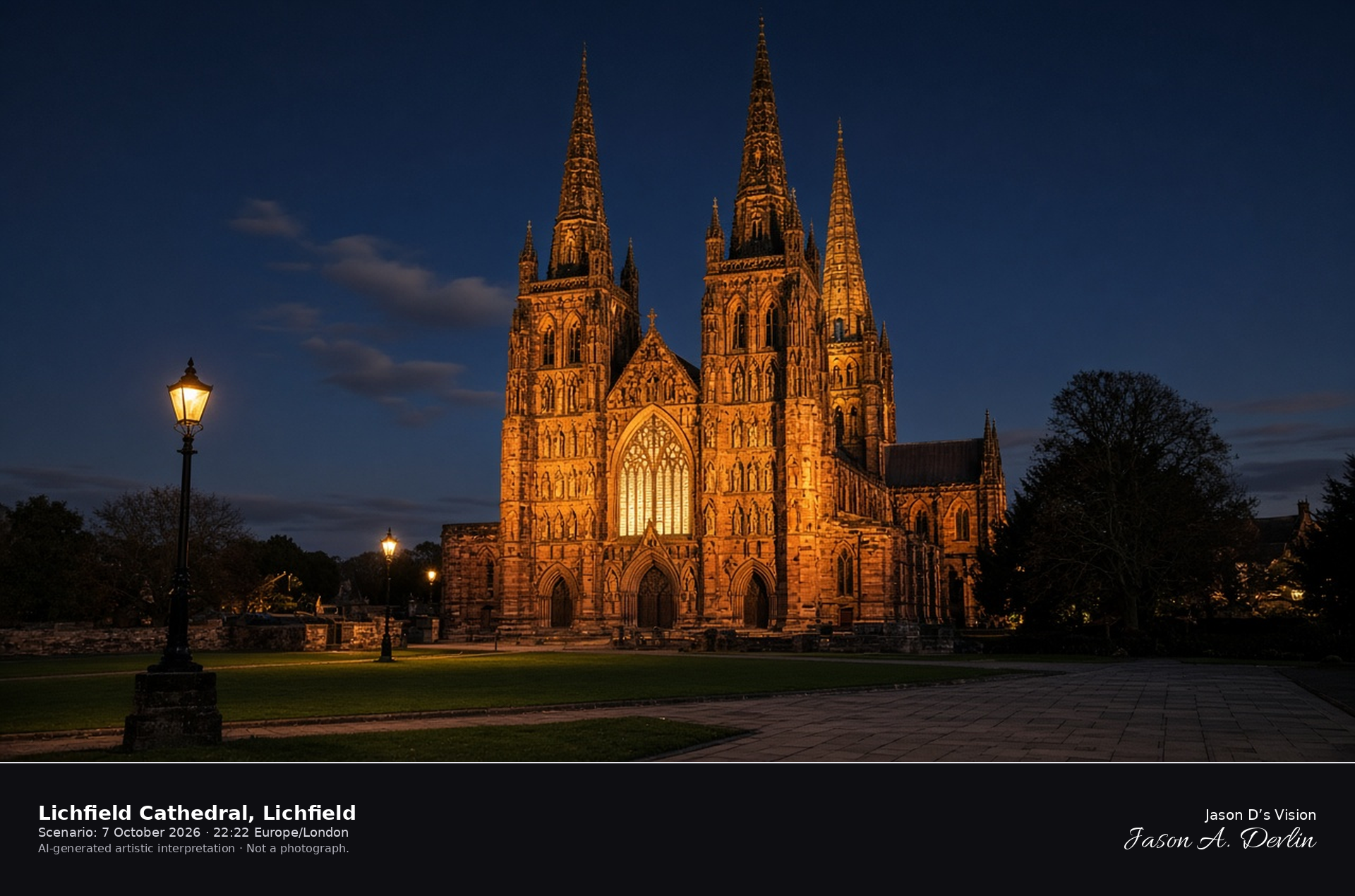
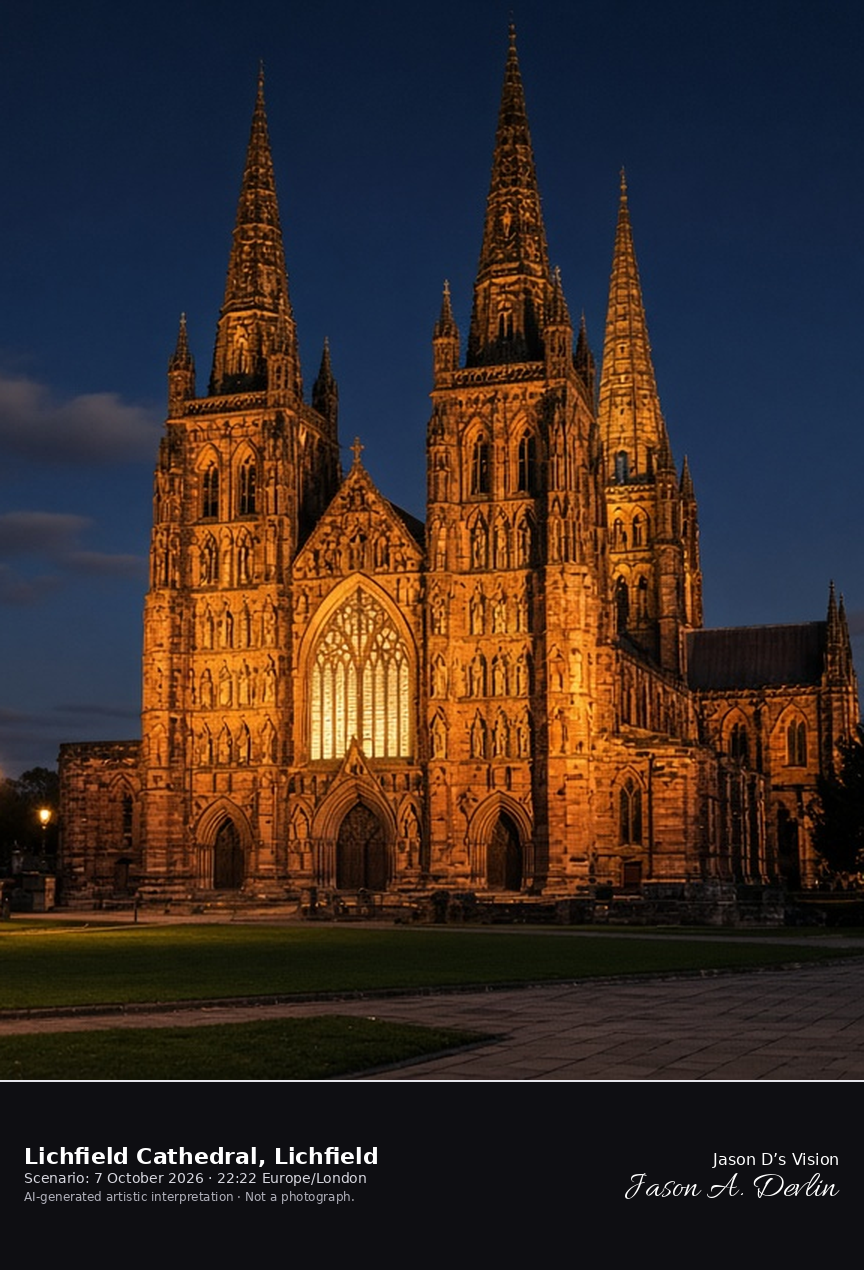
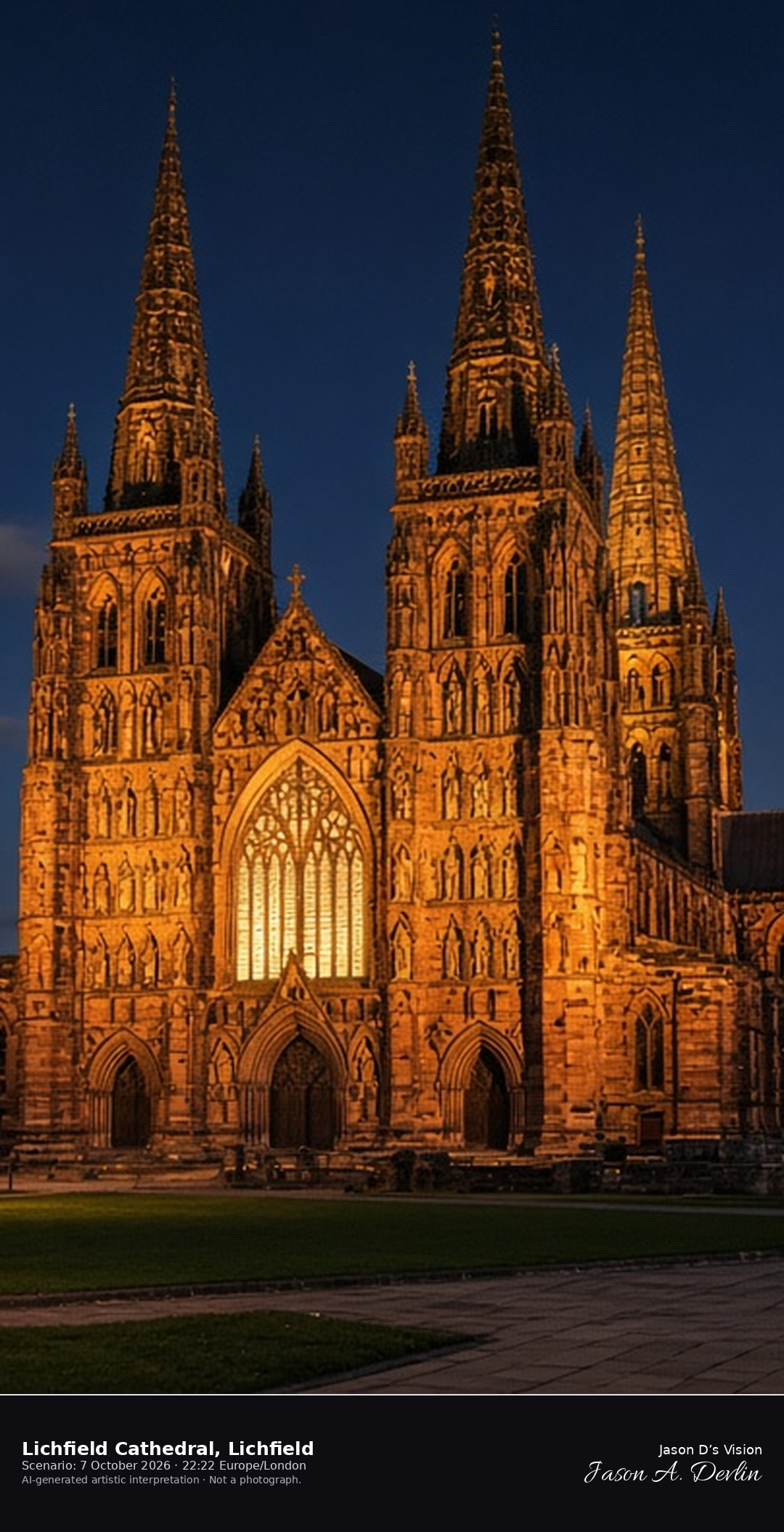
Lichfield is the only medieval cathedral in England with three spires — fondly known as the Ladies of the Vale — and it guards the Lichfield Gospels, a great illuminated book of the eighth century. Saint Chad, its first bishop, died here in the year 672, and pilgrims have found their way to Lichfield ever since.
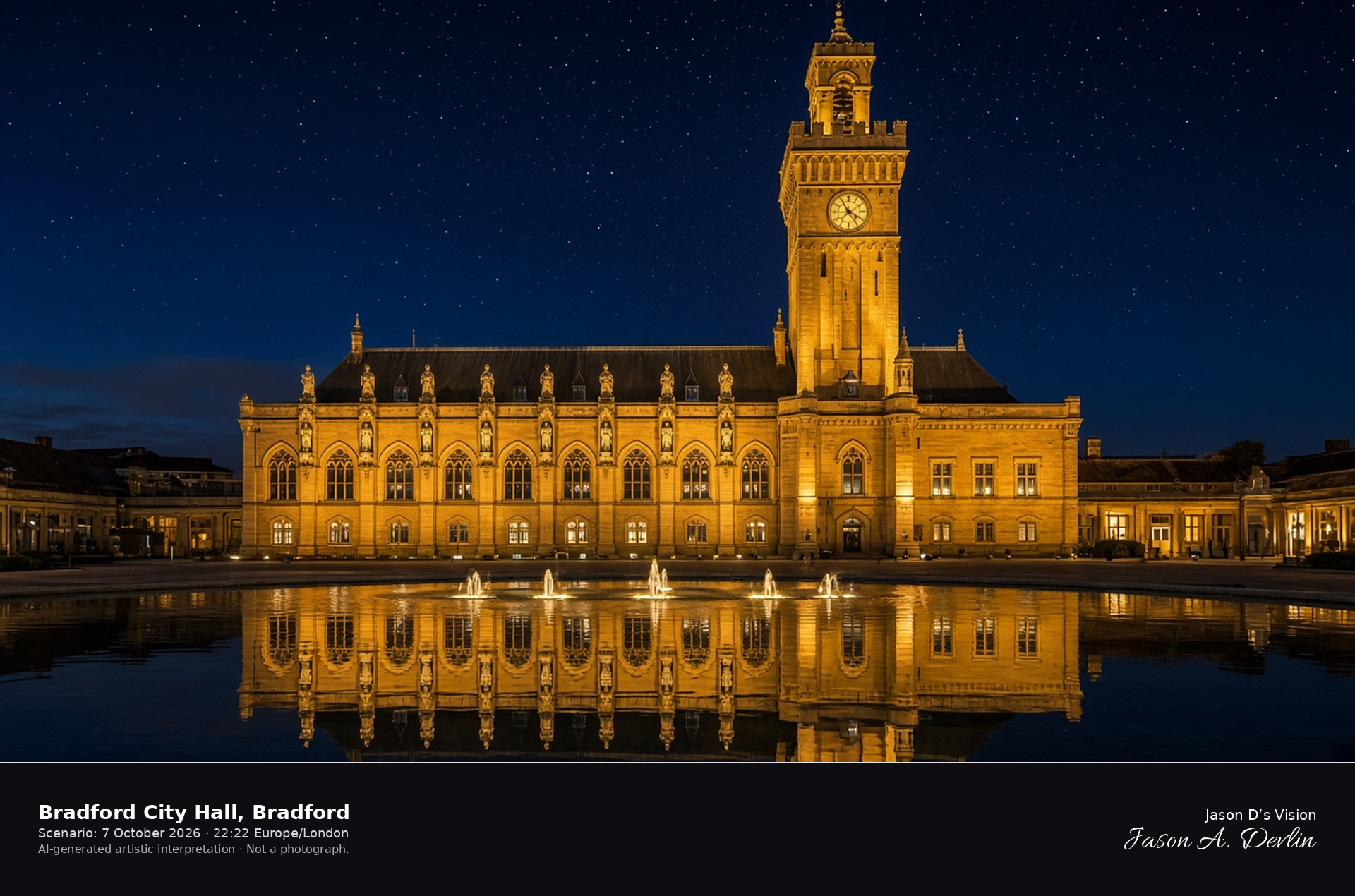
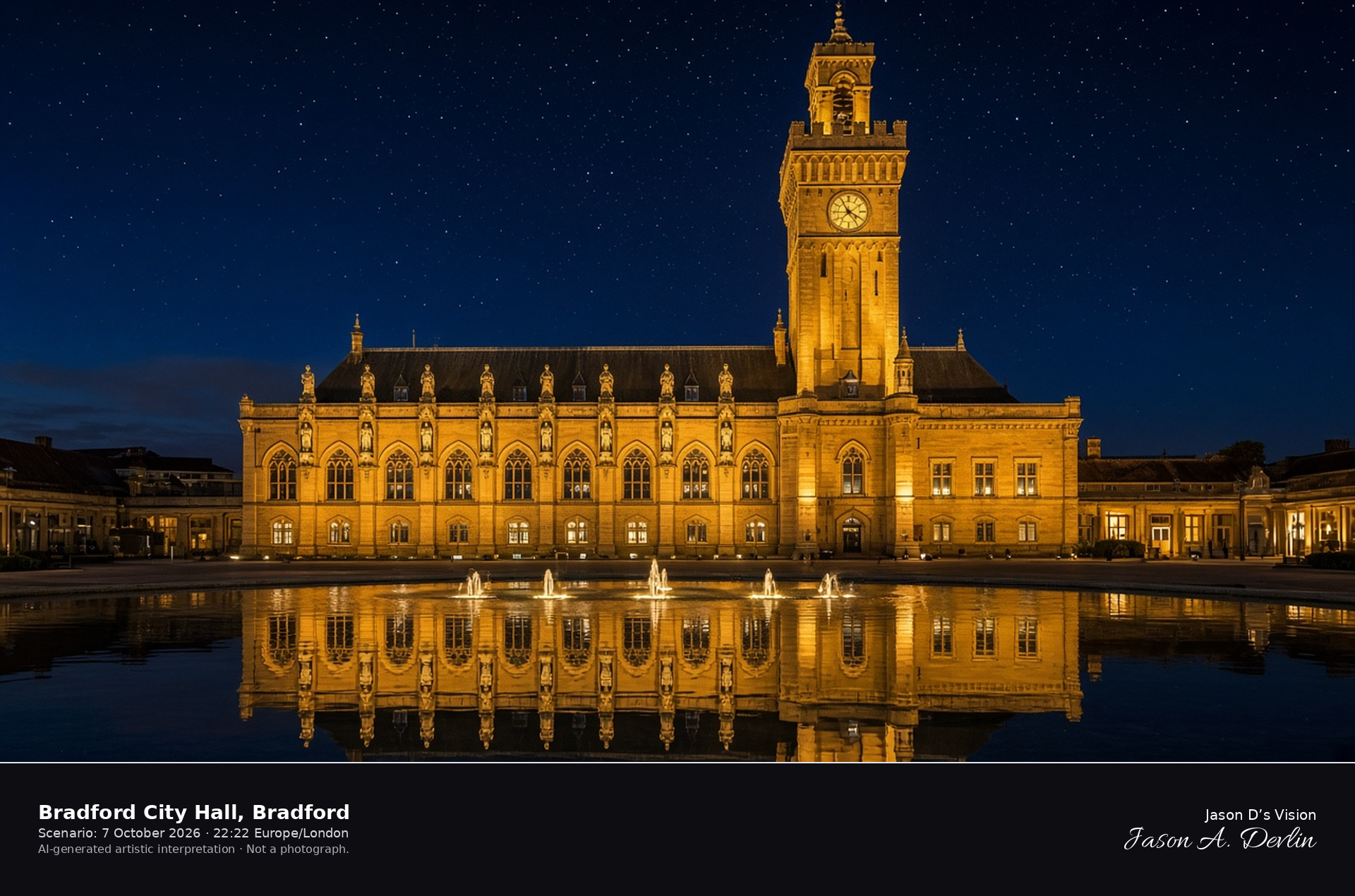
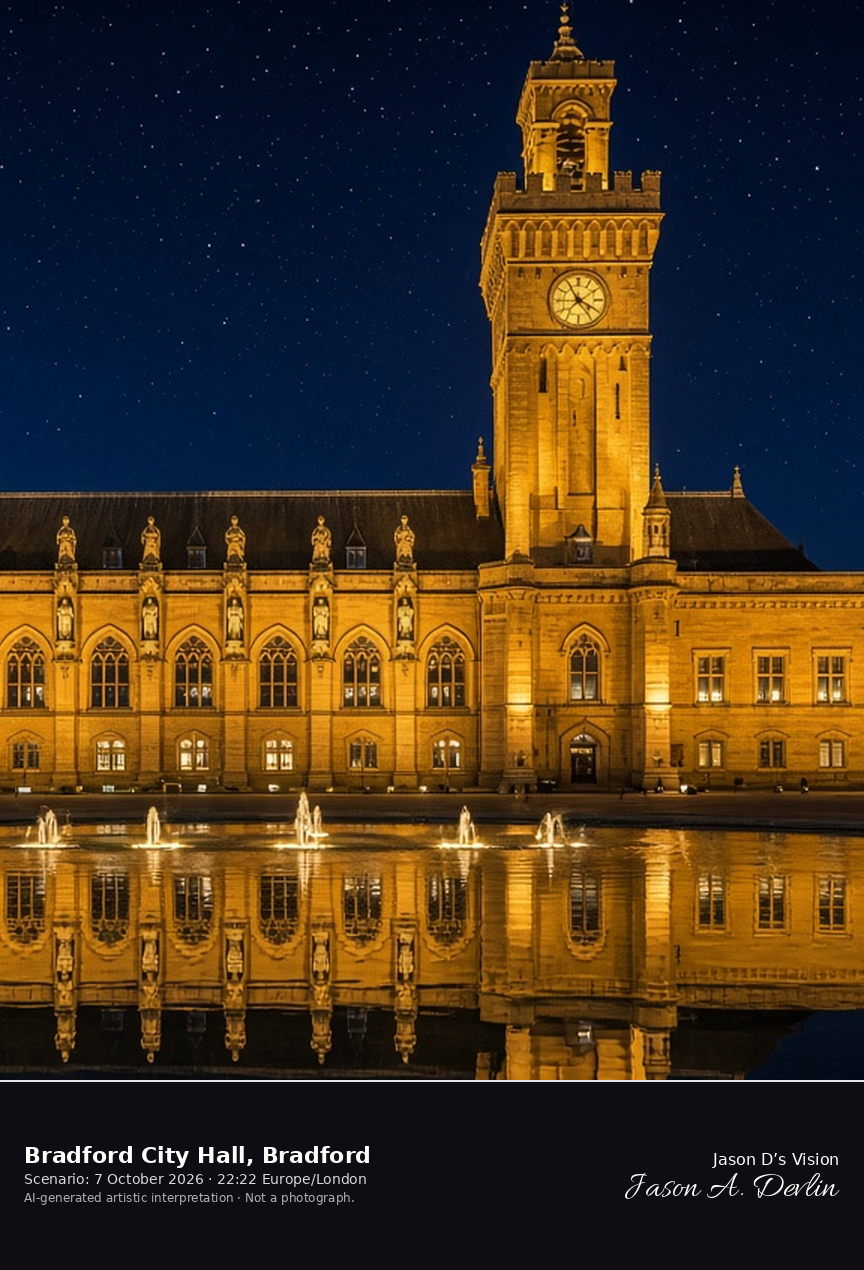
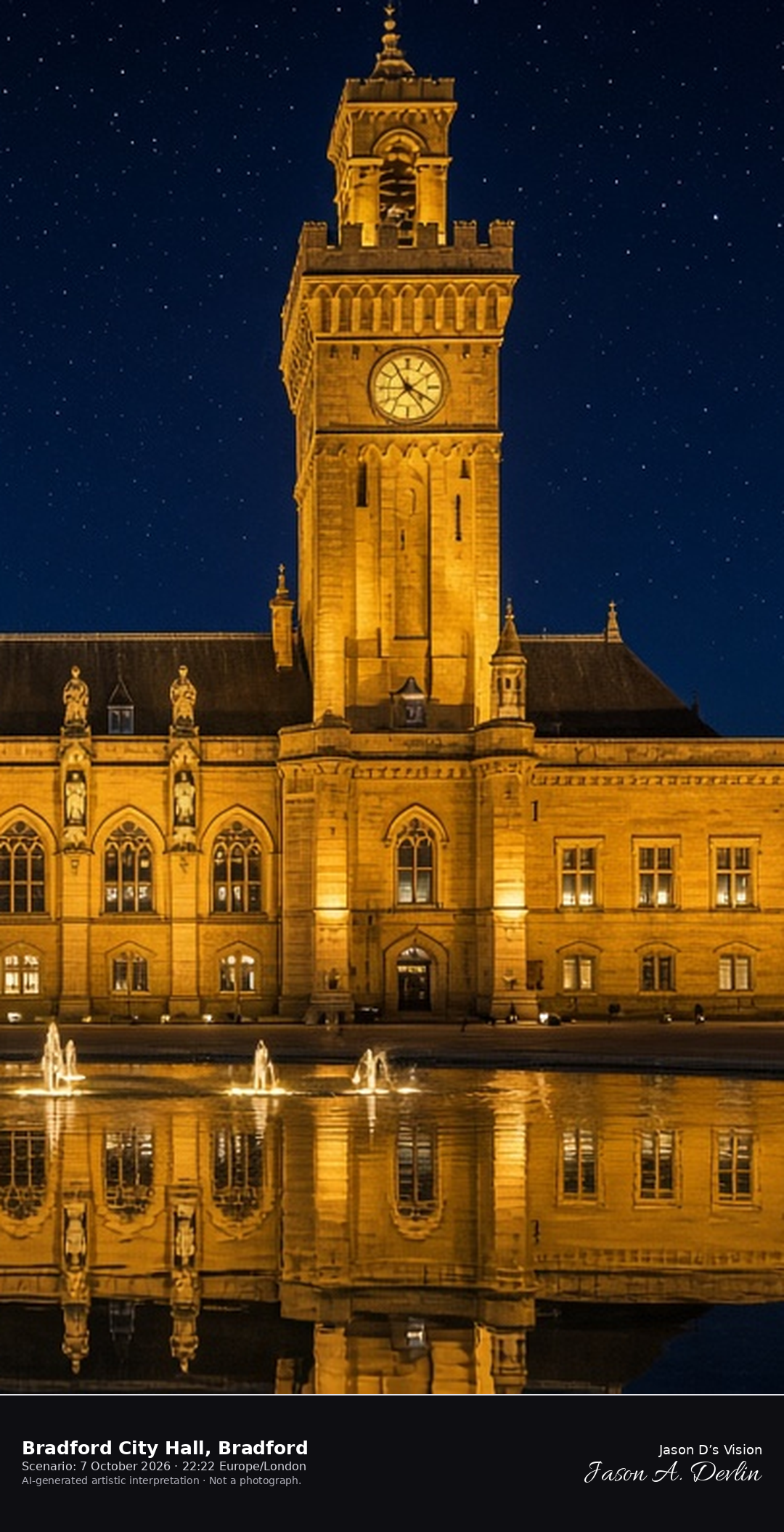
Bradford City Hall, Bradford · AI-generated artistic interpretation
Bradford City Hall opened in 1873 as the town hall, and its tower was modelled on the Palazzo Vecchio in Florence. The Mirror Pool in City Park, opened in 2012, is the largest urban water feature in the UK.
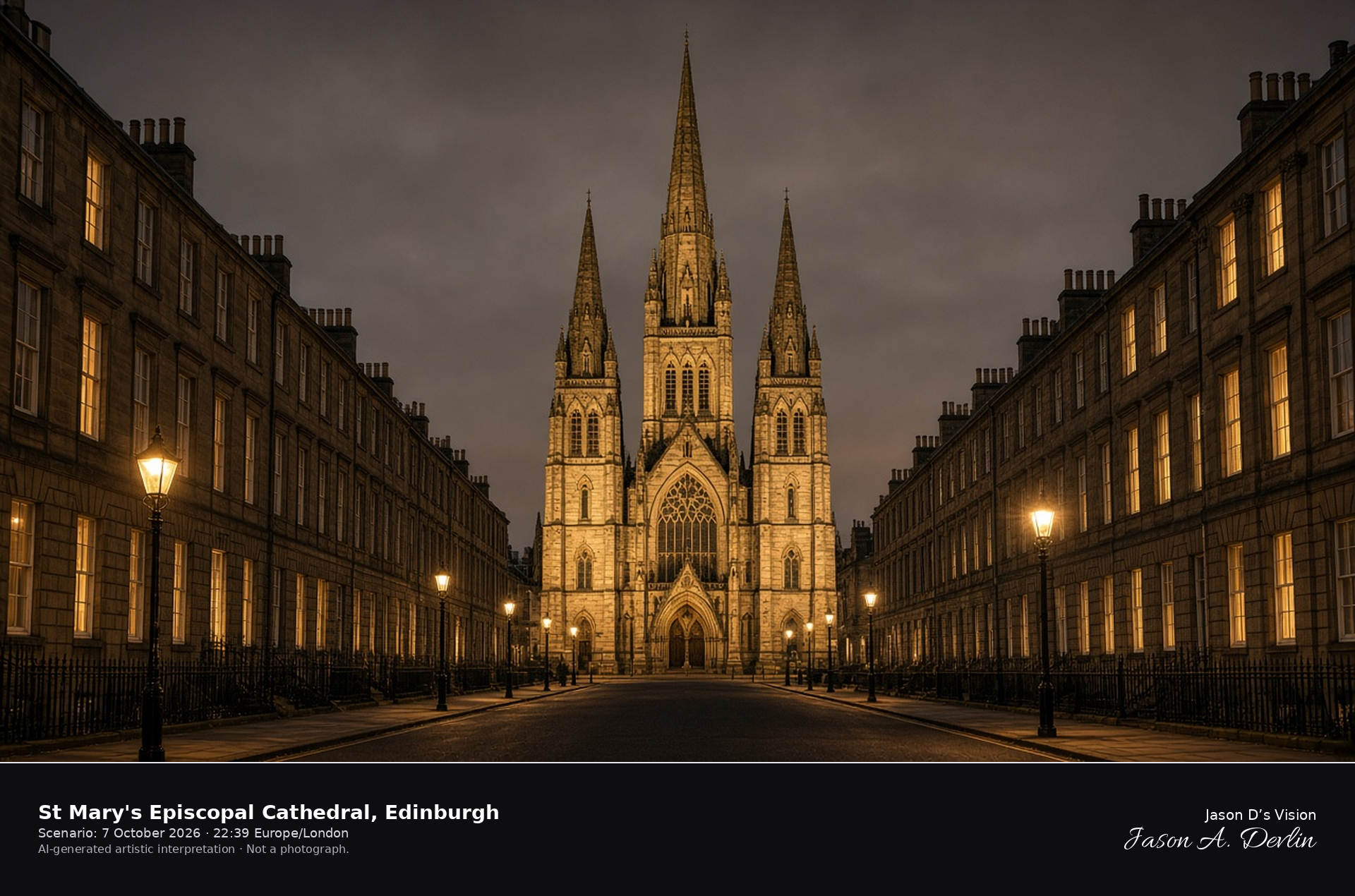
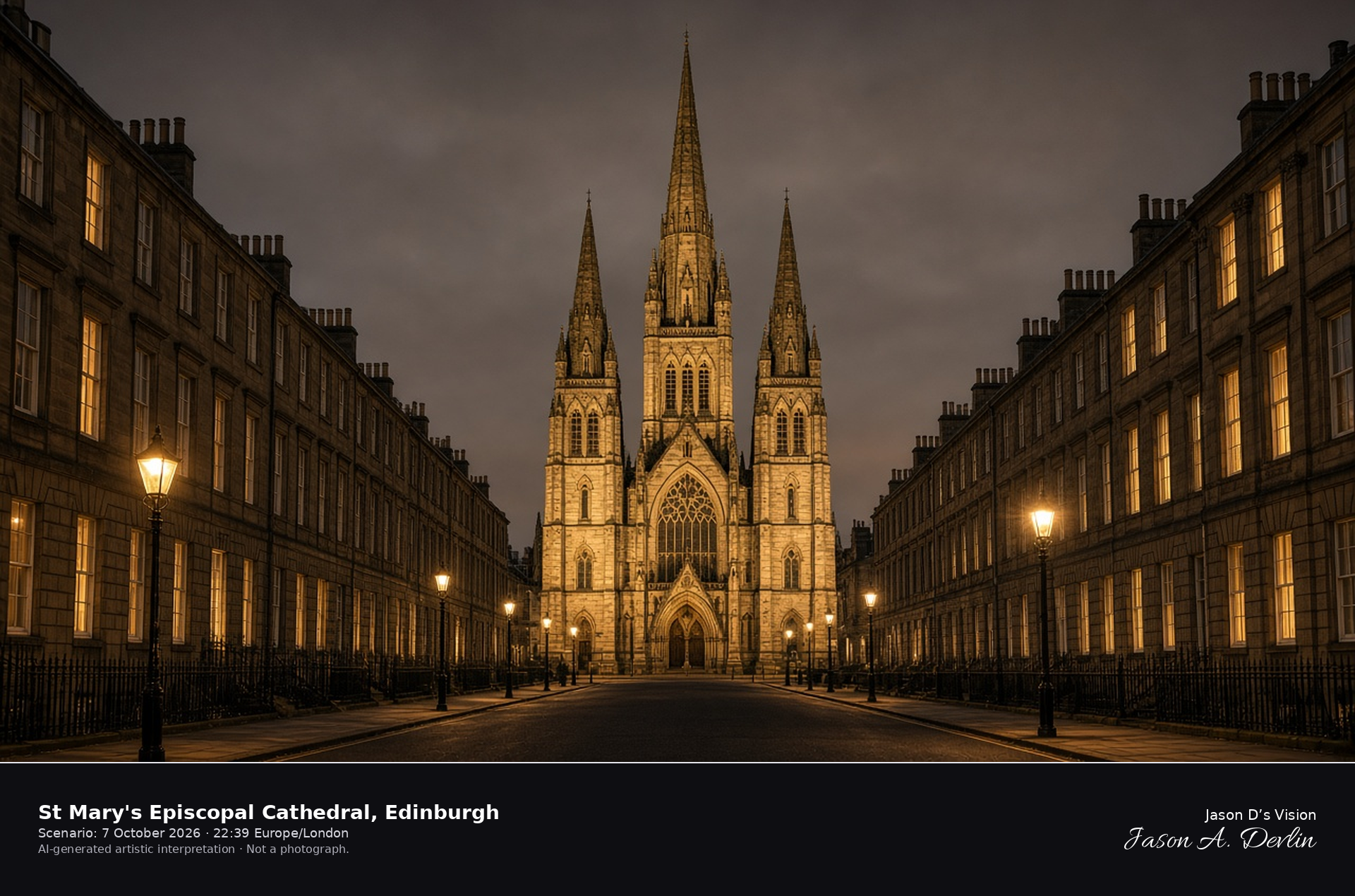
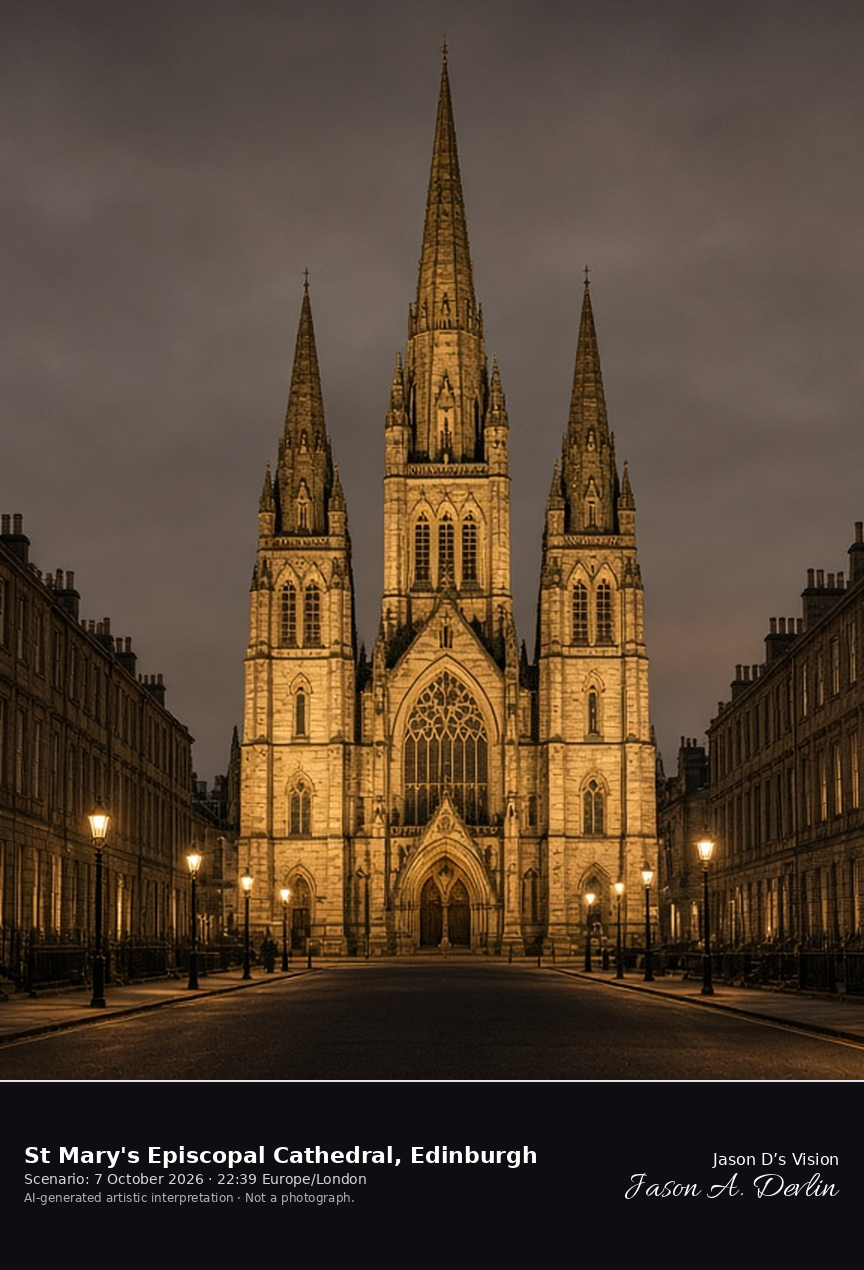
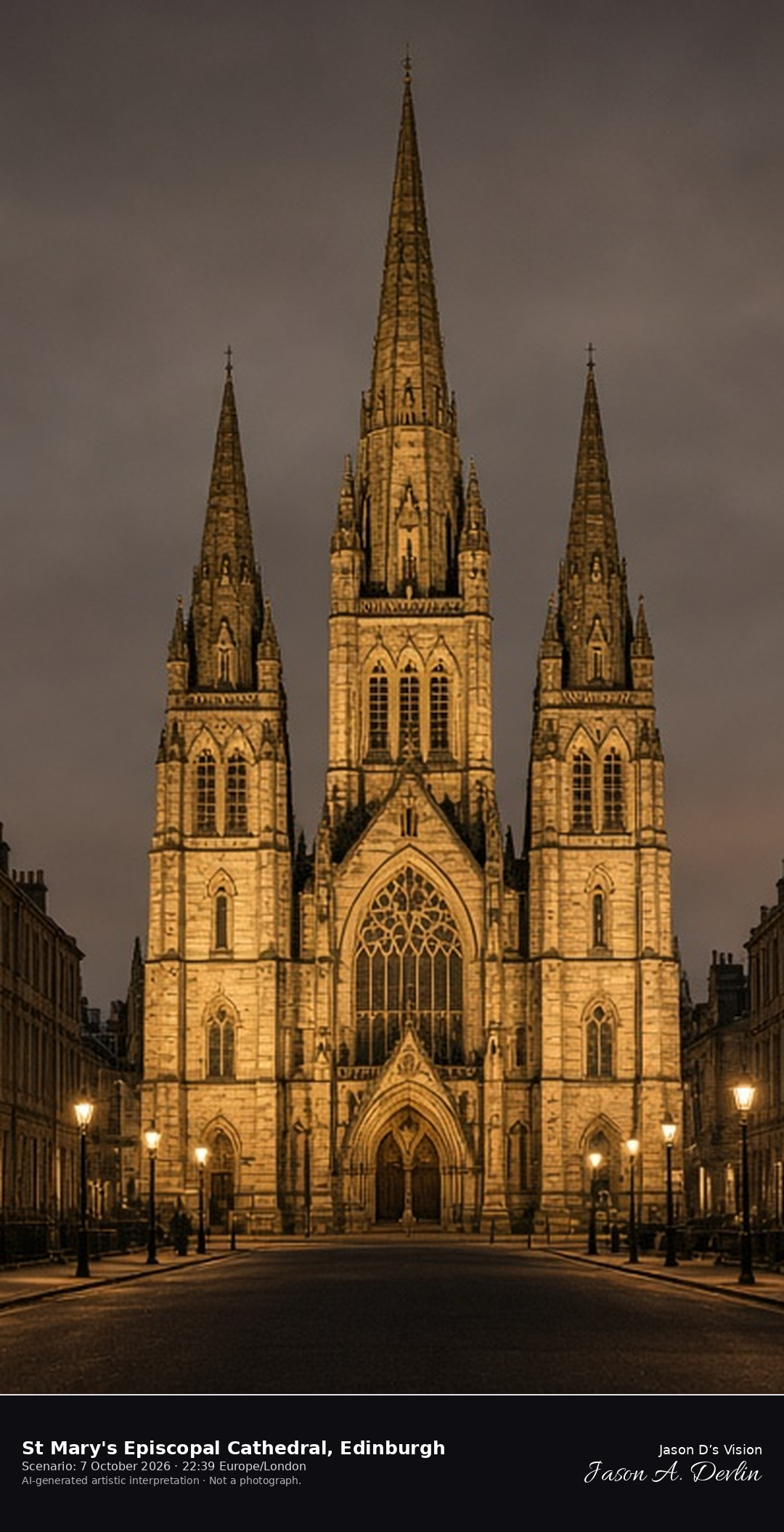
St Mary's Episcopal Cathedral · AI-generated artistic interpretation
St Mary's was designed by Sir George Gilbert Scott and consecrated in 1879, made possible by the bequests of the Walker sisters. Its central spire and two western spires are prominent features of Edinburgh's skyline.
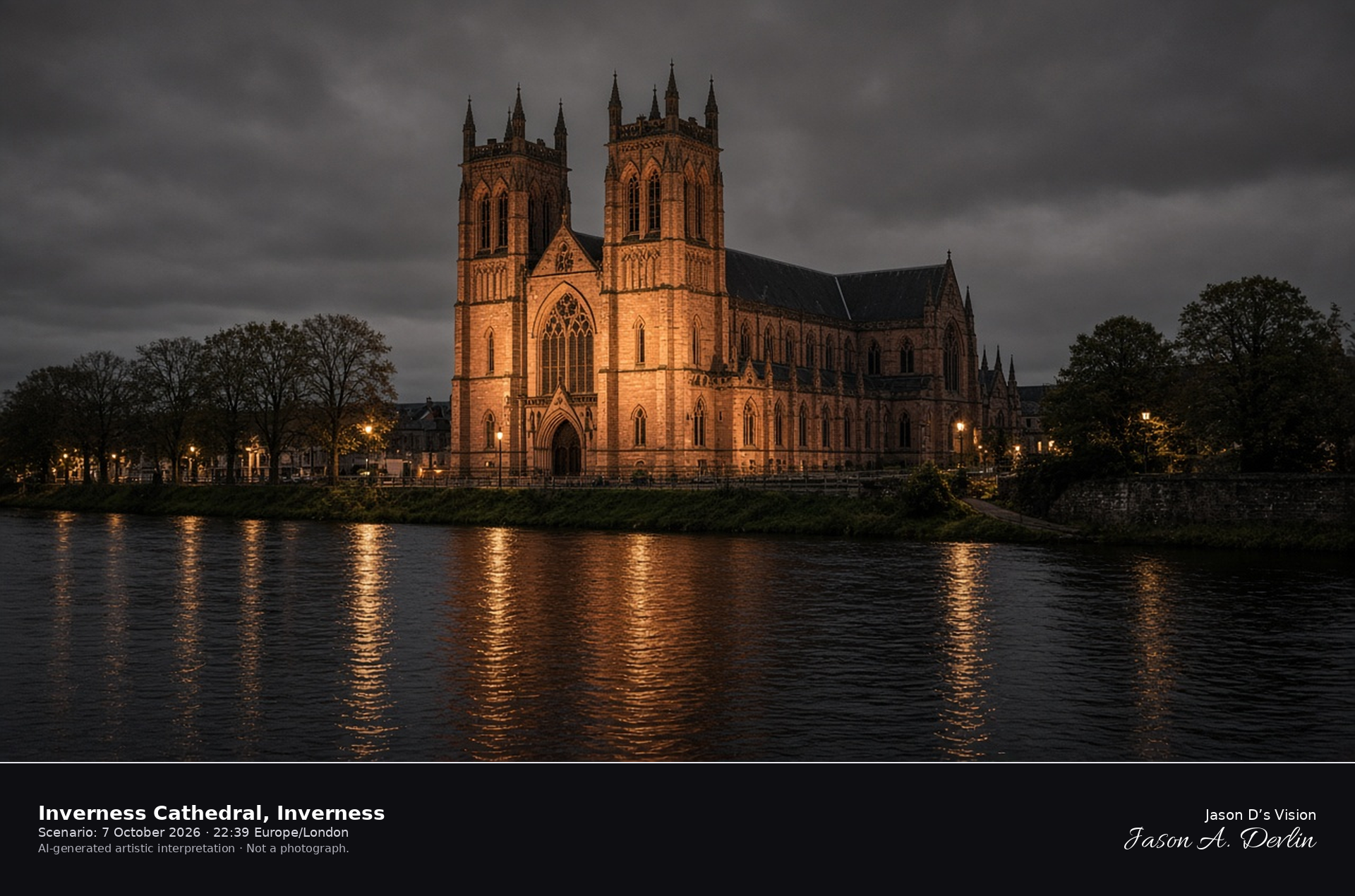
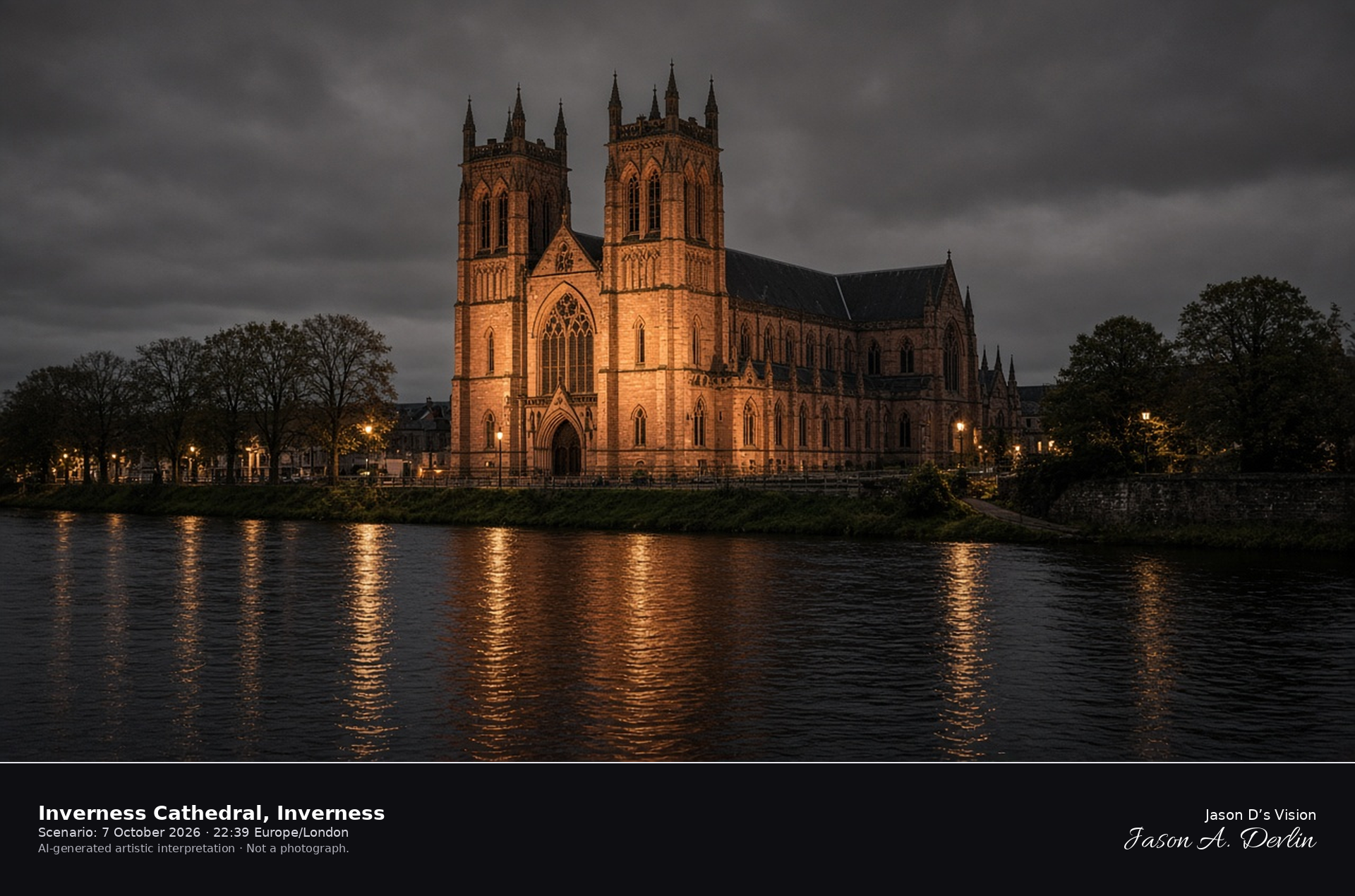
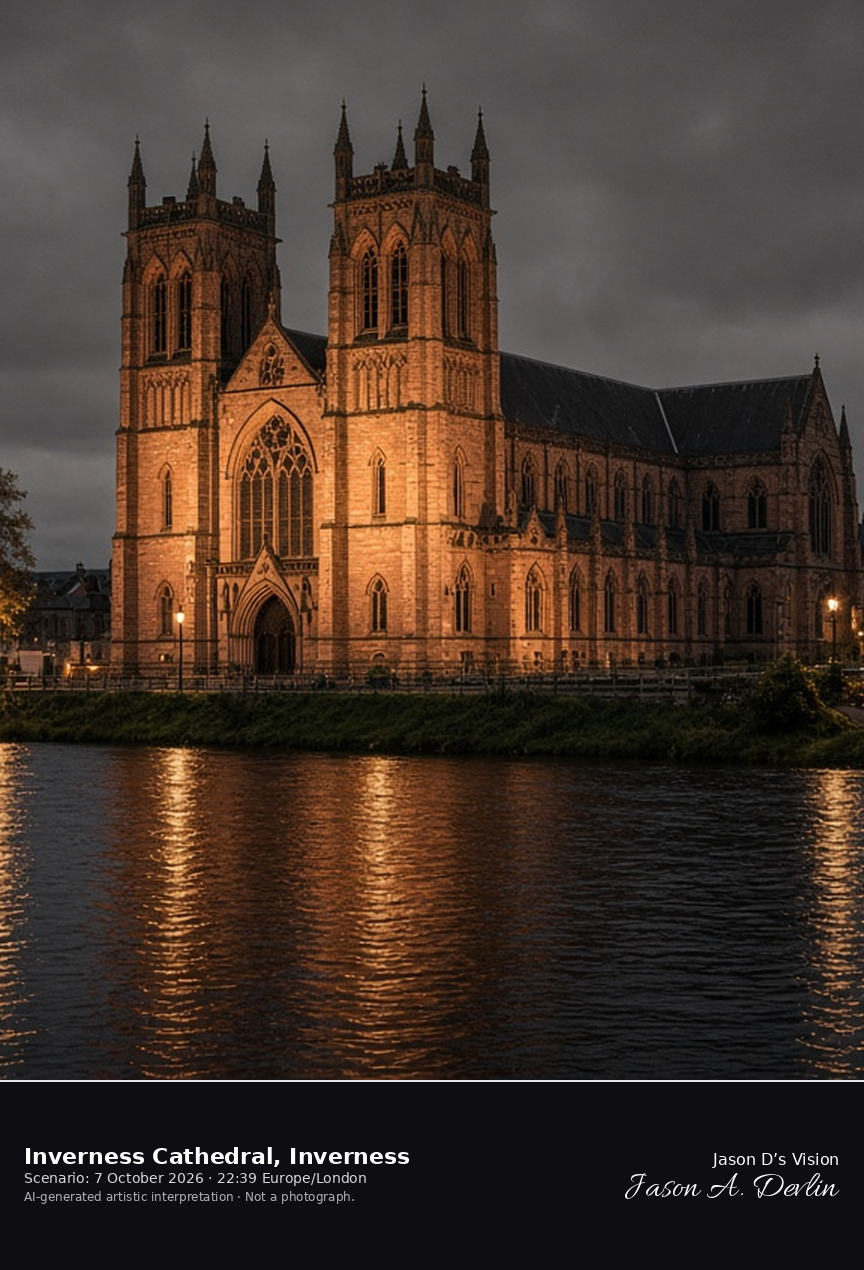
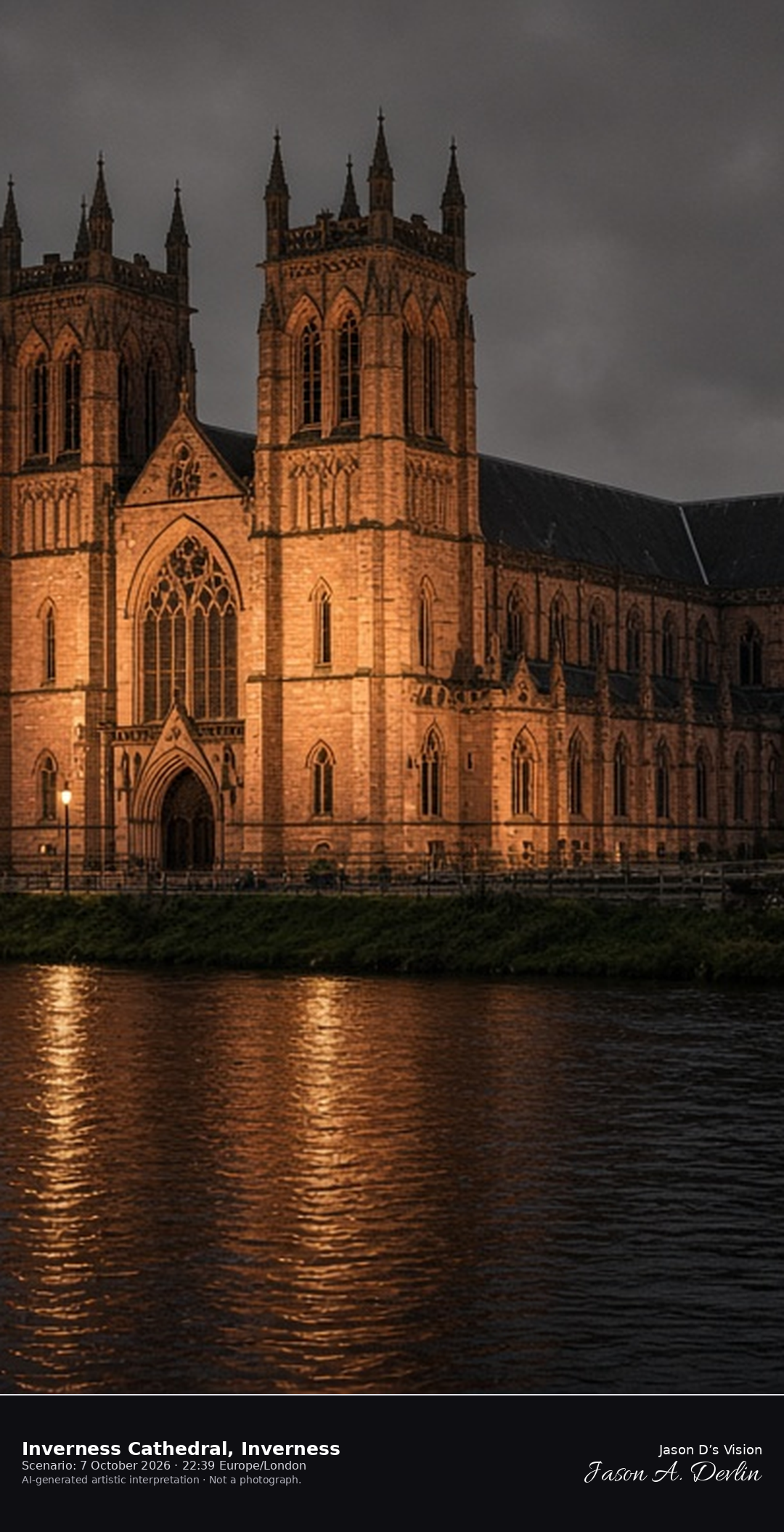
Inverness Cathedral was designed by Alexander Ross and built between 1866 and 1869. Its twin towers flank the entrance front, but the spires planned to rise above them were never completed, leaving the familiar square-topped outline.
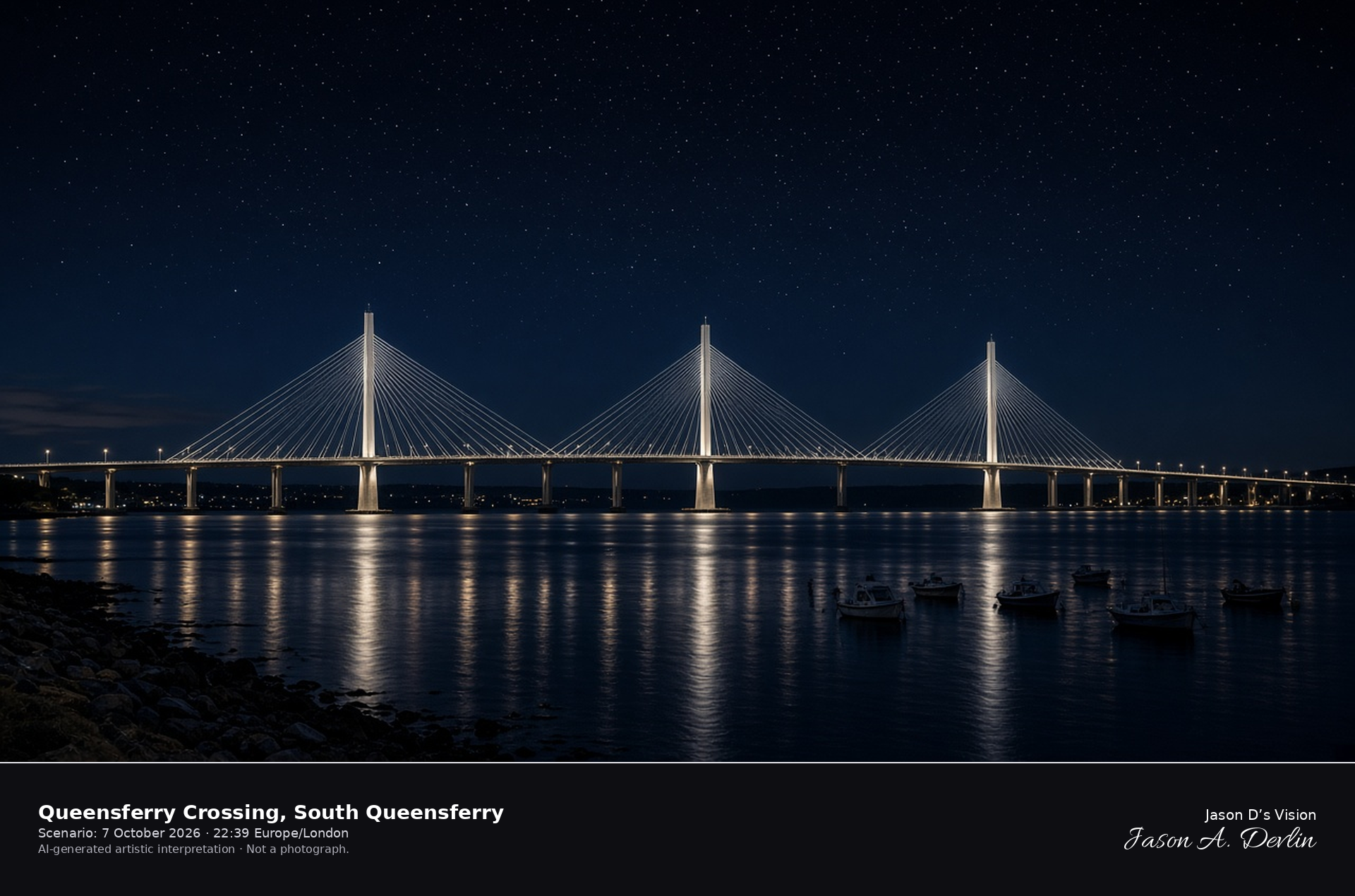
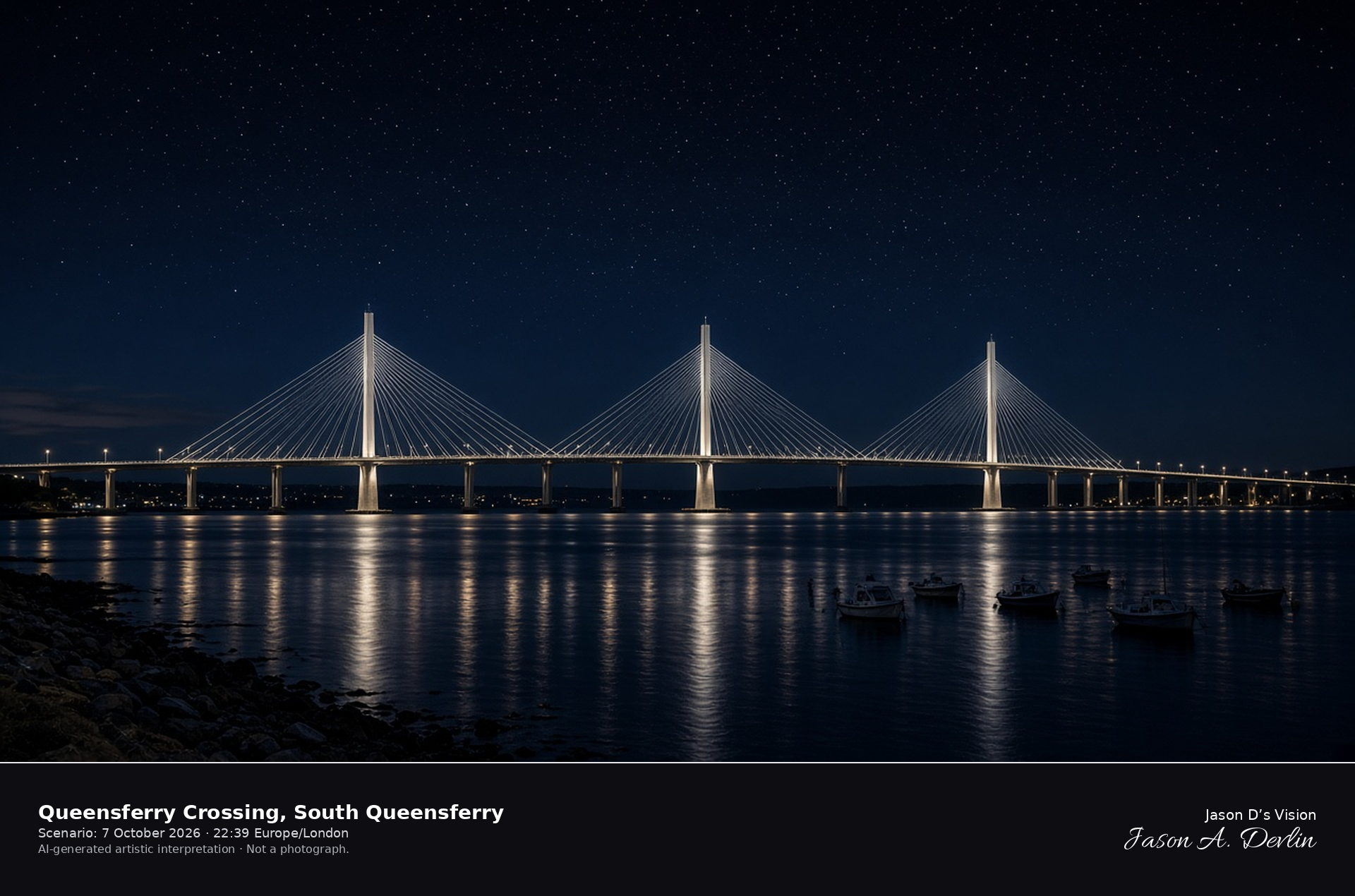
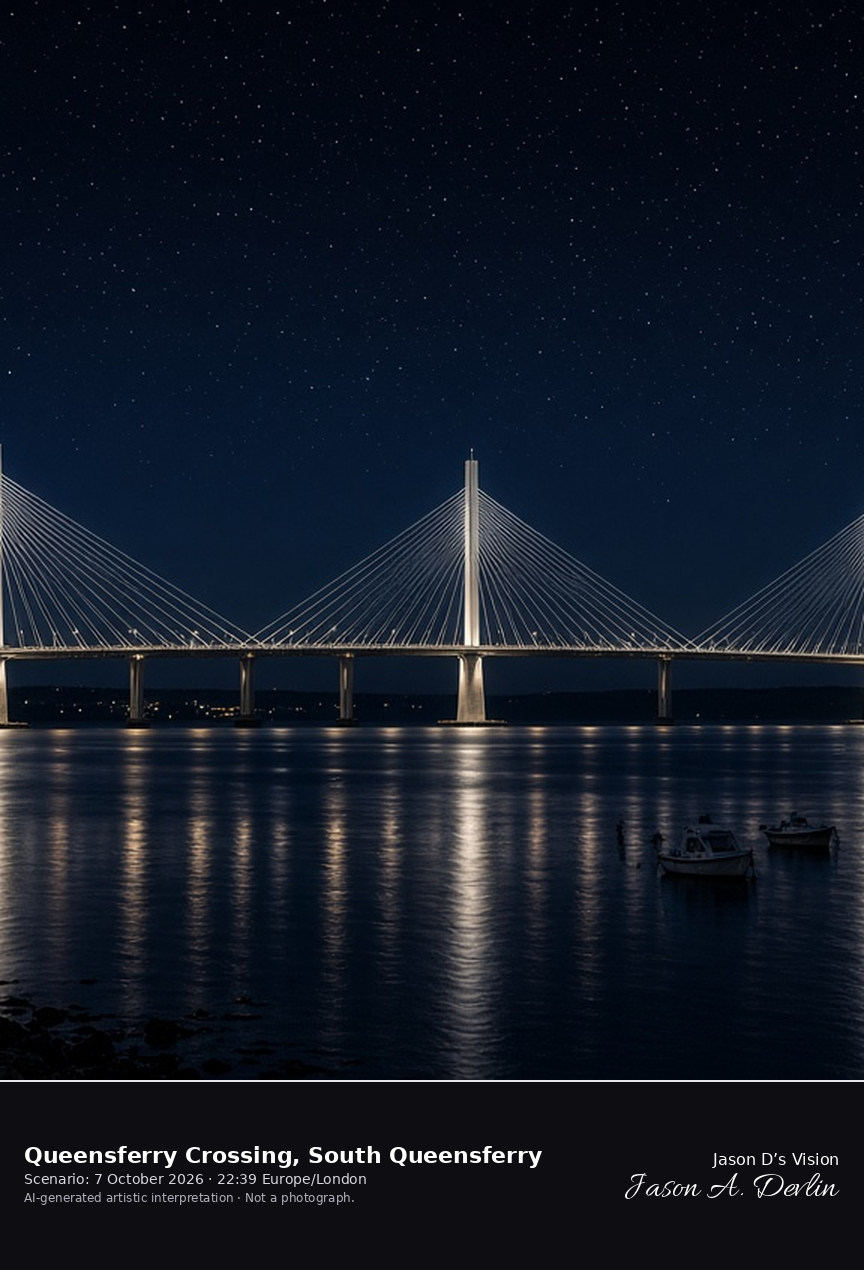
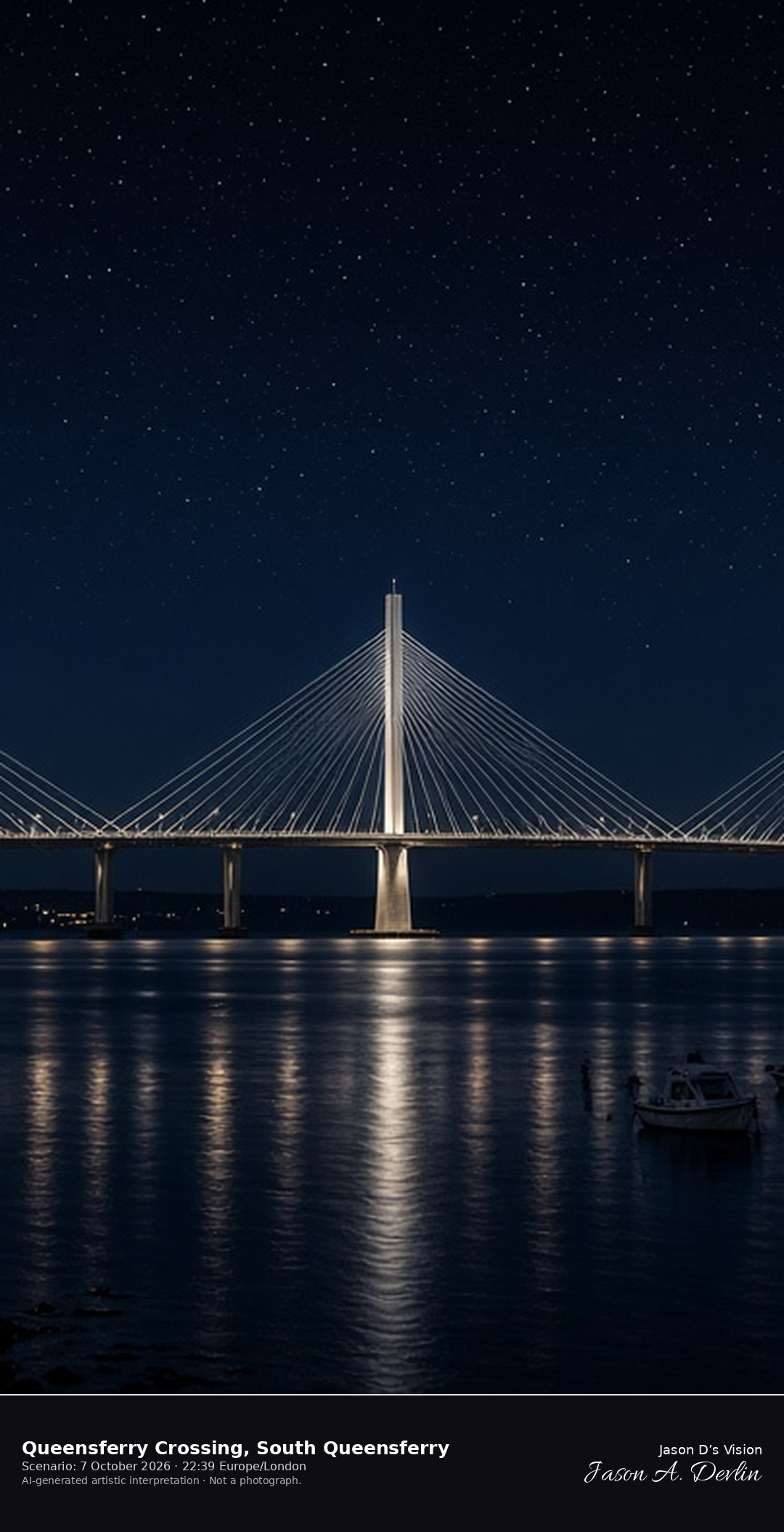
The Queensferry Crossing, opened by Queen Elizabeth the Second in 2017, is the longest three-towered cable-stayed bridge in the world, running 2.7 kilometres including its approach viaducts over the Firth of Forth. It stands in line with its two great neighbours — a hundred and twenty-seven years of bridge-building in a single view.
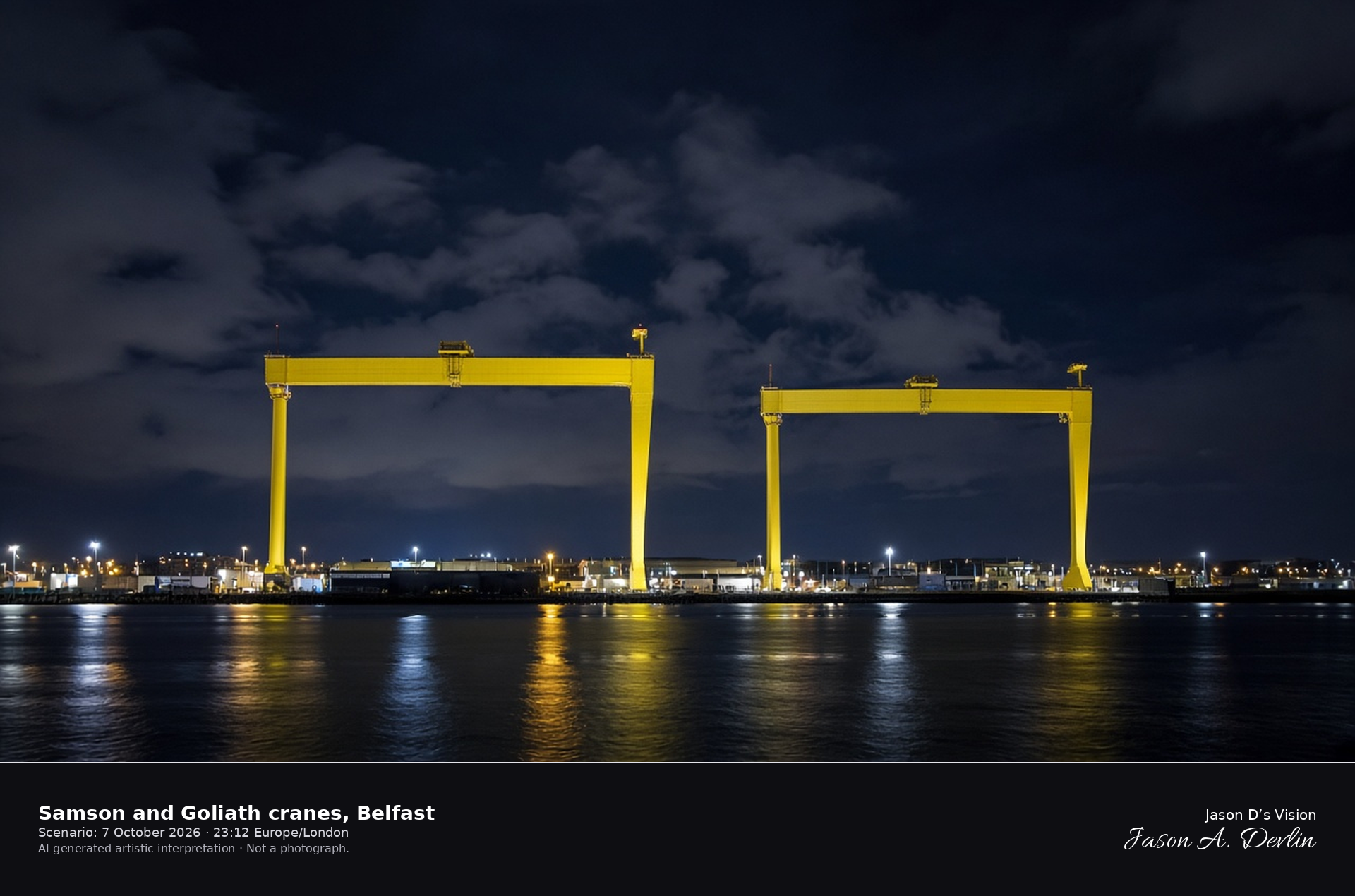
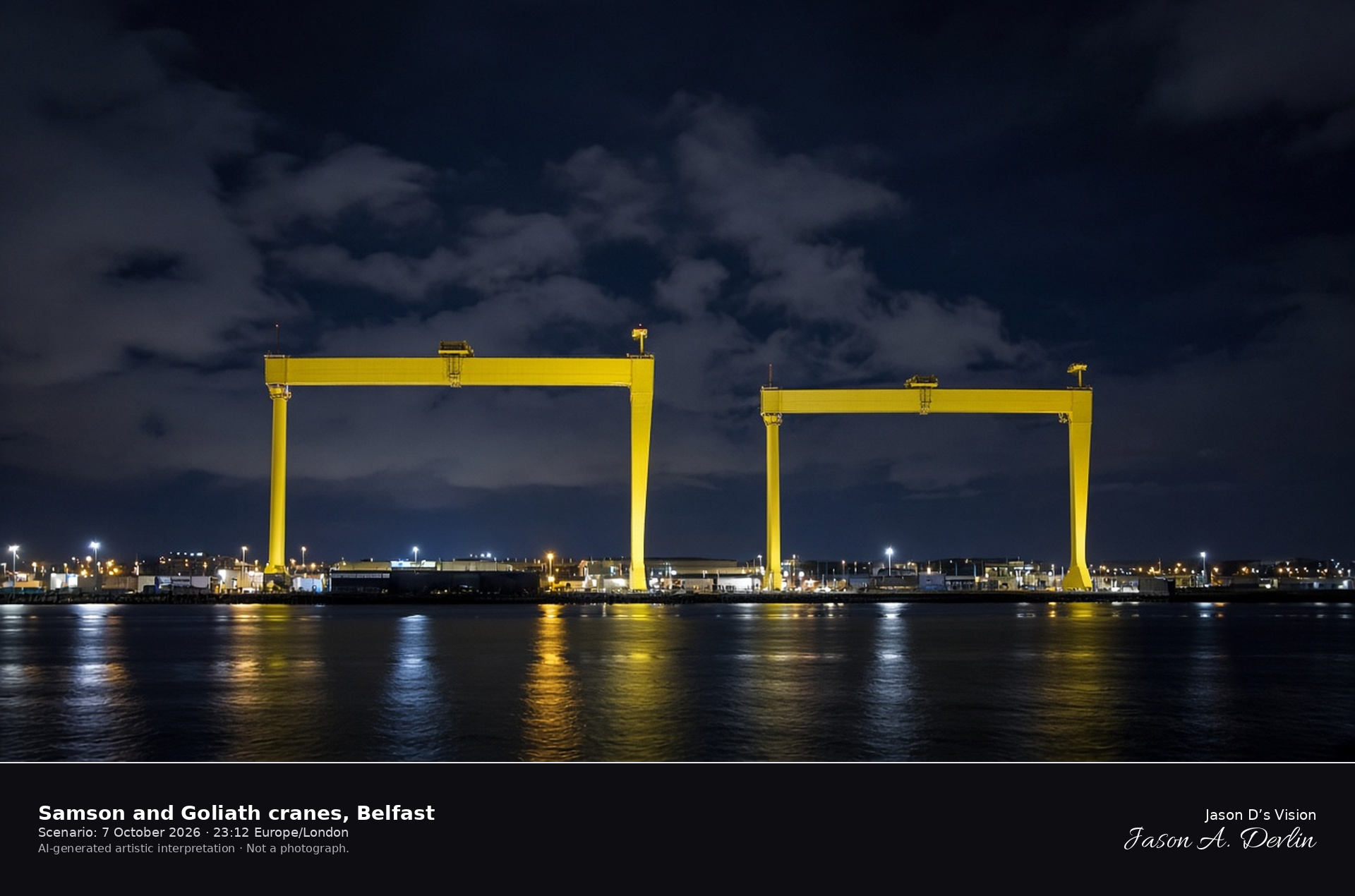
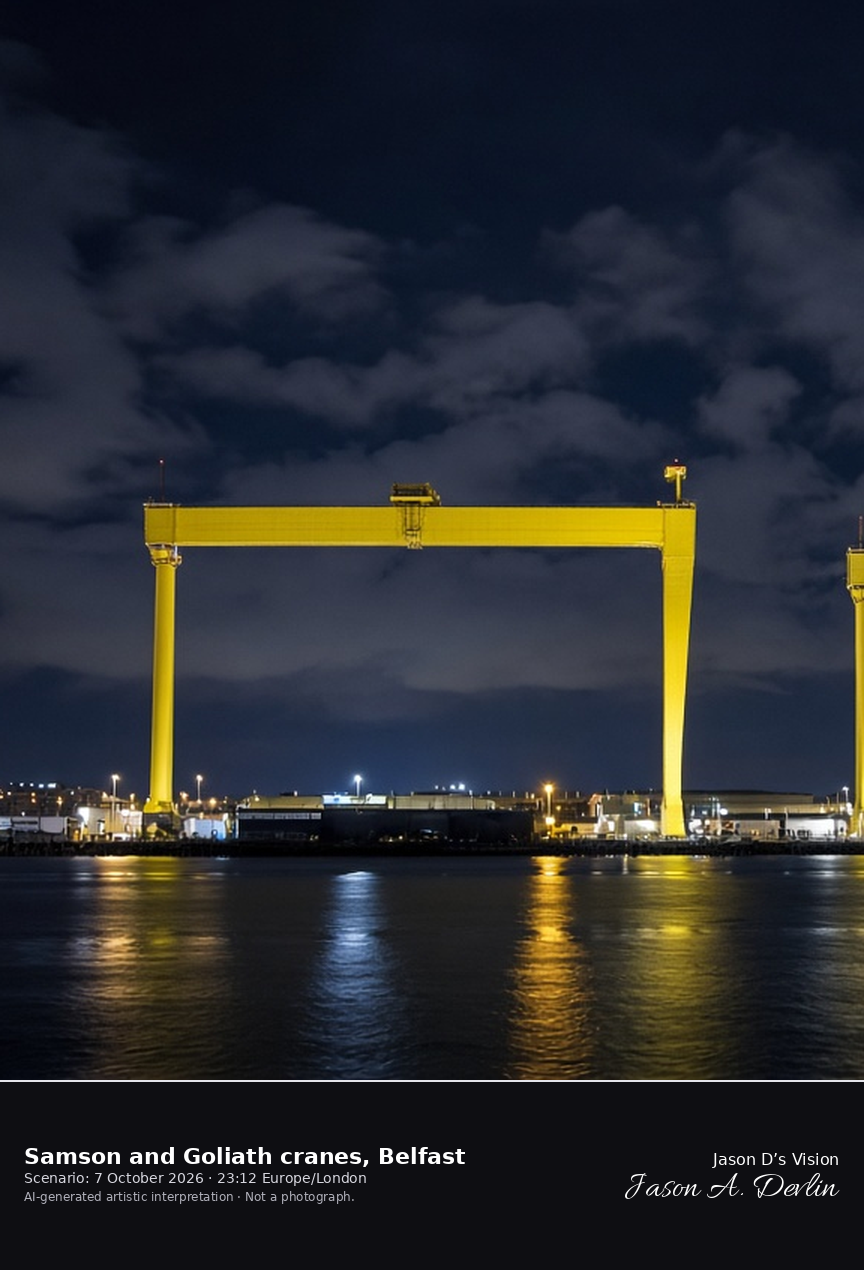
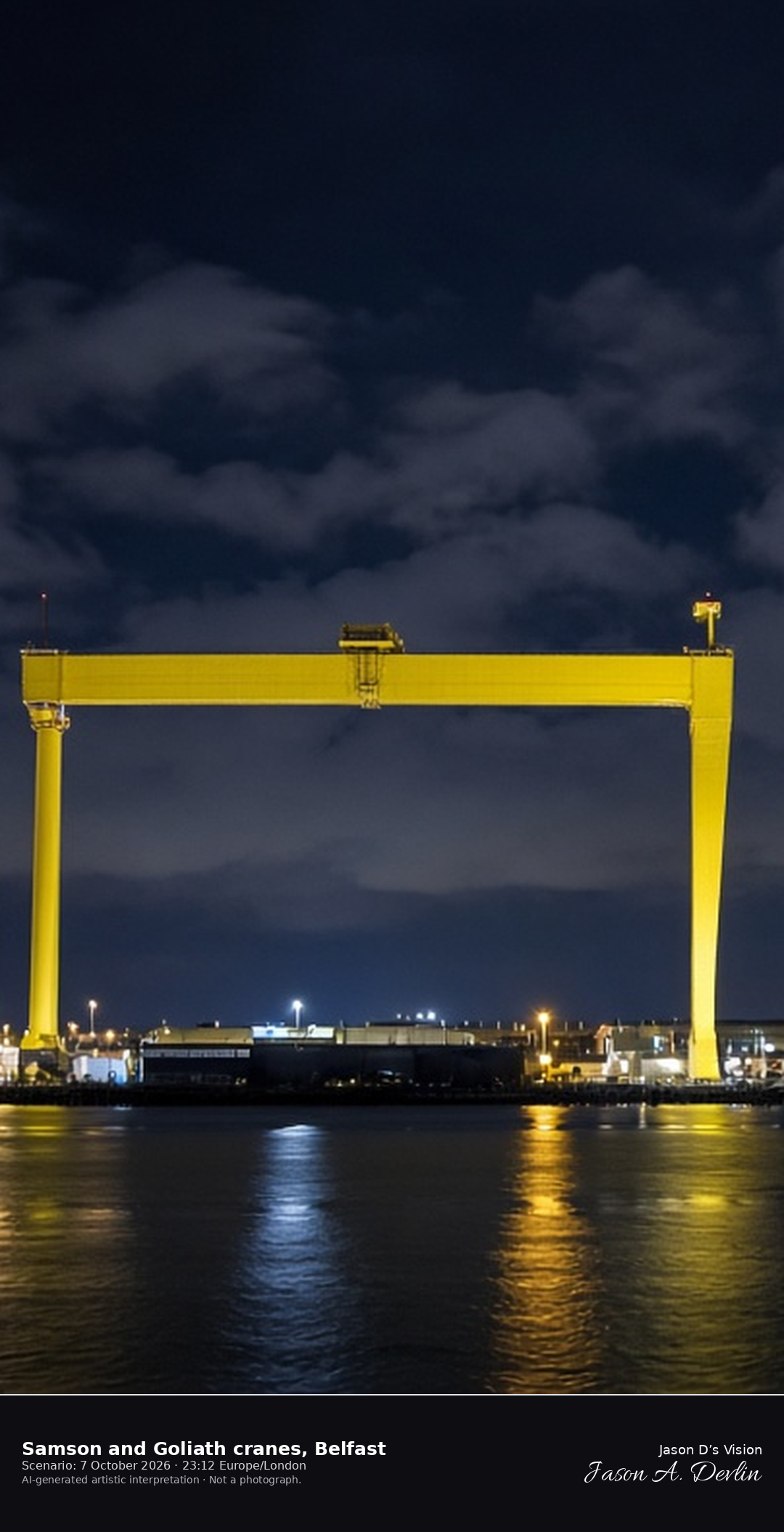
Samson and Goliath cranes, Belfast · AI-generated artistic interpretation
Goliath was completed in 1969 and Samson in 1974 for the Harland and Wolff shipyard, where the Titanic had been built decades earlier. They are protected as historic monuments and are landmarks across the city.
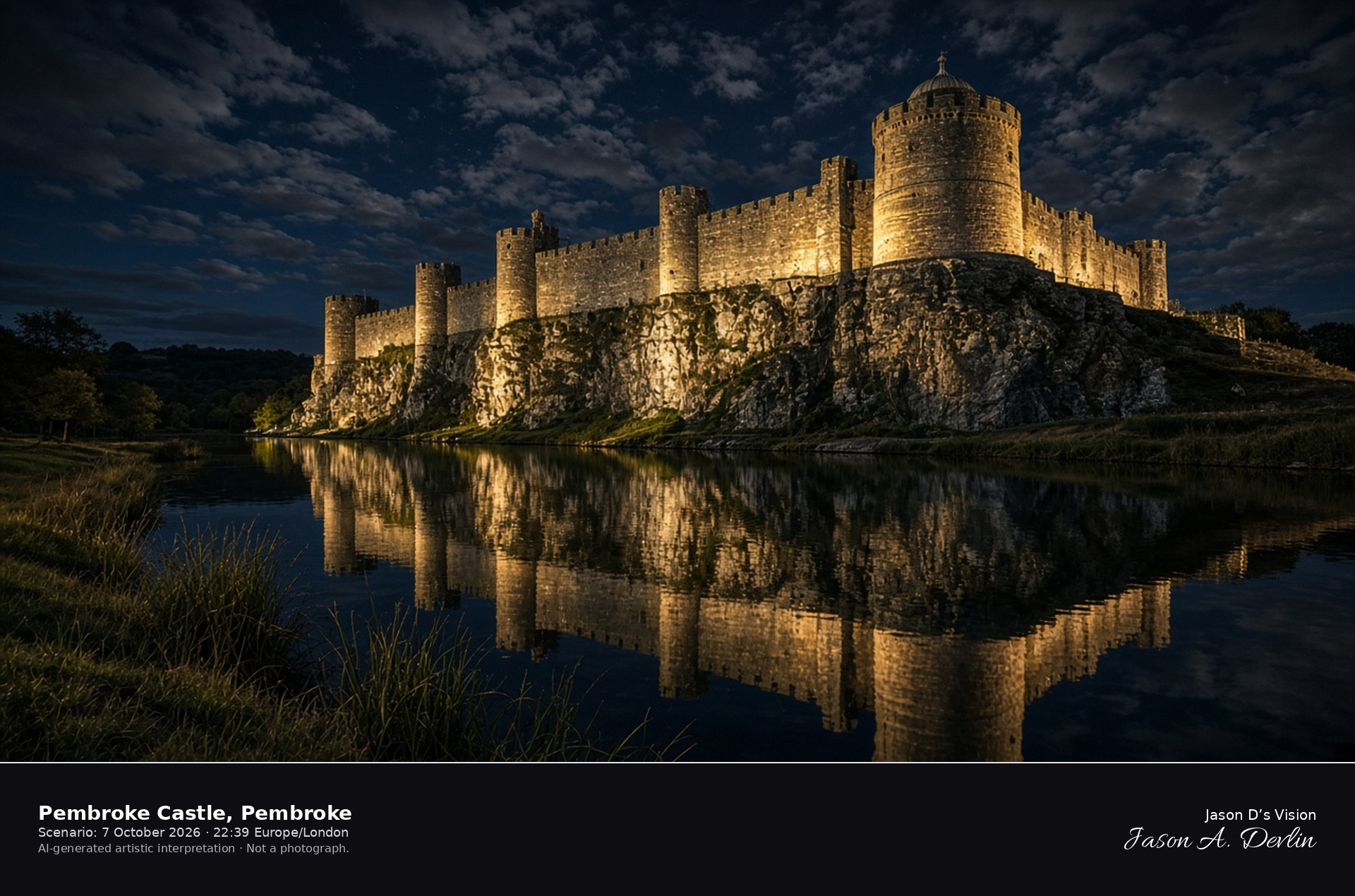
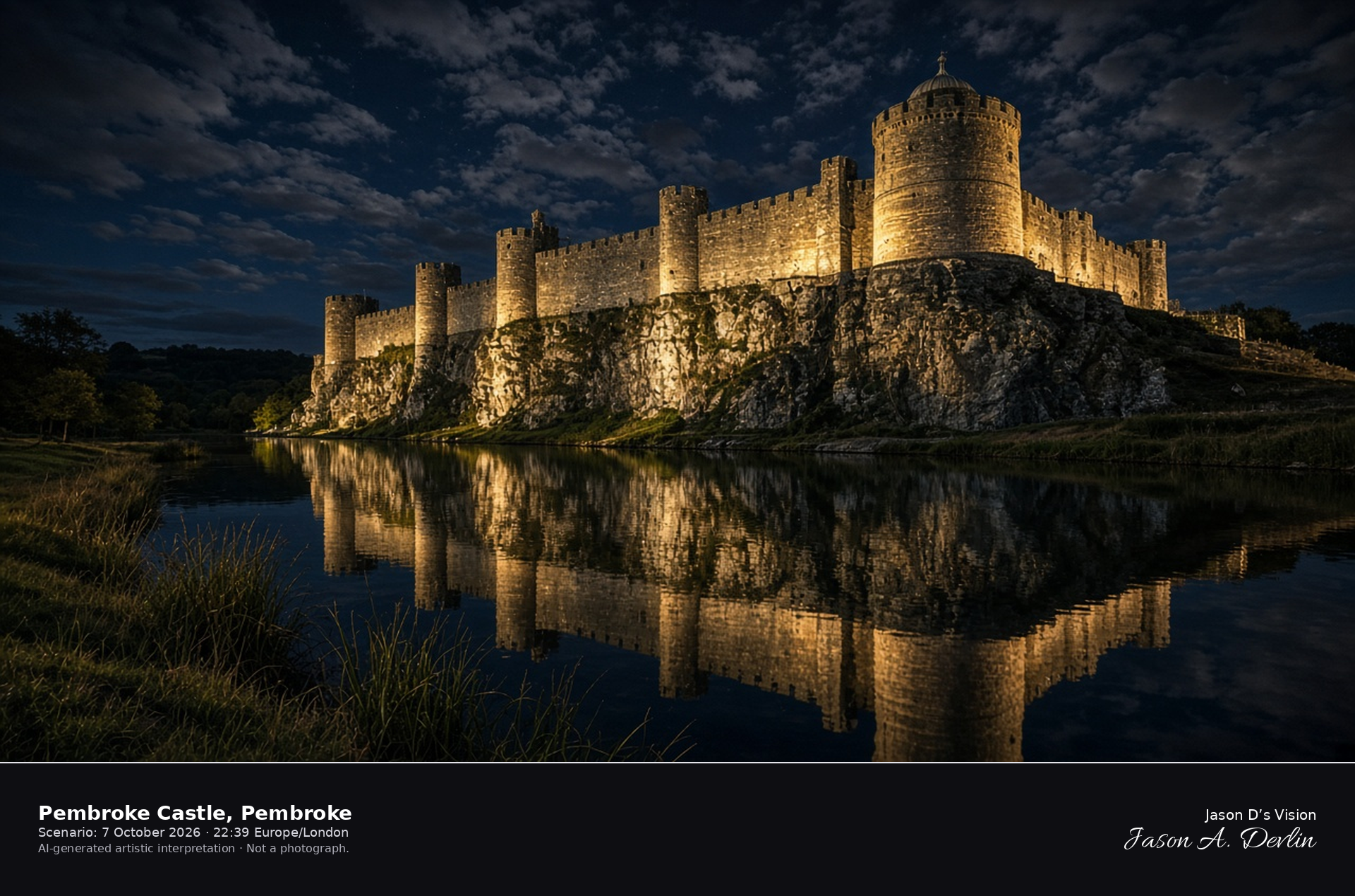
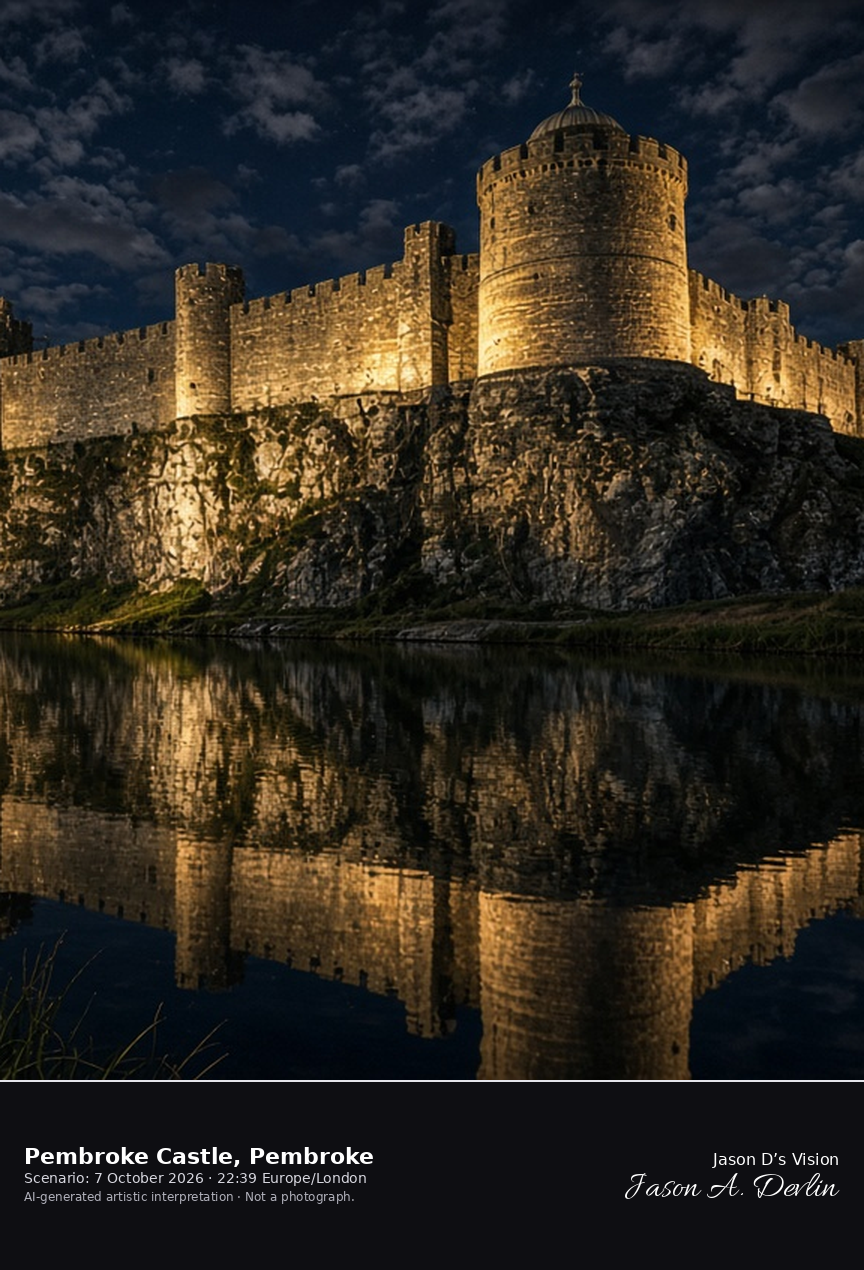
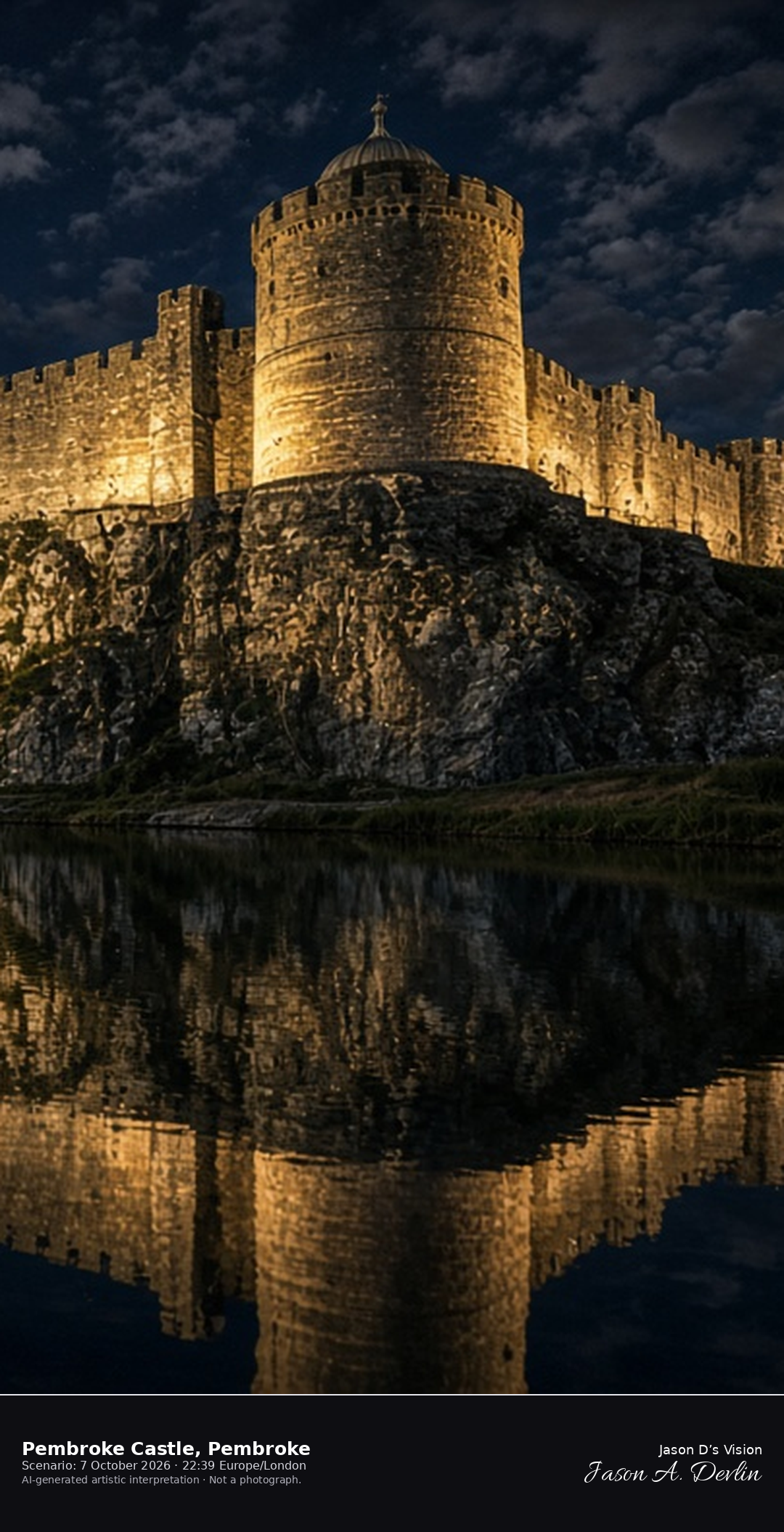
Pembroke Castle was founded in the late 11th century, and its great round keep was built around 1200 by William Marshal. Henry Tudor, later King Henry VII, was born at the castle in 1457.
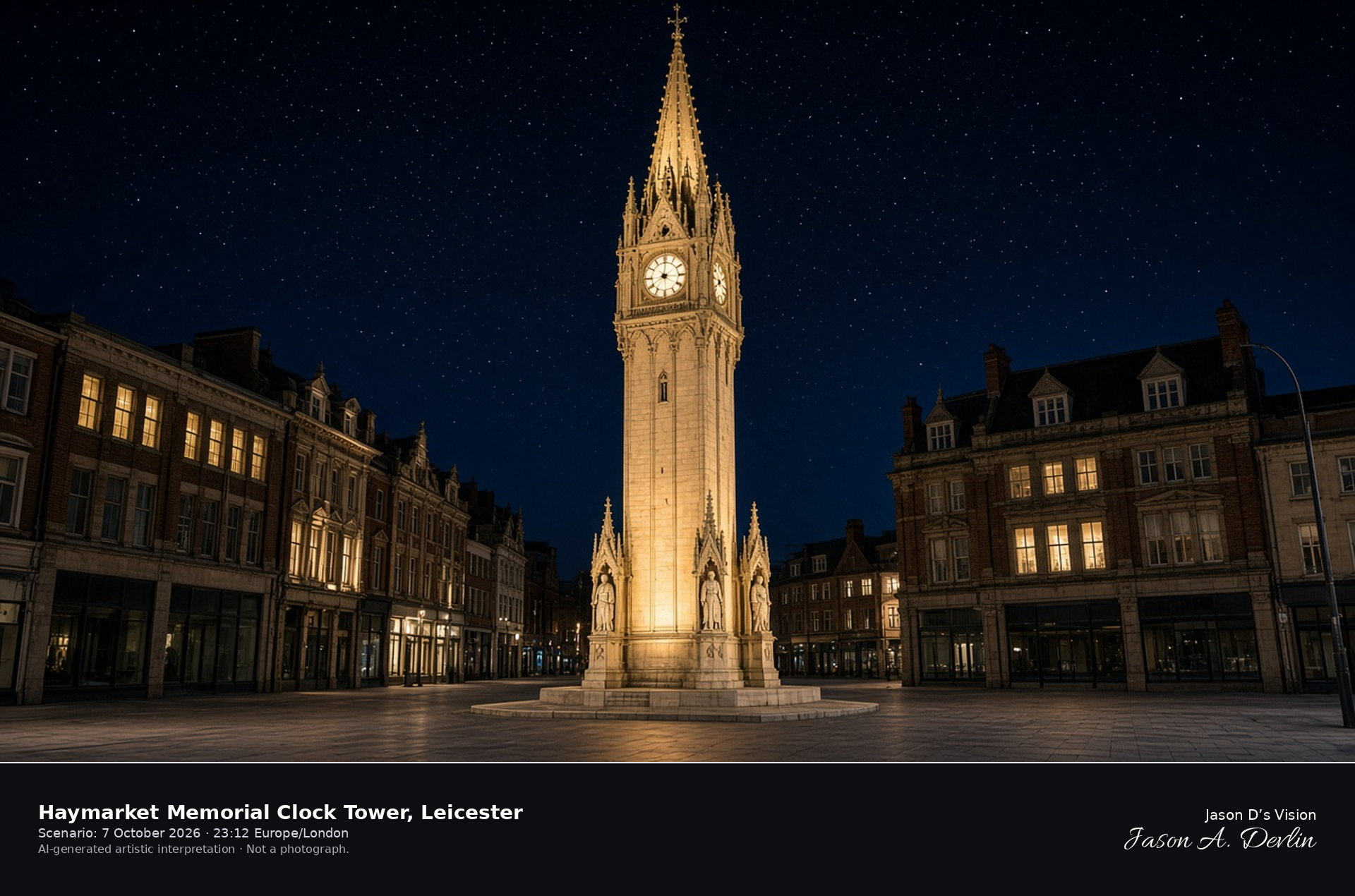
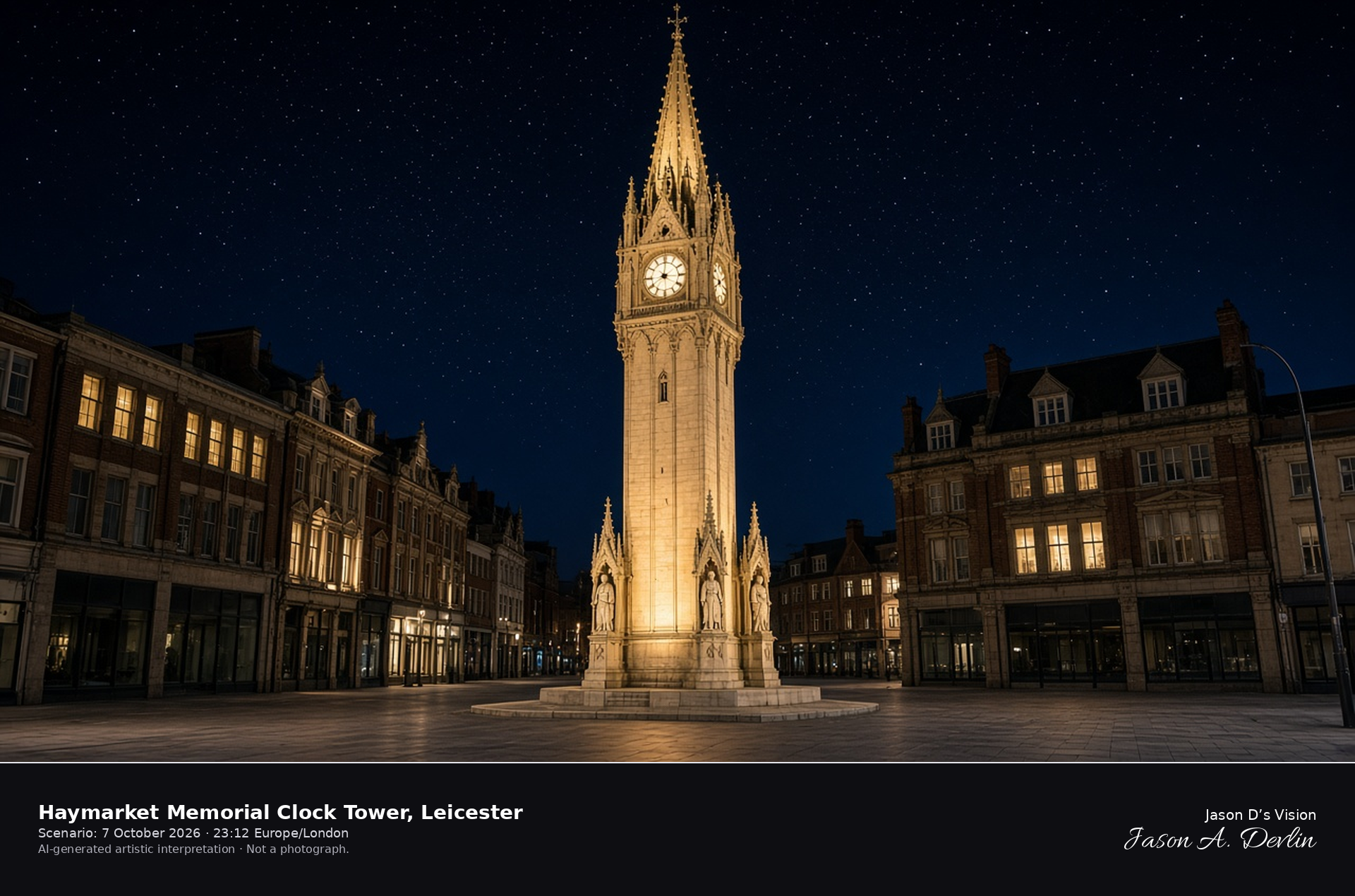
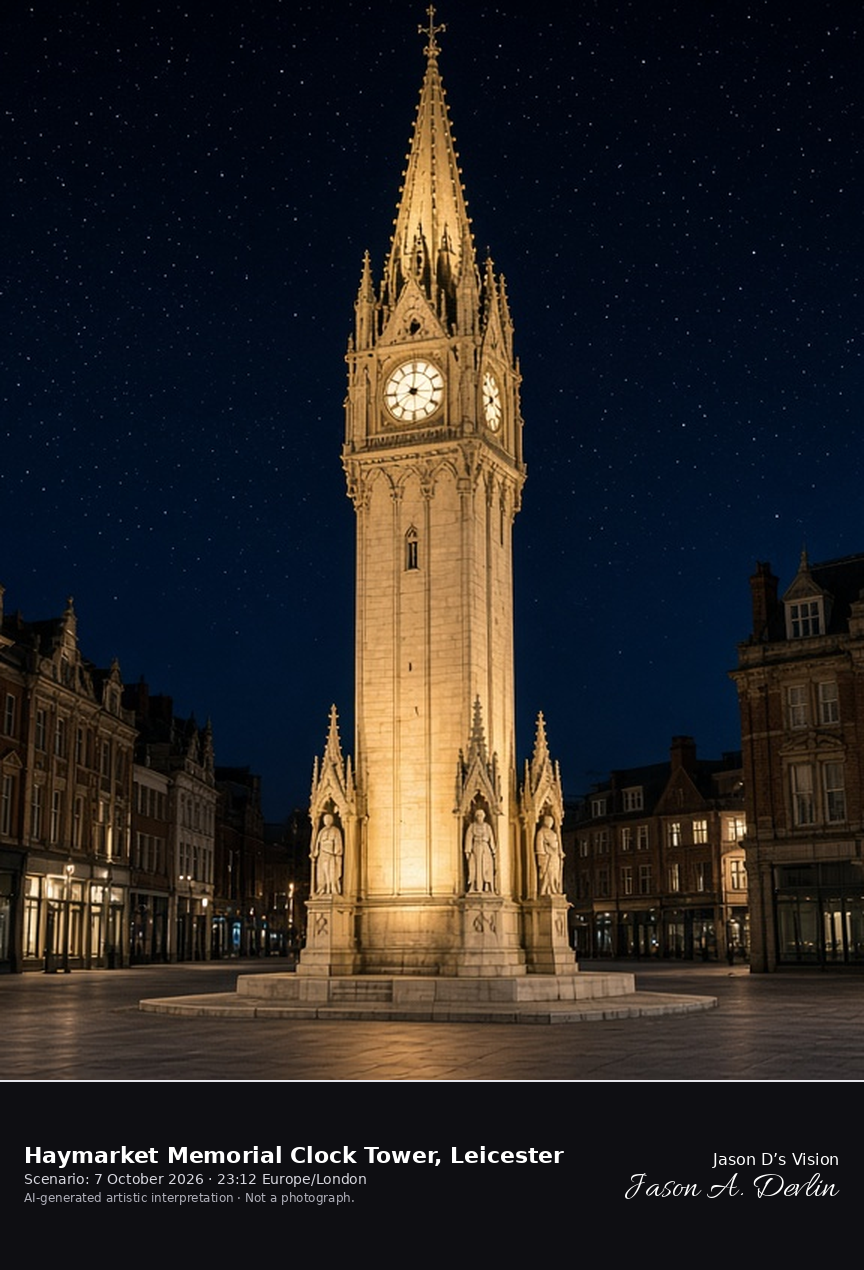
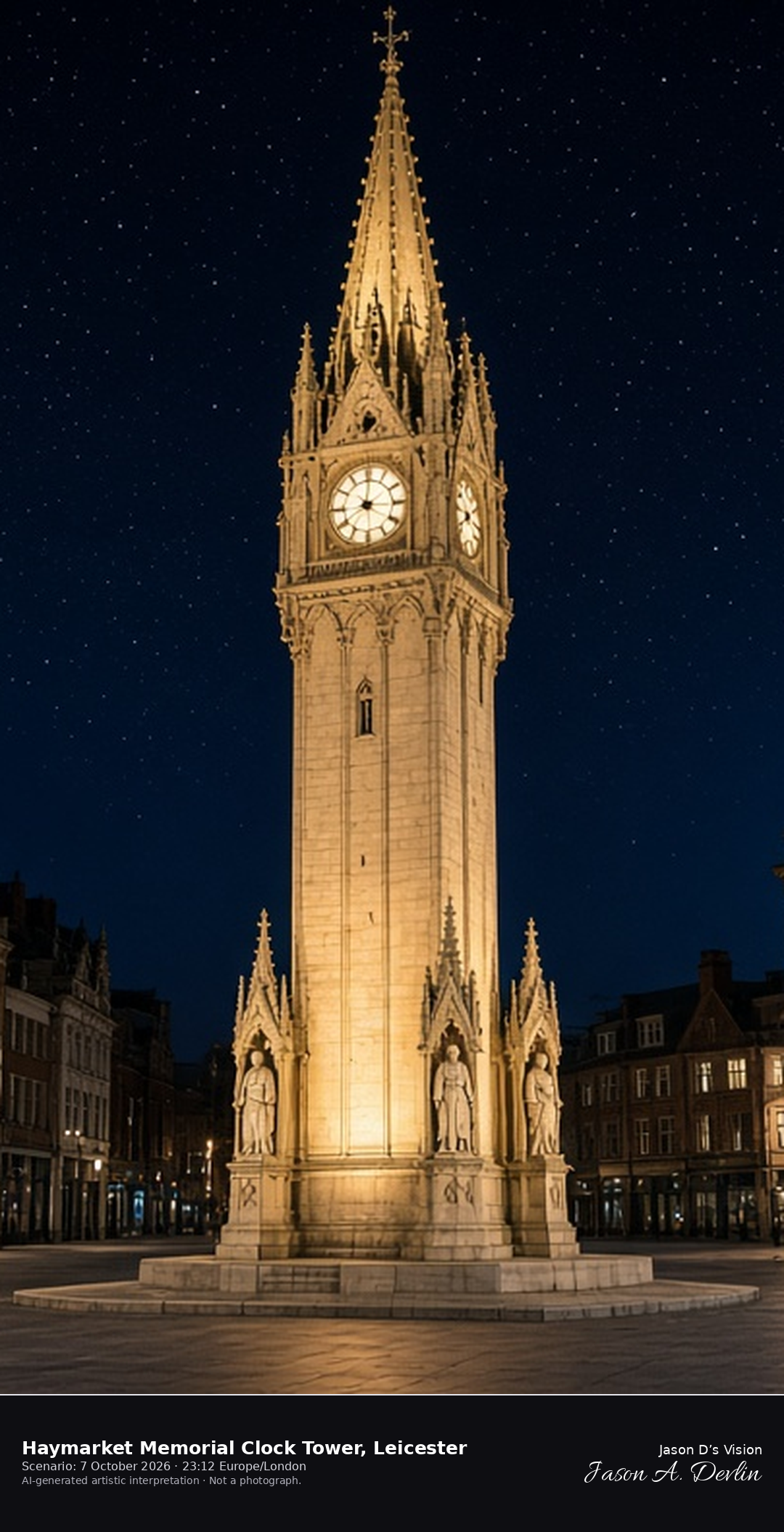
Haymarket Memorial Clock Tower, Leicester · AI-generated artistic interpretation
The clock tower was built in 1868 to designs by Joseph Goddard. Its four statues show Simon de Montfort, William Wyggeston, Thomas White and Gabriel Newton, benefactors of the town.
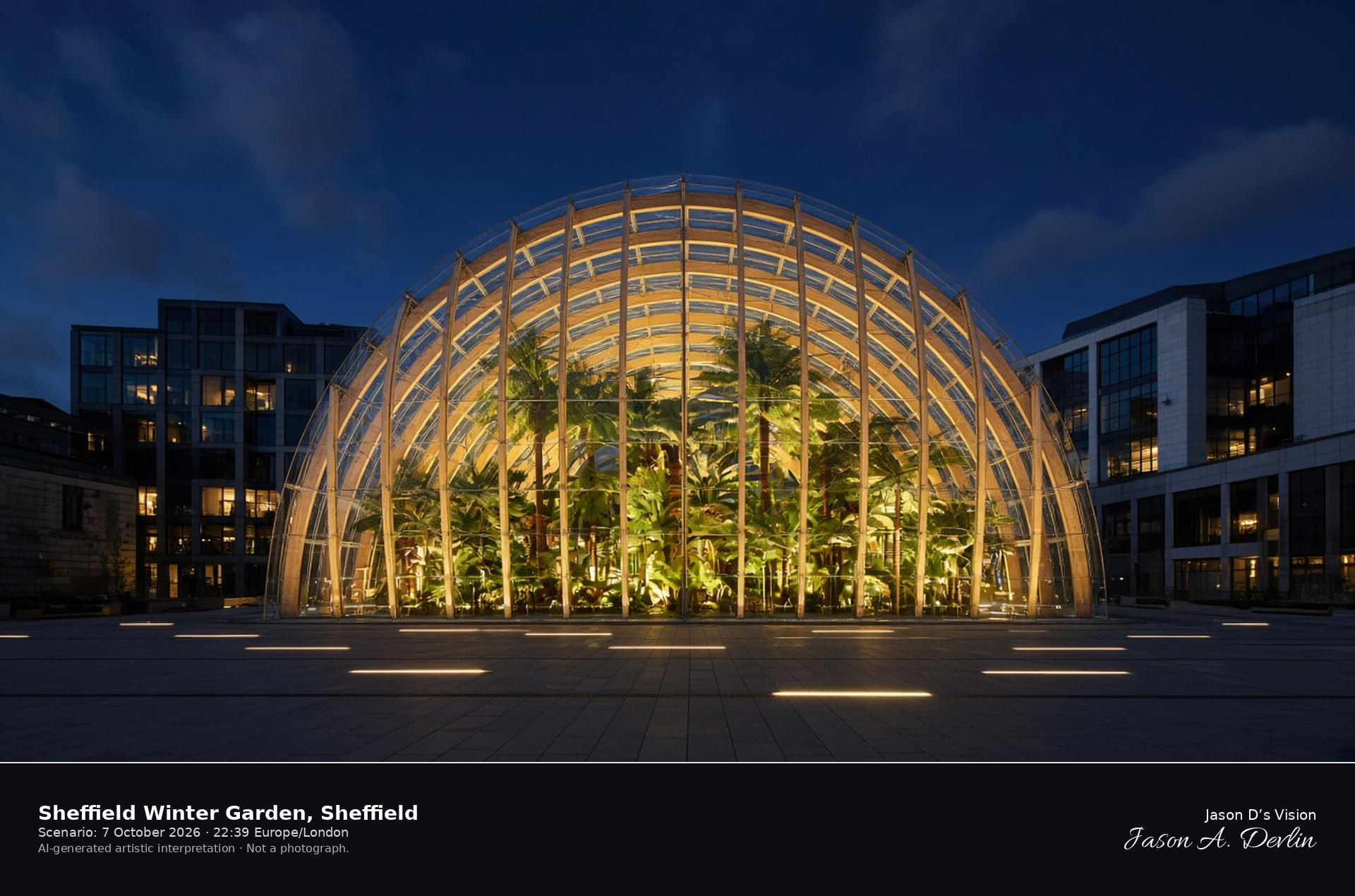
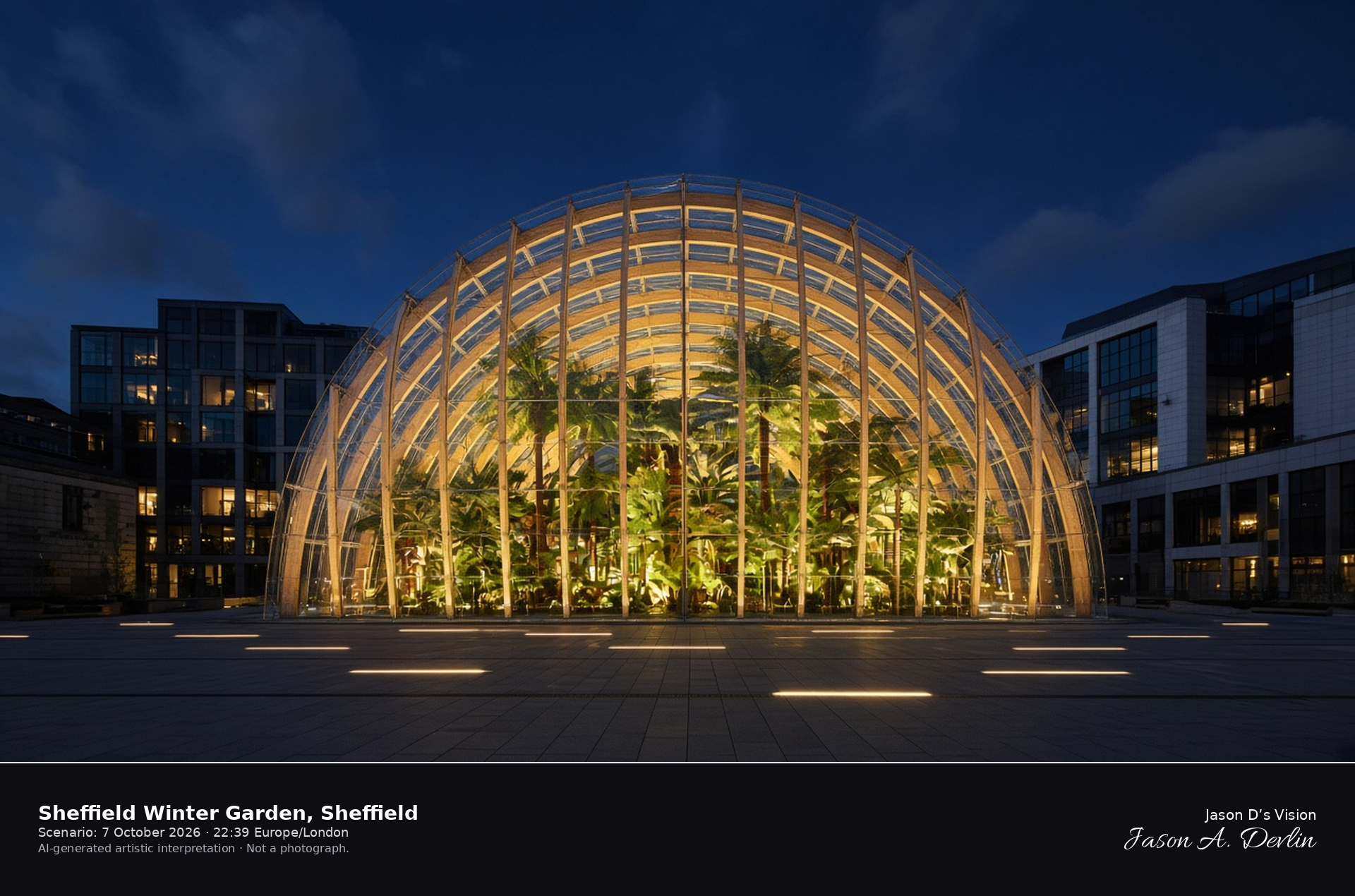
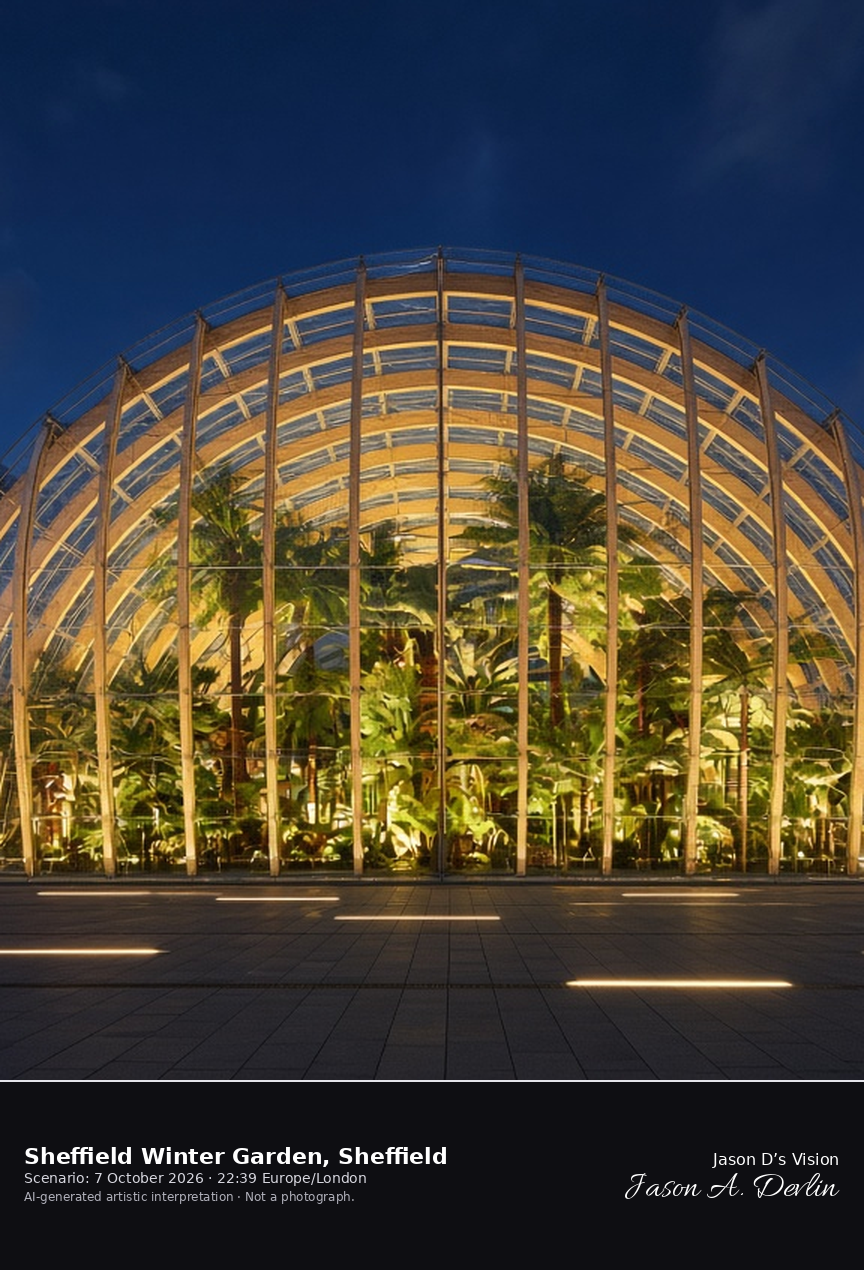
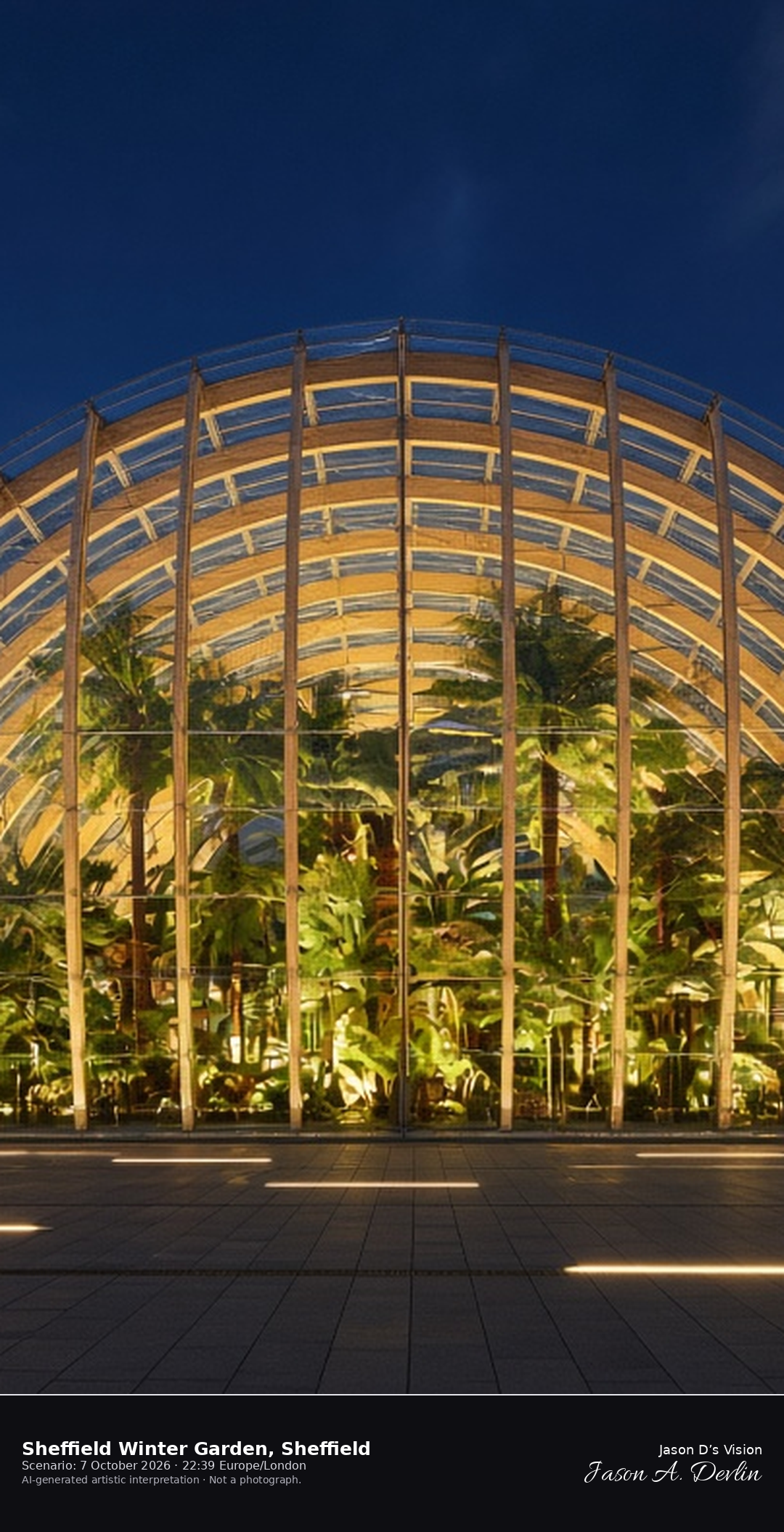
The Winter Garden opened in 2003 as part of the regeneration of Sheffield city centre. Its arches are made of laminated larch, and it houses thousands of plants from around the world.
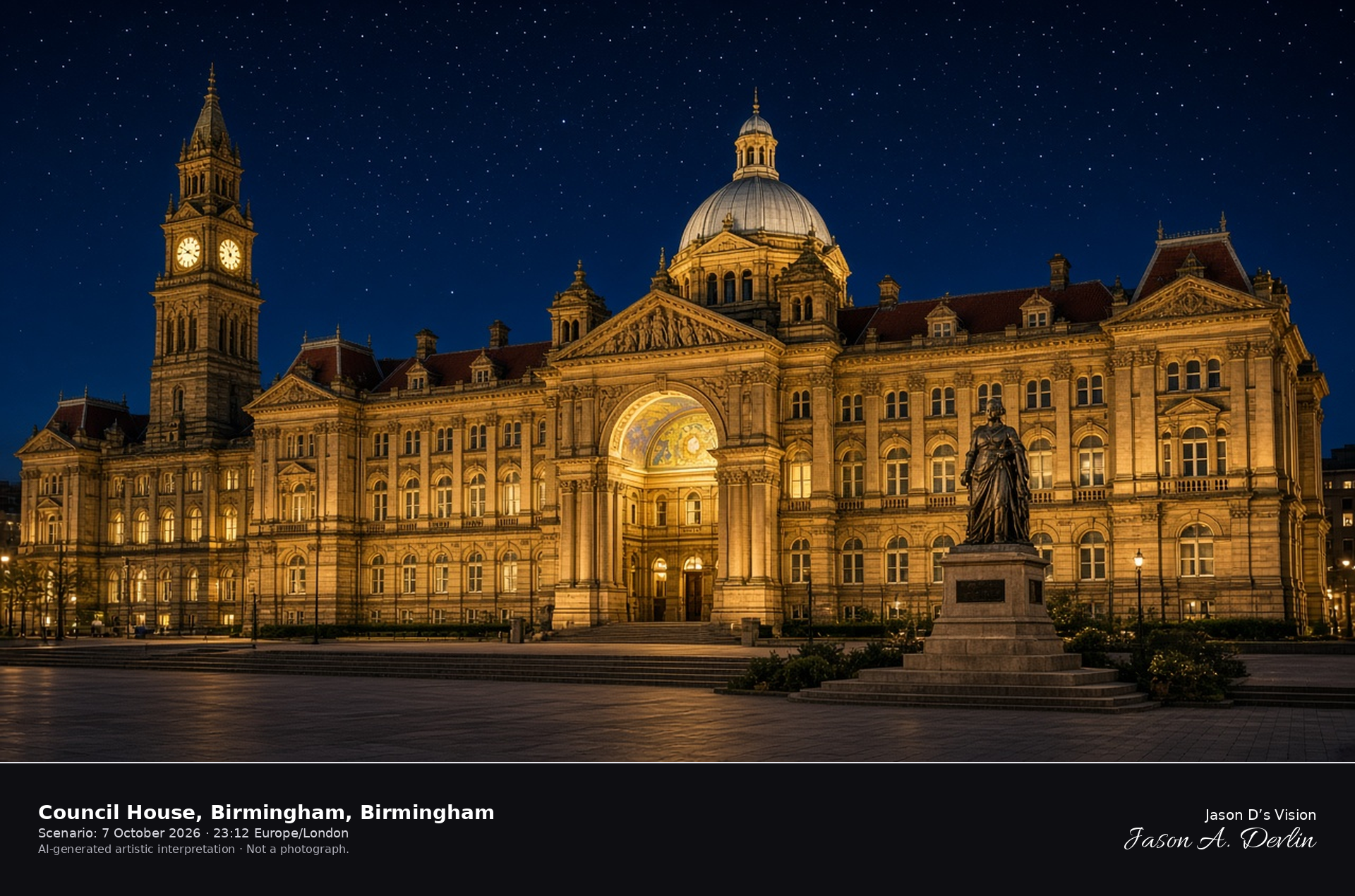
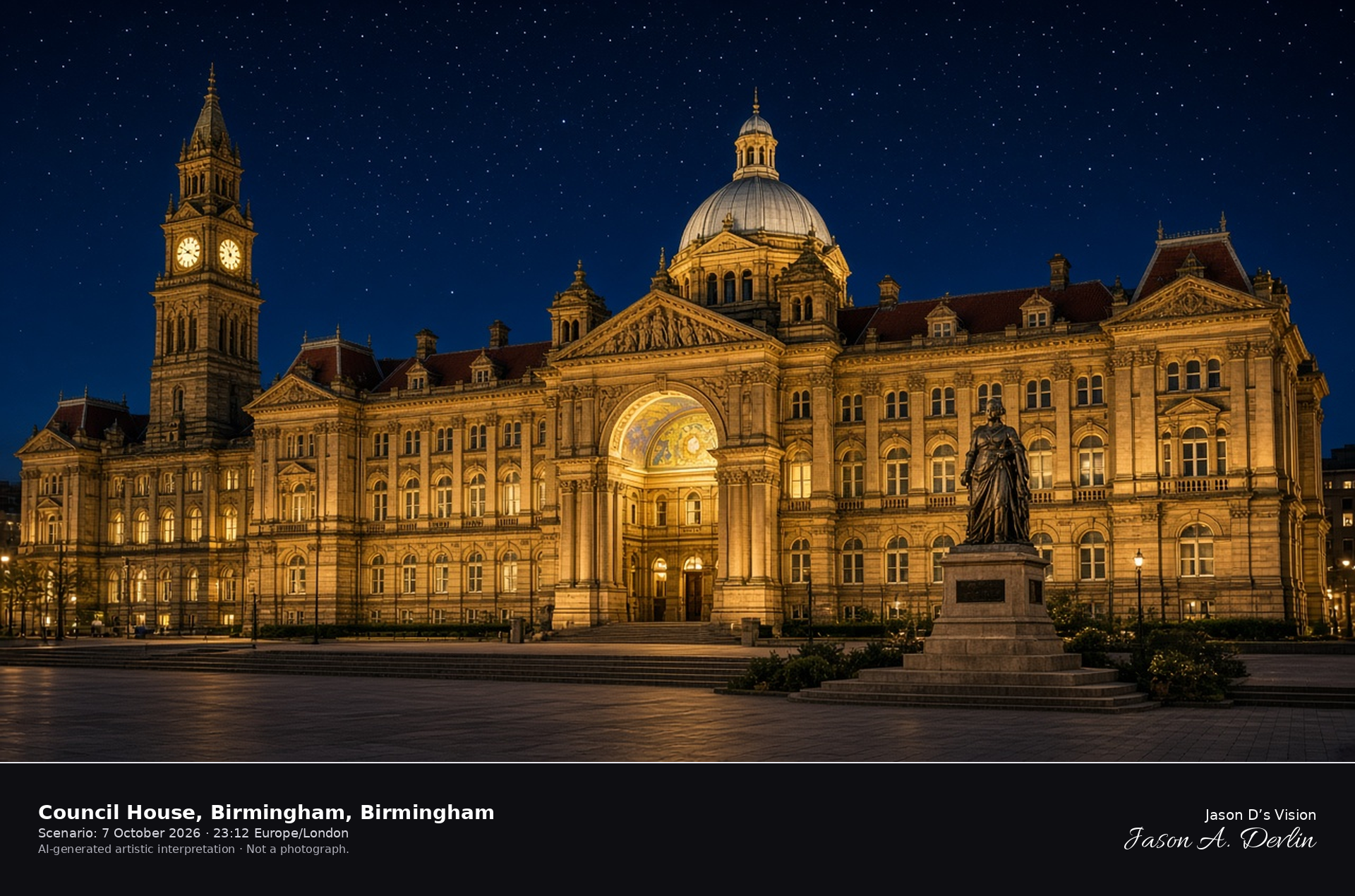
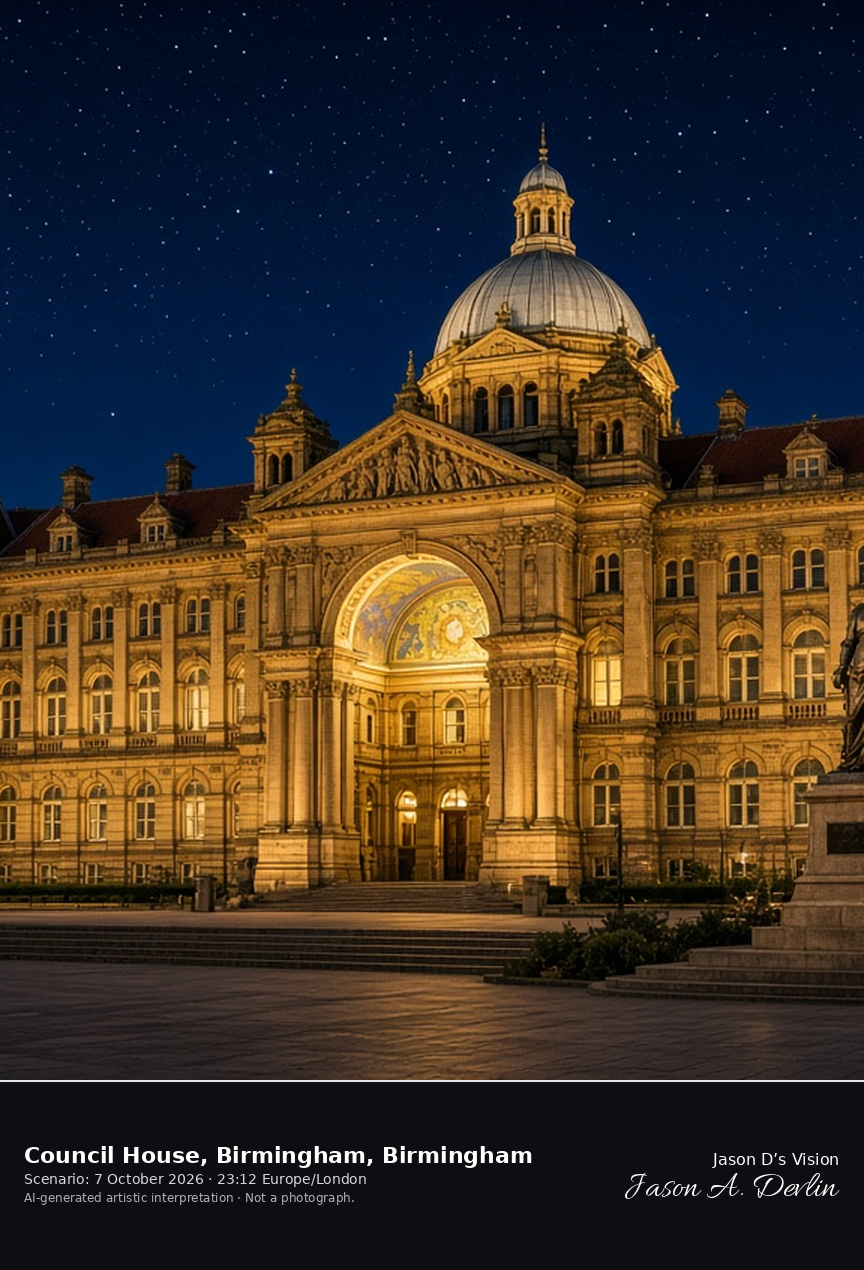
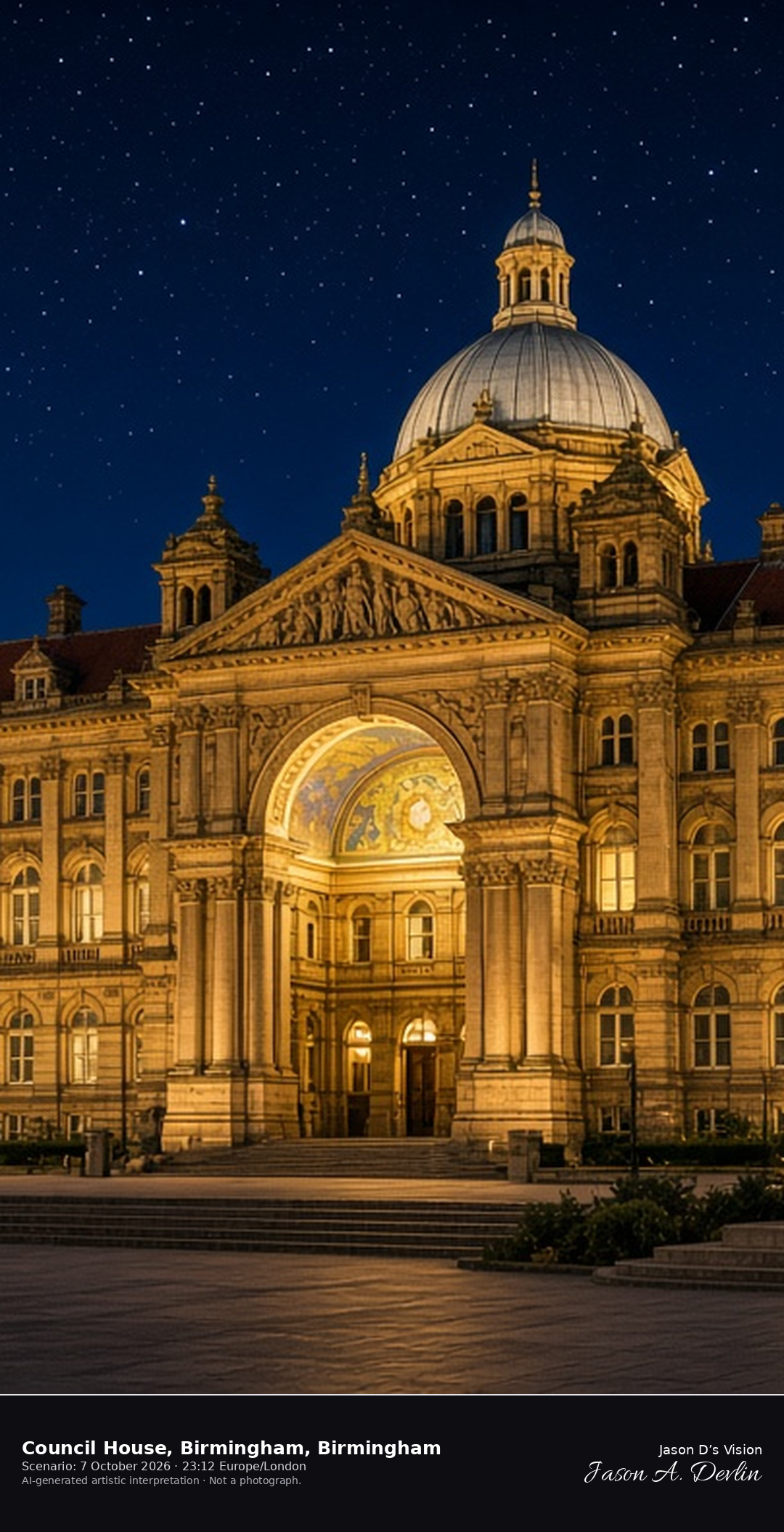
Council House, Birmingham, Birmingham · AI-generated artistic interpretation
The Council House was designed by Yeoville Thomason and completed in 1879 as the home of Birmingham's city council. The clock tower behind it, known as Big Brum, belongs to the Museum and Art Gallery extension.
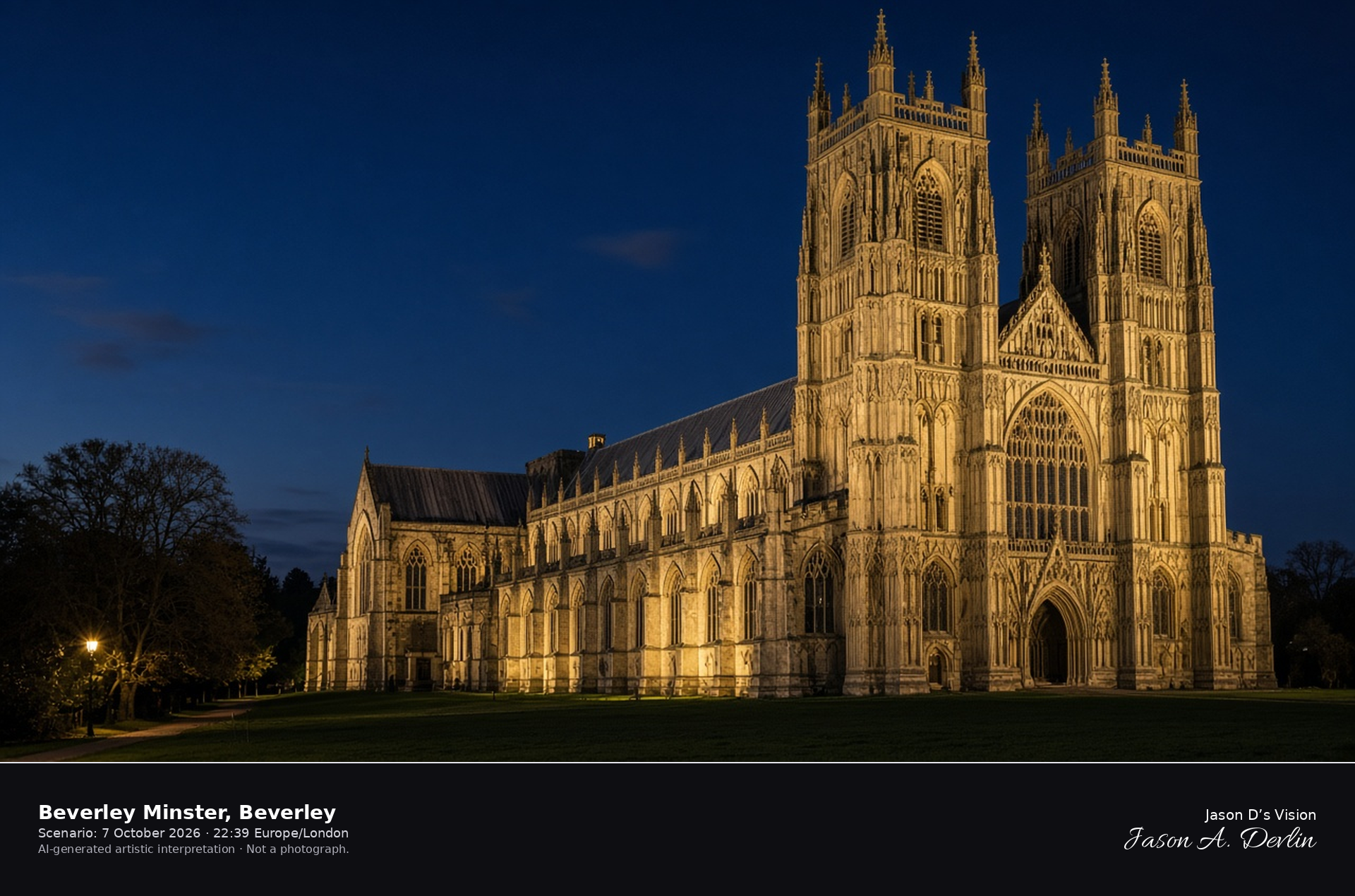
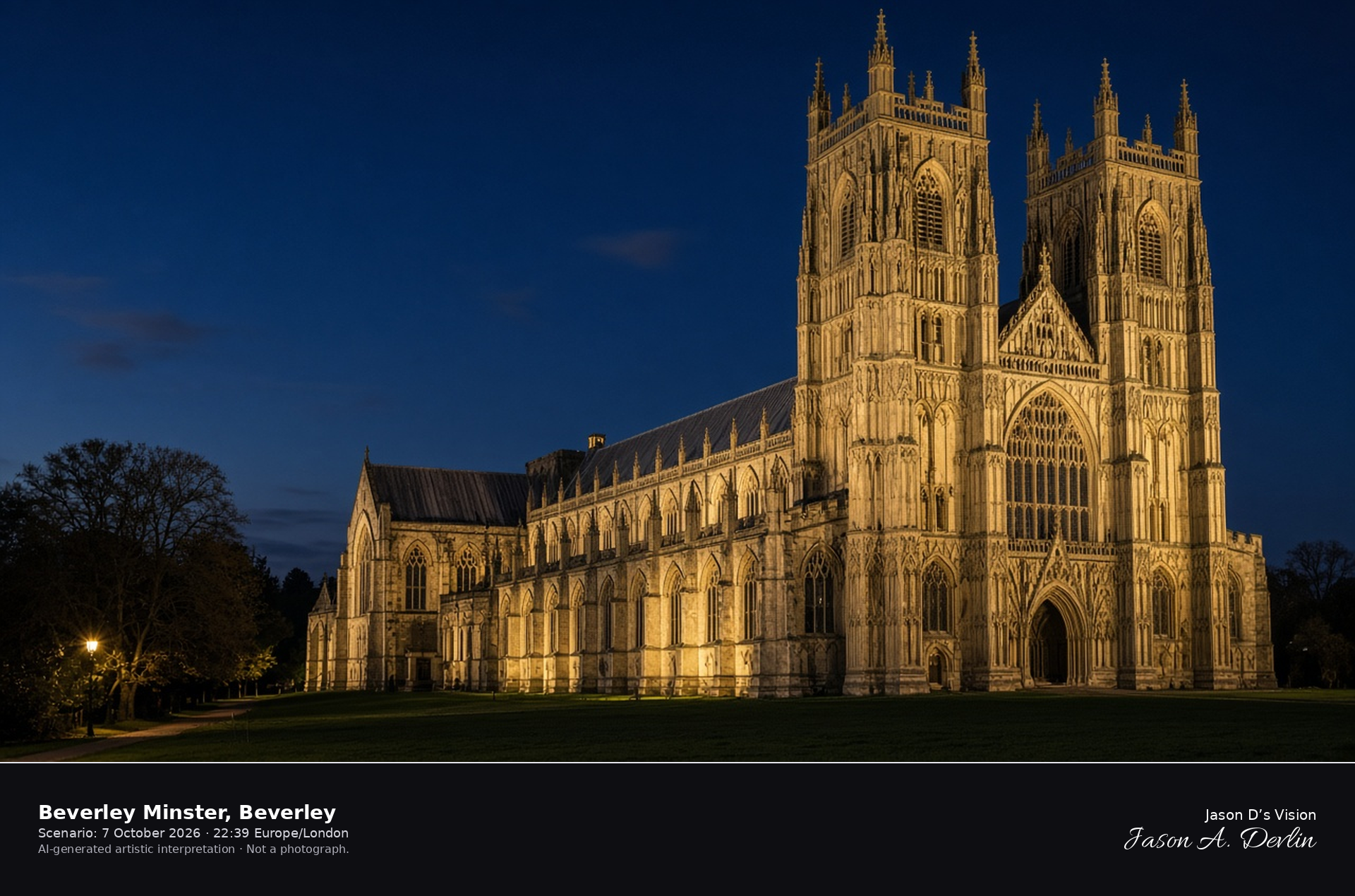
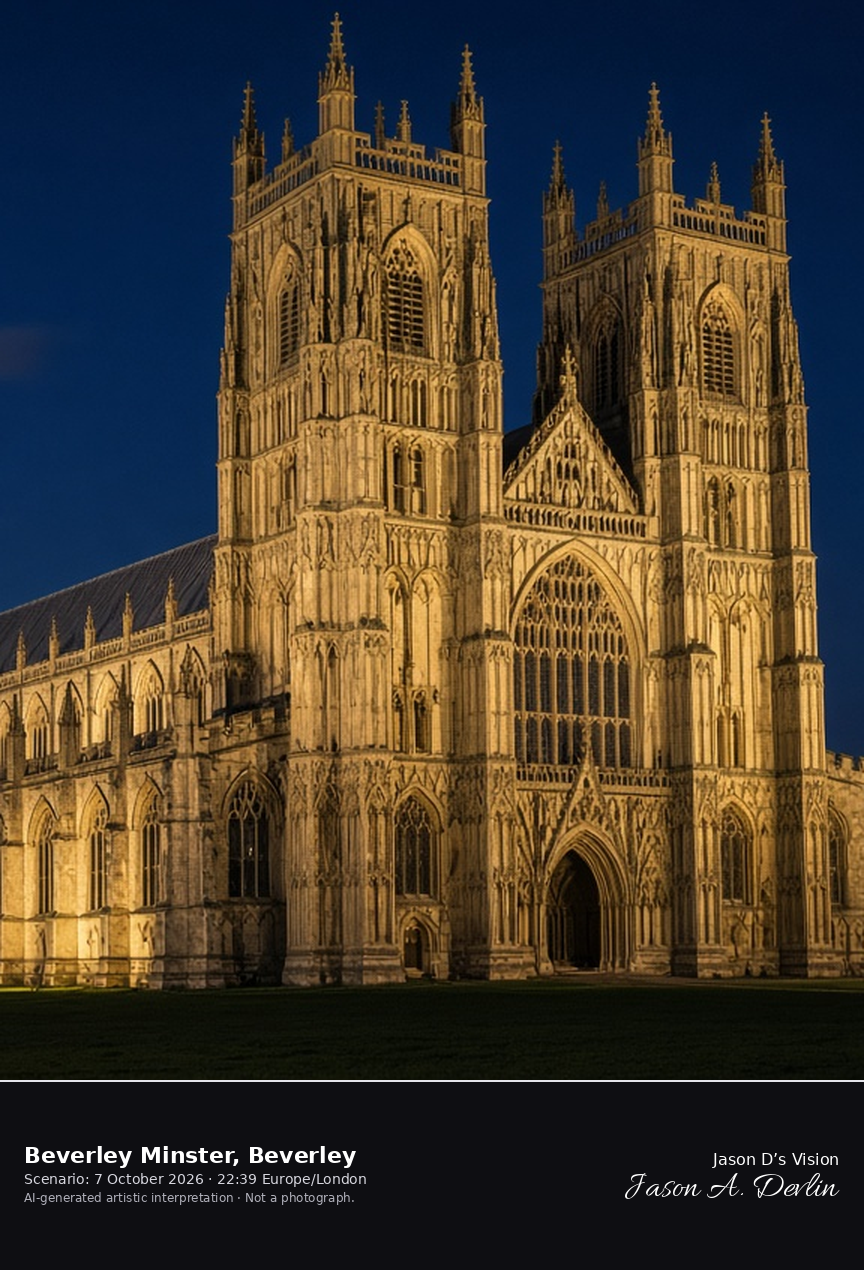
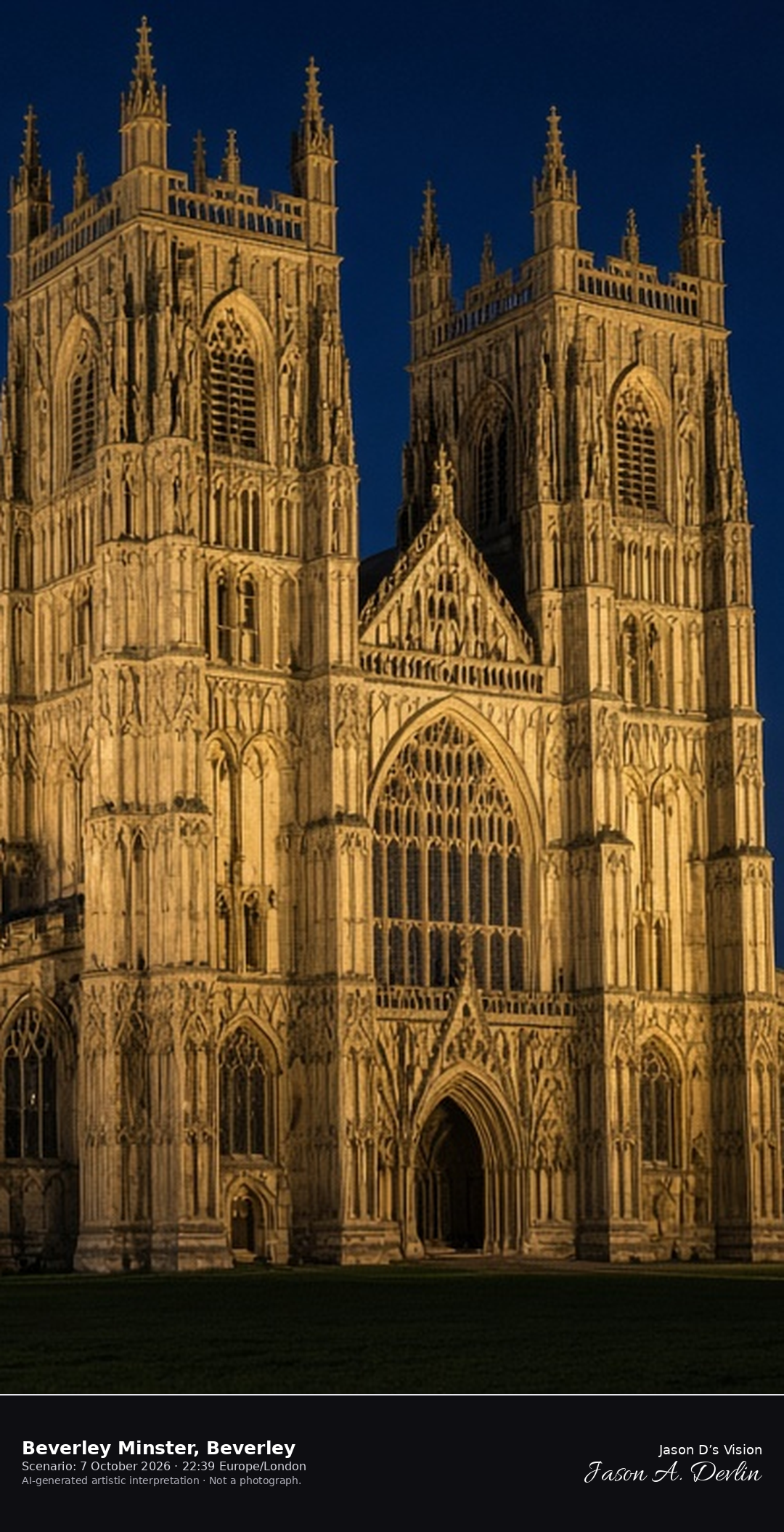
Beverley Minster was built over about two centuries from around 1220 and is one of the largest parish churches in England. It holds the tomb of St John of Beverley, who founded a monastery here in the 8th century.
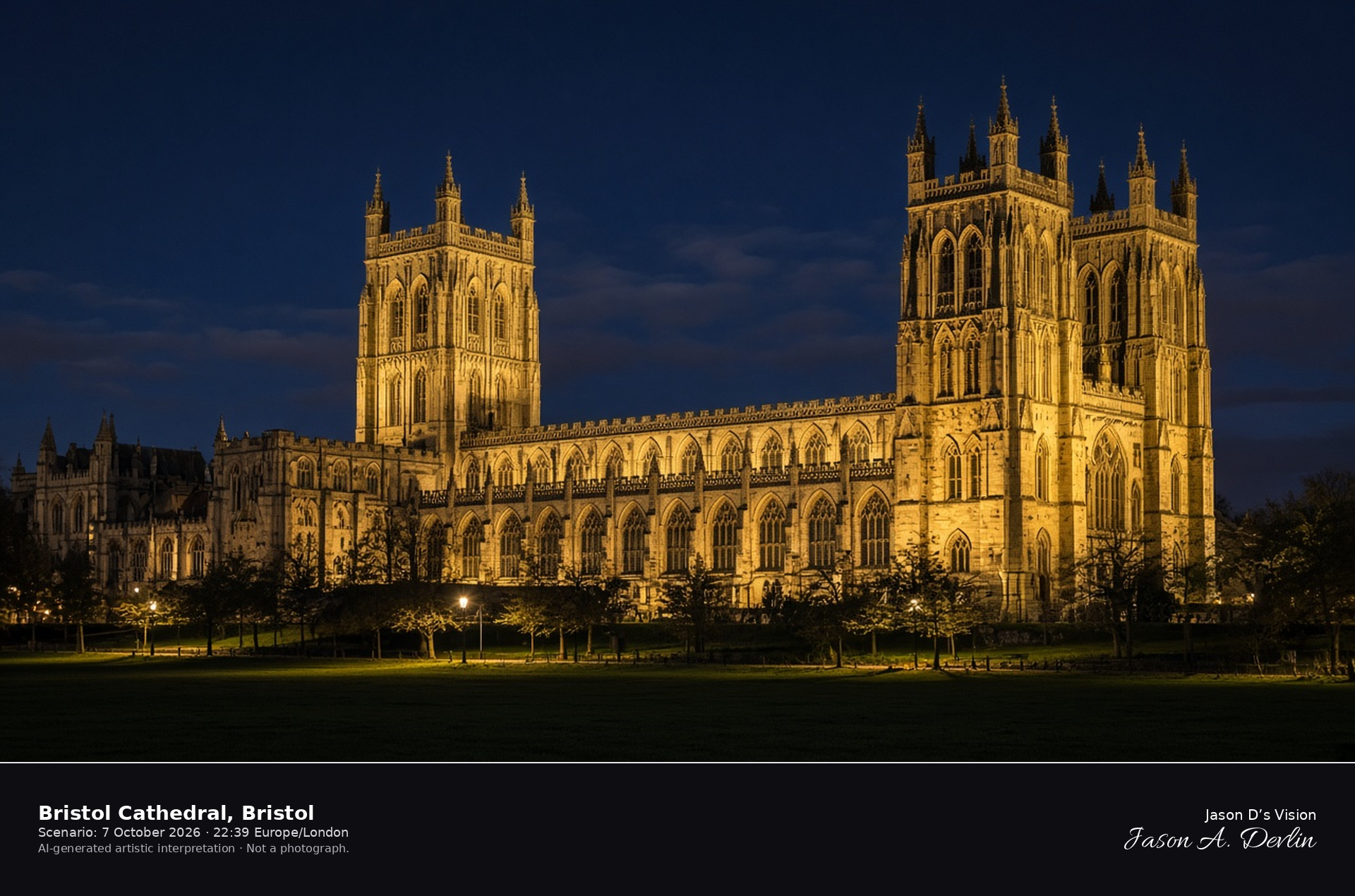
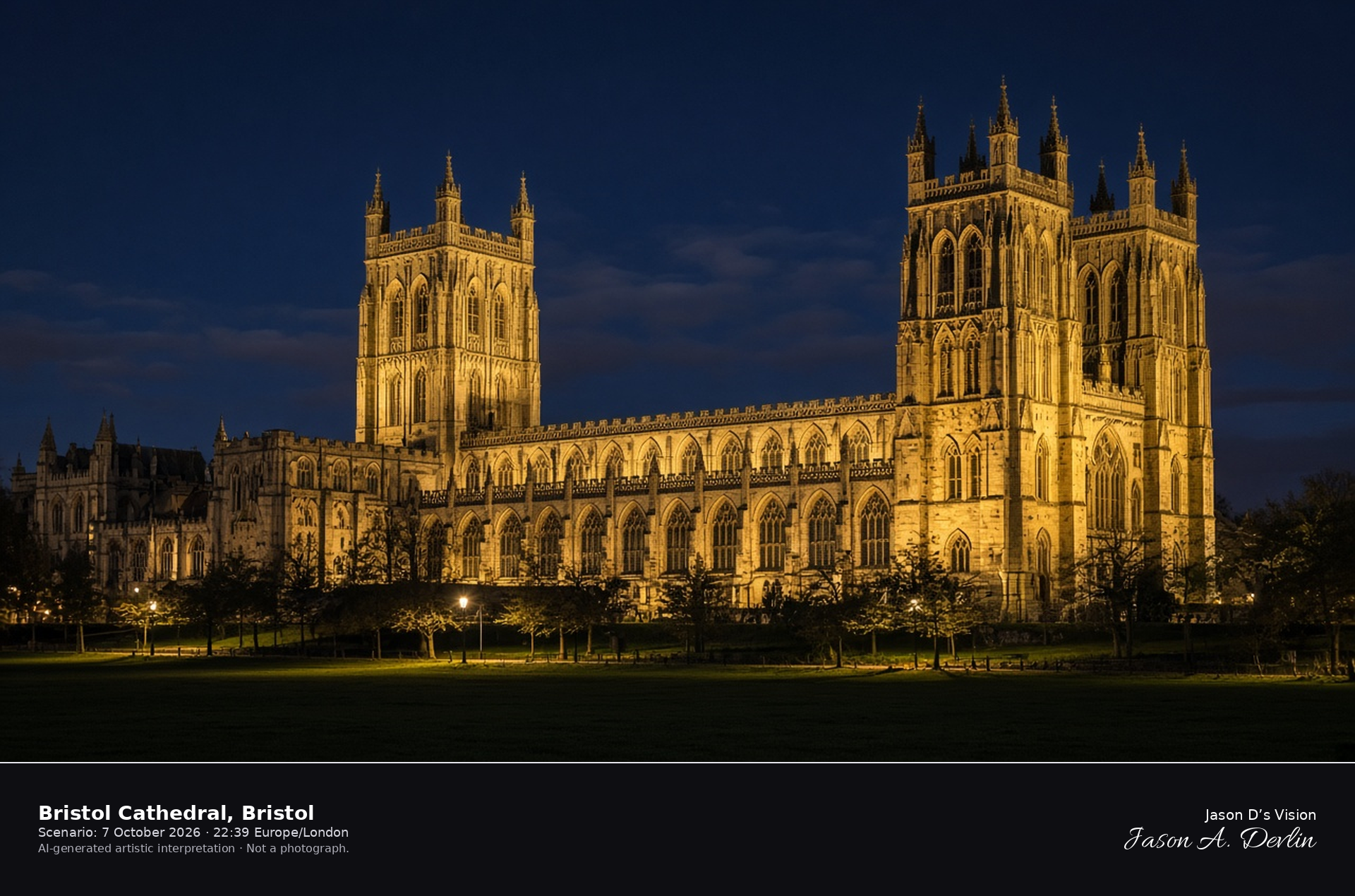
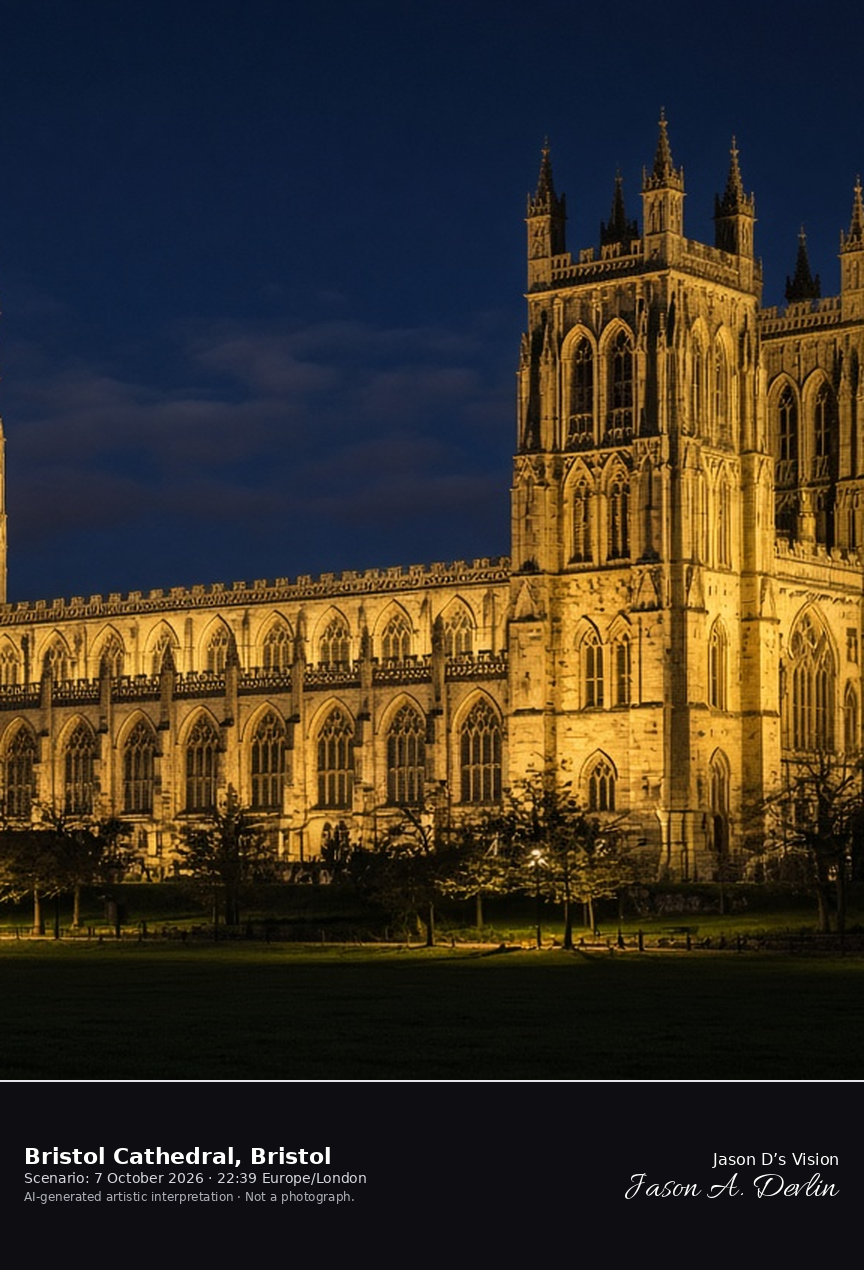
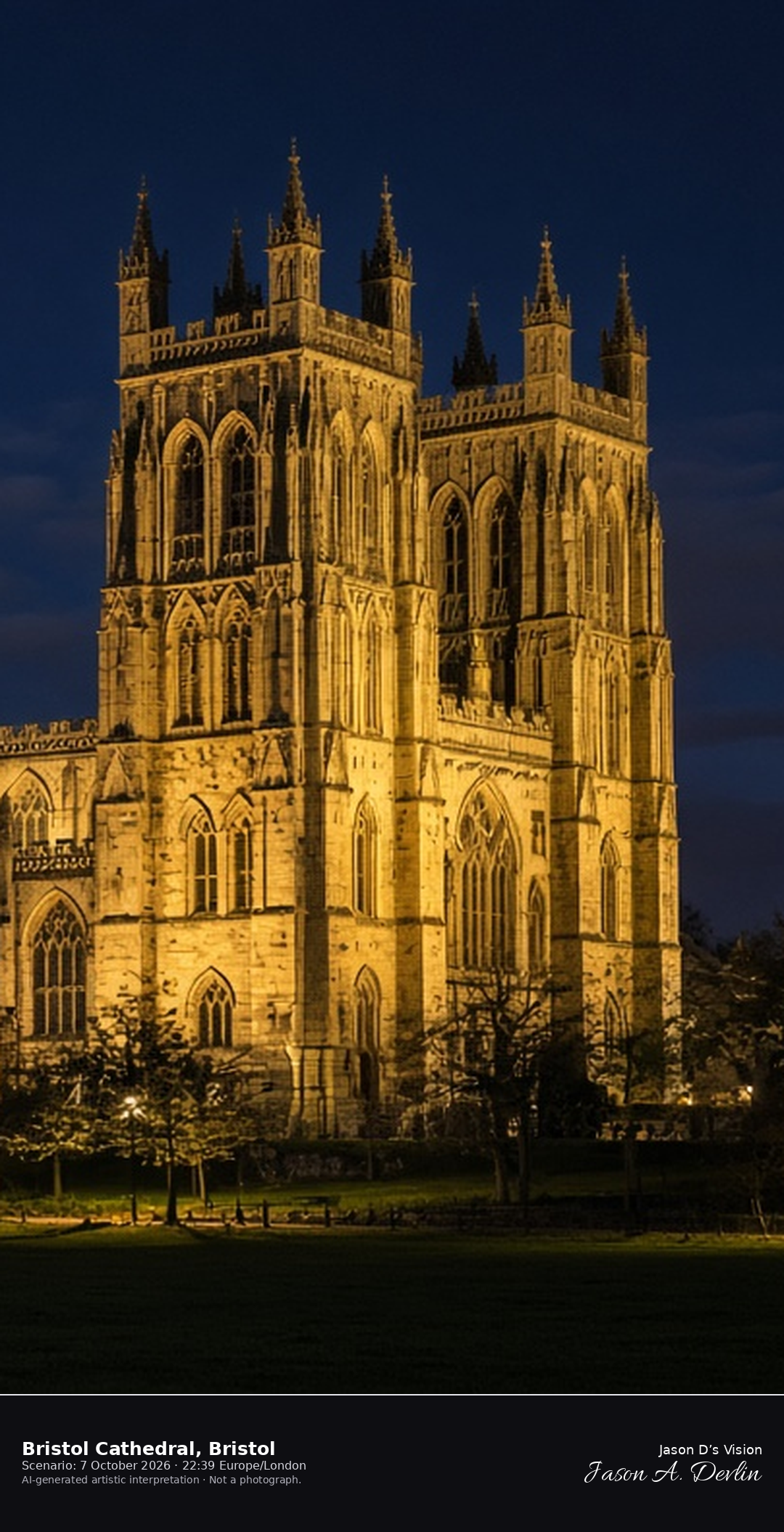
Bristol Cathedral was founded as an Augustinian abbey in 1140 and became a cathedral in 1542. Its east end is a rare medieval hall church, while the nave and west towers were completed in Victorian times.
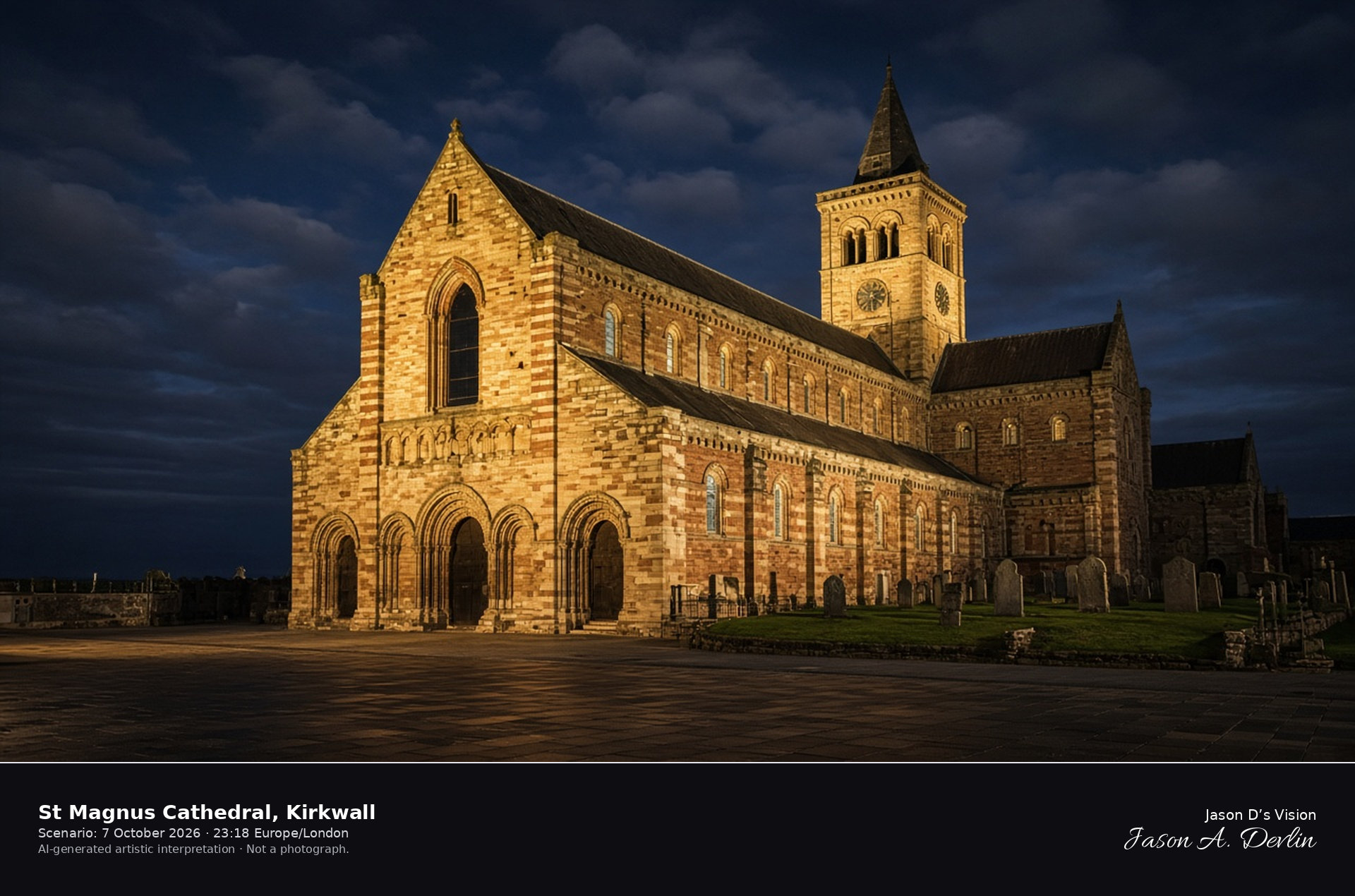
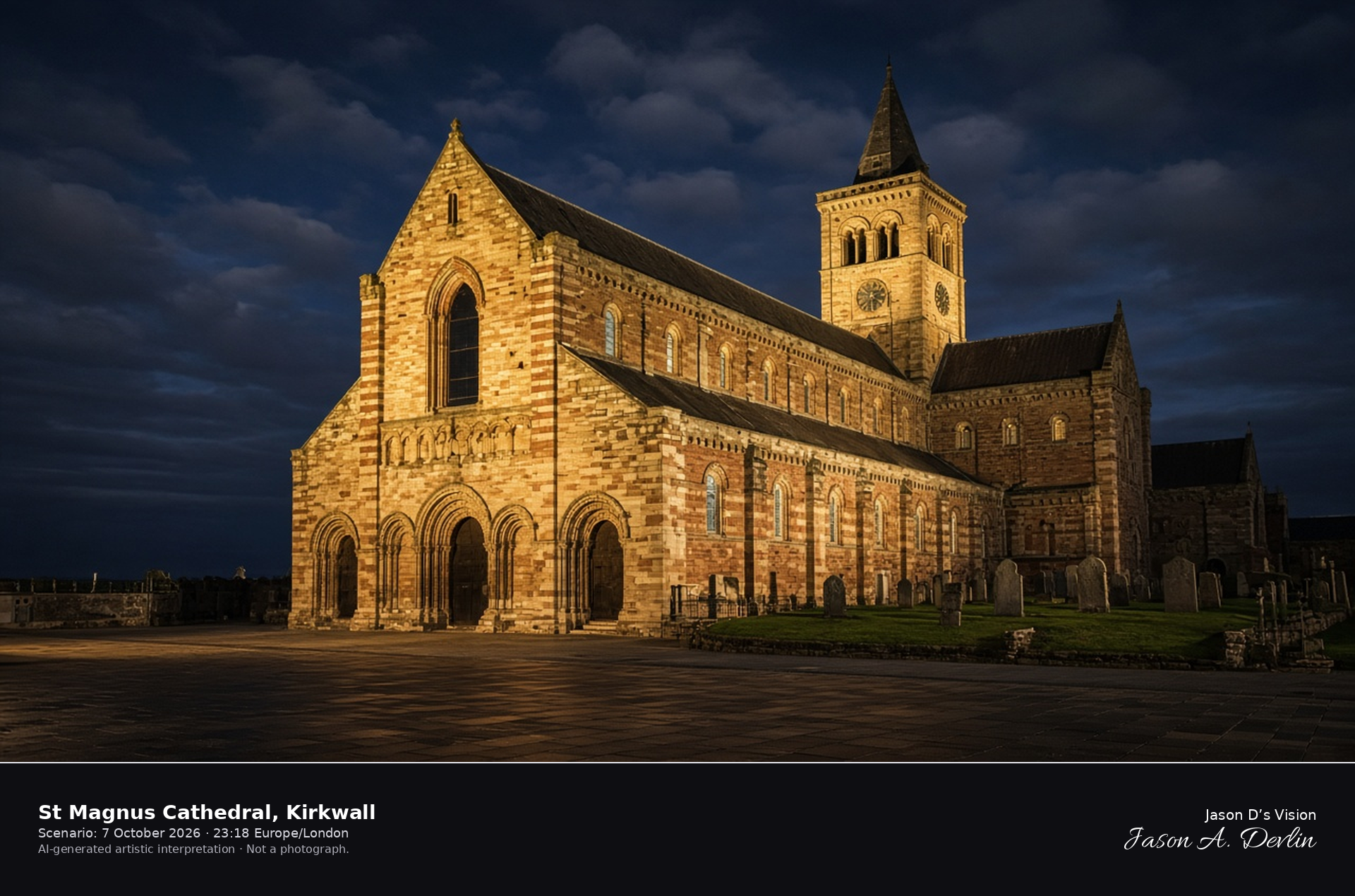
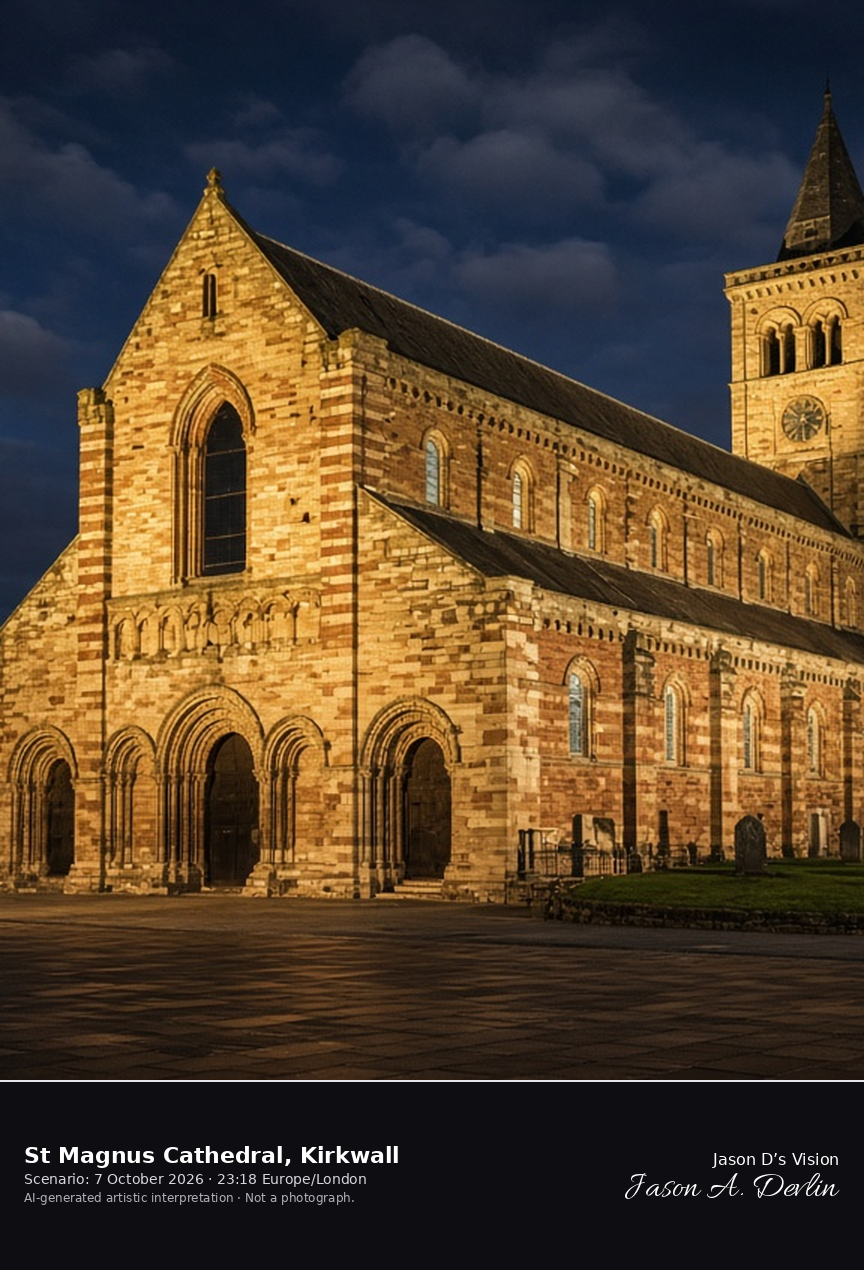
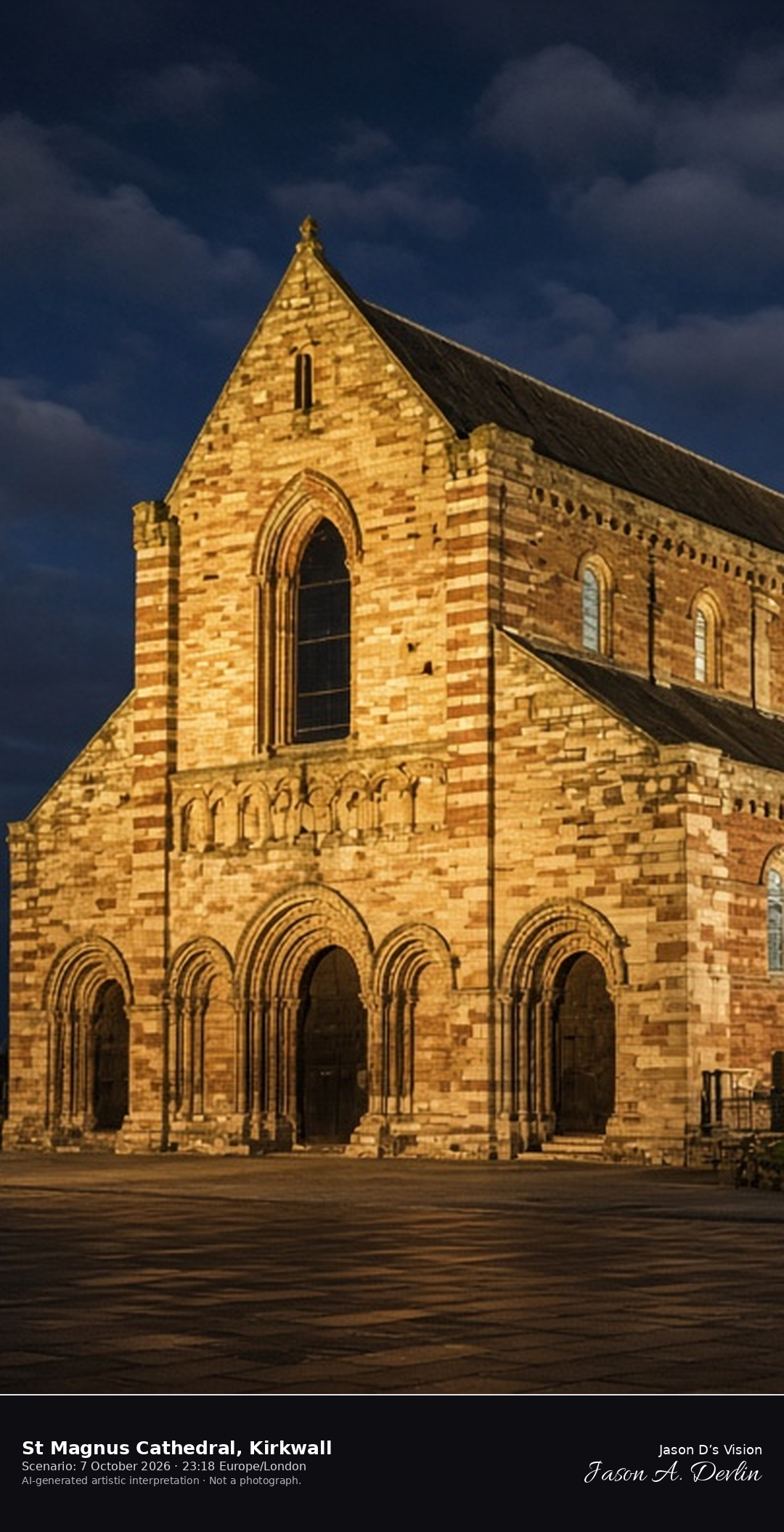
St Magnus Cathedral, Kirkwall · AI-generated artistic interpretation
St Magnus Cathedral was founded in 1137 by Earl Rognvald in memory of his uncle, St Magnus. It is the most northerly cathedral in Britain and belongs to the people of Orkney rather than to any church.
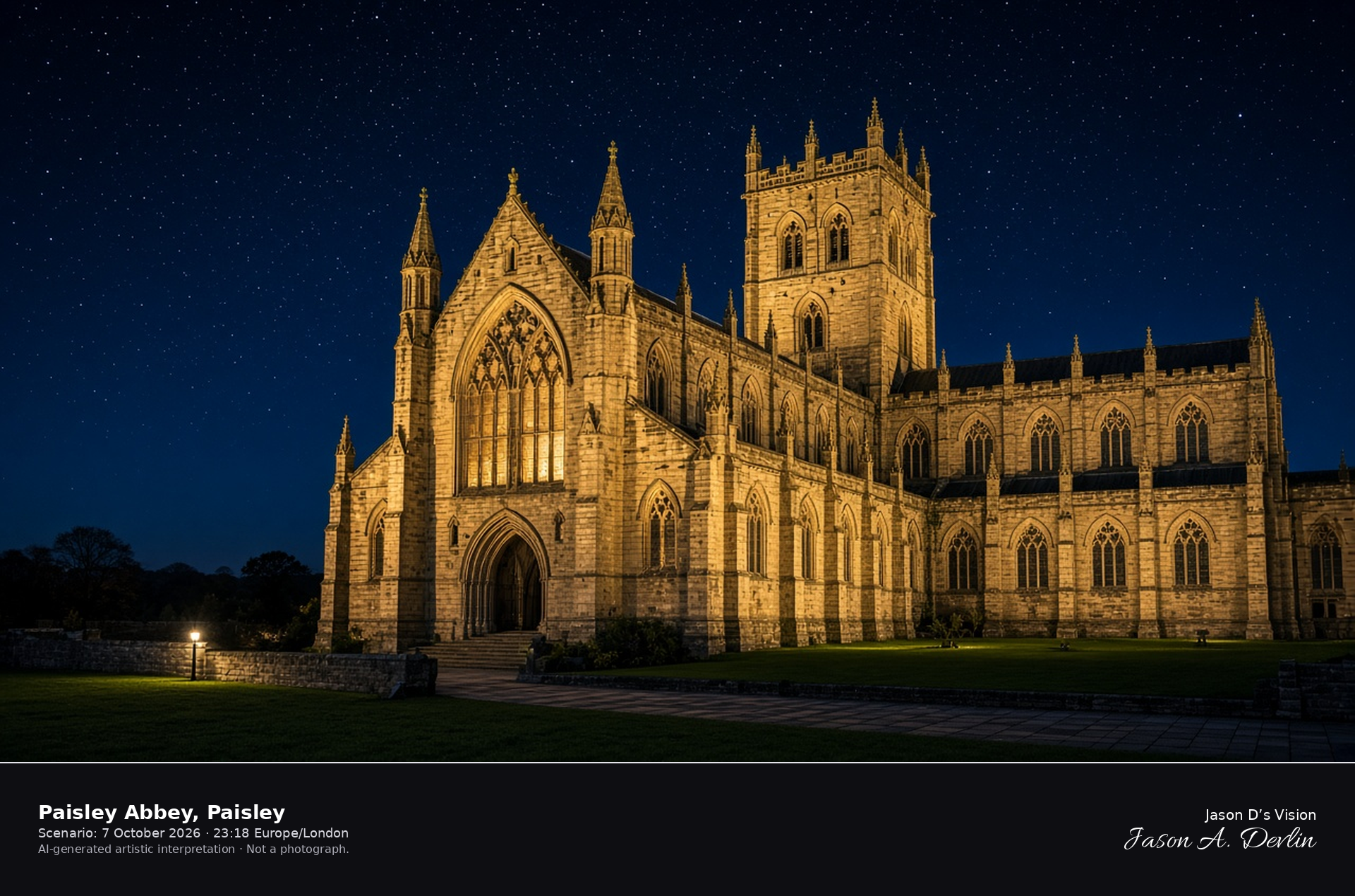
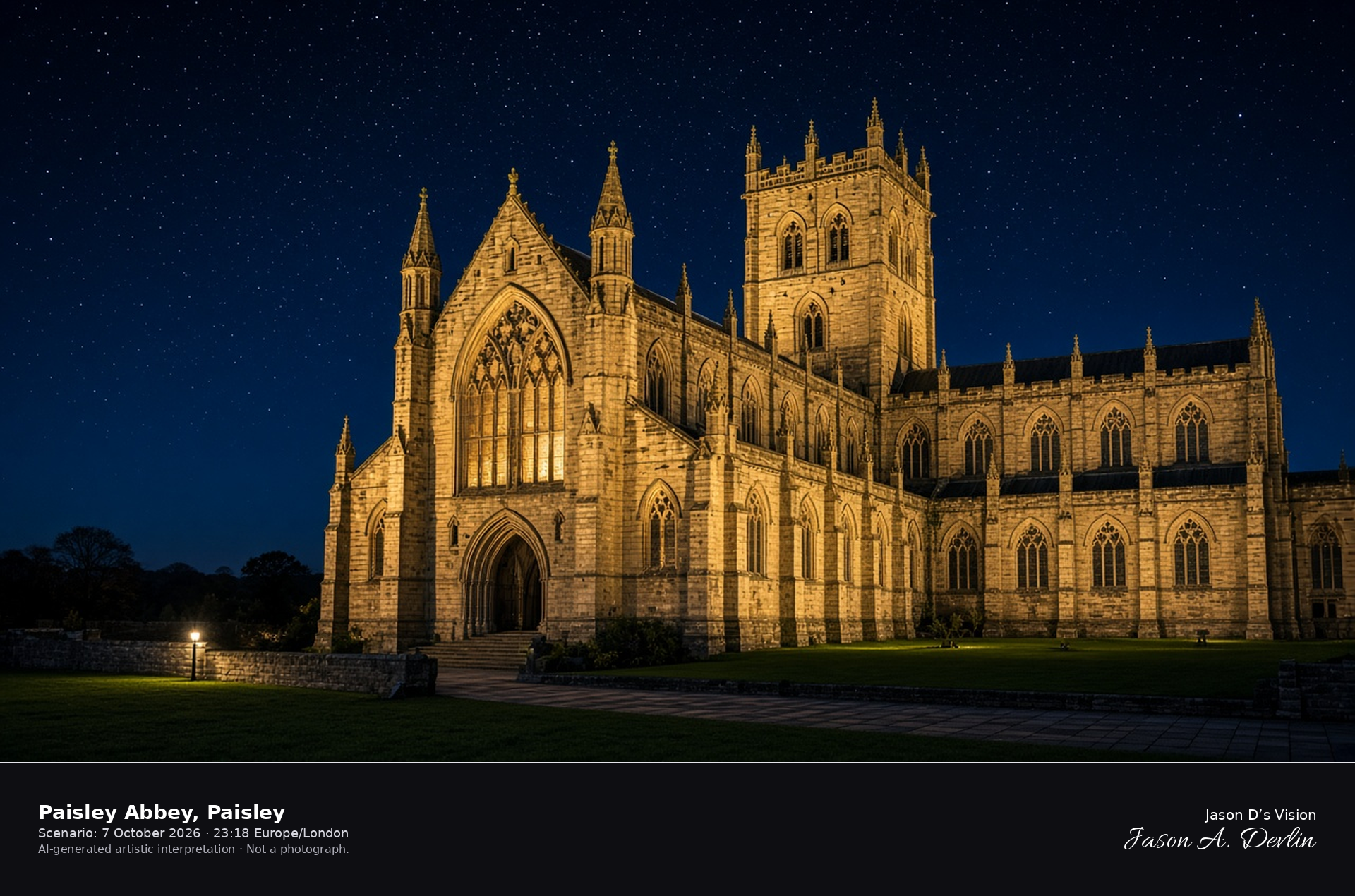
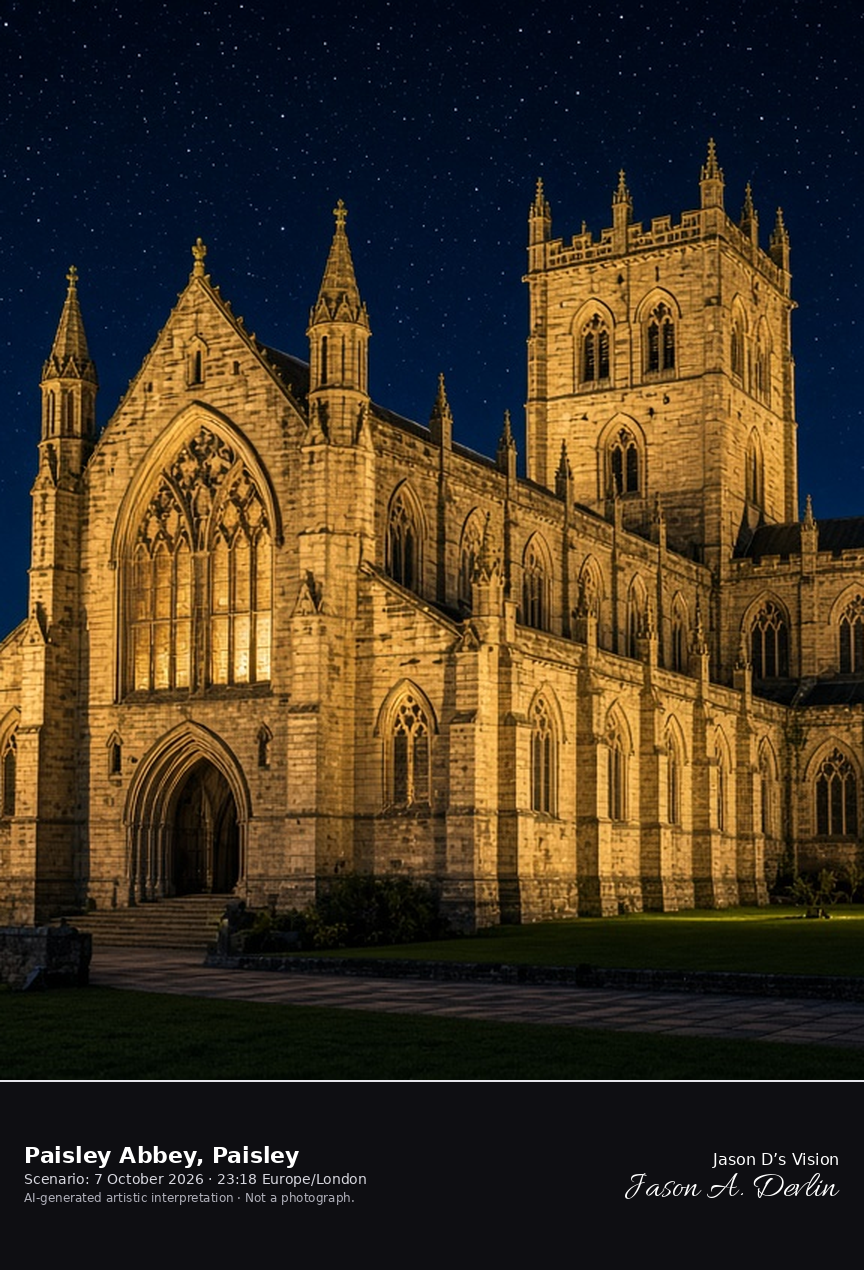
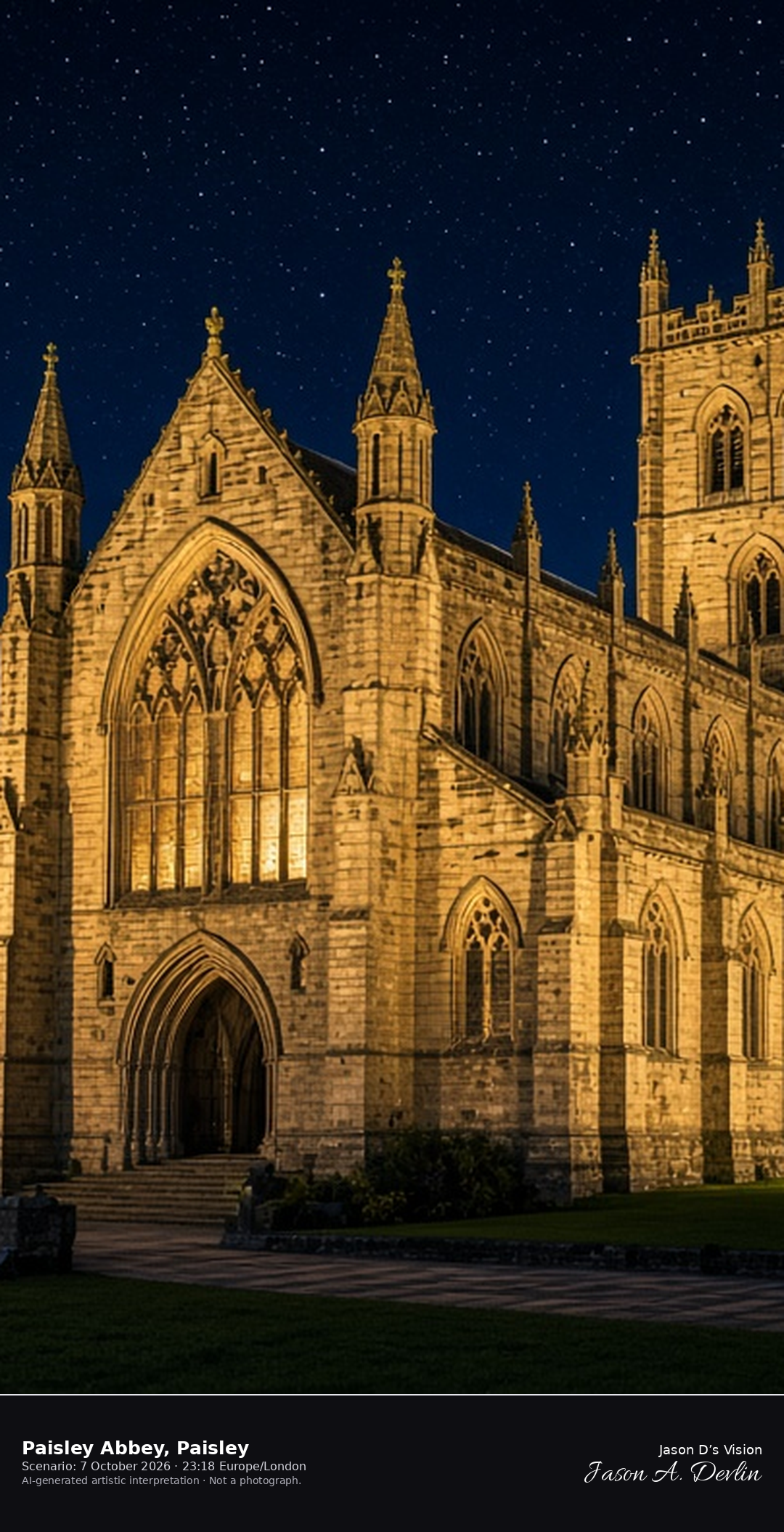
Paisley Abbey was founded in 1163 by Walter fitz Alan, High Steward of Scotland, the ancestor of the Stewart kings. Much of the church was restored in the late 19th and early 20th centuries, when the choir and tower were rebuilt.
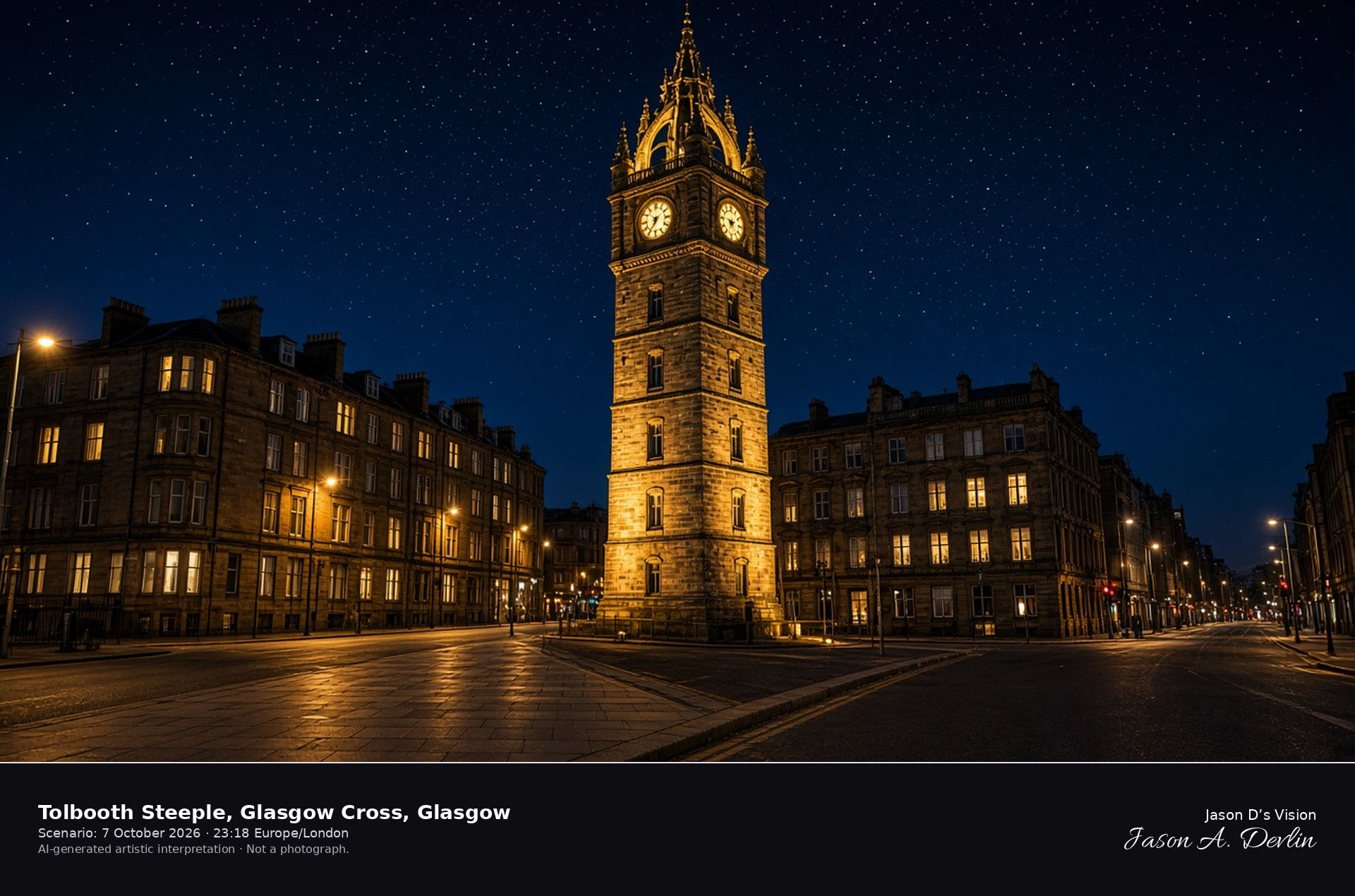
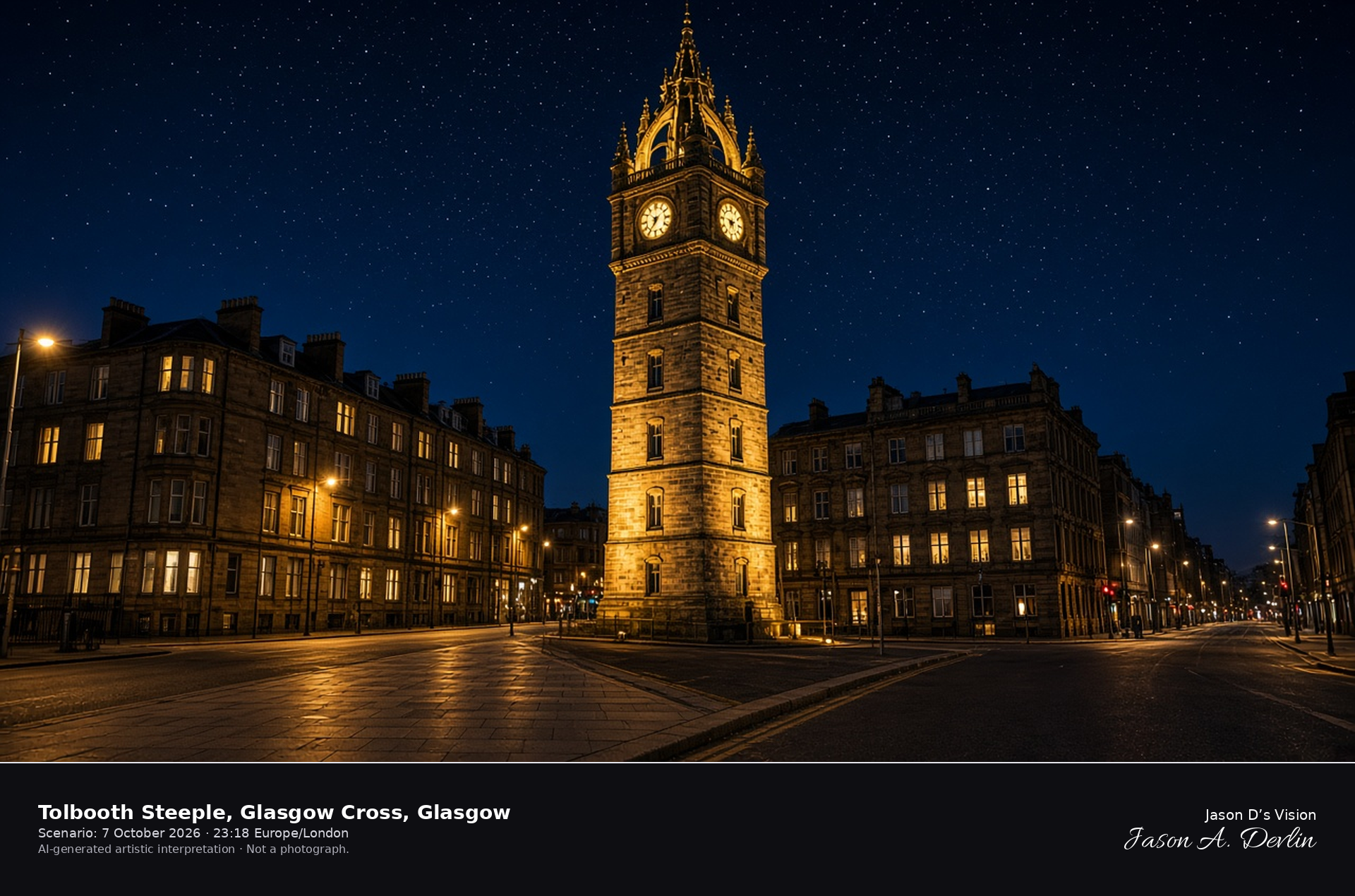
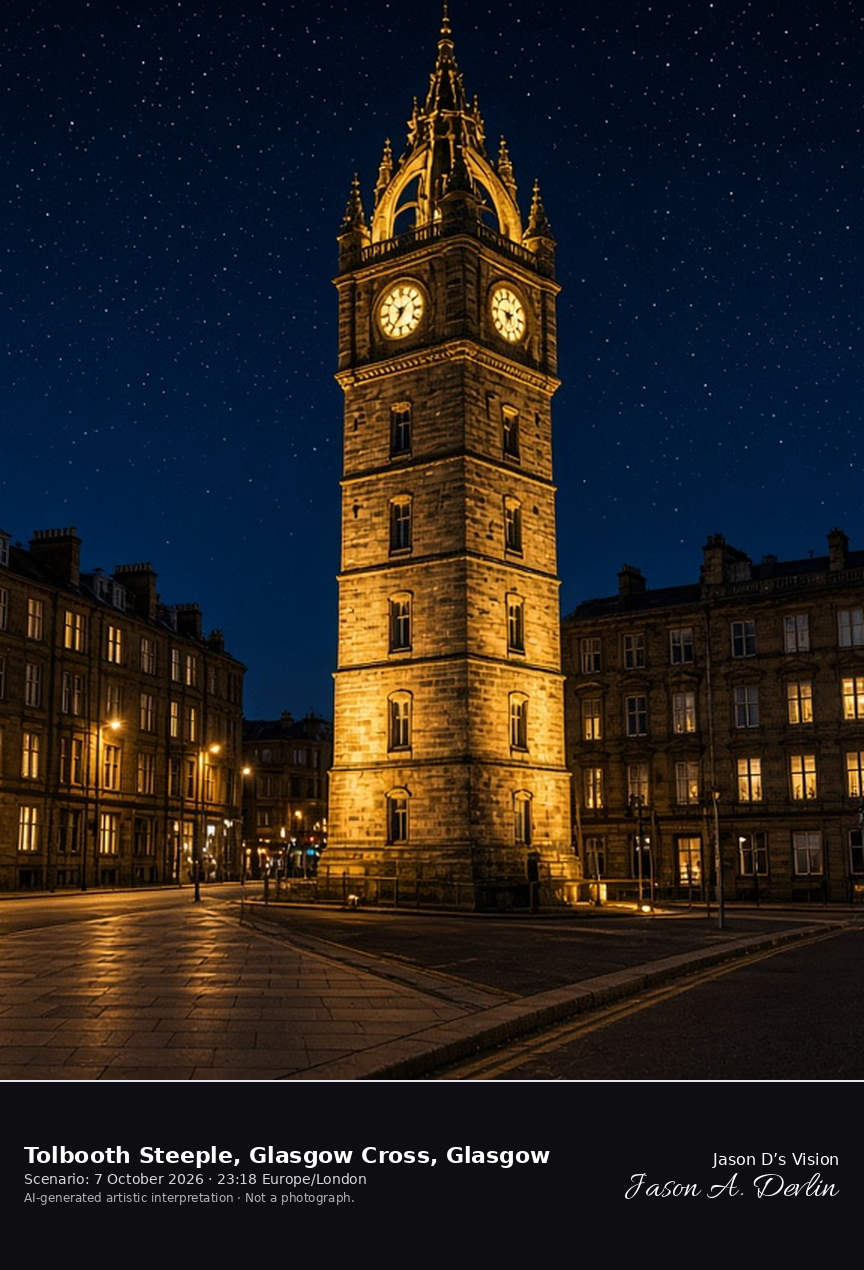
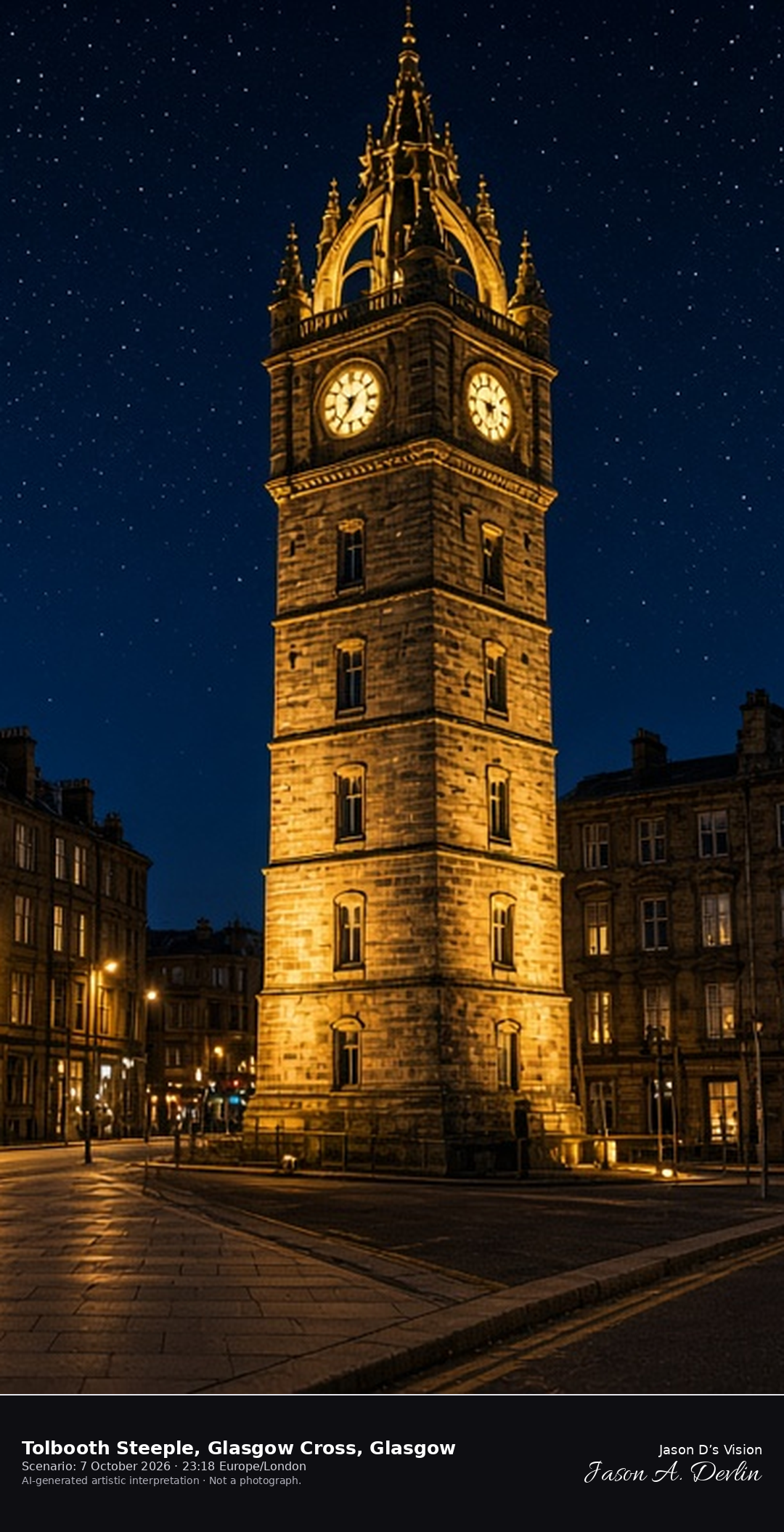
The steeple was built in the 1620s as part of Glasgow's tolbooth, the old town hall and jail. The rest of the tolbooth was demolished in 1921, leaving the steeple standing on its own in the middle of the junction.
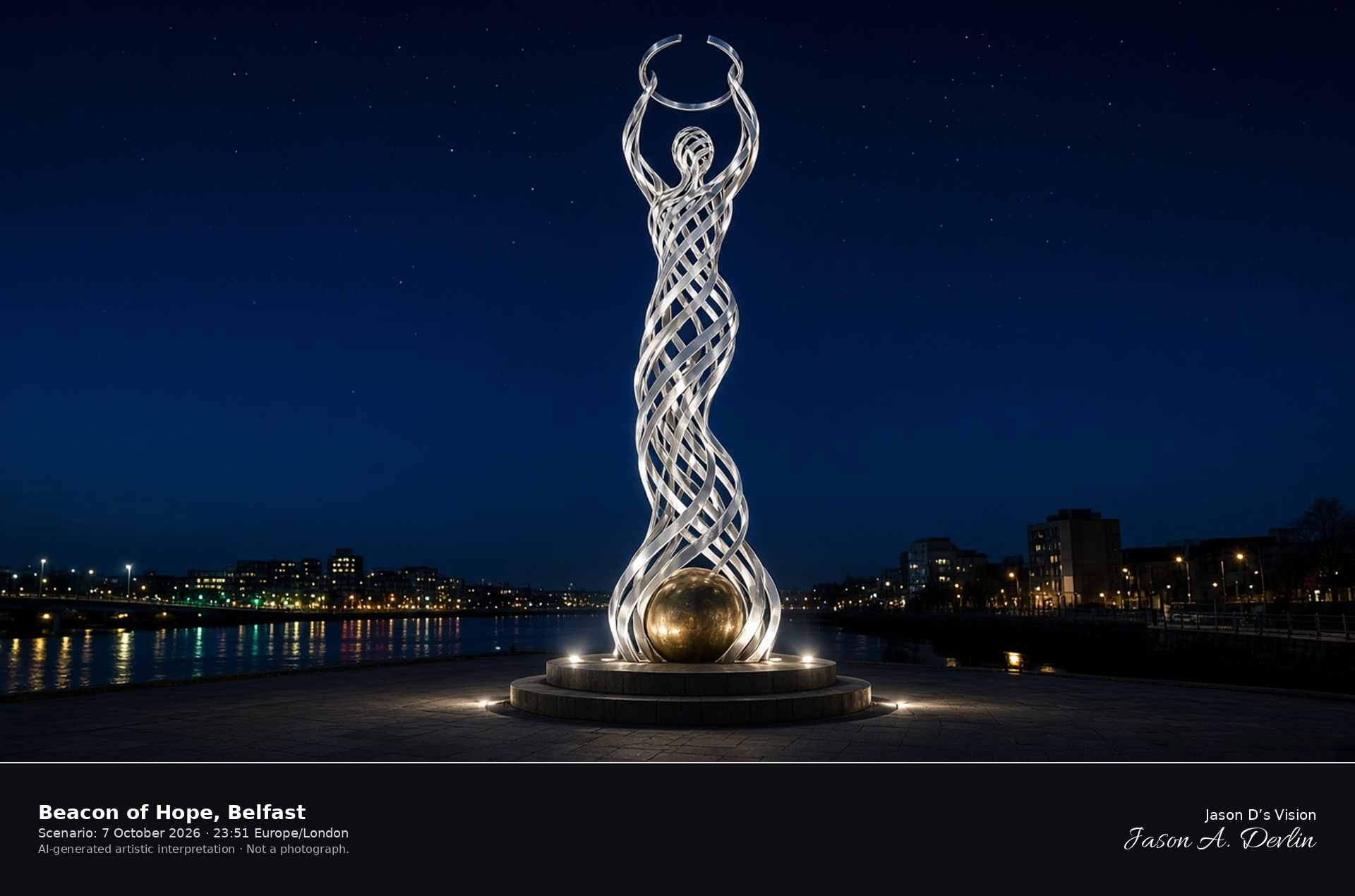
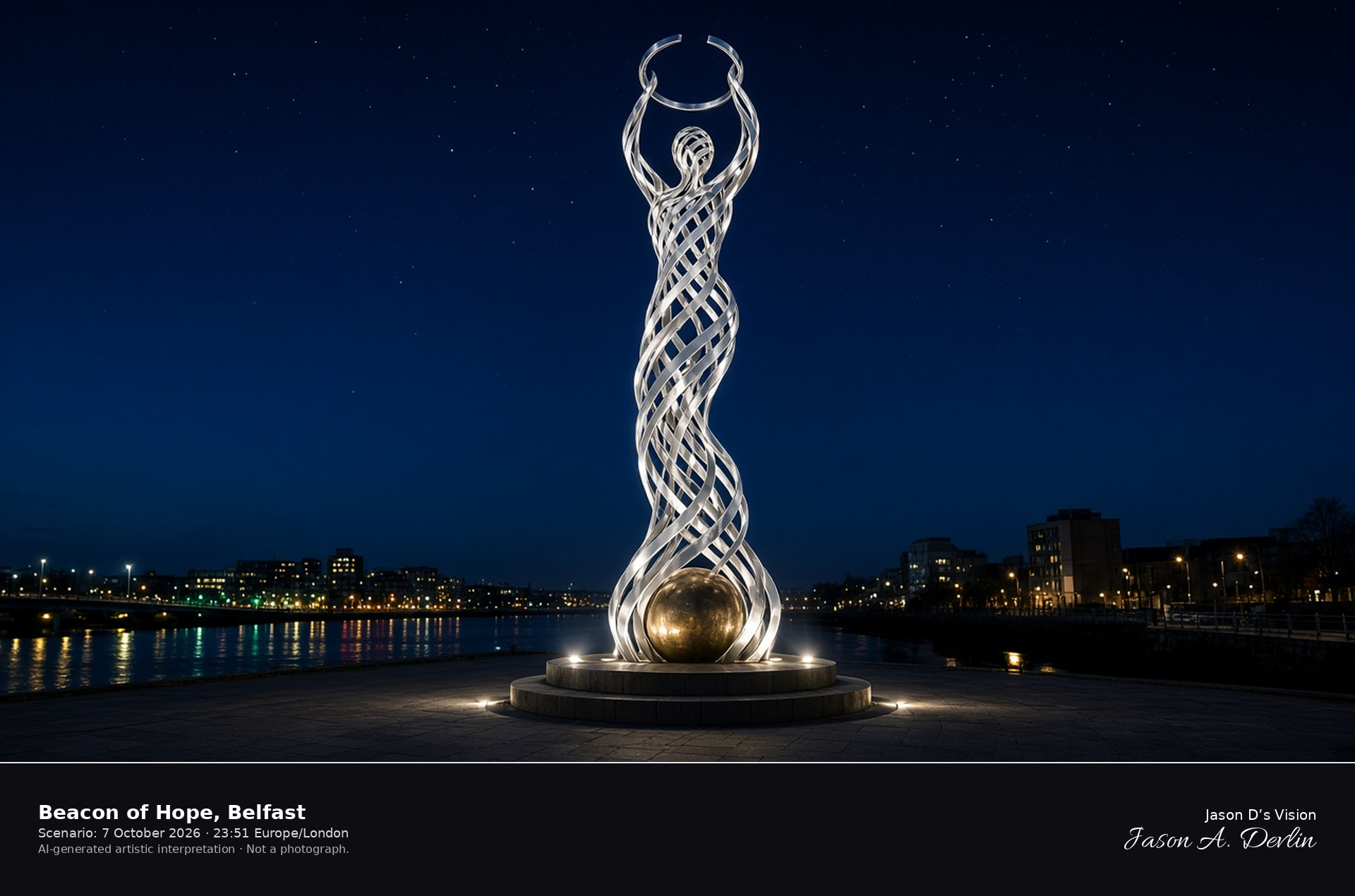
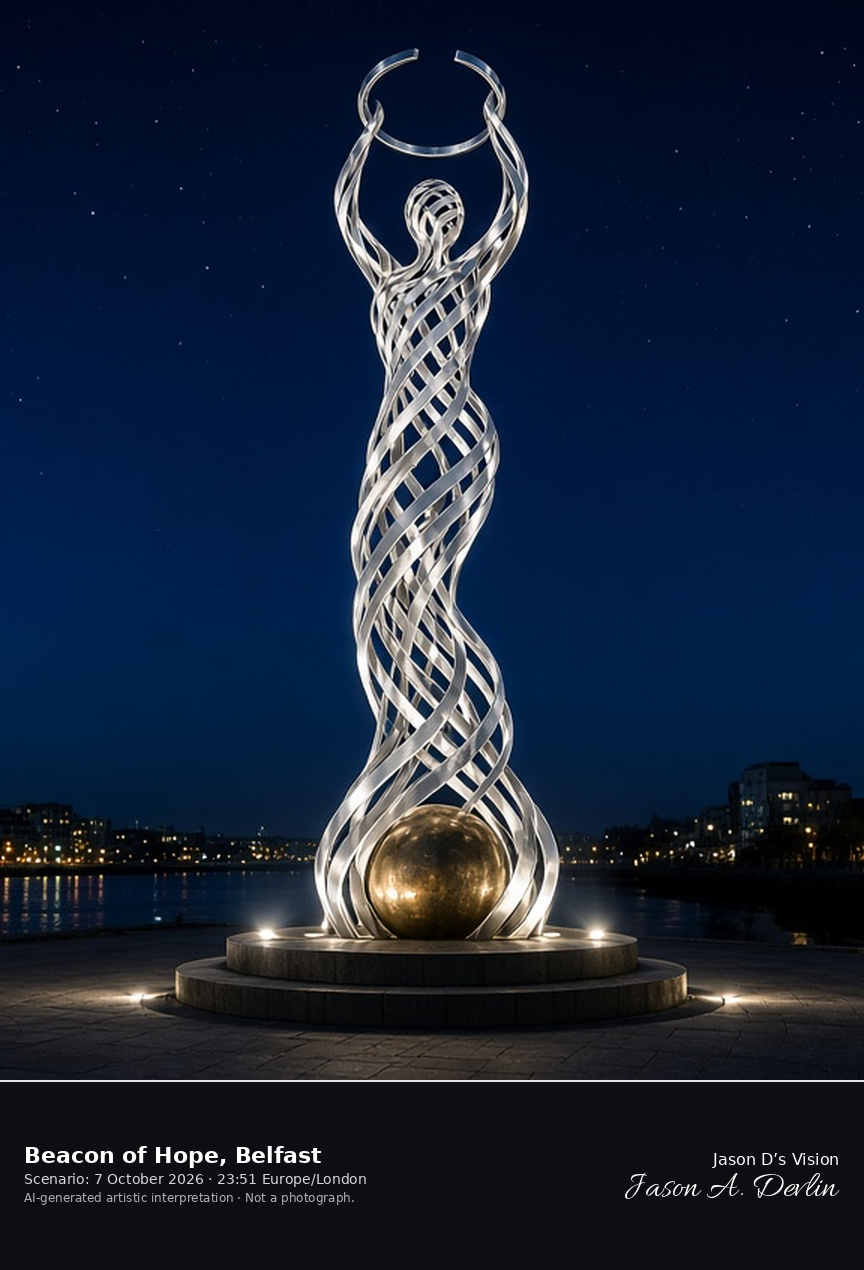
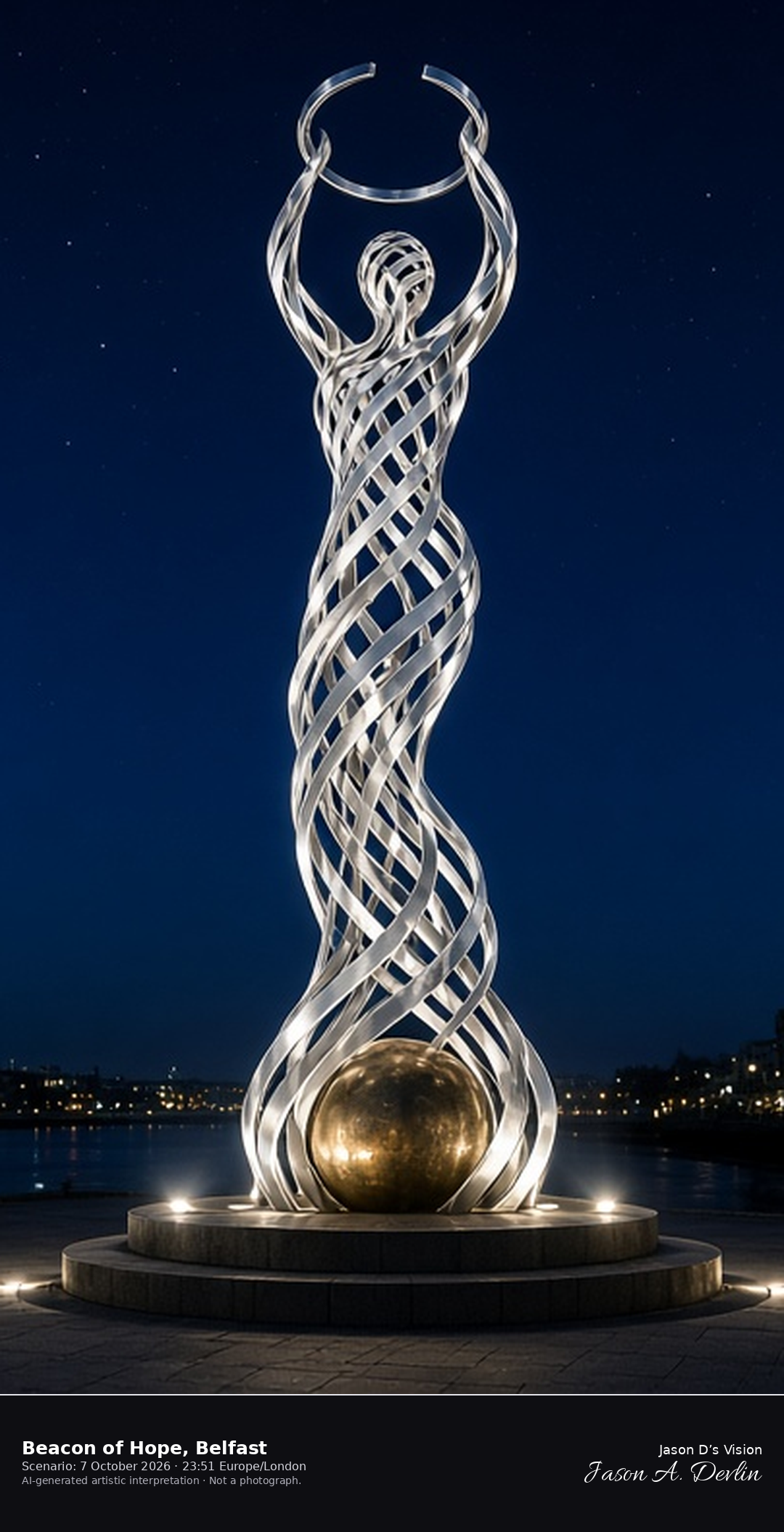
Beacon of Hope, Belfast · AI-generated artistic interpretation
The Beacon of Hope, by the sculptor Andy Scott, was unveiled in 2007 in Thanksgiving Square. It stands 19.5 metres tall, and Belfast people know it as 'Nuala with the Hula'.
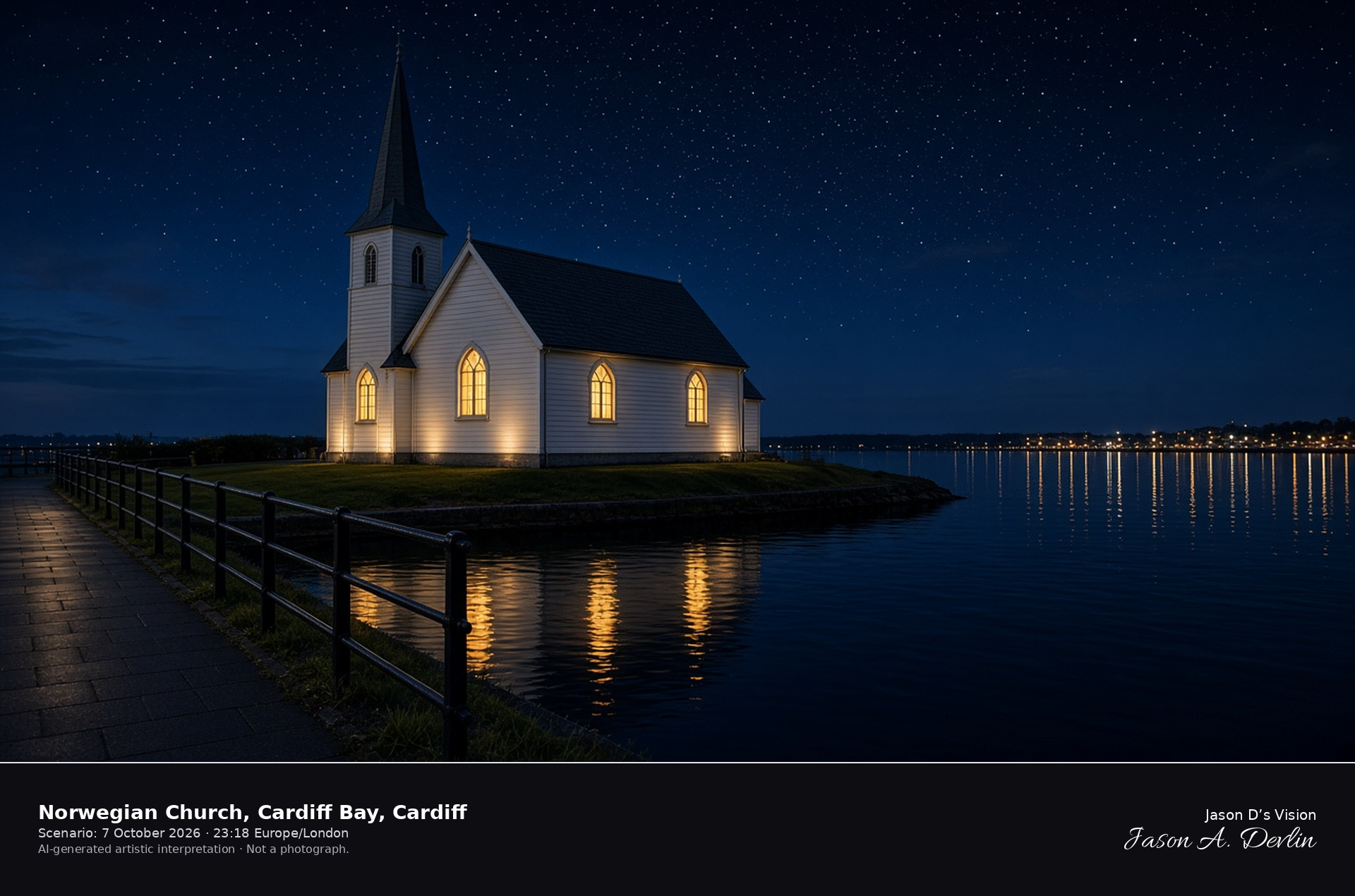
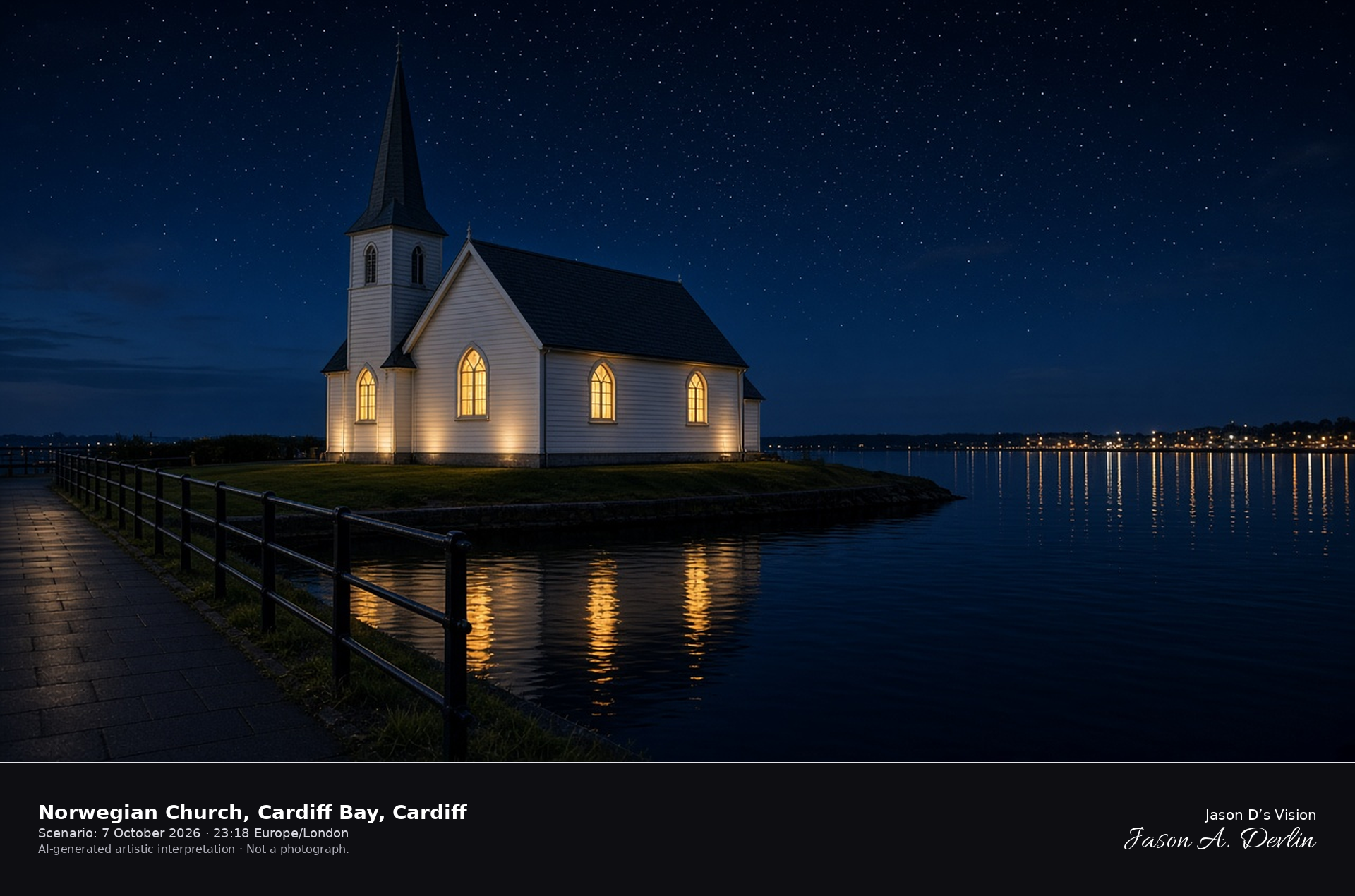
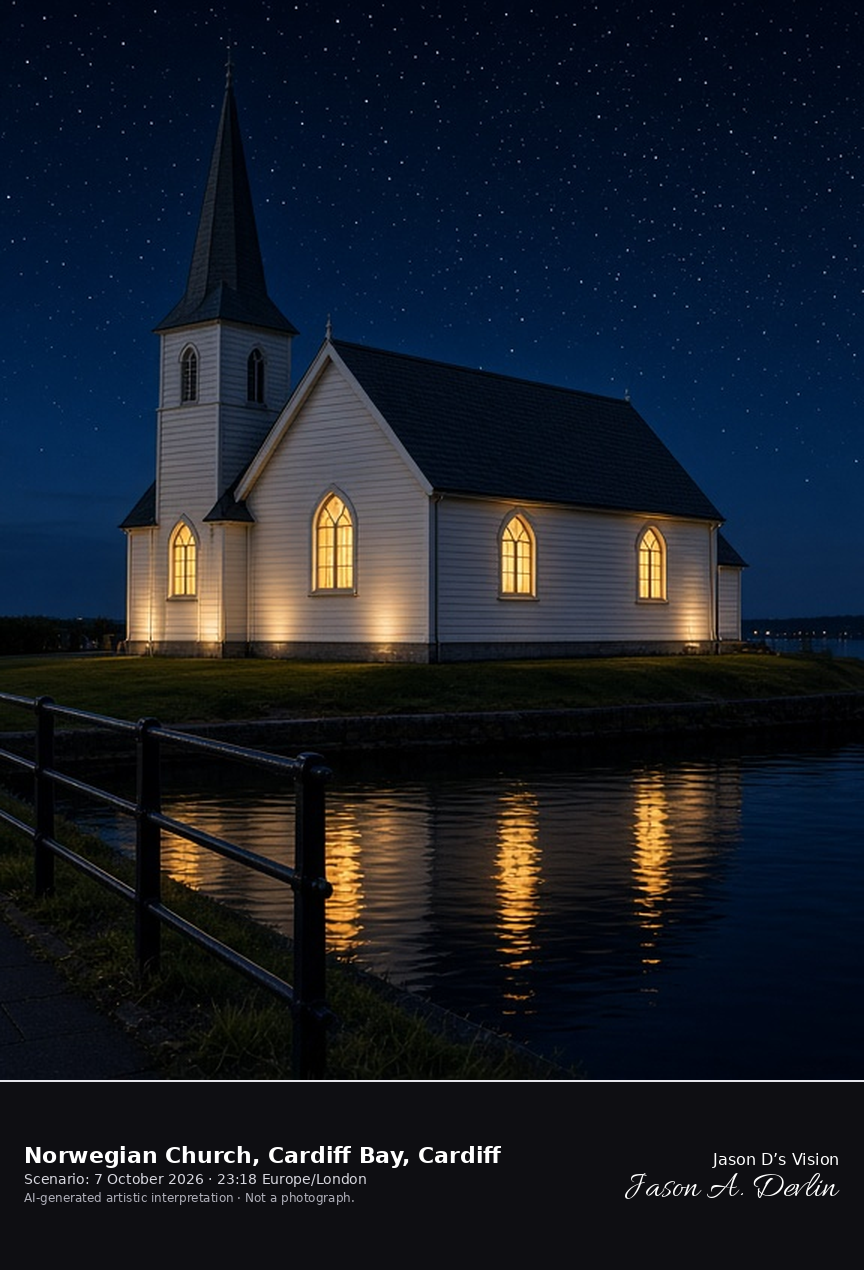
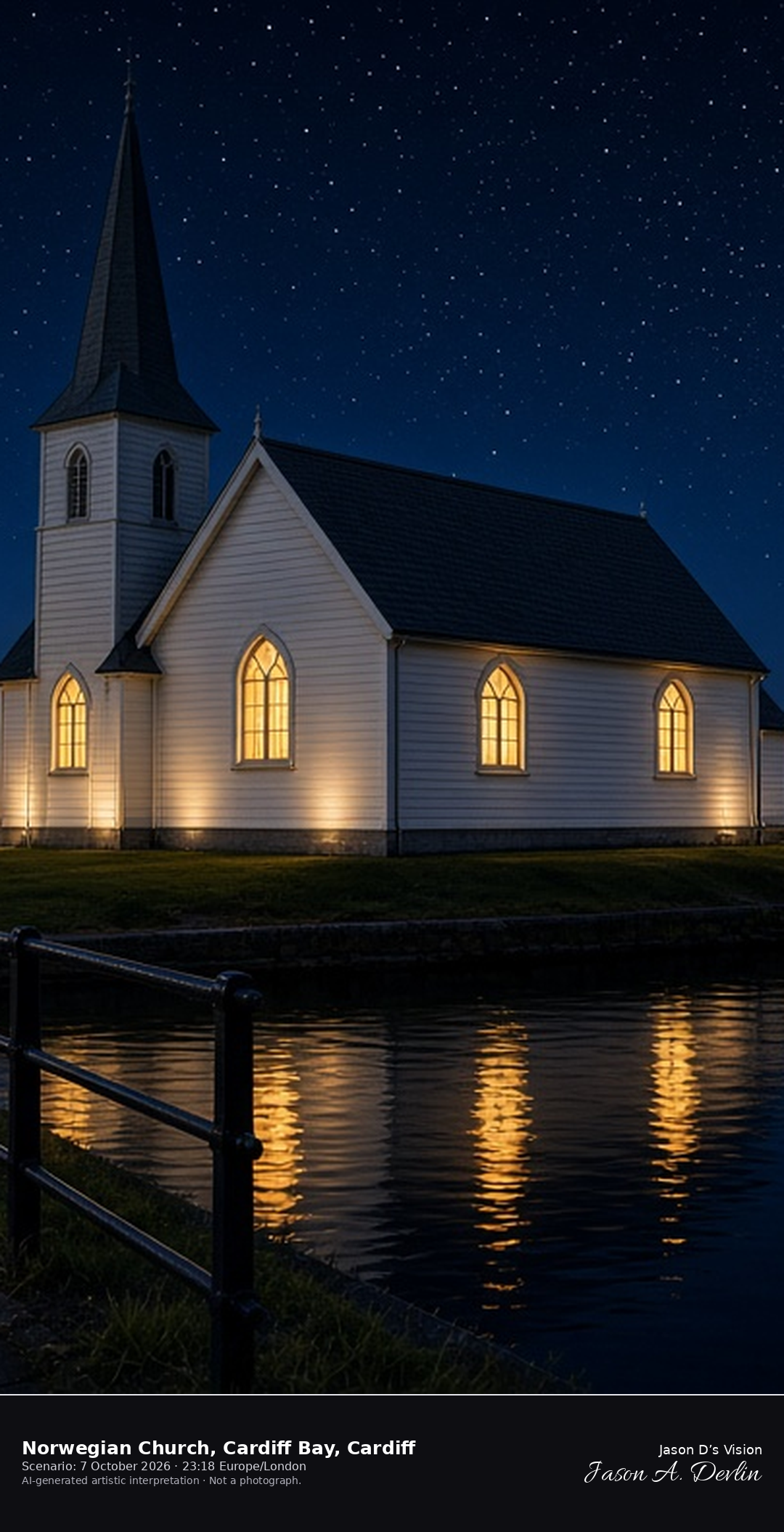
Norwegian Church, Cardiff Bay · AI-generated artistic interpretation
The little white church of 1868 served the Norwegian sailors of the busiest coal port in the world — a home chapel in a foreign harbour, with services in their own tongue. Roald Dahl, born in Cardiff to Norwegian parents, was christened at its font; moved and restored in 1992, the church is now an arts centre and cafe.
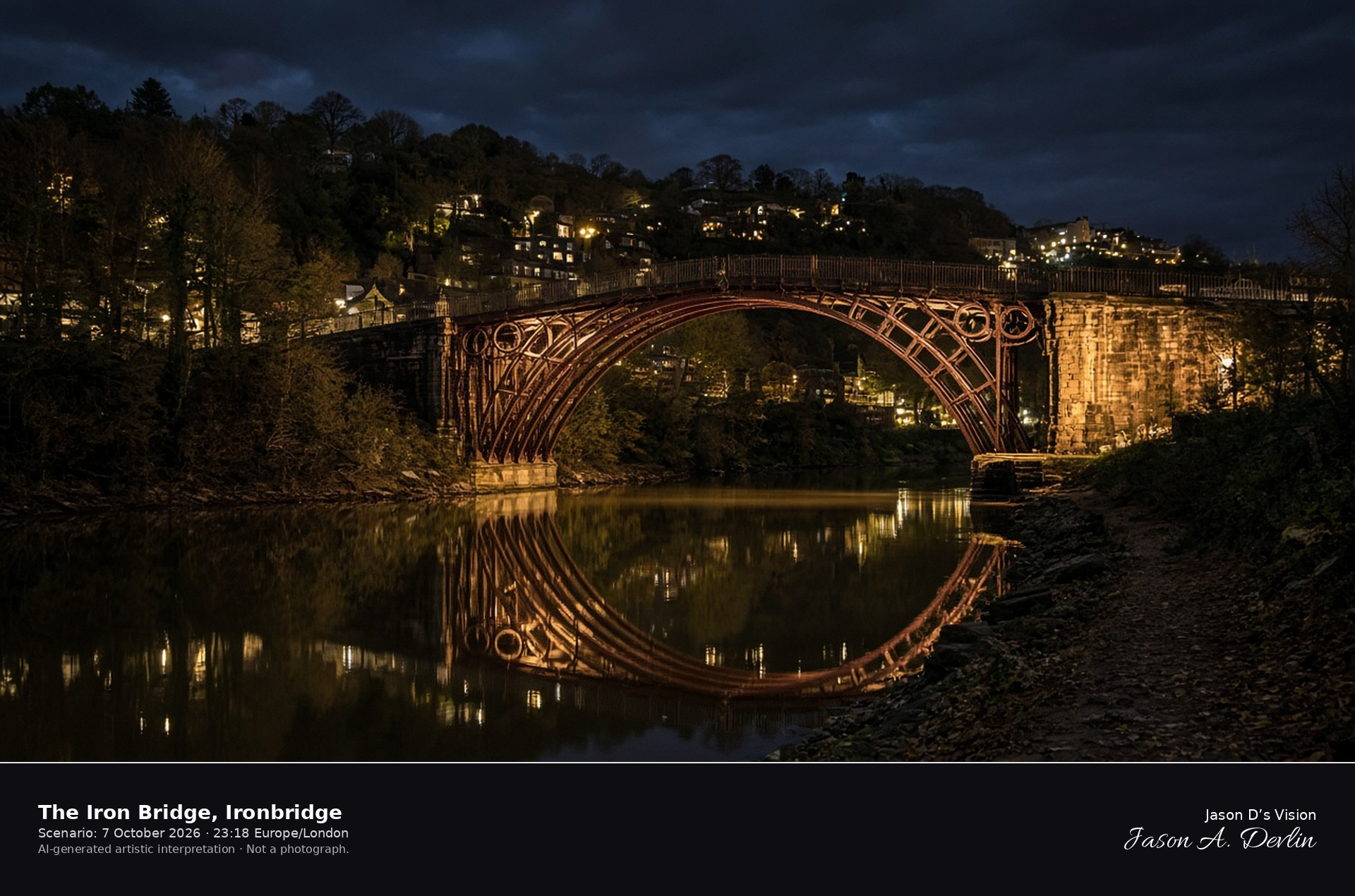
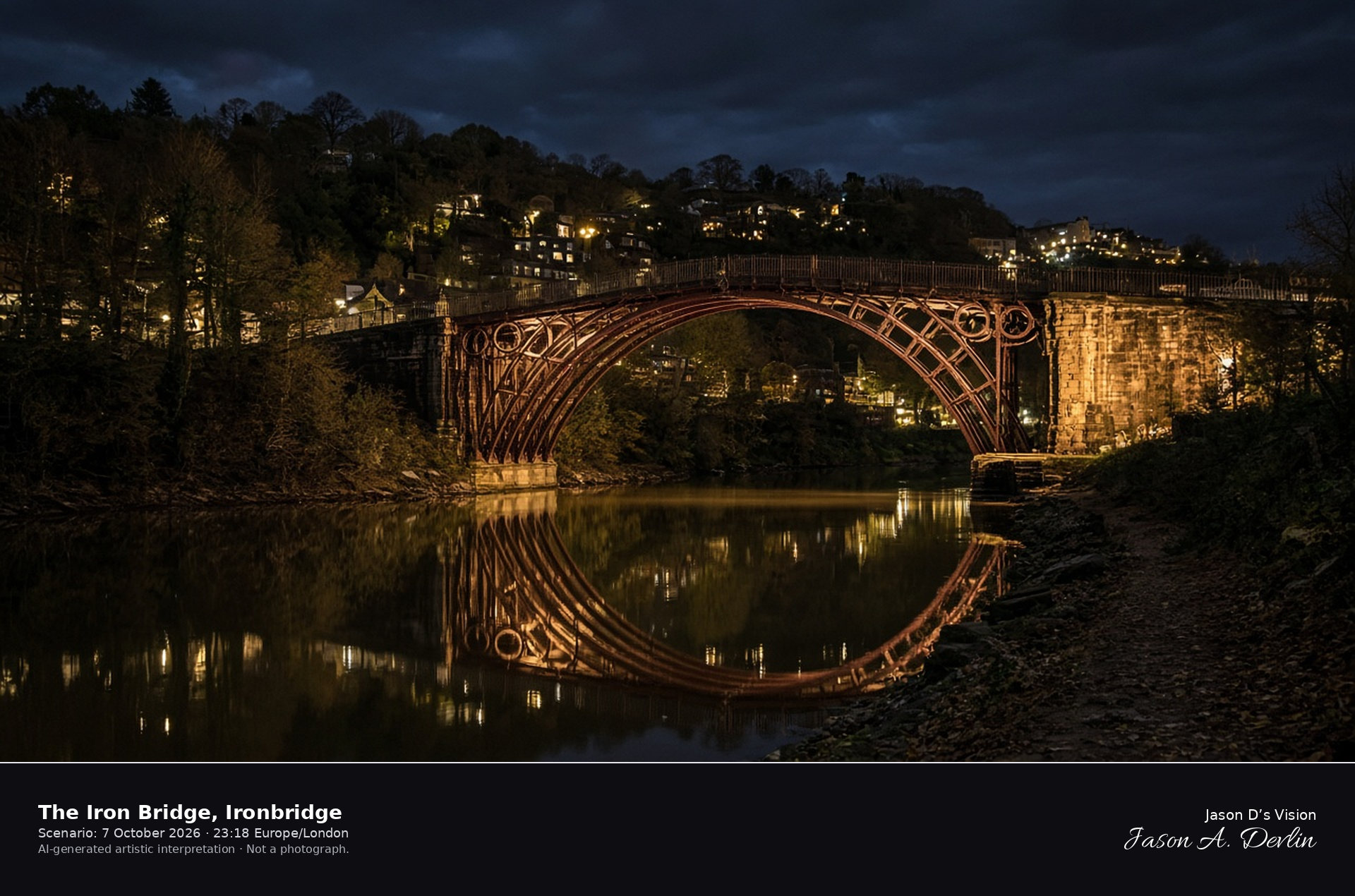
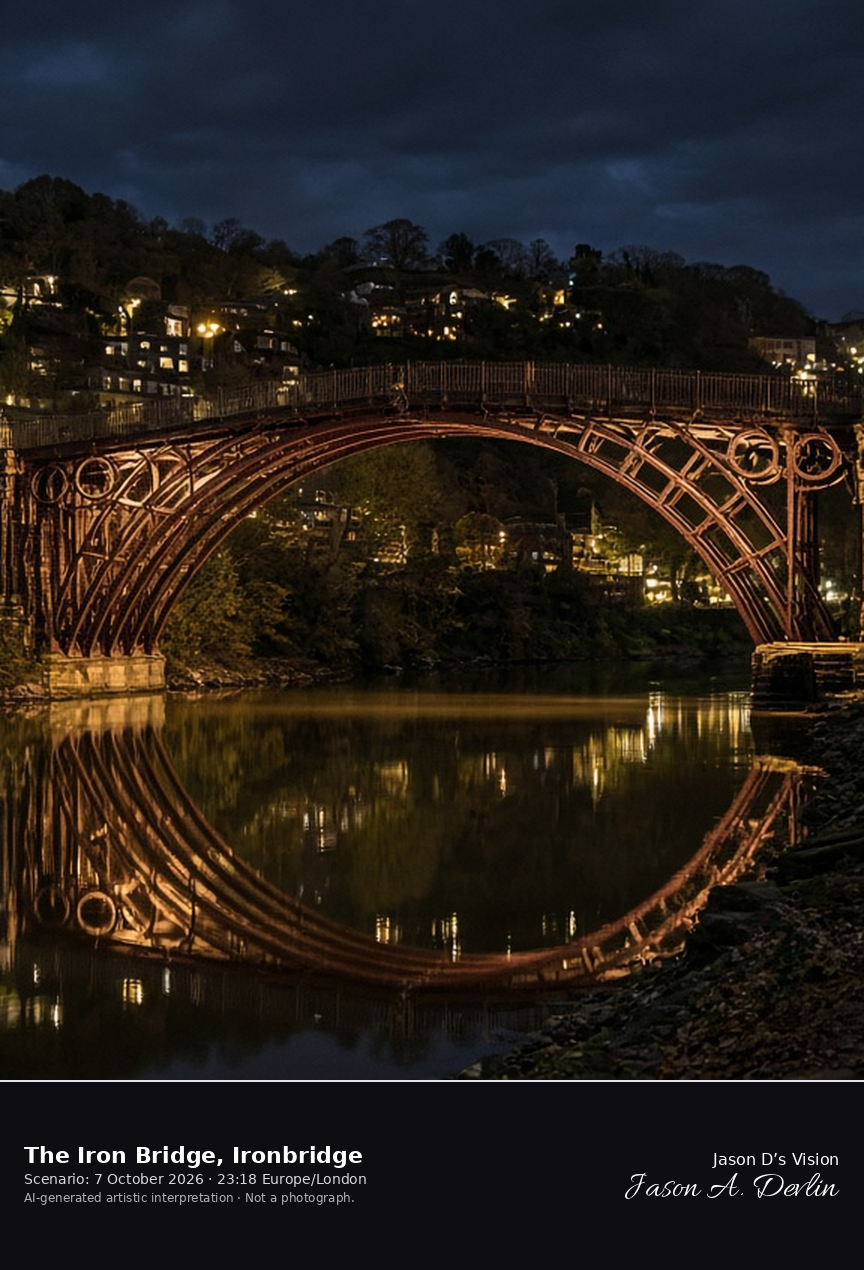
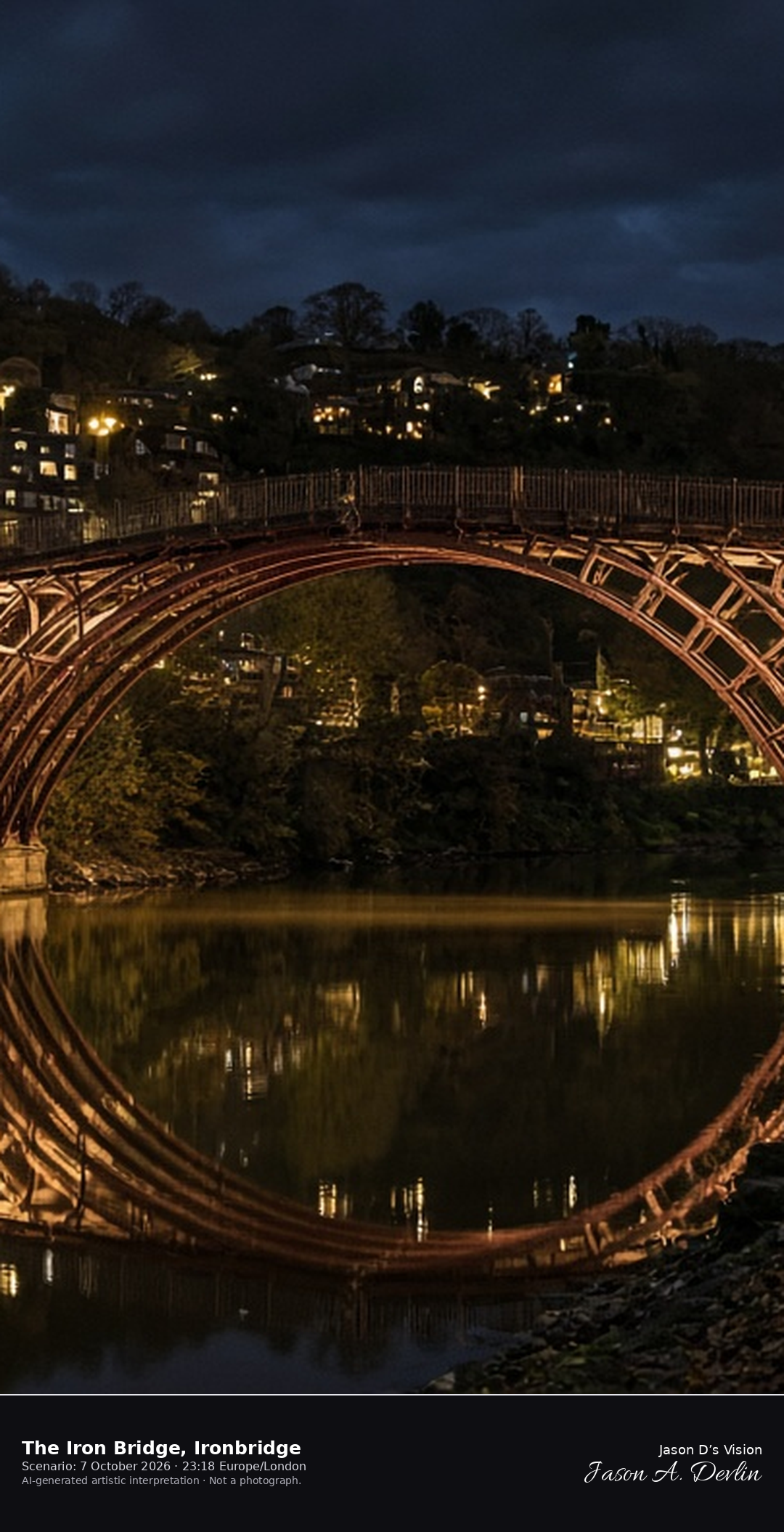
The Iron Bridge, Ironbridge · AI-generated artistic interpretation
The Iron Bridge was the first major bridge in the world built of cast iron. It was cast by Abraham Darby III and opened in 1781, and the Ironbridge Gorge is now a UNESCO World Heritage Site.
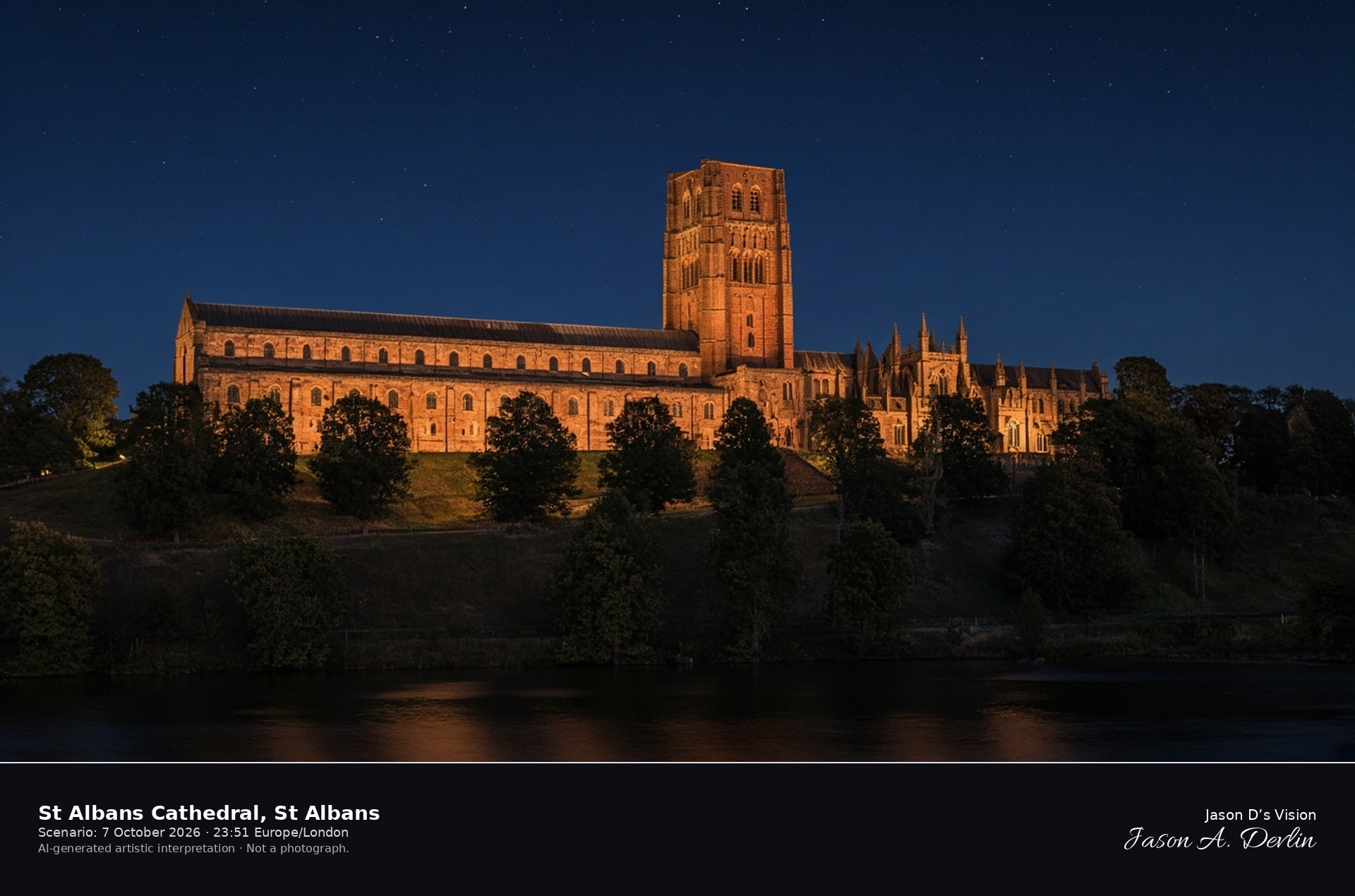
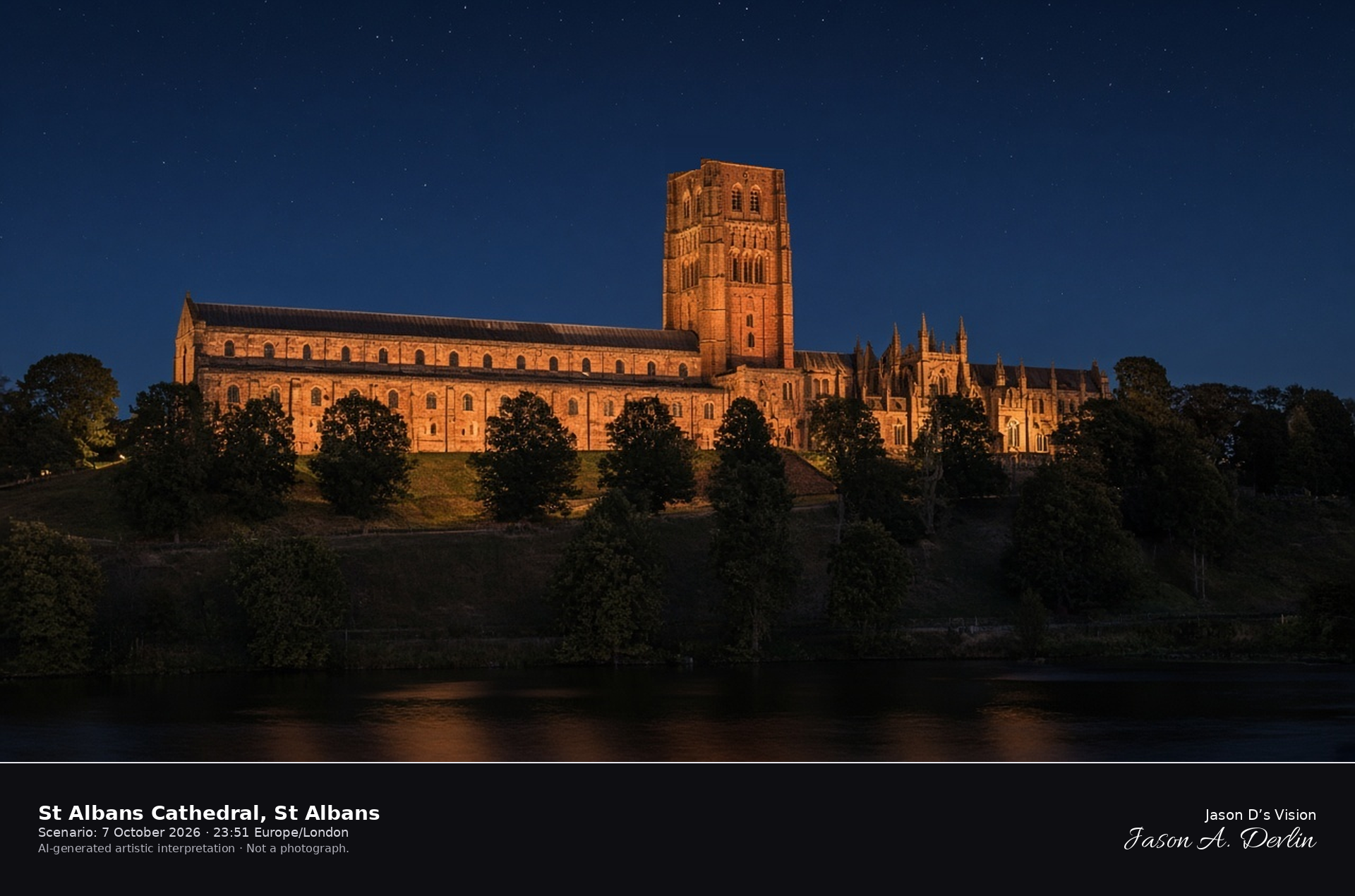
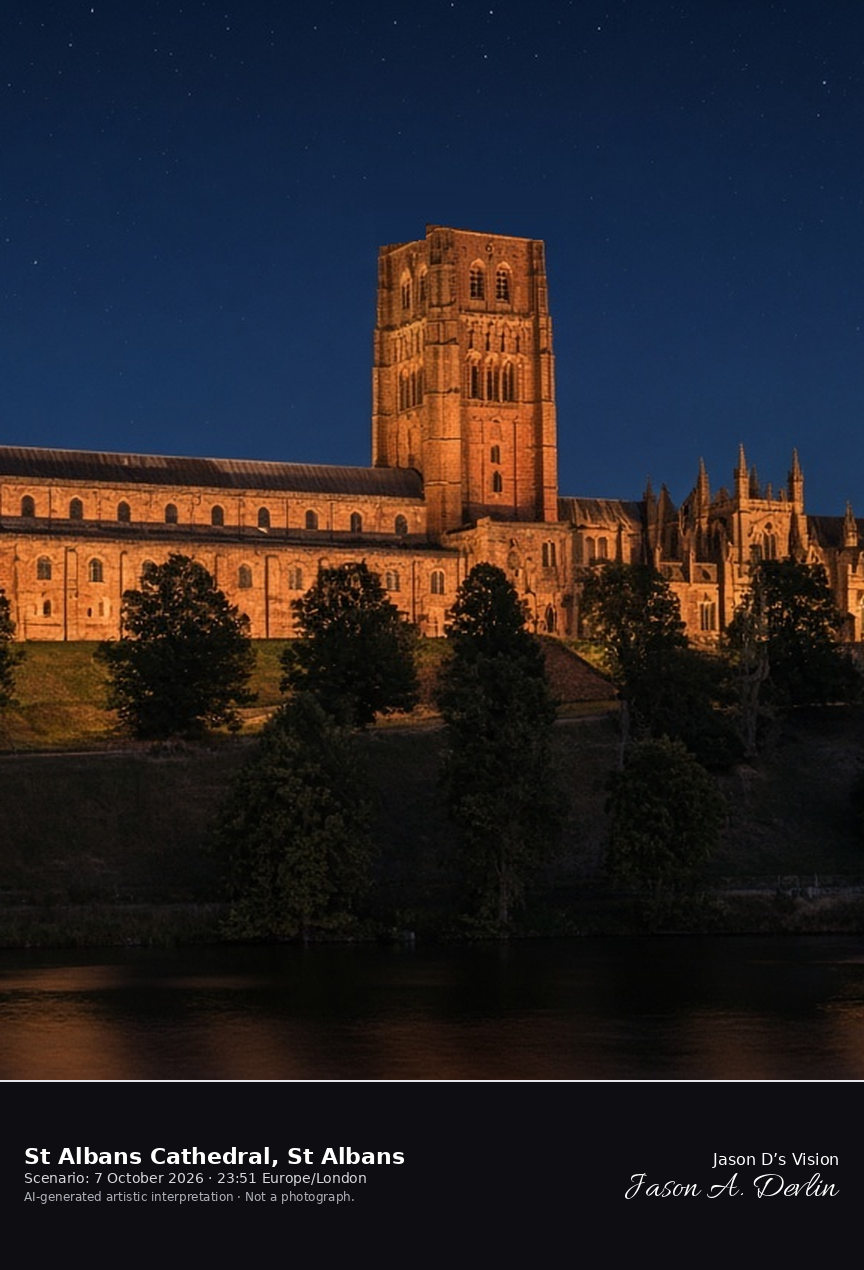
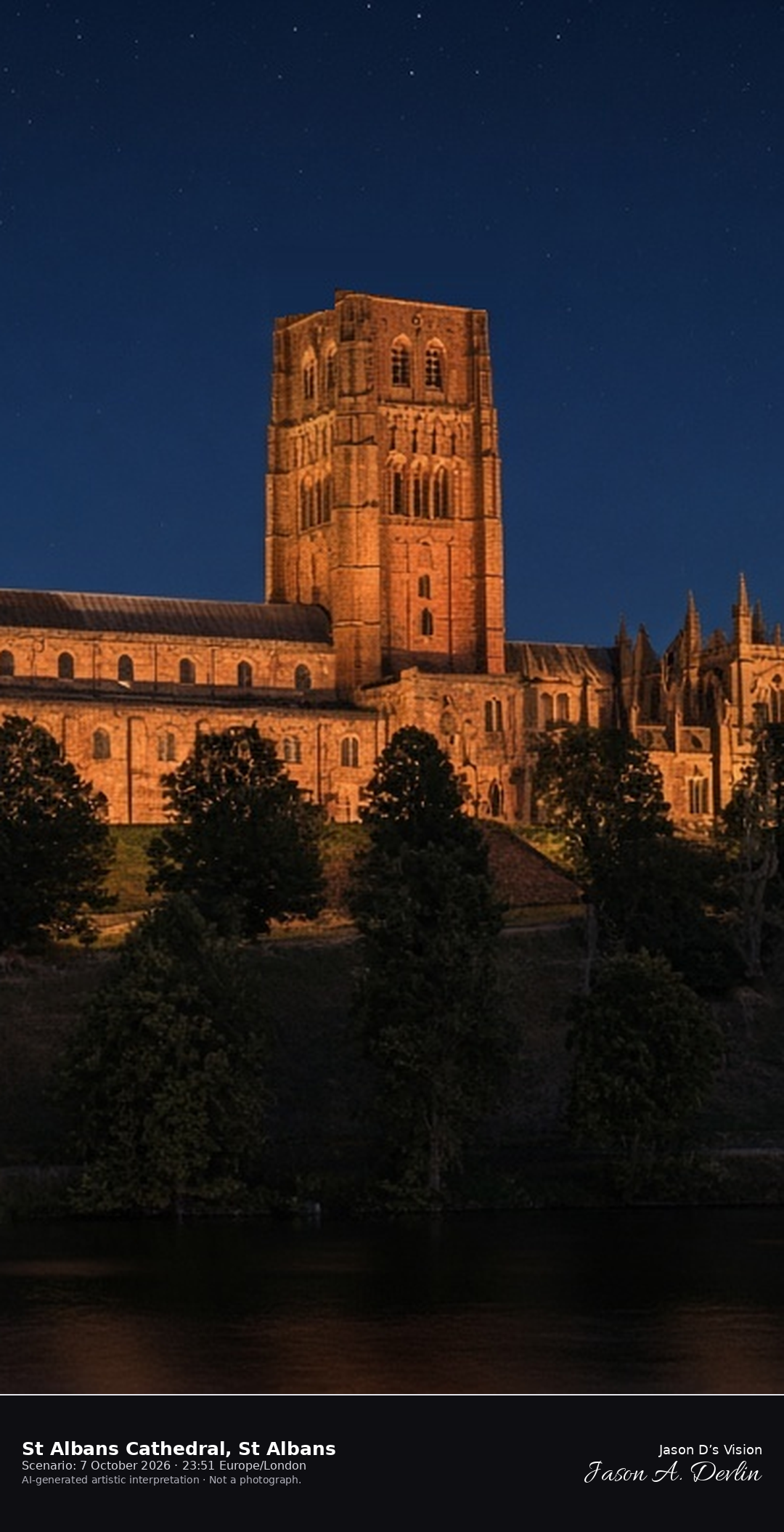
St Albans Cathedral, St Albans · AI-generated artistic interpretation
The cathedral's Norman tower and much of the early church were built in the 11th century from bricks taken from the ruins of Roman Verulamium. Its nave is the longest of any cathedral in England.
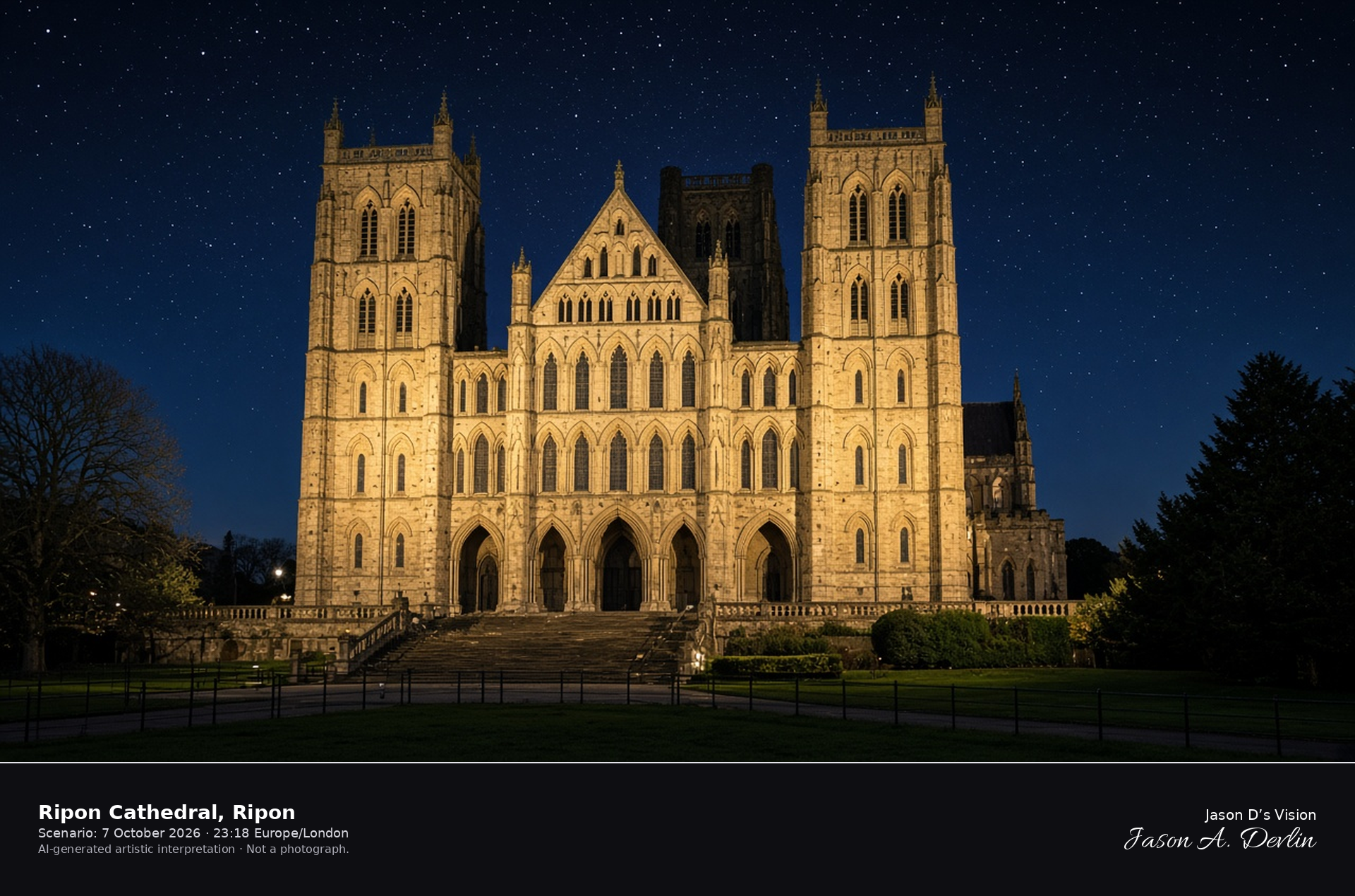
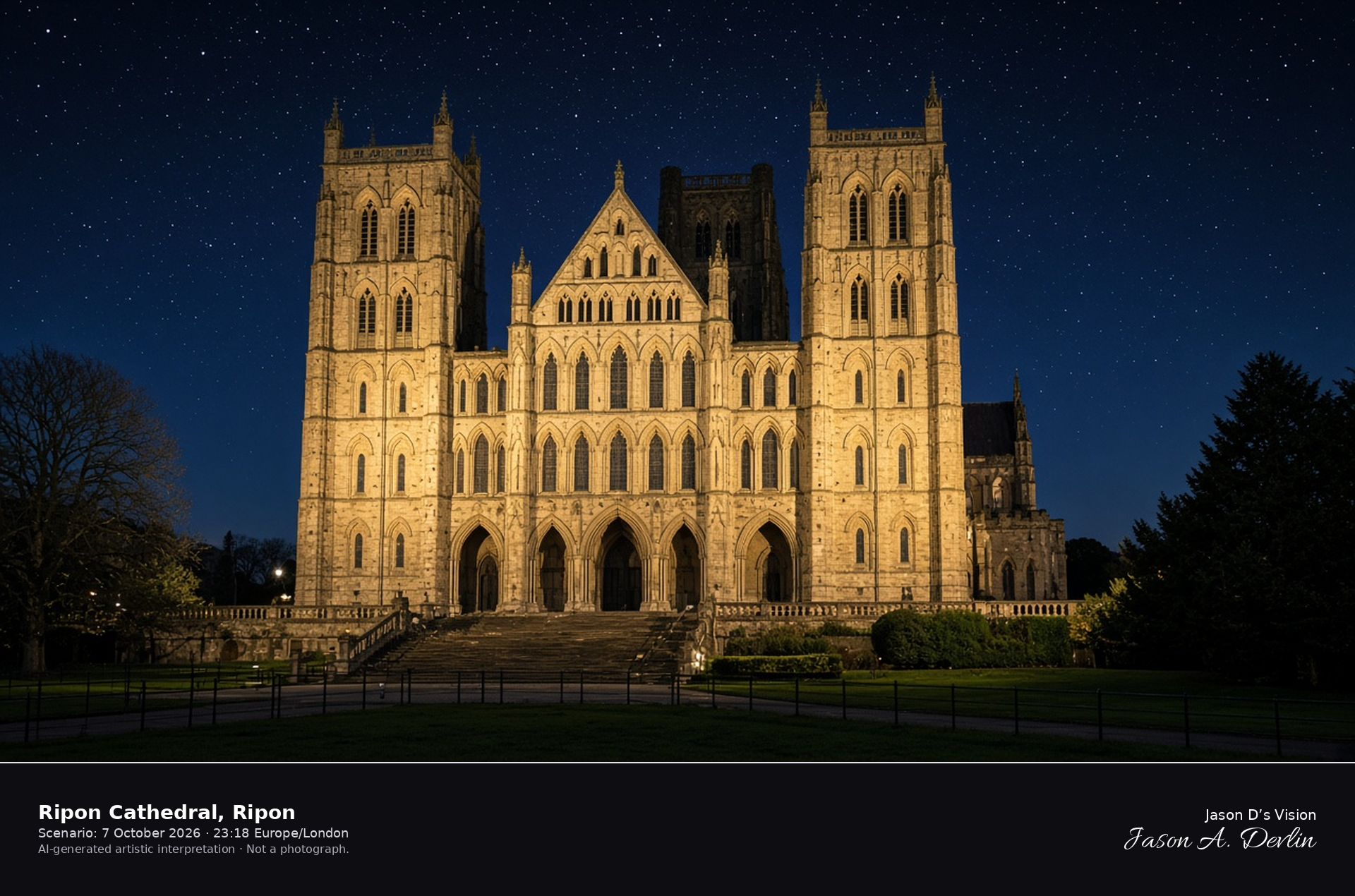
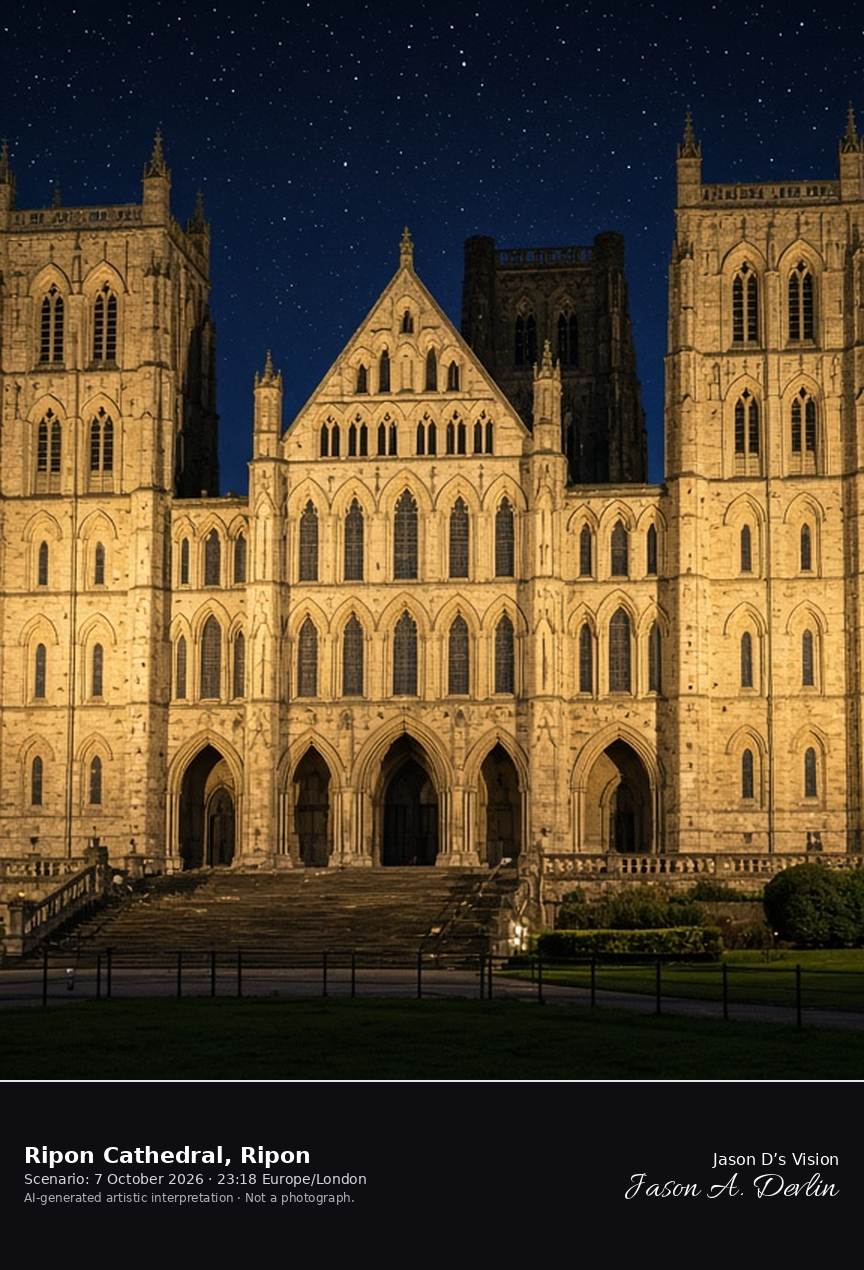
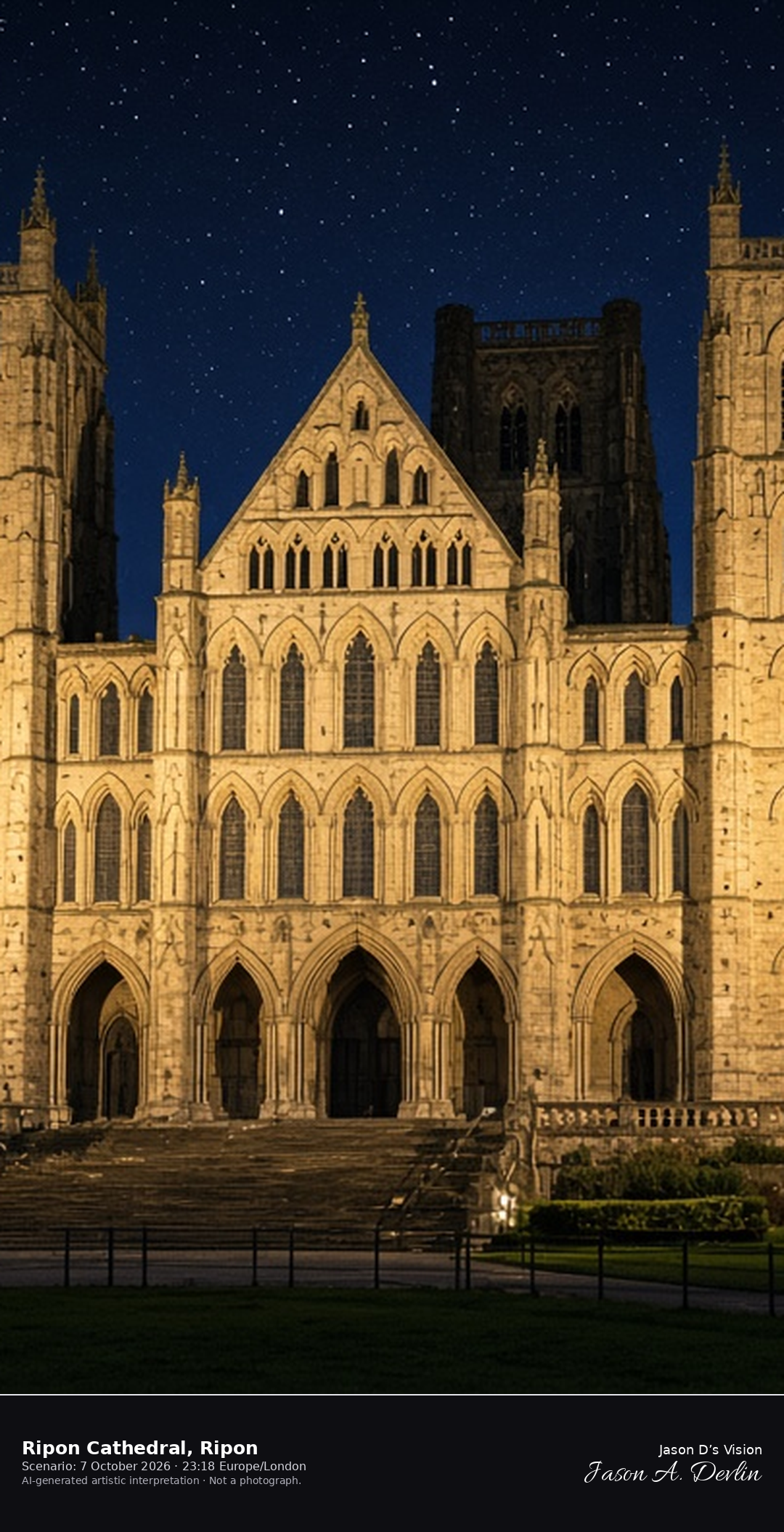
The west front of Ripon Cathedral dates from about 1220. Beneath the cathedral survives the crypt of the church St Wilfrid built here in the 670s, one of the oldest built structures in an English cathedral.
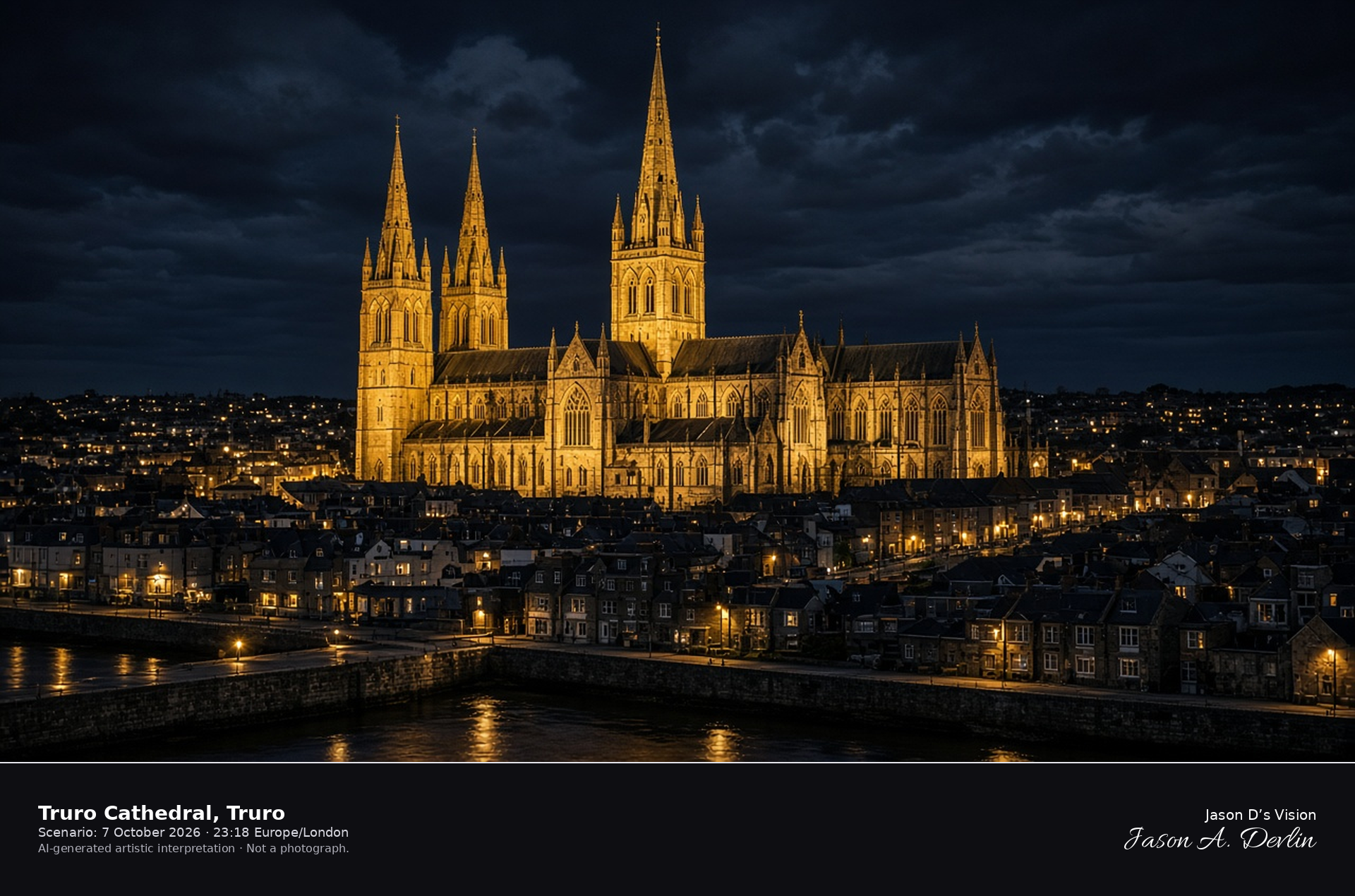
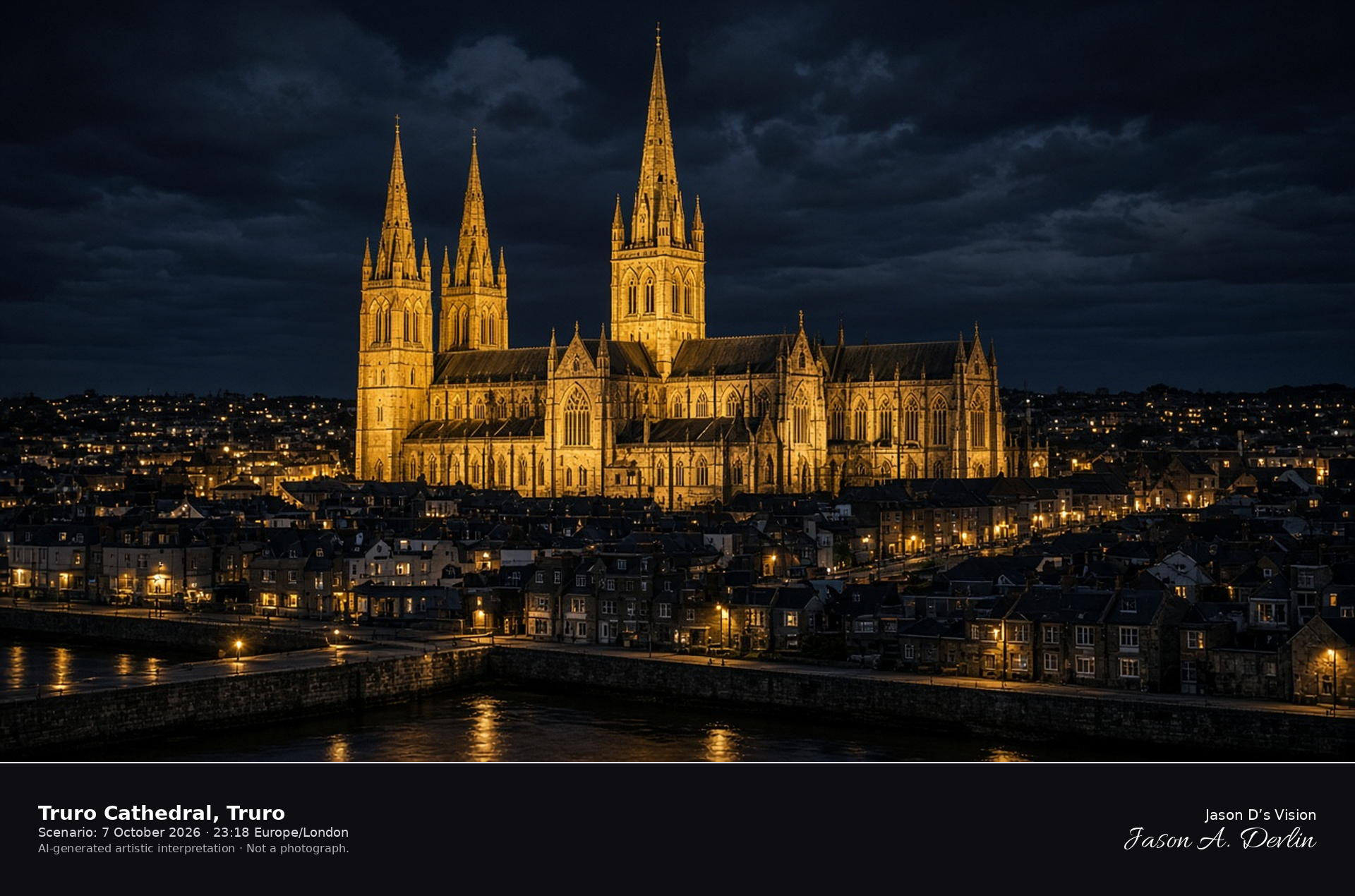
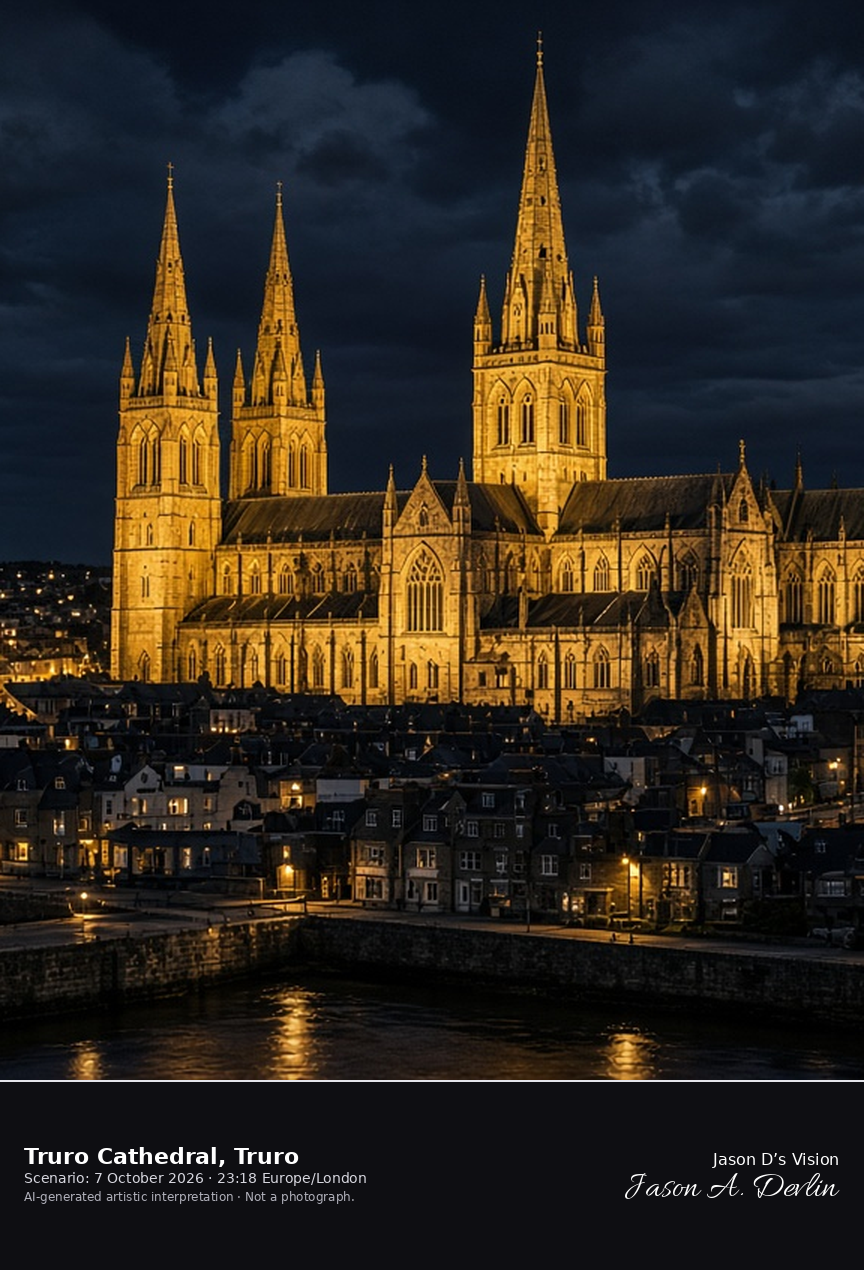
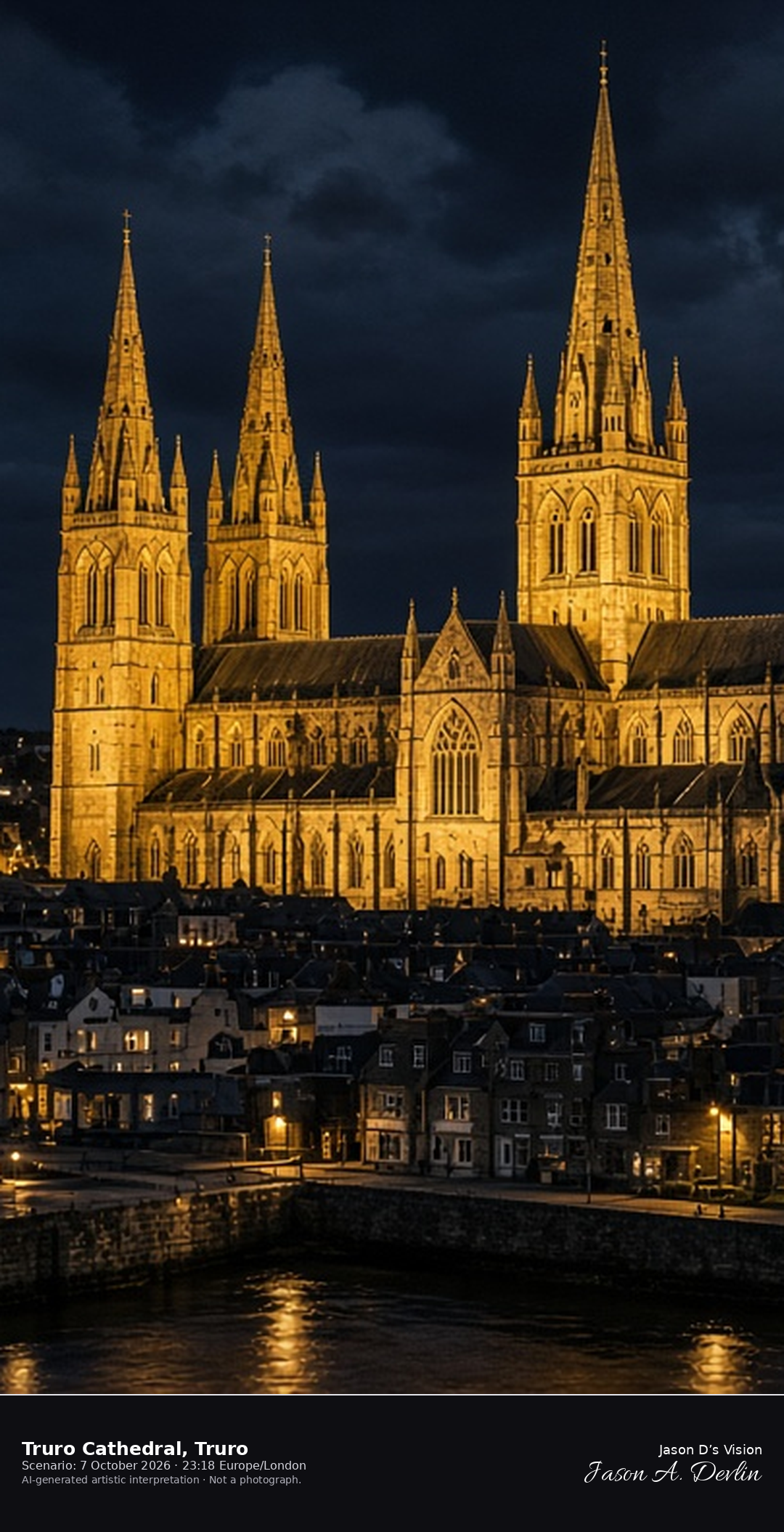
Work on Truro Cathedral began in 1880 to John Loughborough Pearson's design for a diocese created only four years before. One aisle of the ancient parish church of Saint Mary was kept entire within the new building, so that Truro's cathedral carries its mother church in its arms.
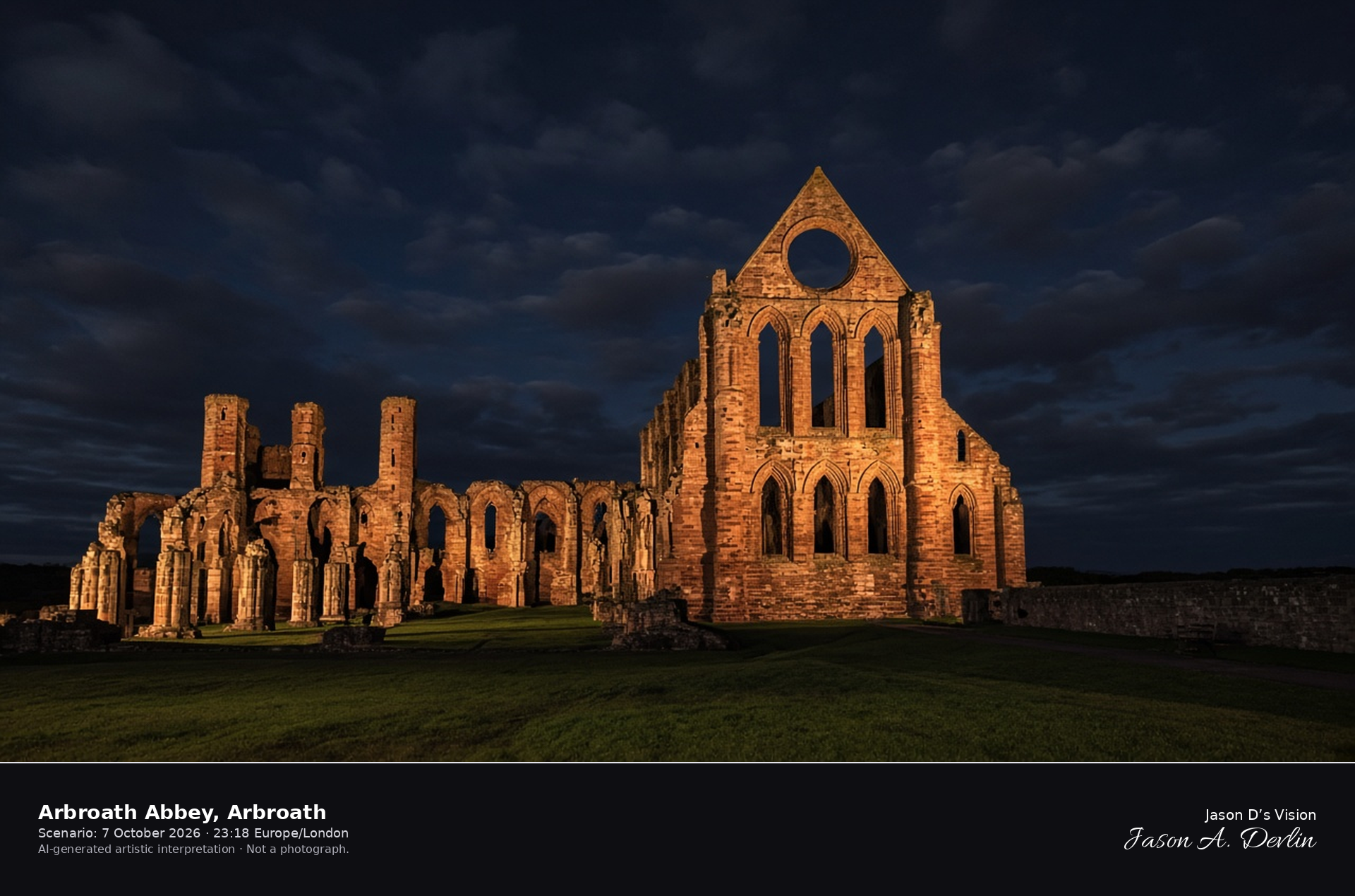
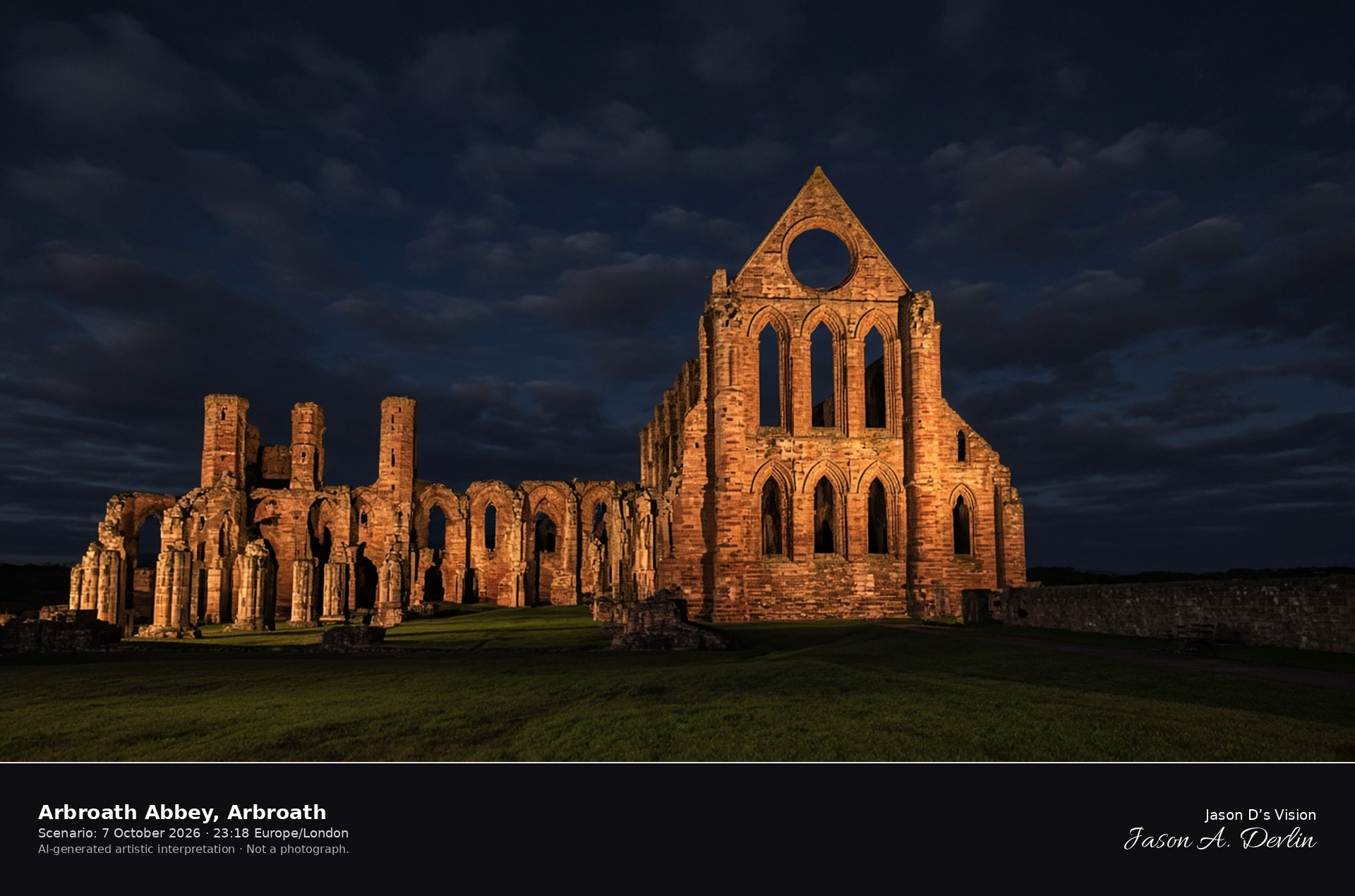
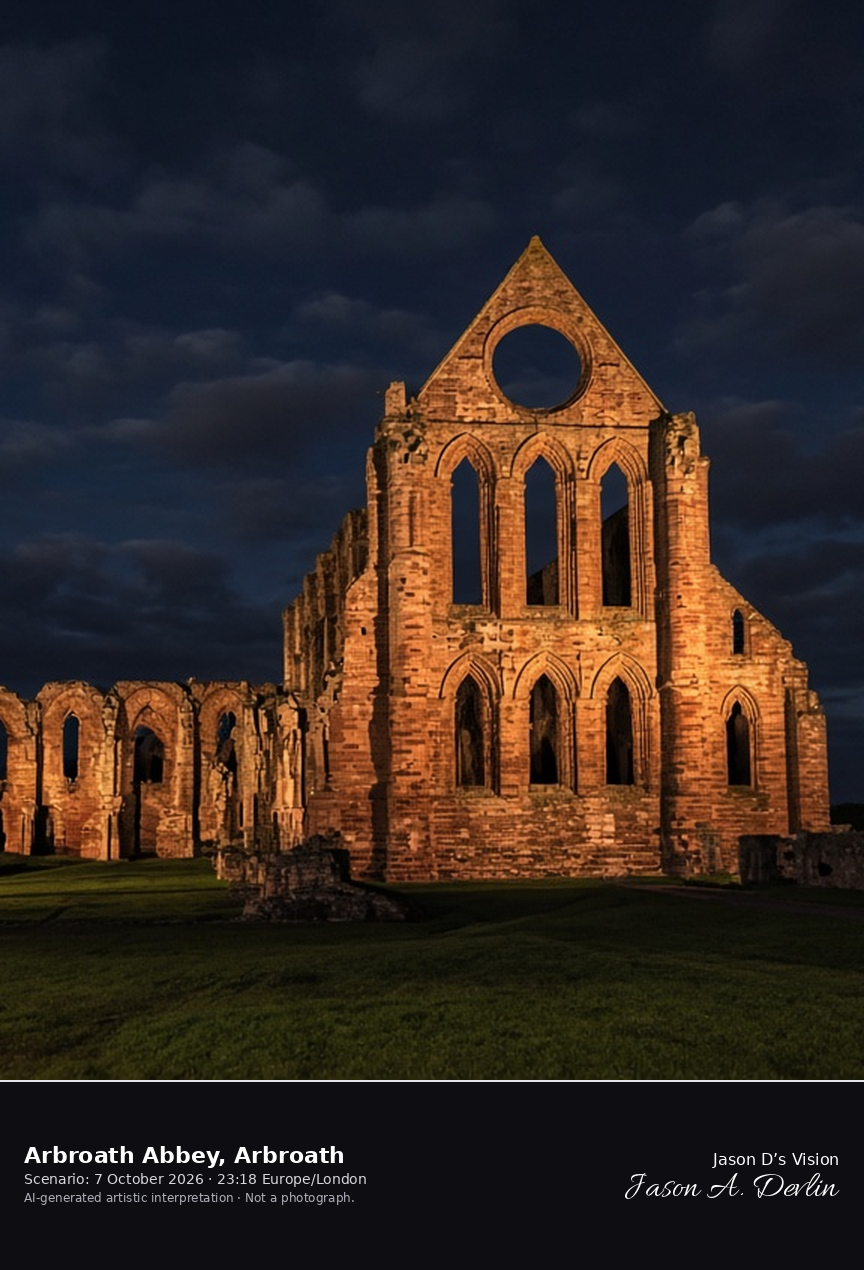
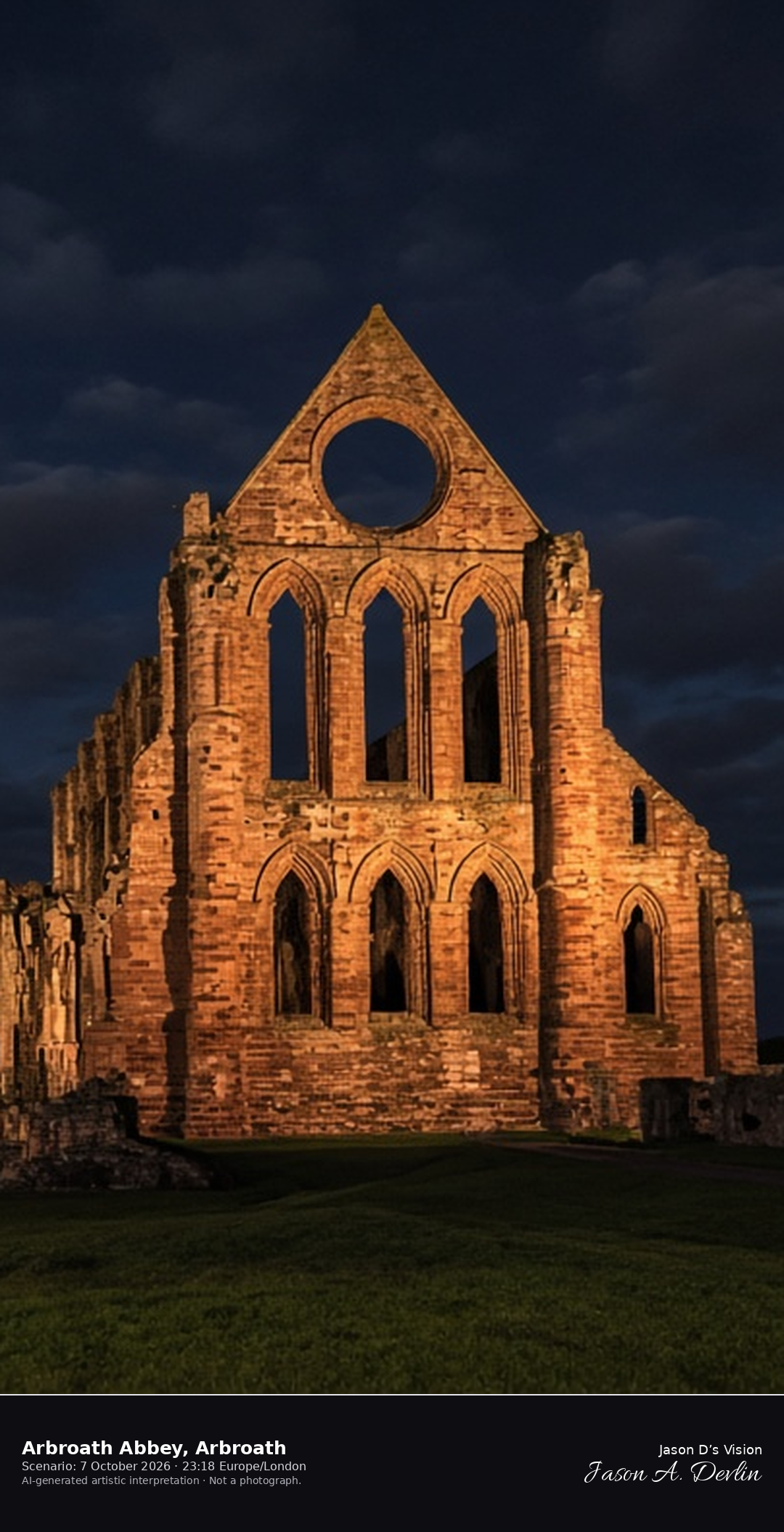
Arbroath Abbey was founded in 1178 by King William the Lion. It is linked with the Declaration of Arbroath of 1320, the letter asserting Scotland's independence sent to the Pope.
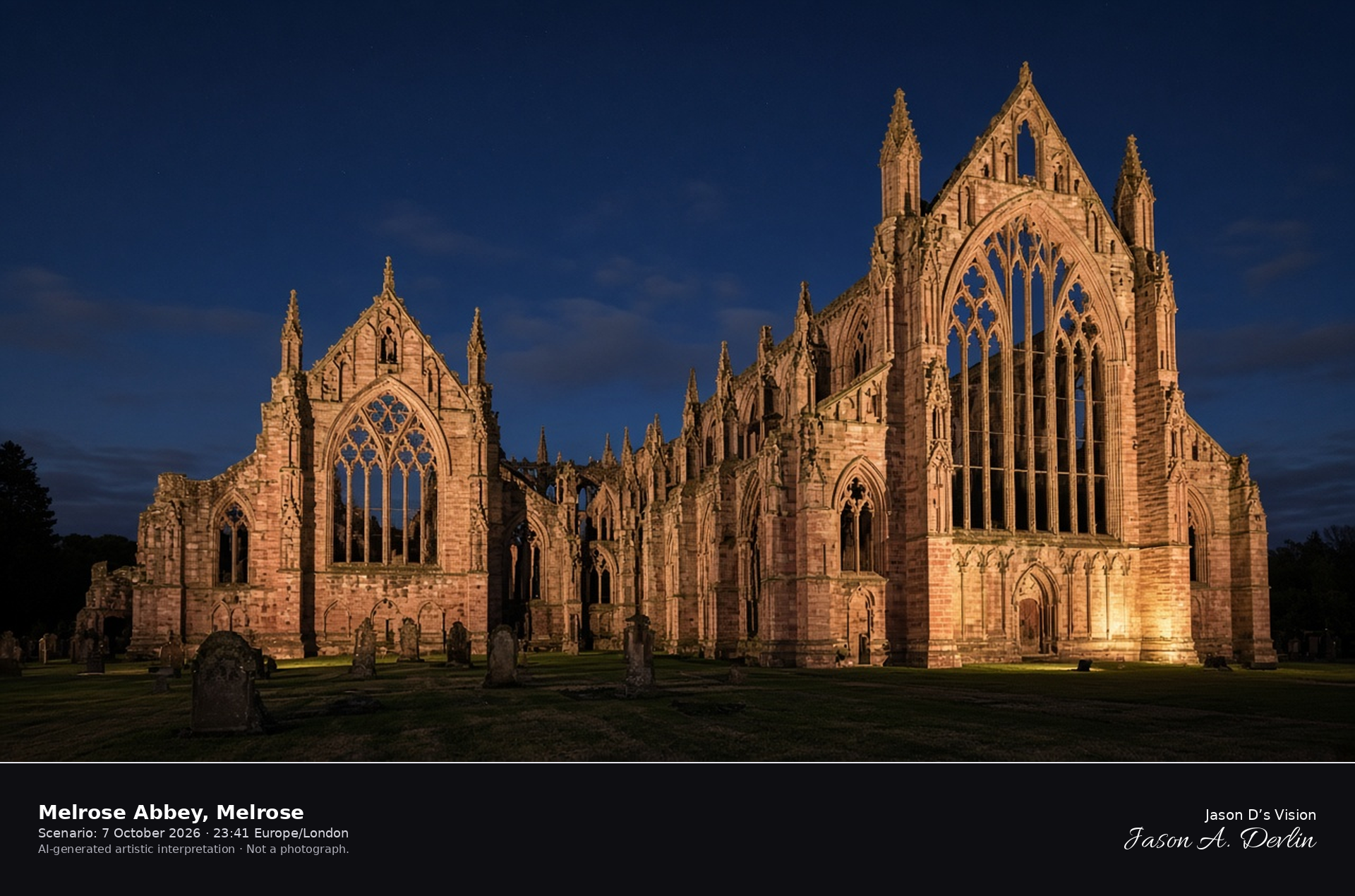
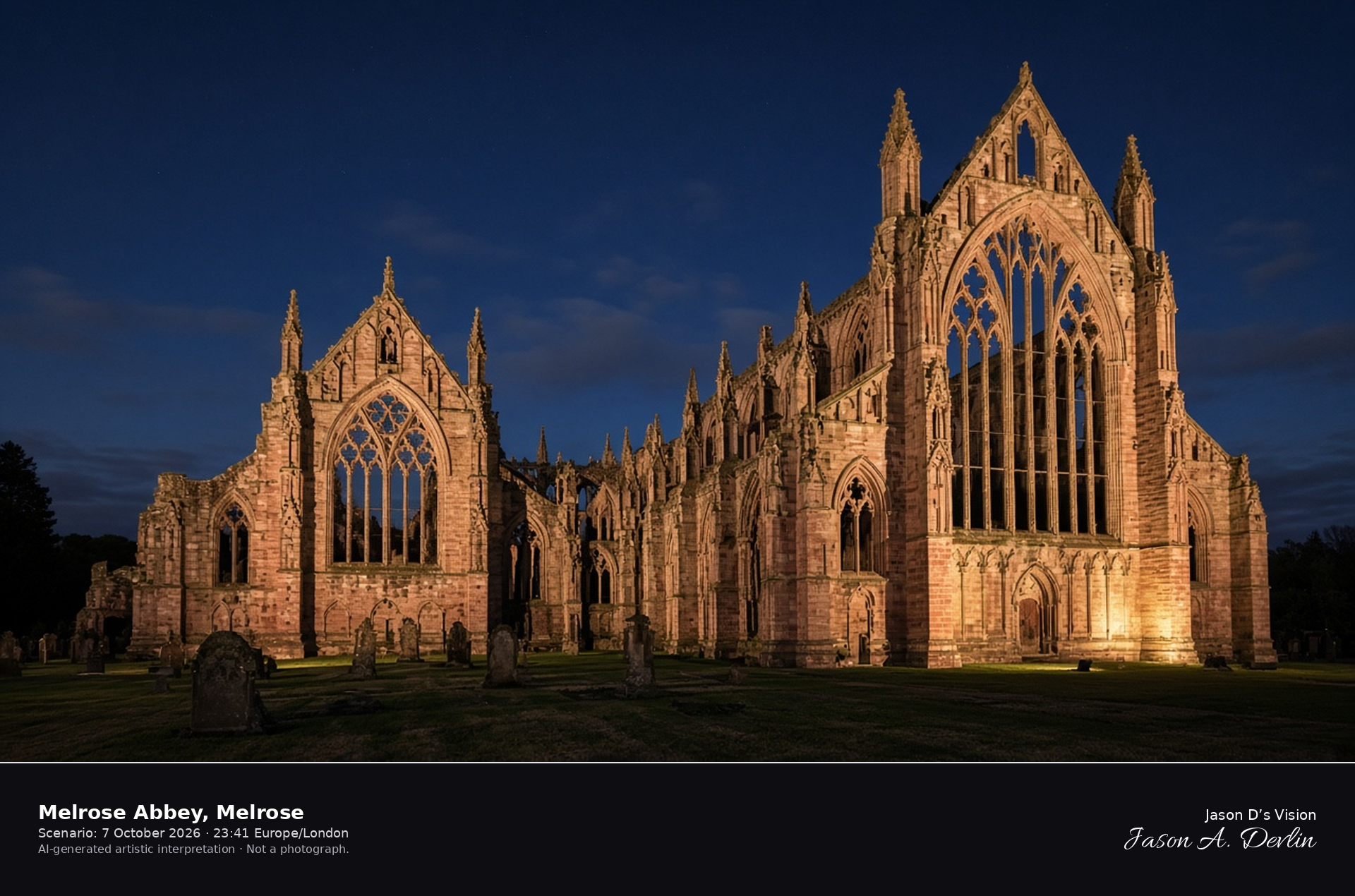
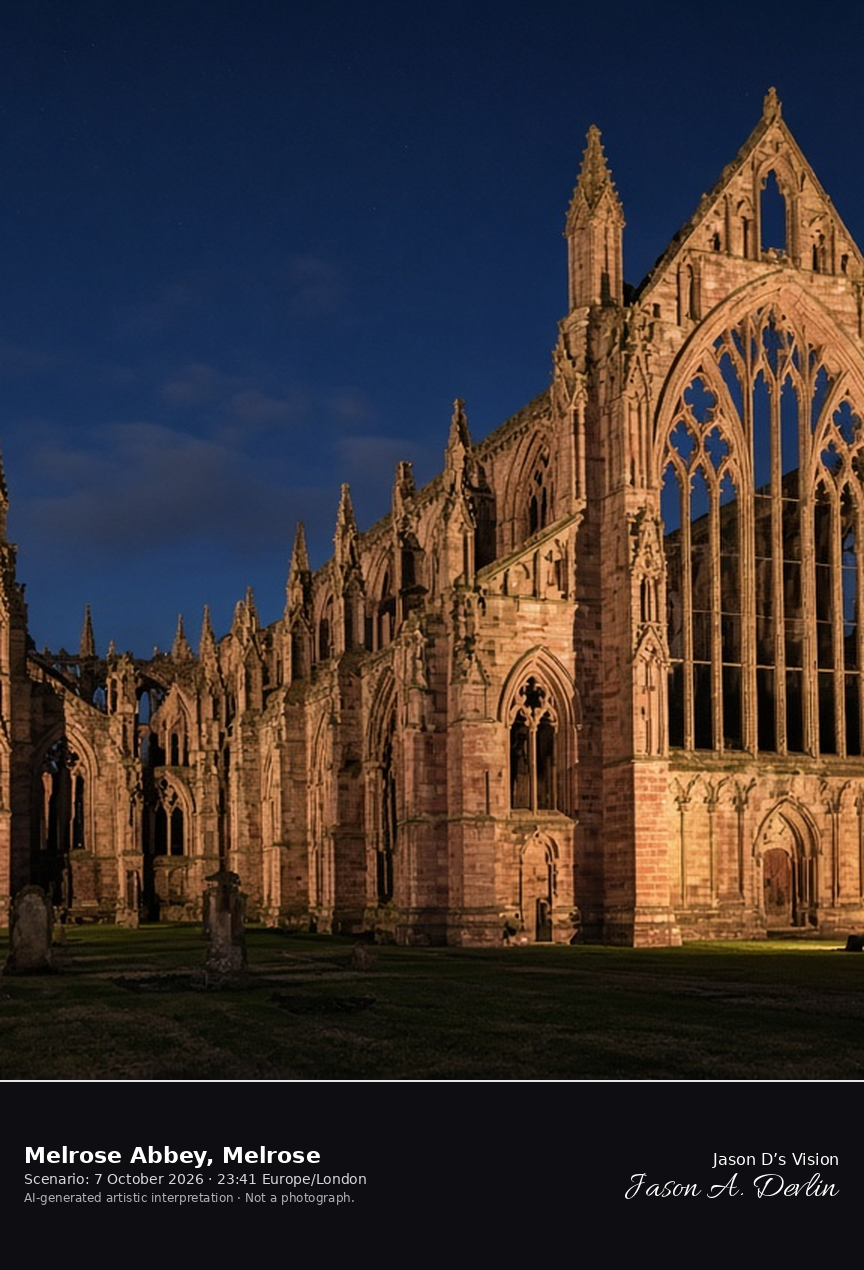
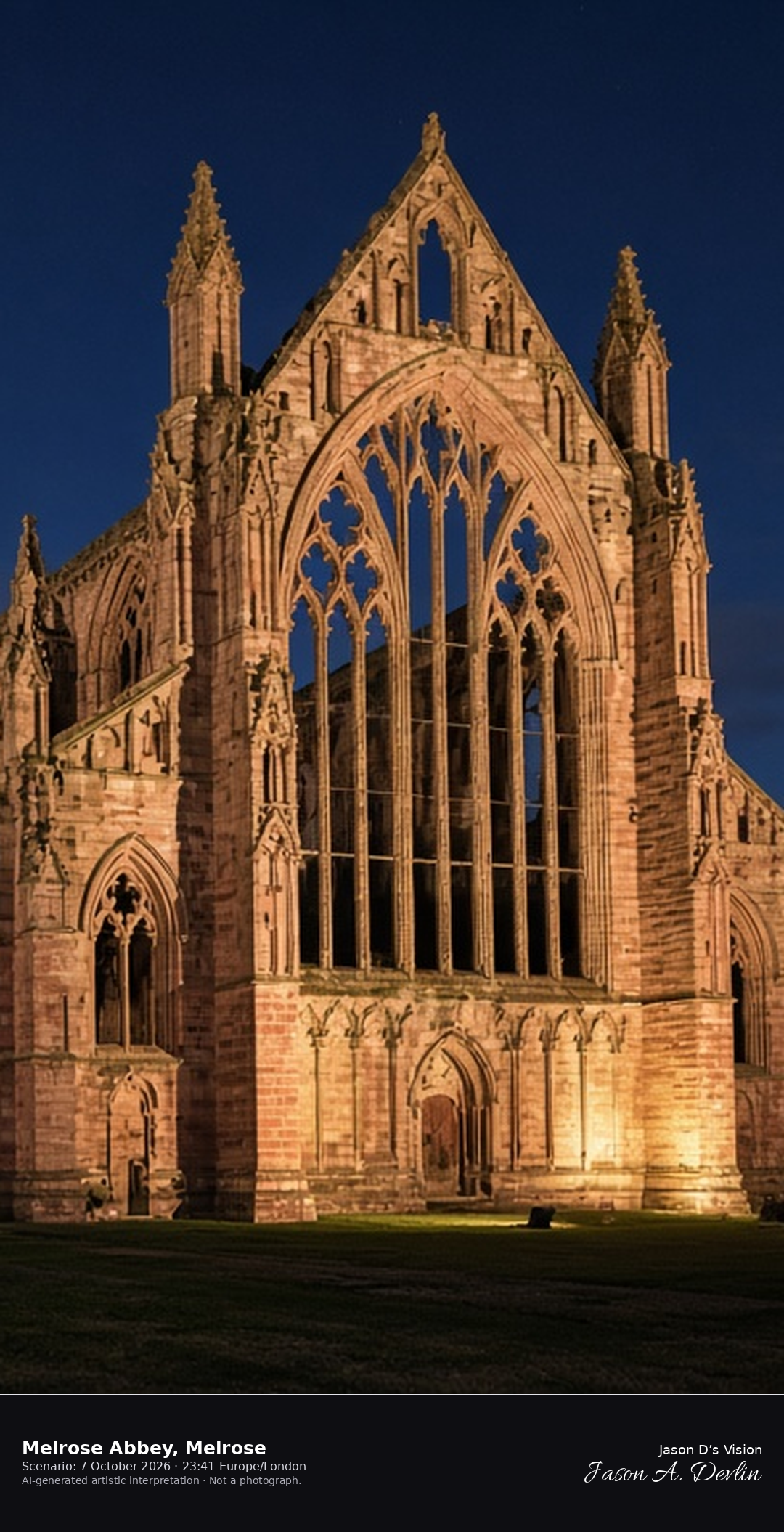
Melrose Abbey is traditionally associated with the burial of Robert the Bruce's heart. A casket rediscovered near the chapter house in 1996 had first been found in 1921; although it has become a symbol of the king, its contents have not been securely identified as his heart.
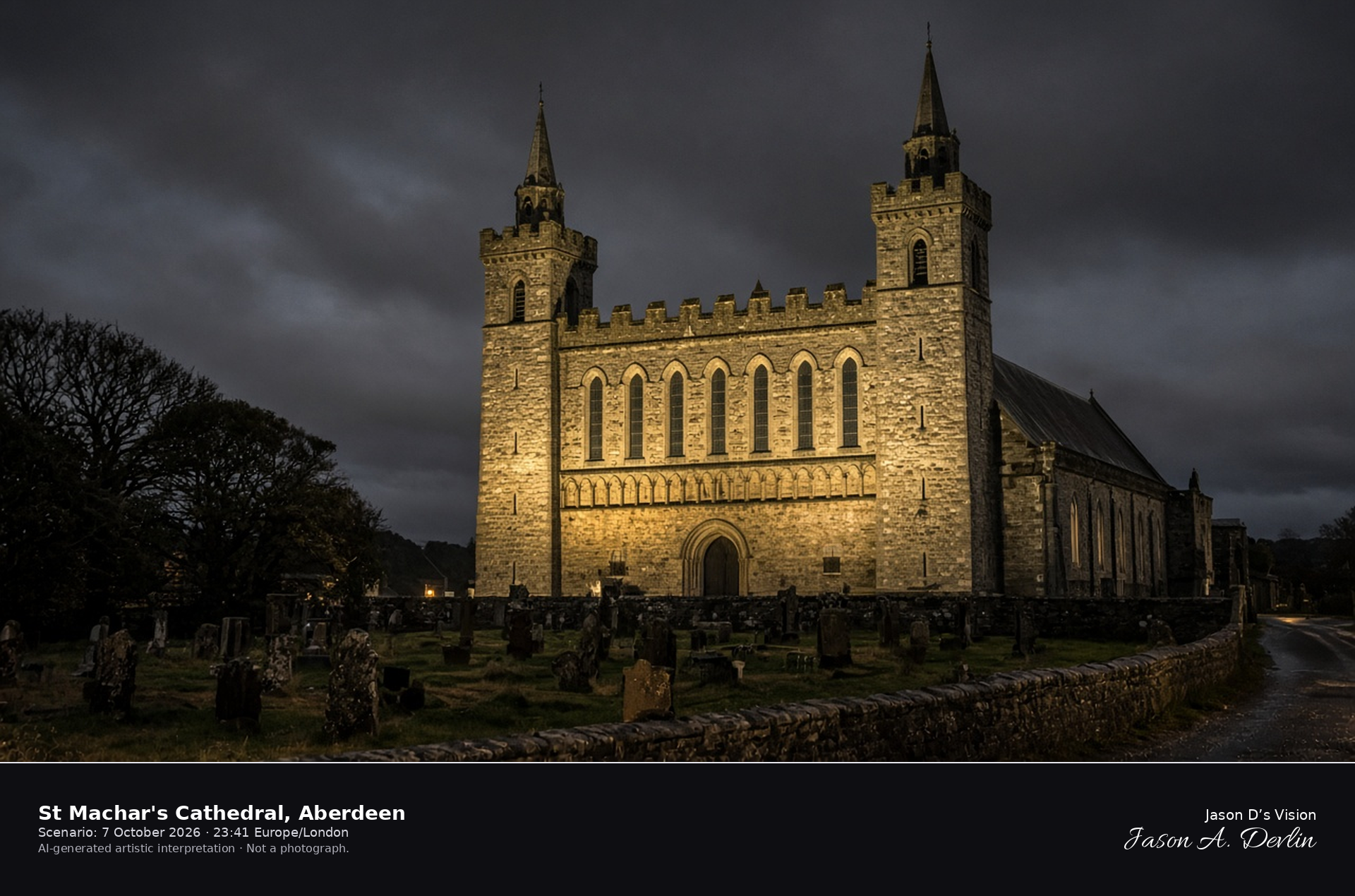
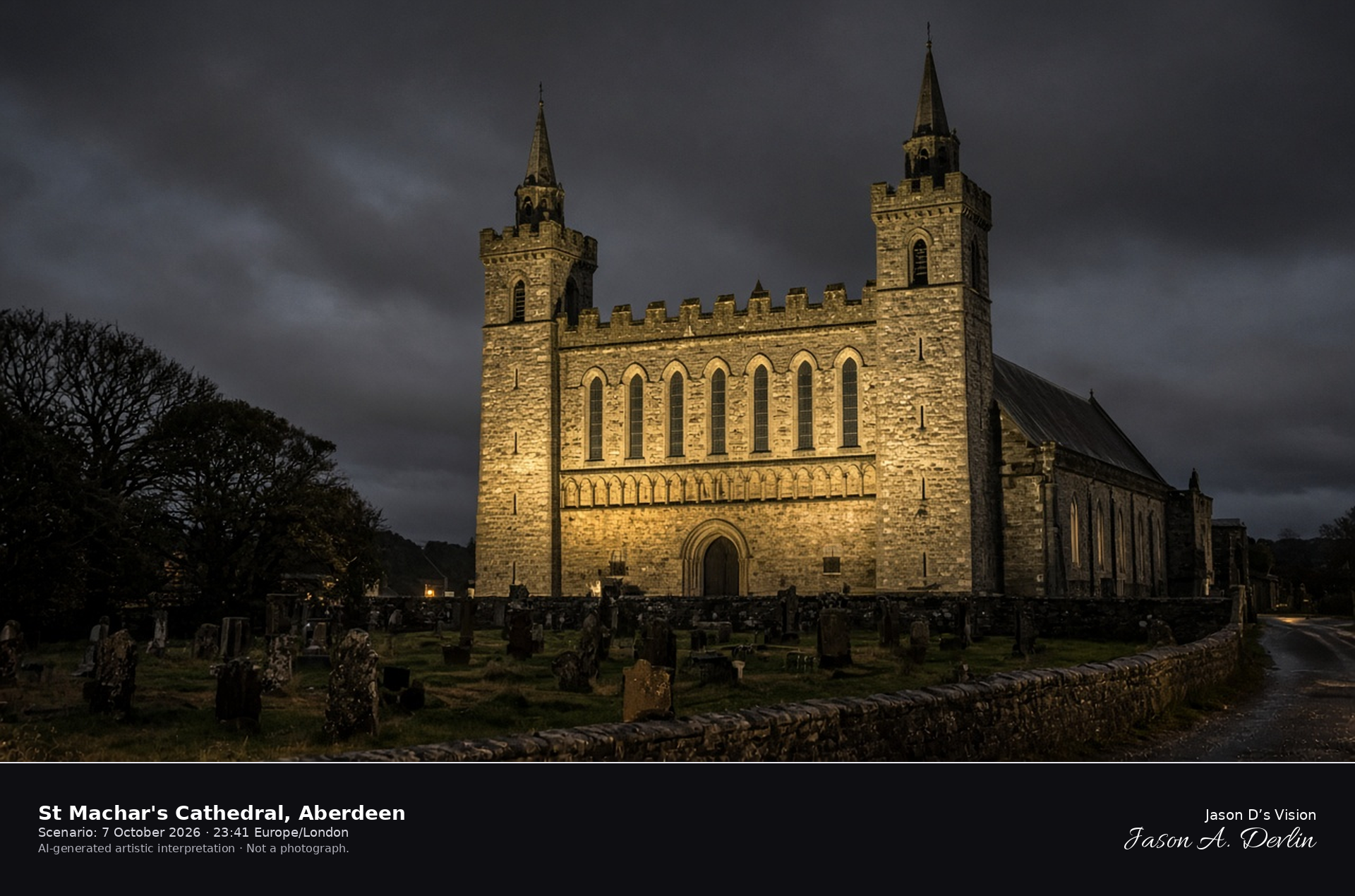
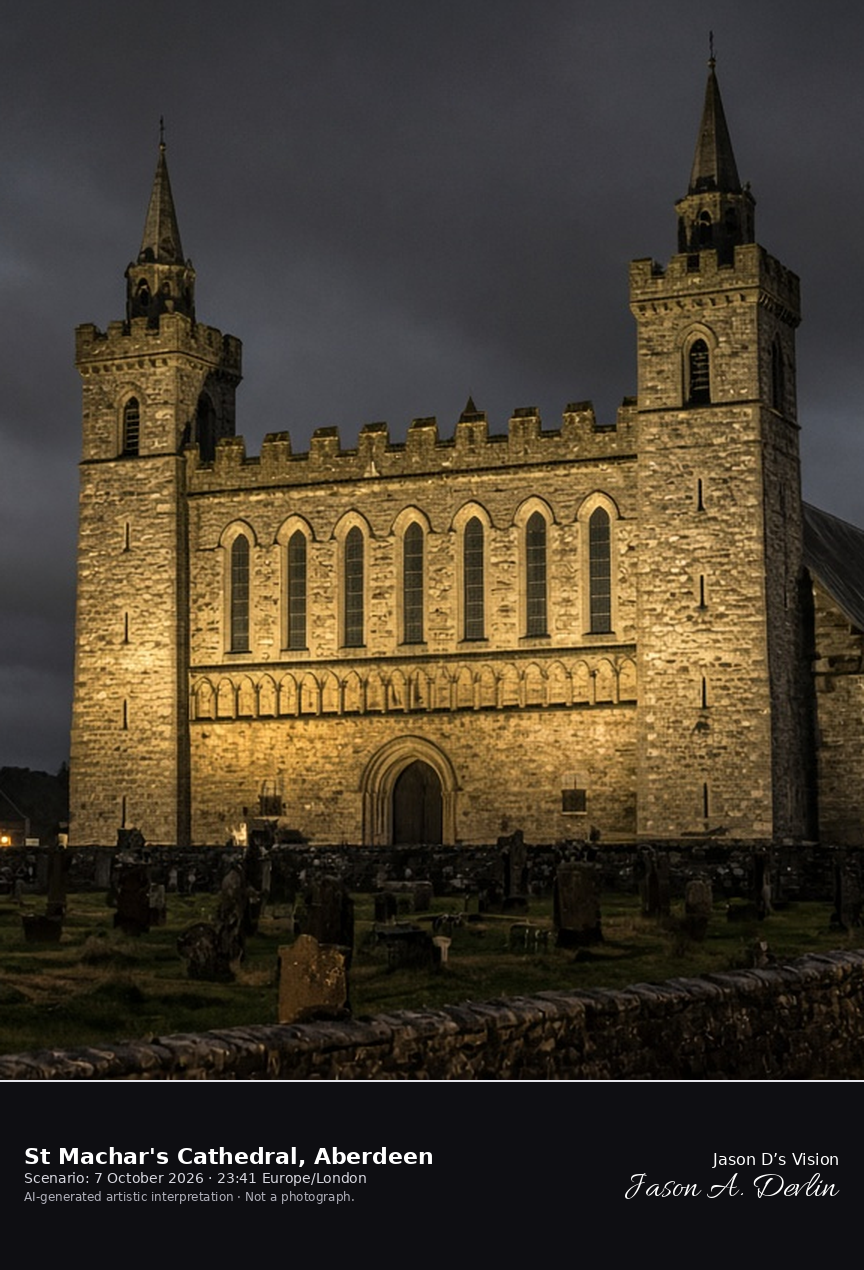
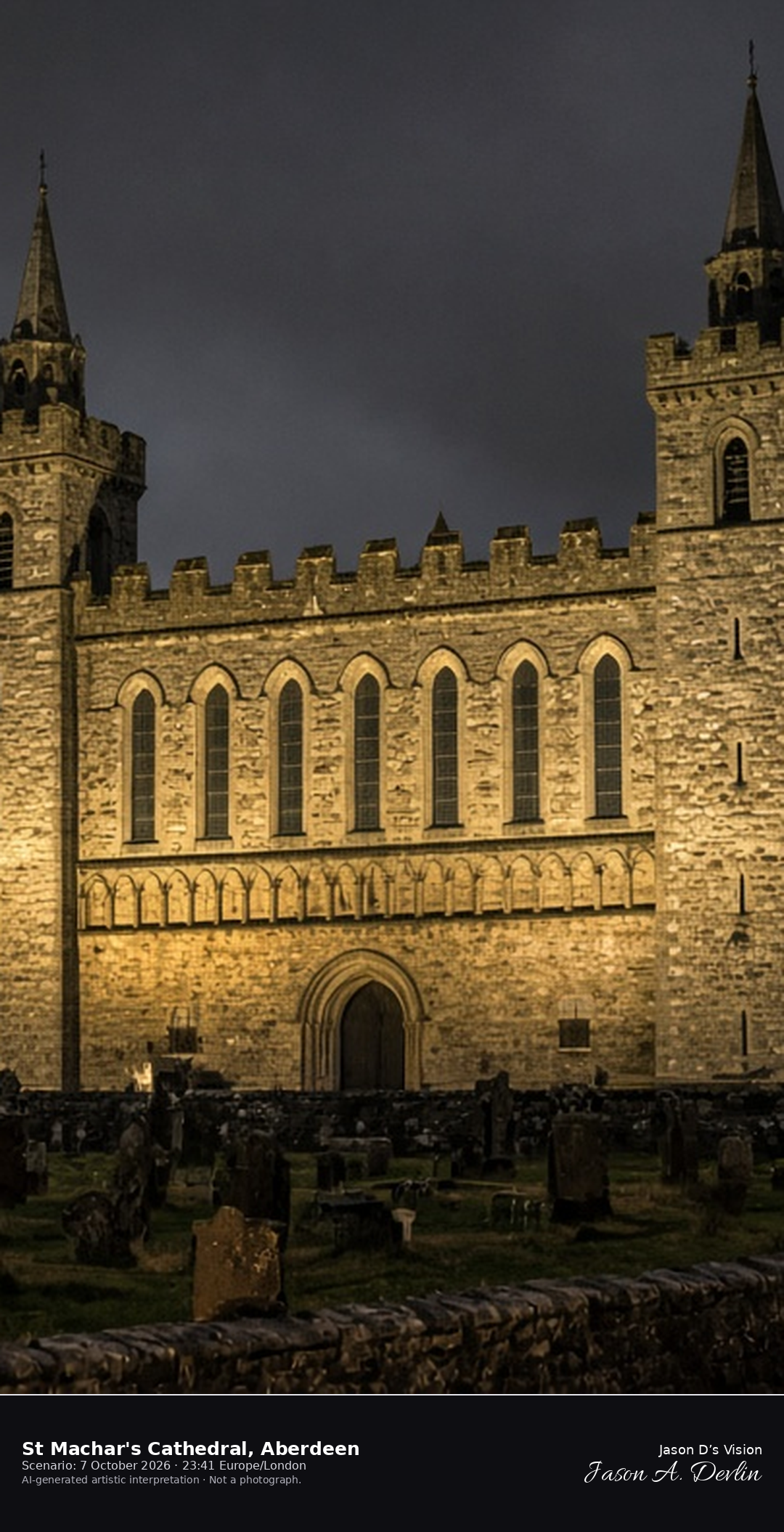
St Machar's Cathedral, Aberdeen · AI-generated artistic interpretation
St Machar's is said to stand where St Machar founded a church in about 580. The present granite nave and west towers date from the 15th century, and its painted heraldic ceiling dates from about 1520.
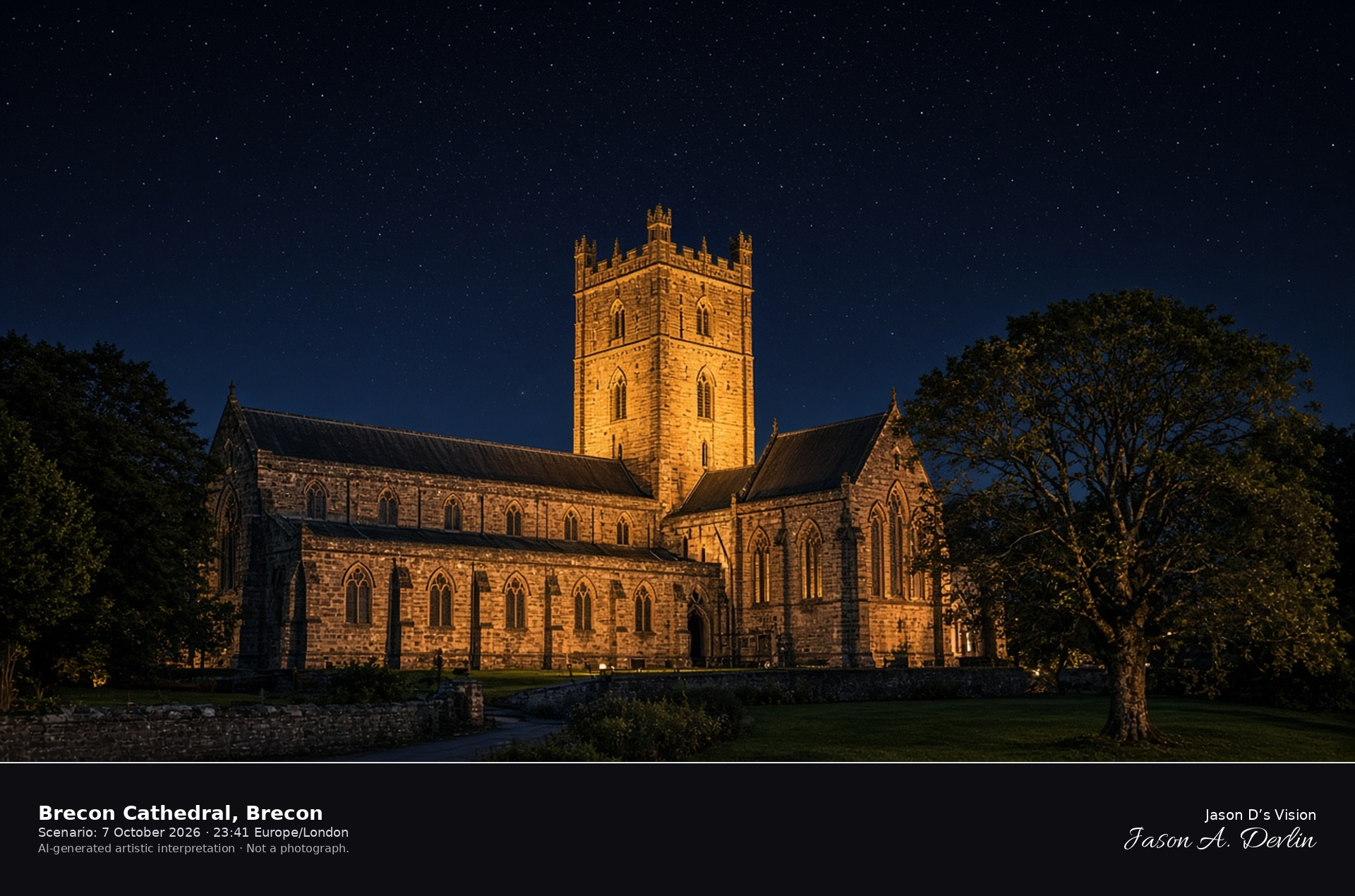
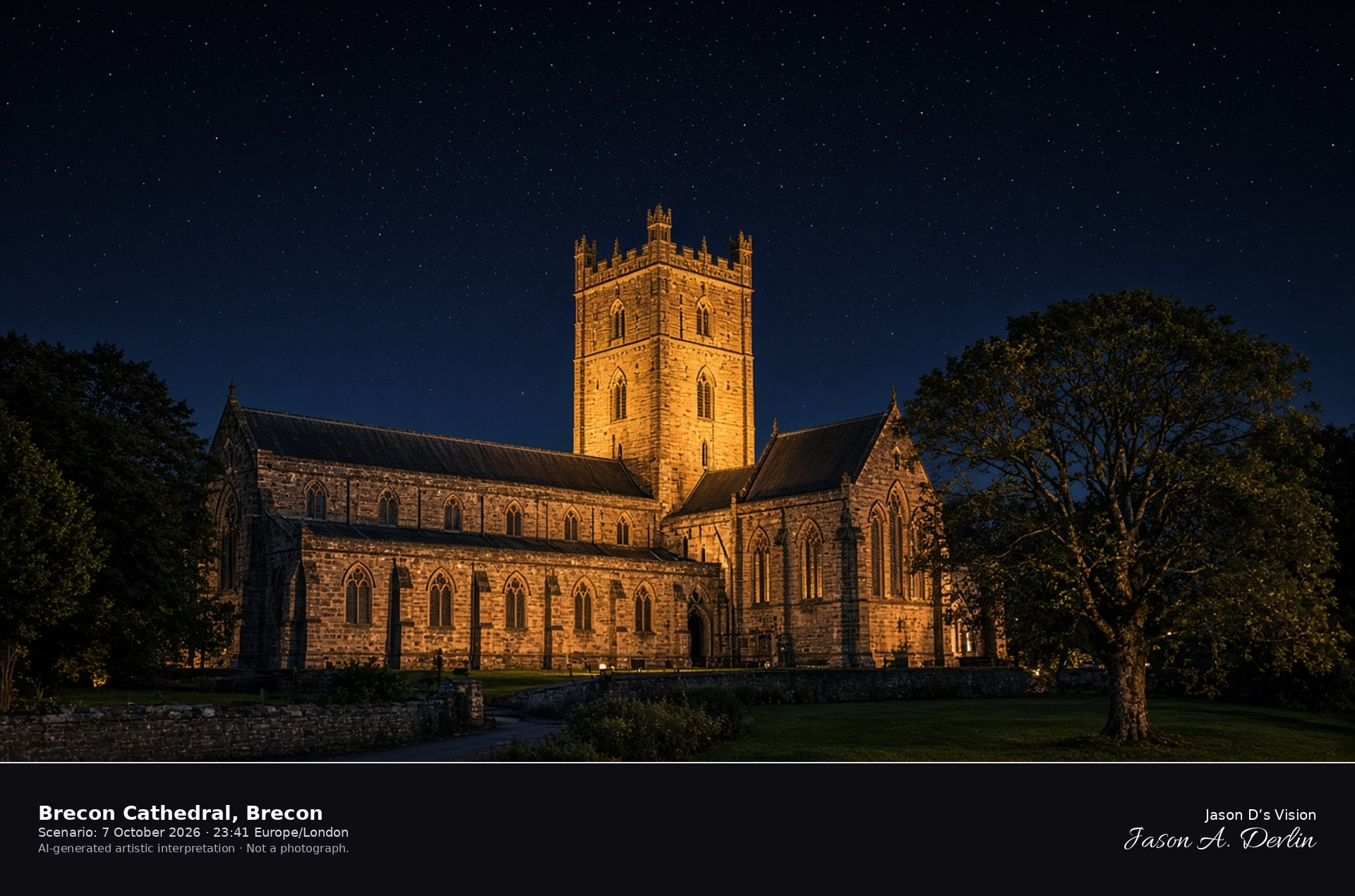
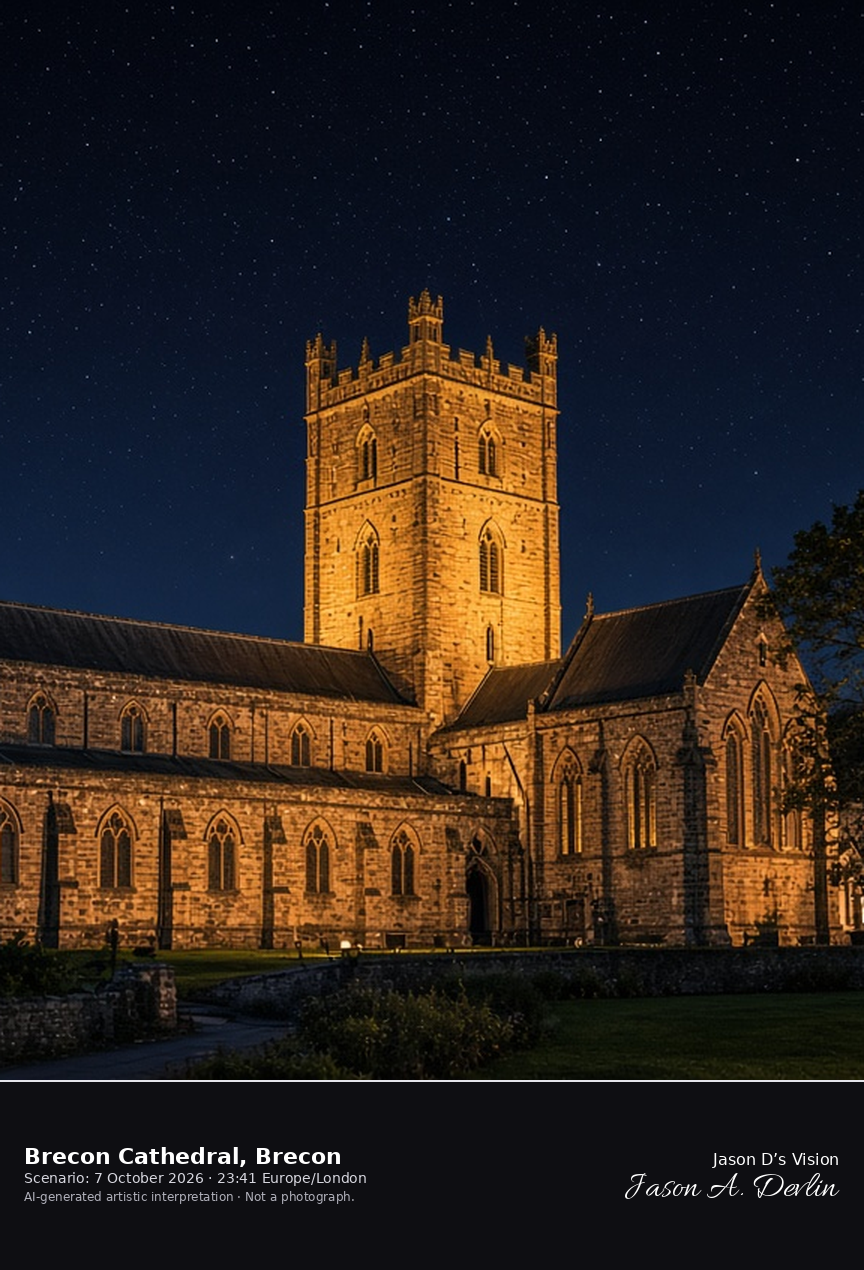
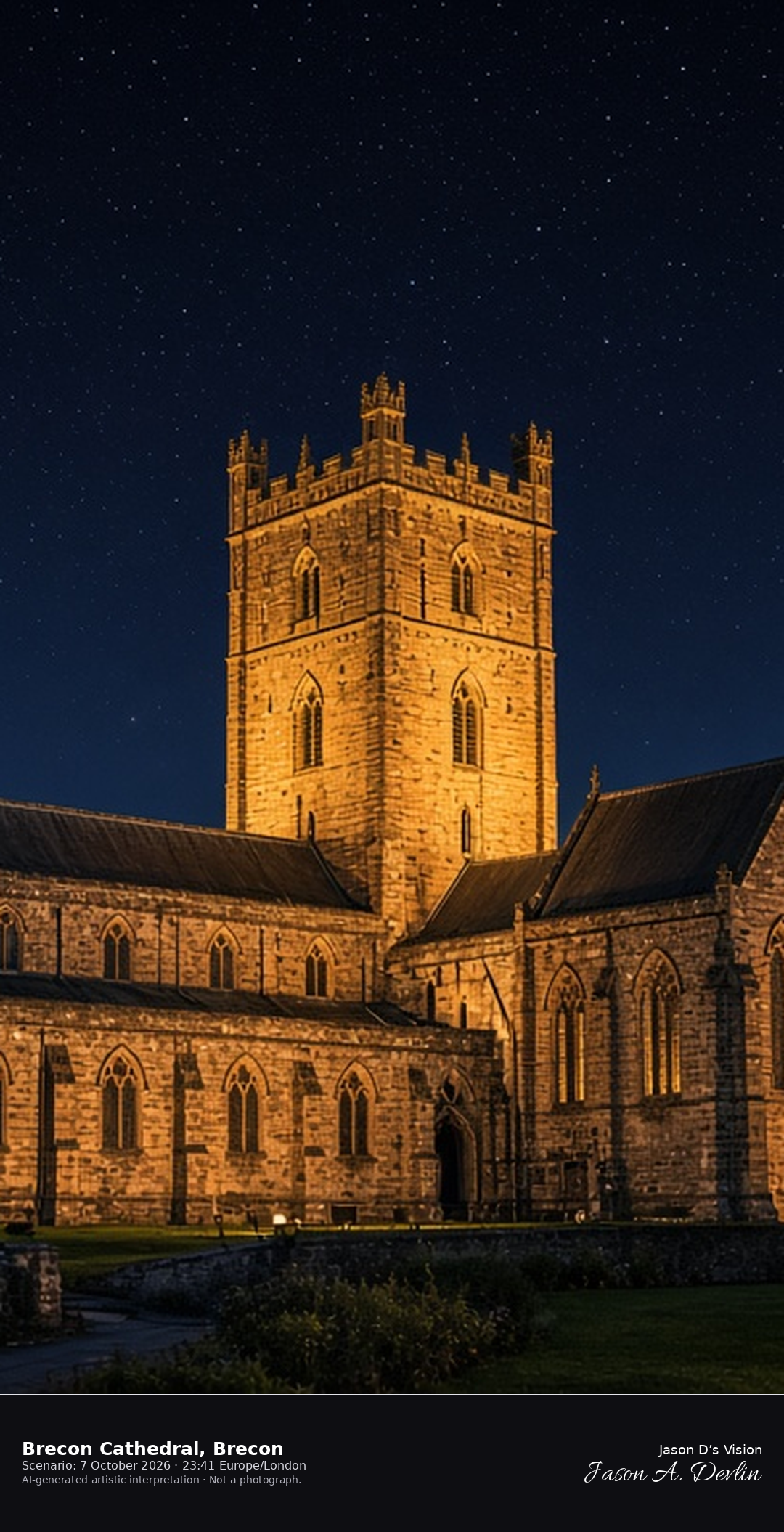
Brecon Cathedral began as the church of a Benedictine priory founded in 1093. It became the cathedral of the new Diocese of Swansea and Brecon in 1923.
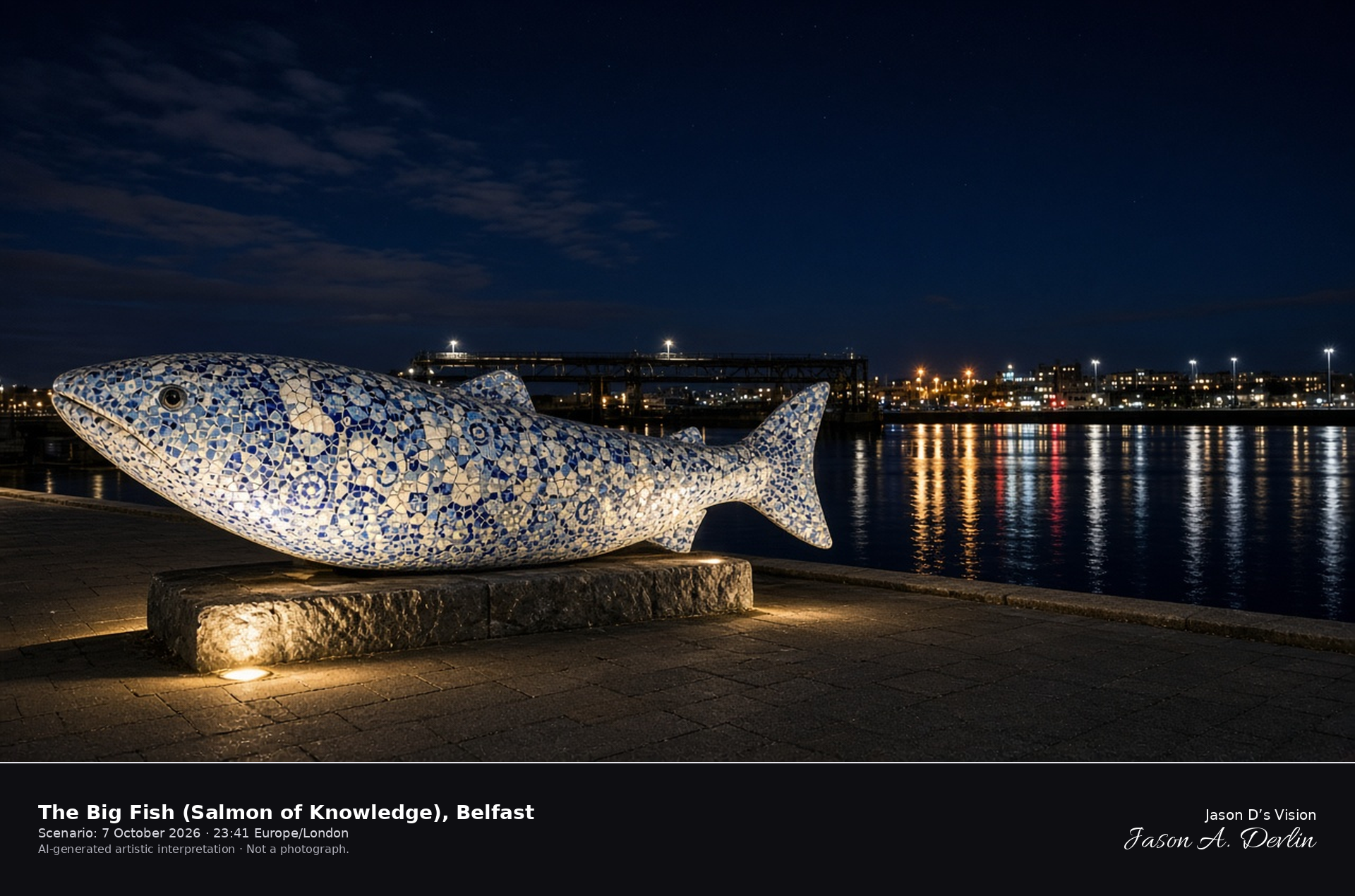
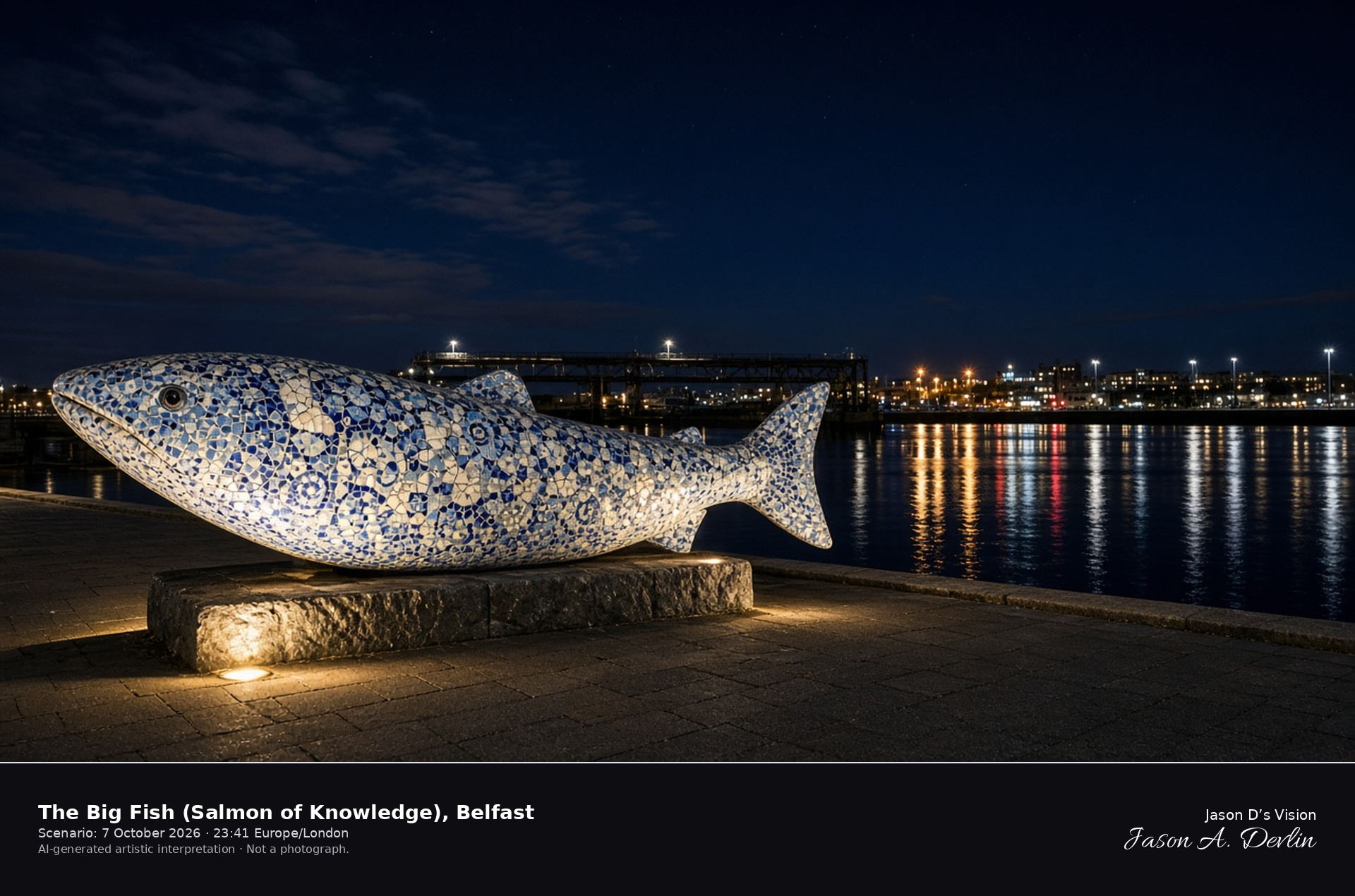
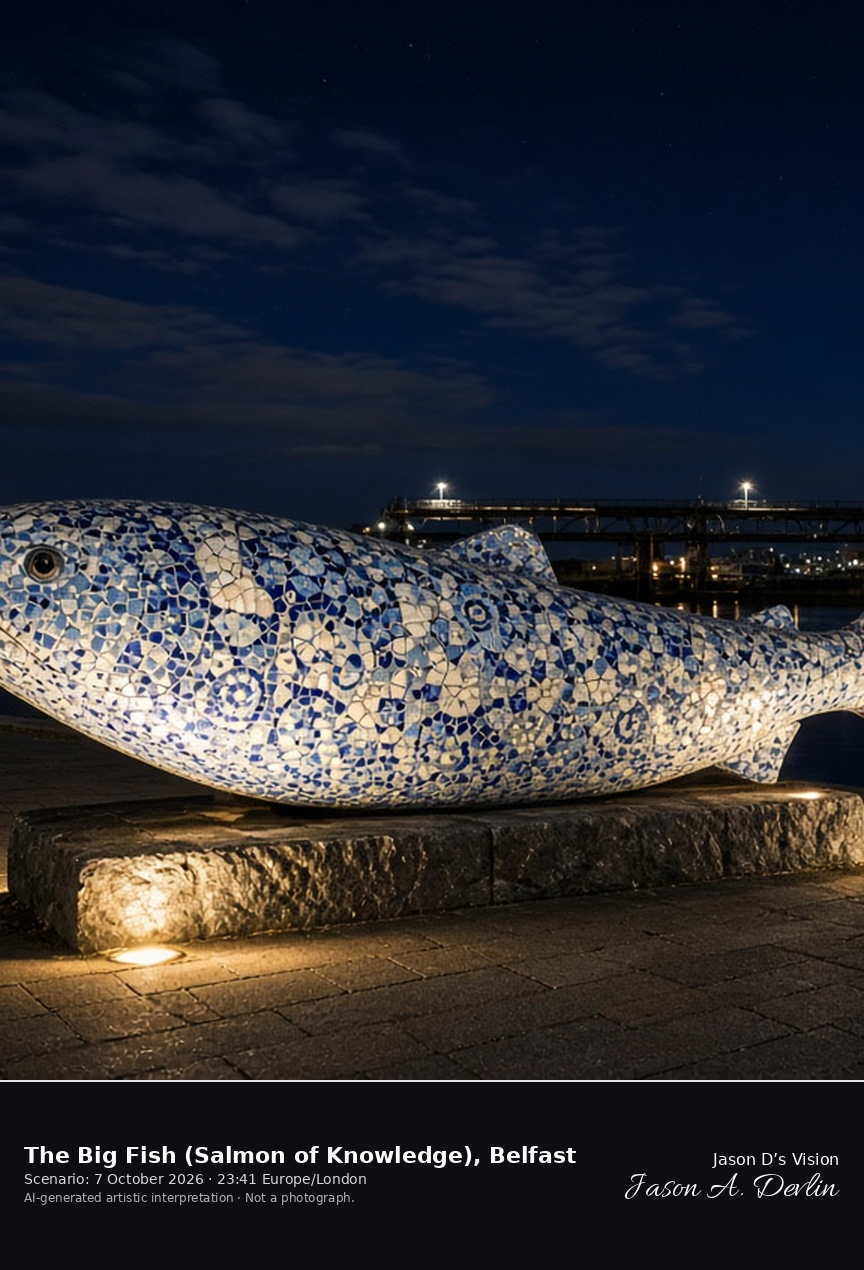
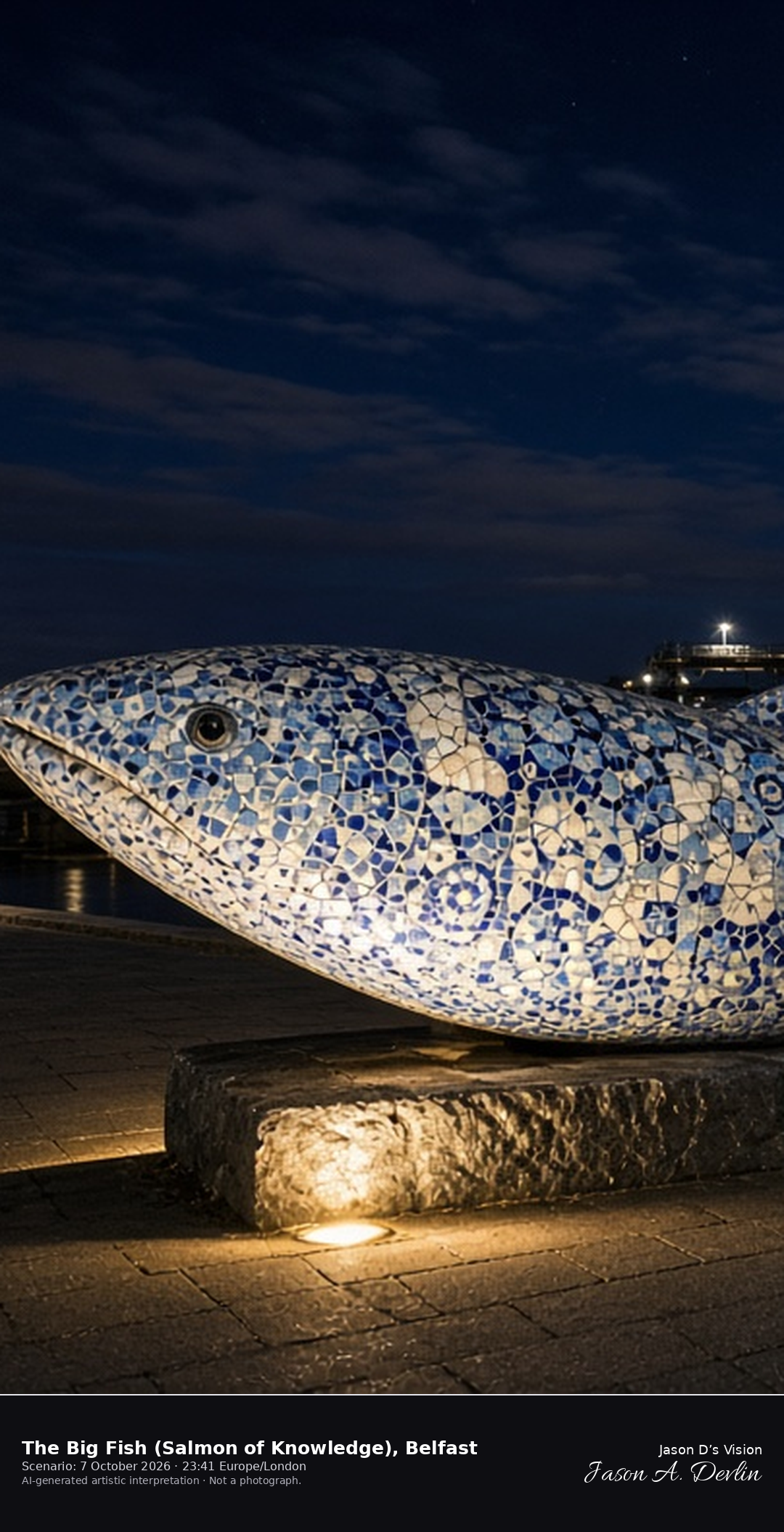
The Big Fish (Salmon of Knowledge), Belfast · AI-generated artistic interpretation
The Big Fish, by the artist John Kindness, was installed in 1999 to celebrate the regeneration of the River Lagan. Its tiles carry printed images and texts about Belfast's history, and it is also known as the Salmon of Knowledge.
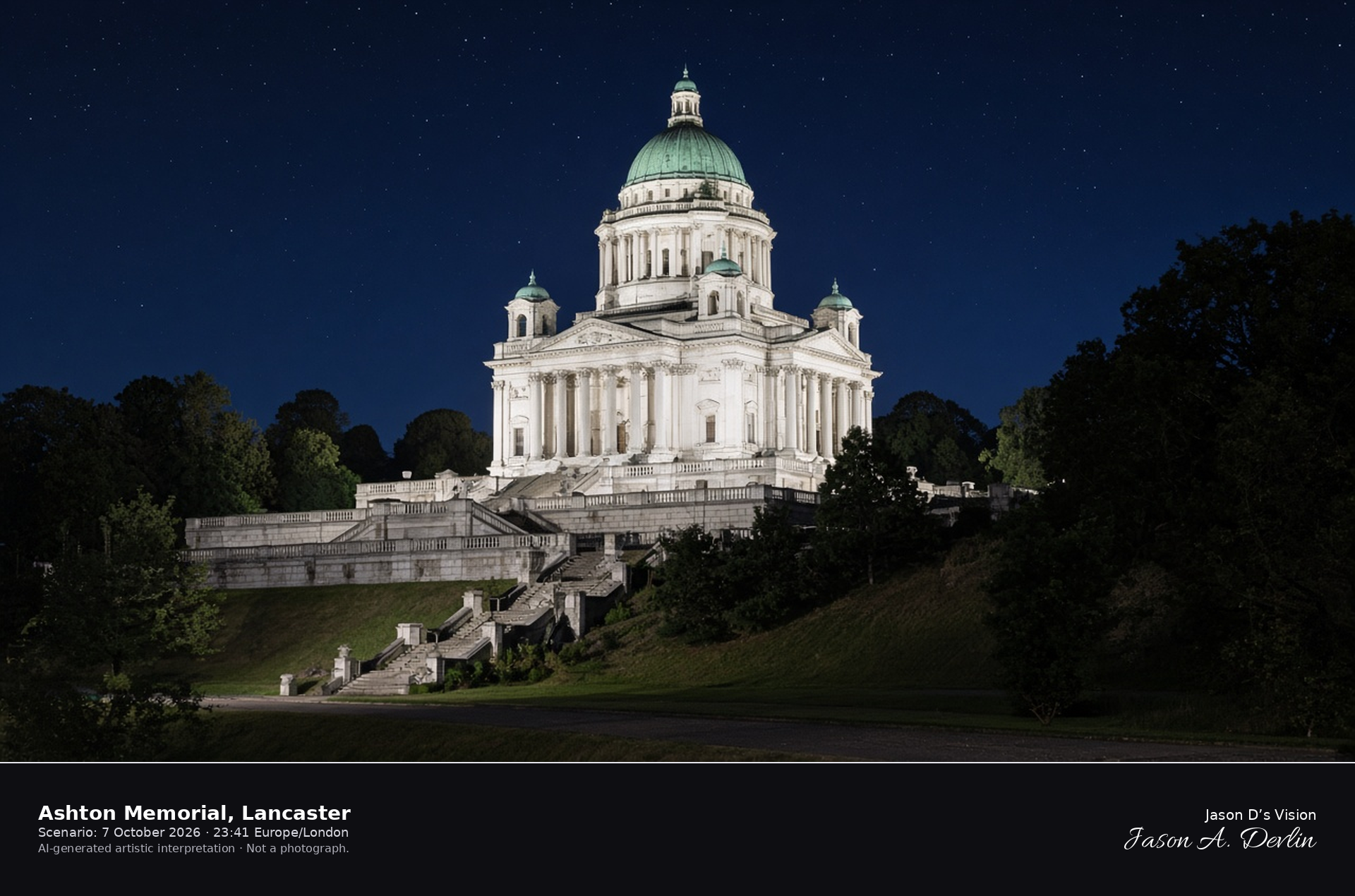
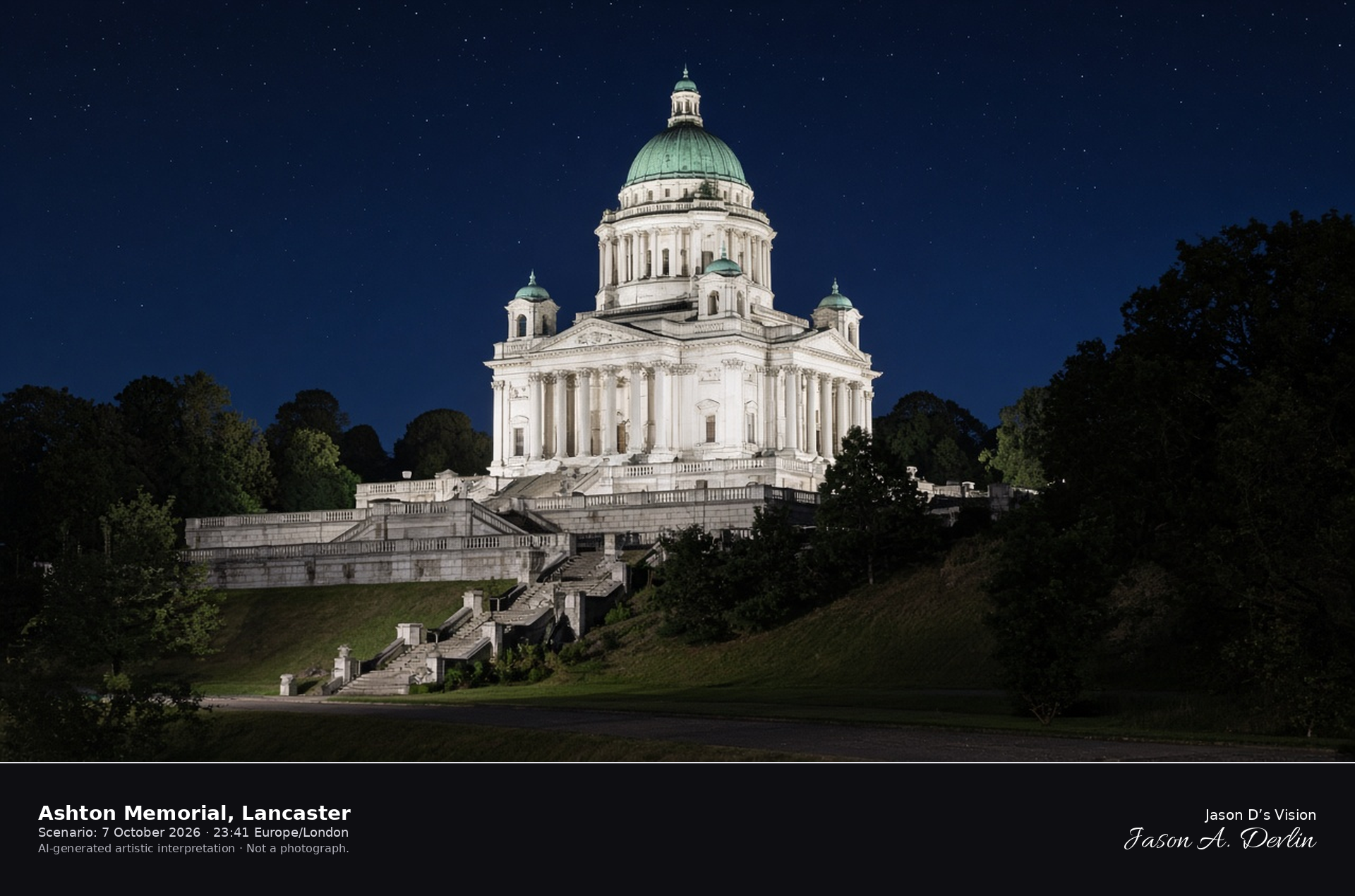
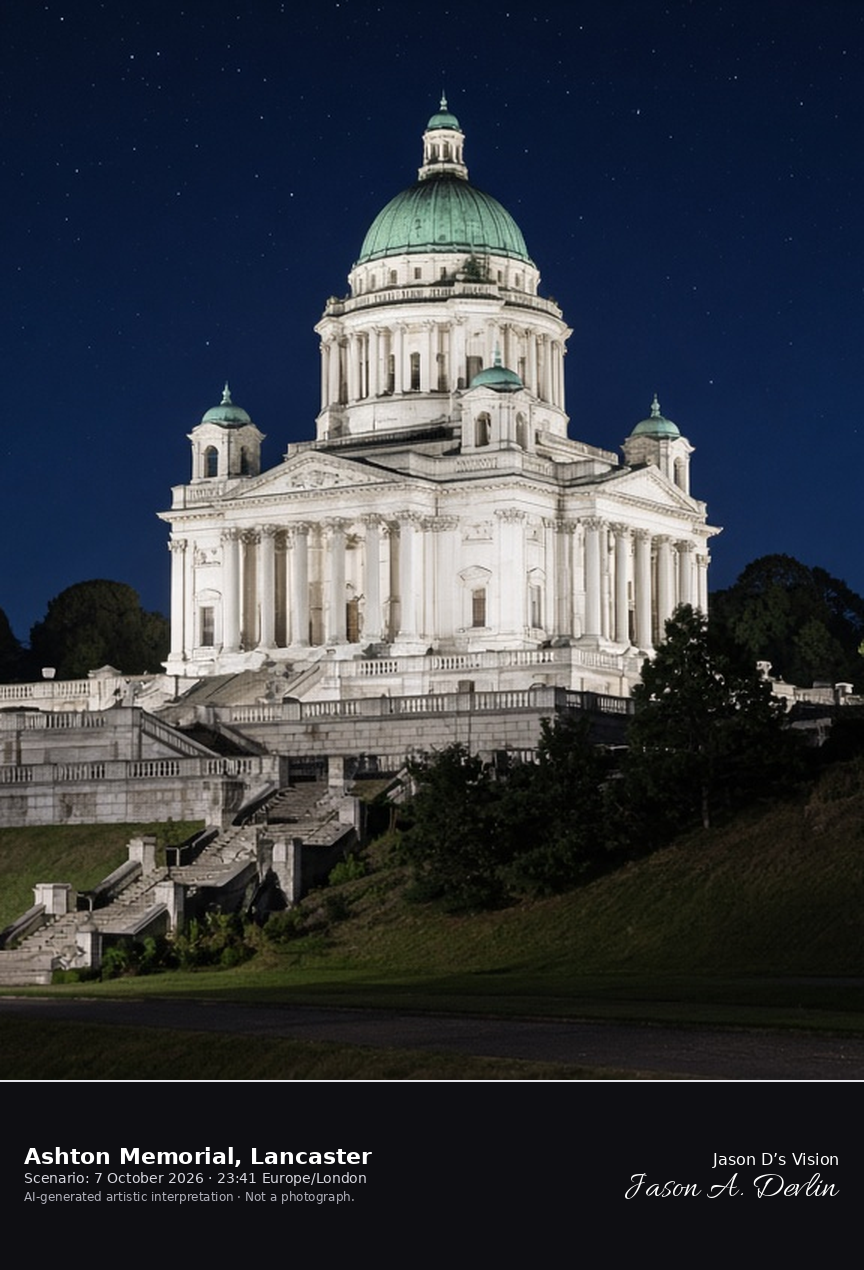
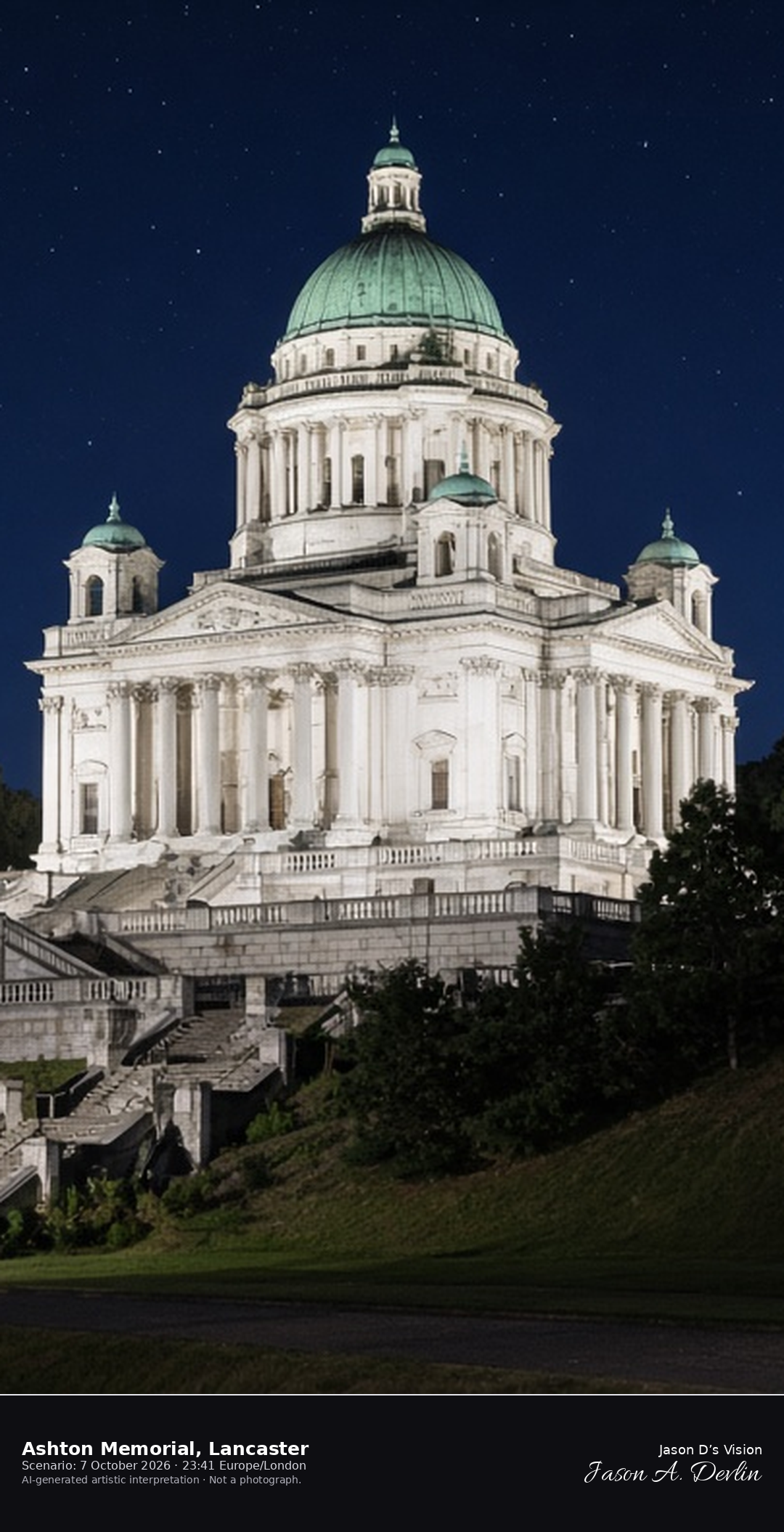
The memorial was built between 1907 and 1909 by the industrialist Lord Ashton in memory of his second wife, Jessy. Its dome can be seen from far around Lancaster and Morecambe Bay.
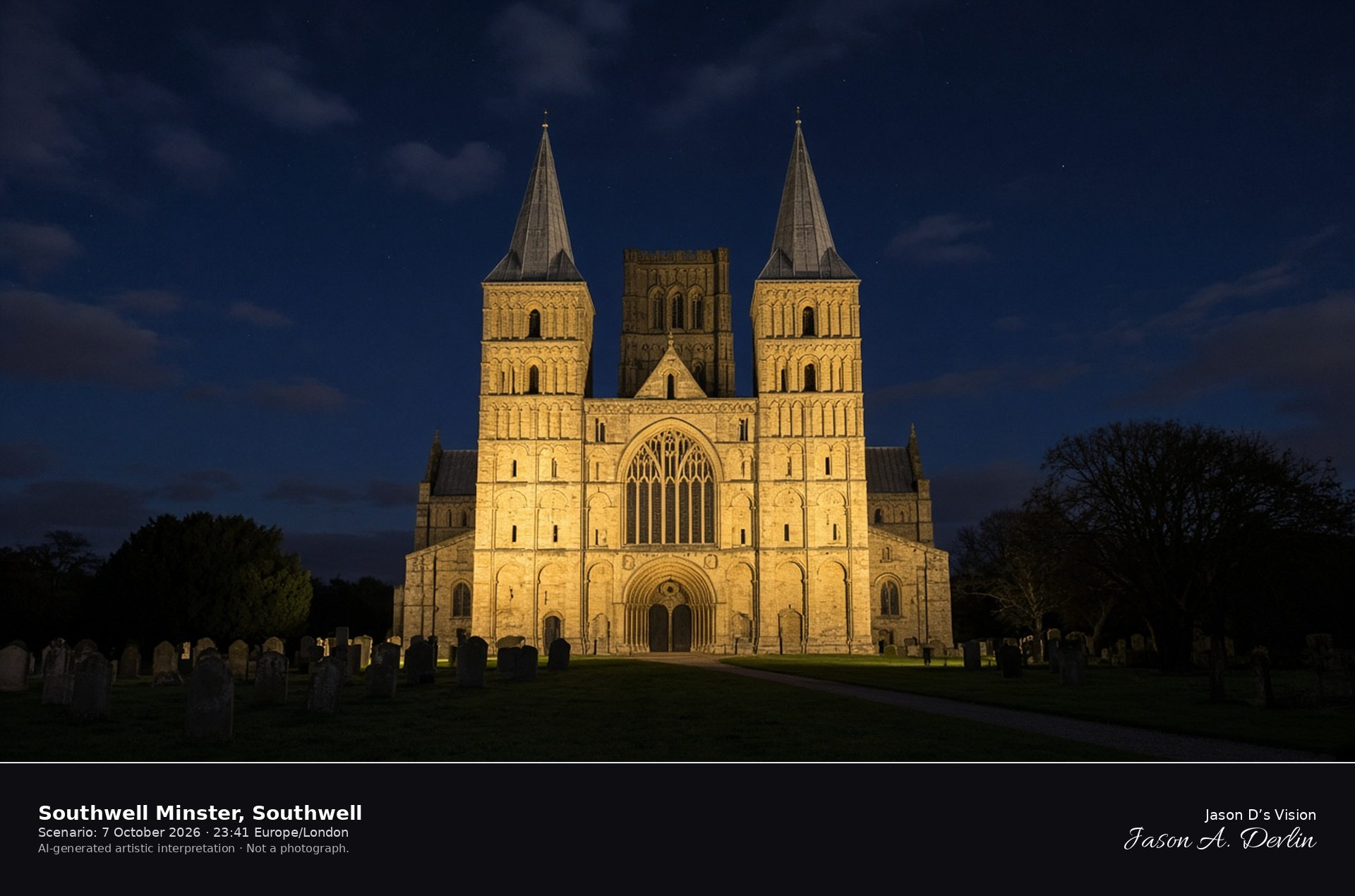
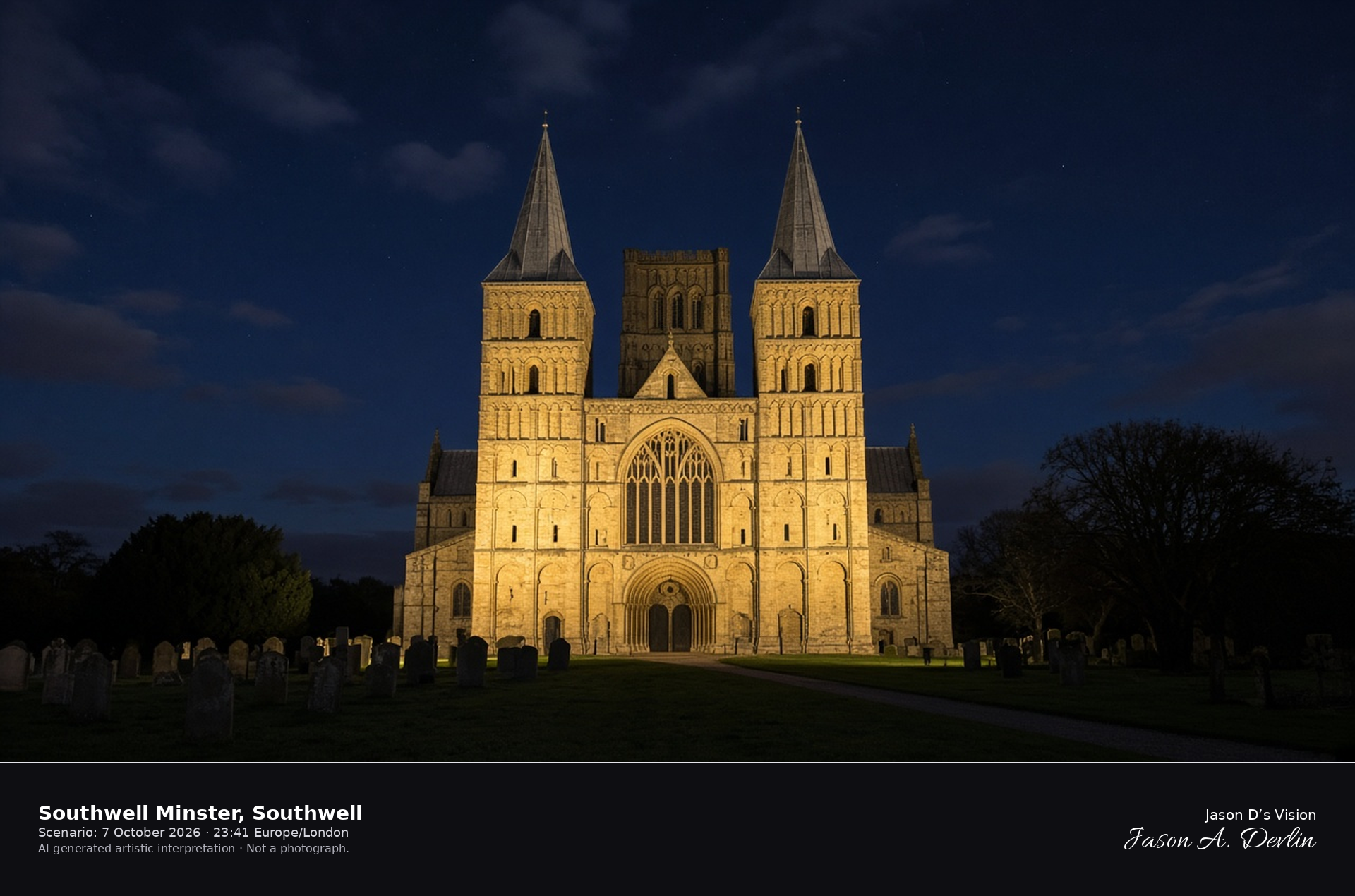
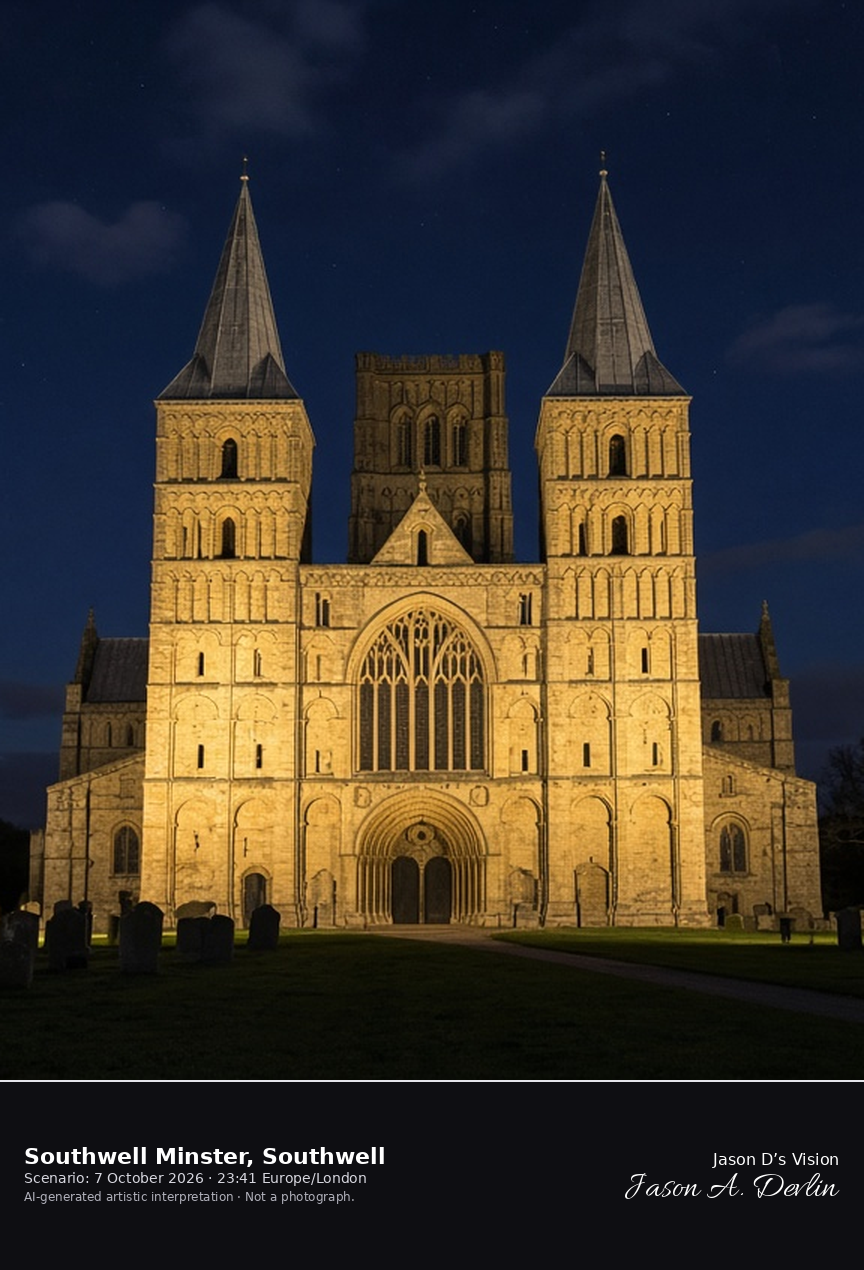
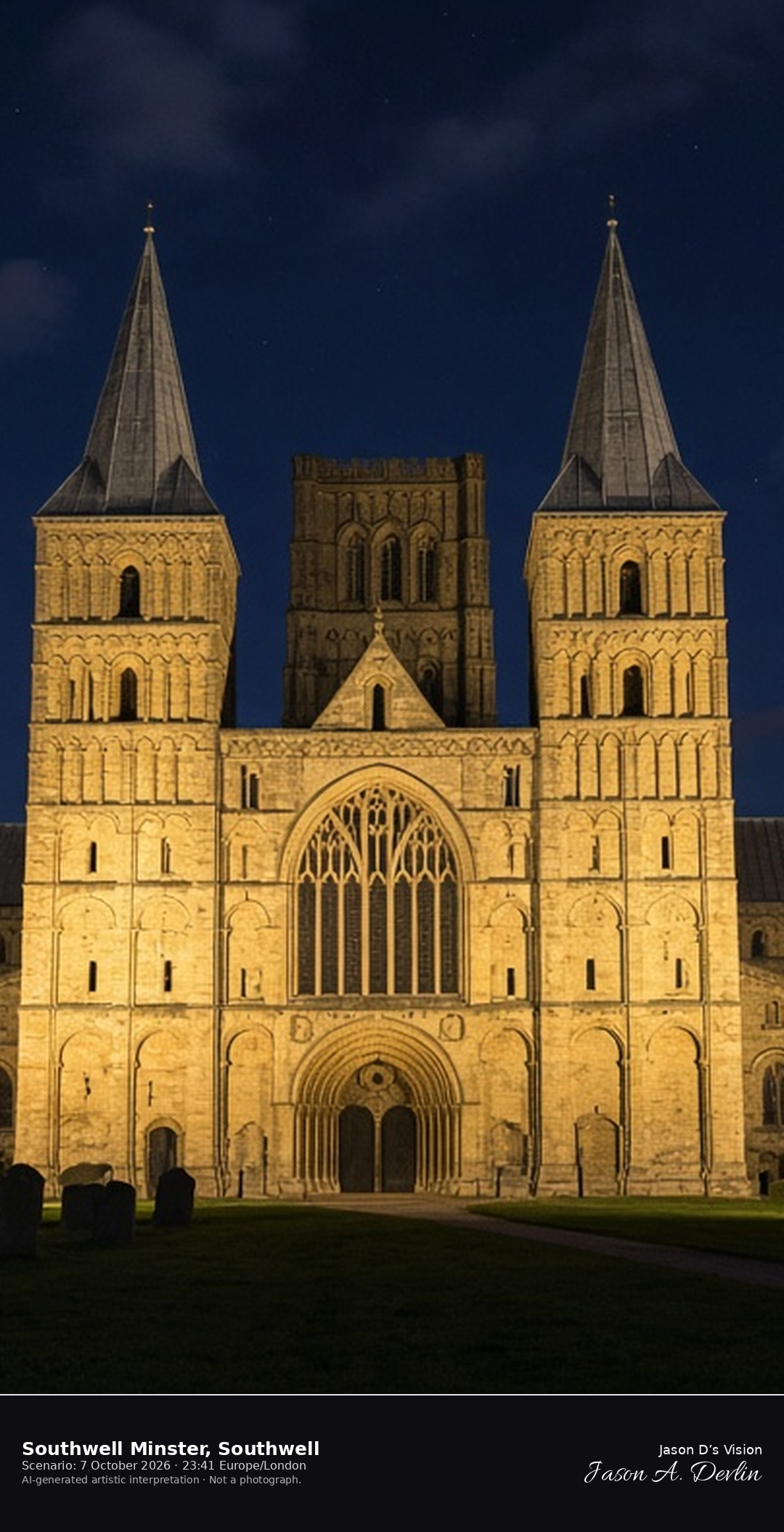
Southwell Minster's nave and west towers were built in the 12th century, and its chapter house is famous for carved stone leaves. It became the cathedral of Nottinghamshire in 1884.
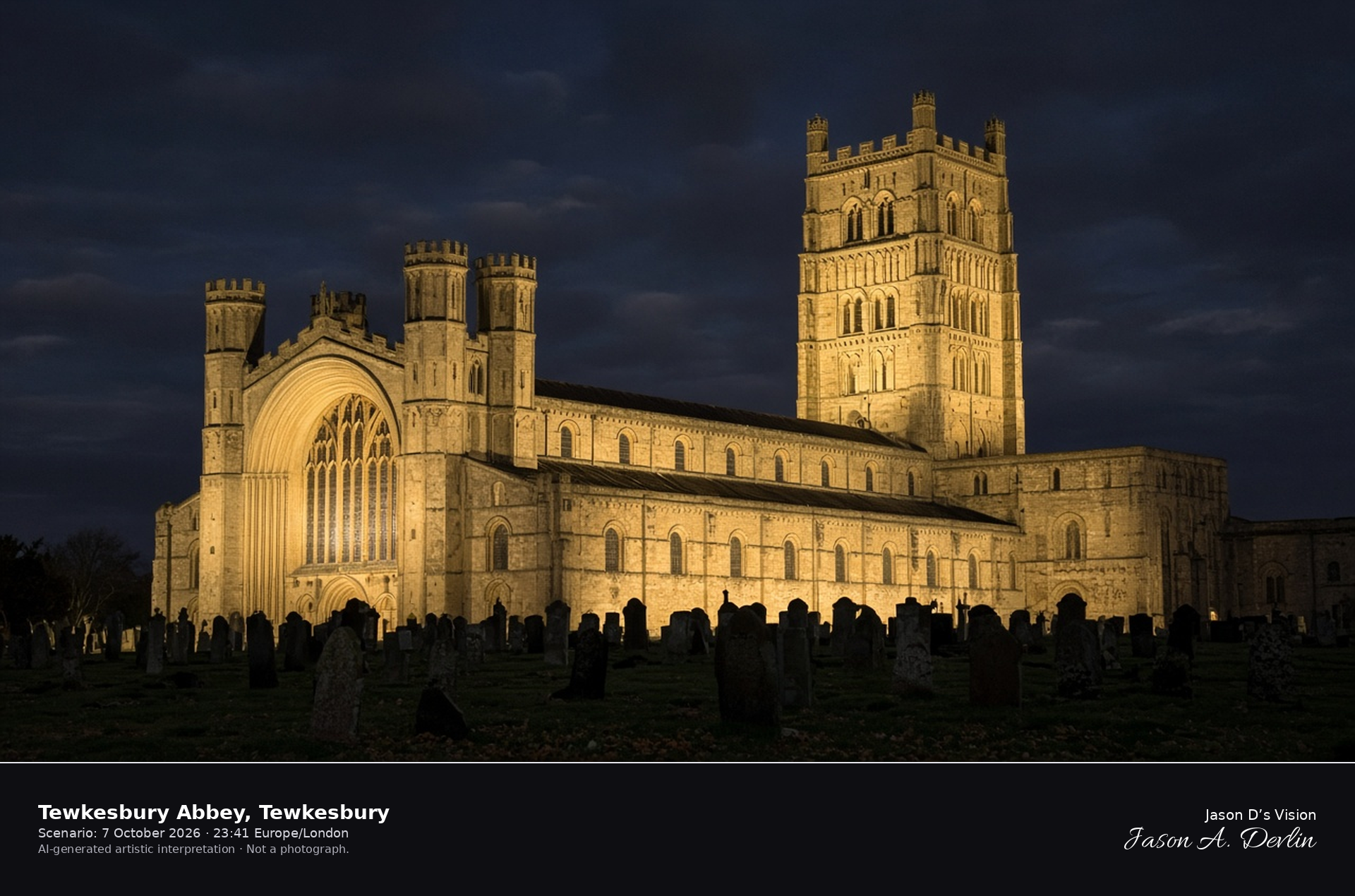
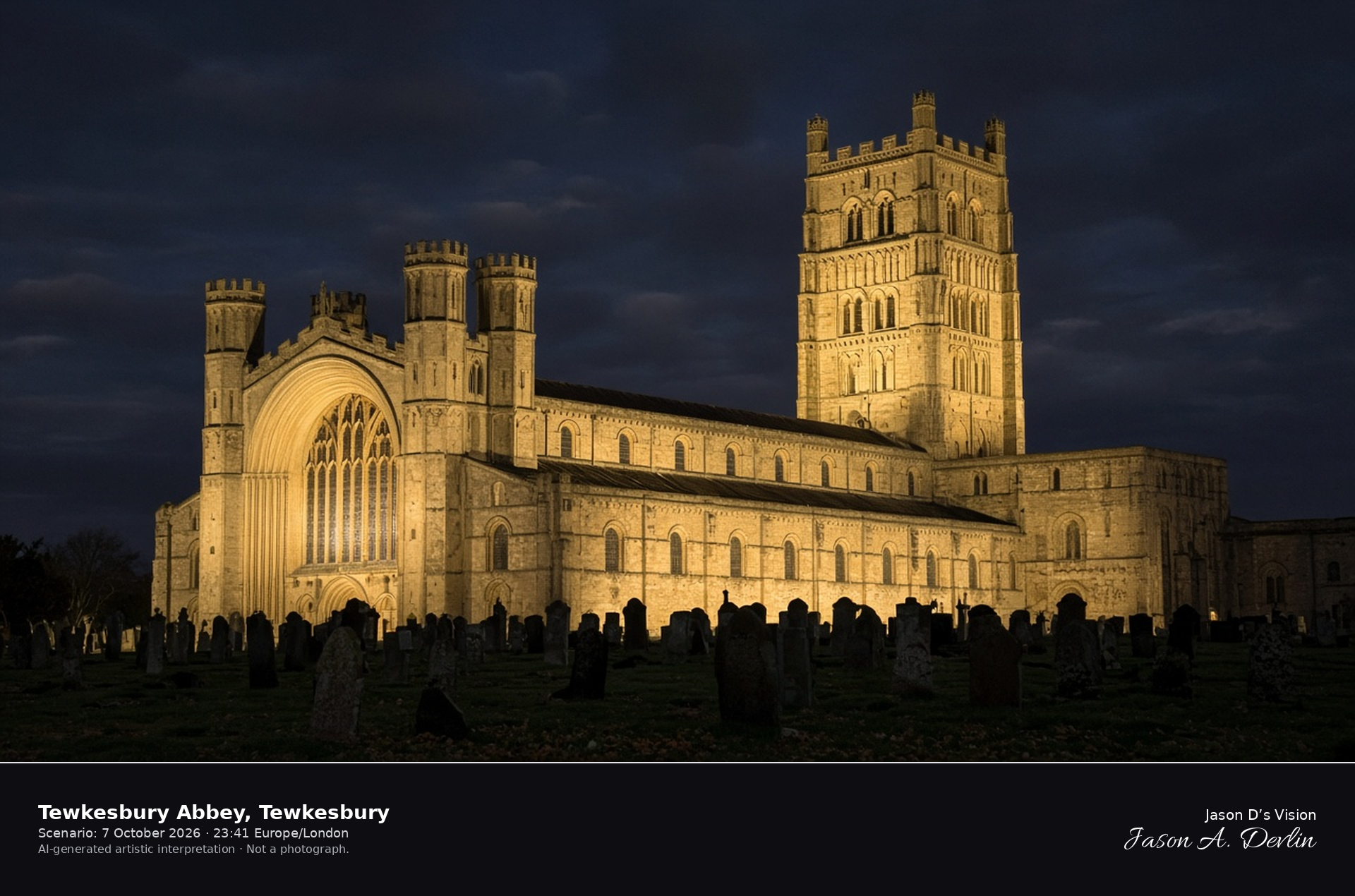
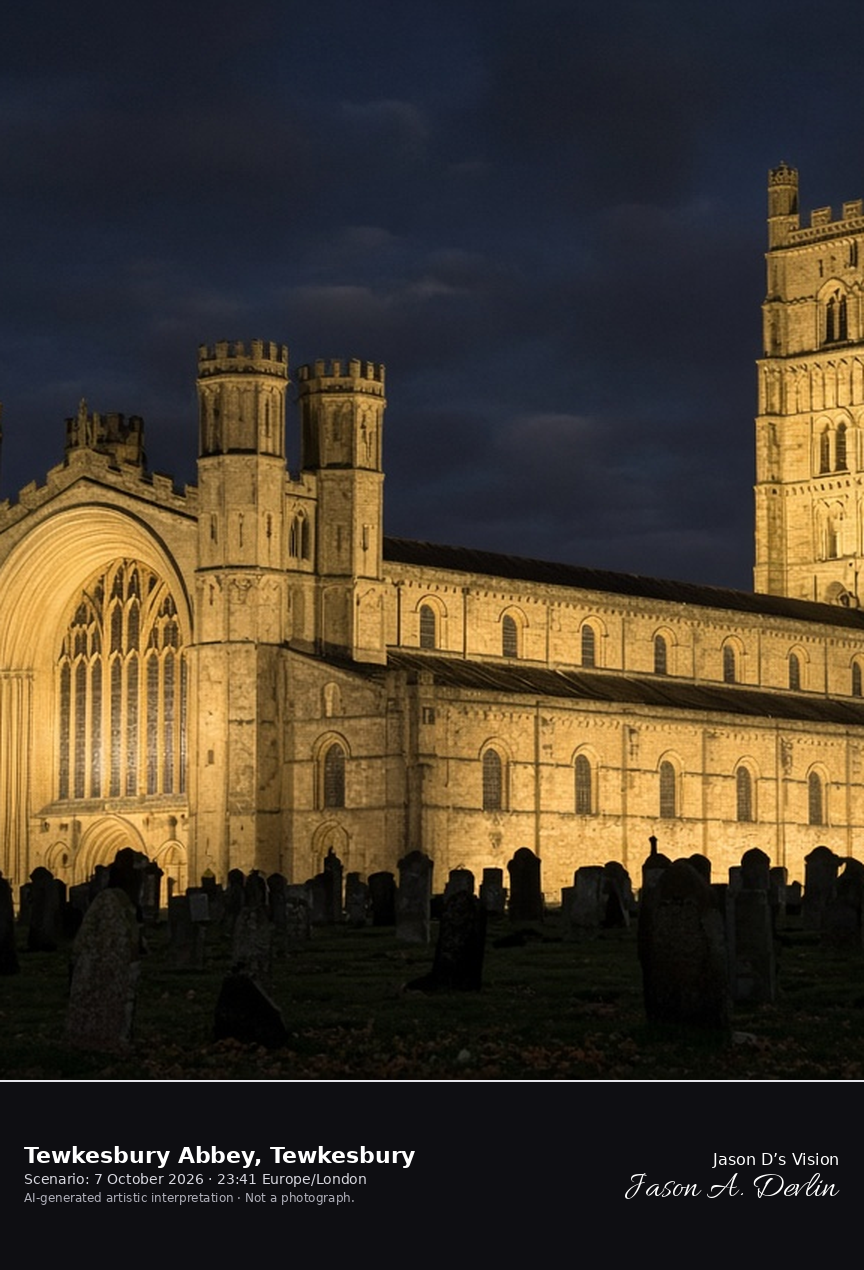
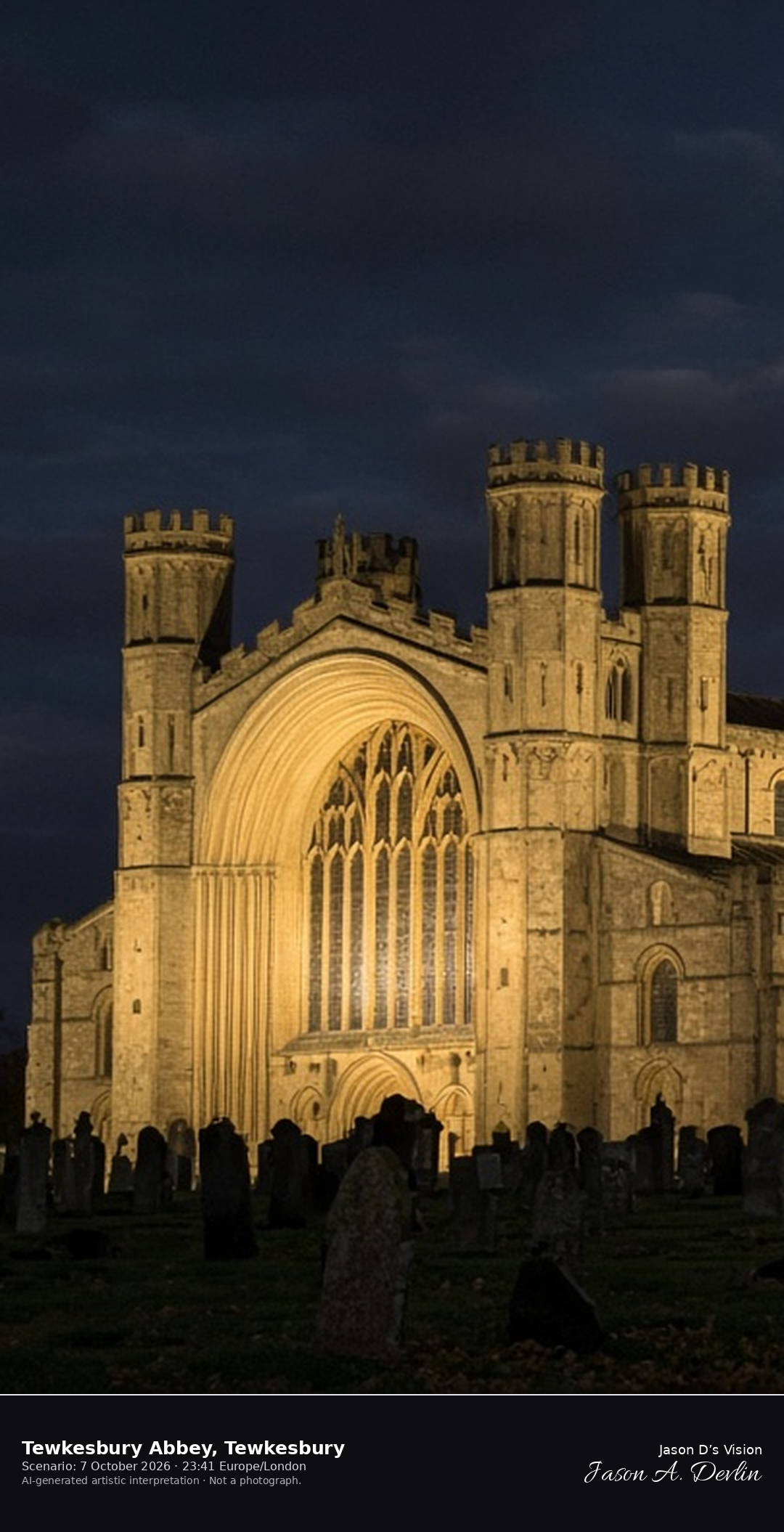
Tewkesbury Abbey was consecrated in 1121. When the monastery was dissolved in 1539, the townspeople bought the church from the Crown for 453 pounds to keep it as their parish church.
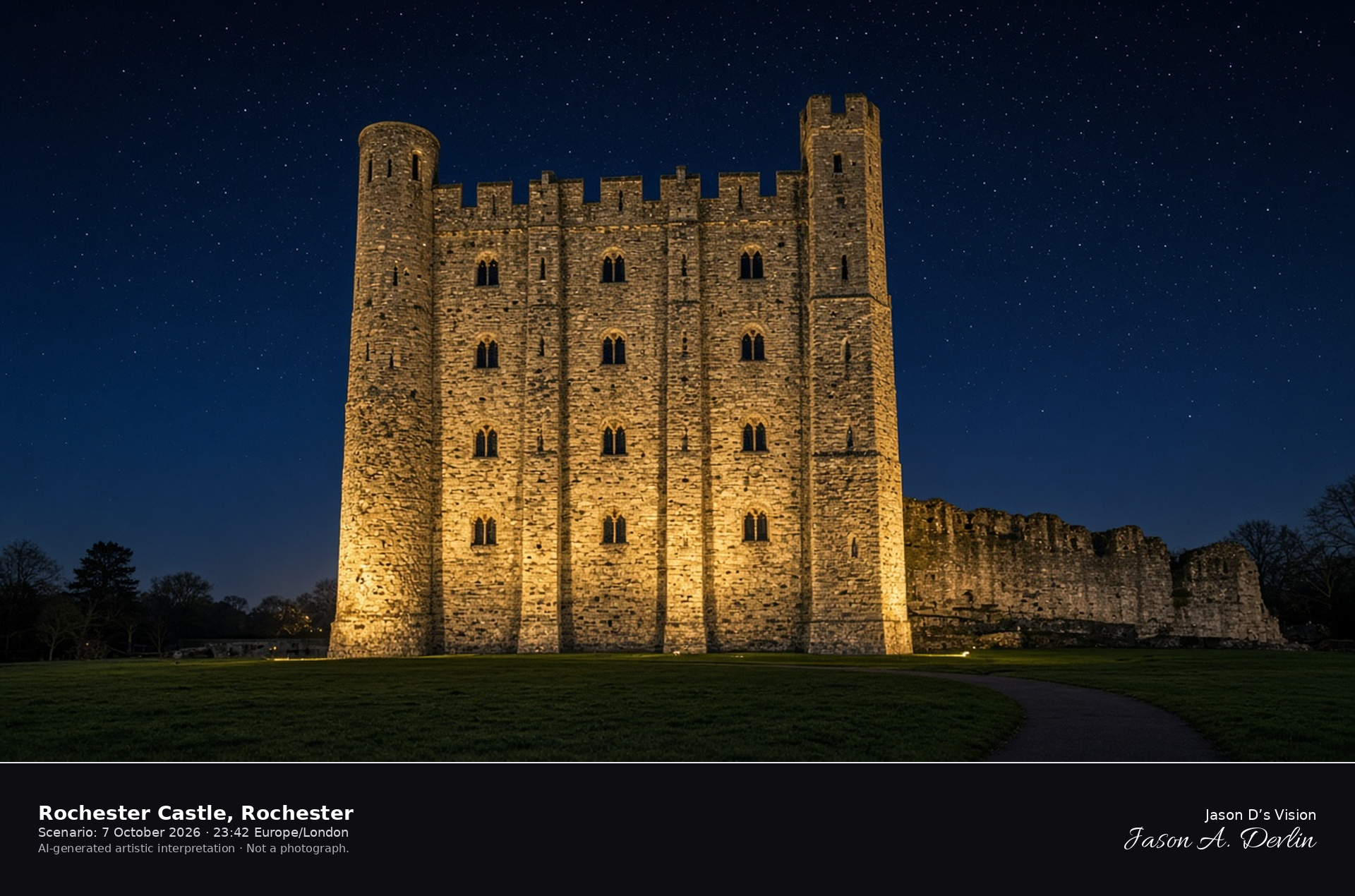
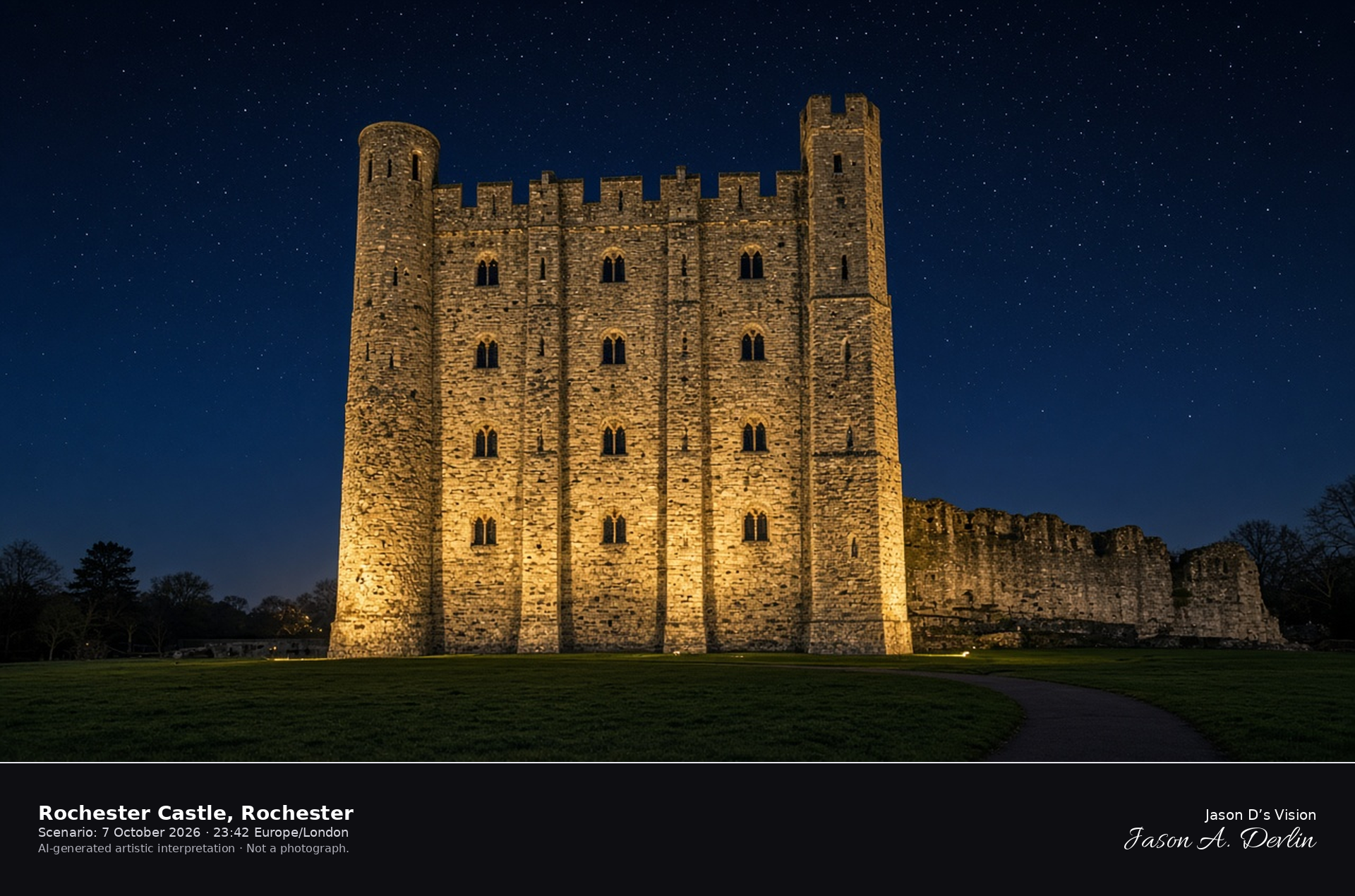
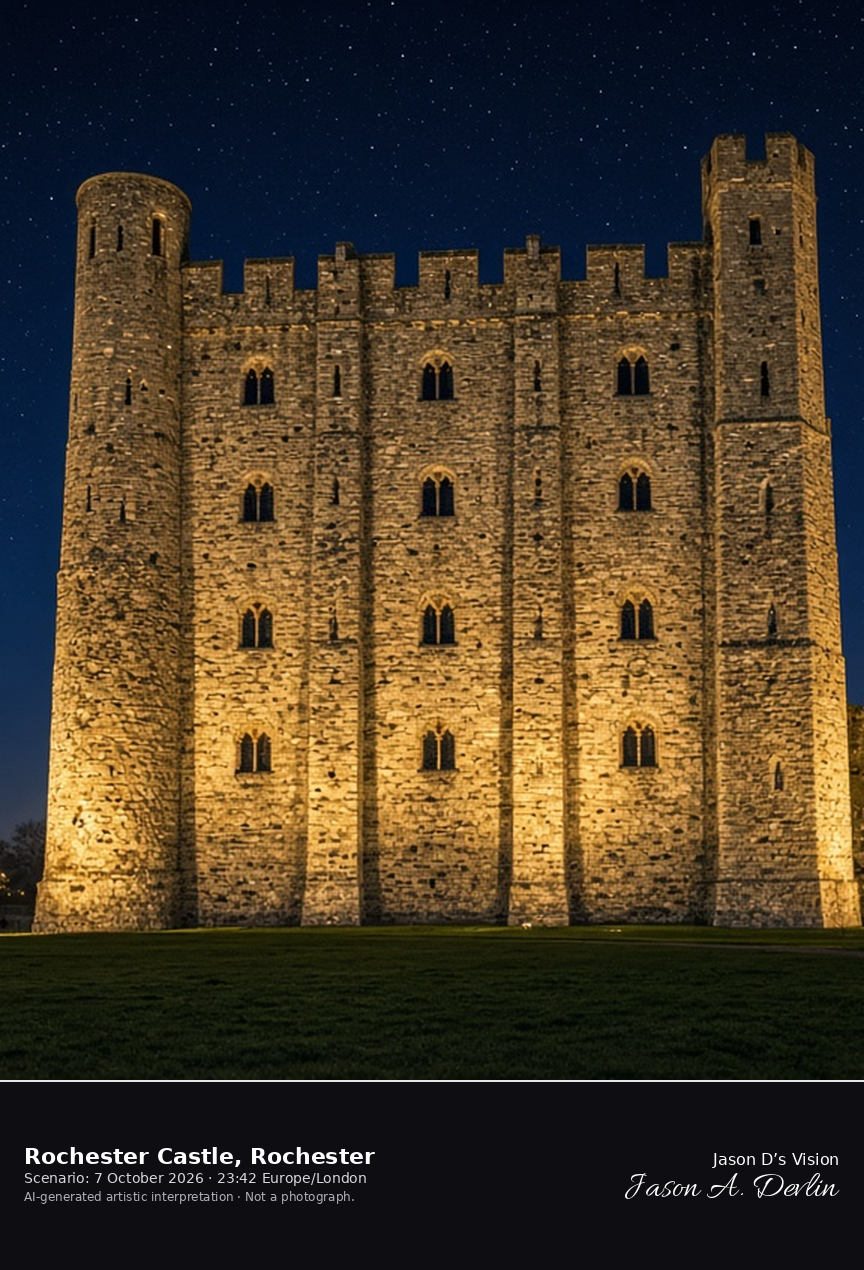
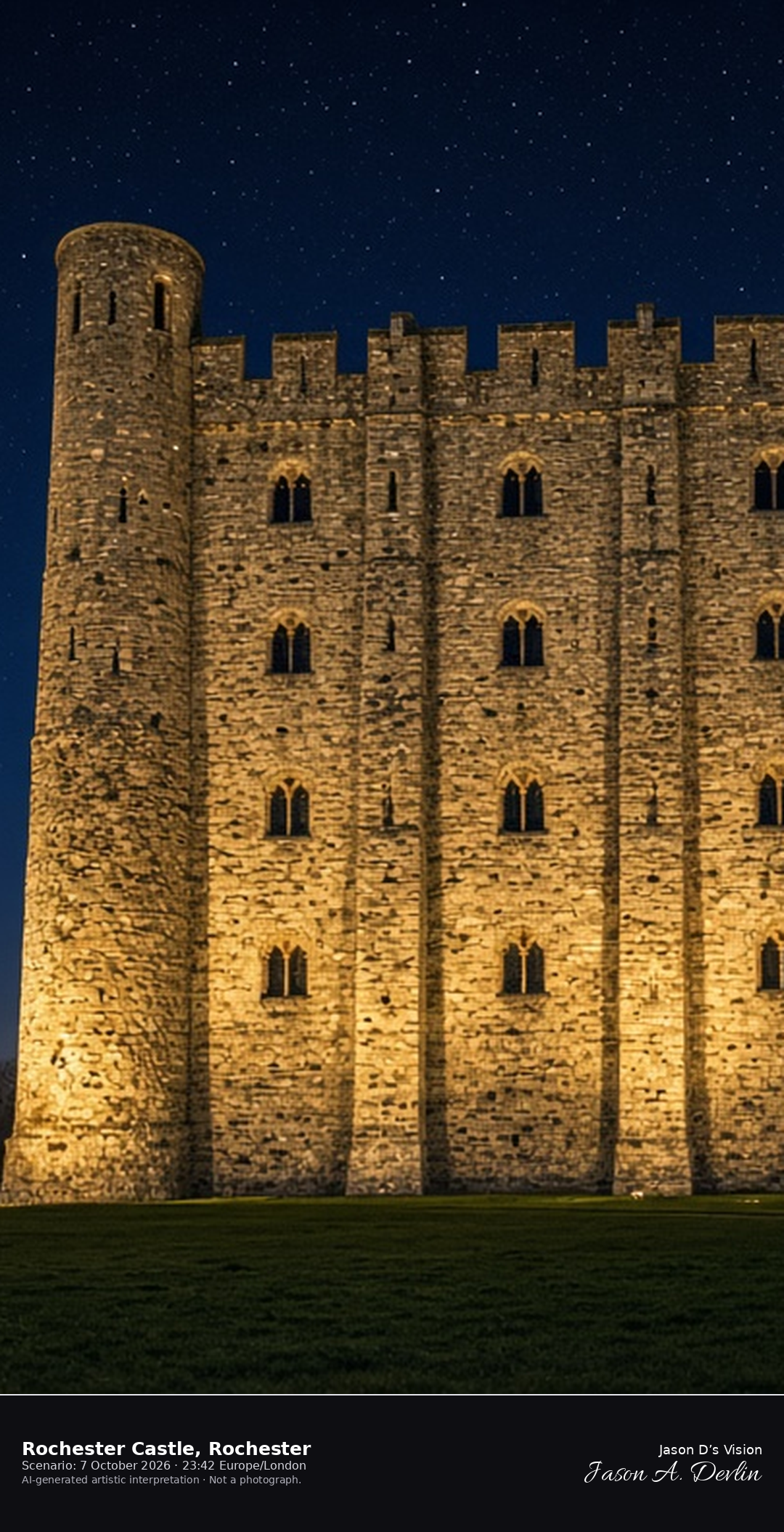
Rochester's keep, begun about 1127 under Archbishop William of Corbeil, is the tallest Norman keep in England, and it still bears the scar of its greatest day. In 1215 King John's sappers fired a mine beneath its south-east corner with the fat of forty pigs, and the whole turret fell; its round replacement stands out clearly against the square Norman work.
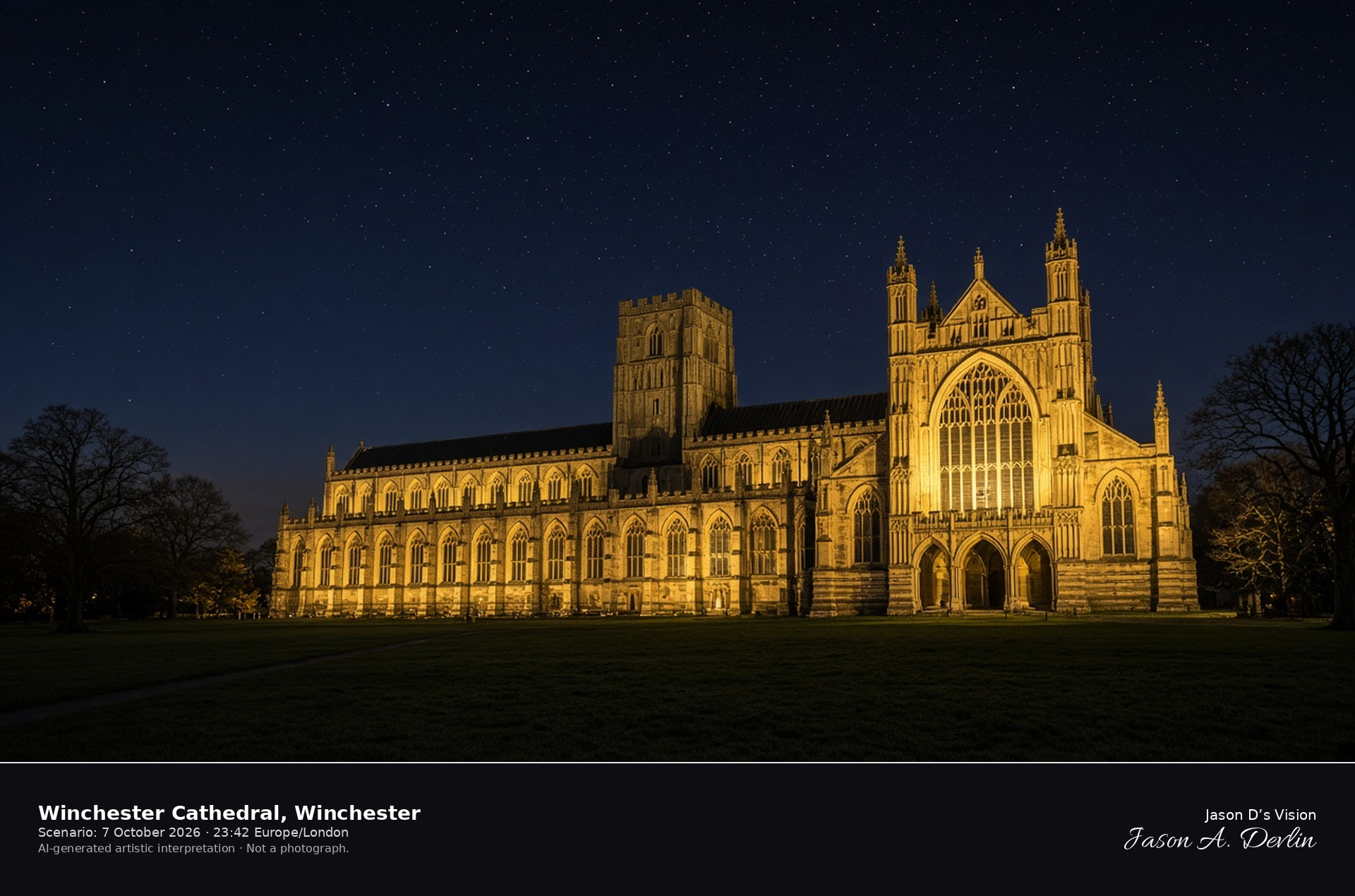
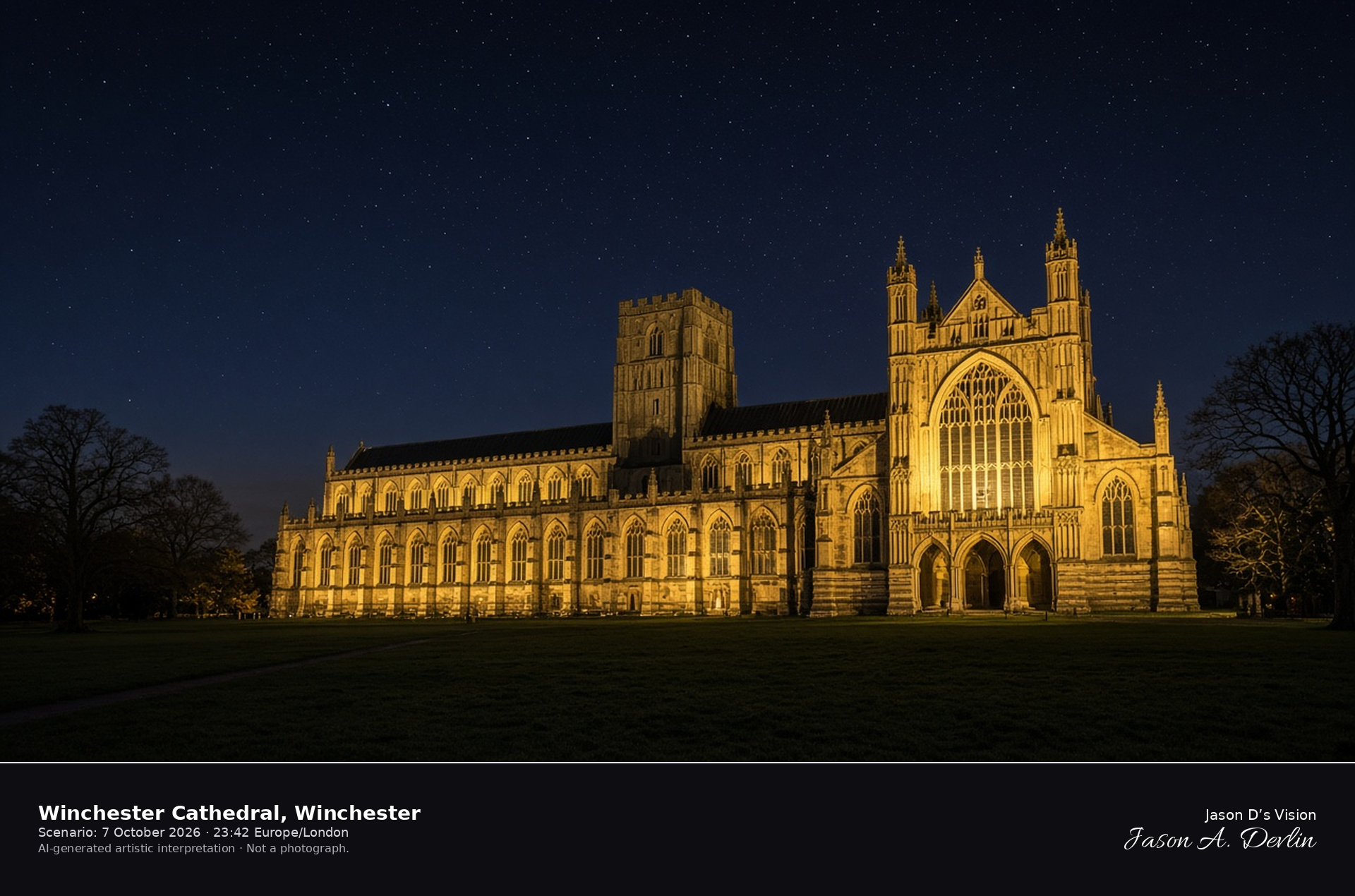
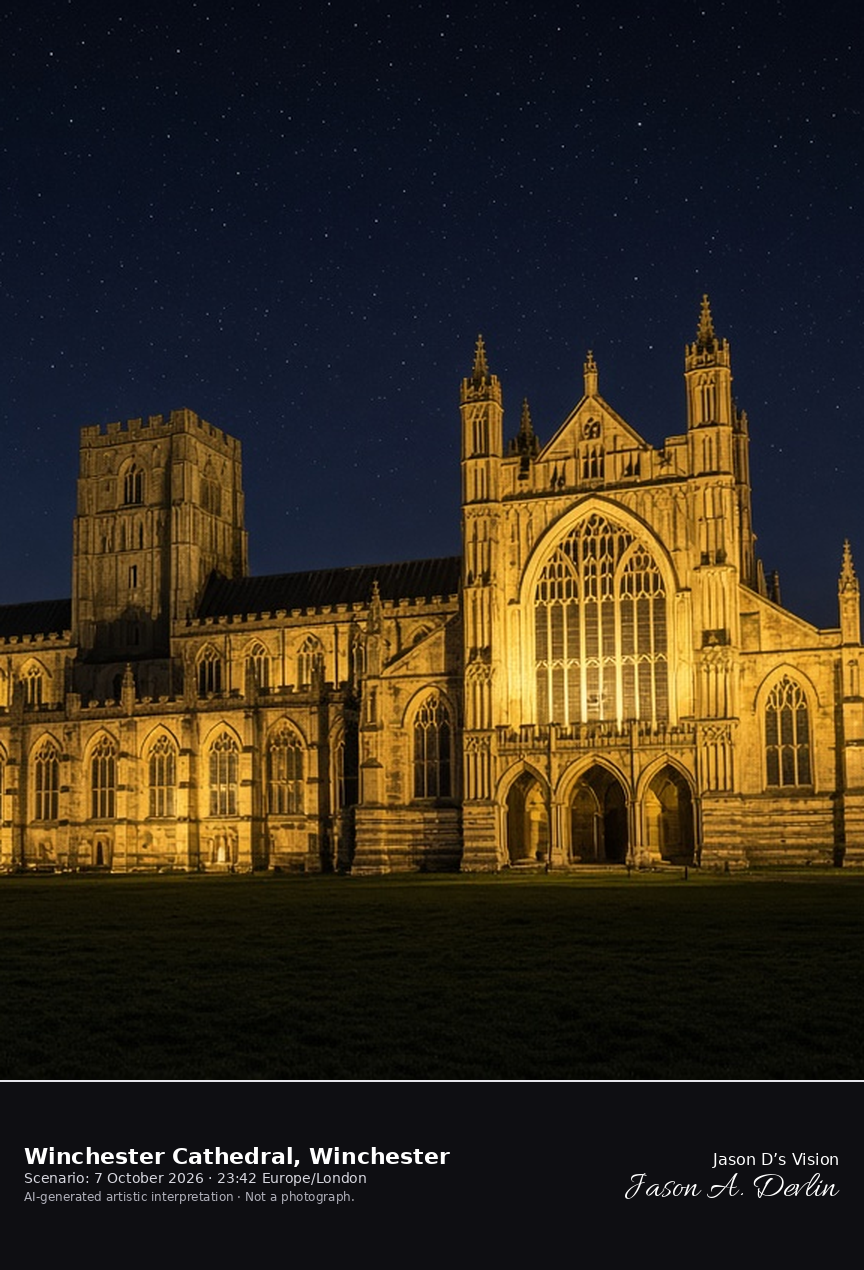
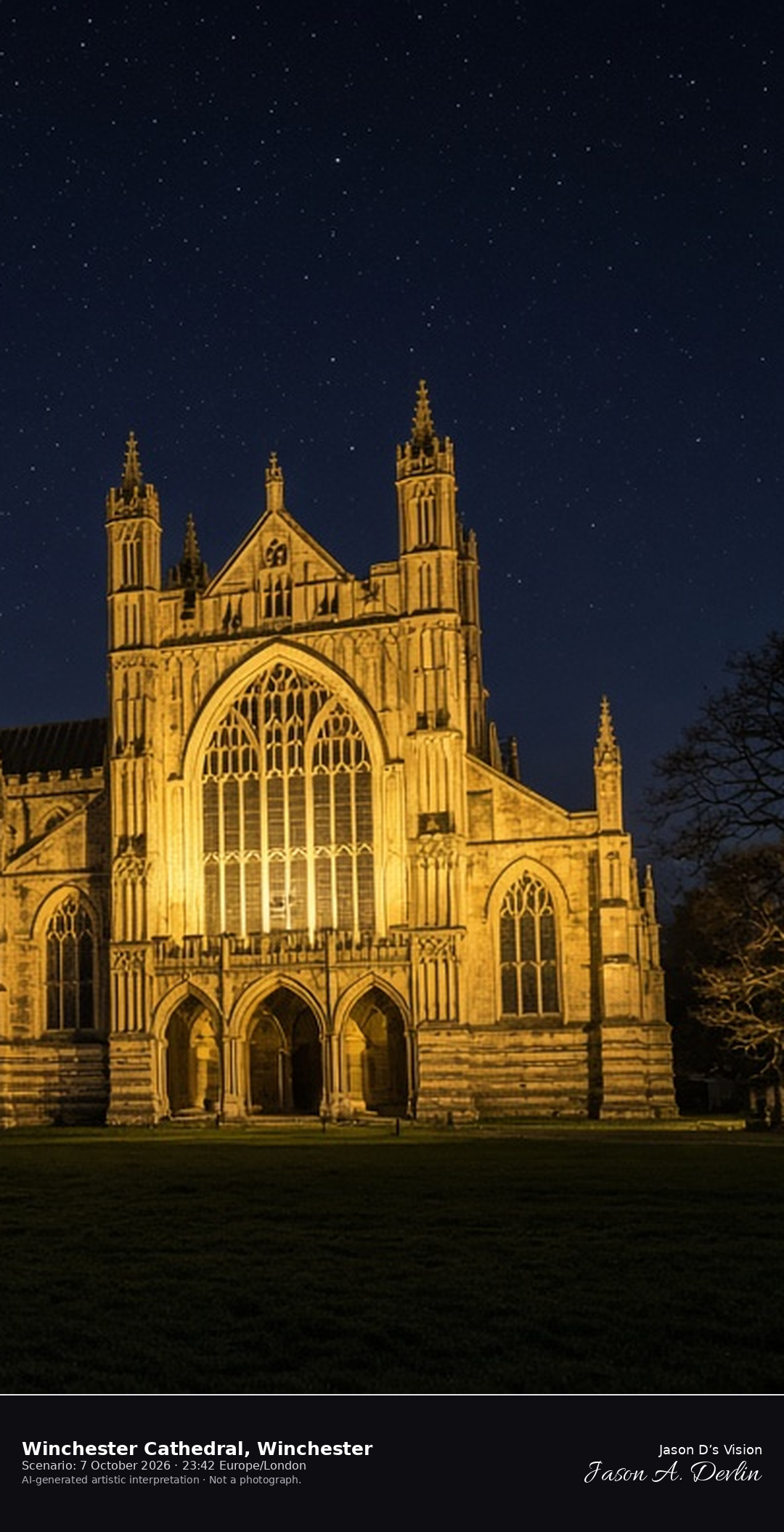
Winchester Cathedral was begun in 1079 and has one of the longest naves of any Gothic cathedral in Europe. Jane Austen is buried in the north aisle of the nave.
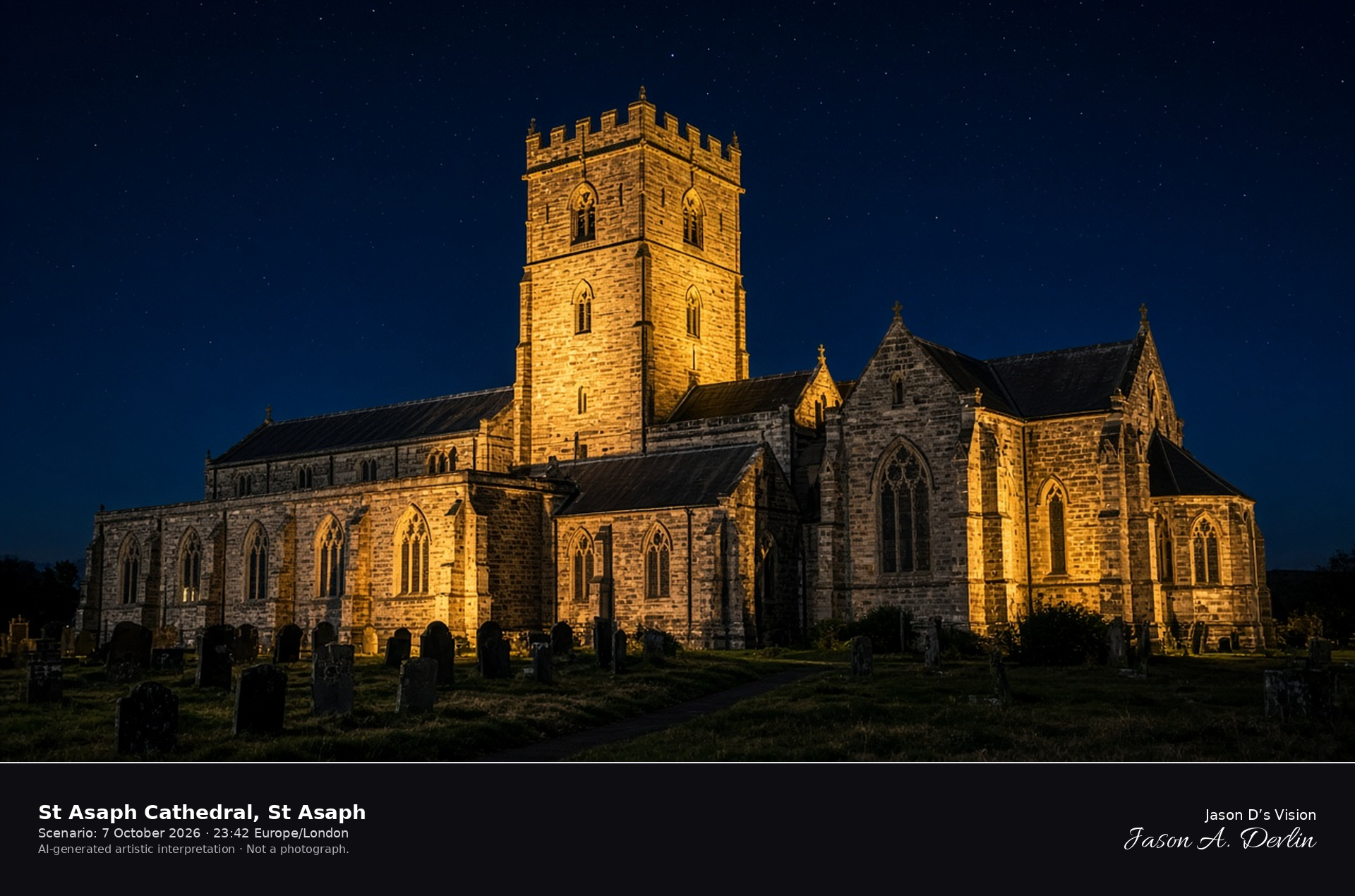
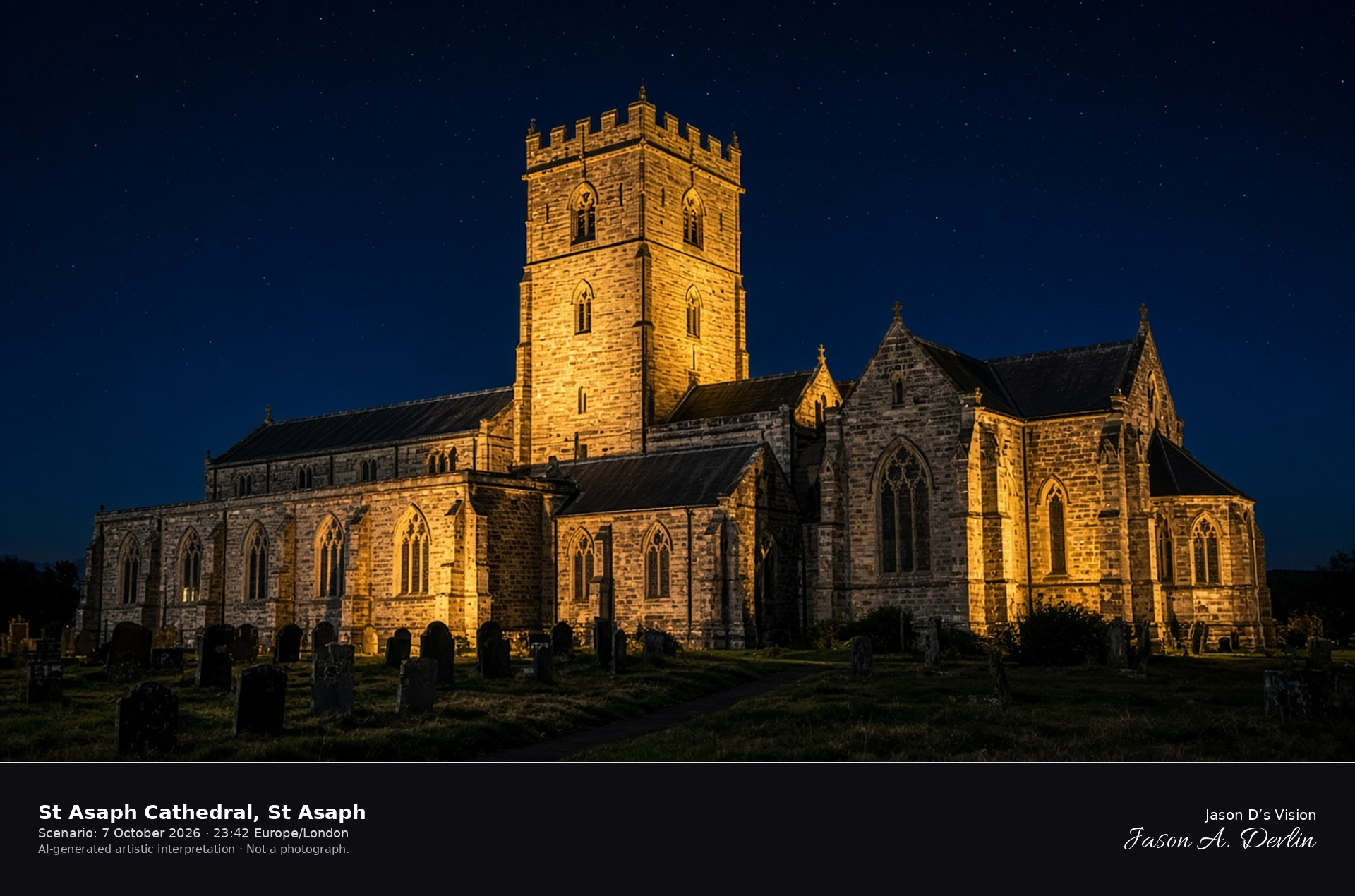
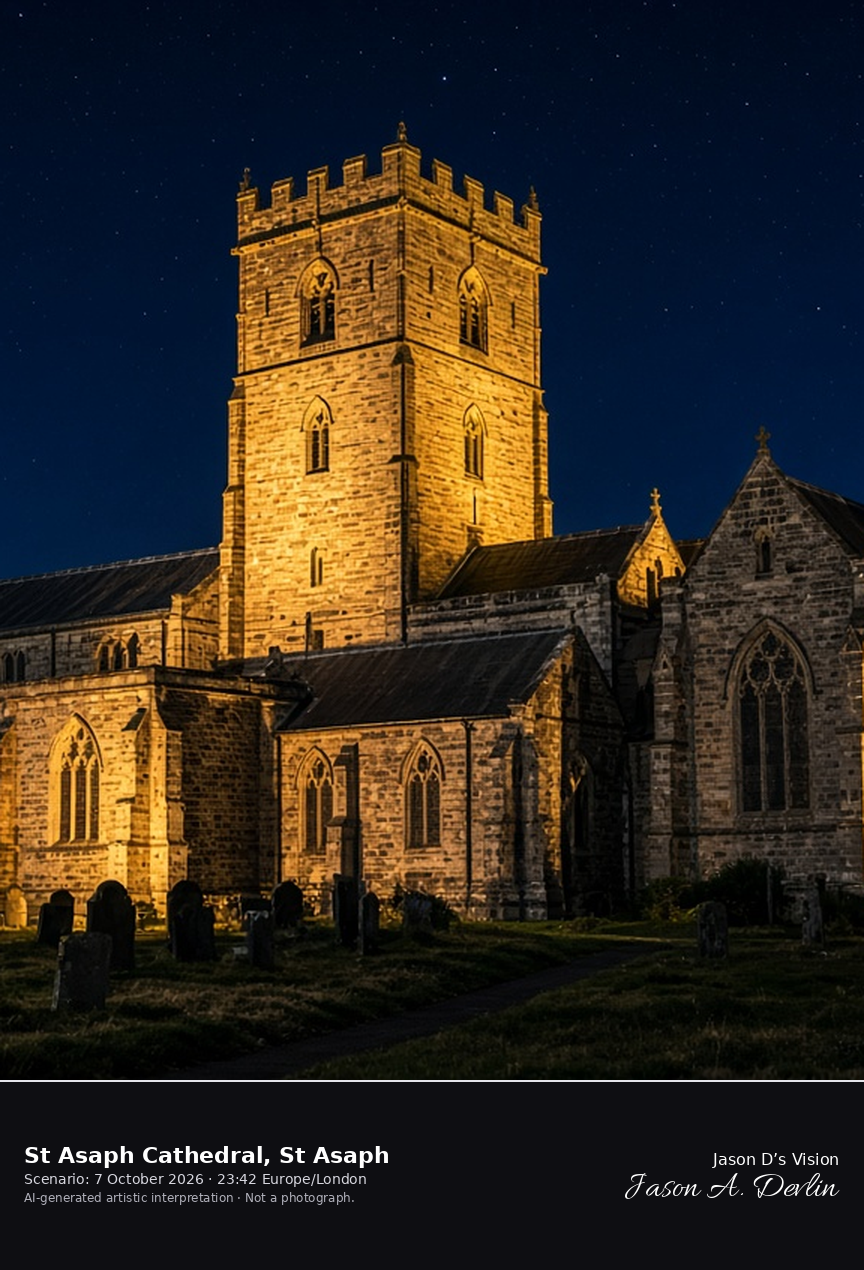
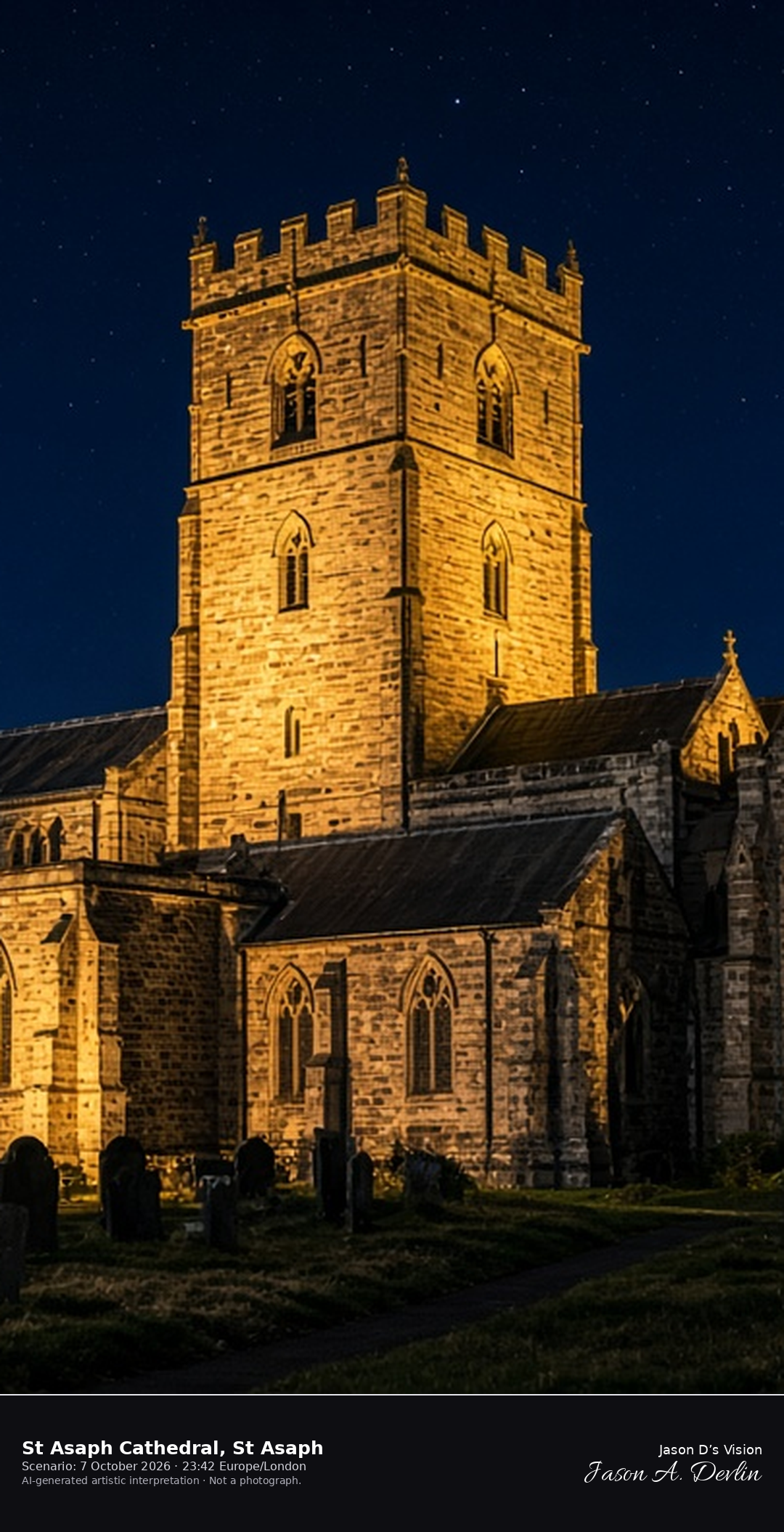
St Asaph Cathedral, St Asaph · AI-generated artistic interpretation
A church is said to have been founded here by St Kentigern in about 560. The present building dates mainly from the 13th and 14th centuries, and William Morgan, who first translated the whole Bible into Welsh, was bishop here.
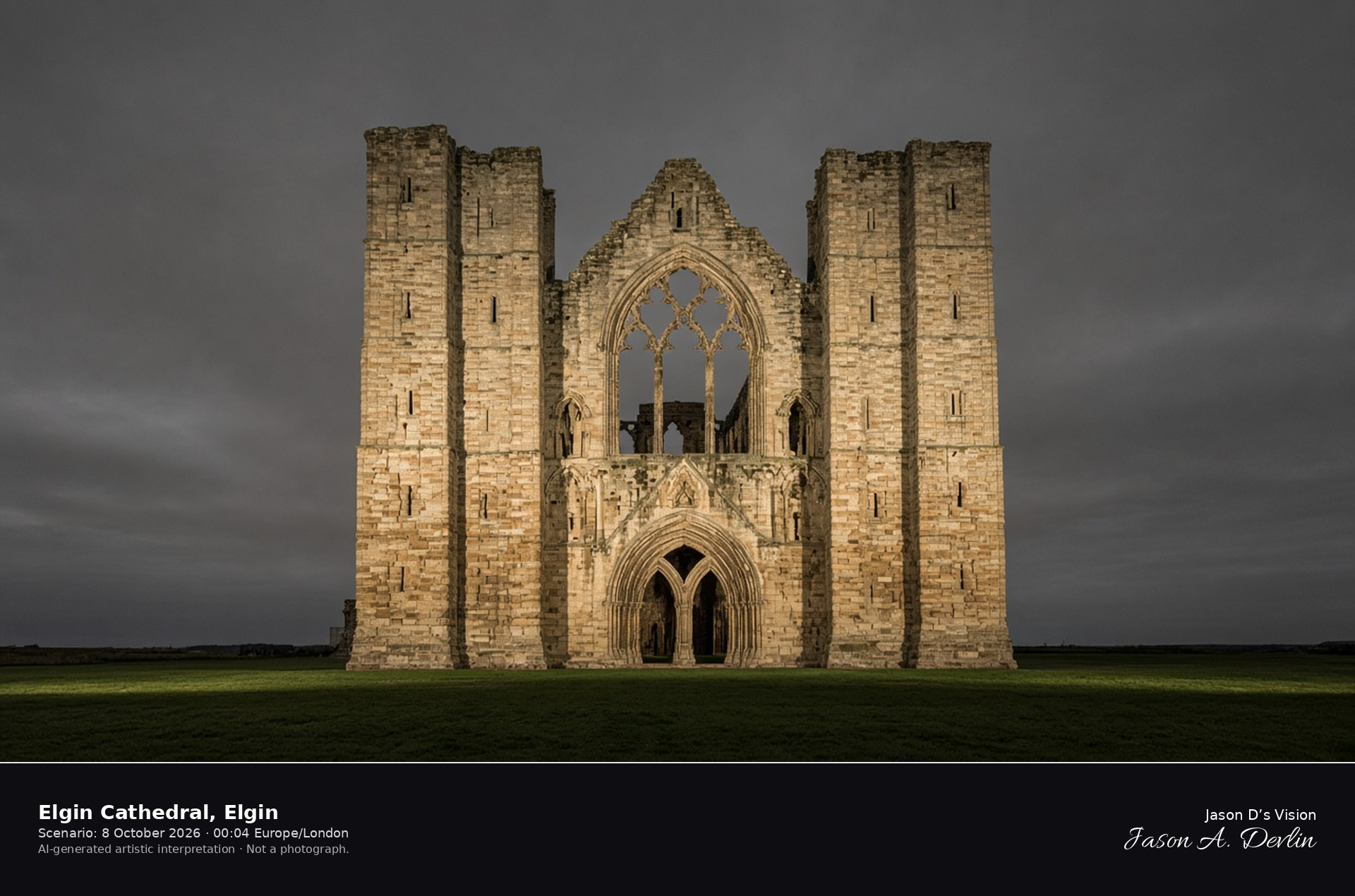
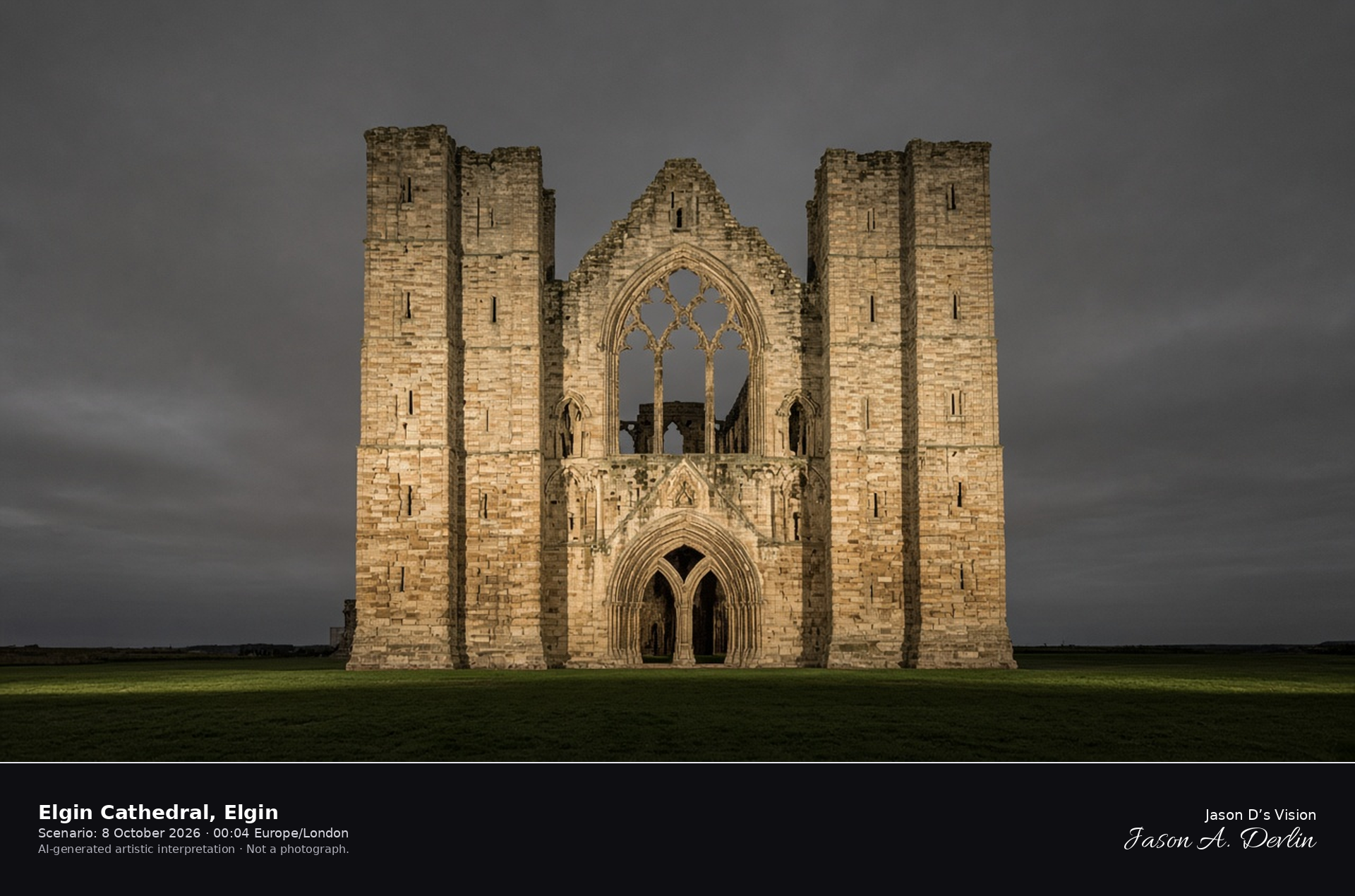
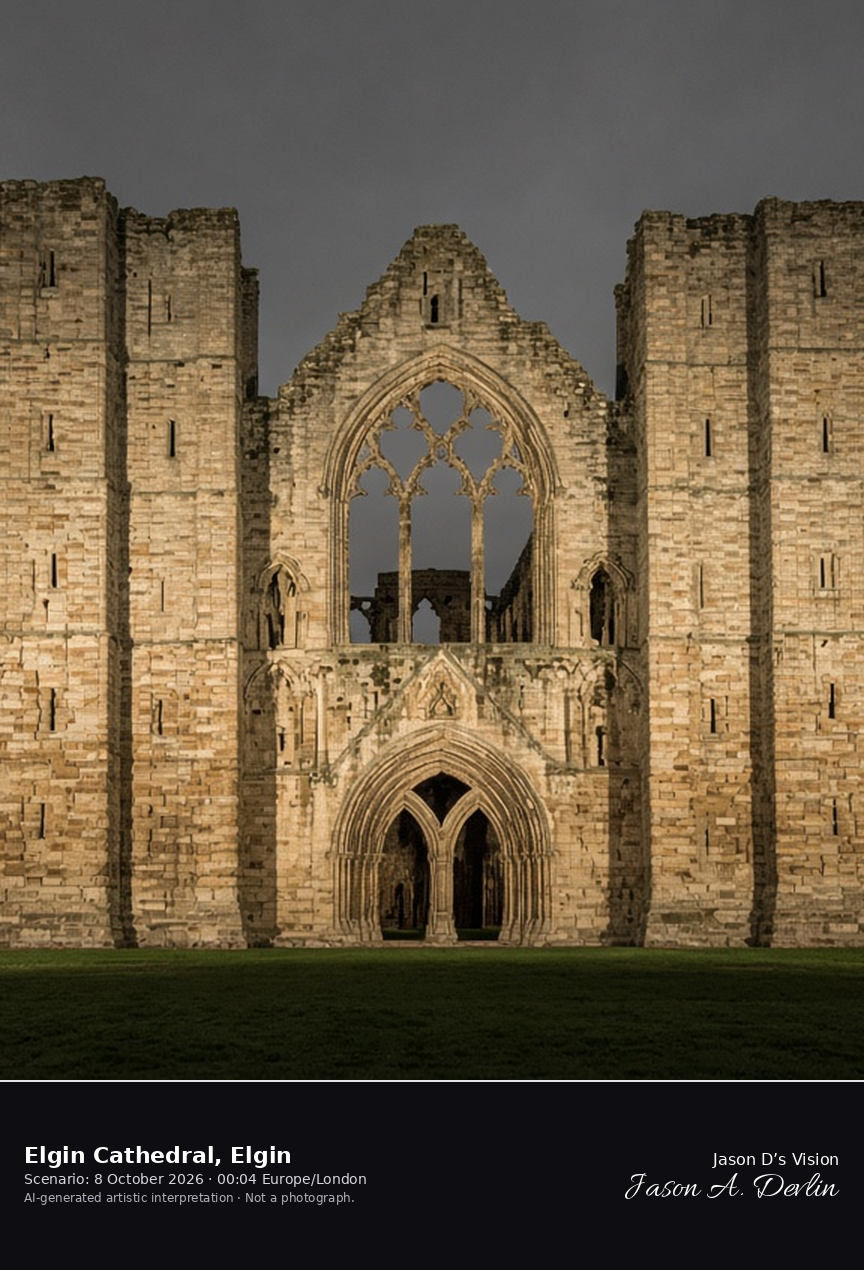
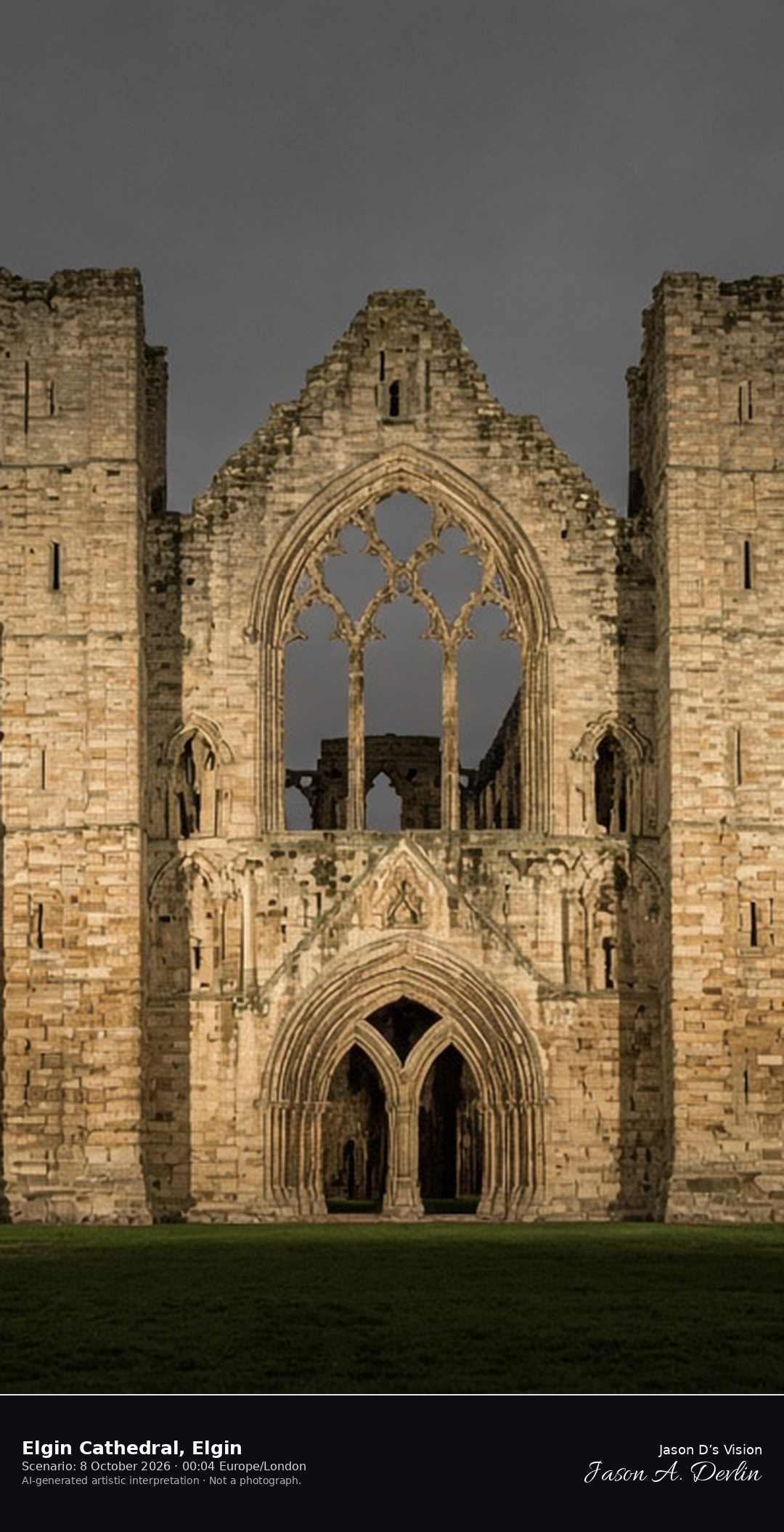
Elgin Cathedral was founded in 1224 and was known as the Lantern of the North. It was burned in 1390 by Alexander Stewart, the Wolf of Badenoch, and fell into ruin after the Reformation.
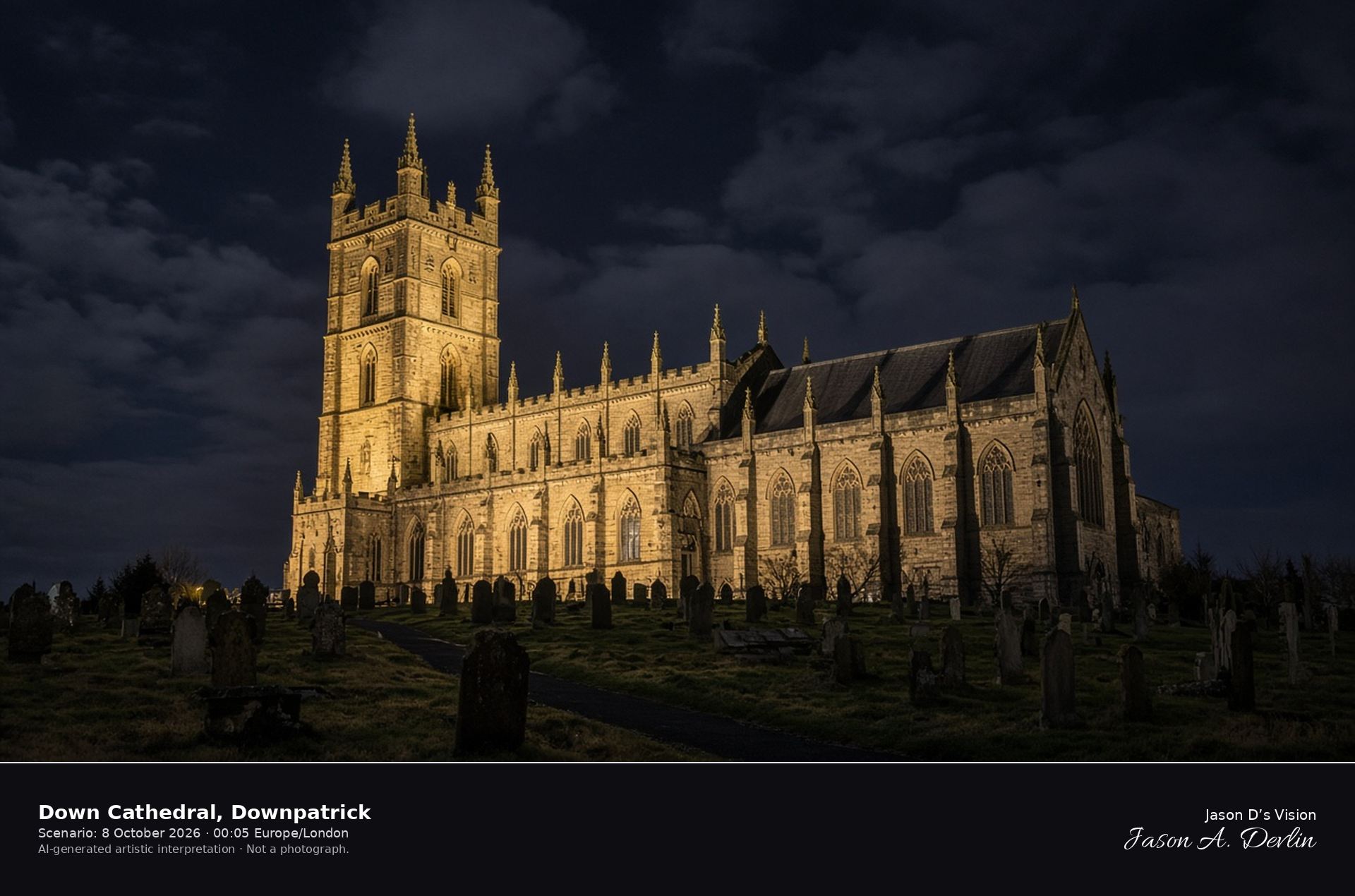
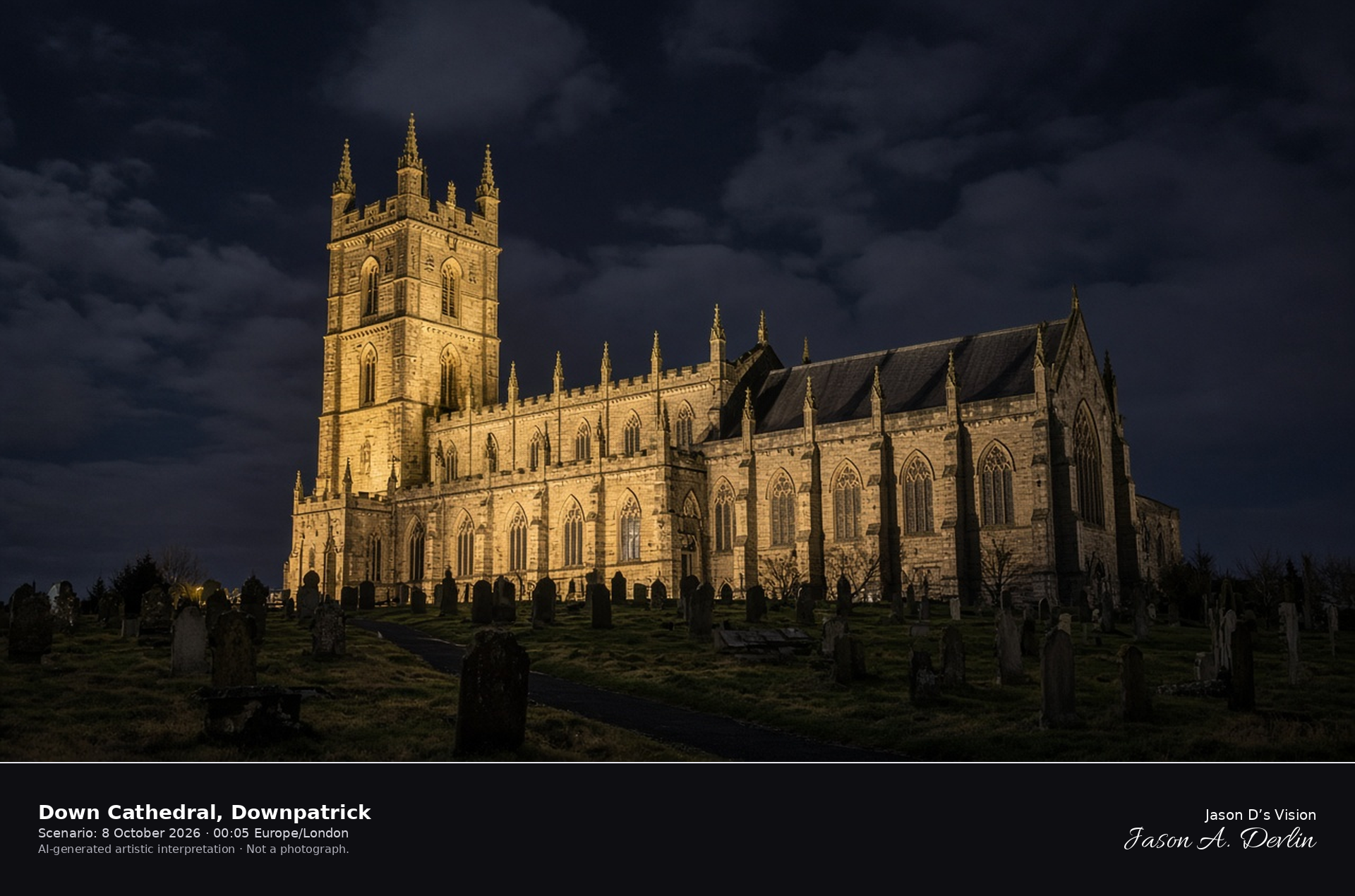
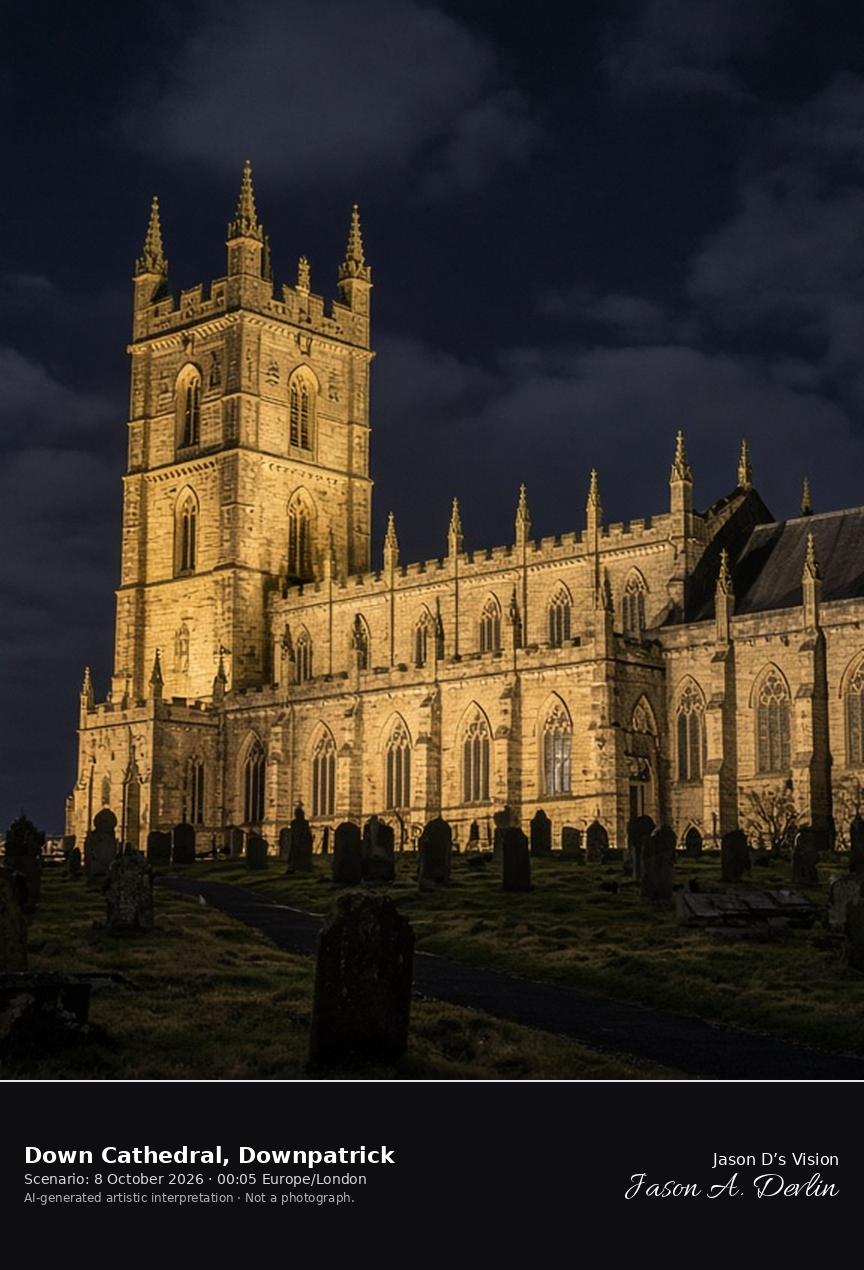
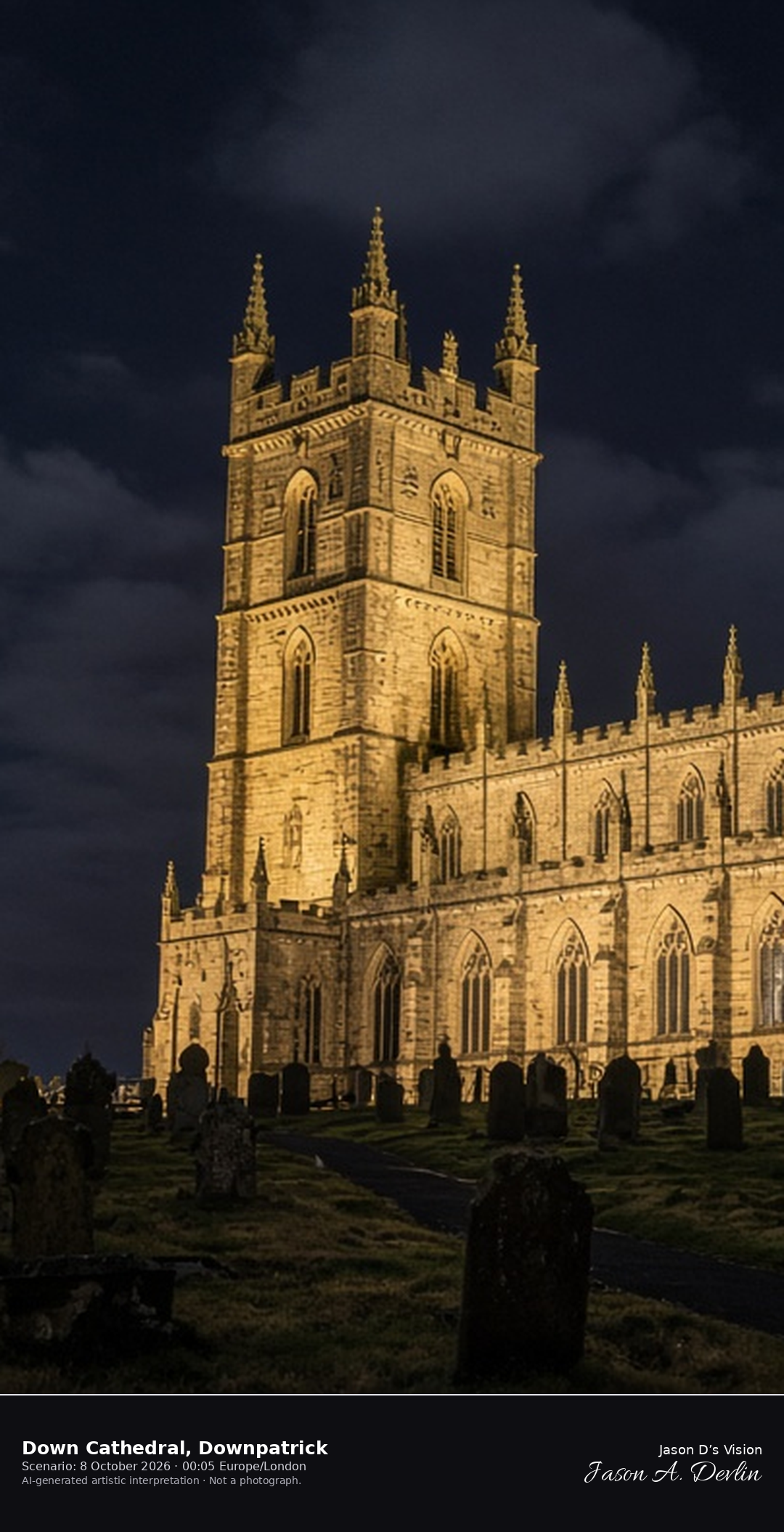
Down Cathedral · AI-generated artistic interpretation
In the churchyard is the traditional grave of Saint Patrick, marked by a great slab of Mourne granite. Local tradition also places Brigid and Columba here, bringing three of Ireland’s saints together in one burial place. The cathedral preserves parts dating to 1183, from the monastery established on this hill by Benedictine monks invited by John de Courcy.
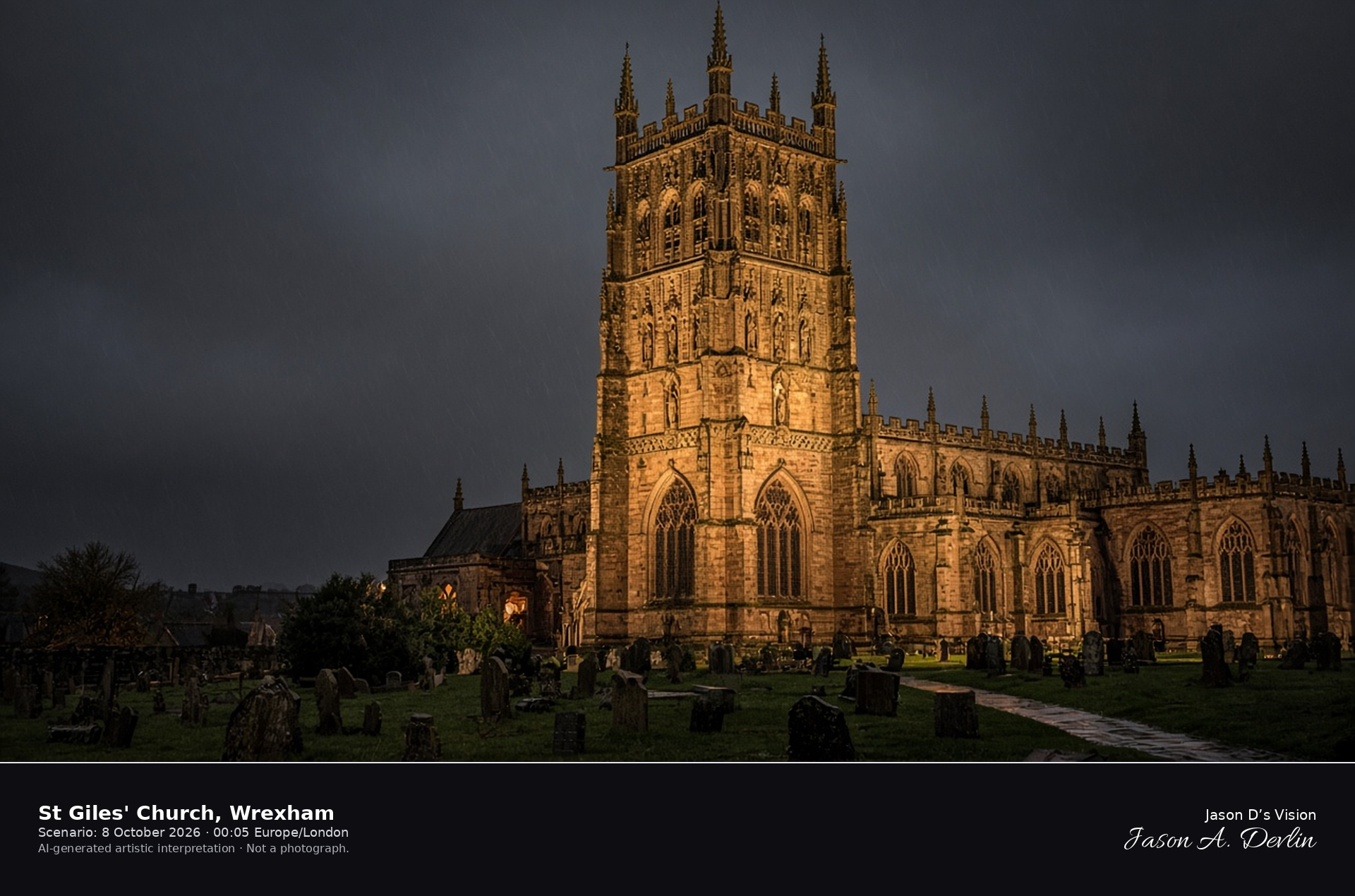
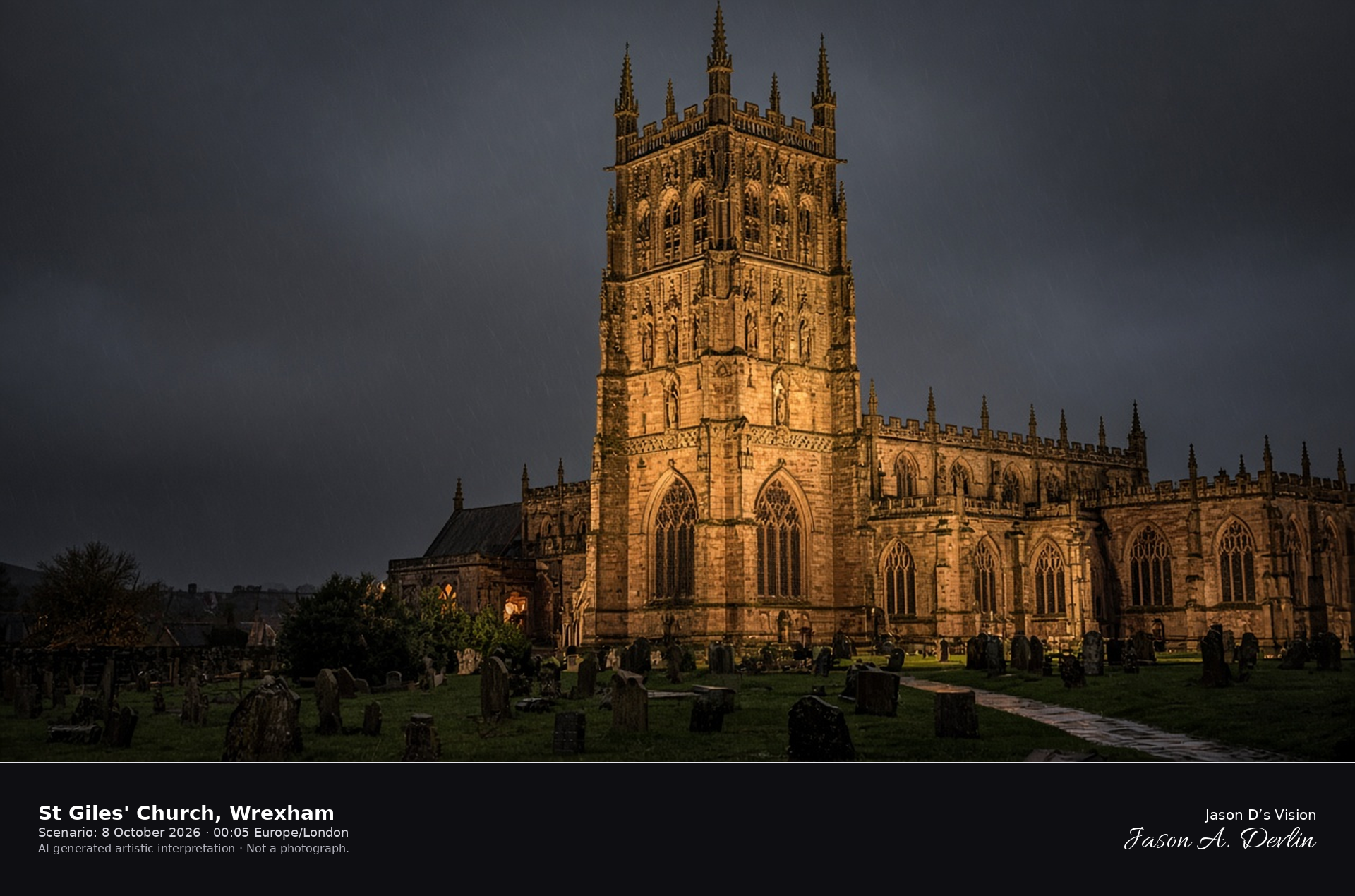
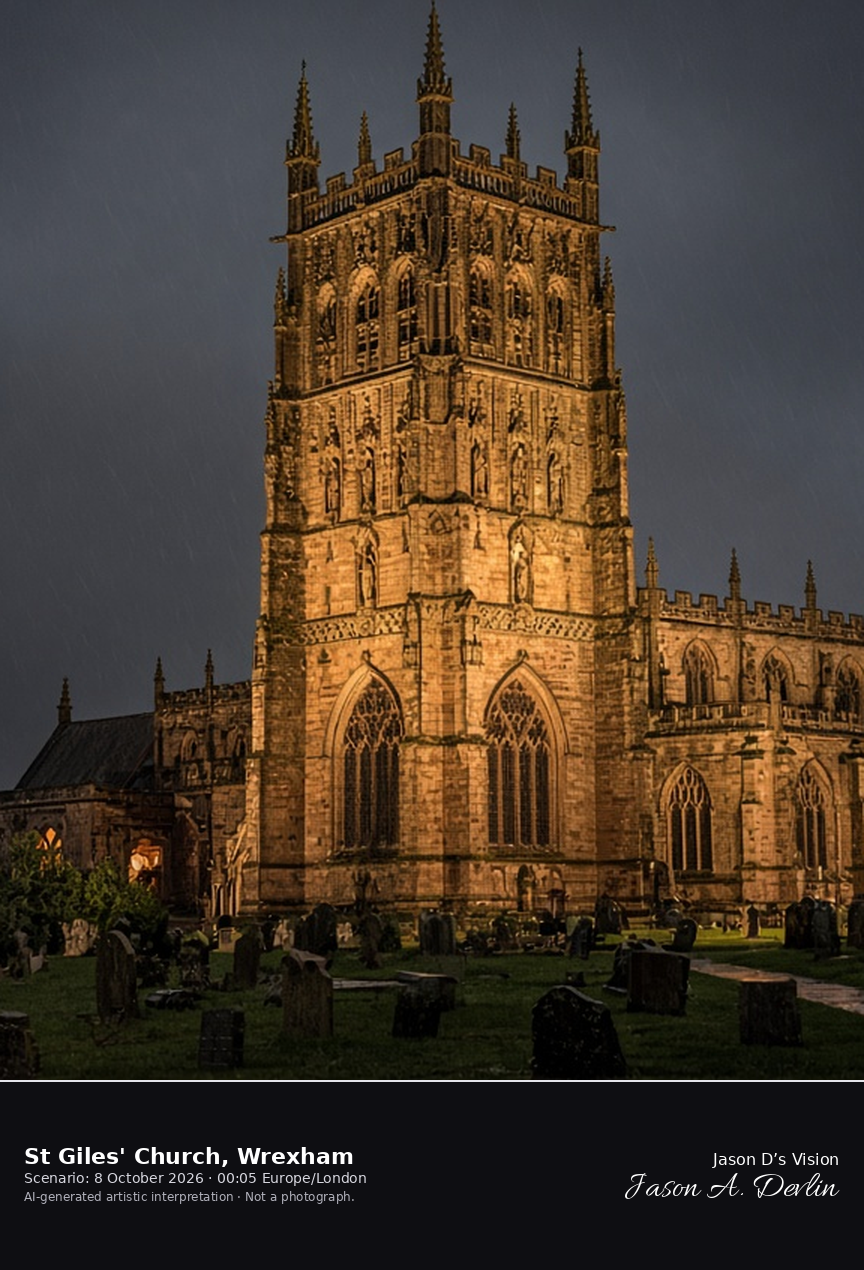
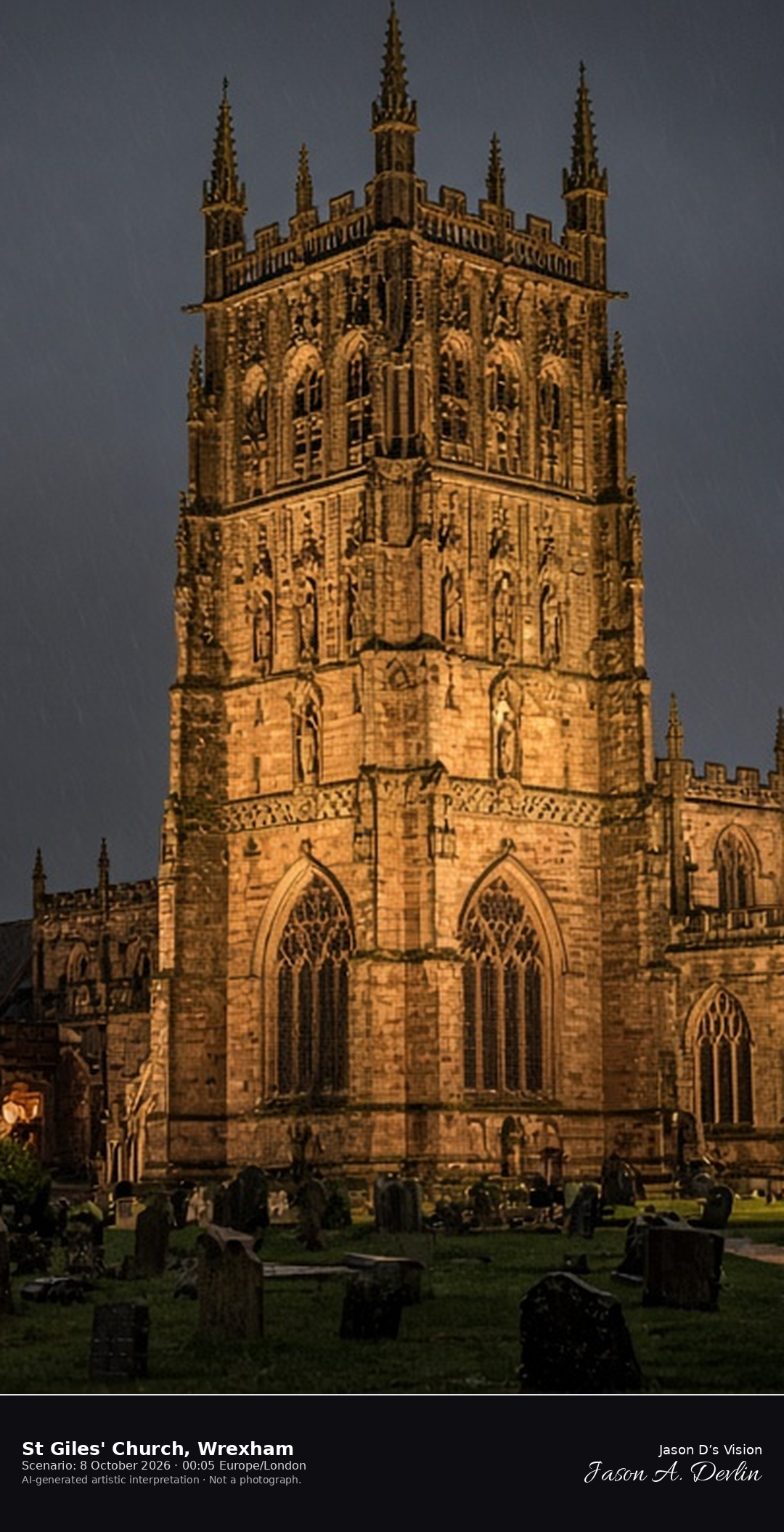
St Giles' Church, Wrexham · AI-generated artistic interpretation
St Giles' tower was completed in about 1506 and is counted among the Seven Wonders of Wales. Elihu Yale, a benefactor of Yale University, is buried in the churchyard.
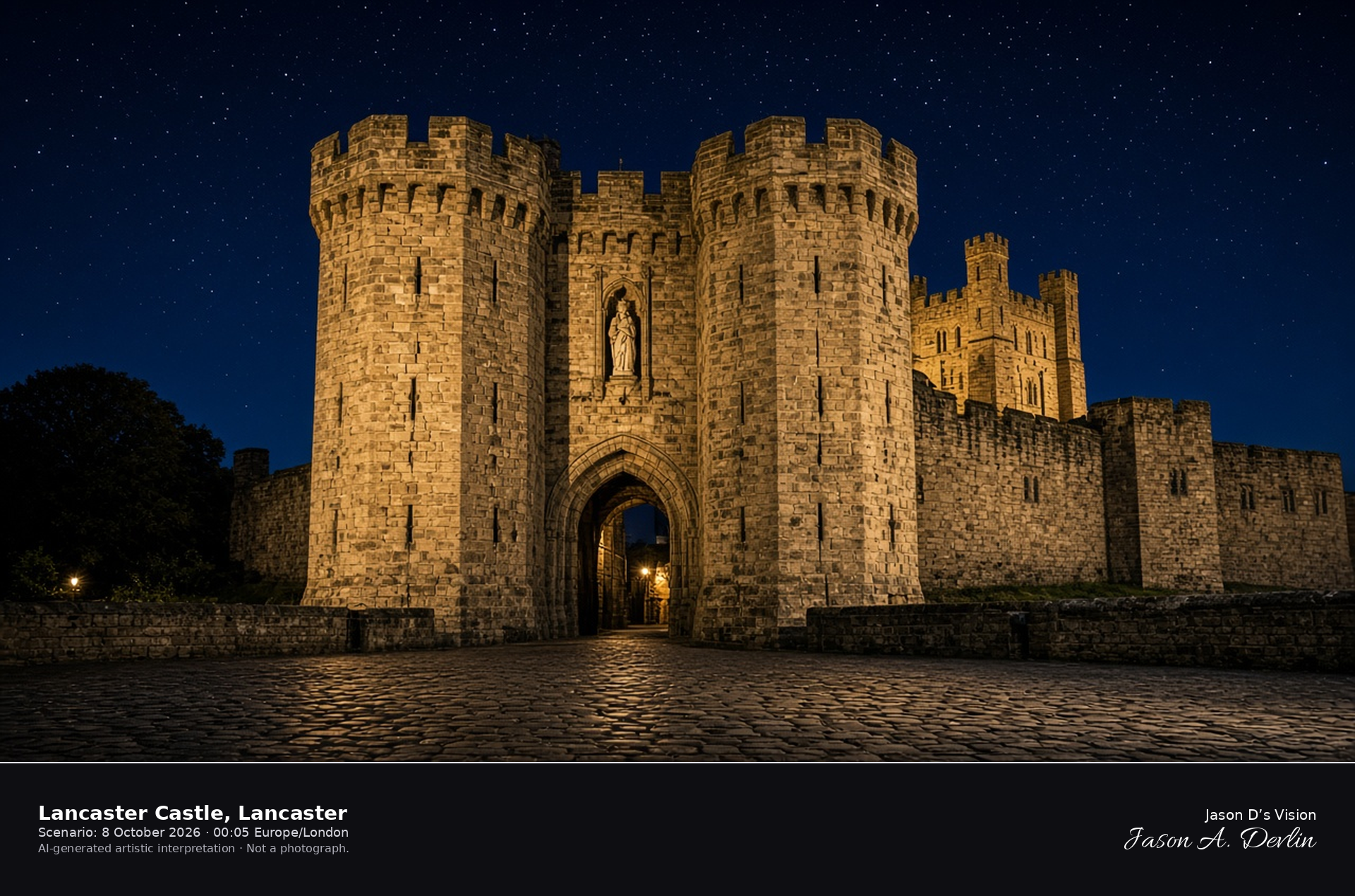
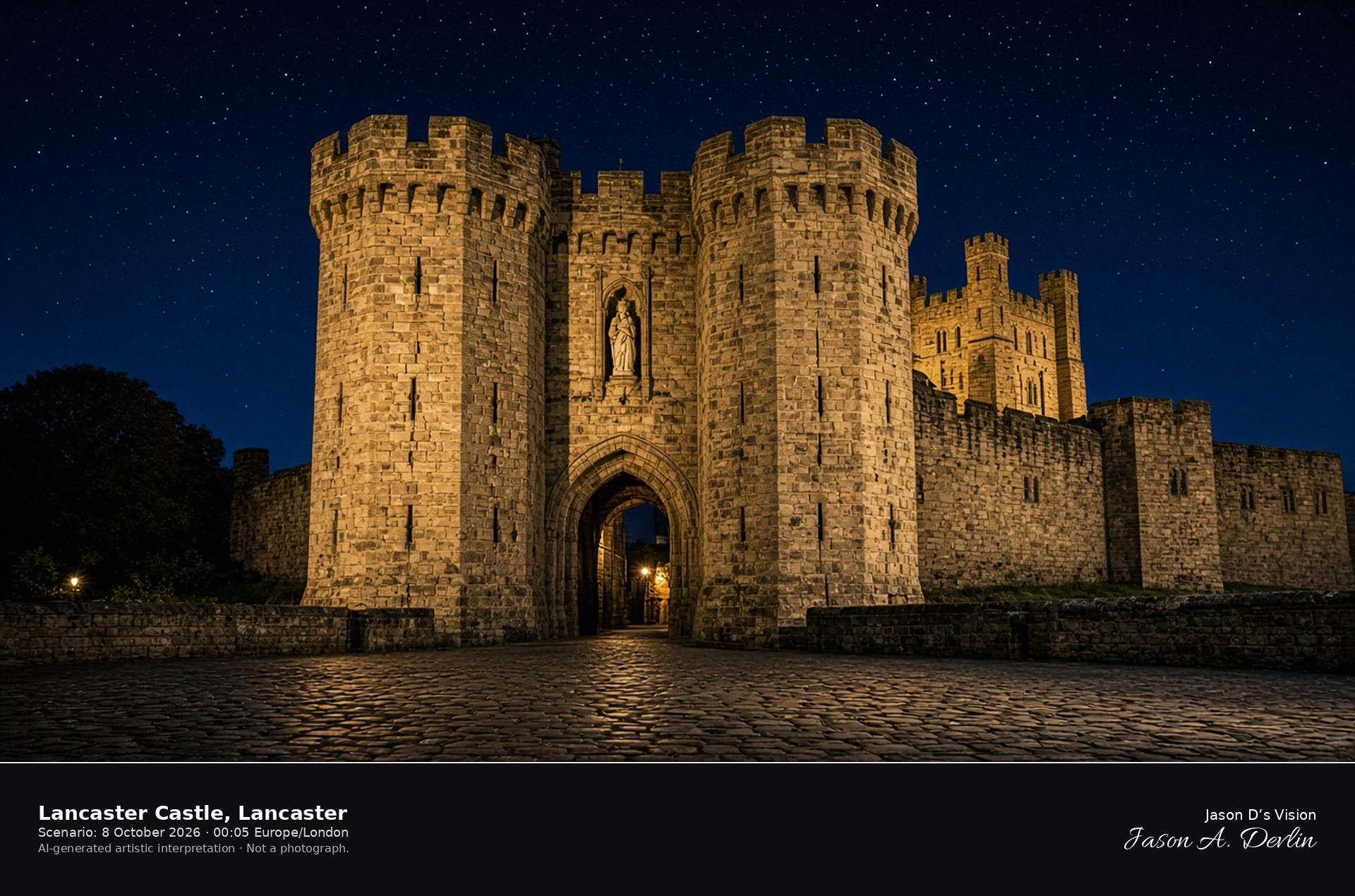
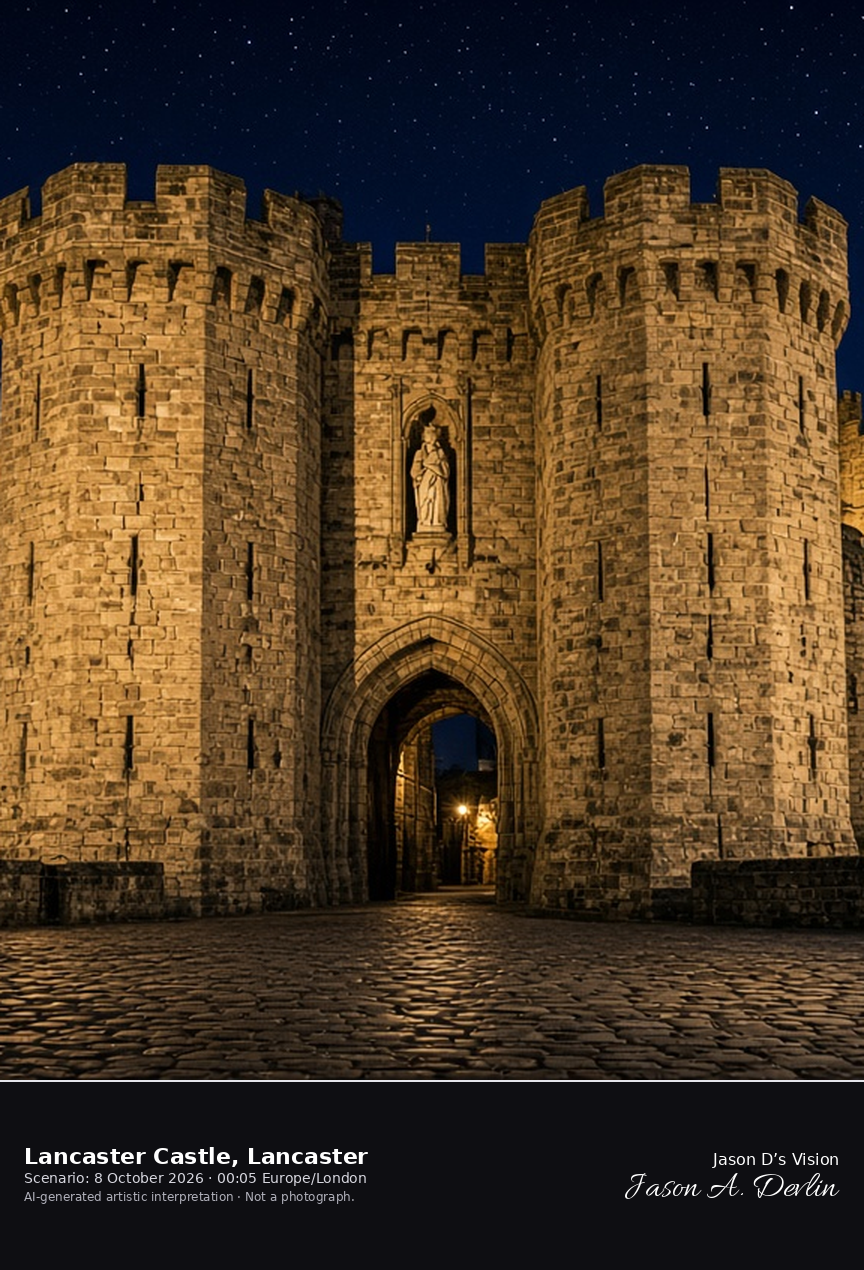
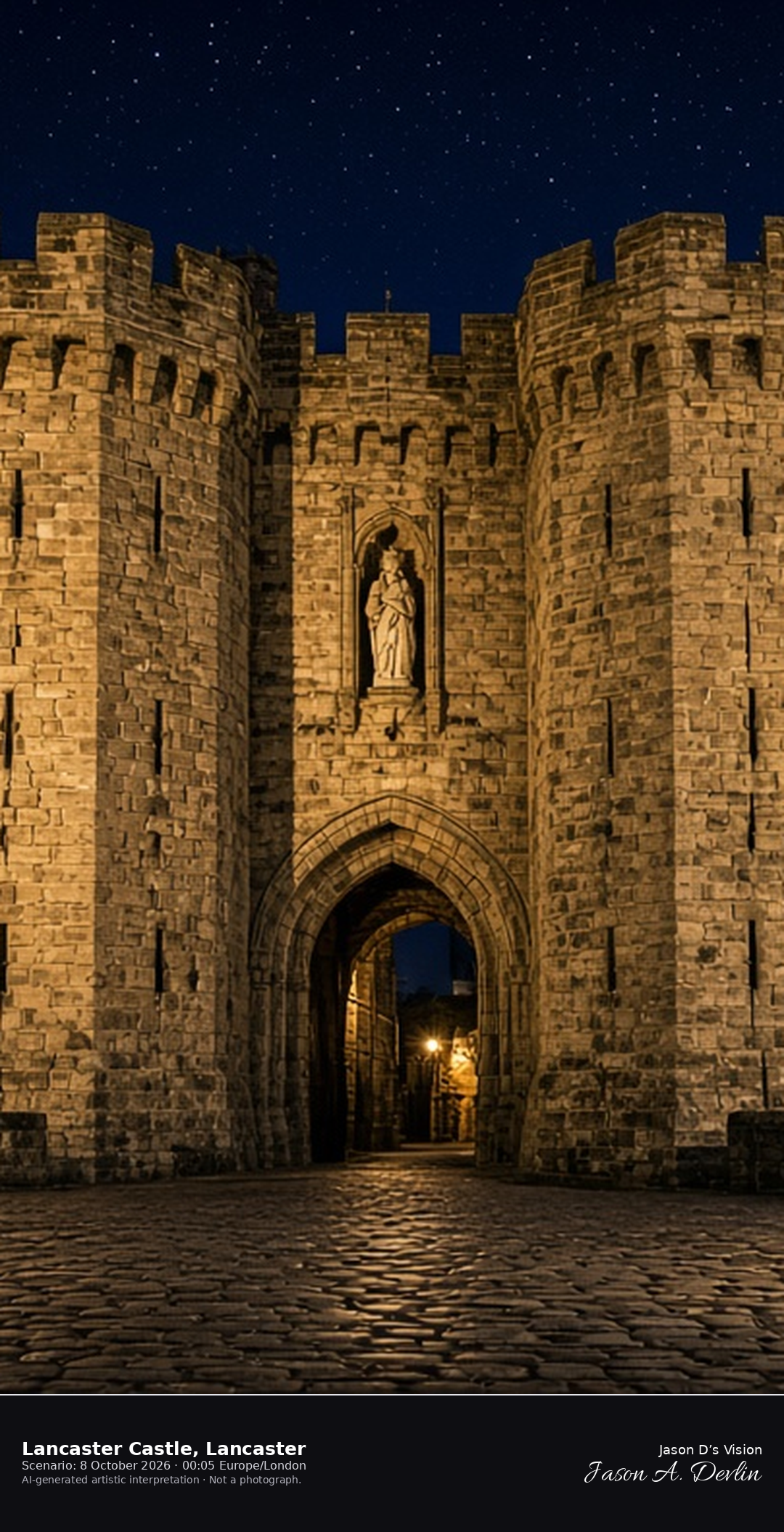
The gatehouse was built in the early 1400s and named after John of Gaunt, Duke of Lancaster. The castle served as a court and prison for centuries, and the Pendle witches were tried here in 1612.
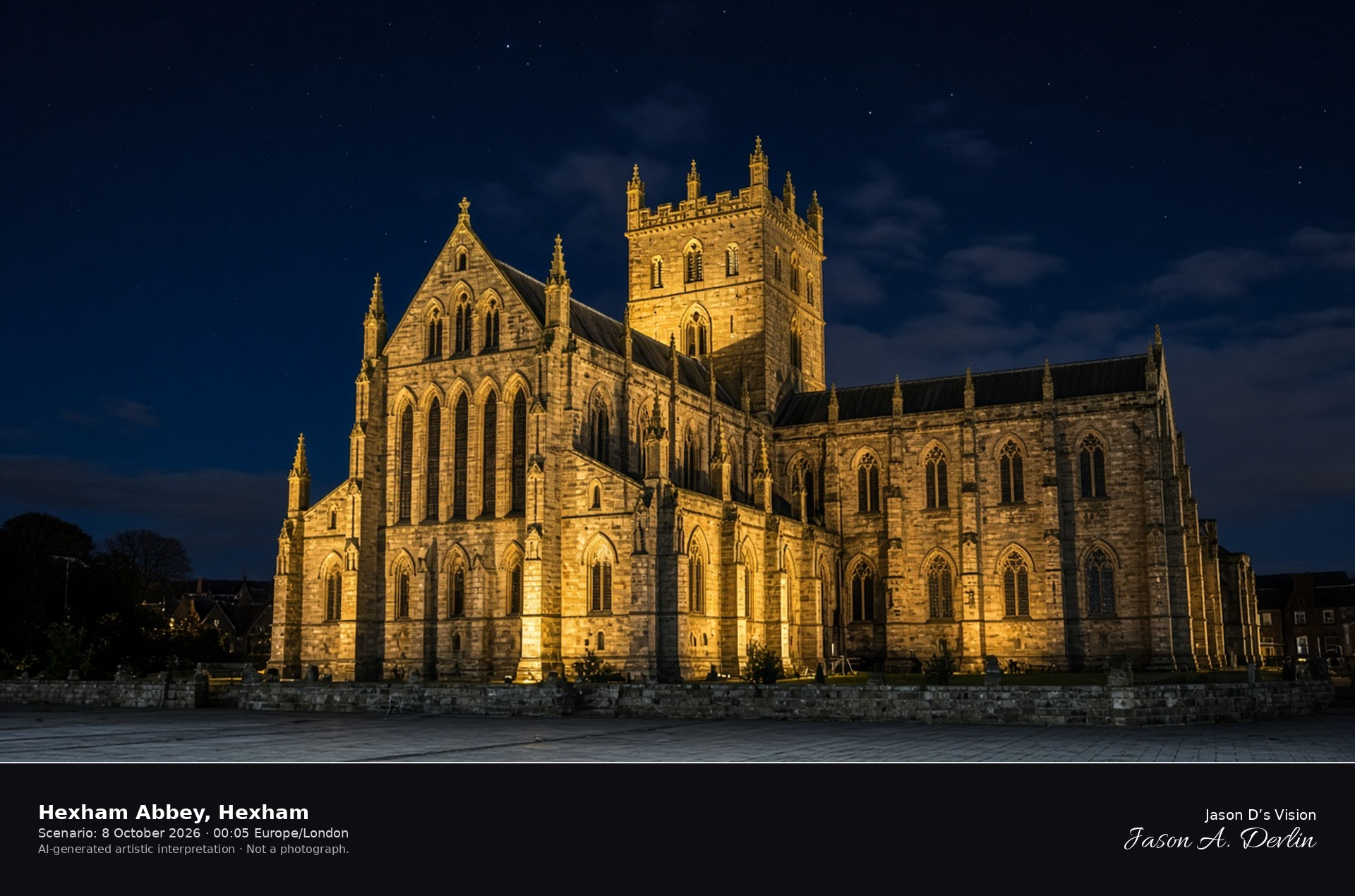
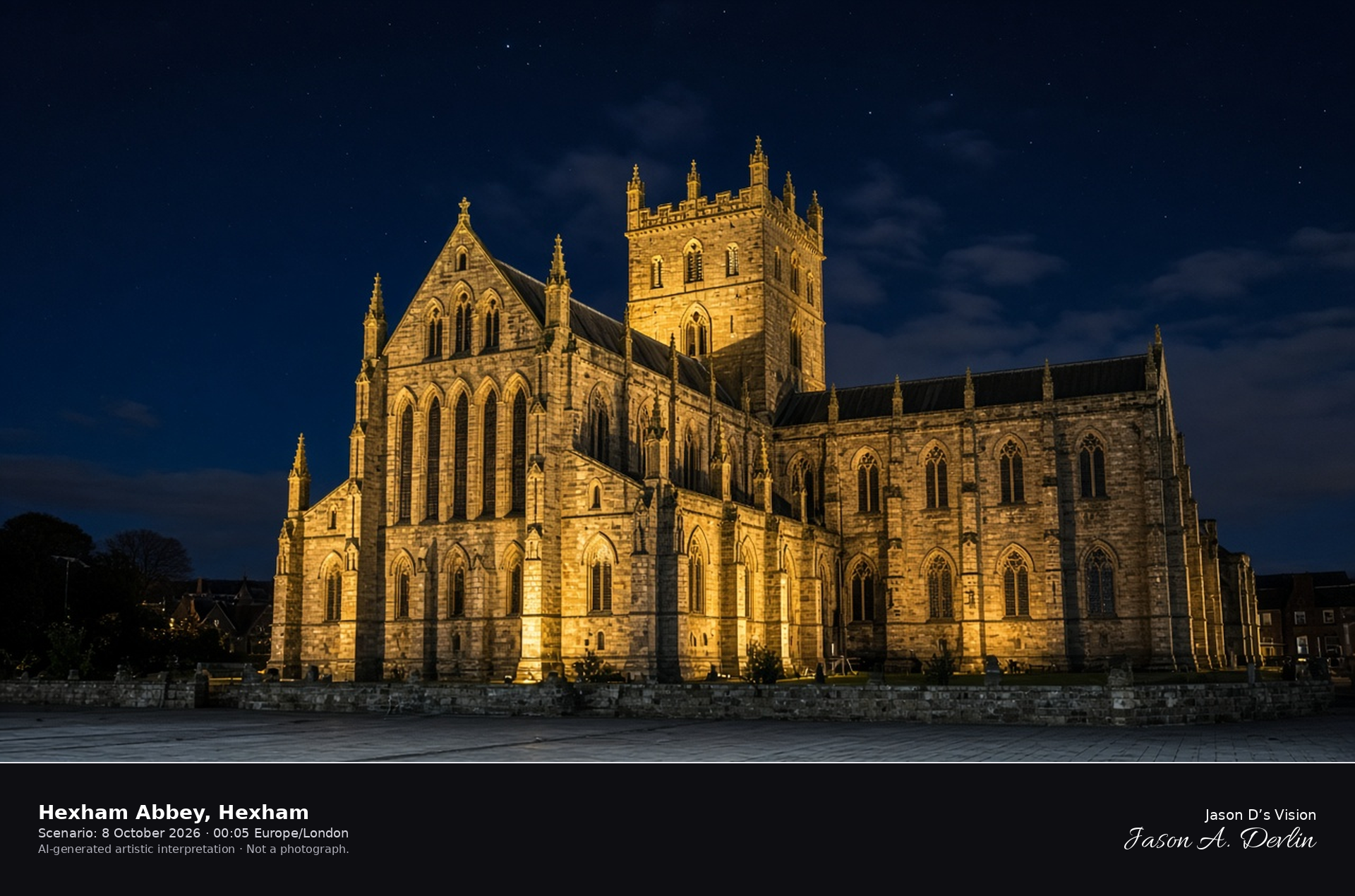
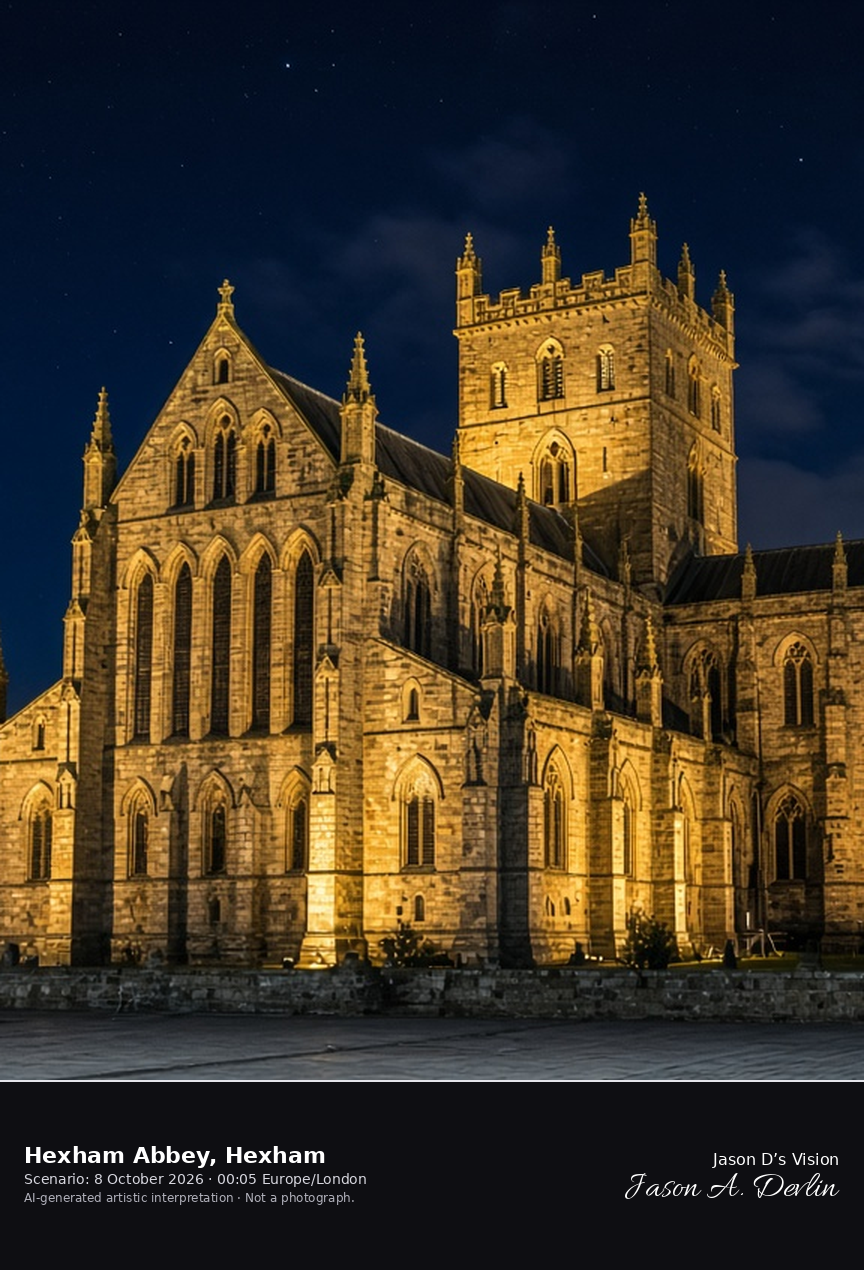
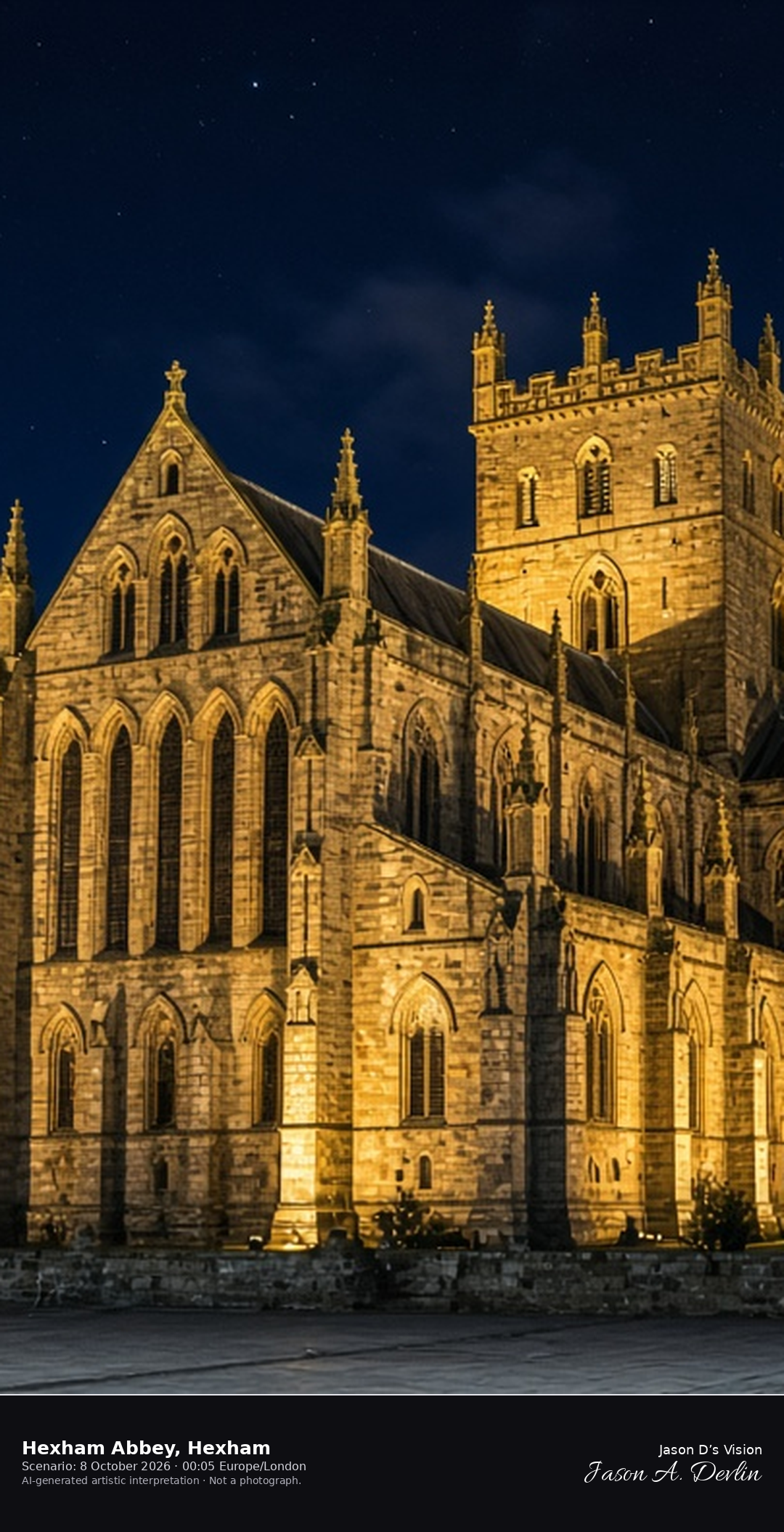
Hexham Abbey was founded by St Wilfrid in 674, and its Anglo-Saxon crypt, built with Roman stones, still survives. The choir and transepts date from the late 12th and 13th centuries.
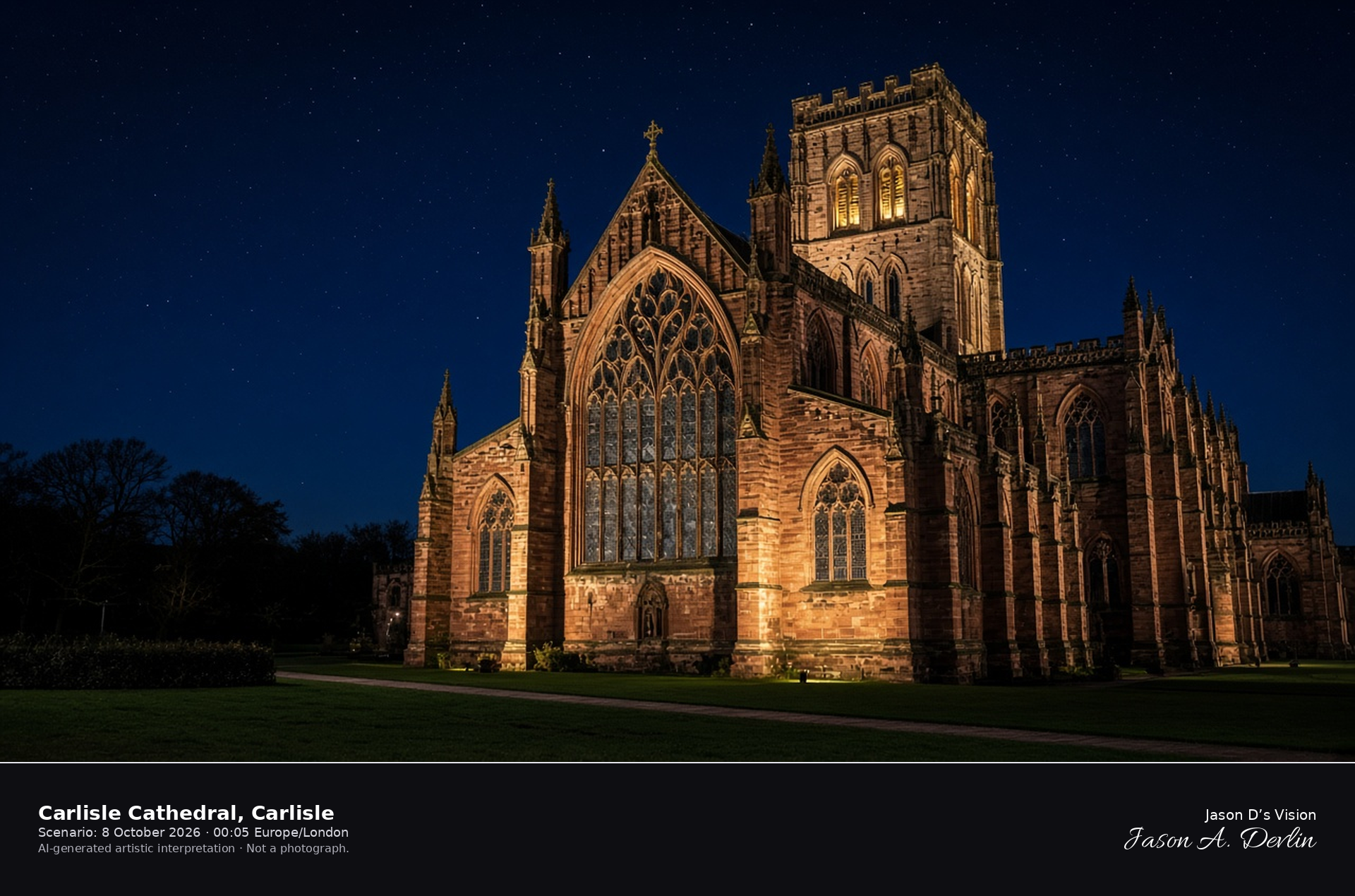
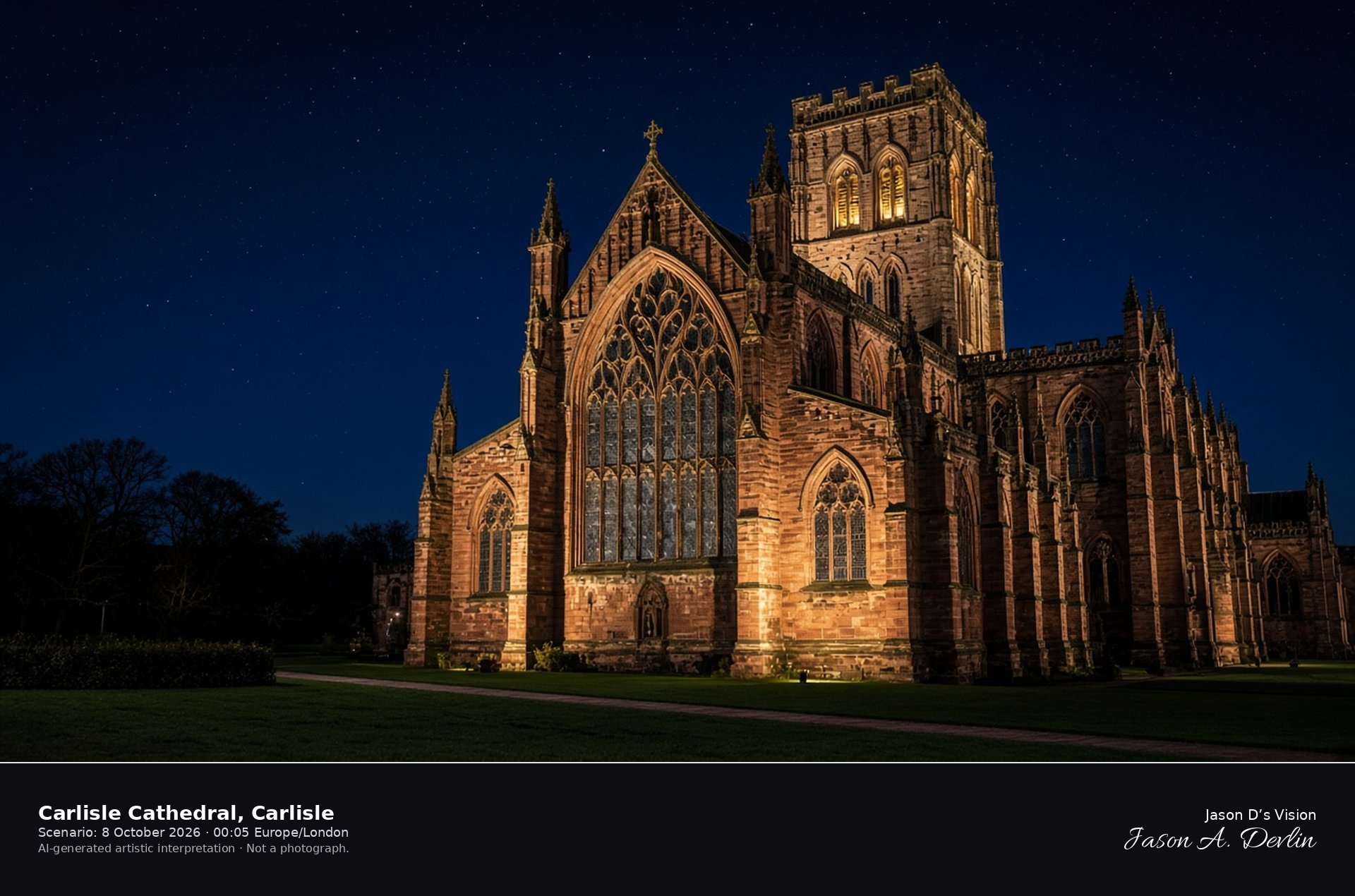
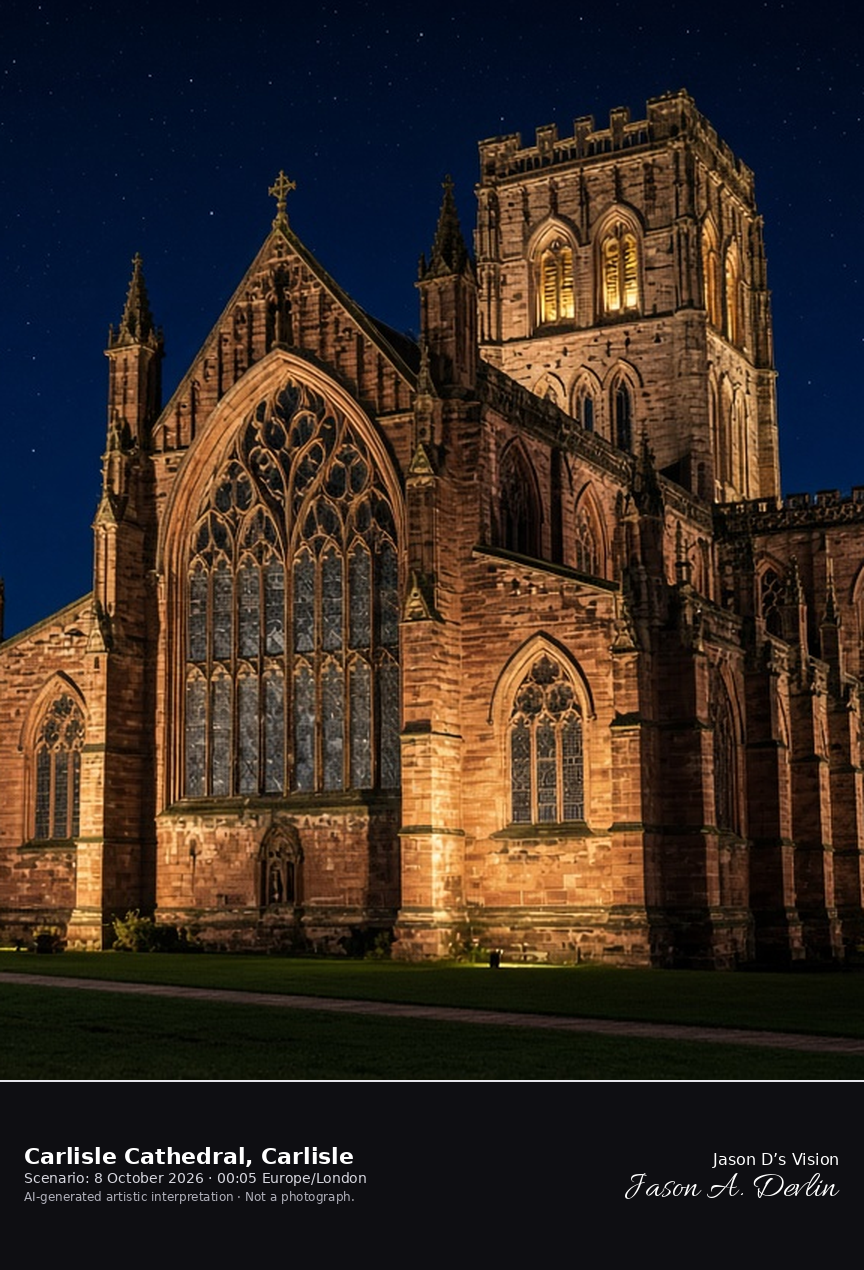
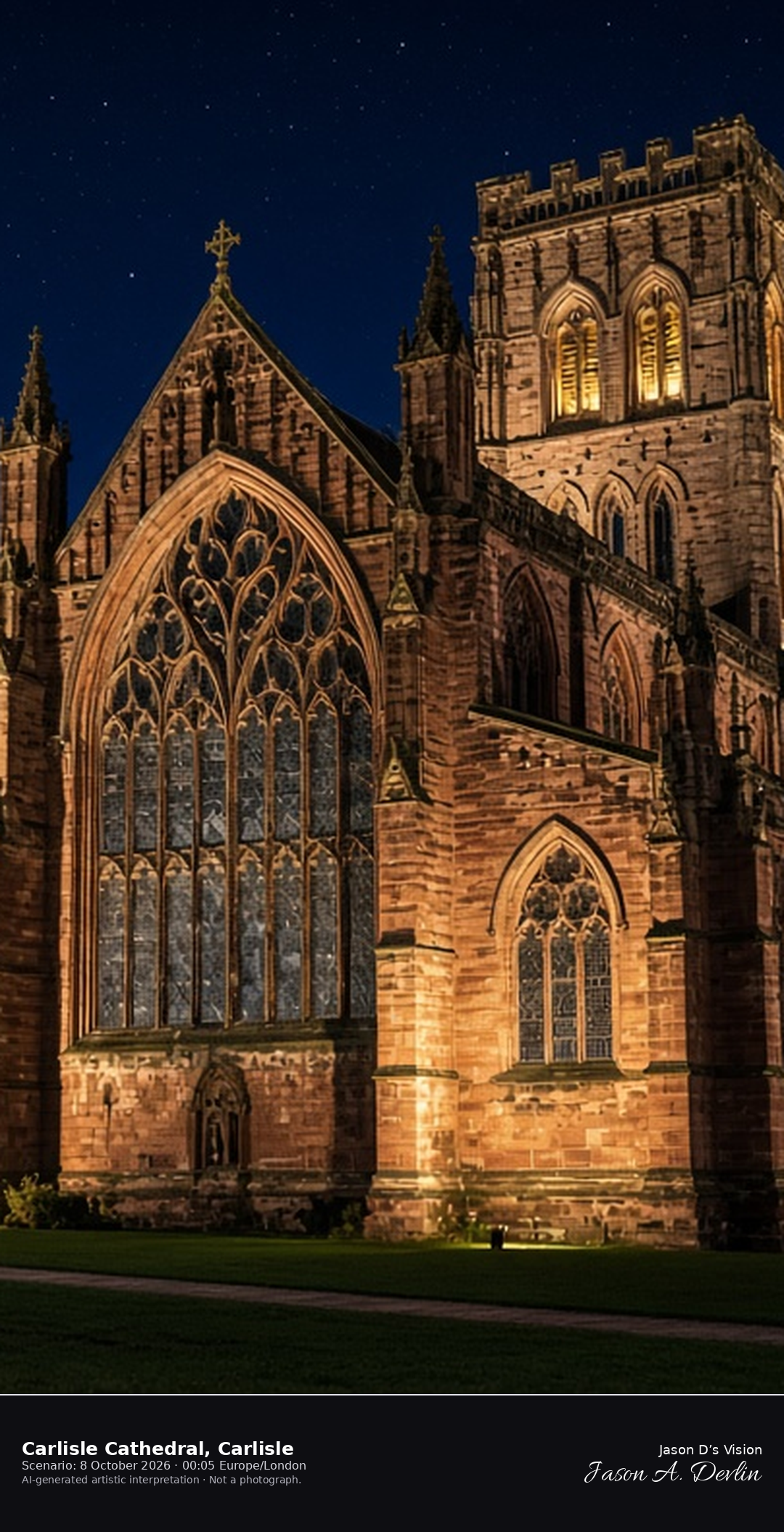
Carlisle Cathedral began as an Augustinian priory church in 1122 and became a cathedral in 1133. Much of its nave was pulled down during the Civil War to repair the city's defences.
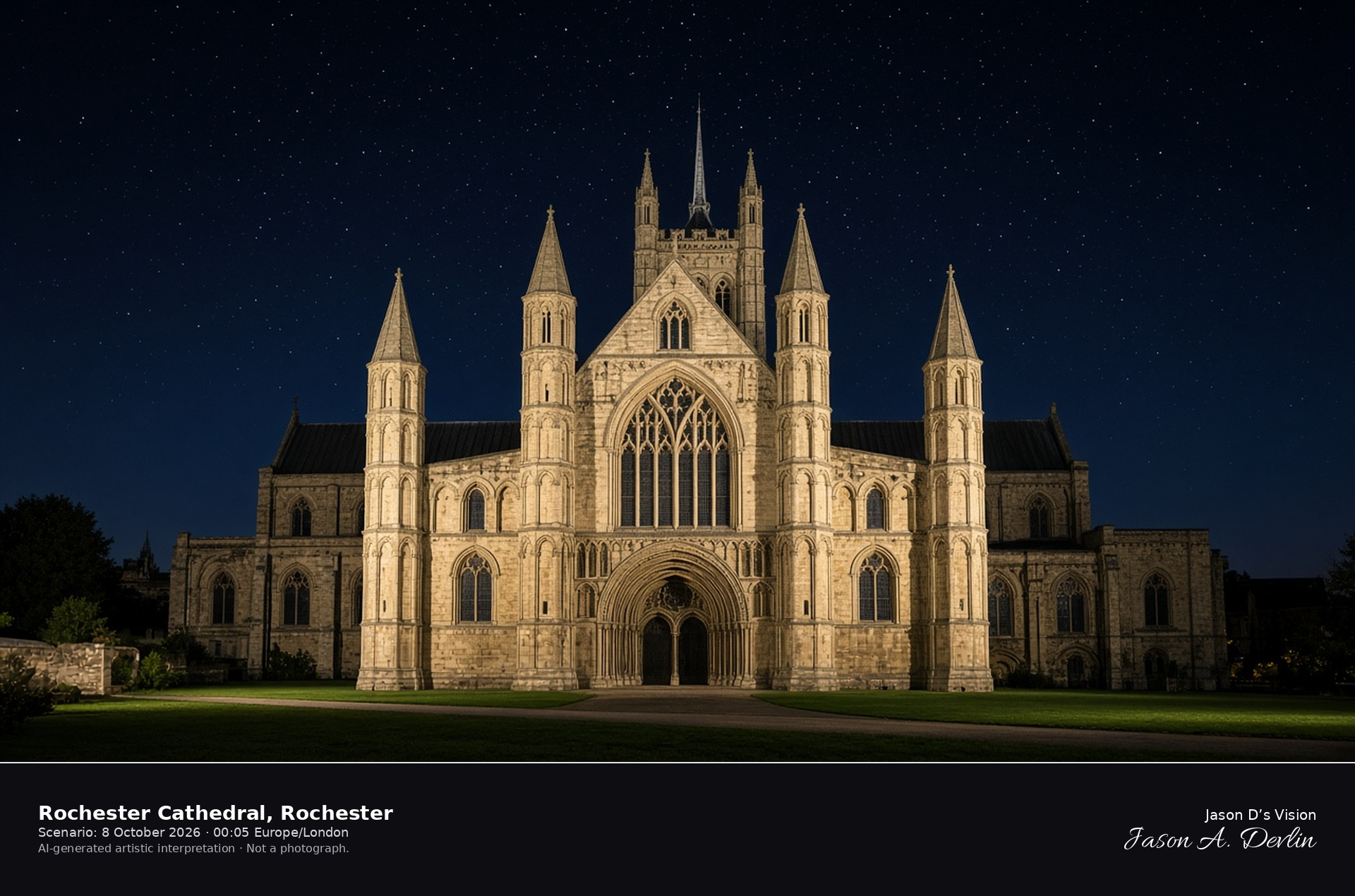
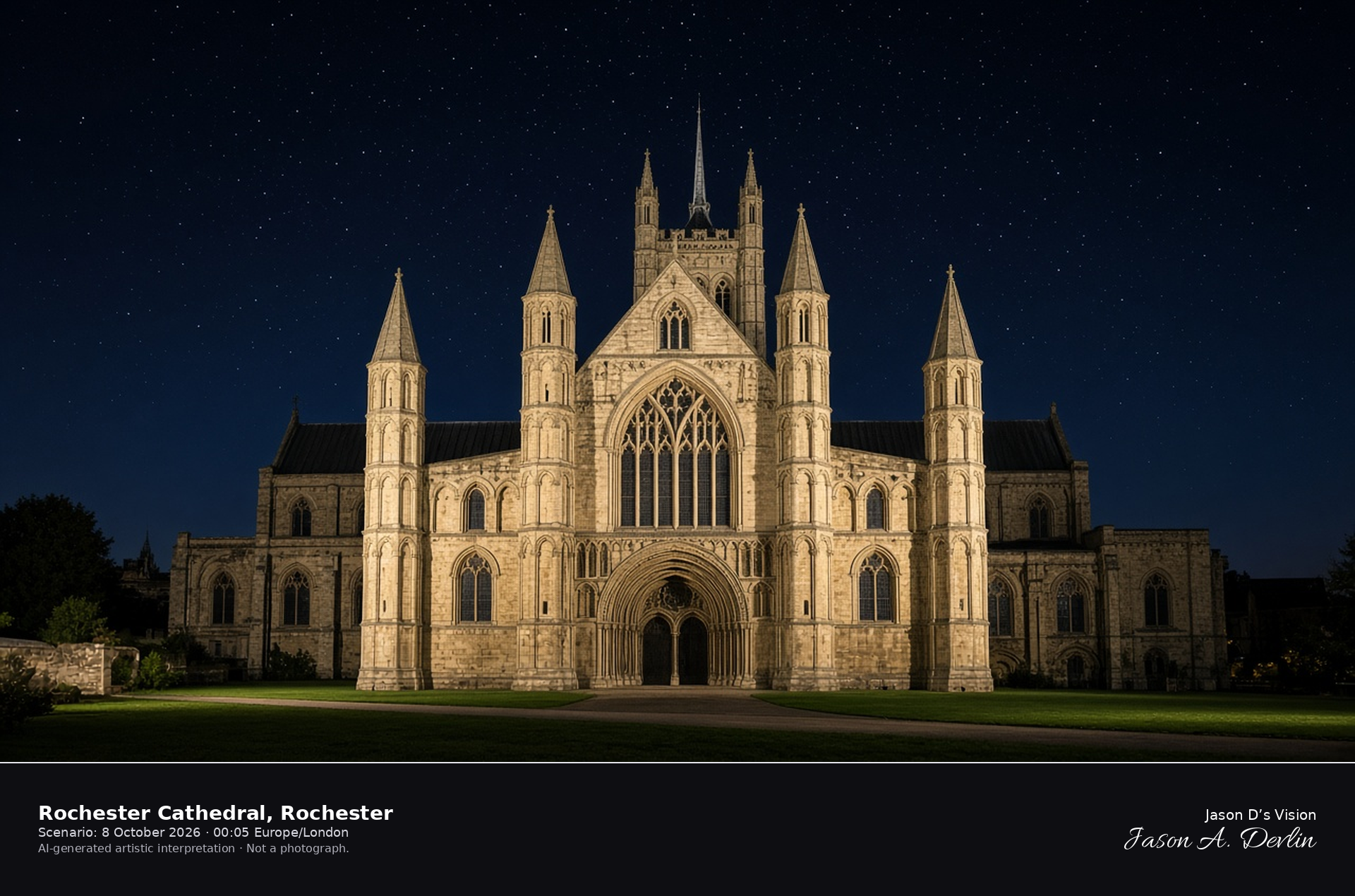
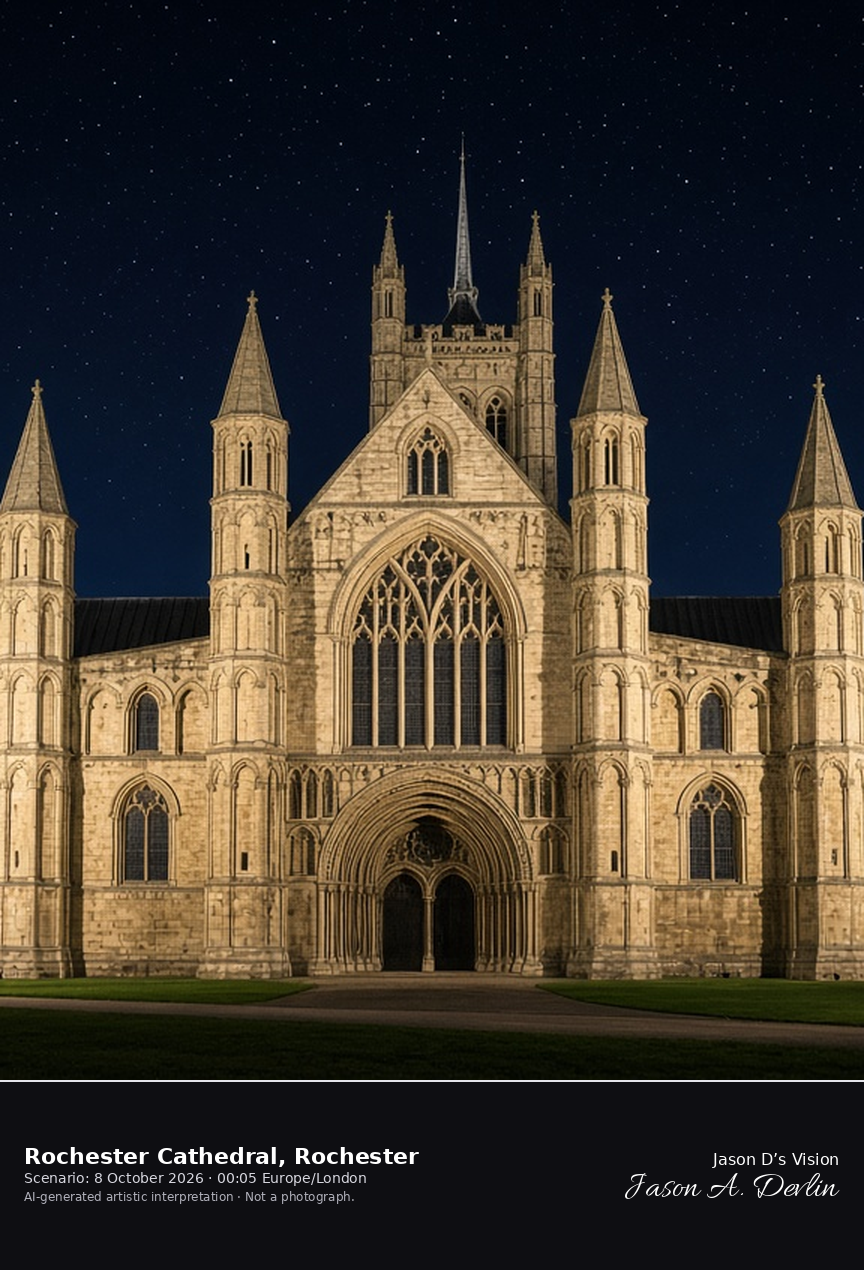
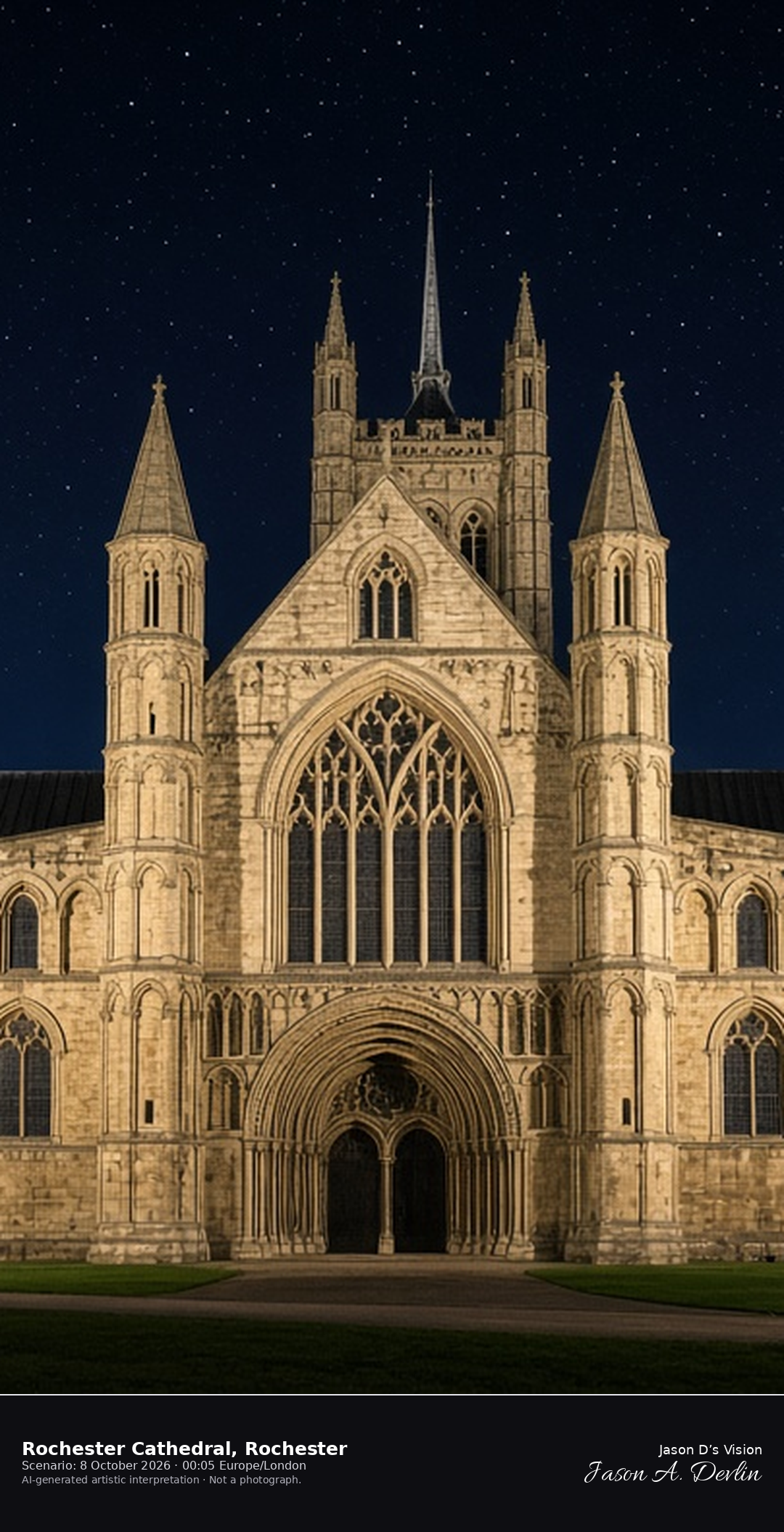
A cathedral was founded at Rochester in 604, making it the second oldest in England after Canterbury. The present building was begun by Bishop Gundulf in about 1080.
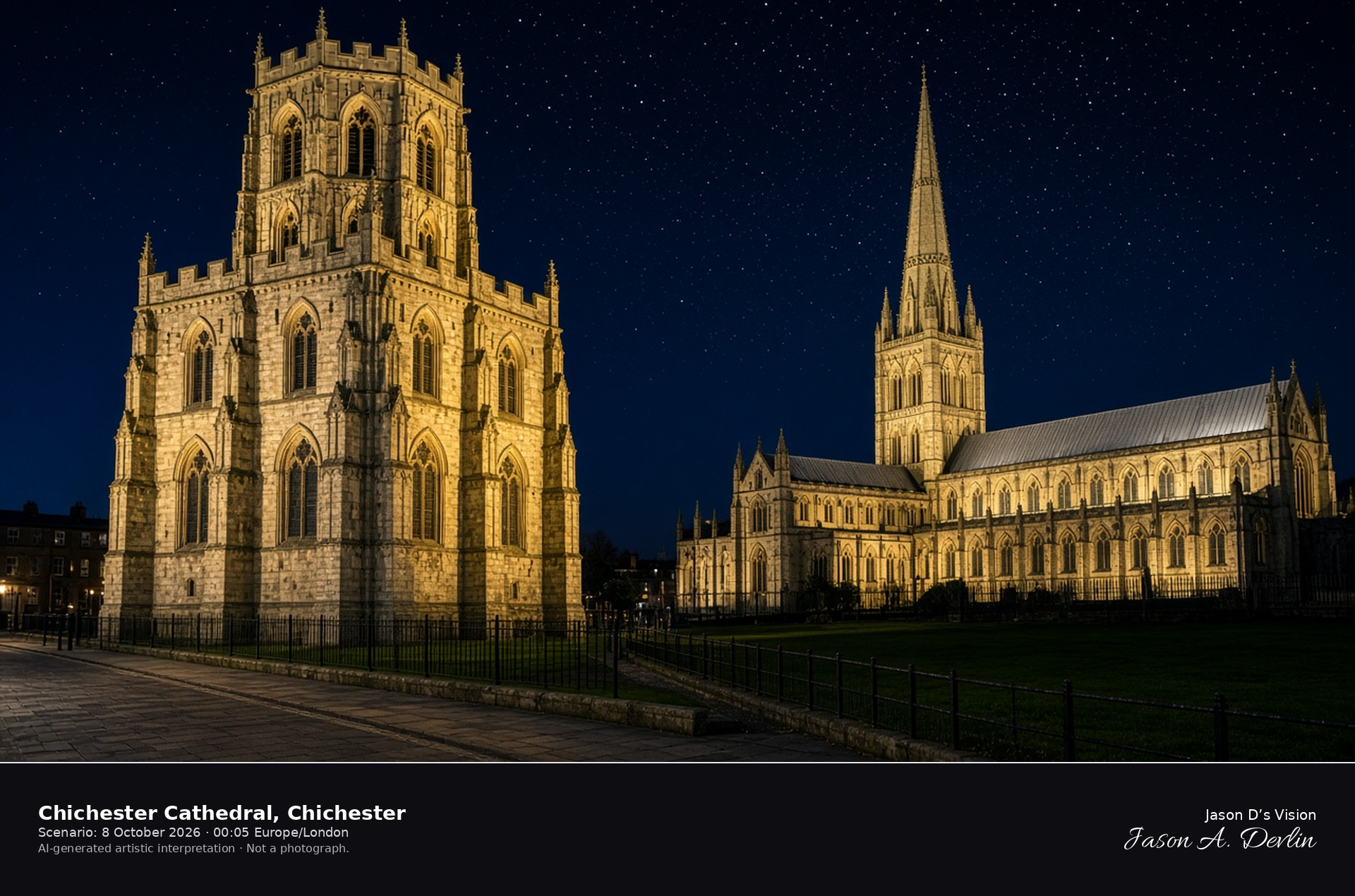
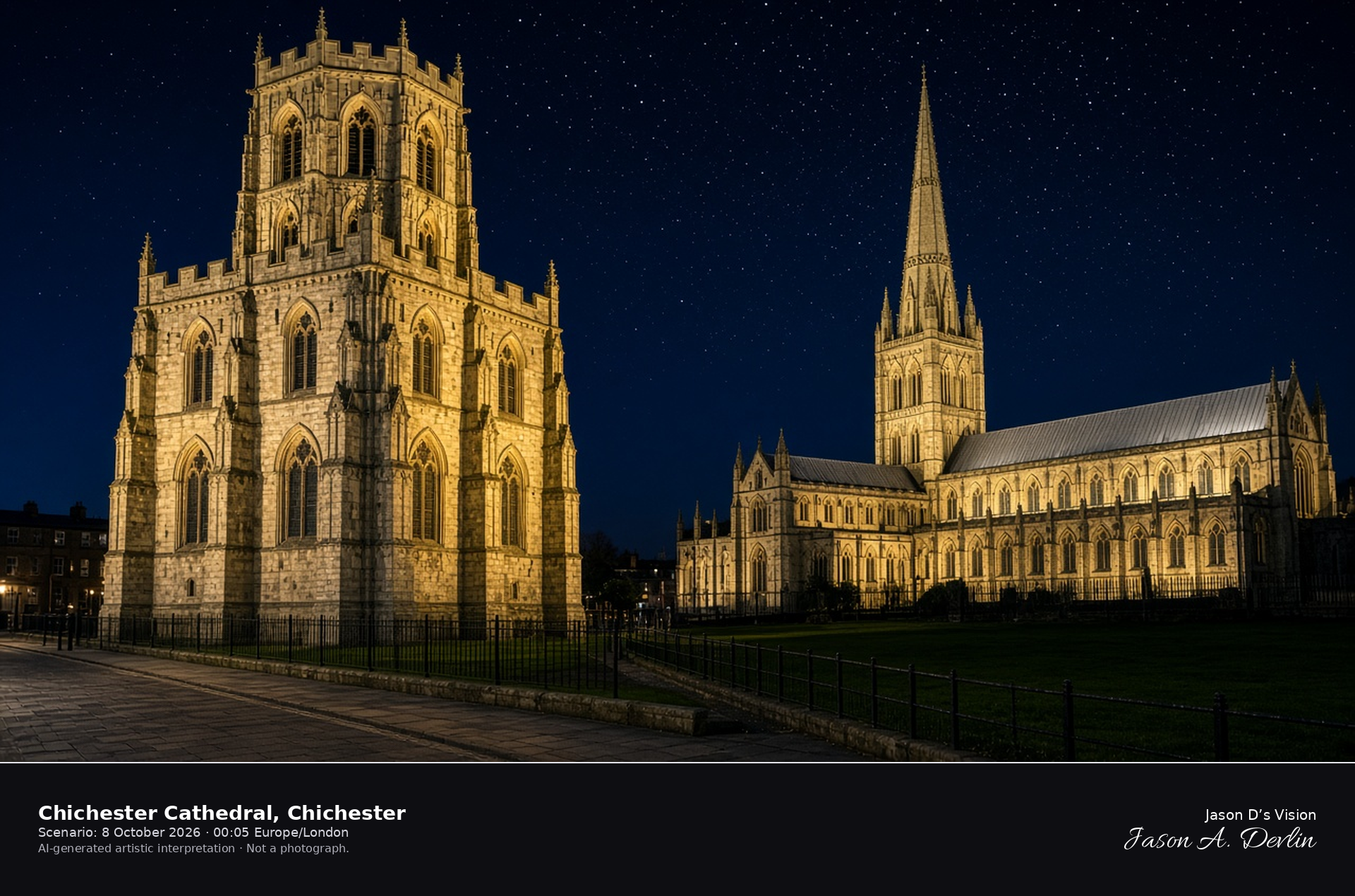
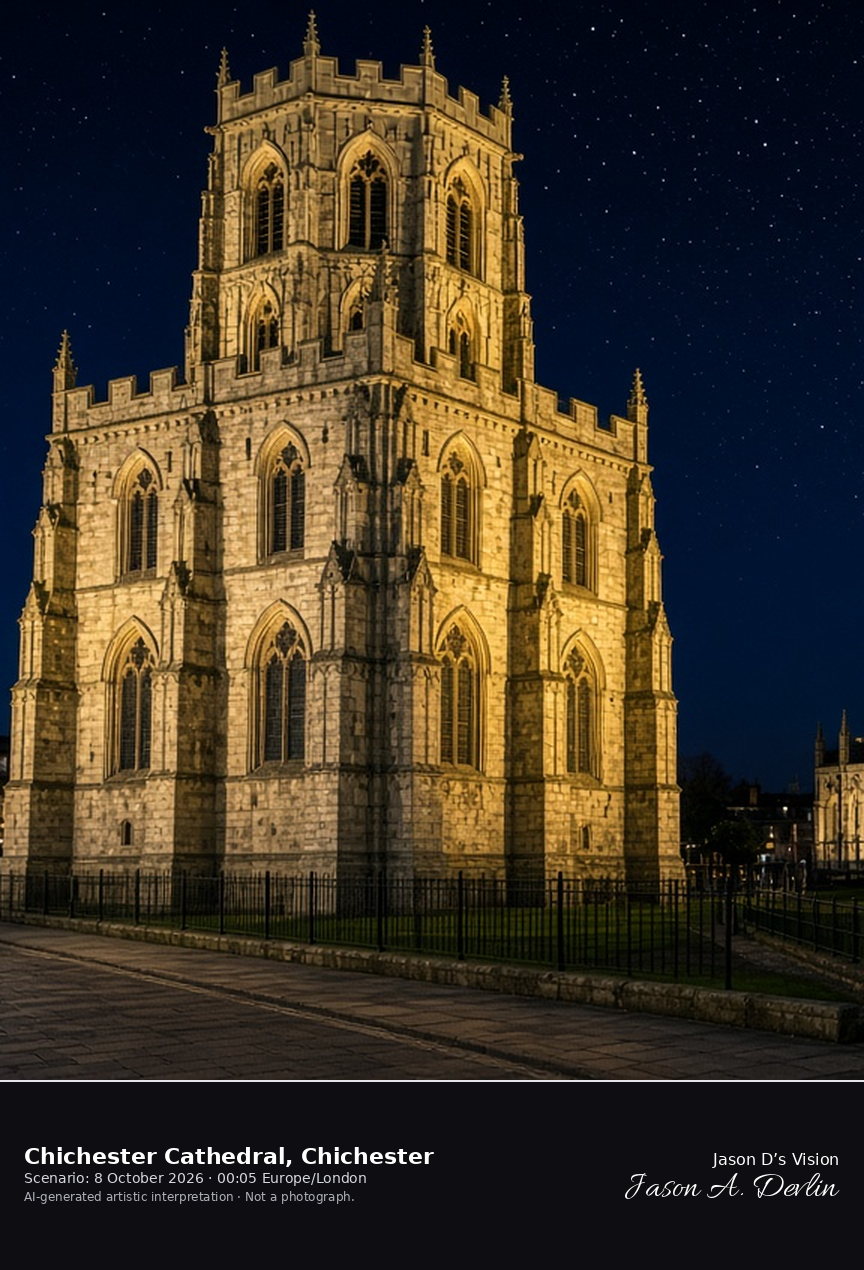
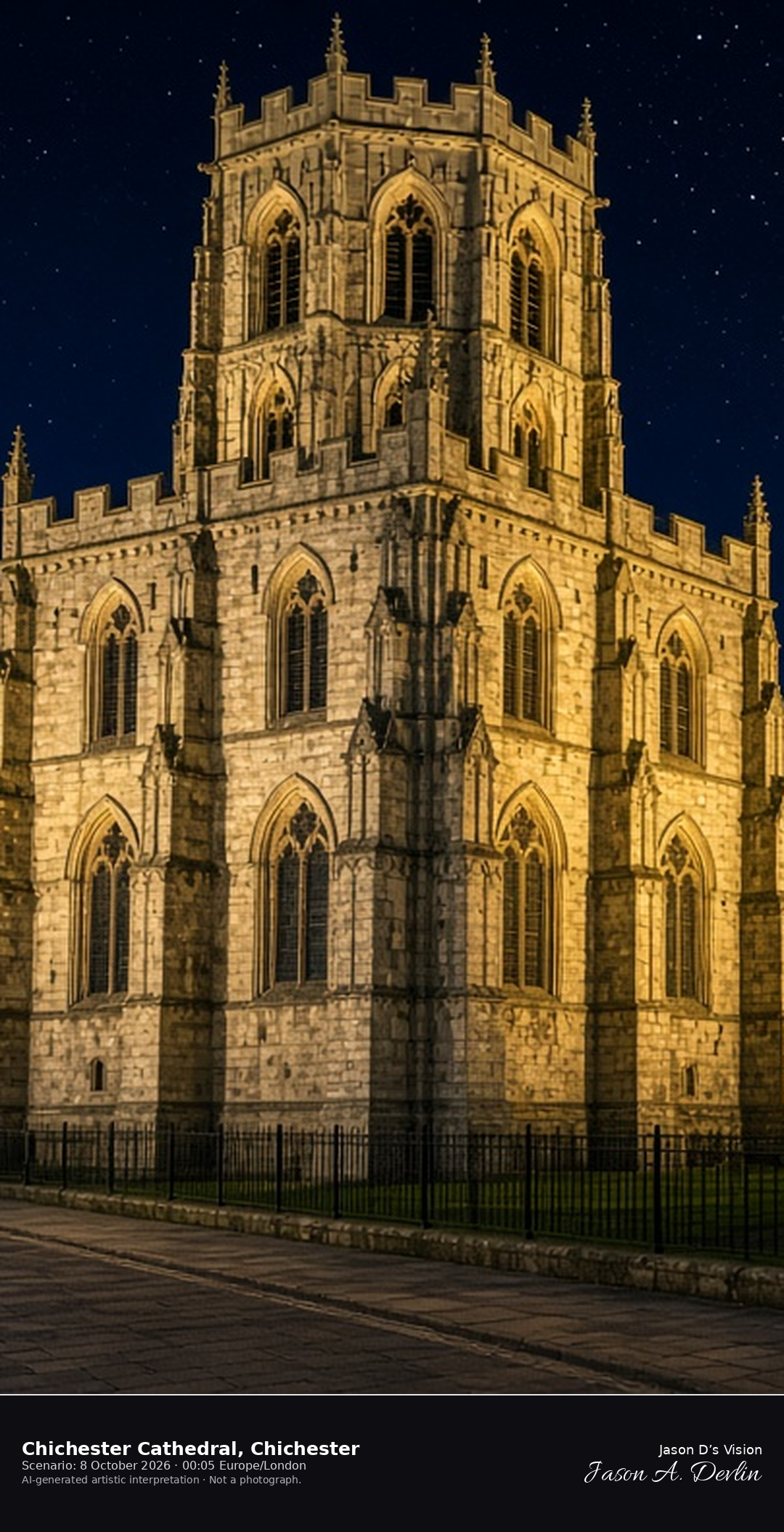
The cathedral’s tower and spire collapsed in 1861; rebuilding under Sir George Gilbert Scott allowed the cathedral to reopen in 1866. Where pilgrims once visited the shrine of Saint Richard, visitors now come for Marc Chagall’s blazing window in the north quire aisle and for the hand-holding effigies that inspired Philip Larkin’s ‘An Arundel Tomb’.
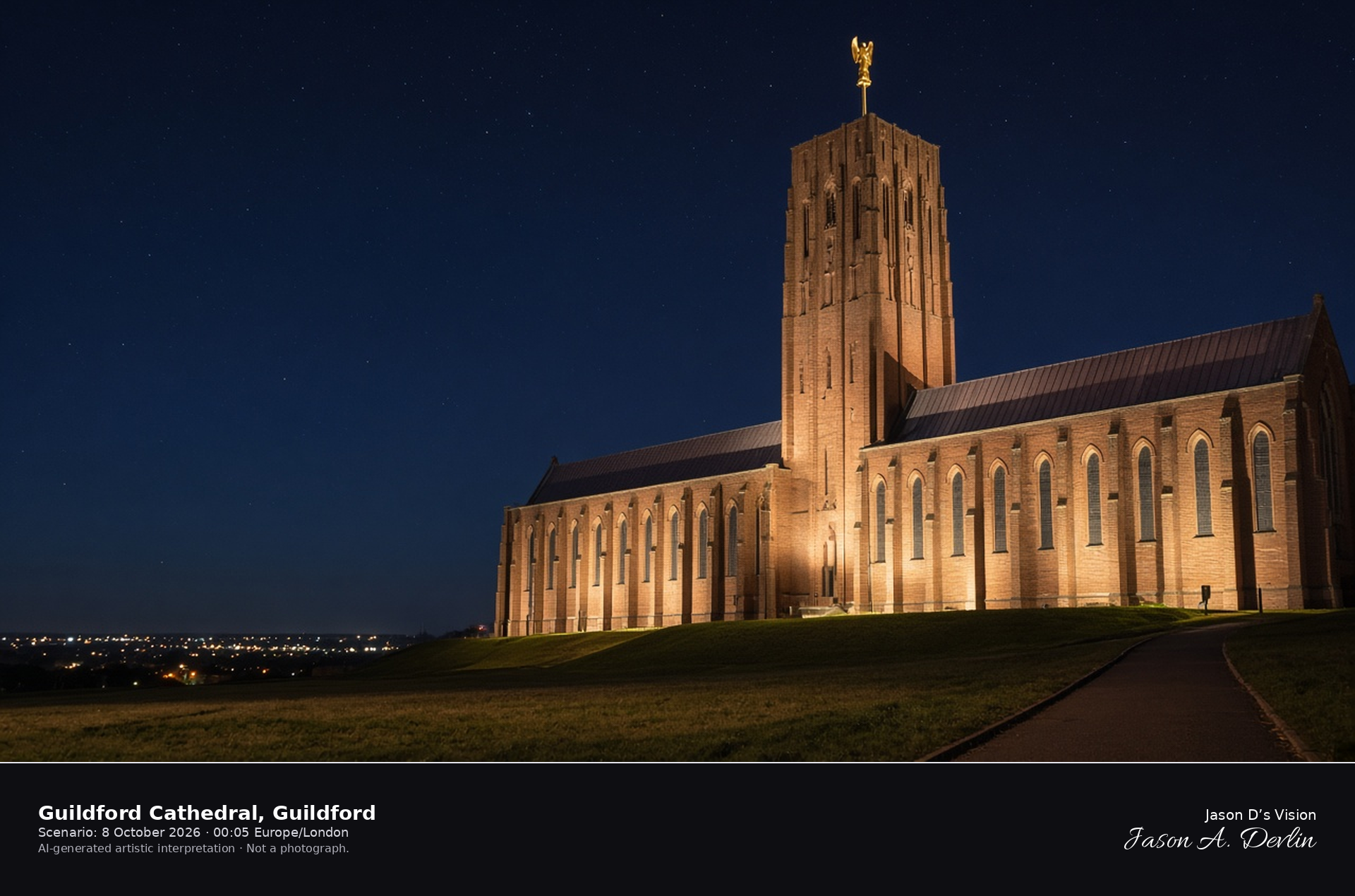
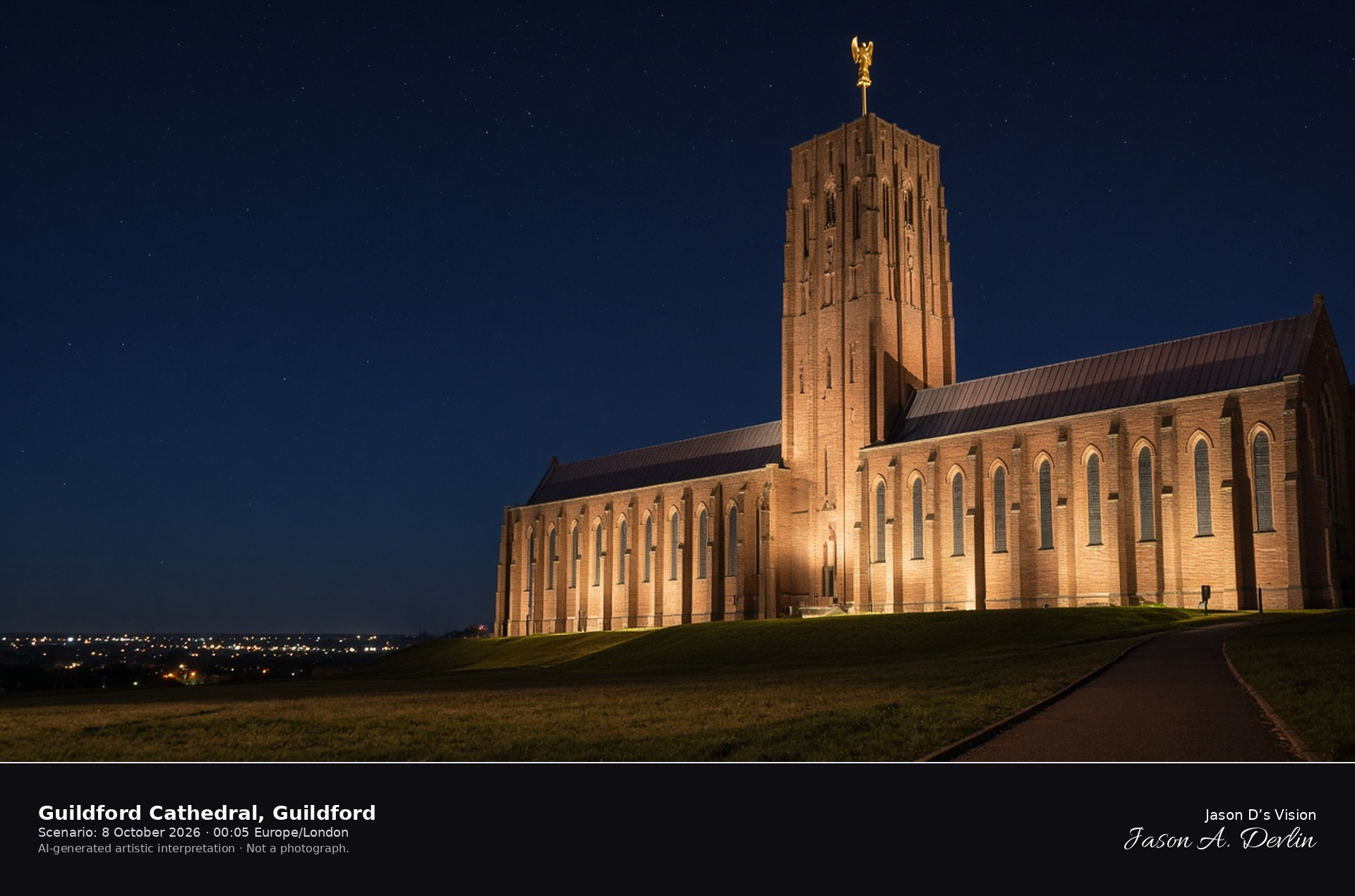
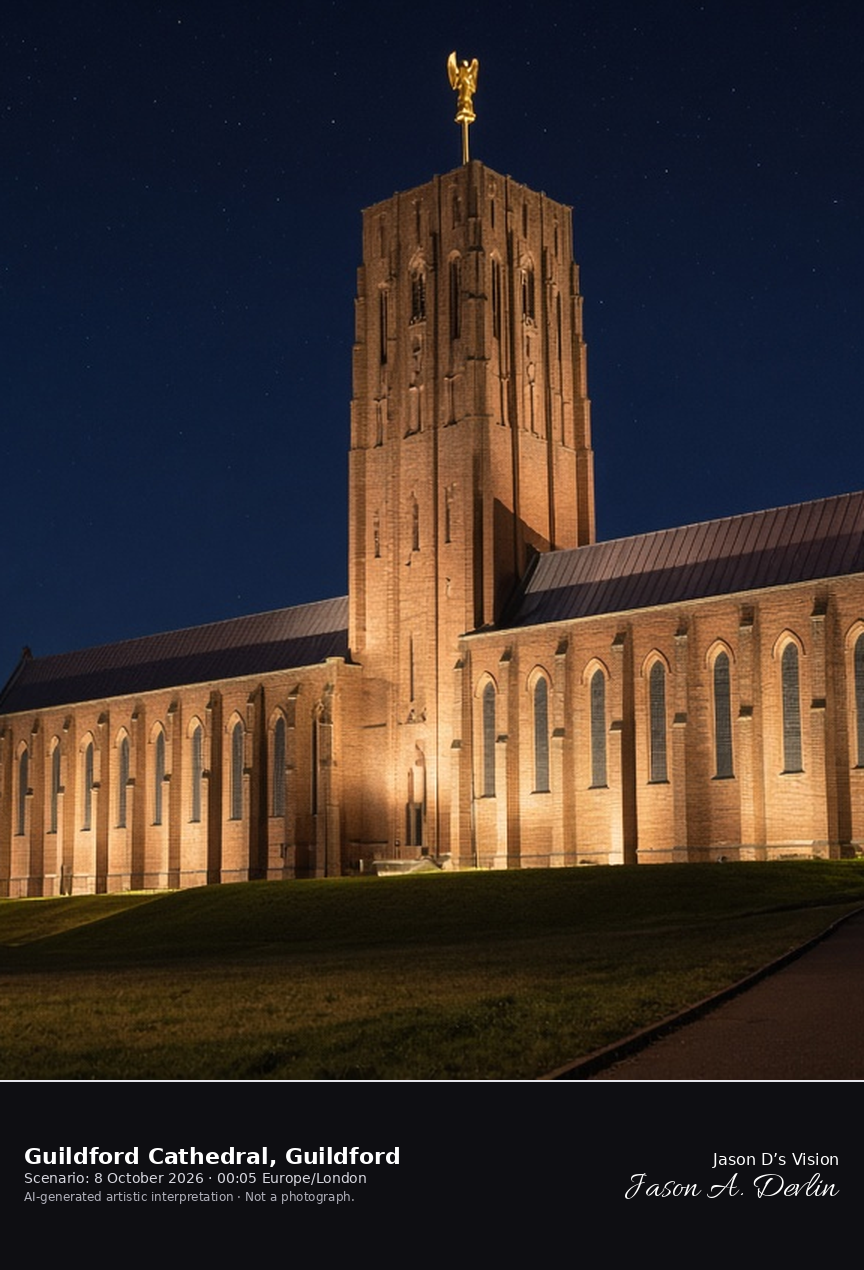
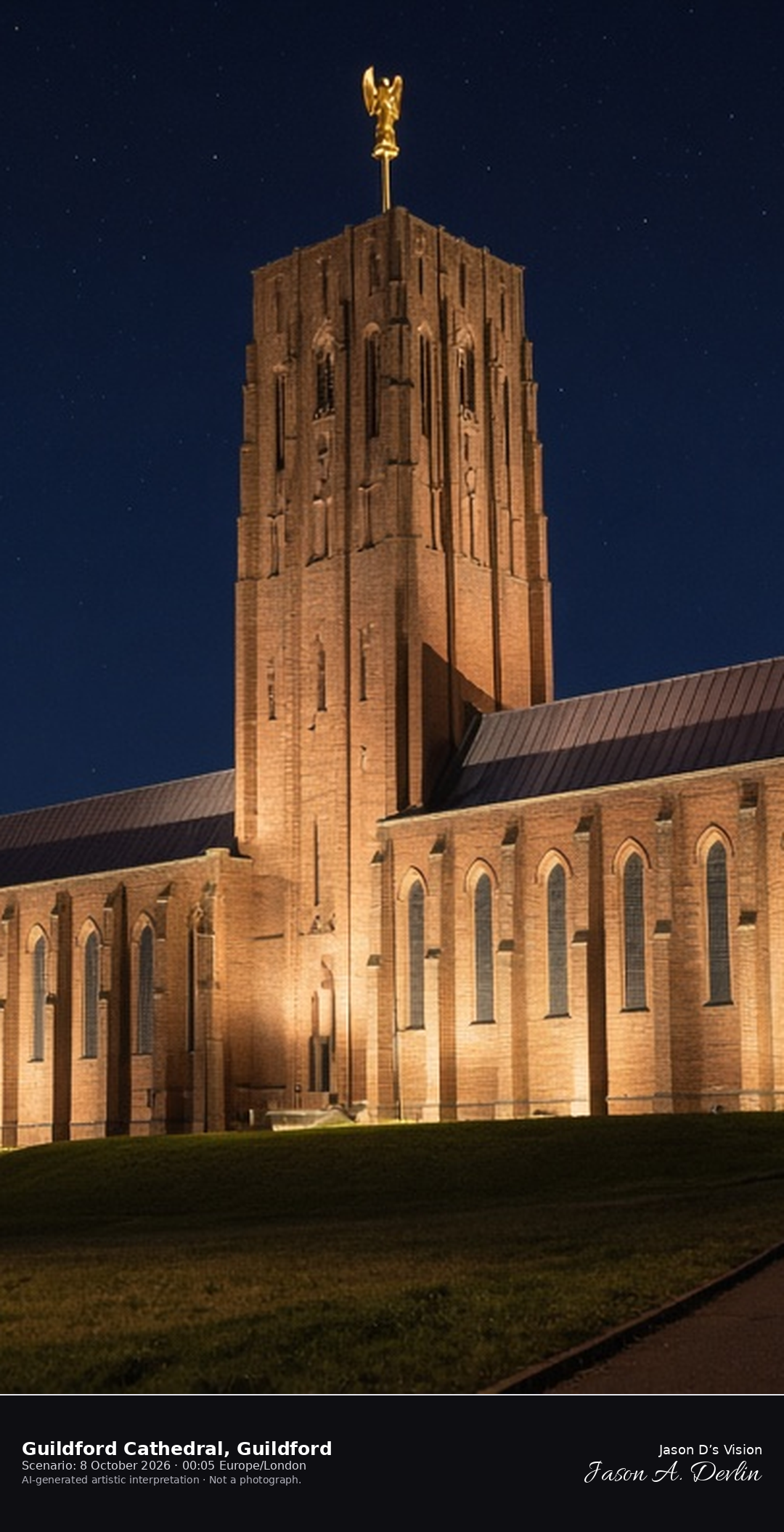
Guildford Cathedral was designed by Edward Maufe and built between 1936 and 1961, partly funded by people who bought bricks for half a crown each. It was one of only a few new Anglican cathedrals built in England in the 20th century.
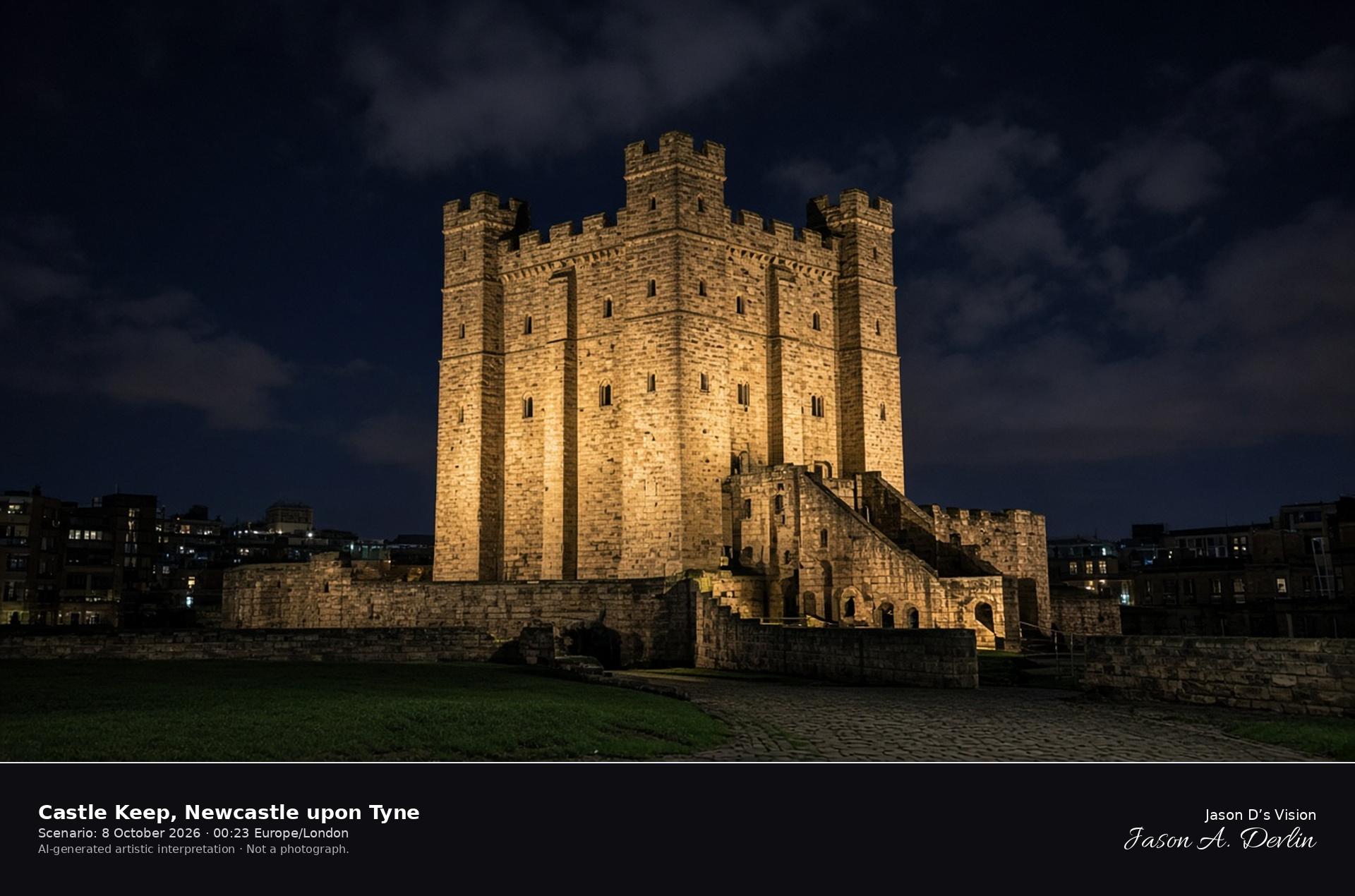
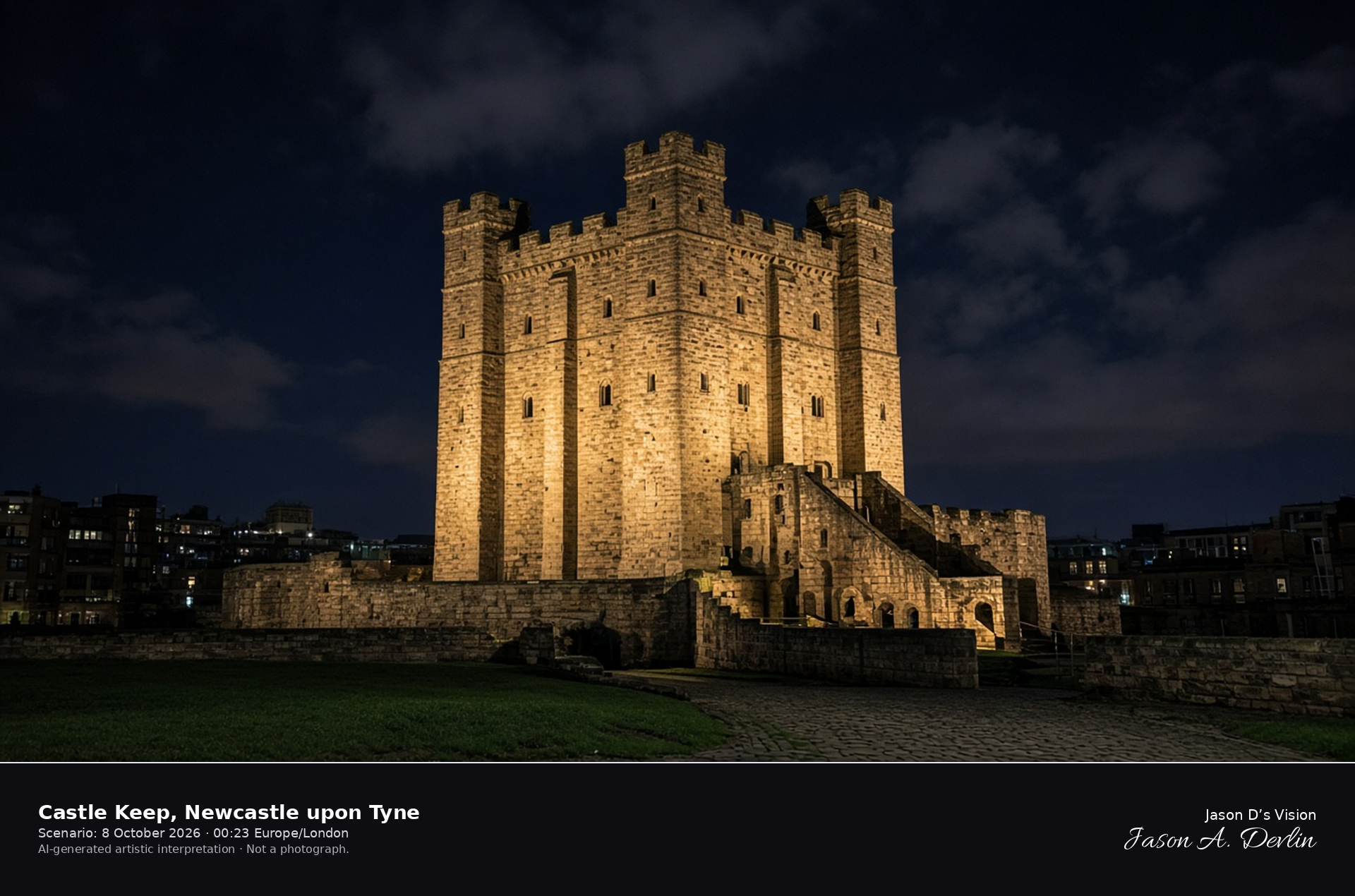
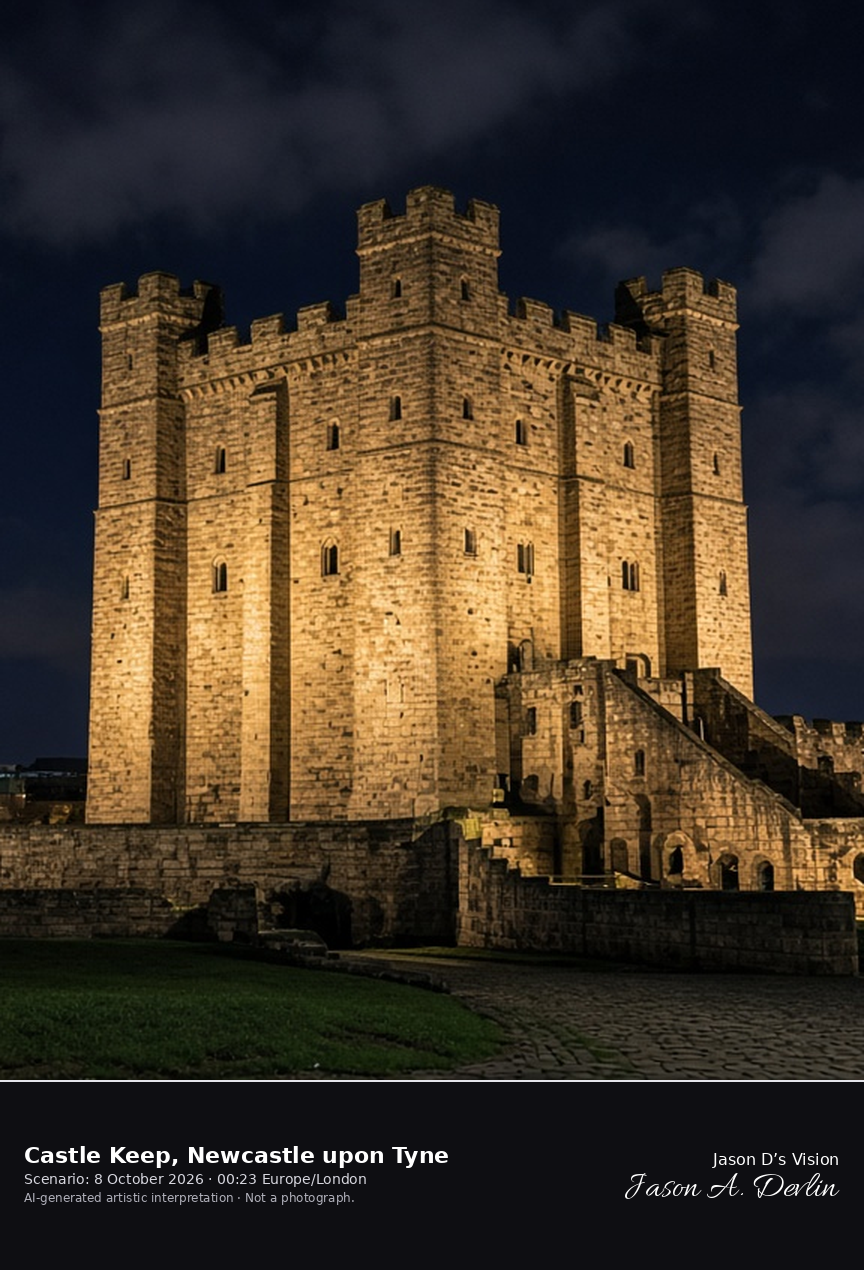
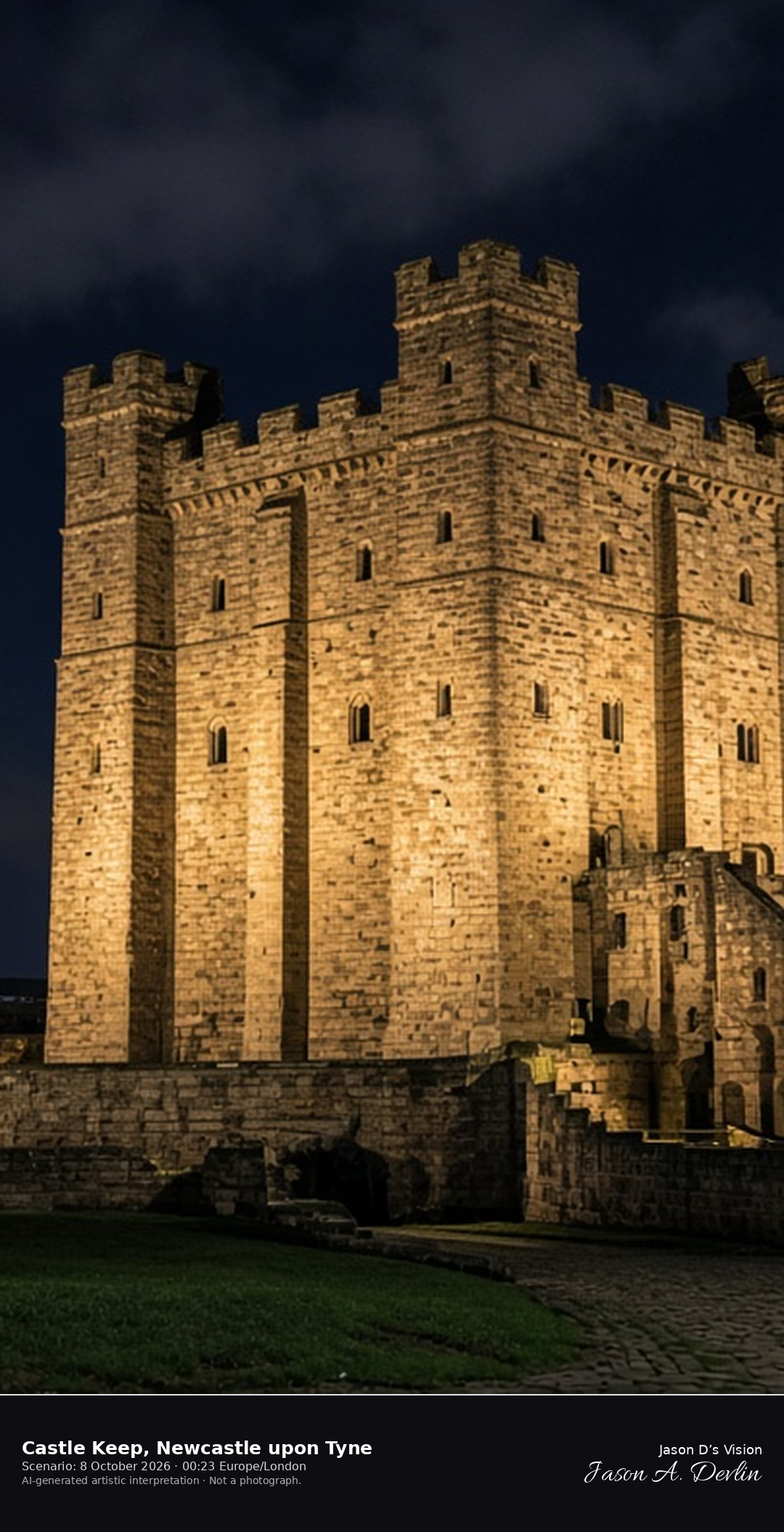
Castle Keep, Newcastle upon Tyne · AI-generated artistic interpretation
The keep was built for Henry II between 1172 and 1177, on the site of the 'new castle' of 1080 that gave the city its name. Its battlements were restored in the early 19th century.
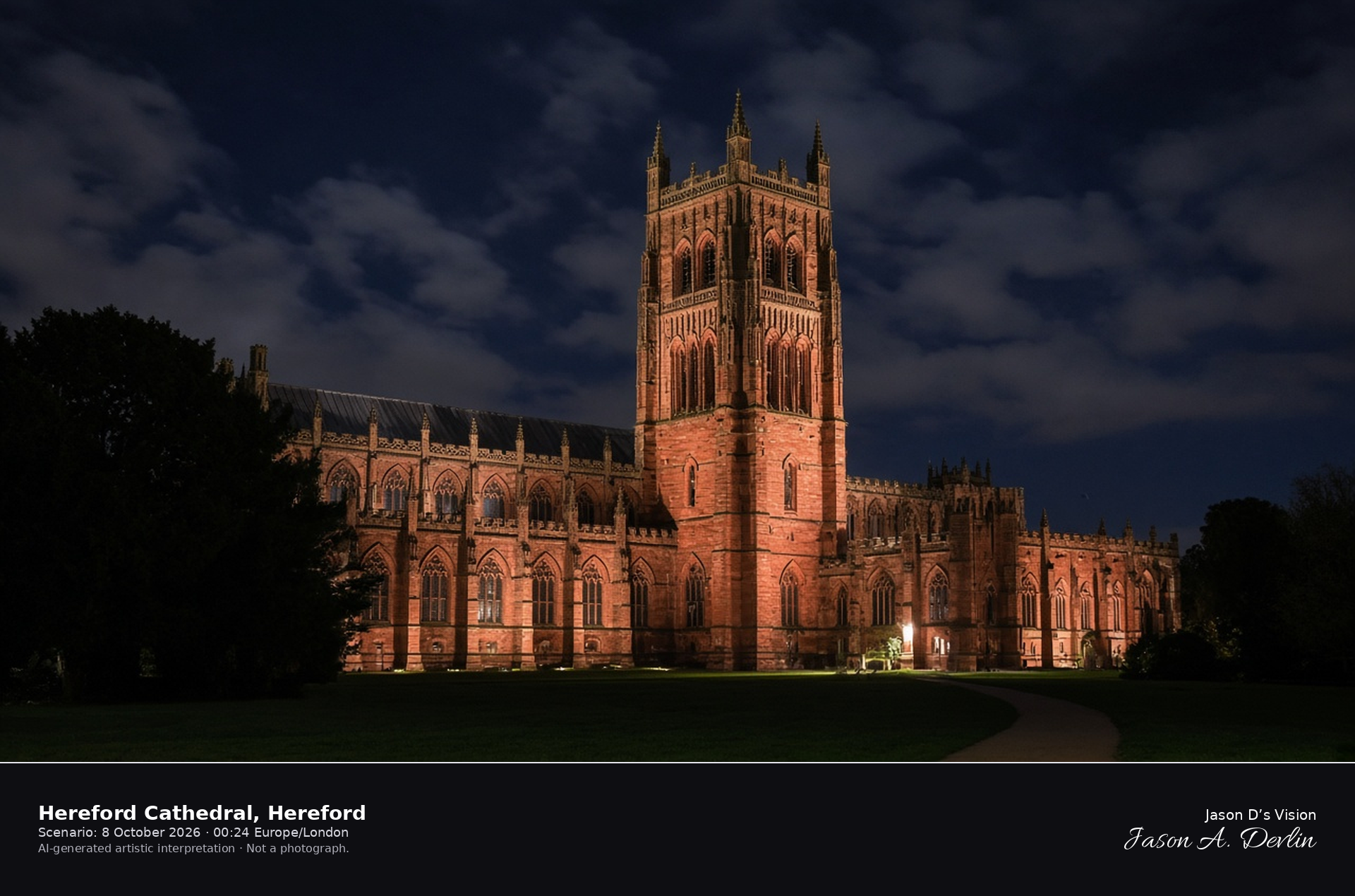
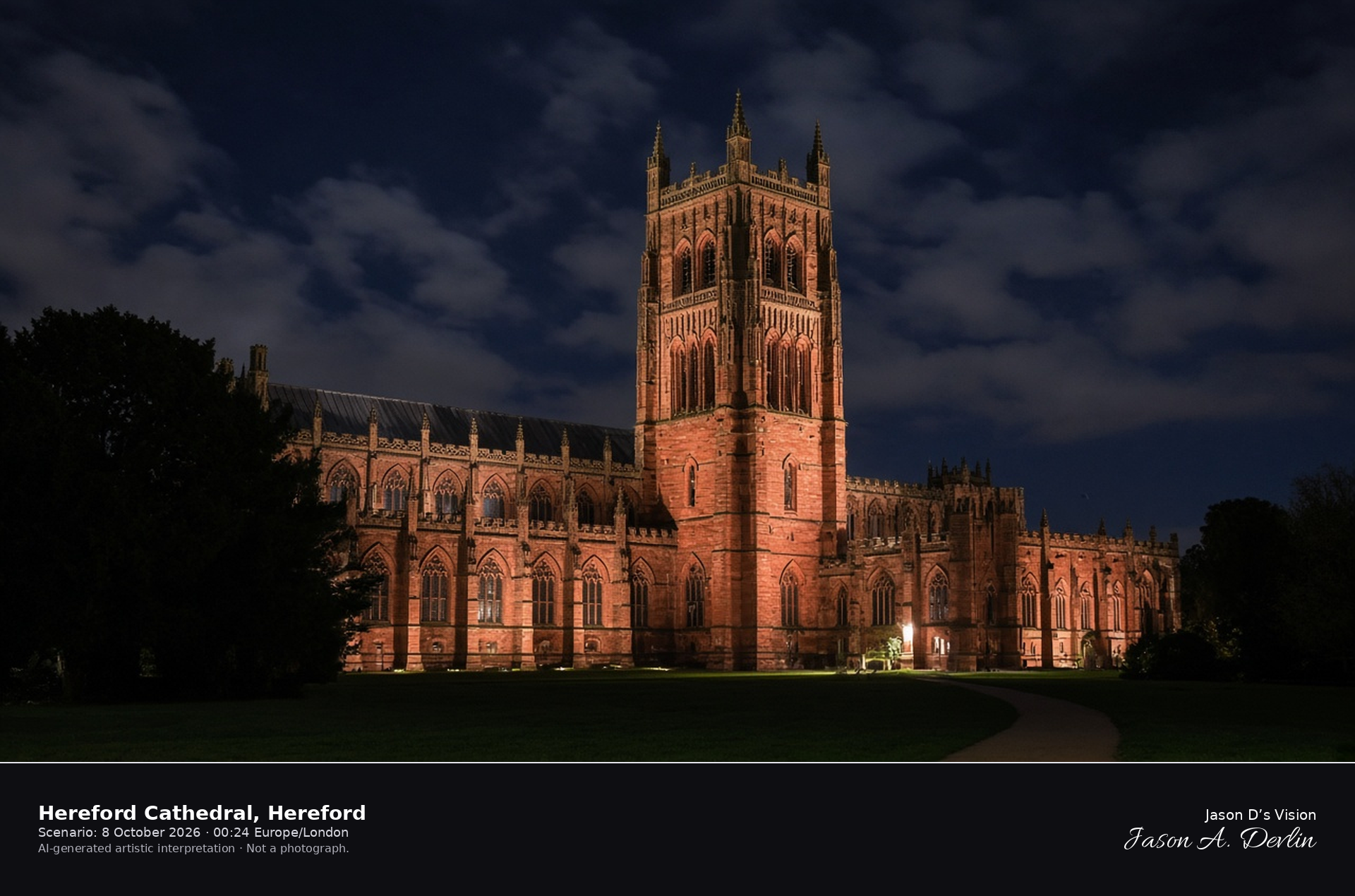
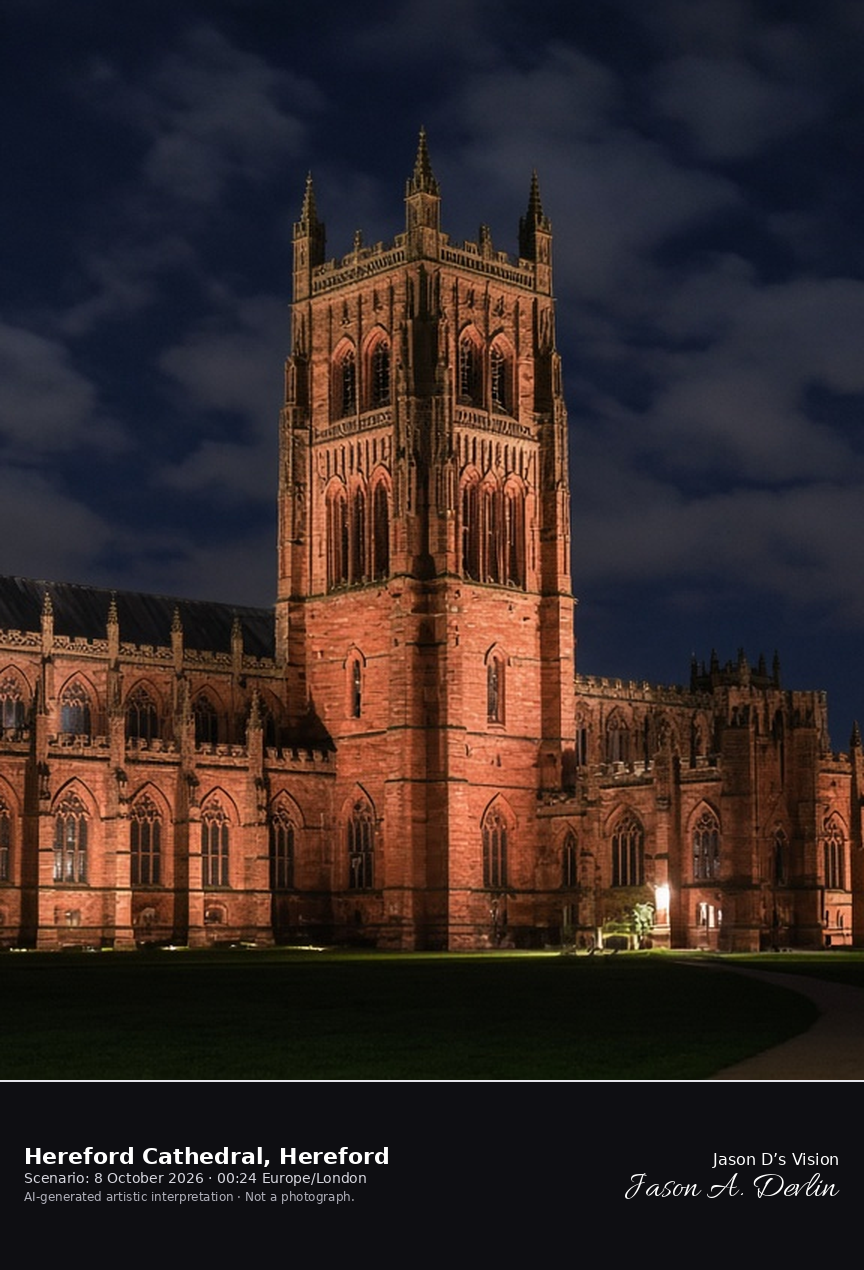
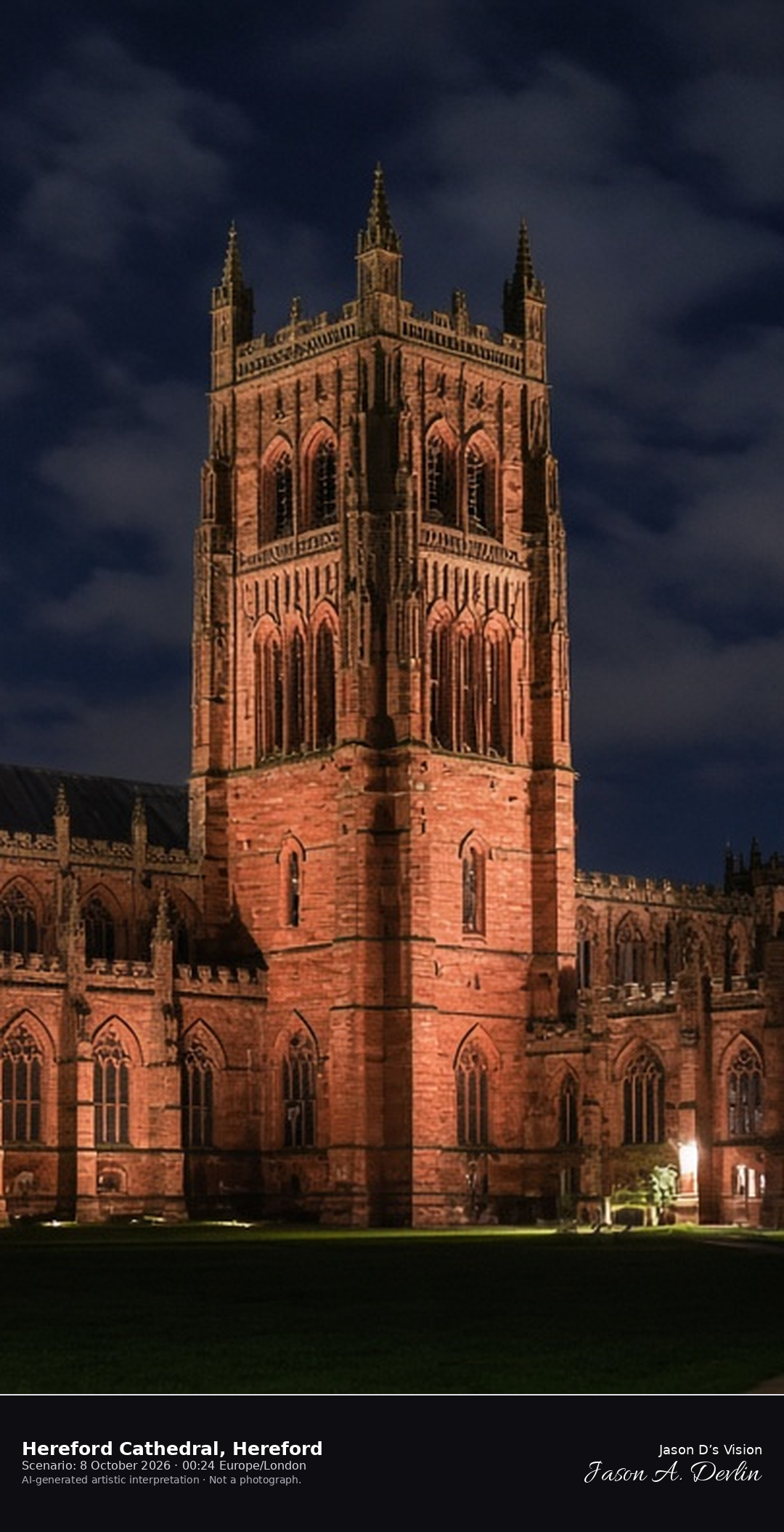
Hereford Cathedral is home to the Mappa Mundi, a medieval map of the world from about 1300, and one of the largest surviving chained libraries. Its central tower dates from the early 14th century.
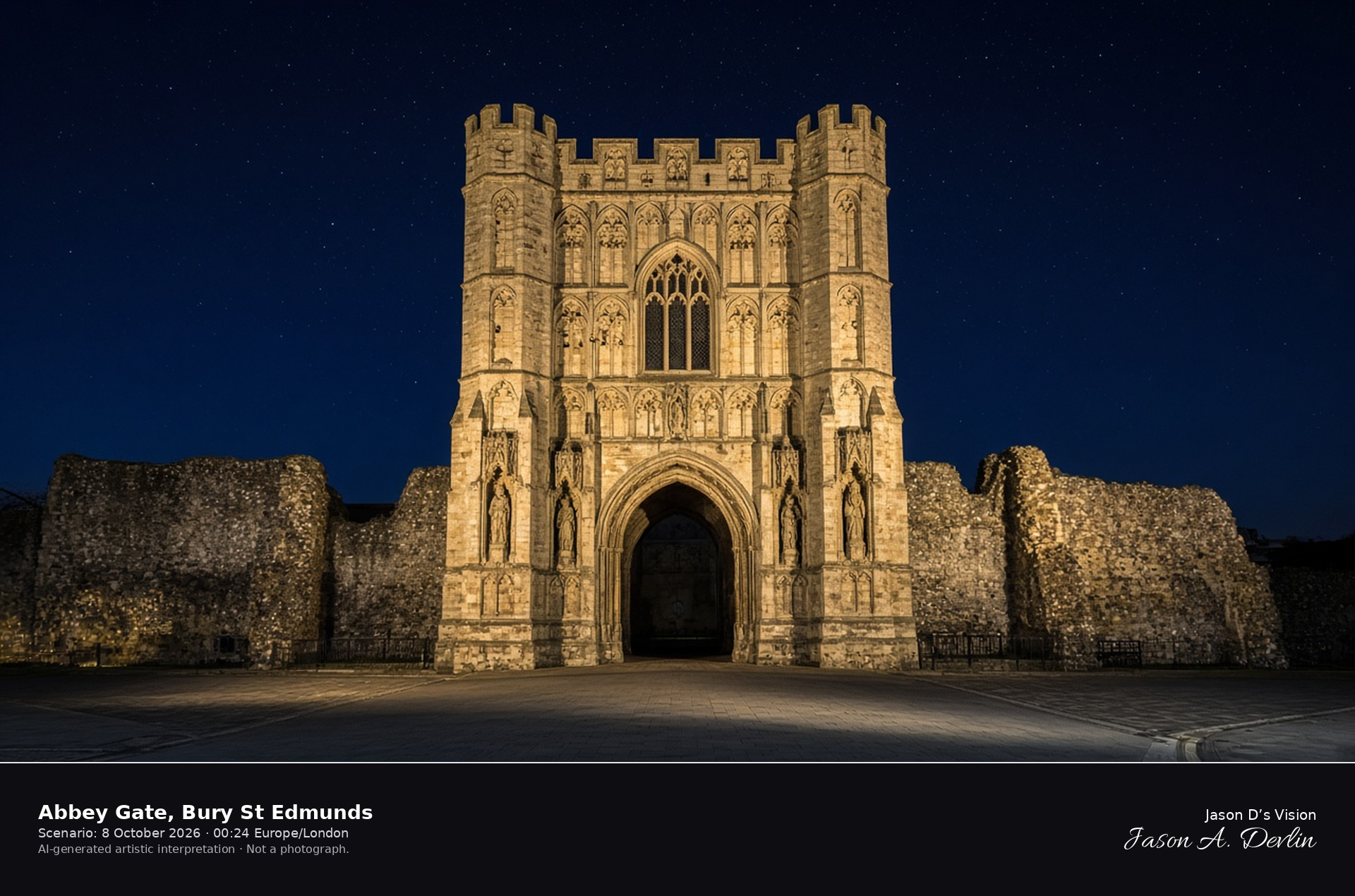
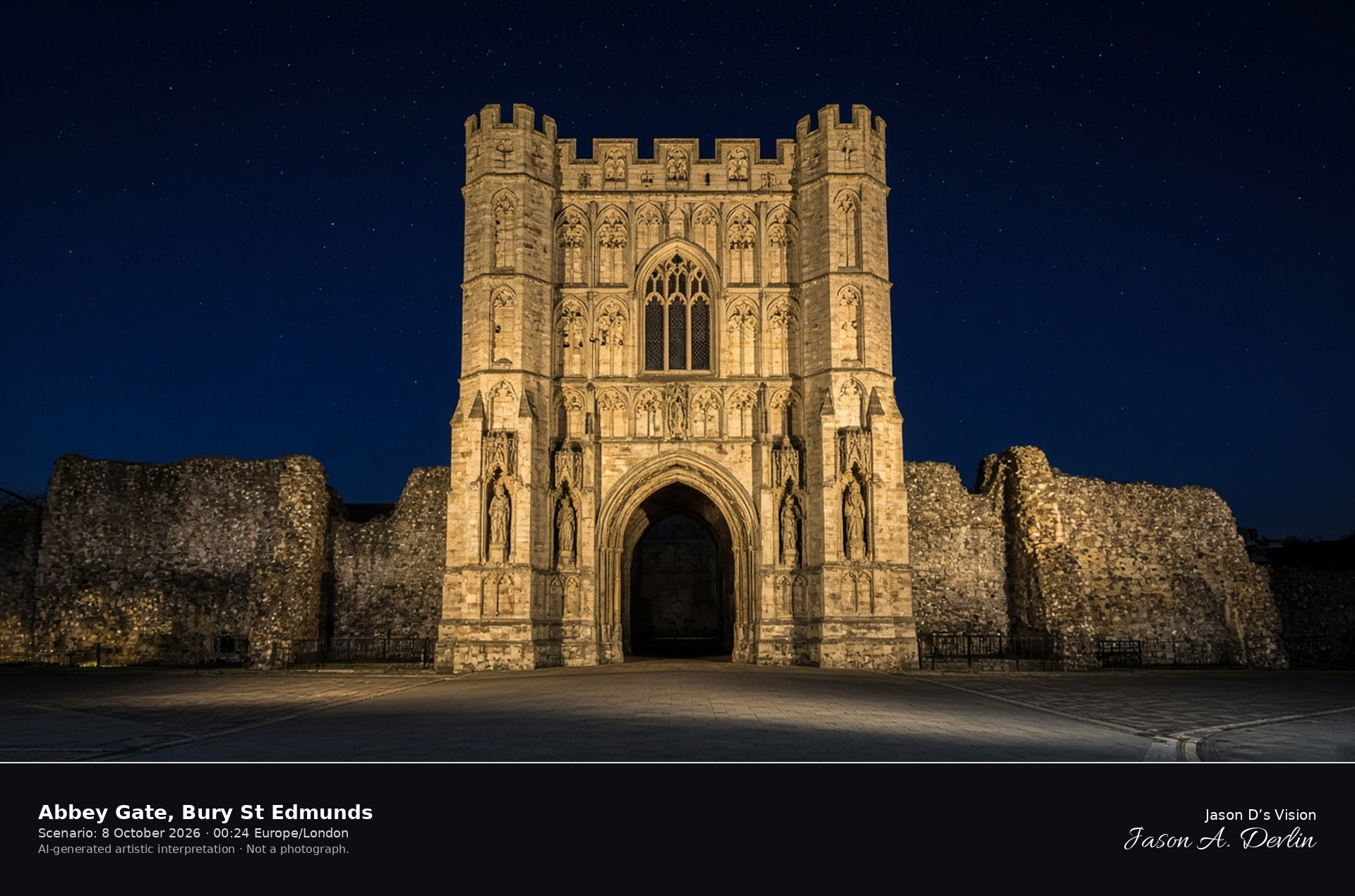
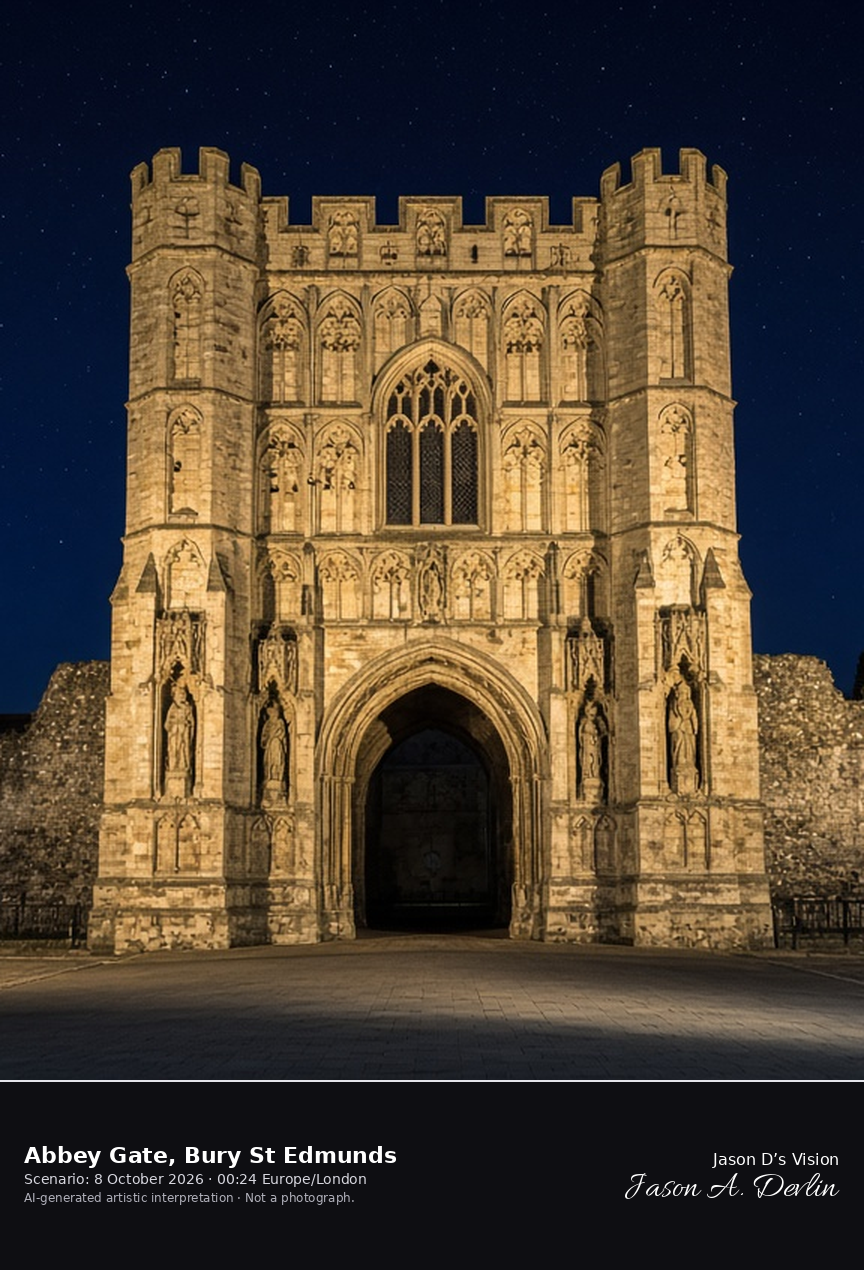
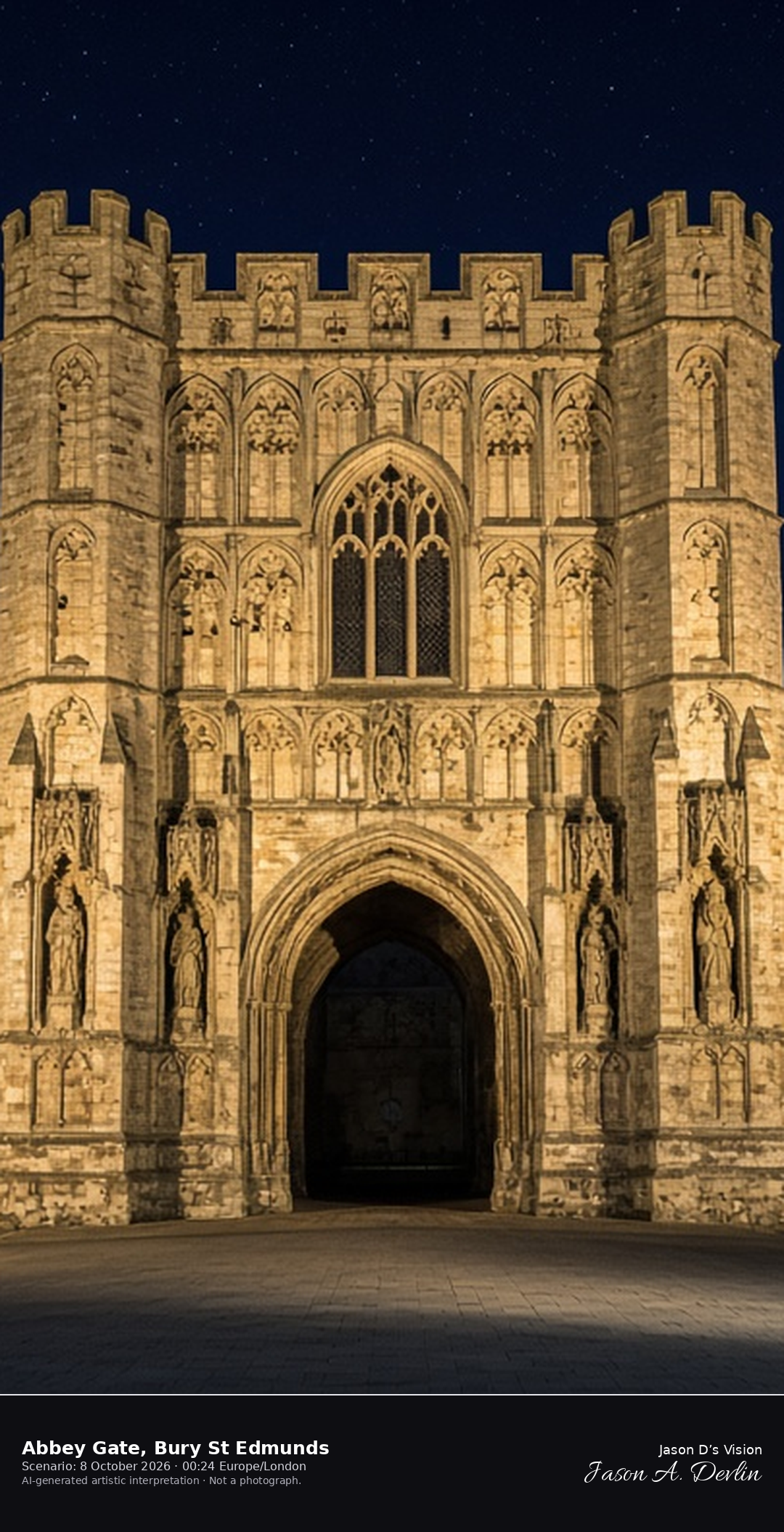
Abbey Gate, Bury St Edmunds · AI-generated artistic interpretation
The gate was rebuilt in the mid-14th century after townspeople destroyed the earlier gate in a riot against the abbey in 1327. It now leads into the Abbey Gardens and the ruins of the abbey of St Edmund.
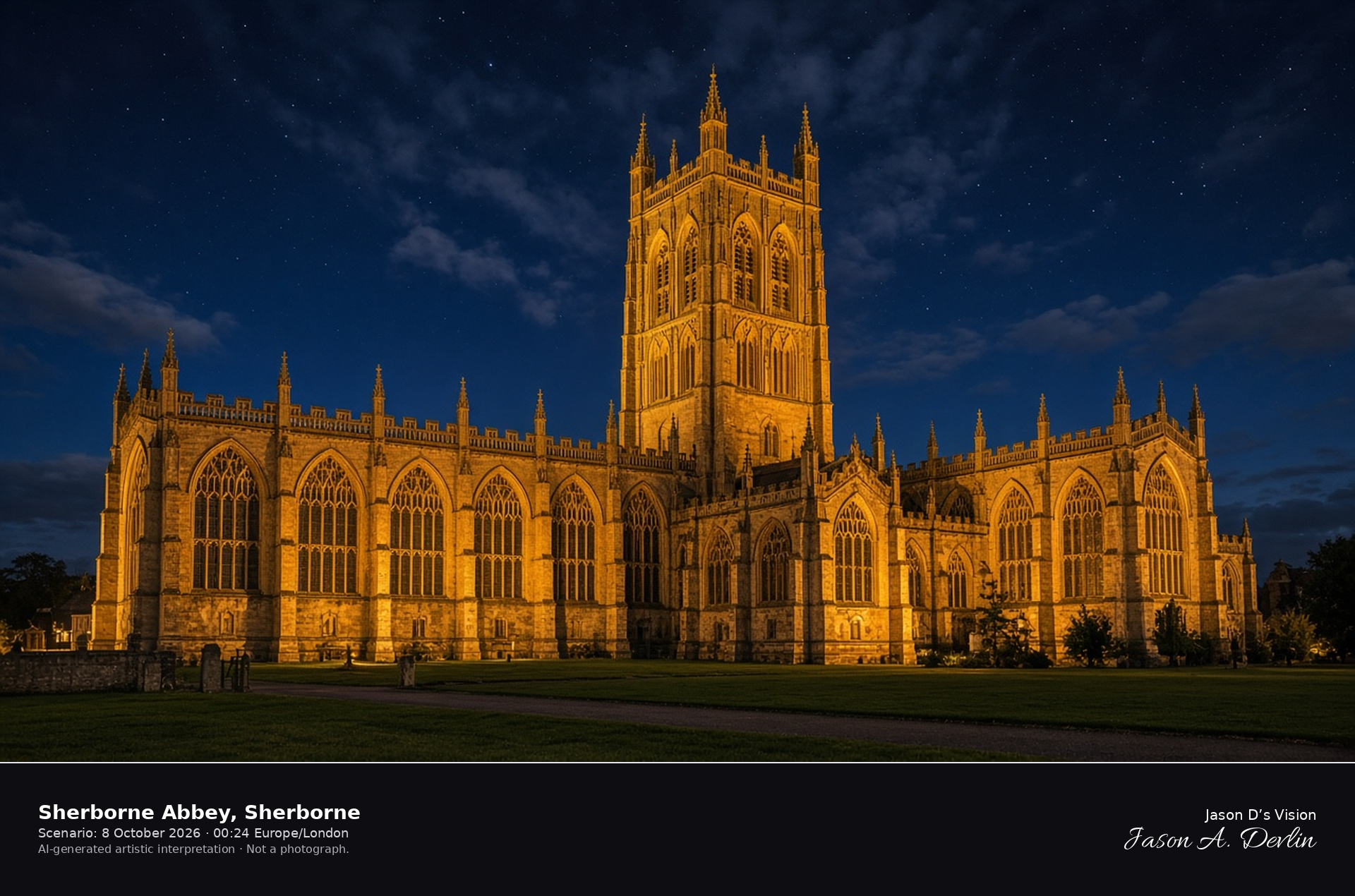
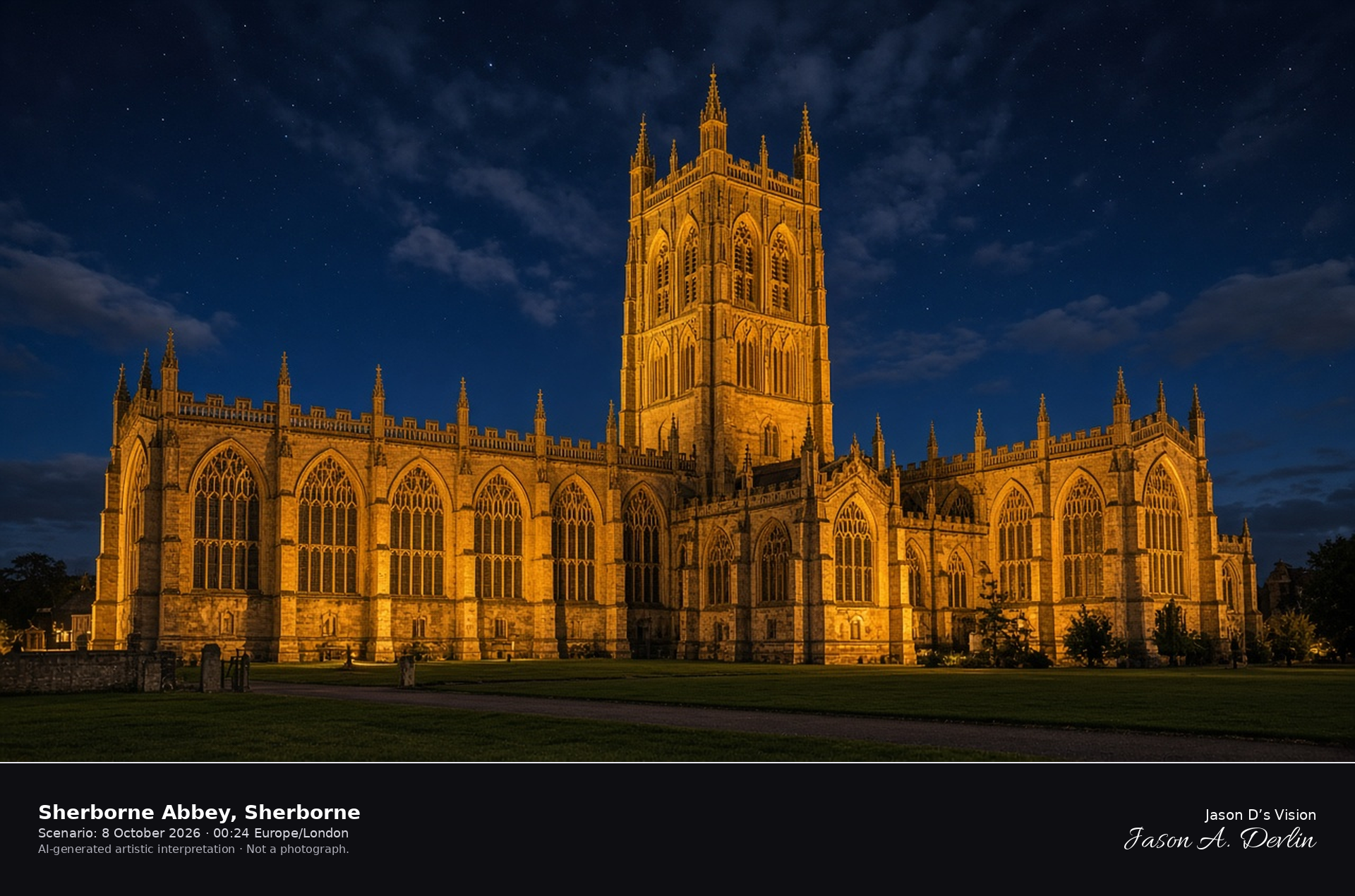
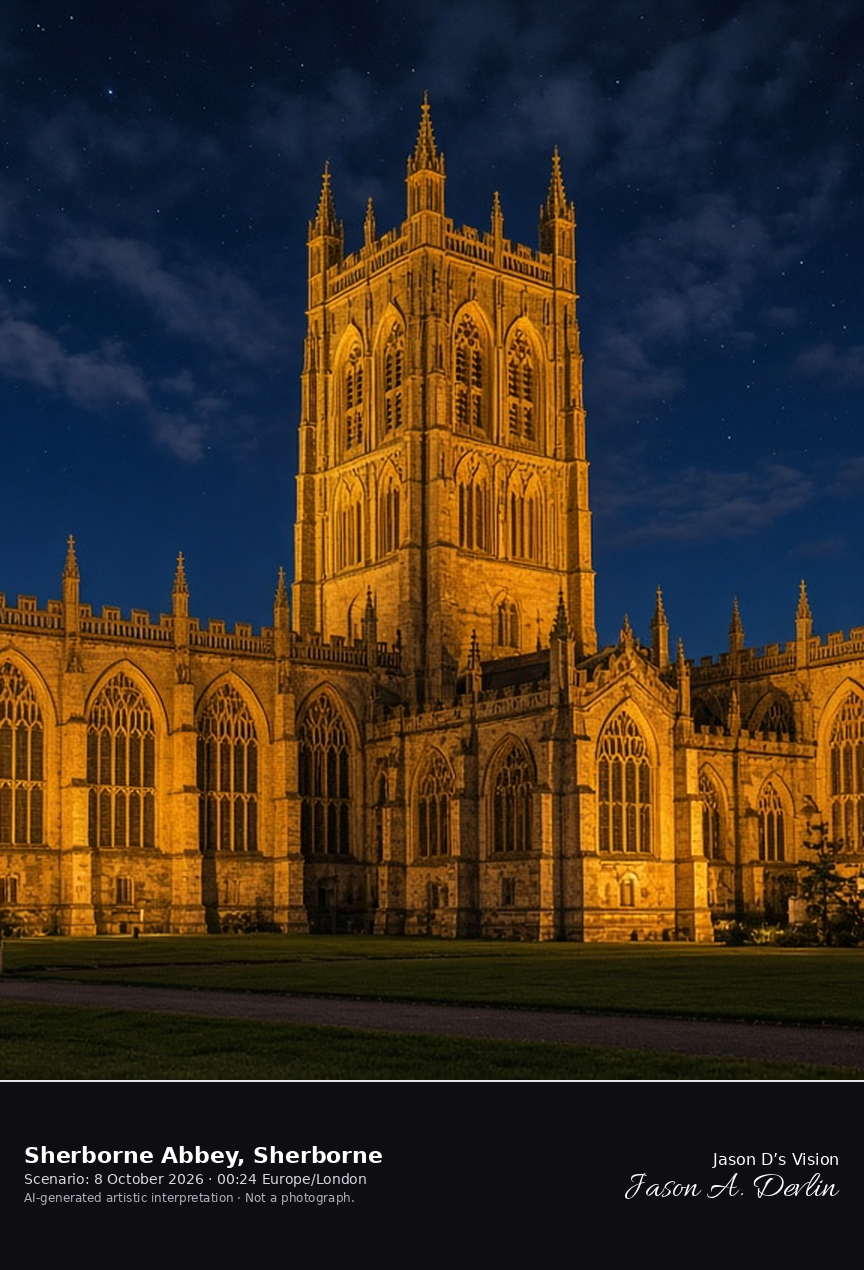
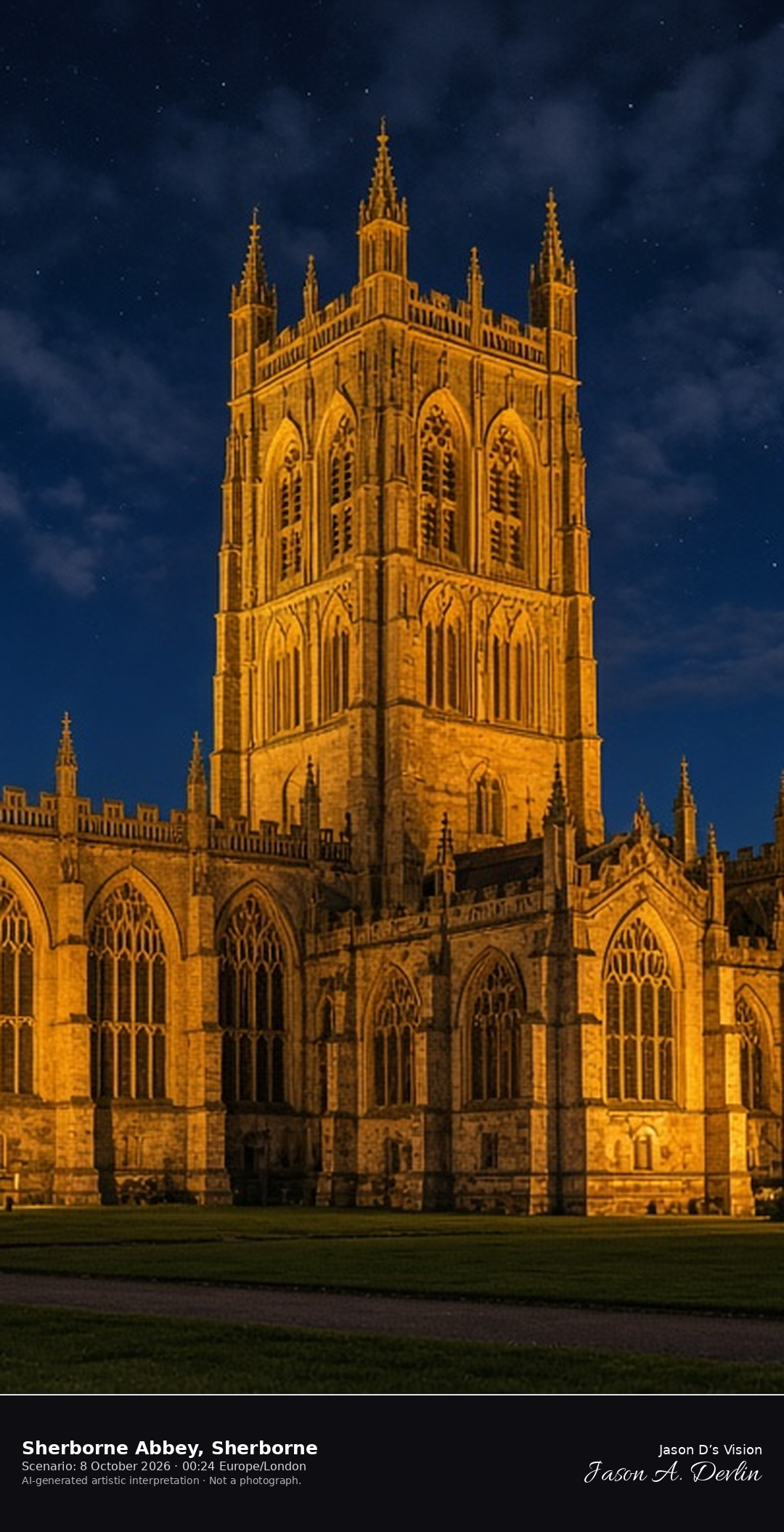
Sherborne was a cathedral in Saxon times and later a Benedictine abbey. The townspeople bought the church after the Dissolution, and its 15th-century fan vaulting is among the earliest of its kind.
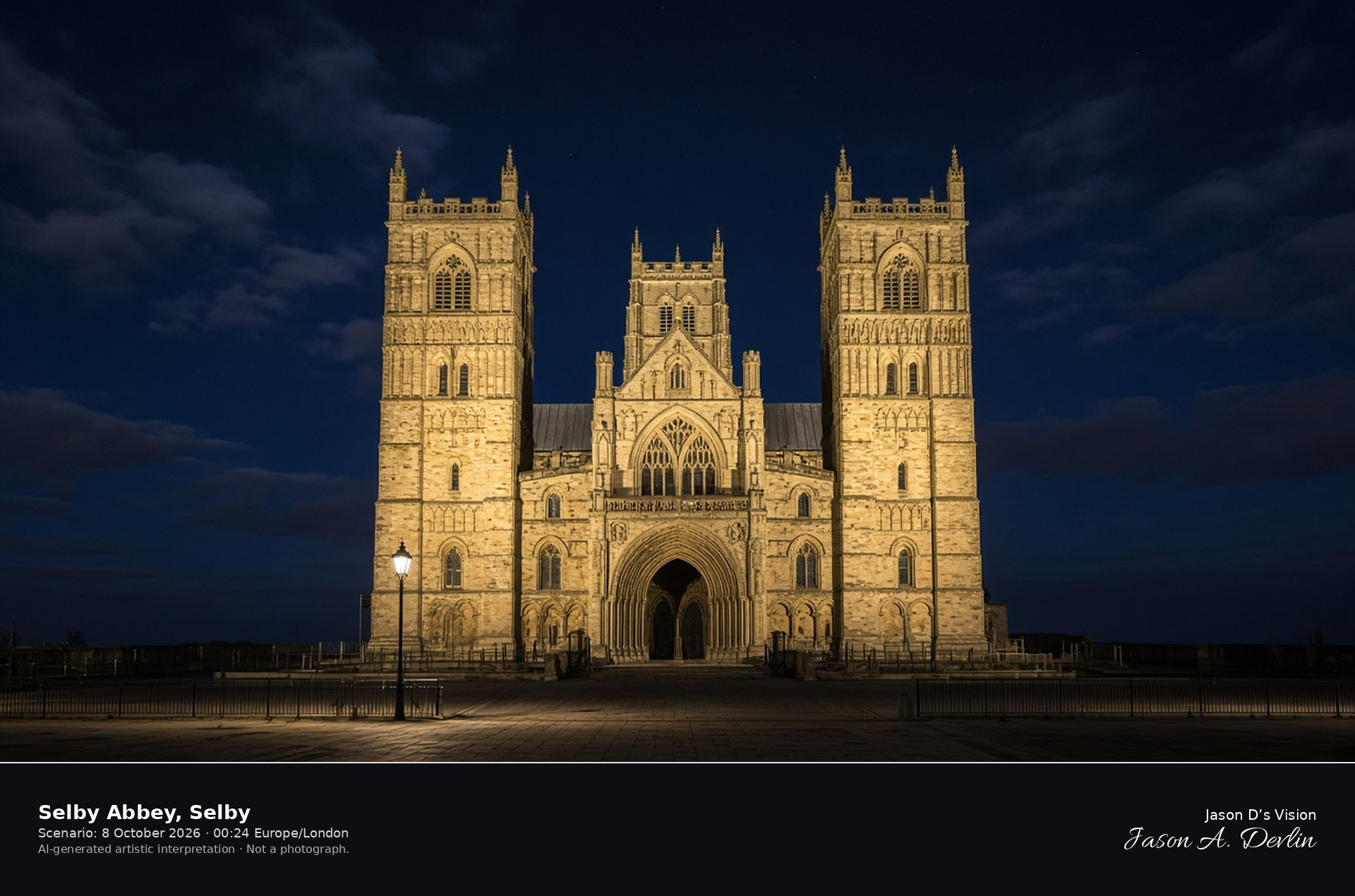
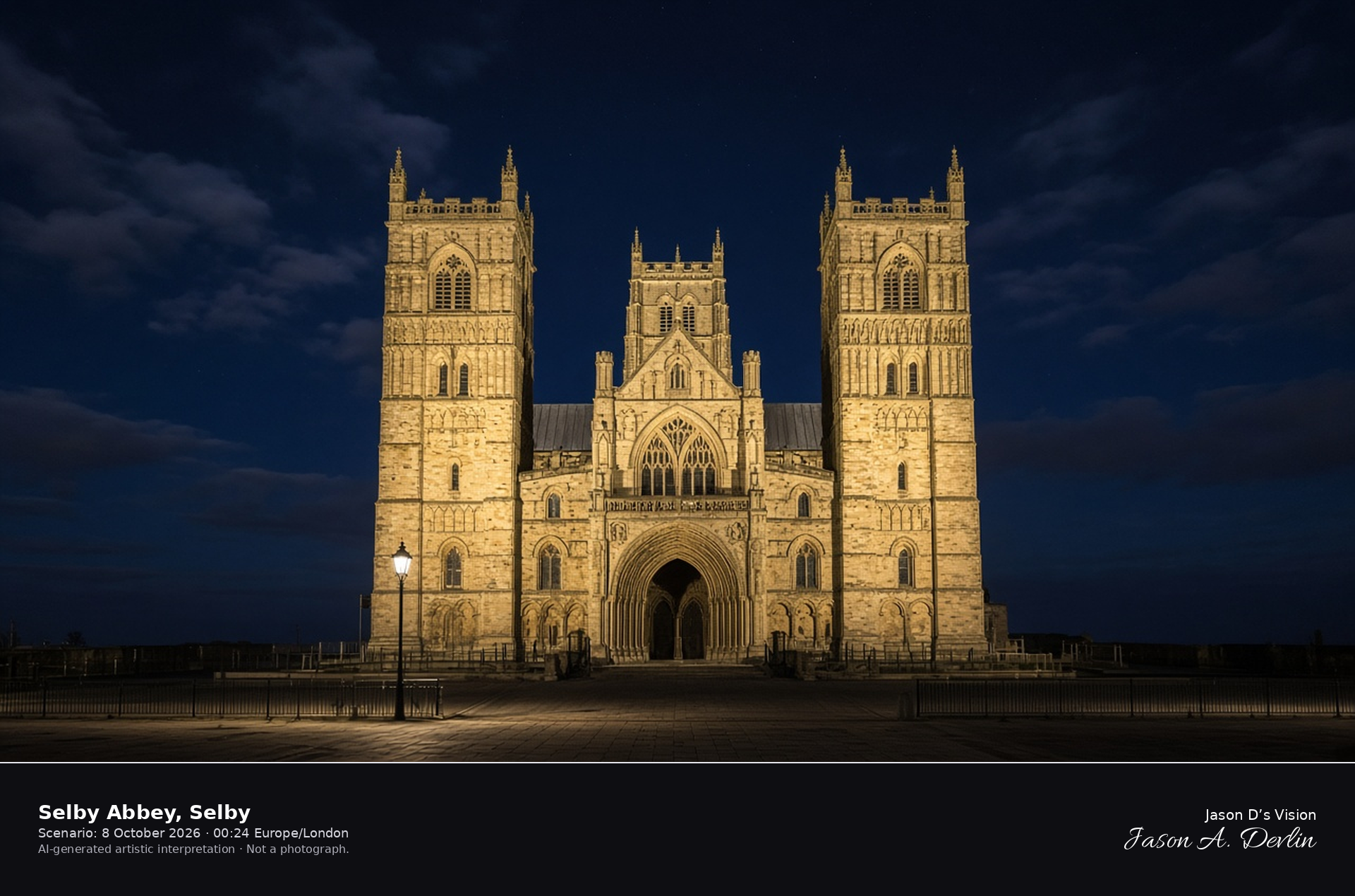
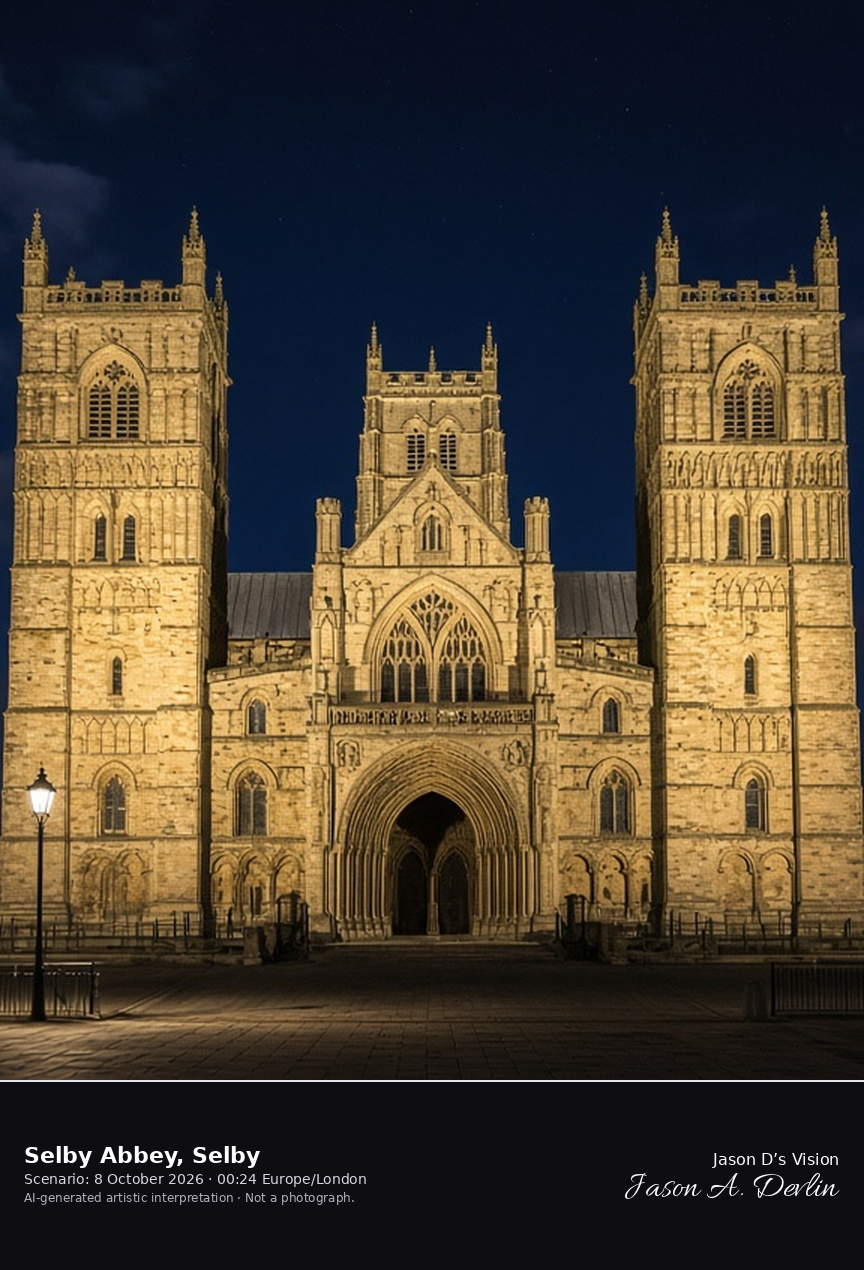
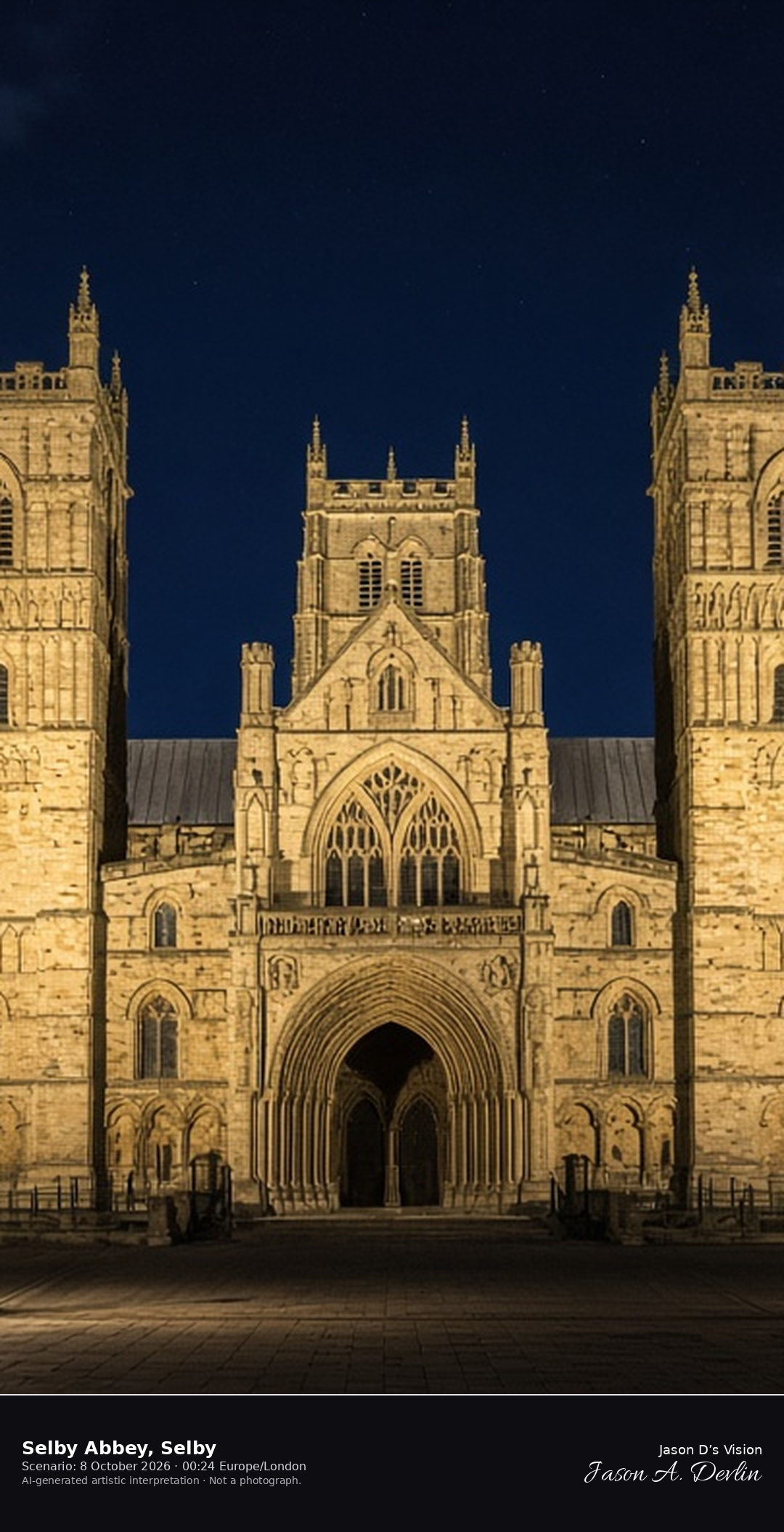
Selby Abbey was founded in 1069 by Benedict of Auxerre and survived the Dissolution as the town's parish church. The upper stages of its west towers were only completed in 1935, after a fire in 1906.
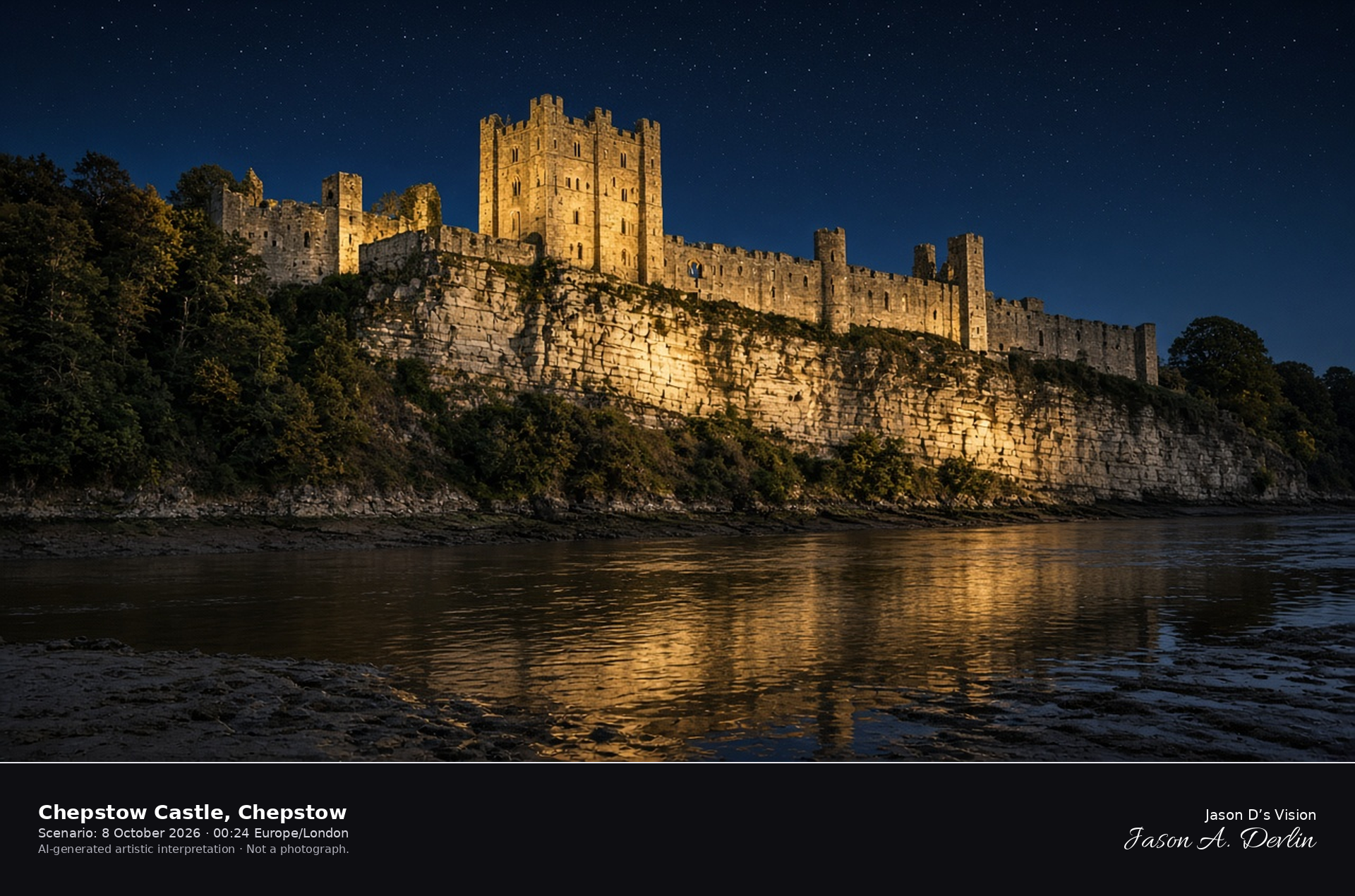
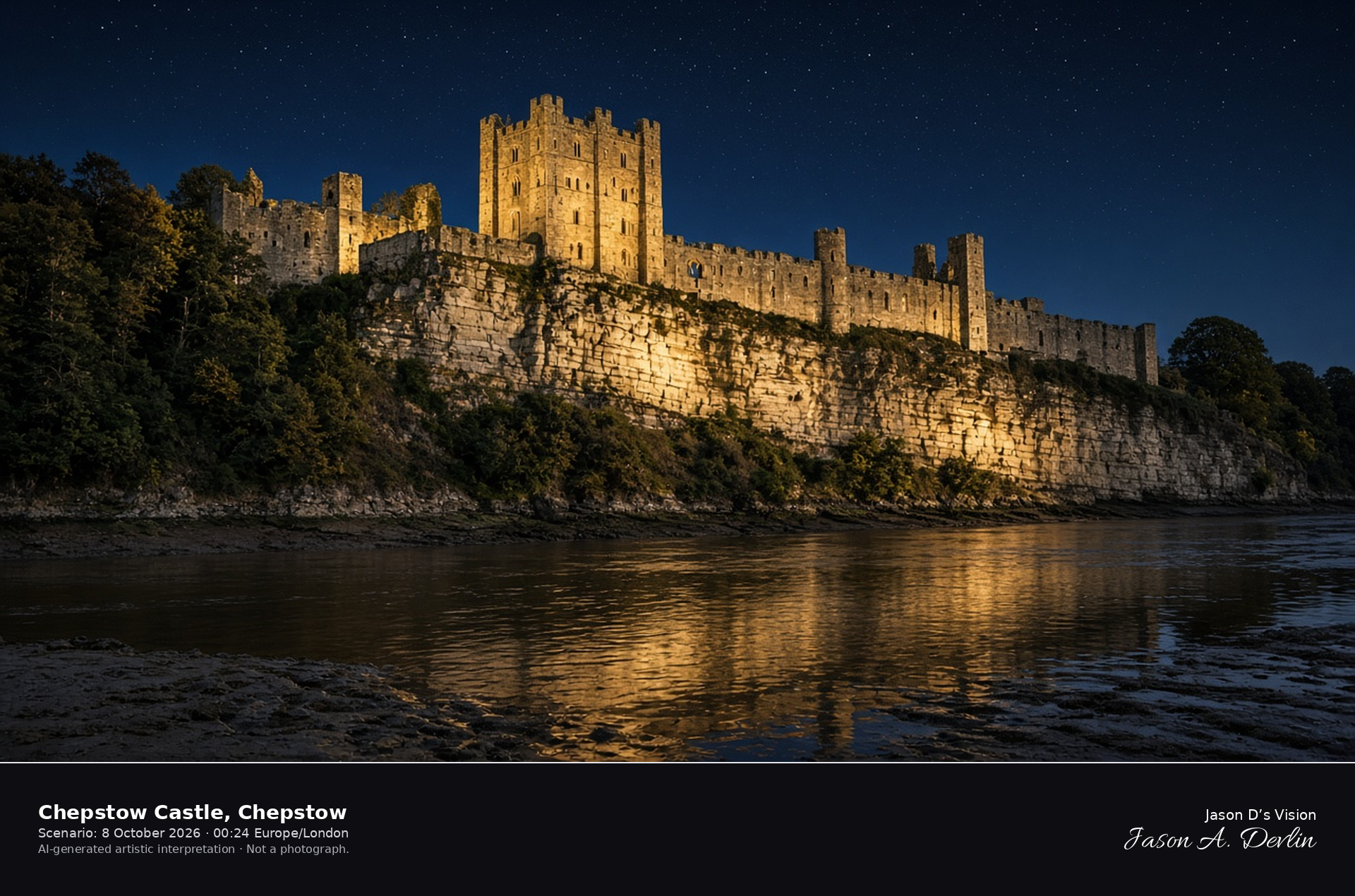
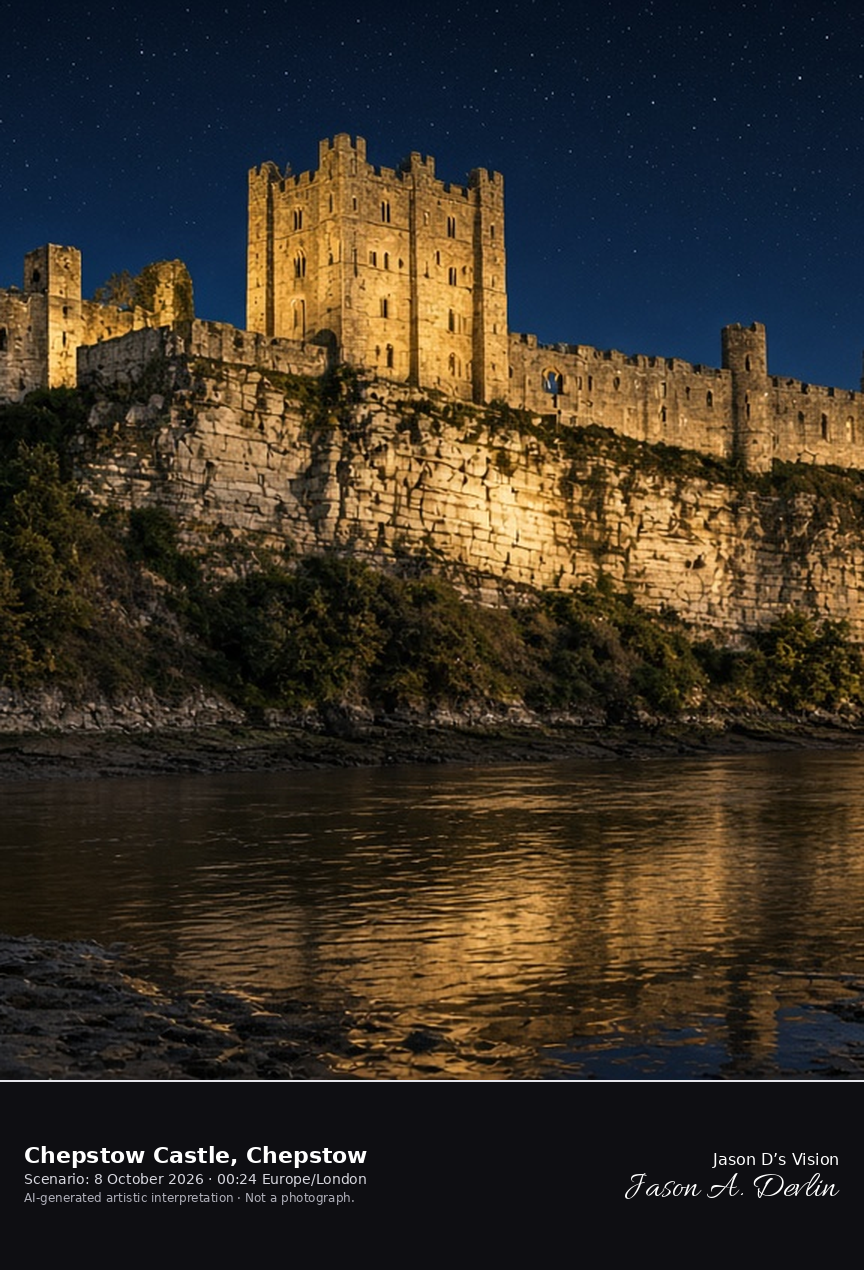
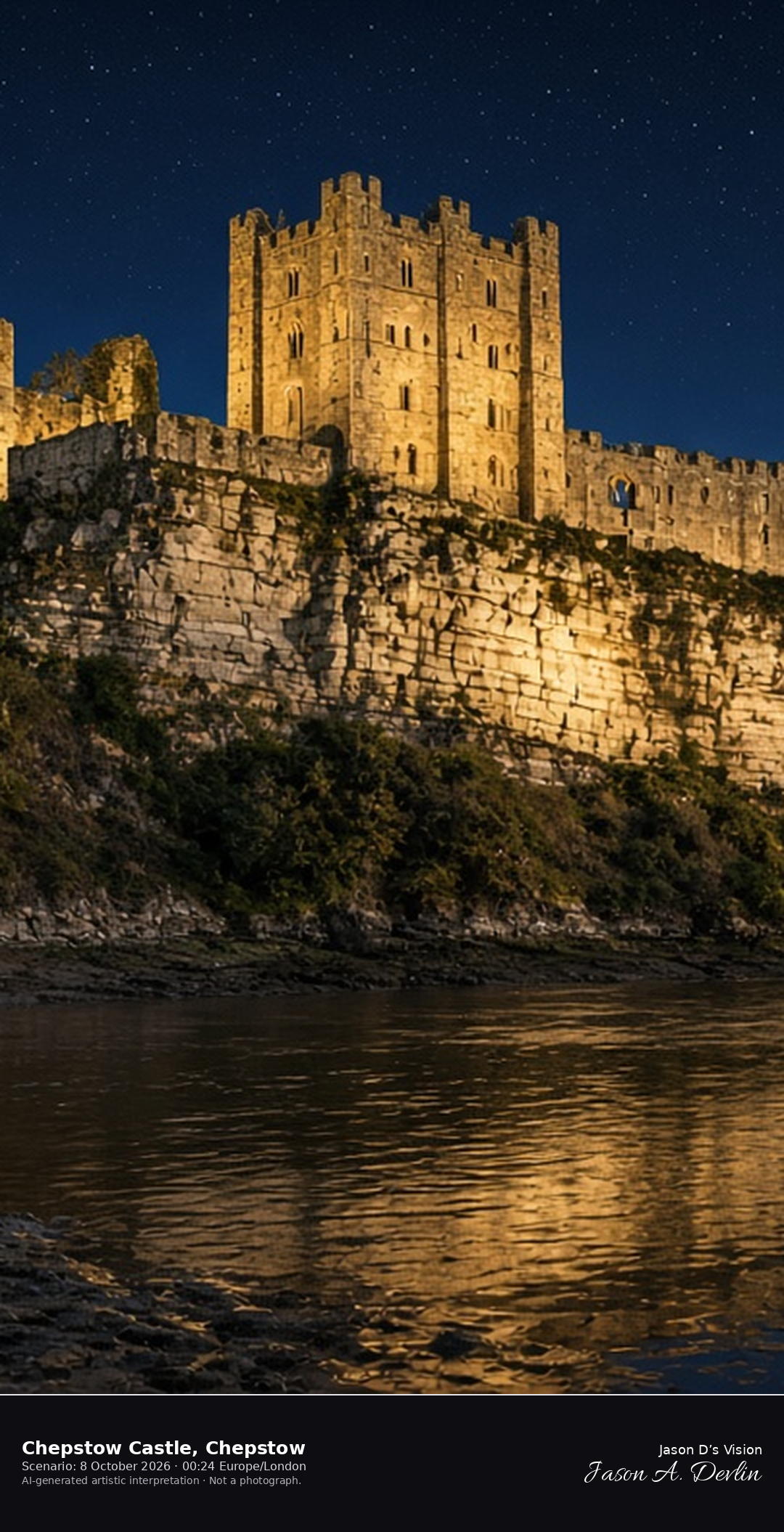
Chepstow Castle was begun in 1067 by William FitzOsbern, a close ally of William the Conqueror, and is one of the oldest surviving stone castles in Britain. It was extended over the next 600 years.
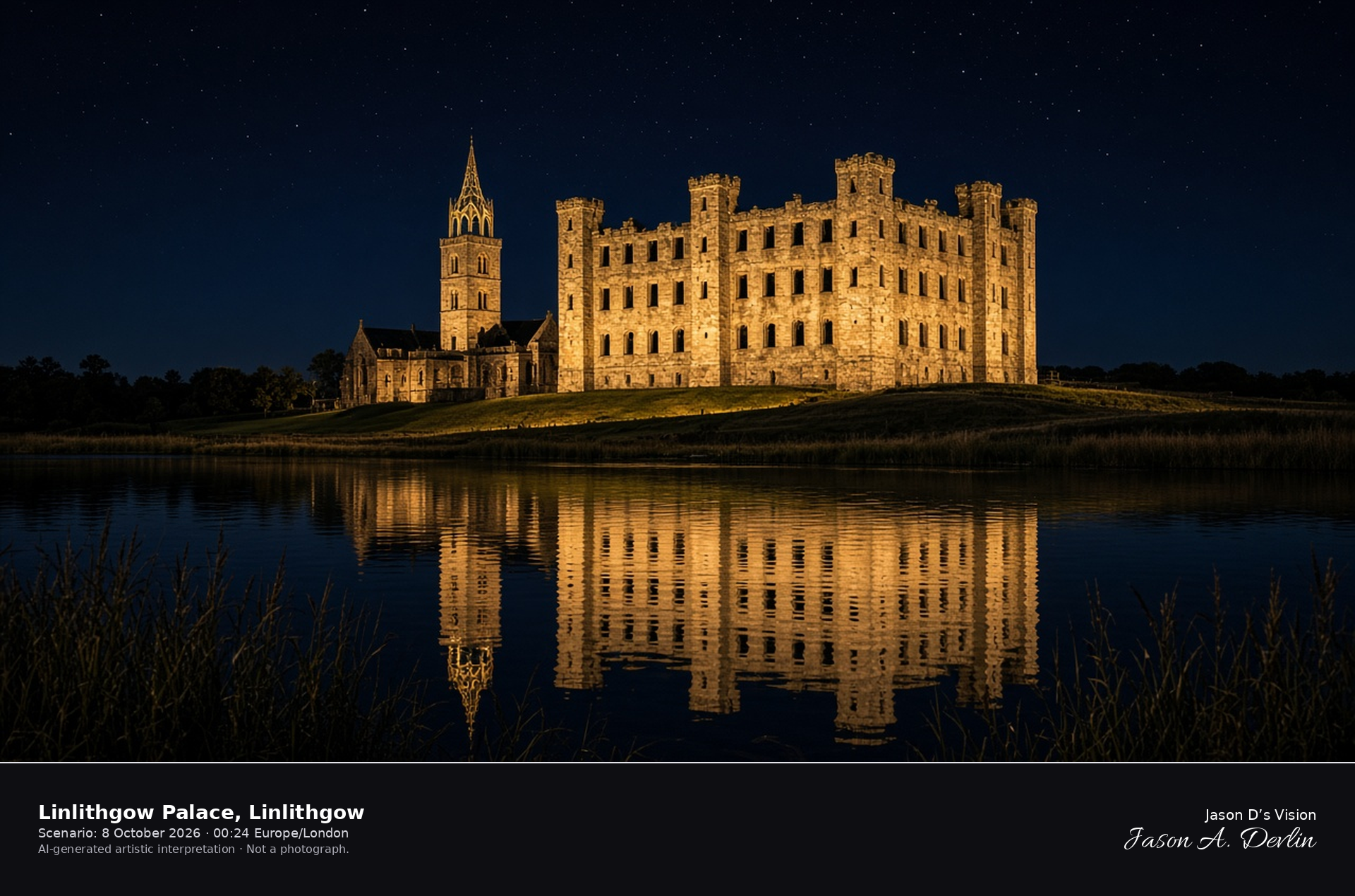
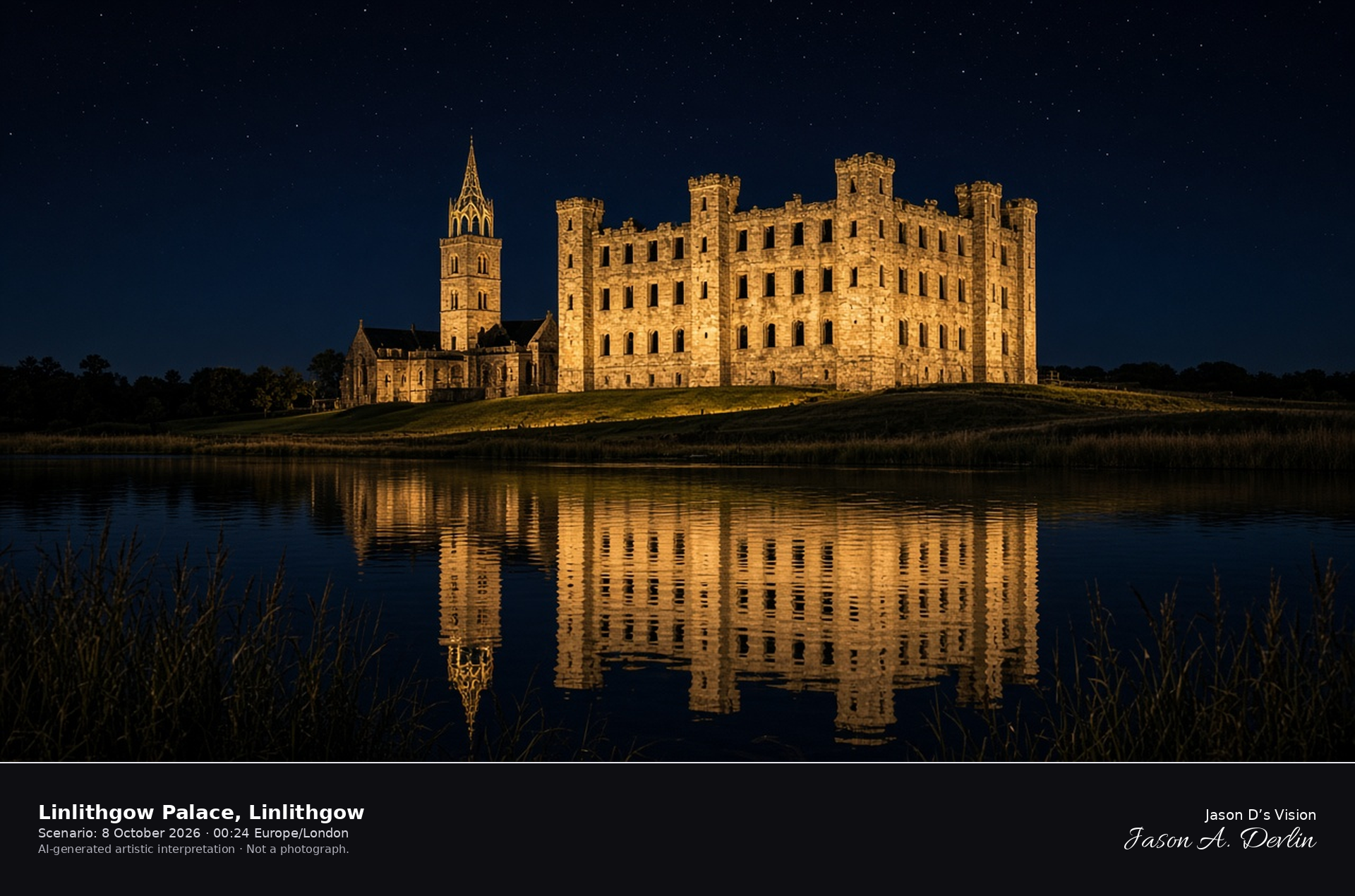
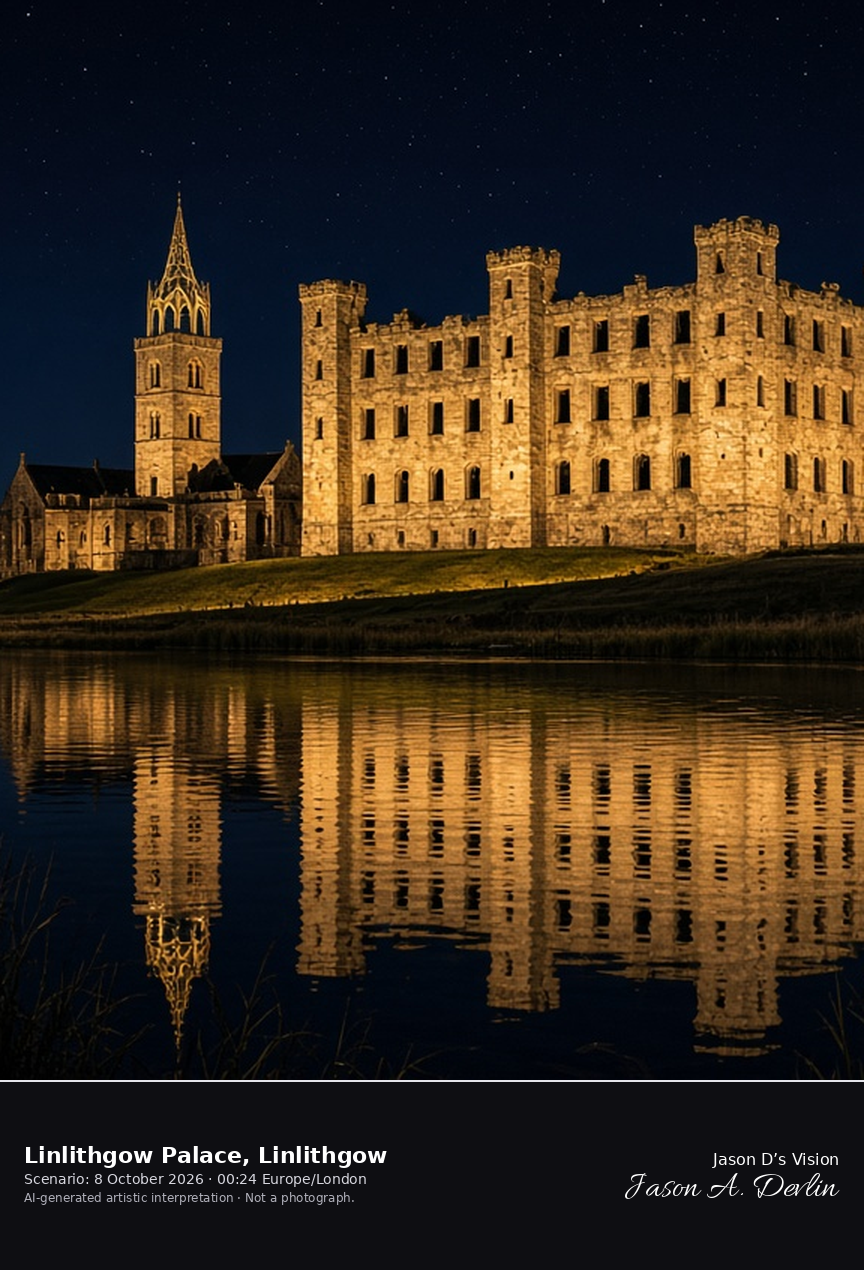
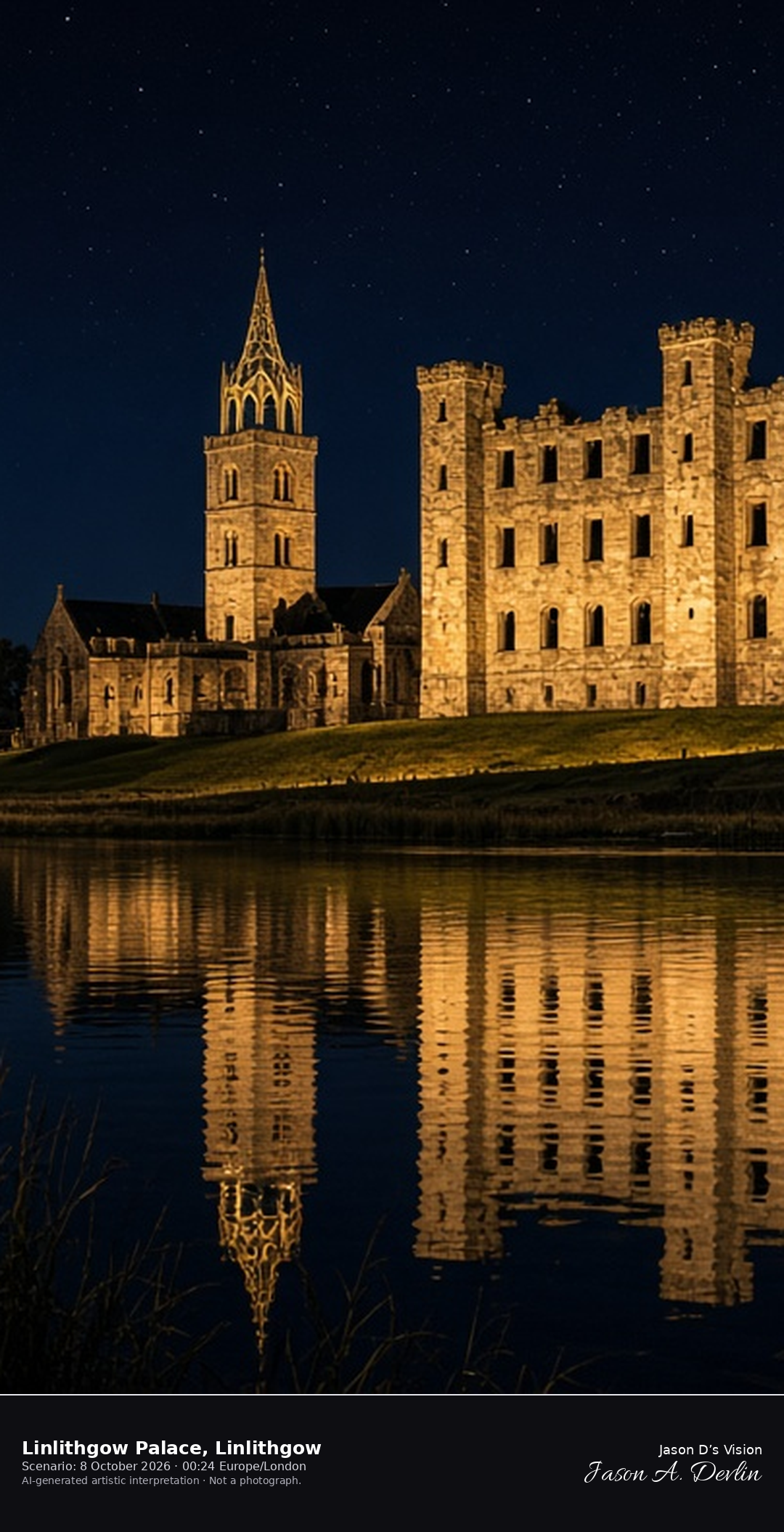
Linlithgow Palace, the pleasure palace of the Stewart kings beside its quiet loch, was the birthplace in 1542 of Mary Queen of Scots, and of her father James the Fifth before her. A fire associated with government troops in 1746 left it roofless, and roofless it has remained — the most romantic royal ruin in Scotland.
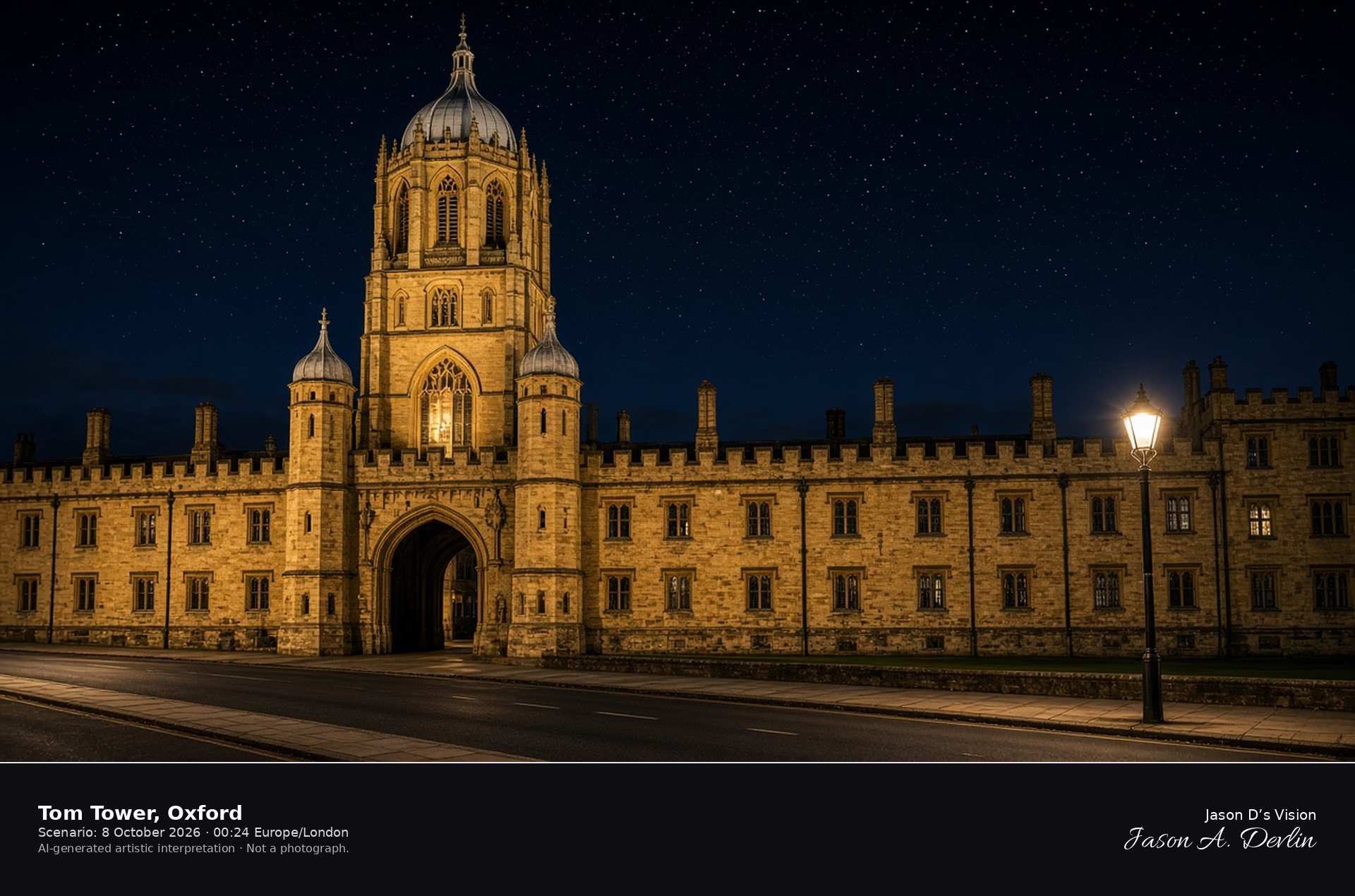
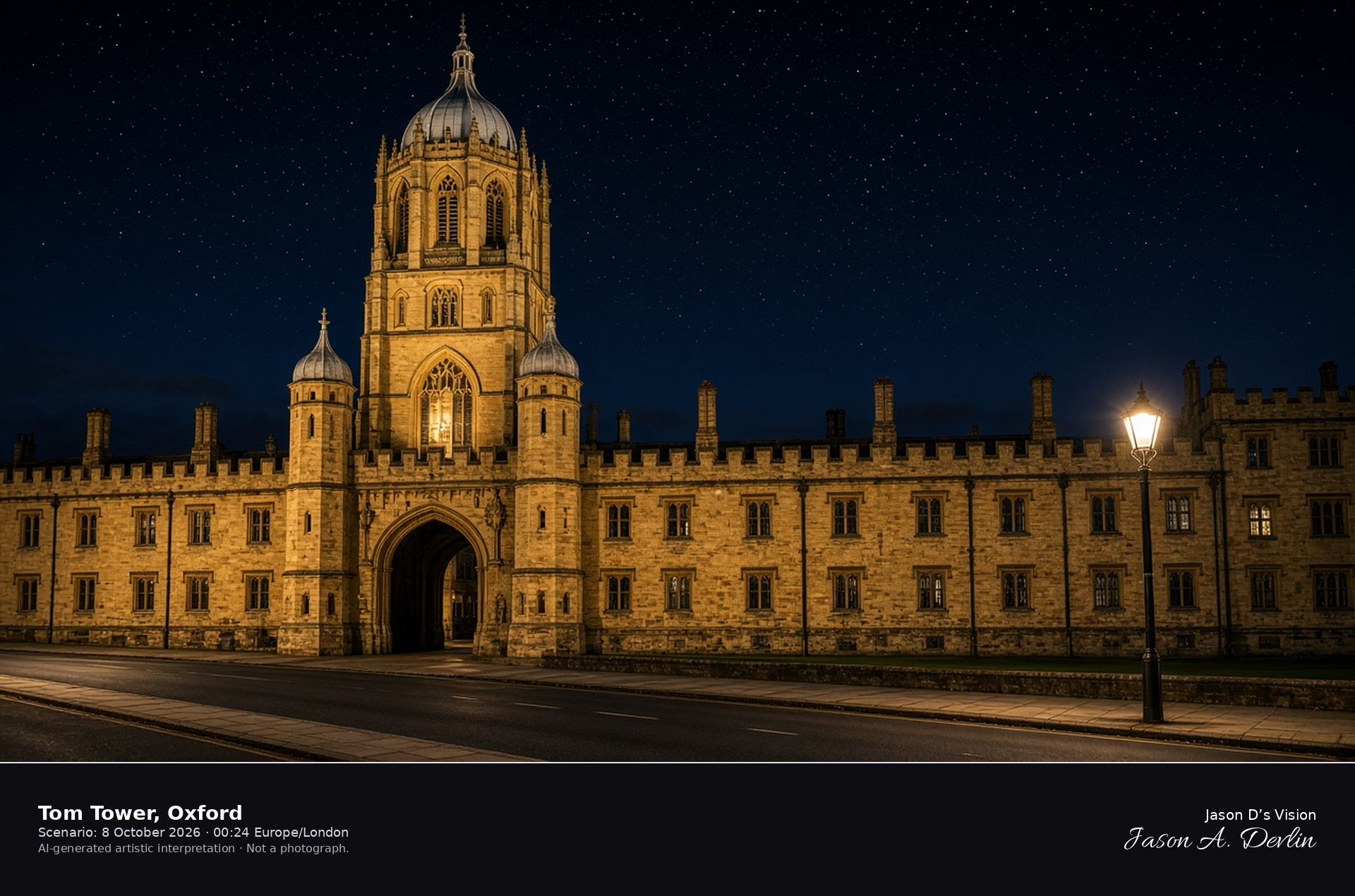
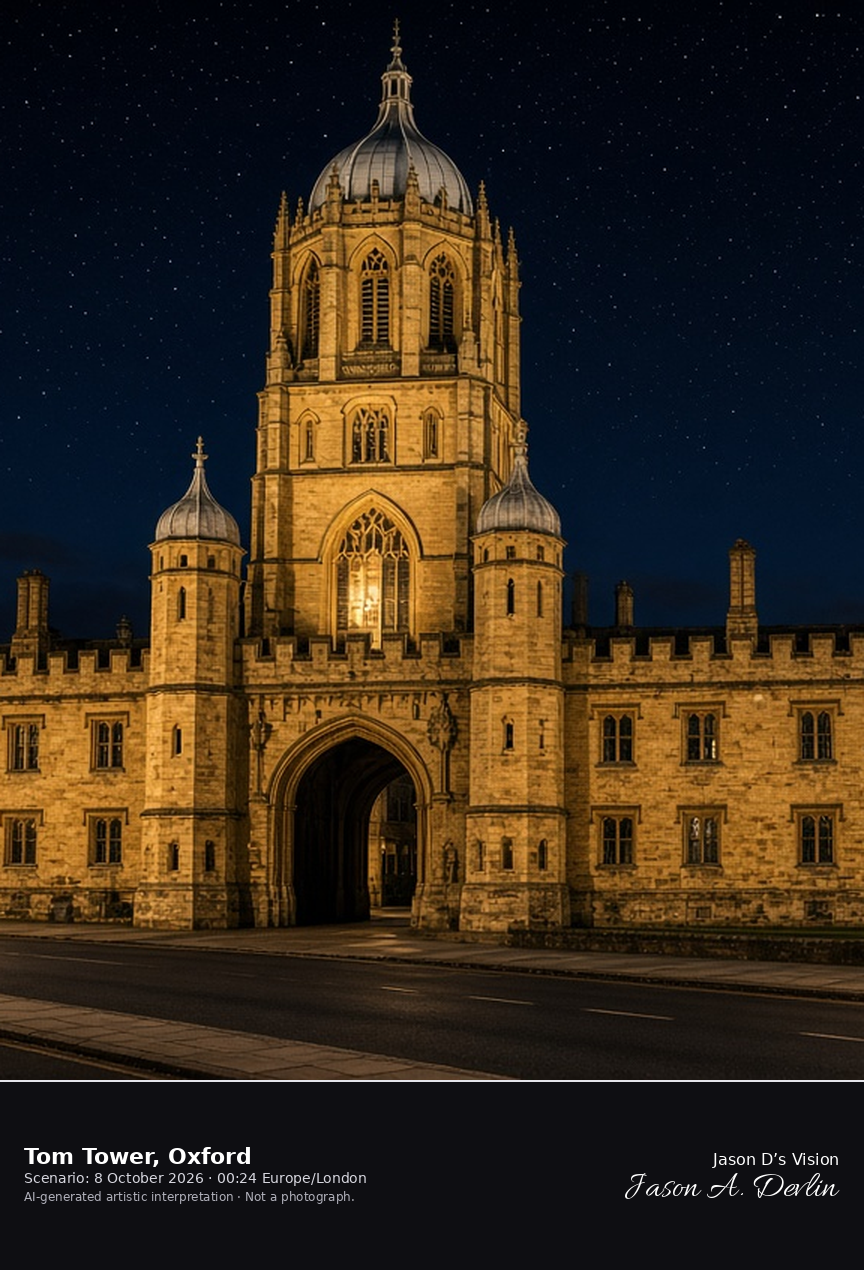
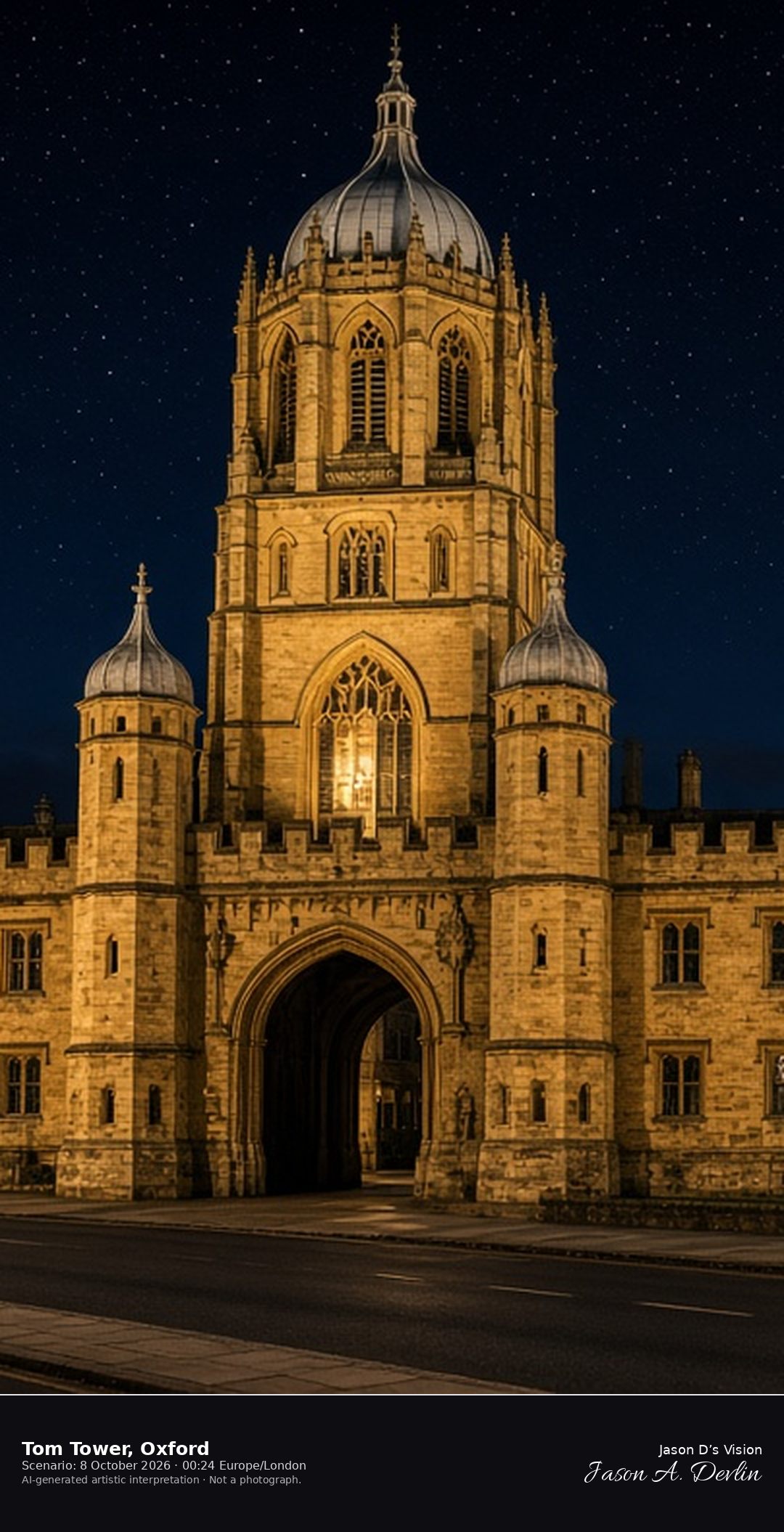
Tom Tower, Oxford · AI-generated artistic interpretation
Christopher Wren completed Tom Tower in 1682 over Cardinal Wolsey's unfinished gateway. Its bell, Great Tom, still rings 101 times every evening, once for each of the college's original students.
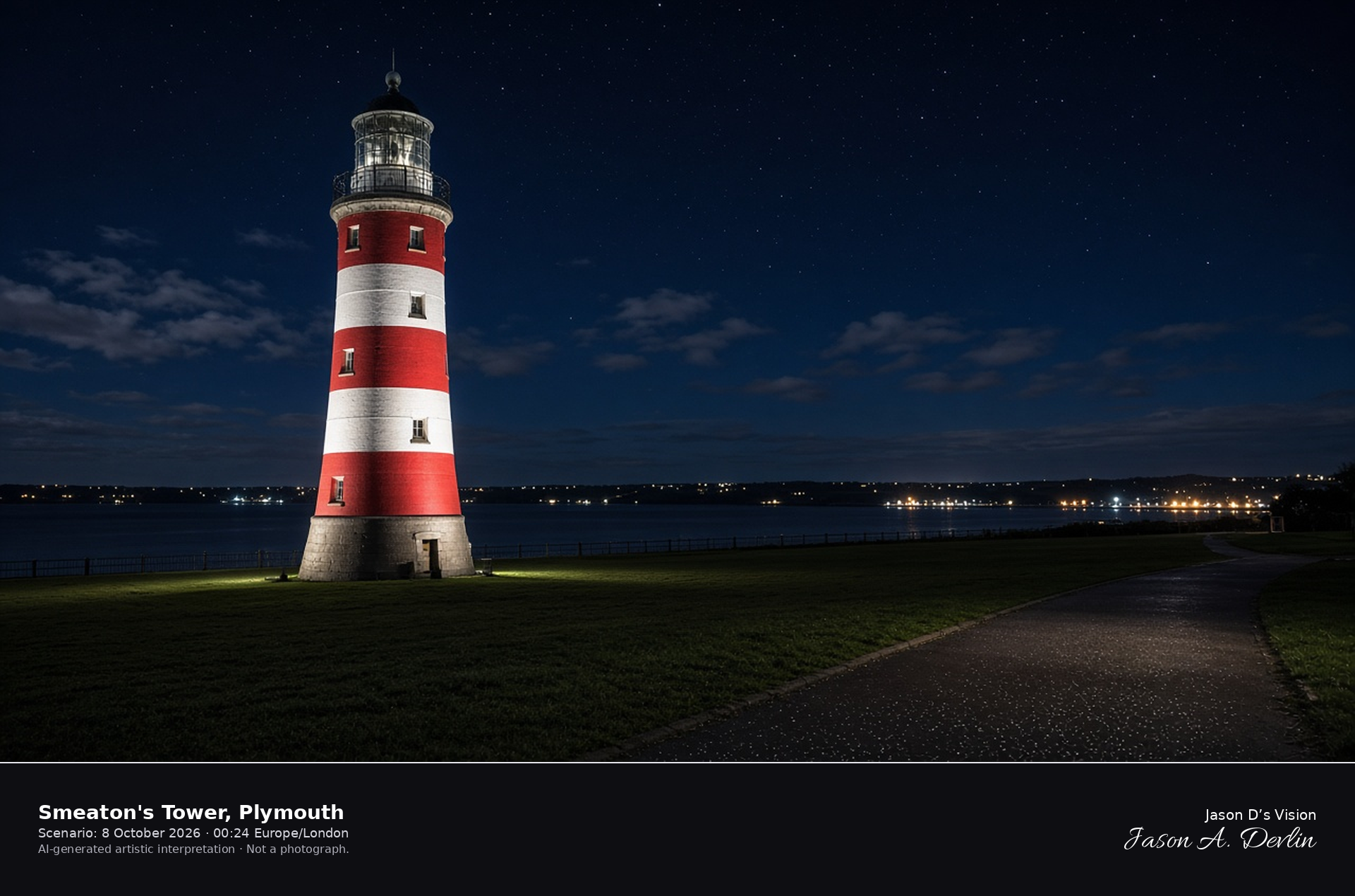
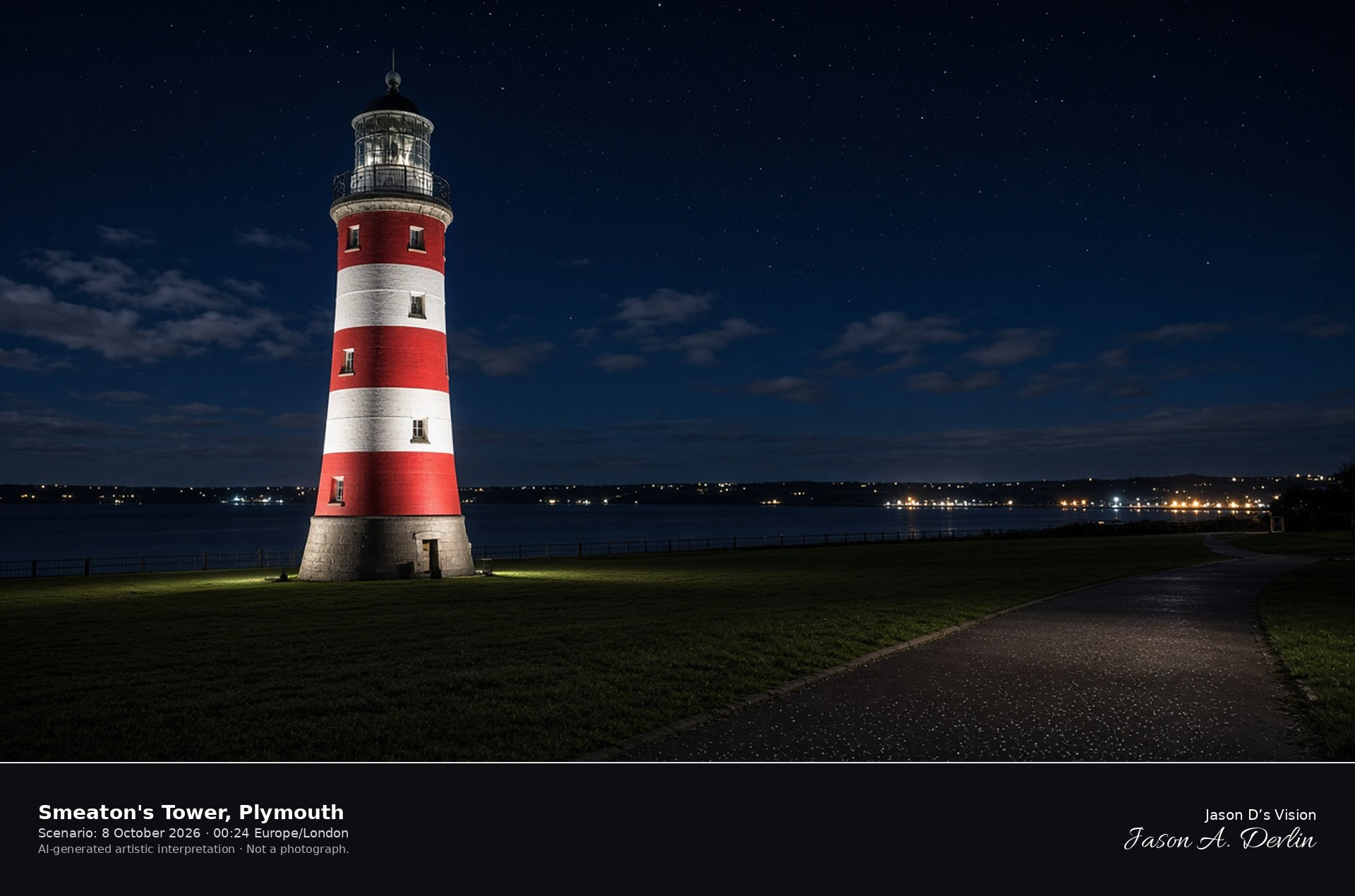
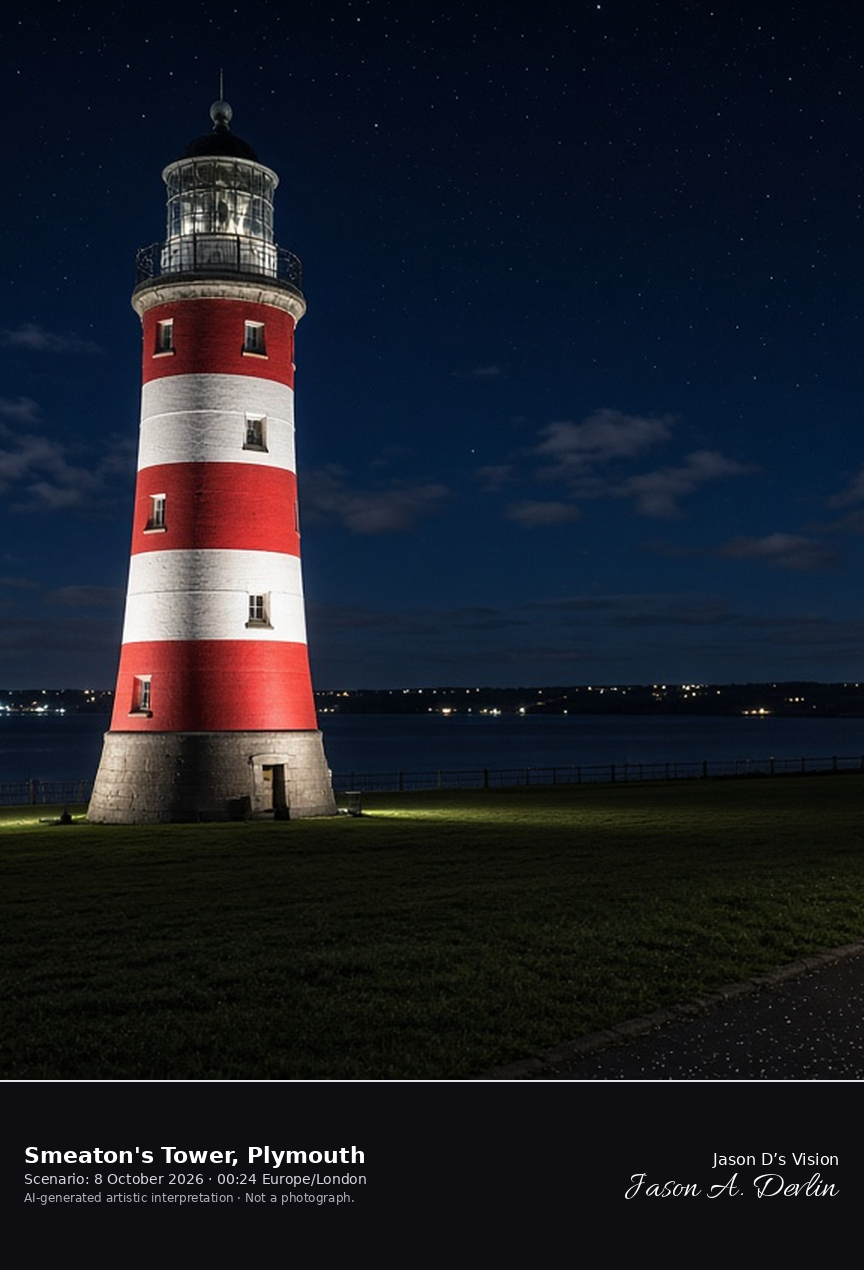
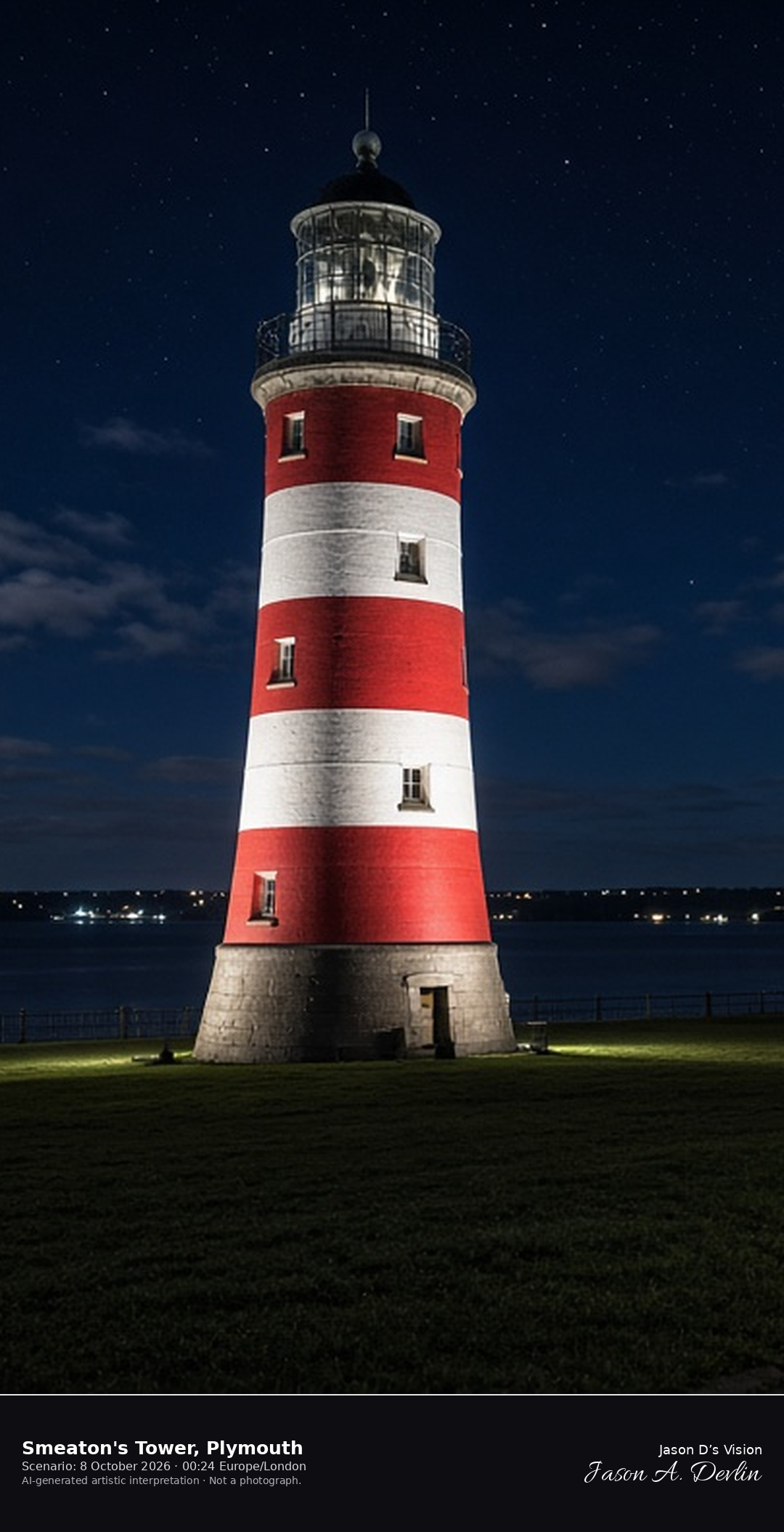
John Smeaton's lighthouse stood on the Eddystone Rocks from 1759 until the rock beneath it began to erode. It was taken down and rebuilt on Plymouth Hoe in 1882.
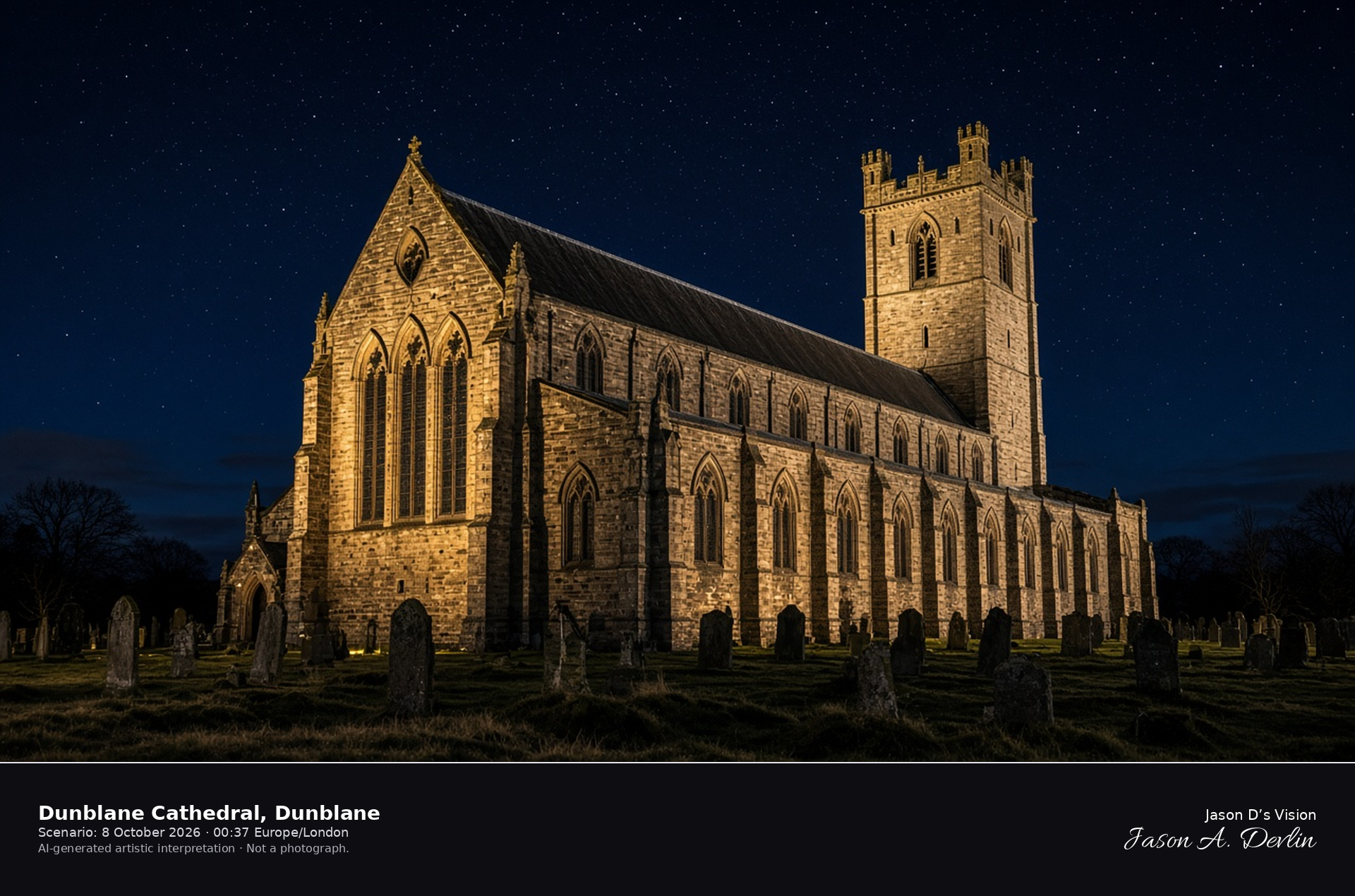
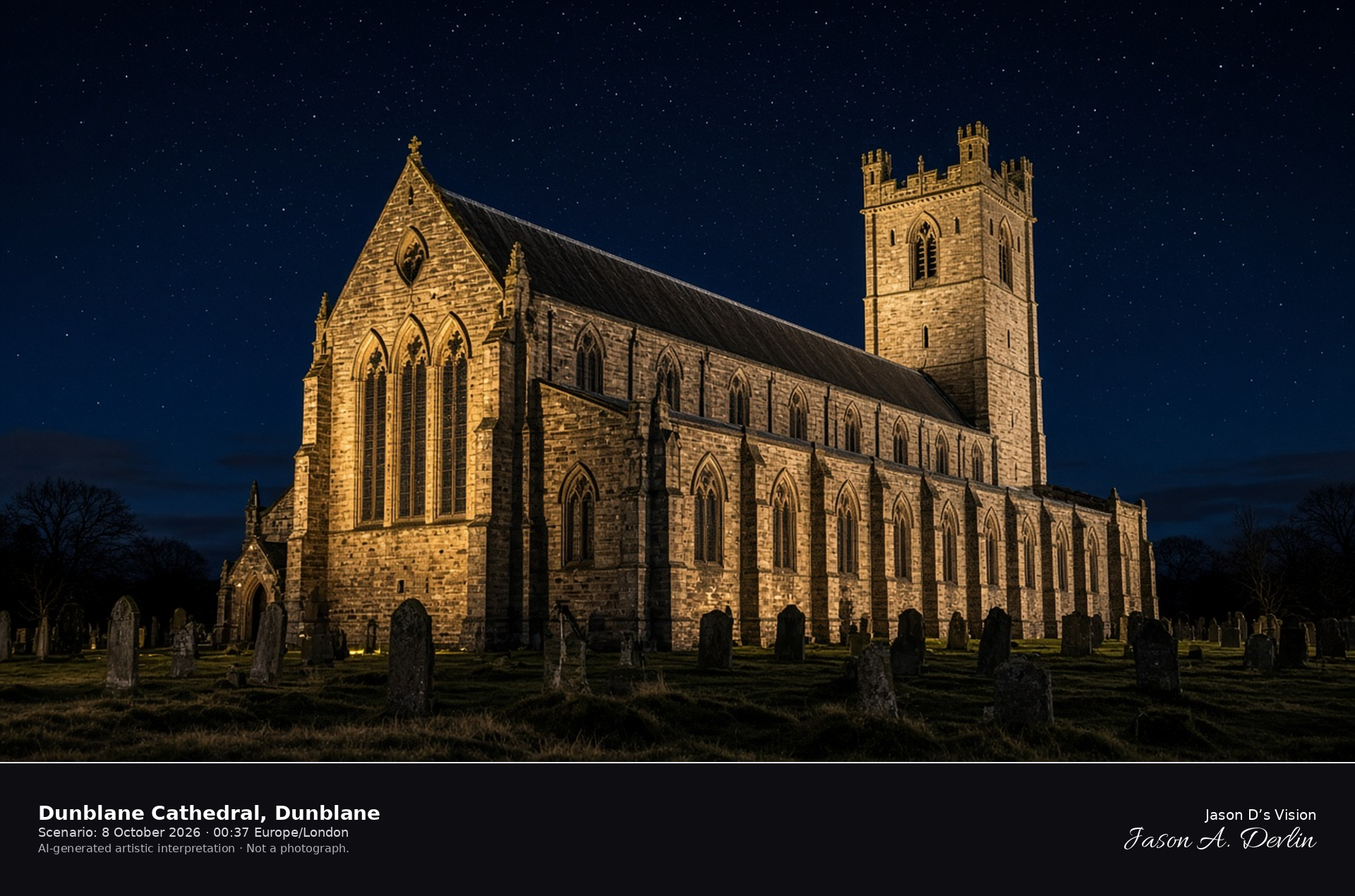
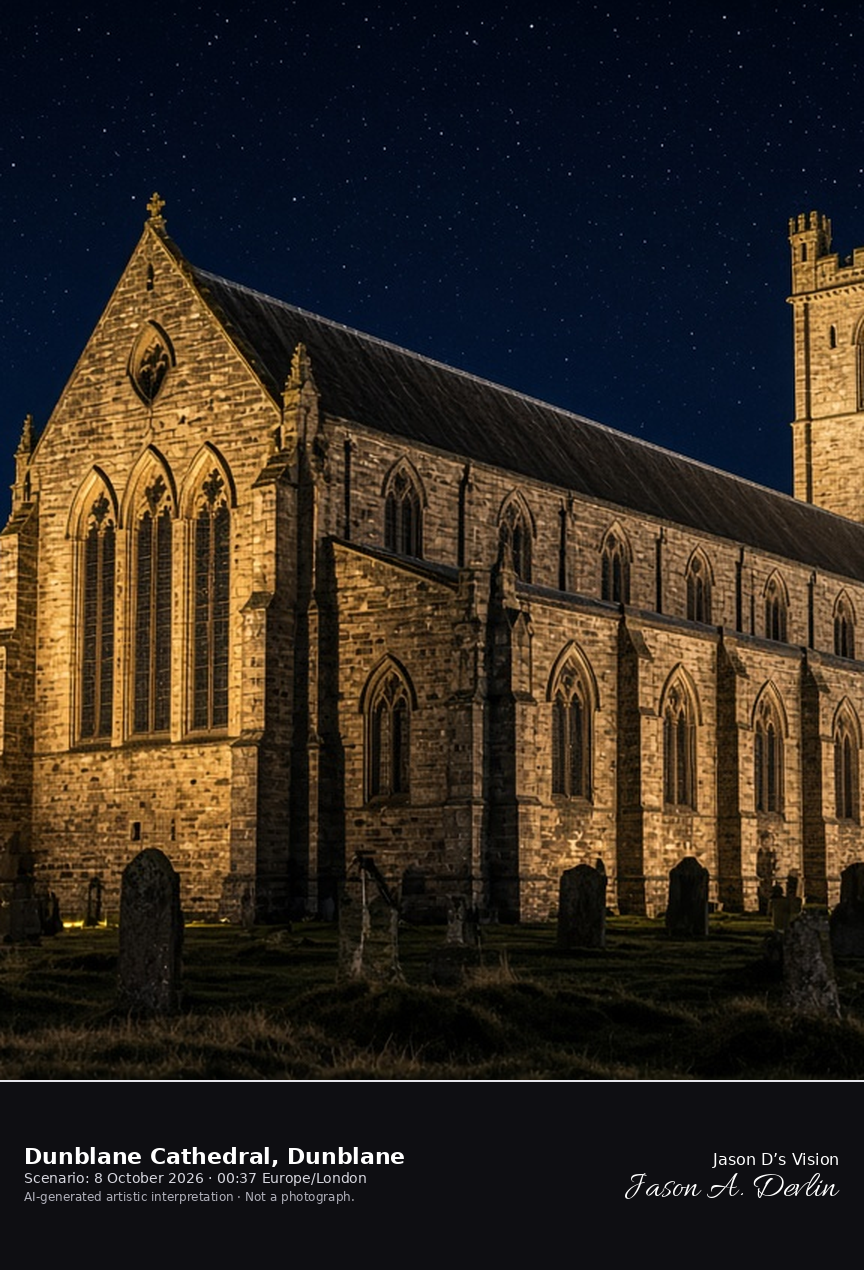
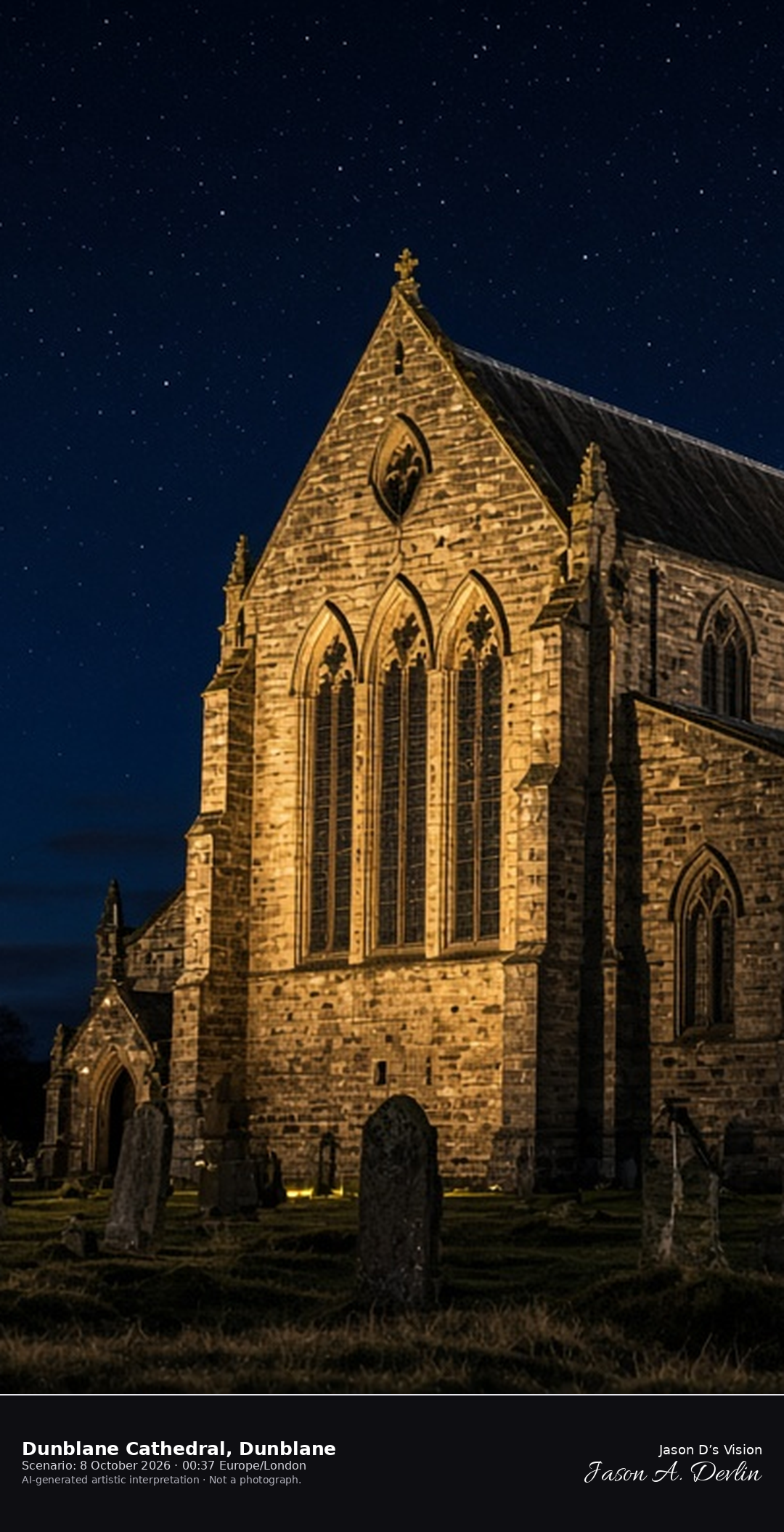
The lower storeys of Dunblane's tower date from around 1100 and once stood free; its top two storeys were added around 1500. The rest of the church is mostly 13th-century Gothic, and the nave was re-roofed in 1889-93.
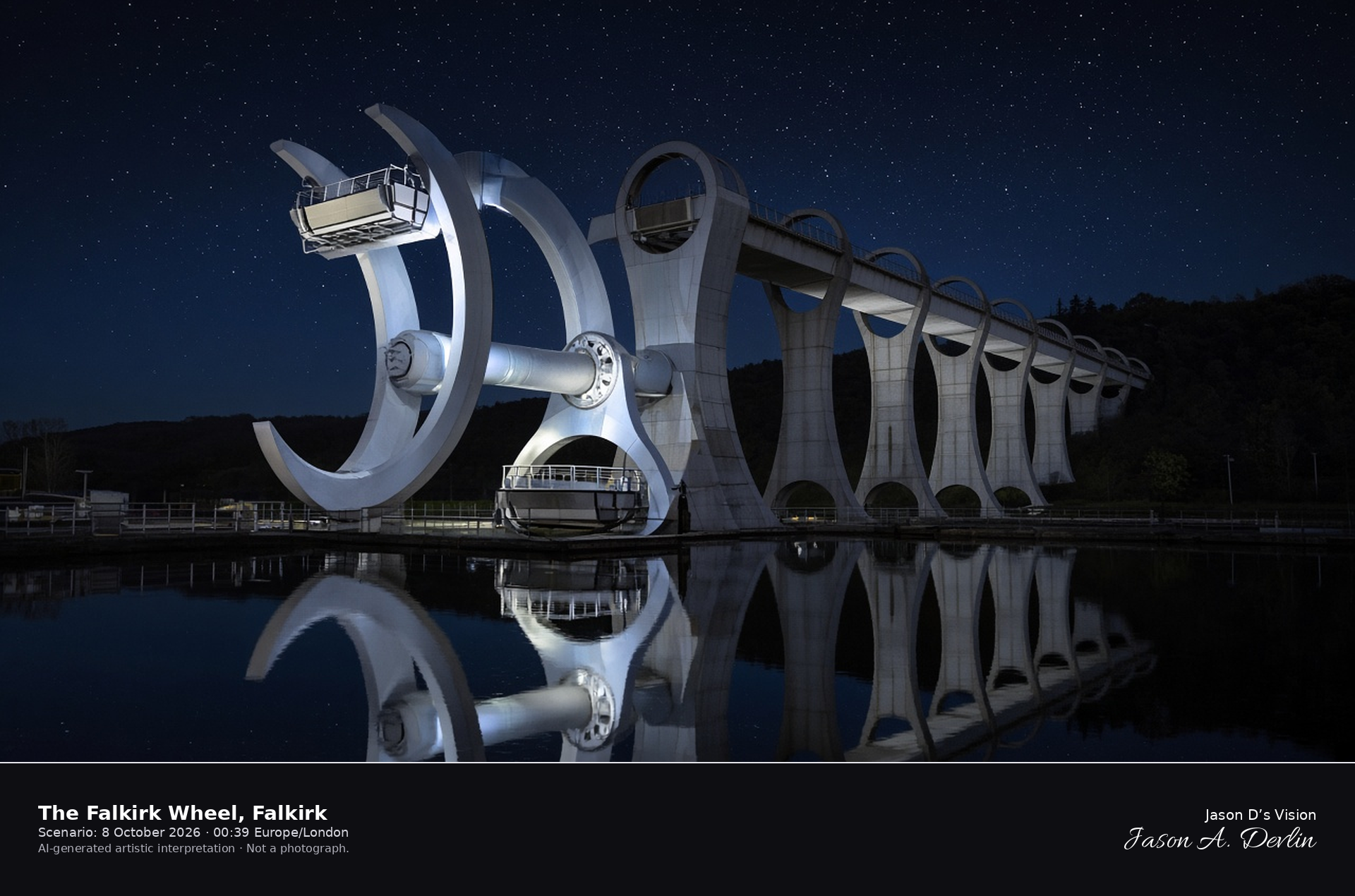
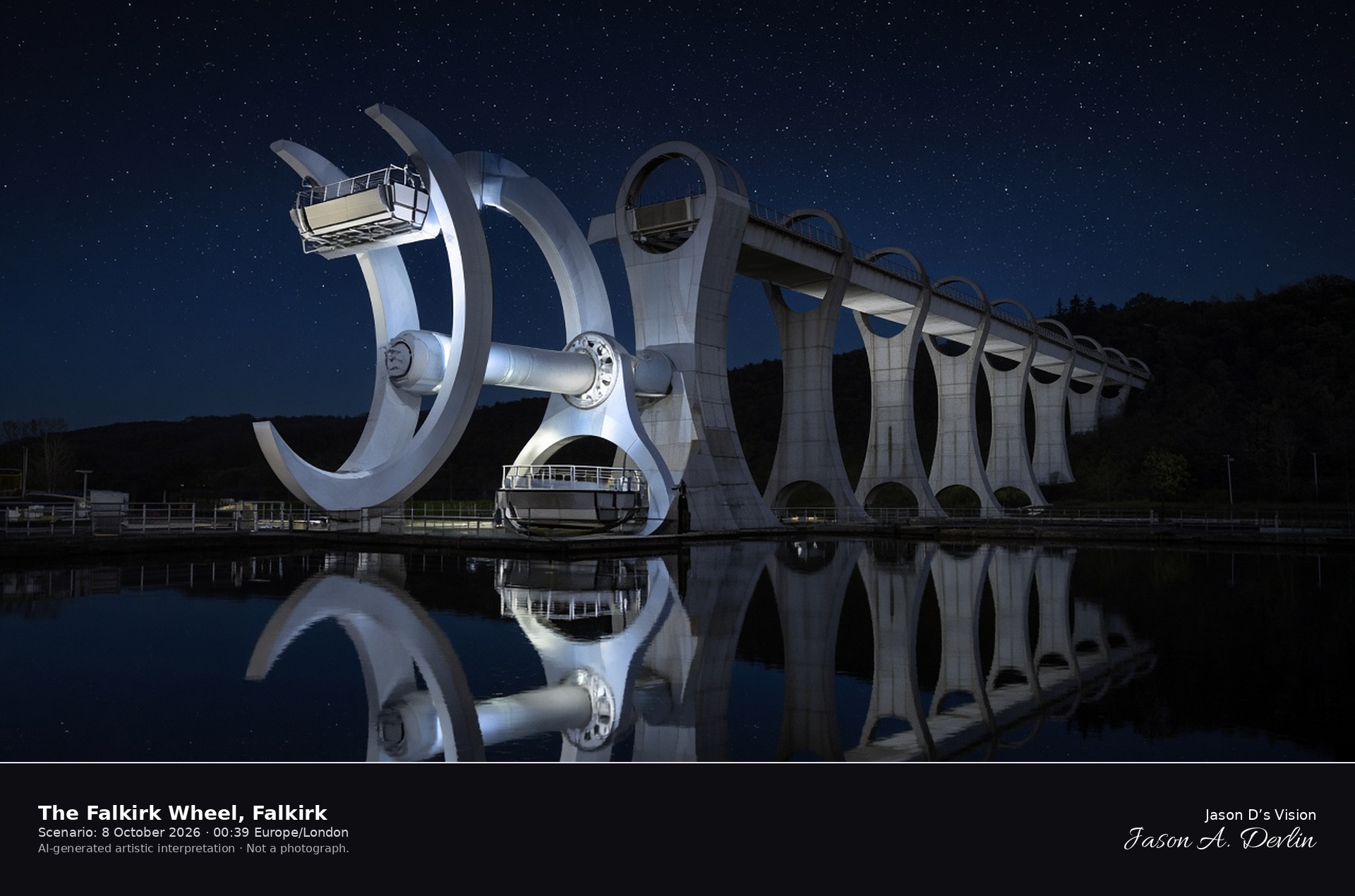
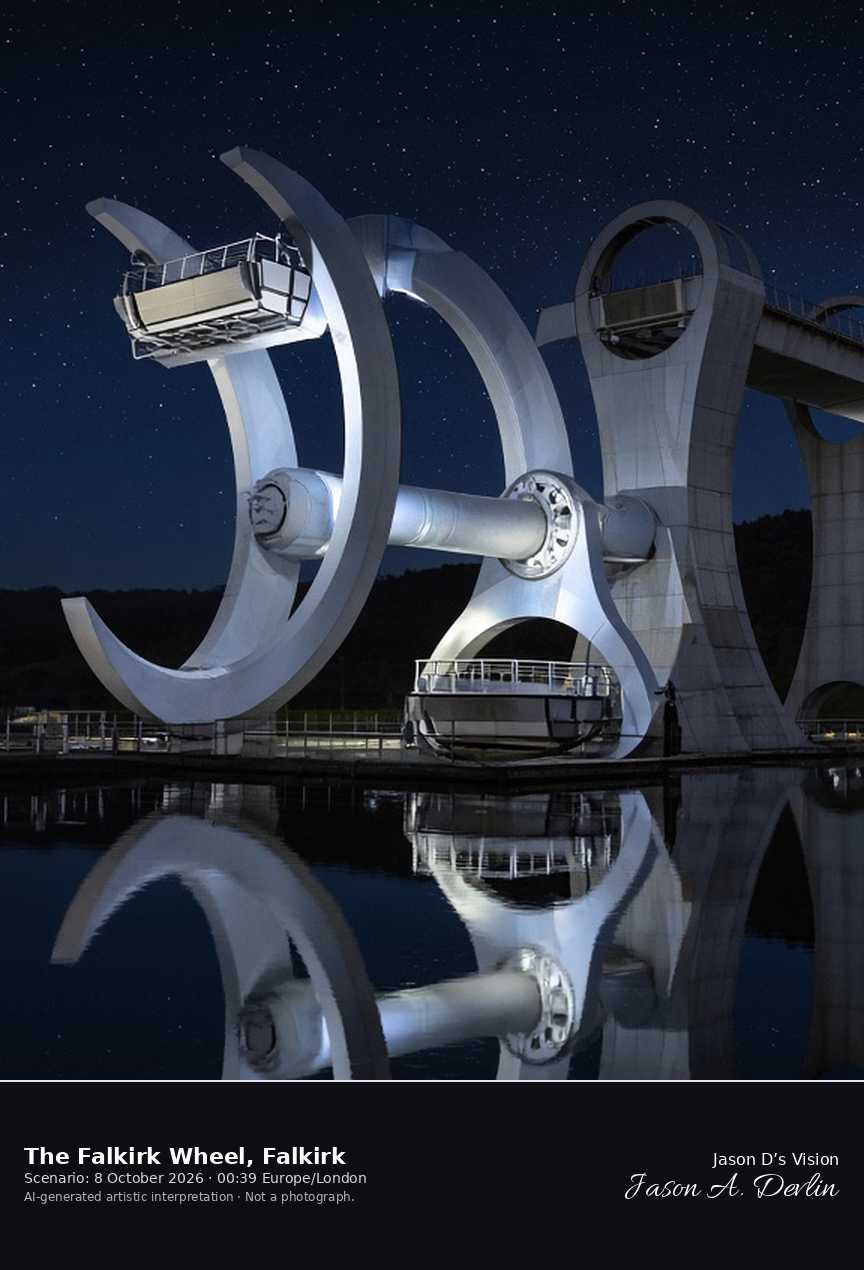
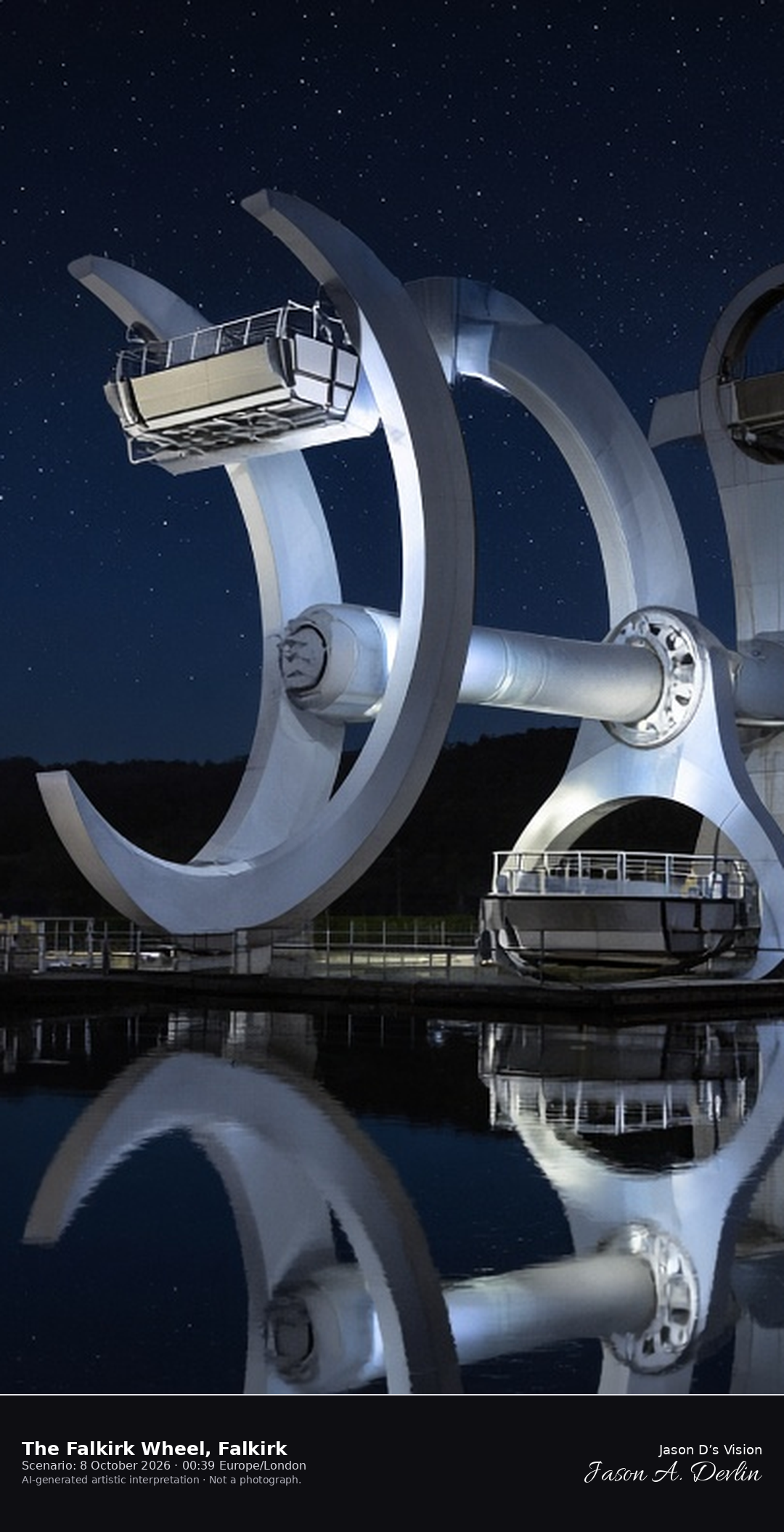
The Falkirk Wheel, Falkirk · AI-generated artistic interpretation
Opened in 2002, the Falkirk Wheel is the only rotating boat lift in the world. It lifts boats 24 metres between the Forth and Clyde Canal and the Union Canal, replacing a flight of 11 locks dismantled in the 1930s.
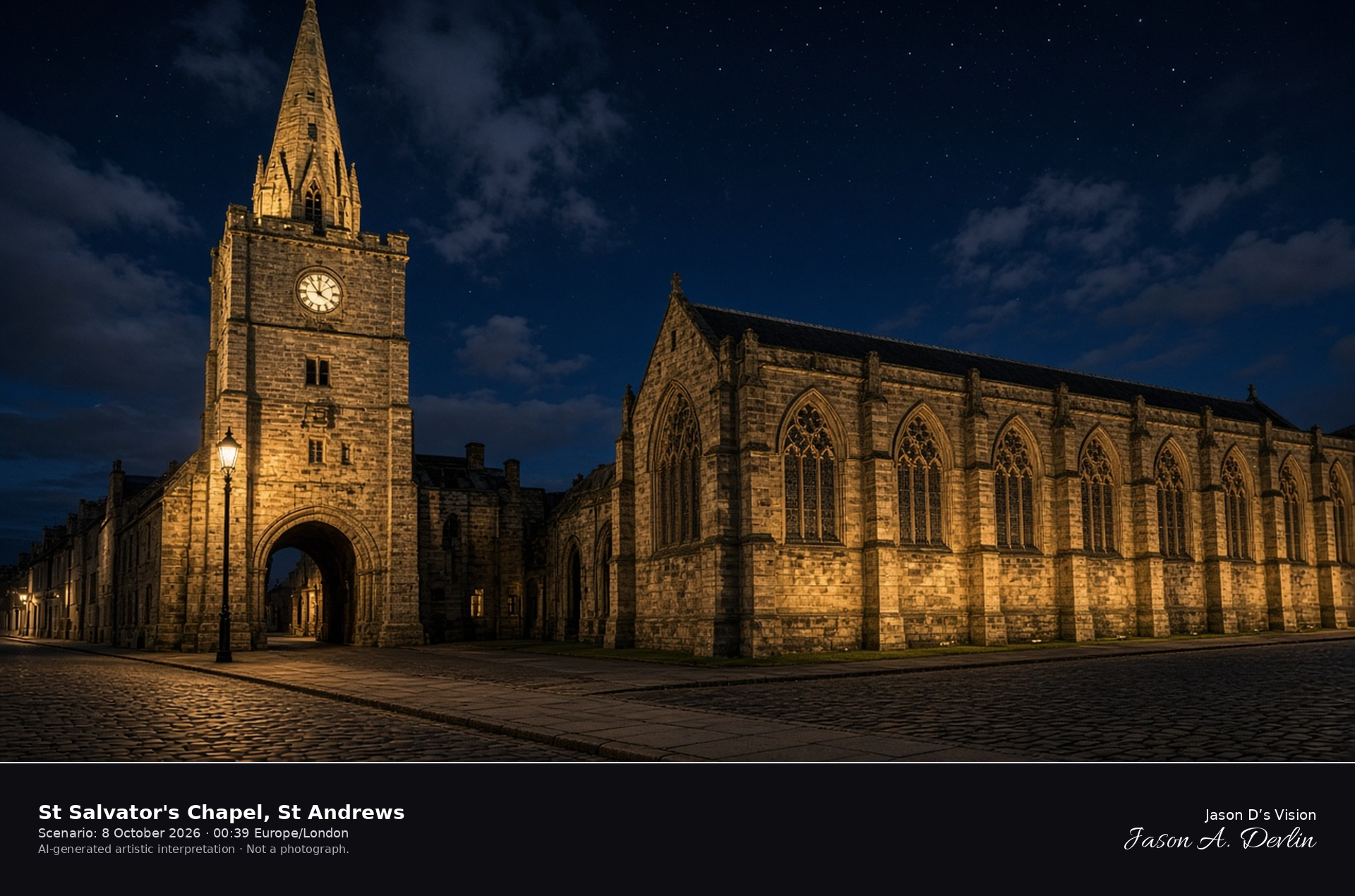
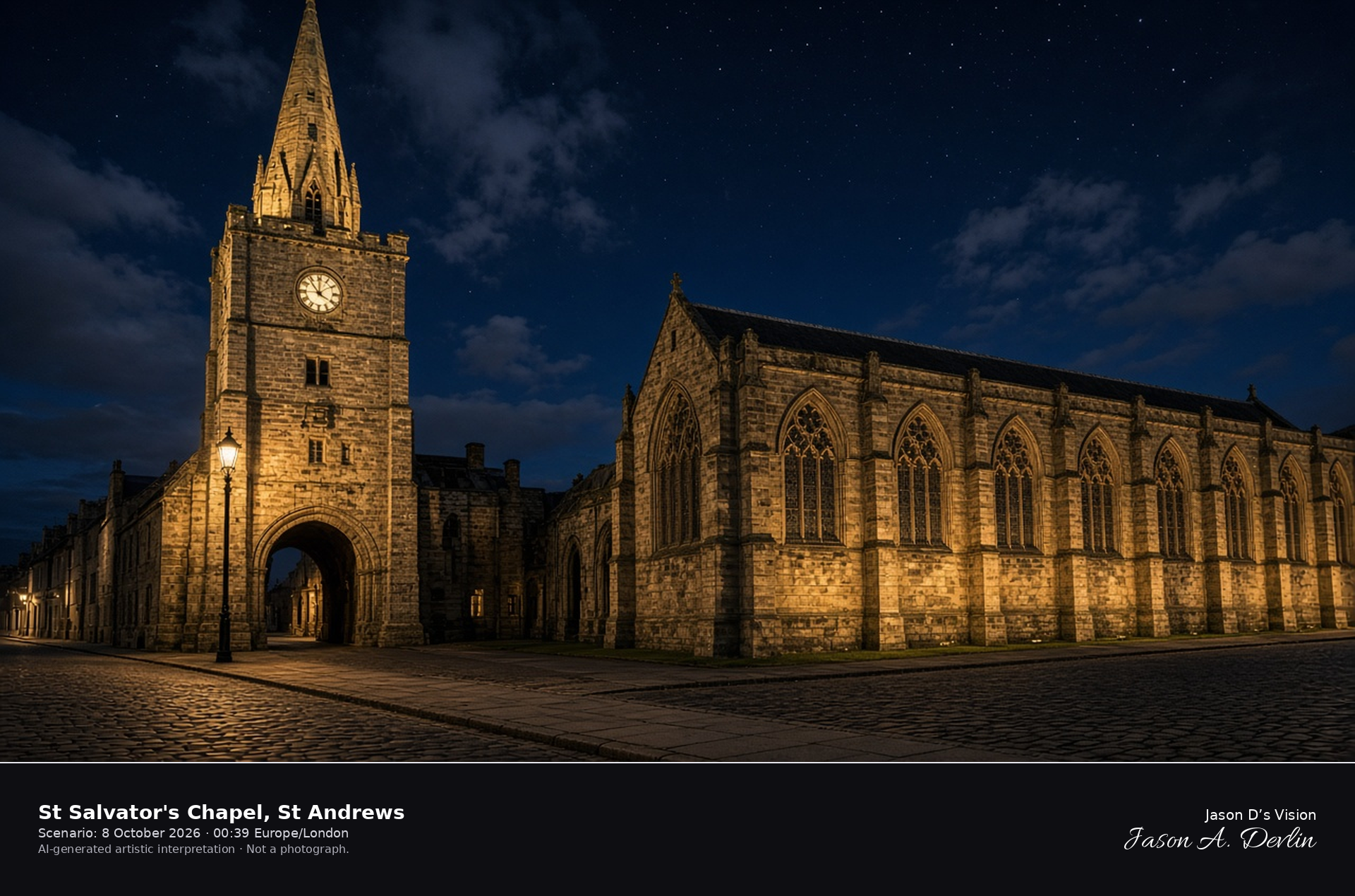
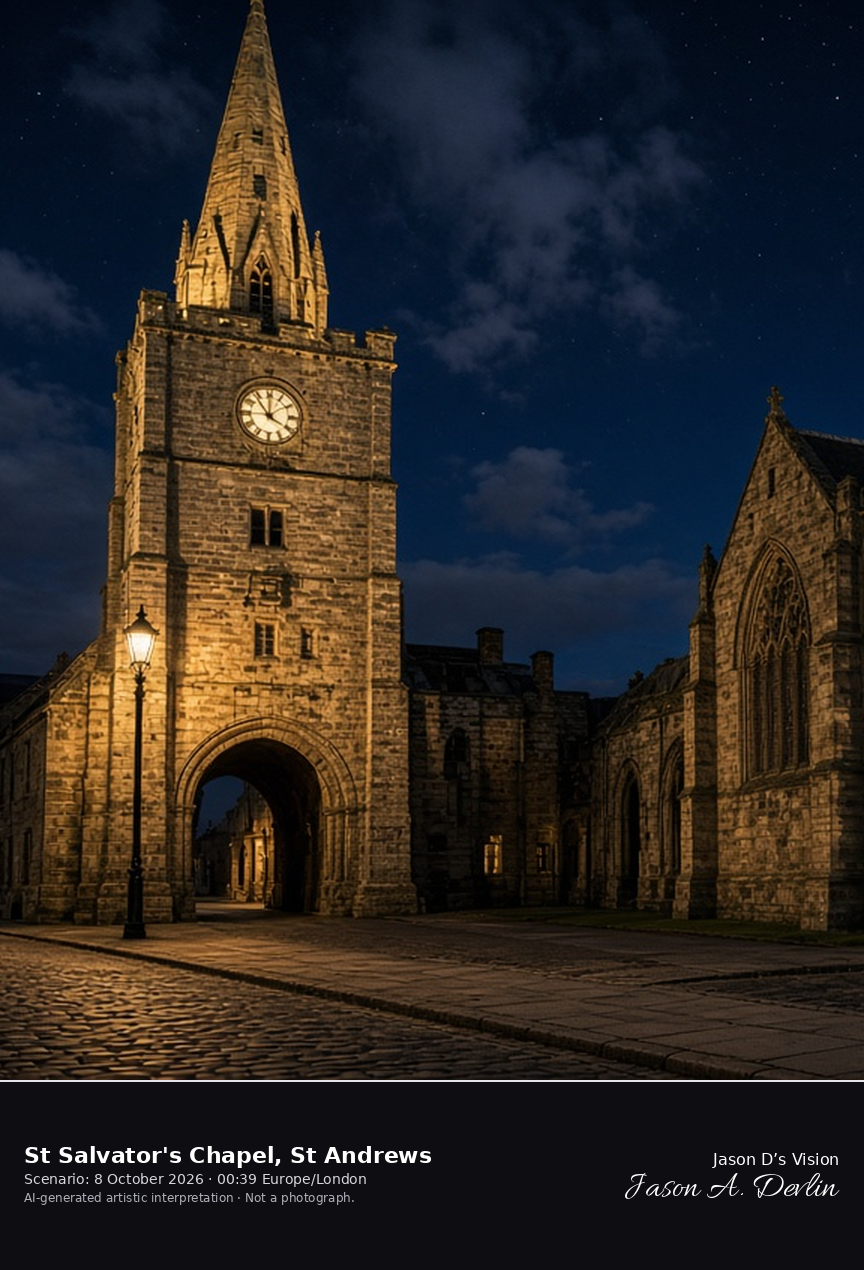
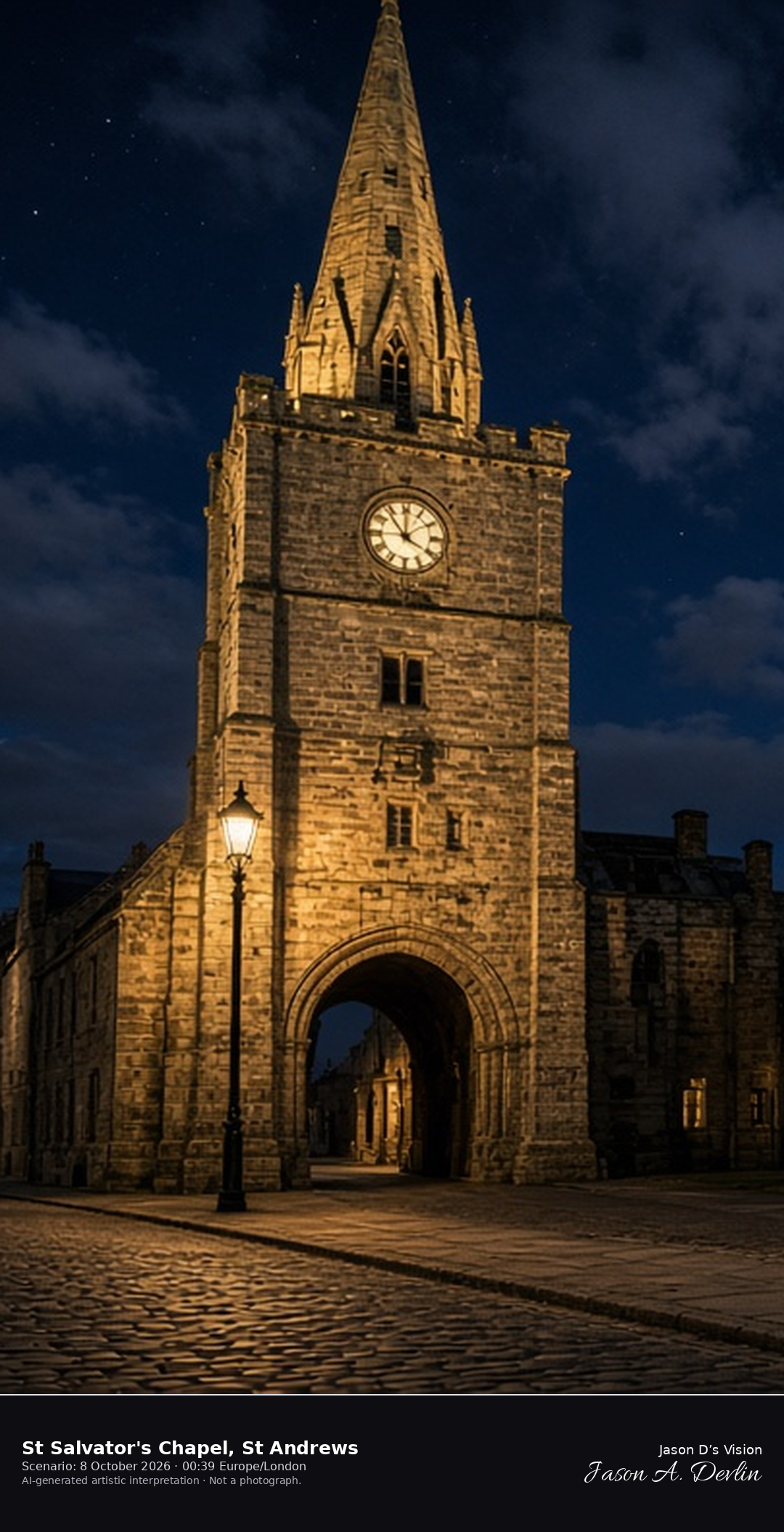
St Salvator's Chapel, St Andrews · AI-generated artistic interpretation
St Salvator's College was founded in 1450 by Bishop James Kennedy and is part of the University of St Andrews. The chapel tower's spire was added in the 1550s, and students traditionally avoid the PH set in the cobbles at its foot.
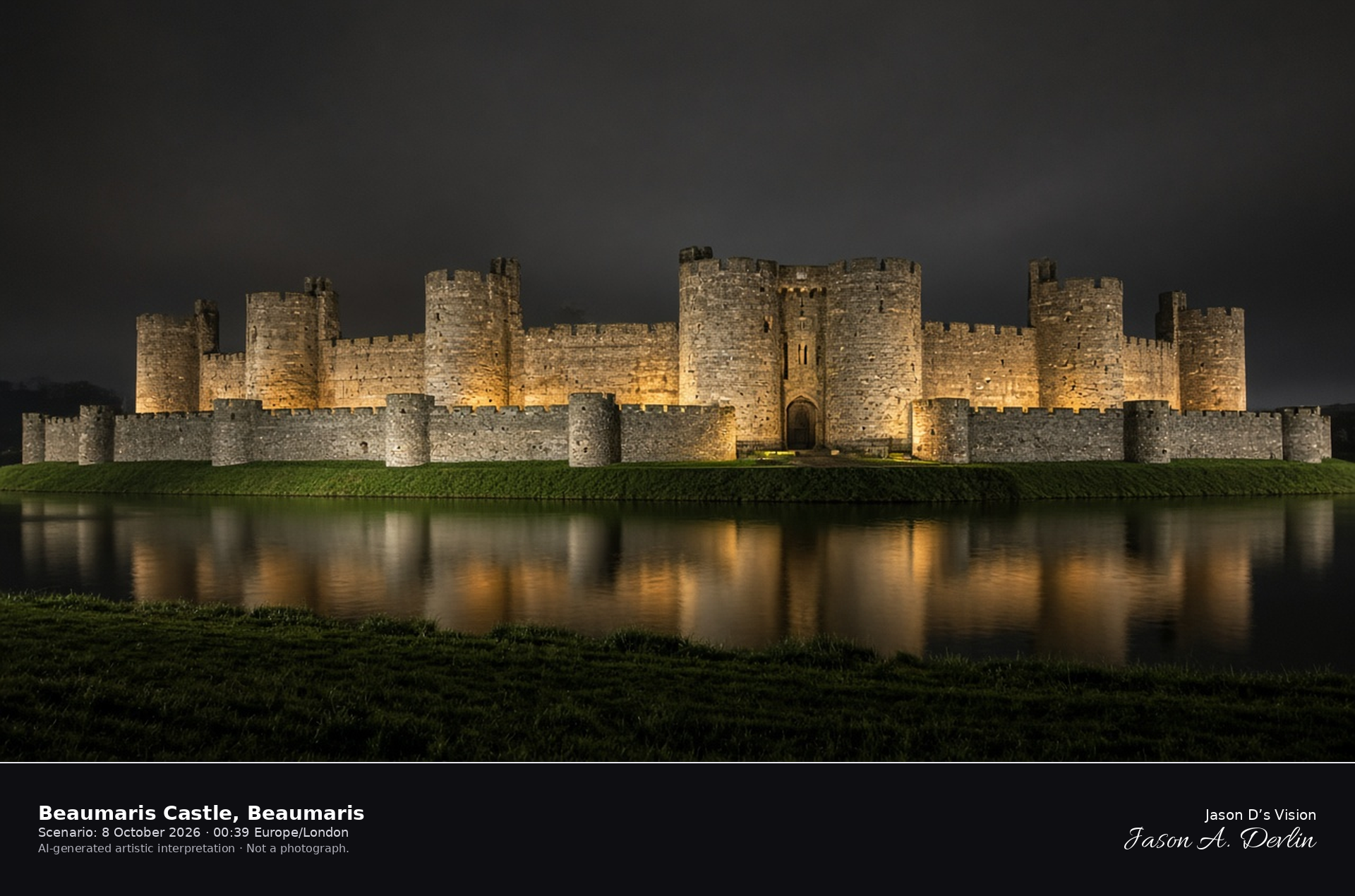
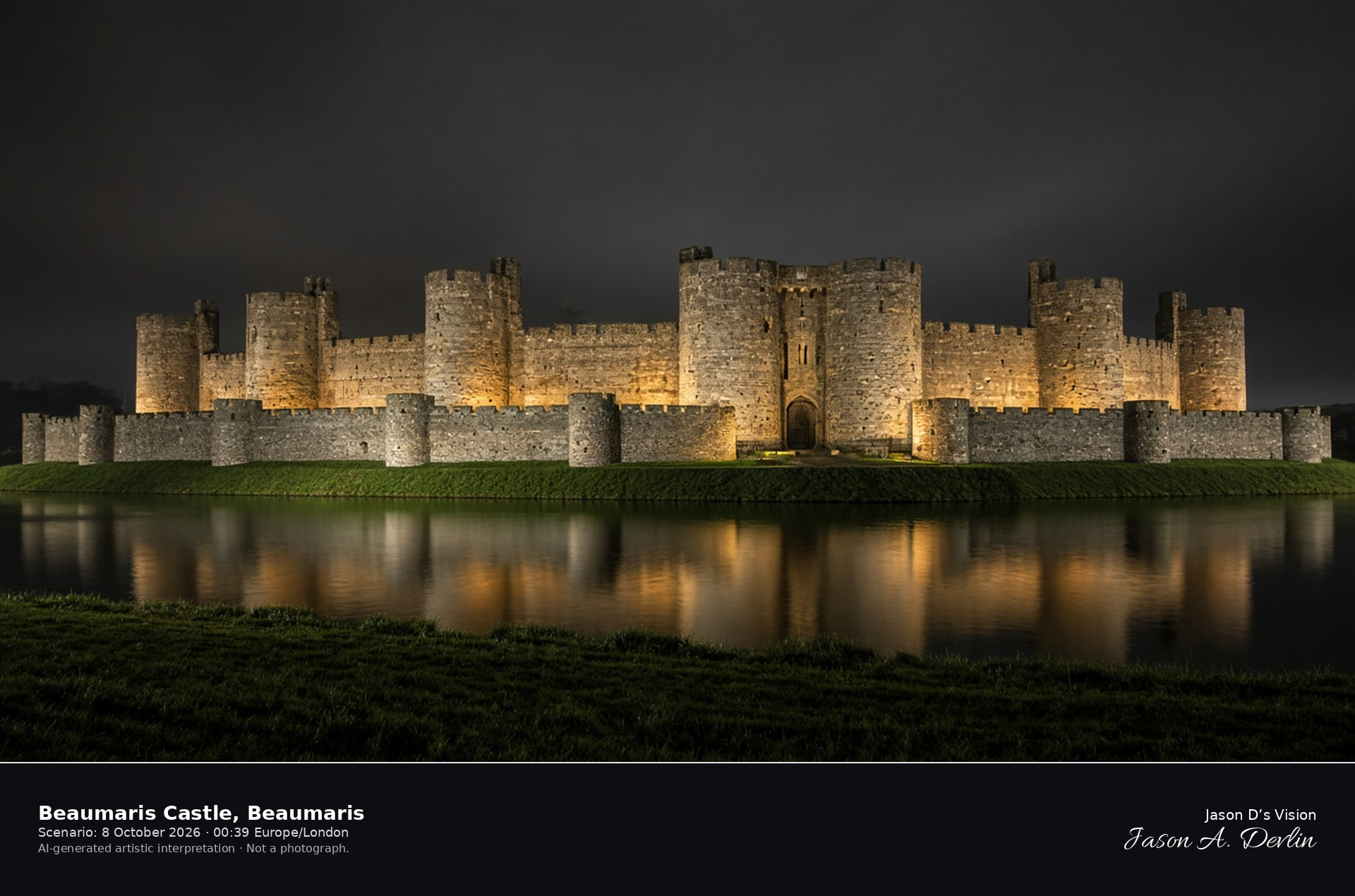
Beaumaris, begun in 1295, was the final link in Edward the First's chain of castles along the north Wales coast. Its concentric design places one circuit of walls inside another, with a moat providing a further line of defence. Even unfinished, the castle displays a striking symmetry.
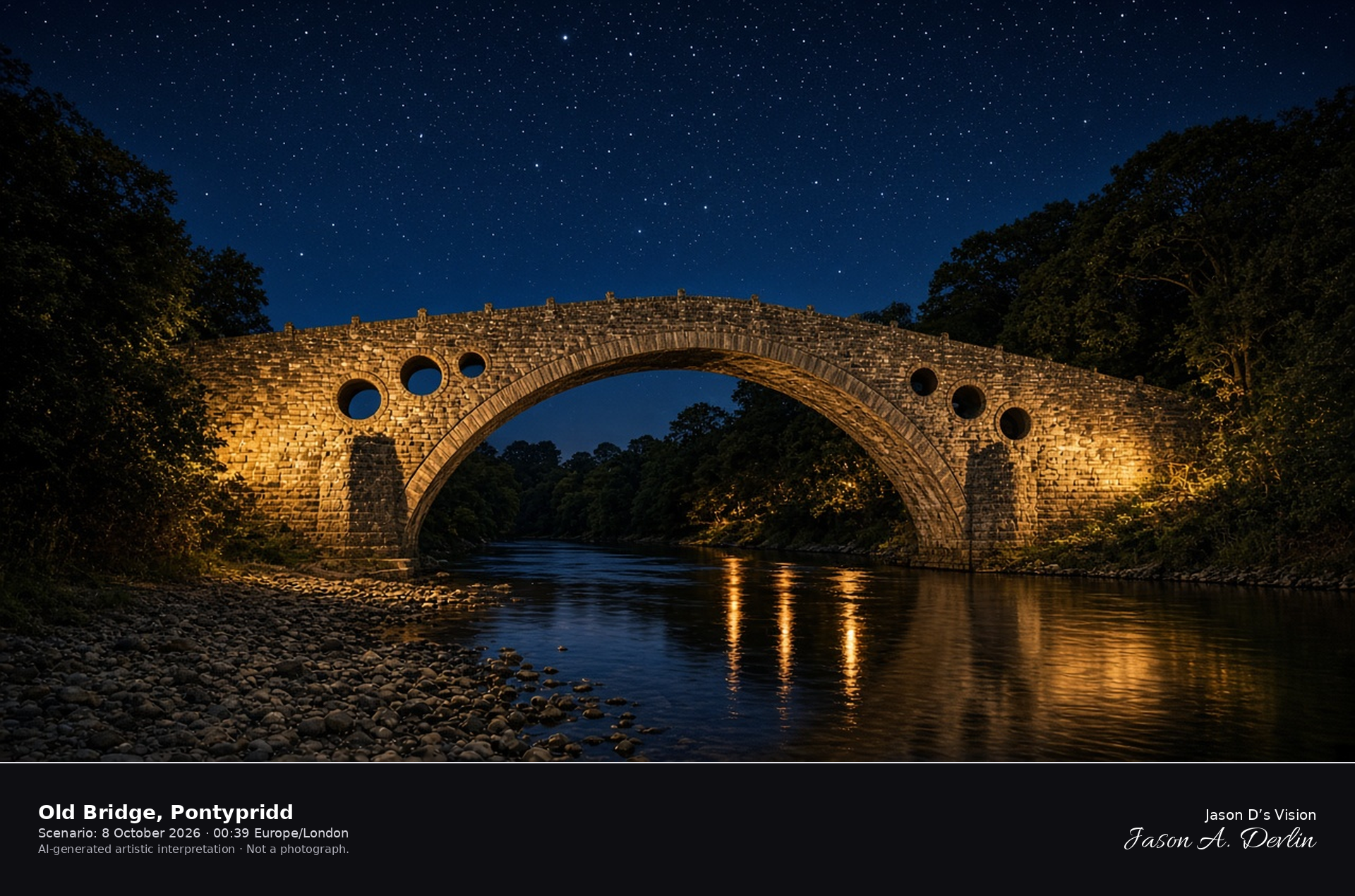
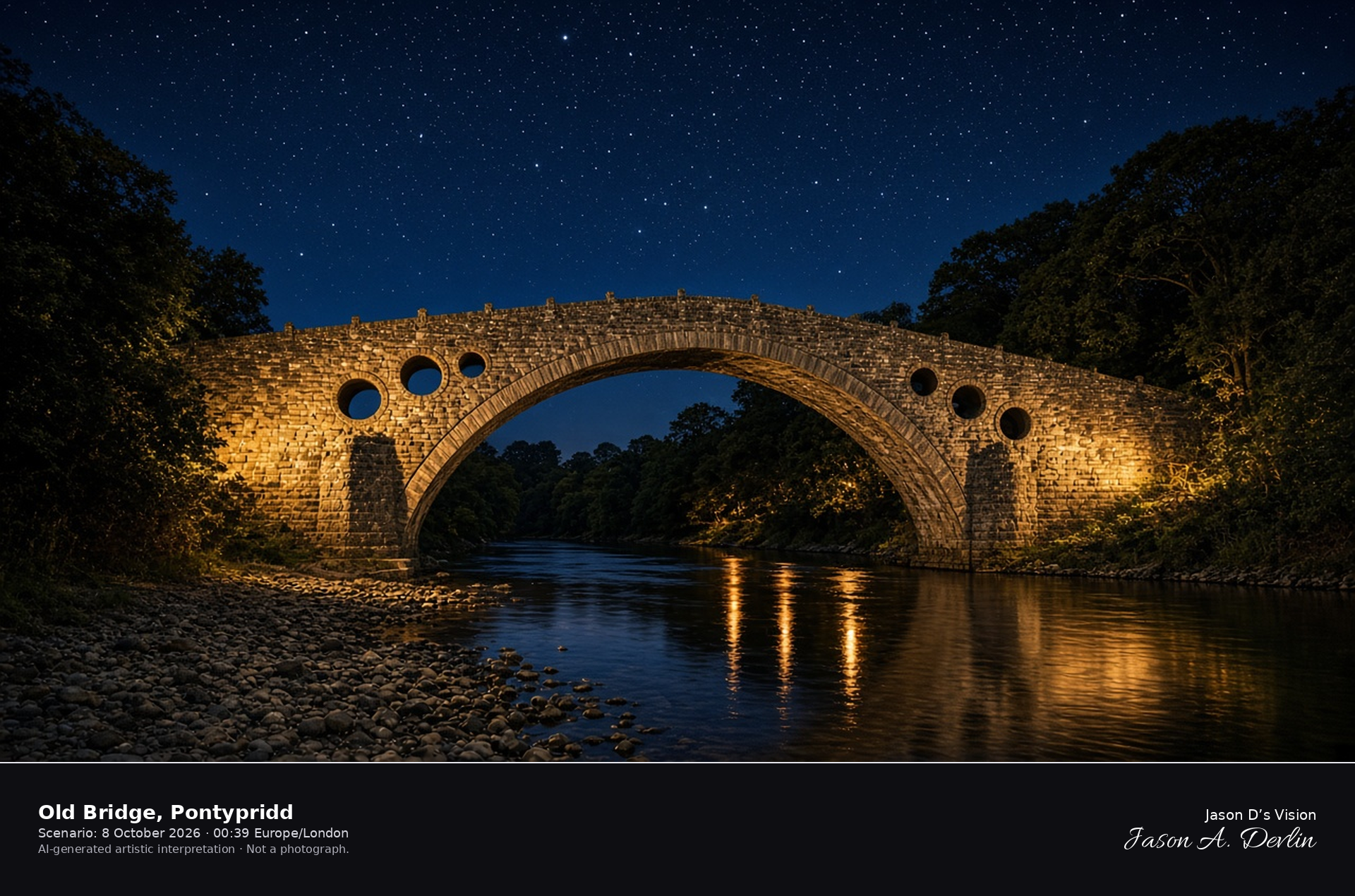
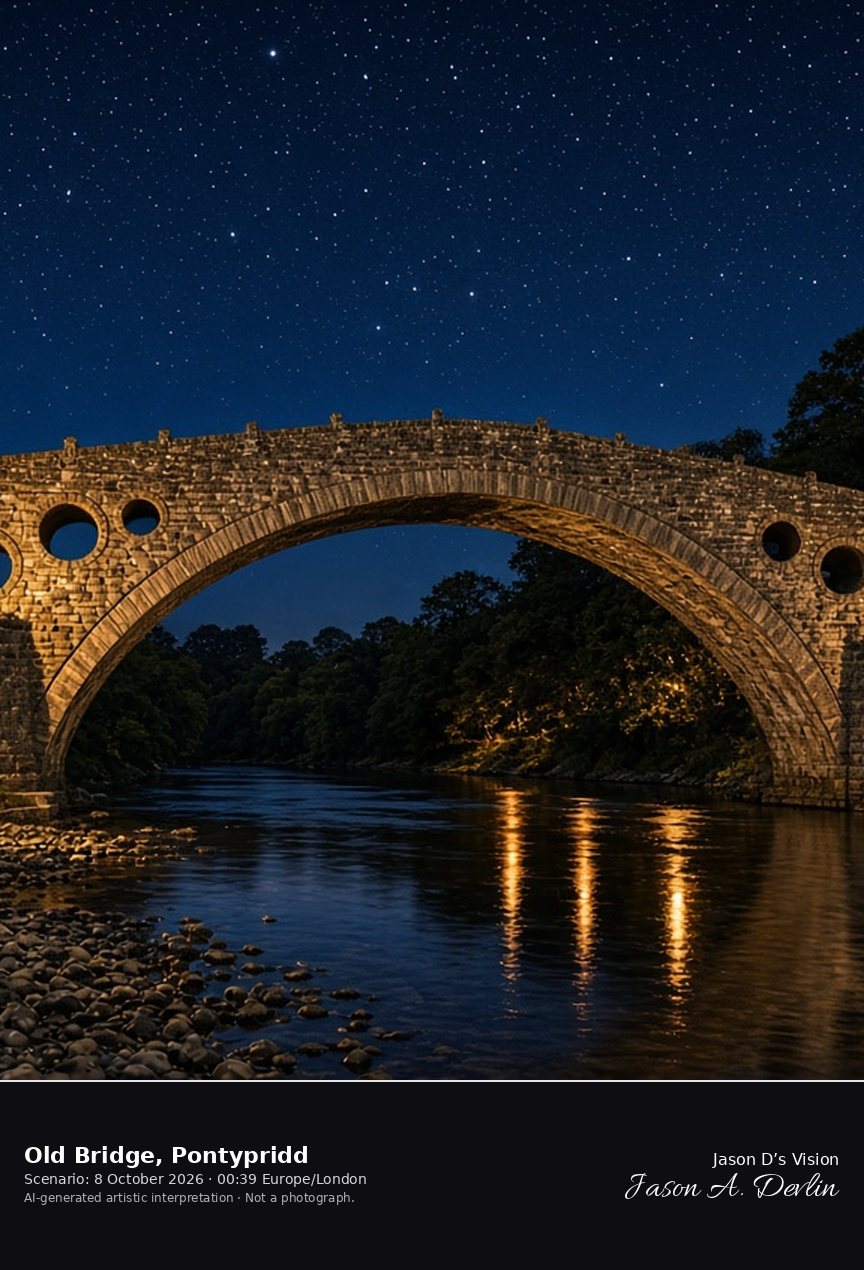
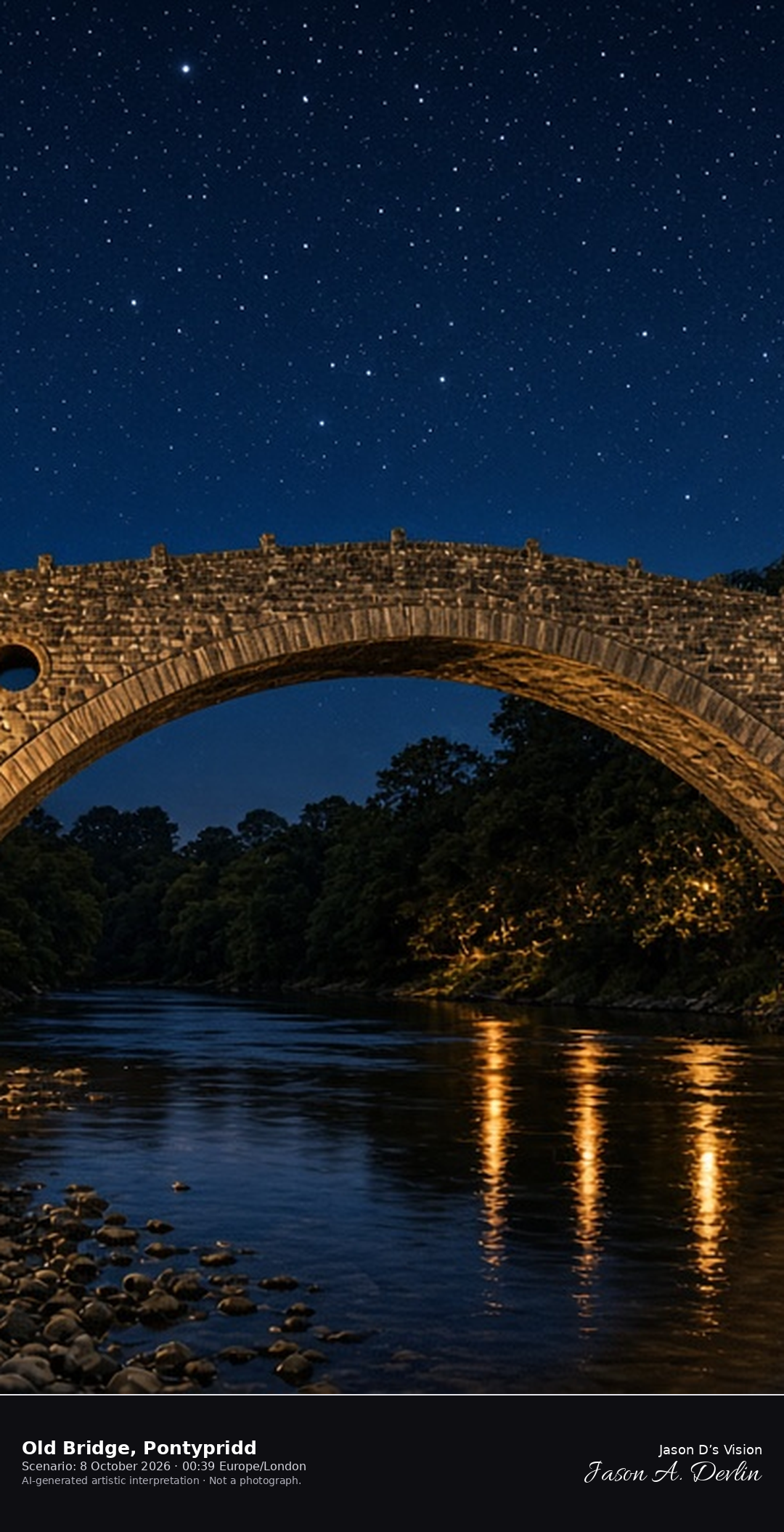
Old Bridge, Pontypridd · AI-generated artistic interpretation
William Edwards completed the bridge in 1756 after earlier attempts were washed away or collapsed. The three round holes in each end lighten the masonry, and for decades it was the longest single-span bridge in Britain.
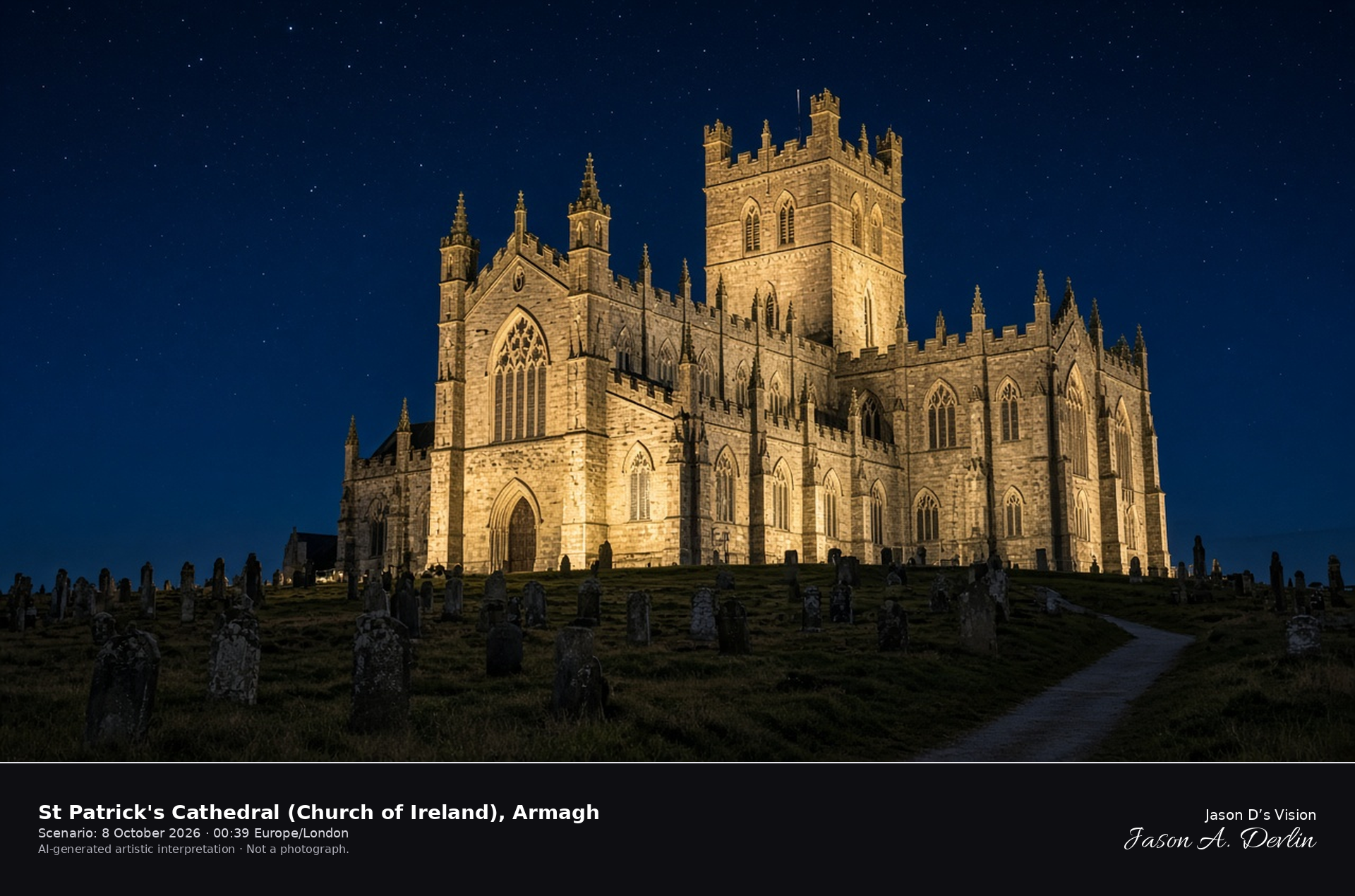
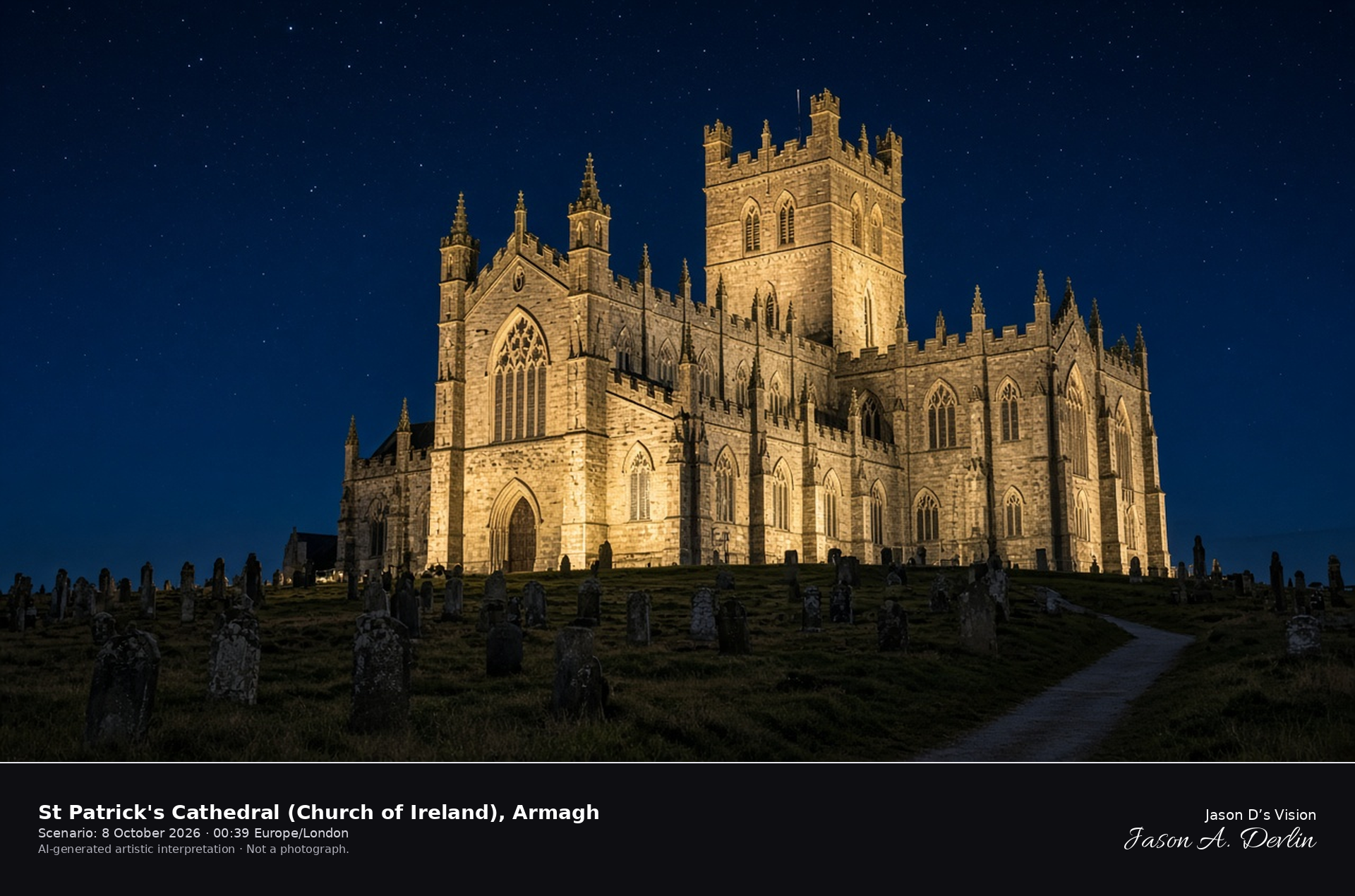
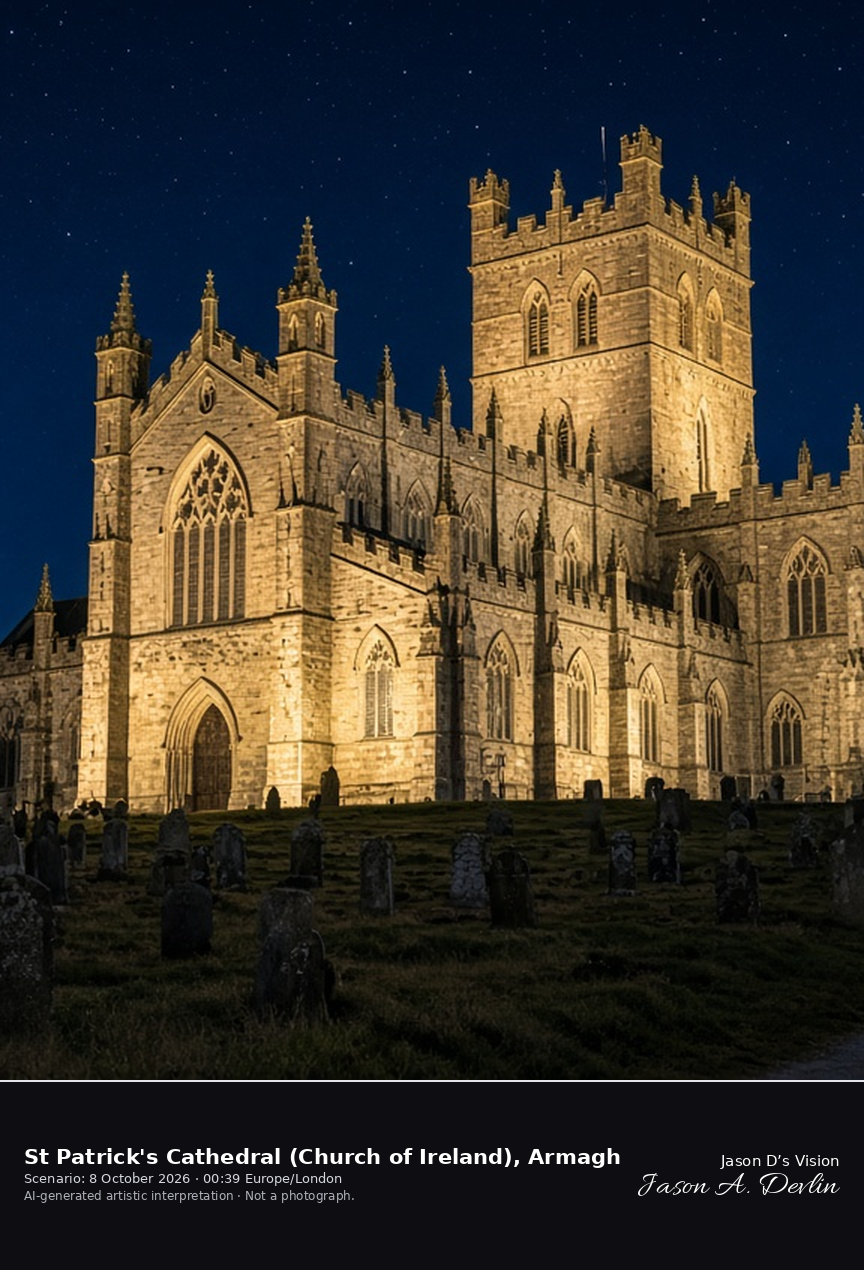
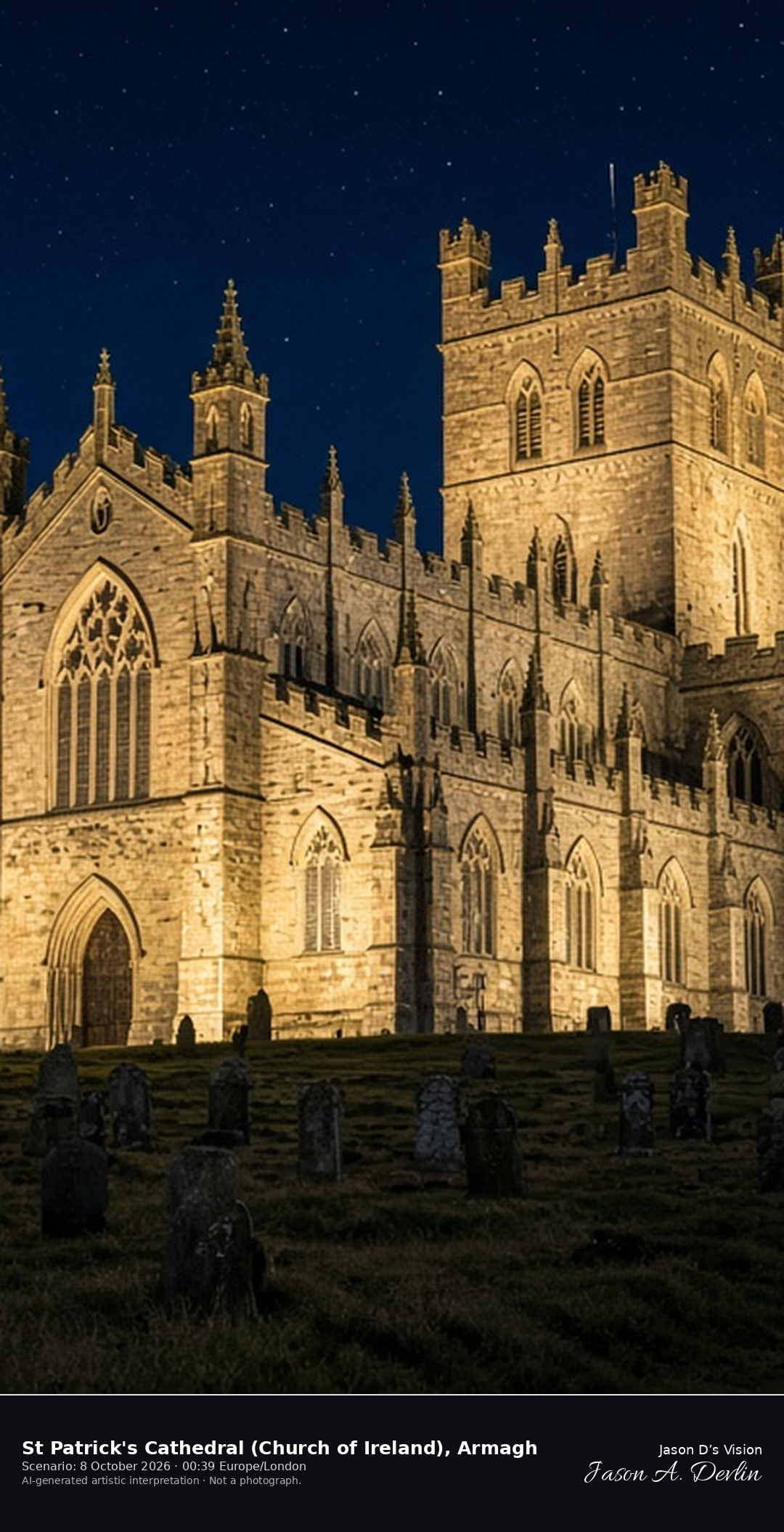
St Patrick's Cathedral (Church of Ireland), Armagh
St Patrick's Cathedral (Church of Ireland), Armagh · AI-generated artistic interpretation
The cathedral stands on the hilltop where St Patrick is said to have founded his church in the 5th century, and Brian Boru is believed to be buried in its grounds. The building was heavily restored in the 1830s.
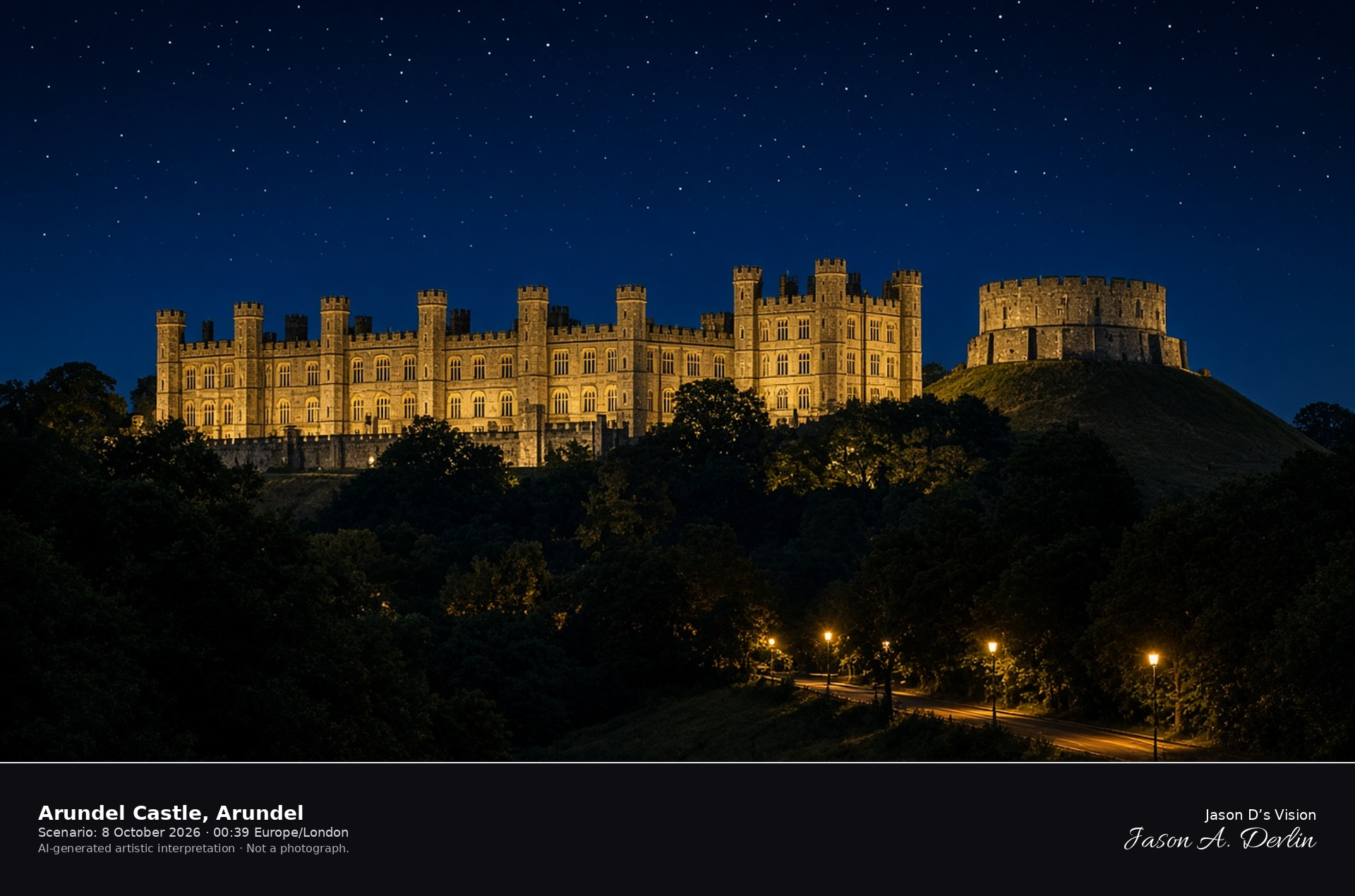
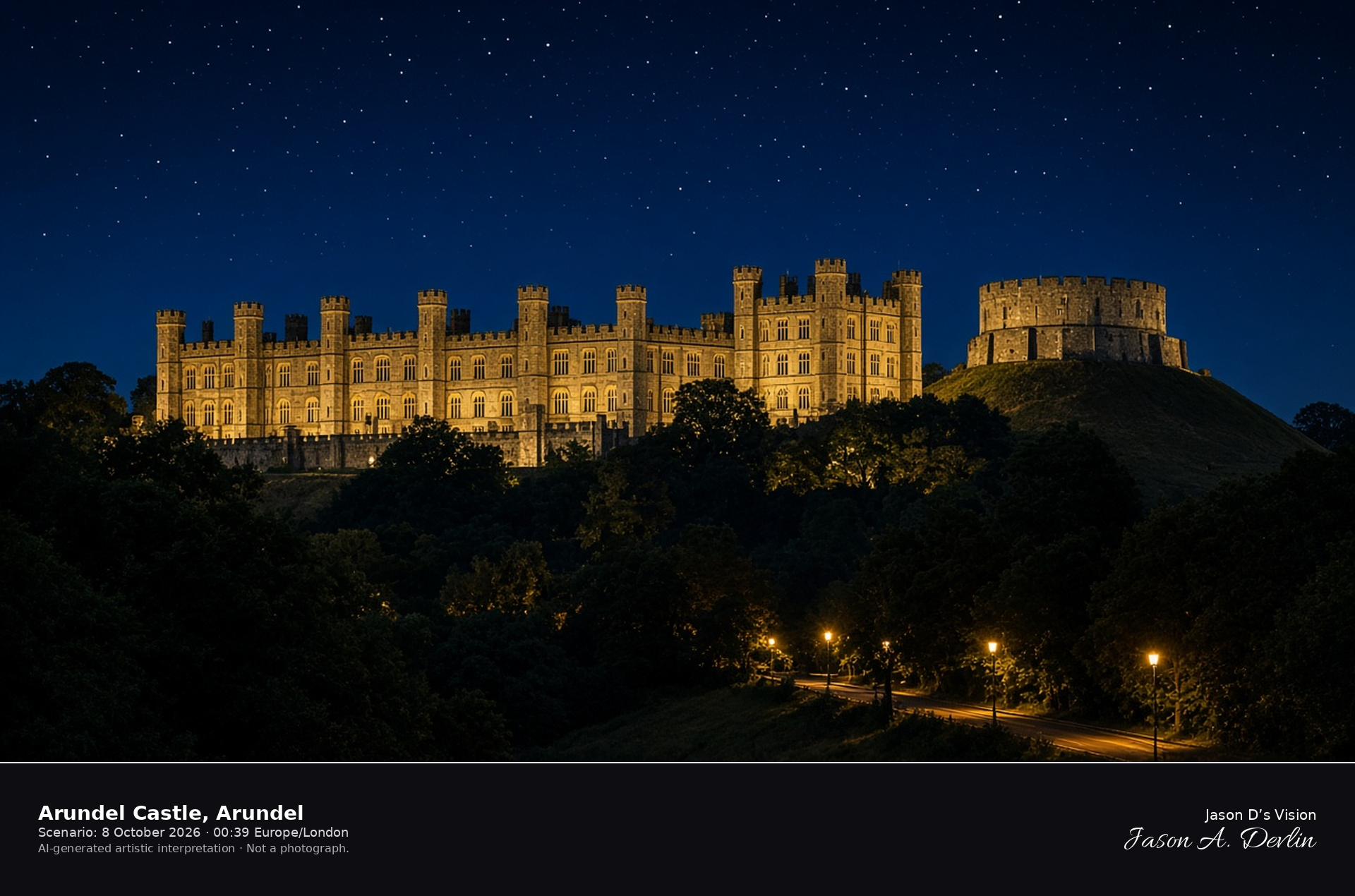
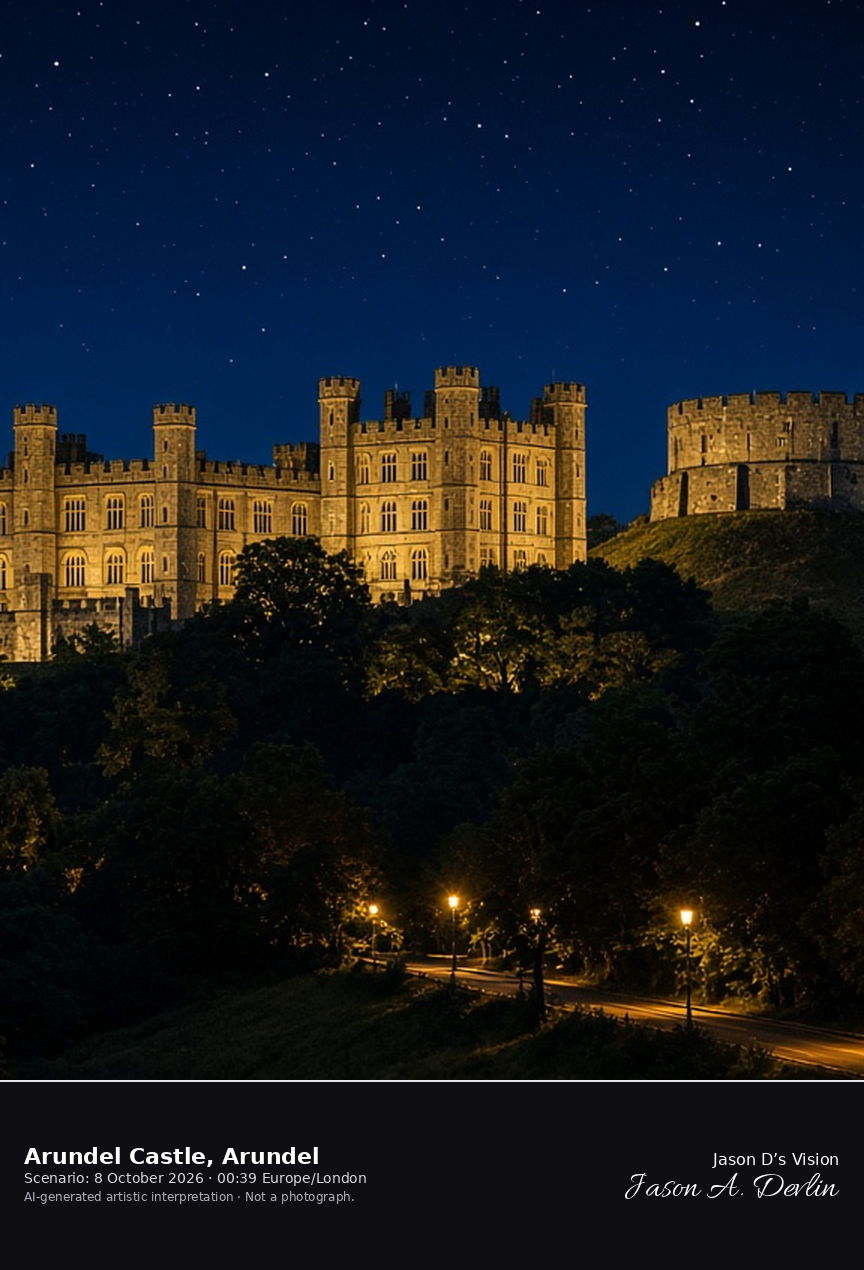
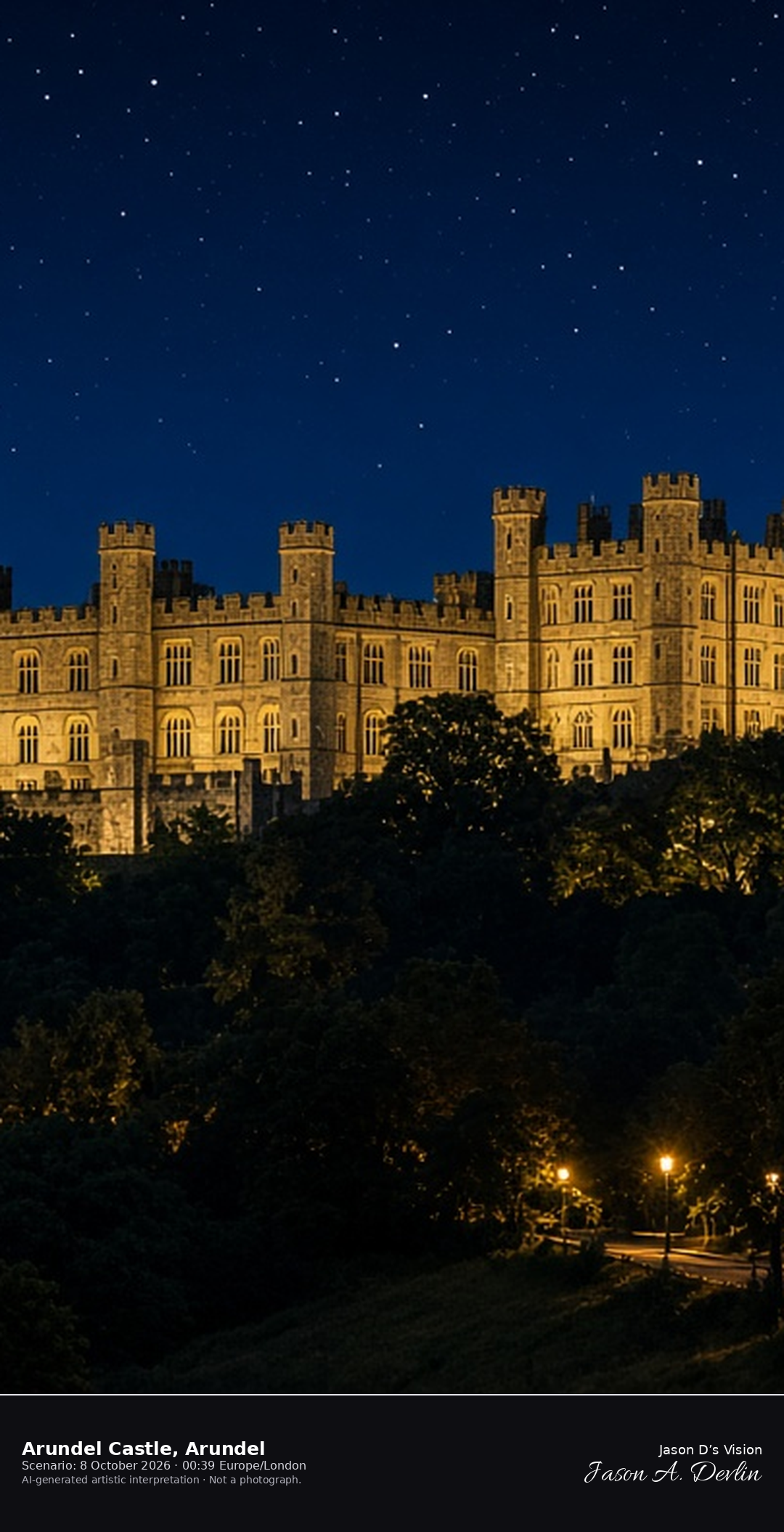
Arundel Castle was founded in 1067 by Roger de Montgomery and has been the seat of the Dukes of Norfolk for centuries. Much of what is seen today was rebuilt in Gothic Revival style in the 19th century.
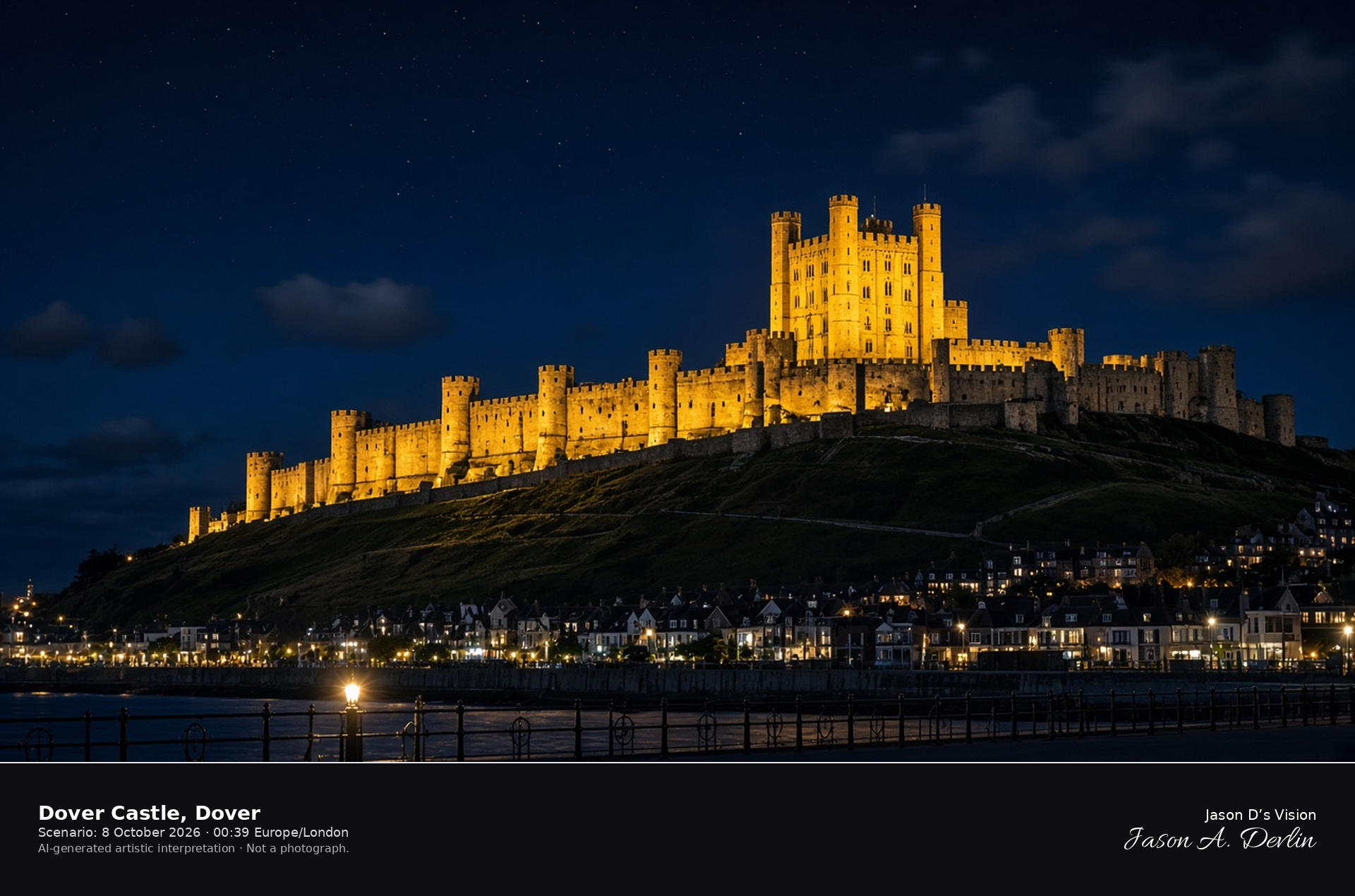
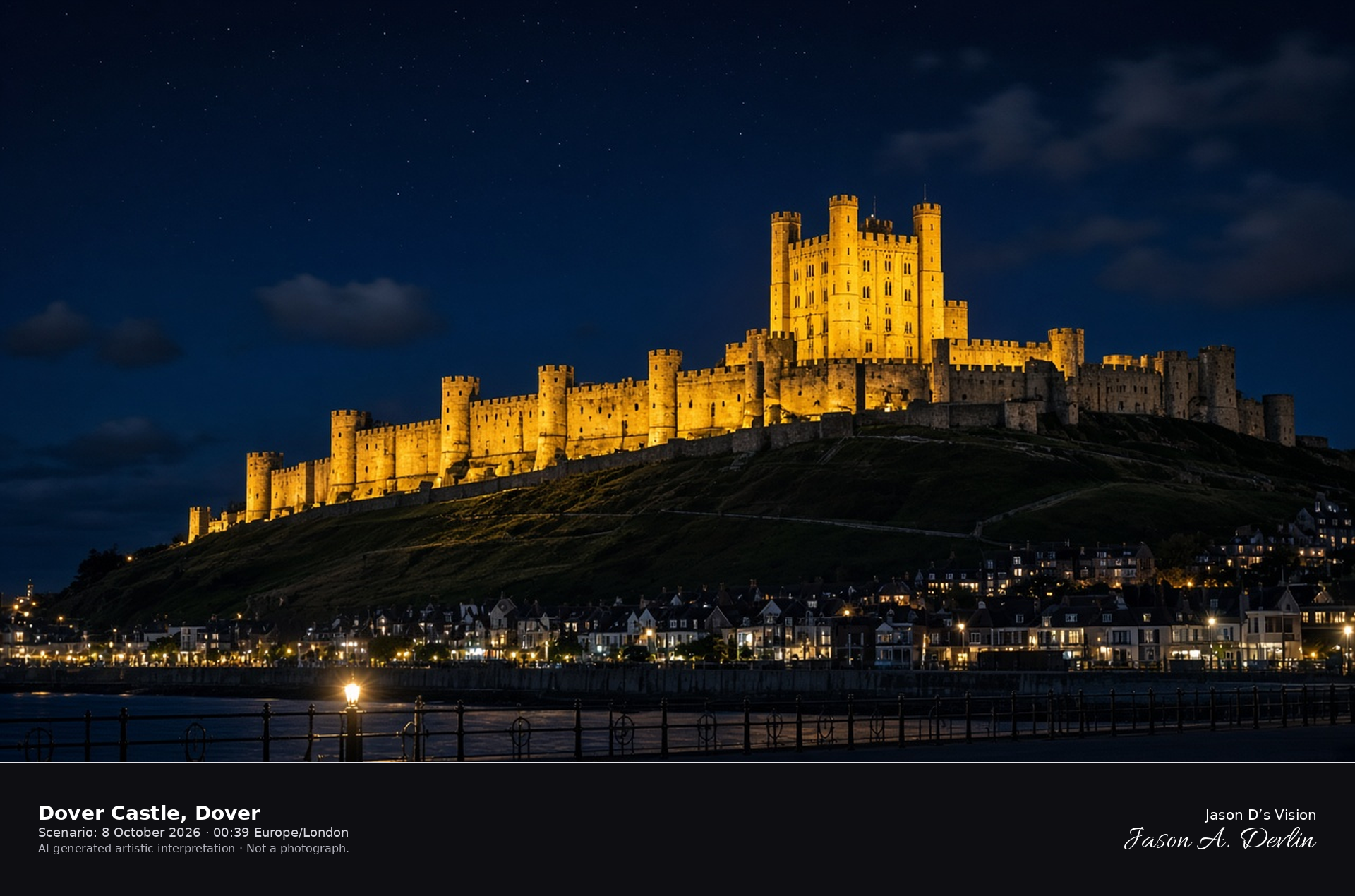
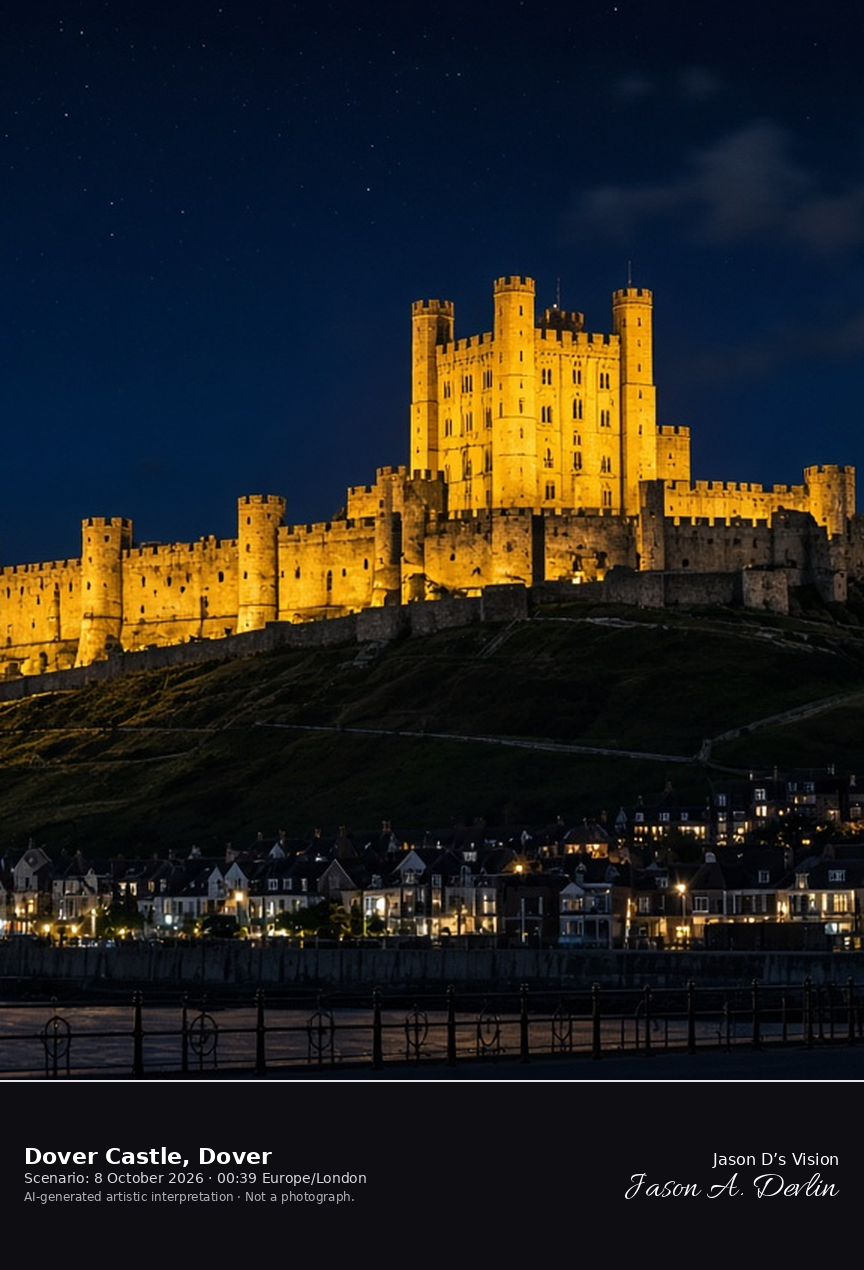
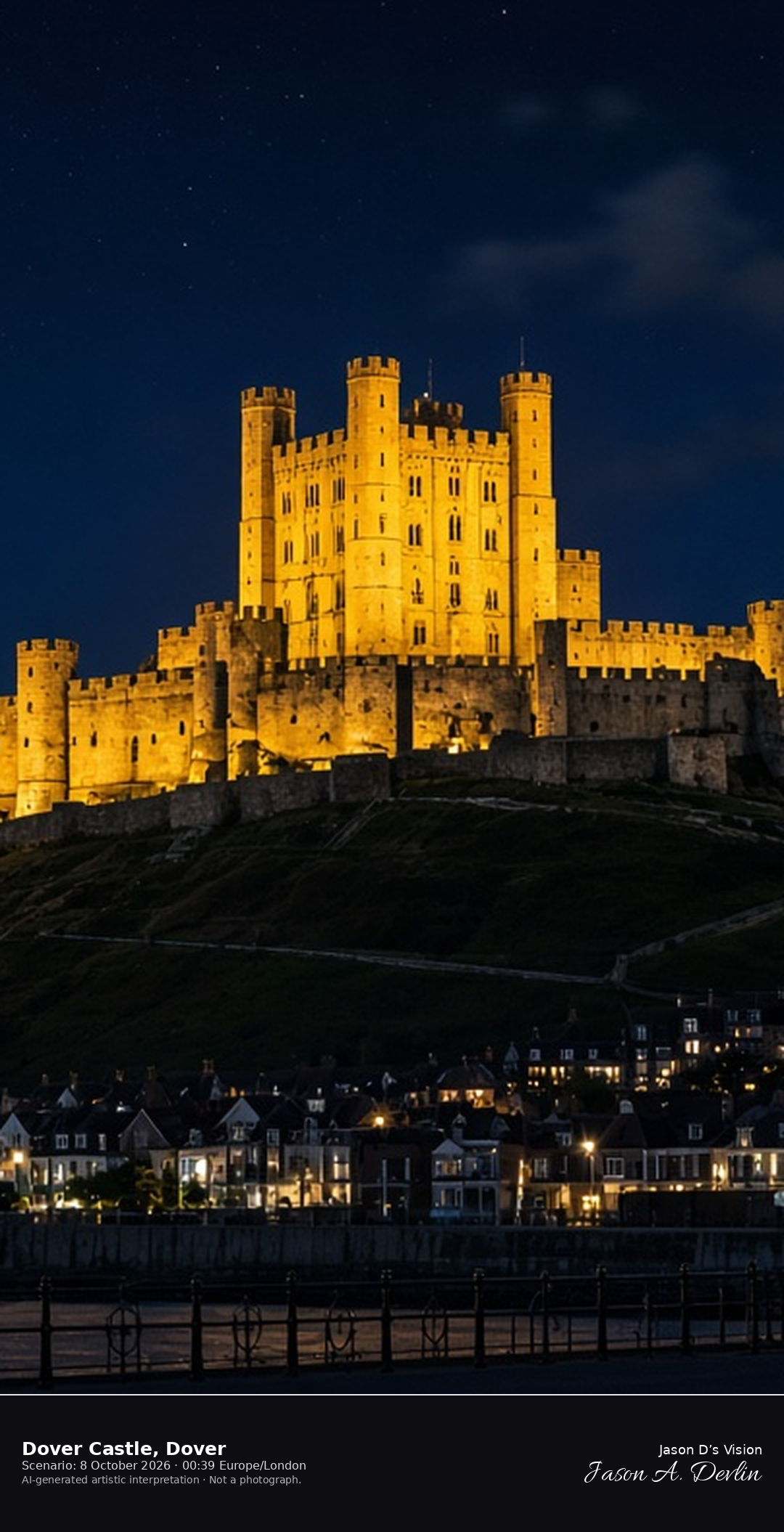
Dover Castle has been called the 'Key to England' for its position above the shortest sea crossing to France. Henry II built its Great Tower in the 1180s, and tunnels in the cliffs below served in both World Wars.
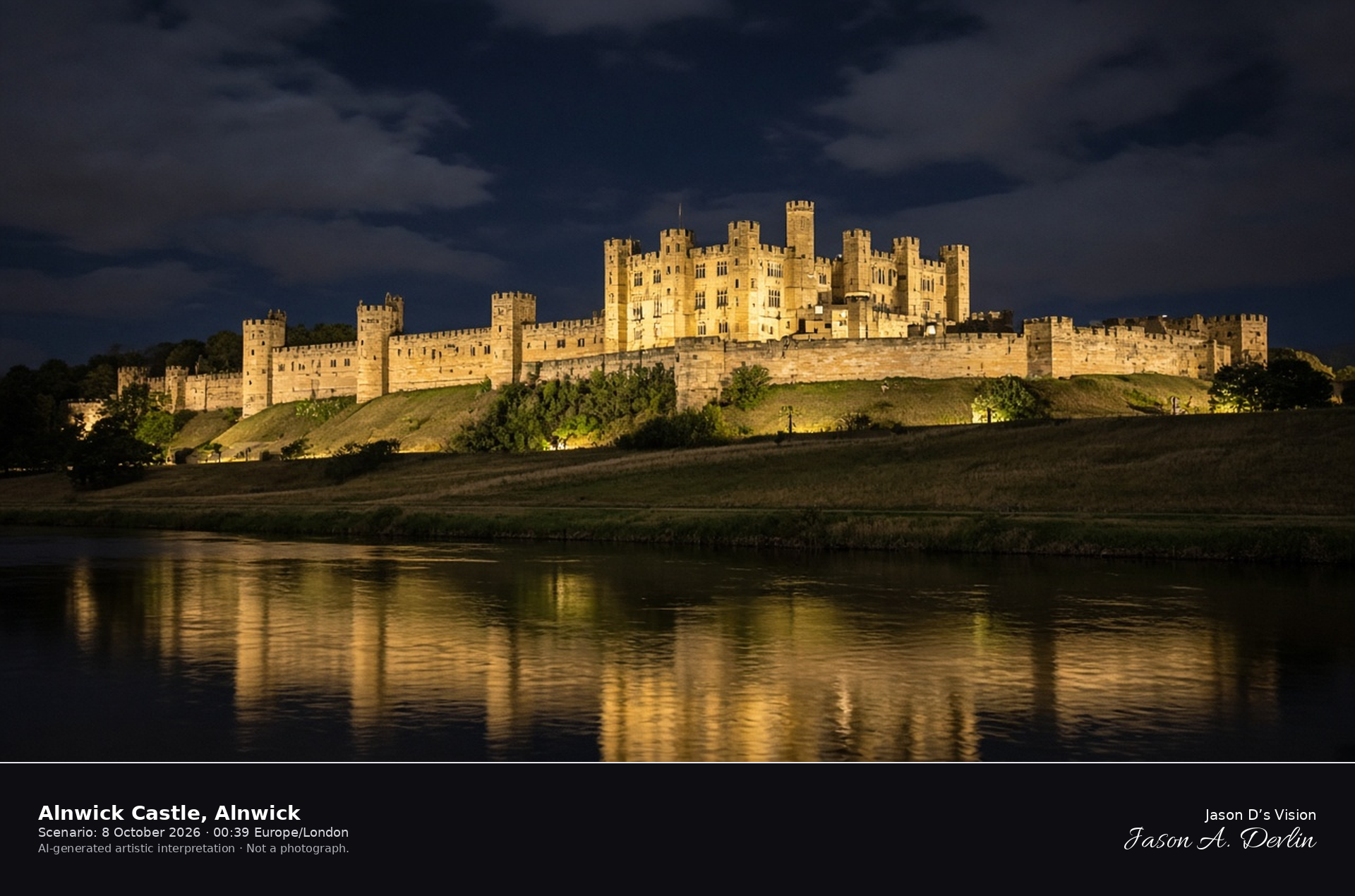
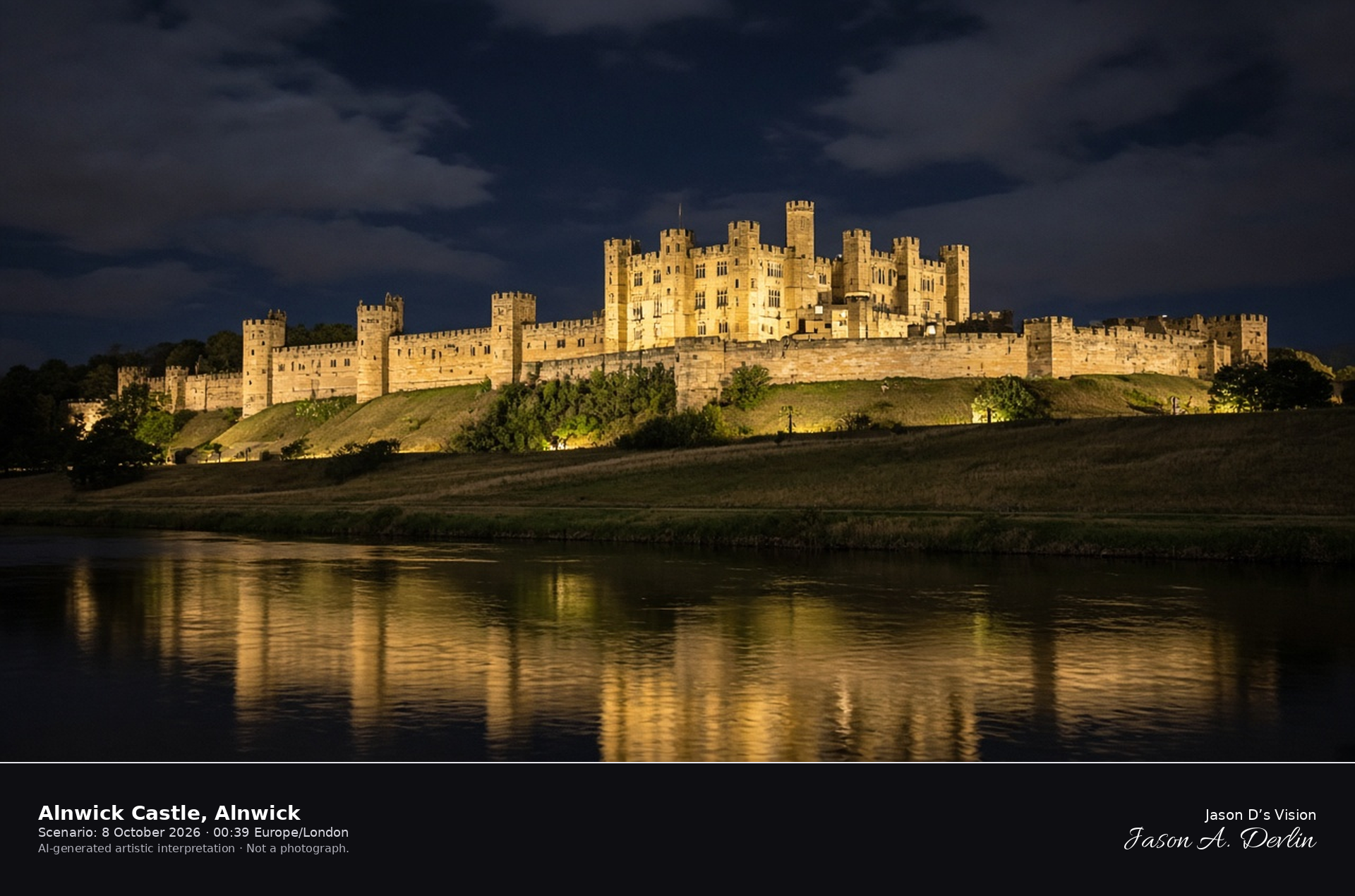
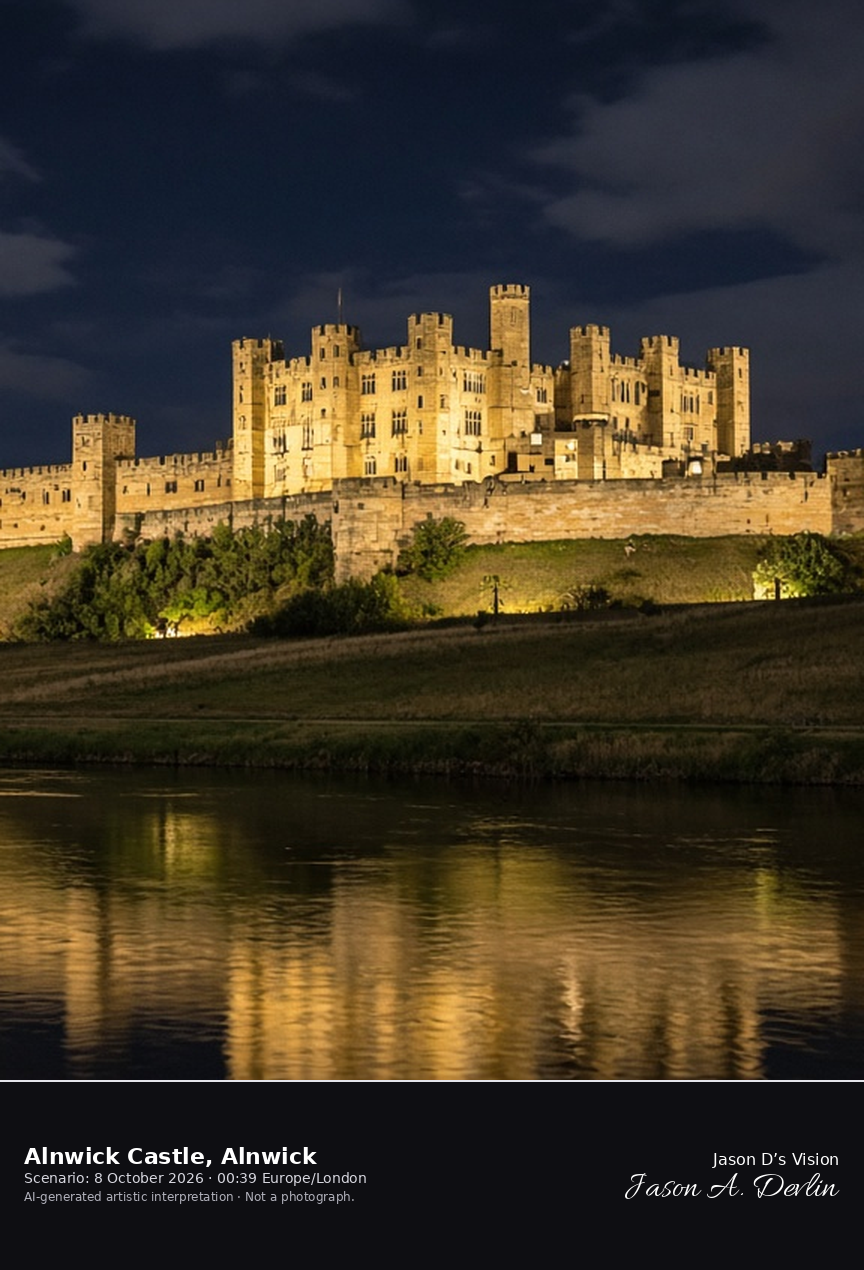
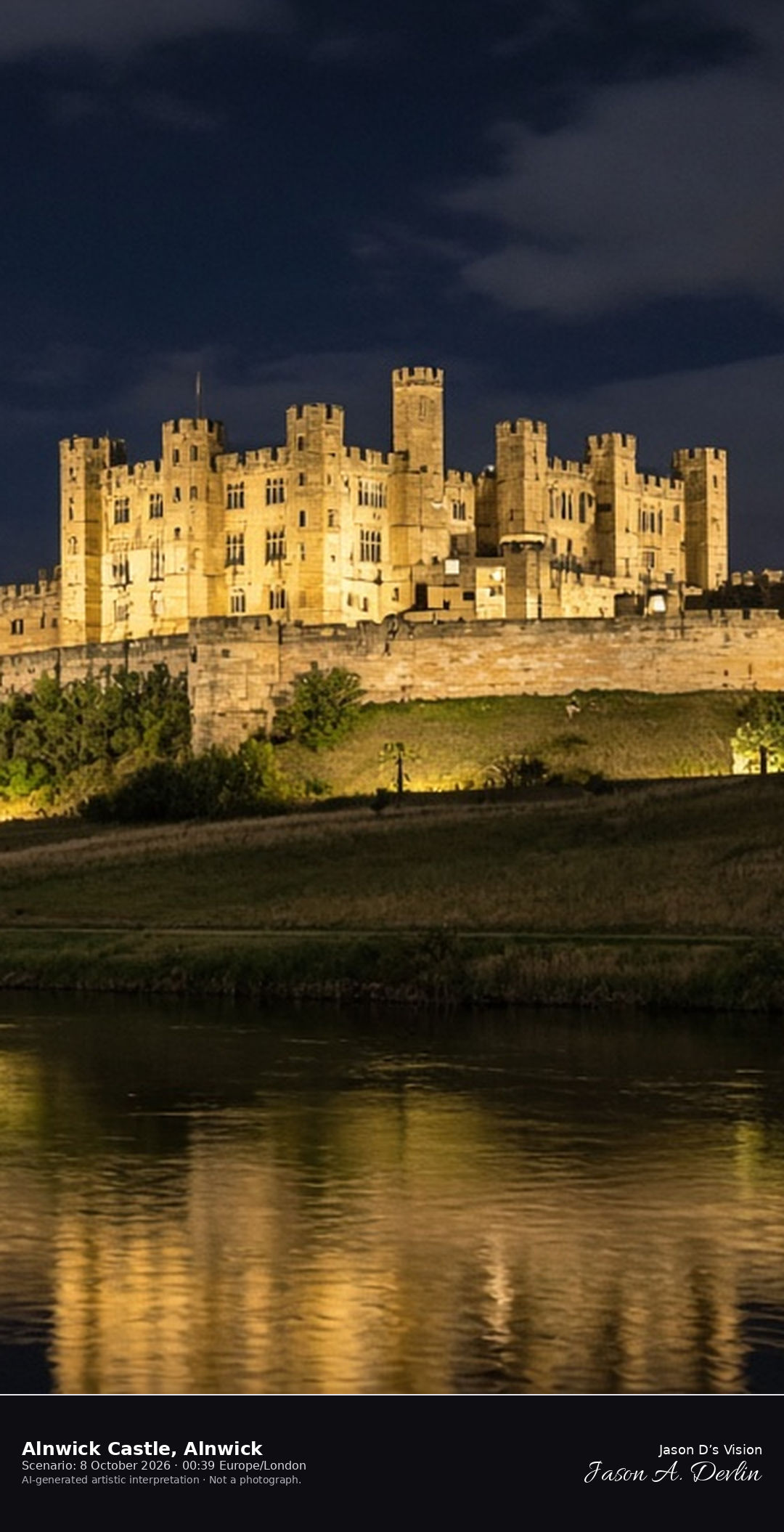
Alnwick has been the home of the Percy family since 1309 and is the seat of the Dukes of Northumberland. Anthony Salvin remodelled it in the 1850s, and its keep is built from tightly packed towers rather than a plain wall.
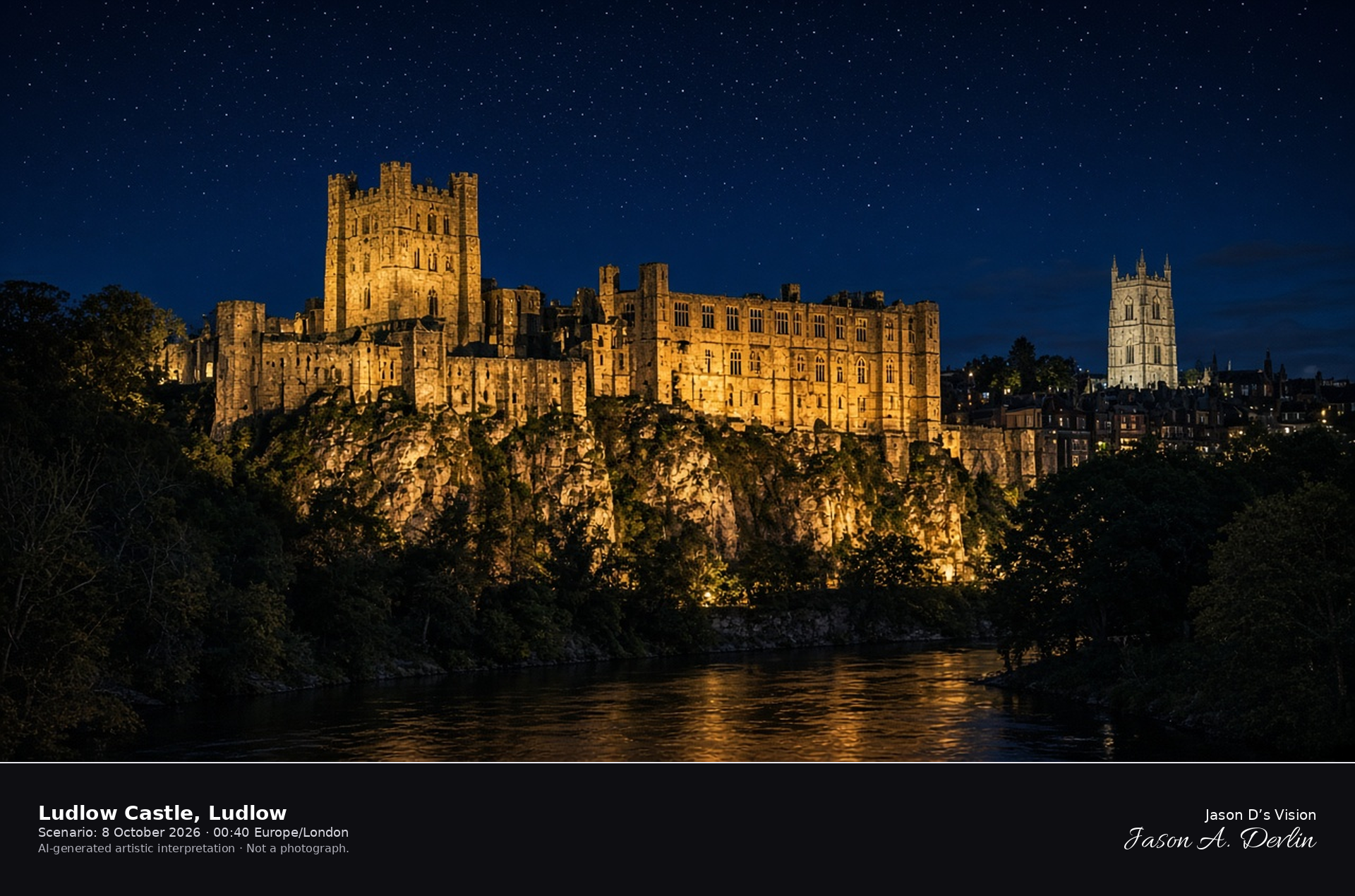
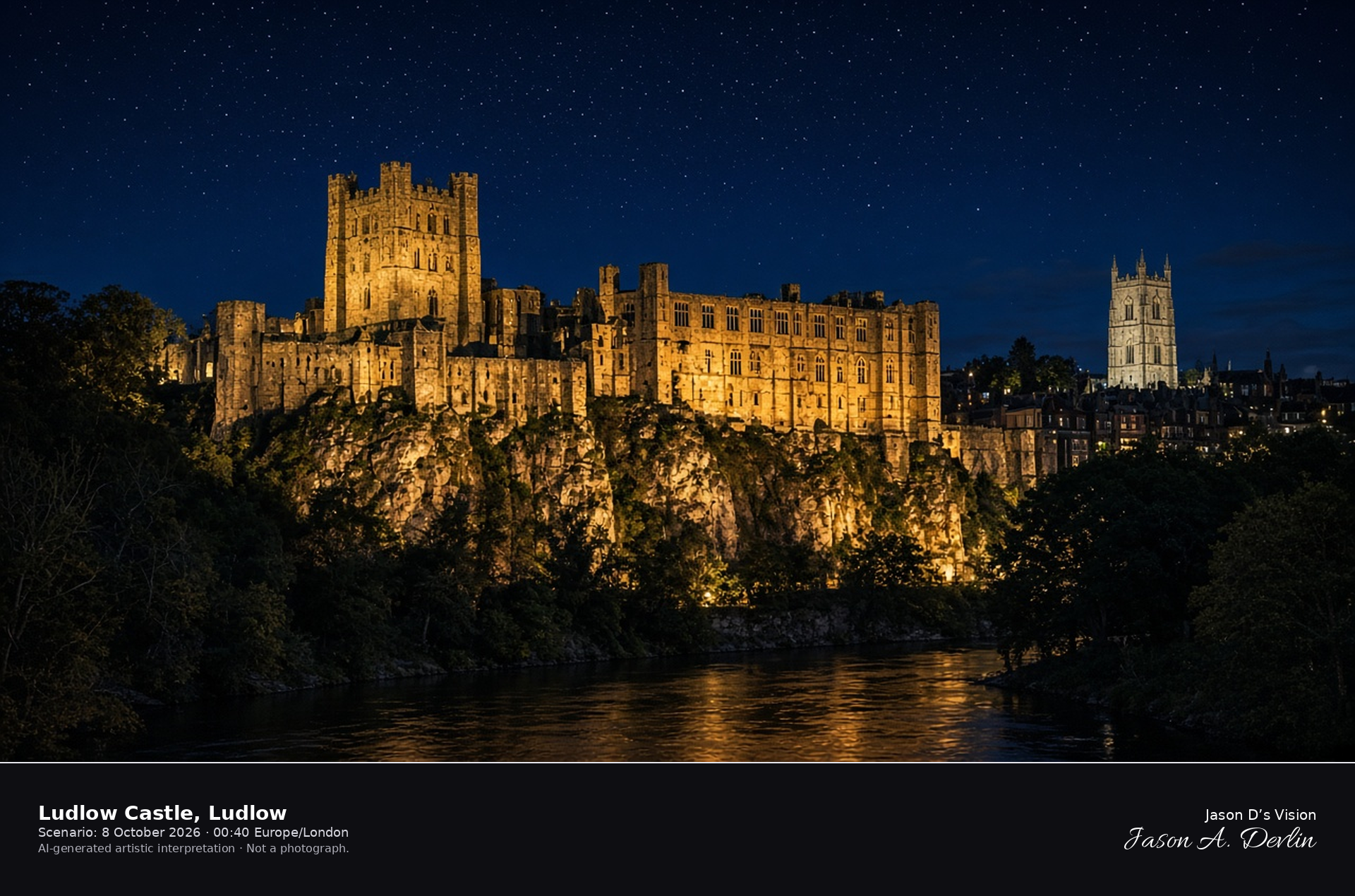
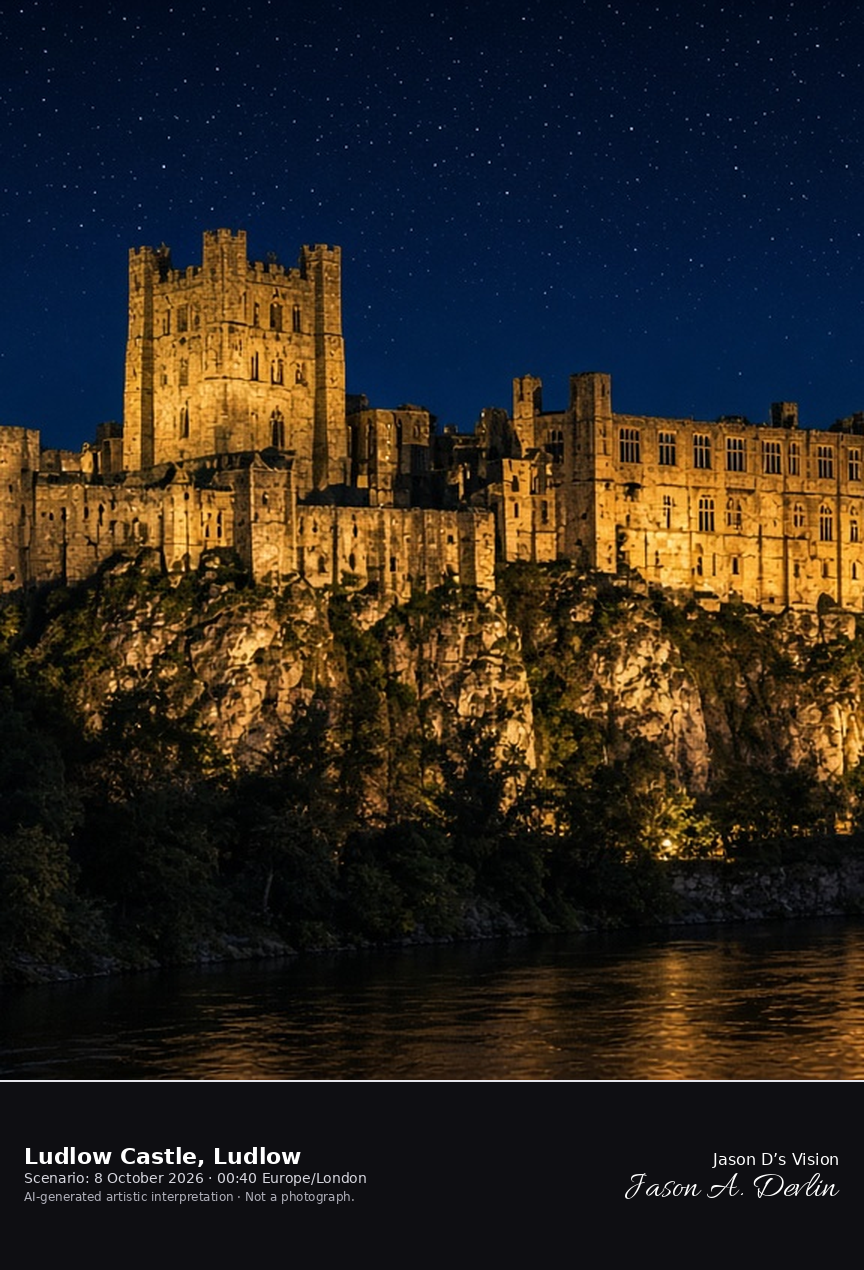
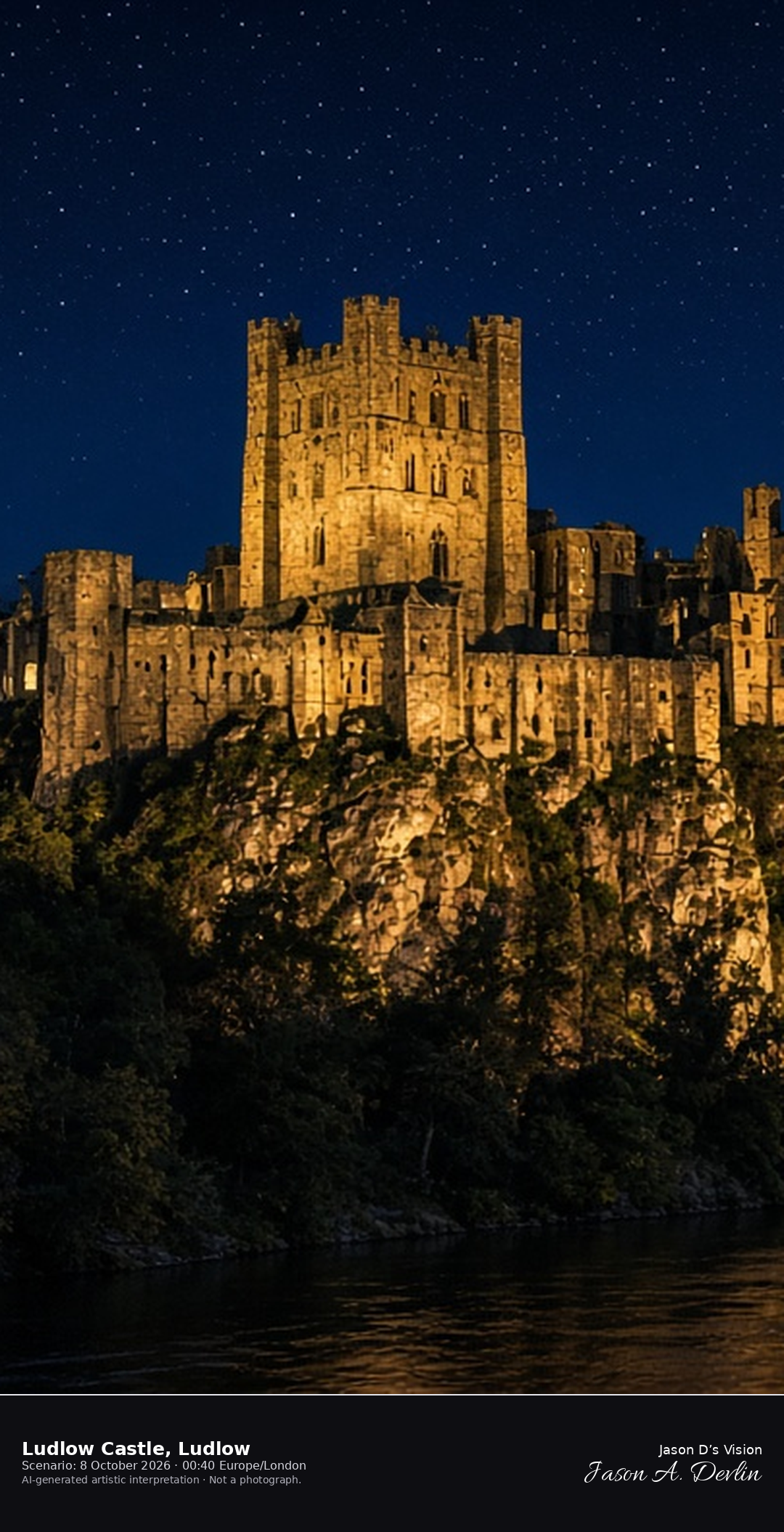
Ludlow Castle was begun around 1075 and later became the seat of the Council of the Marches, which governed Wales. Prince Arthur, elder brother of Henry VIII, died here in 1502.
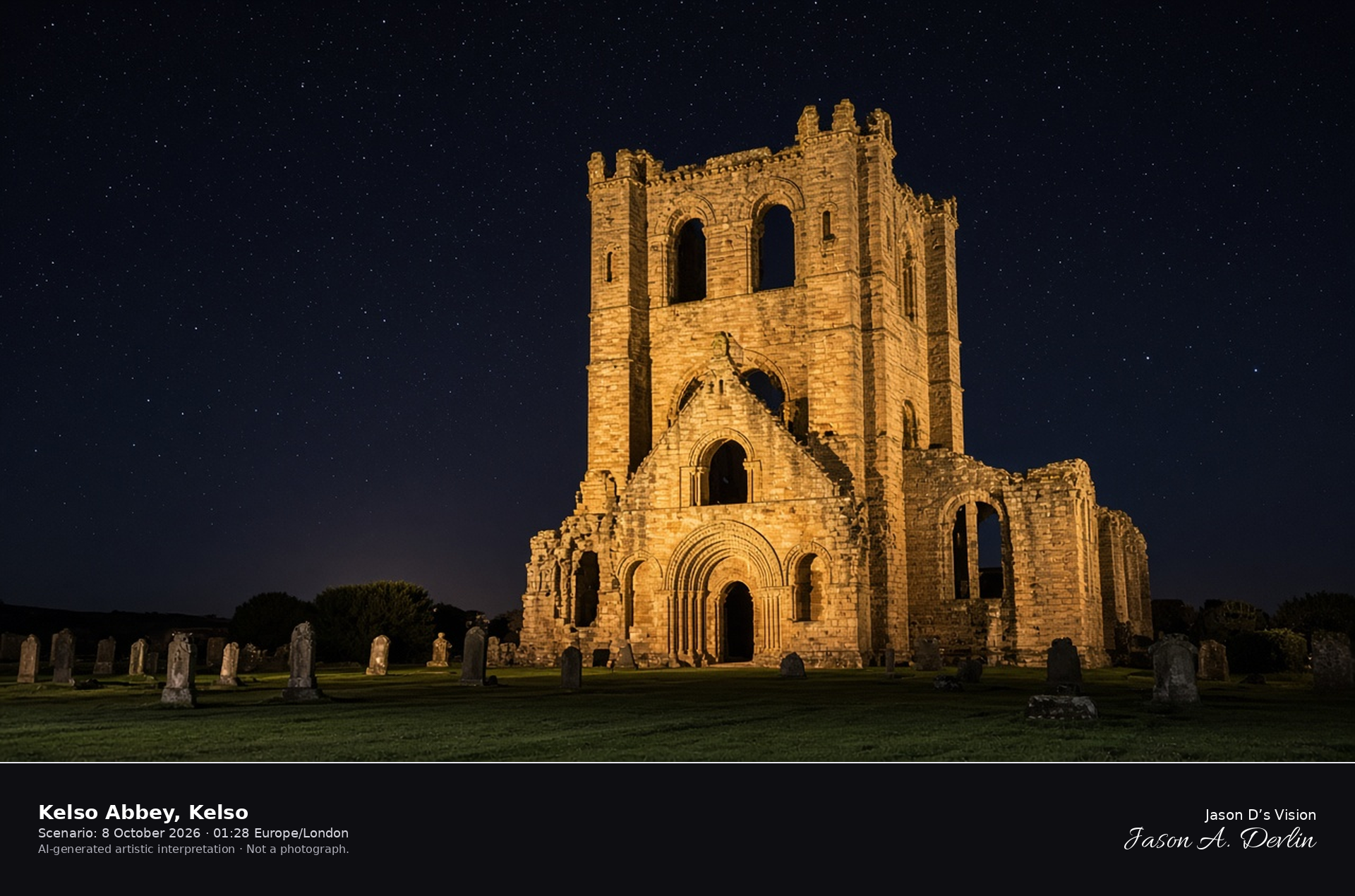
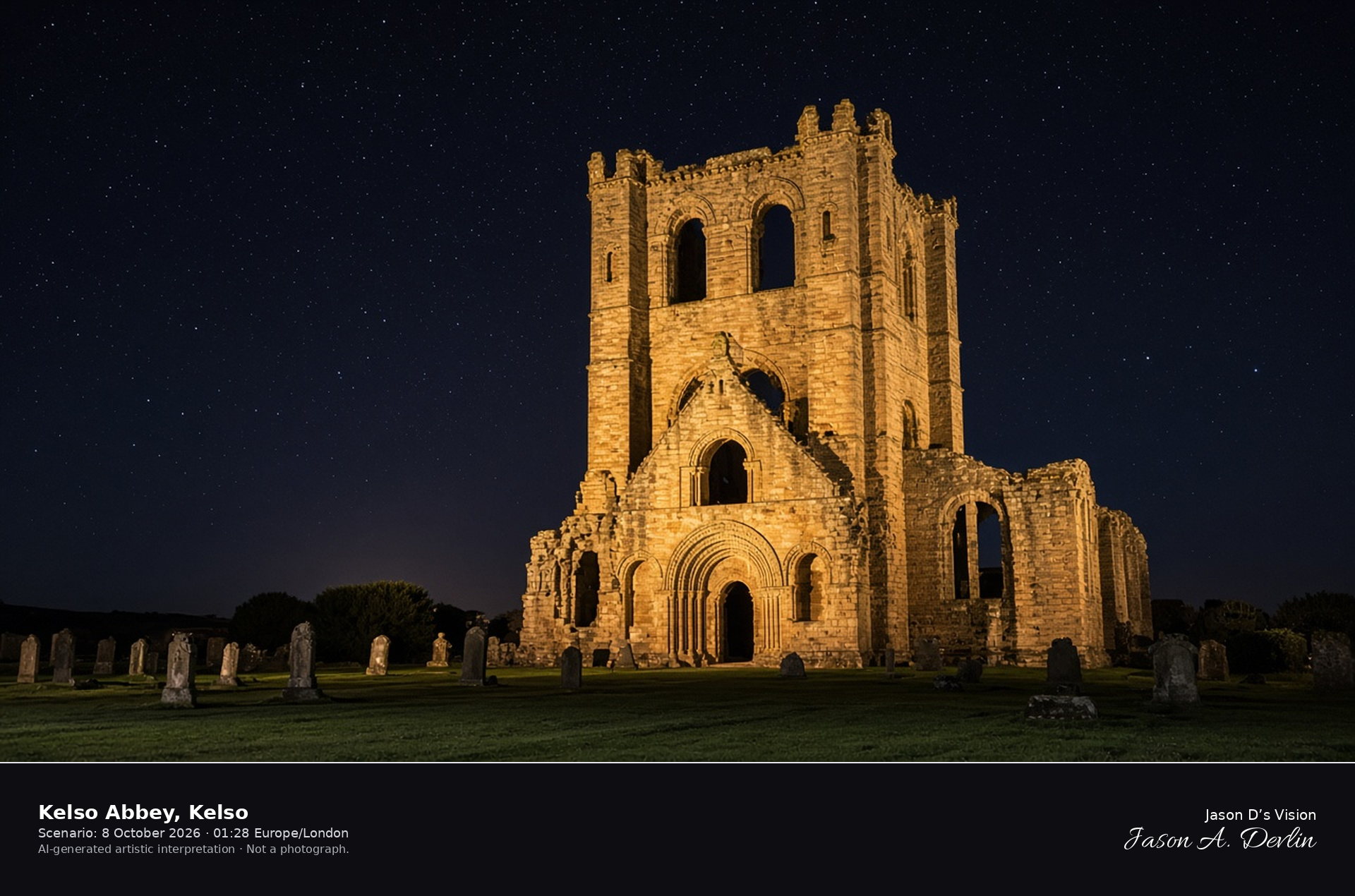
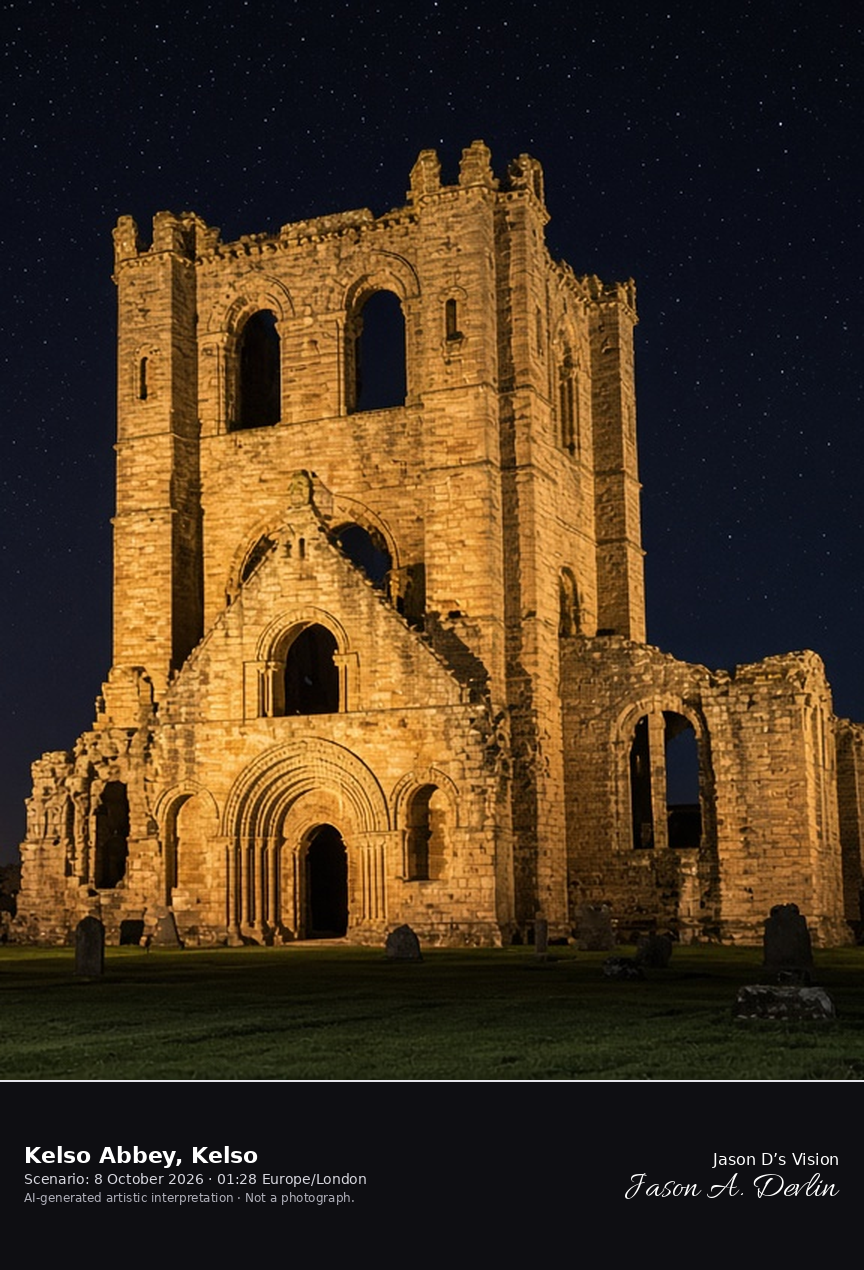
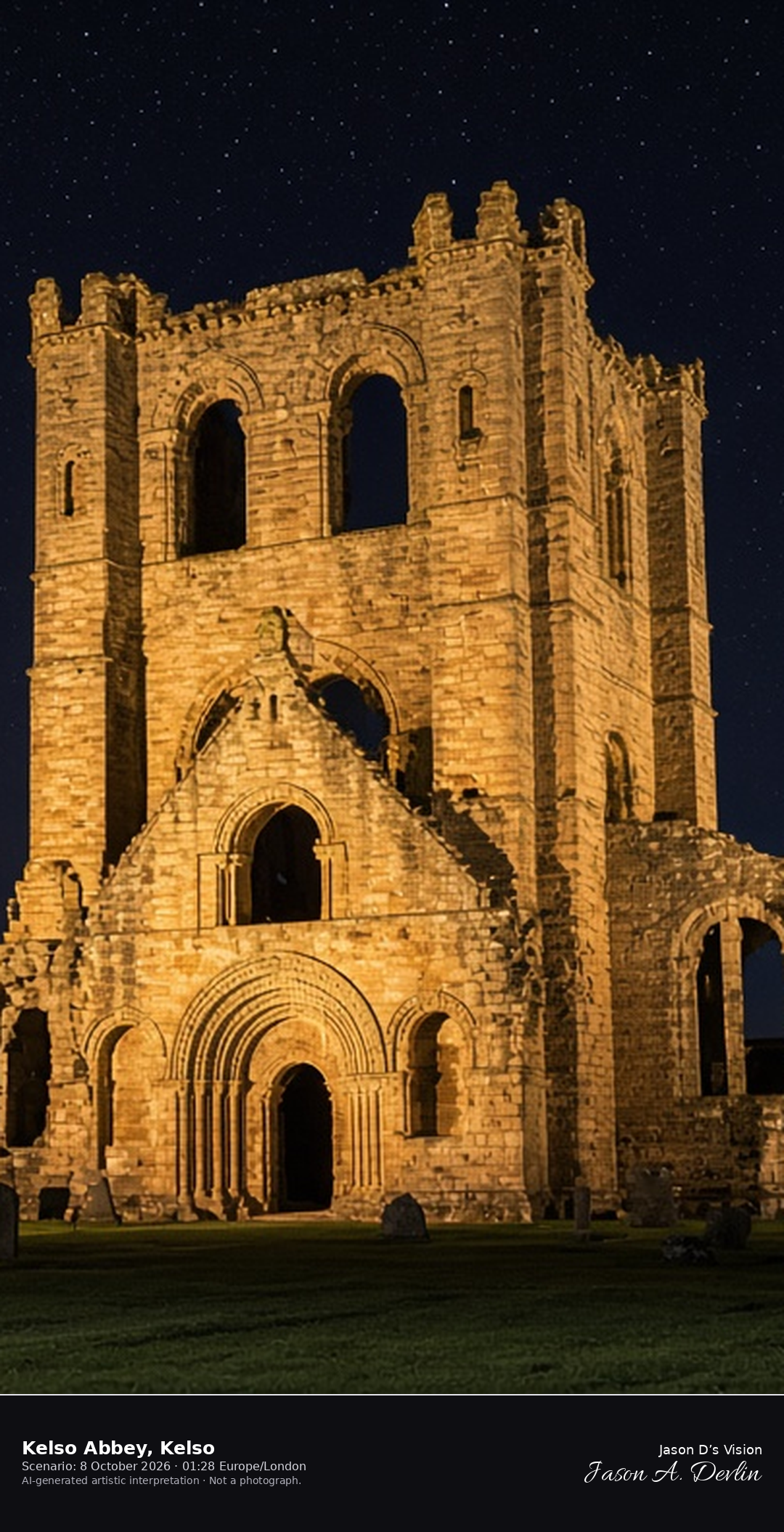
Kelso Abbey was founded in 1128 under King David I and was one of the richest abbeys in Scotland. English forces wrecked it in 1545, and only part of the west end, with its round-headed Romanesque arches, still stands.
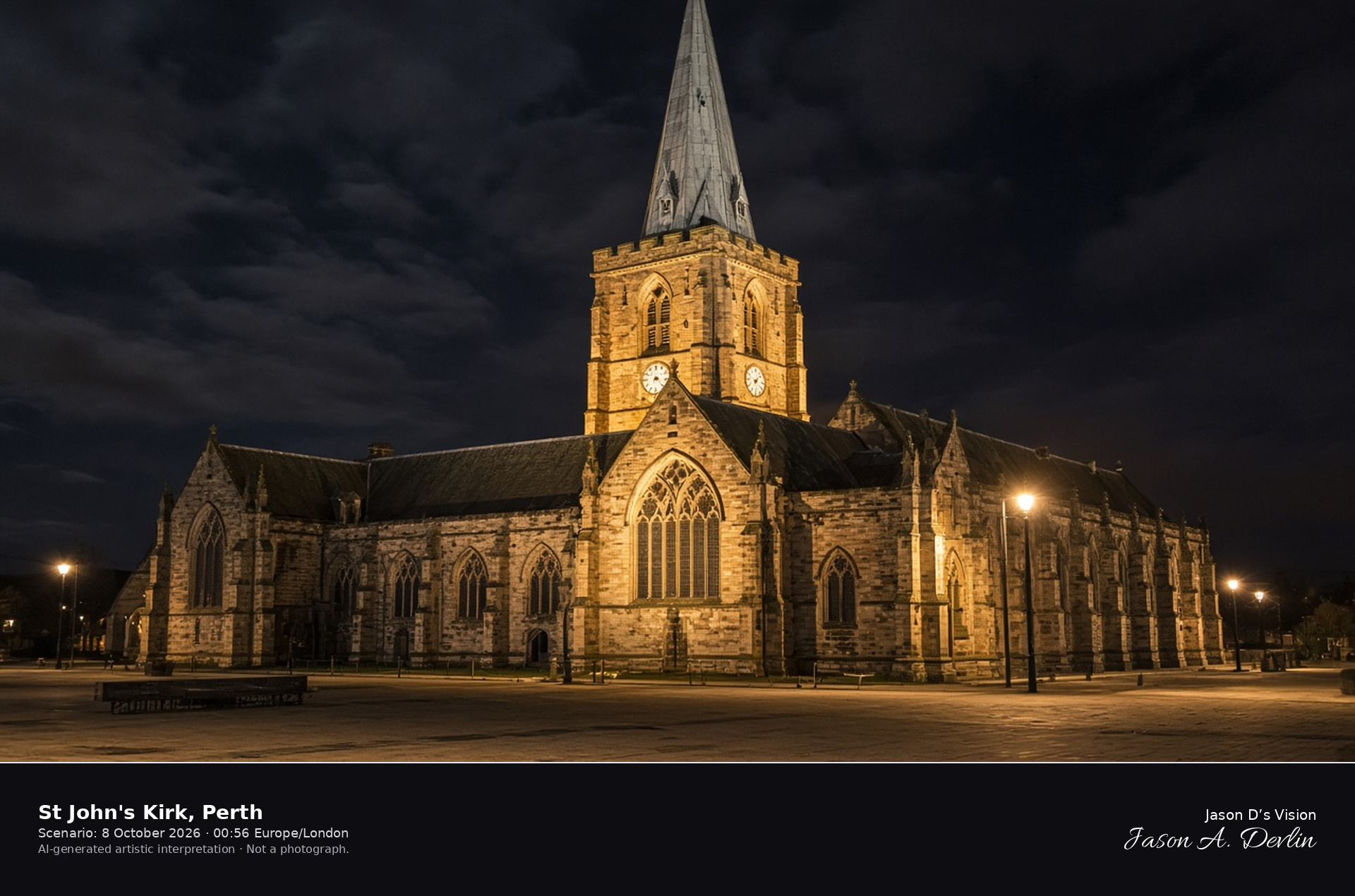
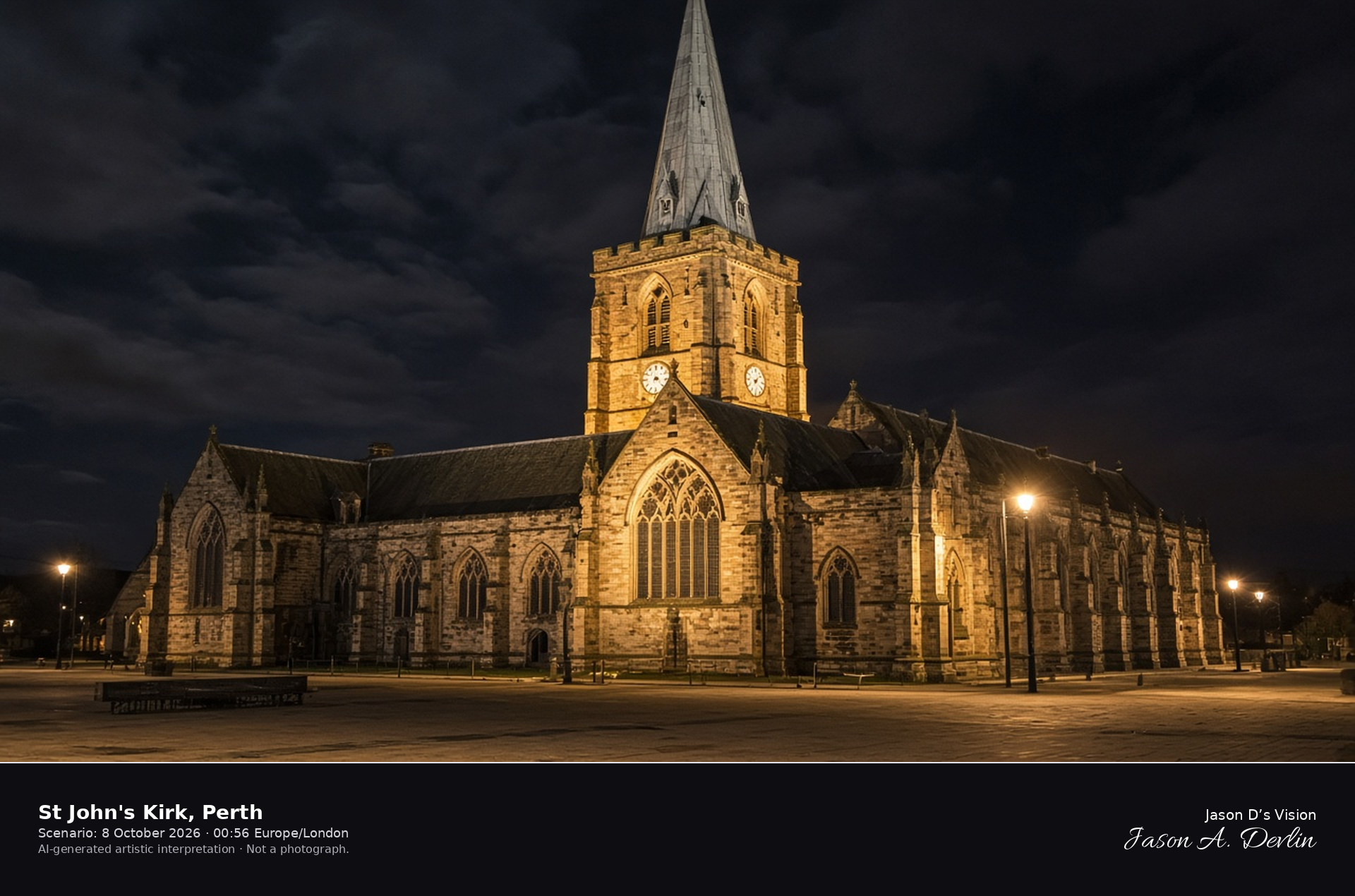
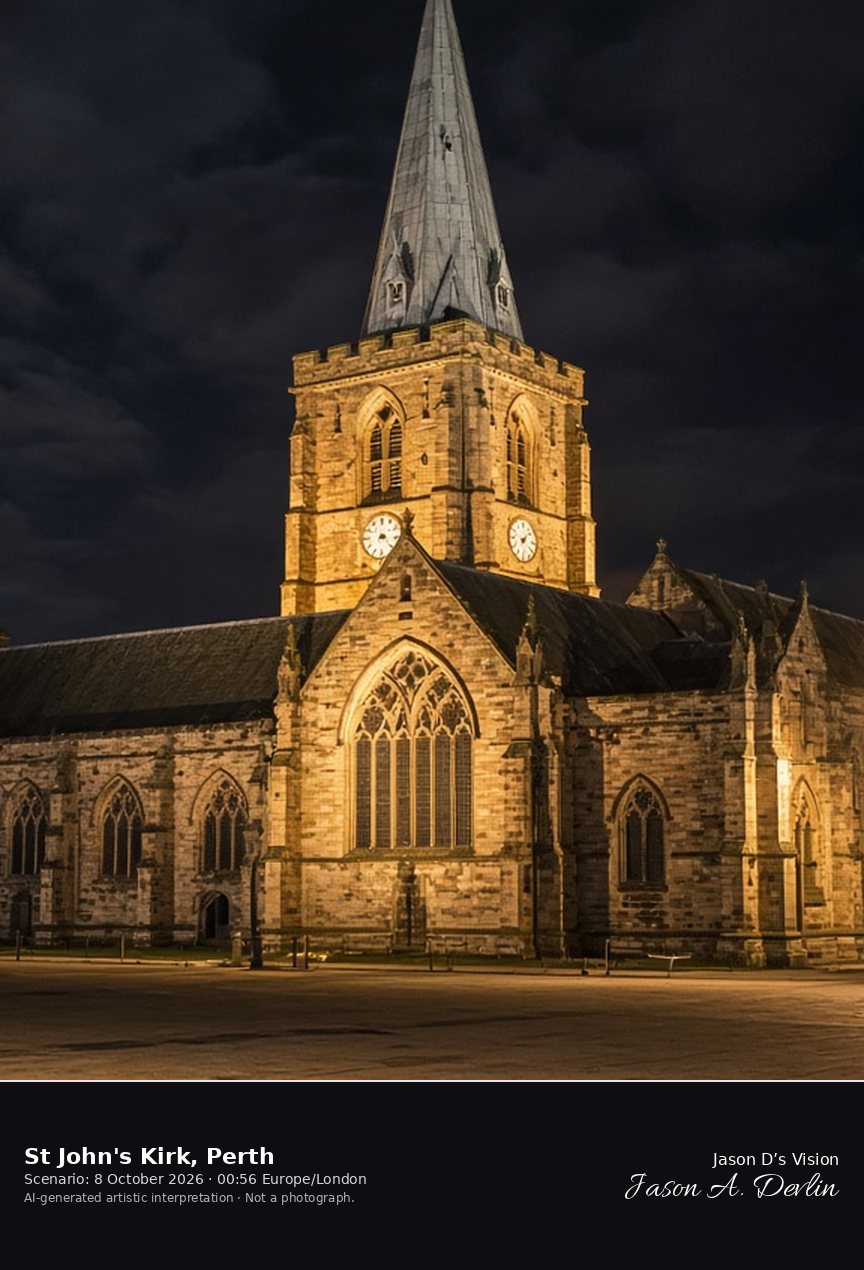
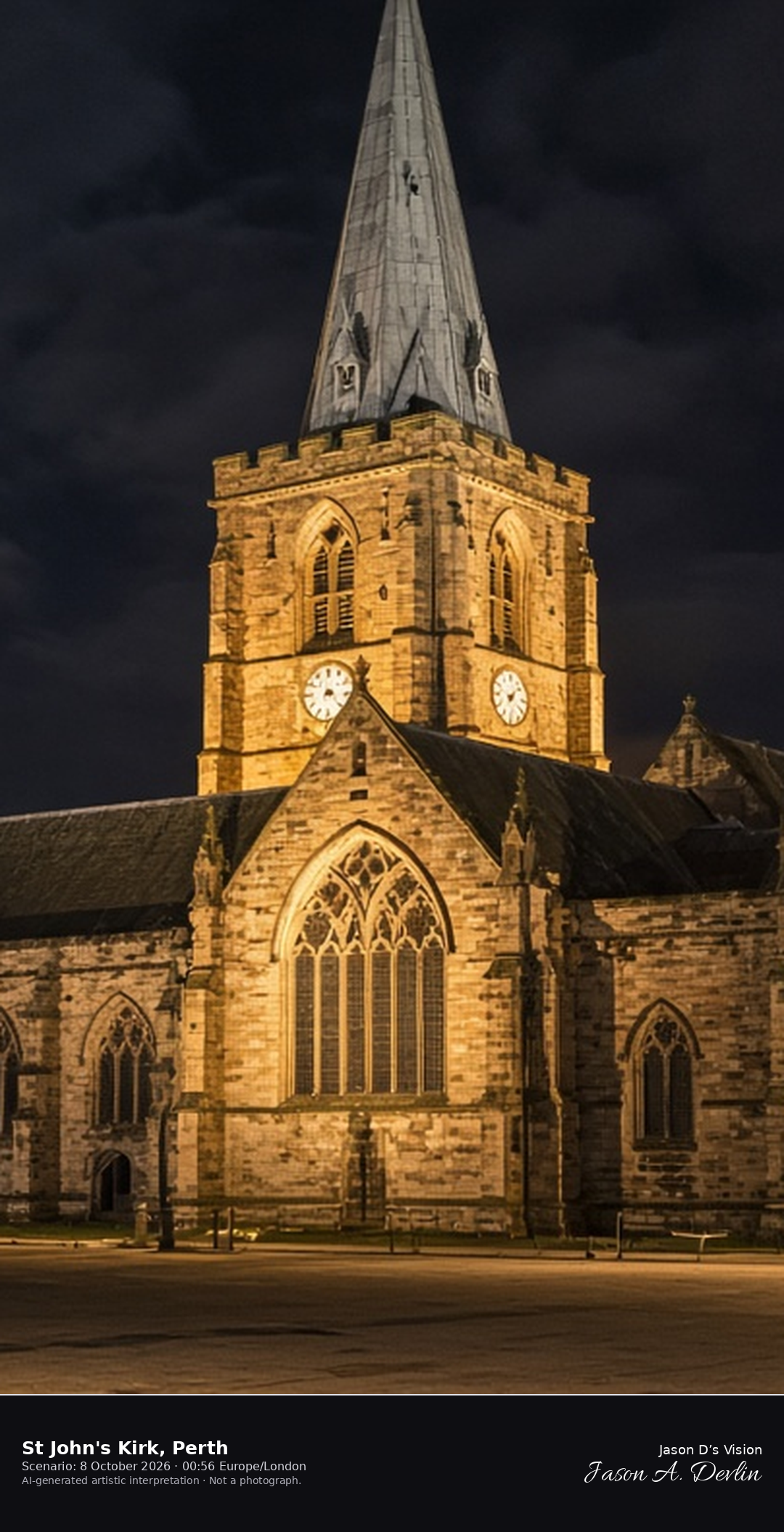
St John's Kirk, Perth · AI-generated artistic interpretation
St John's Kirk is Perth's medieval burgh church, mostly built in the 15th century. John Knox preached a famous sermon here in 1559, and Robert Lorimer restored the church in the 1920s as a war memorial.
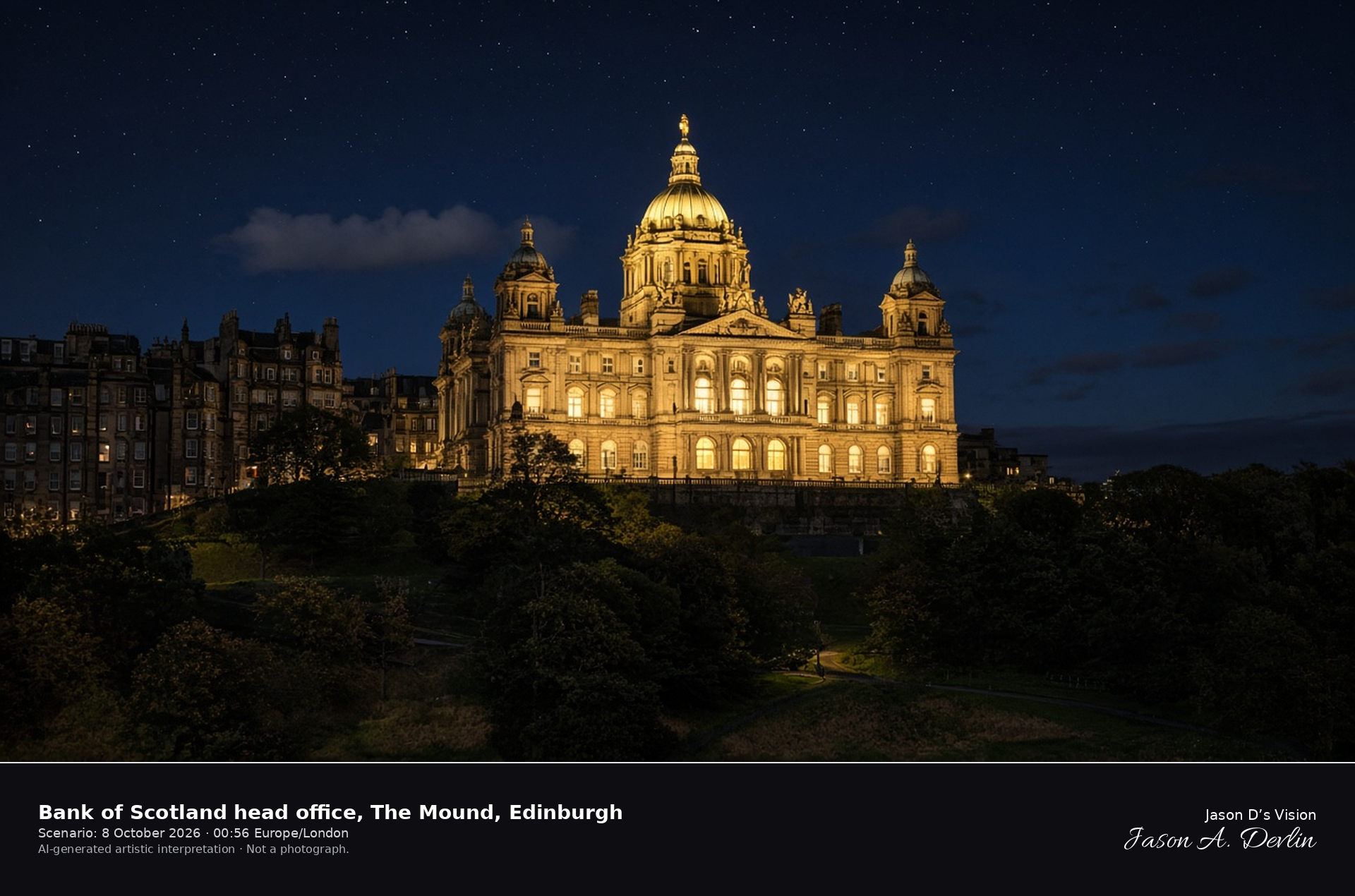
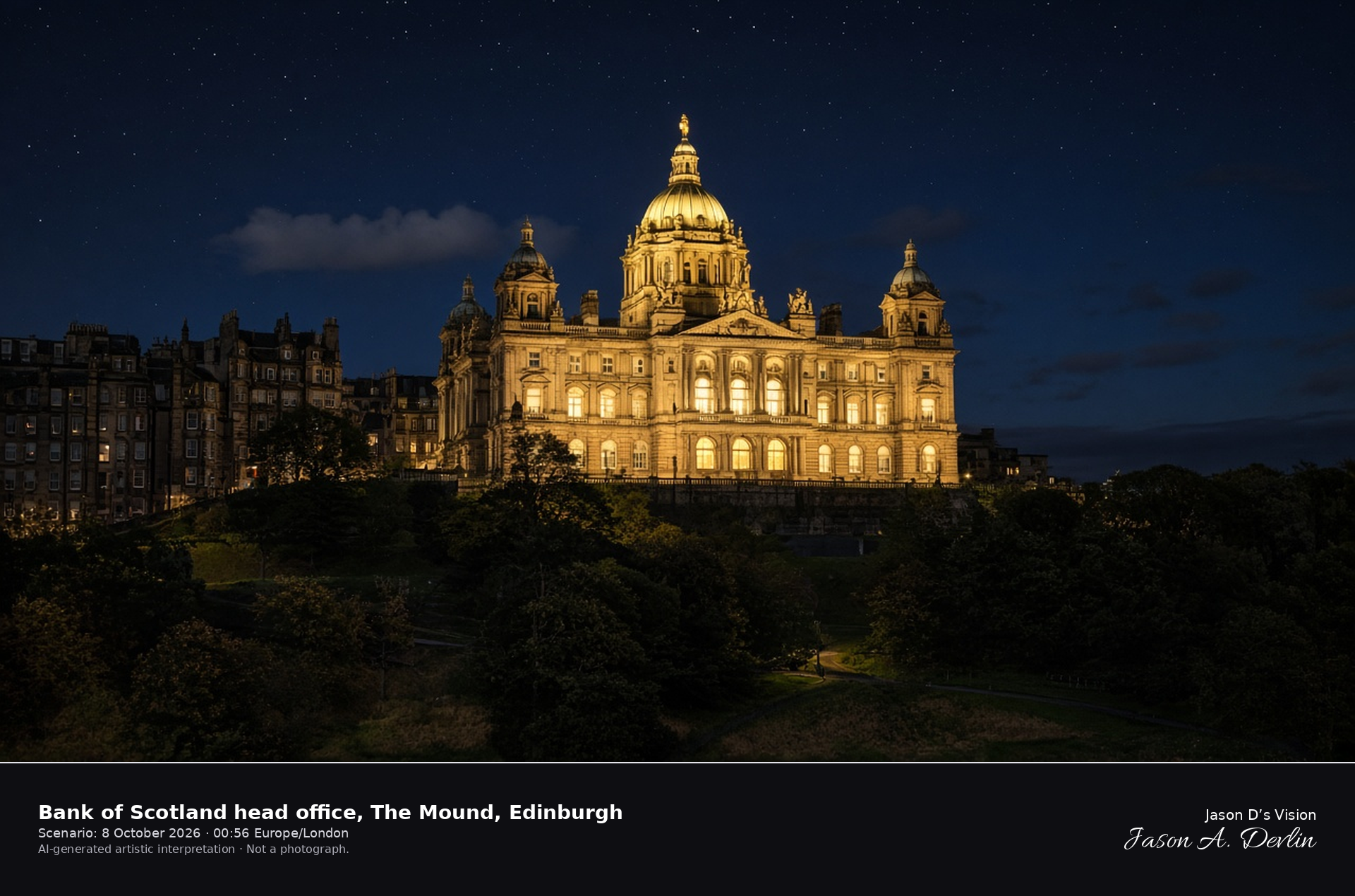
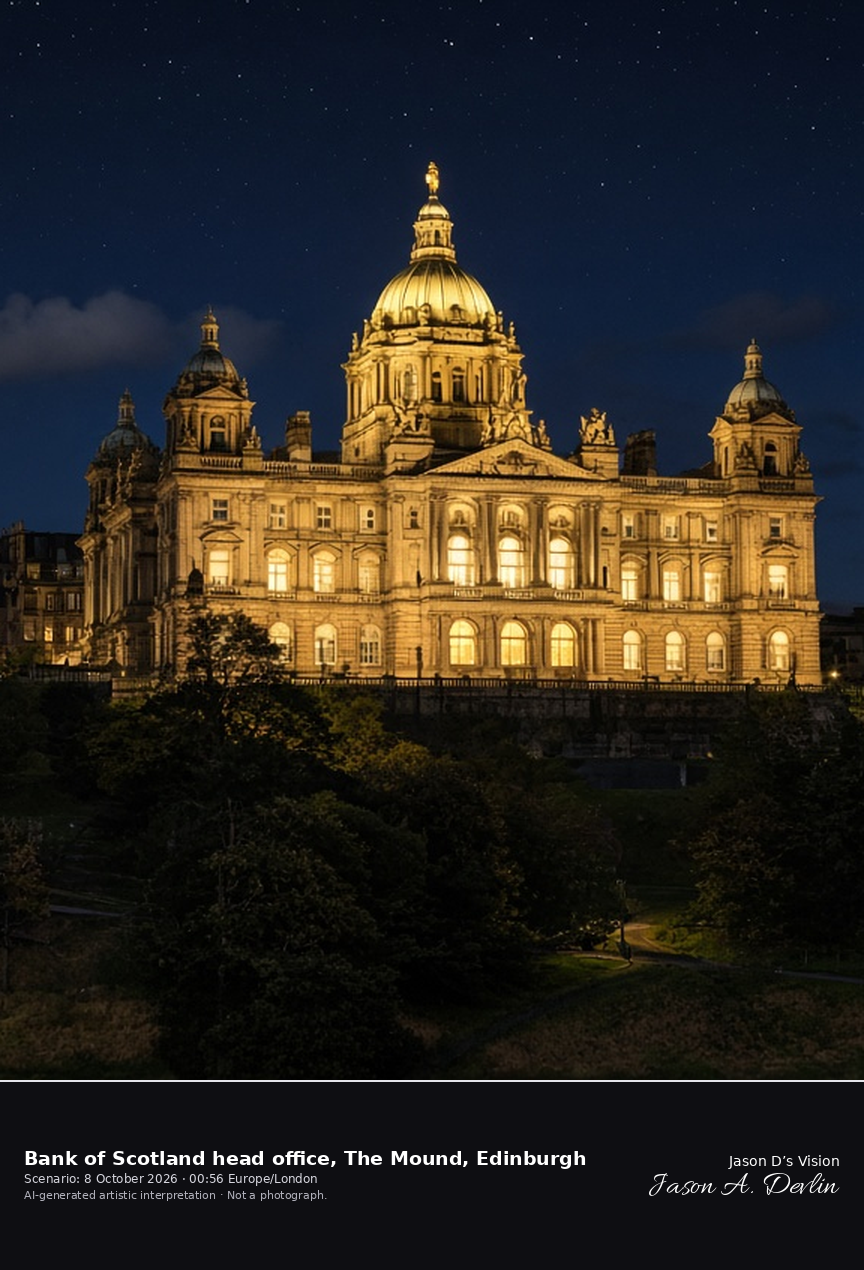
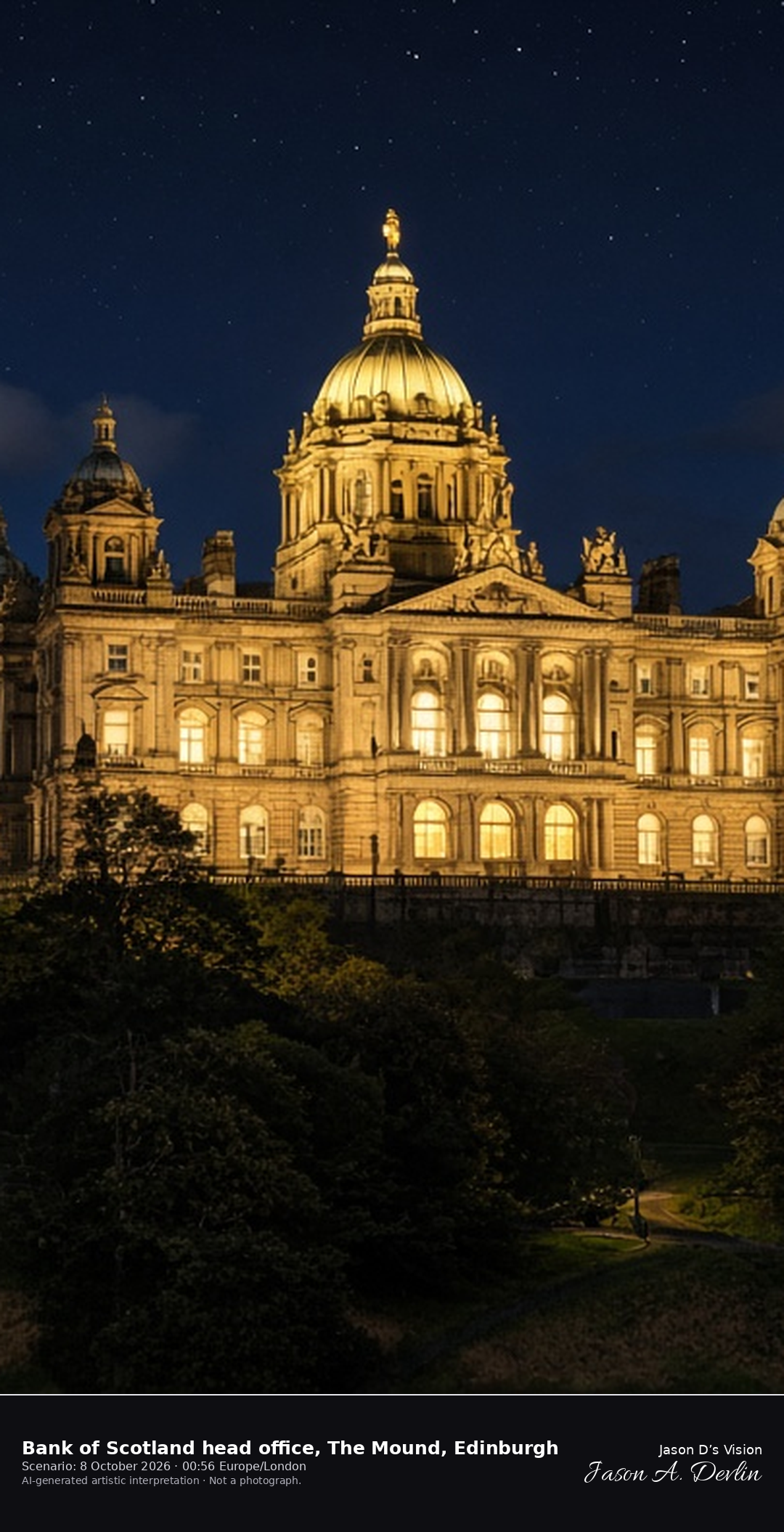
Bank of Scotland head office, The Mound, Edinburgh
Bank of Scotland head office, The Mound, Edinburgh · AI-generated artistic interpretation
The Bank of Scotland built its head office on the Mound in 1802-06, and David Bryce enlarged it in Baroque style in the 1860s. The Mound itself is an artificial slope made from earth dug out for the New Town.
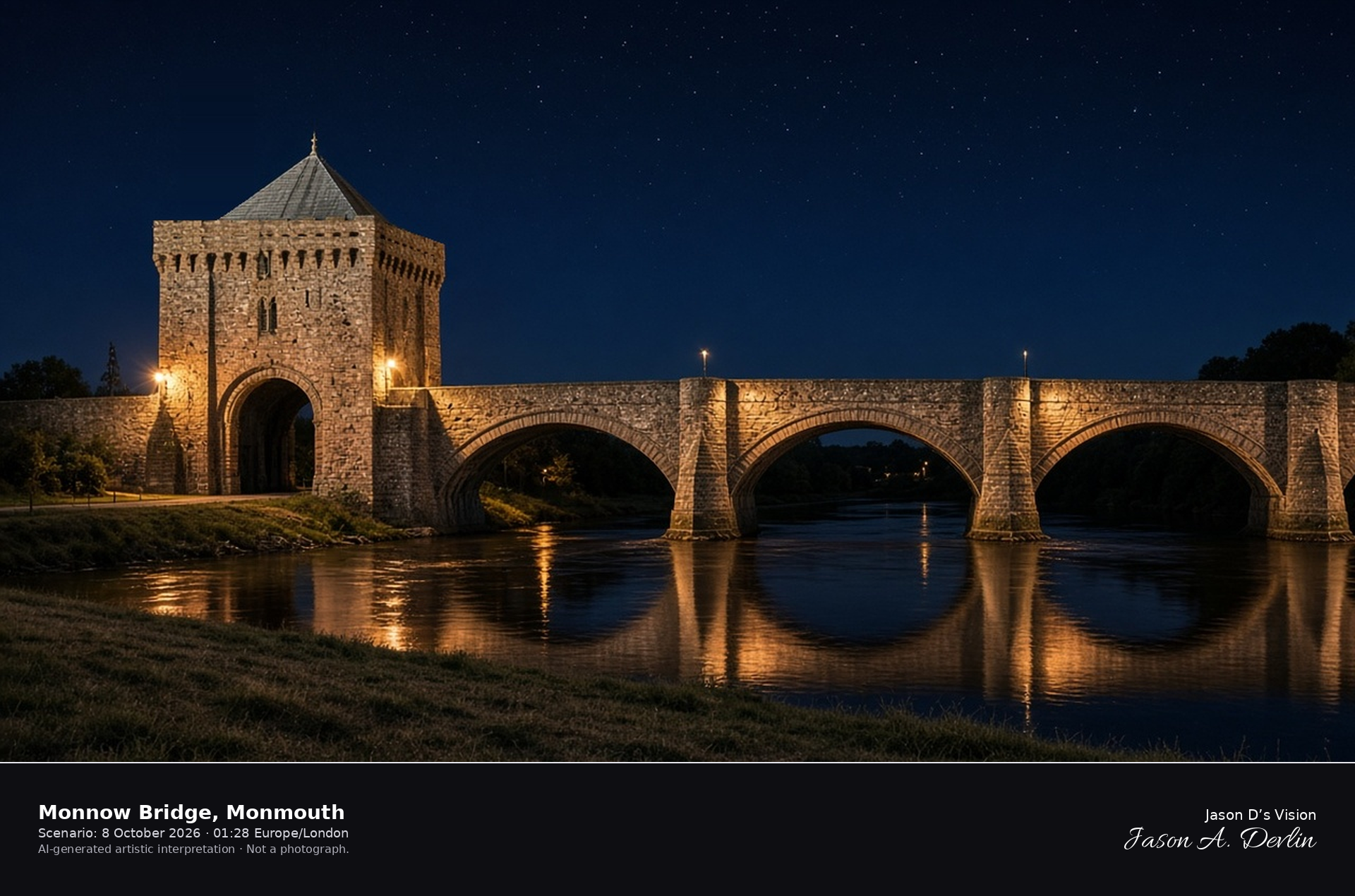
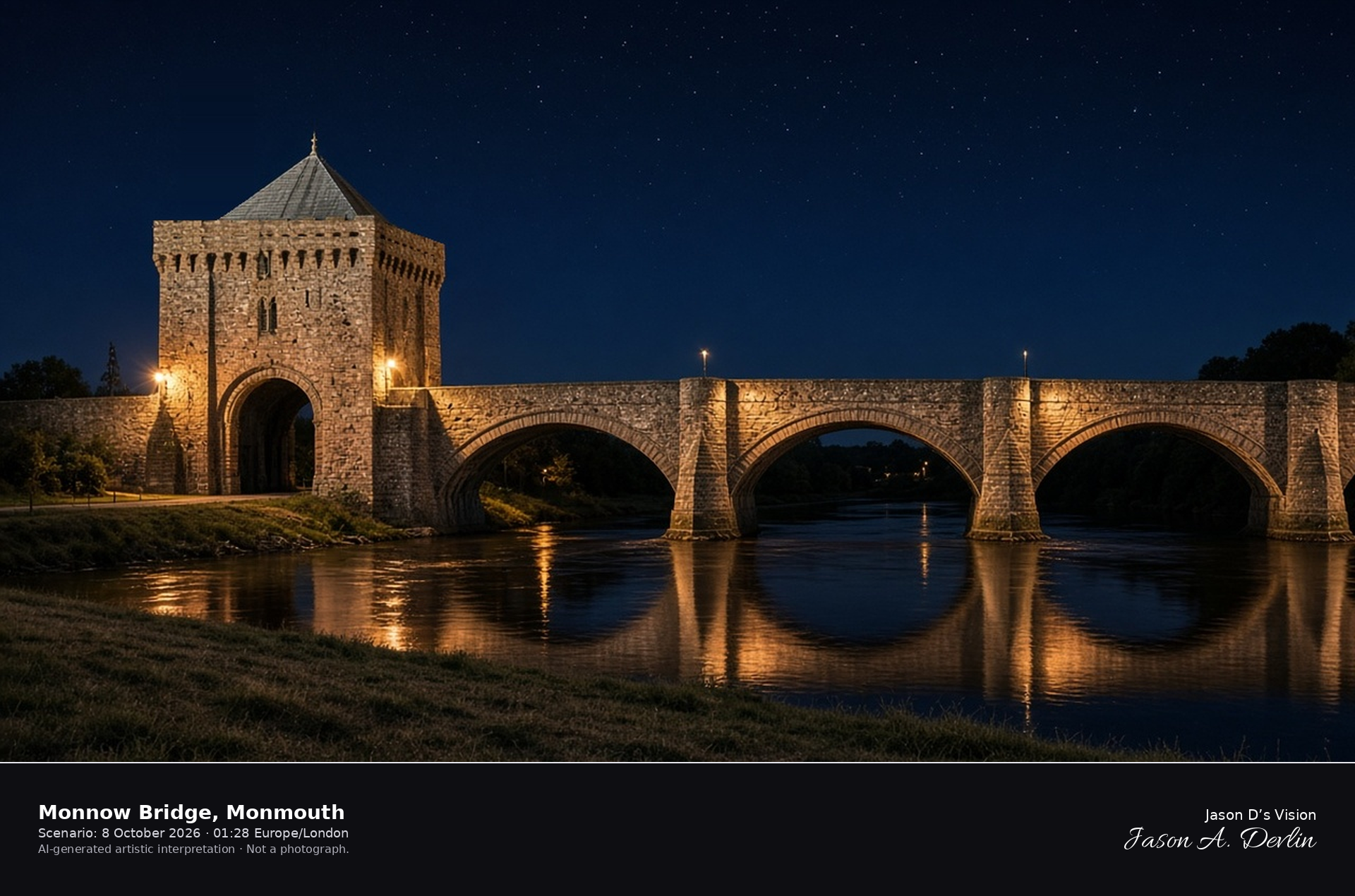
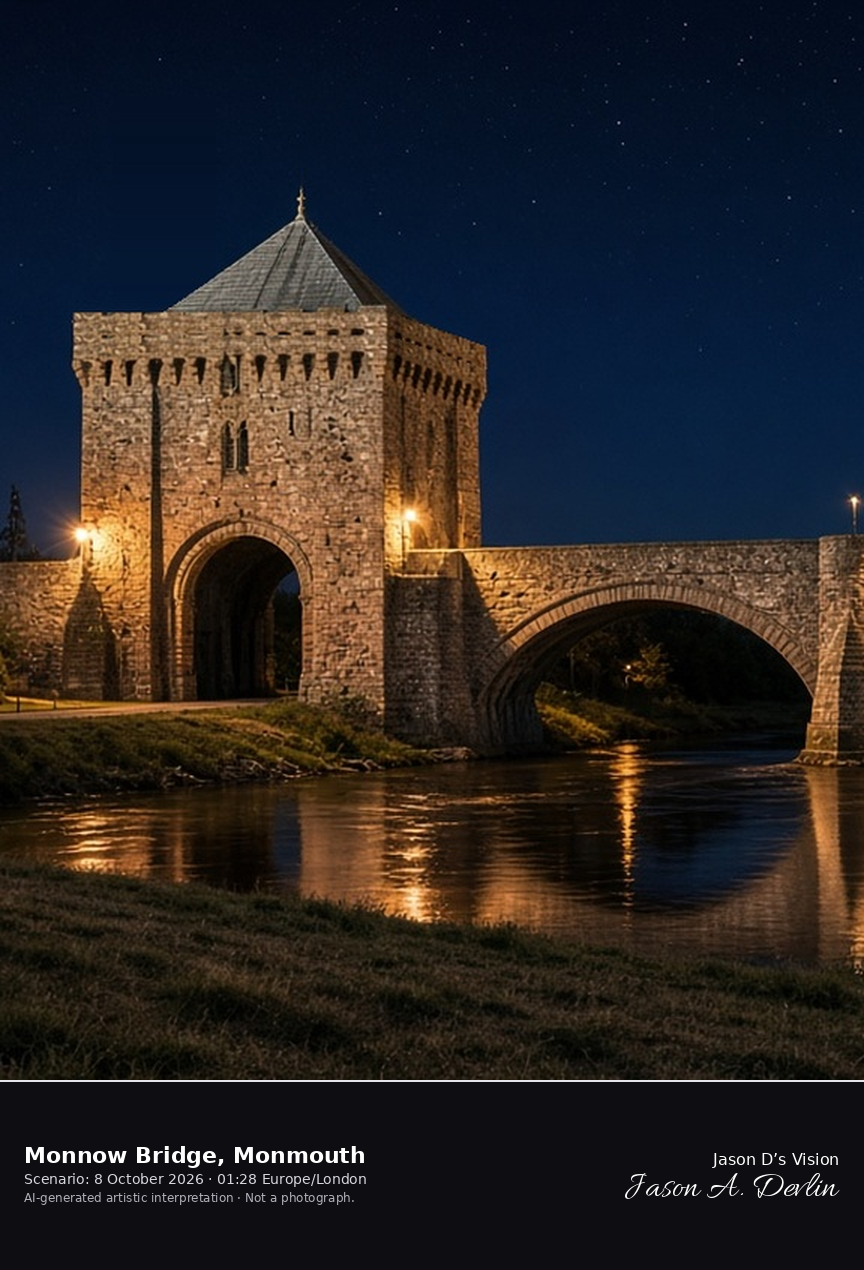
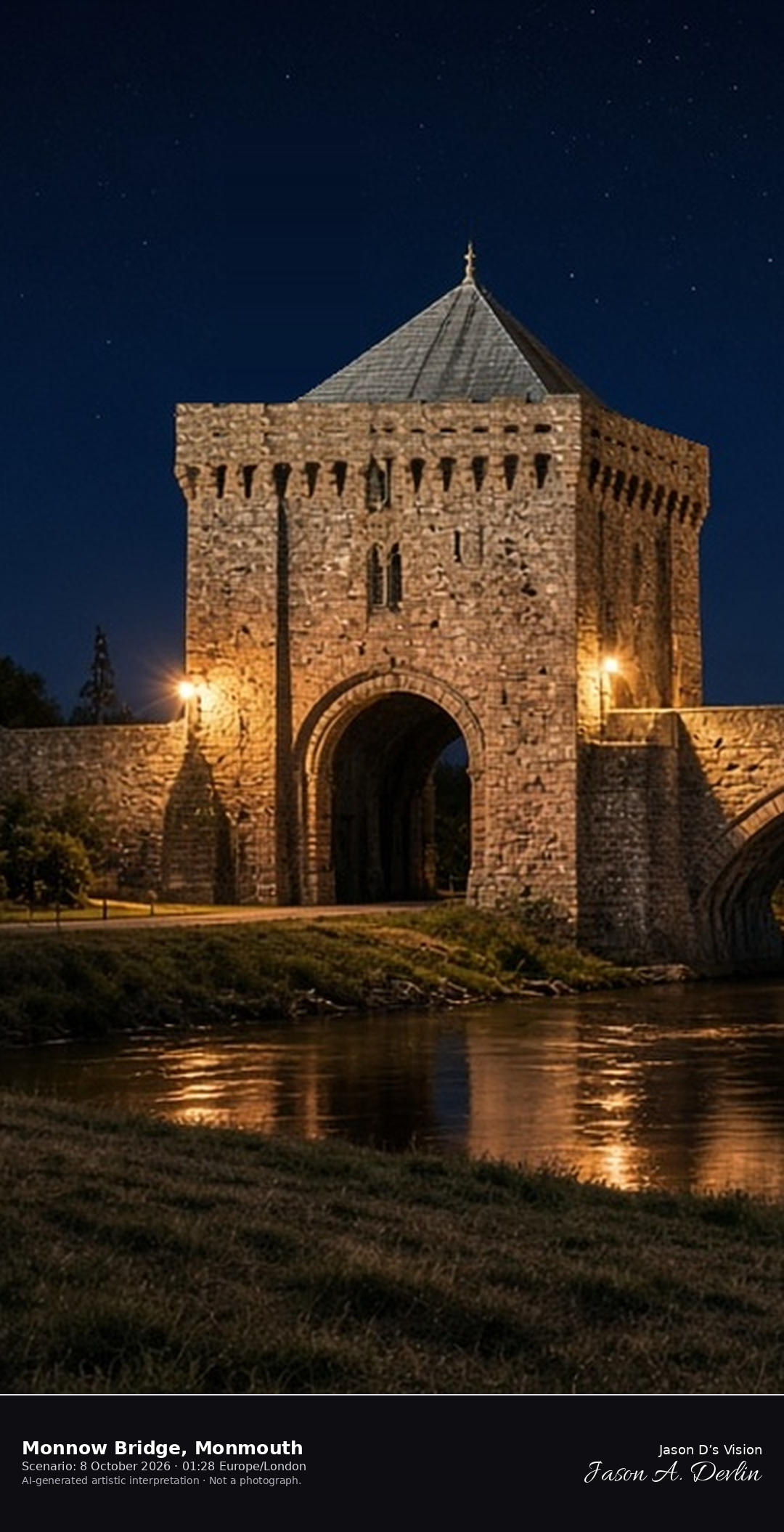
Monnow Bridge is the only fortified river bridge in Britain whose gatehouse still stands upon the bridge itself, watching the western road into Monmouth since about the year 1300.
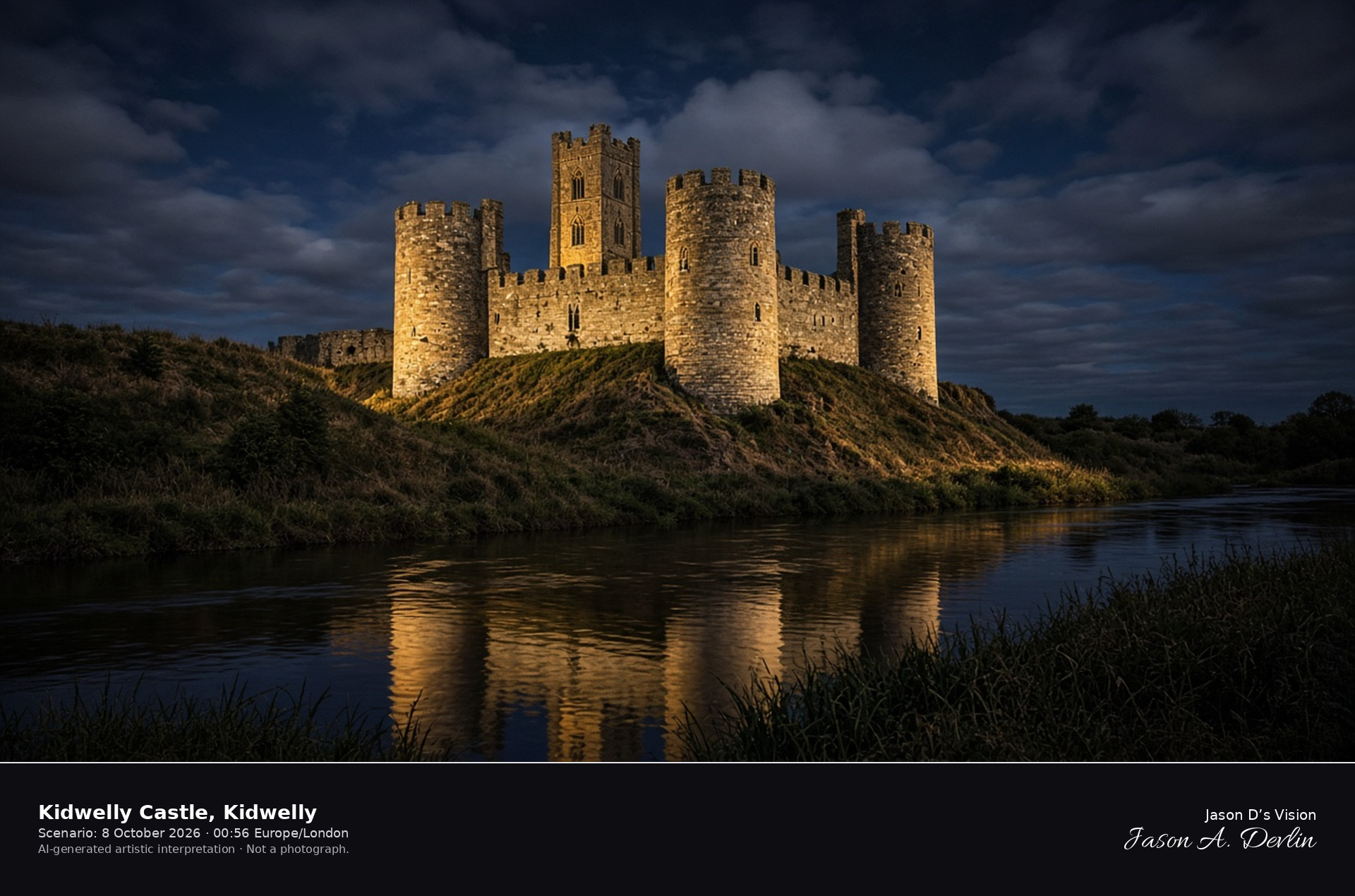
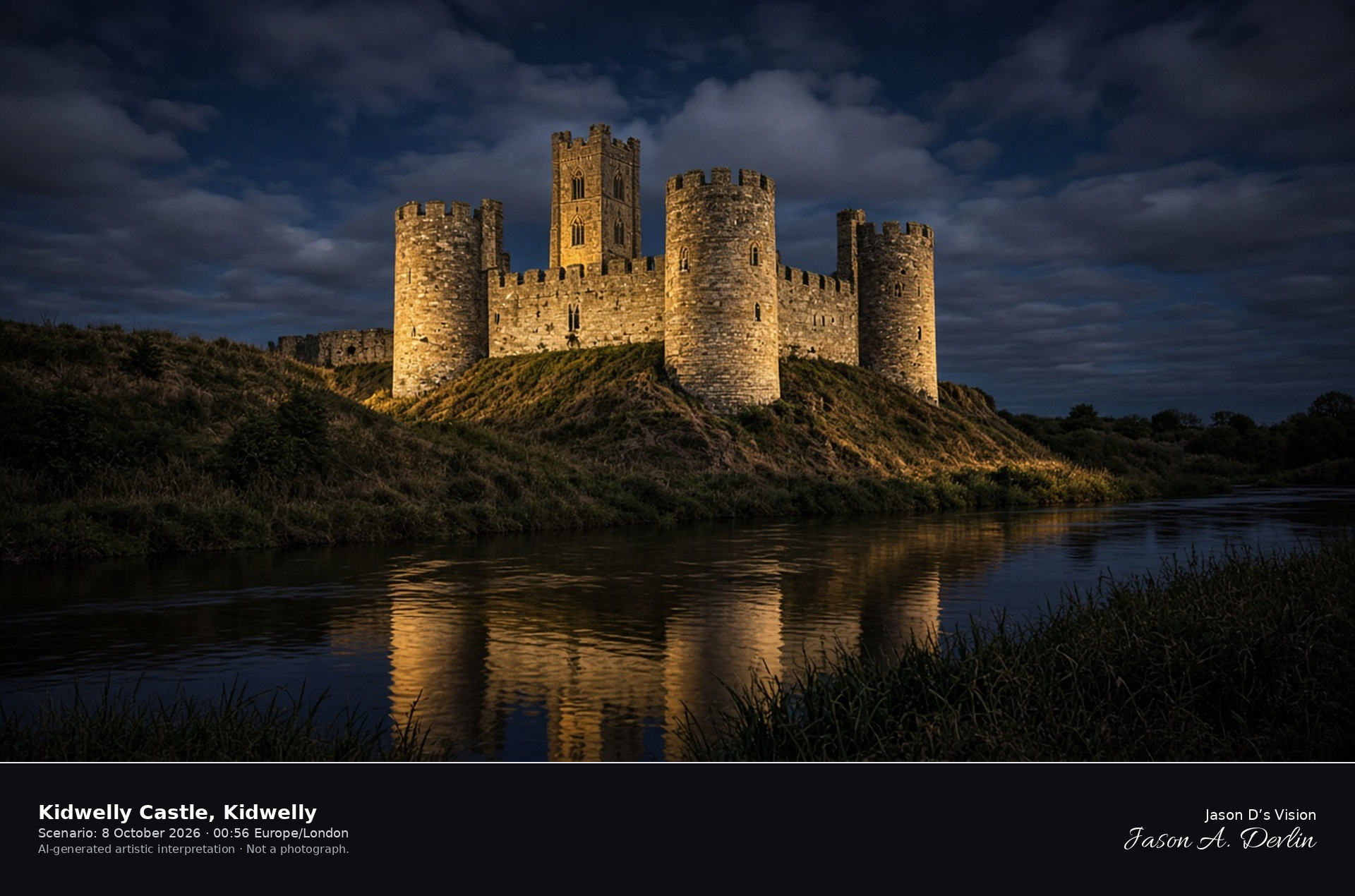
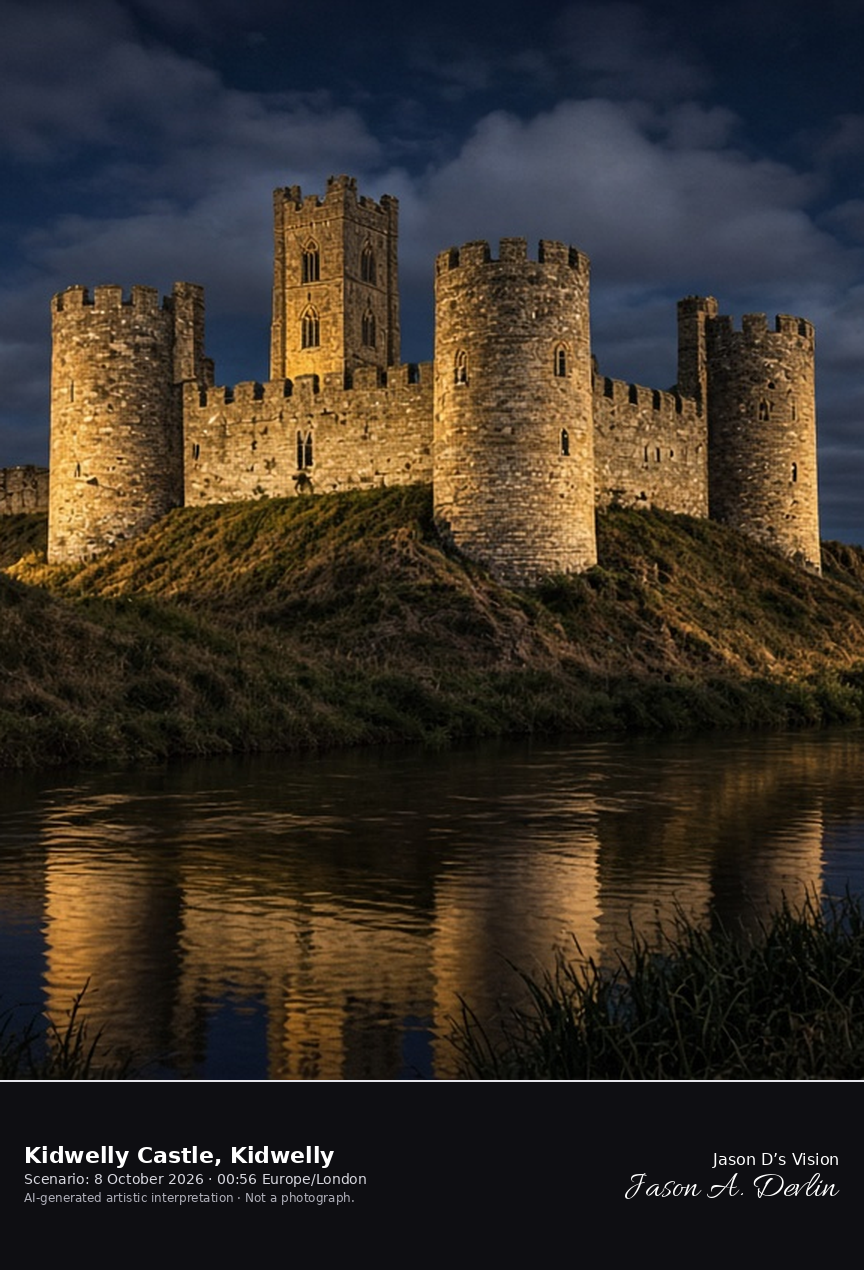
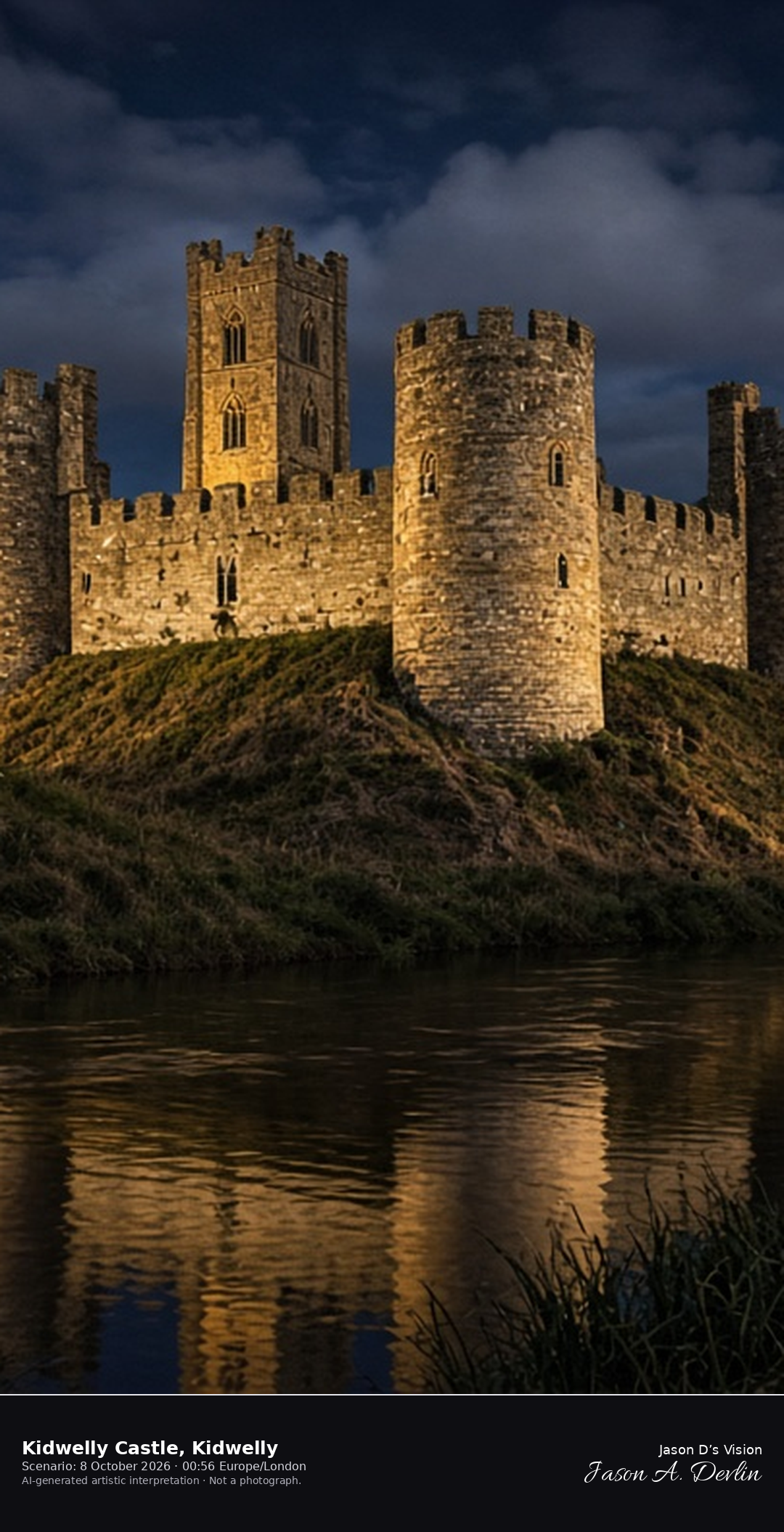
Kidwelly rose from 1106 as a Norman spearhead in Welsh Carmarthenshire, battered backwards and forwards for two centuries between the princes of Deheubarth and the lords of the March. Film lovers may recognise its gatehouse: it is the very first castle to appear in Monty Python and the Holy Grail.
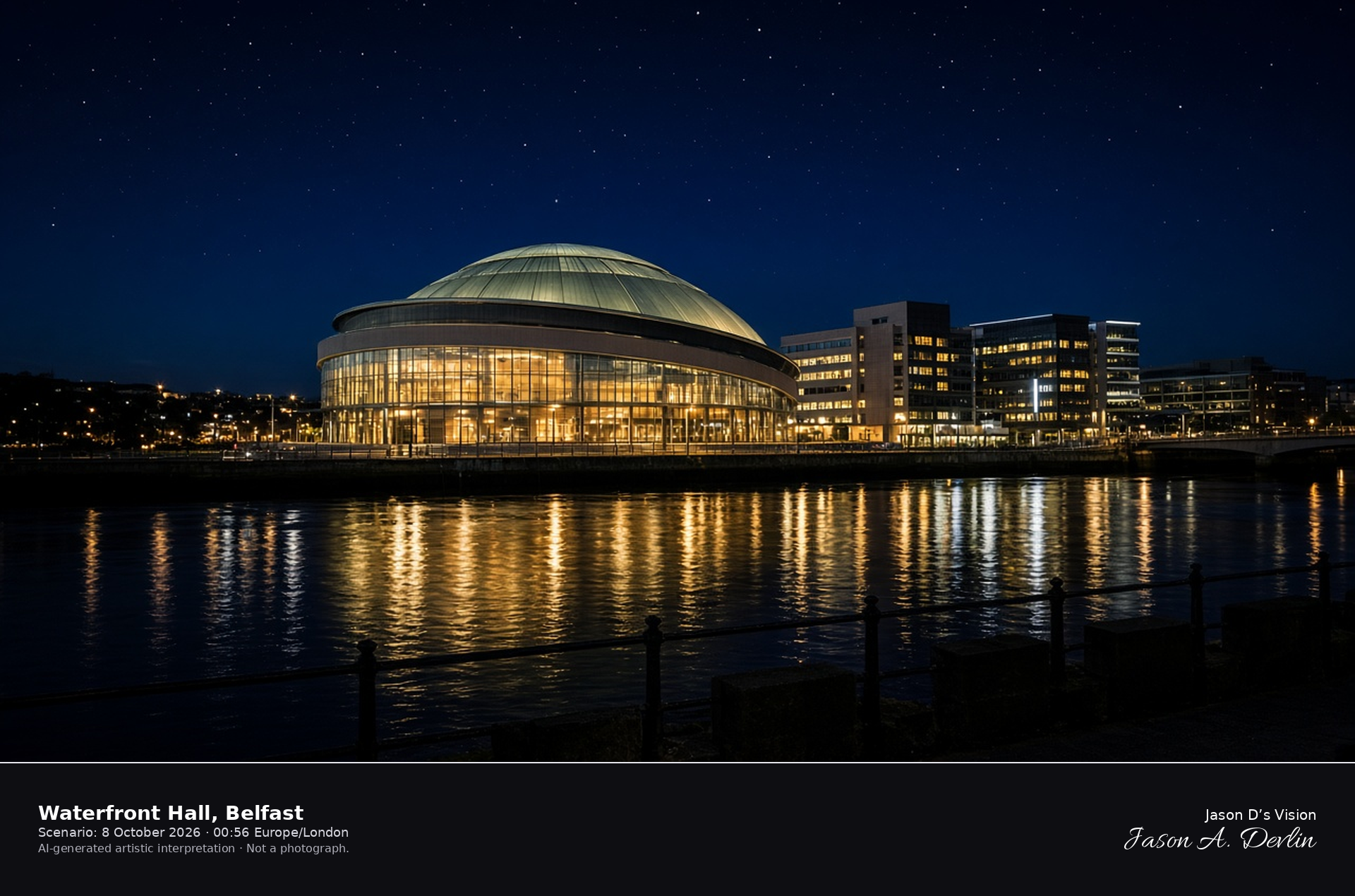
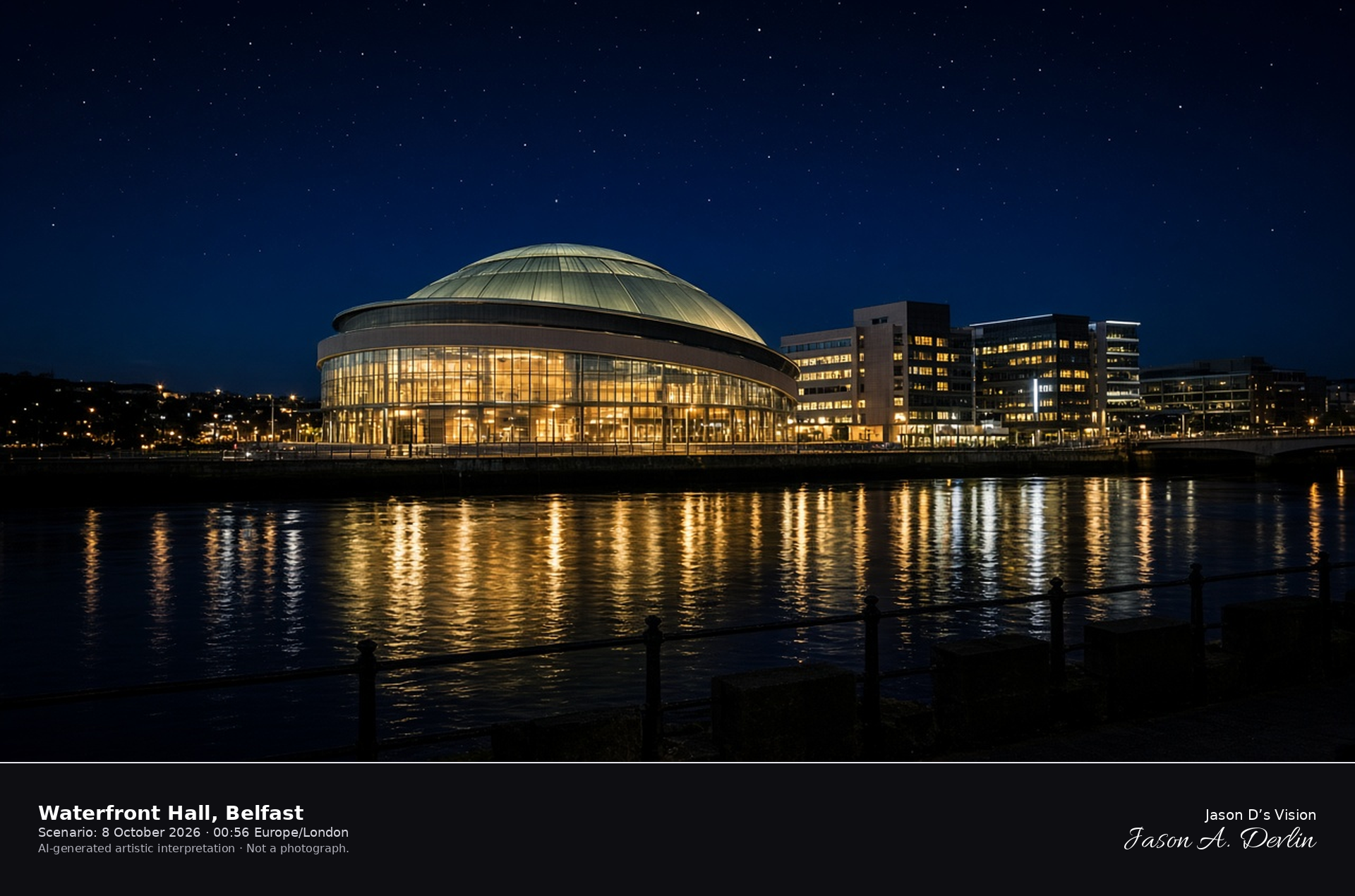
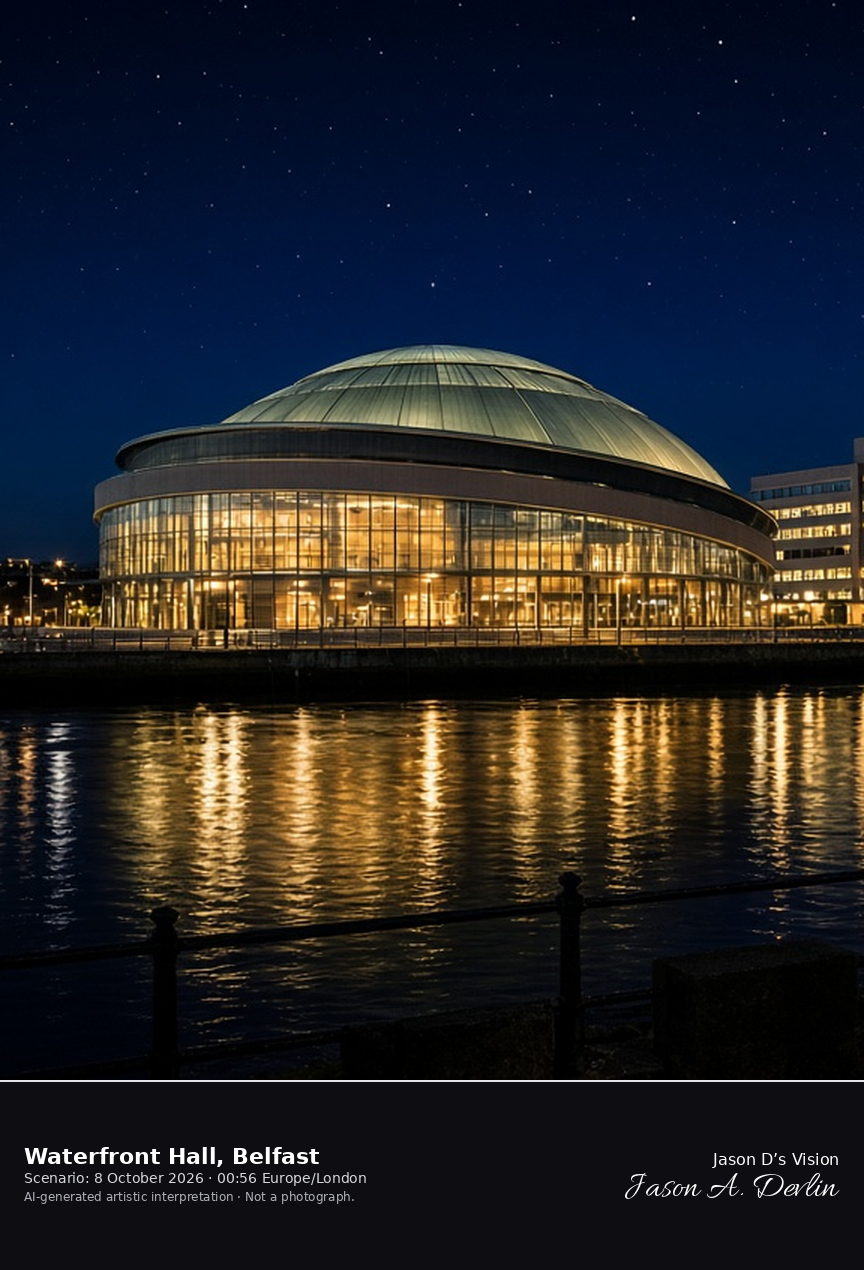
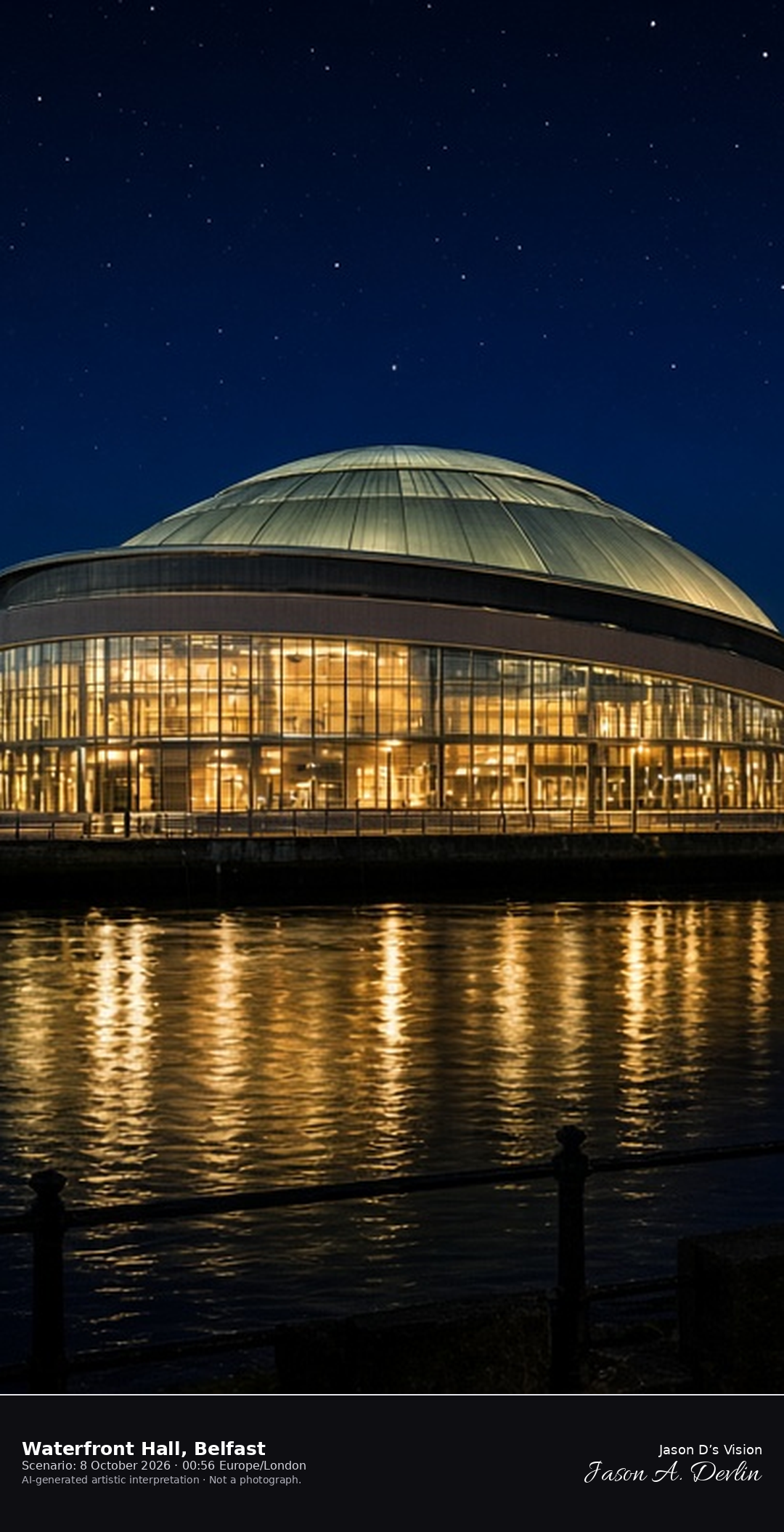
The Waterfront Hall opened in 1997 as Belfast's main concert and conference venue. It was one of the first big projects of the regeneration of the Lagan riverside, and its main auditorium seats over 2,000 people.
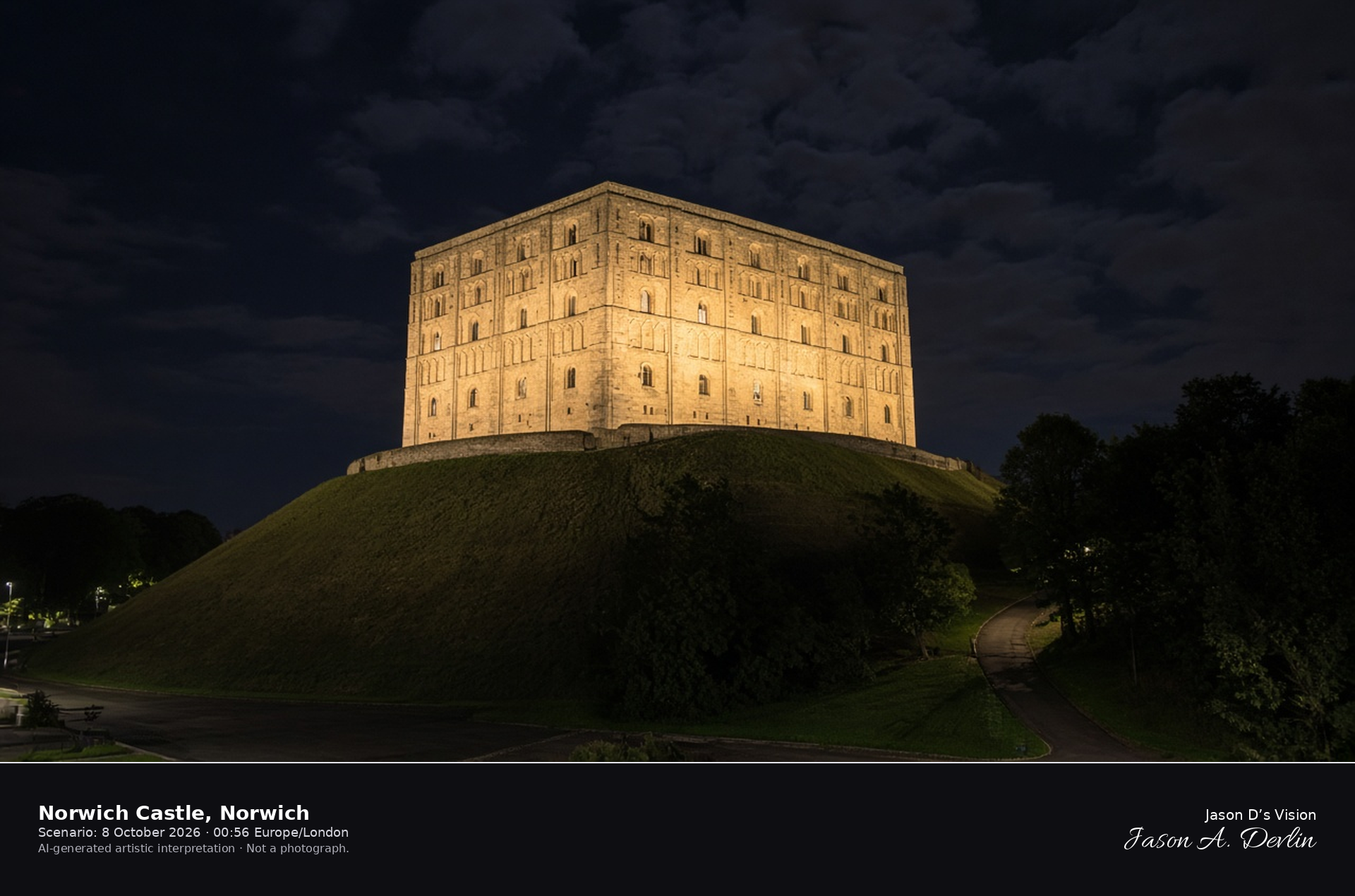
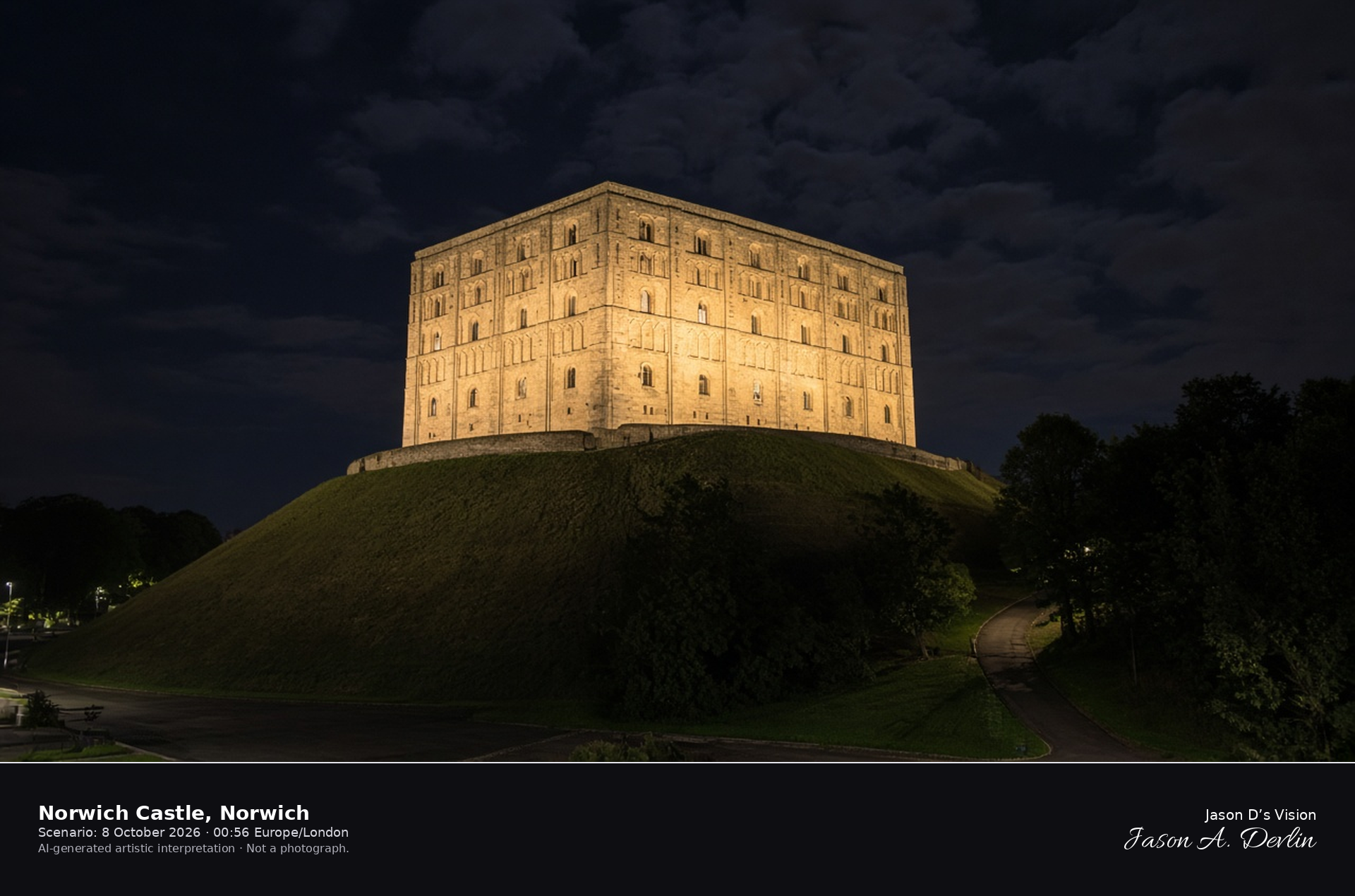
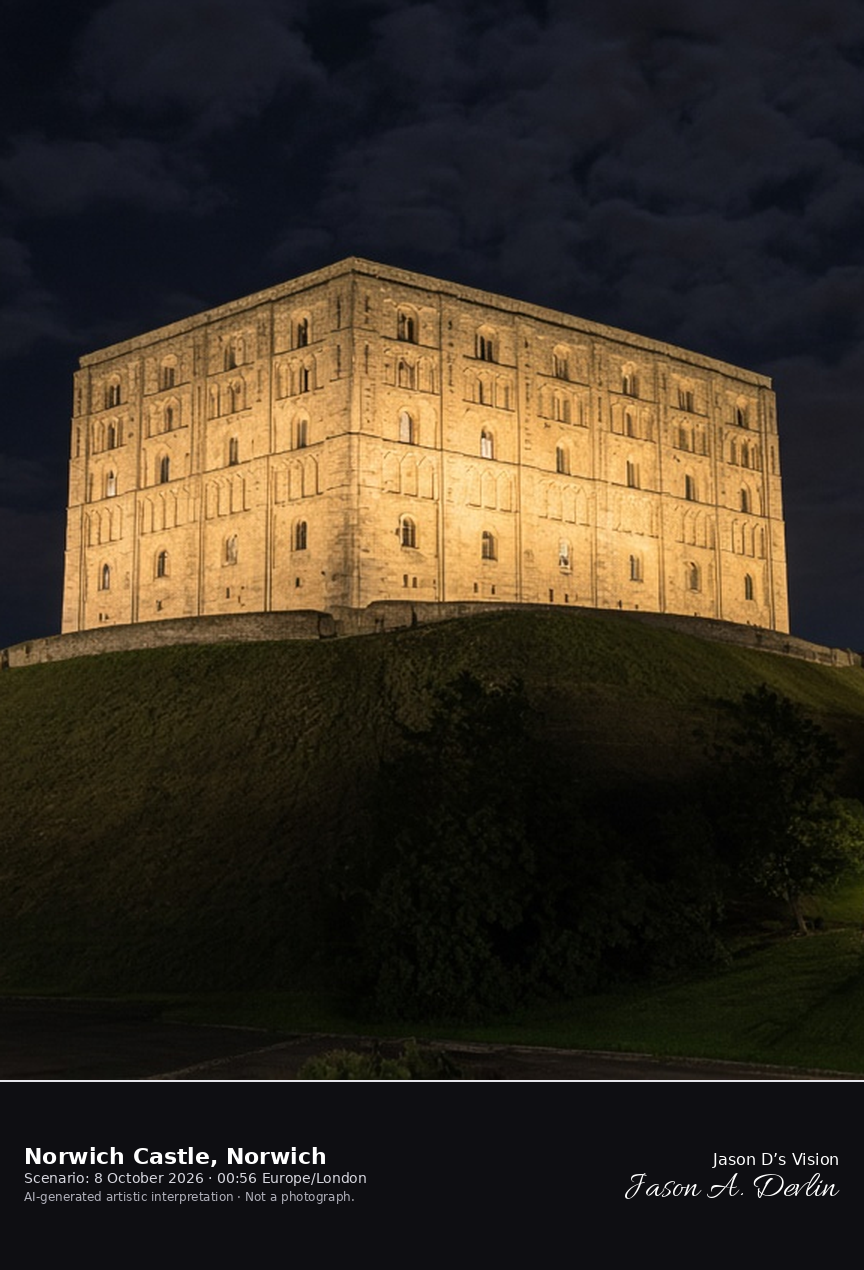
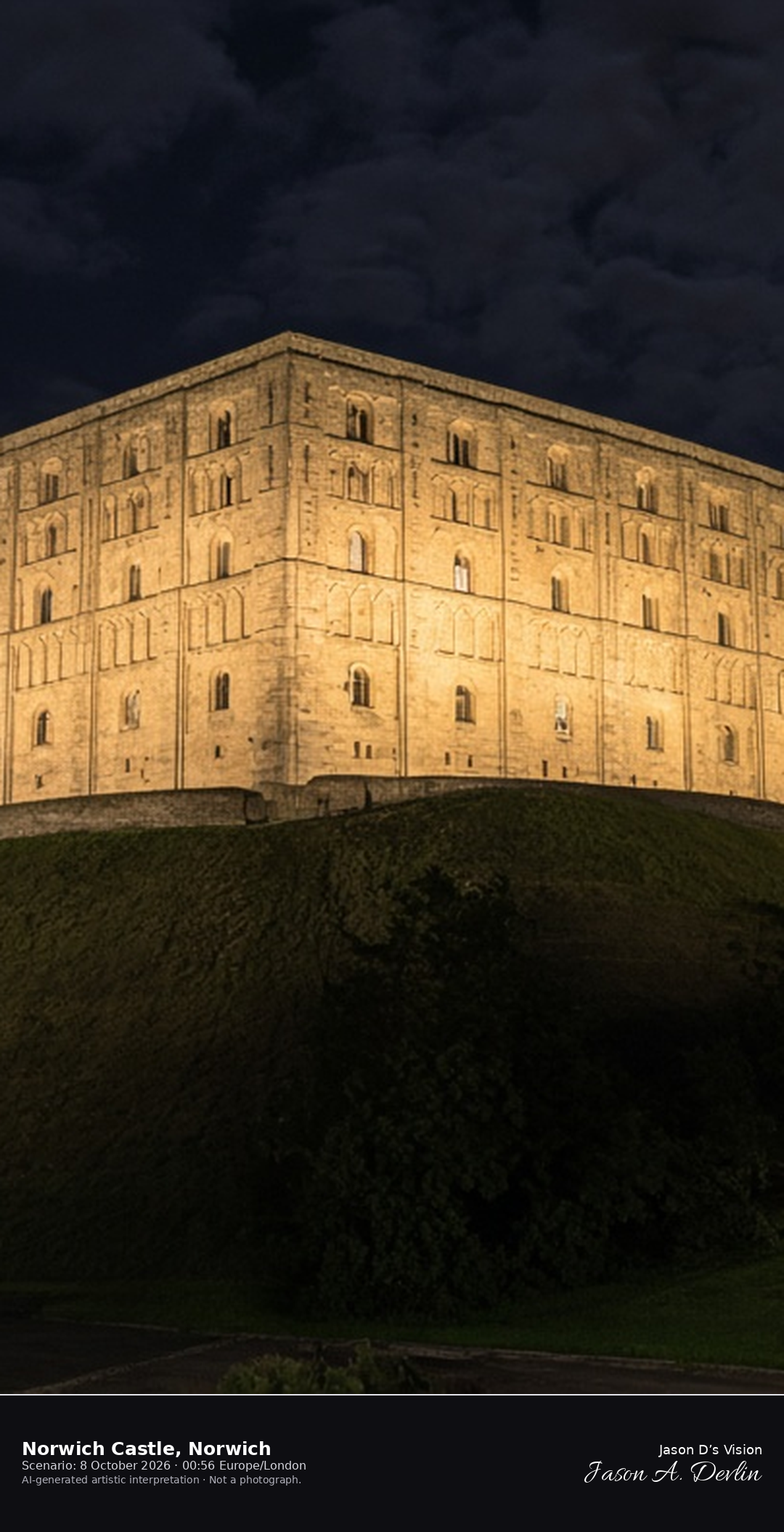
Norwich grew wealthy through its textile trade and was long known as England's second city. An old saying grants it a church for every week of the year and a public house for every day. In 2012 it became England's first UNESCO City of Literature, recognising a literary tradition that includes Julian of Norwich.
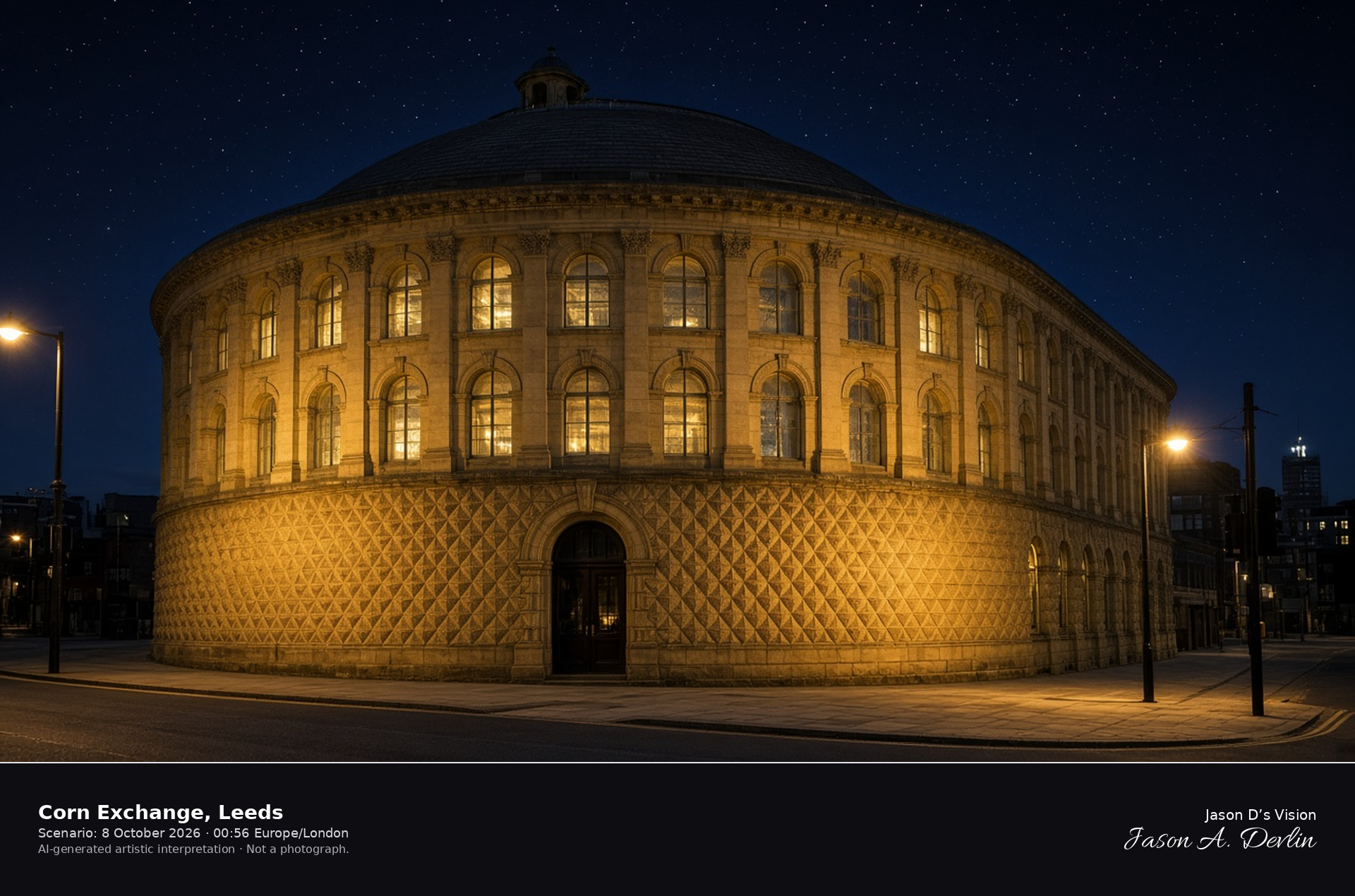
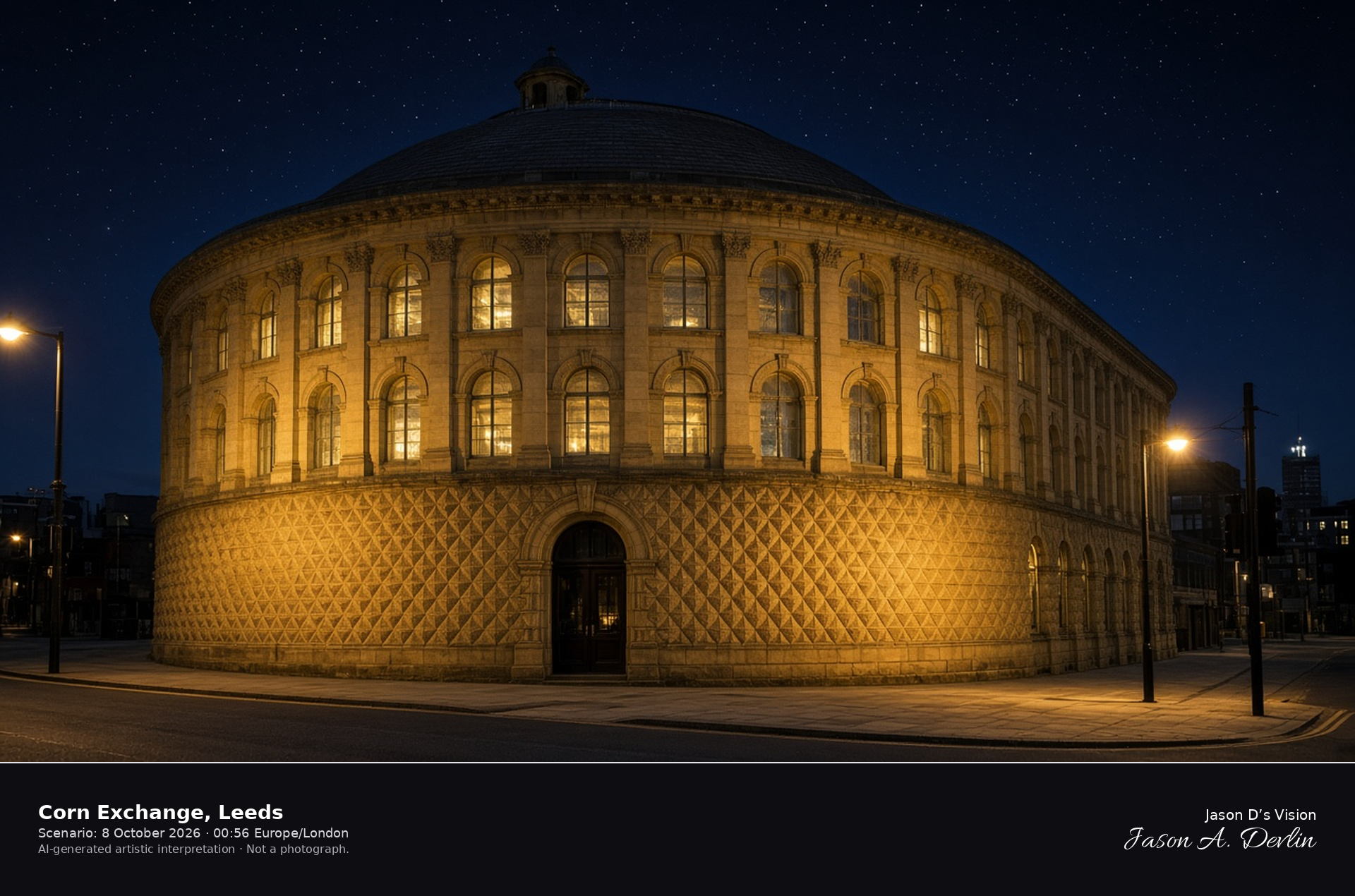
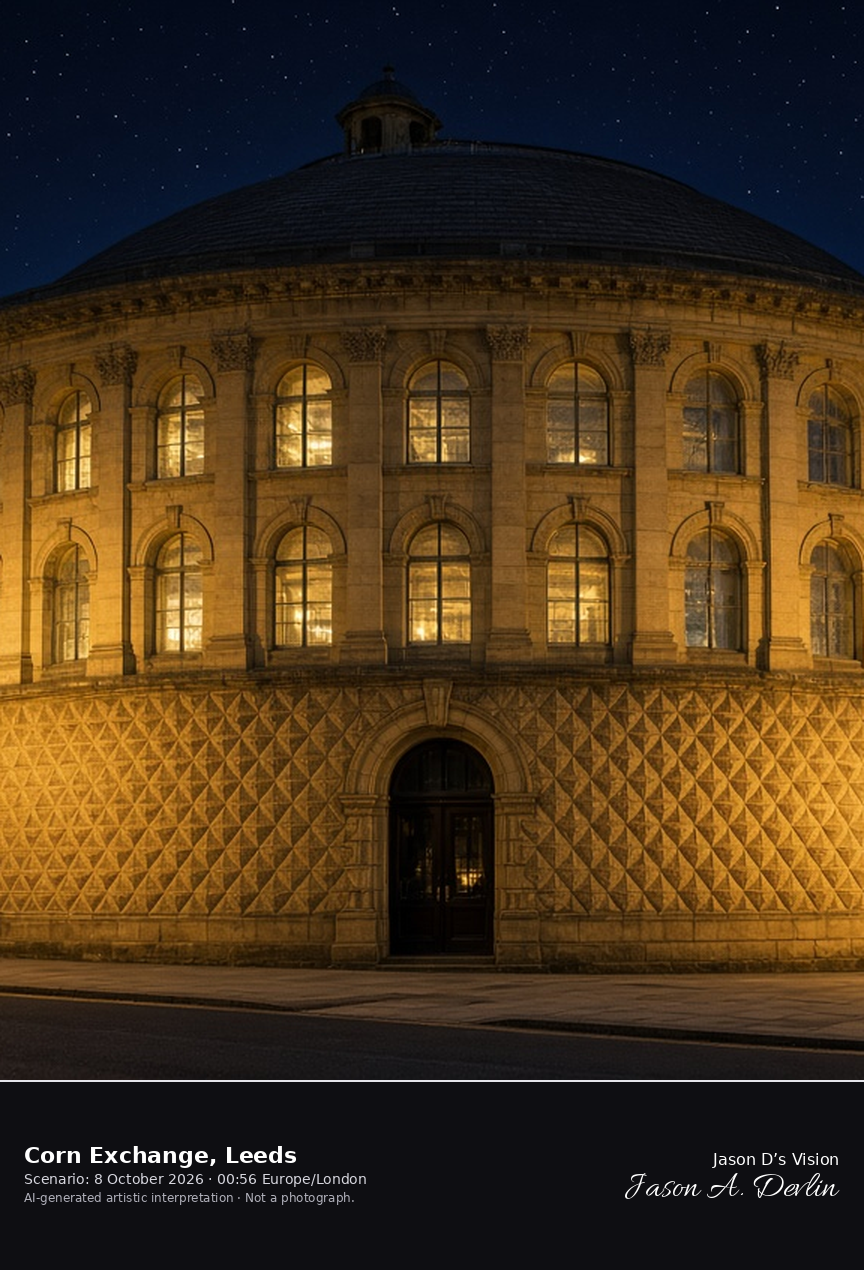
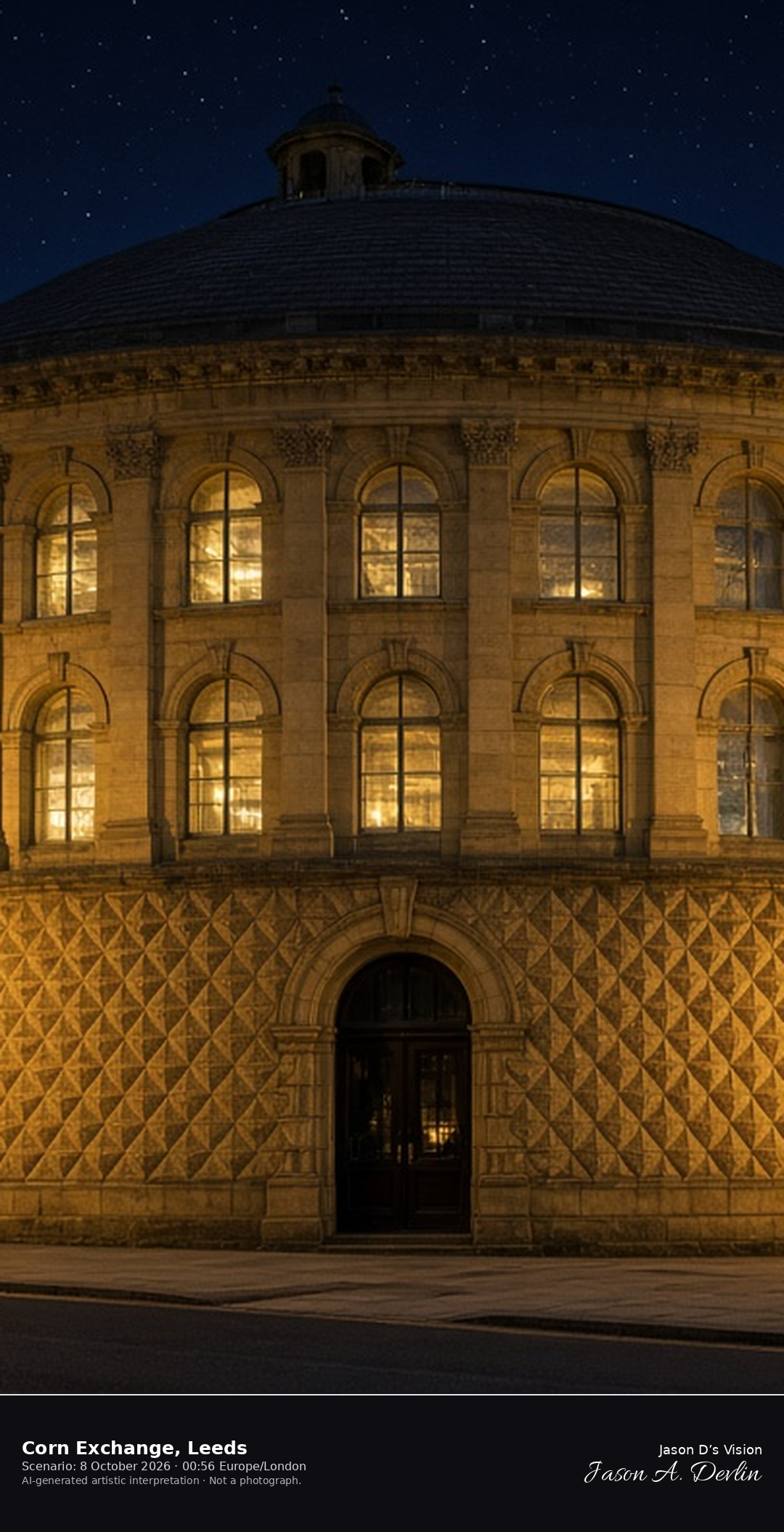
Cuthbert Brodrick, who also designed Leeds Town Hall, built the Corn Exchange in 1861-63. Corn merchants traded under its great domed roof, and today the building houses independent shops and places to eat.
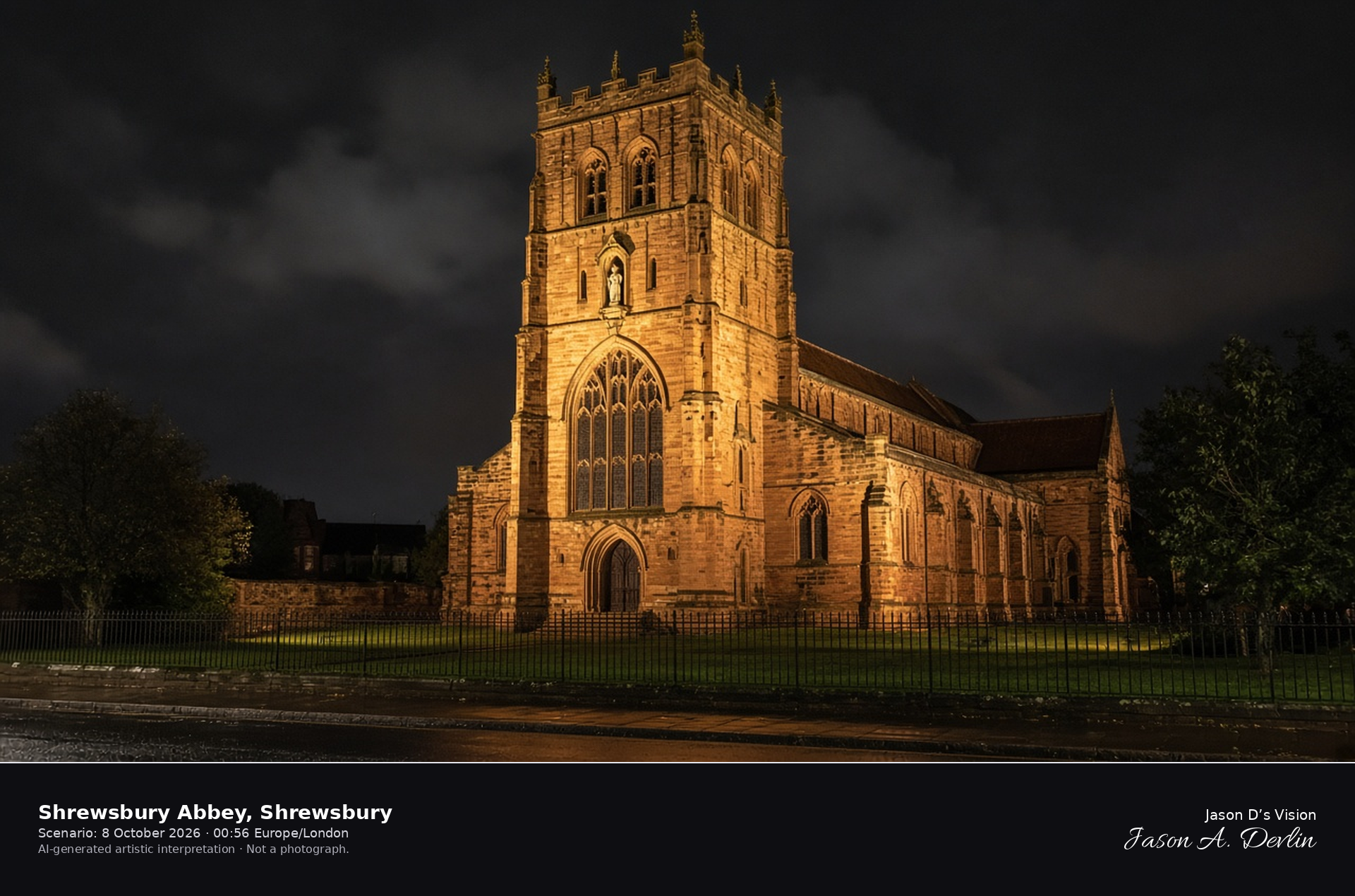
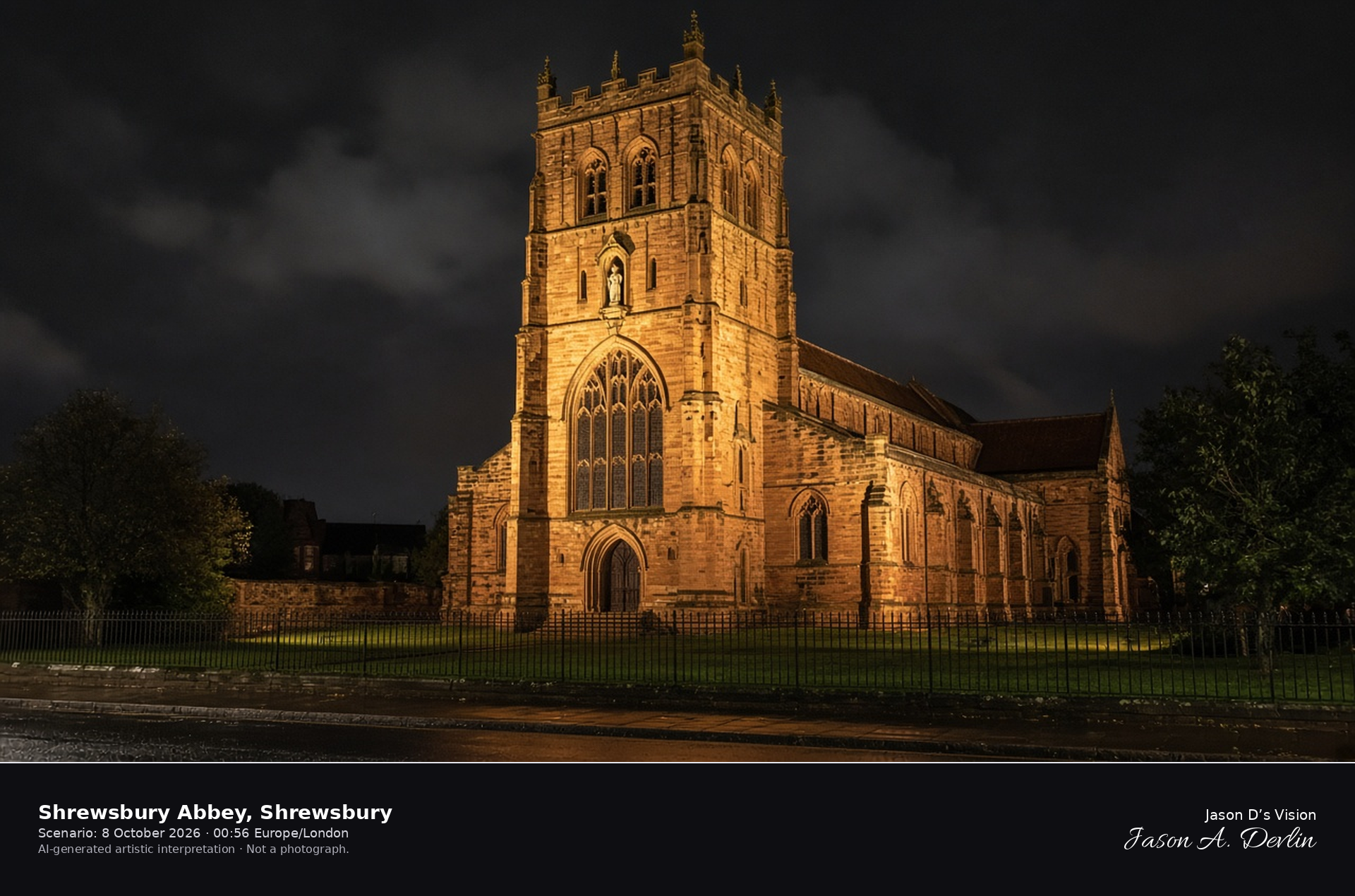
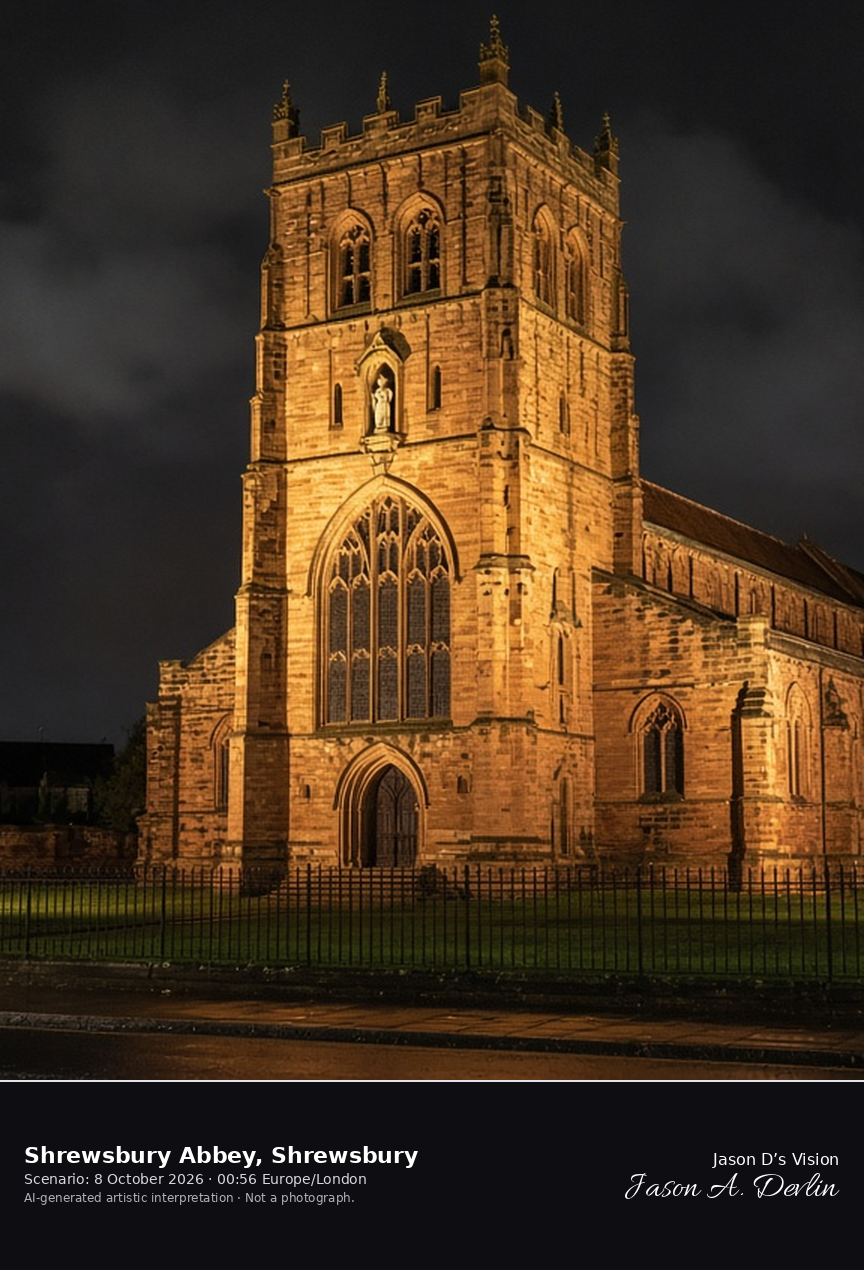
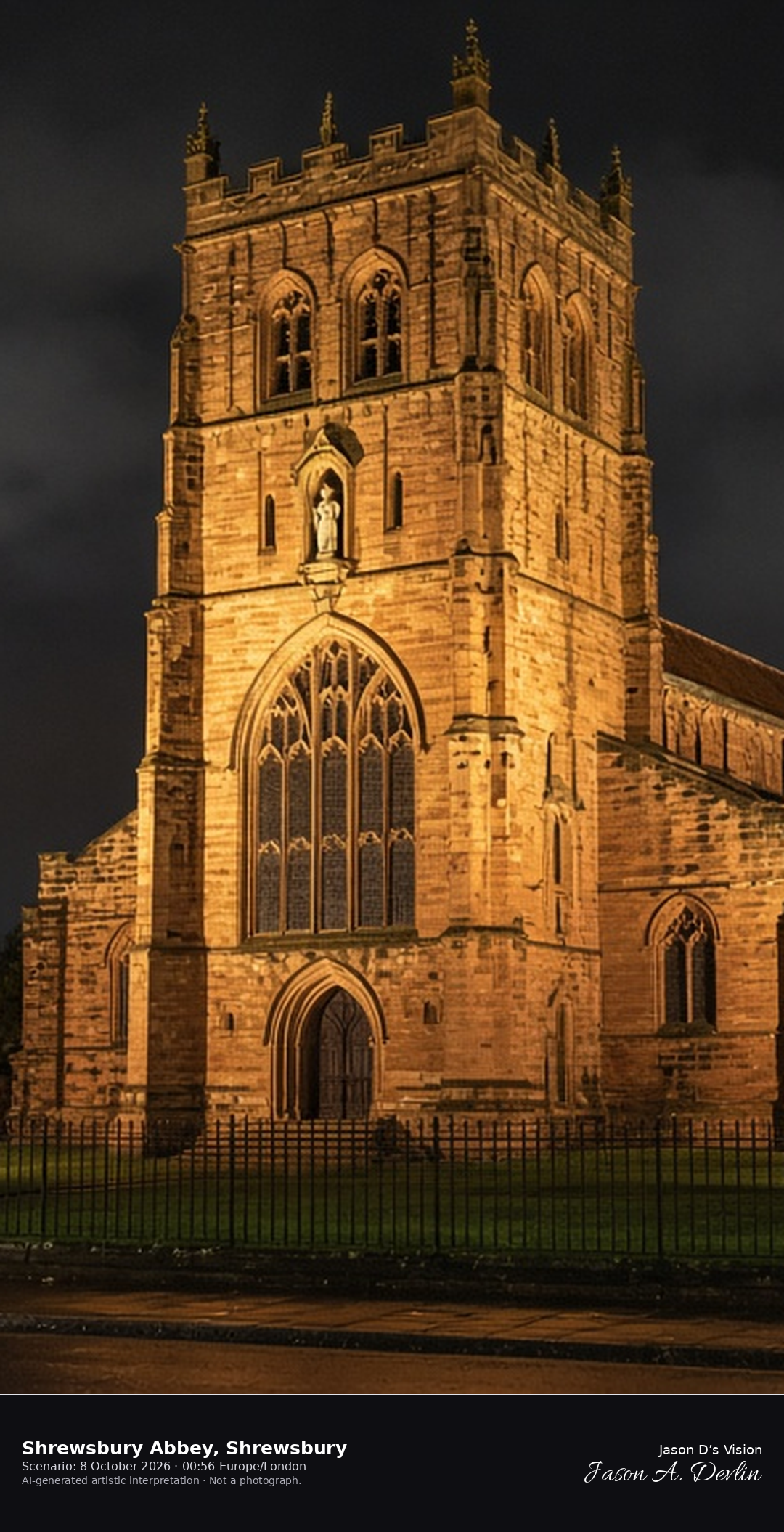
Shrewsbury Abbey was founded in 1083 by Roger de Montgomery as a Benedictine monastery. The nave survived the Dissolution as the parish church, and the great west window was added in the 14th century.
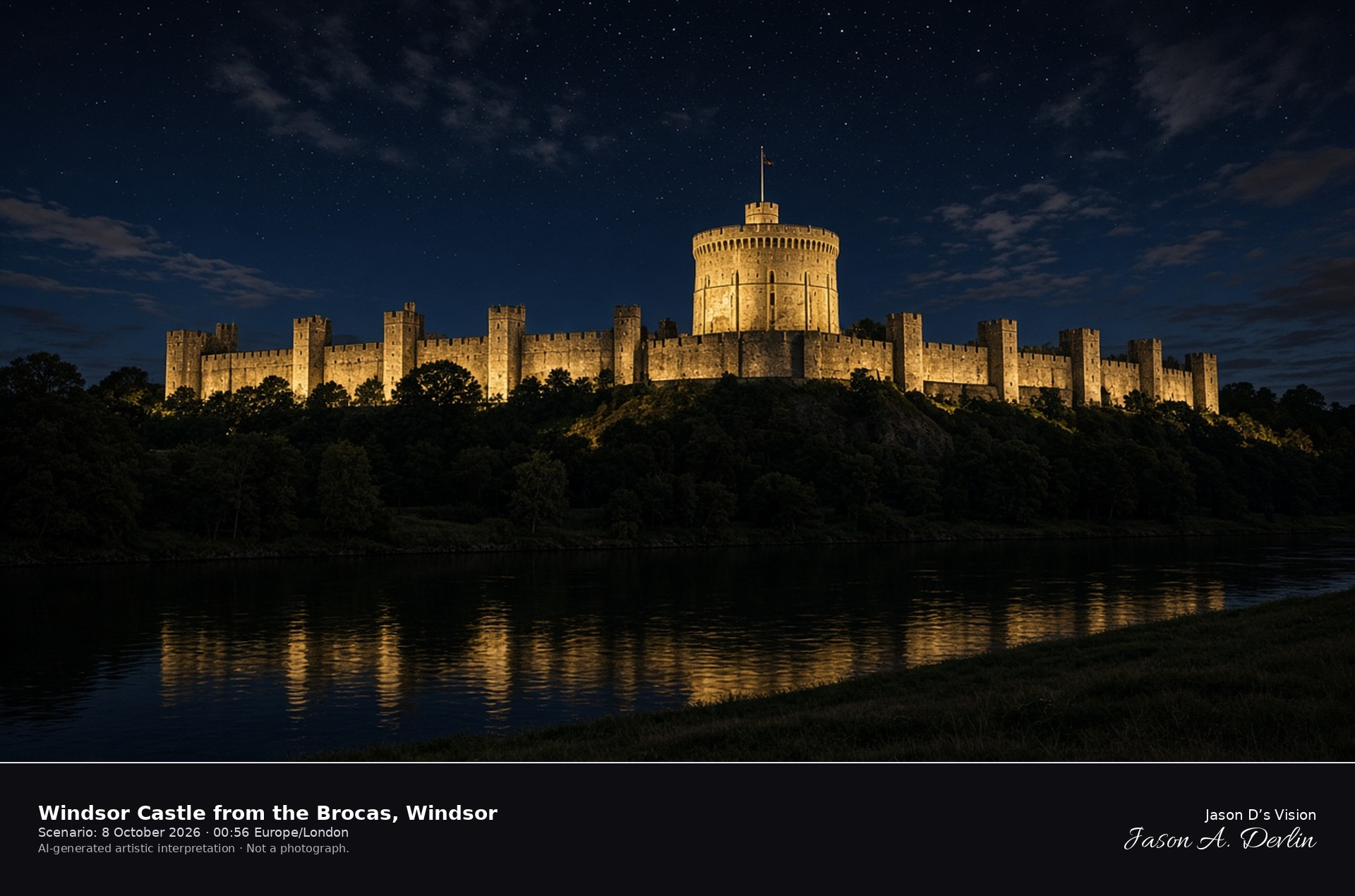
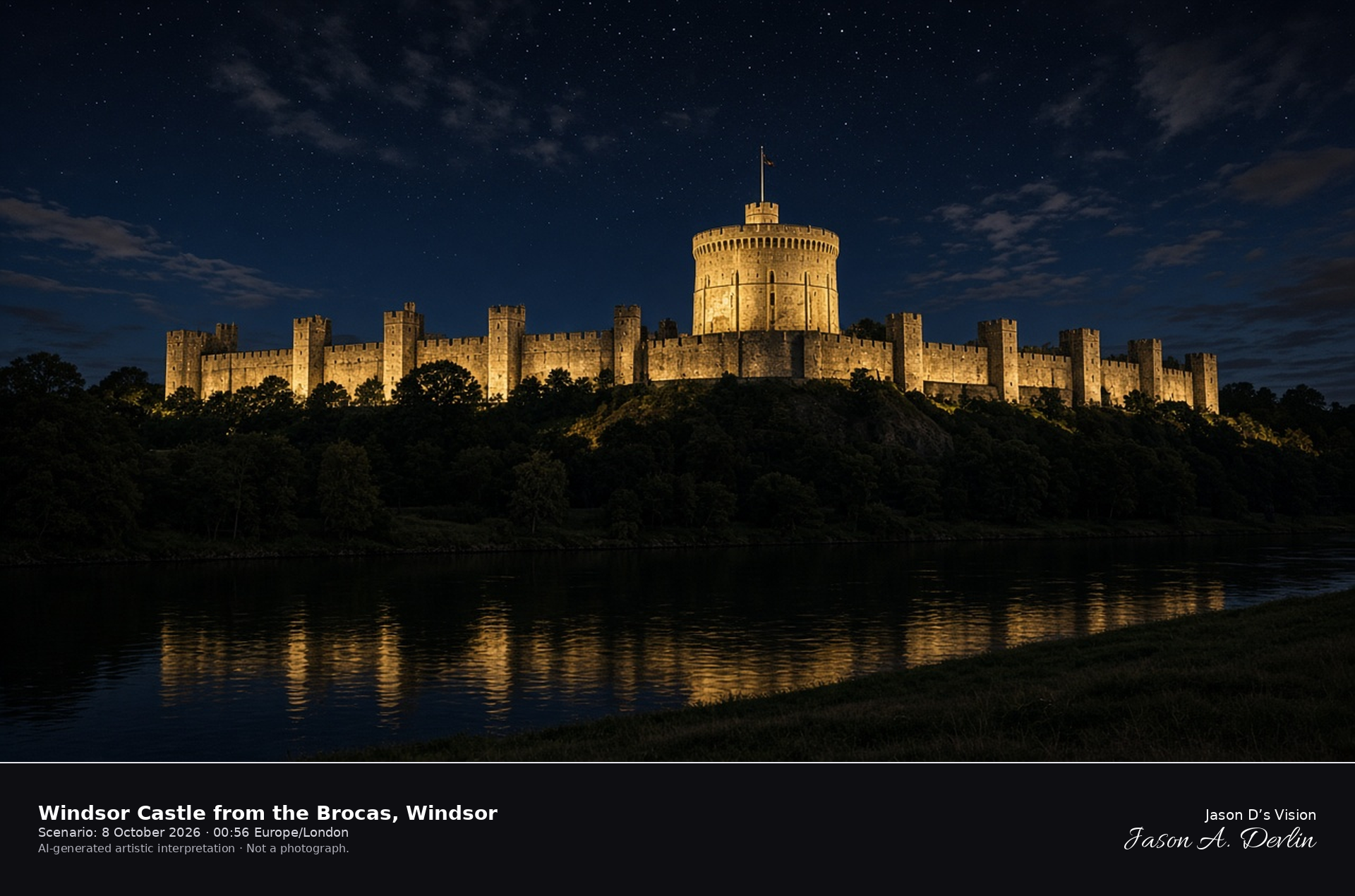
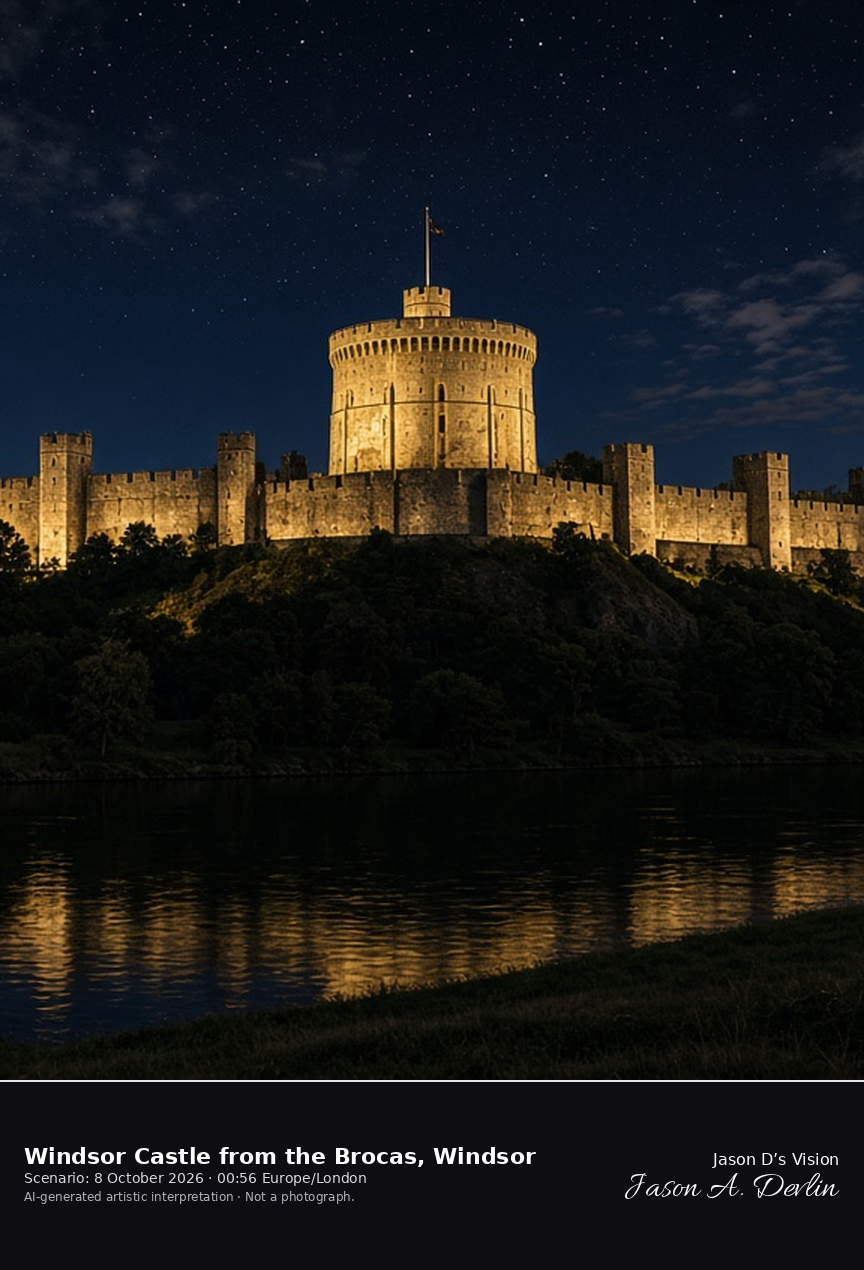
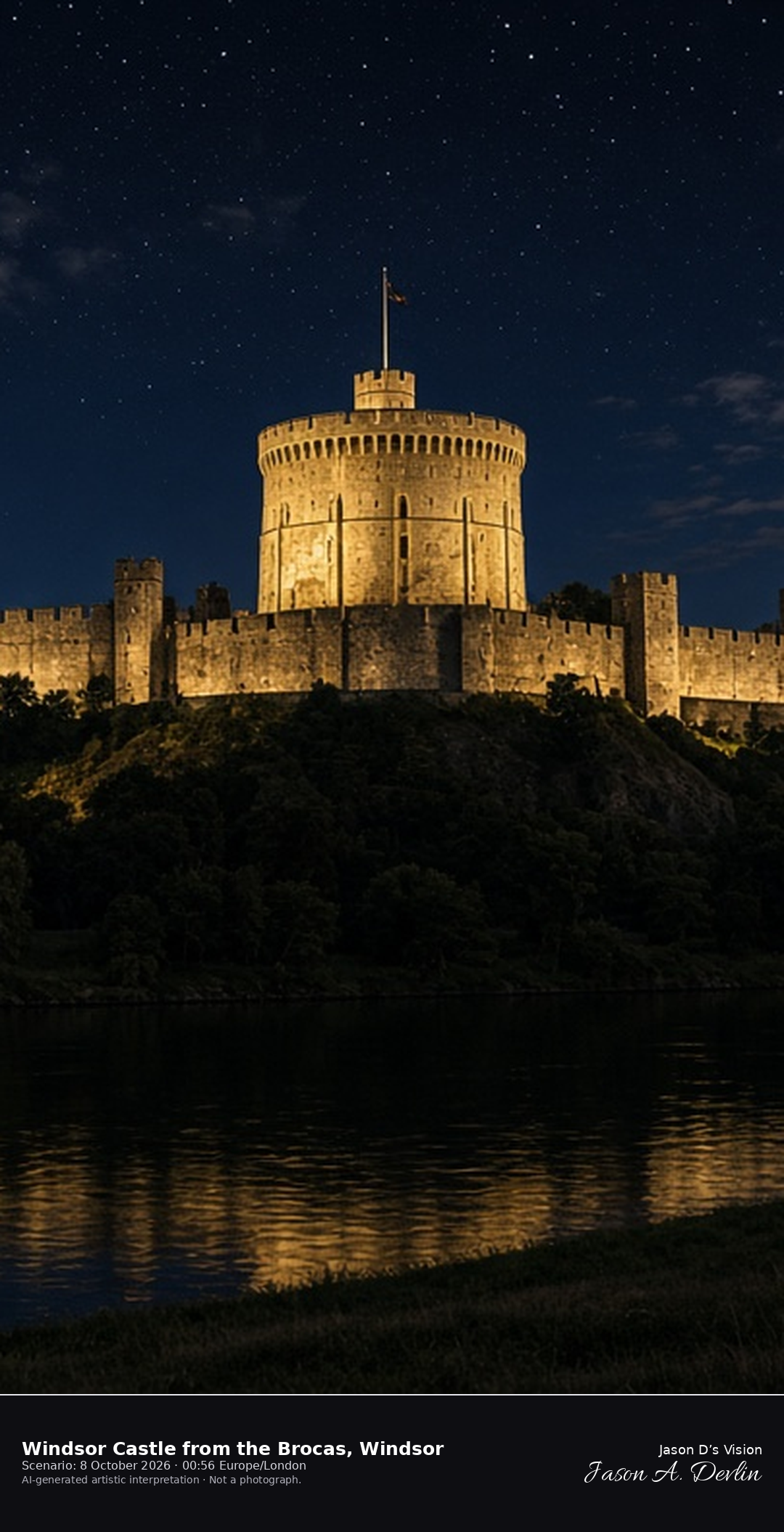
Windsor Castle from the Brocas, Windsor · AI-generated artistic interpretation
Windsor Castle was founded by William the Conqueror and has been a royal home for more than 900 years. It is the oldest and largest occupied castle in the world, and the Round Tower stands on the original Norman mound.
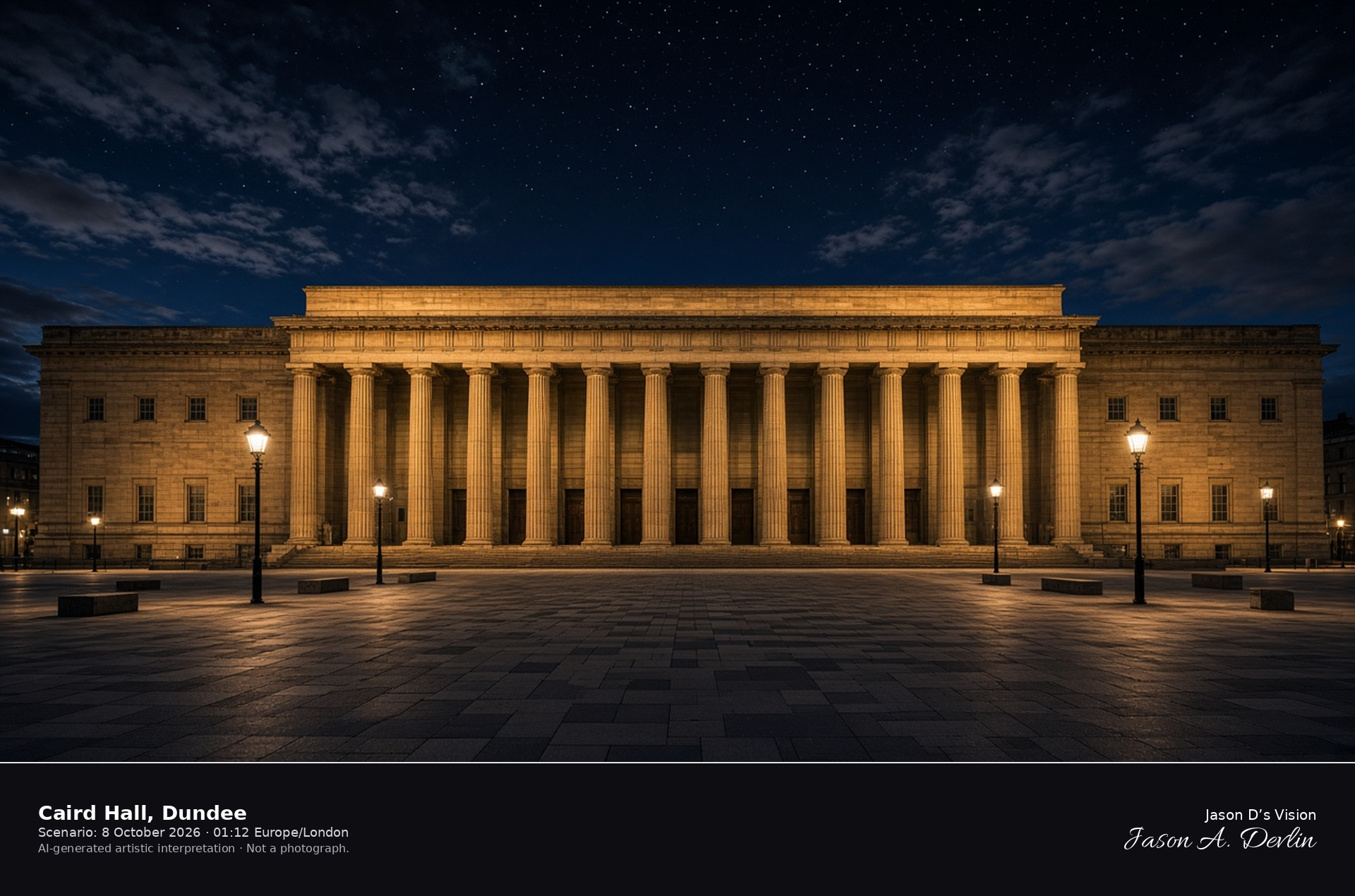
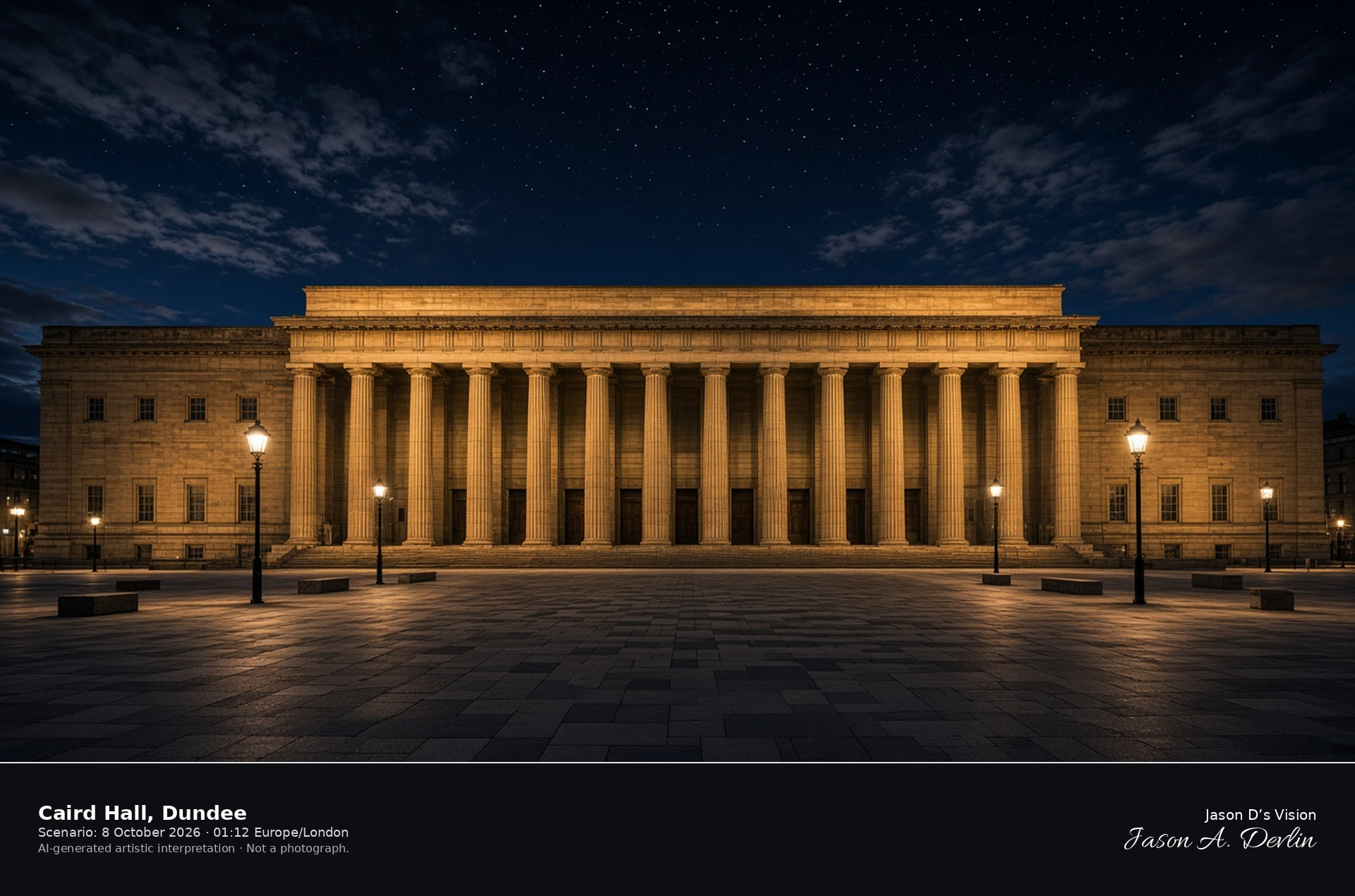
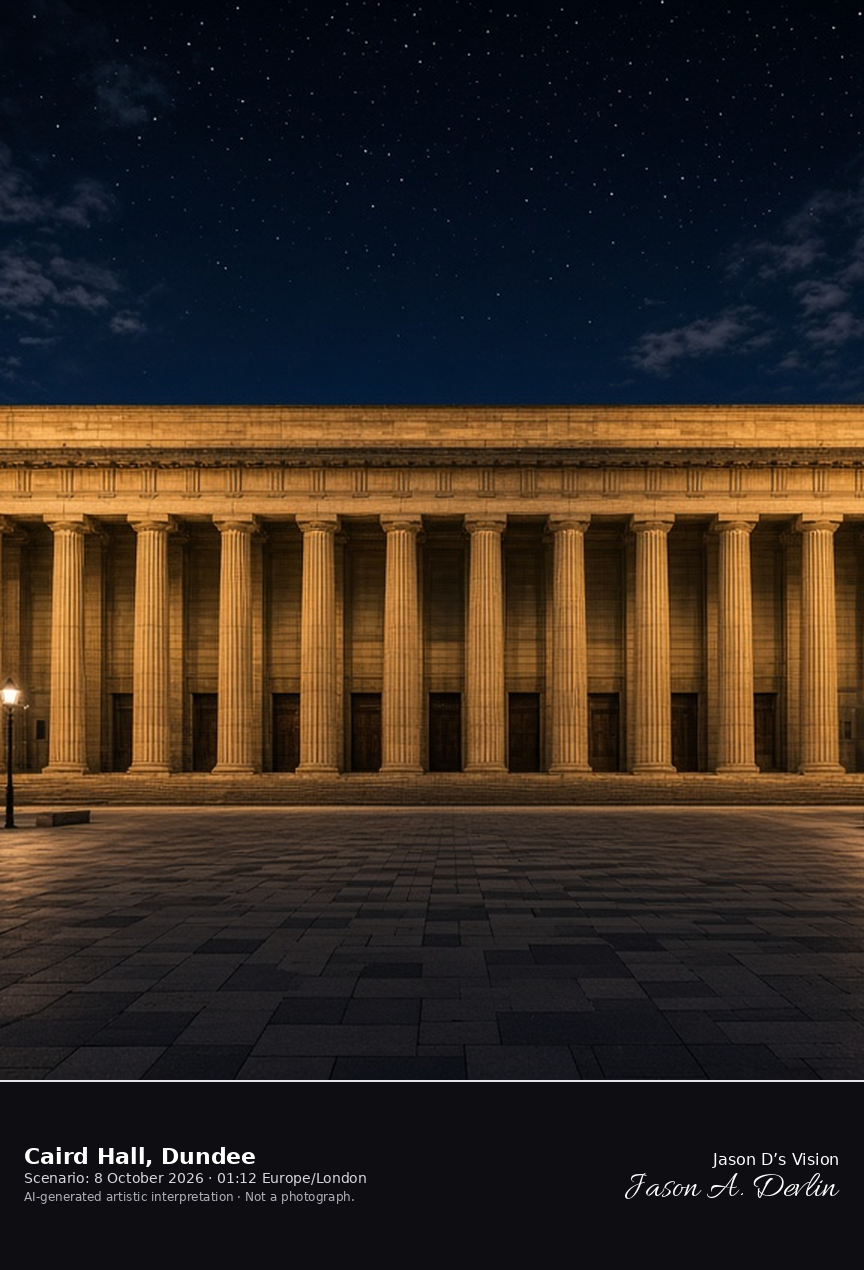
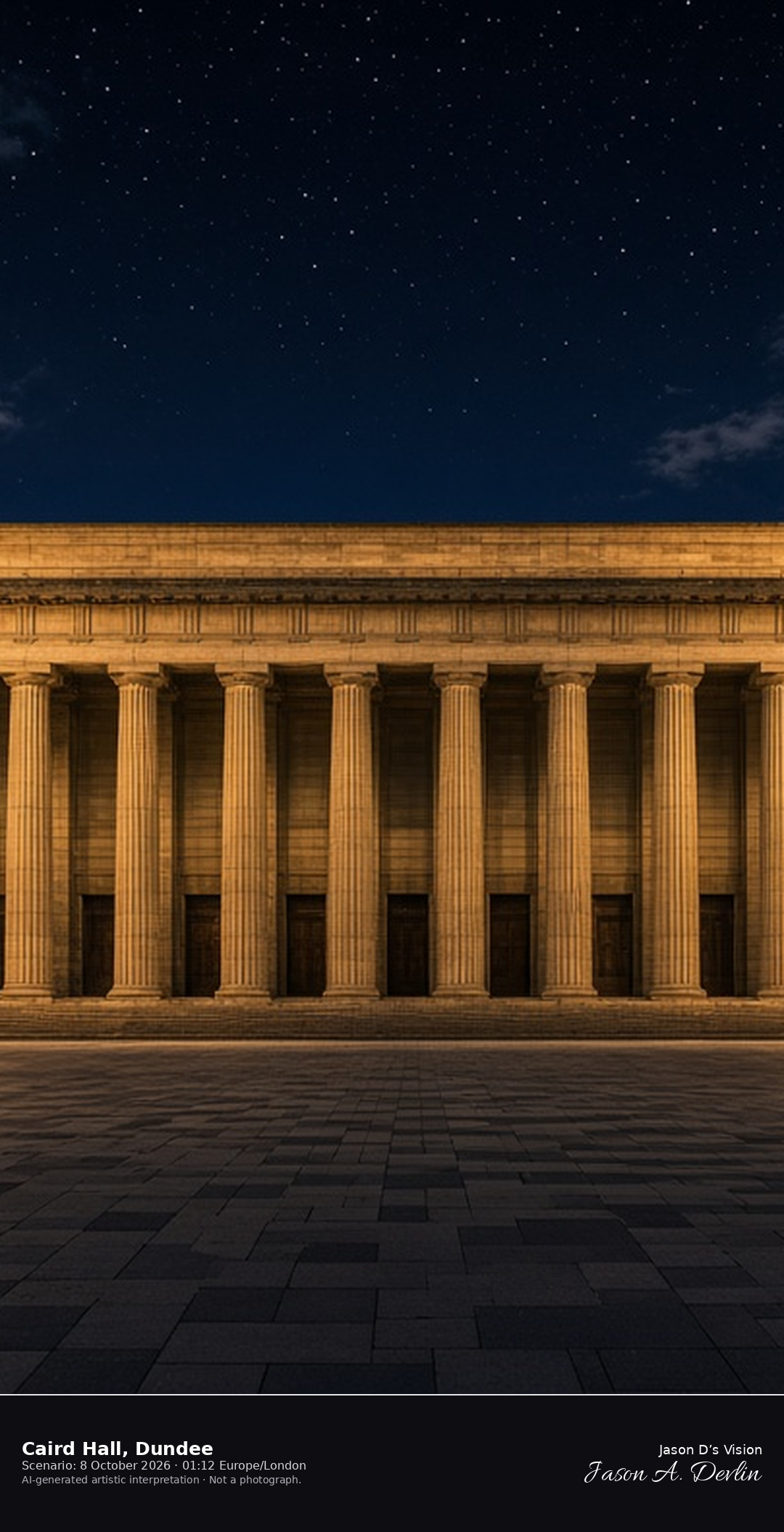
The Caird Hall was paid for by the Dundee jute baron Sir James Caird and opened in 1923. It is the city's main concert hall, and its long Roman Doric colonnade faces City Square.
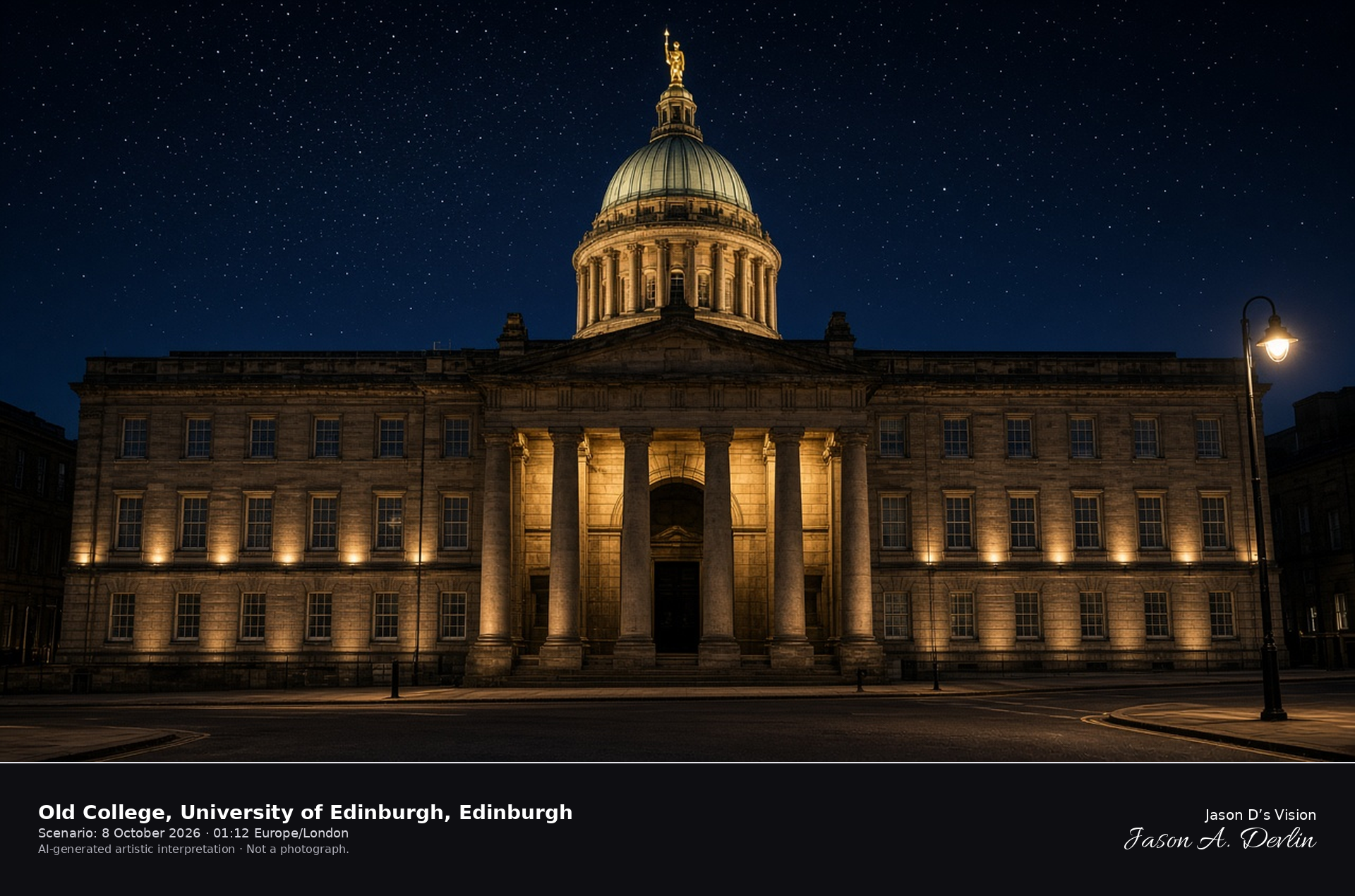
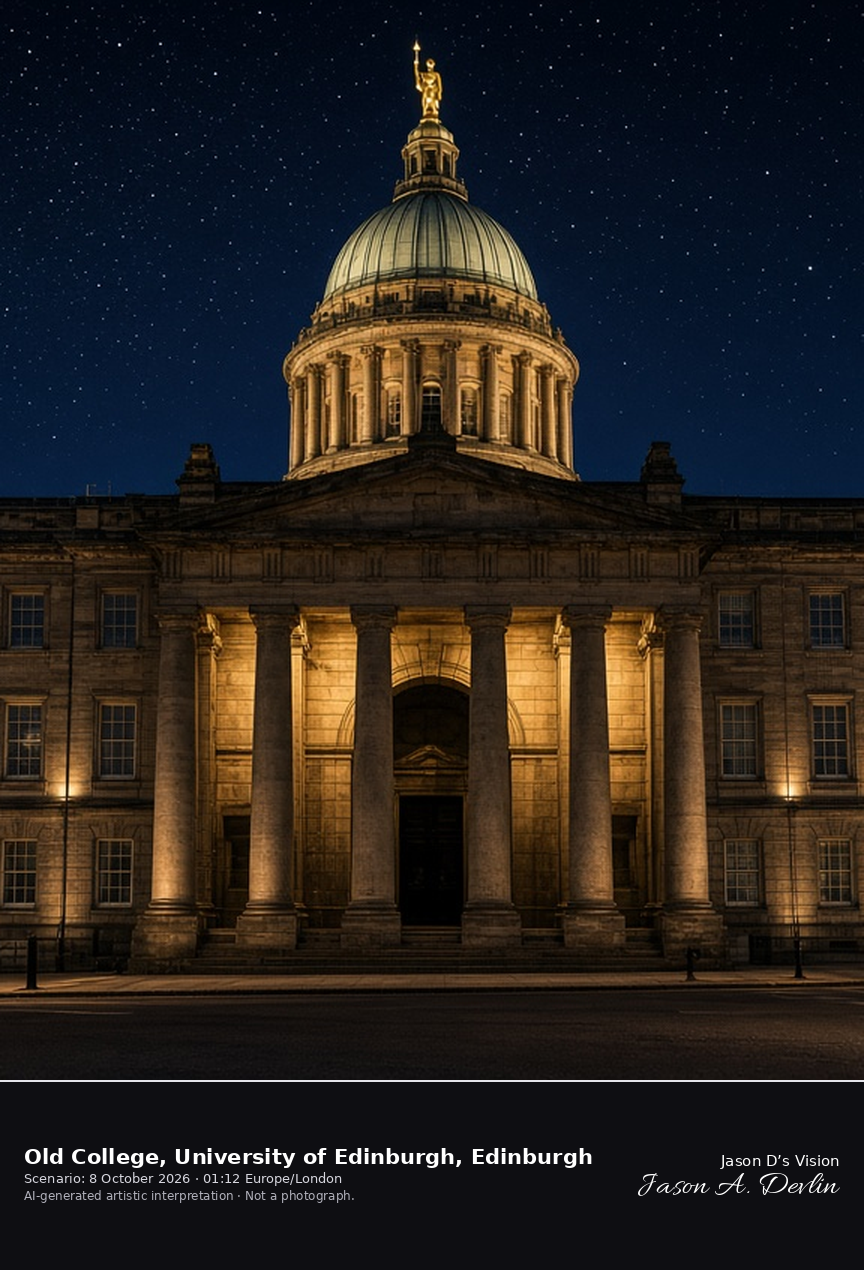
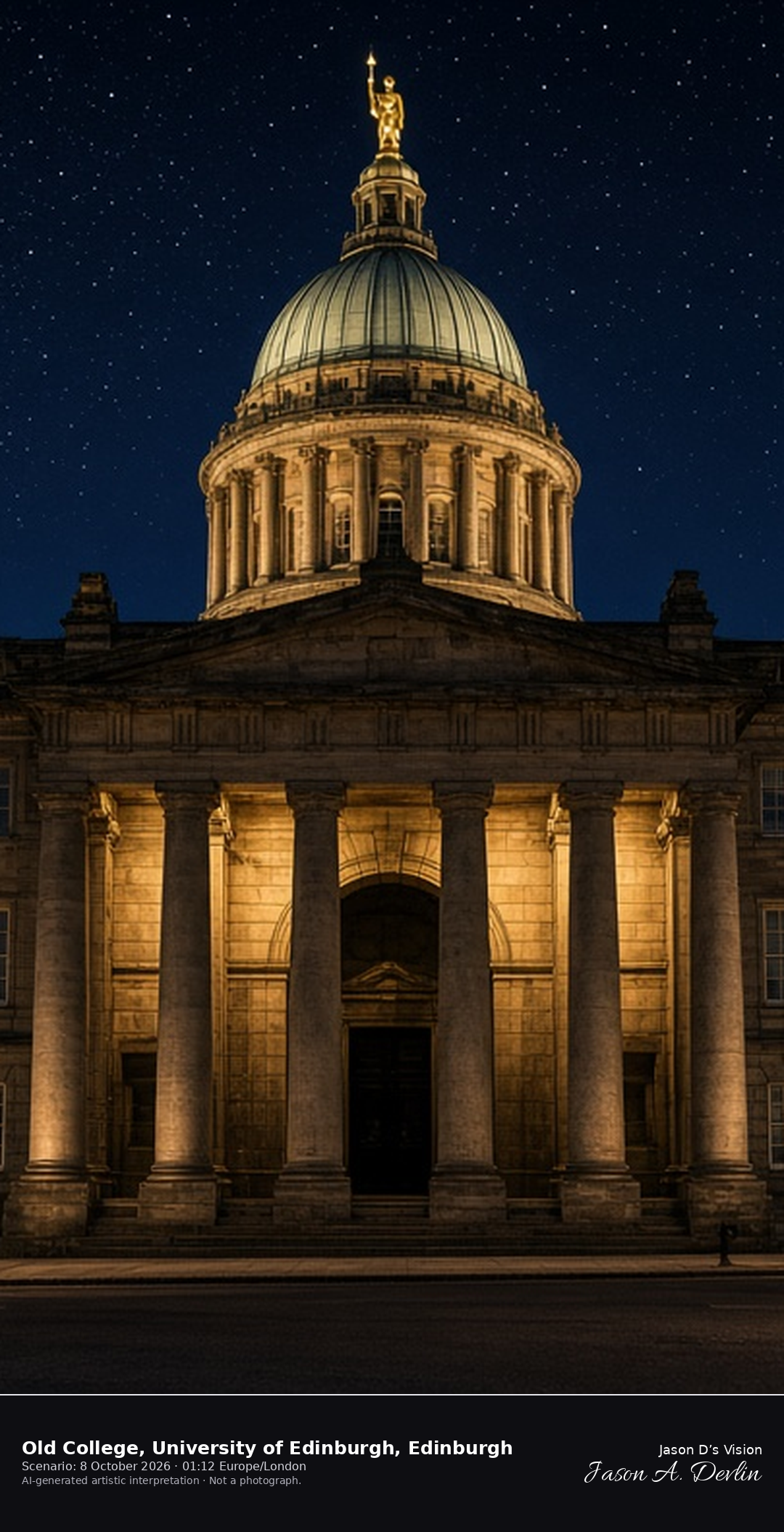
Old College, University of Edinburgh · AI-generated artistic interpretation
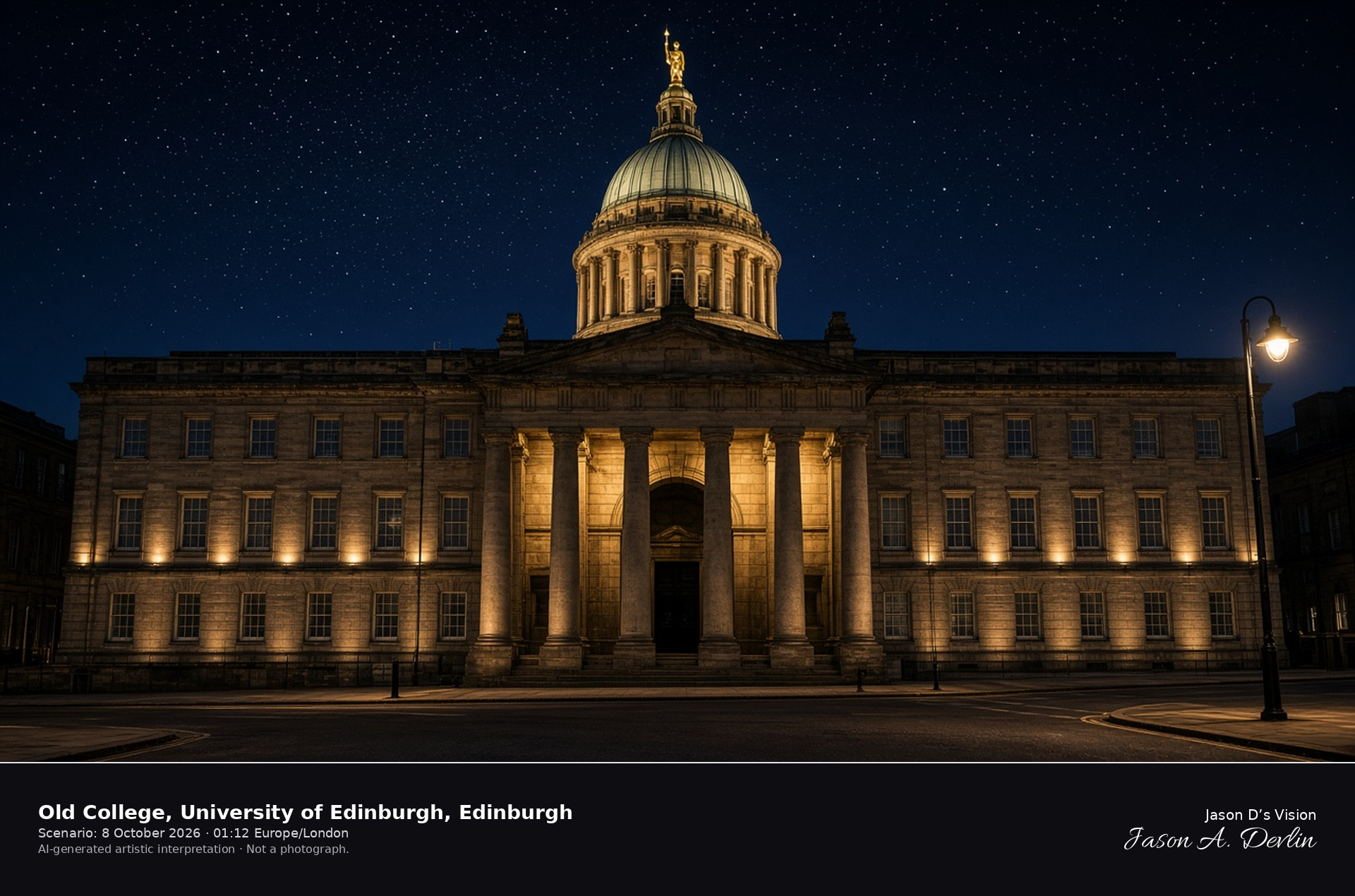
Old College stands on the site of the University of Edinburgh's earliest buildings. Robert Adam's new design began to take shape in 1789; after a long interruption, William Henry Playfair took the work forward in the nineteenth century. Their architecture gives the university's historic courtyard its enduring character.
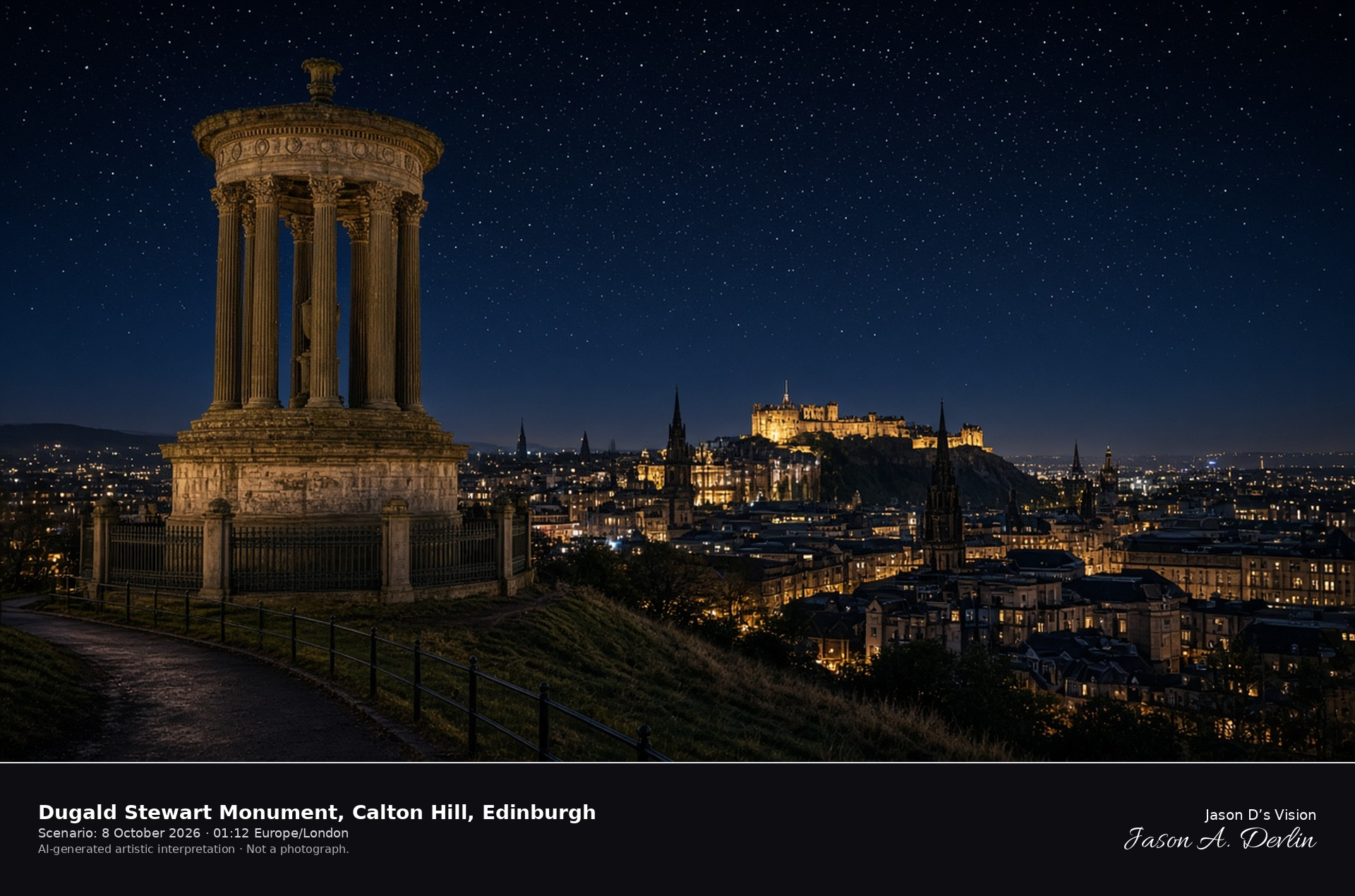
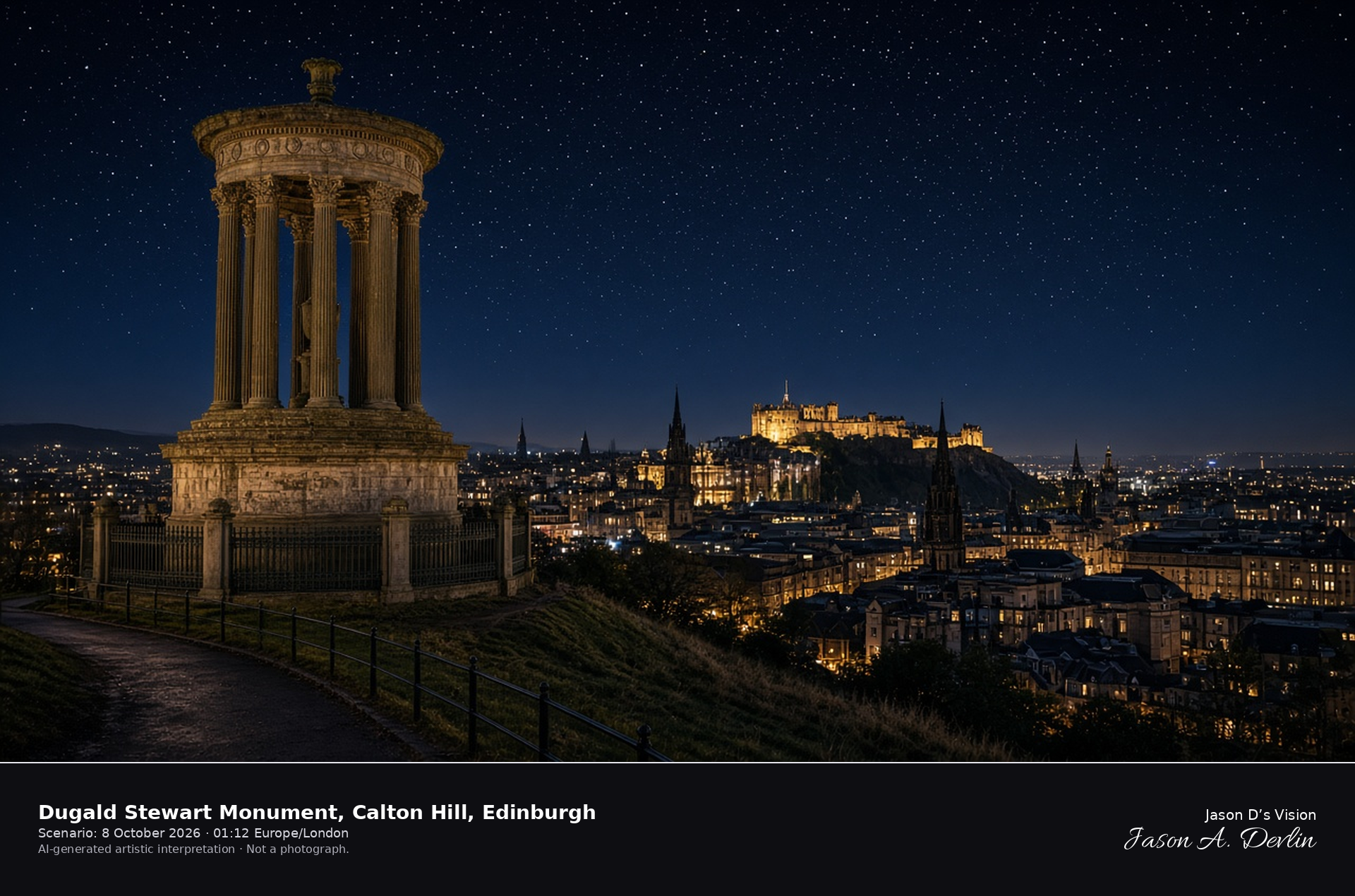
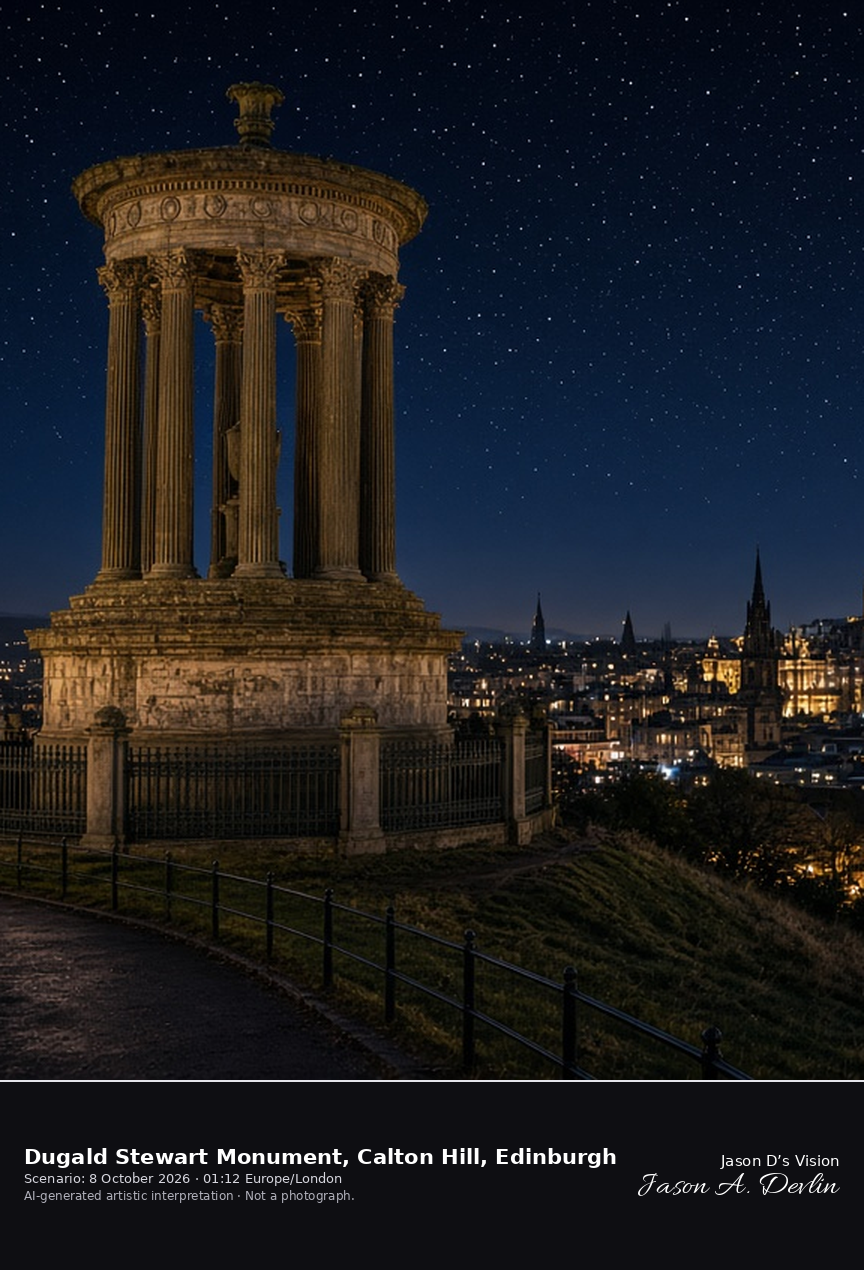
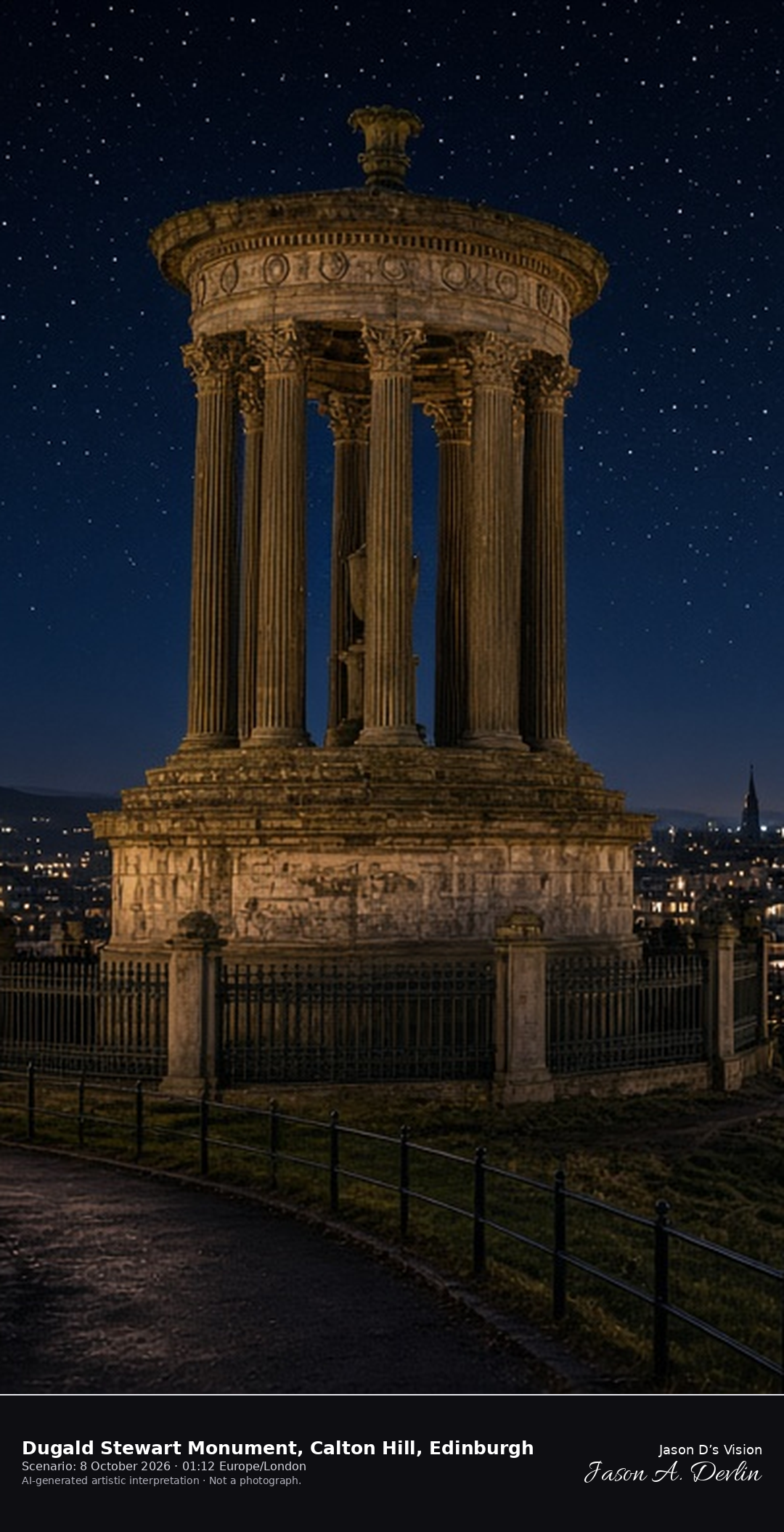
Dugald Stewart Monument, Calton Hill · AI-generated artistic interpretation
The monument of 1831 honours Dugald Stewart, a philosopher of the Scottish Enlightenment. William Henry Playfair modelled its little circular temple on the Choragic Monument of Lysicrates in Athens — a classical tribute on Calton Hill, where Edinburgh gave architectural form to its ambition to be an Athens of the North.
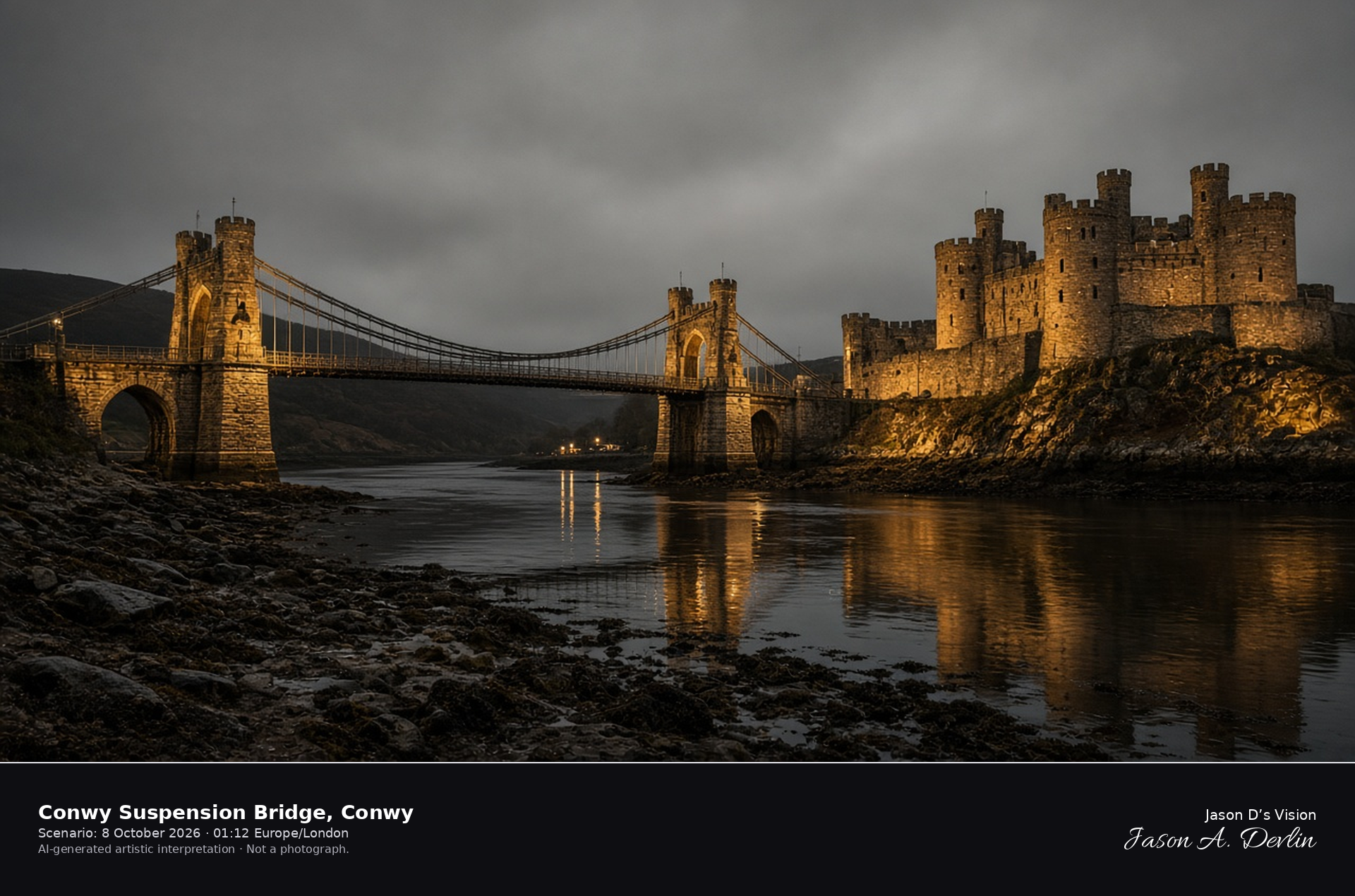
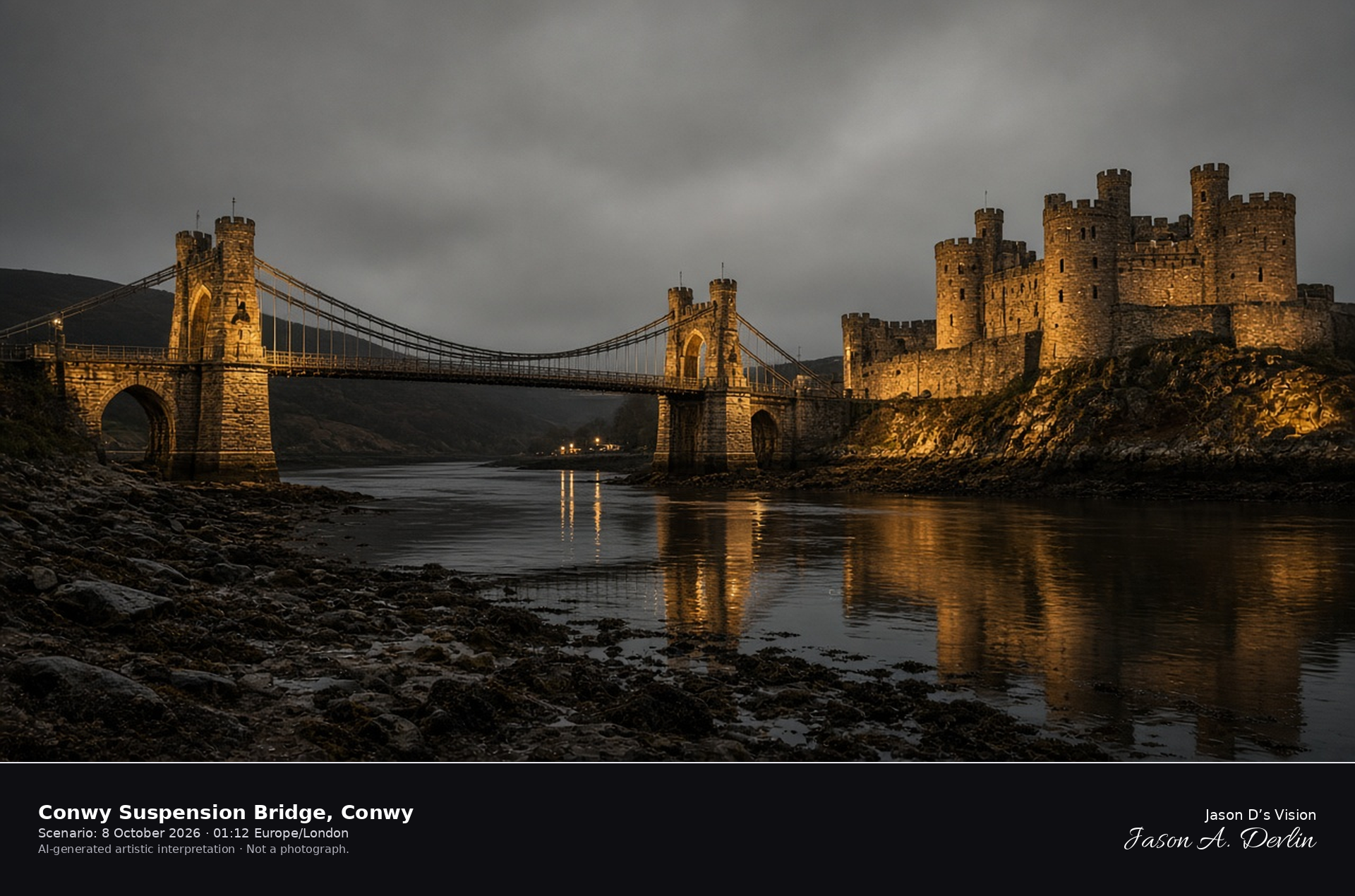
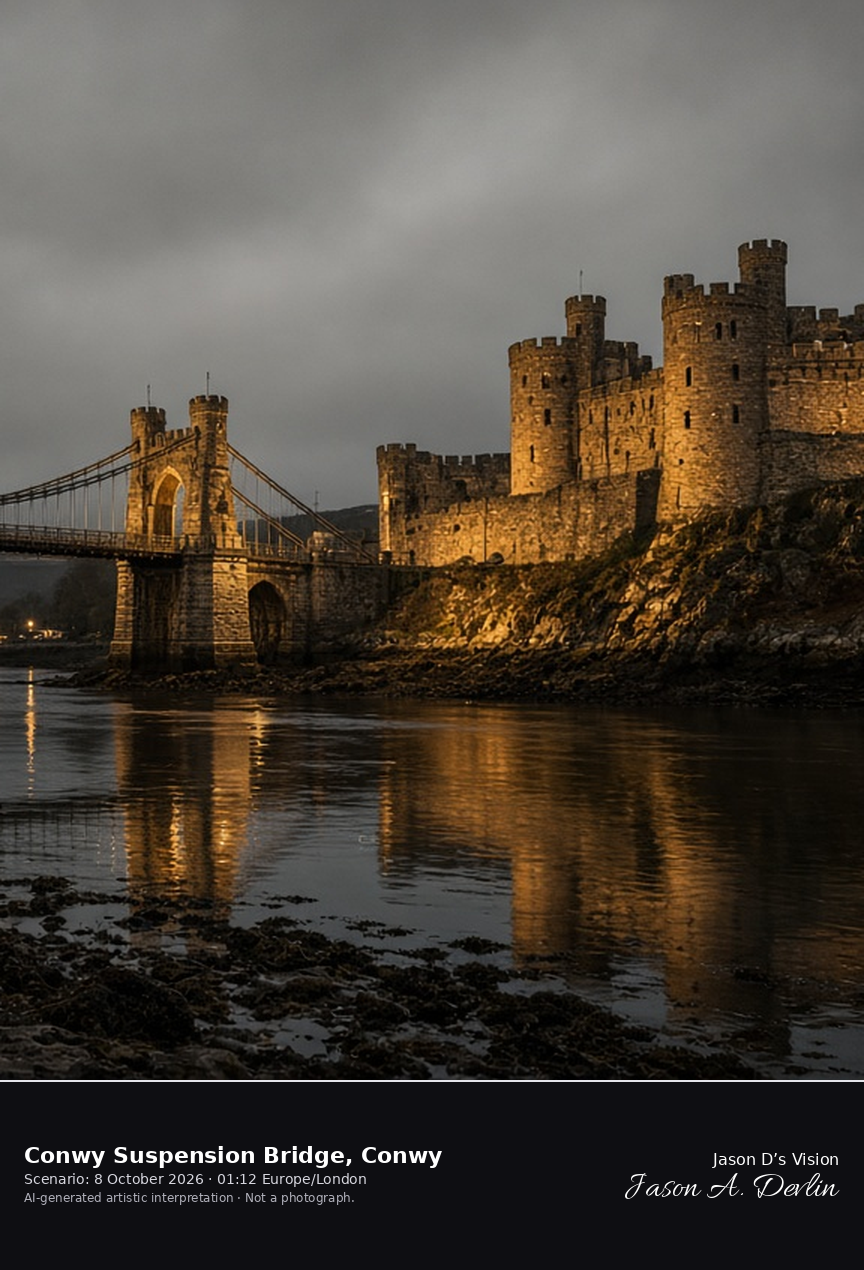
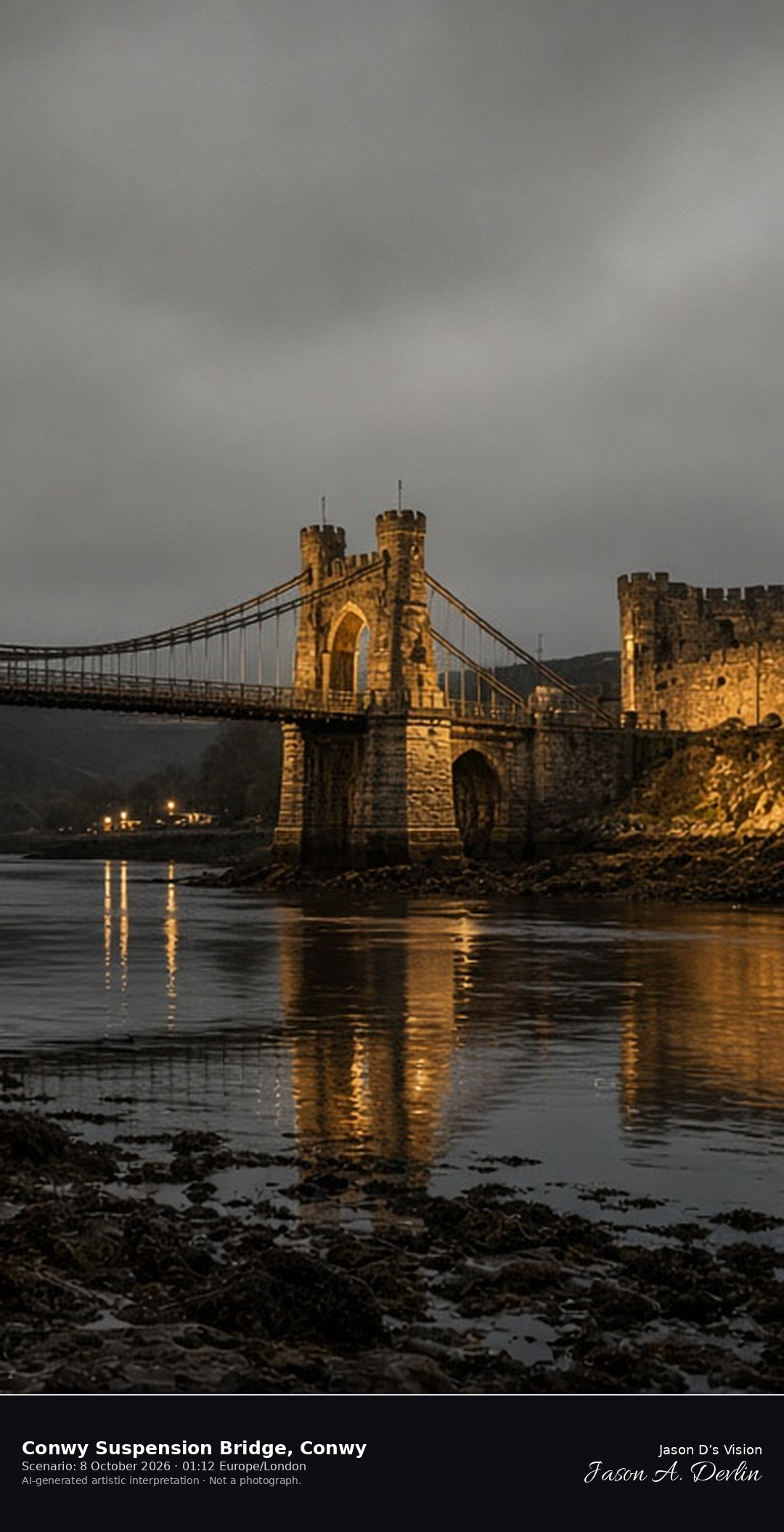
Telford's suspension bridge opened in 1826 beneath Conwy Castle, carrying the road to Holyhead across the river. Its chains and castle-like towers make a striking neighbour to the medieval fortress. The small toll-keeper's house recalls a crossing where charges once applied to people, animals, vehicles and even letters carried by the mail coach.
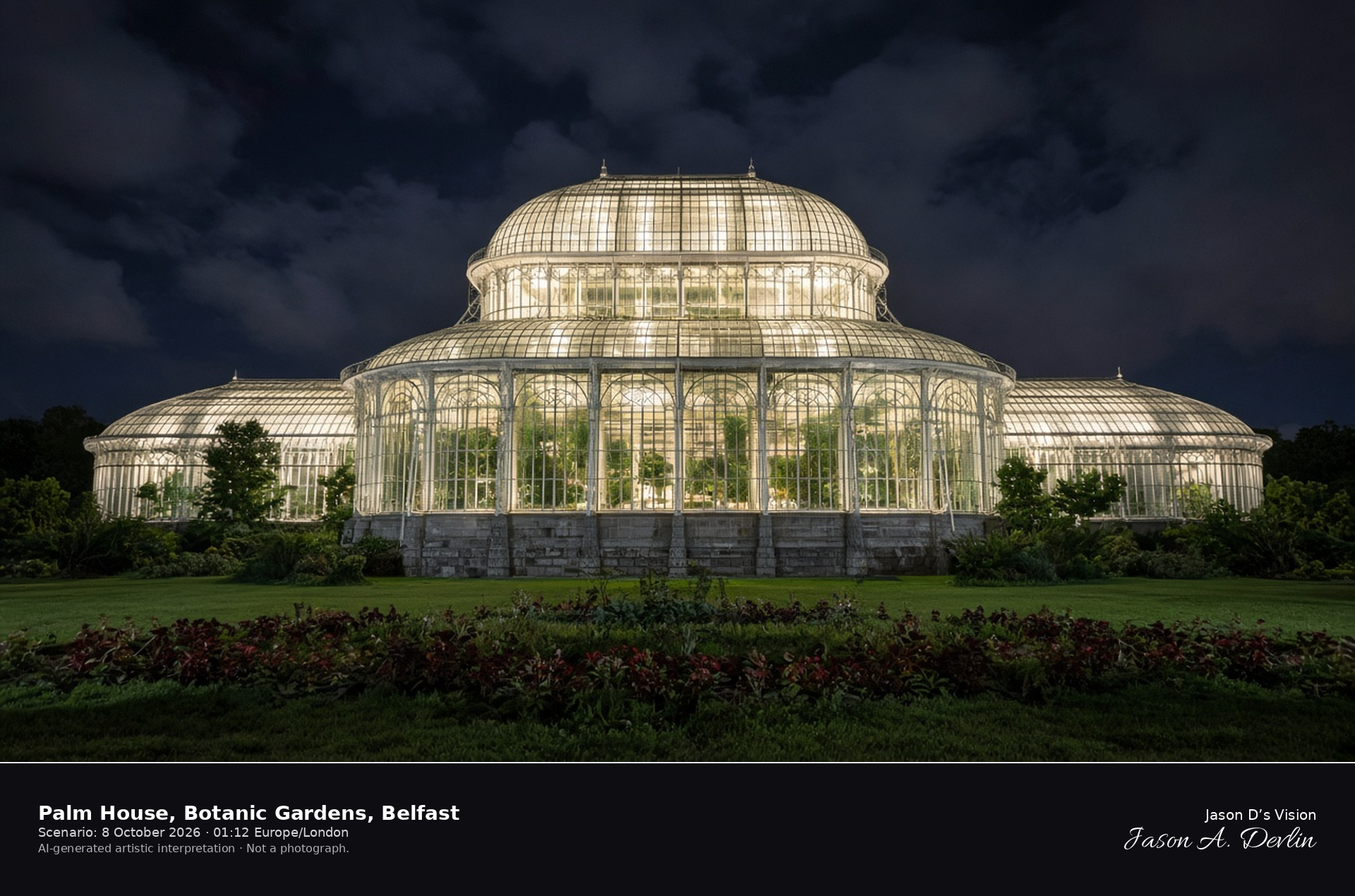
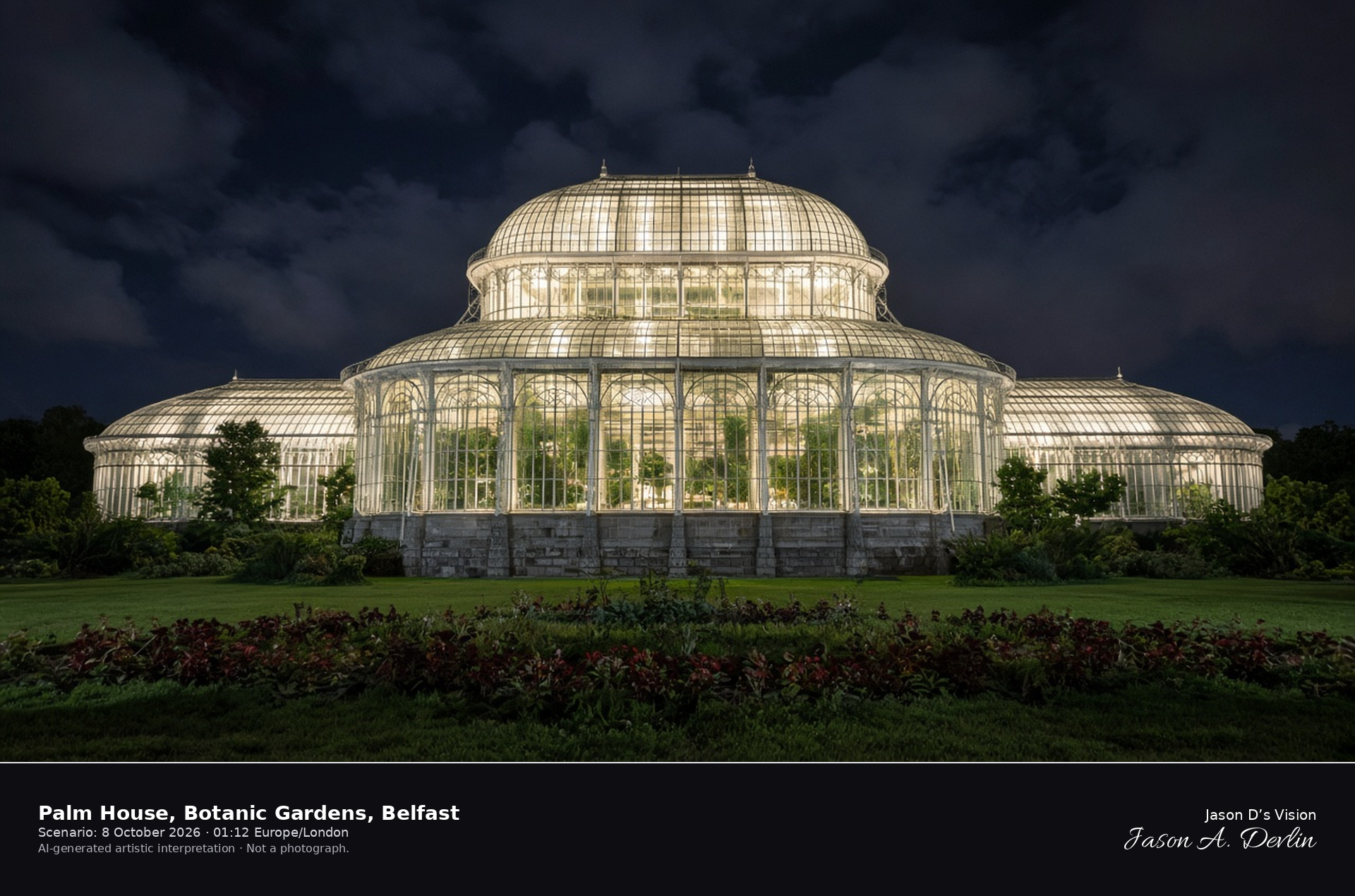
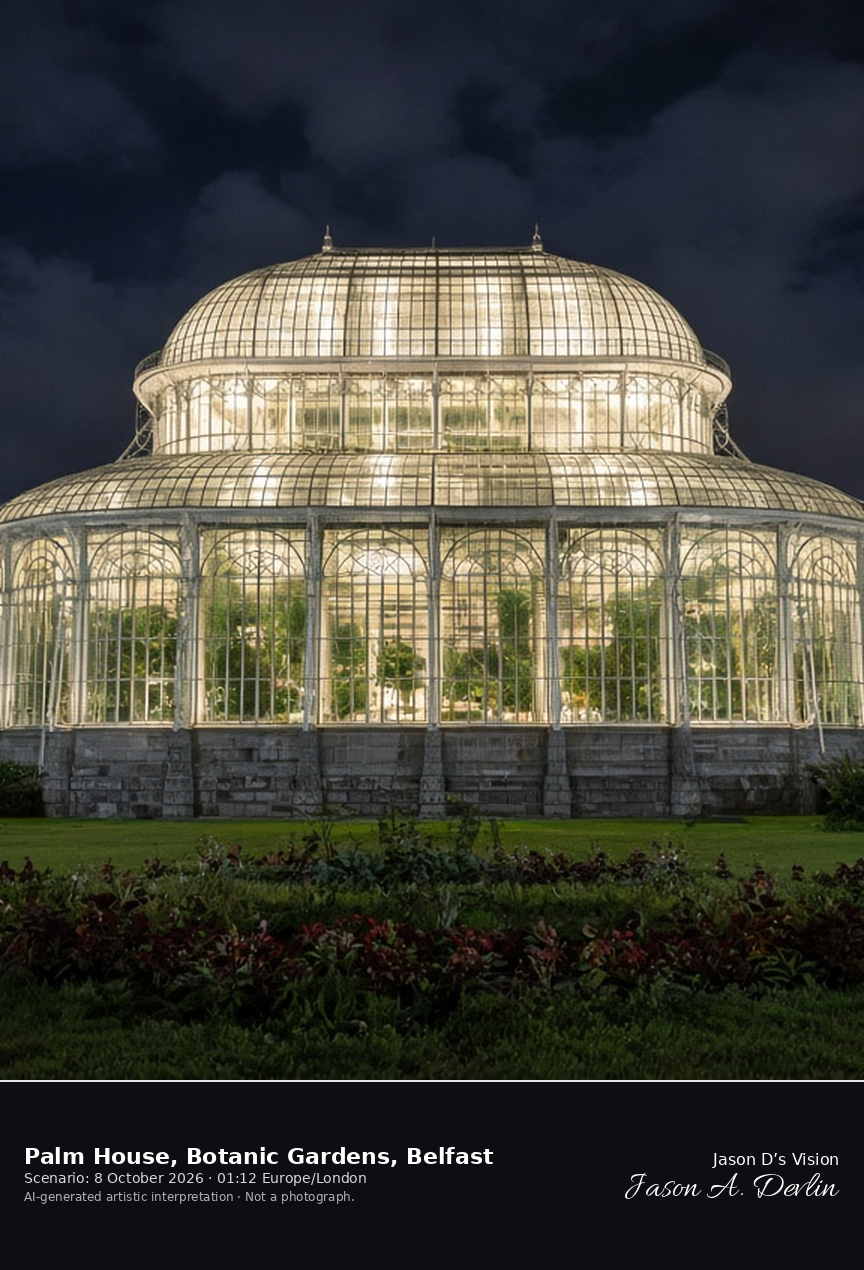
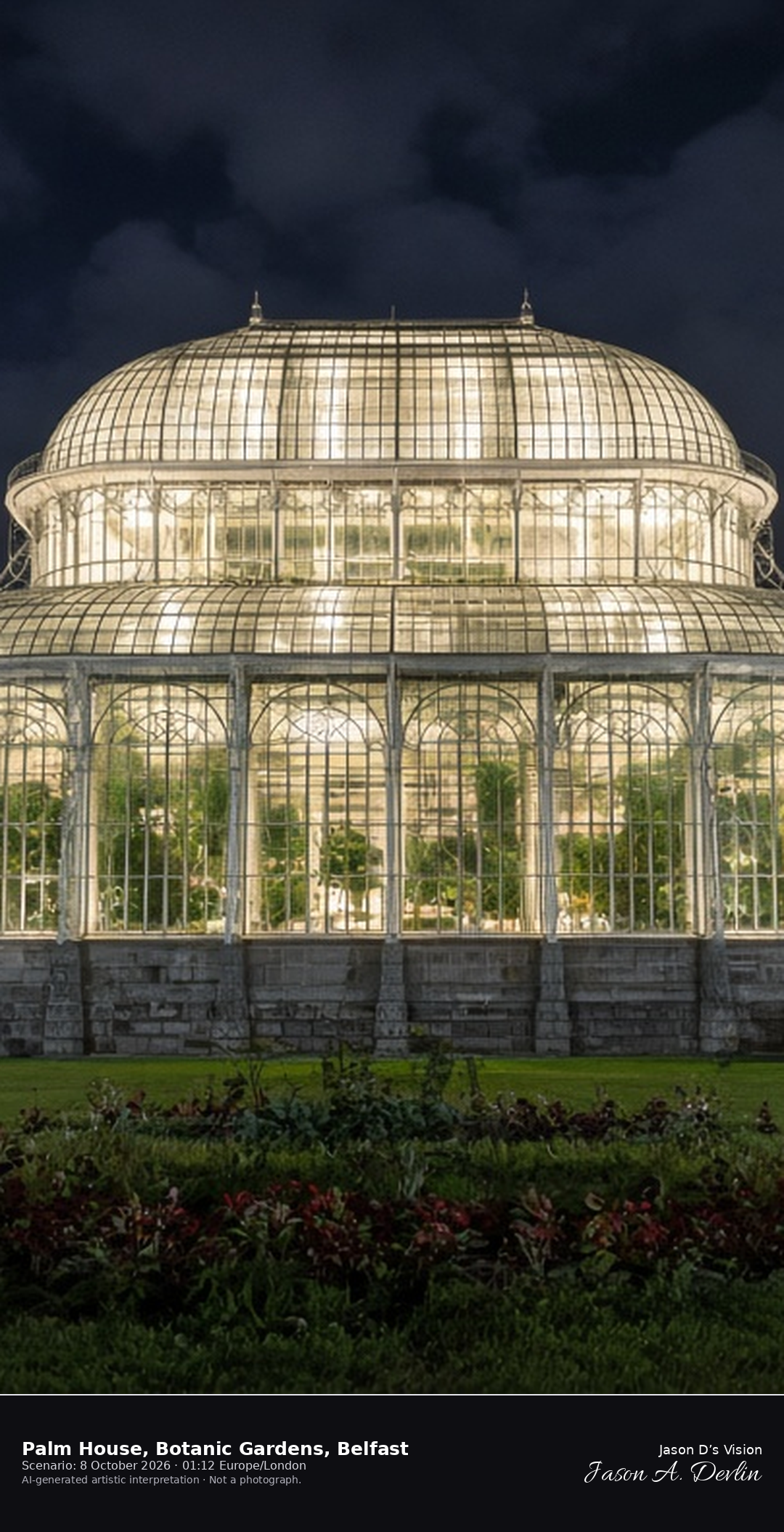
Charles Lanyon designed the Palm House, and building began in 1839, making it one of the earliest curvilinear cast-iron glasshouses in the world. Richard Turner, who later built the Palm House at Kew, made its ironwork.
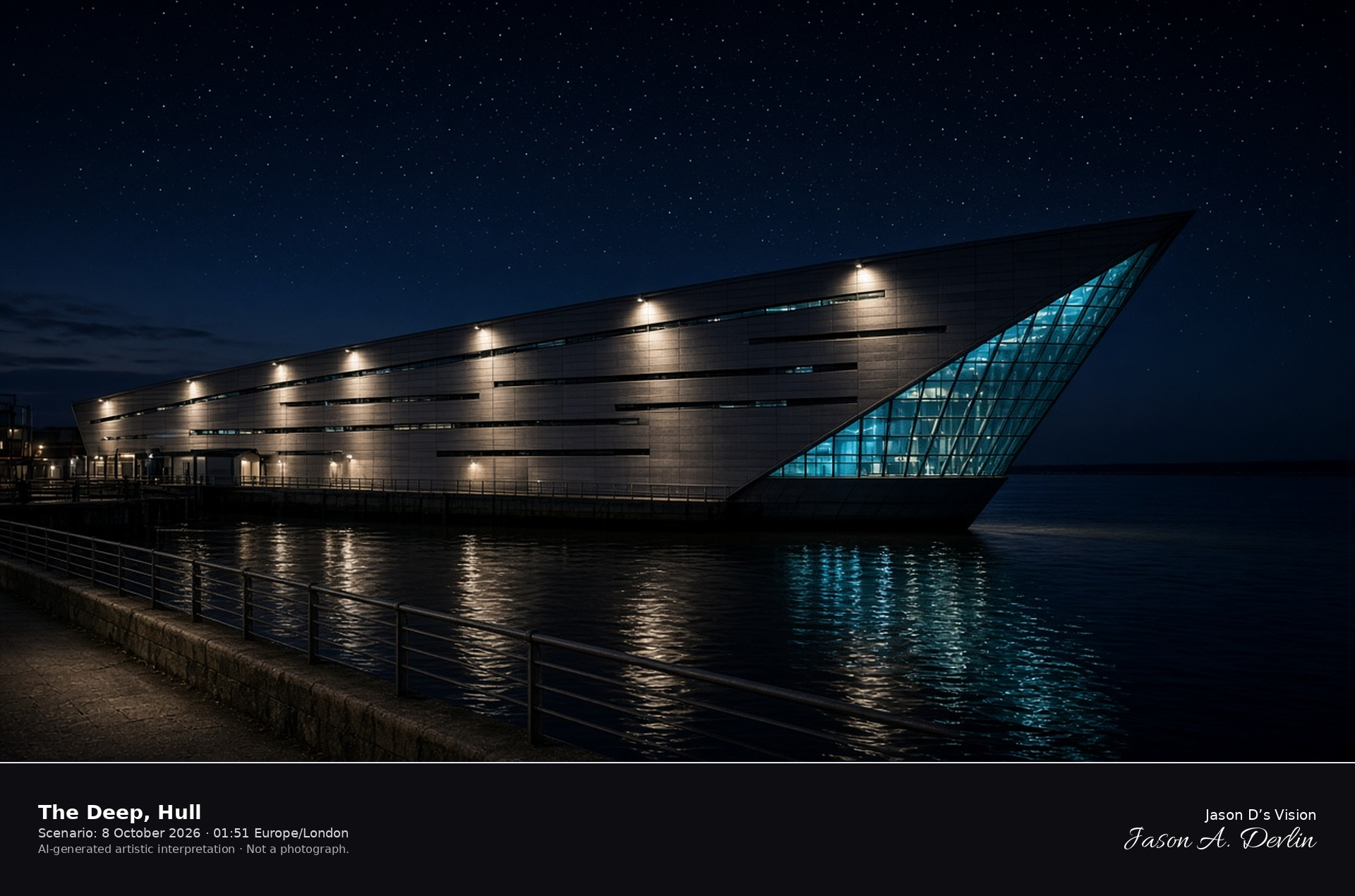
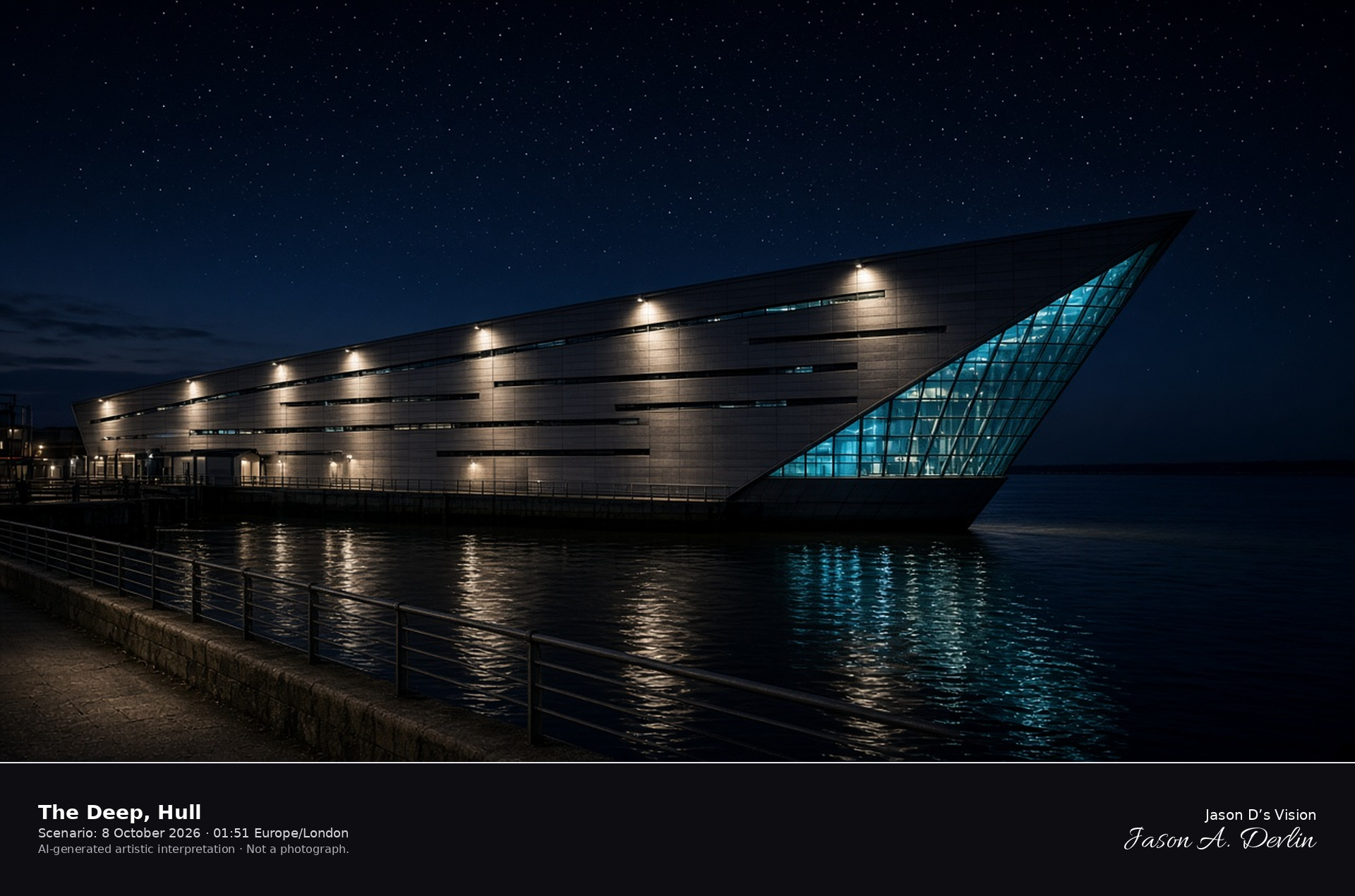
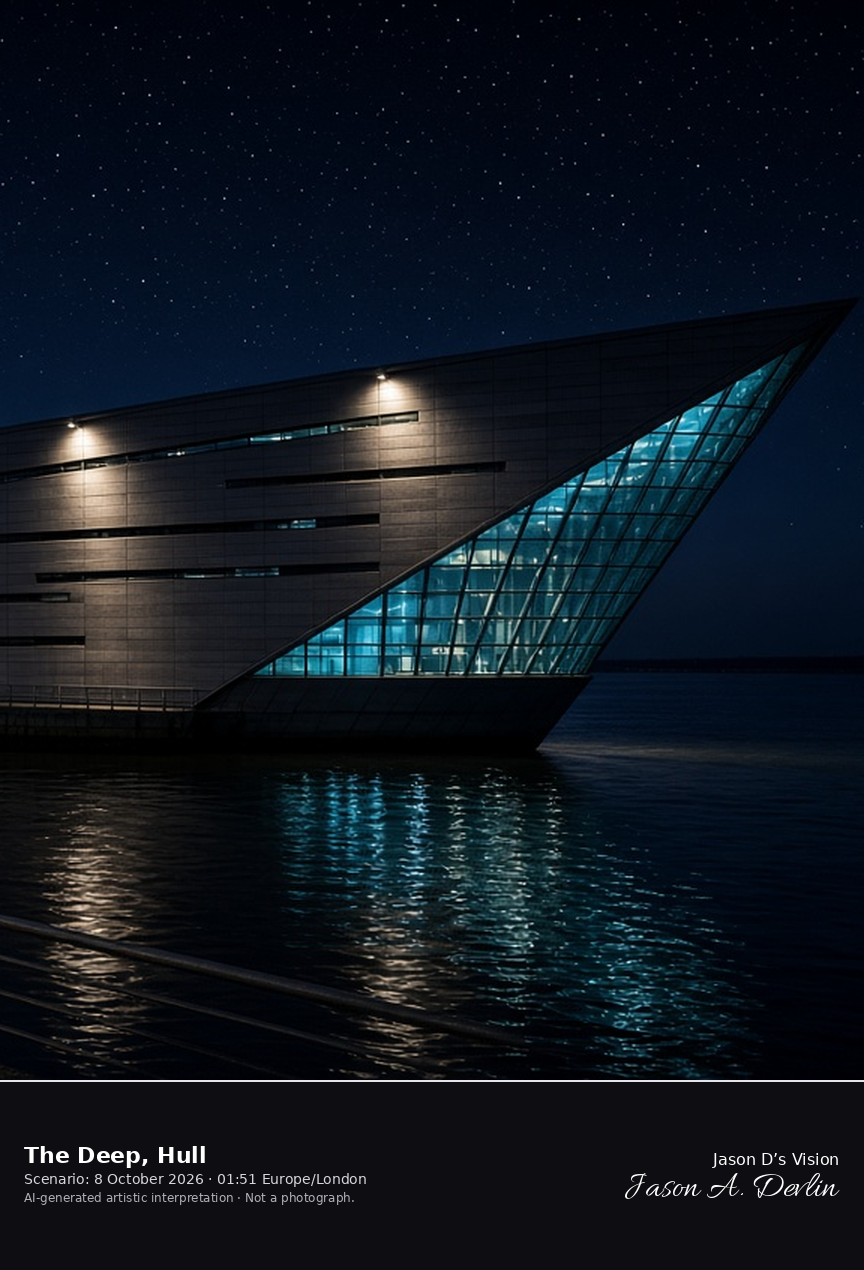
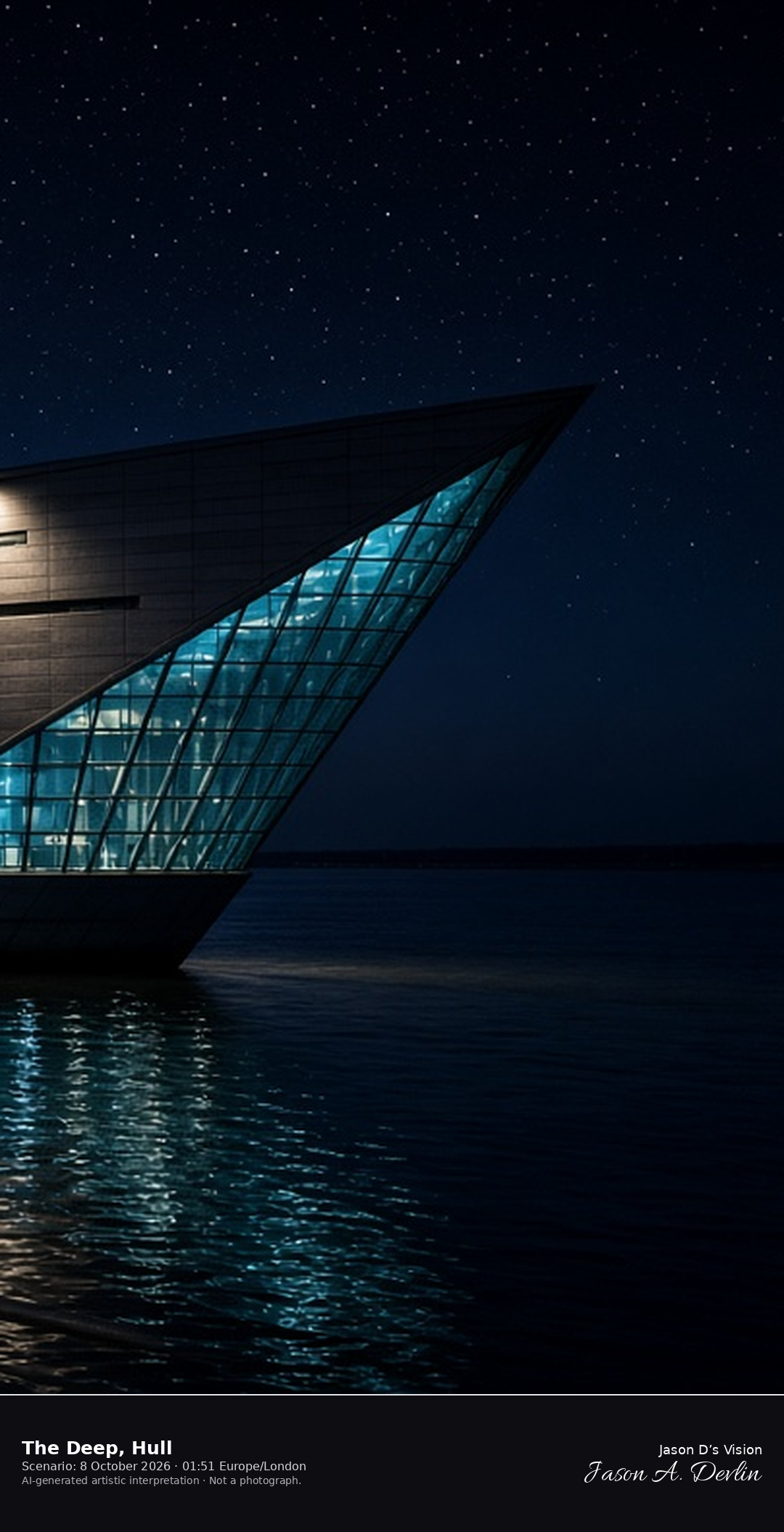
The Deep, Hull · AI-generated artistic interpretation
The Deep opened in 2002 at Sammy's Point, where the River Hull meets the Humber. Terry Farrell designed it to look like a rock rising from the sea, and it holds thousands of sea creatures.
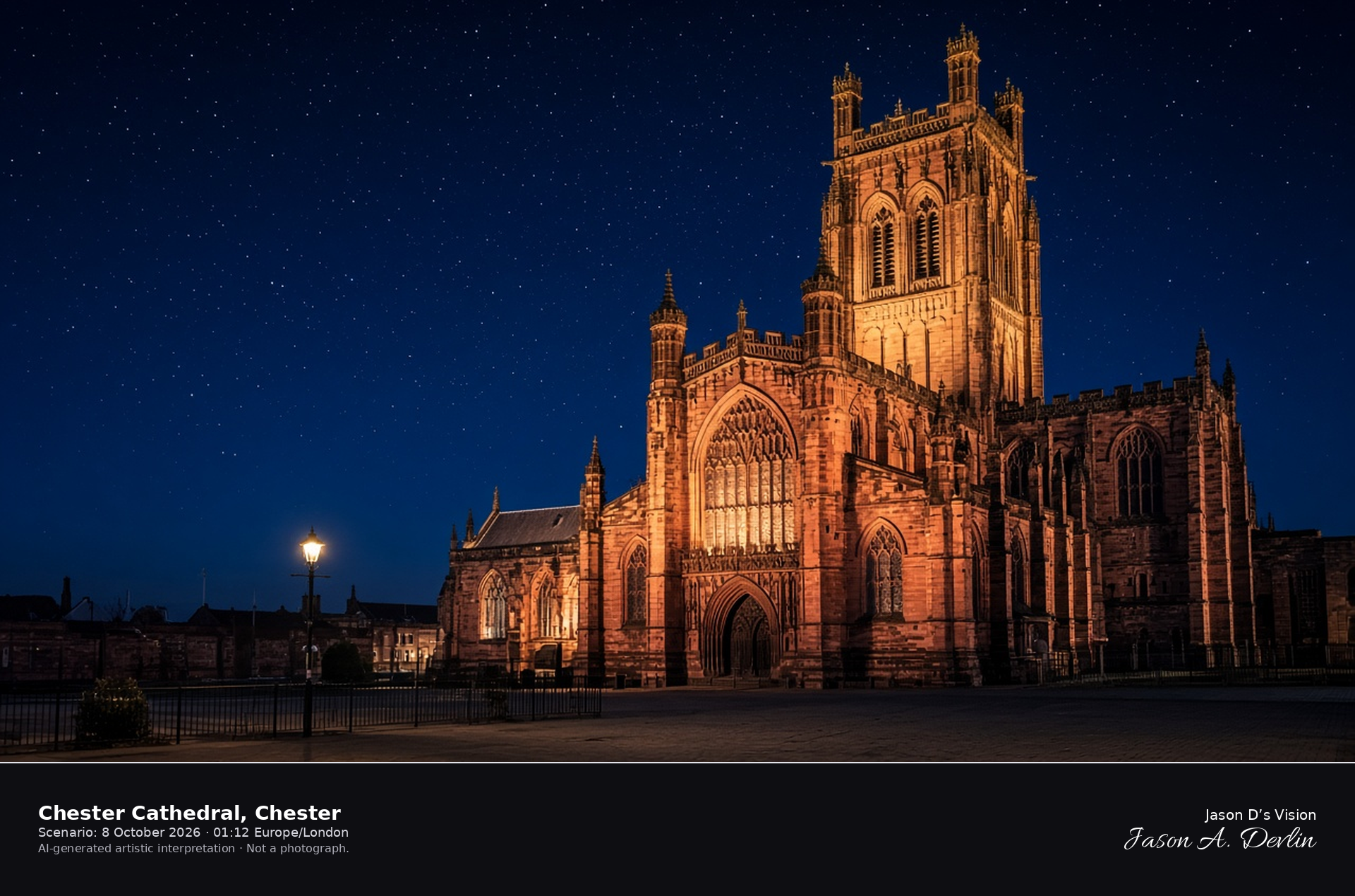
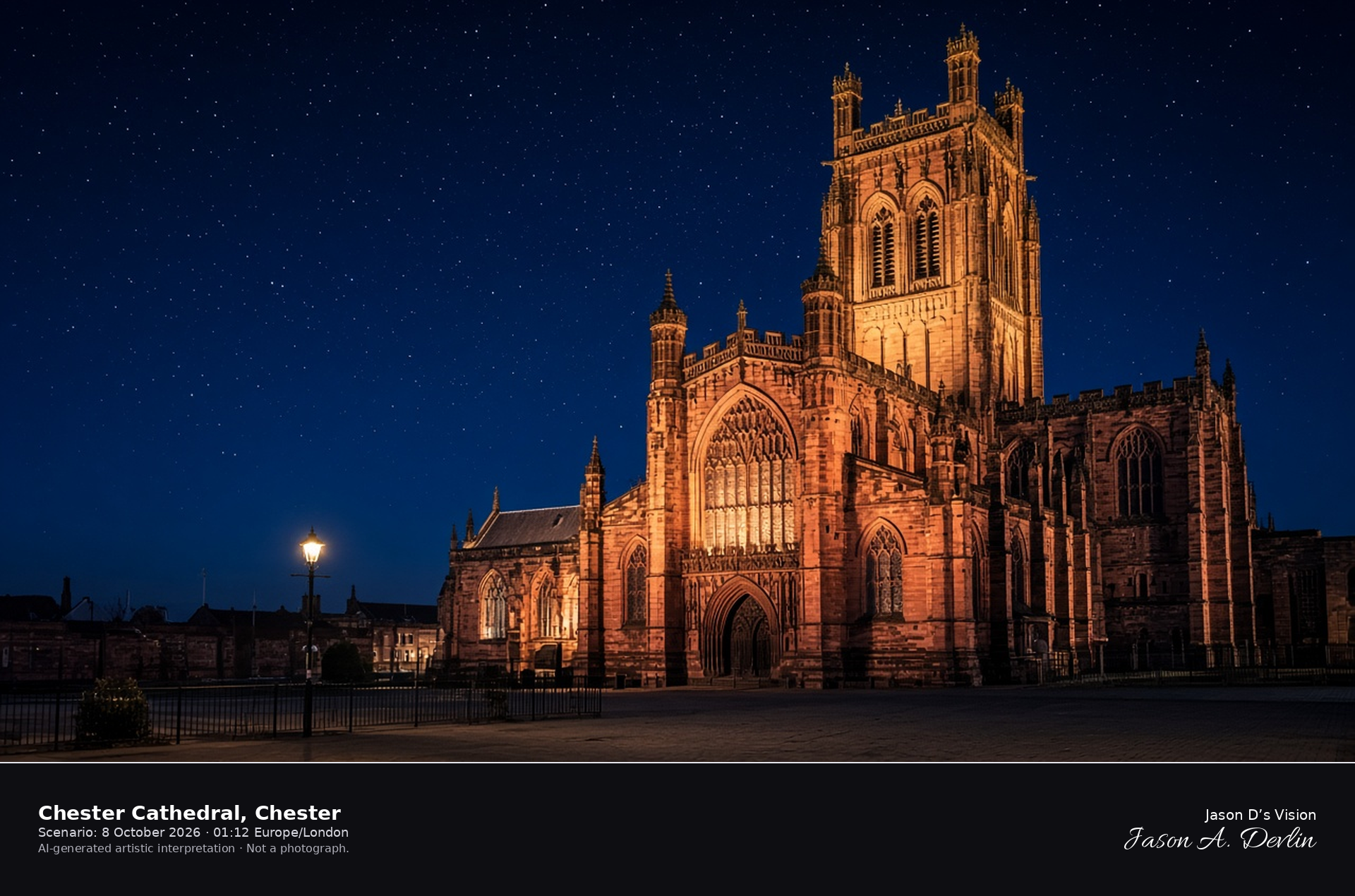
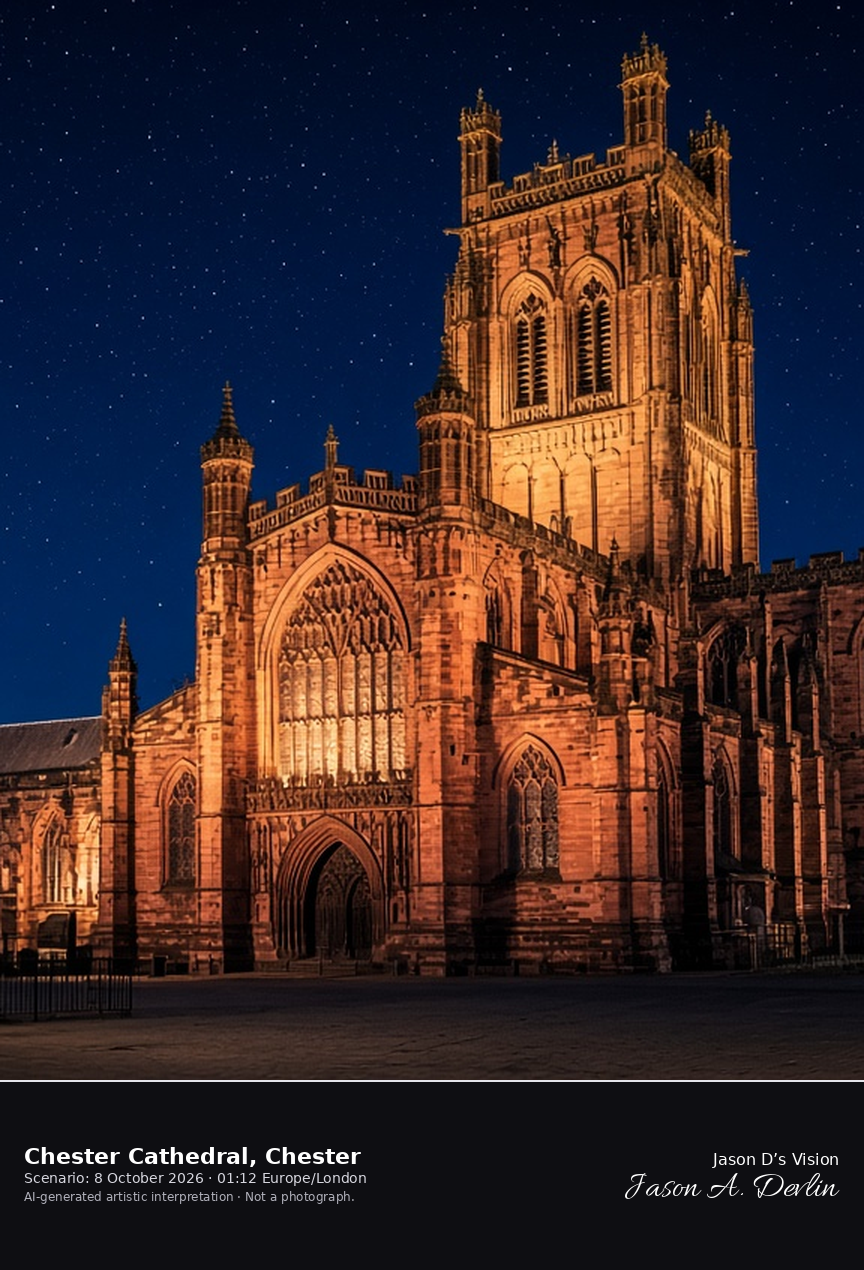
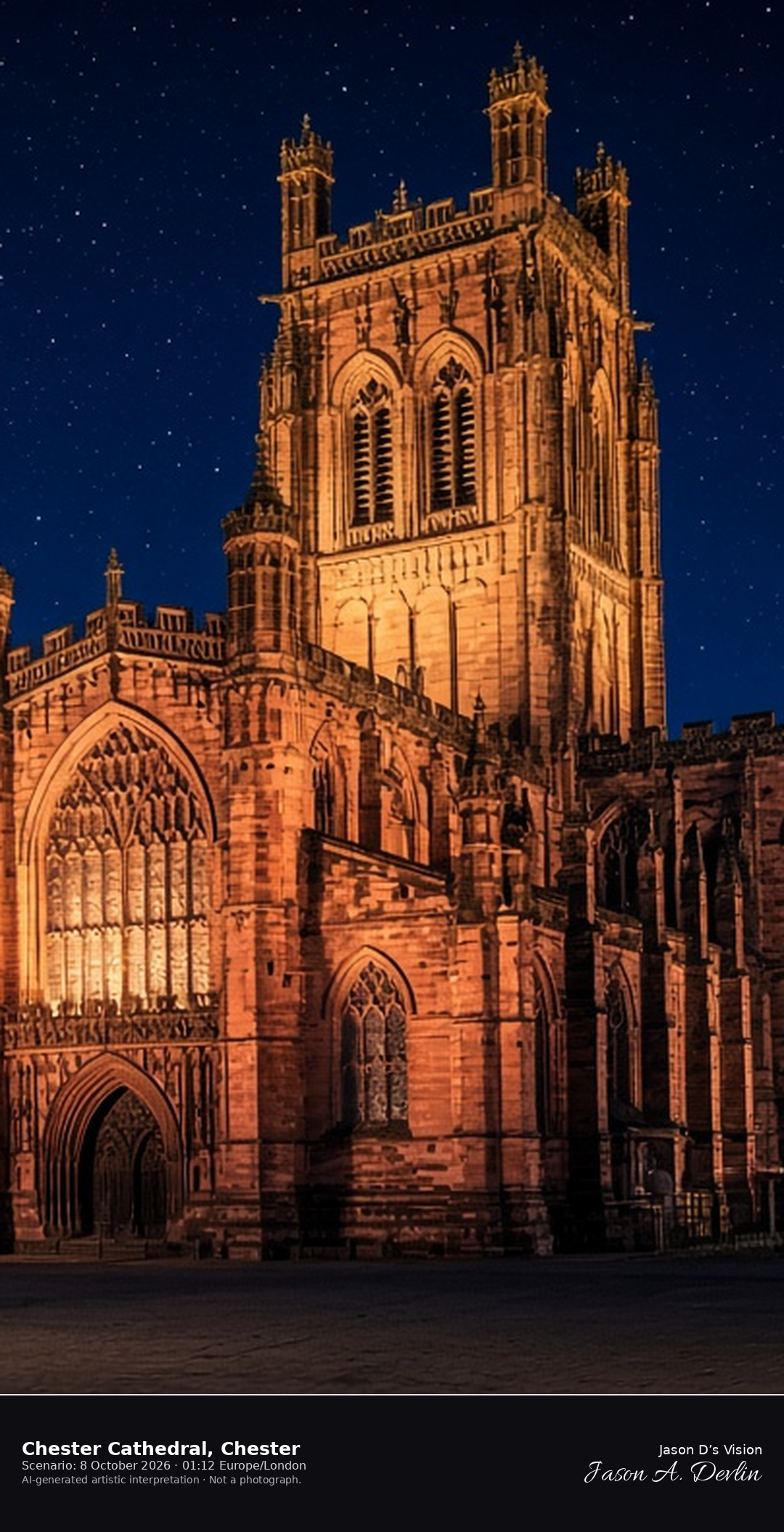
Chester Cathedral began as the Benedictine abbey church of St Werburgh and became a cathedral in 1541. George Gilbert Scott restored its red sandstone heavily in the 1870s.
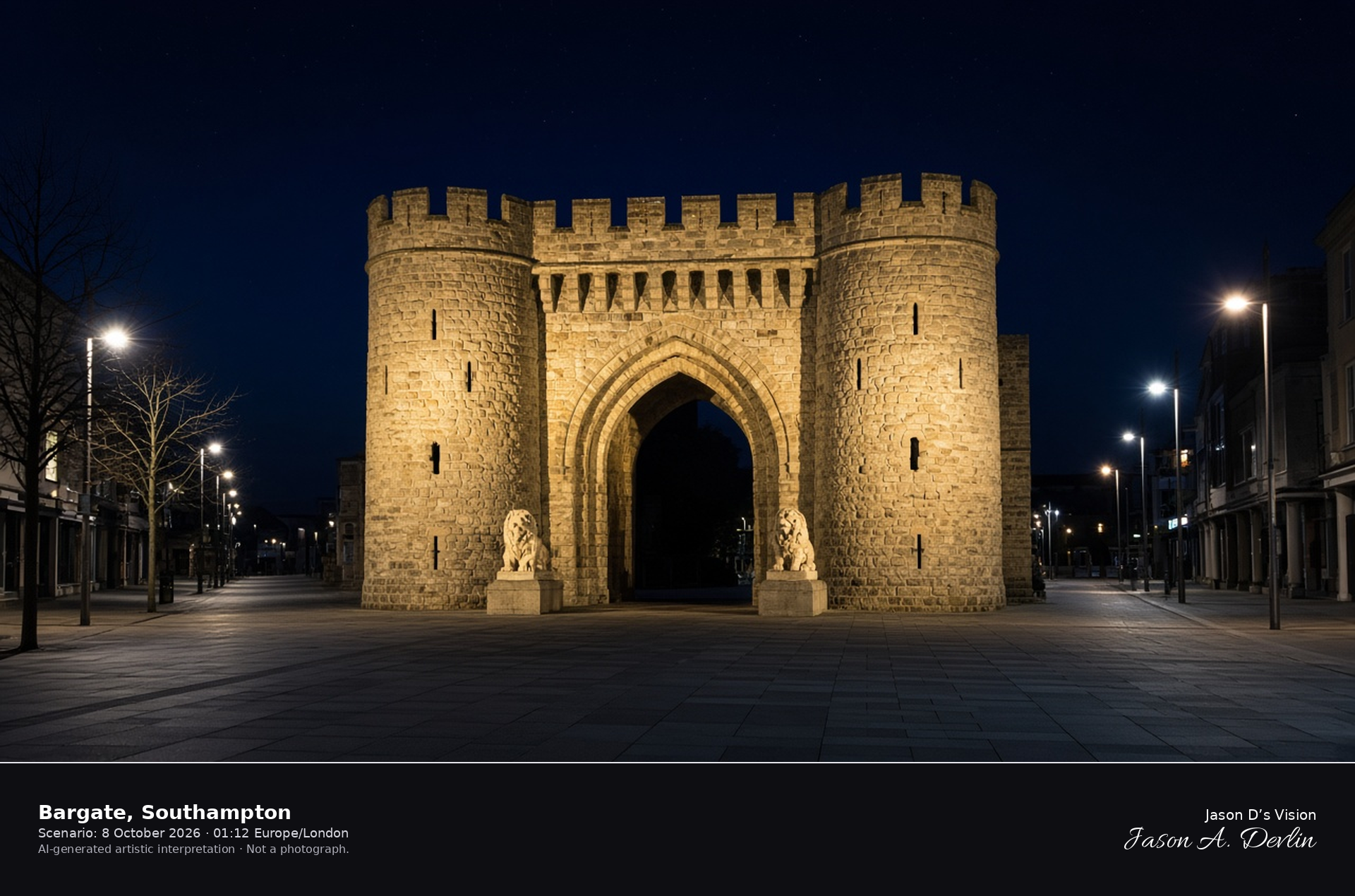
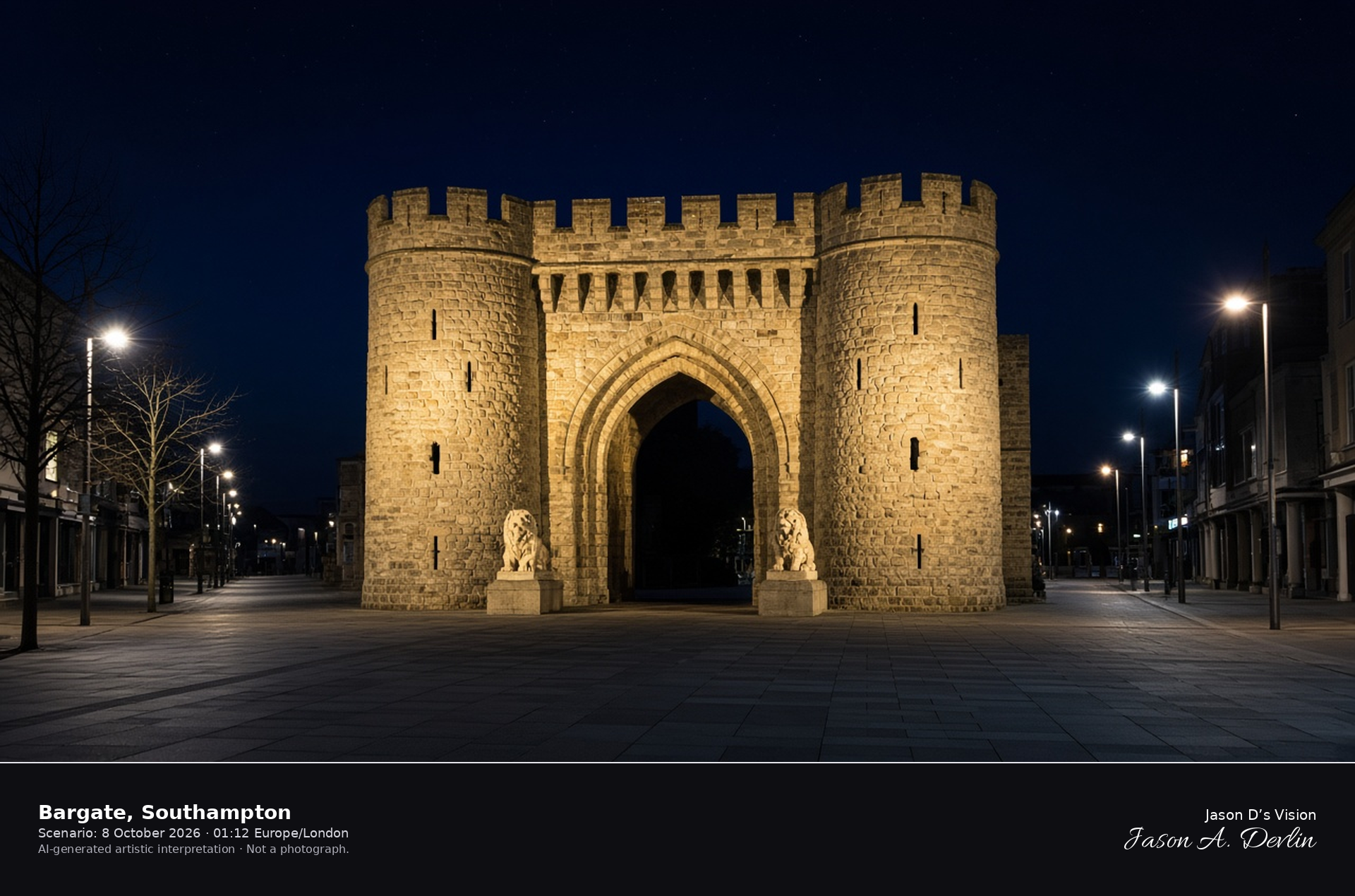
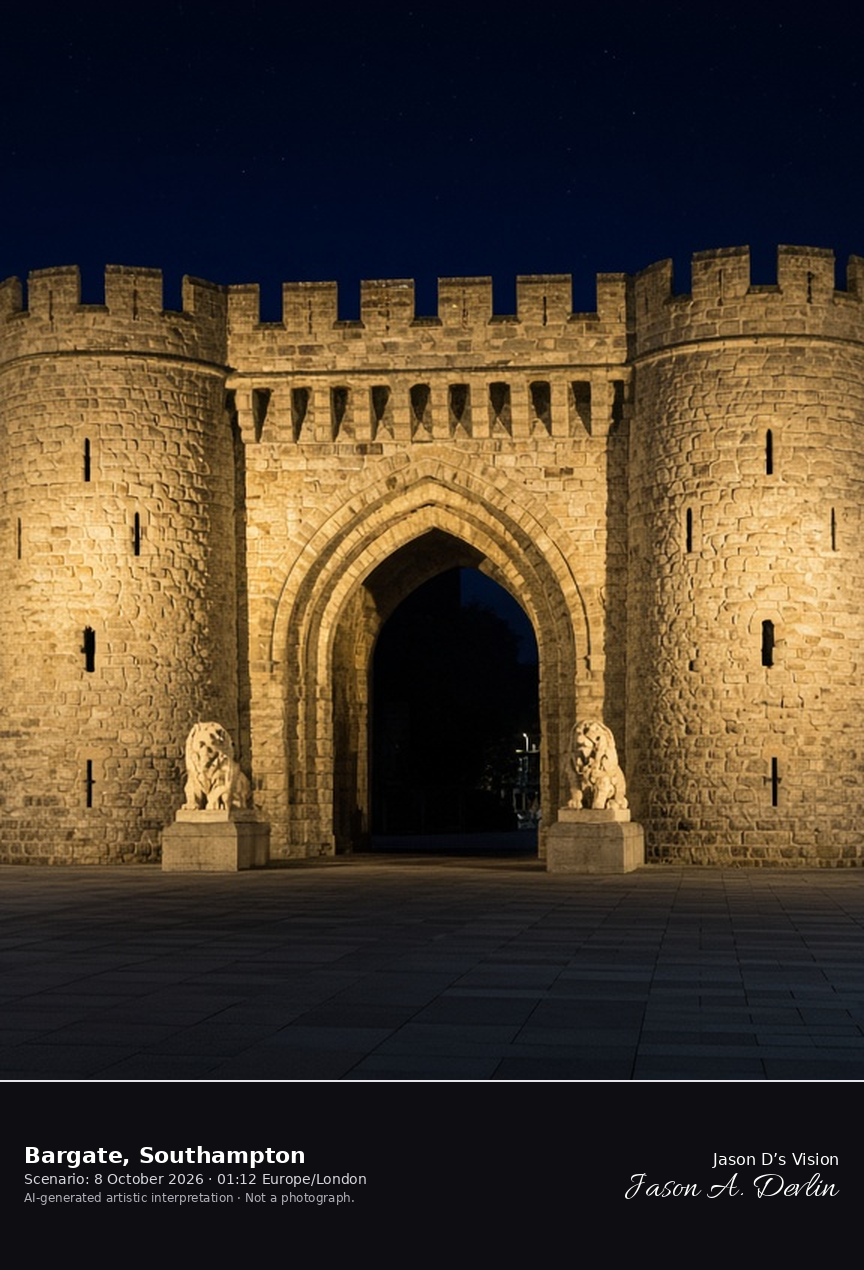
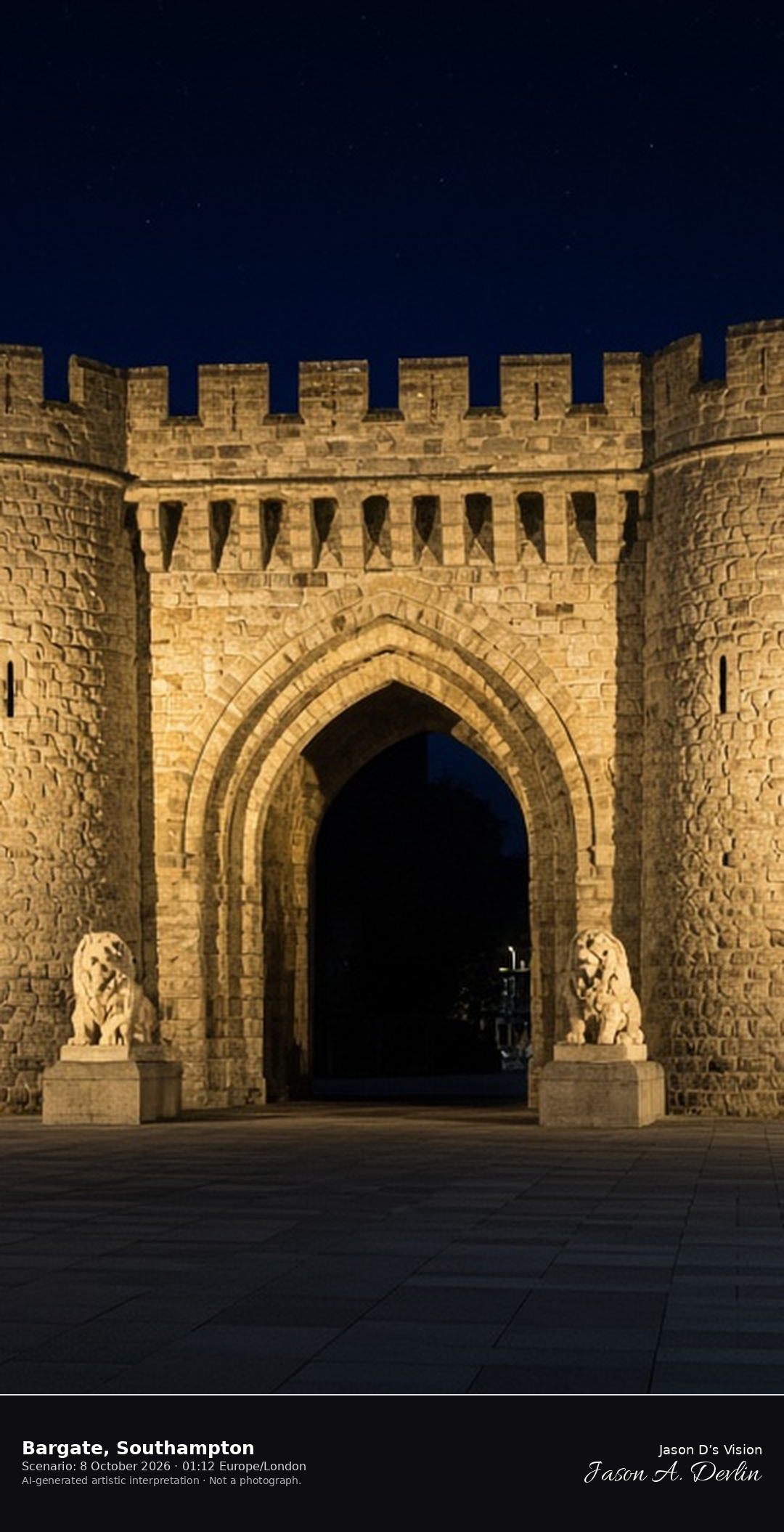
The Bargate was the main gateway into medieval Southampton, begun around 1180 and enlarged over the following centuries. The town walls beside it were cleared away, so it now stands on its own in the pedestrian street.
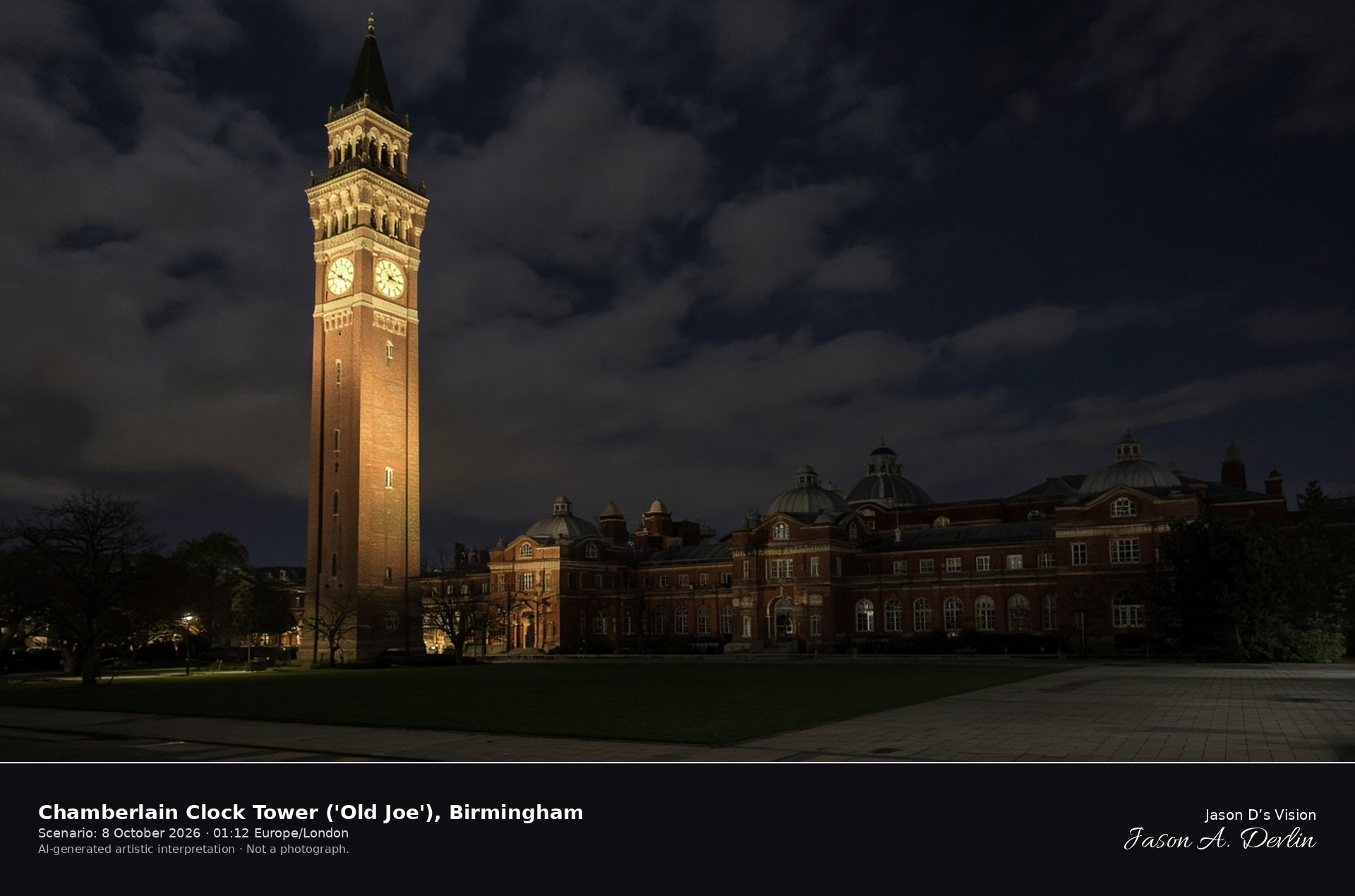
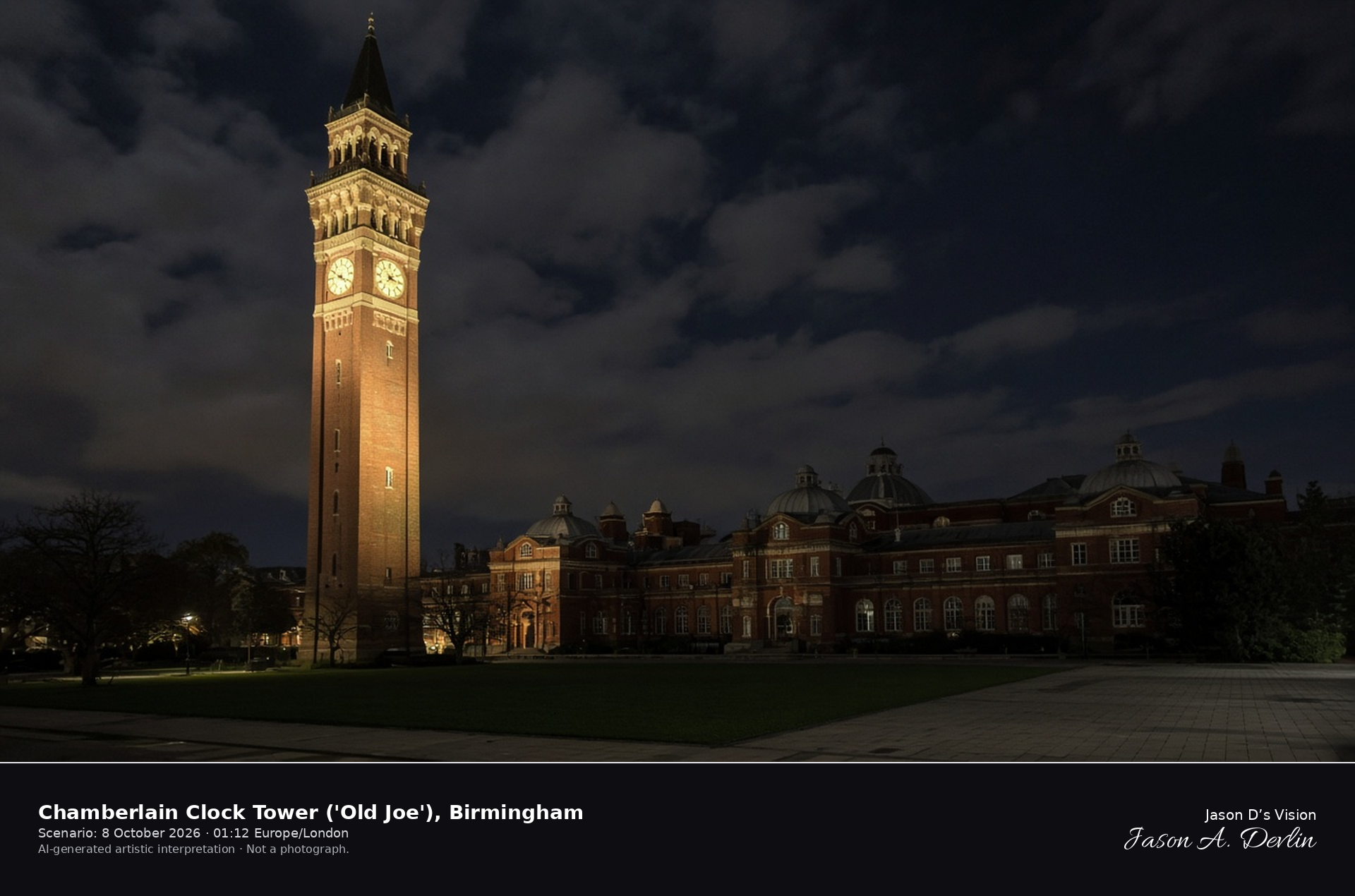
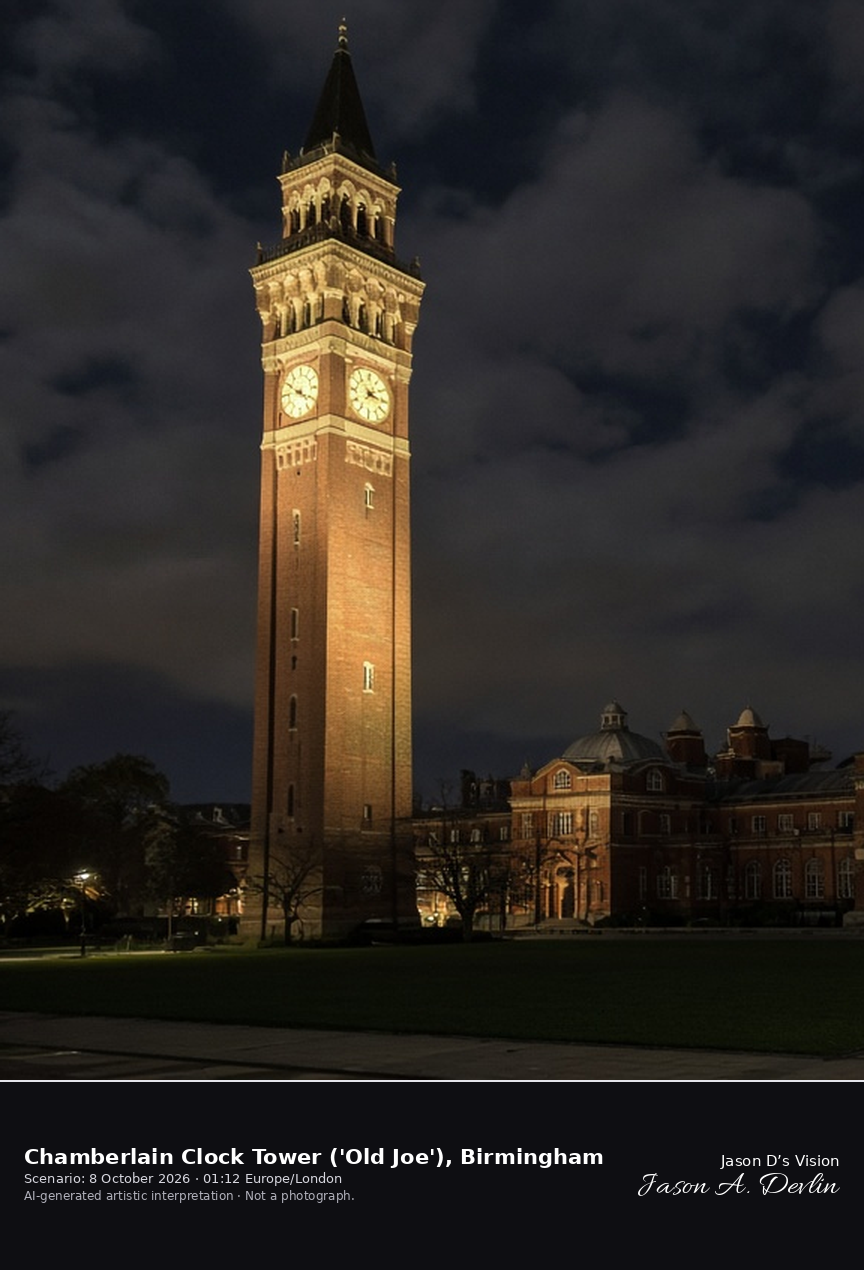
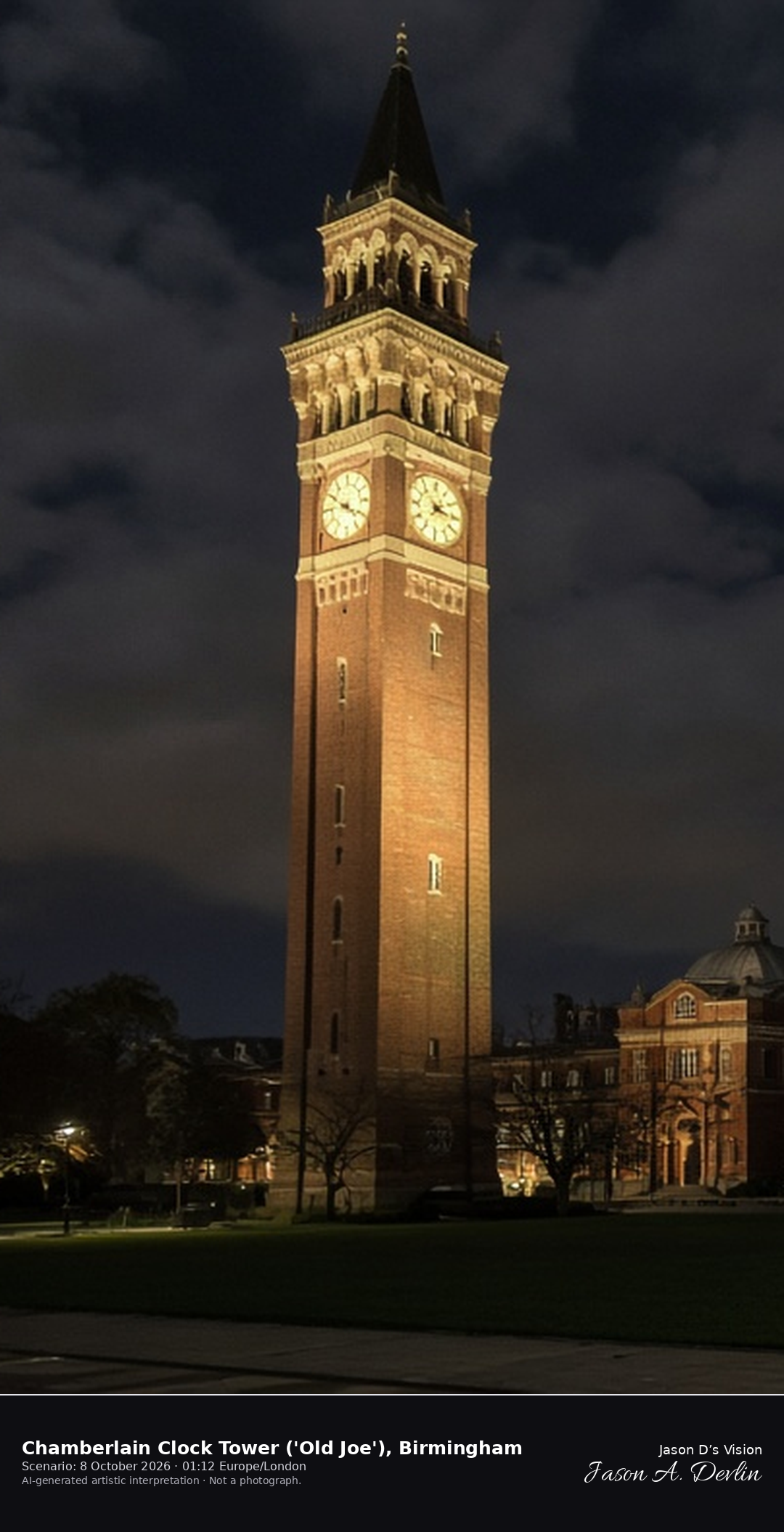
The Joseph Chamberlain Memorial Clock Tower was built between 1900 and 1908 and is about 100 metres tall. It was inspired by the Torre del Mangia in Siena and is often called the tallest free-standing clock tower in the world.
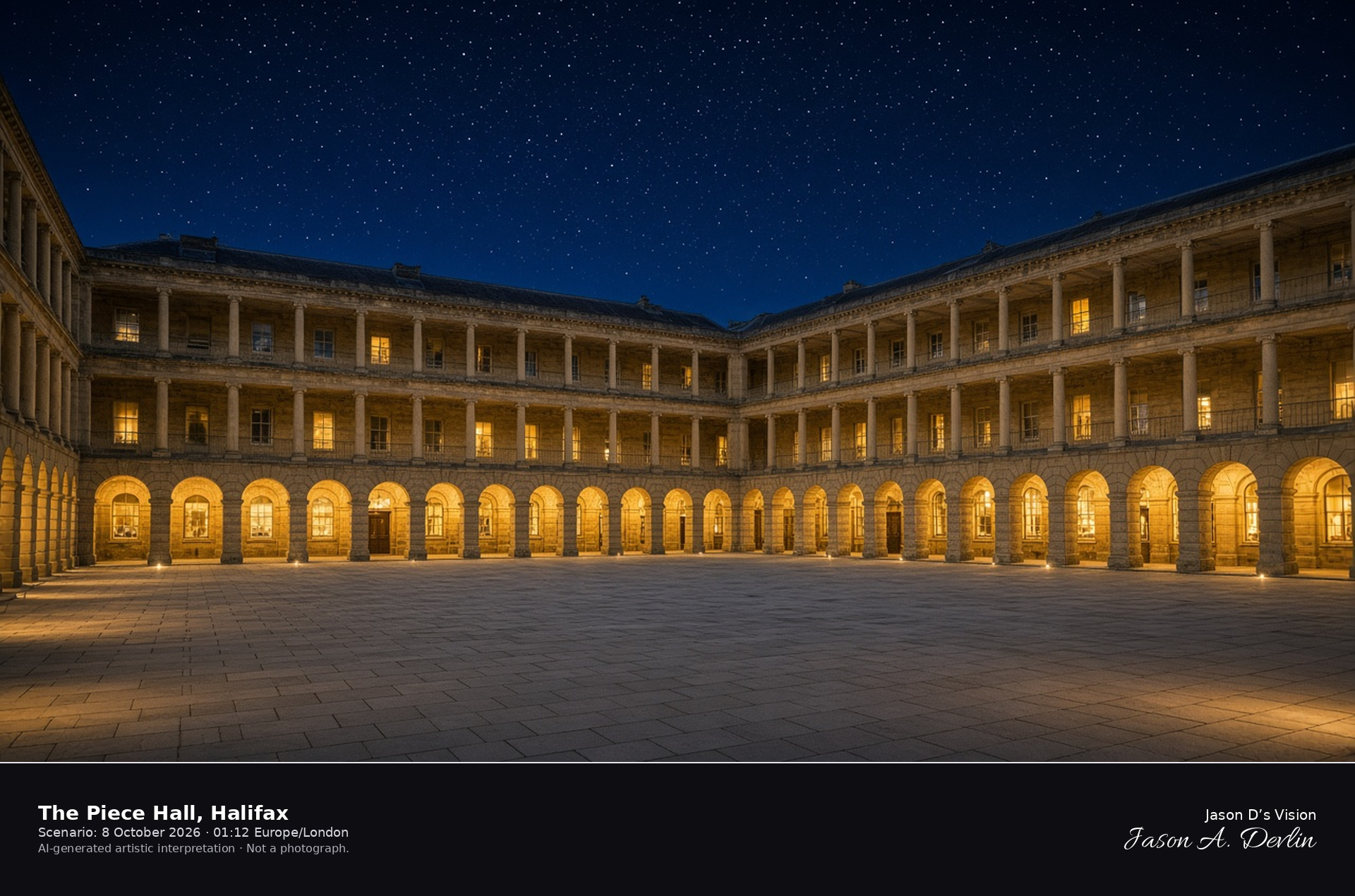
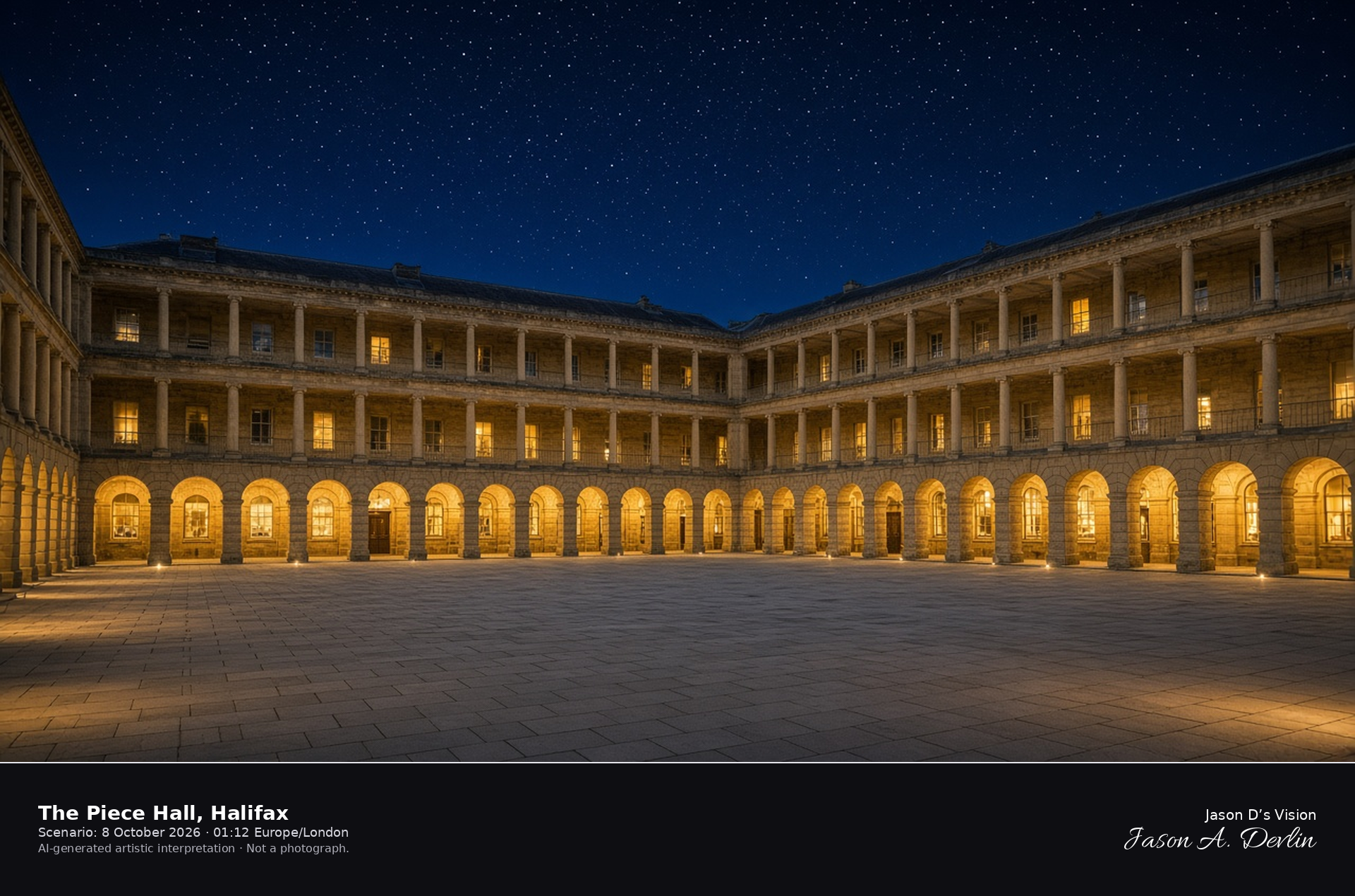
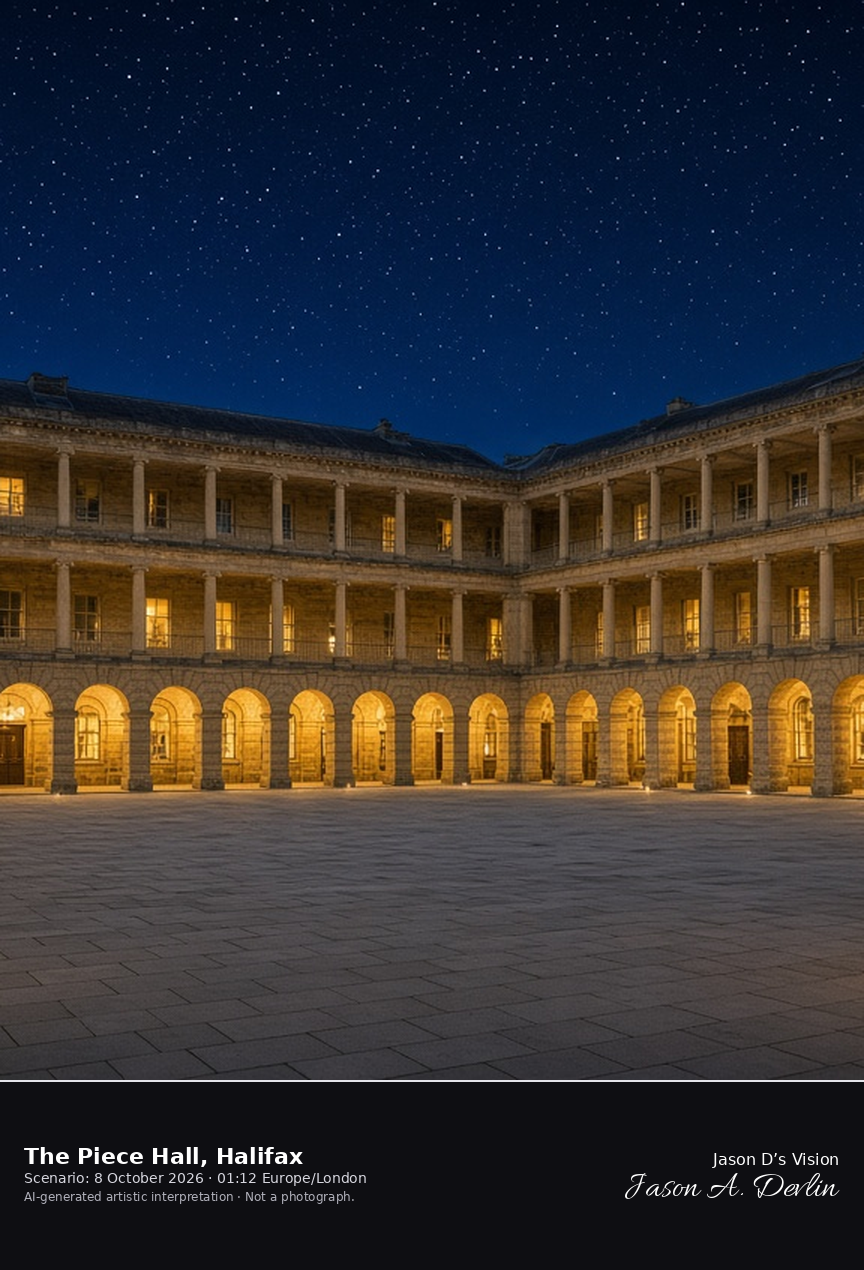
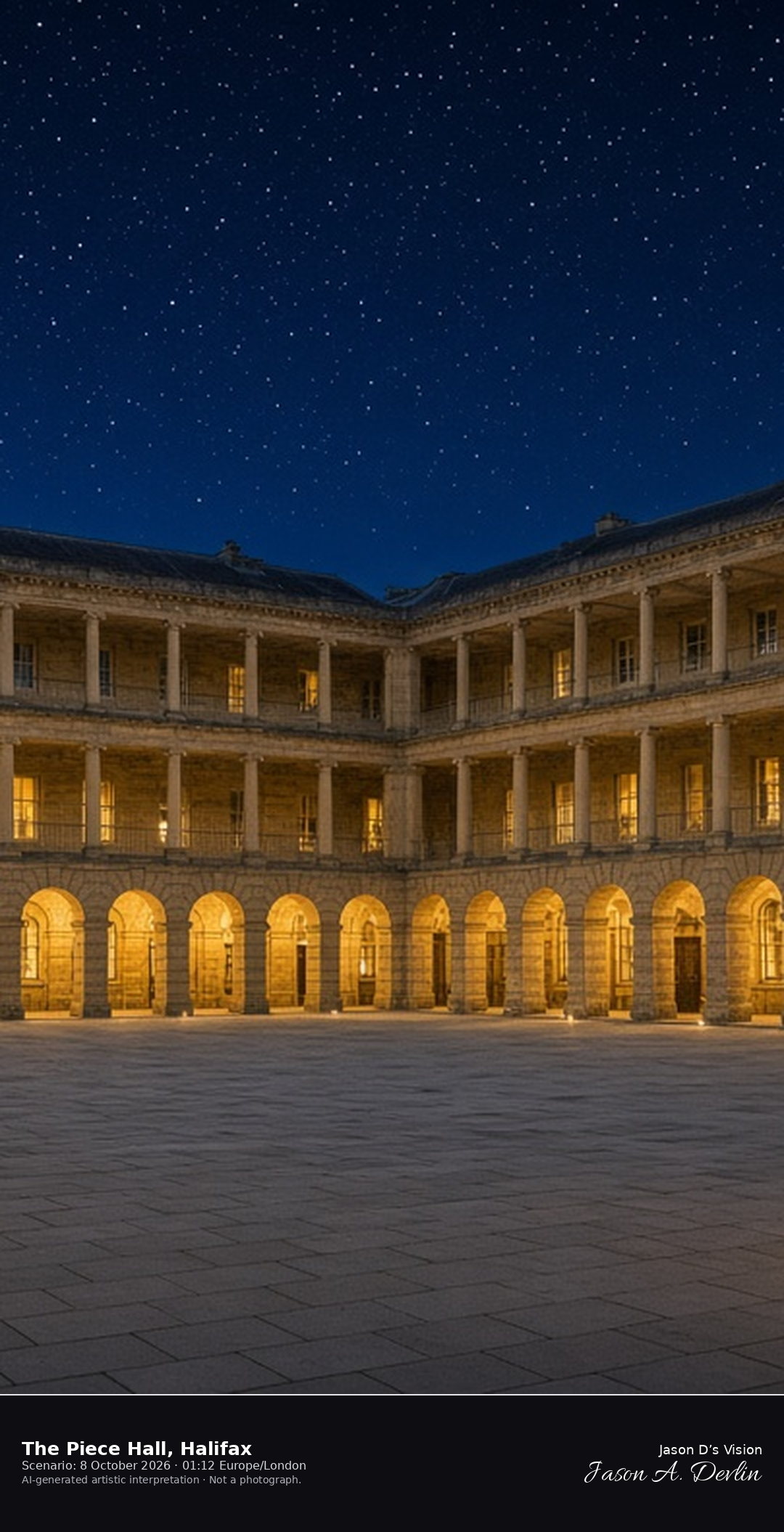
The Piece Hall, Halifax · AI-generated artistic interpretation
The Piece Hall opened in 1779 as a cloth hall where hand-weavers sold 'pieces' of woollen cloth. After a major restoration it reopened in 2017 as a public square with shops, cafes and events.
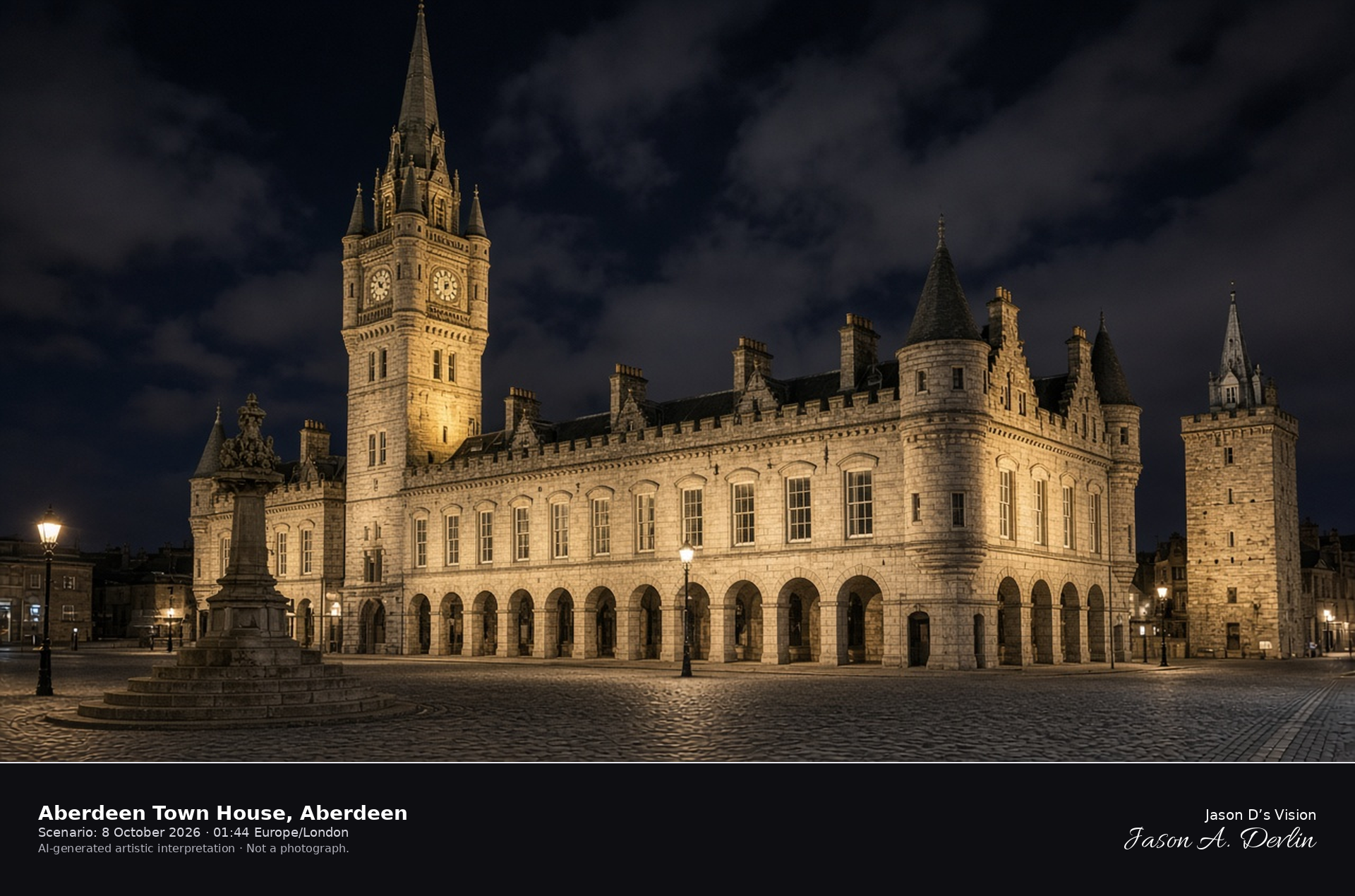
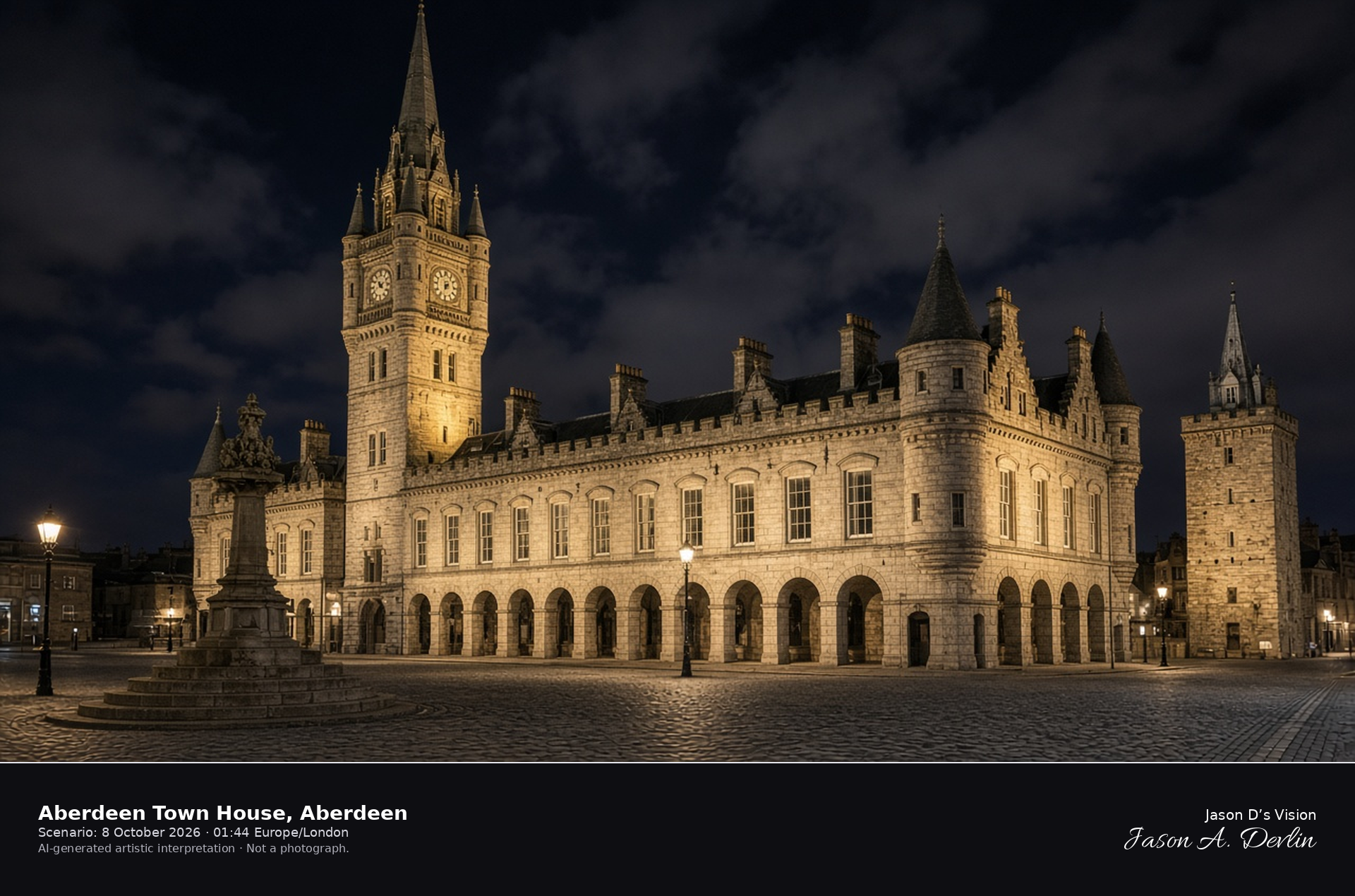
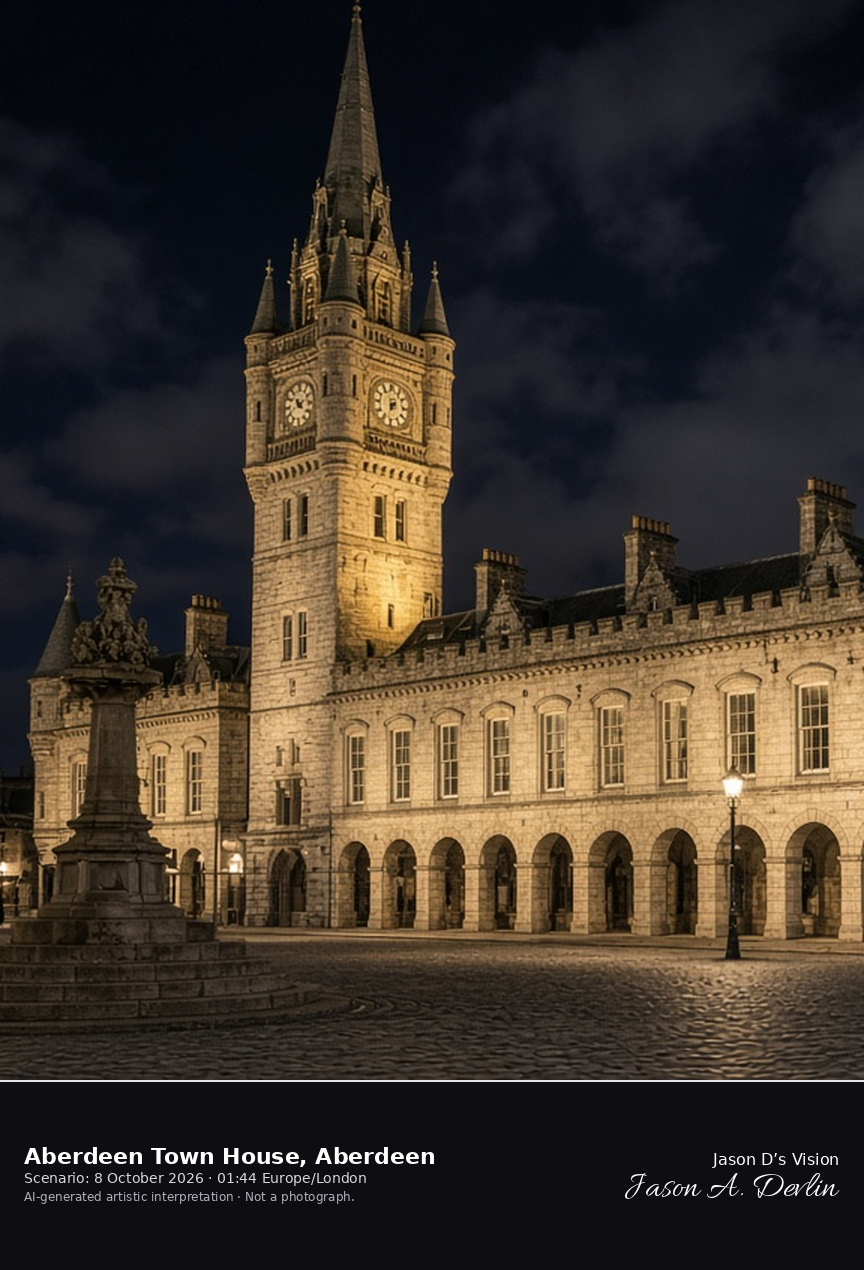
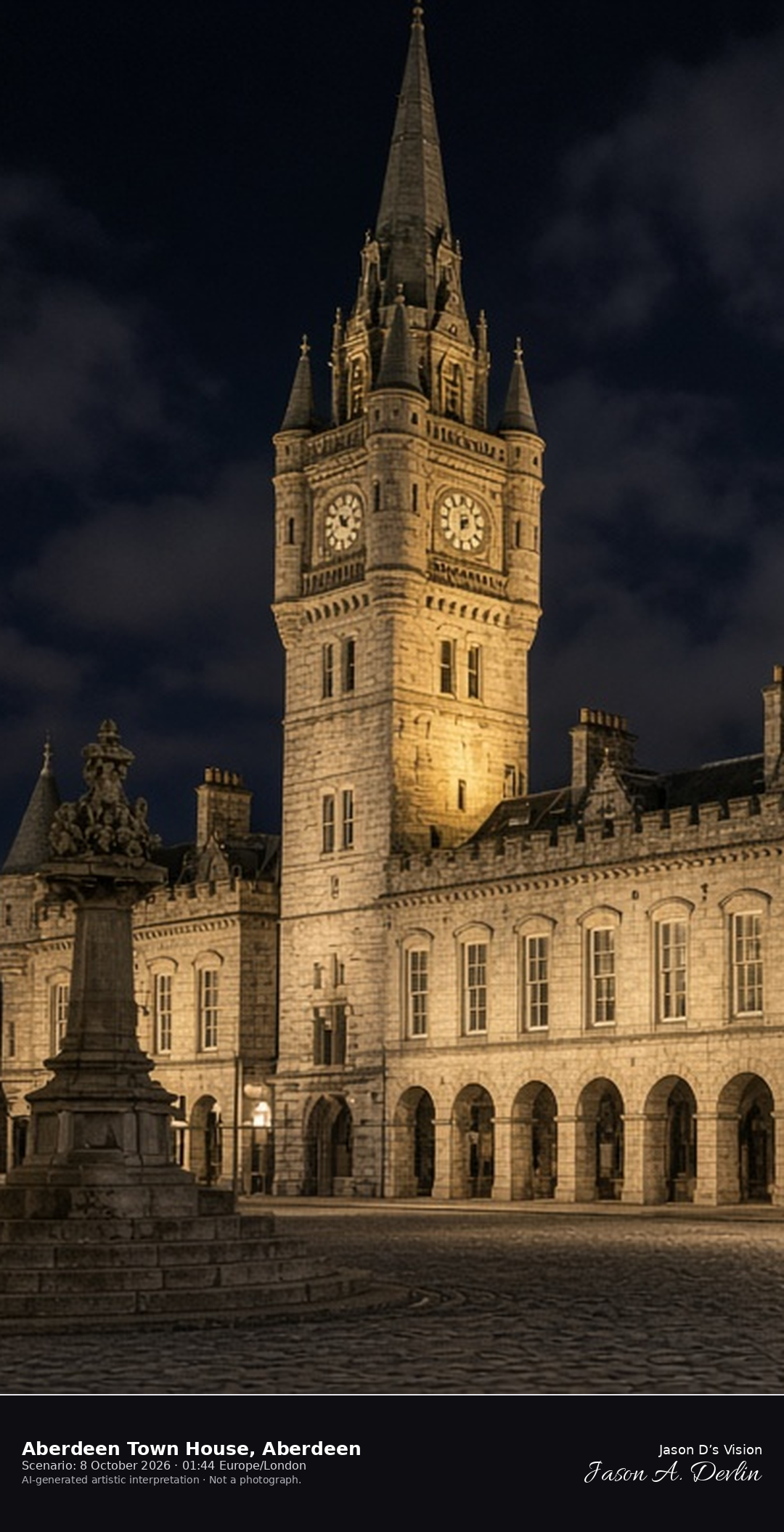
Aberdeen Town House, Aberdeen · AI-generated artistic interpretation
Peddie and Kinnear designed the Town House in the Scottish baronial style, and it was completed in 1874. It took in part of the city's 17th-century tolbooth, whose old steeple still stands at its eastern end.
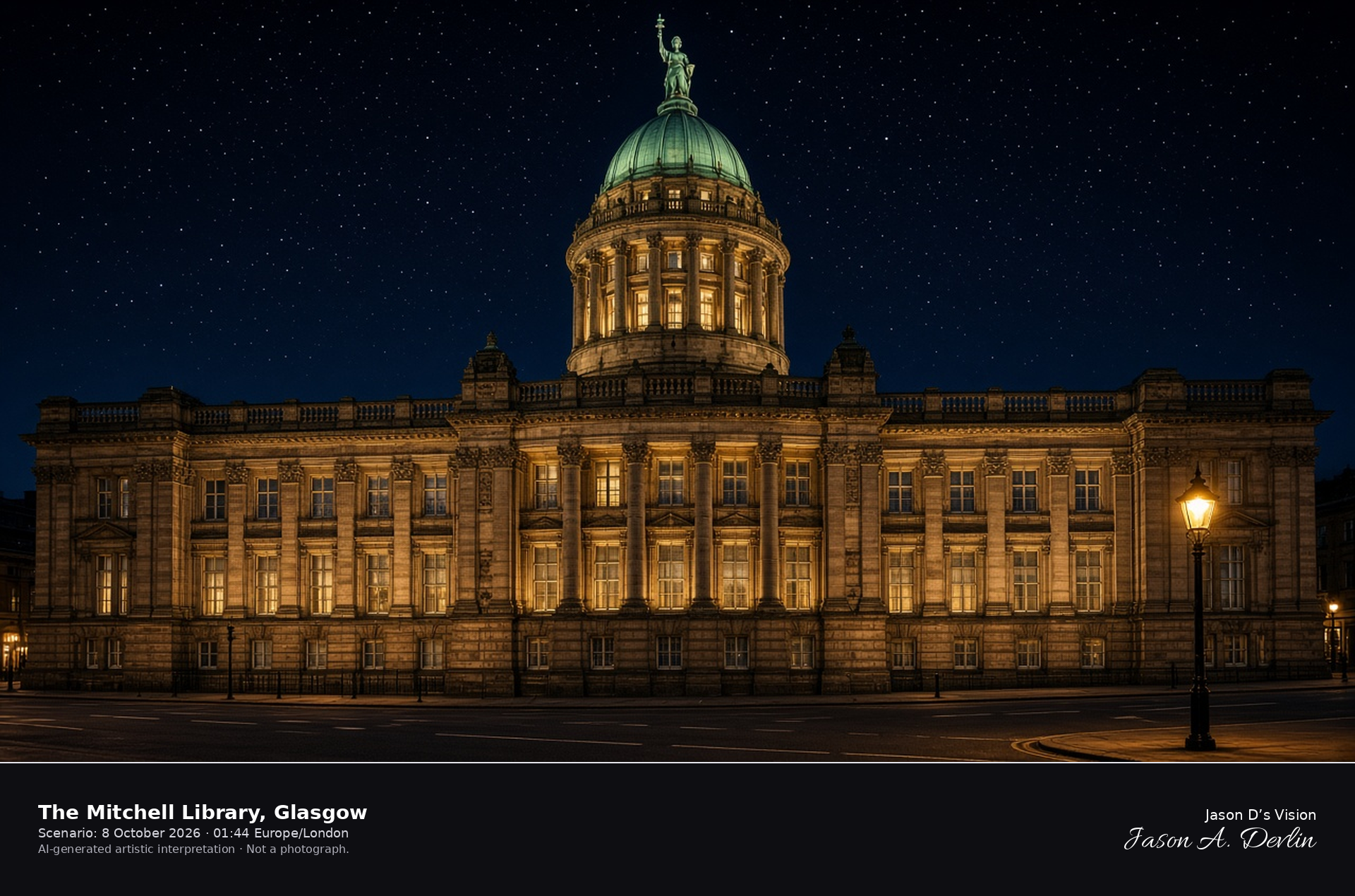
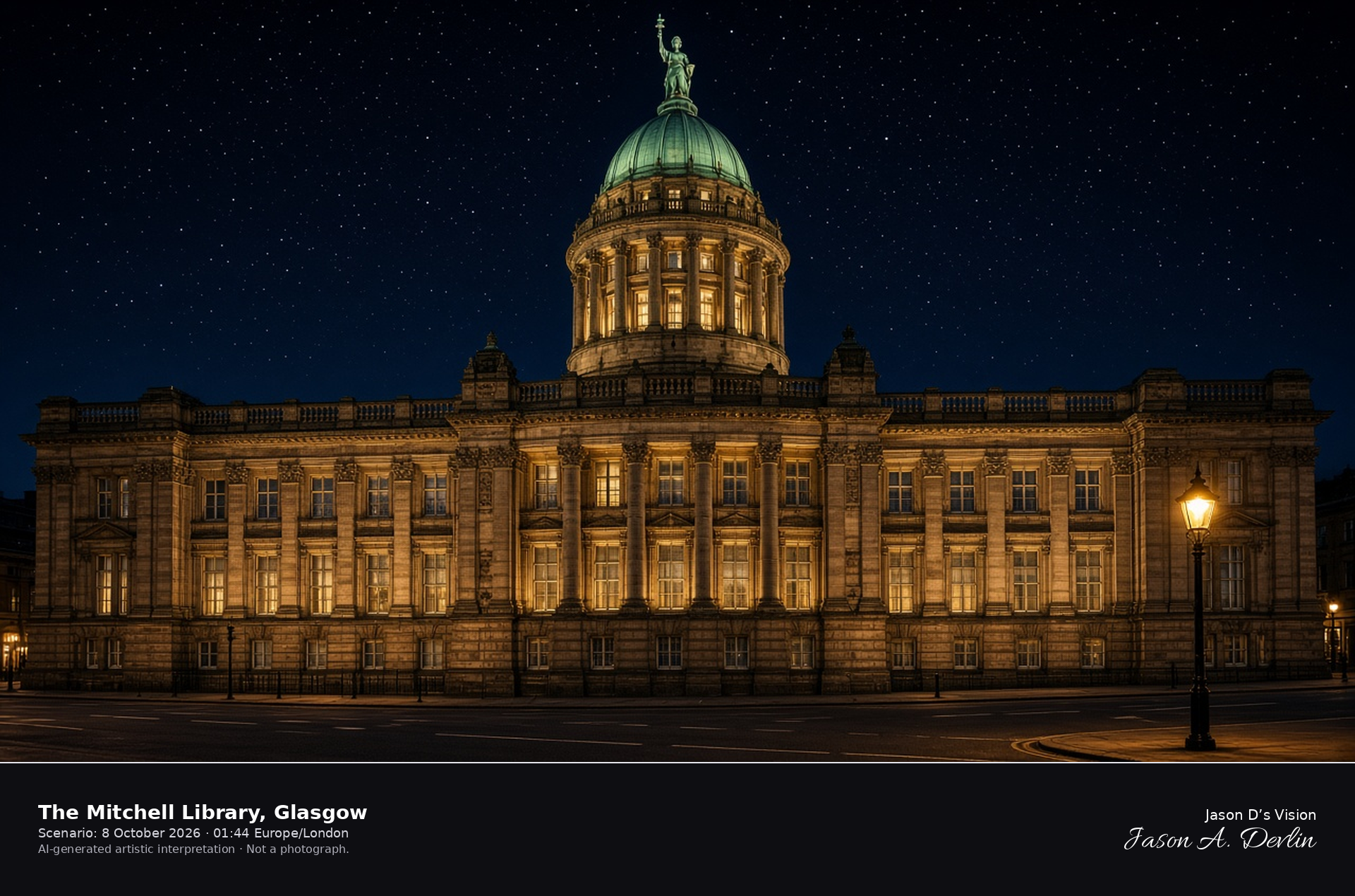
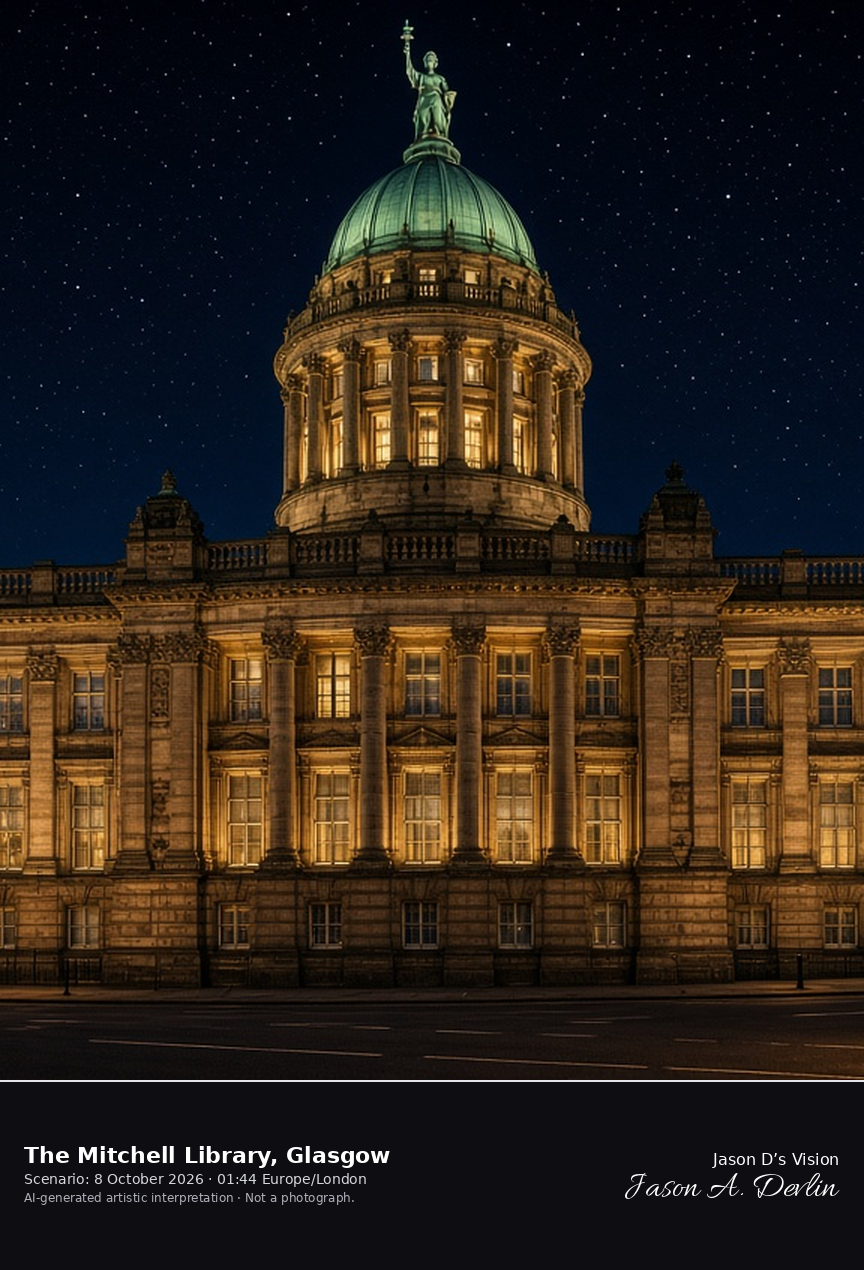
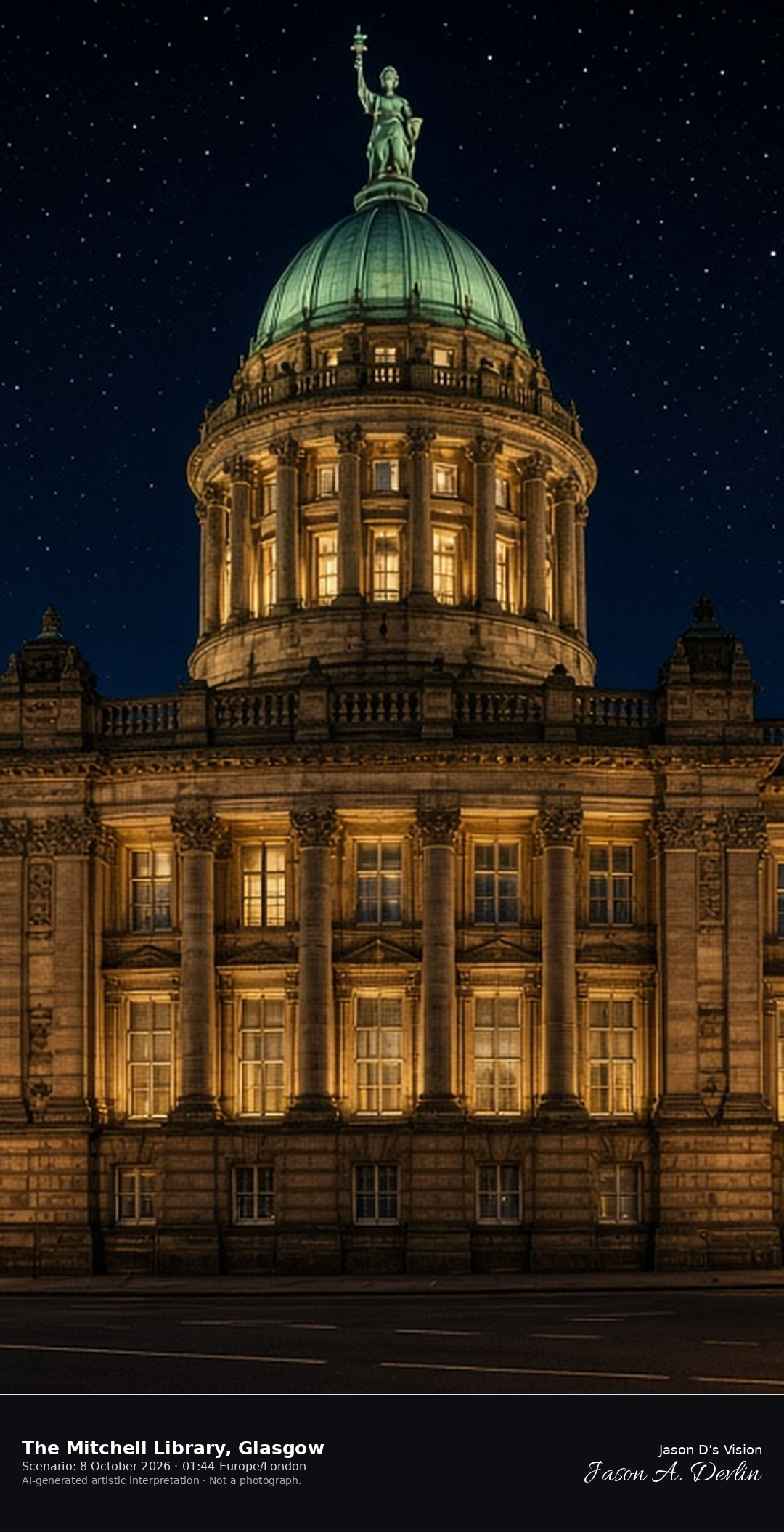
The Mitchell Library · AI-generated artistic interpretation
The Mitchell Library grew from the bequest of Stephen Mitchell, the tobacco manufacturer who died in 1874. It became one of Glasgow's great public libraries, crowned by a copper dome. The figure above it represents Literature — a fitting guardian for the collections beneath.
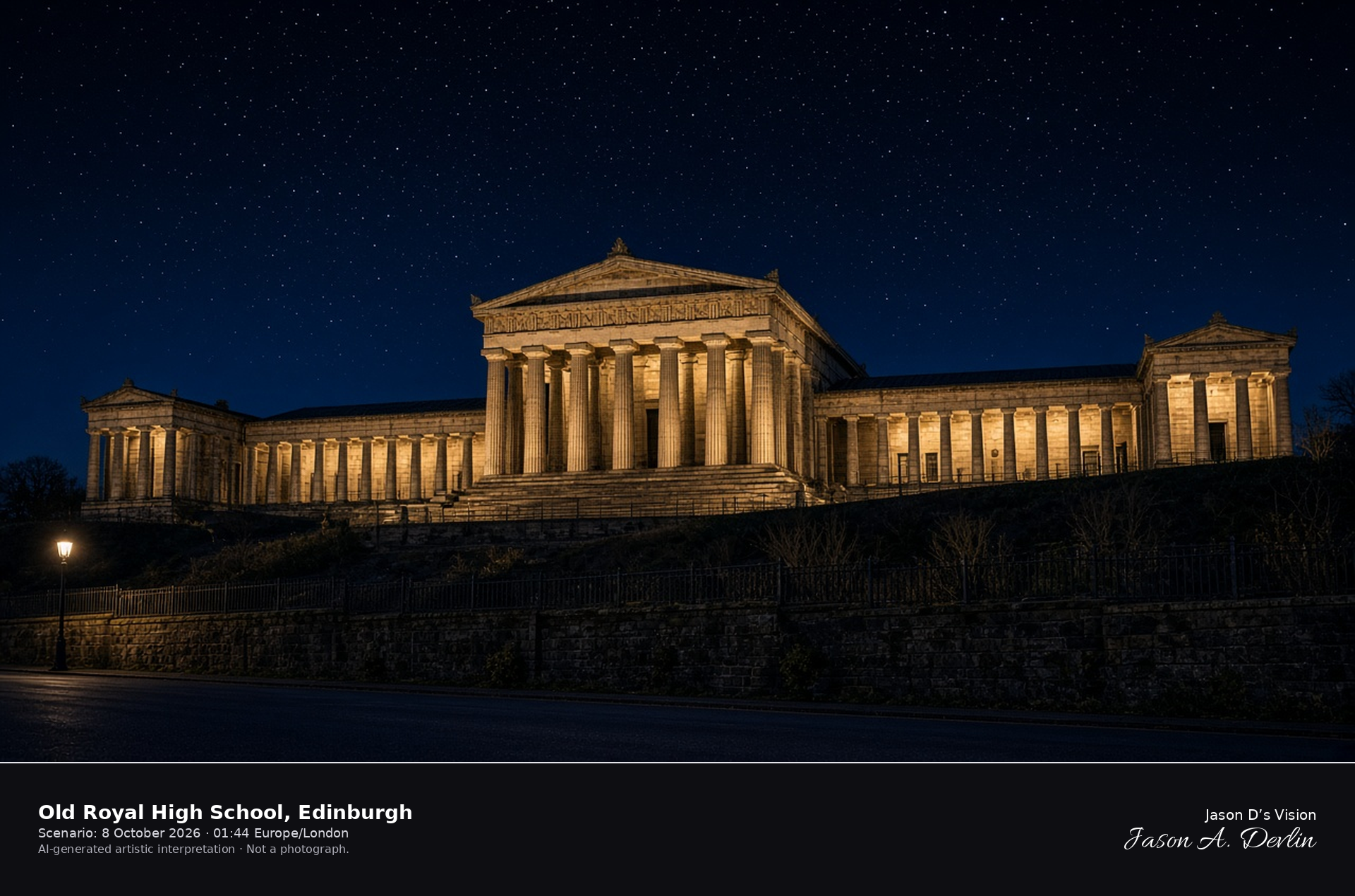
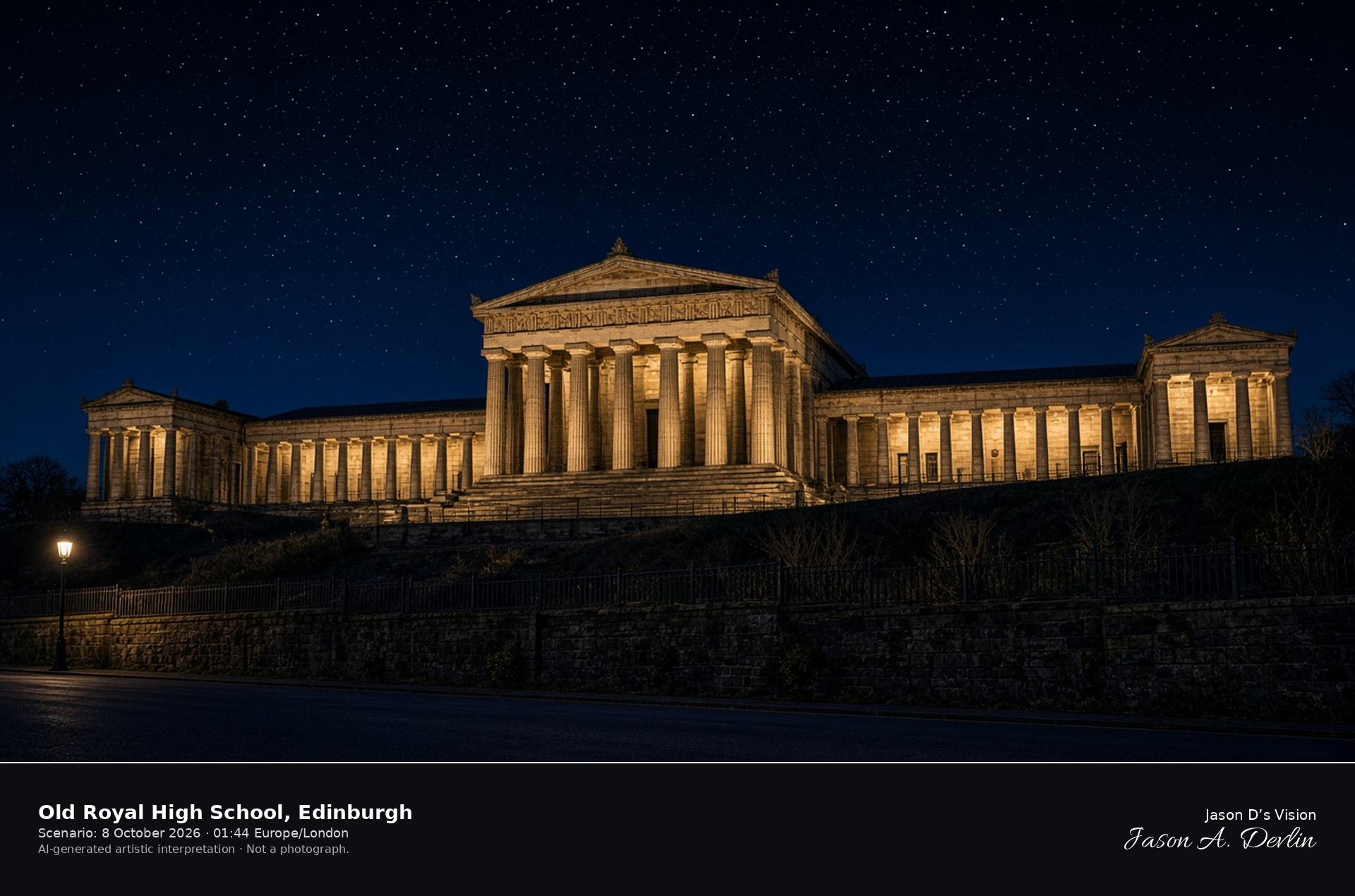
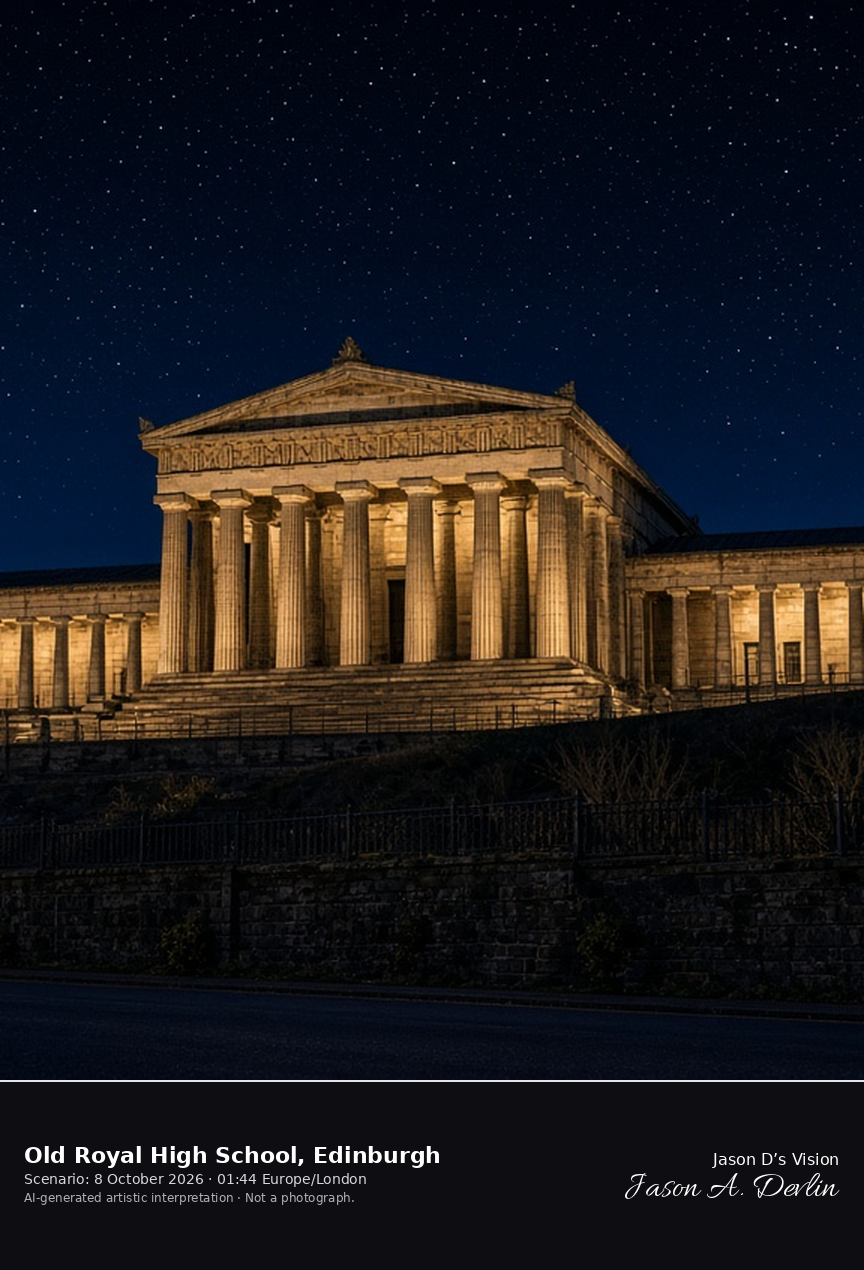
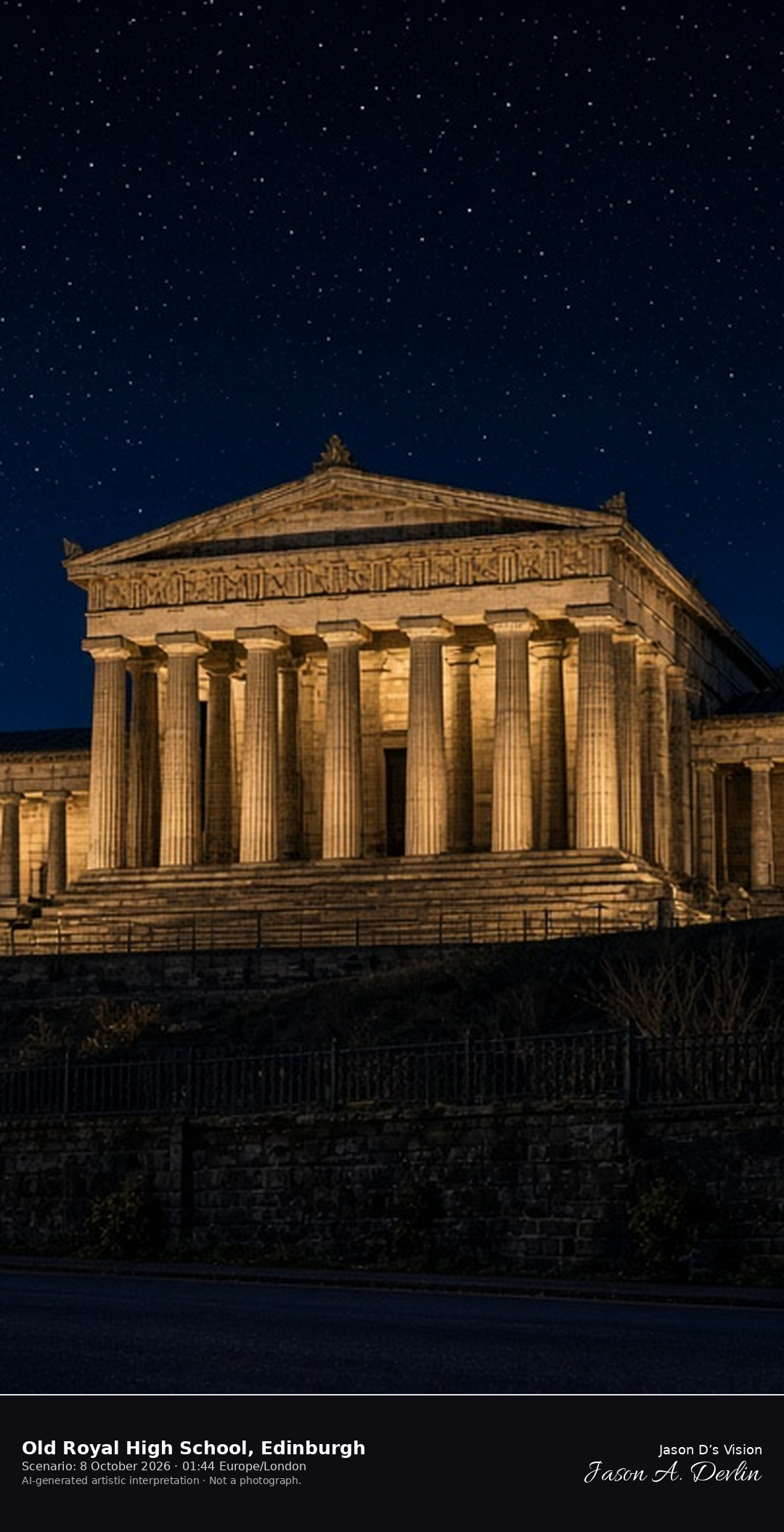
Old Royal High School, Edinburgh · AI-generated artistic interpretation
Thomas Hamilton designed the school, finished in 1829, modelling its portico on the Hephaisteion in Athens. In the 1970s it was fitted out for a Scottish Assembly, which is why it is also called New Parliament House.
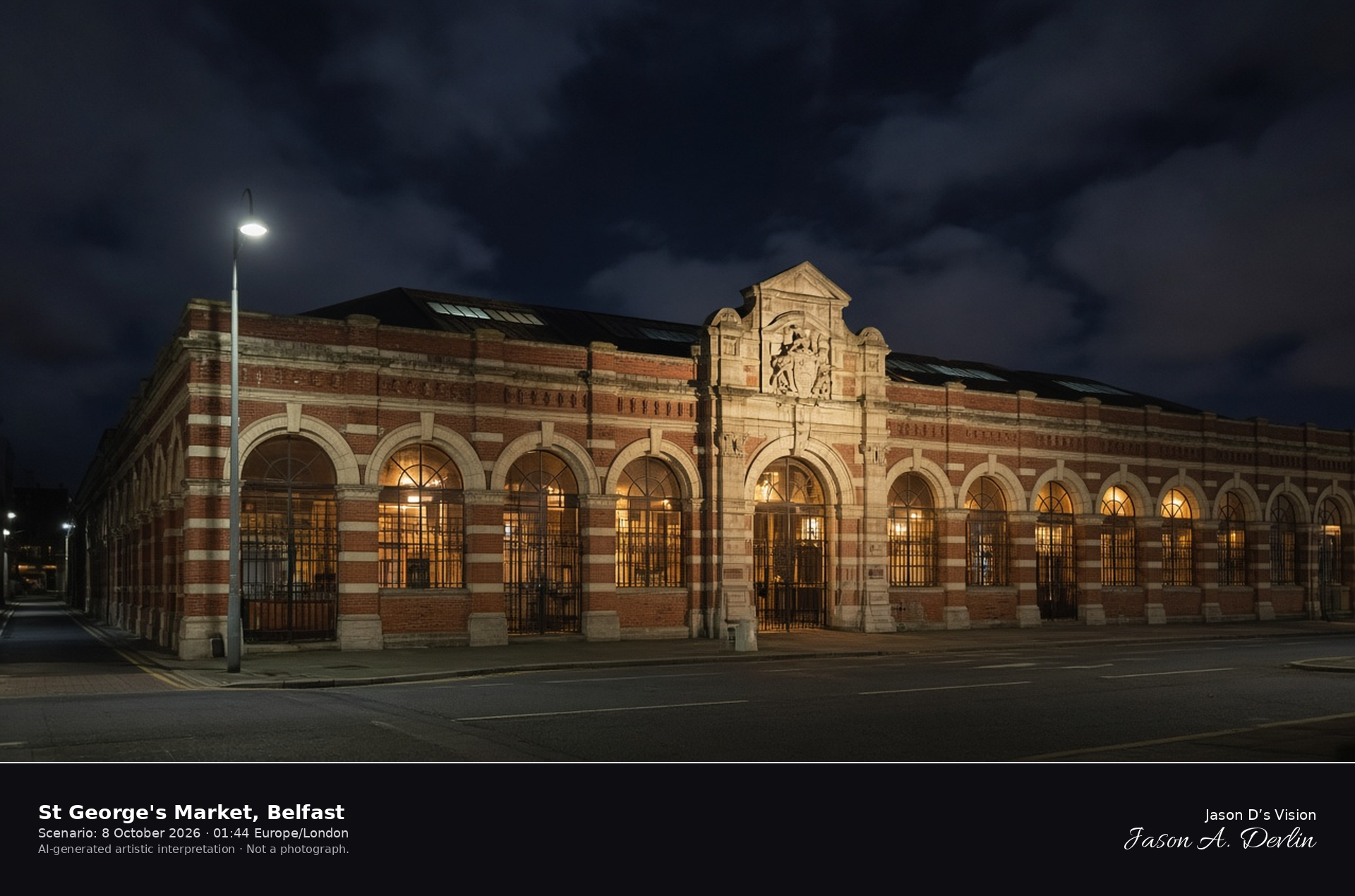
Belfast's City Hall opened in 1906, a grand statement of the industrial city's prosperity. Designed by Alfred Brumwell Thomas and built in Portland stone, it stands in Donegall Square, with lawns that remain popular public spaces at the heart of the city.
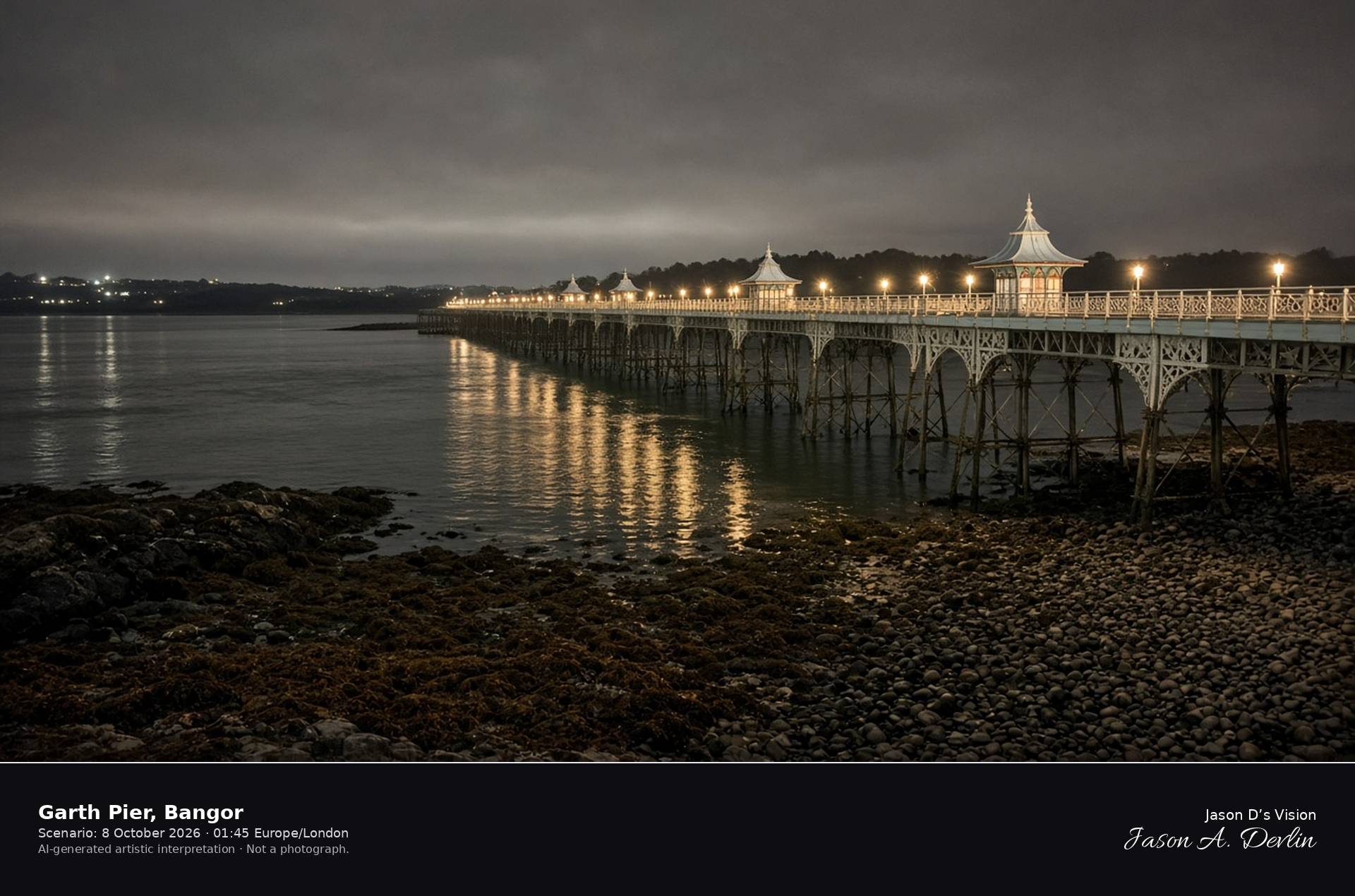
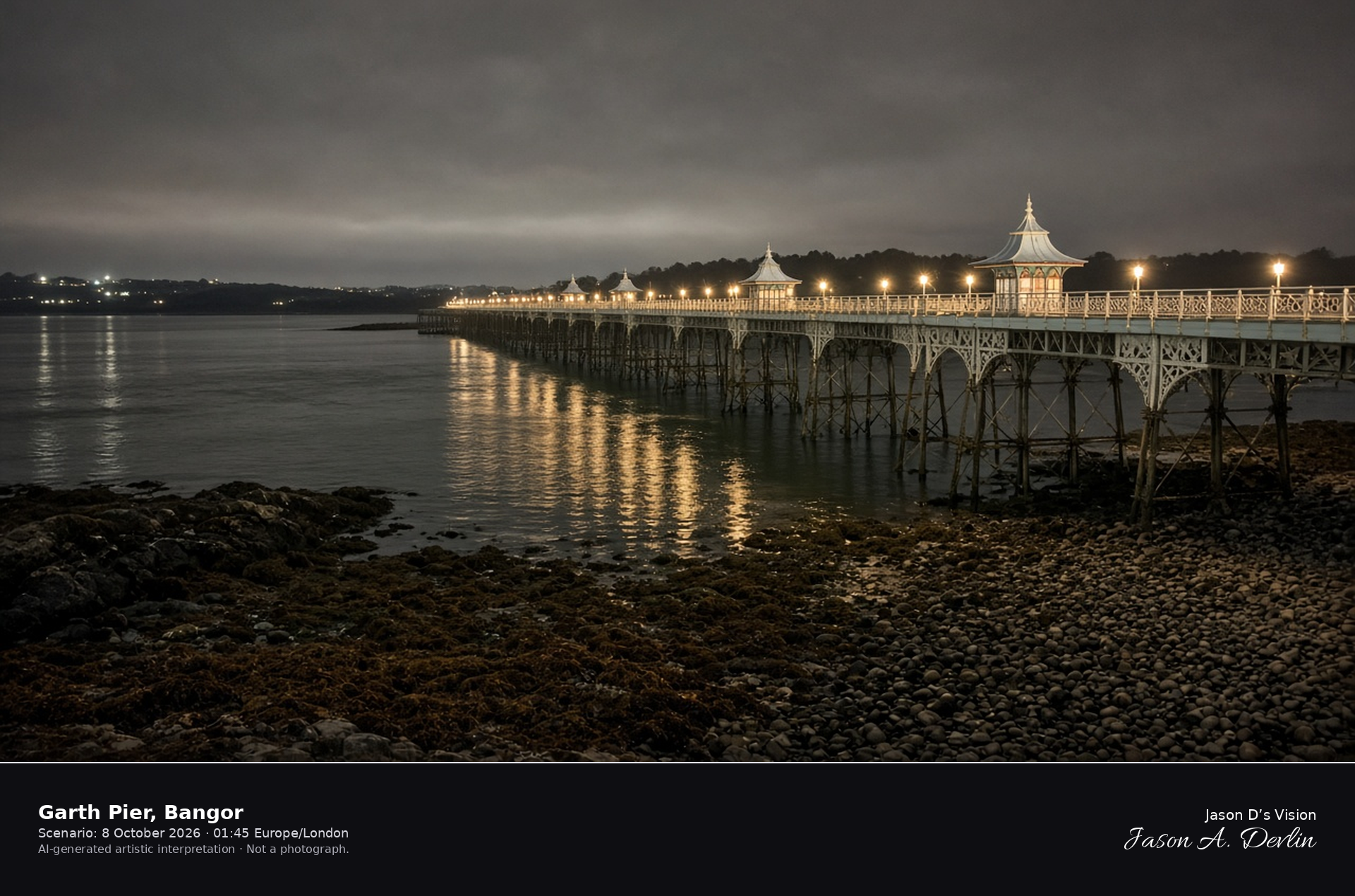
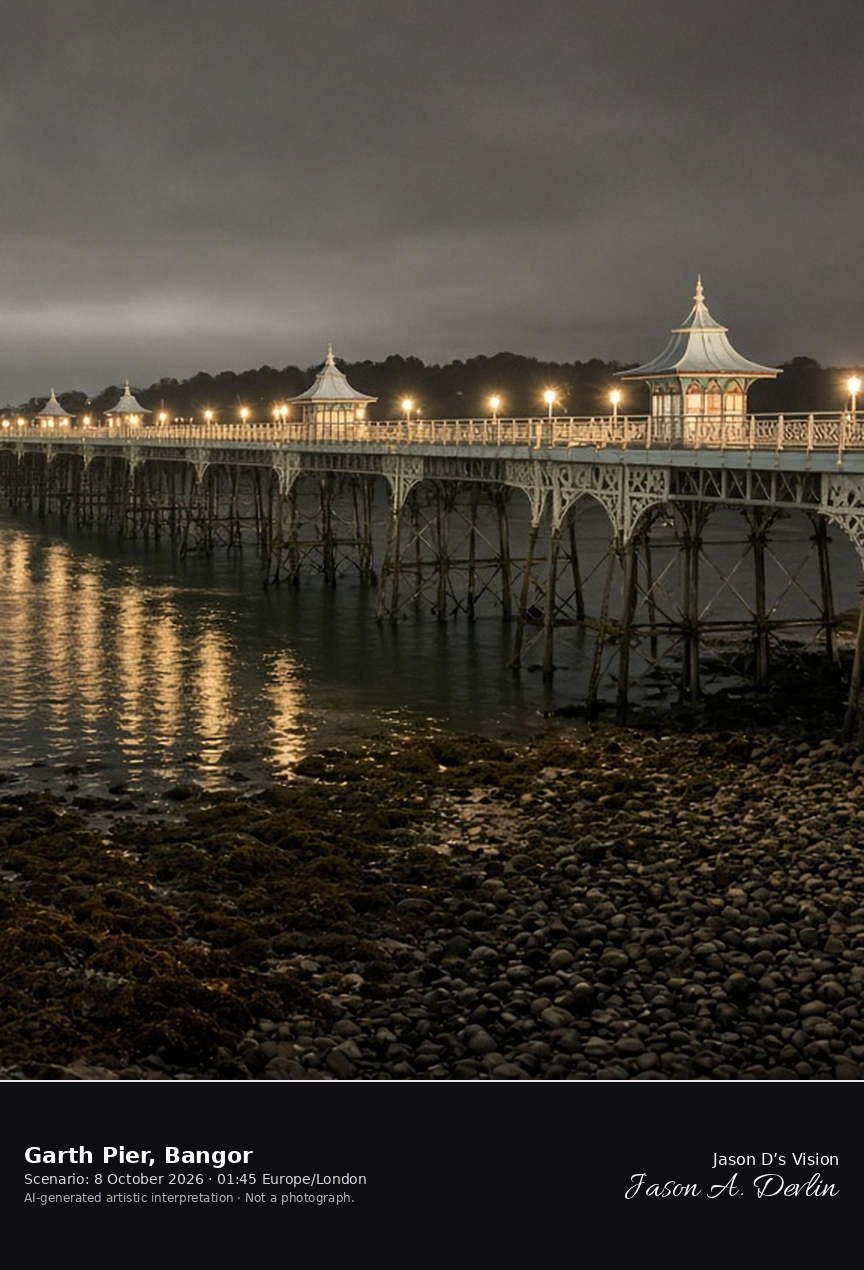
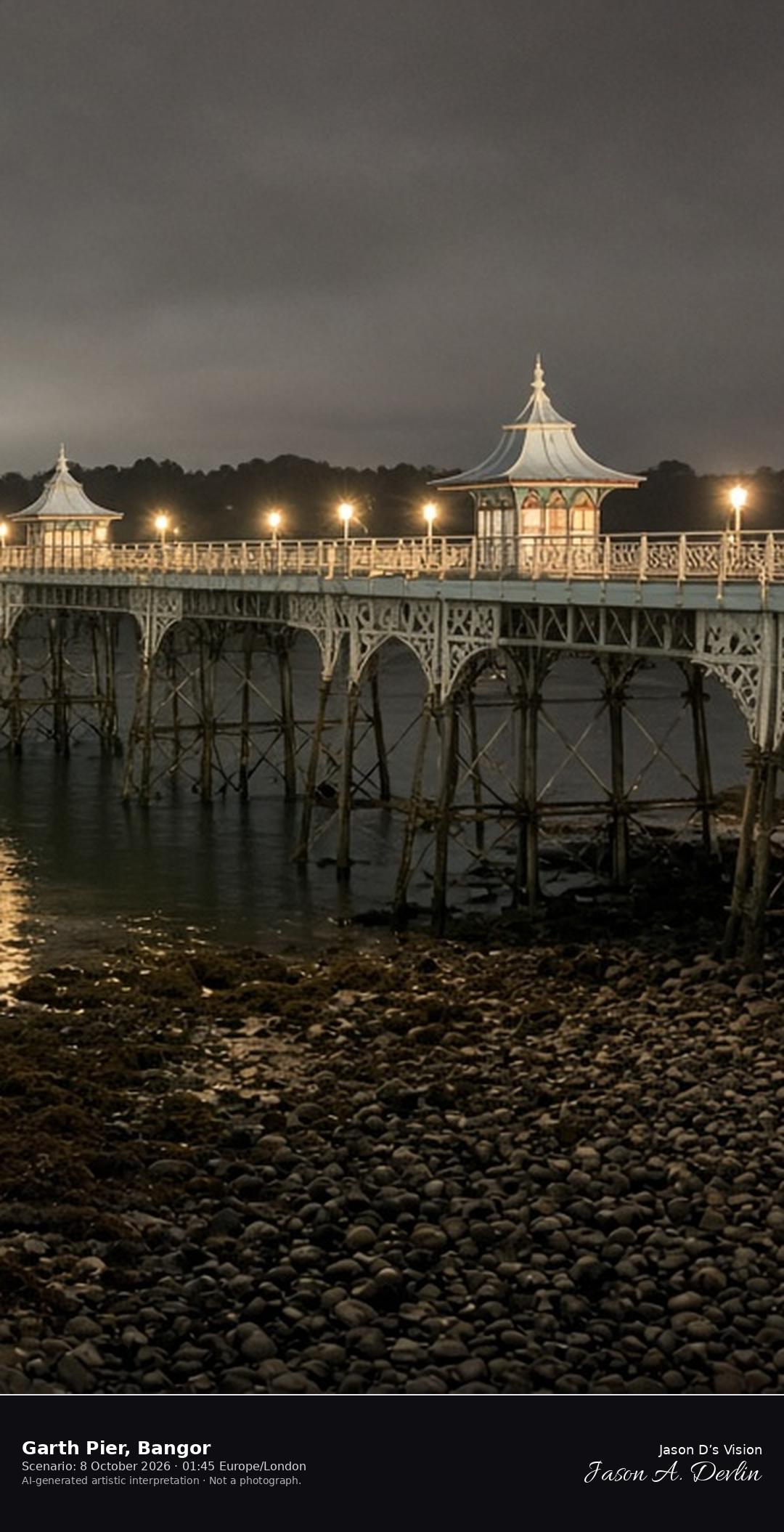
Garth Pier opened in 1896 and is about 1,500 feet long, the second-longest pier in Wales. It was closed as unsafe in 1971, saved from demolition and restored, and reopened in 1988.
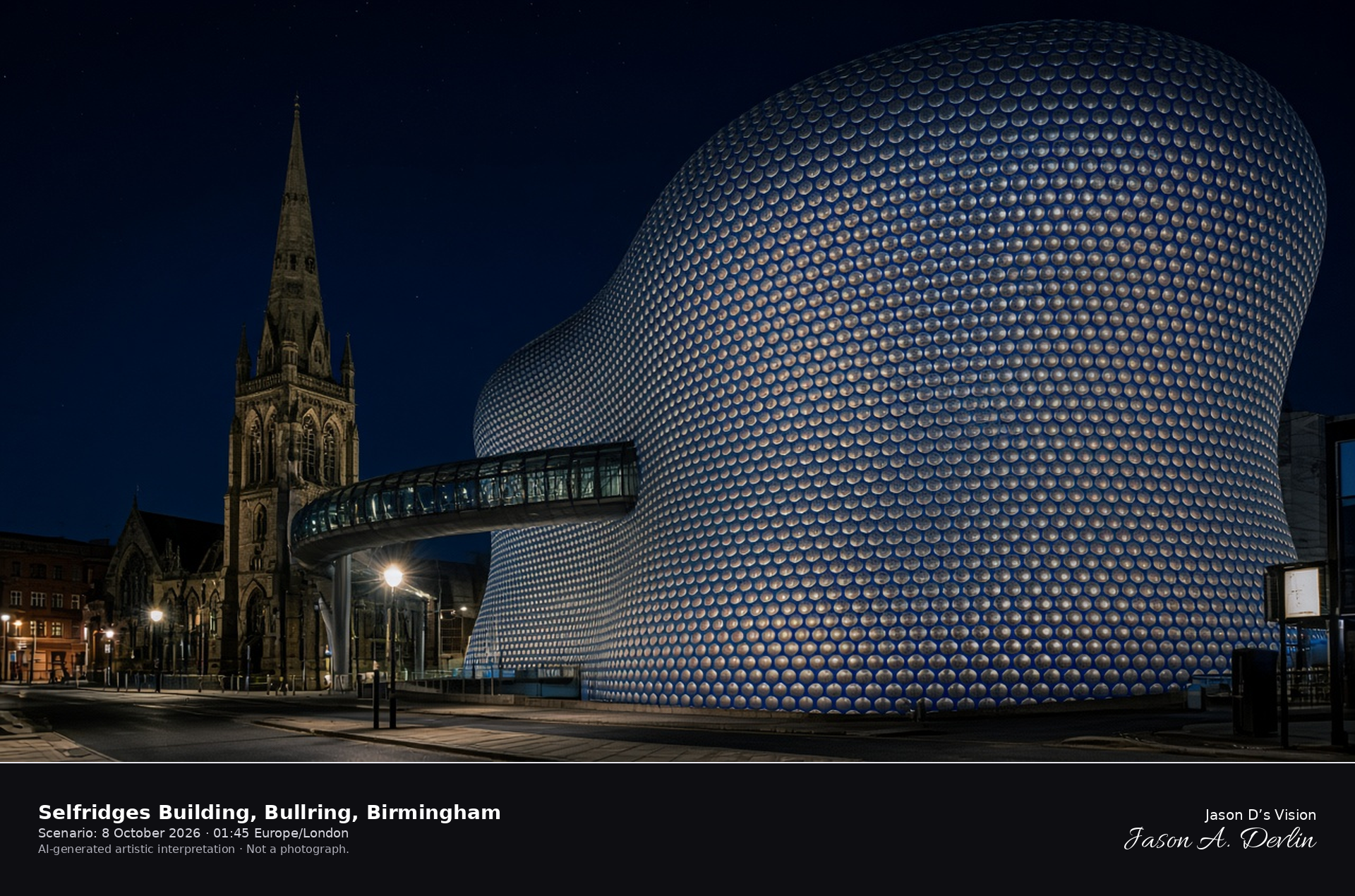
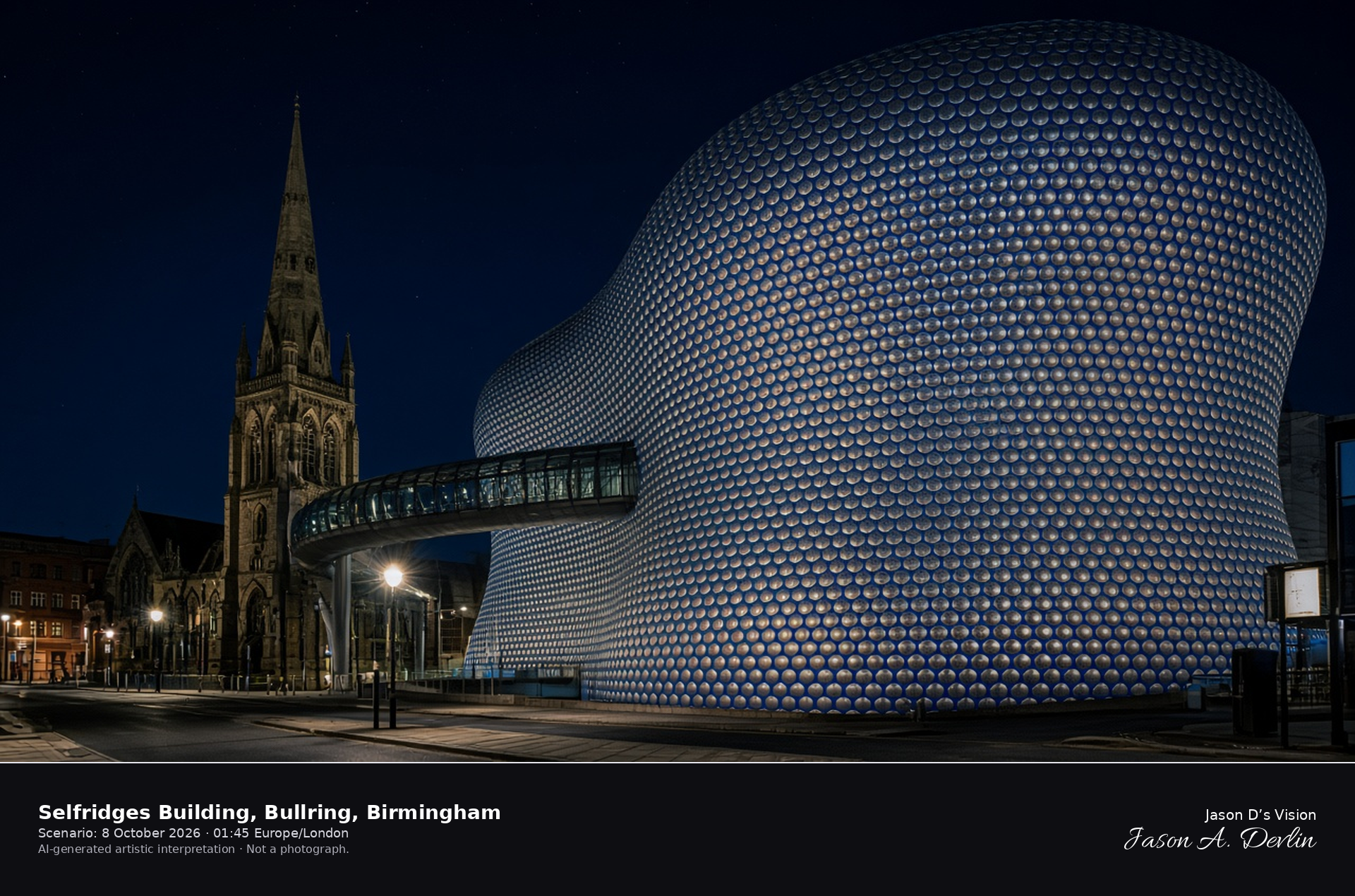
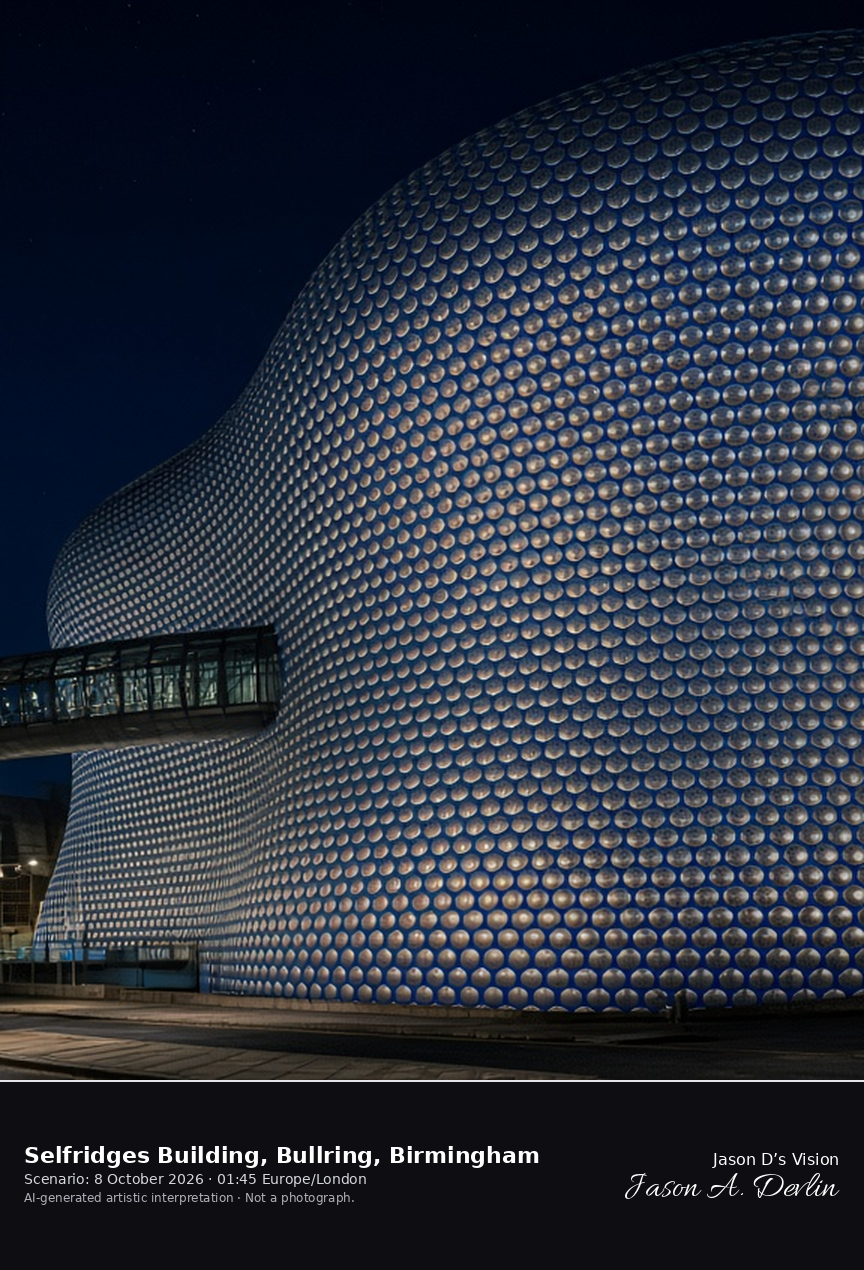
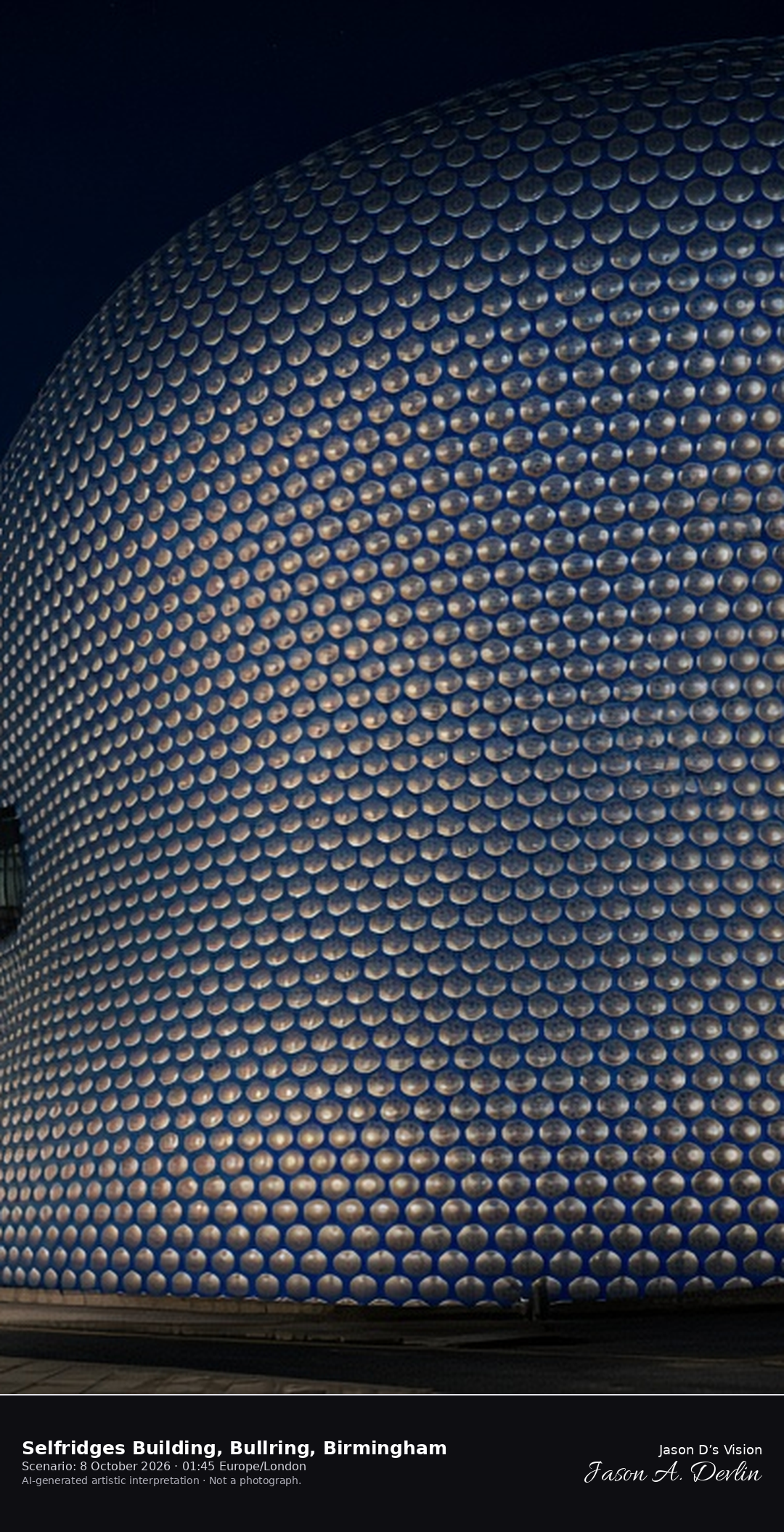
The Selfridges building, opened in 2003, is a striking landmark of Birmingham's rebuilt Bullring: a curving store clad in some fifteen thousand aluminium discs. Its architects, Future Systems, drew inspiration from a sequined dress by Paco Rabanne, turning a fashion reference into an architectural signature.
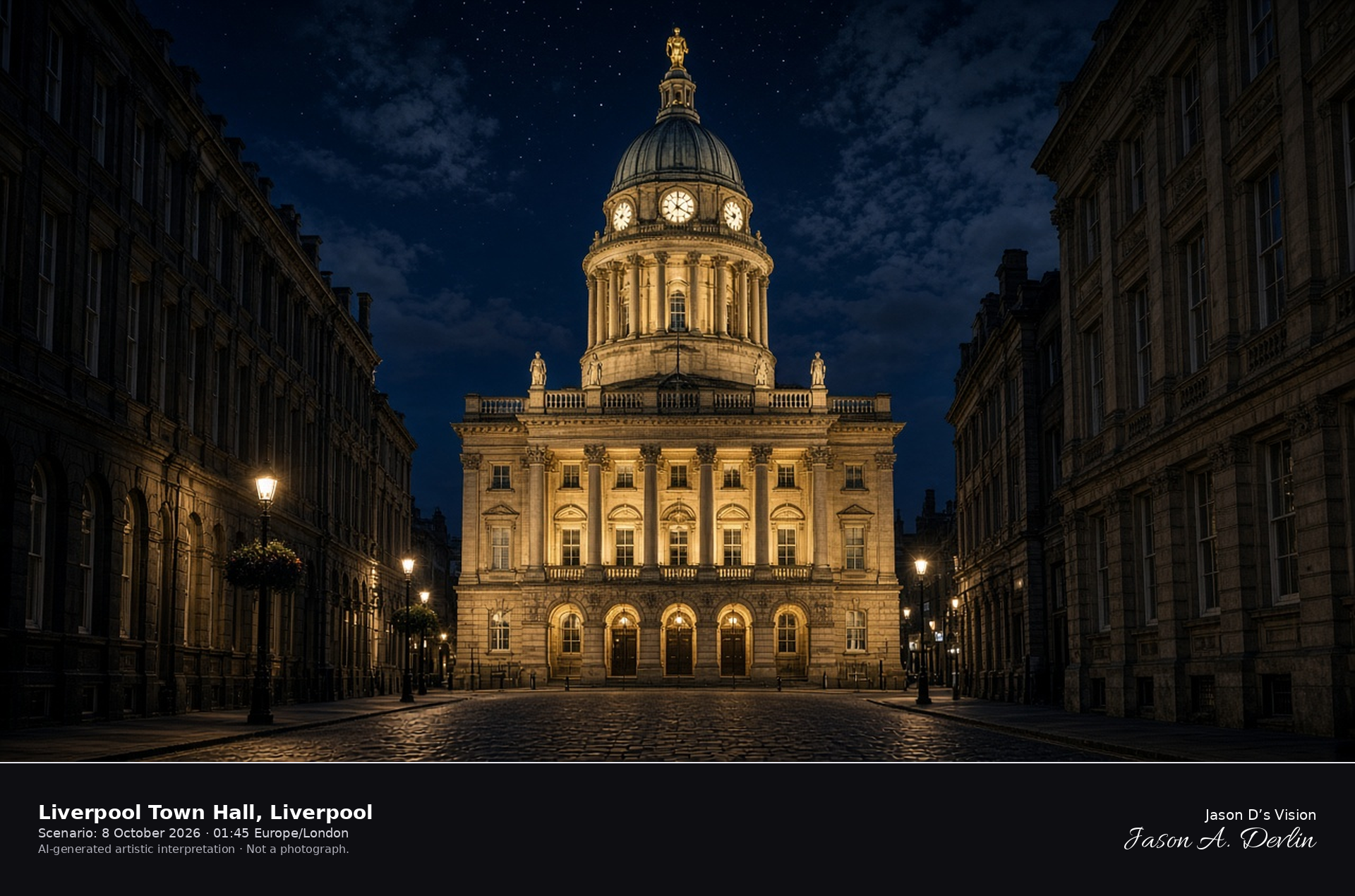
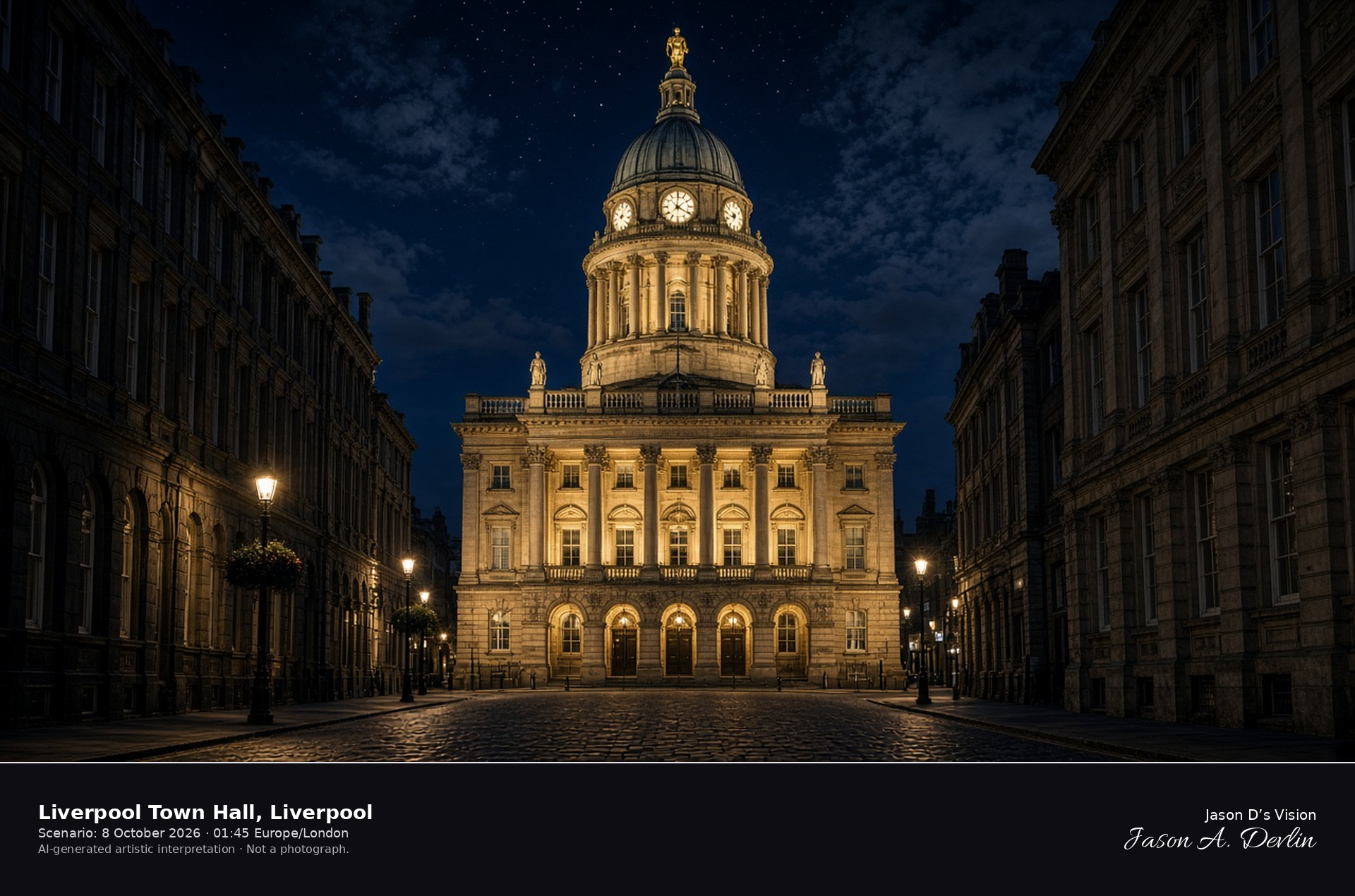
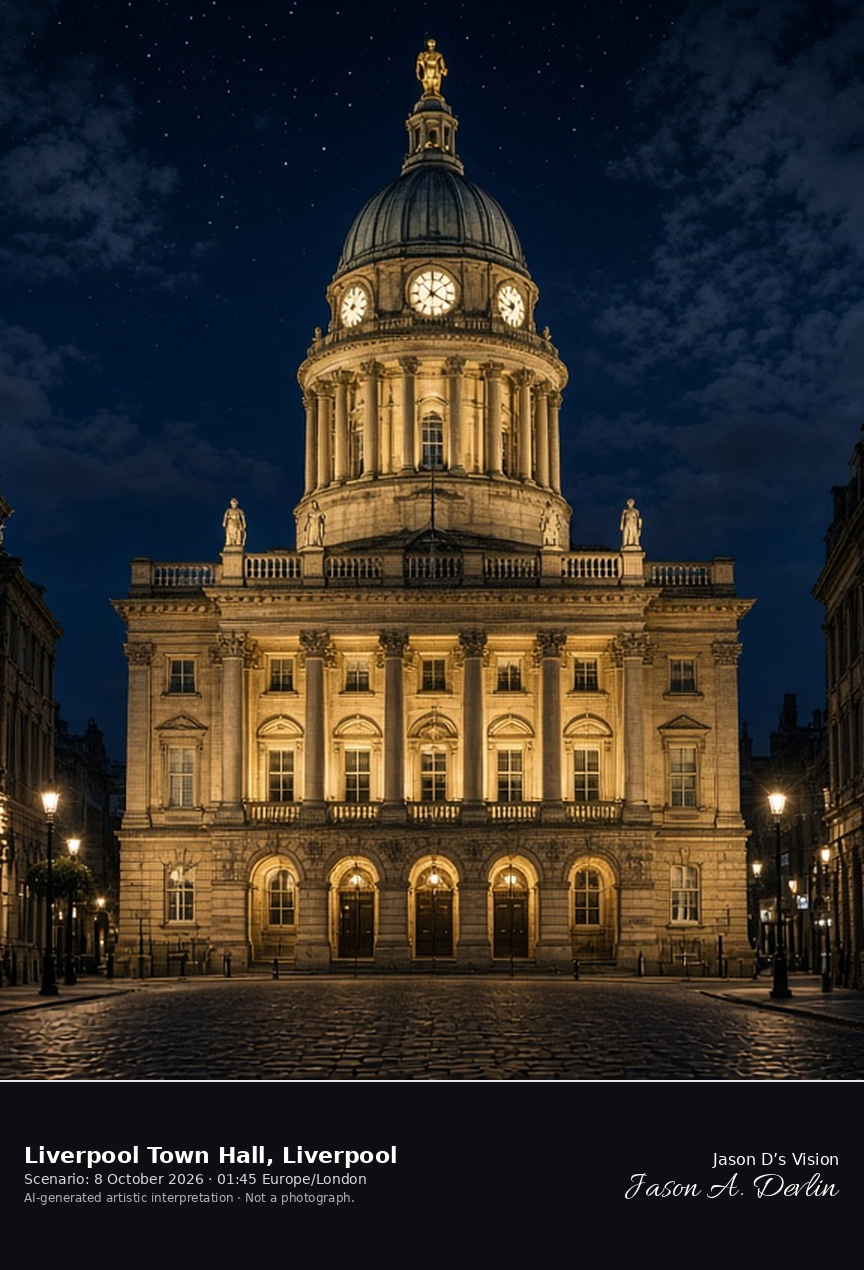
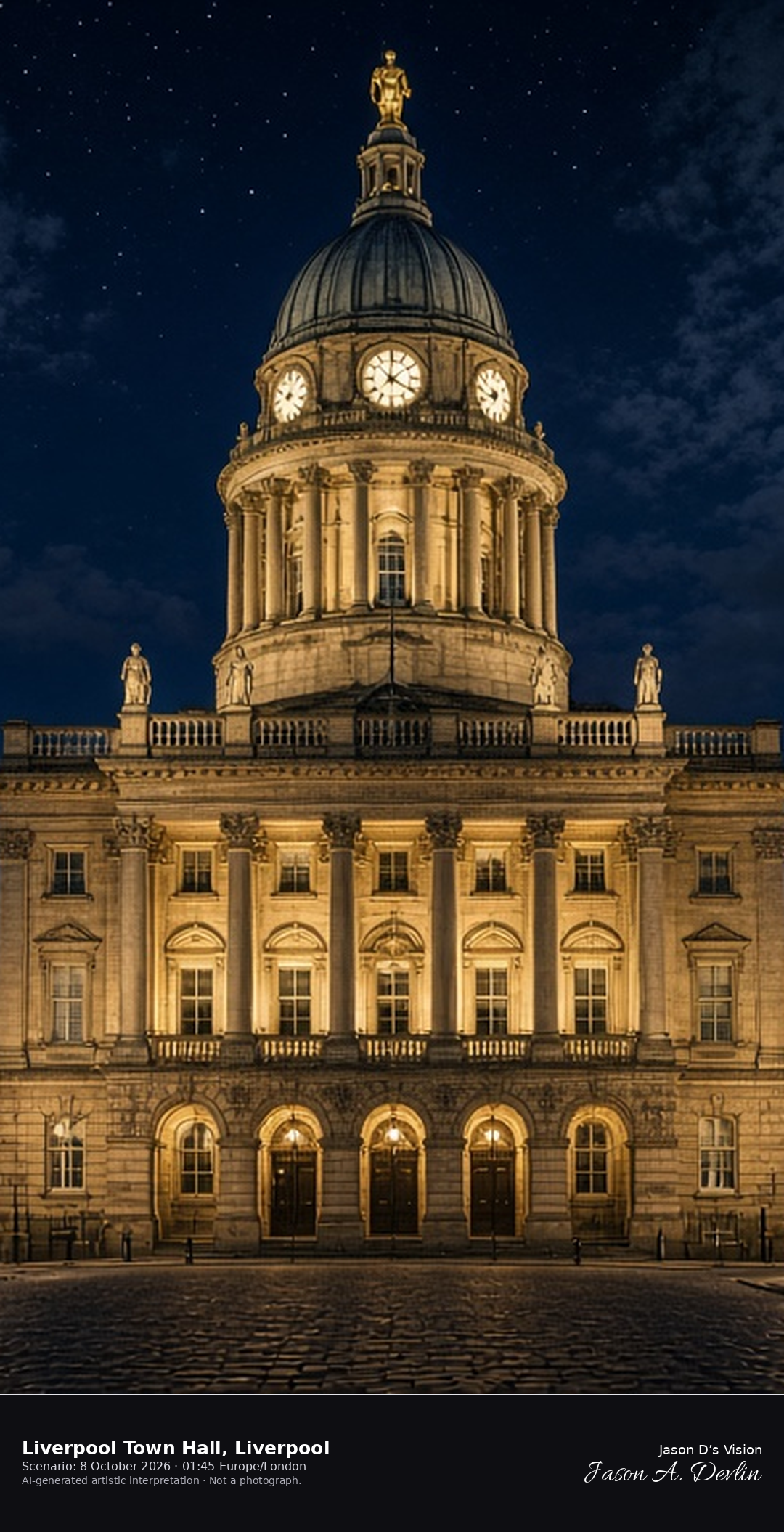
Liverpool Town Hall · AI-generated artistic interpretation
Liverpool Town Hall opened in 1754 as an exchange as well as a civic building, reflecting the wealth of a growing Atlantic port. Its grand interiors belong to a history that also includes the city's involvement in the transatlantic slave trade — an essential part of the story behind Liverpool's eighteenth-century prosperity.
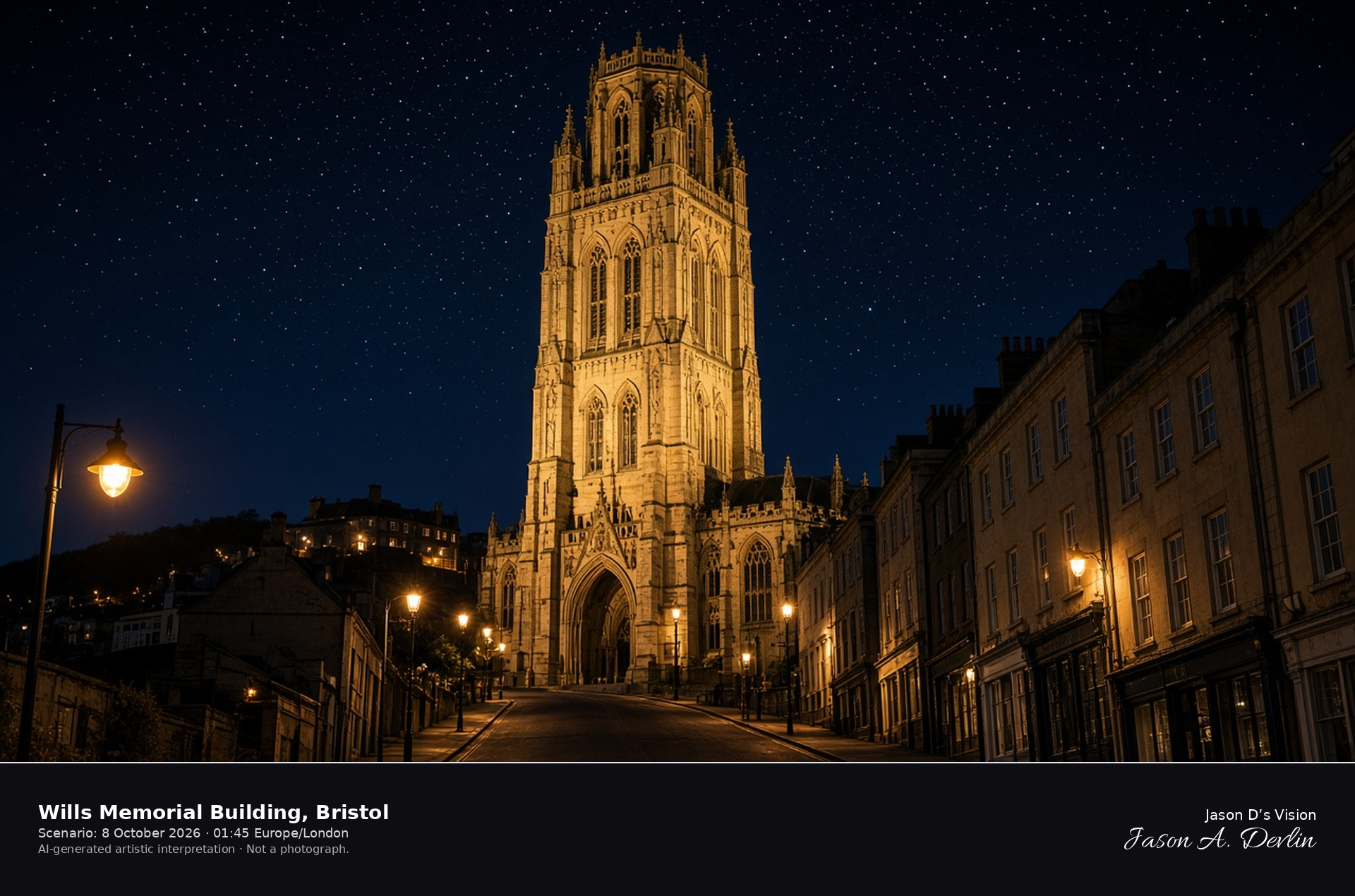
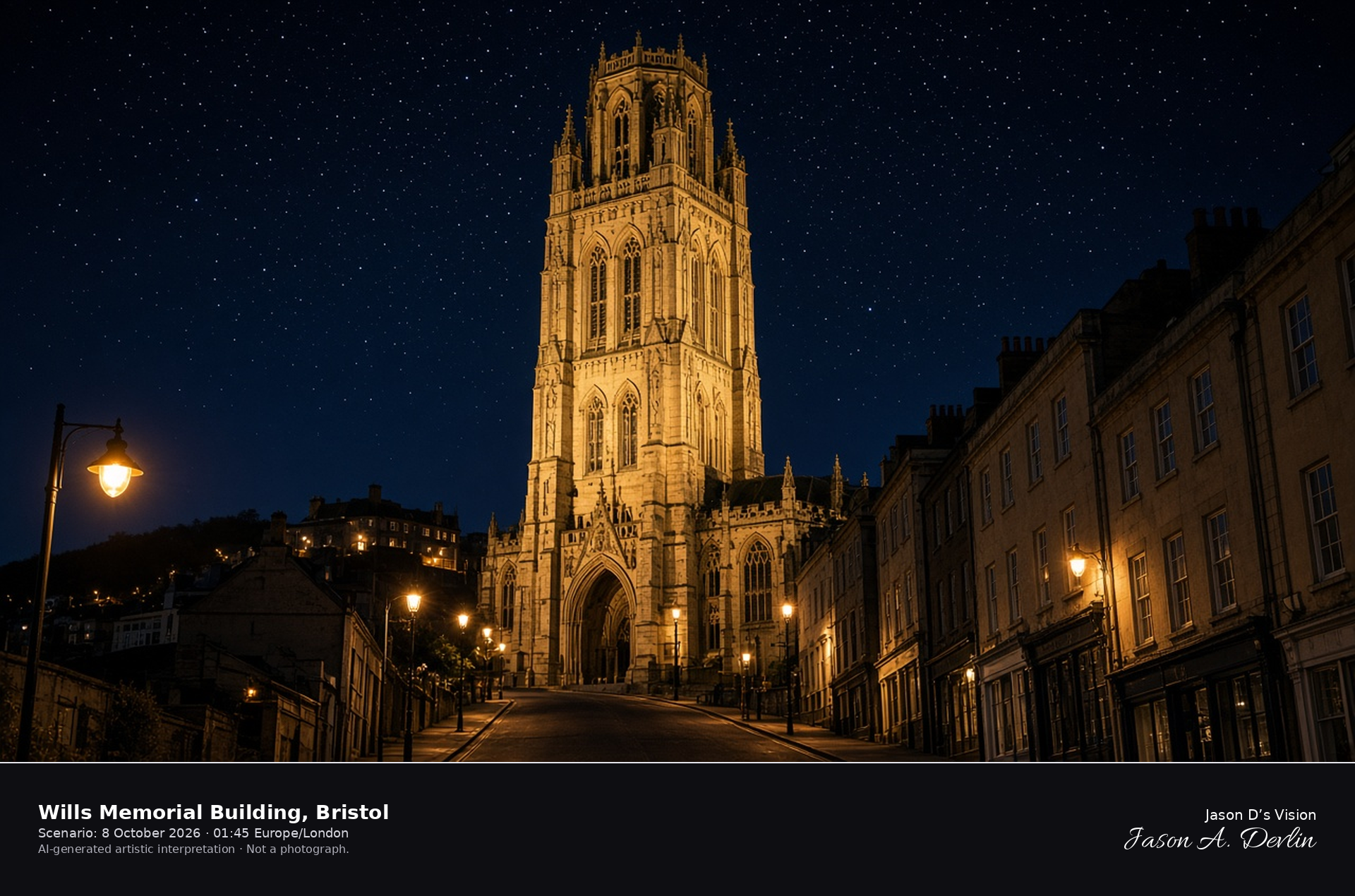
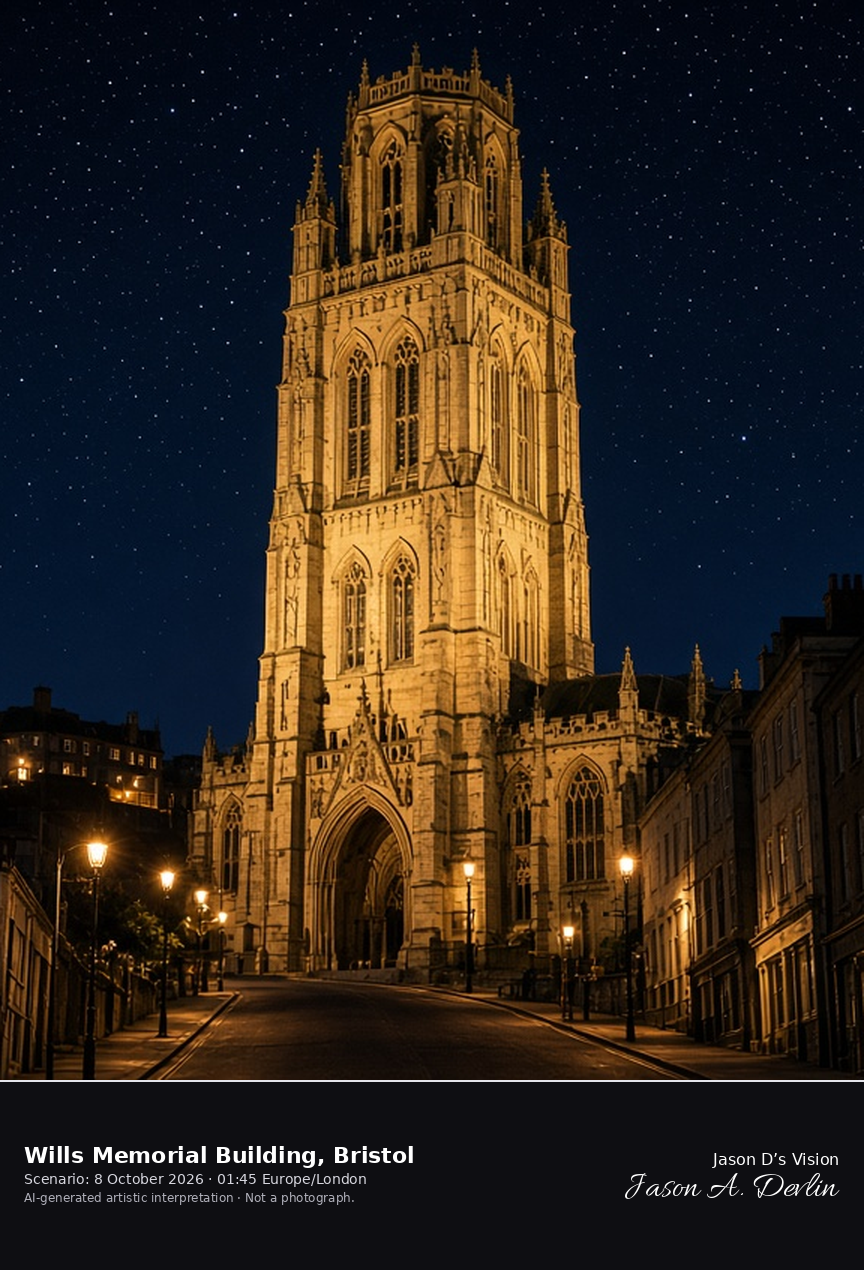
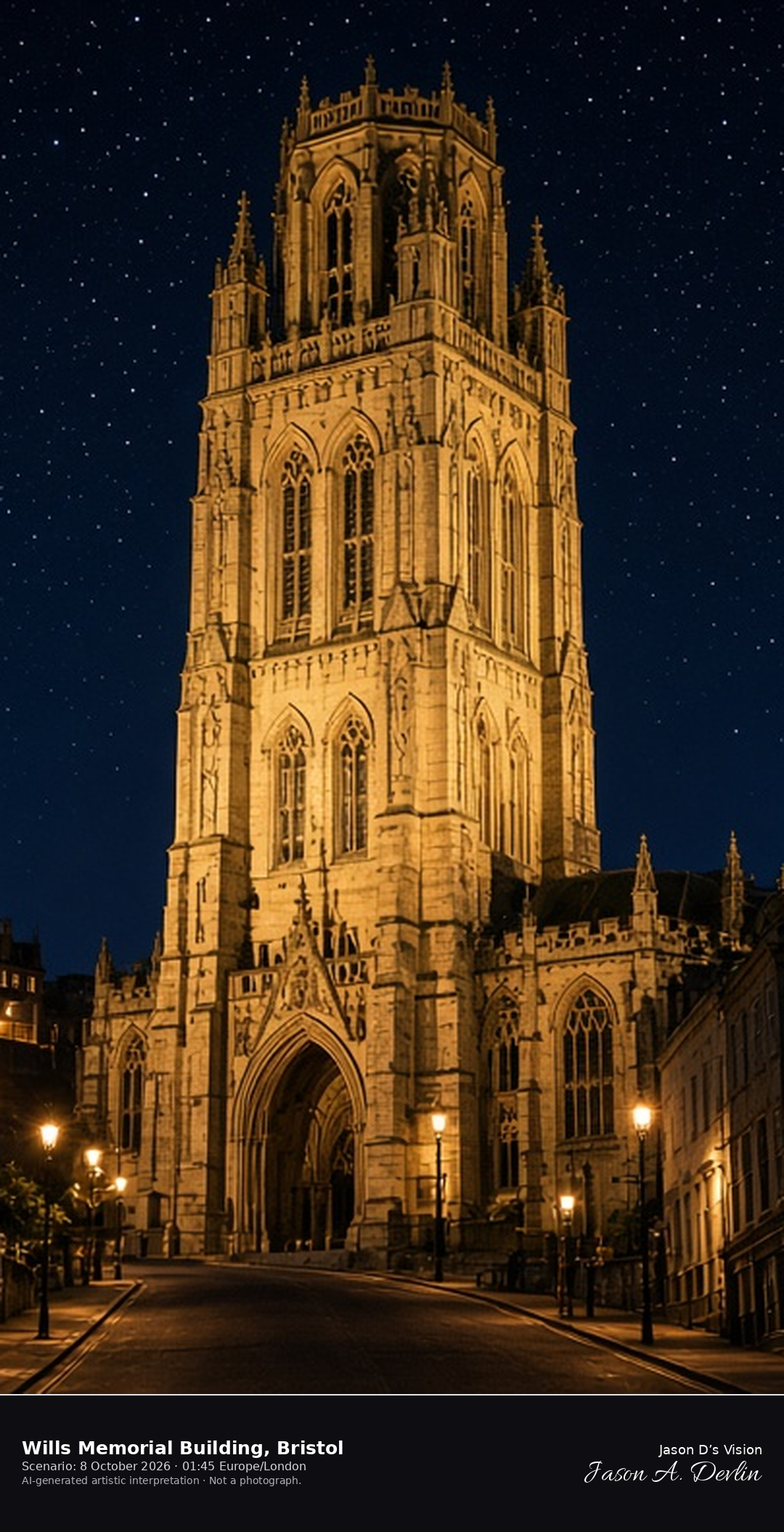
Wills Memorial Building, Bristol · AI-generated artistic interpretation
George Oatley designed the Wills Memorial Building for the University of Bristol; it was begun in 1915 and opened in 1925. Its 65-metre tower holds the great bell called Great George.
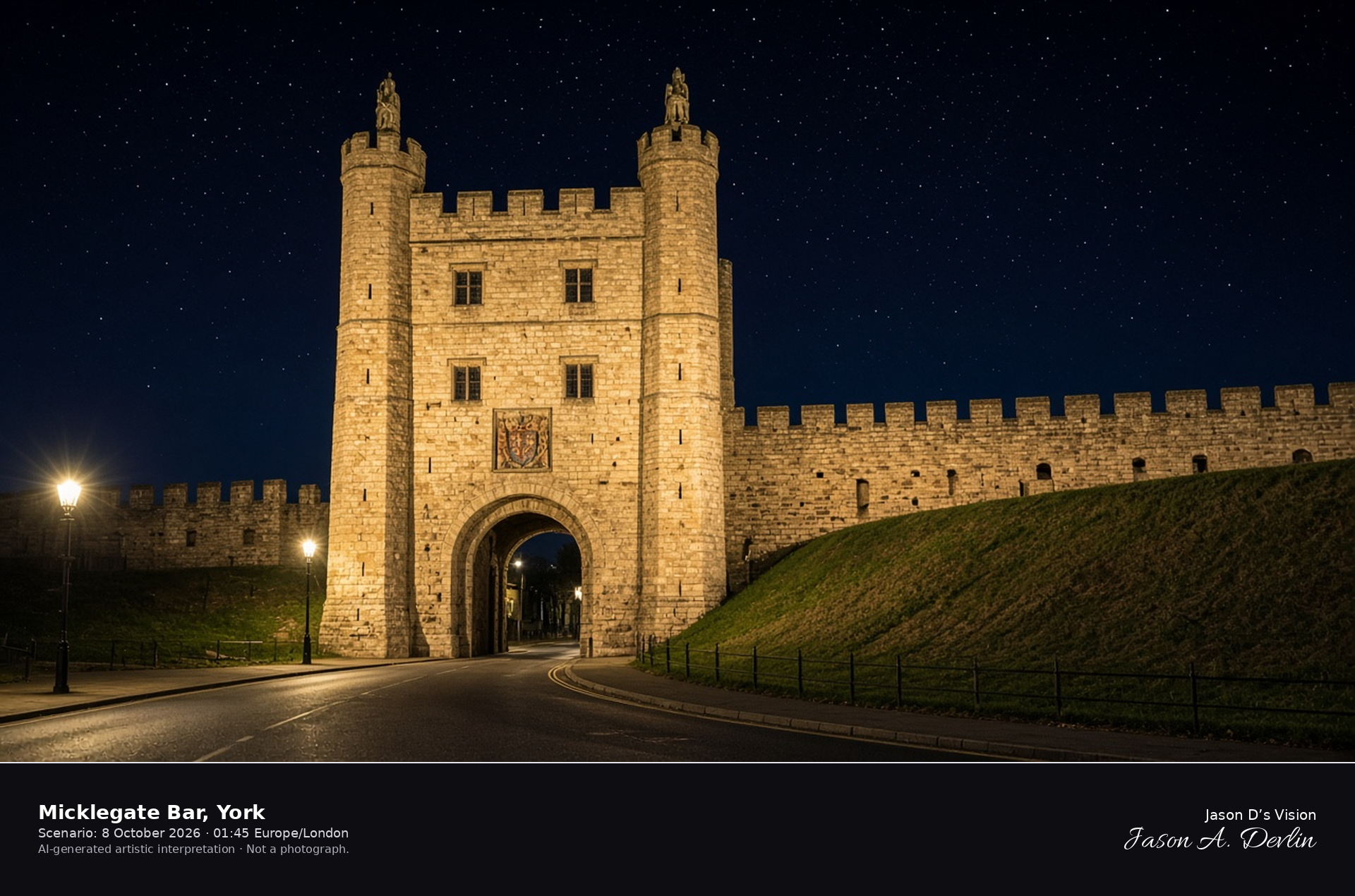
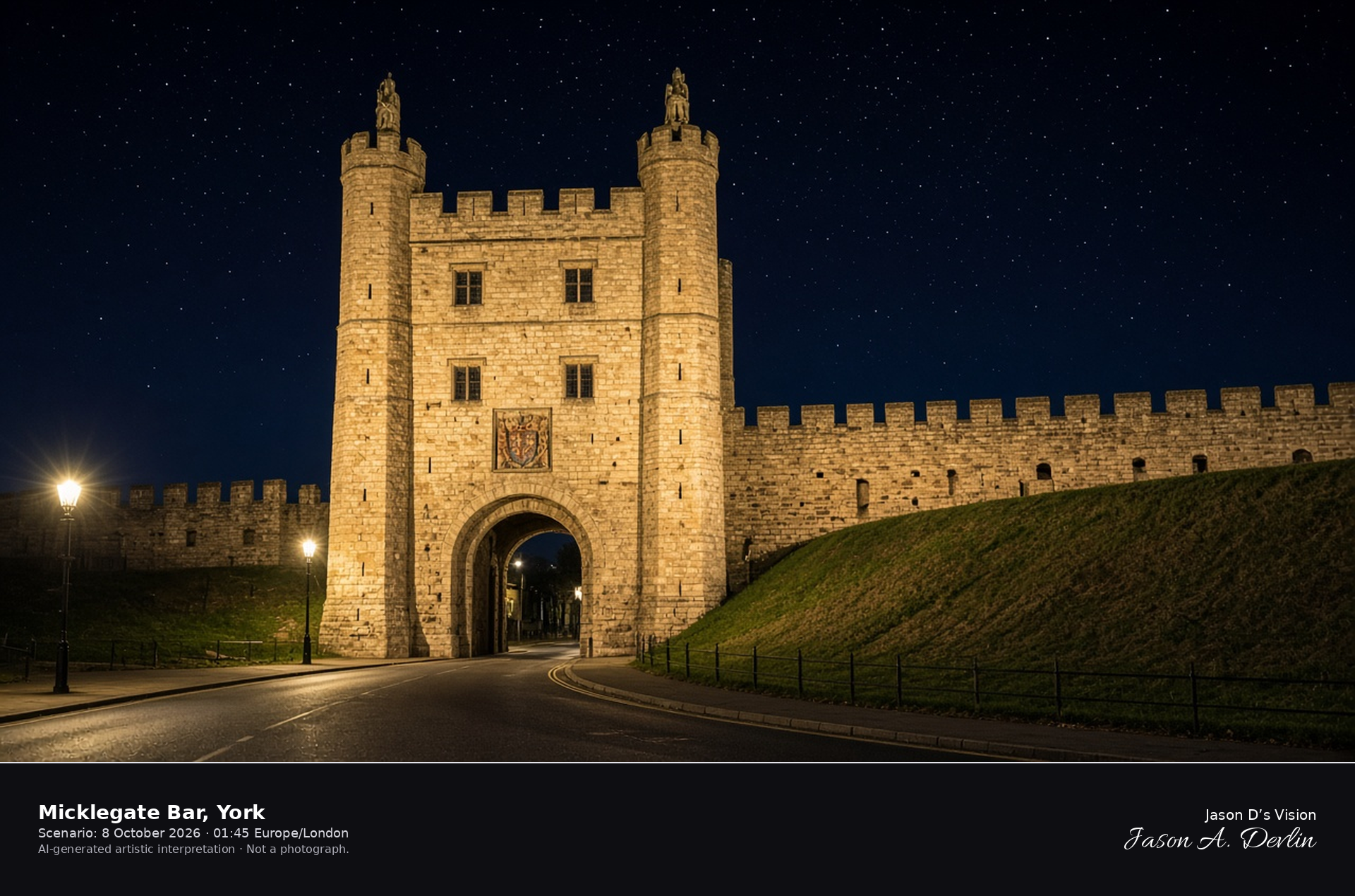
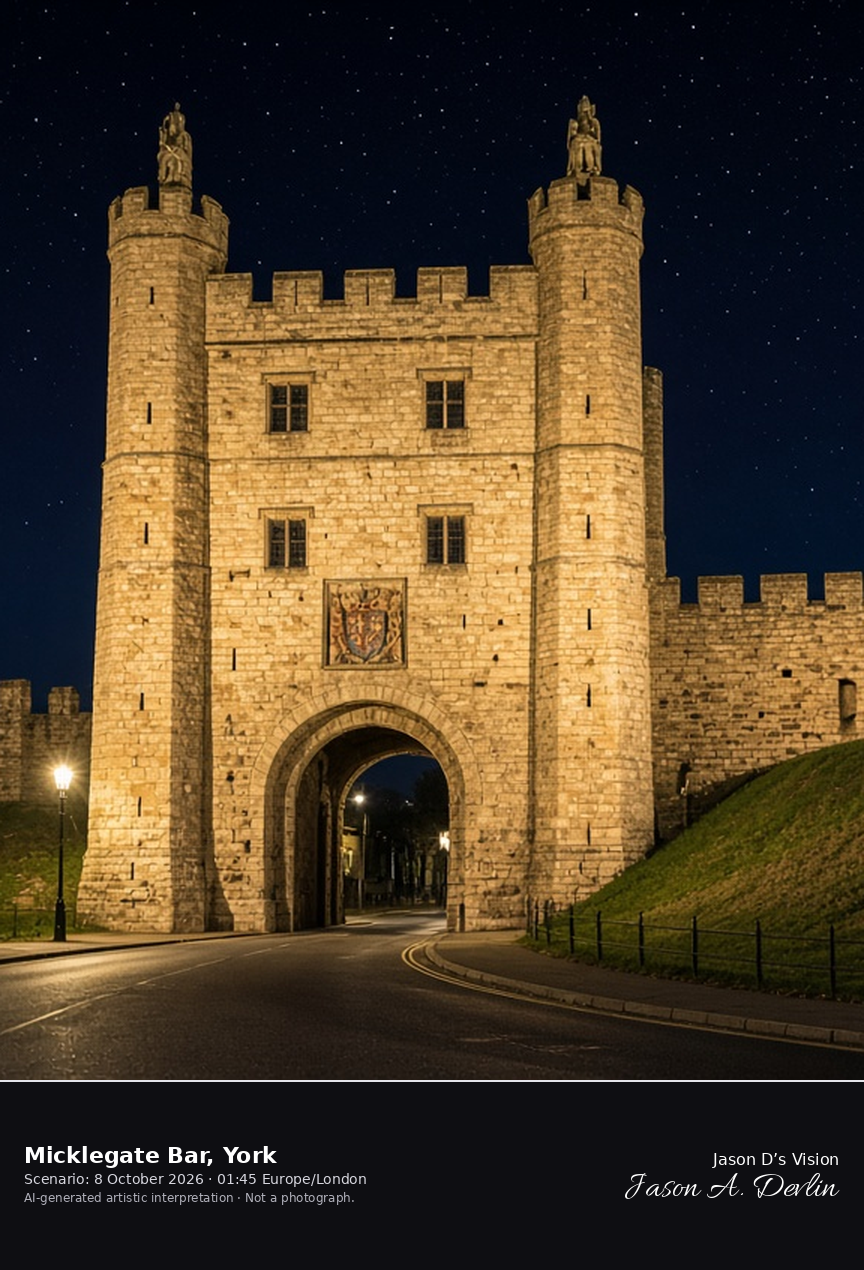
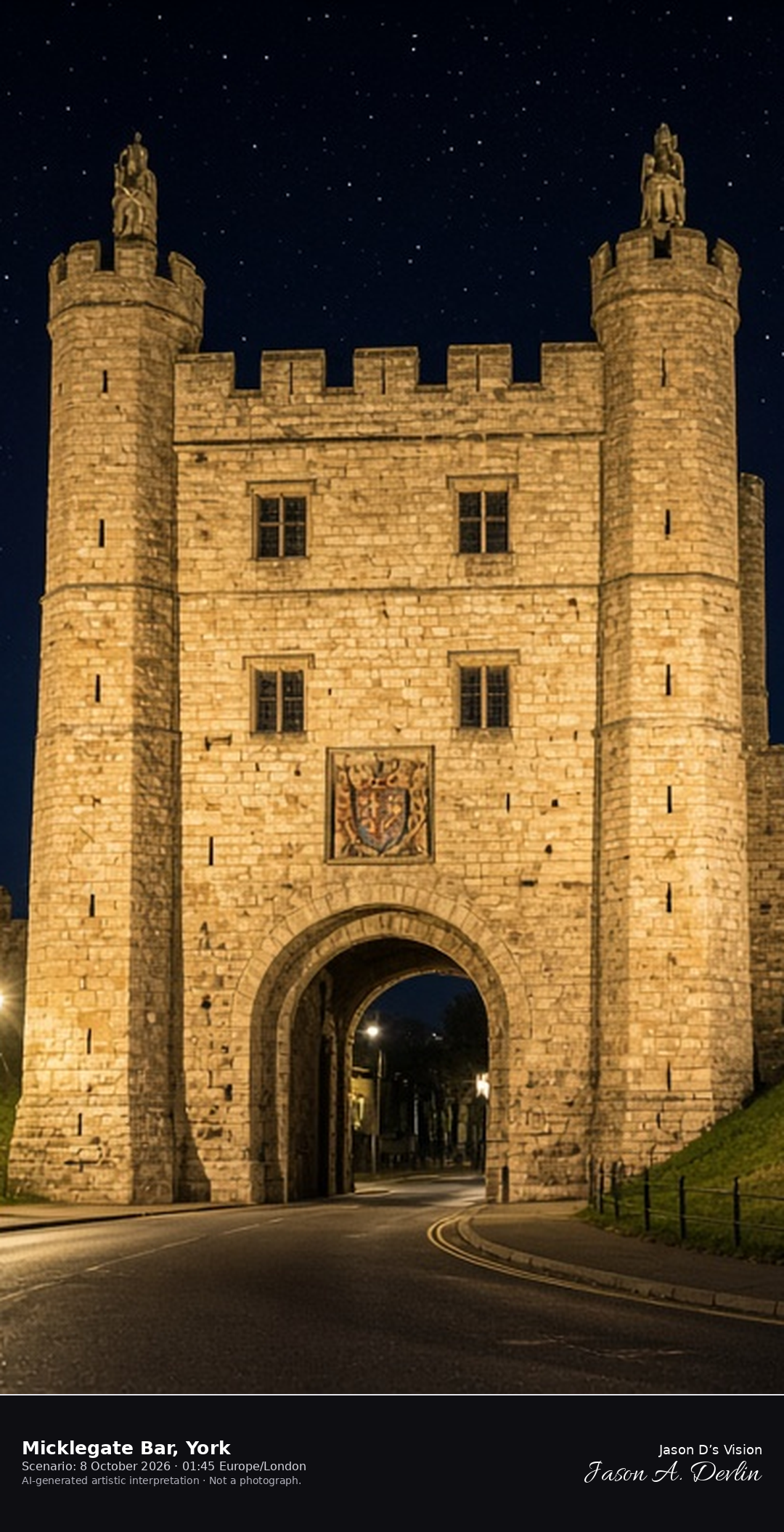
Micklegate Bar, York · AI-generated artistic interpretation
Micklegate Bar was the main gateway into York from the south and the road to London. Monarchs traditionally entered the city here, and its upper rooms now hold a small museum about the walls.
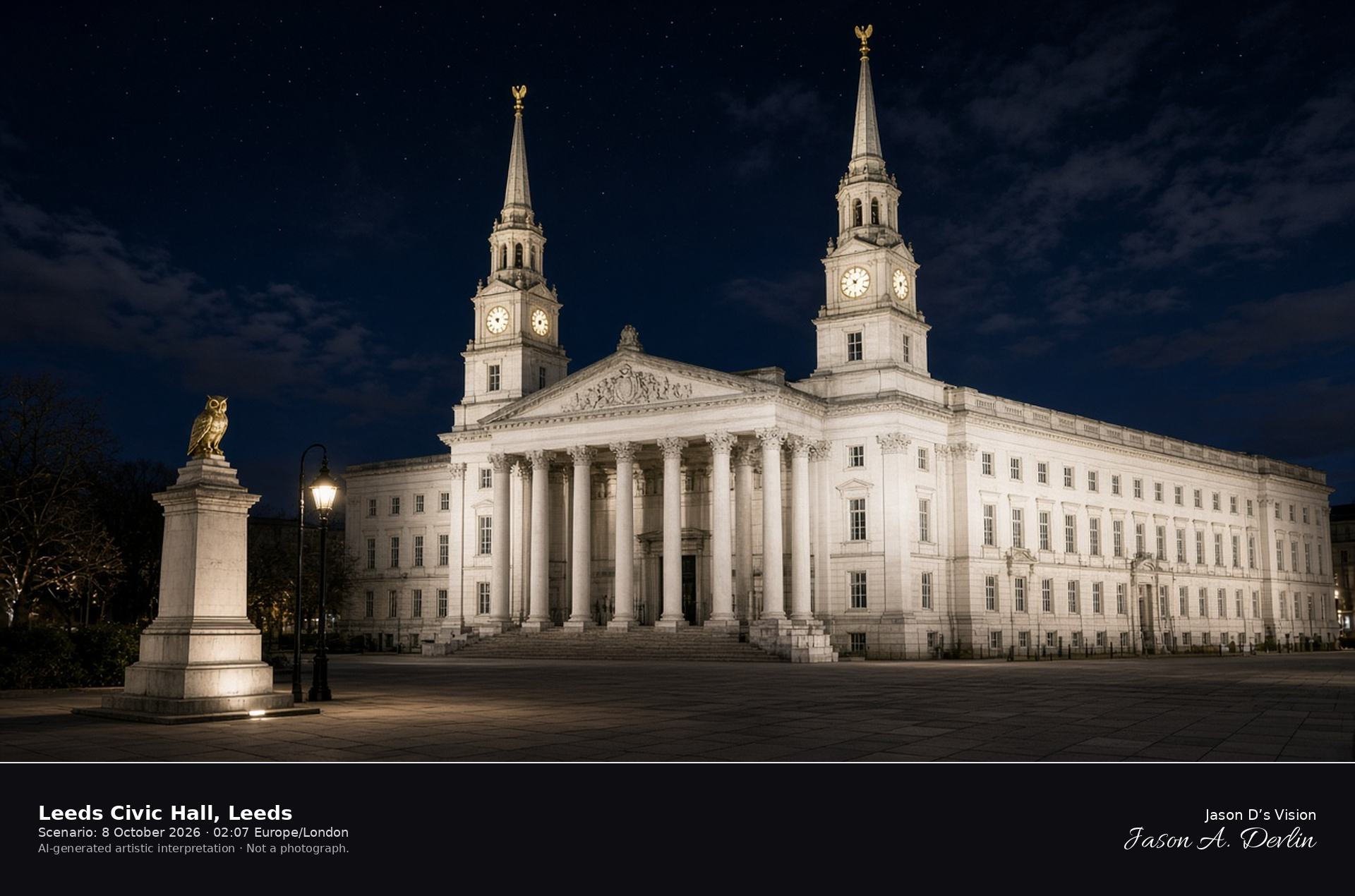
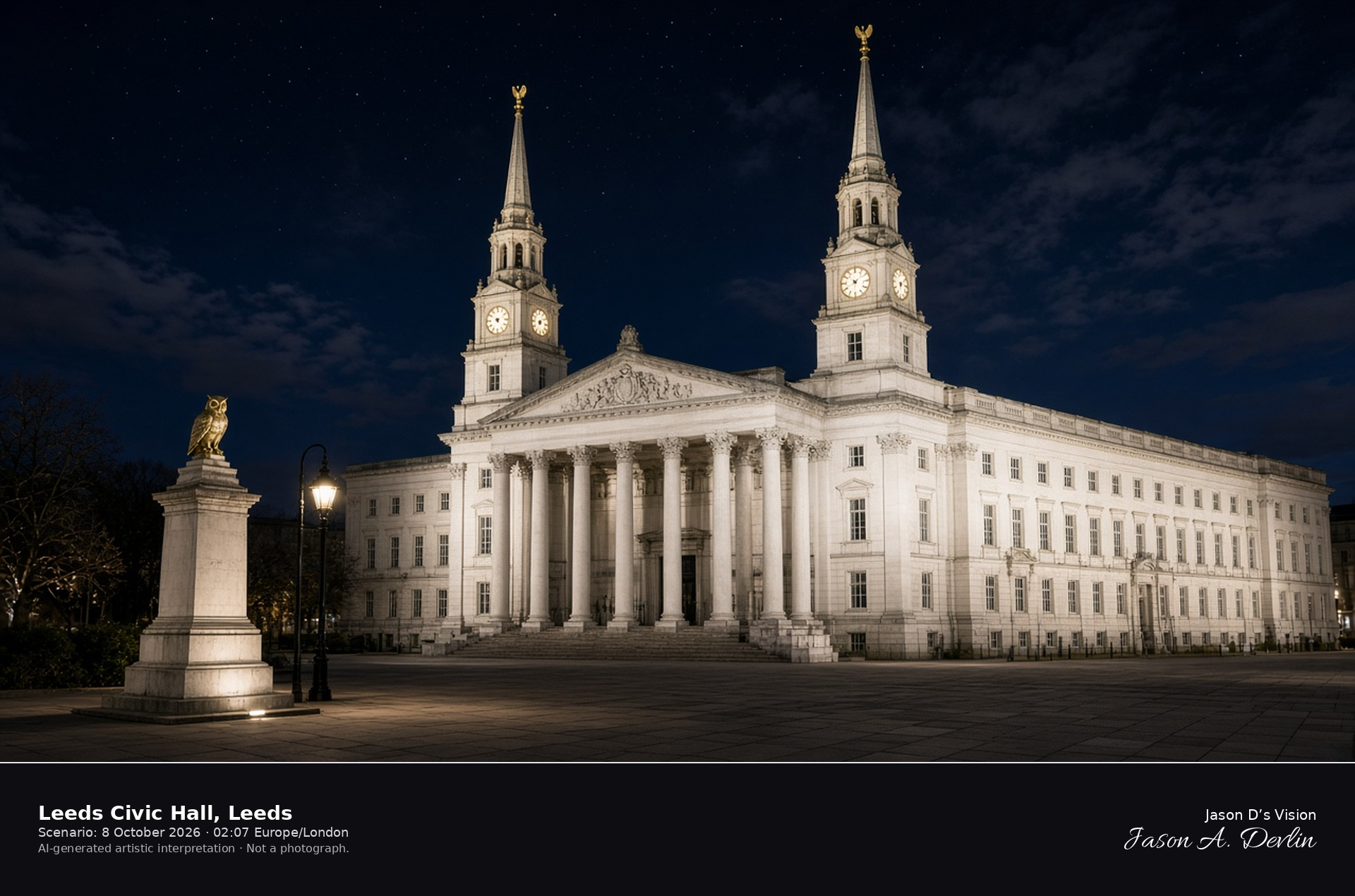
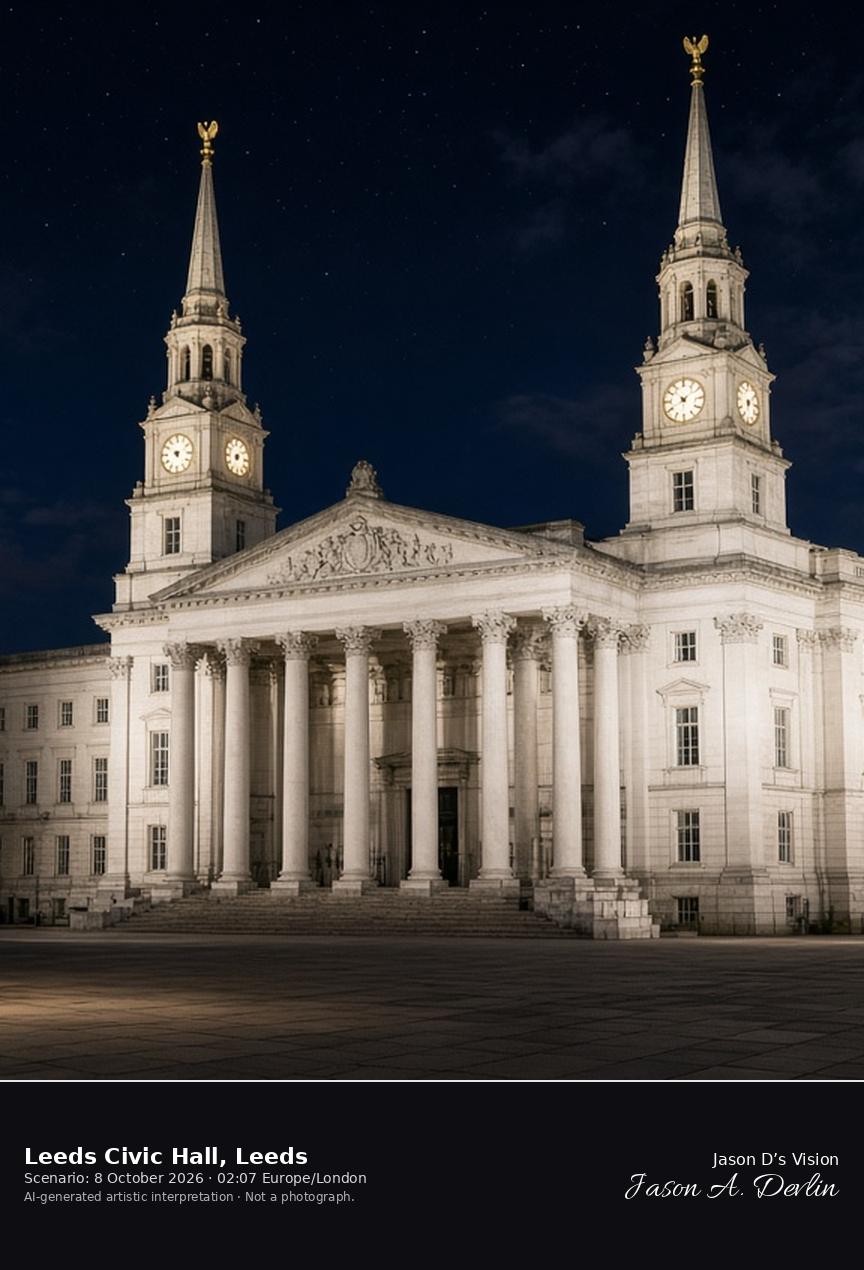
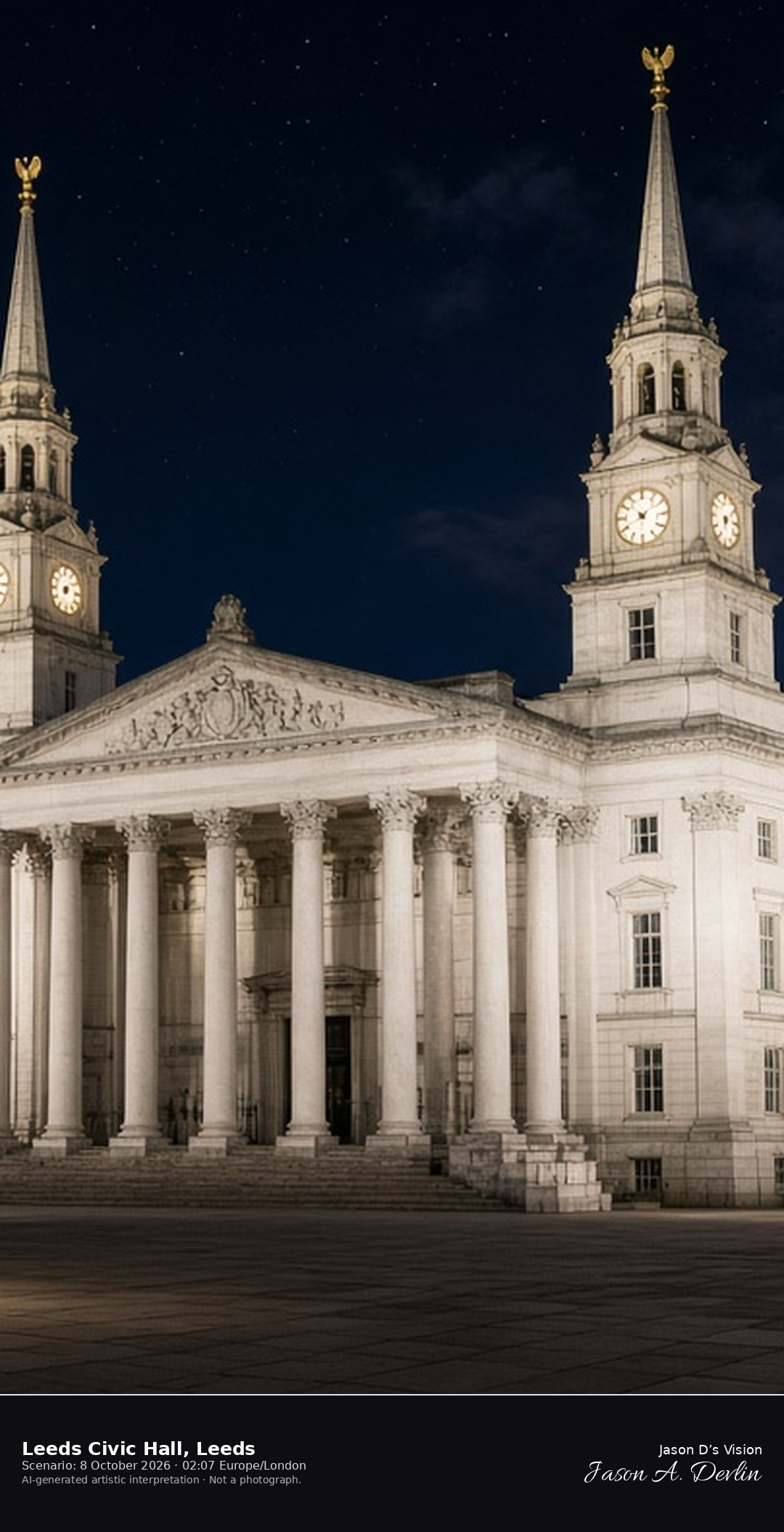
E. Vincent Harris designed Leeds Civic Hall, which opened in 1933 as the council's headquarters. Gilded owls, a symbol of the city, top its two towers and stand on columns in the square outside.
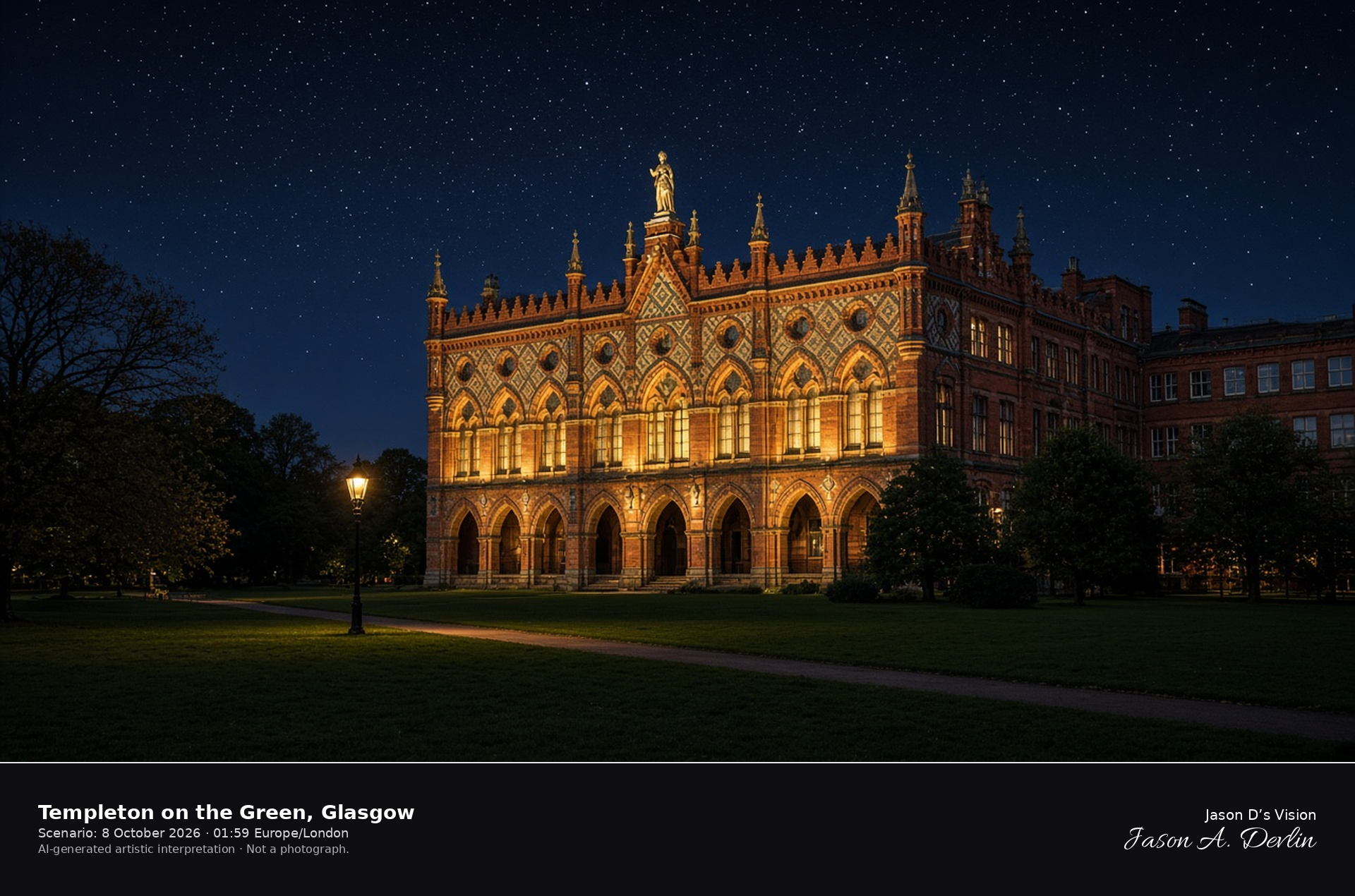
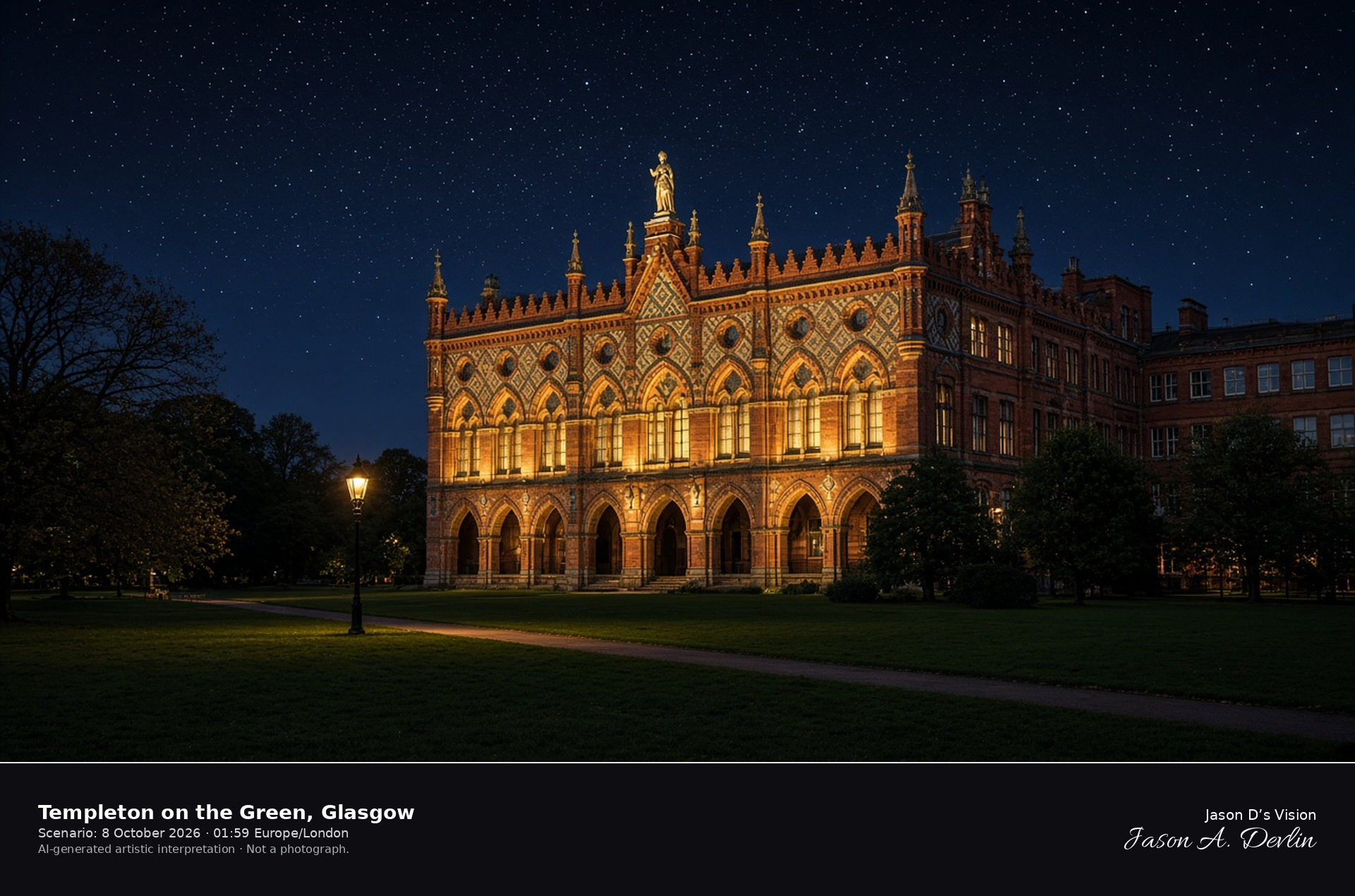
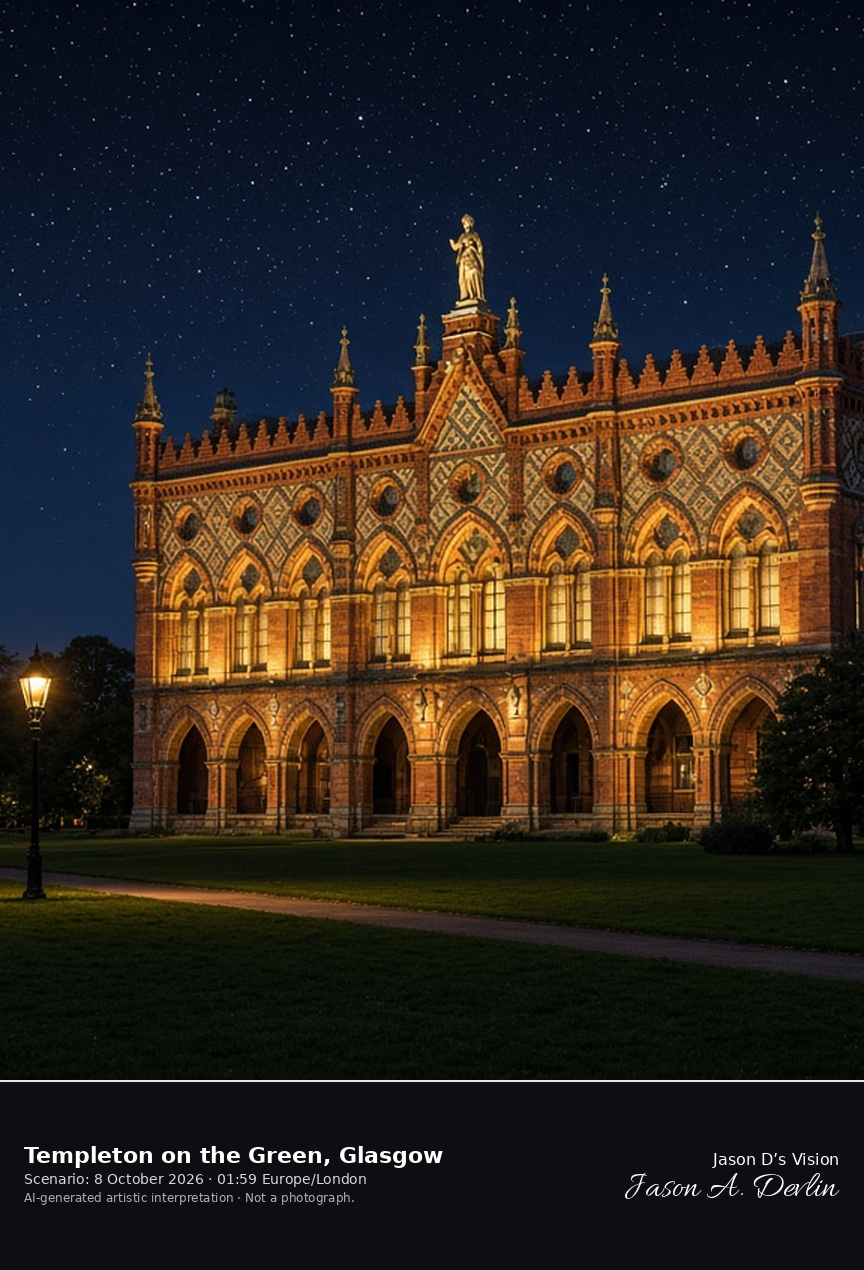
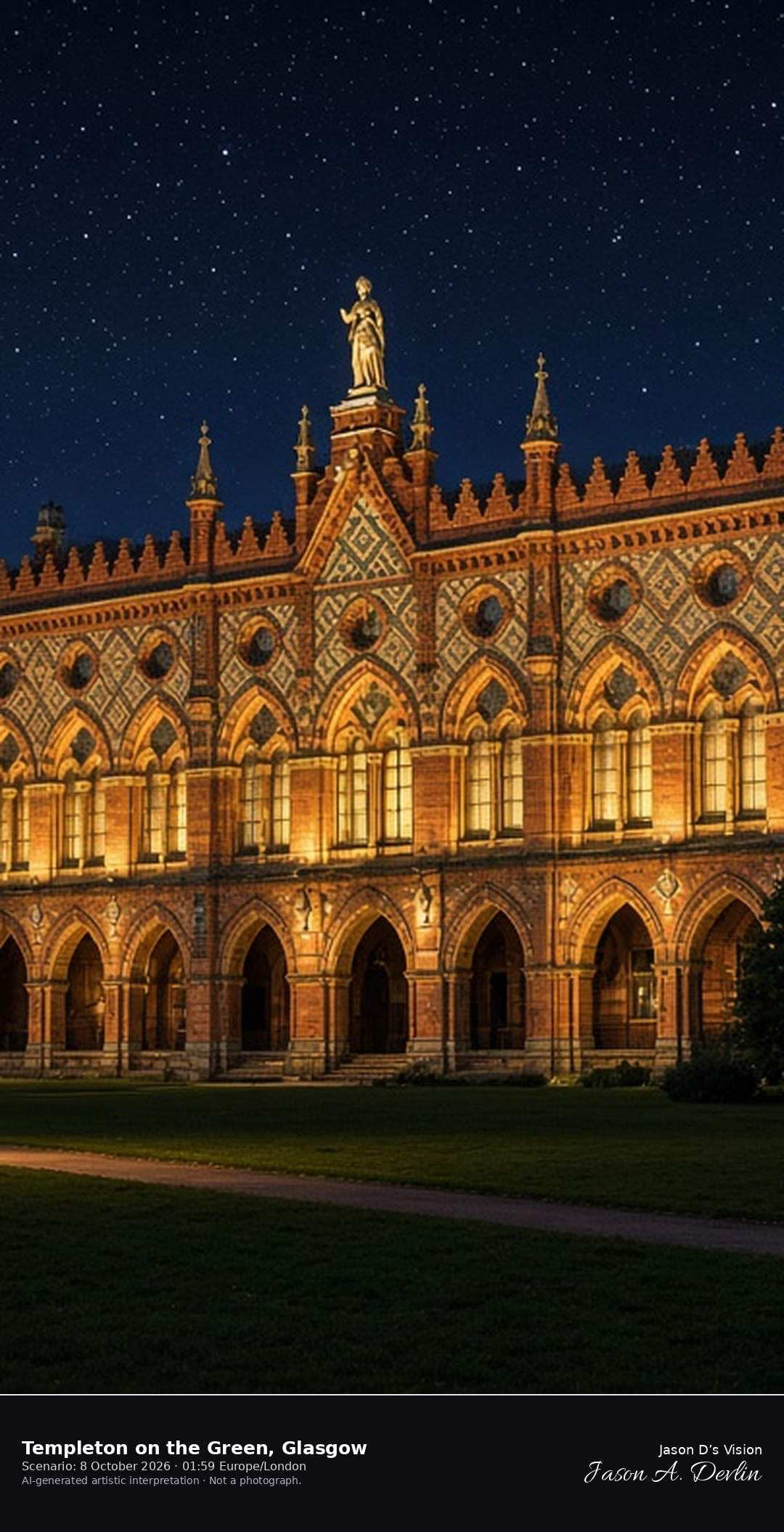
Templeton on the Green, Glasgow · AI-generated artistic interpretation
William Leiper modelled the Templeton carpet factory on the Doge's Palace in Venice, and it was completed in 1892. A statue on top of the front commemorates the workers who died in a fire at the factory in 1900.
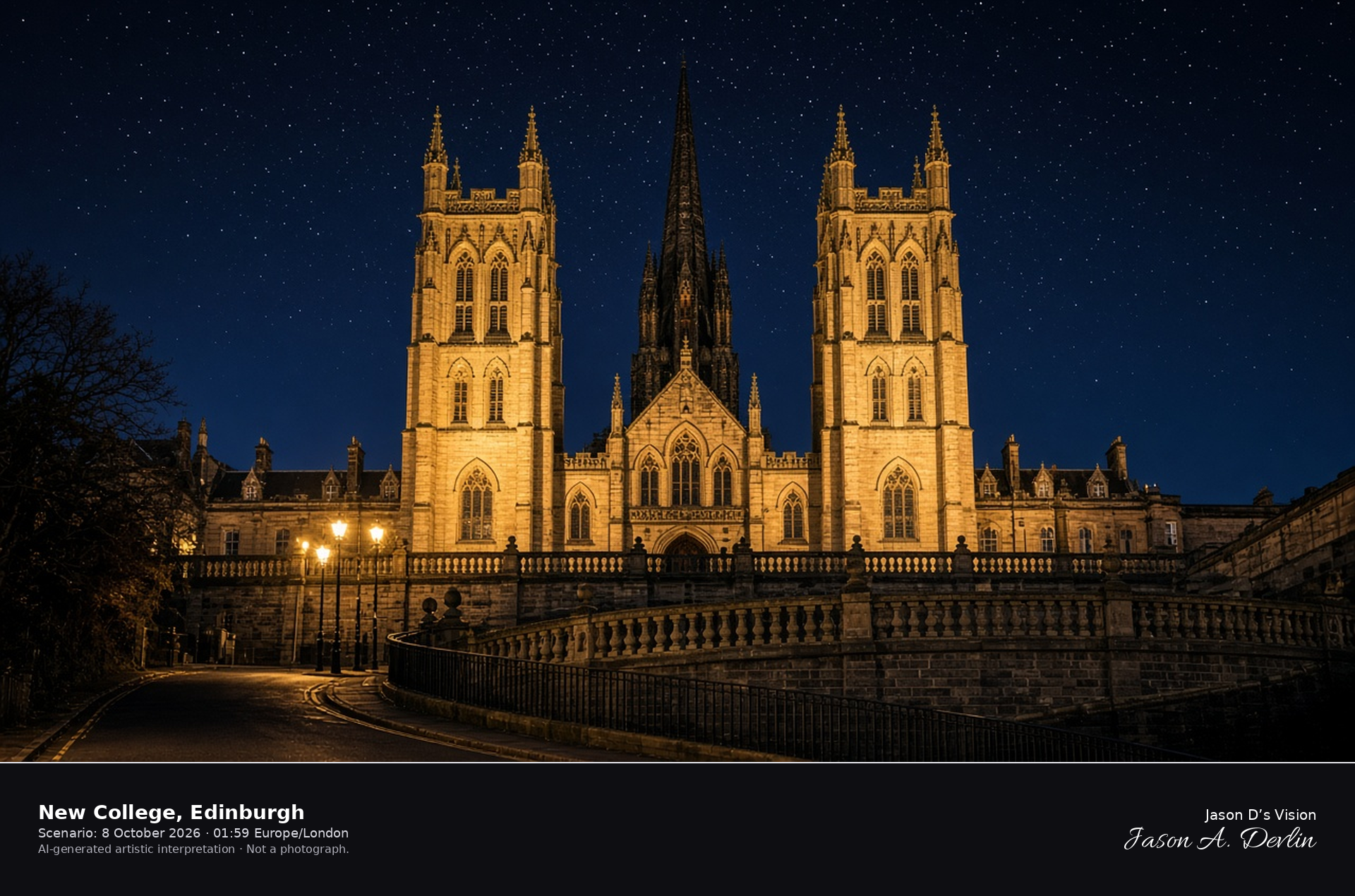
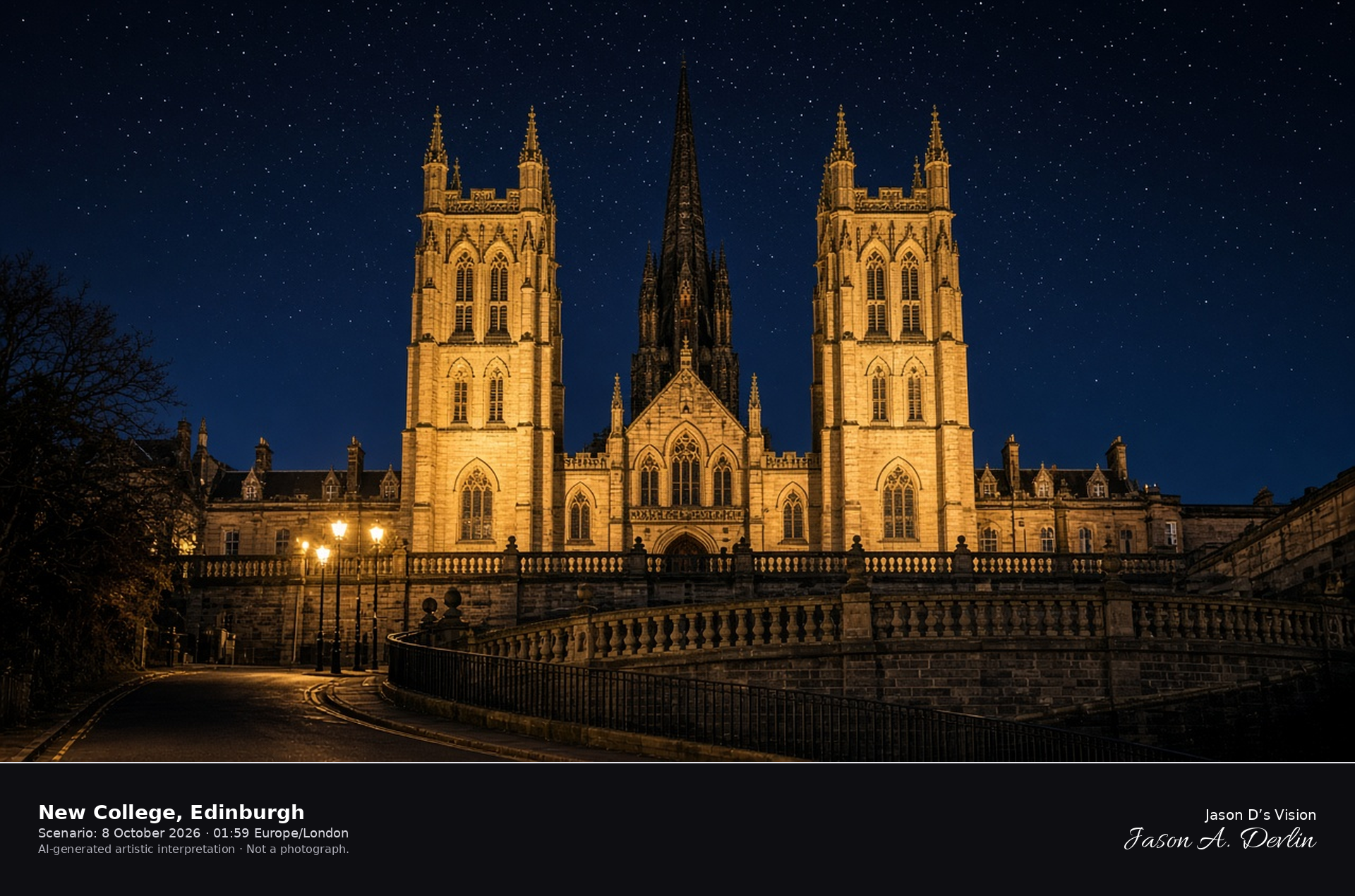
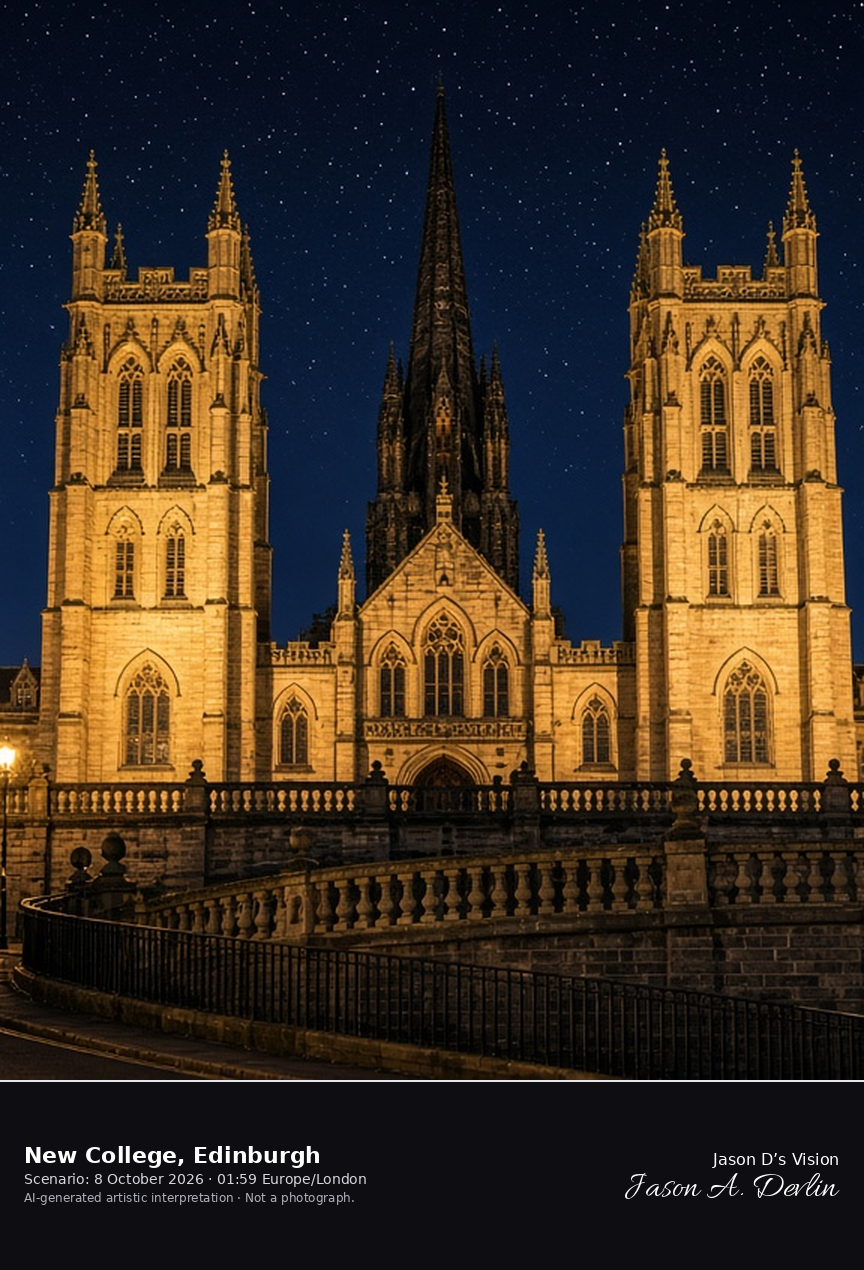
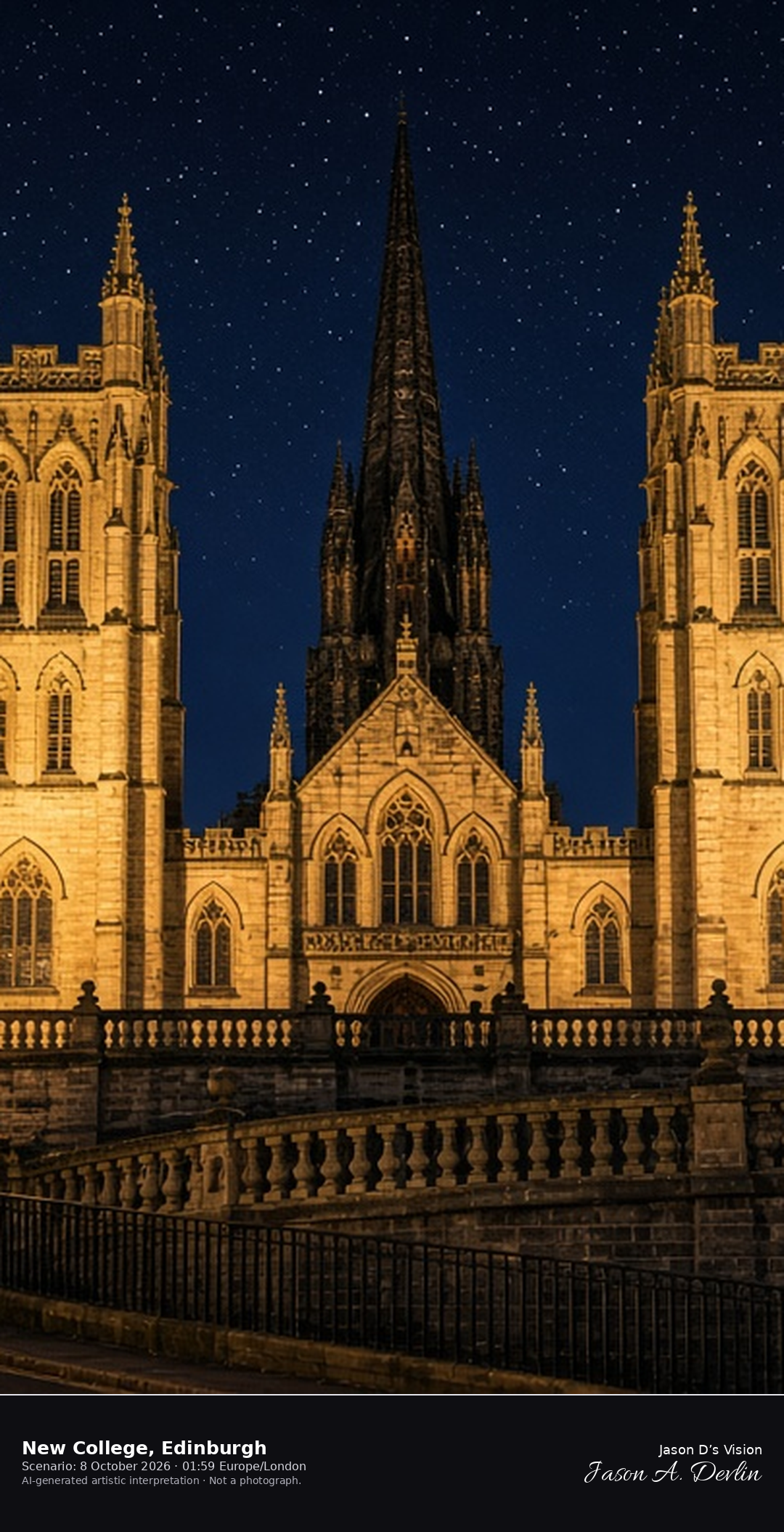
New College, Edinburgh · AI-generated artistic interpretation
William Henry Playfair designed New College, built between 1845 and 1850 for the Free Church of Scotland. It is now the University of Edinburgh's School of Divinity, and the Church of Scotland's Assembly Hall stands behind it.
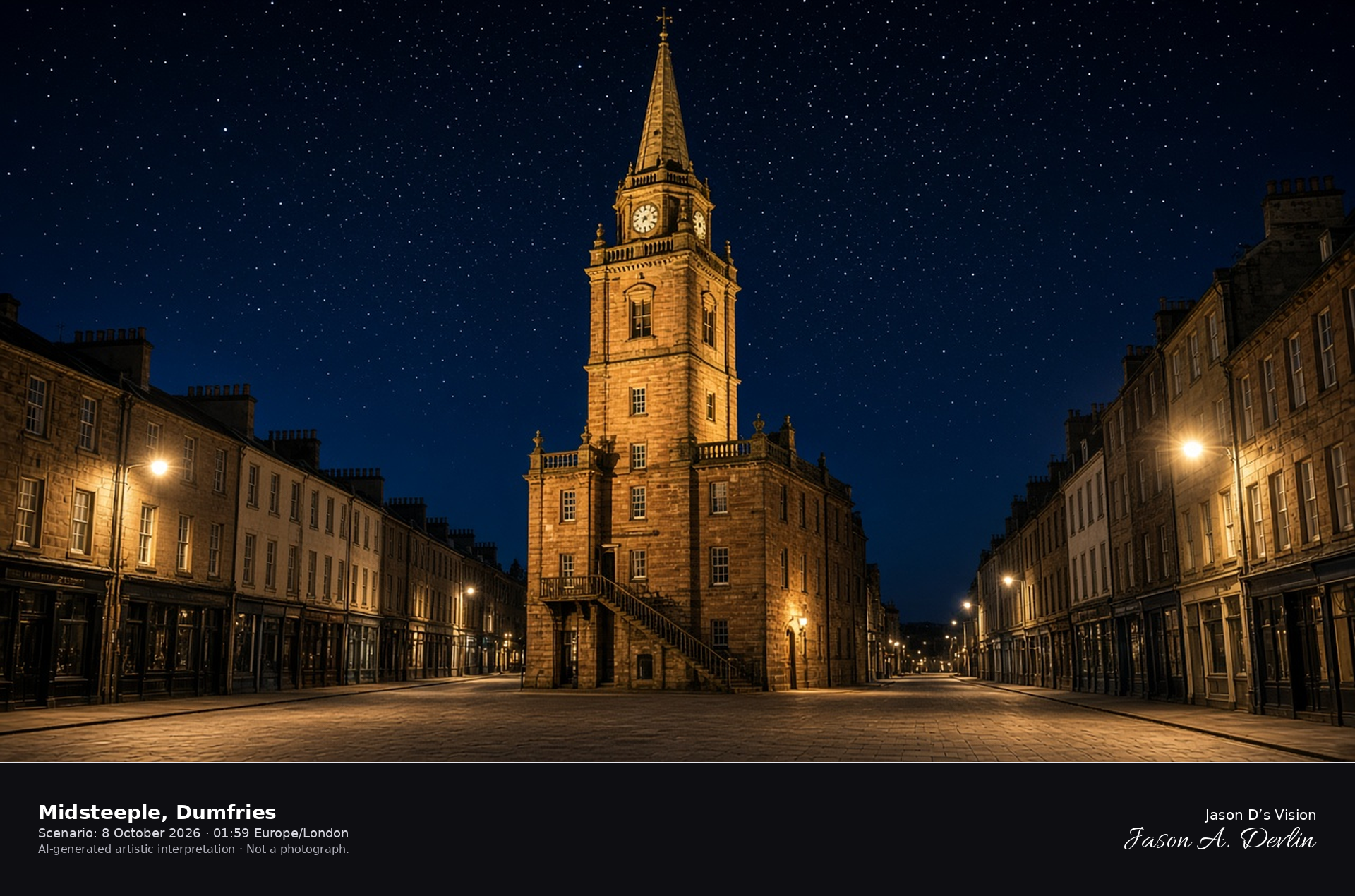
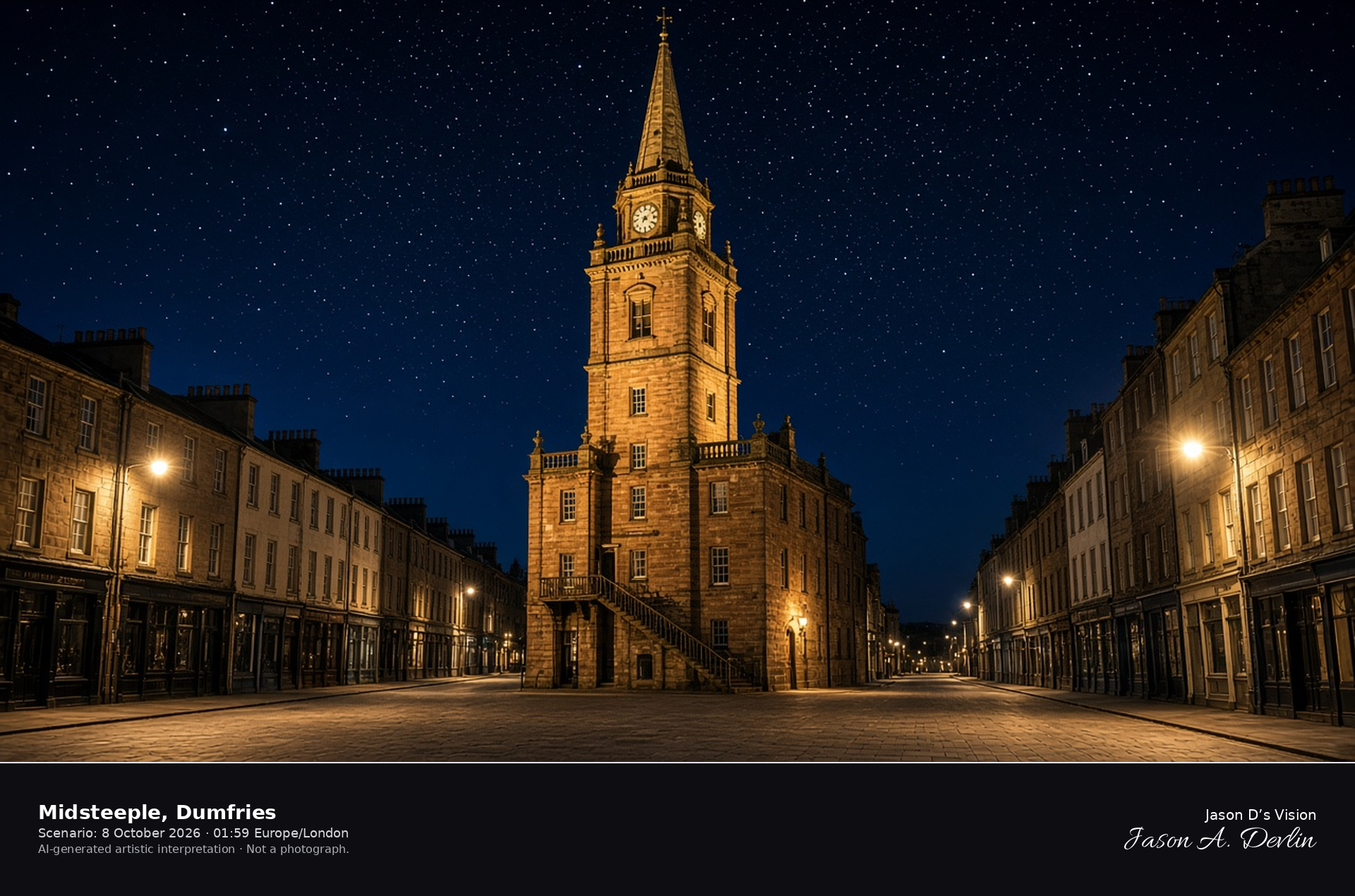
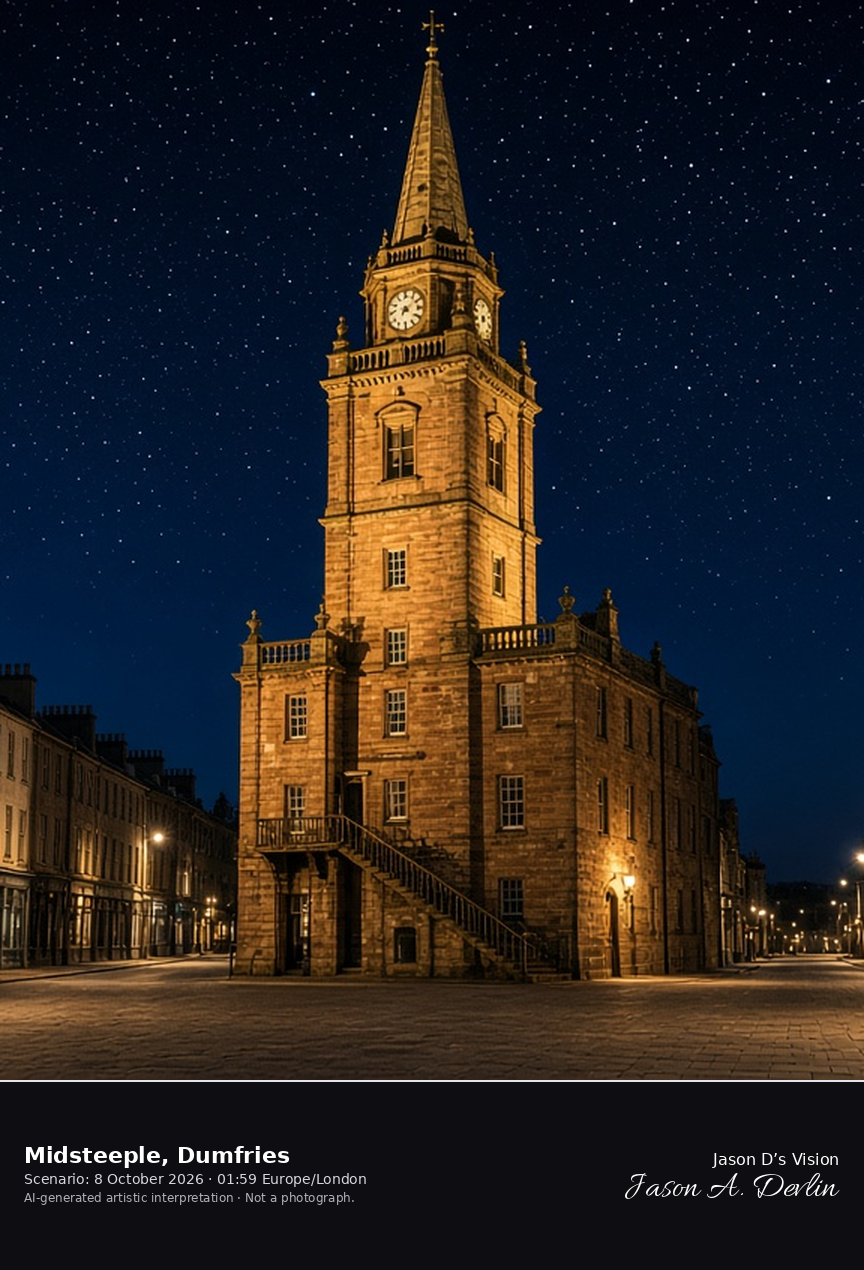
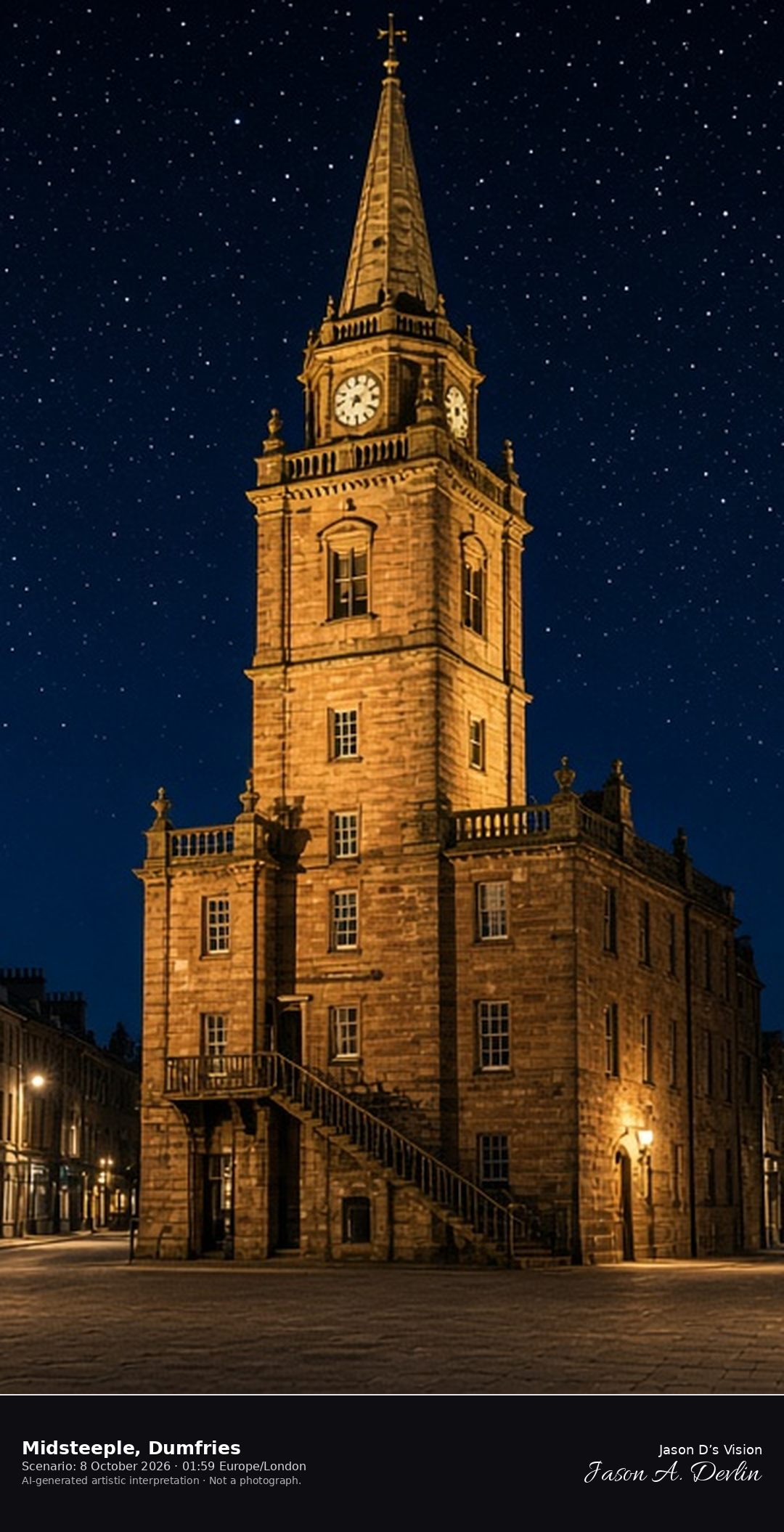
The Midsteeple, completed in 1708, brought Dumfries's council chamber, courtroom and prison together in the heart of the High Street. The town's history is also closely bound to Robert Burns: the nearby Globe Inn, one of his favourite gathering places, still welcomes visitors today.
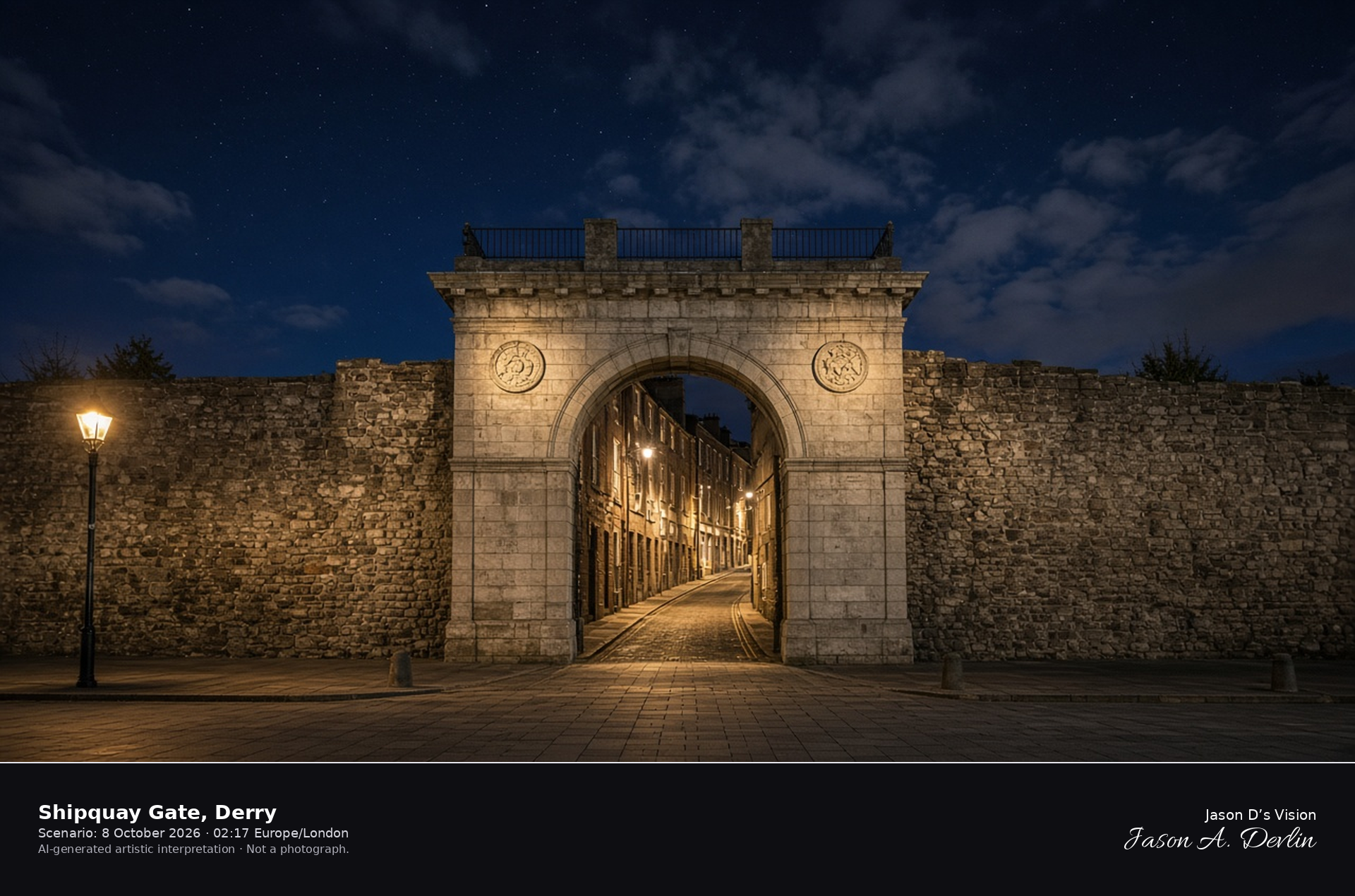
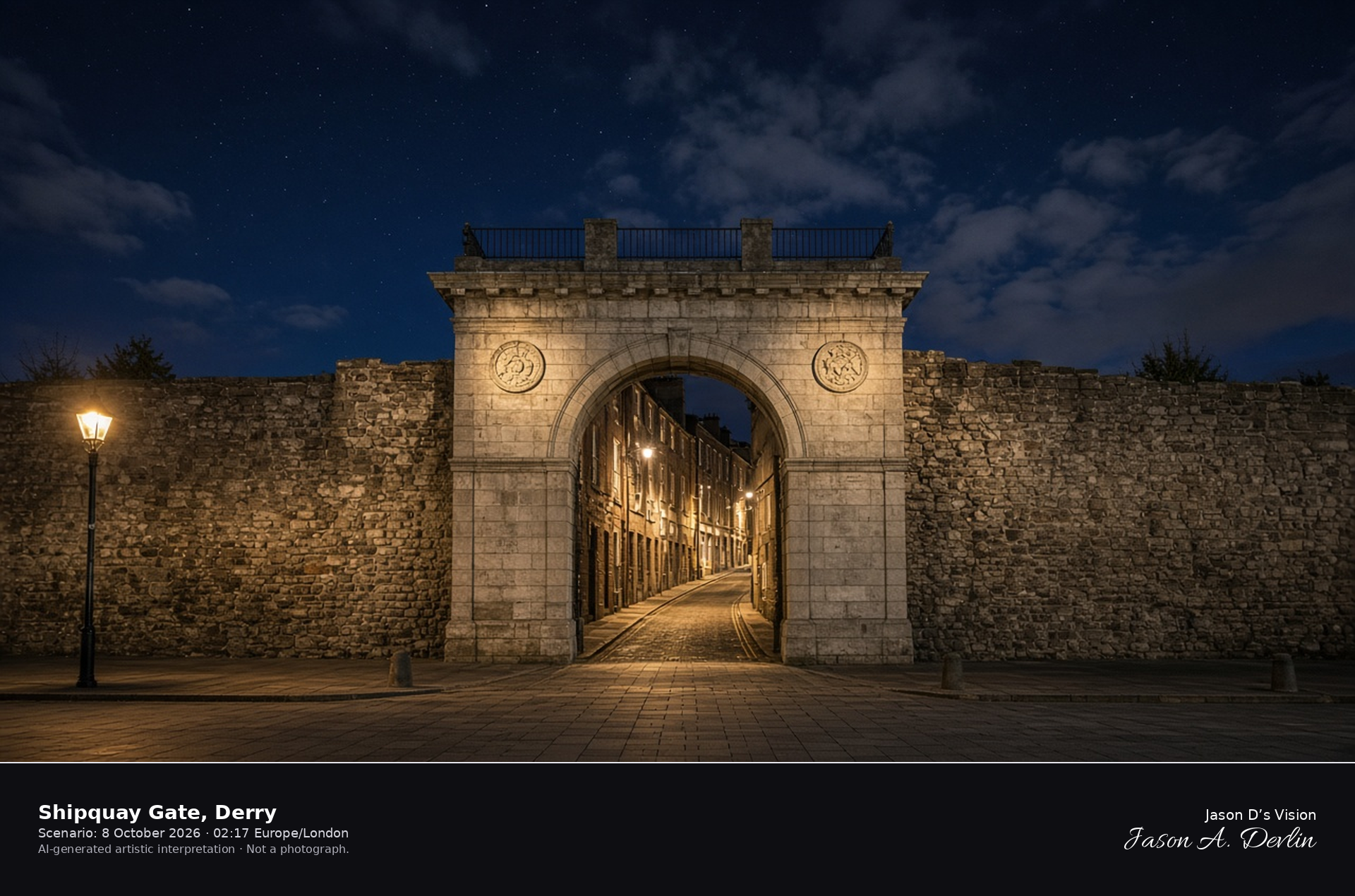
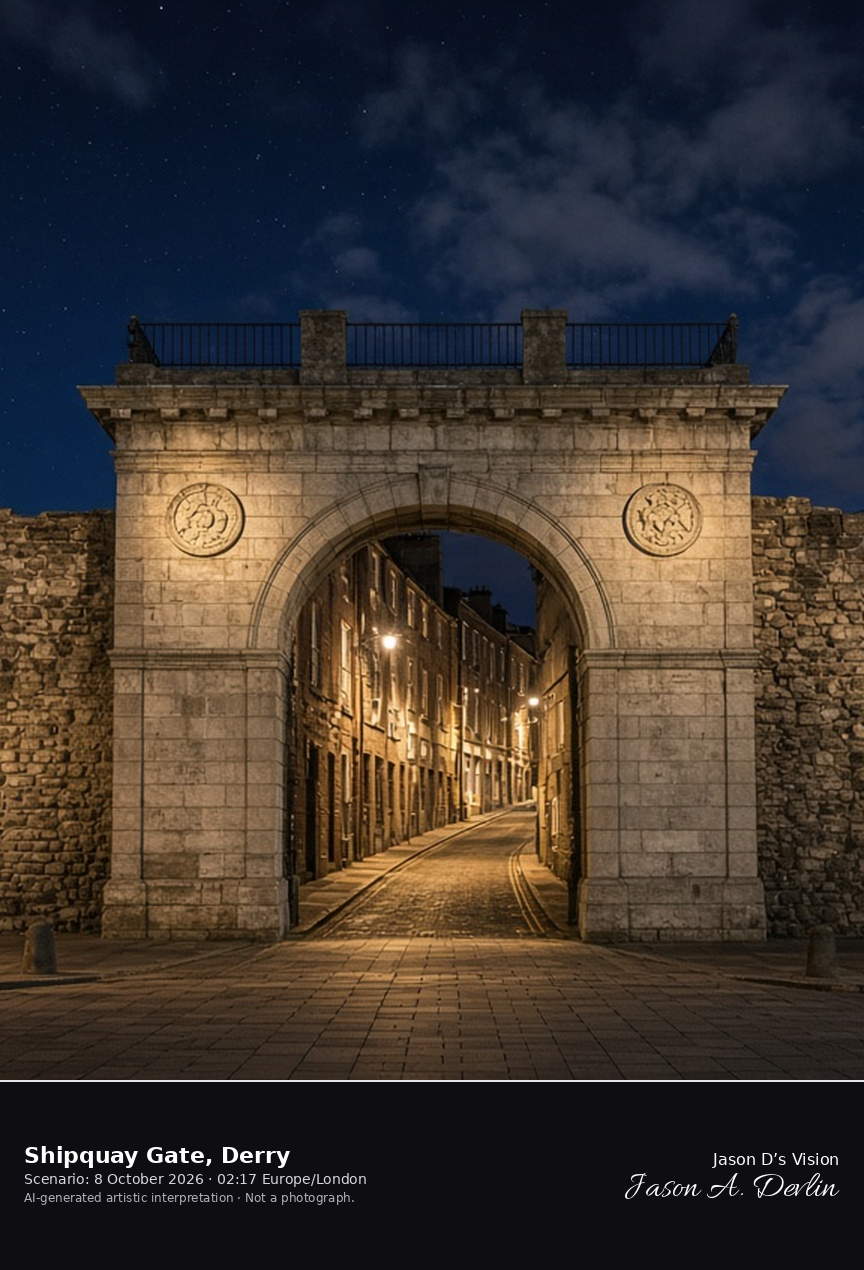
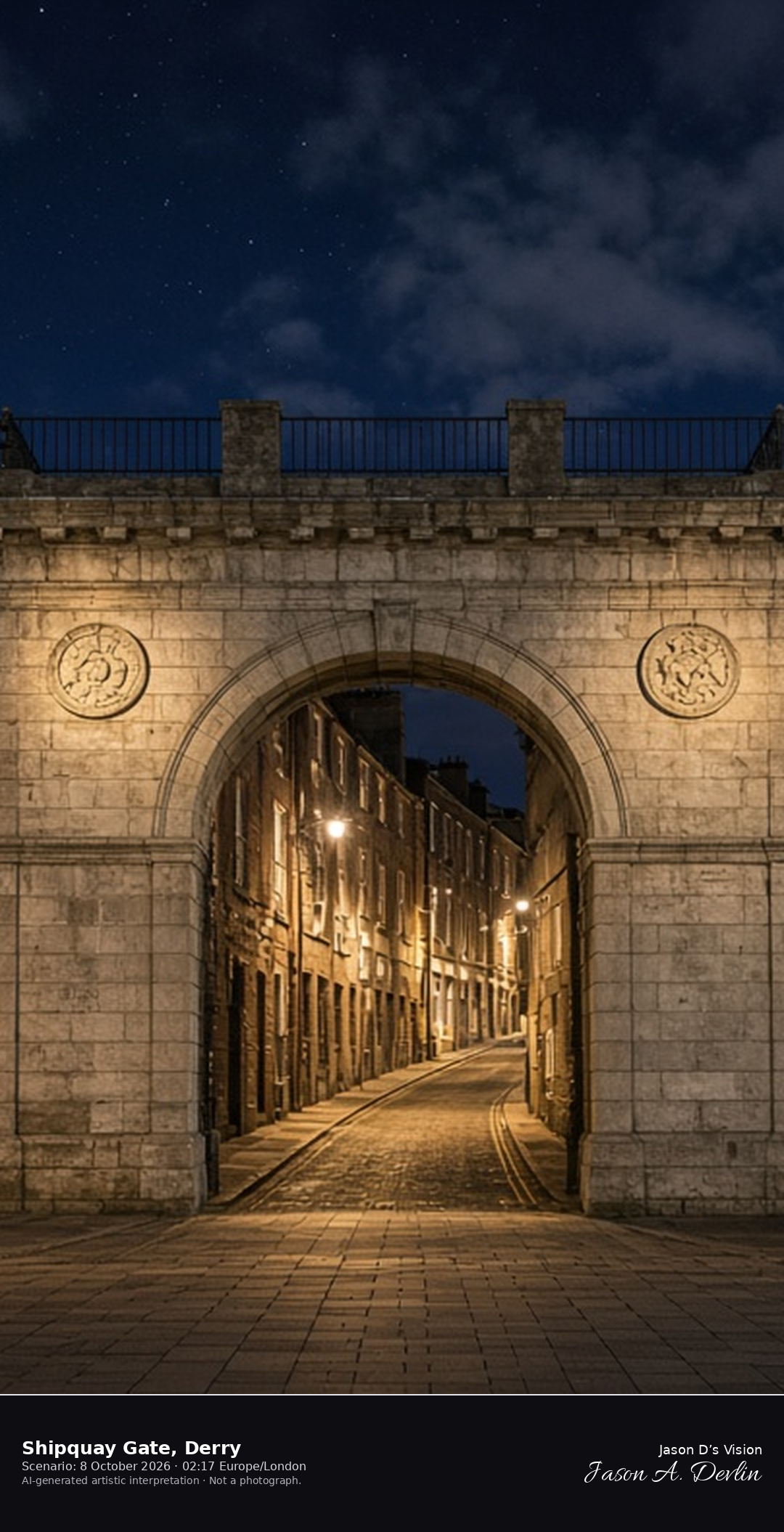
Derry's walls were built between 1613 and 1619 and are the only complete city walls in Ireland. Shipquay Gate, which led down to the old quay on the River Foyle, was rebuilt in its present form in 1805.
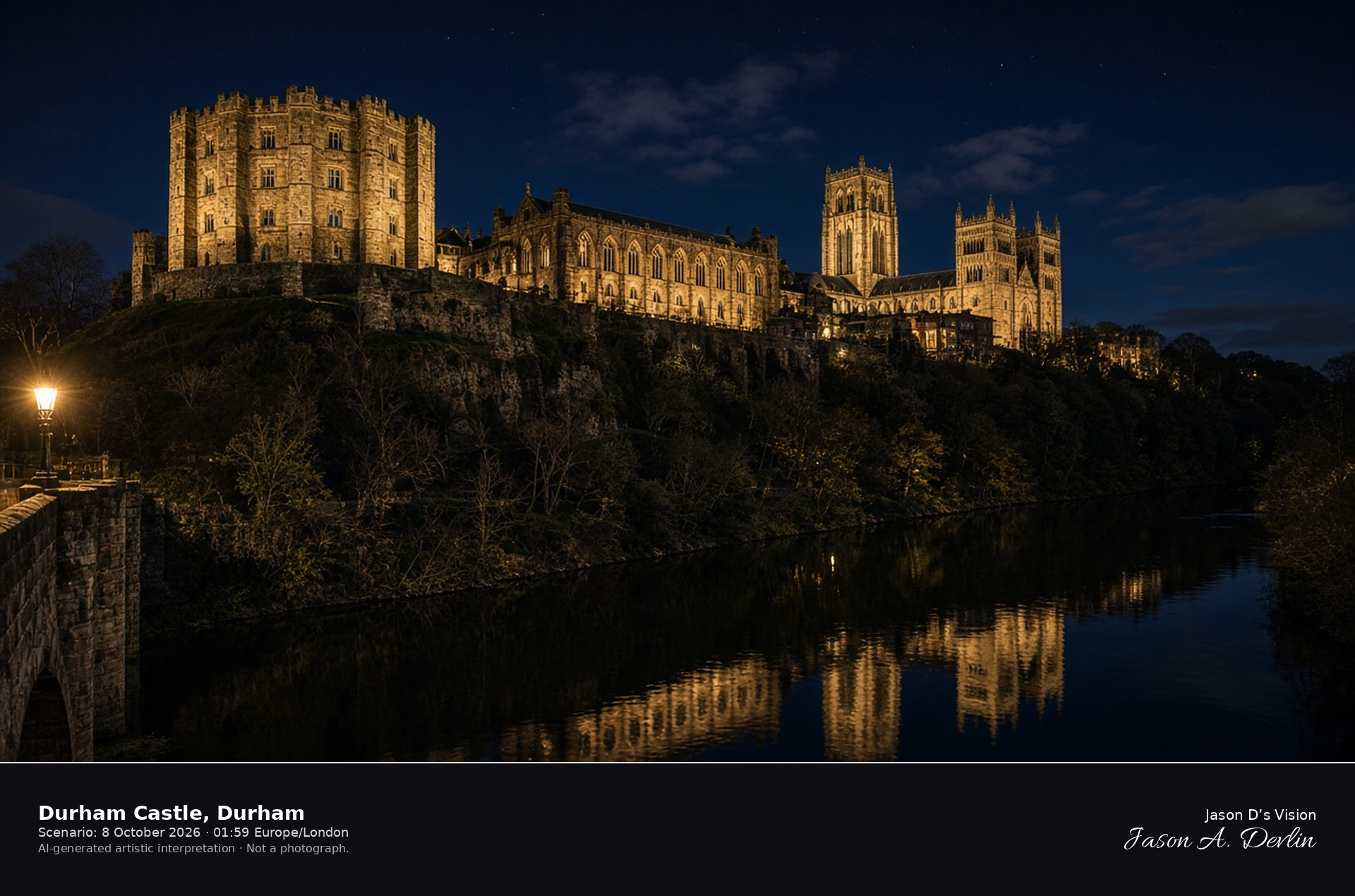
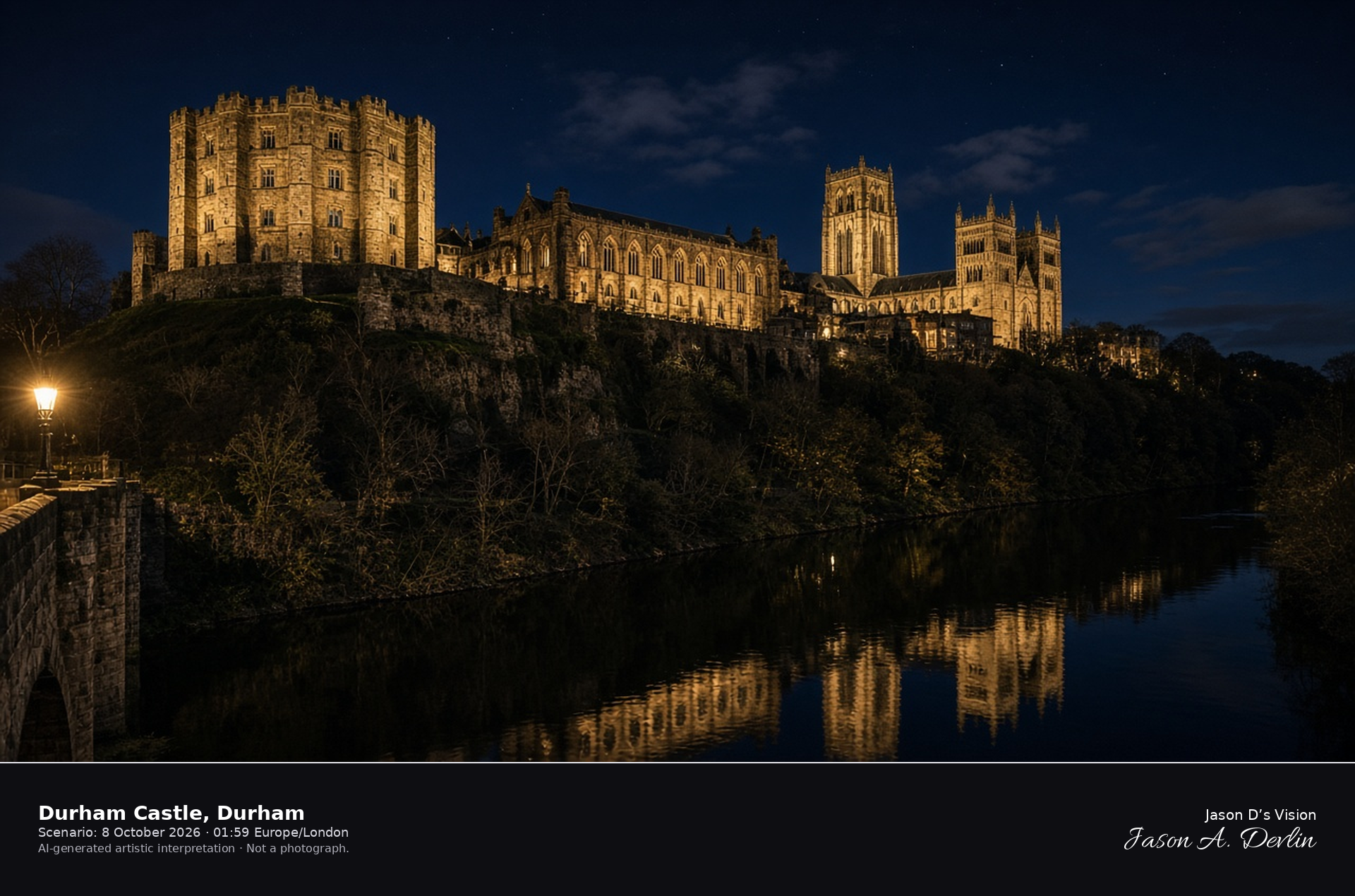
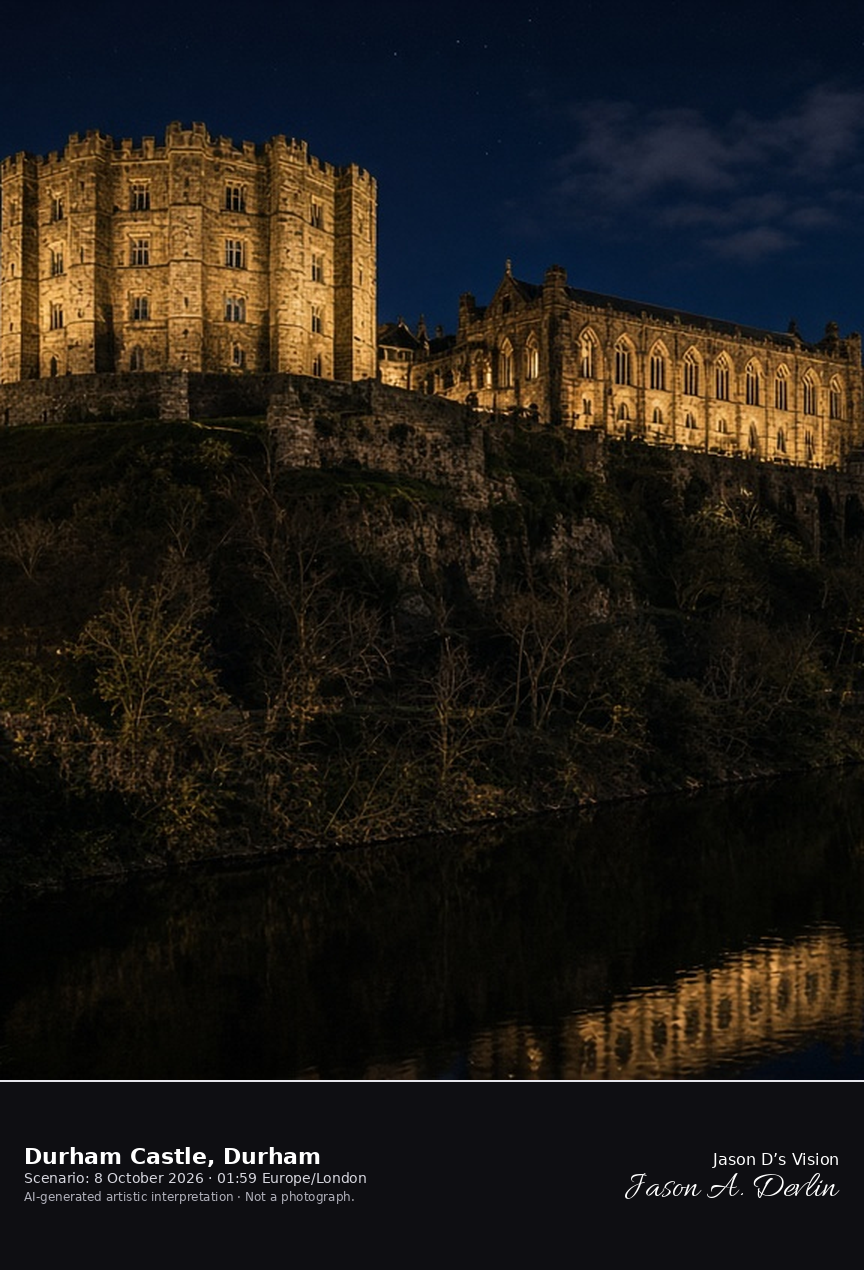
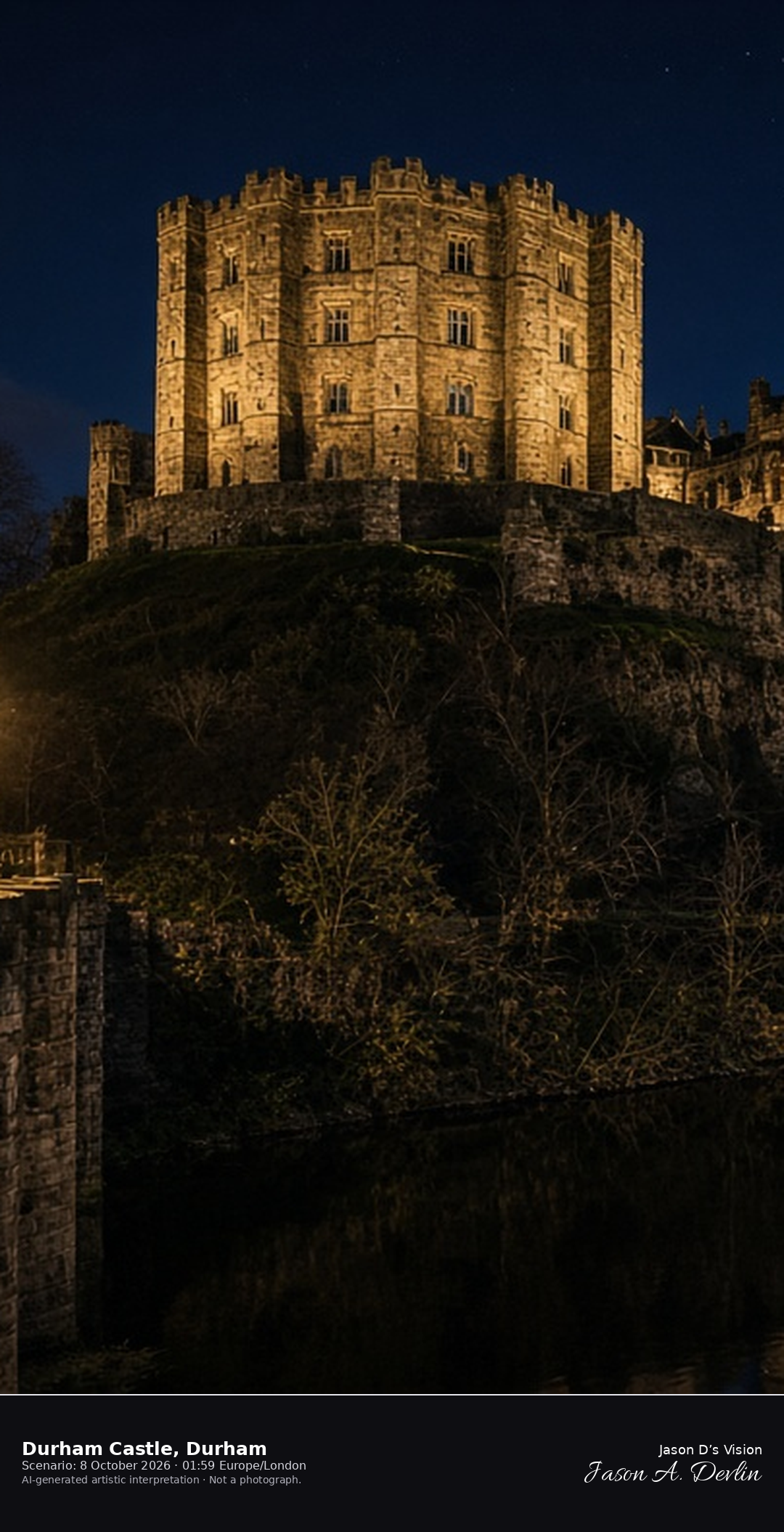
Durham Castle was begun in 1072 and was home to the Prince Bishops of Durham for centuries. Since 1837 it has housed University College, making it one of the oldest buildings in the world used as student accommodation.
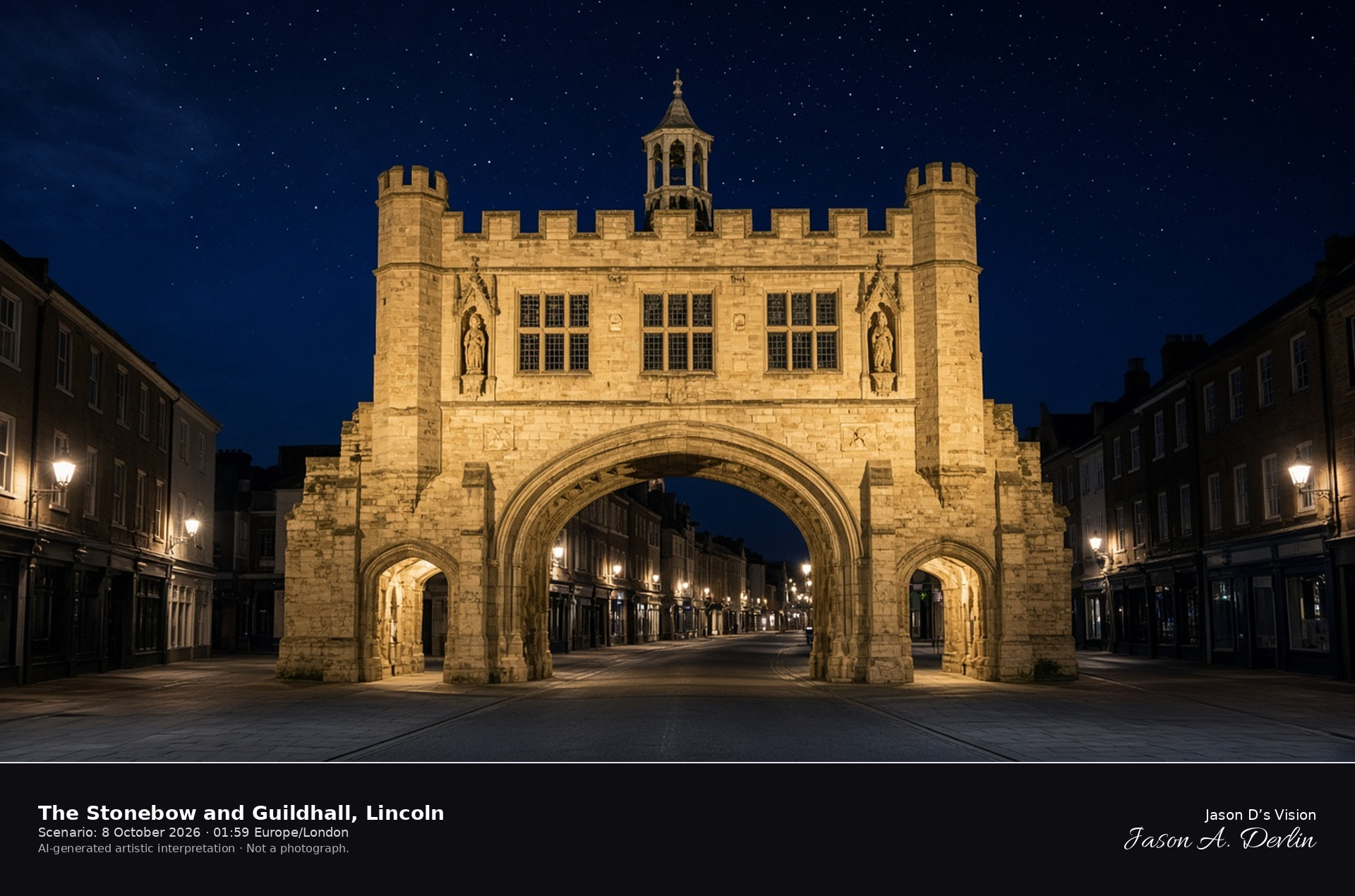
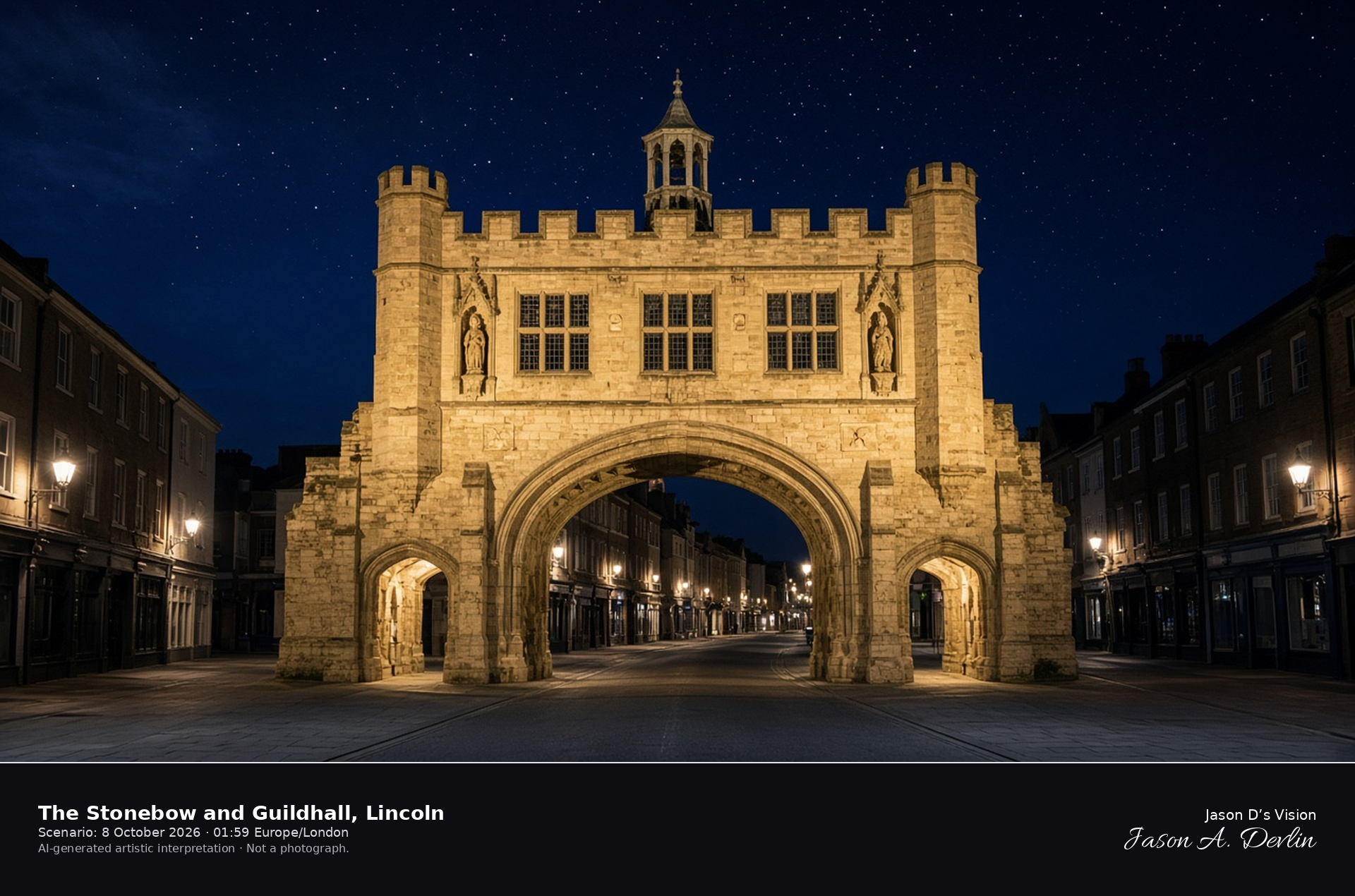
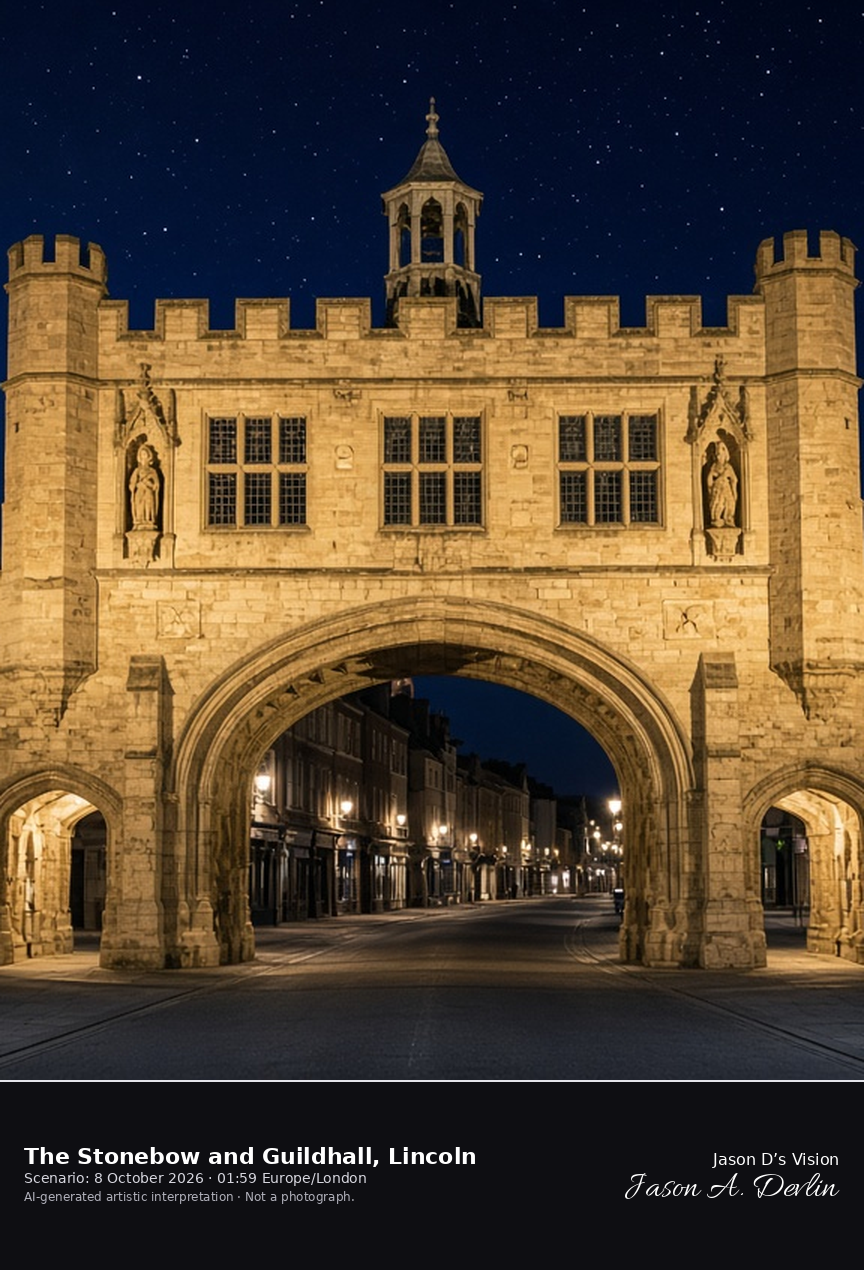
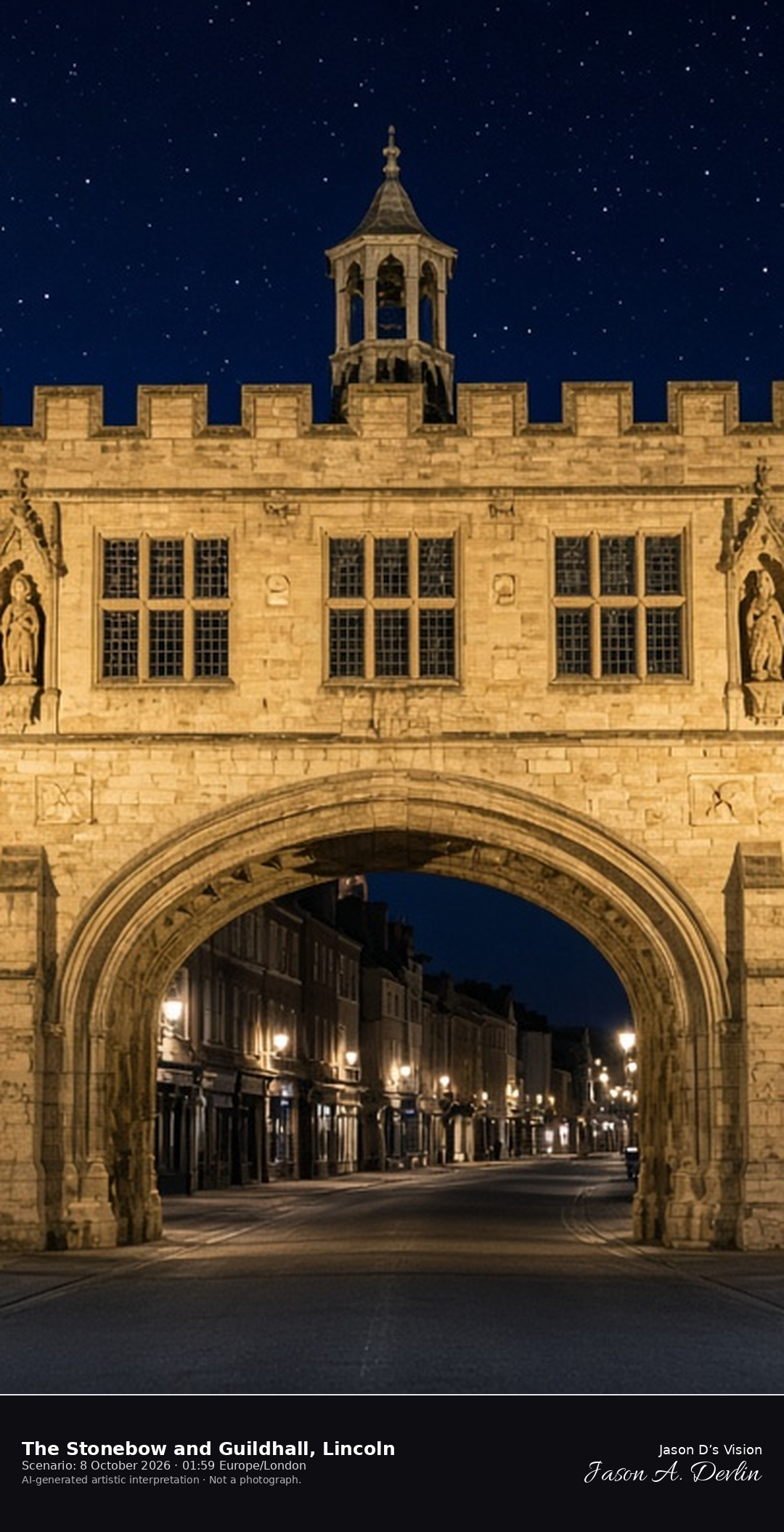
The Stonebow and Guildhall, Lincoln · AI-generated artistic interpretation
The Stonebow stands on the site of the Roman city's south gate, and the city's Guildhall has met in its upper floor for centuries. The Mote Bell in its roof turret has been rung to call council meetings since the 14th century.
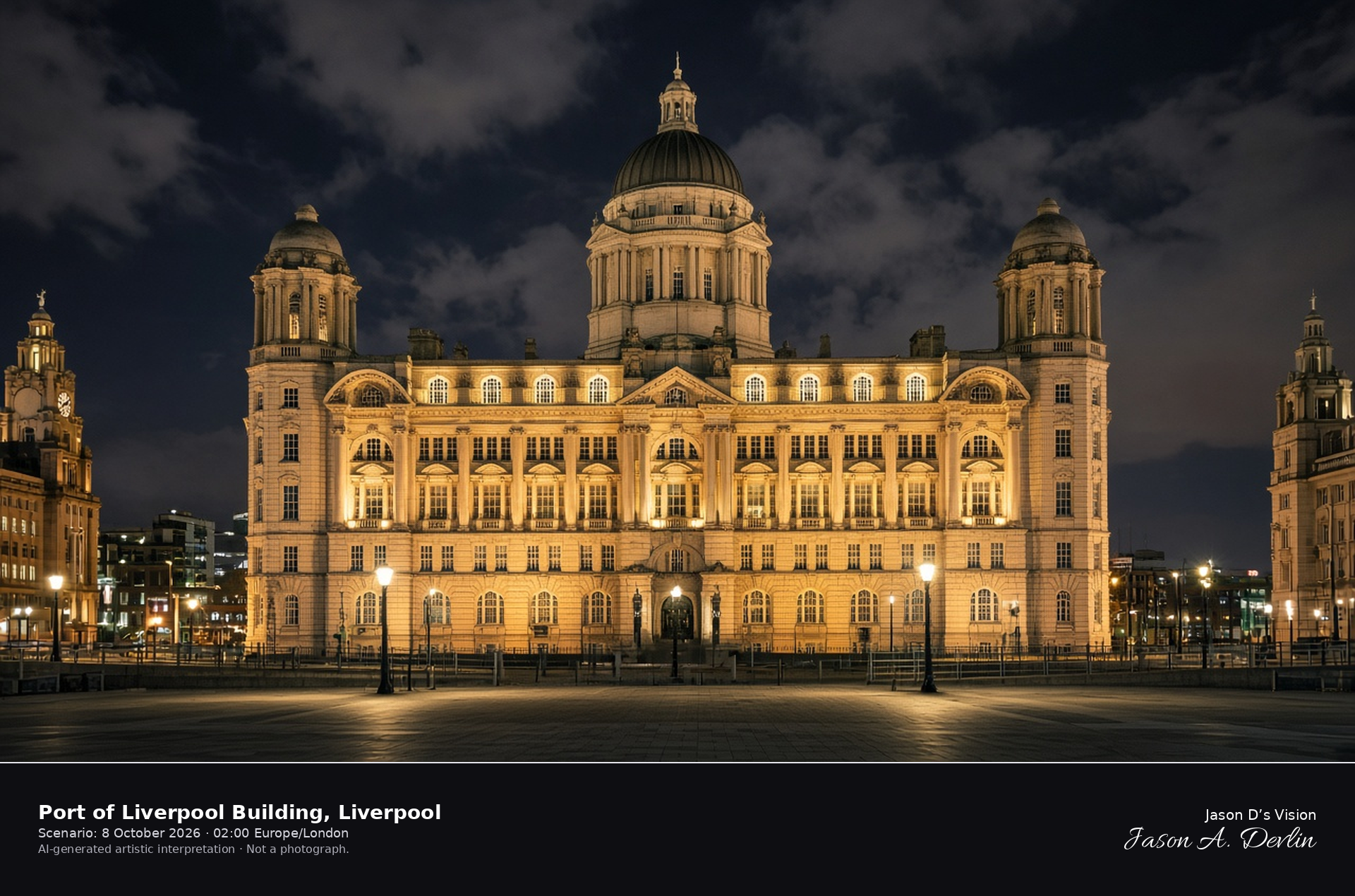
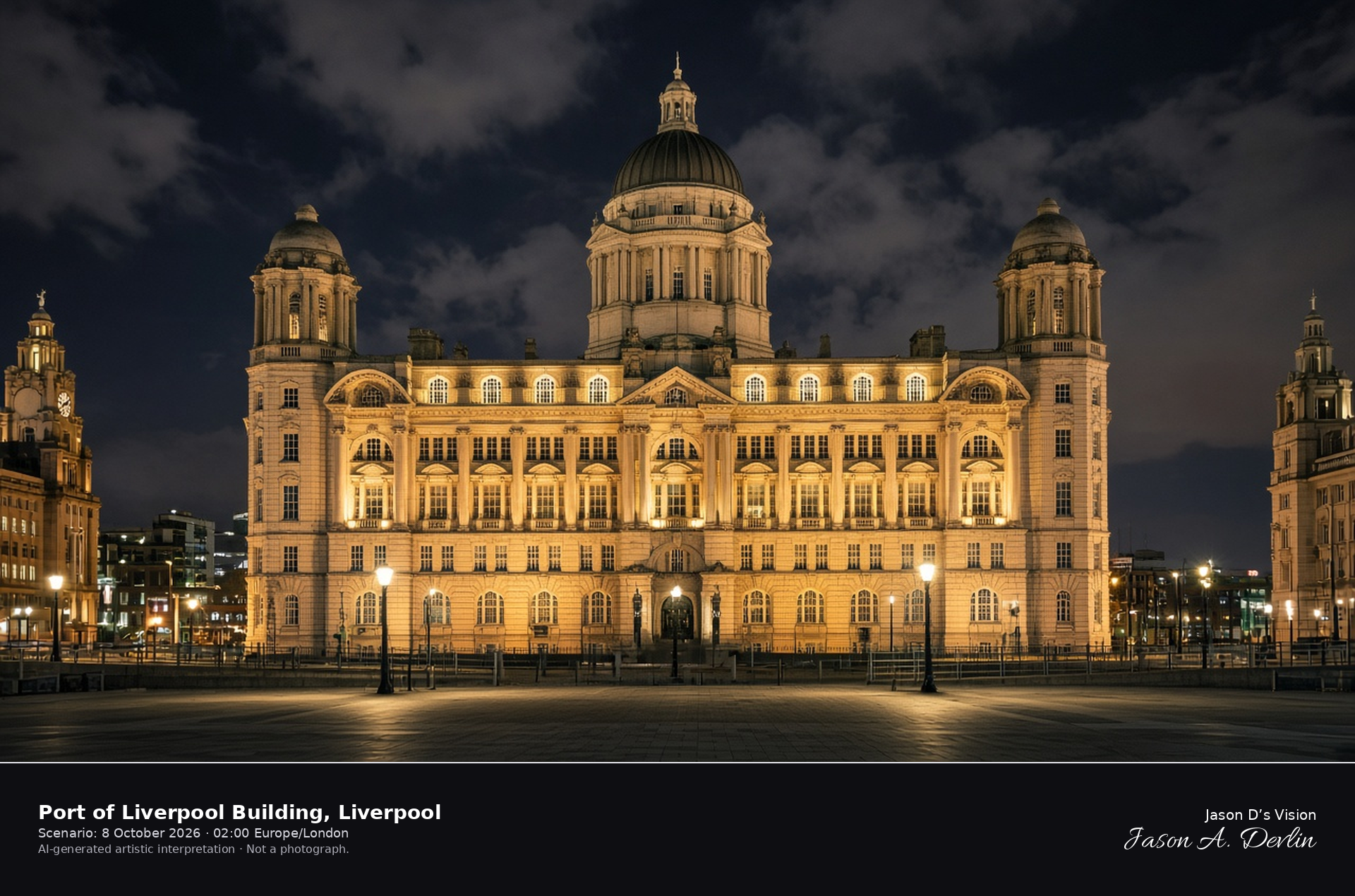
Port of Liverpool Building, Liverpool · AI-generated artistic interpretation
The Port of Liverpool Building was completed in 1907 as the headquarters of the Mersey Docks and Harbour Board. With the Royal Liver Building and the Cunard Building it forms the waterfront group known as the Three Graces.
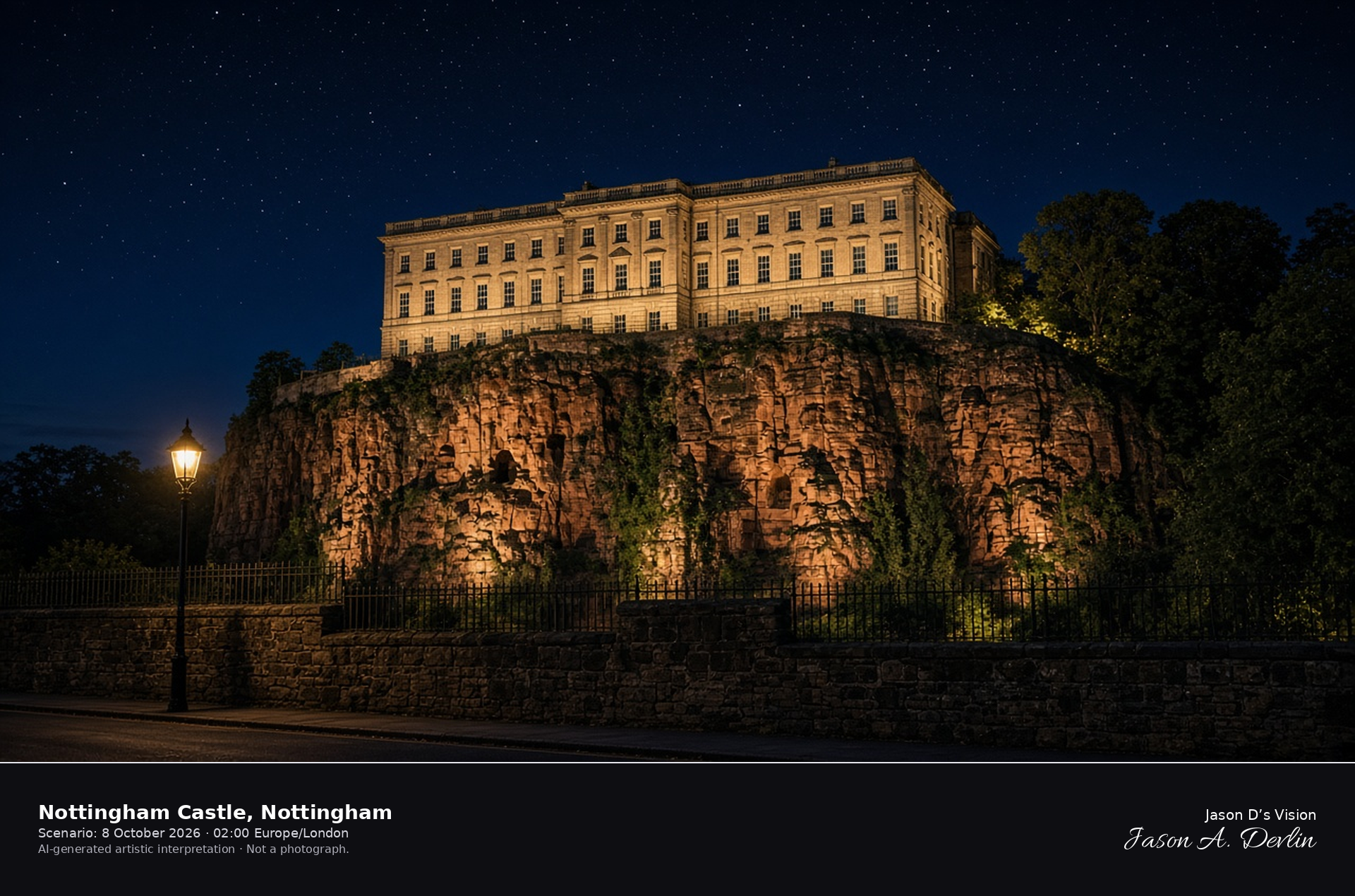
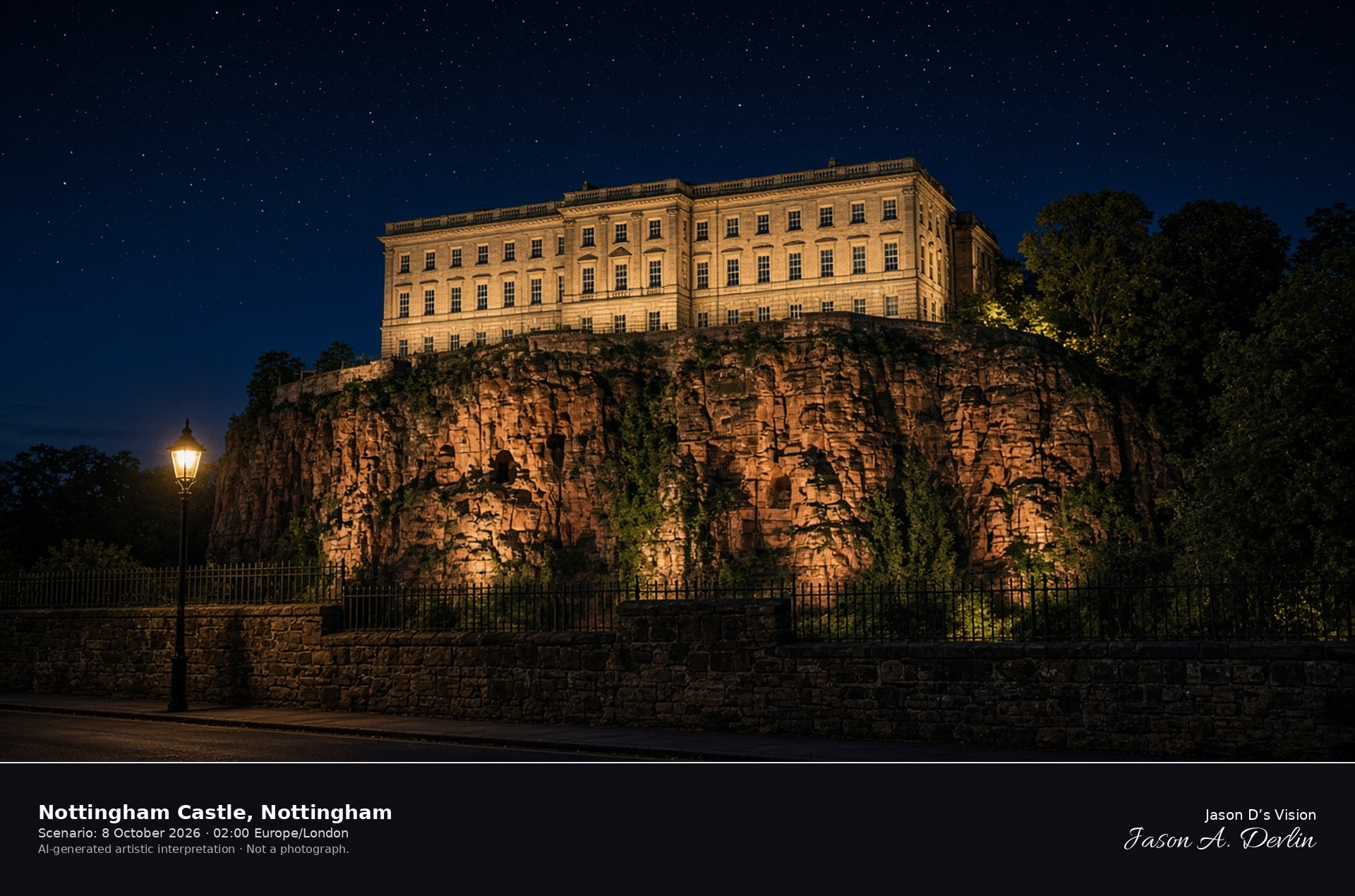
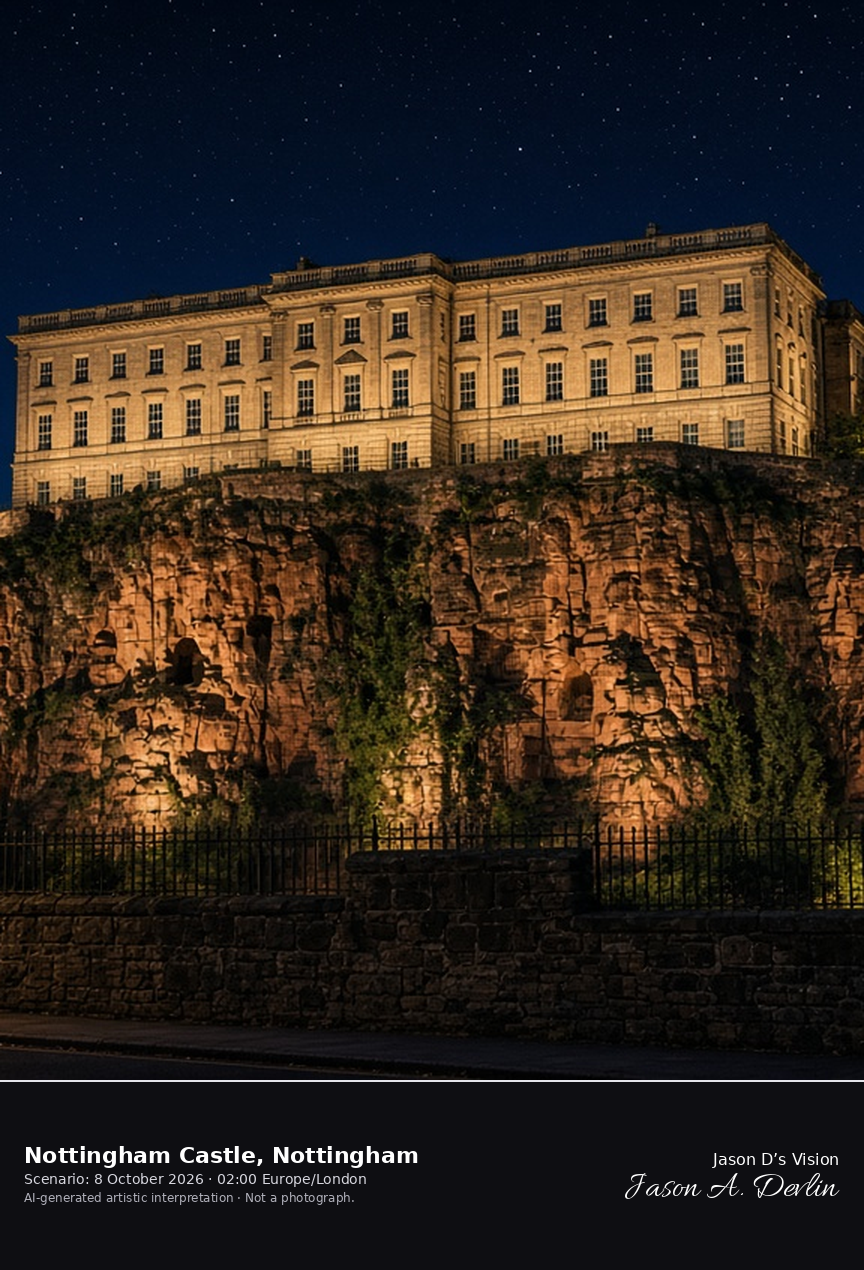
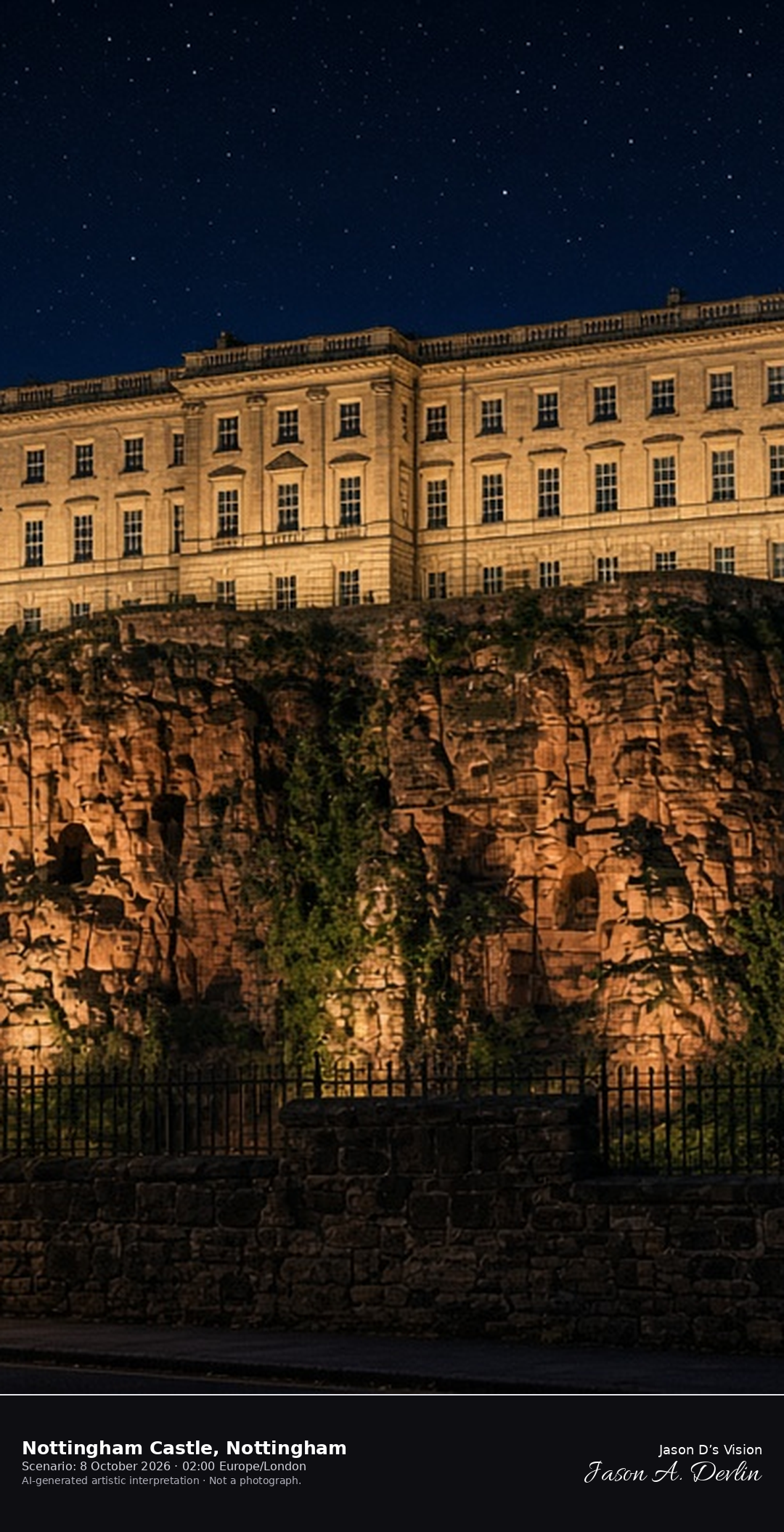
Nottingham Castle's medieval fortress was dismantled after the Civil War, and a ducal mansion rose on the hill in the 1670s. Reform rioters burned the mansion in 1831; restored as a museum and art gallery, it opened to the public in 1878, giving the old seat of power a new civic purpose.
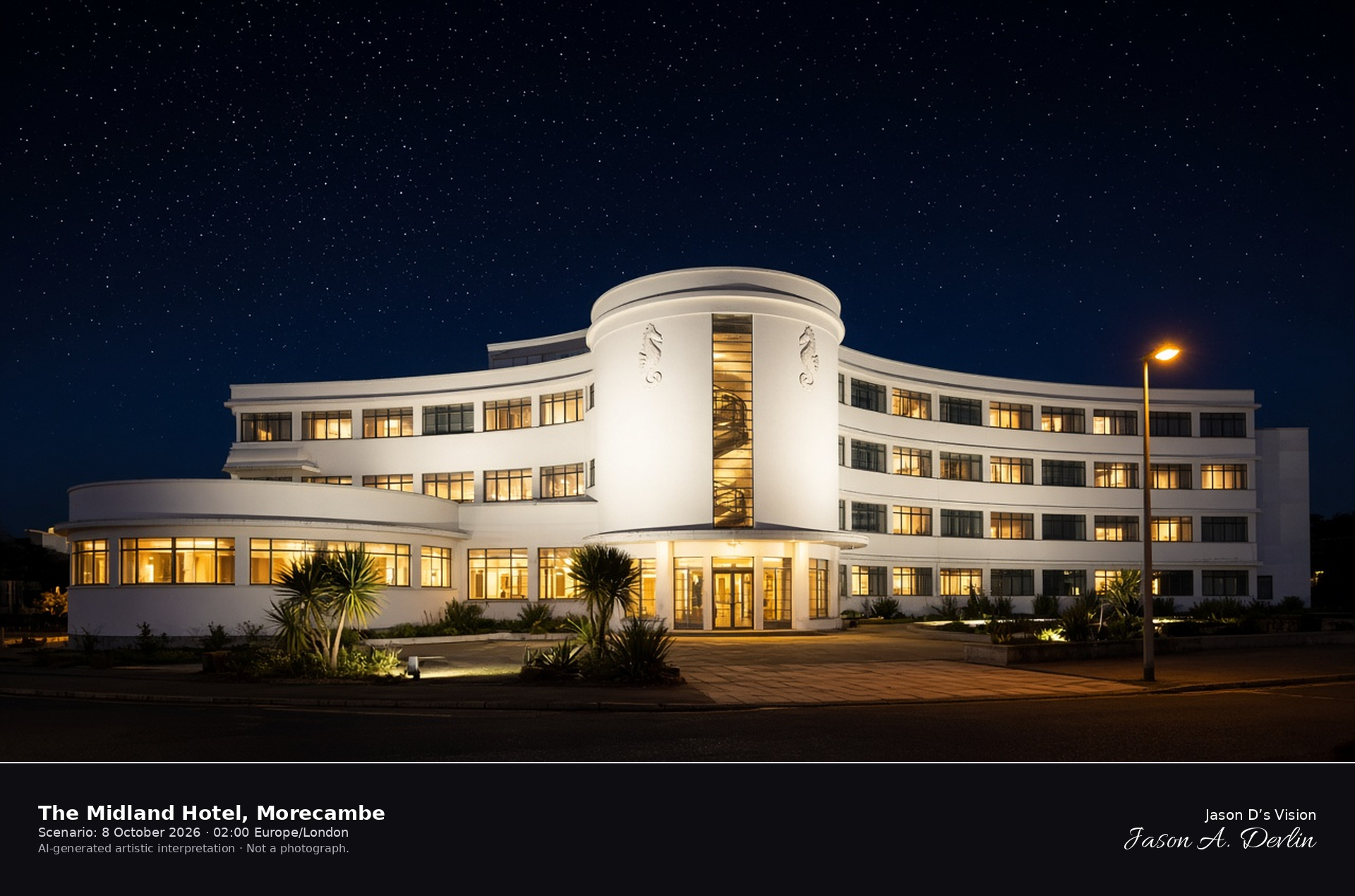
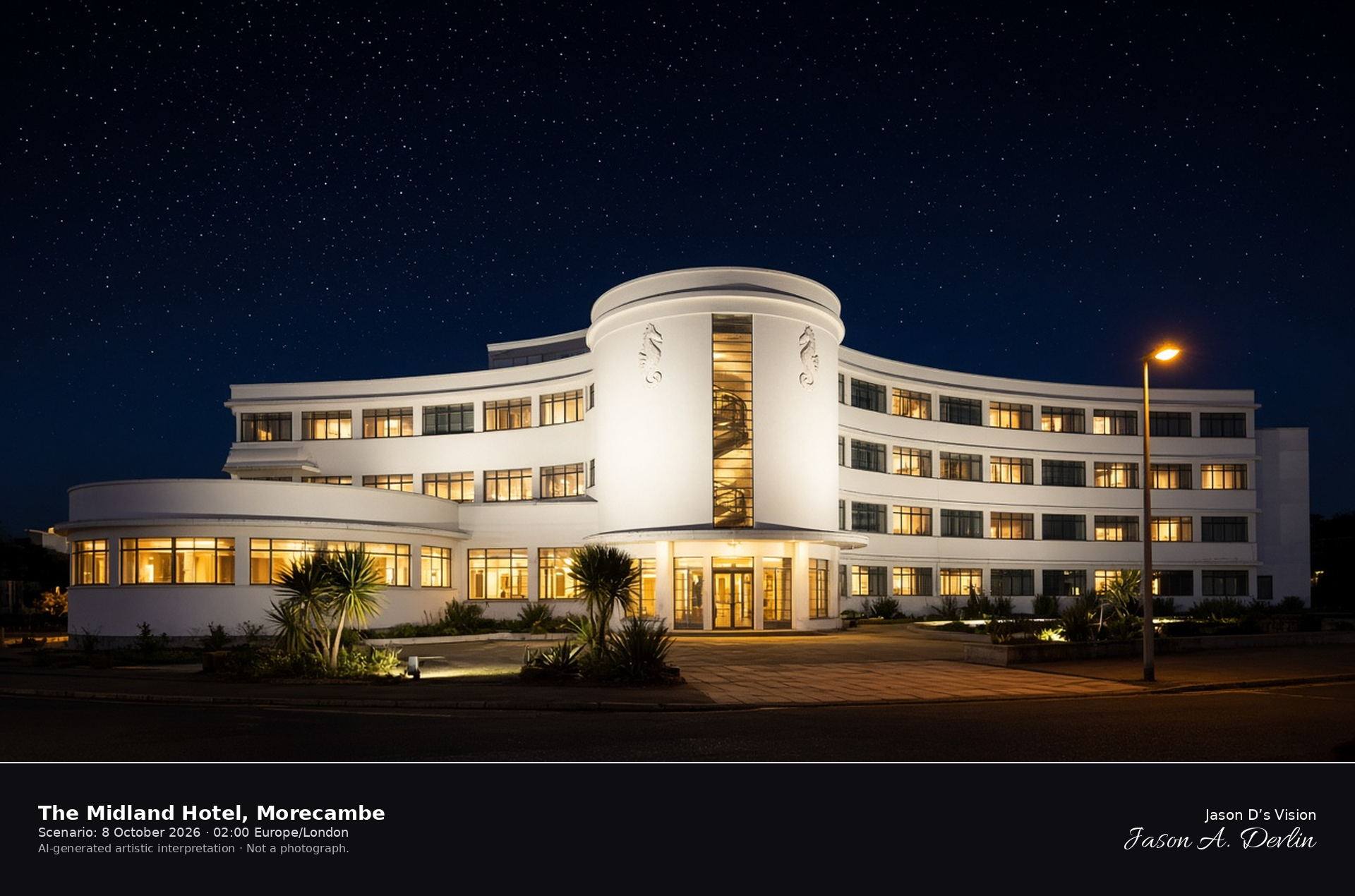
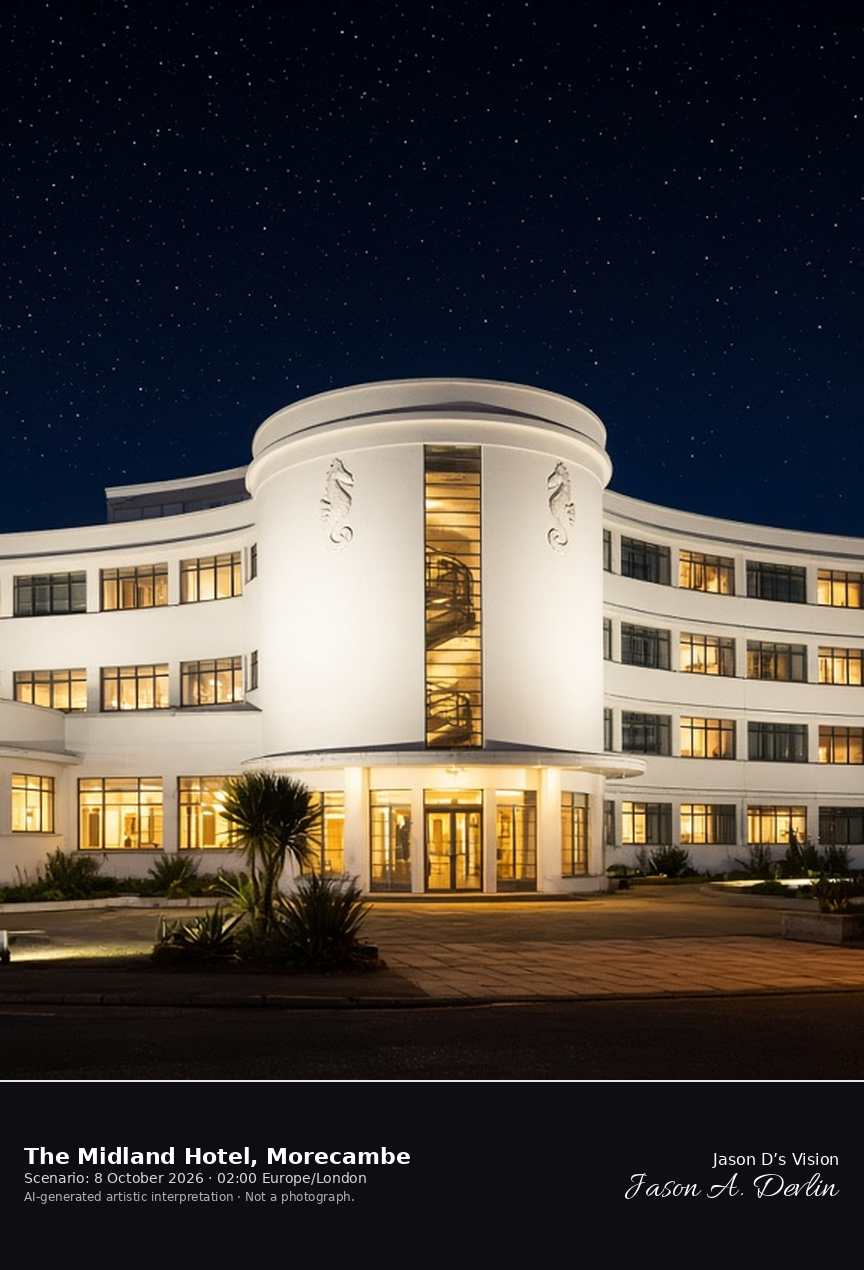
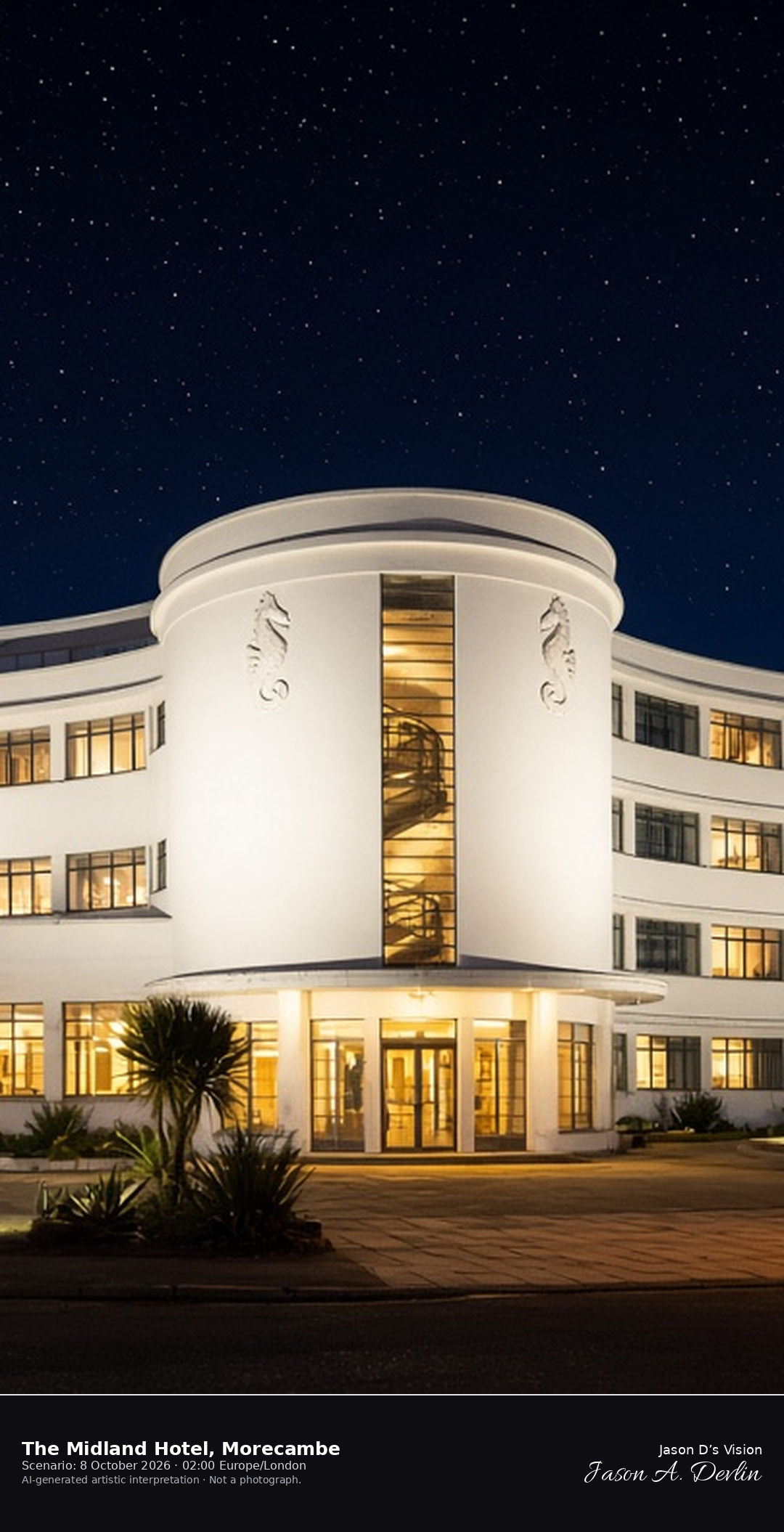
The Midland Hotel · AI-generated artistic interpretation
The Midland opened in 1933 to Oliver Hill's curving Modernist design, its white exterior following Morecambe's seafront. Above the circular staircase, a relief ceiling by Eric Gill was painted by Denis Tegetmeier. The hotel's architecture and commissioned artworks made it an ambitious addition to the seaside resort.
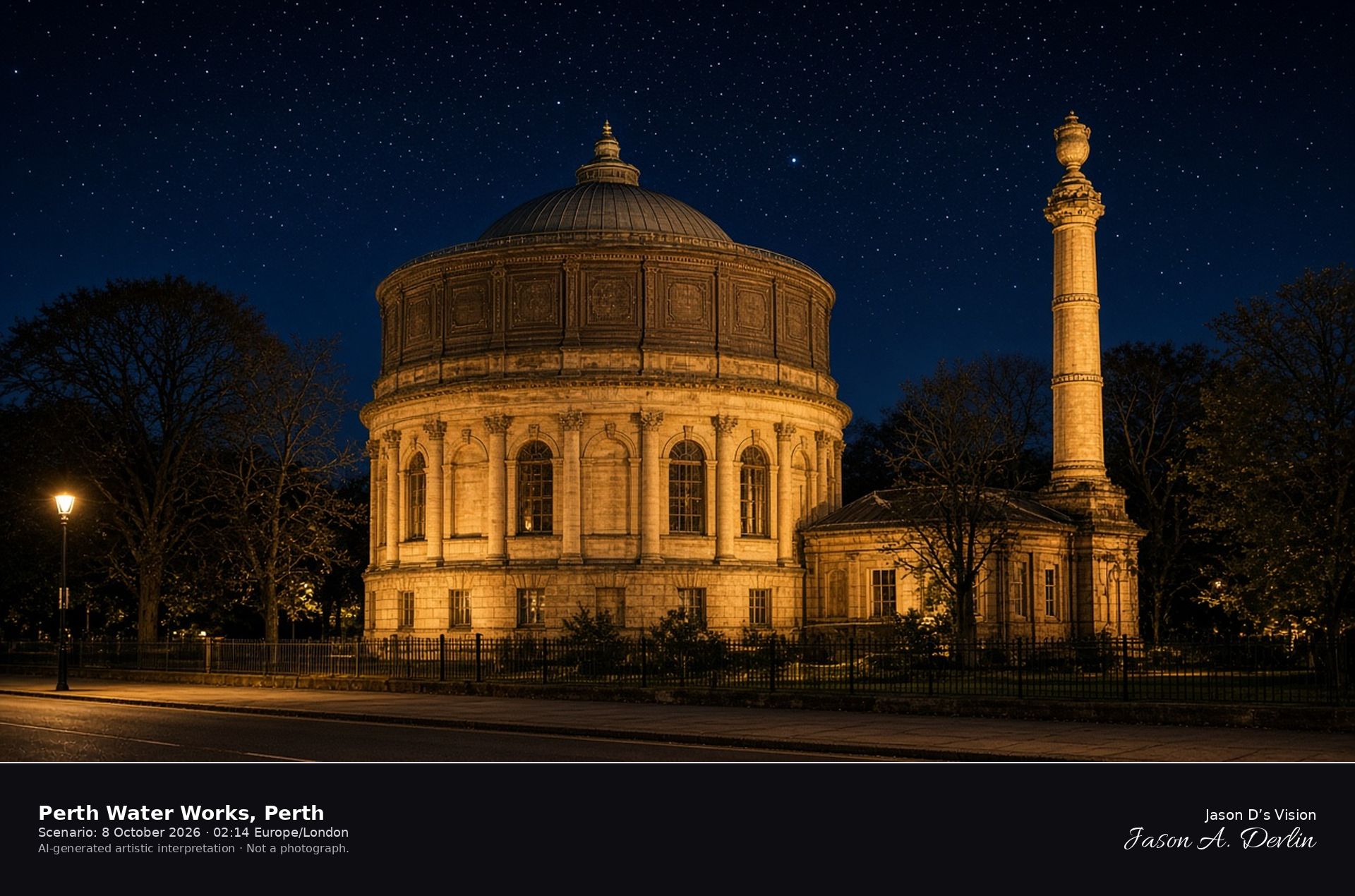
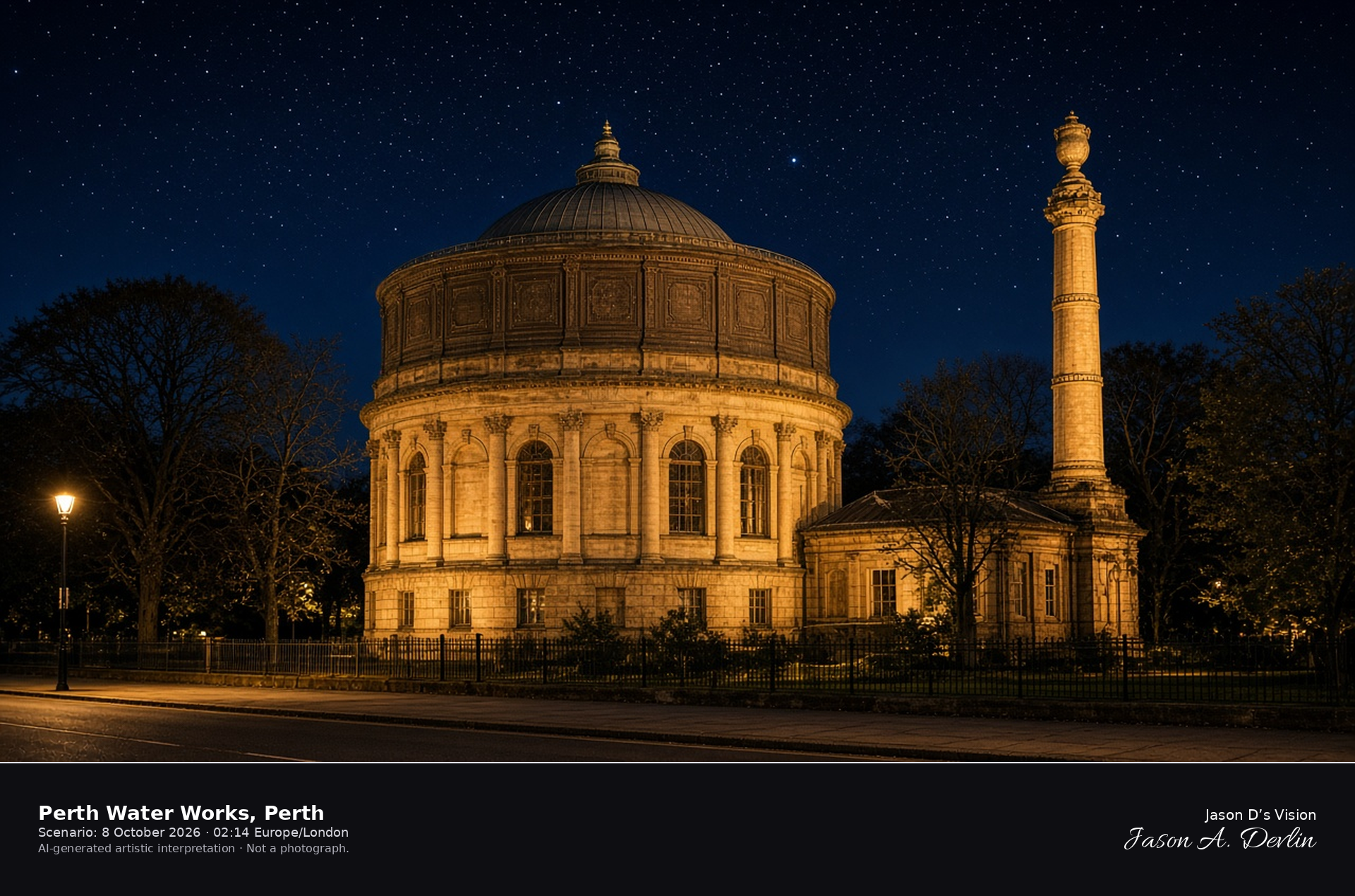
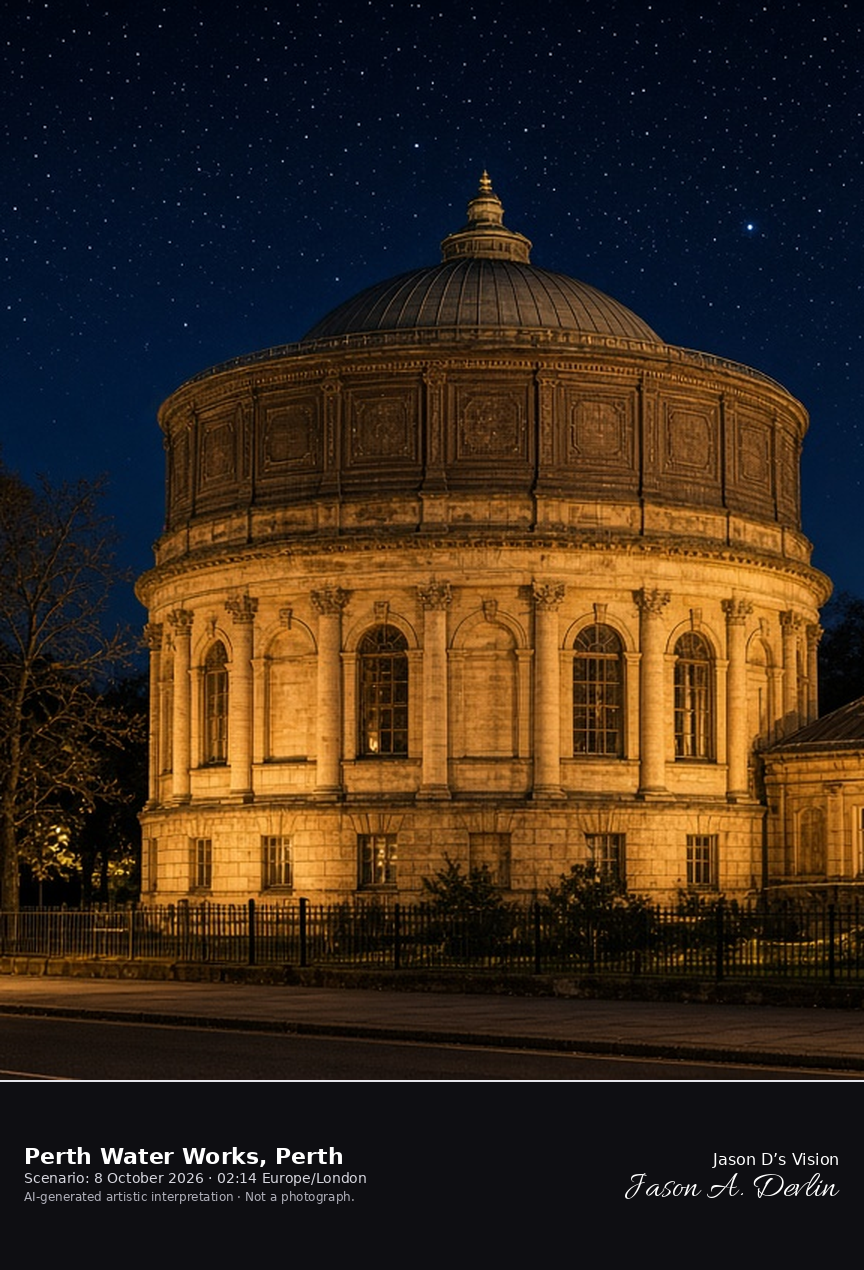
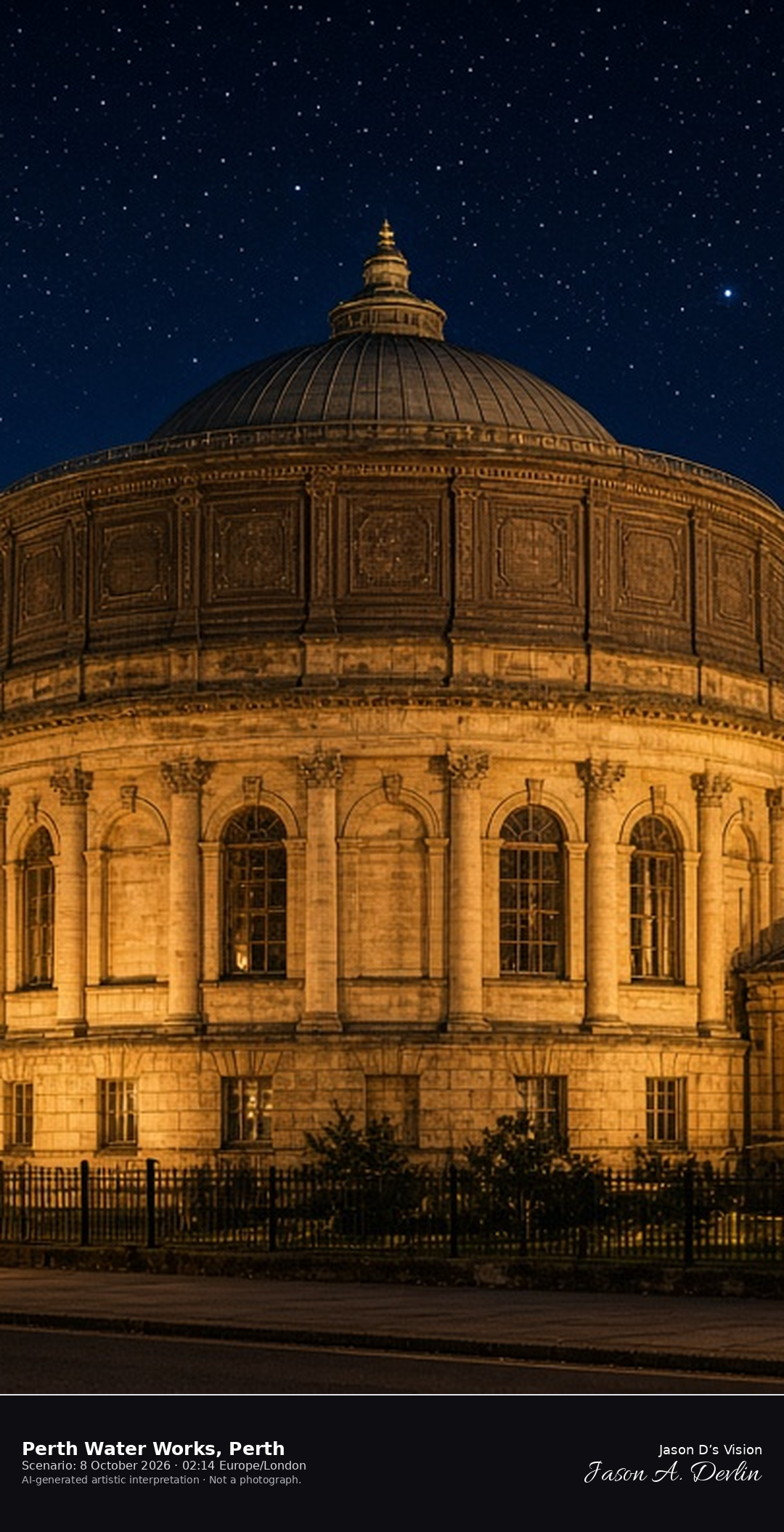
Perth Water Works, Perth · AI-generated artistic interpretation
Adam Anderson, rector of Perth Academy, designed the Water Works, completed in 1832, to pump clean water from filter beds on Moncreiffe Island into the tank in the rotunda. Historic Environment Scotland calls it one of Scotland's most significant industrial buildings, and it housed The Fergusson Gallery from 1992.
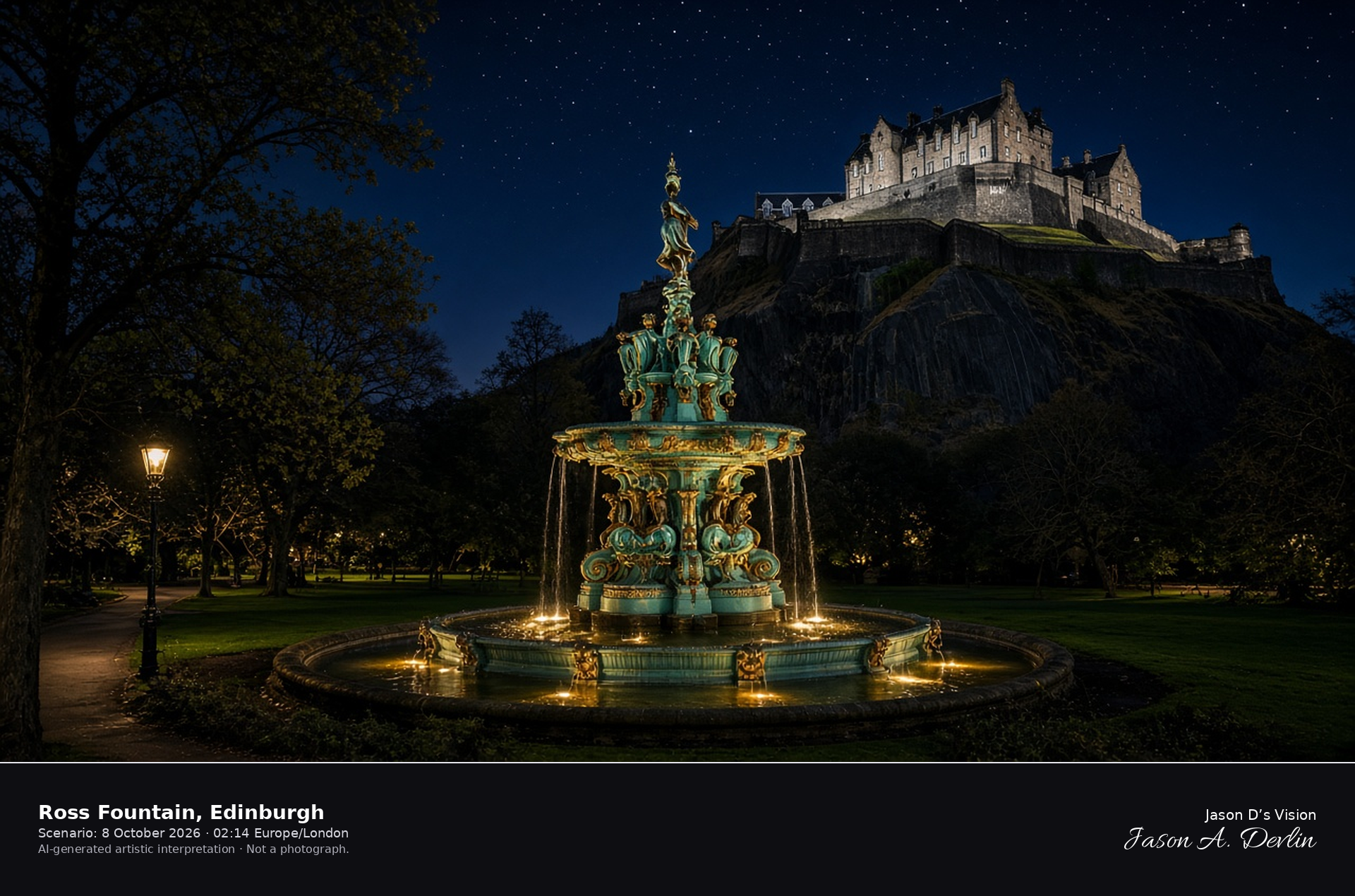
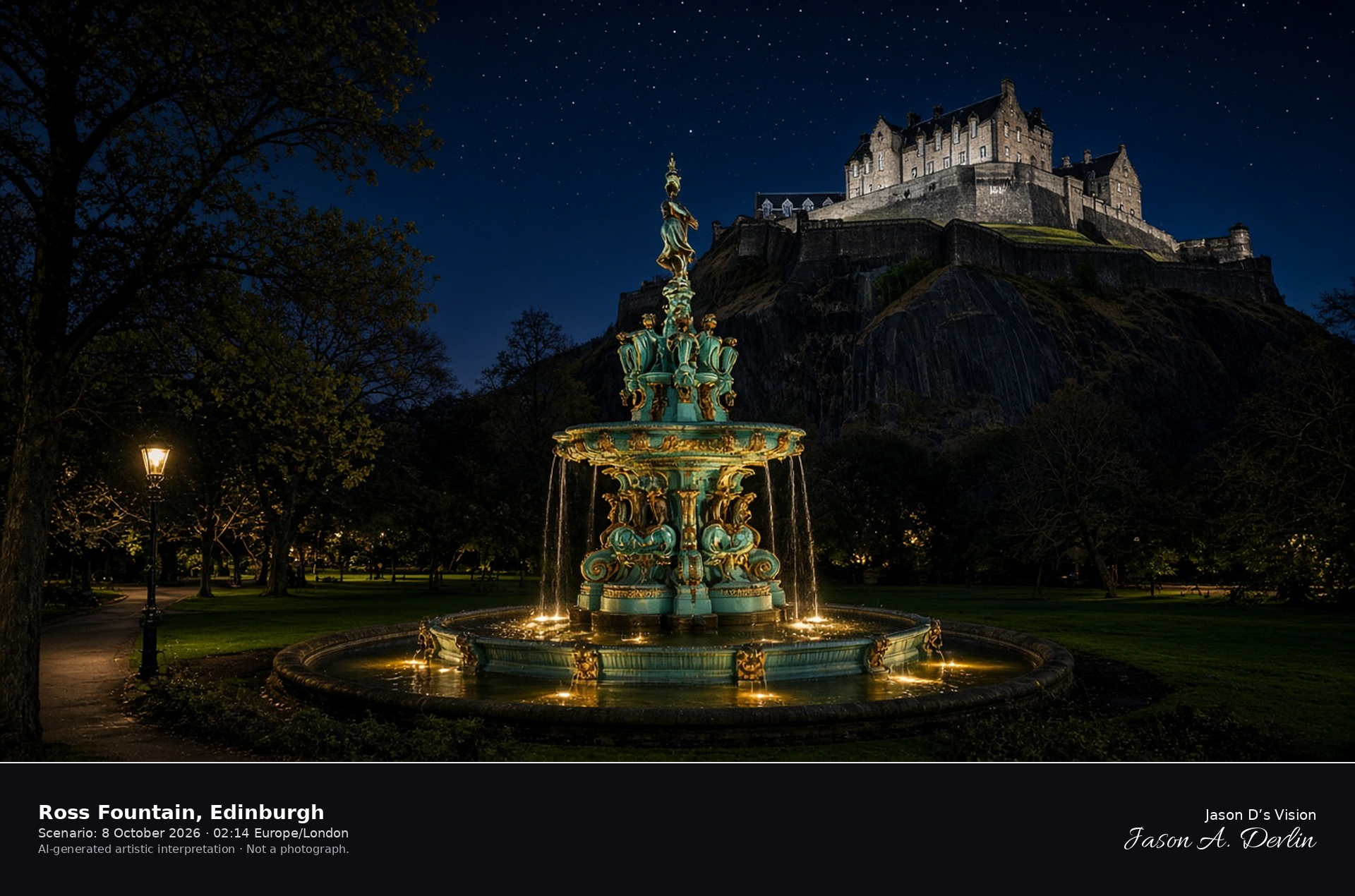
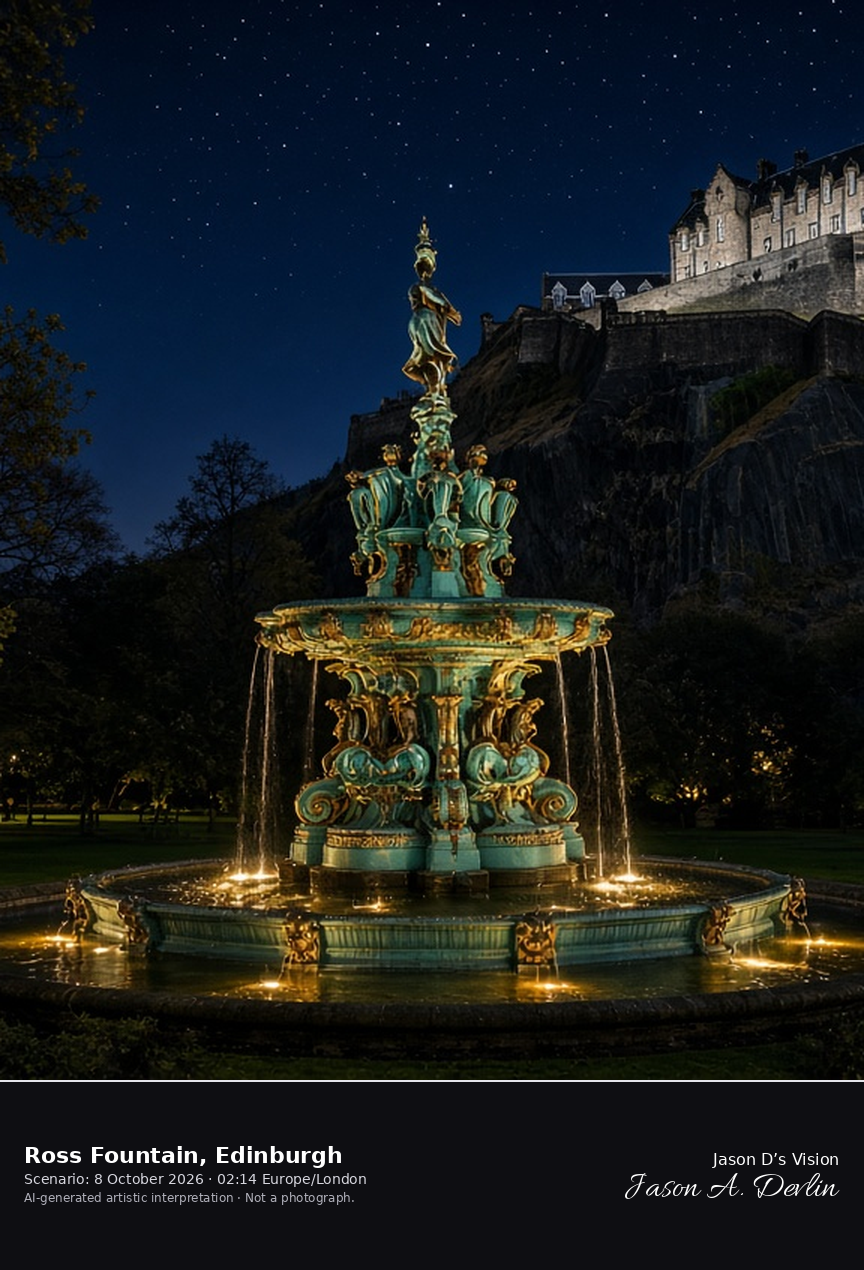
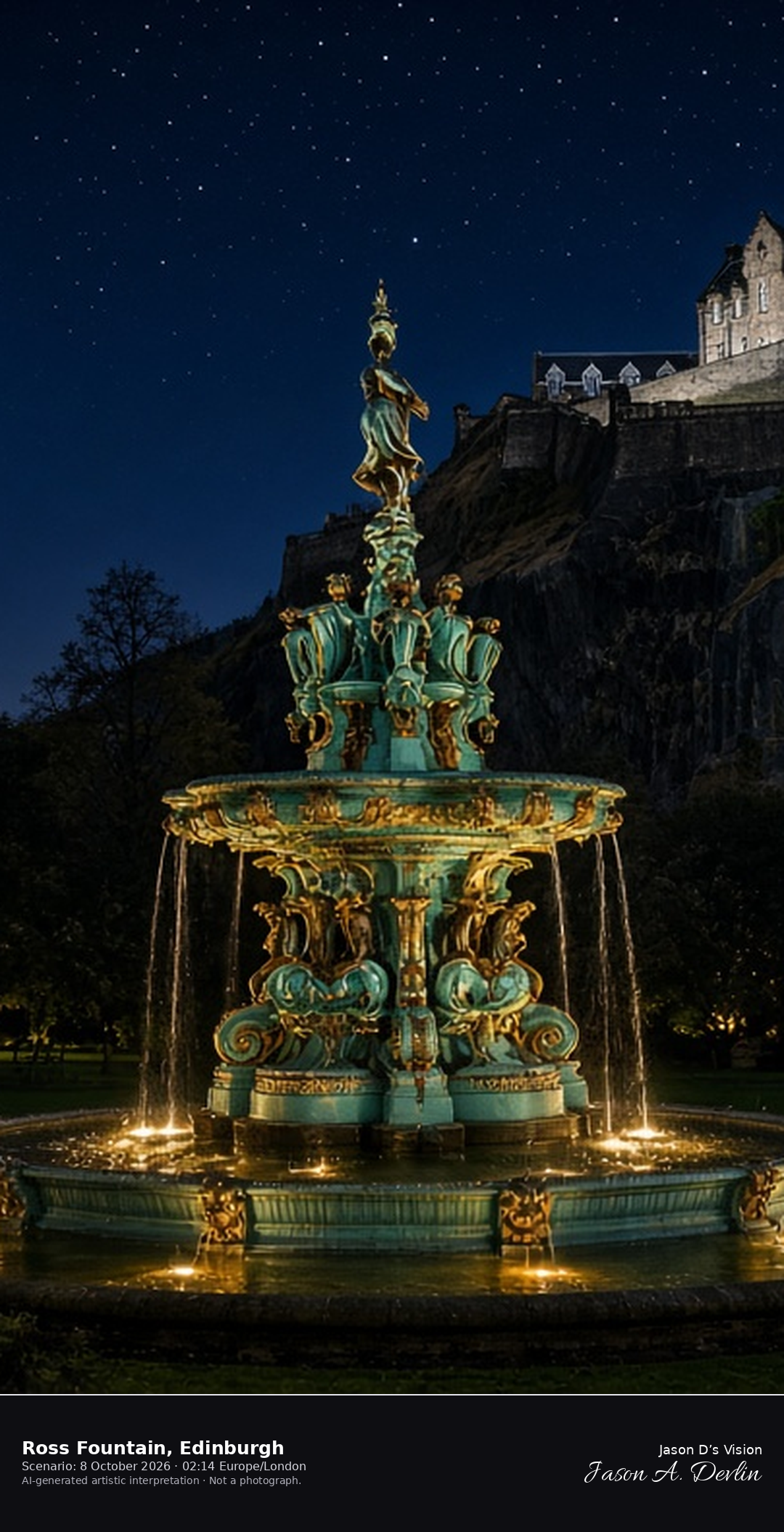
Ross Fountain, Edinburgh · AI-generated artistic interpretation
The fountain was cast at Antoine Durenne's foundry in France and shown at the 1862 exhibition, then bought by the gunmaker Daniel Ross and gifted to Edinburgh. It arrived in Leith in 122 pieces, was installed in 1872 and was restored in 2018.
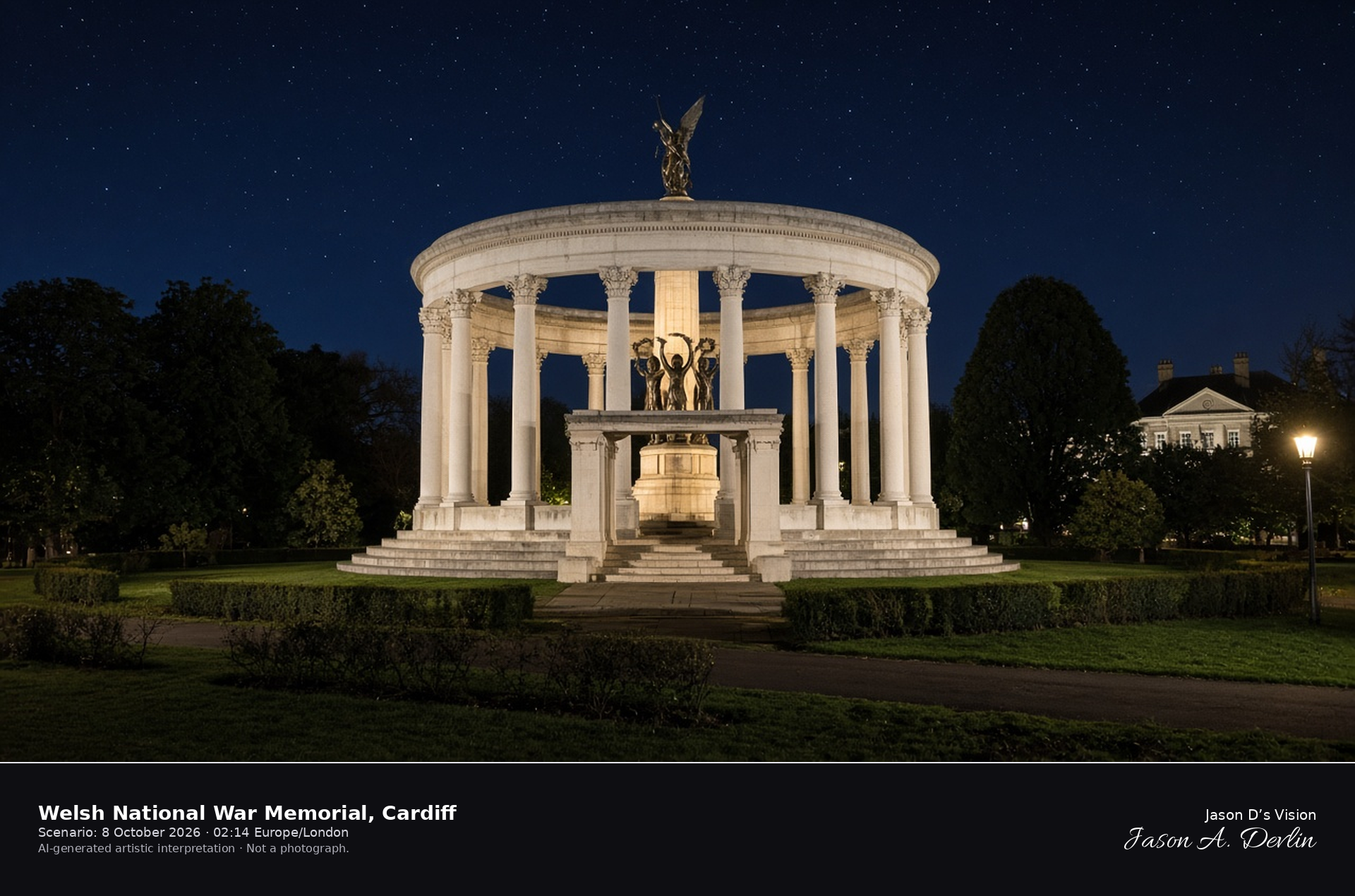
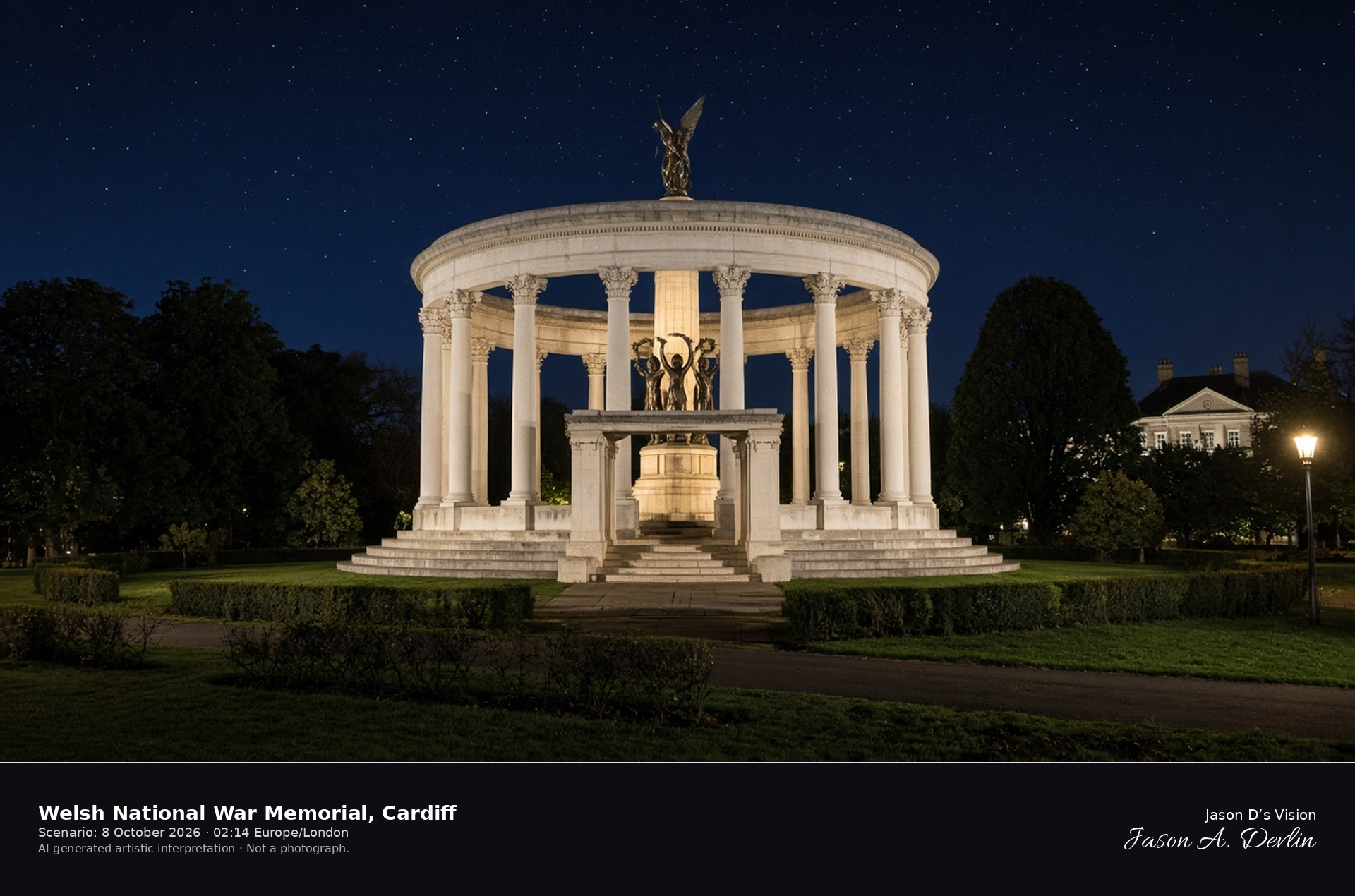
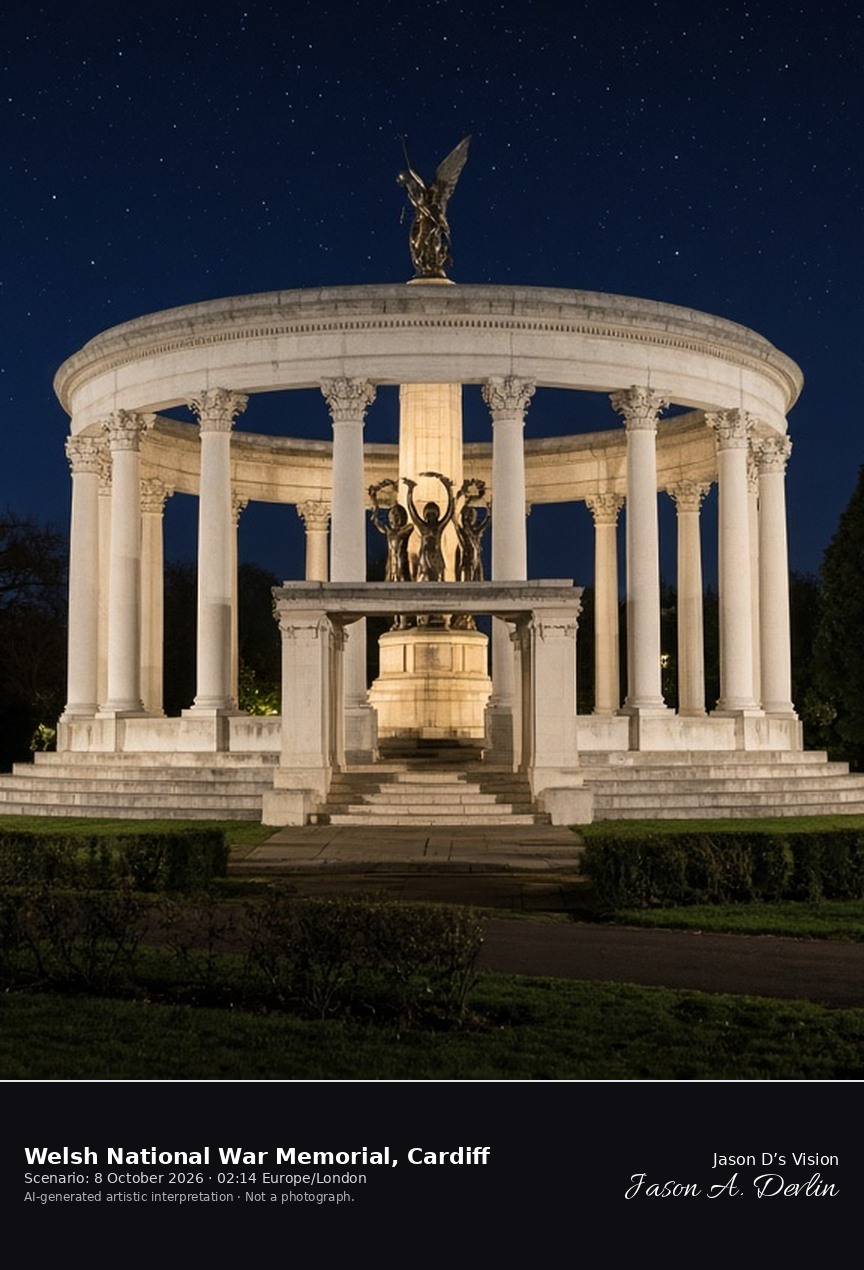
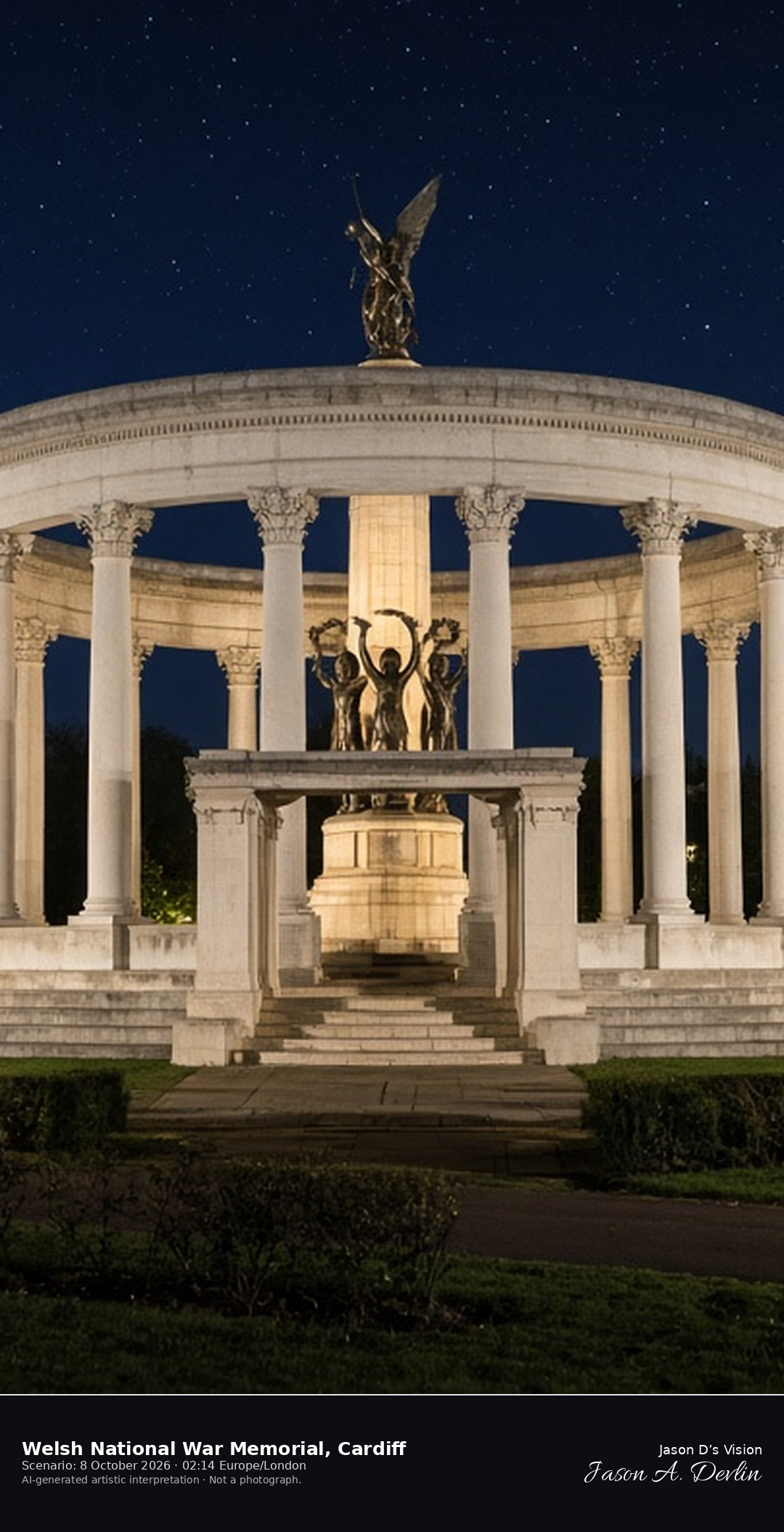
Welsh National War Memorial, Cardiff · AI-generated artistic interpretation
Sir Ninian Comper designed the memorial, his only secular work, and it was unveiled in 1928 by the Prince of Wales. Its frieze carries inscriptions in Welsh on the outside and English on the inside.
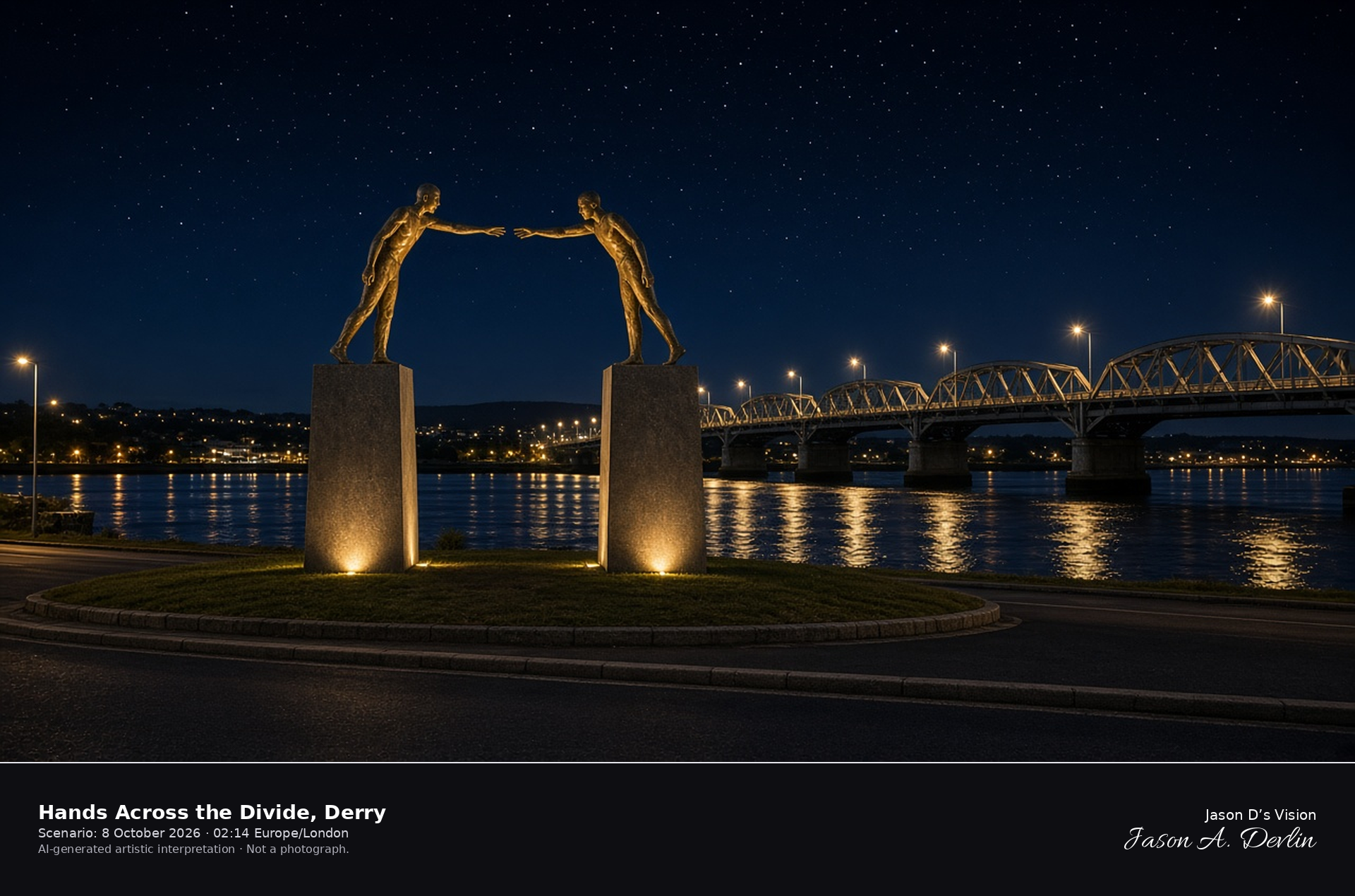
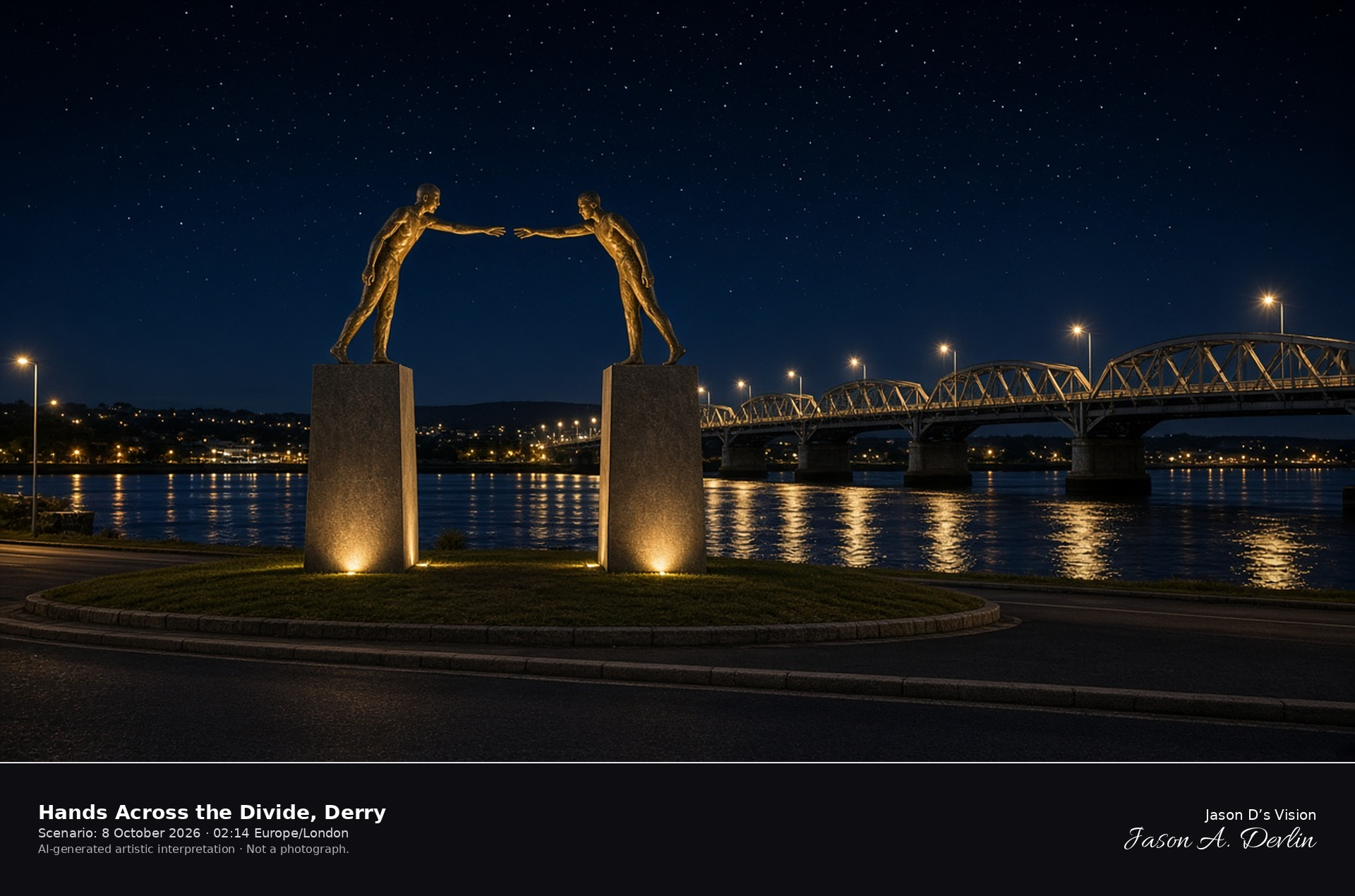
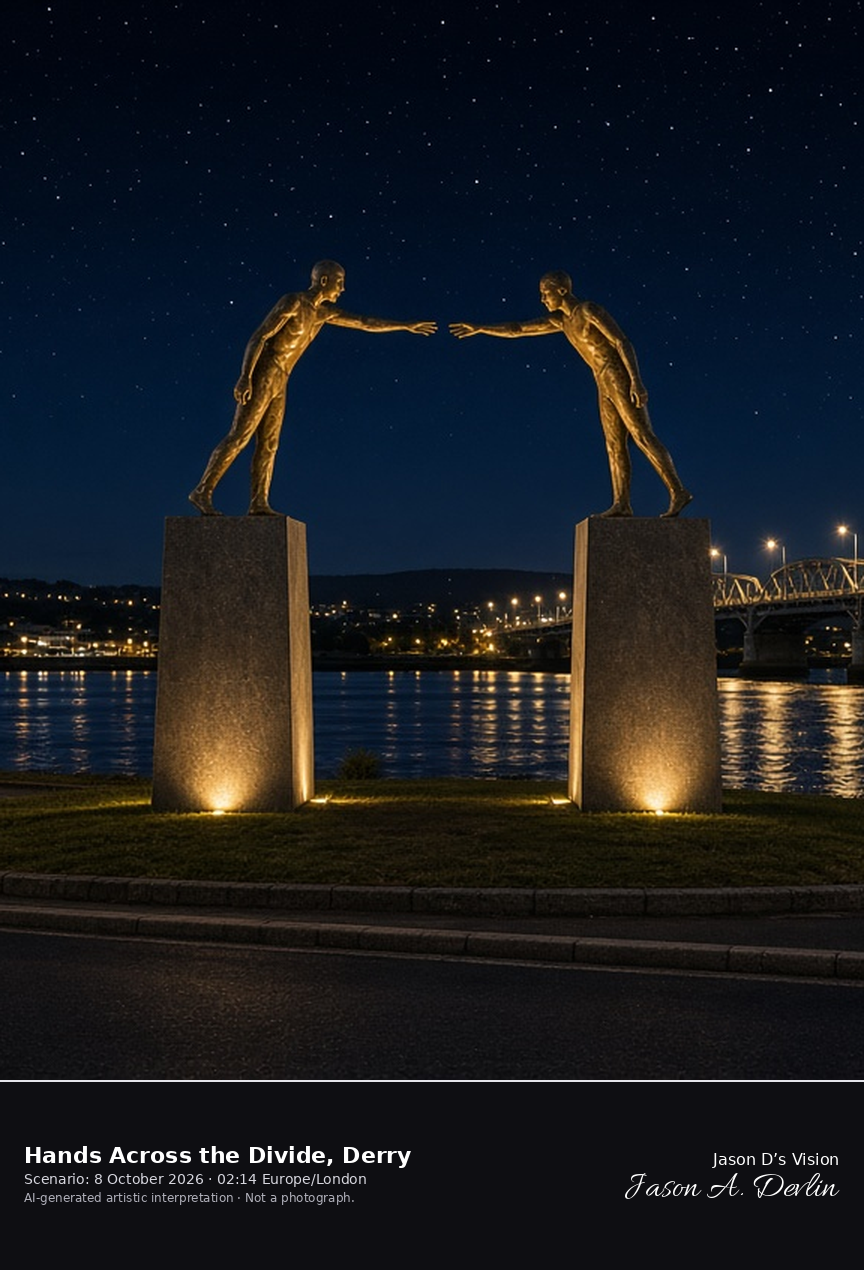
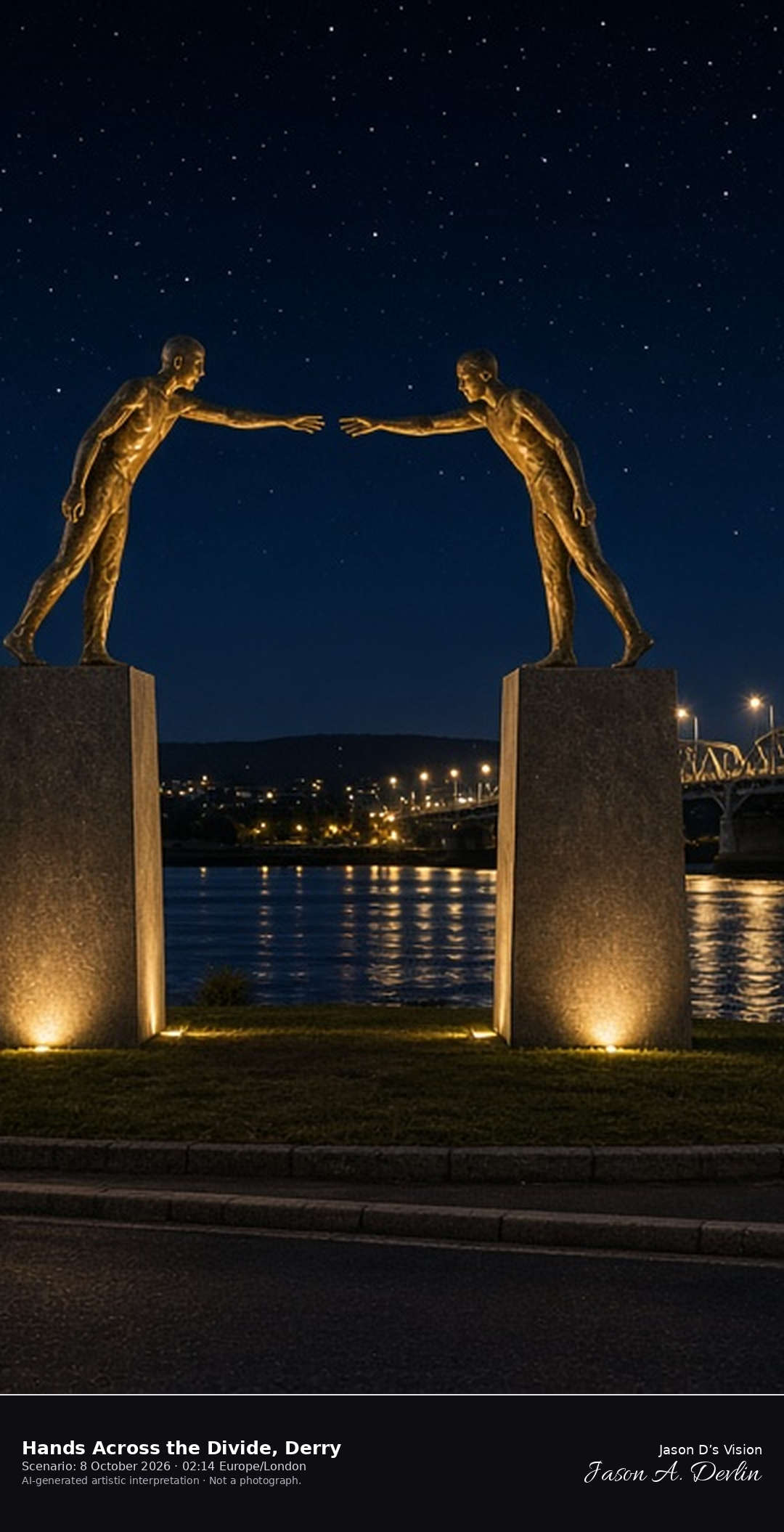
Hands Across the Divide, Derry · AI-generated artistic interpretation
The local sculptor Maurice Harron made the sculpture, erected in 1992 at the western end of Craigavon Bridge. Its almost-touching hands stand for reconciliation between the two sides of the community.
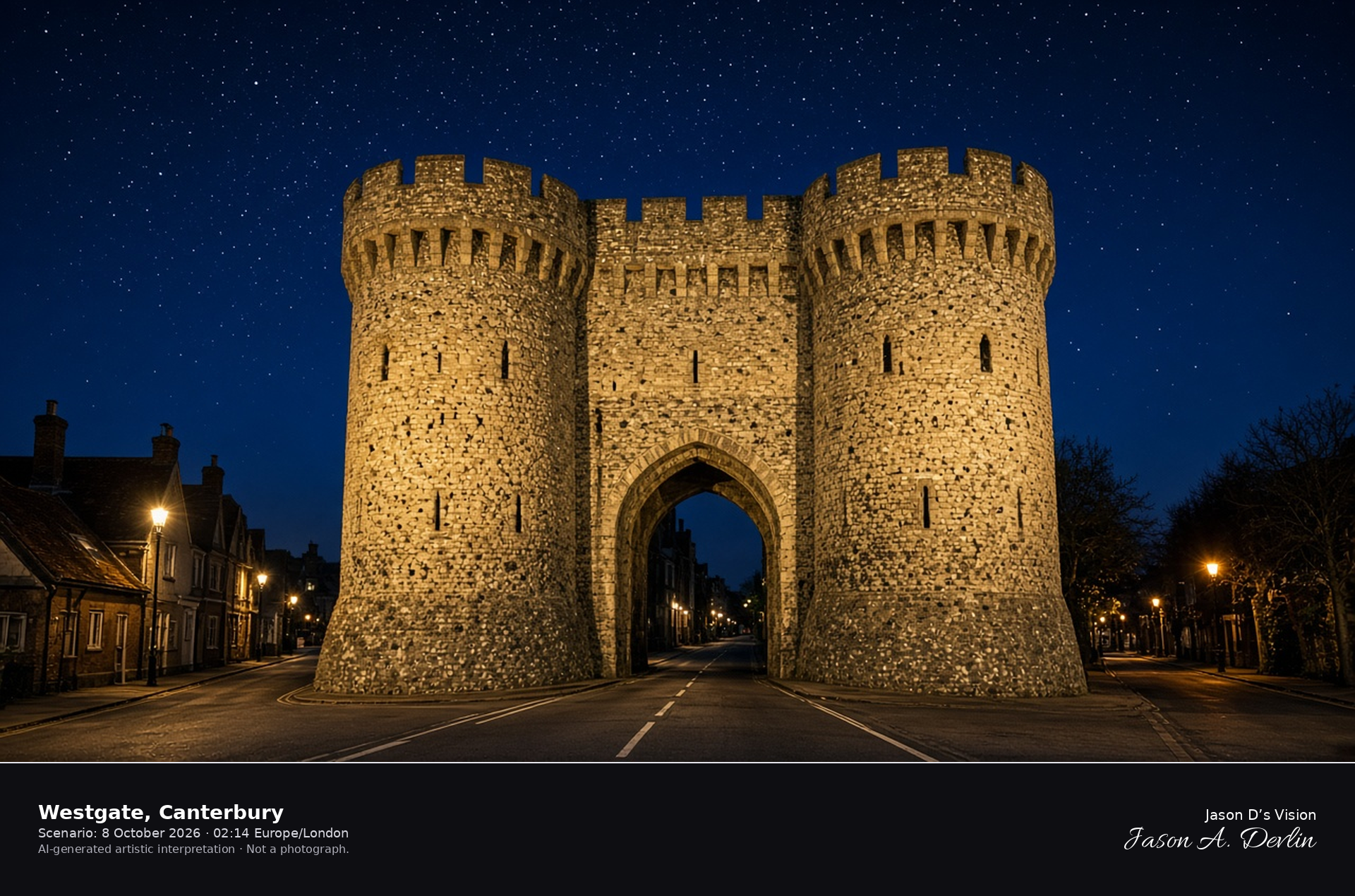
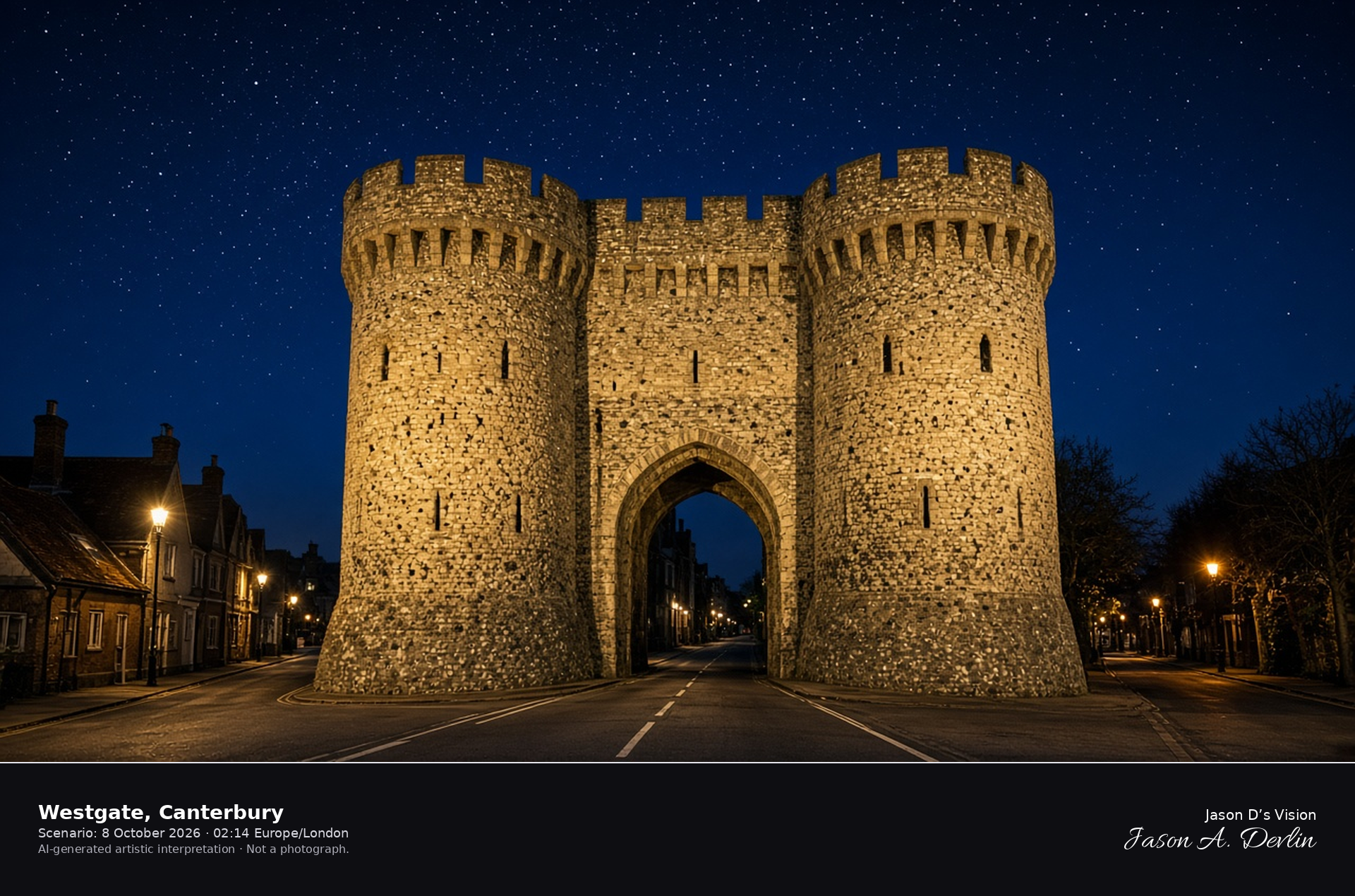
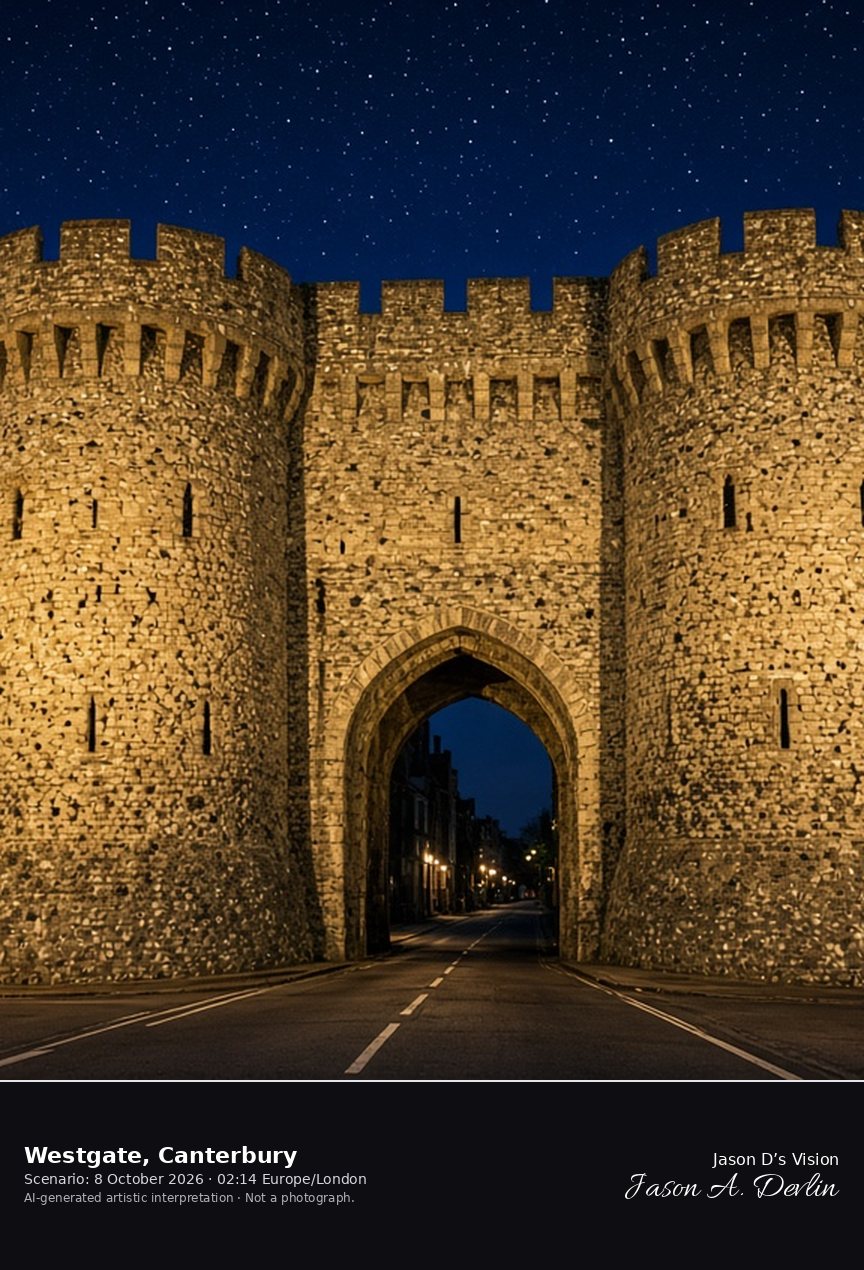
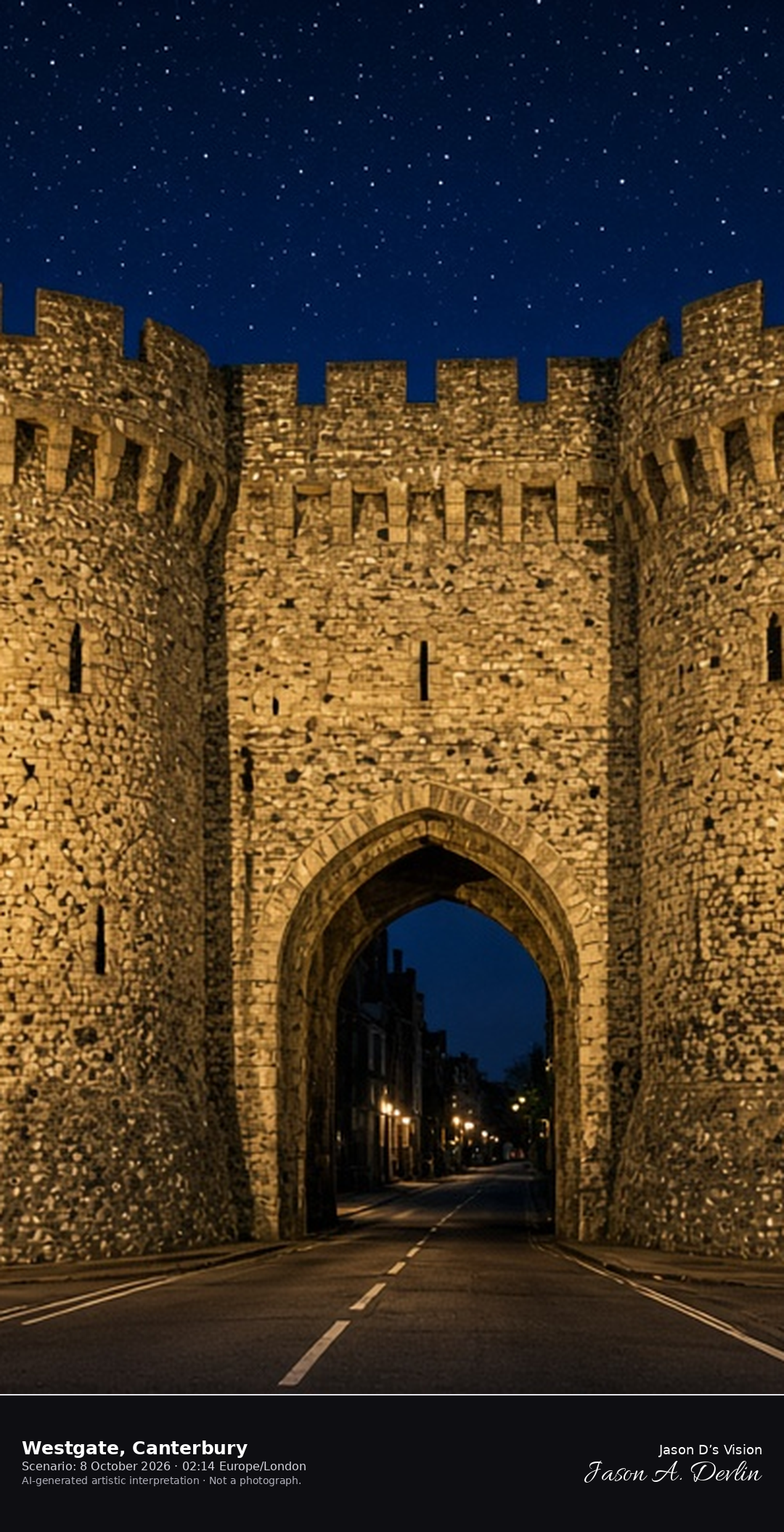
Canterbury's cathedral, Saint Augustine's Abbey and Saint Martin's Church together form a single World Heritage Site, tracing major chapters in the history of Christianity in Britain. The city also nurtured the playwright Christopher Marlowe, who was baptised at Saint George's Church in 1564.
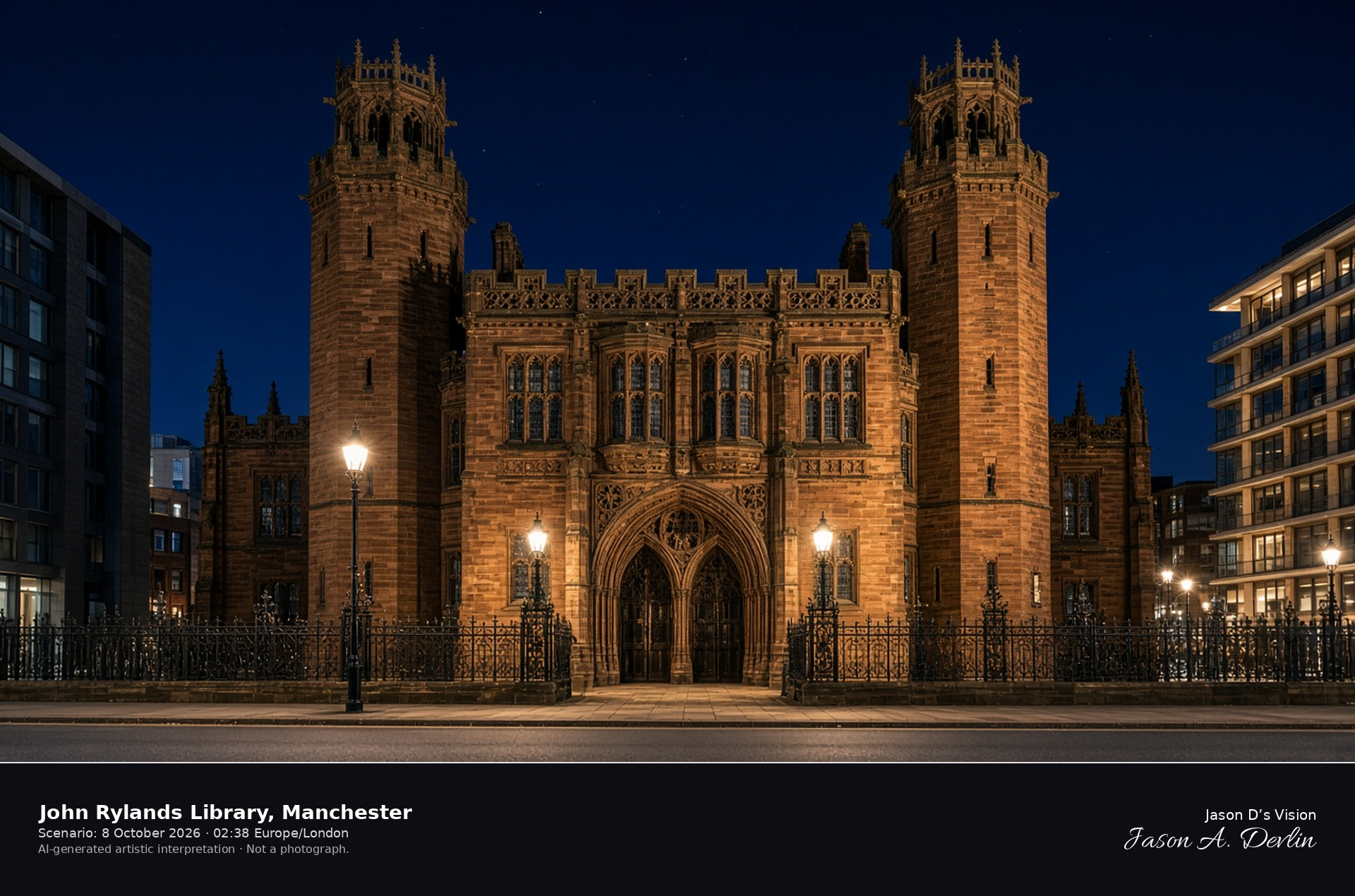
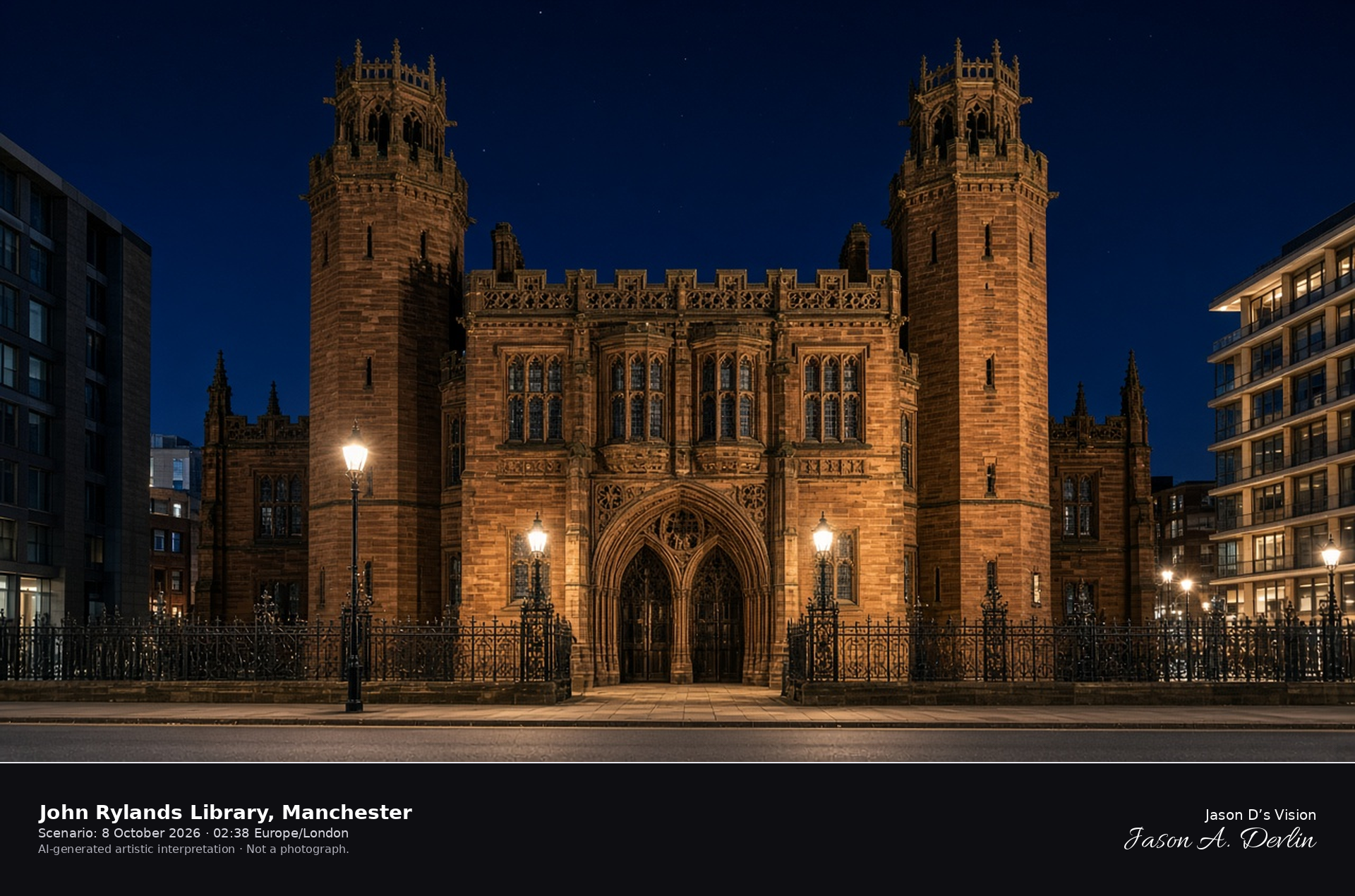
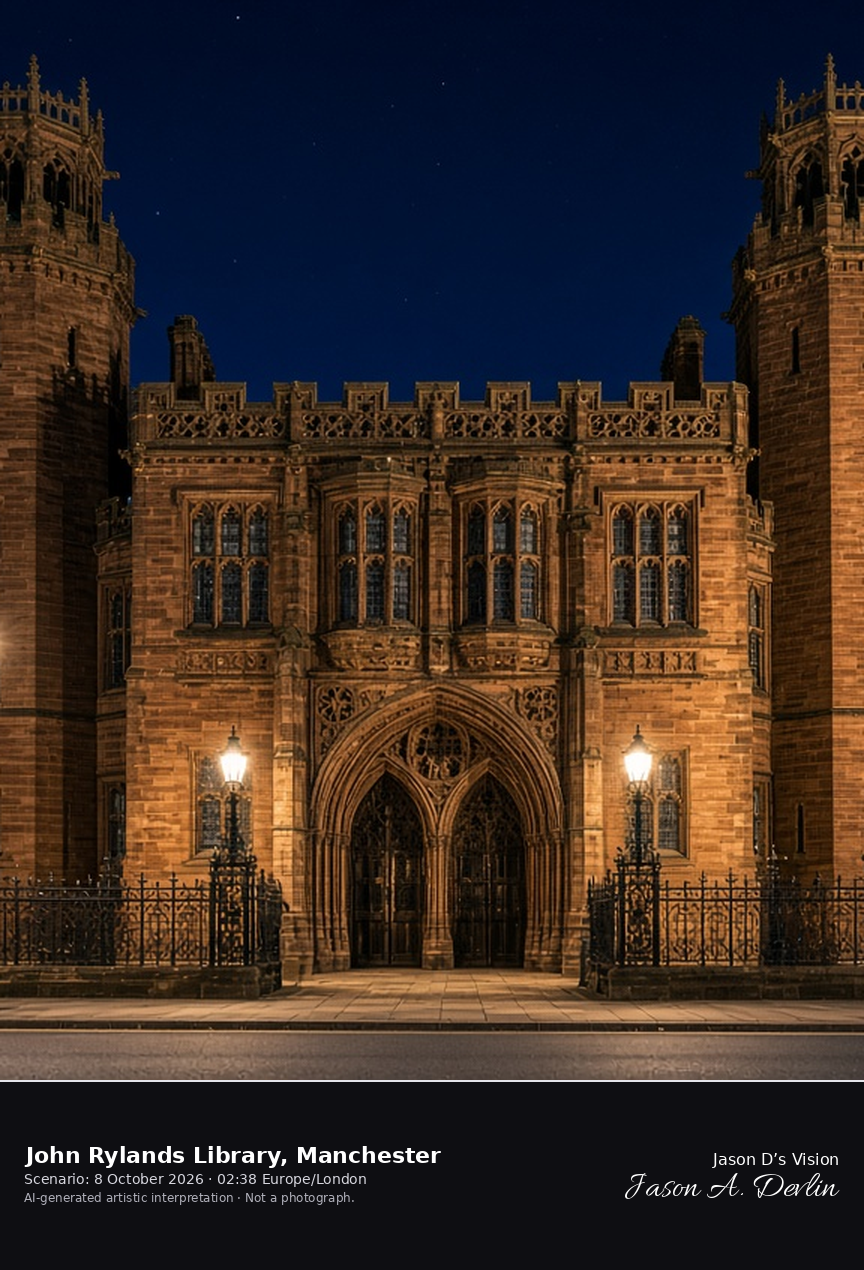
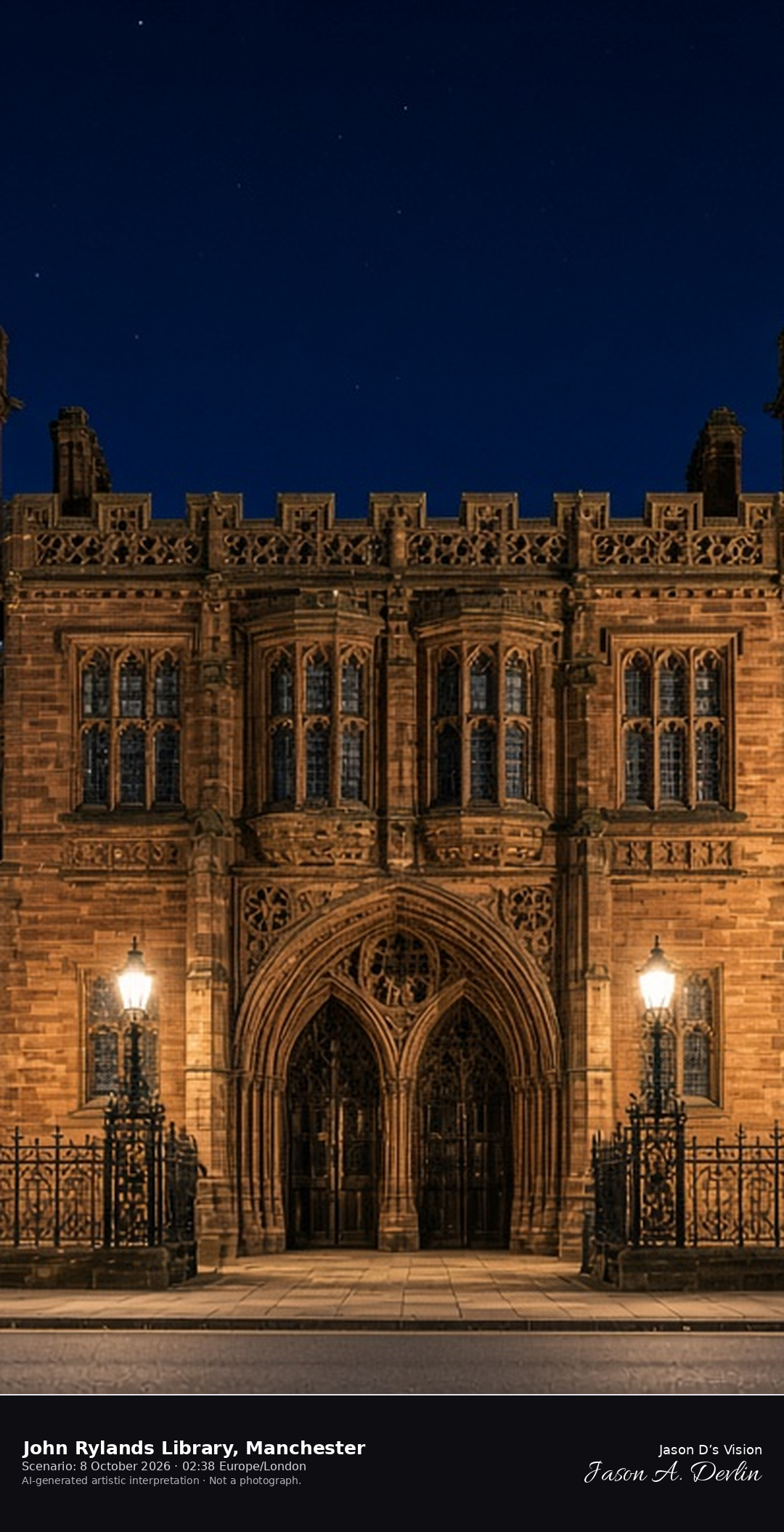
John Rylands Library, Manchester · AI-generated artistic interpretation
Enriqueta Rylands founded the library in memory of her husband, John Rylands, and it opened to the public in 1900. Basil Champneys set its two towers back from the street to let light into the reading hall.
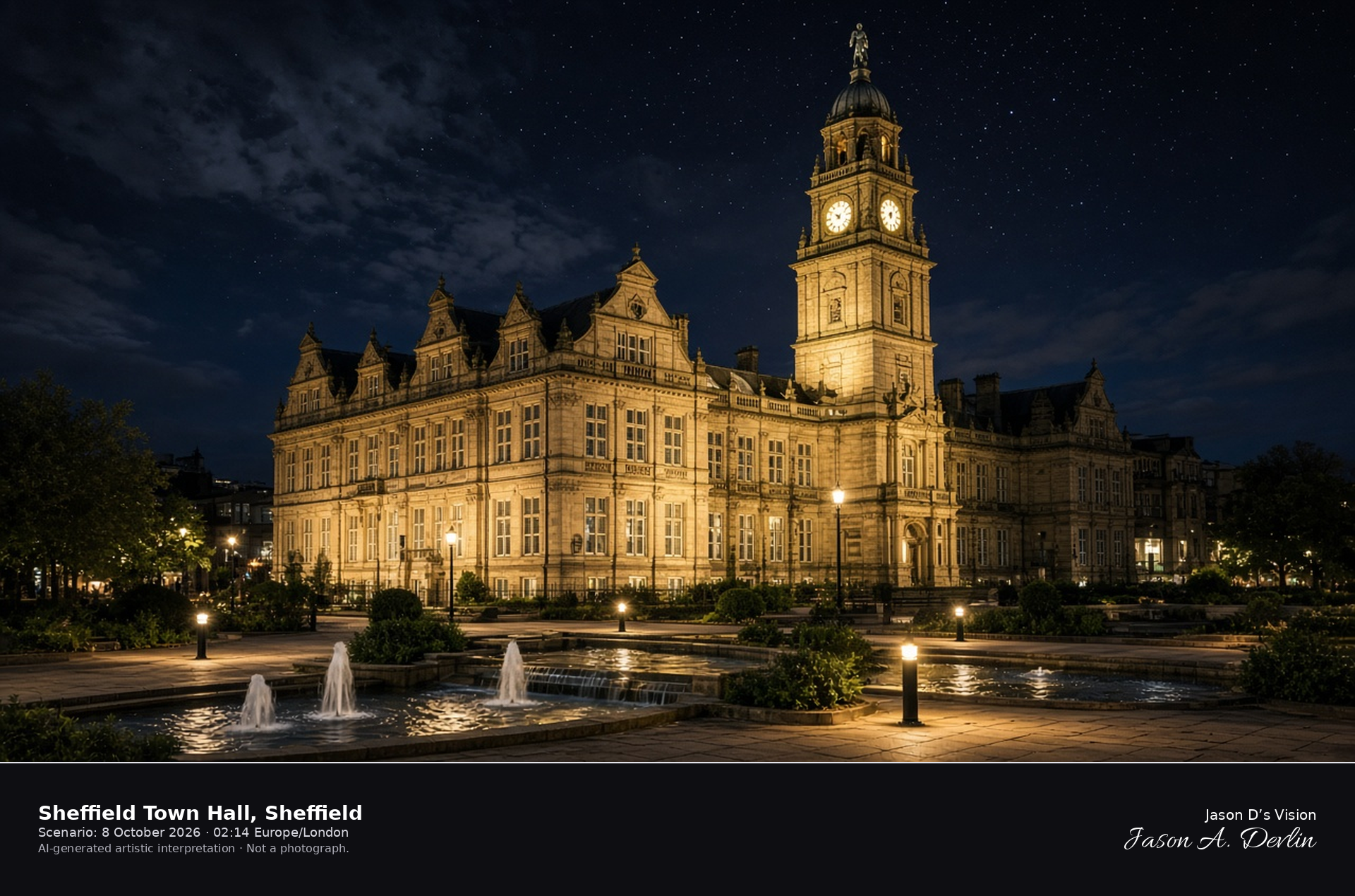
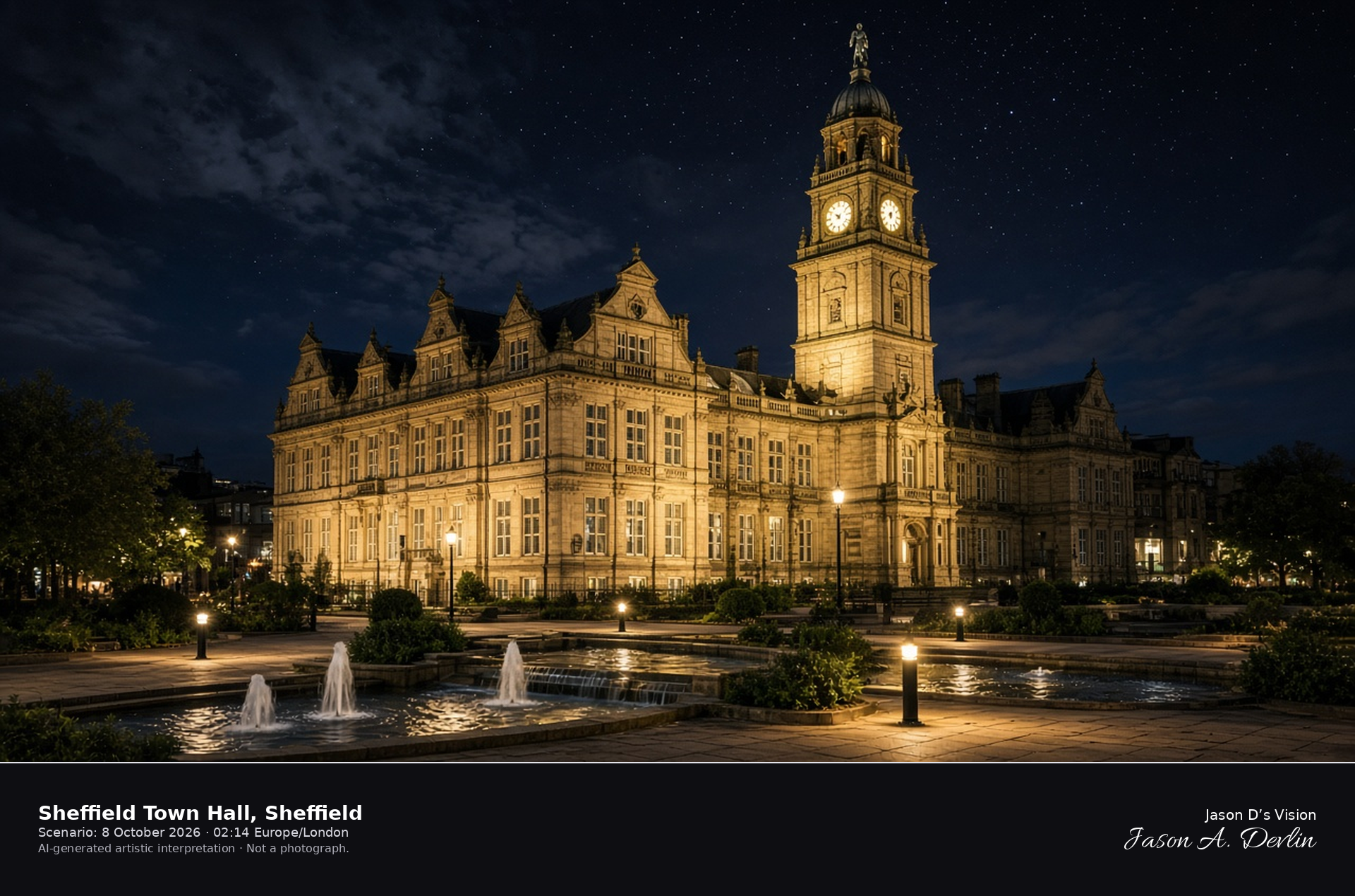
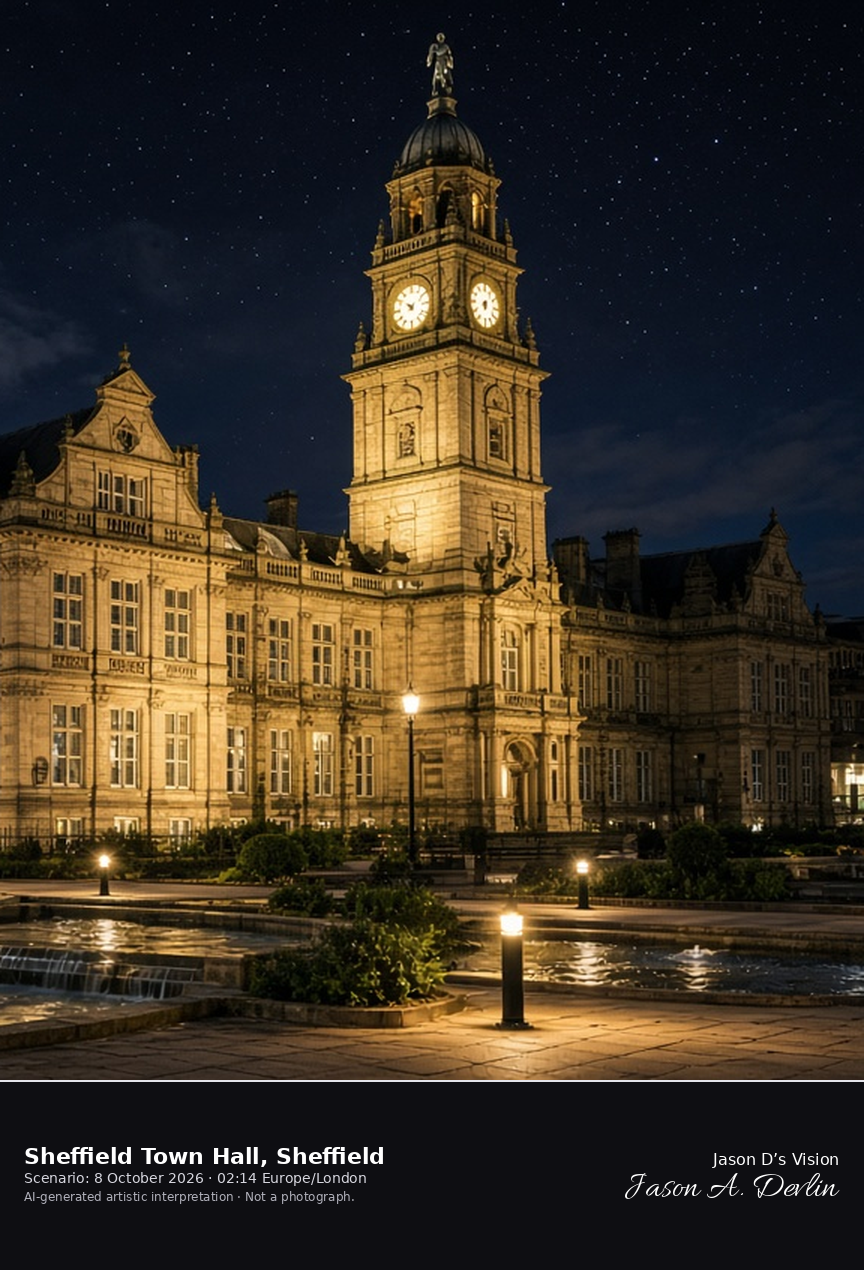
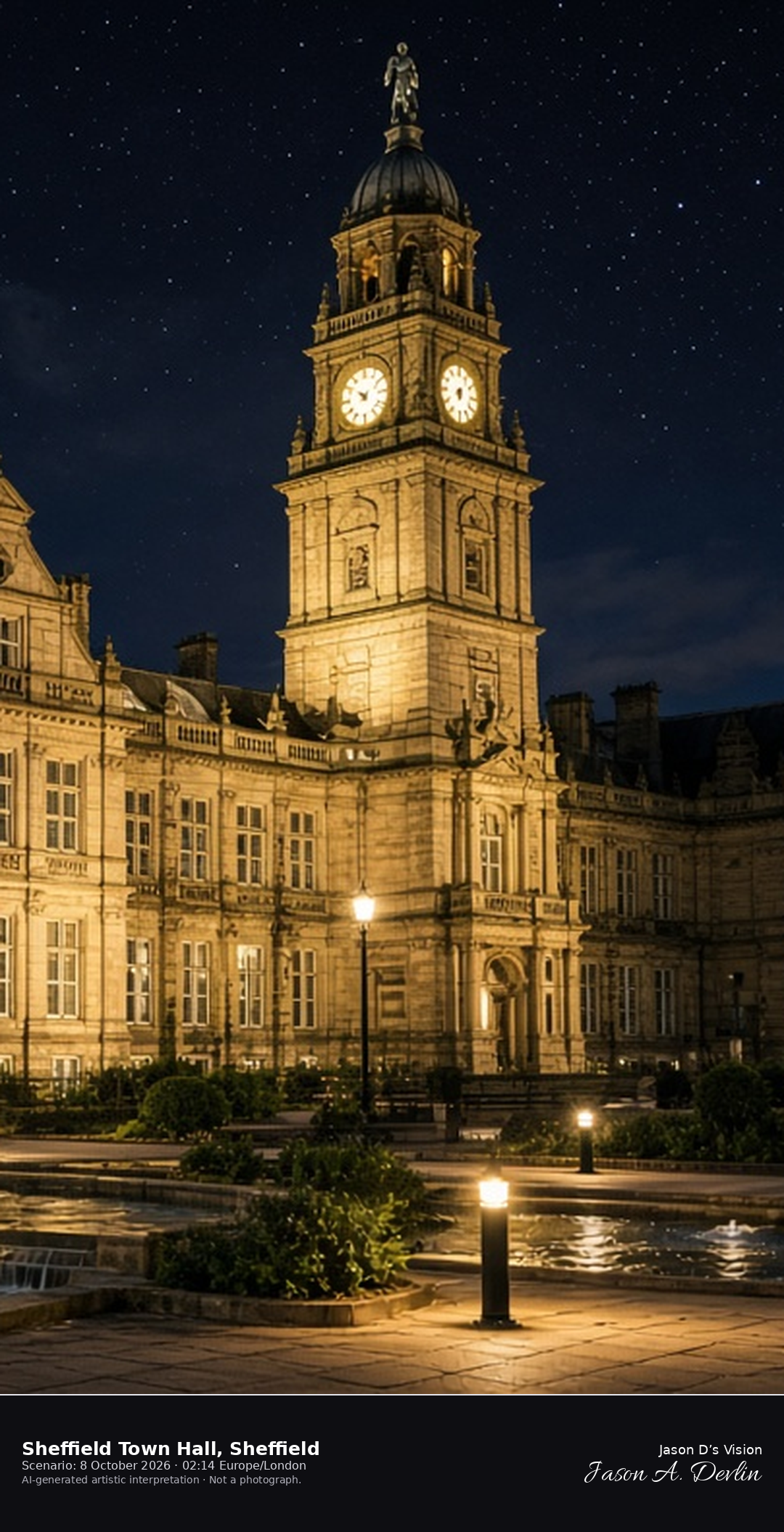
Sheffield Town Hall, Sheffield · AI-generated artistic interpretation
Edward William Mountford designed the Town Hall, built from 1890 to 1897, and Queen Victoria opened it by turning a key from her carriage. Its friezes show the industries of Sheffield, and Vulcan, the god of fire and metalworking, tops the 64-metre tower.
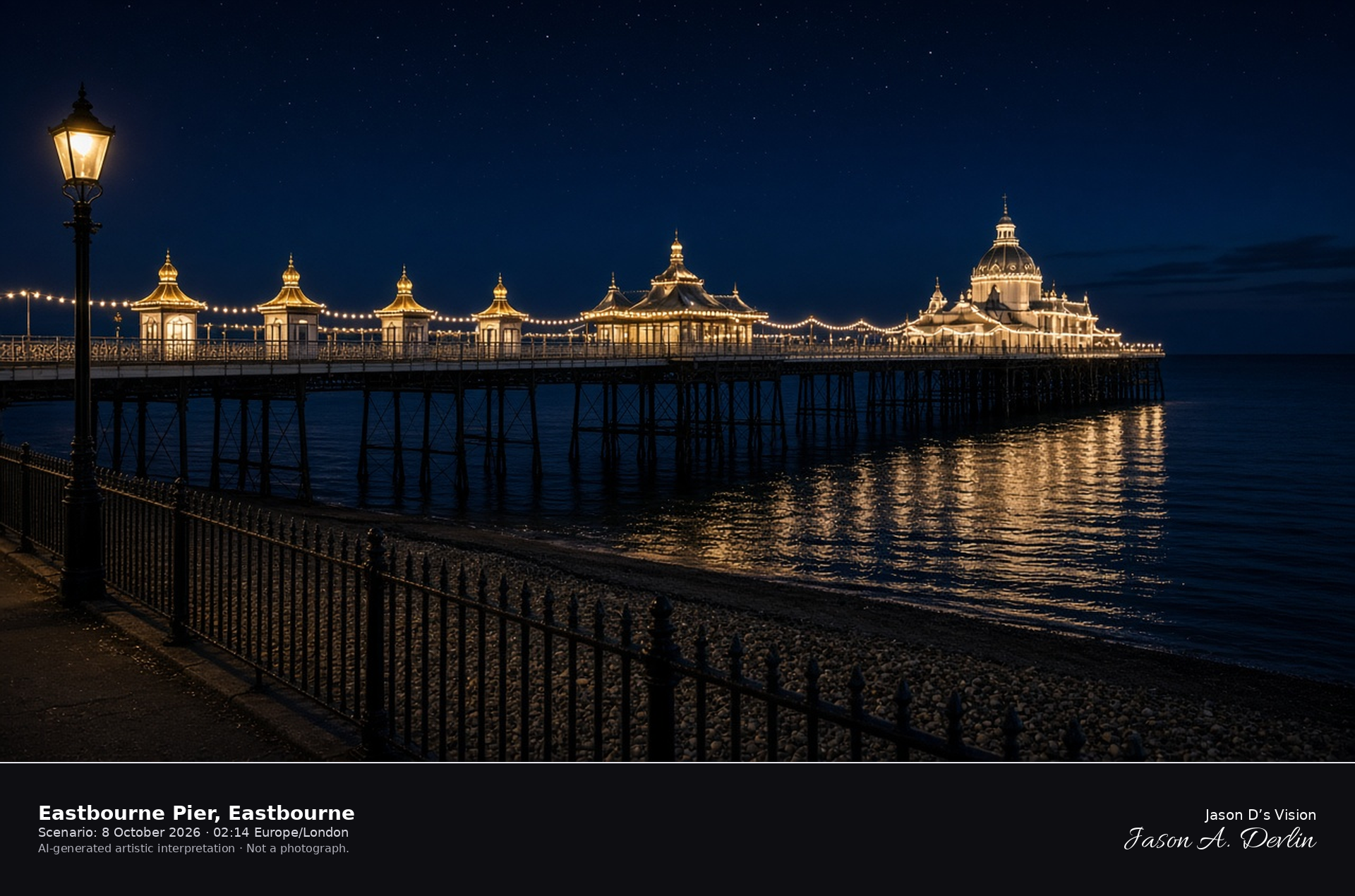
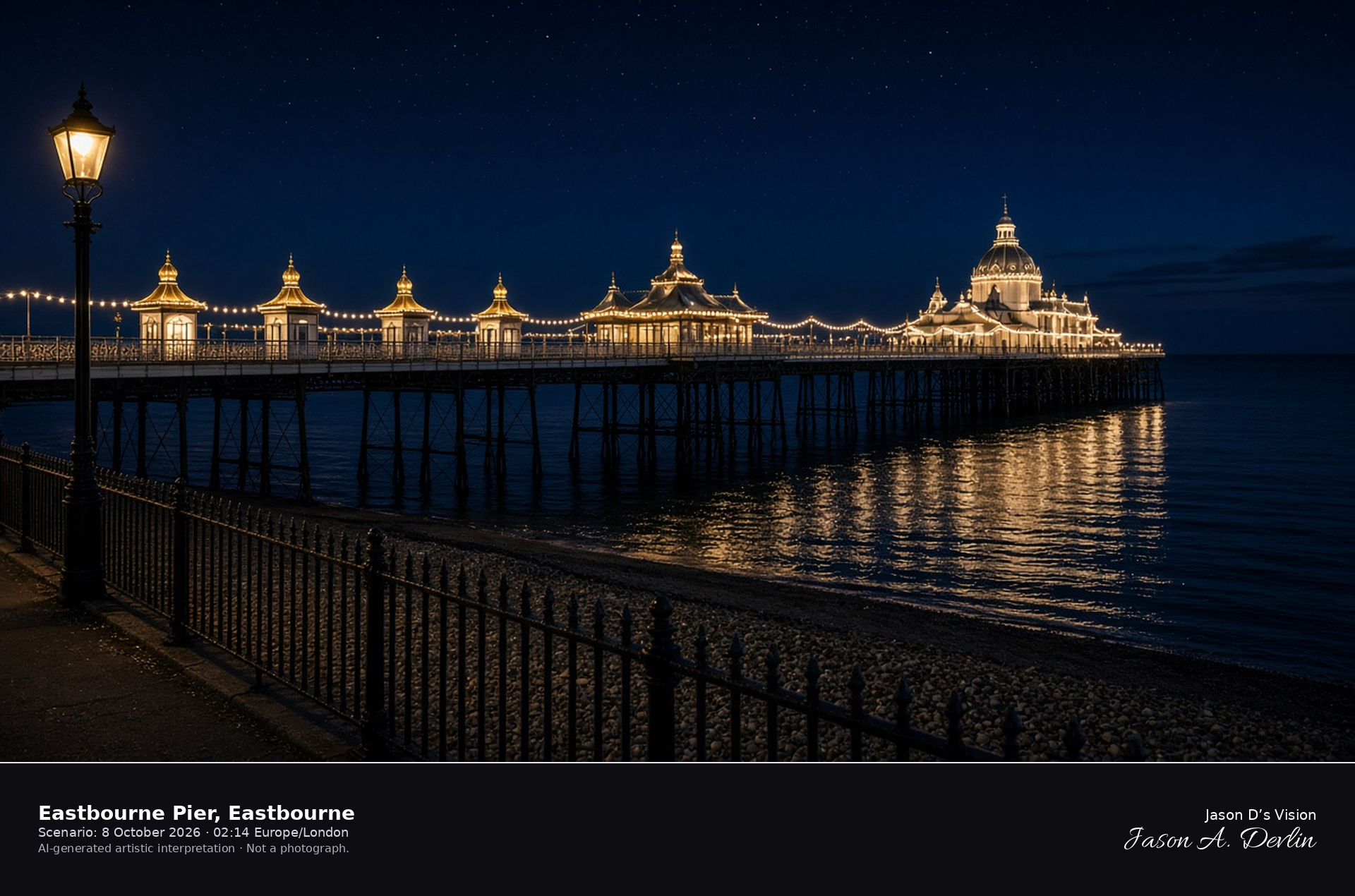
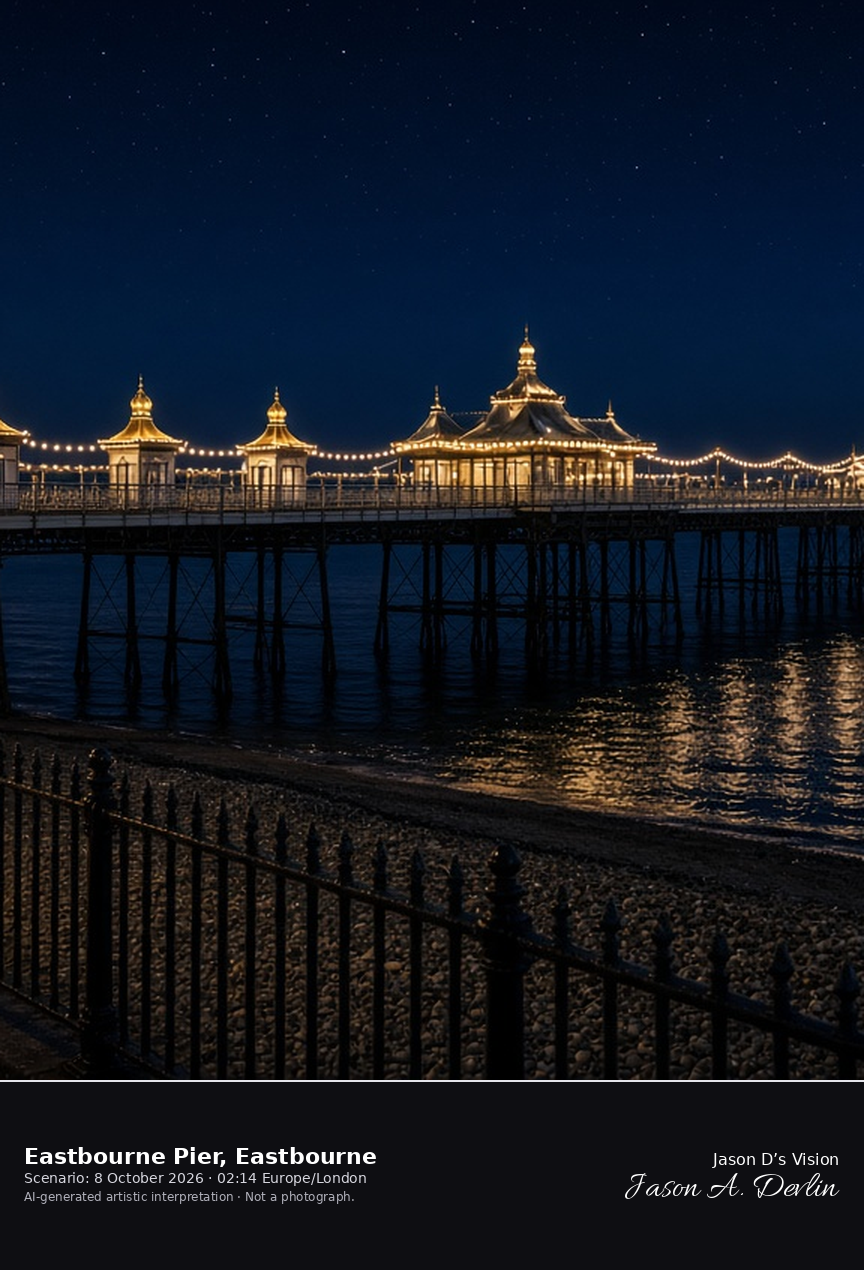
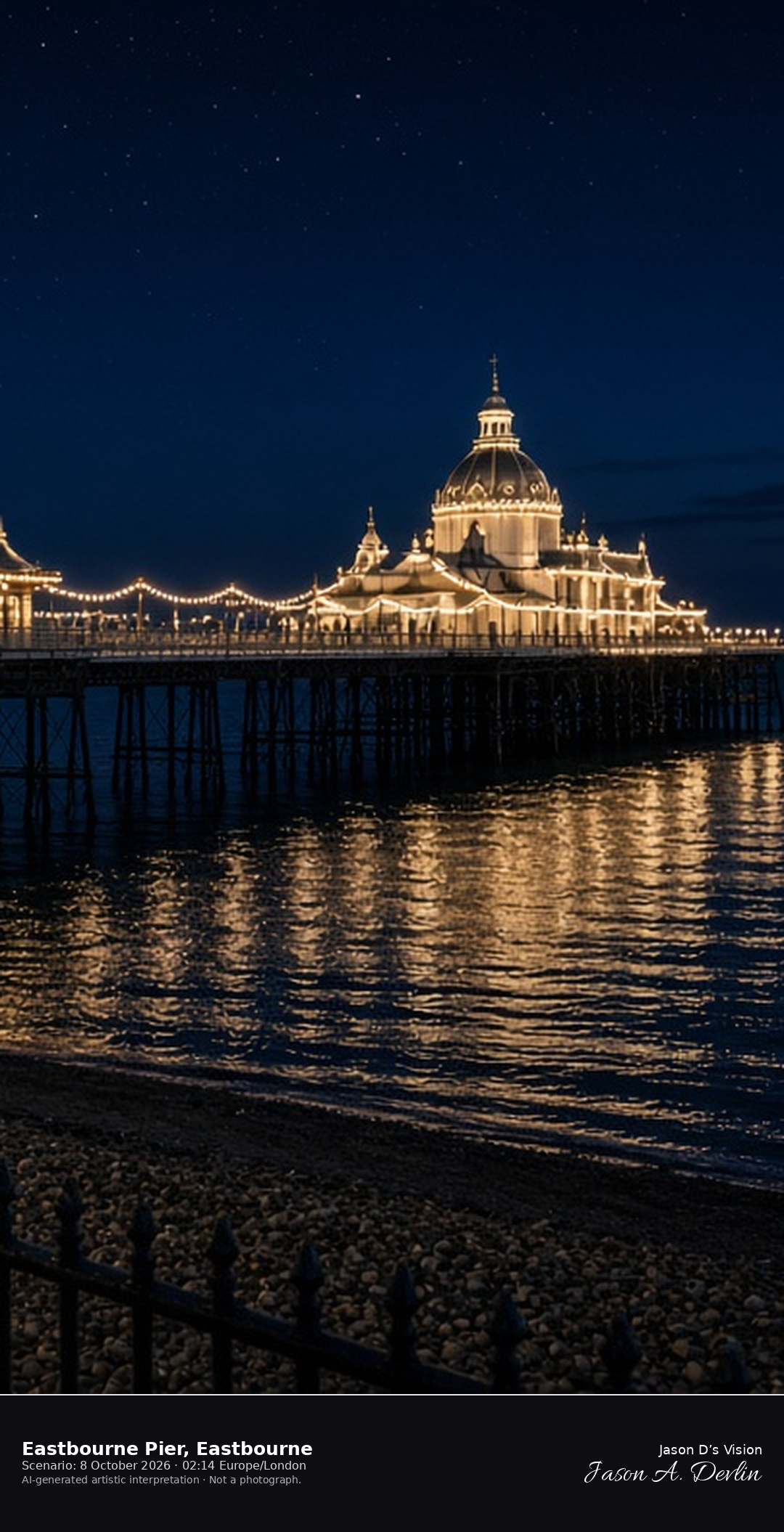
Eastbourne's Victorian resort took shape under the seventh Duke of Devonshire, who appointed Henry Currey as his architect in 1859. Their planned development helped transform the seaside town, giving it the spacious character of a resort intended for an affluent clientele.
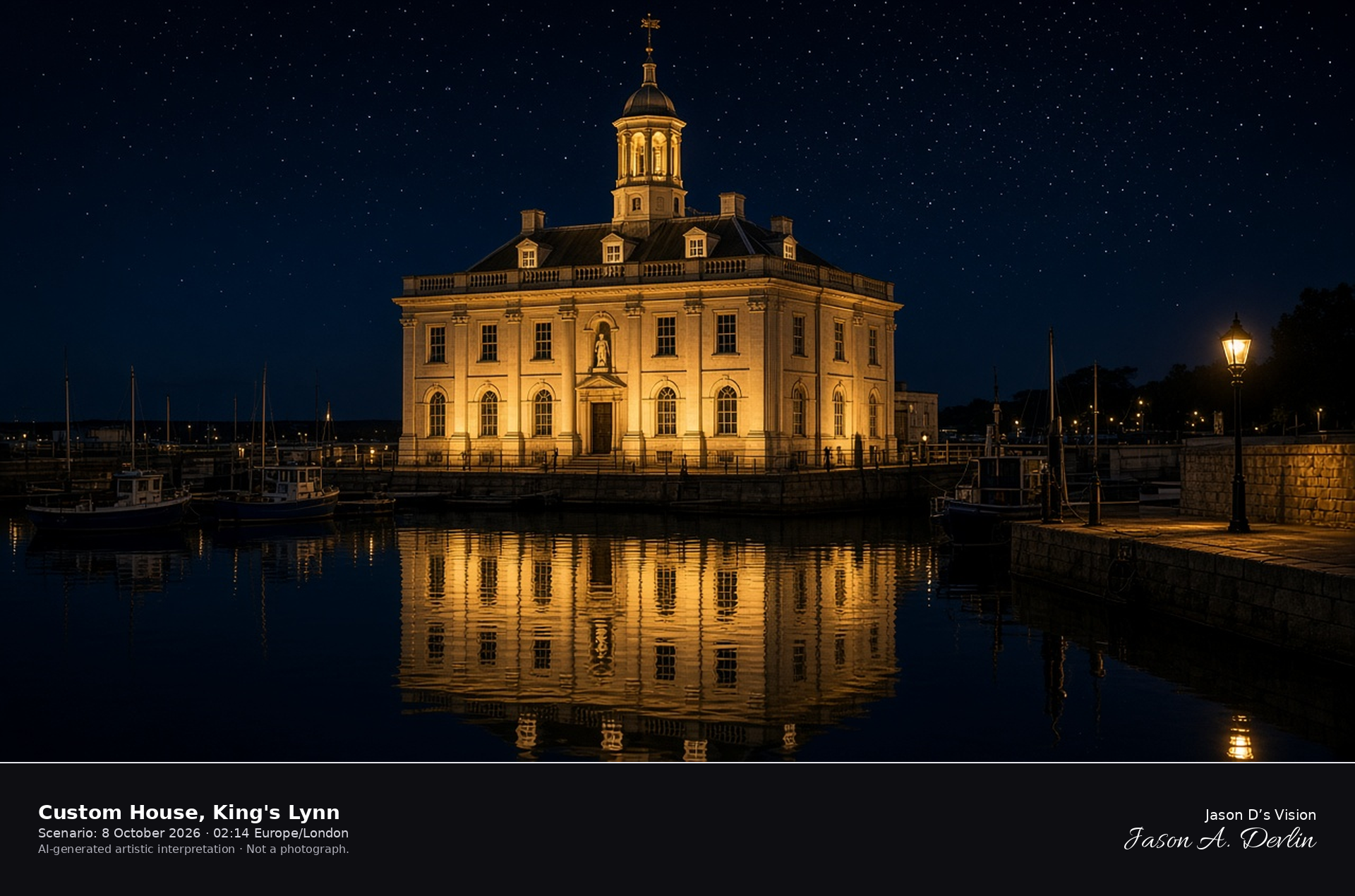
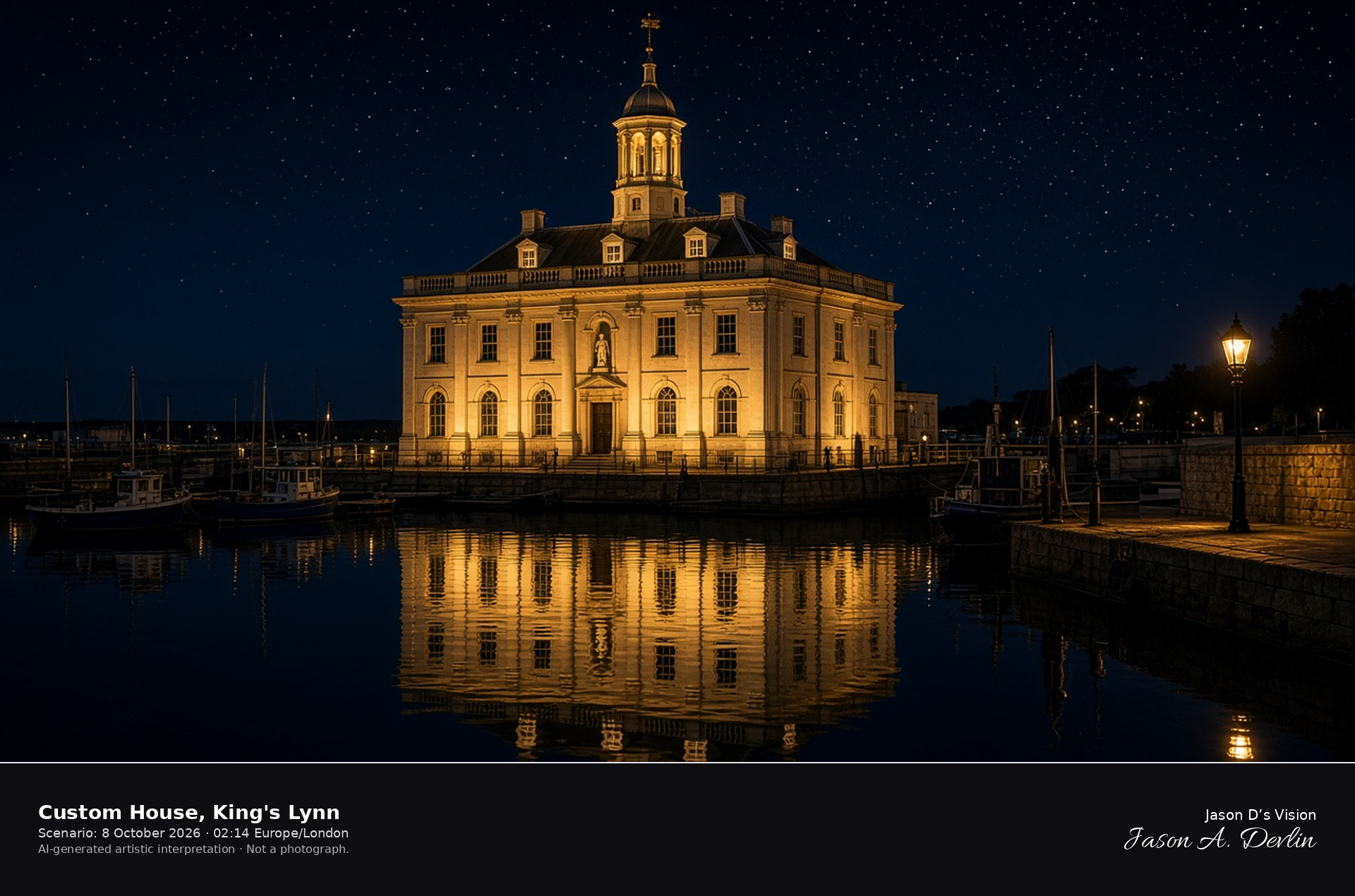
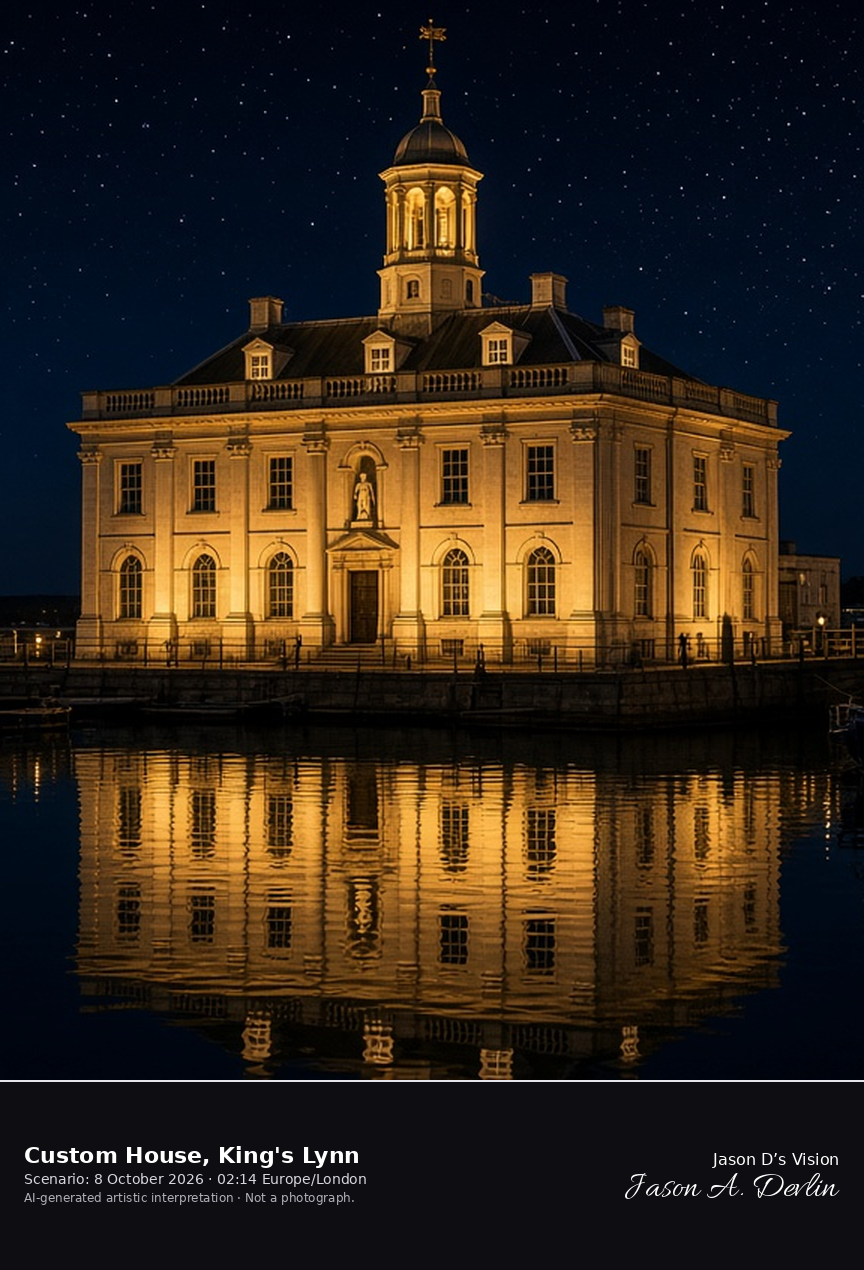
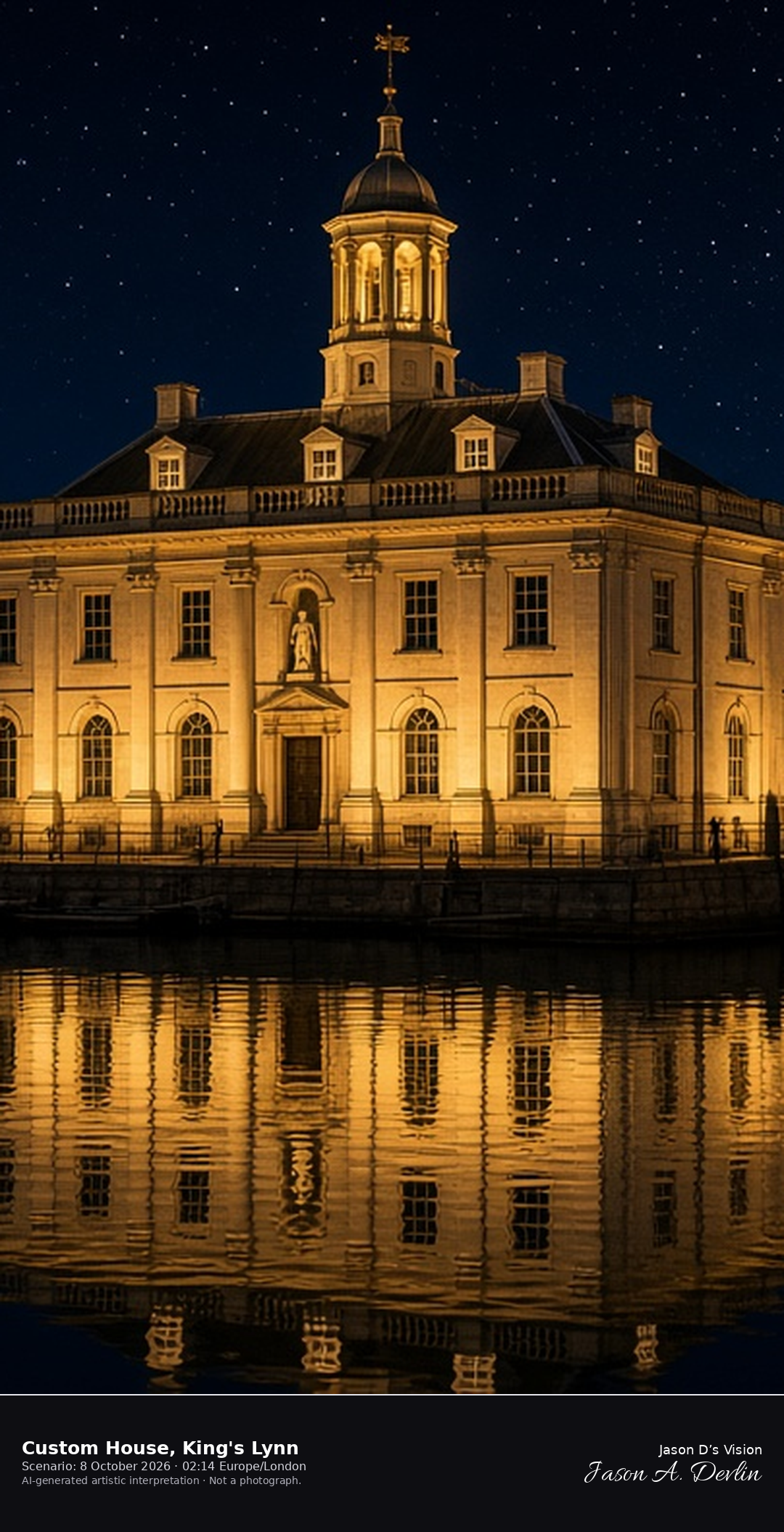
Custom House · AI-generated artistic interpretation
King's Lynn's Custom House was built in 1683 to Henry Bell's design, originally as a merchants' exchange. Its finely worked stone and classical proportions reflect the ambitions of a trading port; the building stands beside Purfleet Quay, where the town's commercial history is written into its waterfront.
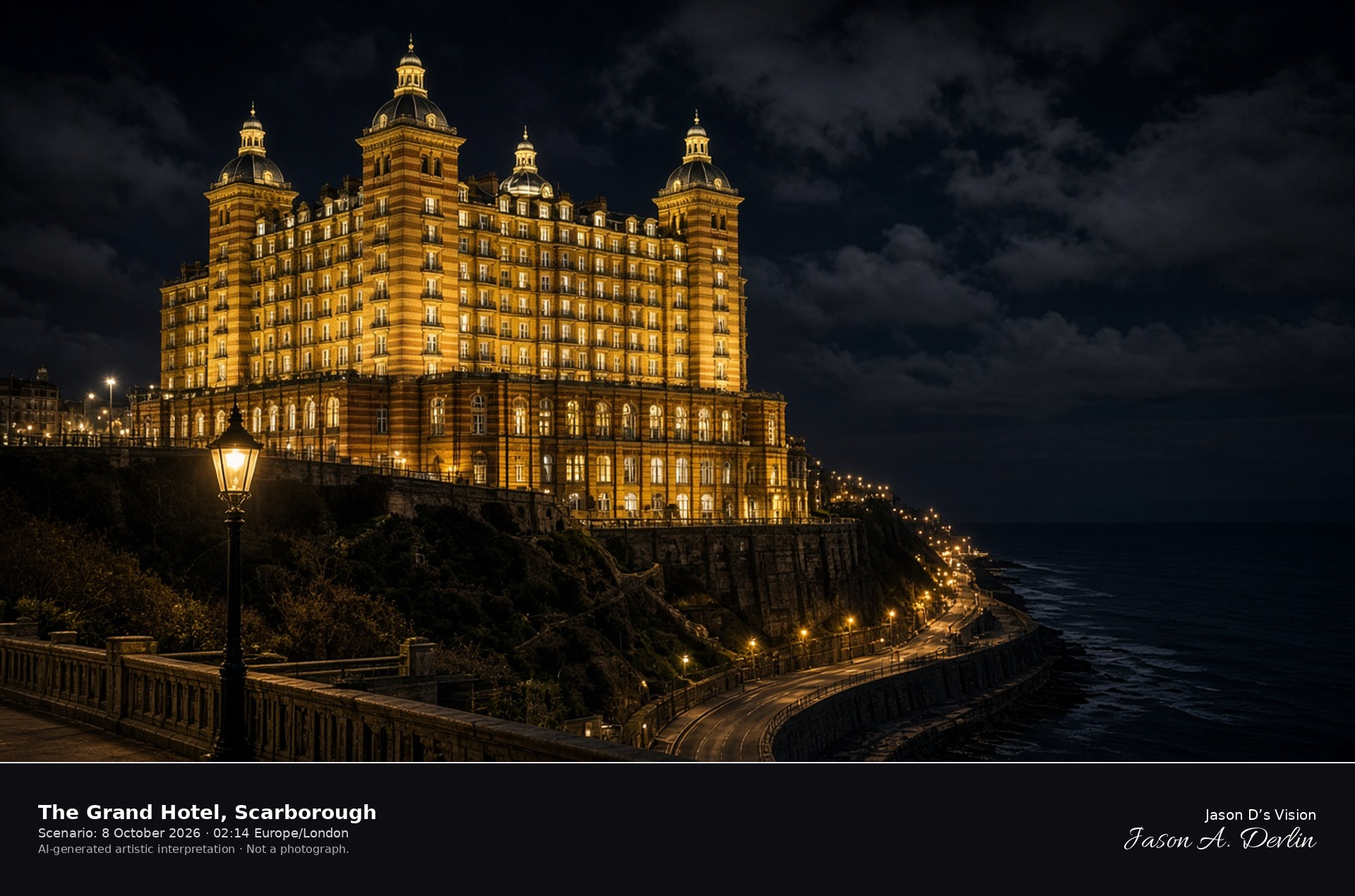
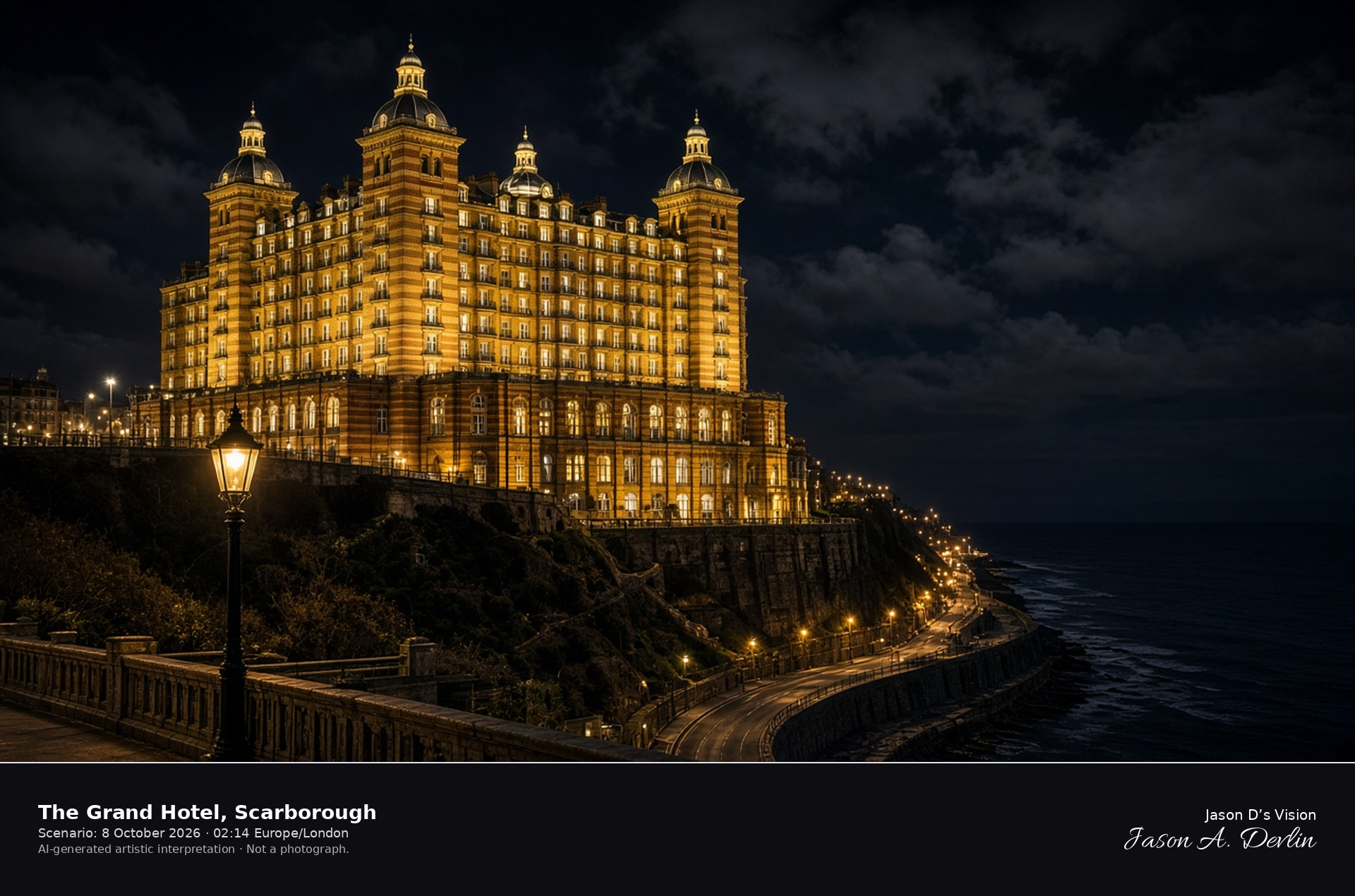
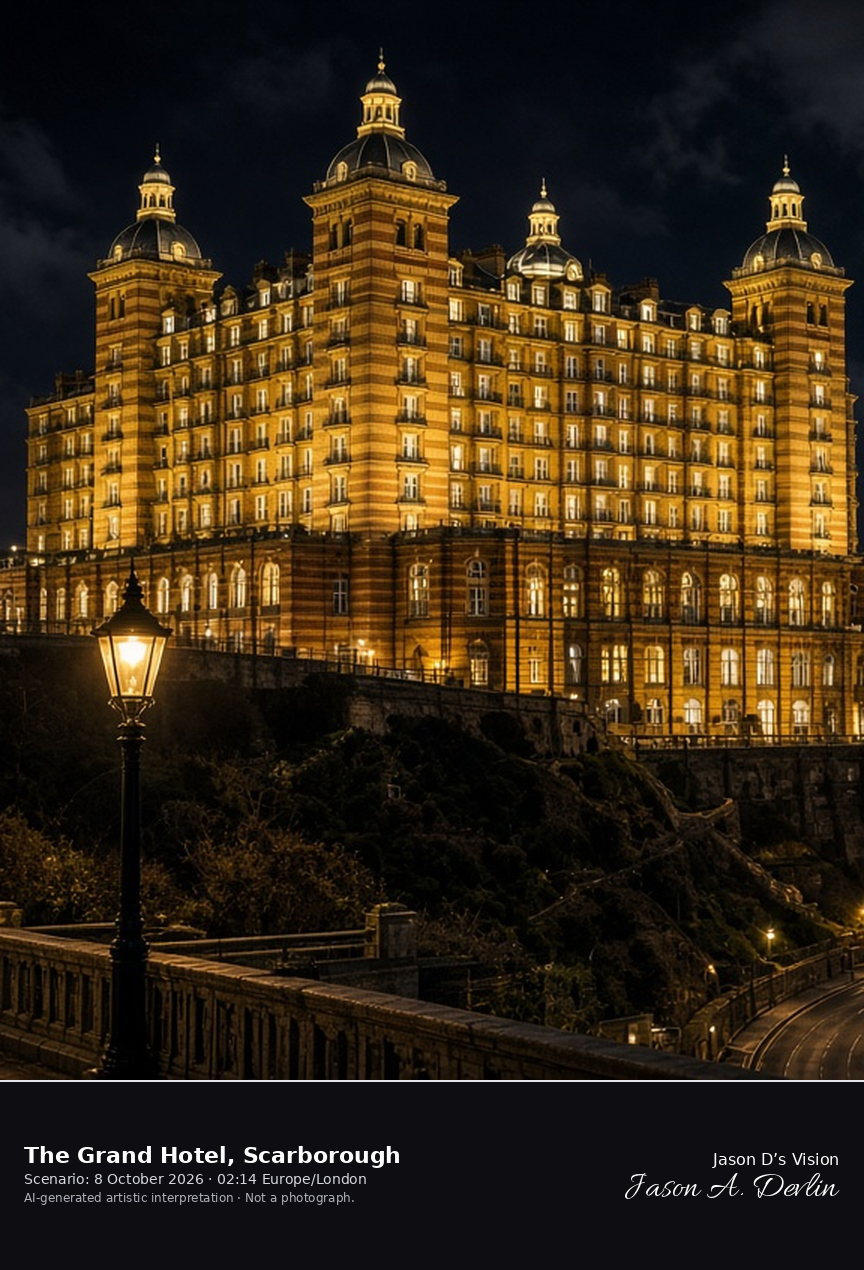
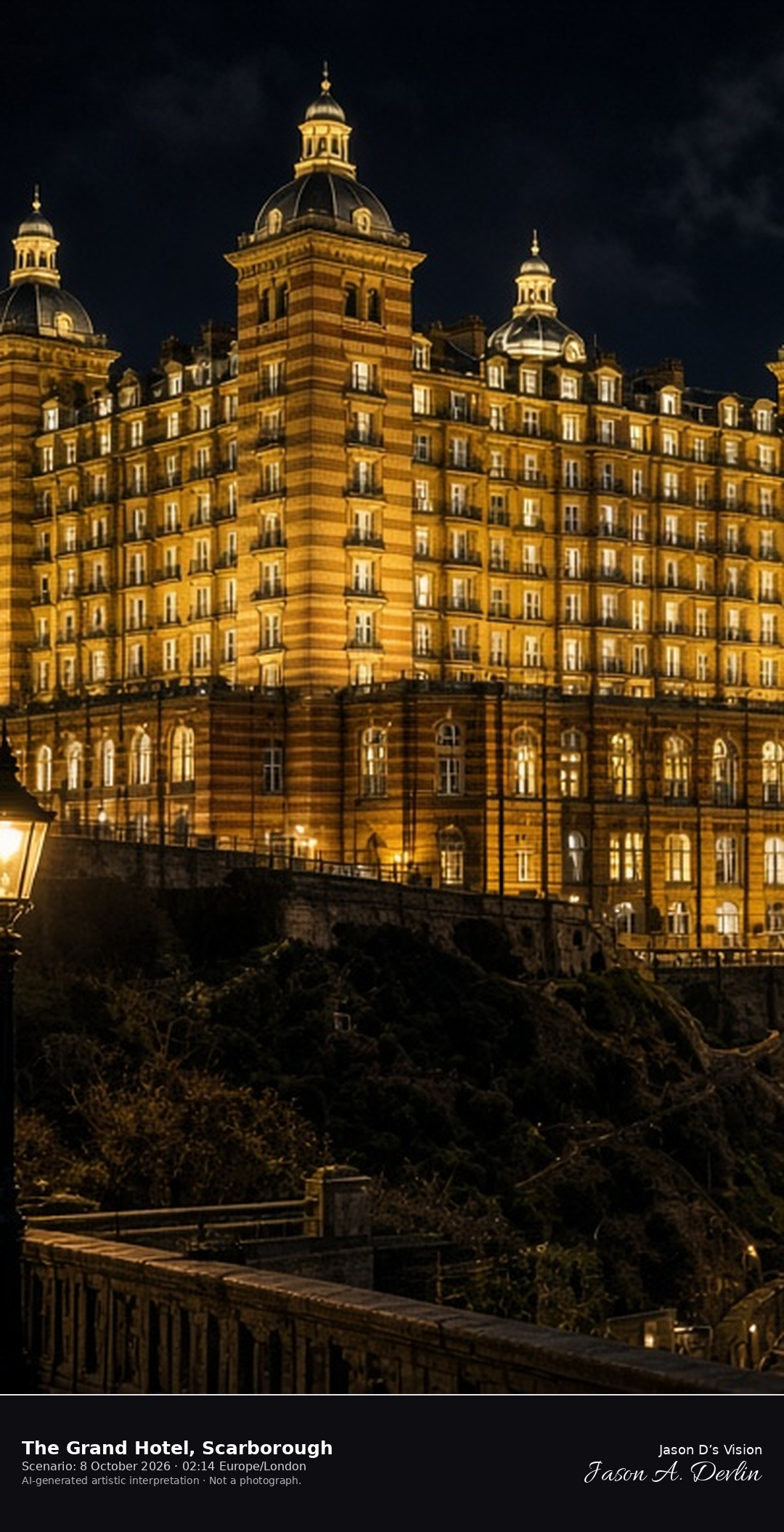
The Grand Hotel, Scarborough · AI-generated artistic interpretation
Cuthbert Brodrick designed the hotel, which opened in 1867 as the largest hotel in Europe. It was built around the theme of time, with four towers for the seasons, twelve floors for the months and fifty-two chimneys for the weeks.
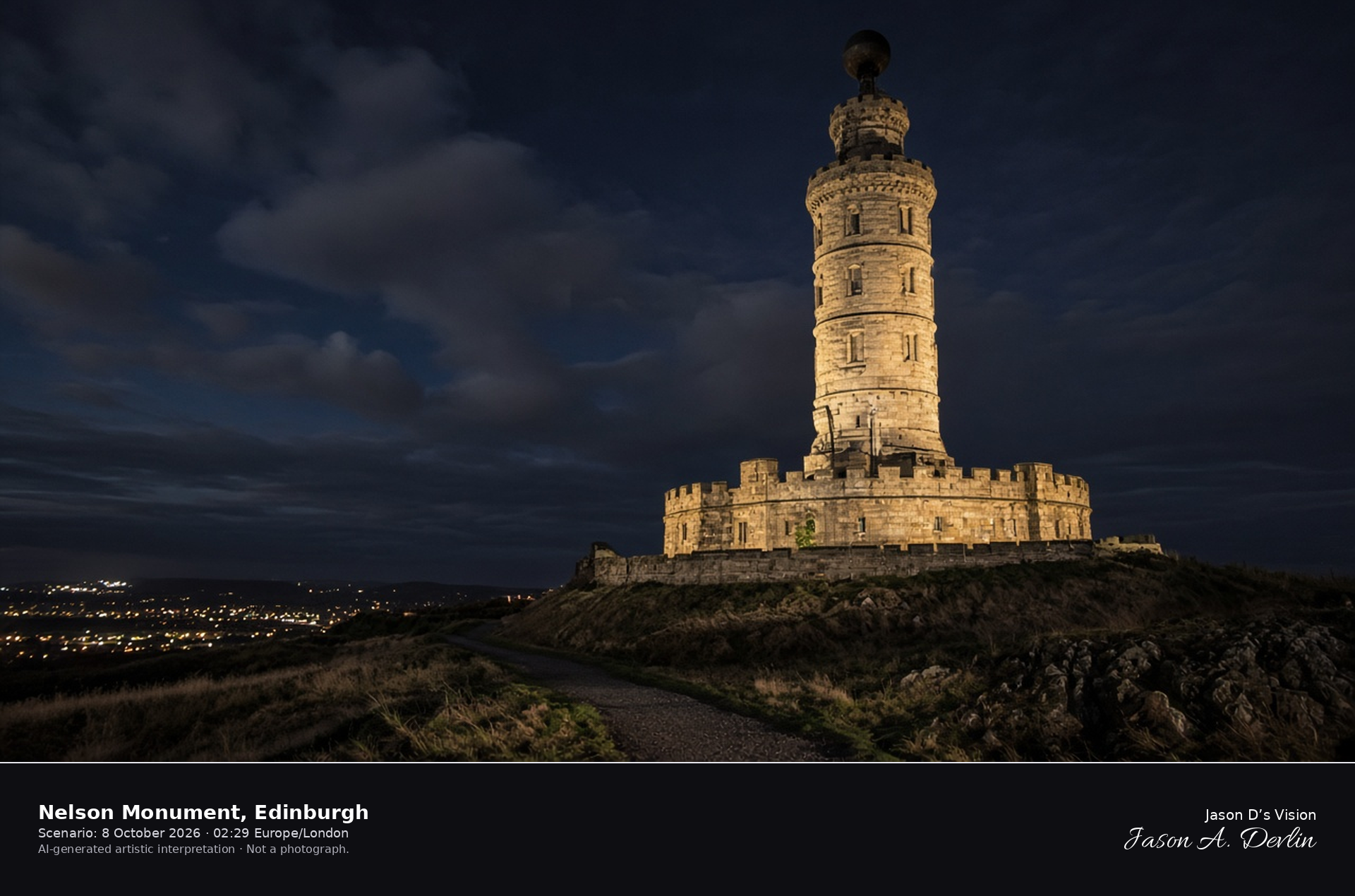
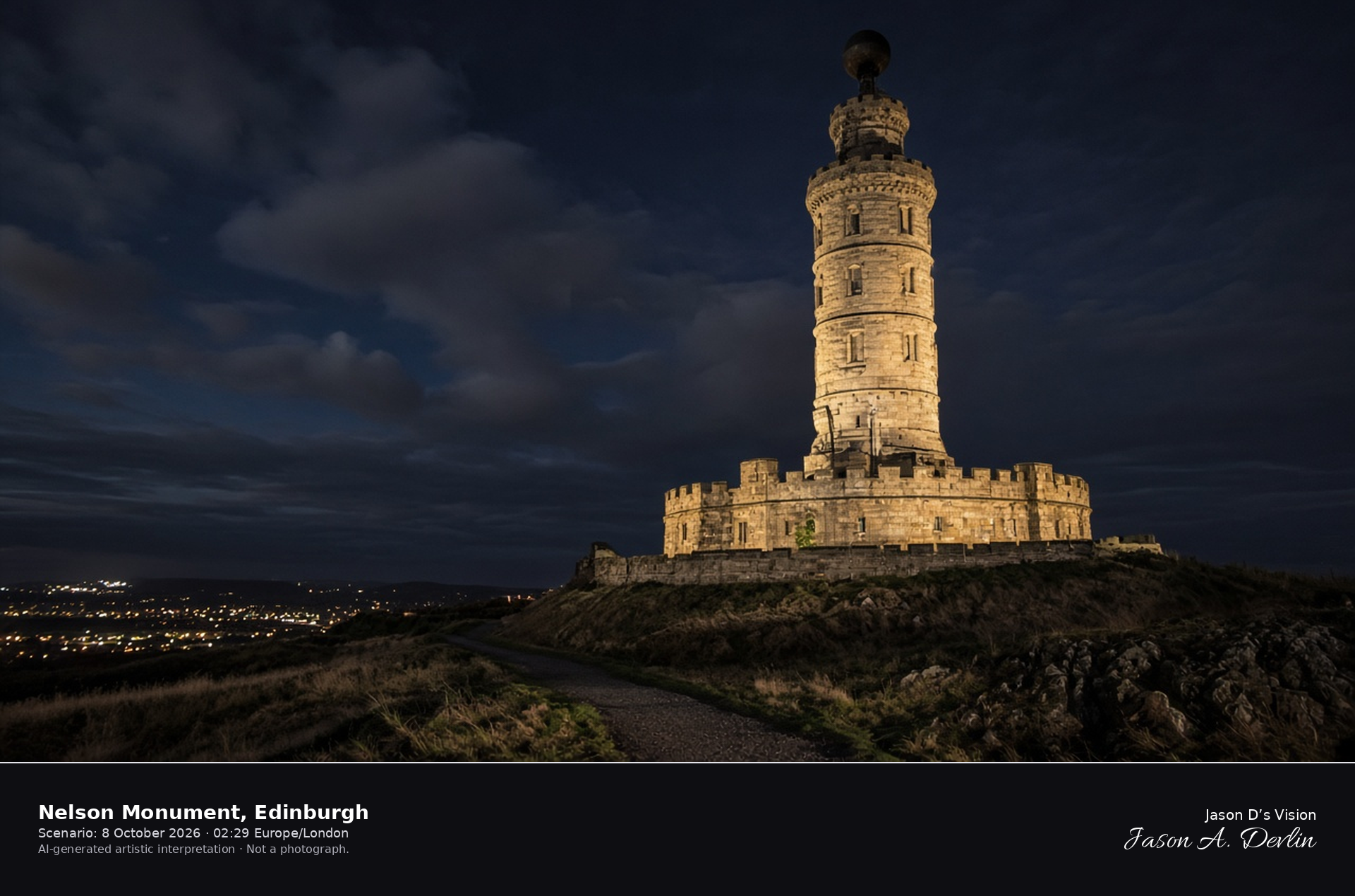
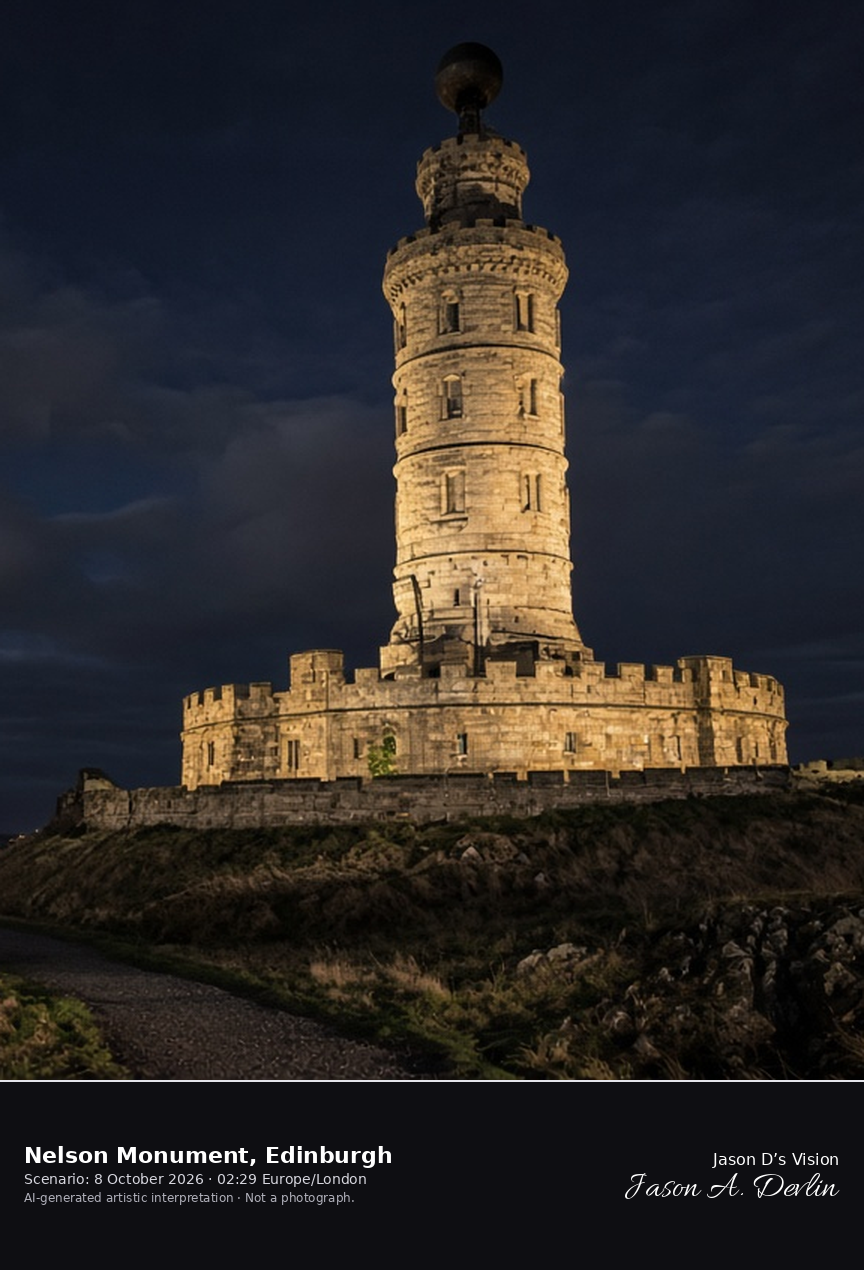
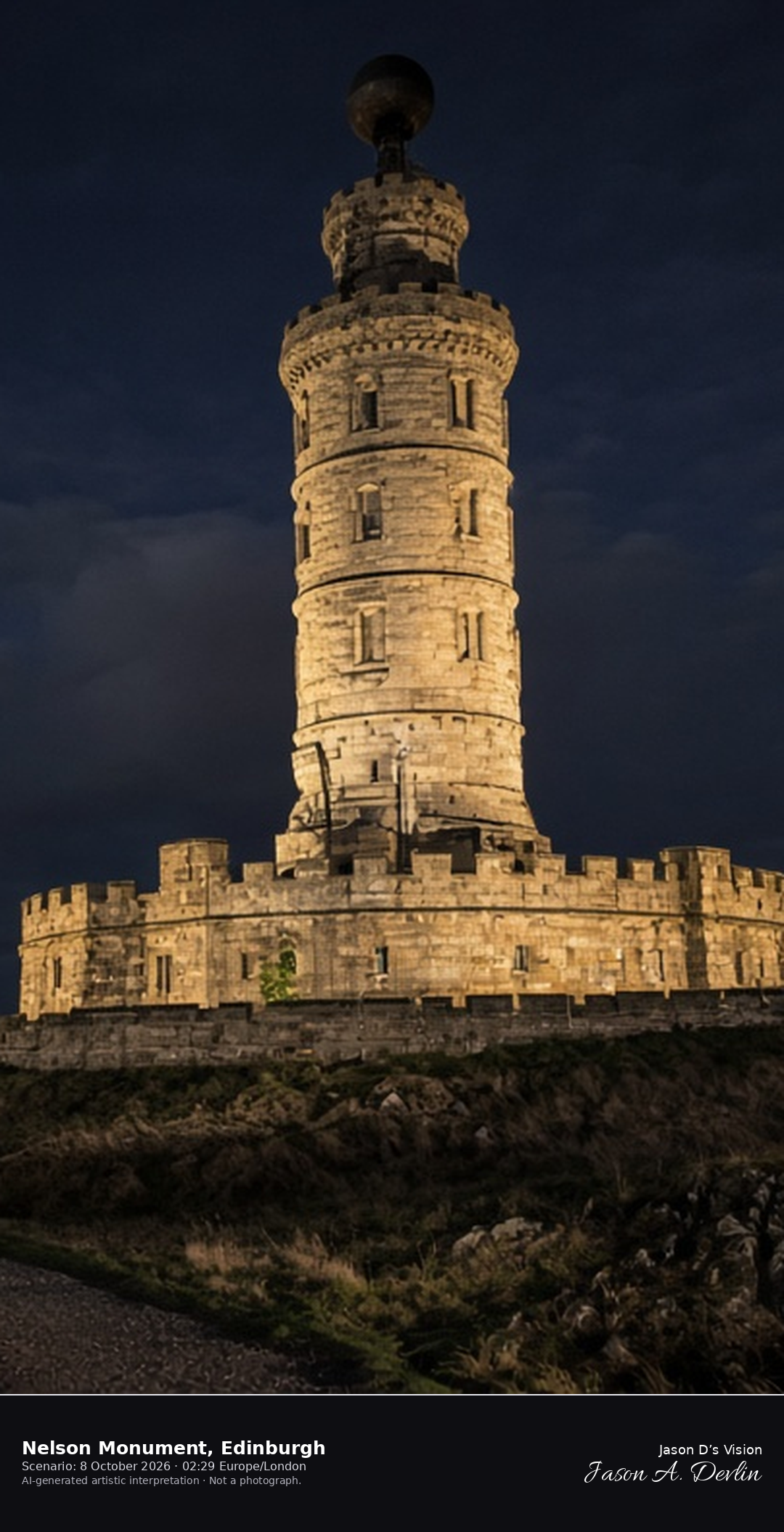
Nelson Monument, Edinburgh · AI-generated artistic interpretation
Robert Burn designed the tower in the form of an upturned telescope, and it was built between 1807 and 1816 to mark Nelson's victory and death at Trafalgar. A time ball was added in 1852 so that ships in Leith could set their clocks, and it still drops in step with the One O'Clock Gun.
Every image in Jason D’s Vision is free to use for any purpose — personal or commercial. No credit is required. If you’d like to credit, ‘Jason D’s Vision’ is appreciated, but it’s entirely your choice.
Jason D’s Vision waives its own rights in these images. This doesn’t waive anyone else’s rights: if an image happens to include a trademark, logo, or other third-party material, those rights still belong to their owners. All images are AI-generated artistic interpretations, not photographs, and use of an image doesn’t imply endorsement by Jason D’s Vision.