Worldwide location-image library — 562 scenes across the United Kingdom — AI-generated artistic interpretations
Word of the daynostalgia“a longing for the past”·“The smell of woodsmoke woke a sharp nostalgia.”“The smell of woodsmoke woke a sharp nostalgia.”Day 298 of 365
🎄 Christmas Markets
Our special holiday collection — festive market evenings, growing through the season. Tap a card to jump to its full gallery entry.
Gallery split across 4 pages — search & filters apply to this page only (scenes 451–562 of 562).
No scenes match your search.
UK-01-612
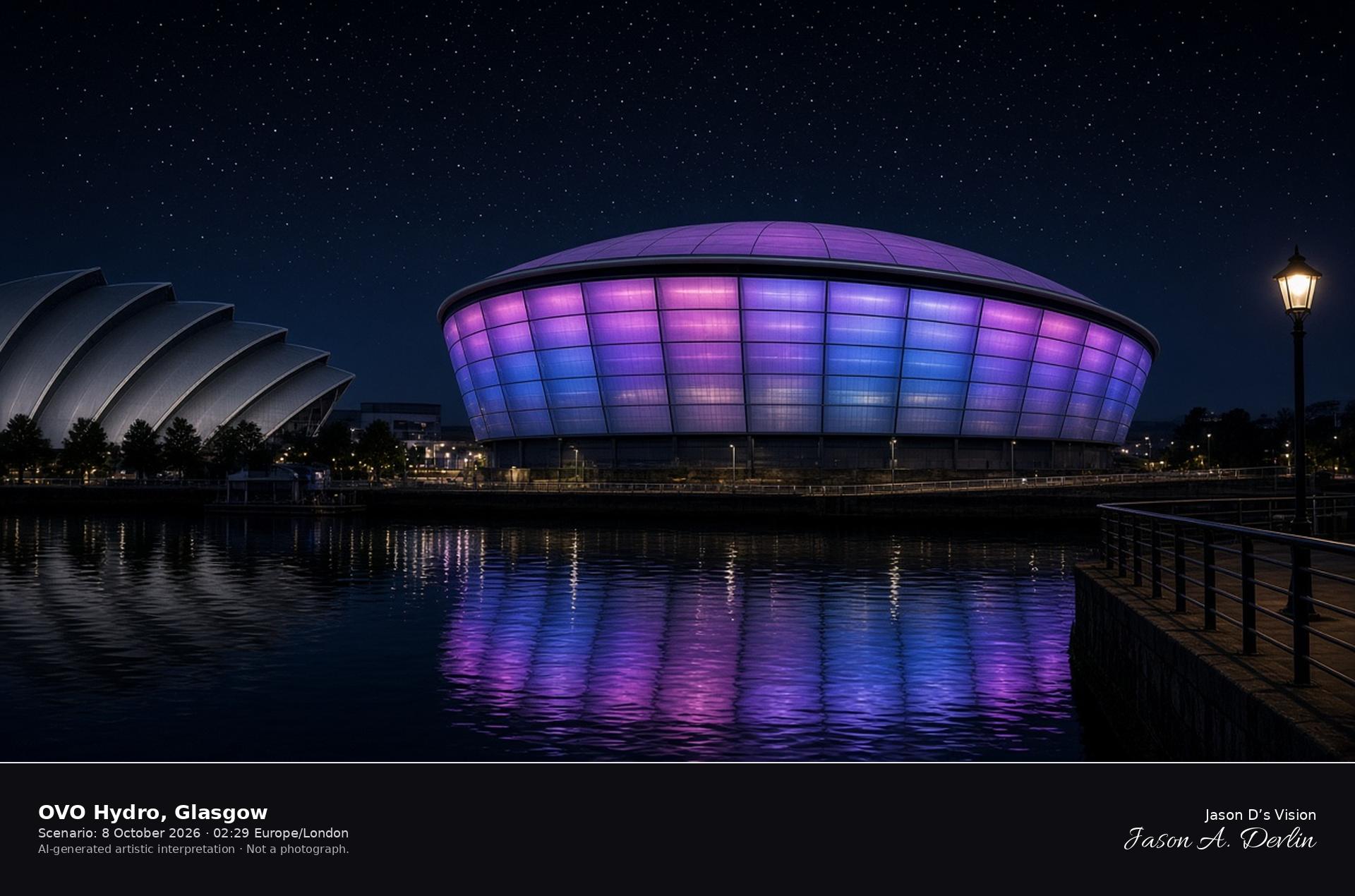
Glasgow, Glasgow
Glasgow · AI-generated artistic interpretation
Glasgow's growth was tied to Atlantic trade and later to the shipyards of the Clyde. Tobacco and cotton brought wealth whose history was also bound to enslaved labour overseas. The city's enduring motto, 'Let Glasgow Flourish', offers a hopeful counterpoint to that complicated inheritance.
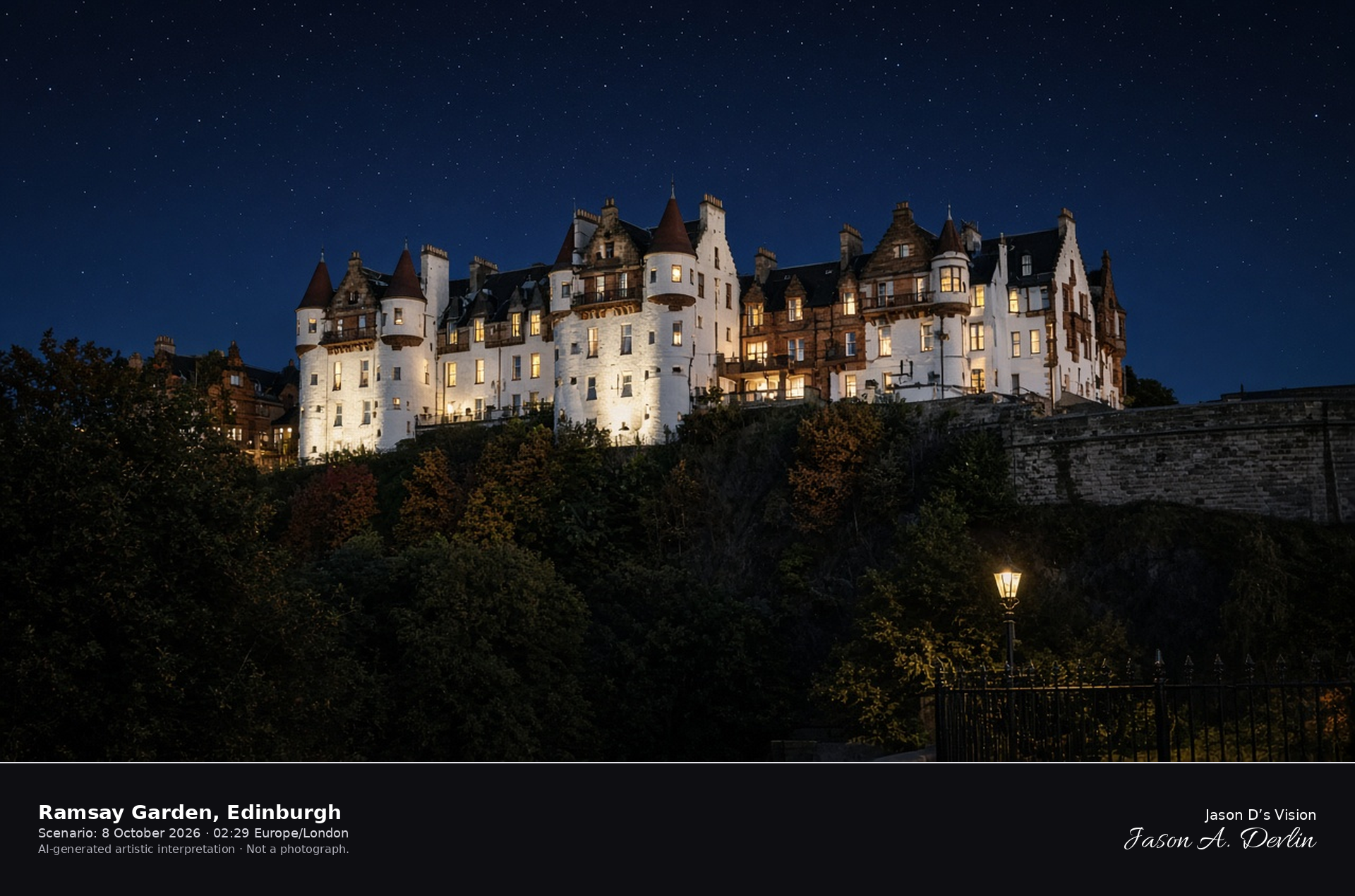
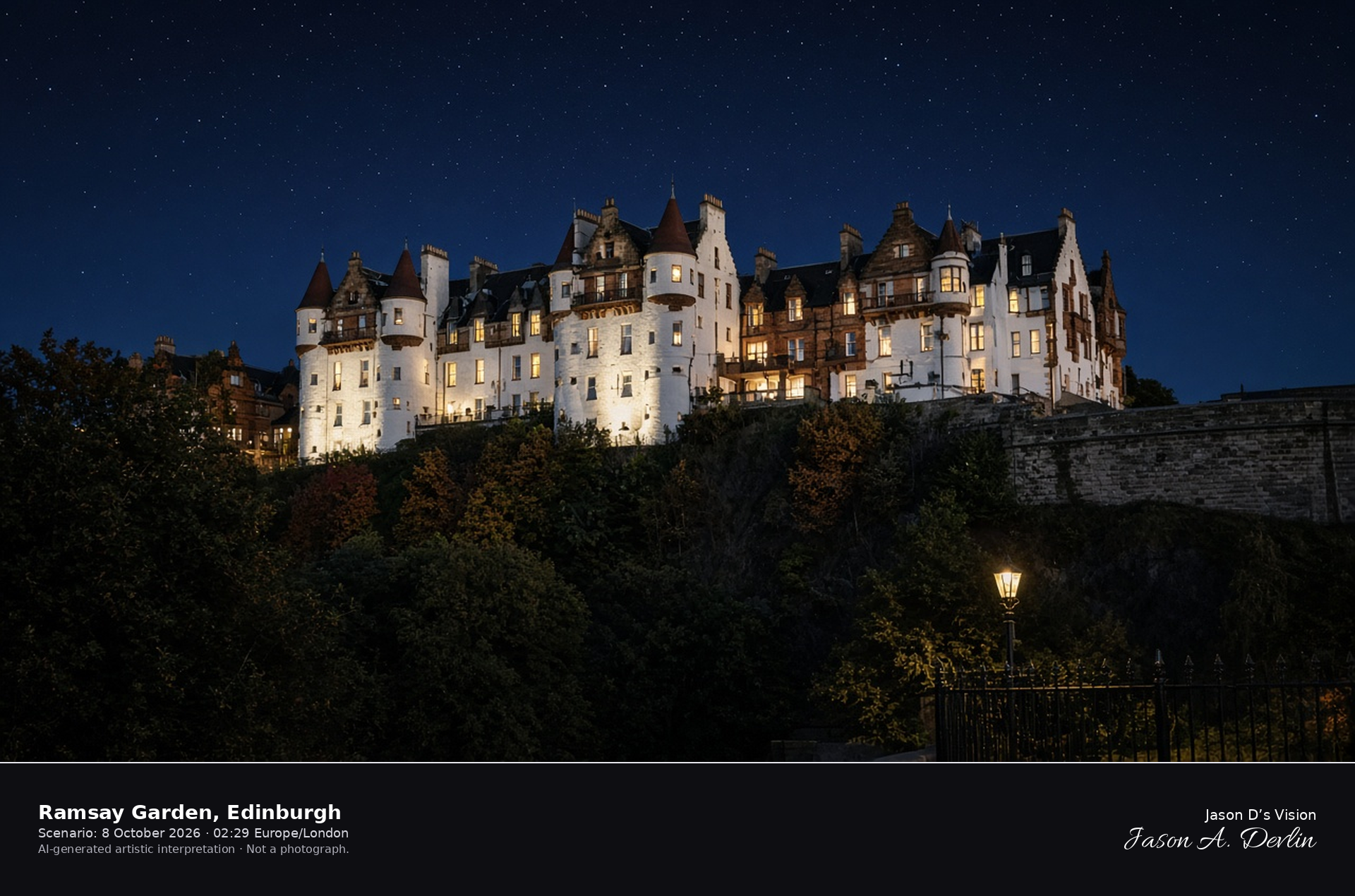
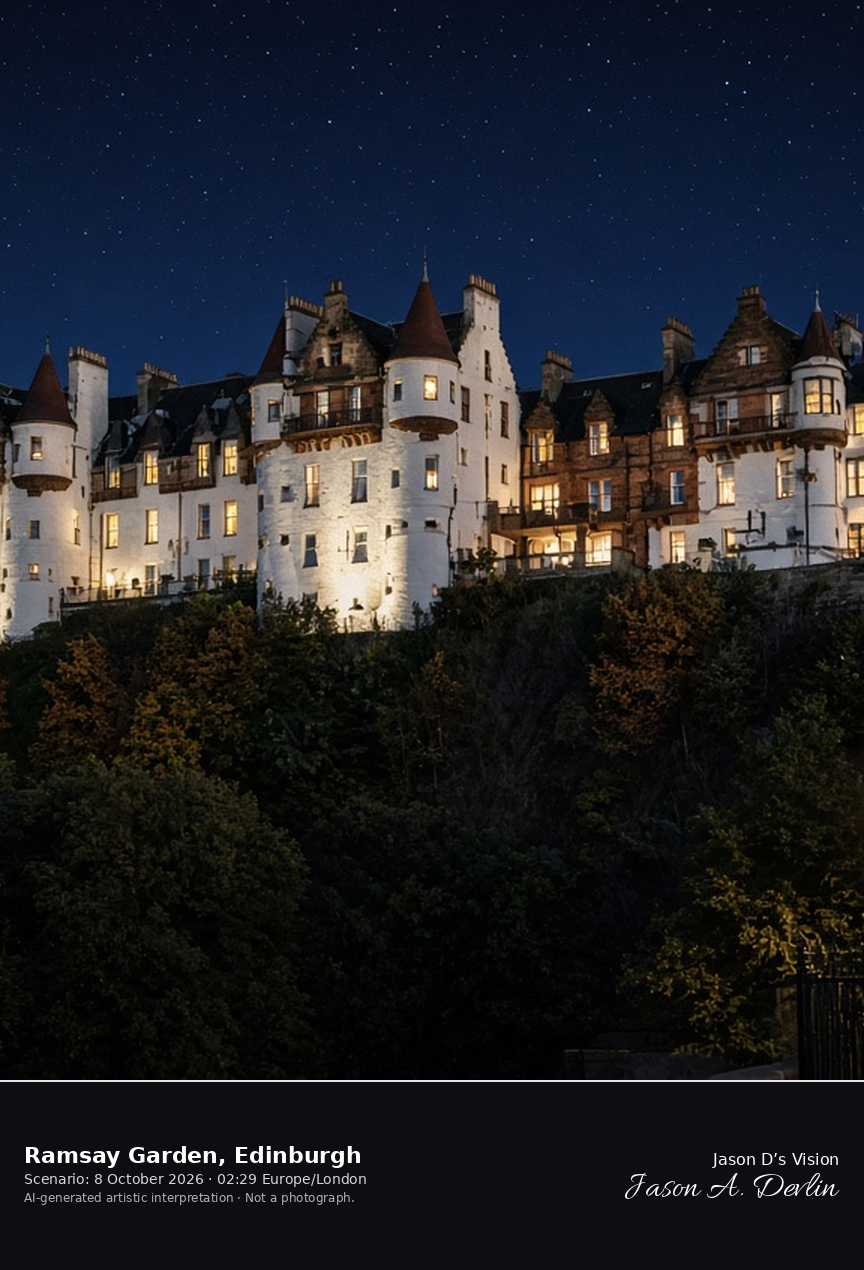
The biologist and town planner Patrick Geddes built Ramsay Garden between 1890 and 1893 around the octagonal house of the poet Allan Ramsay, known as the Goosepie. Its red stone and white harled walls make it one of the most recognisable buildings seen from Princes Street.
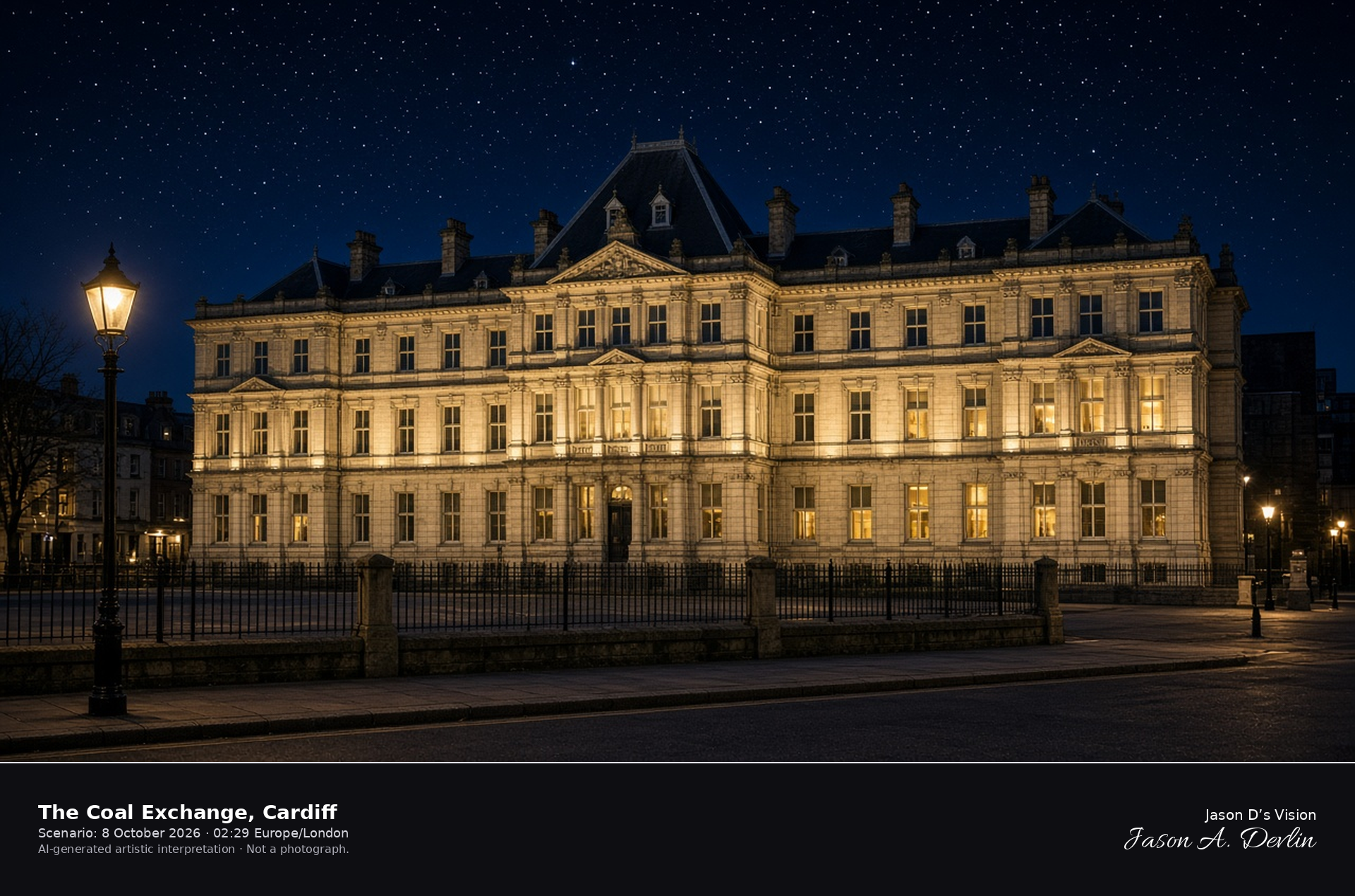
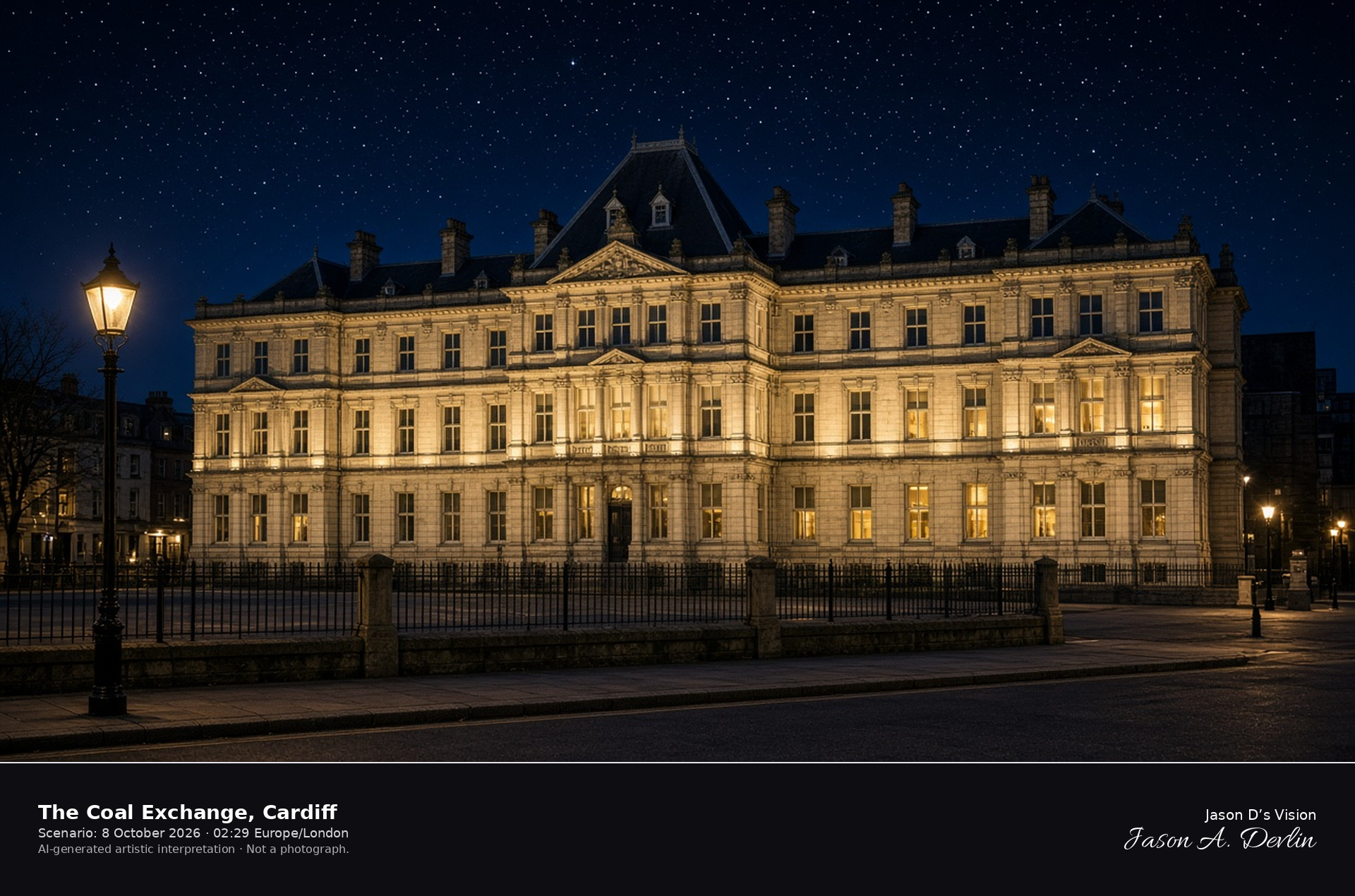
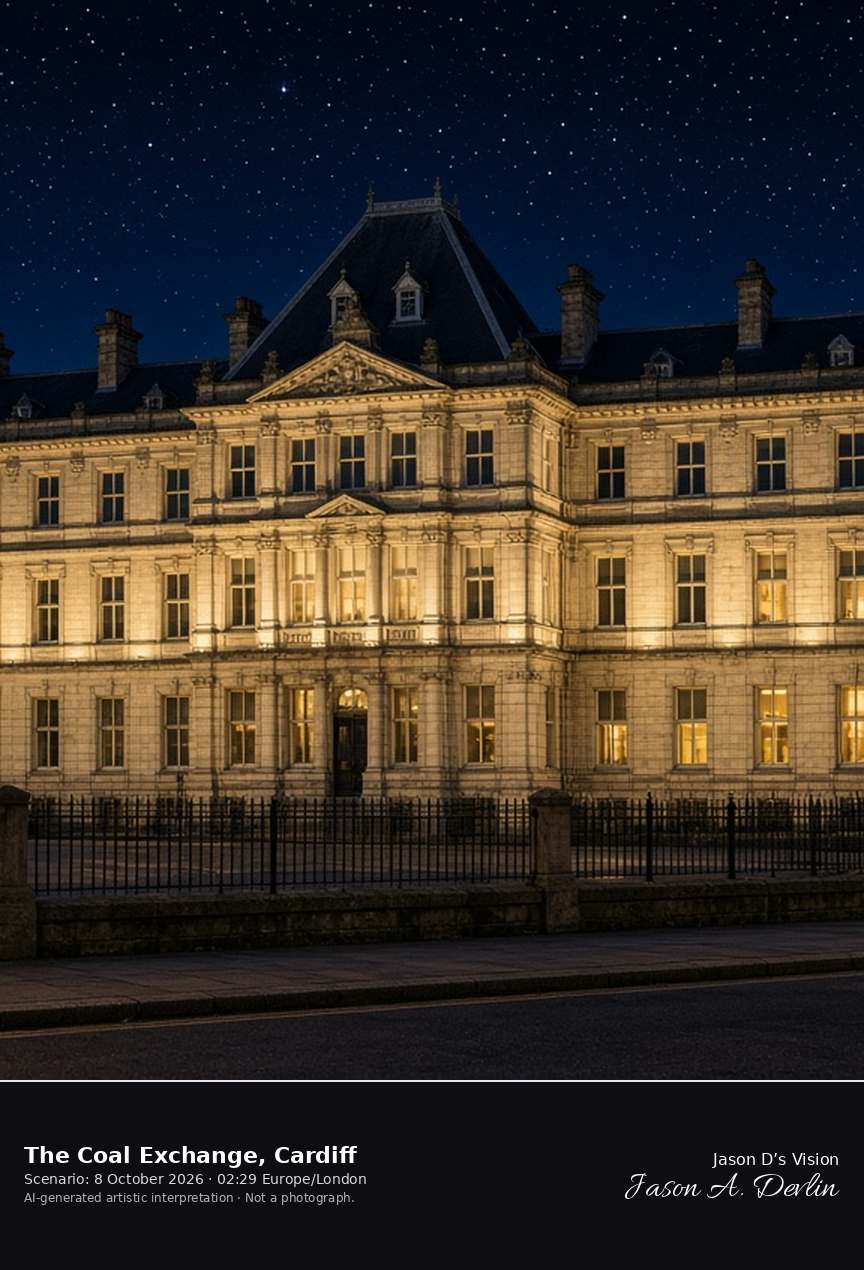
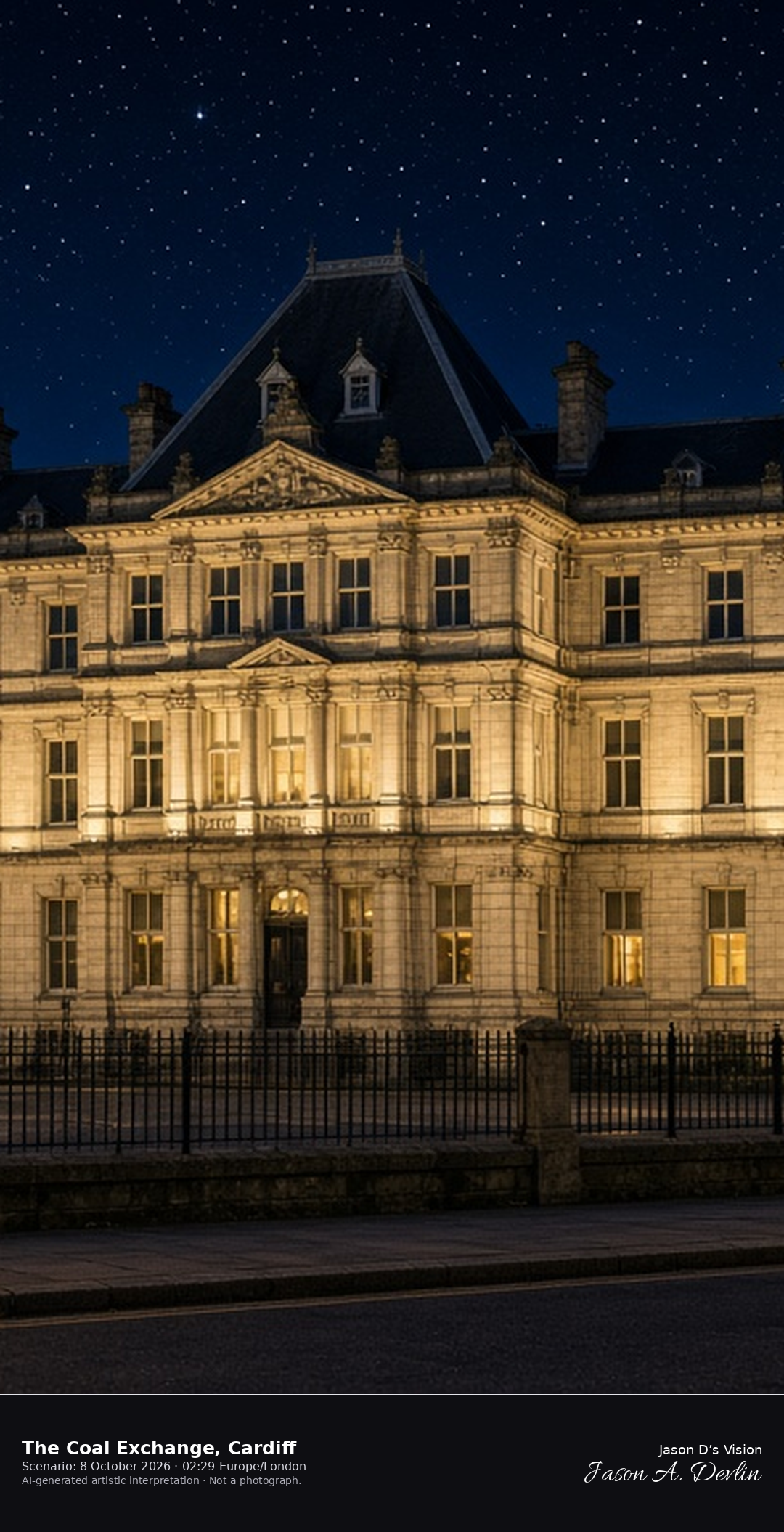
The Coal Exchange, Cardiff · AI-generated artistic interpretation
Edwin Seward built the Coal and Shipping Exchange between 1884 and 1888, when Cardiff was the world's biggest coal port. The first ever one million pound deal was agreed here in 1904, and the building is now a hotel.
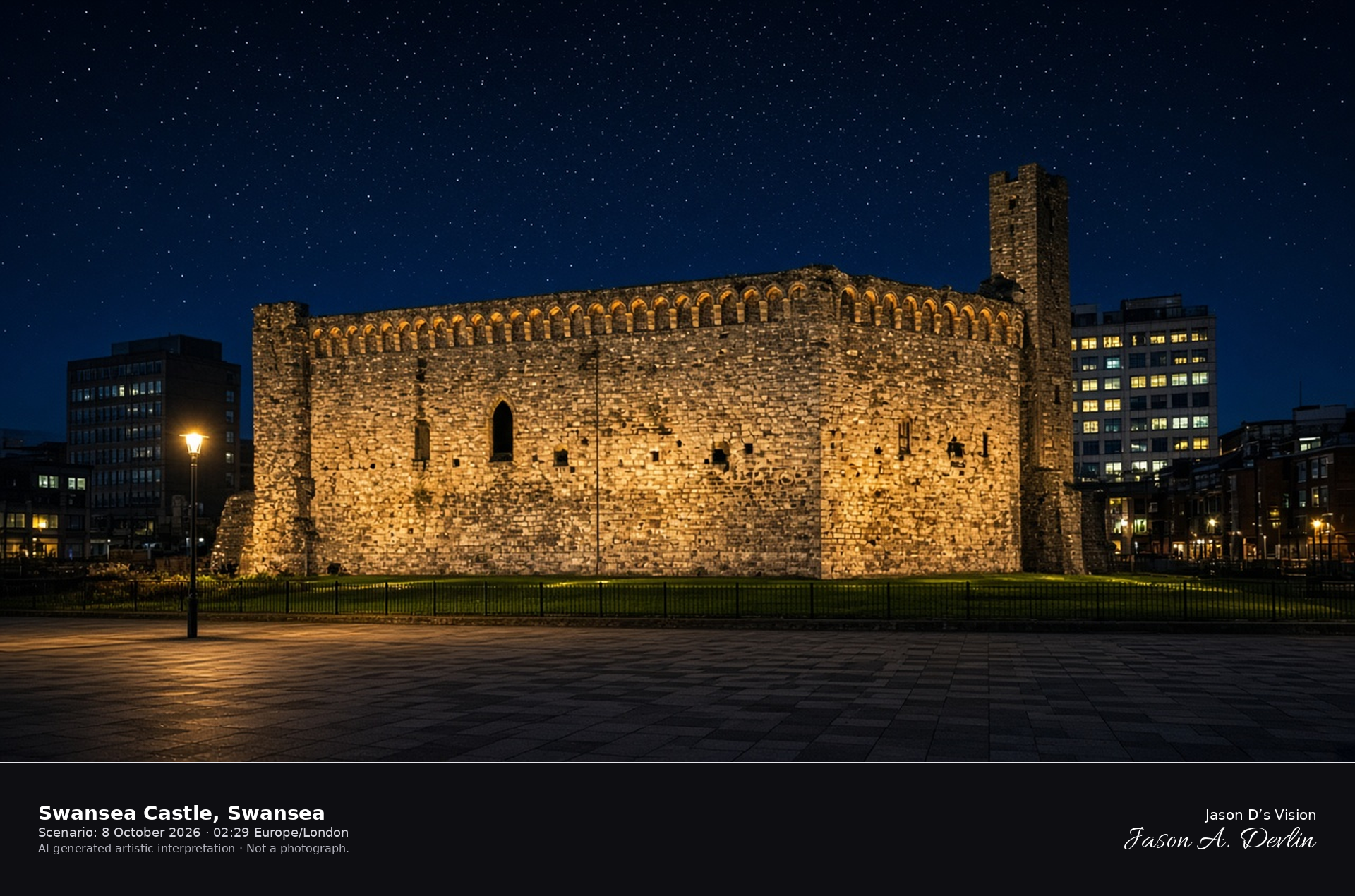
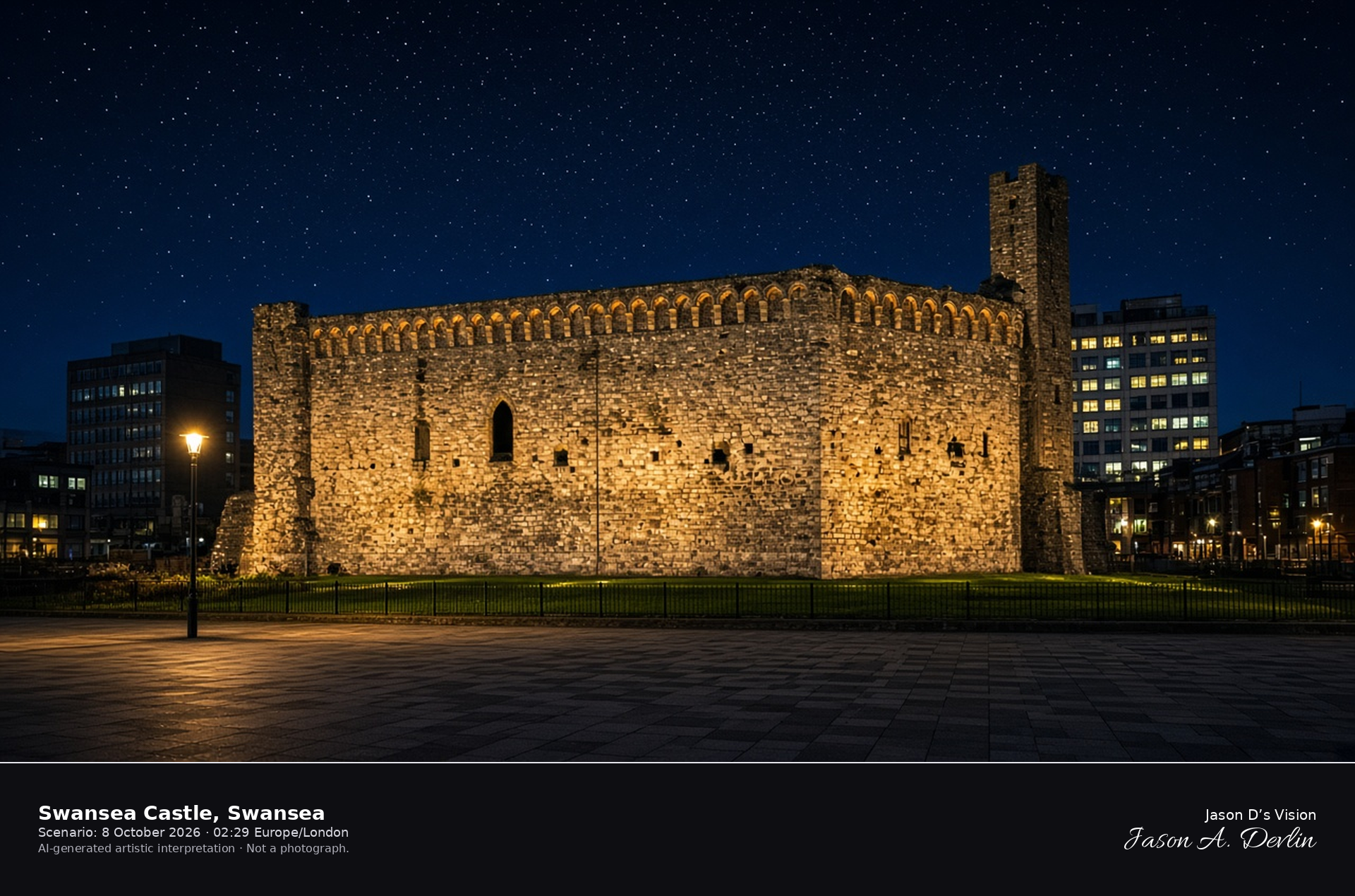
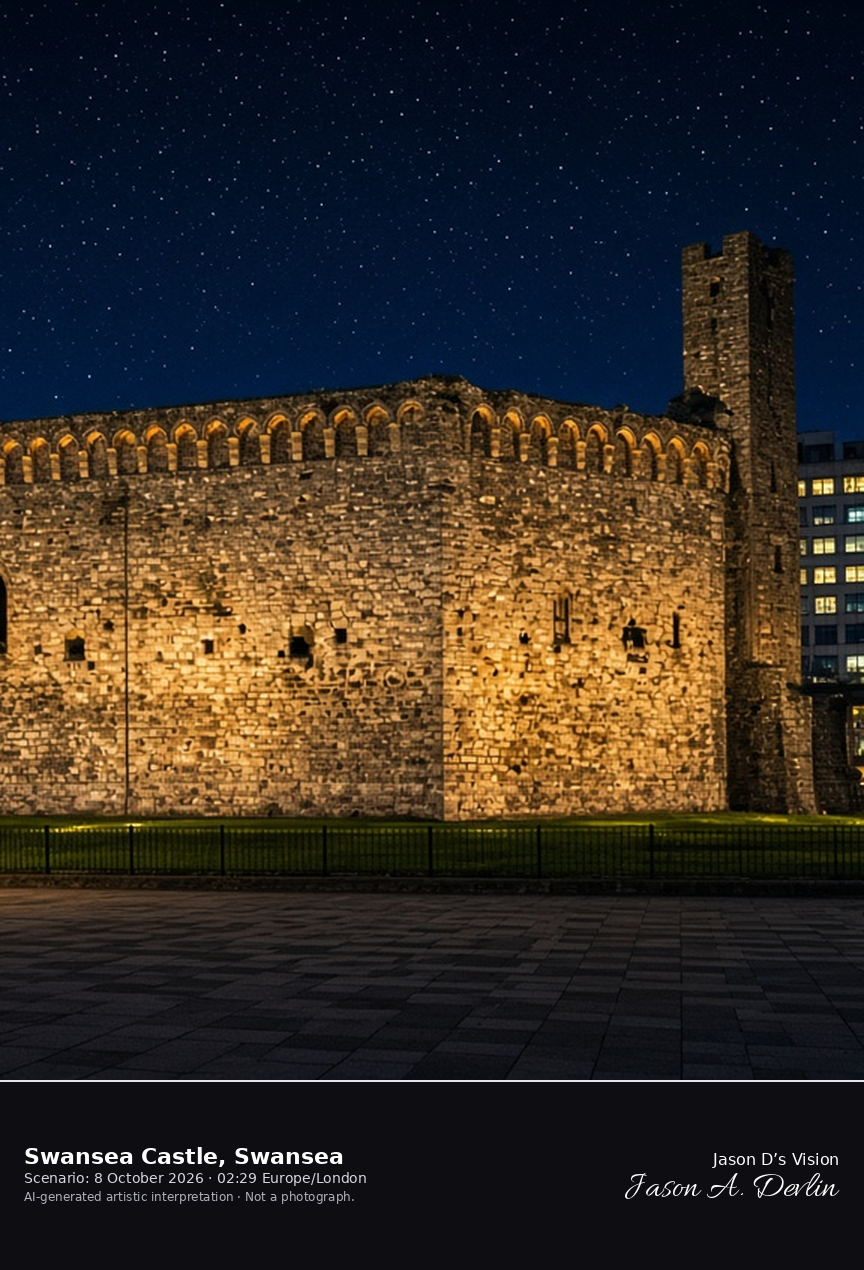
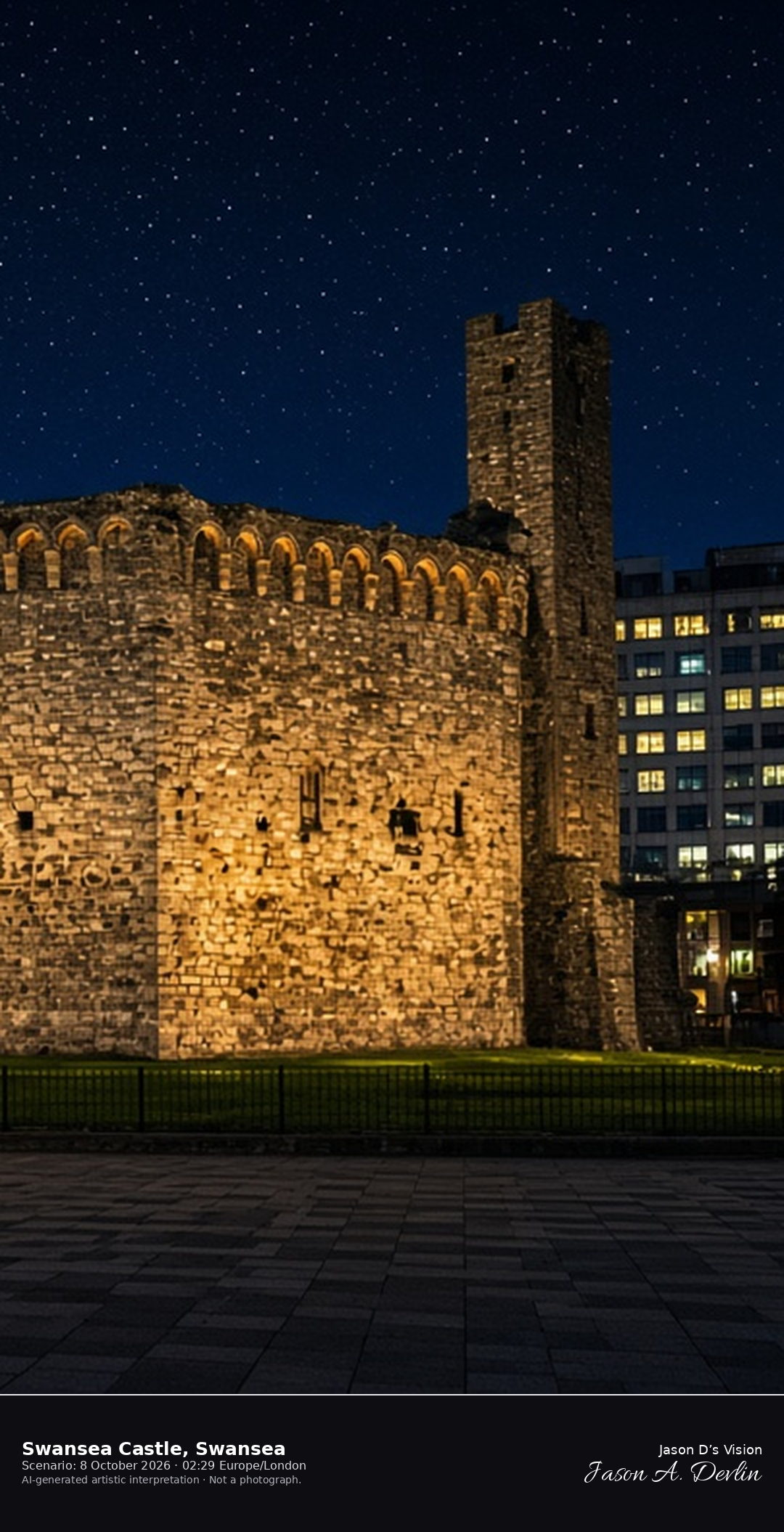
Henry de Beaumont founded the castle in 1107 as the seat of the lordship of Gower. The surviving south block of around 1300 is crowned by a row of arches like those of the bishop's palaces at Lamphey and St Davids.
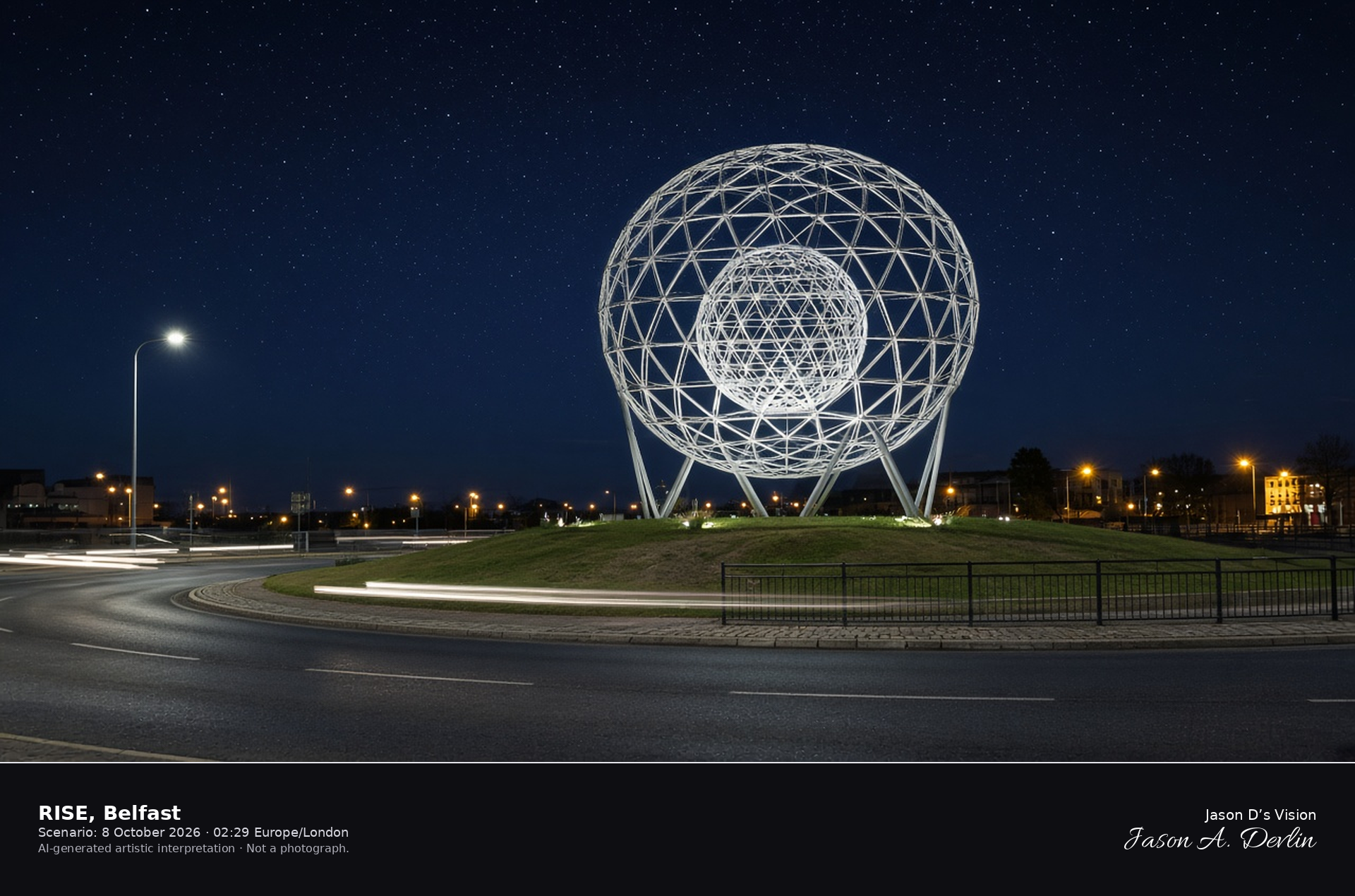
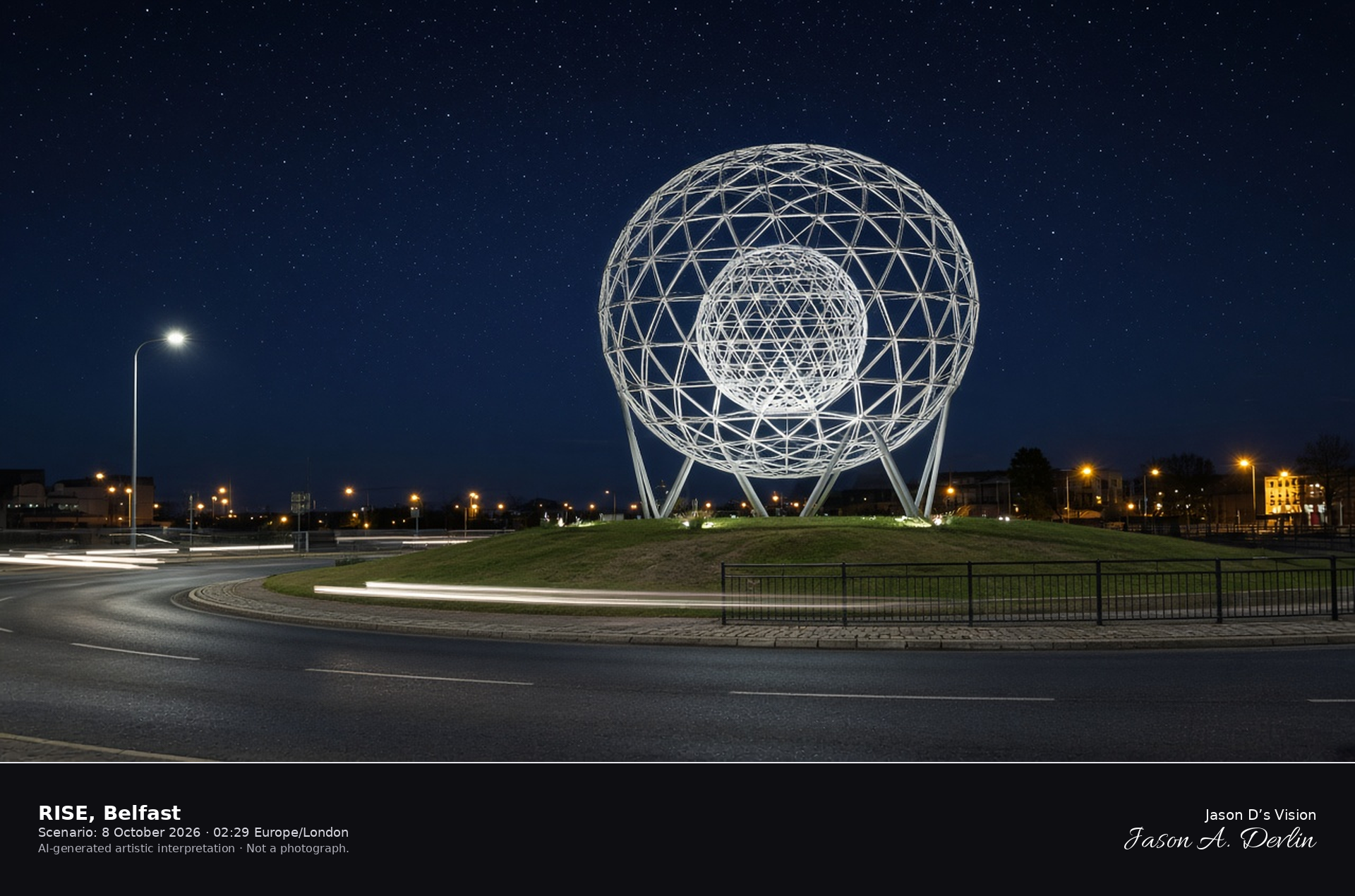
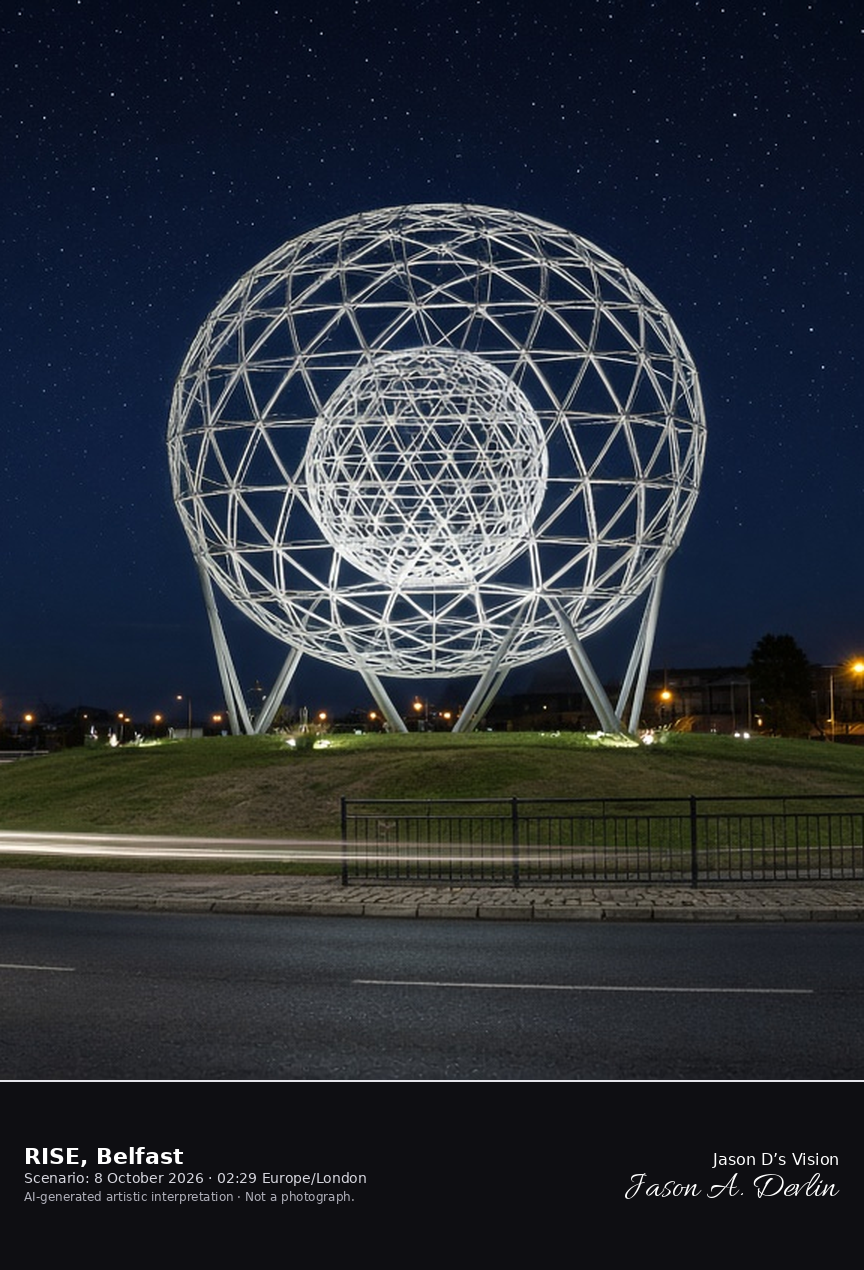
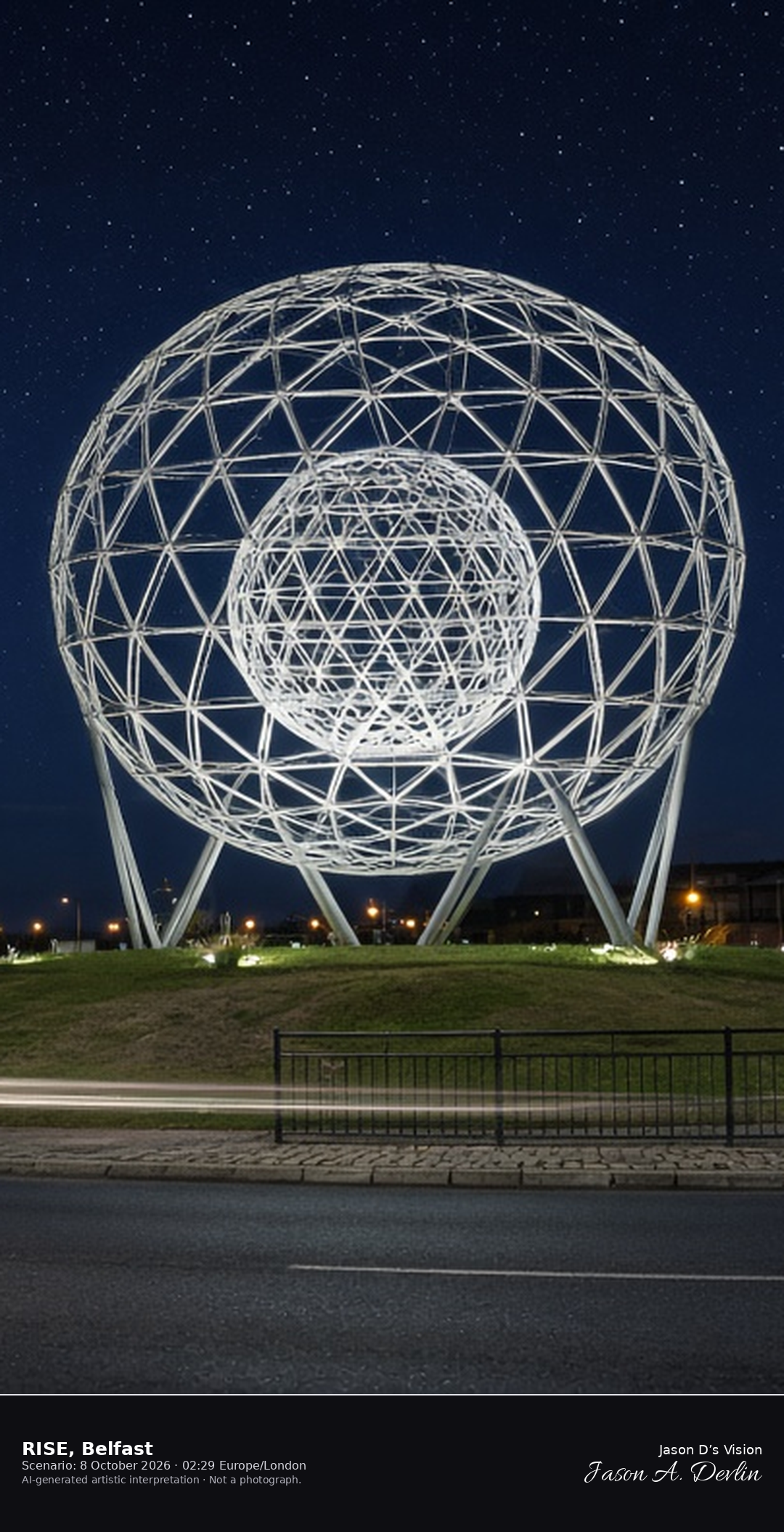
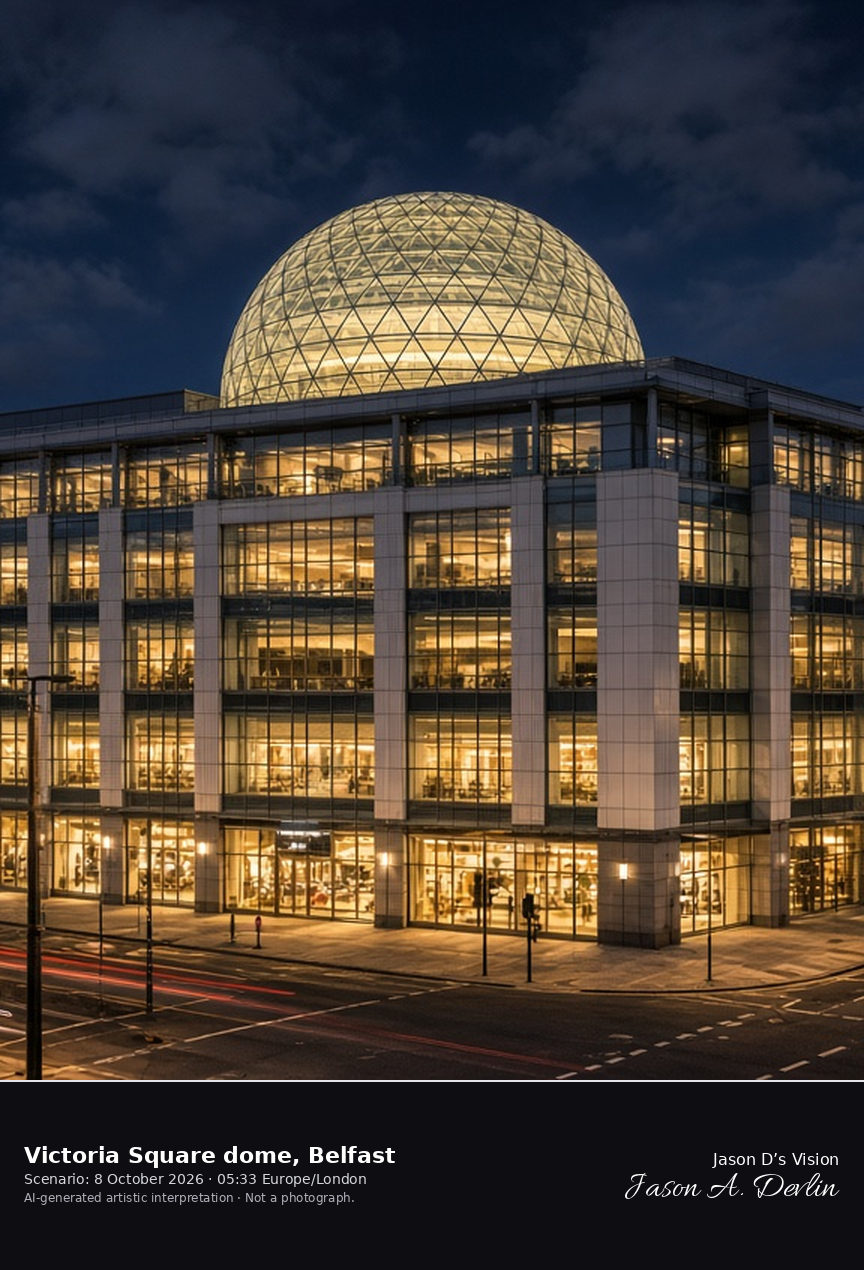
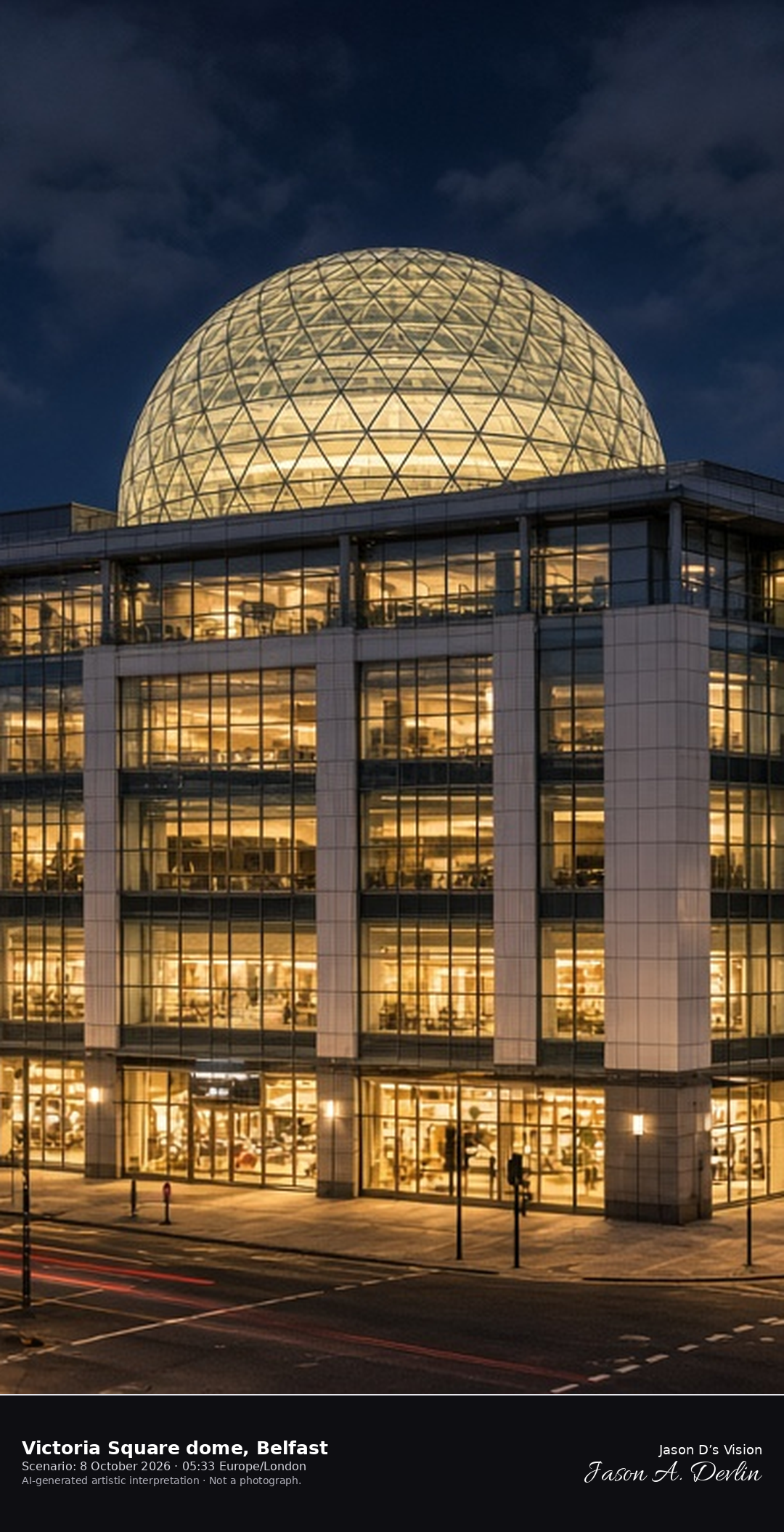
Wolfgang Buttress designed RISE, built in 2011 for Belfast City Council as part of a road improvement scheme. A geodesic sphere hangs inside a larger one 30 metres across, making it the biggest public artwork in Belfast.
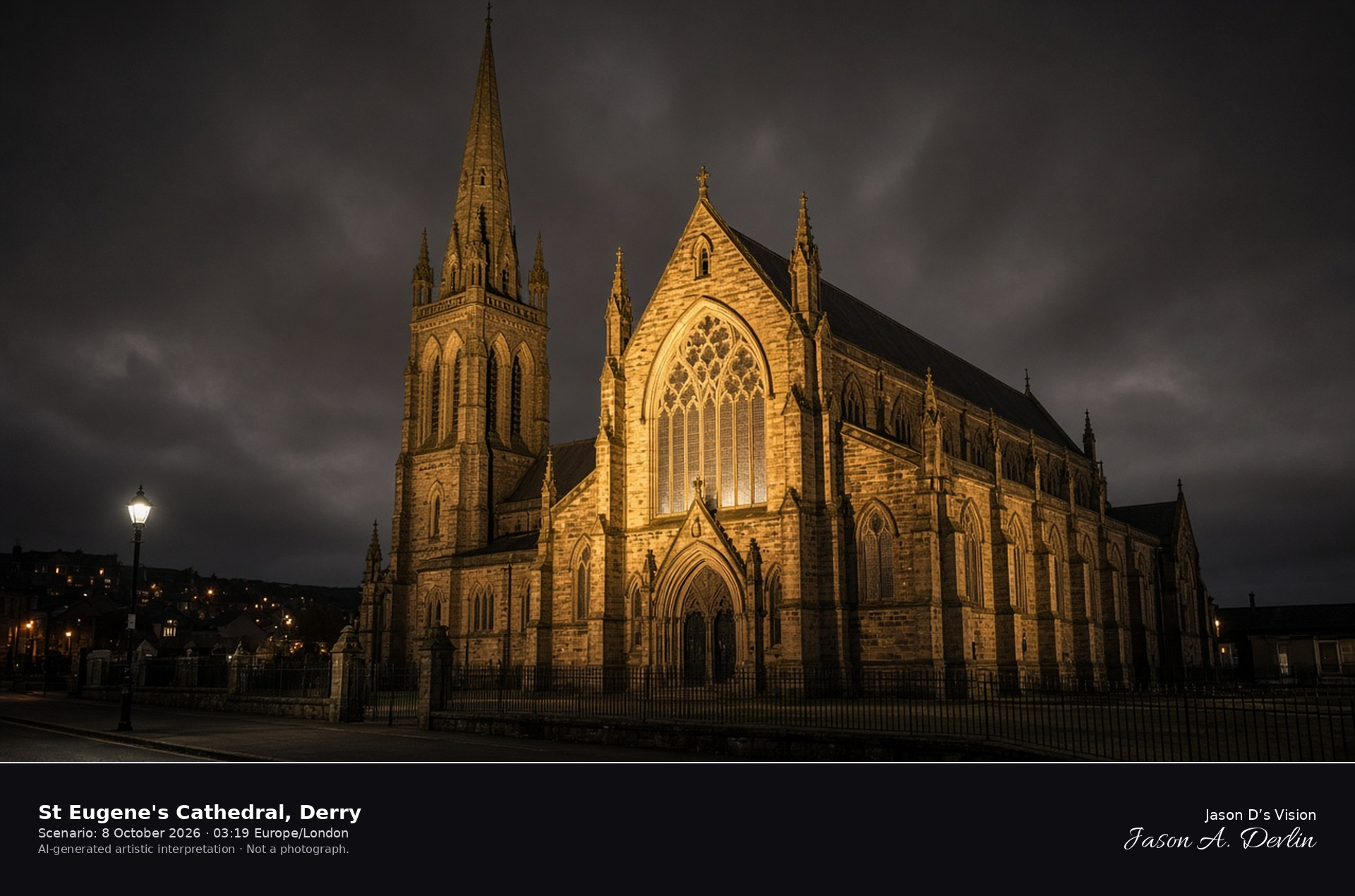
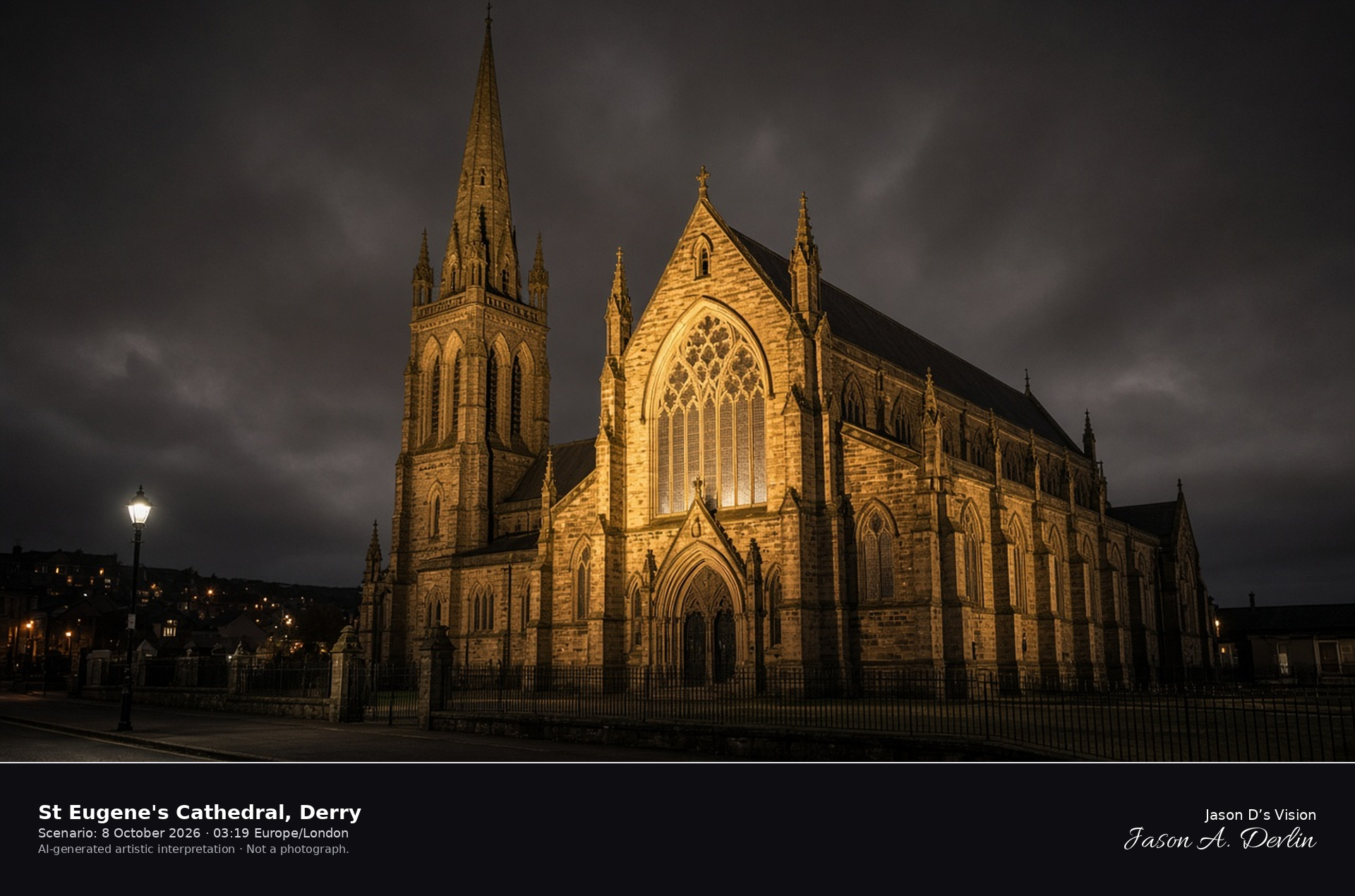
St Eugene's Cathedral, Derry · AI-generated artistic interpretation
James Joseph McCarthy designed the cathedral, which opened on 4 May 1873 after fundraising that reached as far as America. The bell tower and spire had to wait for funds and were finally built between 1900 and 1903.
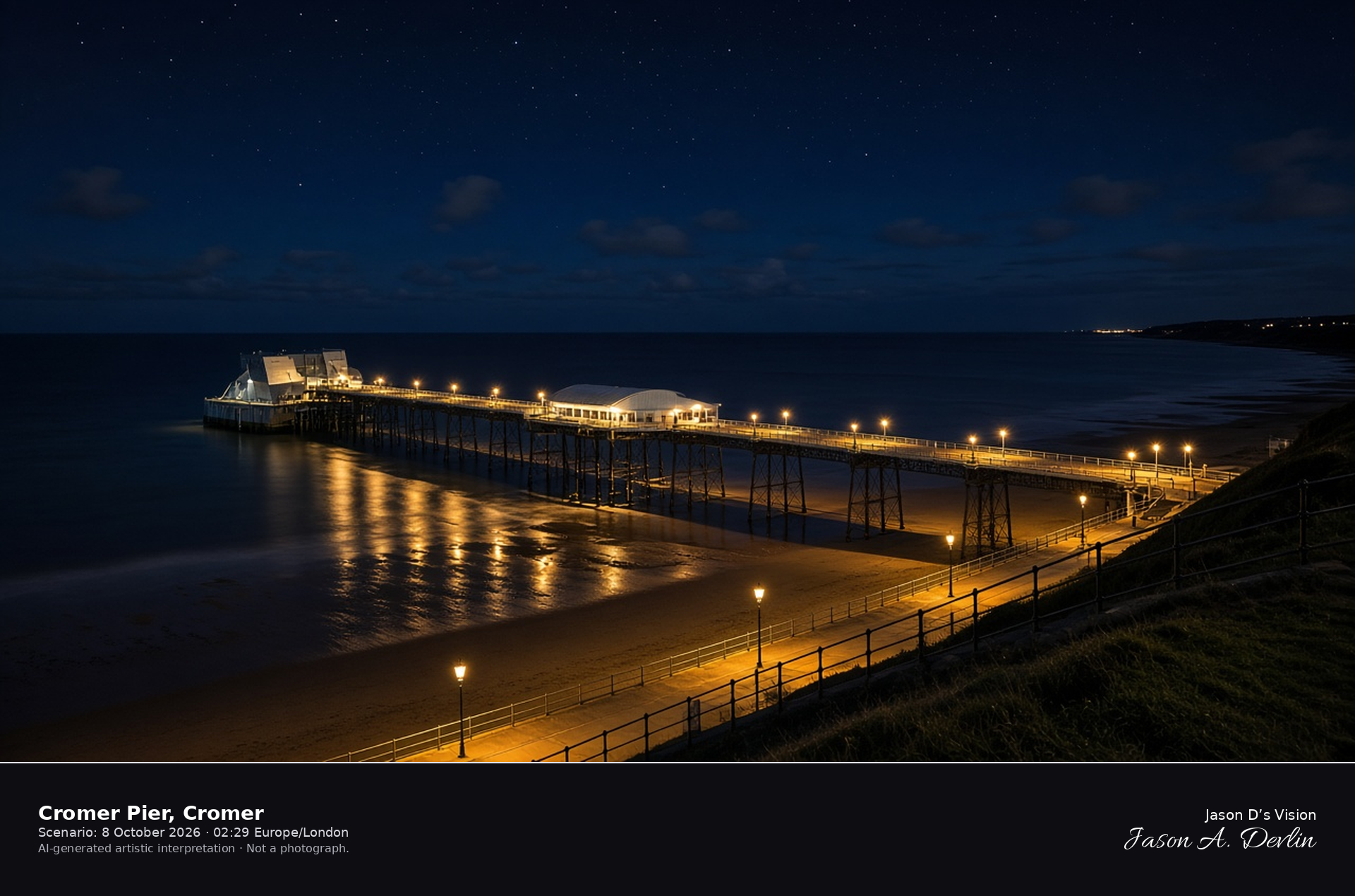
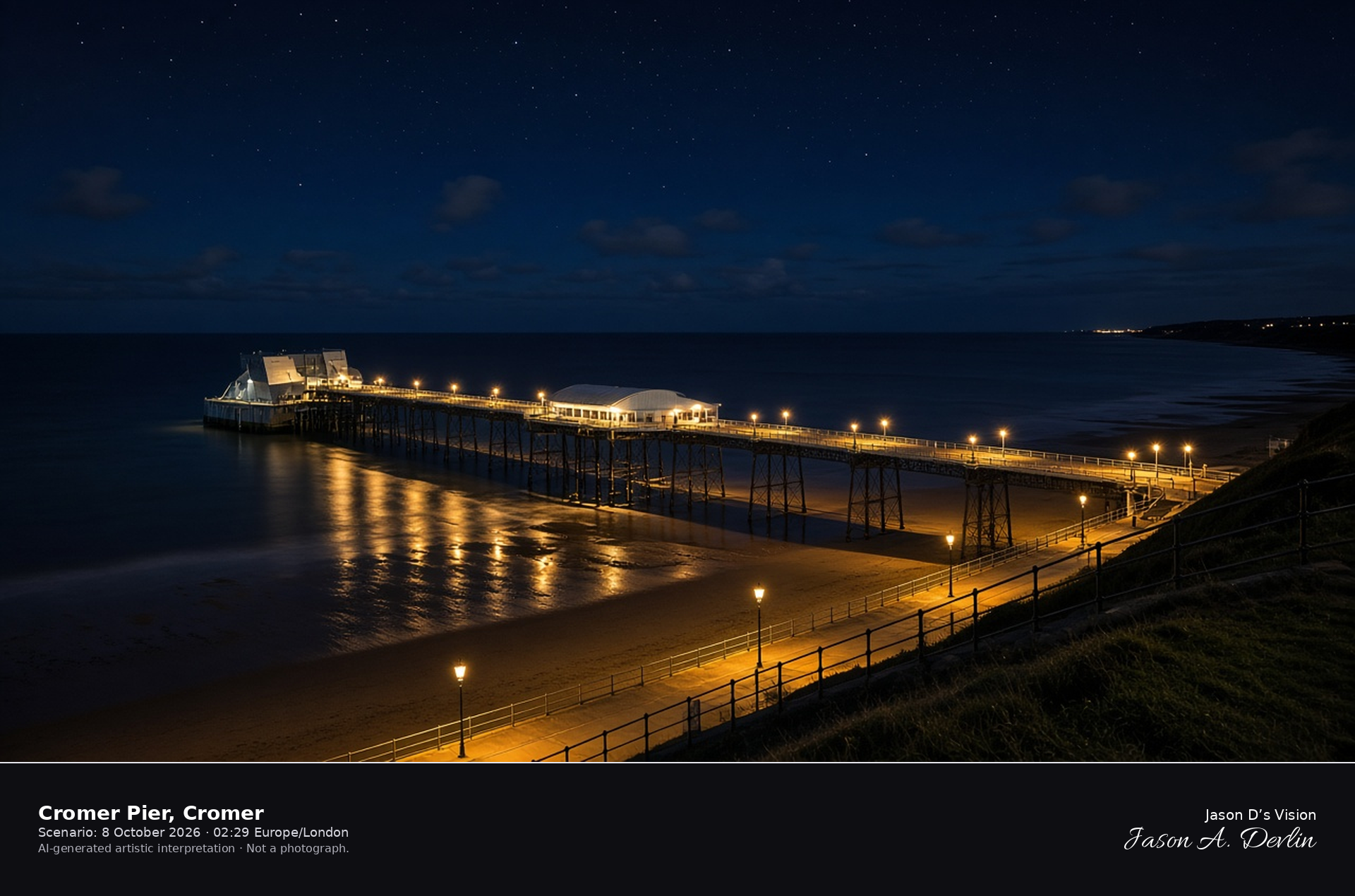
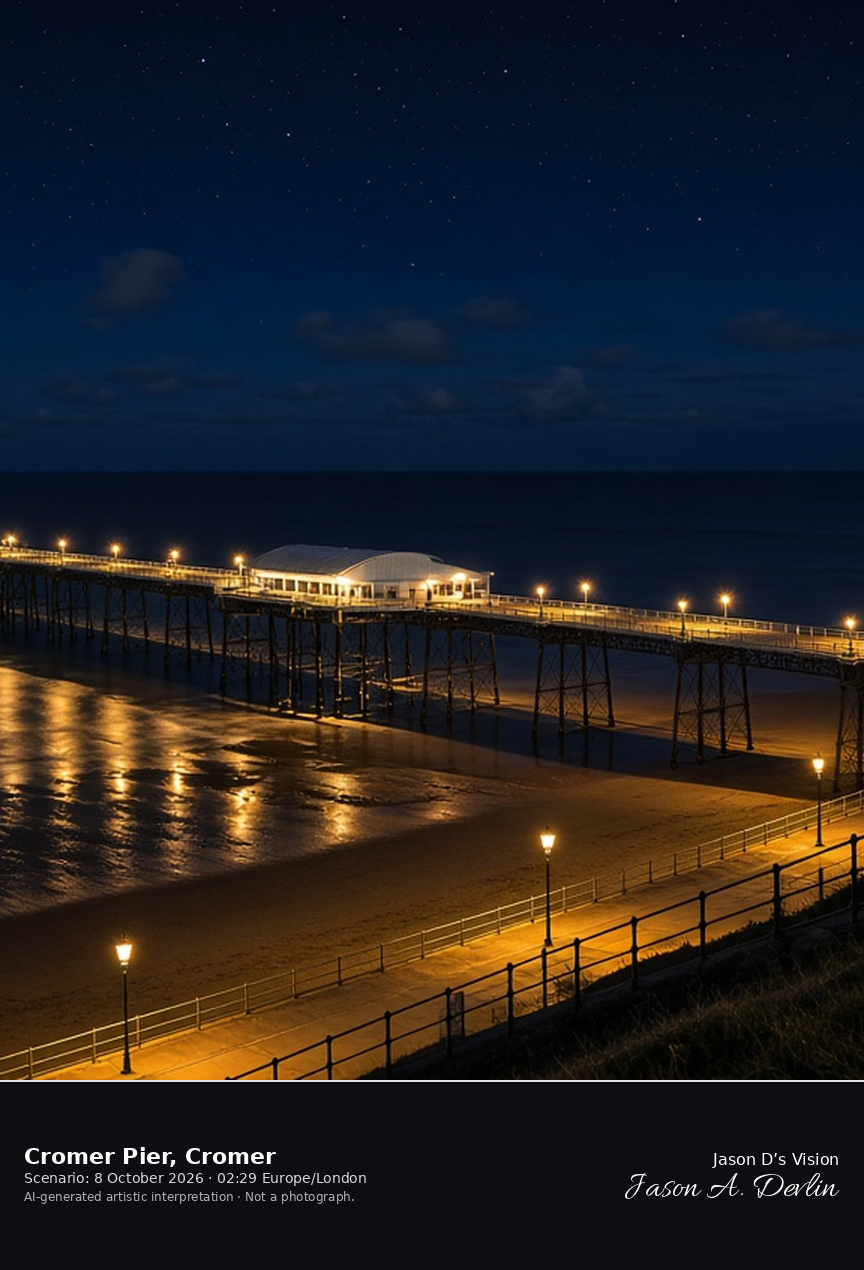
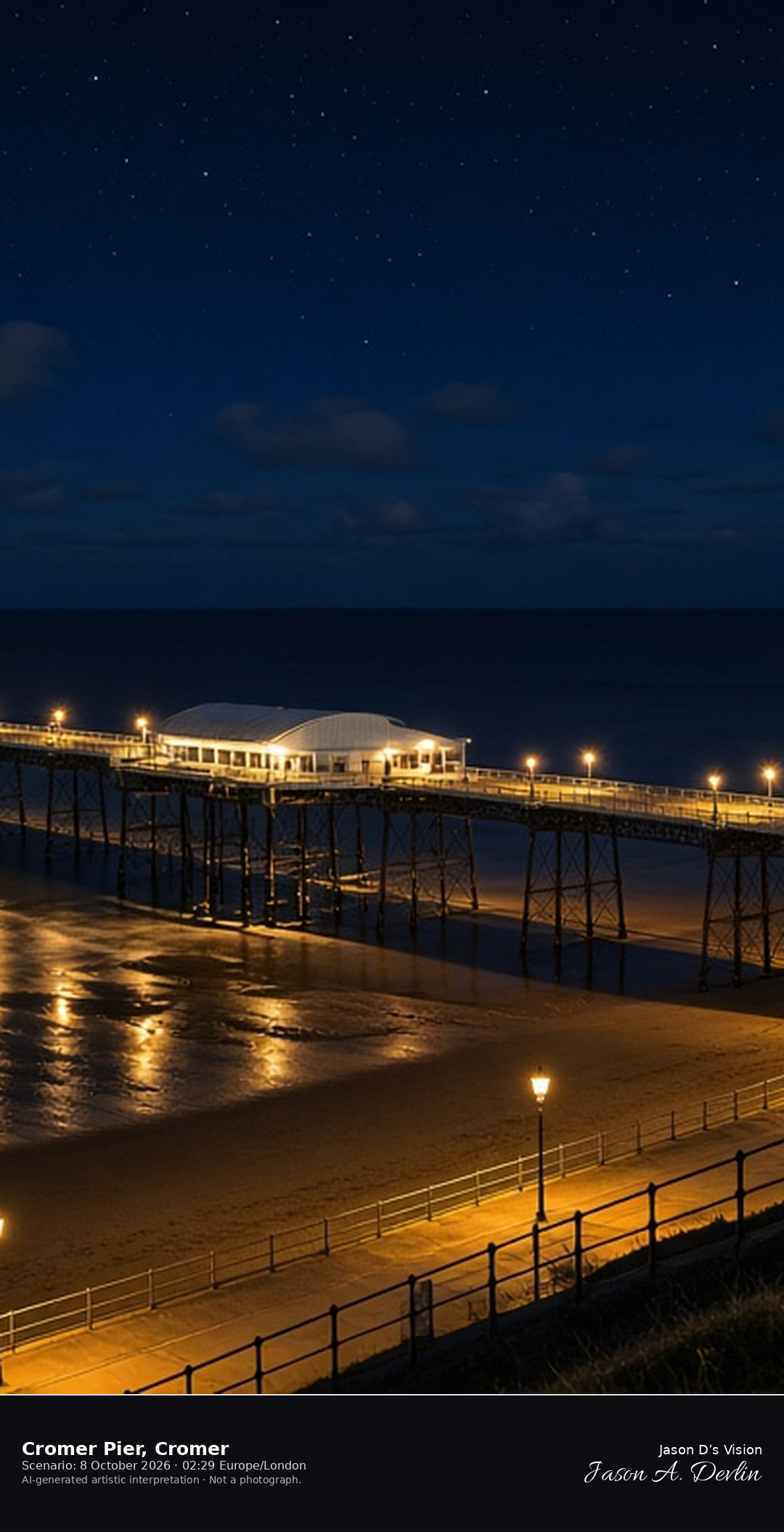
Cromer's pier carries one of the last surviving end-of-the-pier variety shows in the country, playing its summer season in the Pavilion Theatre above the waves. The town at the cliff foot is famous in its own right for the Cromer crab, sweetest of shellfish, landed on this shore for centuries.
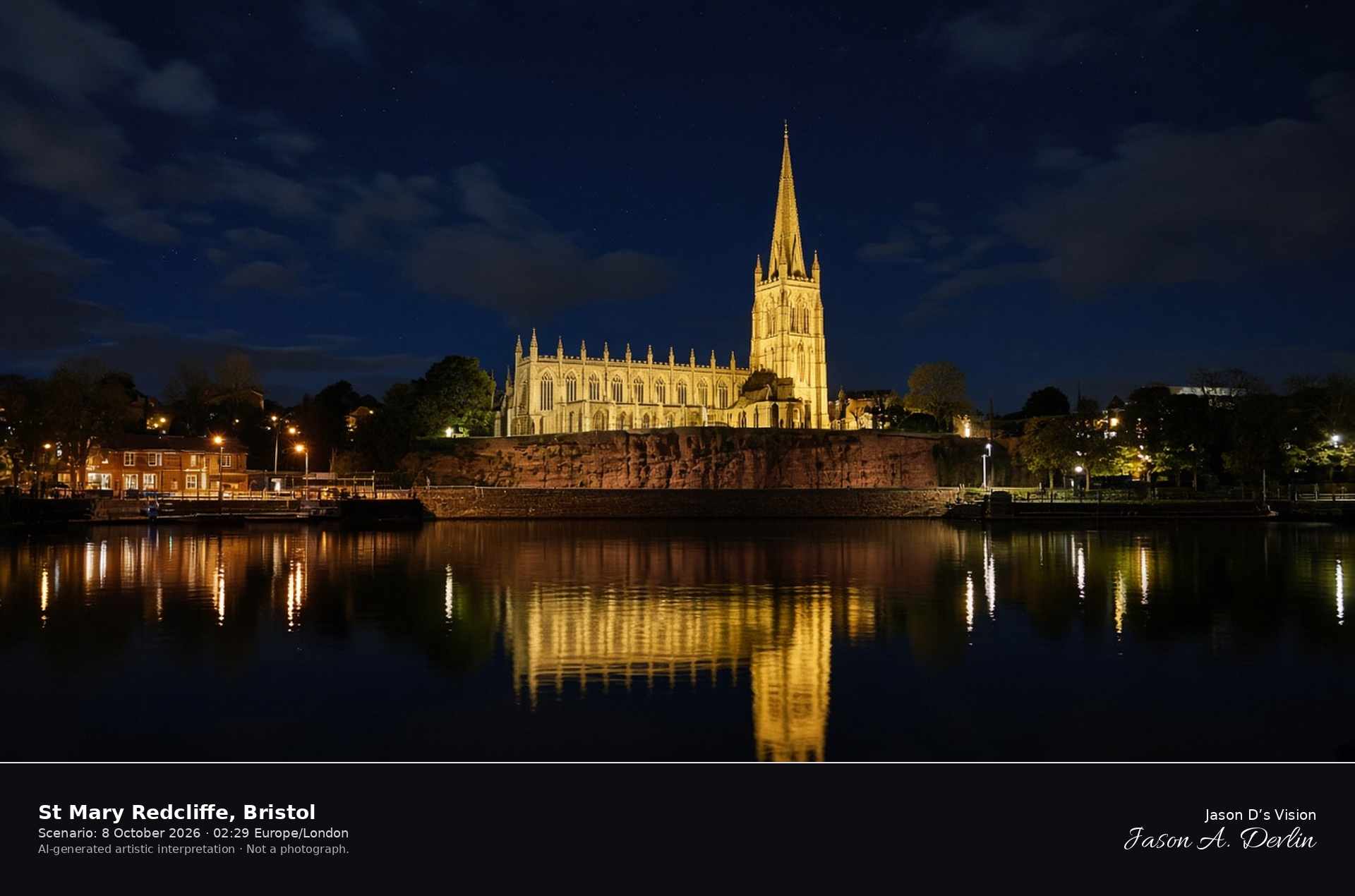
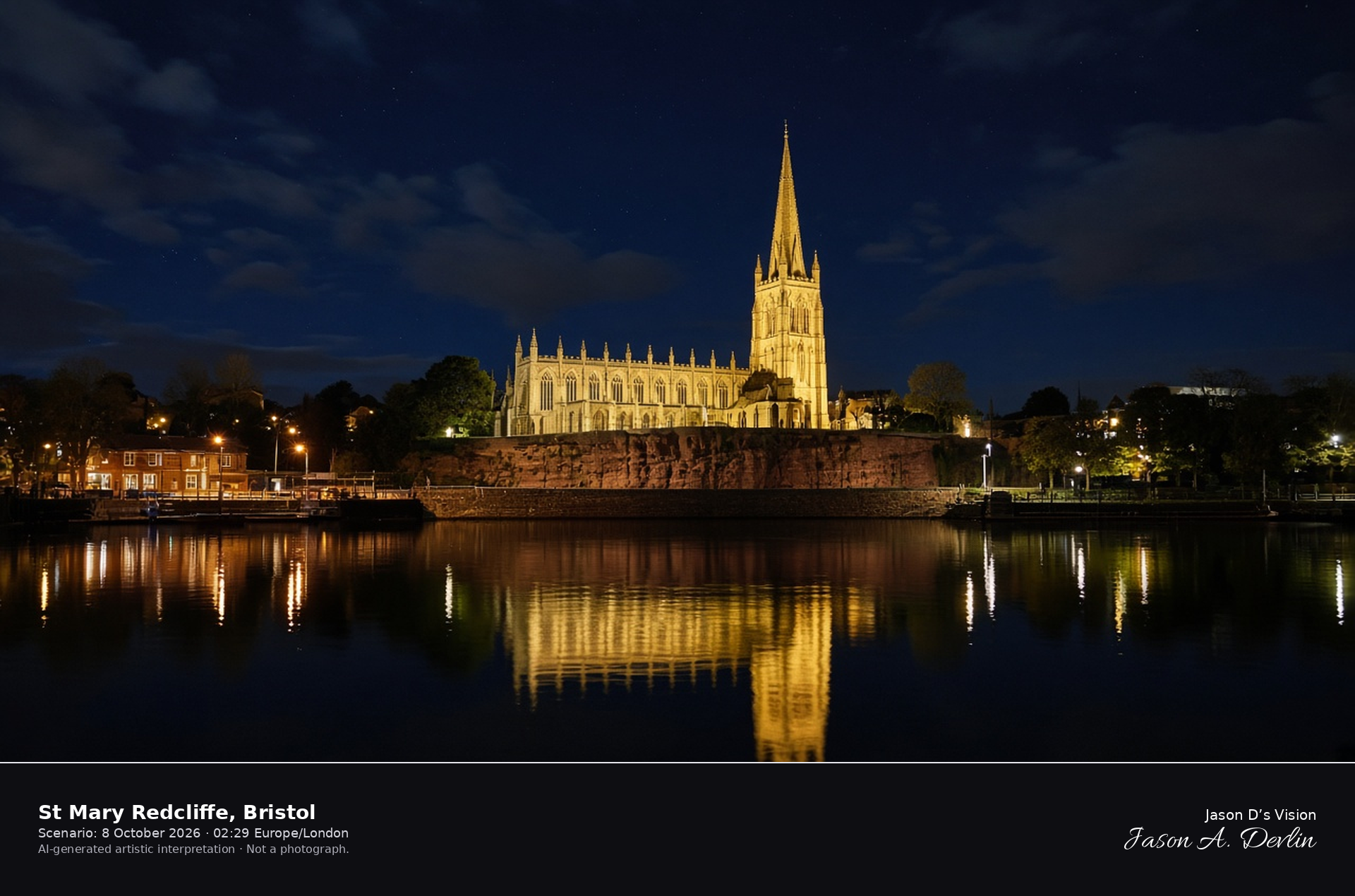
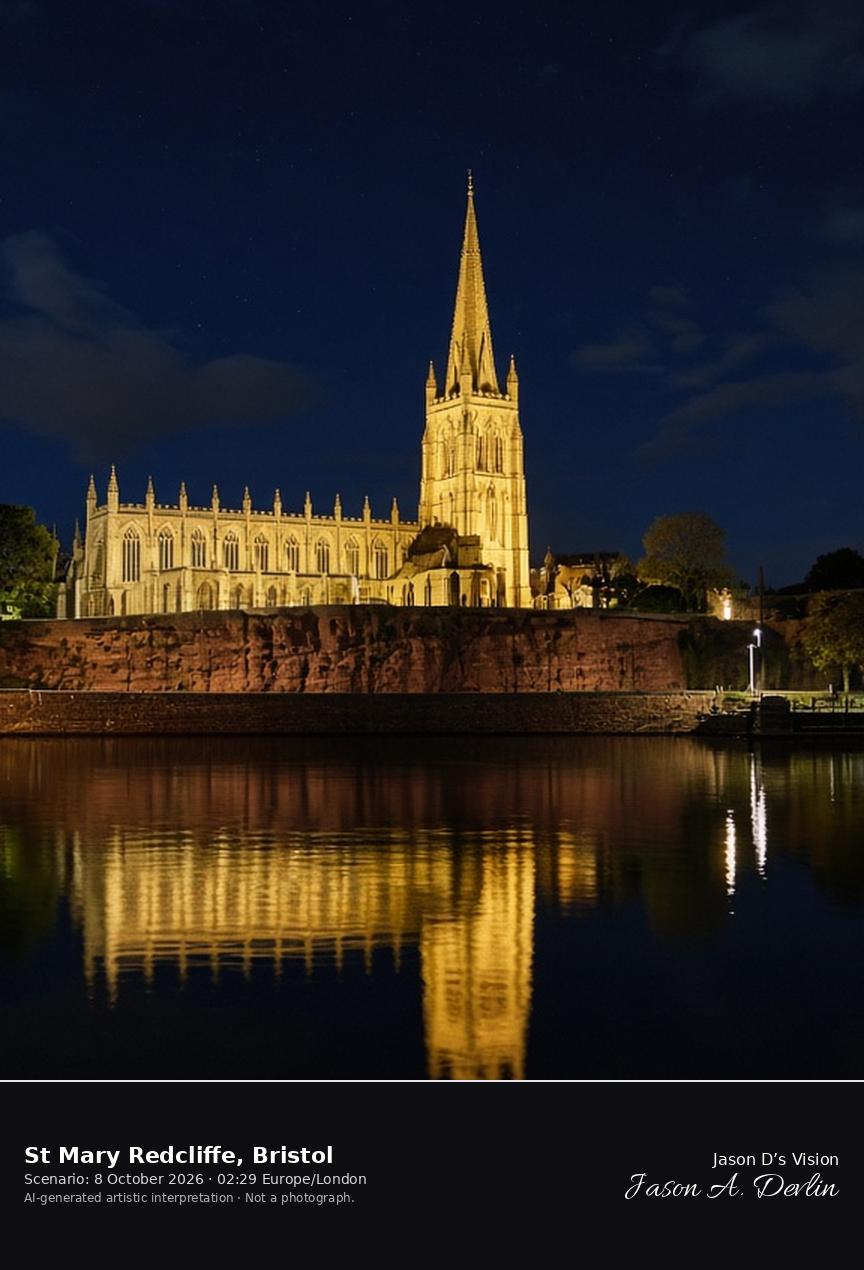
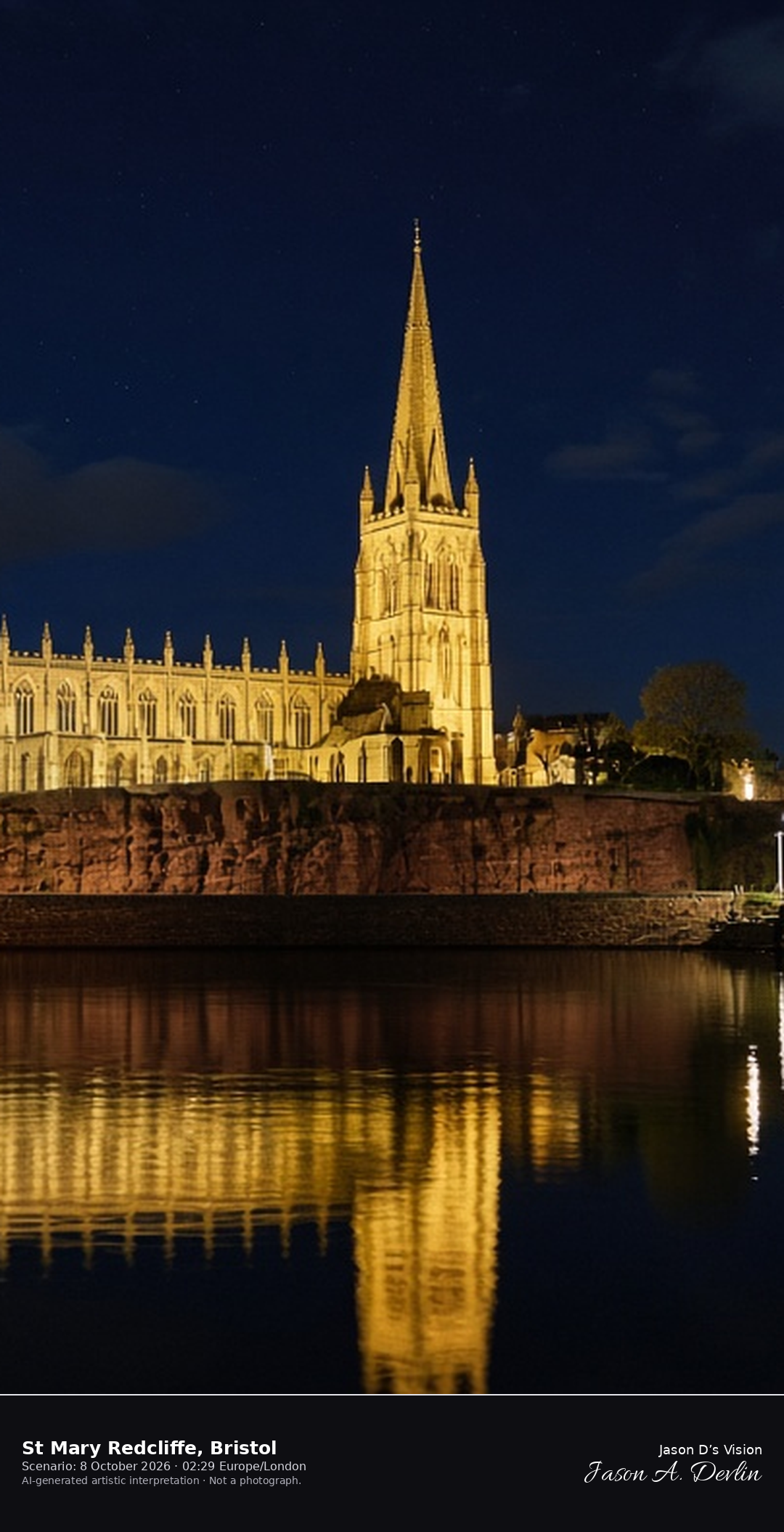
St Mary Redcliffe, Bristol · AI-generated artistic interpretation
The church was built mainly between 1185 and the 14th century, and its spire, shortened by a storm in the 1440s, was rebuilt only in 1872. It rises 84 metres to the weathervane, and the six-sided north porch of about 1325 is one of only three medieval hexagonal porches in England.
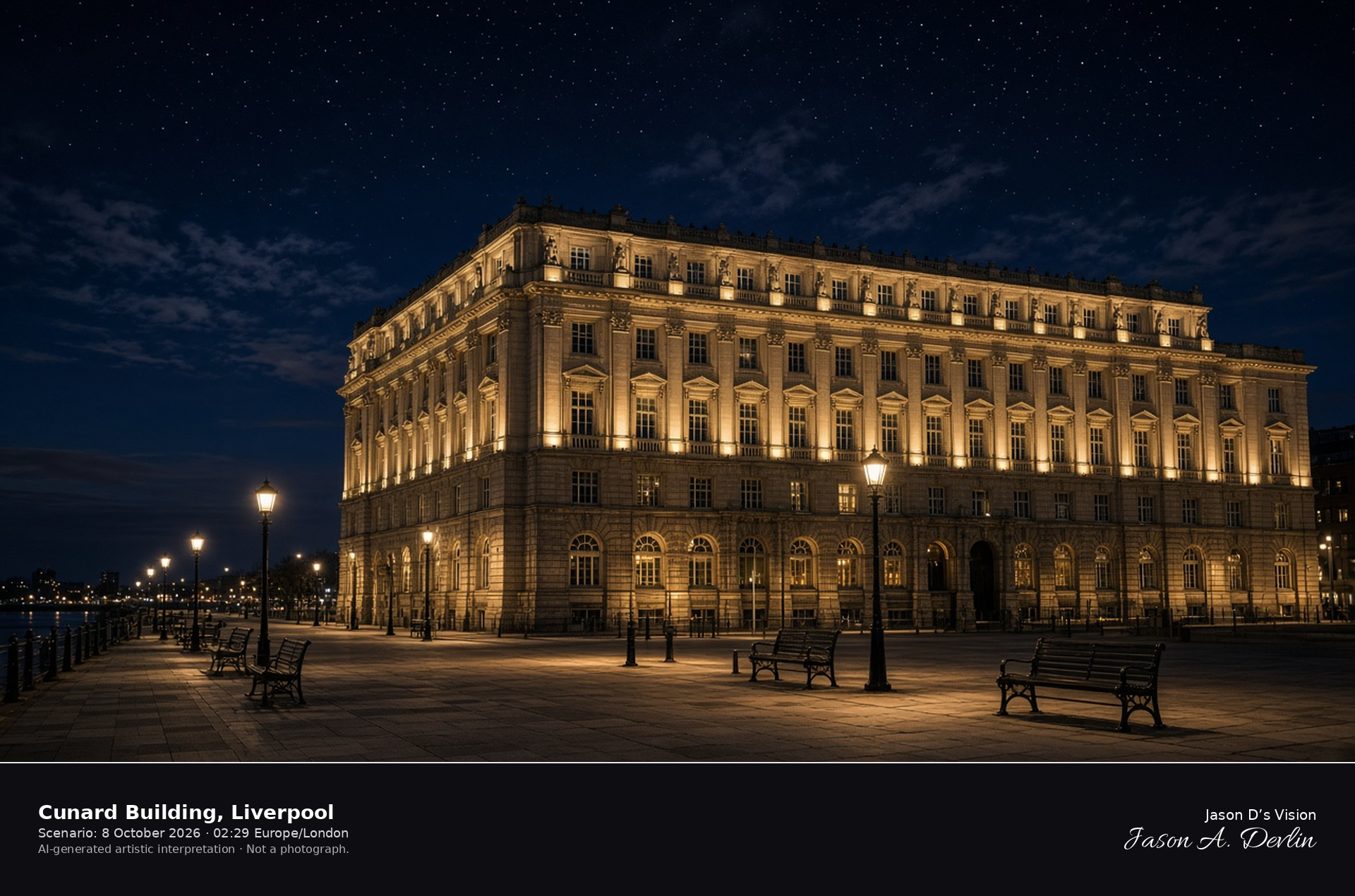
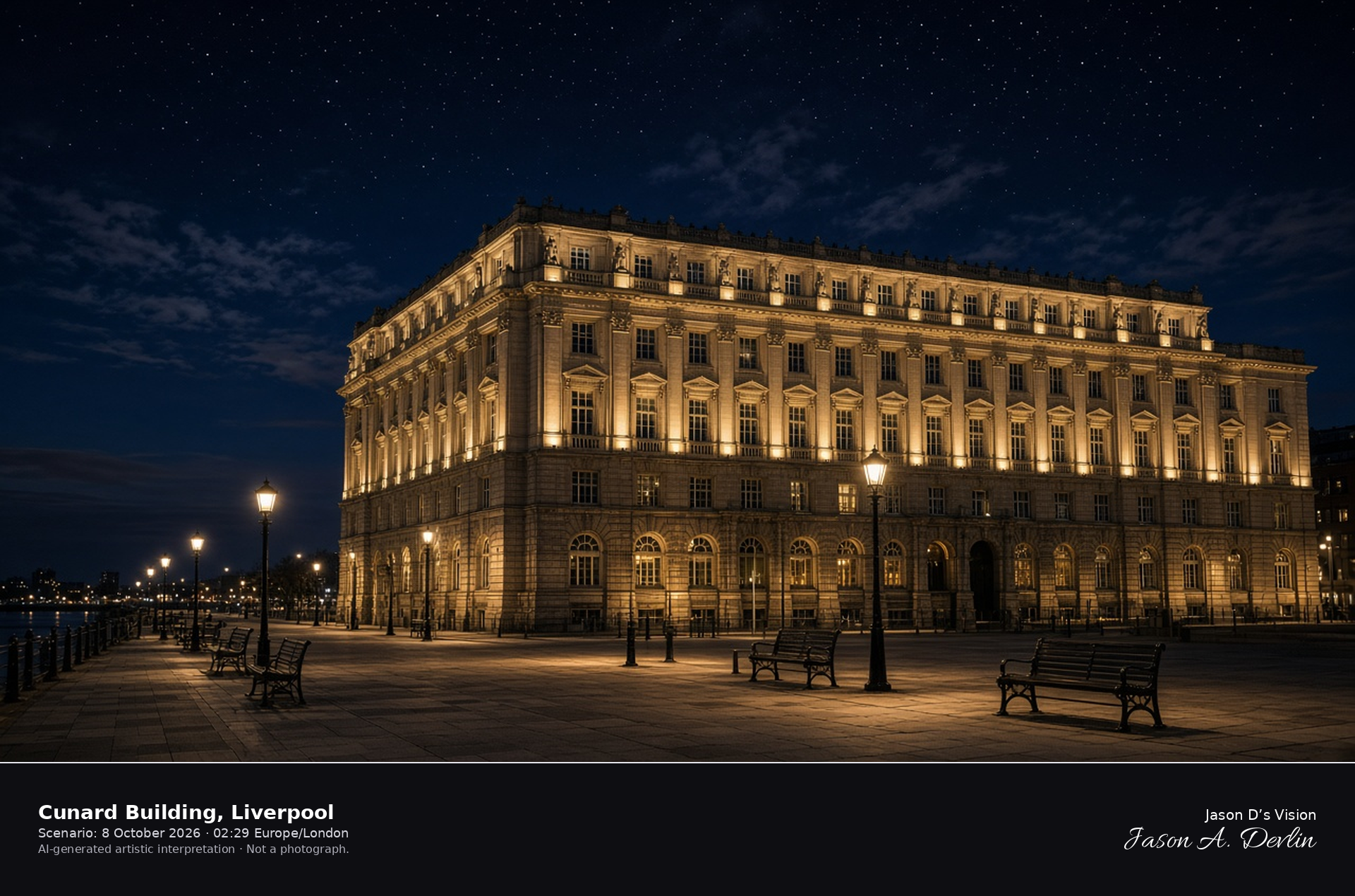
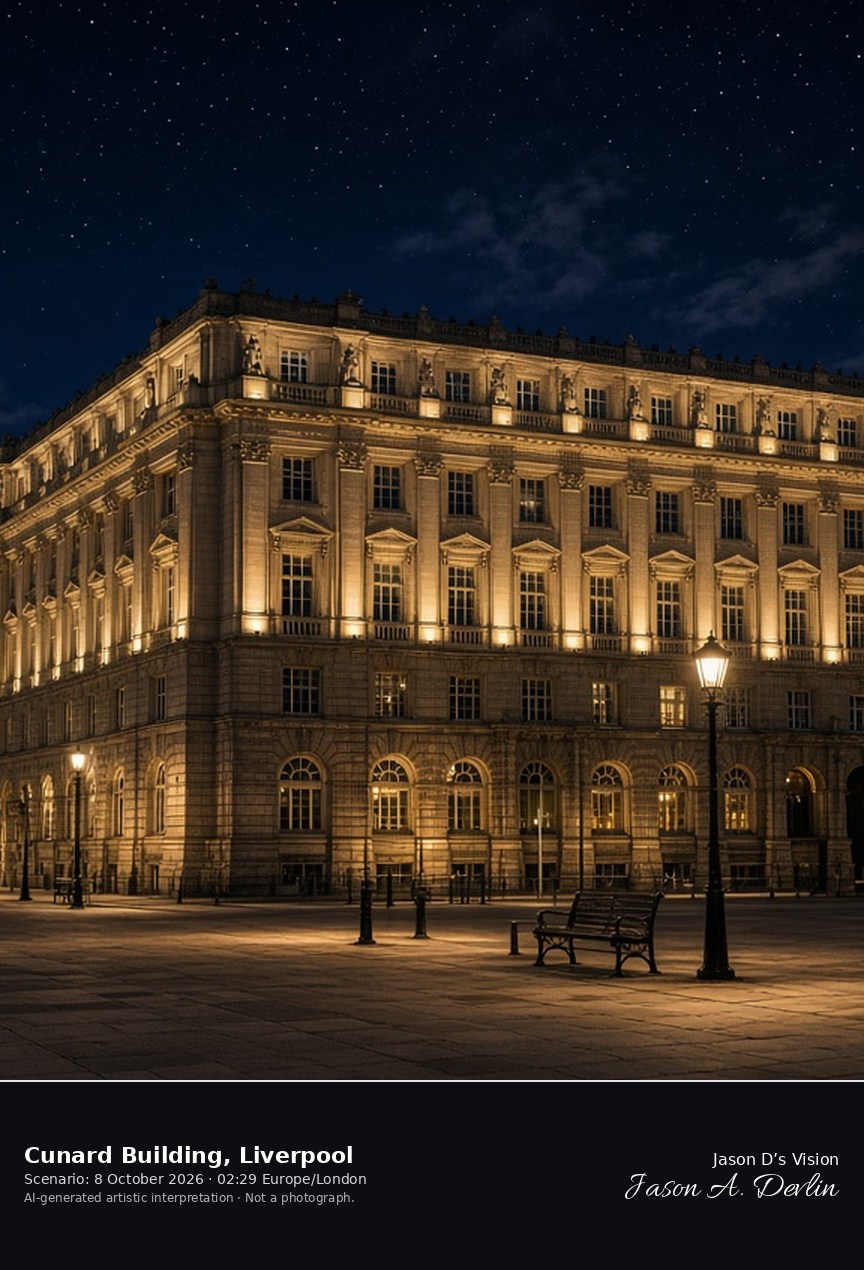
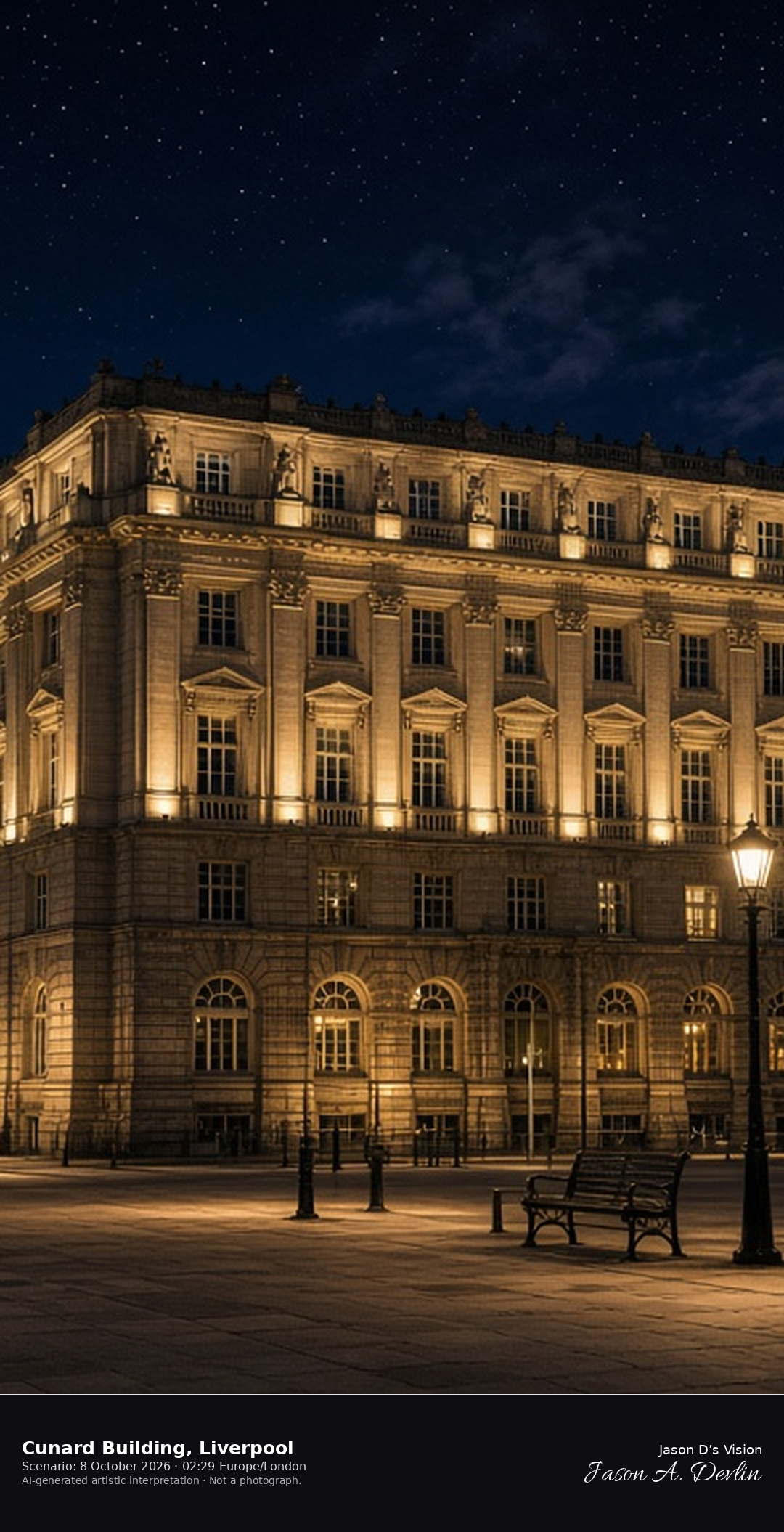
Cunard Building, Liverpool · AI-generated artistic interpretation
Built between 1914 and 1917 as the headquarters of the Cunard Line, it is the youngest of the Three Graces on the waterfront. Its Portland stone walls carry sculptures of Britannia and Neptune and the arms of Britain's First World War allies.
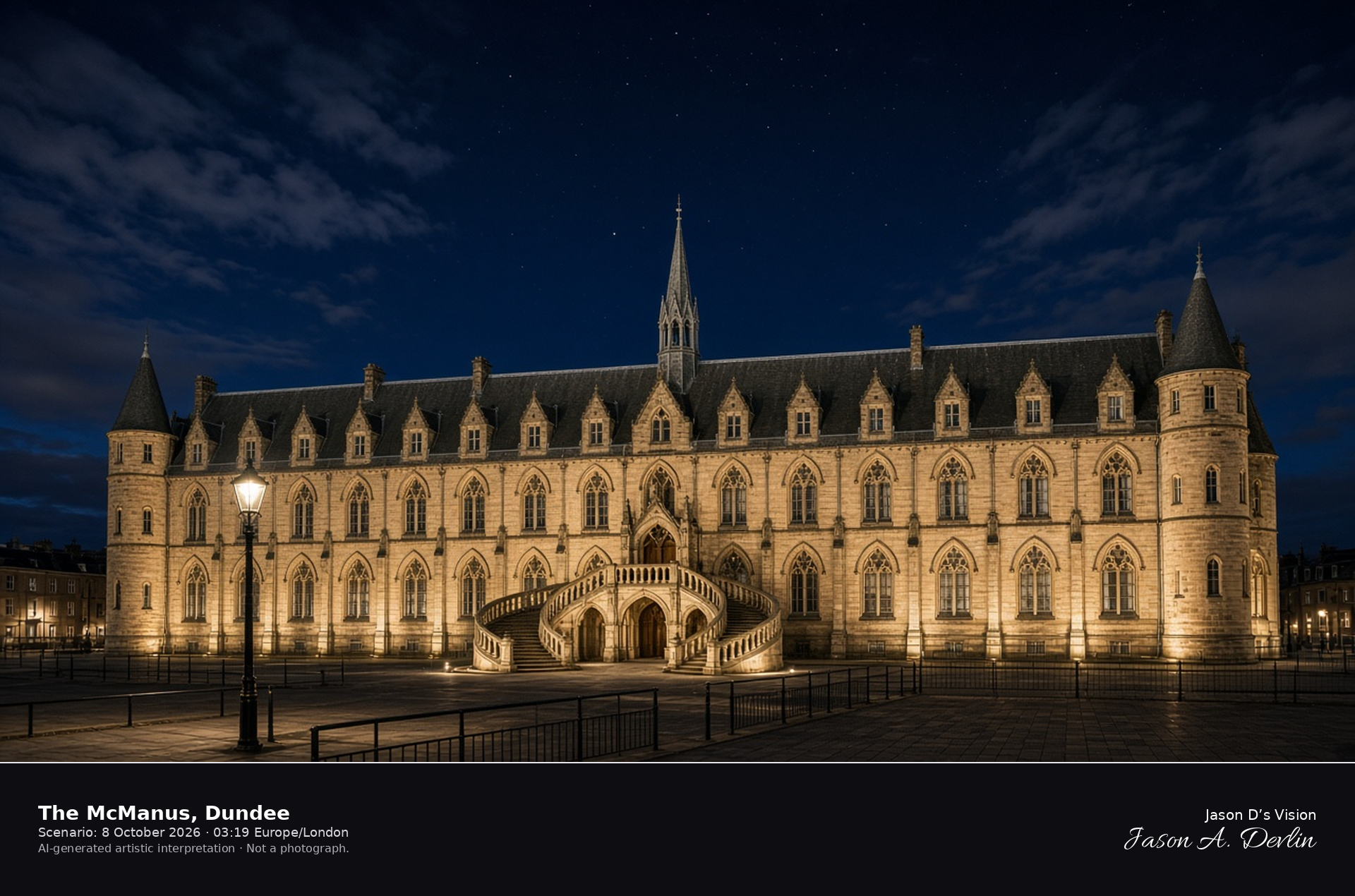
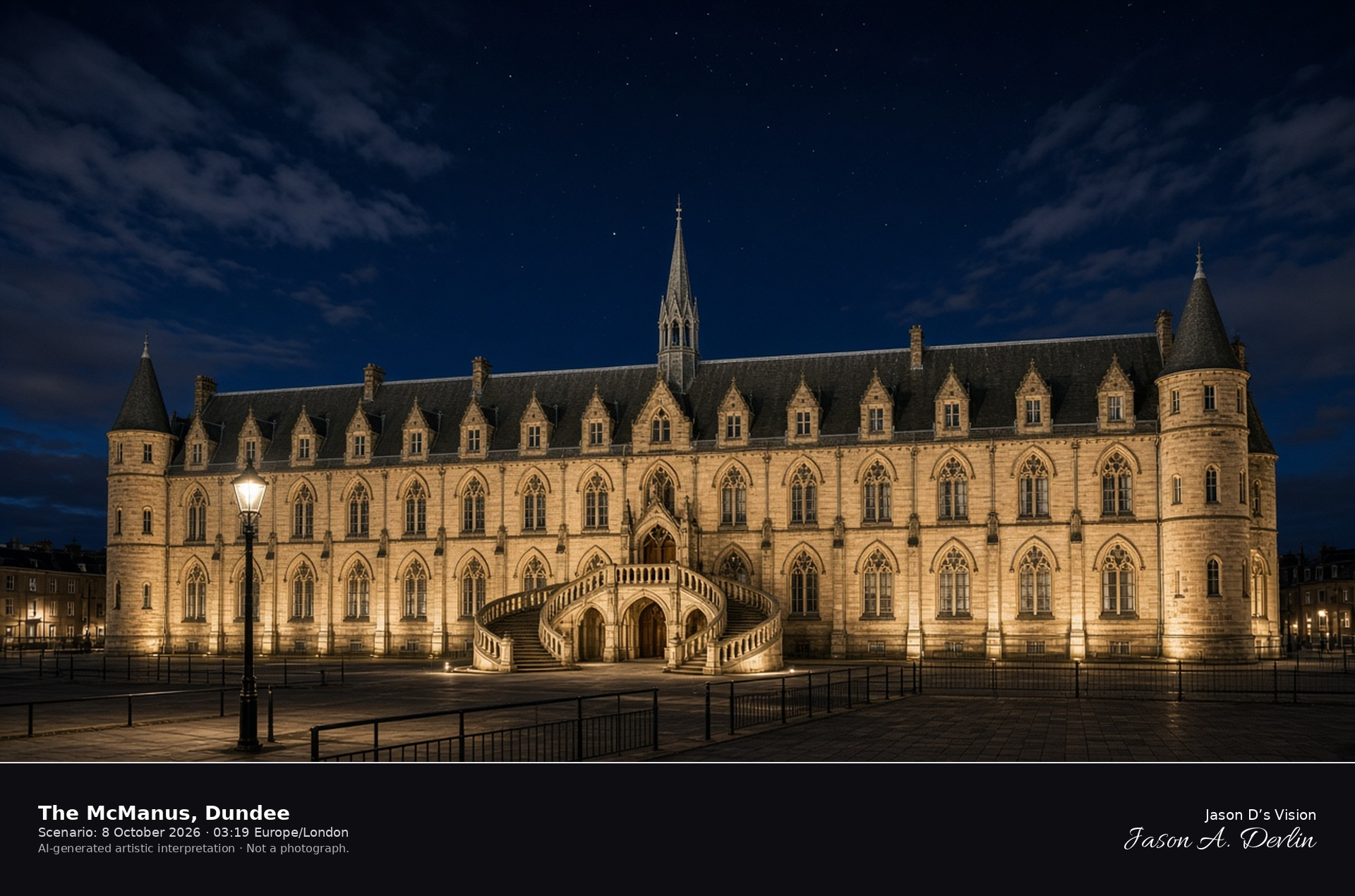
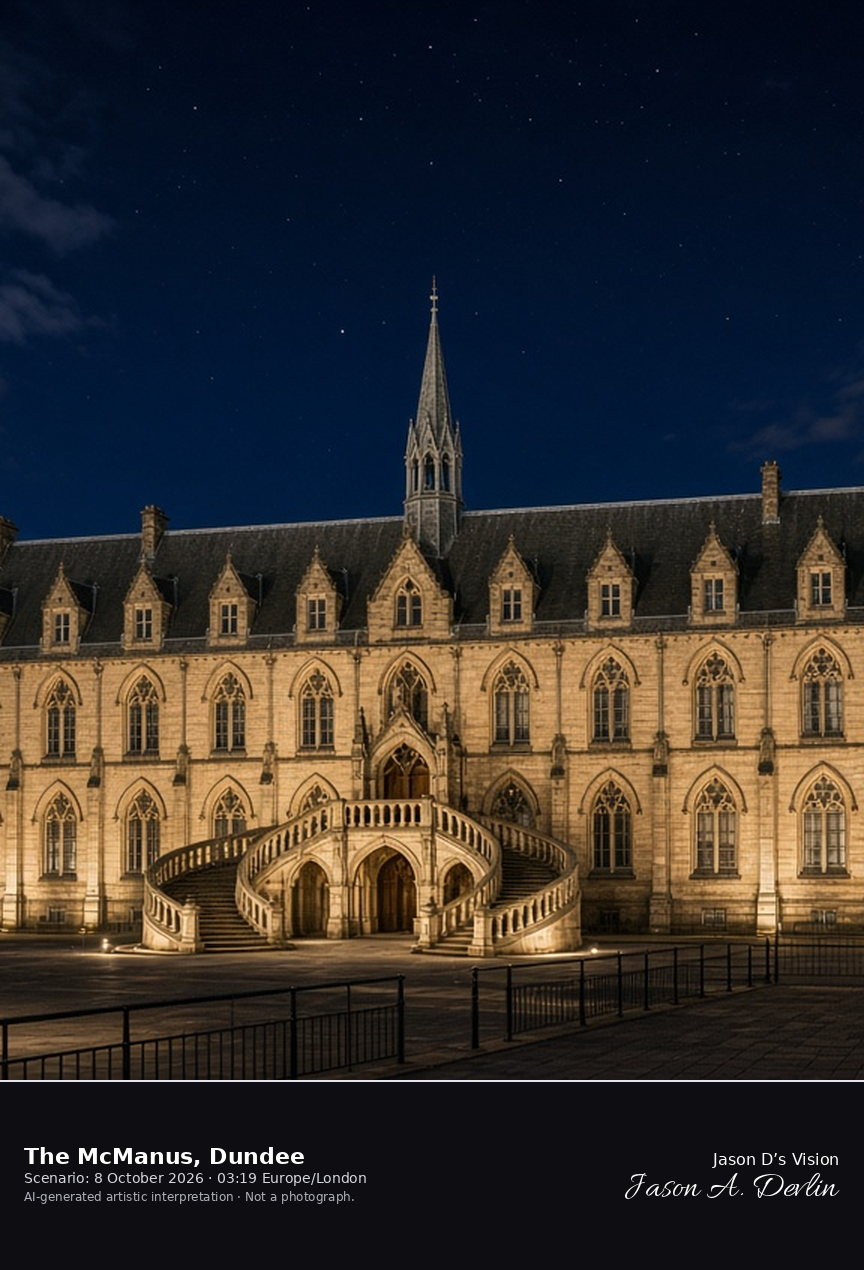
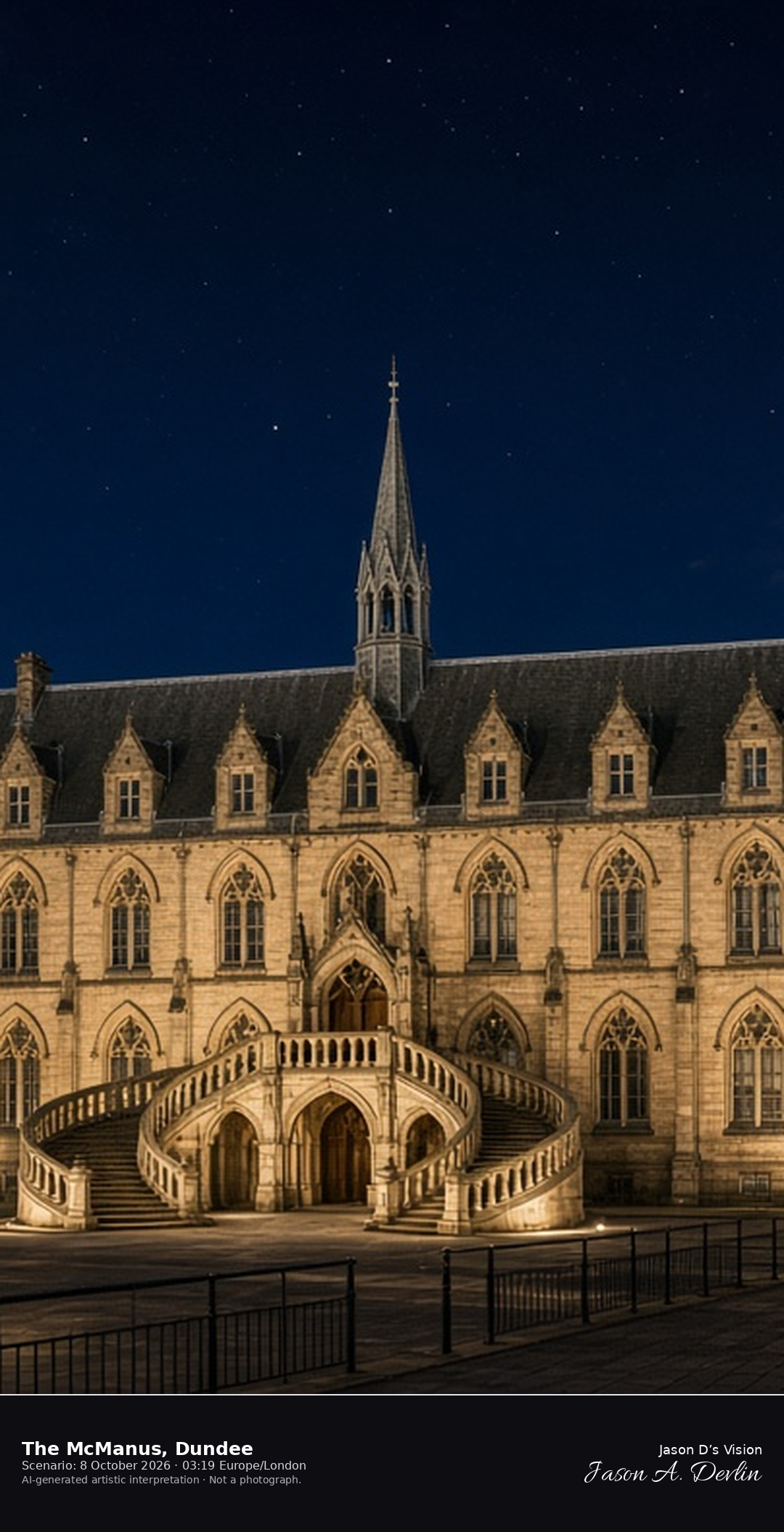
The McManus, Dundee · AI-generated artistic interpretation
George Gilbert Scott designed the building as a memorial to Prince Albert, and it opened as the Albert Institute in 1867. He had planned a much bigger tower, but the ground proved too unstable, and the building reopened in 2010 after a seven-million-pound redevelopment.
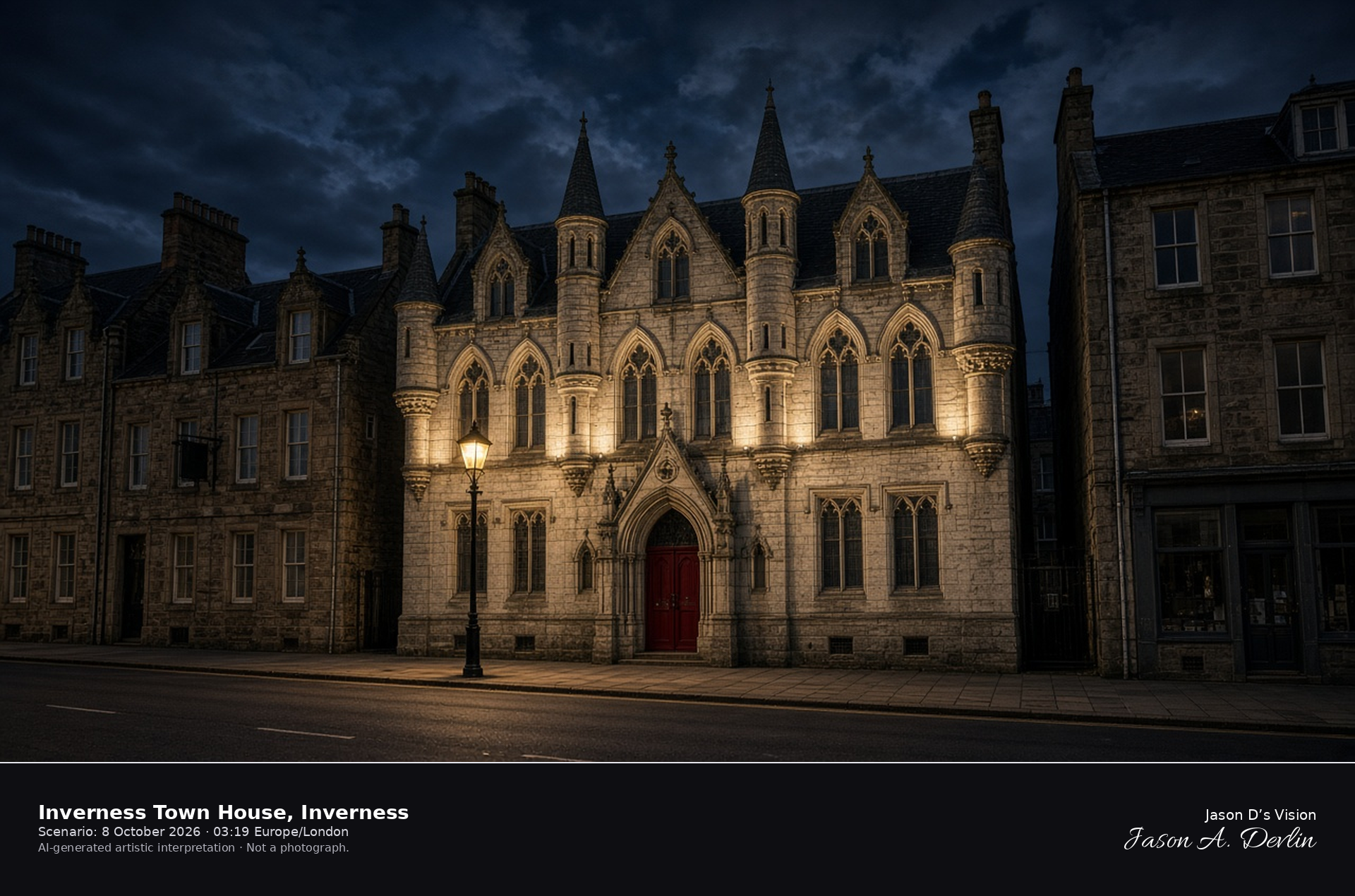
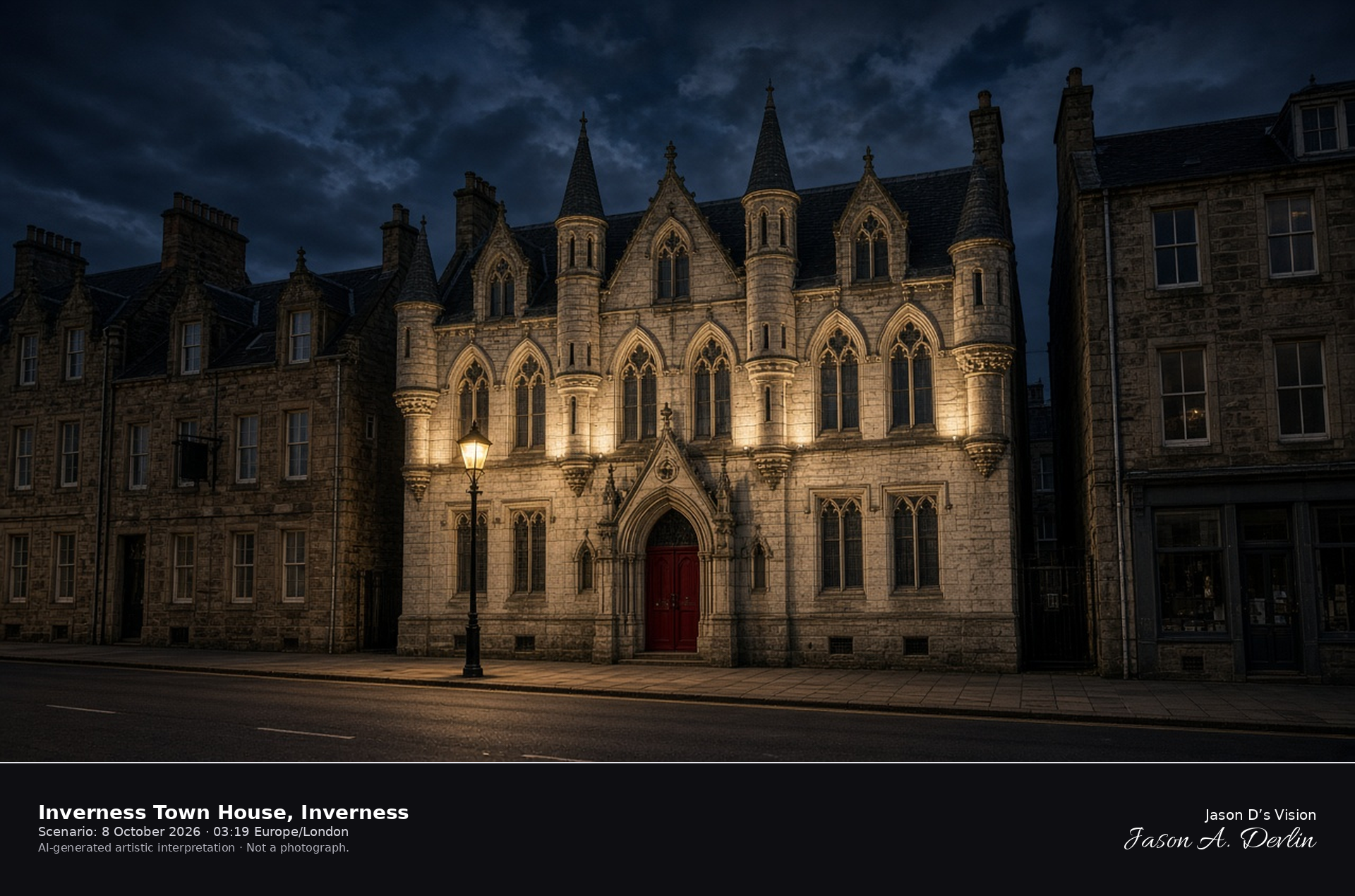
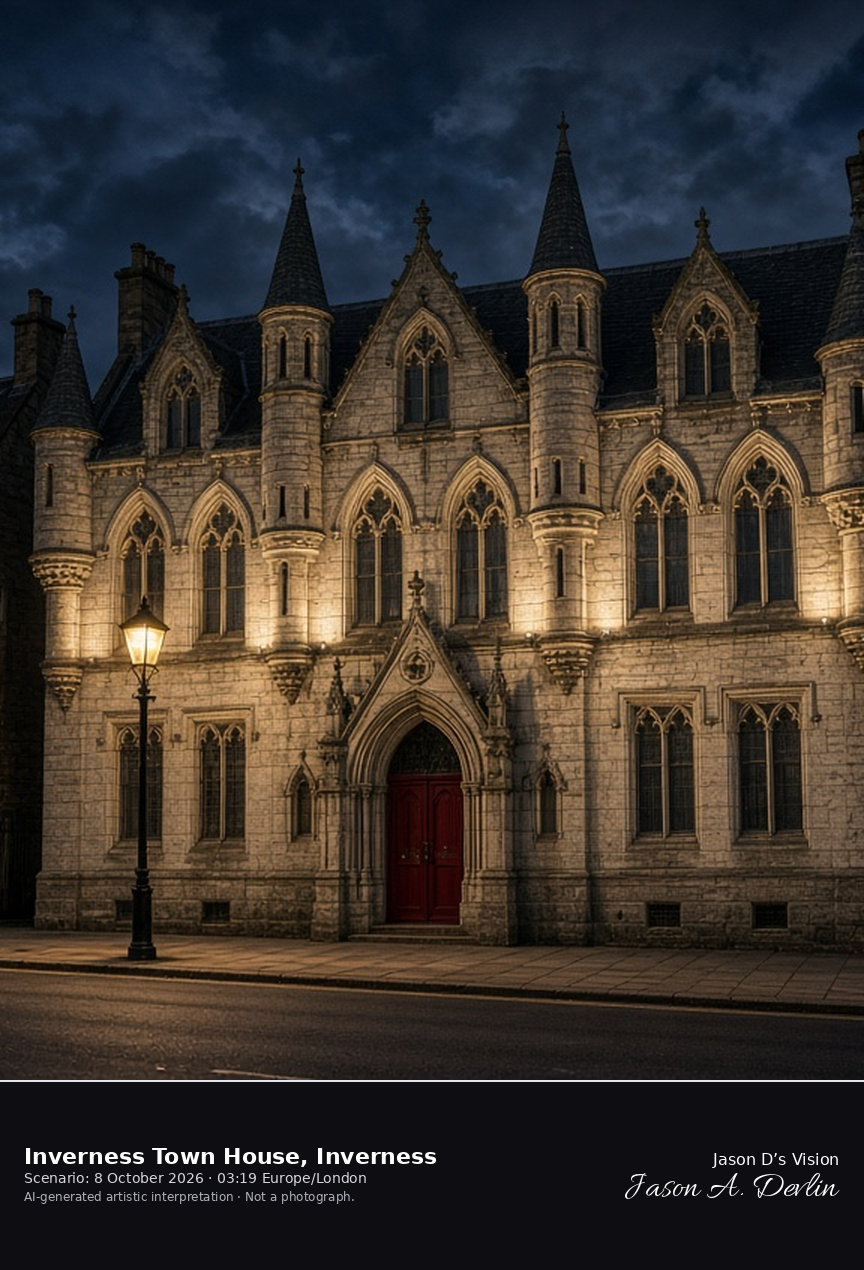
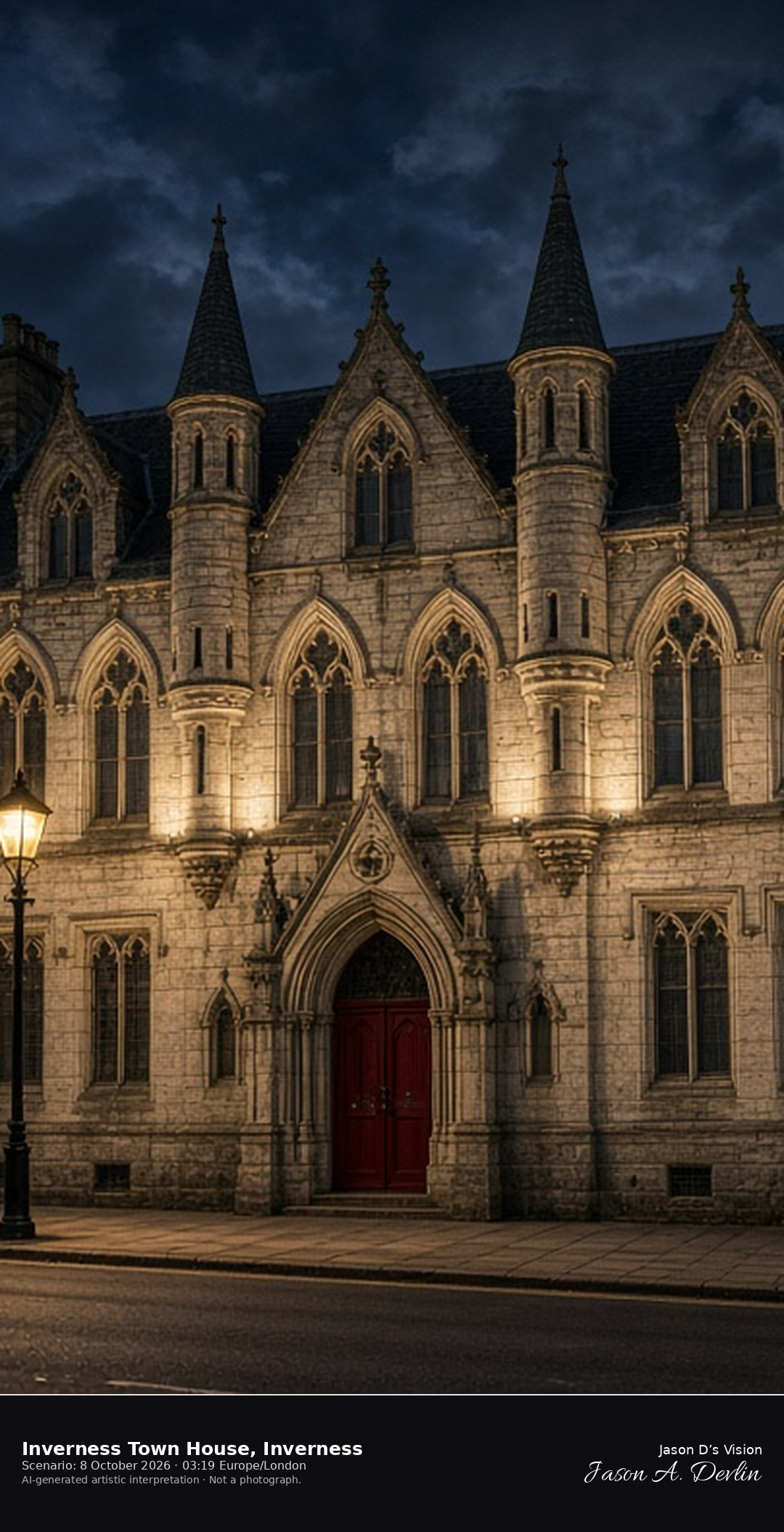
Inverness Town House, Inverness · AI-generated artistic interpretation
William Lawrie designed the Gothic town house, modelled on The McManus in Dundee, and it was opened by the Duke of Edinburgh on 19 January 1882. On 7 September 1921 David Lloyd George held the first British Cabinet meeting outside London here, to discuss the situation in Ireland.
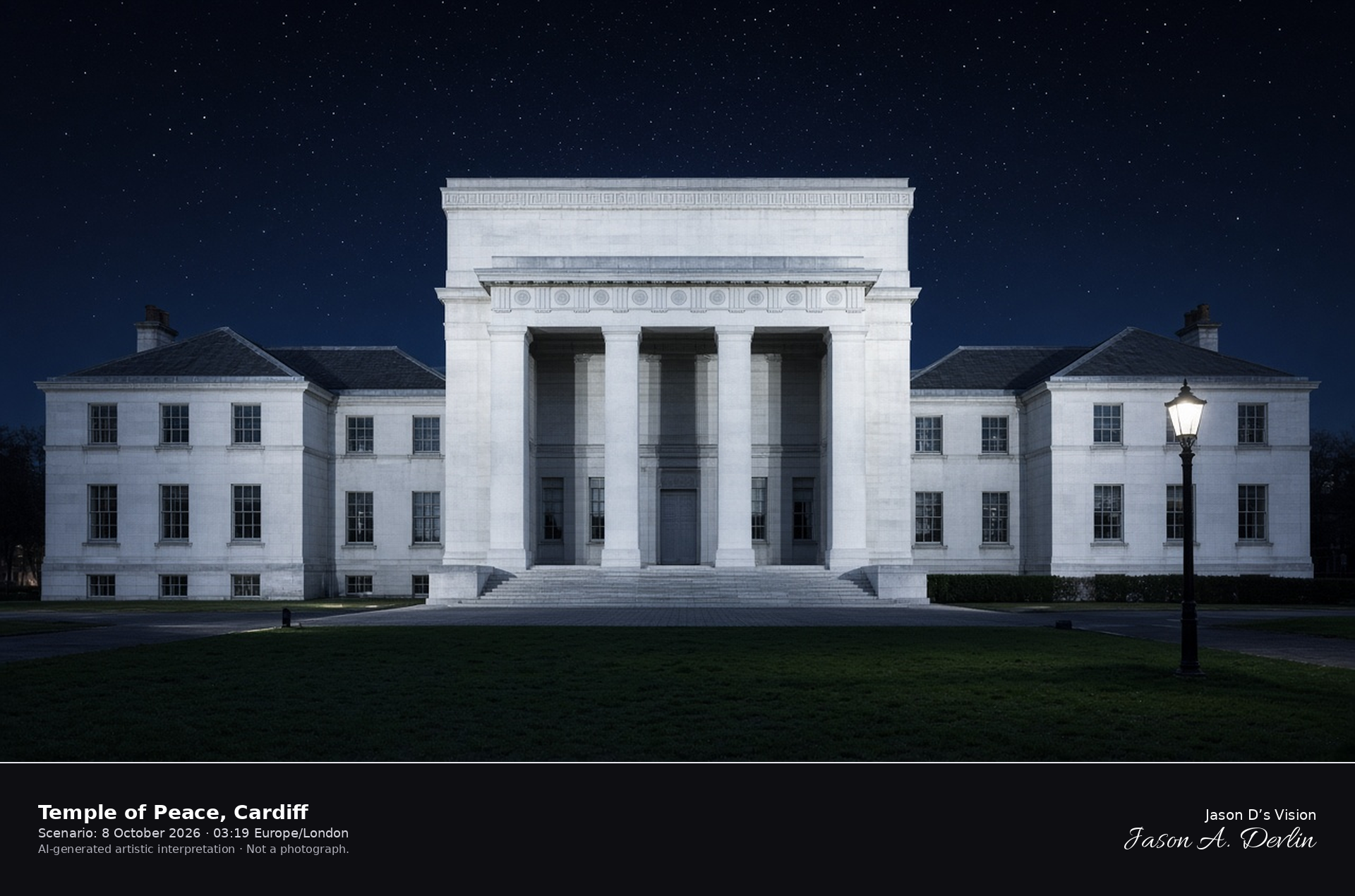
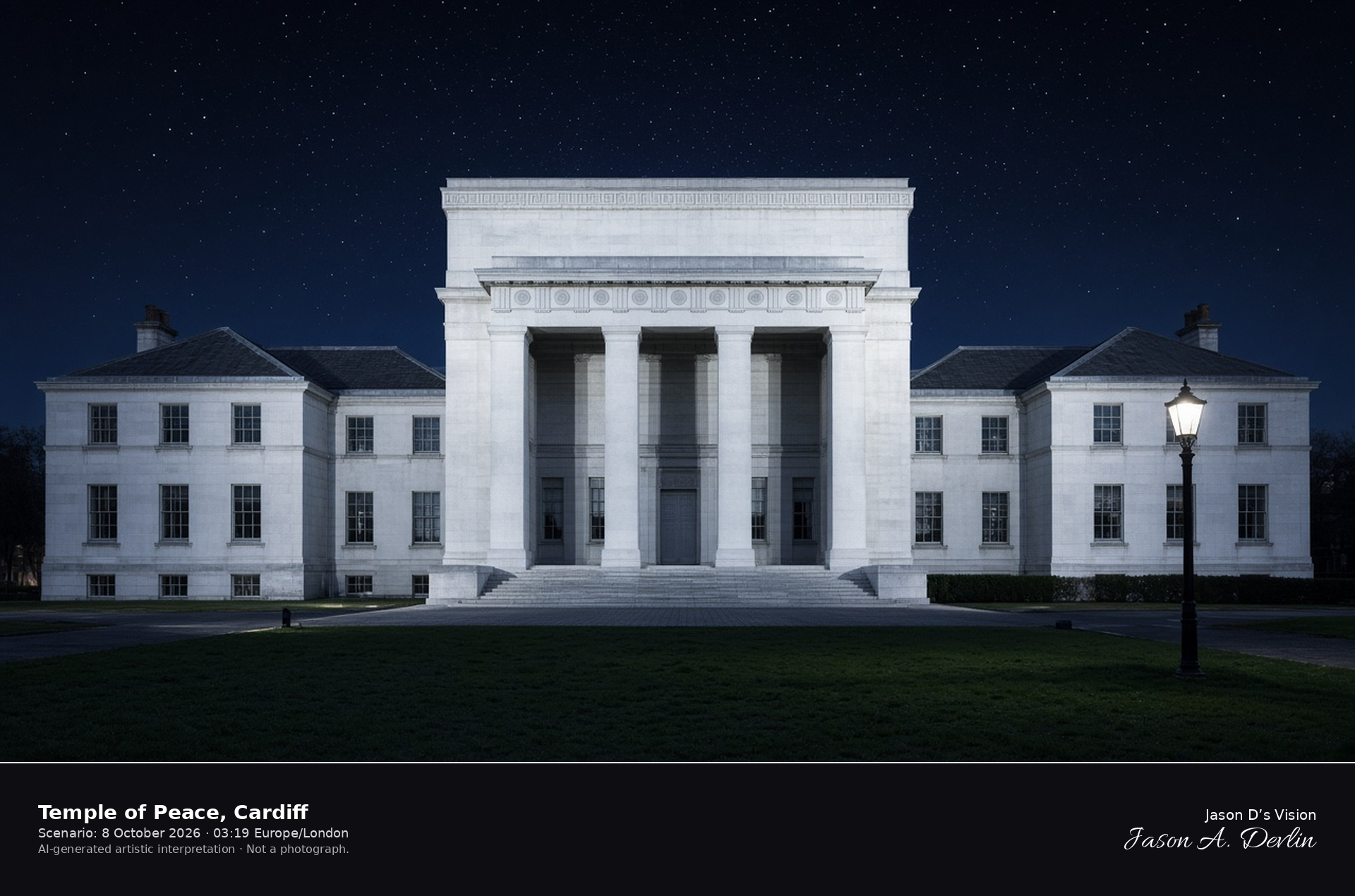
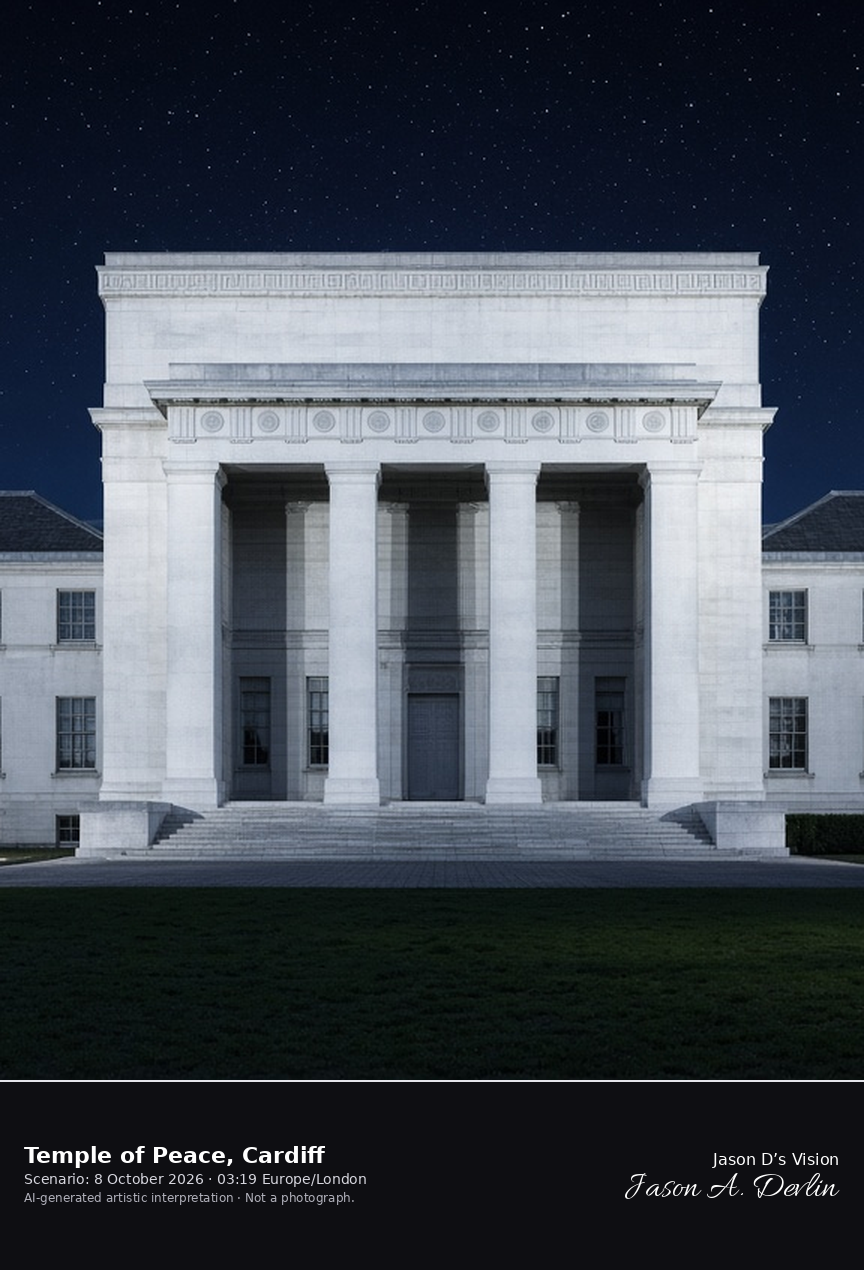
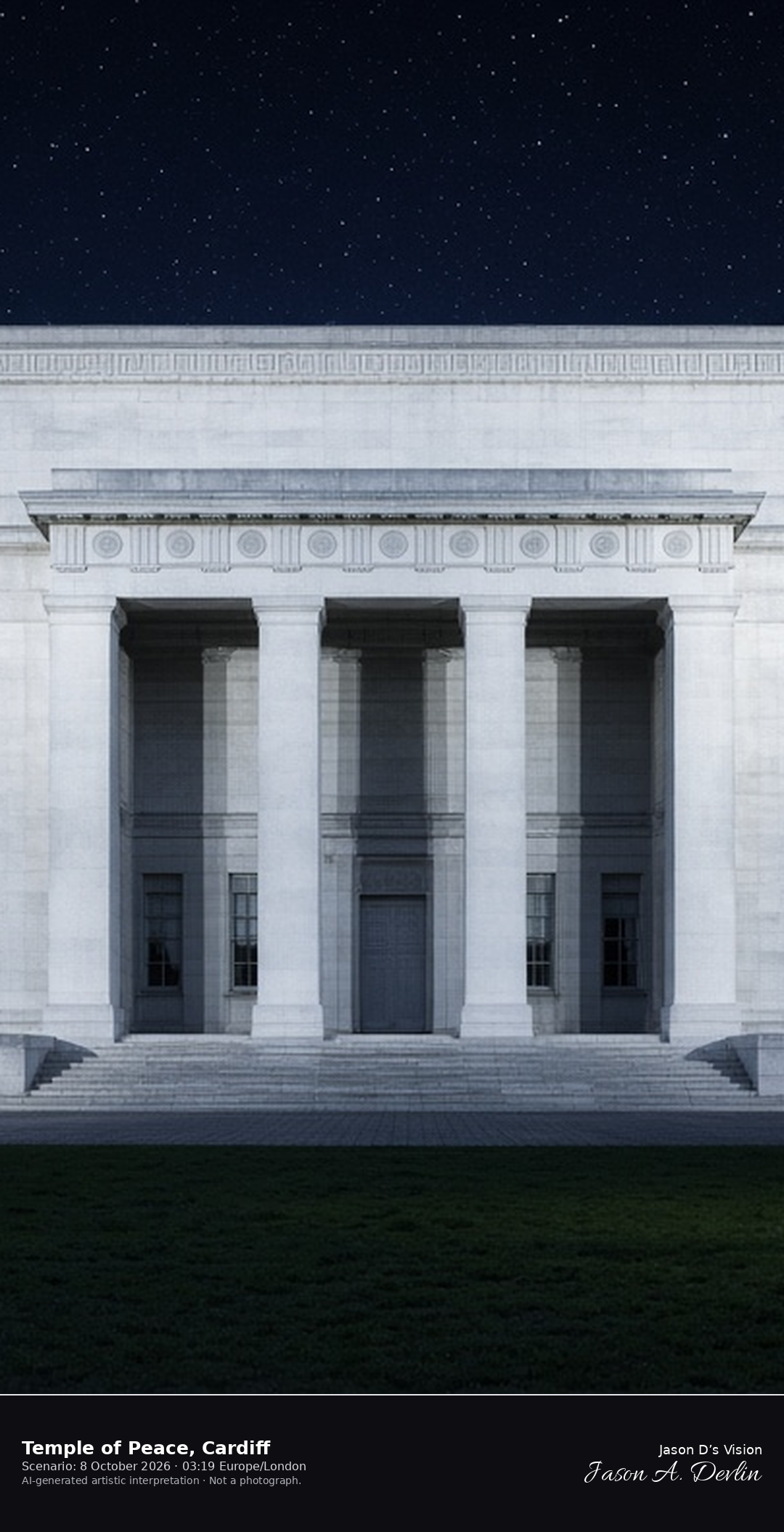
Temple of Peace, Cardiff · AI-generated artistic interpretation
Sir Percy Thomas designed the Welsh National Temple of Peace and Health, paid for largely by David Davies, 1st Baron Davies. Viscount Halifax laid the foundation stone in 1937, and it opened on 23 November 1938 in a ceremony led by Minnie James of Dowlais, who had lost three sons in the First World War.
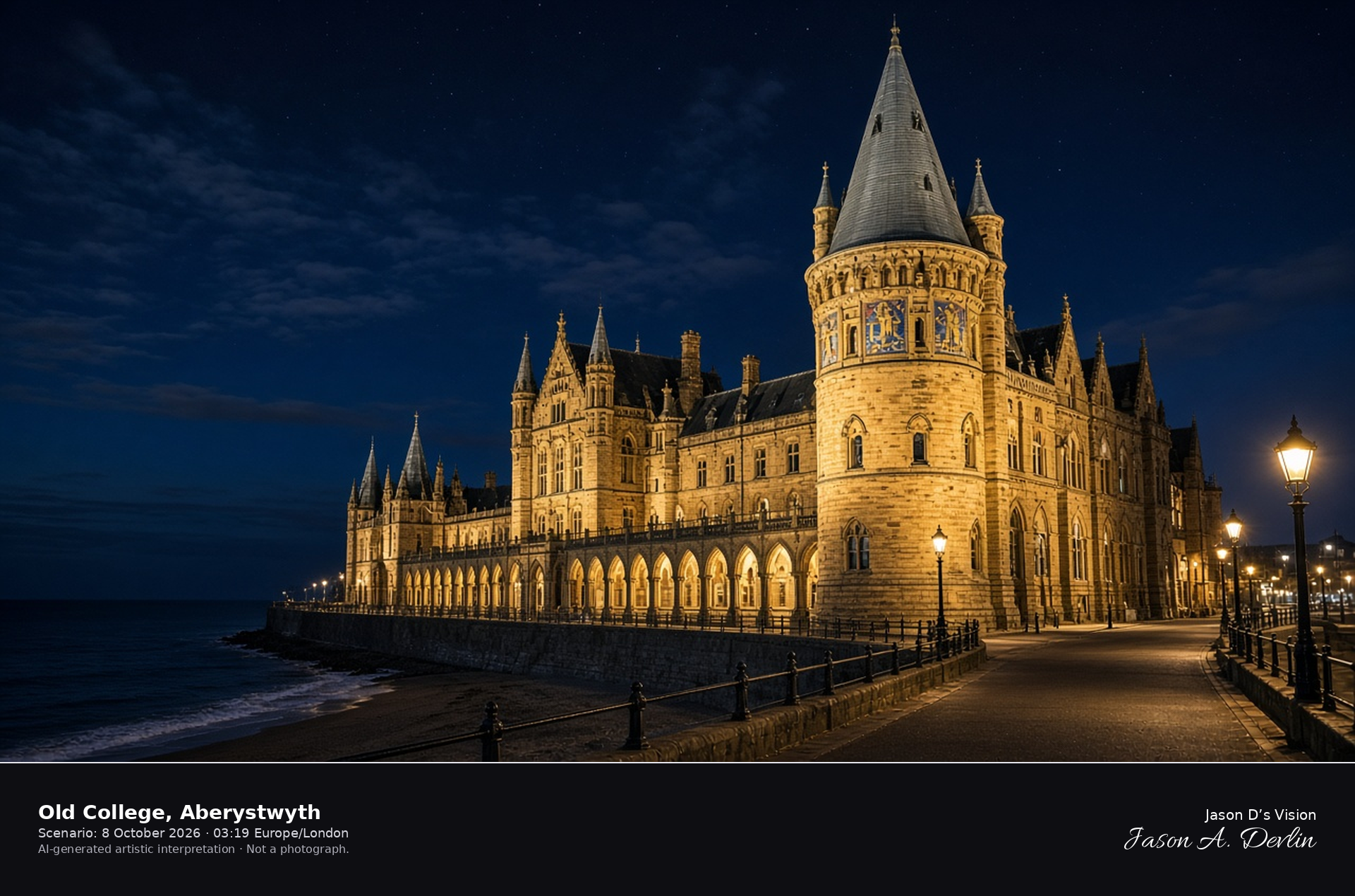
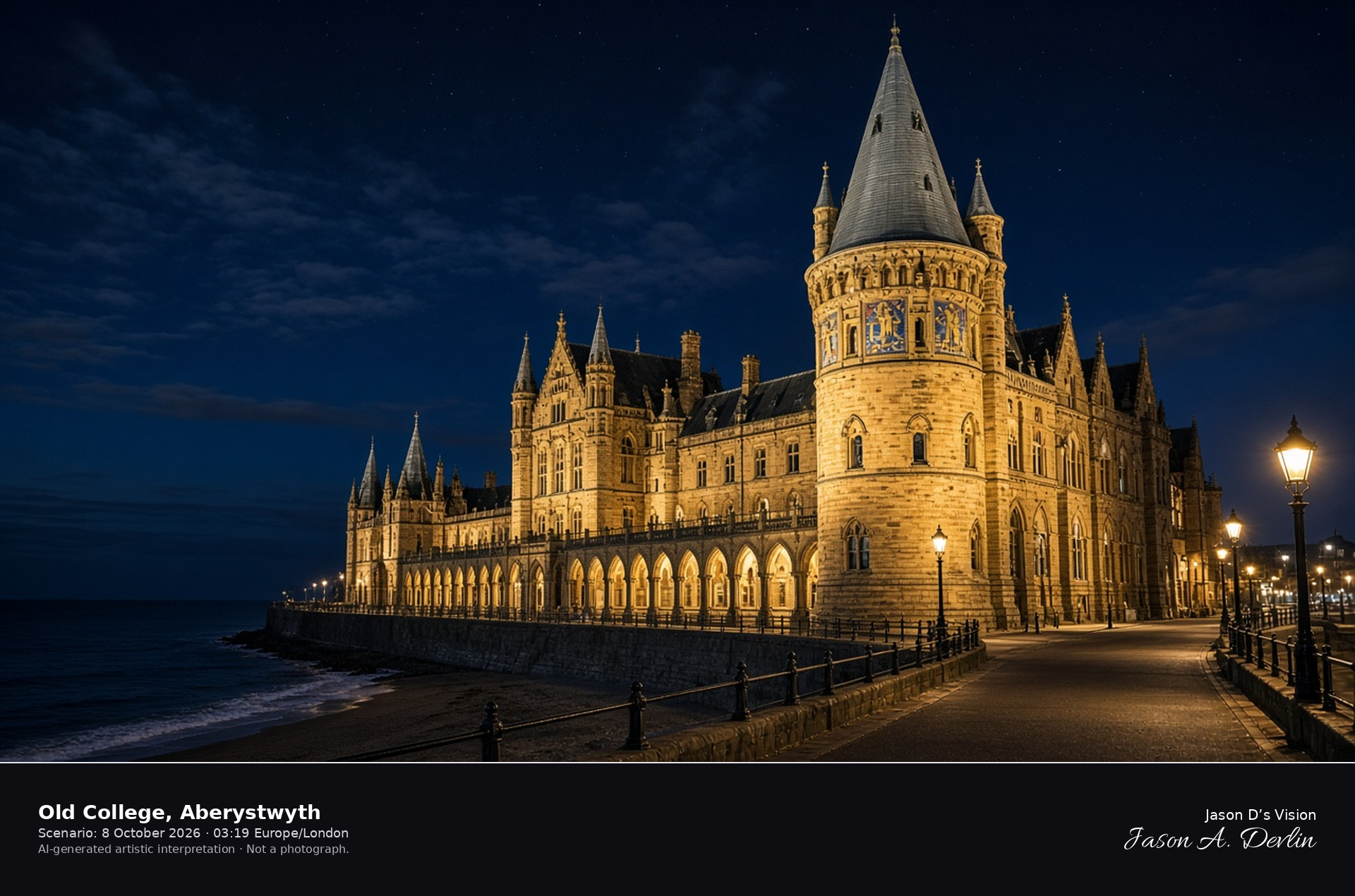
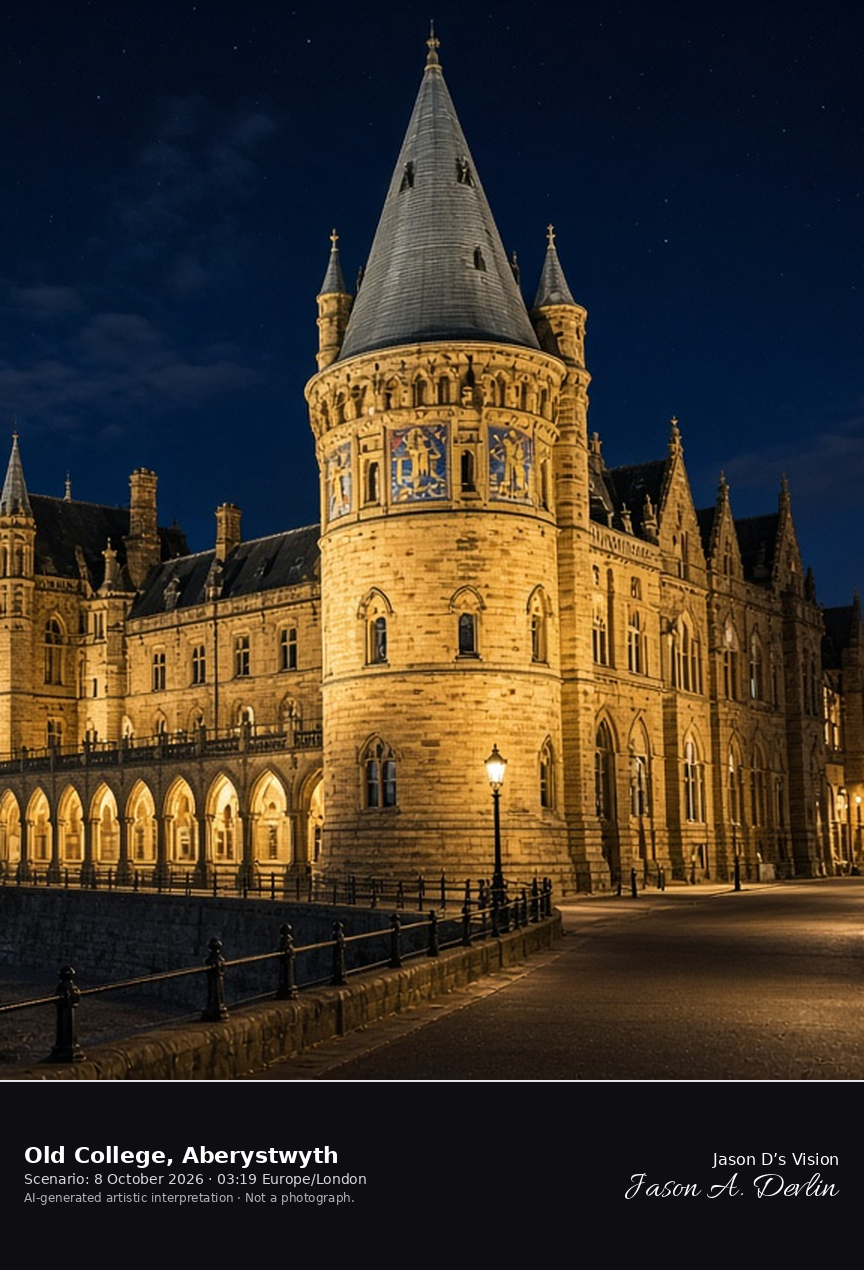
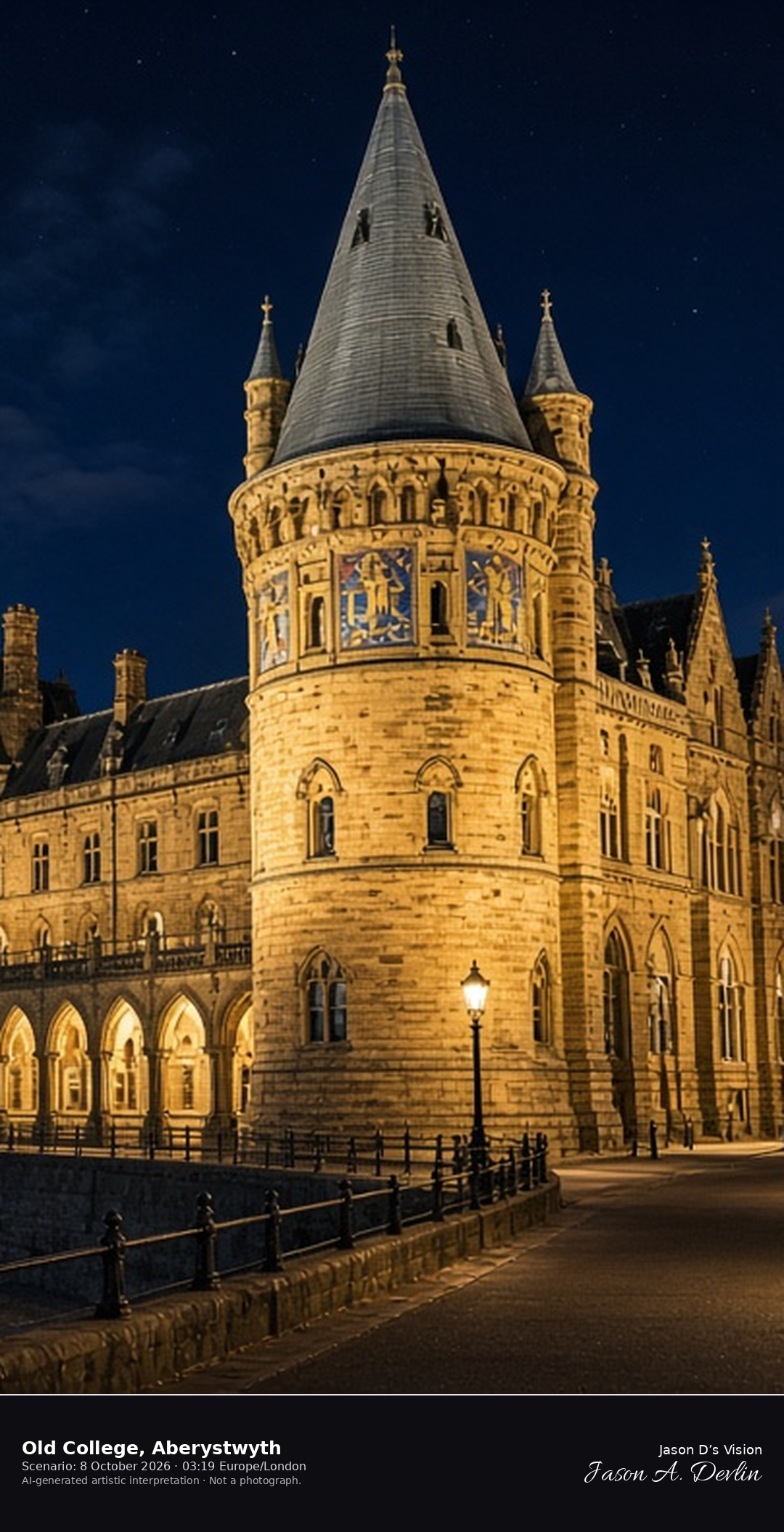
Old College · AI-generated artistic interpretation
Old College began as the grand Castle Hotel, a railway-age venture that ran into financial failure. Purchased for the proposed Welsh university college in 1867, the building welcomed its first students in October 1872 — turning an unfinished seaside hotel into a home for higher education.
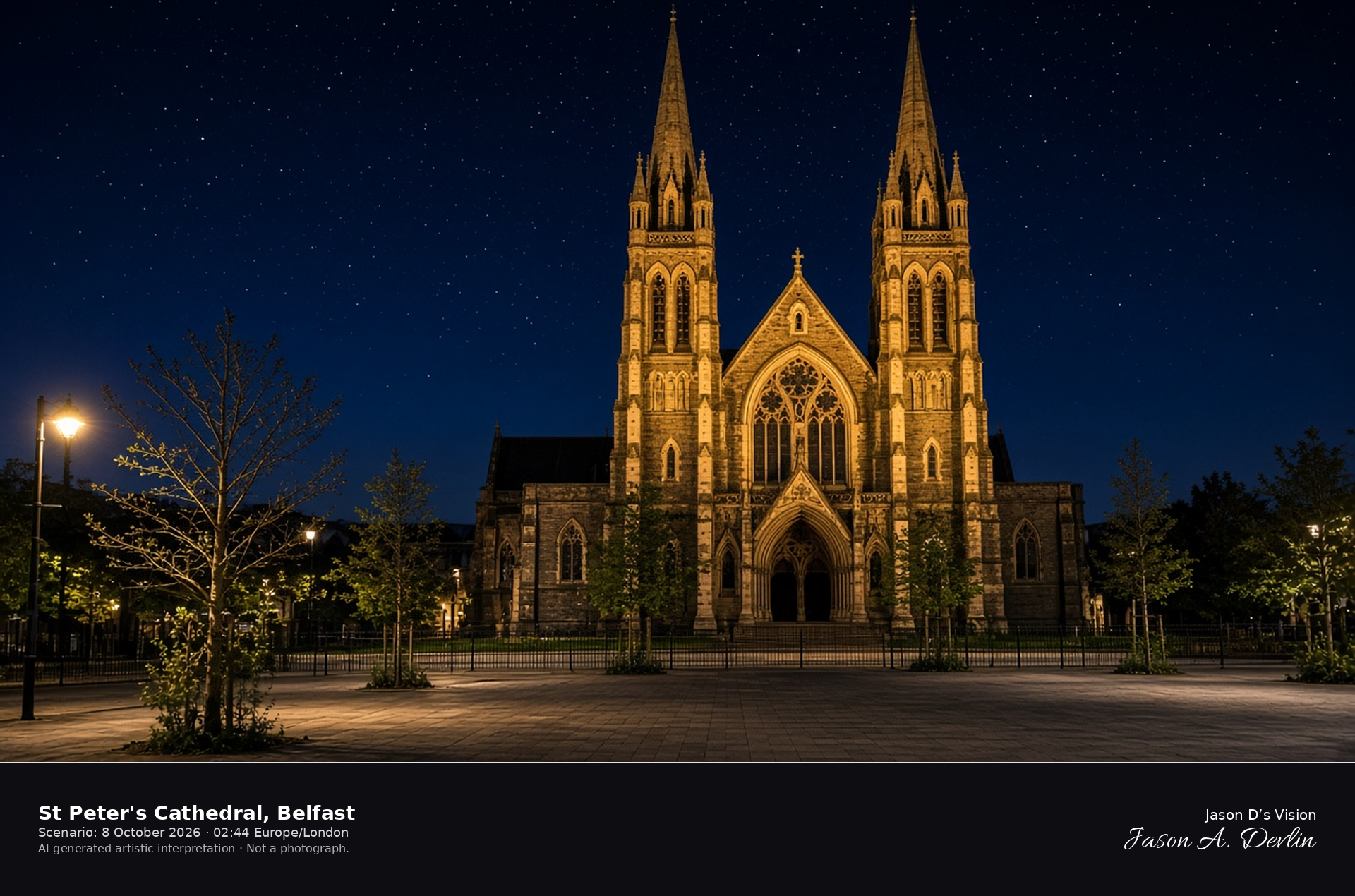
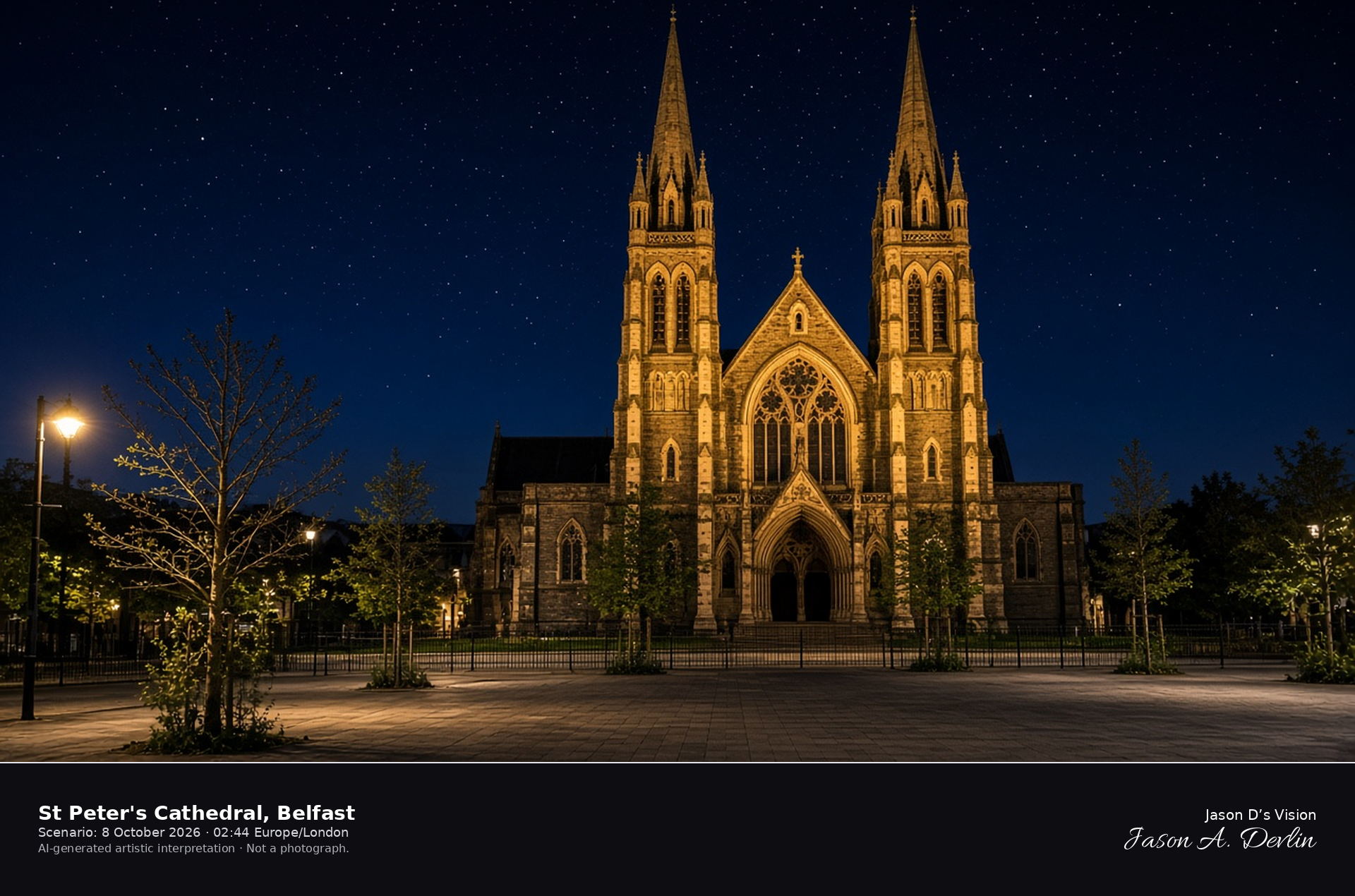
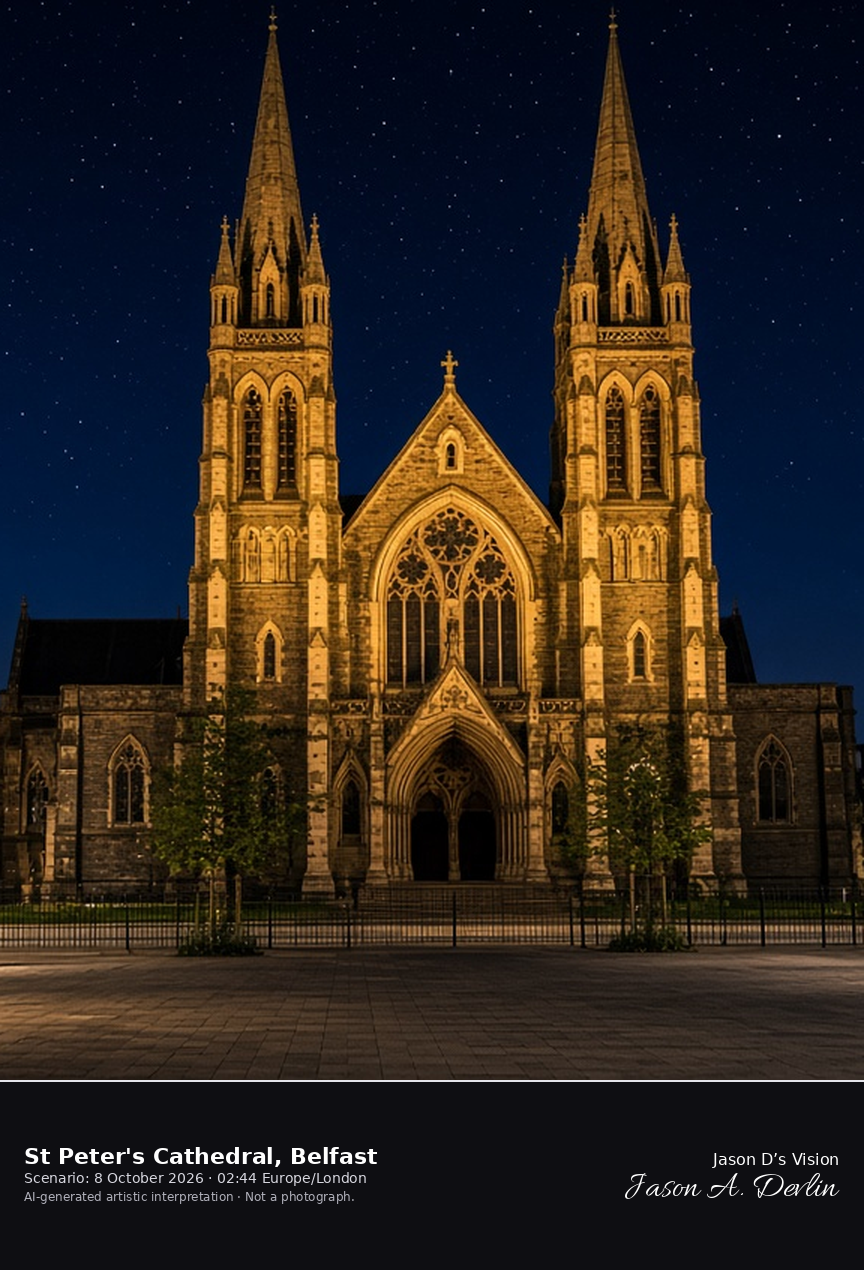
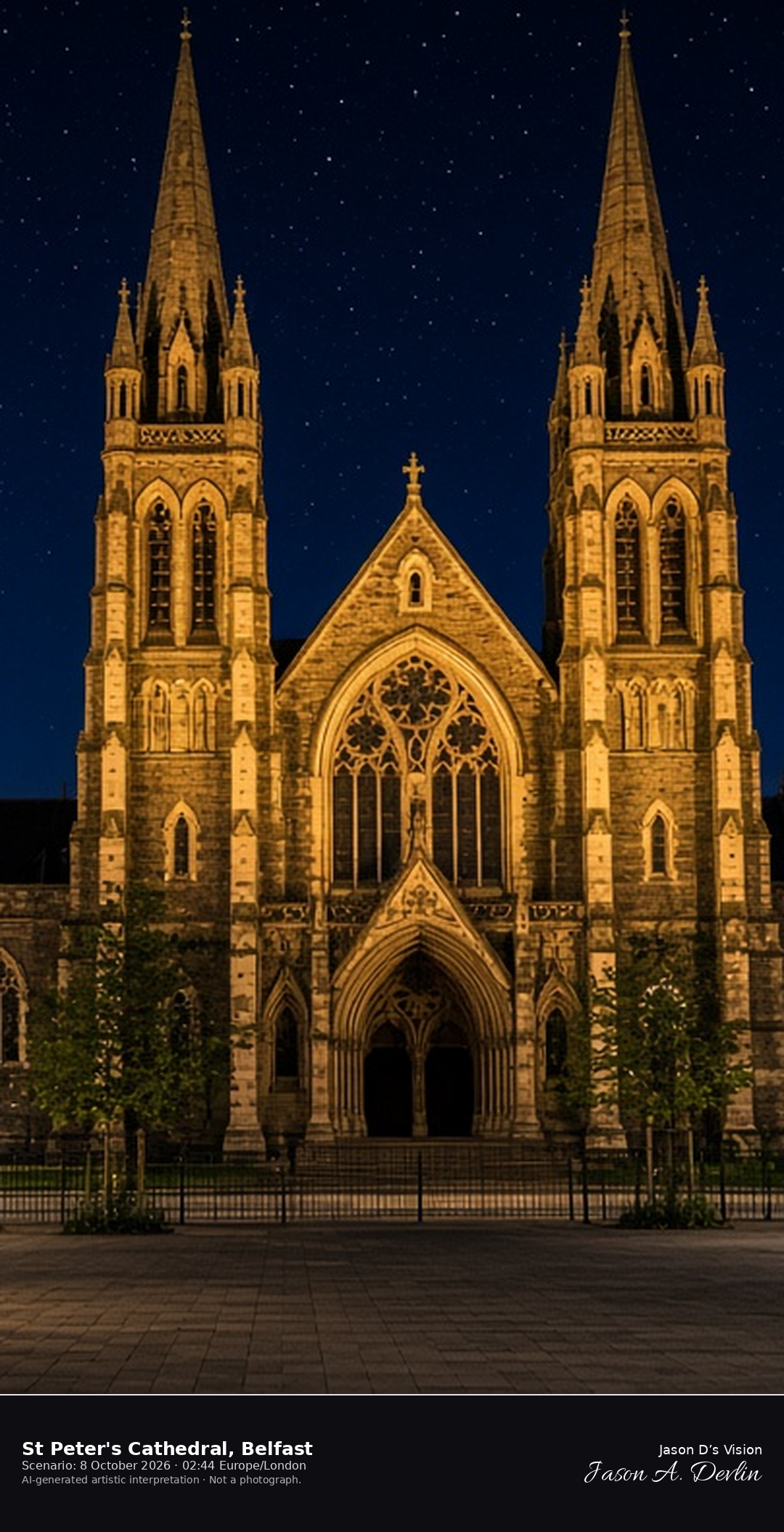
St Peter's Cathedral, Belfast · AI-generated artistic interpretation
The church opened on 14 October 1866, and its two spires were added in 1886. Bishop Cahal Daly designated it as the cathedral of the Diocese of Down and Connor at a Mass on 29 June 1986.
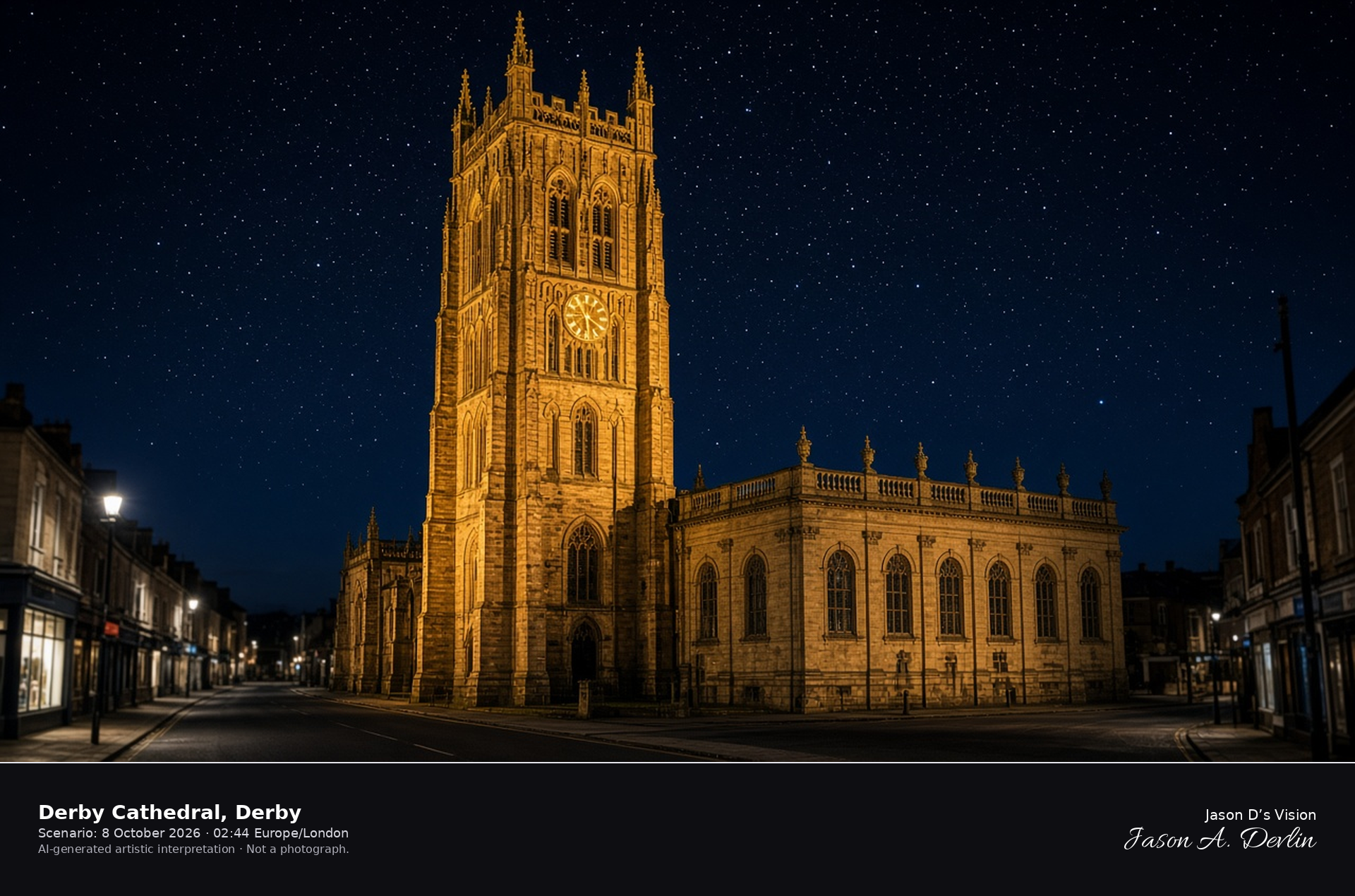
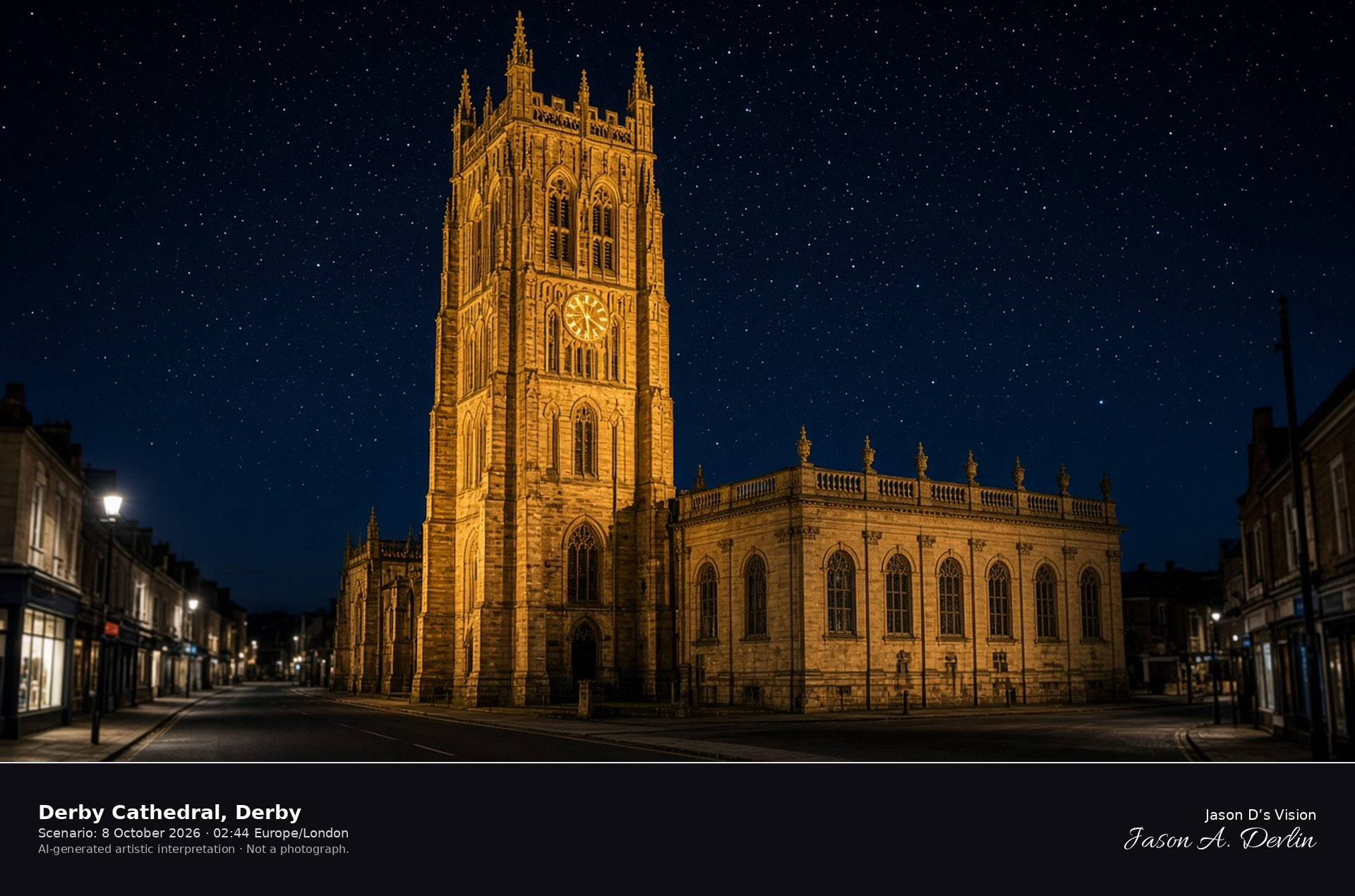
The tower was built between 1510 and 1532 and rises 212 feet (65 m), with twelve large carved animal figures at the top. James Gibbs rebuilt the rest of the church in a classical style, finished in 1725, and it became a cathedral in 1927.
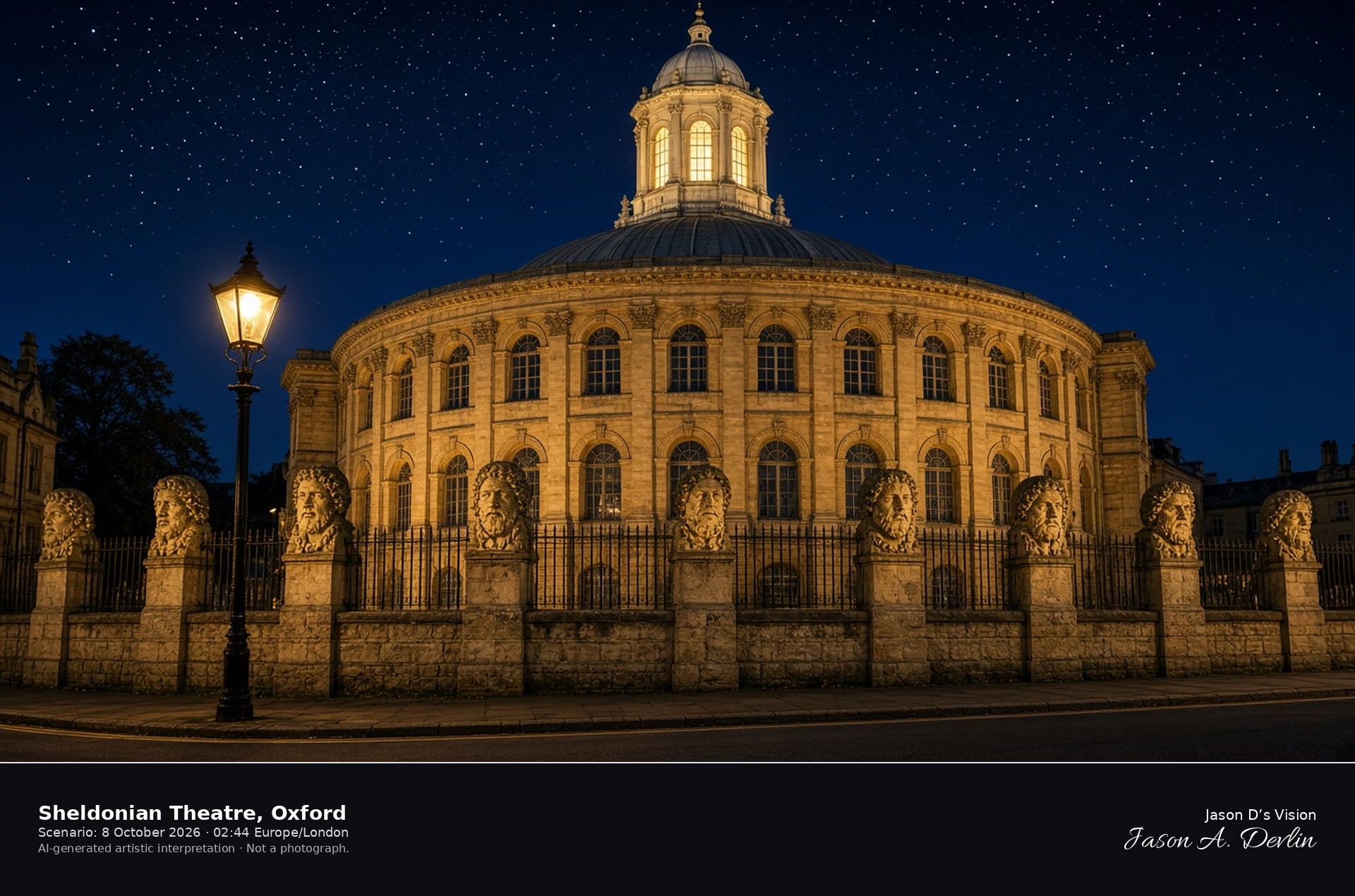
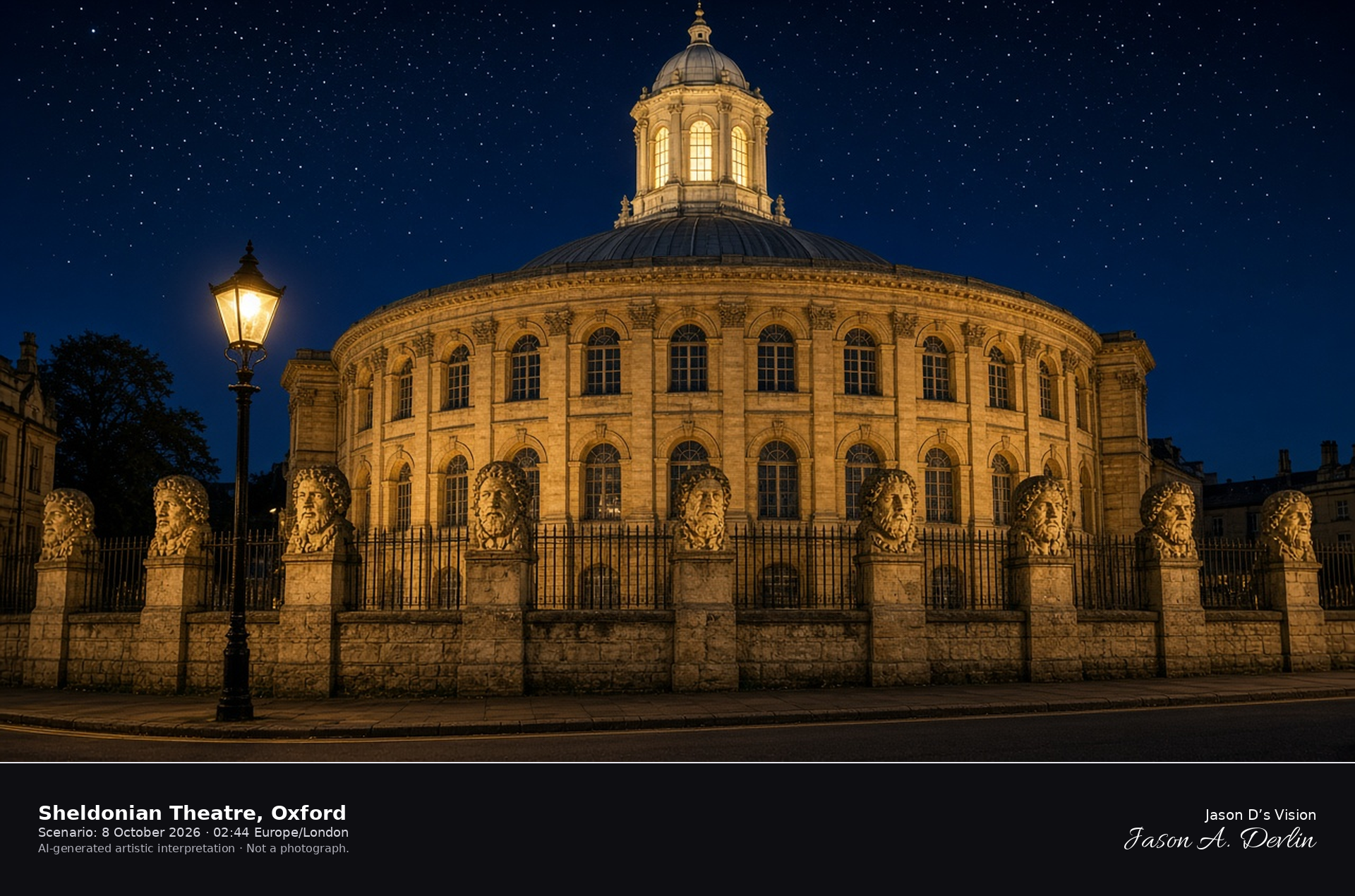
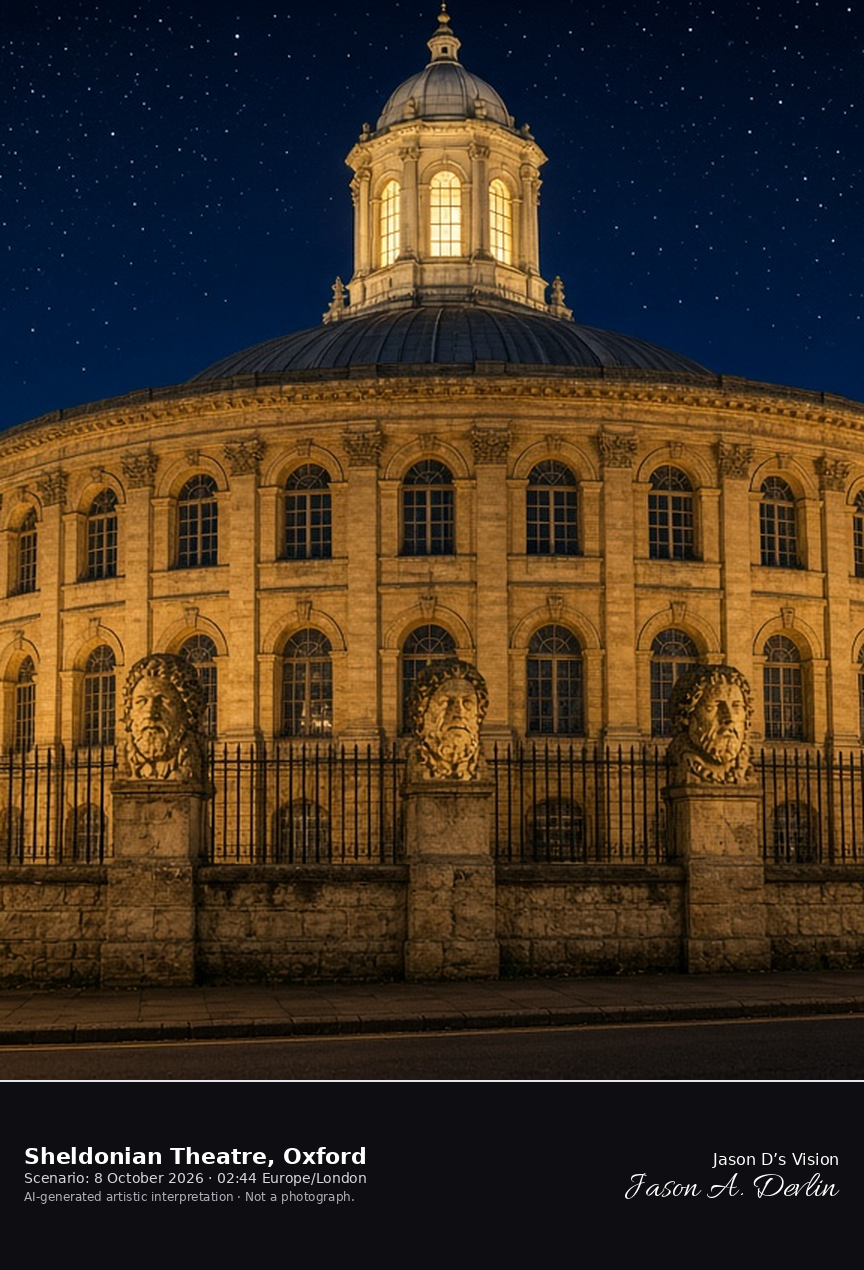
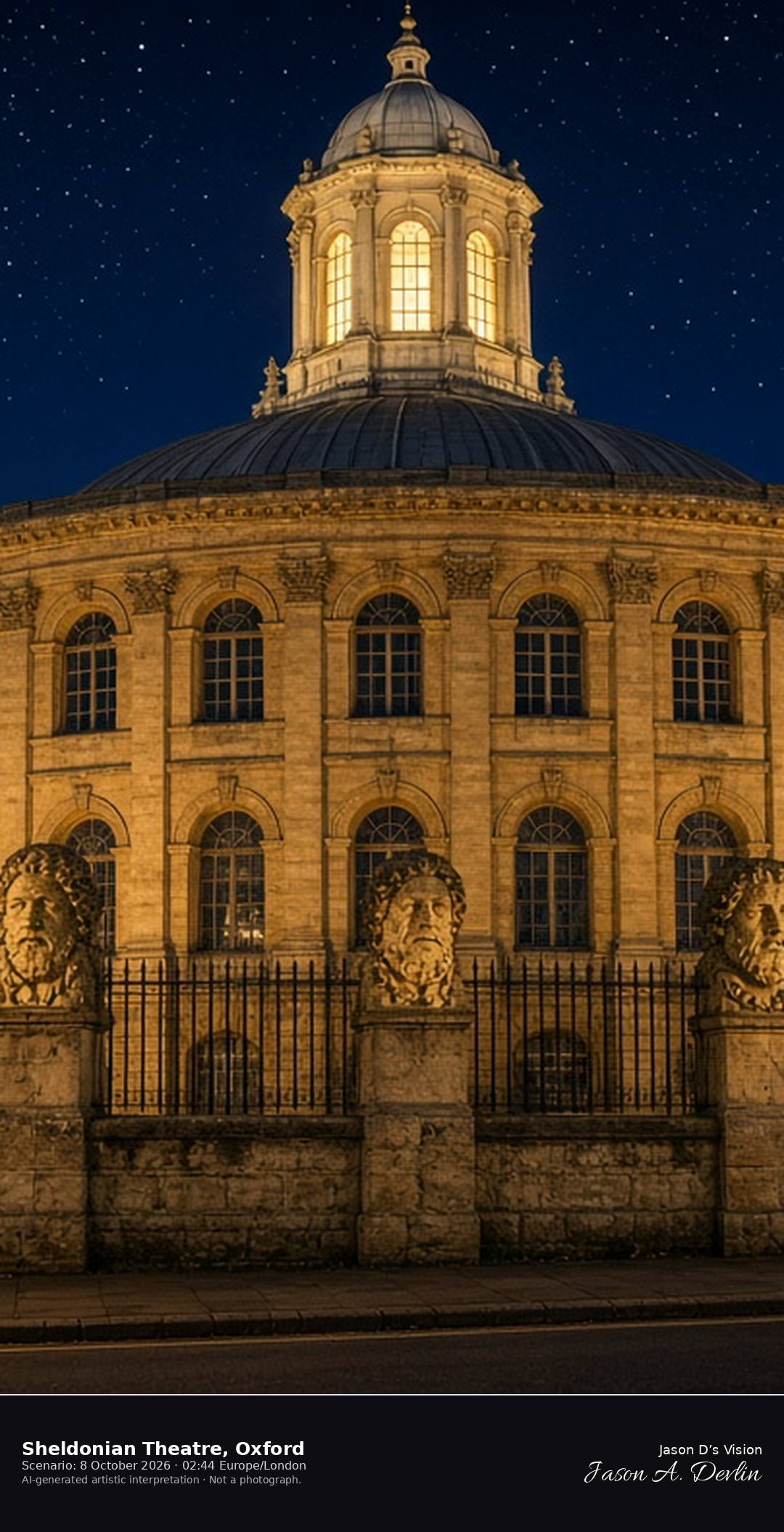
The Sheldonian was one of Christopher Wren's earliest major buildings, erected in the 1660s for Oxford's university ceremonies. Its design evokes a Roman theatre open to the sky, beneath a painted ceiling where Truth descends upon the Arts and Sciences — an architectural setting for learning and celebration.
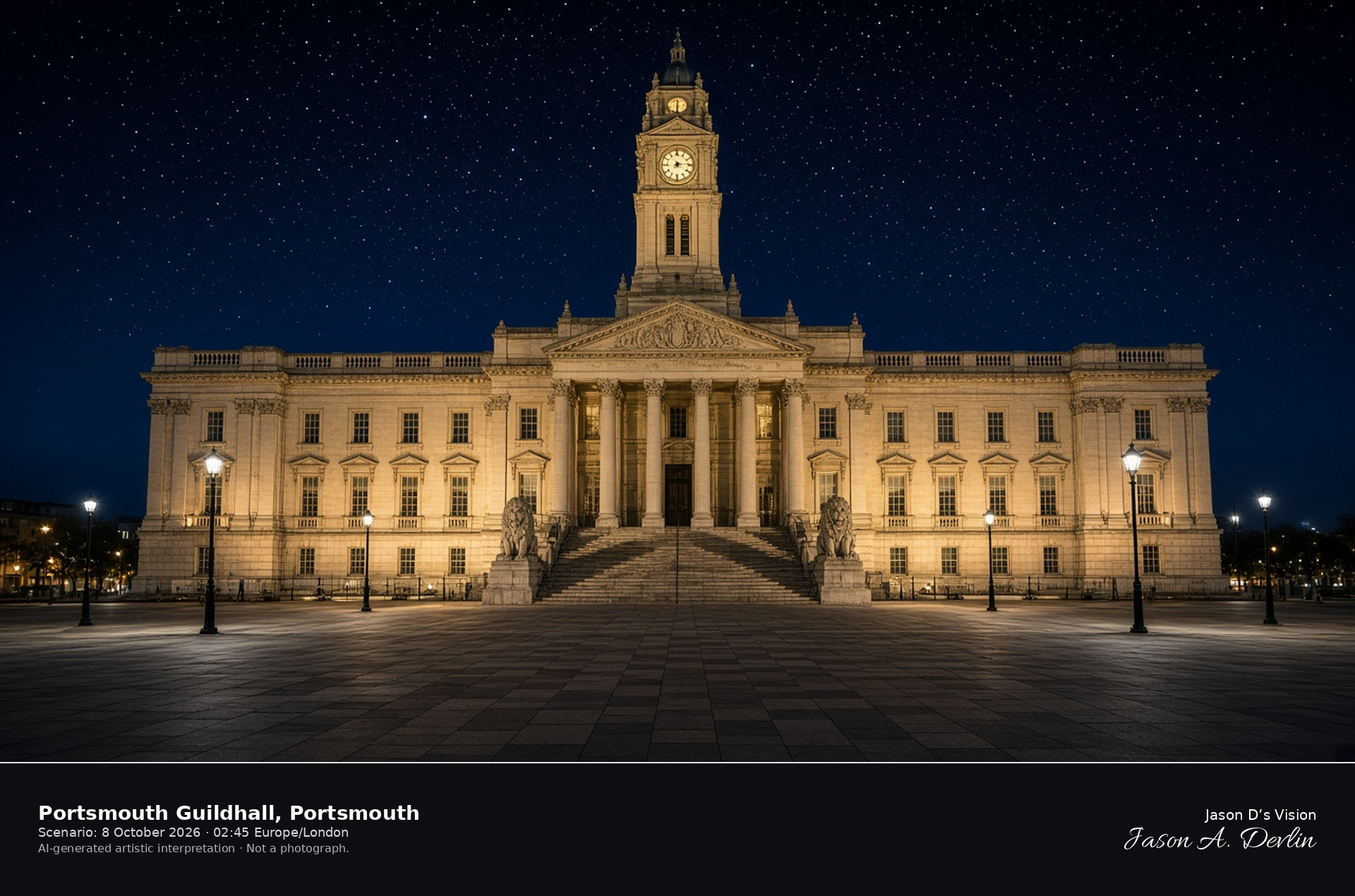
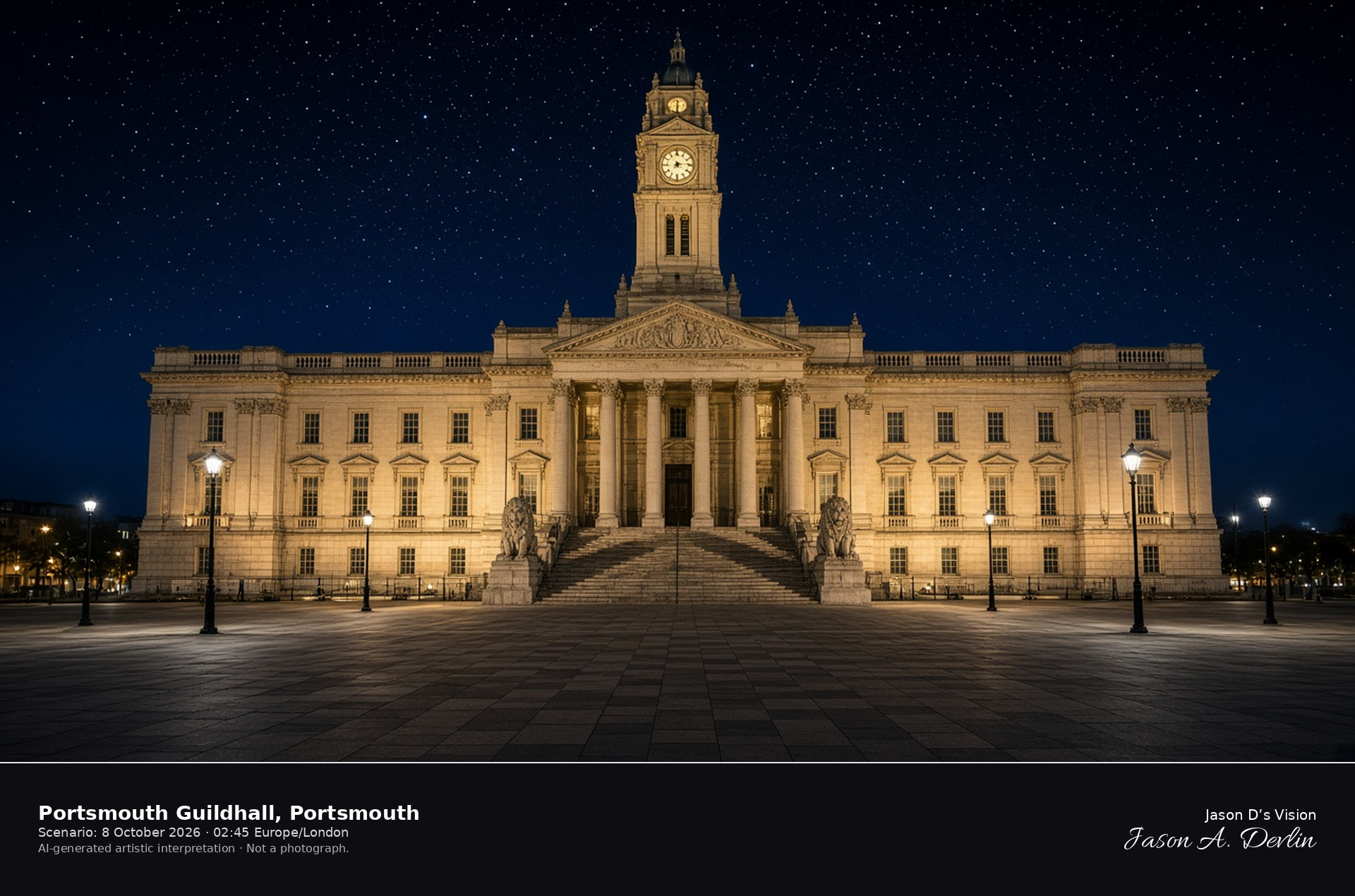
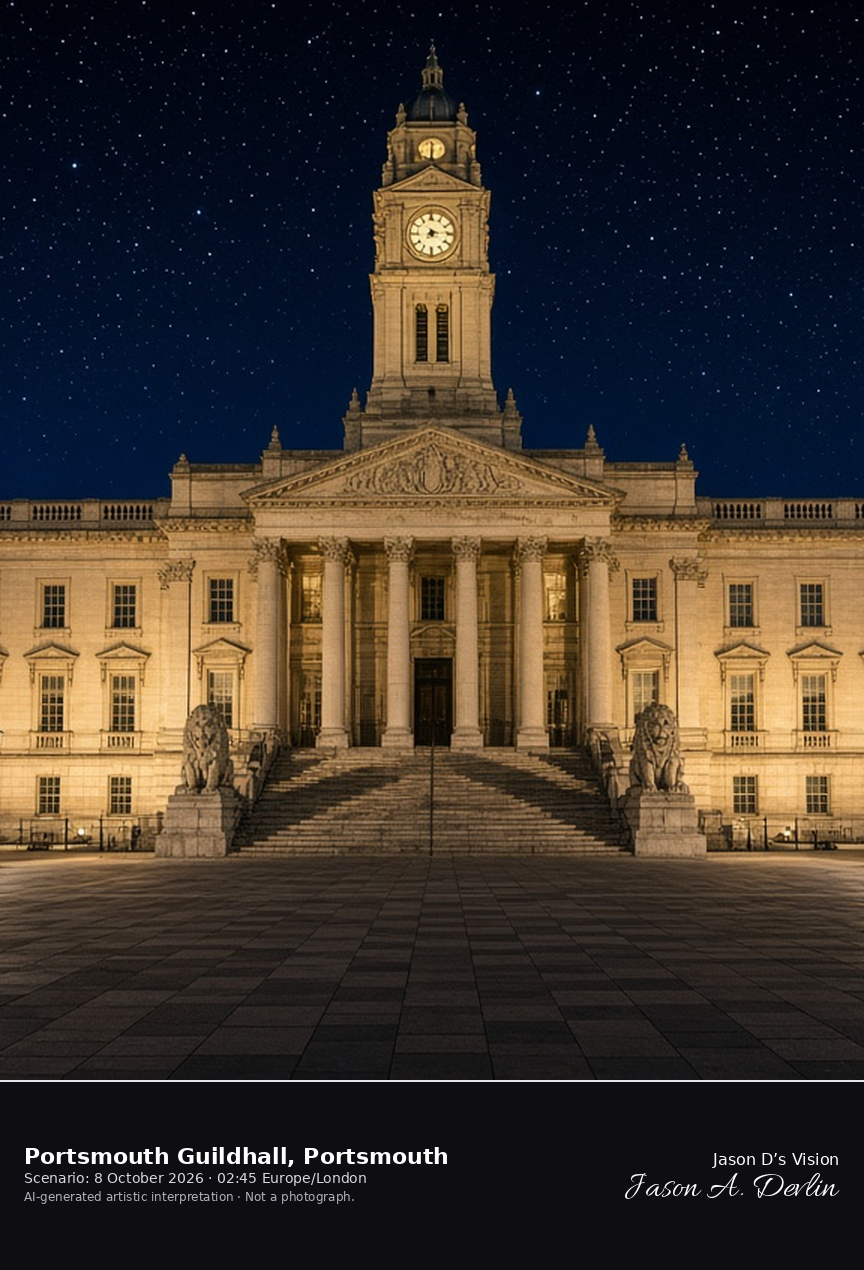
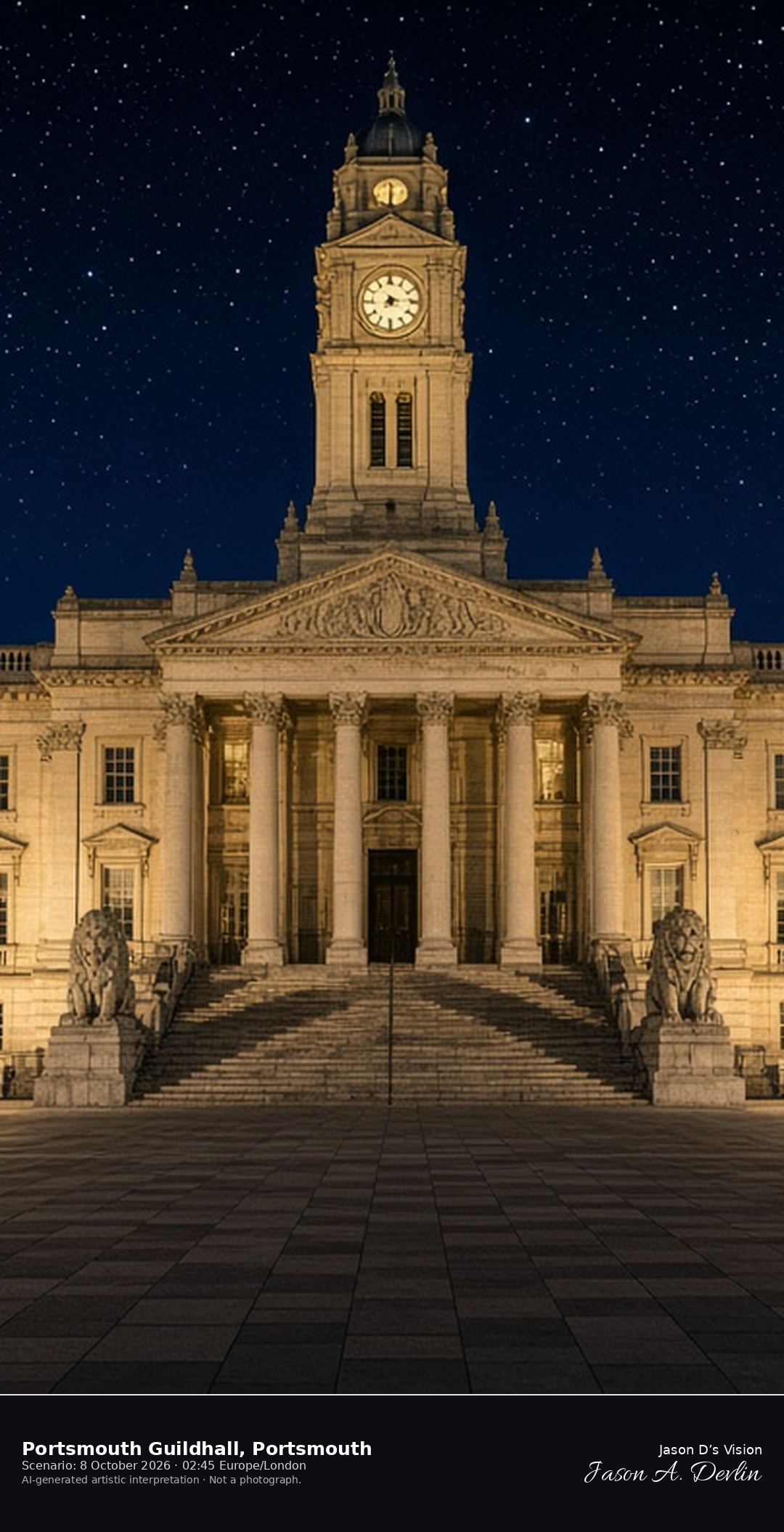
Portsmouth's naval history reaches back to the dry dock ordered by Henry the Seventh in 1495. The dockyard helped shape the town that was also Charles Dickens's birthplace: he was born here in 1812, in a modest house rented by his father, a clerk in the Navy Pay Office.
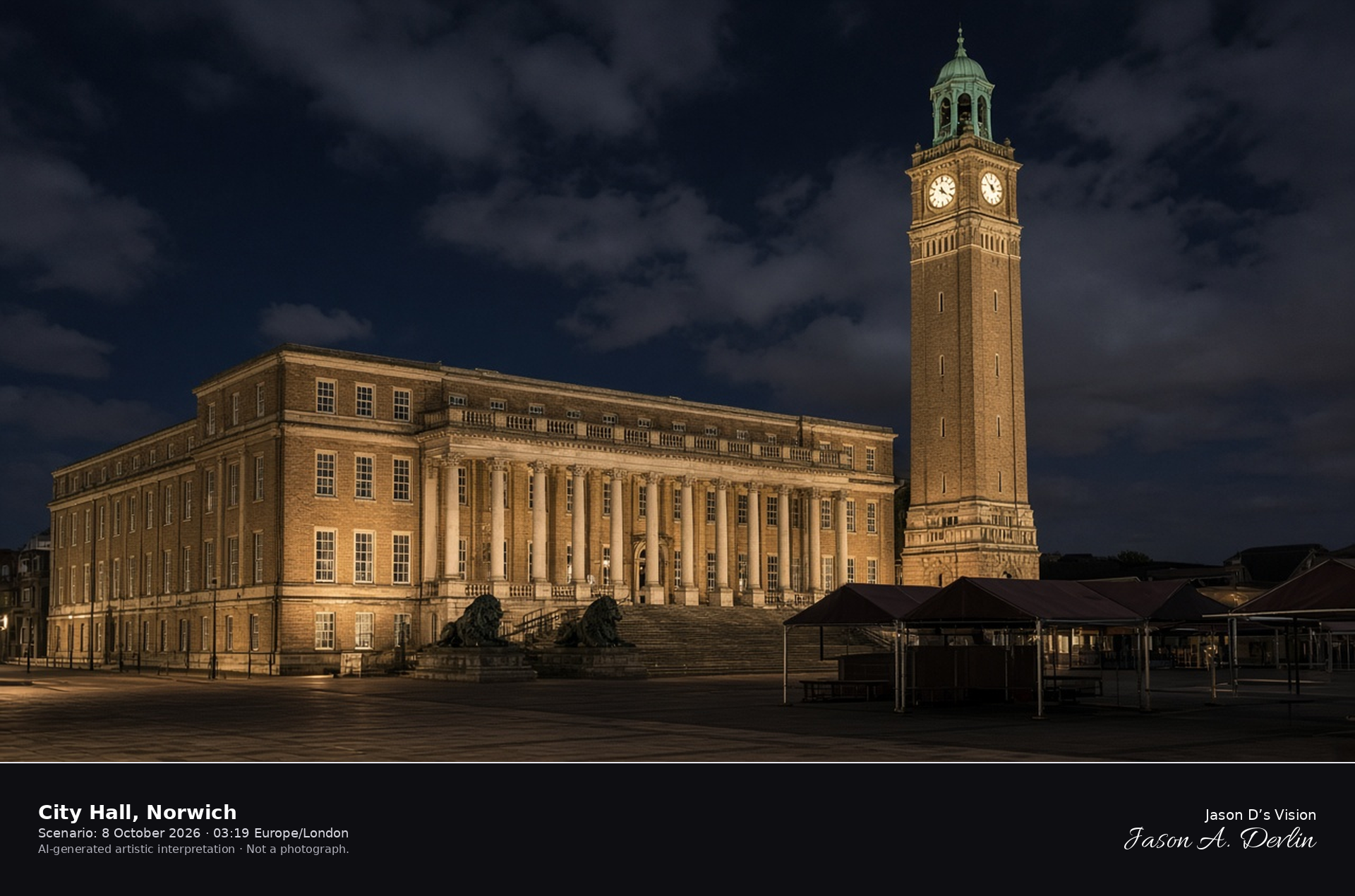
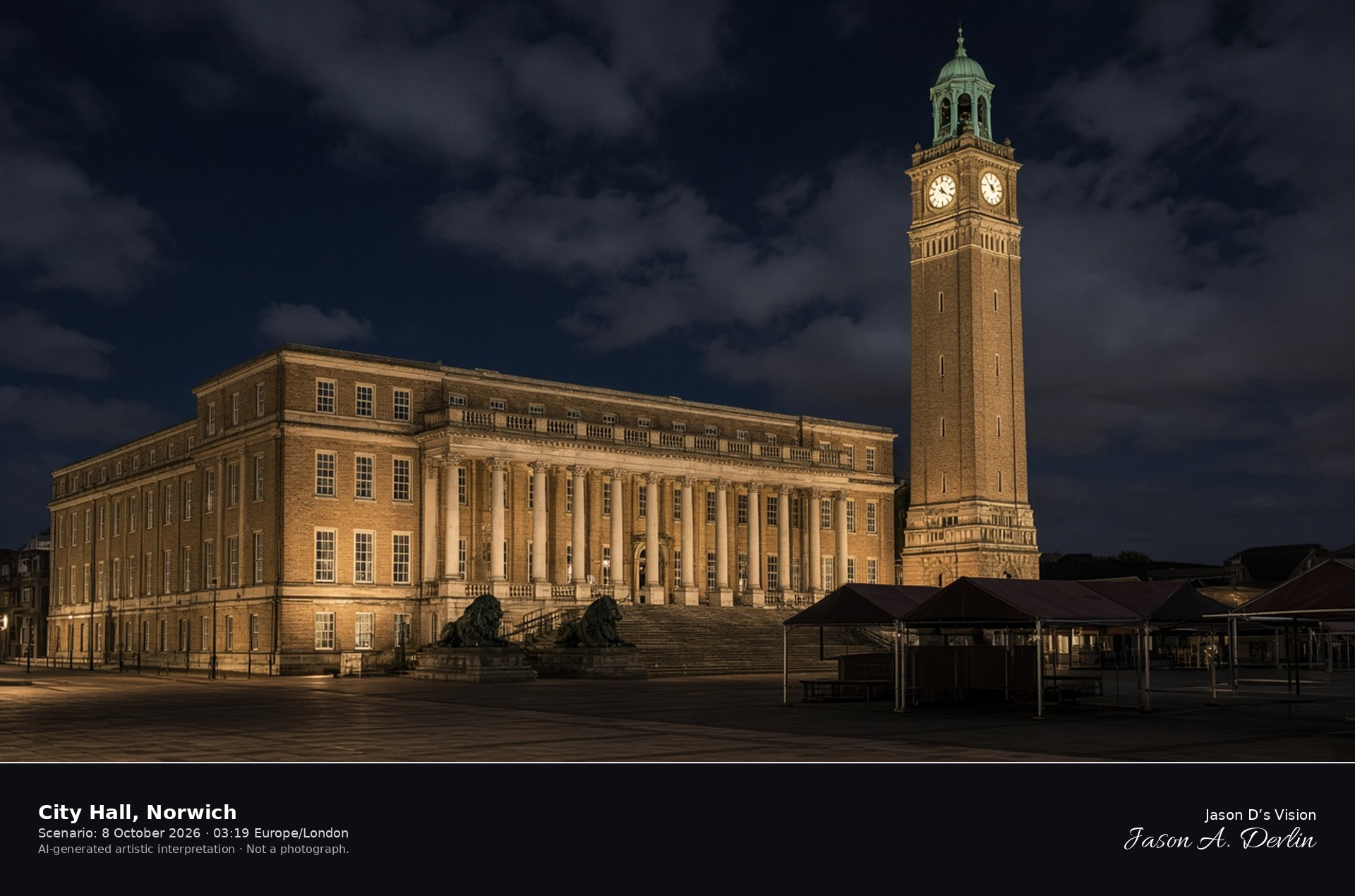
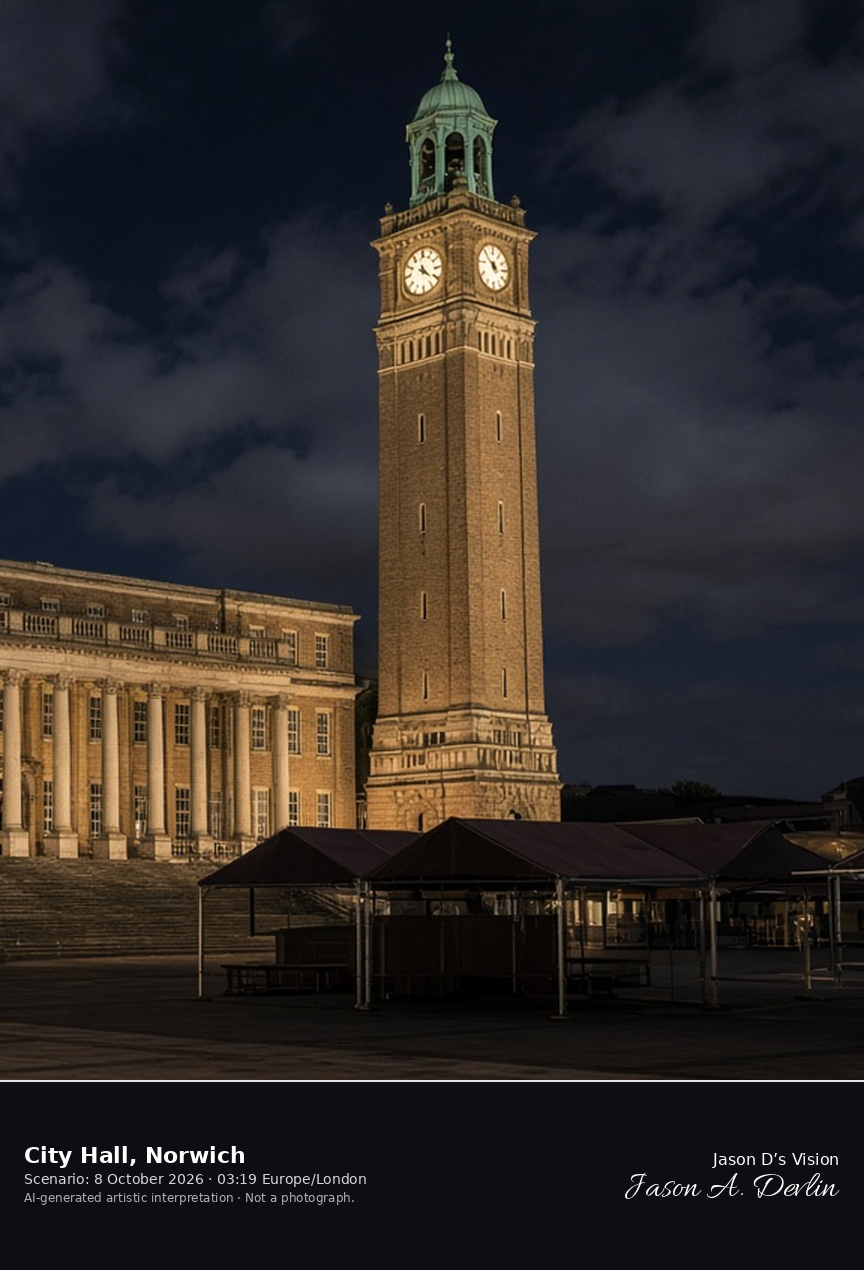
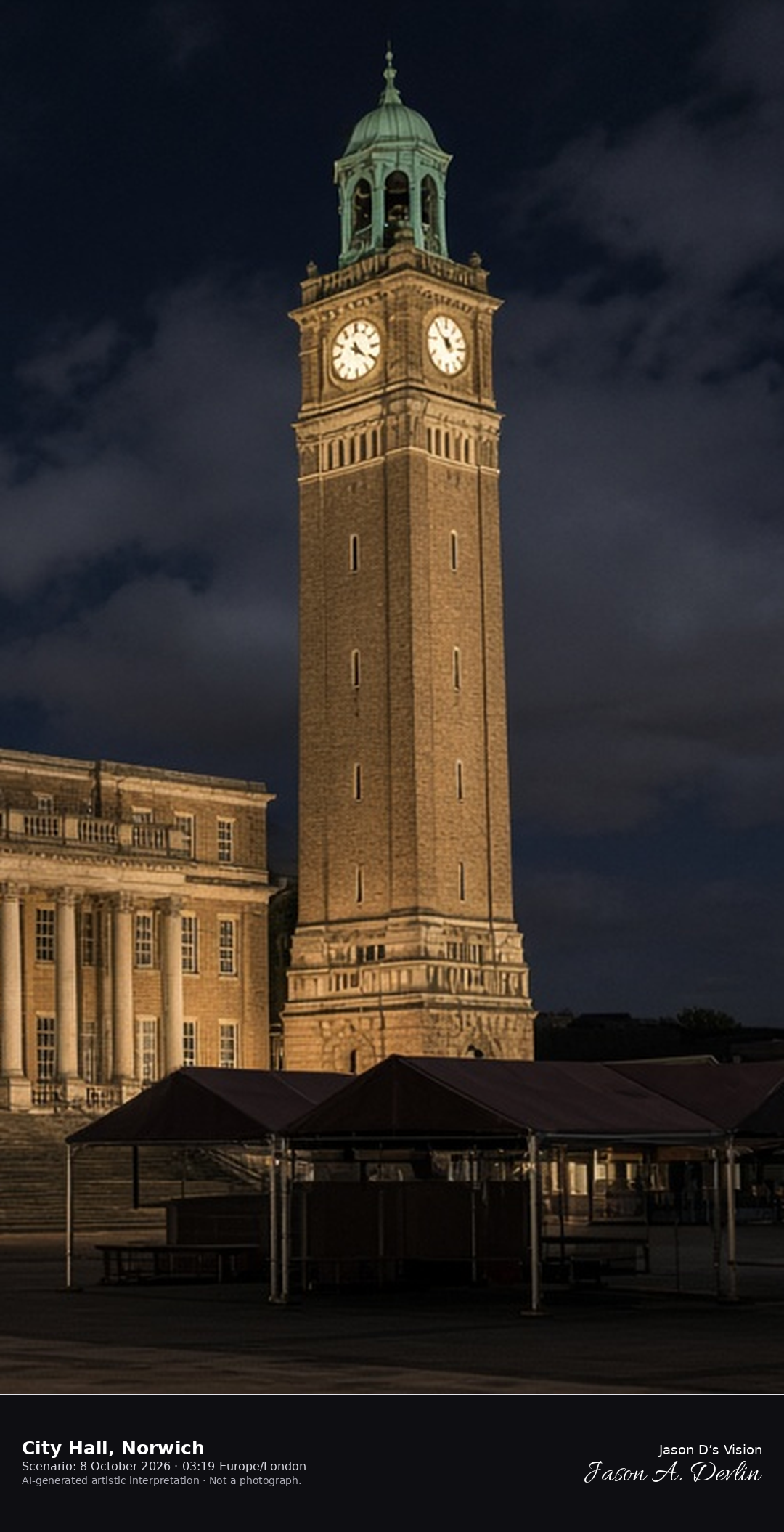
City Hall, Norwich · AI-generated artistic interpretation
Charles Holloway James and Stephen Rowland Pierce won the 1931 design competition, and building began only in 1936. King George VI and Queen Elizabeth opened it on 29 October 1938, and it is one of the Norwich 12 heritage buildings.
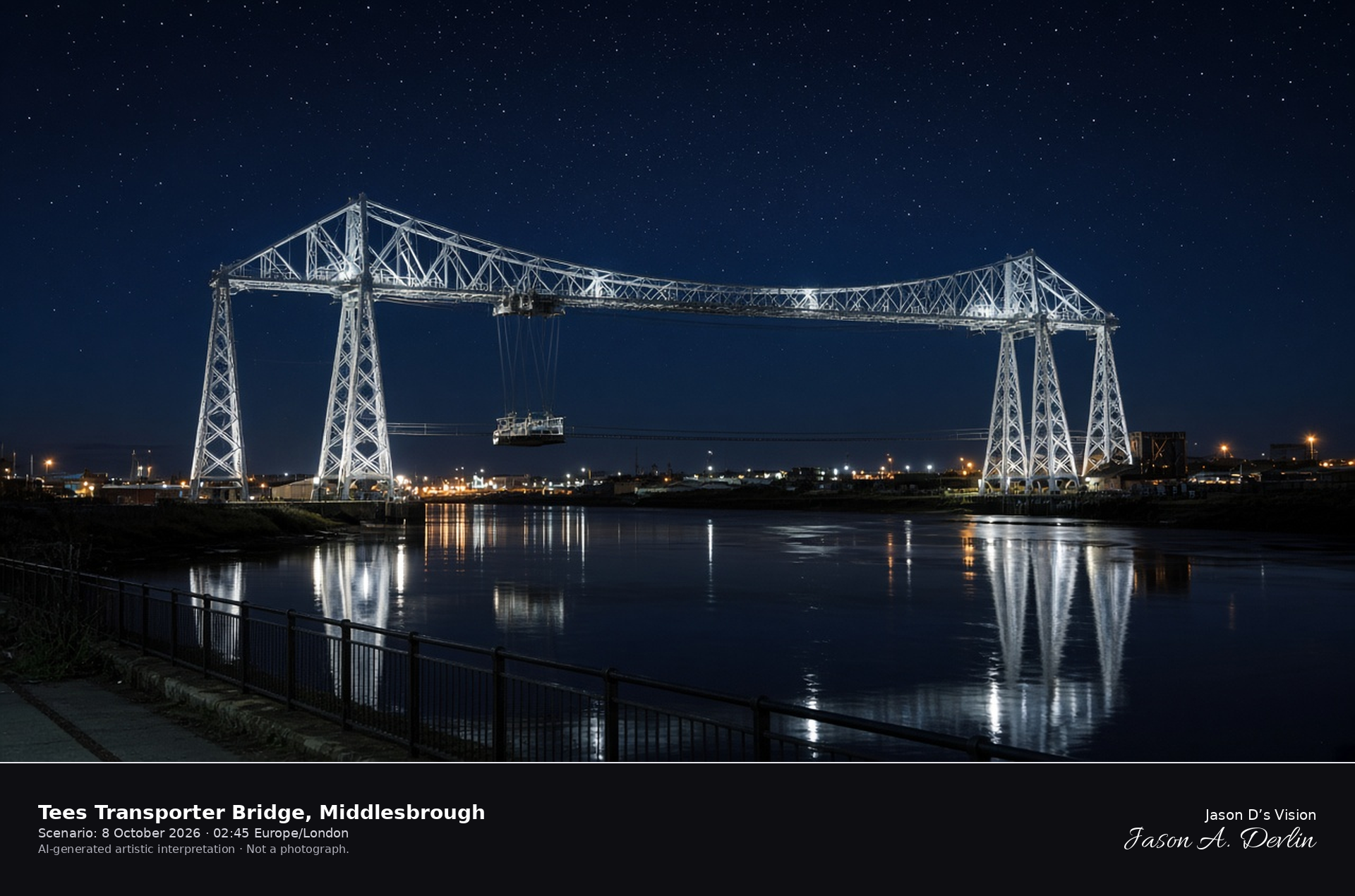
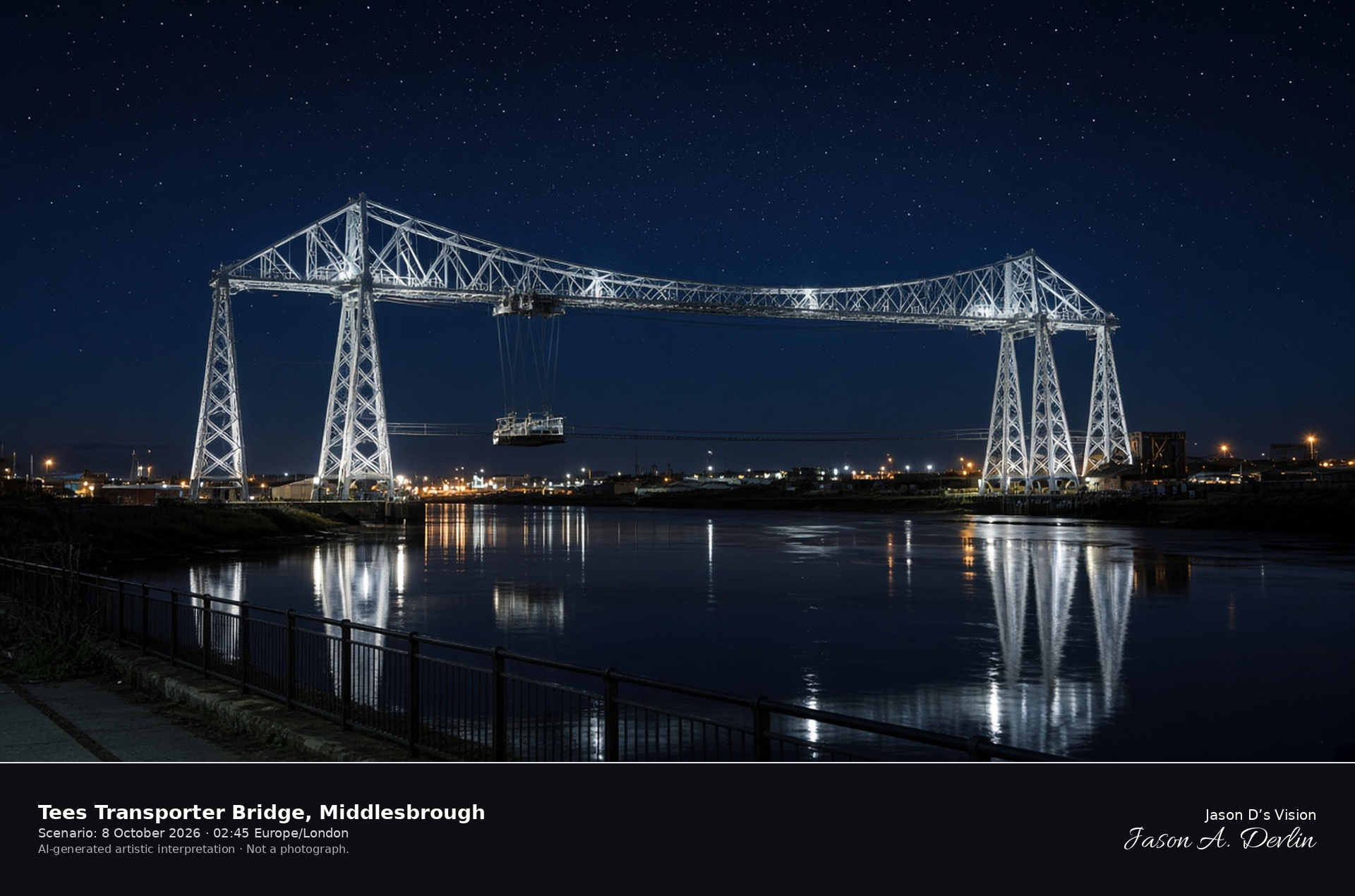
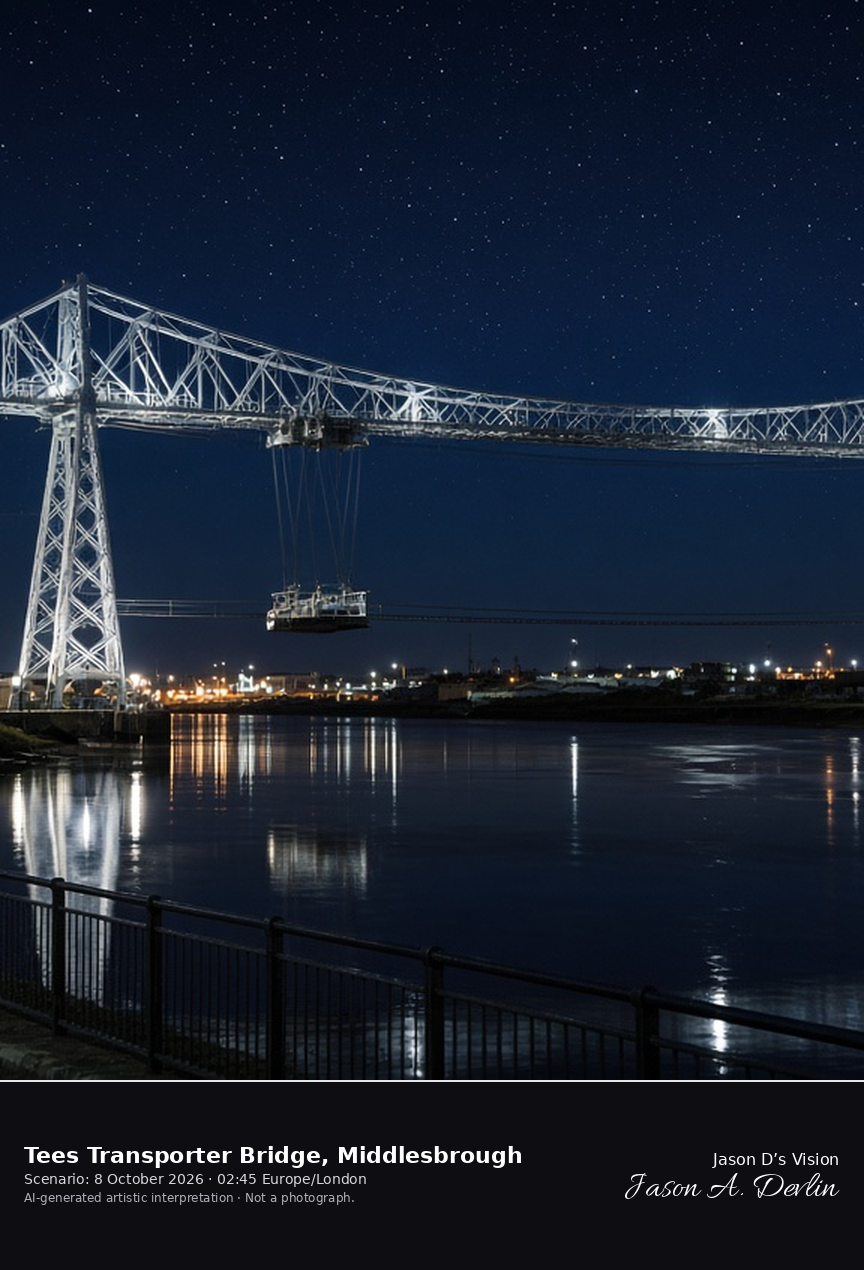
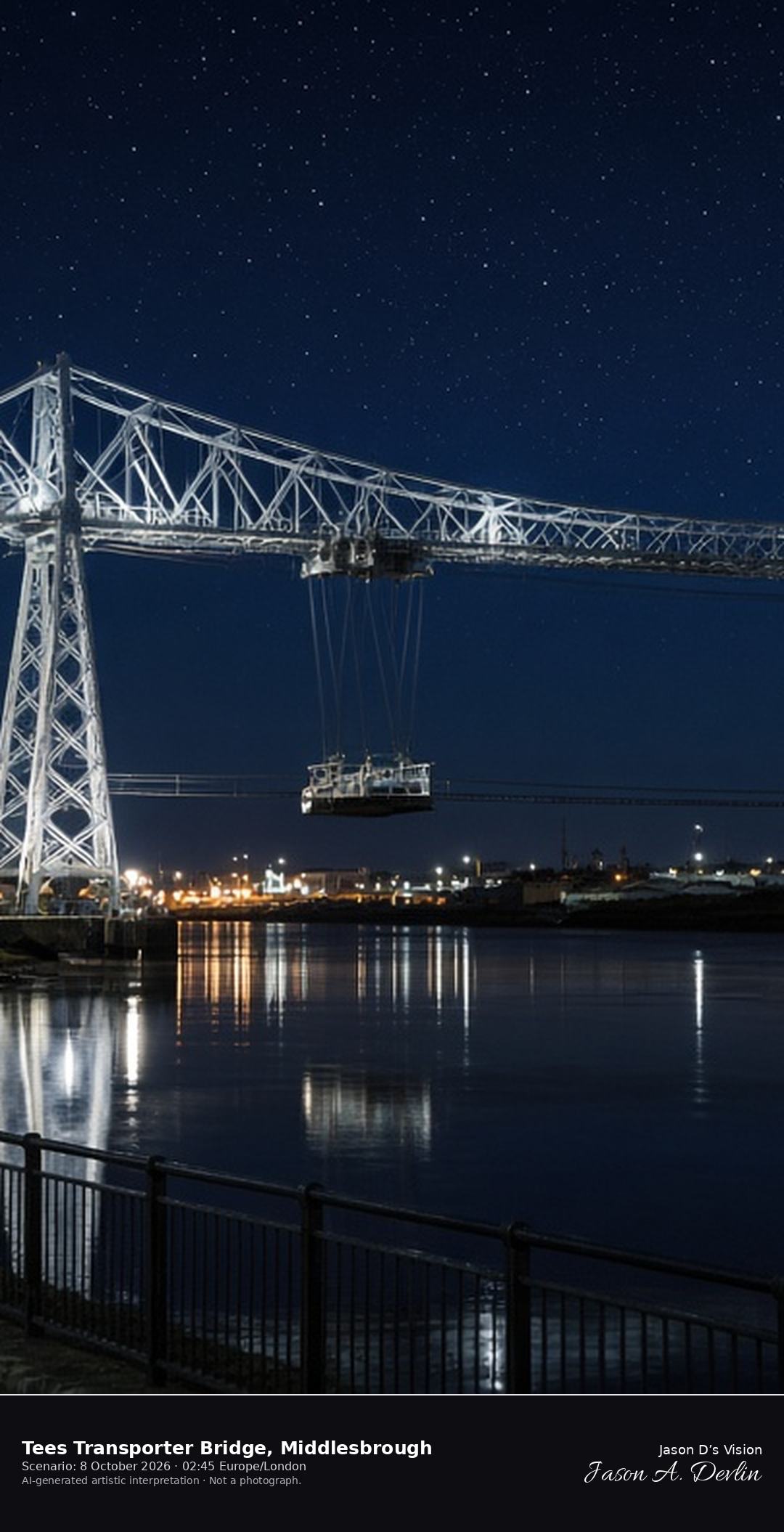
Prince Arthur of Connaught opened the bridge on 17 October 1911, and it is the longest transporter bridge still standing anywhere. Its hanging gondola carried up to 200 people or nine cars across in 90 seconds, but it has not run since 2019.
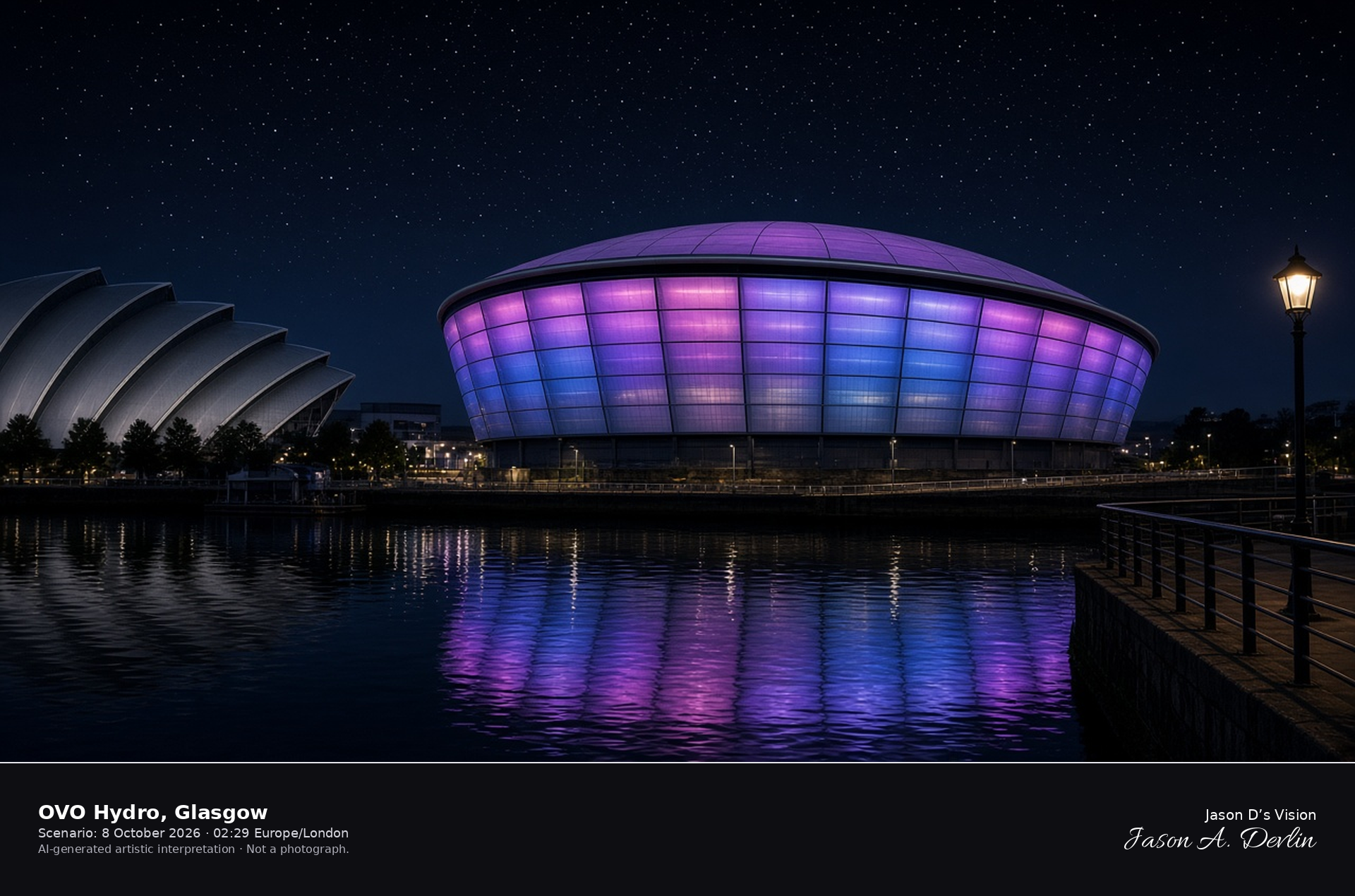
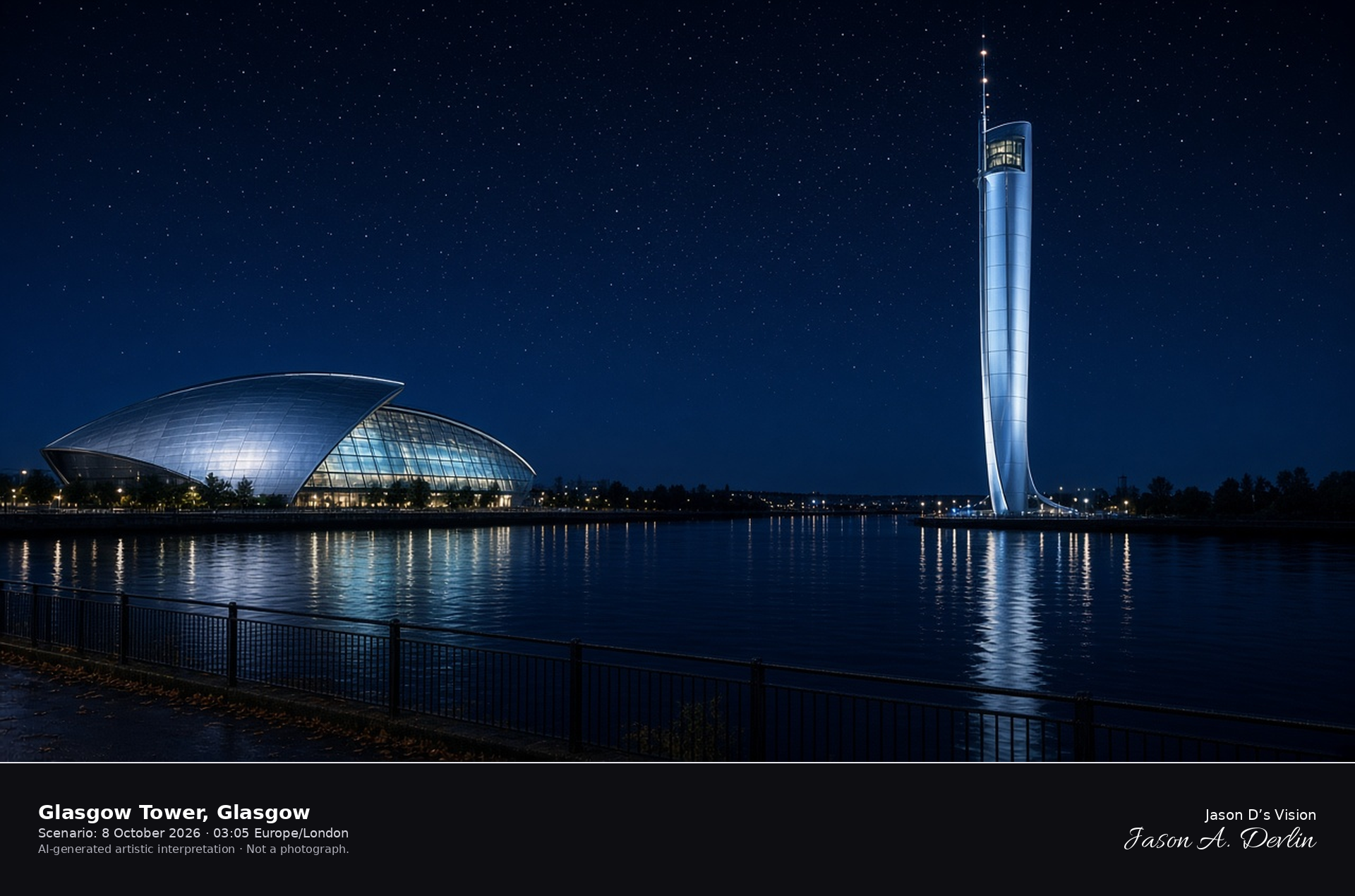
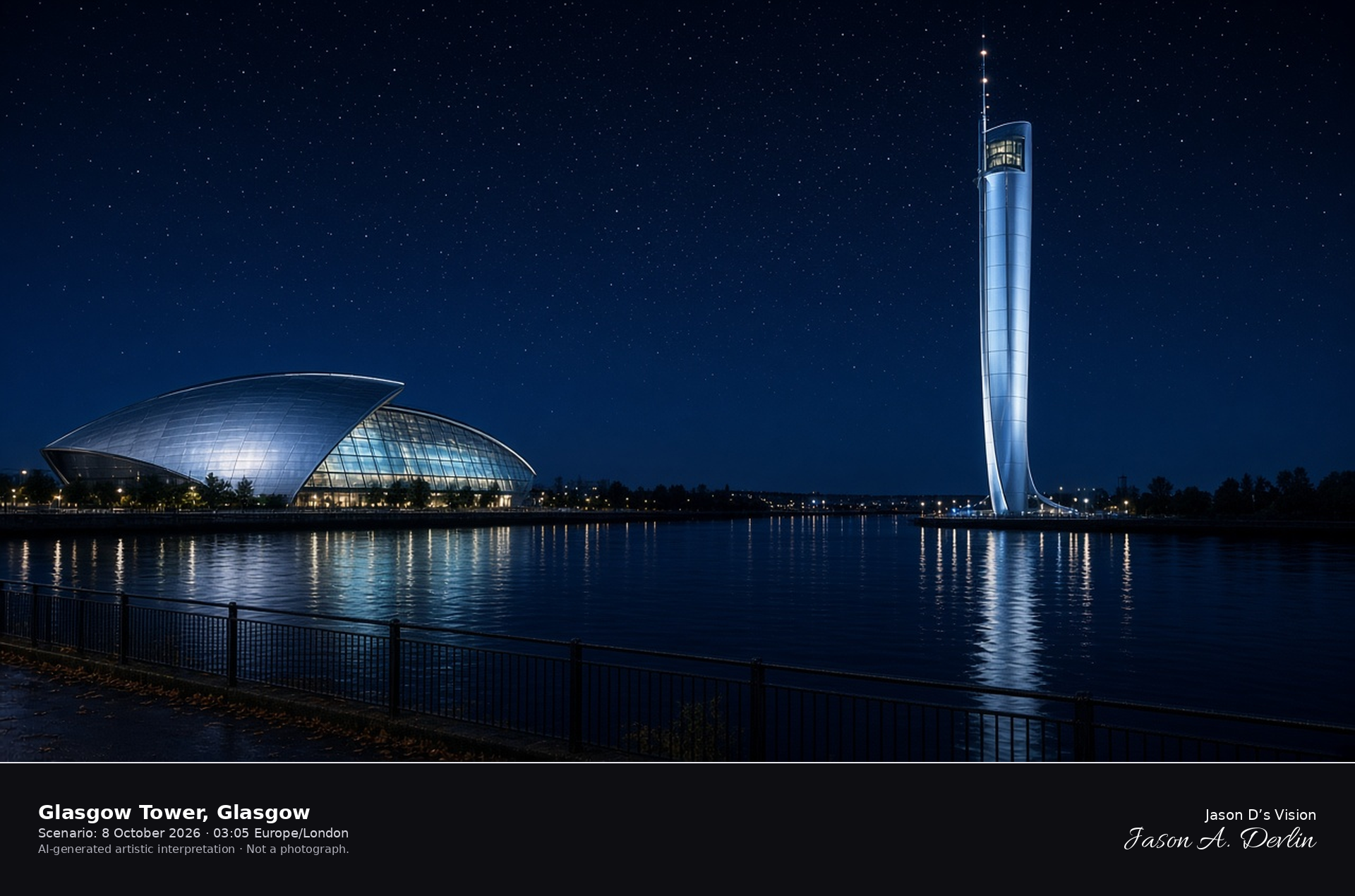
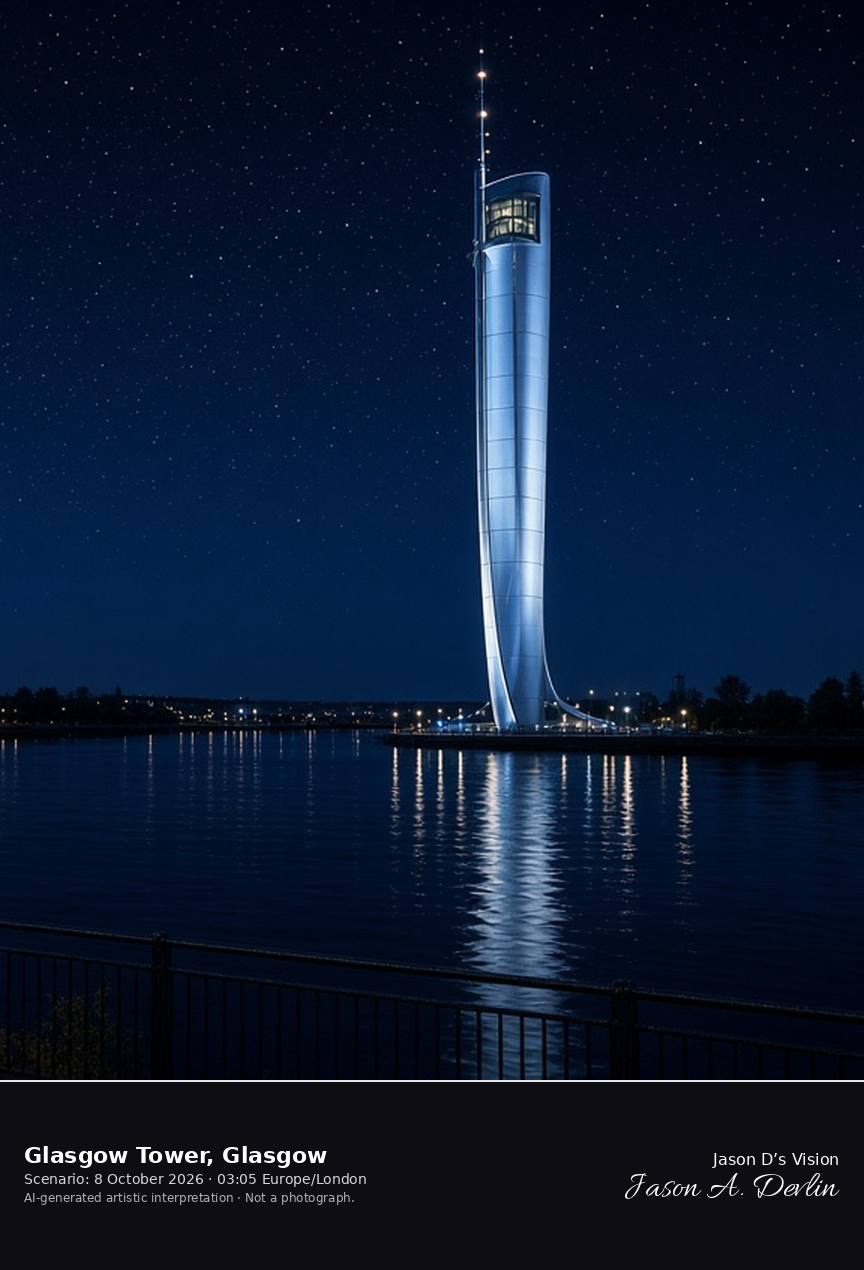
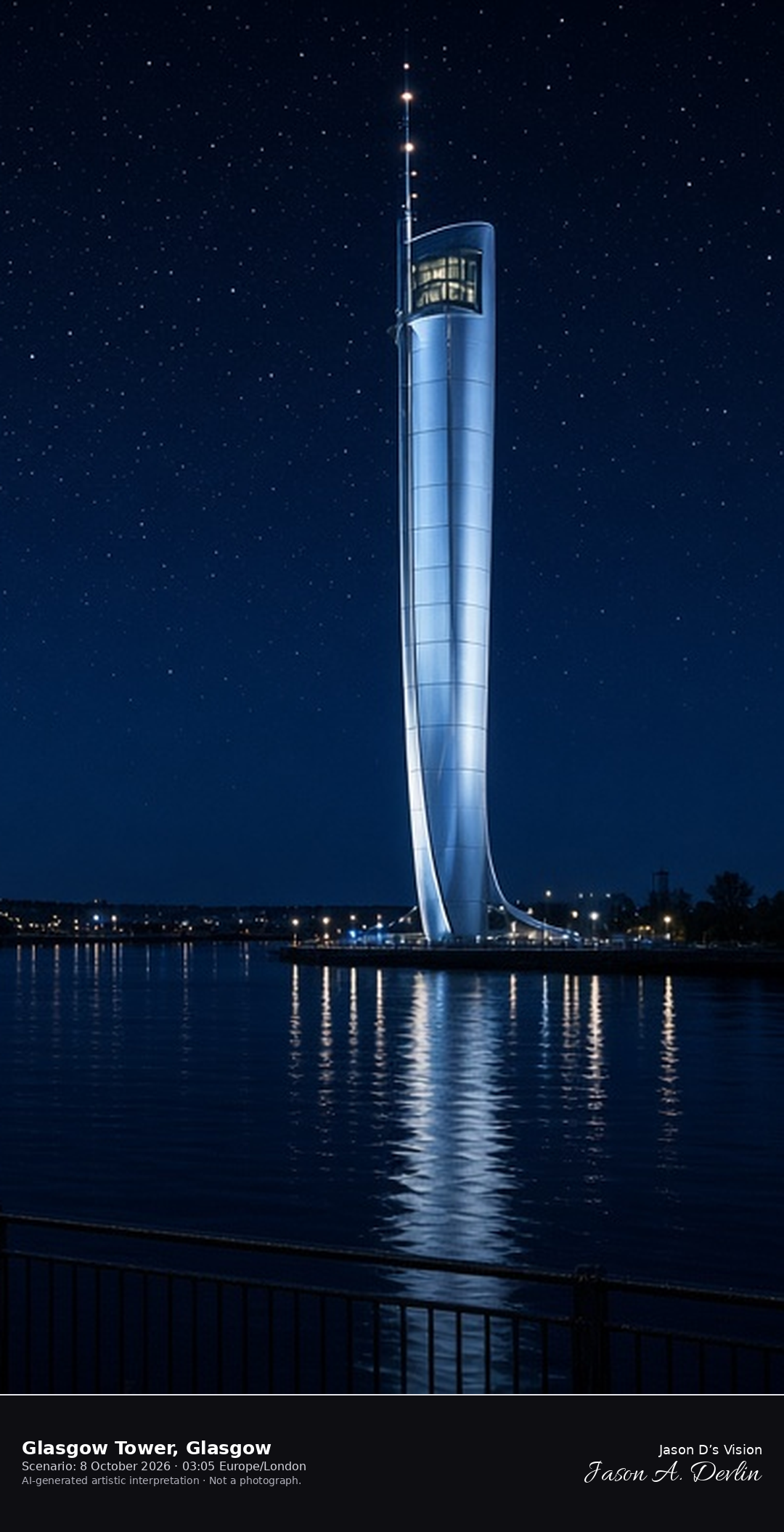
Richard Horden designed the 127 m tower, which is shaped like an upright aircraft wing and can turn a full 360 degrees to face into the wind. It is part of Glasgow Science Centre, which Queen Elizabeth II opened on 5 July 2001.
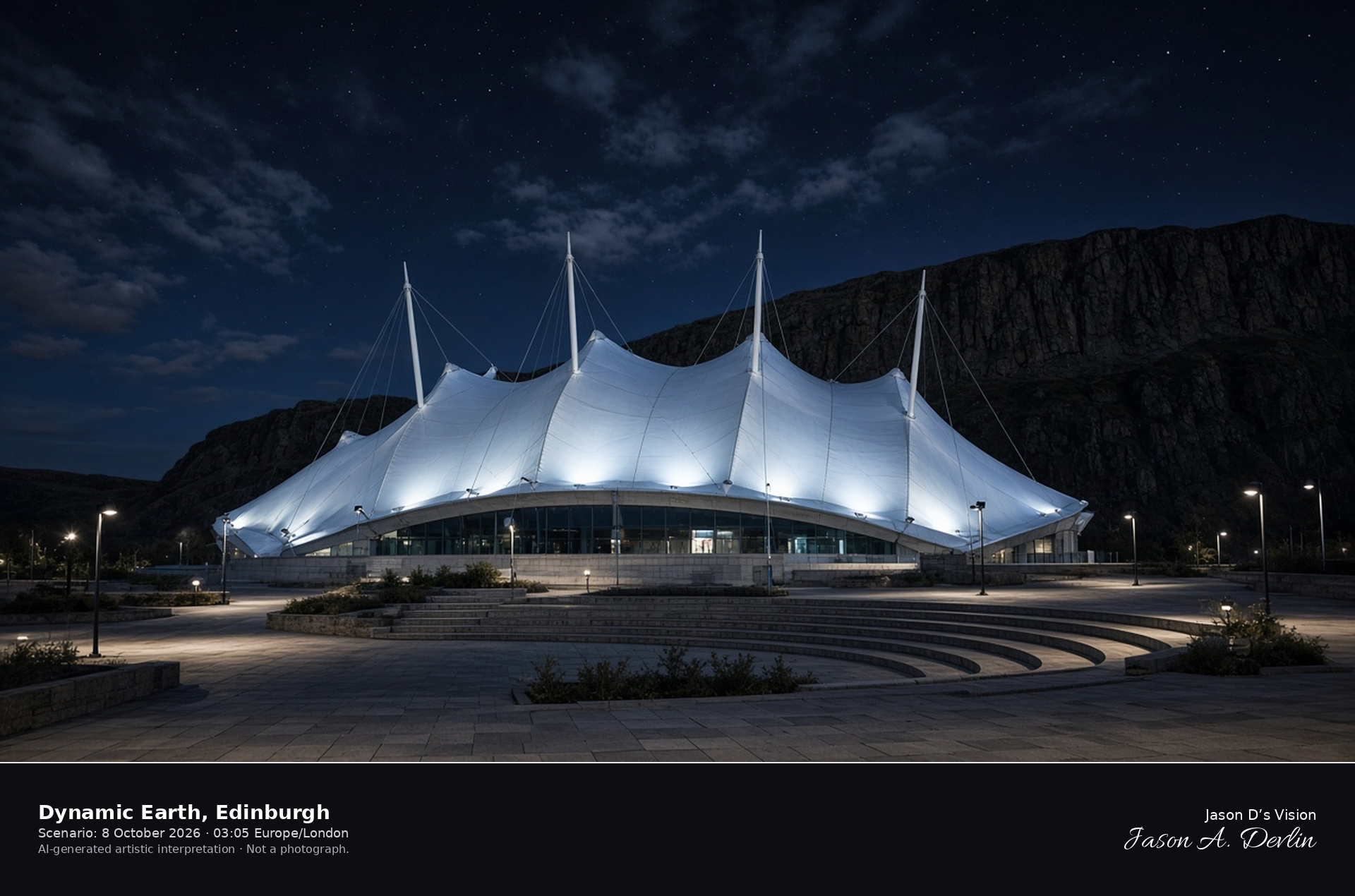
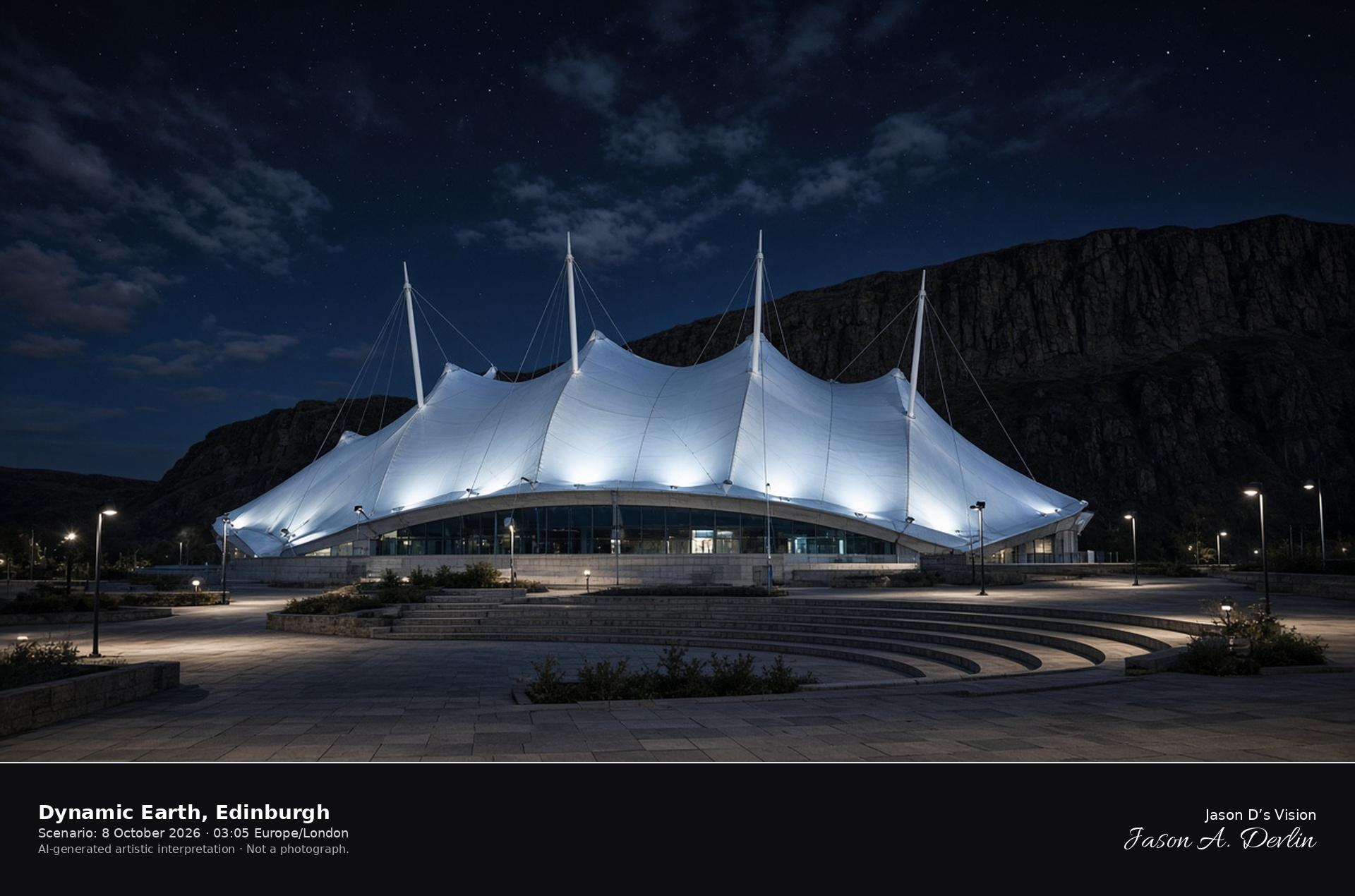
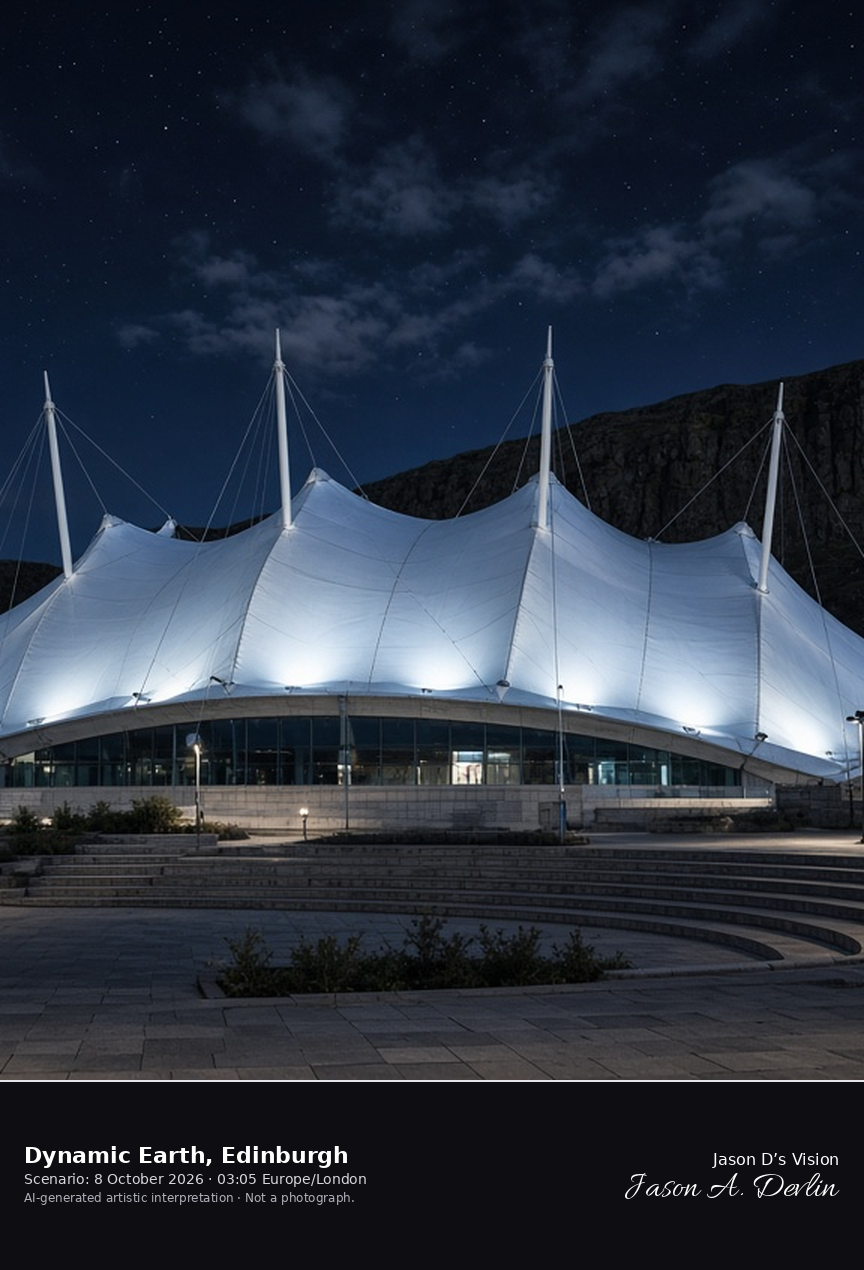
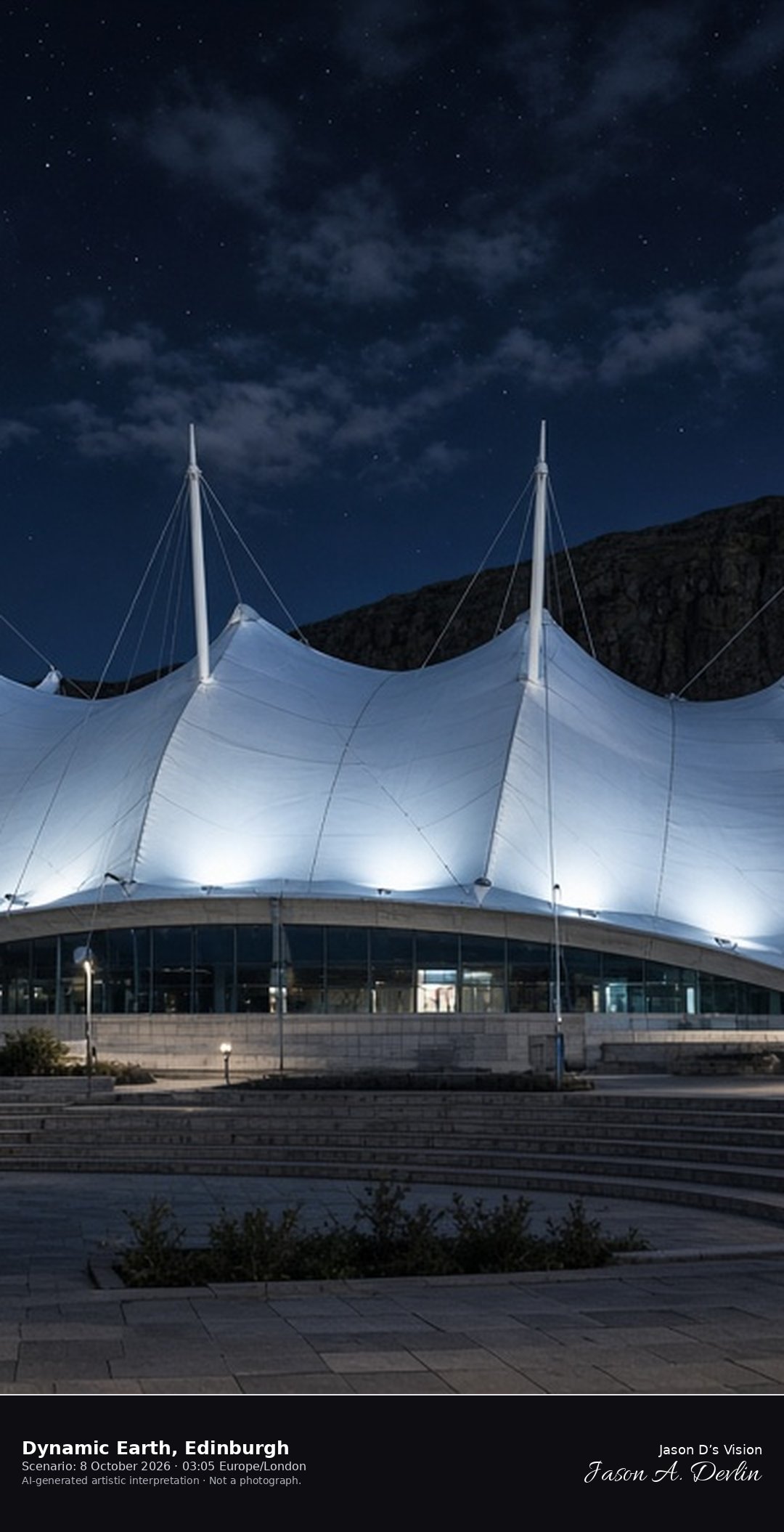
Michael Hopkins and Partners designed the building, a white membrane held up by steel masts over a steel frame. Queen Elizabeth II opened it in 1999 on old brewery and gasworks land close to where the geologist James Hutton lived.
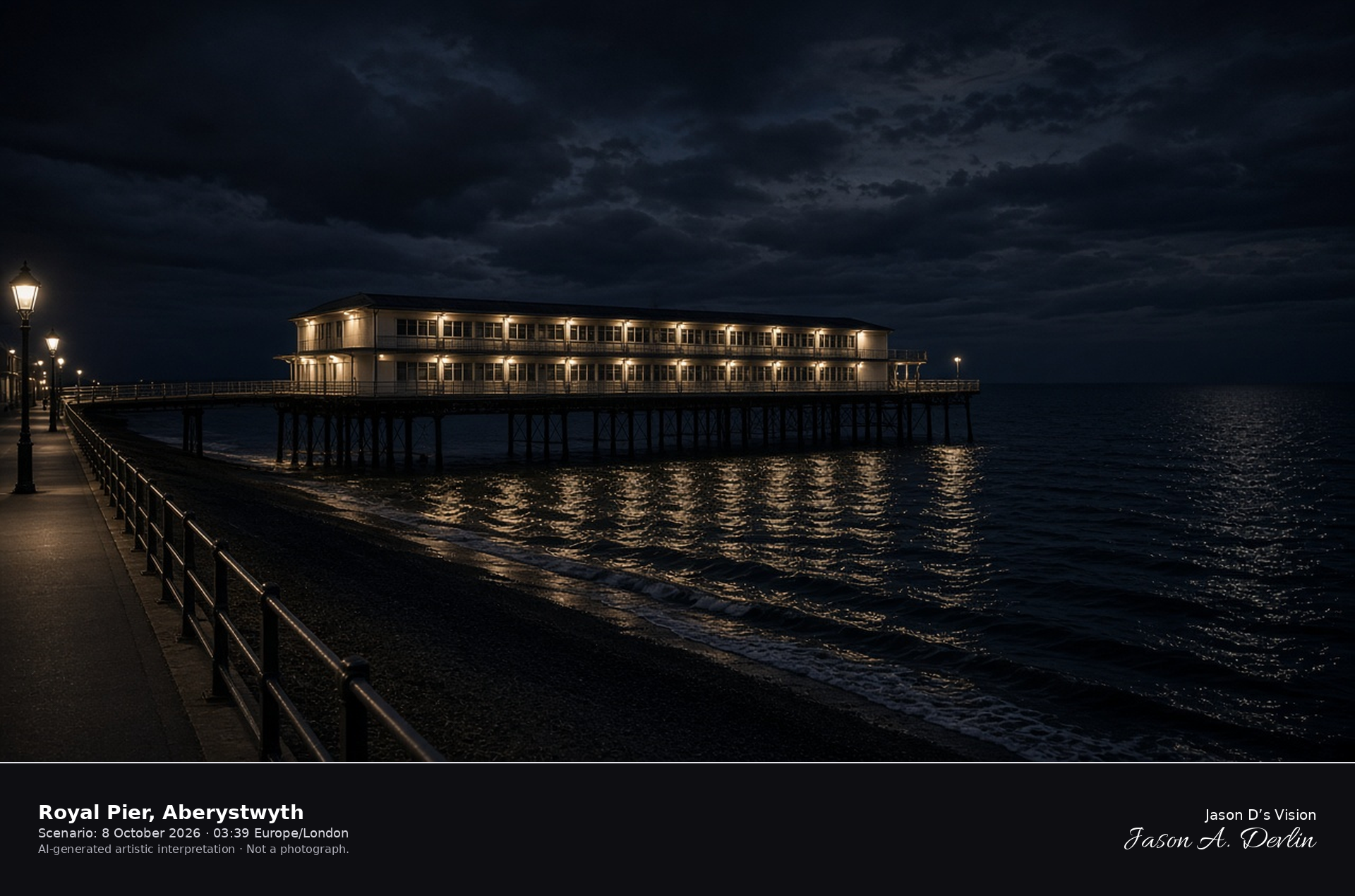
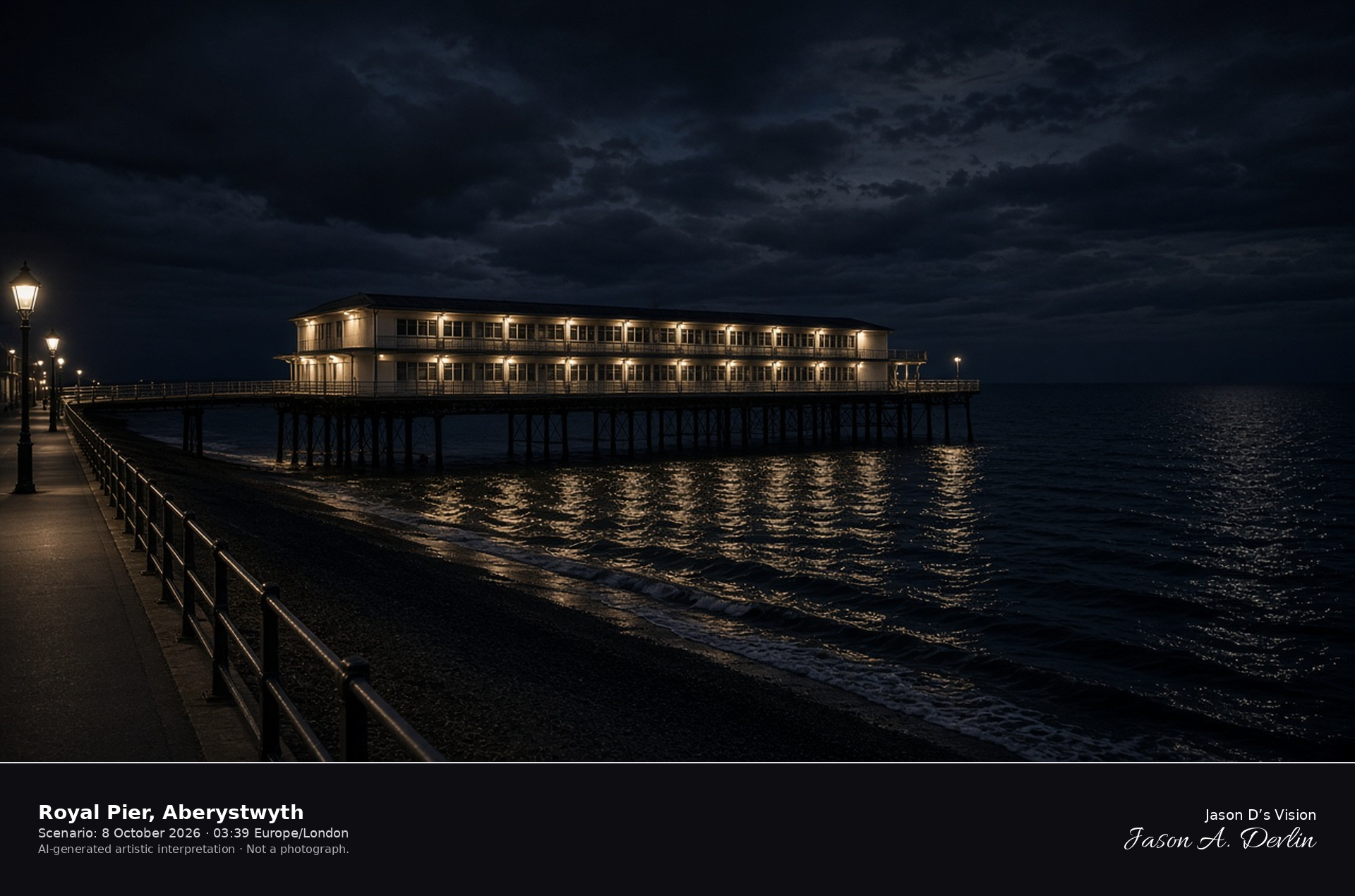
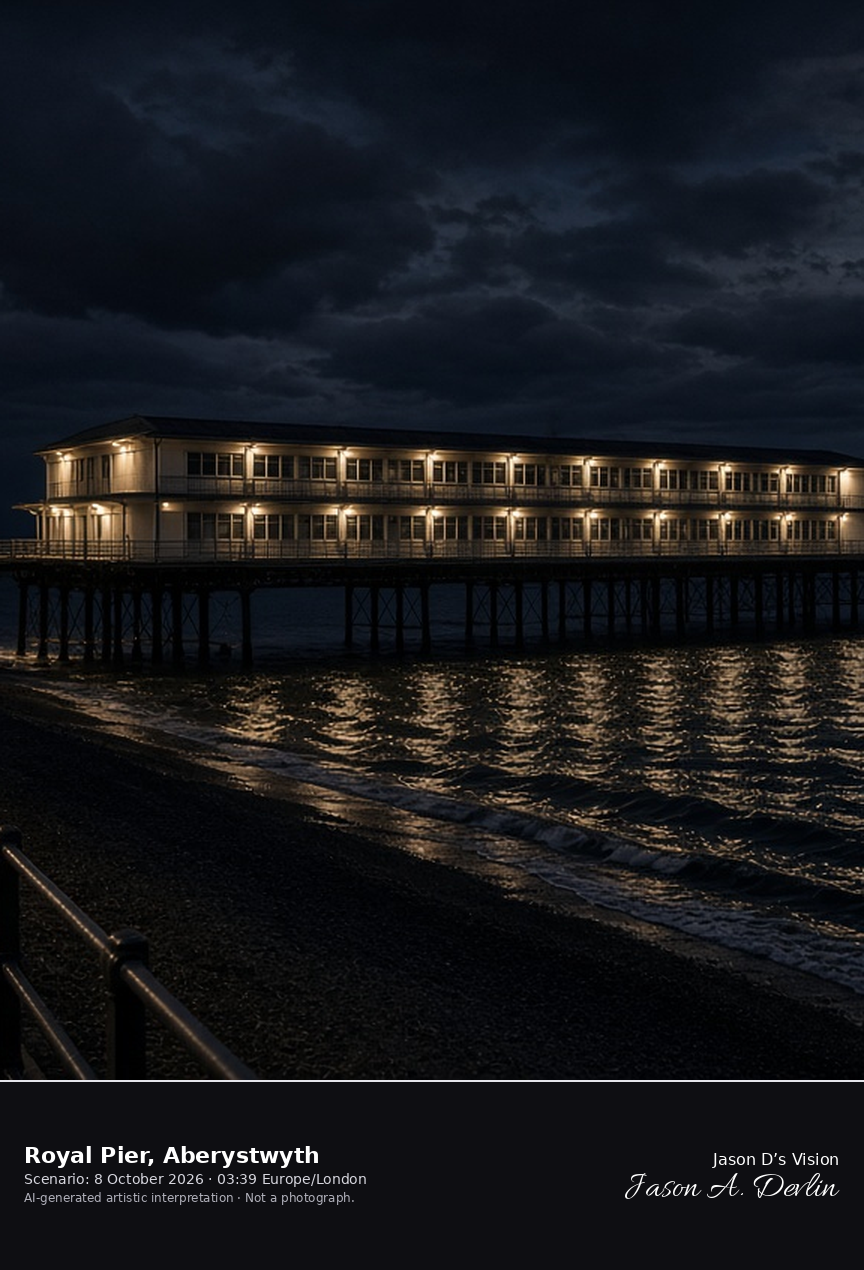
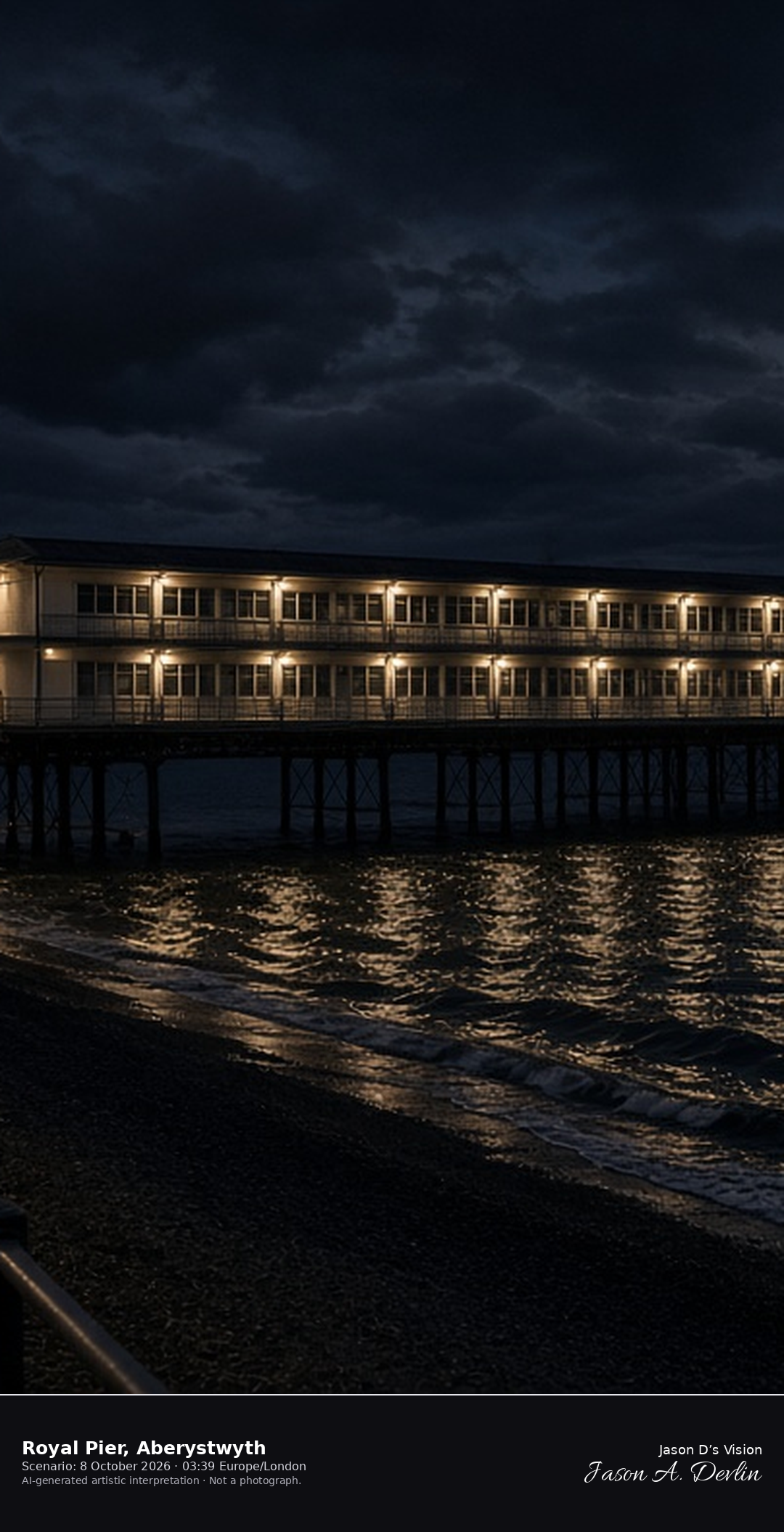
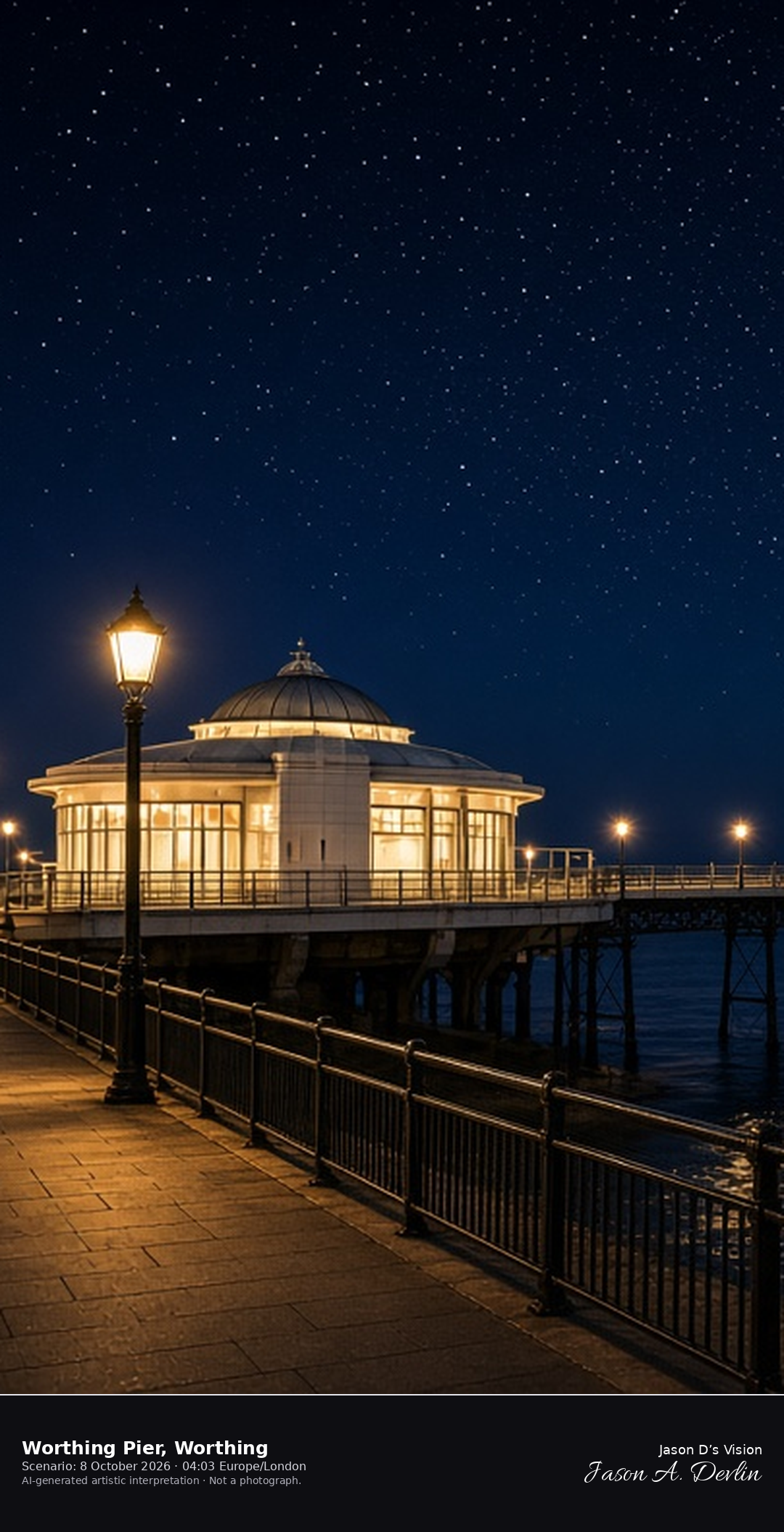
Aberystwyth's Royal Pier opened in 1865 to the design of Eugenius Birch. Built on iron supports extending into Cardigan Bay, it became part of the town's Victorian seaside life. Later storms shortened the pier, while its pavilion became a familiar landmark on the promenade.
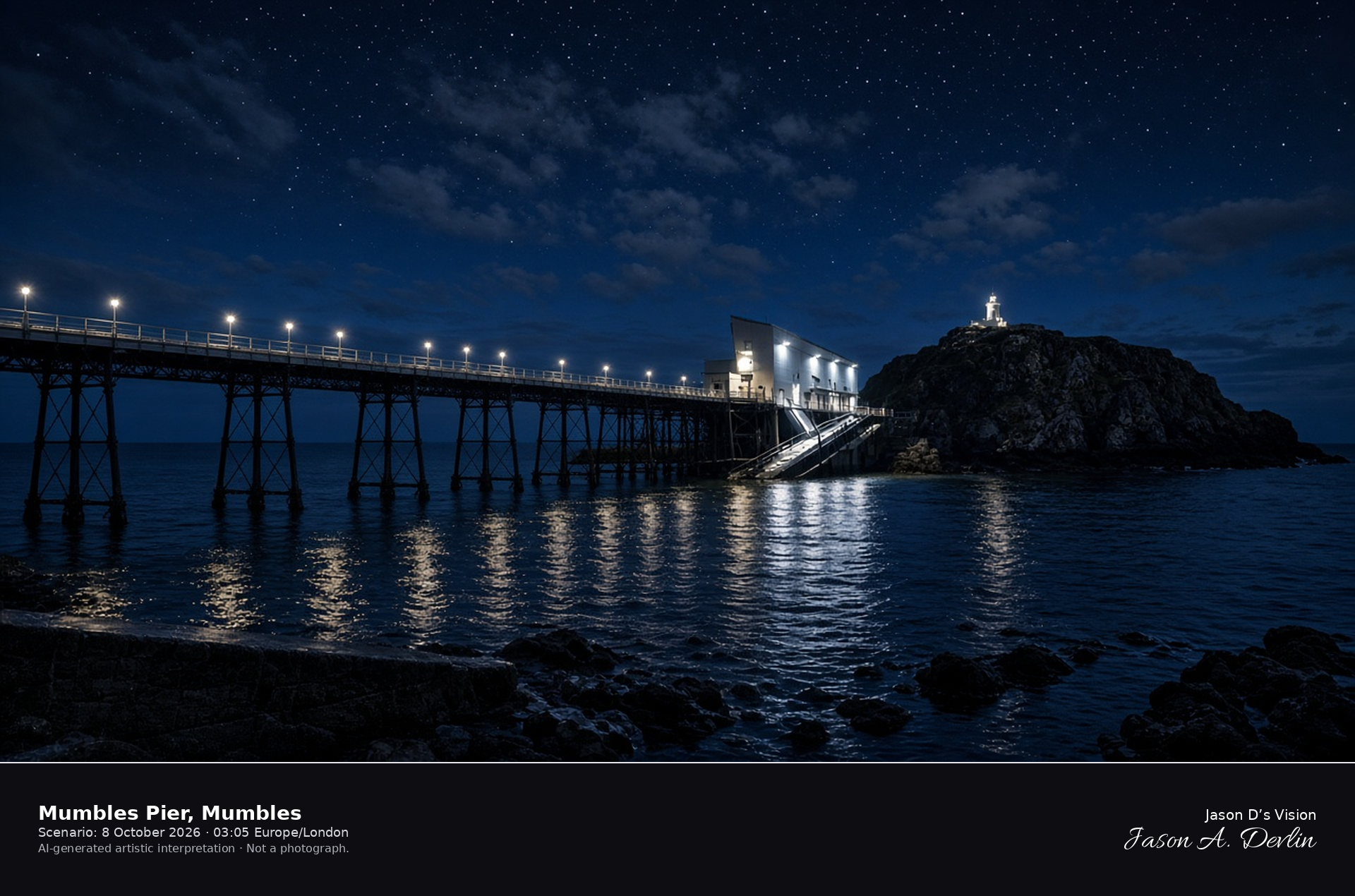
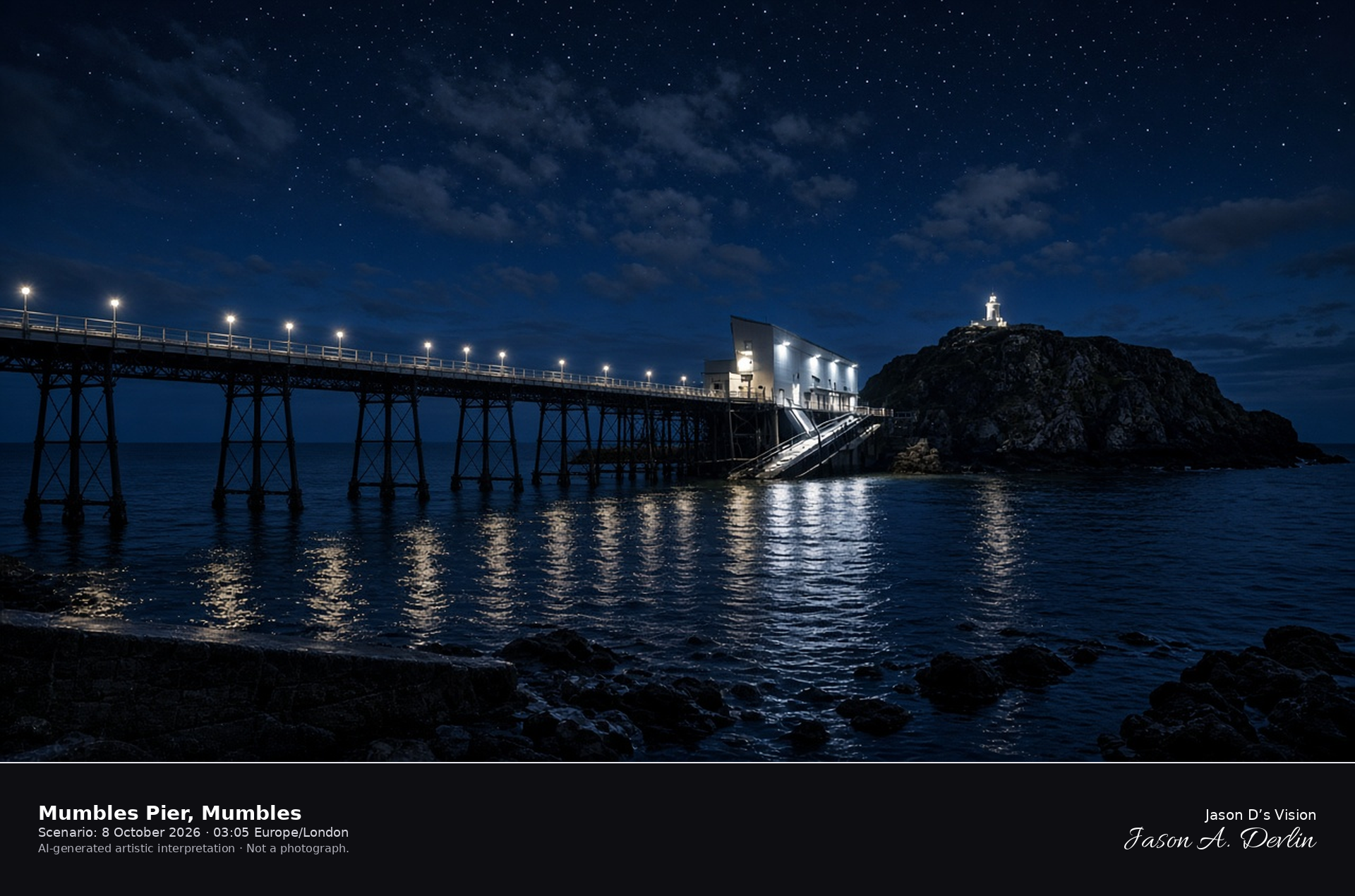
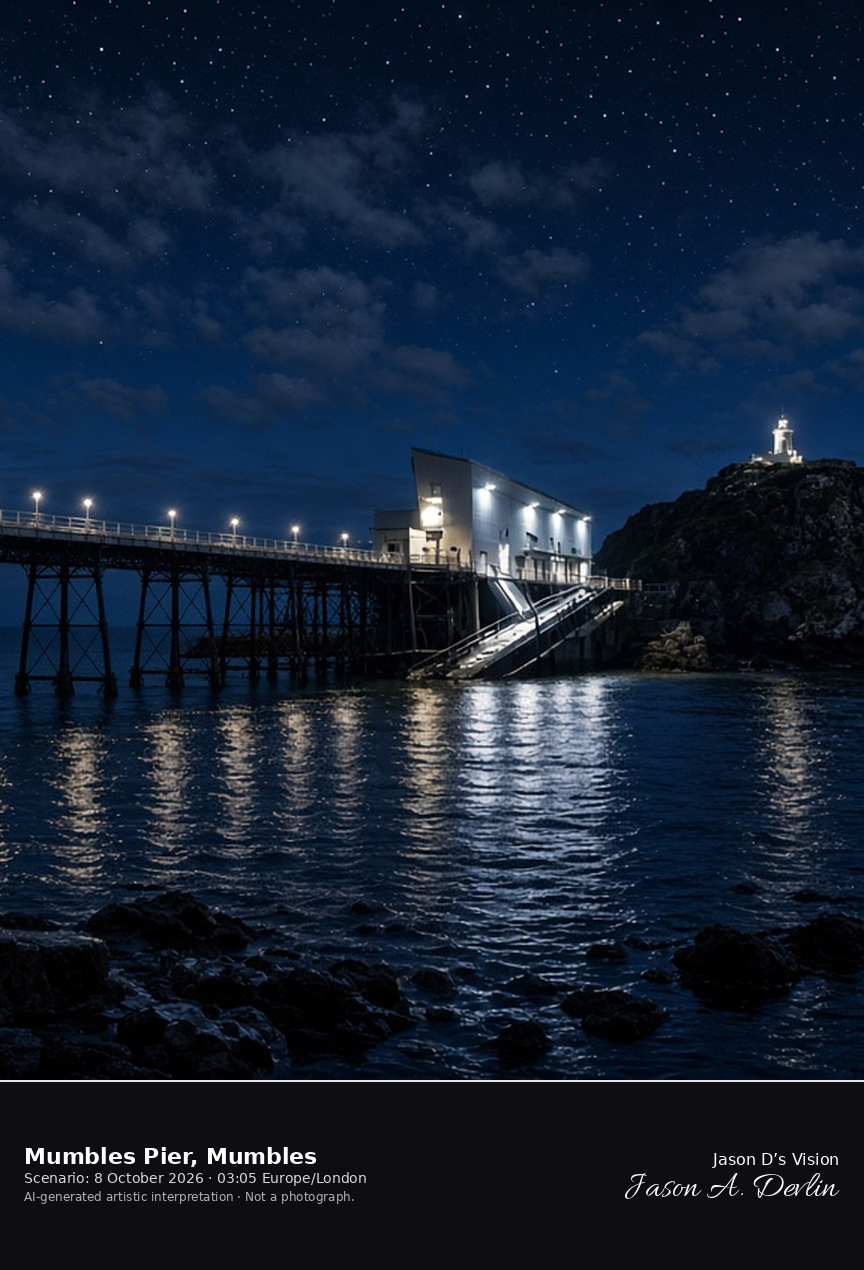
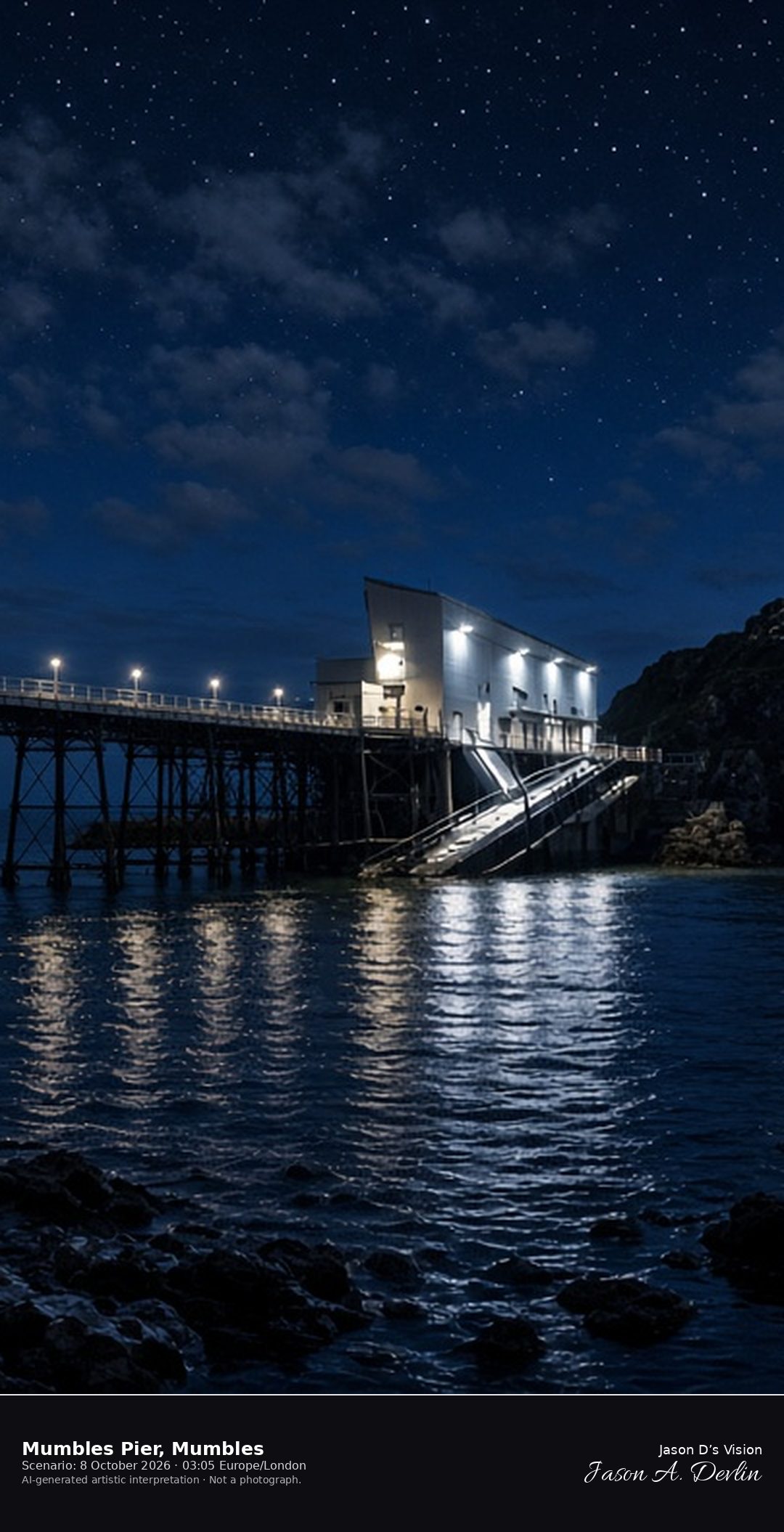
W. Sutcliffe Marsh designed the 255 m pier, which opened on 10 May 1898 at the end of the Swansea and Mumbles Railway. A new lifeboat station was built at the far end in a renovation in 2012.
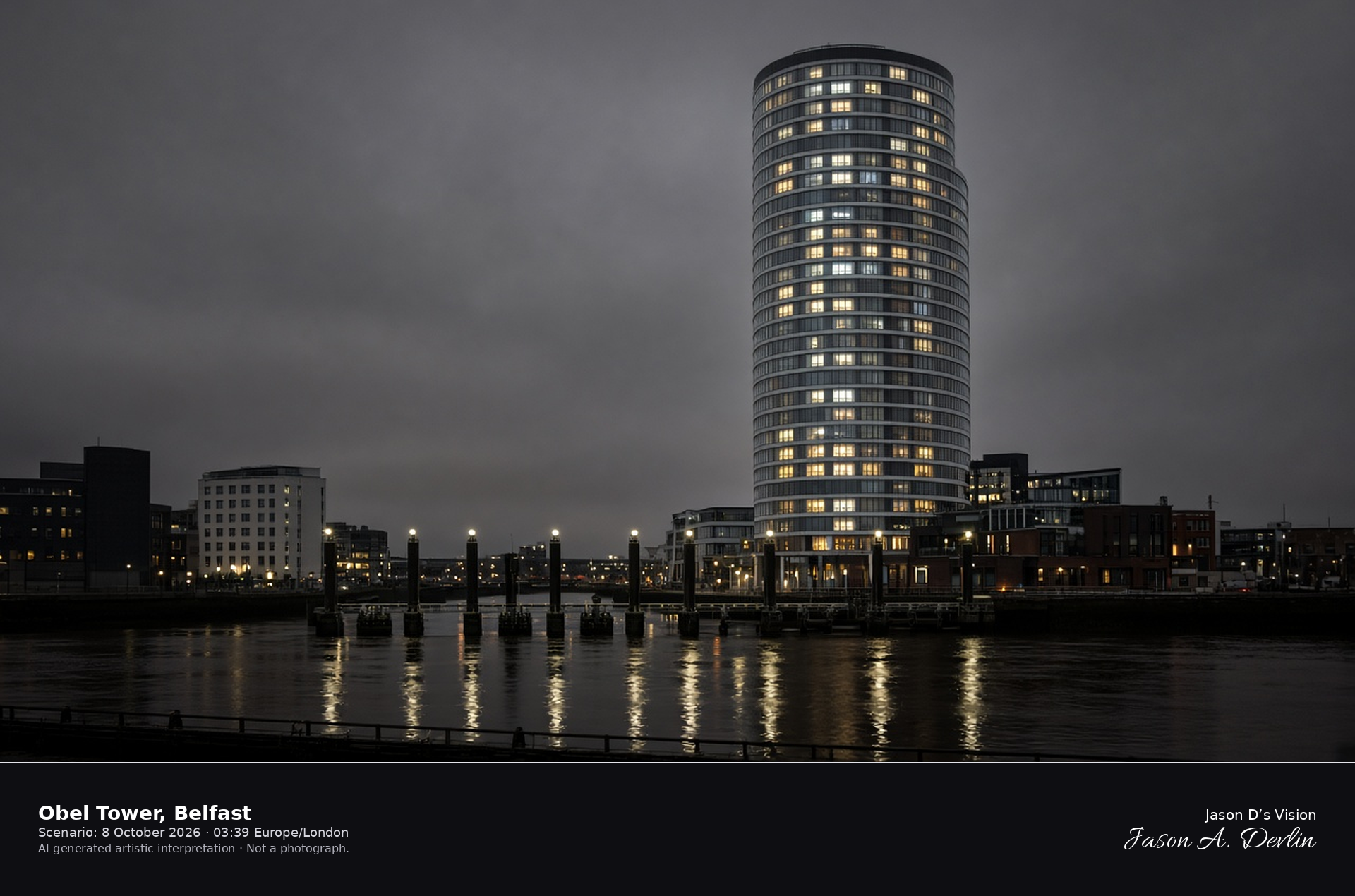
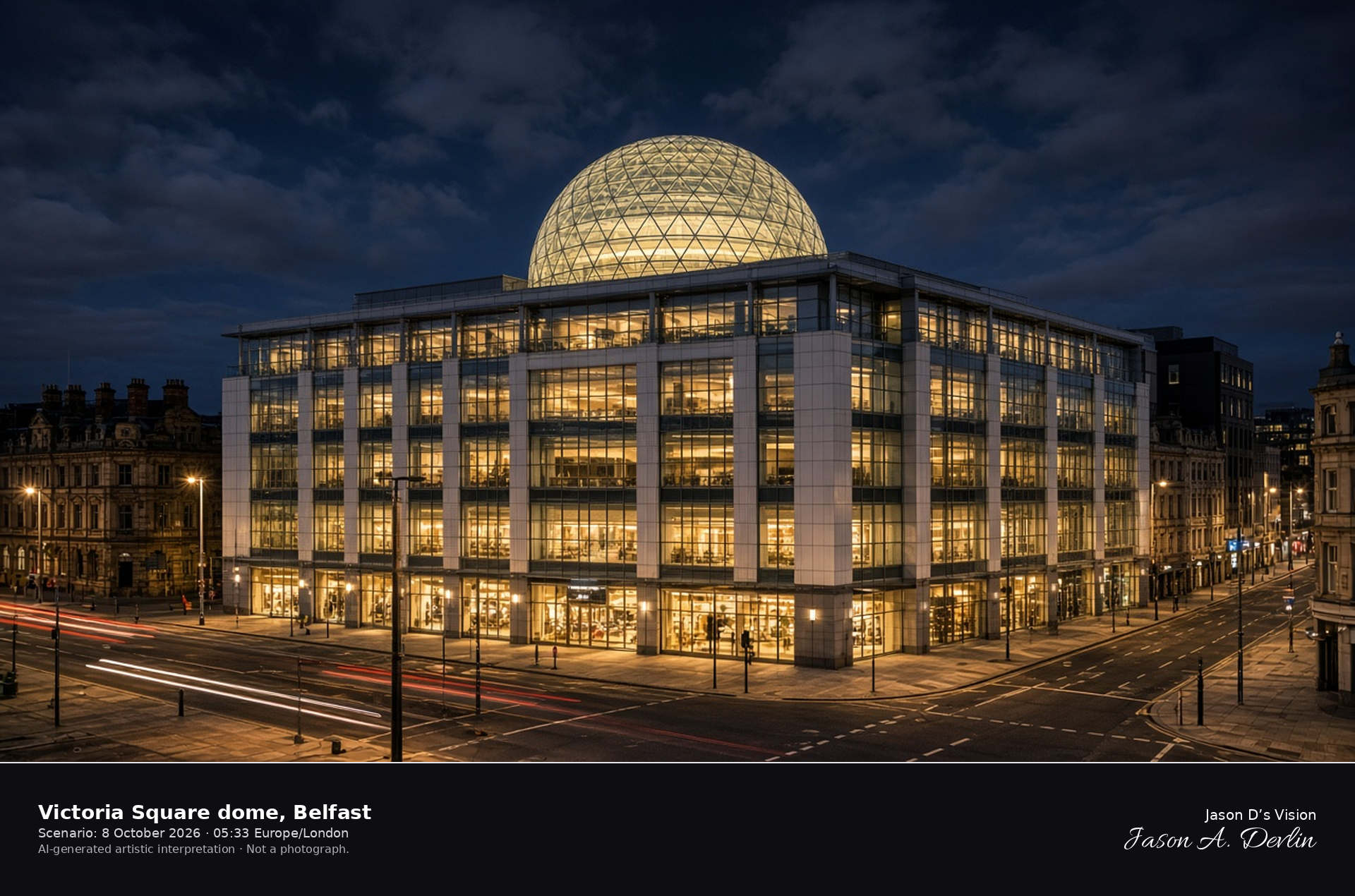
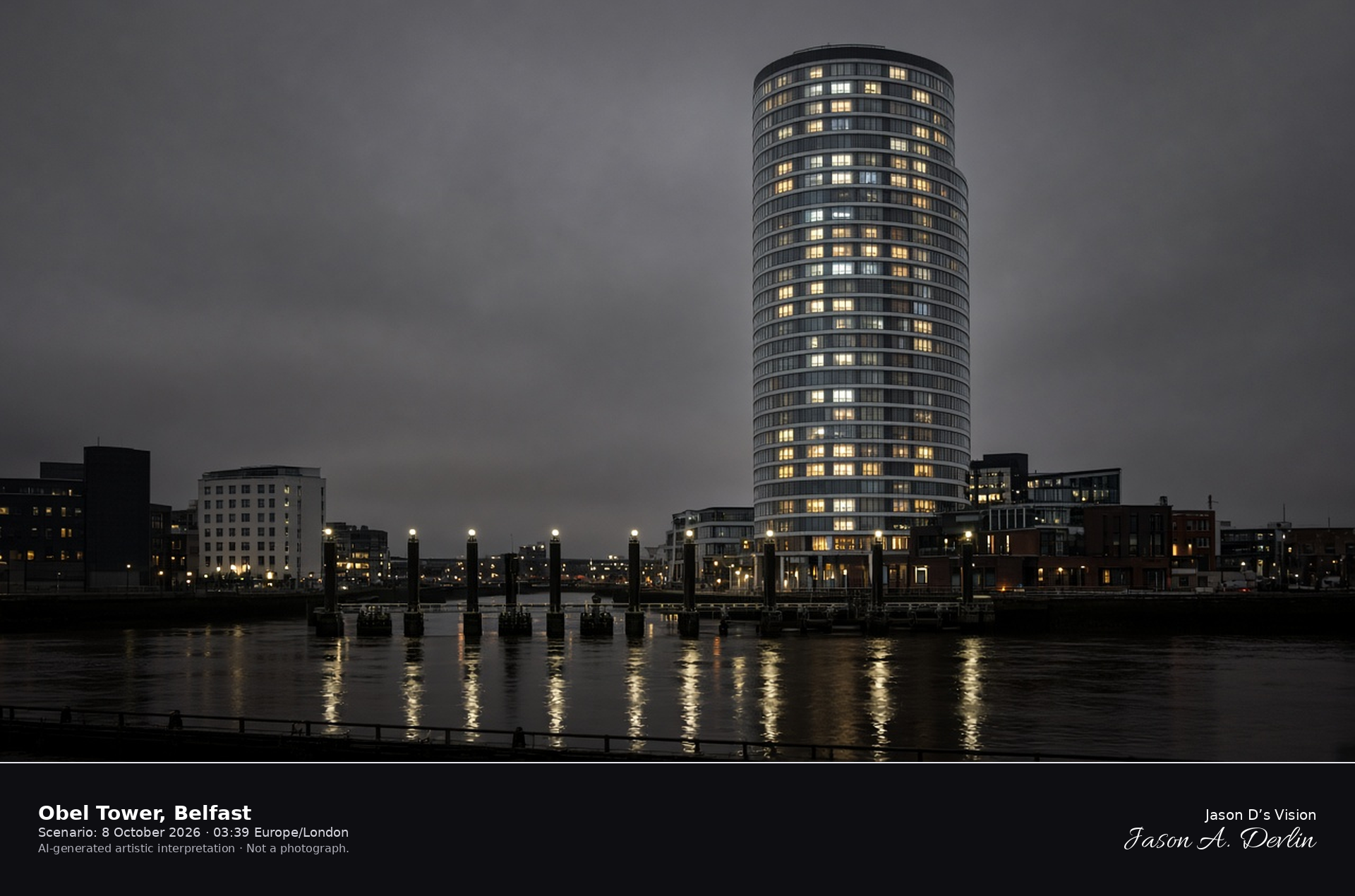
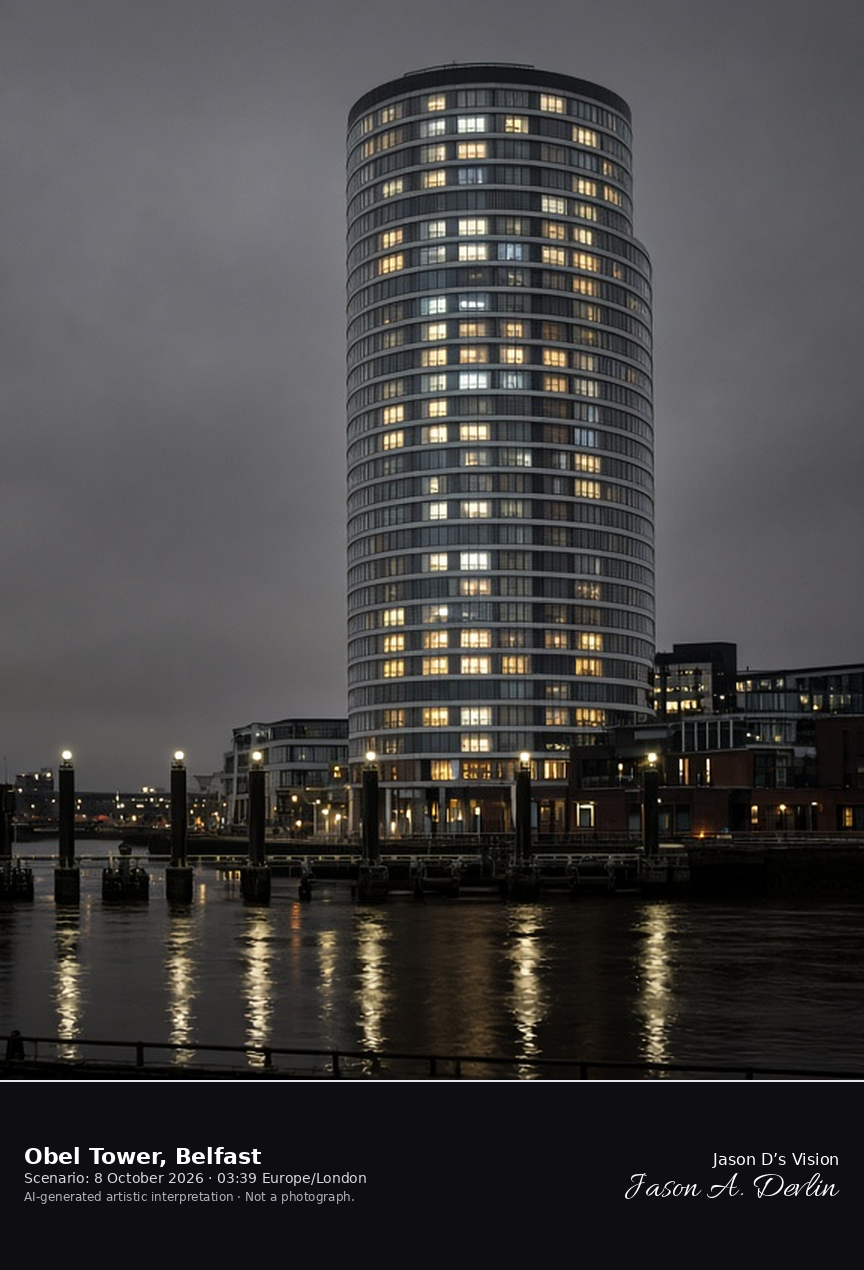
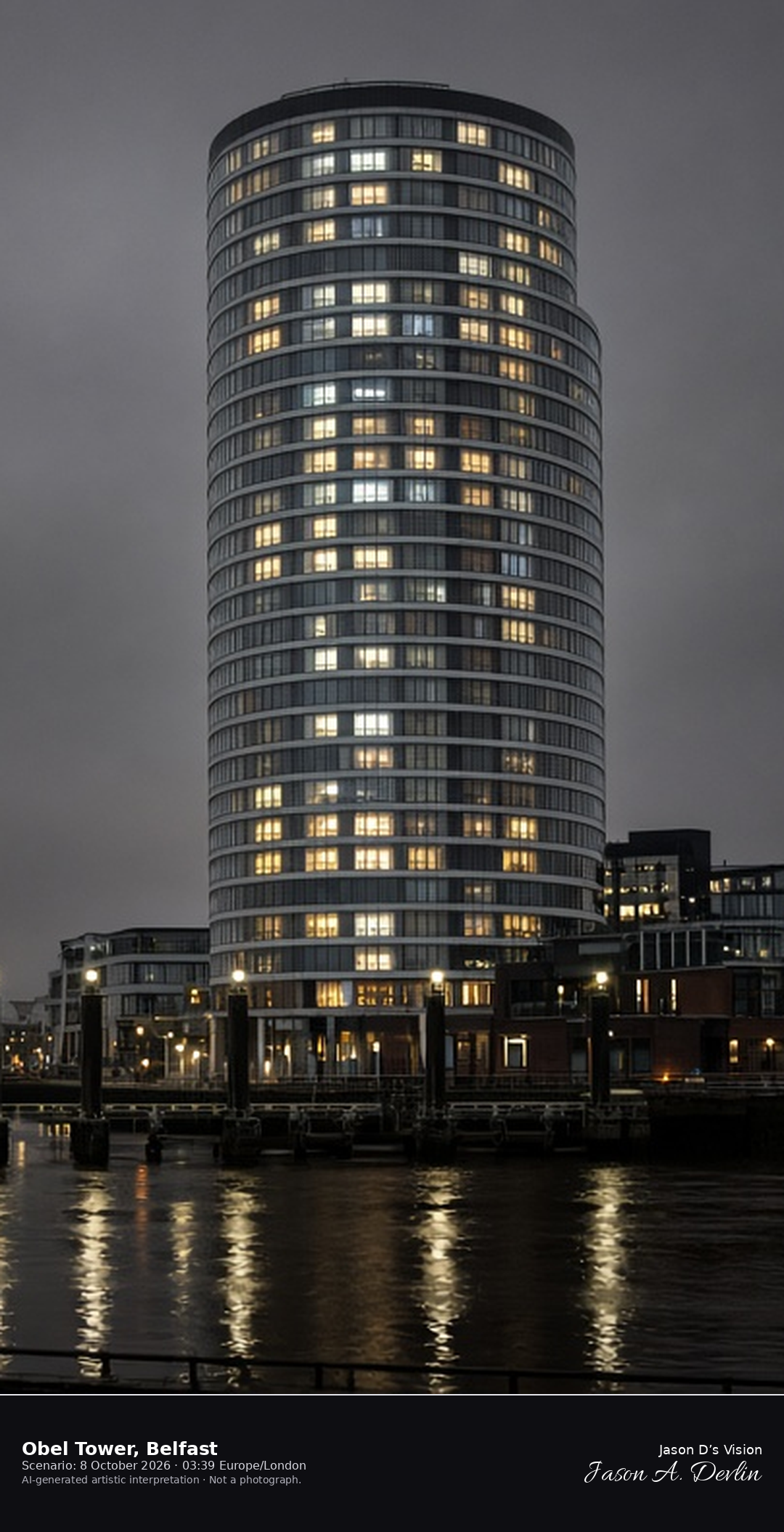
The 85 m tower on Donegall Quay was developed by the Karl Group, and its name comes from 'obelisk' and 'old Belfast'. Work on site stopped in mid-2007 and restarted in June 2008, two extra floors were added, and it was finished in spring 2011.
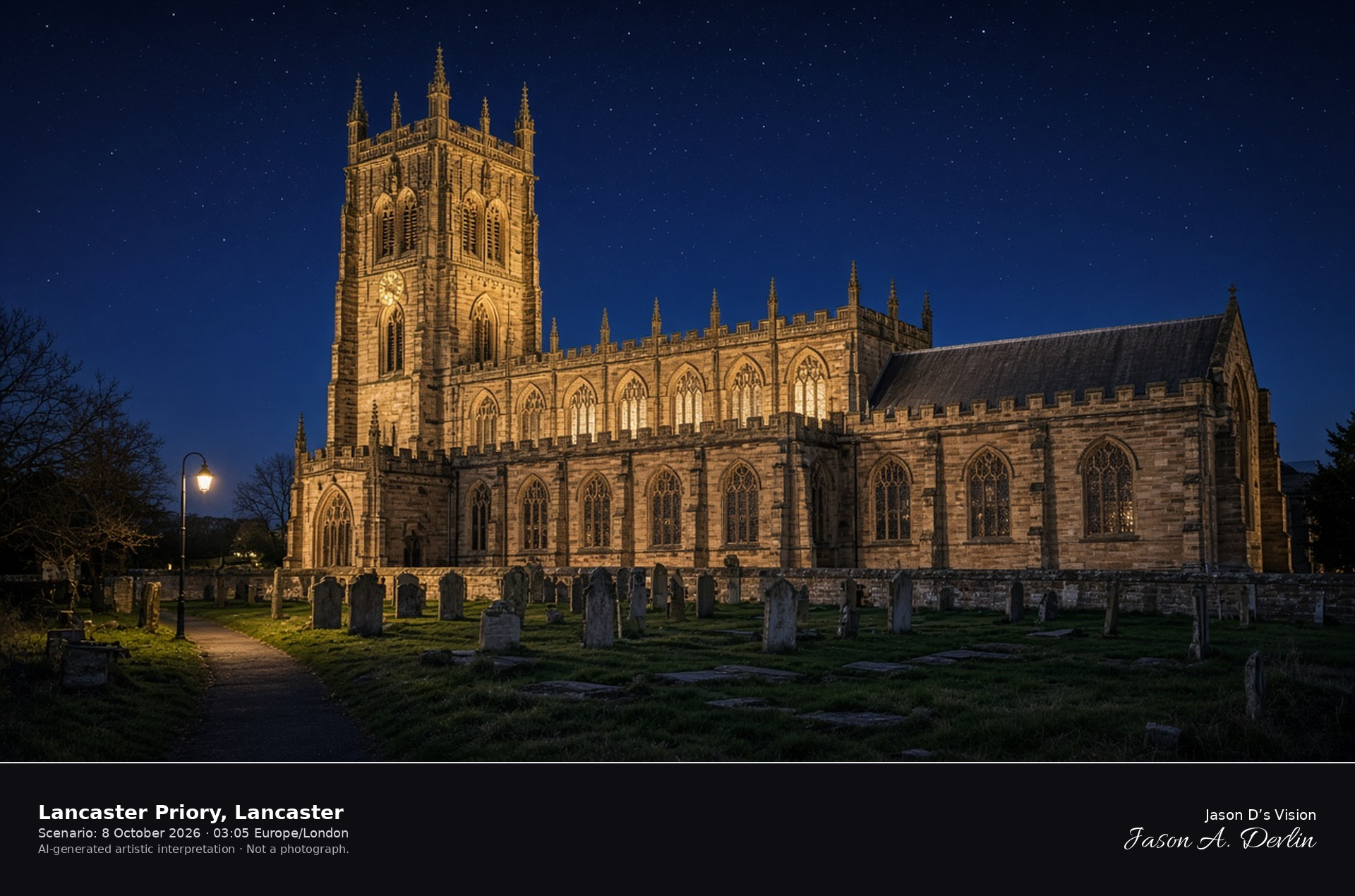
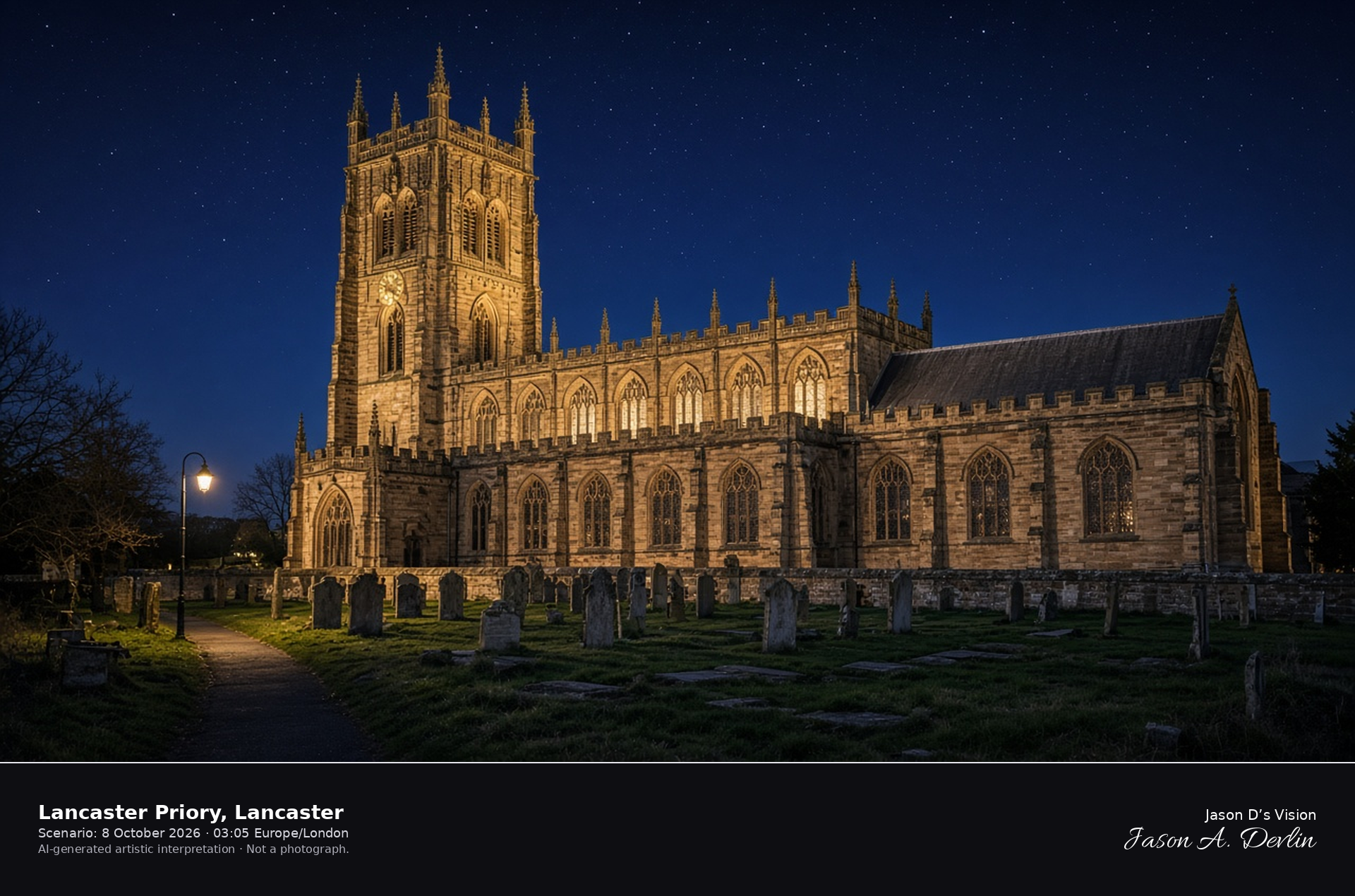
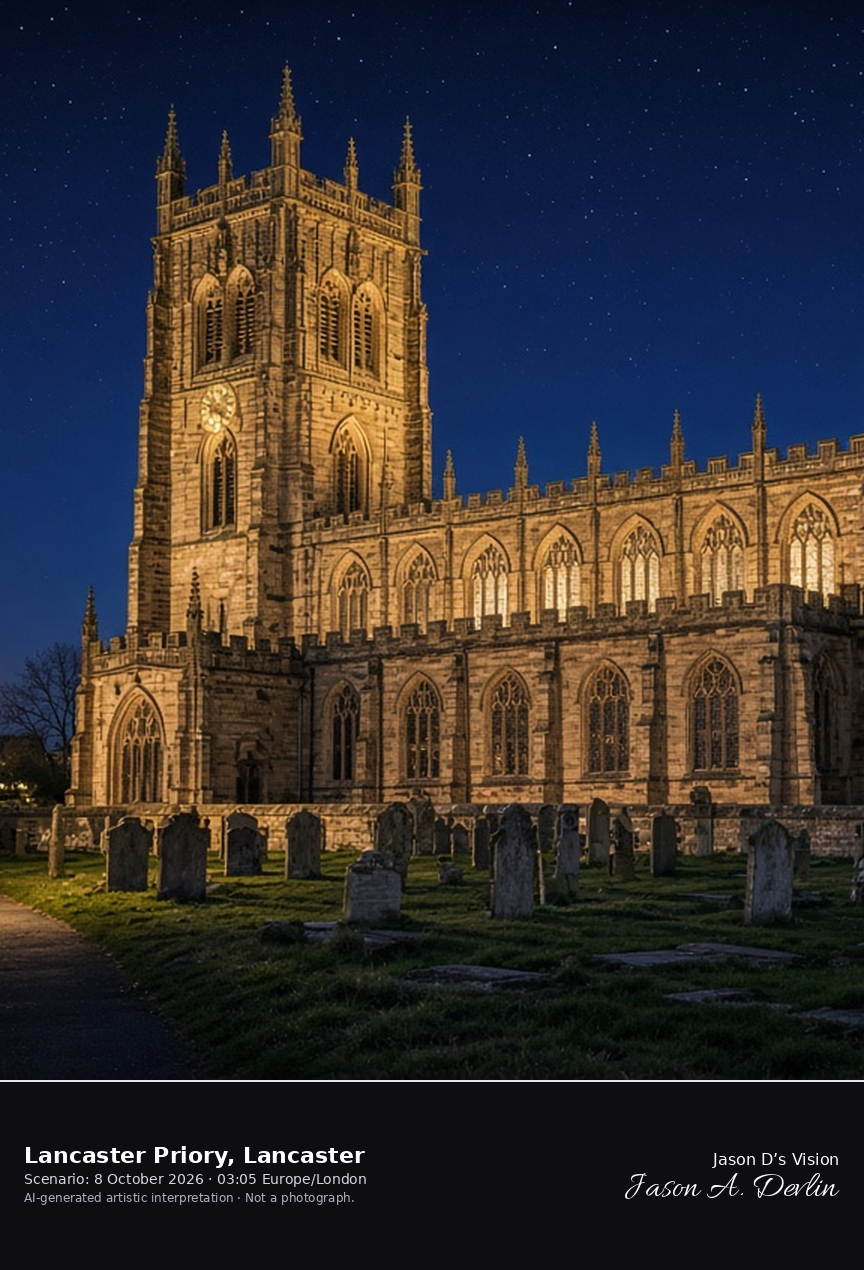
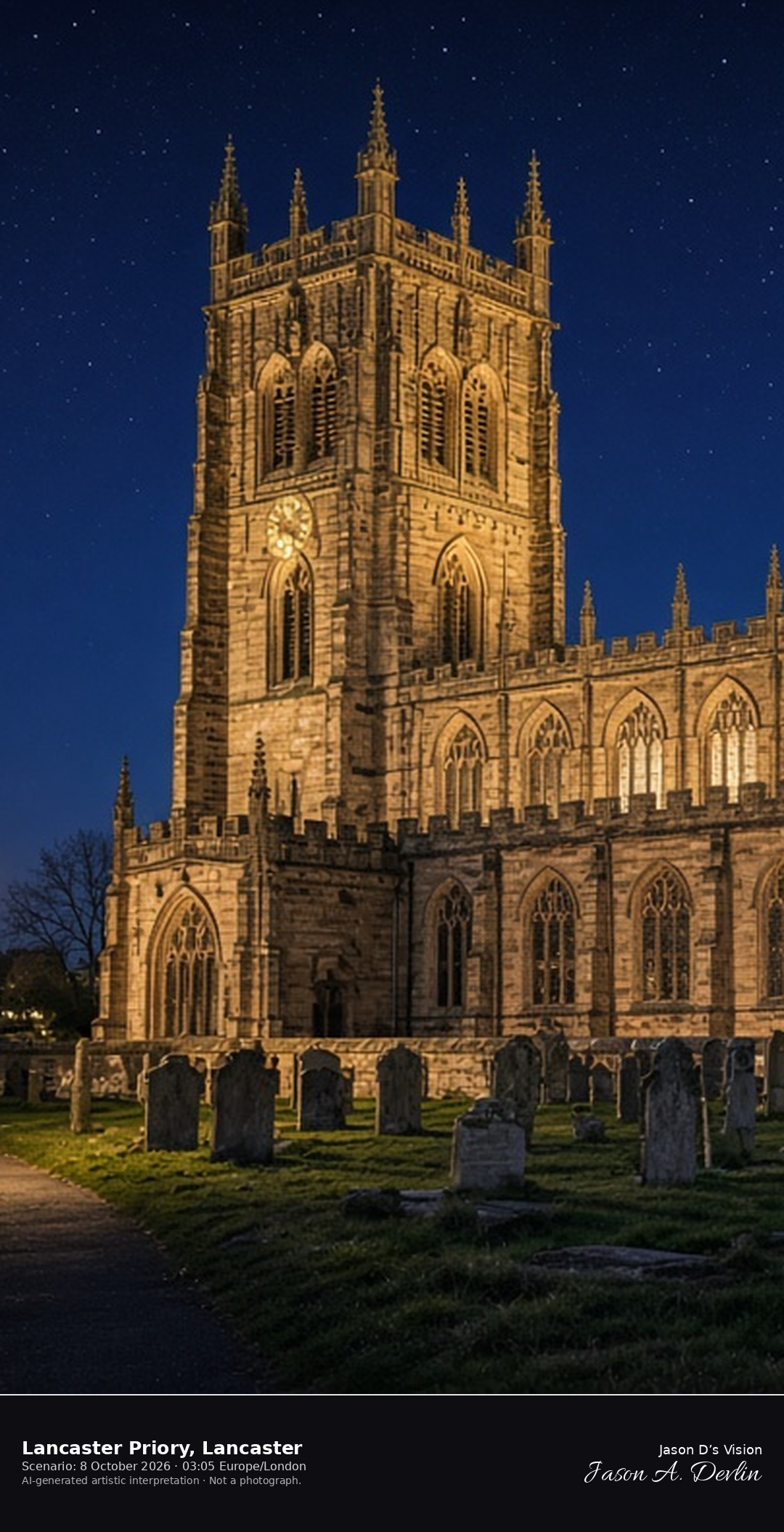
Lancaster Priory's carved oak choir stalls date from the fourteenth century and are among the oldest in England. A Benedictine priory was founded here in 1094; the later church also holds a memorial chapel to the King's Own Lancaster Regiment, bringing medieval worship and military remembrance beneath one roof.
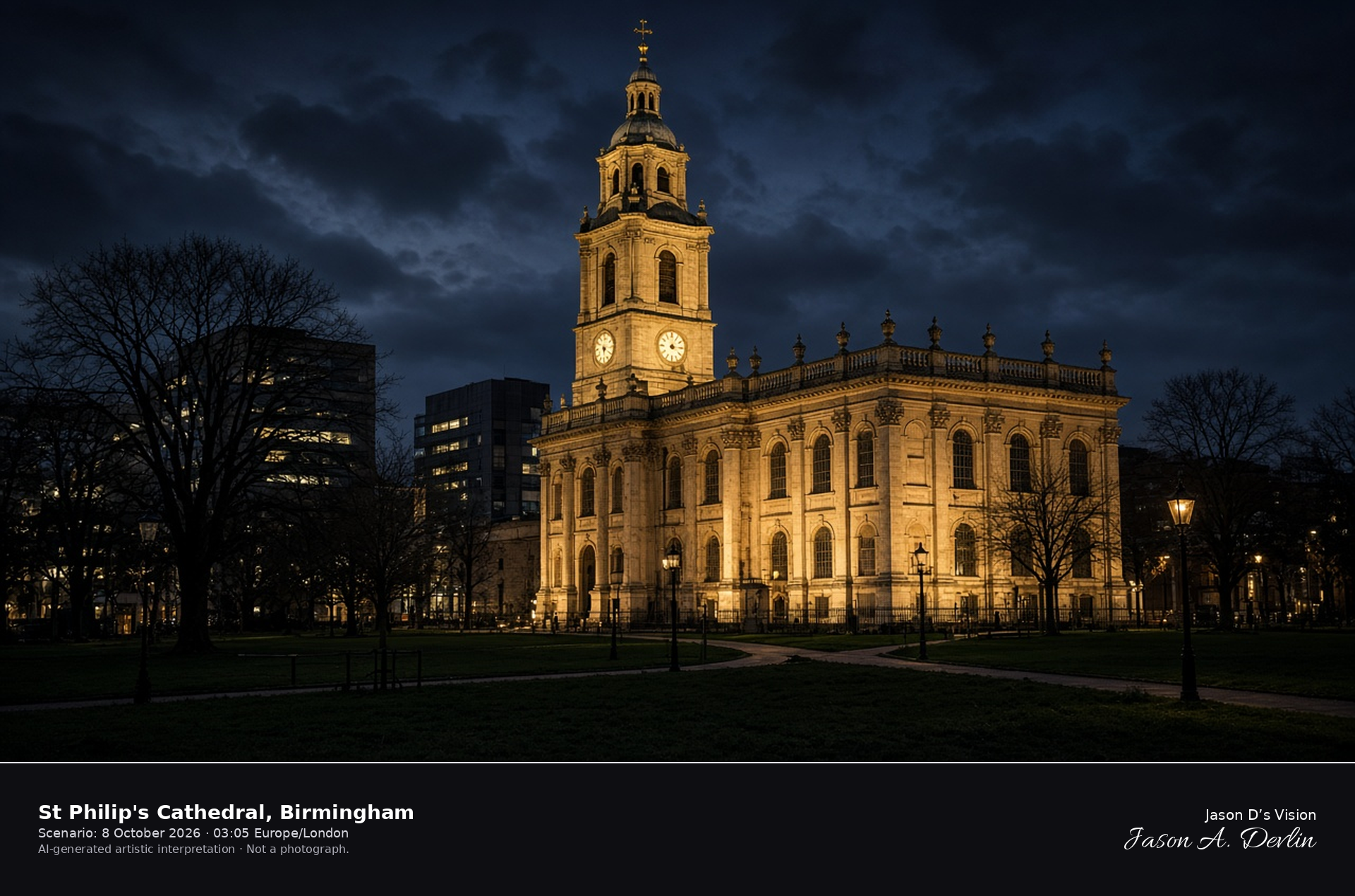
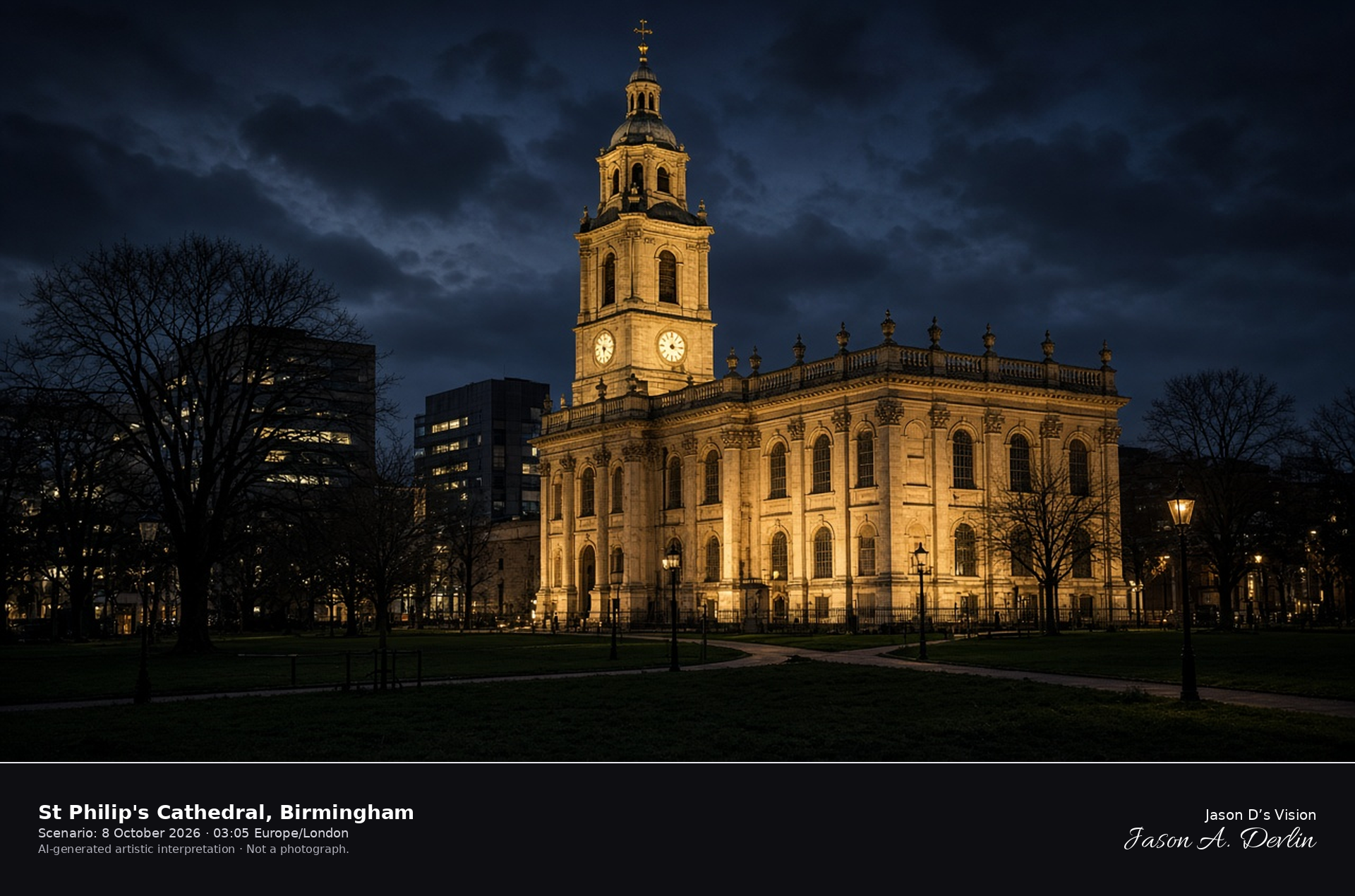
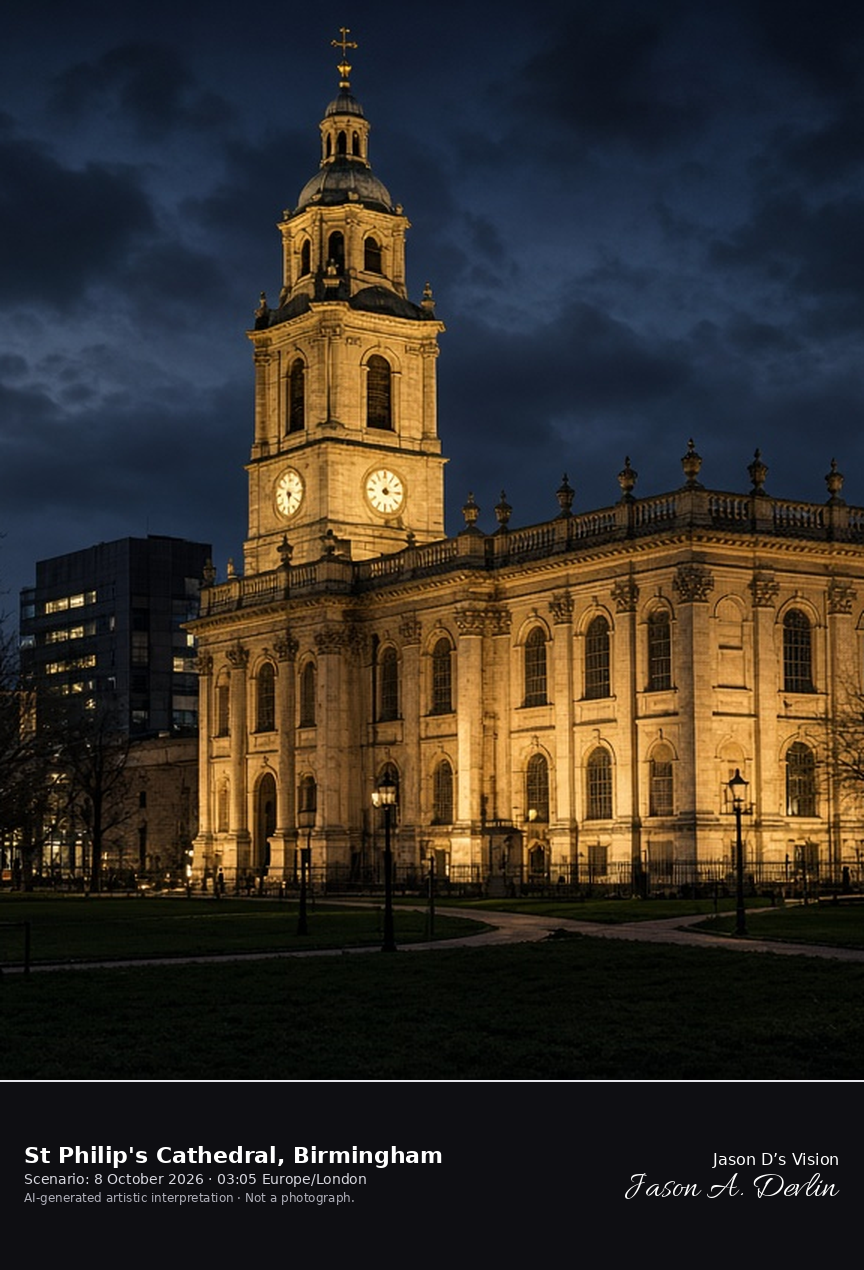
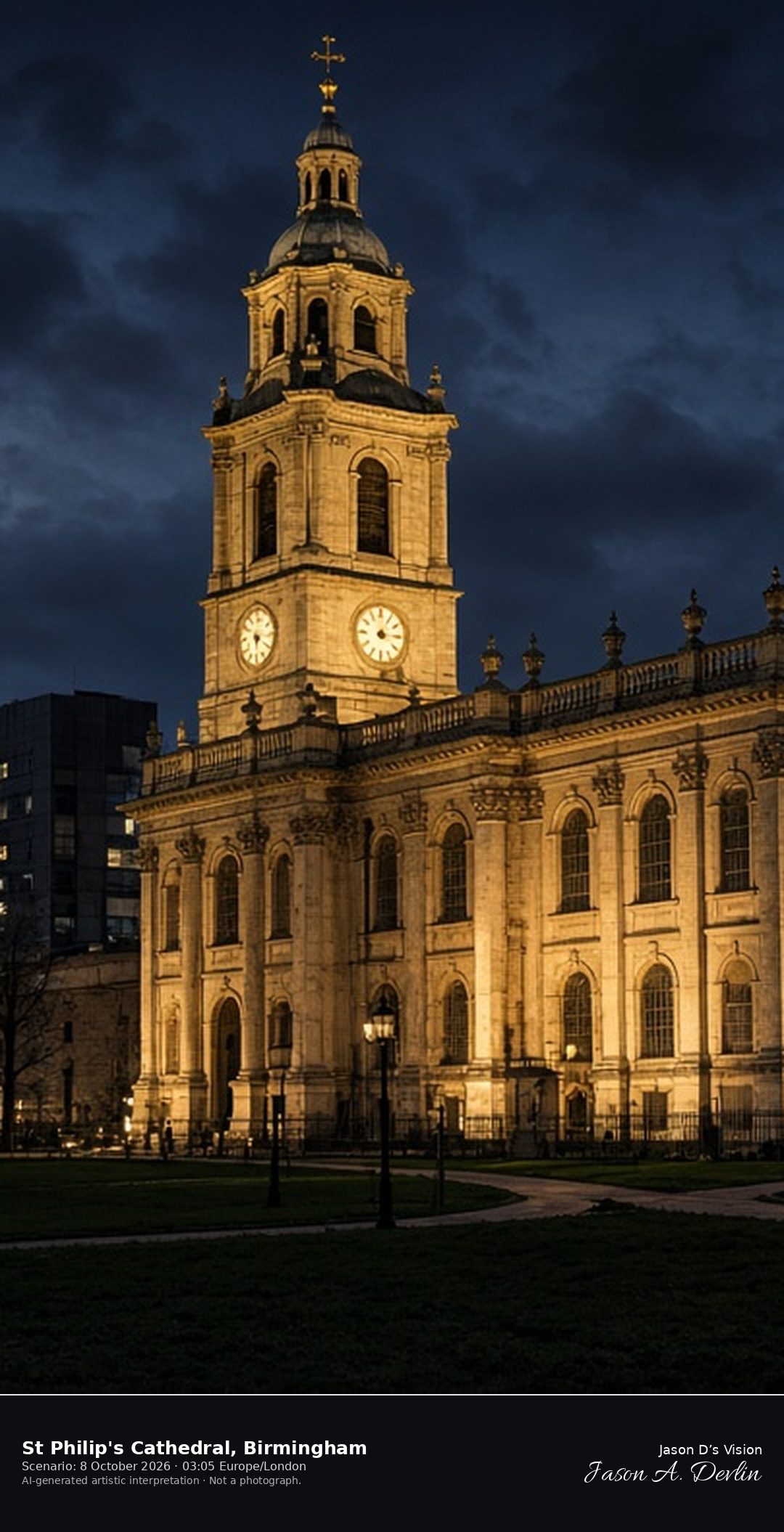
St Philip's Cathedral · AI-generated artistic interpretation
Saint Philip's began as Birmingham's parish church, Thomas Archer's English Baroque design consecrated in 1715. In 1905 it became the cathedral of the new diocese. Within are four celebrated windows designed by Birmingham-born Edward Burne-Jones and made in William Morris's workshop, a remarkable legacy of Victorian stained glass.
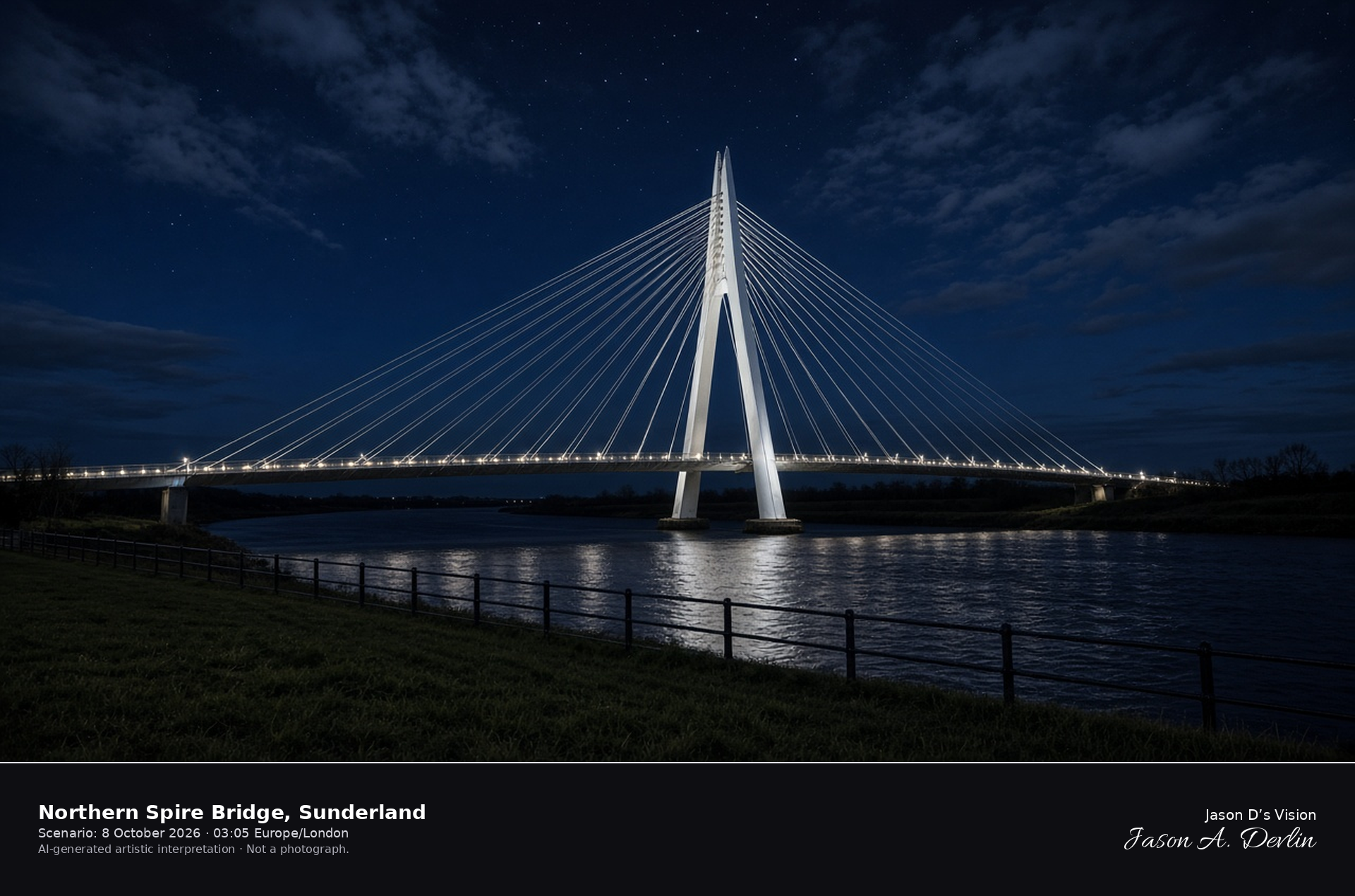
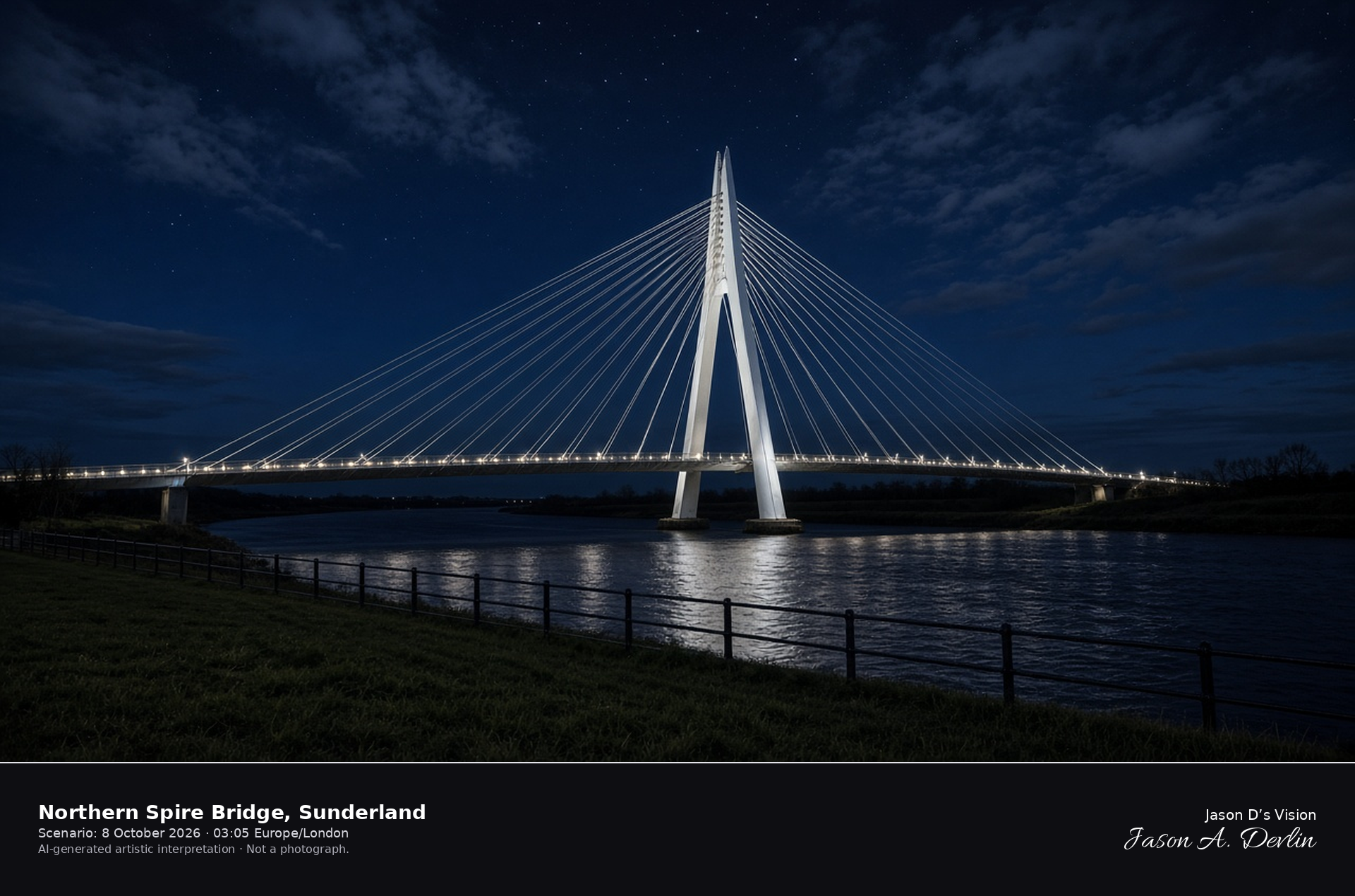
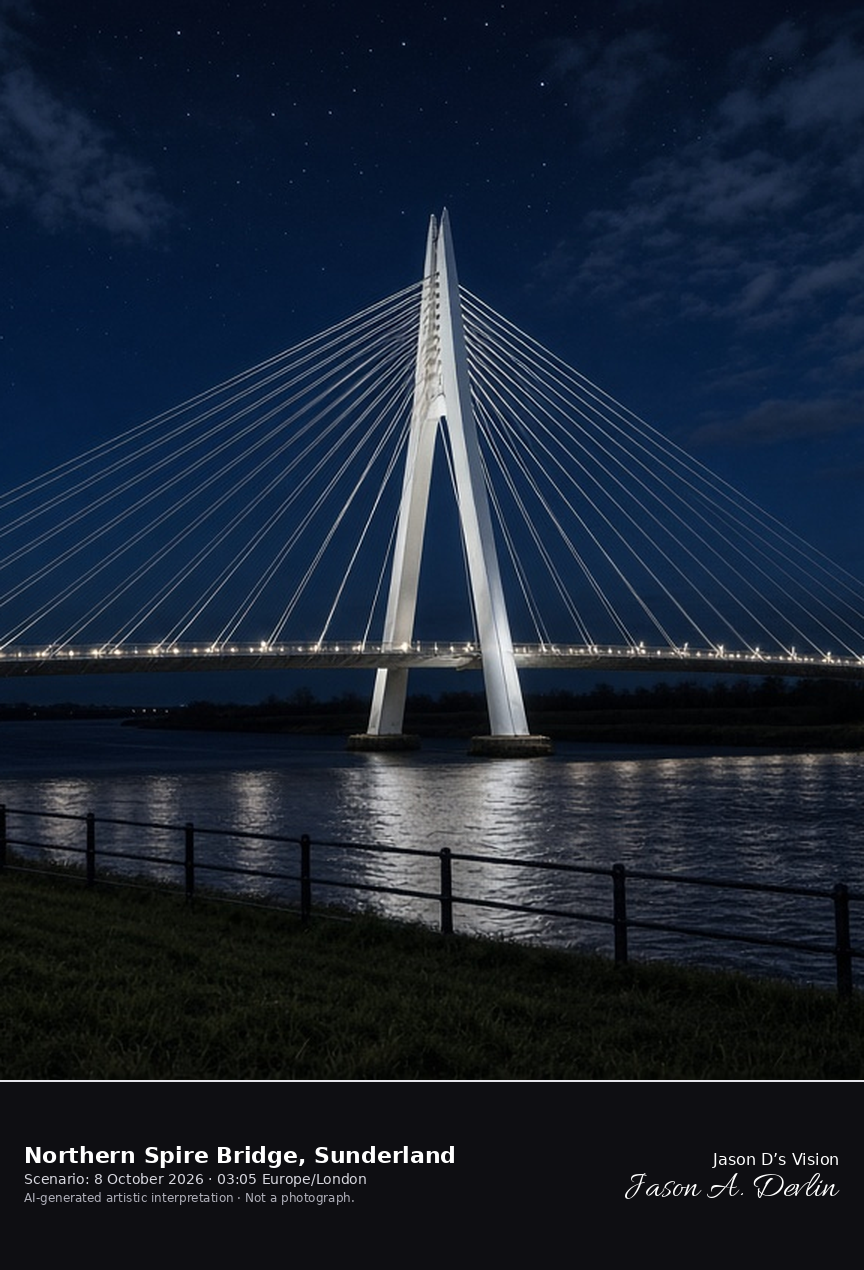
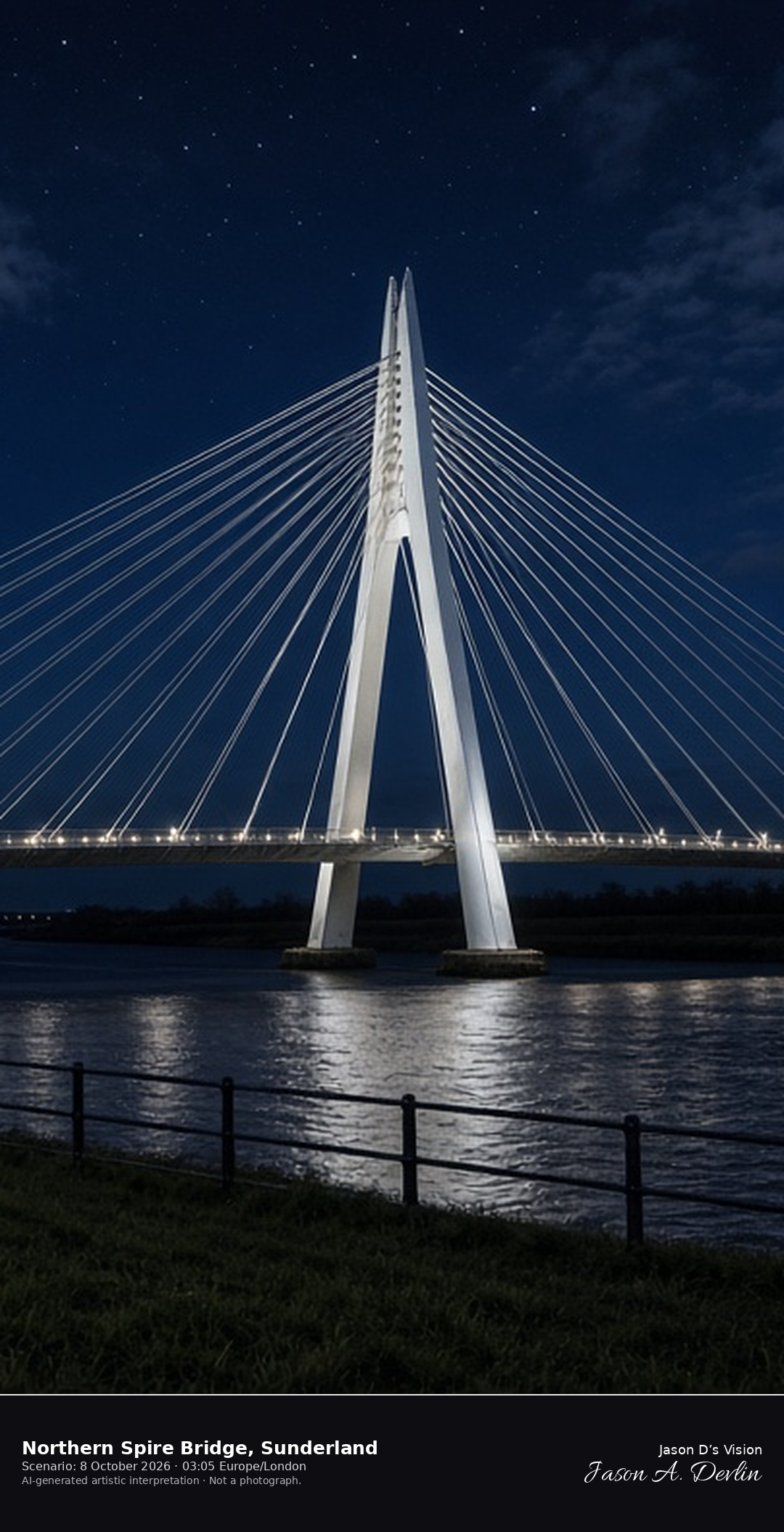
The Northern Spire opened in 2018, Sunderland’s first new bridge over the Wear in more than forty years. Its white pylon rises a hundred and five metres, making it the city’s tallest structure when it opened; the bridge’s name was chosen in a public vote.
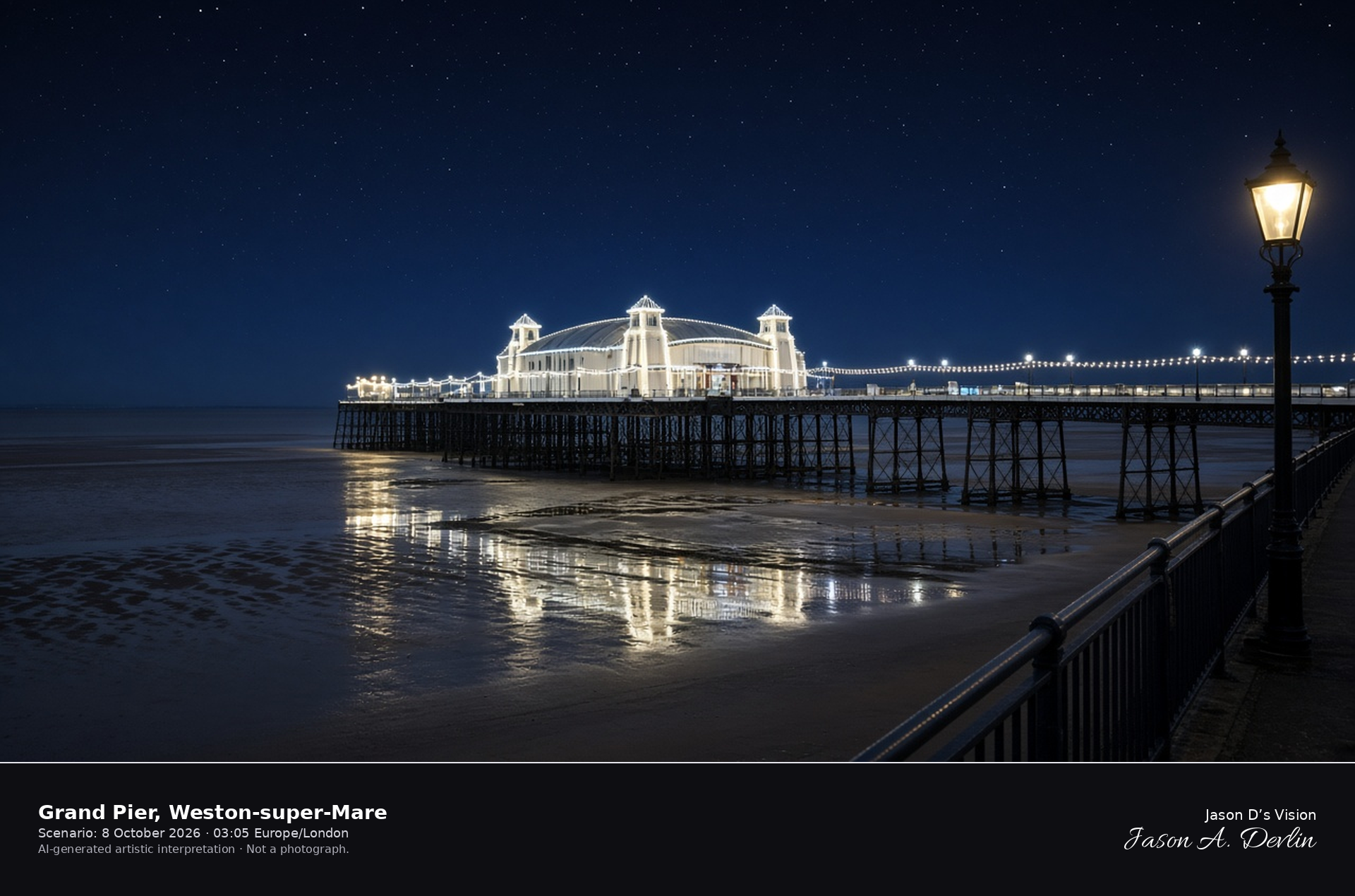
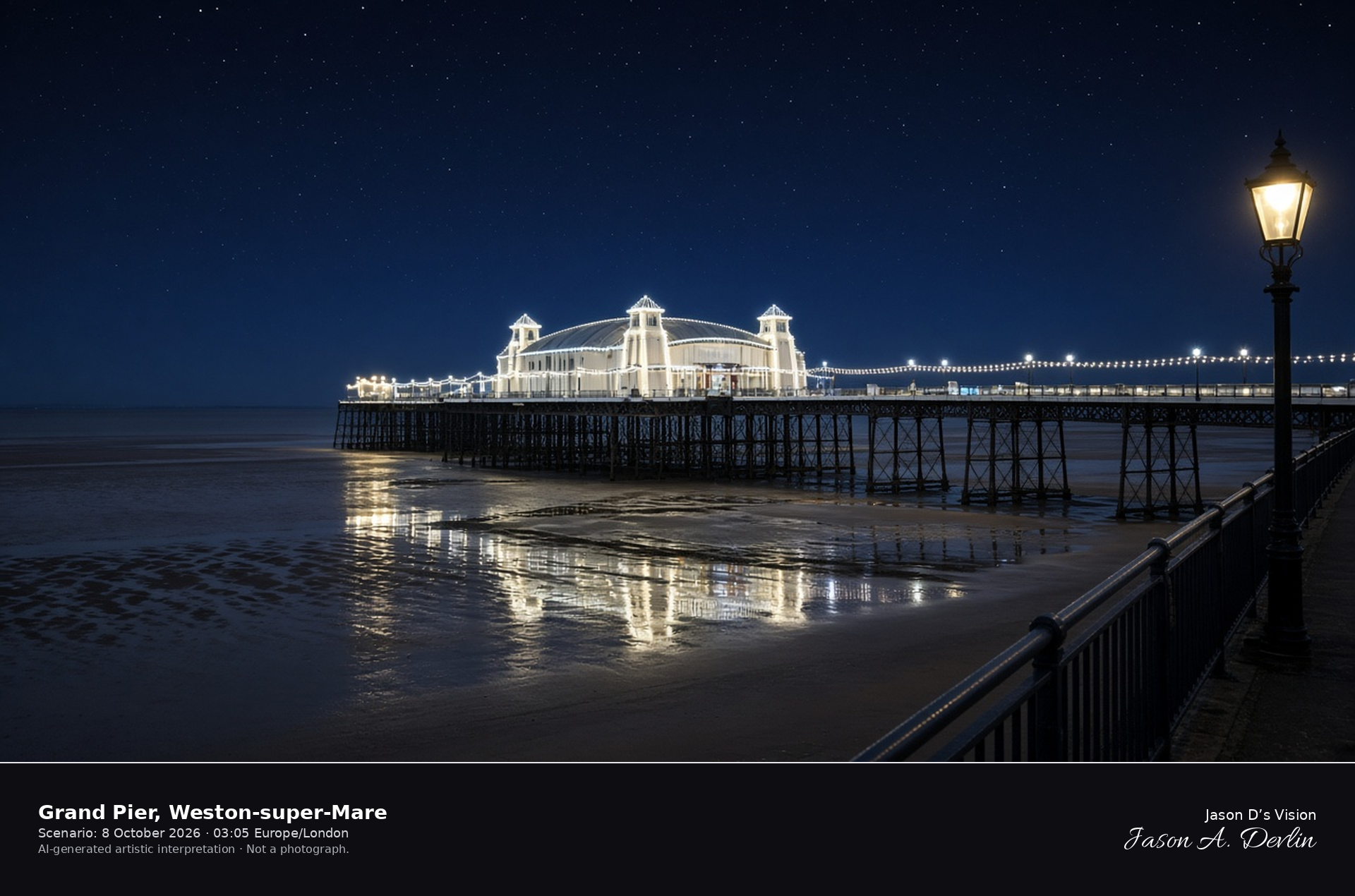
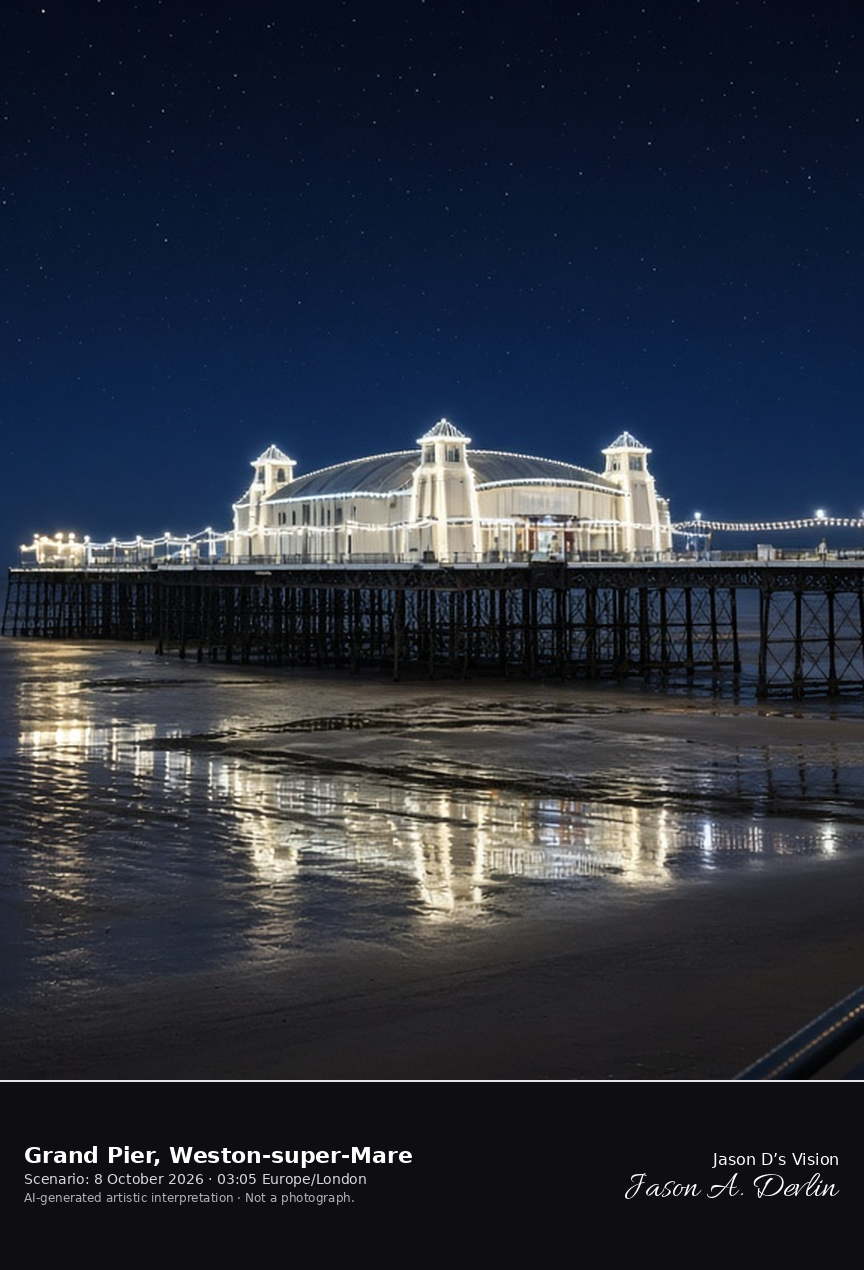
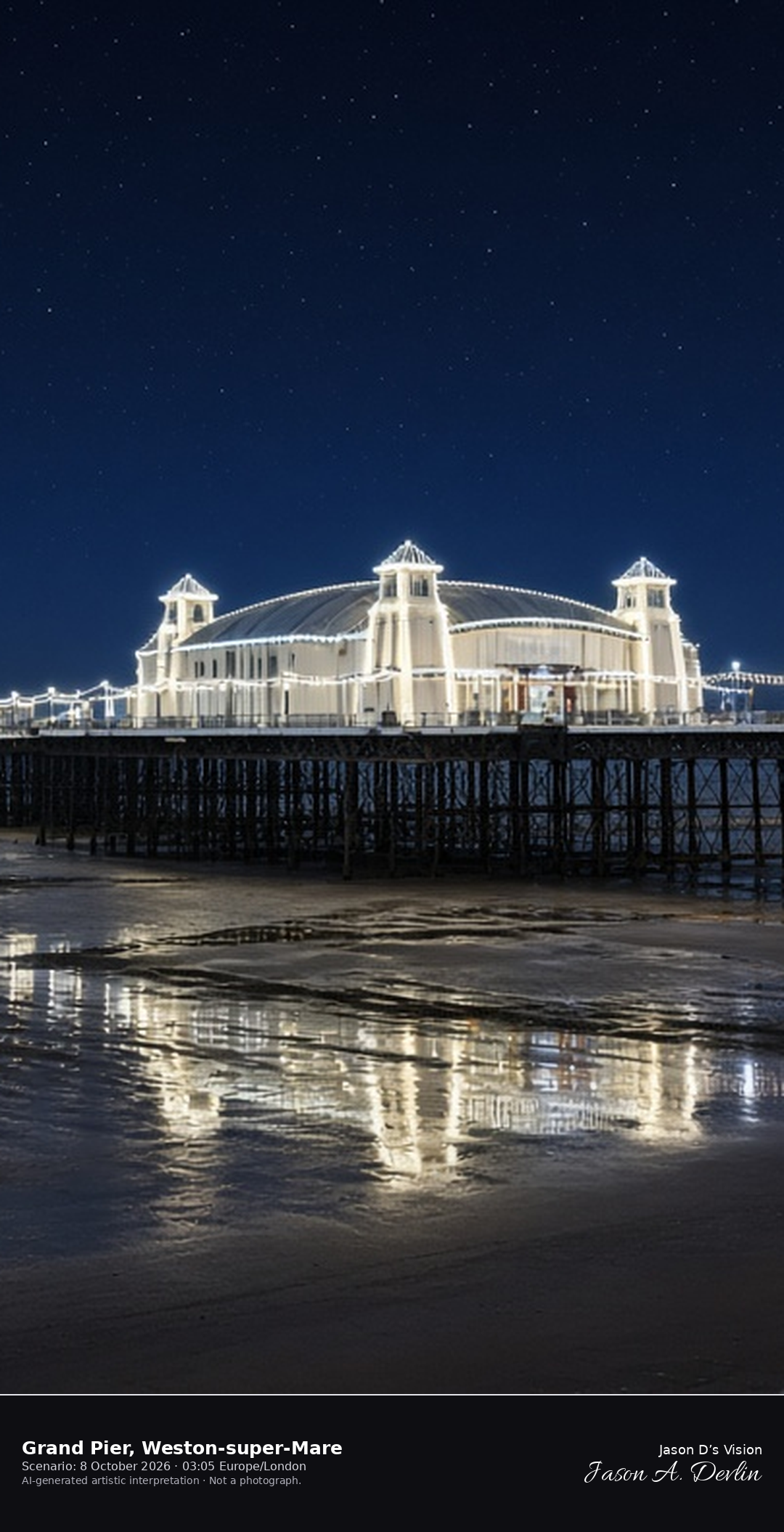
Grand Pier, Weston-super-Mare · AI-generated artistic interpretation
The 366 m pier opened on 11 June 1904 with a 2,000-seat theatre at its end. That theatre burned in 1930, and its replacement pavilion was destroyed by fire on 28 July 2008, before the pier reopened with a new pavilion in 2010.
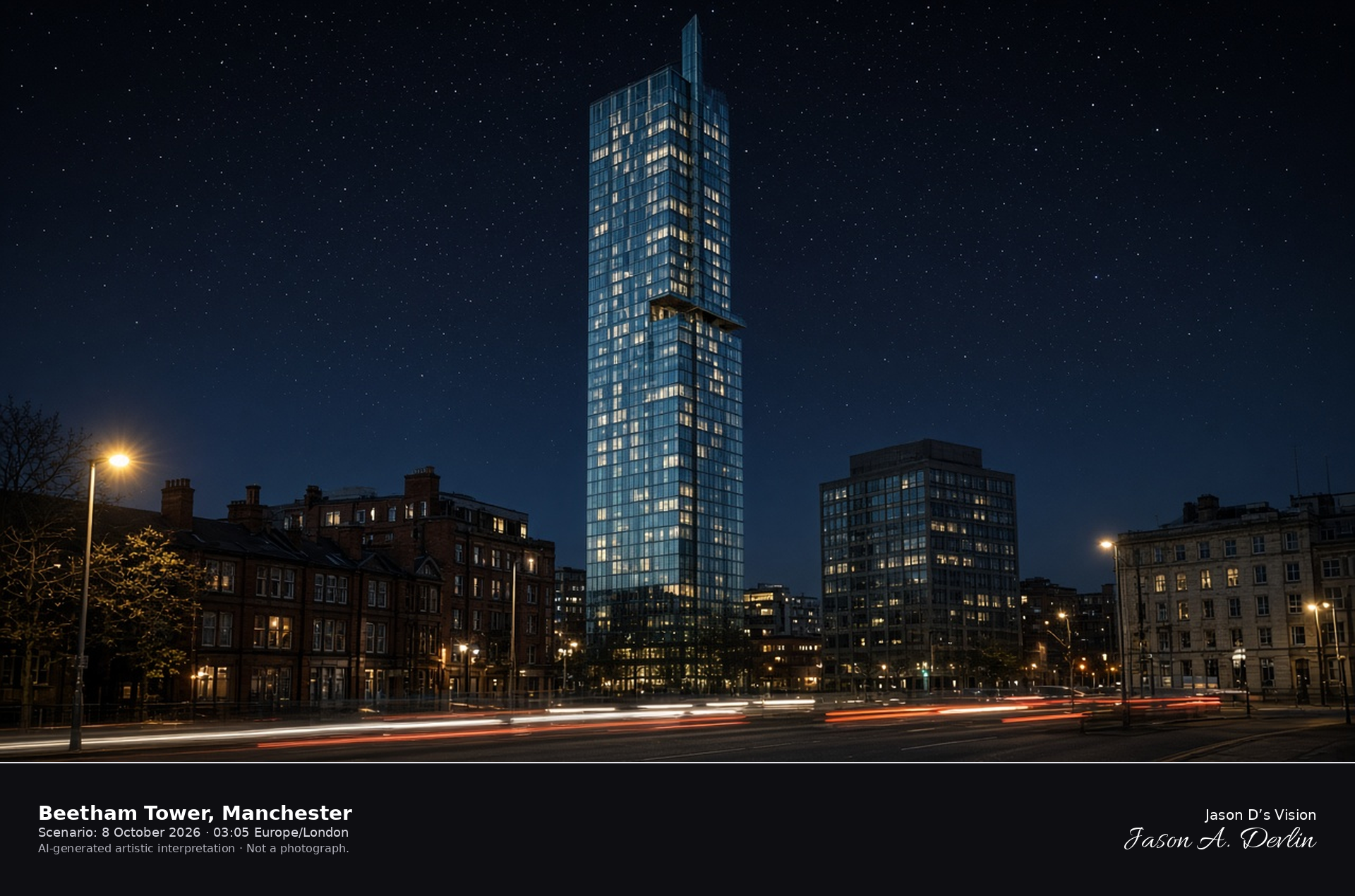
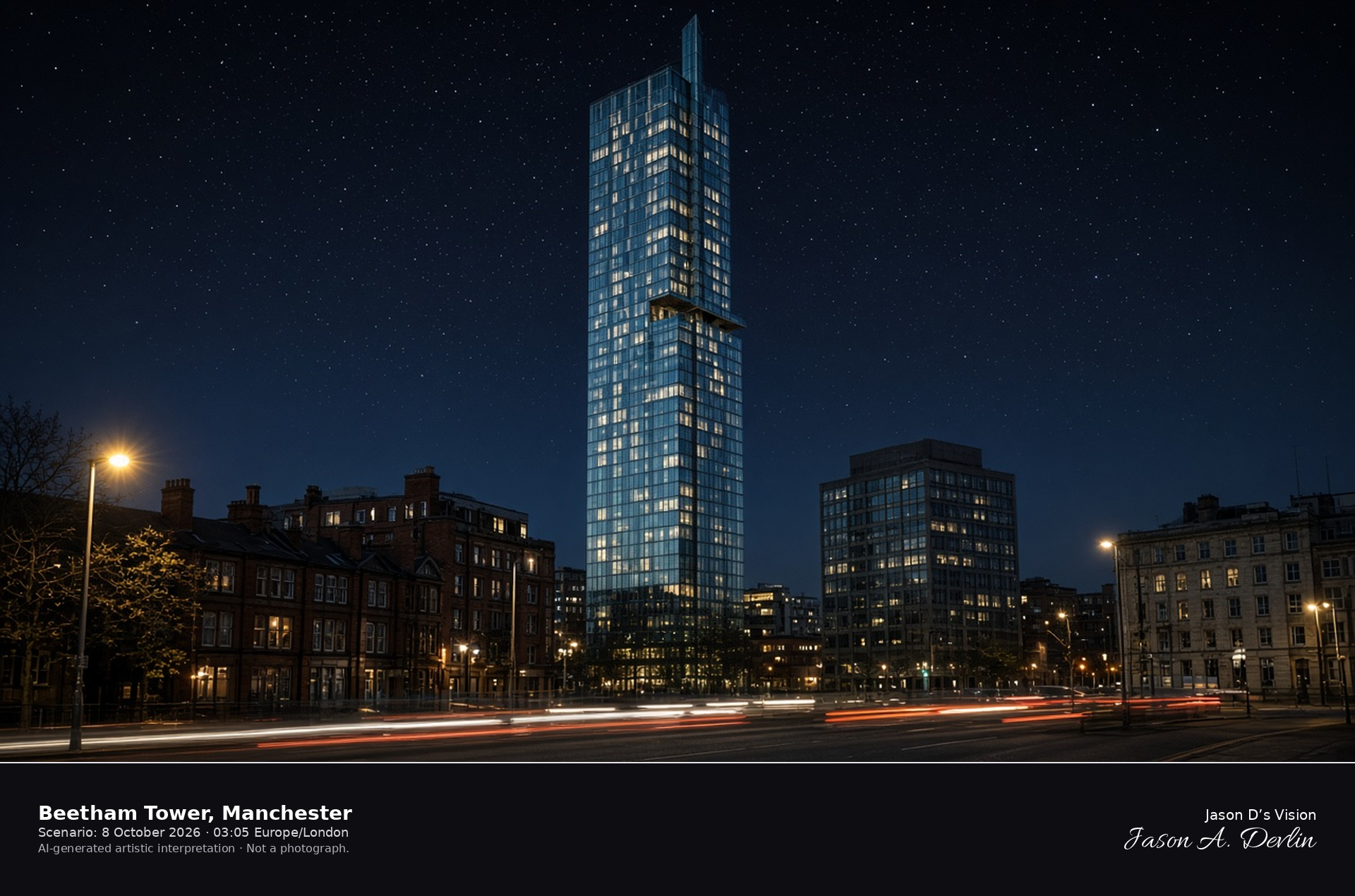
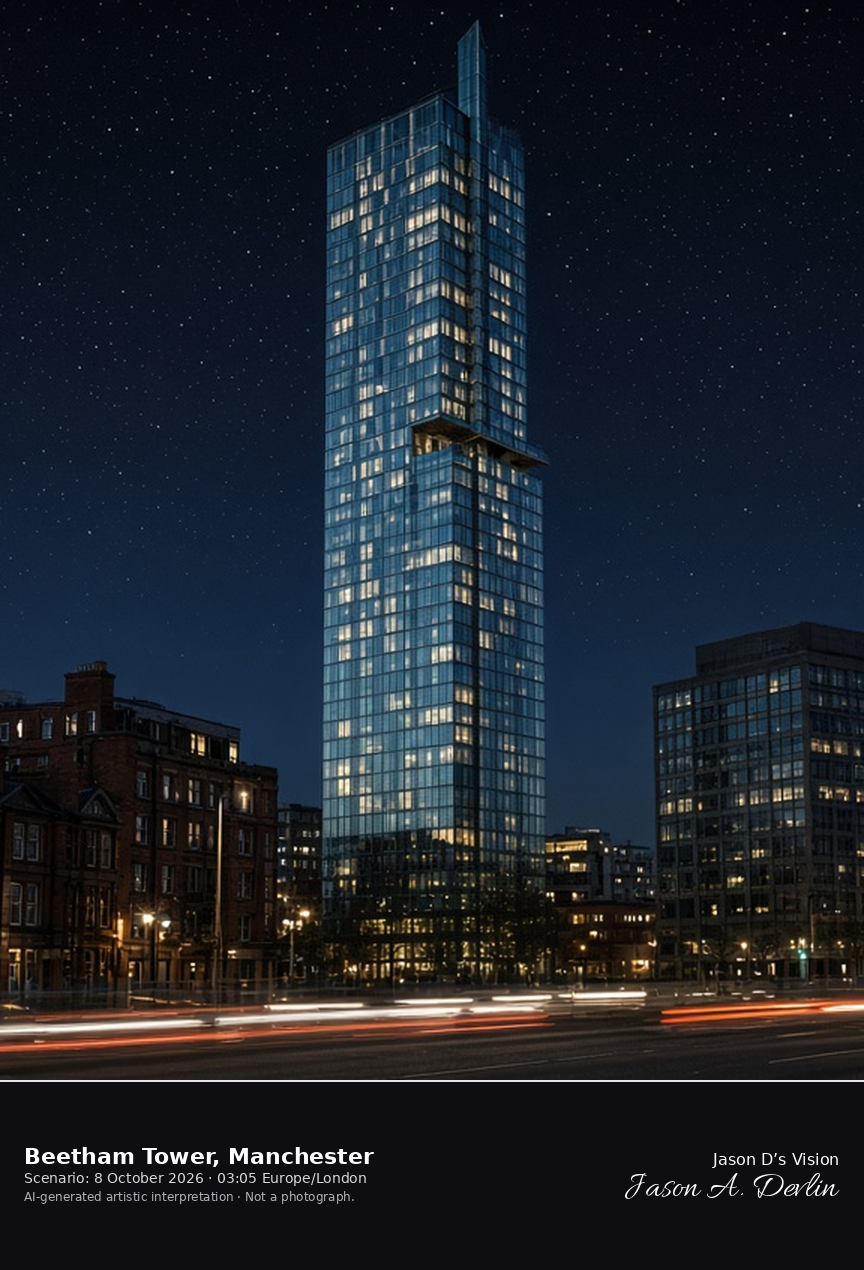
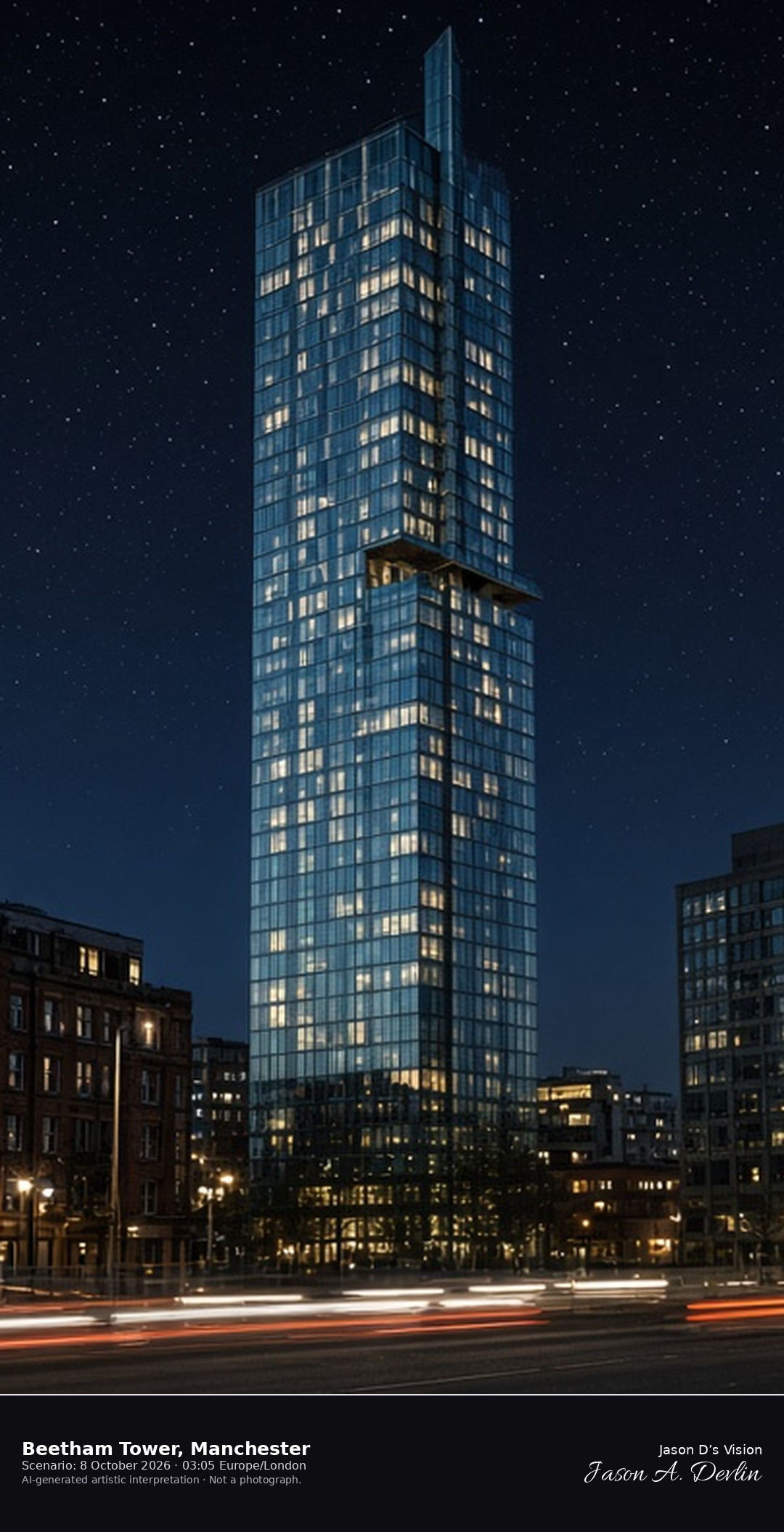
Beetham Tower, Manchester · AI-generated artistic interpretation
SimpsonHaugh and Partners designed the 47-storey, 169 m tower, completed in 2006 with a Hilton hotel below and flats above. The glass blade on its roof doubles as a lightning rod, and it is known for humming in strong wind.
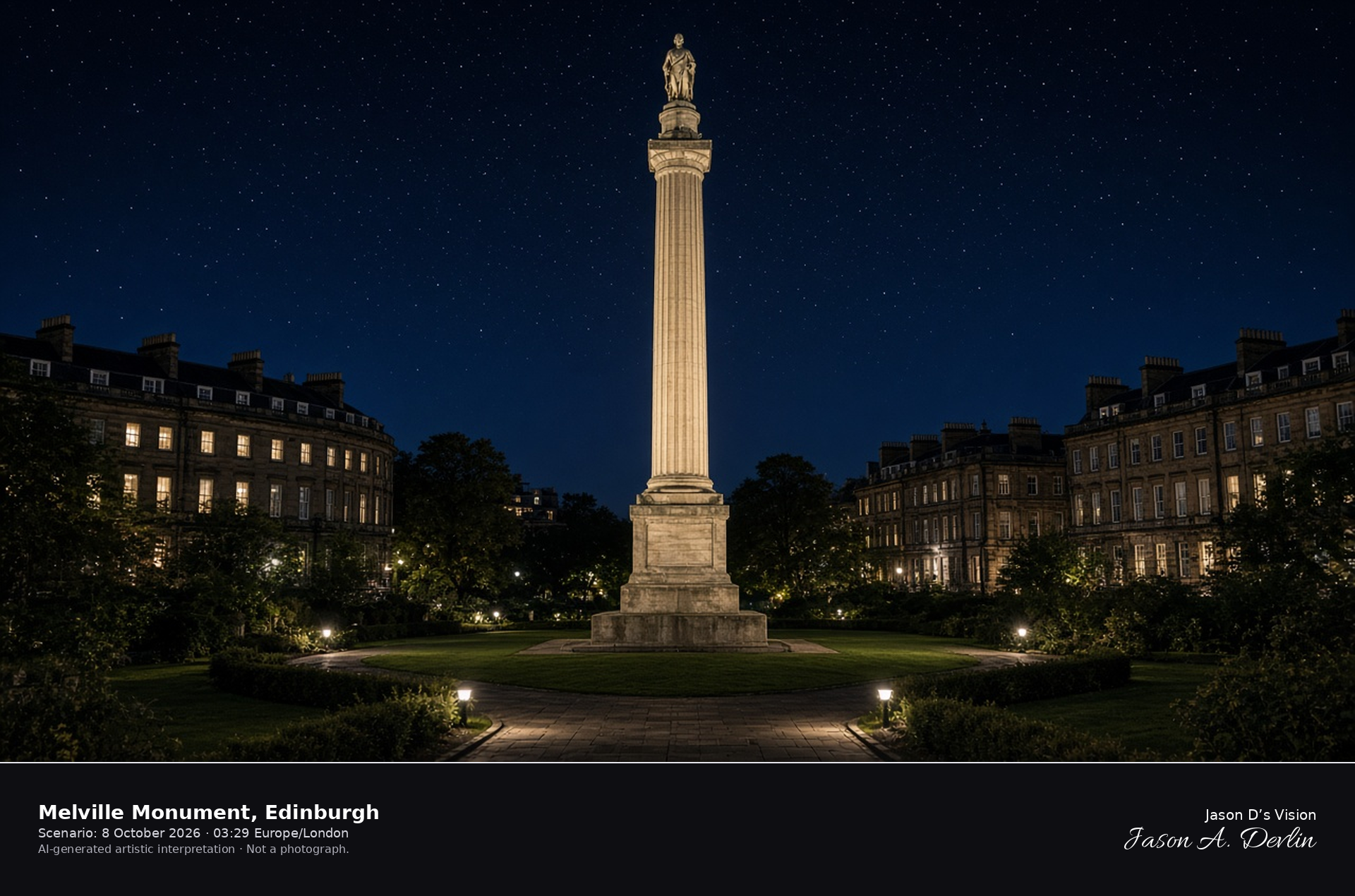
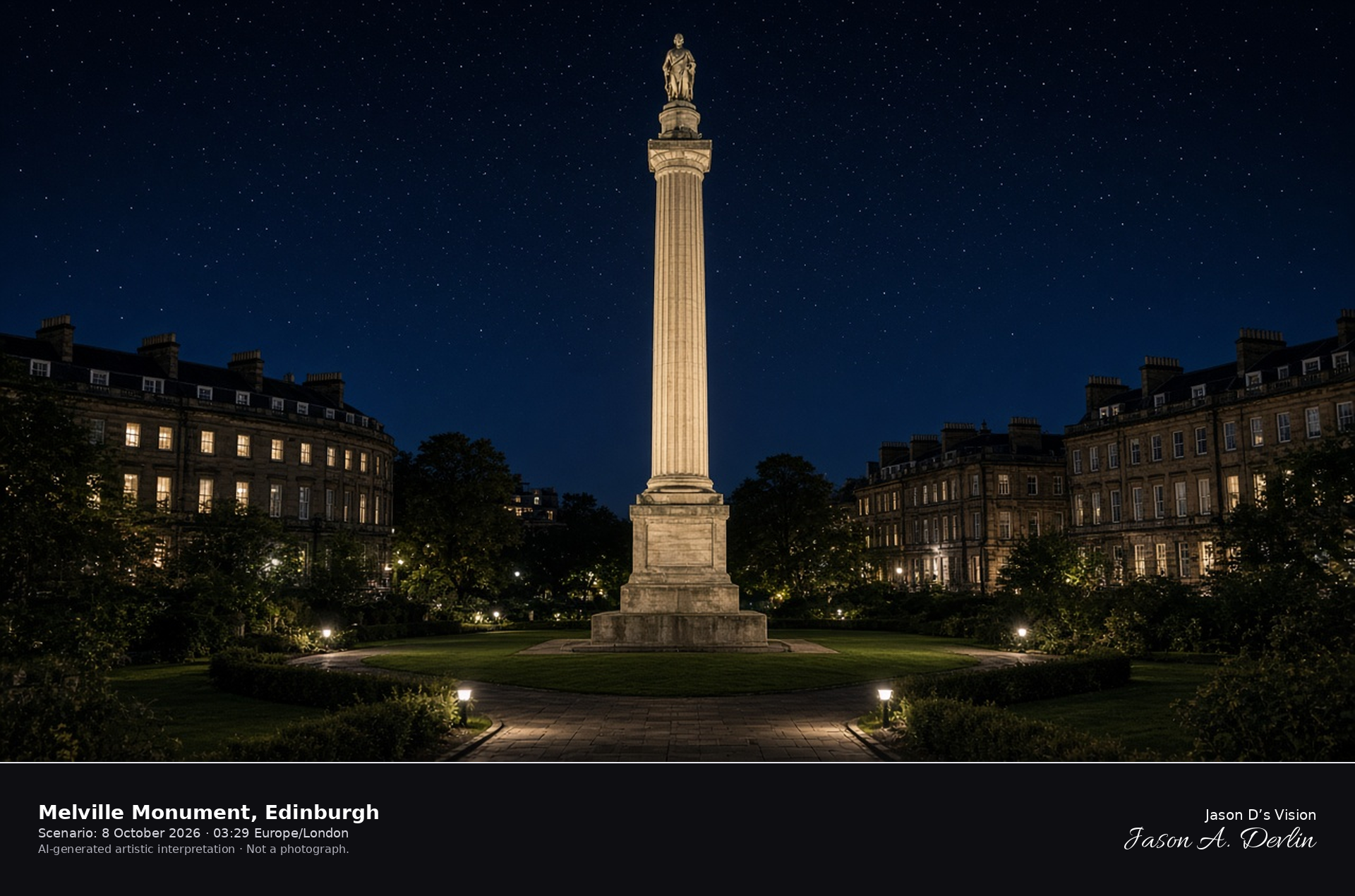
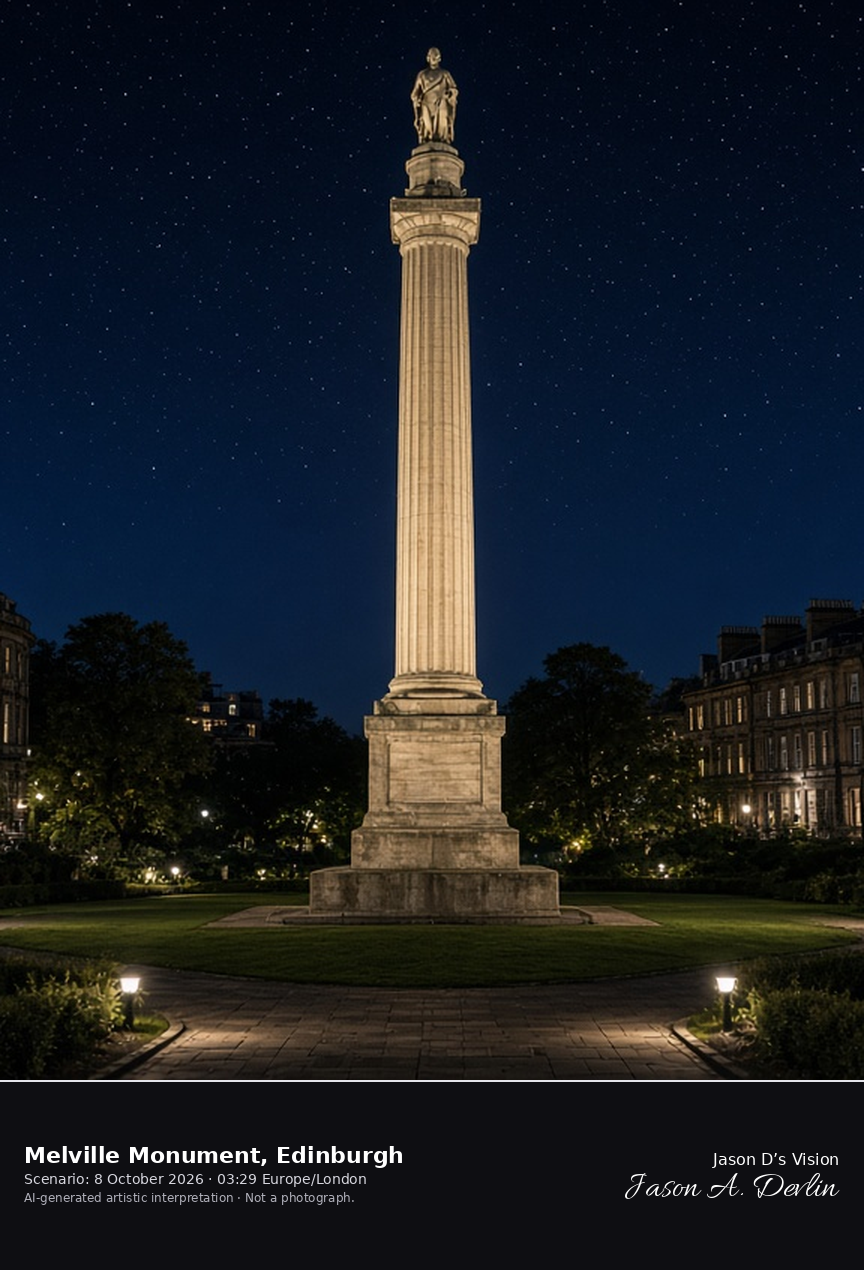
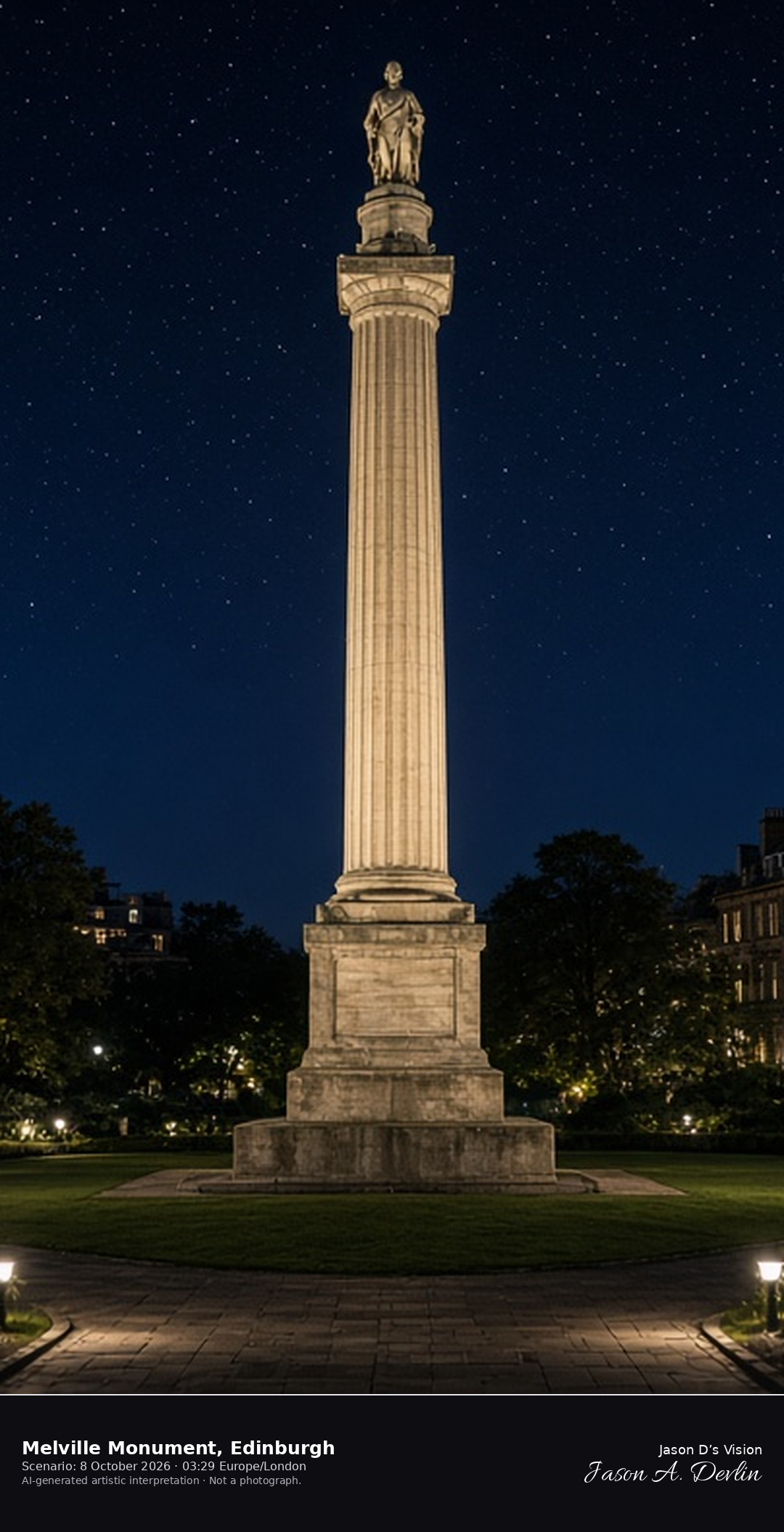
Raised in the 1820s and partly modelled on Trajan’s Column in Rome, the monument honours Henry Dundas, Viscount Melville, a dominant figure in Scottish politics. His legacy remains contested: in 2021 the city installed a plaque highlighting his role in delaying abolition of the Atlantic slave trade.
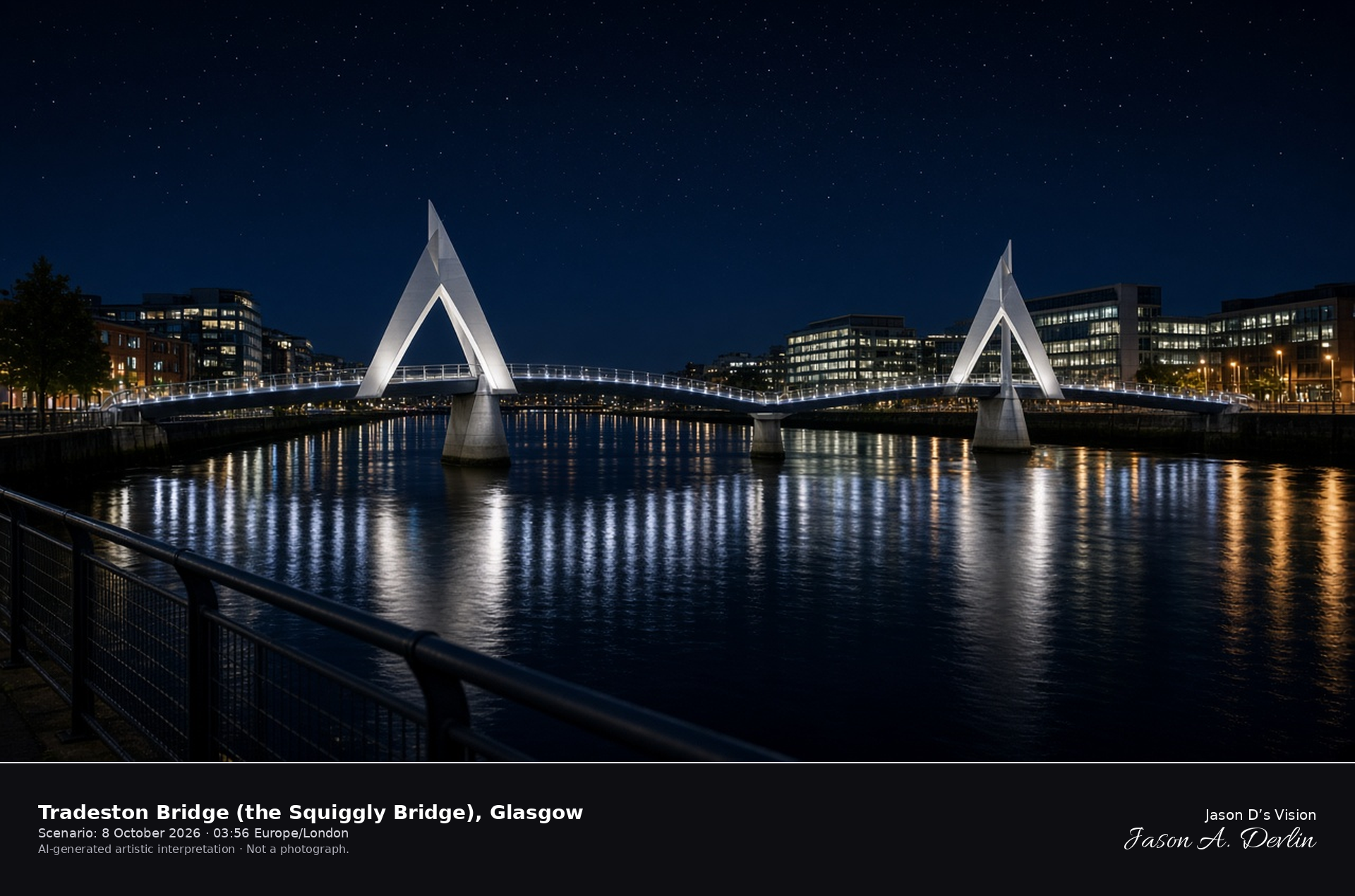
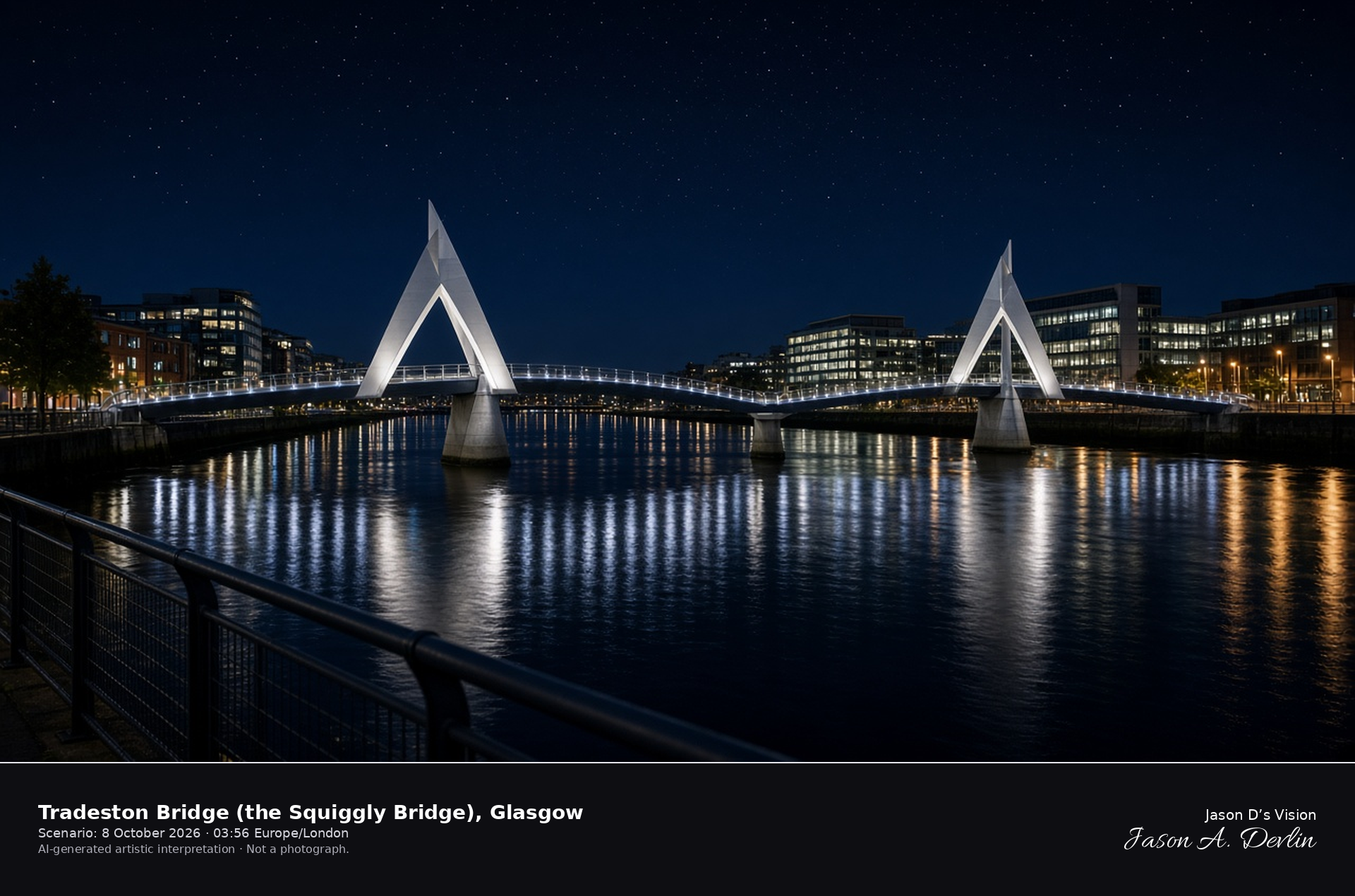
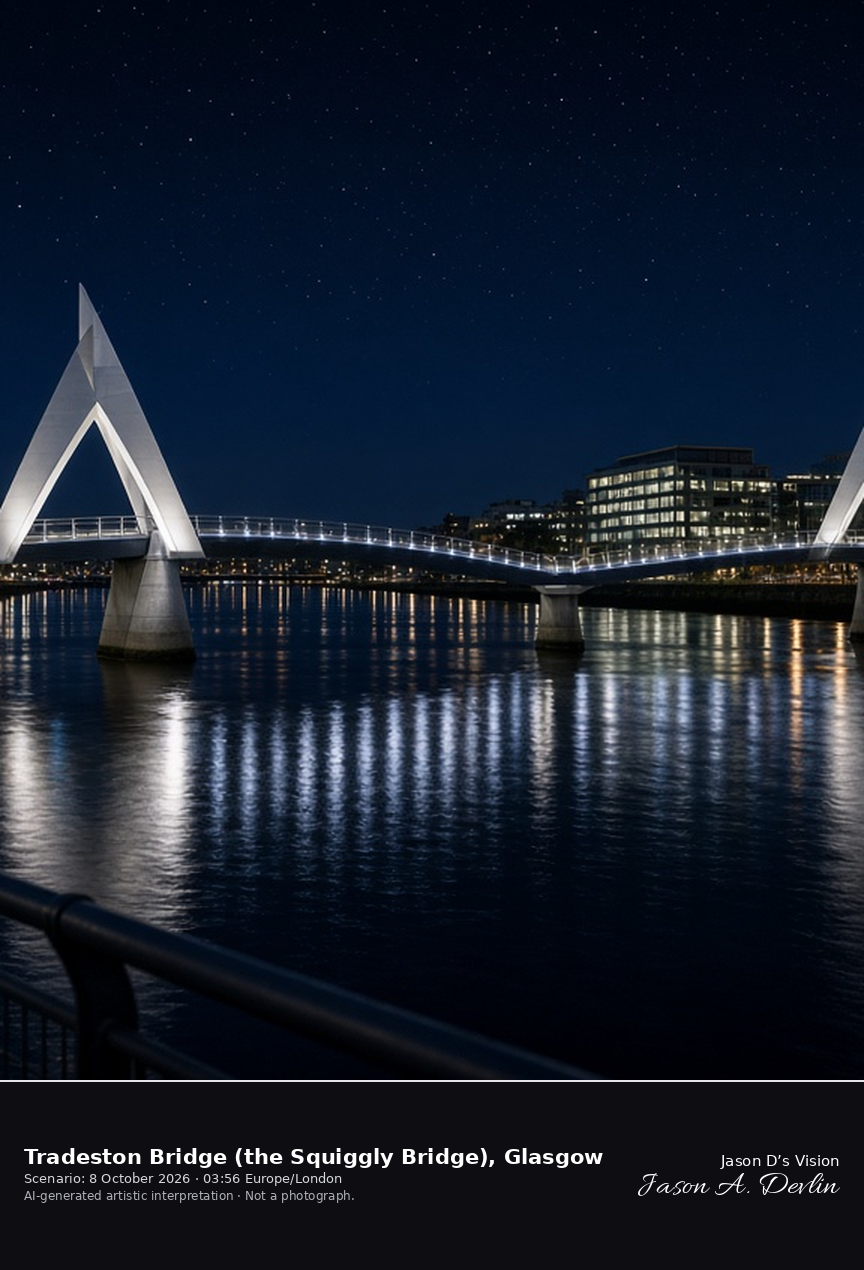
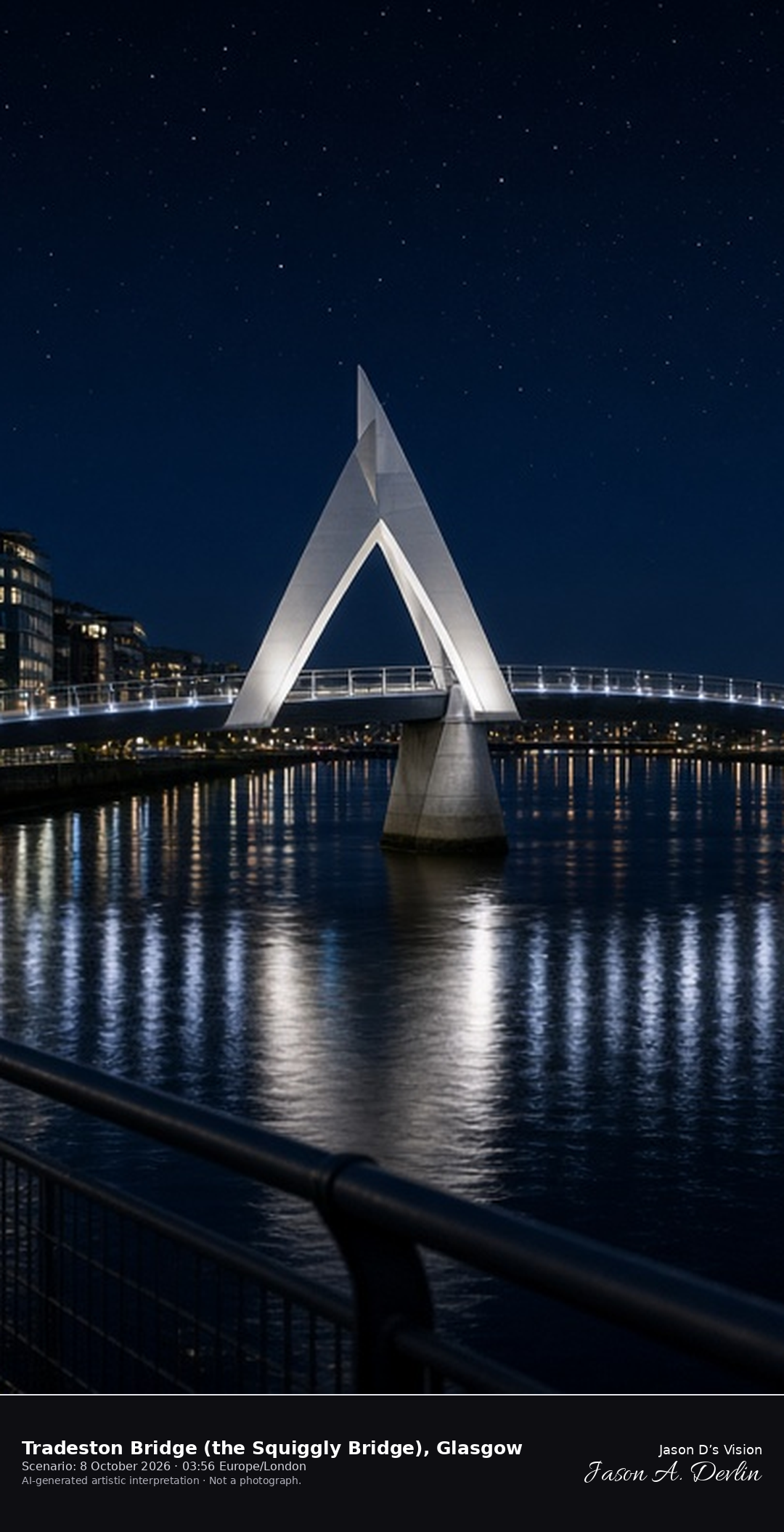
Tradeston Bridge (the Squiggly Bridge), Glasgow · AI-generated artistic interpretation
Known locally as the Squiggly Bridge, this footbridge by Dissing+Weitling opened on 14 May 2009 to link Anderston with Tradeston. Its span curves in an S shape, and steel fins above the deck carry part of the load.
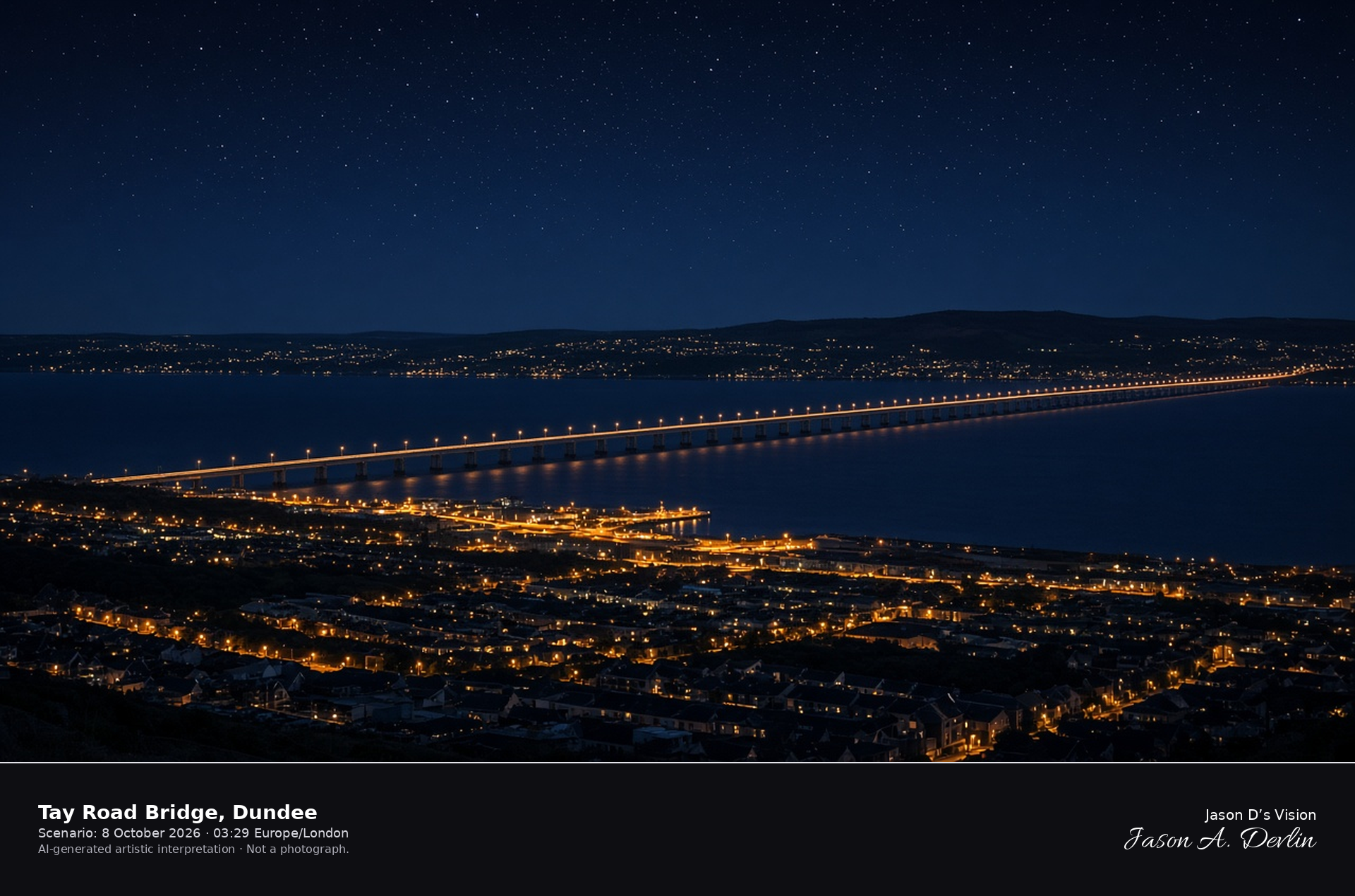
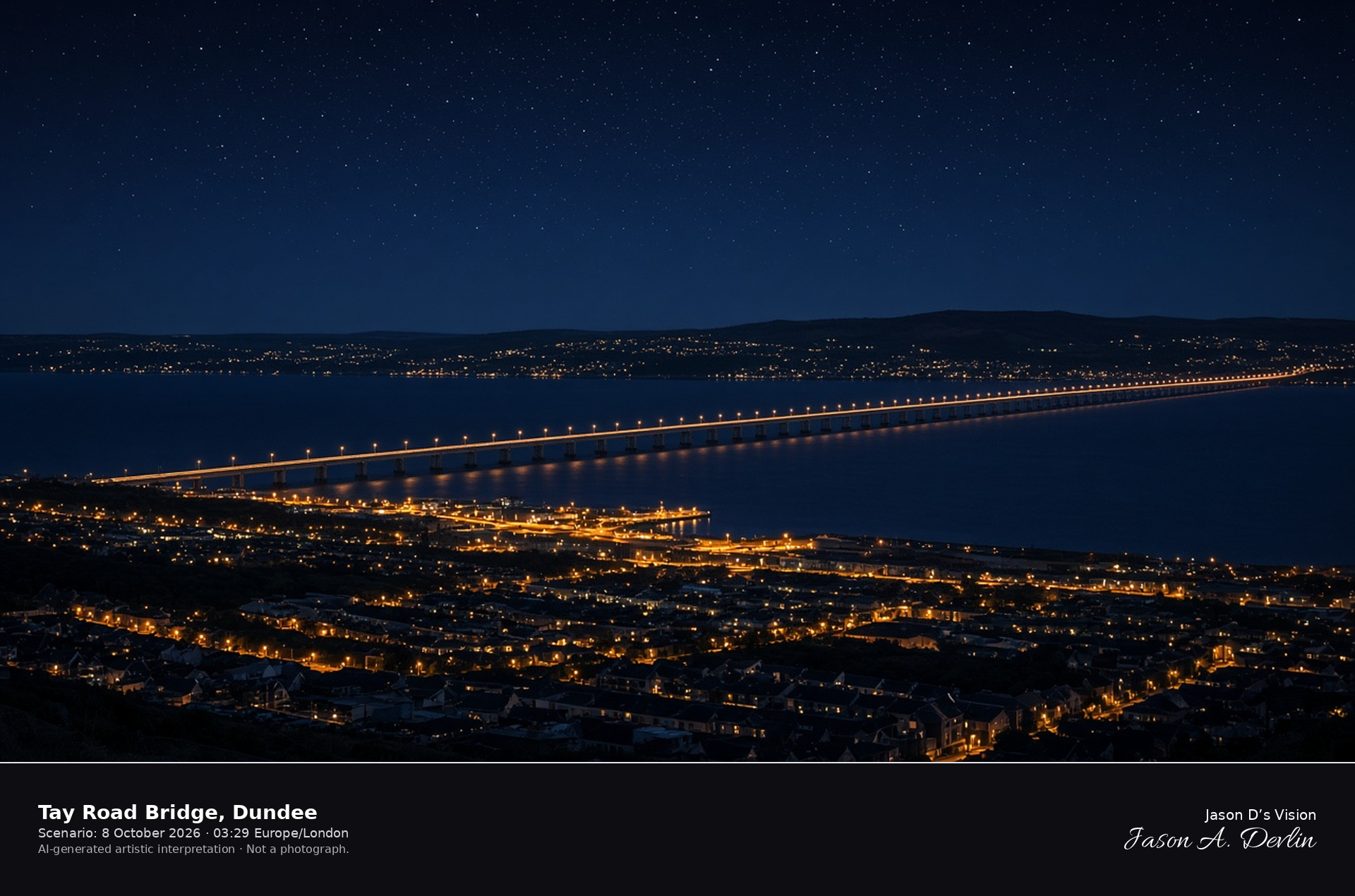
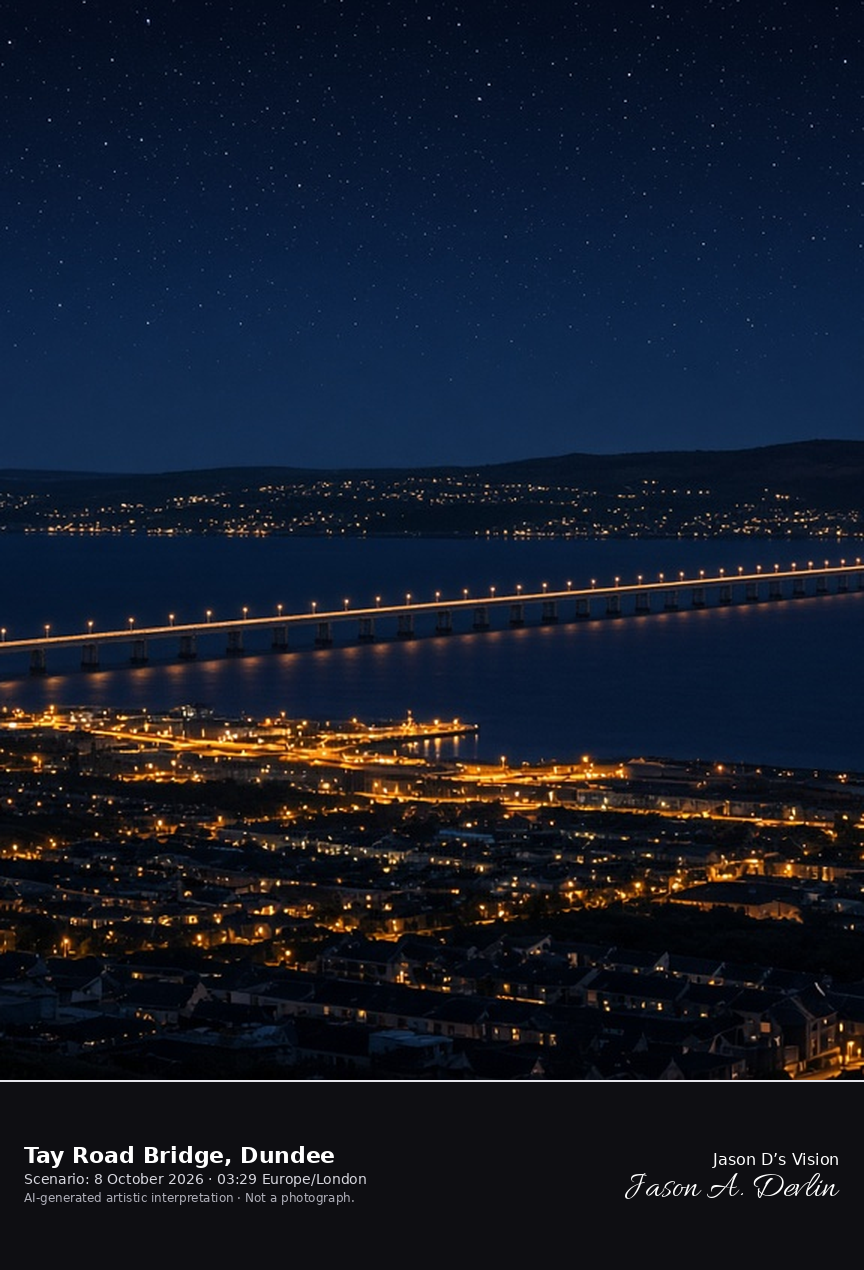
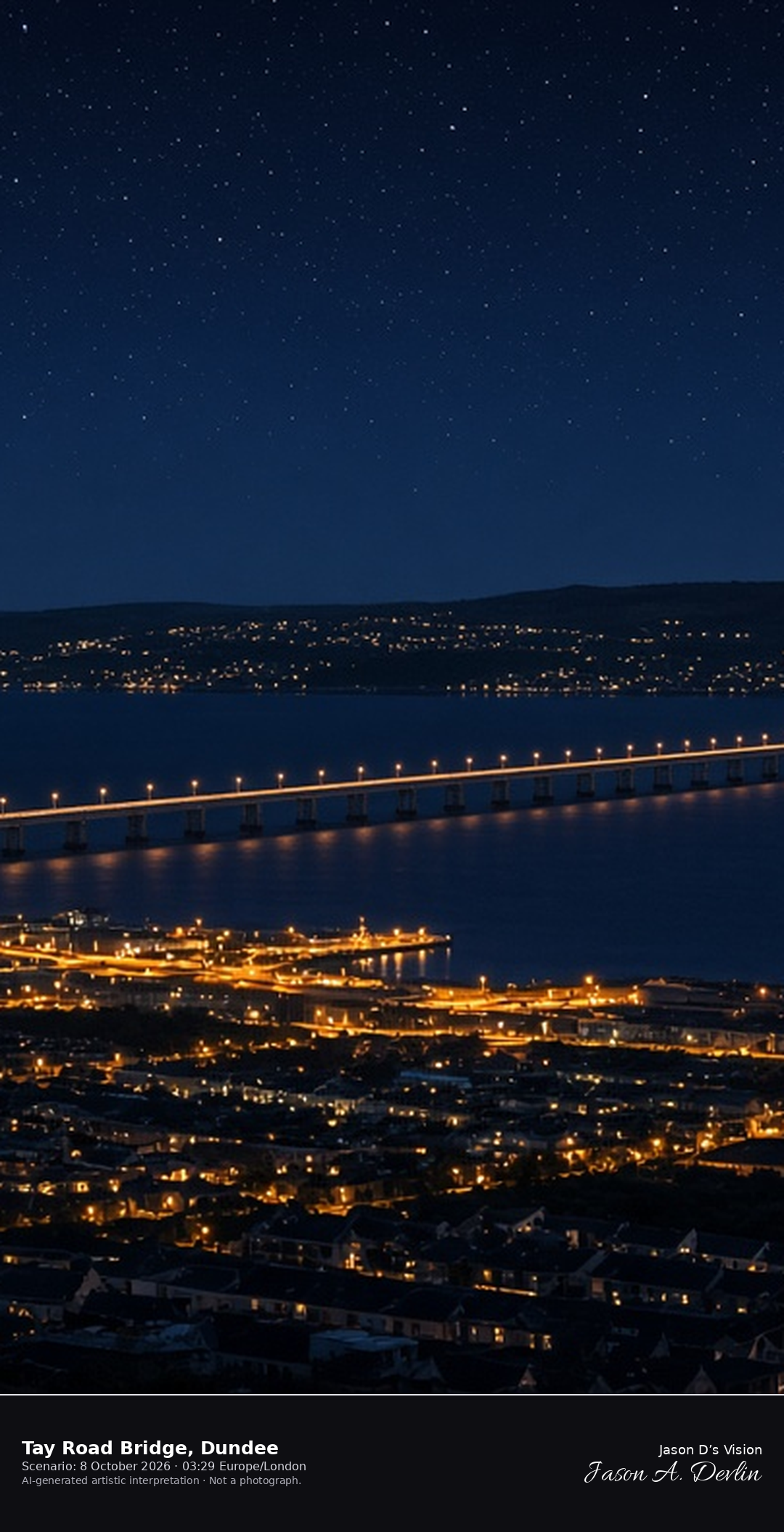
Opened in 1966 to replace the ferry known as 'the Fifie', the bridge carries the A92 for about 2,250 m from Dundee to Newport-on-Tay. It has 42 spans, and its navigation channel lies closer to the Fife shore.
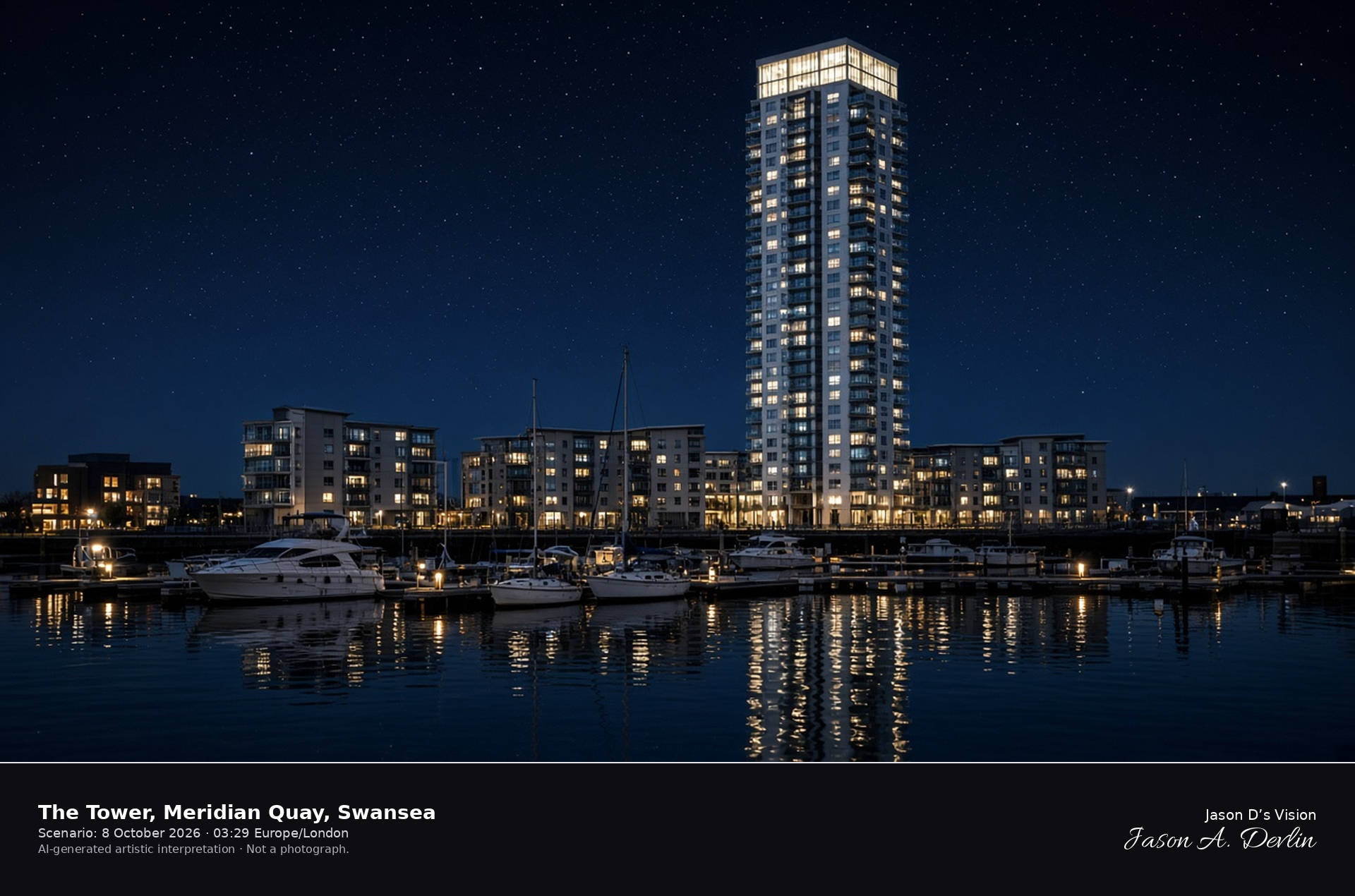
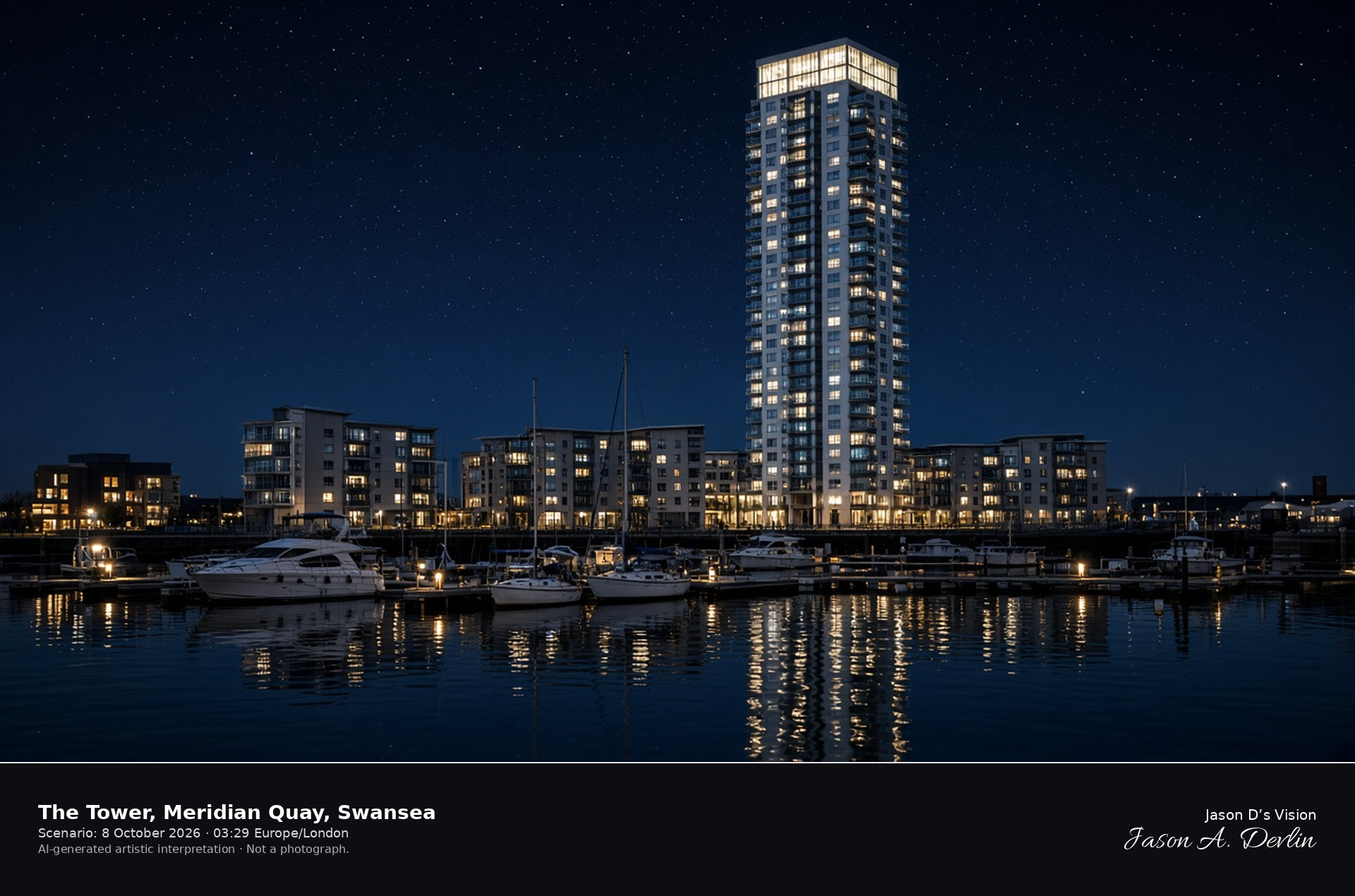
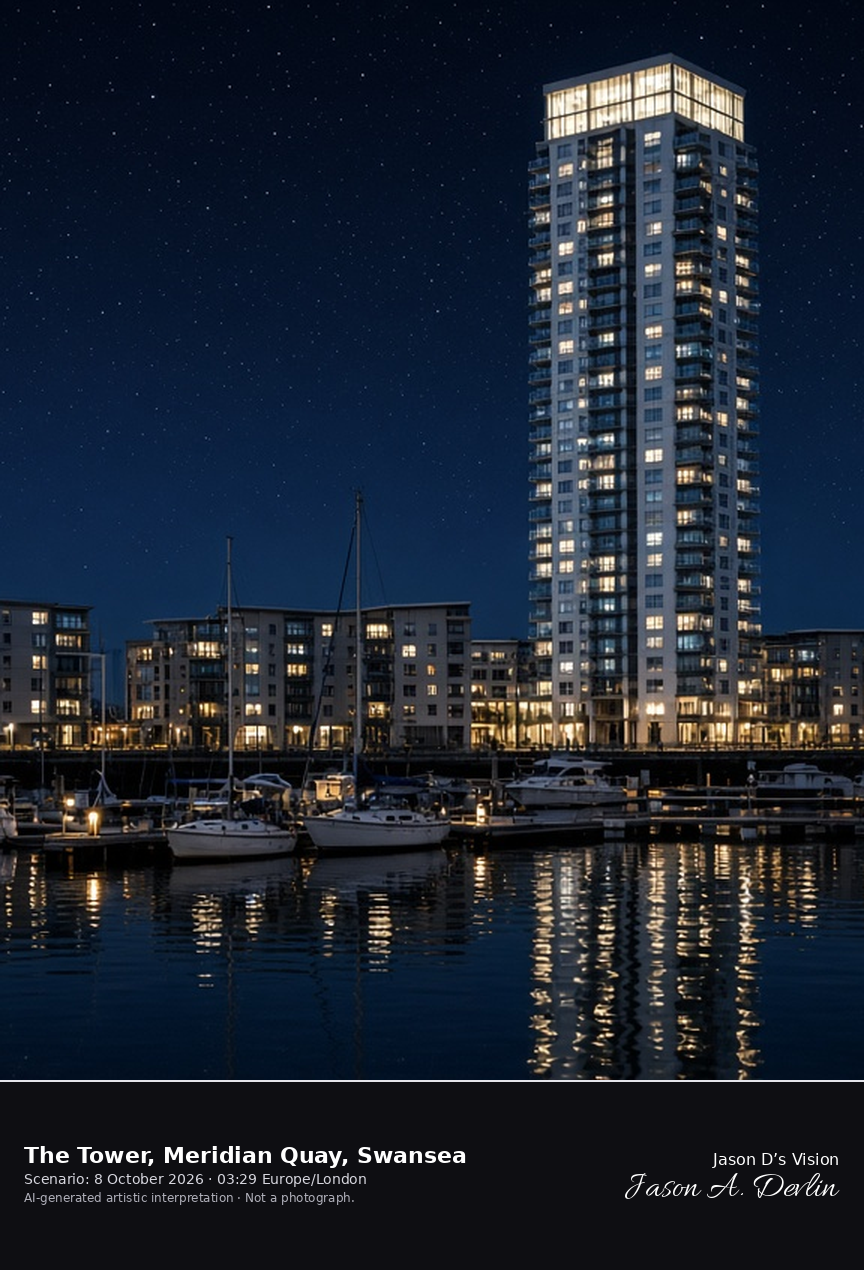
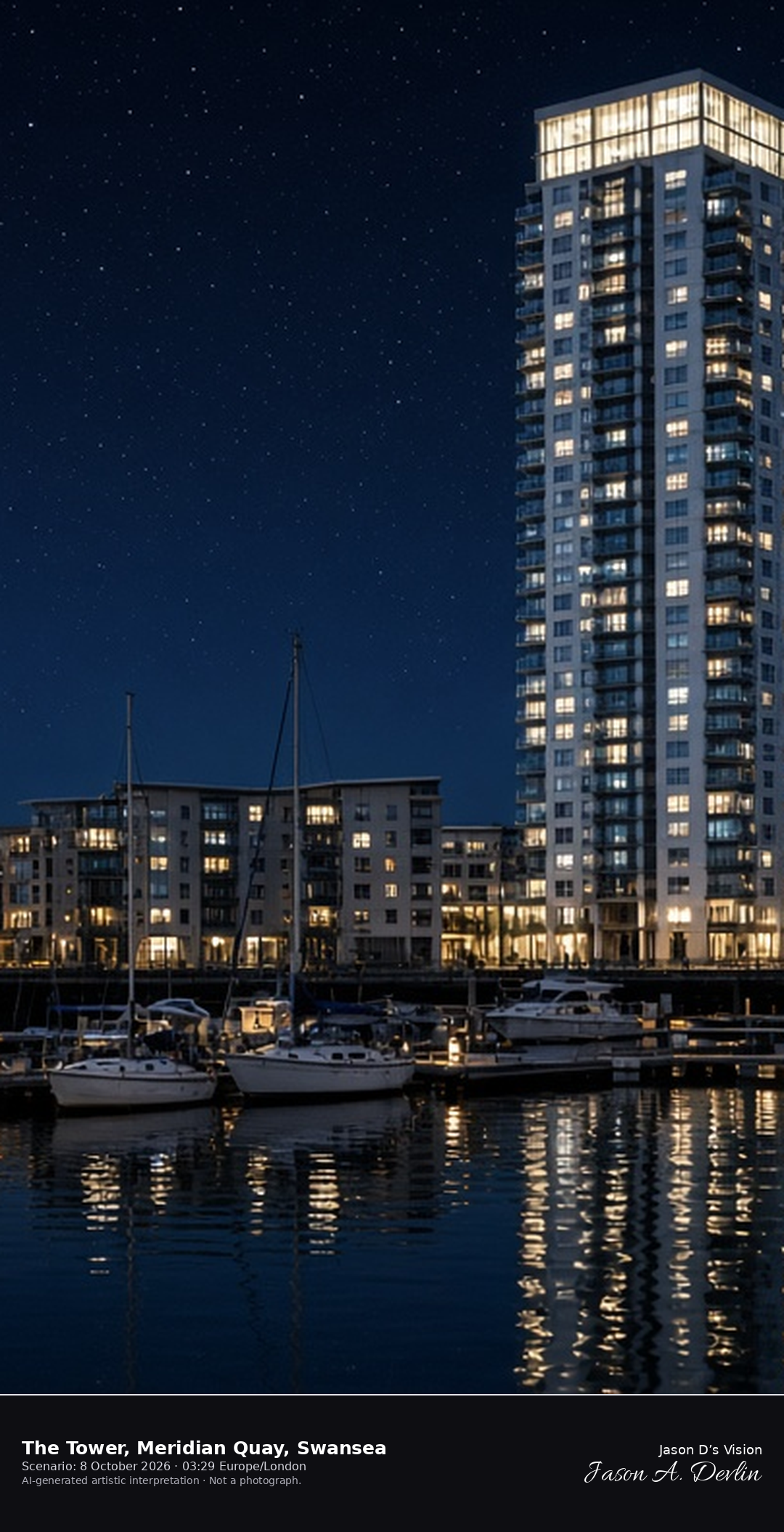
Dylan Thomas was born in Swansea, the 'ugly, lovely town' of his writing. In the nineteenth century it was also Copperopolis, a centre whose valley smelted much of the world's copper. Beyond Swansea Bay lies Gower, the peninsula designated Britain's first Area of Outstanding Natural Beauty in 1956.
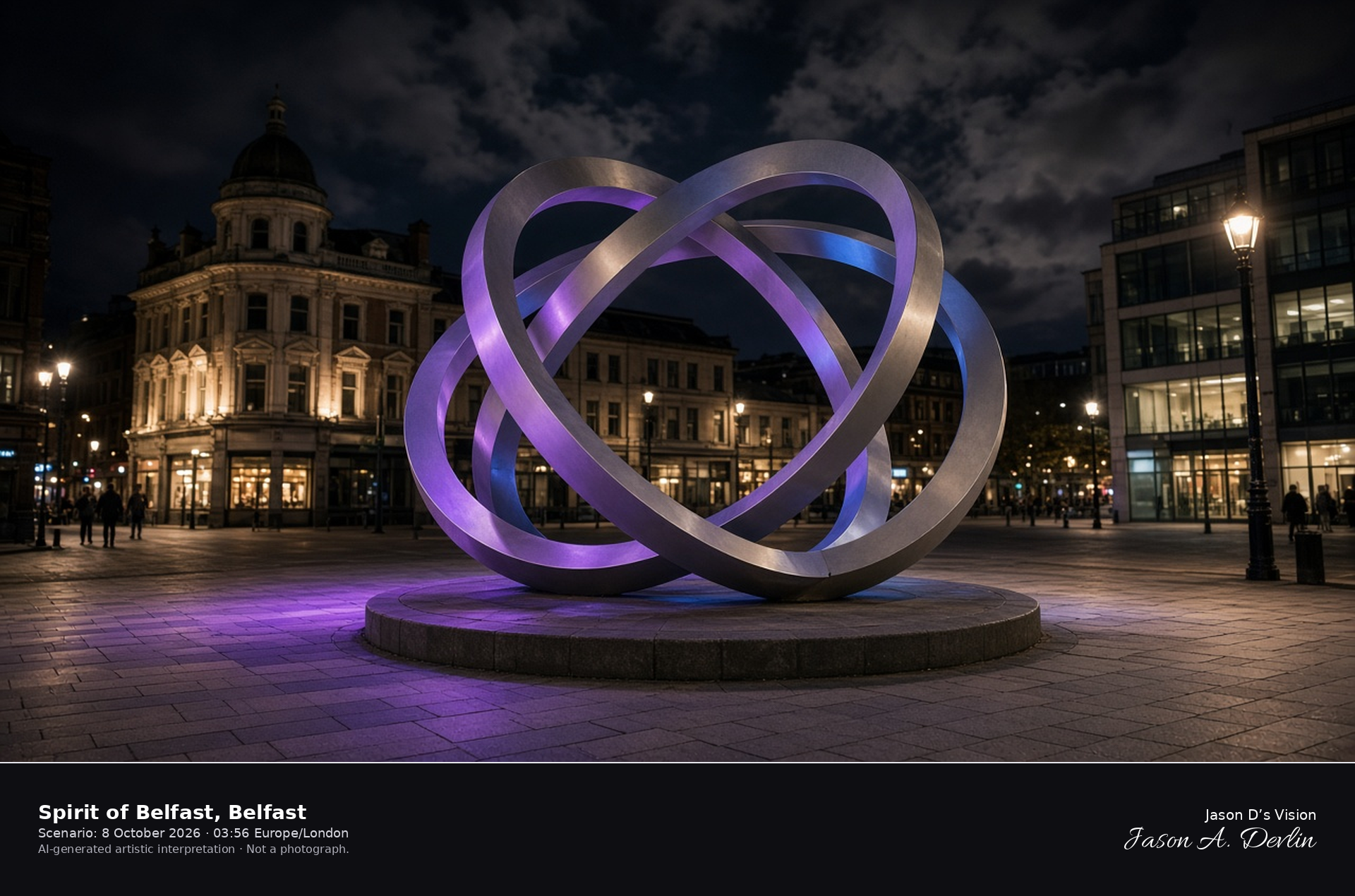
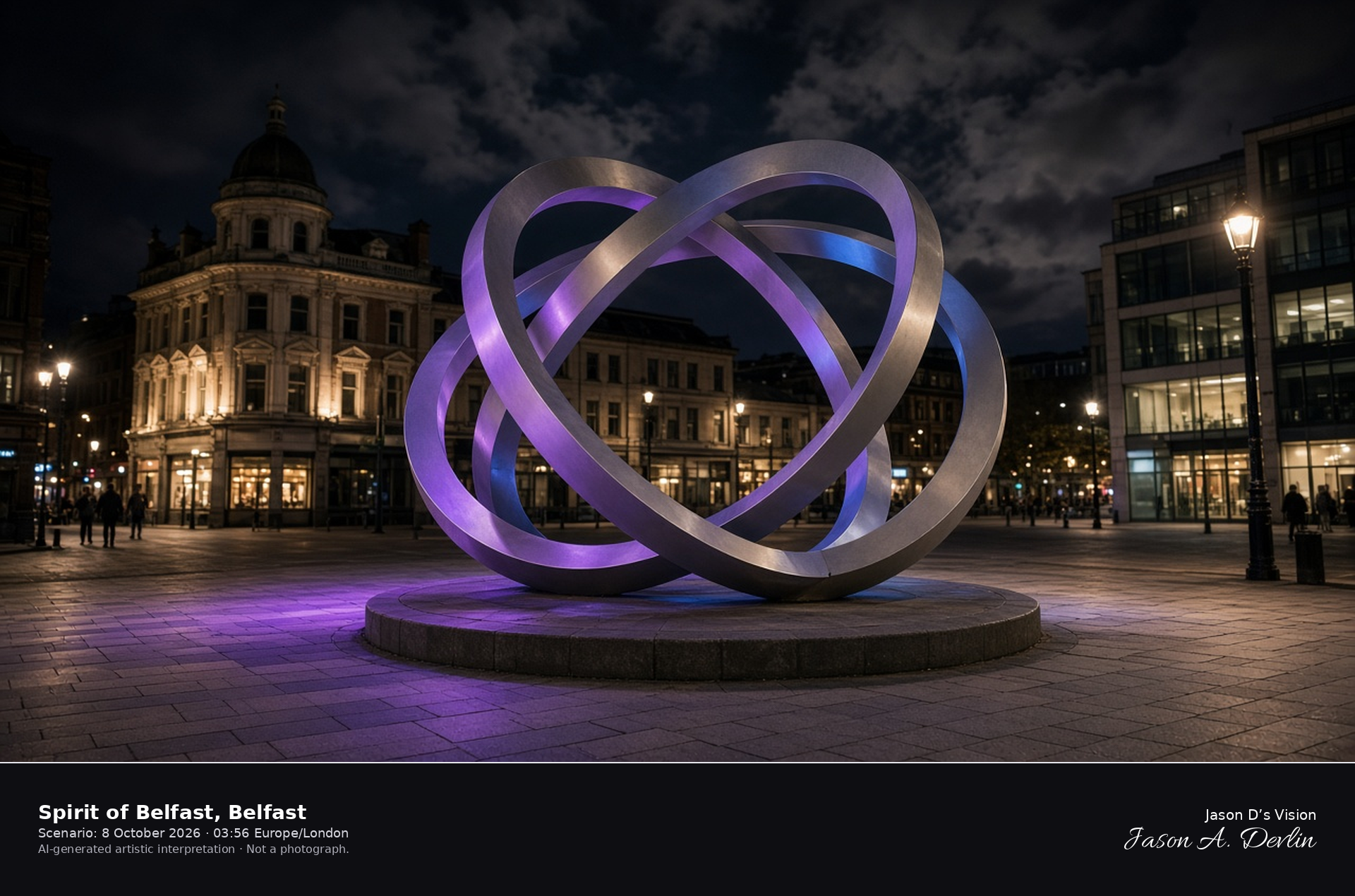
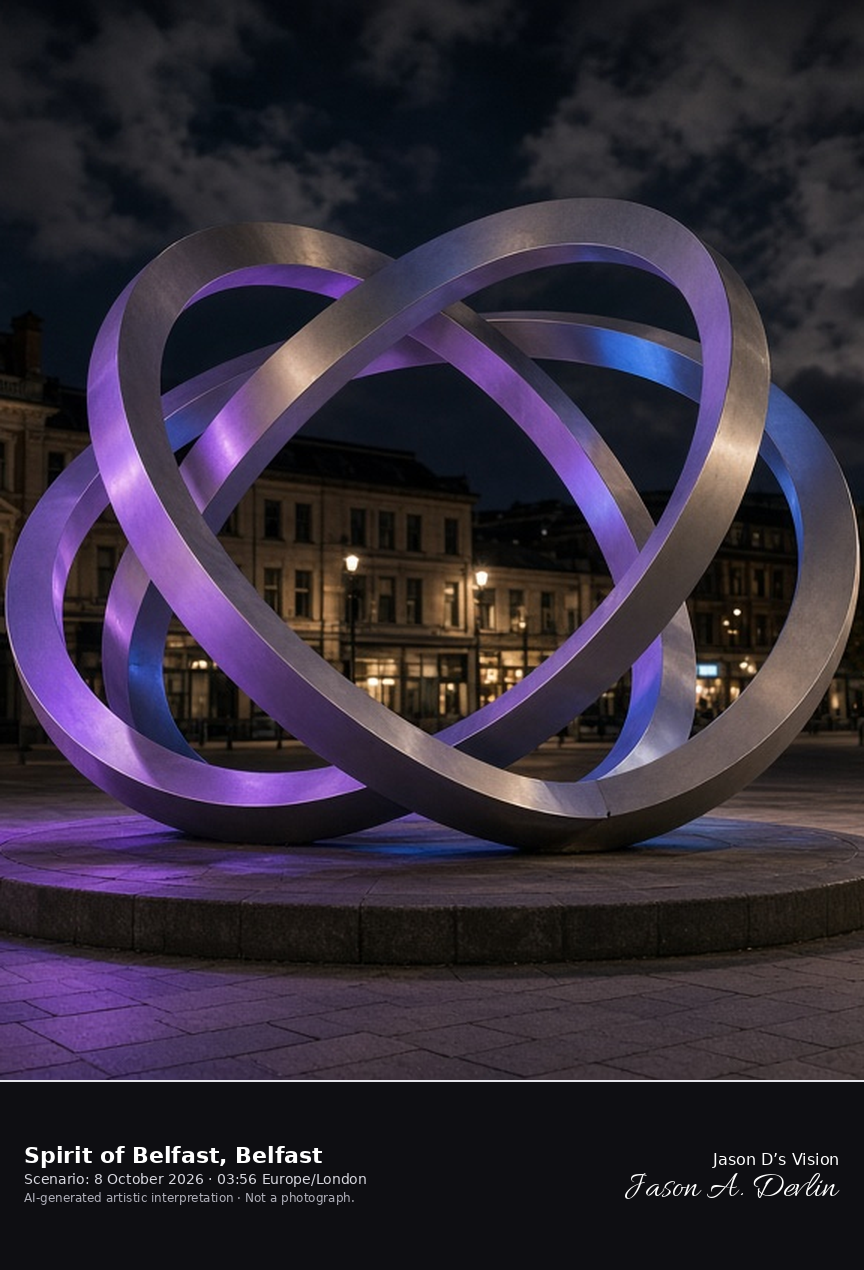
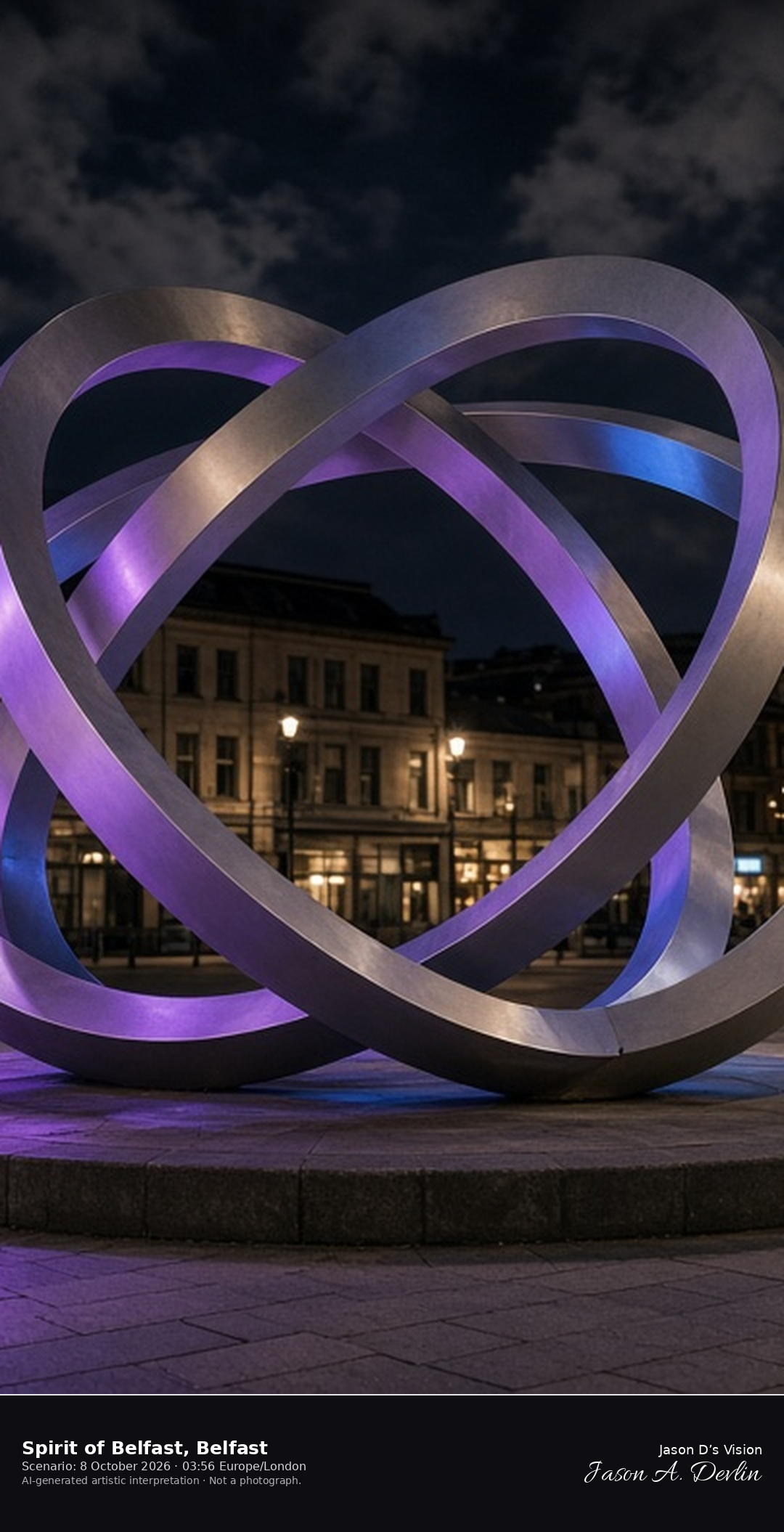
Spirit of Belfast · AI-generated artistic interpretation
Dan George's Spirit of Belfast brings stainless steel and programmed light to Arthur Square, where several pedestrian streets meet. Its sculptural forms make a distinctive landmark in the shopping district, changing character as the lighting takes over after dark.
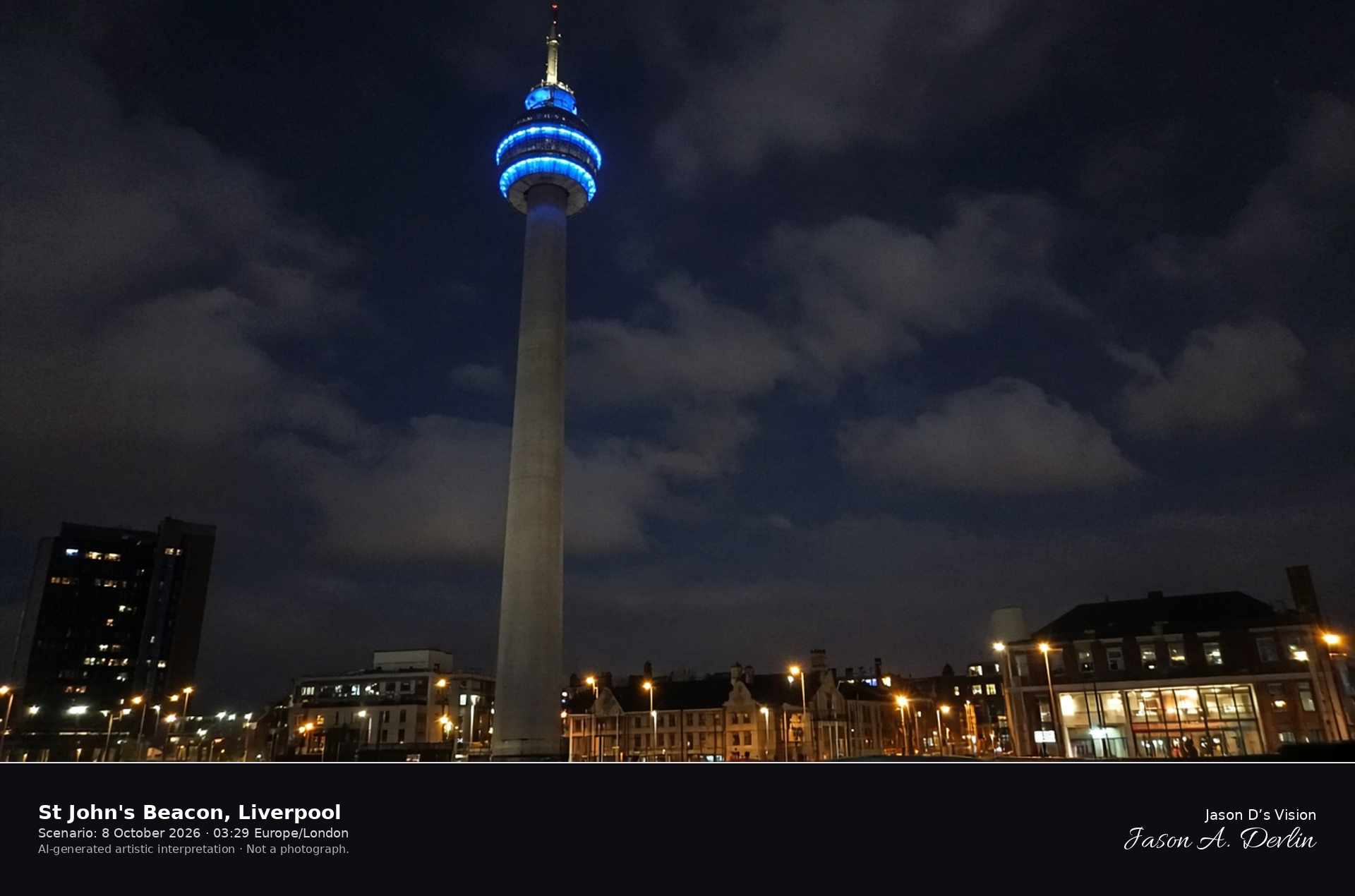
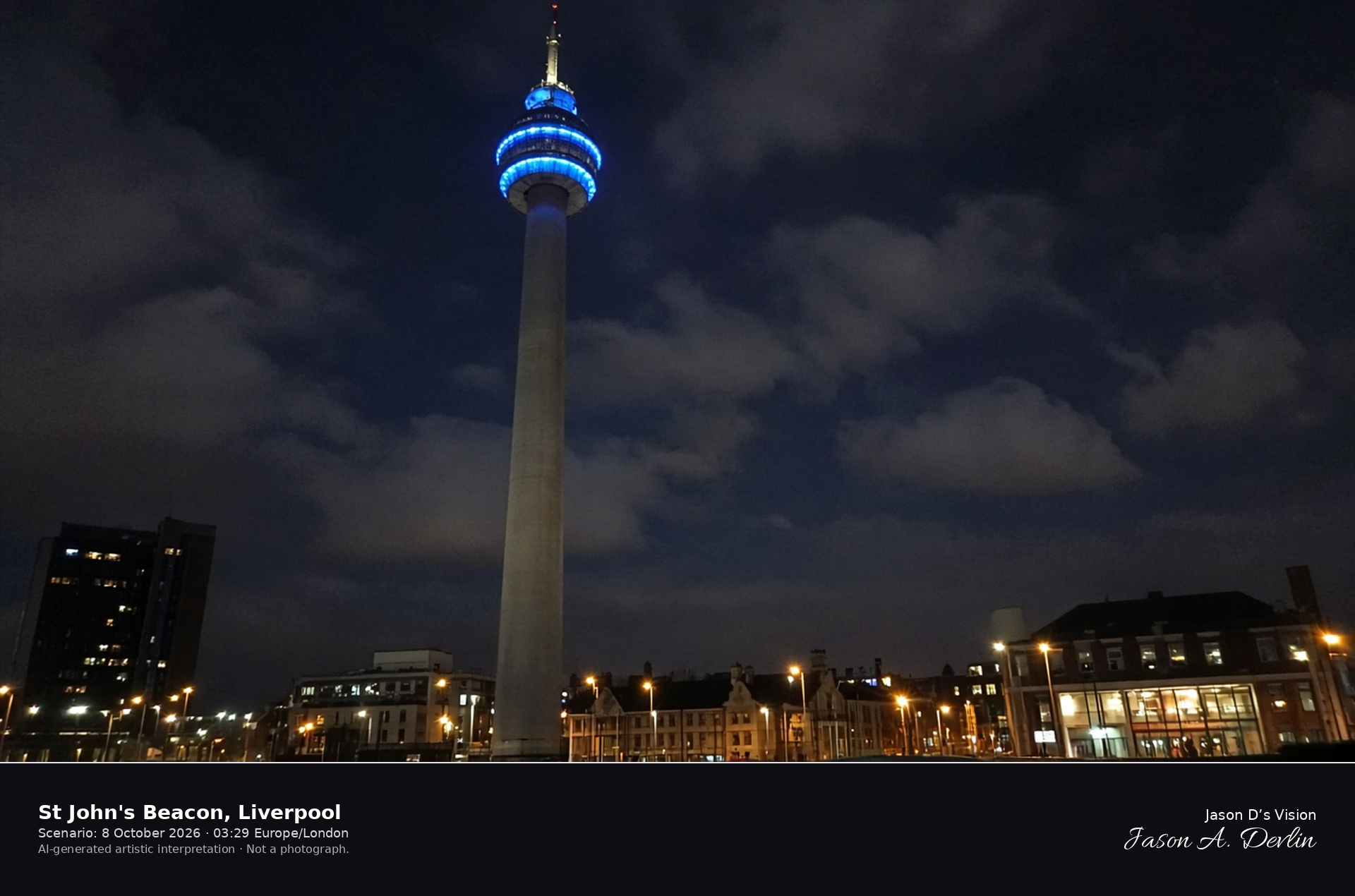
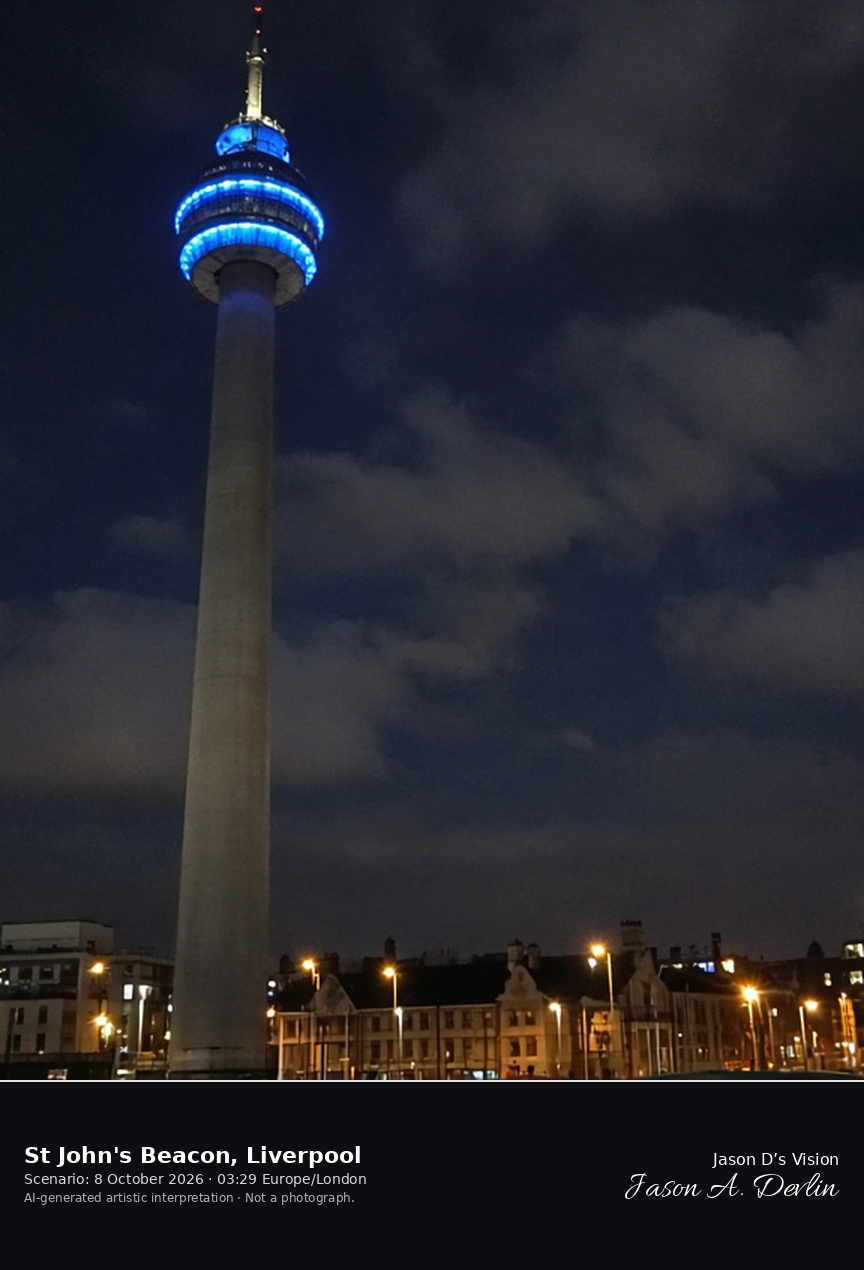
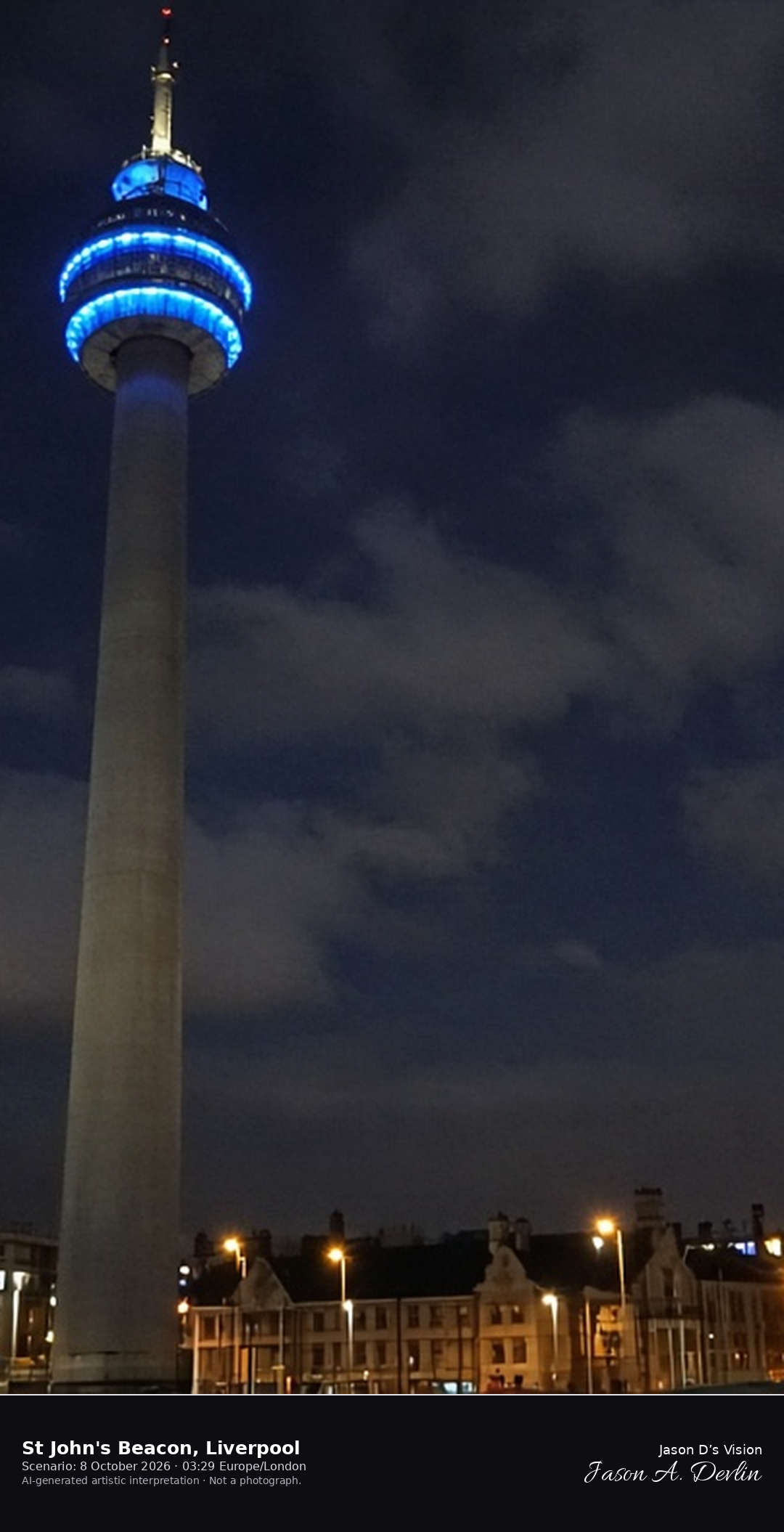
St John's Beacon, Liverpool · AI-generated artistic interpretation
The 138 m tower, also called the Radio City Tower, was built in 1969 and opened by Queen Elizabeth II with a revolving restaurant in its crow's nest. Blue neon lights were added around the top in 1994, and it was listed at Grade II in 2020.
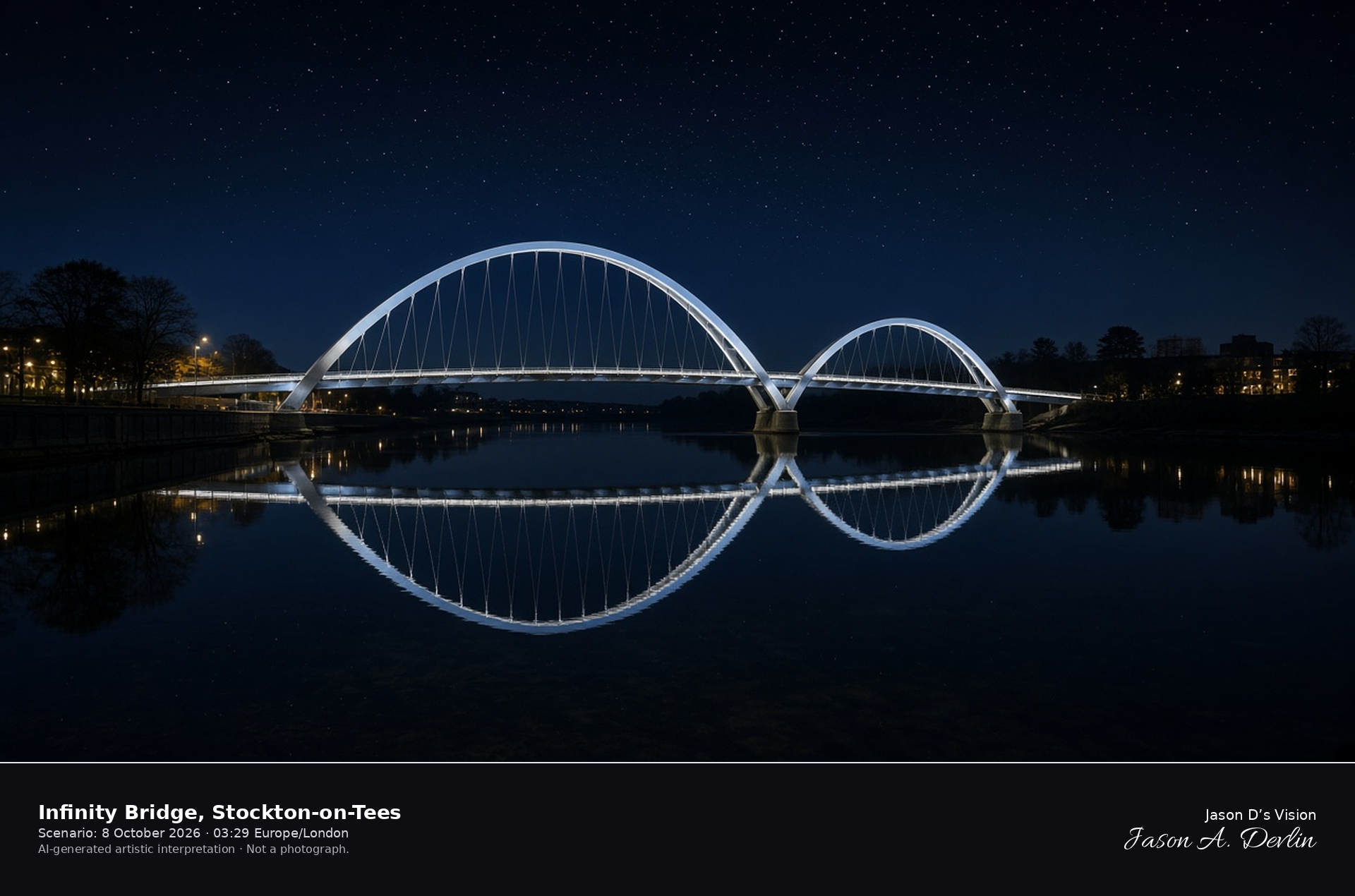
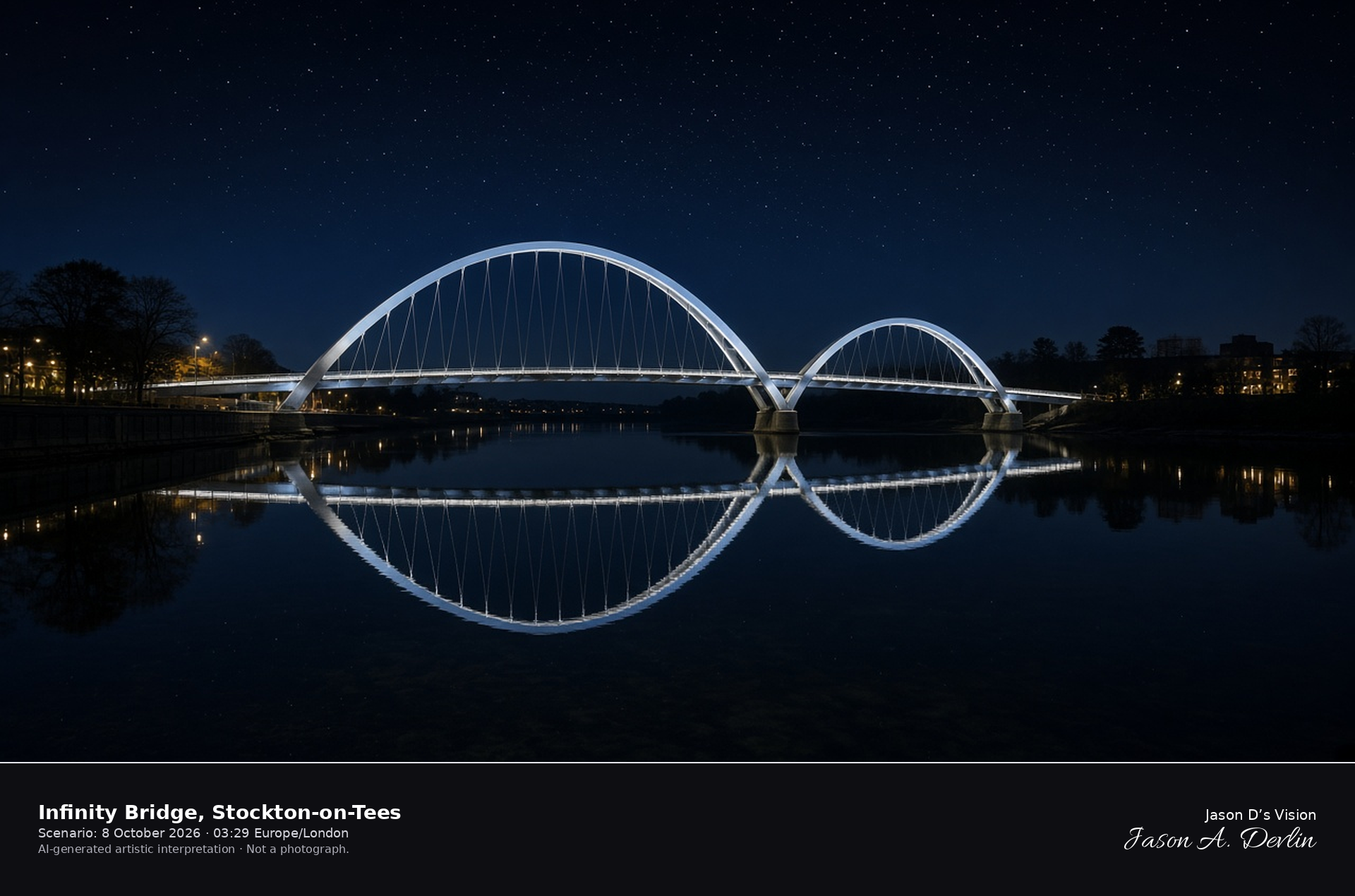
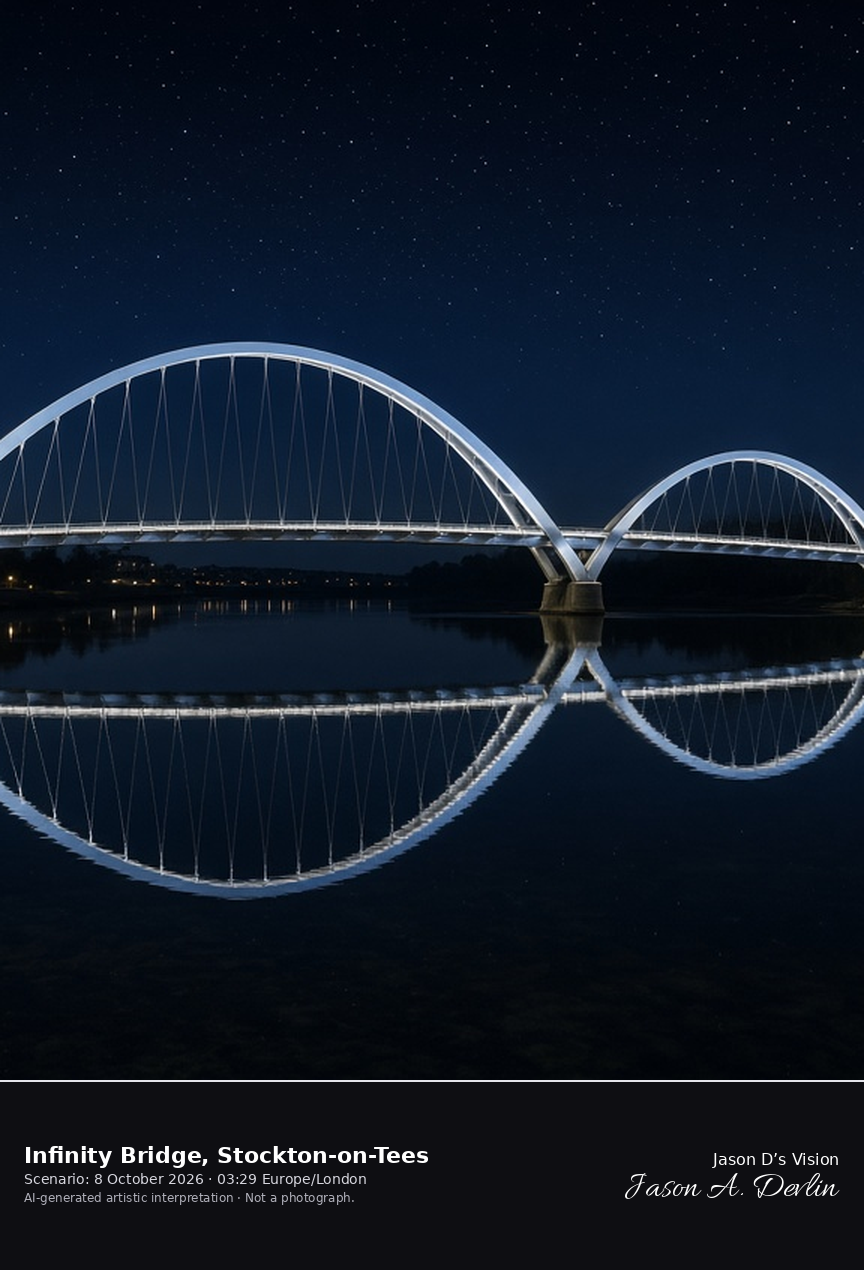
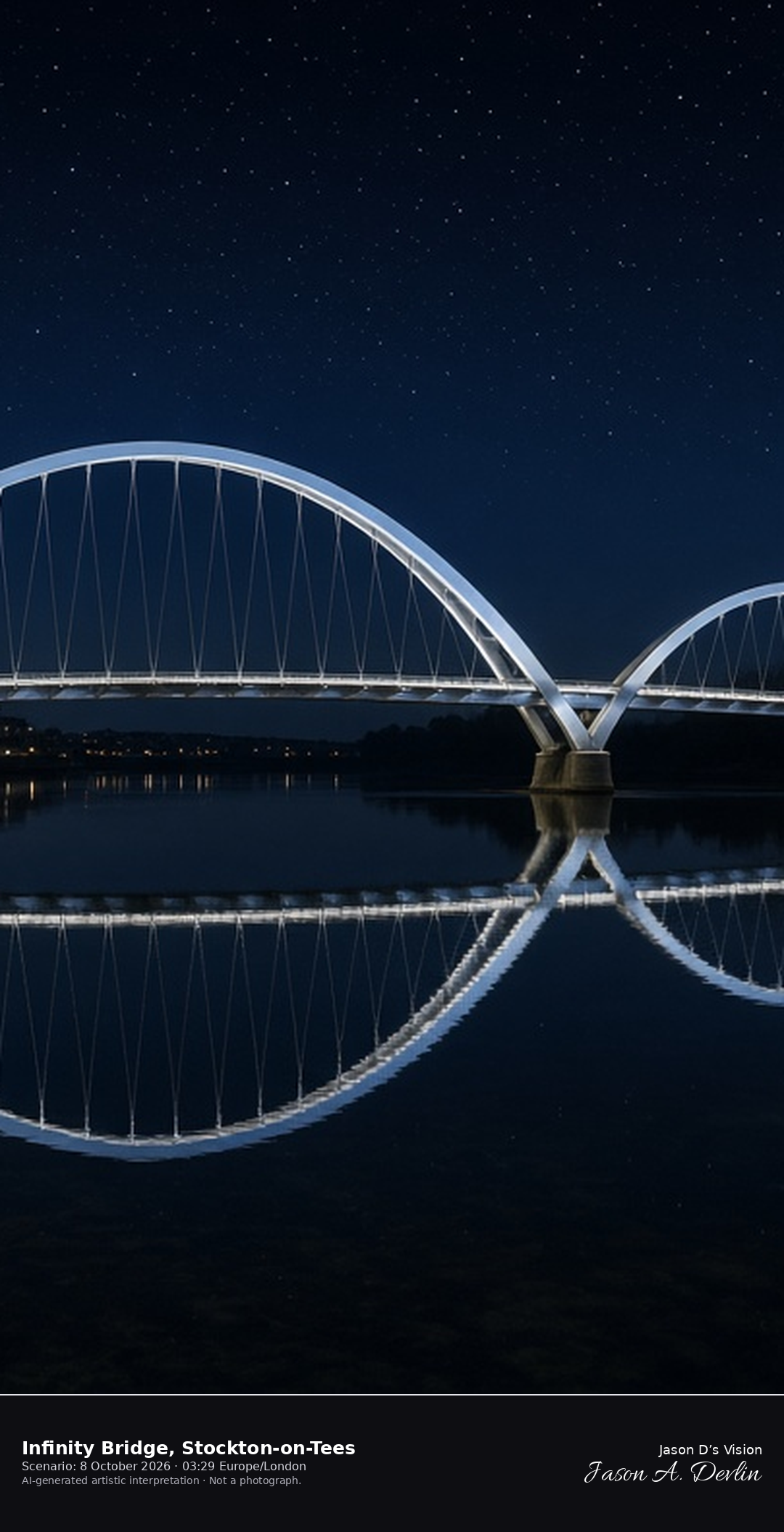
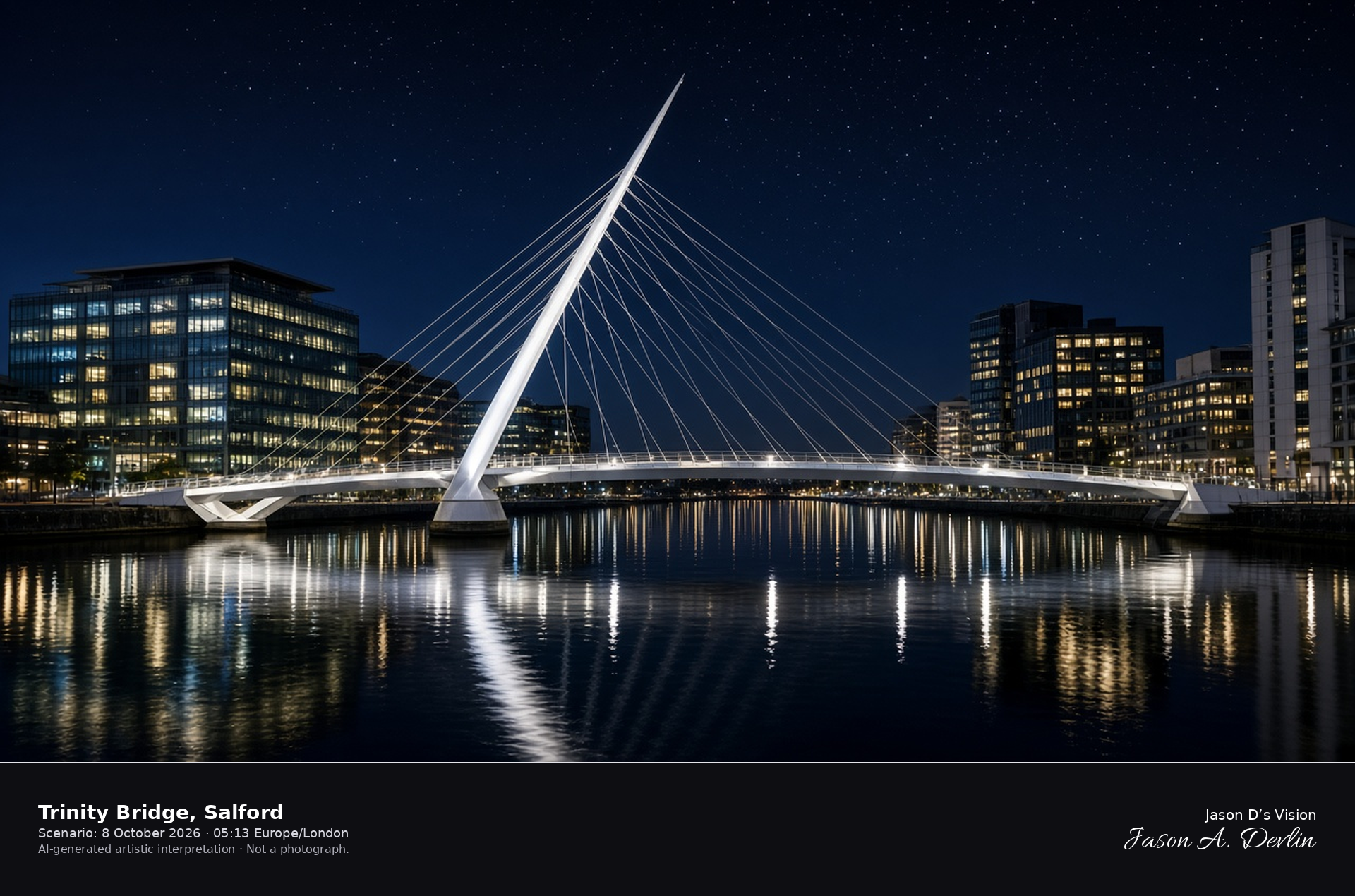
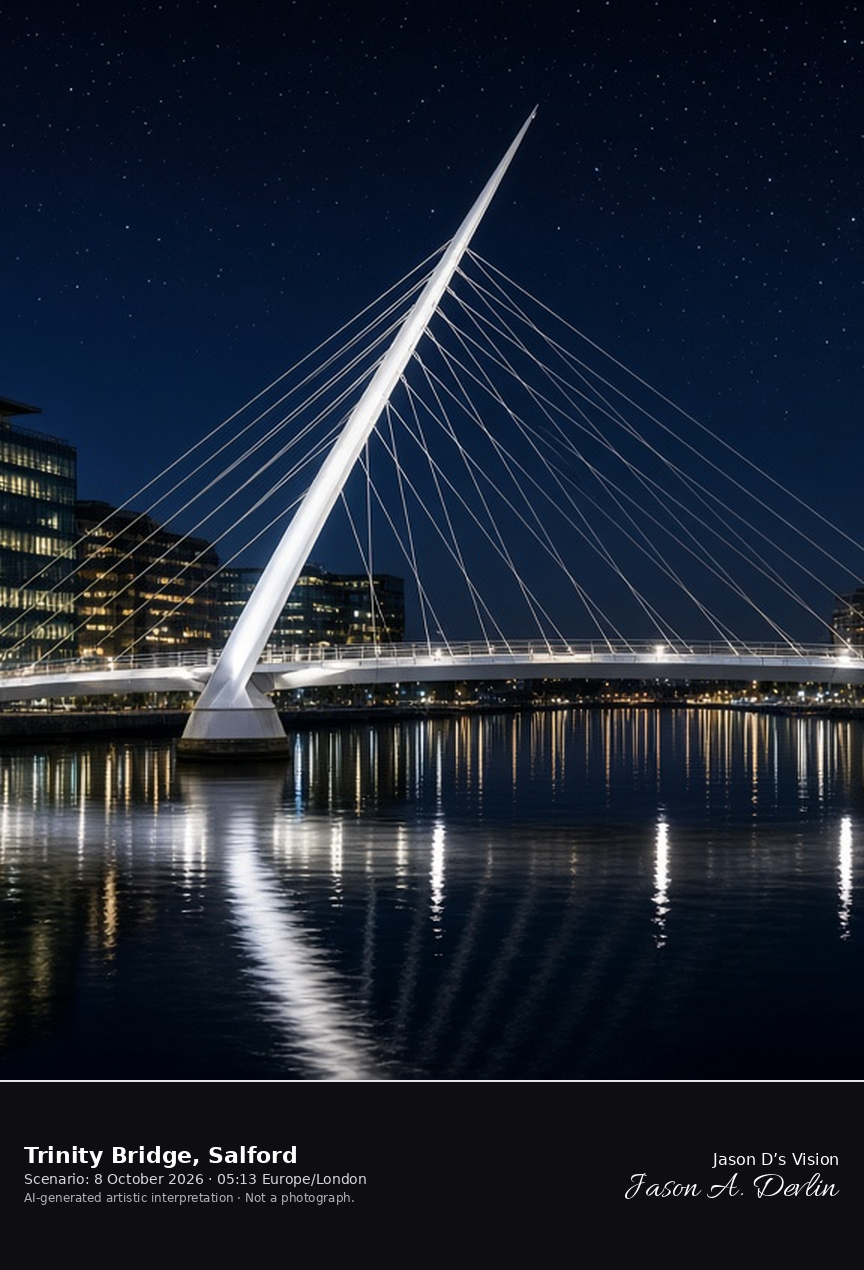
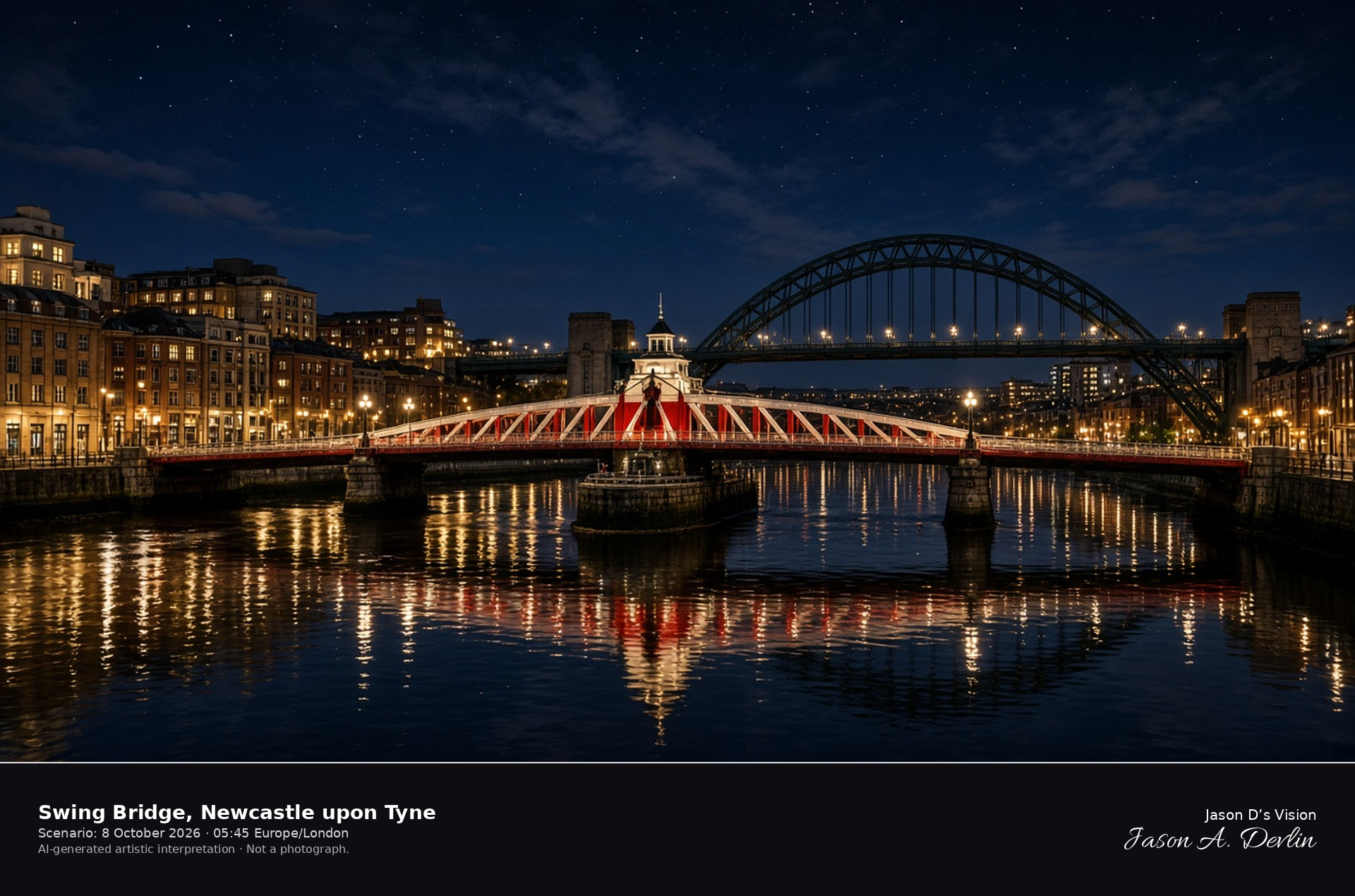
The footbridge is a dual tied-arch bridge, with two steel arches of different sizes meeting at one river pier. Its name comes from the infinity symbol the arches form with their reflection.
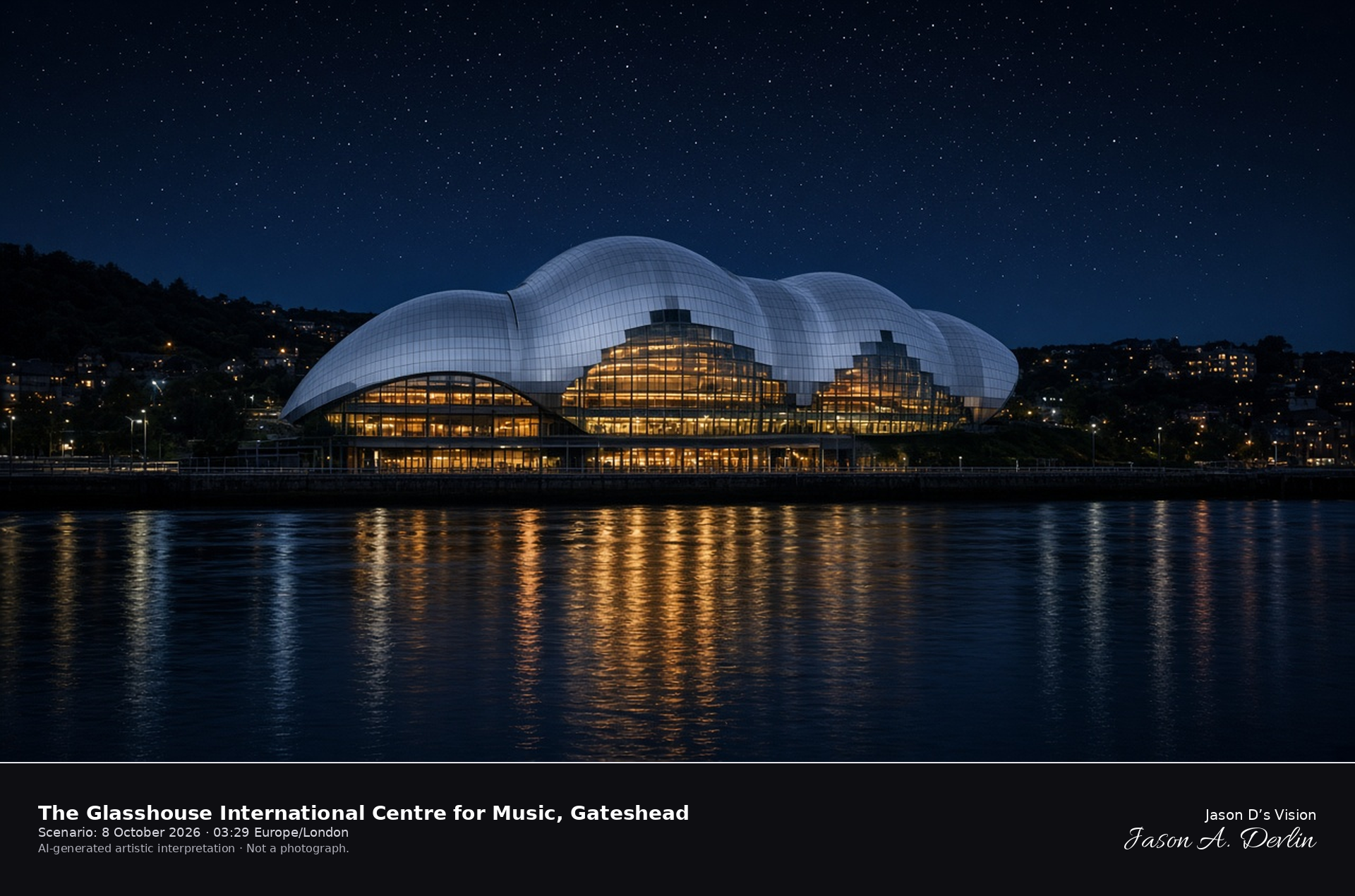
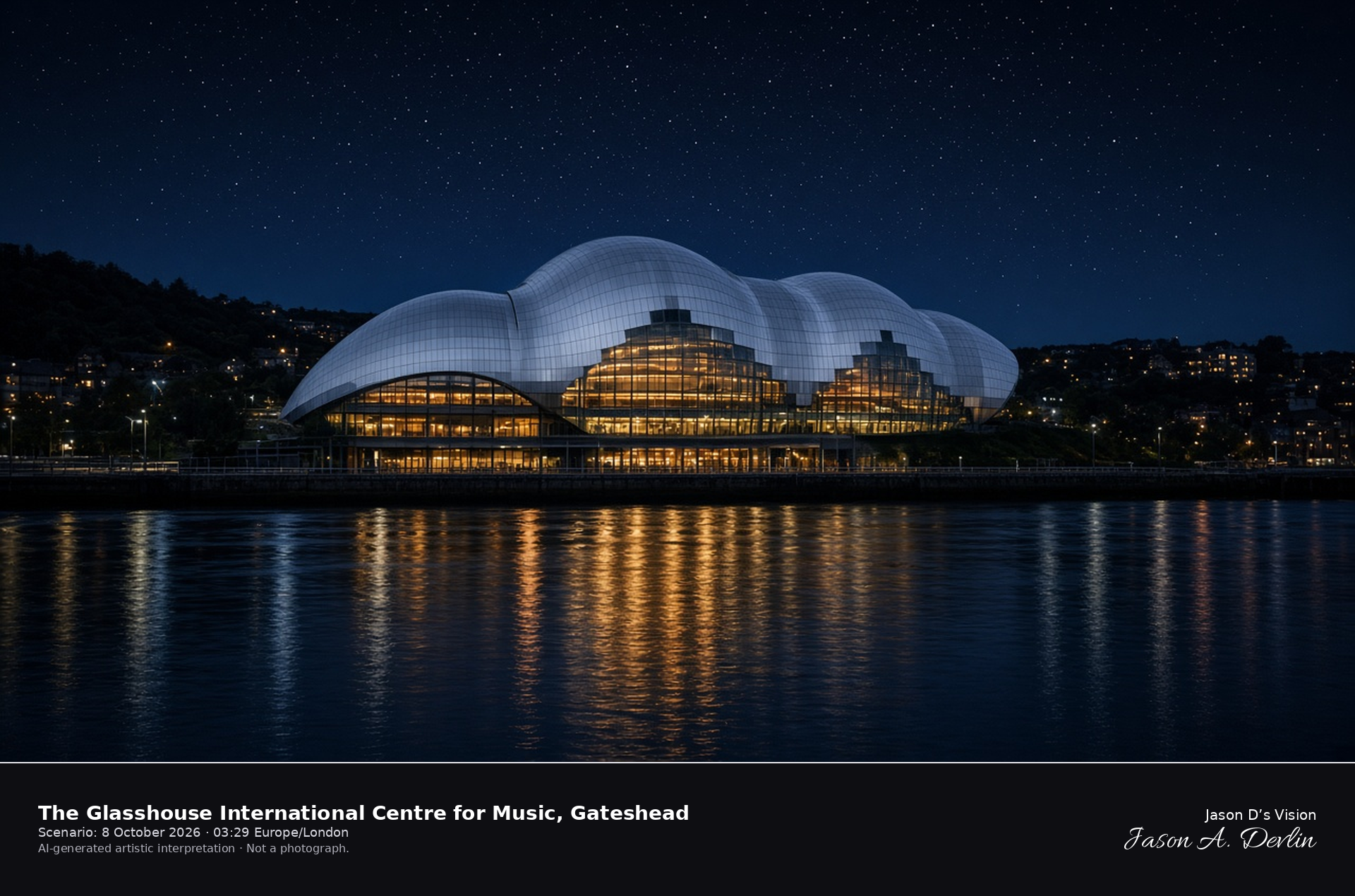
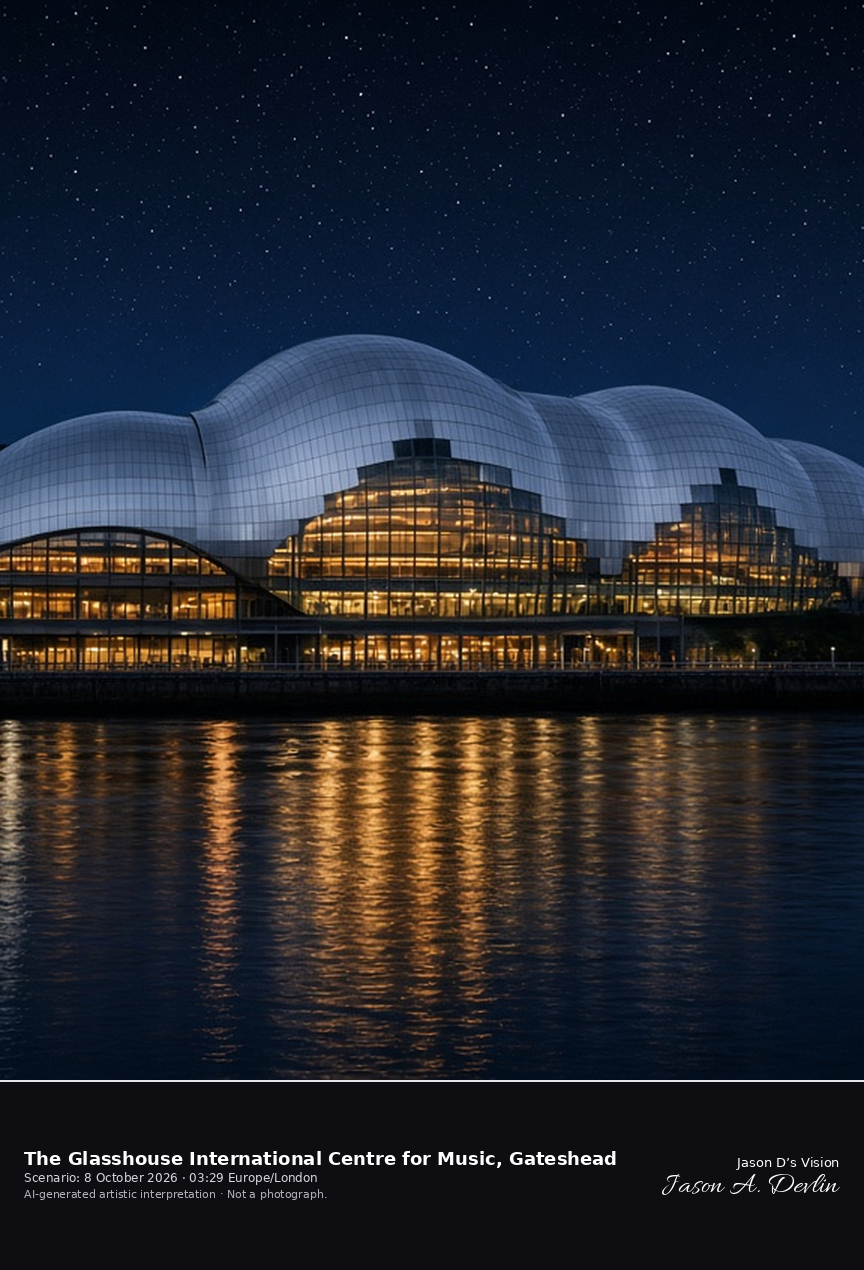
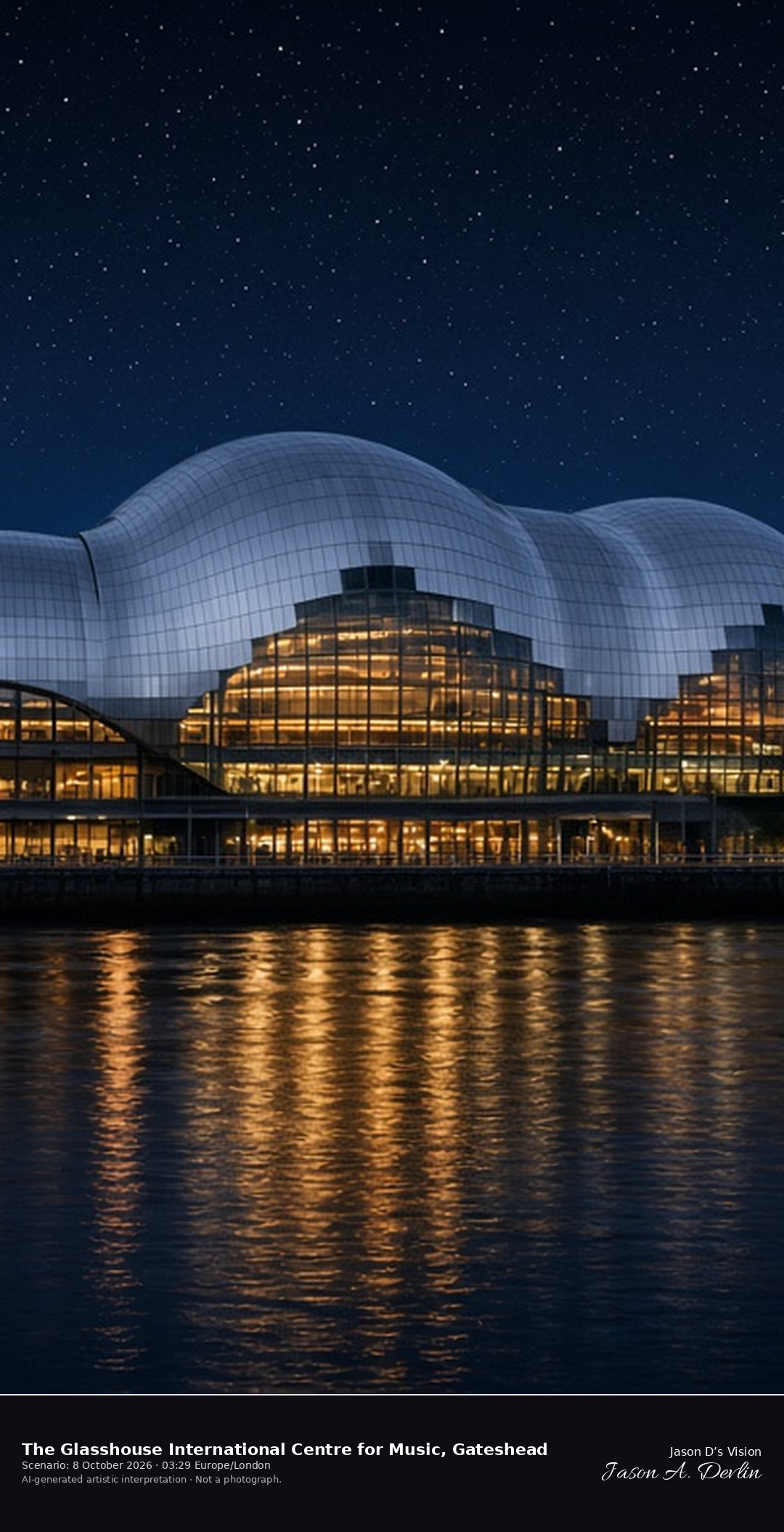
Gateshead, facing Newcastle across the Tyne, has reshaped itself through art: a twentieth-century flour mill became the Baltic gallery, and Foster’s curved concert hall, formerly Sage Gateshead and now The Glasshouse, rises above the south bank. On a hill overlooking the A1, Antony Gormley’s Angel of the North spreads its fifty-four-metre wings as a symbol of the region.
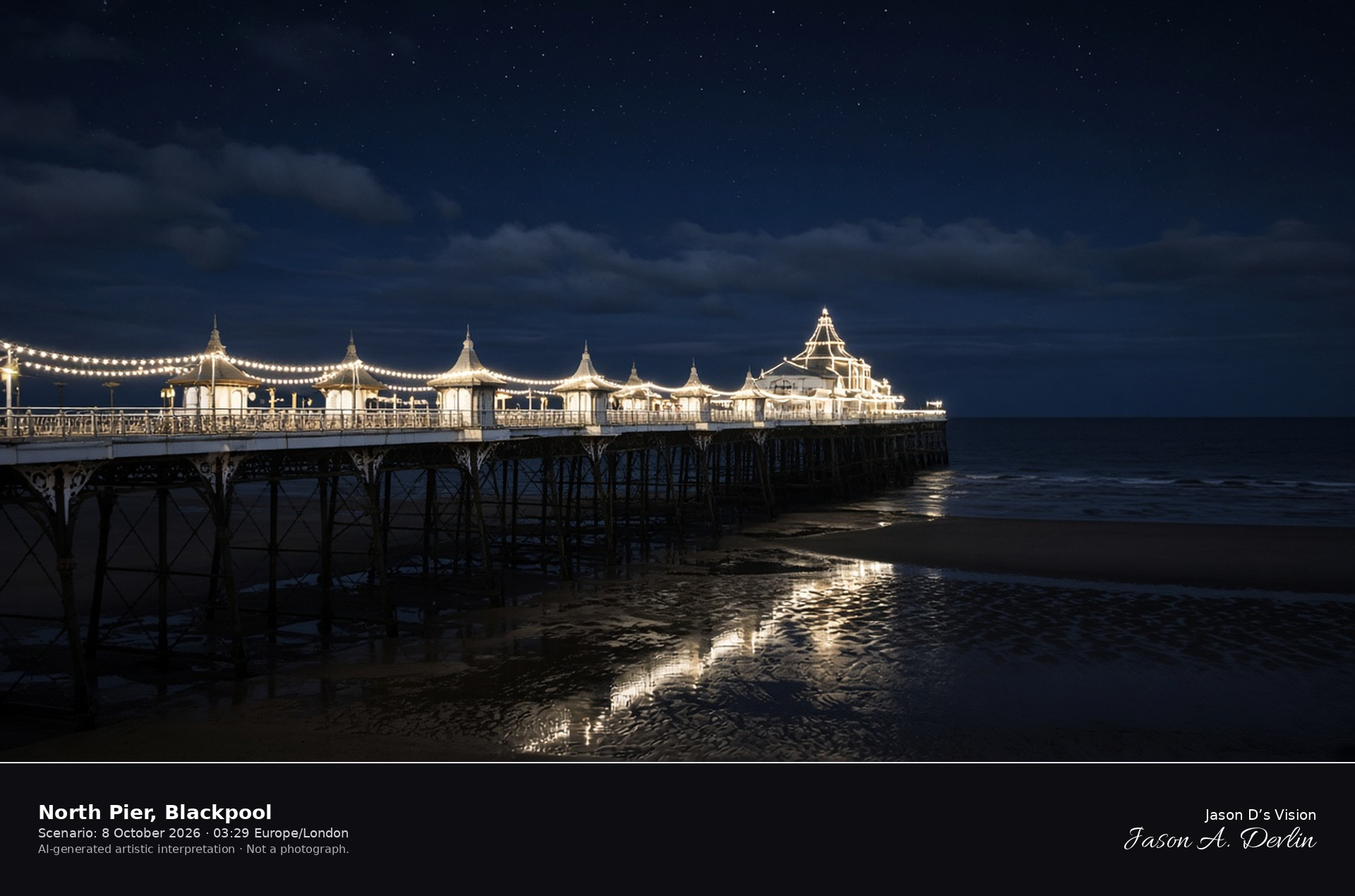
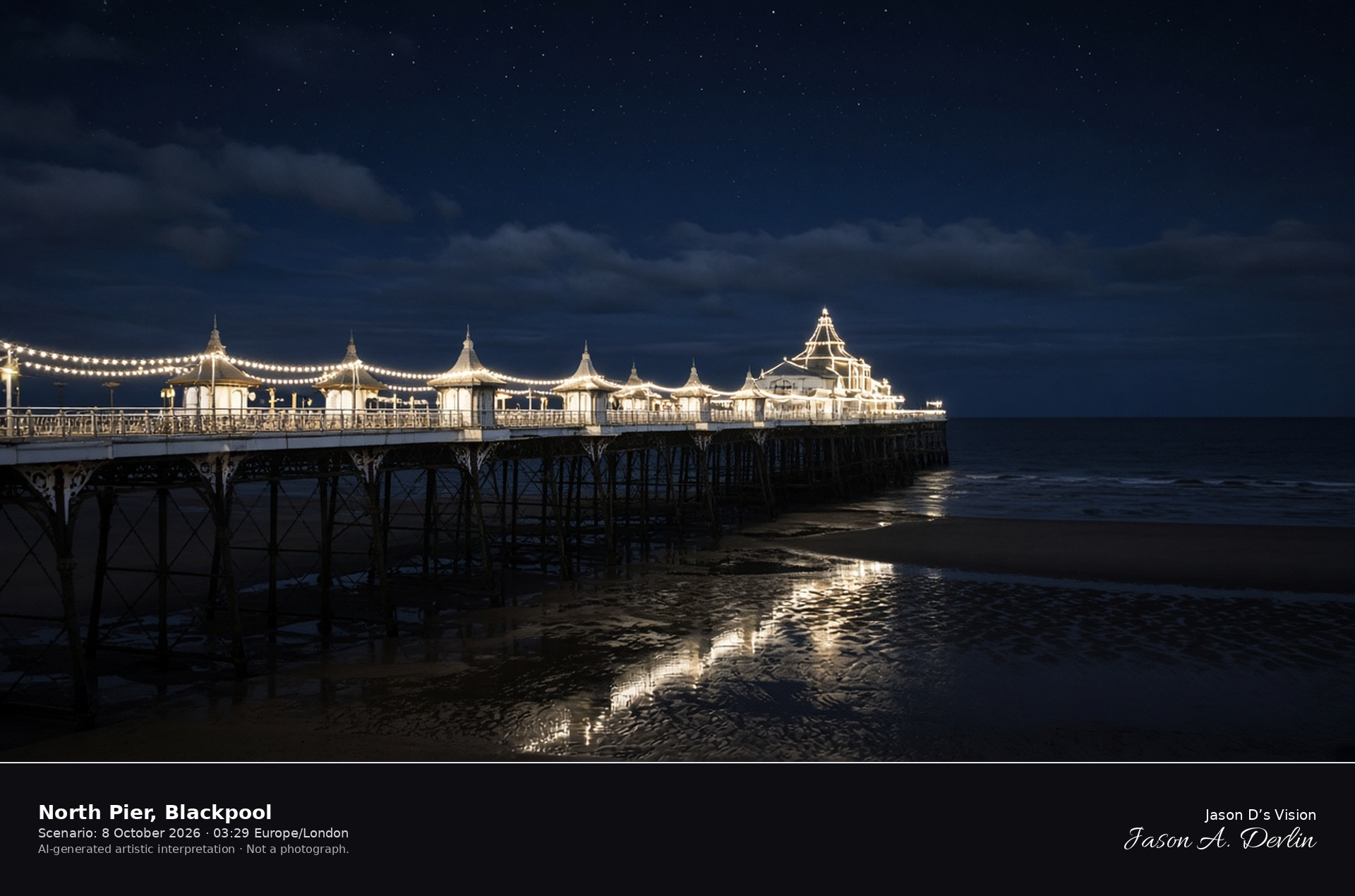
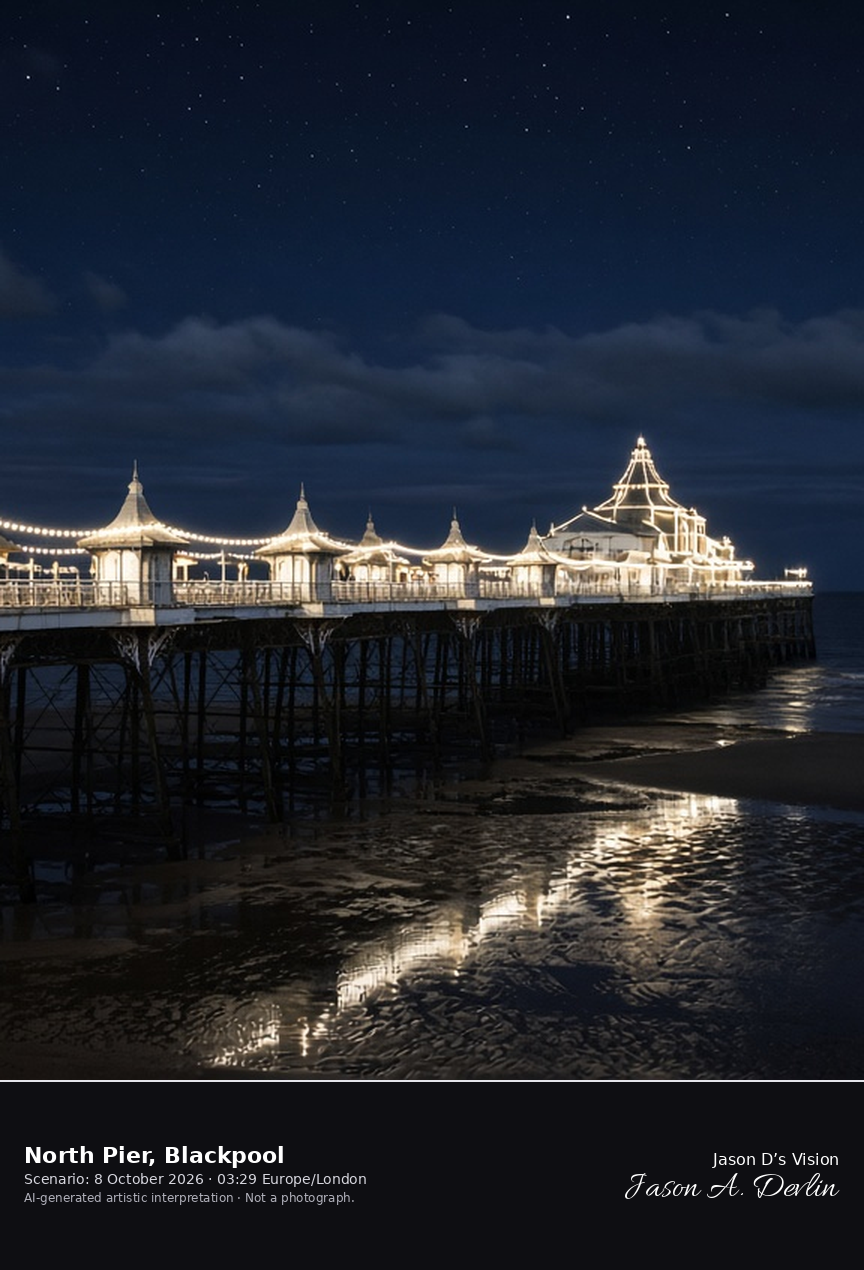
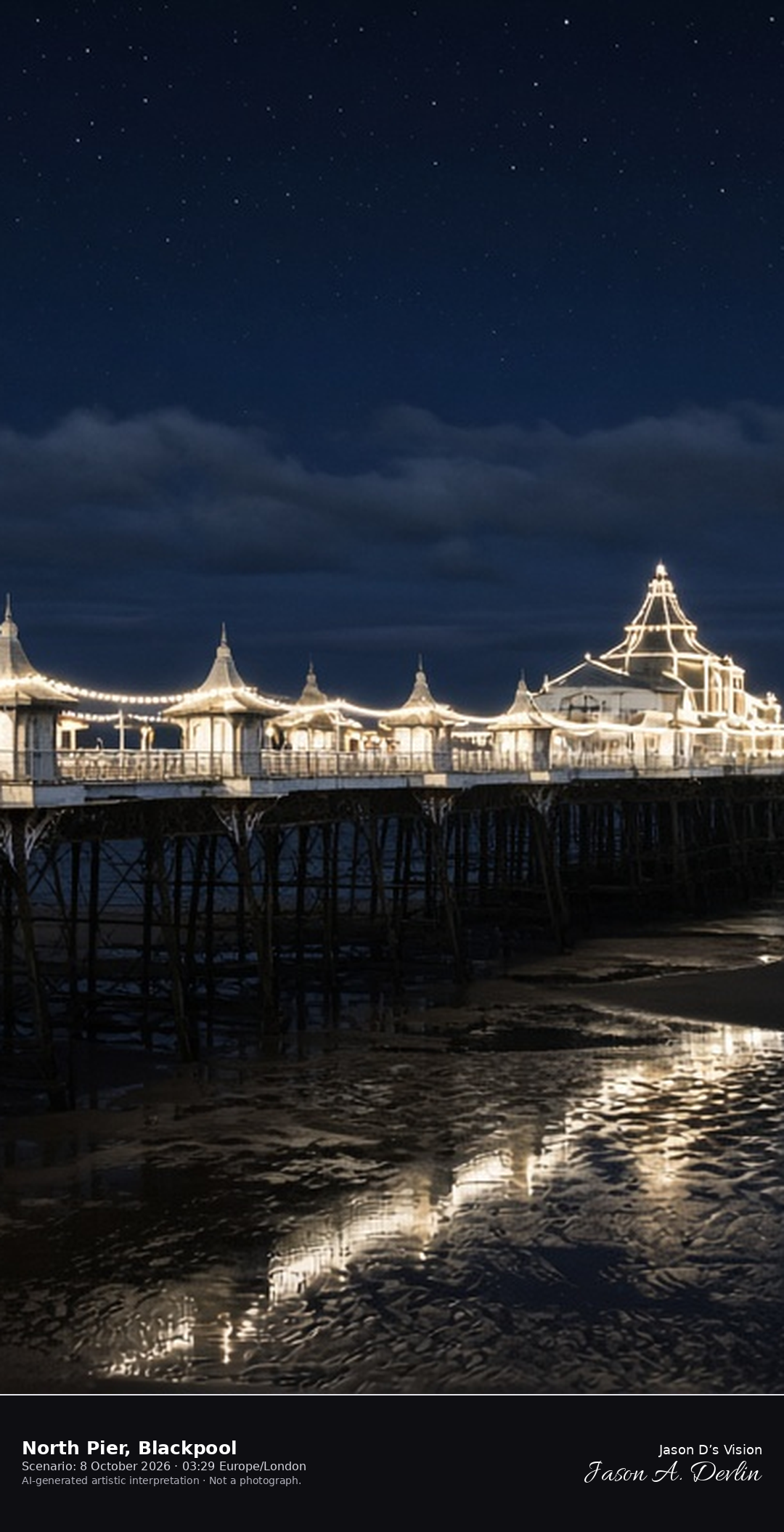
North Pier opened in 1863 to Eugenius Birch's design, the first of Blackpool's three piers. Its promenade and theatre preserve a distinctive part of the resort's seaside history, carried above the water on a structure now protected as a Grade II listed landmark.
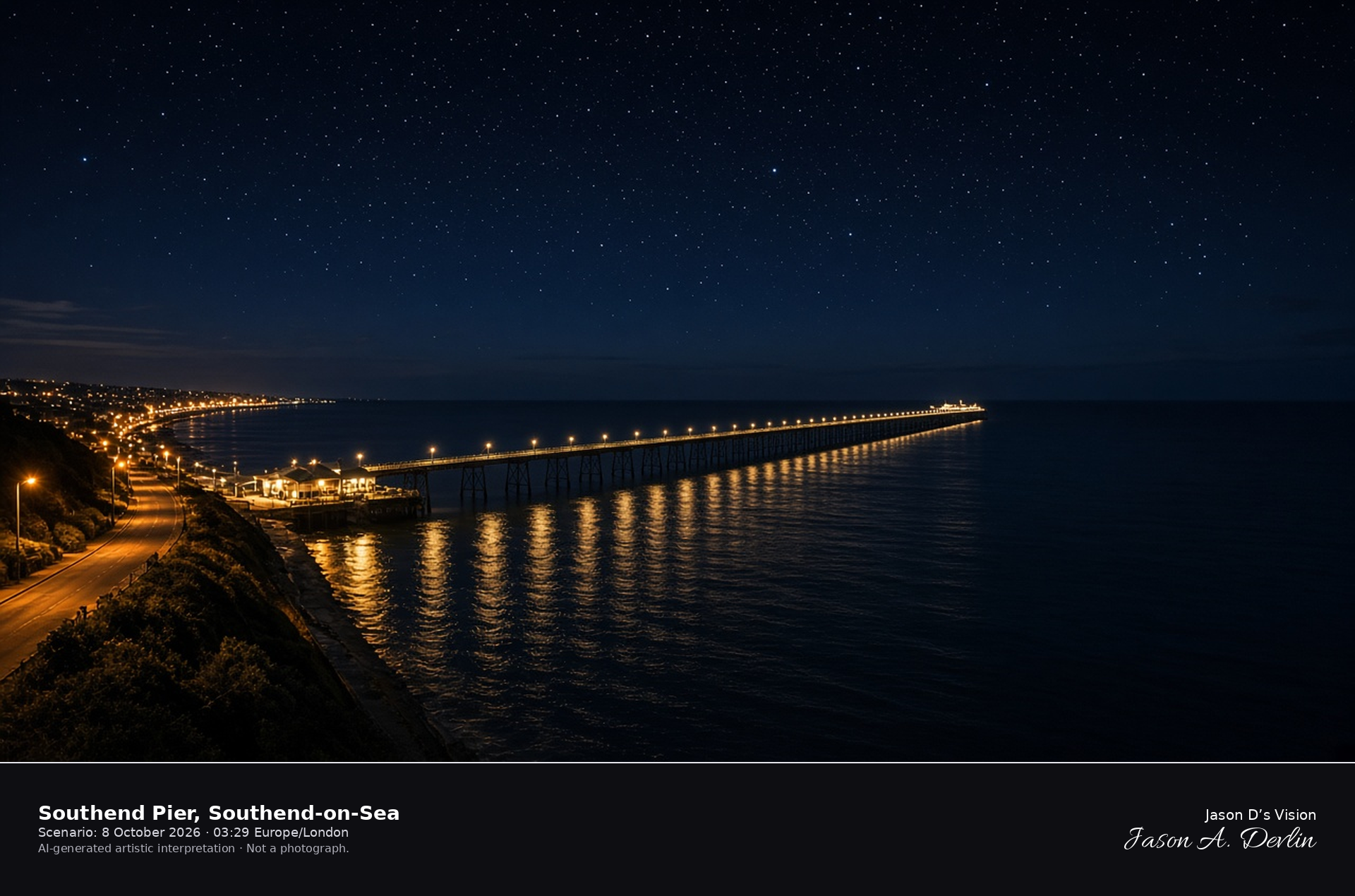
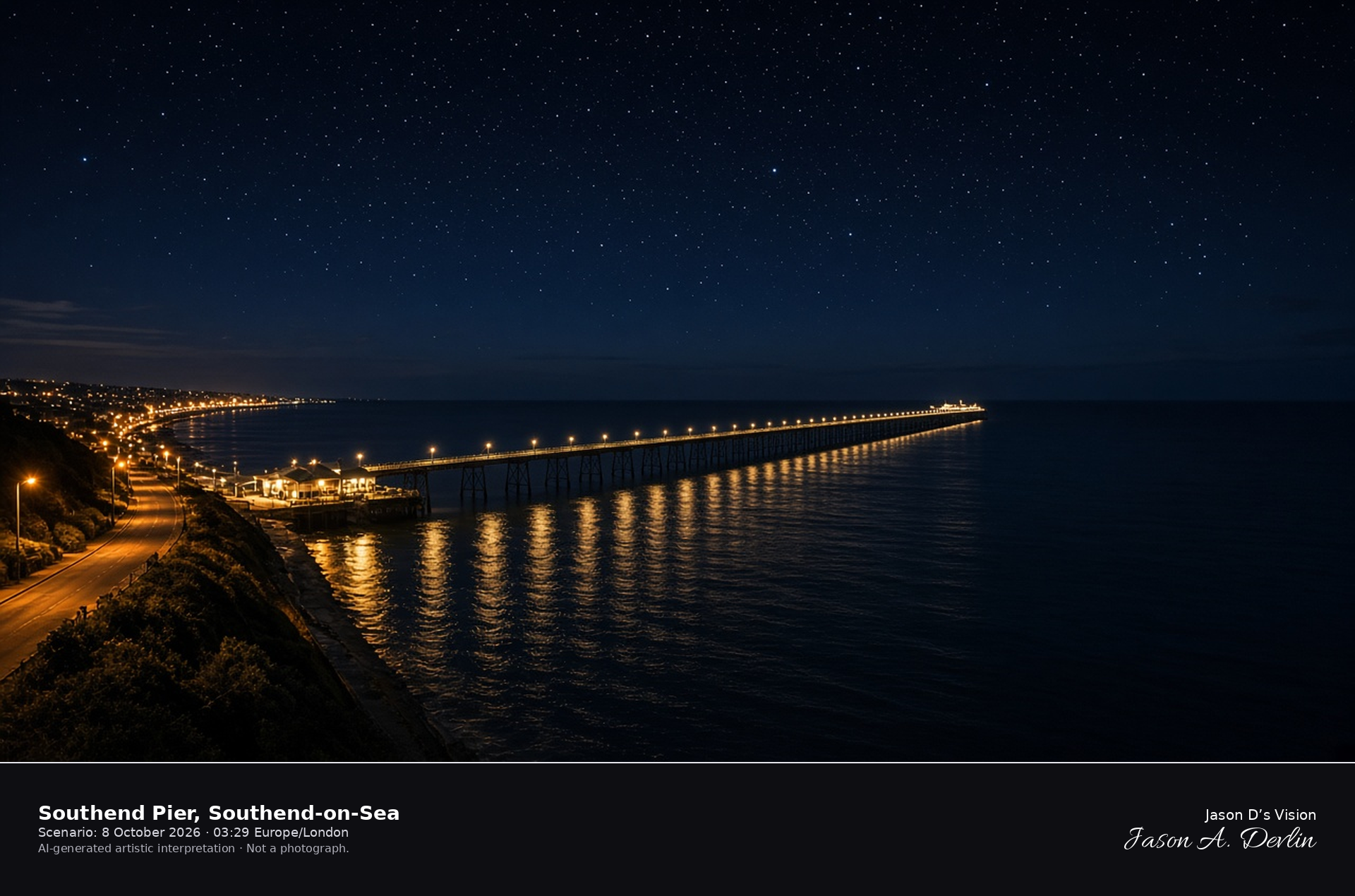
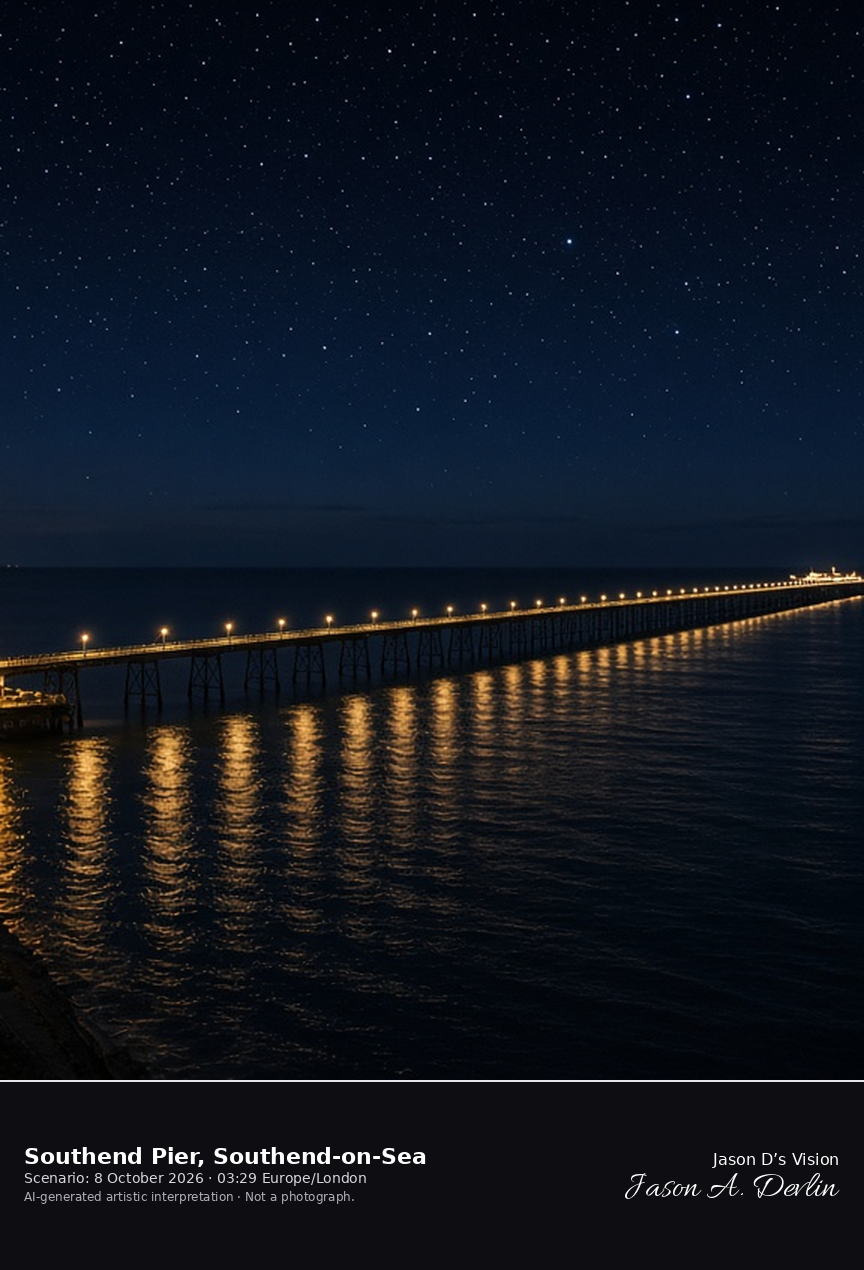
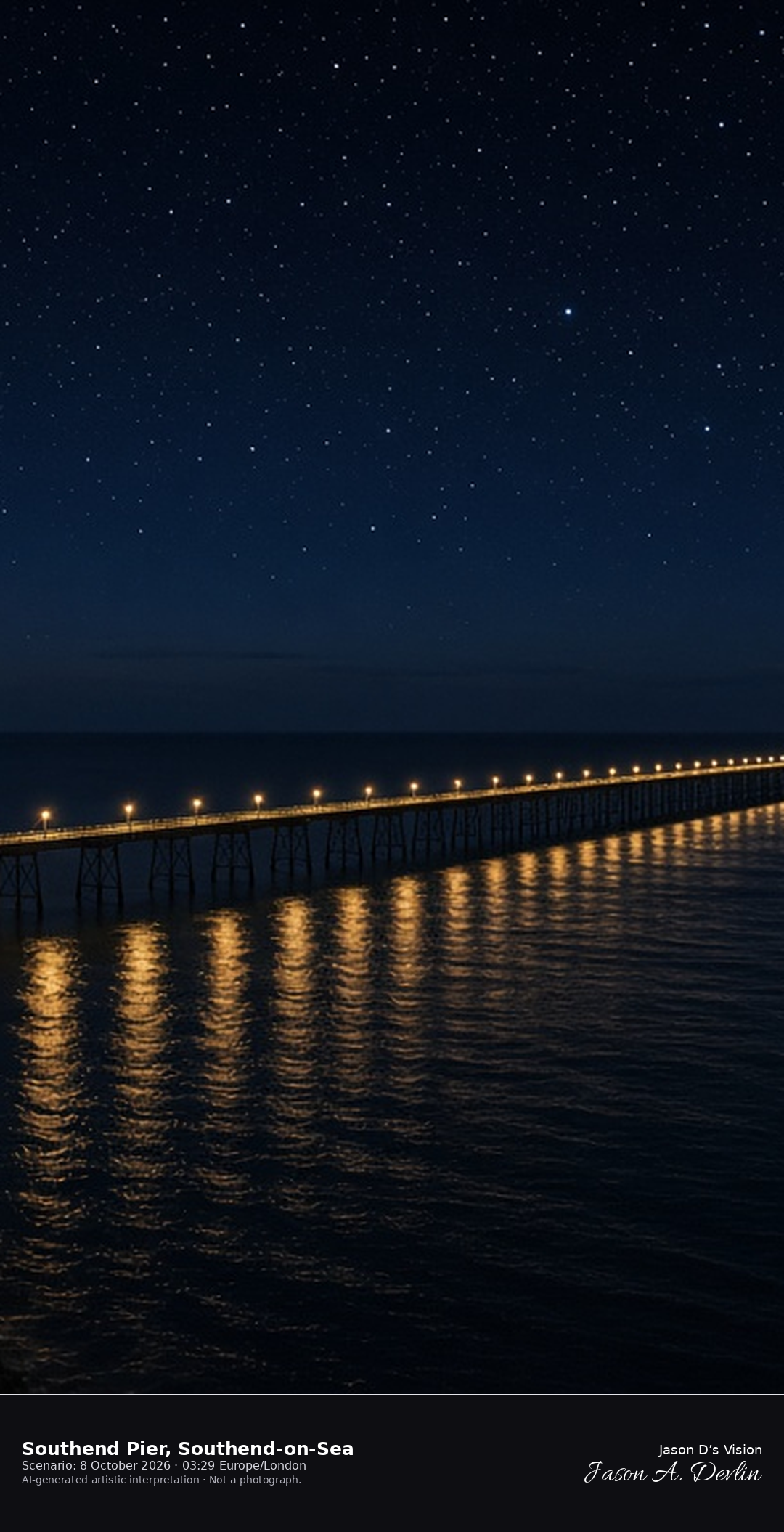
At 1.33 miles (2.14 km), Southend Pier is the longest pleasure pier in the world. Its railway, opened in the early 1890s, was the first pier railway in the country.
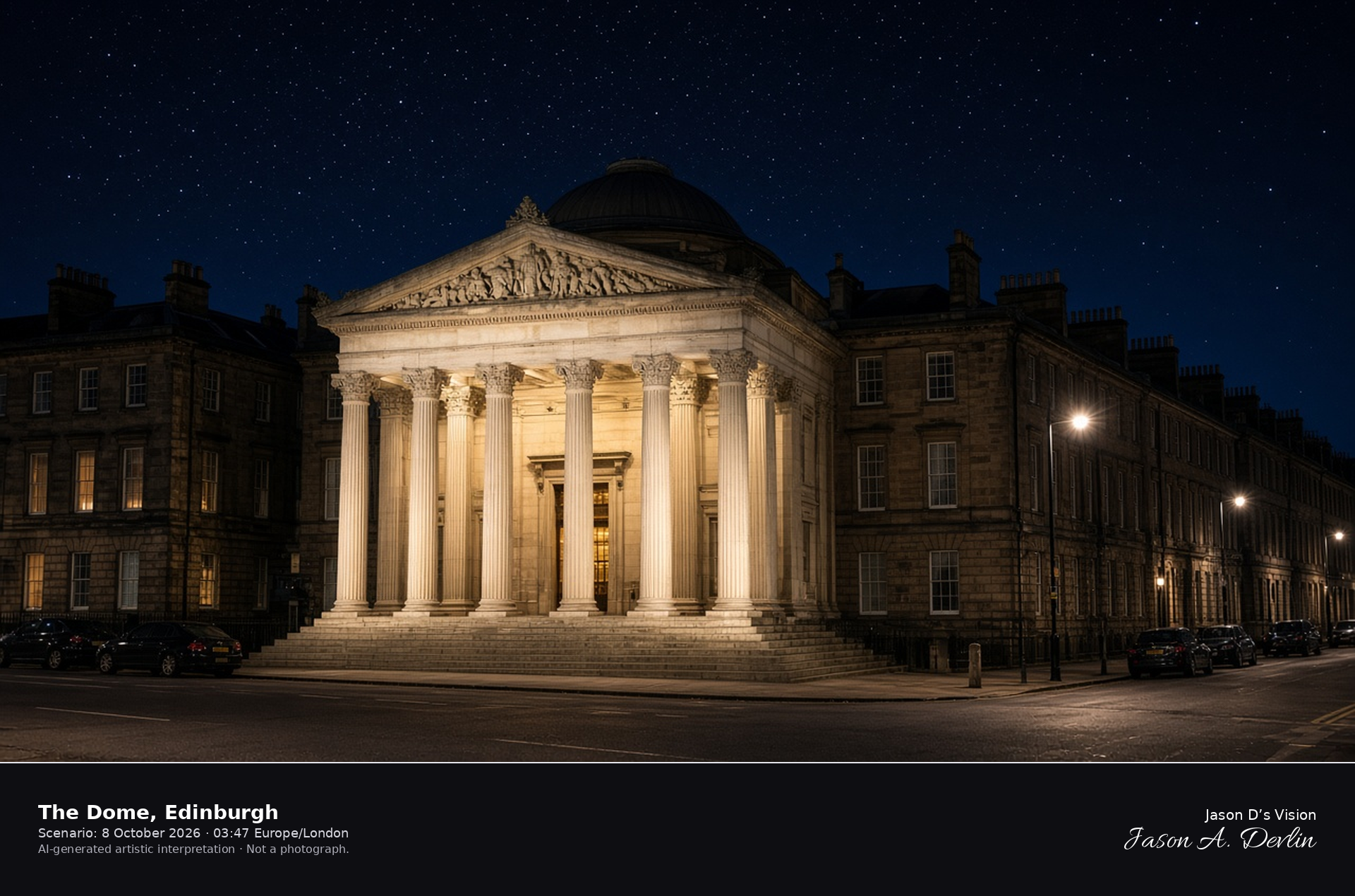
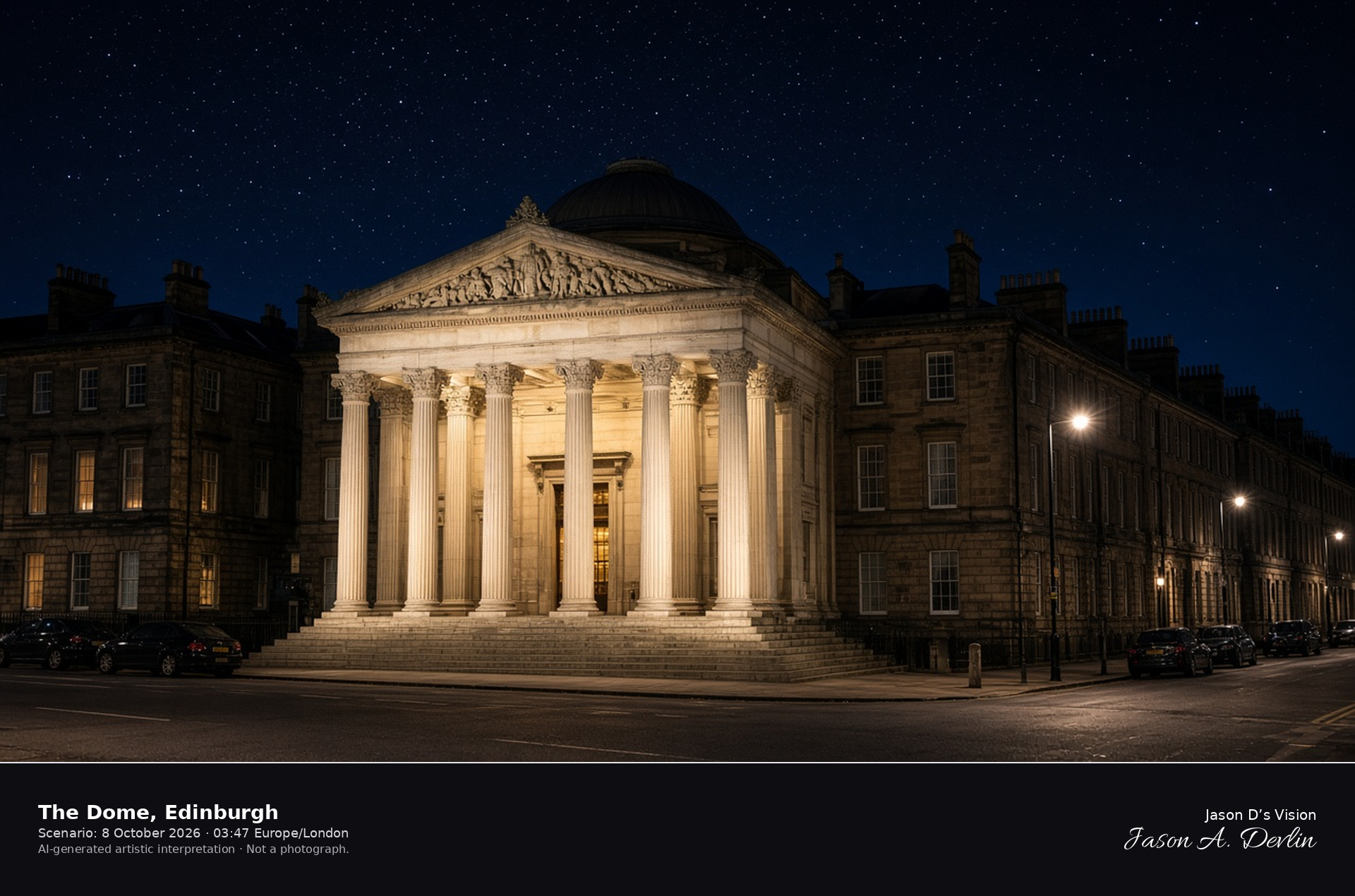
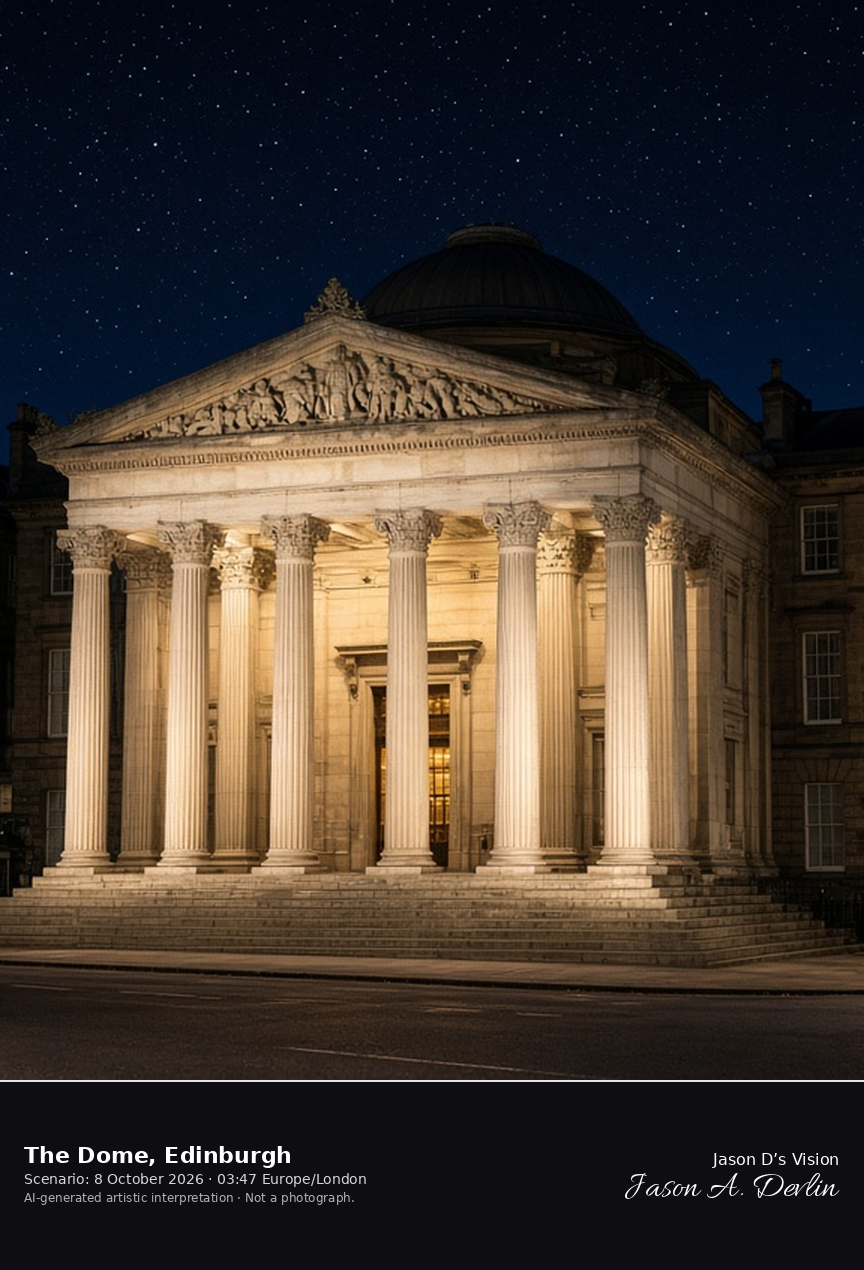
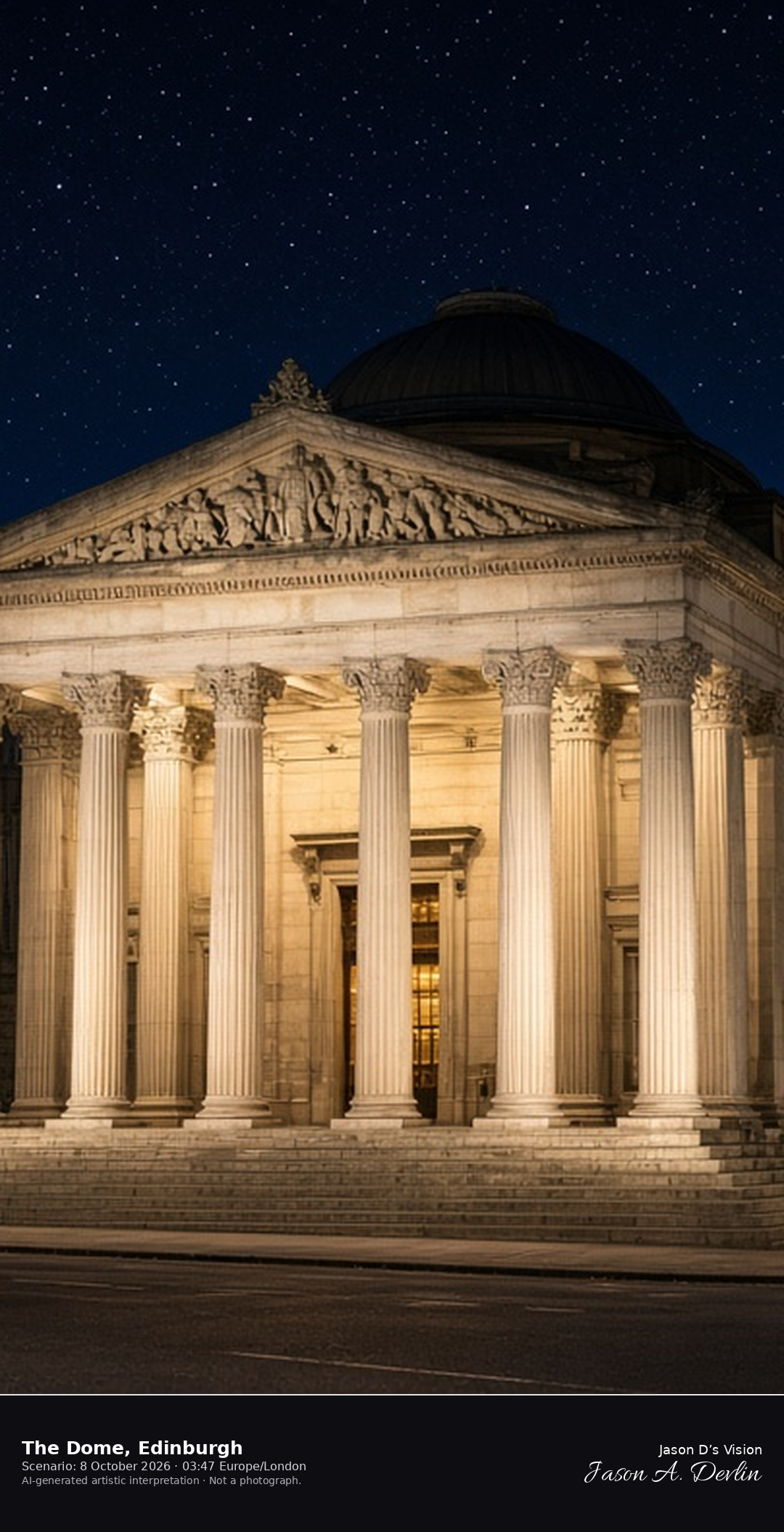
The Dome, Edinburgh · AI-generated artistic interpretation
David Rhind designed the building in a Graeco-Roman style as the headquarters of the Commercial Bank of Scotland, completed in 1847. It stands on the site of James Craig's Physicians' Hall and is now a bar and restaurant.
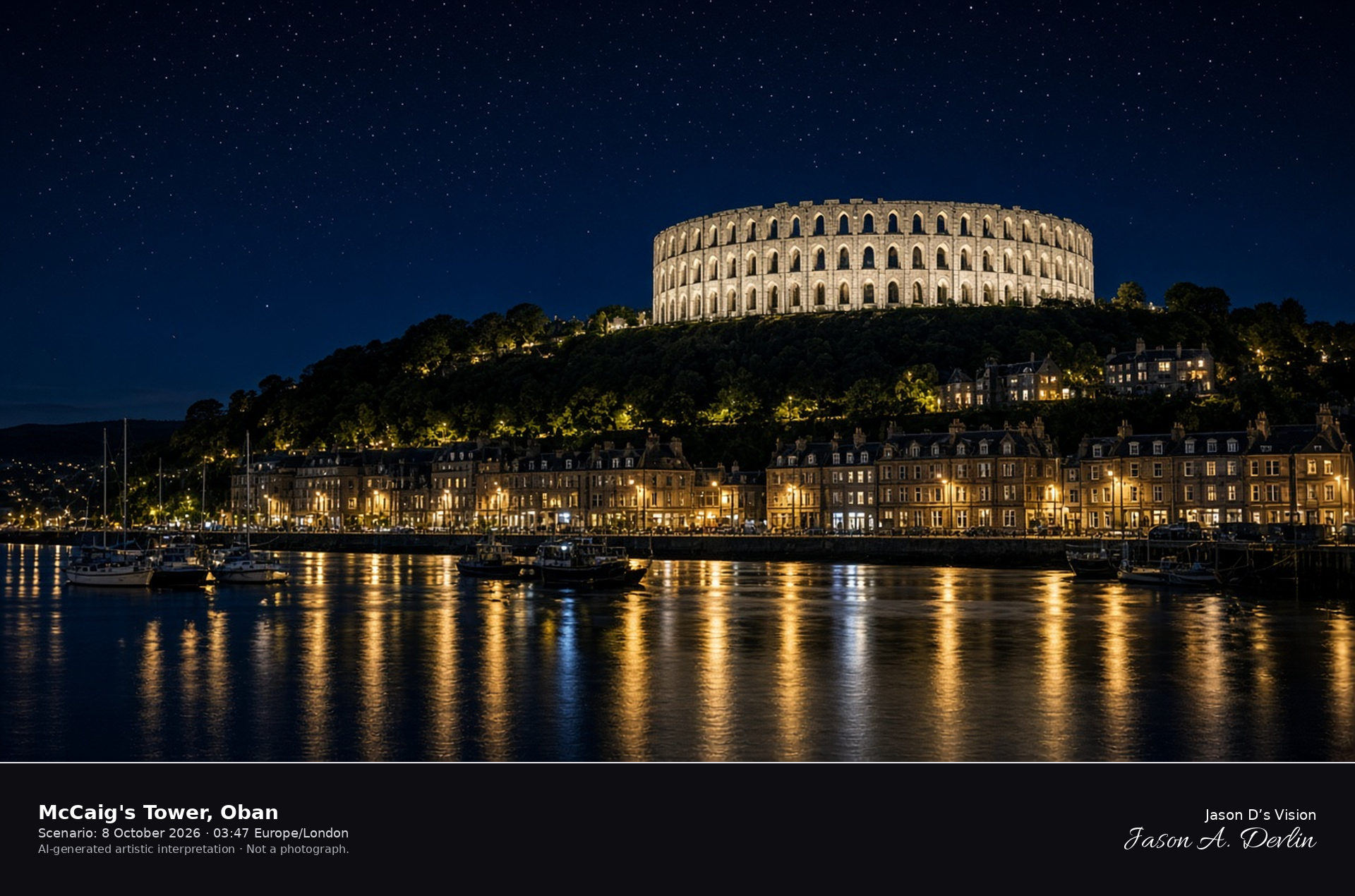
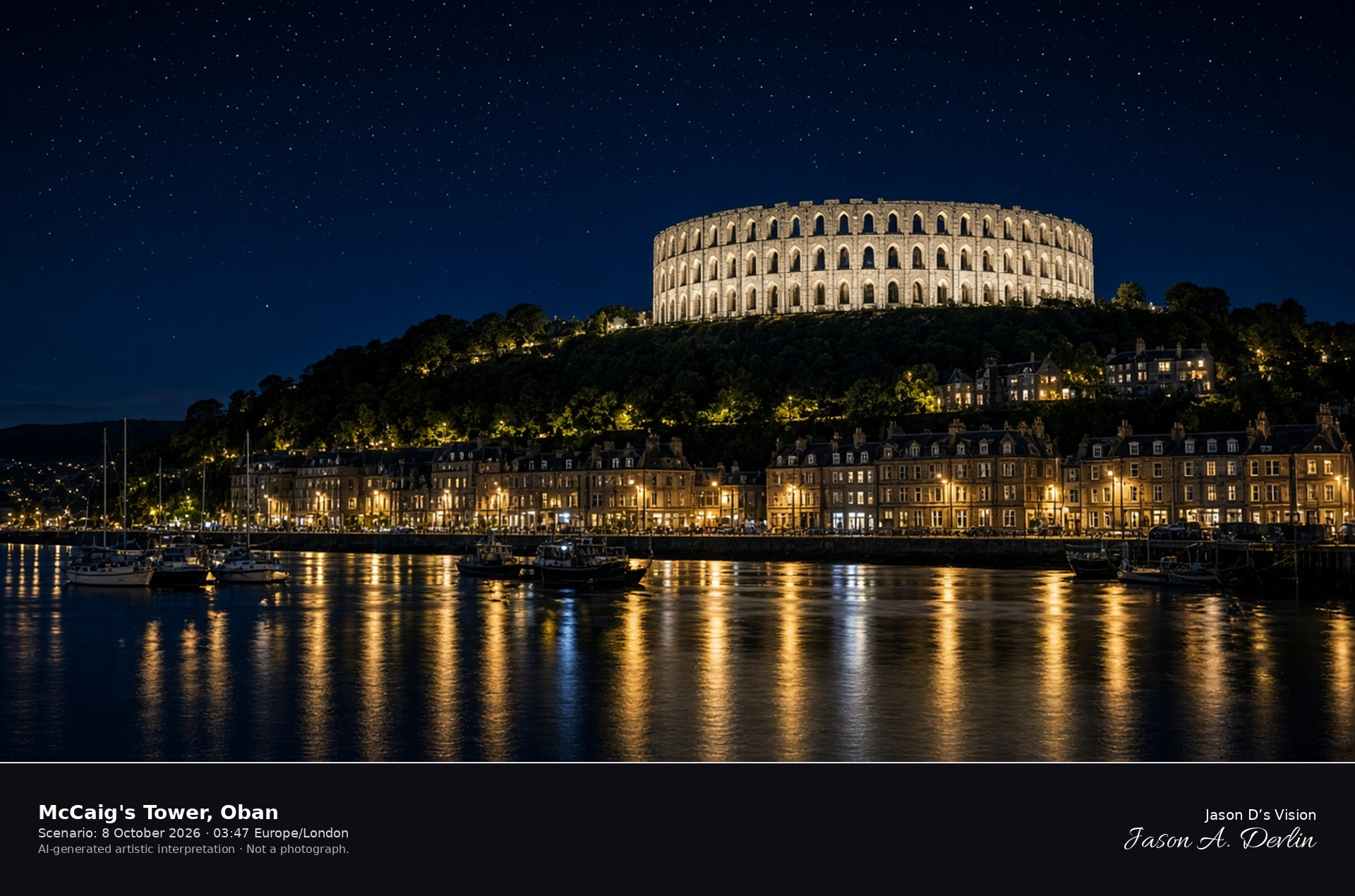
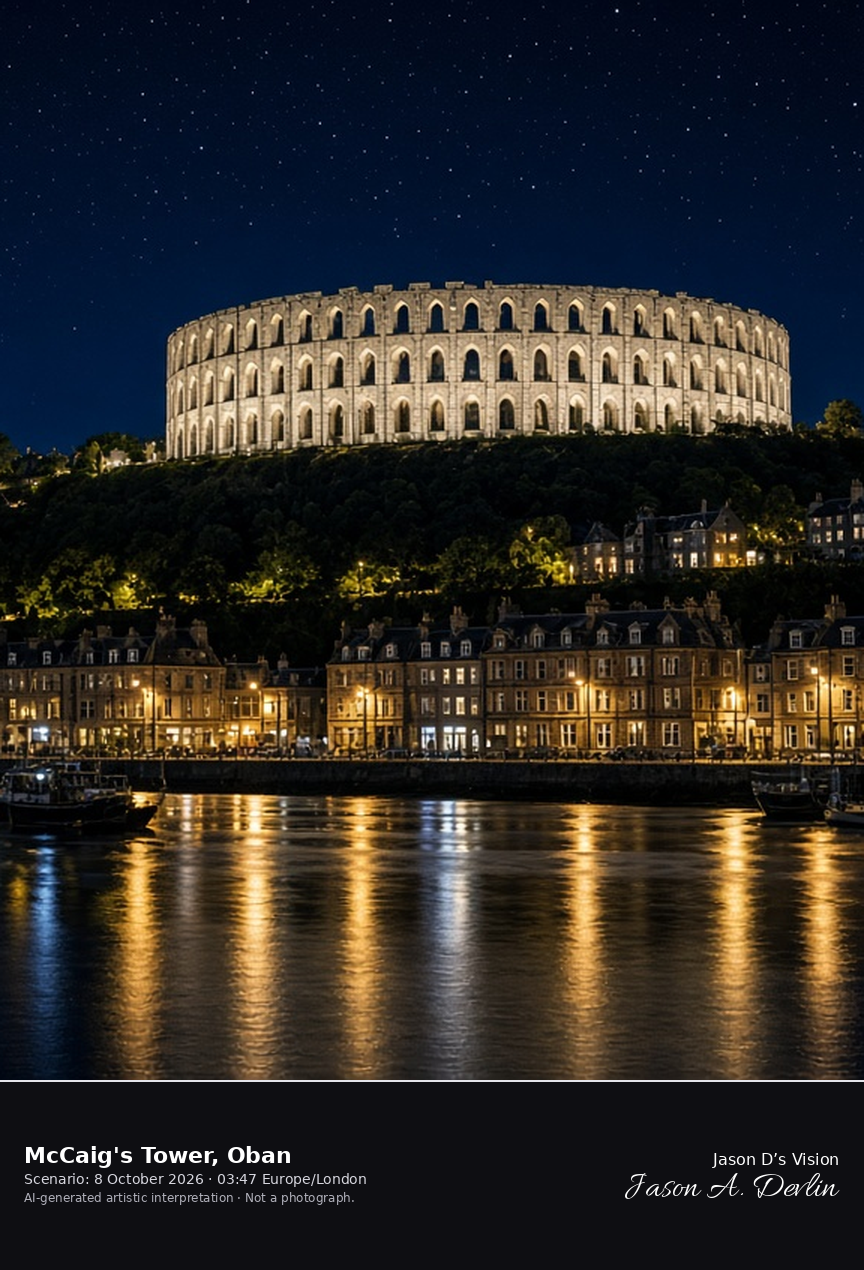
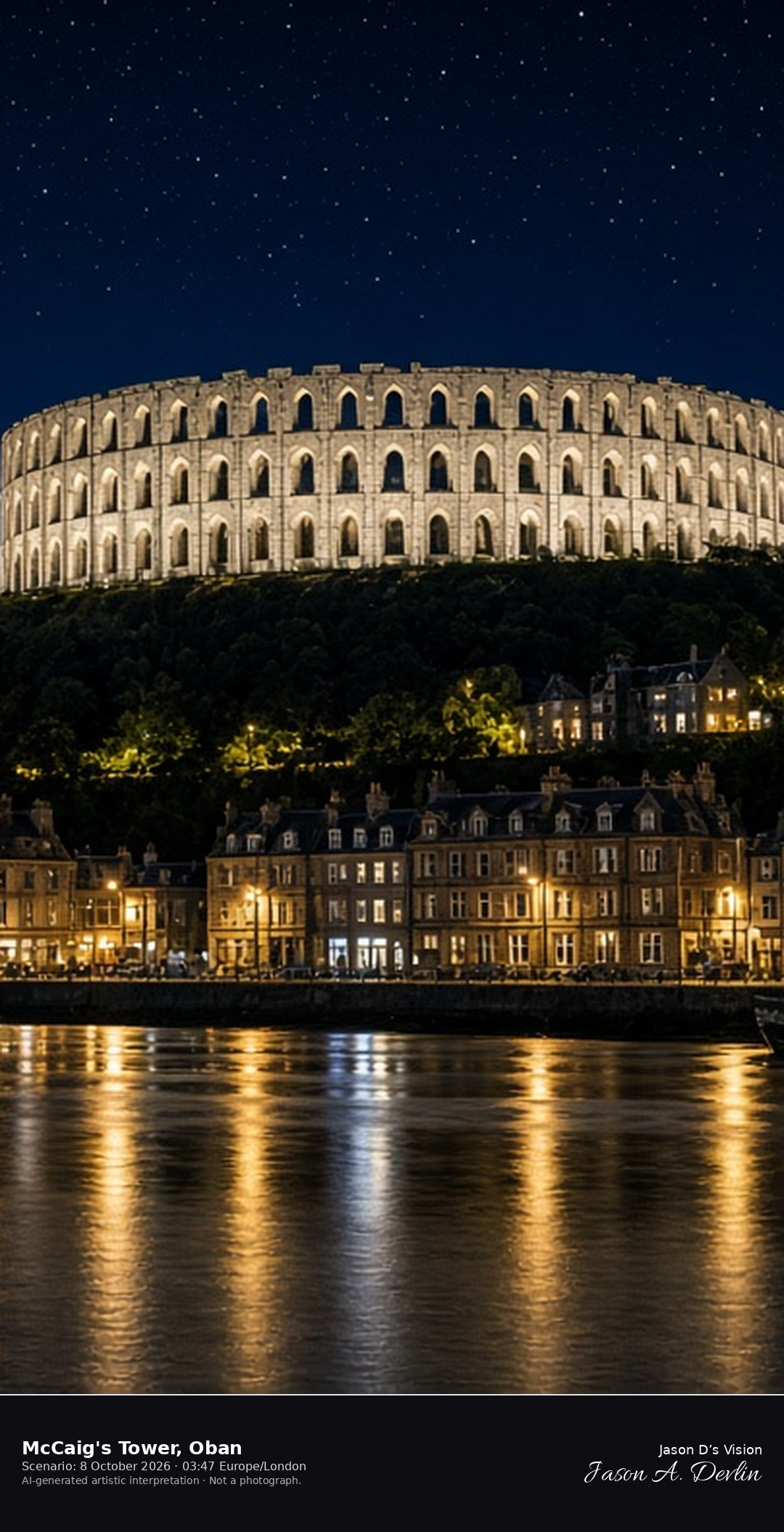
The banker John Stuart McCaig built the granite ring between 1897 and his death in 1902, modelling it on the Colosseum in Rome. It has two tiers of lancet arches, 94 in all, and only its outer walls were ever finished.
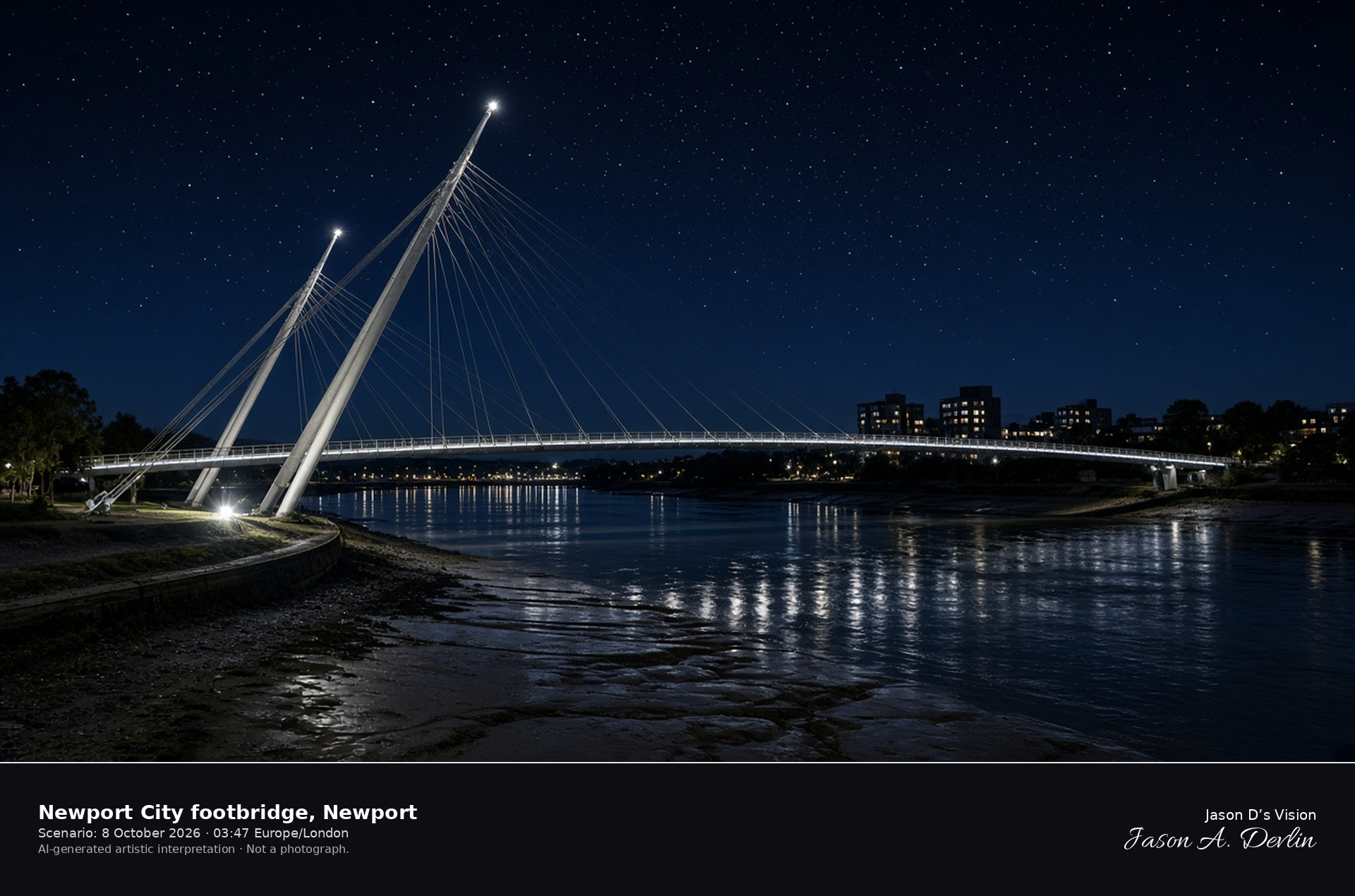
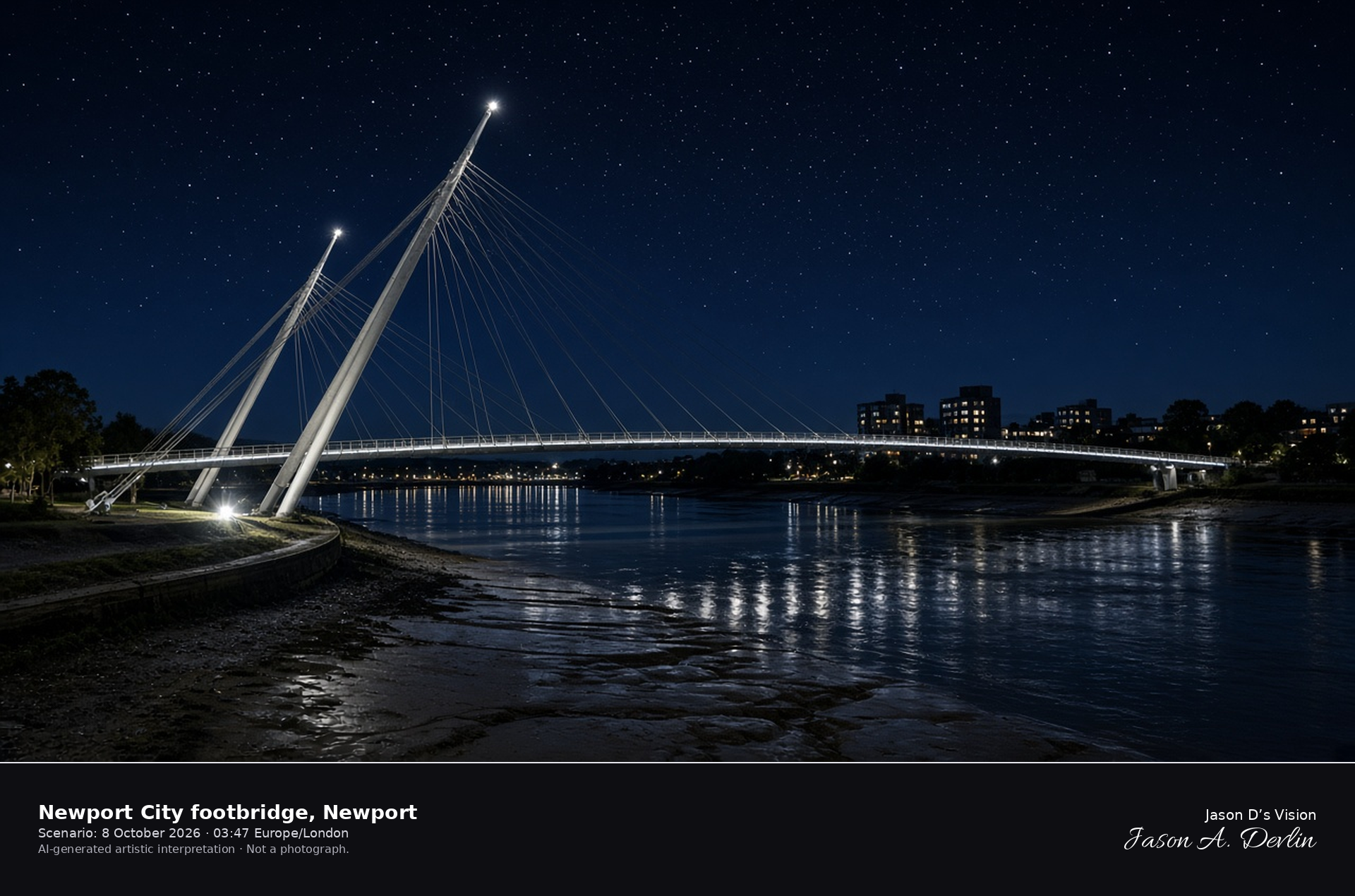
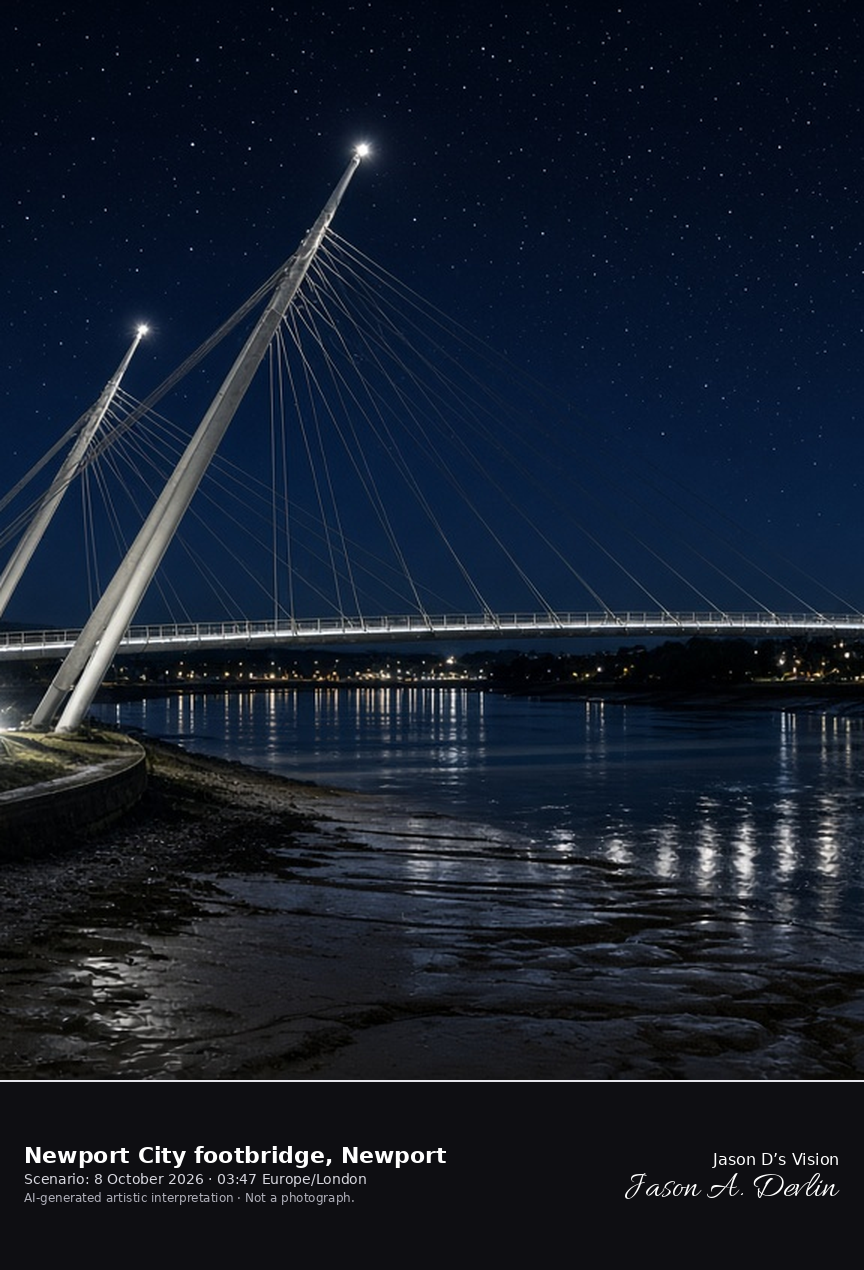
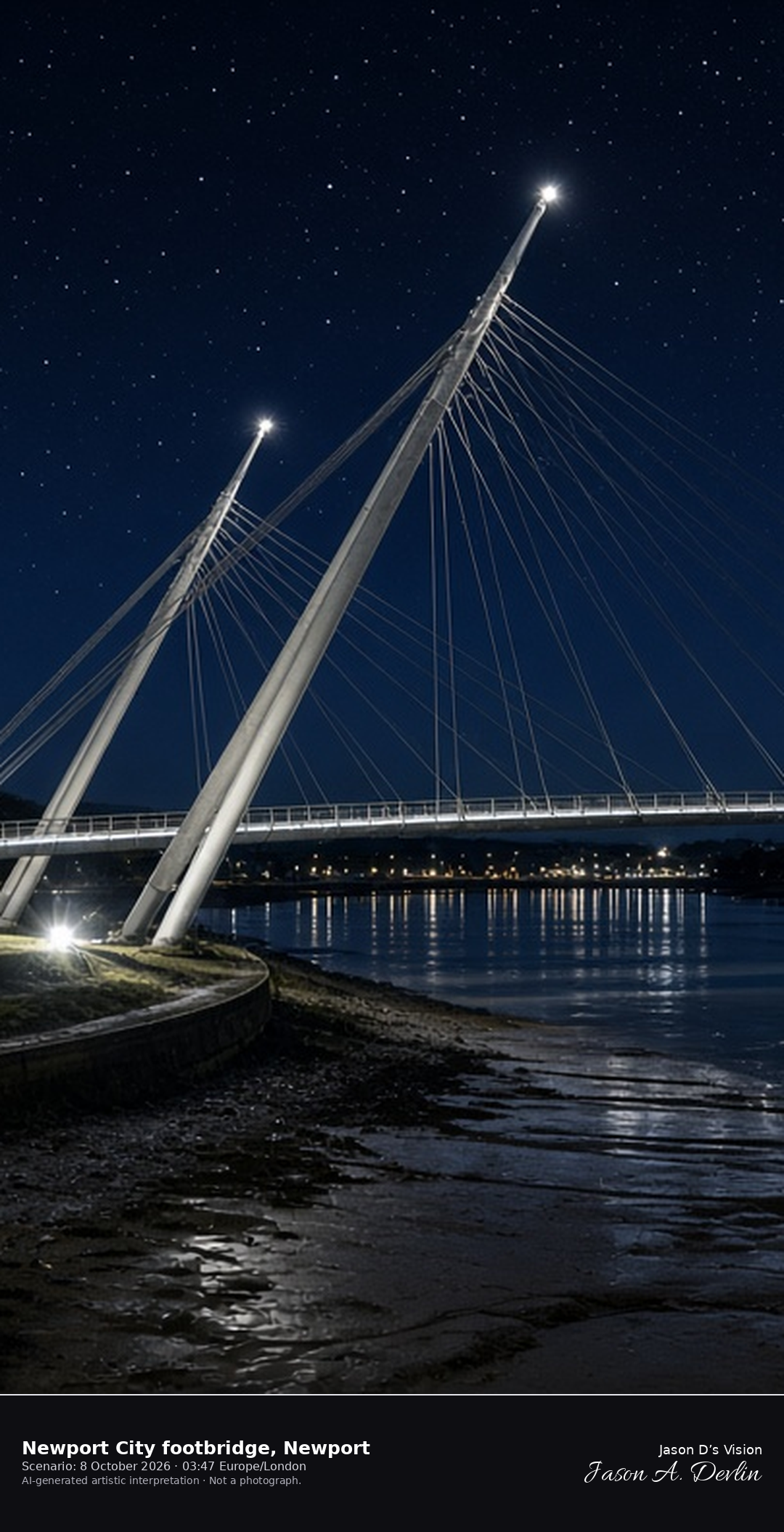
Newport City footbridge · AI-generated artistic interpretation
Newport’s footbridge of 2006 suspends its deck from two pairs of tall steel masts and supporting cables. Their crane-like form recalls the trading wharves of the Usk, while the bridge gives walkers and cyclists a crossing of their own in the heart of the city.
Newport was the scene of the Chartist Rising of November 1839, when thousands of supporters marched towards the Westgate Hotel in the struggle for political reform. The confrontation became a defining event in the town's history, remembered in the city's monuments and in the surviving marks of gunfire at the hotel entrance.
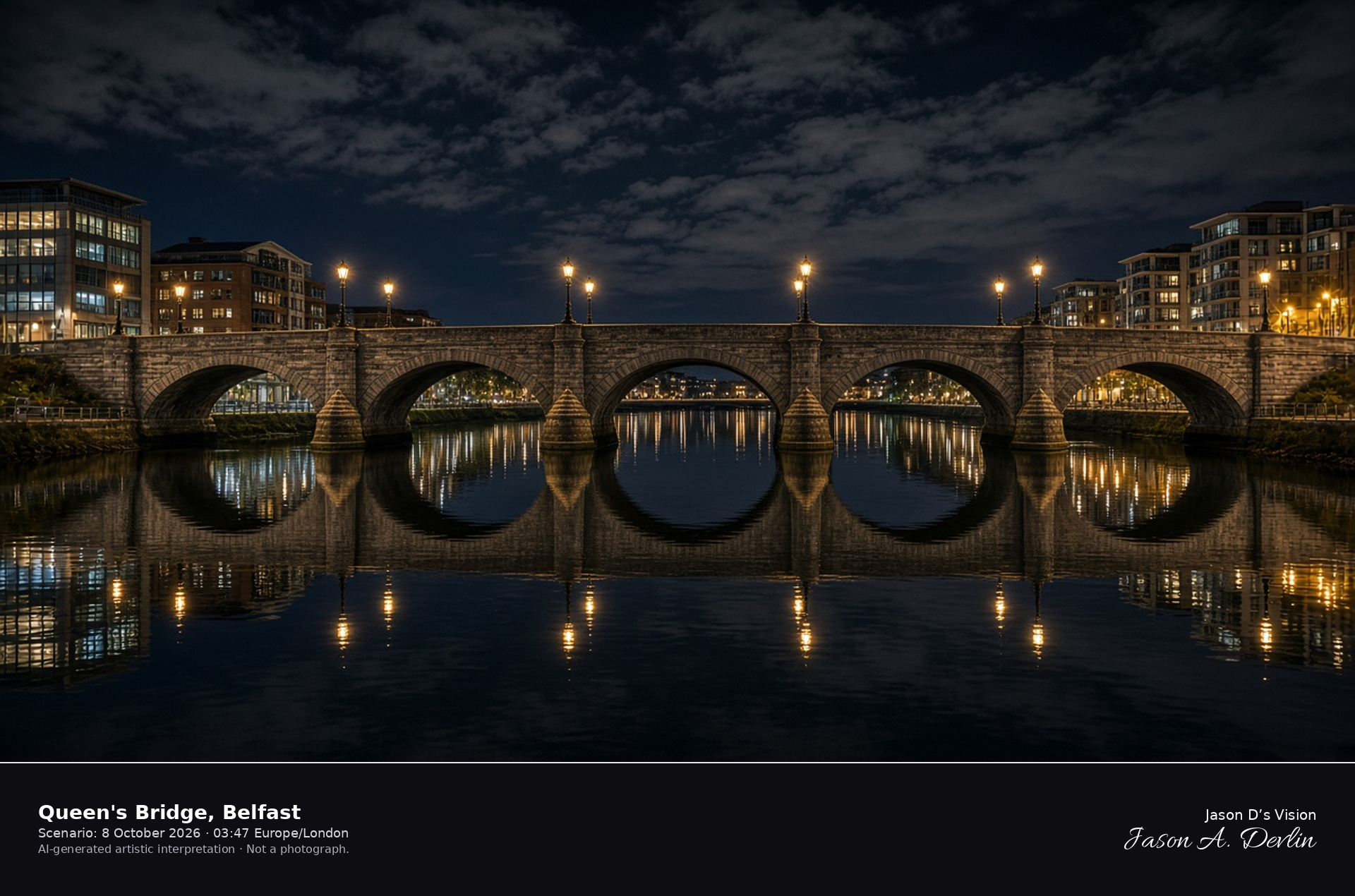
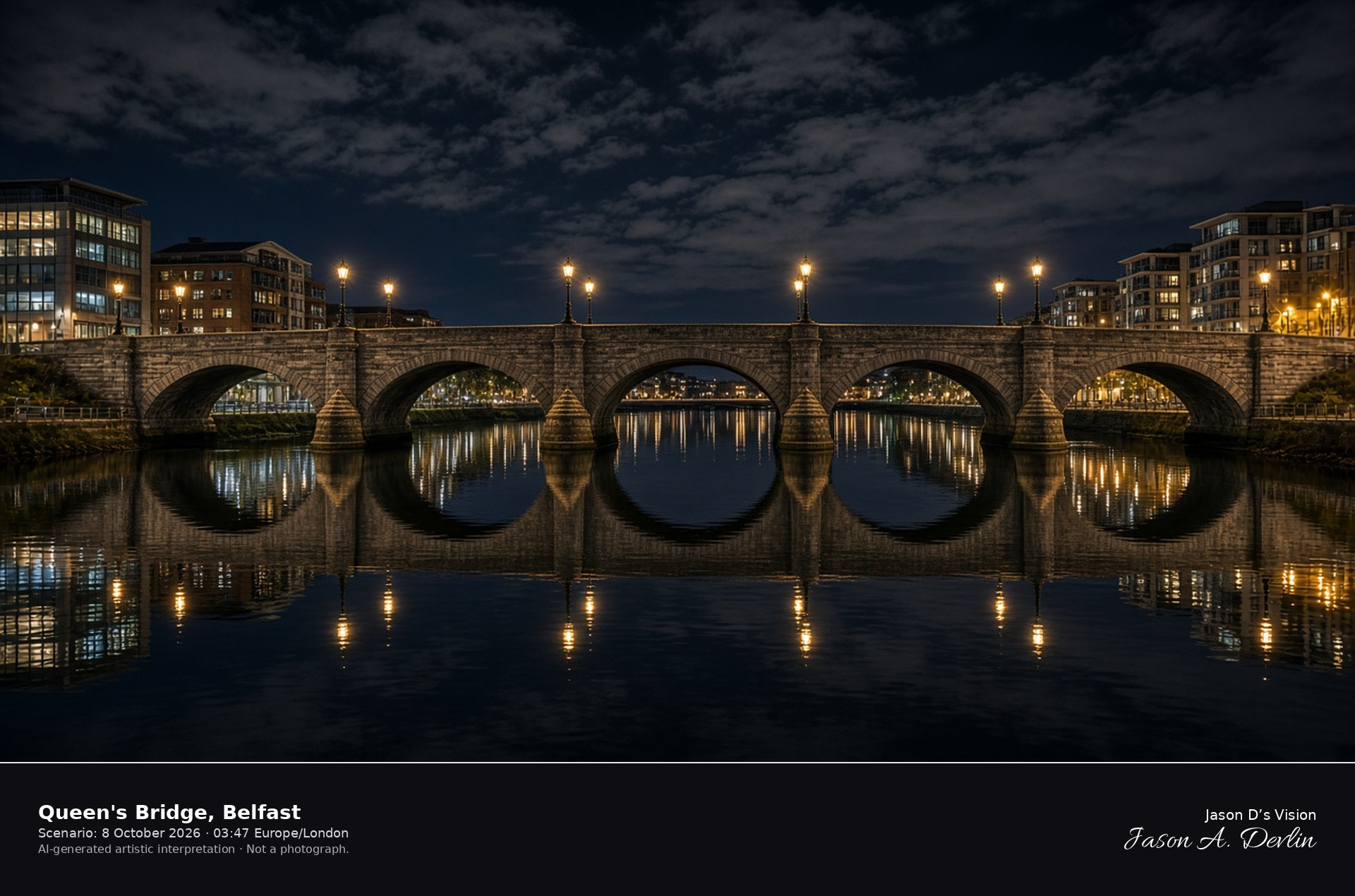
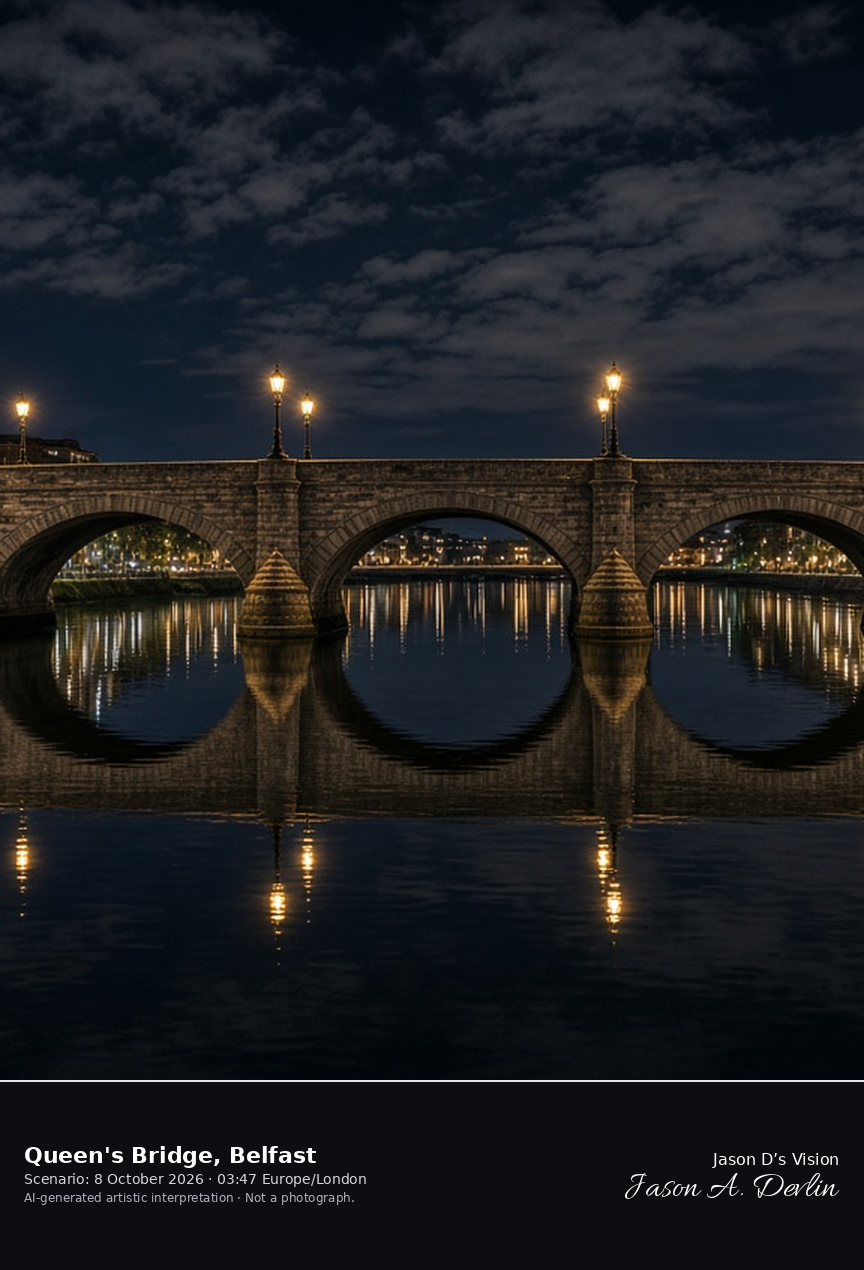
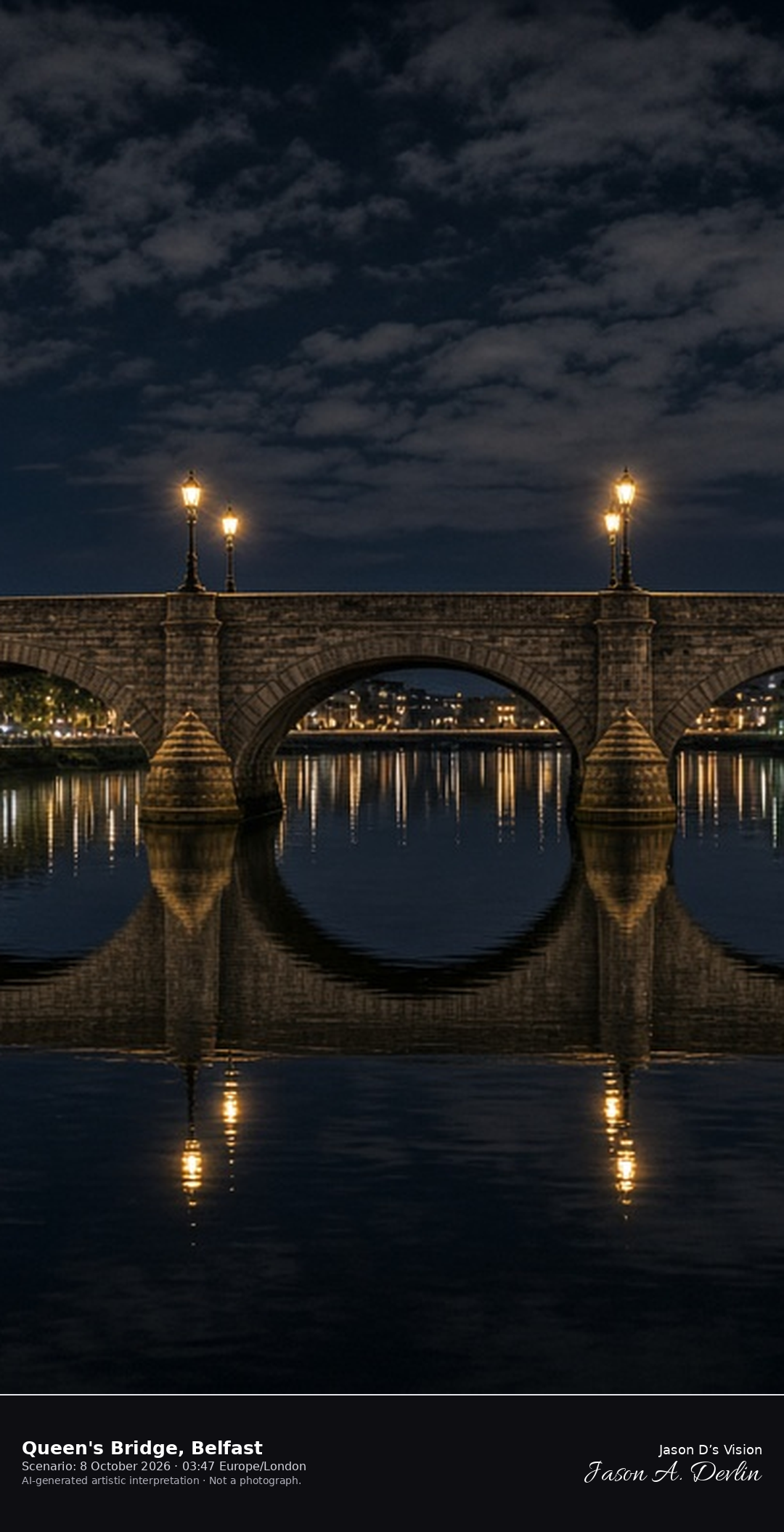
Queen's Bridge opened to traffic in 1843, replacing Belfast's seventeenth-century Long Bridge across the Lagan. It received its present name after Queen Victoria's visit in 1849. Widened in 1885, its granite arches and ornate lamp standards record successive chapters in the growing city's transport history.
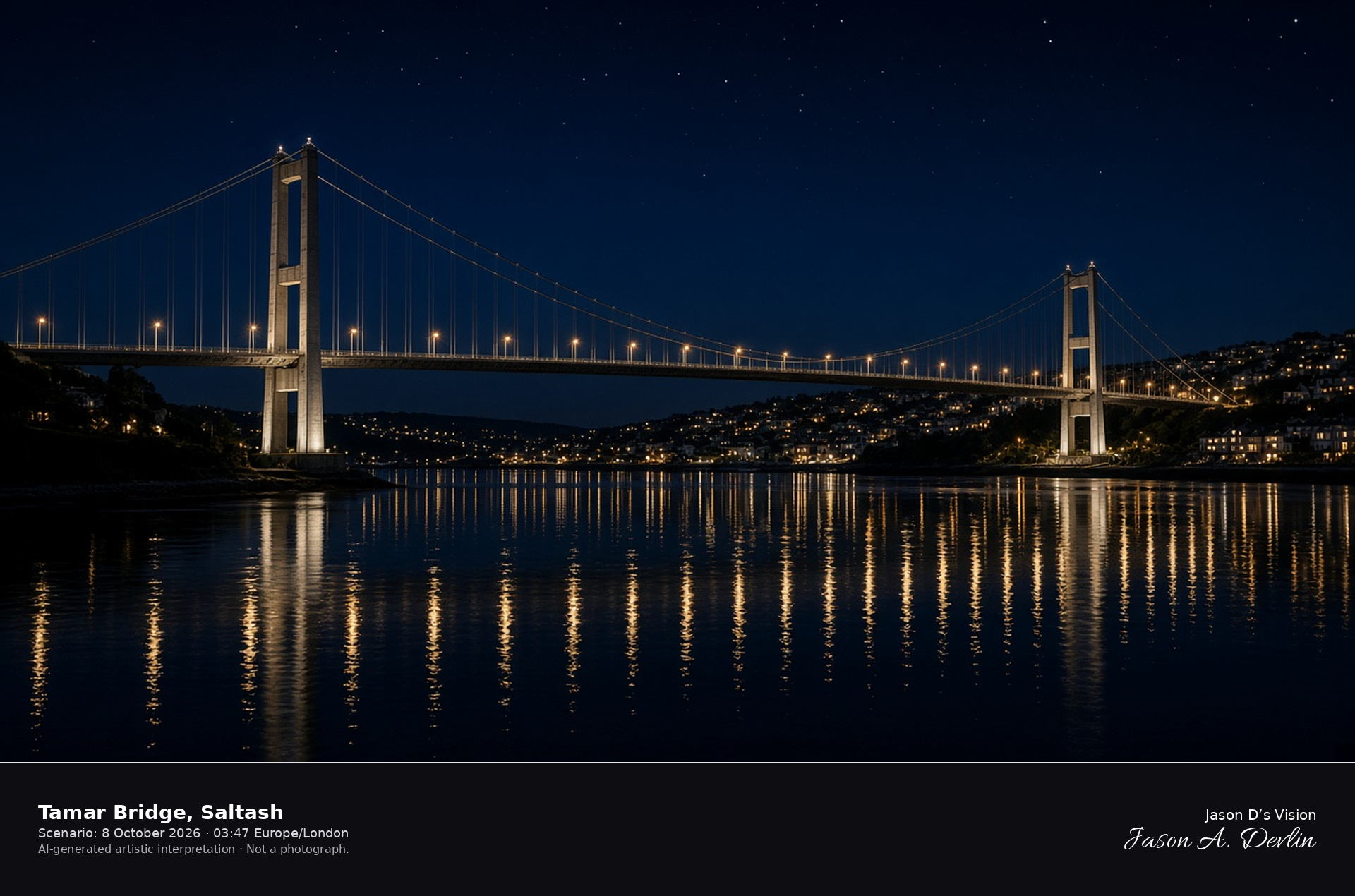
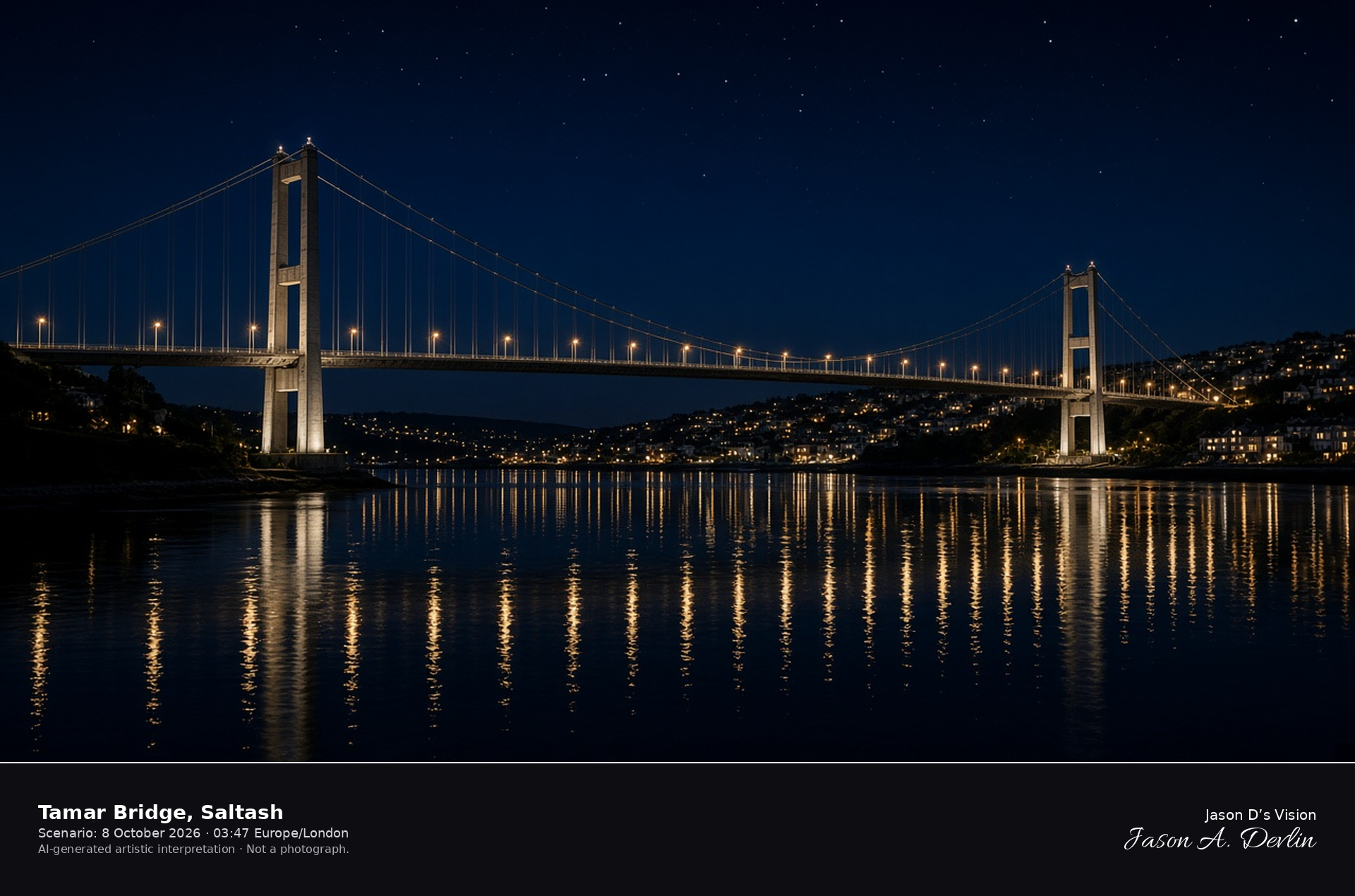
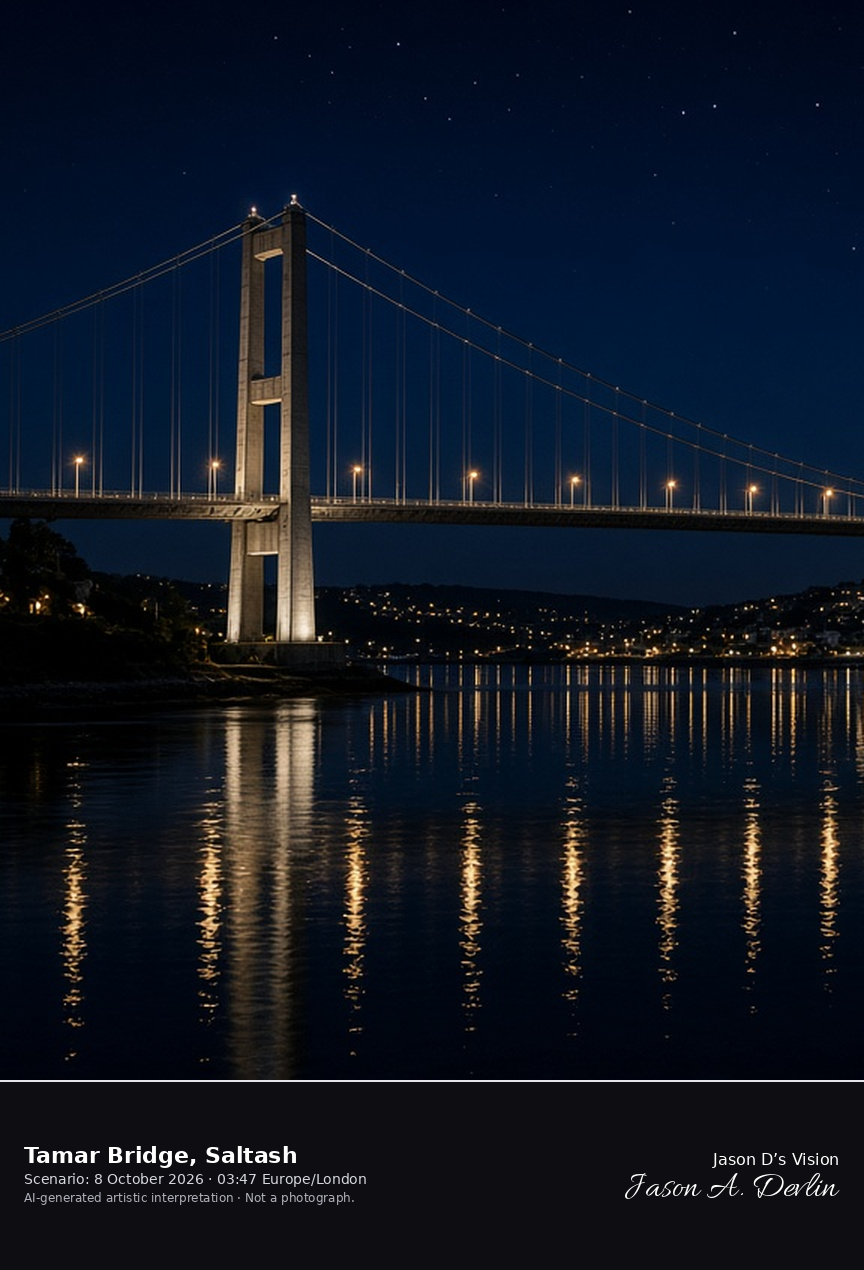
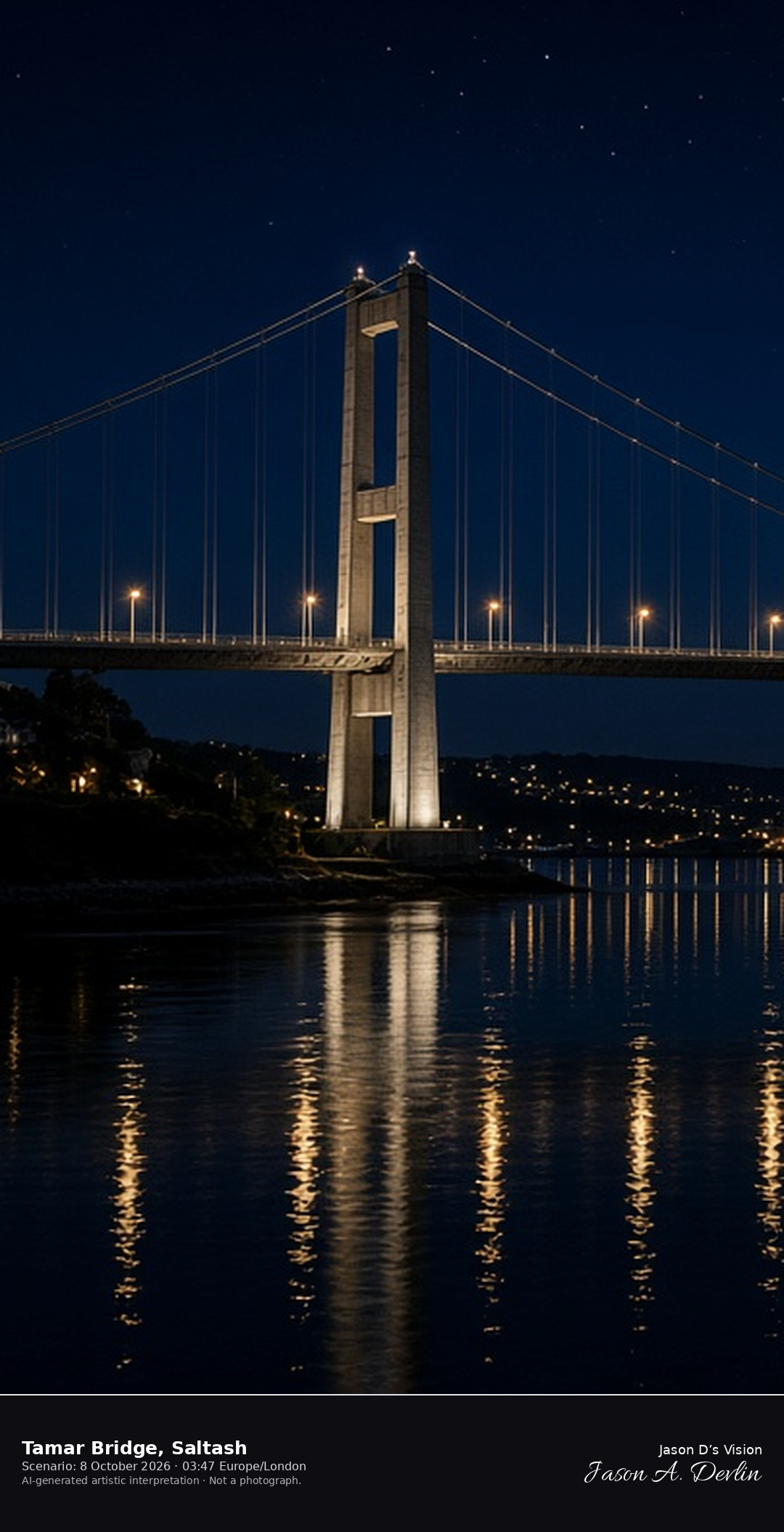
Saltash stands beside two great crossings of the Tamar: Brunel's Royal Albert Bridge, completed in 1859, carries the railway between Devon and Cornwall. Alongside it, the road suspension bridge opened in 1961, when it was the longest suspension bridge in Britain — two generations of engineering at Cornwall's eastern gateway.
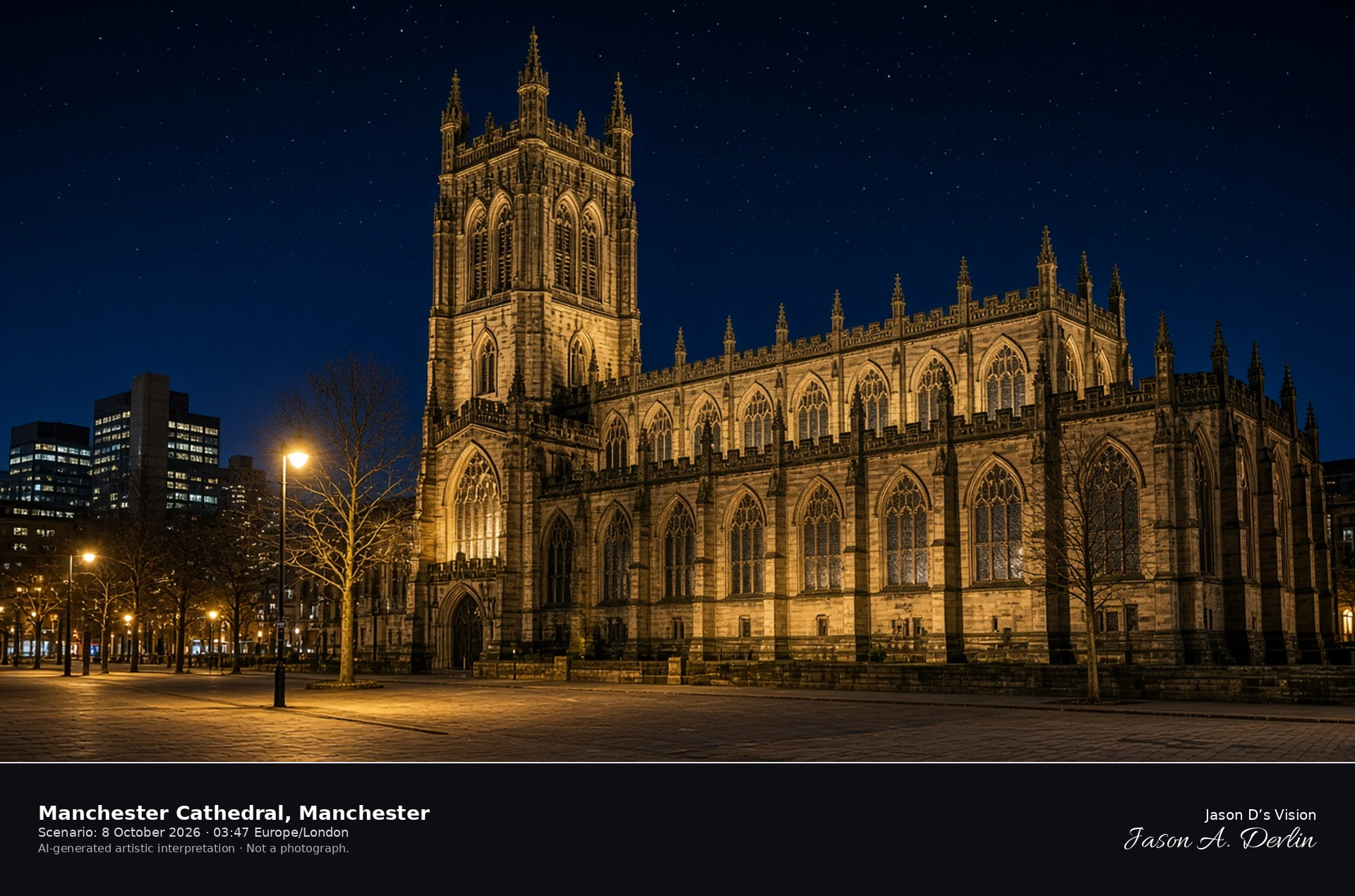
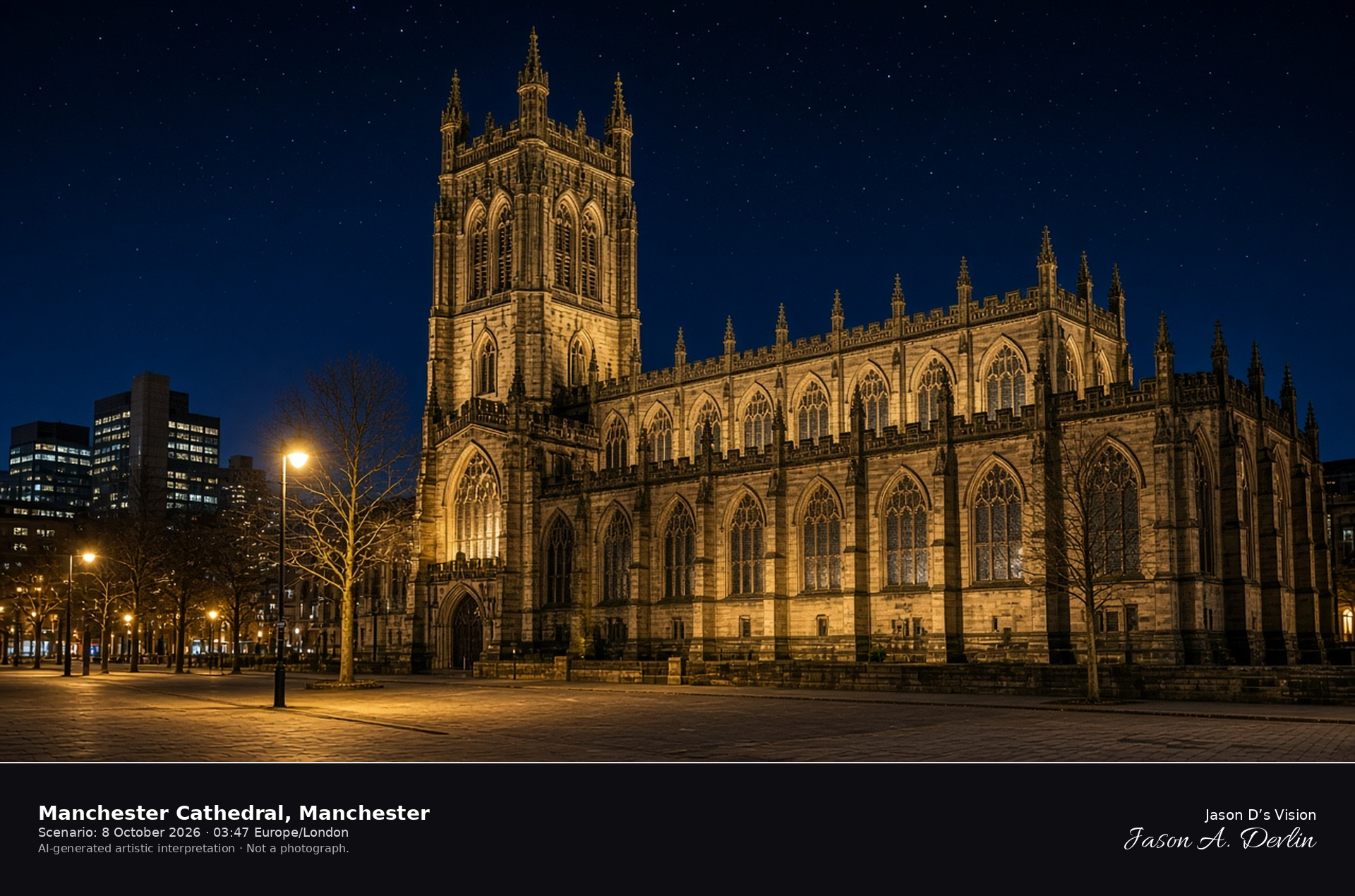
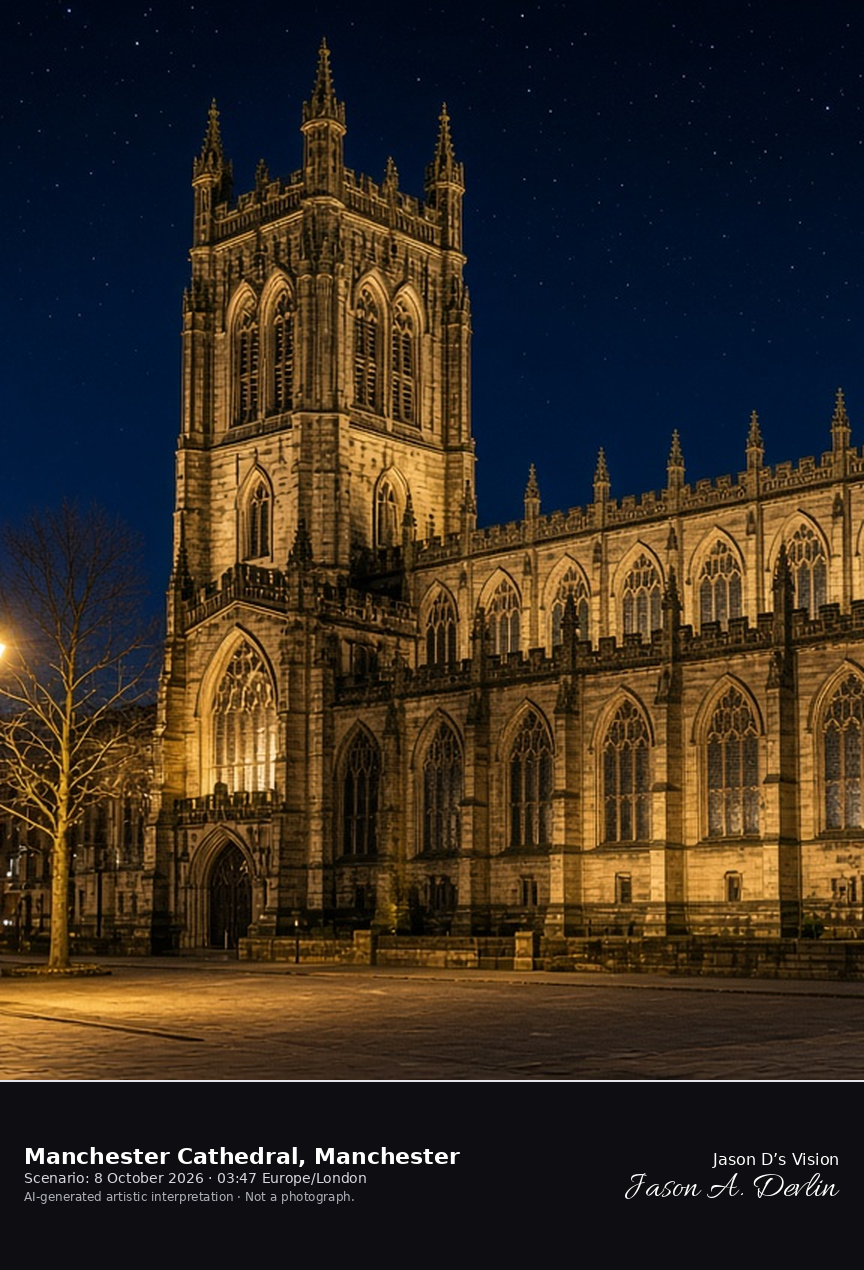
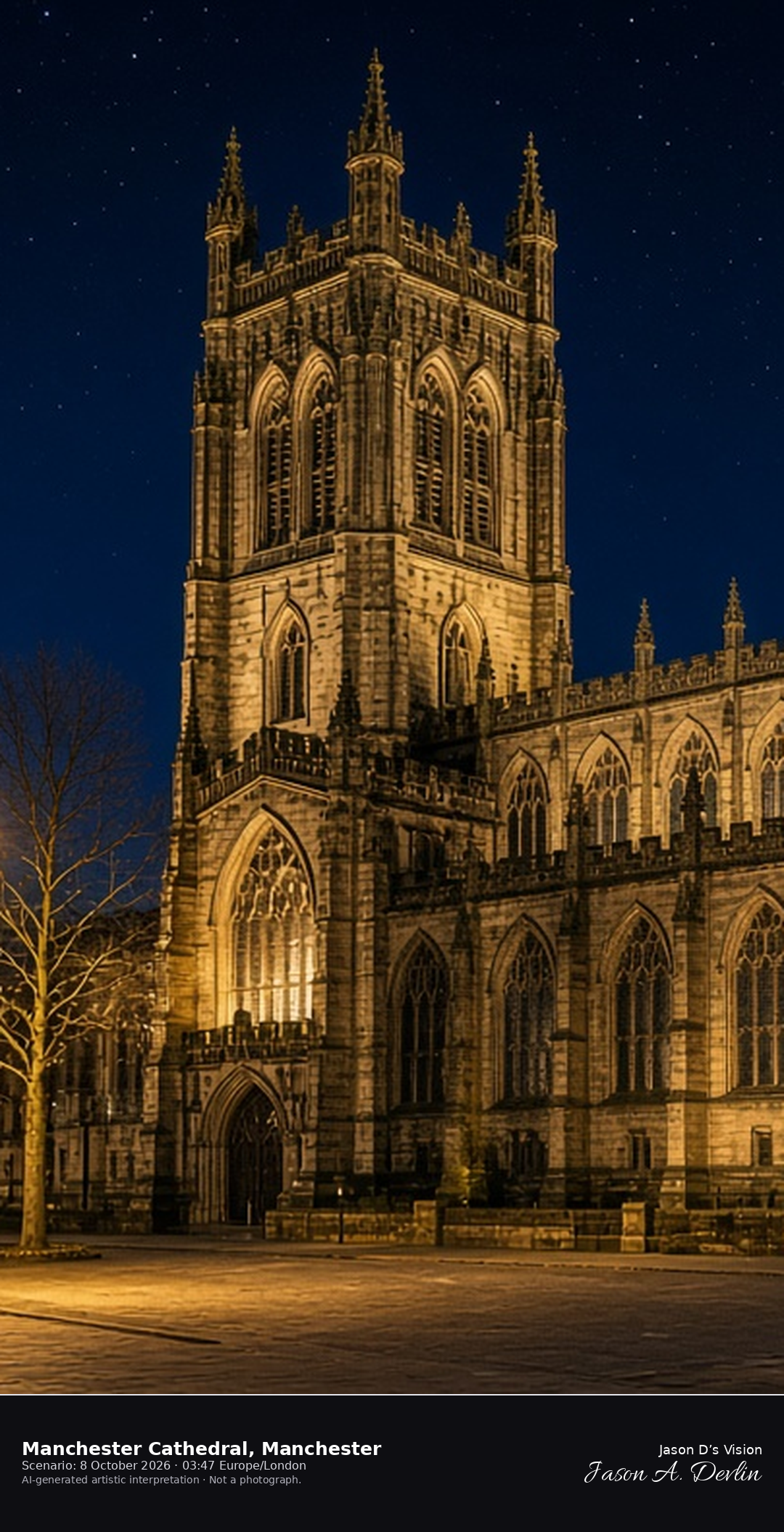
Manchester Cathedral · AI-generated artistic interpretation
Manchester's medieval collegiate church became a cathedral in 1847. Its broad nave and carved choir stalls preserve the character of the older foundation. Nearby, Chetham's Library, founded in 1653, continues another long tradition of learning as the oldest public library in the English-speaking world.
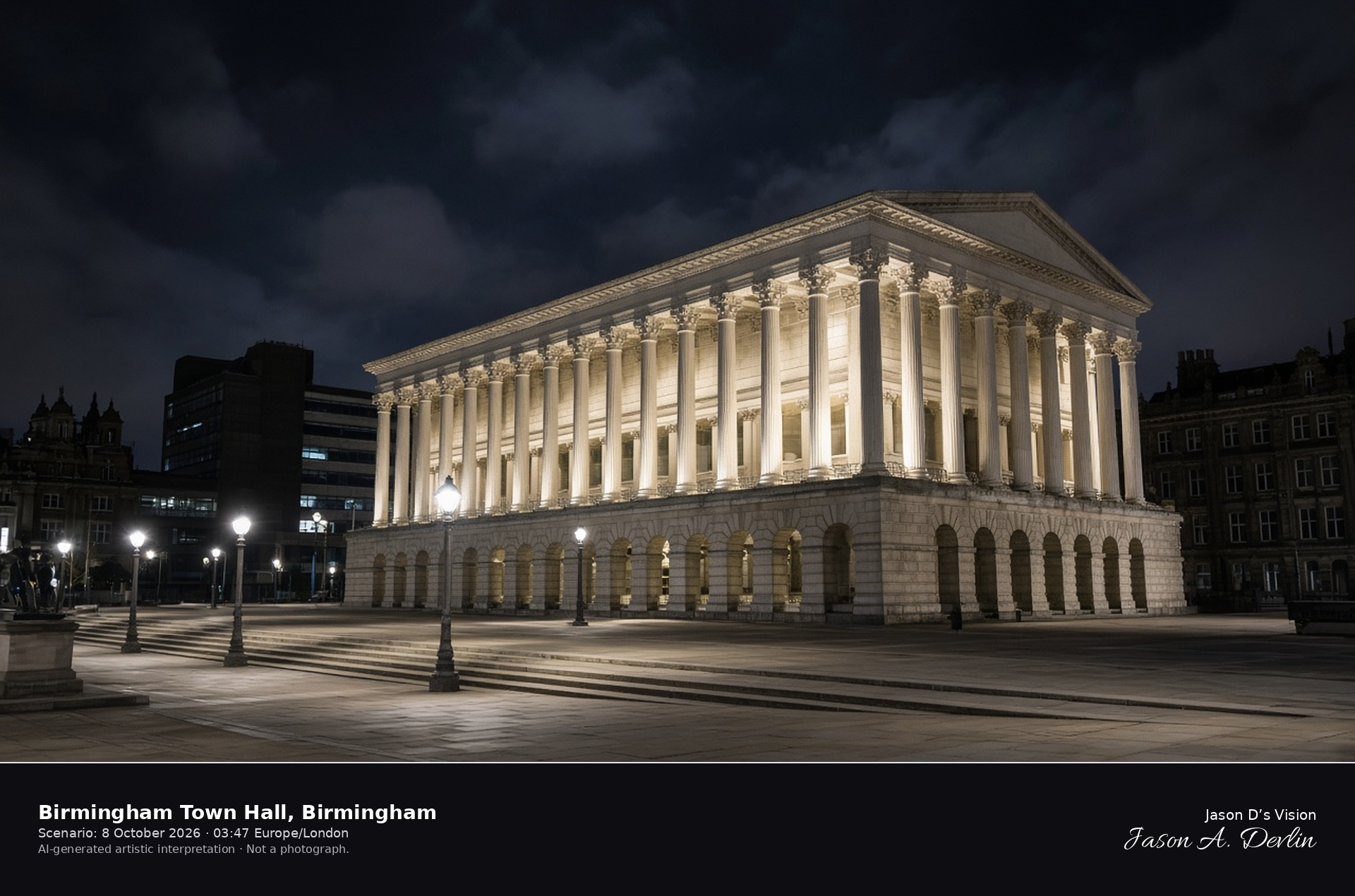
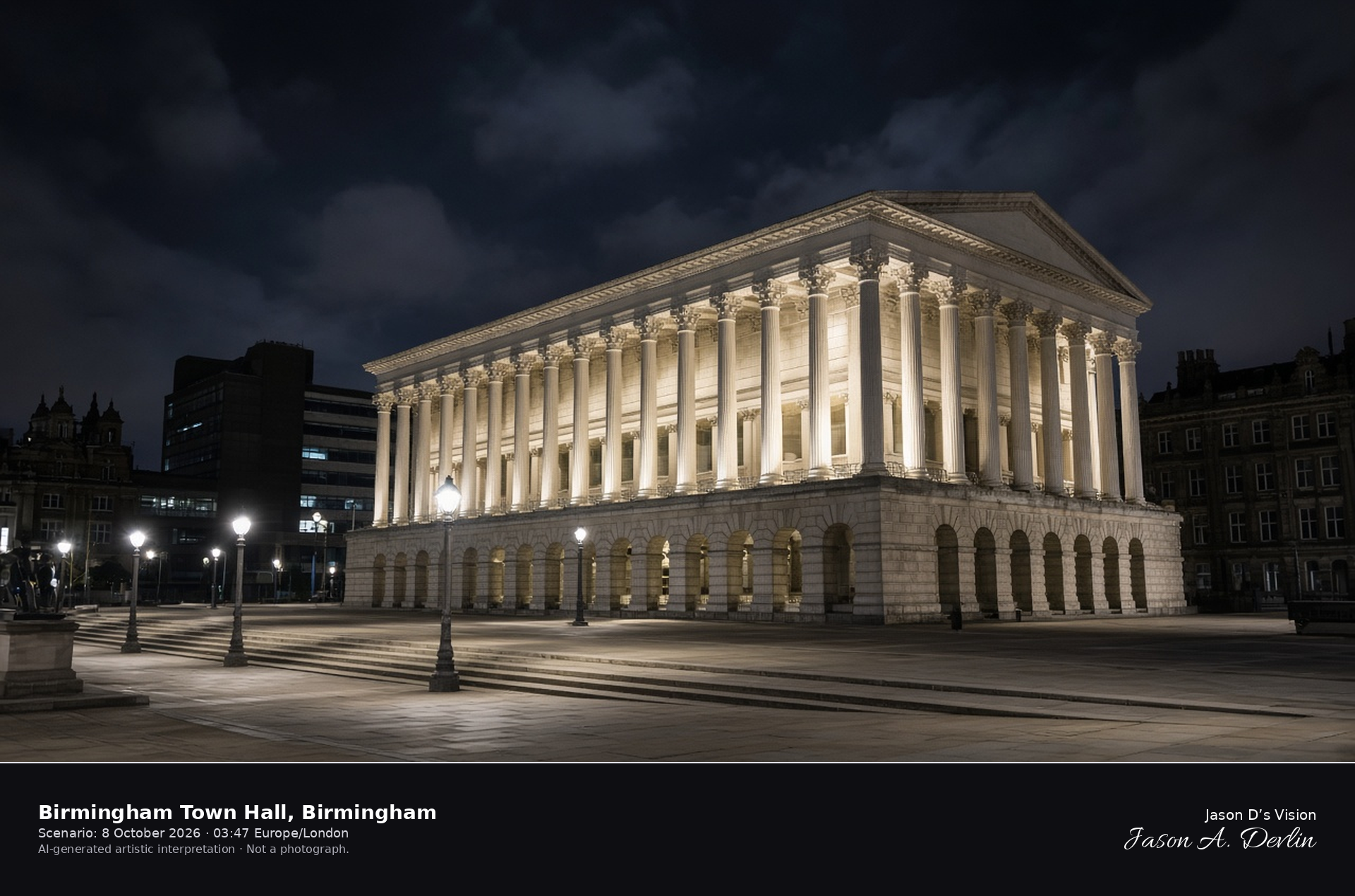
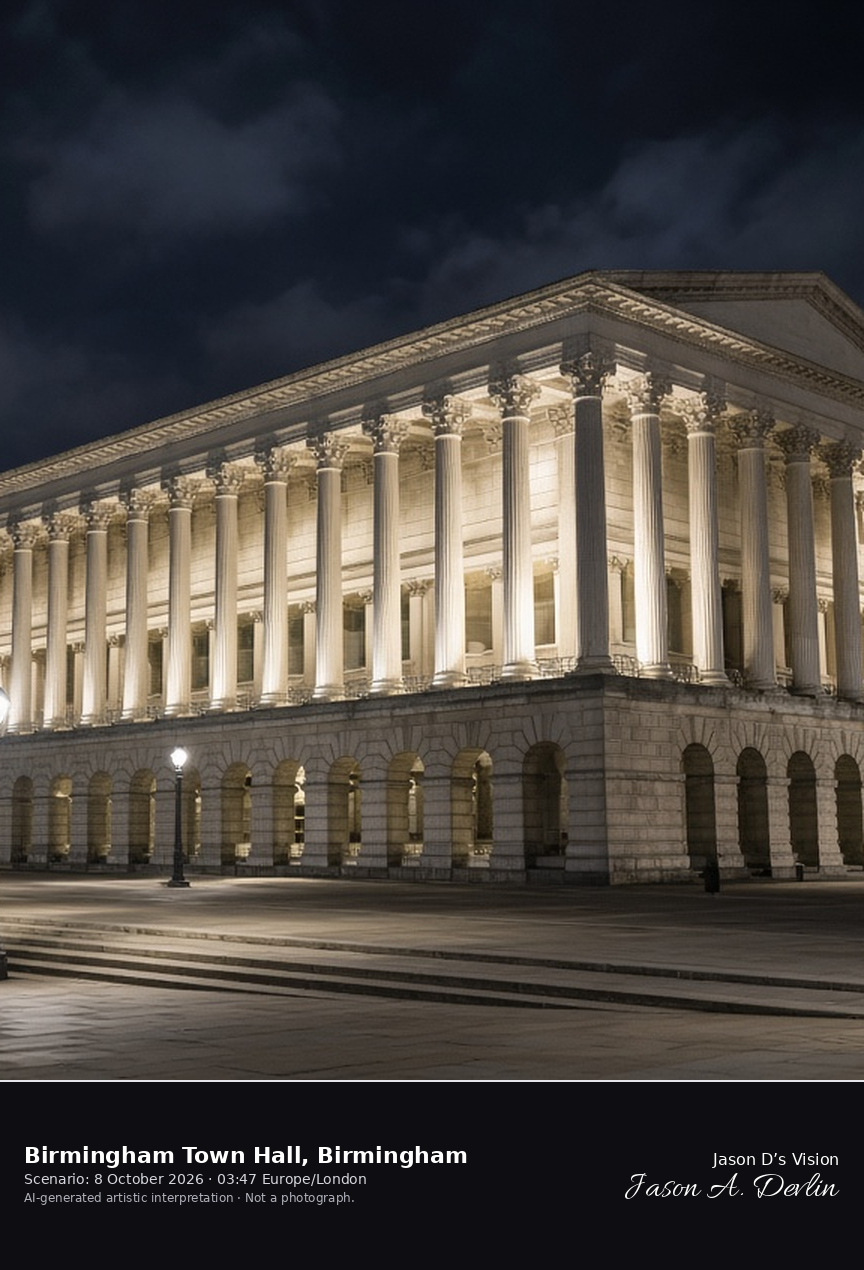
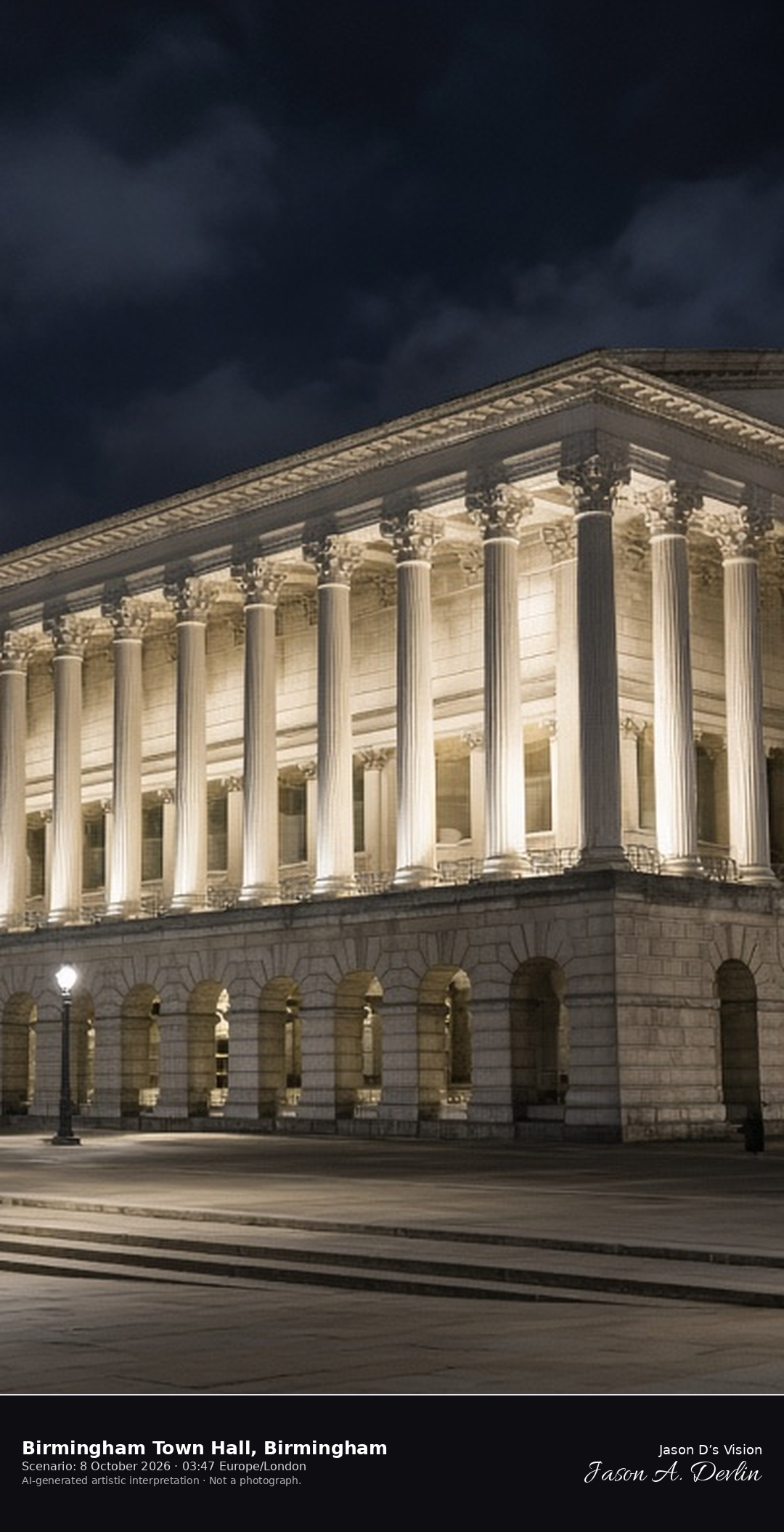
Birmingham Town Hall, Birmingham · AI-generated artistic interpretation
Joseph Hansom and Edward Welch designed the hall, which opened in 1834 on proportions taken from the Temple of Castor and Pollux in Rome. It was the first major building of the Roman revival in England.
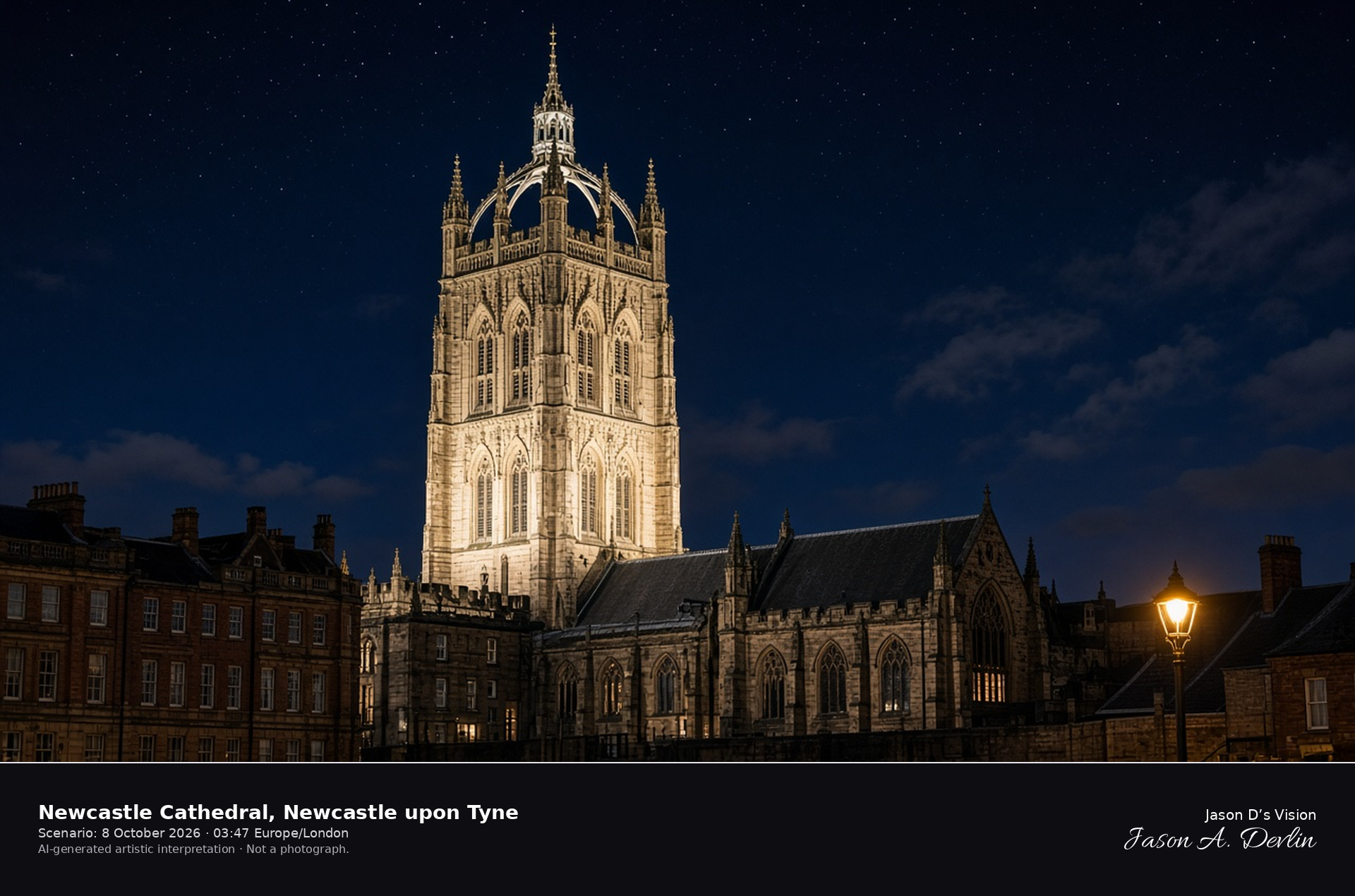
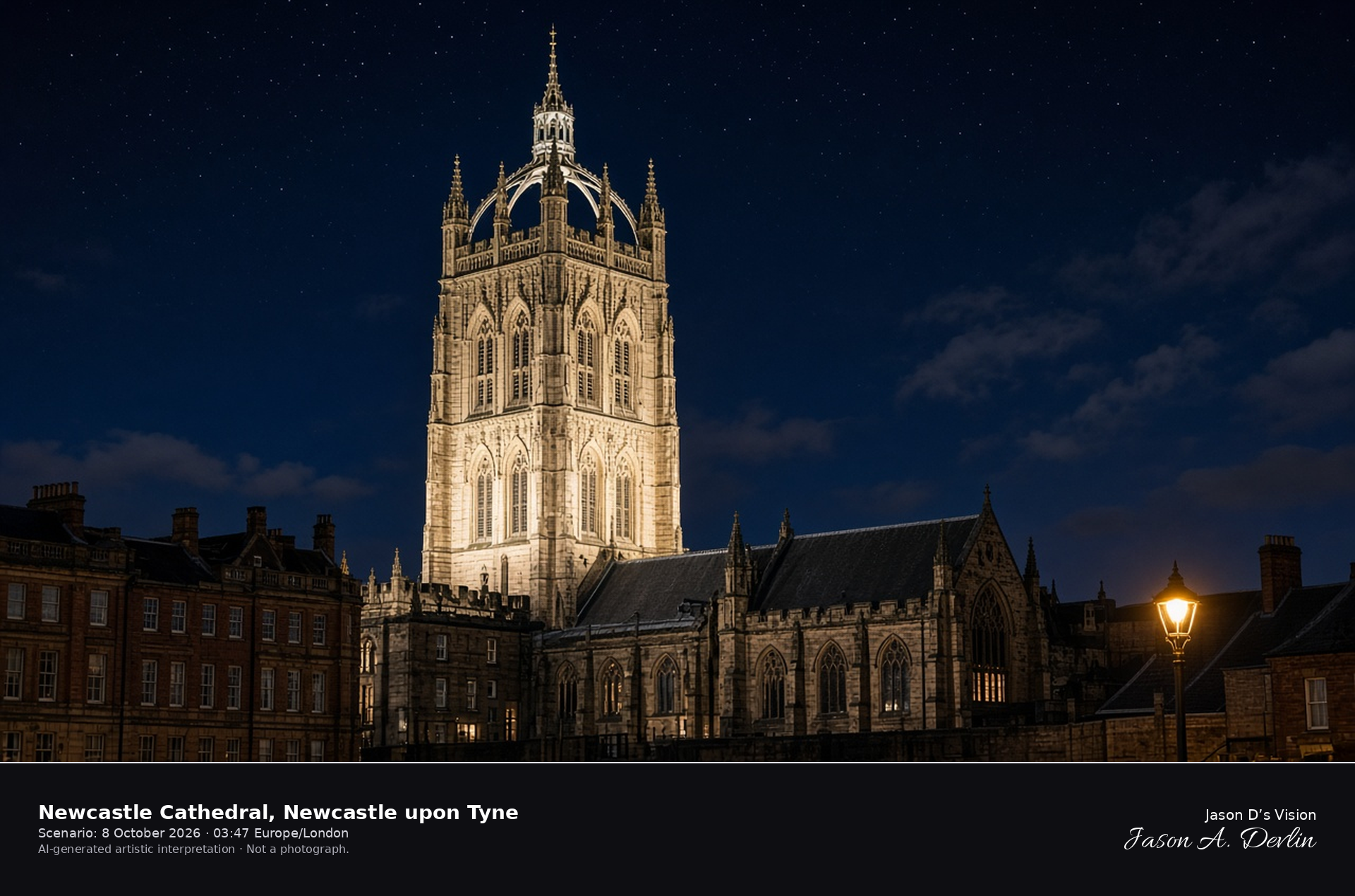
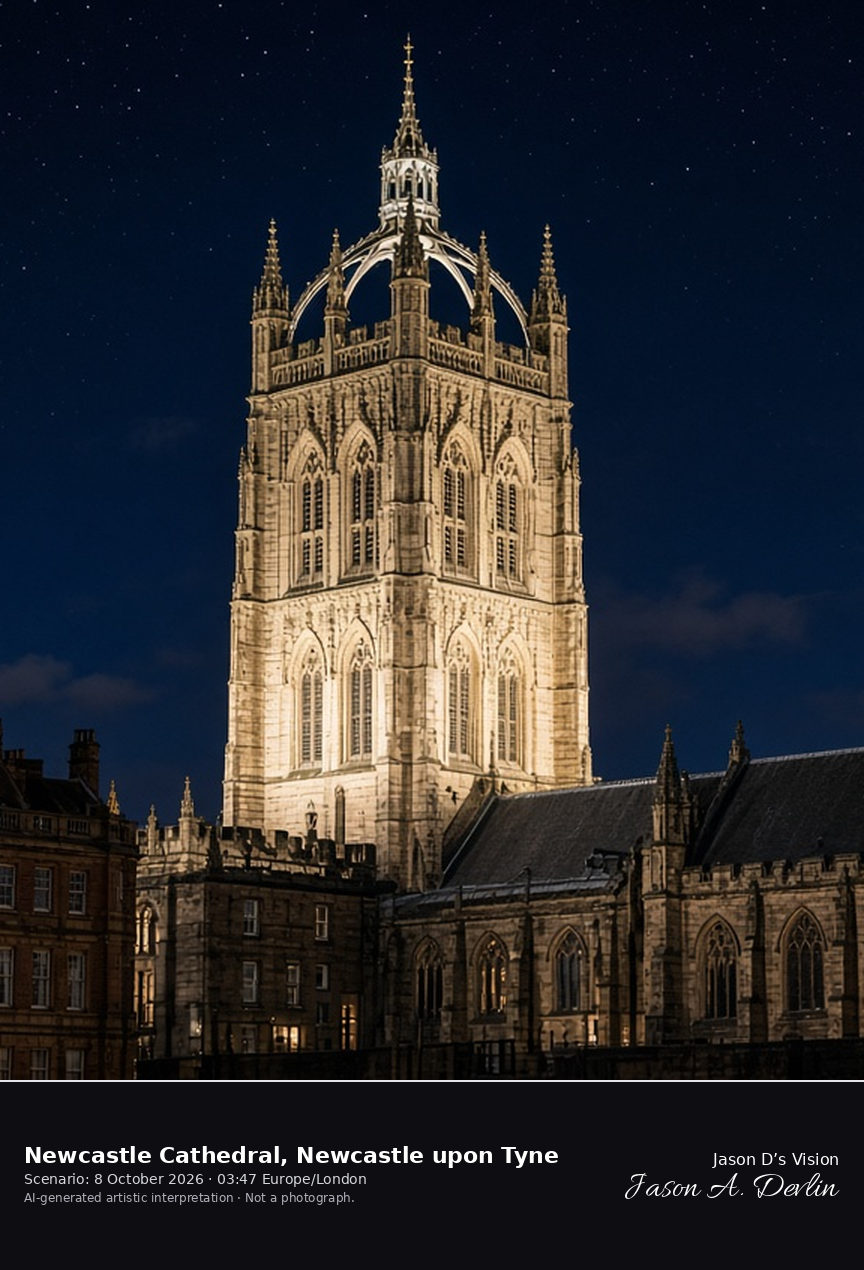
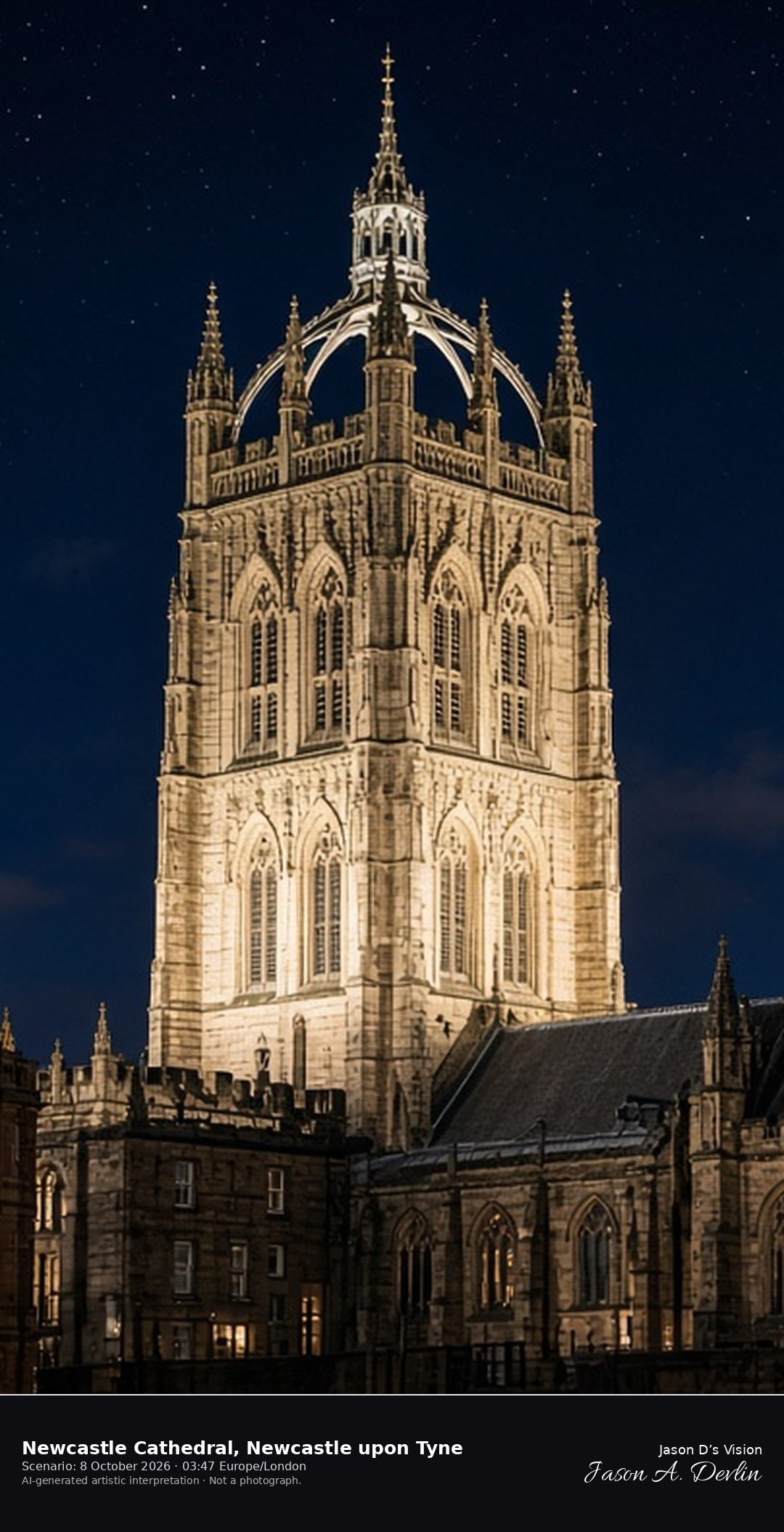
Newcastle Cathedral, Newcastle upon Tyne · AI-generated artistic interpretation
The church was completed in 1350 and became a cathedral in 1882. Its lantern spire of 1448, 59 m above the ground, was a navigation mark for ships on the Tyne for centuries.
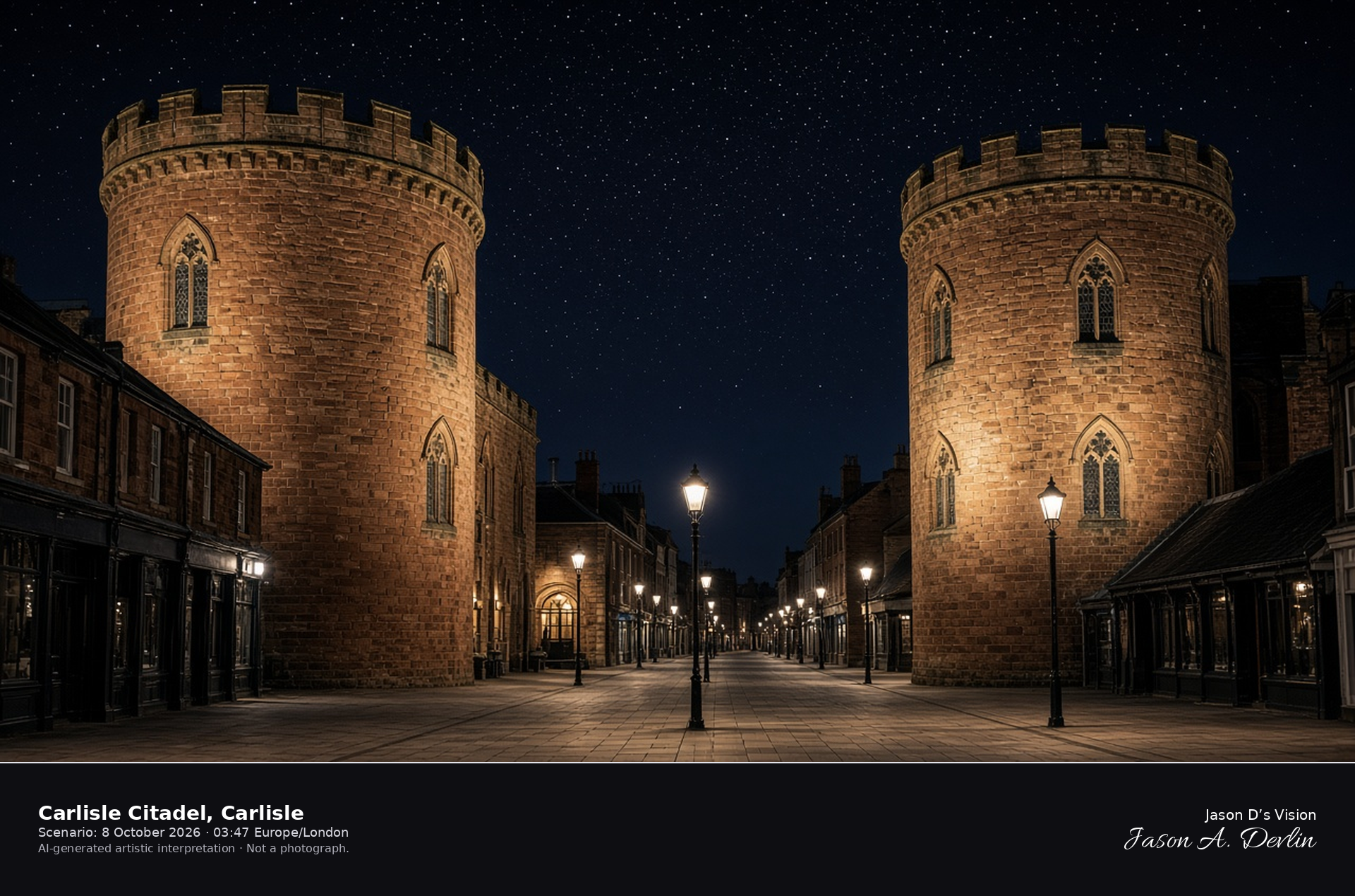
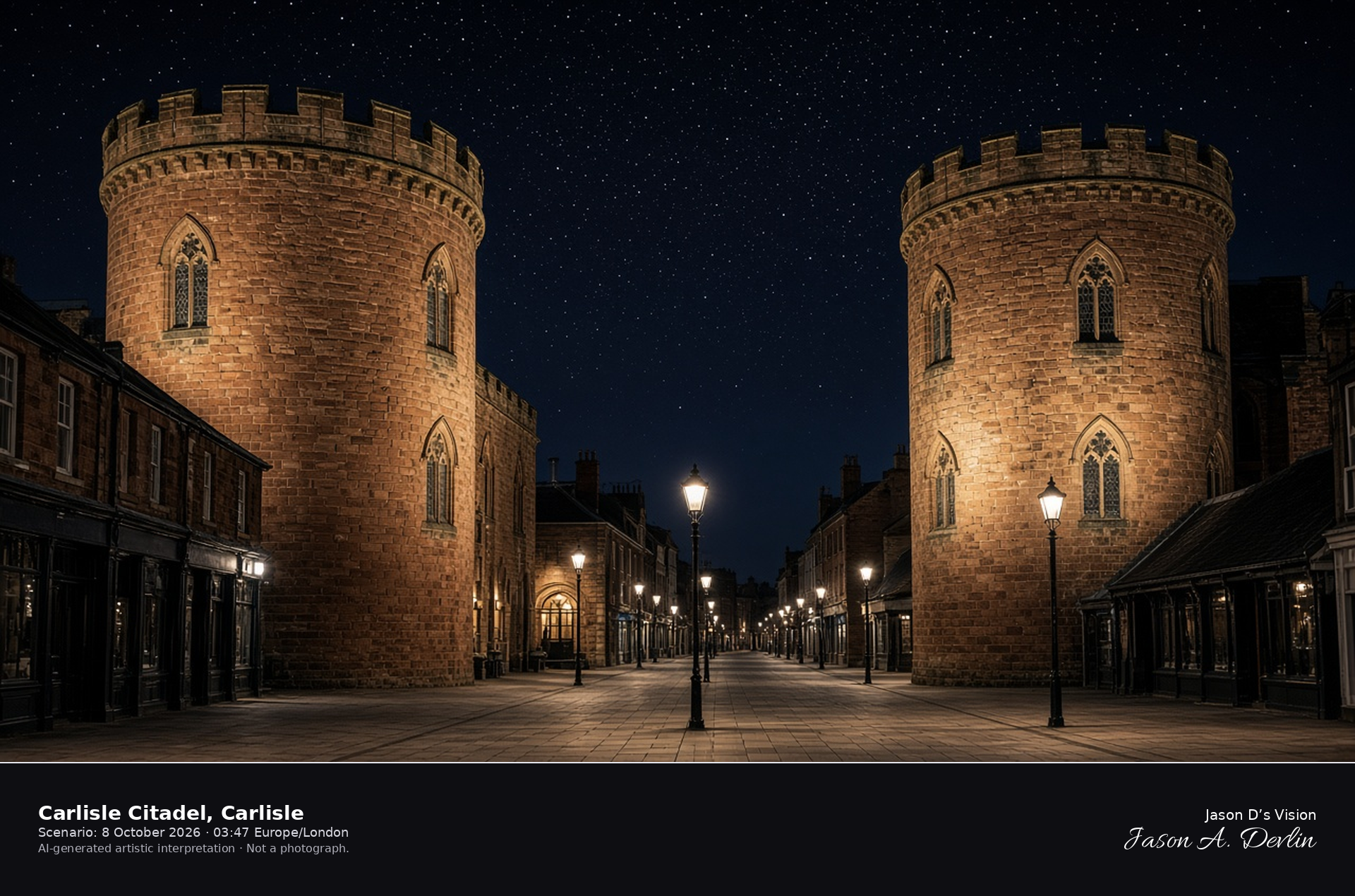
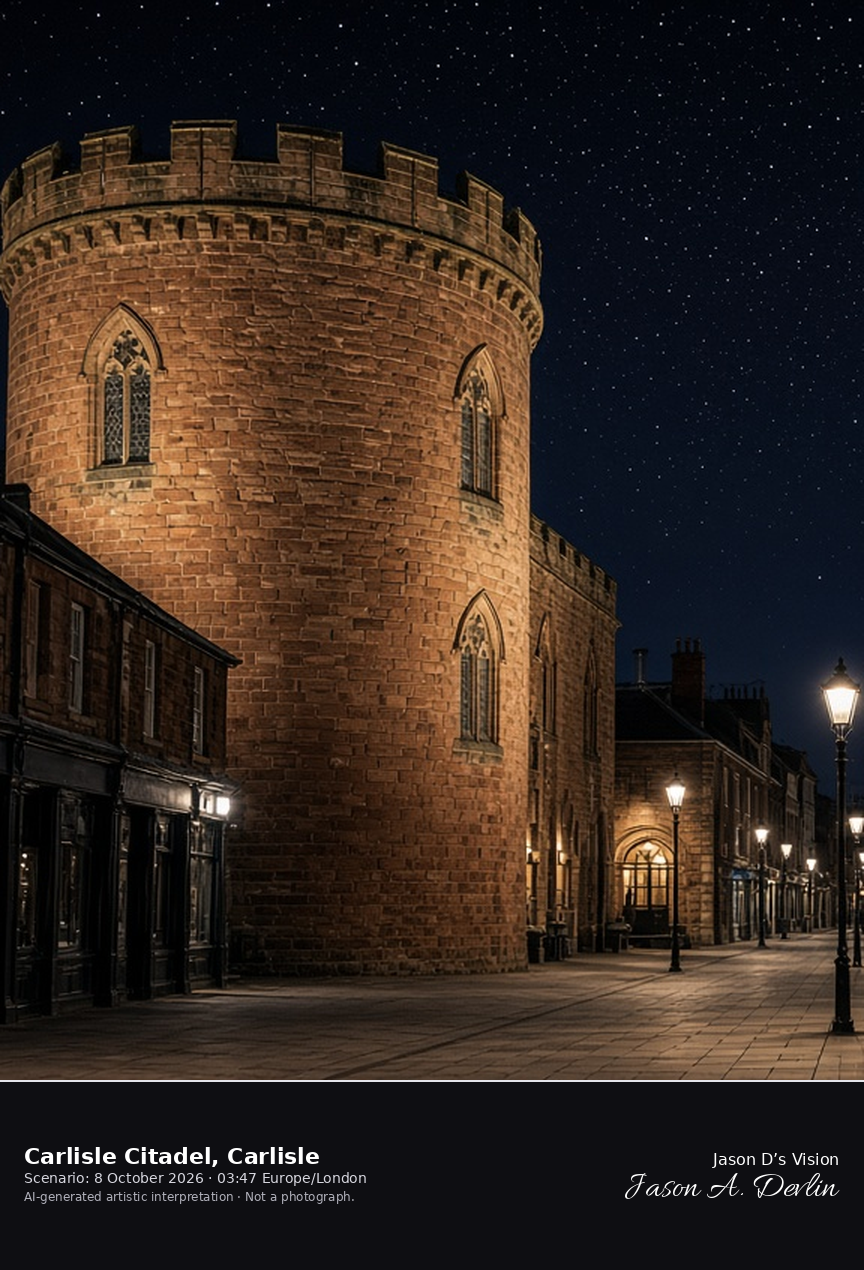
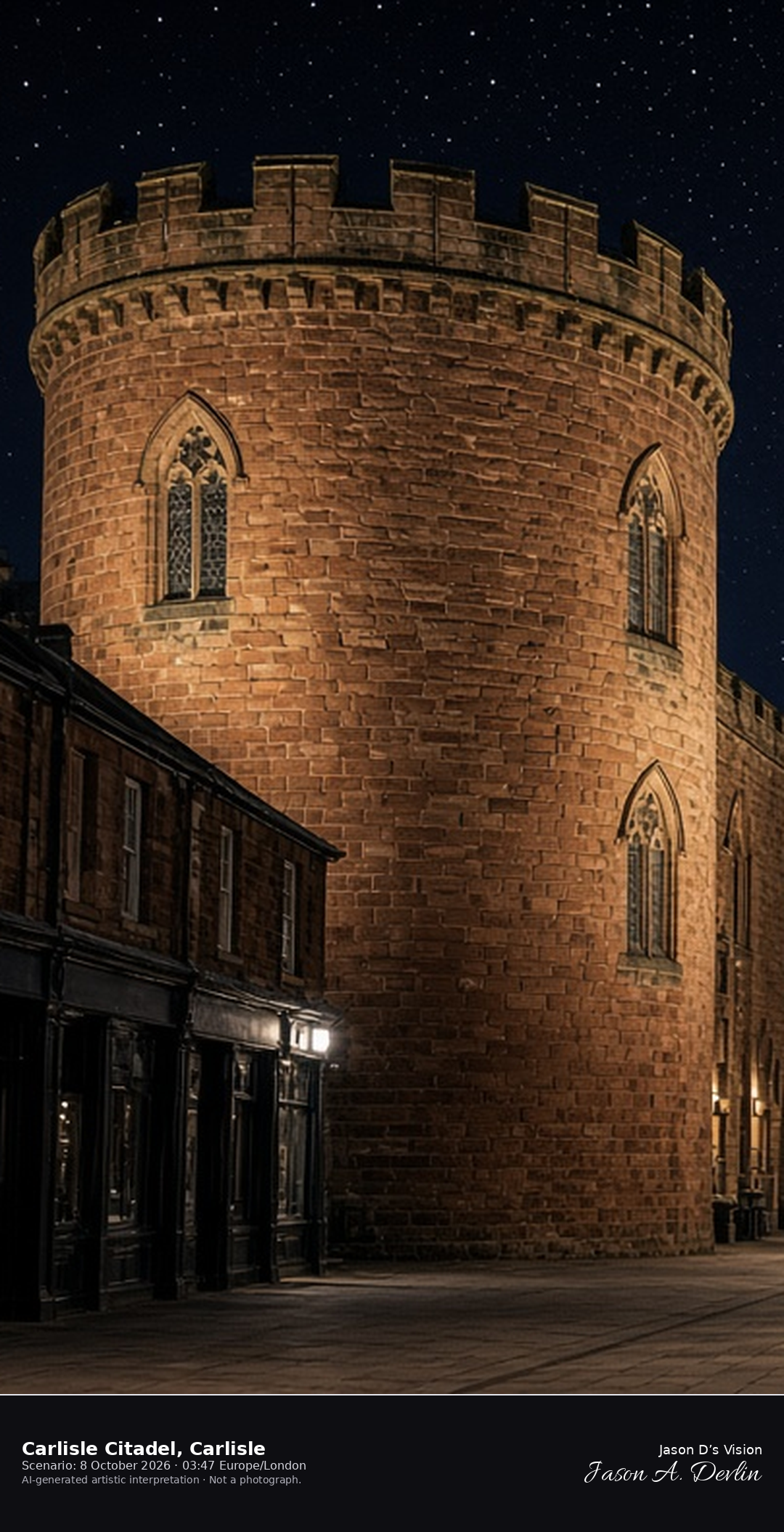
Henry VIII's fortress, completed in 1541, replaced the medieval Botcher's Gate. Thomas Telford and Sir Robert Smirke turned its two towers into courts in 1812 and 1822, and both are listed at Grade I.
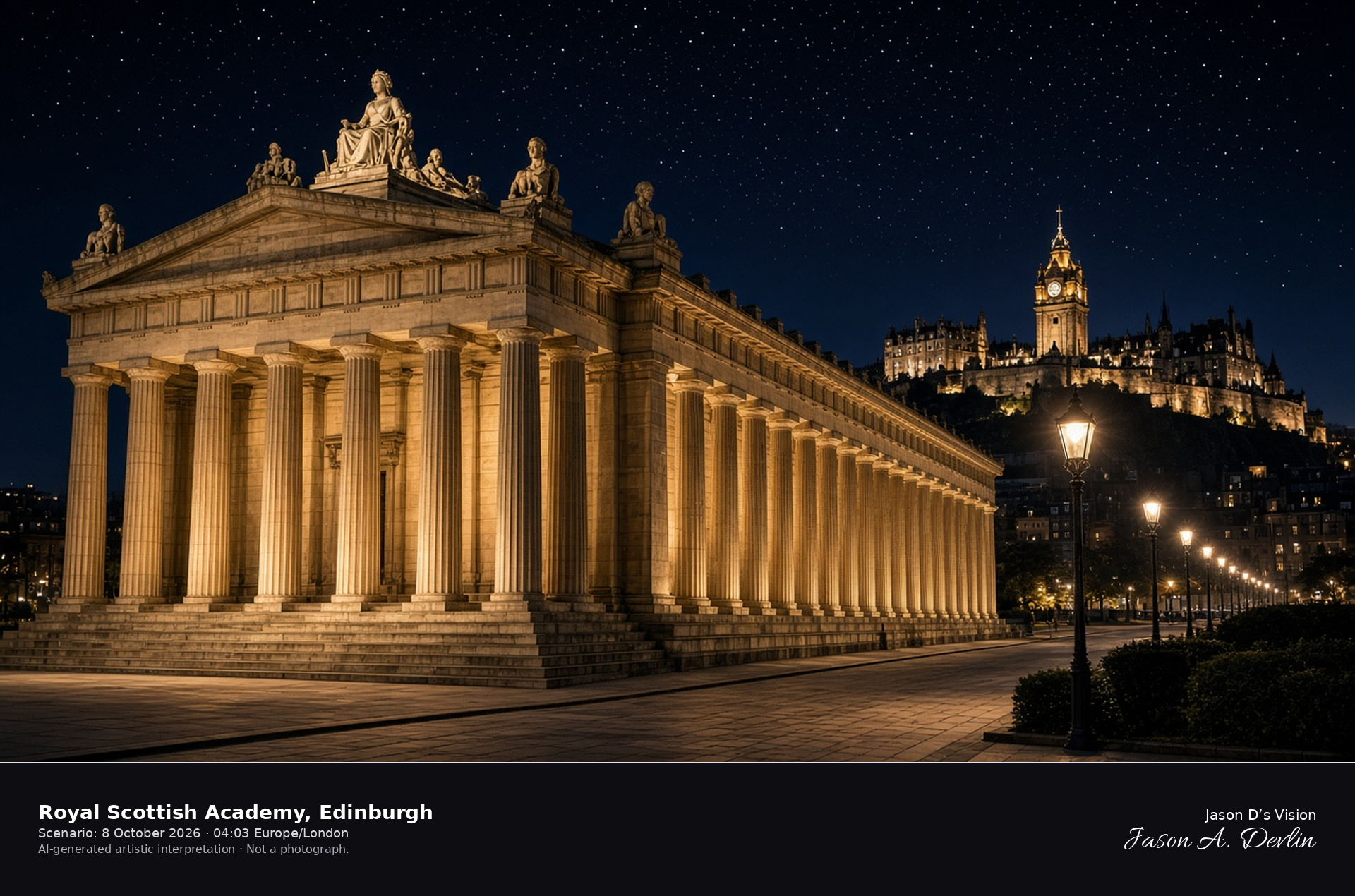
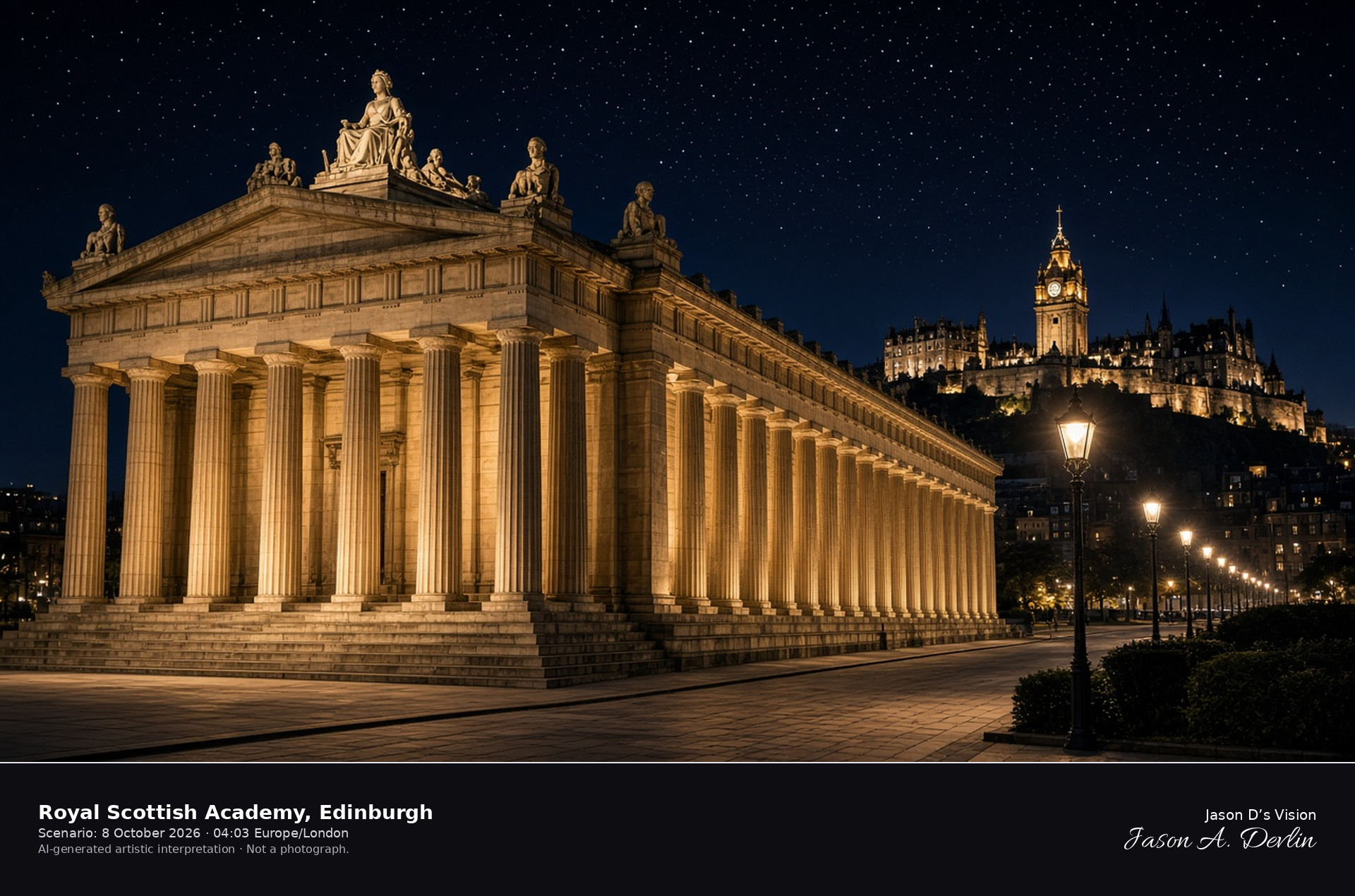
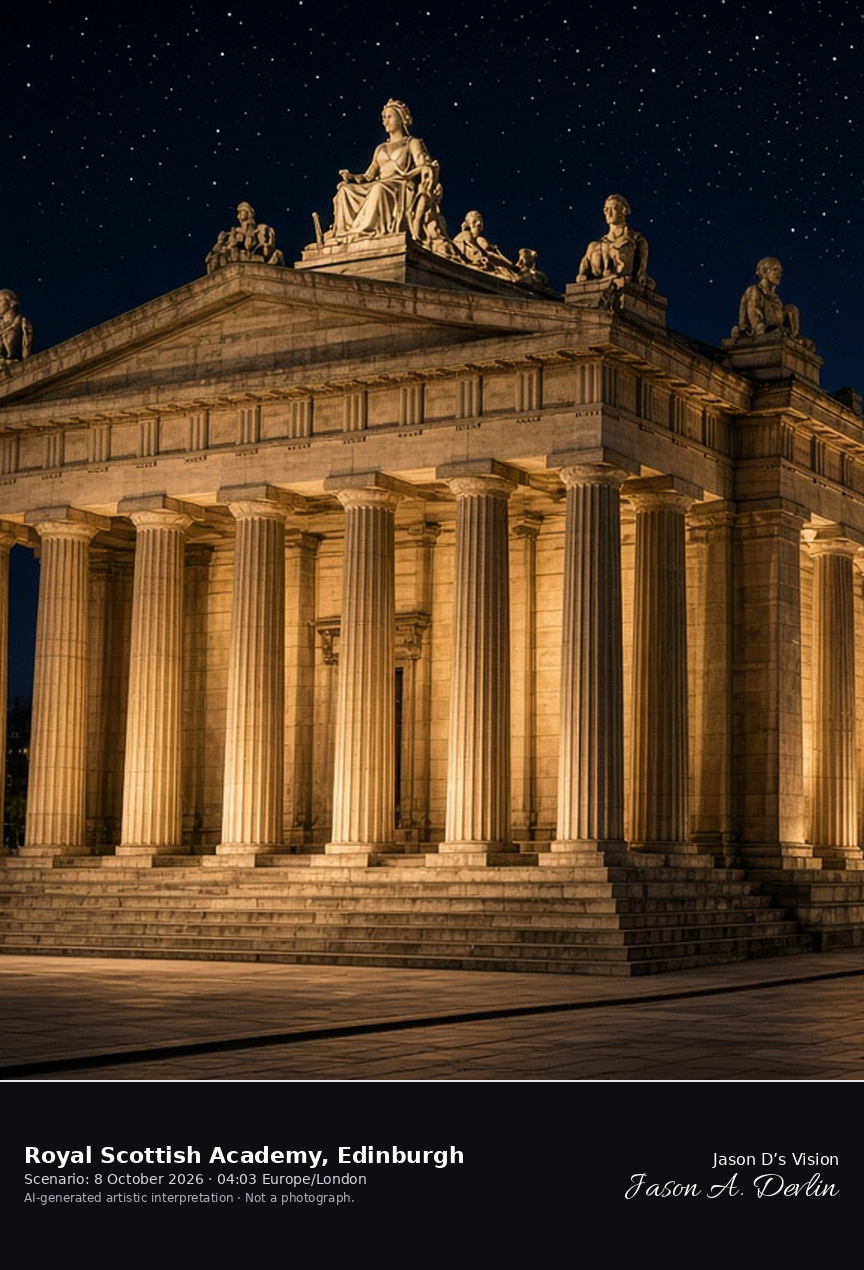
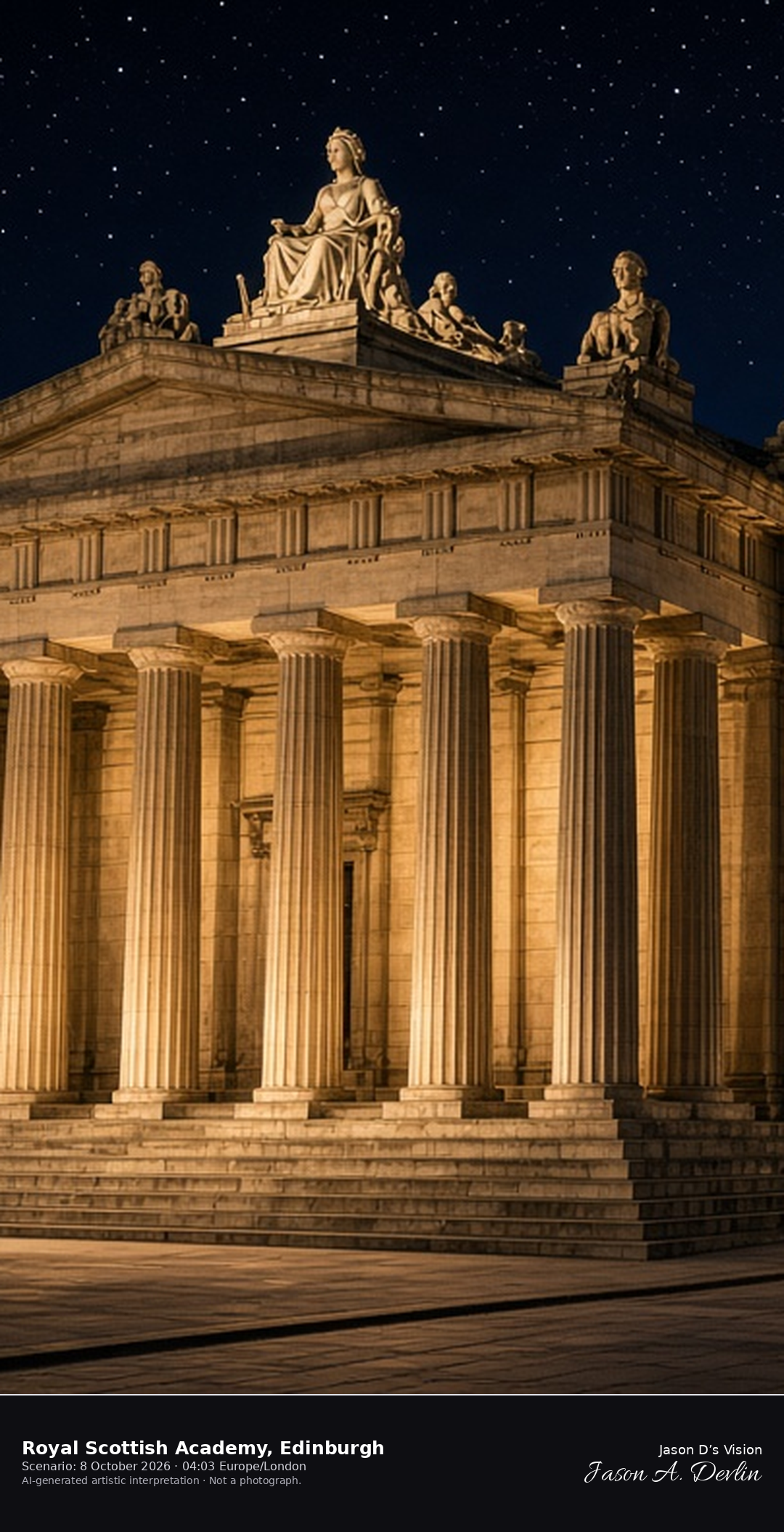
Royal Scottish Academy · AI-generated artistic interpretation
The Royal Scottish Academy occupies William Henry Playfair's classical building at the foot of the Mound. Its Annual Exhibition began in 1827 and remains a showcase for contemporary art in Scotland, while John Steell's statue of Queen Victoria presides above the north portico.
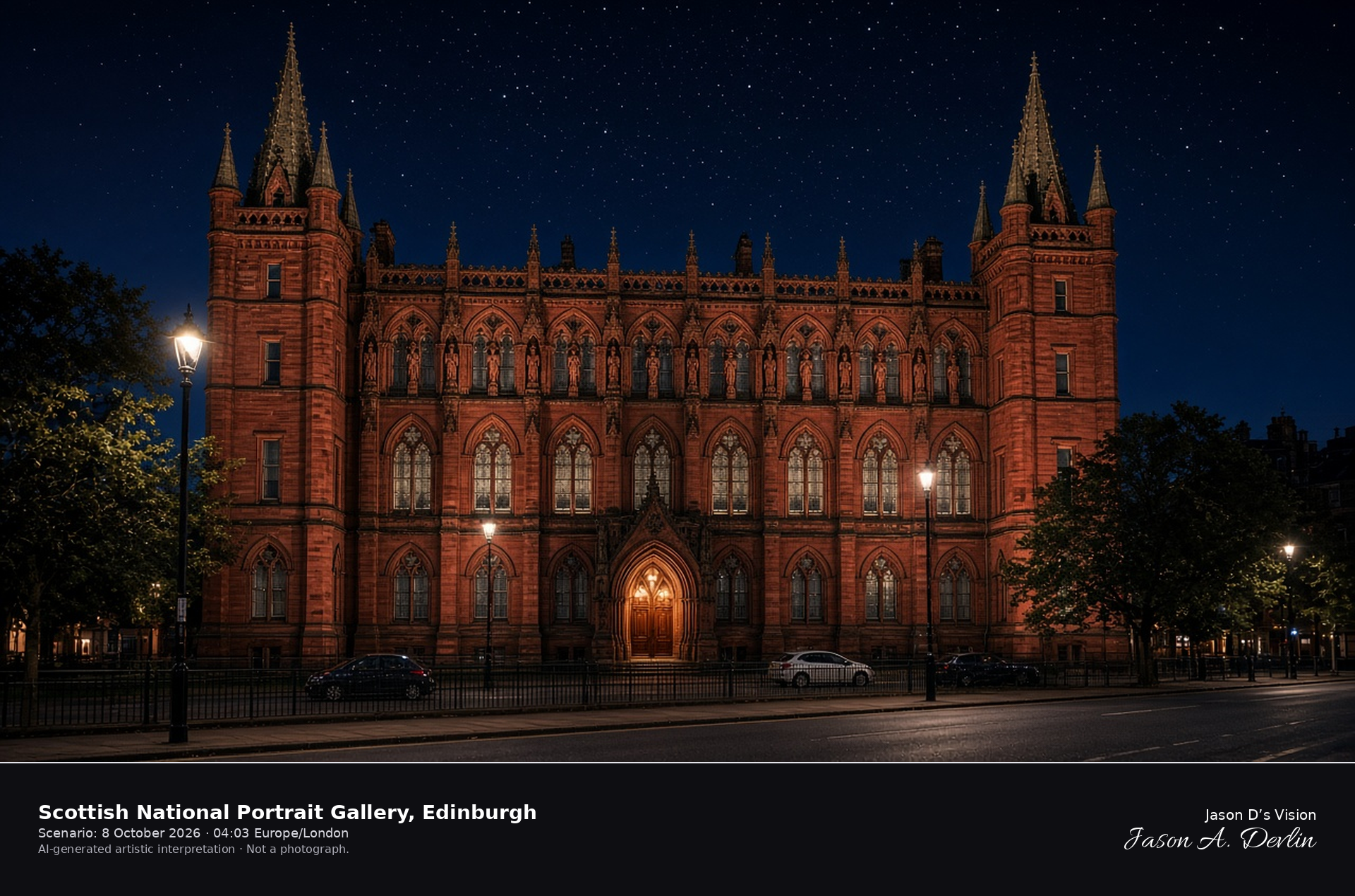
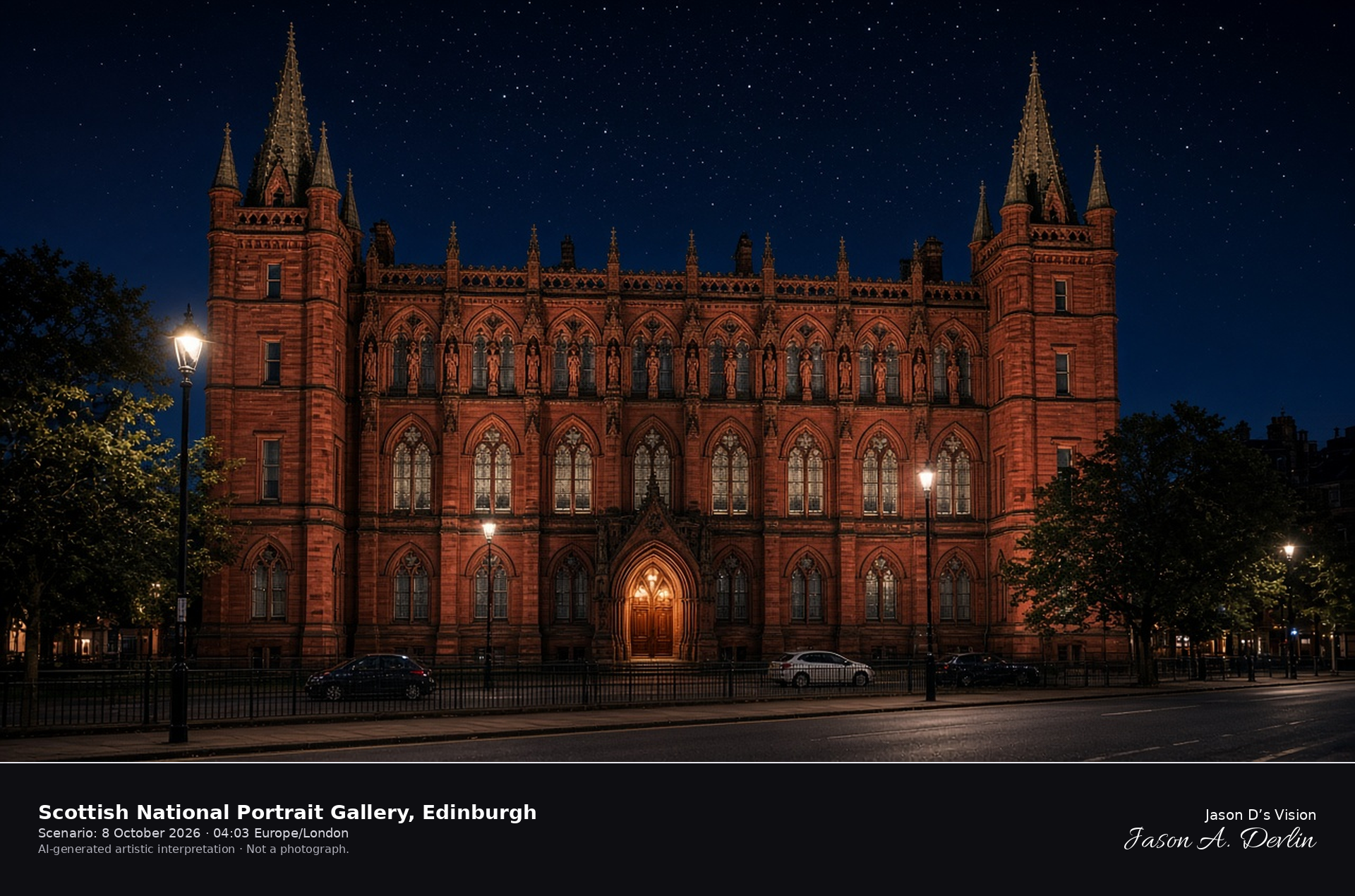
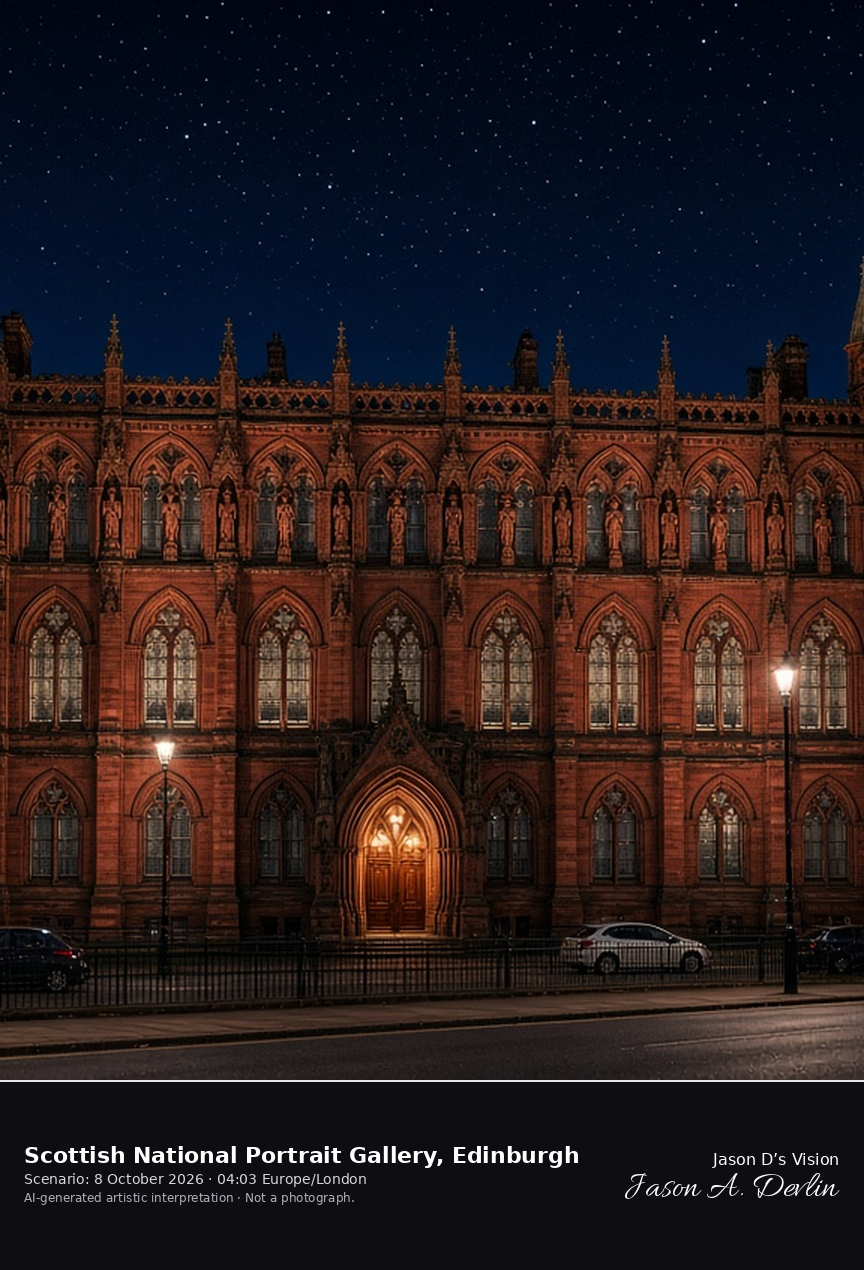
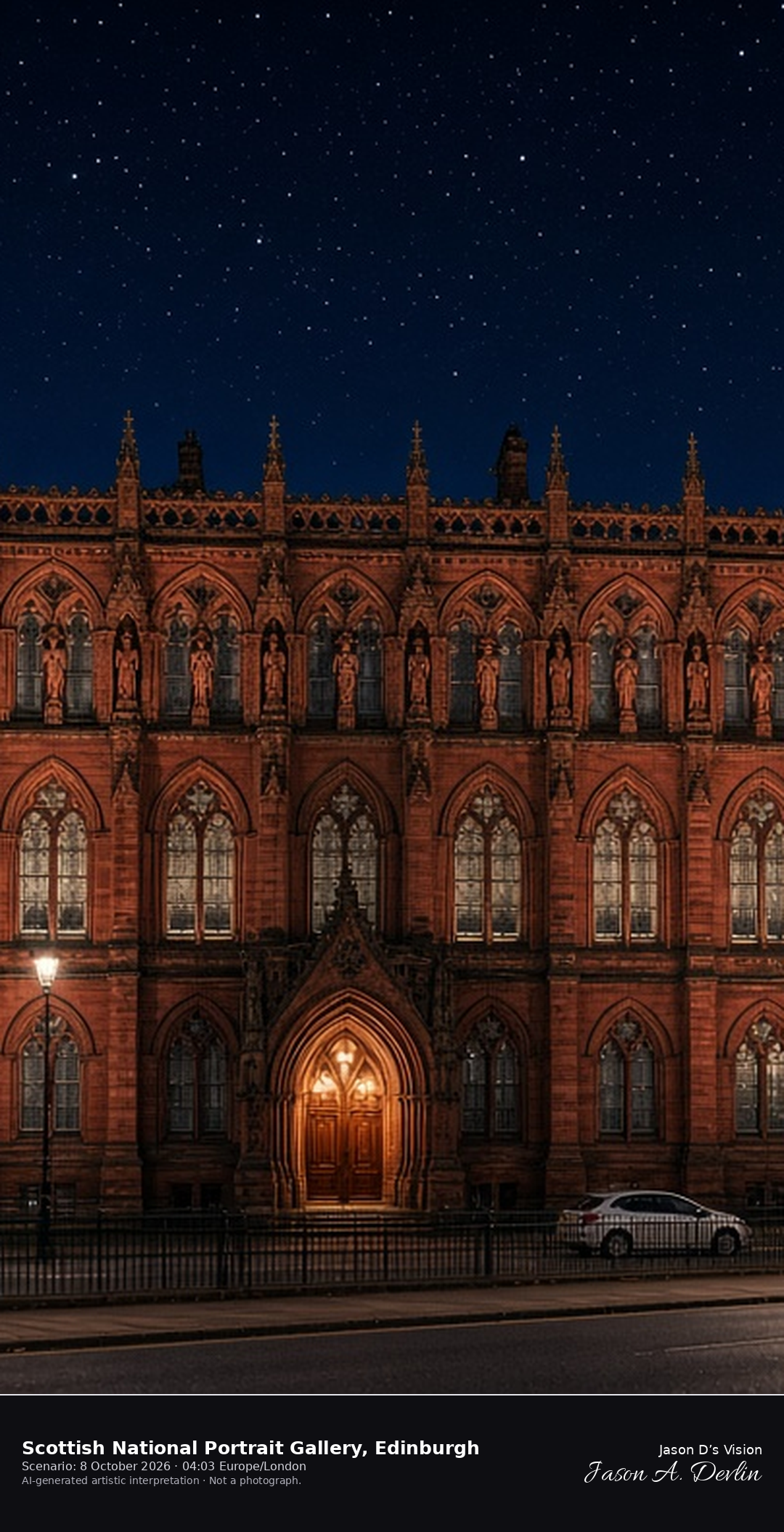
Scottish National Portrait Gallery, Edinburgh · AI-generated artistic interpretation
Robert Rowand Anderson designed the Gothic Revival building, built between 1885 and 1890 and paid for by John Ritchie Findlay of The Scotsman. Its four octagonal corner towers carry crocketed pinnacles.
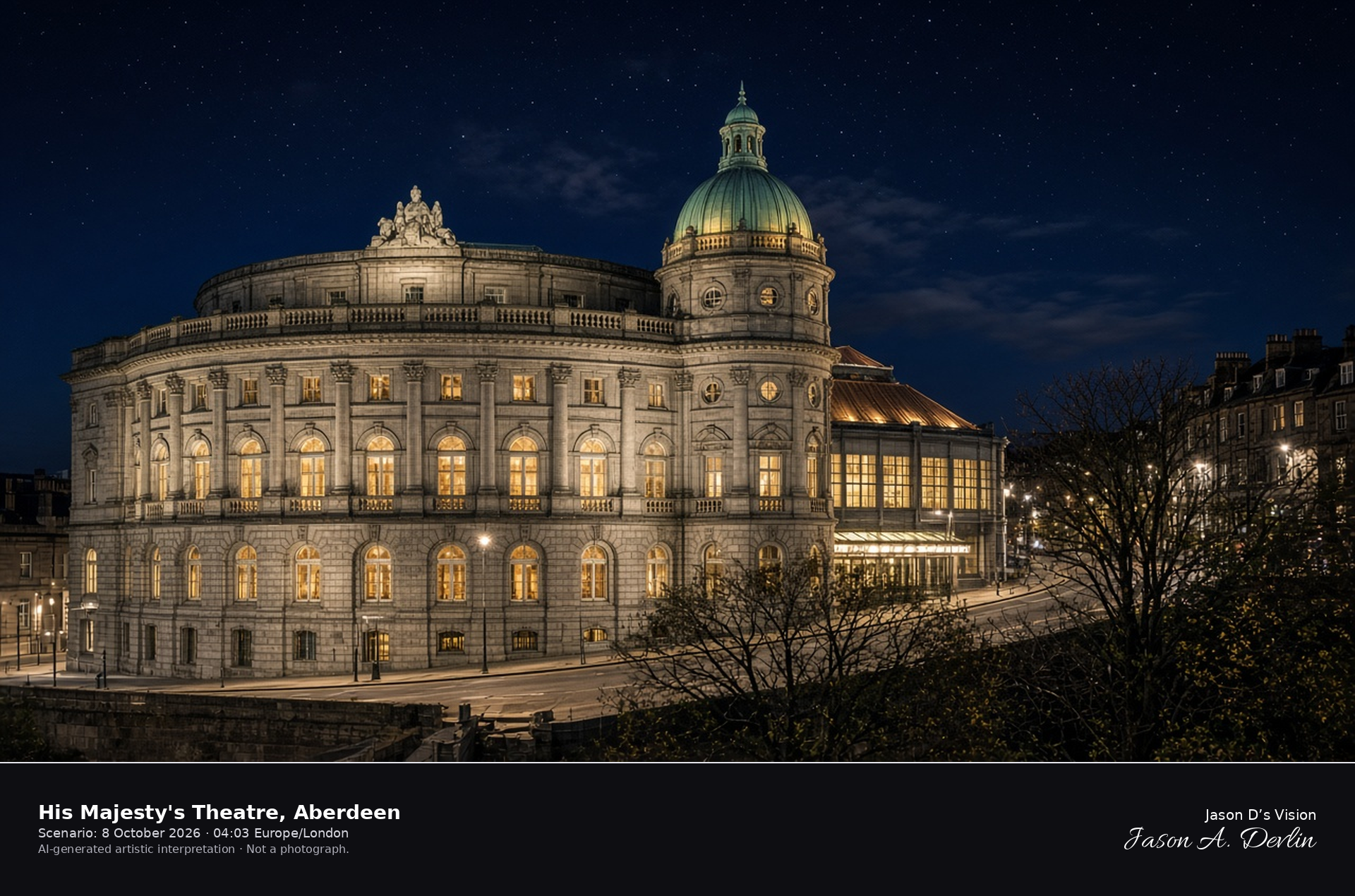
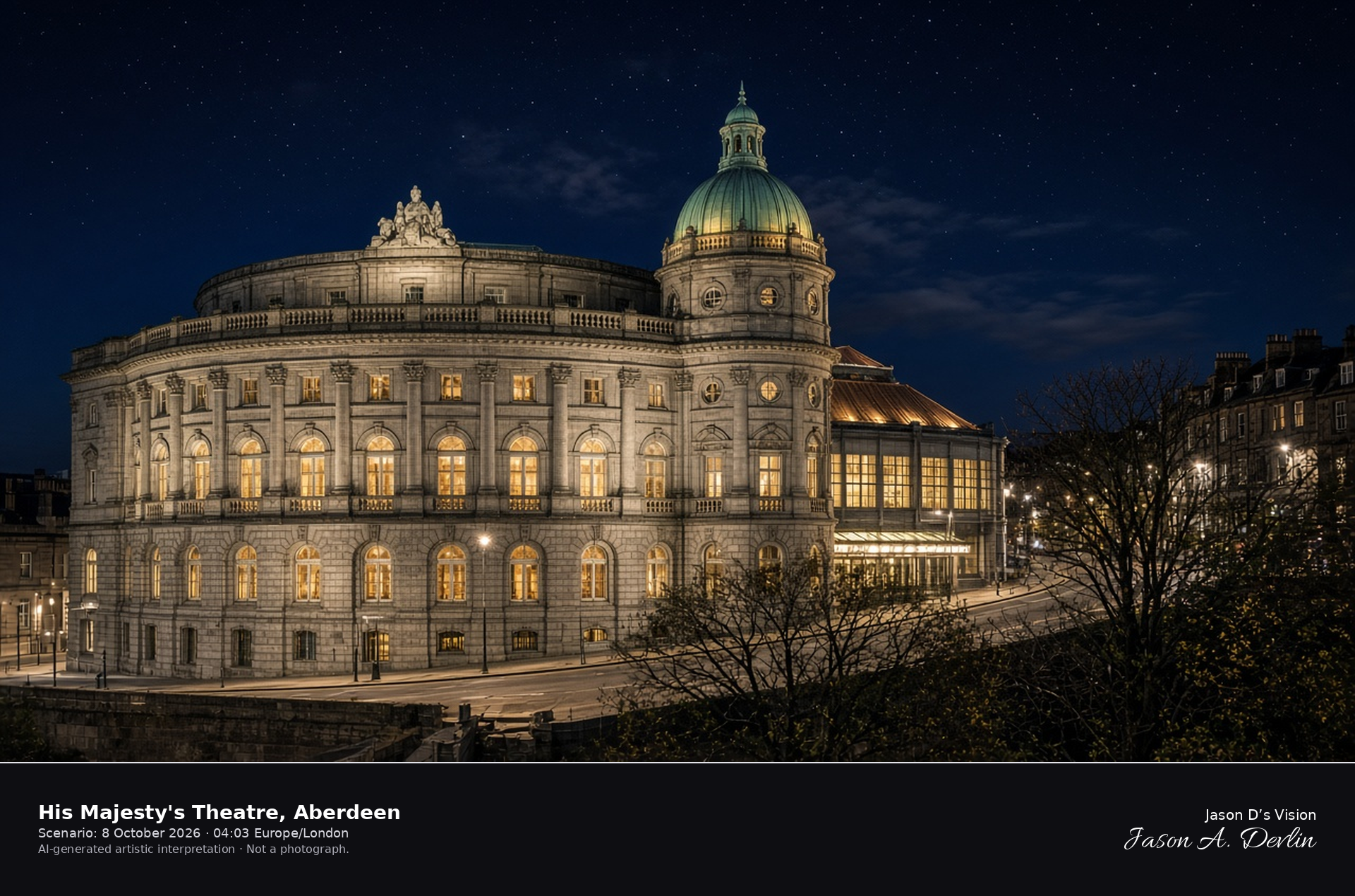
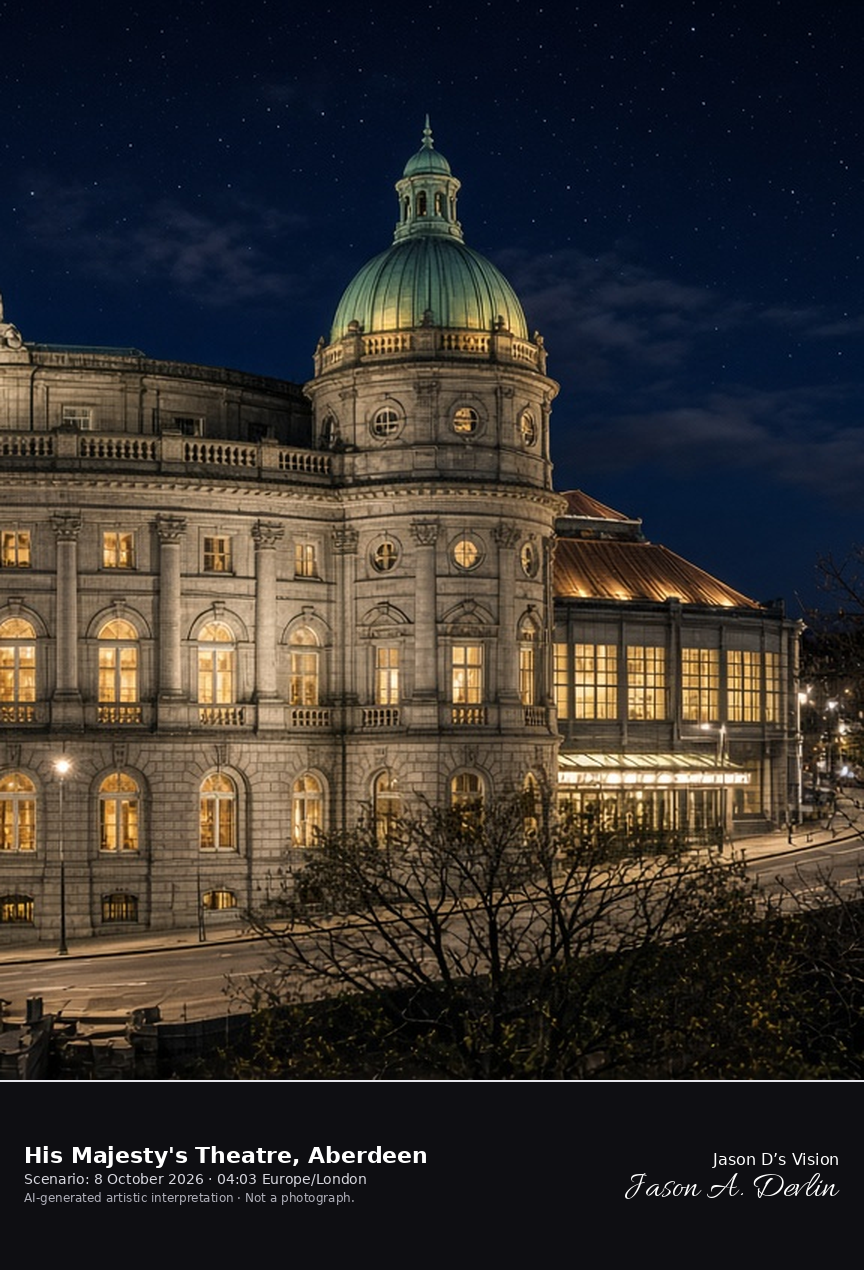
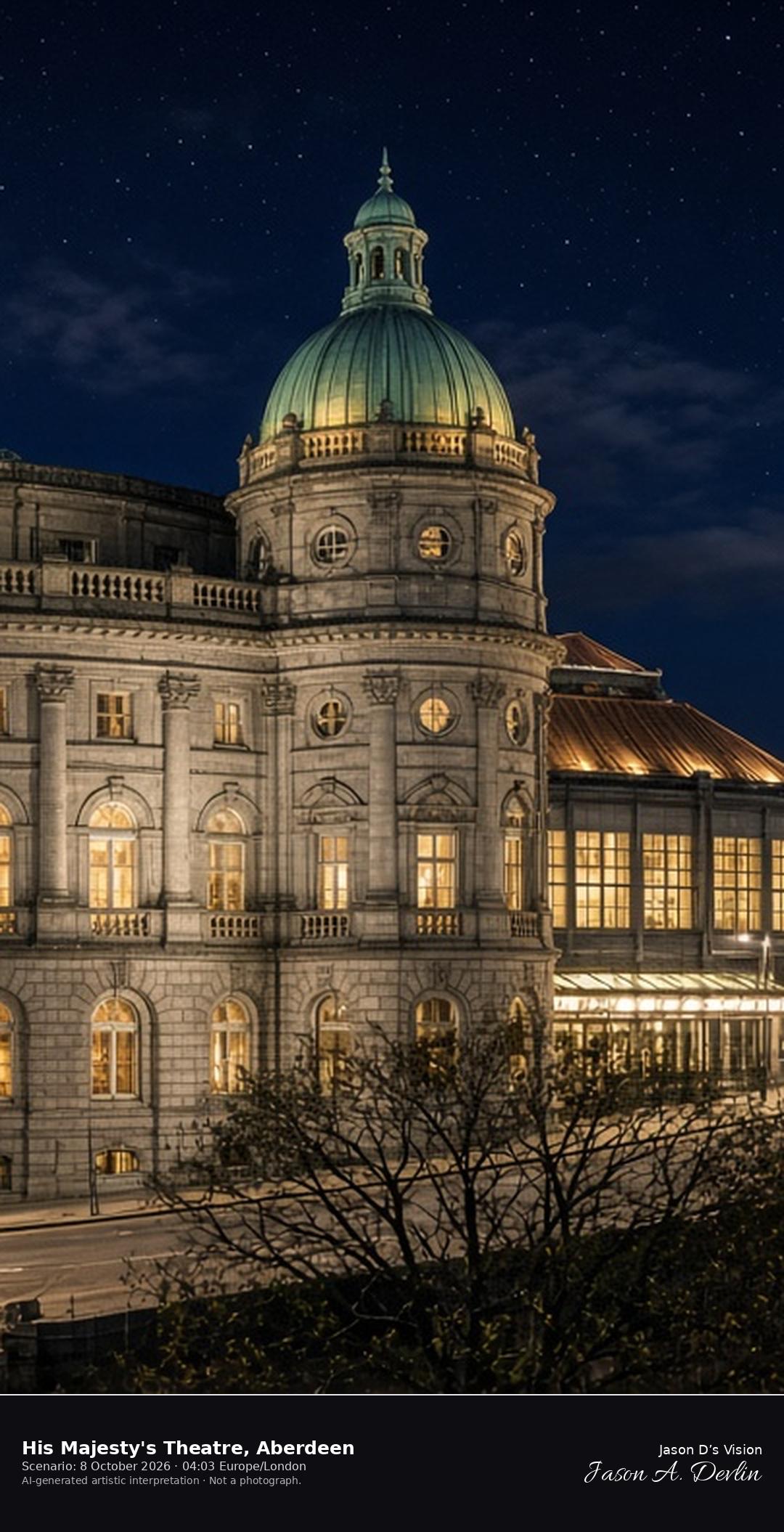
His Majesty's Theatre, Aberdeen · AI-generated artistic interpretation
Frank Matcham designed the theatre, which opened in 1906 and is the largest in north-east Scotland. It is faced in Kemnay granite, with a copper domed tower at its eastern end.
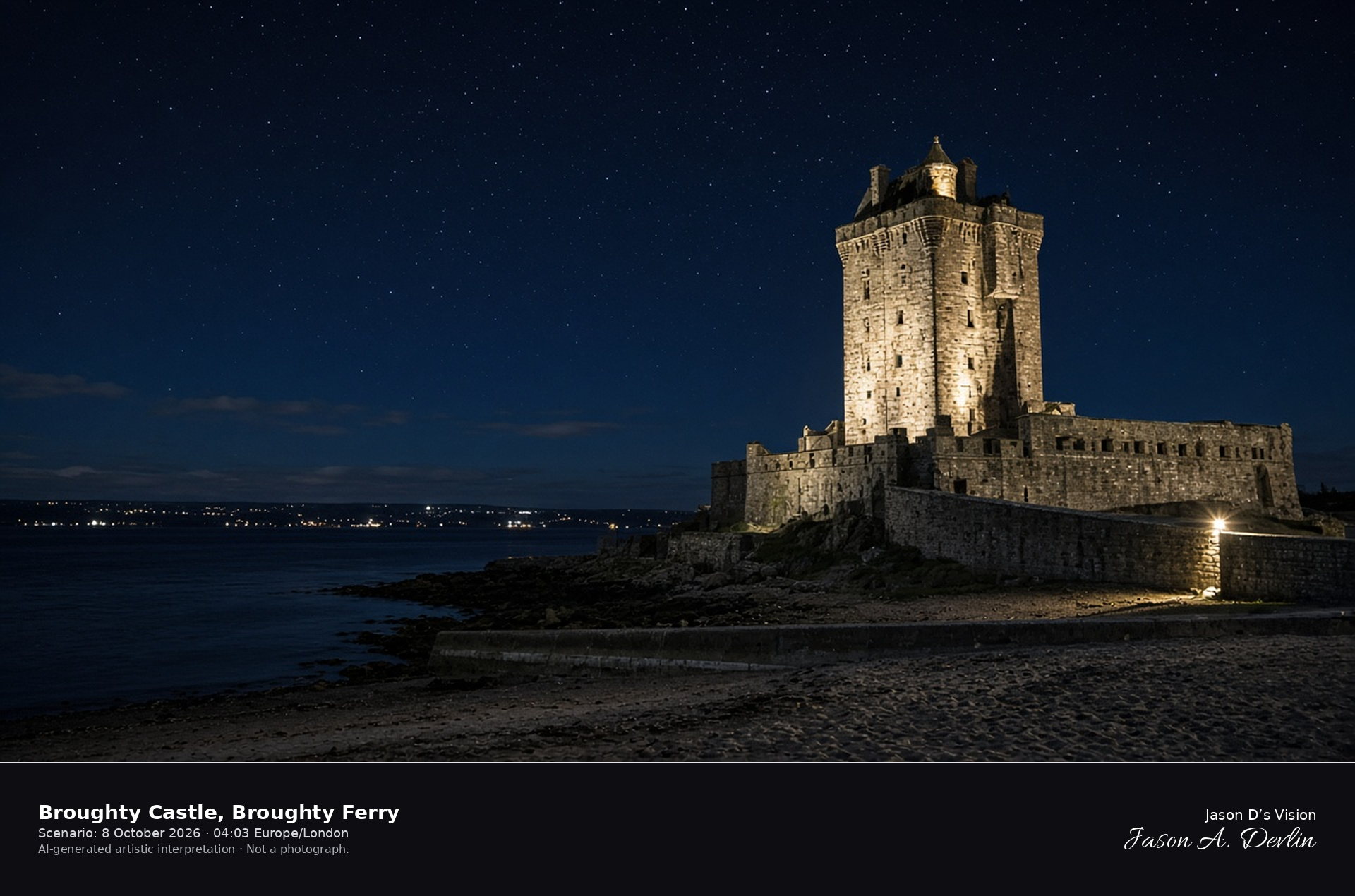
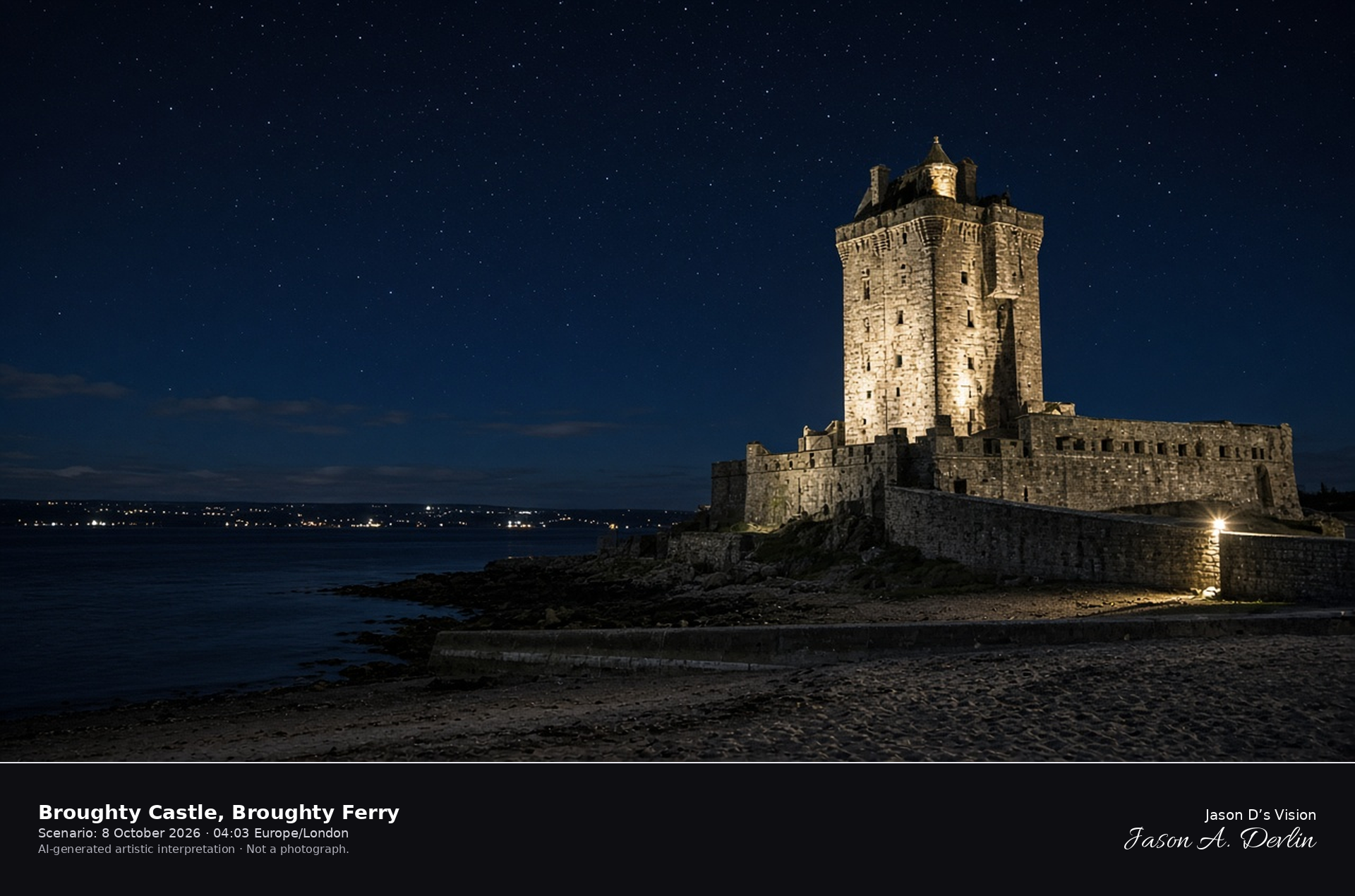
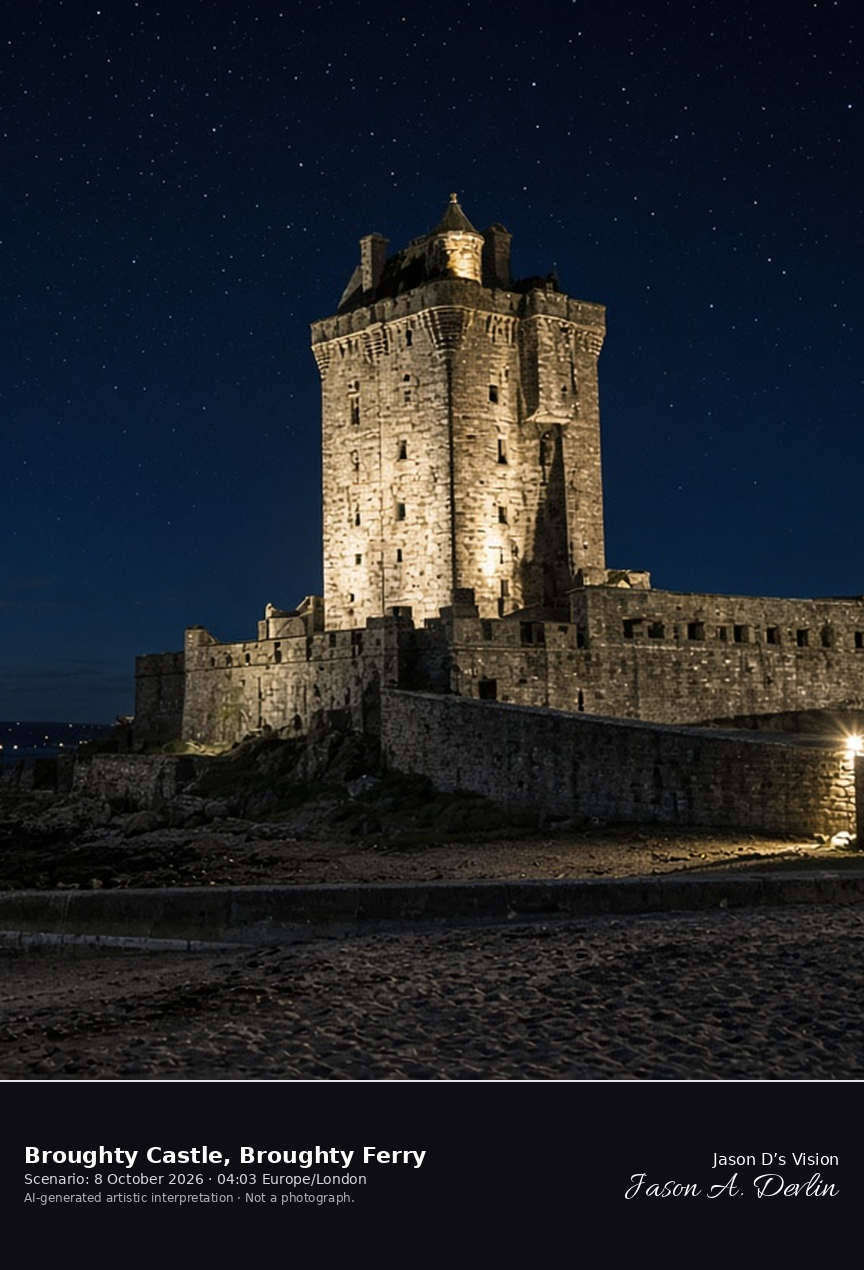
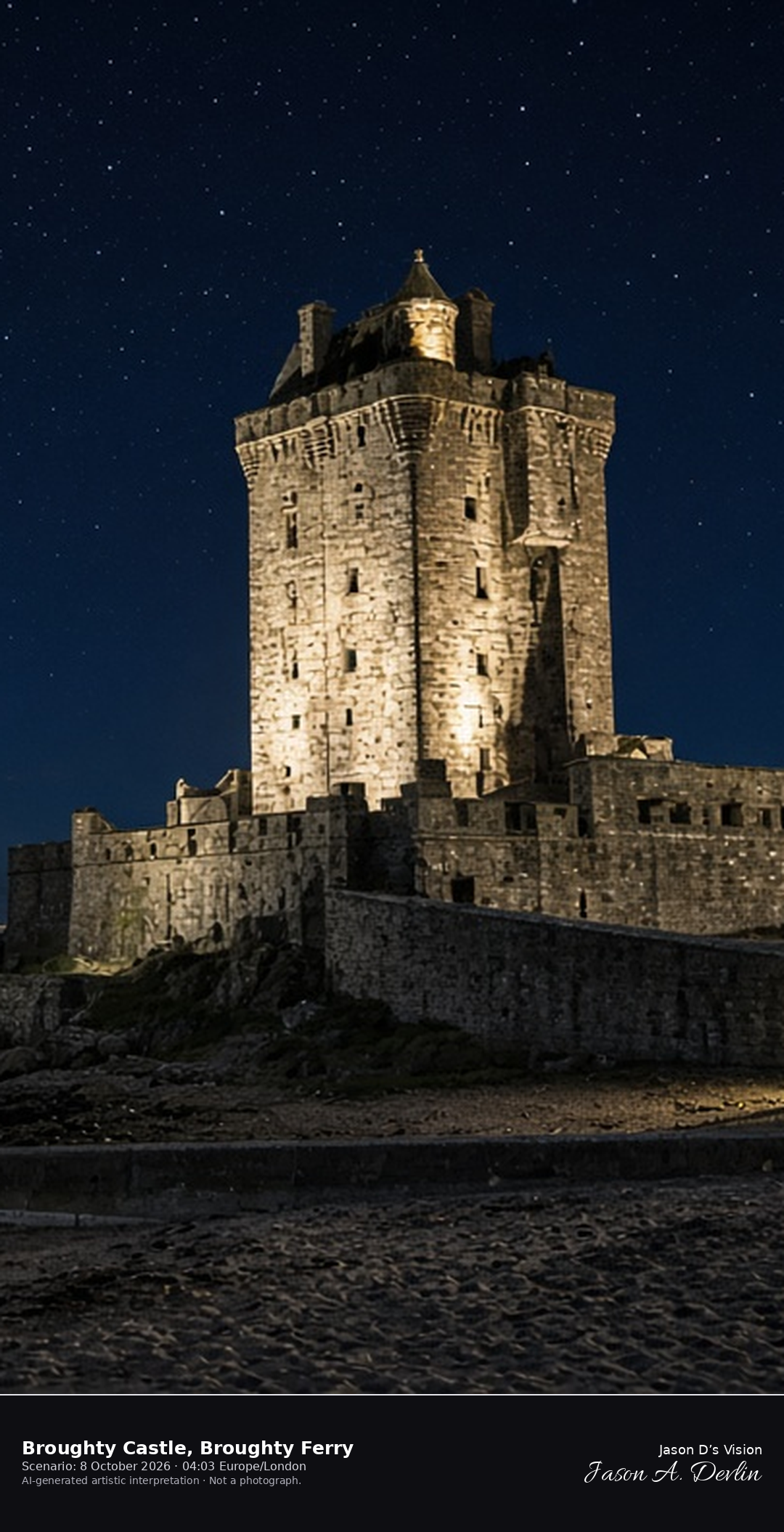
Broughty Castle has guarded the mouth of the Tay since the late fifteenth century. English troops occupied it from 1547 until 1550, when a Franco-Scottish force drove them out. Its later military fabric now houses a museum exploring Broughty Ferry's history and the life of the surrounding coast.
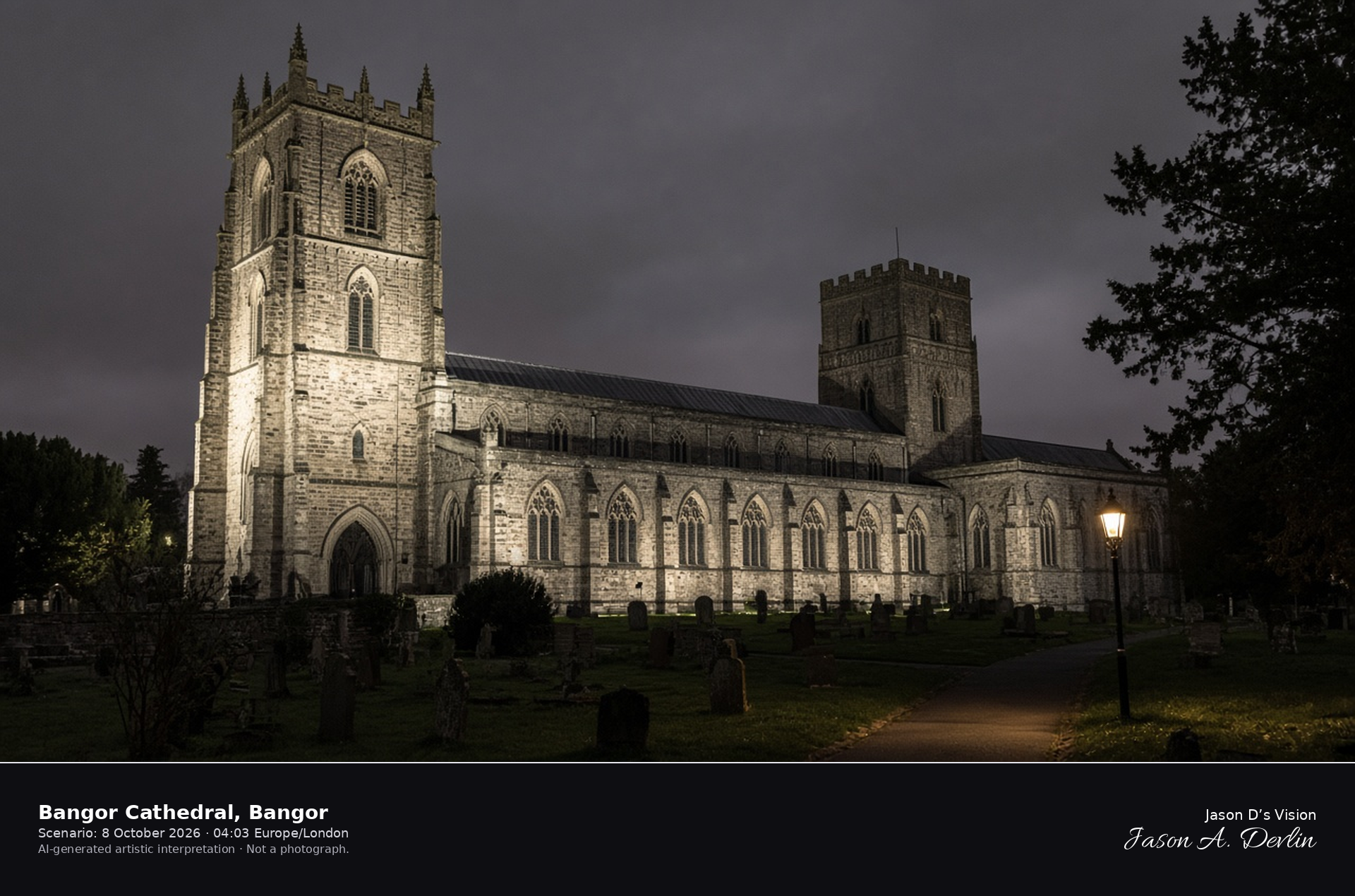
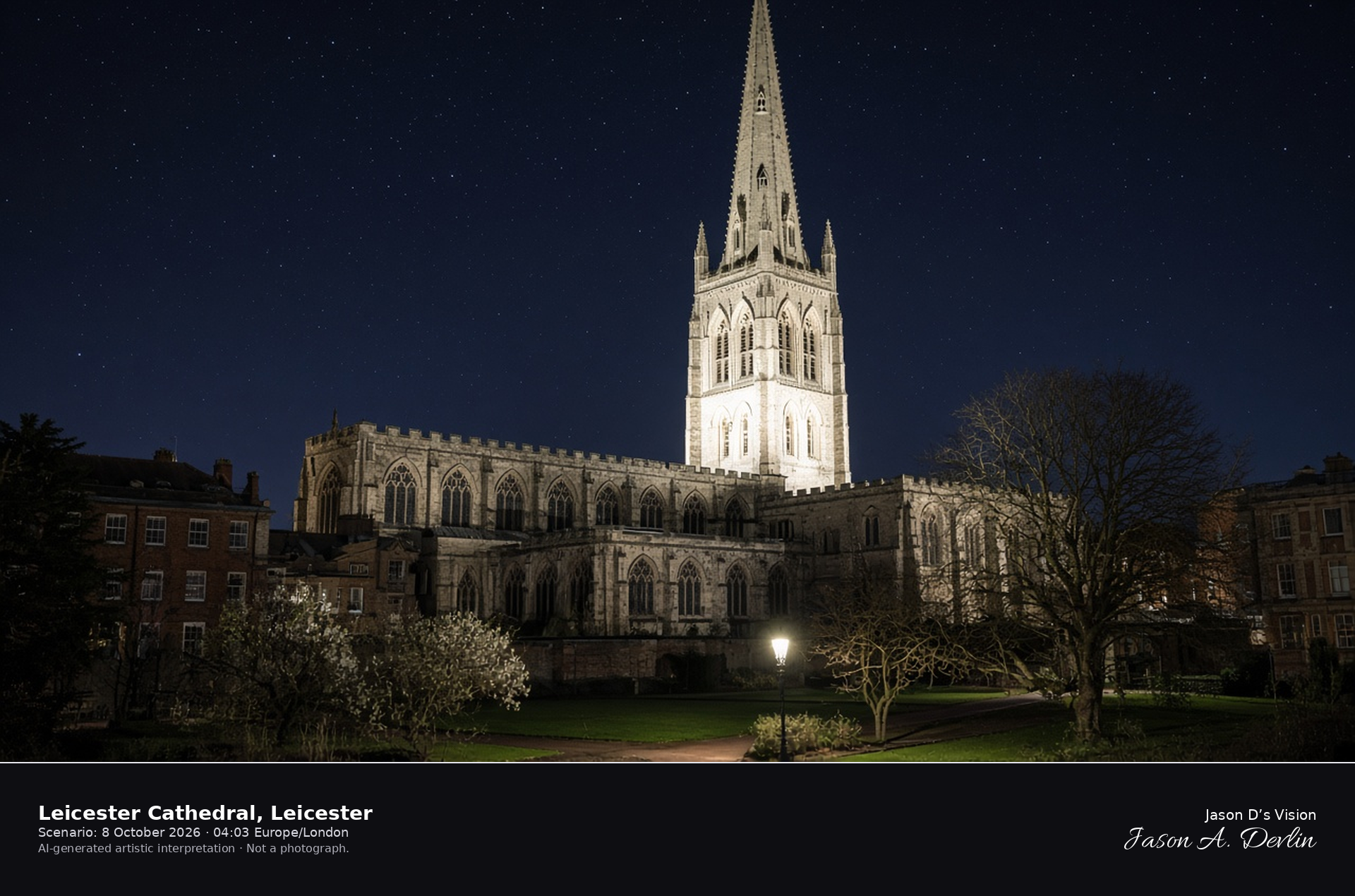
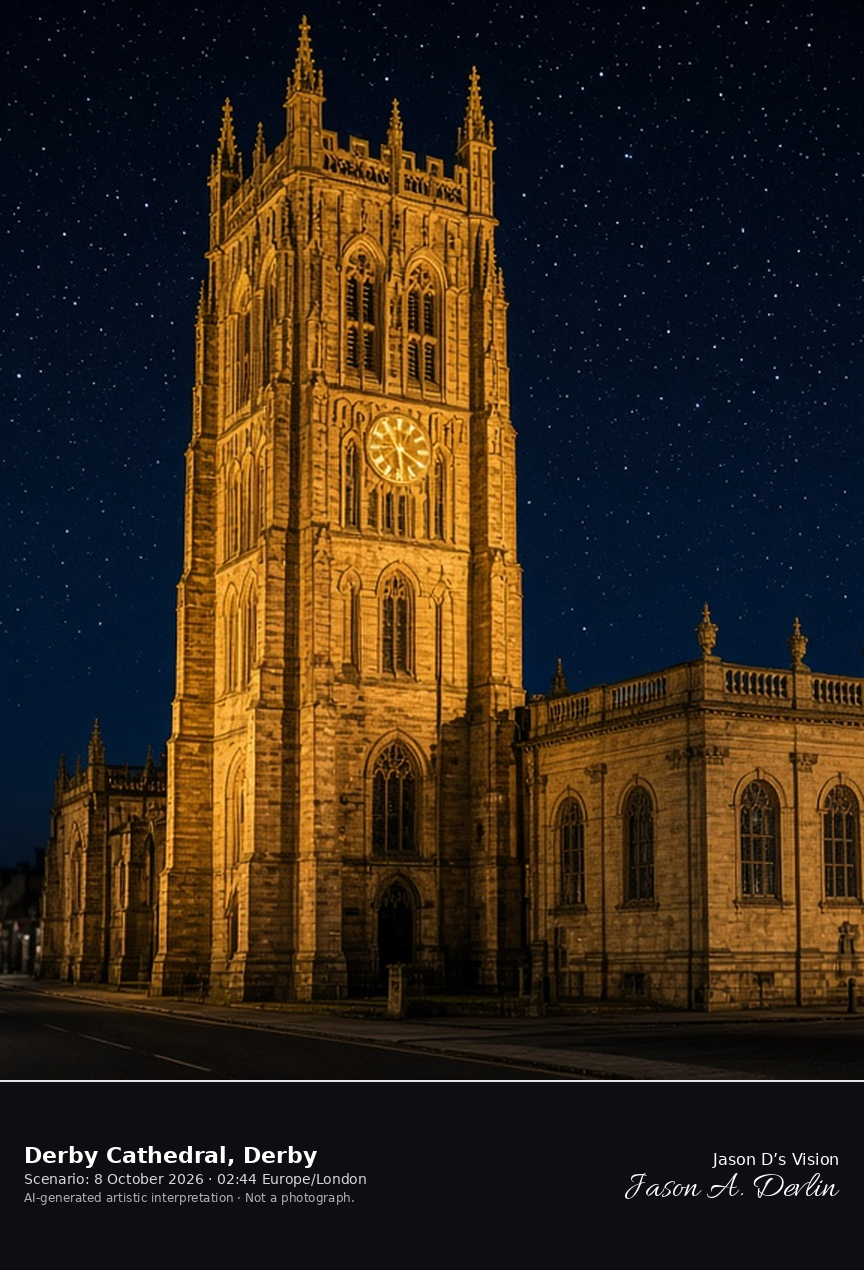
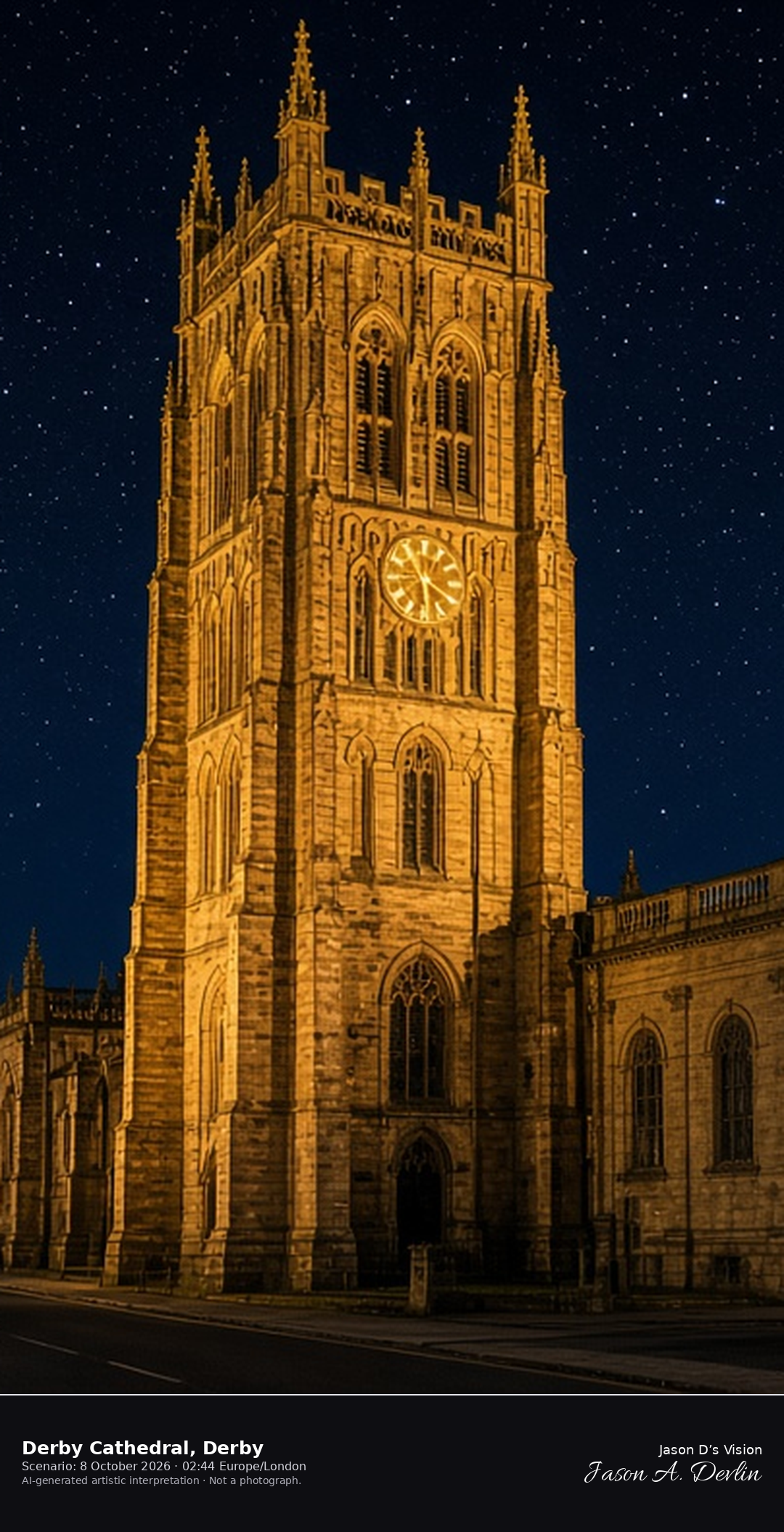
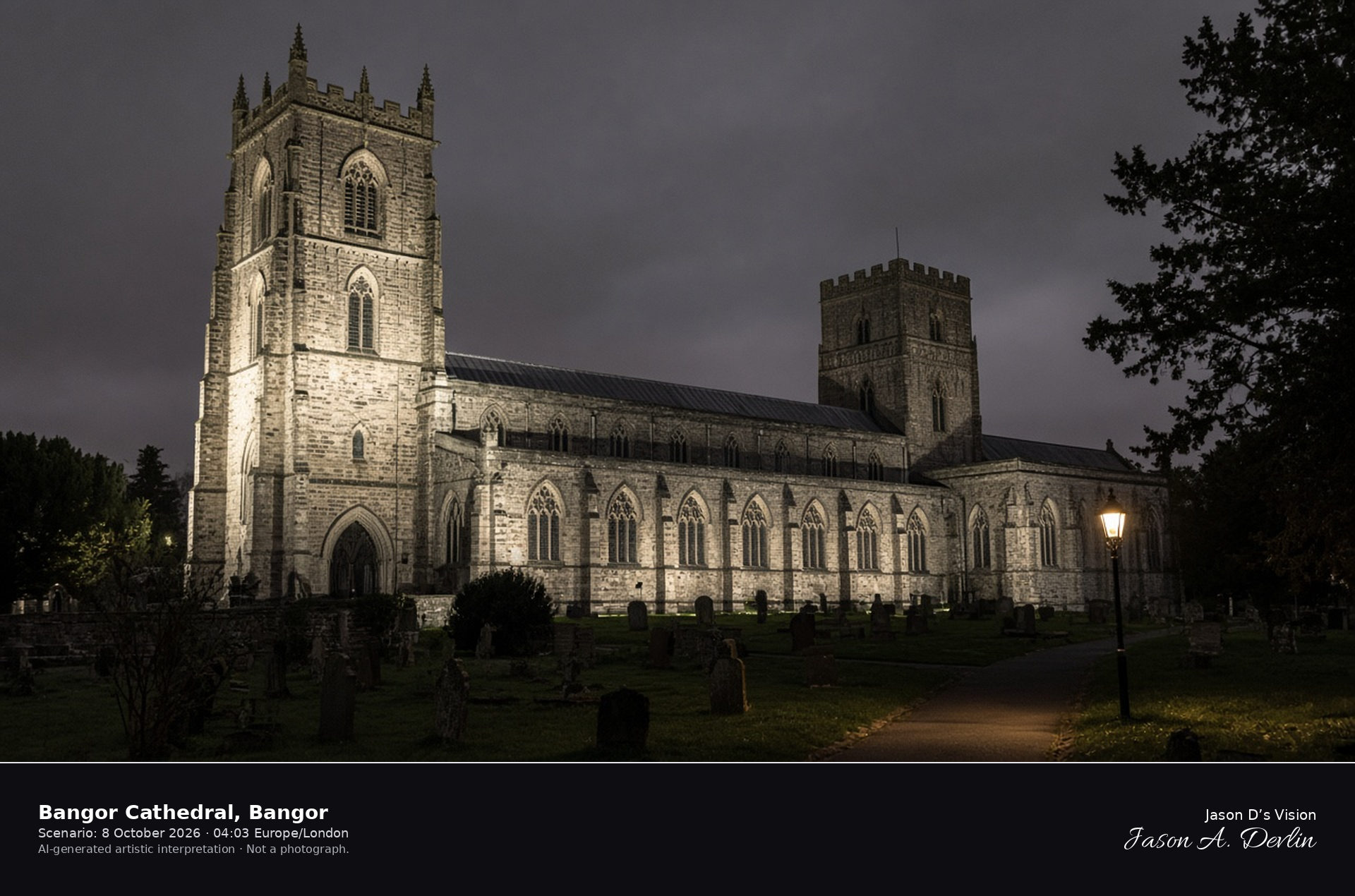
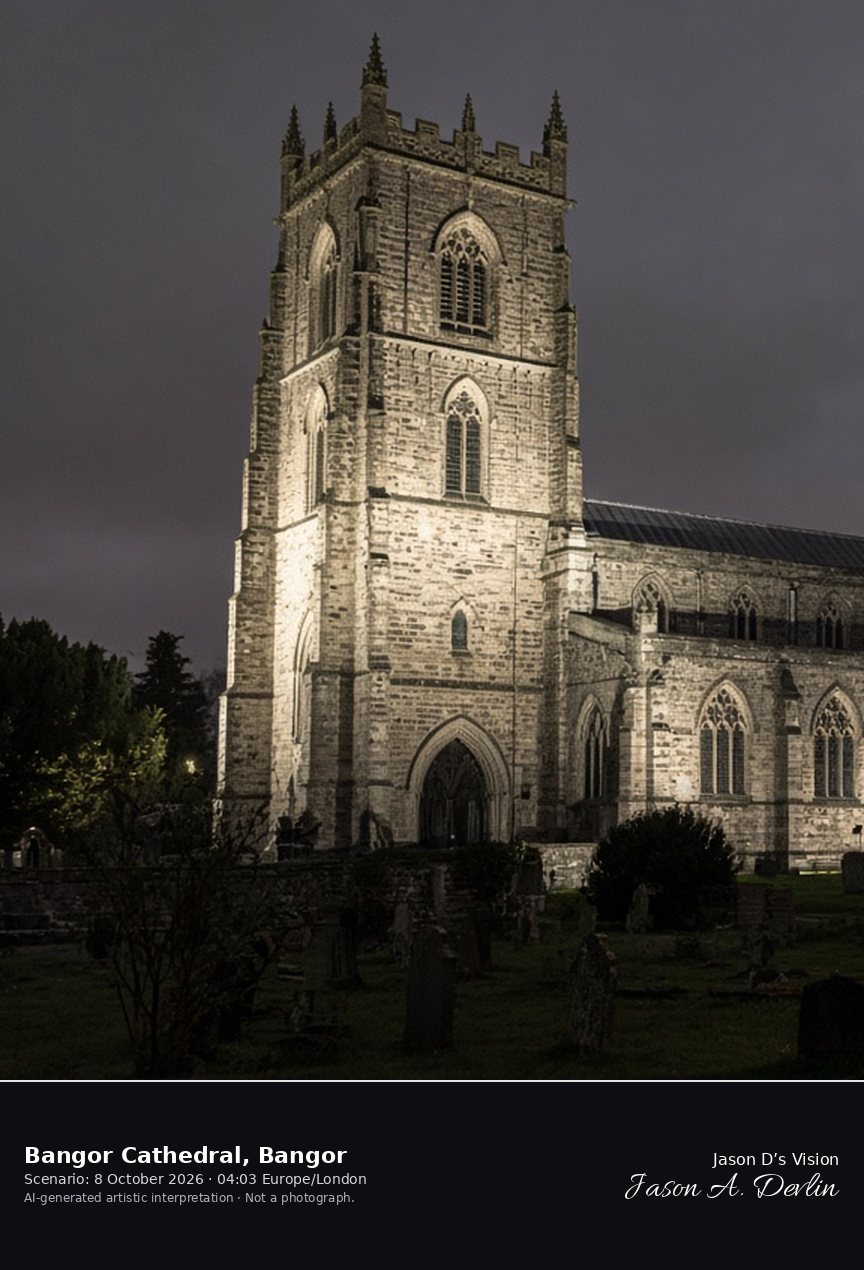
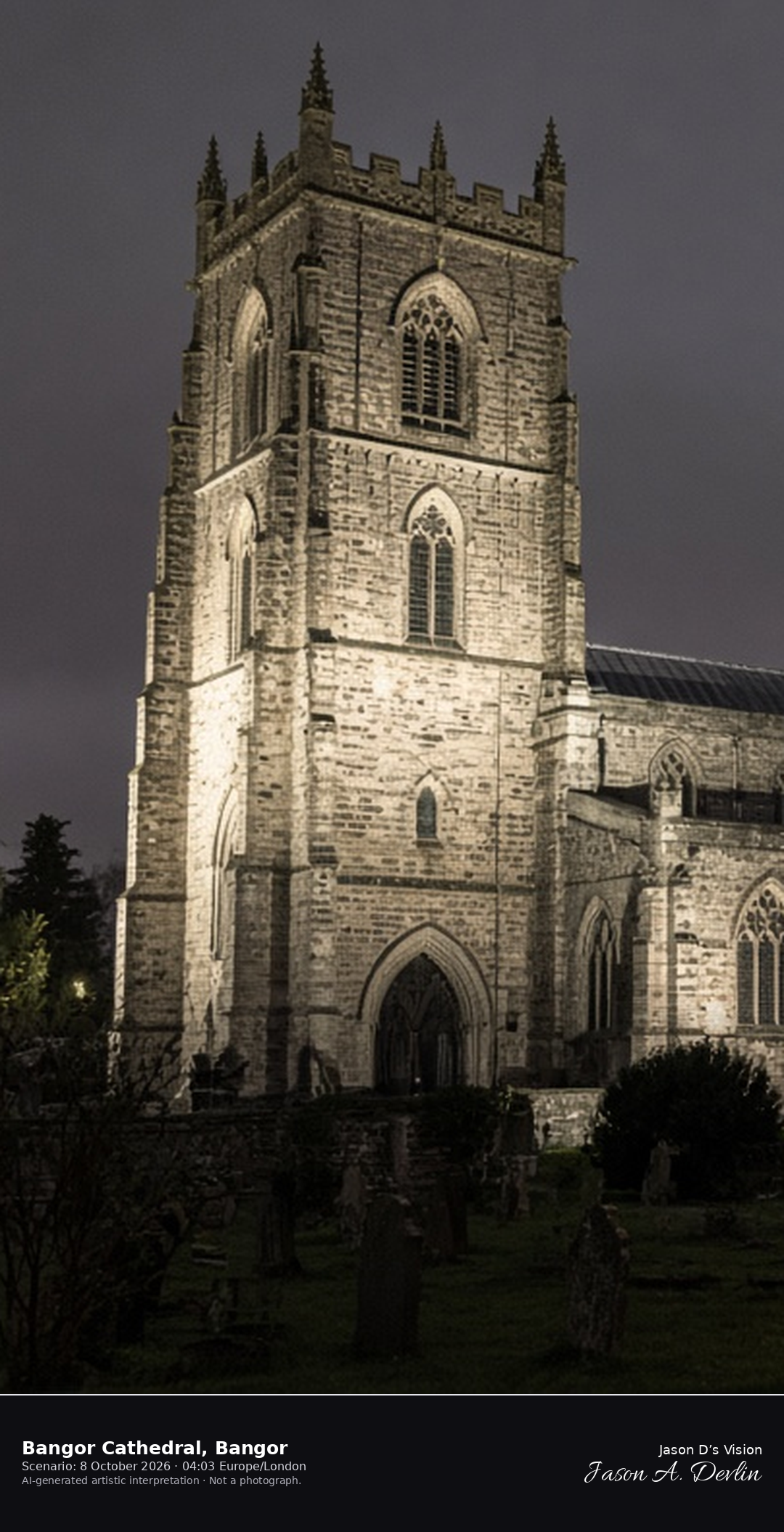
Saint Deiniol founded a monastery here around 530, and the cathedral is dedicated to him. Bishop Thomas Skevington built the west tower in 1532, and George Gilbert Scott's planned central spire was never built.
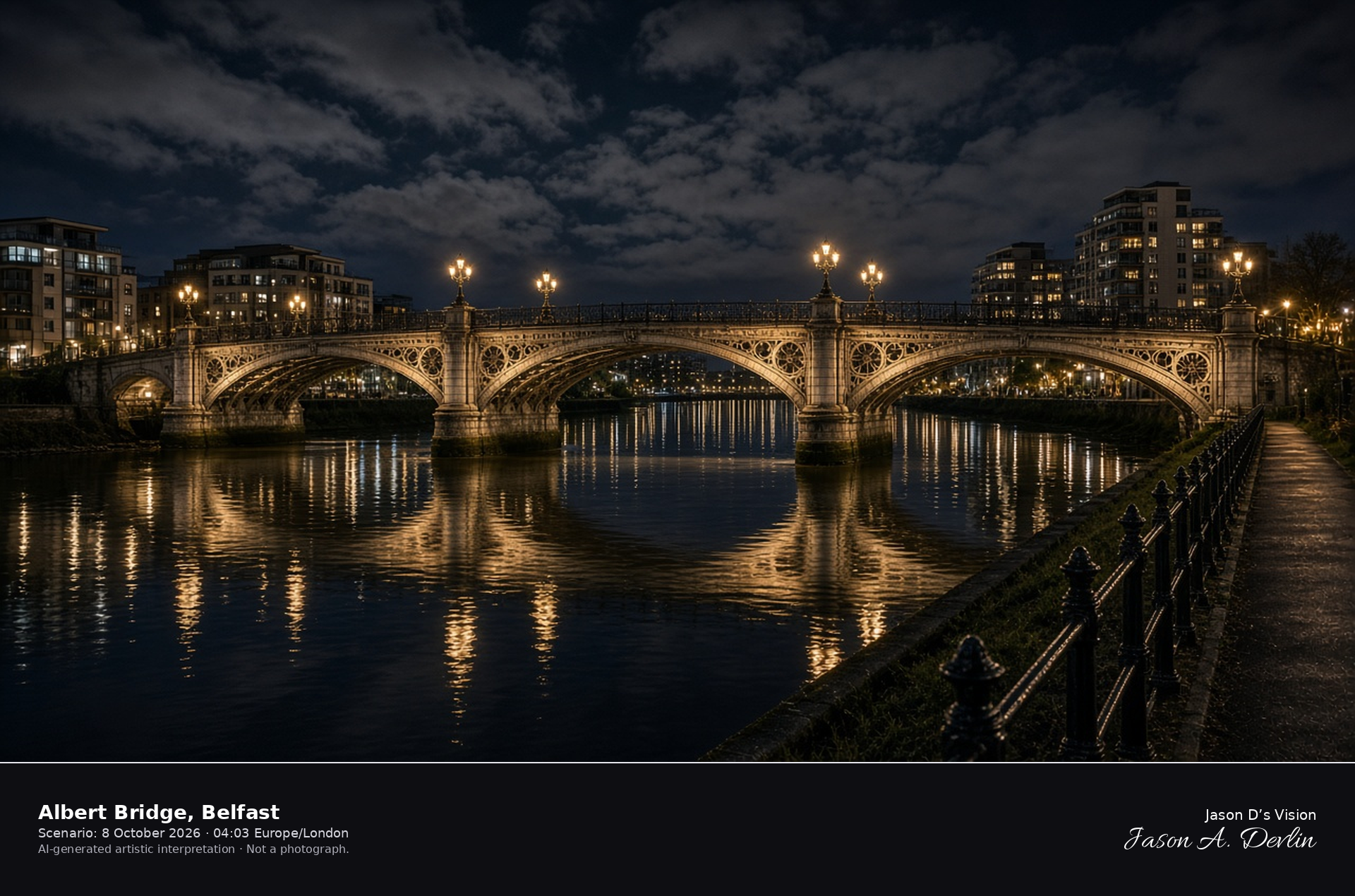
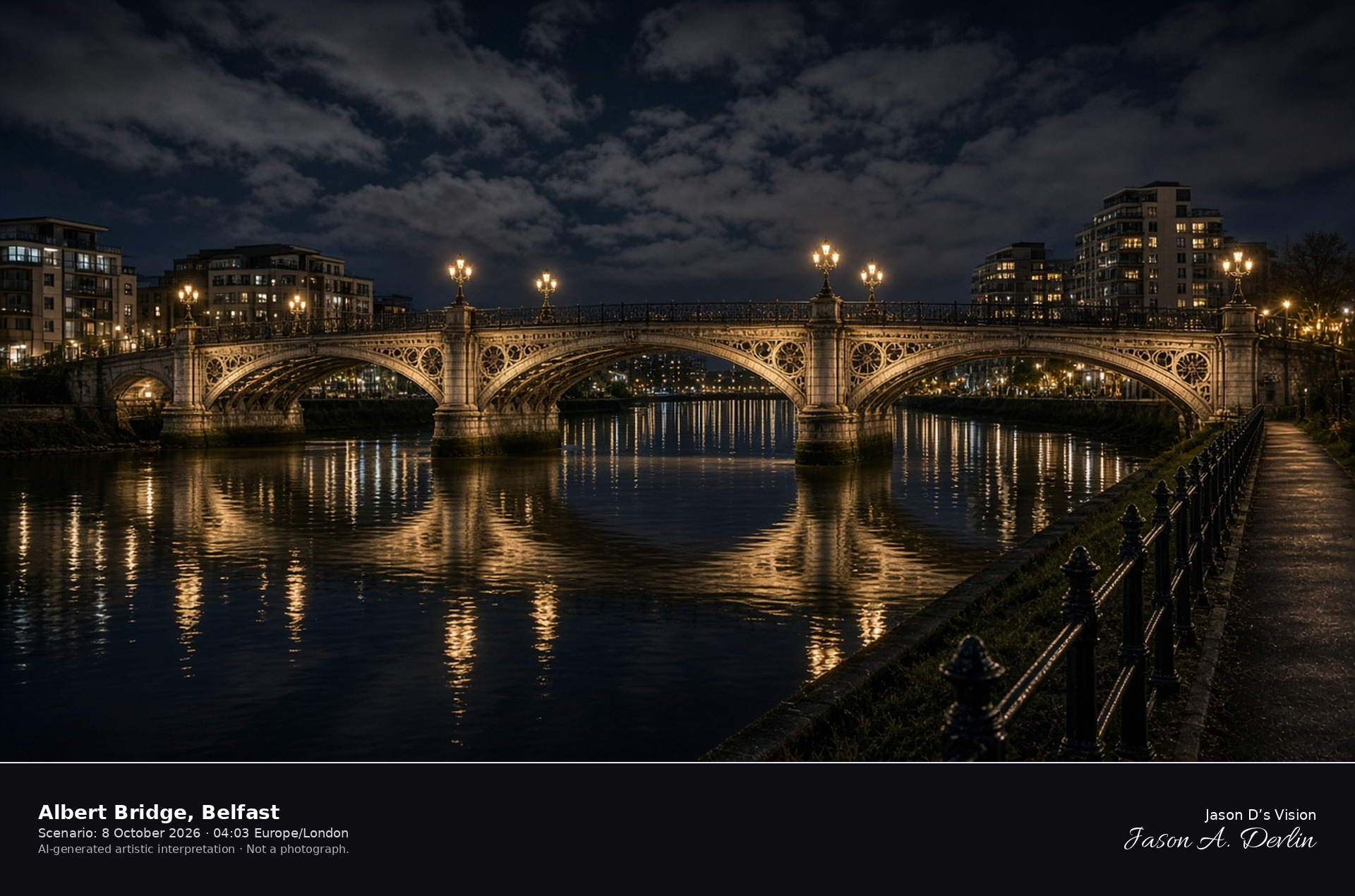
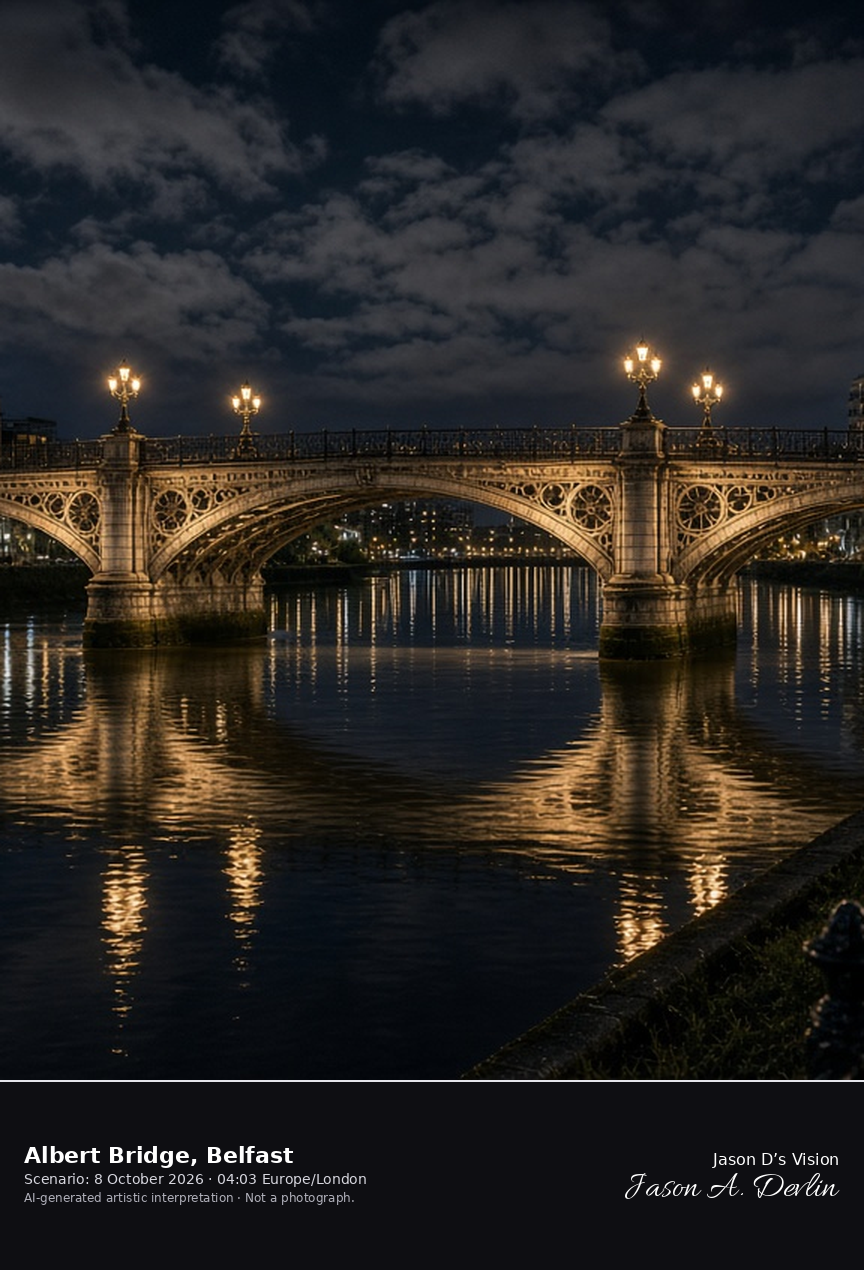
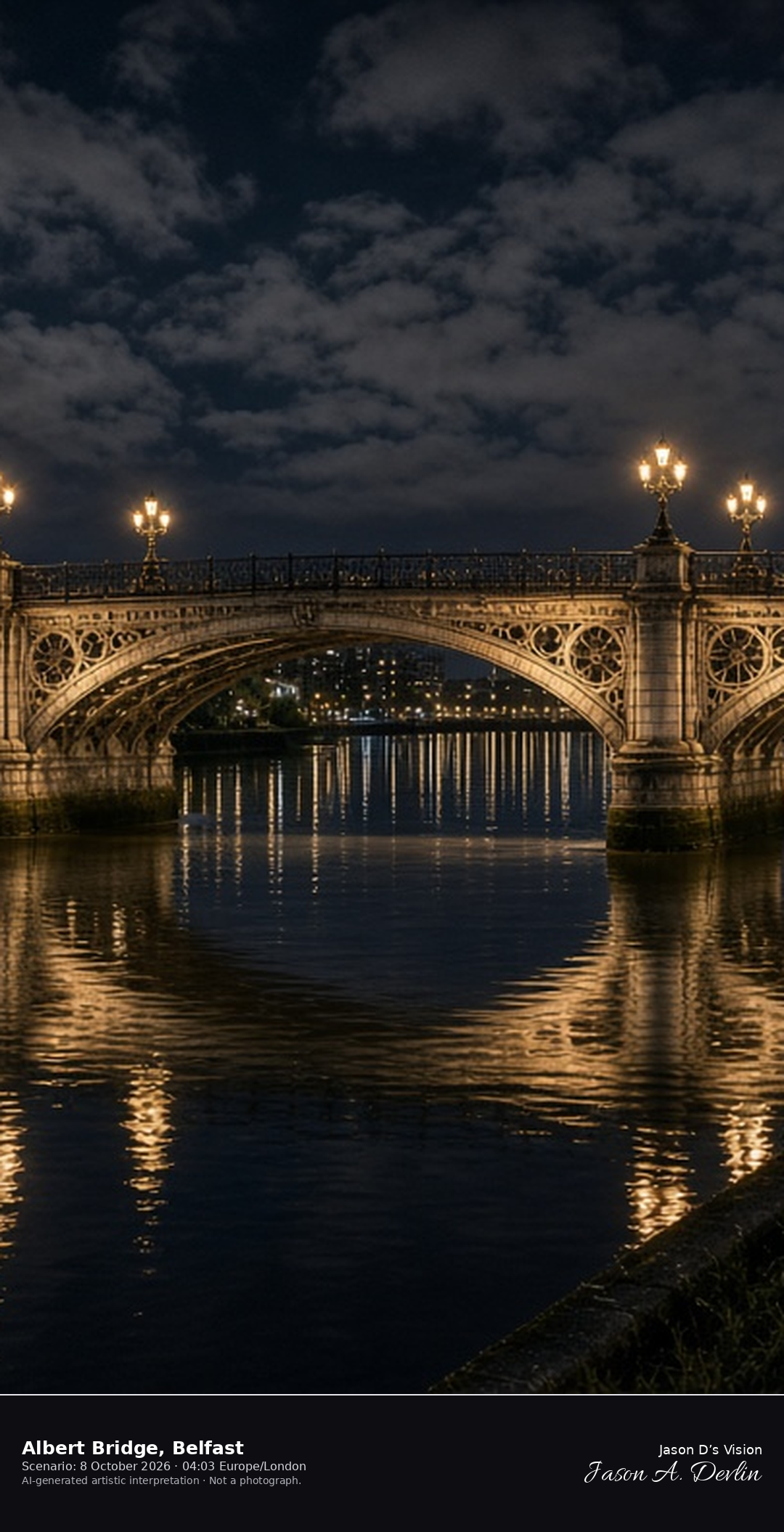
Albert Bridge, Belfast · AI-generated artistic interpretation
Belfast city surveyor J C Bretland completed the bridge in 1890, after two arches of the older masonry bridge collapsed in 1886. Its cast iron, including the lamp posts, was made in Derby by Andrew Handyside & Co.
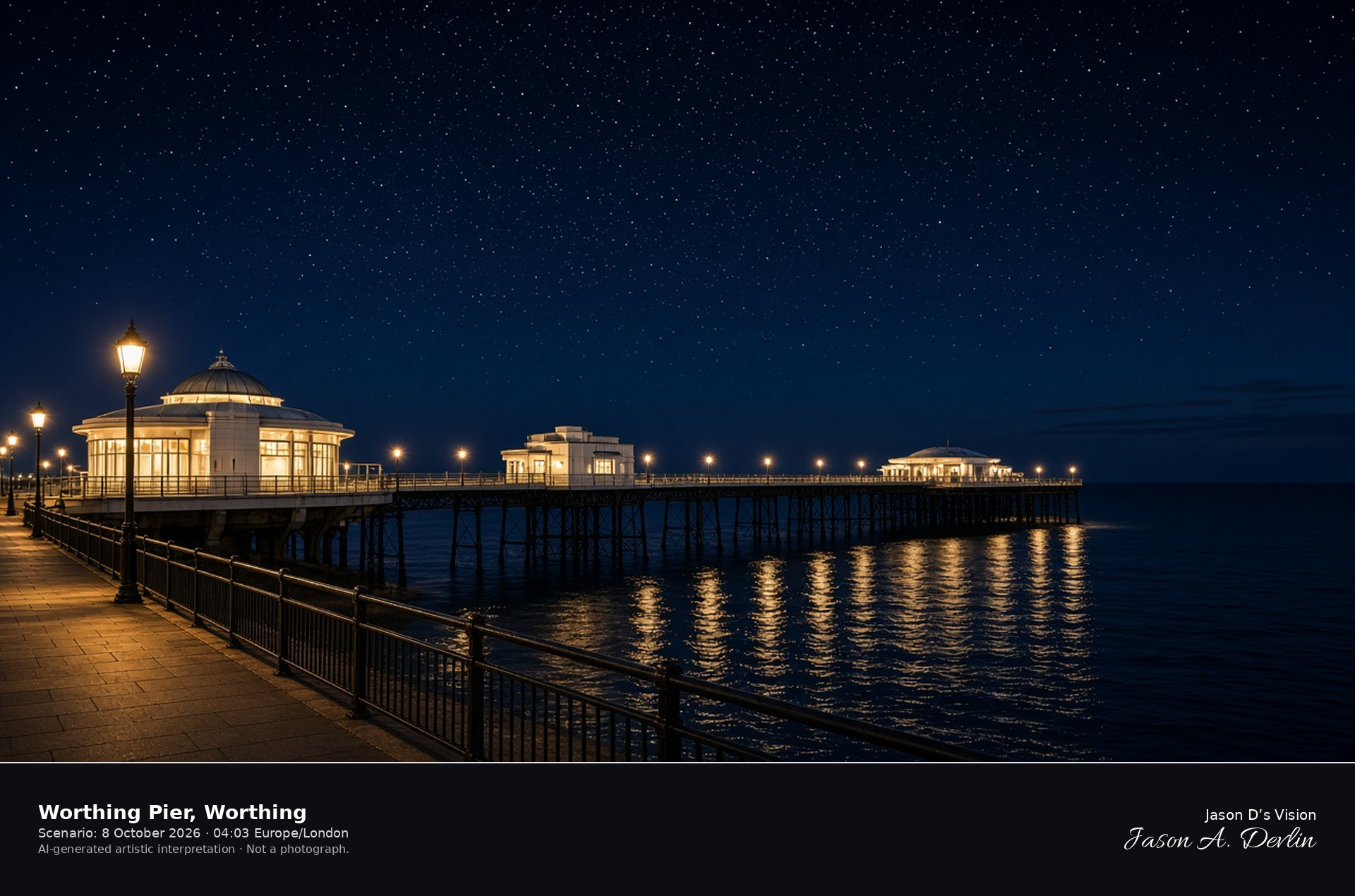
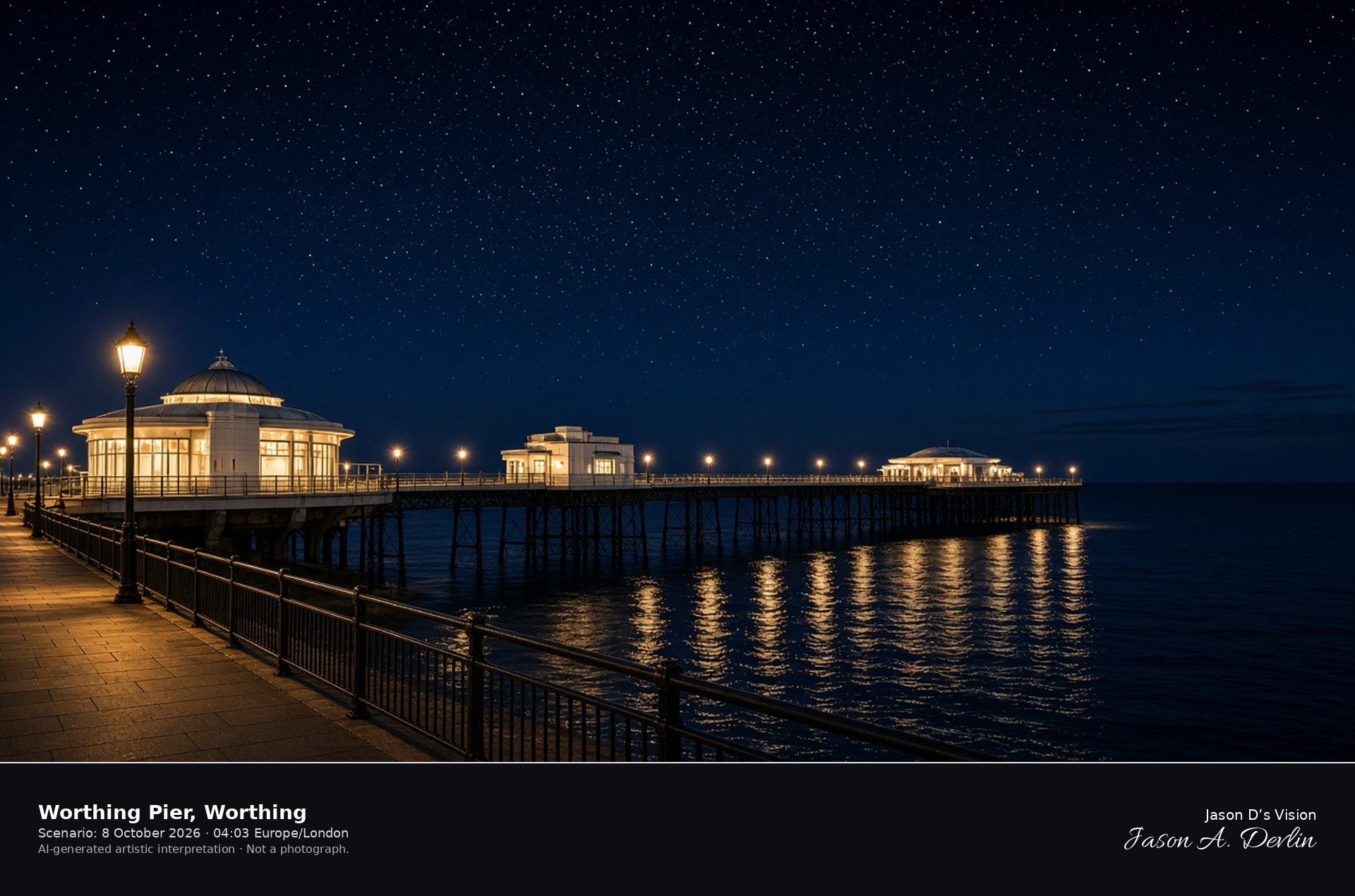
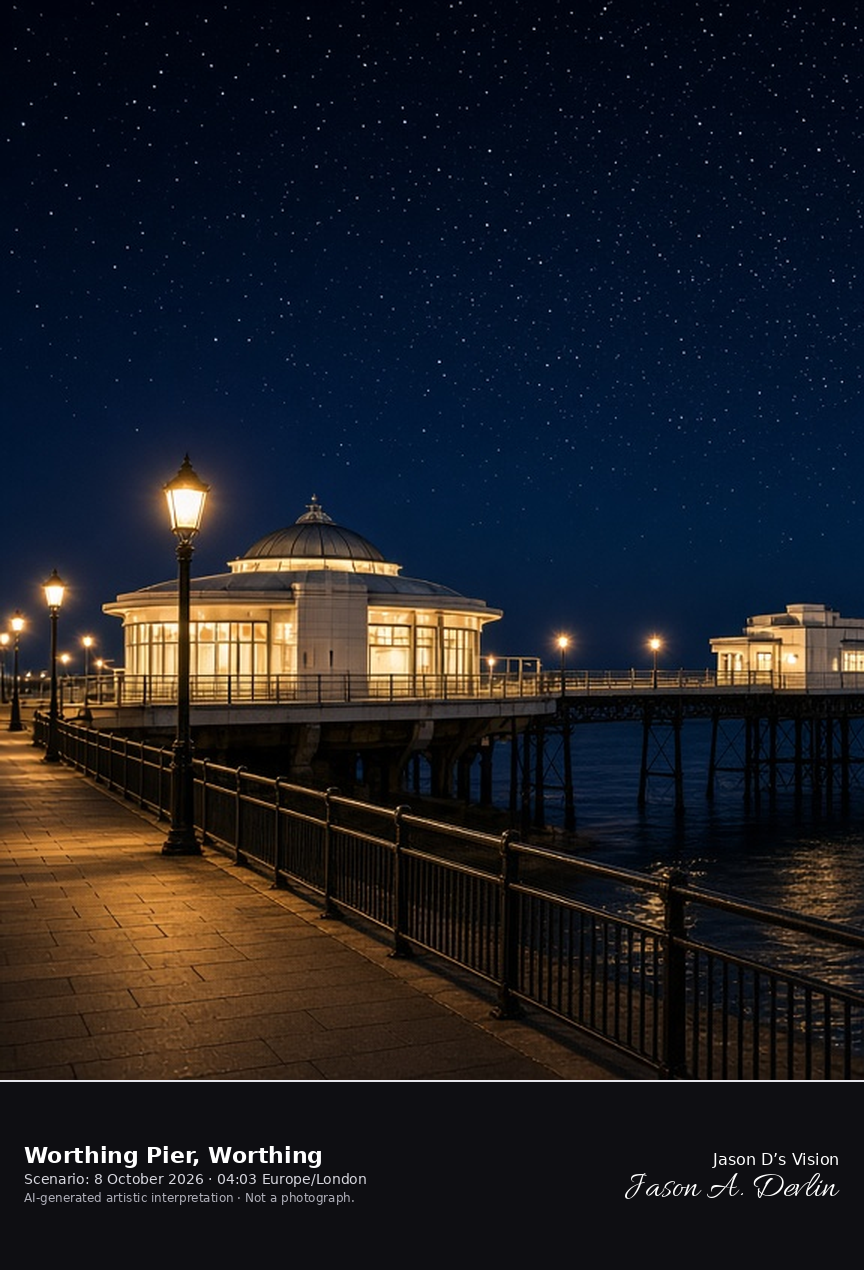
Sir Robert Rawlinson designed the pier, which opened in 1862. After a fire in 1933 it was remodelled in the Streamline Moderne style and reopened in 1935.
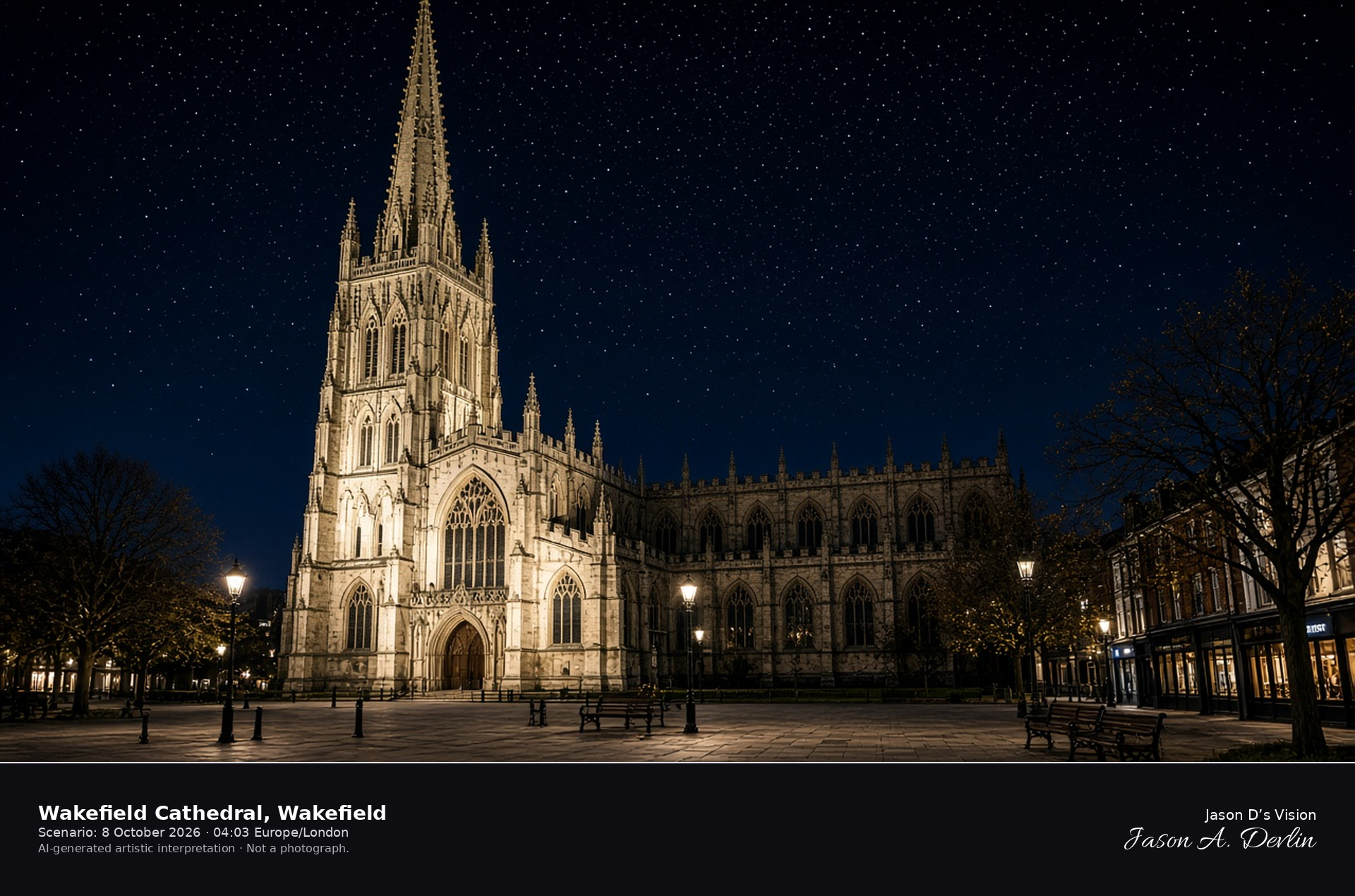
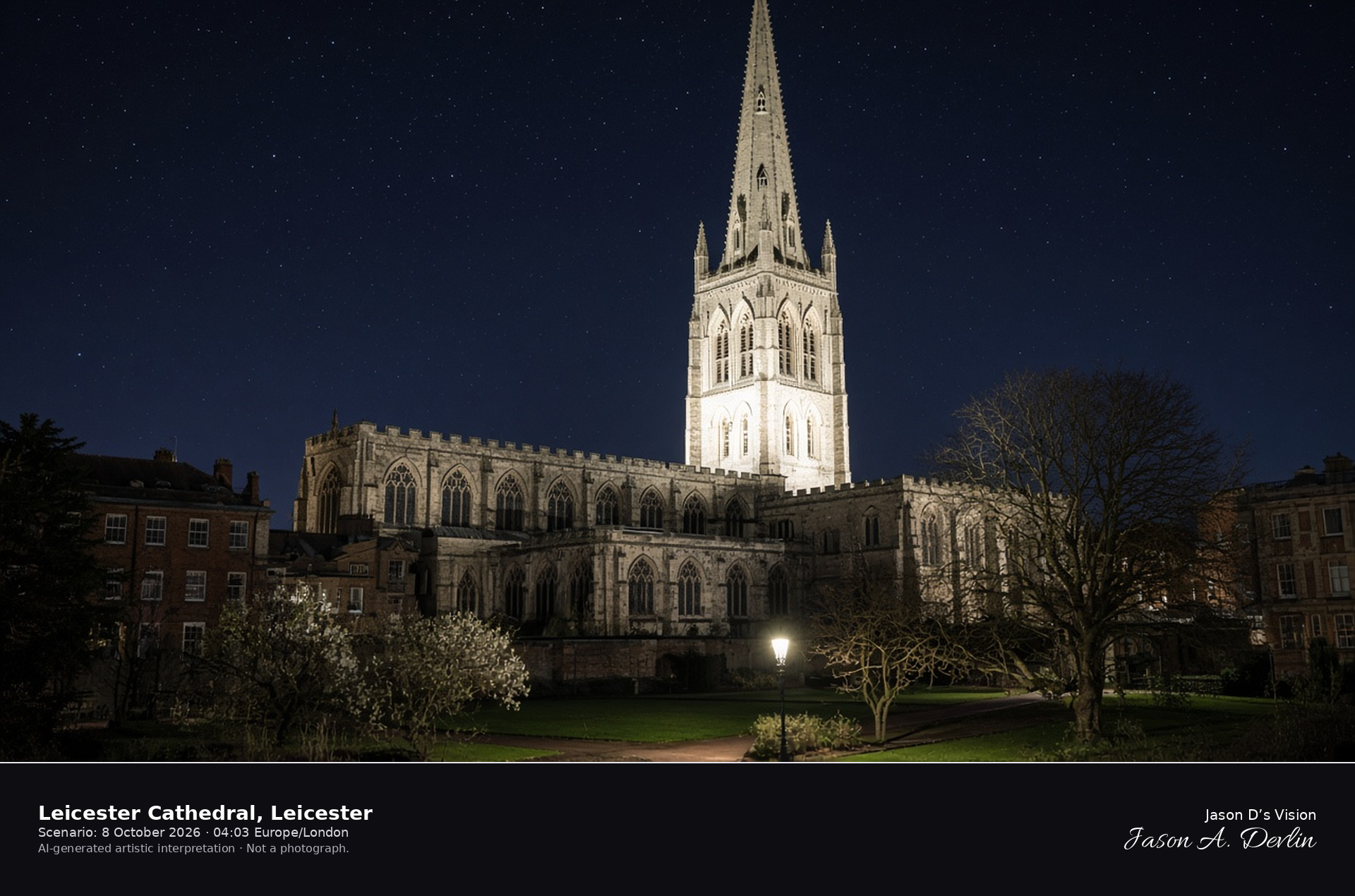
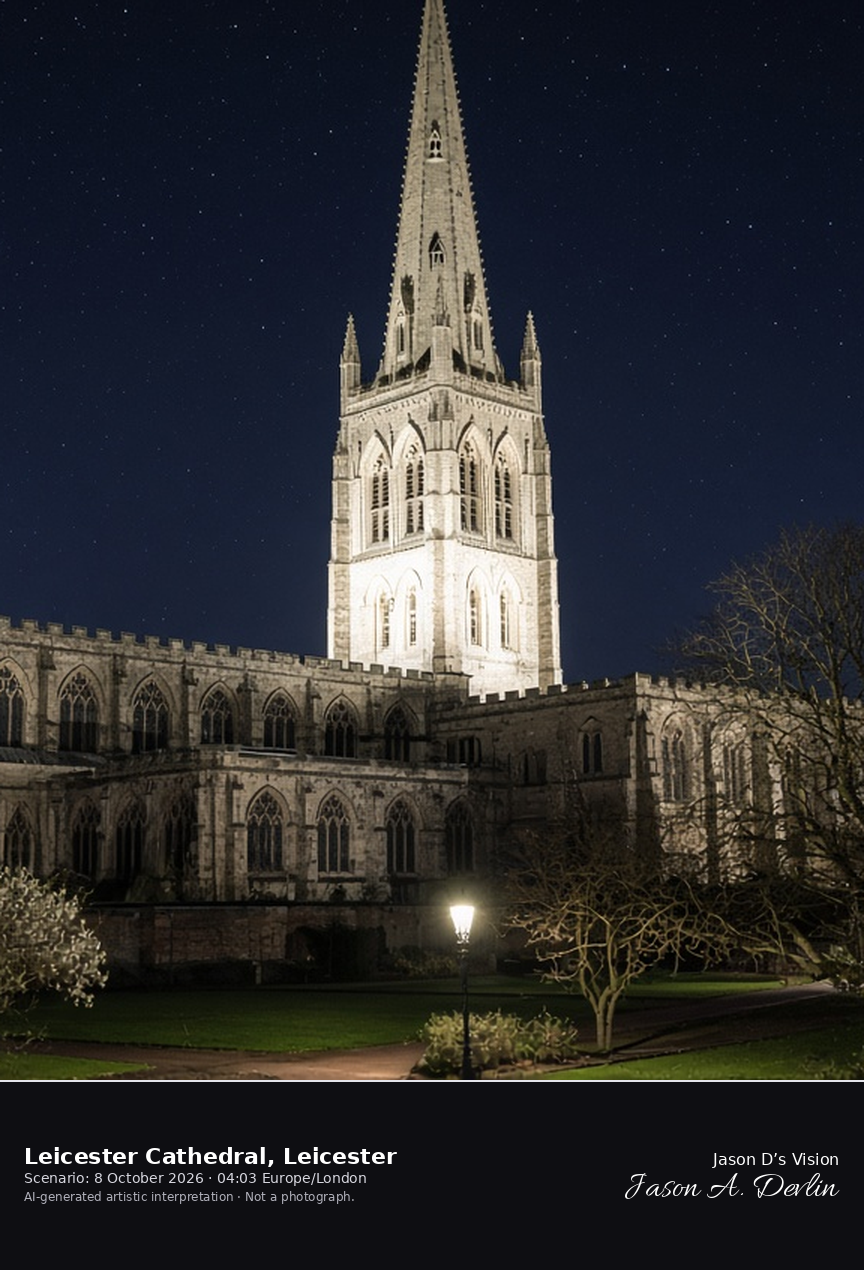
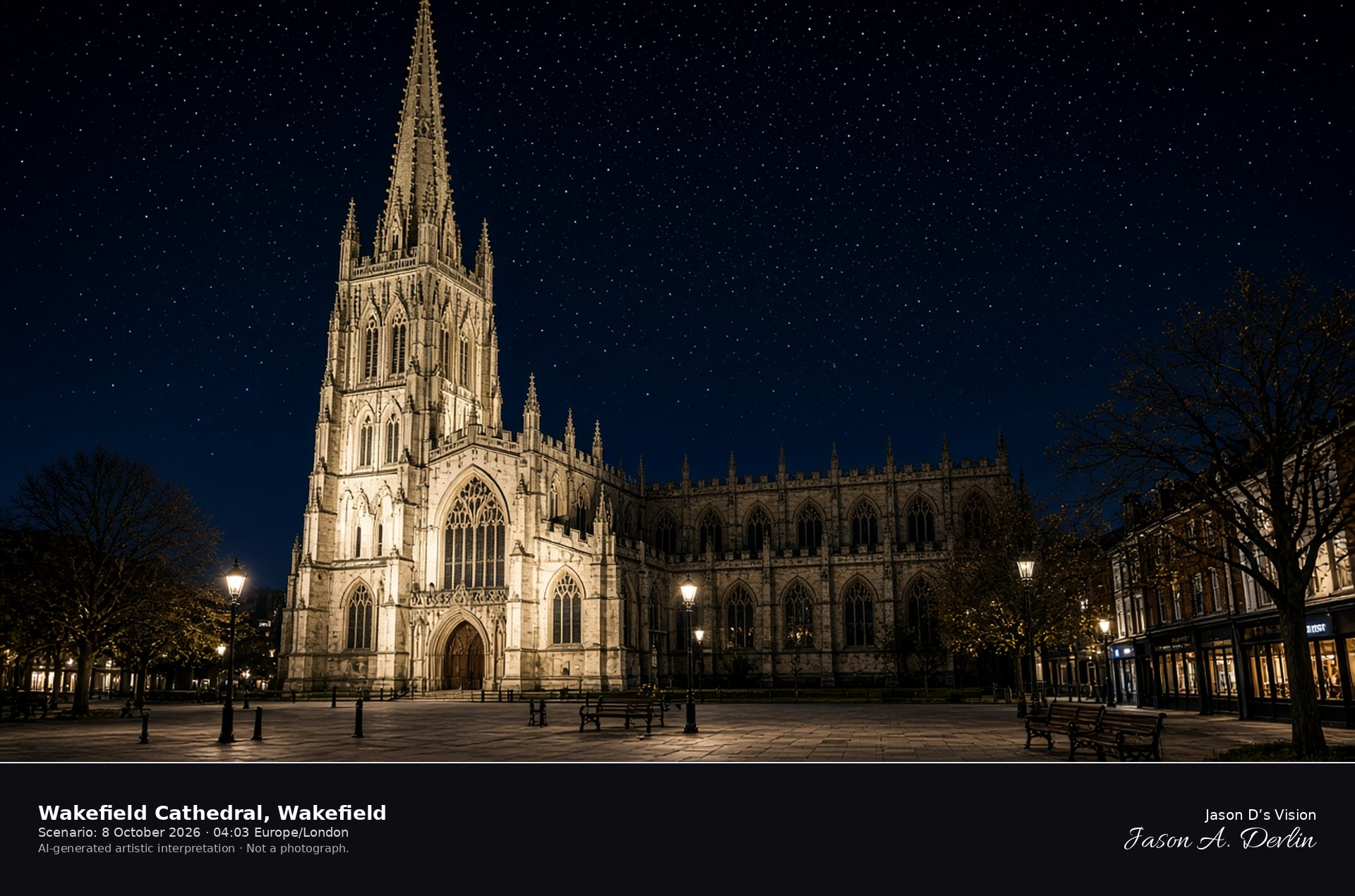
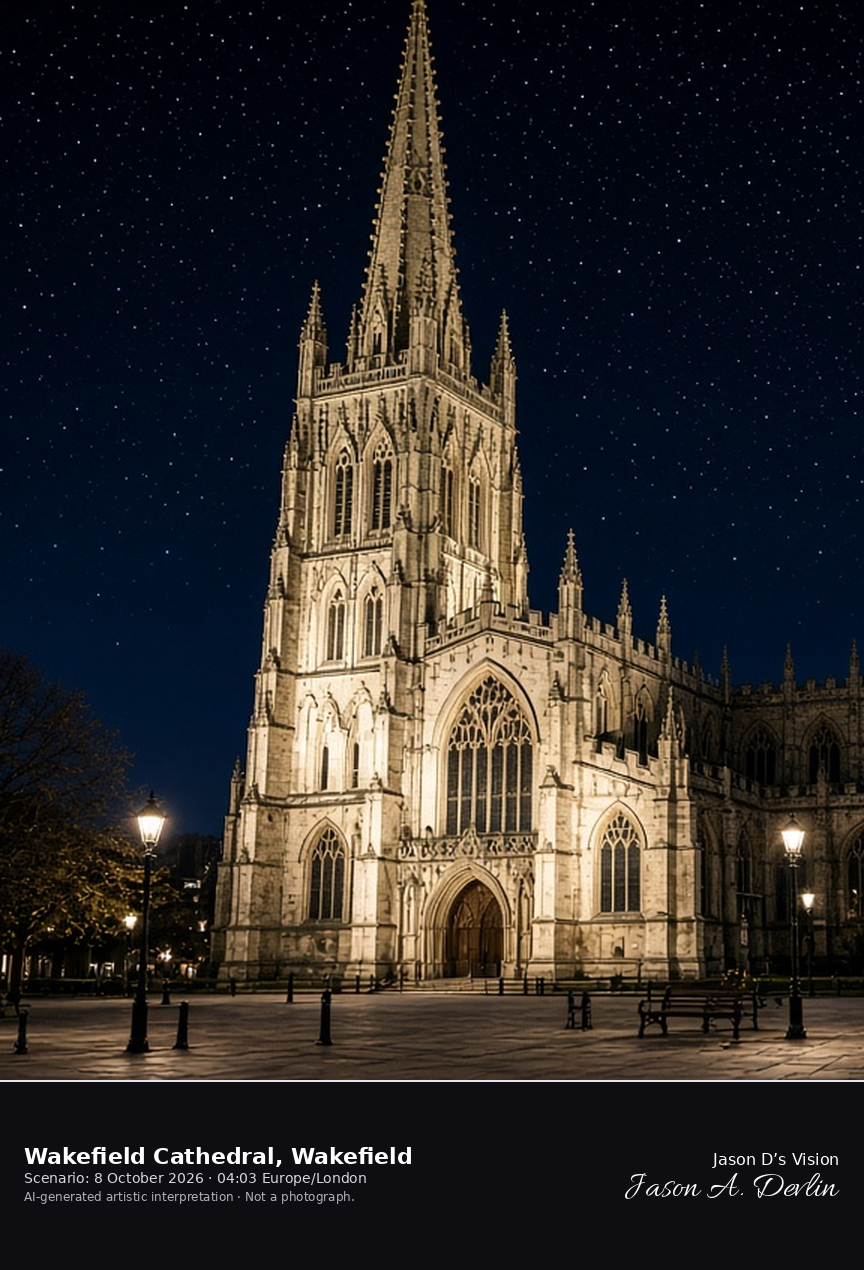
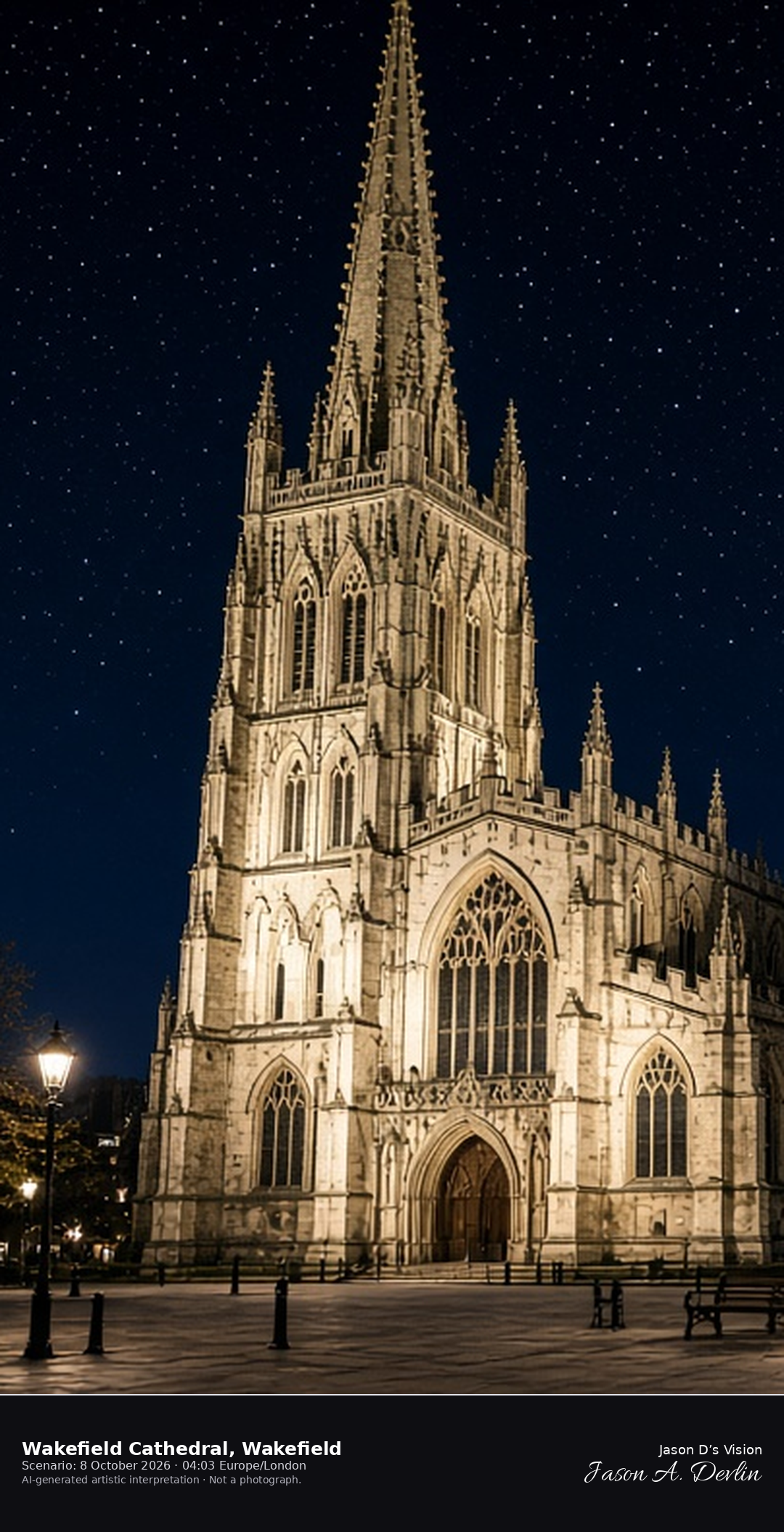
The church of All Saints has Anglo-Saxon origins and was rebuilt in the Perpendicular style in the 15th century. Its 75 m spire is the tallest in Yorkshire.
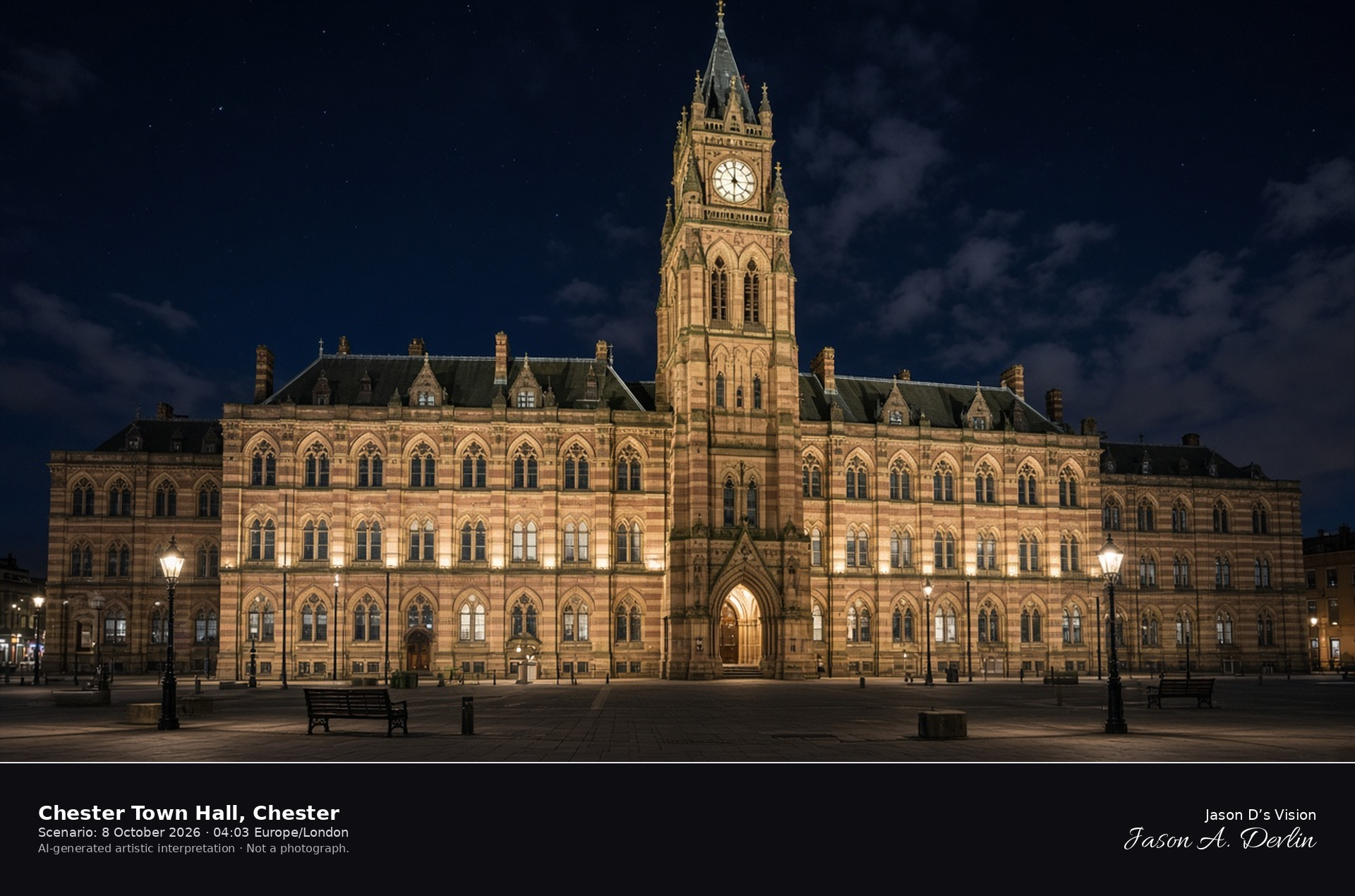
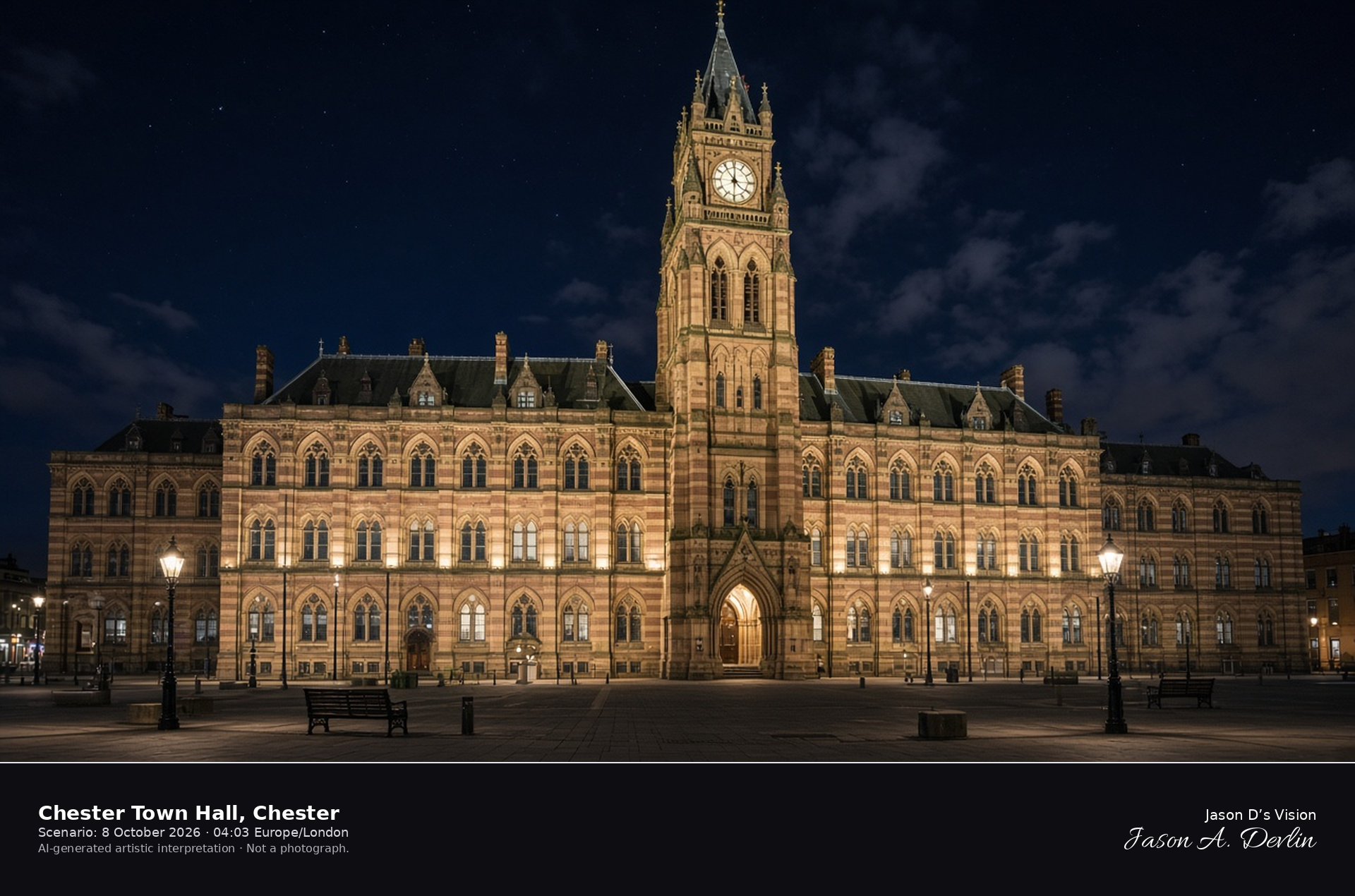
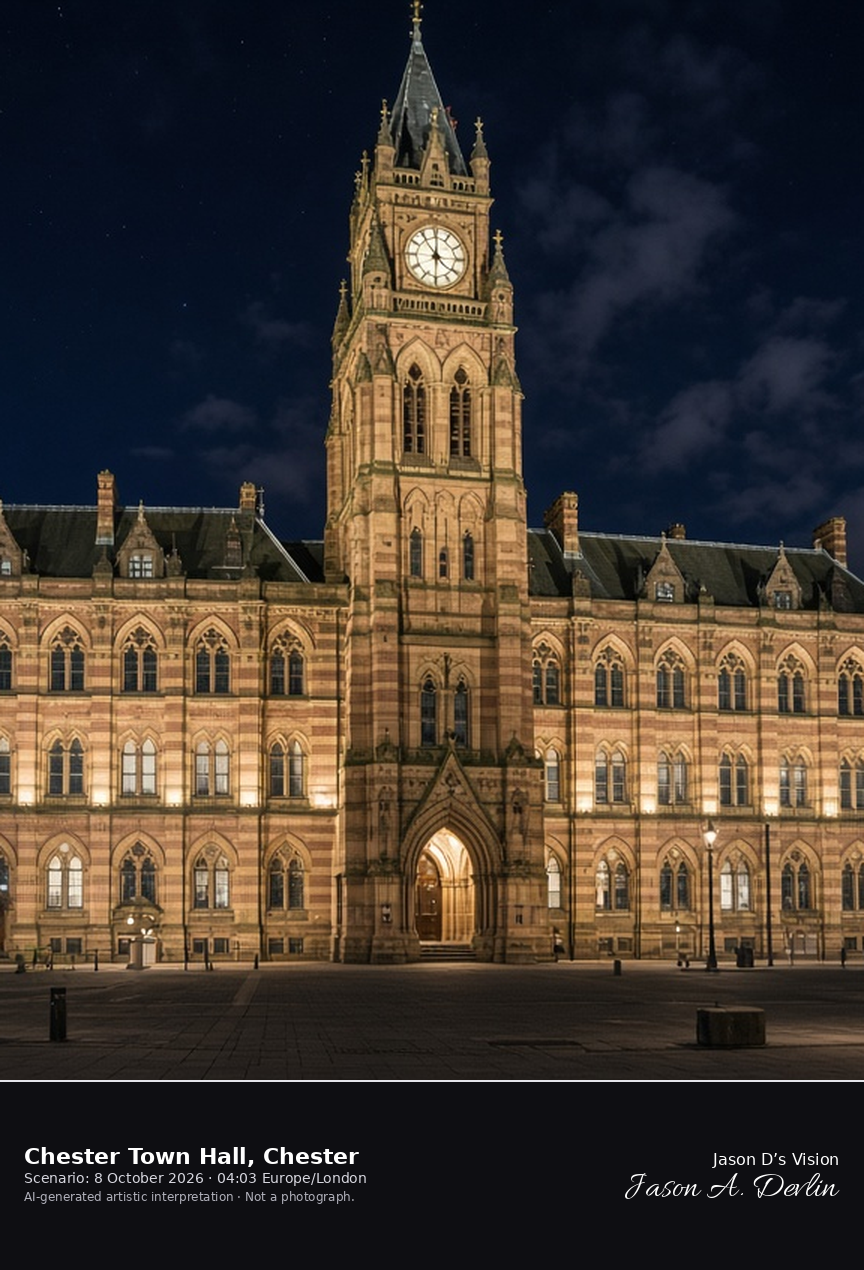
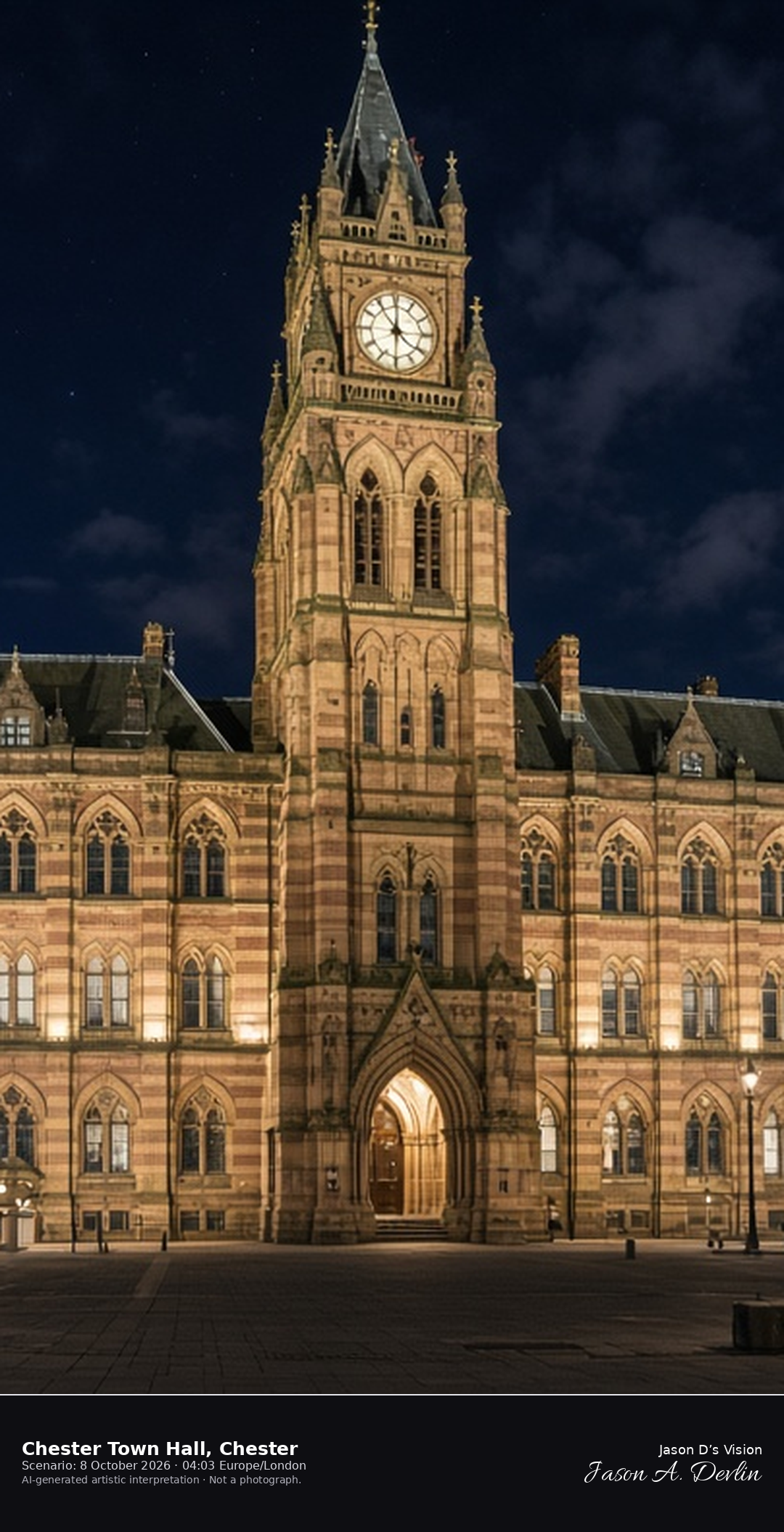
Chester Town Hall · AI-generated artistic interpretation
Chester Town Hall opened in 1869, with the Prince of Wales performing the ceremony. Designed by Belfast architect William Henry Lynn, its Gothic Revival stonework makes a civic counterpart to the neighbouring cathedral, giving Northgate Street two very different expressions of public life.
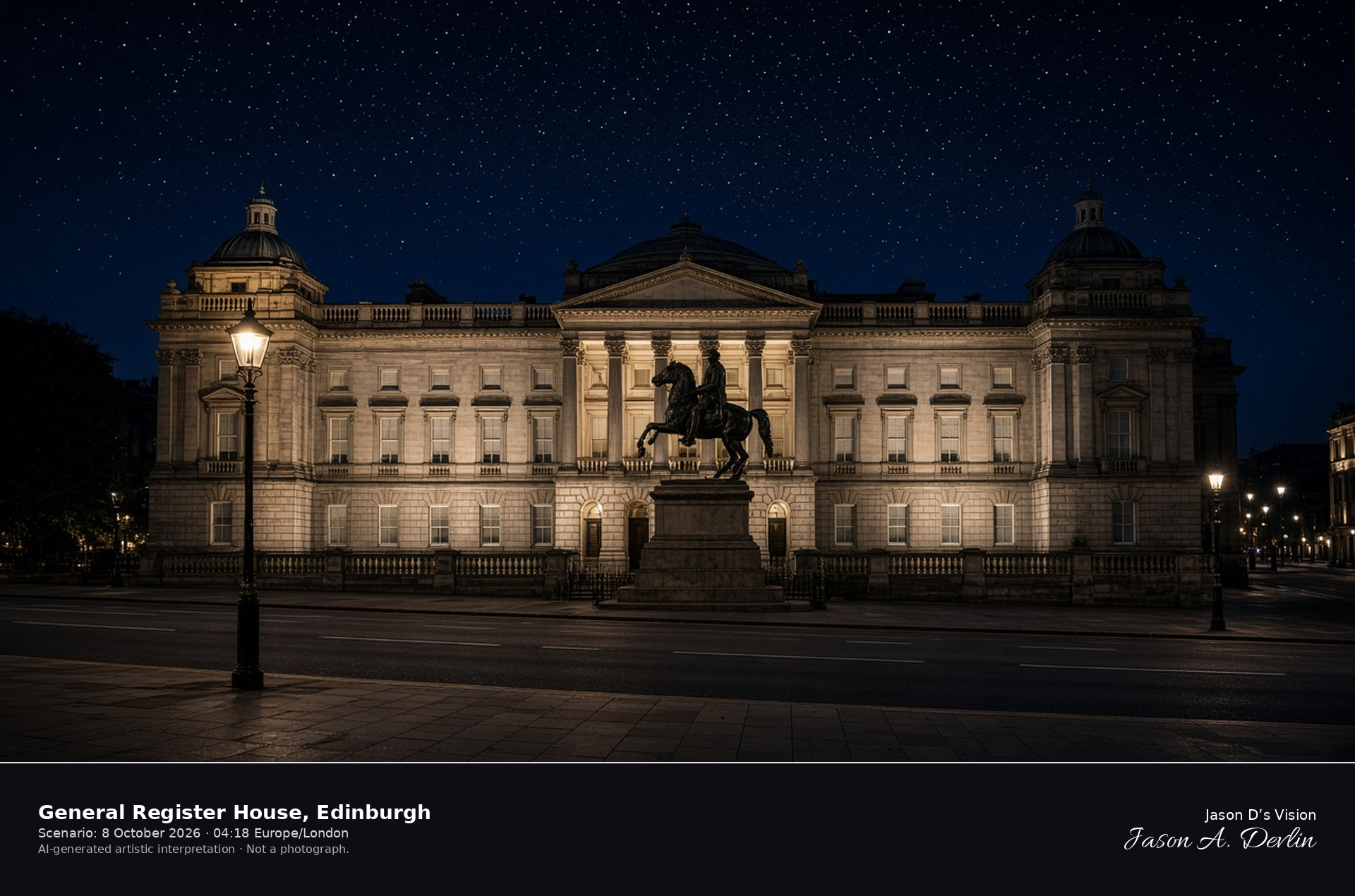
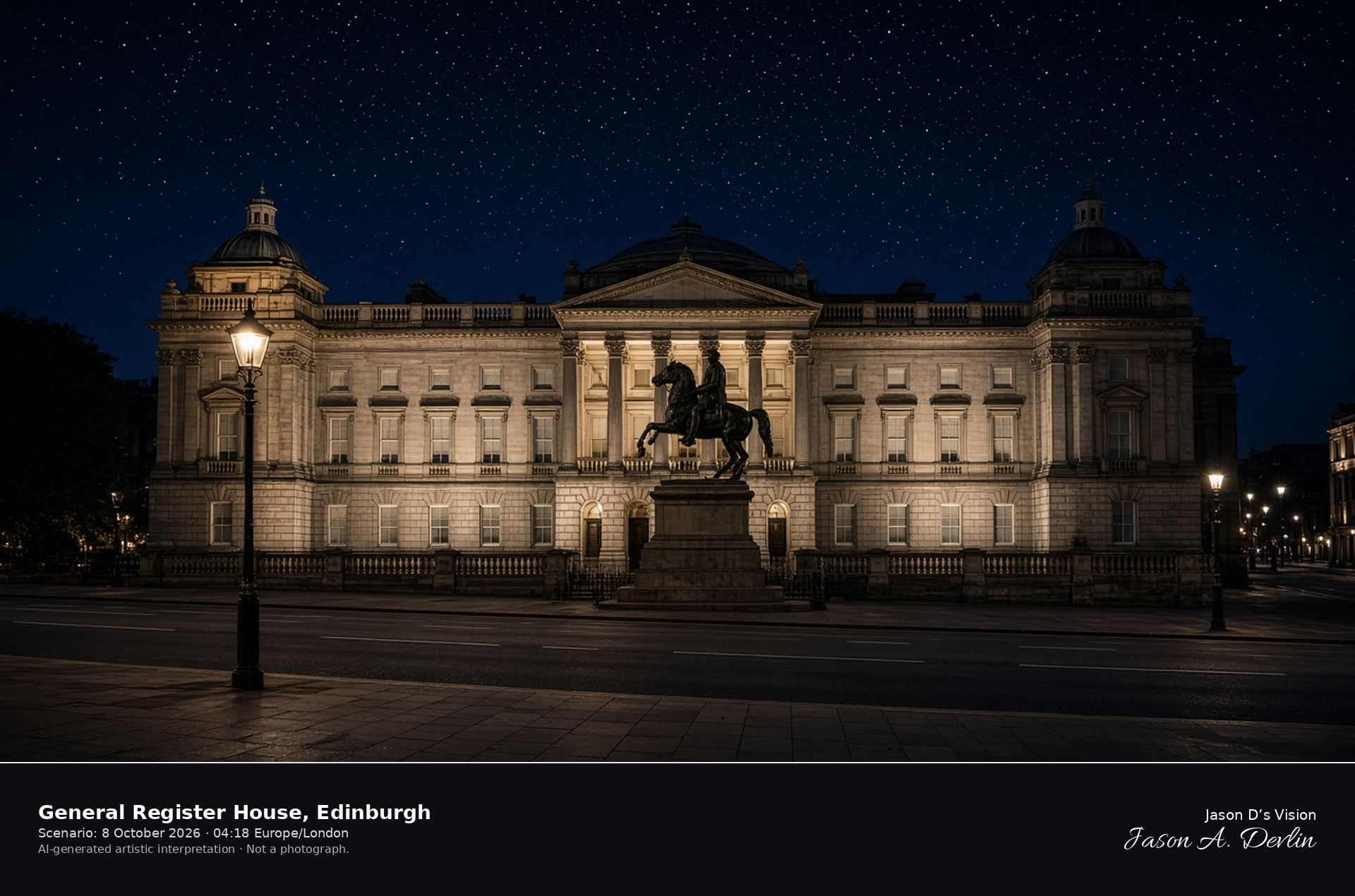
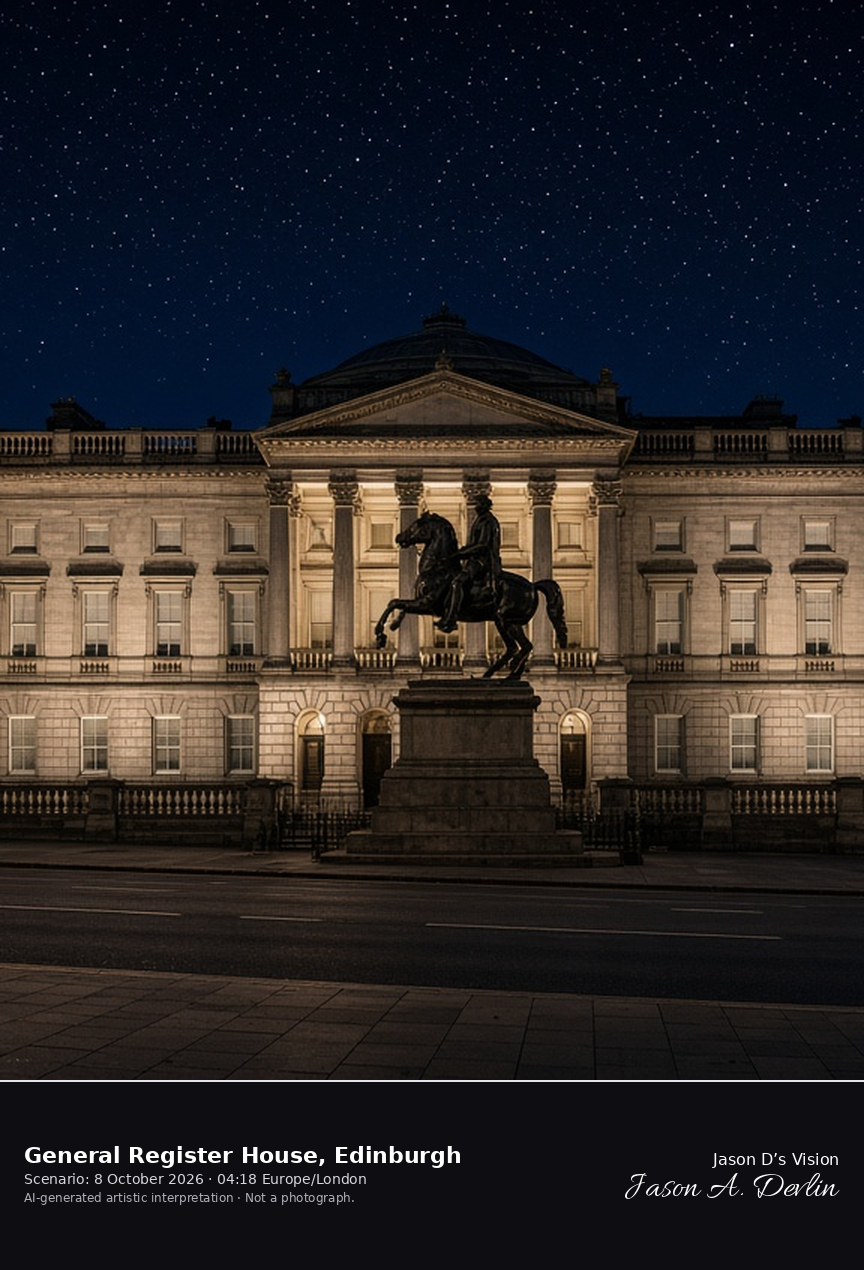
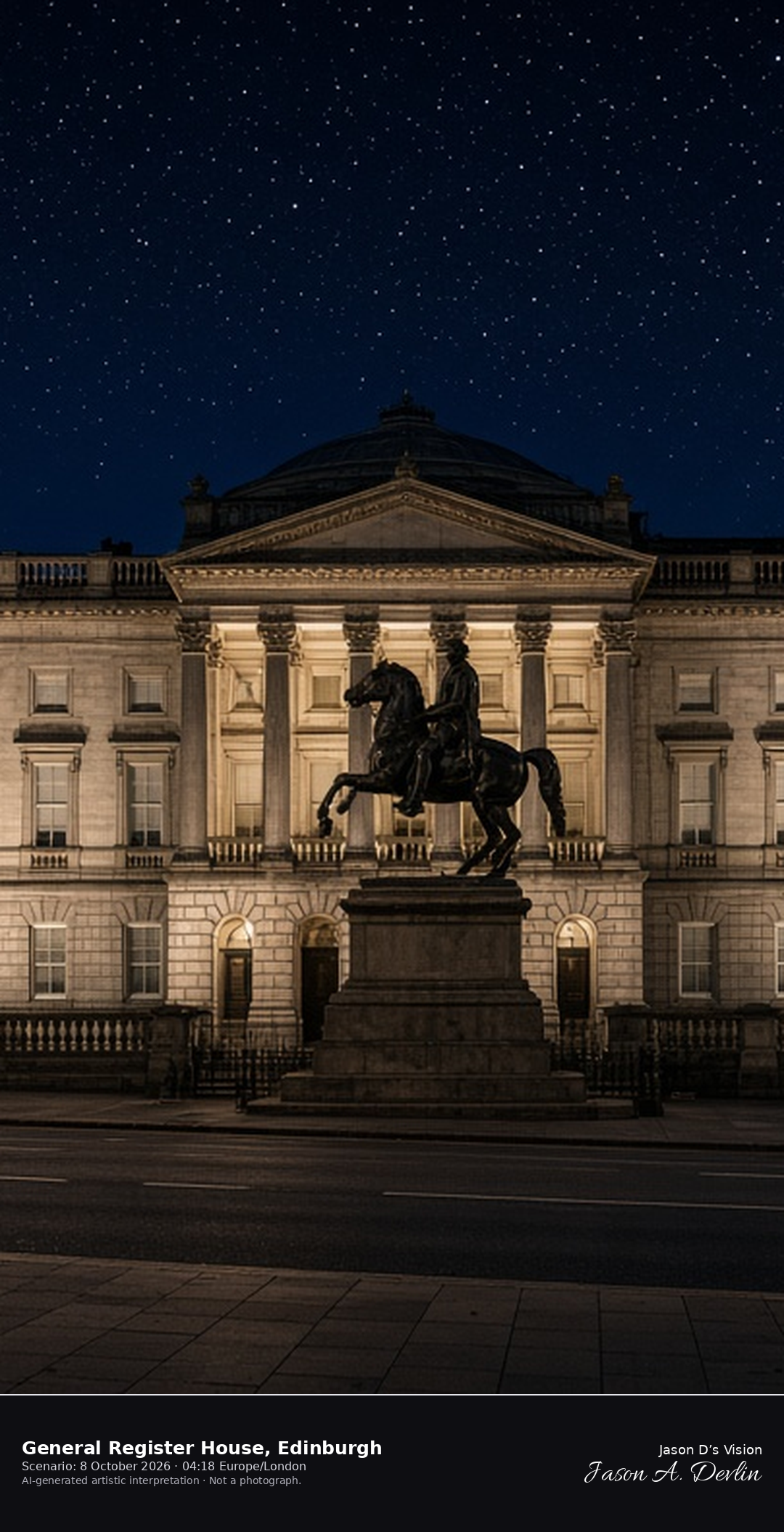
General Register House, Edinburgh · AI-generated artistic interpretation
Robert Adam designed the building to hold Scotland's public records, and the foundation stone was laid in 1774. Sir John Steell's equestrian statue of the Duke of Wellington was unveiled in front of it in 1852.
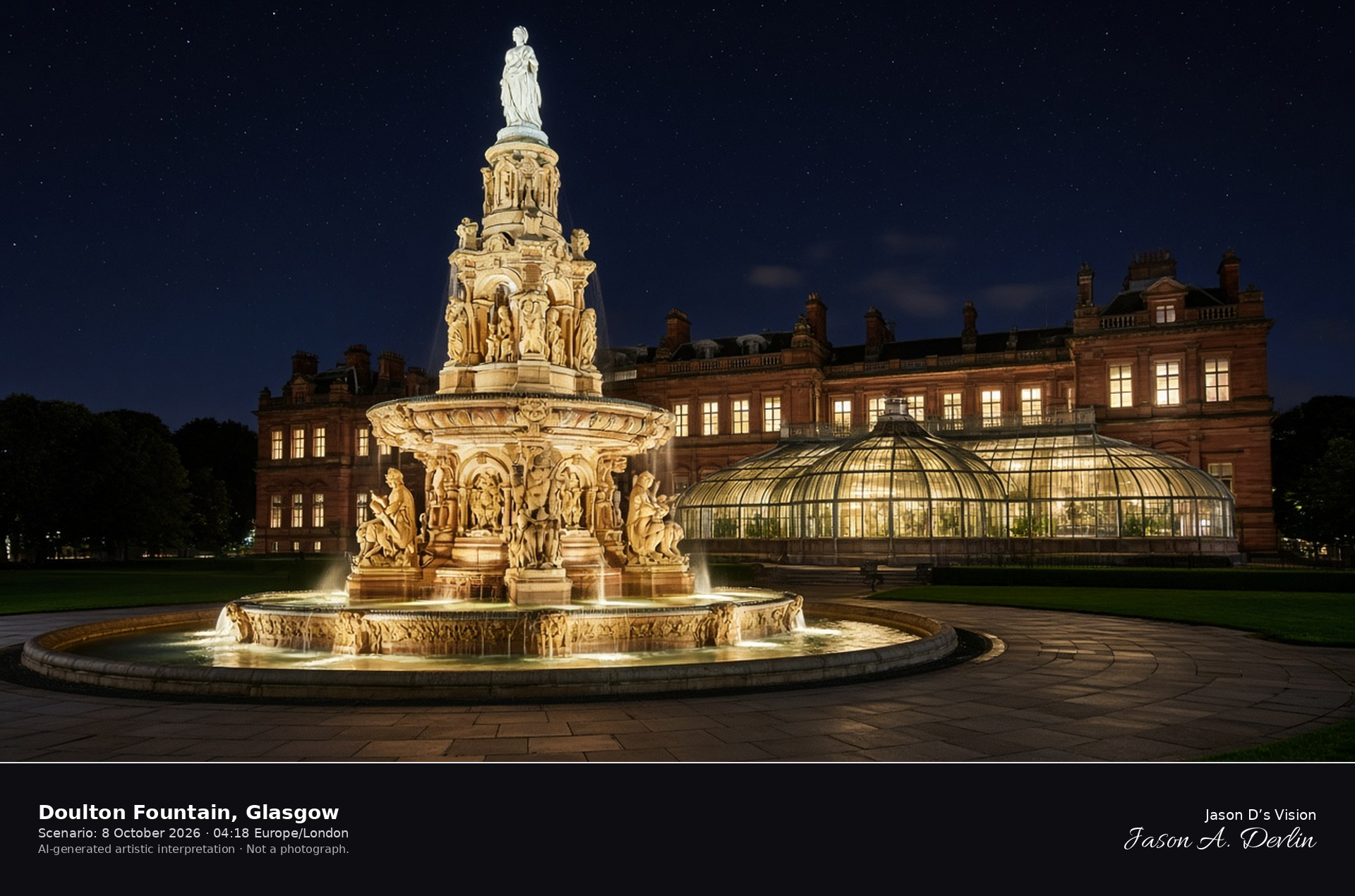
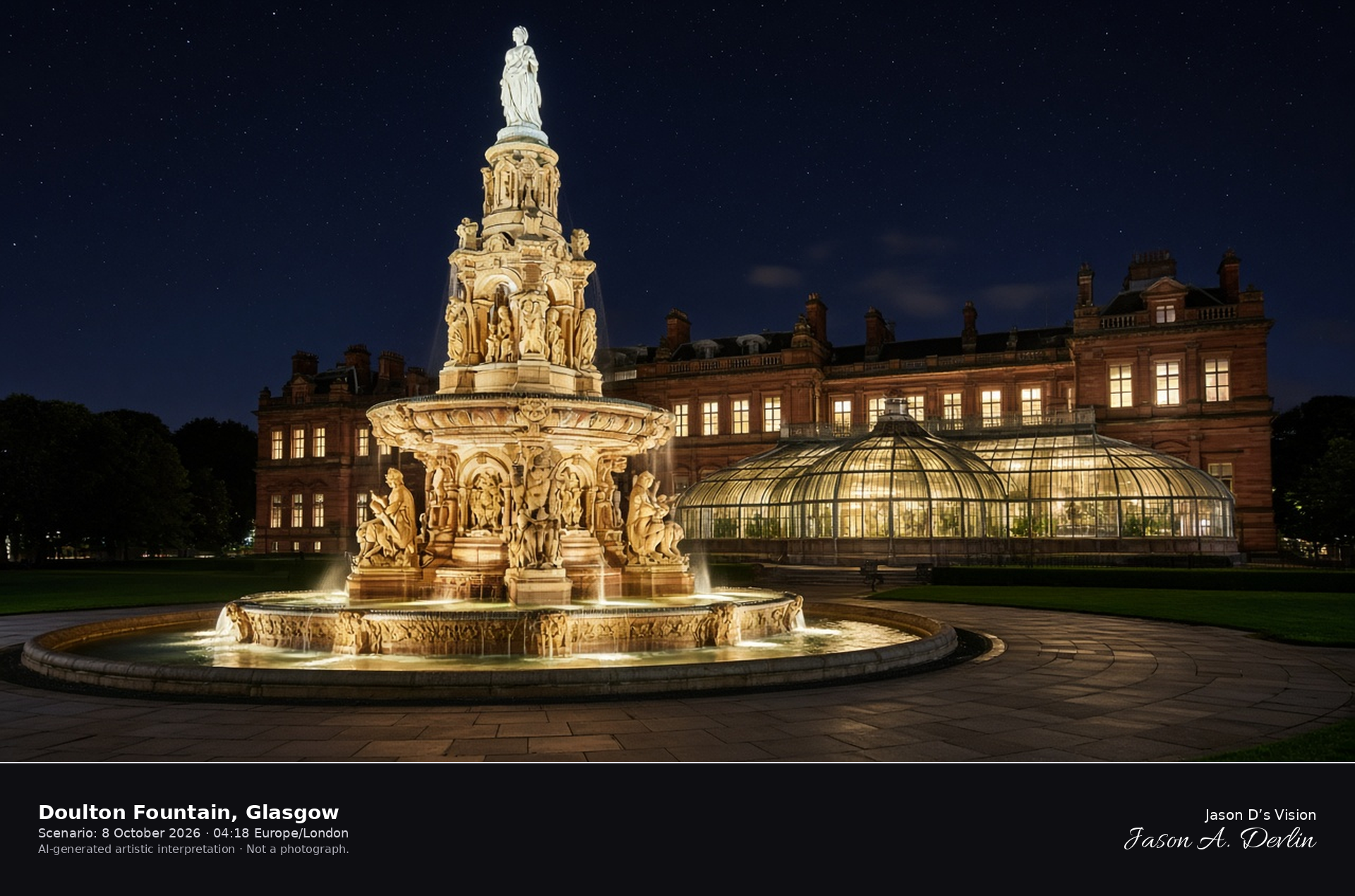
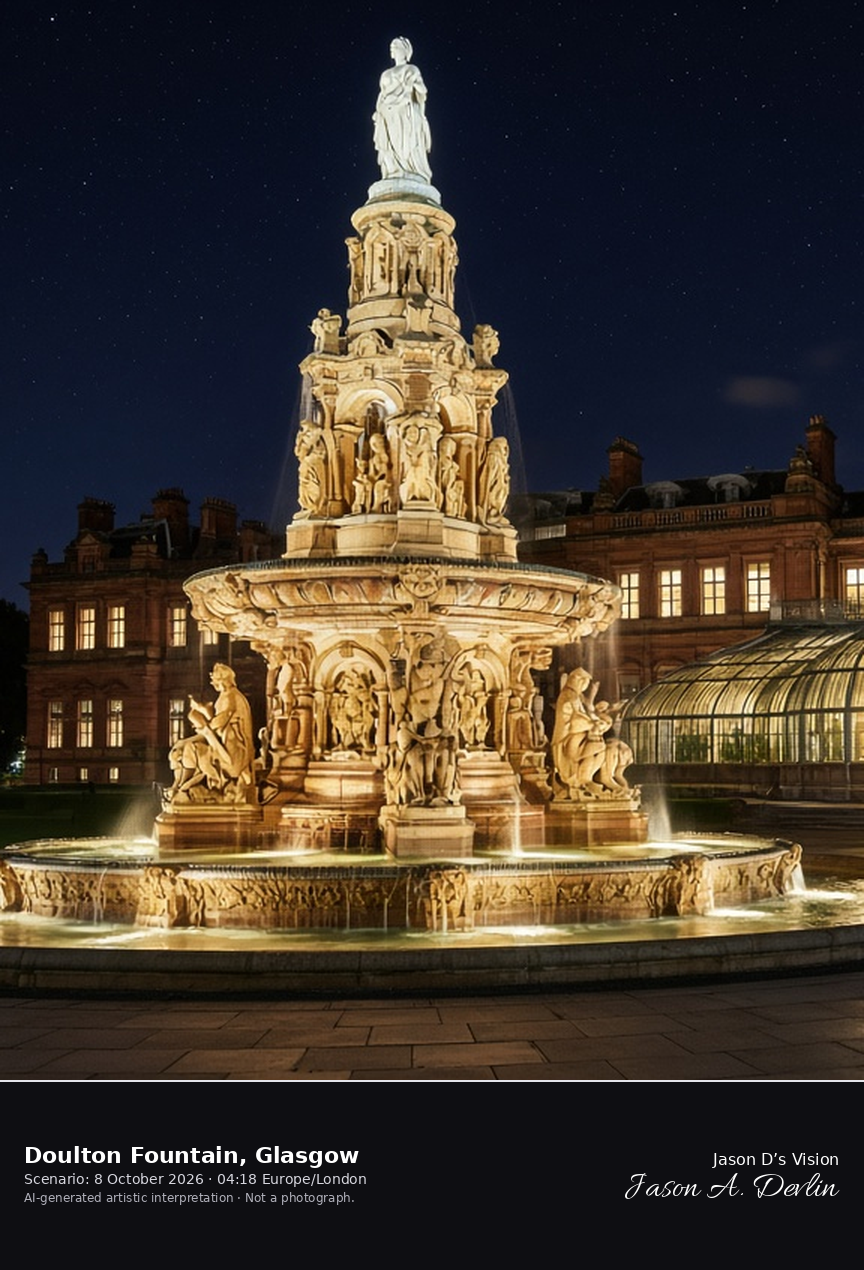
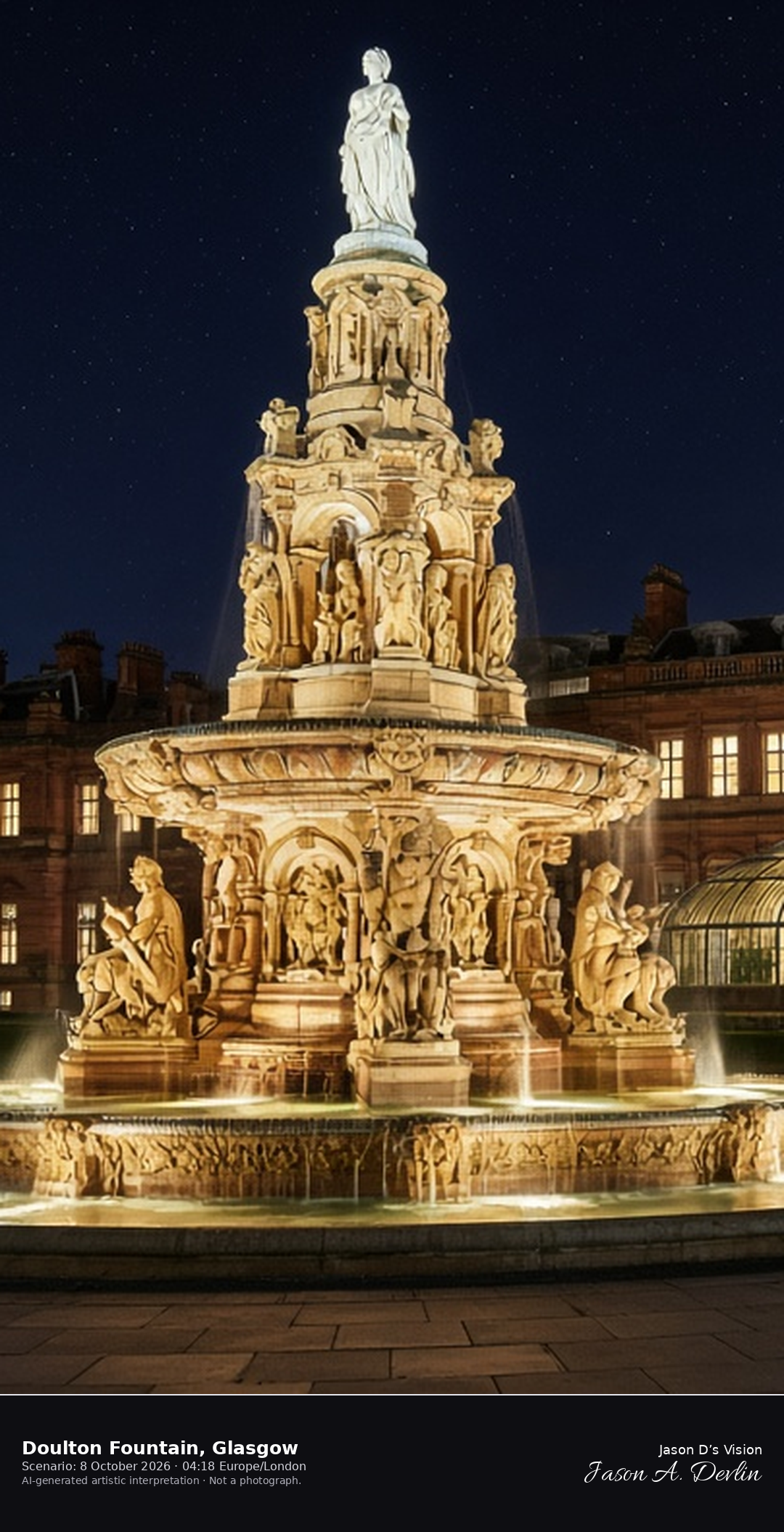
Doulton & Co made the fountain for the 1888 International Exhibition in Kelvingrove Park, and it was moved to Glasgow Green in 1890. It is the largest terracotta fountain in the world, and its figure groups represent Australia, Canada, India and South Africa.
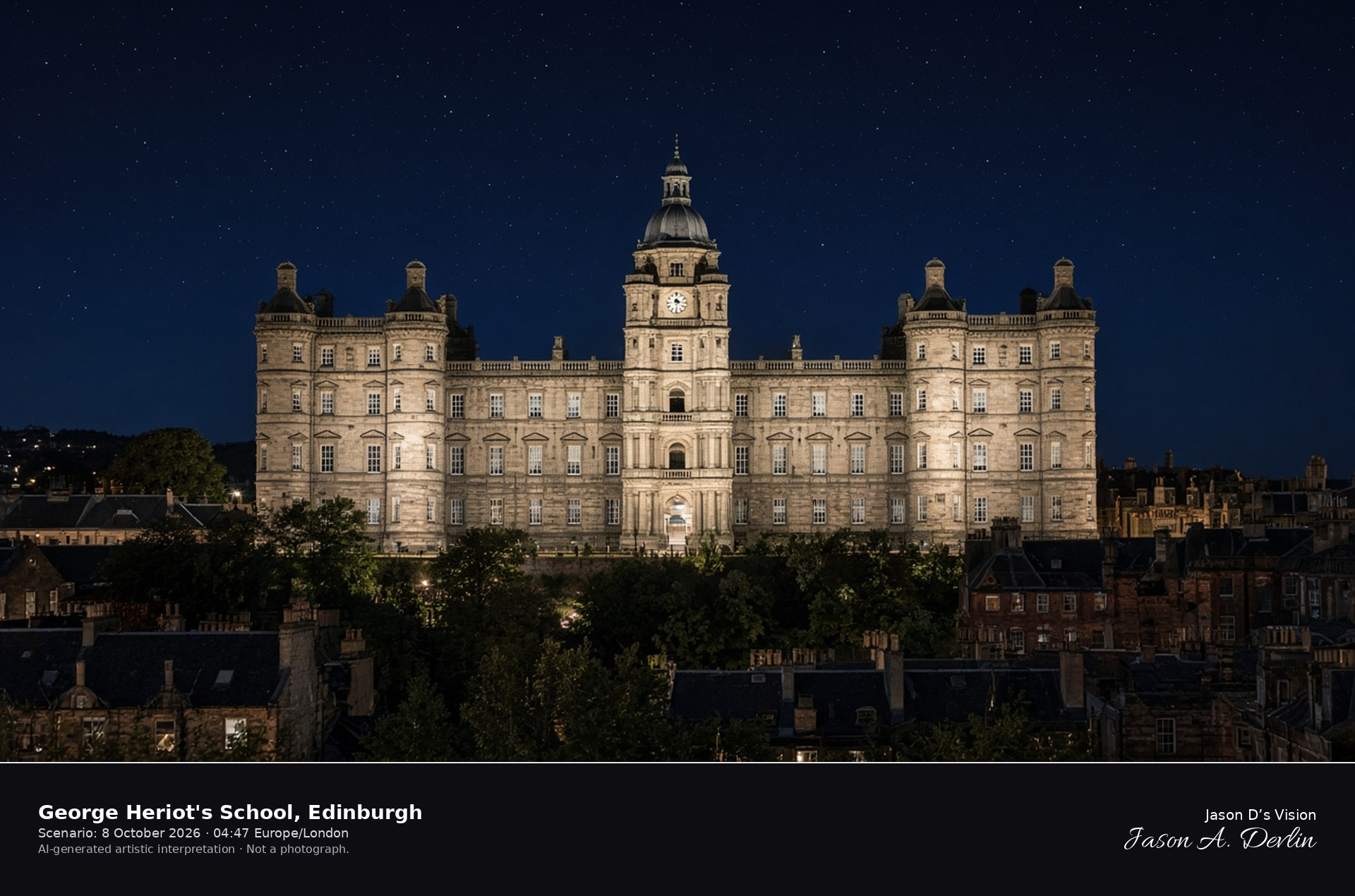
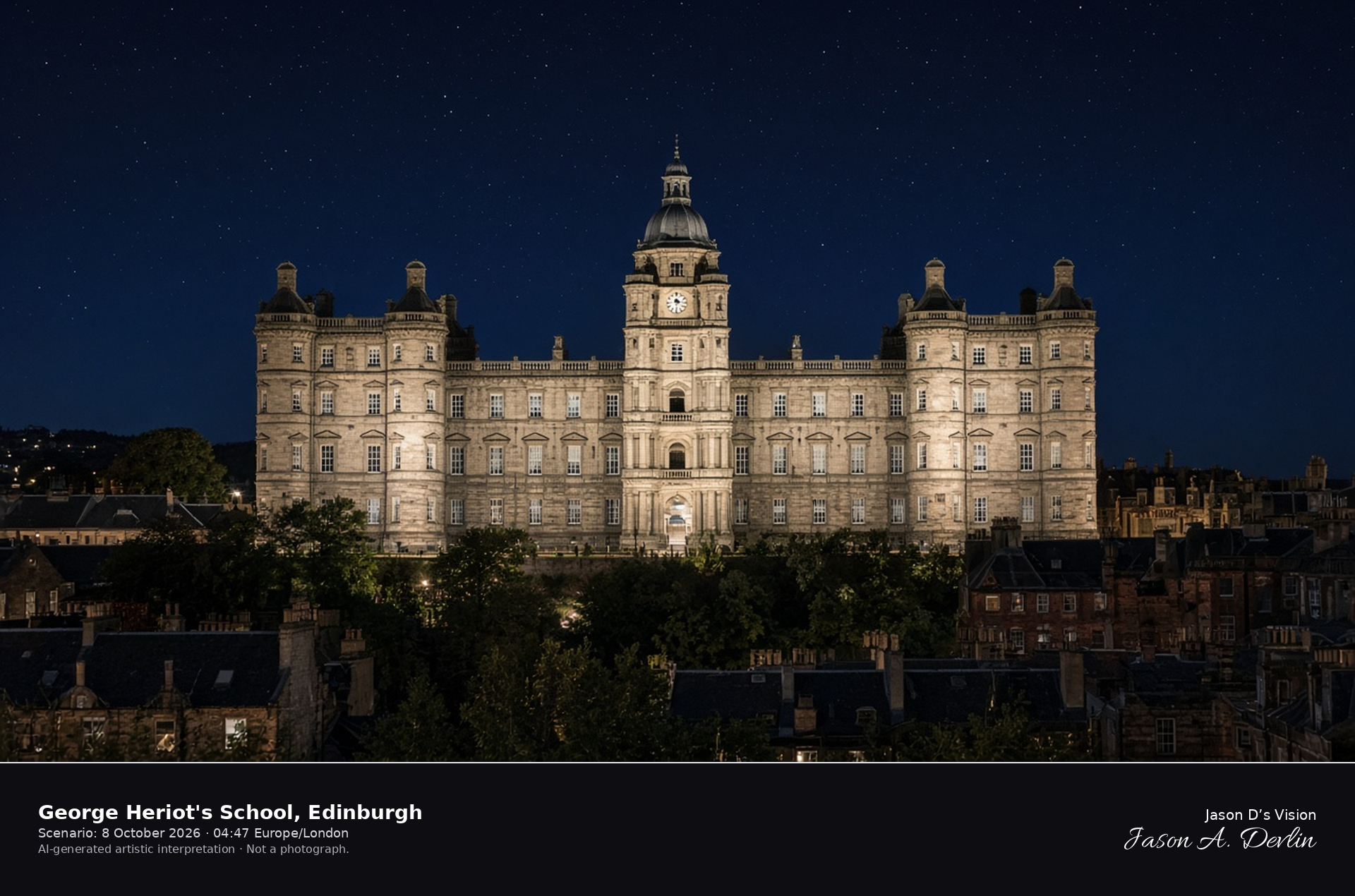
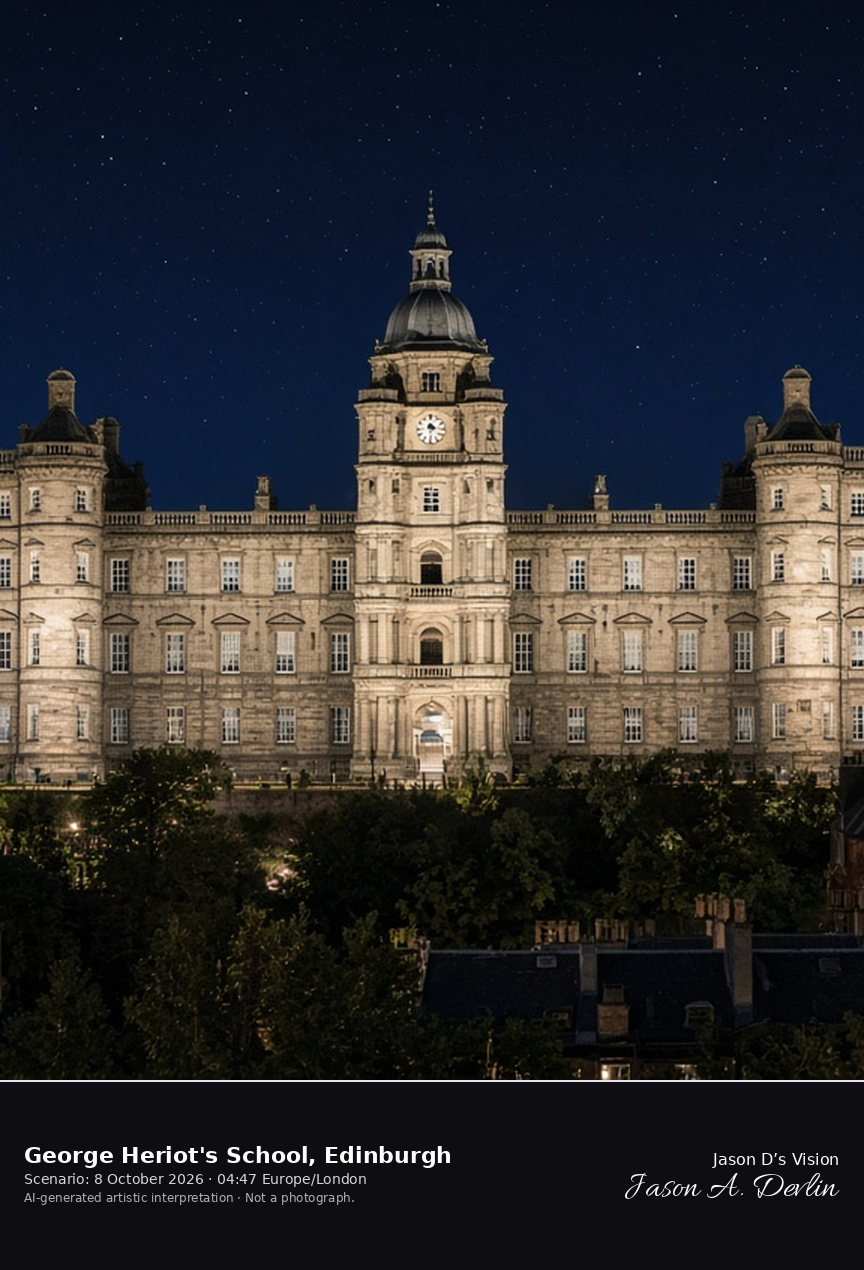
George Heriot's School · AI-generated artistic interpretation
George Heriot, goldsmith to James the Sixth, left the bulk of his wealth to educate Edinburgh's fatherless children. Construction of his hospital began in 1628 under the royal master mason William Wallace; its Scots Renaissance quadrangle became an enduring architectural expression of that charitable purpose.
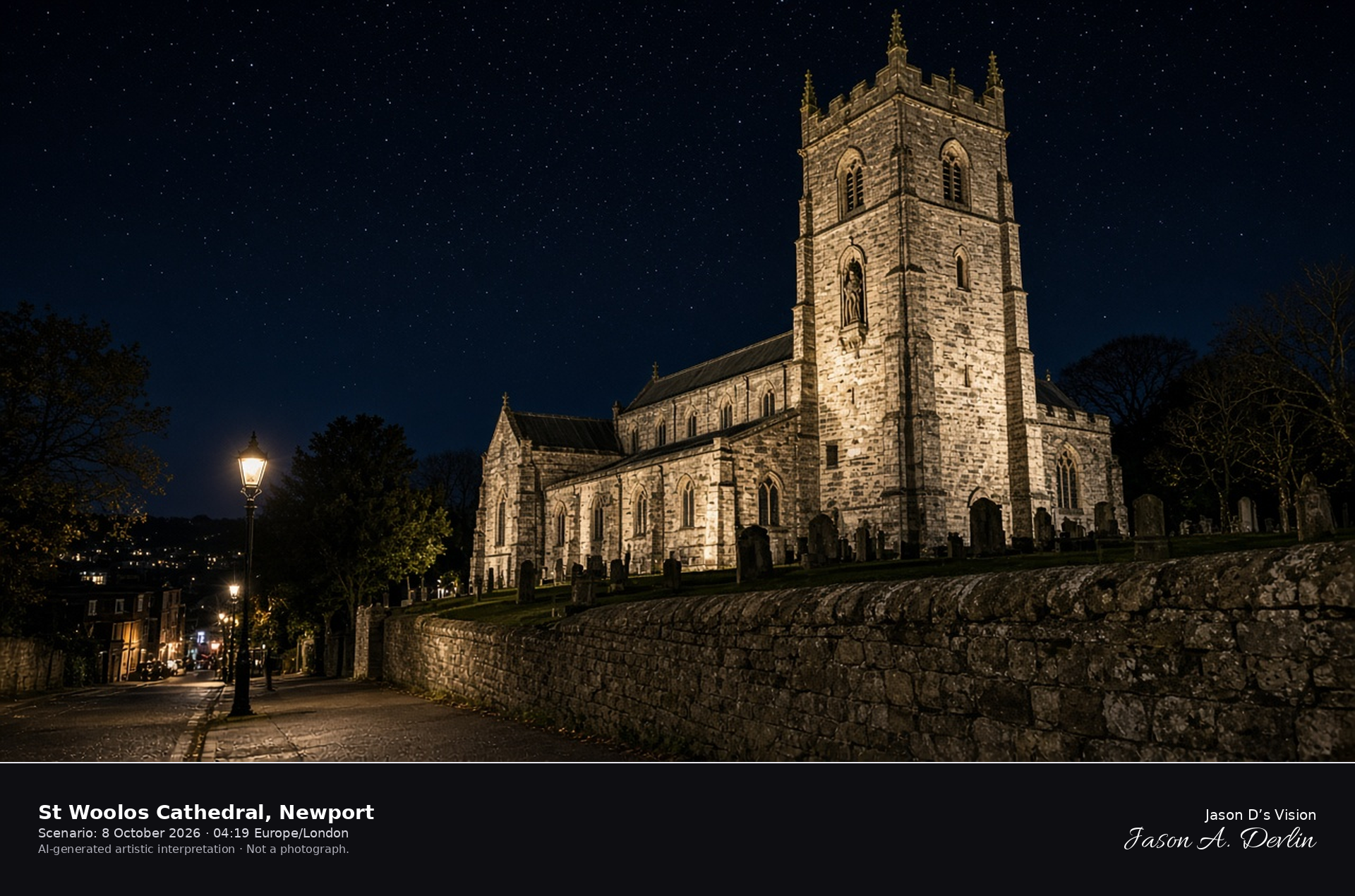
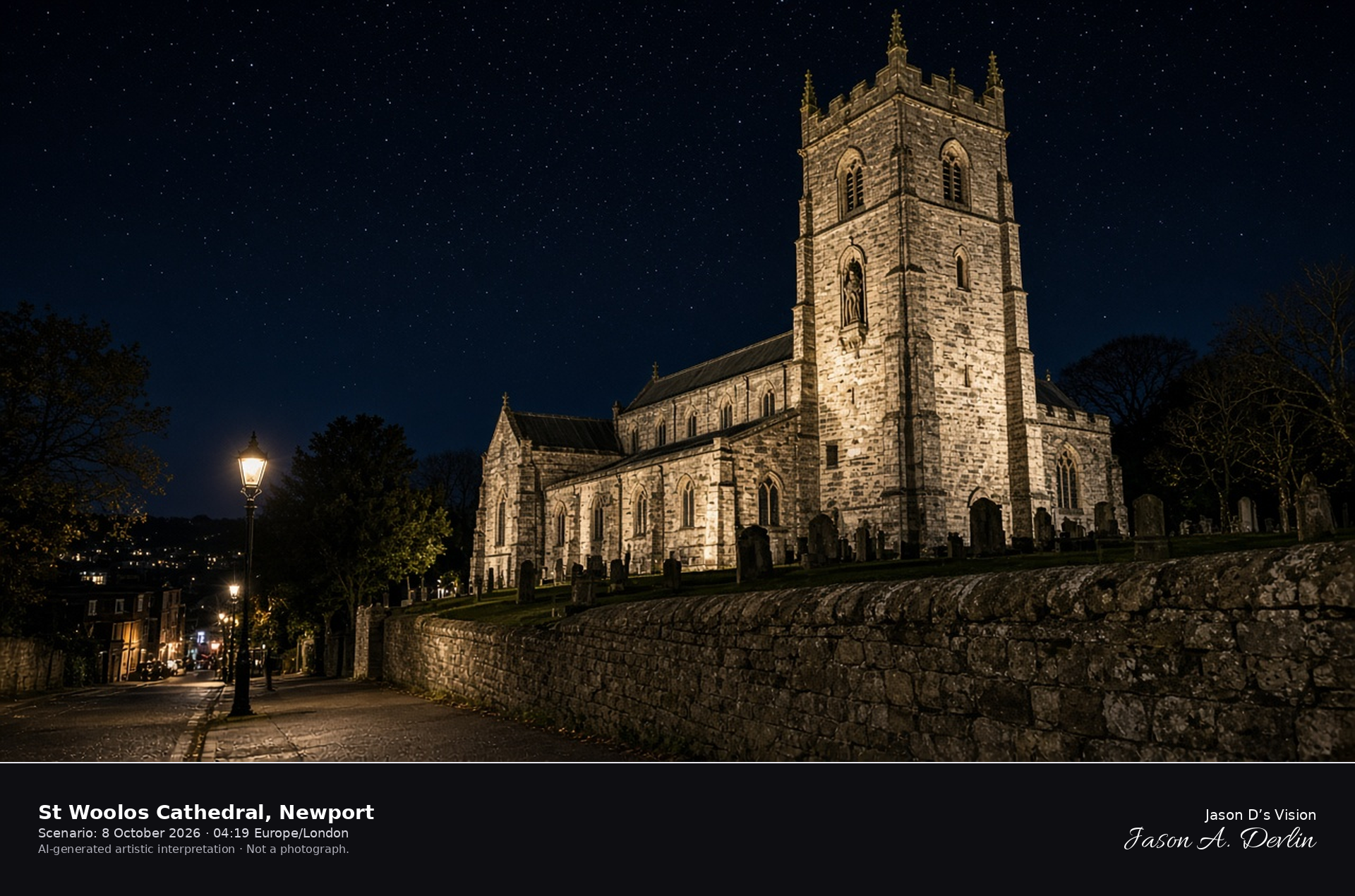
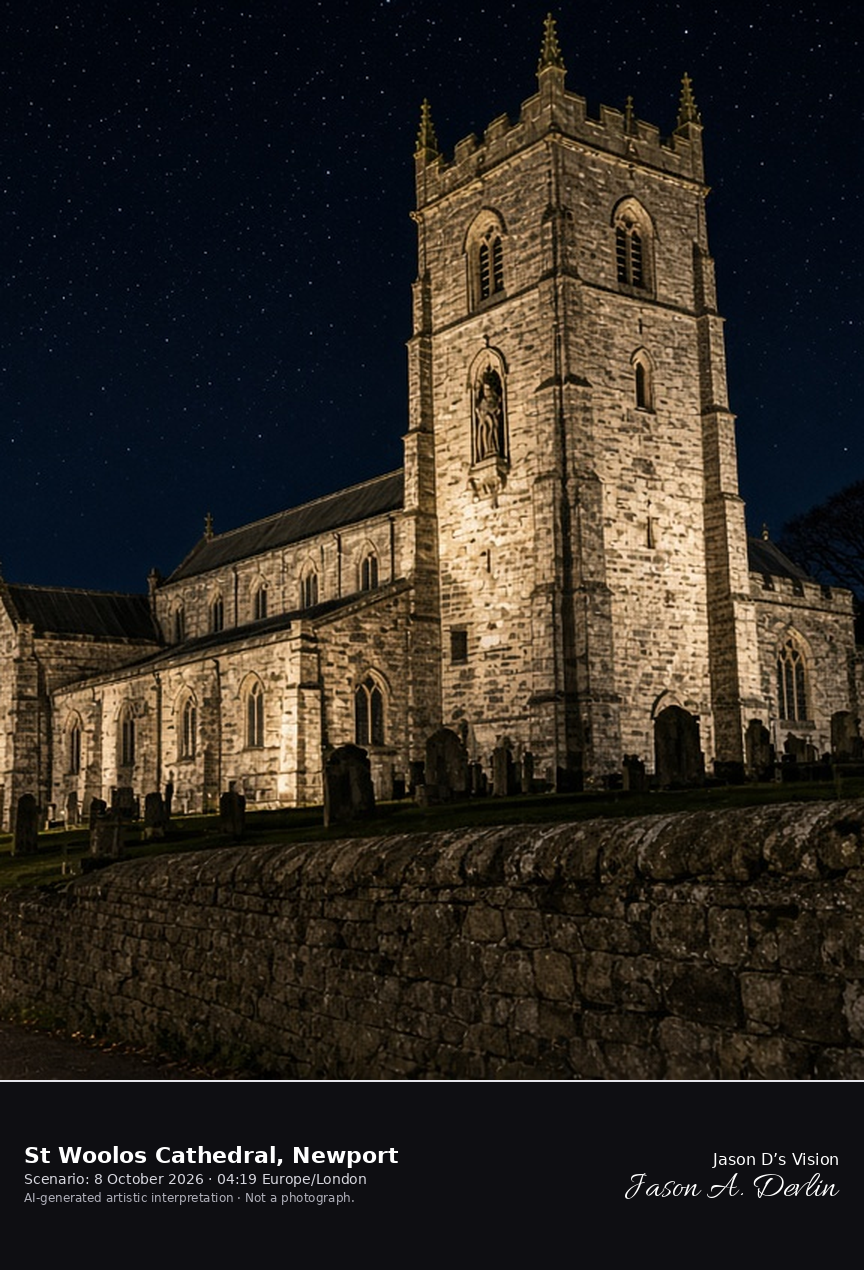
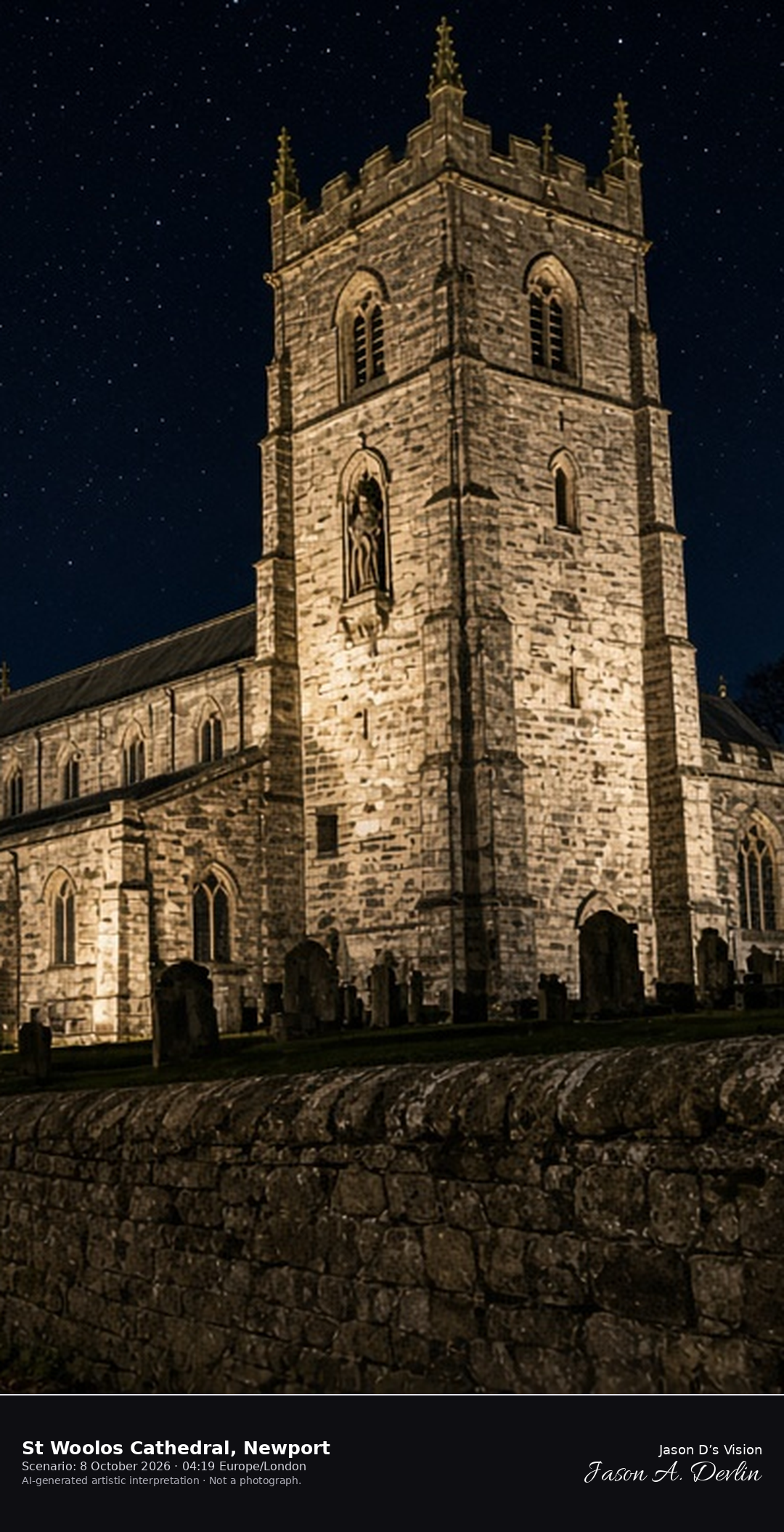
St Woolos Cathedral, Newport · AI-generated artistic interpretation
The church is dedicated to Saint Gwynllyw and became the cathedral of the Diocese of Monmouth in the 20th century. Its nave is Norman, and the west tower was added in the 15th century, traditionally credited to Jasper Tudor.
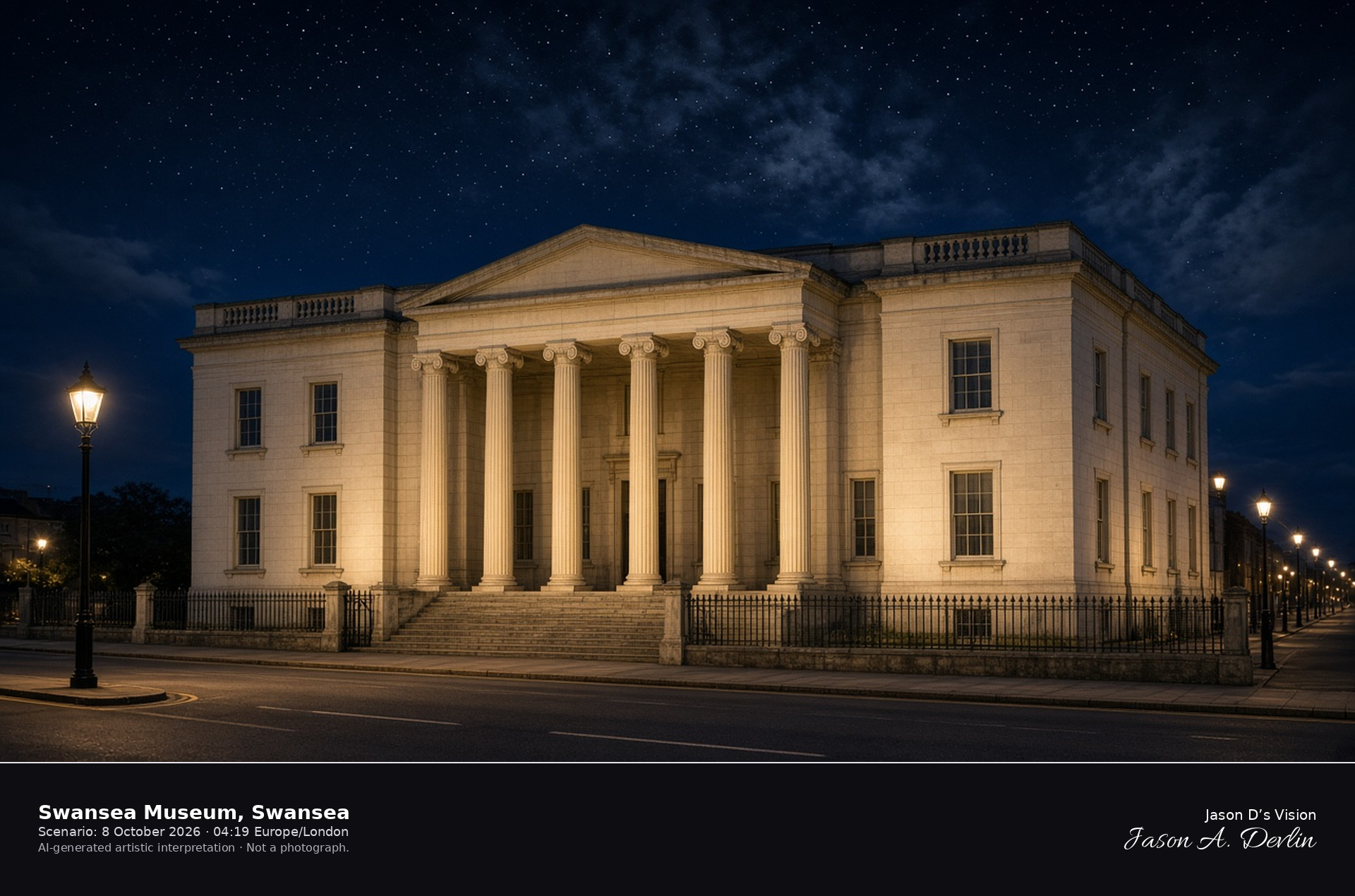
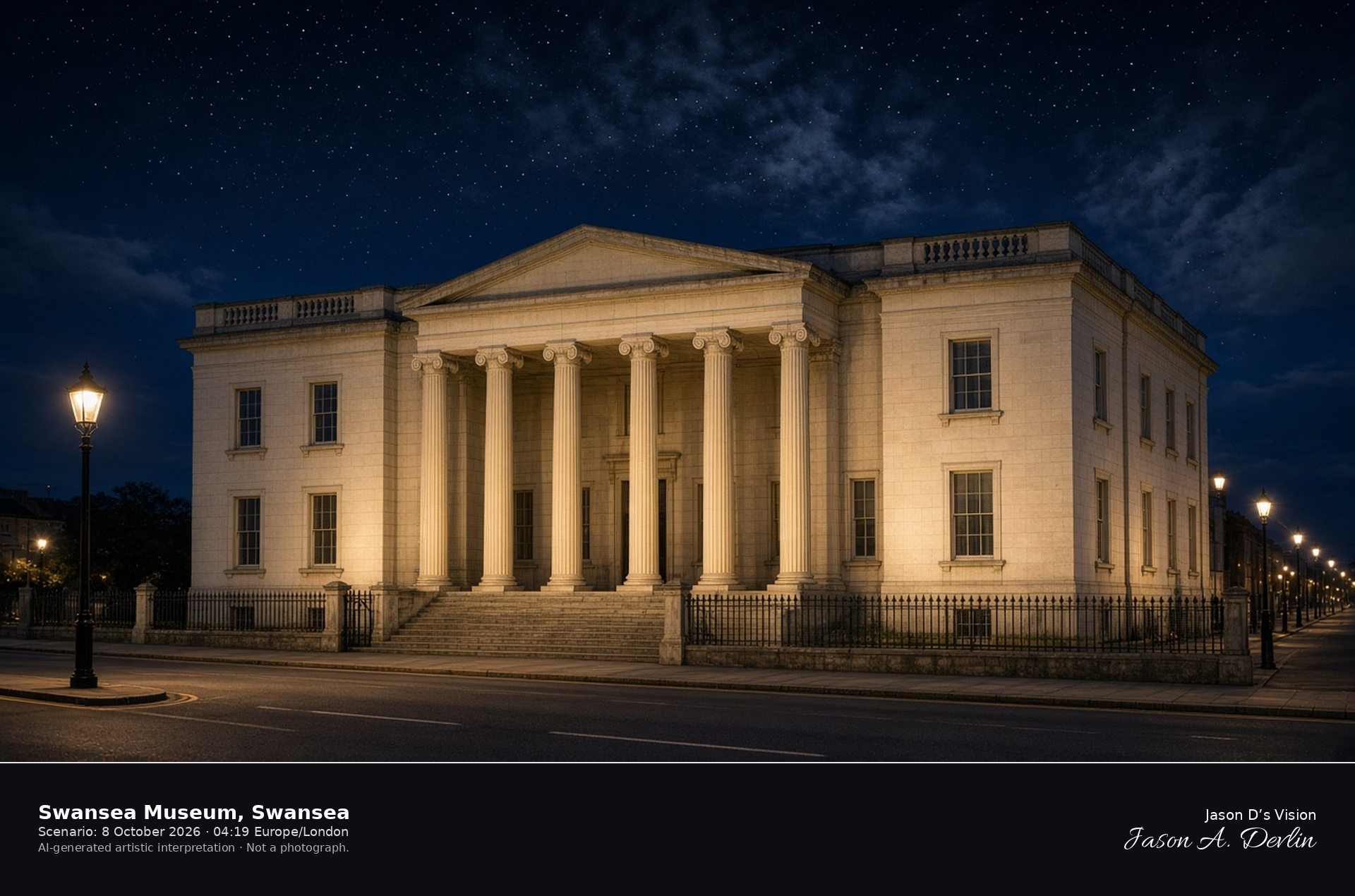
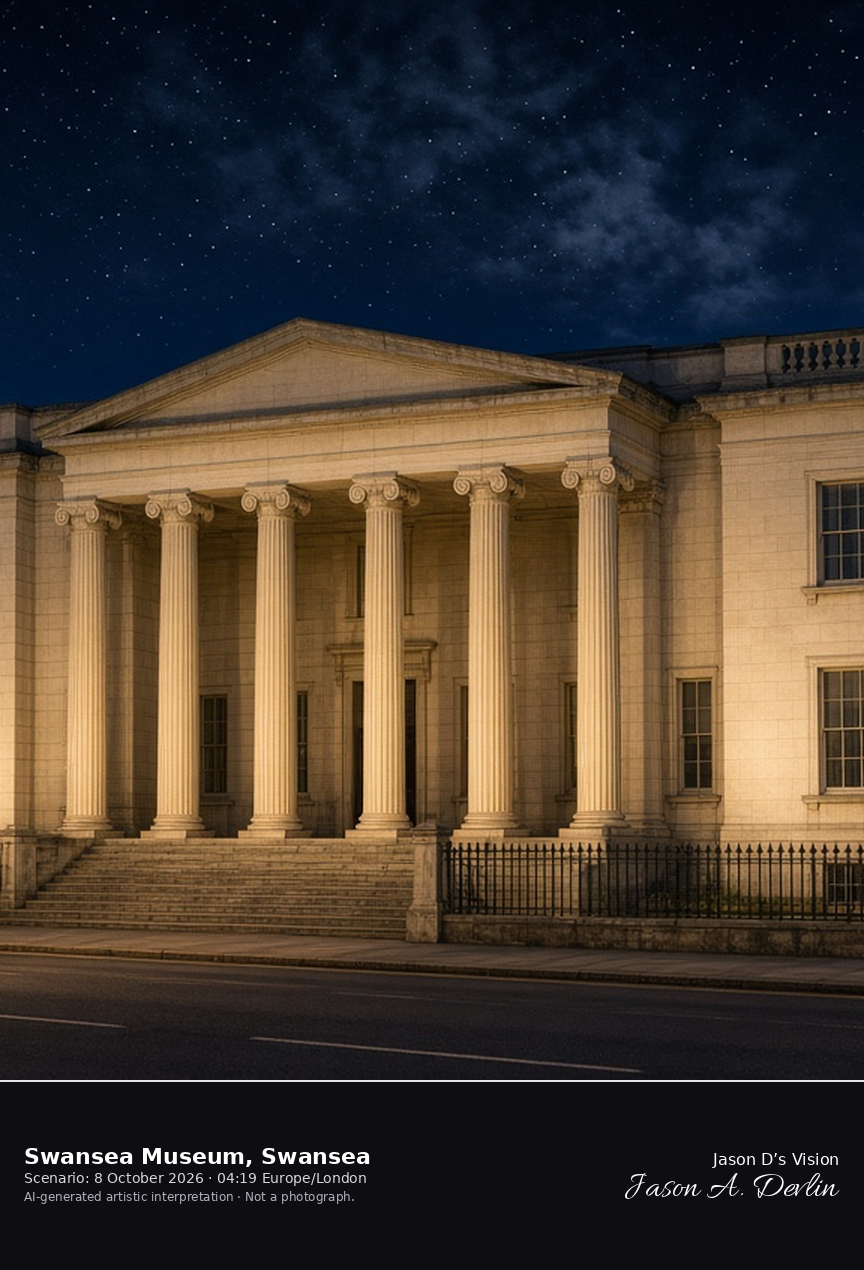
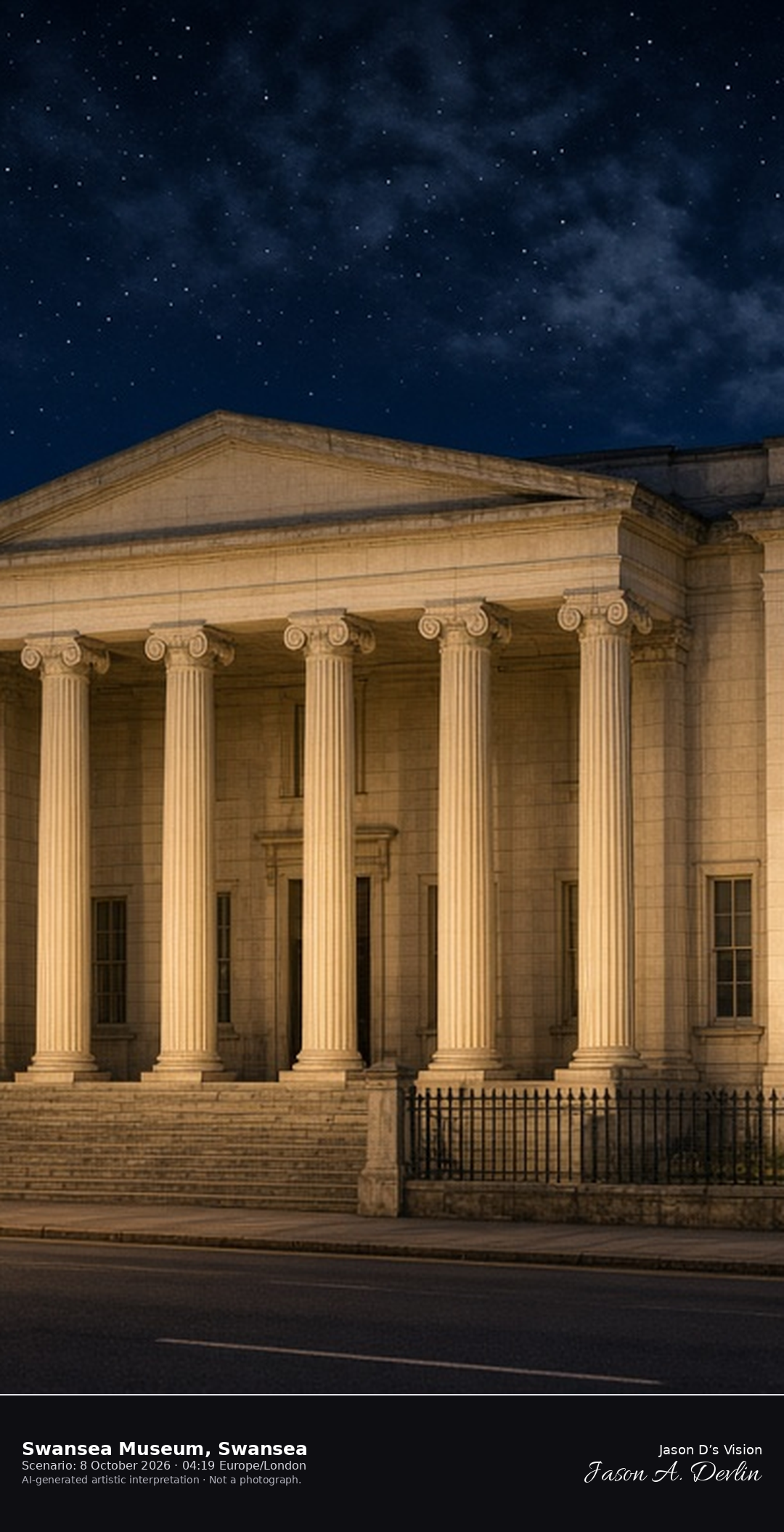
The Royal Institution of South Wales opened the building in 1841, making it the oldest museum in Wales. Frederick Long of Liverpool designed it in the Greek Revival style.
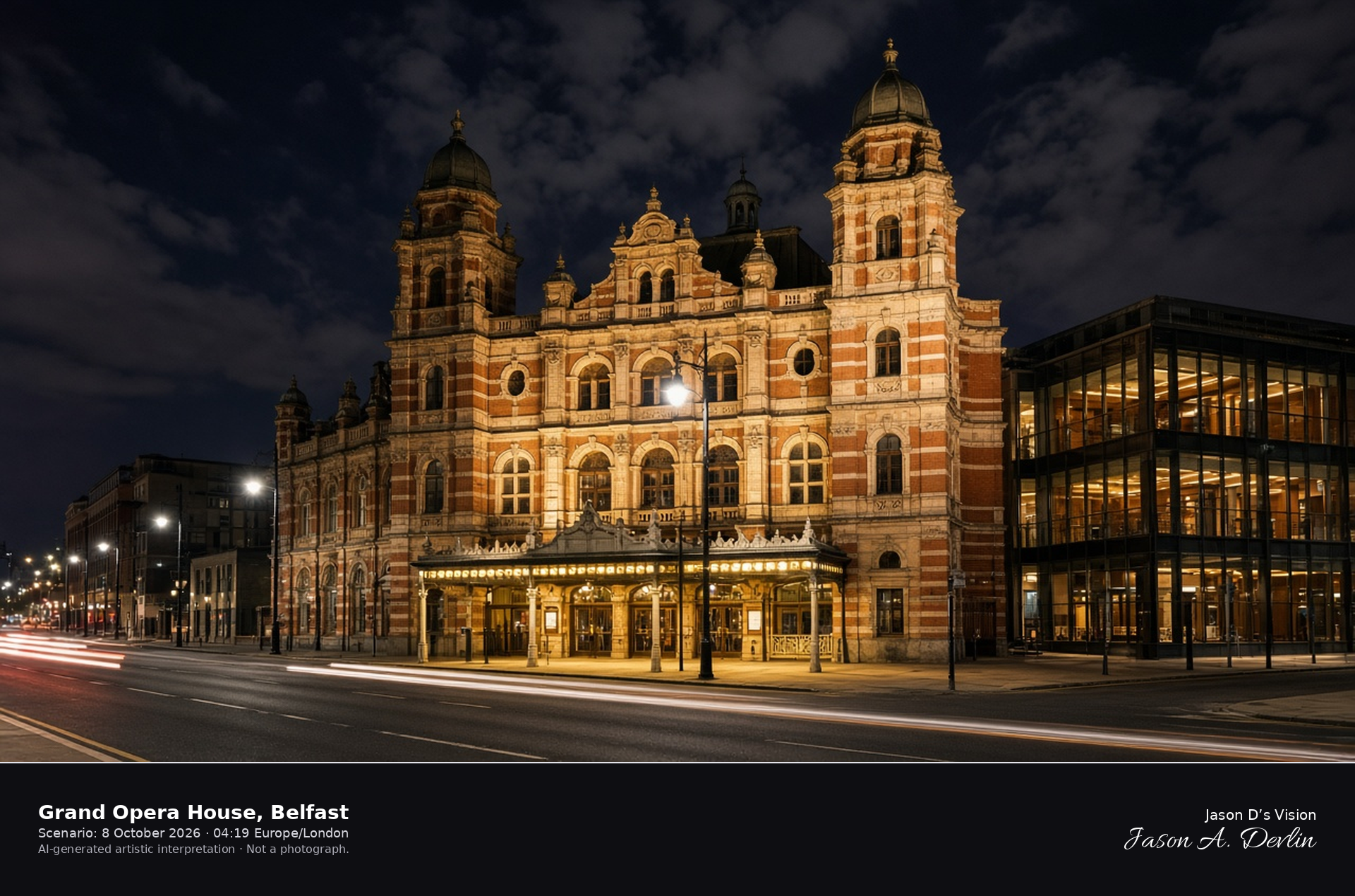
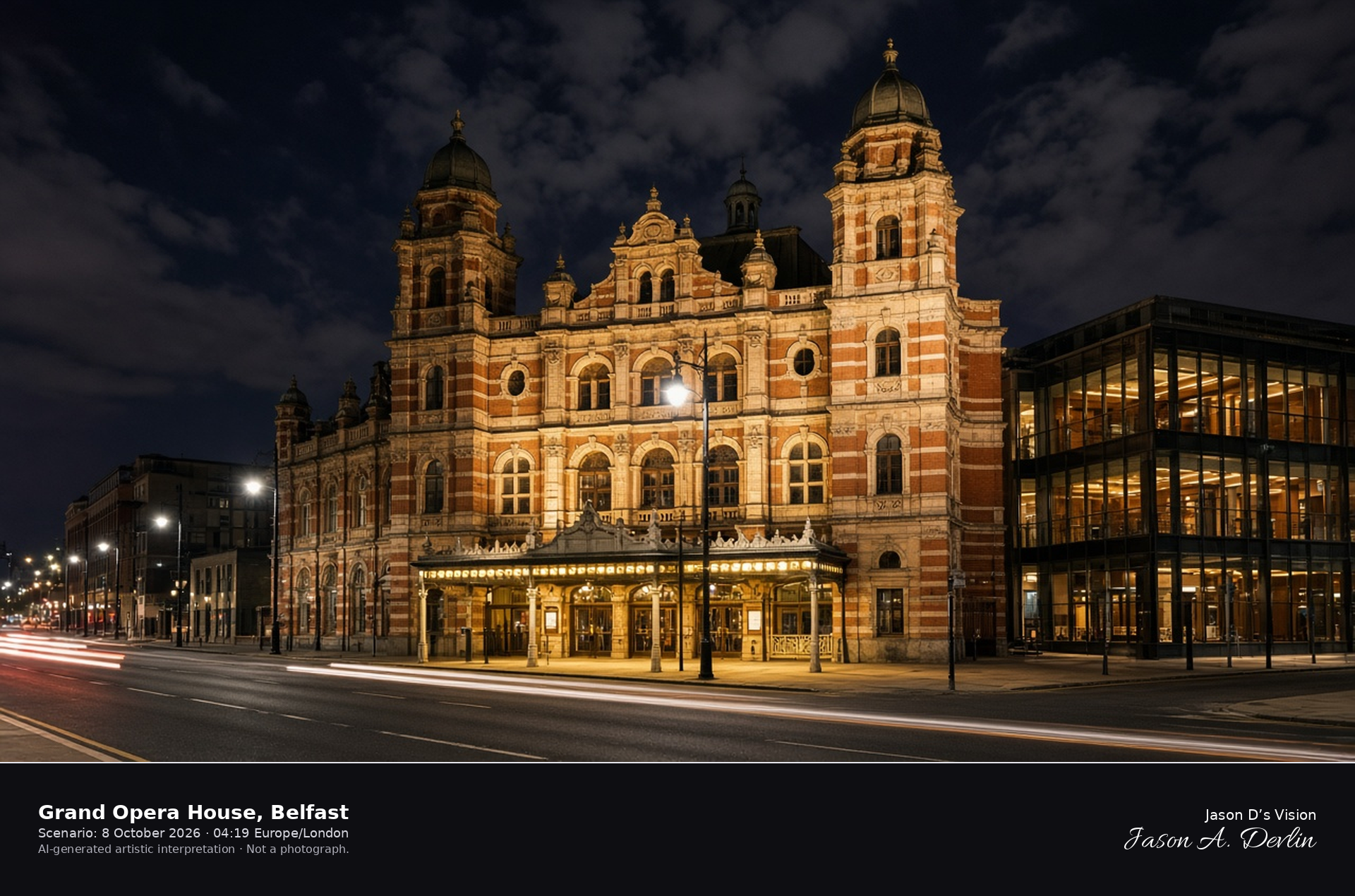
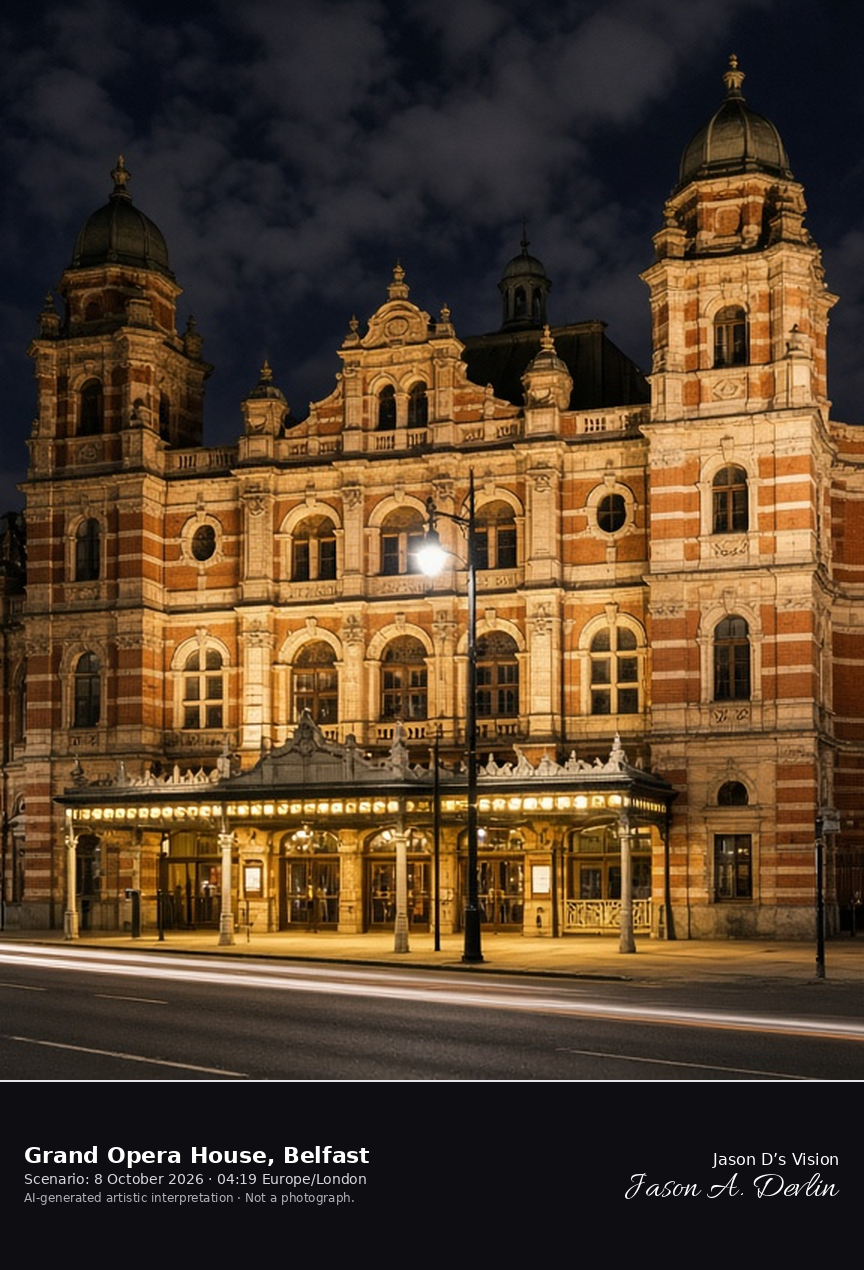
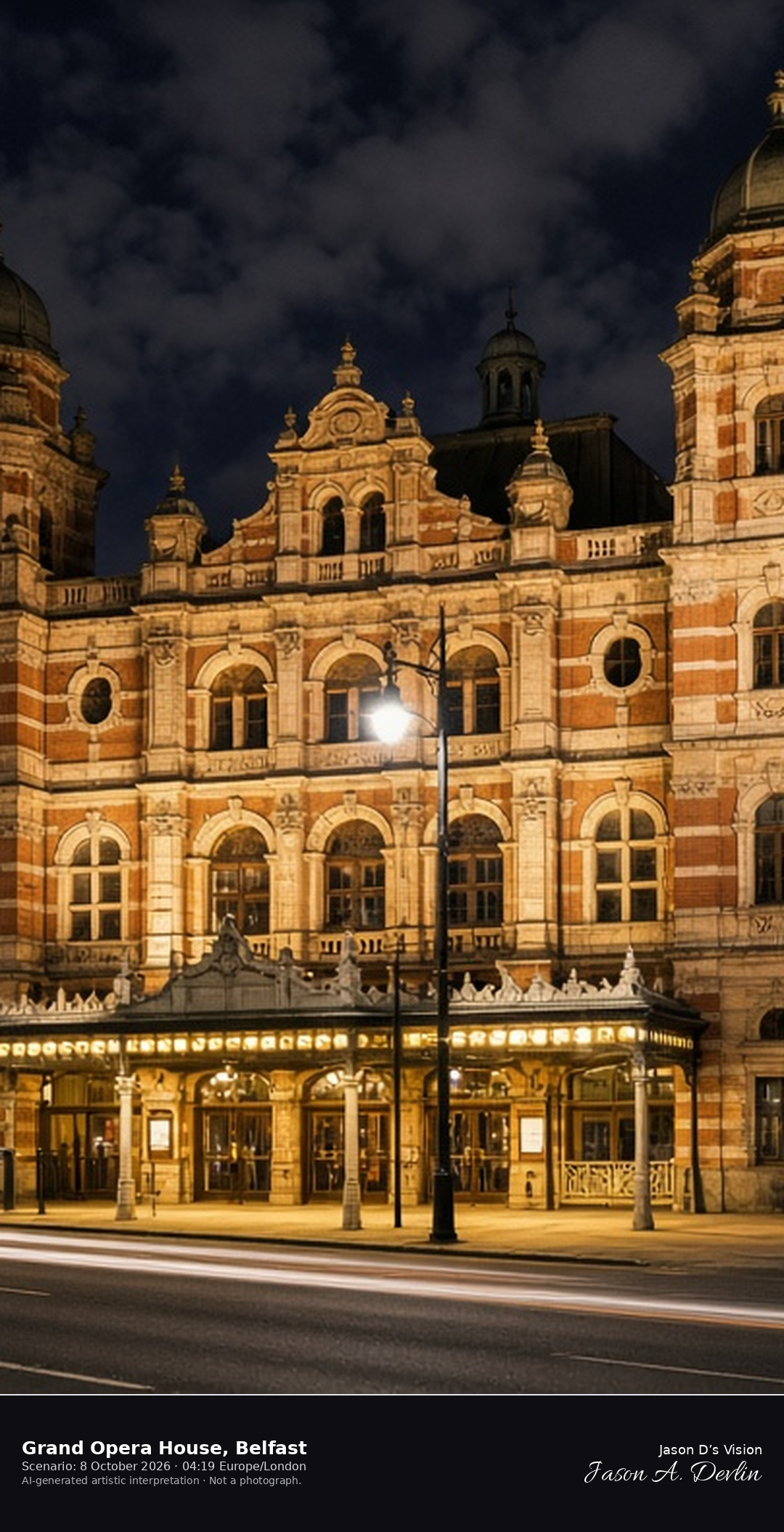
Grand Opera House · AI-generated artistic interpretation
The Grand Opera House of 1895 is Frank Matcham’s Belfast theatre, its auditorium rich with ornate plasterwork and distinctive elephant-head decoration. Successive programmes of restoration have renewed the building, including a major project completed in 2021 that conserved its decorative interior for a new generation of audiences.
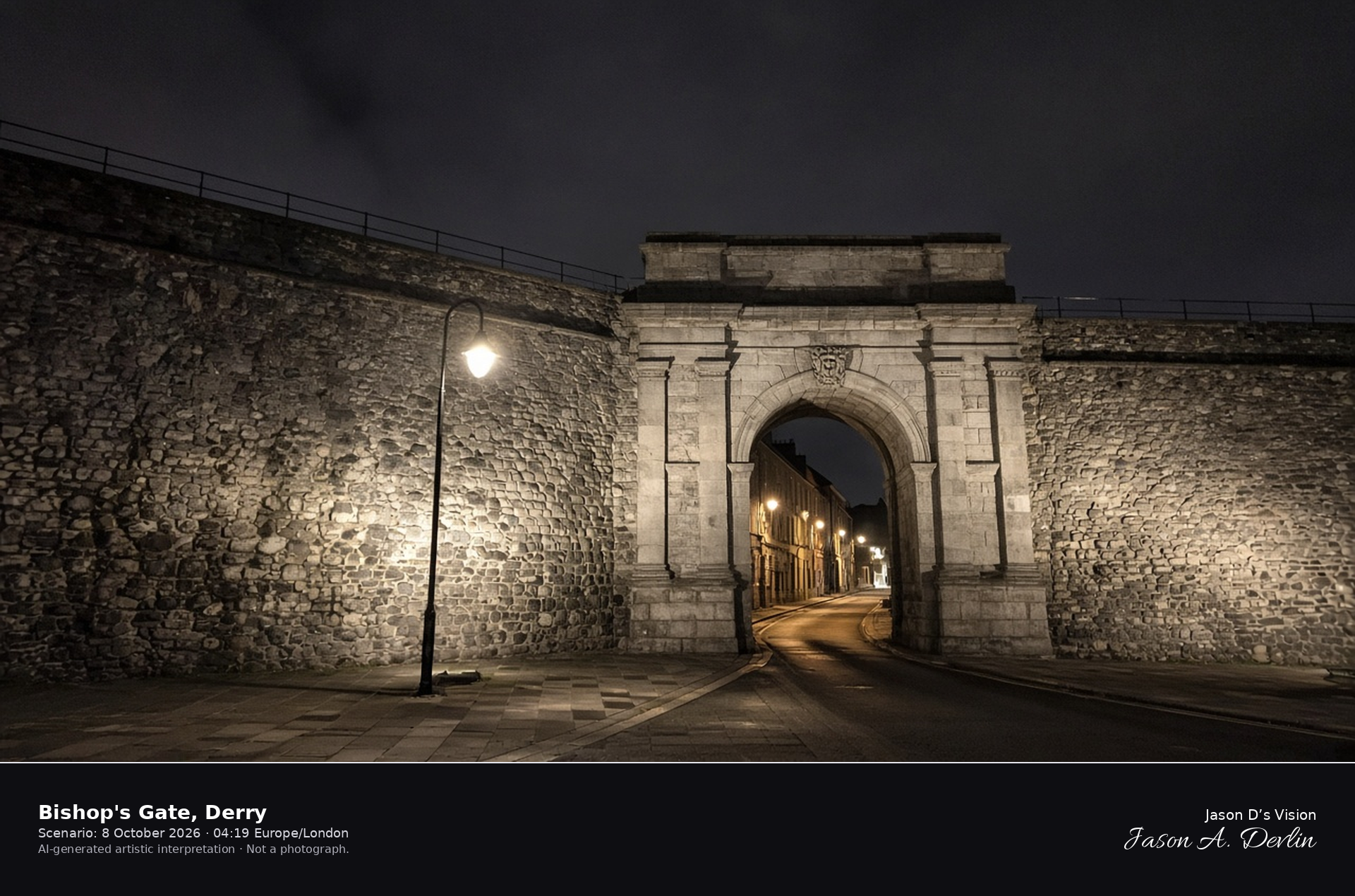
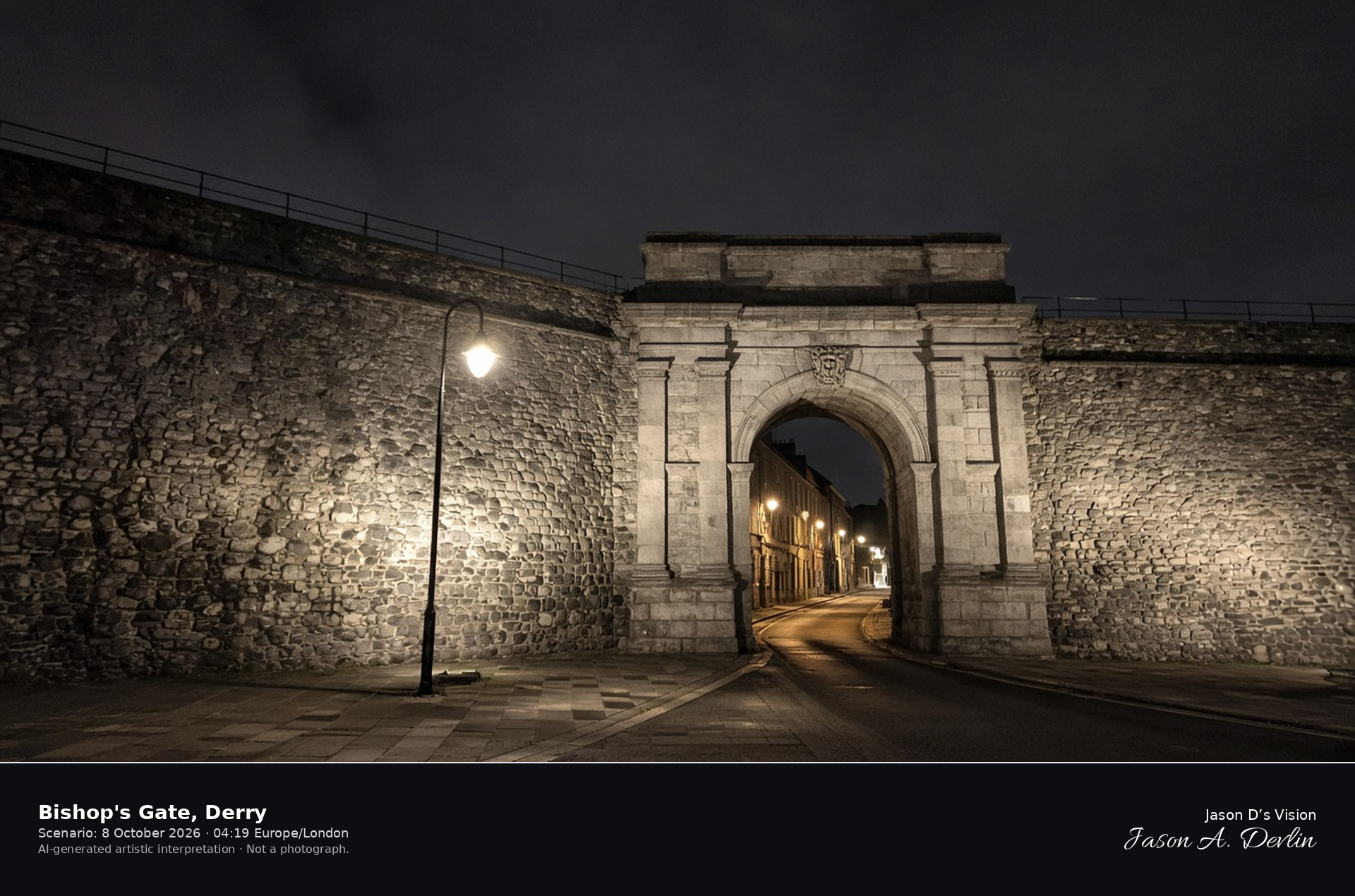
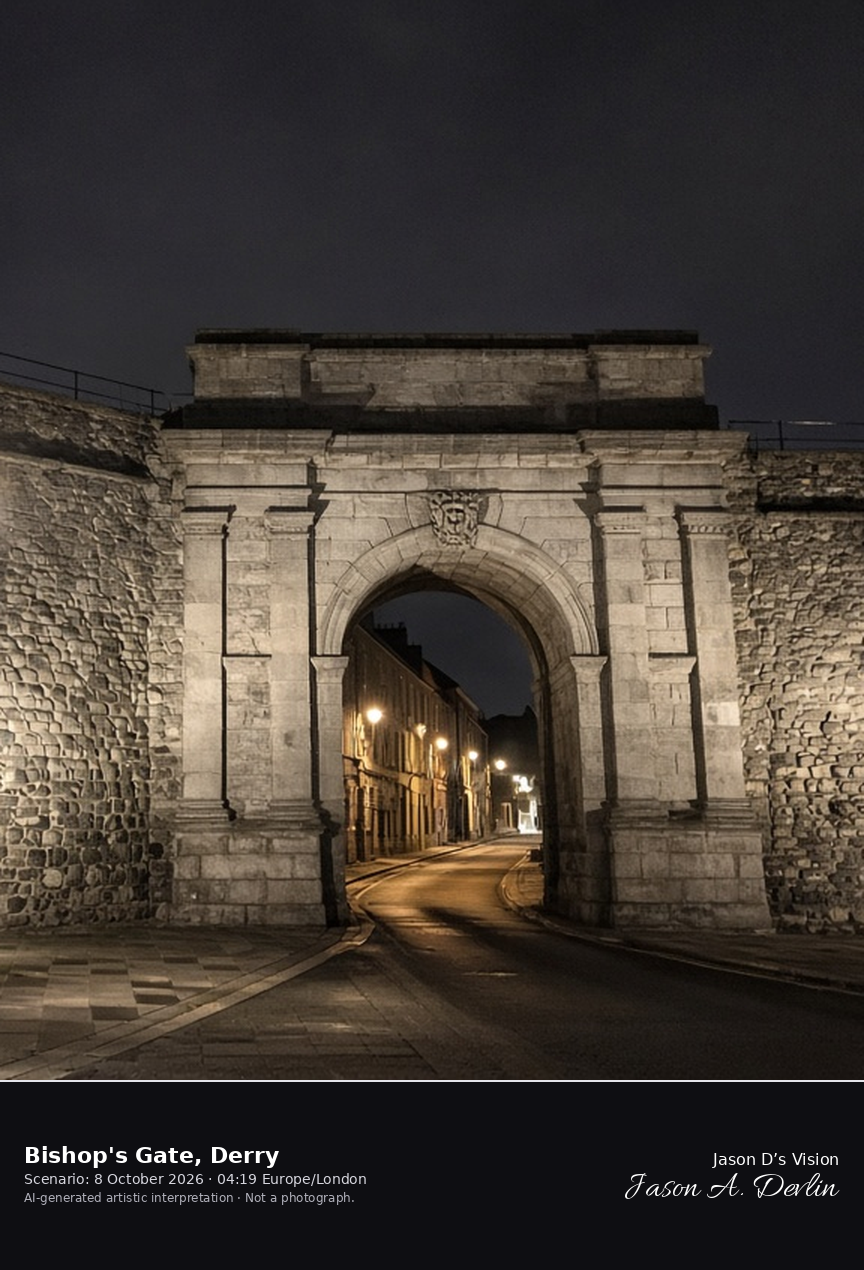
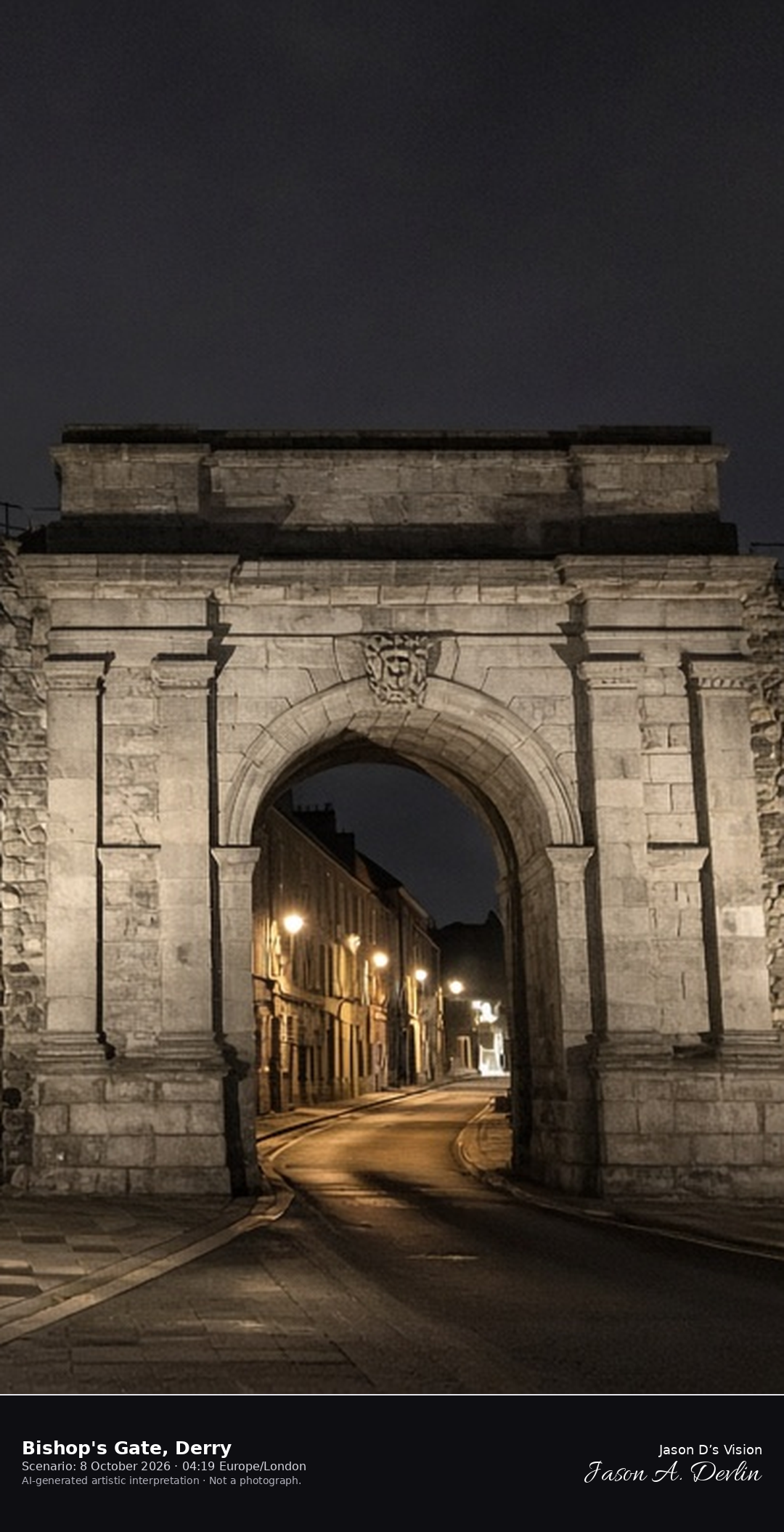
Bishop's Gate is one of the original entrances through Derry's walls, rebuilt as a triumphal arch in 1789, a century after the siege. Sculpted river heads represent the Foyle and the Boyne, linking the gateway's decoration to the waters and events that shaped the city's history.
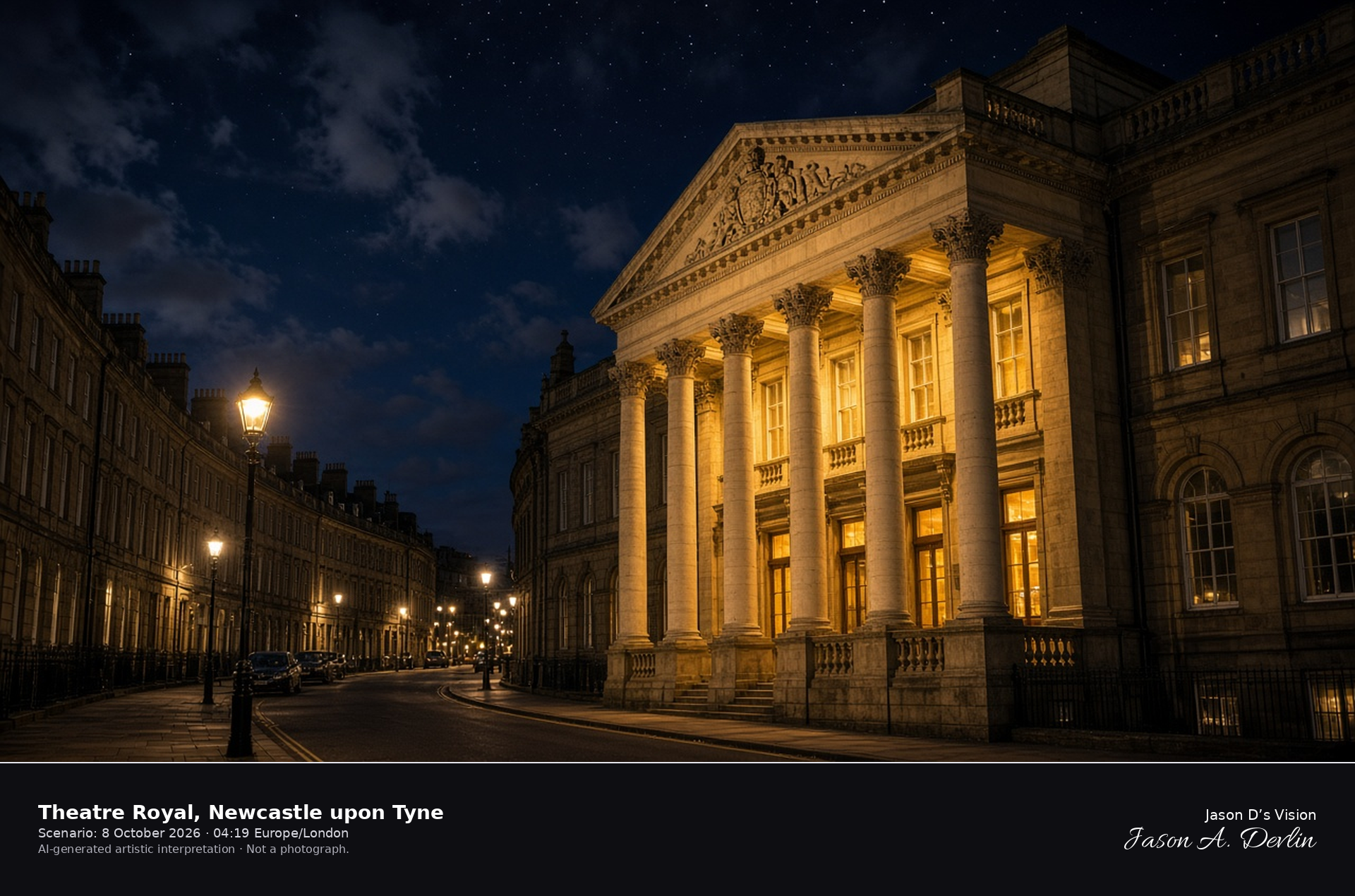
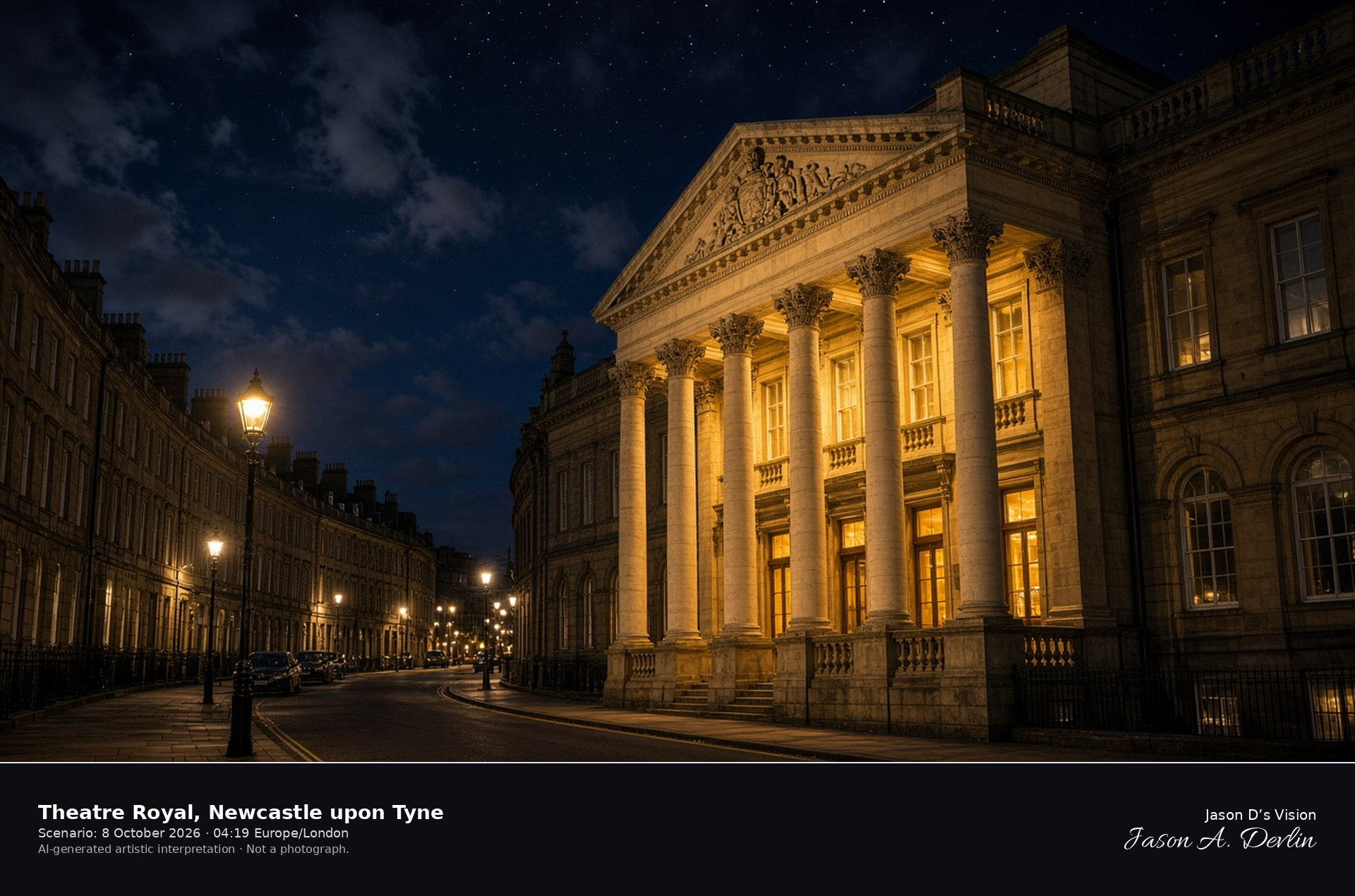
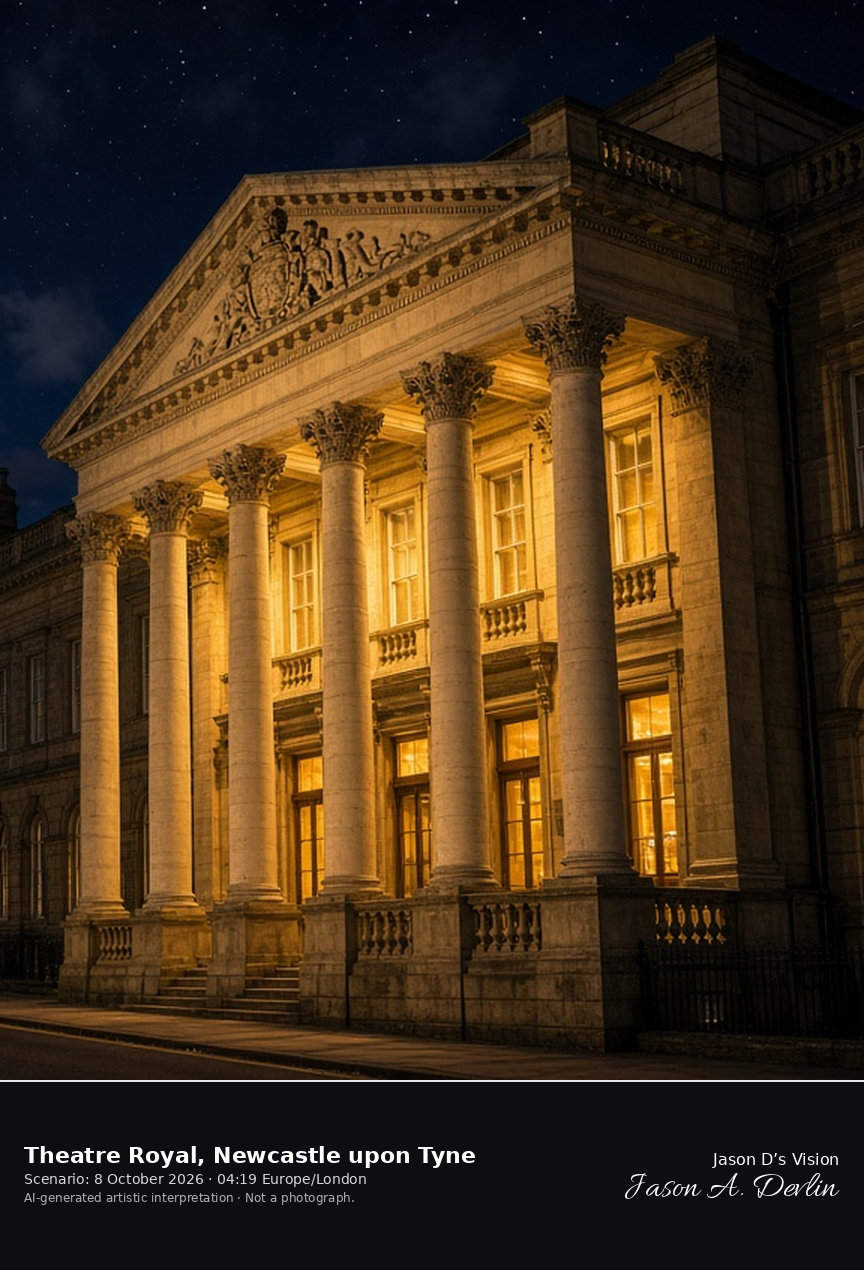
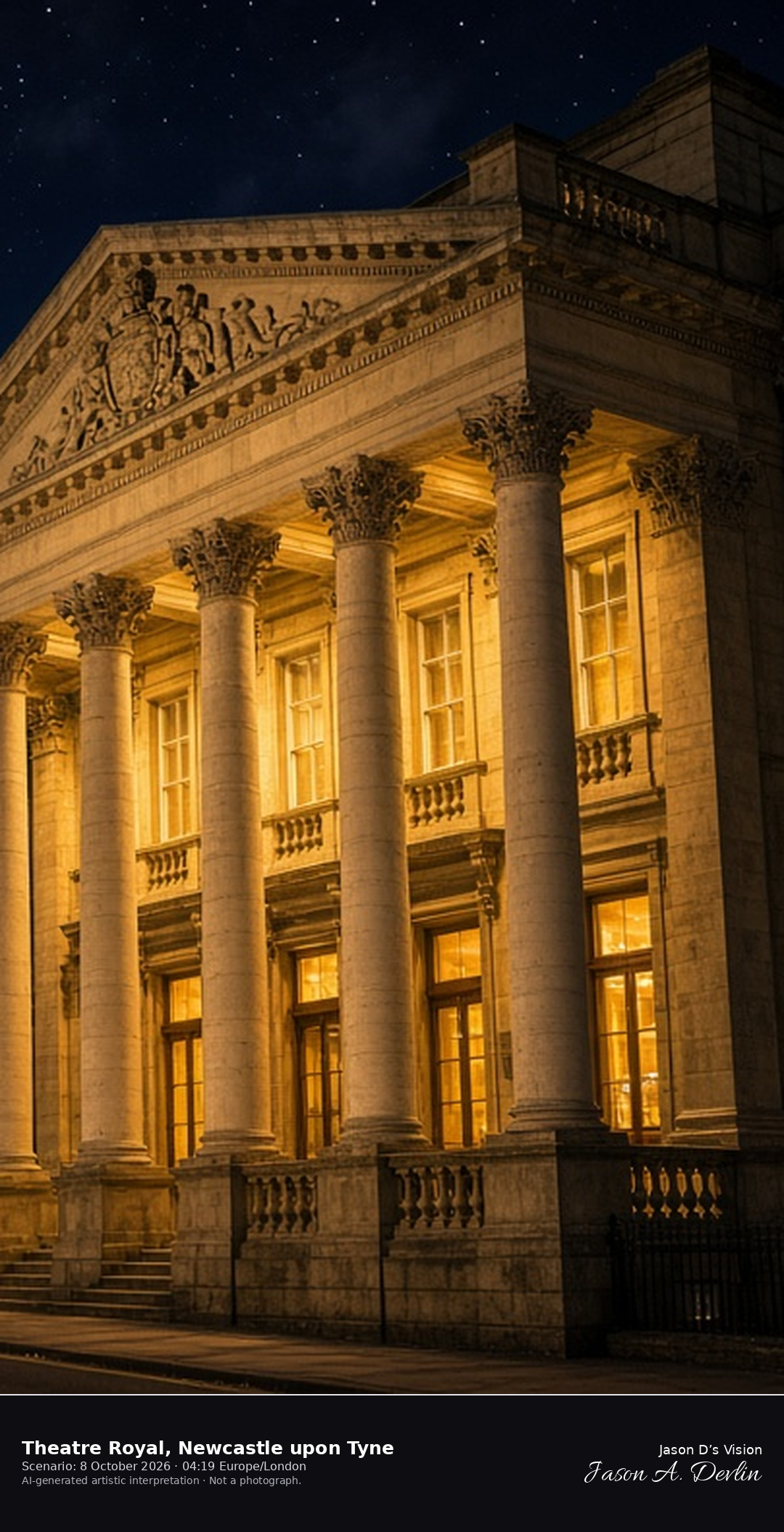
Theatre Royal, Newcastle upon Tyne · AI-generated artistic interpretation
John and Benjamin Green designed the theatre for Richard Grainger's new town centre, and it opened in 1837. After a fire in 1899, Frank Matcham rebuilt the interior in 1901.
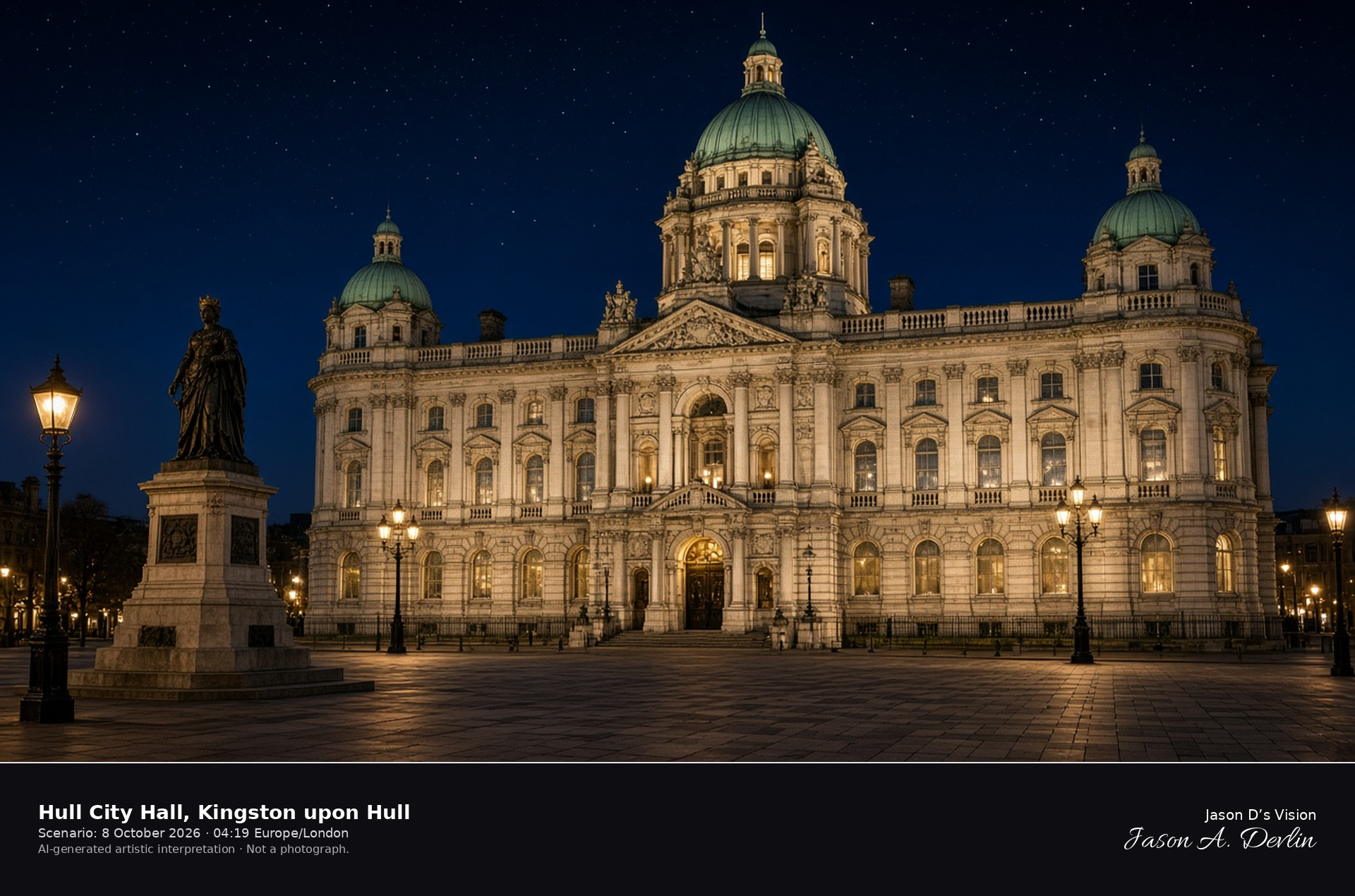
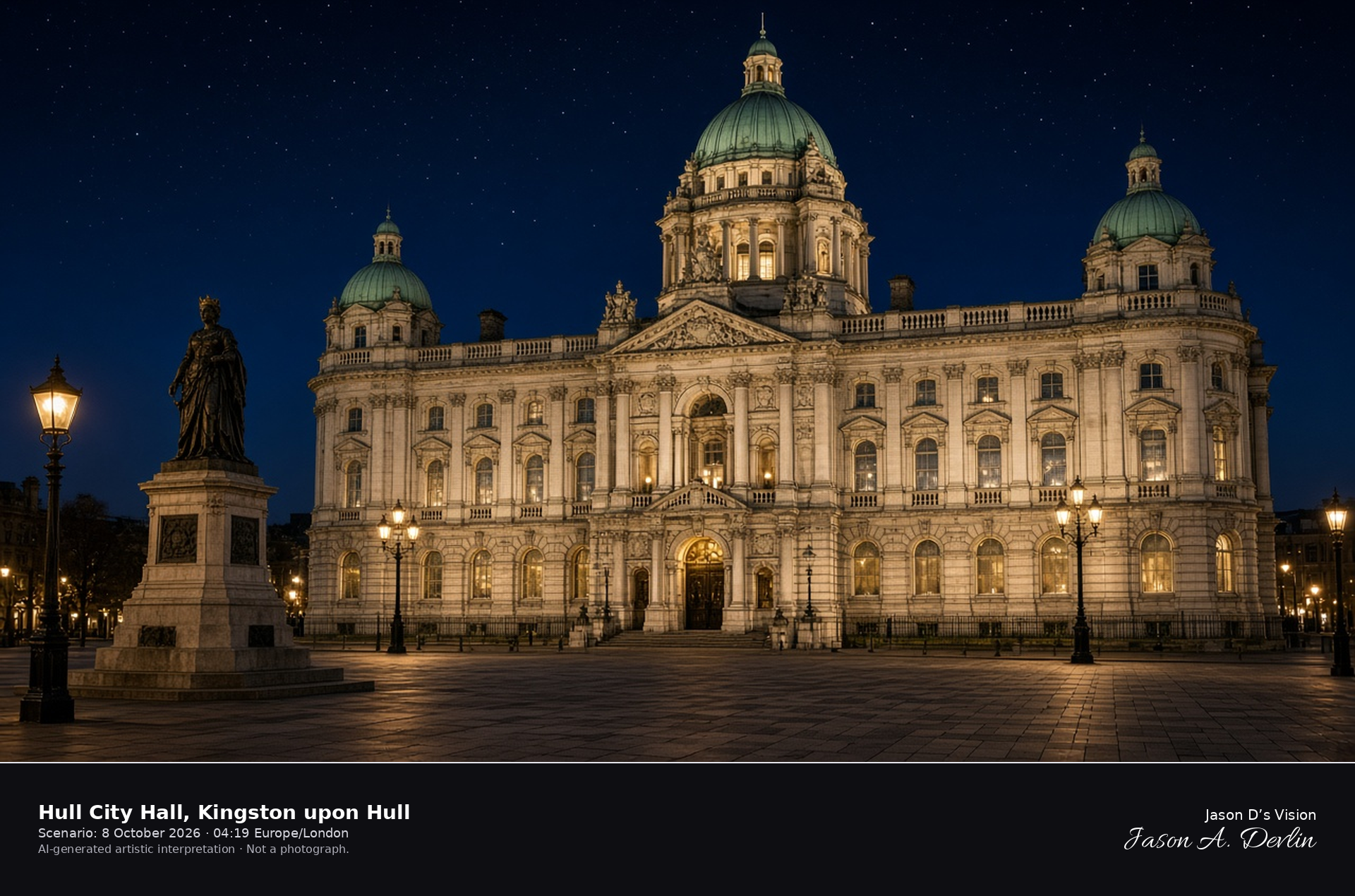
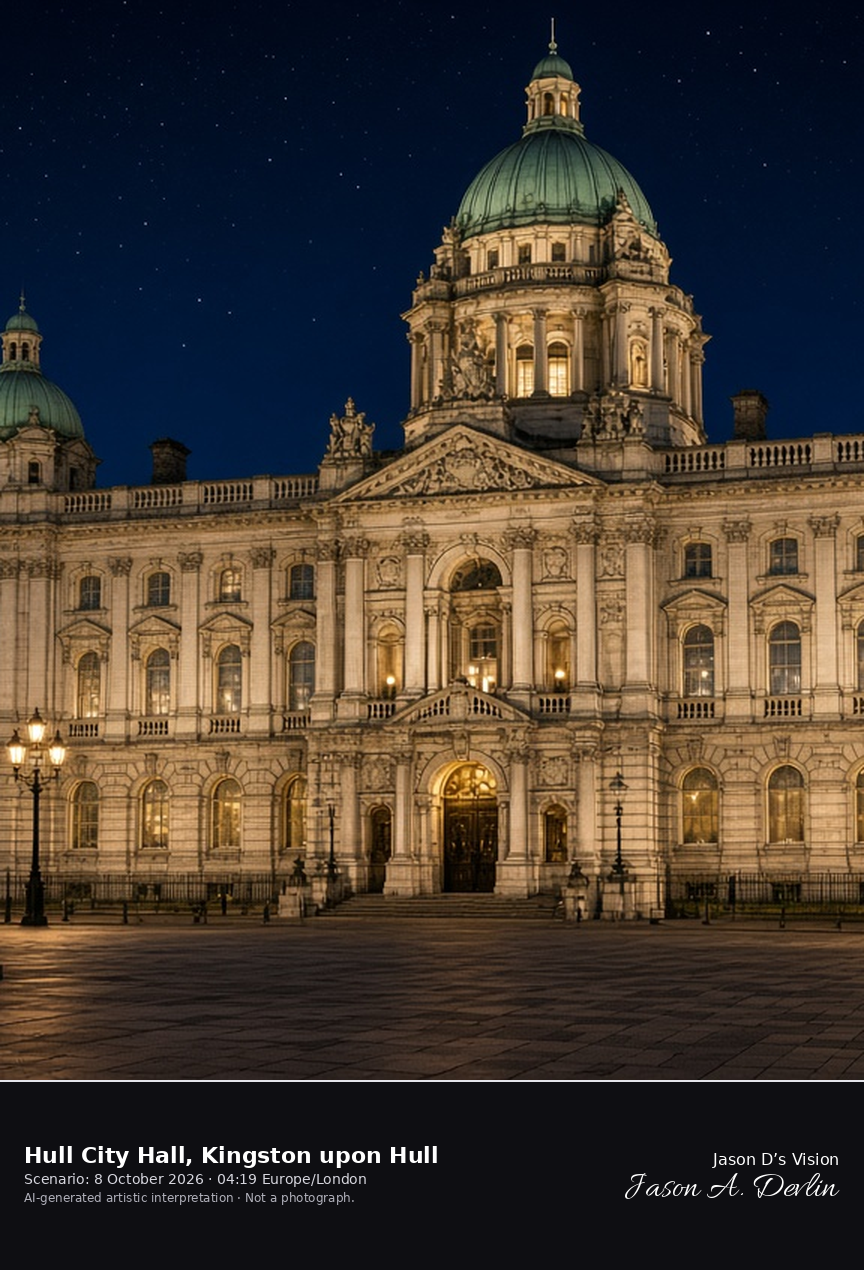
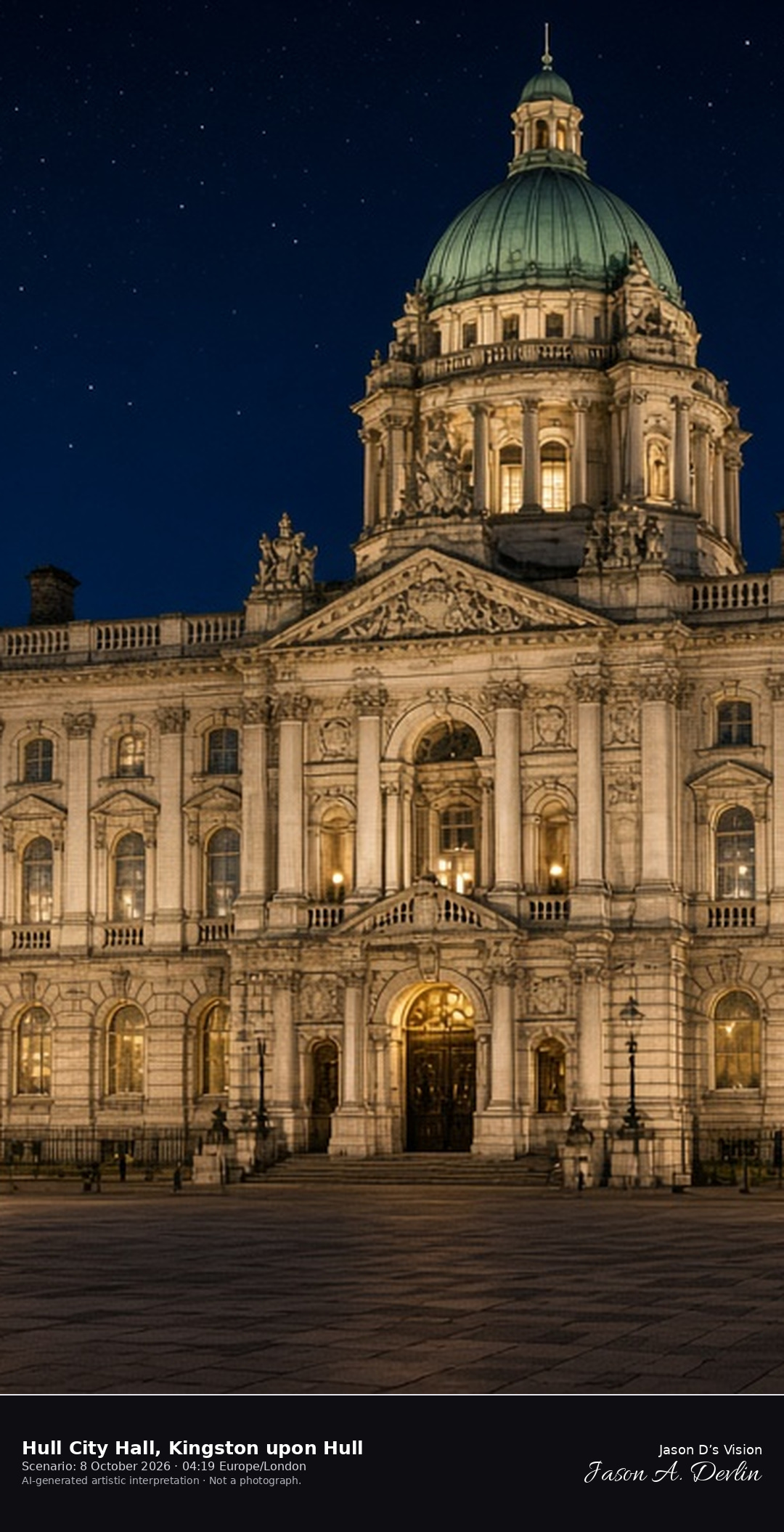
Hull City Hall · AI-generated artistic interpretation
Hull City Hall was in use by 1909 as a grand venue for the city's public life. Its organ, made by the Hull firm Forster and Andrews, was installed in 1911. Bomb damage forced the hall to close in 1941, but restoration brought both building and organ back into use in 1948.
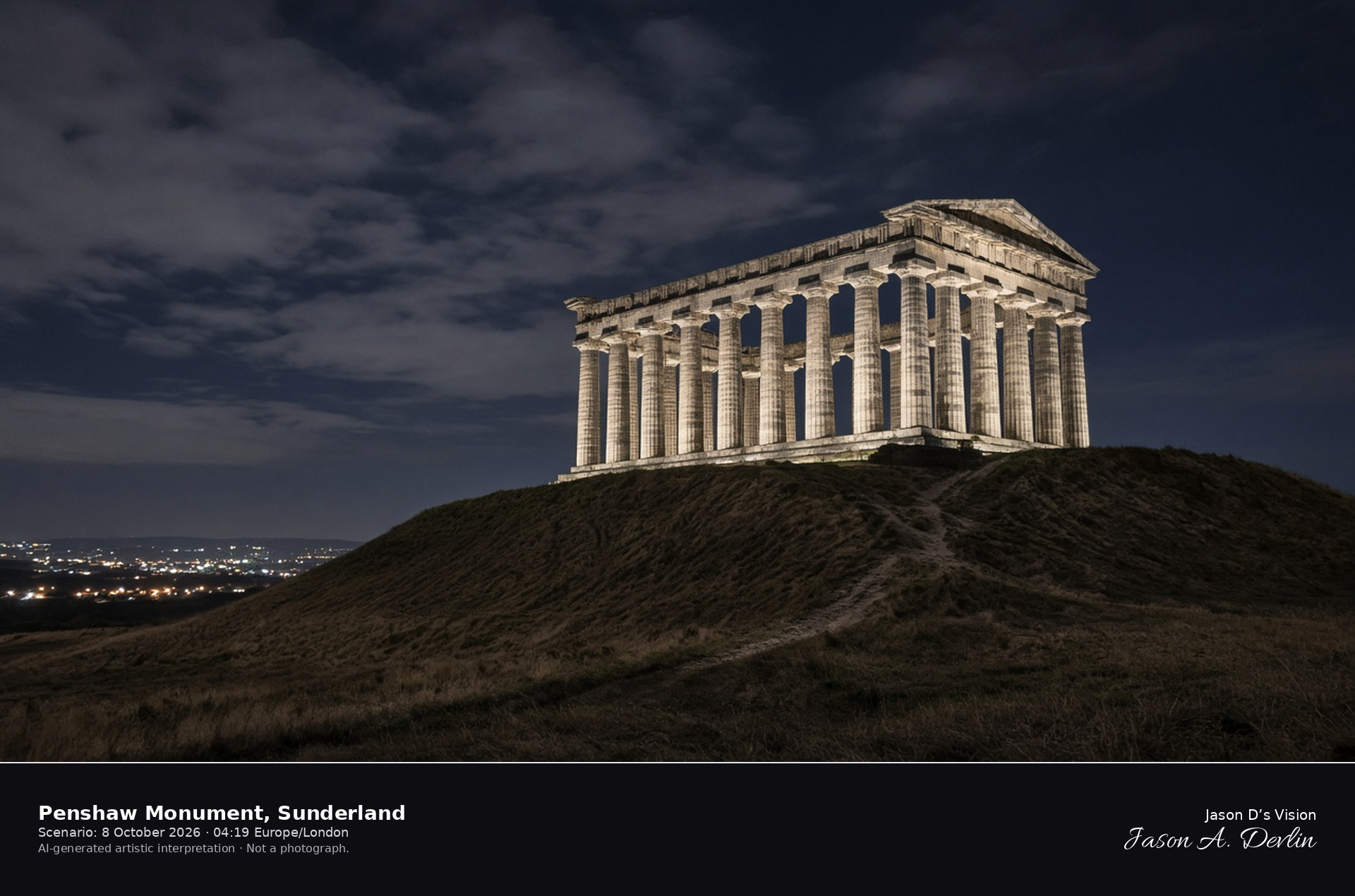
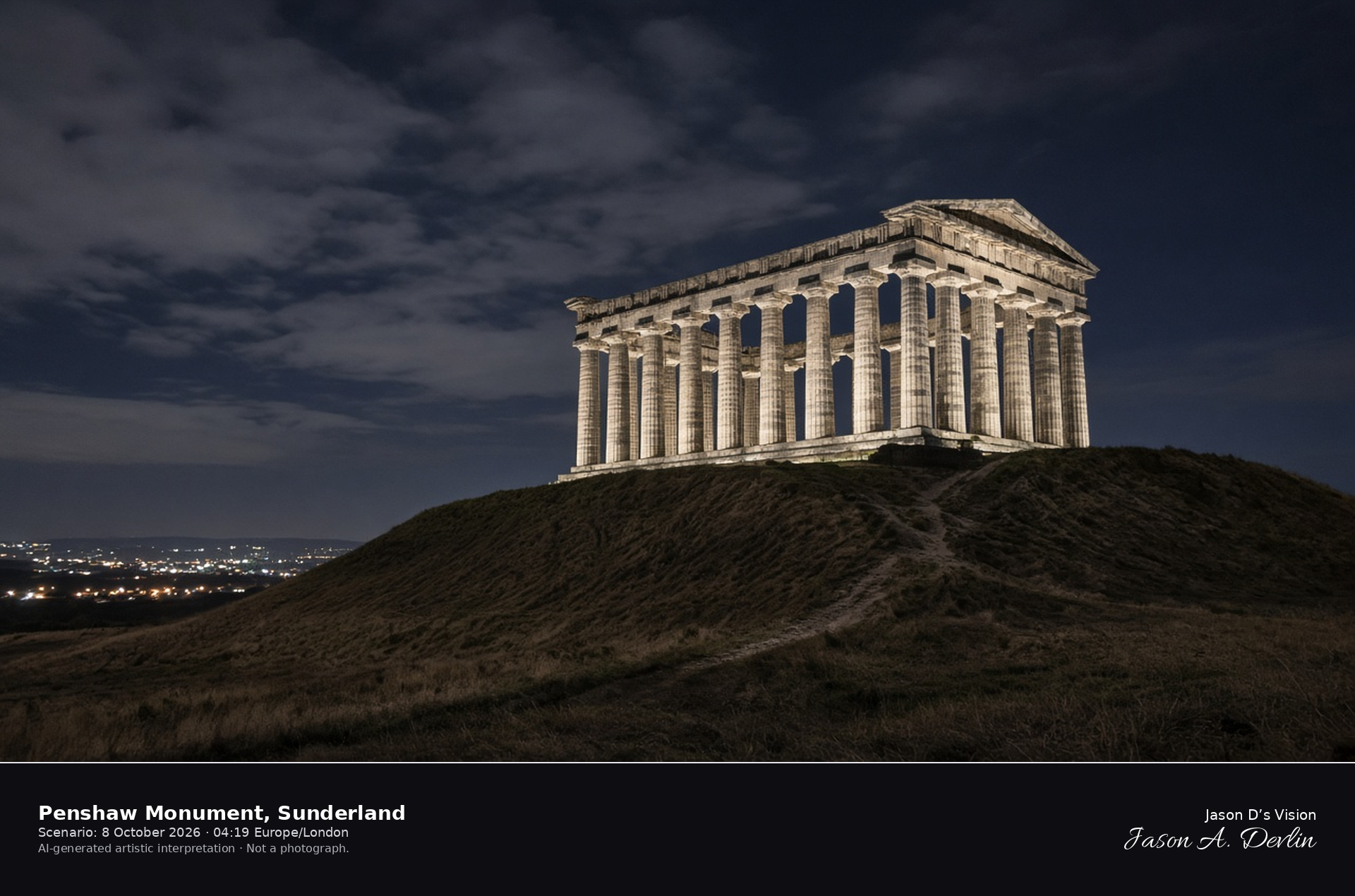
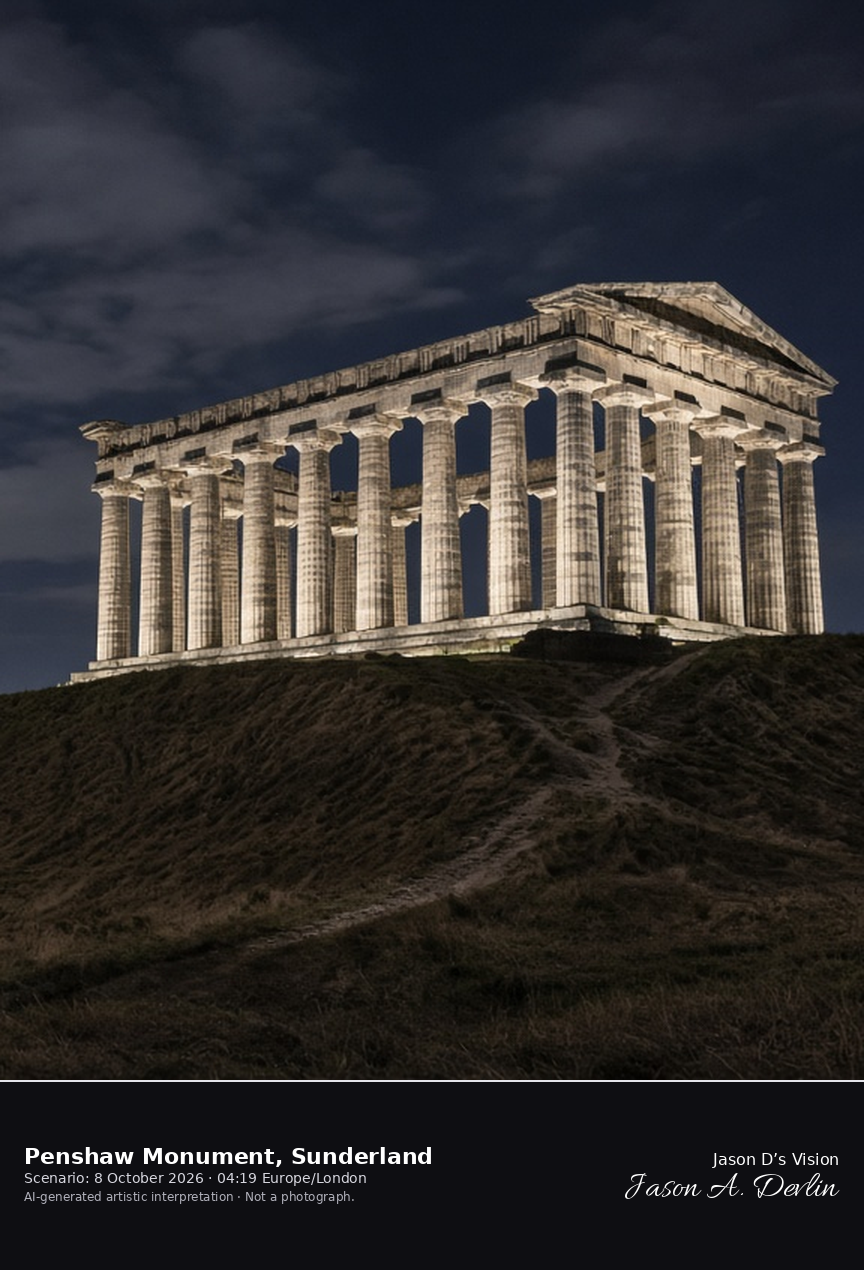
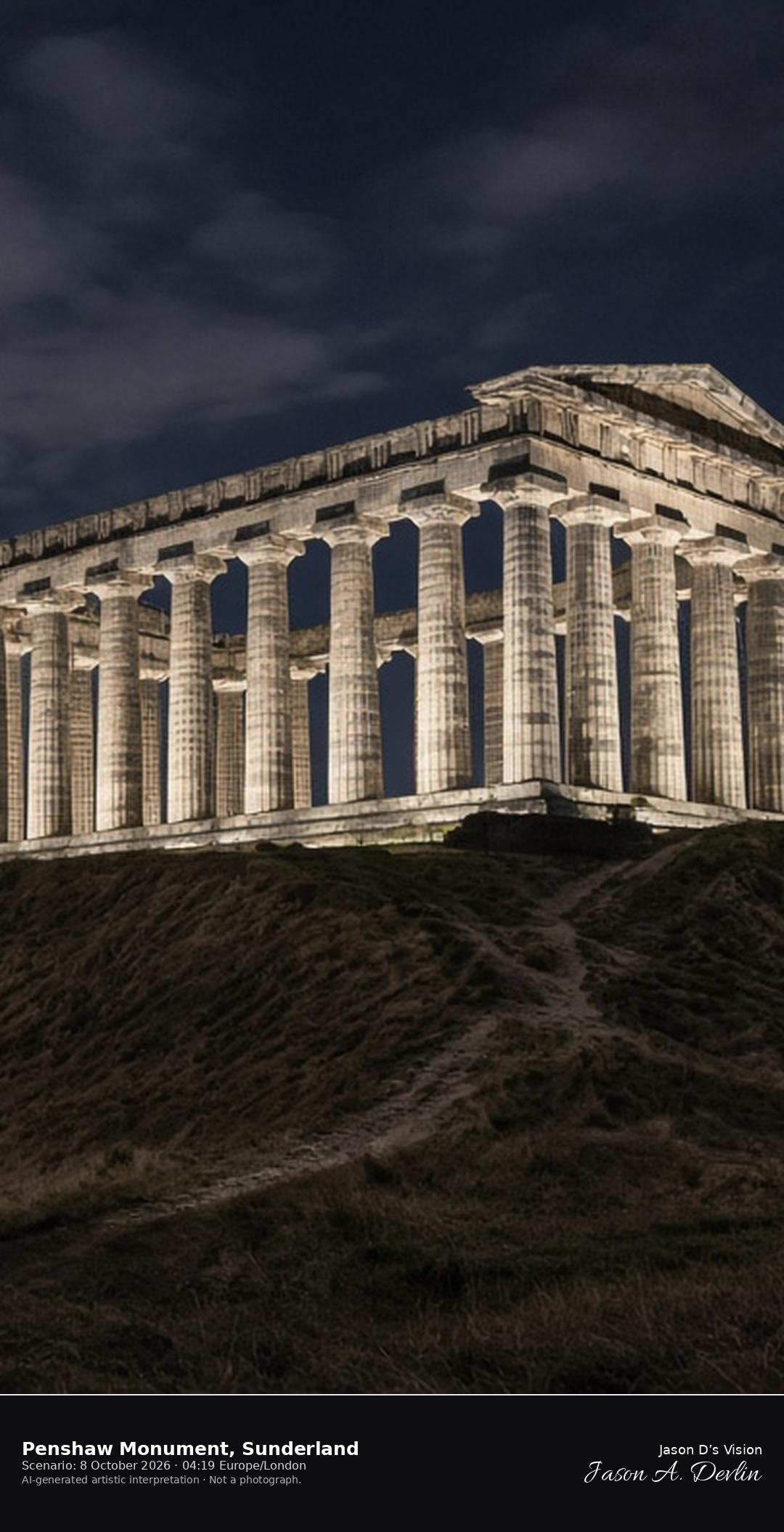
The monument was built in 1844 in memory of John Lambton, 1st Earl of Durham, to a design by John and Benjamin Green. It is modelled on the Temple of Hephaestus in Athens and has eighteen columns and no roof.
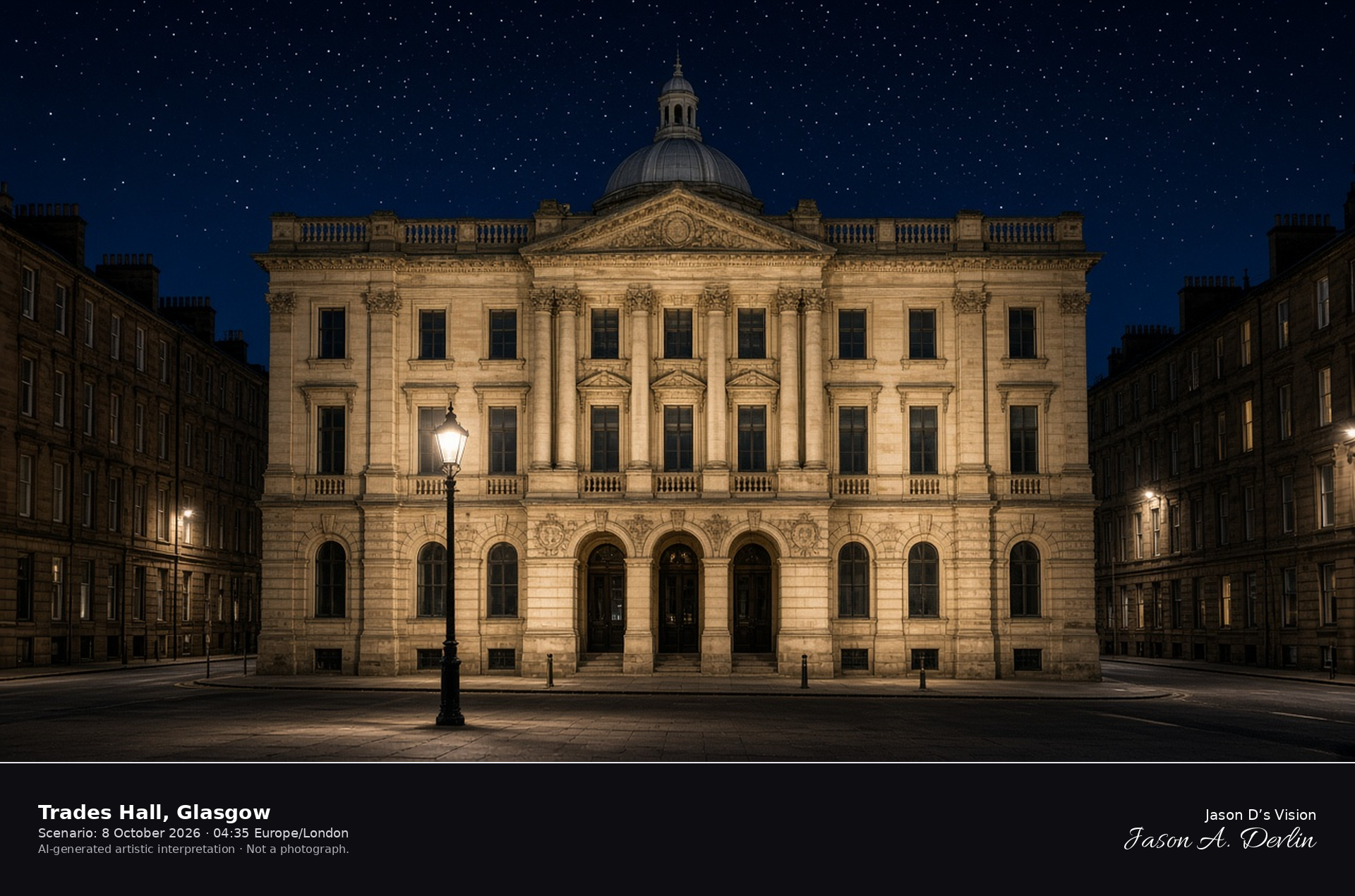
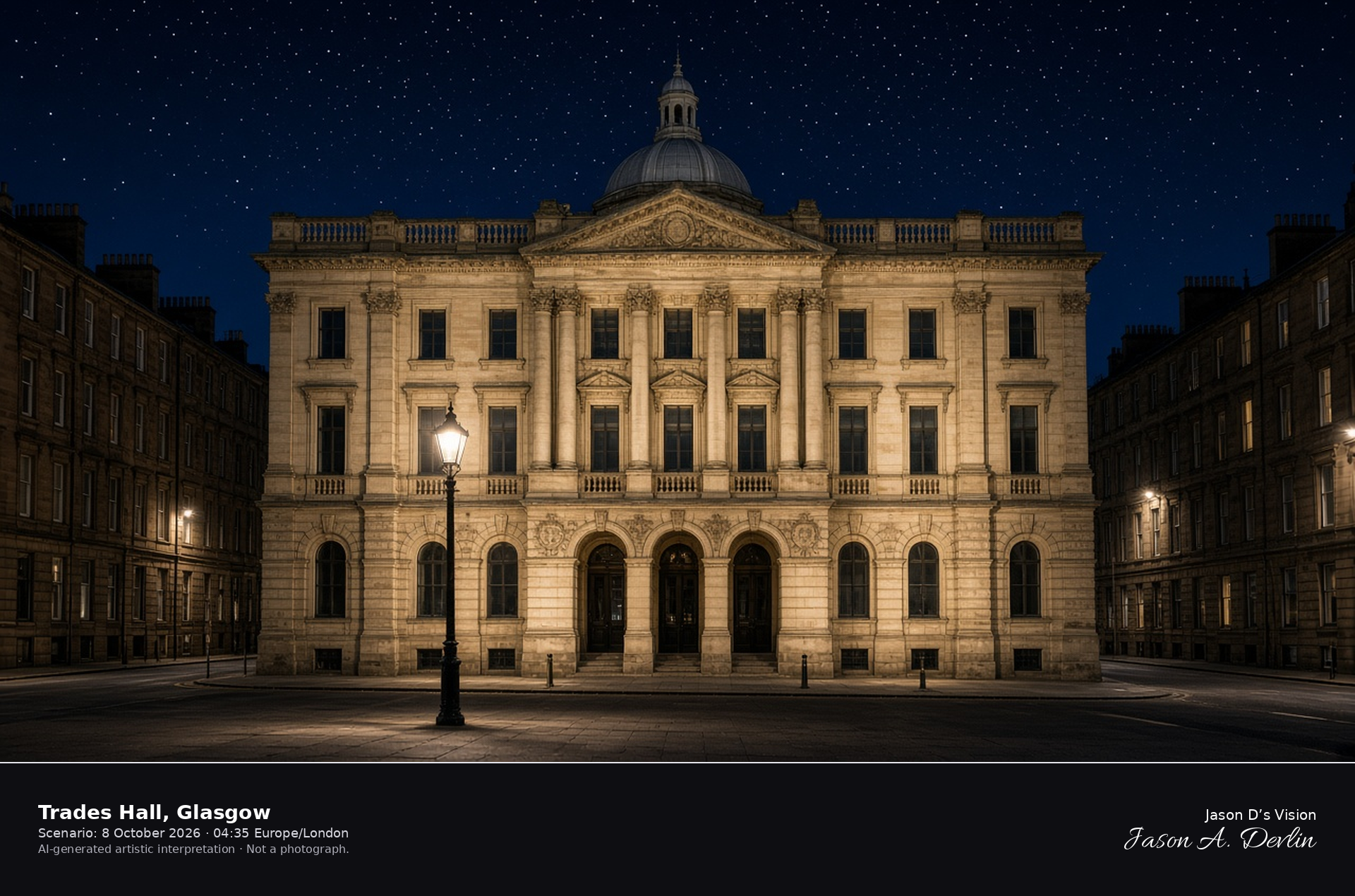
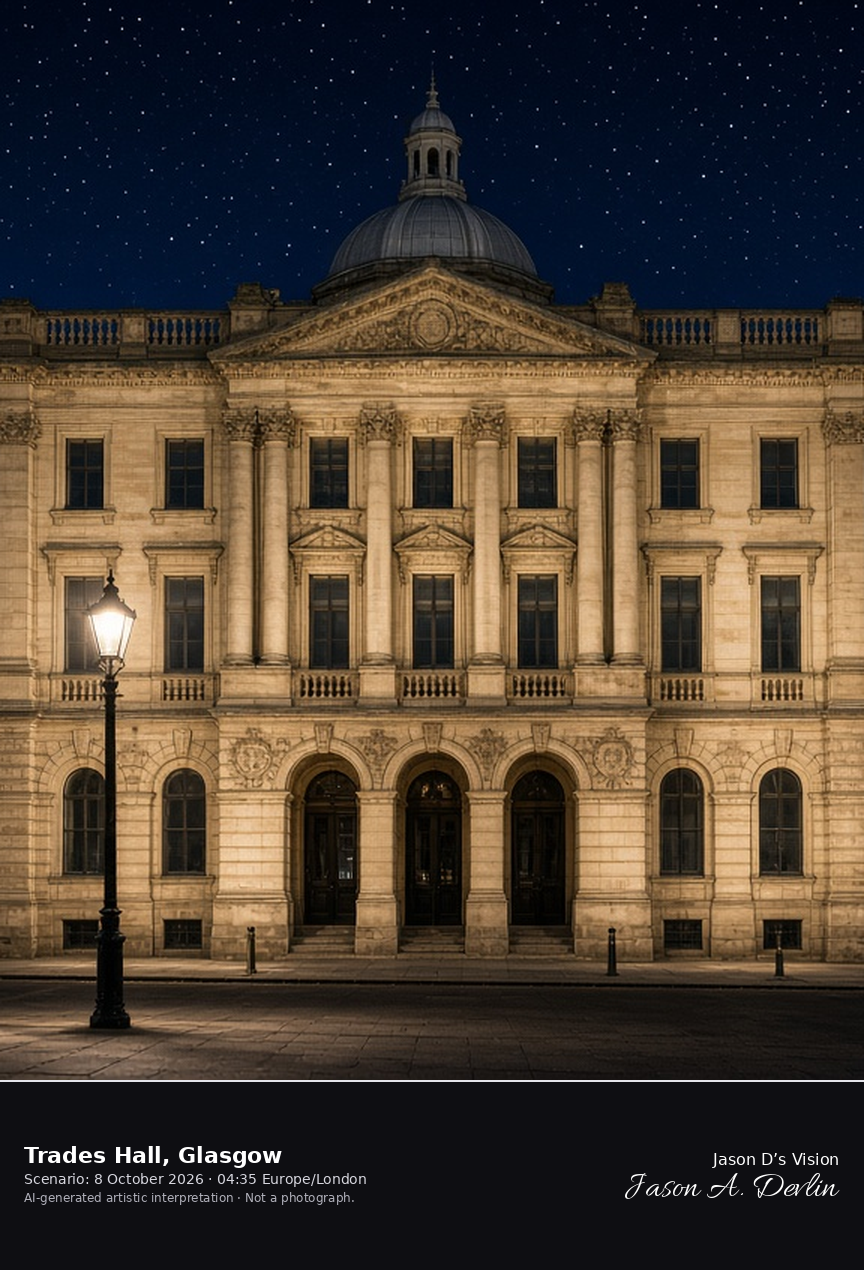
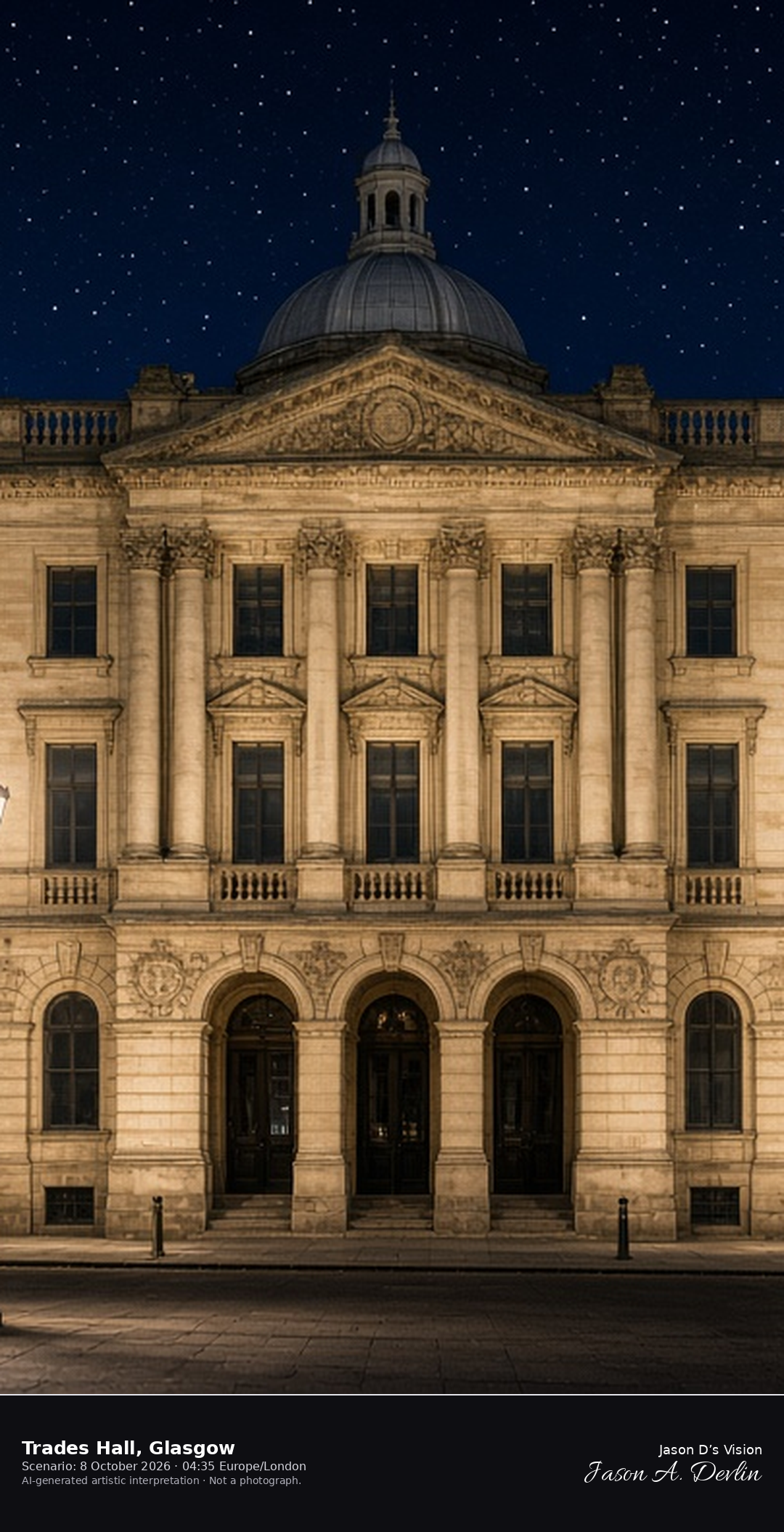
The hall was commissioned in 1791 for the Trades House of Glasgow and its fourteen Incorporated Crafts, and hosted its first meeting in 1794. Robert Adam designed it; after his death his brothers James and William Adam oversaw its completion. Robert Adam's Trades Hall is the master's only major surviving work in Glasgow, and the Trades House with its fourteen crafts meets within it still. Hammermen and weavers, tailors and maltmen are among the crafts represented by the Trades House.
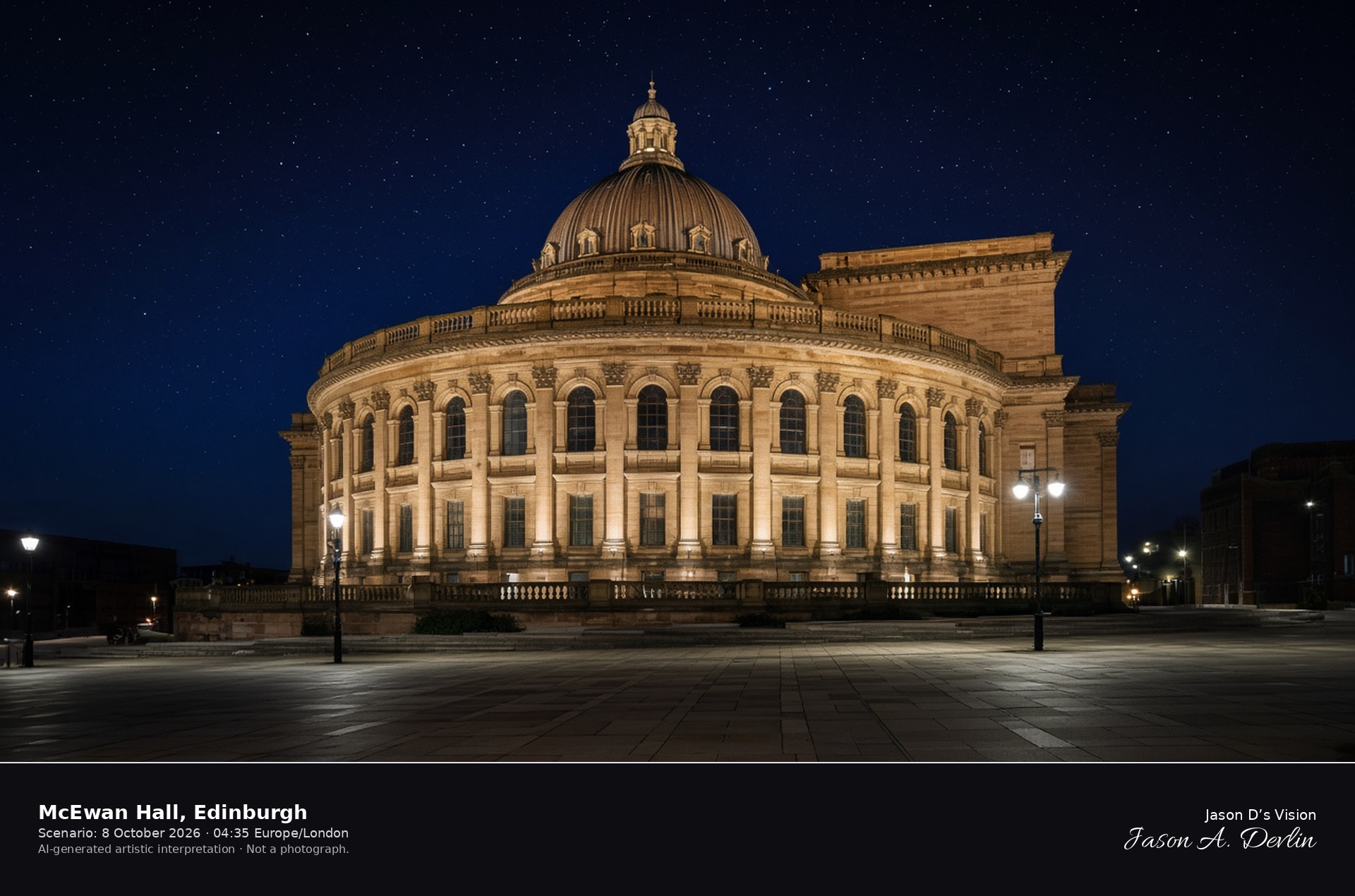
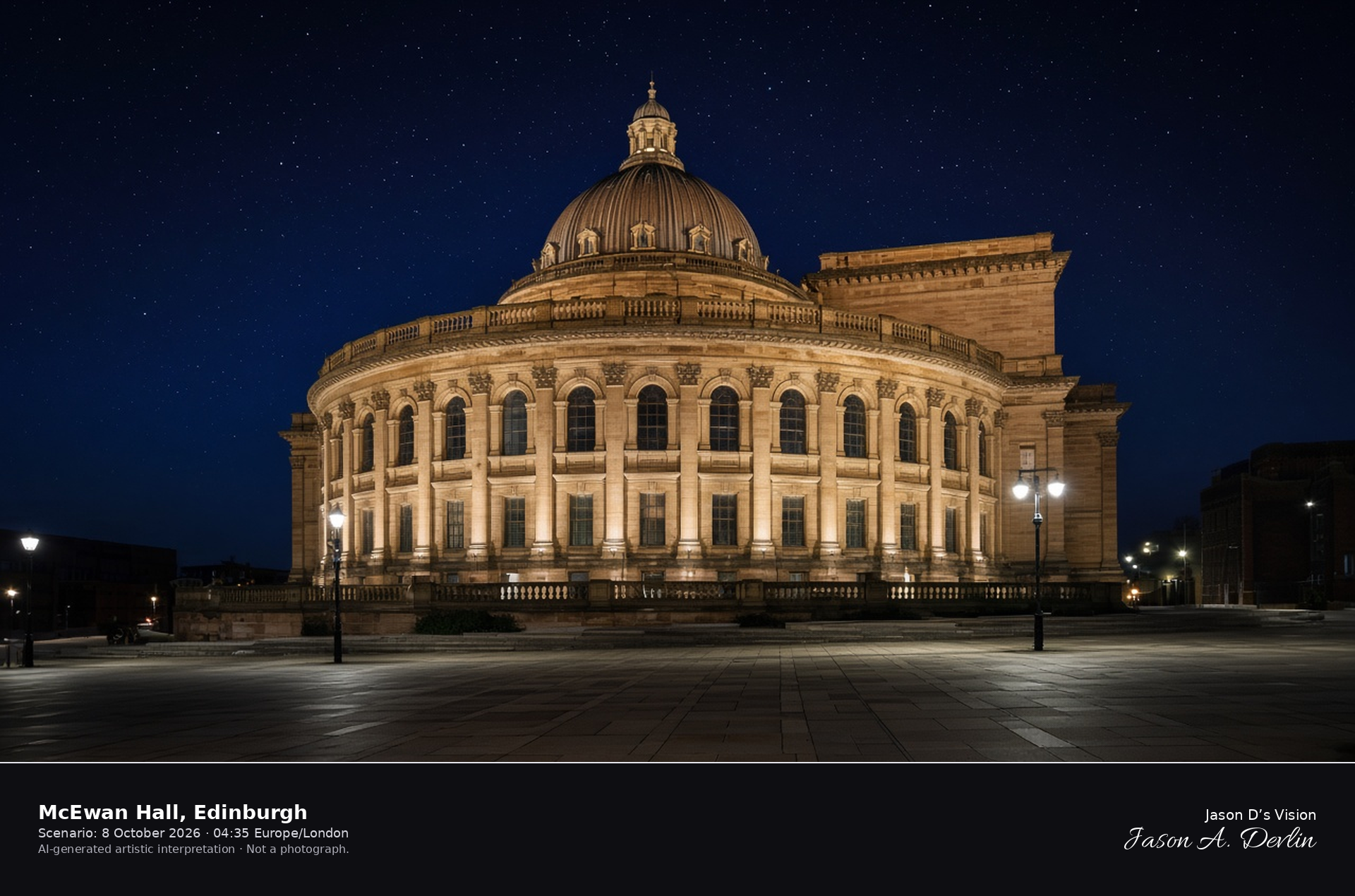
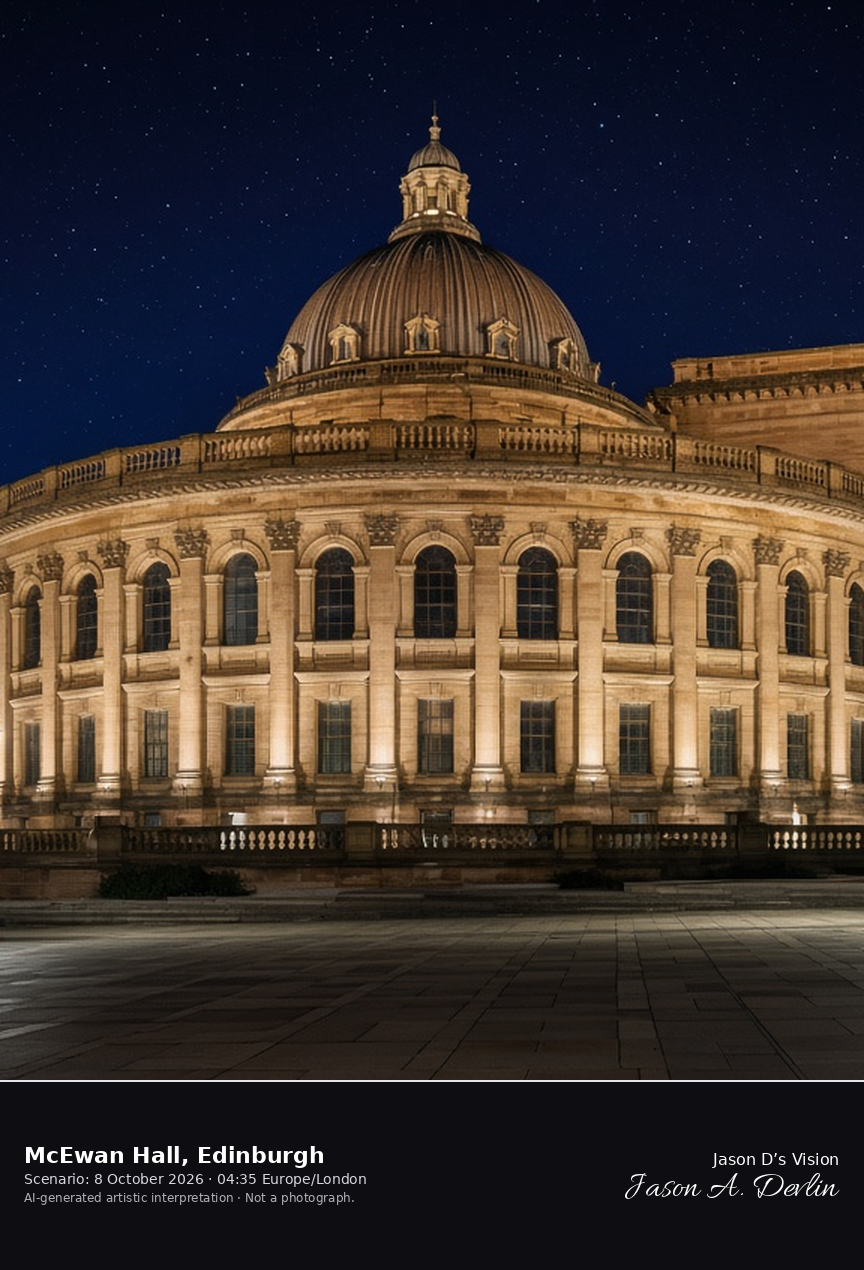
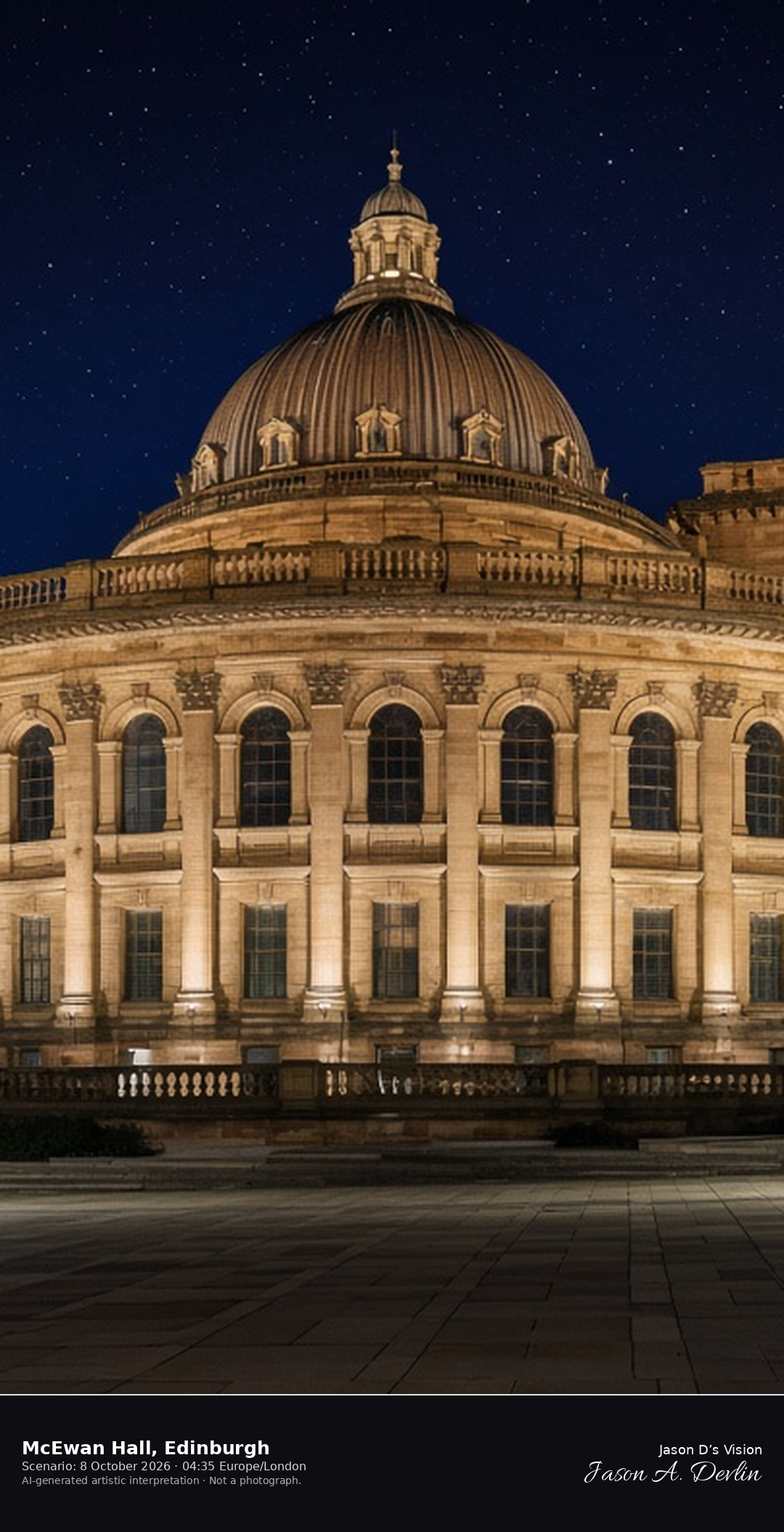
Sir Robert Rowand Anderson designed the University of Edinburgh's graduation hall, paid for by the brewer William McEwan. The exterior was finished in 1894 and the domed interior in 1897.
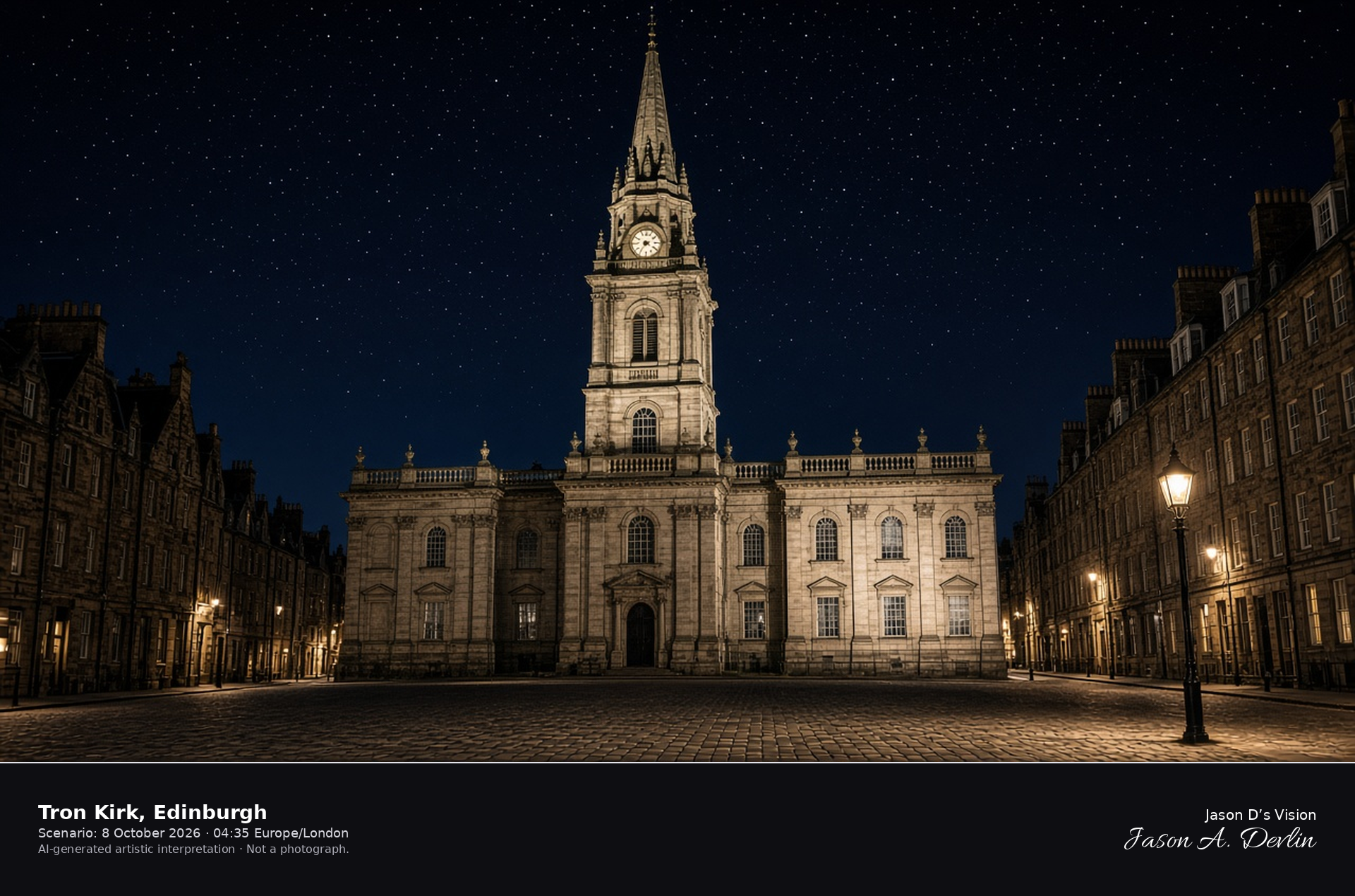
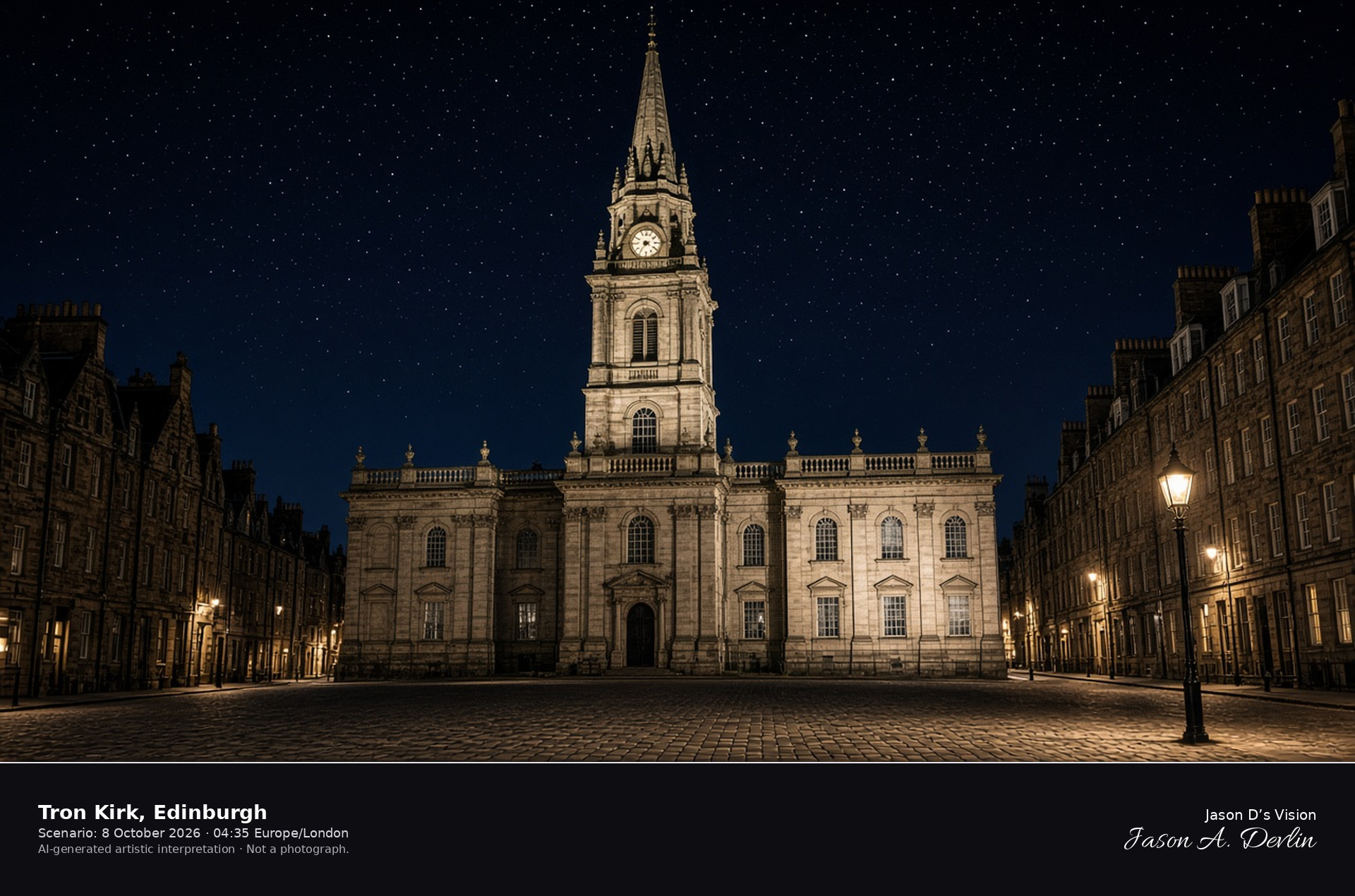
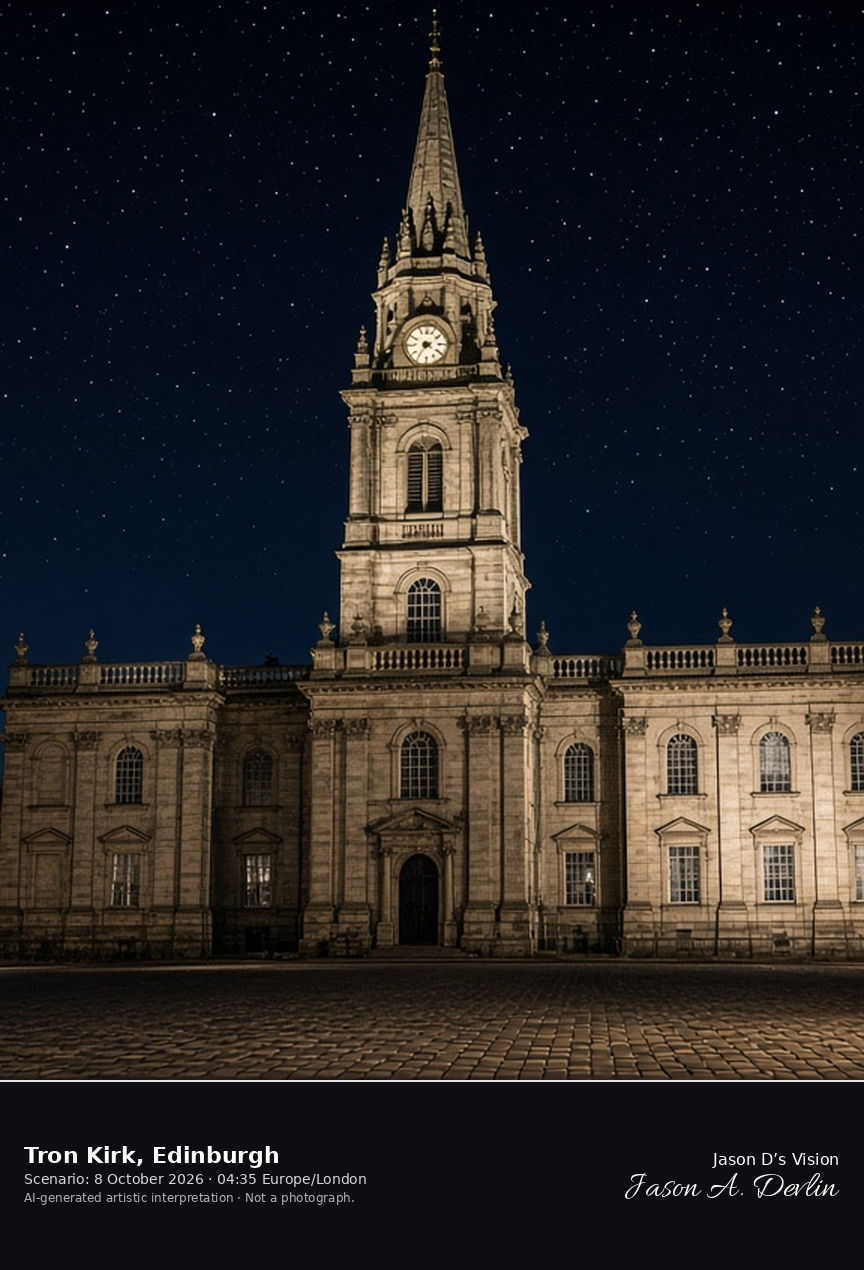
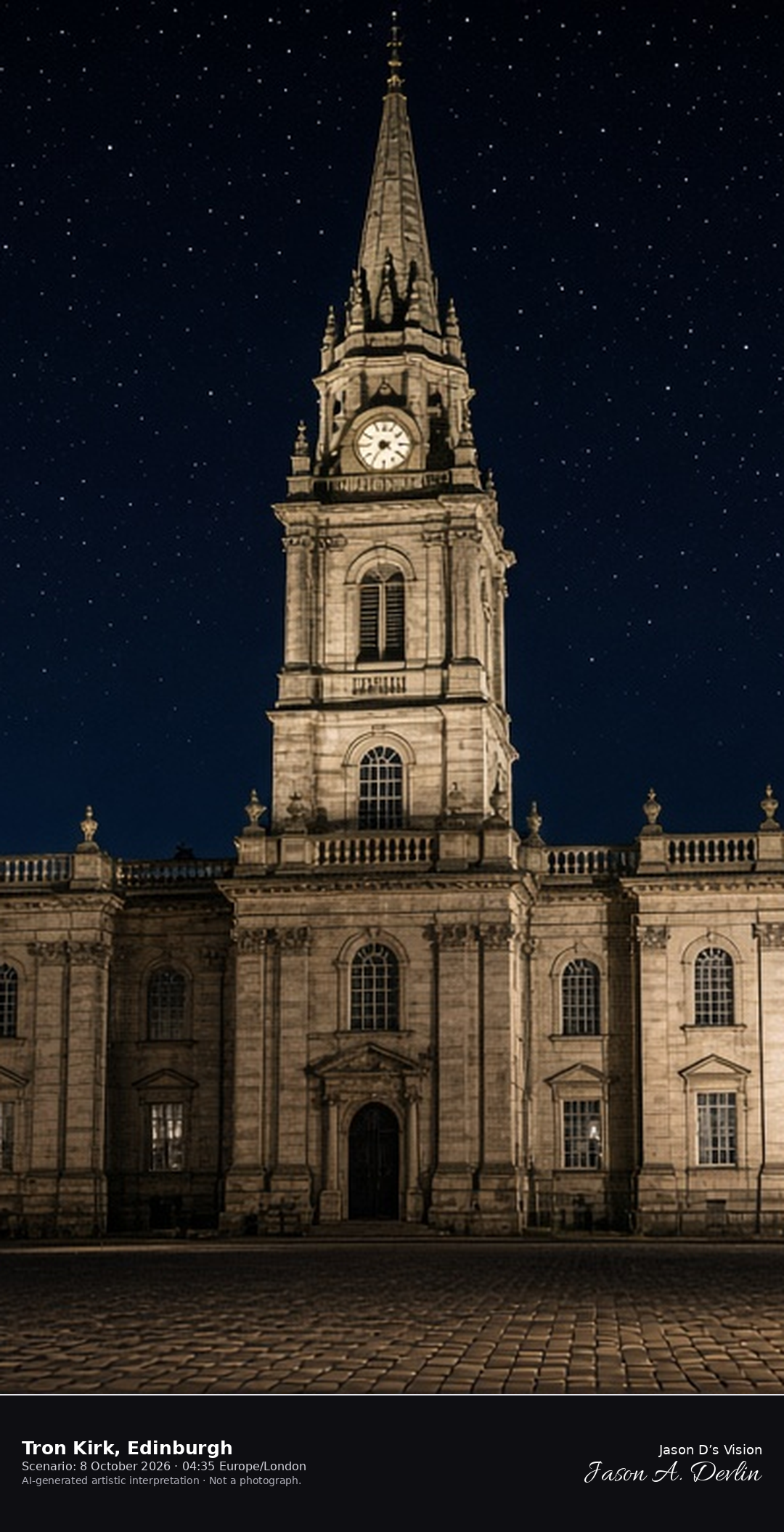
Tron Kirk, Edinburgh · AI-generated artistic interpretation
John Mylne designed the church, which was built between 1637 and 1647 in a style mixing Palladian, Gothic and Dutch ideas. The first steeple burned in 1824, and the clock on the present spire dates from 1828.
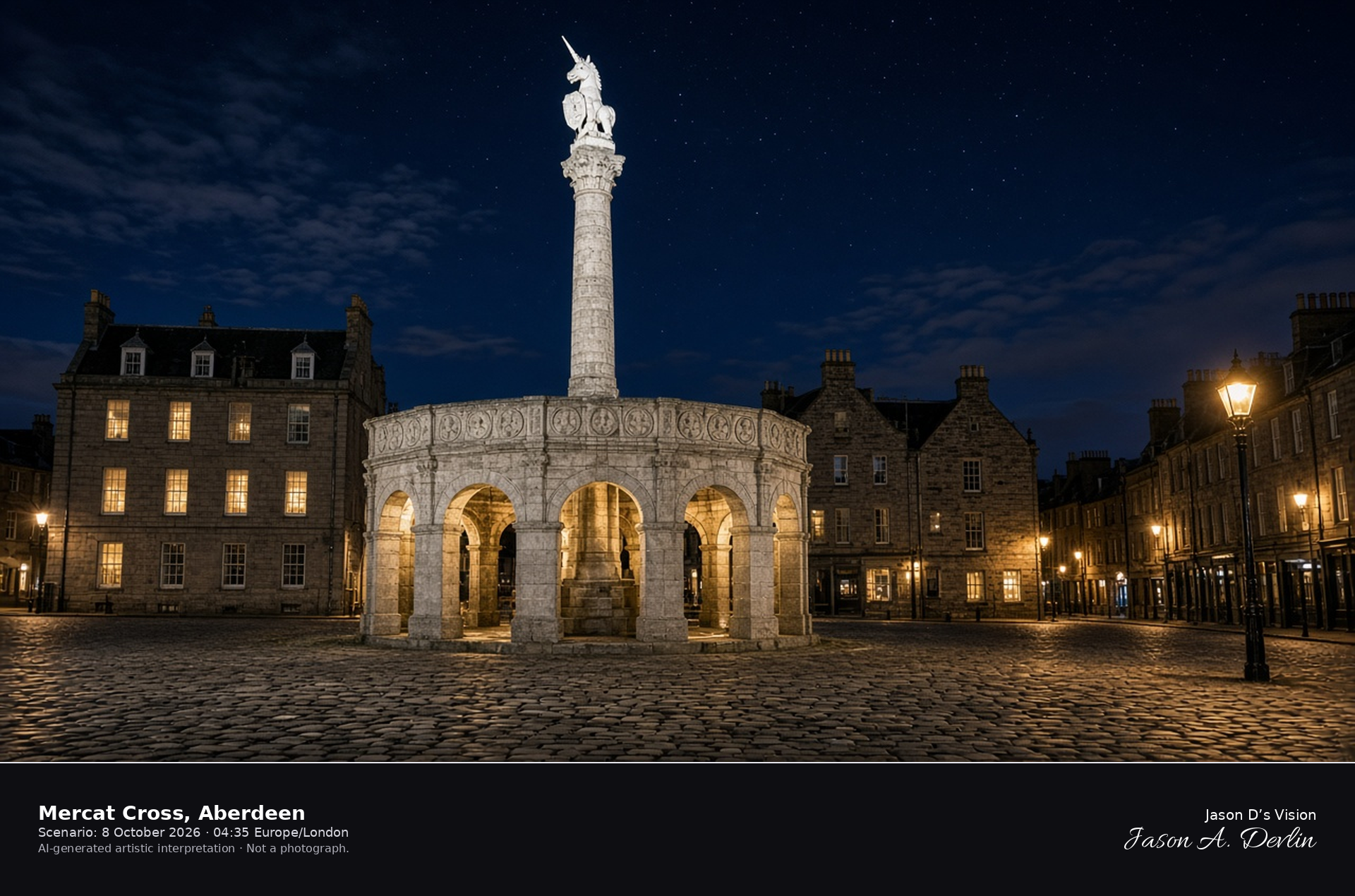
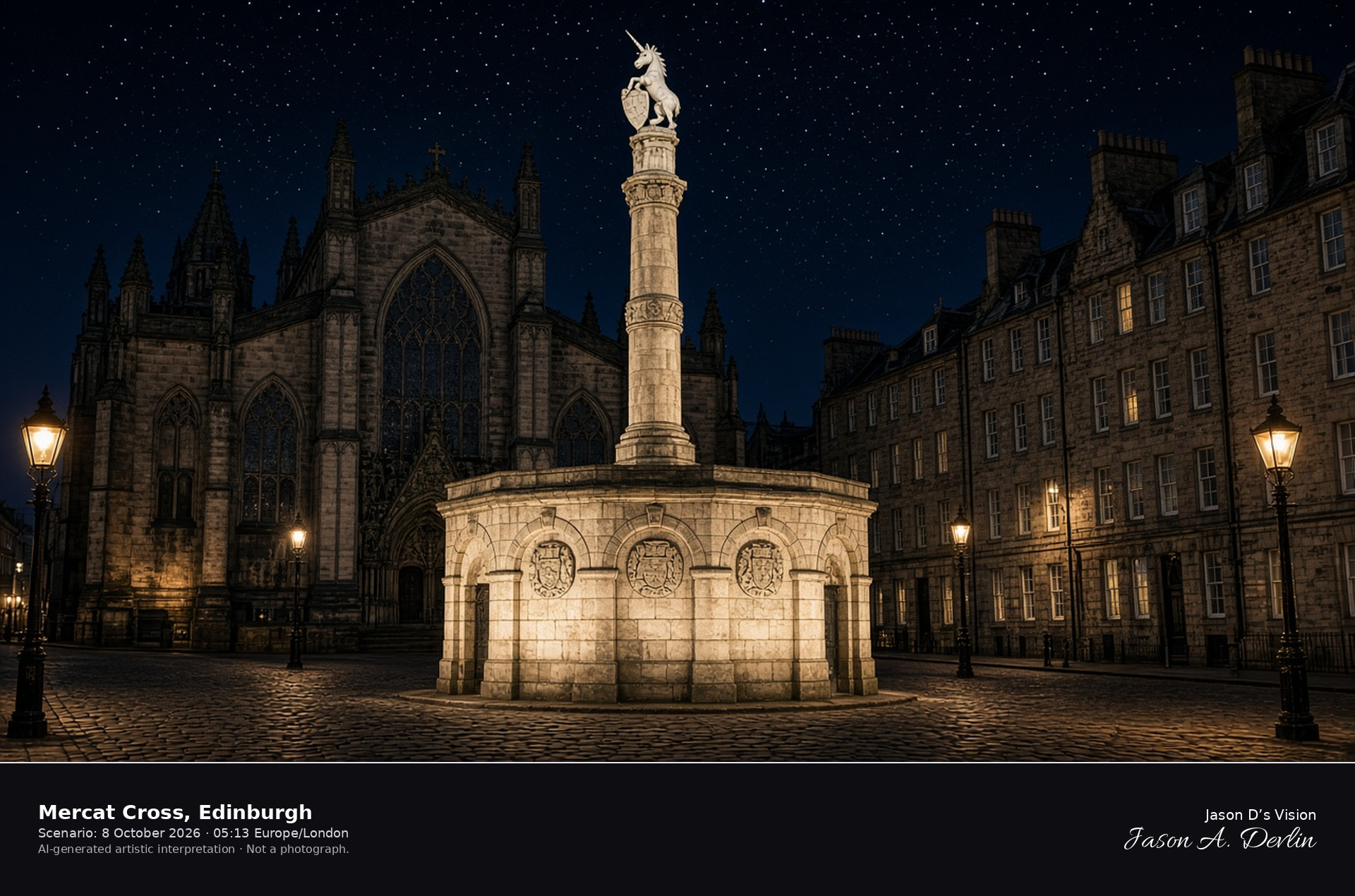
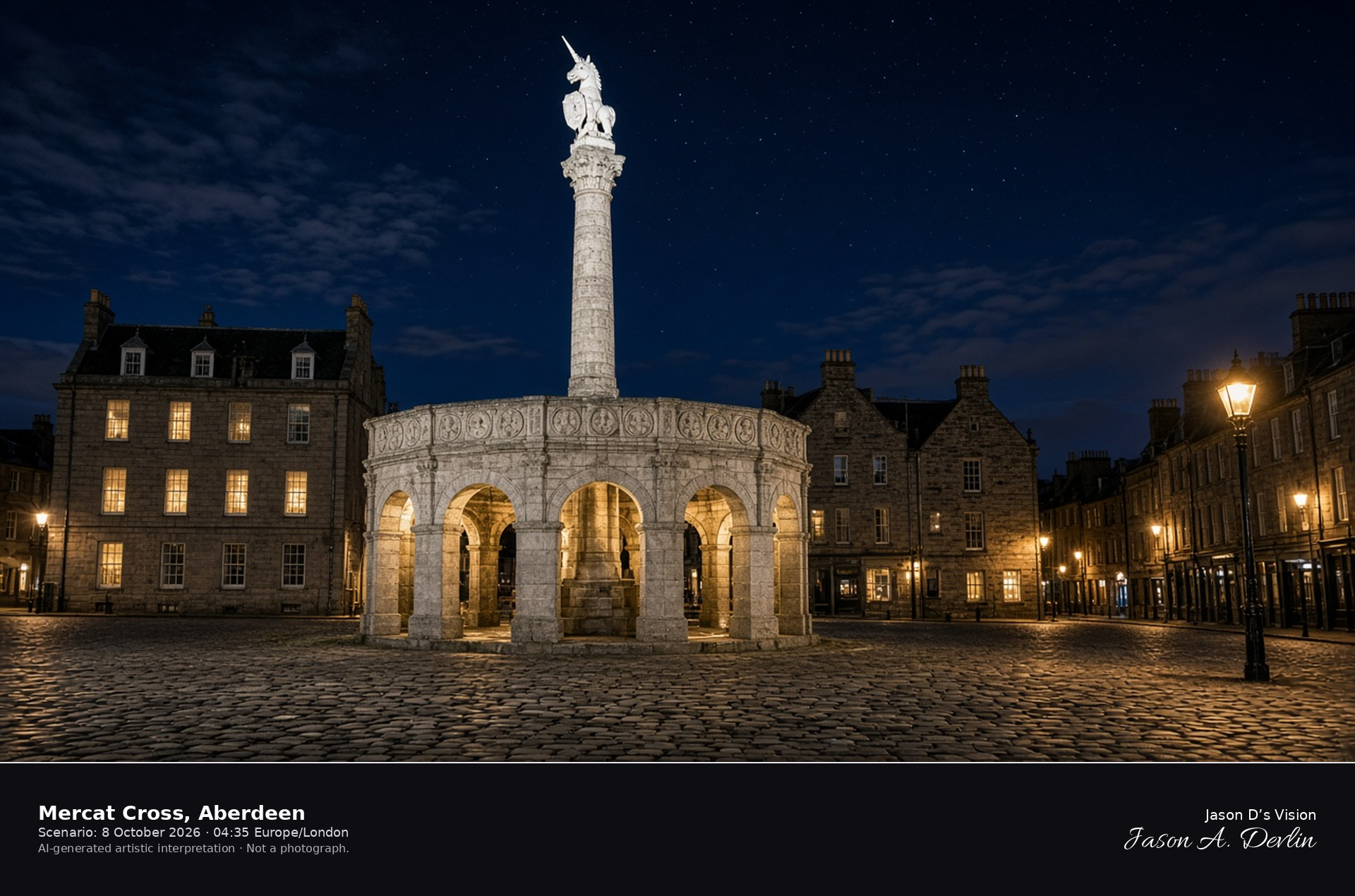
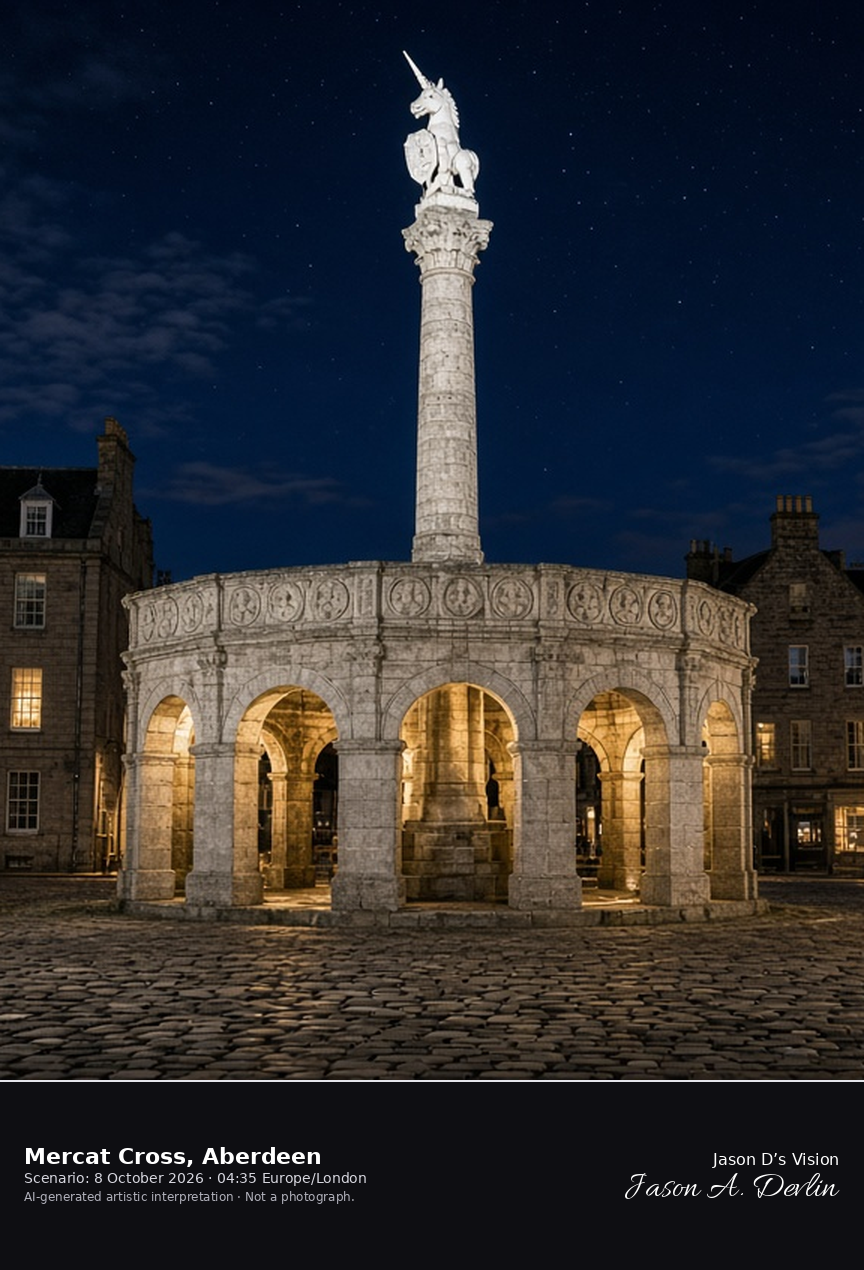
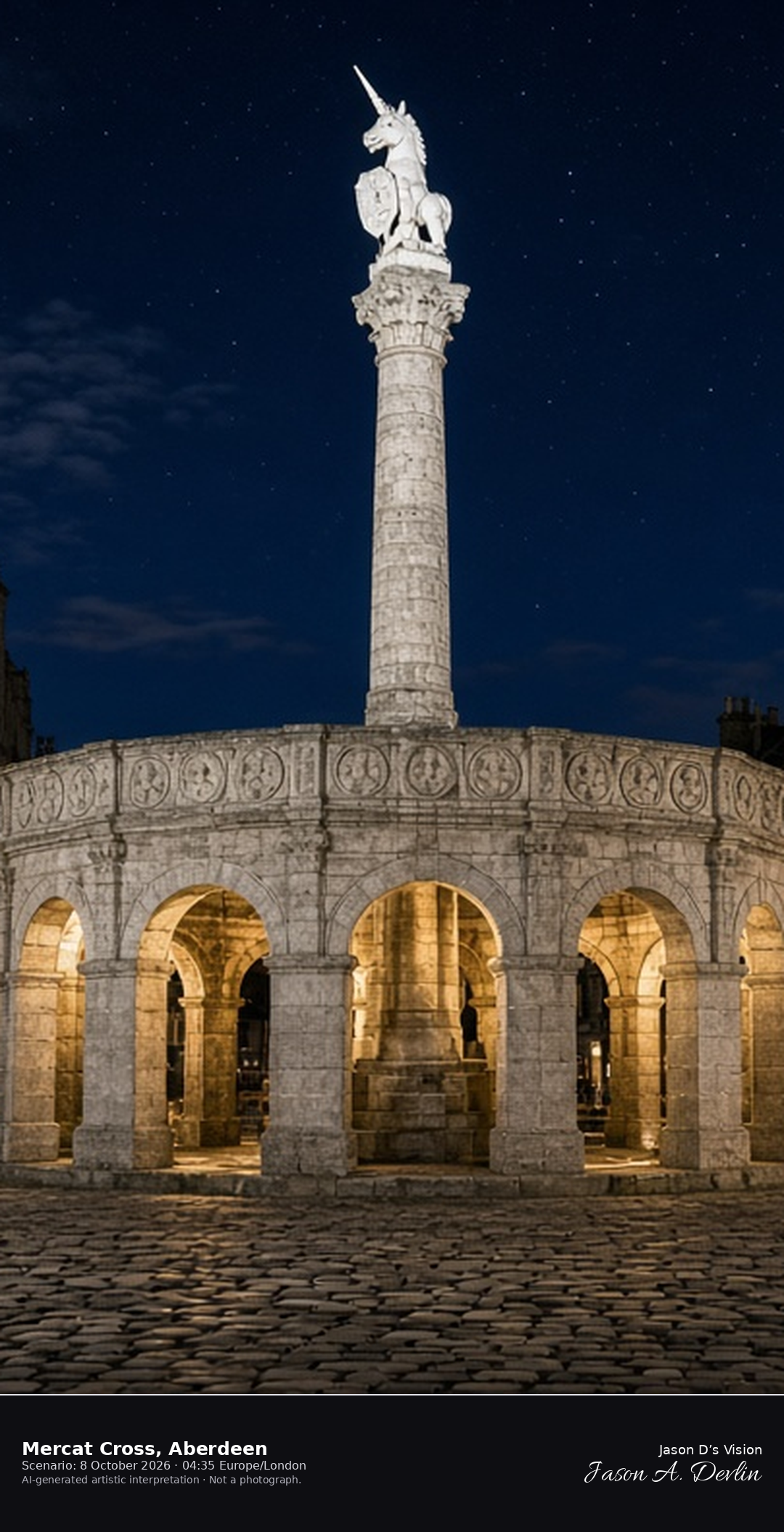
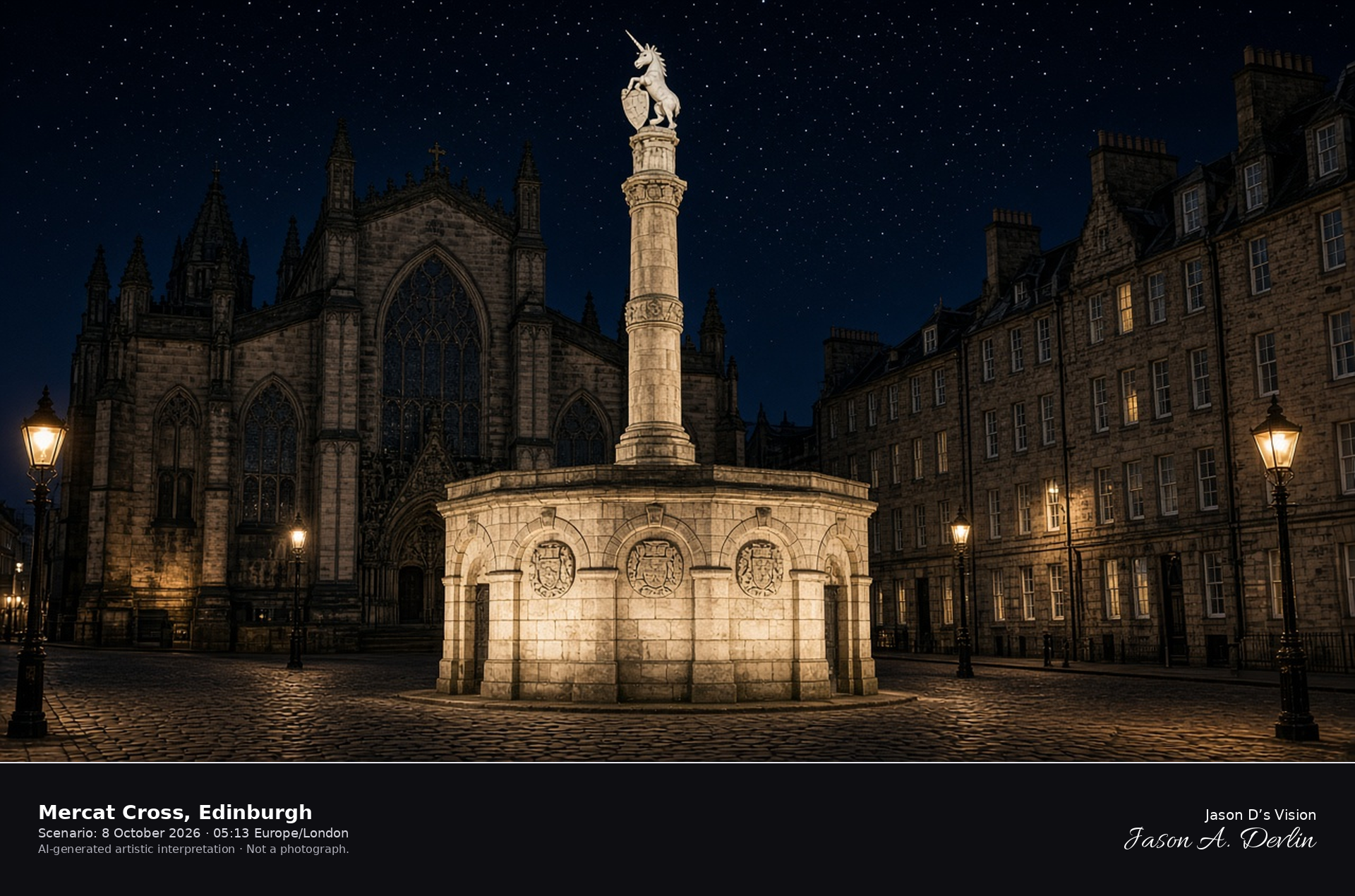
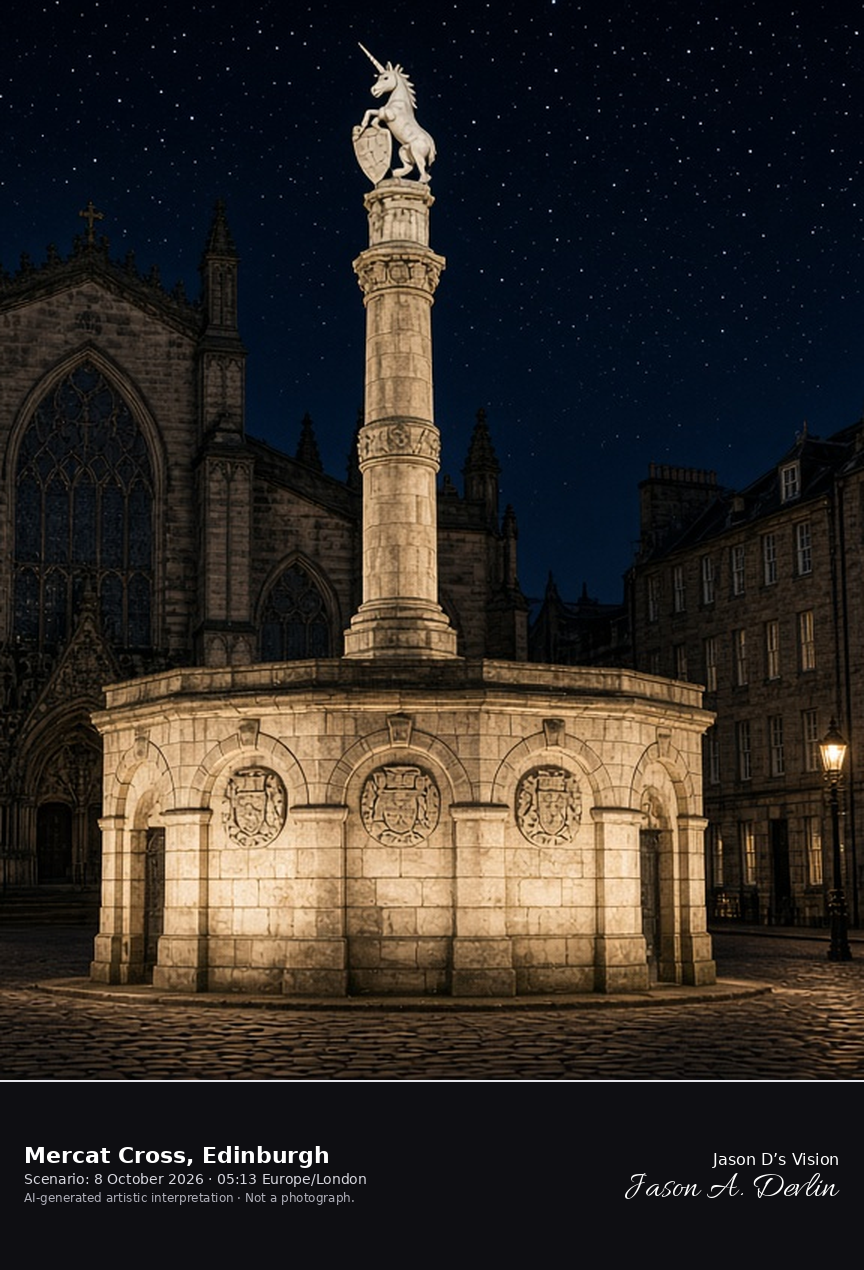
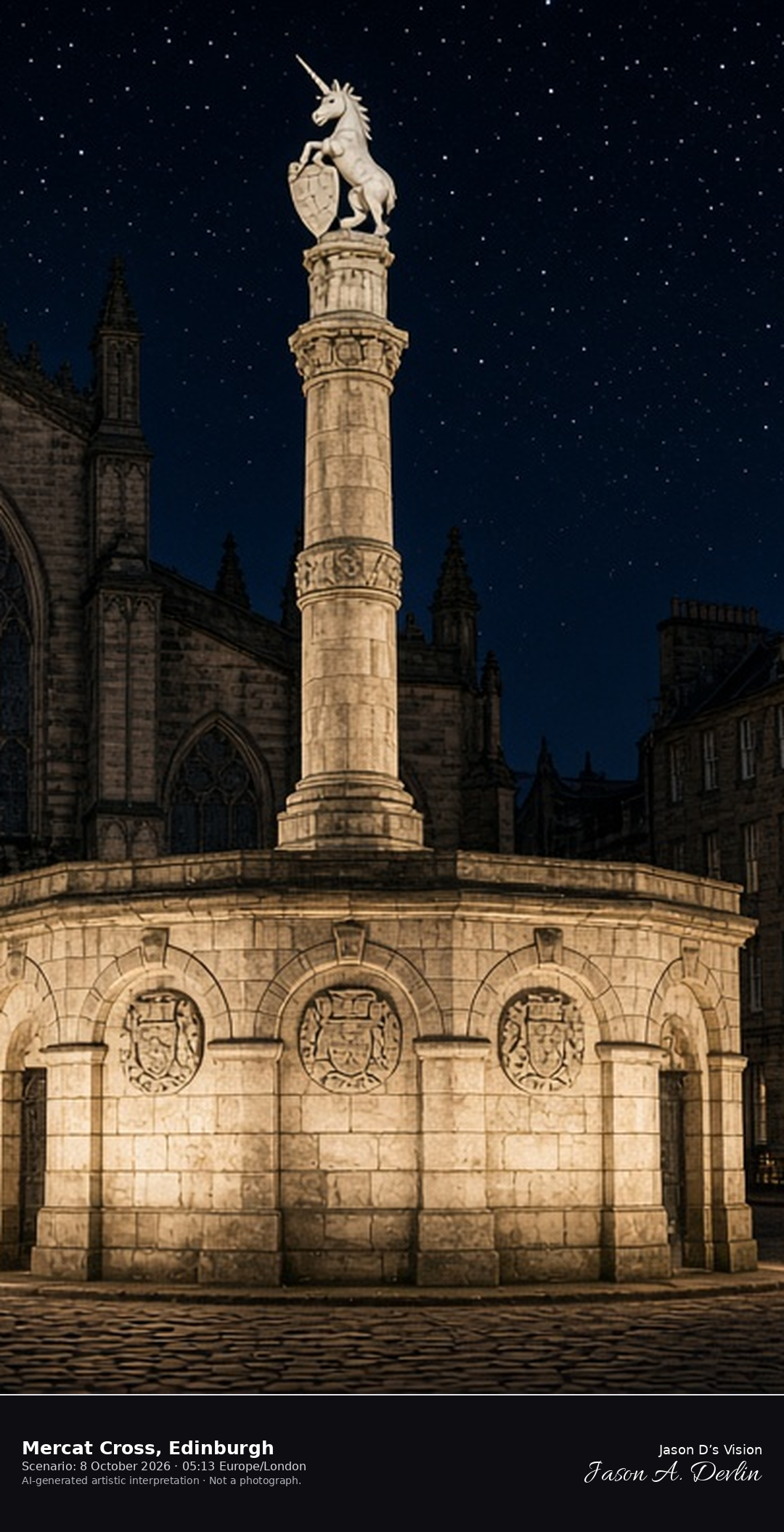
John Montgomery built the cross in 1686. Its open-arched hexagonal base carries medallions of Scottish monarchs from James I to James VII, and the central shaft is topped by the royal unicorn.
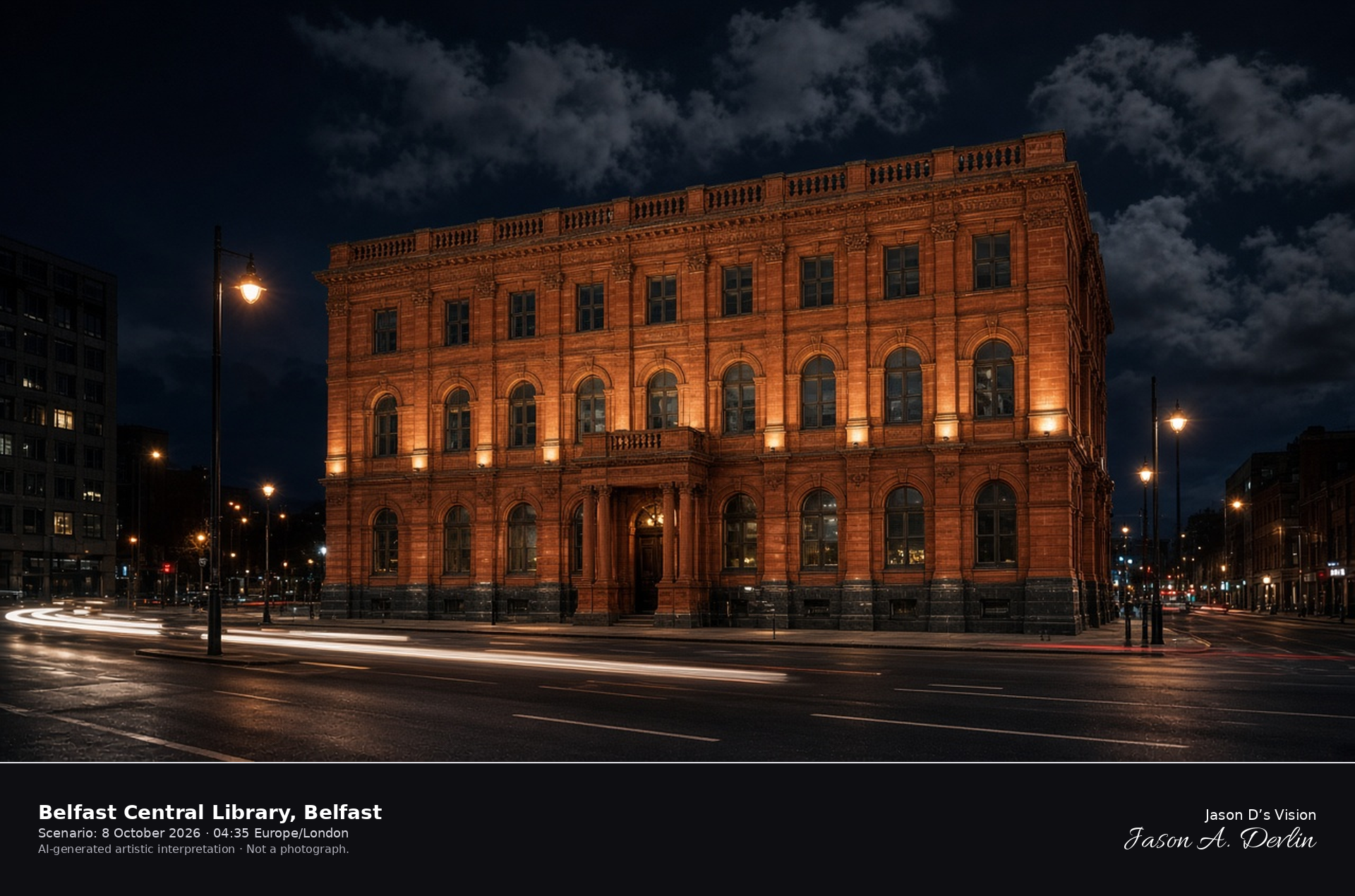
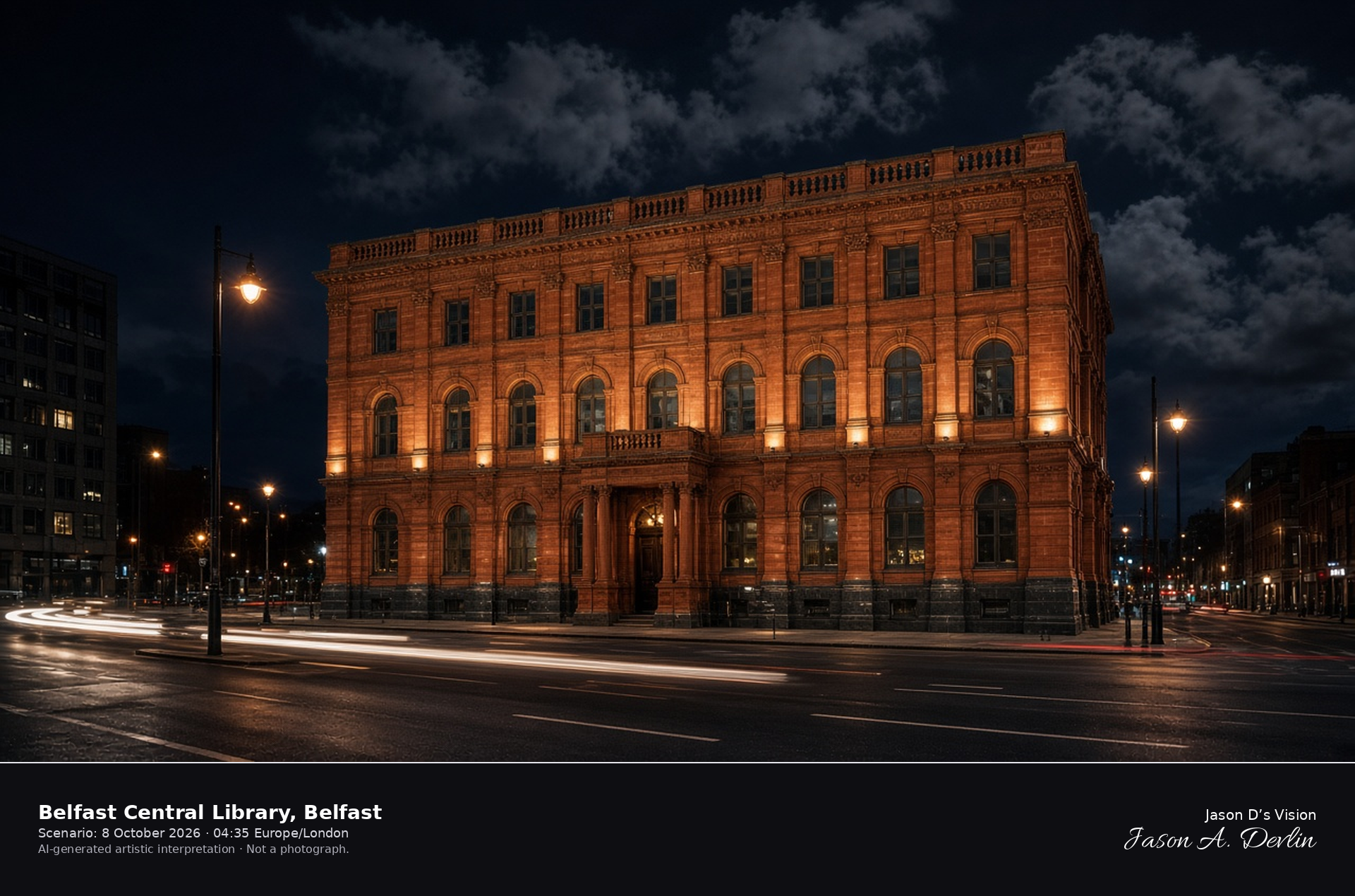
Belfast Central Library · AI-generated artistic interpretation
Belfast Central Library opened in 1888 as a new home for public learning. During the Second World War, staff kept a fire-watching rota to protect it, but the building still suffered damage in the 1941 raids. Its surviving collections and archives carry the city's memory through that difficult history.
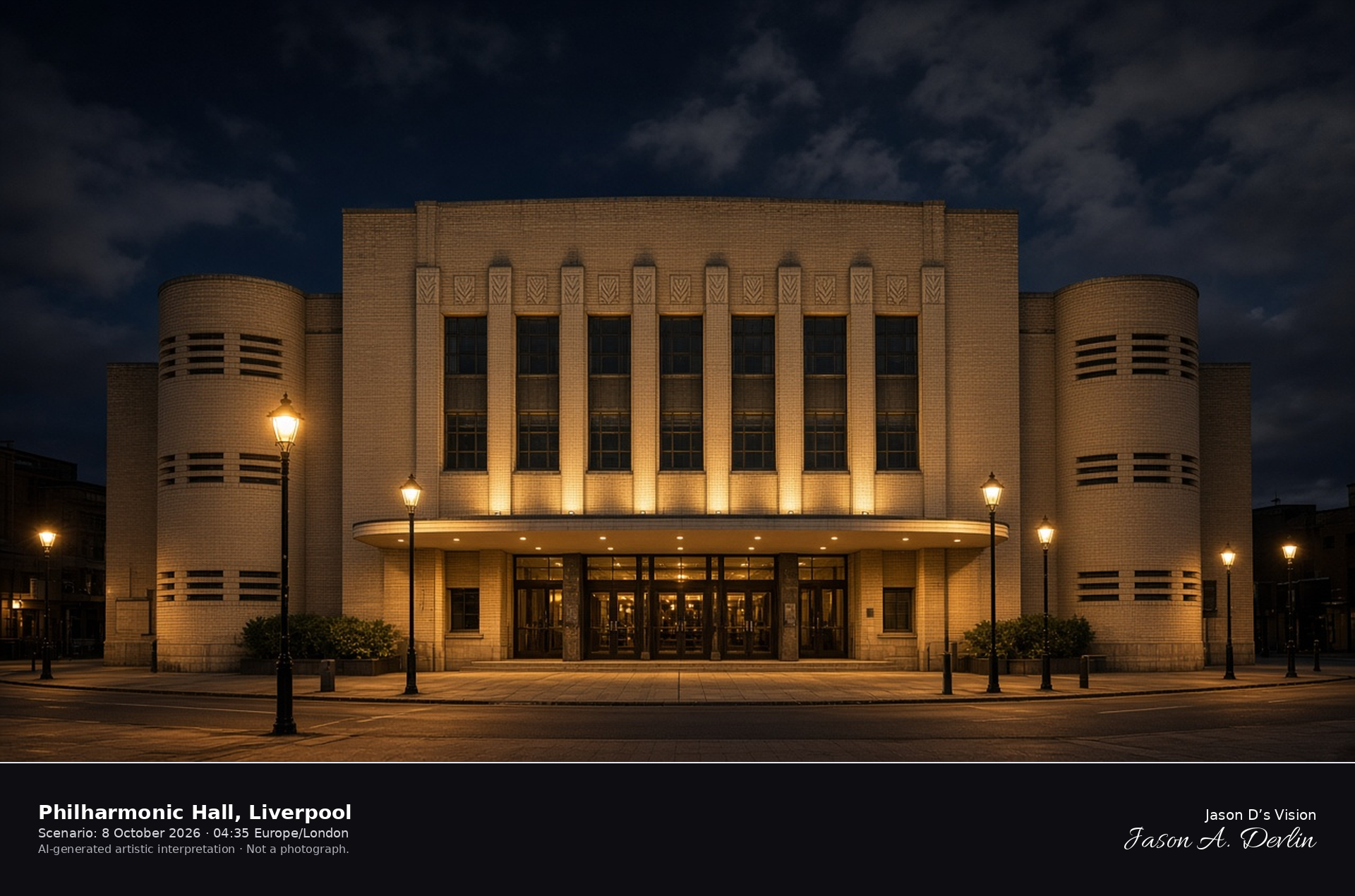
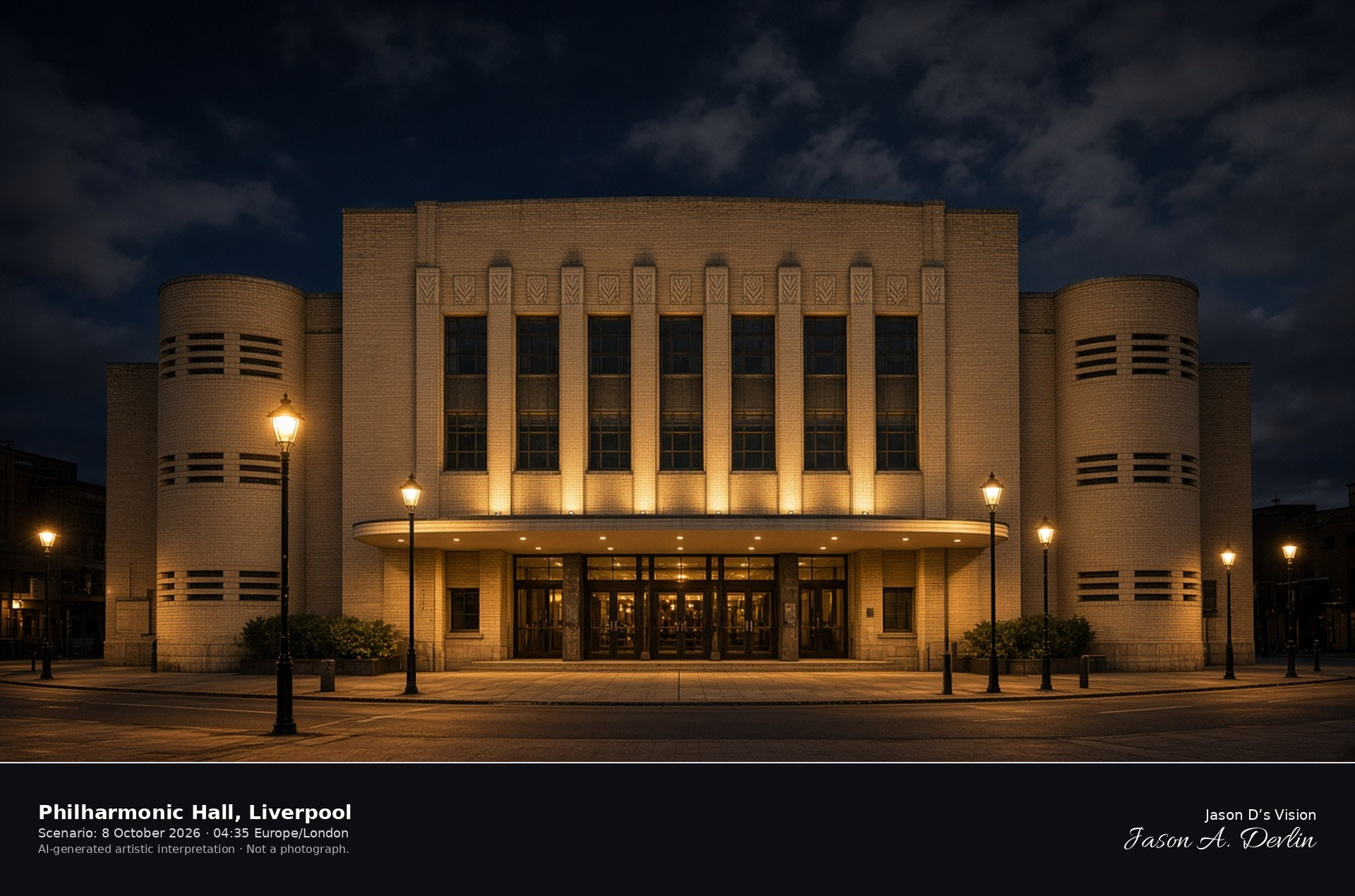
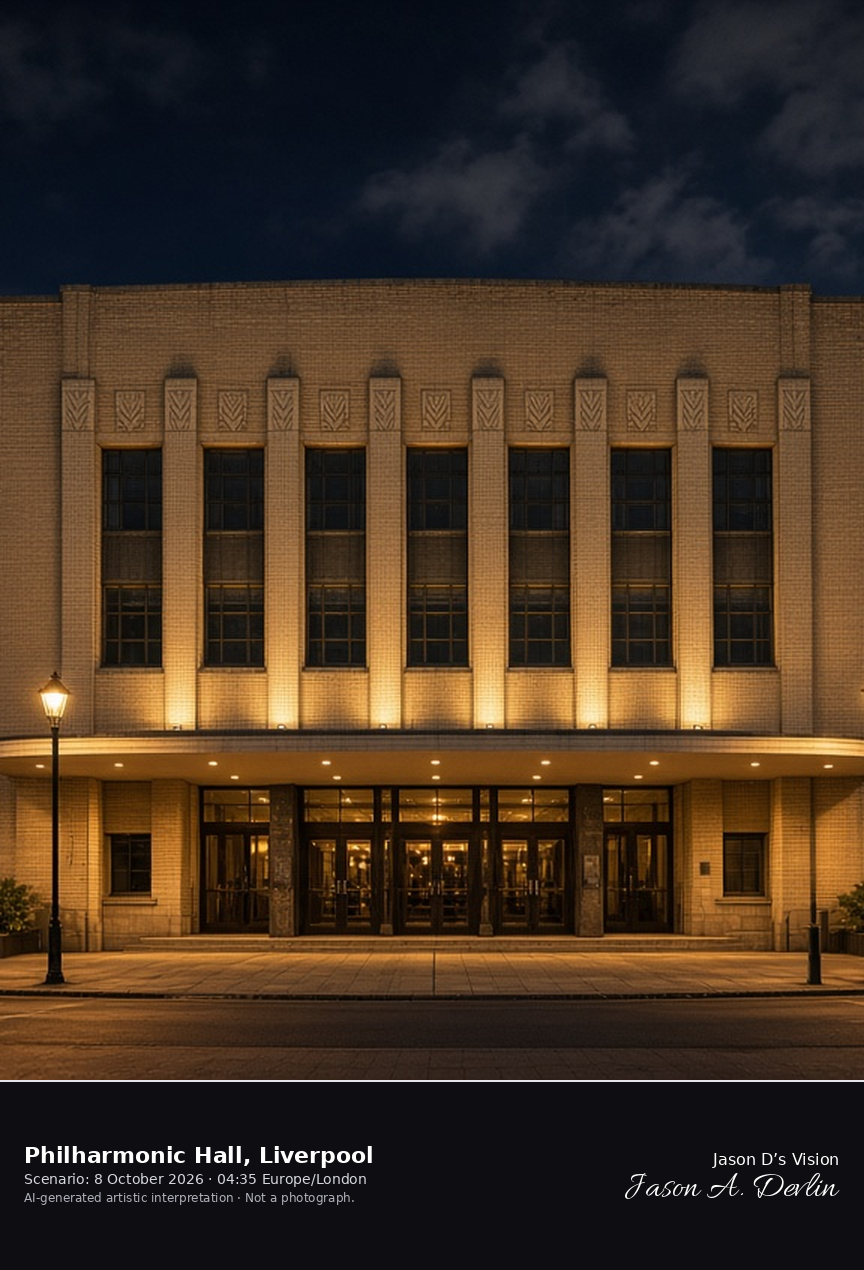
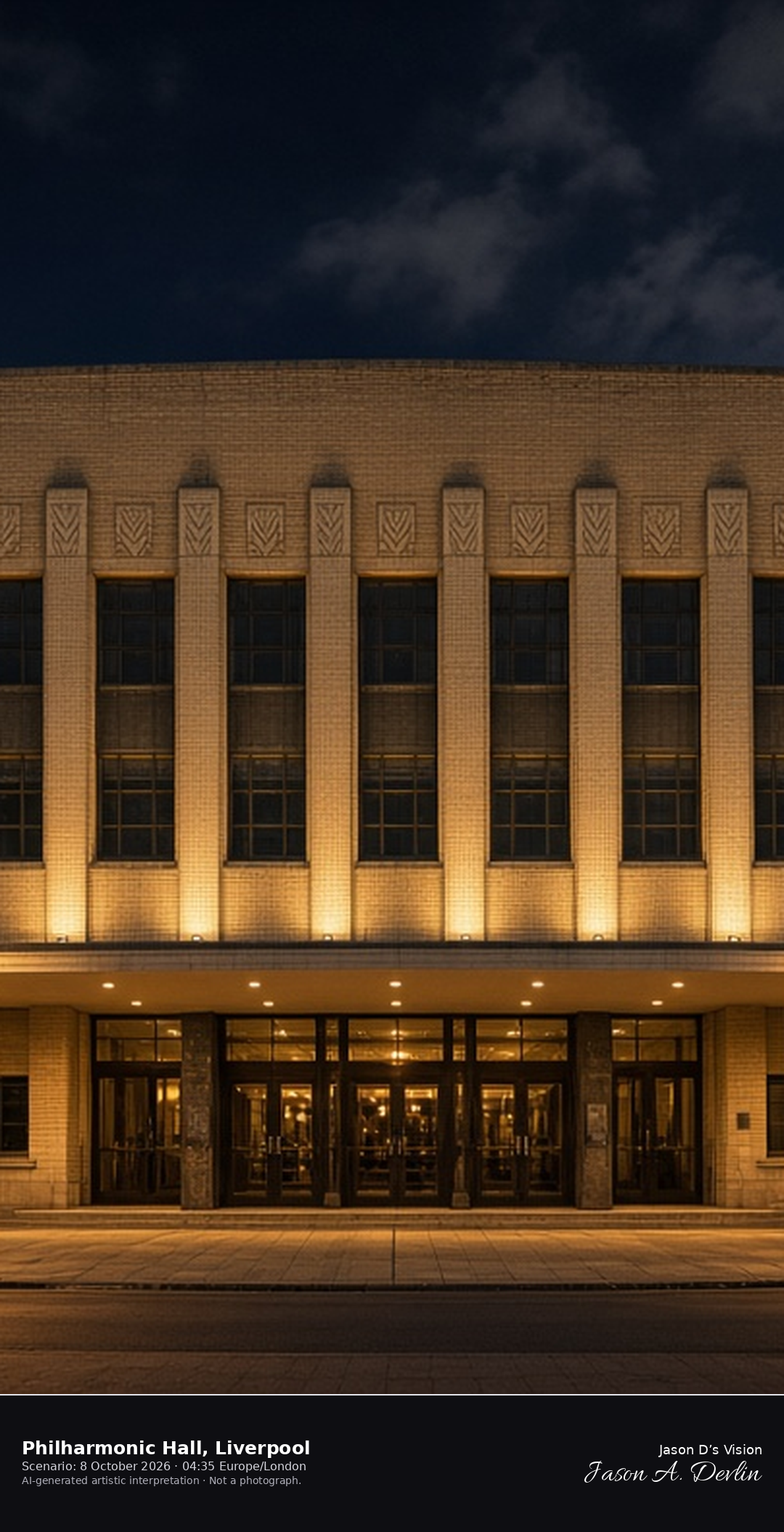
Philharmonic Hall, Liverpool · AI-generated artistic interpretation
The hall is the home of the Royal Liverpool Philharmonic and replaced the original hall lost to fire in 1933. Its symmetrical fawn-brick front shows the influence of the Dutch architect W. M. Dudok.
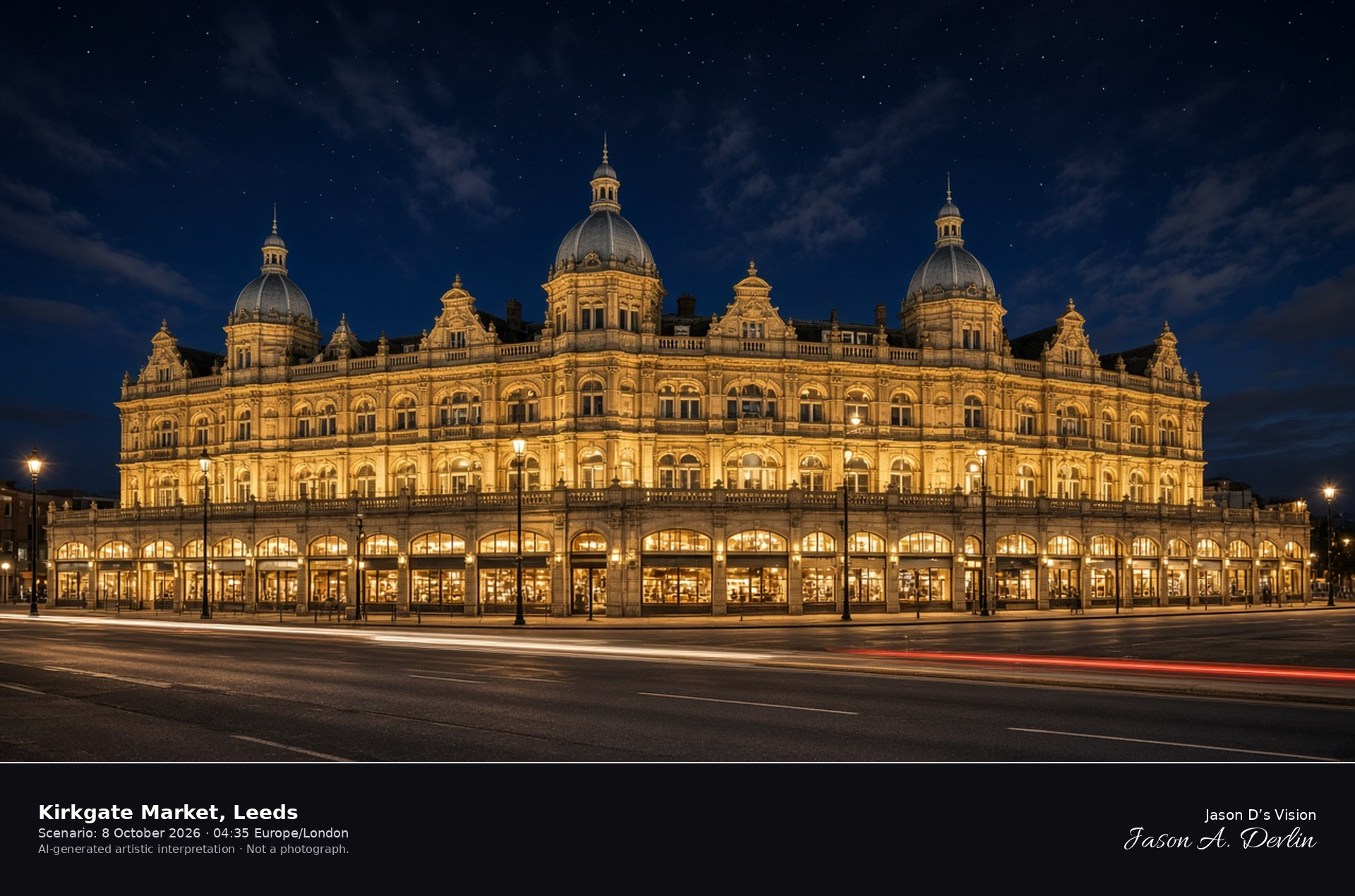
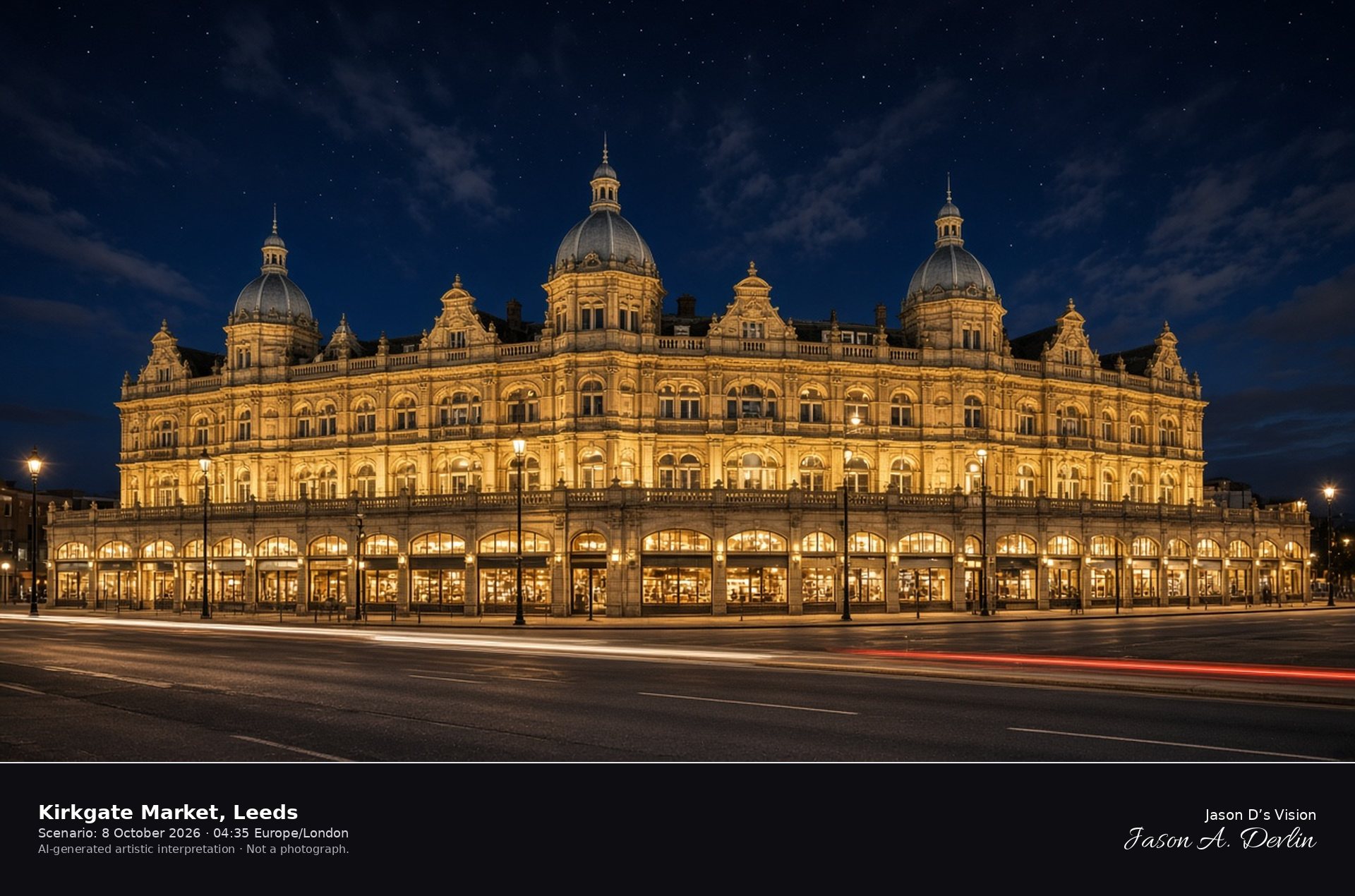
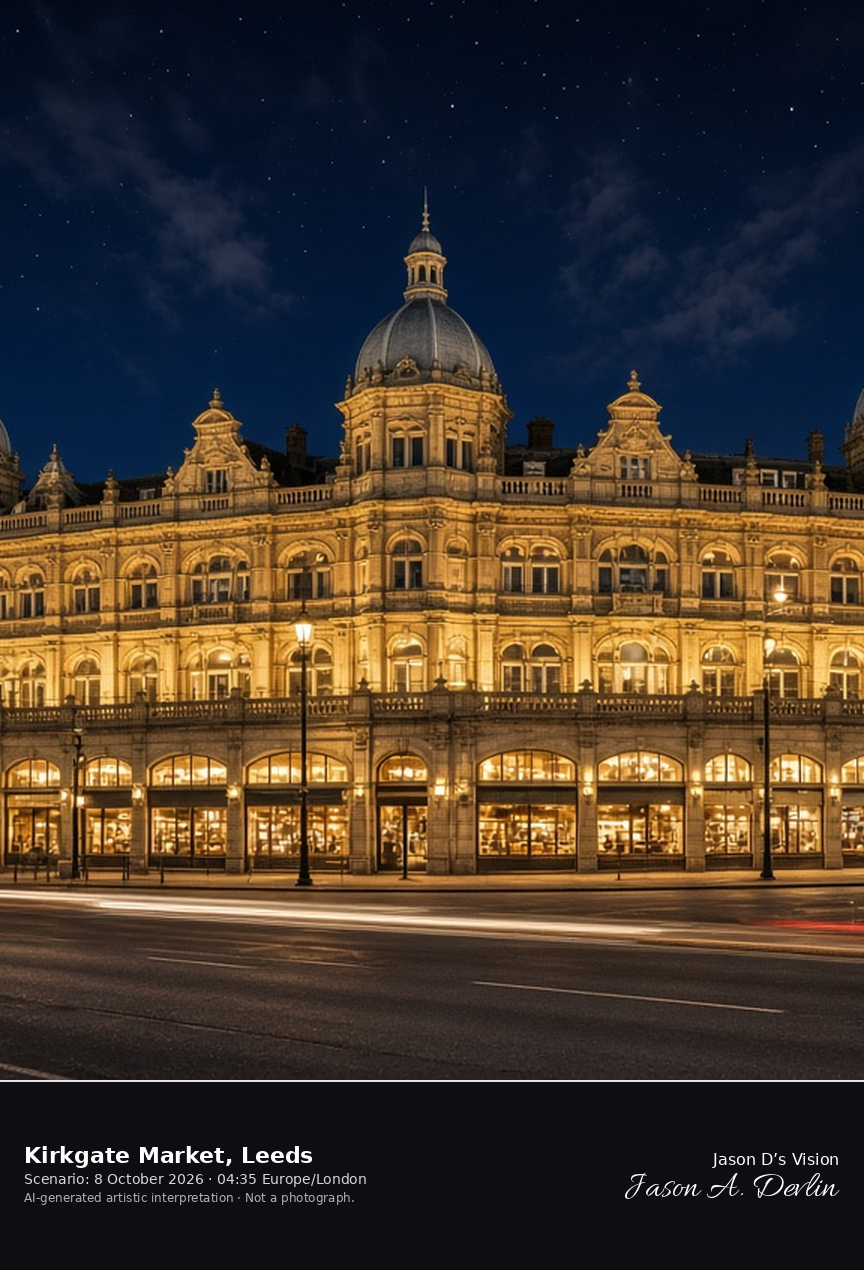
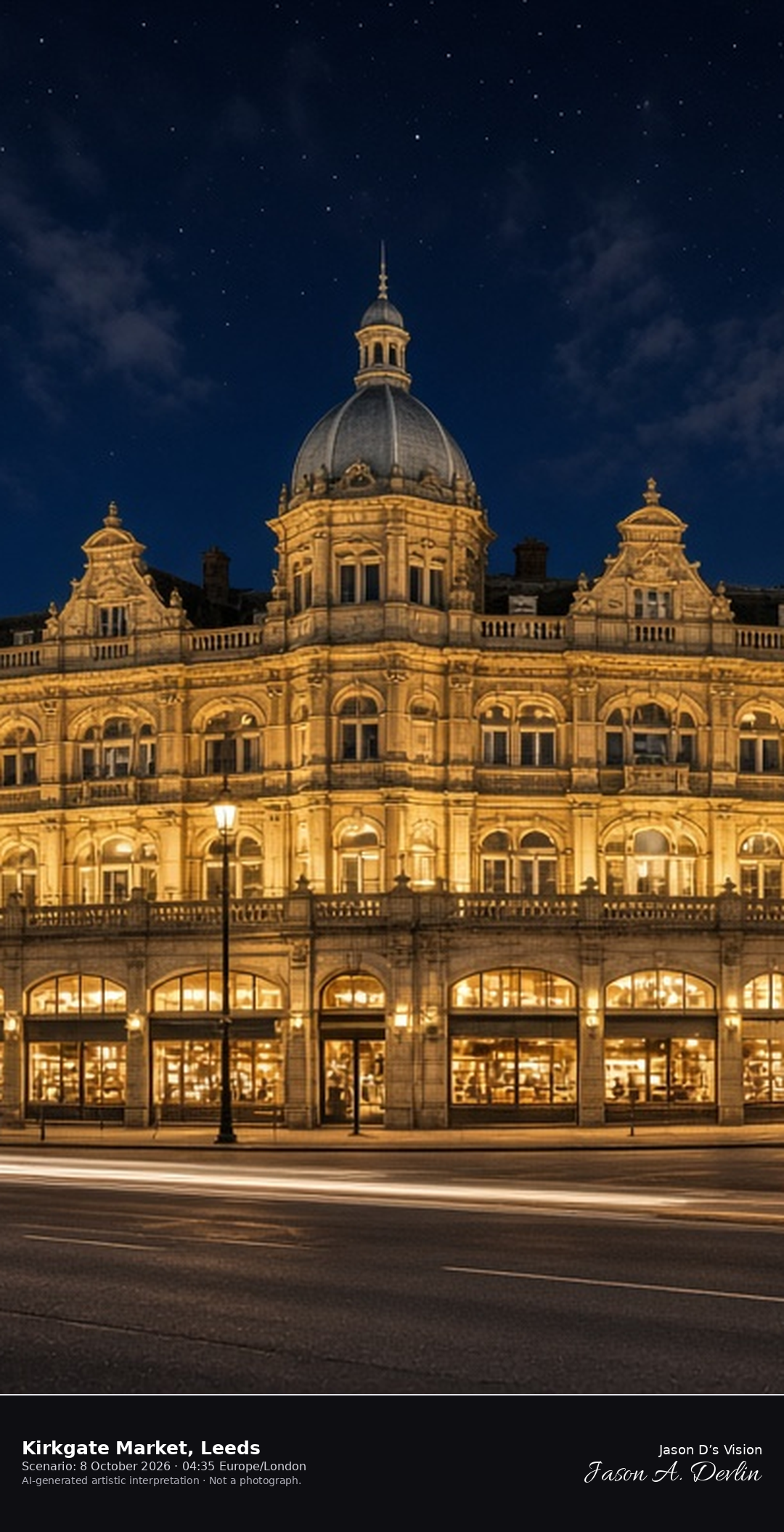
Kirkgate Market is the largest covered market in Europe and a Grade I listed building. Its ornate 1904 hall faces Vicar Lane, and one of its domes was rebuilt after a fire in 1992.
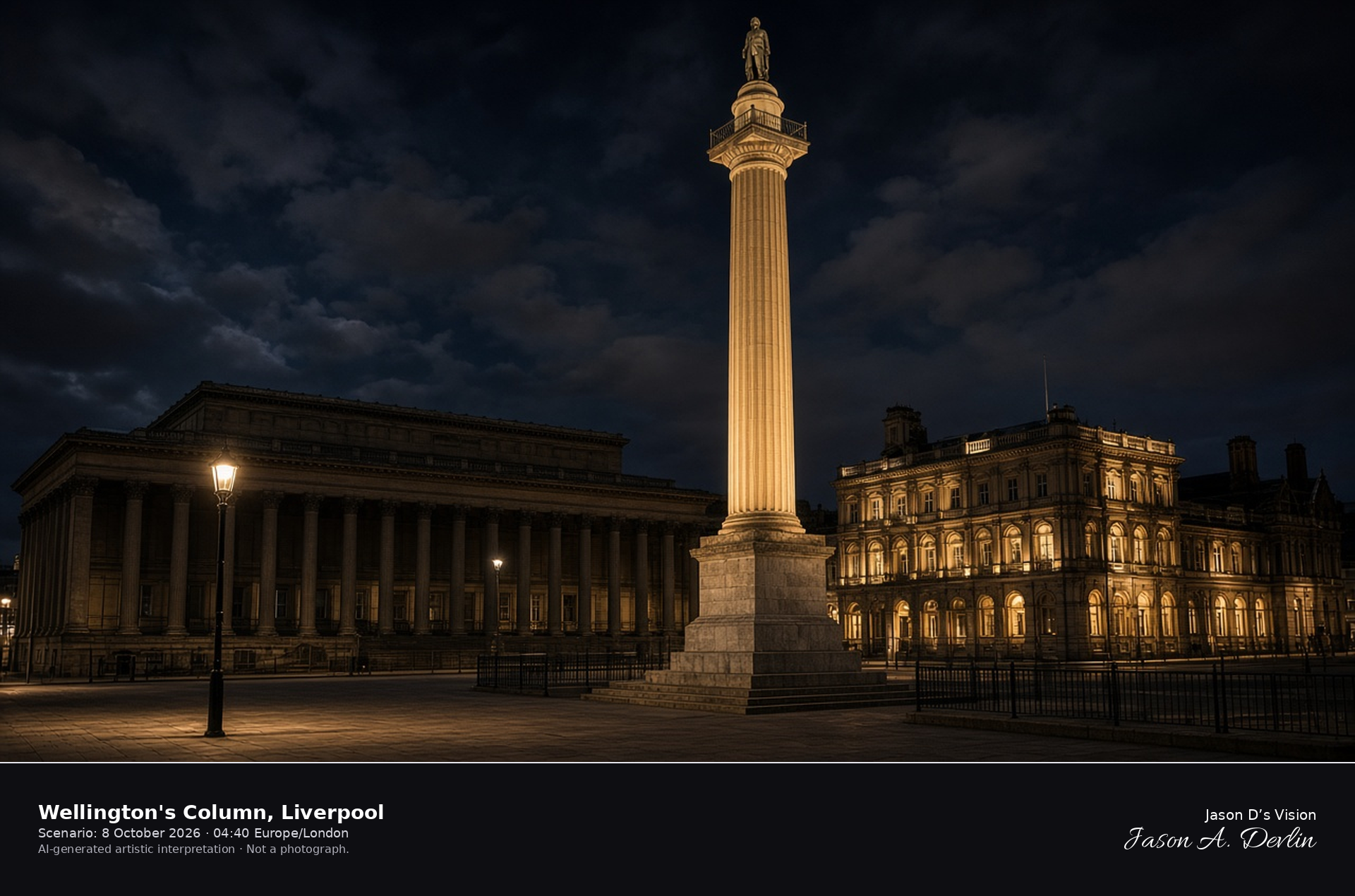
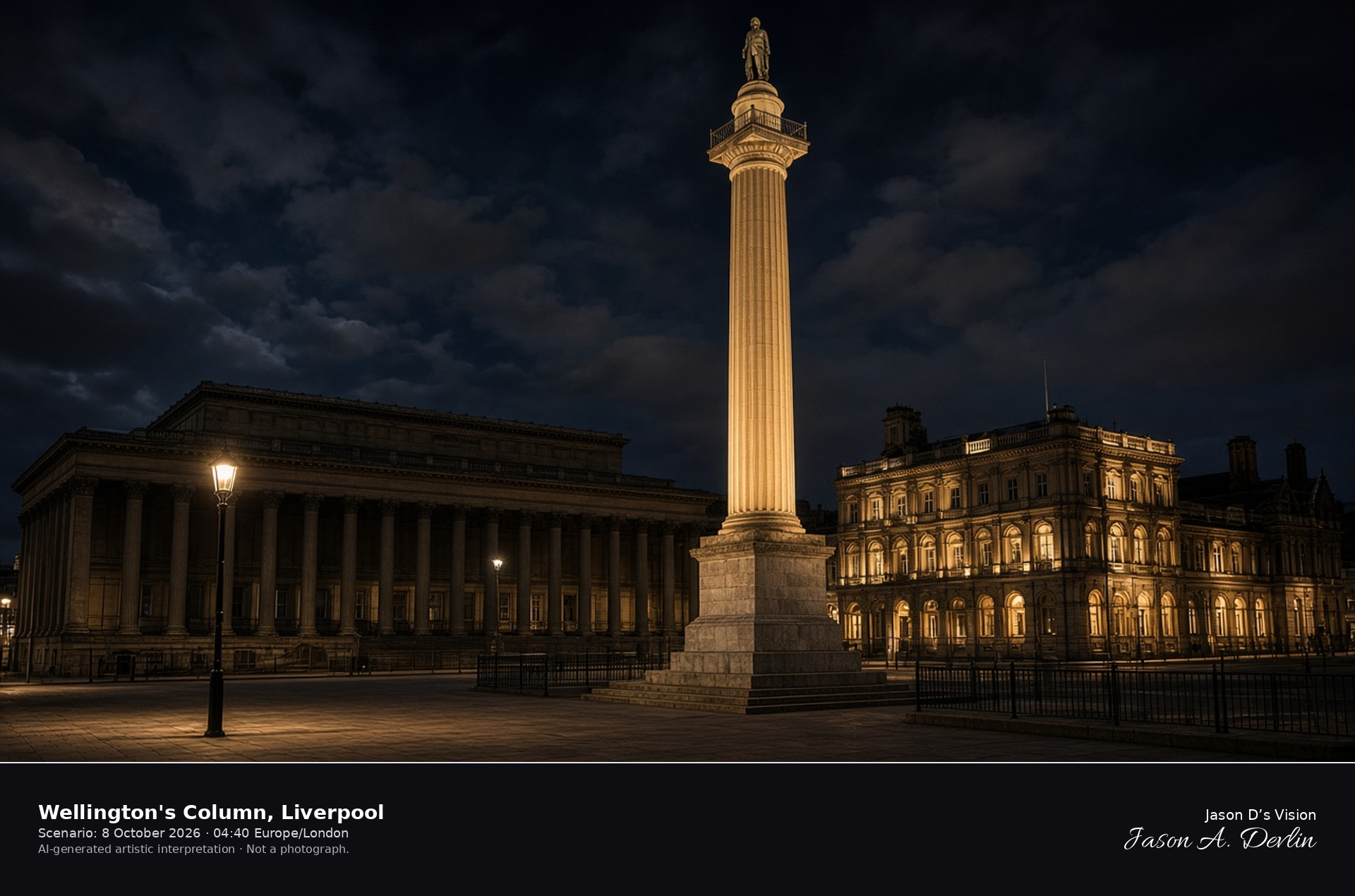
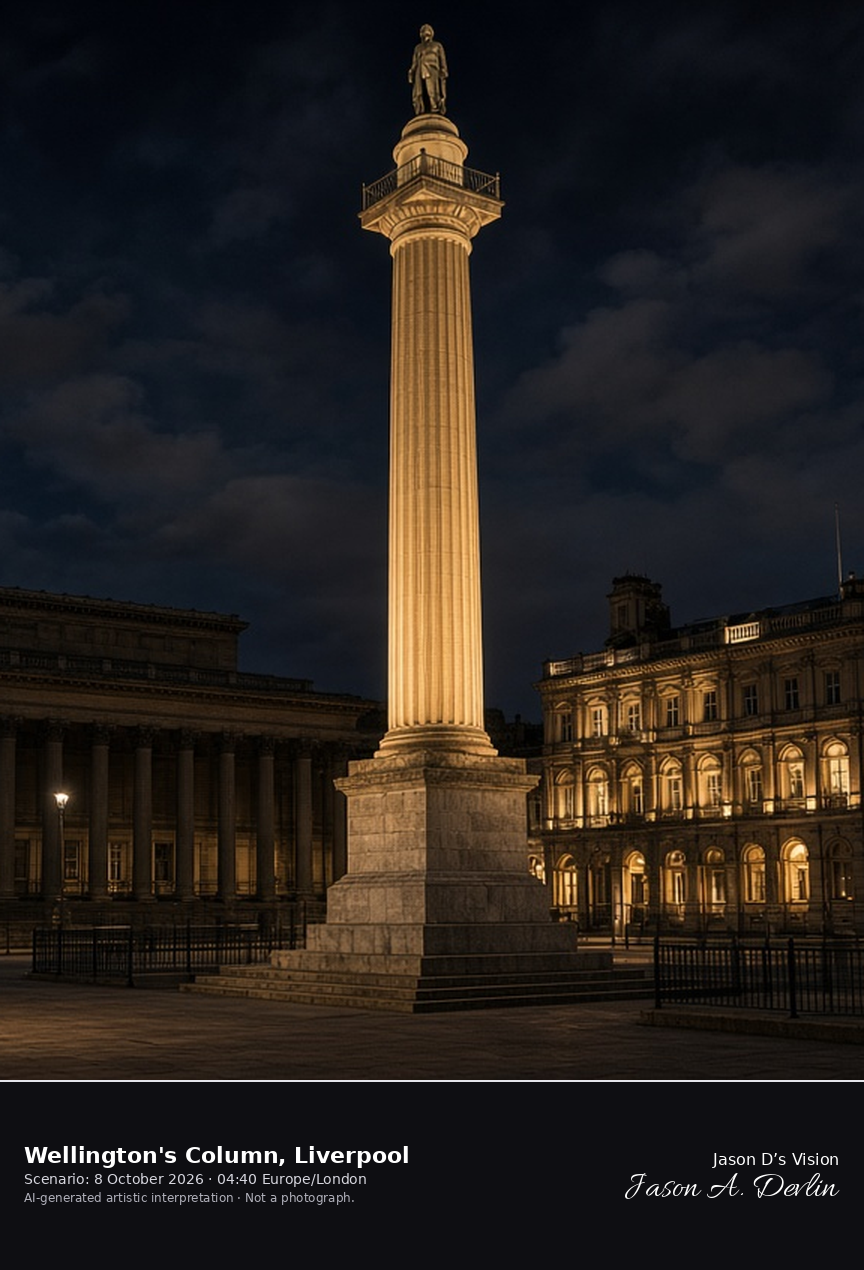
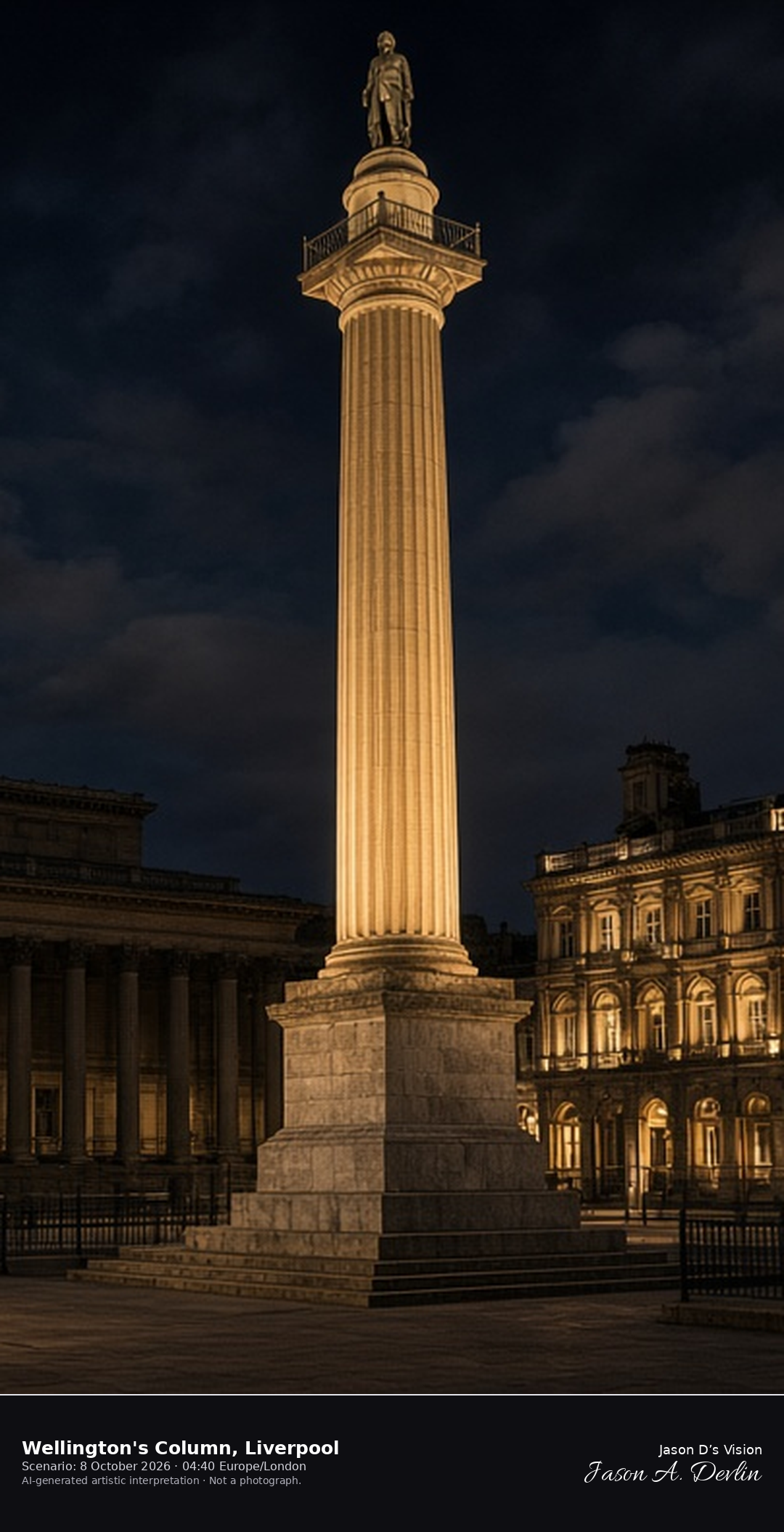
Wellington's Column, Liverpool · AI-generated artistic interpretation
Andrew Lawson of Edinburgh designed the column, and his brother George Anderson Lawson made the statue; the foundation stone was laid in 1861. The monument is 40 metres high overall and closely resembles the Melville Monument in Edinburgh.
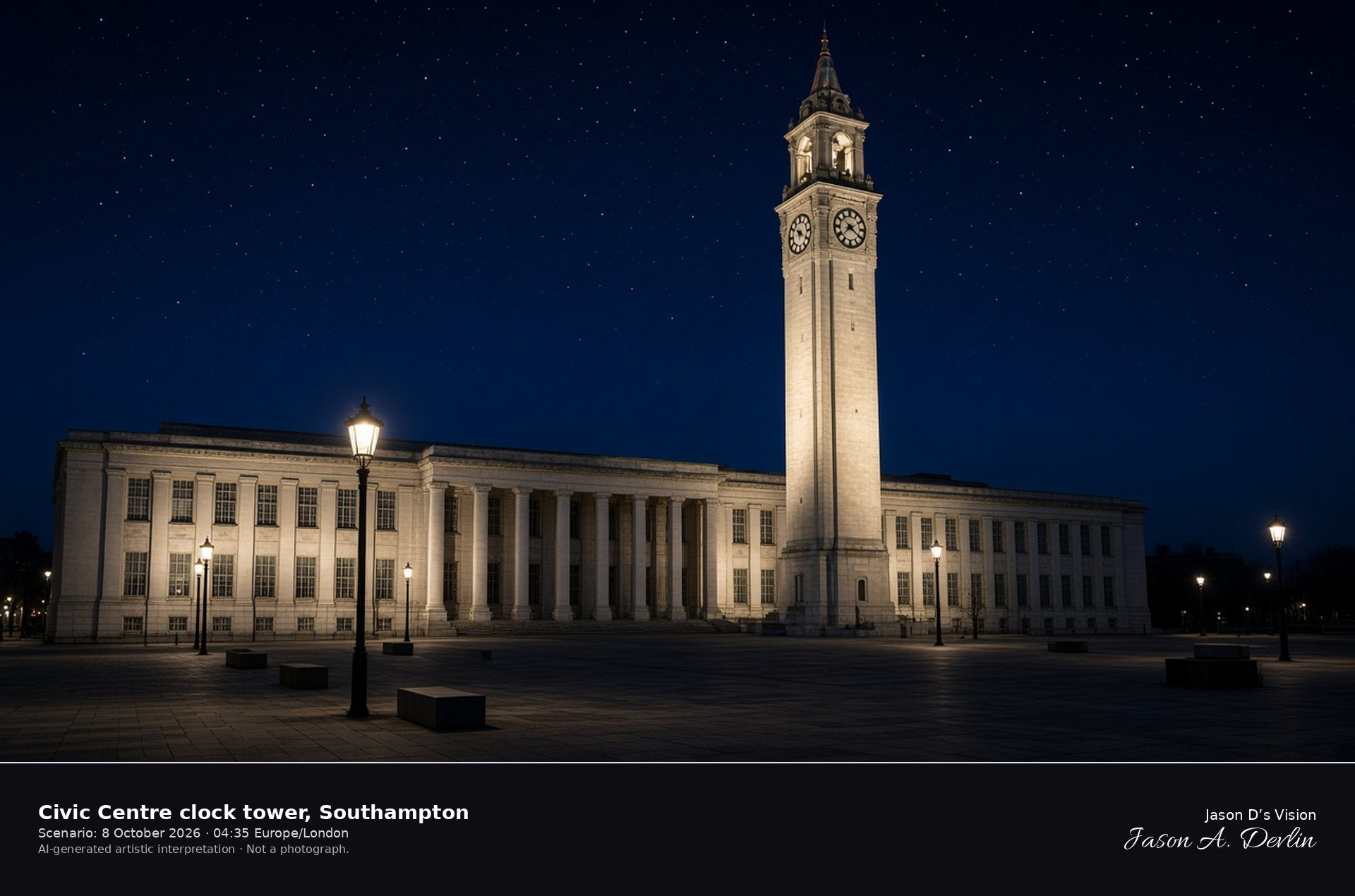
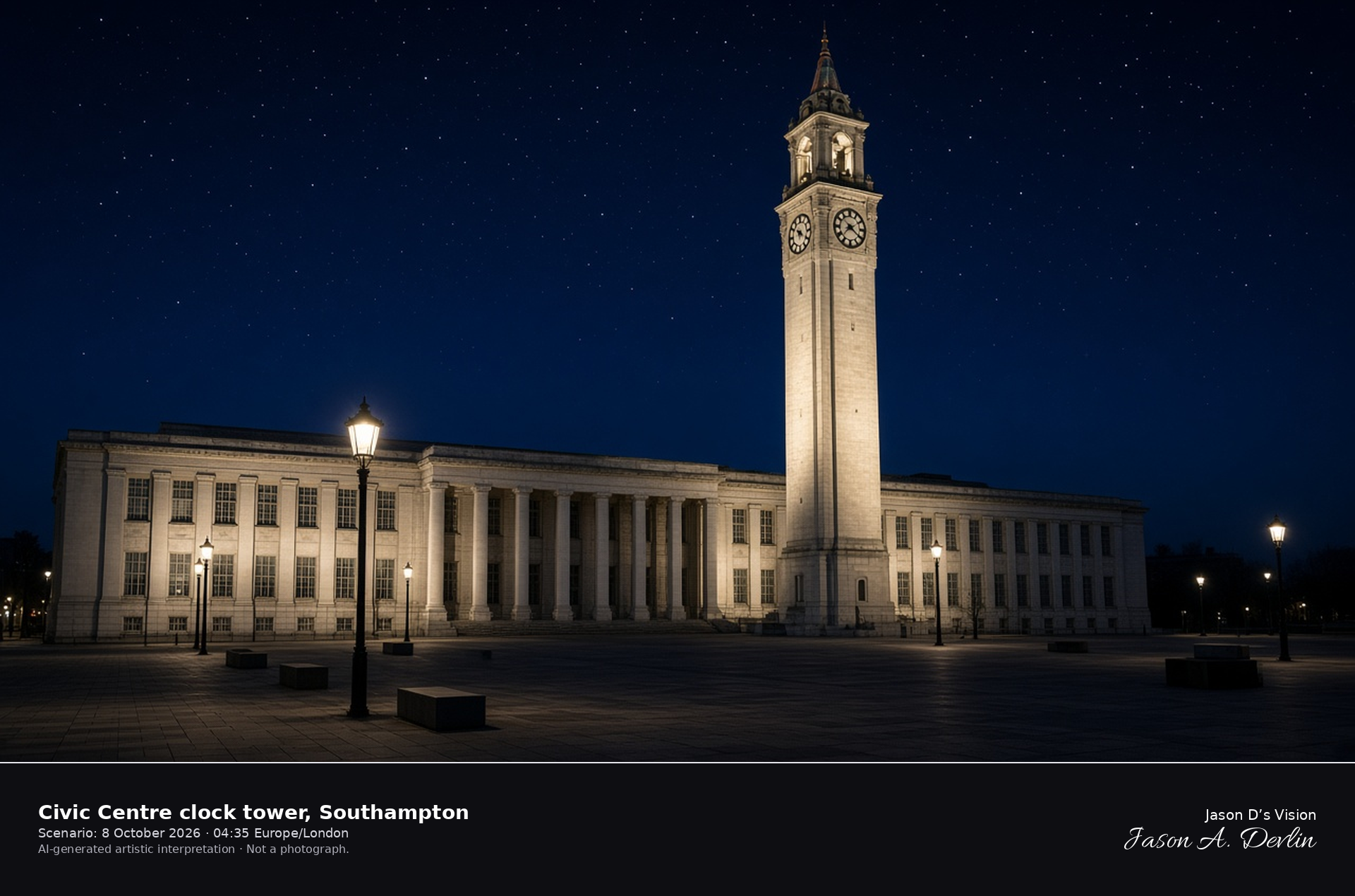
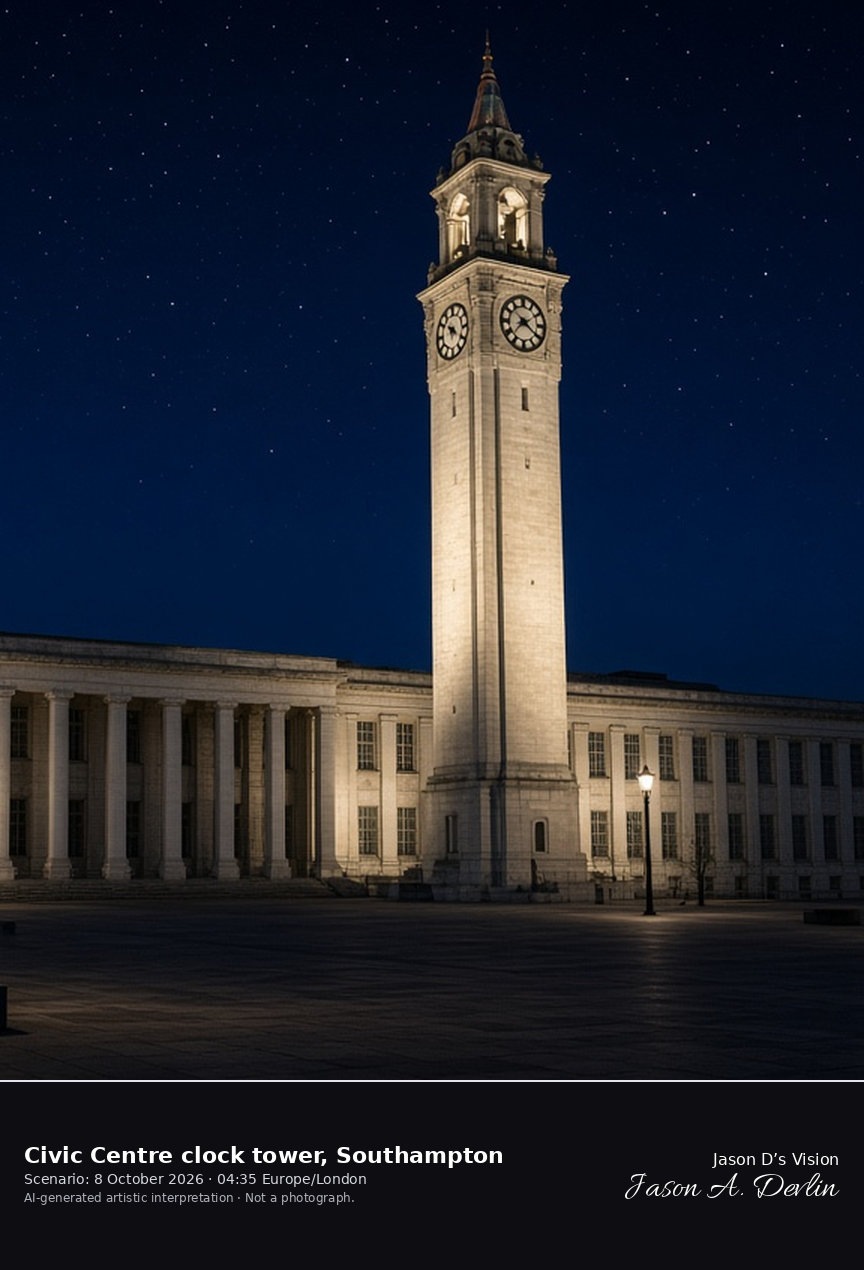
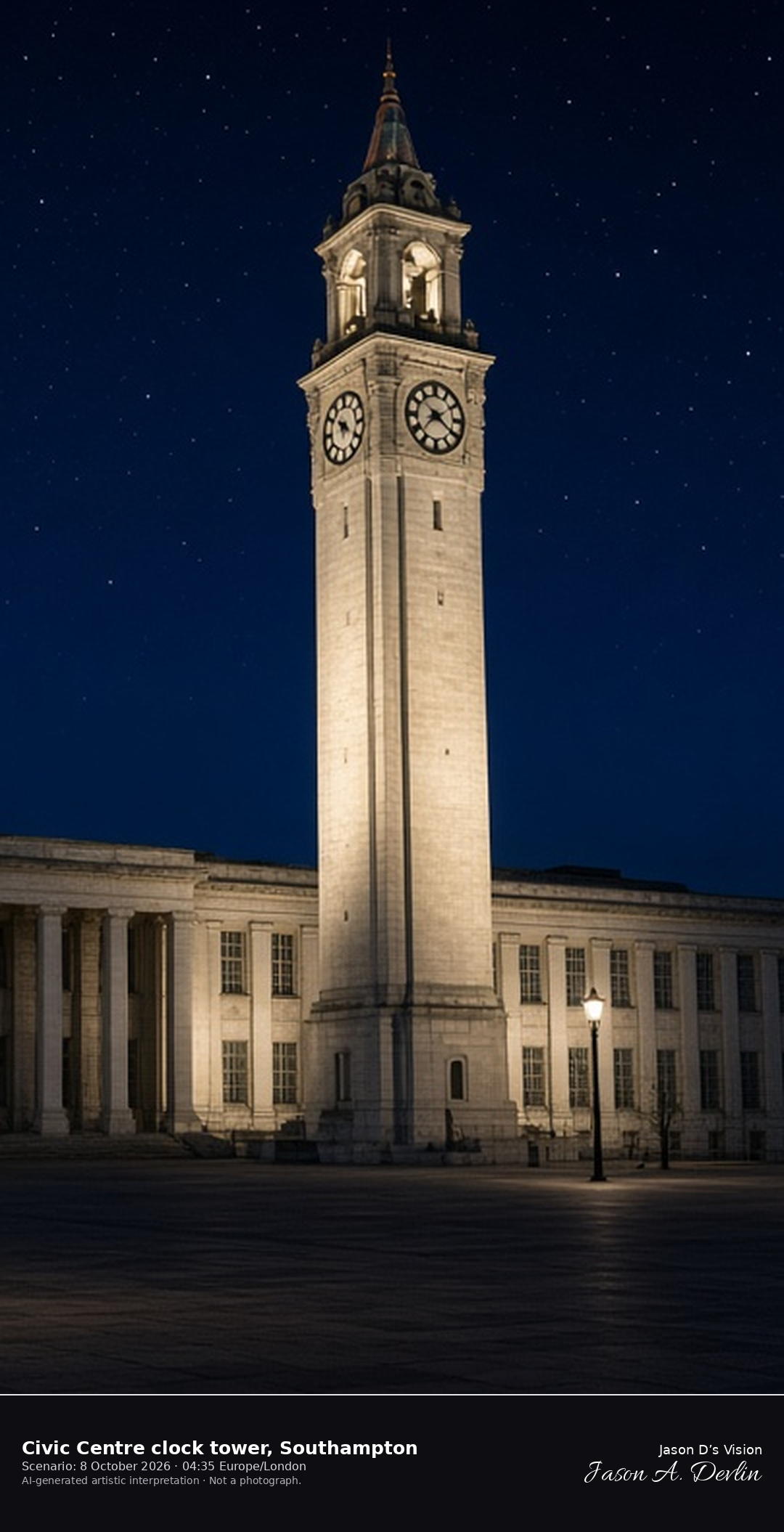
Civic Centre clock tower, Southampton · AI-generated artistic interpretation
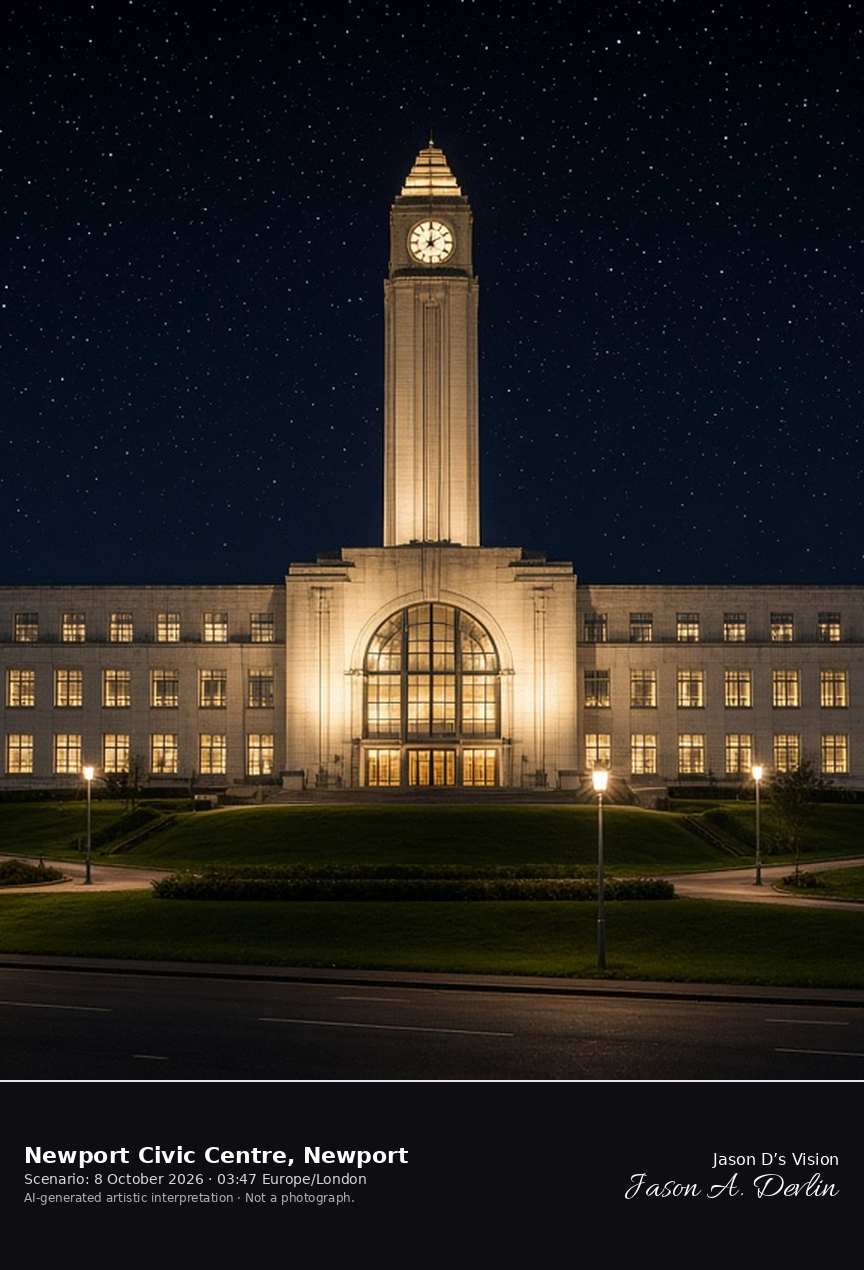
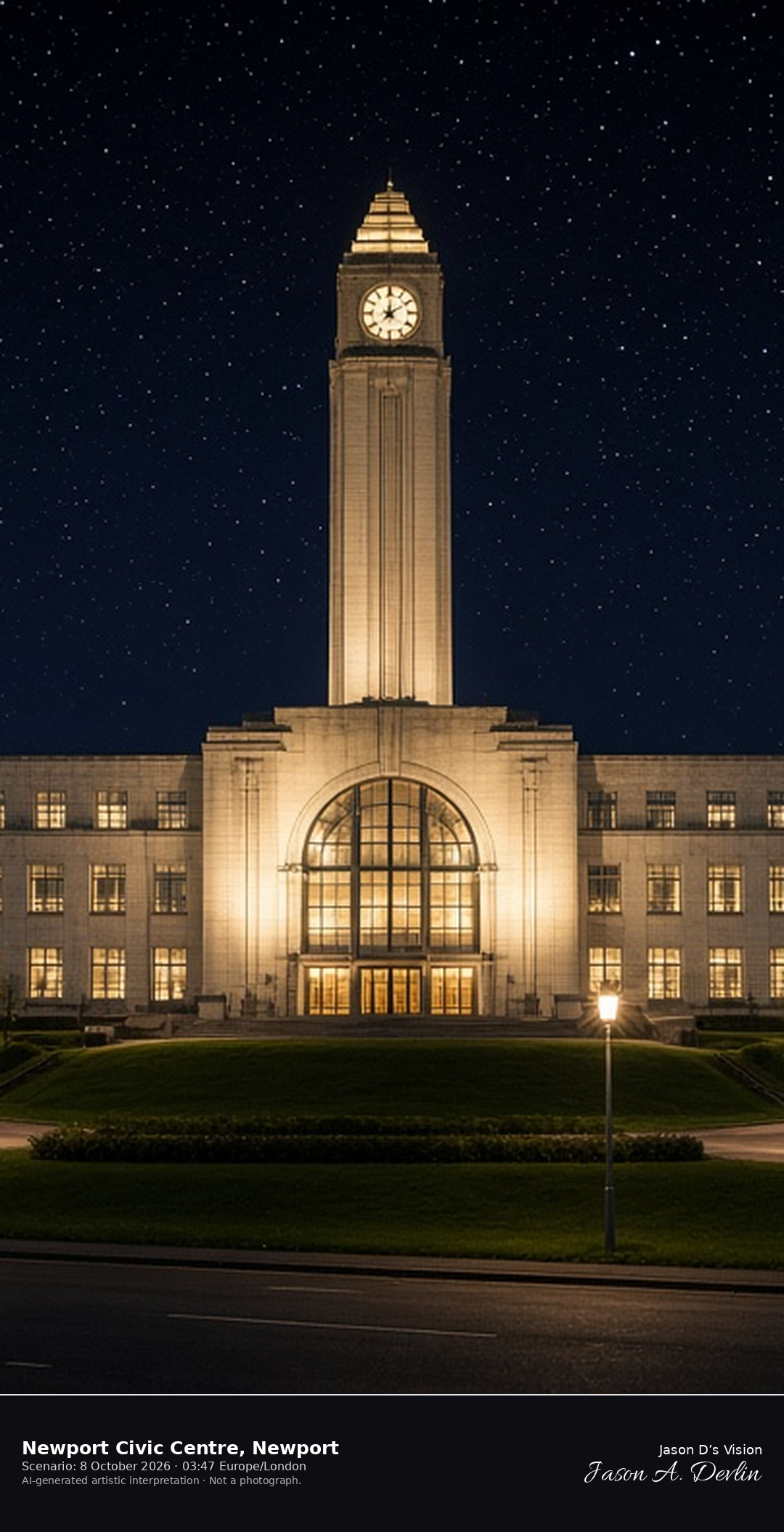
Ernest Berry Webber designed the Civic Centre, which was built between 1930 and 1939. Its 48-metre clock tower carries a clock and nine bells by Gillett & Johnston.
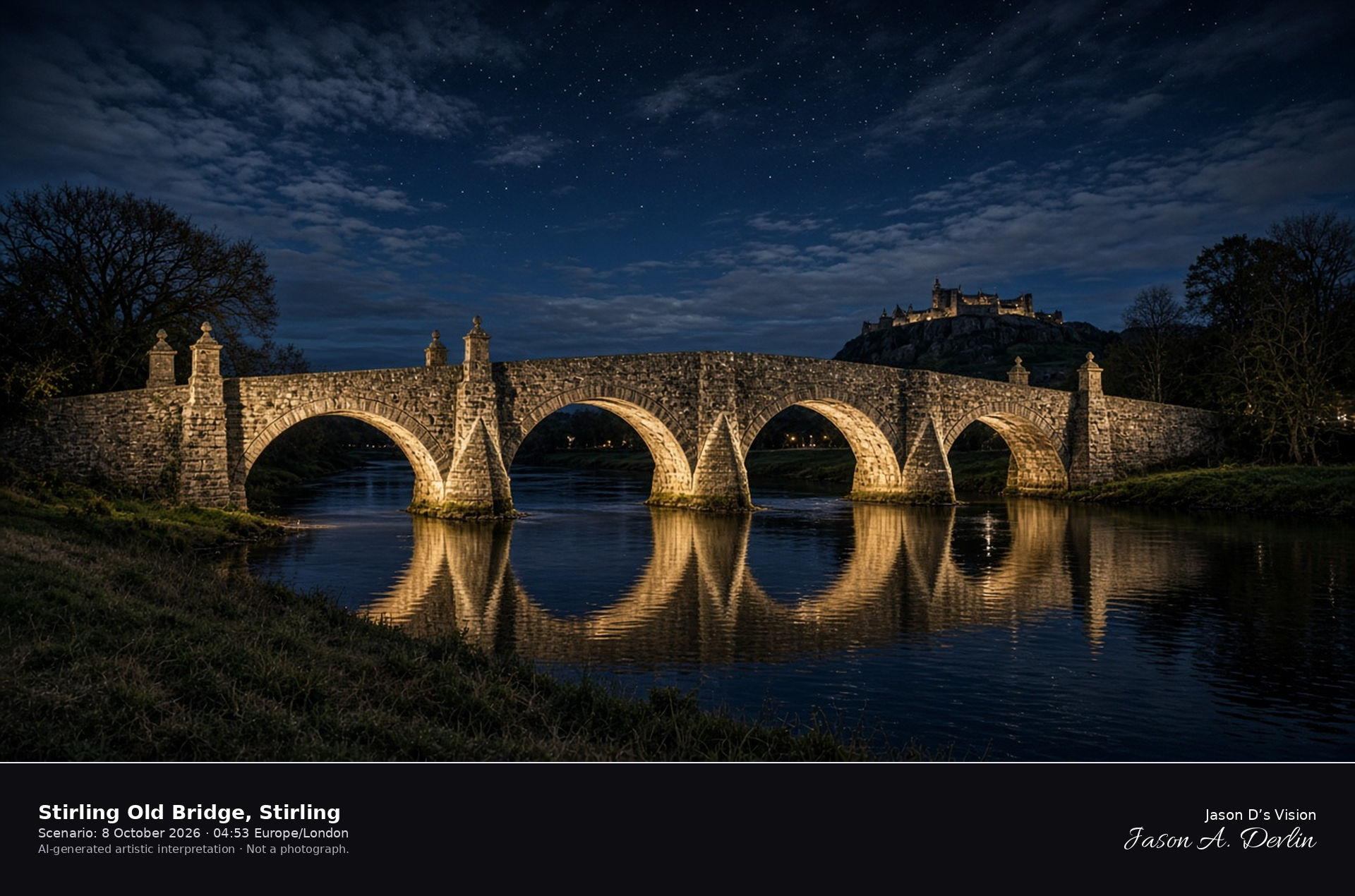
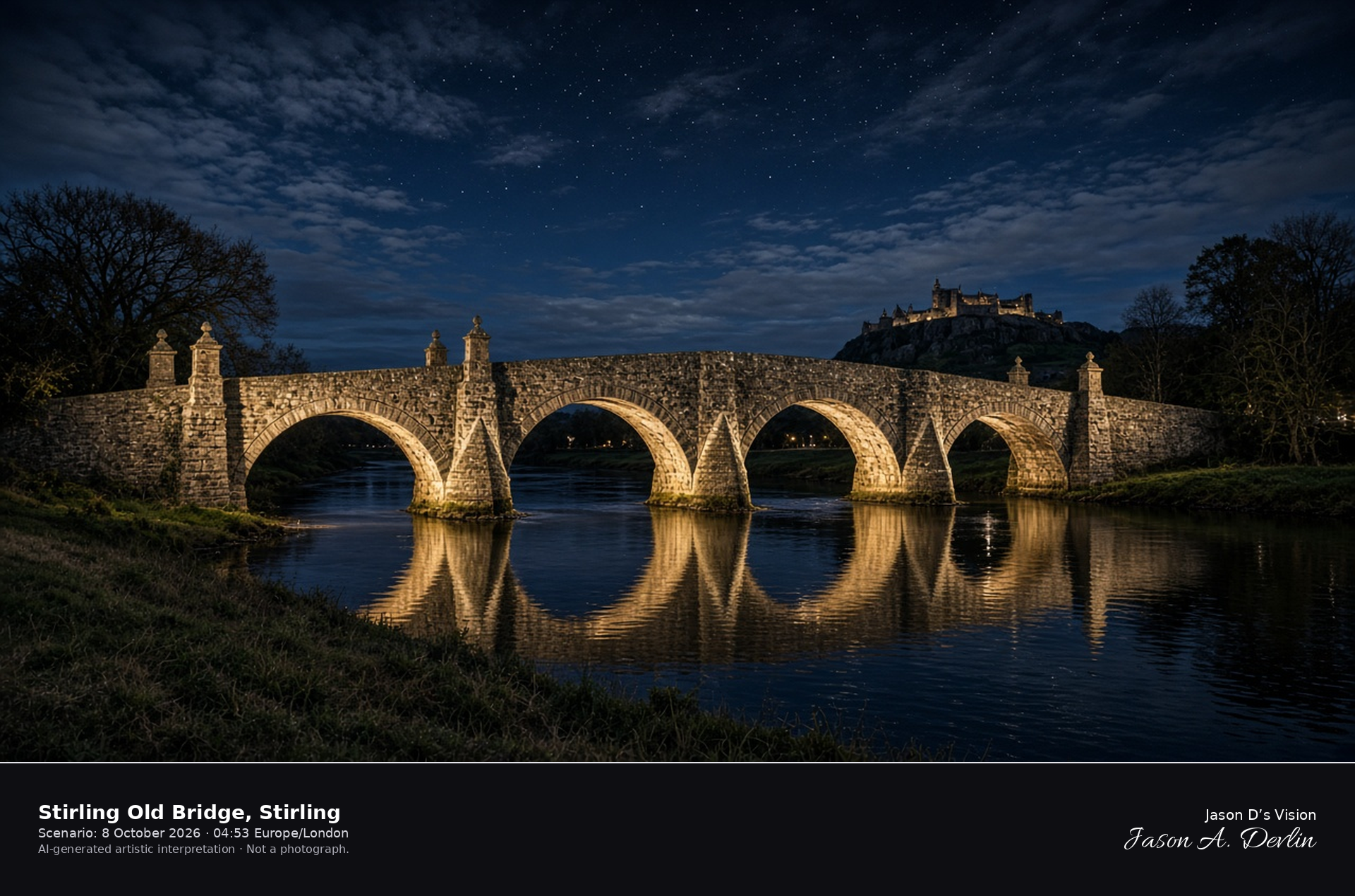
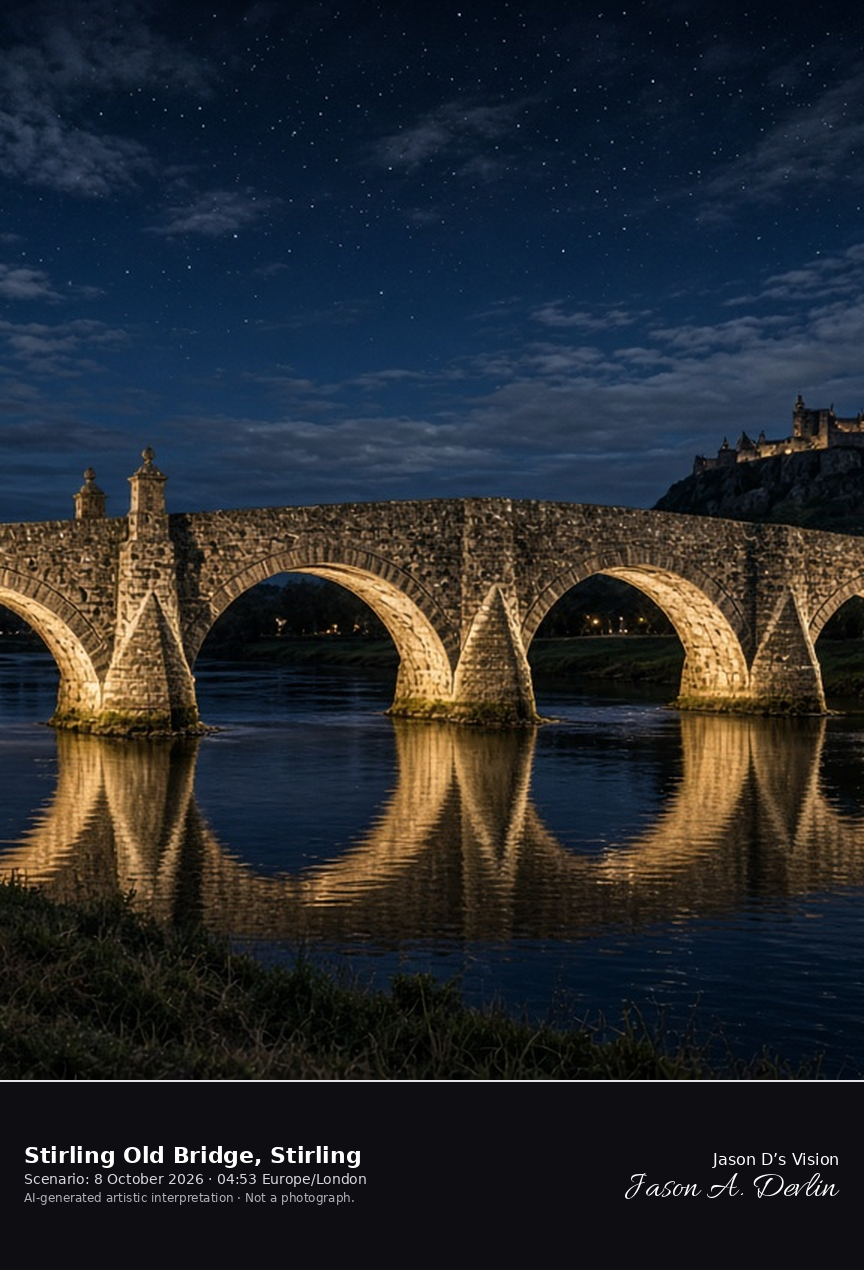
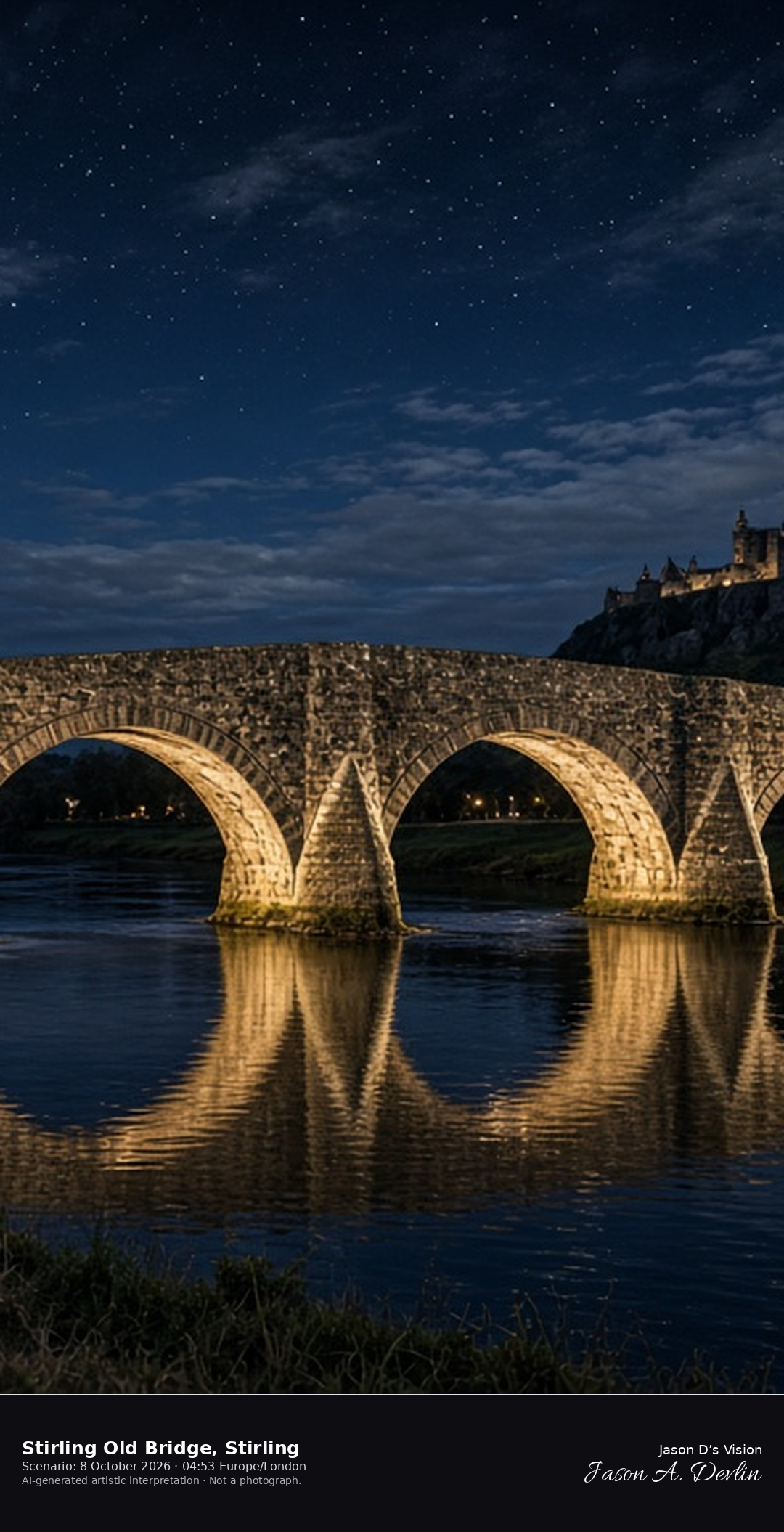
Stirling Old Bridge · AI-generated artistic interpretation
Stirling Old Bridge was built around the end of the fifteenth century and remained the main crossing of the Forth here until the early nineteenth. Nearby stood an earlier timber bridge, where William Wallace and Andrew Moray defeated Edward the First's forces in 1297 — a strategic crossing with a long place in Scotland's history.
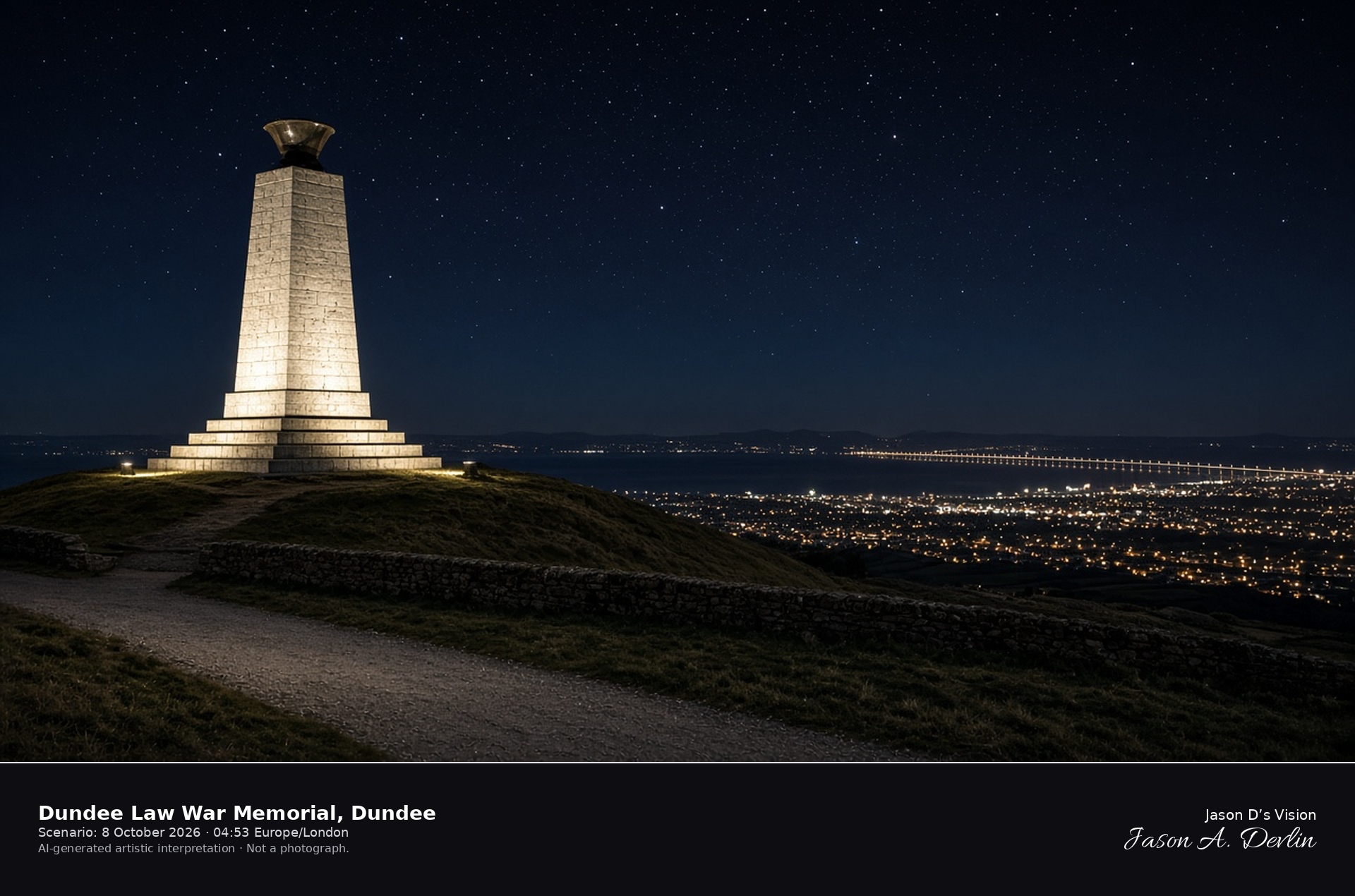
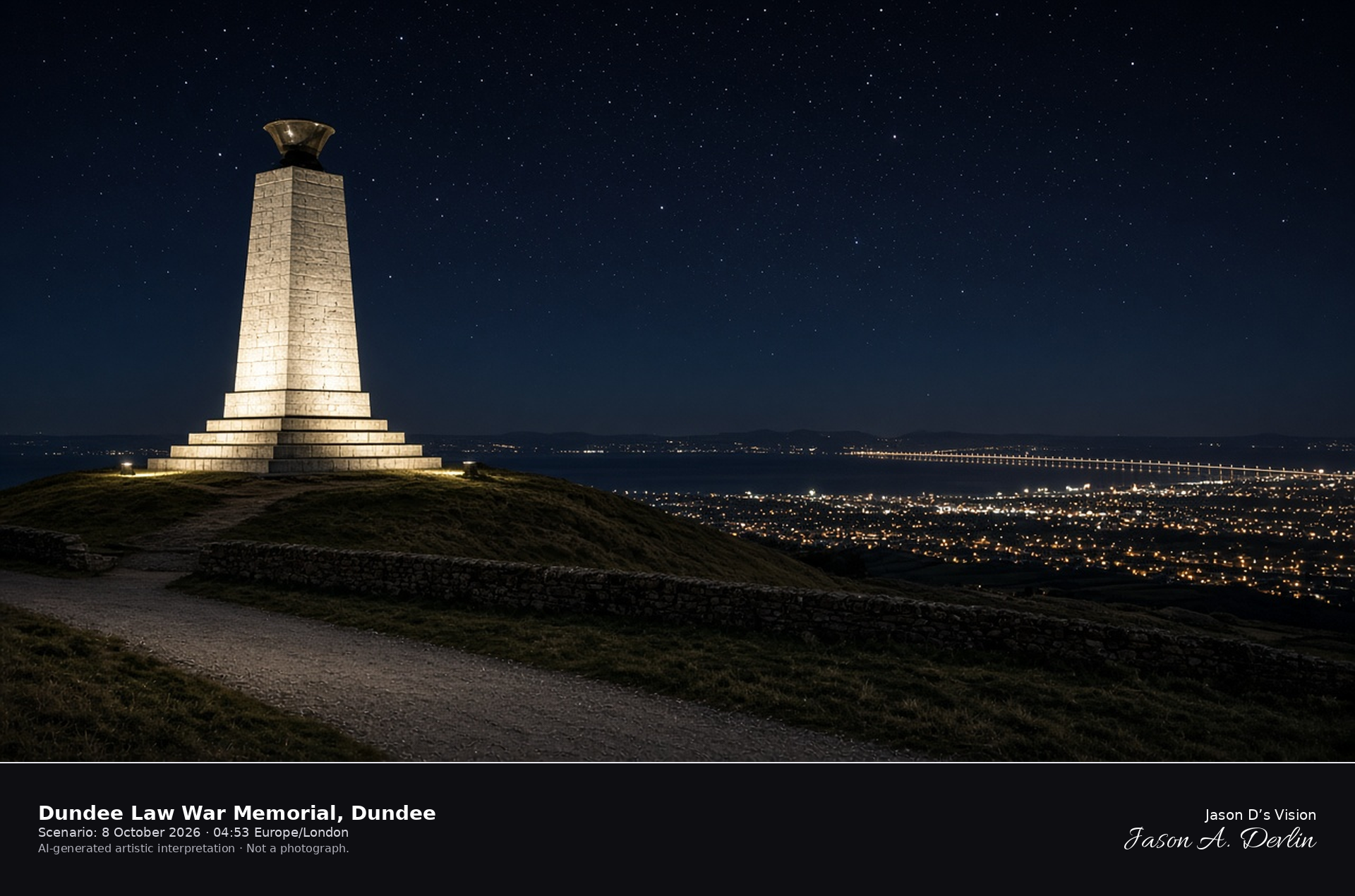
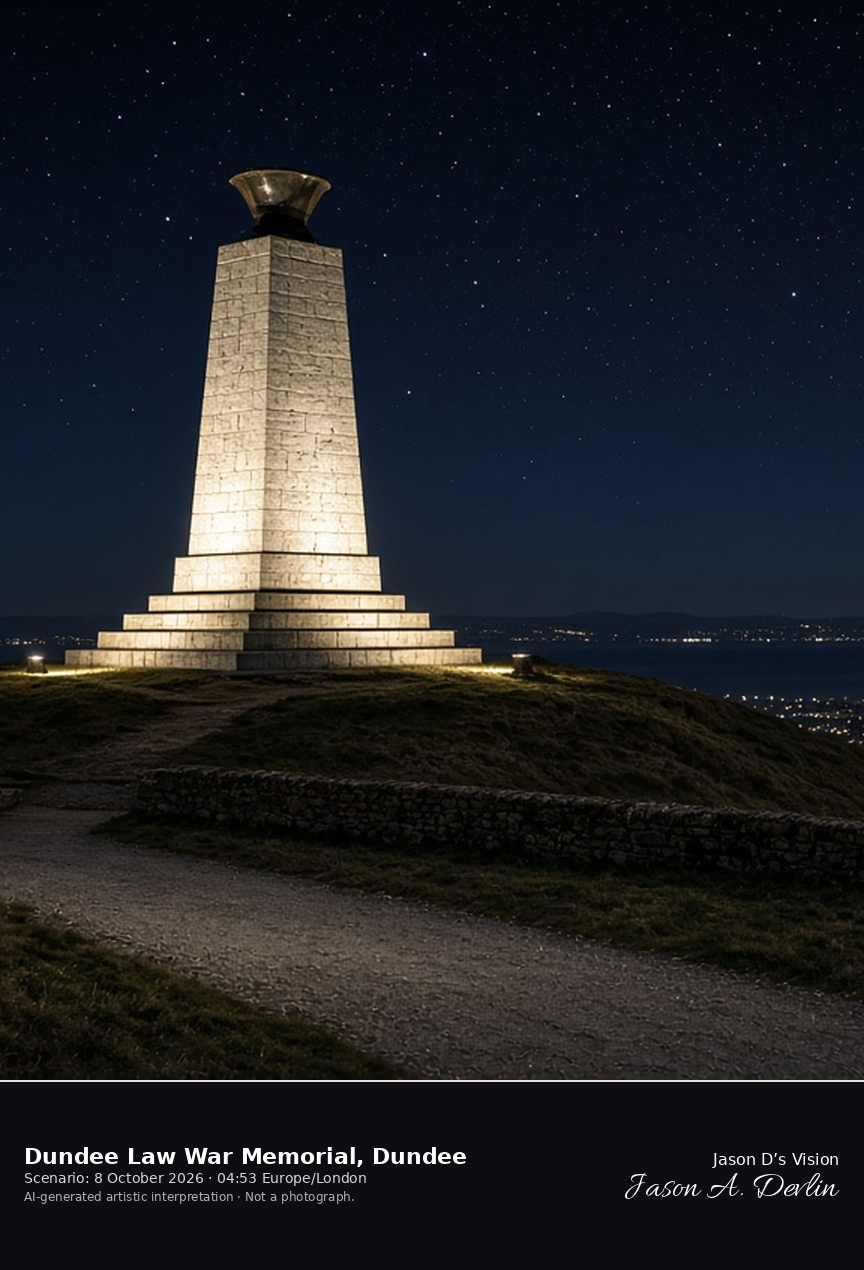
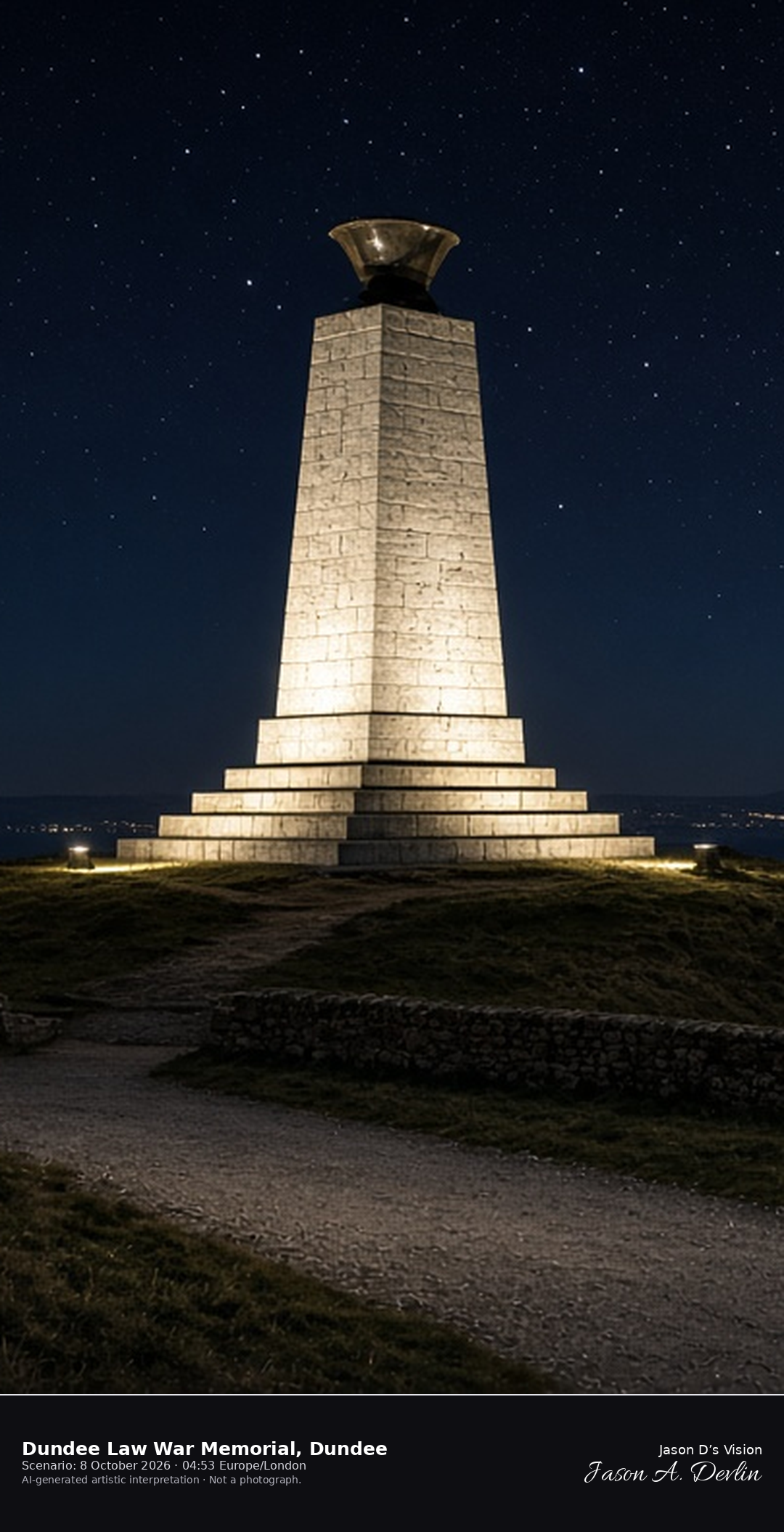
Dundee Law War Memorial, Dundee · AI-generated artistic interpretation
The memorial to the fallen of both world wars was unveiled on 16 May 1925 on the highest point in the city. New LED lighting installed for its centenary in 2025 lets it be lit at night.
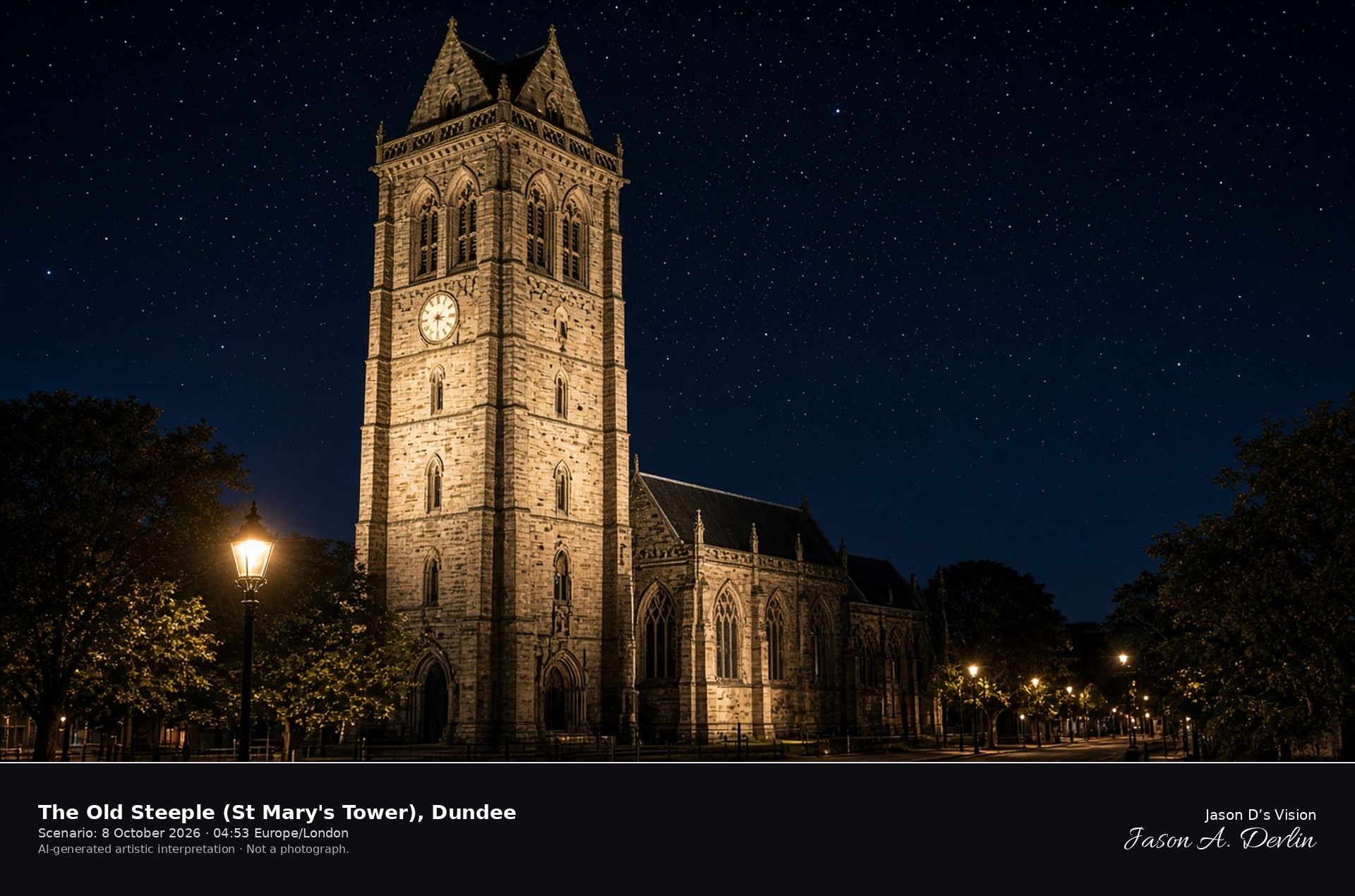
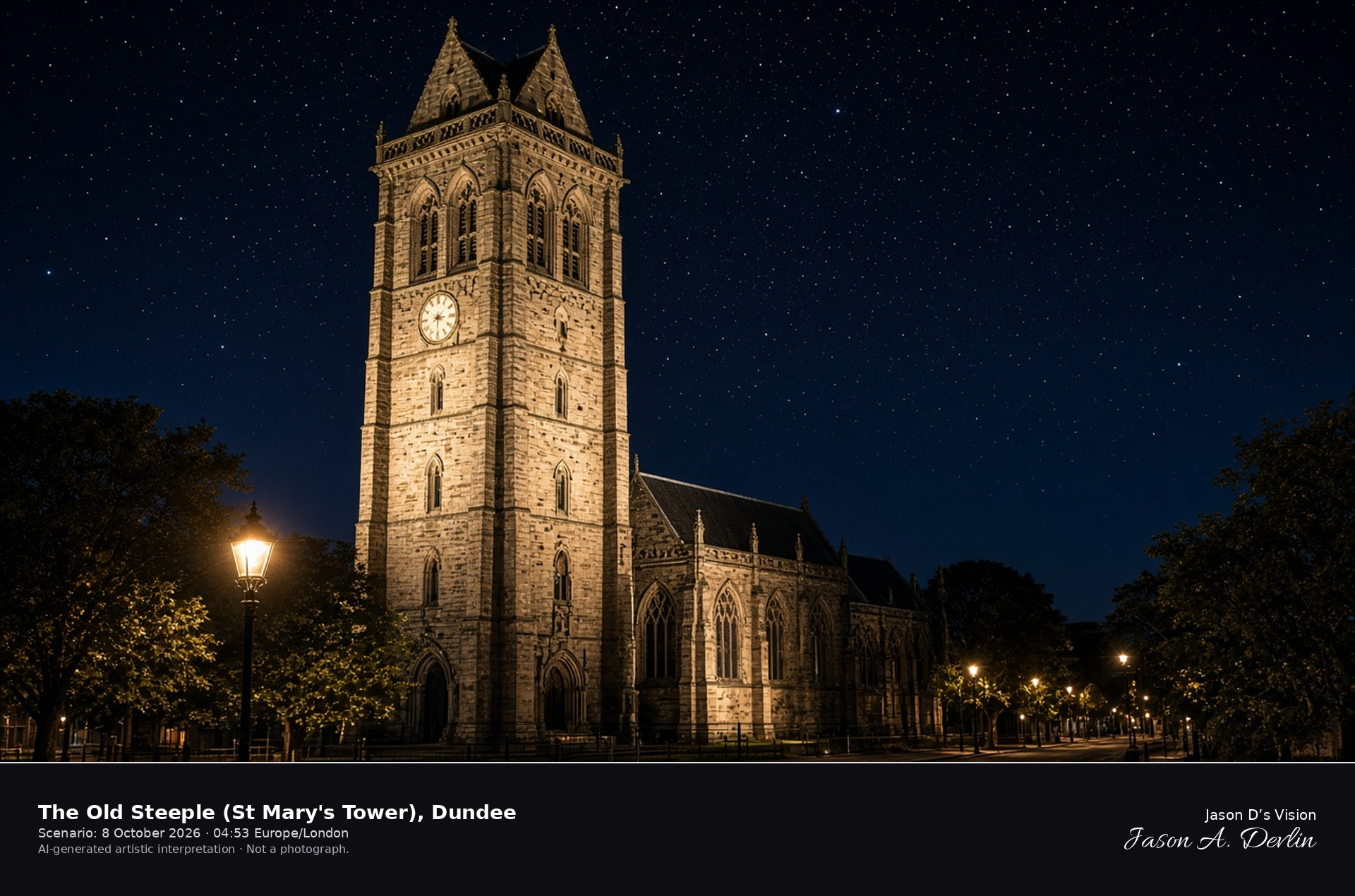
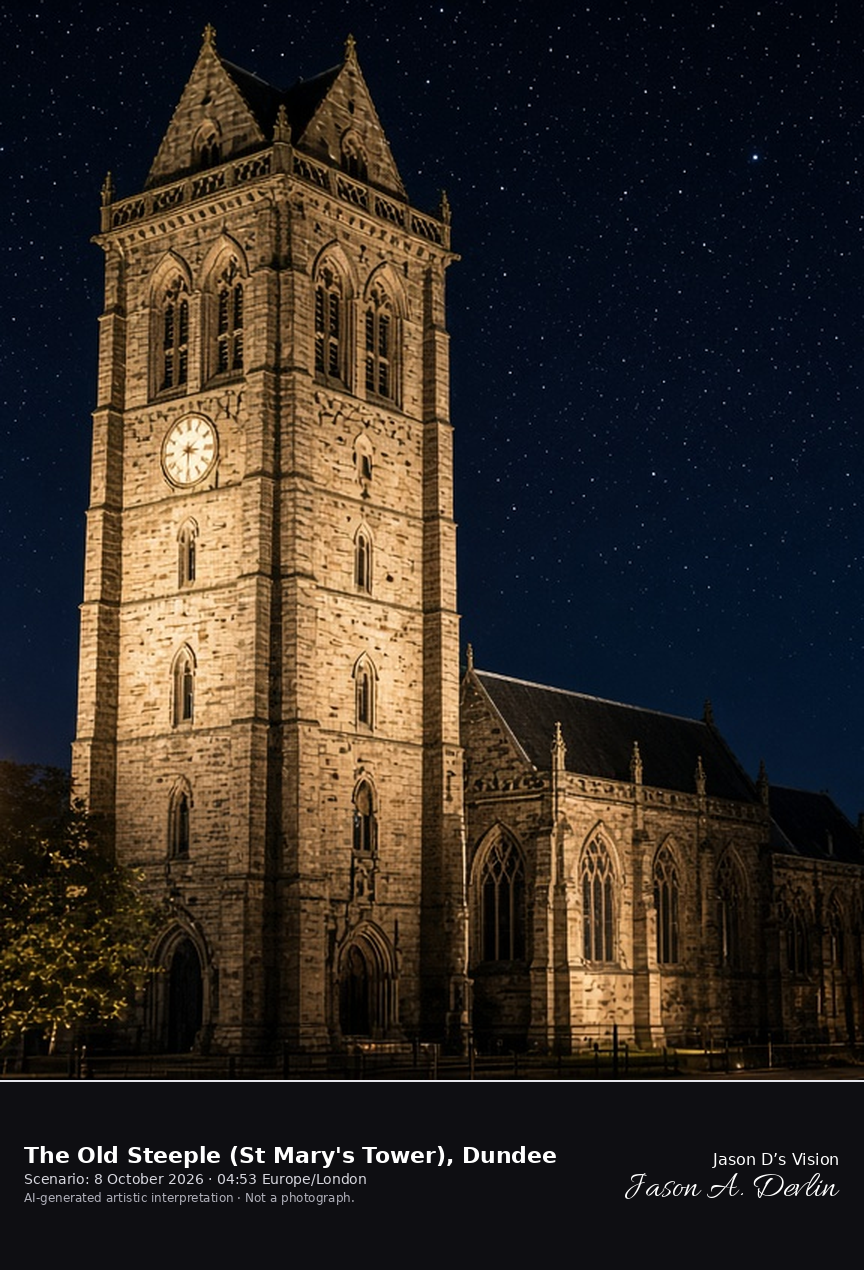
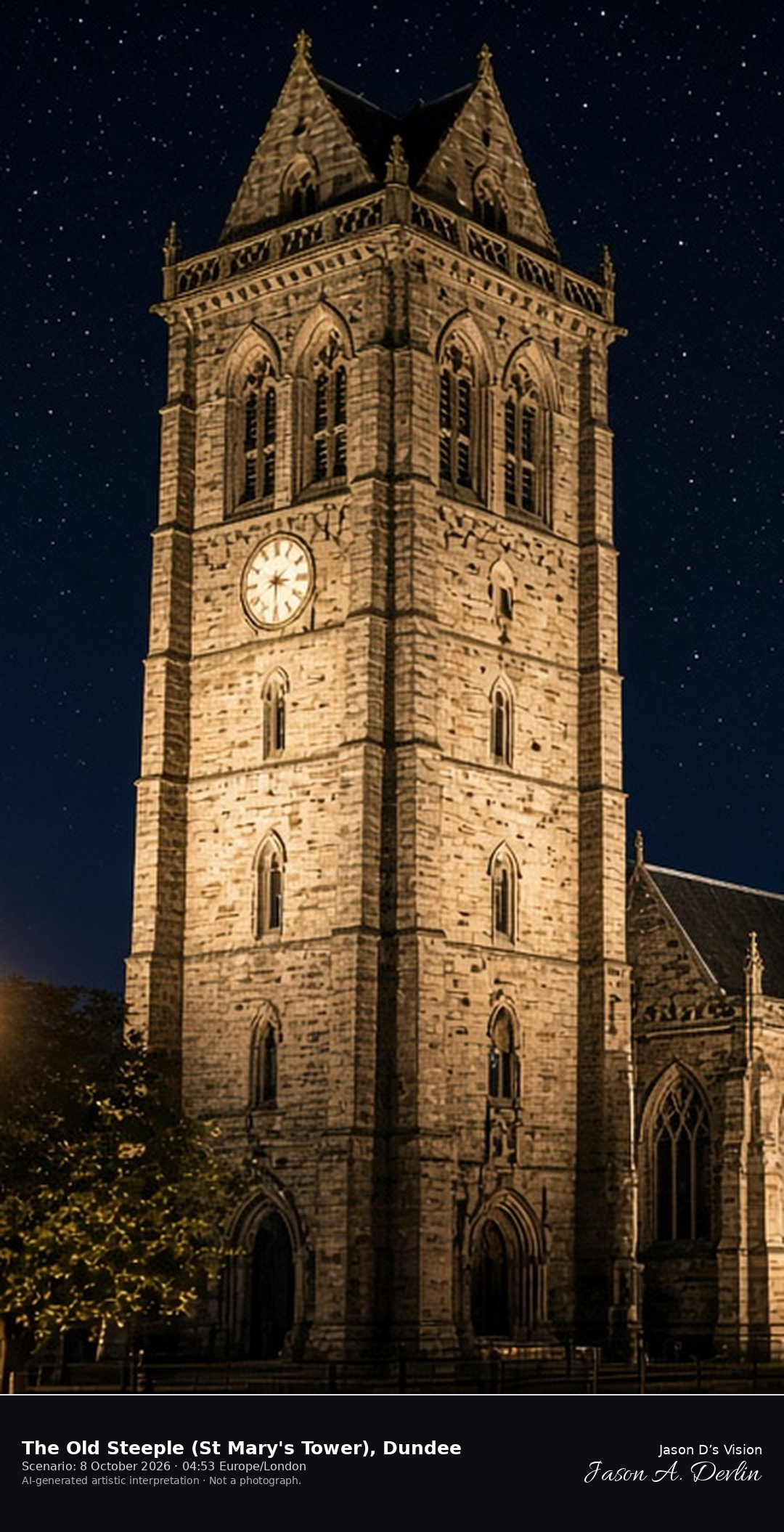
The Old Steeple (St Mary's Tower) · AI-generated artistic interpretation
Dundee's Old Steeple is a surviving tower of the medieval church of Saint Mary, dating from the late fifteenth century. It endured the devastating fire of January 1841, while much of the surrounding church complex had to be rebuilt — a lasting landmark of the city's earlier history.
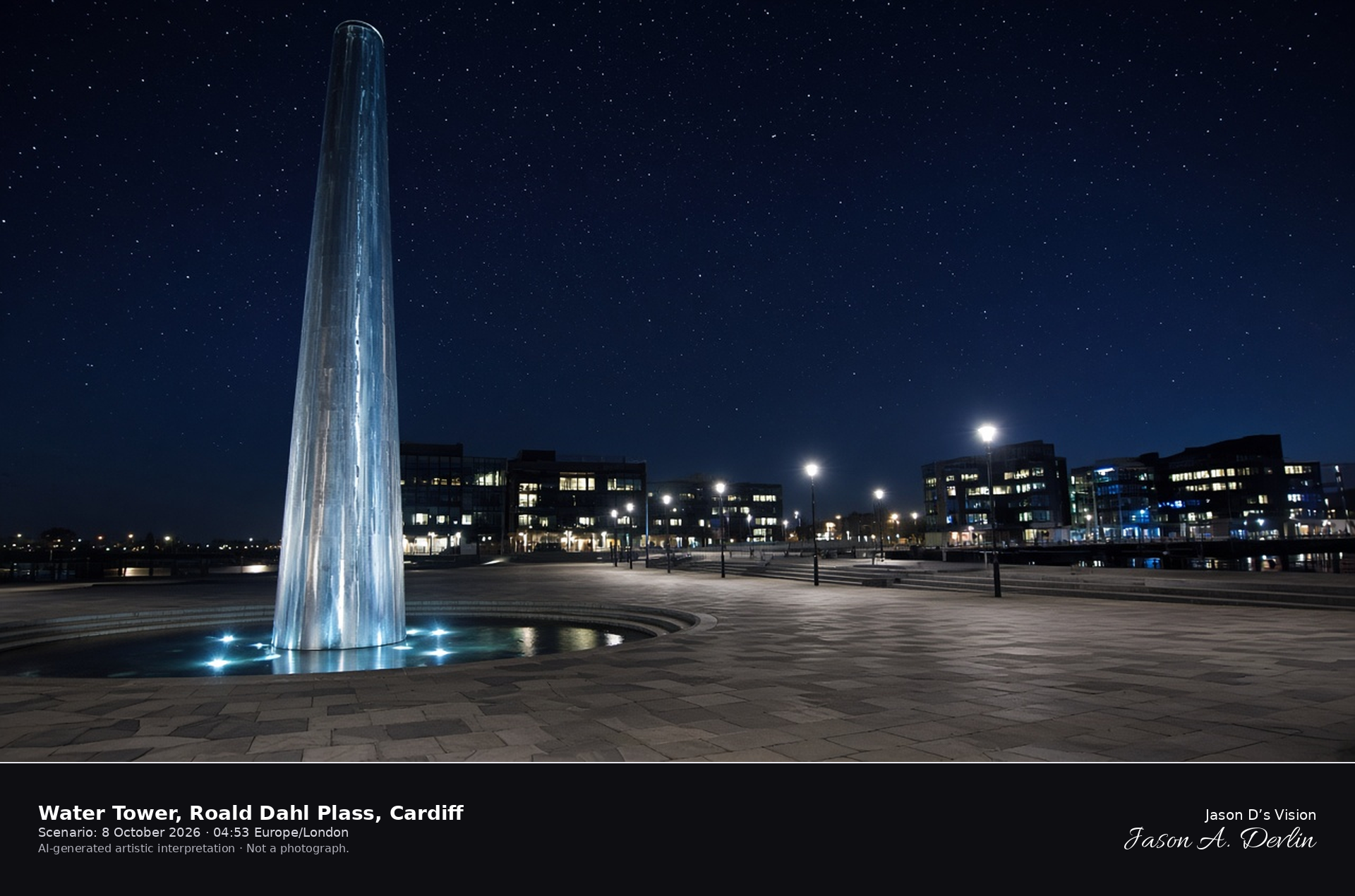
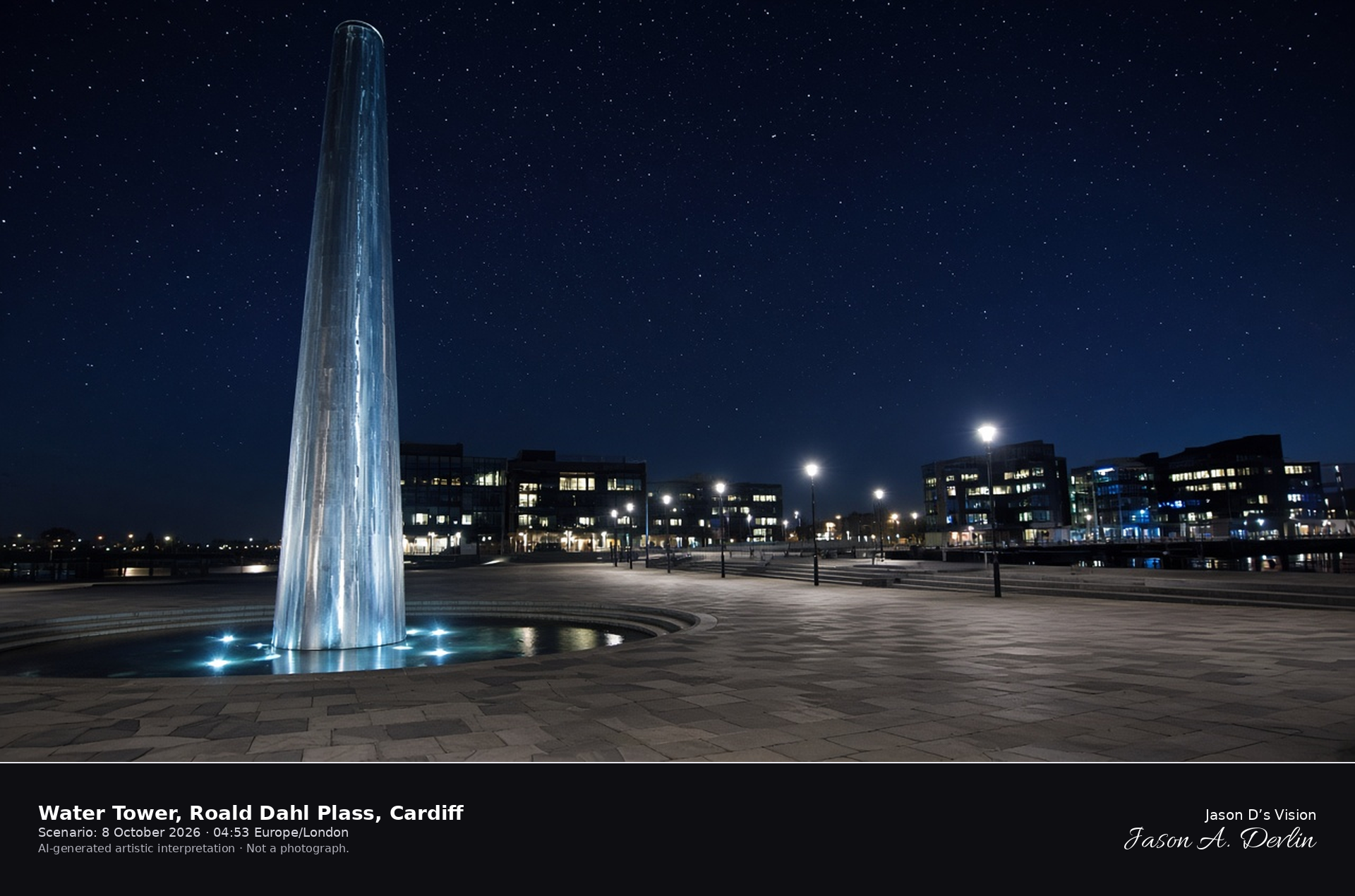
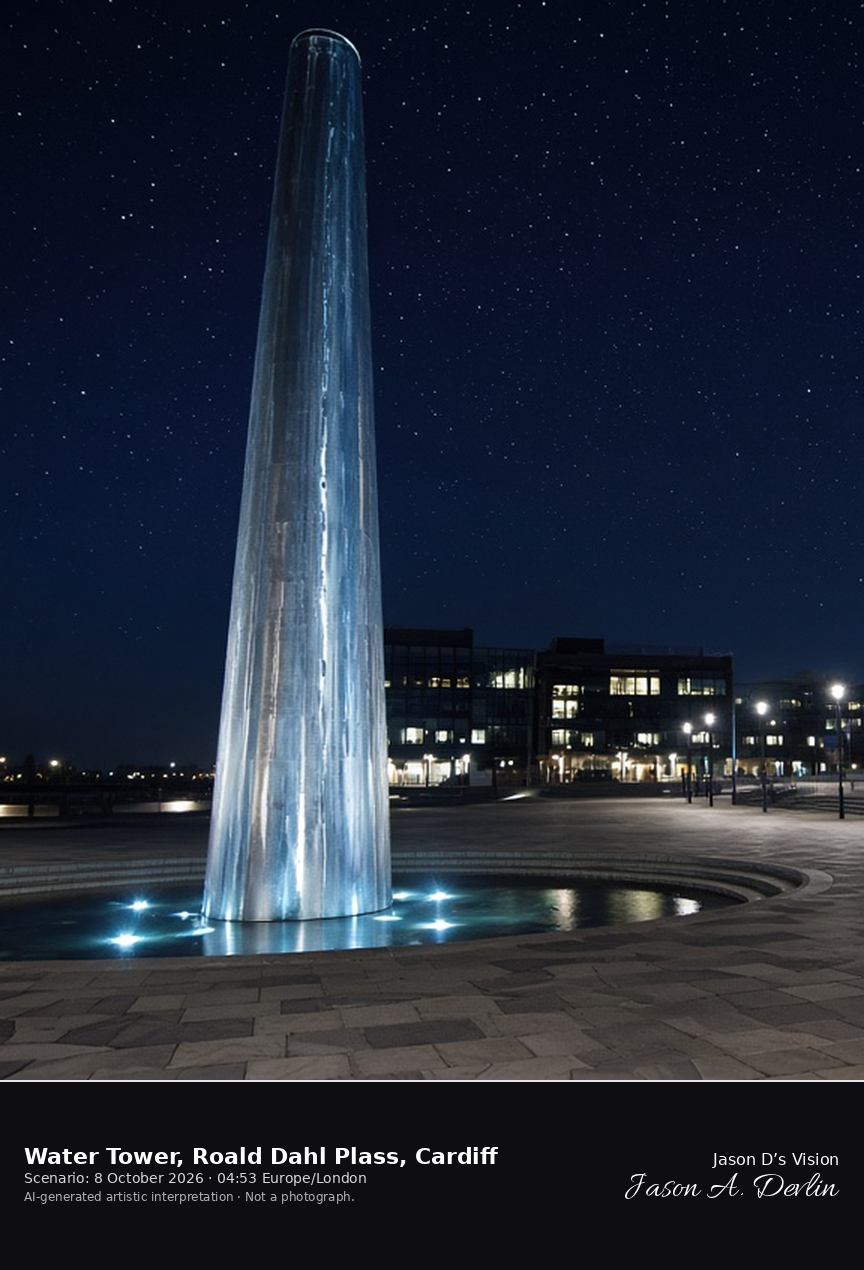
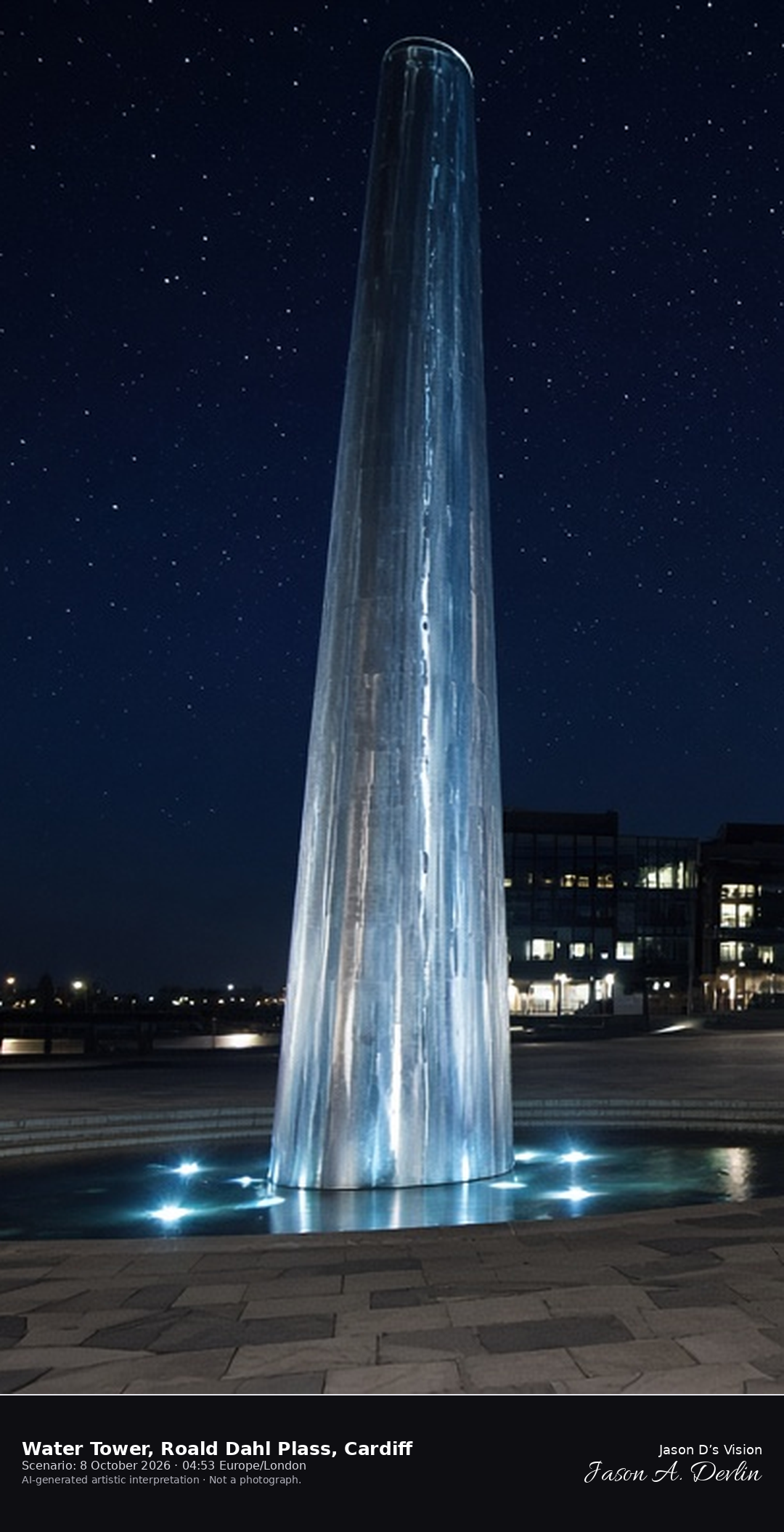
Water Tower, Roald Dahl Plass, Cardiff · AI-generated artistic interpretation
The tower is about 21 metres high and was designed by Nicholas Hare Architects with the sculptor William Pye. Water runs down its metal surface, and fans know it as the Torchwood Tower.
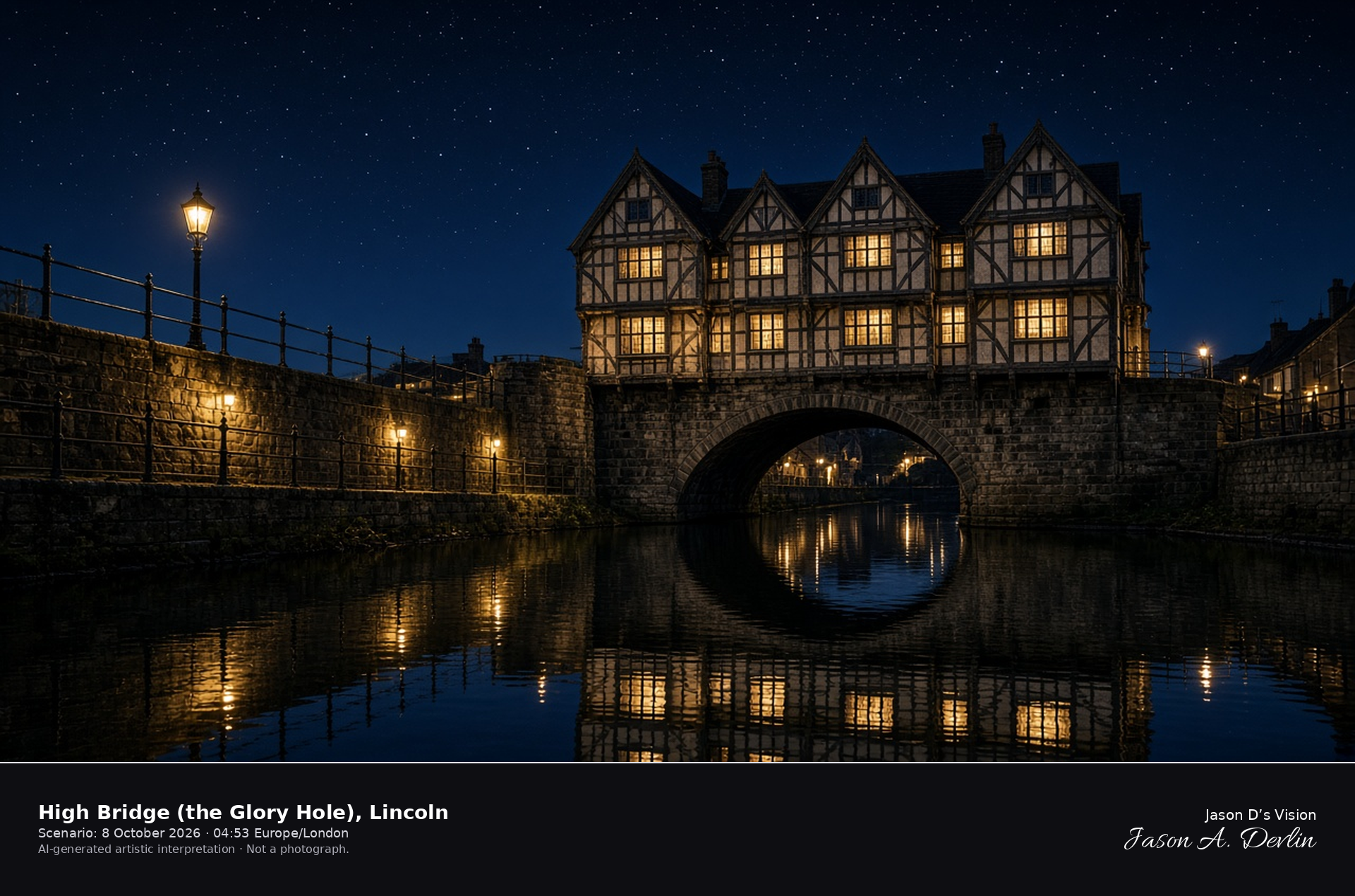
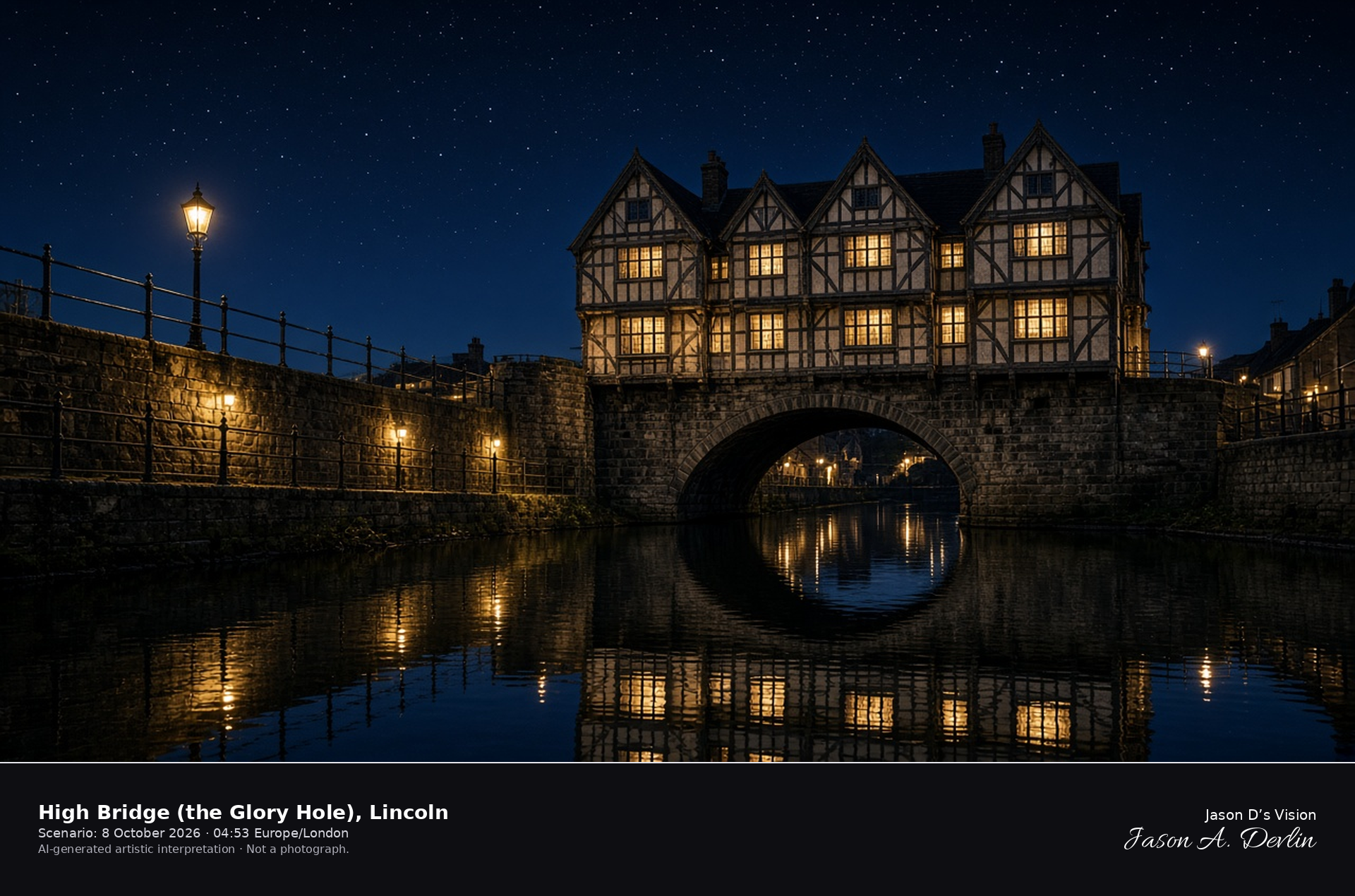
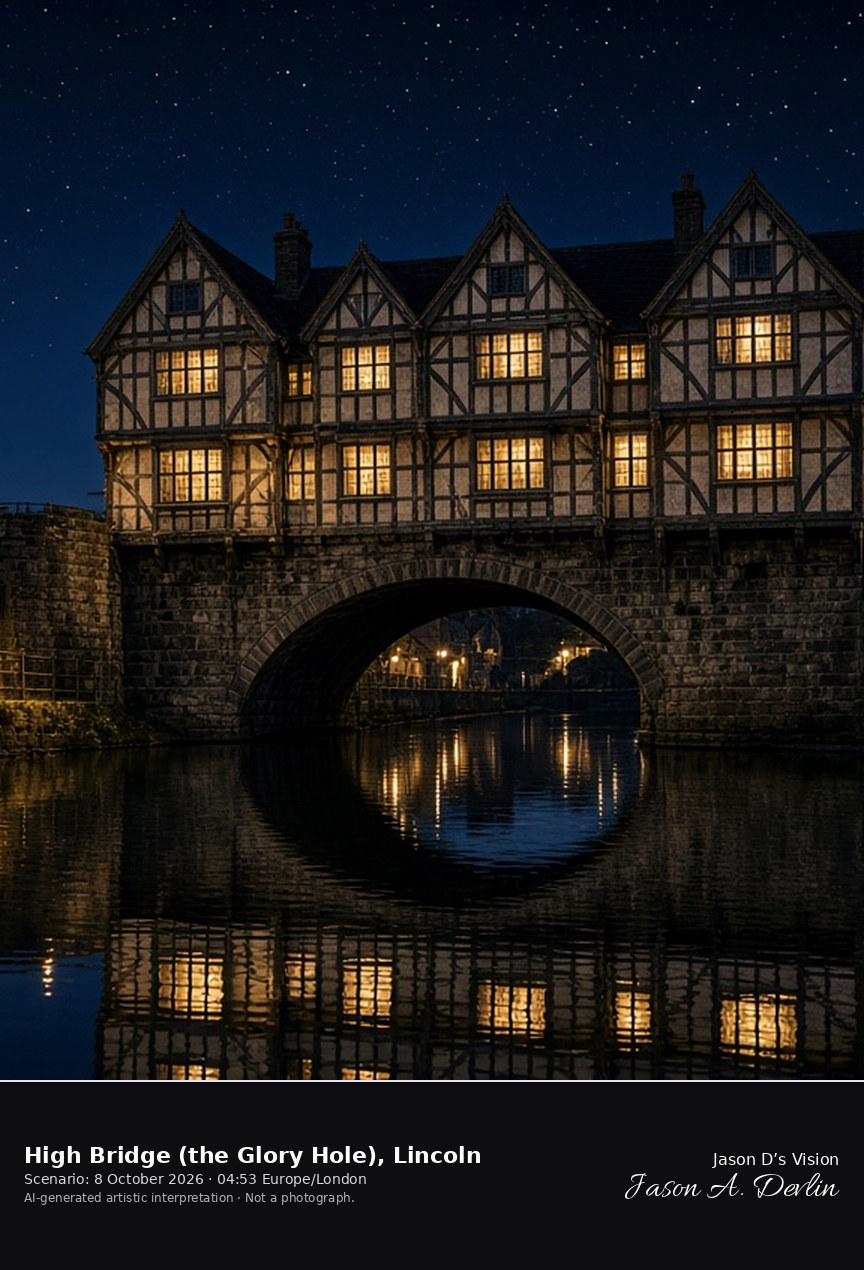
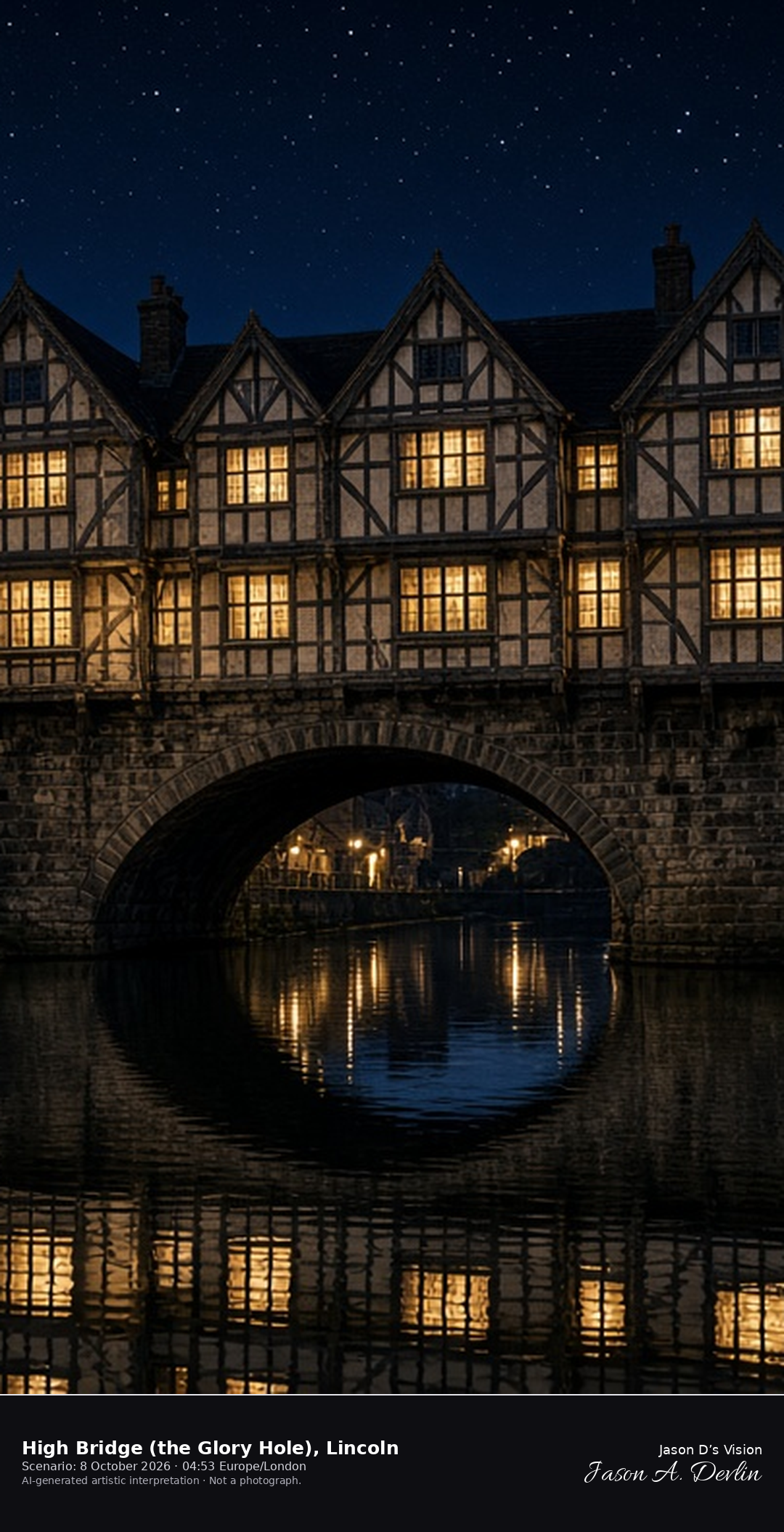
High Bridge (the Glory Hole) · AI-generated artistic interpretation
Lincoln's High Bridge carries shops and houses above the River Witham, with medieval stonework rooted in the twelfth century. The buildings above belong chiefly to the sixteenth century, carefully restored in 1902 — a rare survival of the time when a bridge could also be a busy stretch of town.
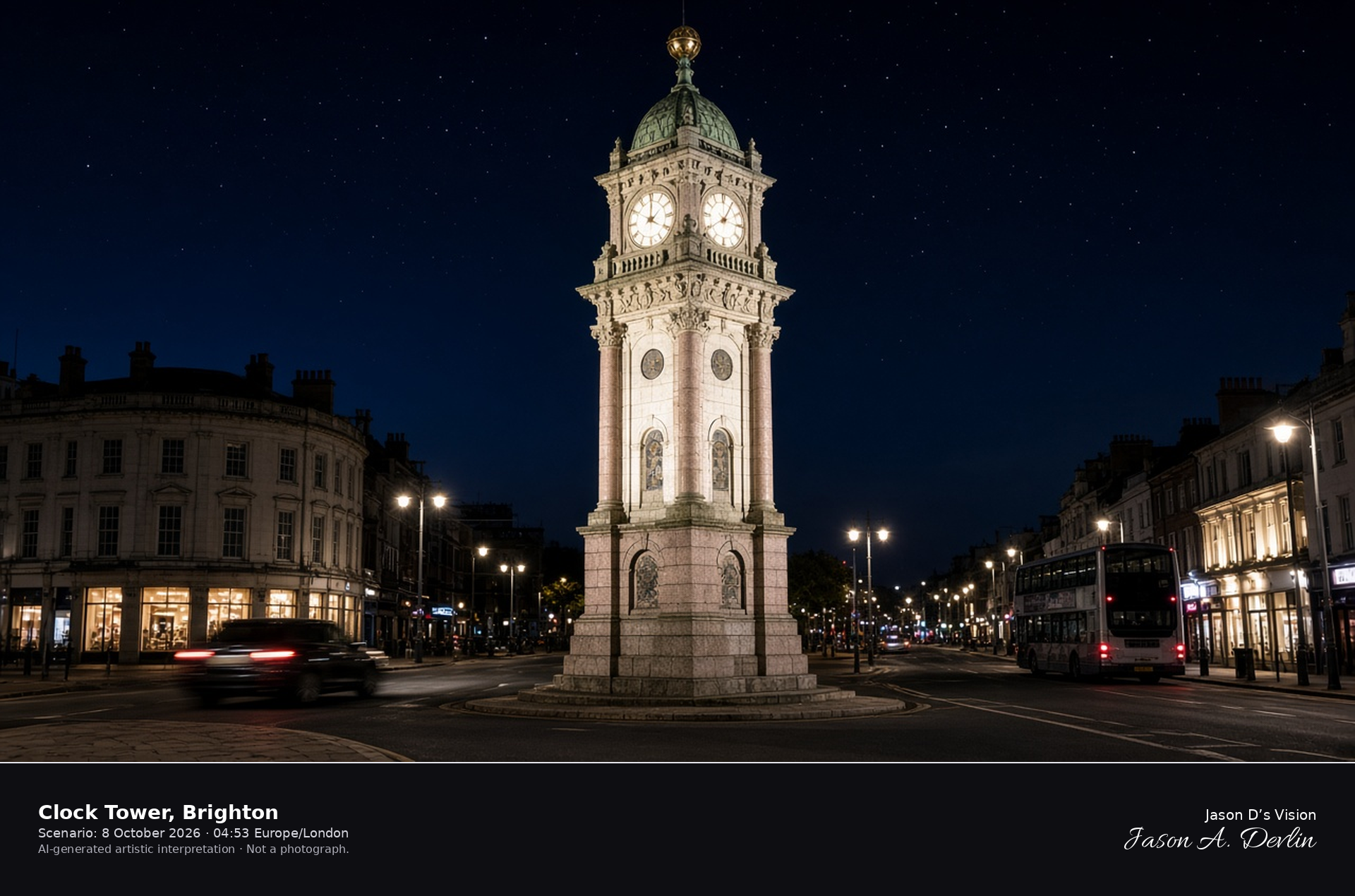
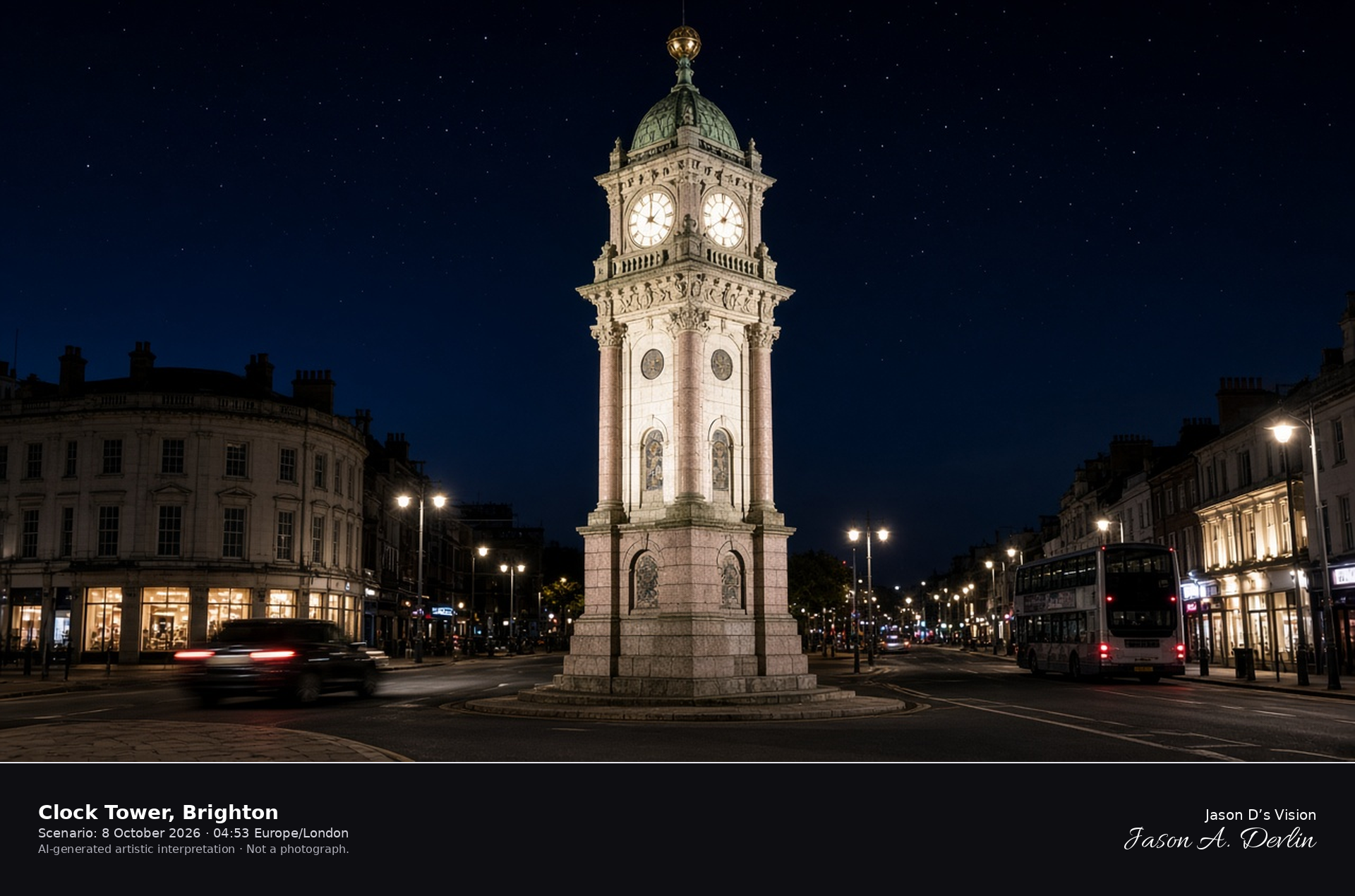
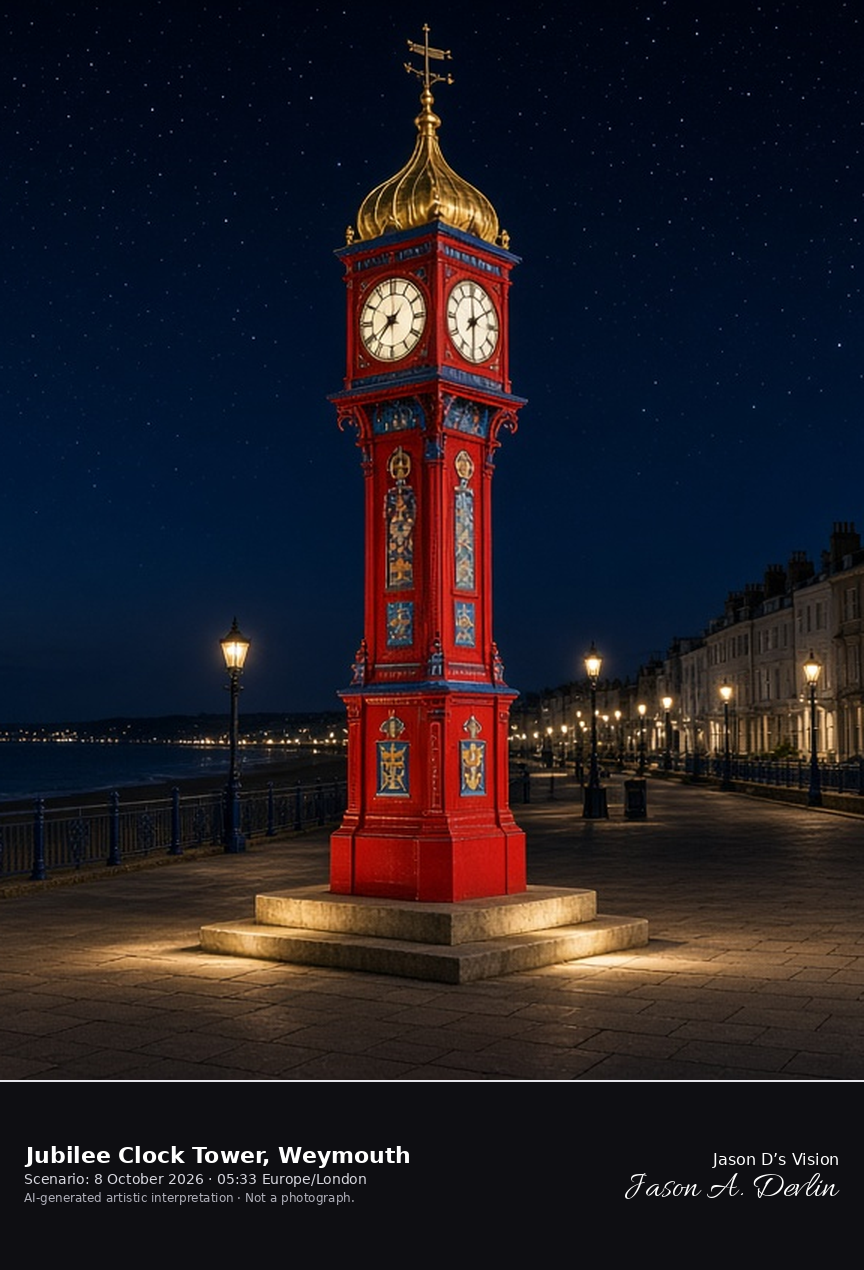
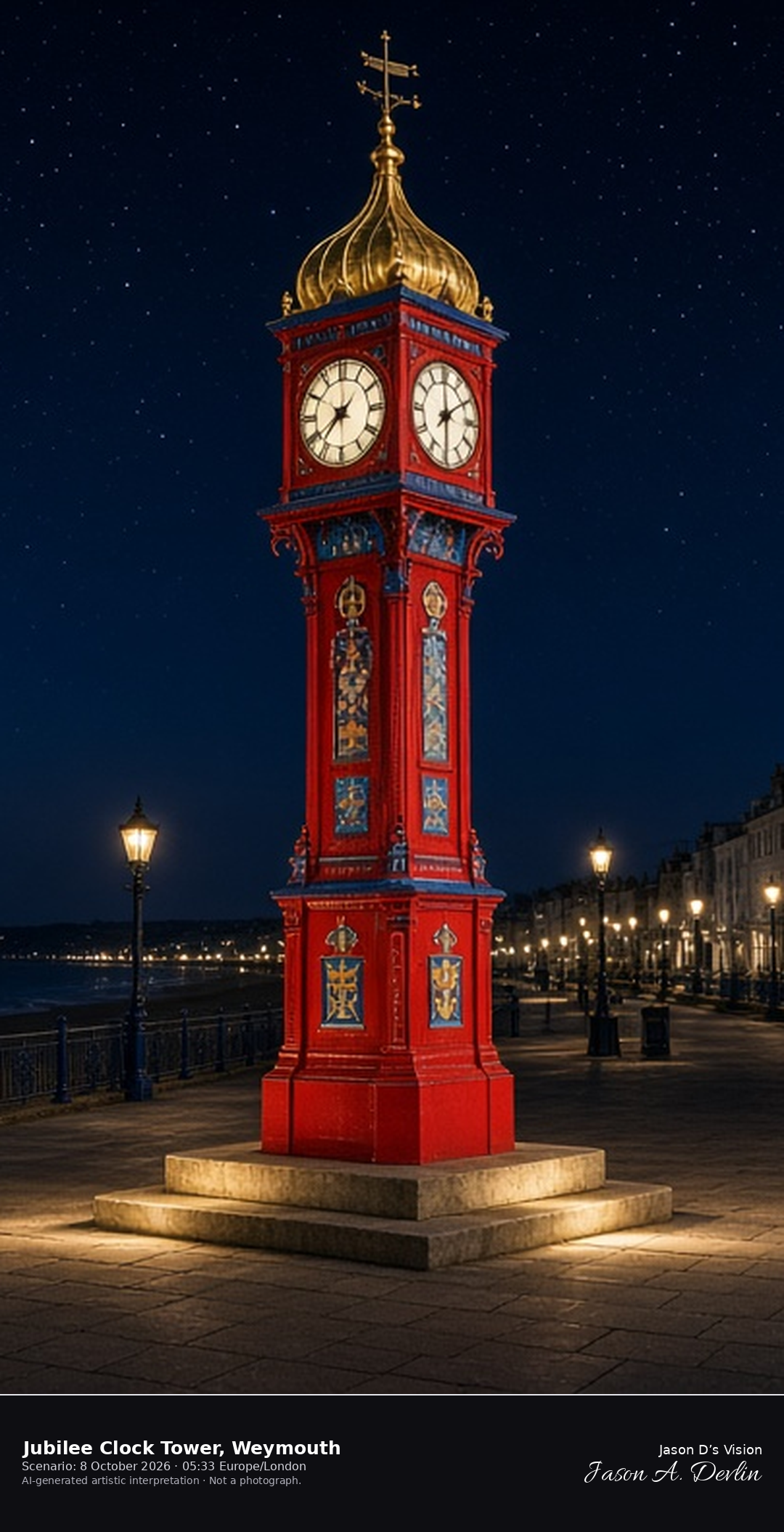
The tower was built in 1888 for Queen Victoria's Golden Jubilee and rises to 23 metres. Mosaic portraits of the Royal Family fill the arched recesses on its sides.
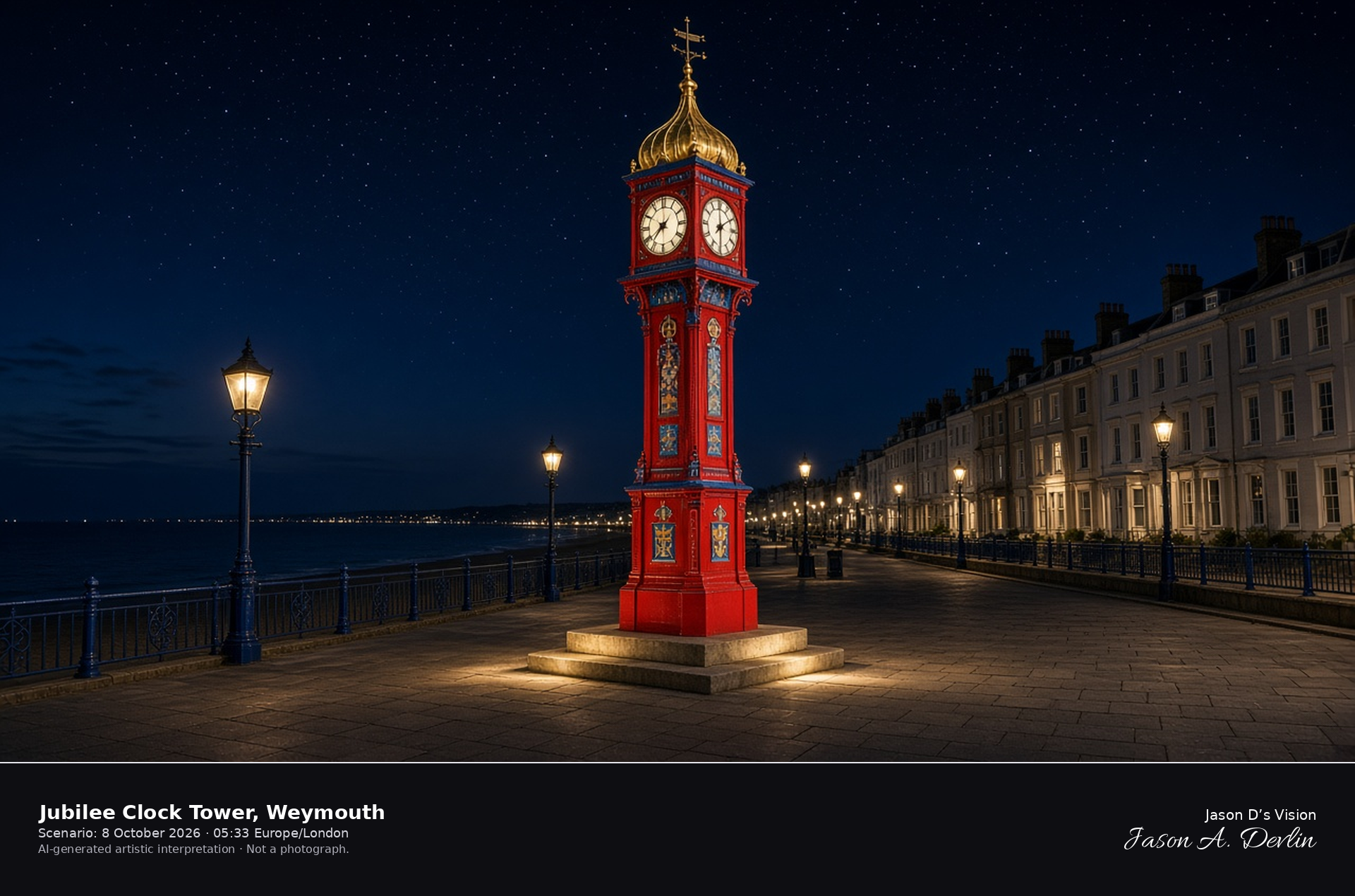
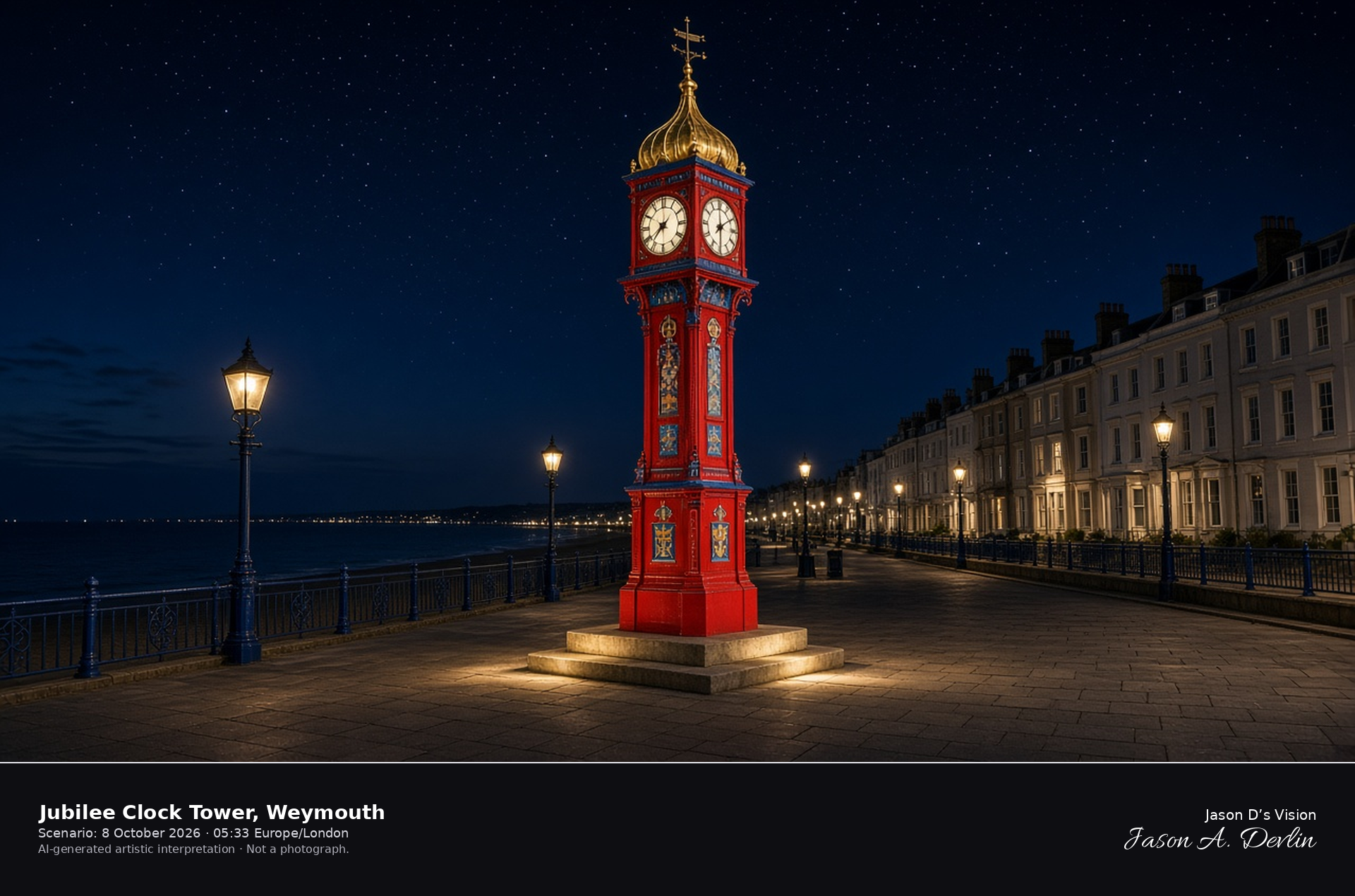
The cast-iron tower was put up in 1888 for Queen Victoria's 1887 Golden Jubilee. It once stood out on the sands until the esplanade was extended around it in the 1920s.
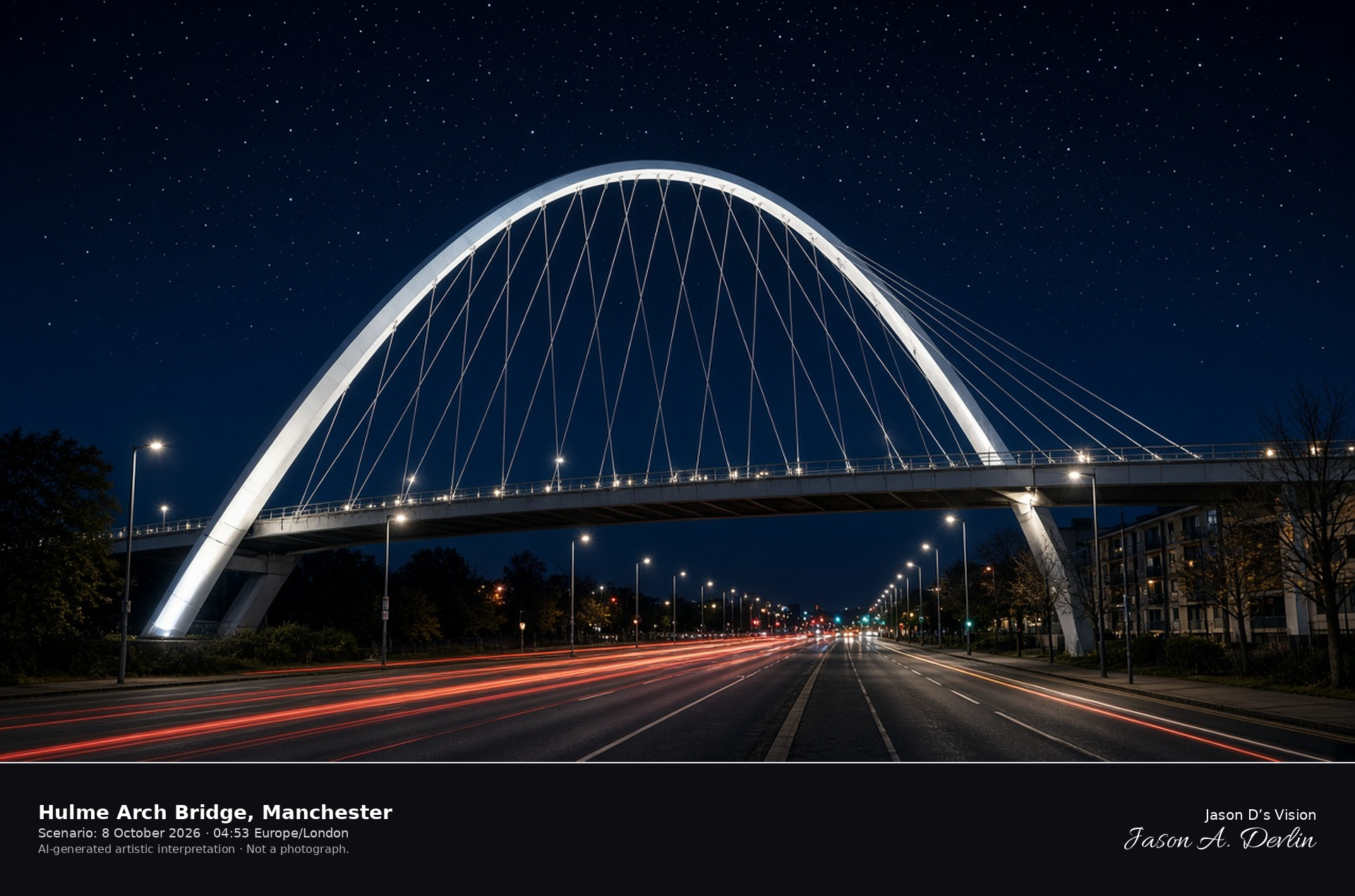
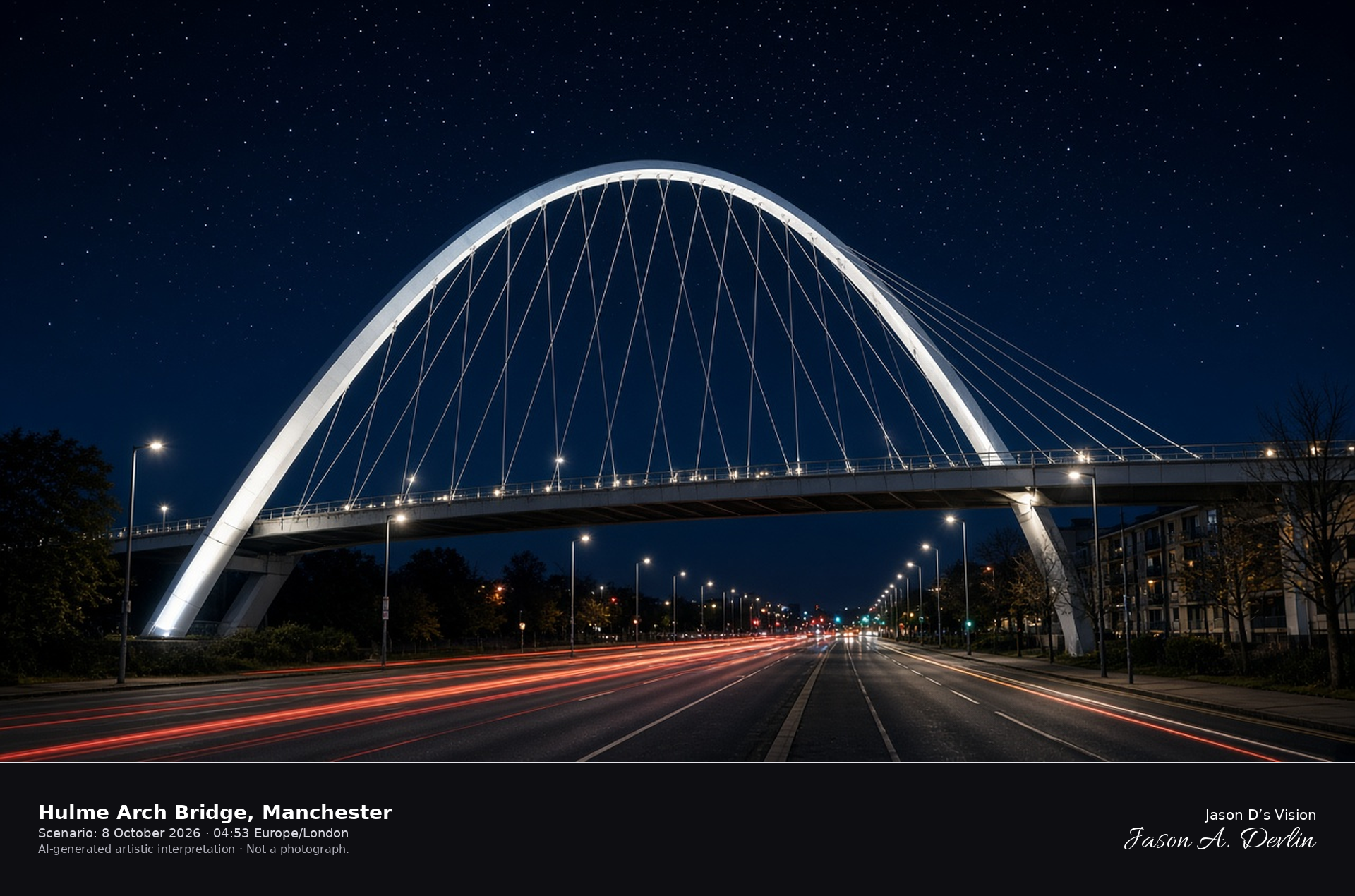
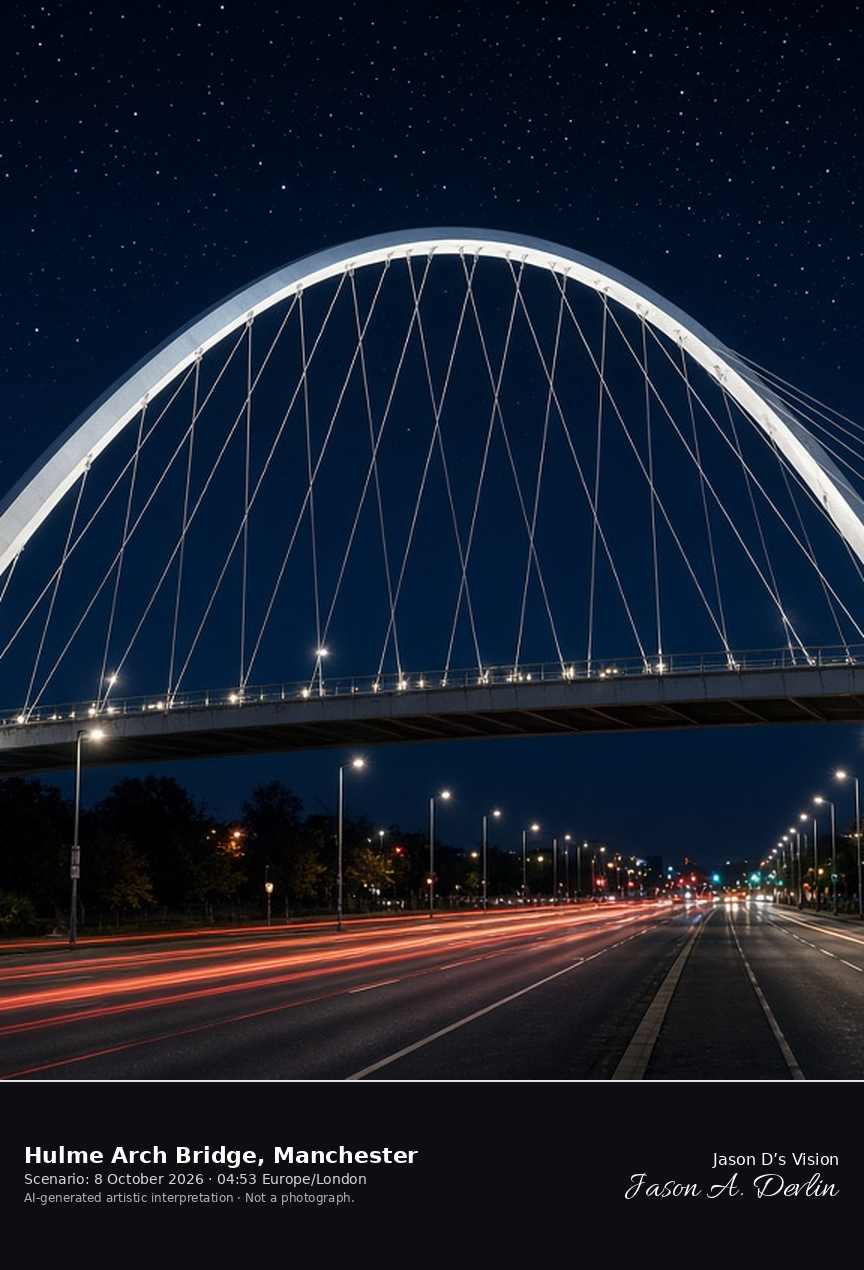
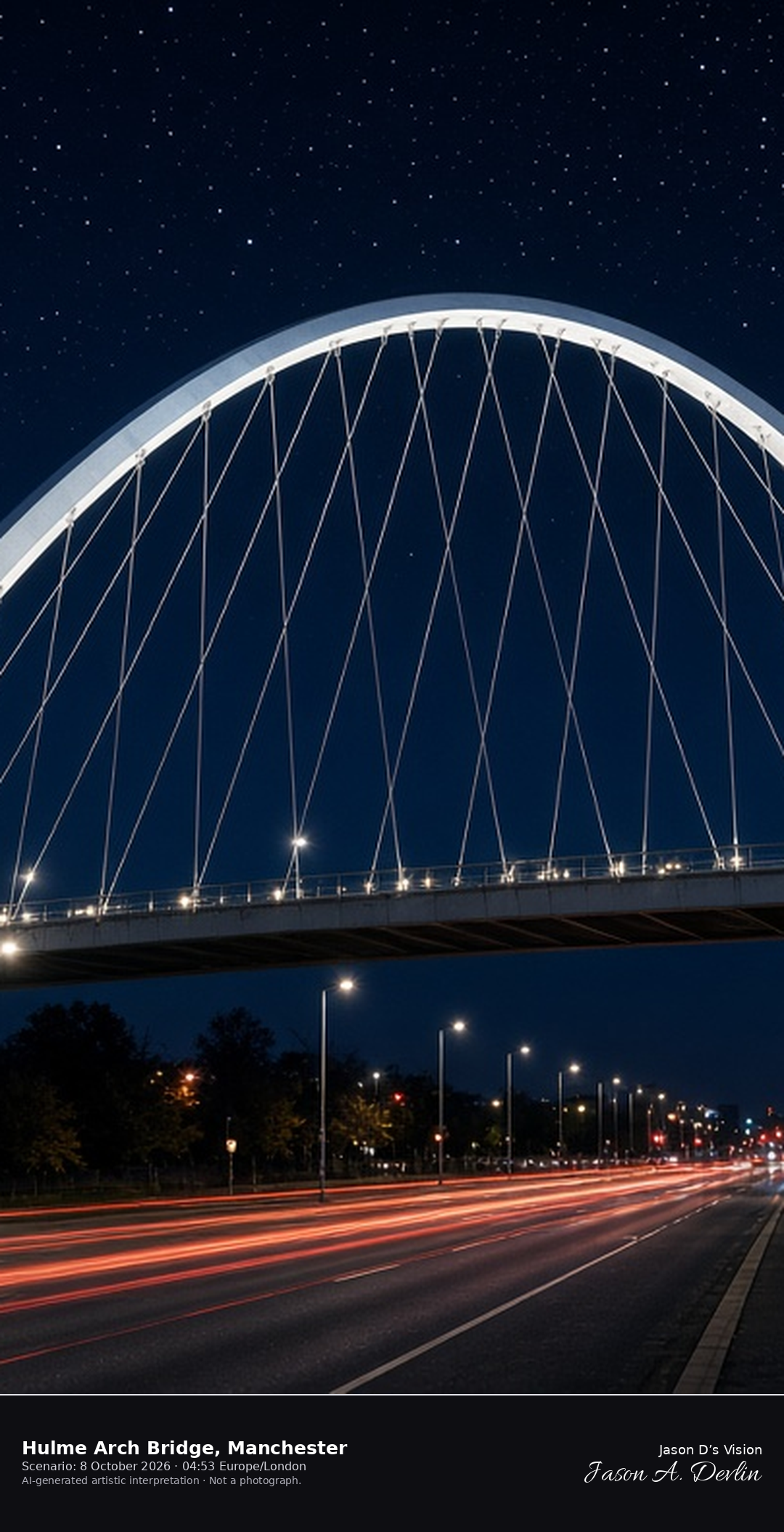
The Hulme Arch Bridge opened in 1997, carrying Stretford Road over Princess Road as a landmark of the area's regeneration. A single diagonal steel arch rises twenty-five metres above the bridge deck, with cables arranged so that its outline changes as people pass beneath and across it.
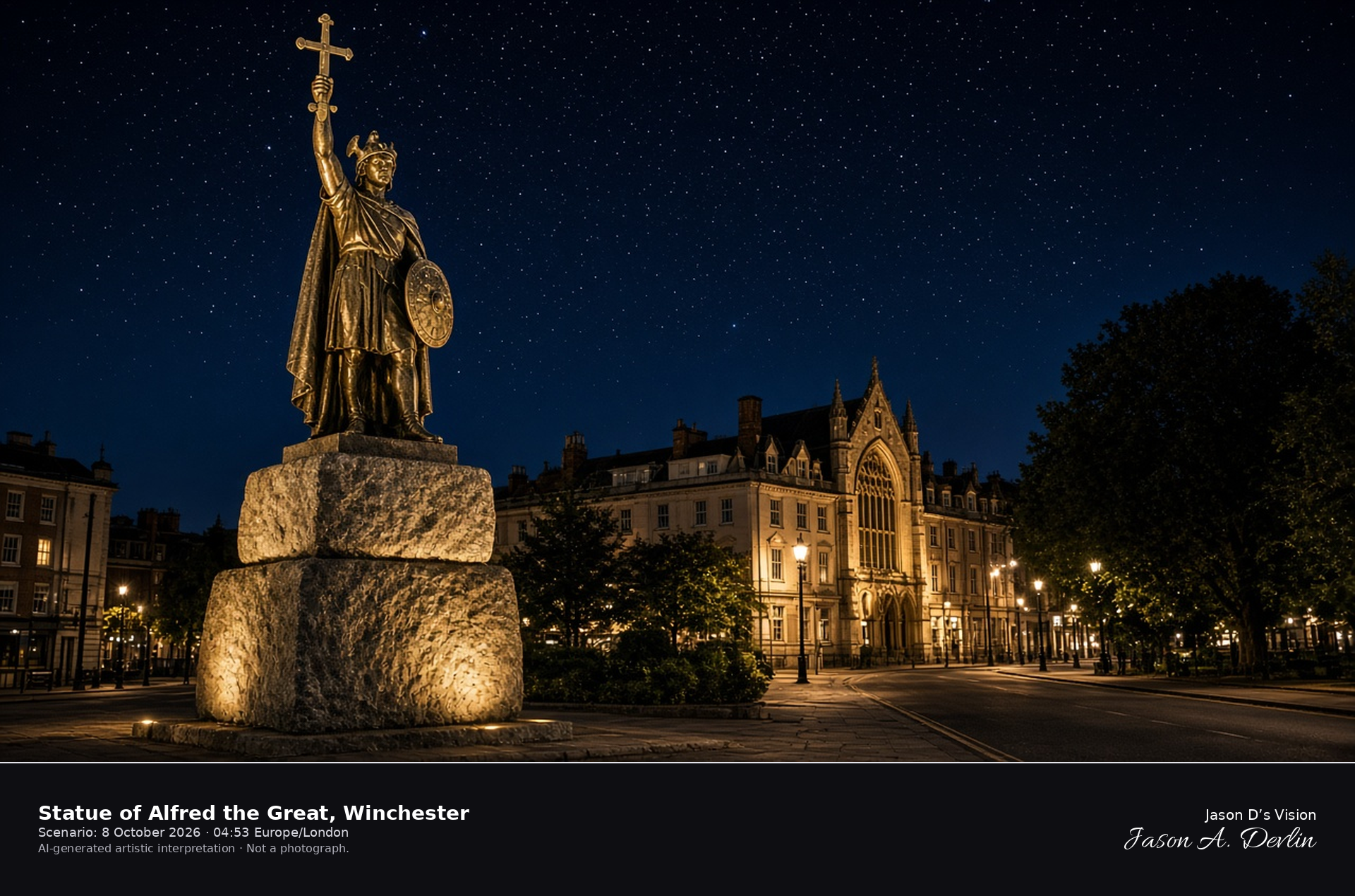
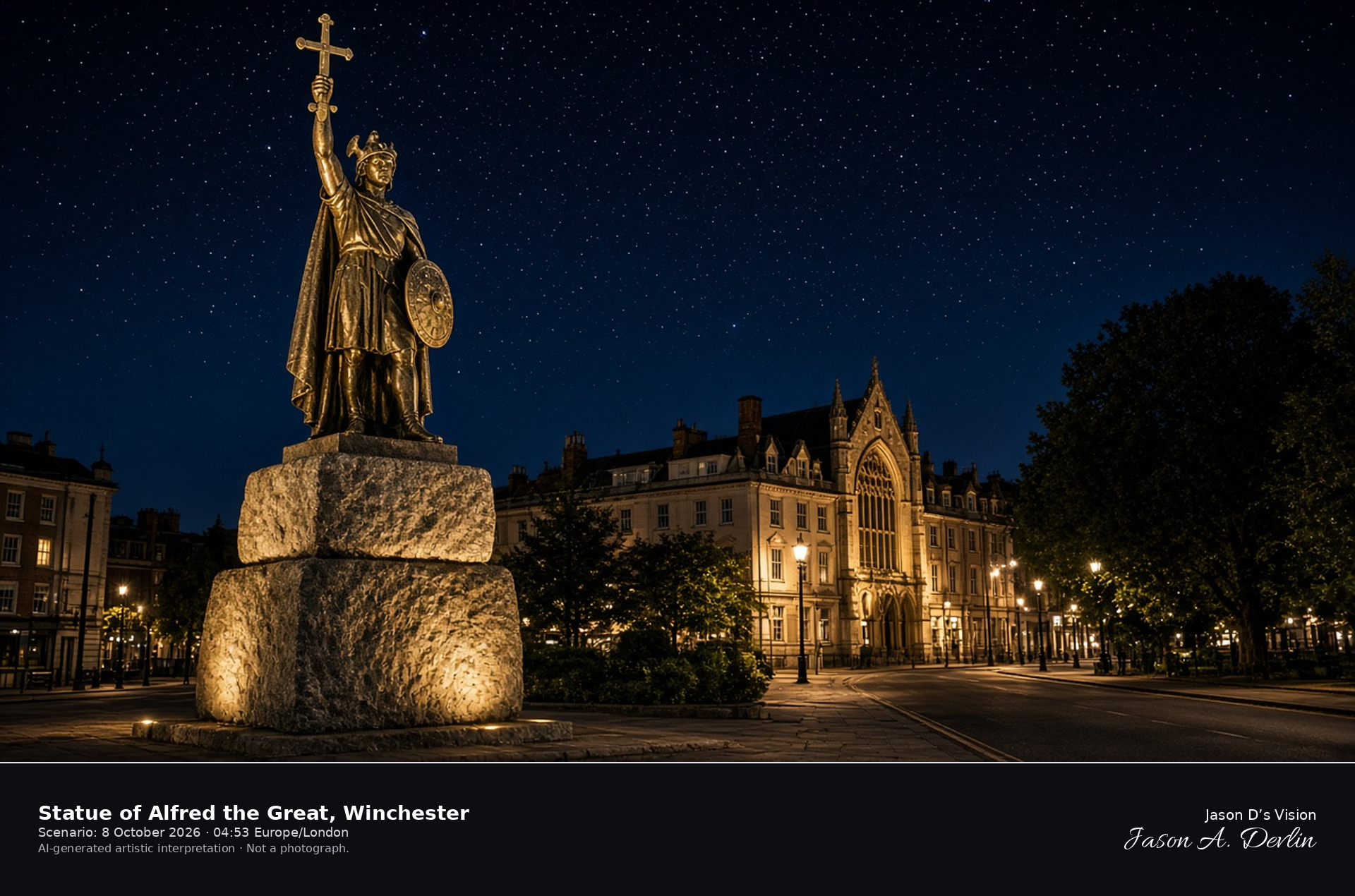
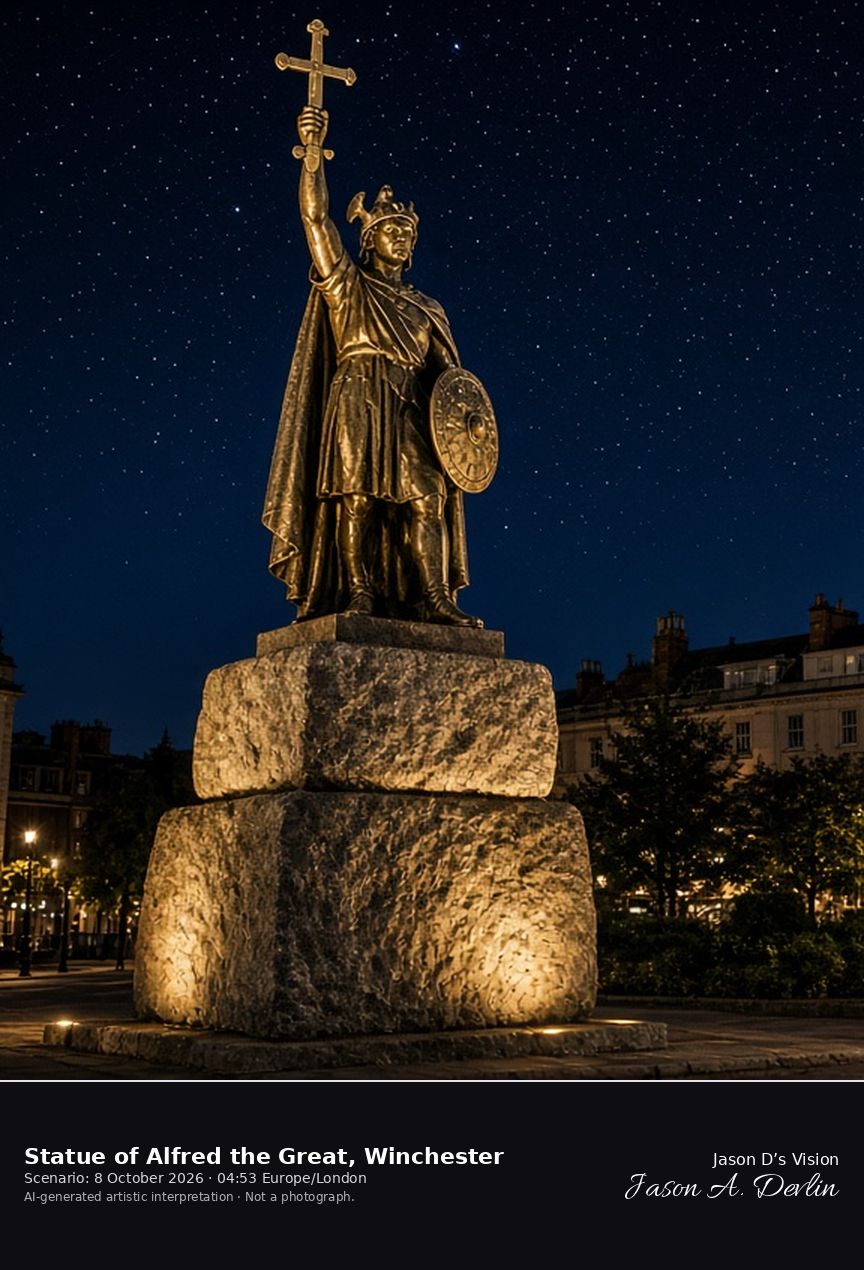
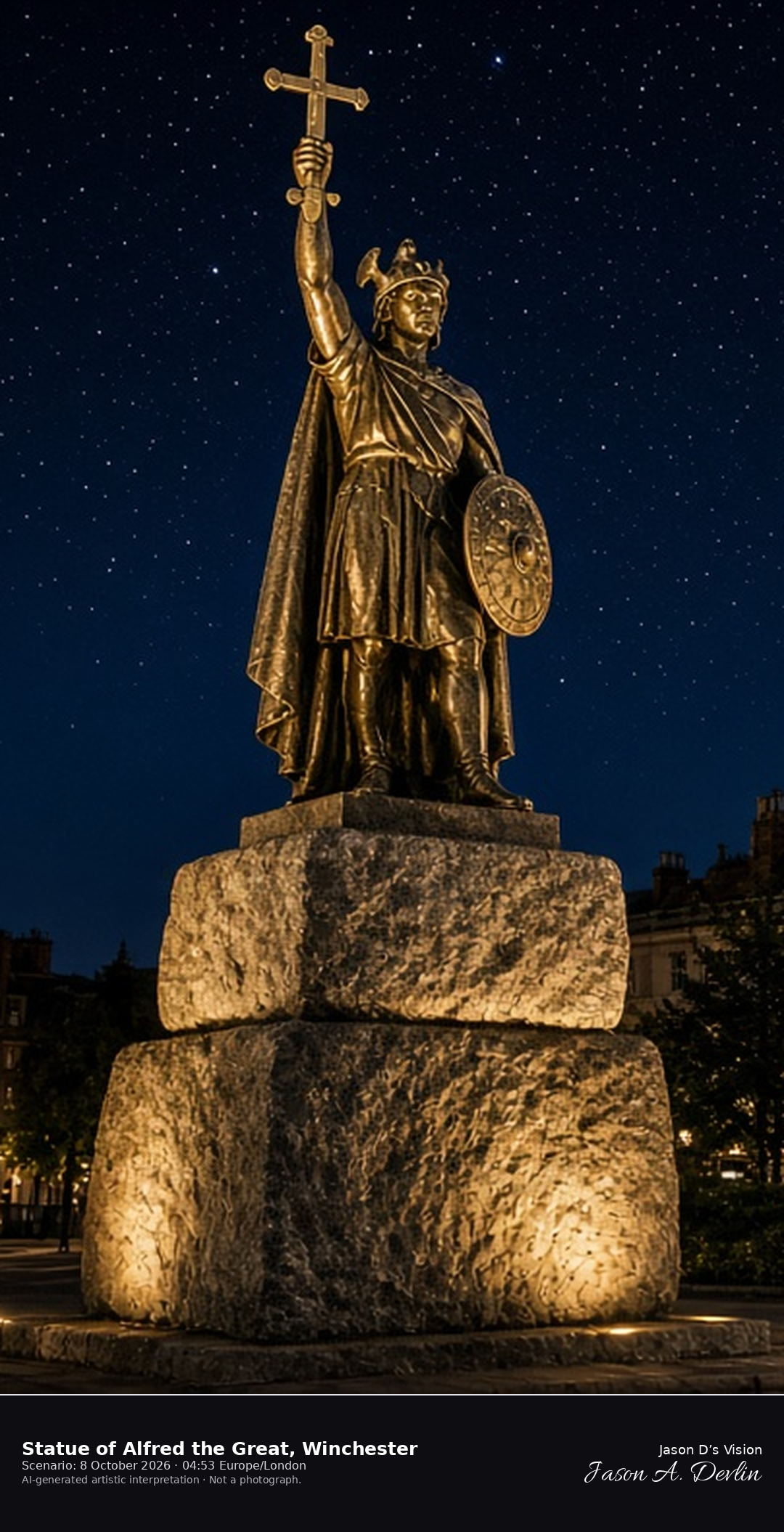
Statue of Alfred the Great, Winchester · AI-generated artistic interpretation
Hamo Thornycroft designed the statue, completed in 1901 for the thousandth anniversary of the death of Alfred the Great. It stands near the Guildhall at the east end of the High Street.
The present cross dates from 1885, when it was set on a new octagonal drum paid for by William Gladstone. Its panels carry the royal arms and the arms of Edinburgh, Leith, the Canongate and the University.
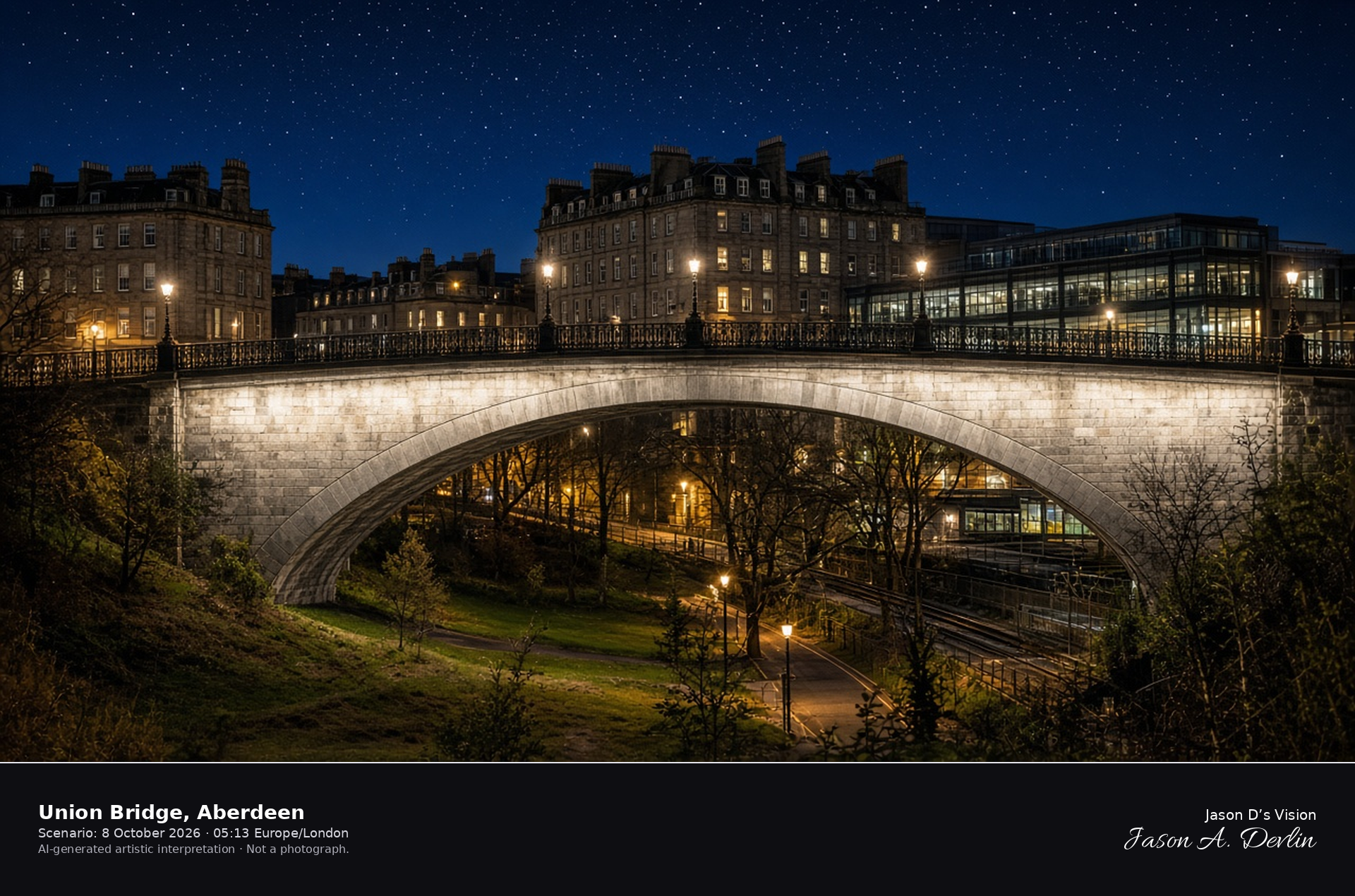
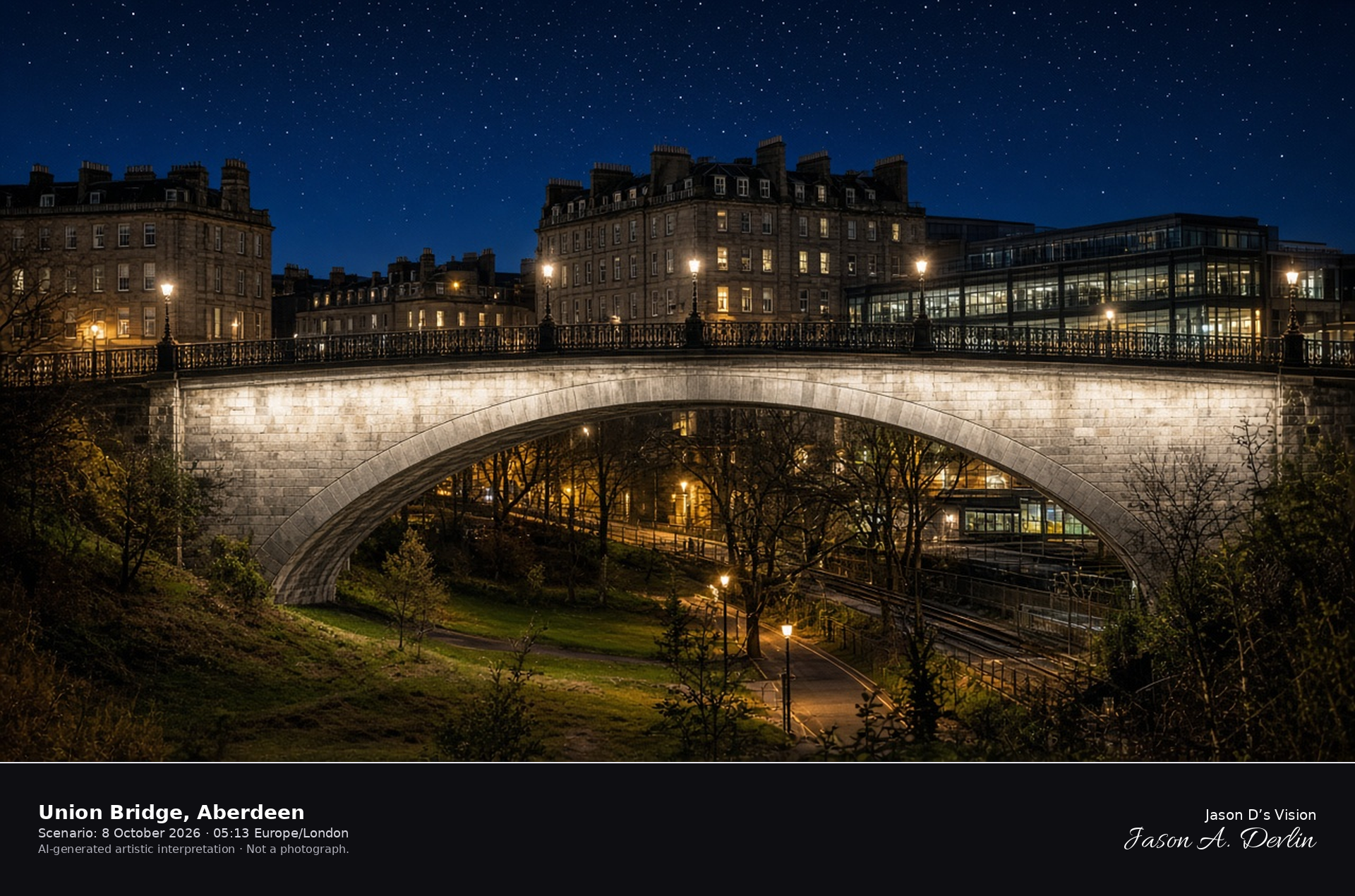
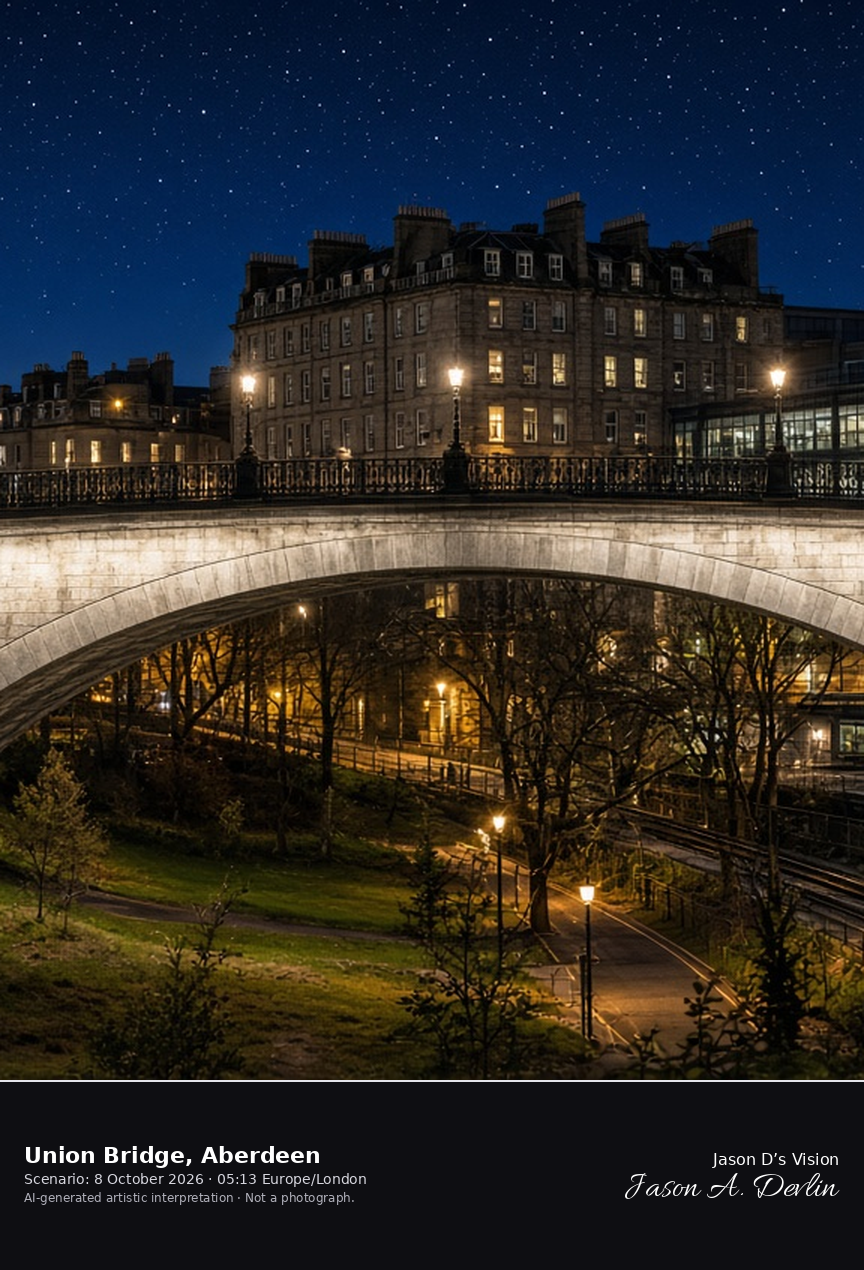
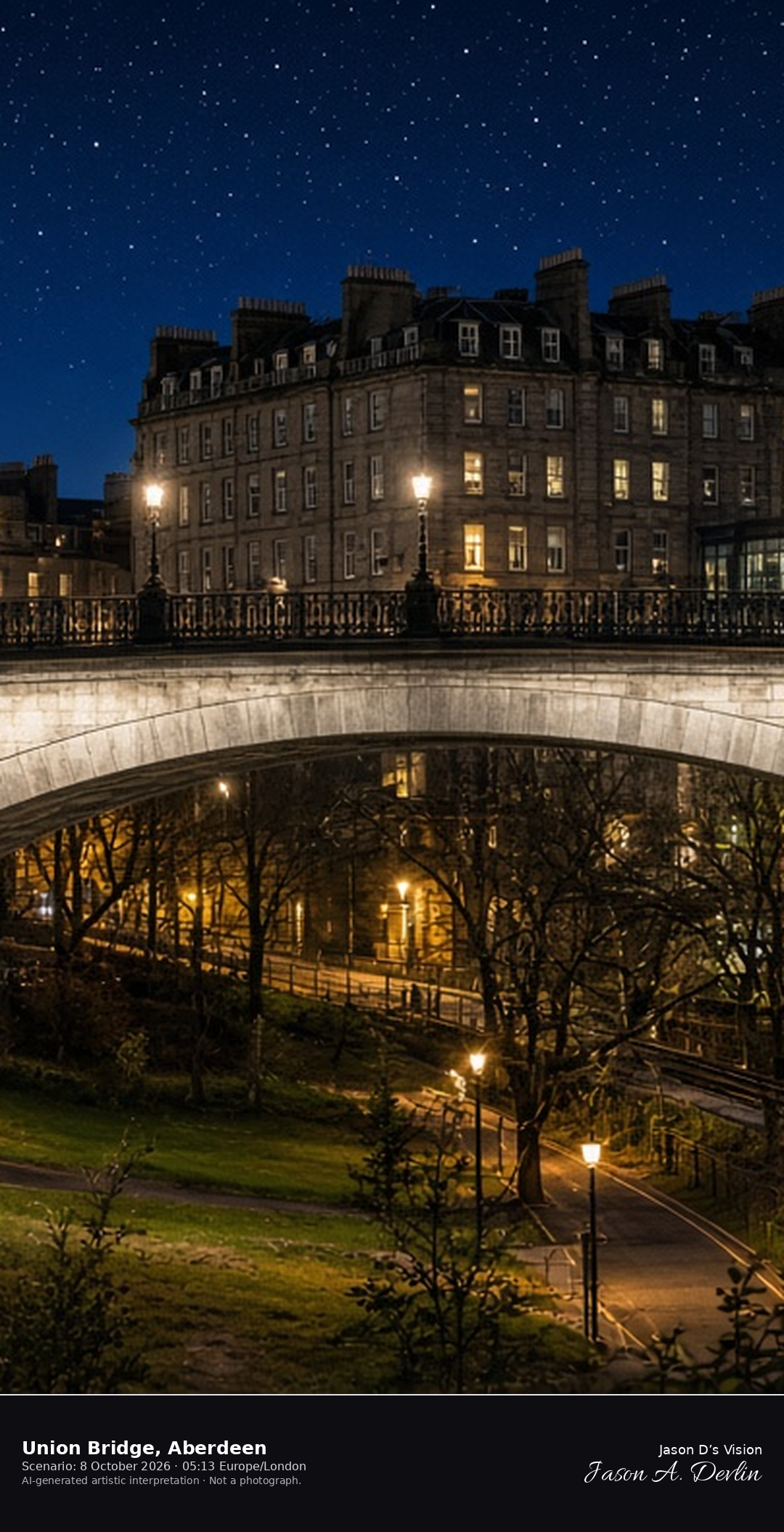
Union Bridge · AI-generated artistic interpretation
Union Bridge carried Aberdeen's new Union Street across the Denburn in 1805, on a single arch spanning a hundred and thirty feet. The street was an audacious undertaking: cut through St Katherine's Hill and carried across the valley on arches, it opened the way for the city to expand westward.
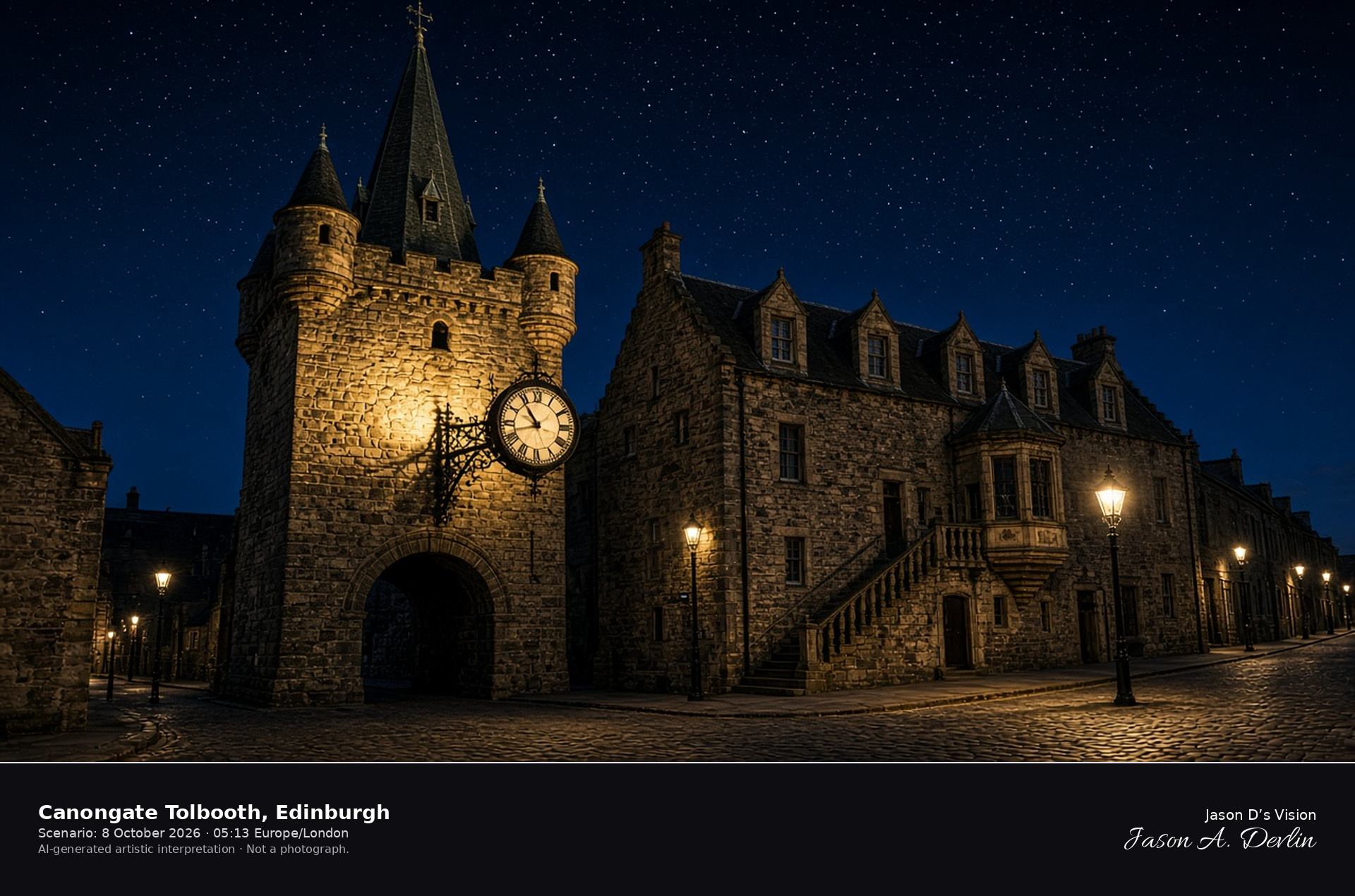
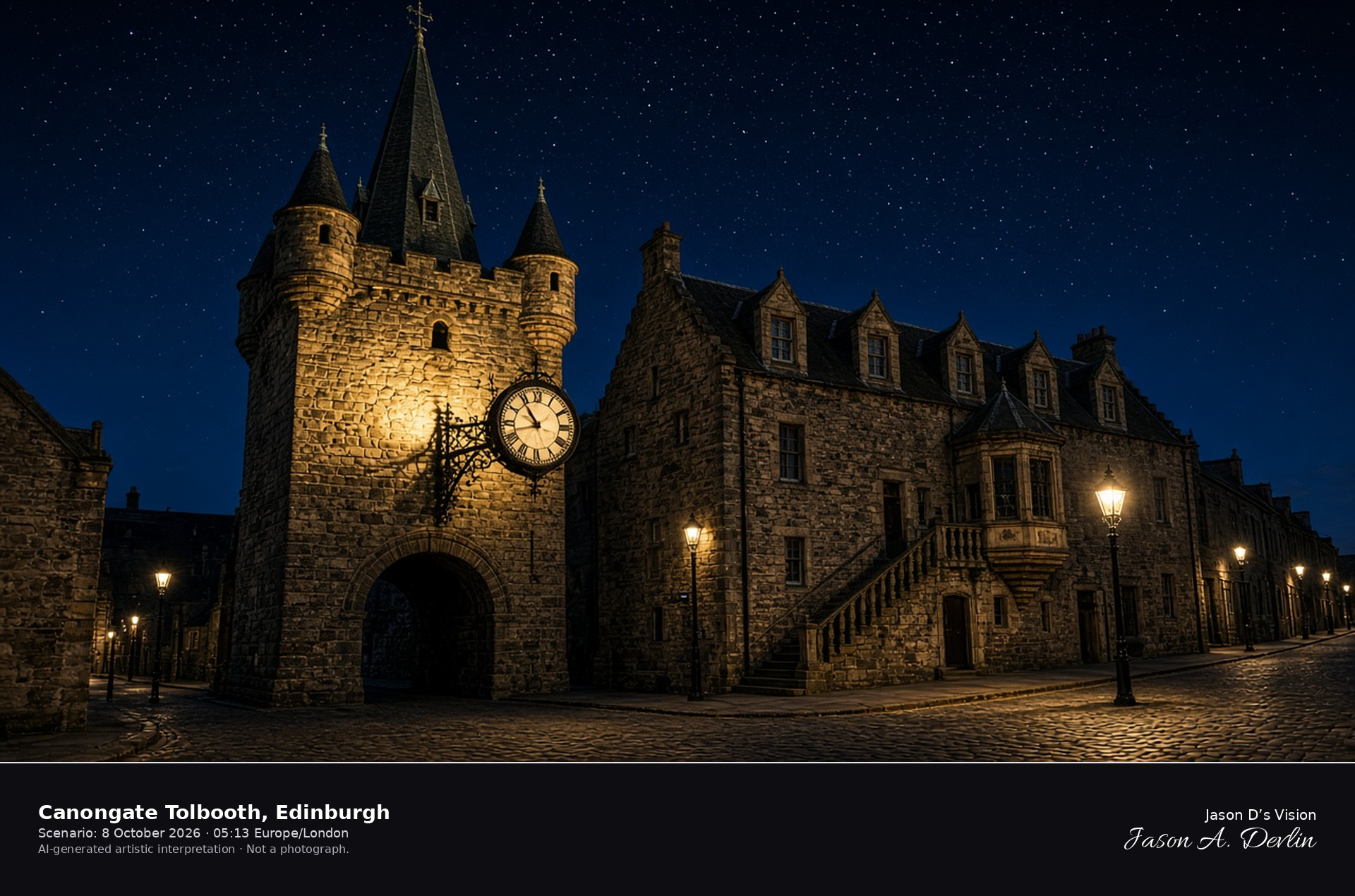
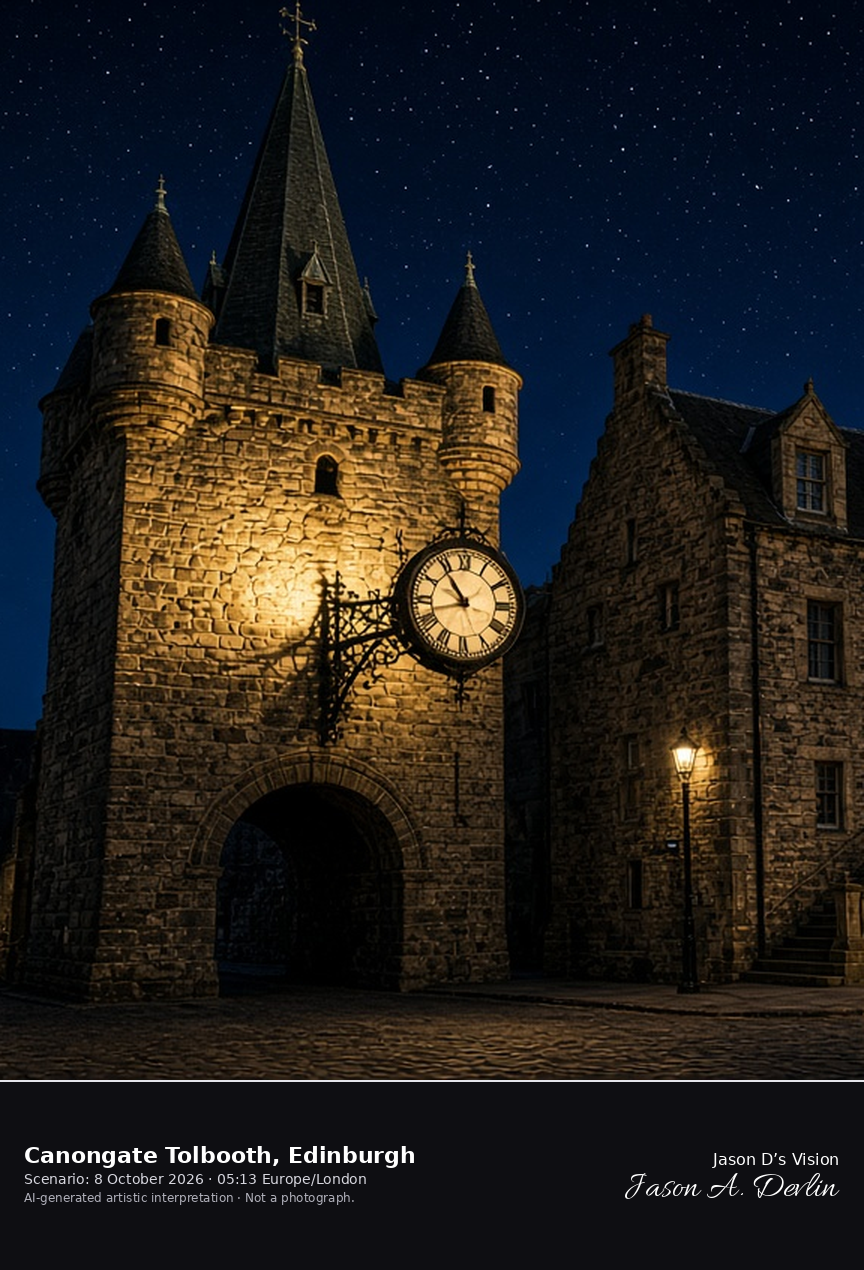
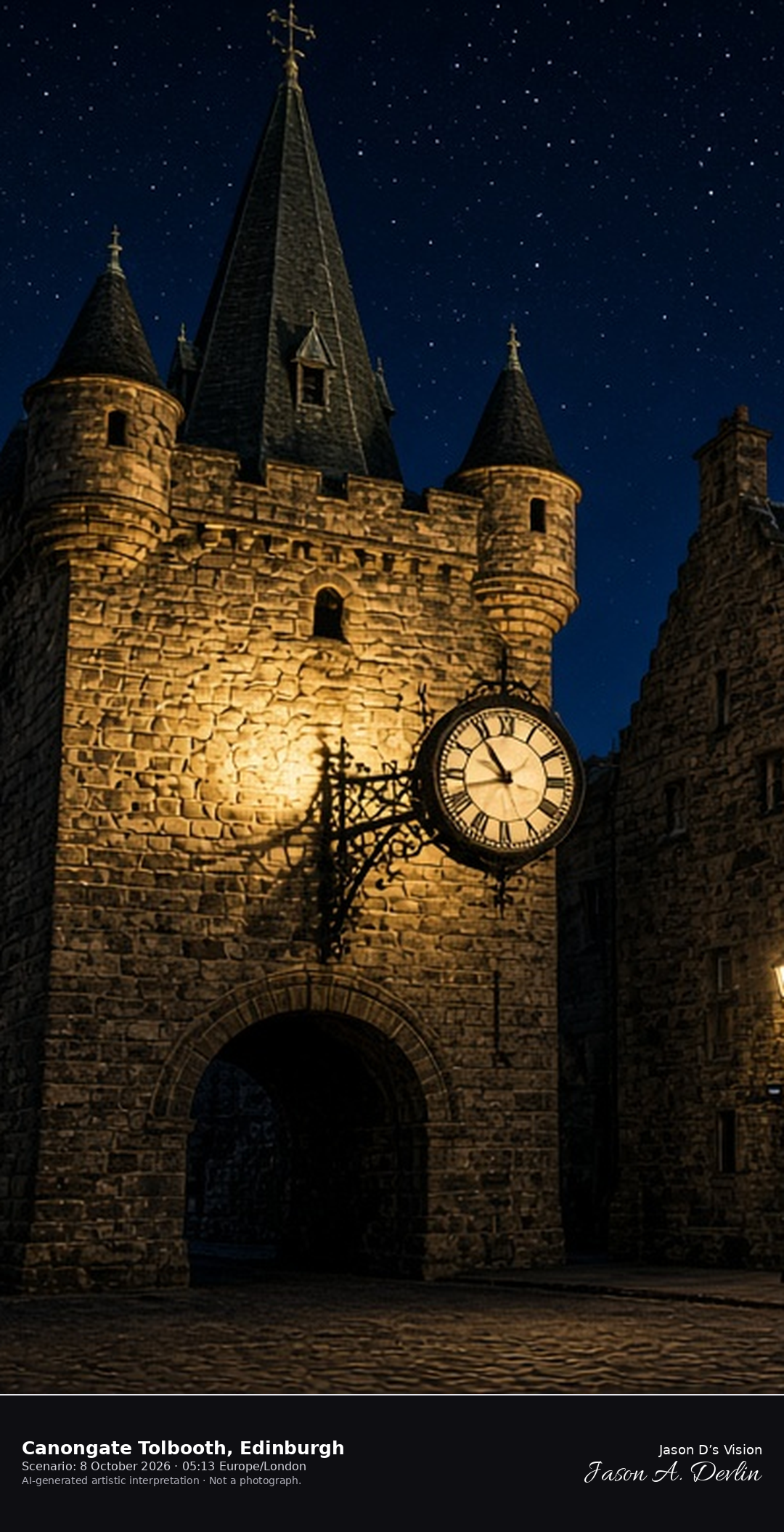
The tolbooth was built in 1591 as the courthouse, jail and council meeting place of the separate burgh of the Canongate. Its clock, dated 1884, hangs over the street on wrought iron brackets.
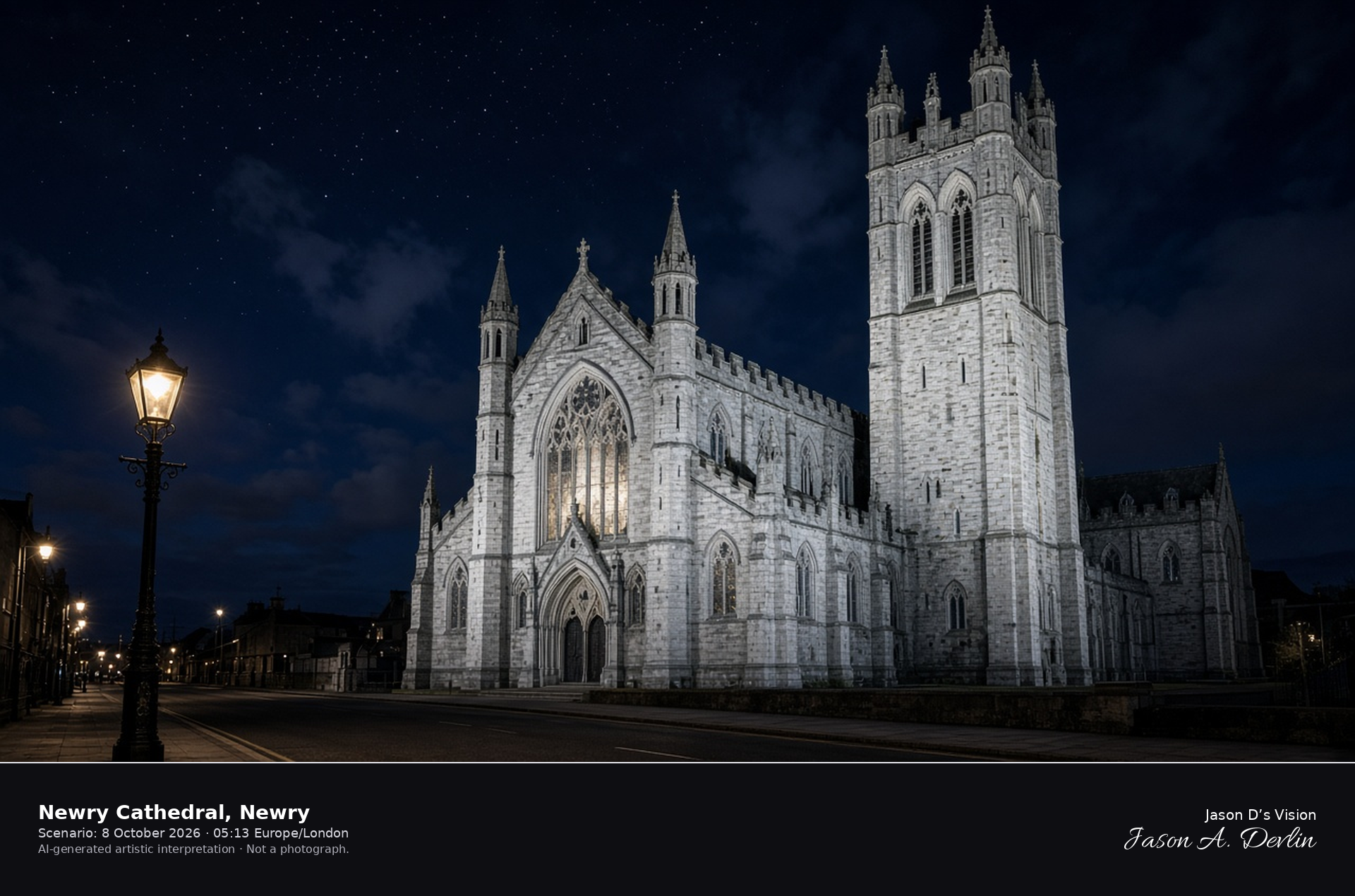
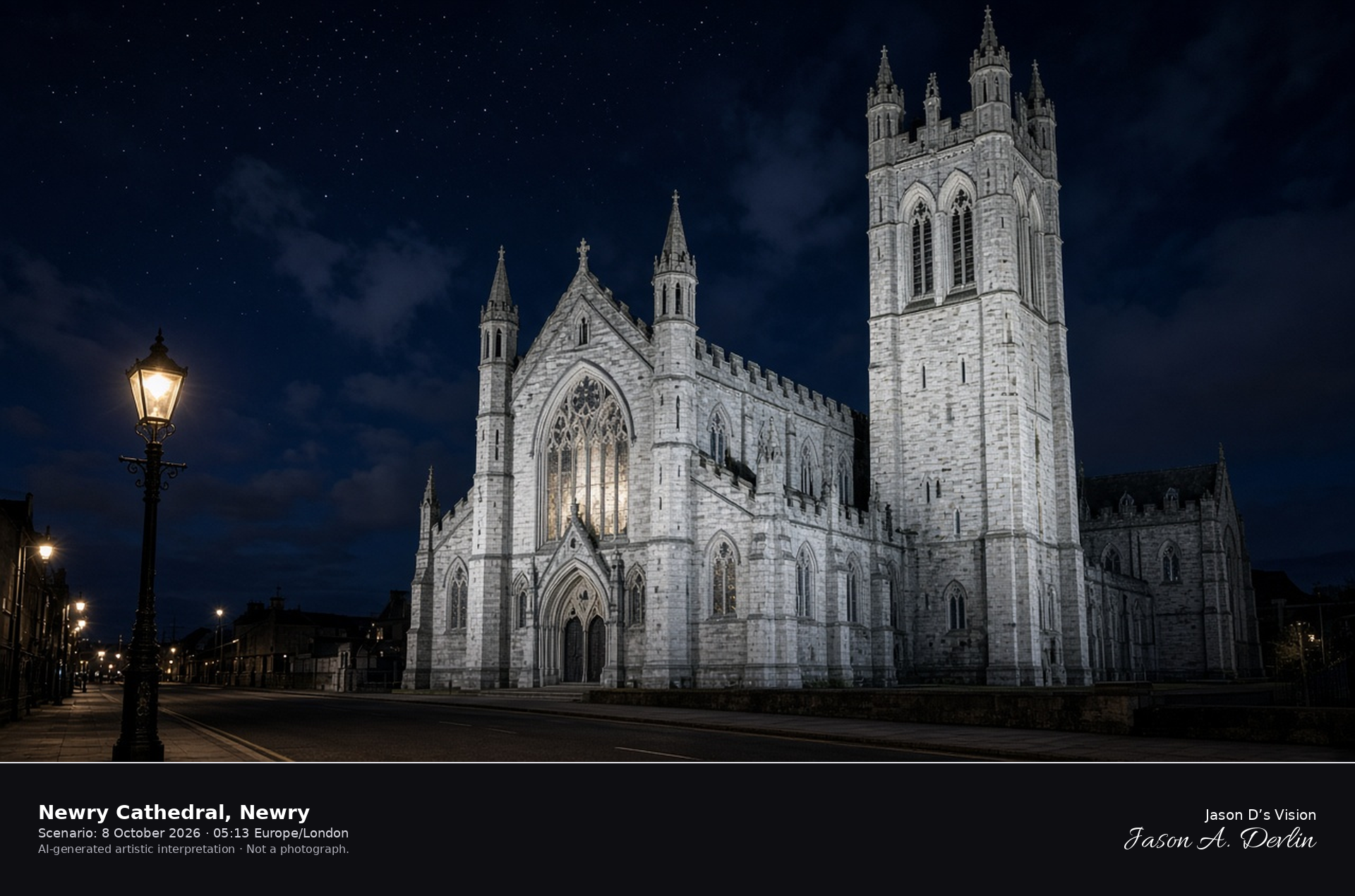
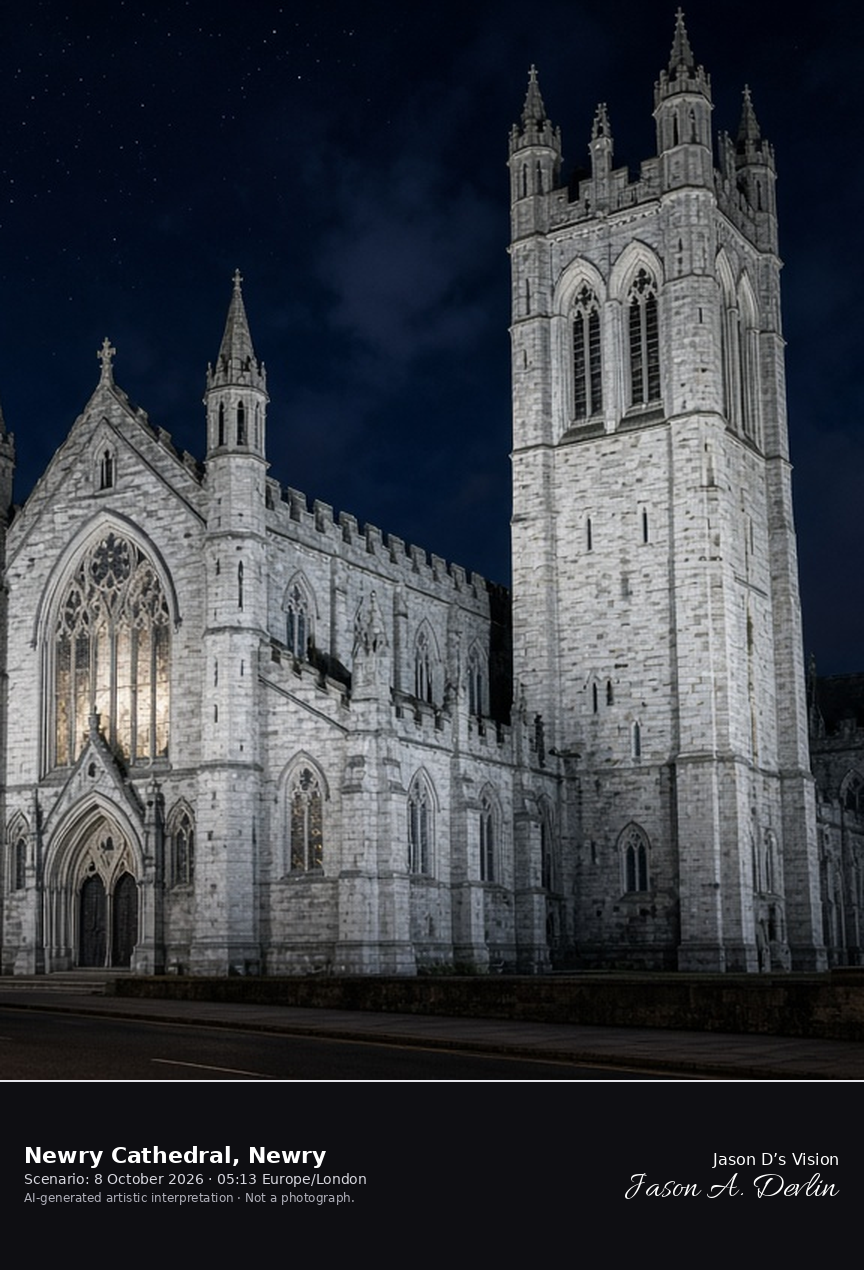
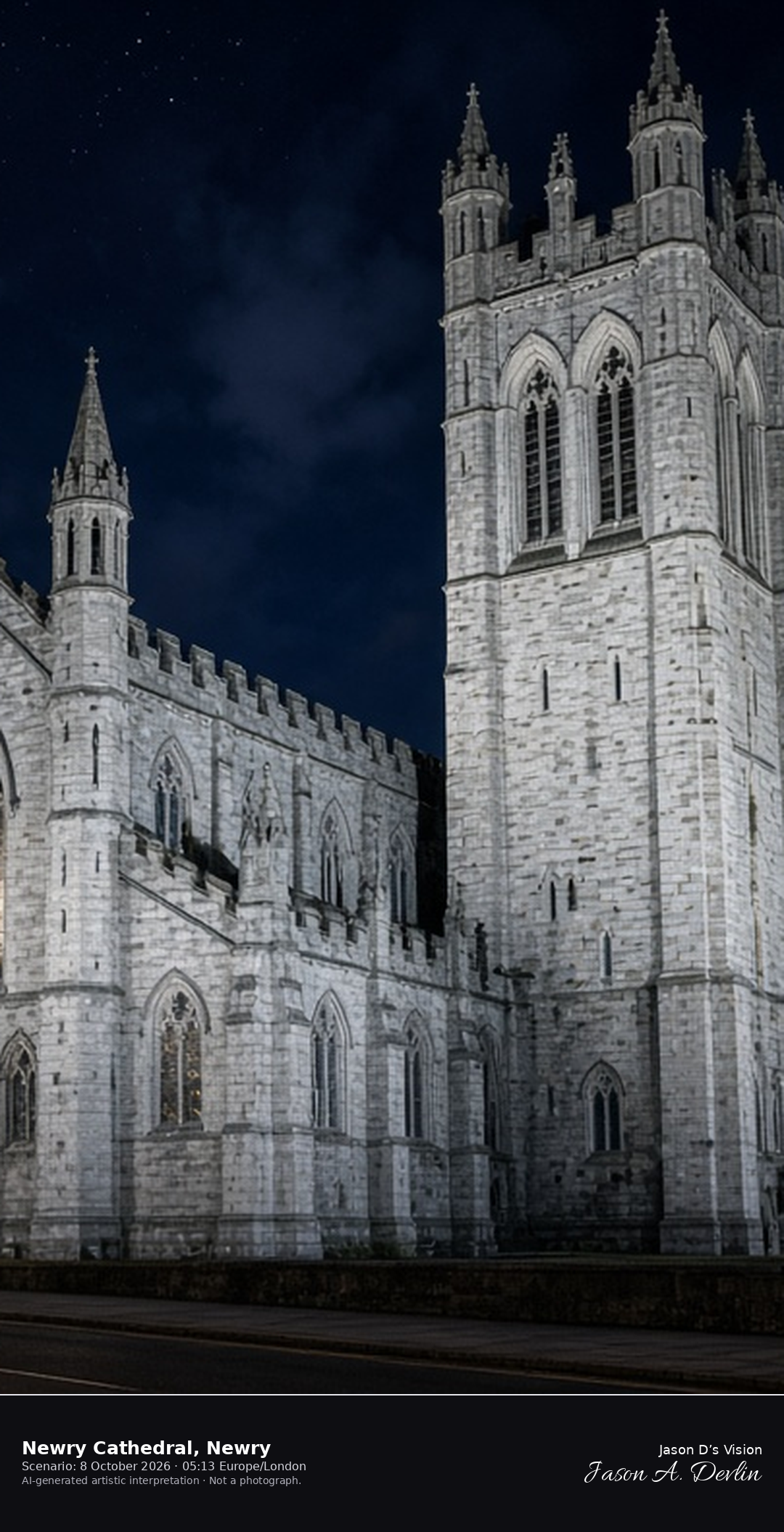
Newry's cathedral was begun in 1825 to the designs of local architect Thomas Duff and opened in 1829, the year of Catholic Emancipation. Built of local granite, its Gothic Revival fabric was extended over the following decades, with the tower and transept added in 1888 and the nave lengthened in 1904.
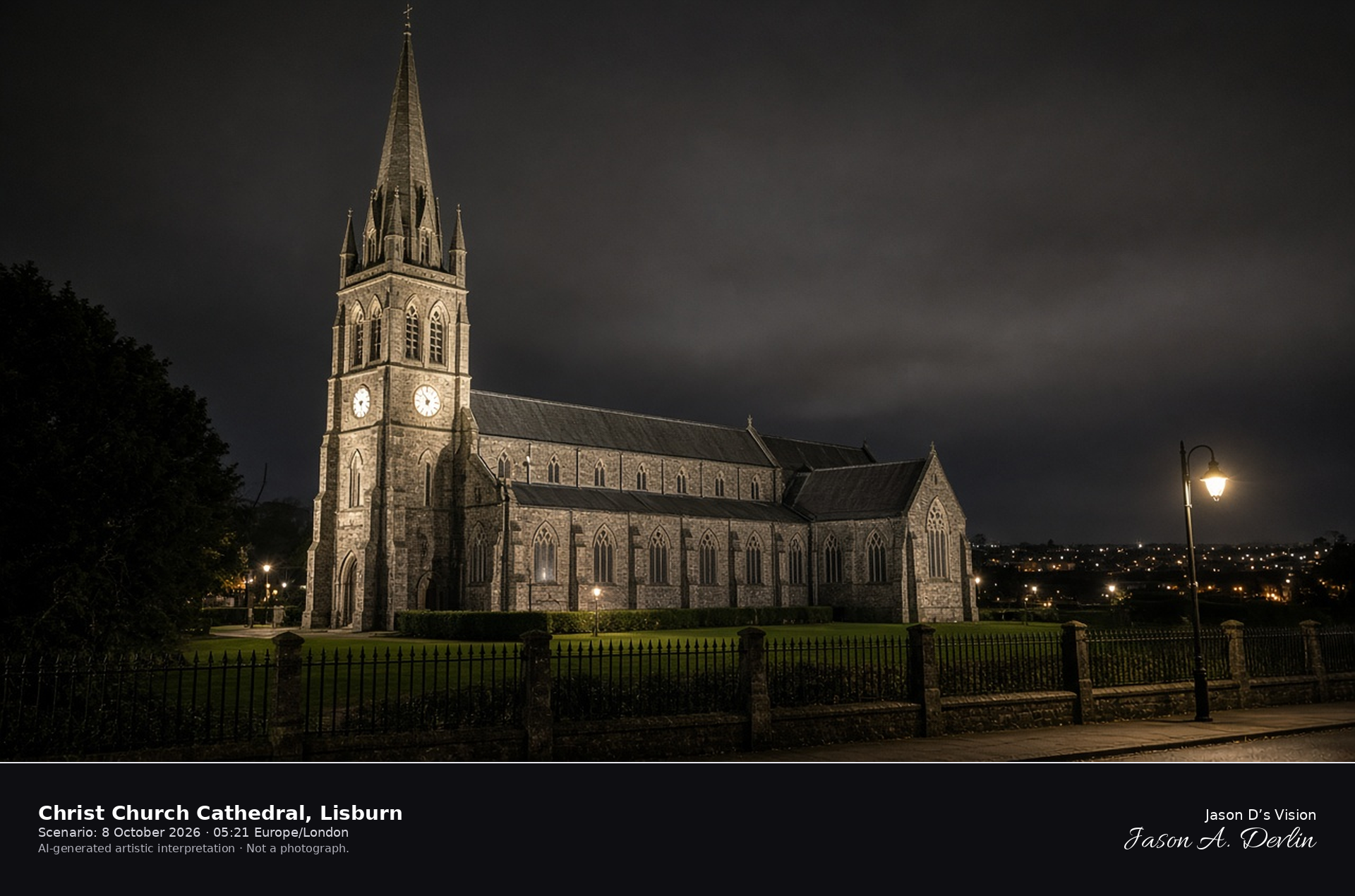
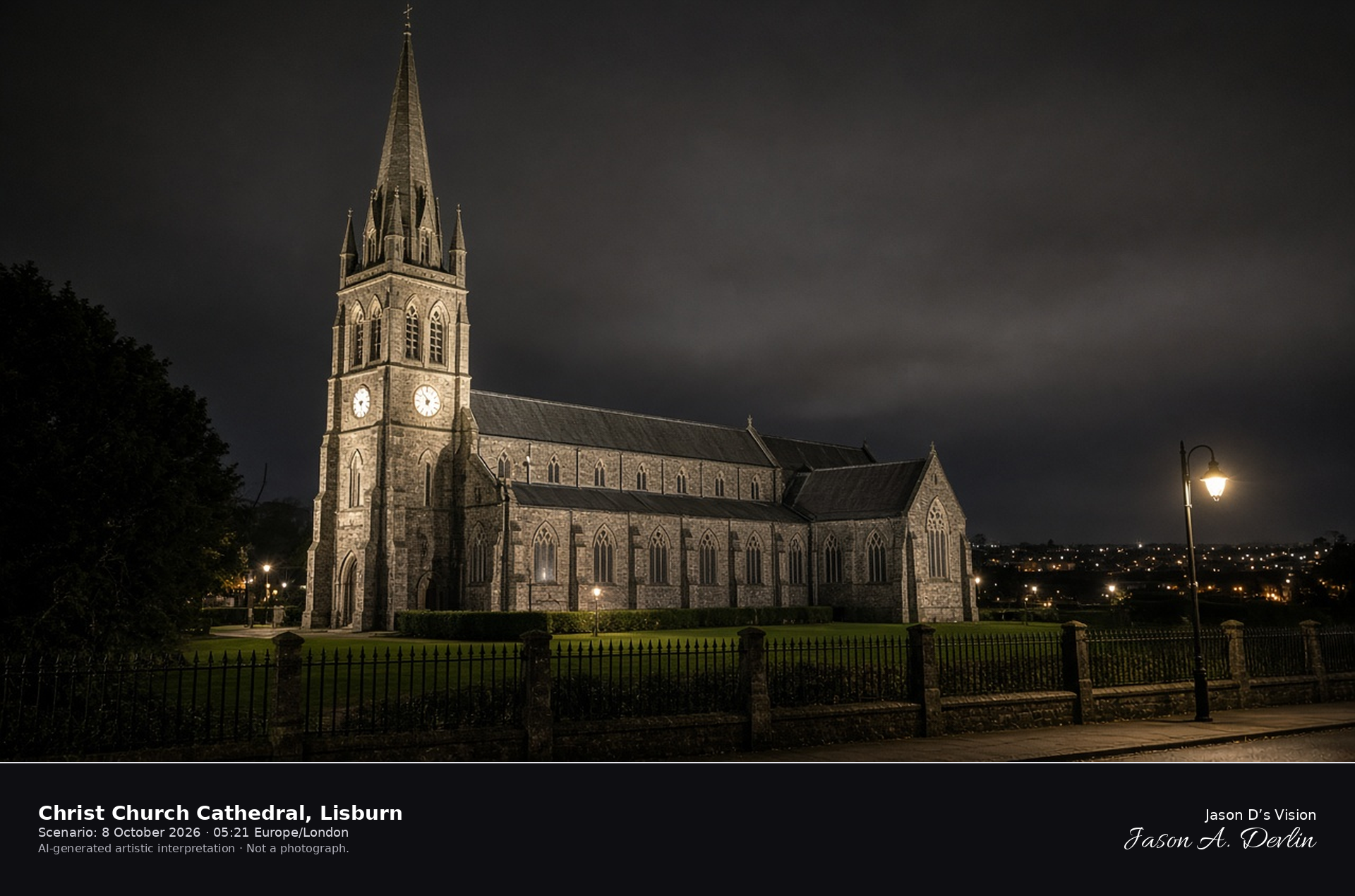
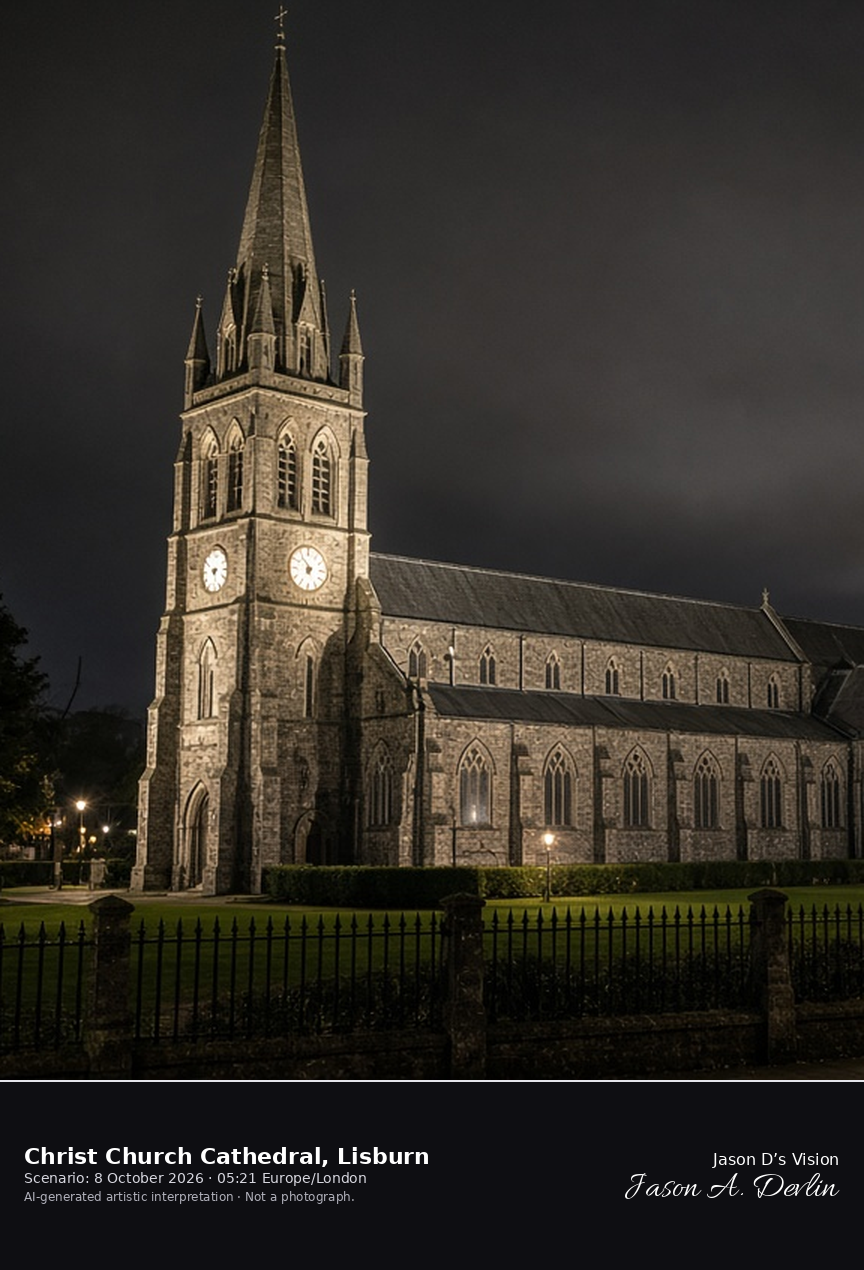
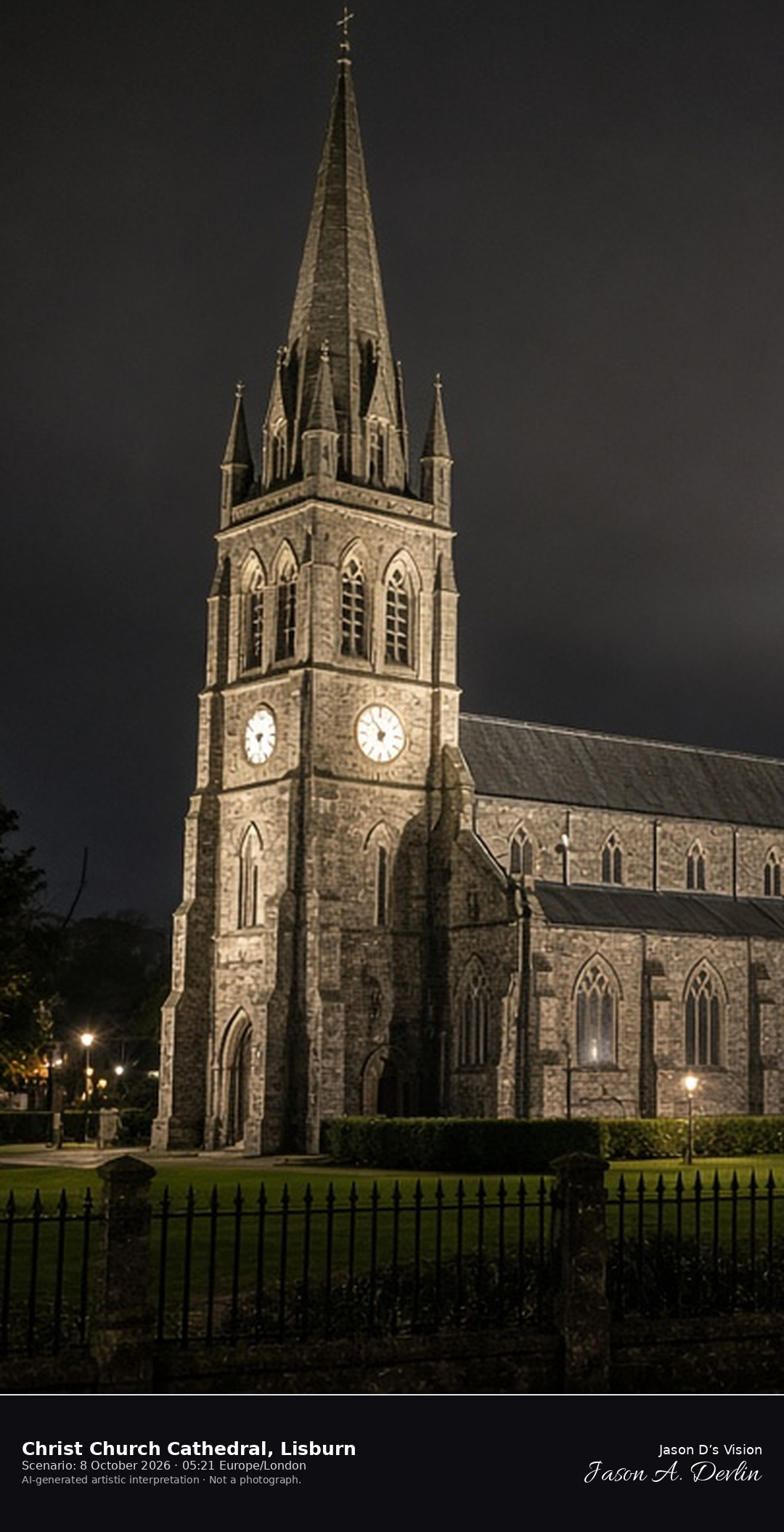
Christ Church Cathedral · AI-generated artistic interpretation
Lisburn's cathedral rose again after the great fire of 1707, which destroyed the town's church and castle. Rebuilding began in 1708, and the present church was completed in 1719. The town around it prospered through linen manufacture, strengthened by a Huguenot community associated with Louis Crommelin.
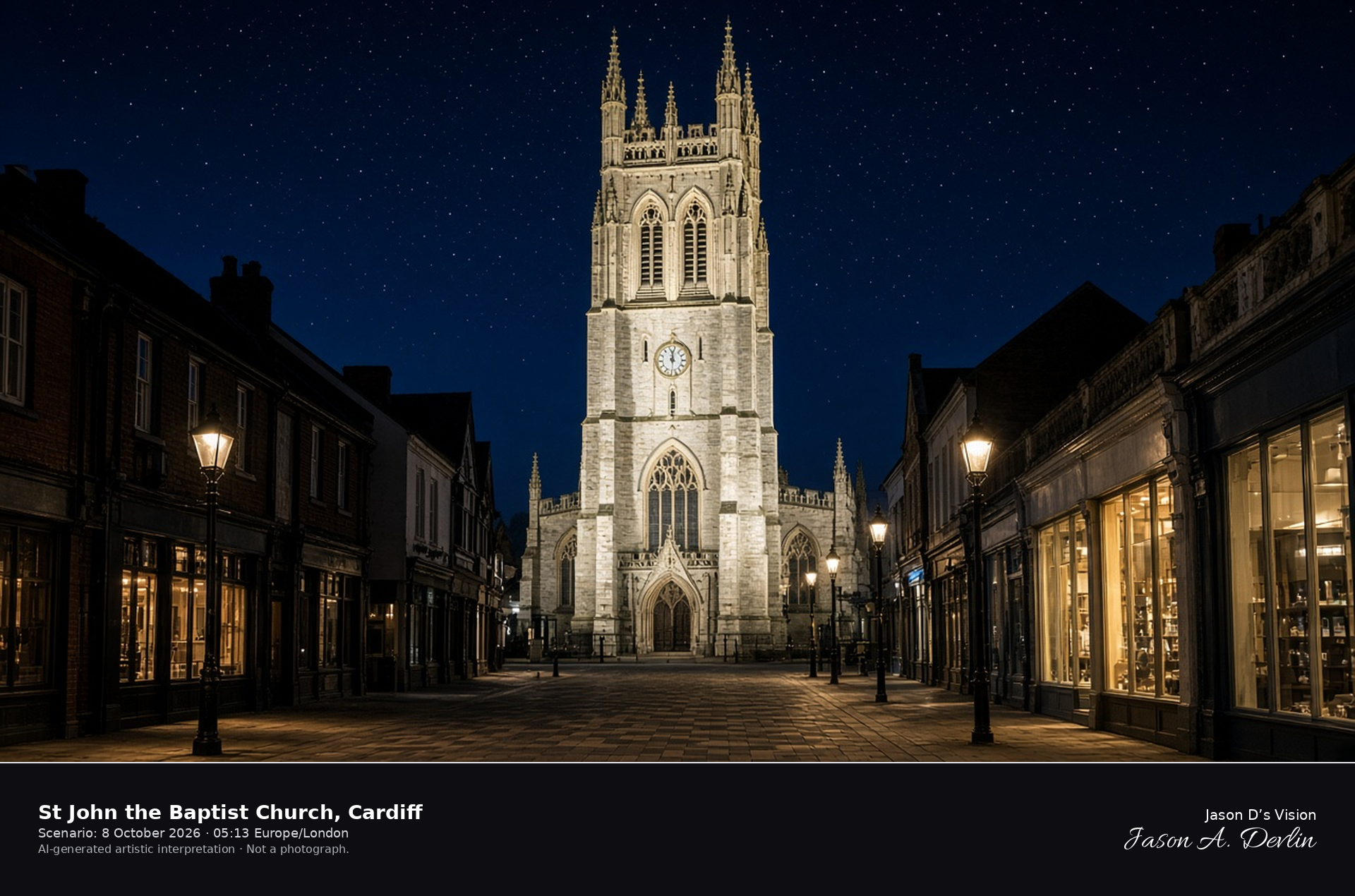
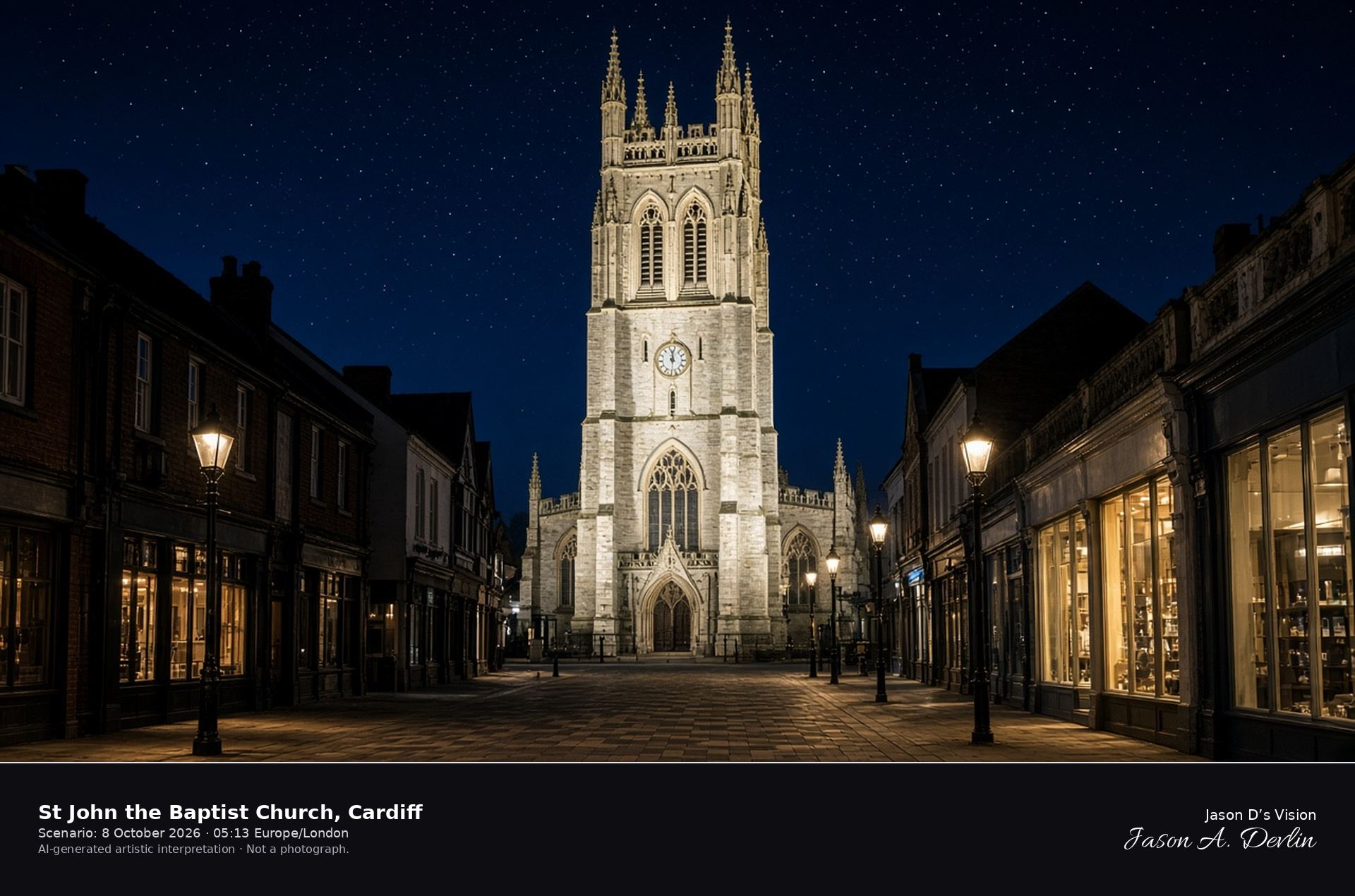
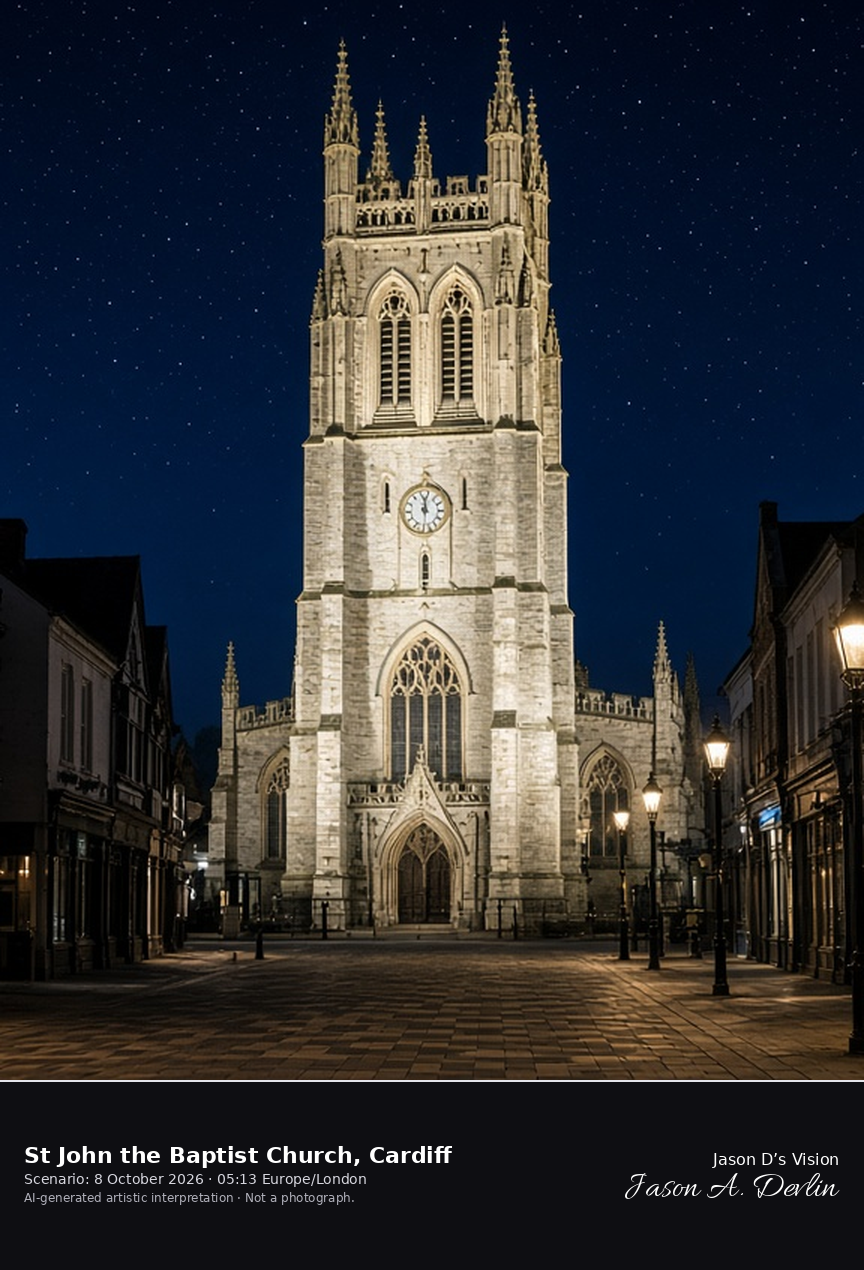
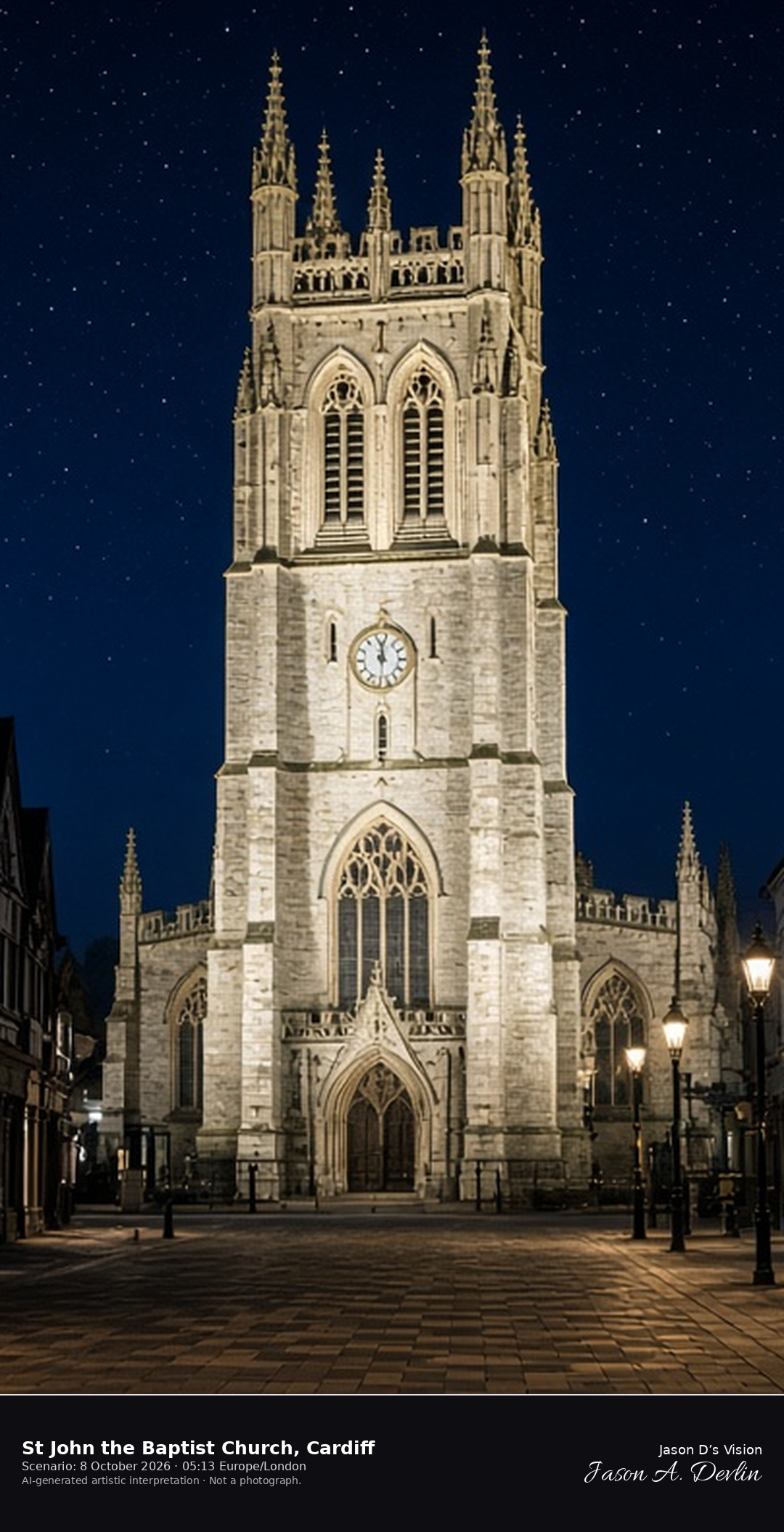
St John the Baptist Church · AI-generated artistic interpretation
Saint John's preserves a link with medieval Cardiff at the heart of the modern city. The church was already recorded in 1173, and its surviving medieval fabric includes a tall Perpendicular tower. Within the much-restored building, the Herbert Chapel carries another layer of its long history.
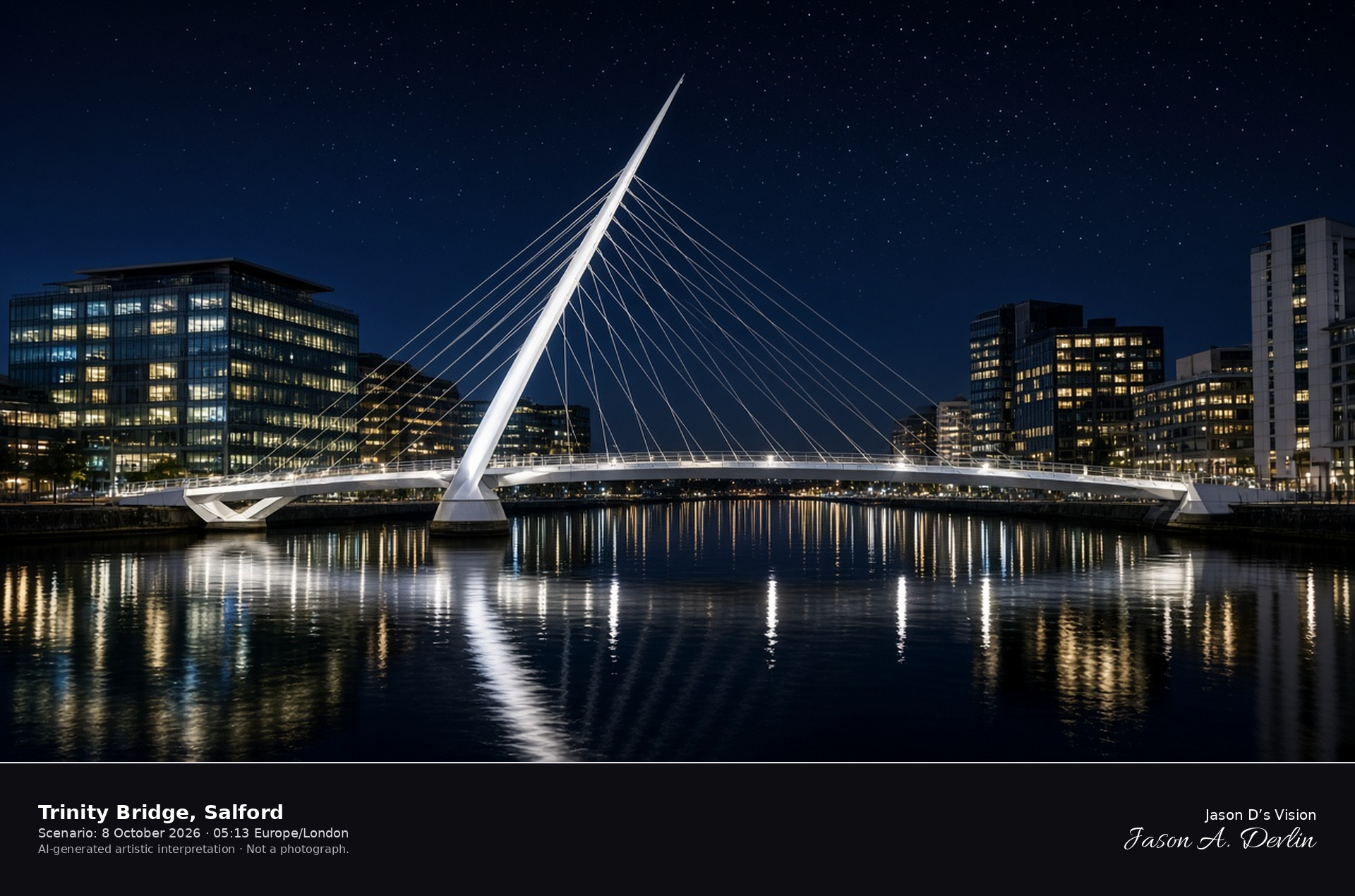
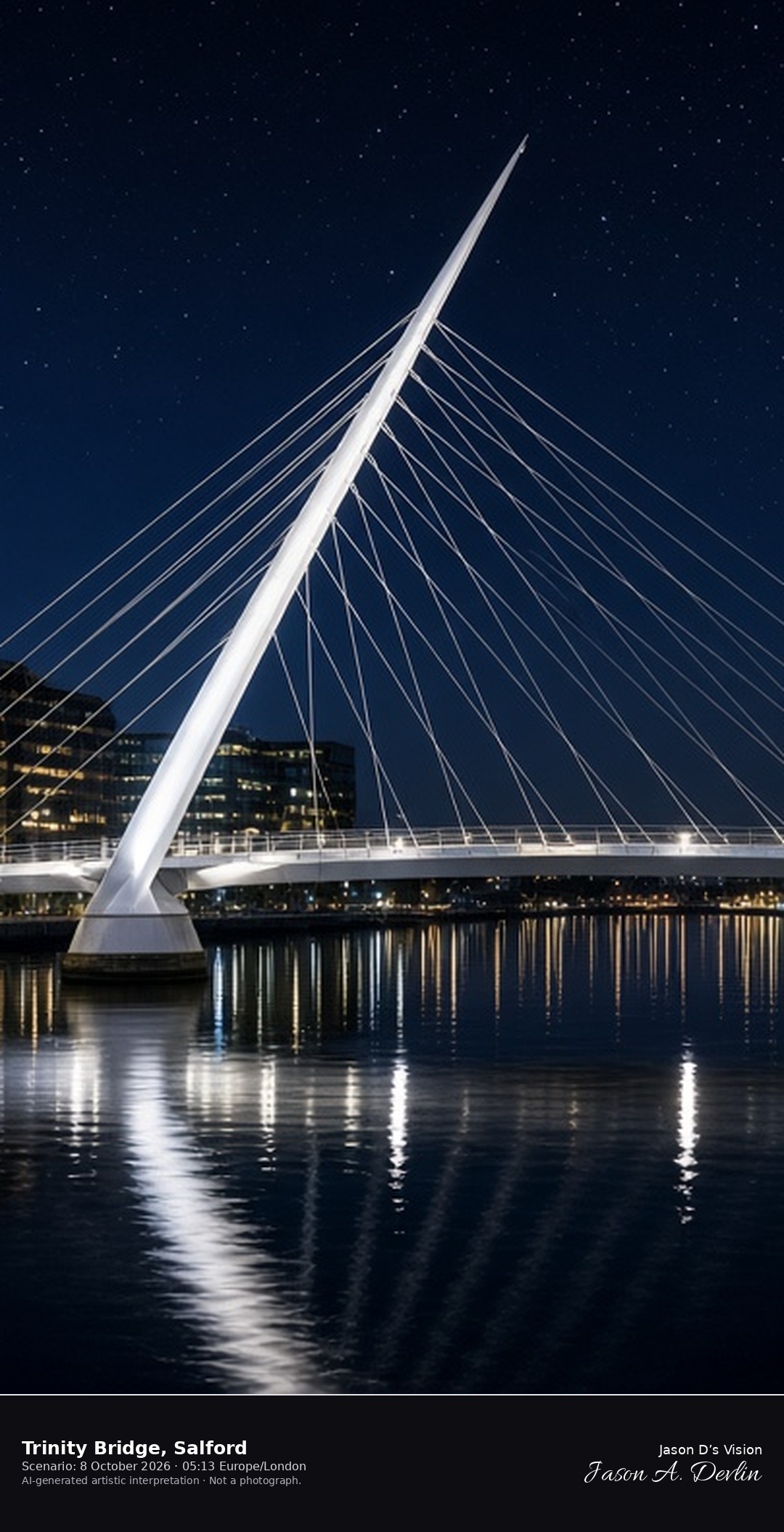
Salford gave its name to the ancient Salford Hundred, a reminder of its long history beside Manchester. Ewan MacColl, born in Salford in 1915, made the city famous in 'Dirty Old Town'; its later transformation brought MediaCity to the regenerated waterfront of Salford Quays.
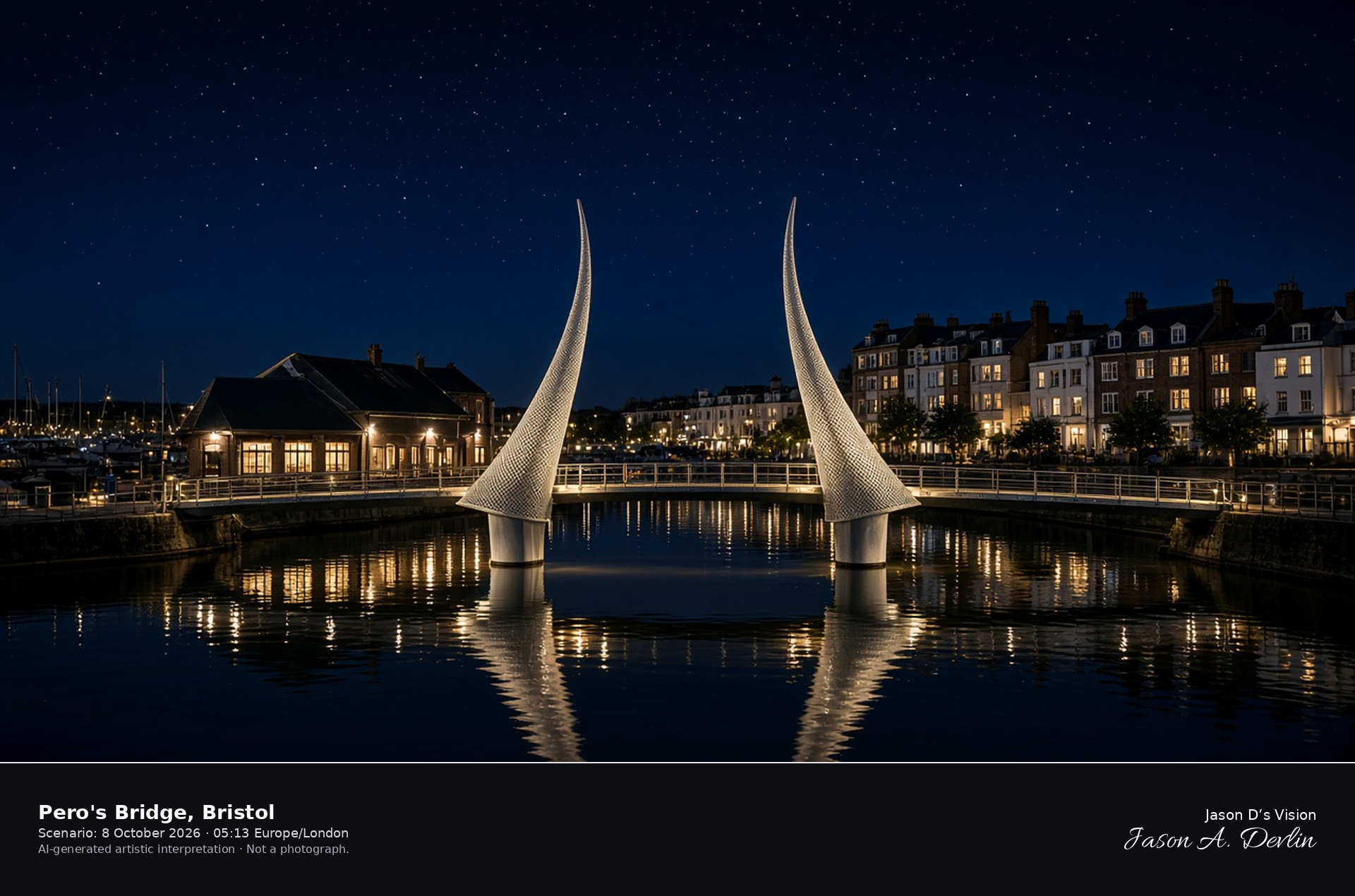
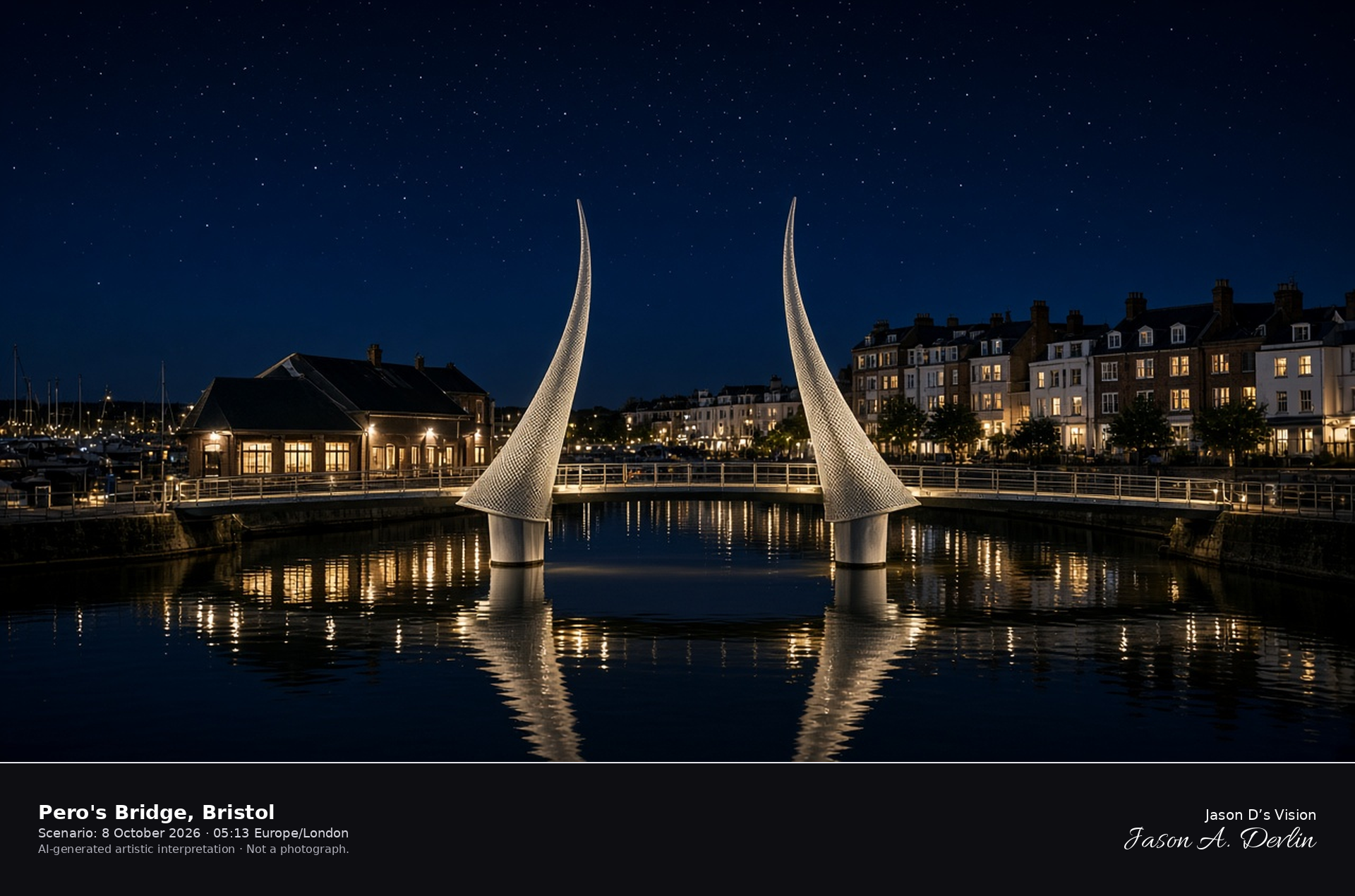
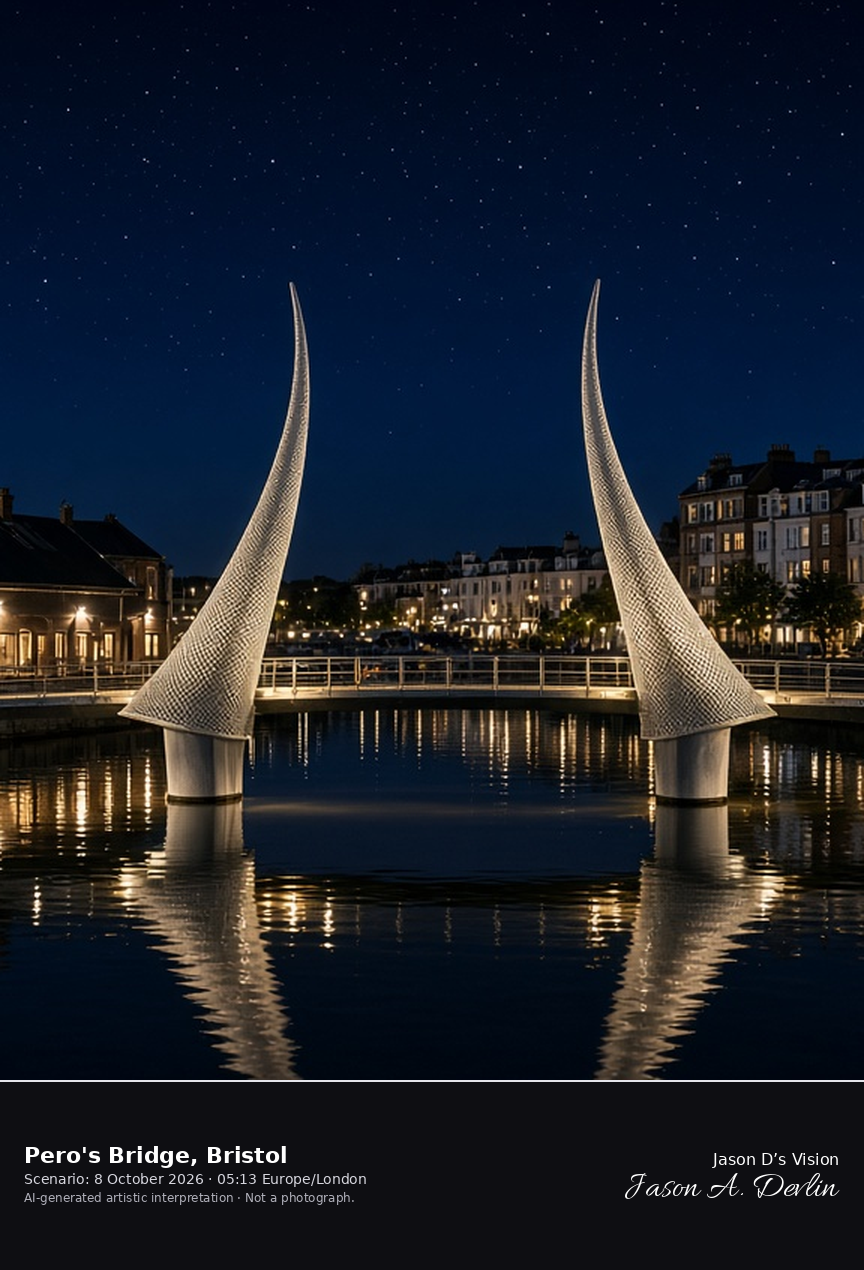
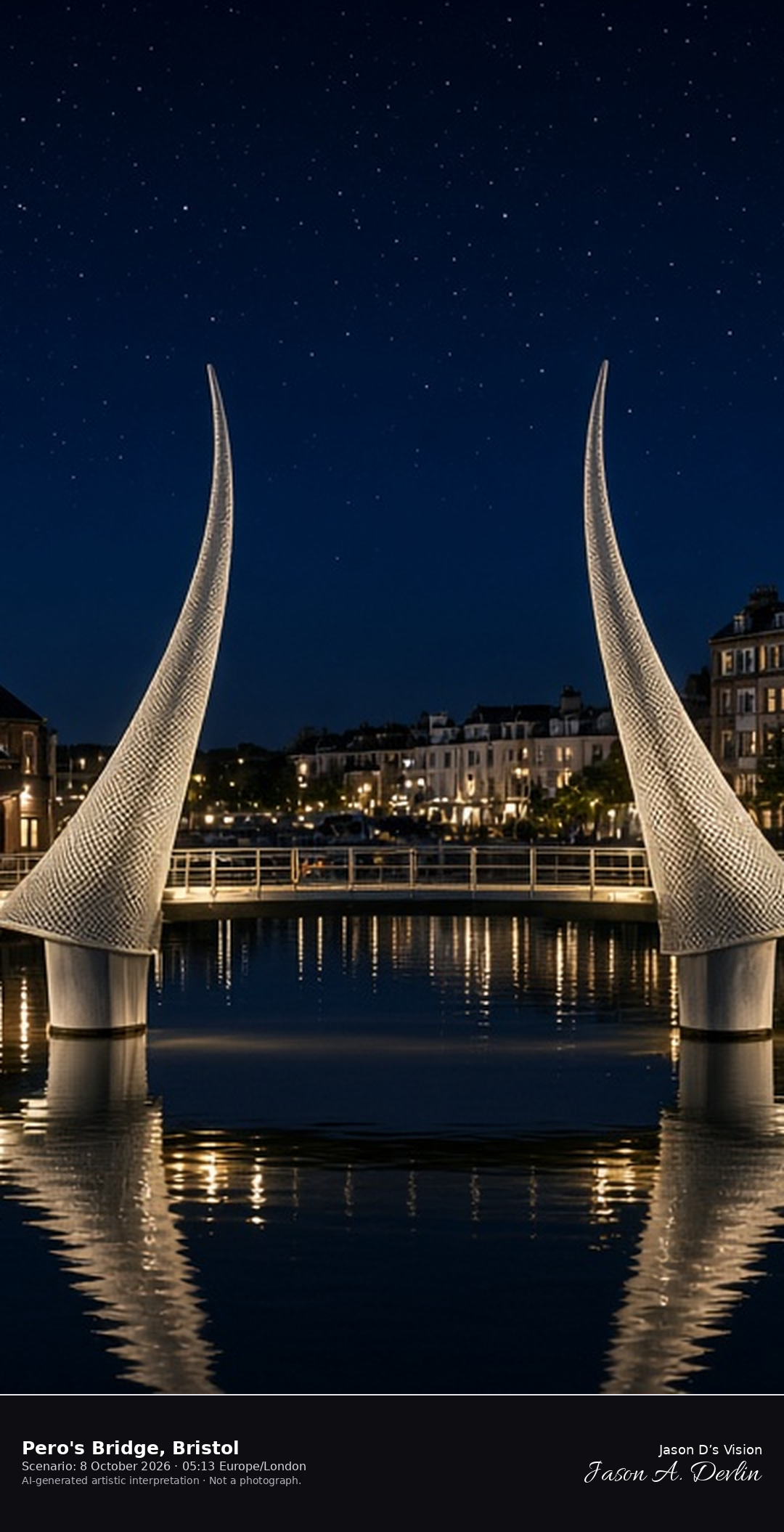
The footbridge links Queen Square and Millennium Square. Its middle span lifts for boats, and the two horns are the counterweights, which is why locals call it the Horned Bridge.
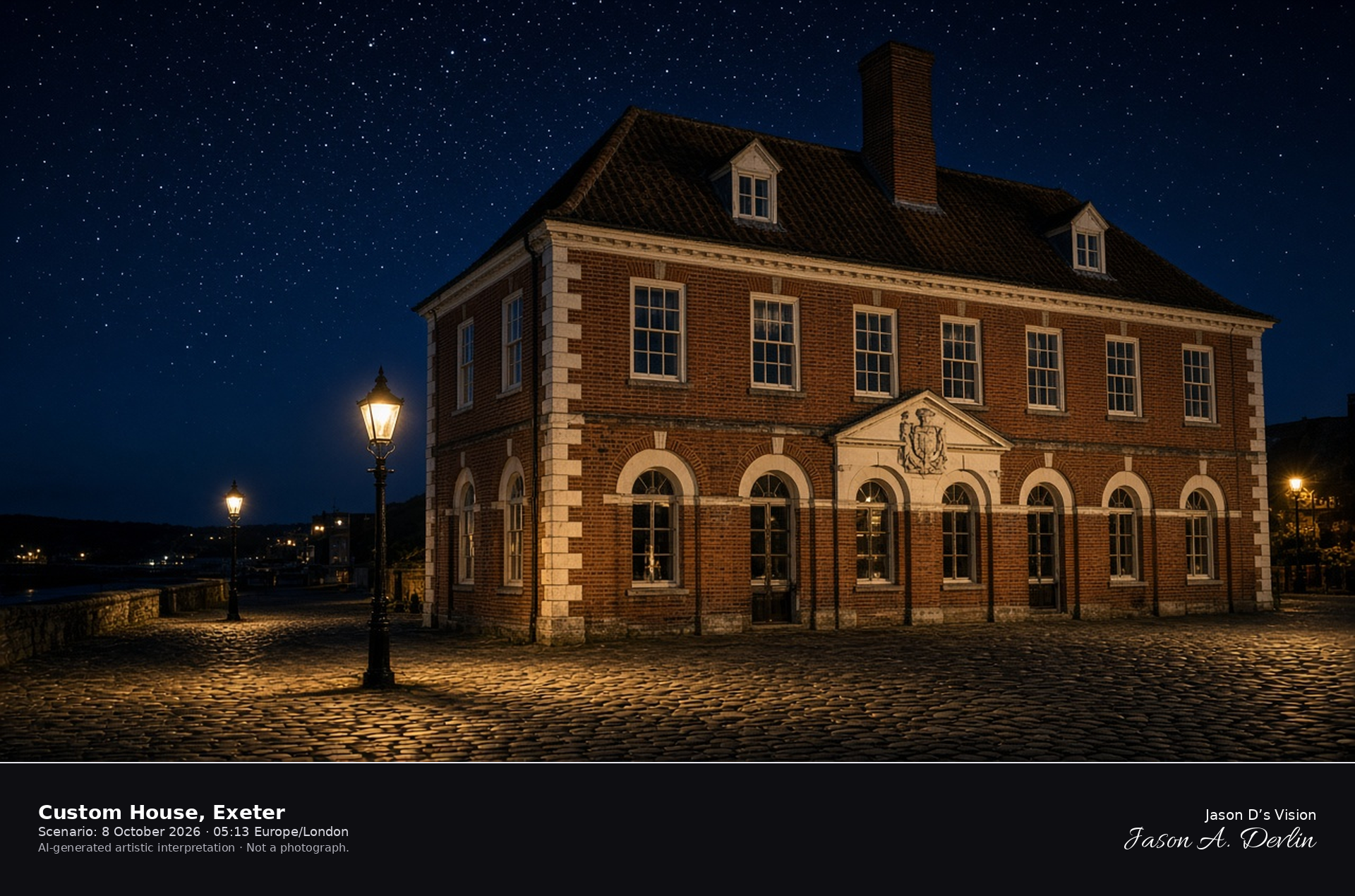
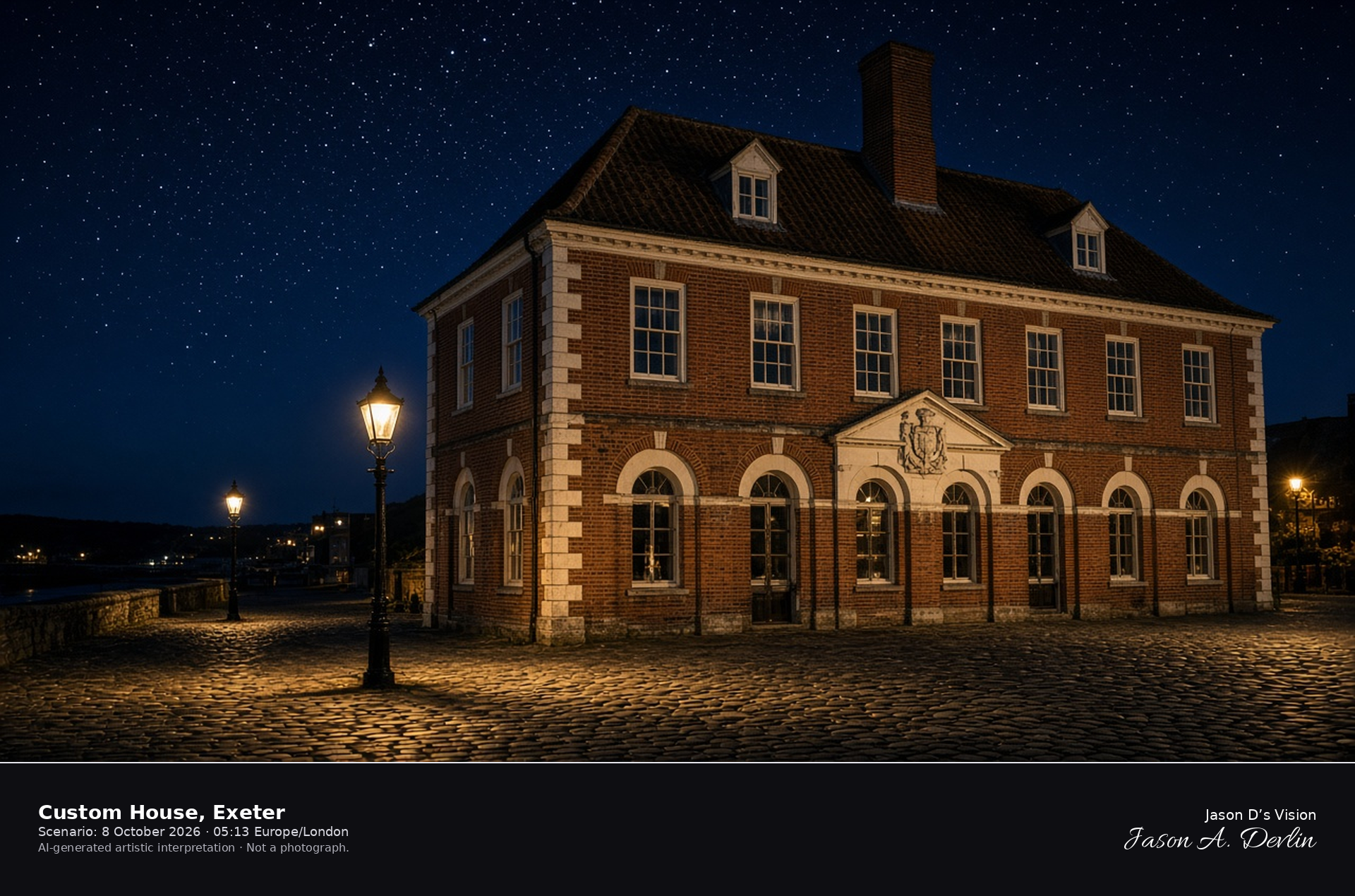
Built in 1680-81, it was the first custom house in England built for the purpose and is thought to be the oldest surviving brick building in Exeter. HM Customs used it until 1989.
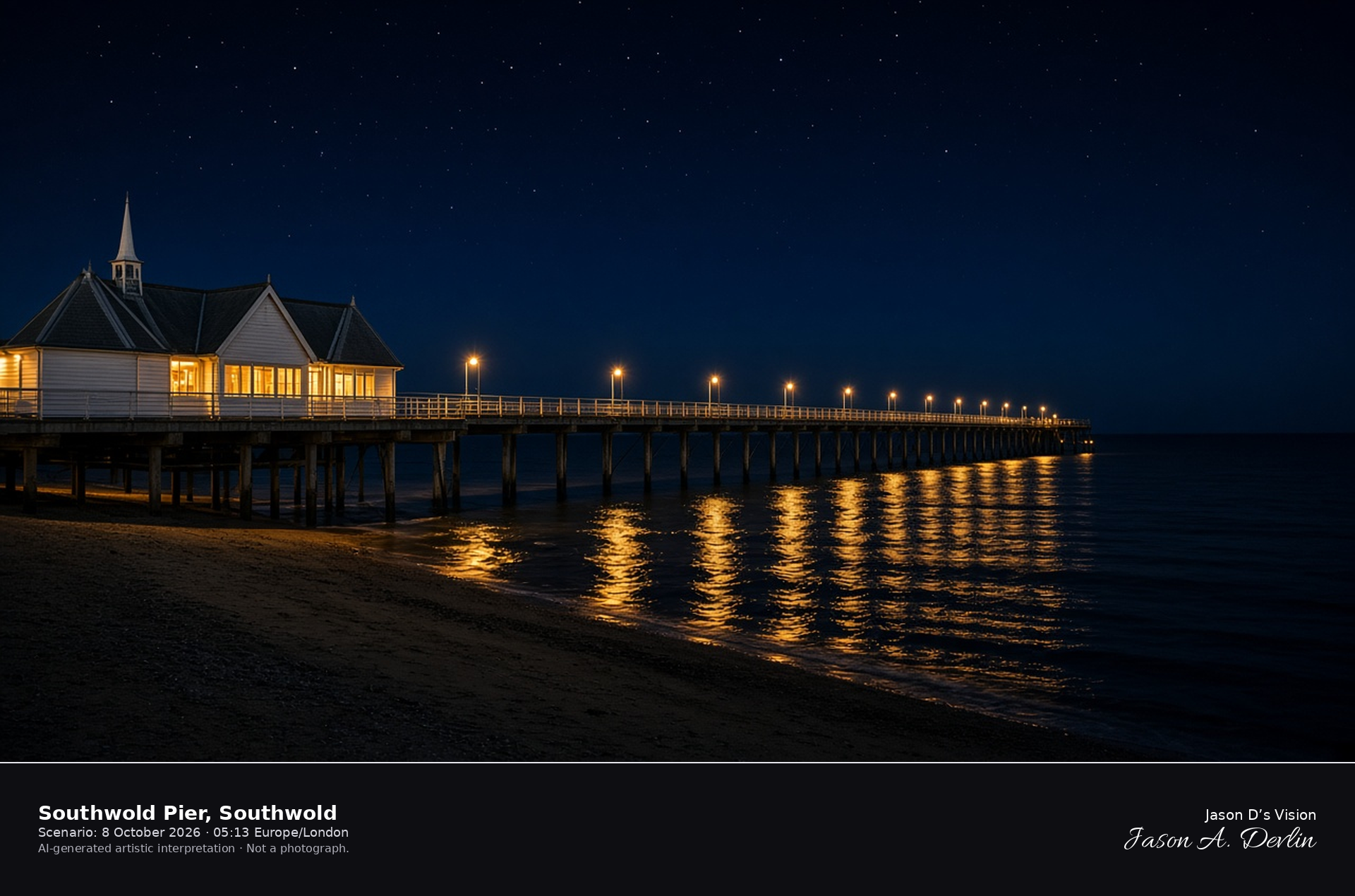
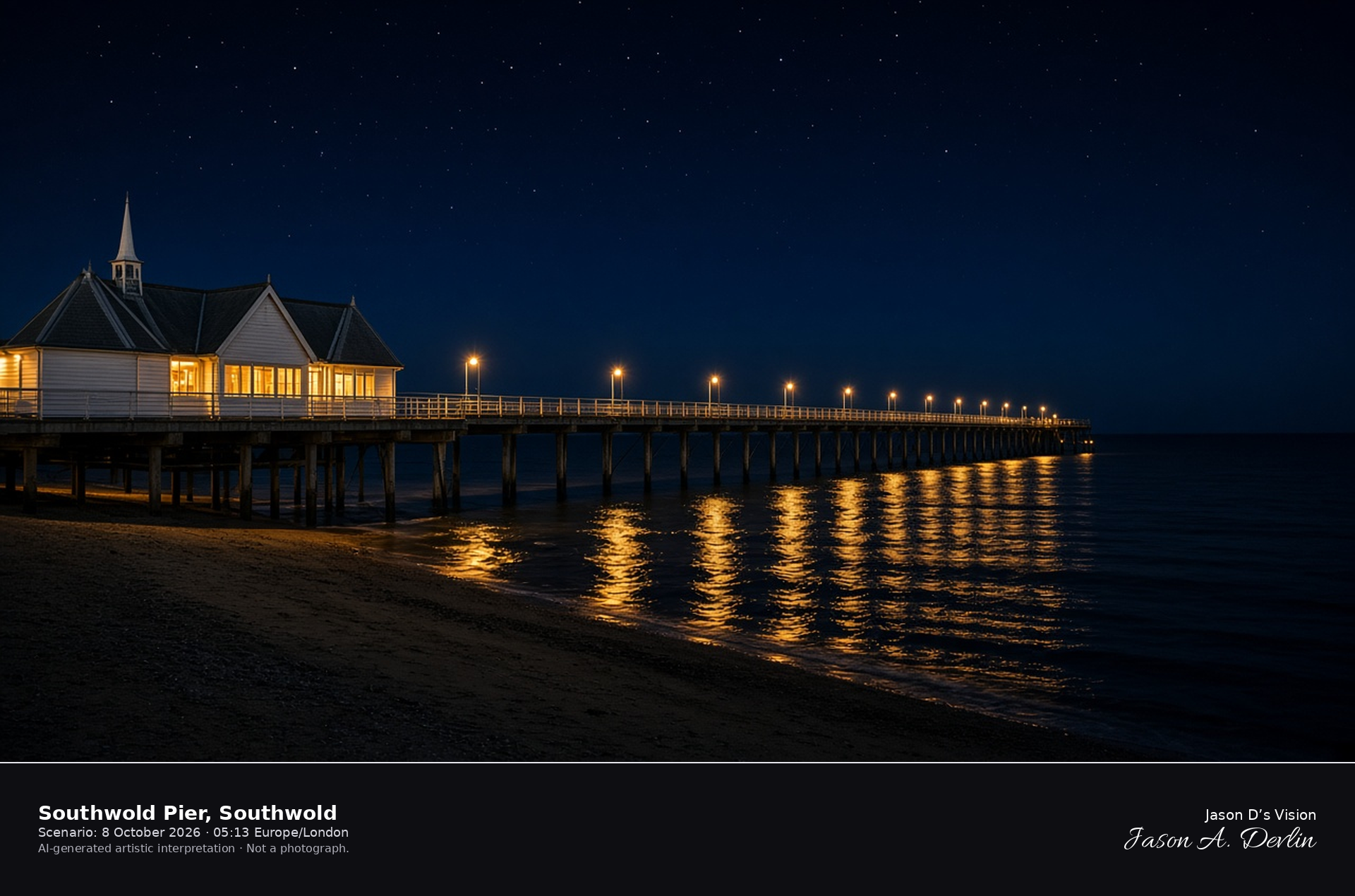
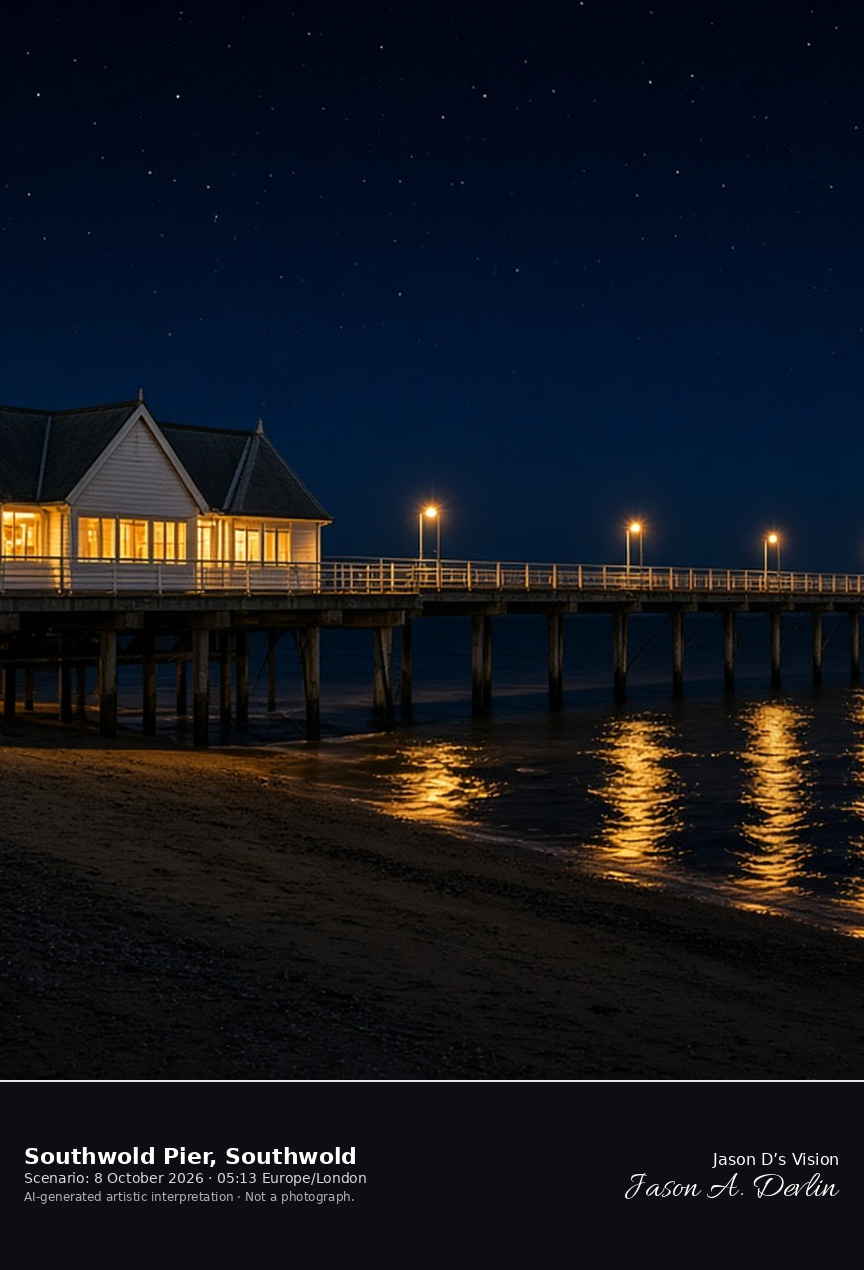
The pier was built in 1900 as a landing stage for steamships, and storms later cut it back to a stub. It was rebuilt to 623 feet and named Pier of the Year in 2002.
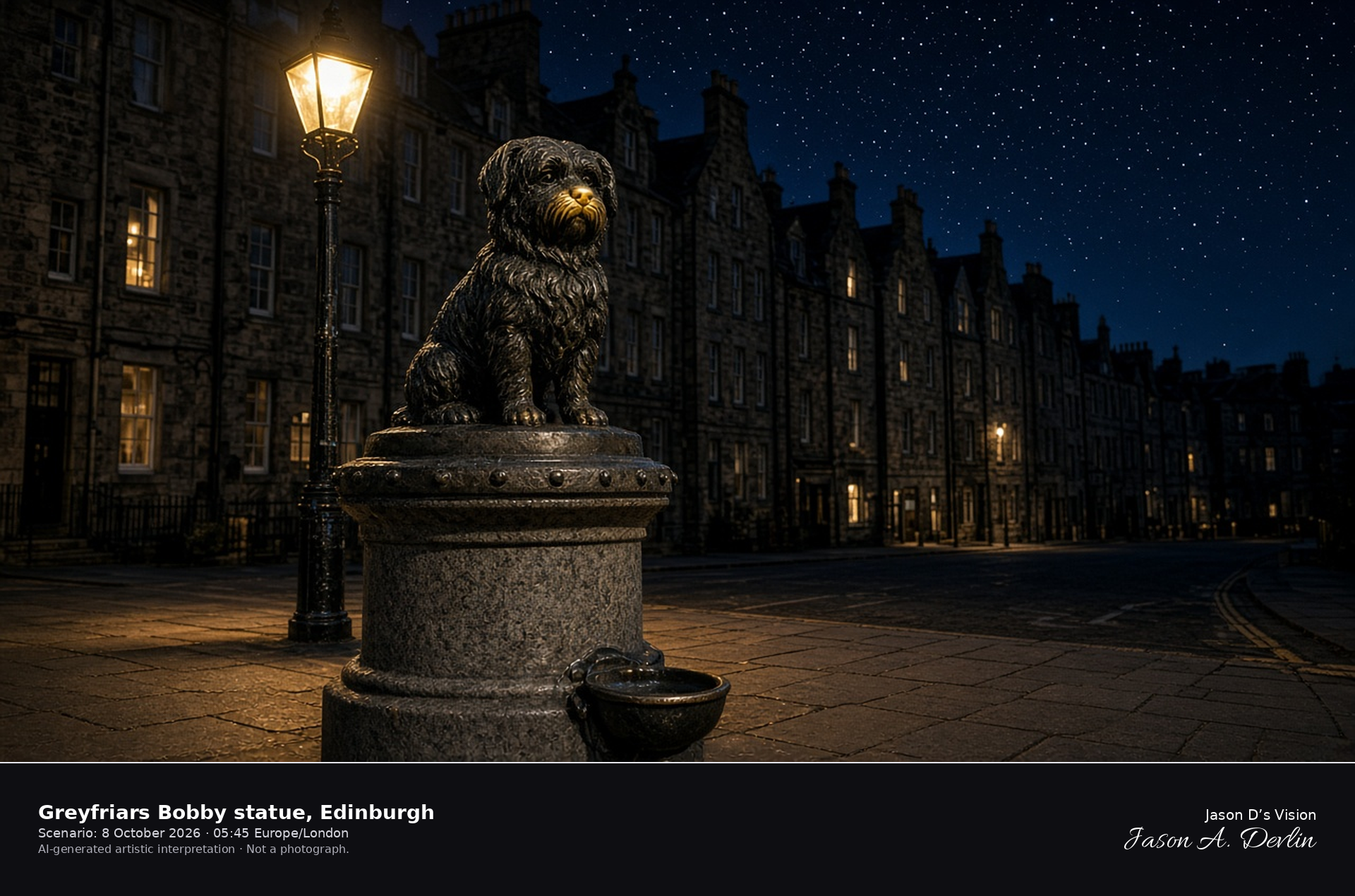
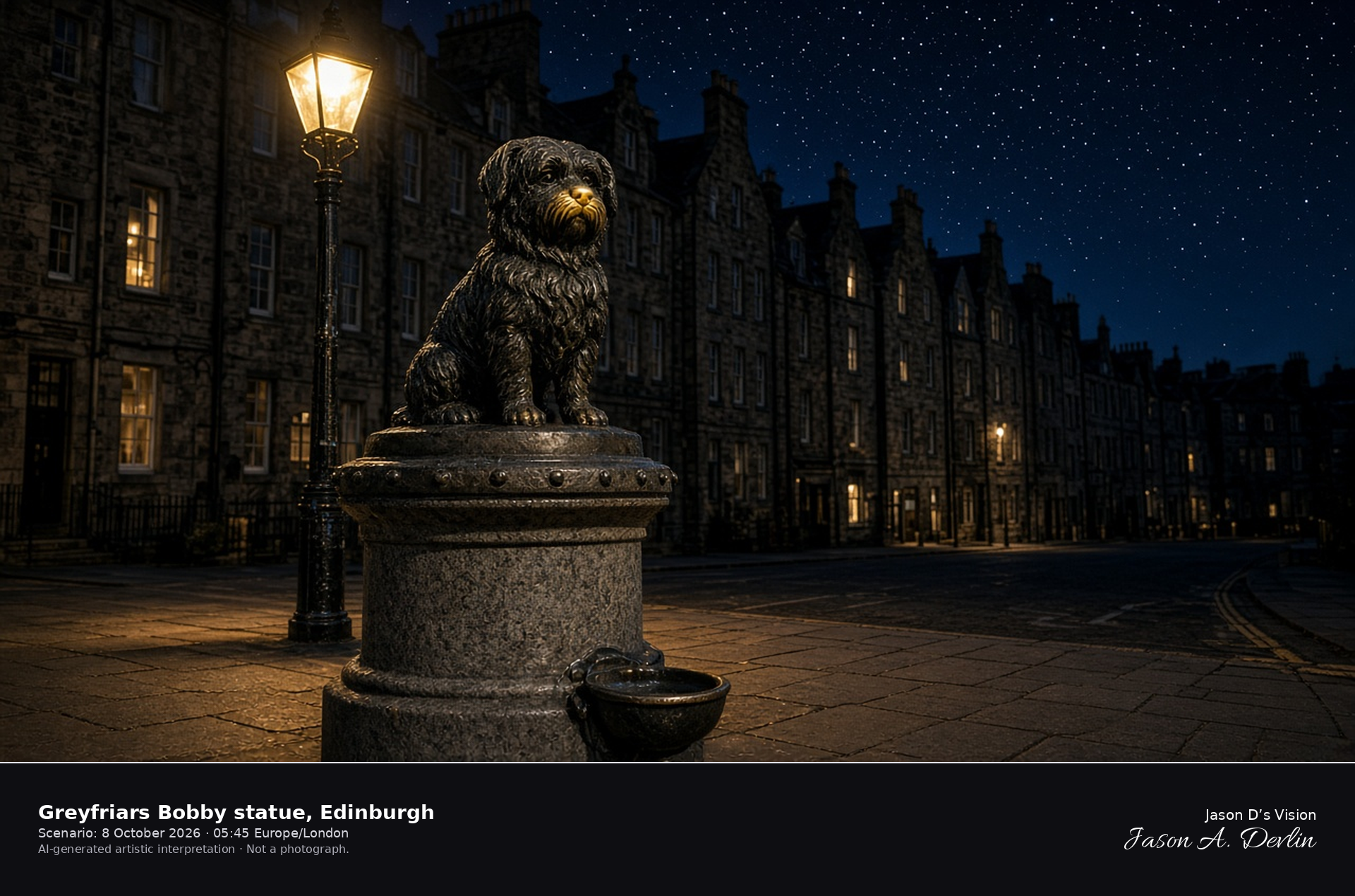
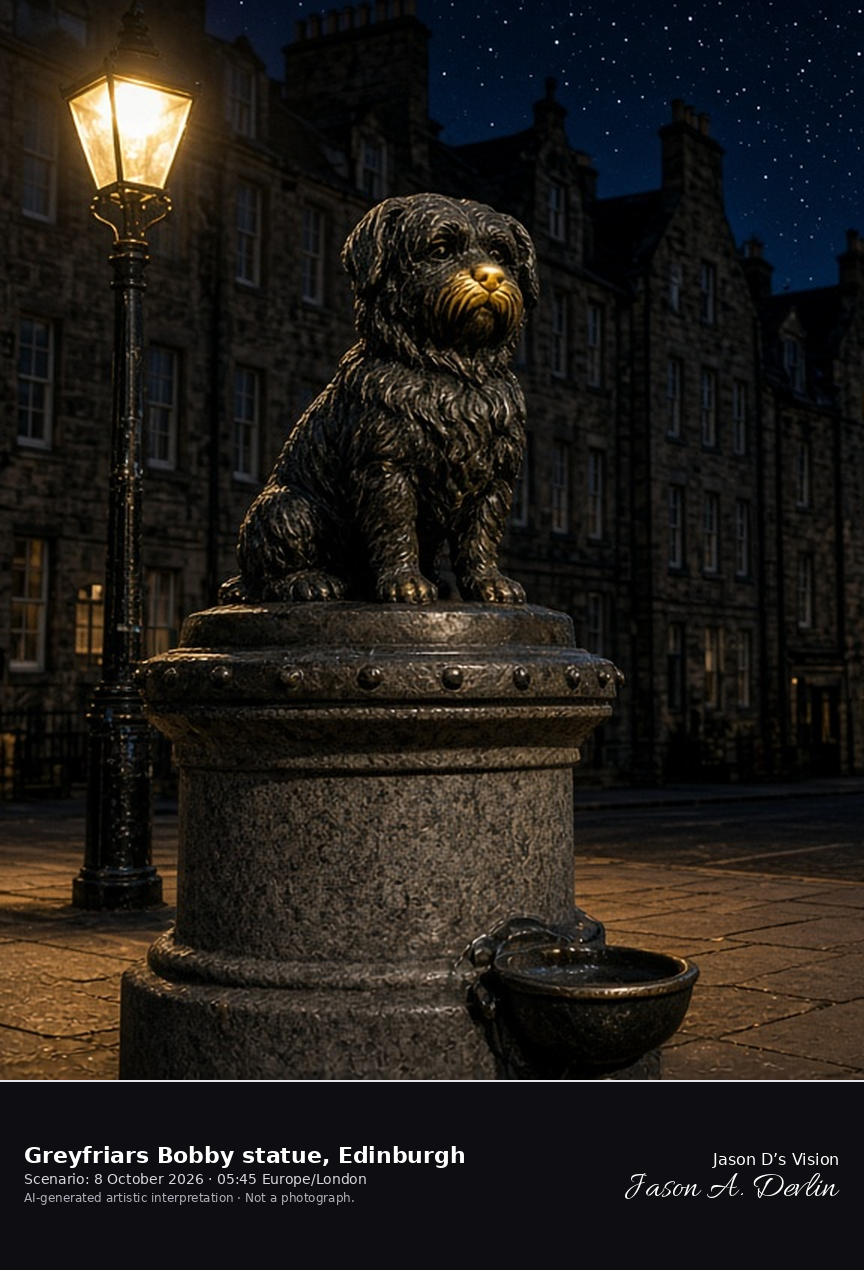
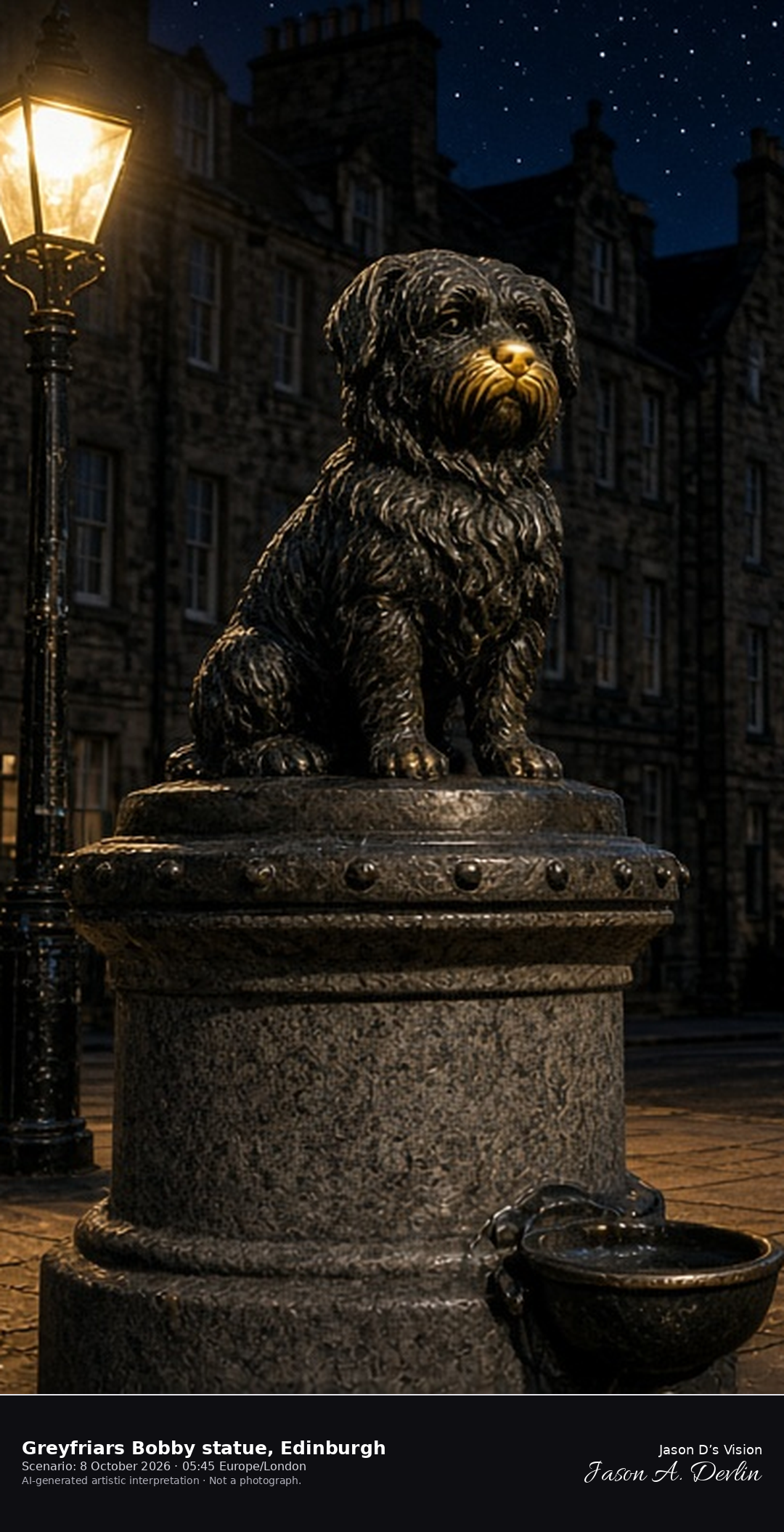
Greyfriars Bobby statue · AI-generated artistic interpretation
Greyfriars Bobby's statue recalls Edinburgh's famous story of a terrier who kept watch at his master's grave for fourteen years. The dog's origins are uncertain, but legend links him with the policeman John Gray, who died in 1858. Unveiled in 1873, the memorial stands opposite the entrance to Greyfriars Kirkyard.
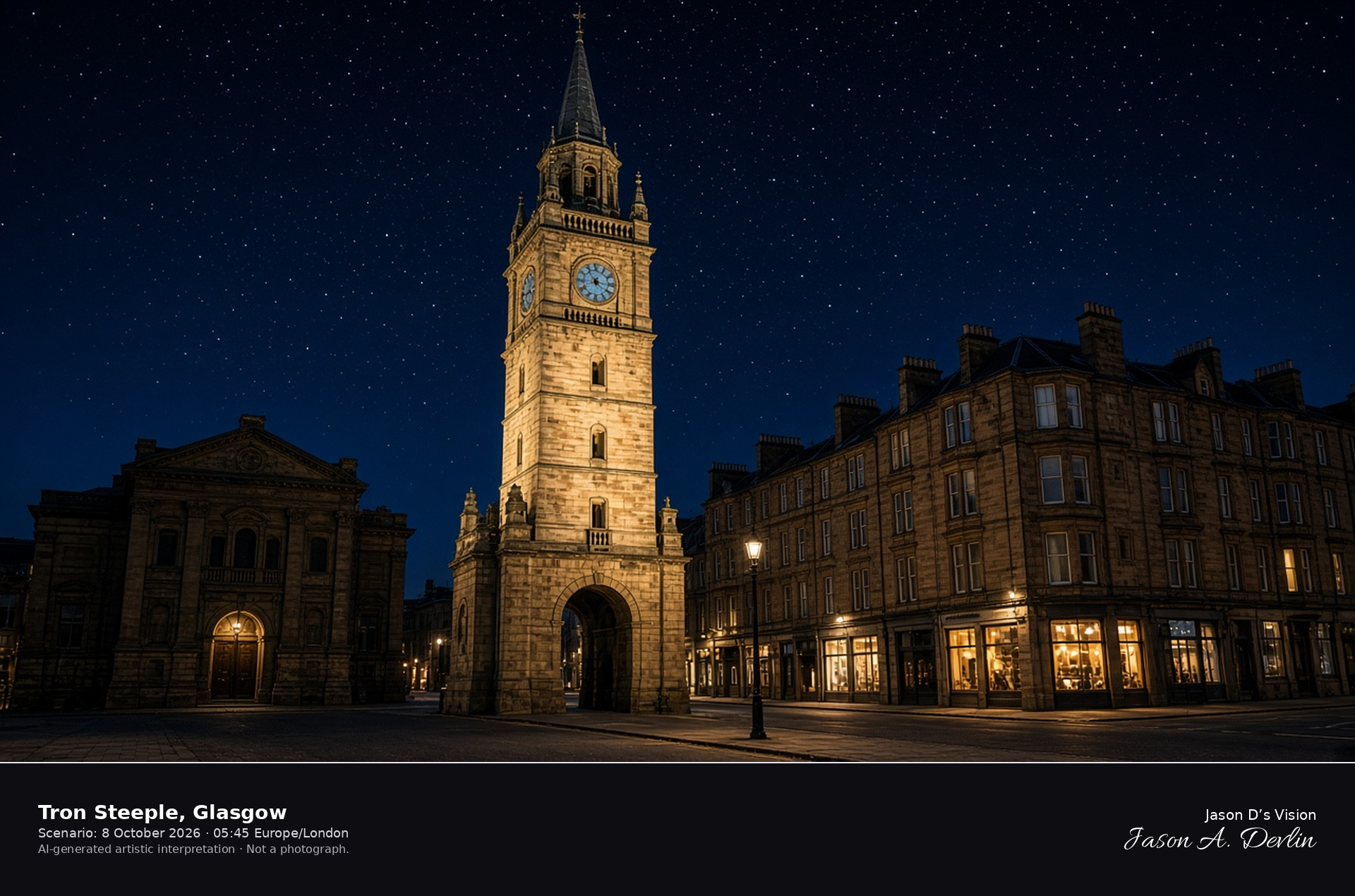
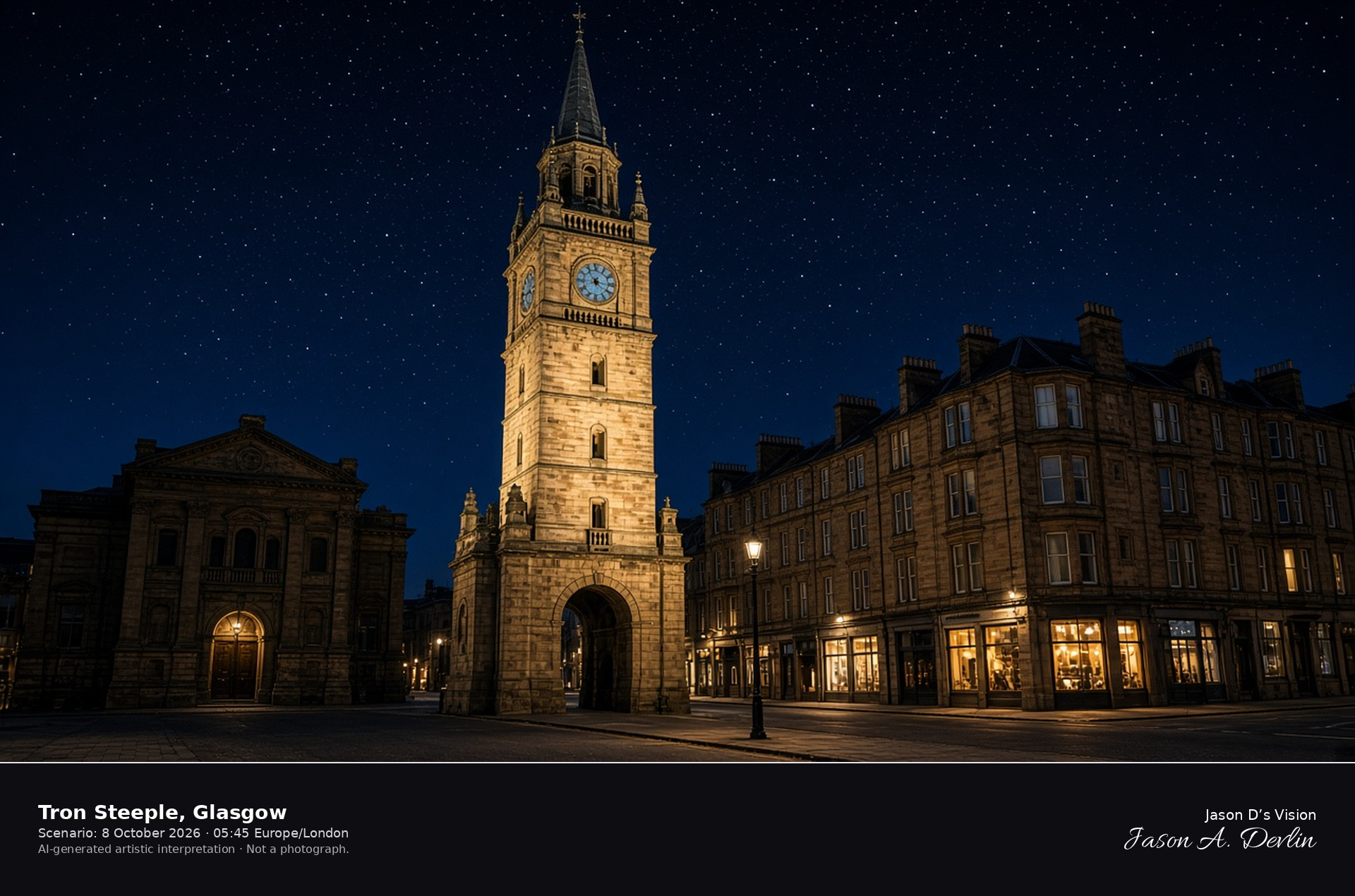
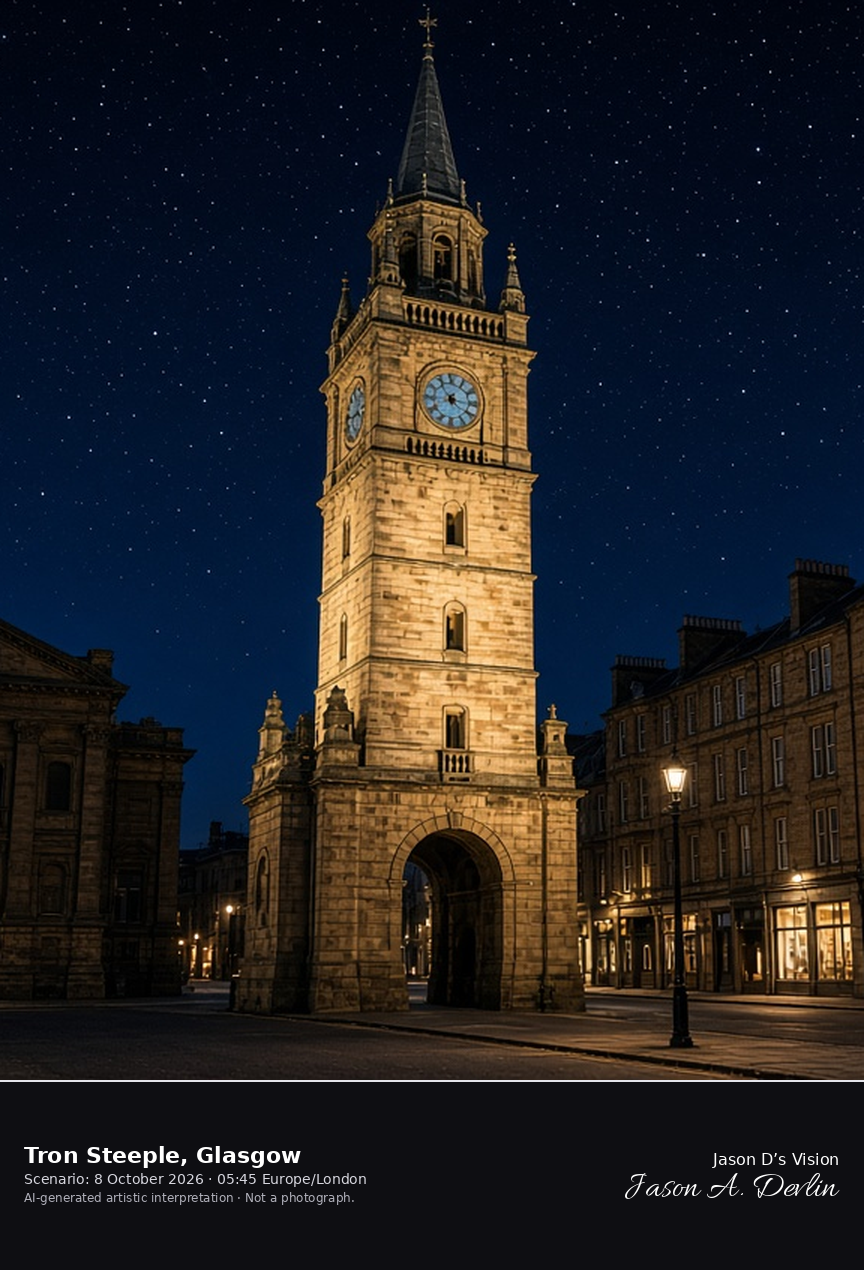
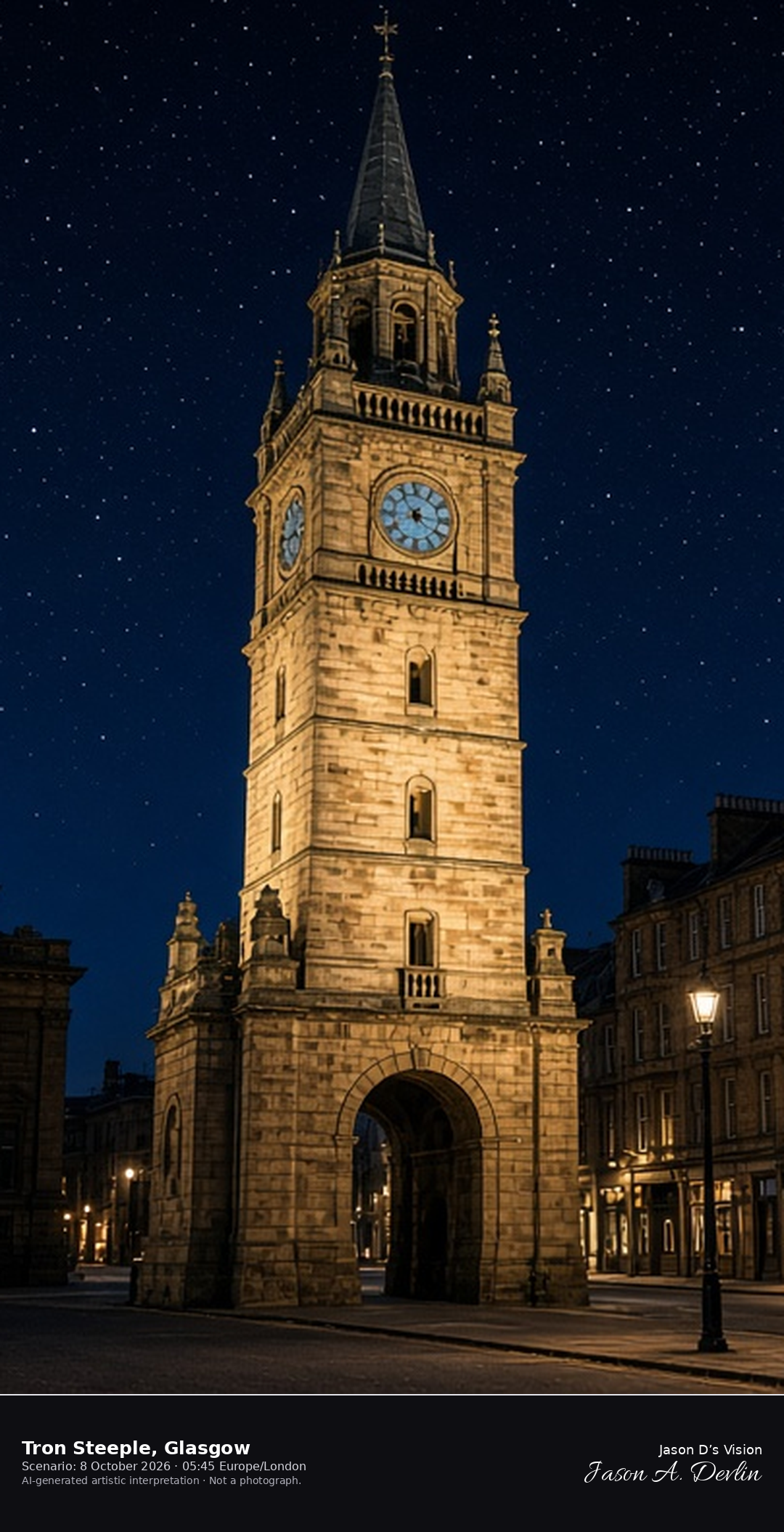
Tron Steeple, Glasgow · AI-generated artistic interpretation
The steeple is the surviving part of the Tron Kirk of the 1590s, and the later church behind it is now the Tron Theatre. An arch through its base carries the pavement under the tower.
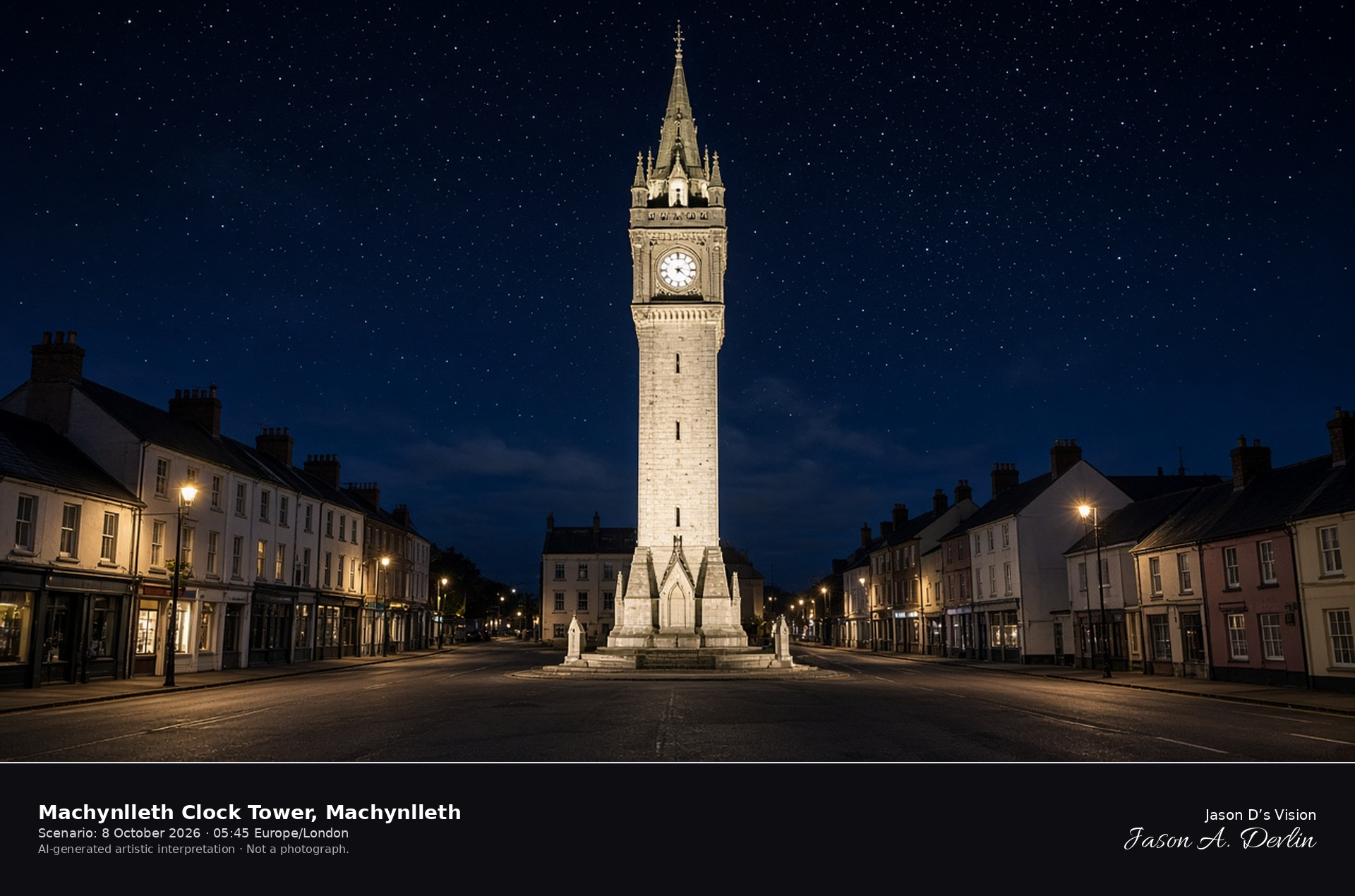
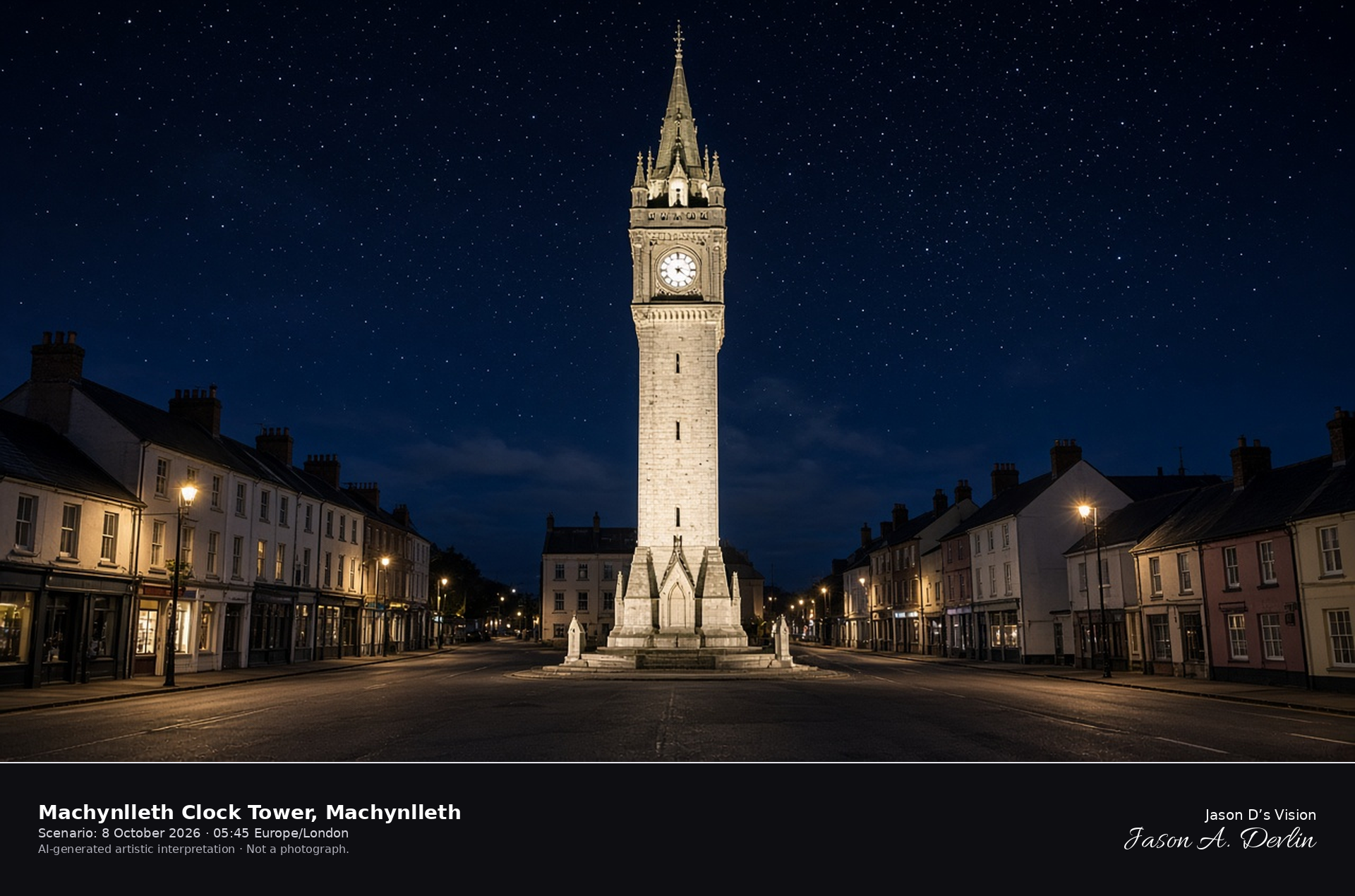
The townspeople paid for the tower to mark the coming of age of Viscount Castlereagh, heir of the Marquess of Londonderry. Designed by Henry Kennedy of Bangor, it is 23.7 metres tall and stands on the site of the old town hall.
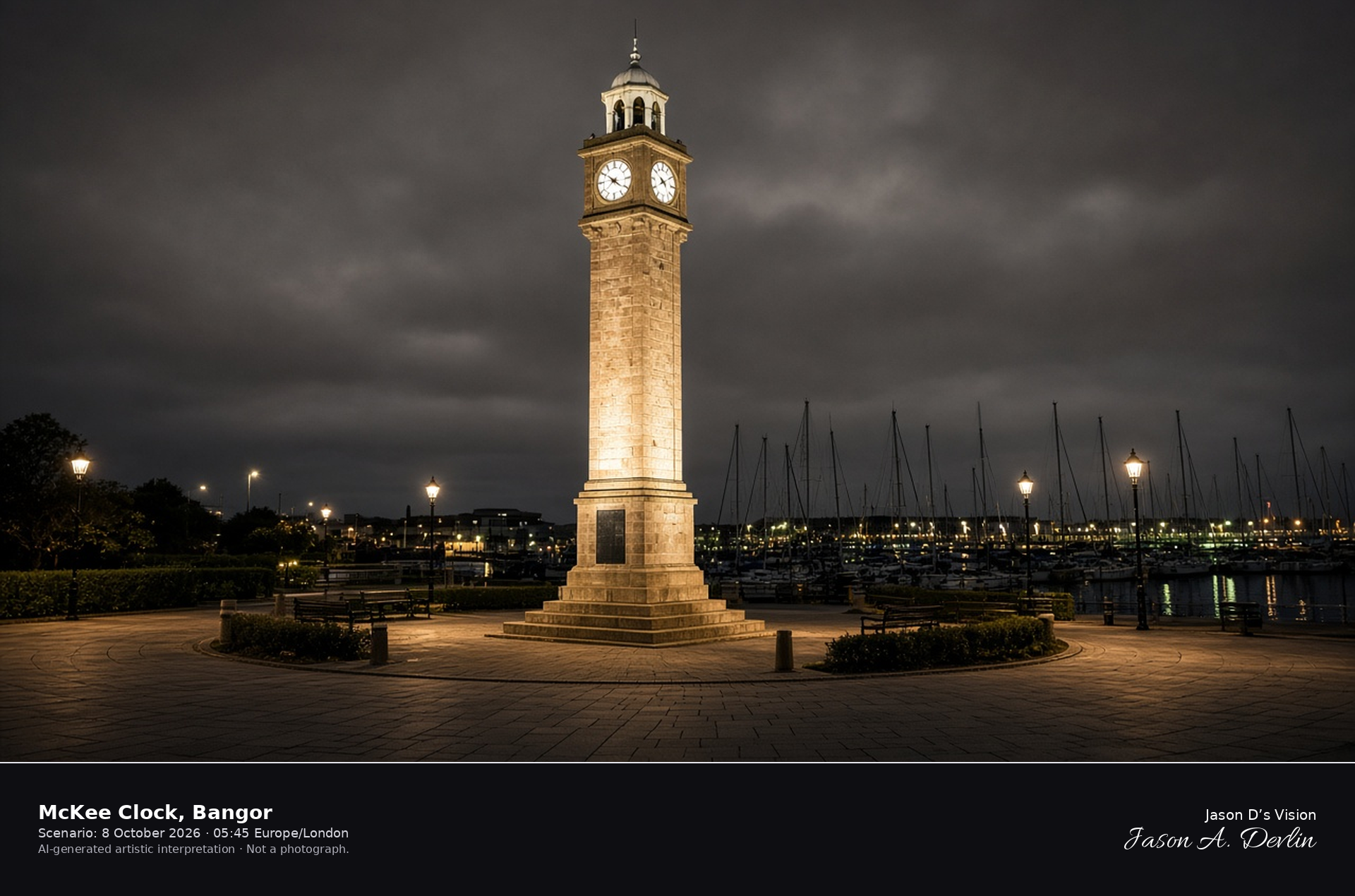
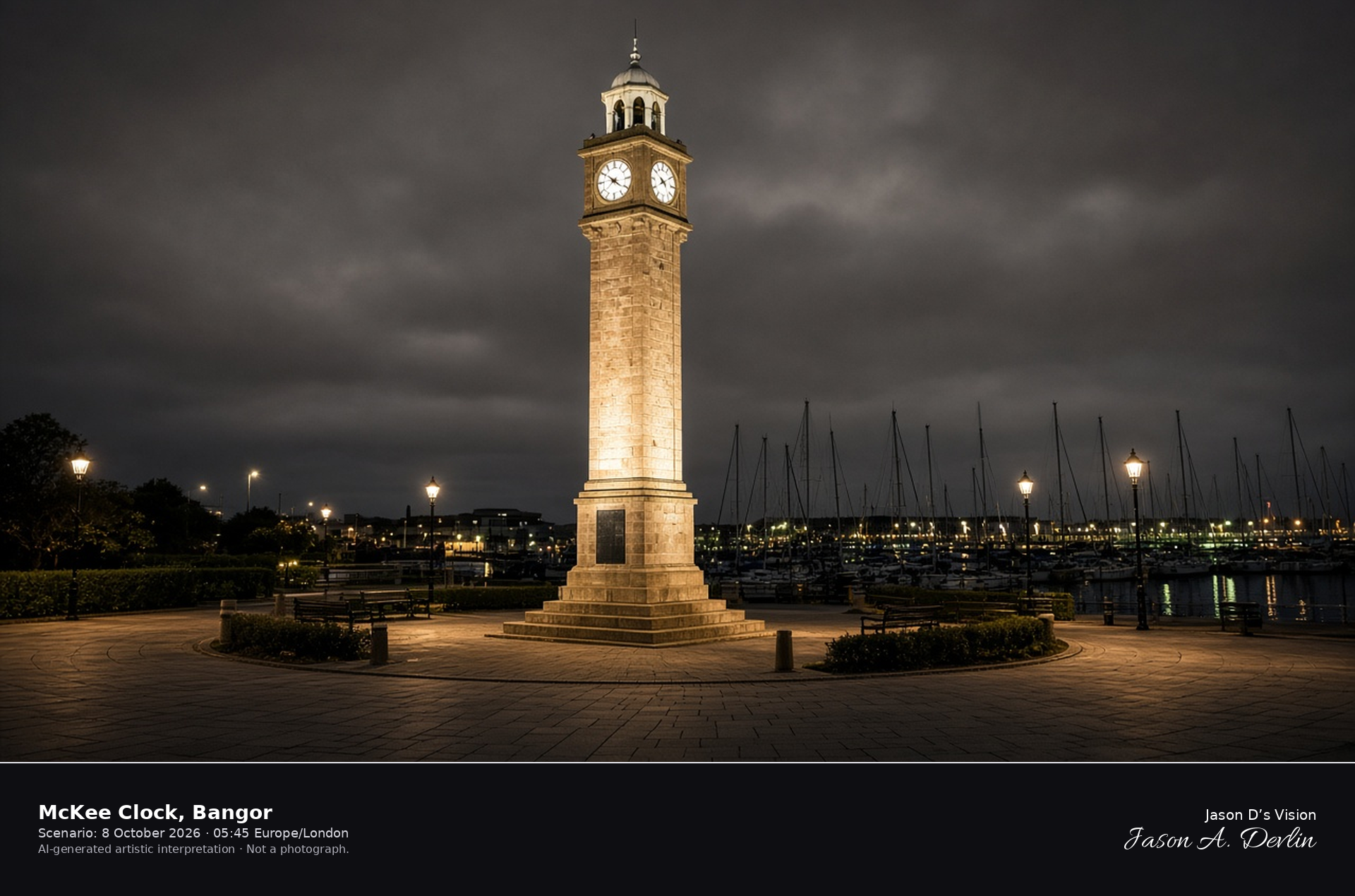
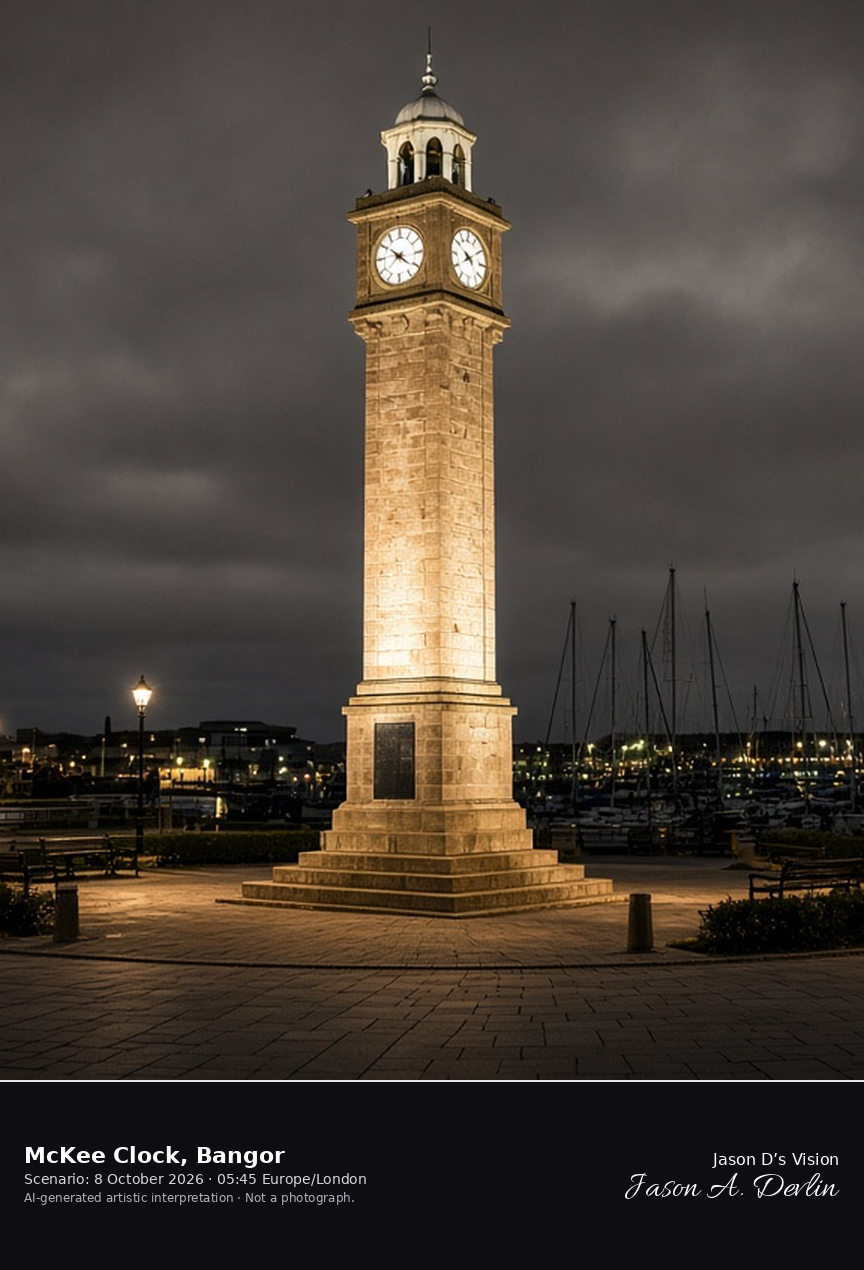
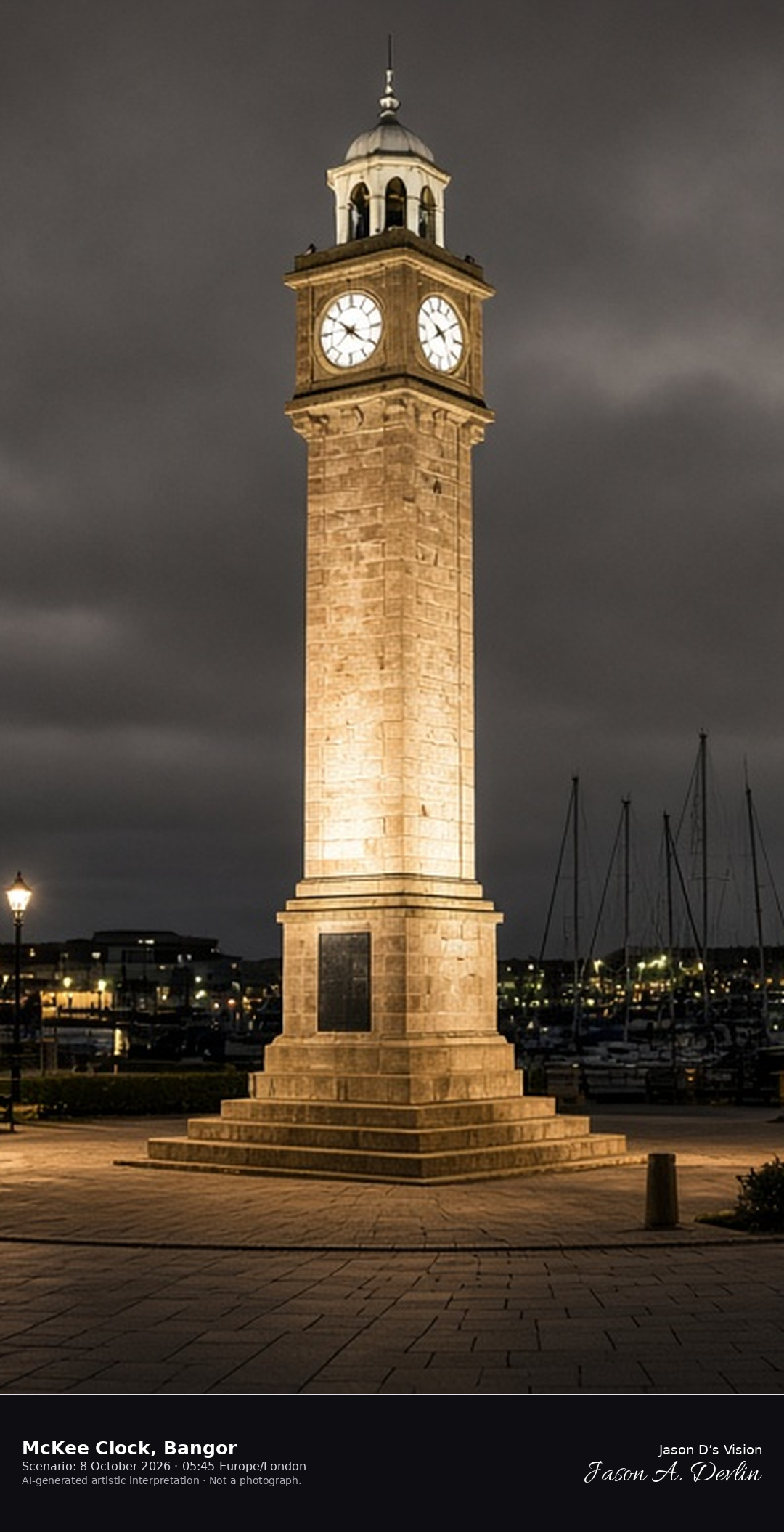
The McKee Clock has kept Bangor's seaside time since 1915, thanks to the generosity of James McKee, the town's rate collector. Standing beside the marina's sunken gardens, it marks the beginning of the promenade towards Pickie — a landmark where the town meets its waterfront.
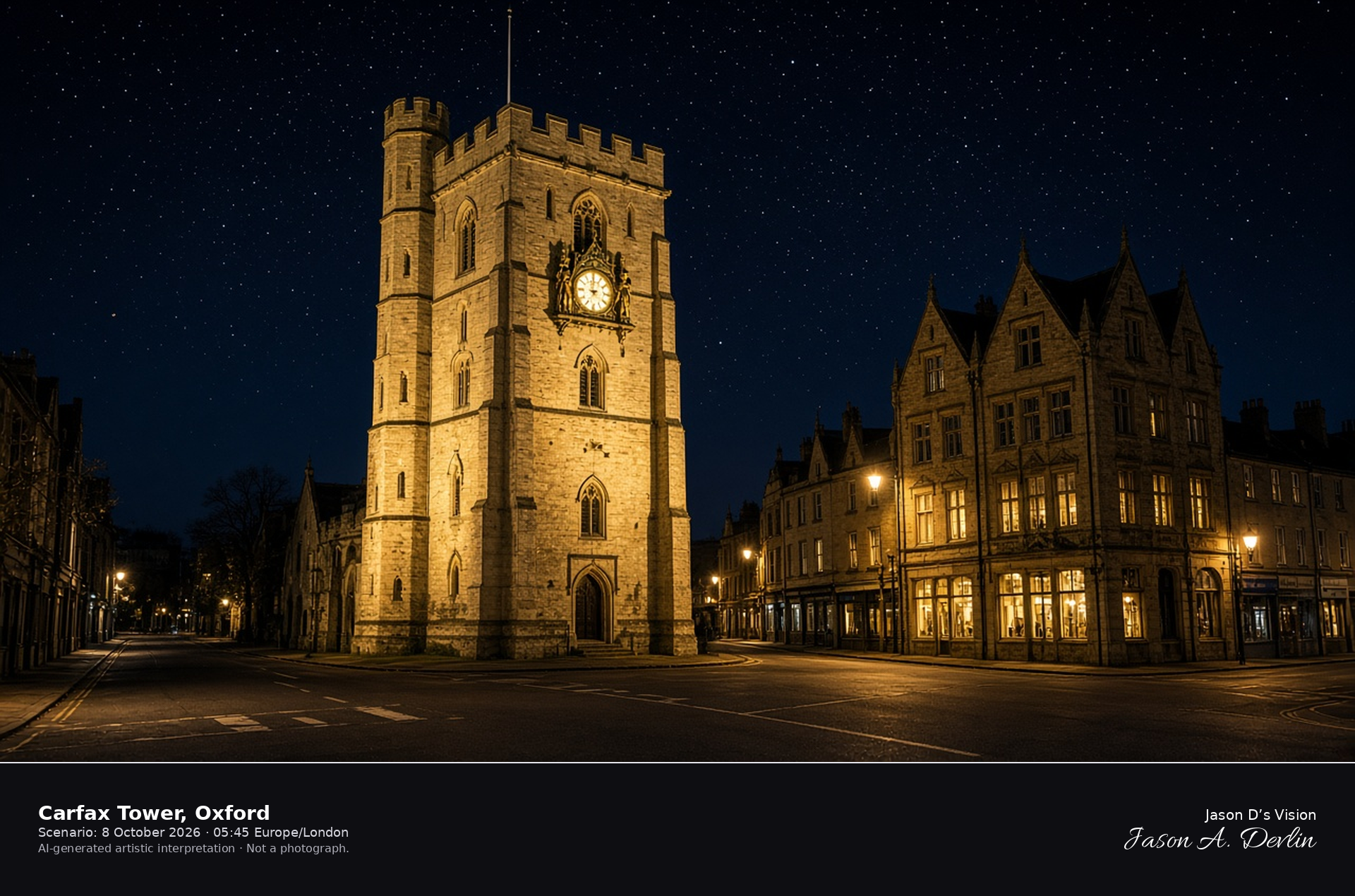
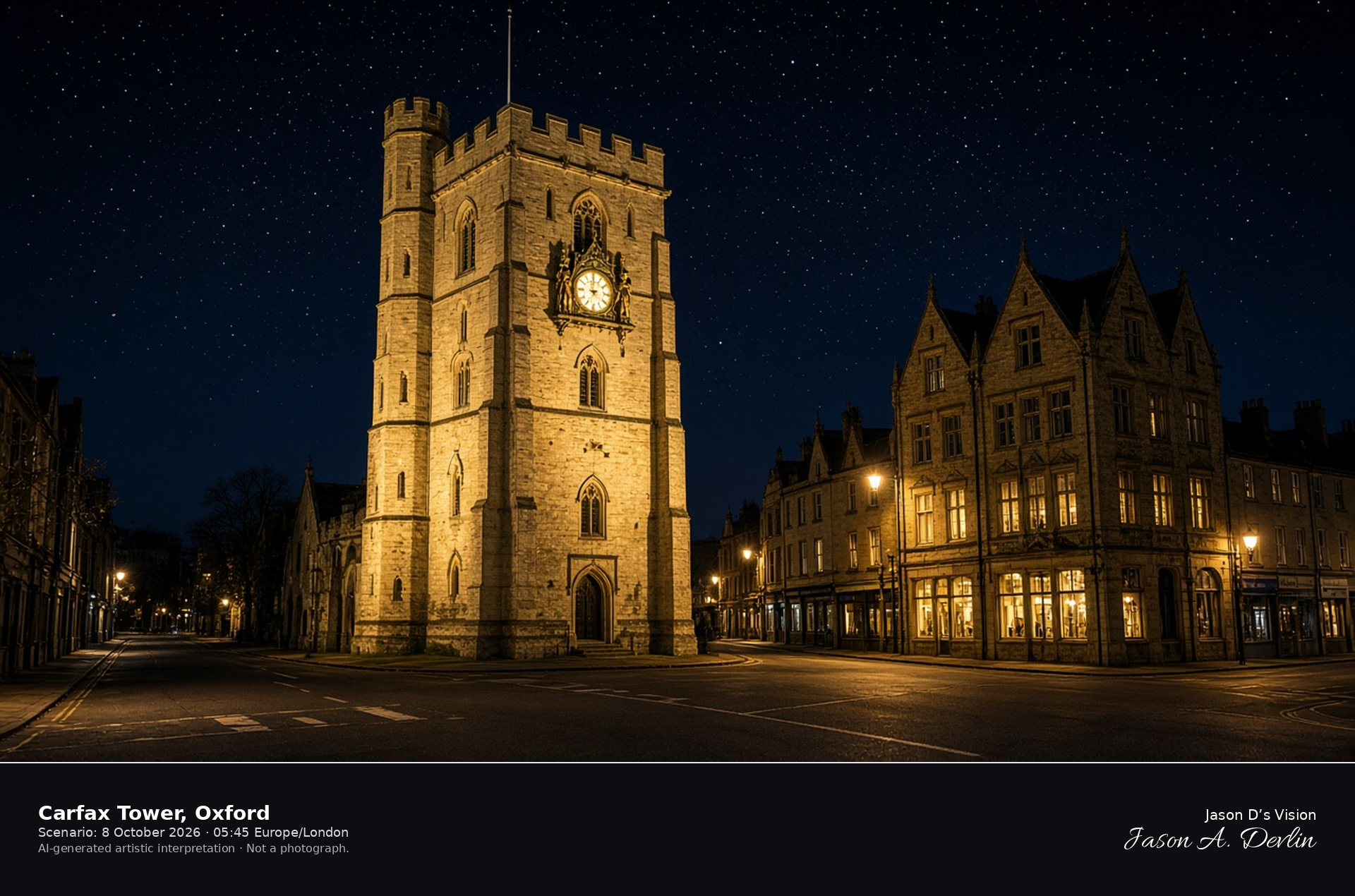
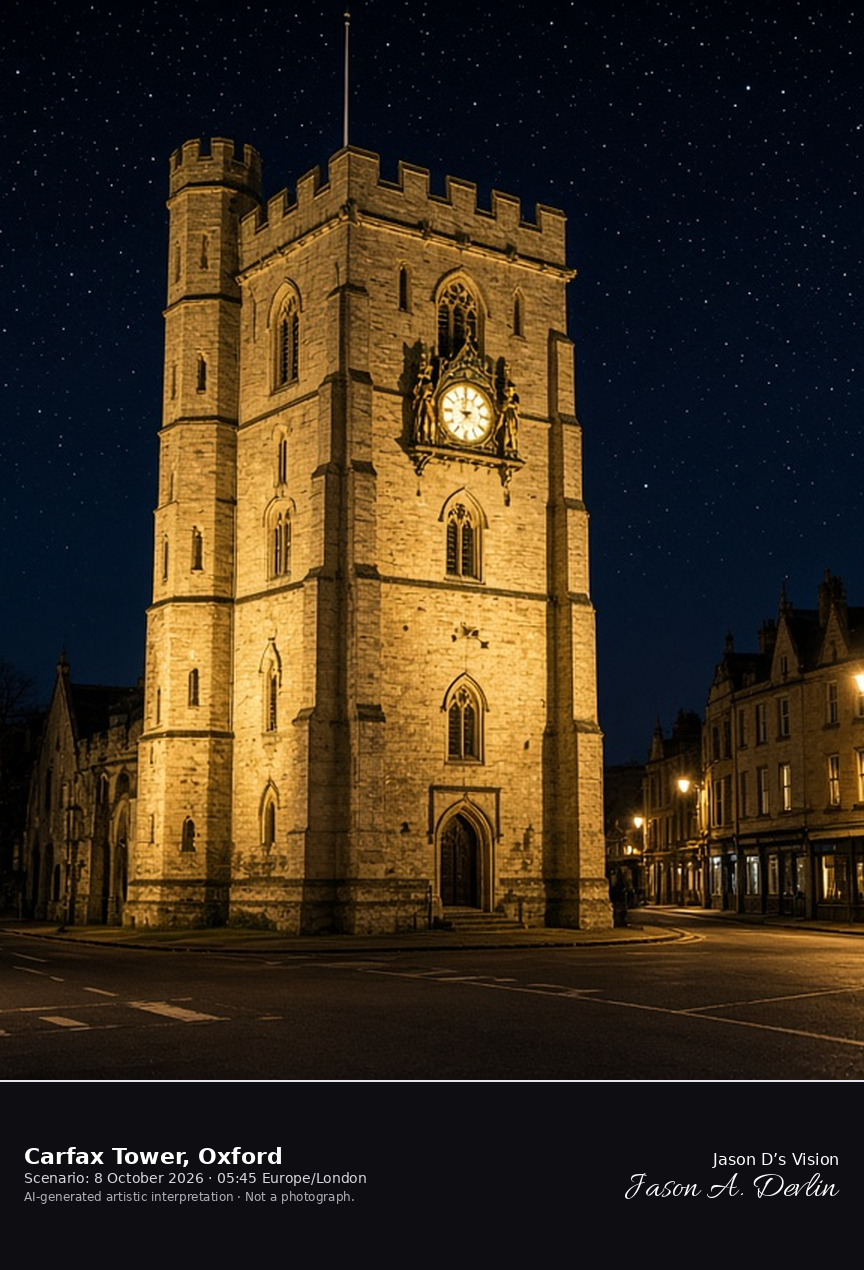
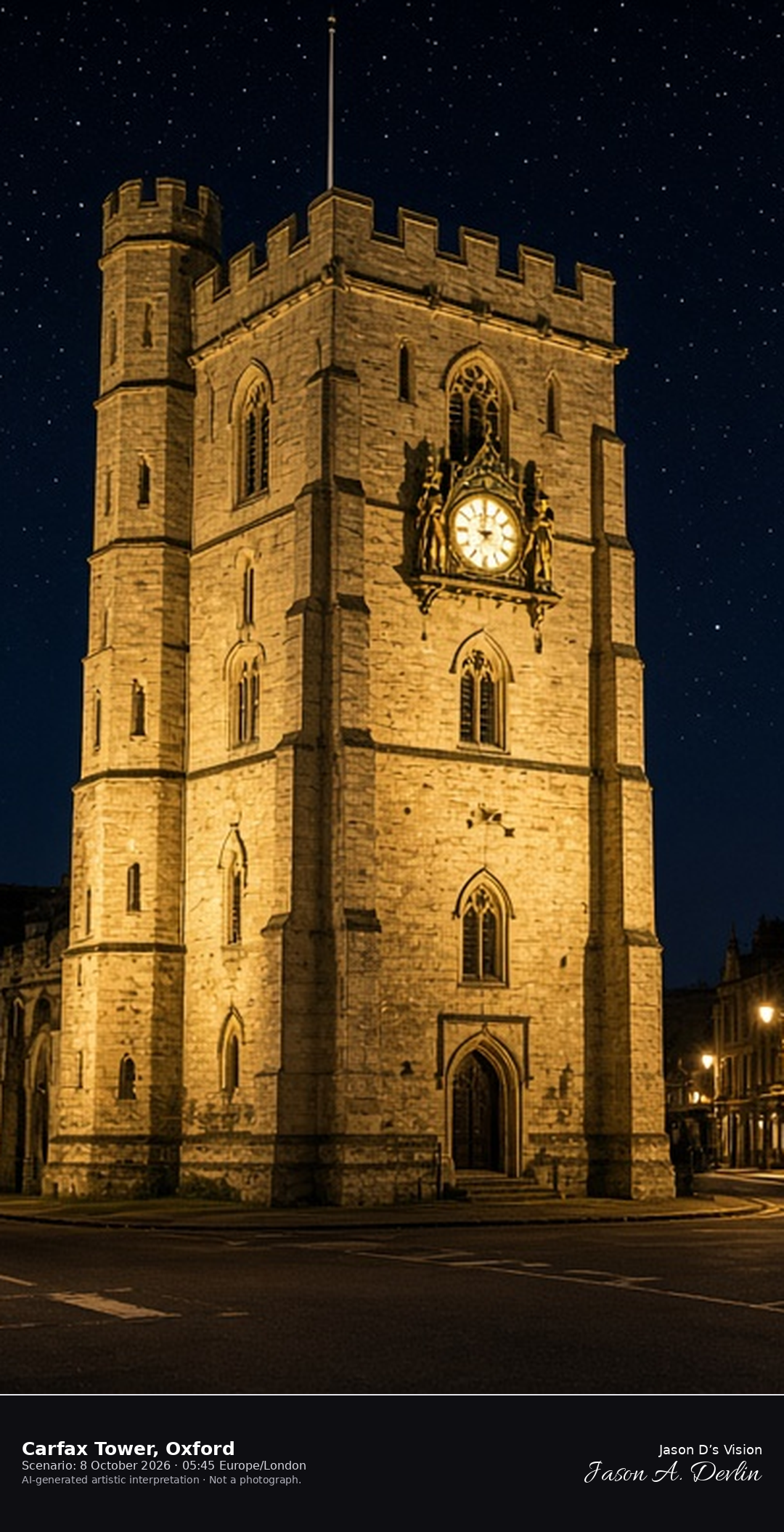
The 23-metre tower is all that remains of the City Church of St Martin, demolished in 1896 to widen the roads. No building in central Oxford may be taller, and its clock dial by T. G. Jackson dates from 1898.
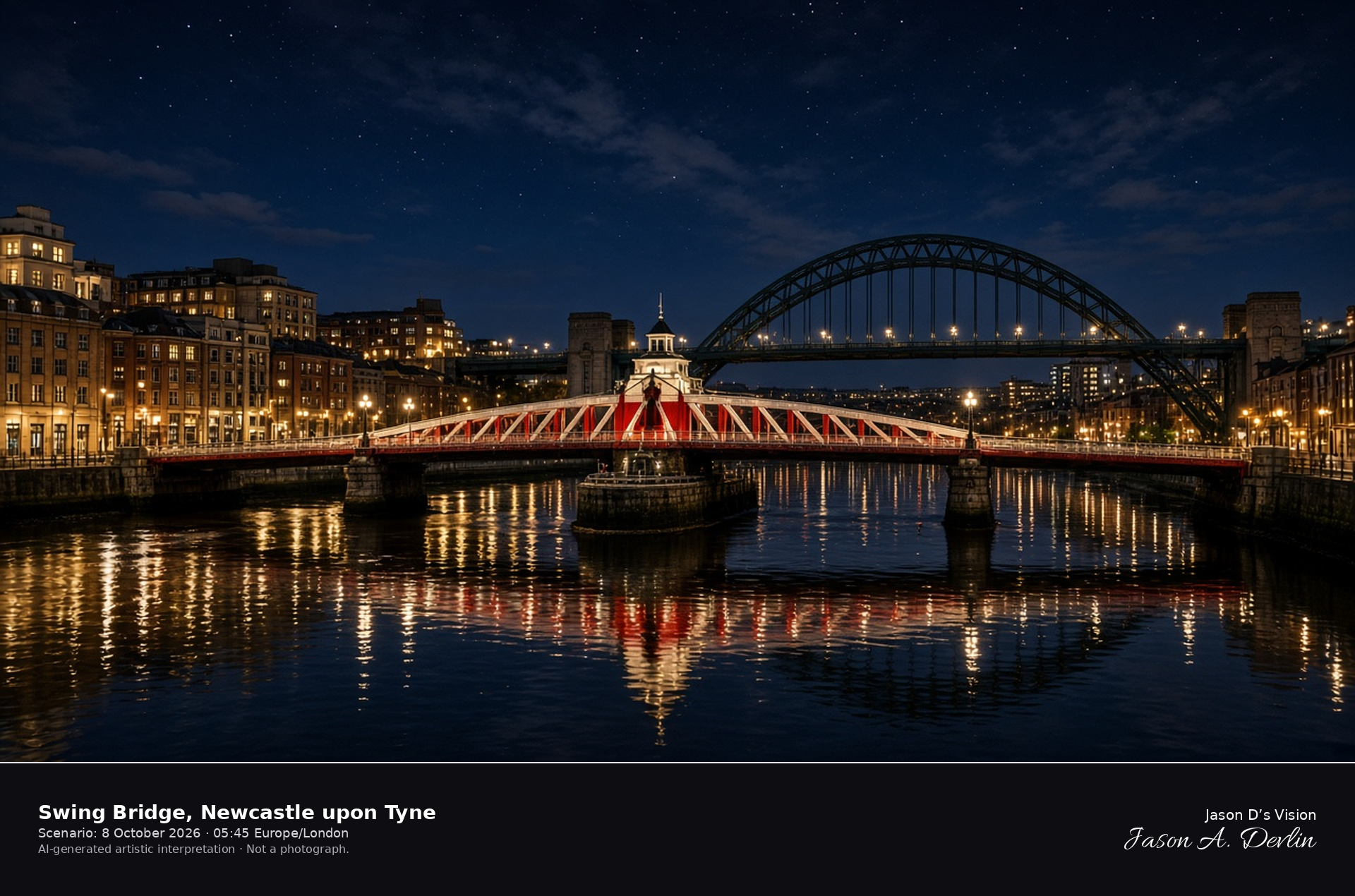
Newcastle upon Tyne · AI-generated artistic interpretation
Newcastle grew great through coal, with the Tyne carrying fuel to London and beyond. The railway age brought another chapter: George and Robert Stephenson developed locomotives at their Newcastle works in the 1820s and 1830s, helping to turn an invention rooted in the coal industry into a force that changed the world.
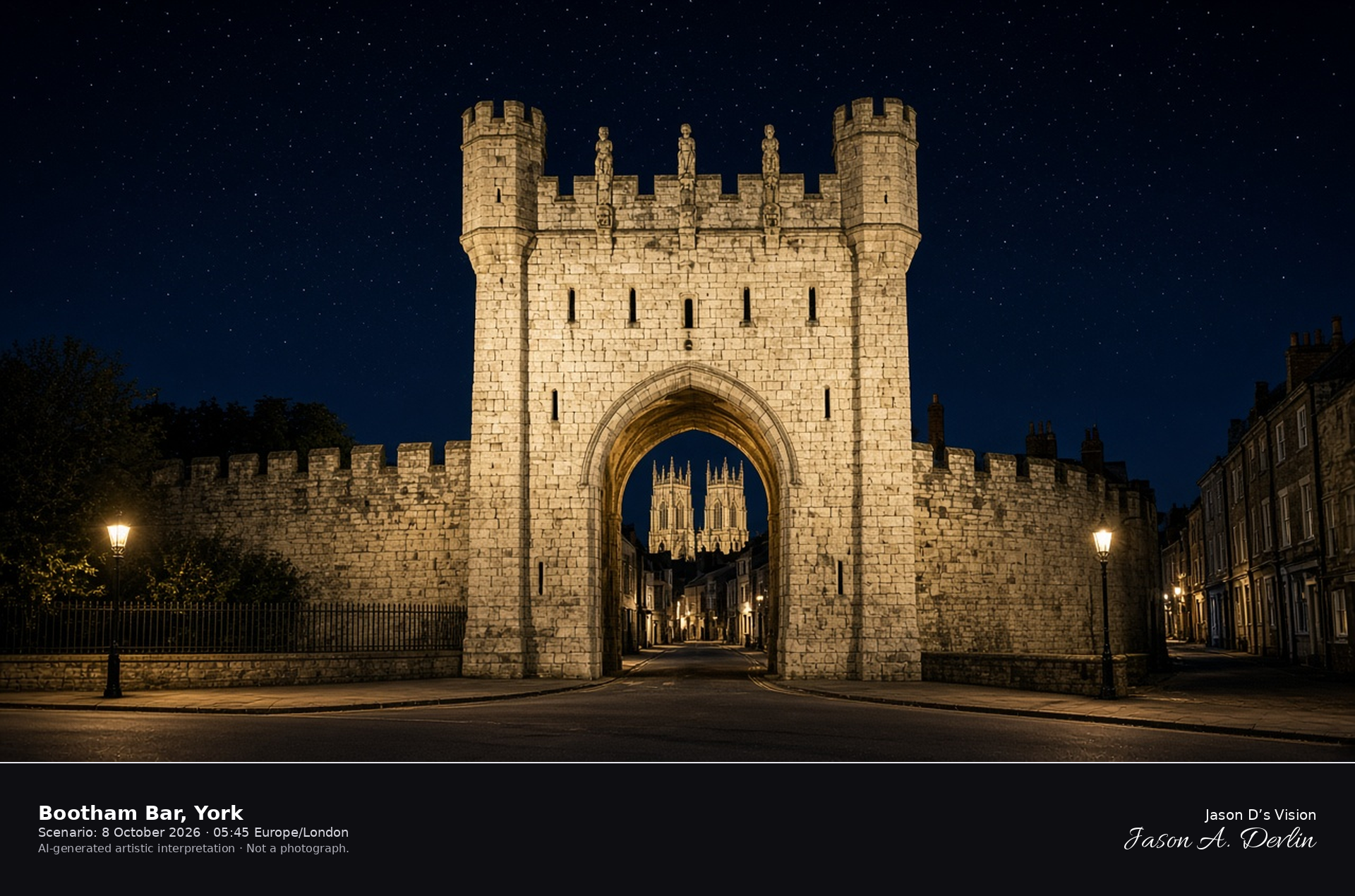
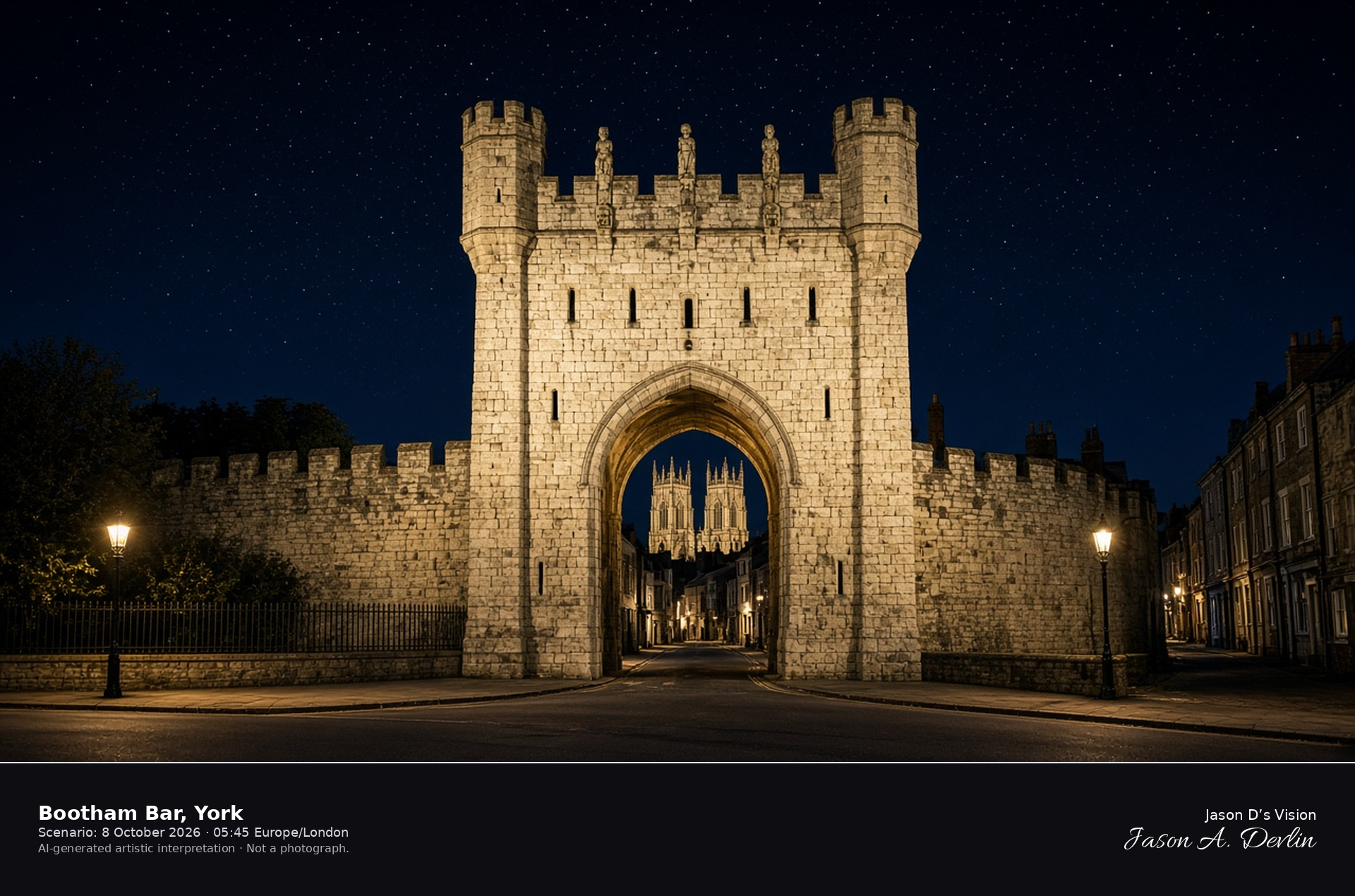
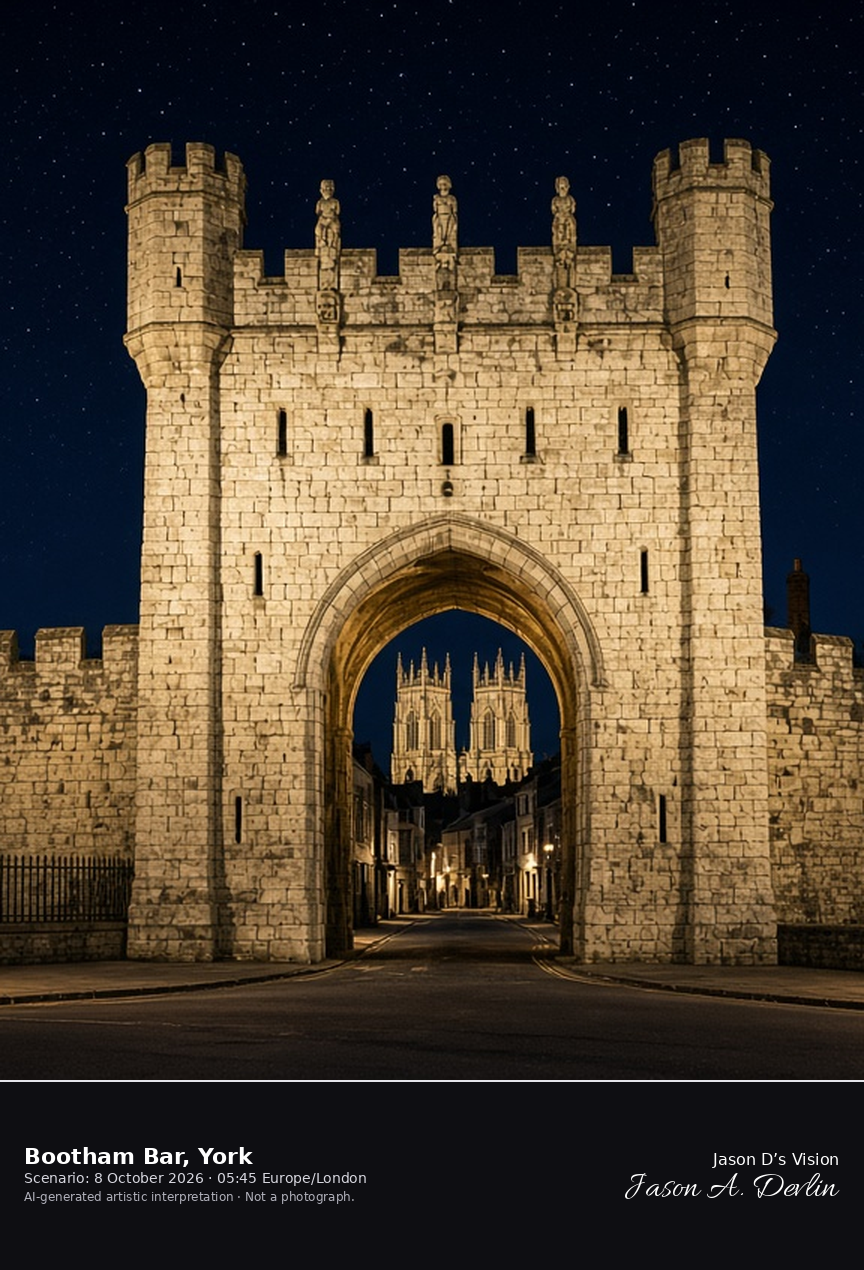
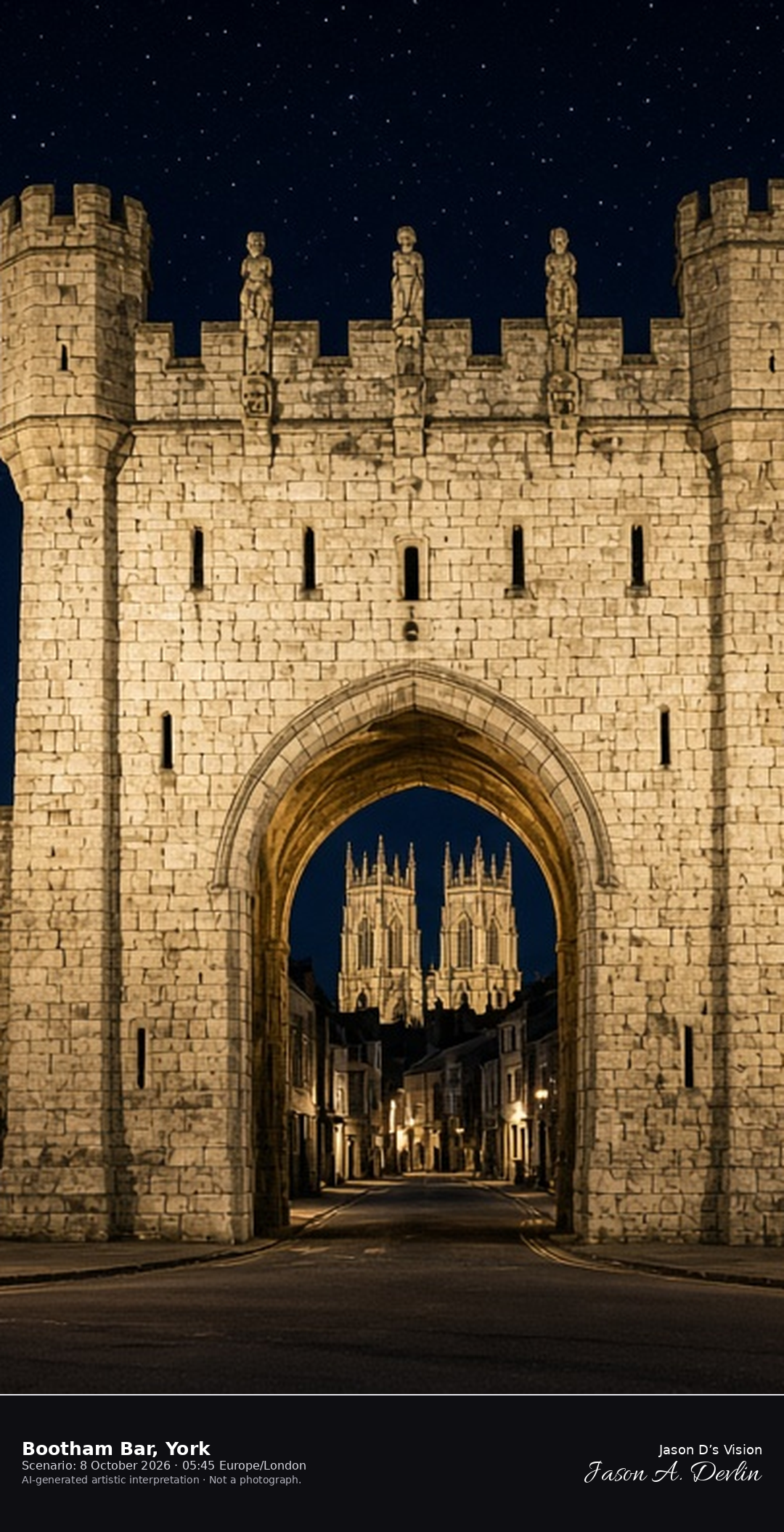
Bootham Bar · AI-generated artistic interpretation
Bootham Bar stands at the site of a gateway to the Roman fortress of Eboracum, with eleventh-century stonework surviving in its outer archway. Its name means the bar at the booths, recalling the markets and traders outside this northern entrance to York; much of the gatehouse above belongs to the fourteenth century.
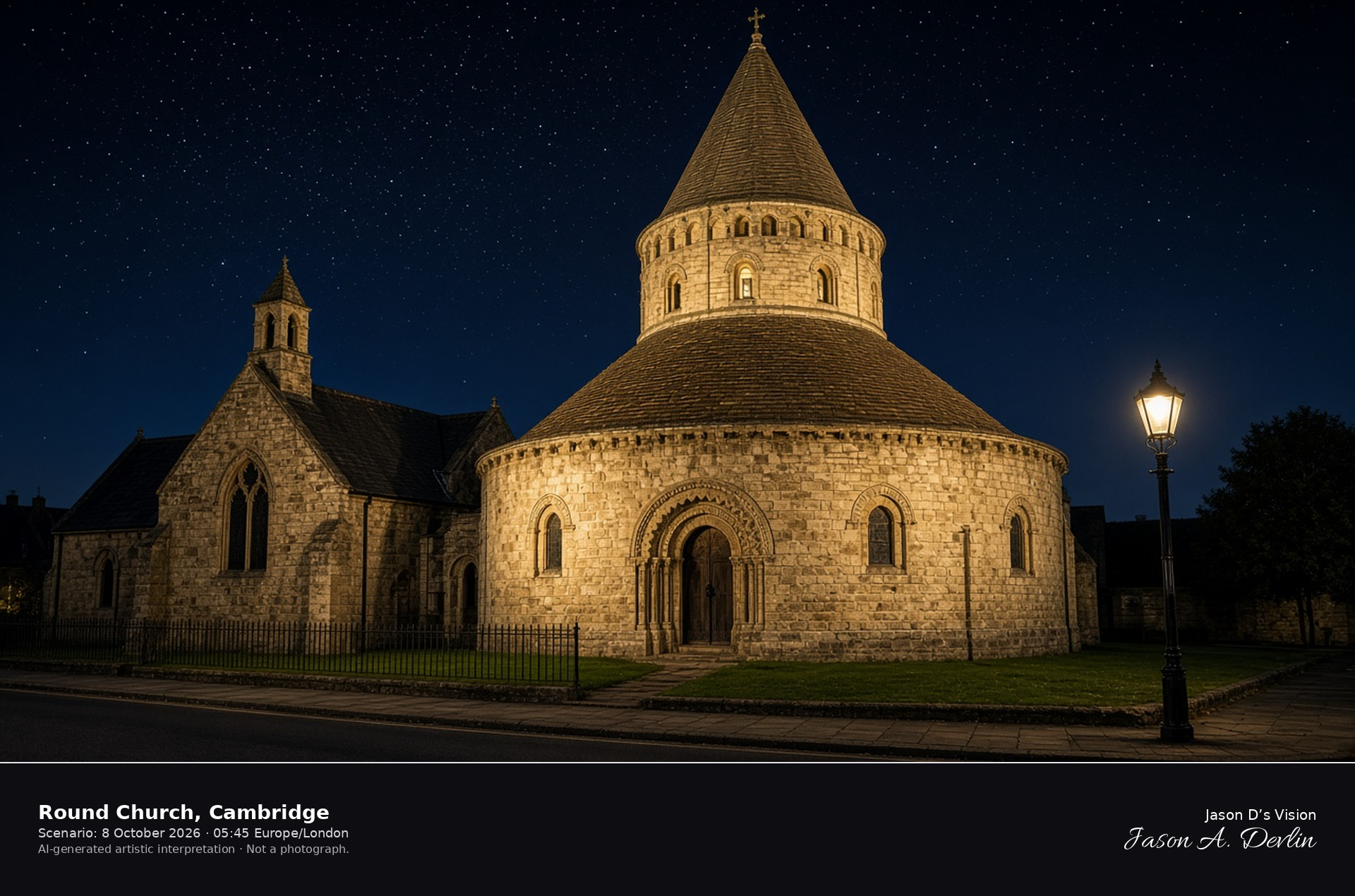
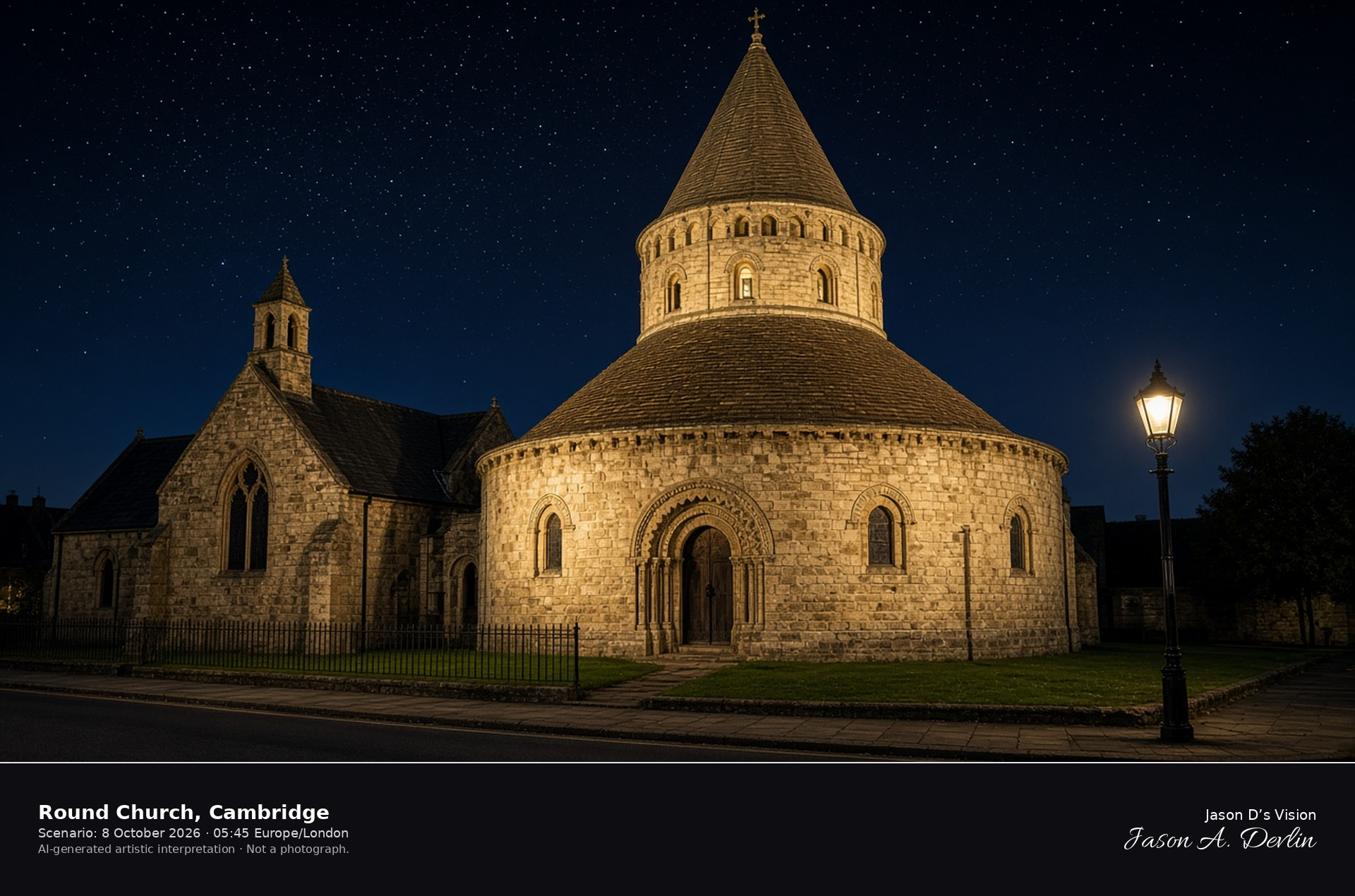
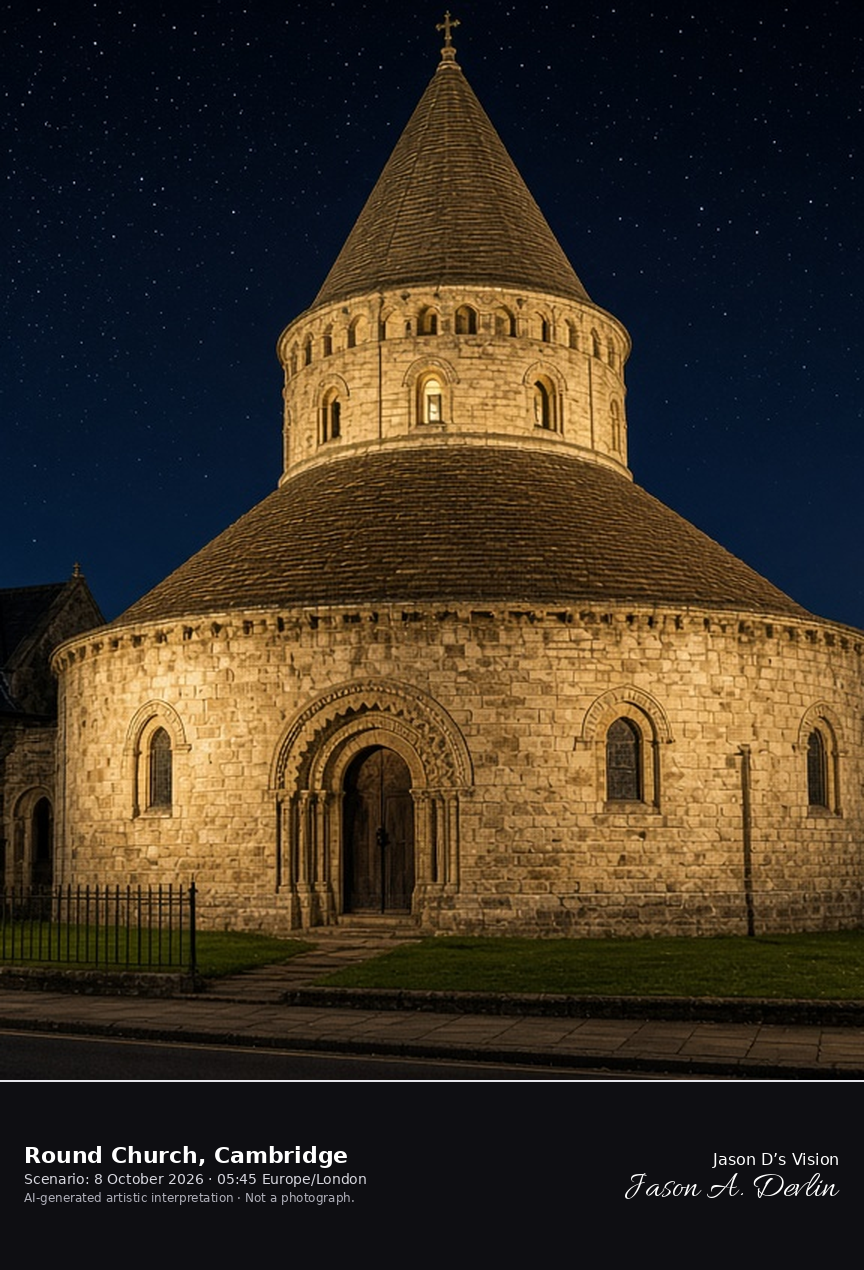
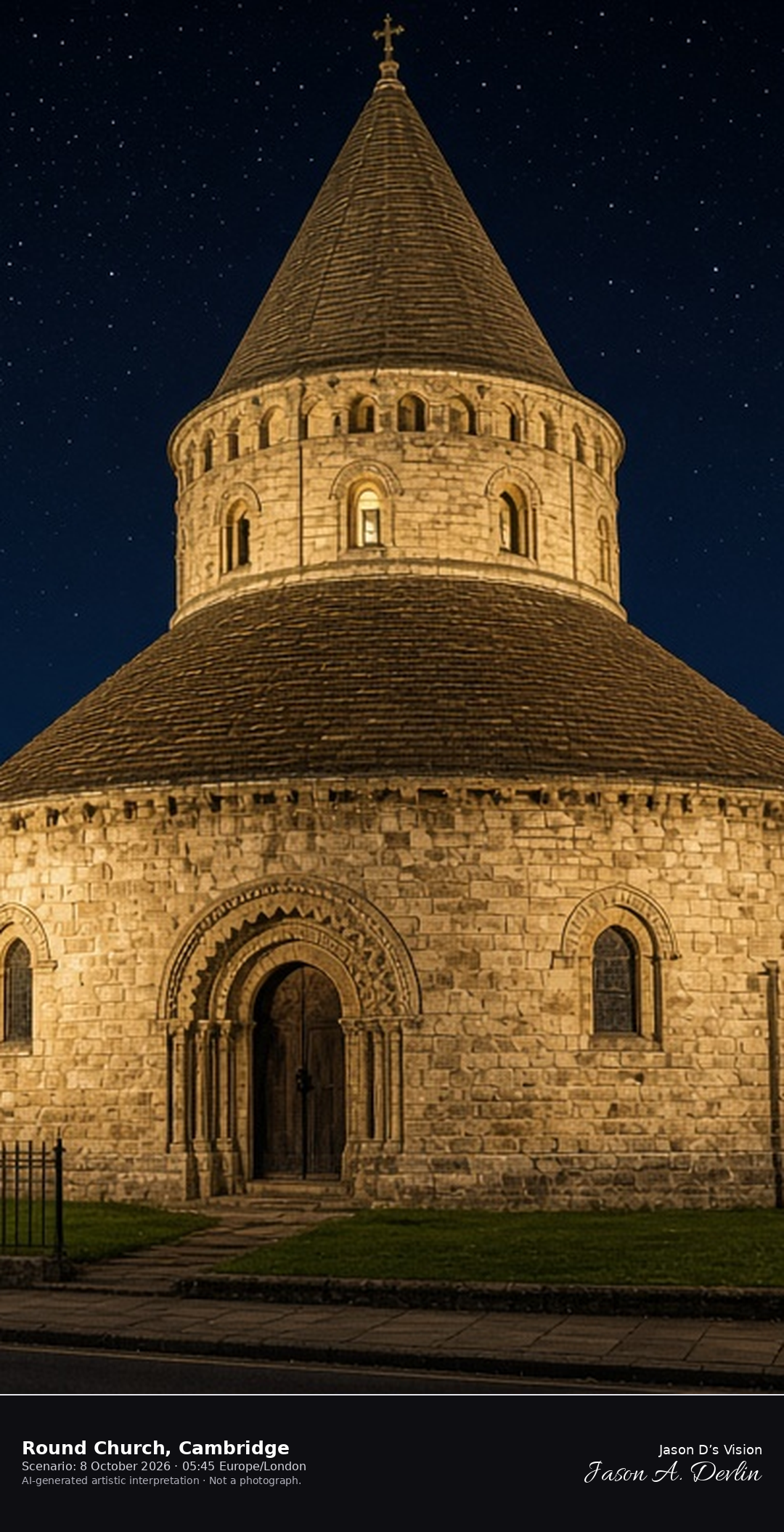
Built around 1130, the Church of the Holy Sepulchre takes its round shape from the rotunda in Jerusalem. It is one of only four medieval round churches still in use in England.
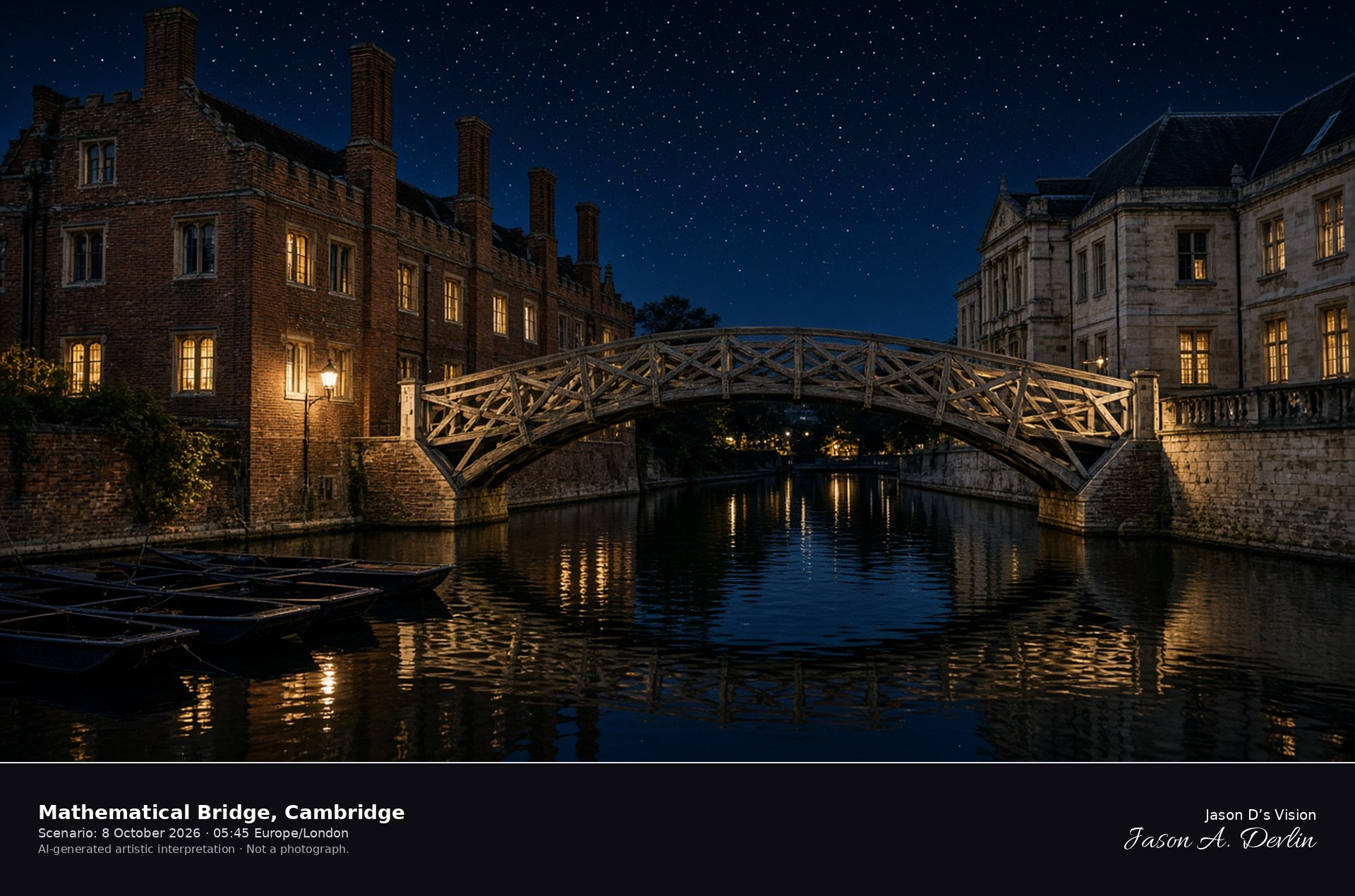
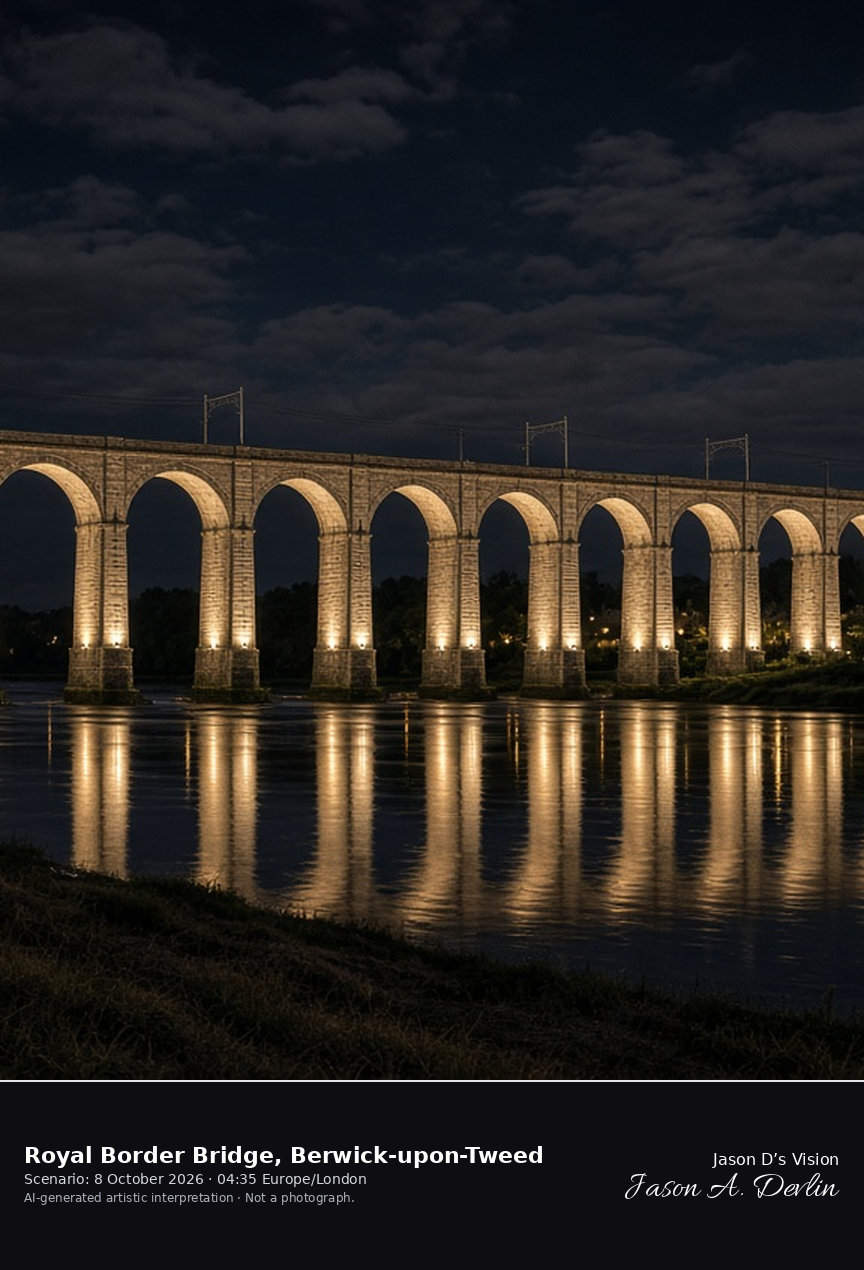
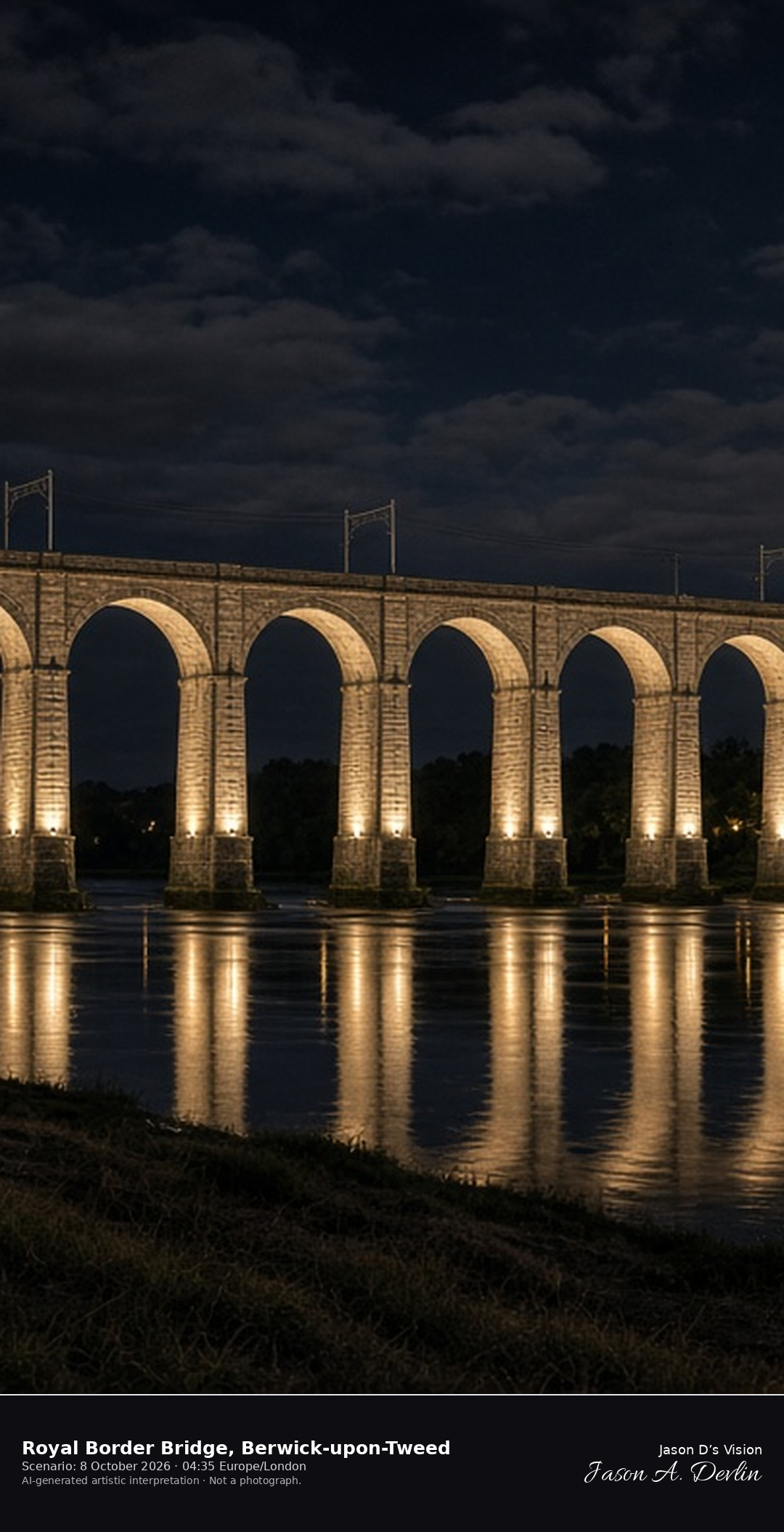
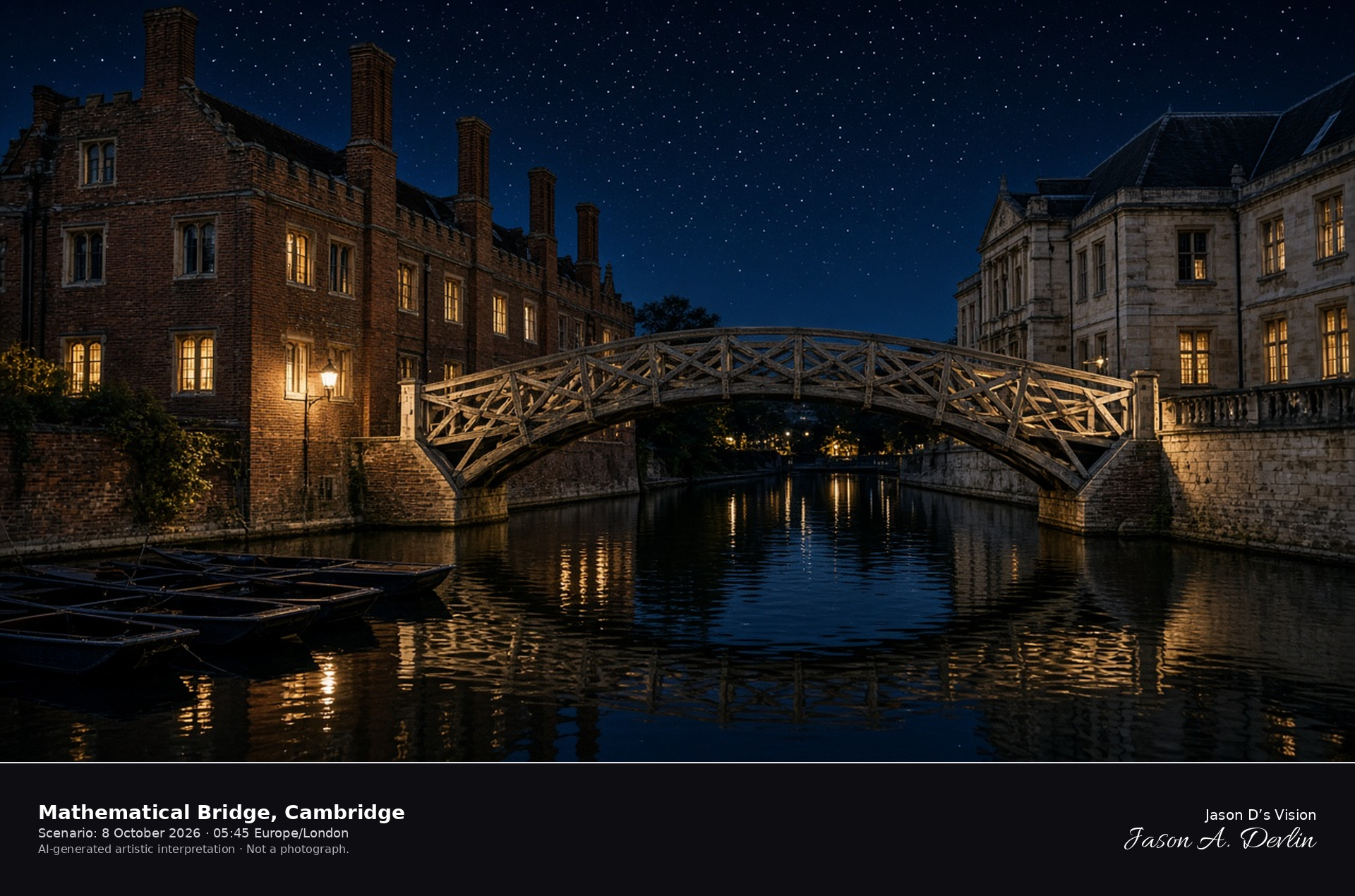
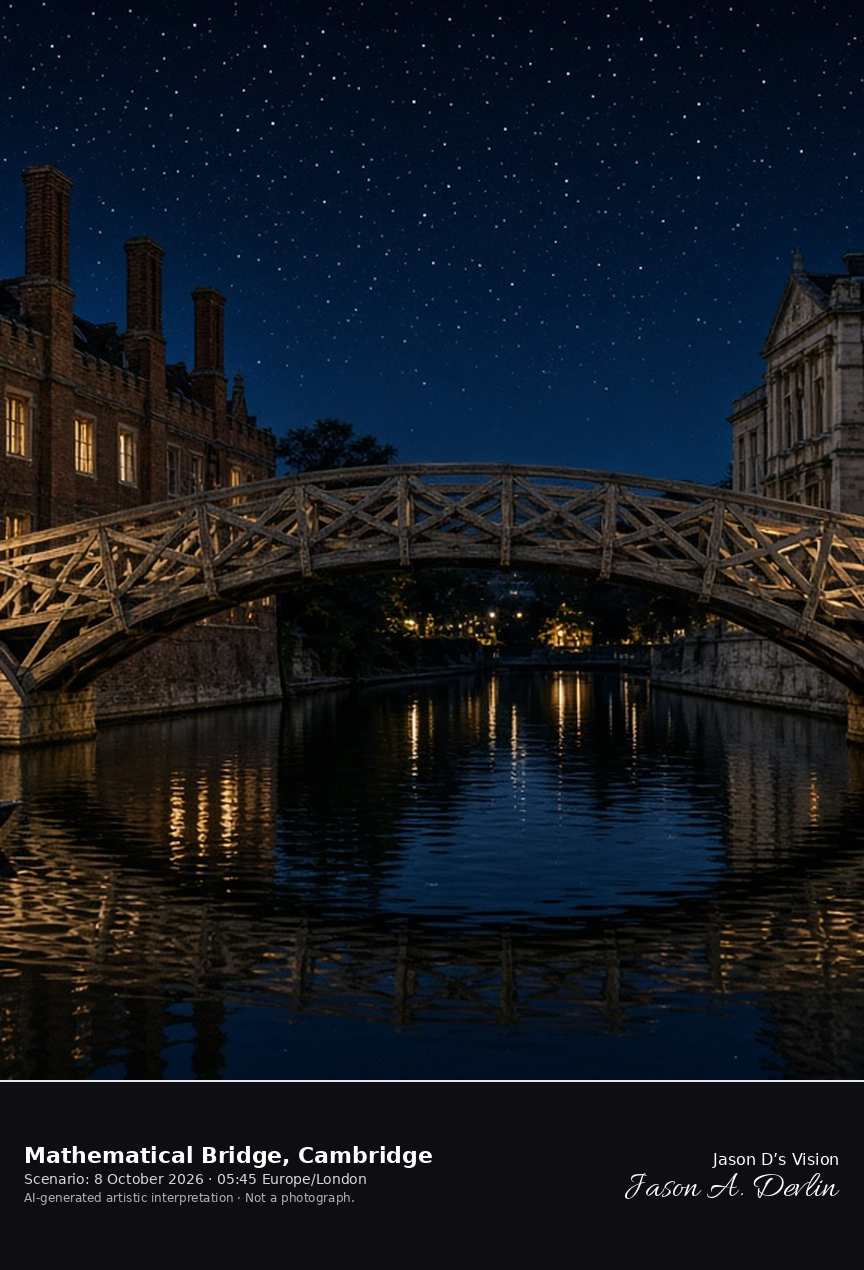
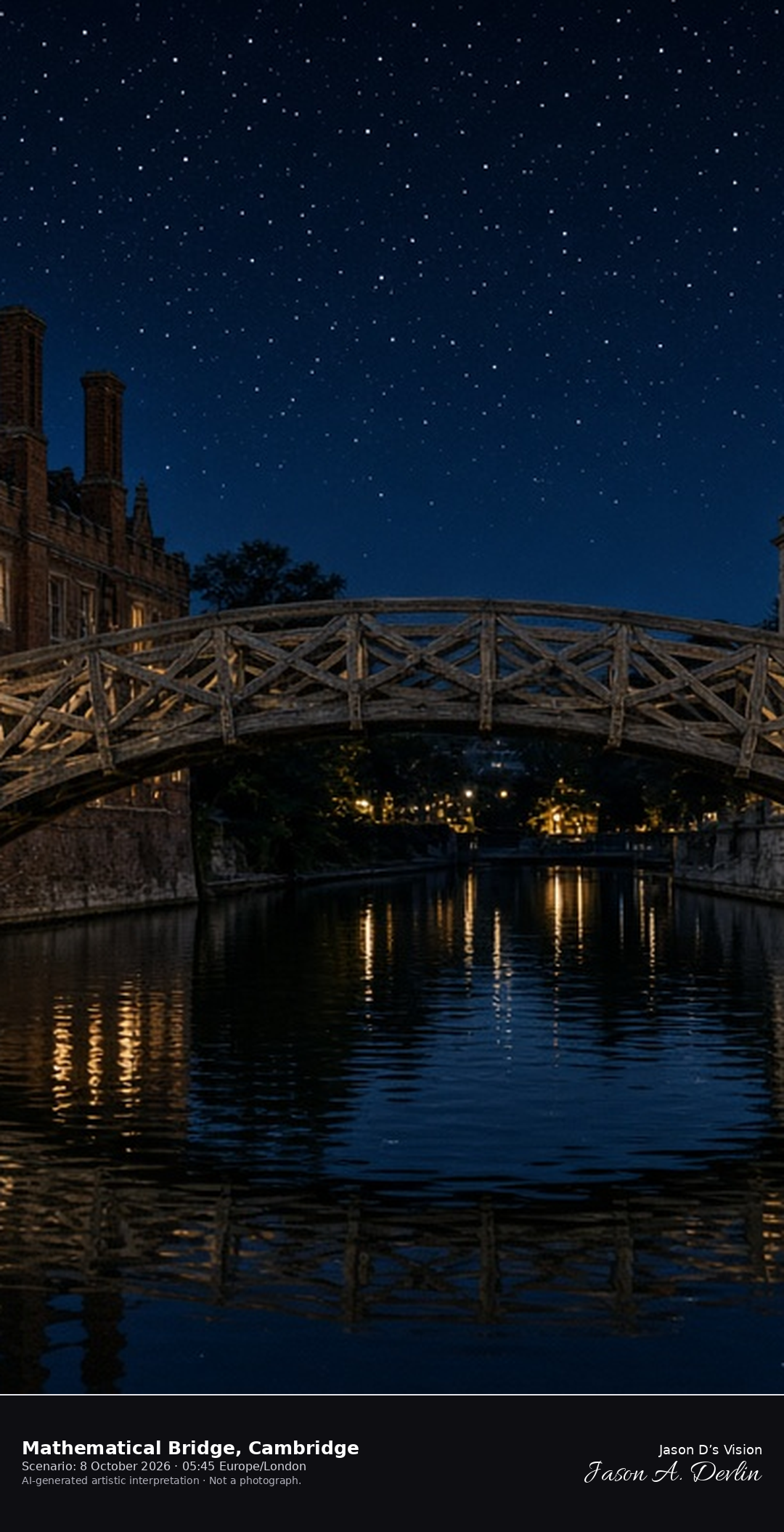
First built in 1749 to a design by William Etheridge, the bridge has been rebuilt twice to the same pattern. Its arch is made entirely of straight timbers set along tangent lines.
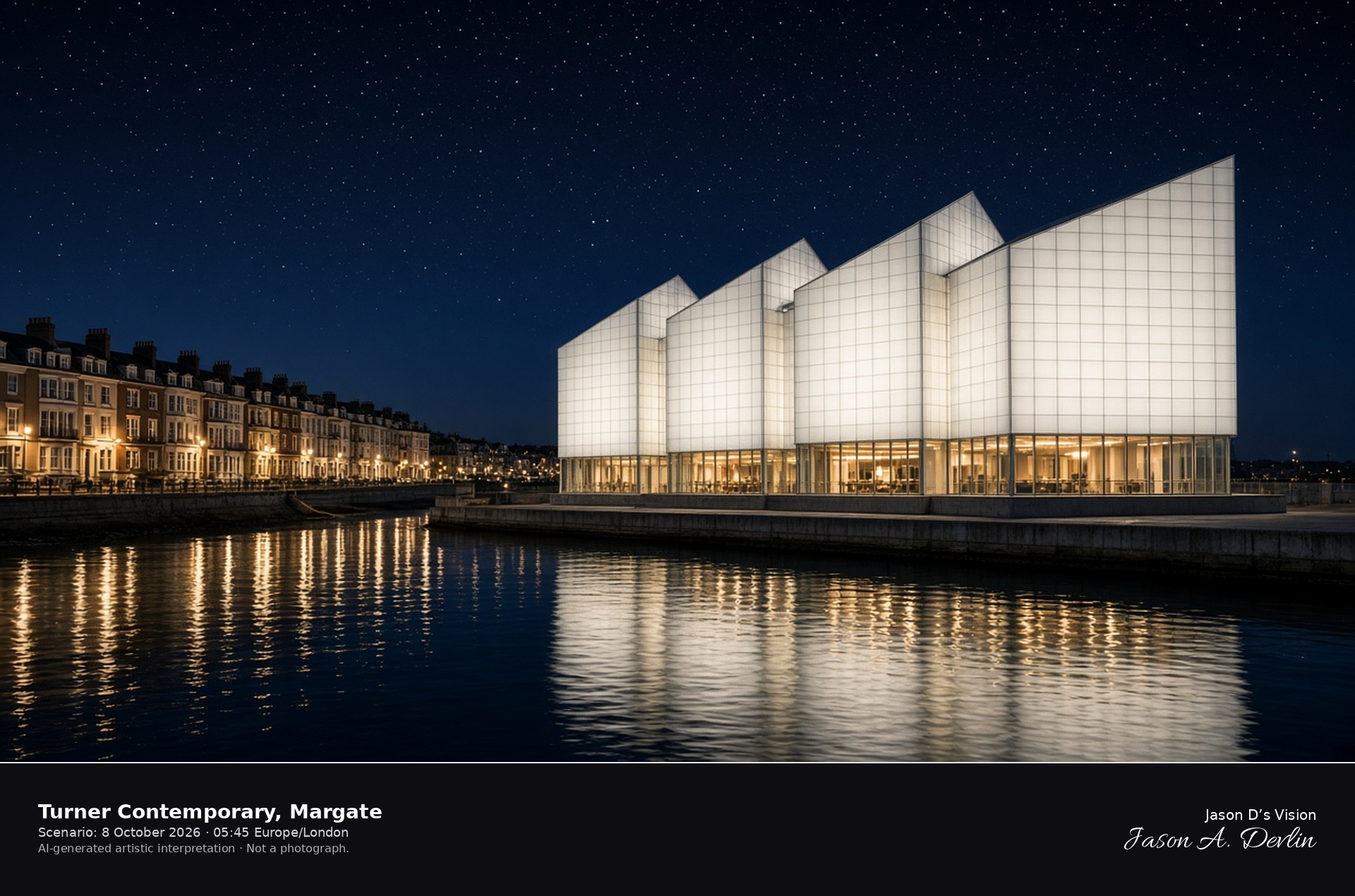
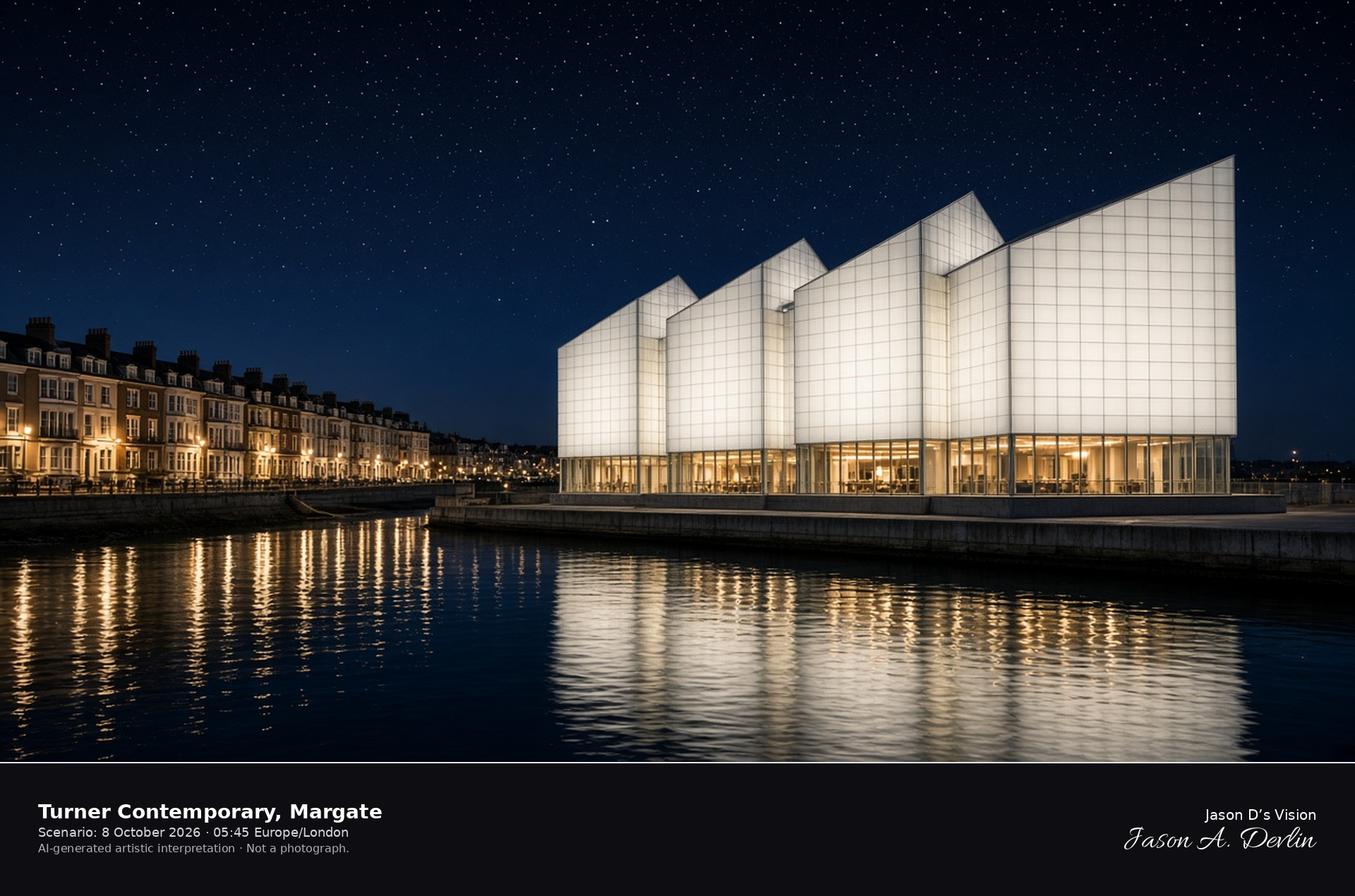
Margate's long seaside history includes Benjamin Beale's improvement to the bathing machine: in 1753 he added a canvas hood that let bathers enter the sea in privacy. J. M. W. Turner admired the skies over Thanet; today Turner Contemporary stands on Margate's seafront, continuing the town's close association with art.
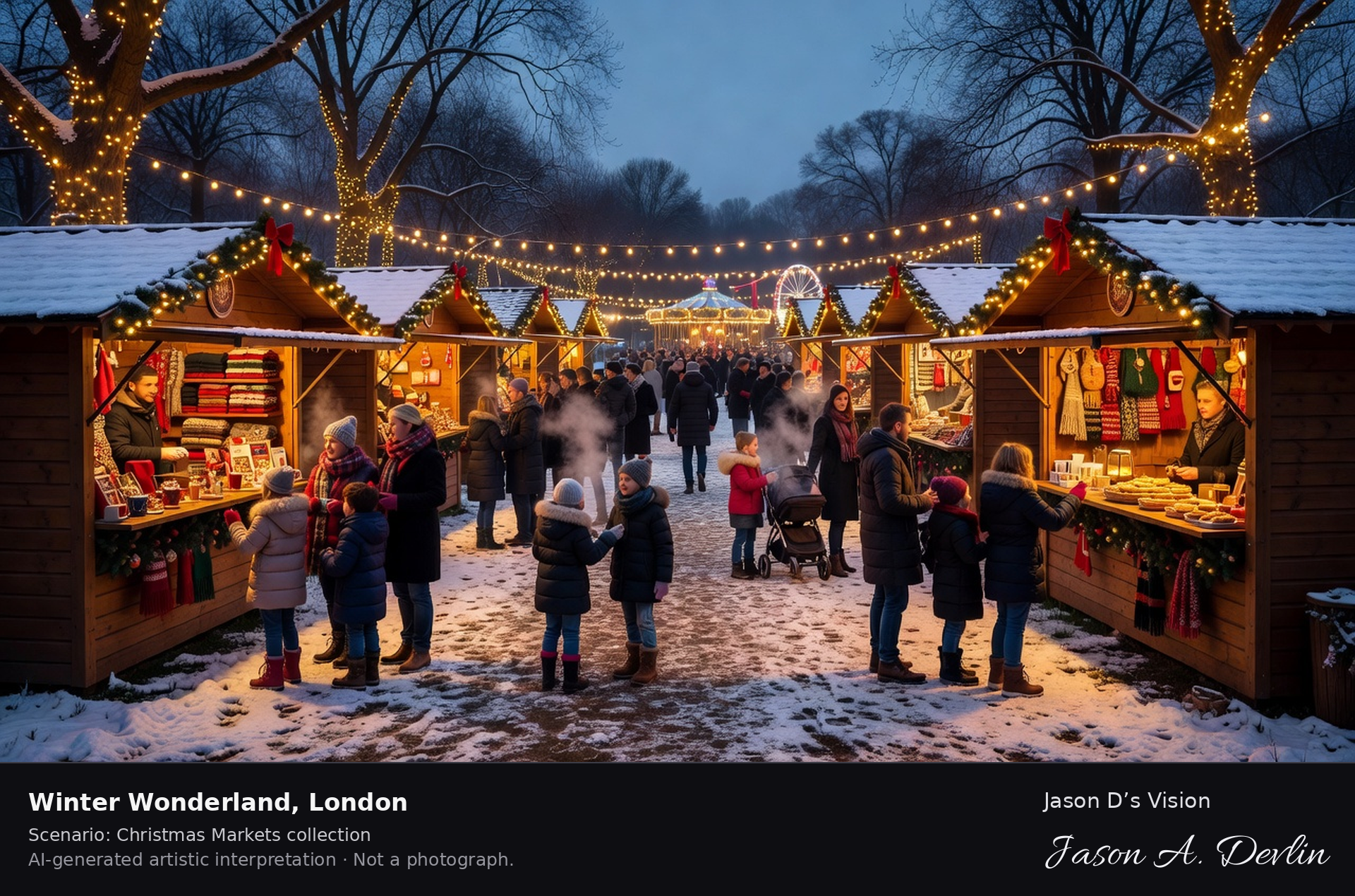
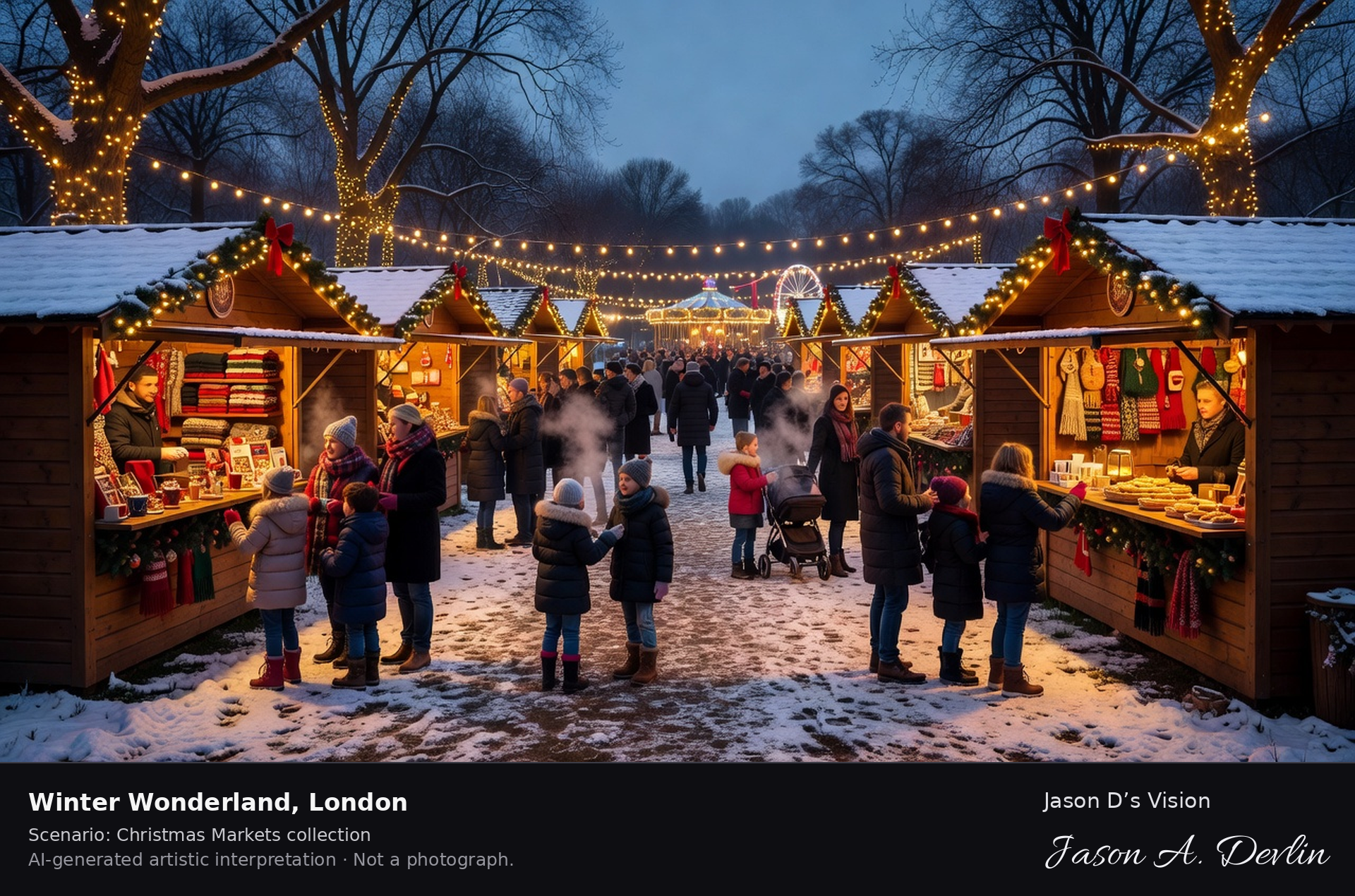
Winter Wonderland in Hyde Park: fairground rides wrapped in warm lights, wooden market stalls, a sparkling ice rink after dark · AI-generated artistic interpretation
Hyde Park's Winter Wonderland glows after dark: fairground rides wrapped in strings of warm lights, wooden market stalls piled with roasted chestnuts and mulled wine, and an ice rink sparkling under the festive illumination. The evening hums with music and laughter as visitors drift between the attractions.
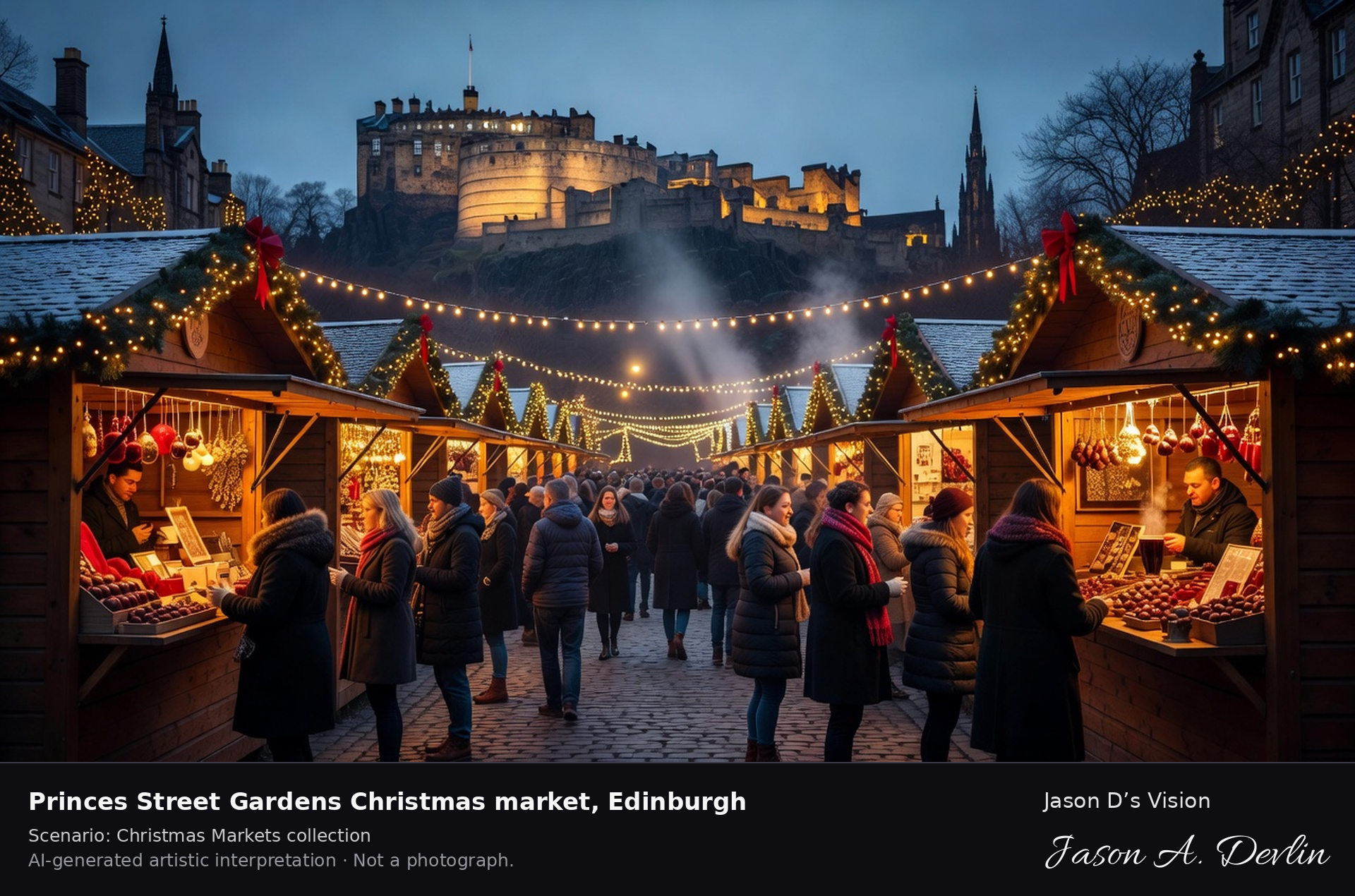
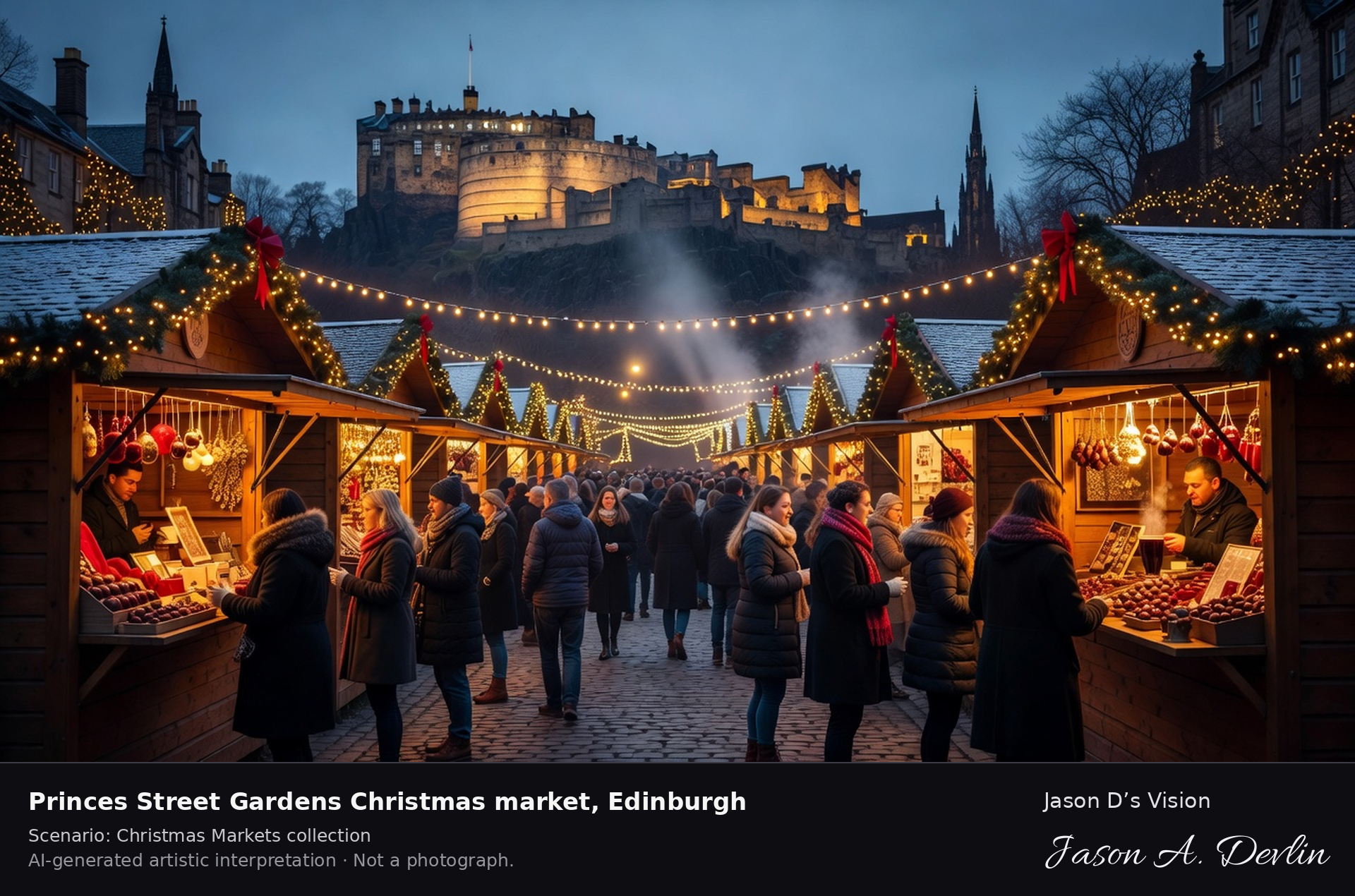
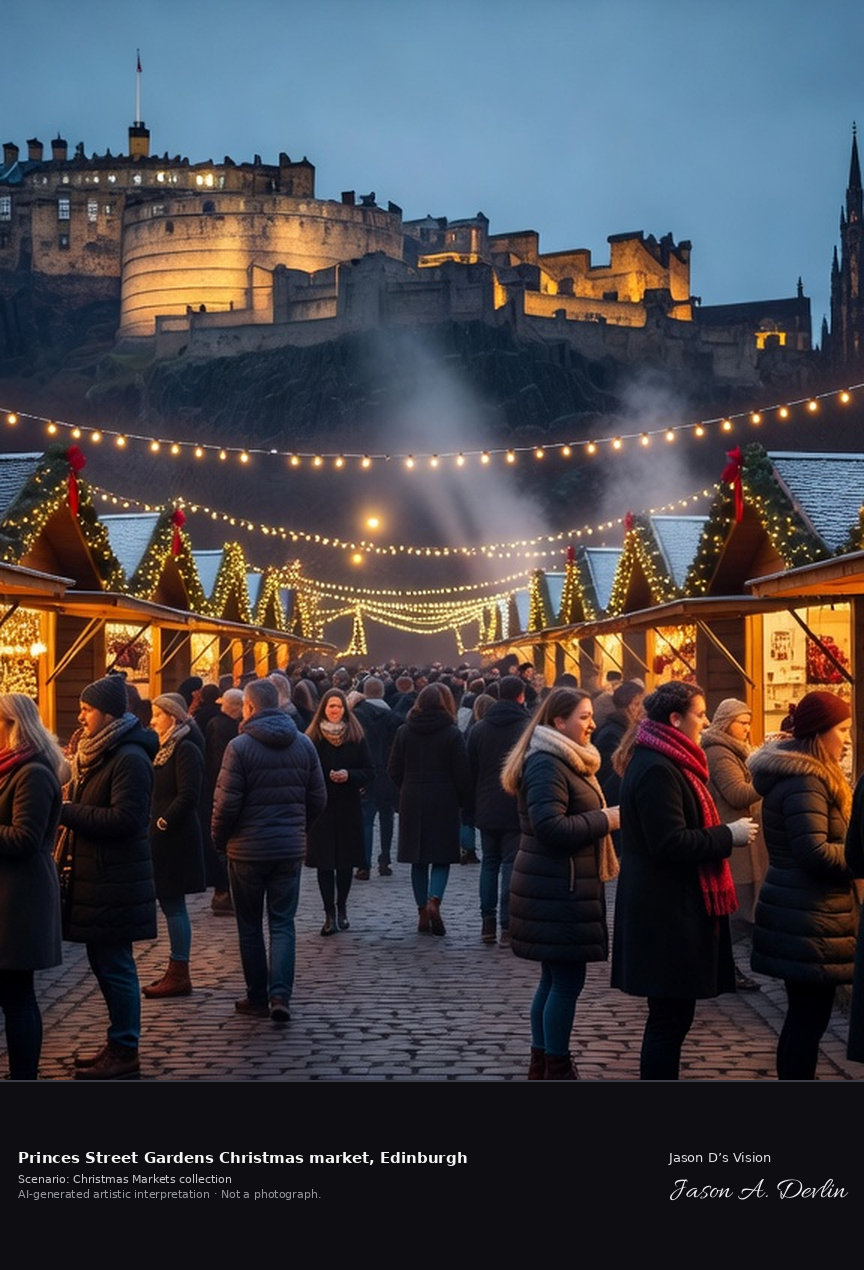
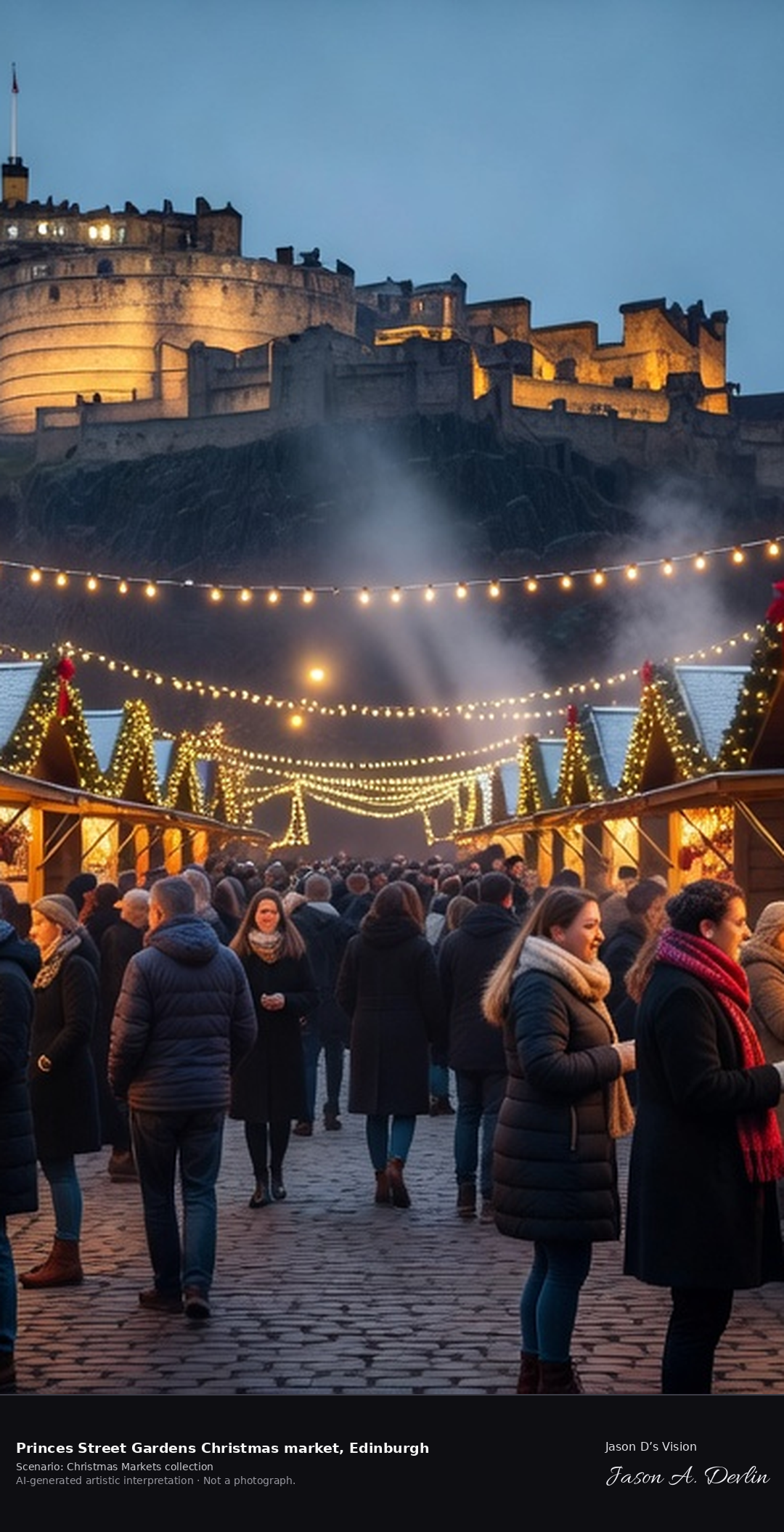
Princes Street Gardens Christmas market, Edinburgh
Scenario: Christmas Markets collection
The Princes Street Gardens Christmas market beneath the castle rock: wooden stalls strung with warm lights and a grand decorated tree · AI-generated artistic interpretation
The Princes Street Gardens Christmas market spreads out beneath the castle rock: rows of wooden stalls strung with warm lights, a grand decorated tree, and the scent of roasted almonds in the cold evening air. Edinburgh Castle looms floodlit above the glowing fairground, watching over the festivities.
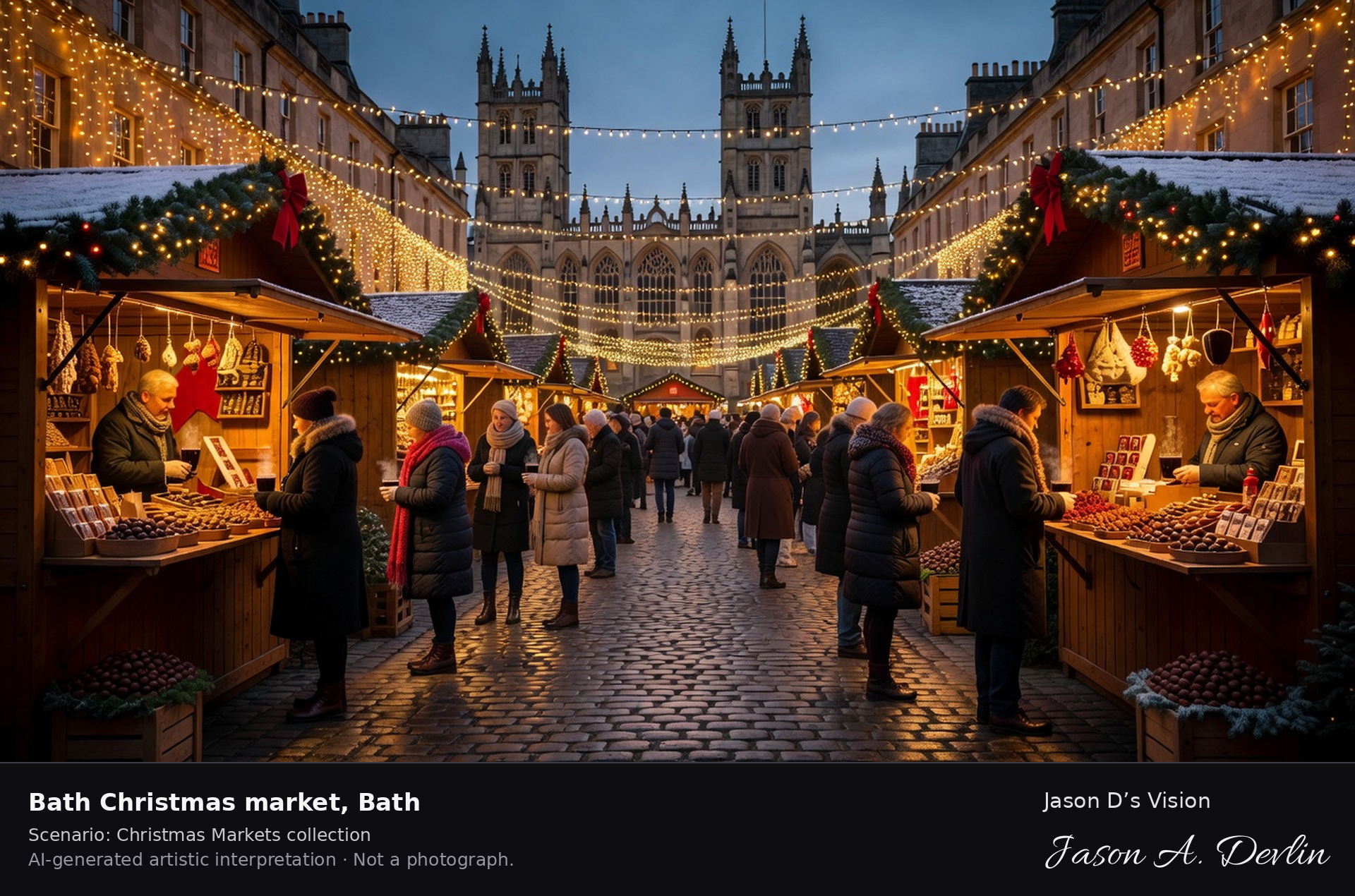
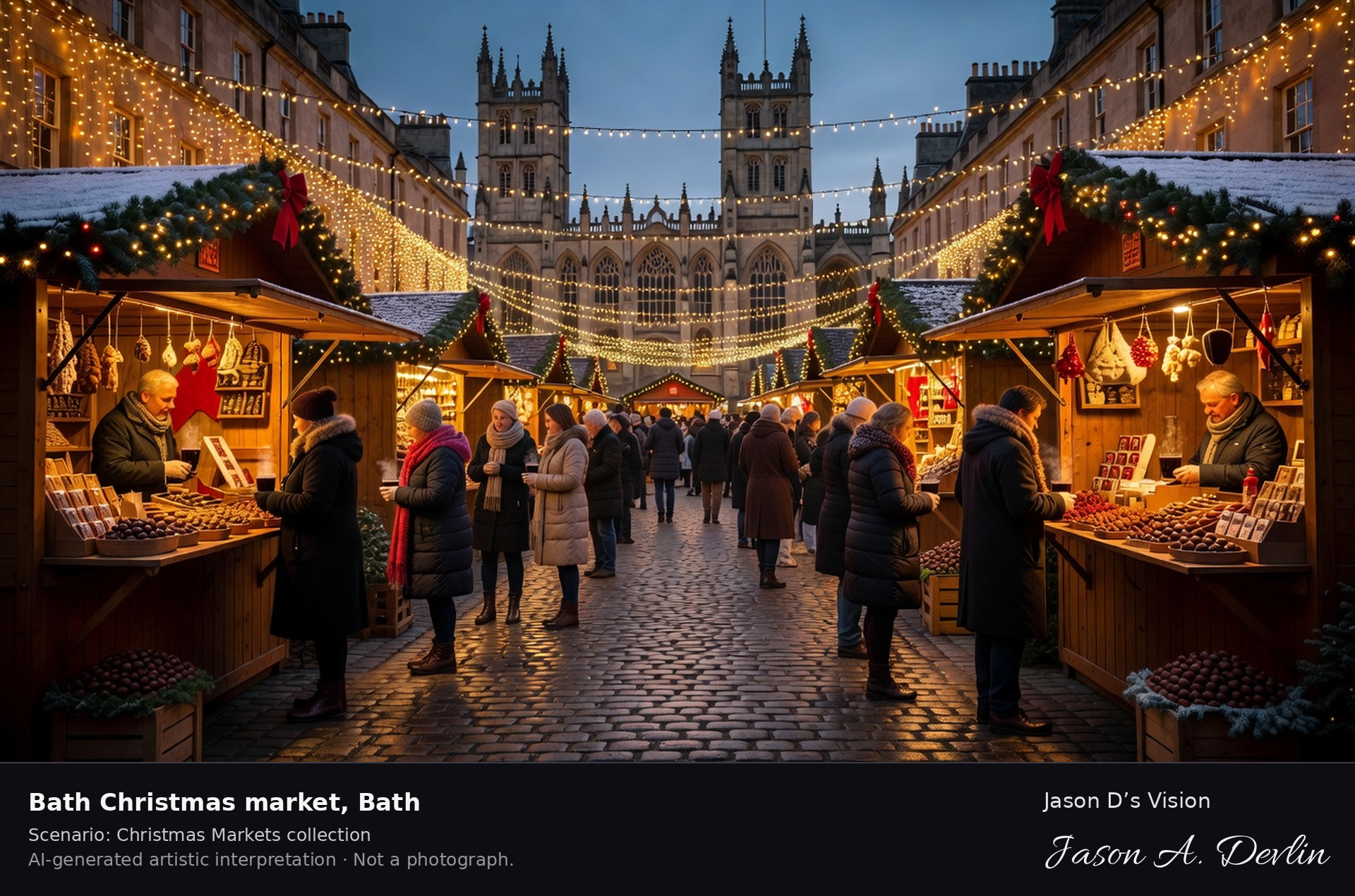
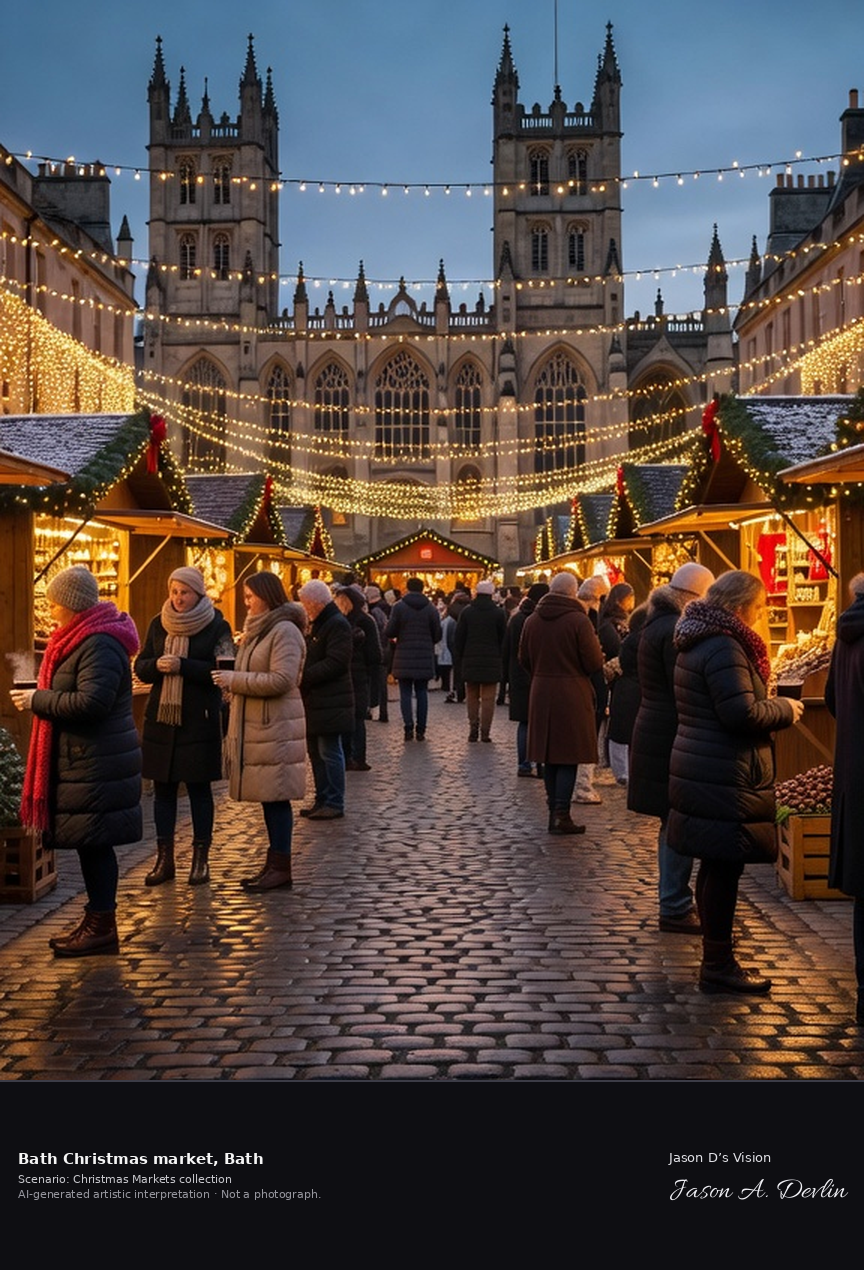
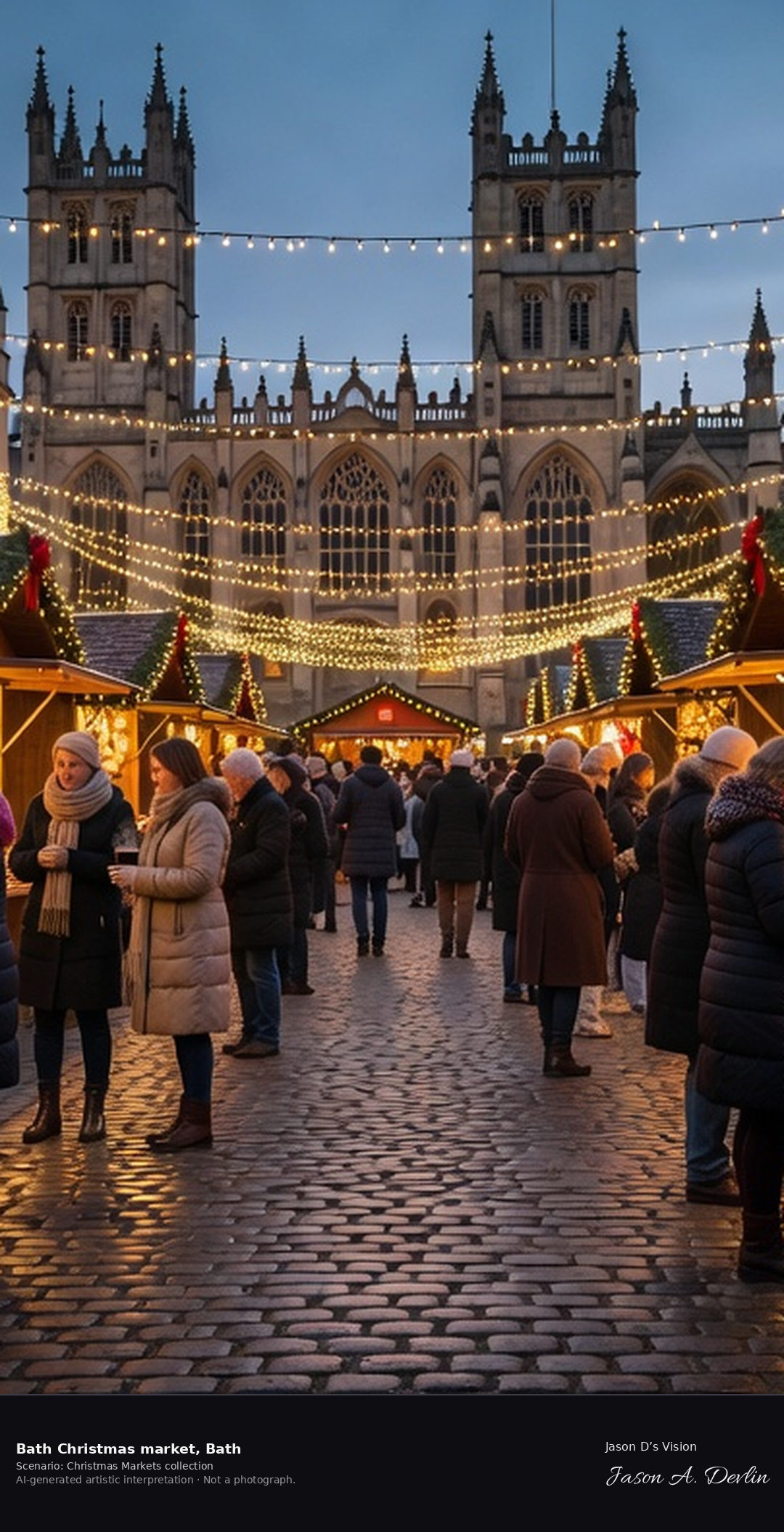
Bath's Christmas market in the golden Georgian streets around the abbey: glowing wooden chalets against honey-colored stone · AI-generated artistic interpretation
Bath's Christmas market fills the golden Georgian streets around the abbey: wooden chalets glowing warm against the honey-colored stone, handmade gifts, mulled cider, and lights strung between the historic facades. The evening market hums beneath the floodlit towers.
Every image in Jason D’s Vision is free to use for any purpose — personal or commercial. No credit is required. If you’d like to credit, ‘Jason D’s Vision’ is appreciated, but it’s entirely your choice.
Jason D’s Vision waives its own rights in these images. This doesn’t waive anyone else’s rights: if an image happens to include a trademark, logo, or other third-party material, those rights still belong to their owners. All images are AI-generated artistic interpretations, not photographs, and use of an image doesn’t imply endorsement by Jason D’s Vision.